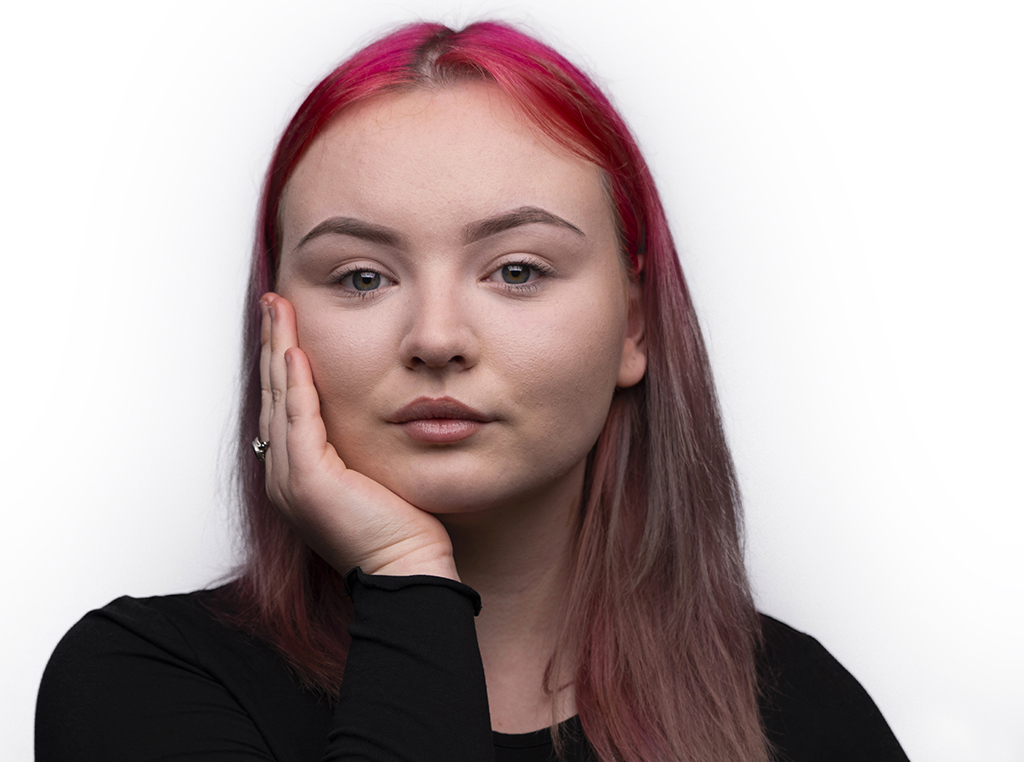
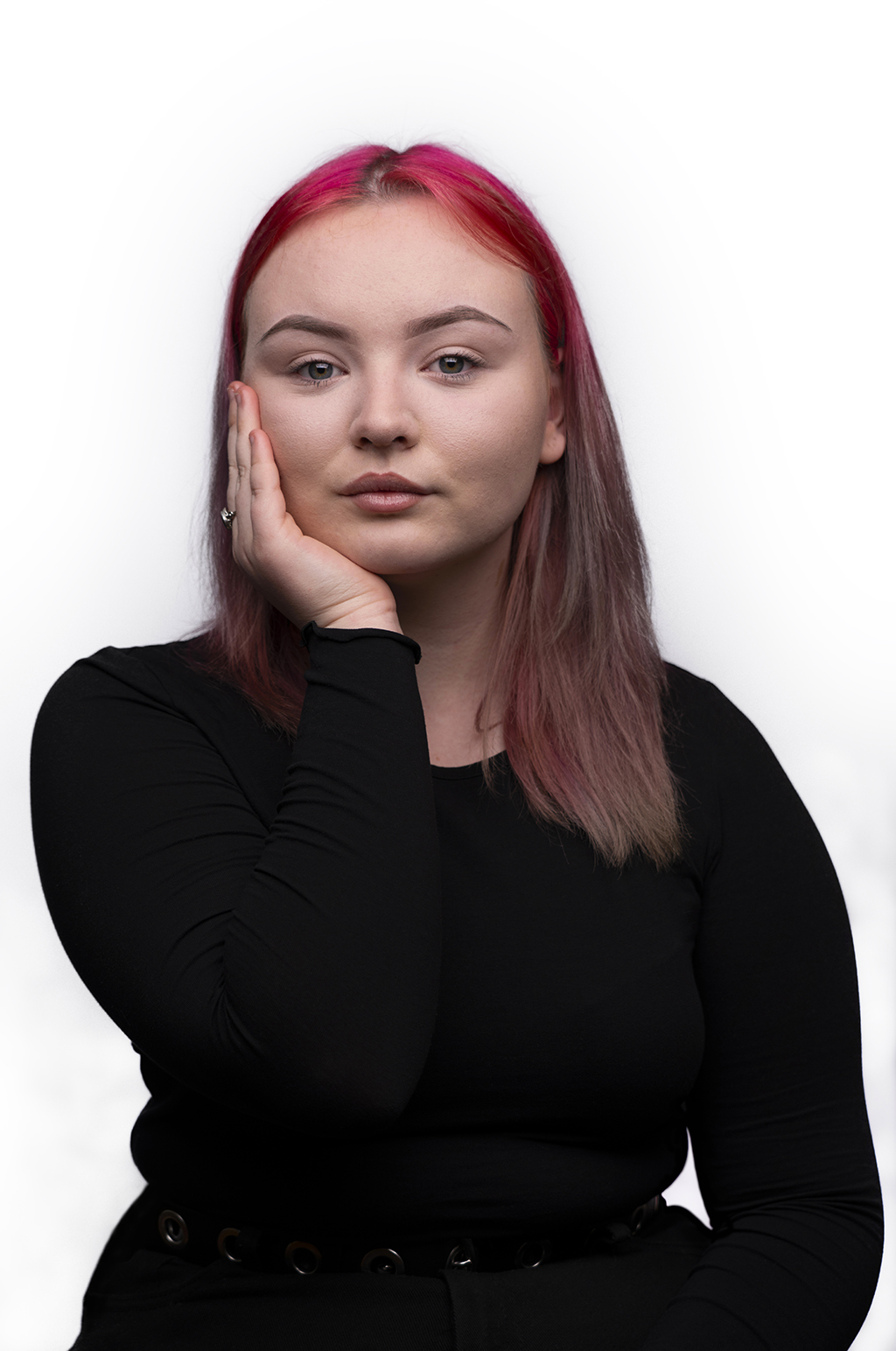
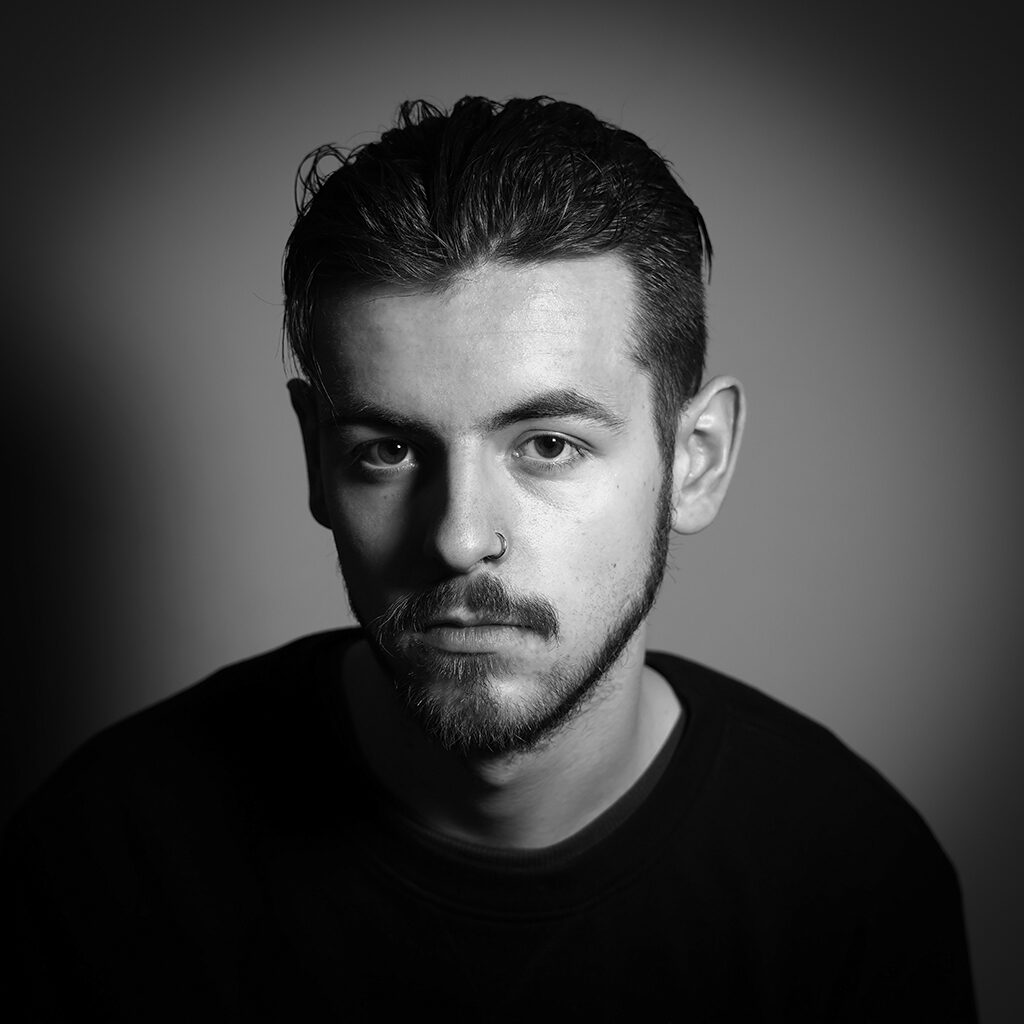
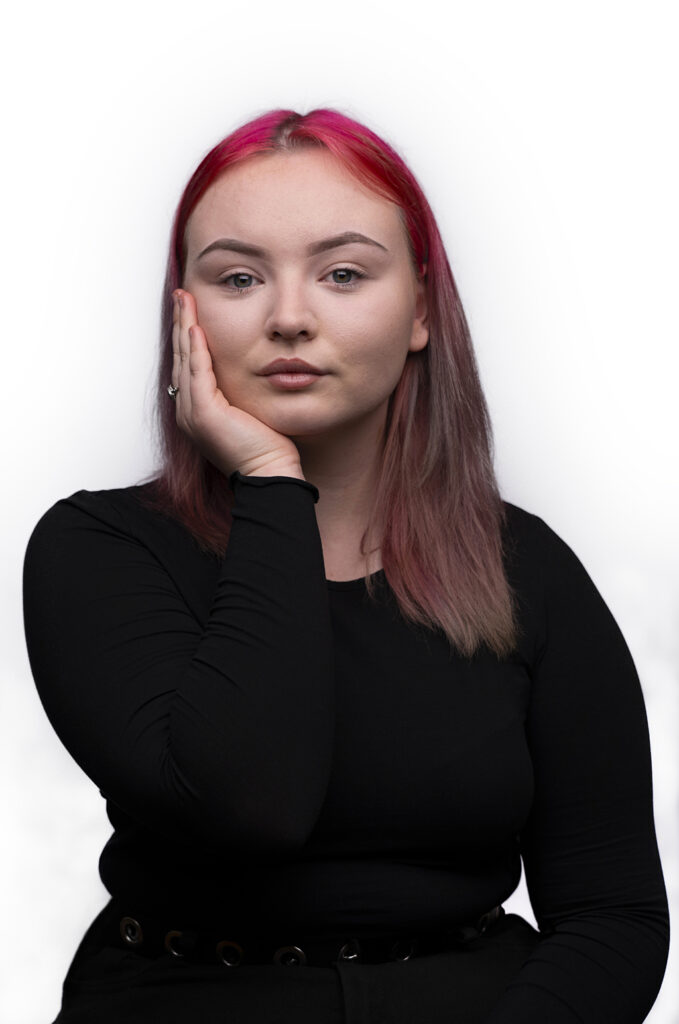
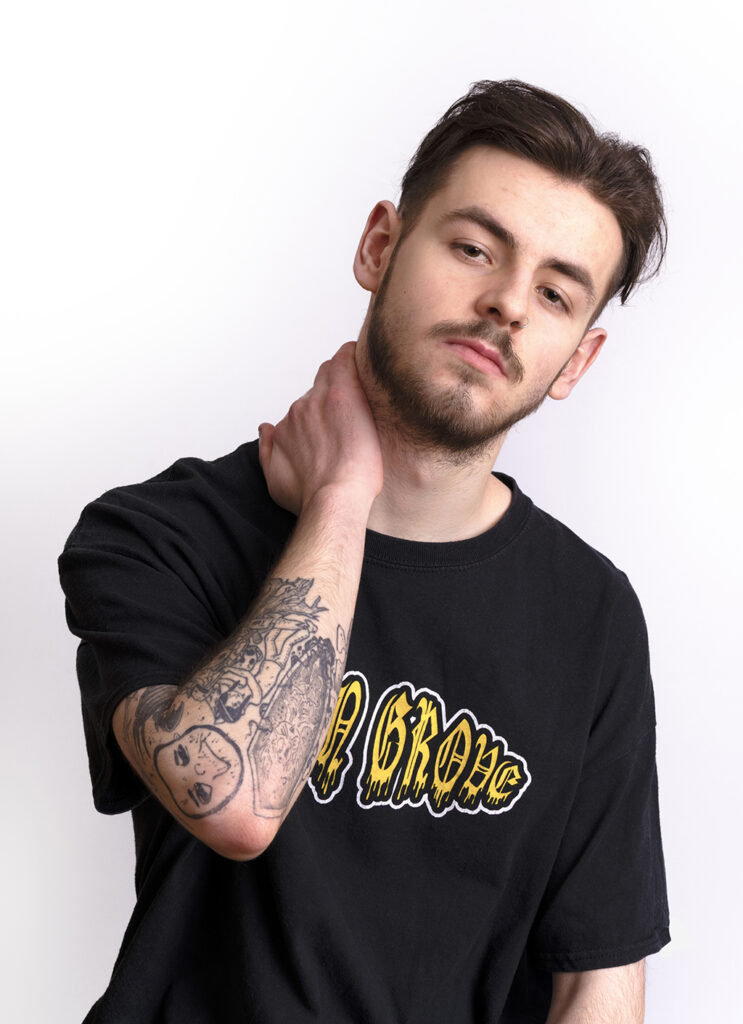
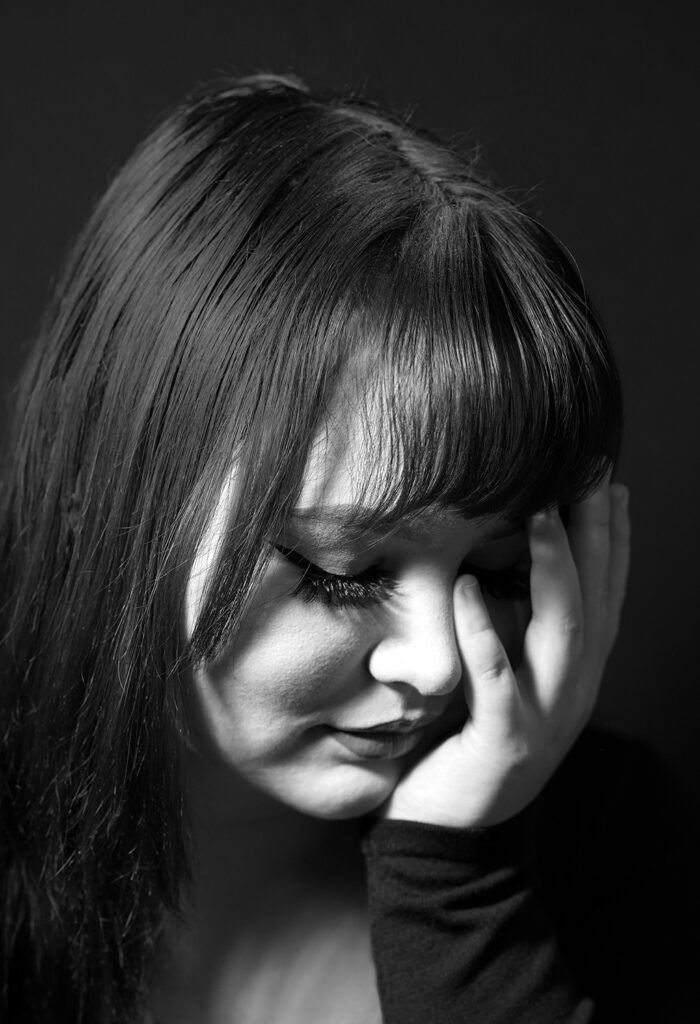
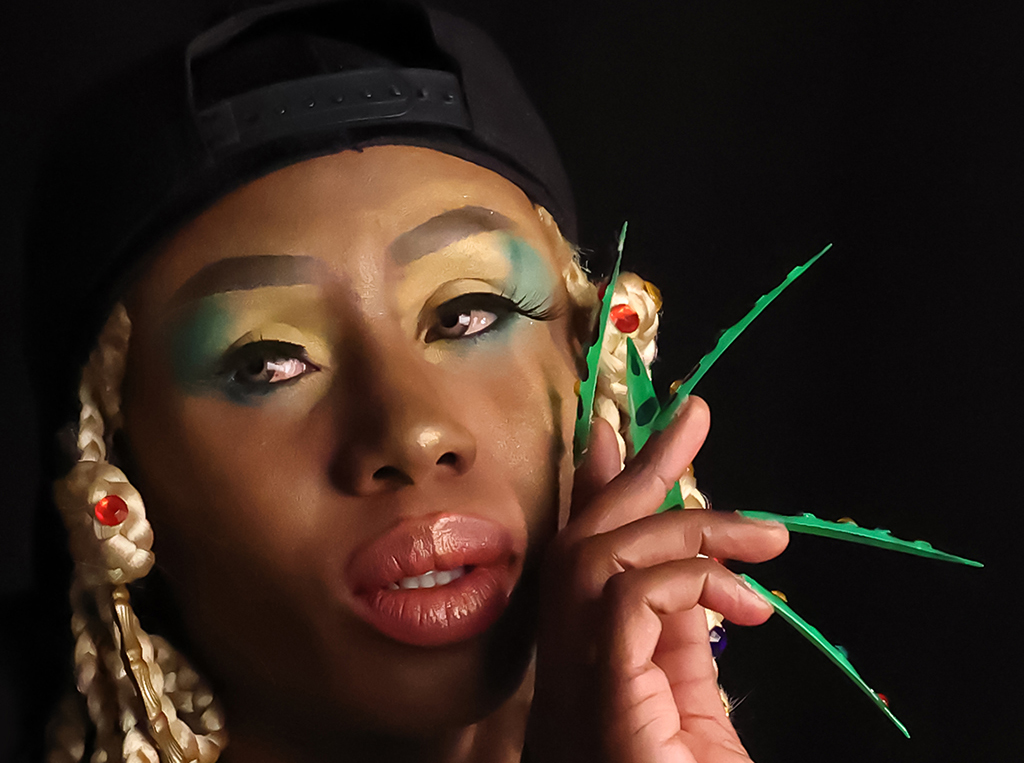
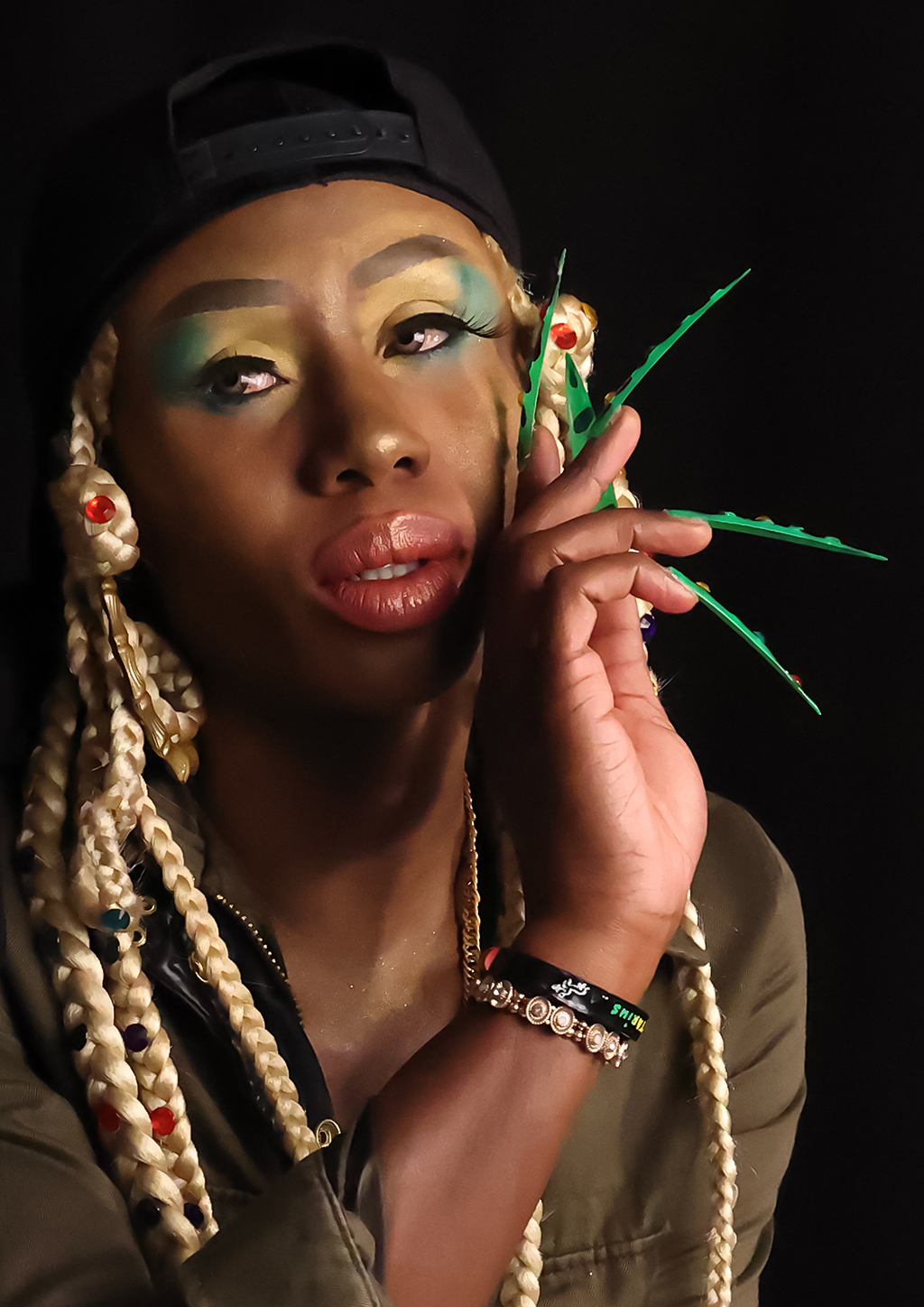
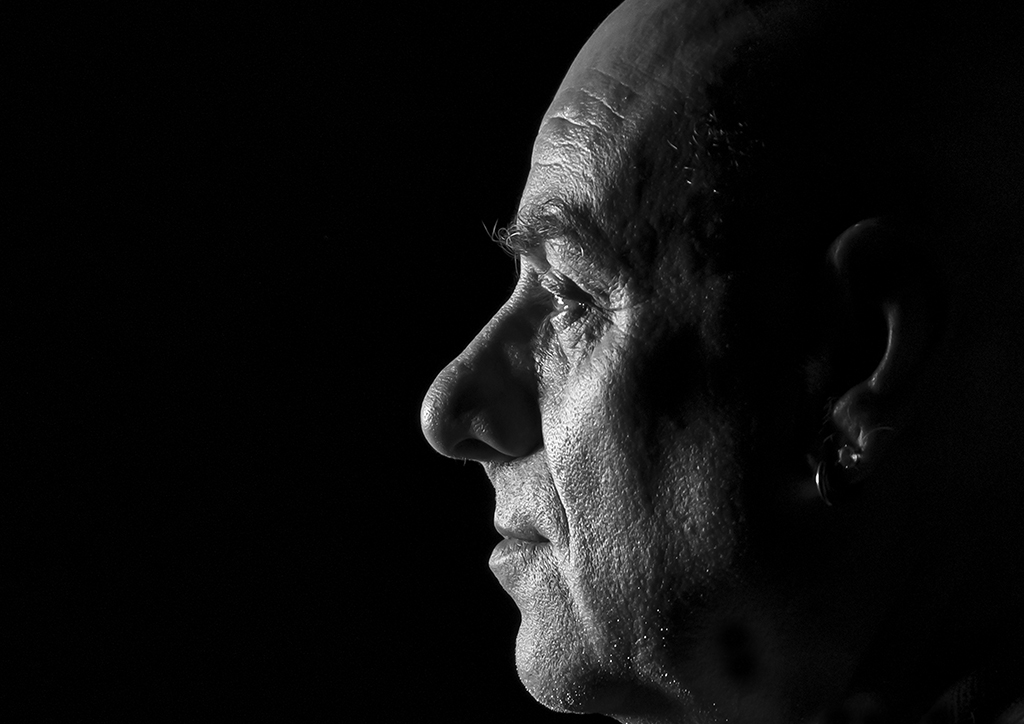
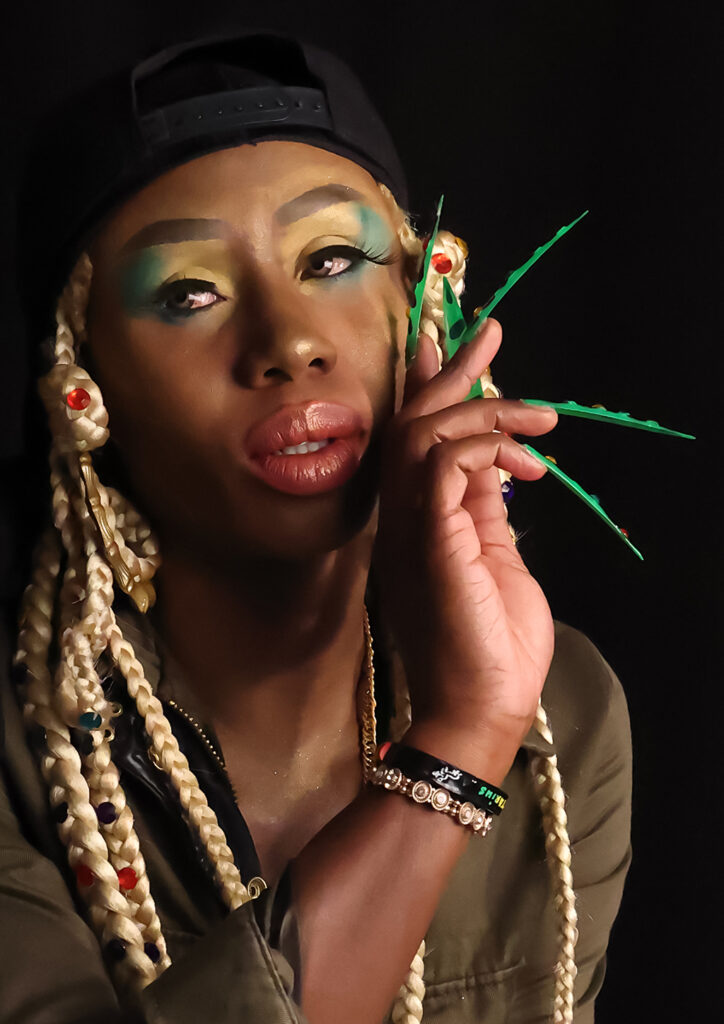
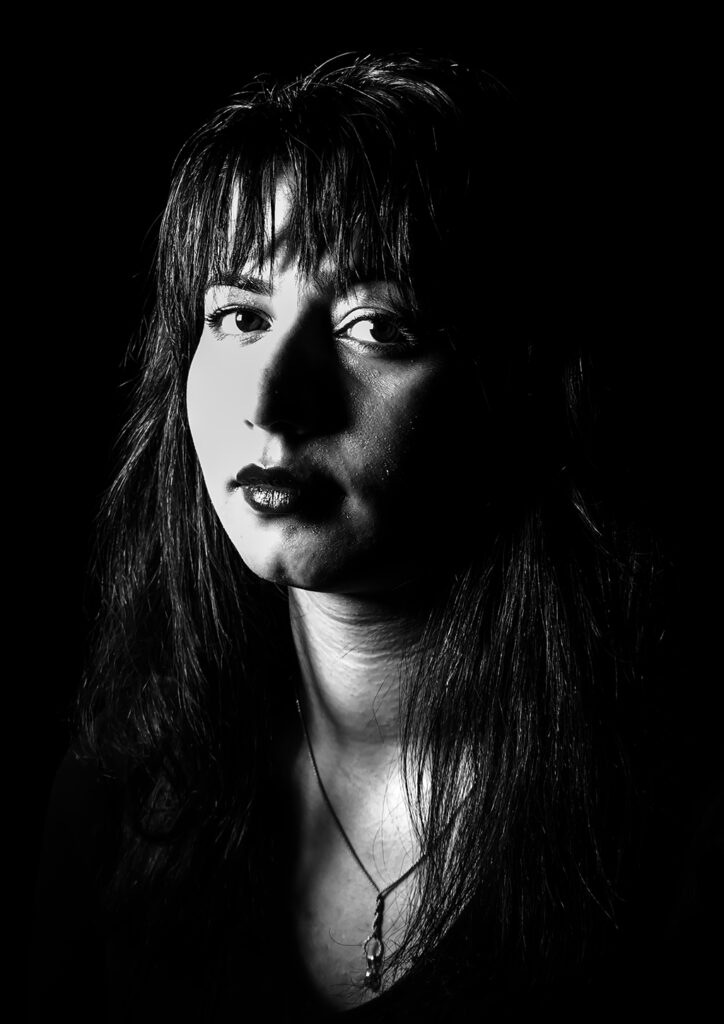
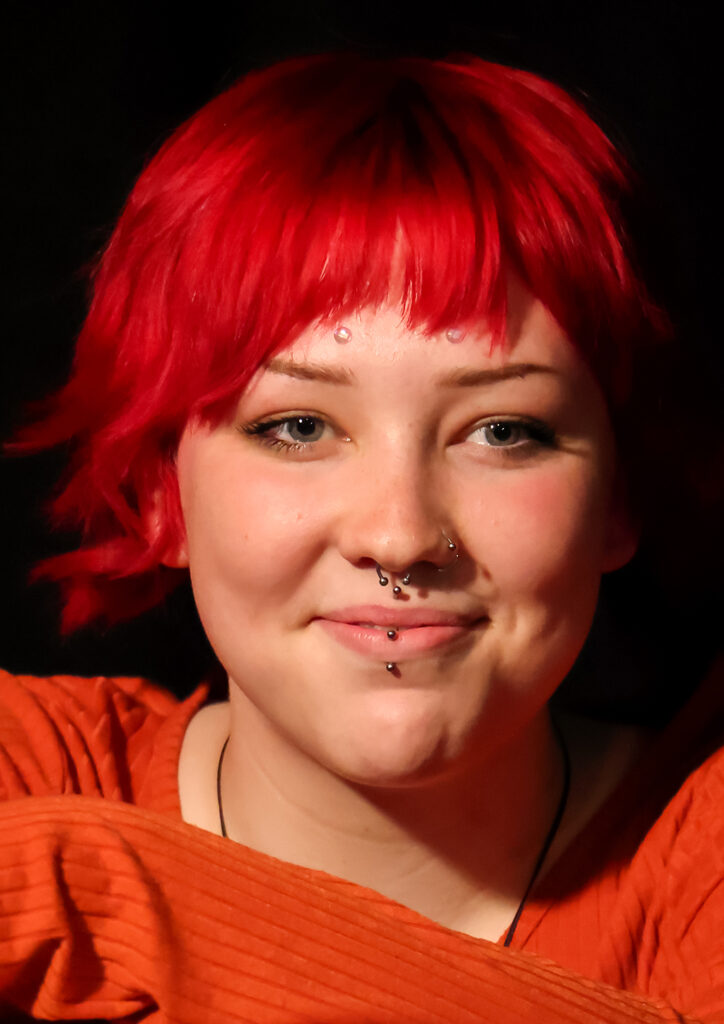
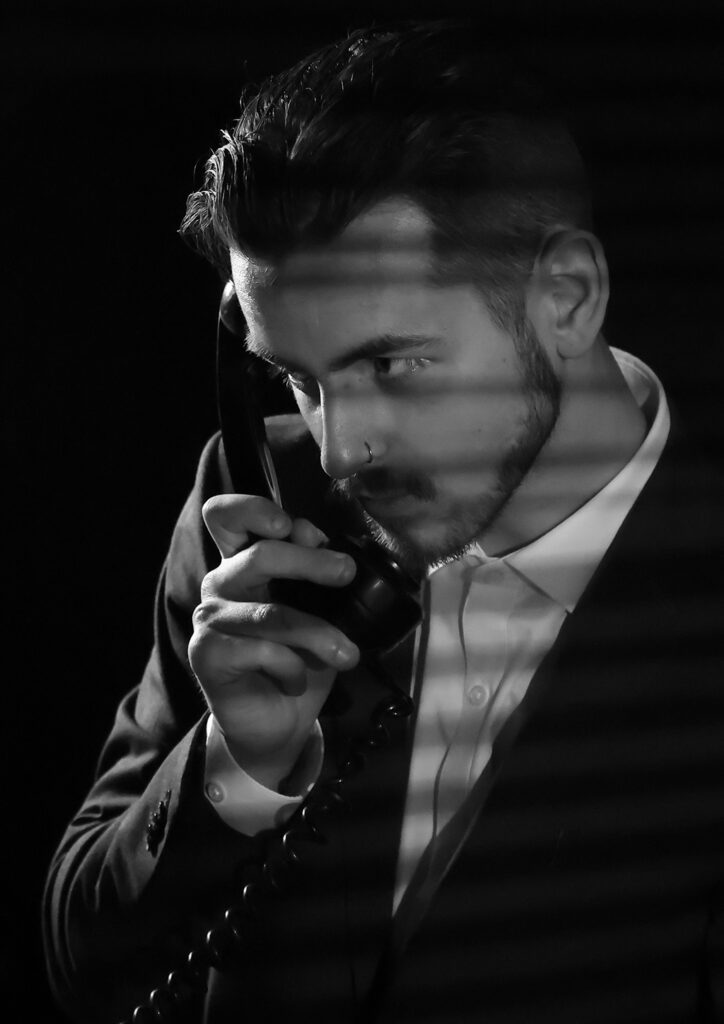
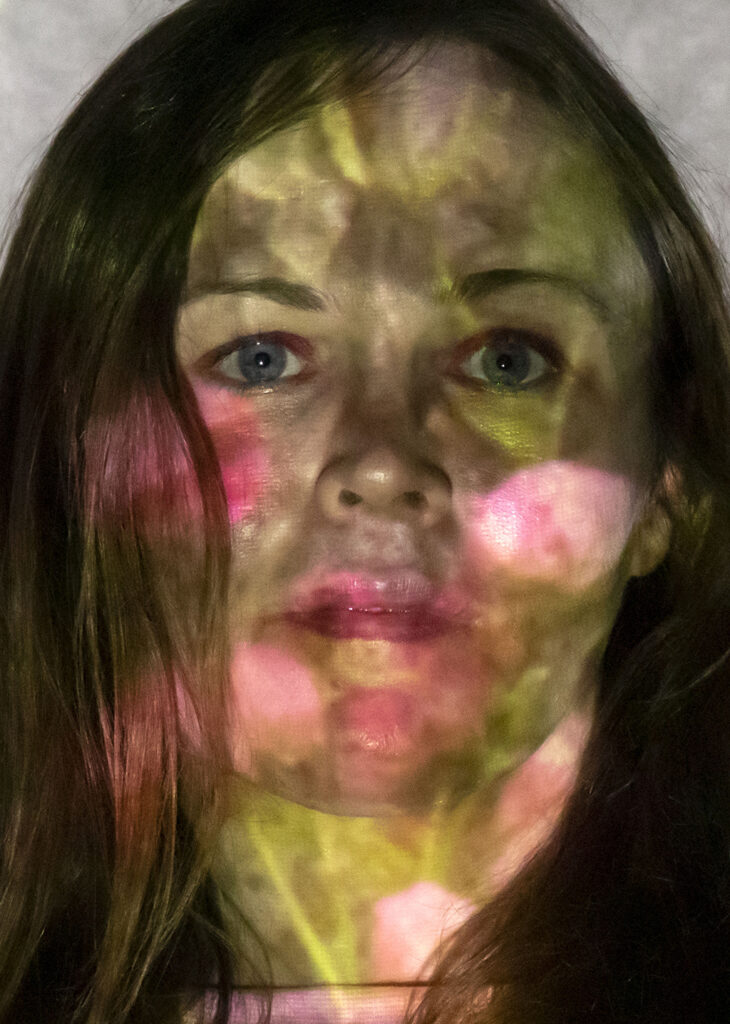
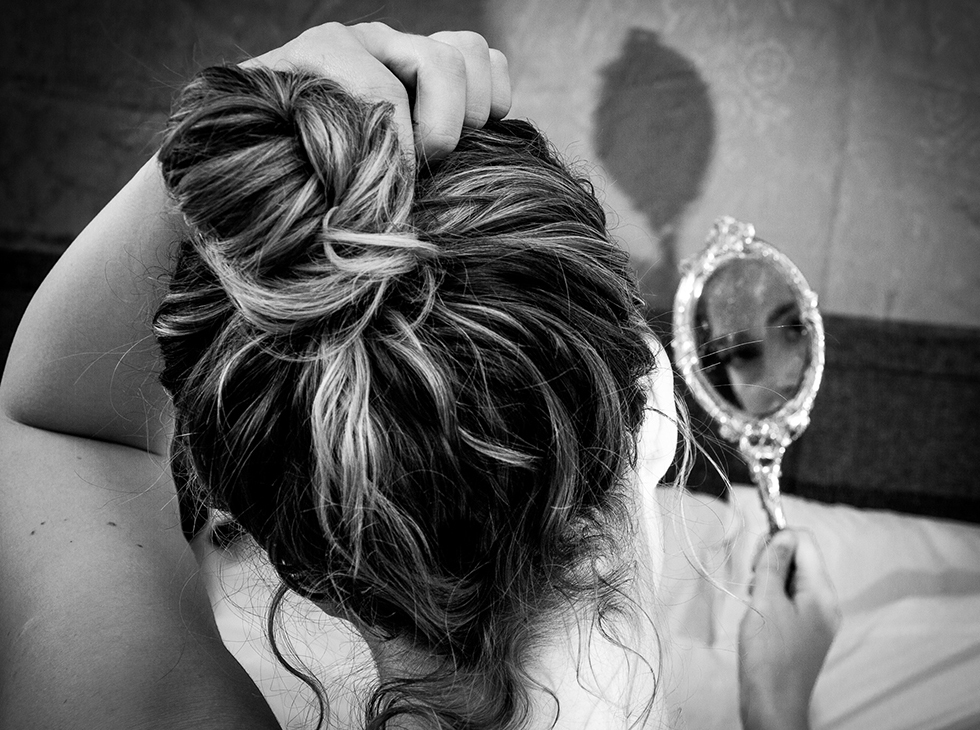
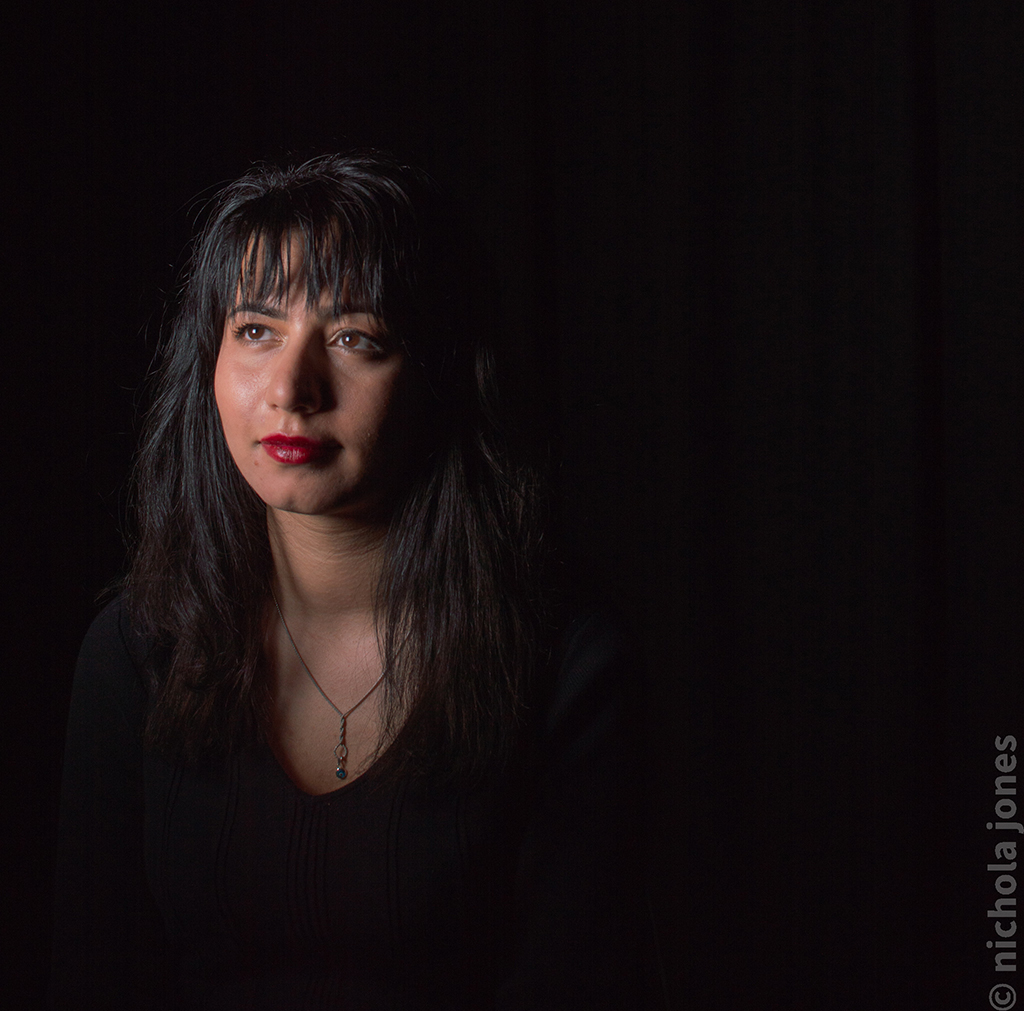
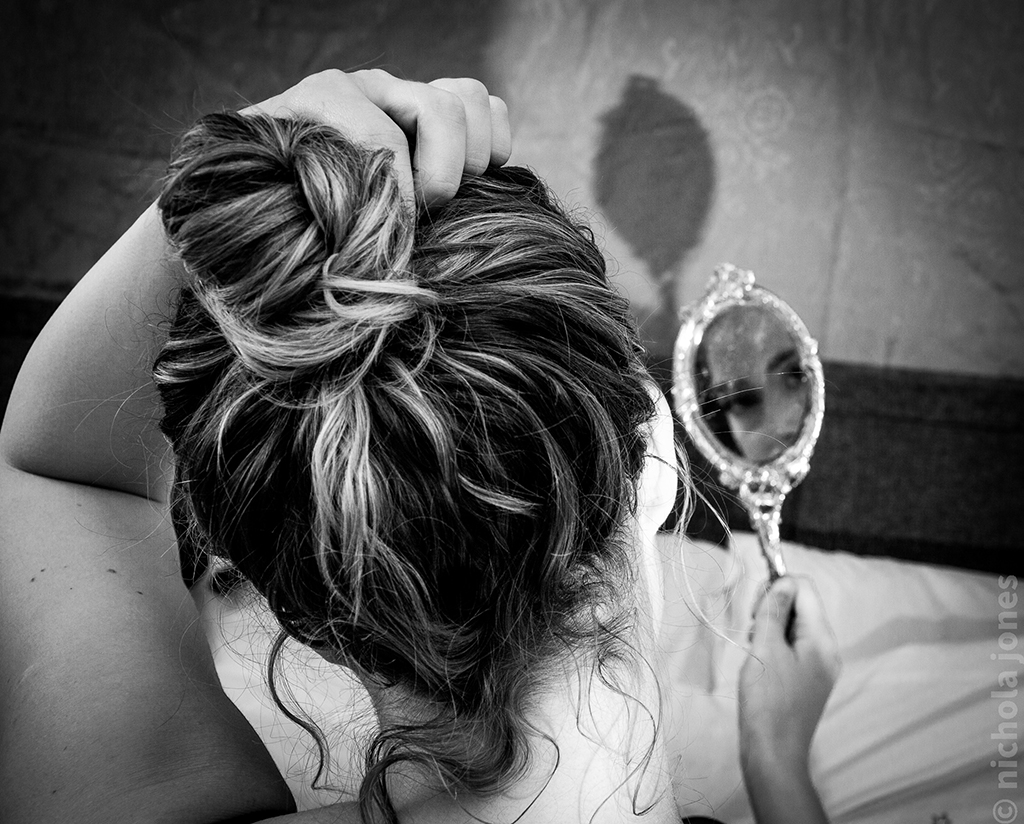
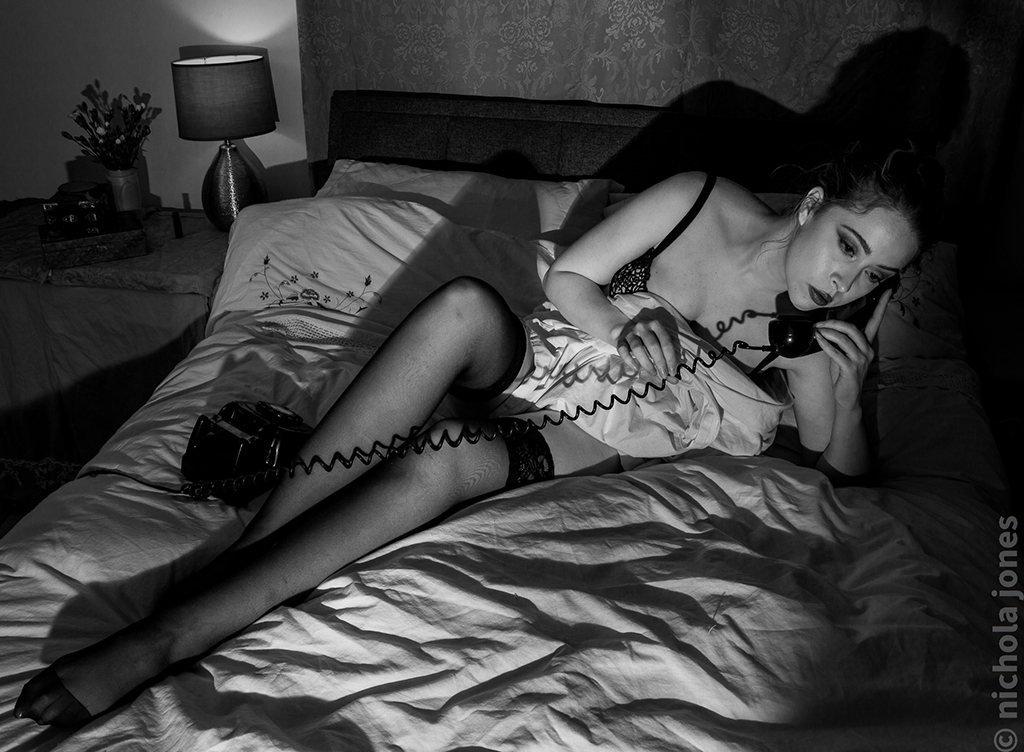
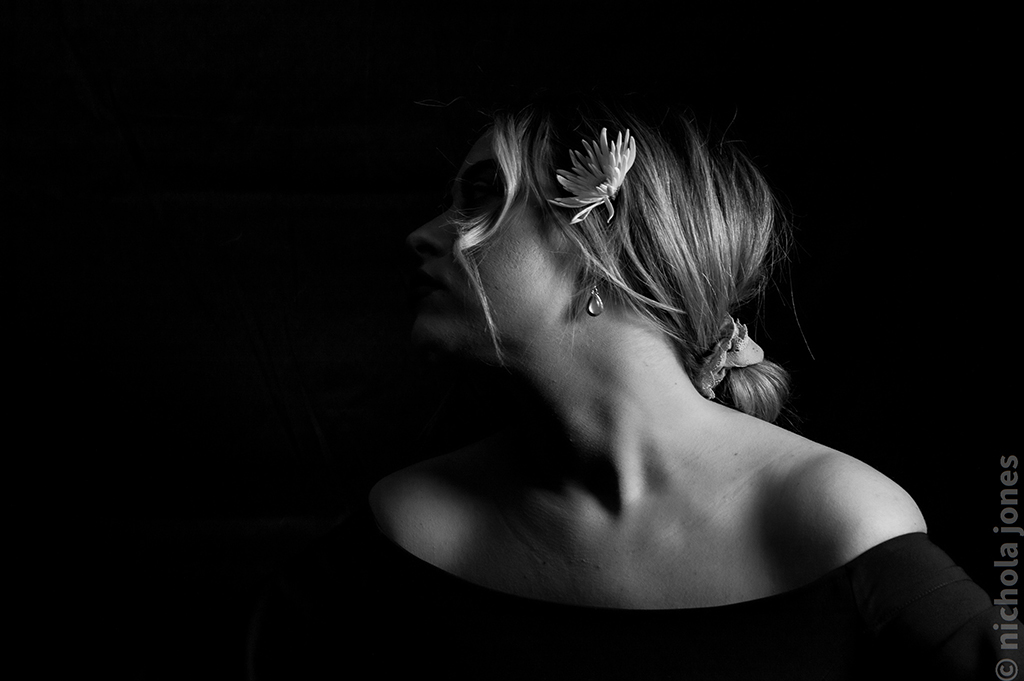
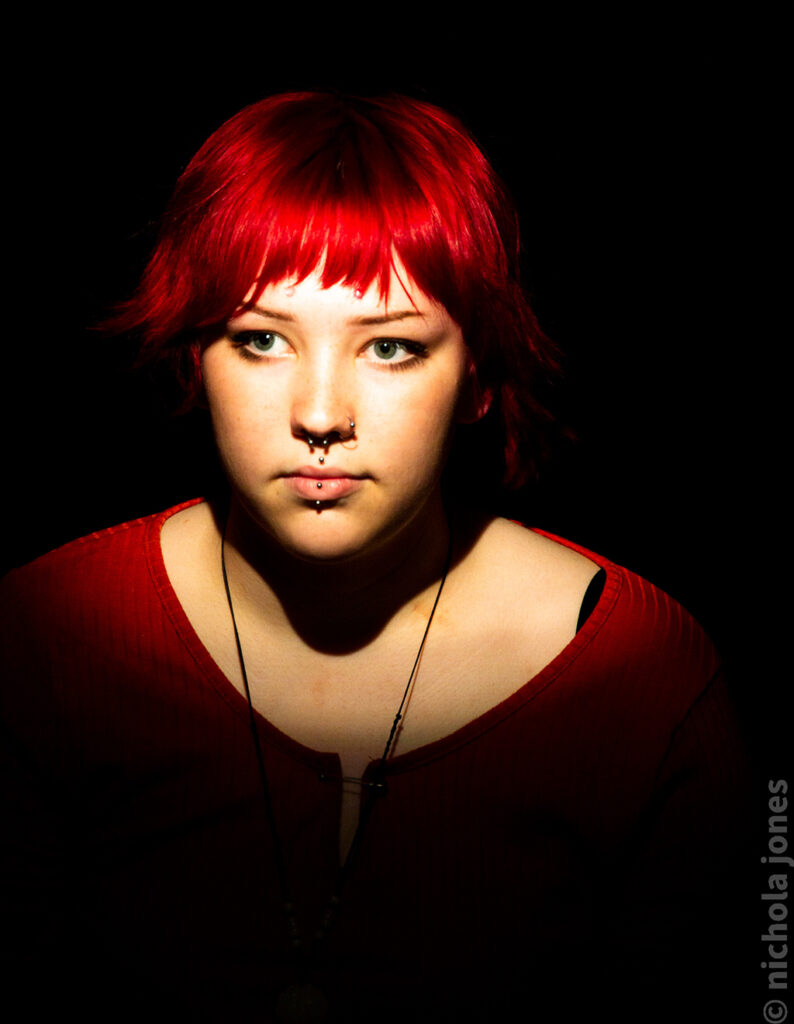
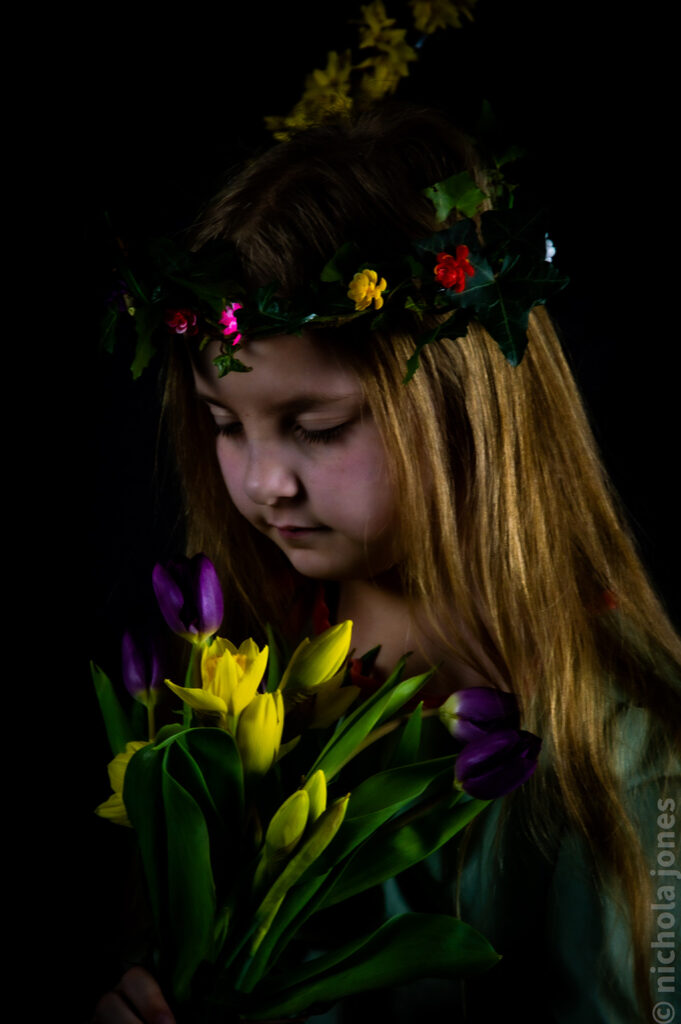
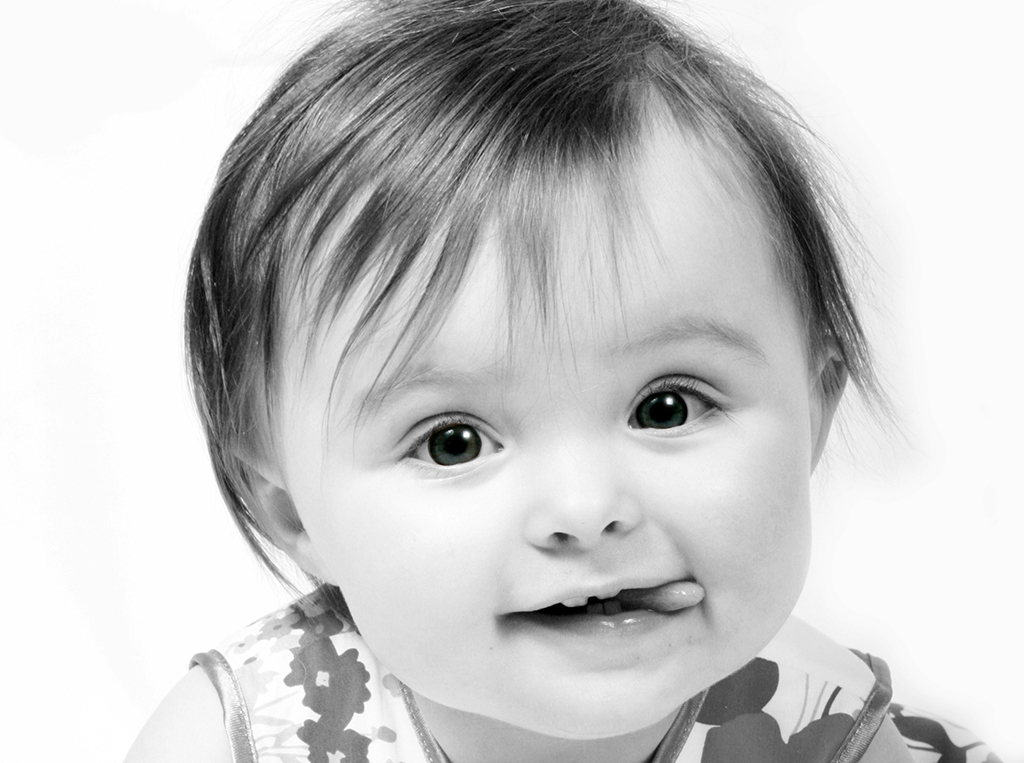
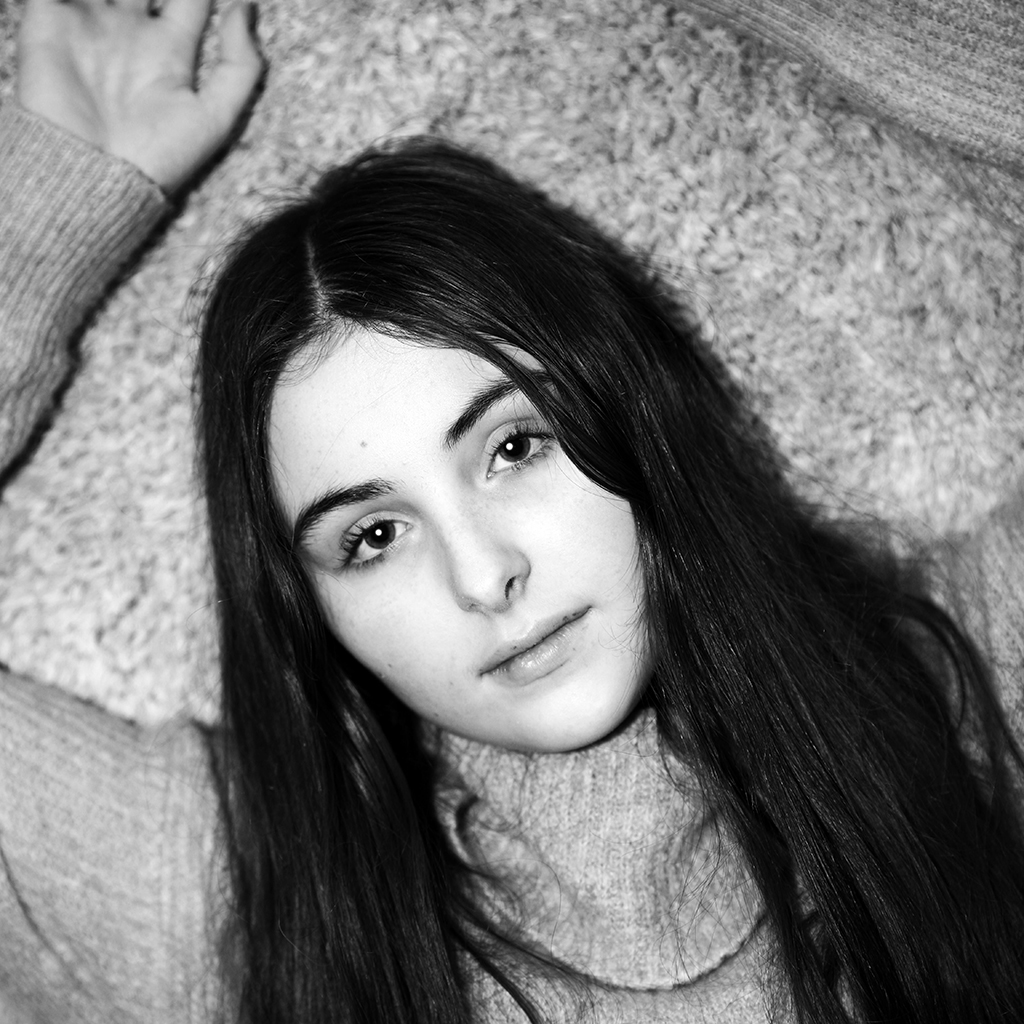
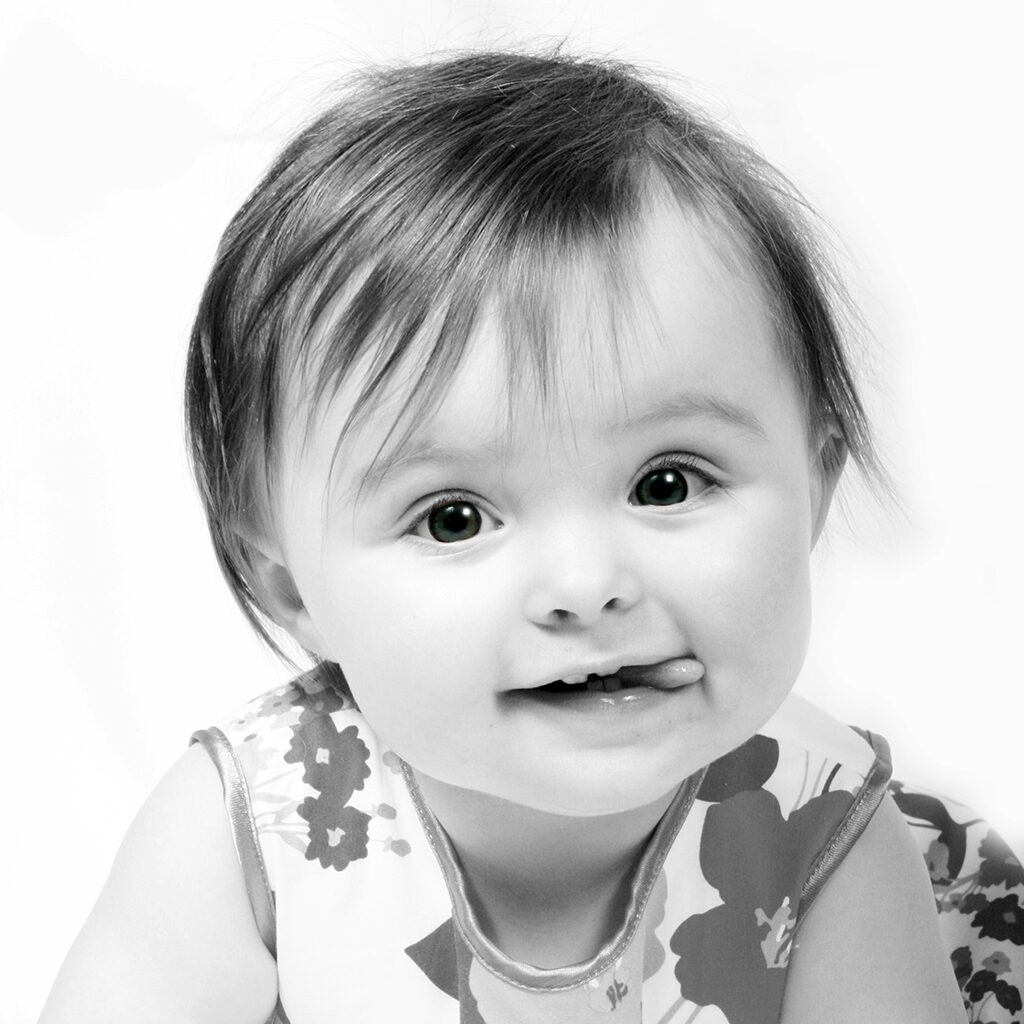
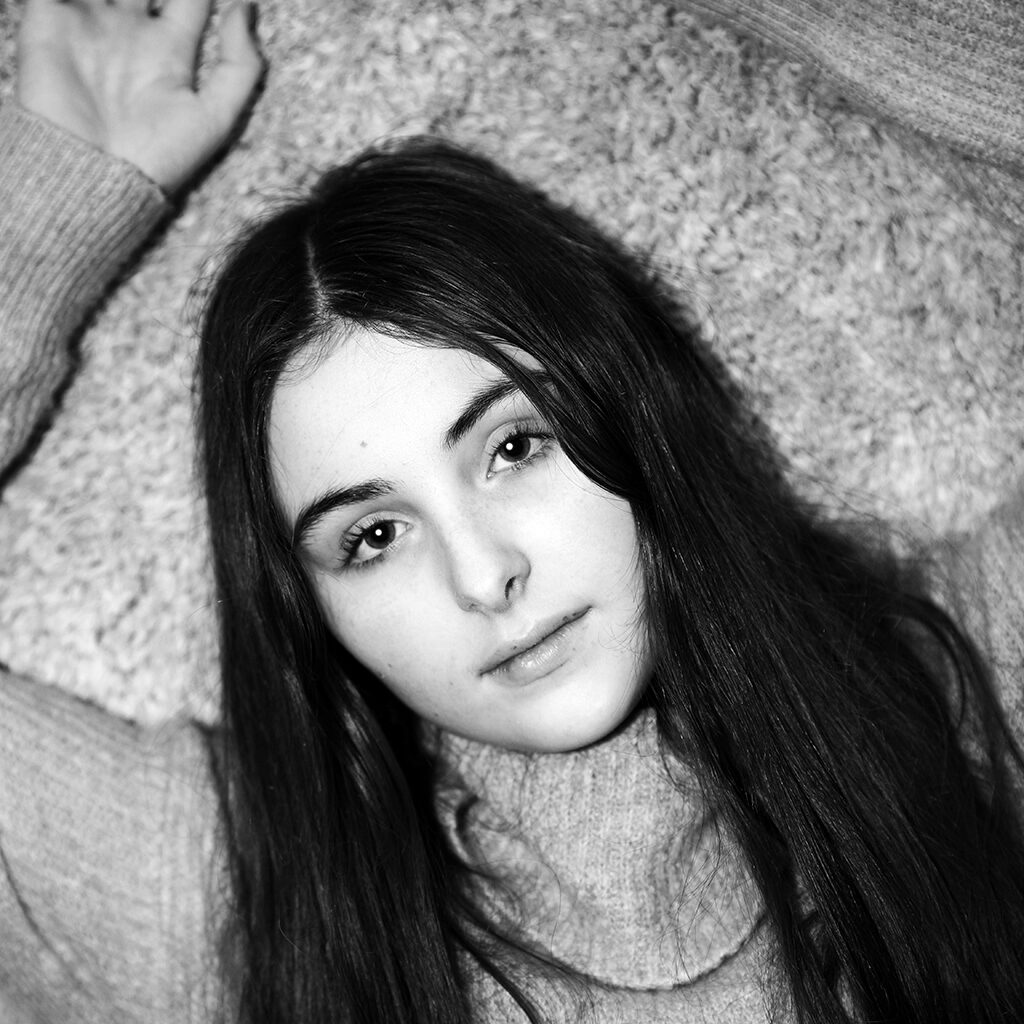
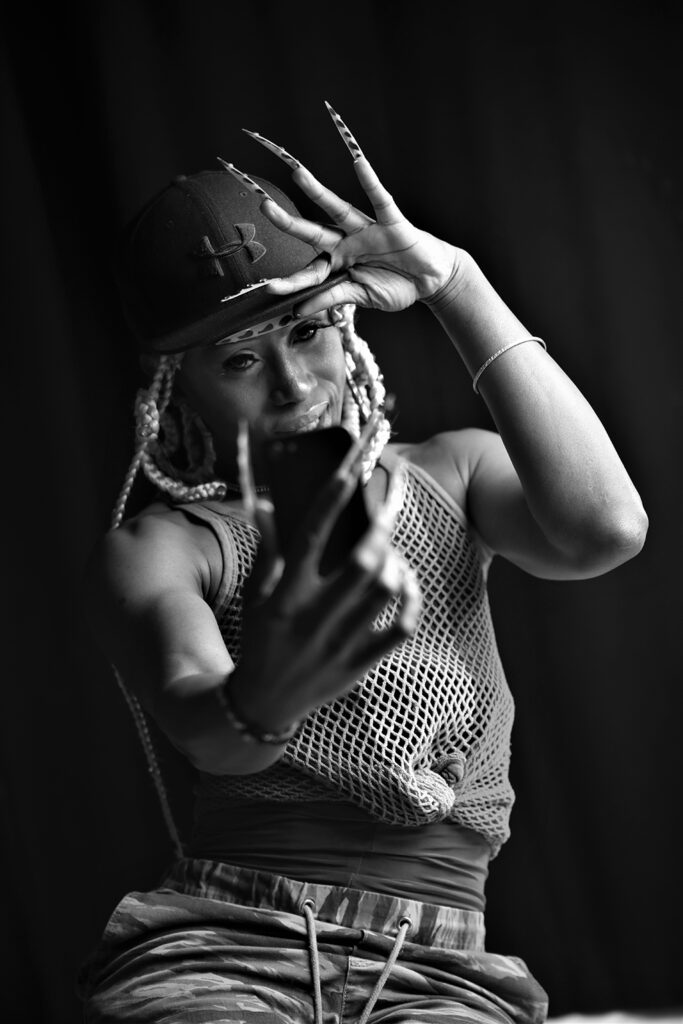
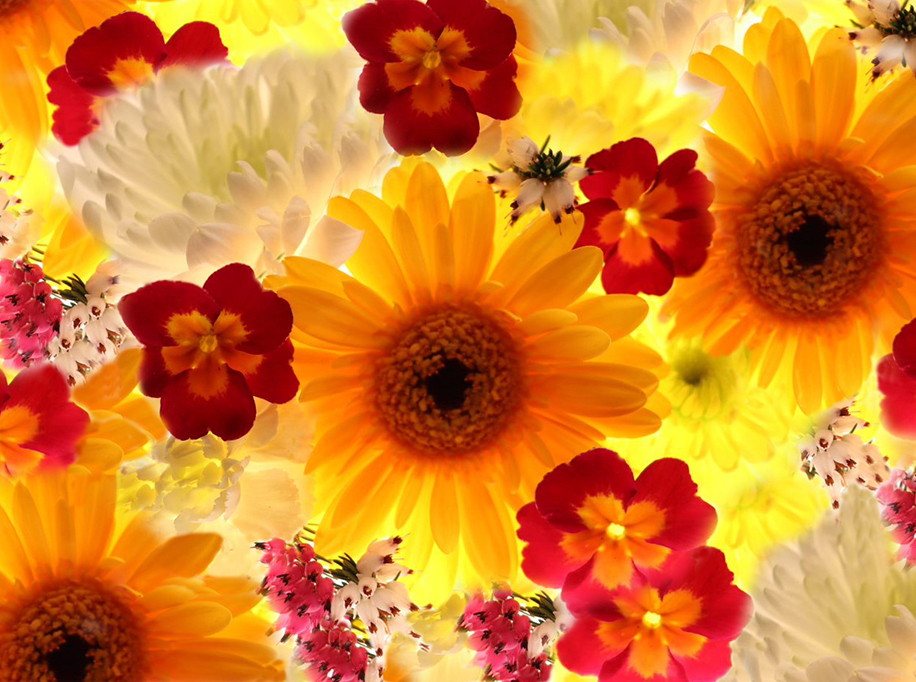
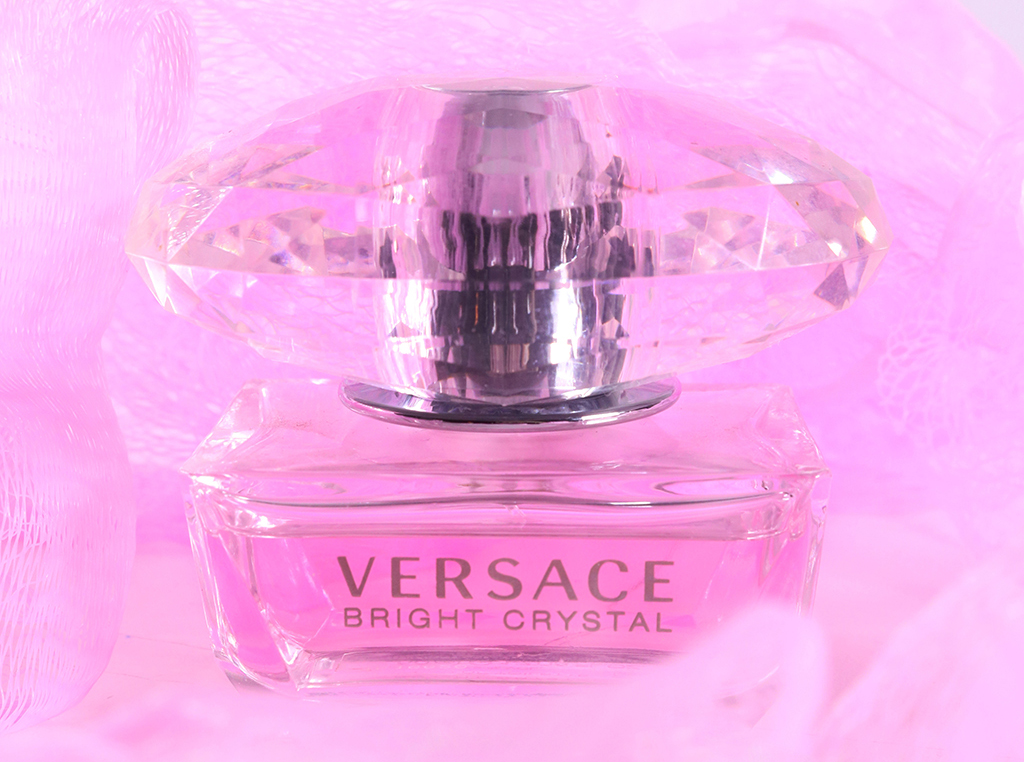
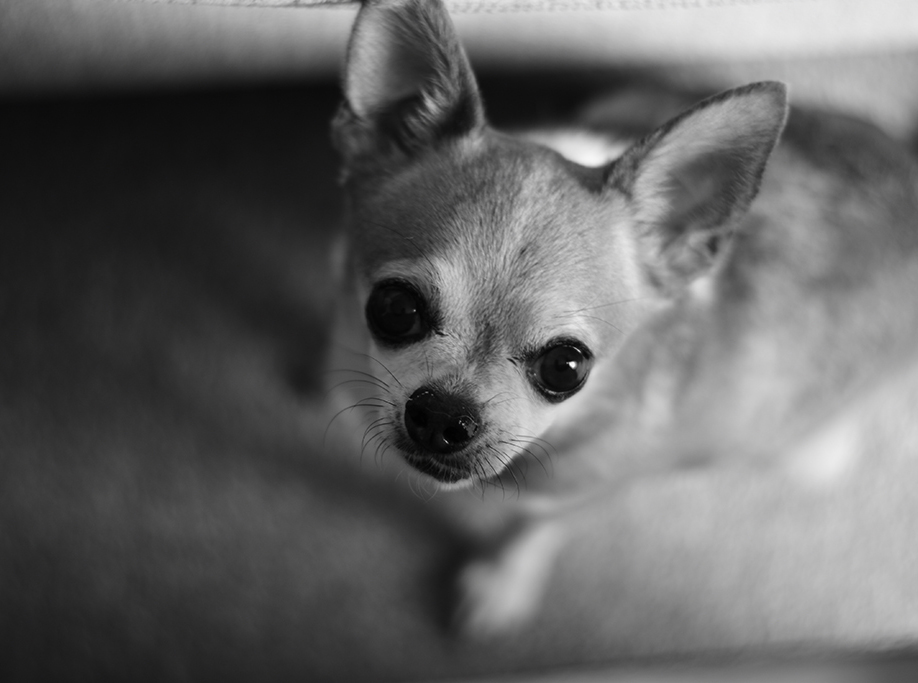
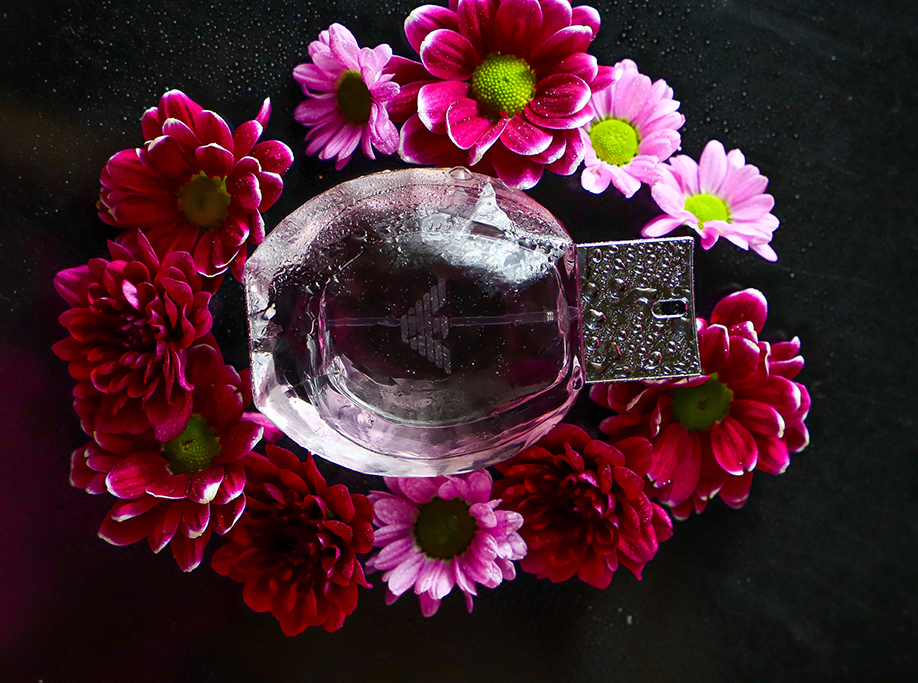
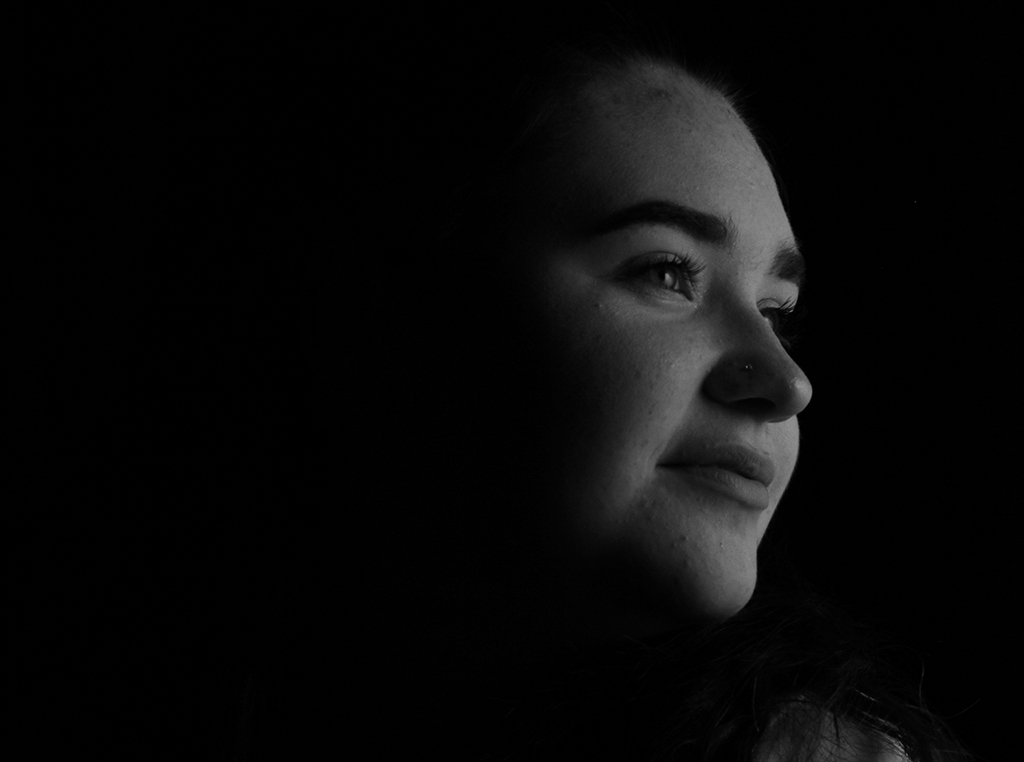
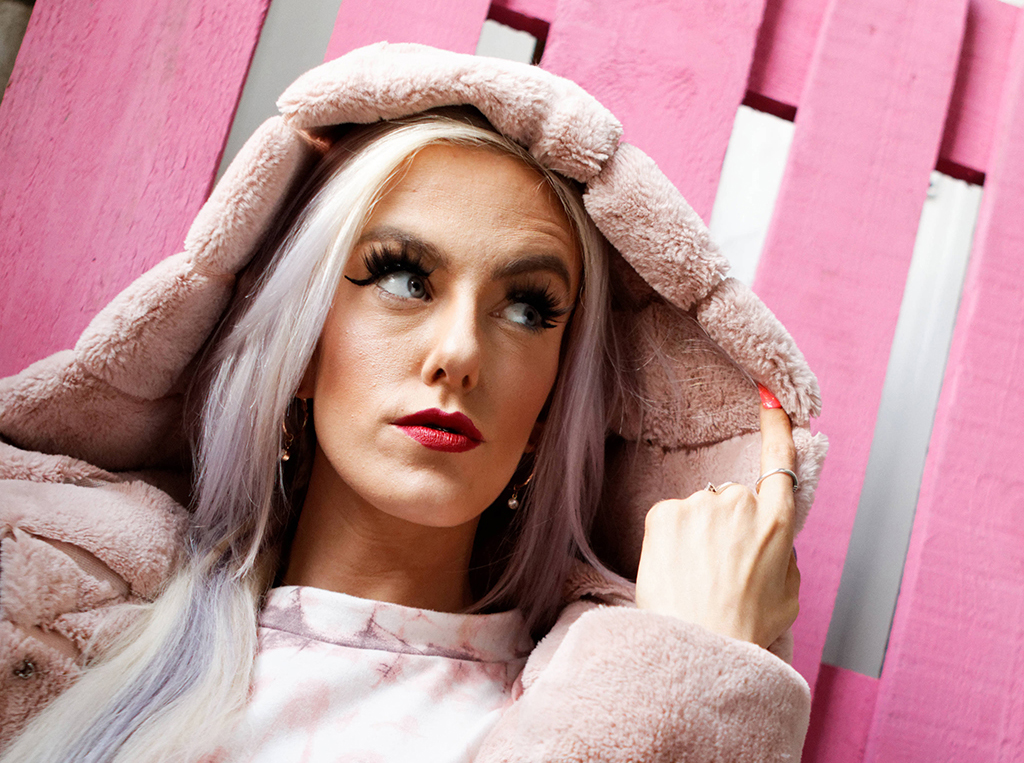
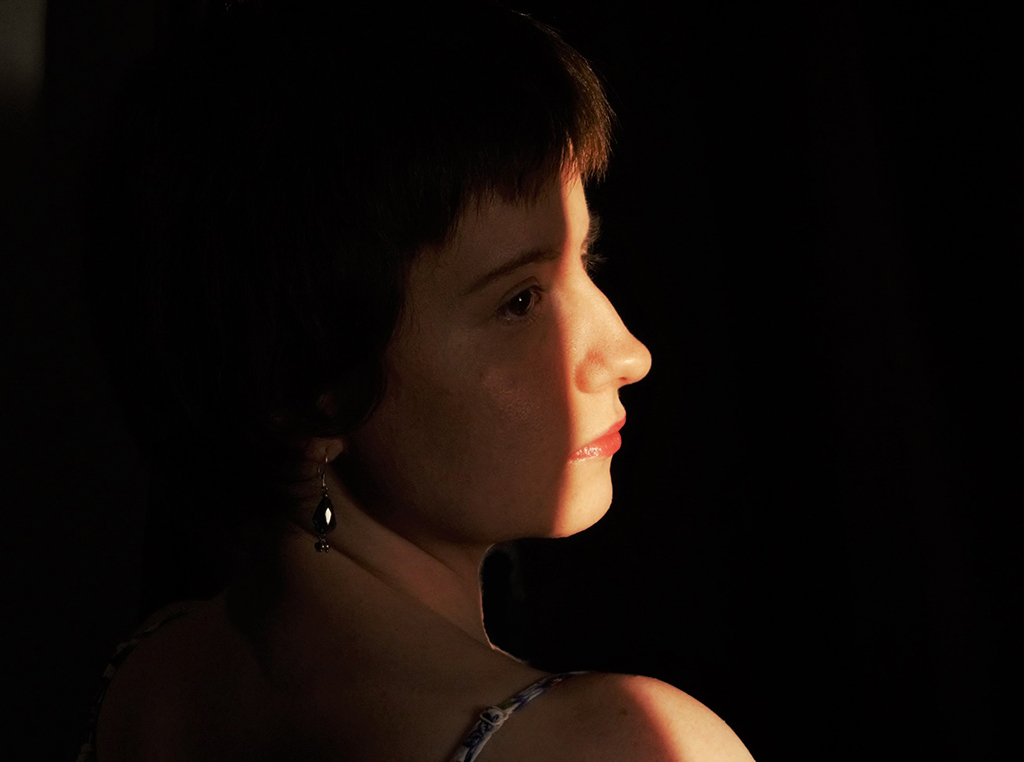
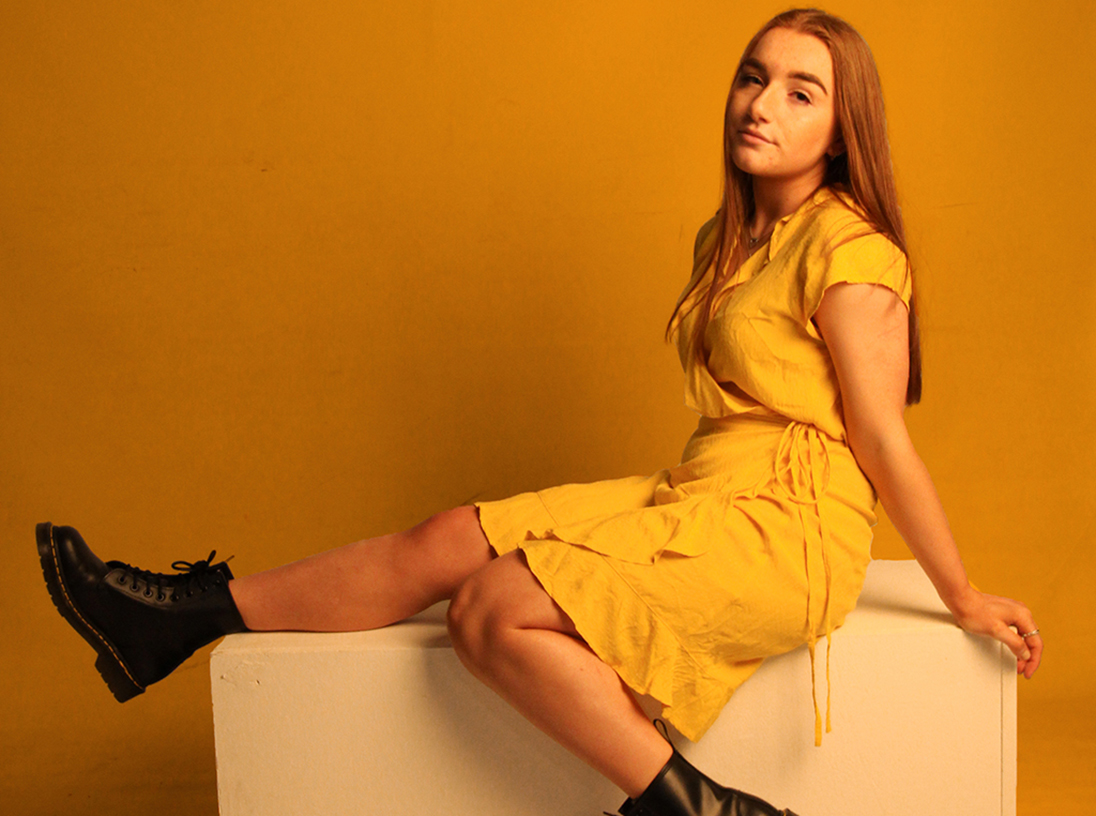
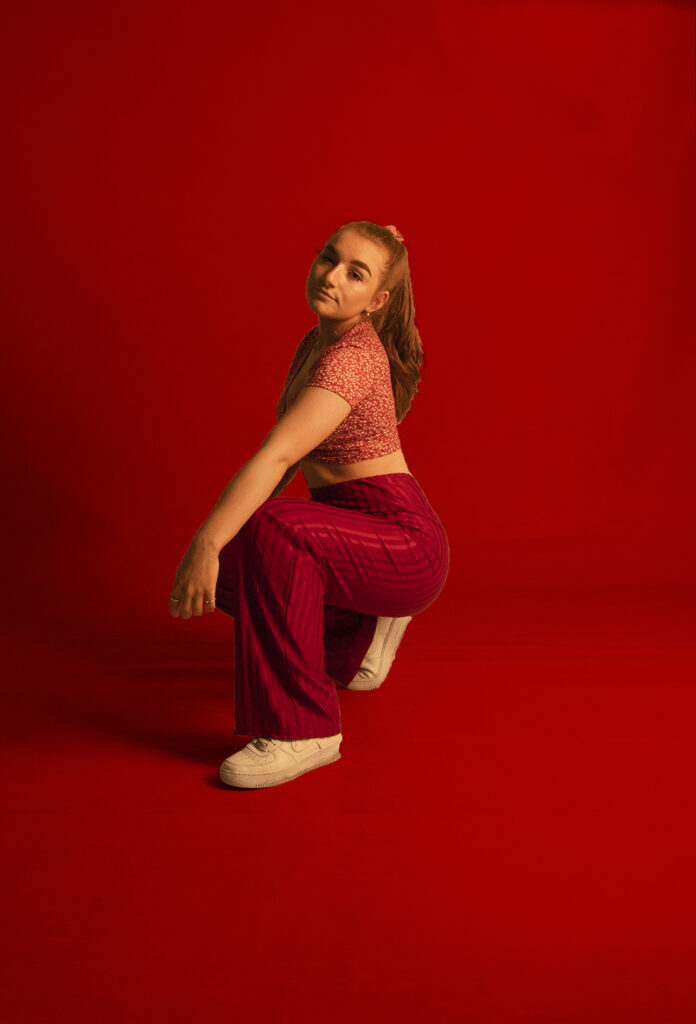
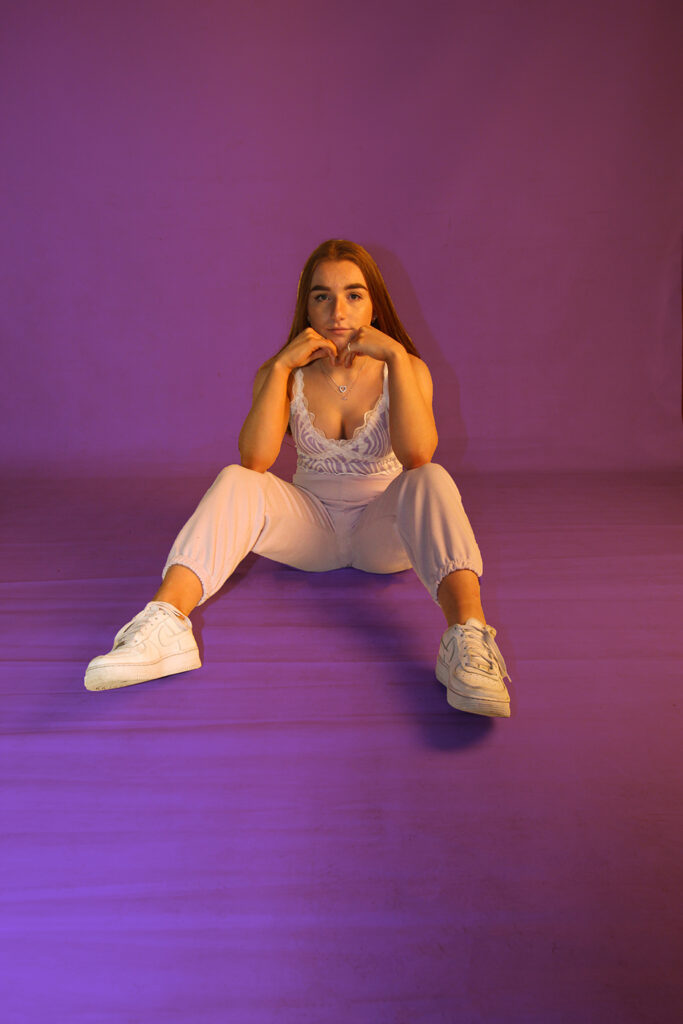
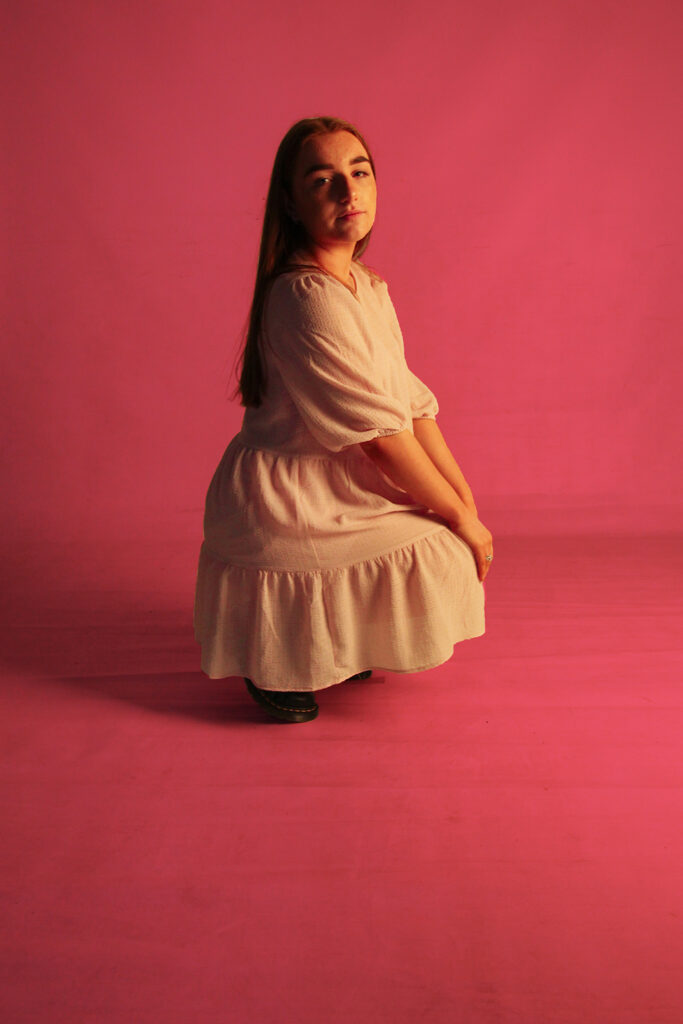
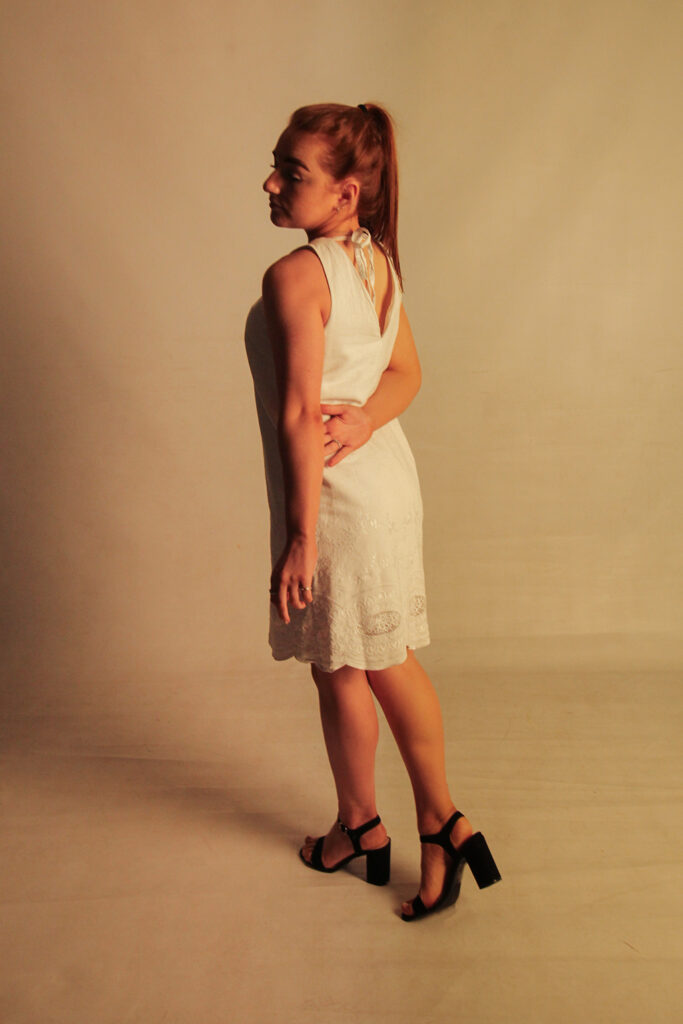
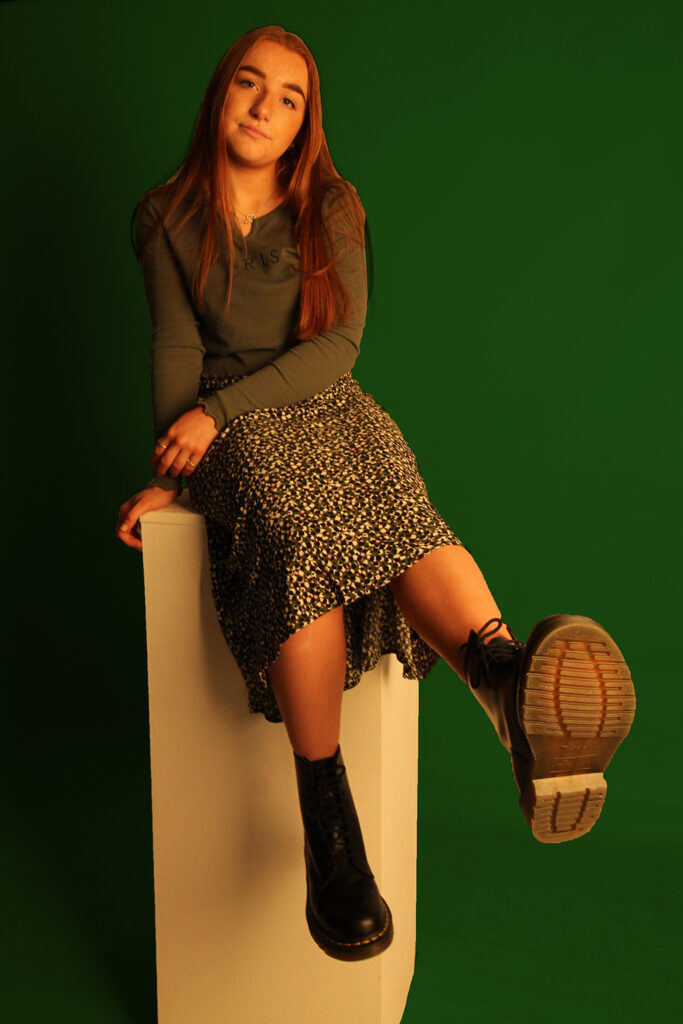
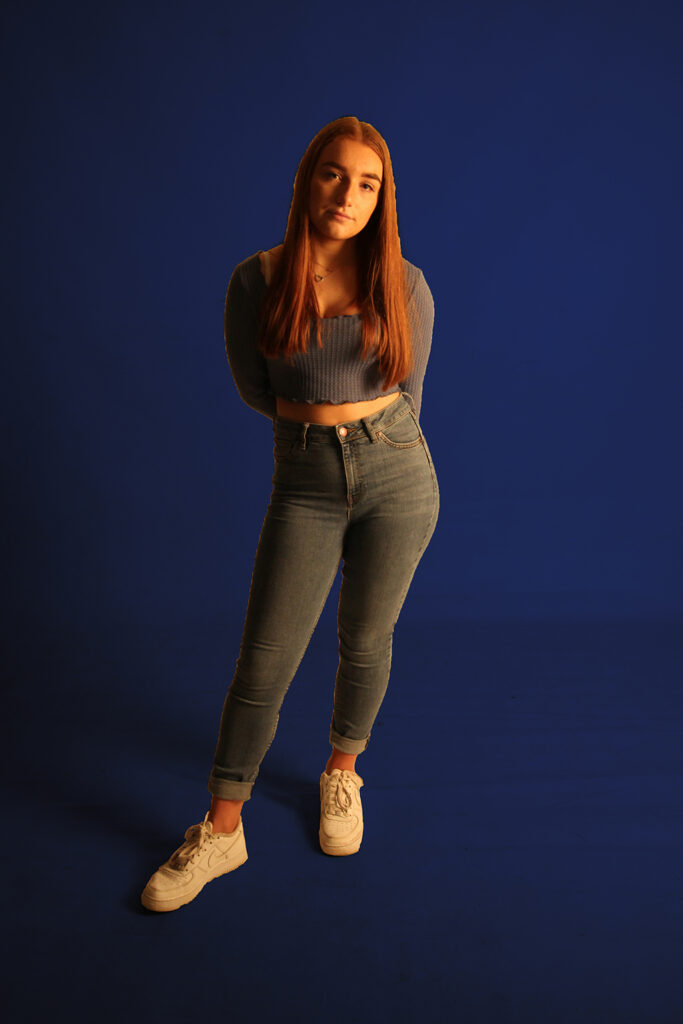
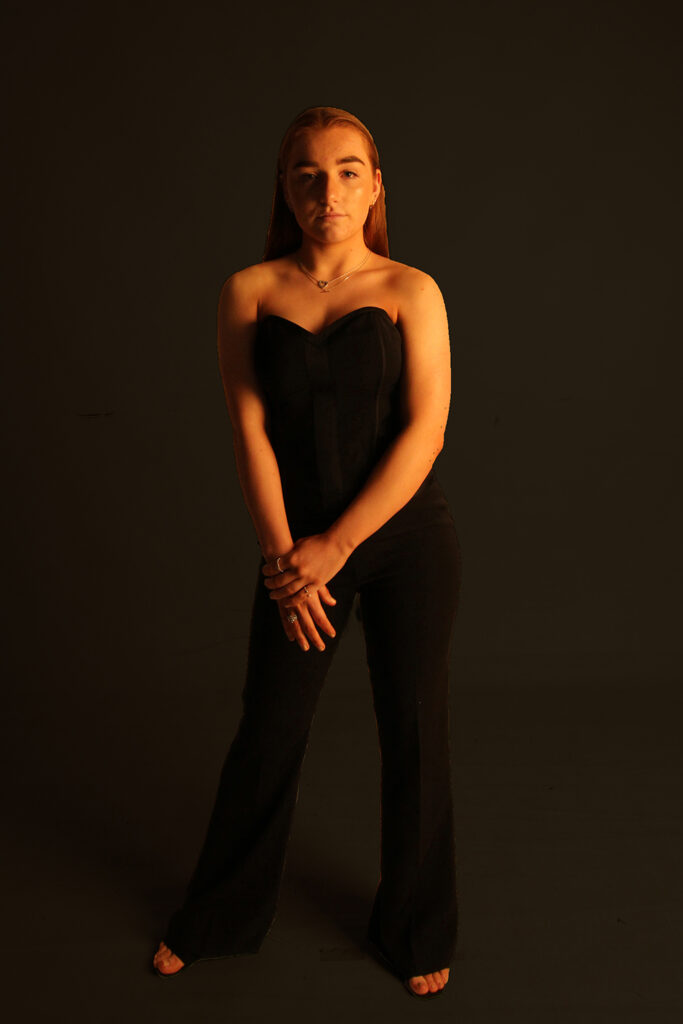
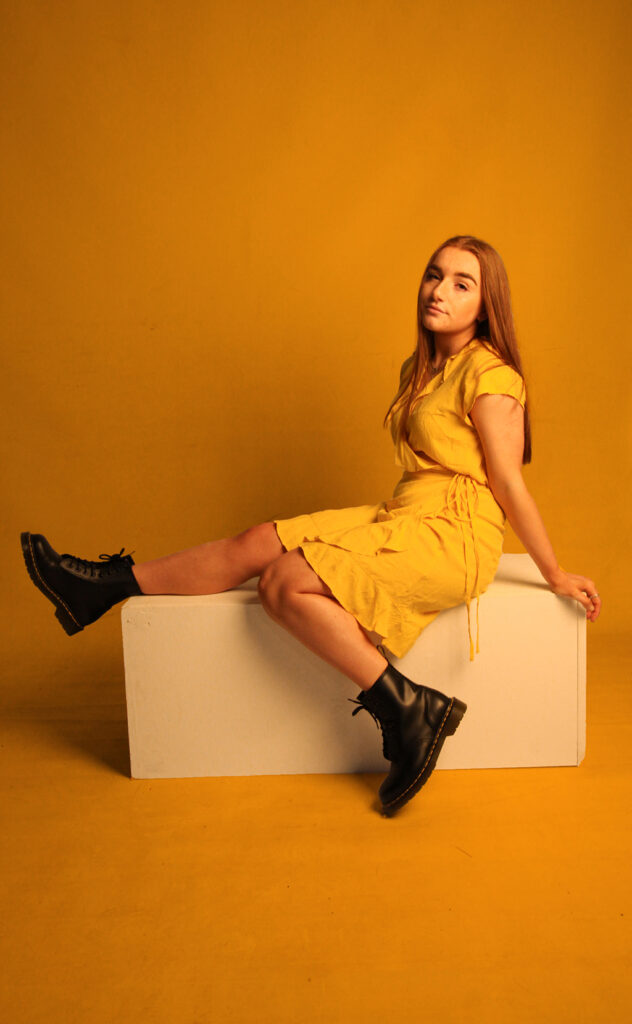
This project’s theme is ‘Mindful’. While none of the subjects in these six studio portraits is actually speaking, each will hopefully say something to you. Perhaps you can see defiance, melancholy, reflection, heartbreak, contemplation, uncertainty – or something else? In any case, these images invite you to explore your own thoughts and feelings in the present moment.
For my project I have focused mainly on portraiture. I have experimented with lighting techniques and have considered the effect of props, backgrounds and poses. I have been influenced by photographers such as William Eugene Smith, Marino Testino, David Bailey and Lisa Carpenter.
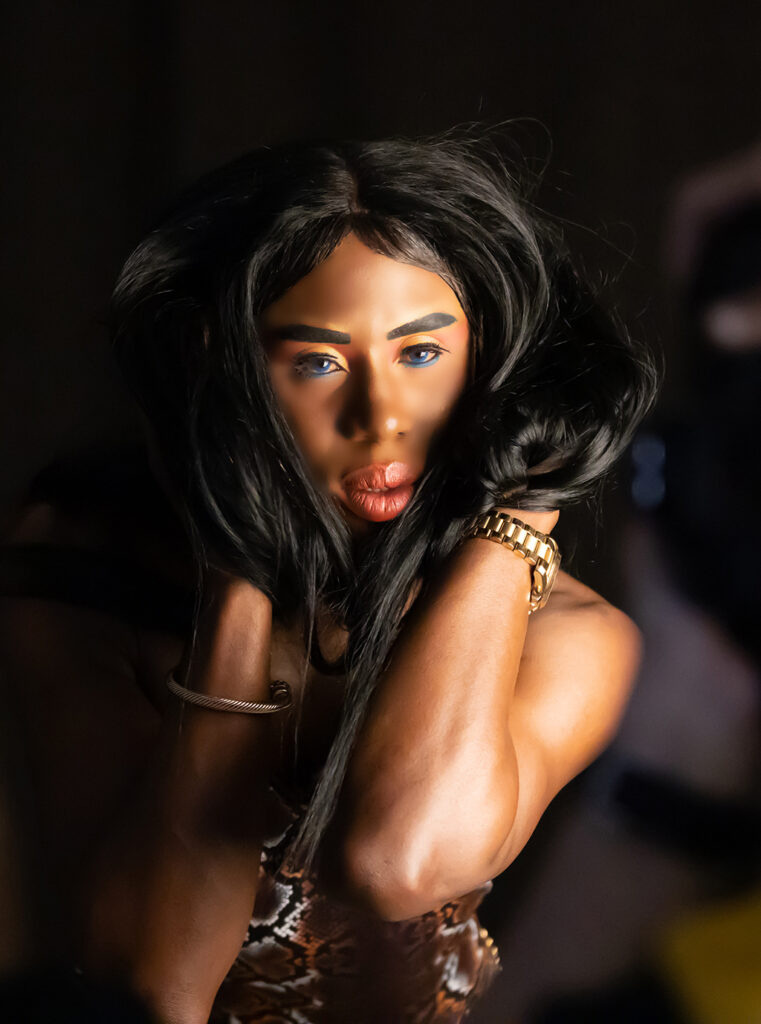
In my work I have drawn inspiration from a variety of sources, such as the Pre-Raphaelite movement, Film Noir Genre and other artists such as Damien Lovegrove and Annie Leibovitz. The following set of six portraits are taken from my portfolio of work, where my focus has been portraiture. Following on from the Film Noir theme, I have consistently used low key lighting in my work to give a feeling of intensity and drama to the Images. For me, having a sense of mystery in my portraits is important as I feel it enables the viewer to interpret the story being told by using their imagination. The following six images were designed to celebrate the female form both for its beauty, strength and vulnerability. I want my portraits of women to be both beautiful, intimate and empowering.
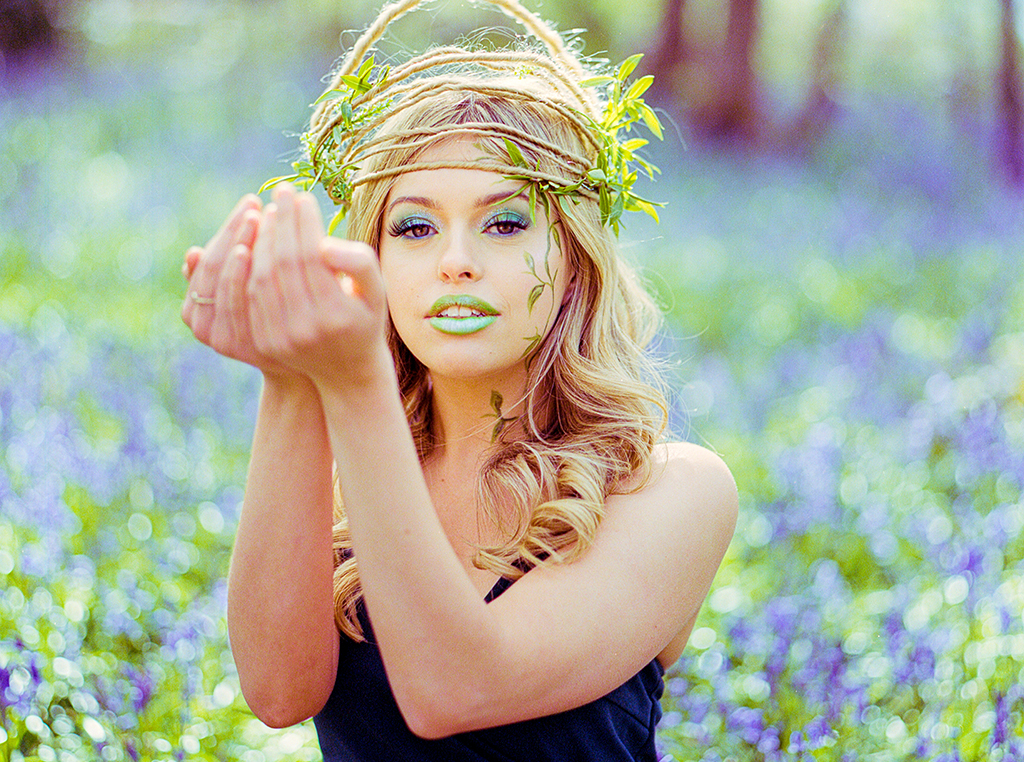
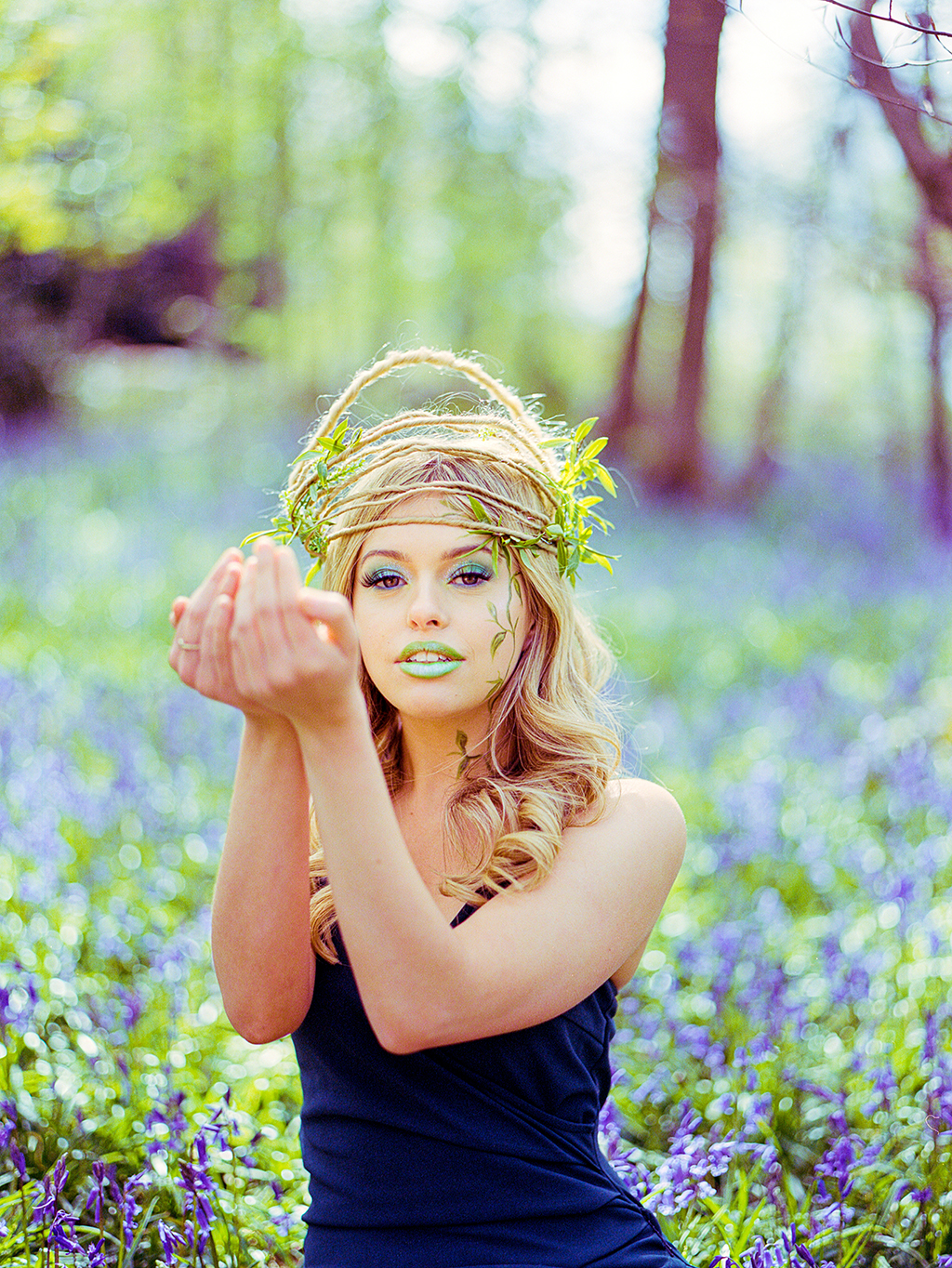
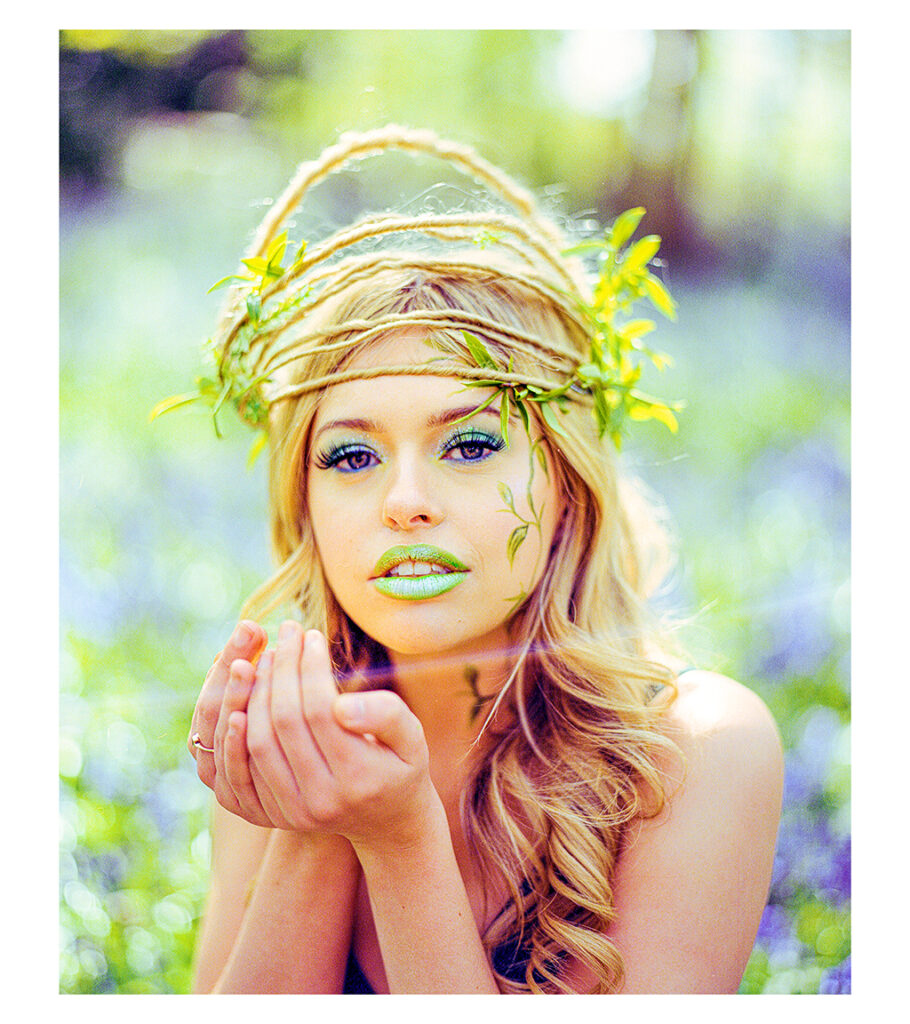
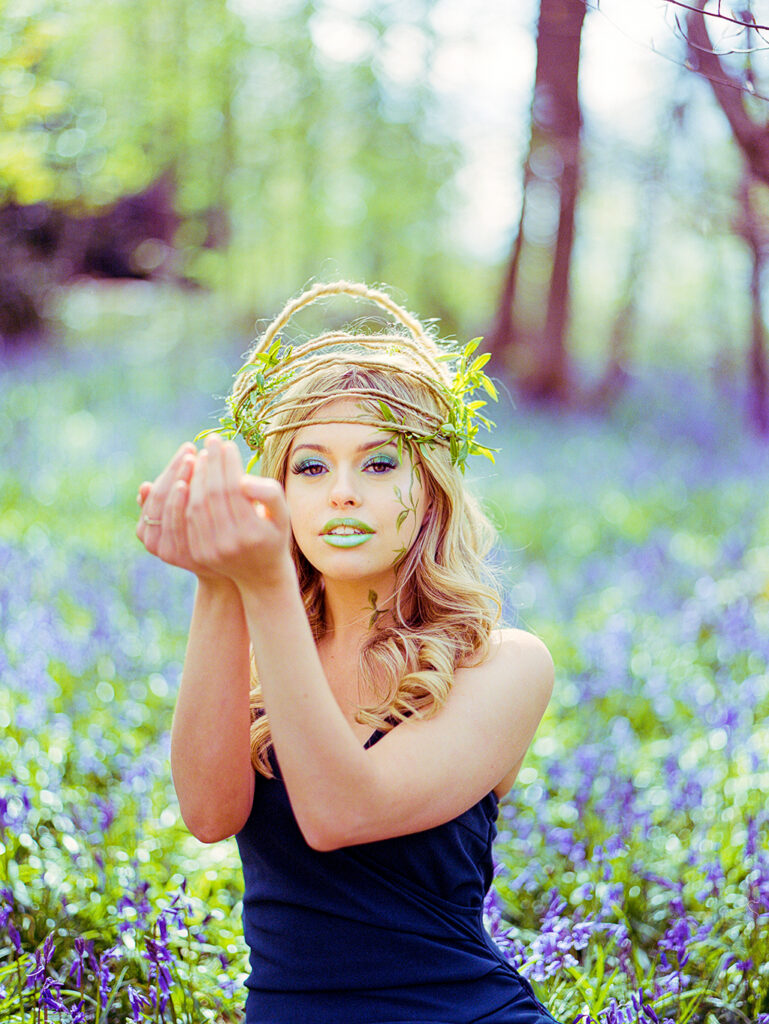
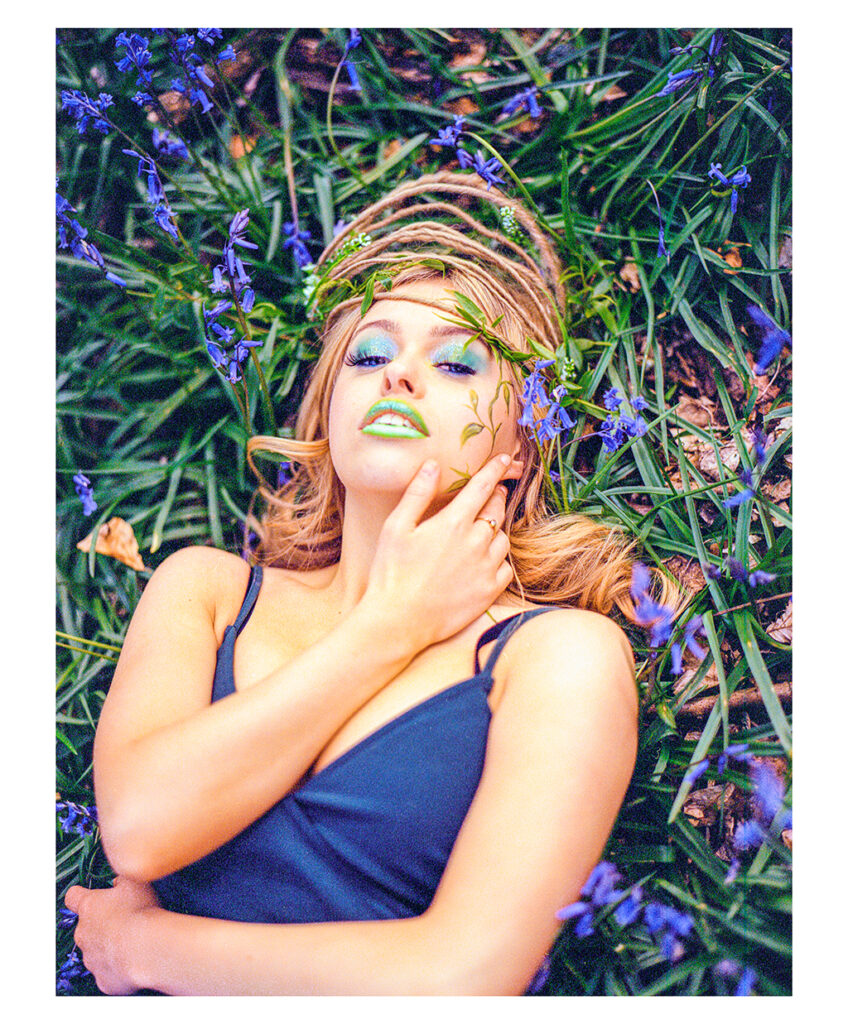
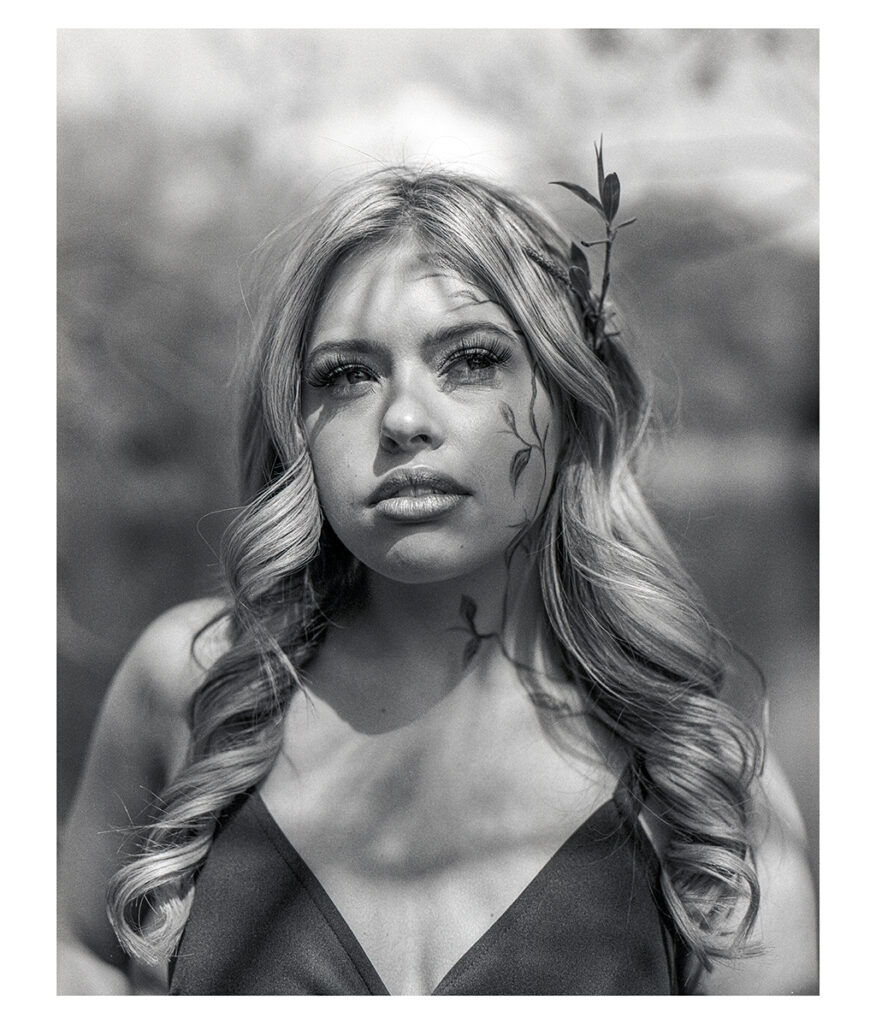
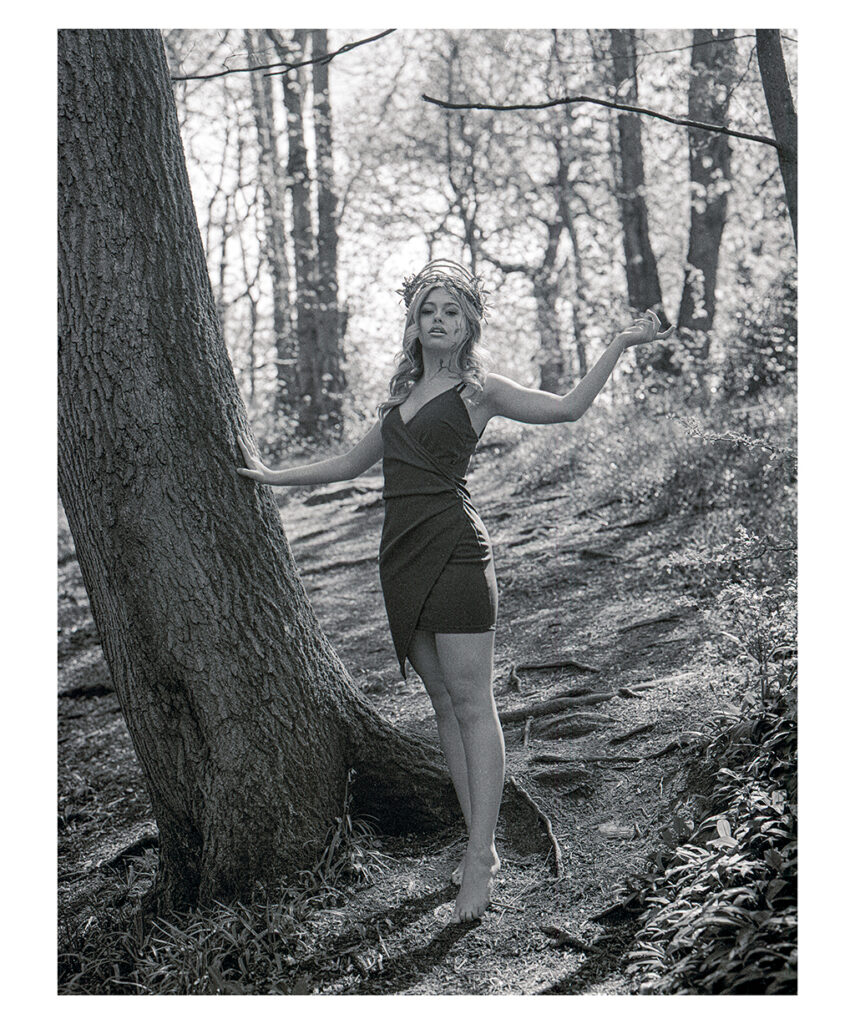
I got the opportunity to assist on a shoot with another Photographer (Josh Deakin) and Make Up Artist (Olivia H) who had come up with a concept for a woodland nymph character model (Alice Keay). Olivia prior to the shoot had worked upon designing a floral crown which integrated plants and braids of hair. As well as assisting with lighting I also brought my Medium Format Pentax 67 Camera and shot the following on a roll of Ilford Delta 400 (black & white) and Porta 400 (colour). We shot on location at Leasowes Park and found a grove full of bluebells which really made for the perfect setting.
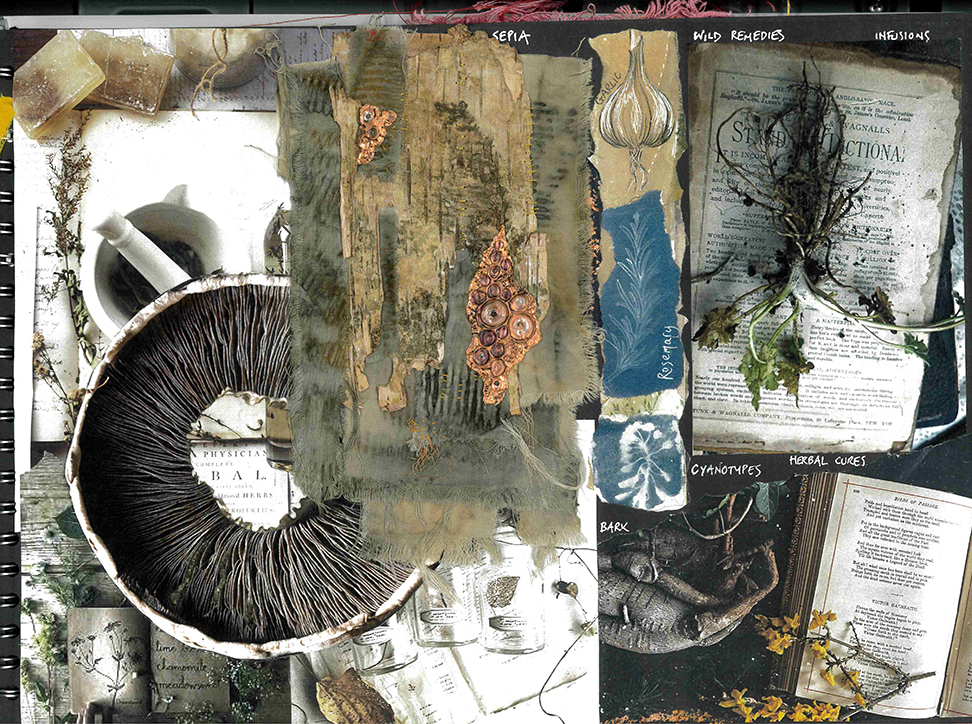
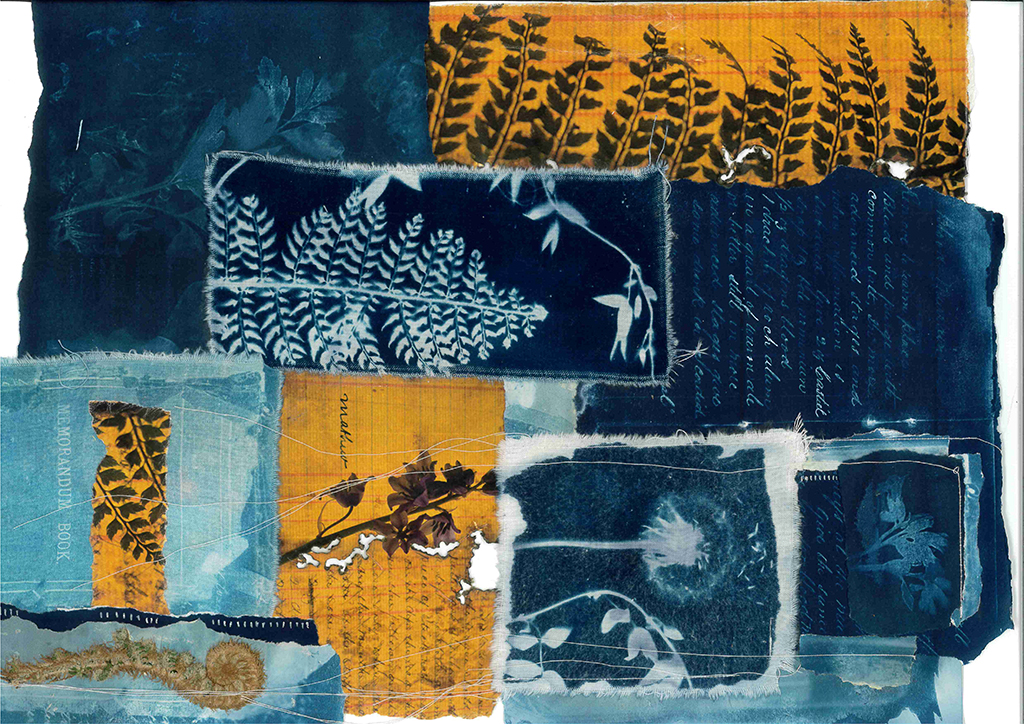
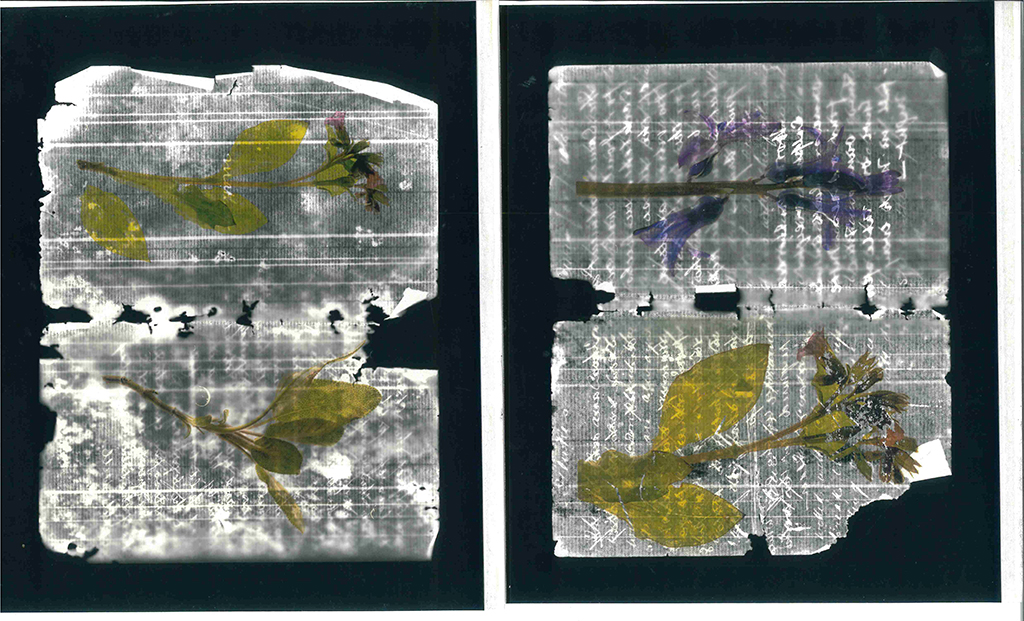
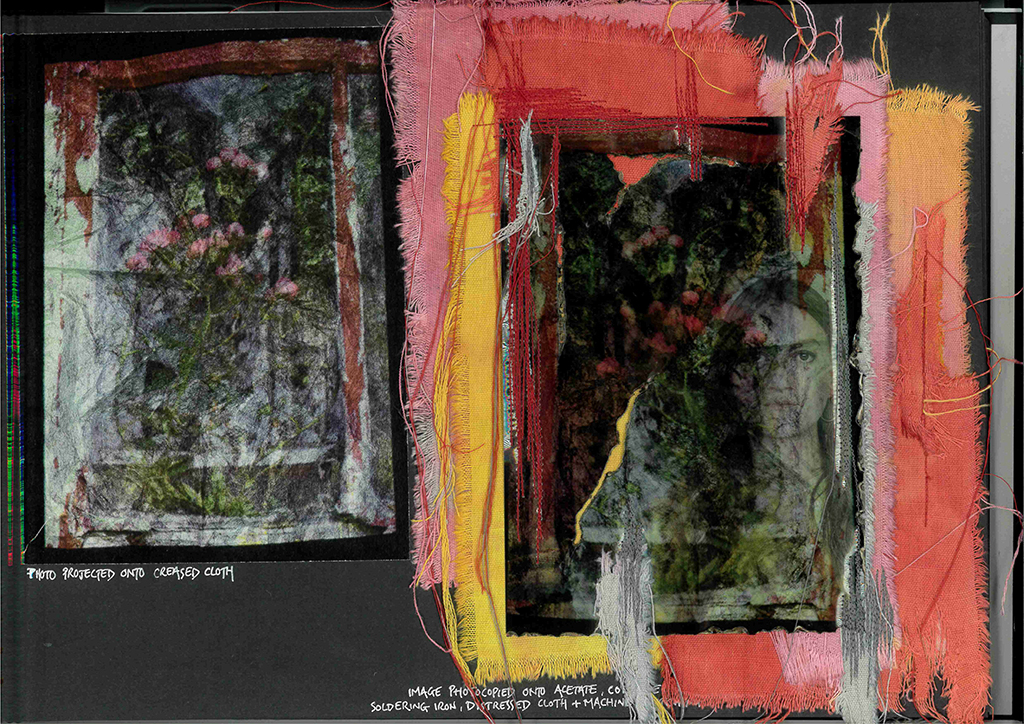
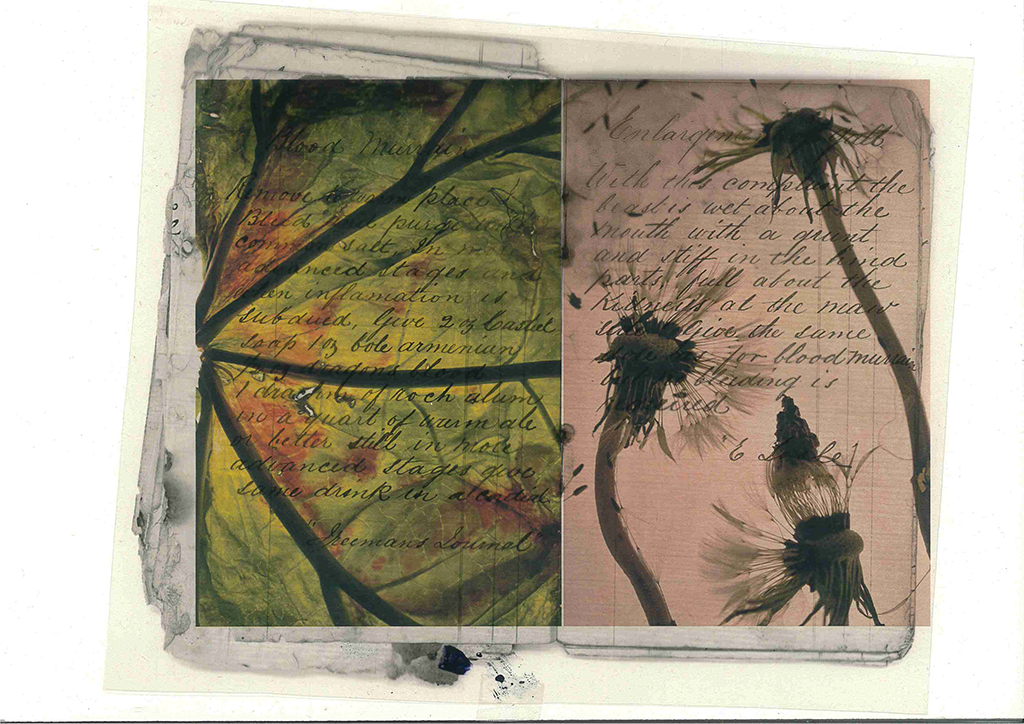
The starting point for this work was a notebook of handwritten herbal cures that has been passed down from my great grandfather. Growing up on a farm has given me a love of folklore and plants. I wanted to explore the idea of how plant knowledge is passed down through the generations and how we can continue to understand and appreciate our natural environment. Over the past few months I have enjoyed experimenting with photograms, the lightbox and cyanotypes, combining the outcomes with layers of acetate, plant dyed fabrics and stitching.
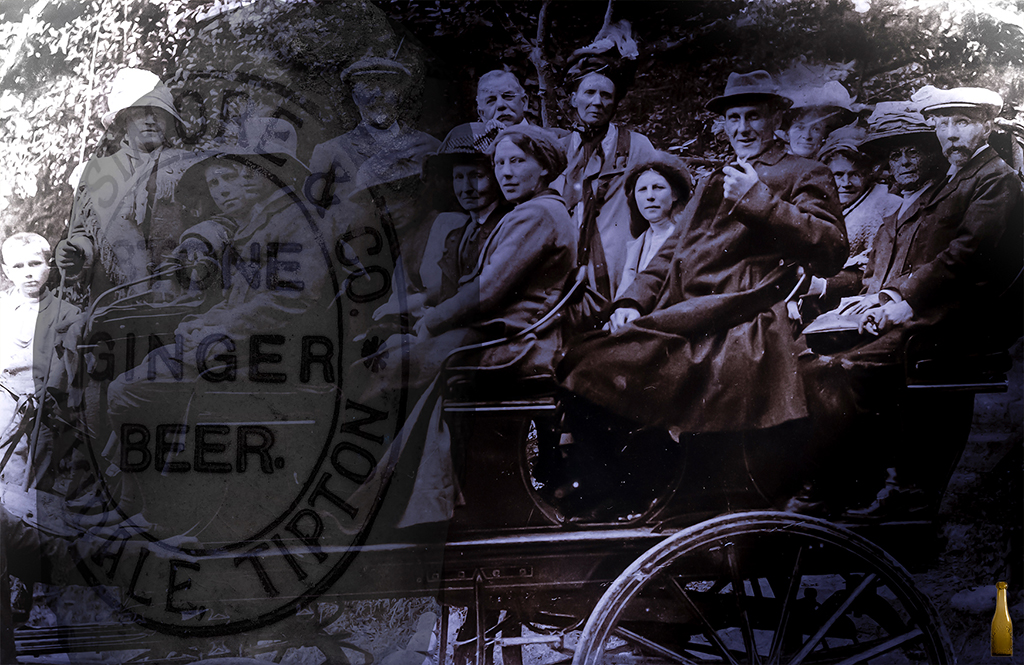
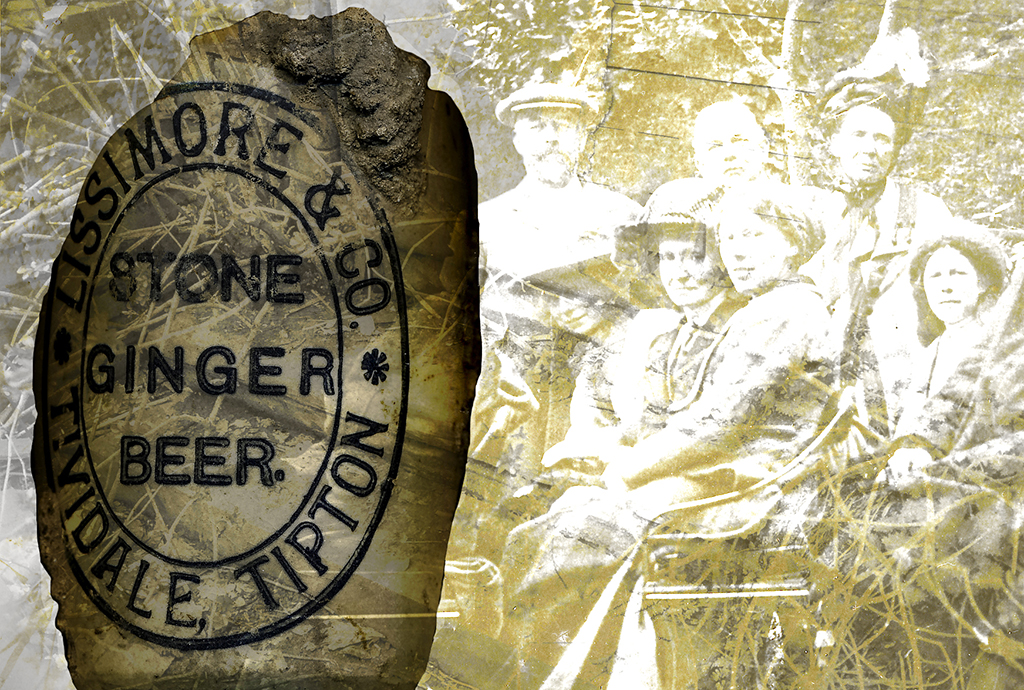
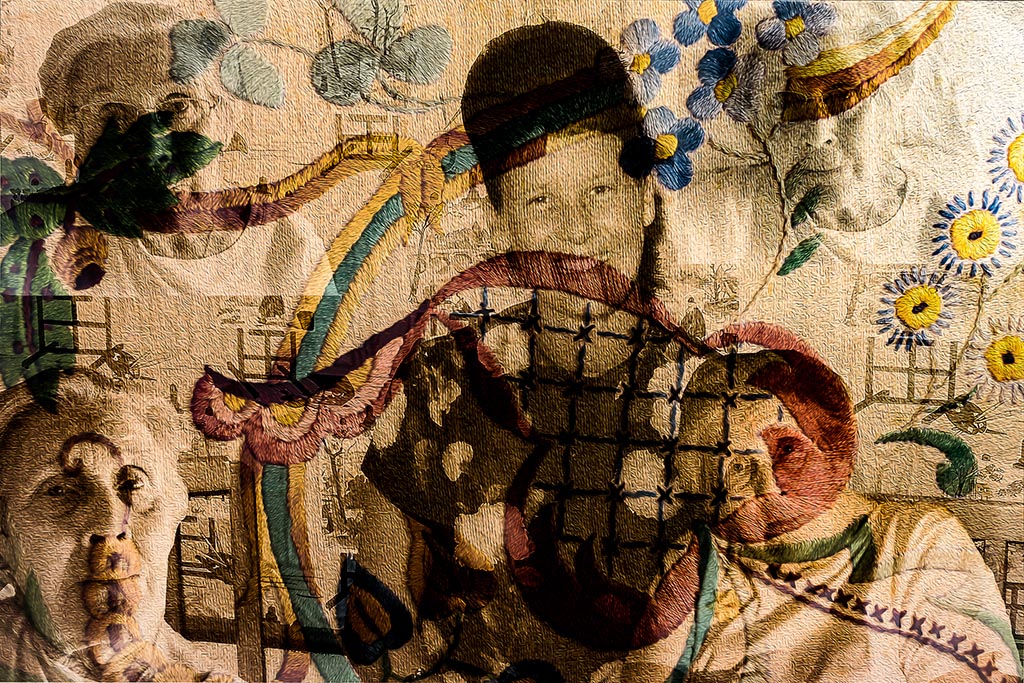
After experimenting with studio portraits and still life studio settings, some of the best individual images to arise were selected for this project. Moving in a different direction was the idea to combine images to create artistic photos depicting a theme. The title of this way of working could be termed “Trios”. The idea was to merge 3 images to create a bold historical statement. This format will be replicated to undertake further themes in the future. It is a unique way of working to combine multiple images which bring together a historical snapshot. Each image will represent historical evidence and memories. The images will stand alone but also merge to create a partial story or statement that has been lost with the passage of time. Generally, the three images which are combined will include a place (setting), a portrait (solo or group) and an artefact. The place will often be the backdrop to the key people and the artefact will be something rare and precious because of its scarcity.
This is my own concept but has been influenced by my love of history, particularly between 1876 and the 1920’s. The detailed photos taken in the “Golden age” will provide useful source material to edit thus being able to include rare images to create new artistic representations. Sepia and black and white and other tones will help to give the historical feel. There will be experimentation in both Lightroom and photoshop to create these artistic pieces.
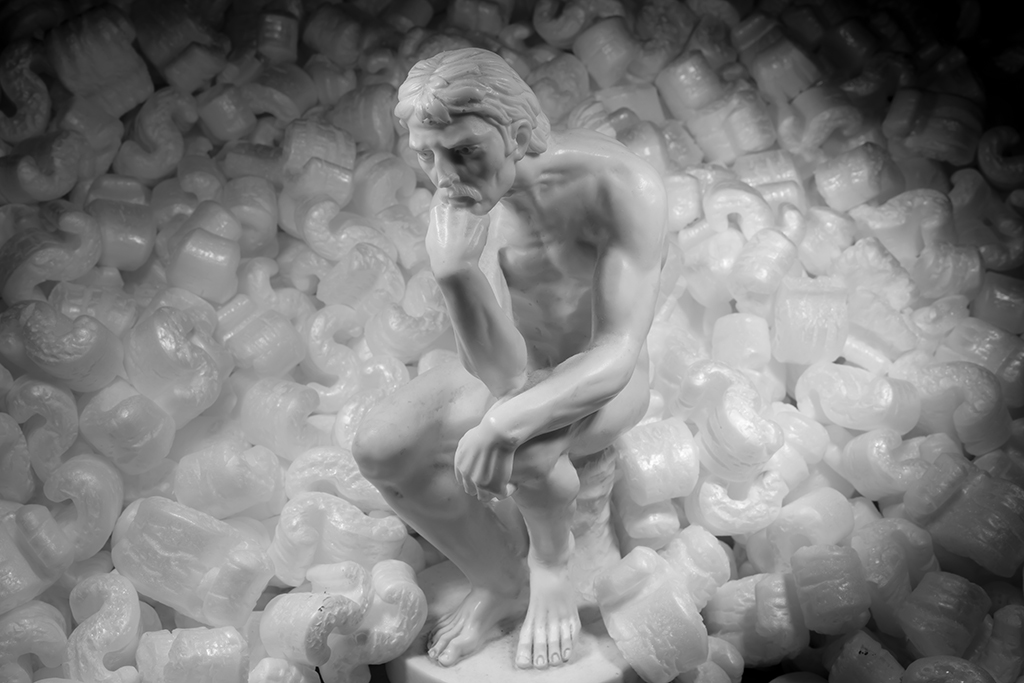
The first two images are contrasting portraits, addressing both the philosophical and physical aspects of the human form. The ‘thinking man’ and the ‘thinking woman’. It encourages thoughts of identity.
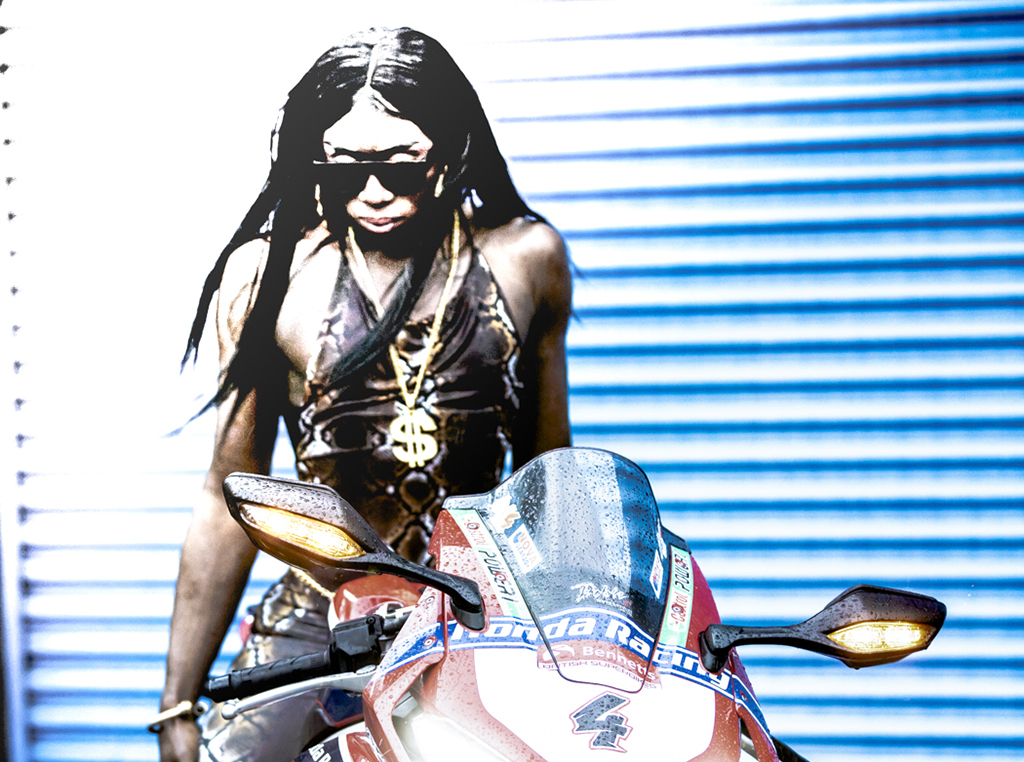
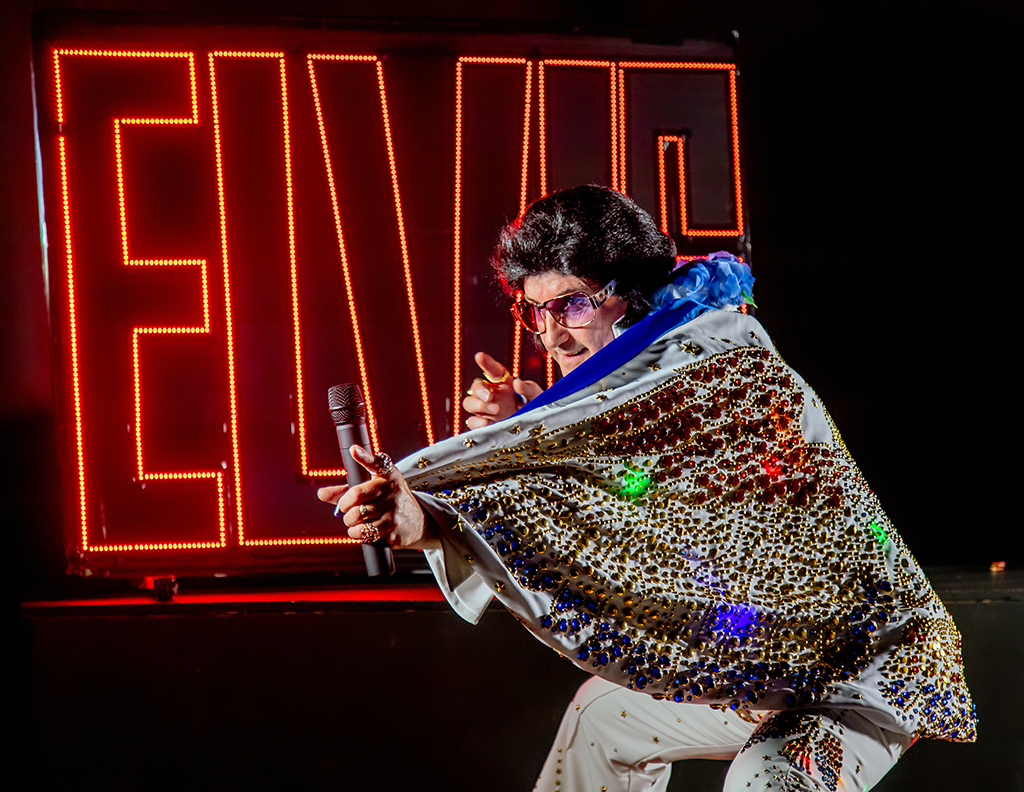
The second two images celebrate the fashion and entertainment.
The final four images include the “TRIOS”.
The first two “TRIOS” were created using iconic artefacts and photos of Lissimore’s Mineral Waters Tividale, (long since demolished) as a reminder of a bygone age.
The third “TRIO” is a tribute to the embroidery talents of an old lady showing how life changes over time and contrasting the youthful exuberance with the difficulties that come with age.
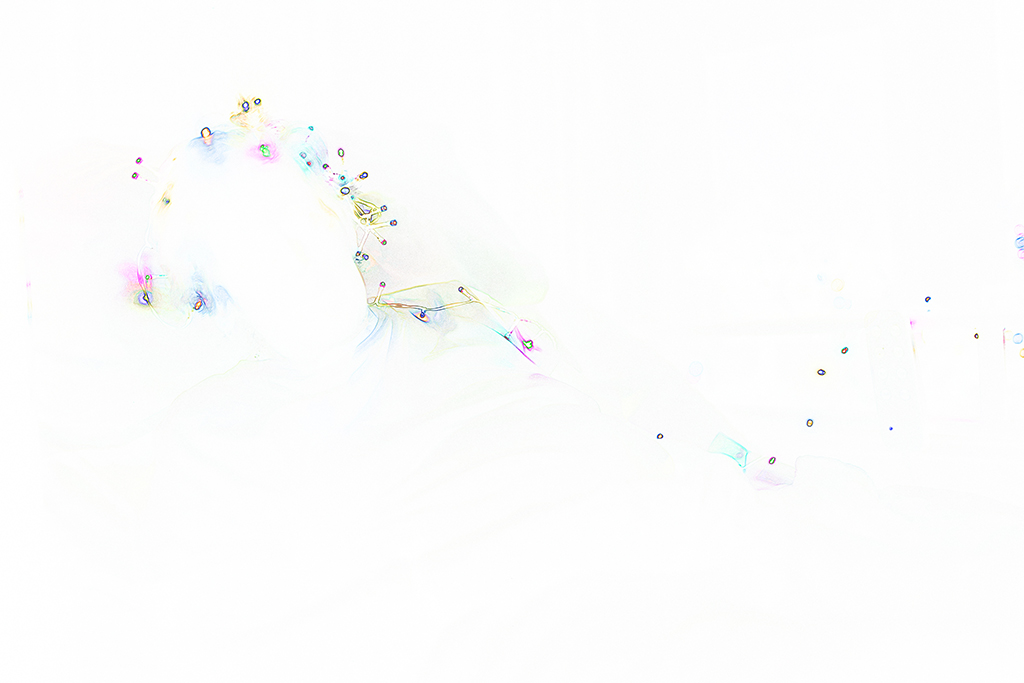
The final photo shows the same lady reclining, now bedbound, in time and space. (The Lady in white).
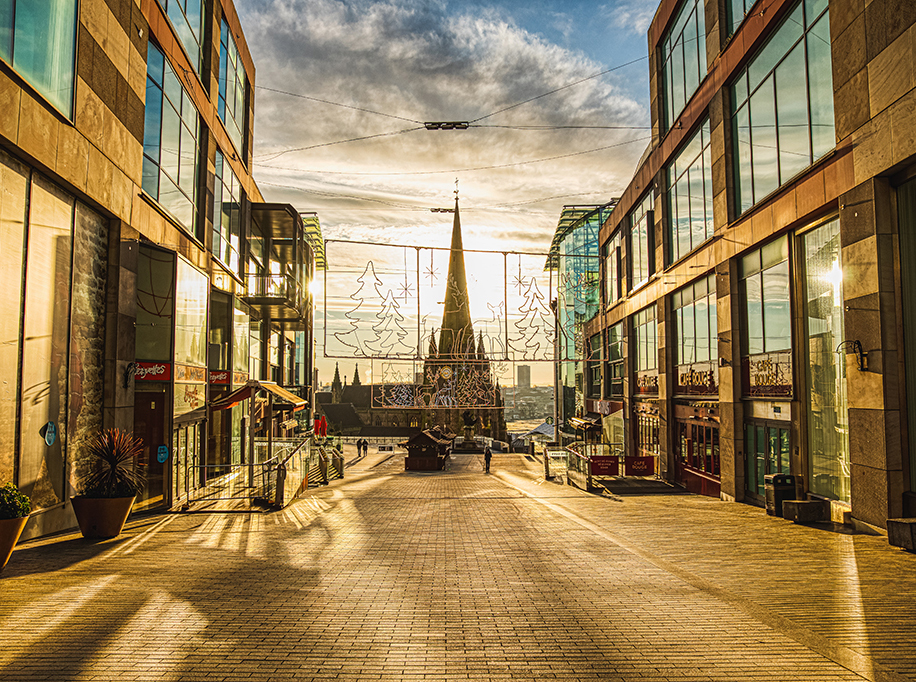
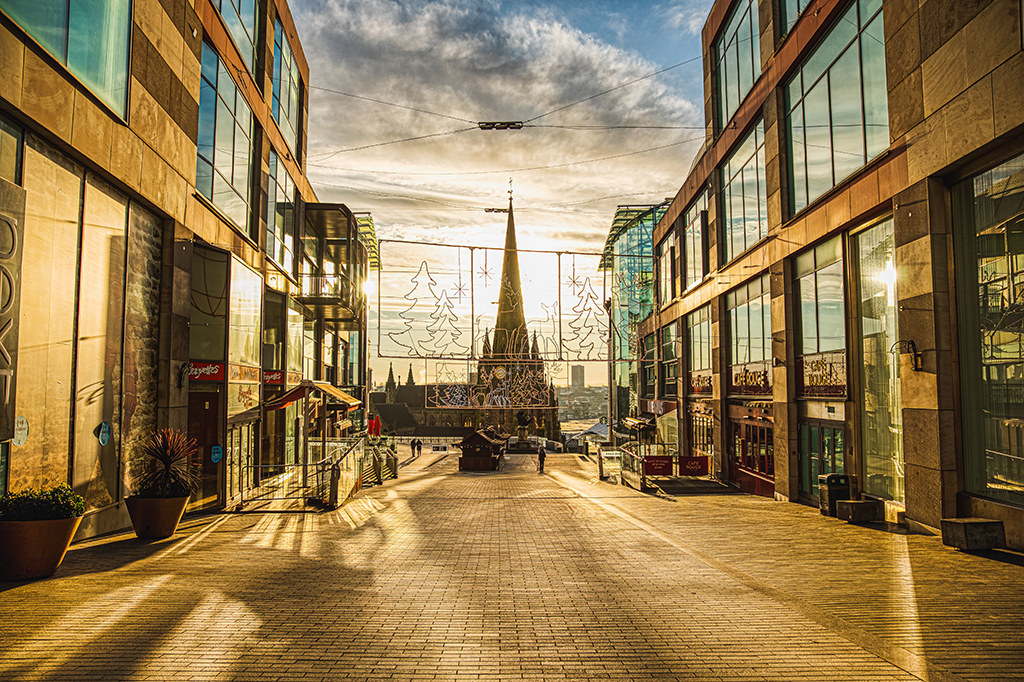
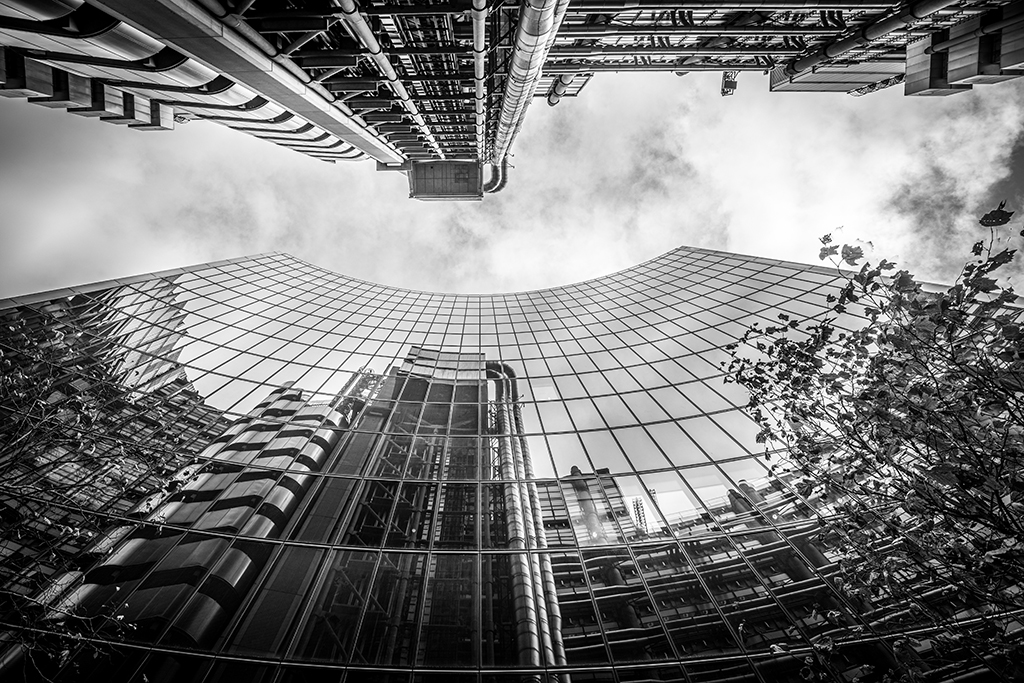
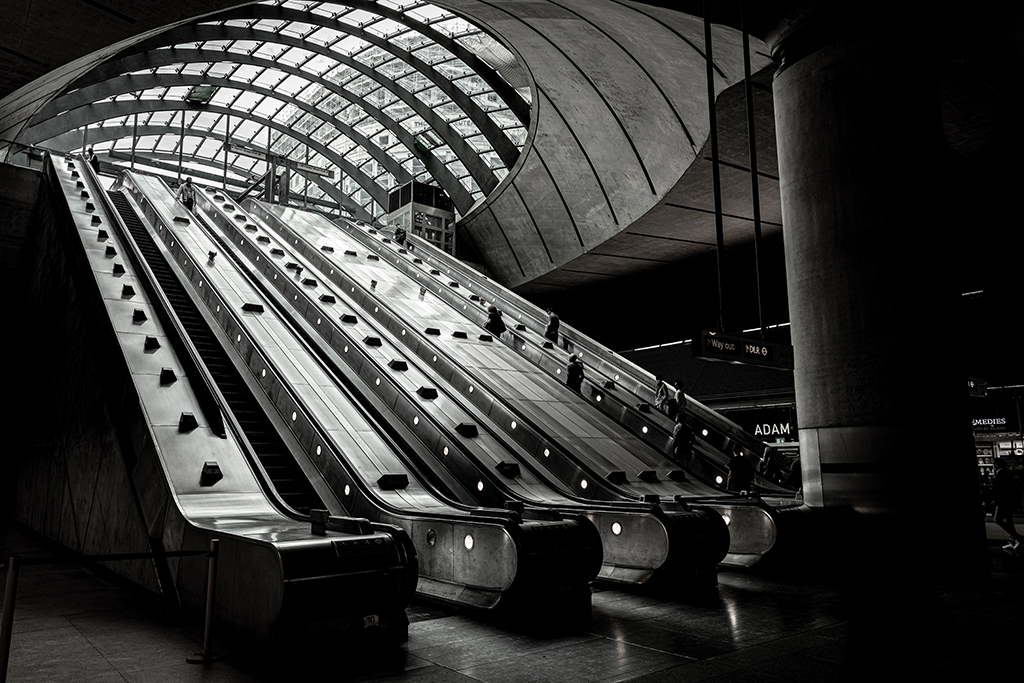
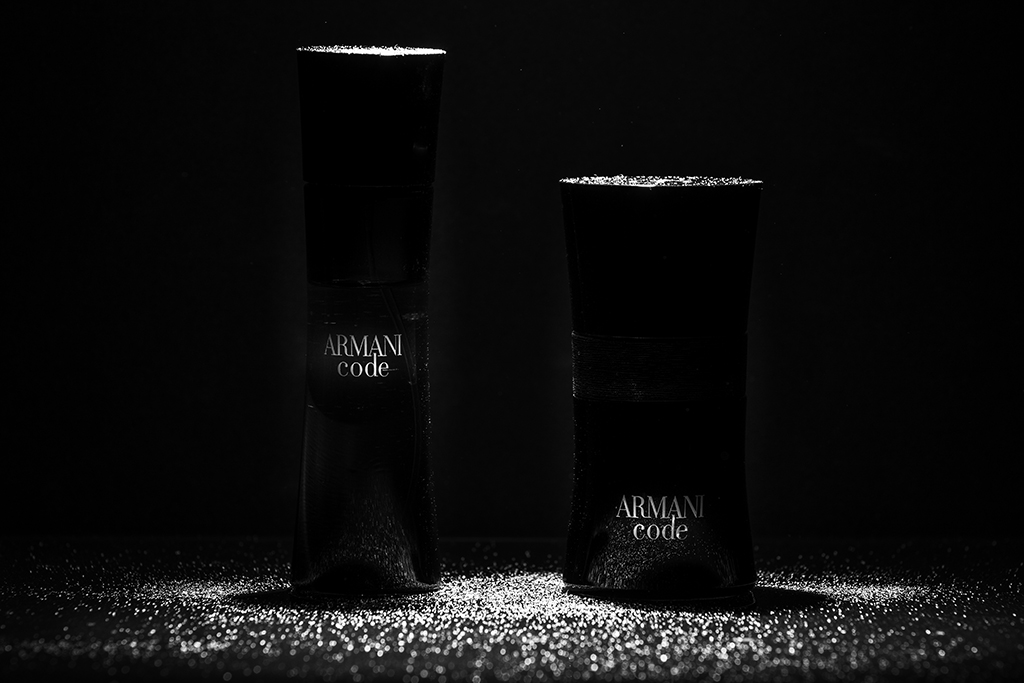
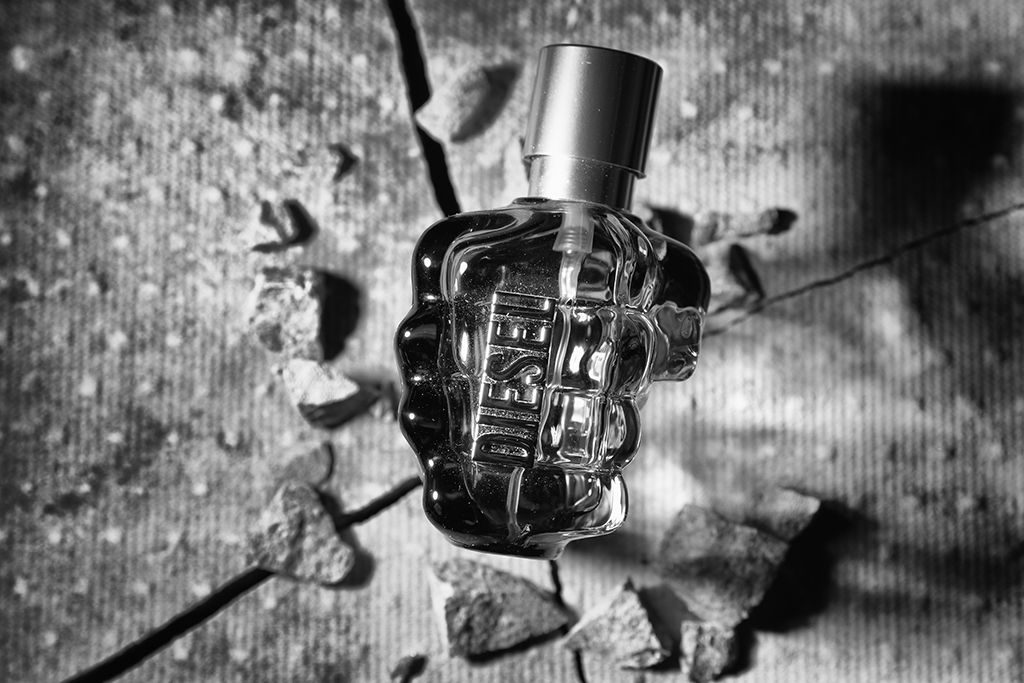
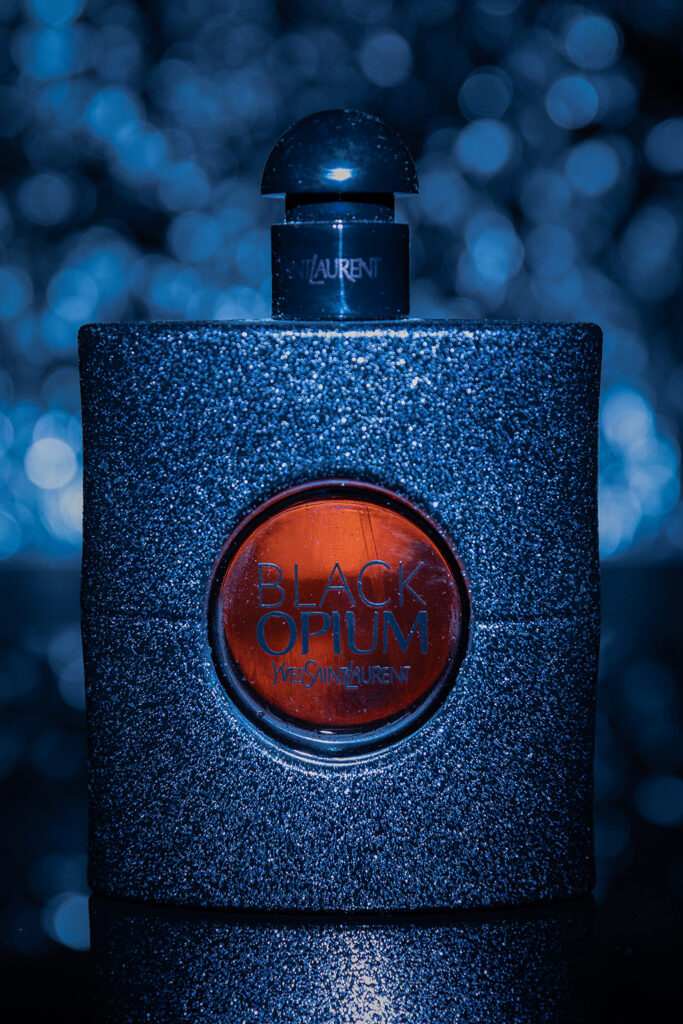
My interest in architectural photography undoubtedly stems from my near twenty years of experience of electrical contracting in the construction industry. The black and white, and often dark and gloomy, photographs of Birmingham and London, together with the Black Country, reflect my upbringing in the 1970s and 1980s landscape of the West Midlands, specifically Wednesbury. Wanting to try new photographic genres, and learn new techniques, I tried still life and product photography, but the dark styles persist even here, with few being bright and colourful.
Watch Richard’s Time-Lapse Video, Lockdown Lawn – the Unfinished Garden
Still Life and Portraits in Black and White
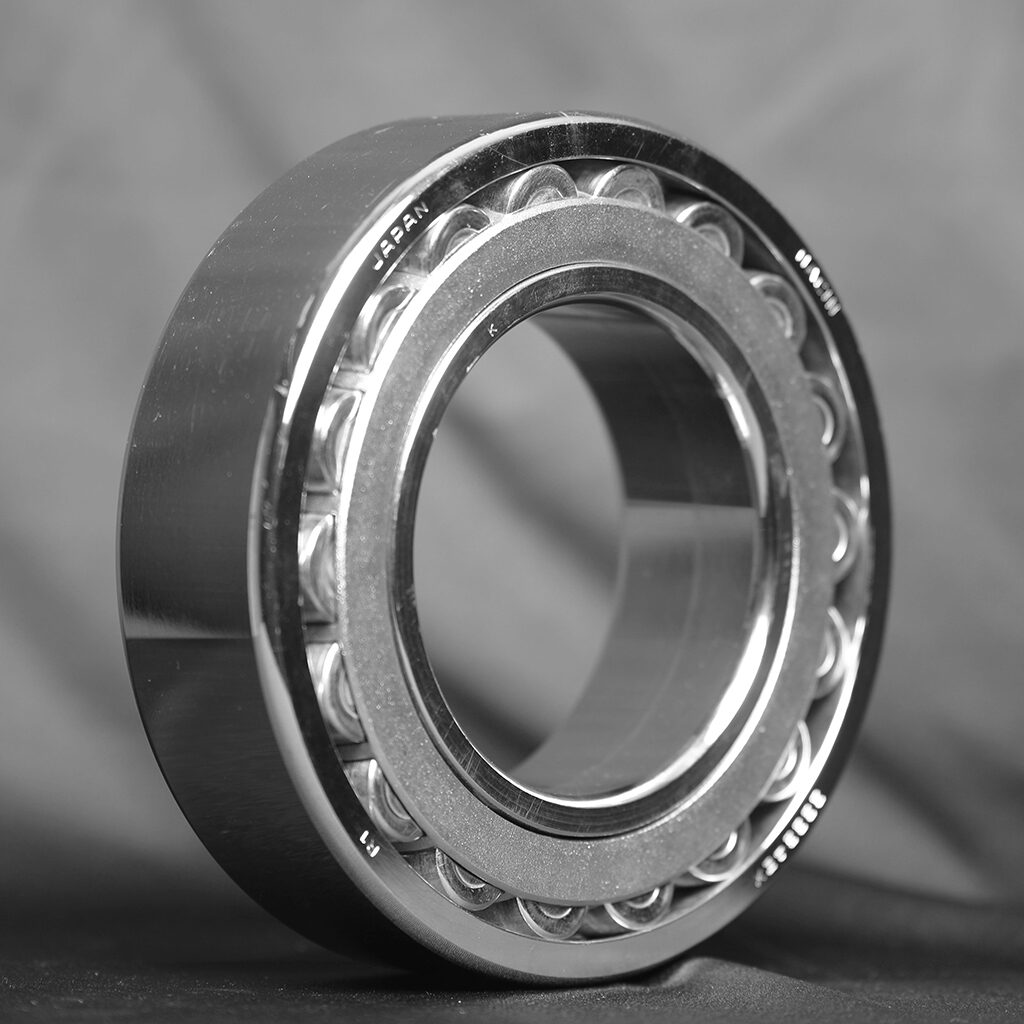
I have drawn my inspiration for my six images from various genres of photography. I love black and white images both portraits and still life. My still life images were inspired by Maurice Bromfield. Maurice’s images of industrial Britain inspired my images of the bearings that I have taken. Selling these products is my day job and I sell hundreds a day but have never taken the time to photograph them.
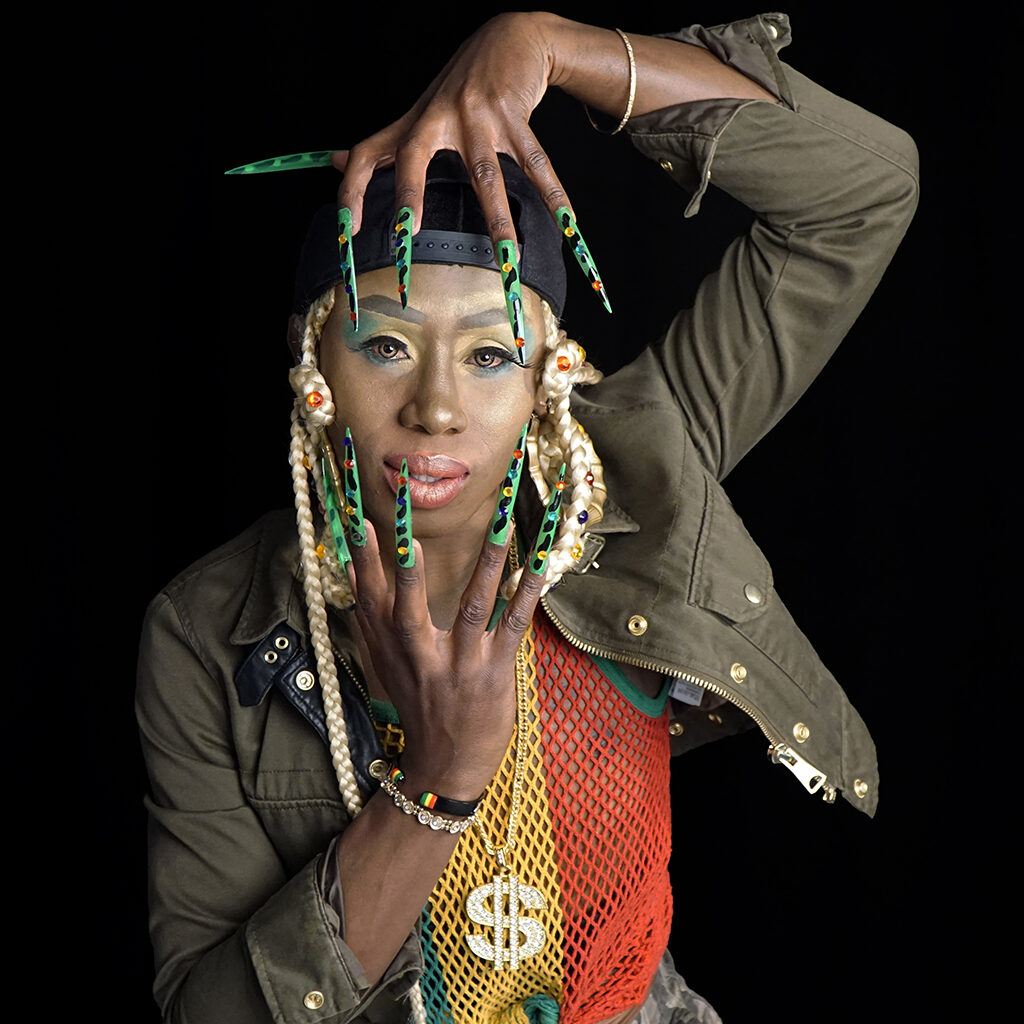
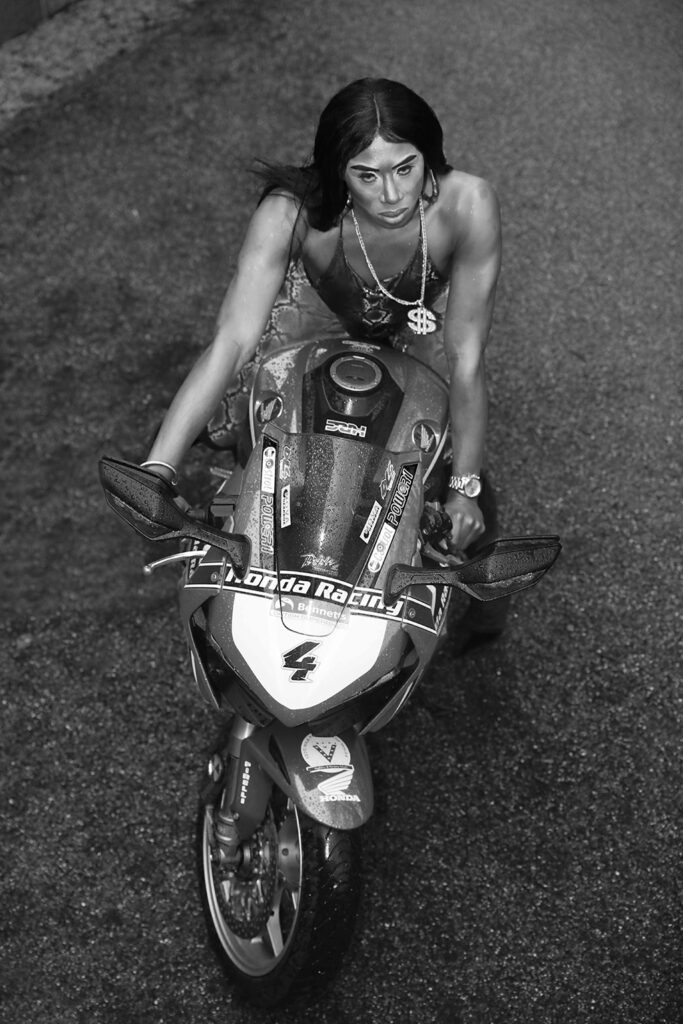
The Maurice Broomfield ‘Timken’s’ shot of a massive bearing being inspected (see below) inspired these images.In my part time I am a Wedding Photographer so really enjoy photographing people, so my other images are all based on my love for taking shots of people. I especially love black and white portraits. I enjoyed working with ‘Candy’ (Maurice) and although he was very colourful and vibrant I thought the pictures of him worked very well in black and white.
‘Colour’ explores the relationship between colour psychology and fashion photography. Each colour has its own characteristics associated with it that can alter viewers moods, thoughts and feelings upon viewing it. I have created a character associated with each colour portraying the feelings and emotions attached to it. The colour red is often associated with passion and sensuality but also can refer to danger. The colour blue has been known to lower both blood pressure and anxiety yet have little emotive connotations. Starting from left to right, the work attempts to alter viewers emotions. Red, the colour of emotion has physiological impacts that will raise the viewers’ heart rates. Orange, a colour known for its tension, discomfort and negative energy. Finally yellow, a representation of the sun, a colour of fun, warmth, happiness, and inspiration. The work intends to take the viewers on a journey of discomfort to comfort.