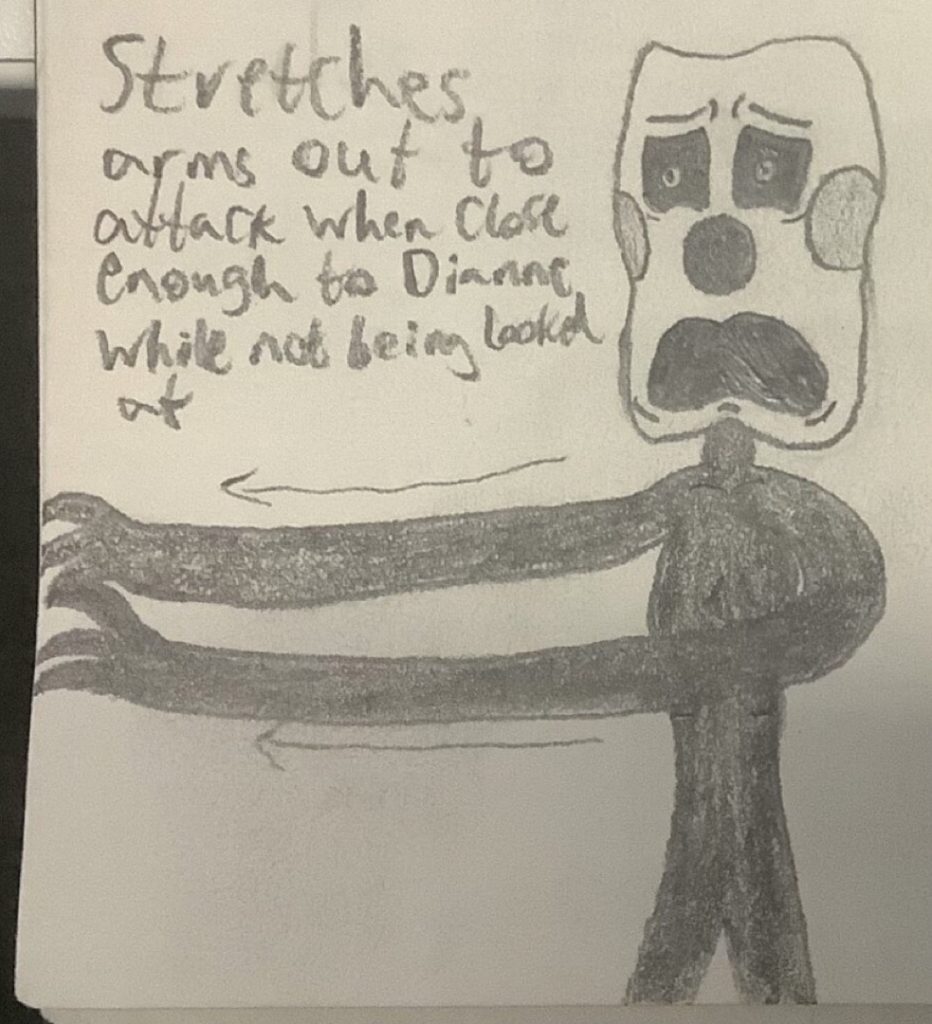
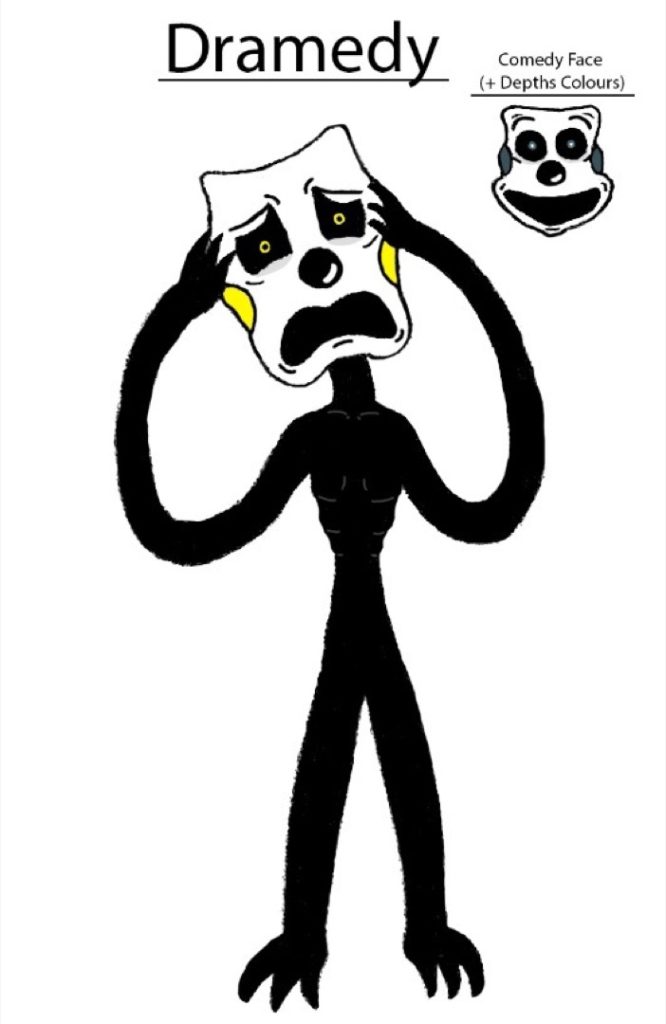
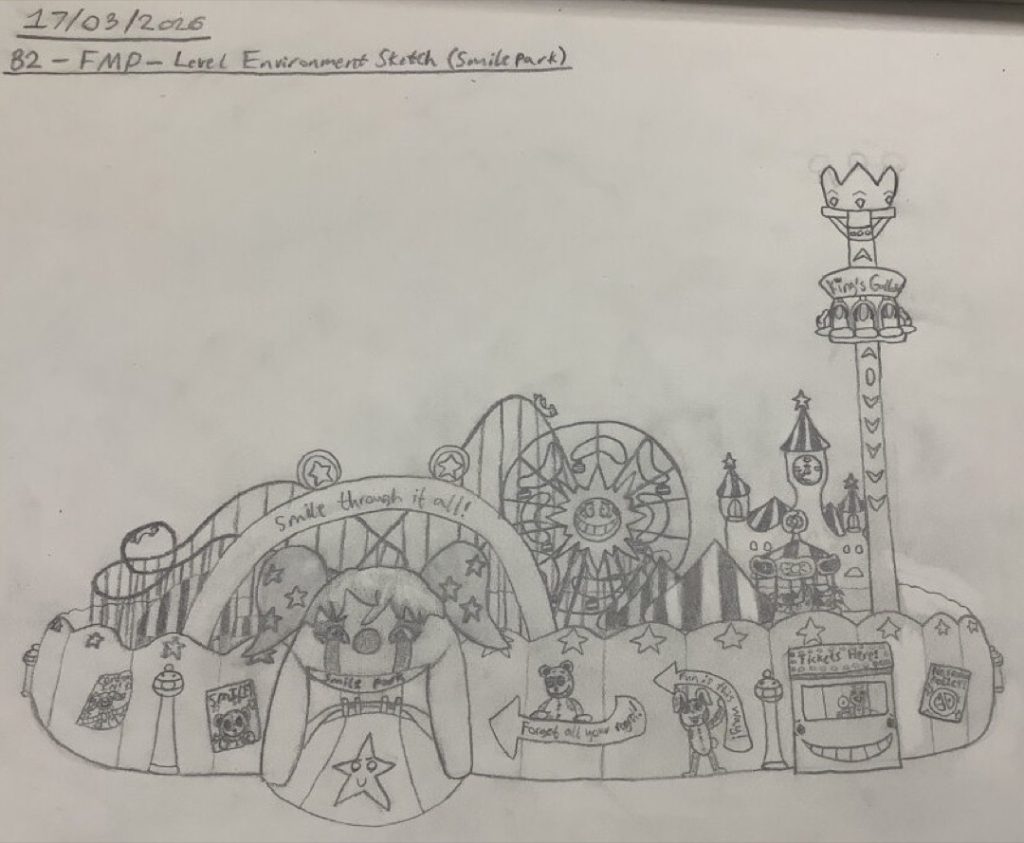
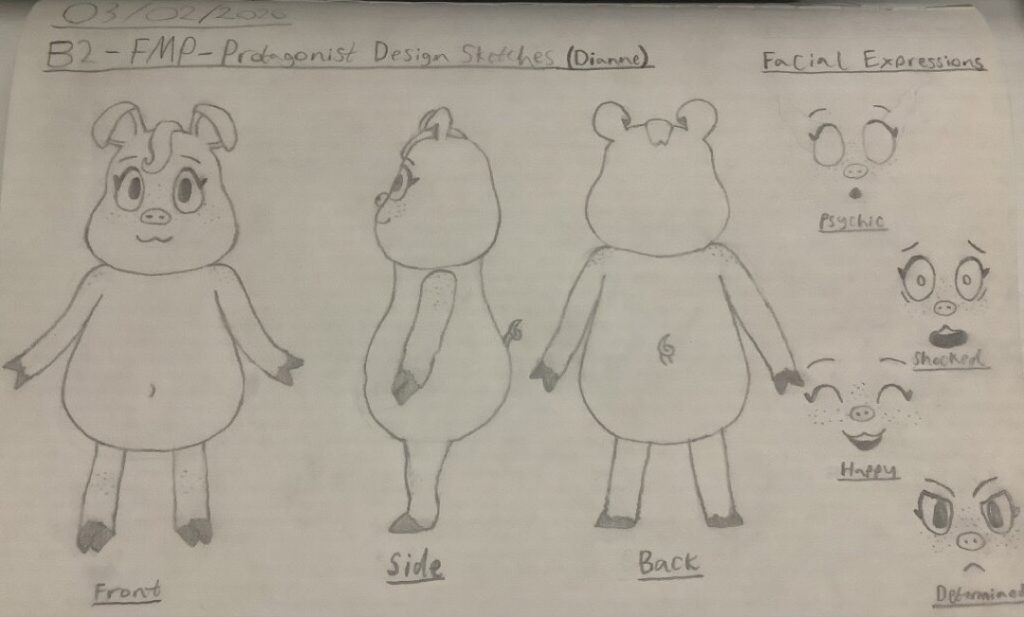
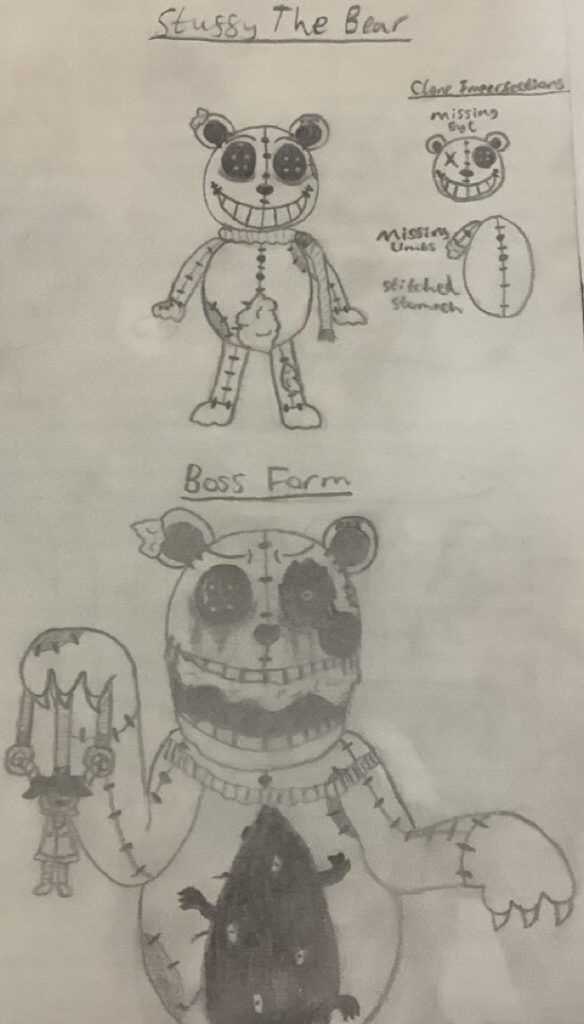
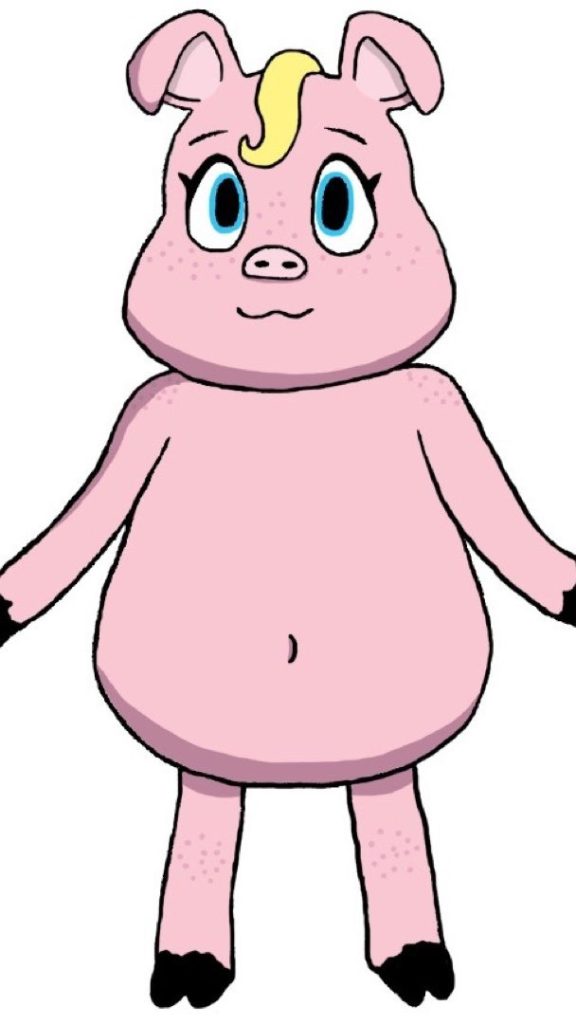
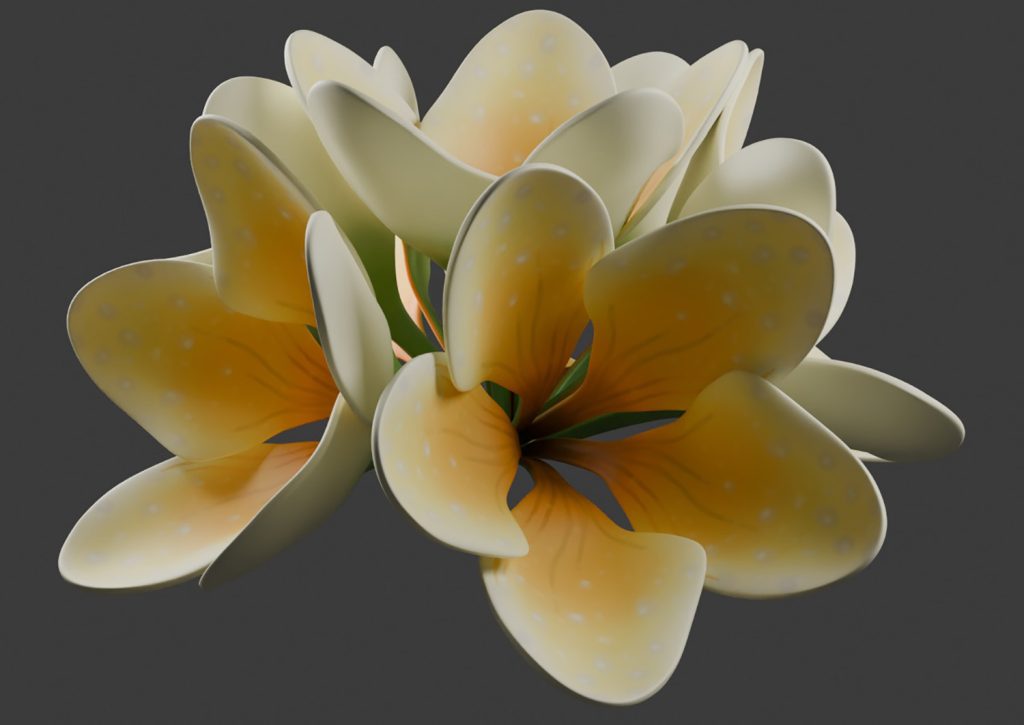
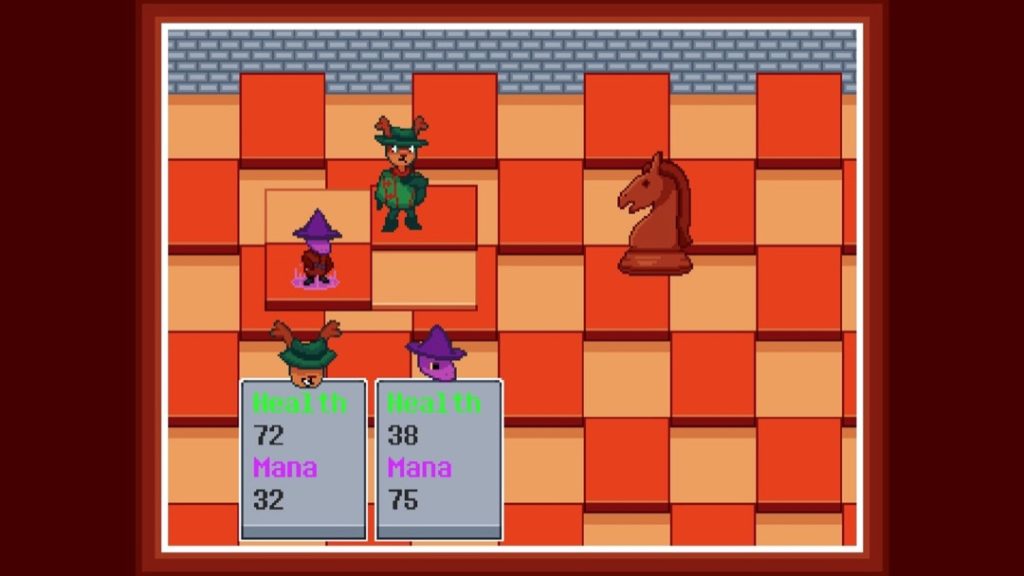
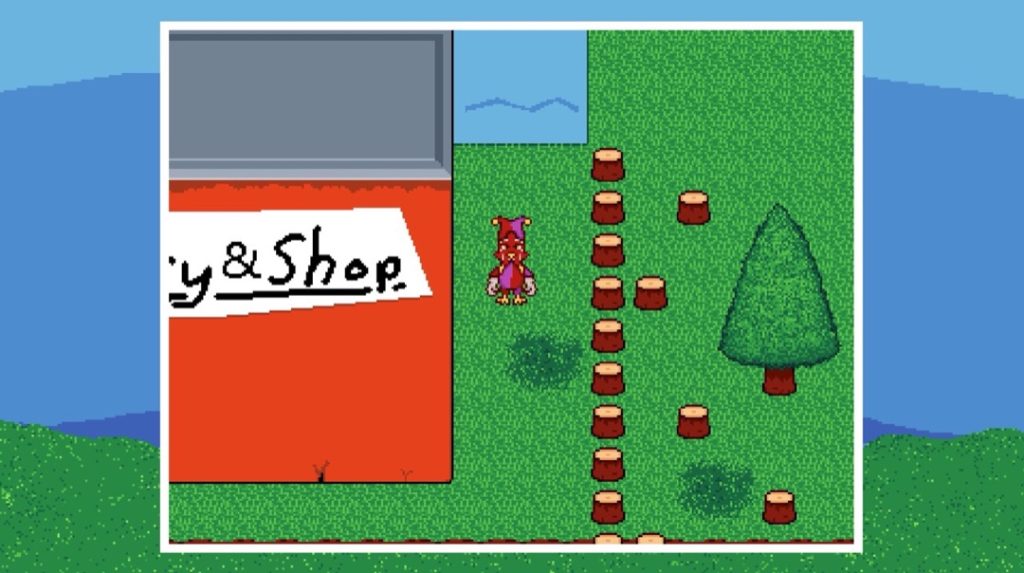
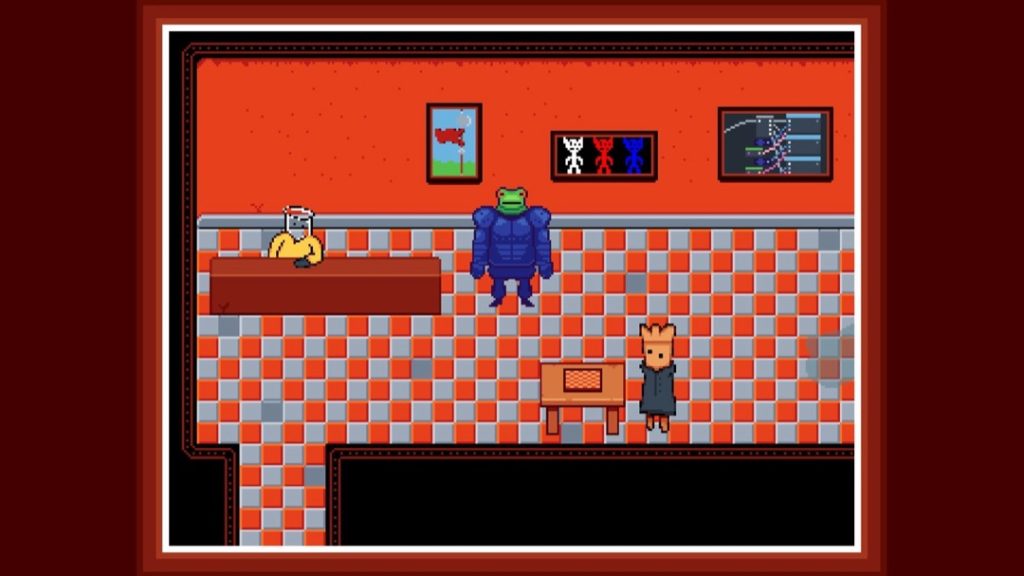
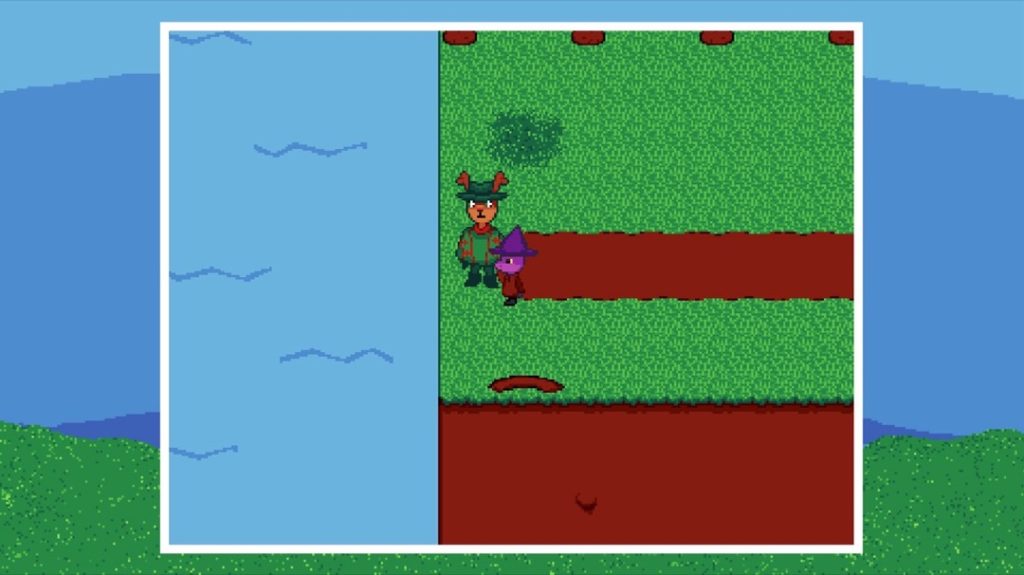
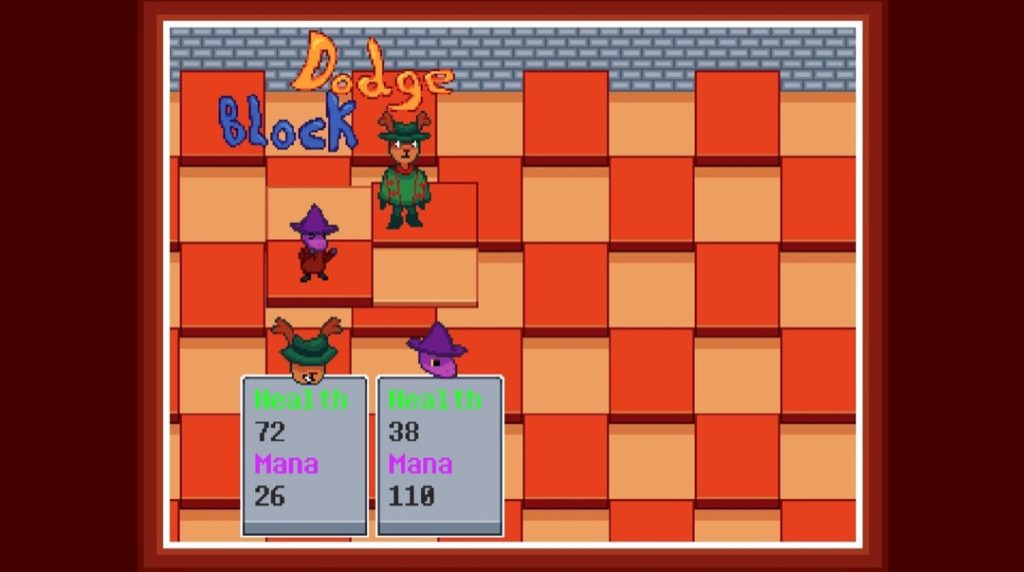
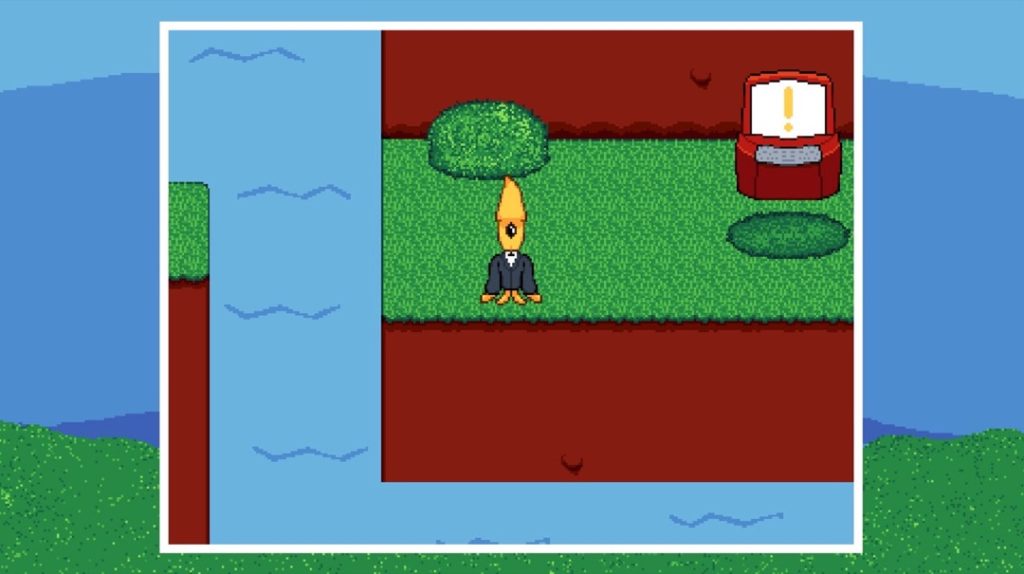
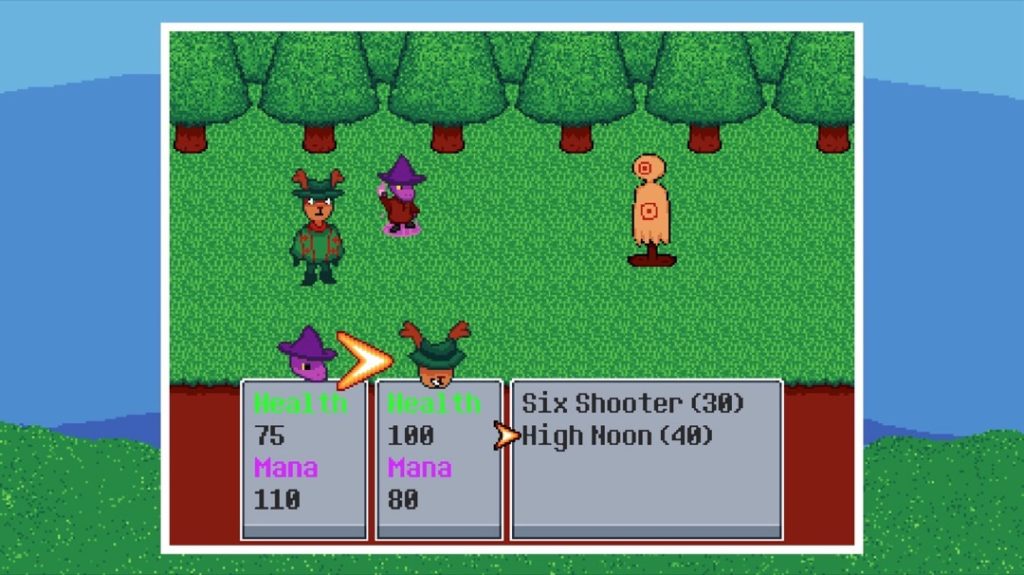
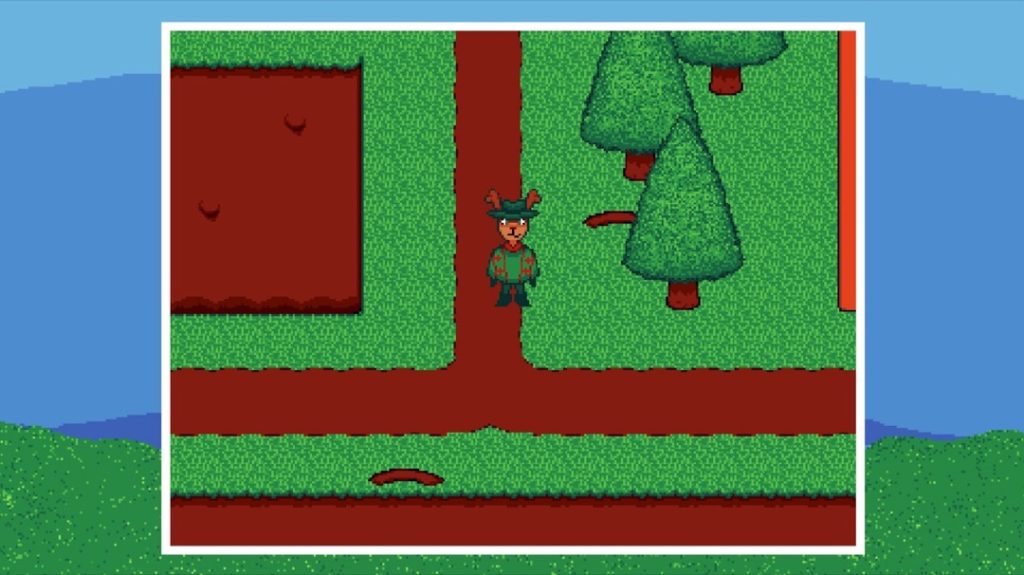
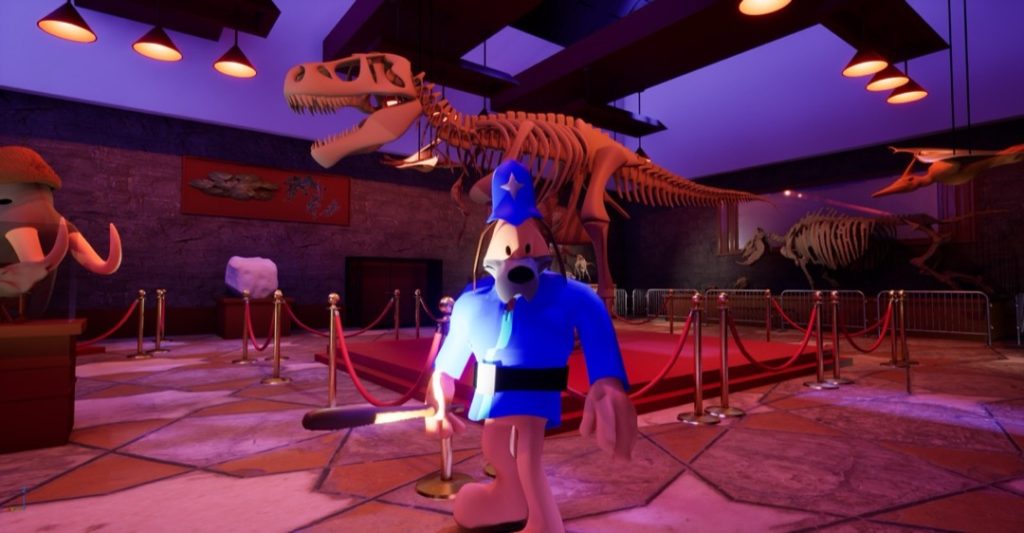
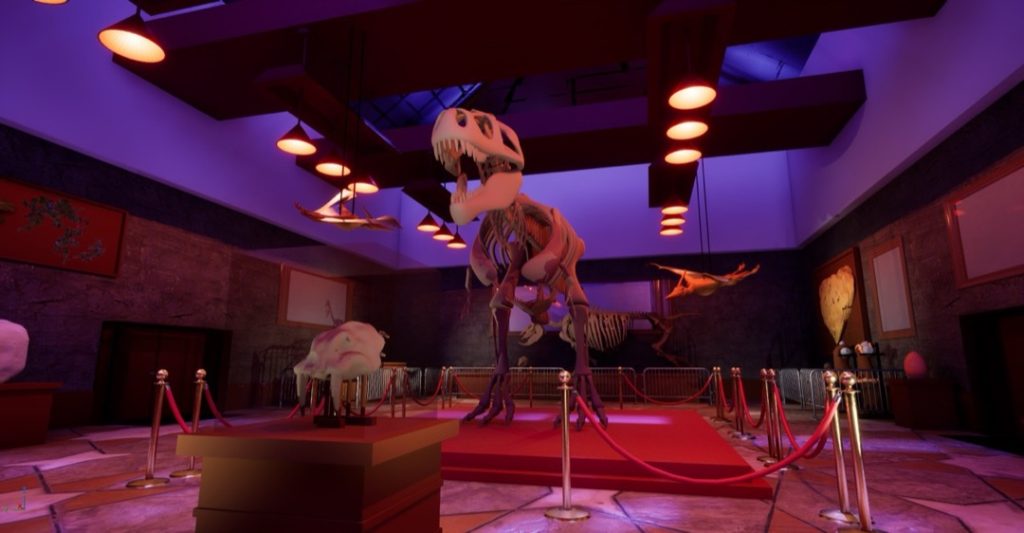
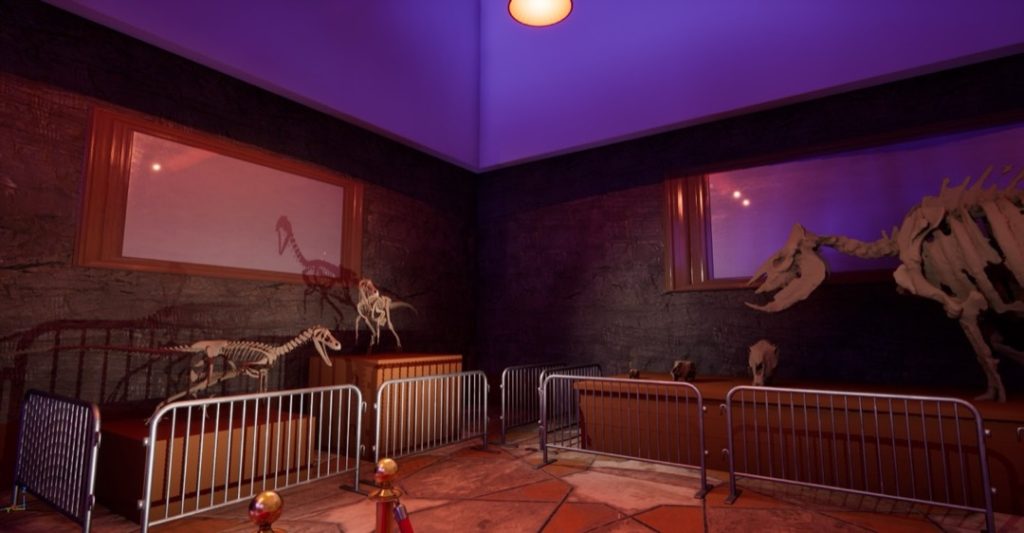
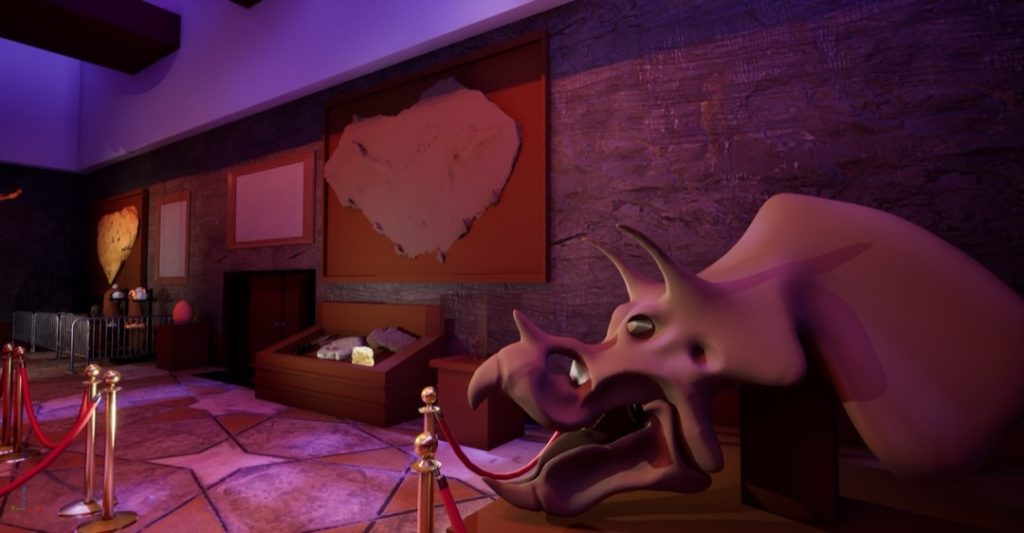
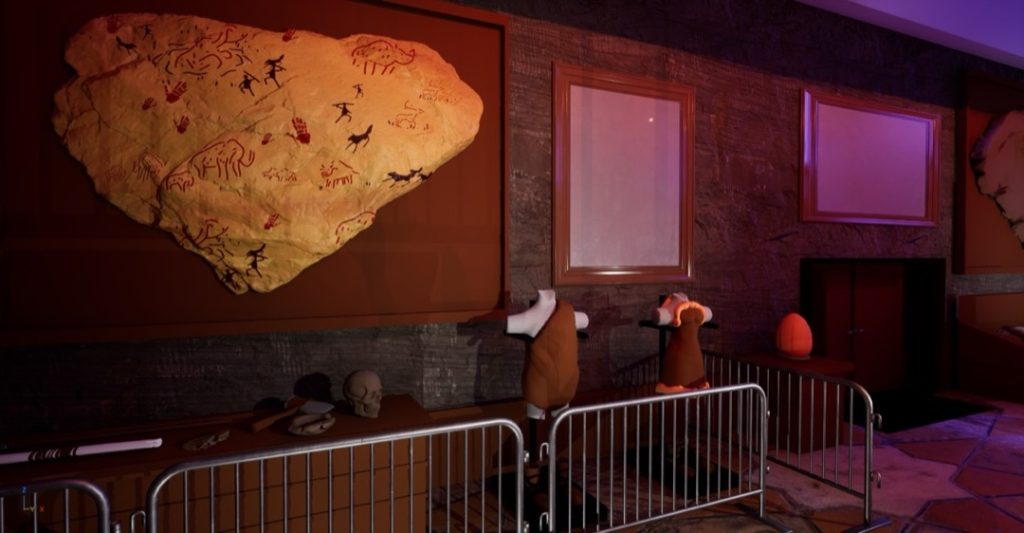
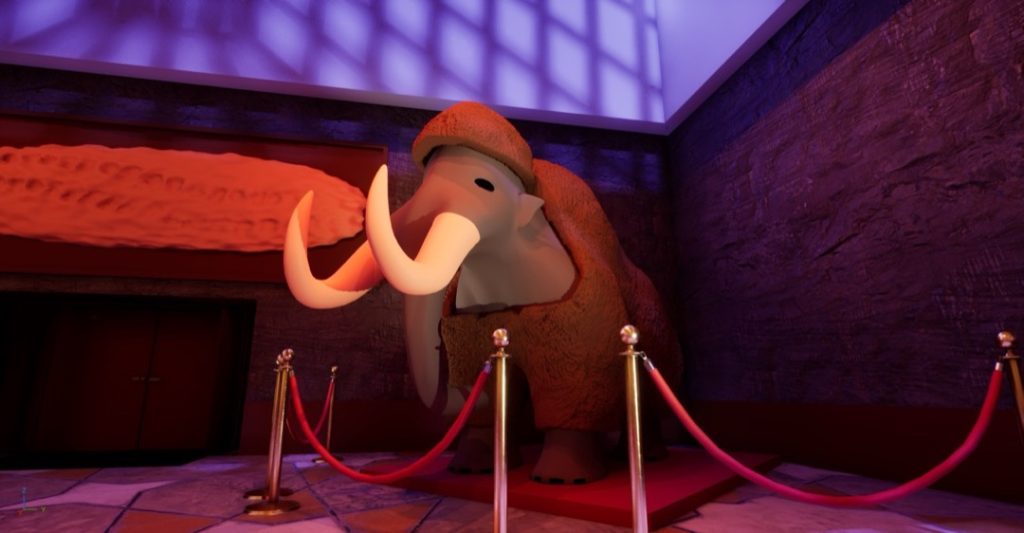
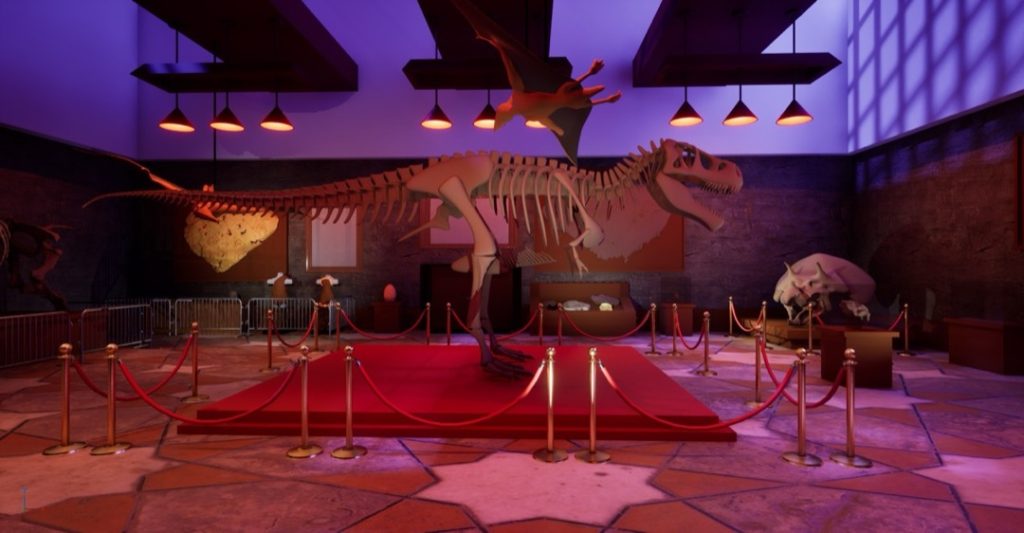
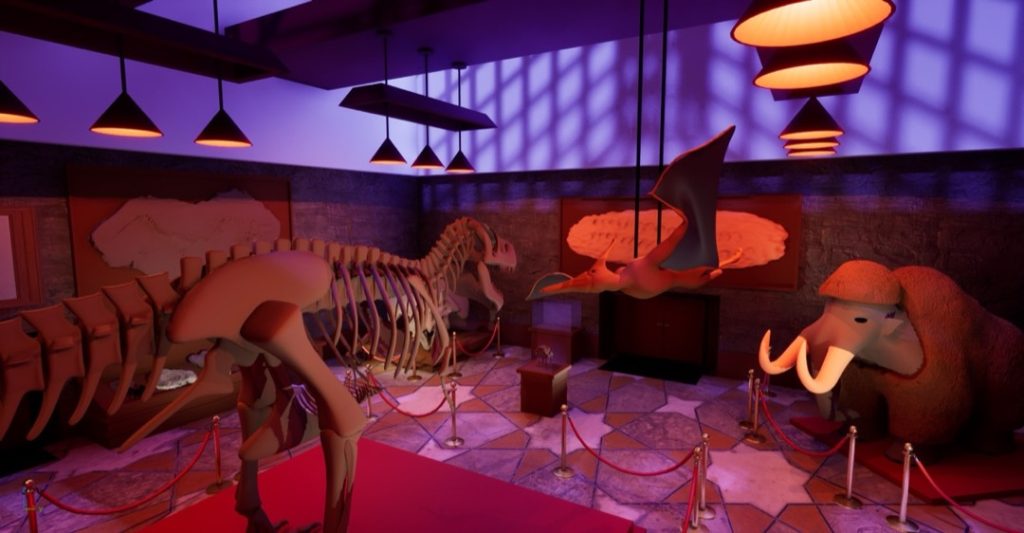
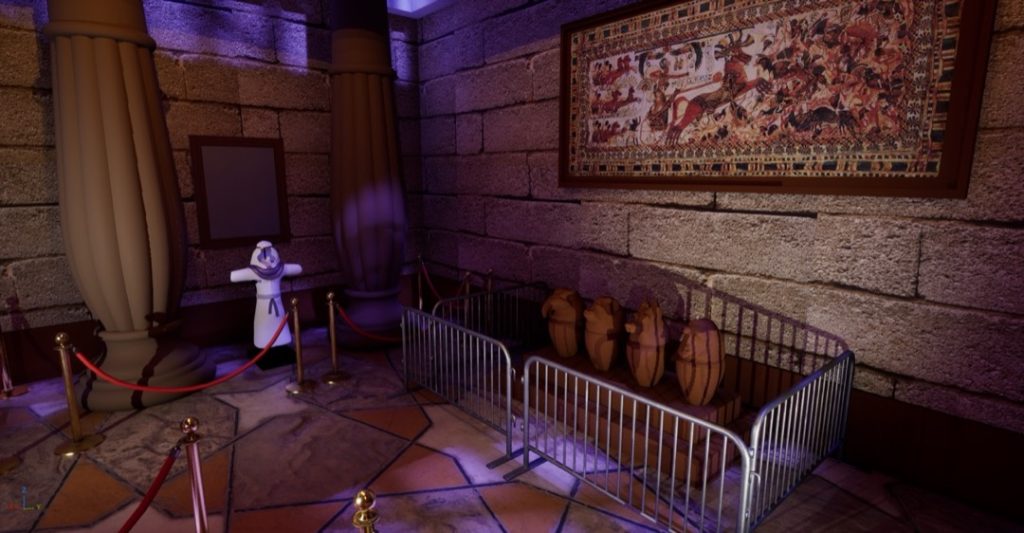
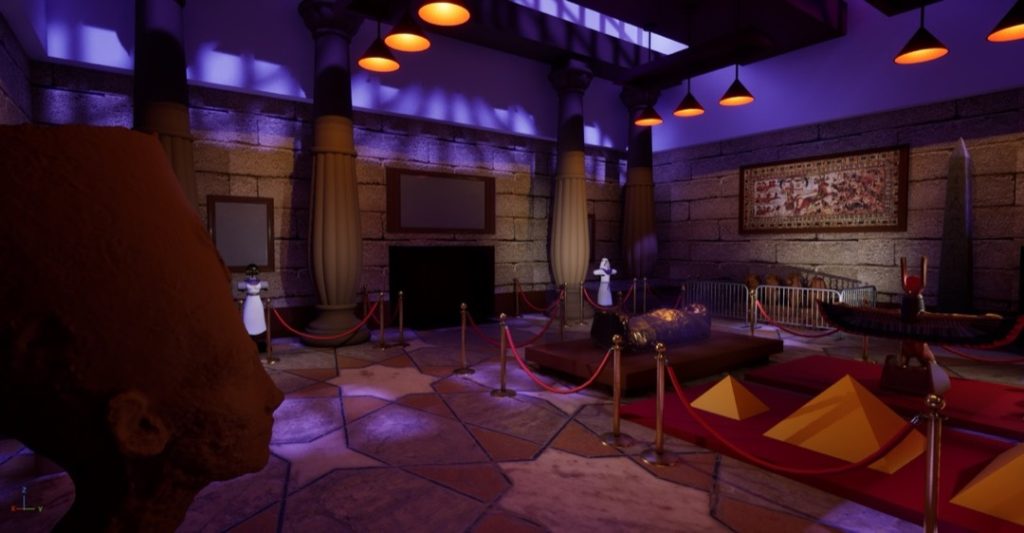
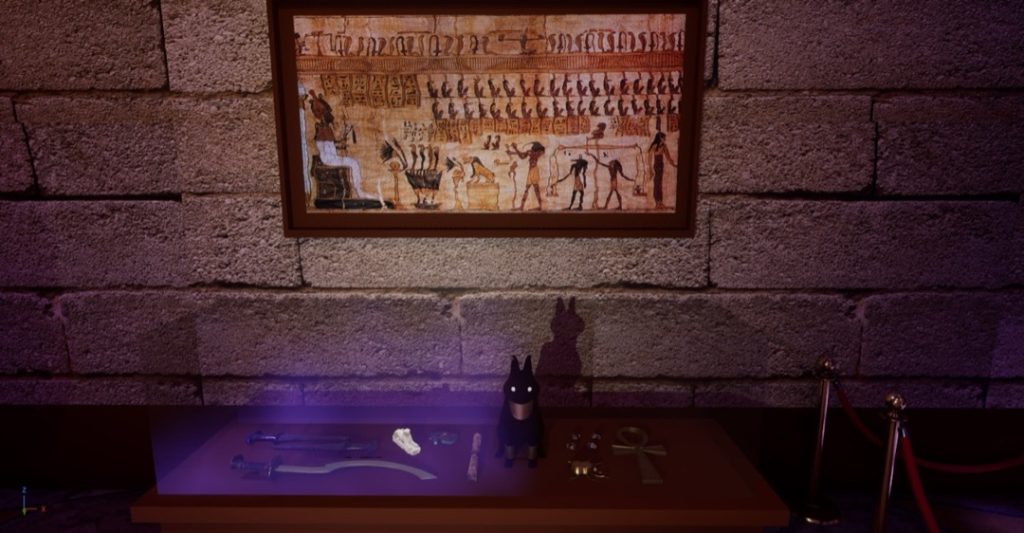
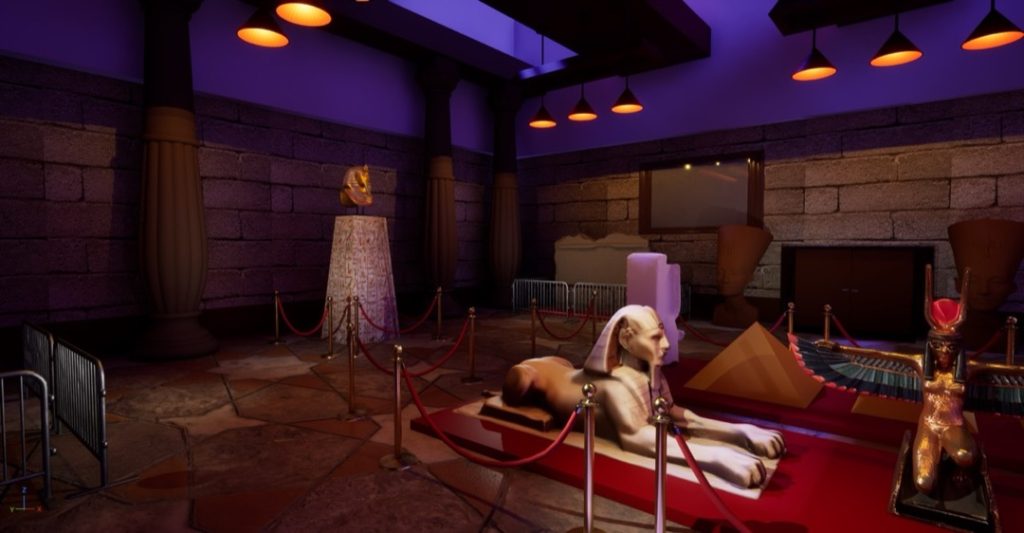
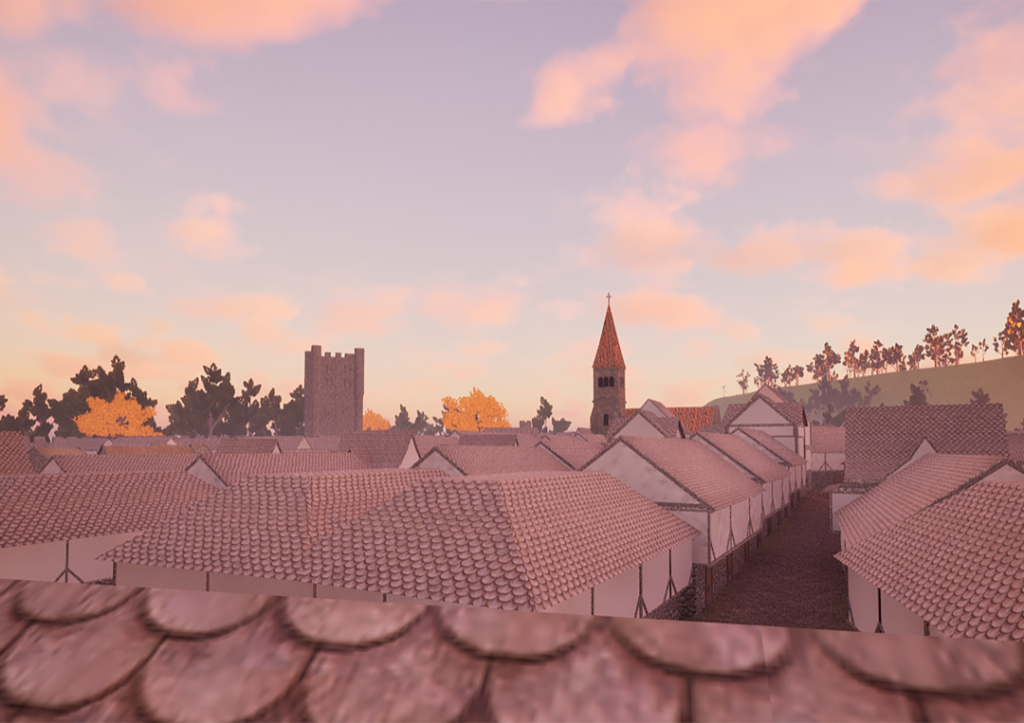
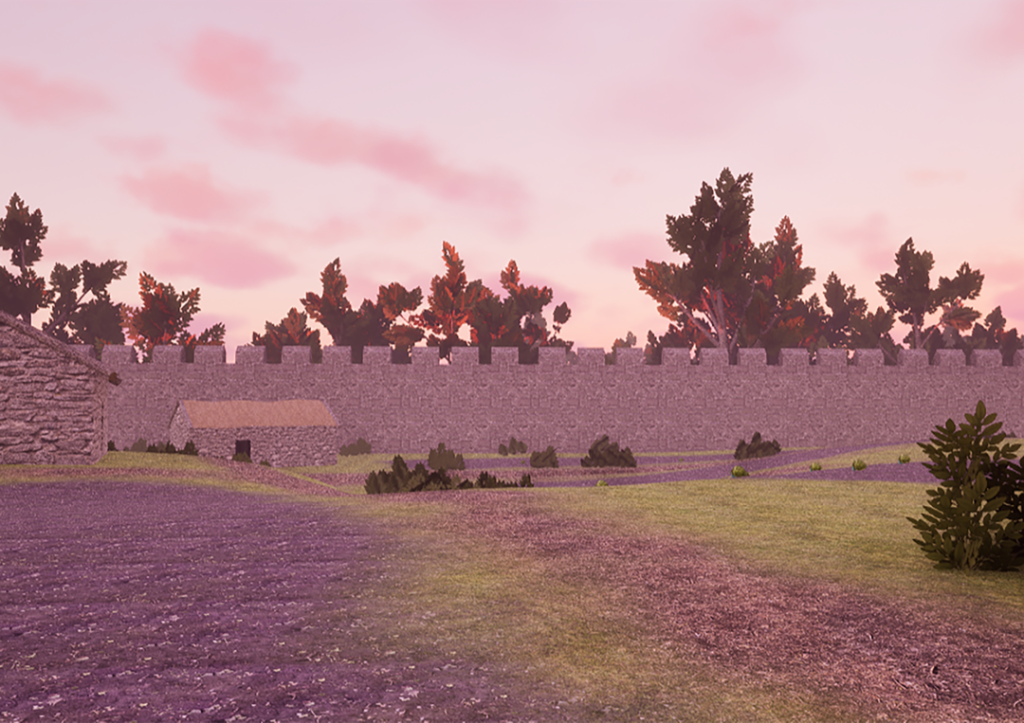
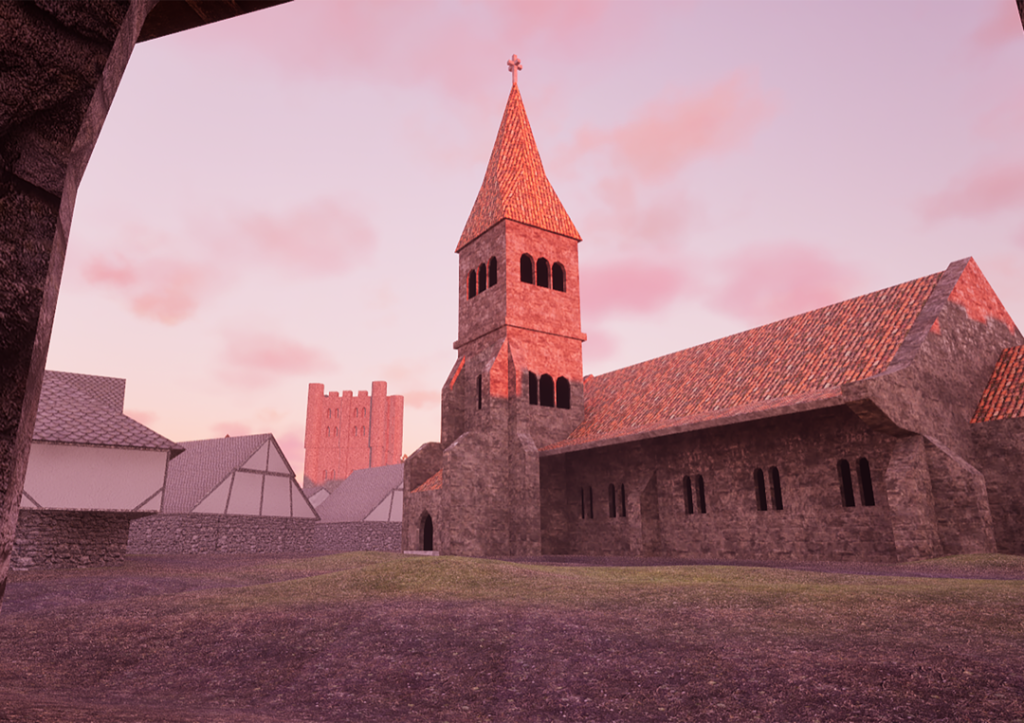
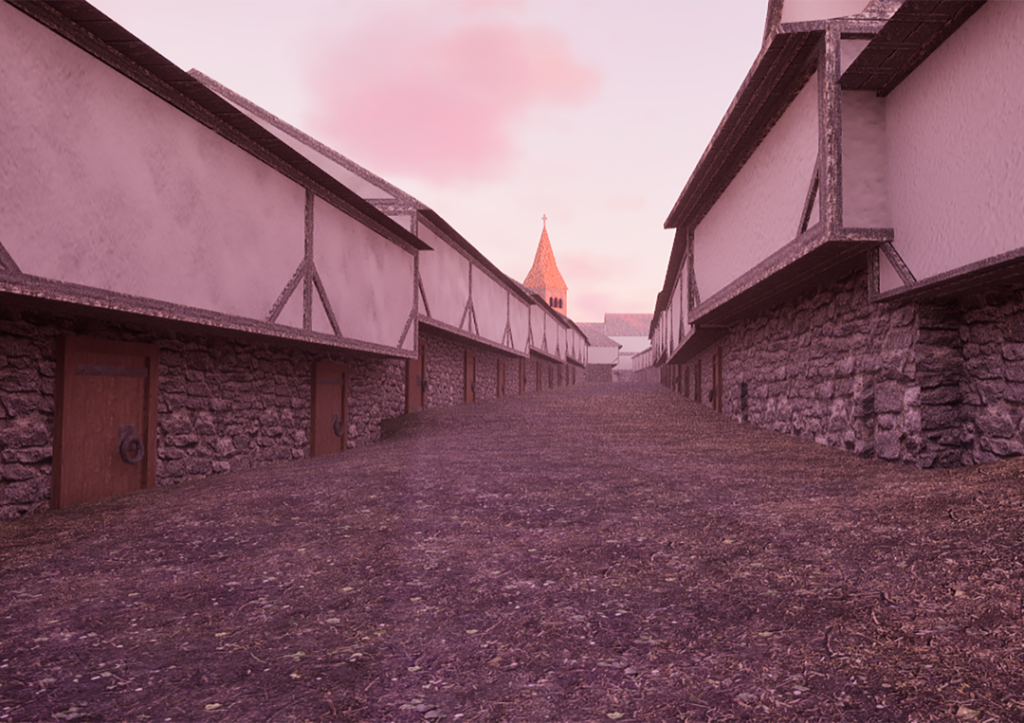
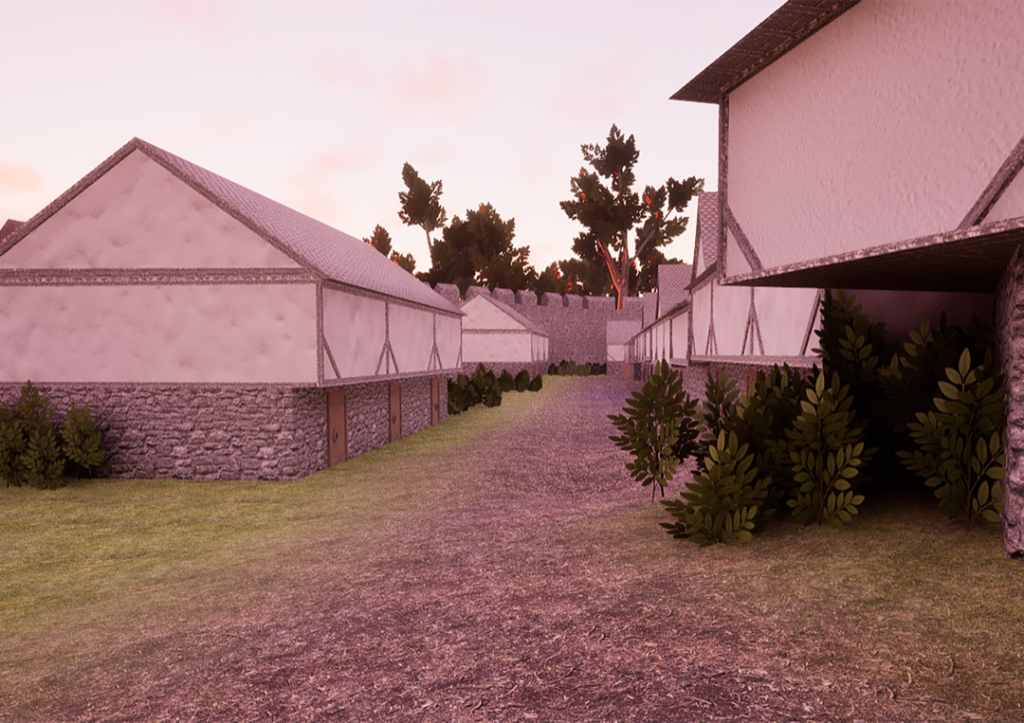
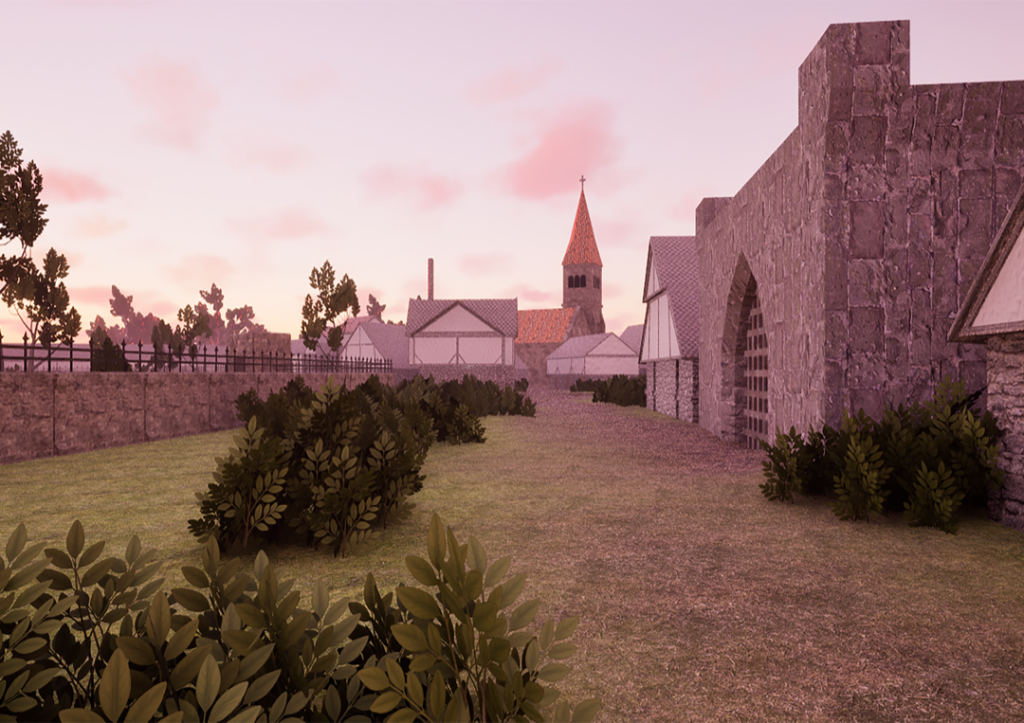
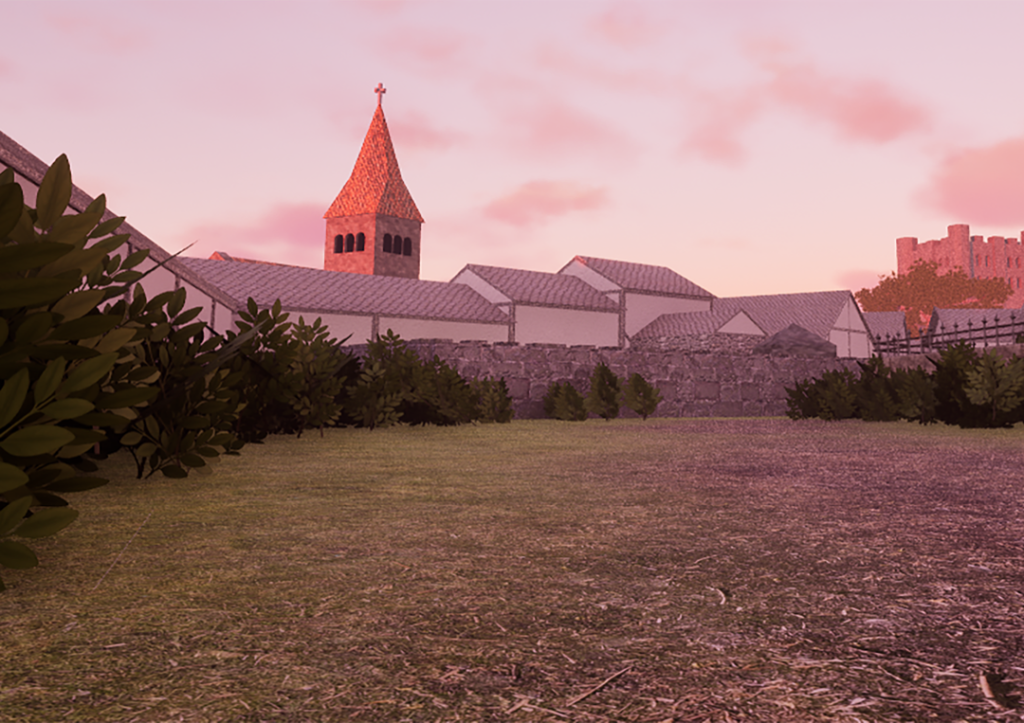
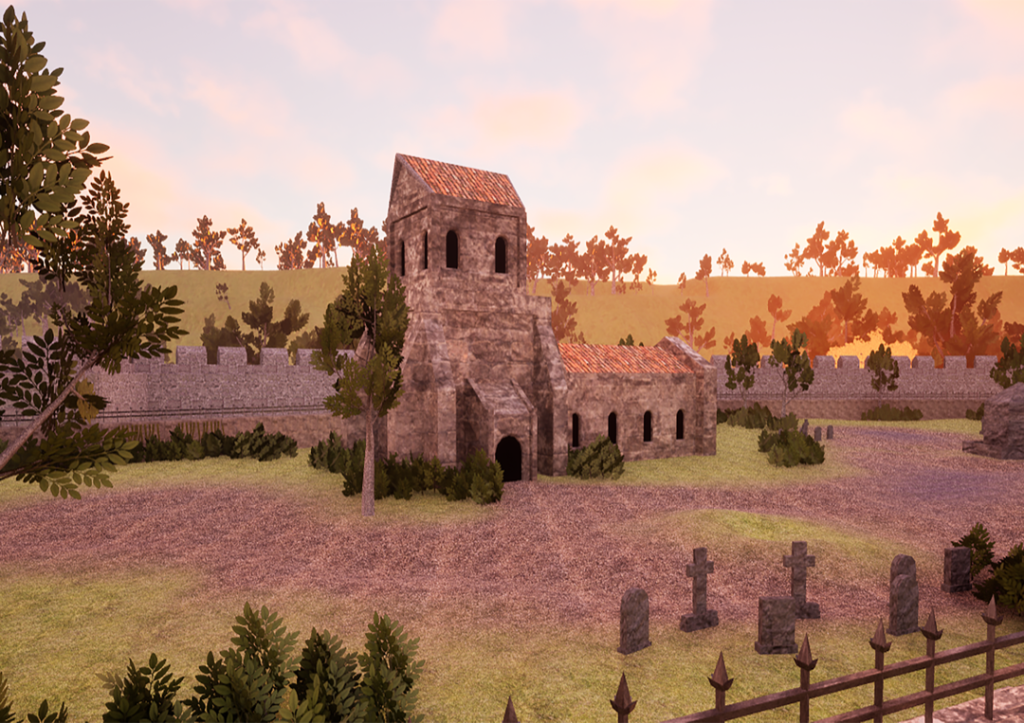
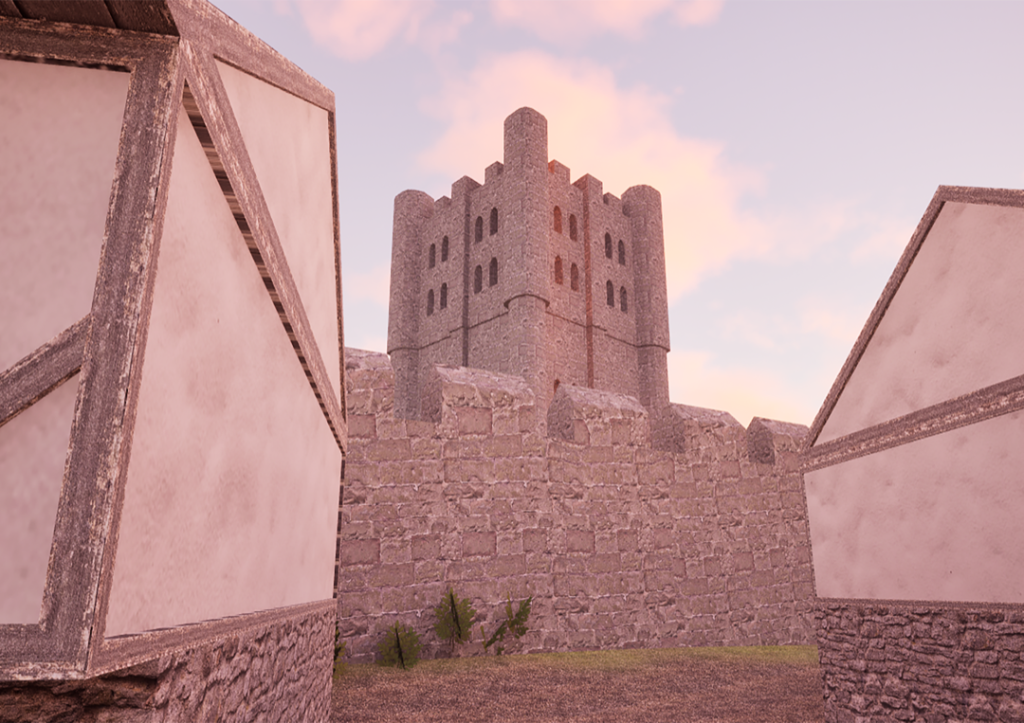
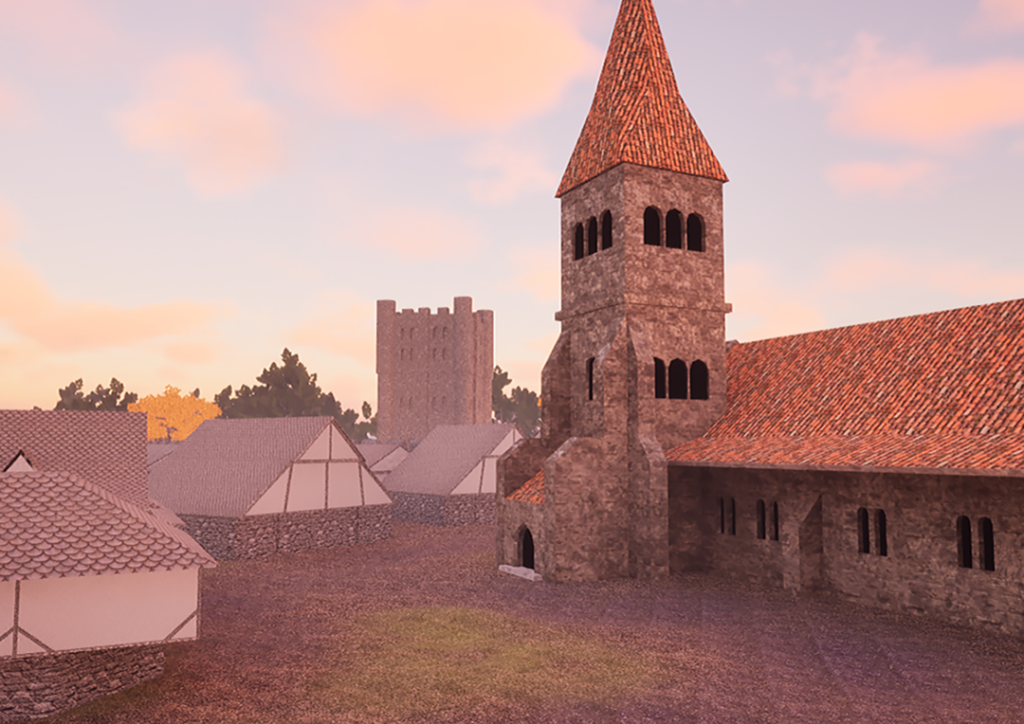
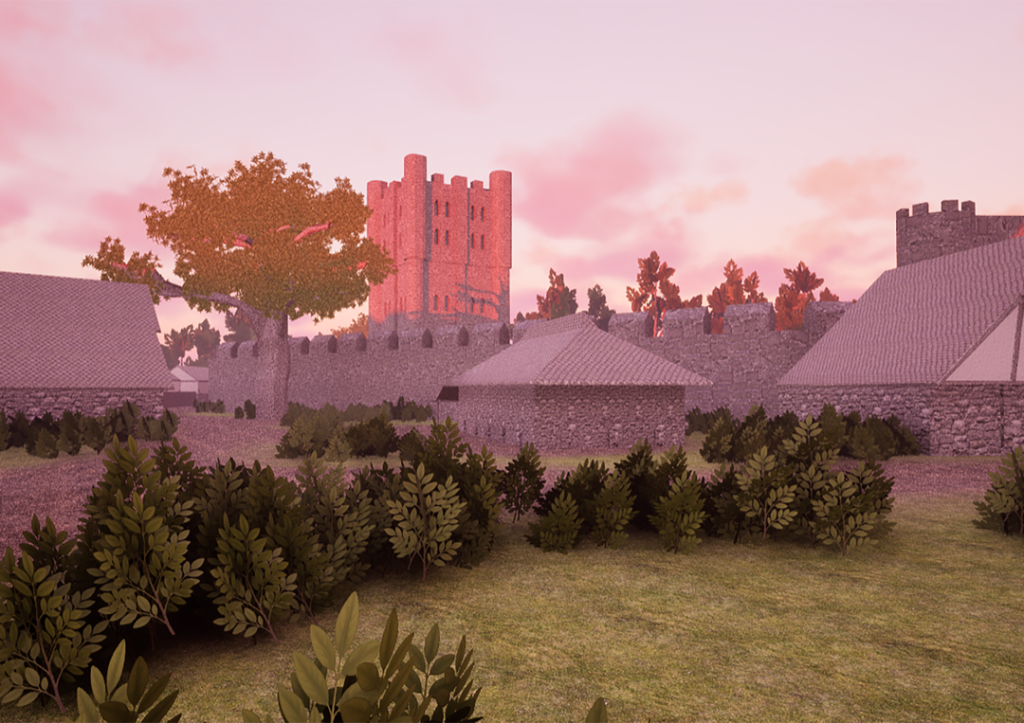
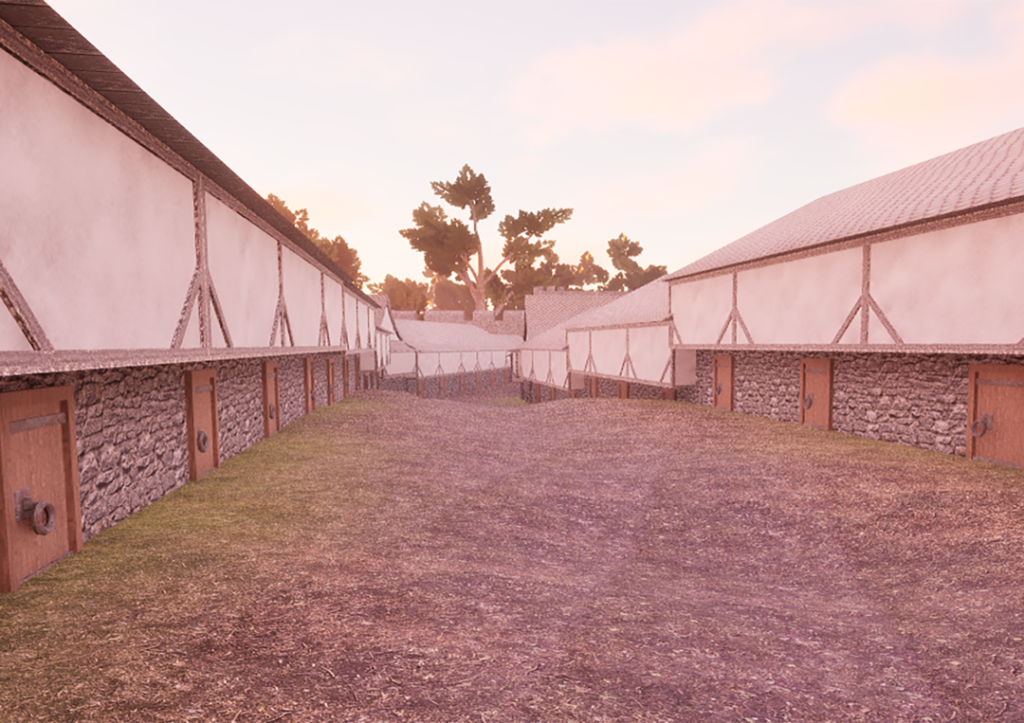
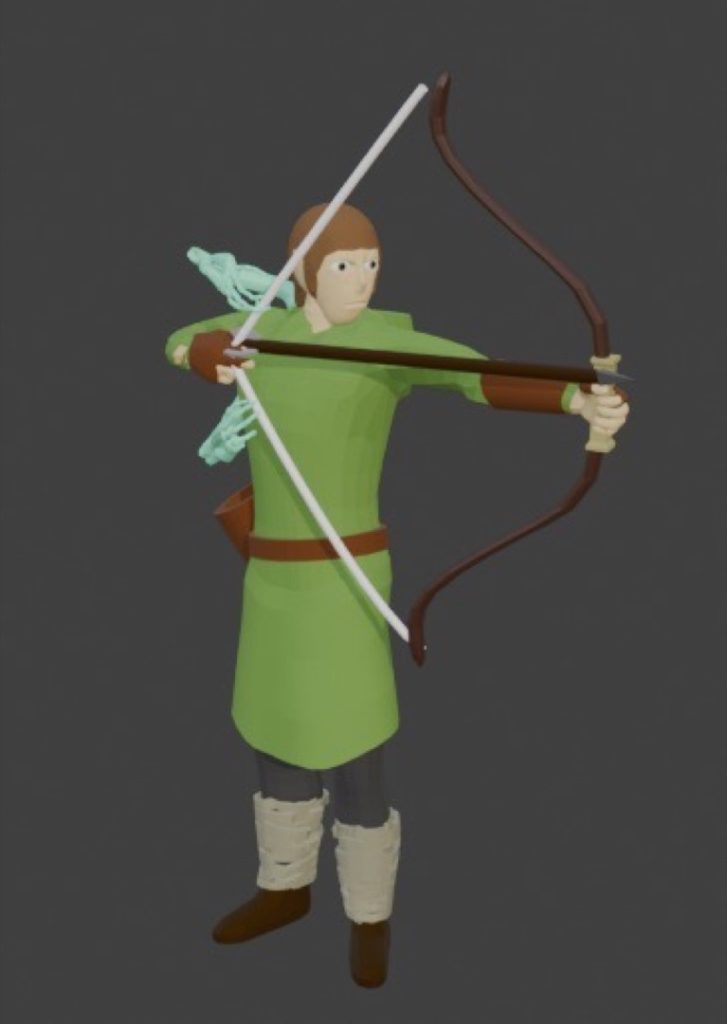
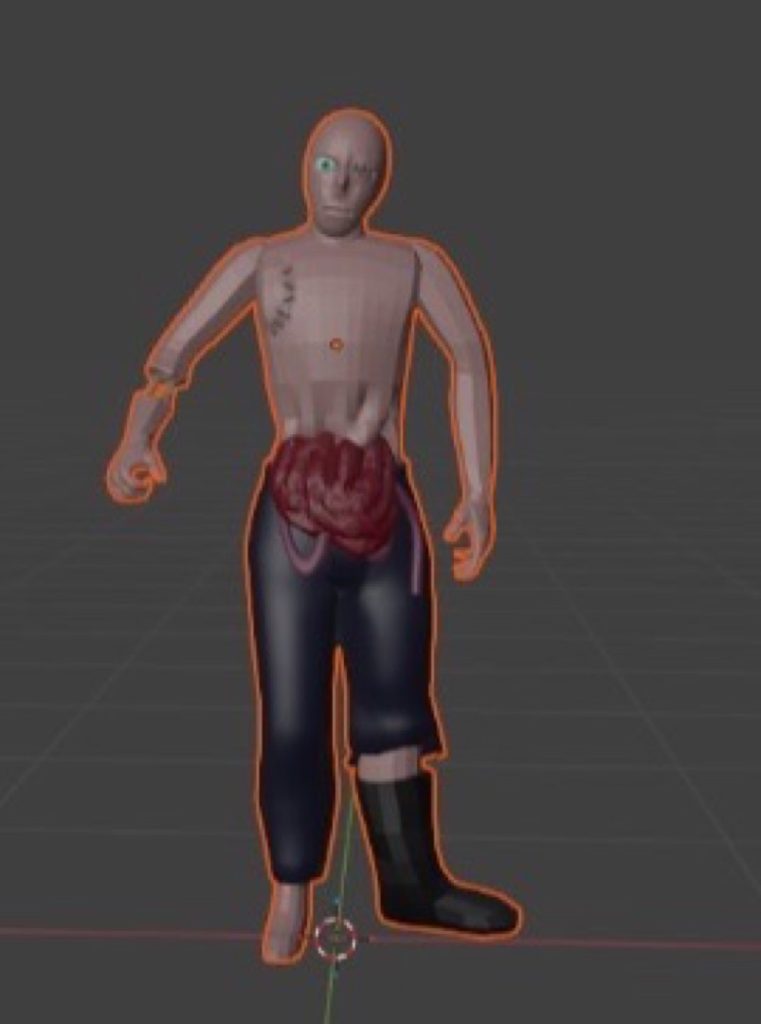
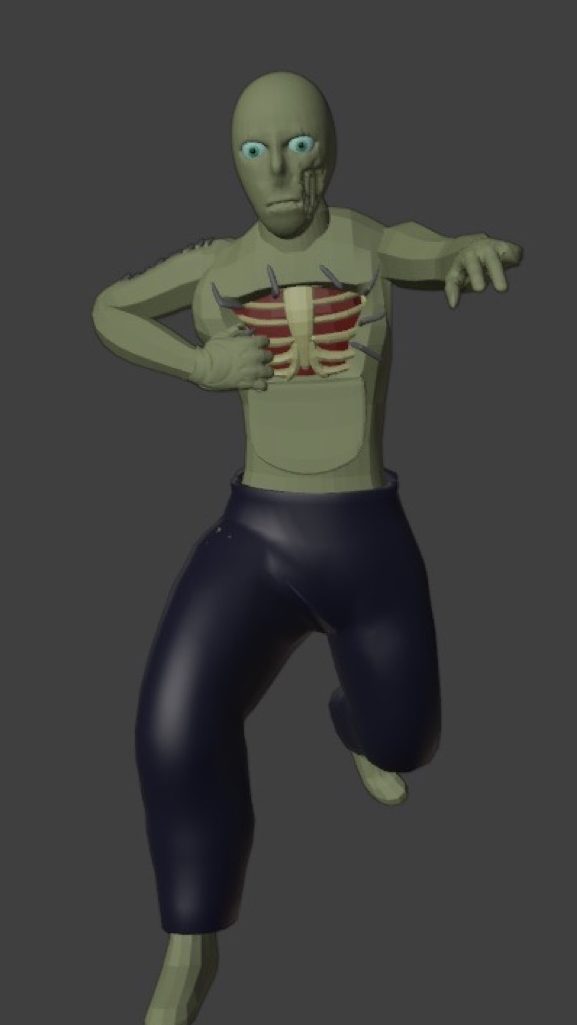
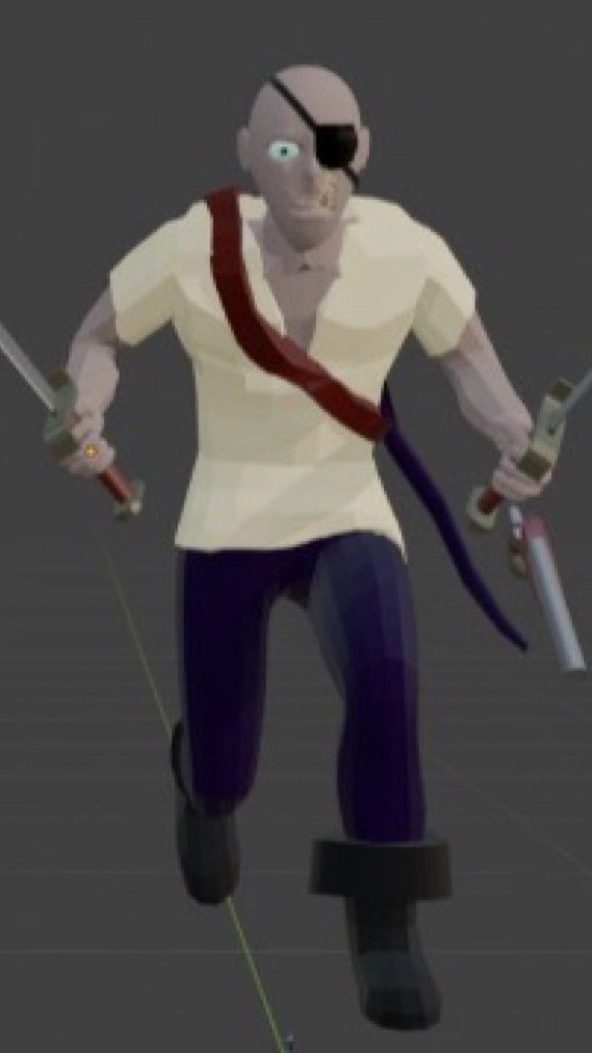
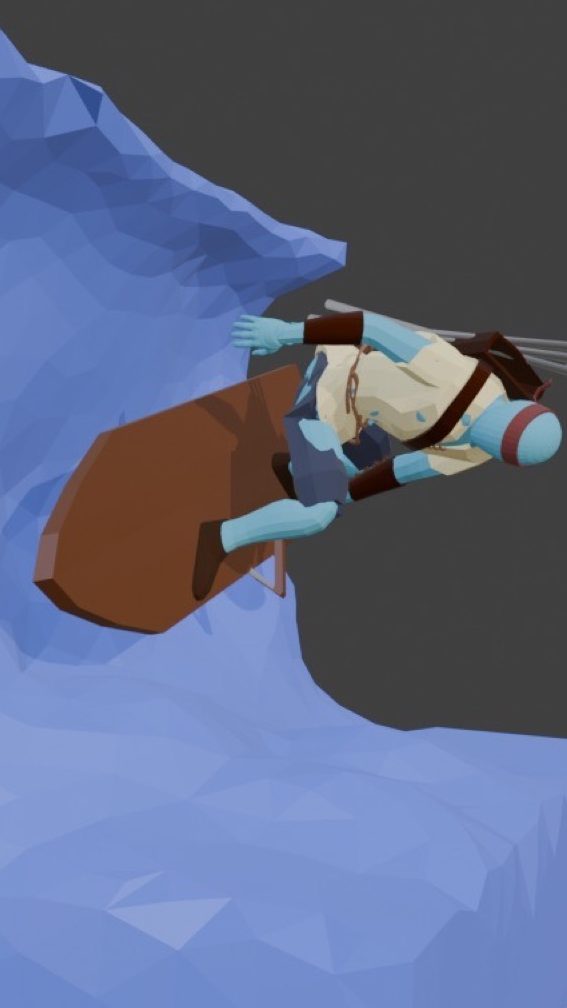
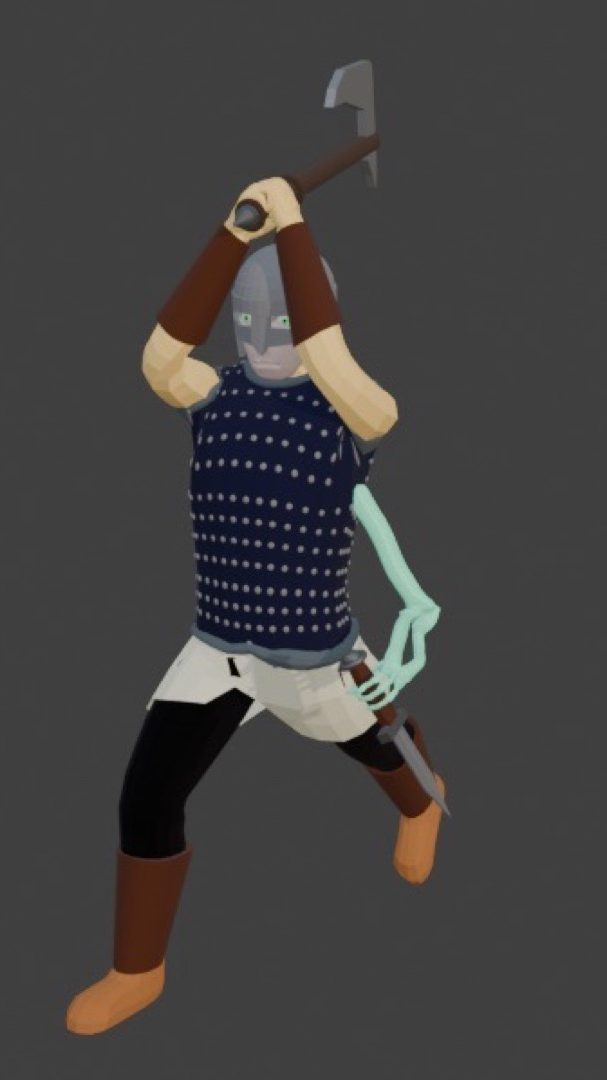
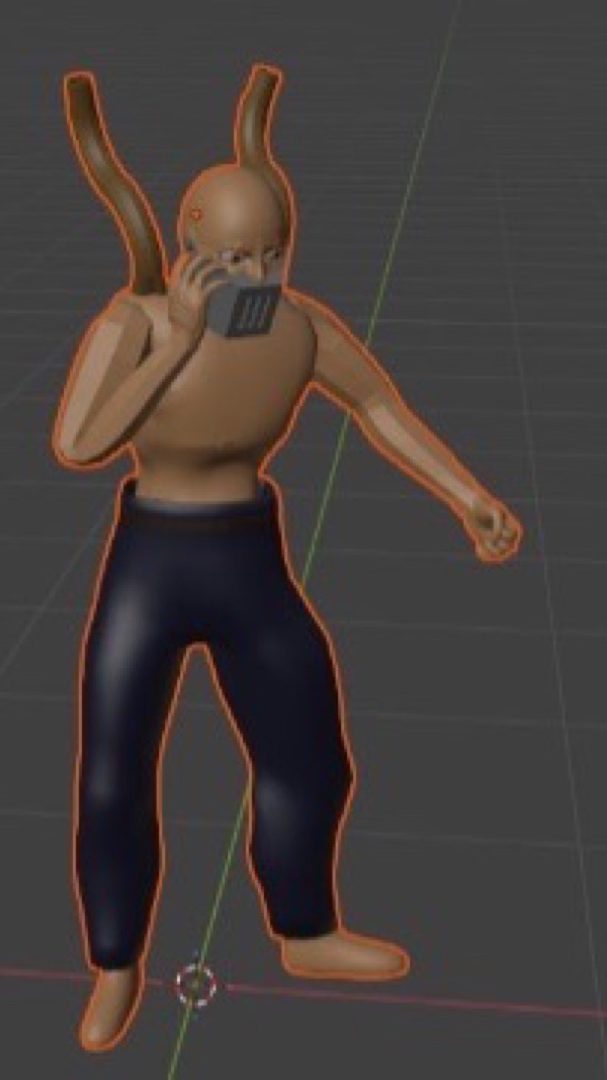
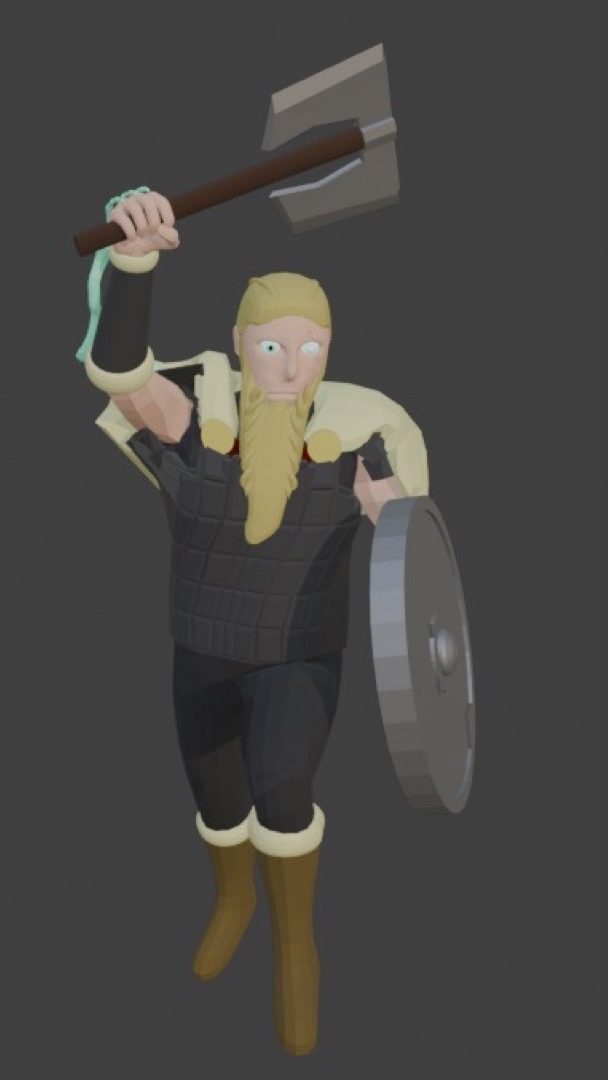
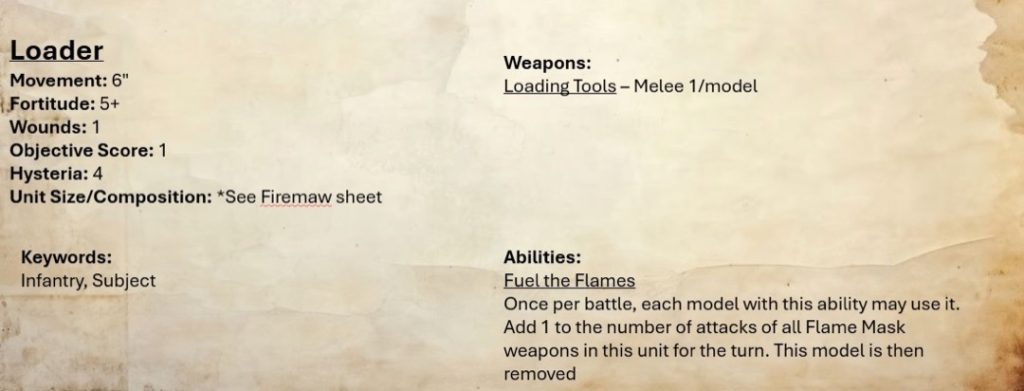
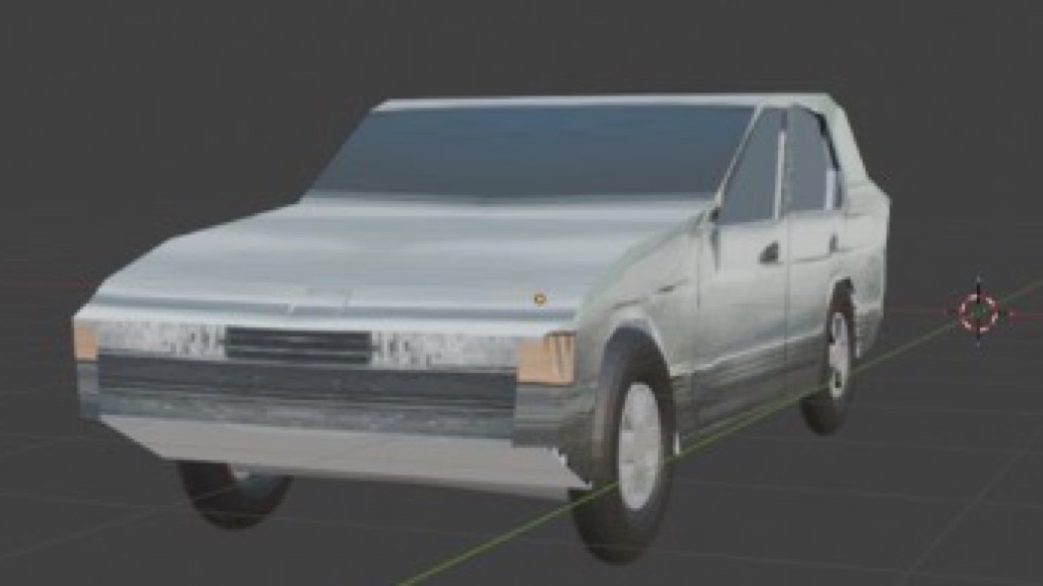
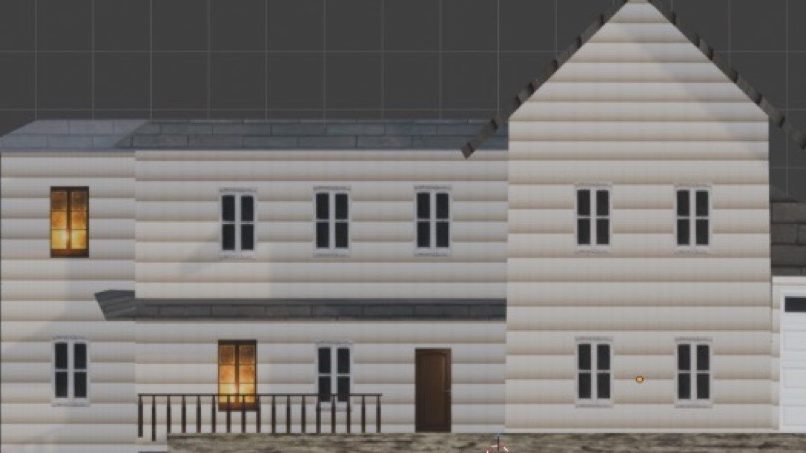
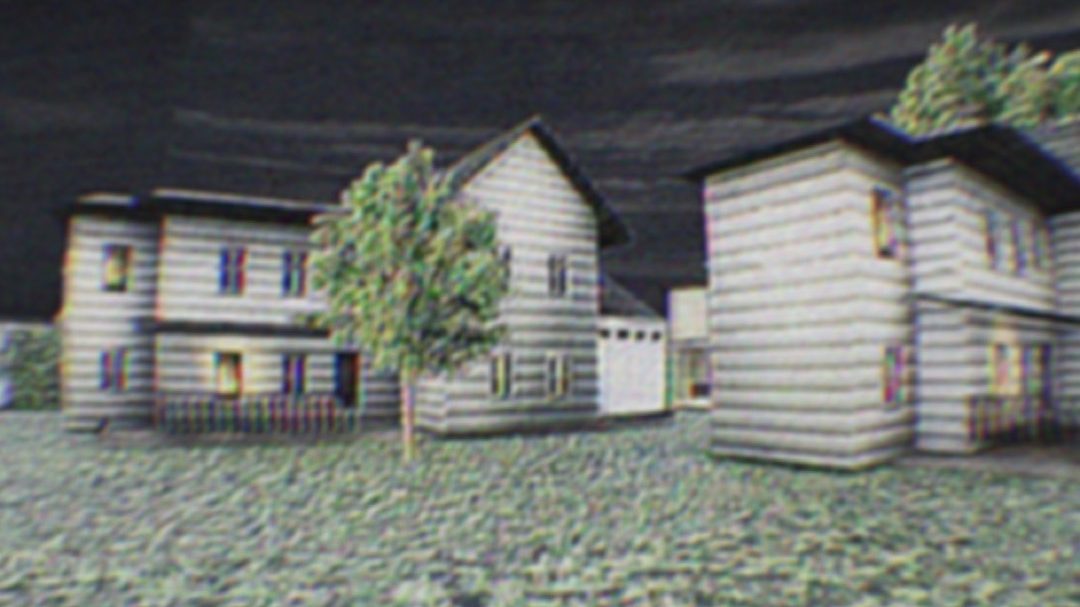
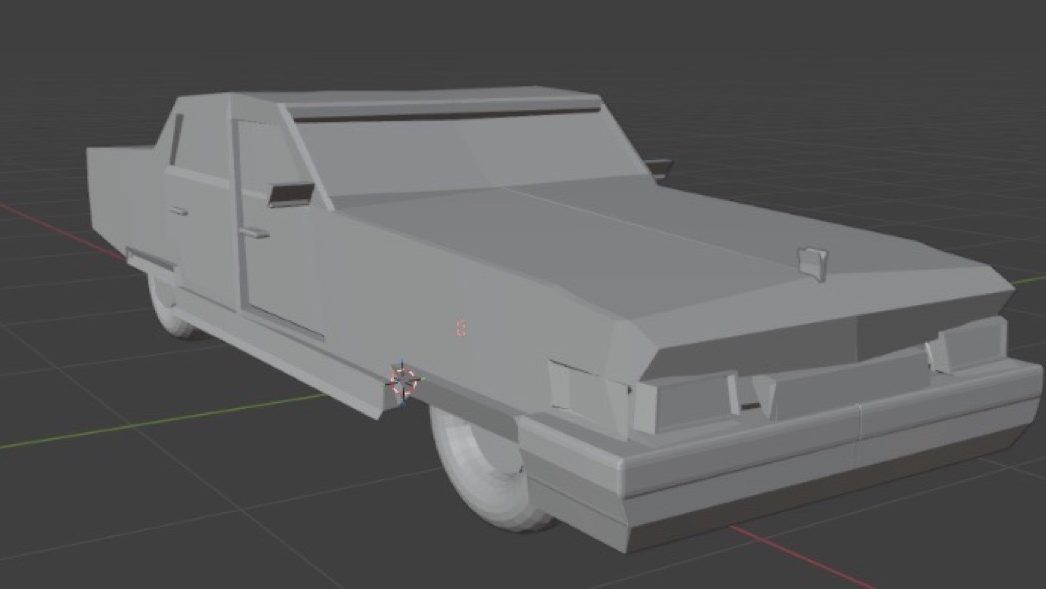
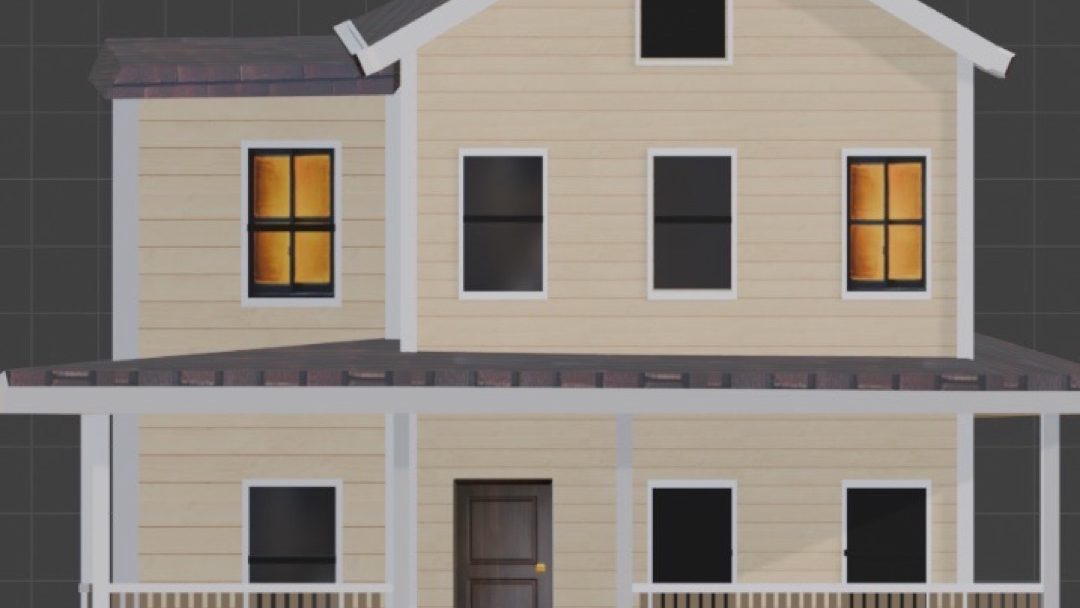
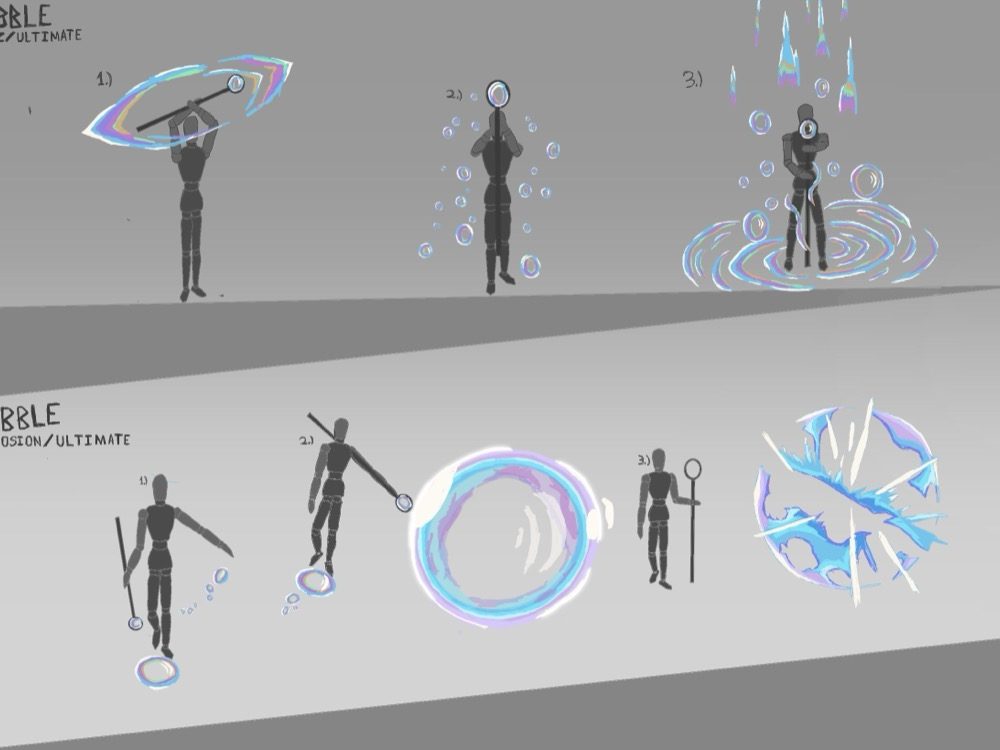
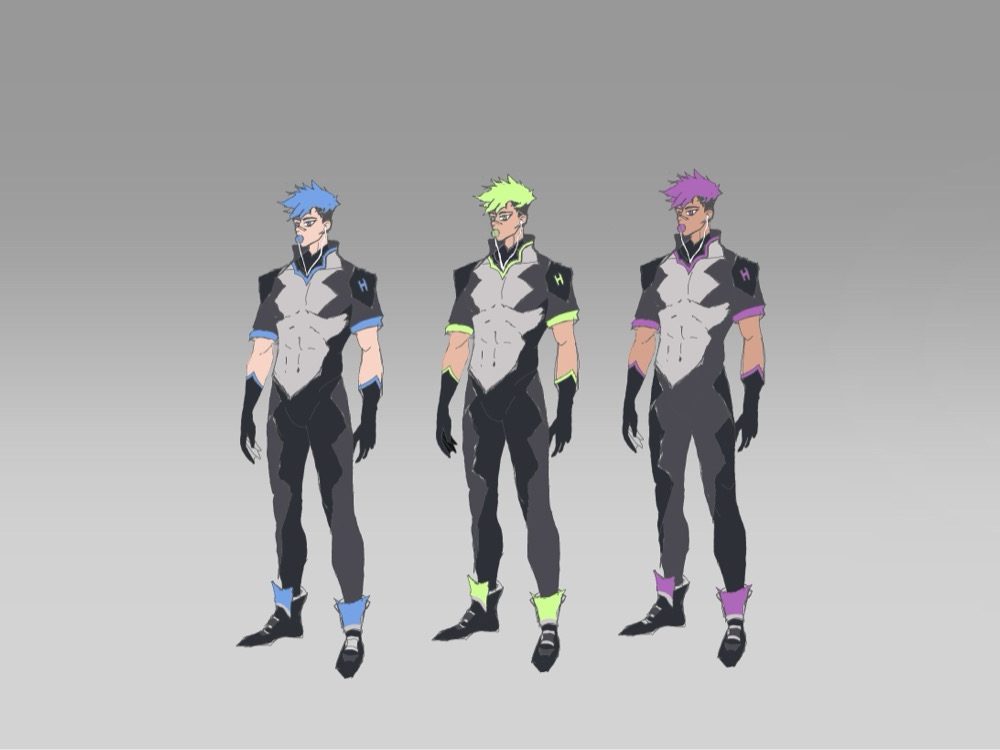
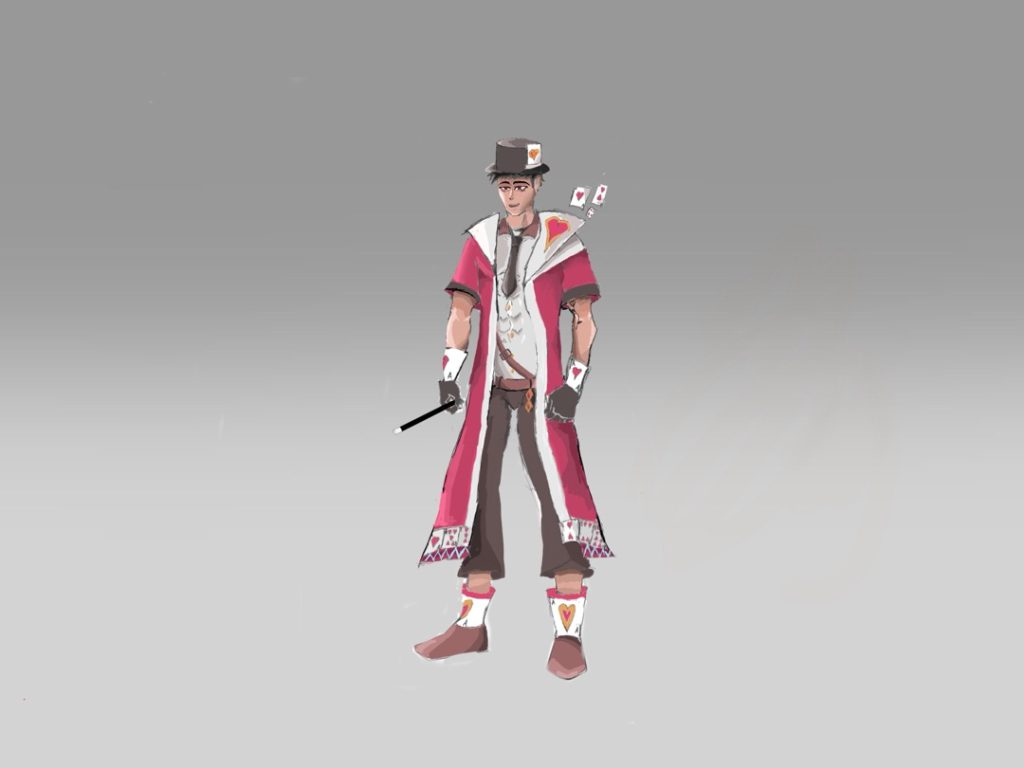
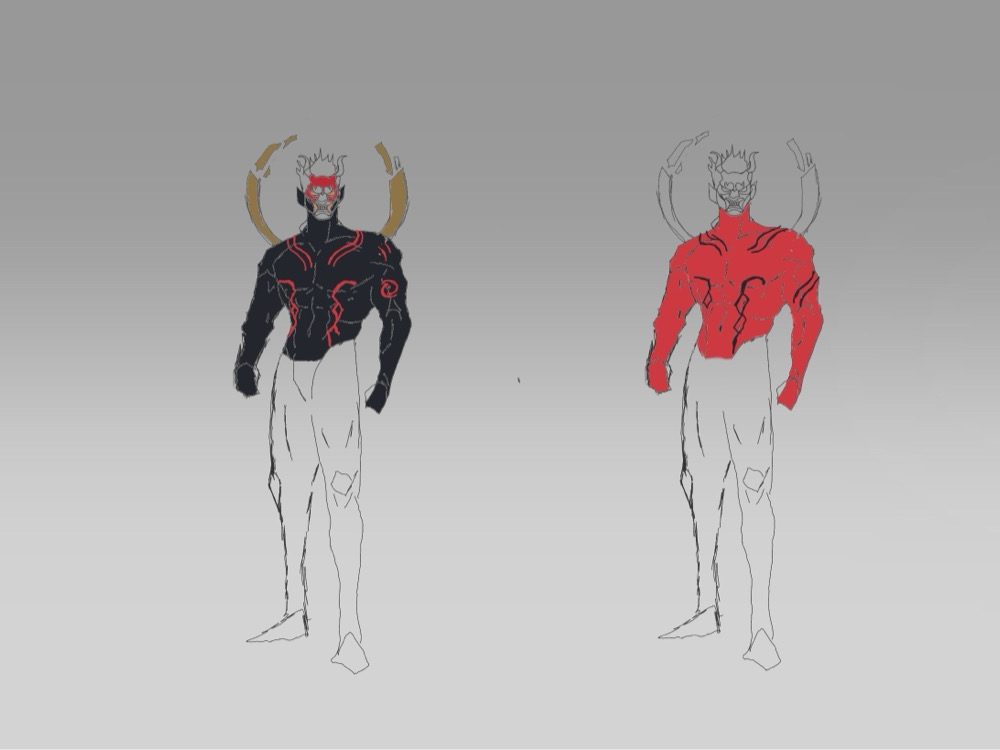
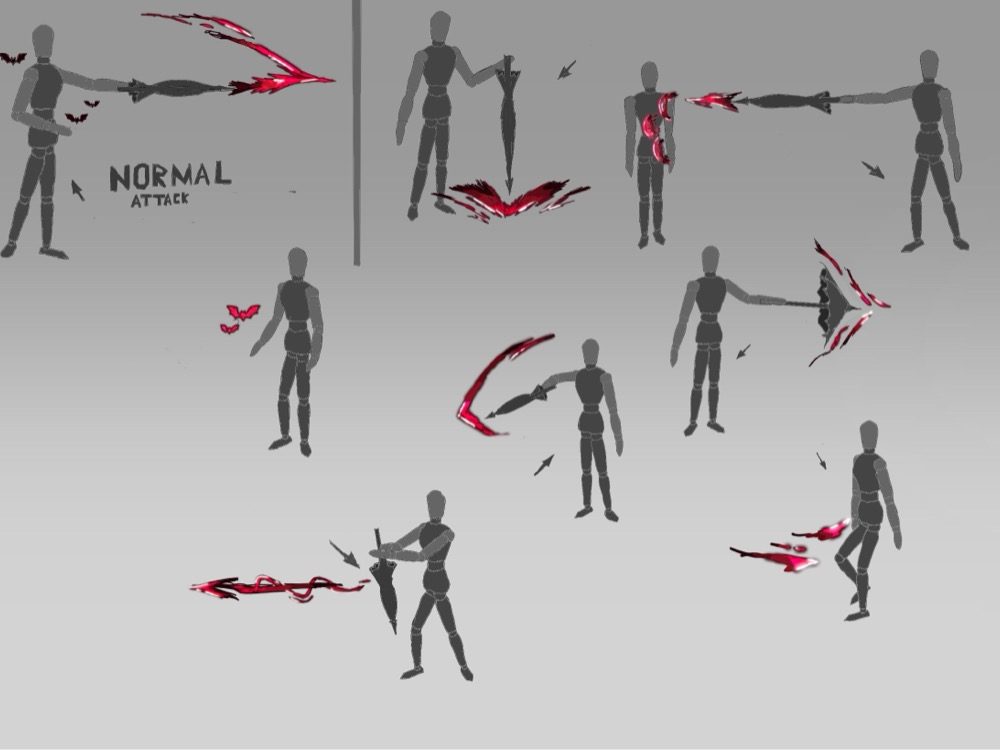
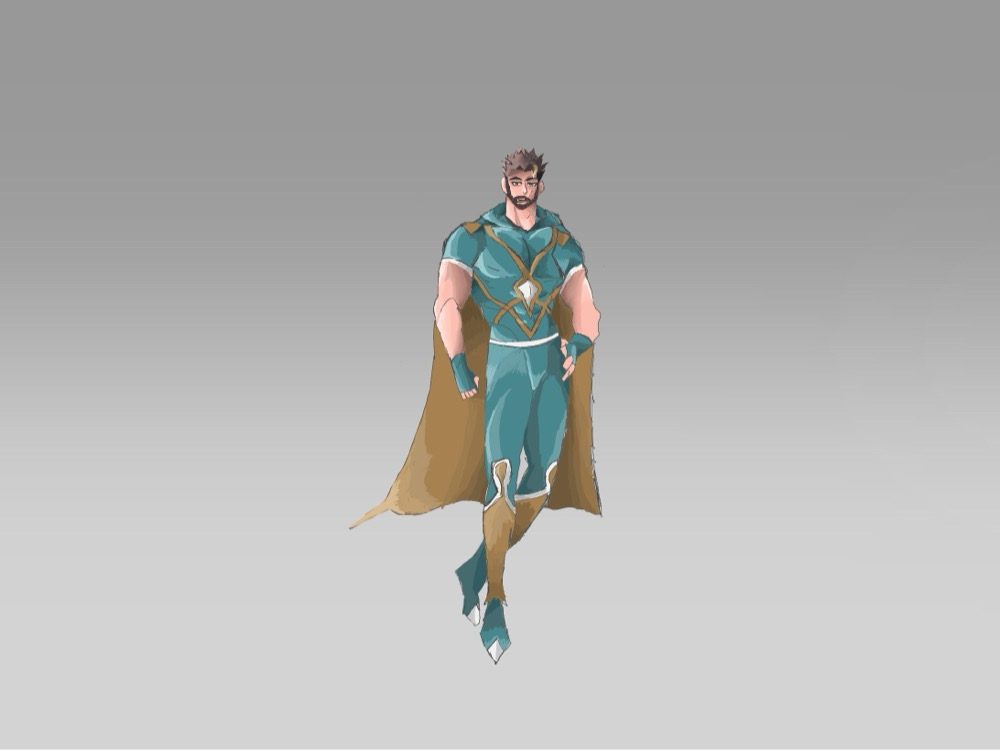
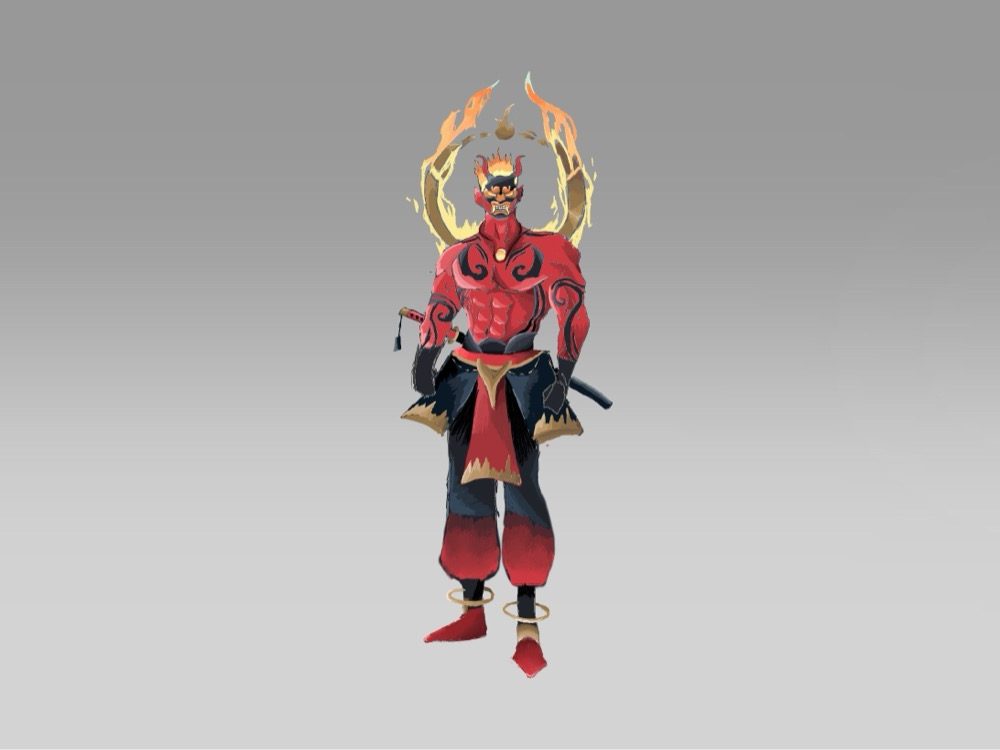
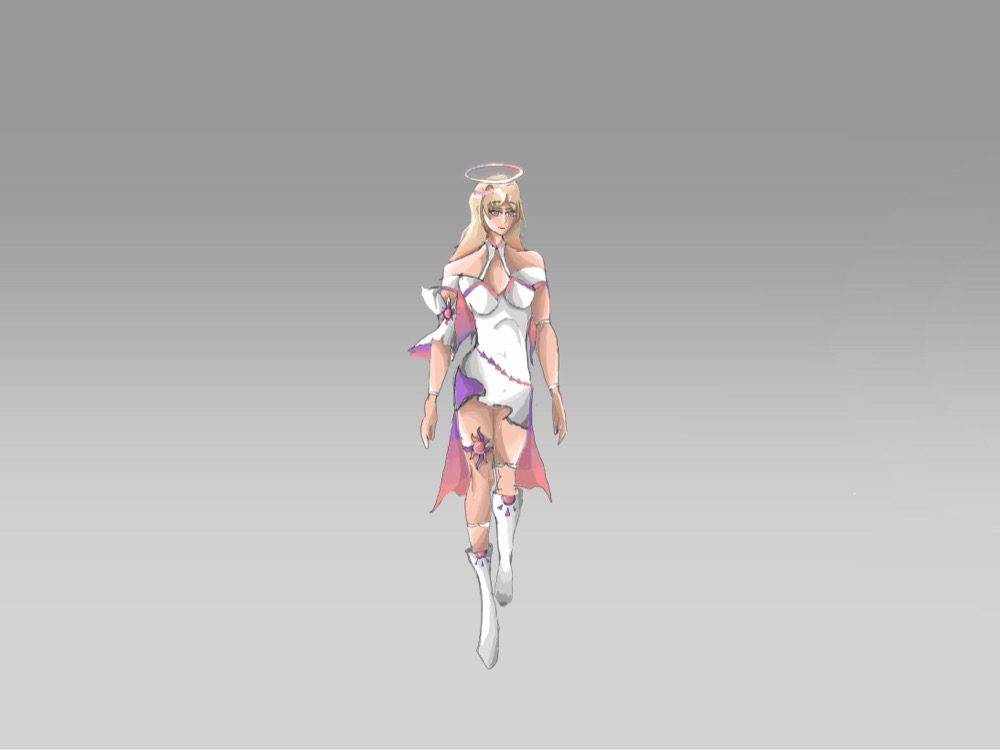
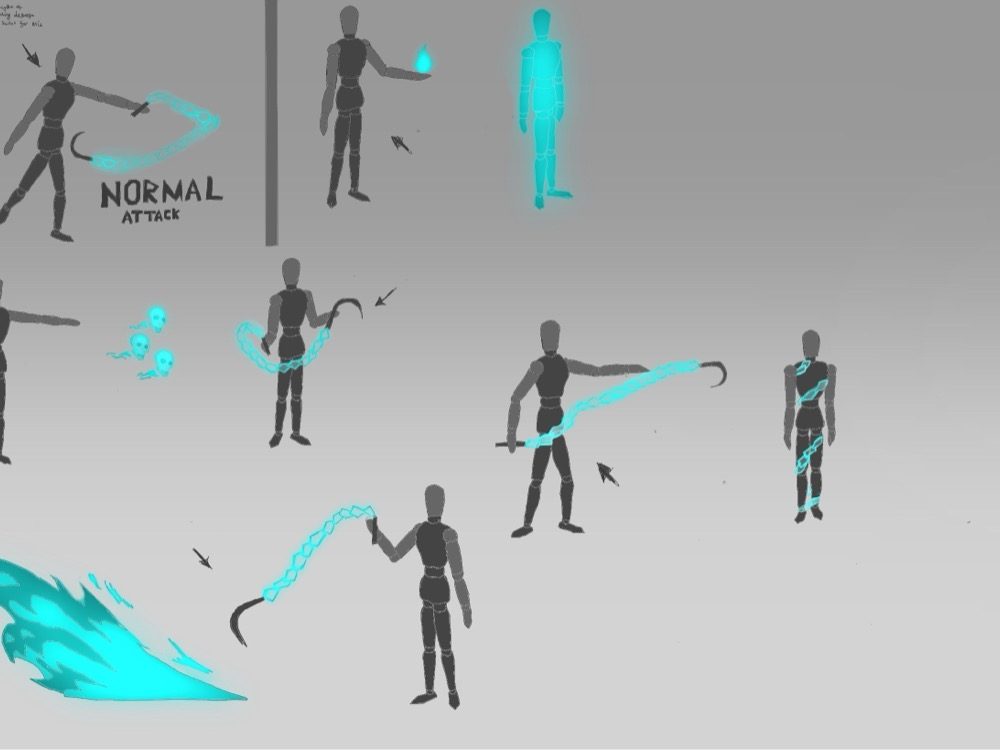
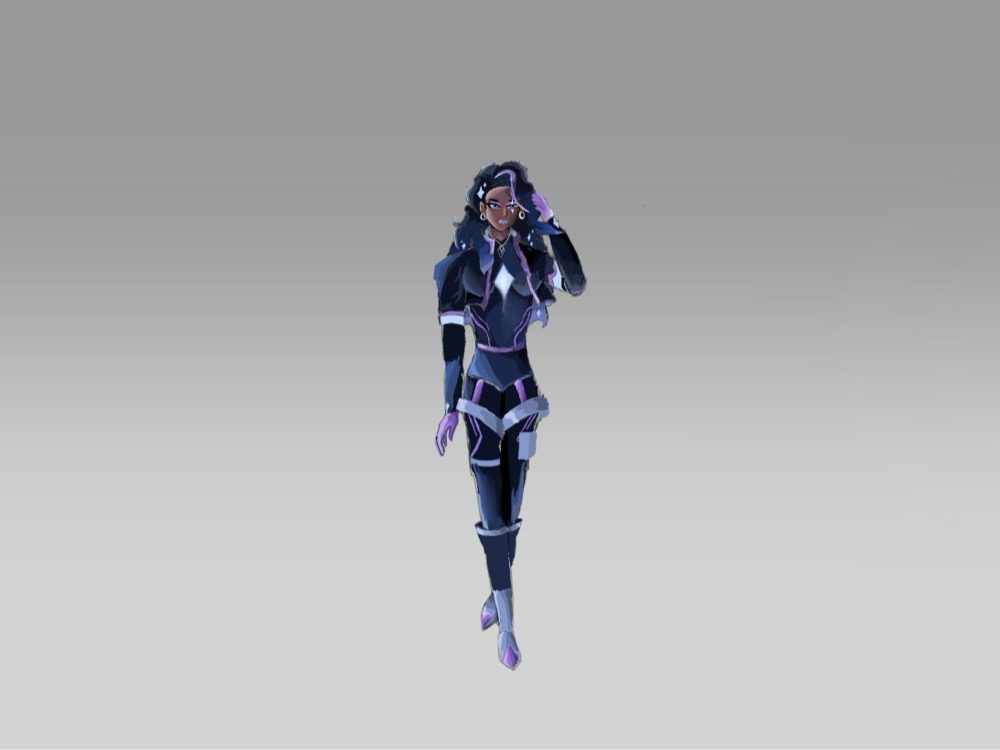
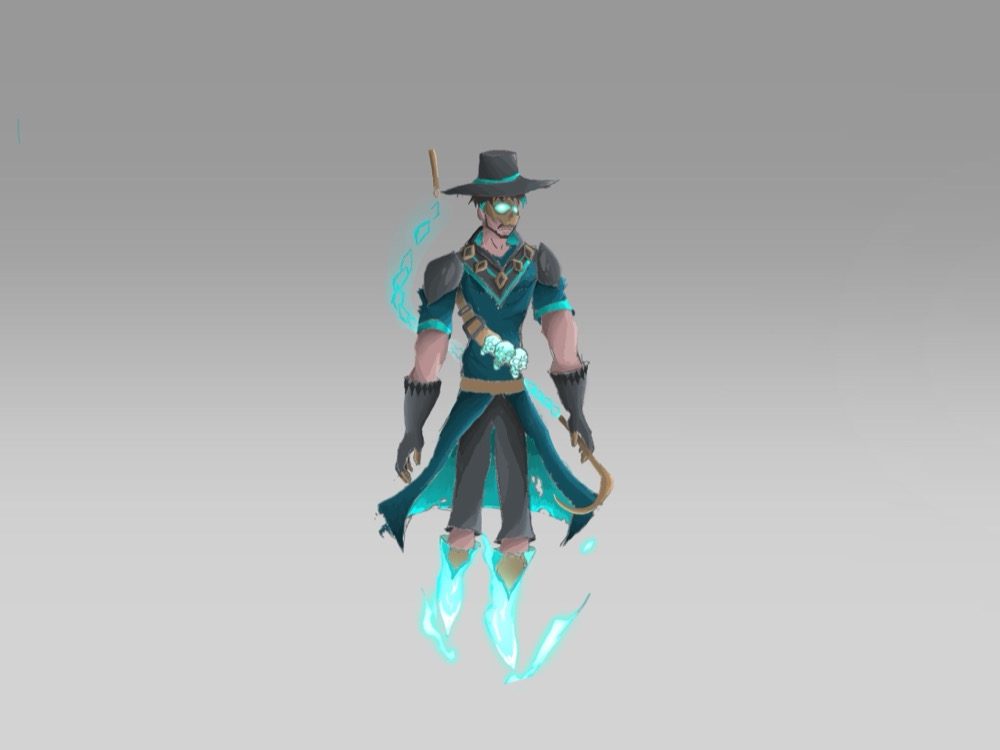
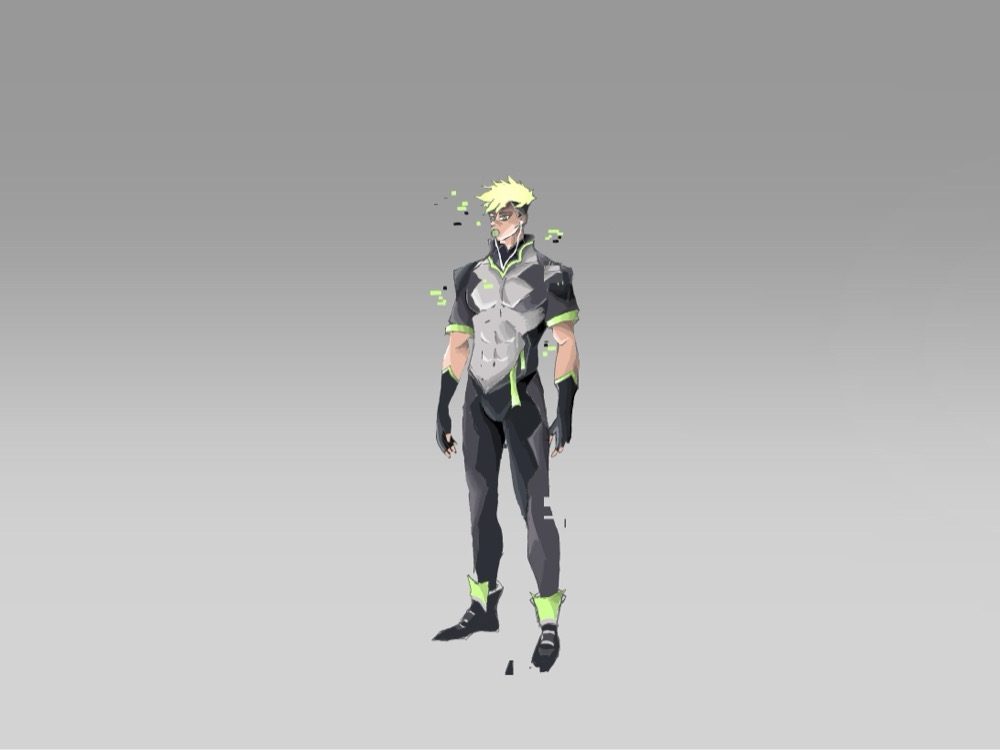
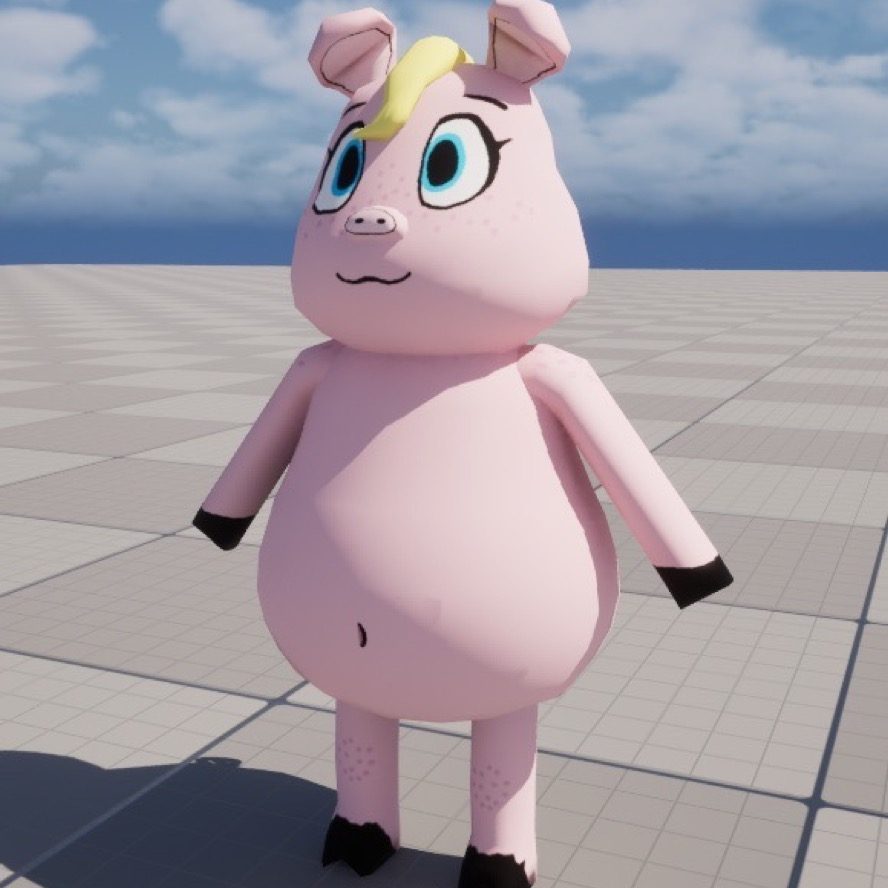
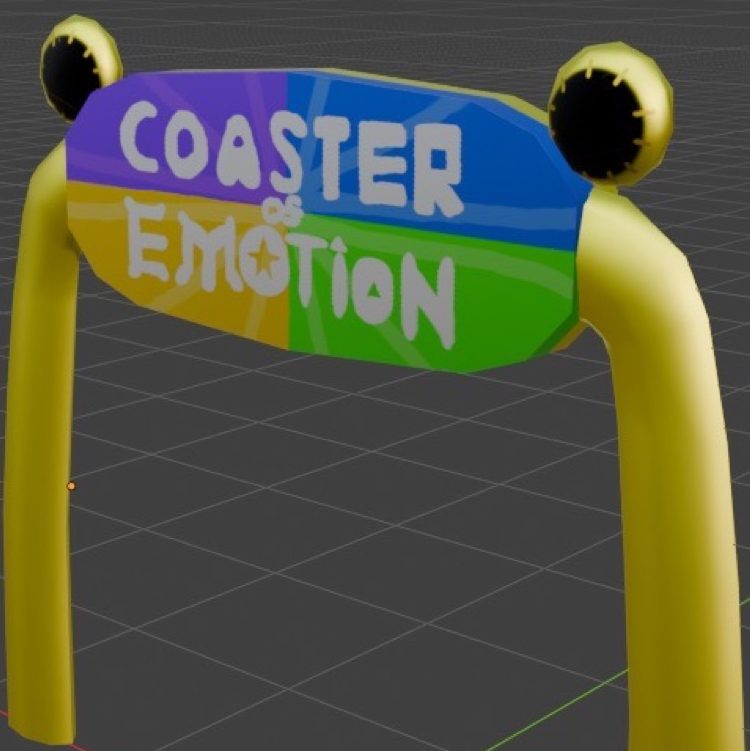
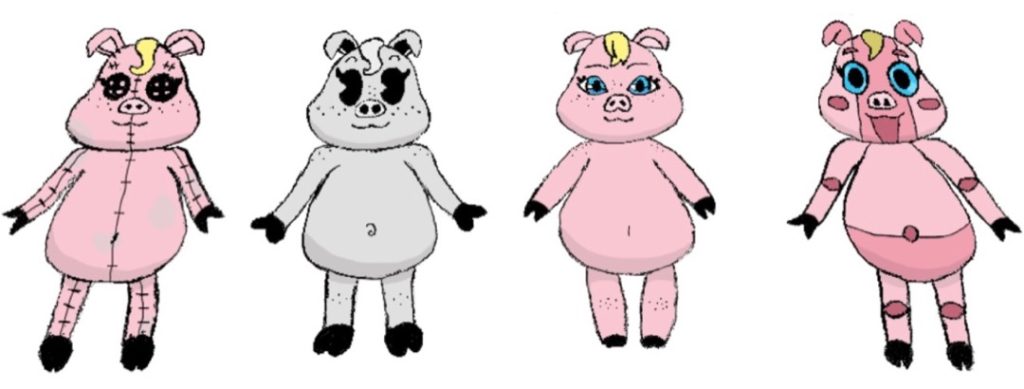
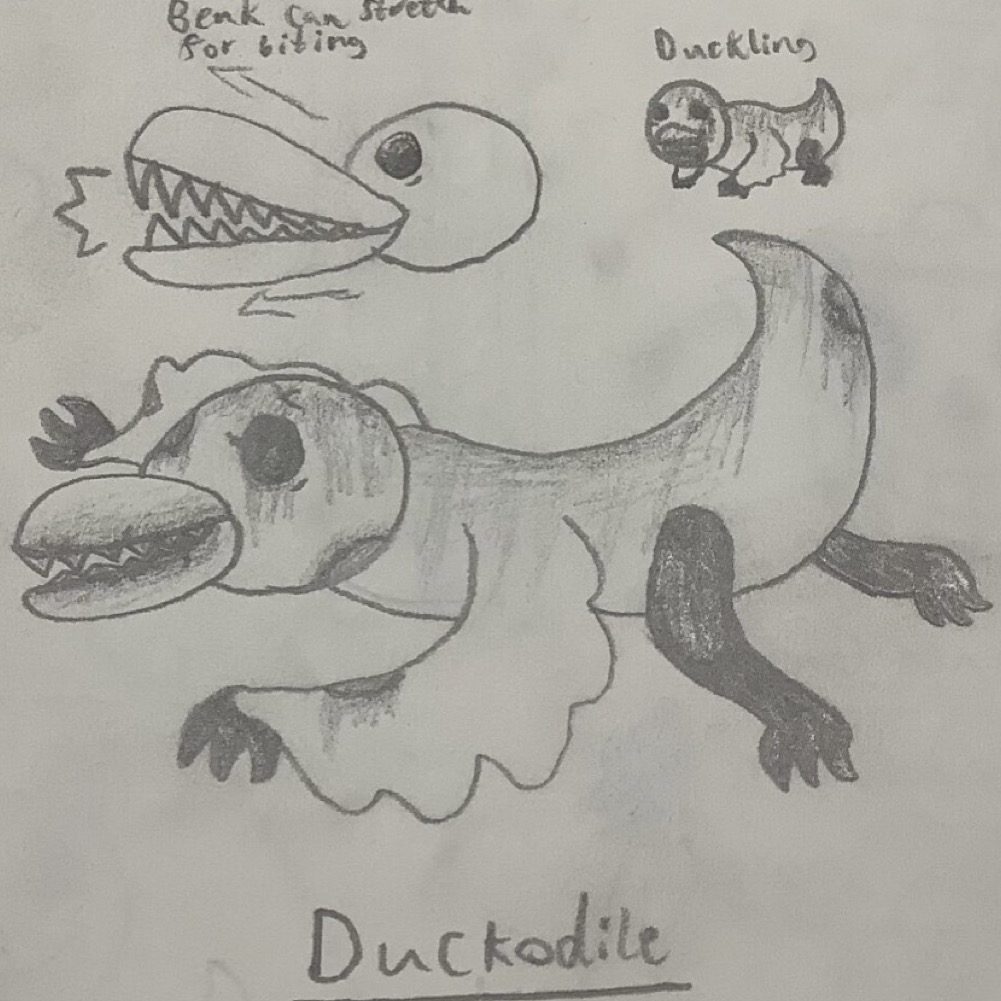
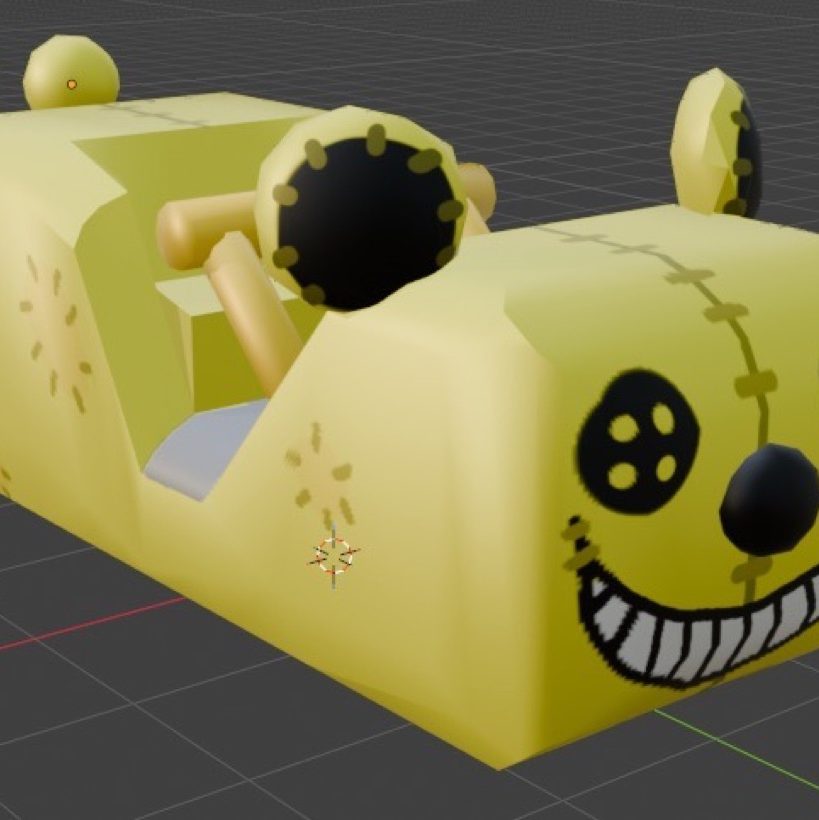
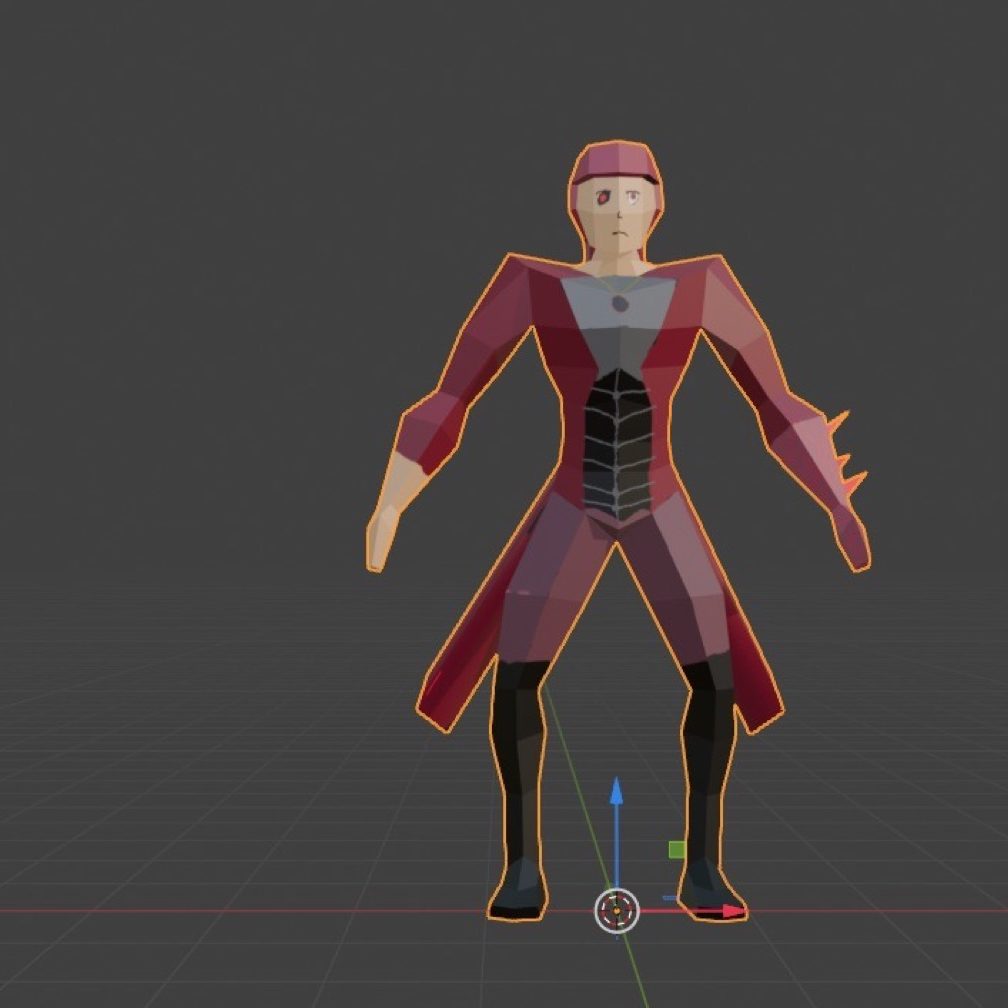
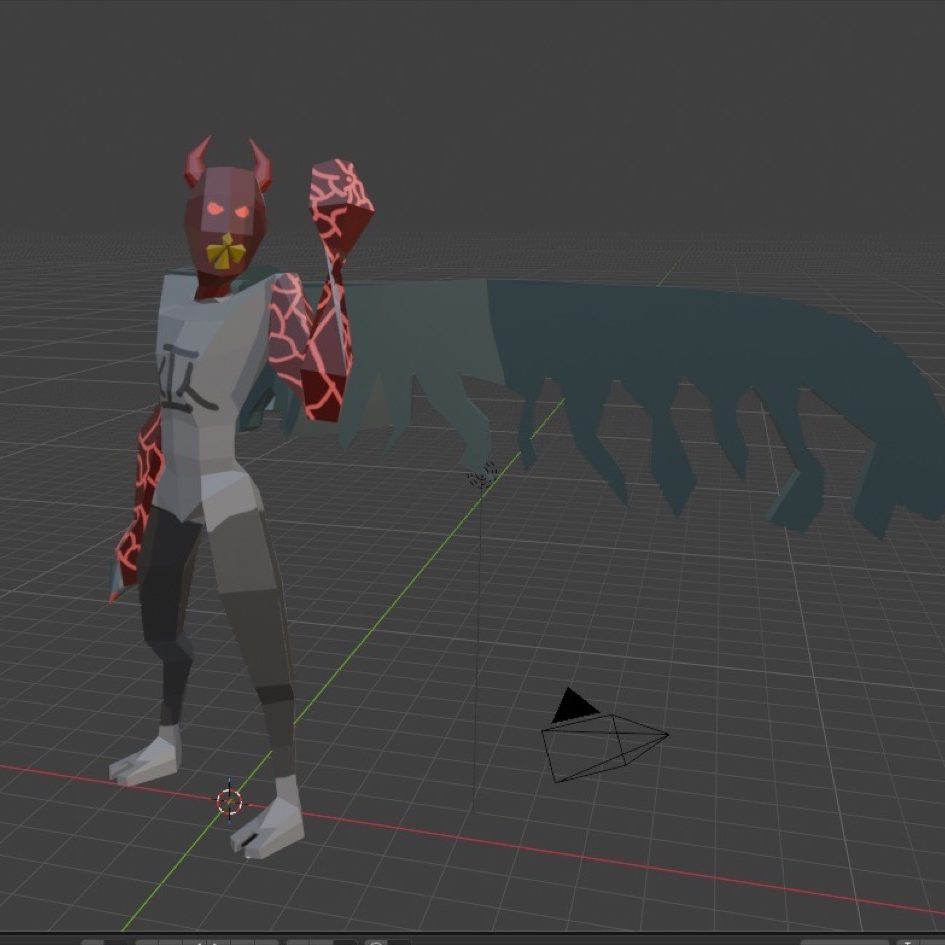
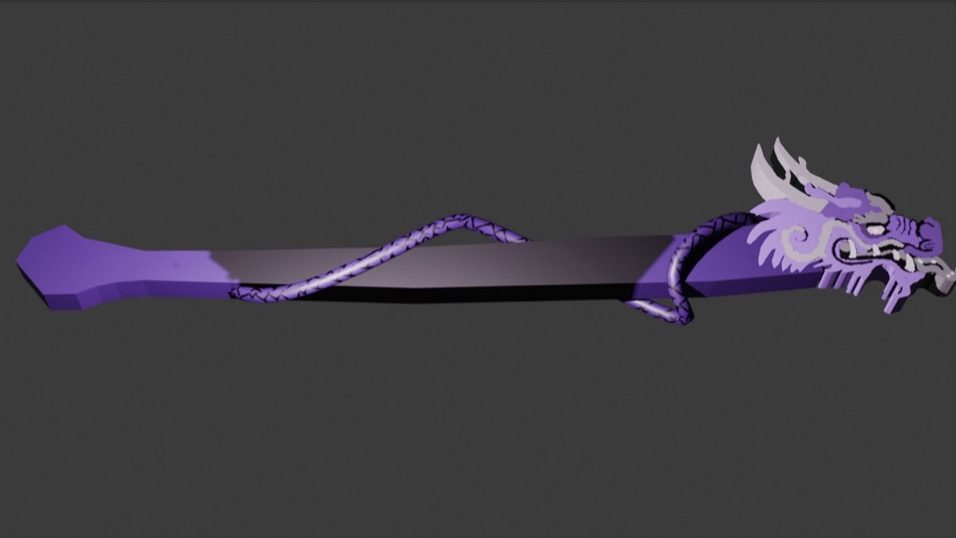
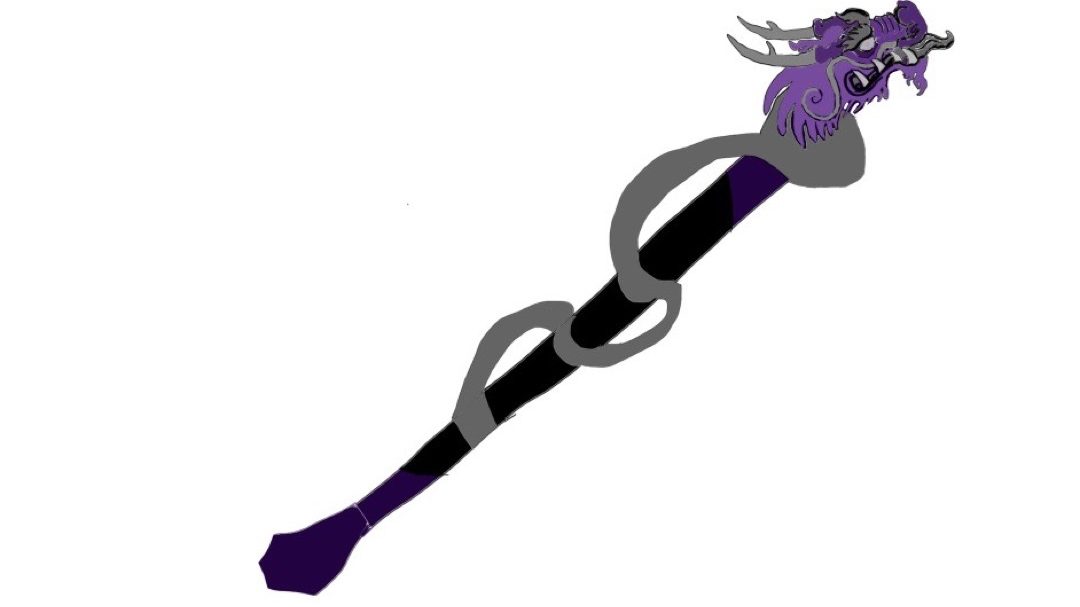
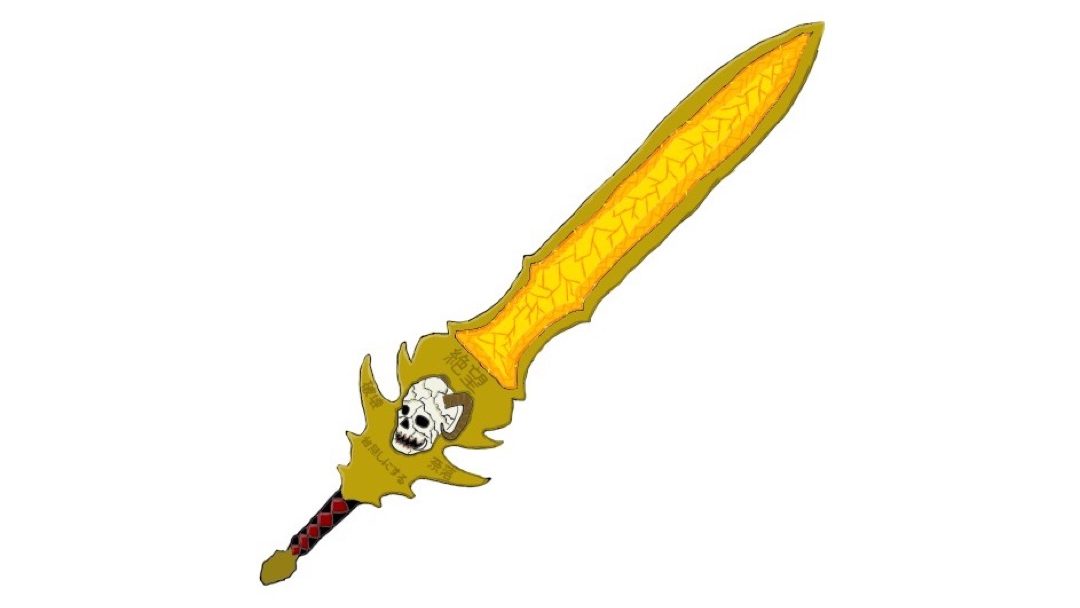
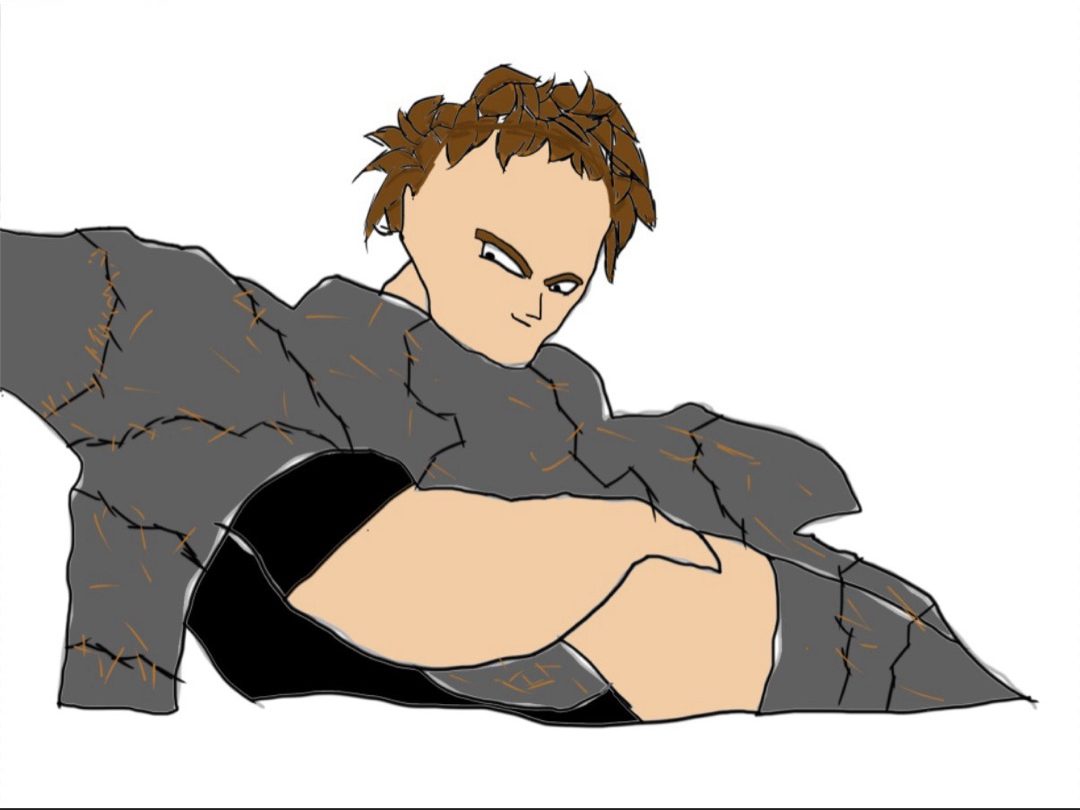
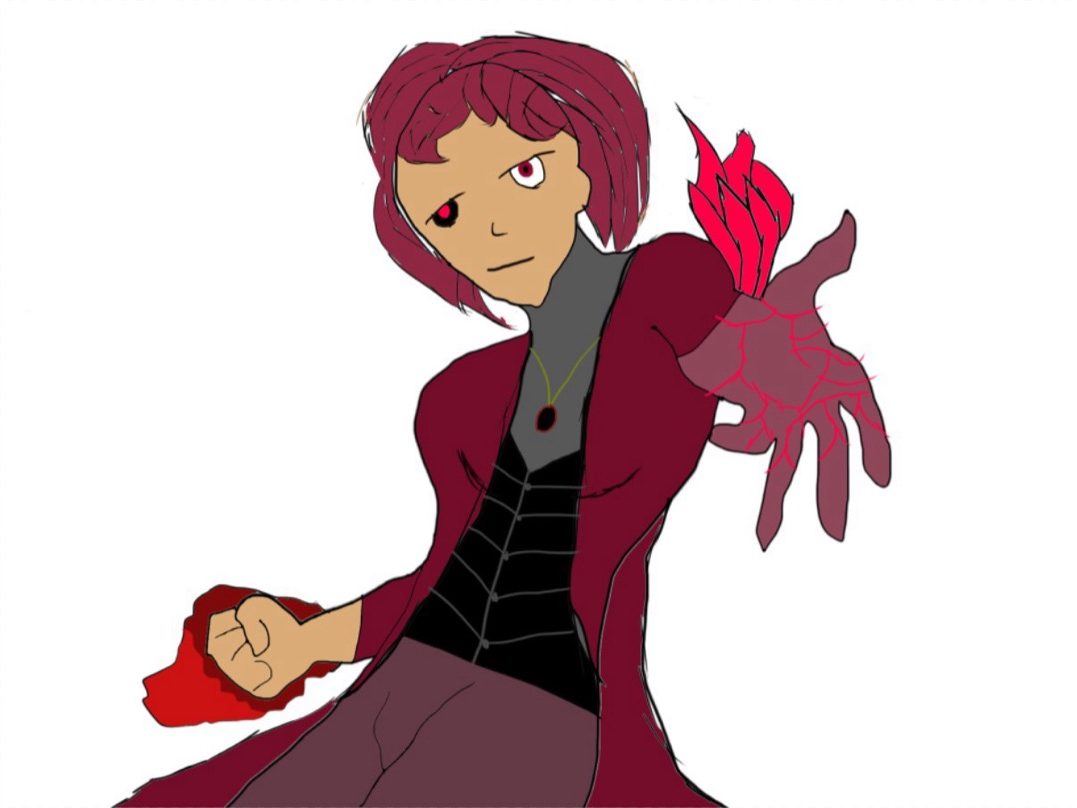
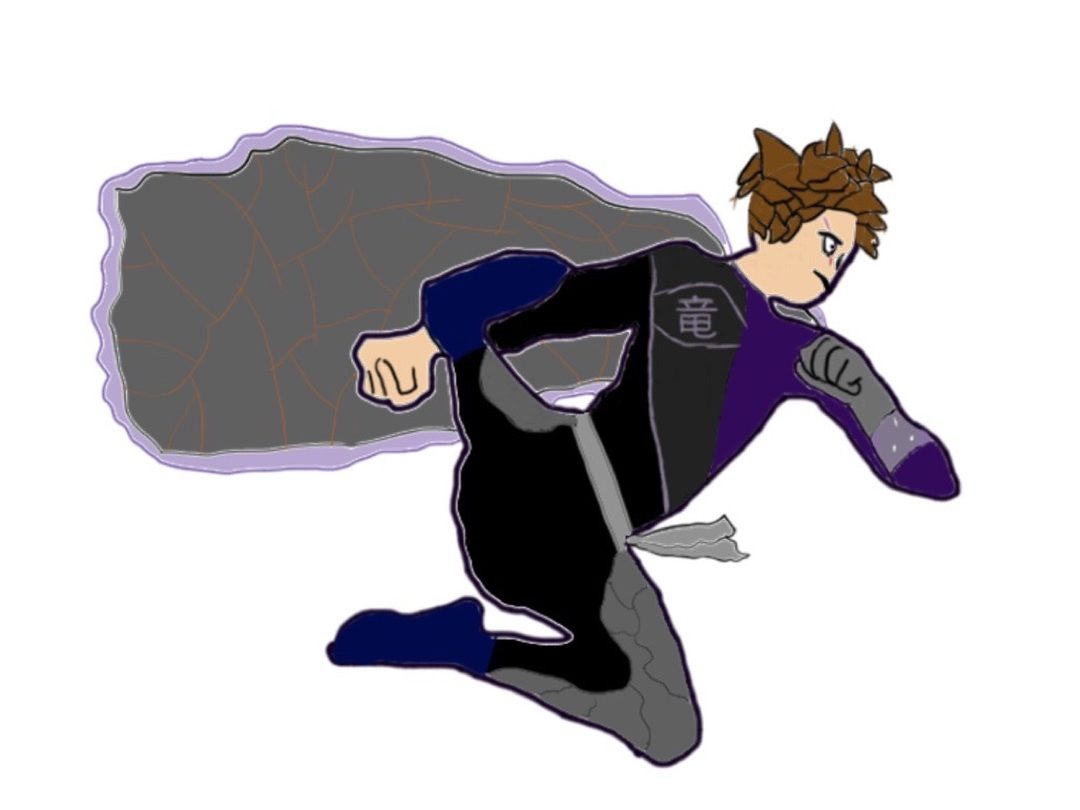
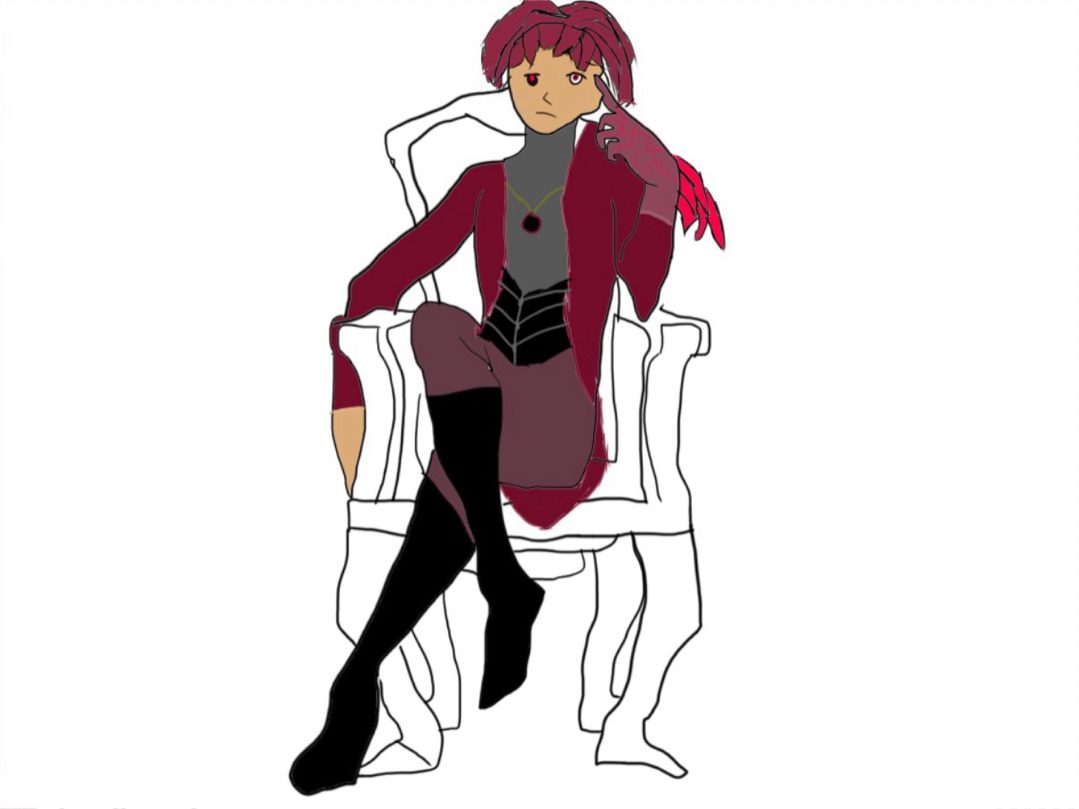
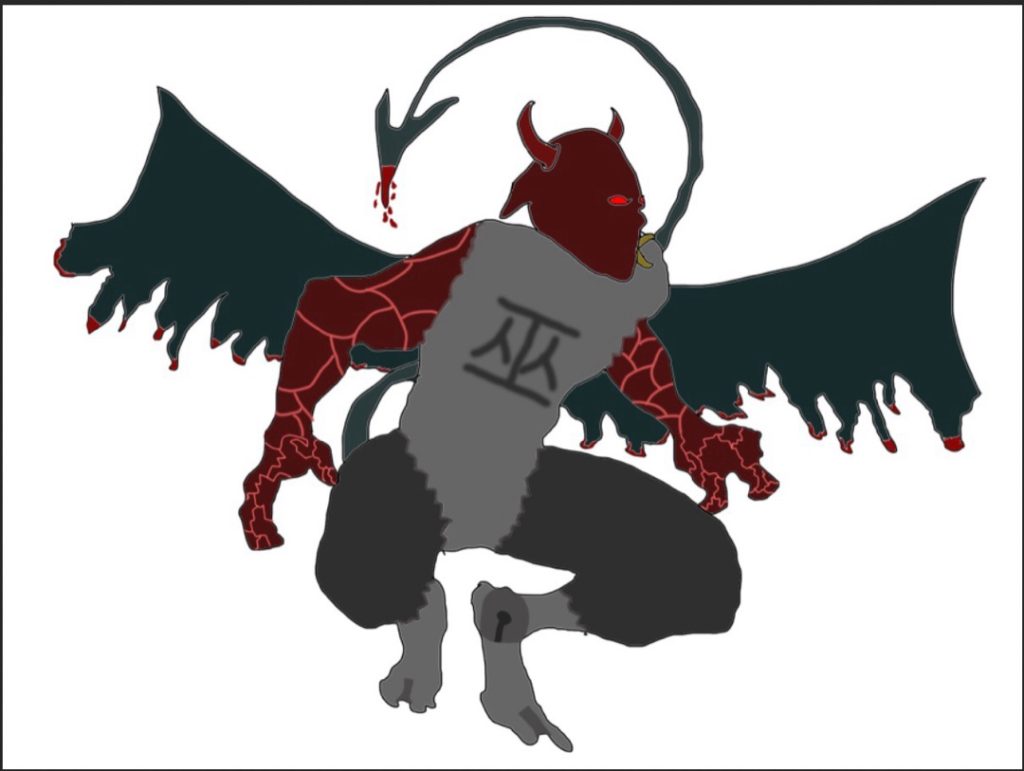
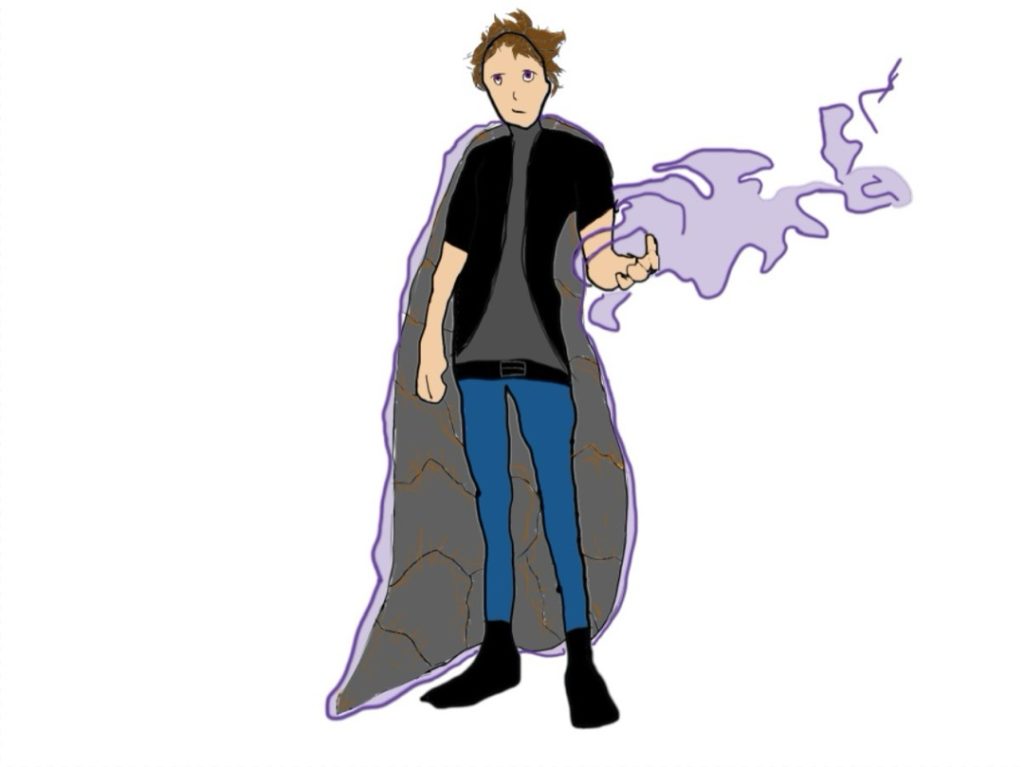
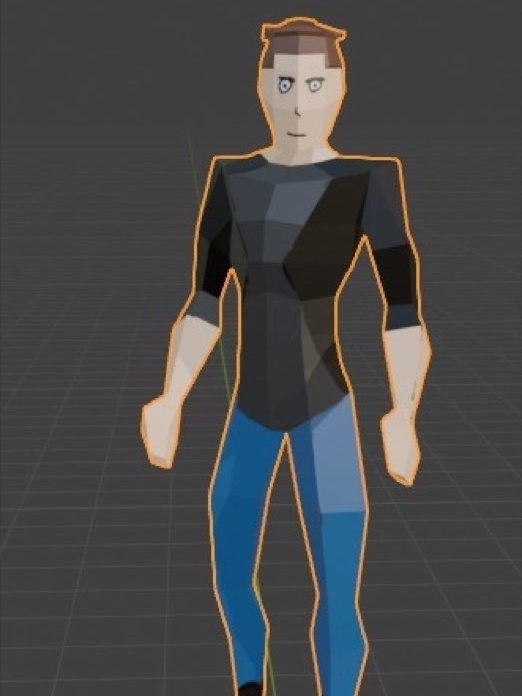
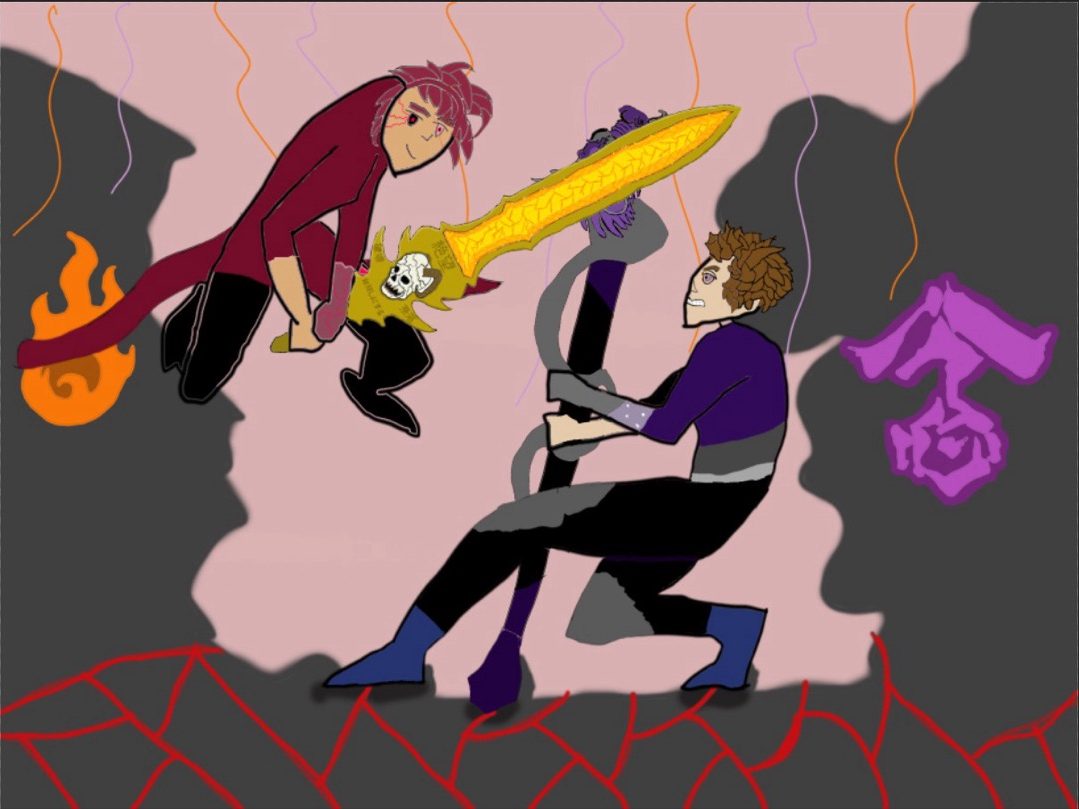
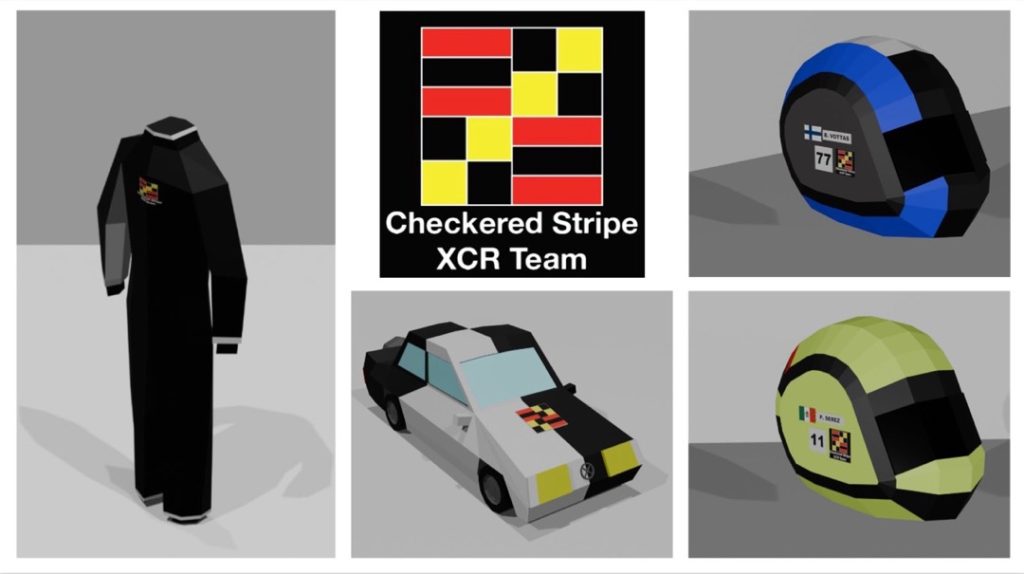
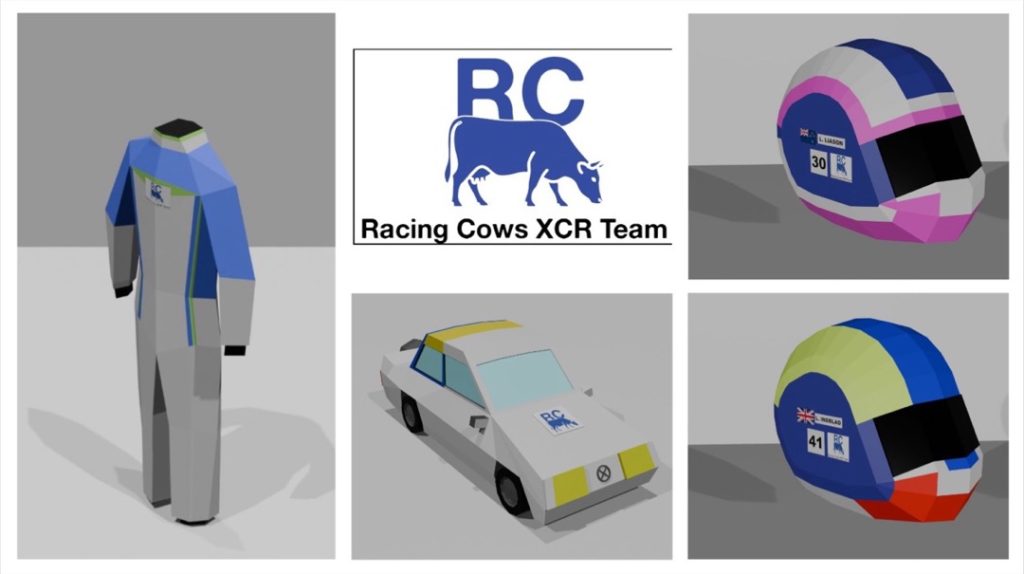
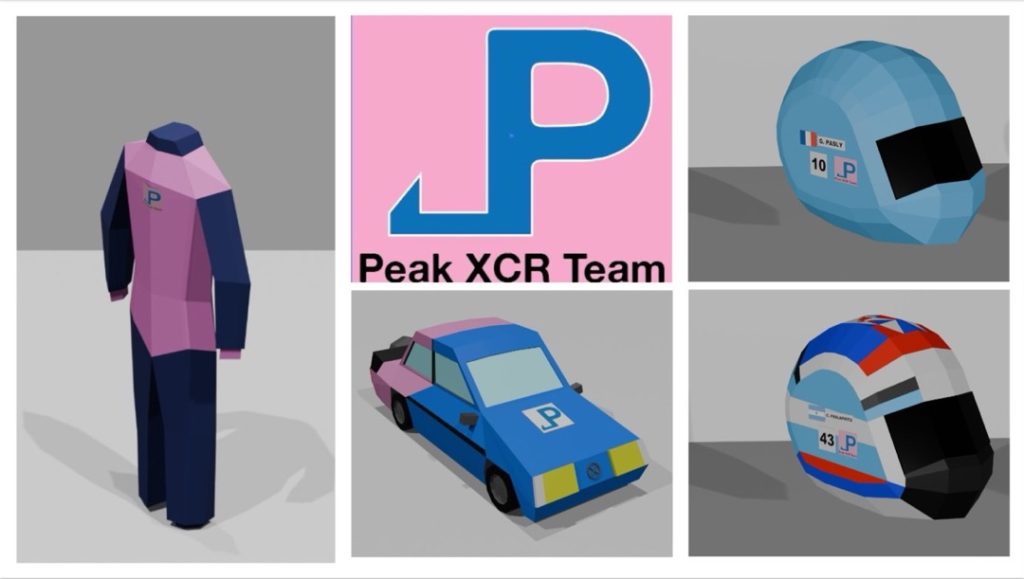
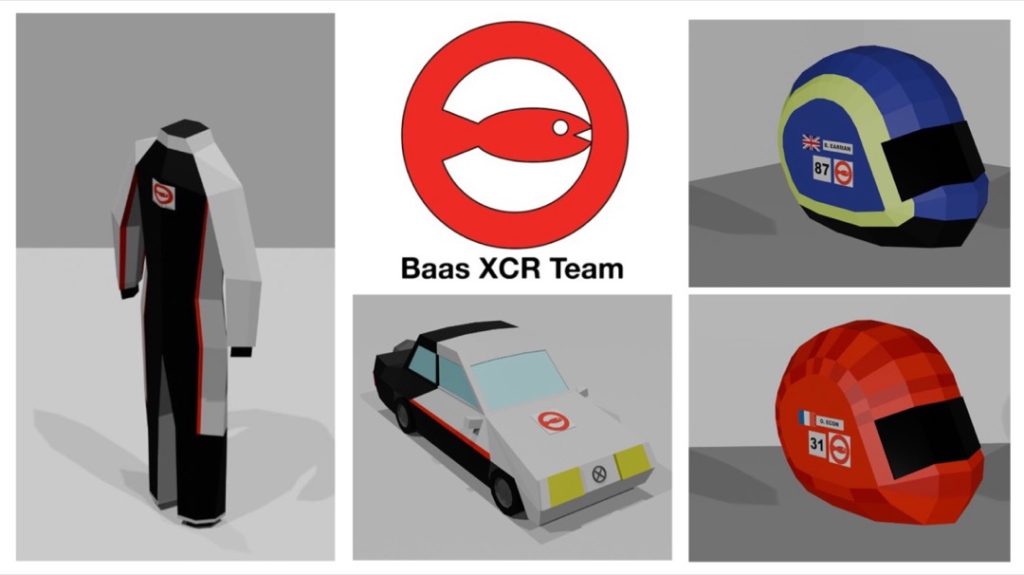
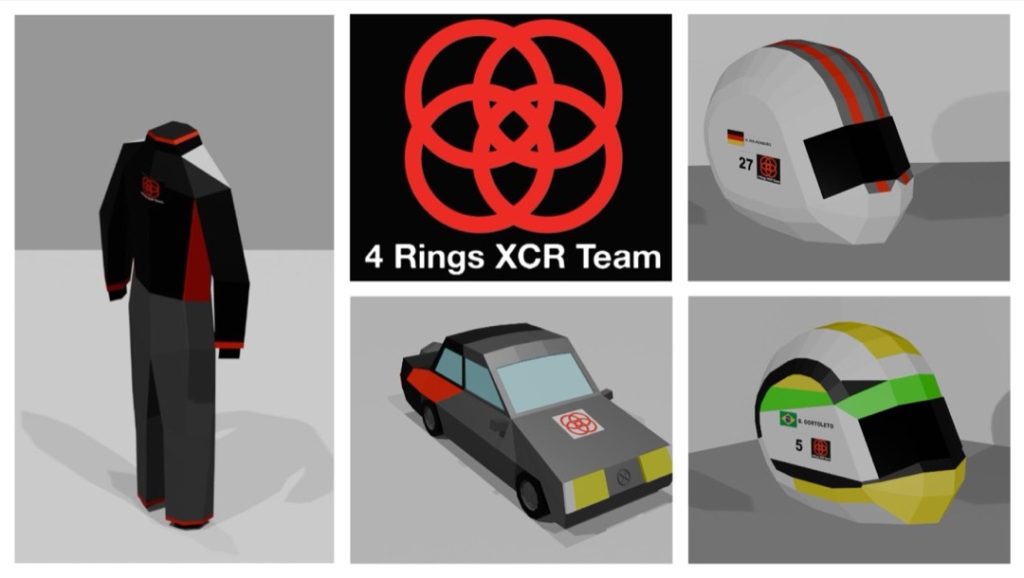
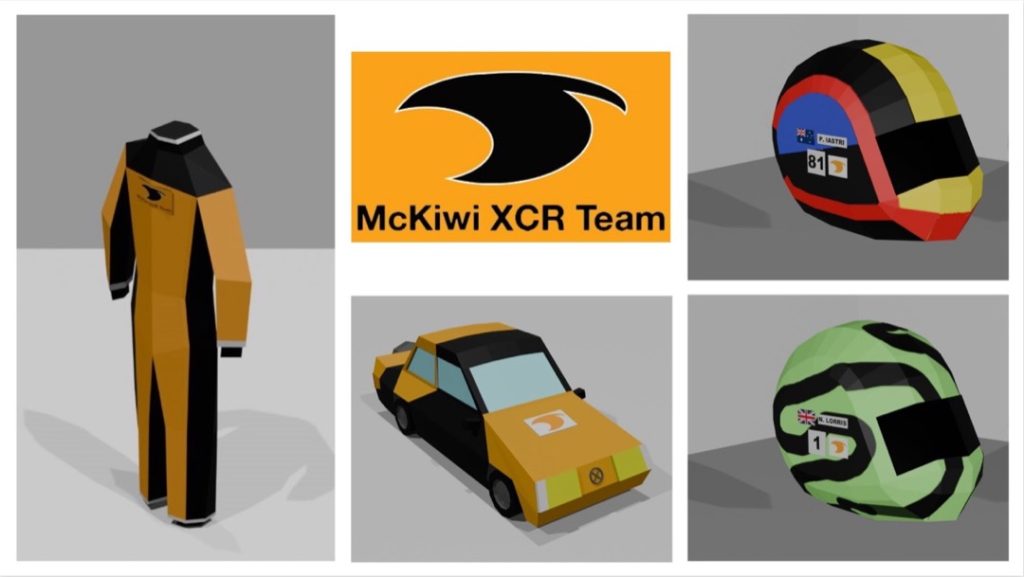
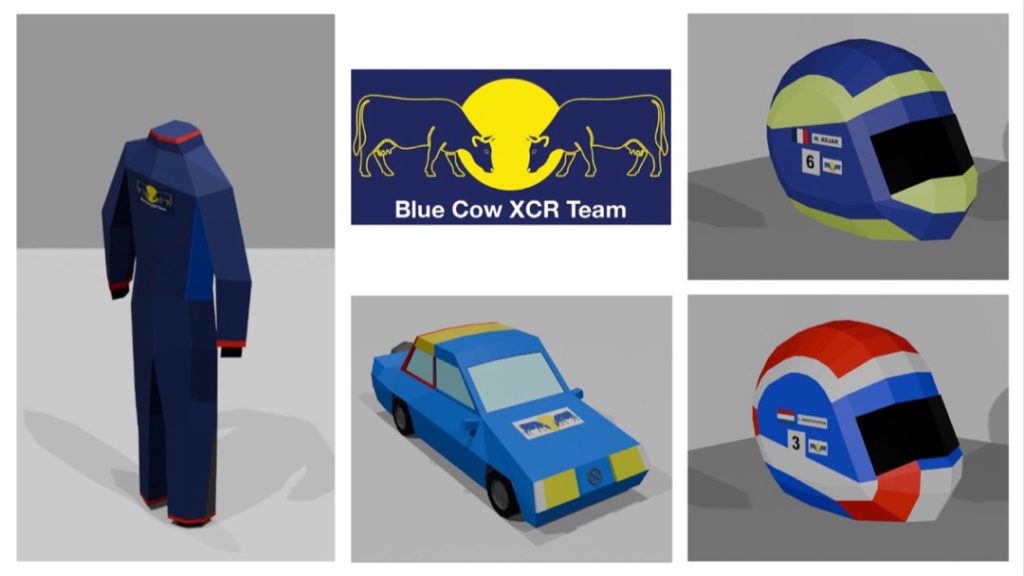
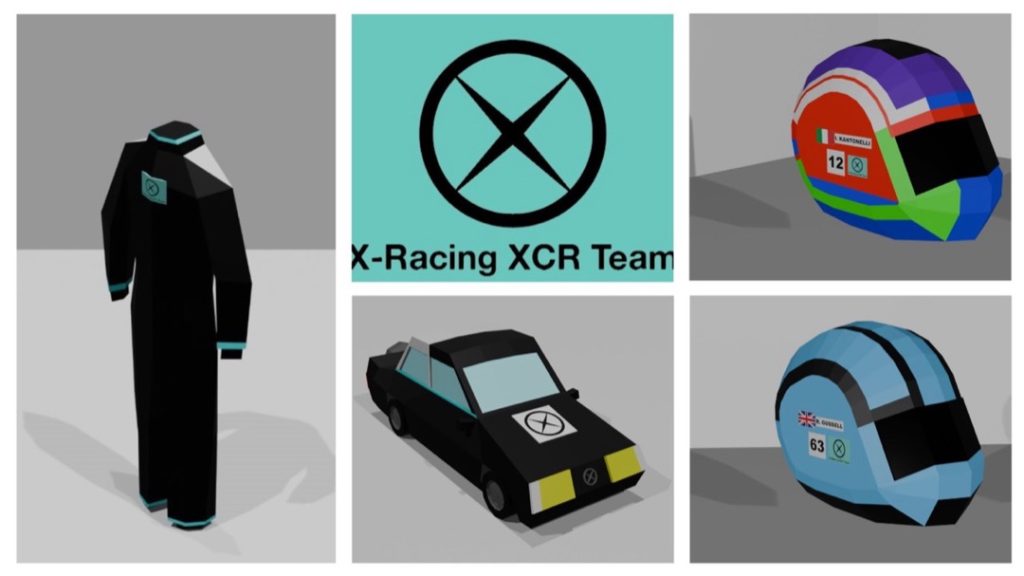
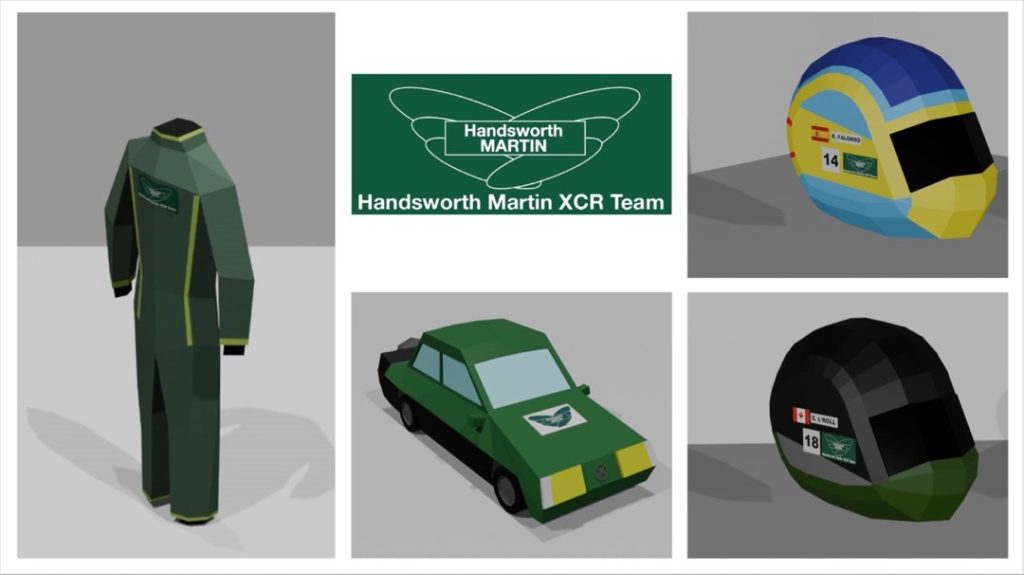
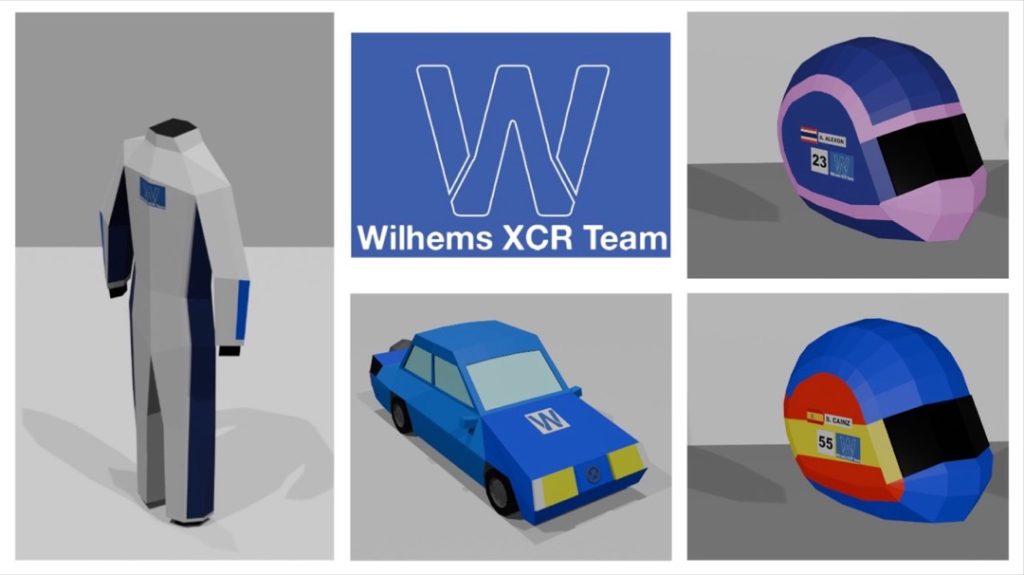
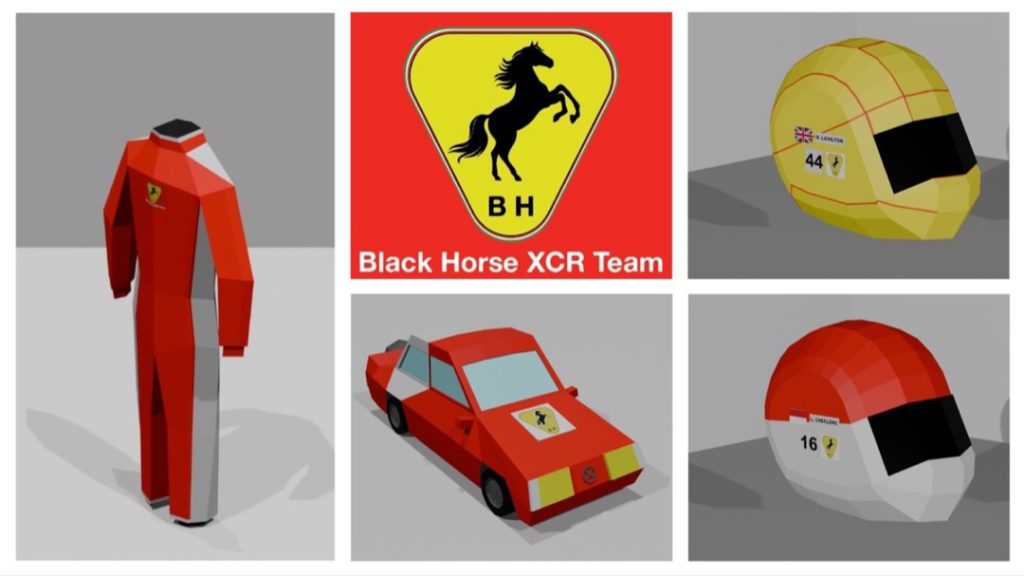
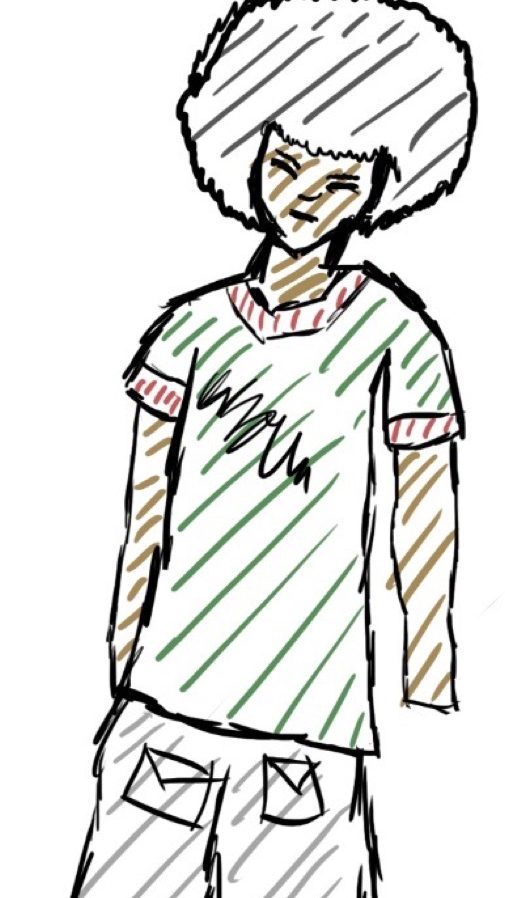
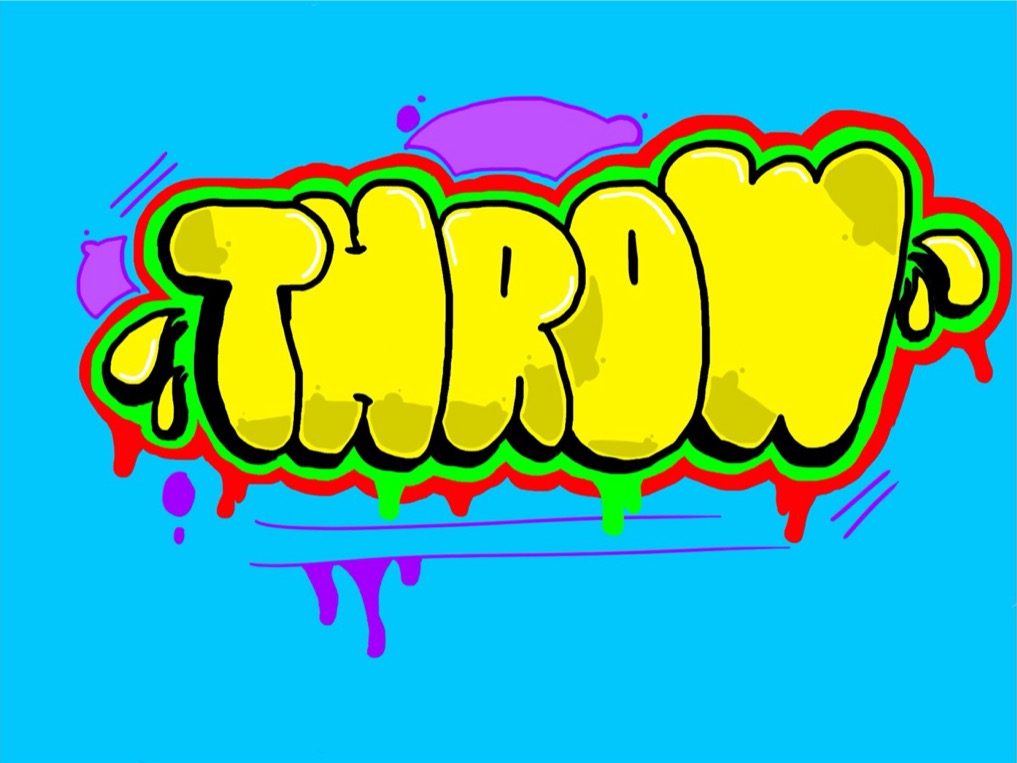
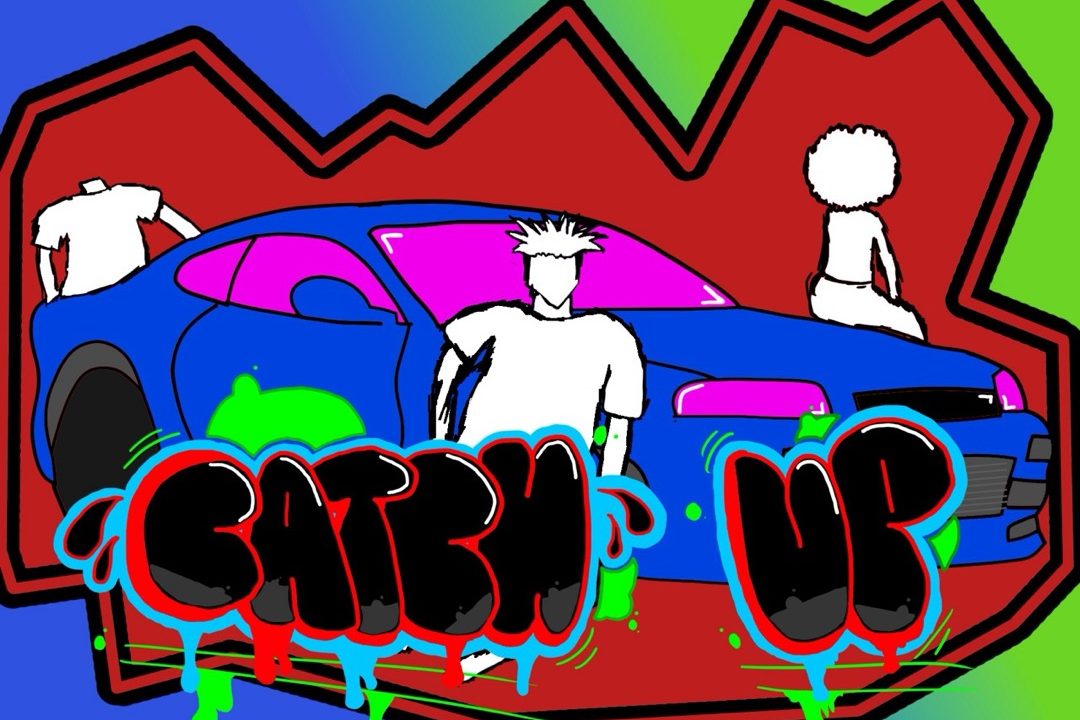
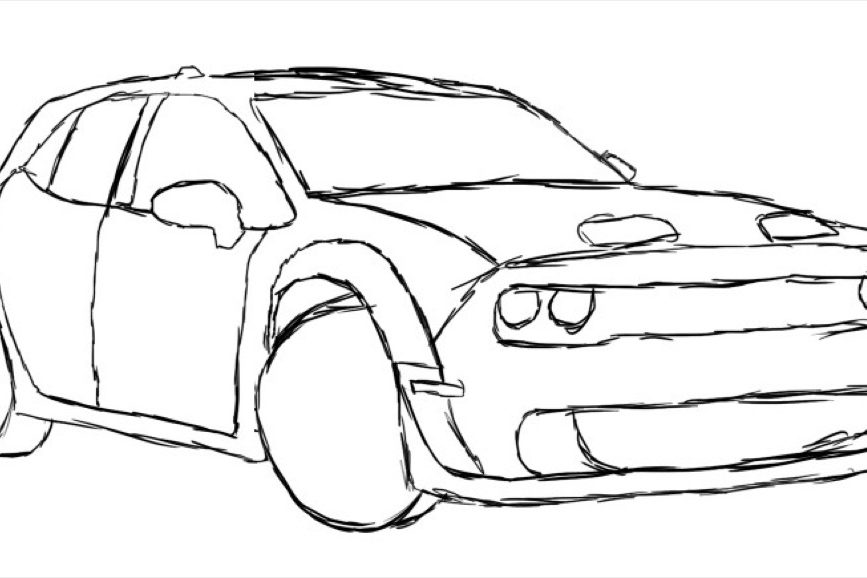
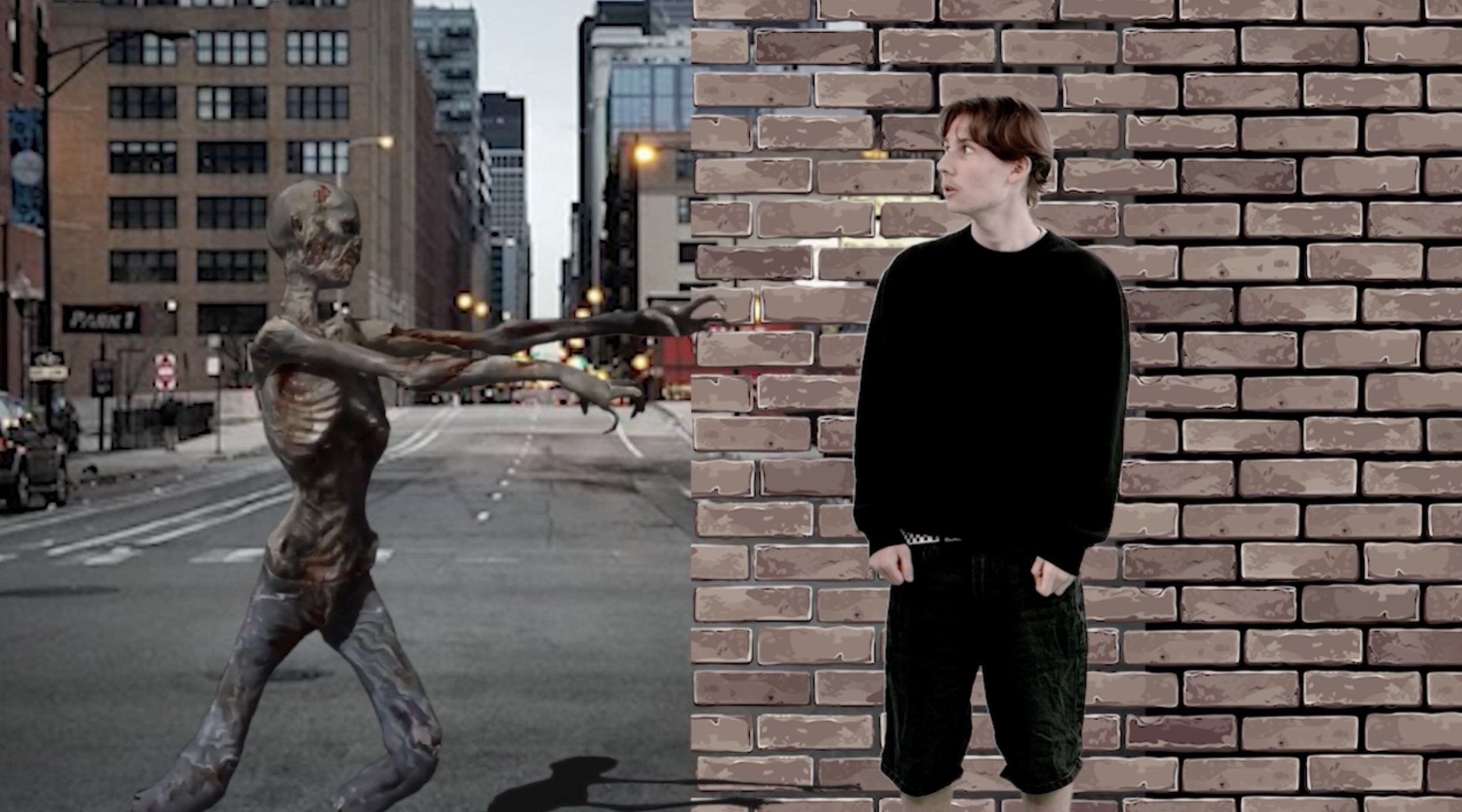
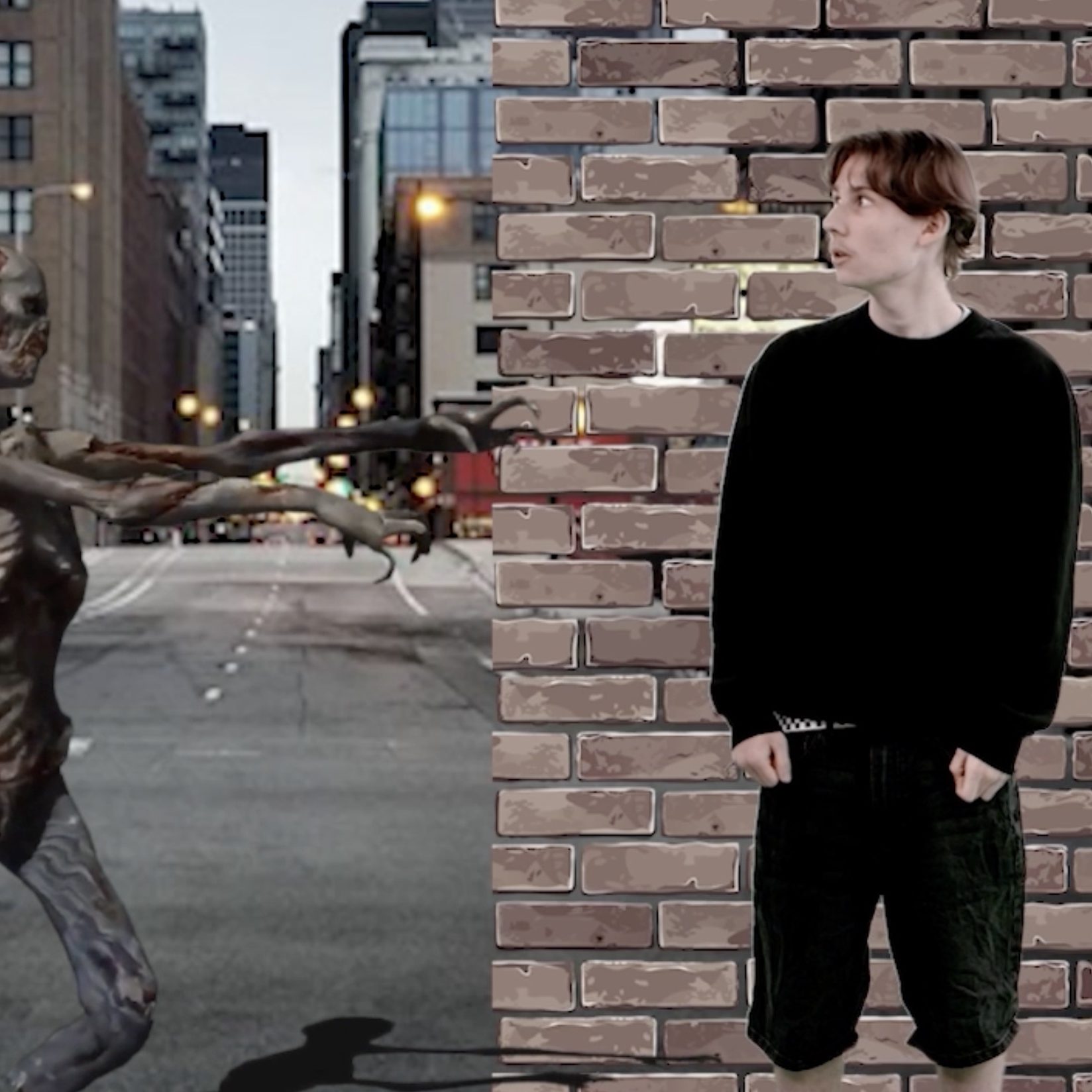
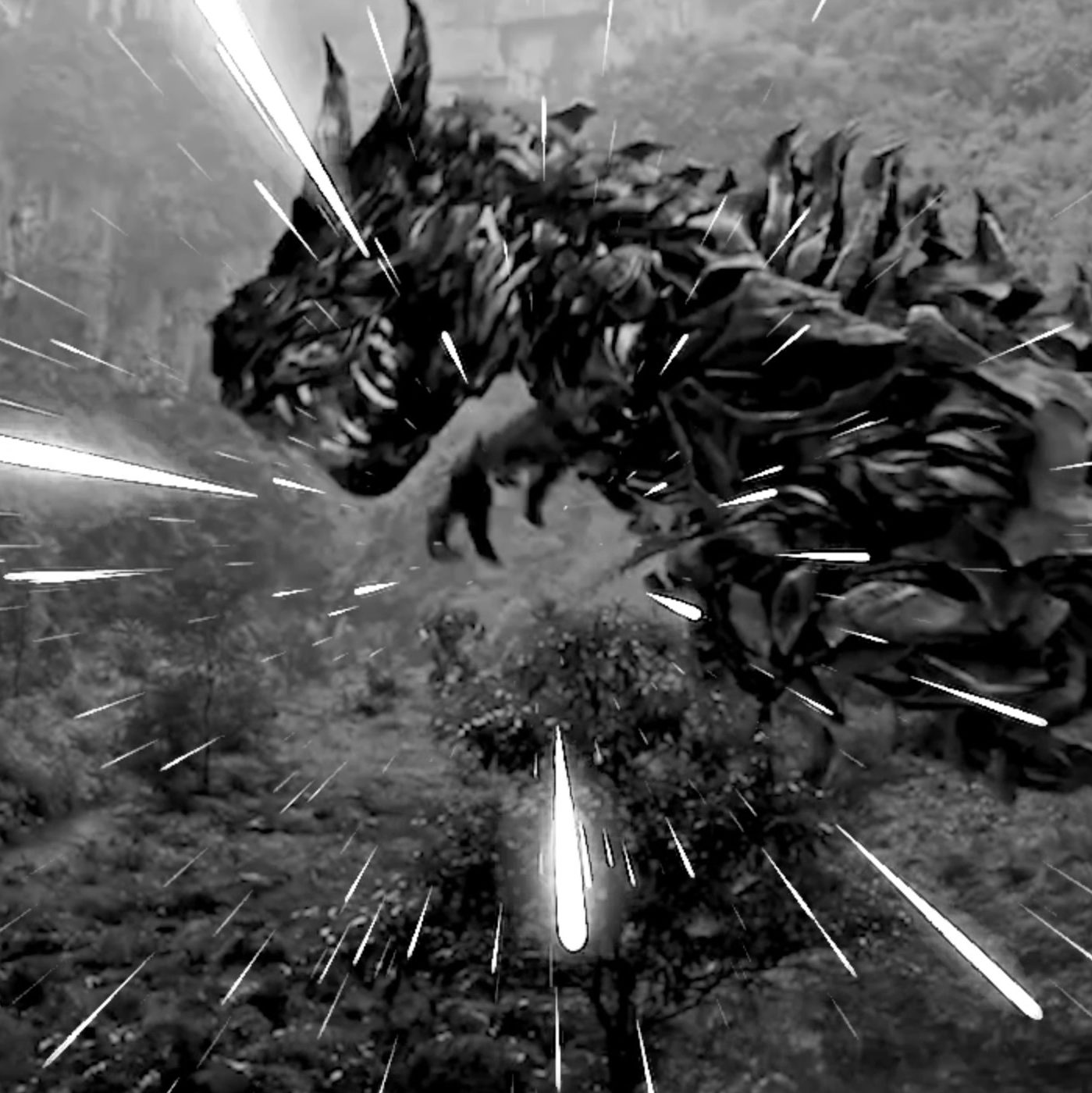
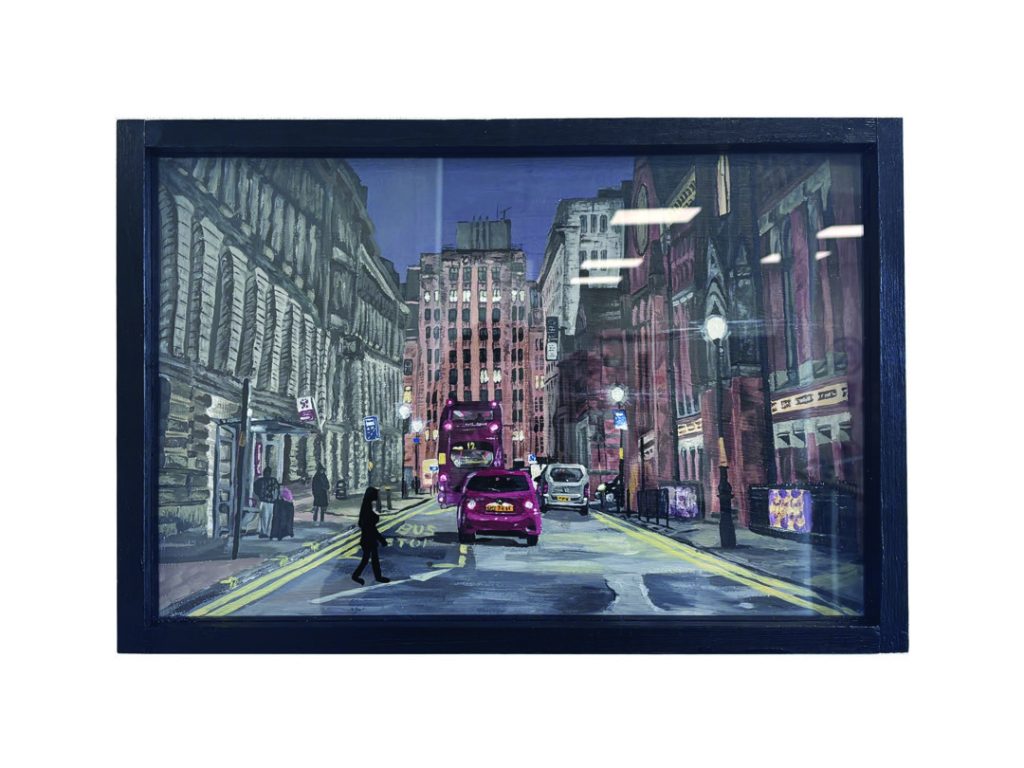
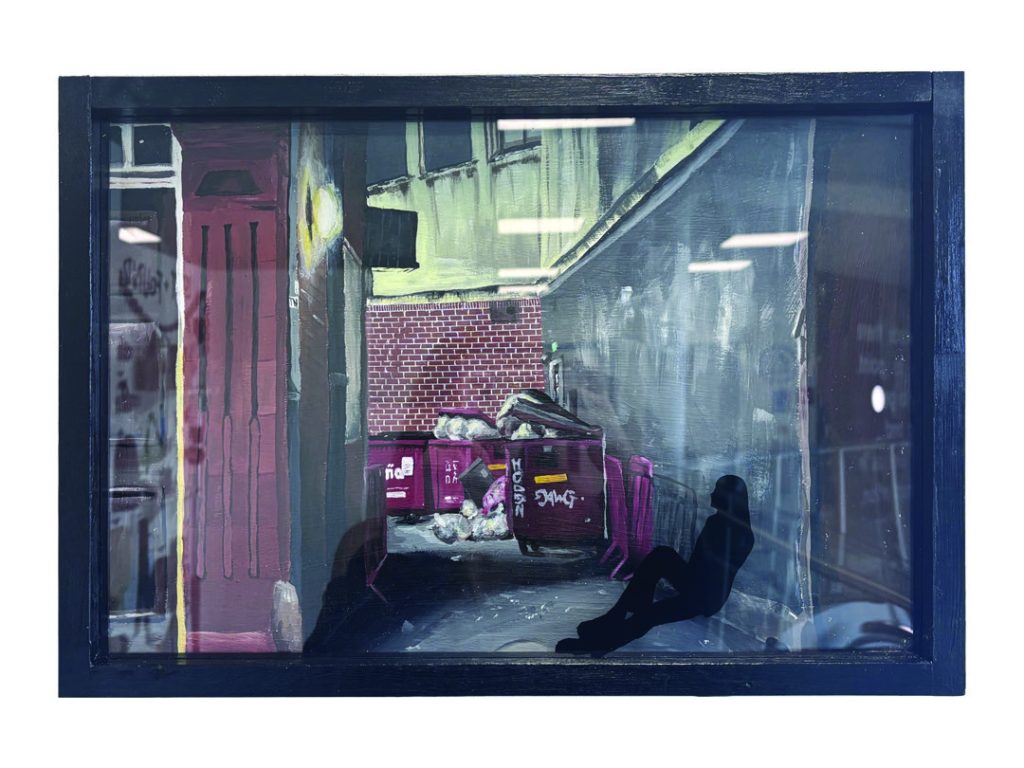
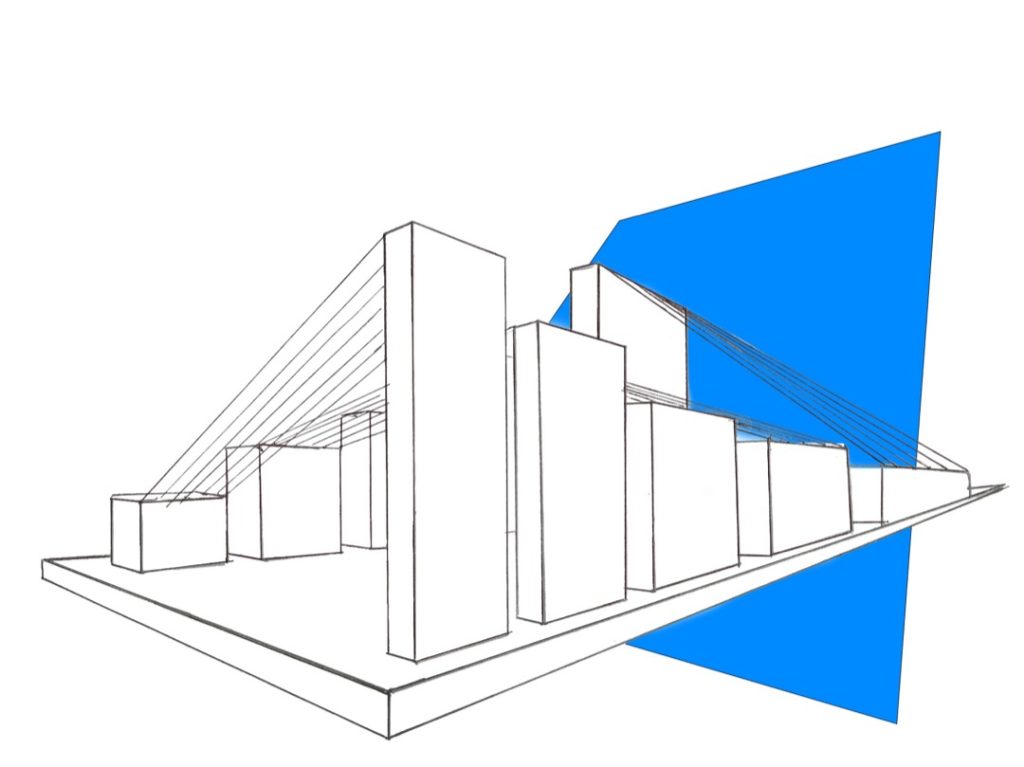
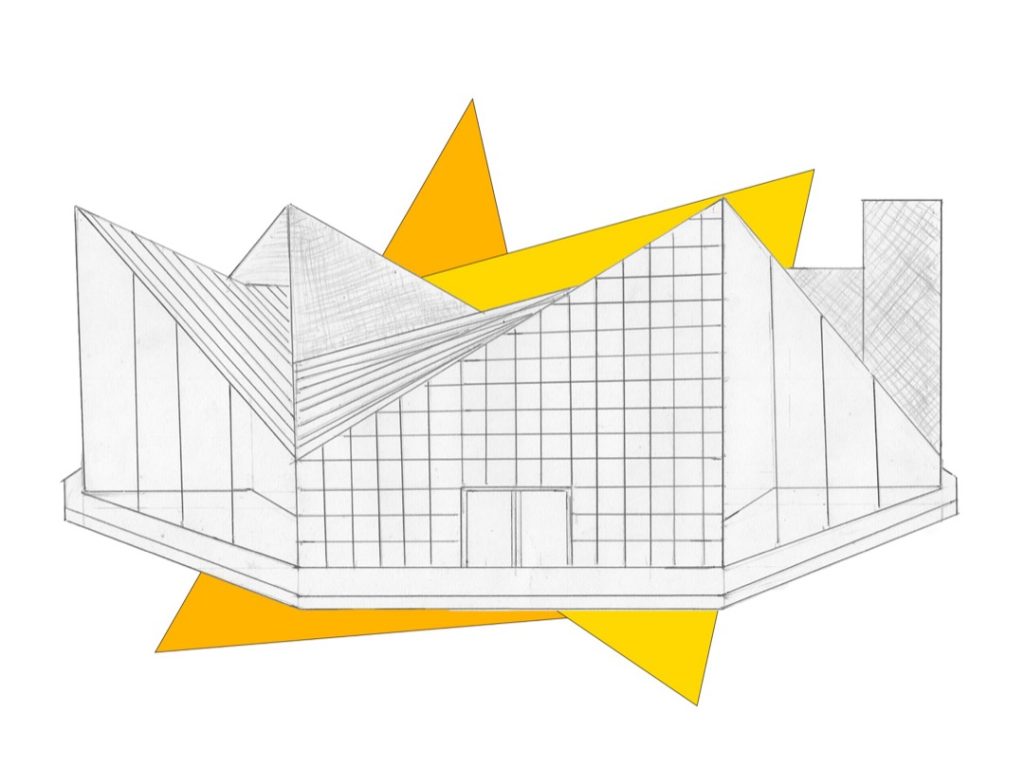
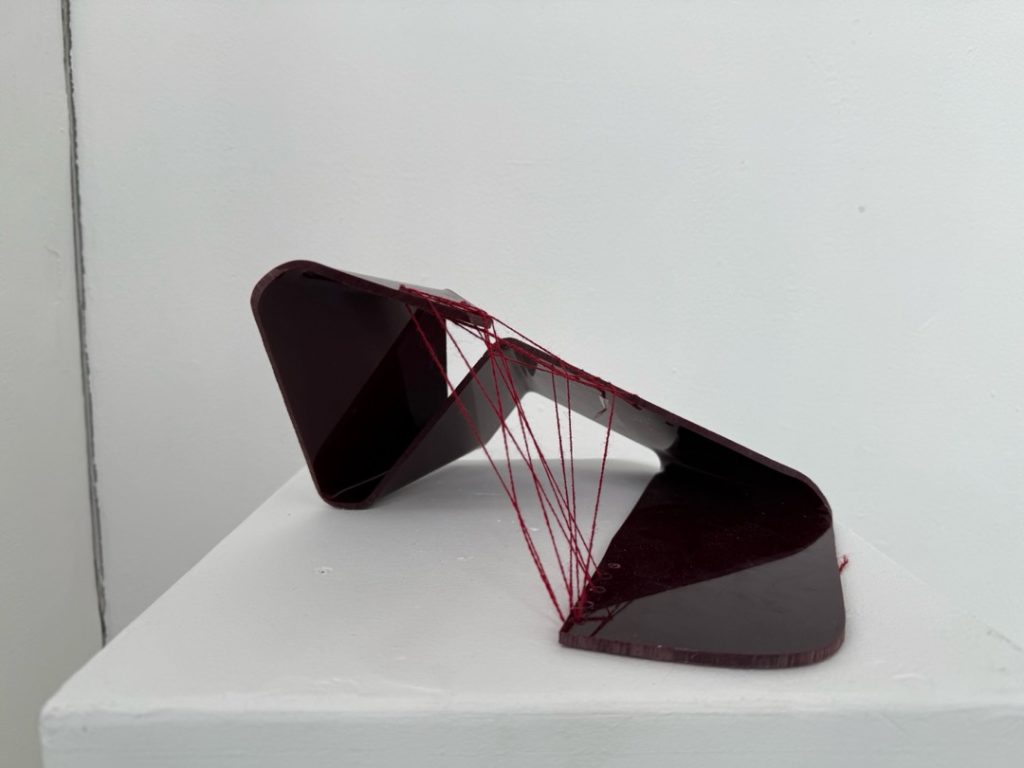
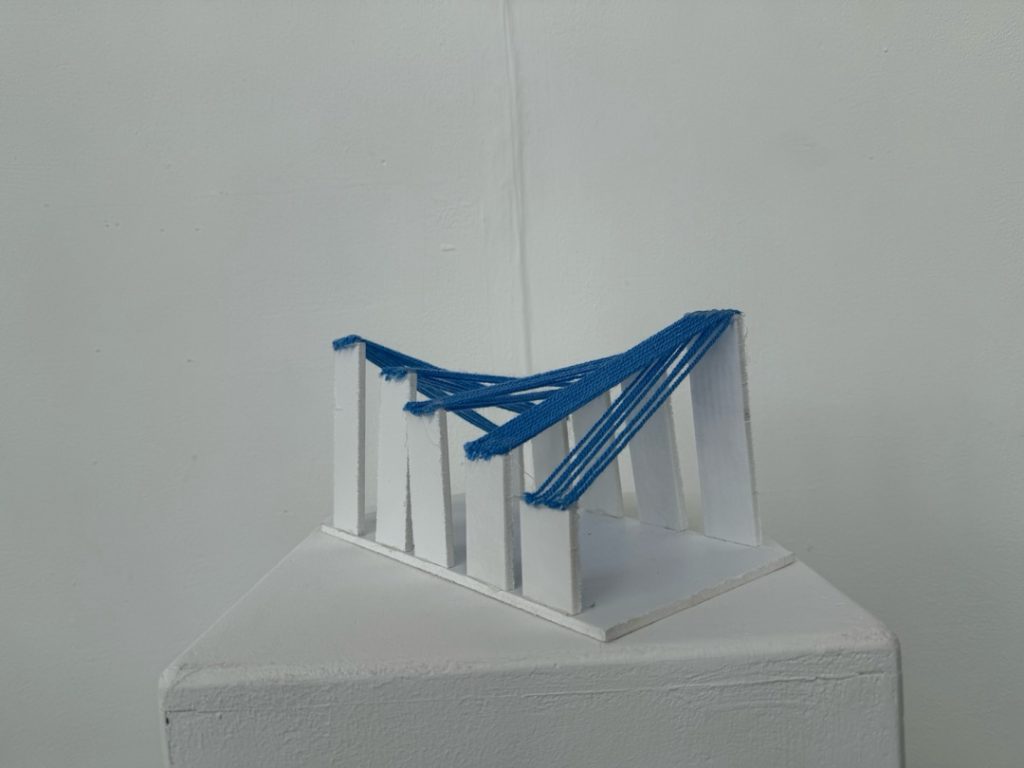
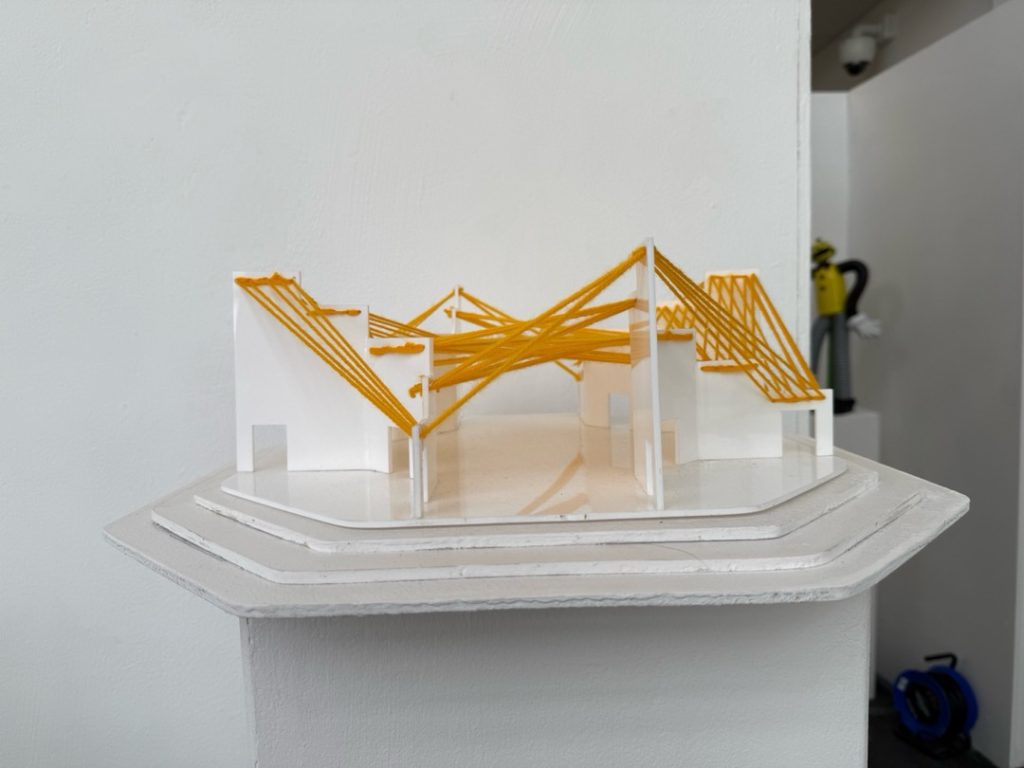
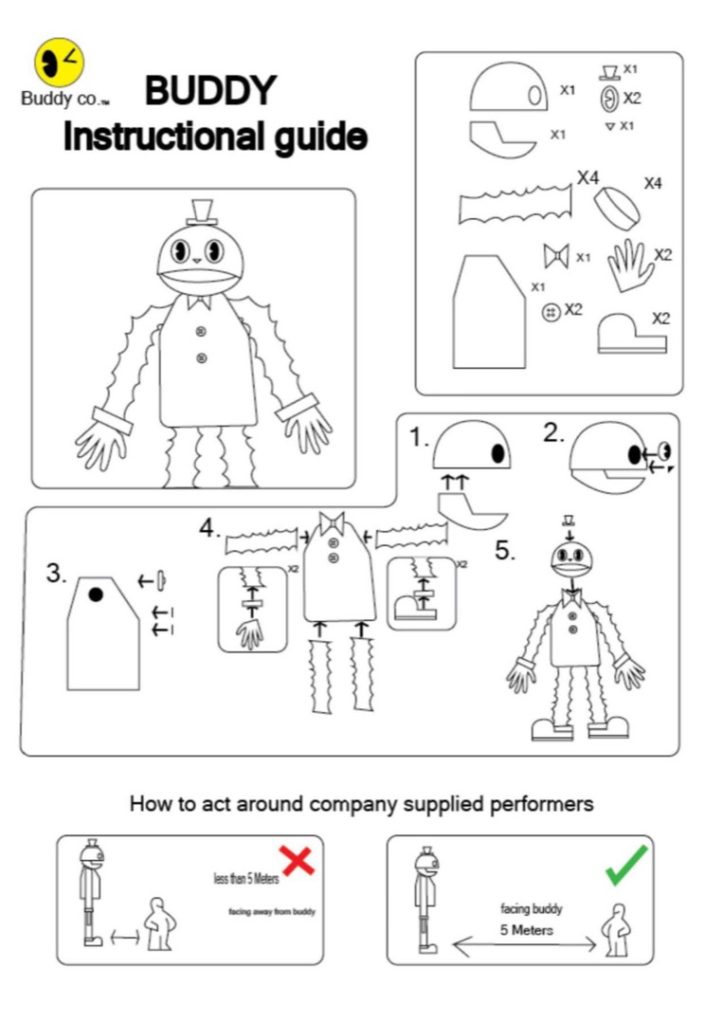
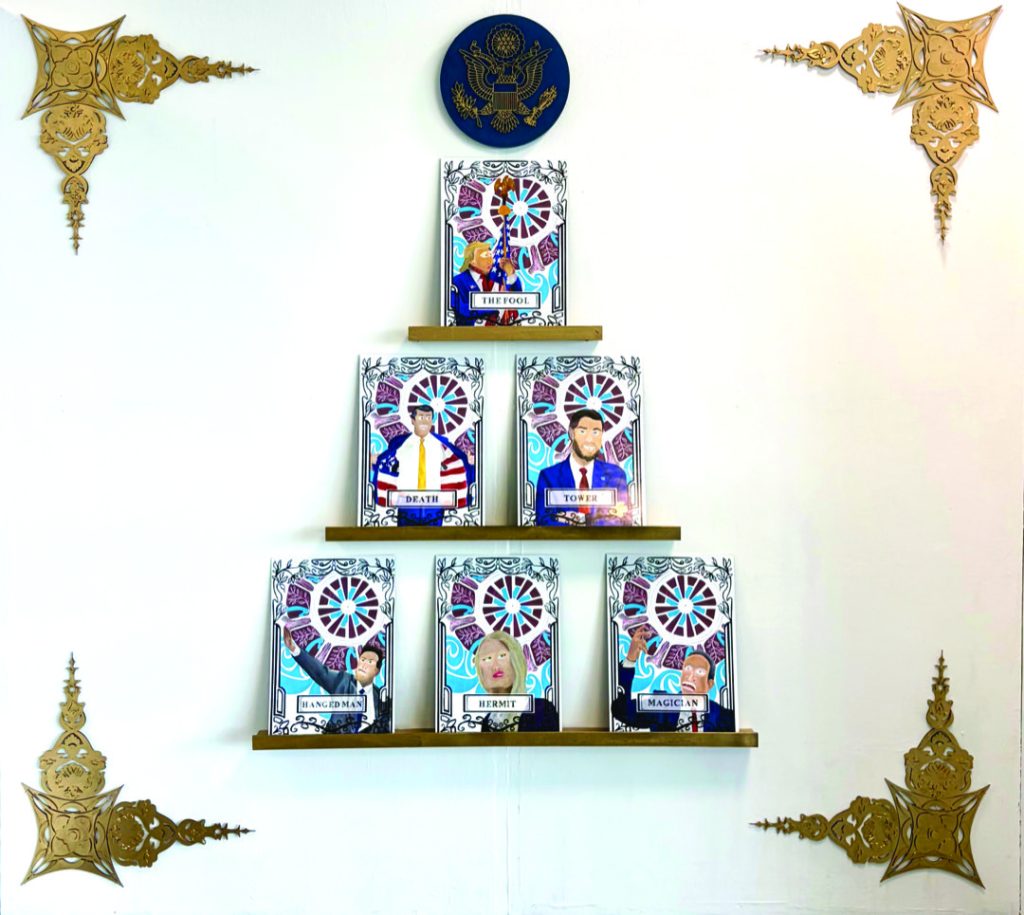
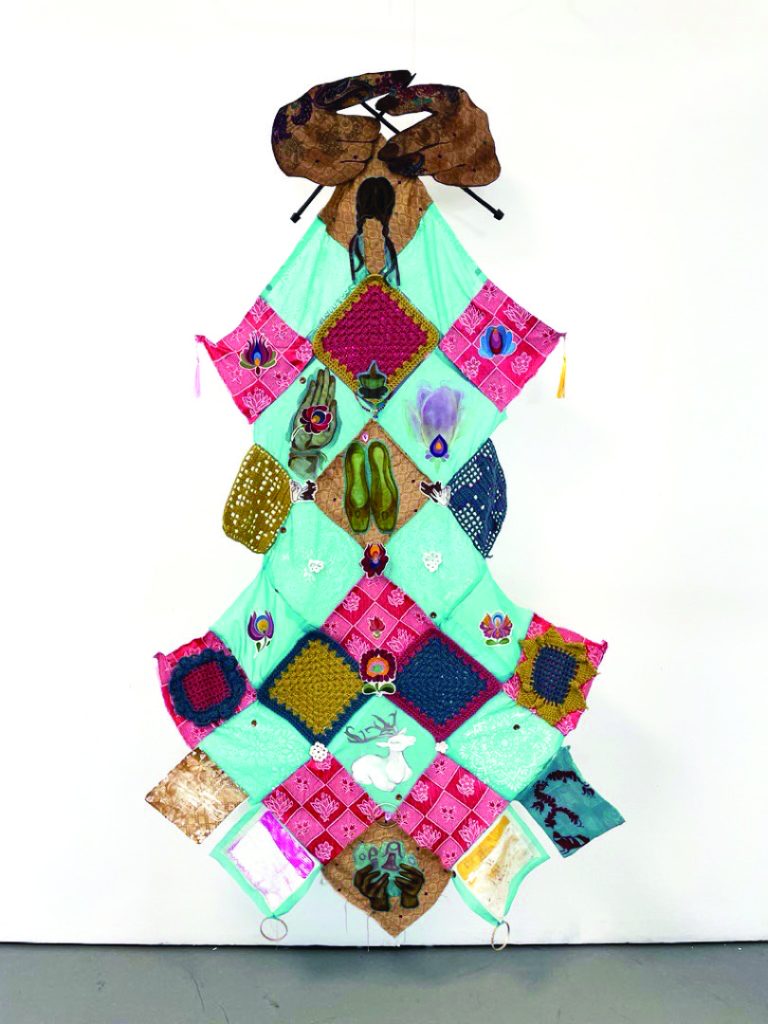
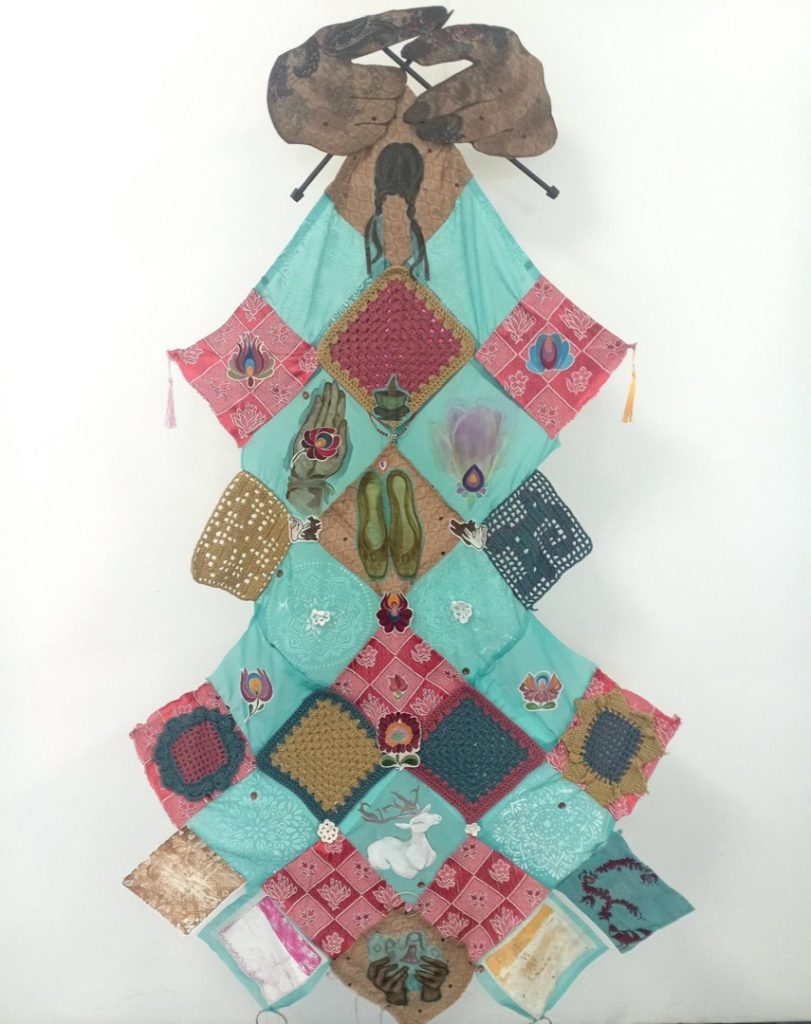
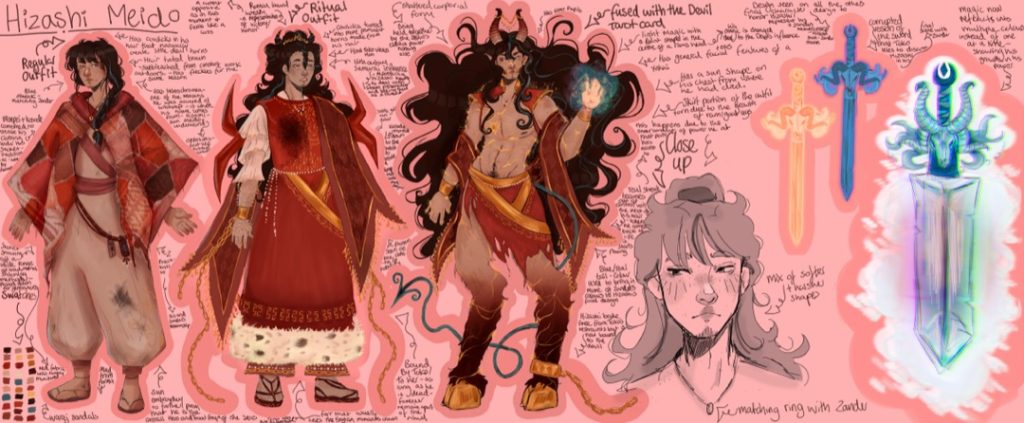
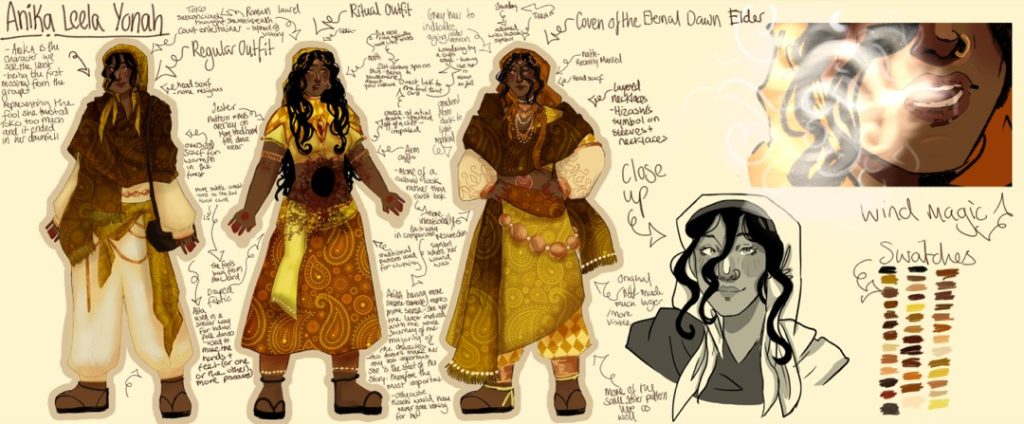
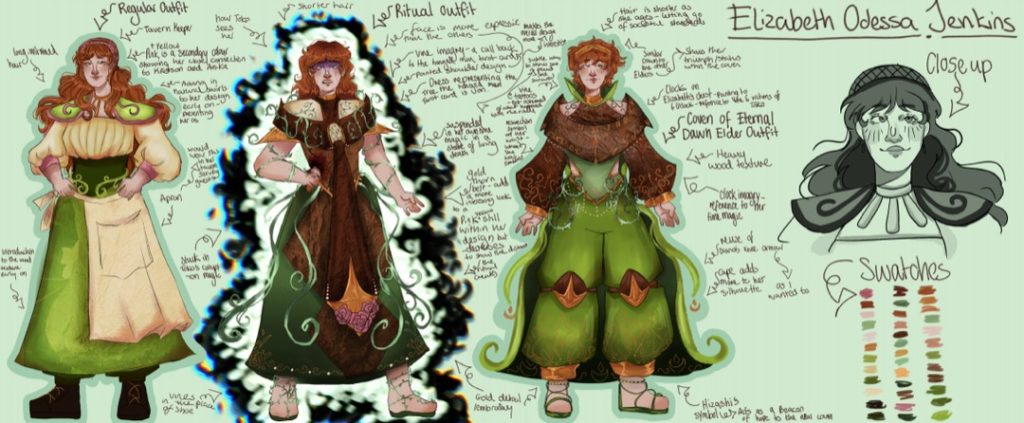
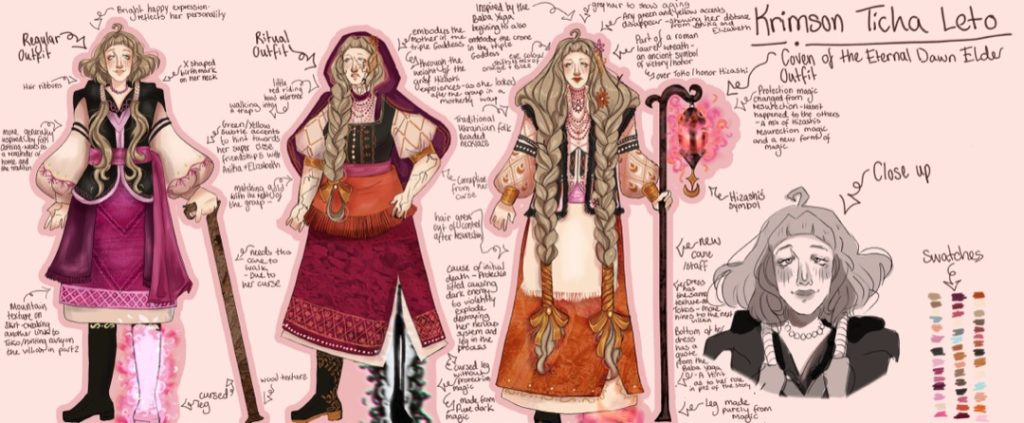
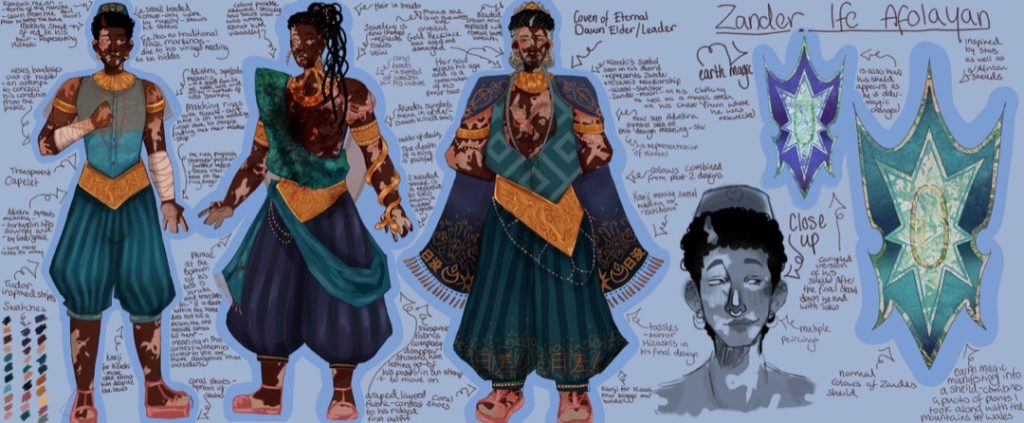
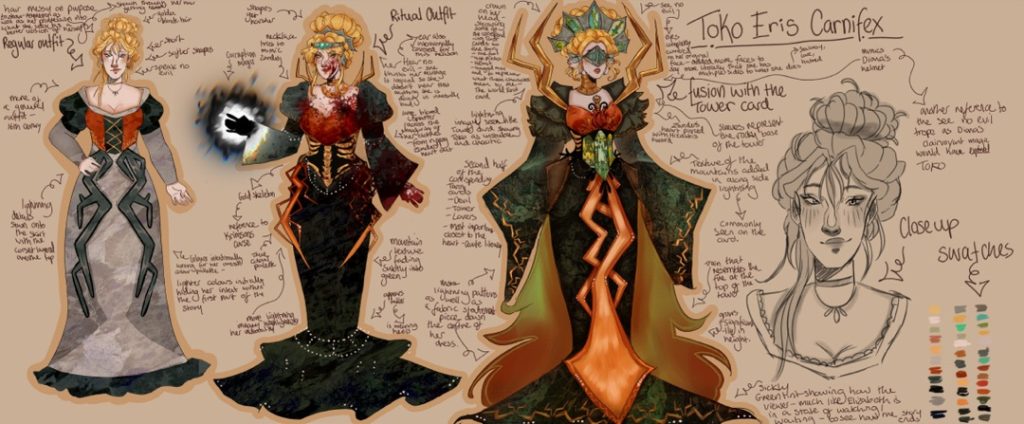
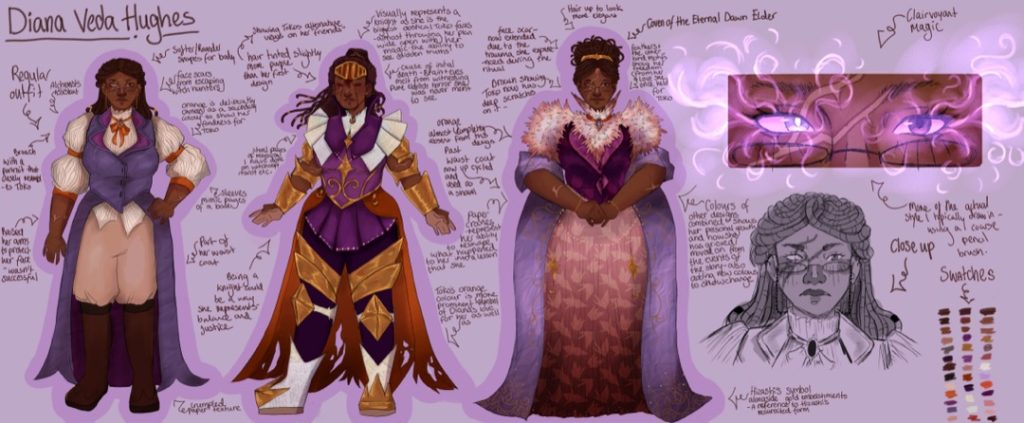
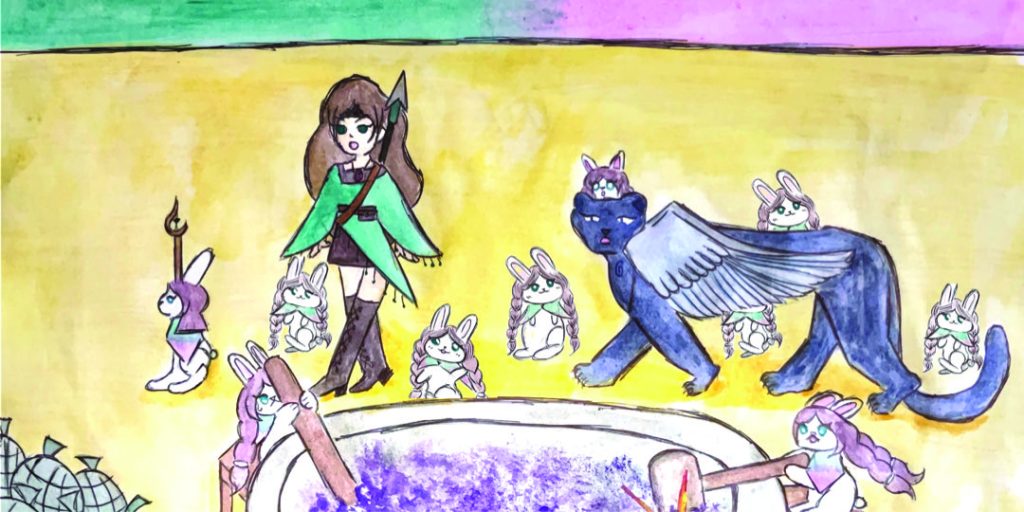
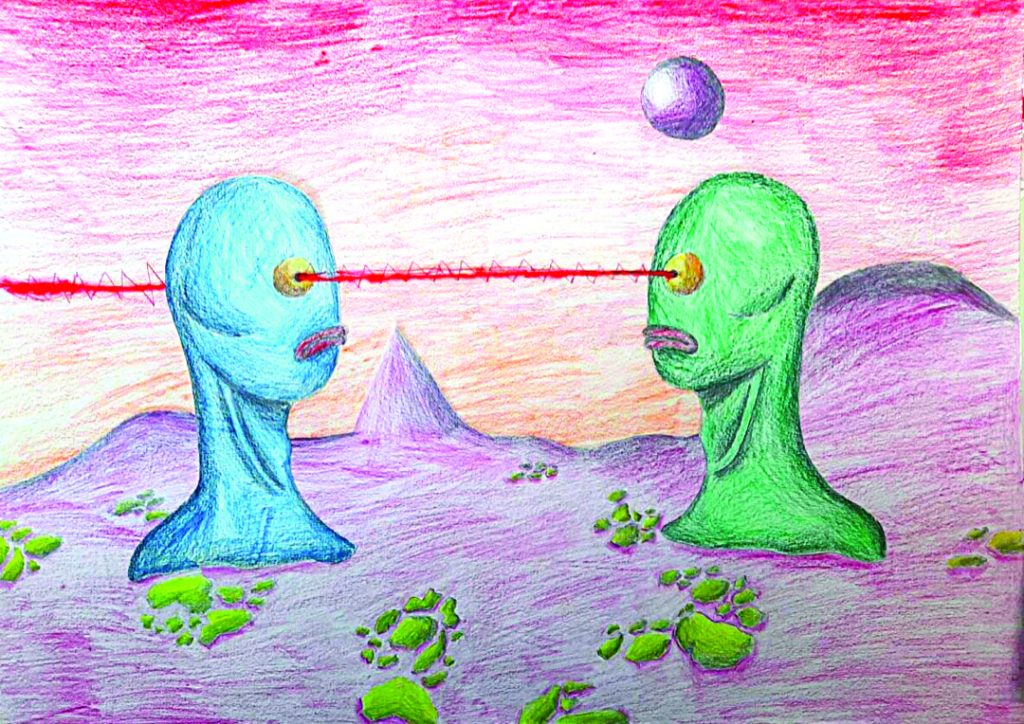
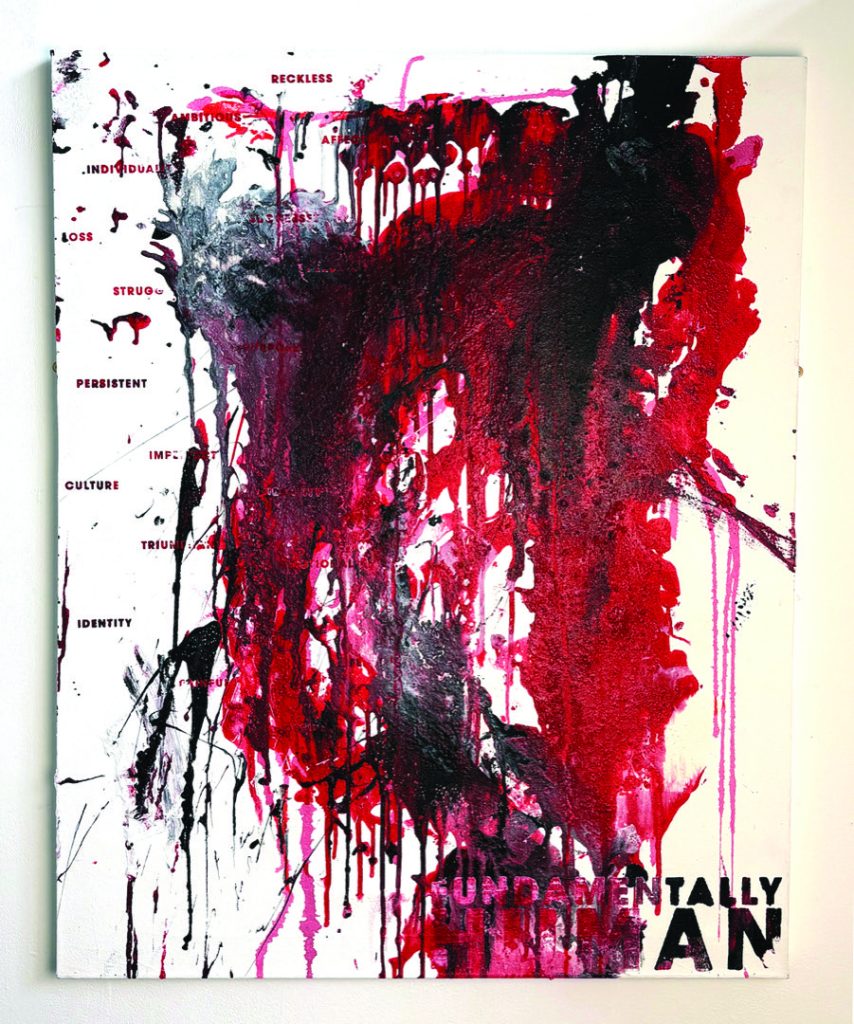
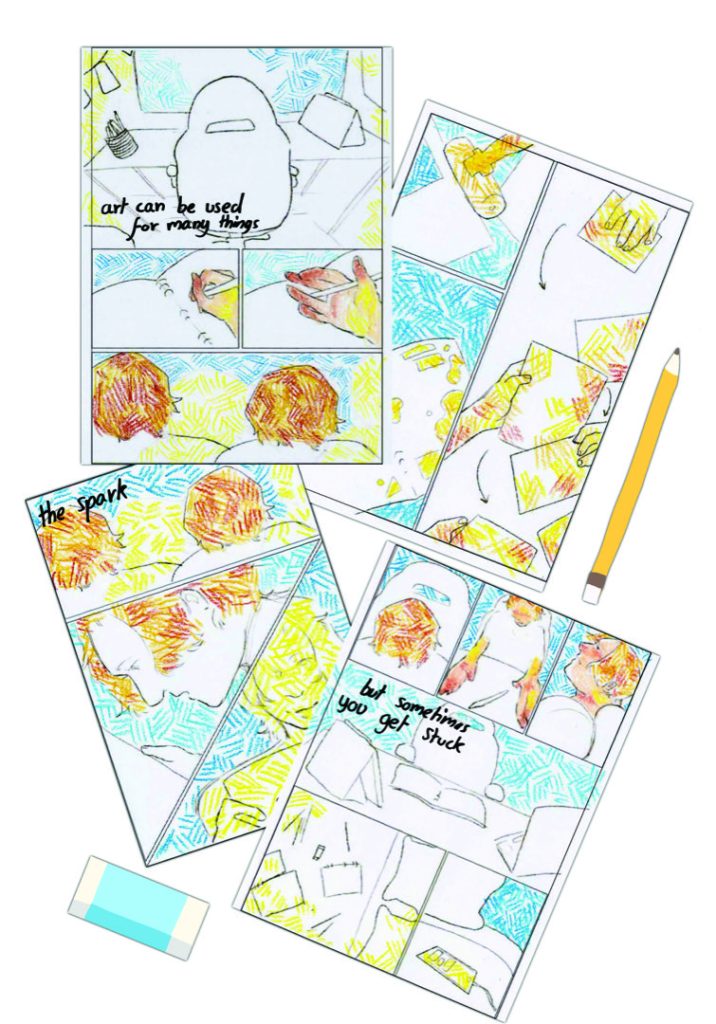
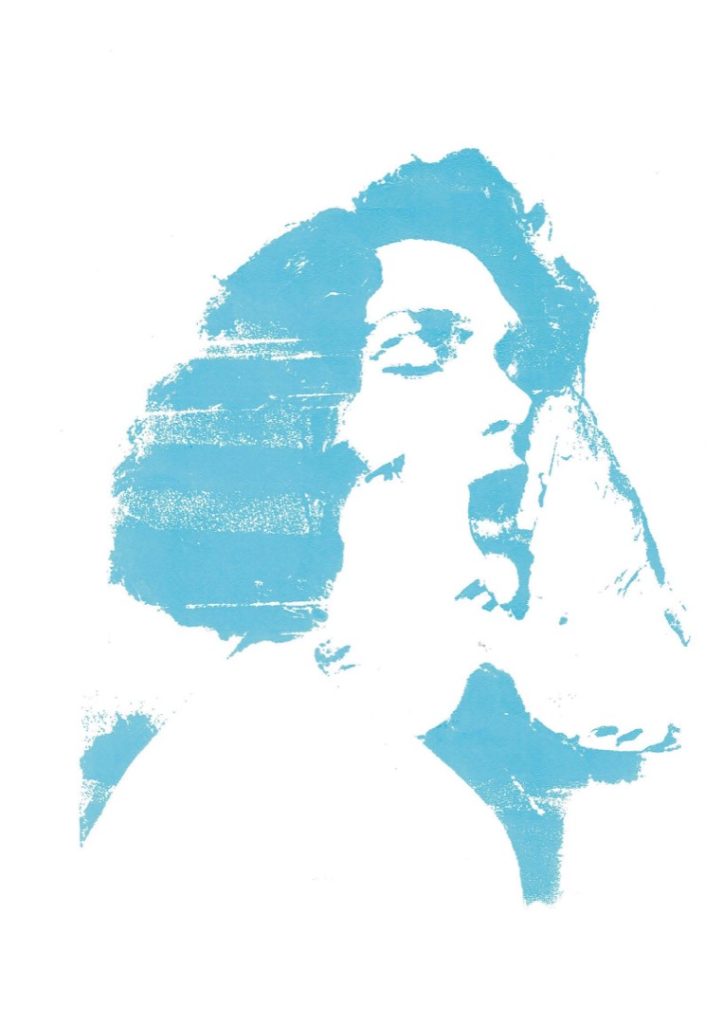
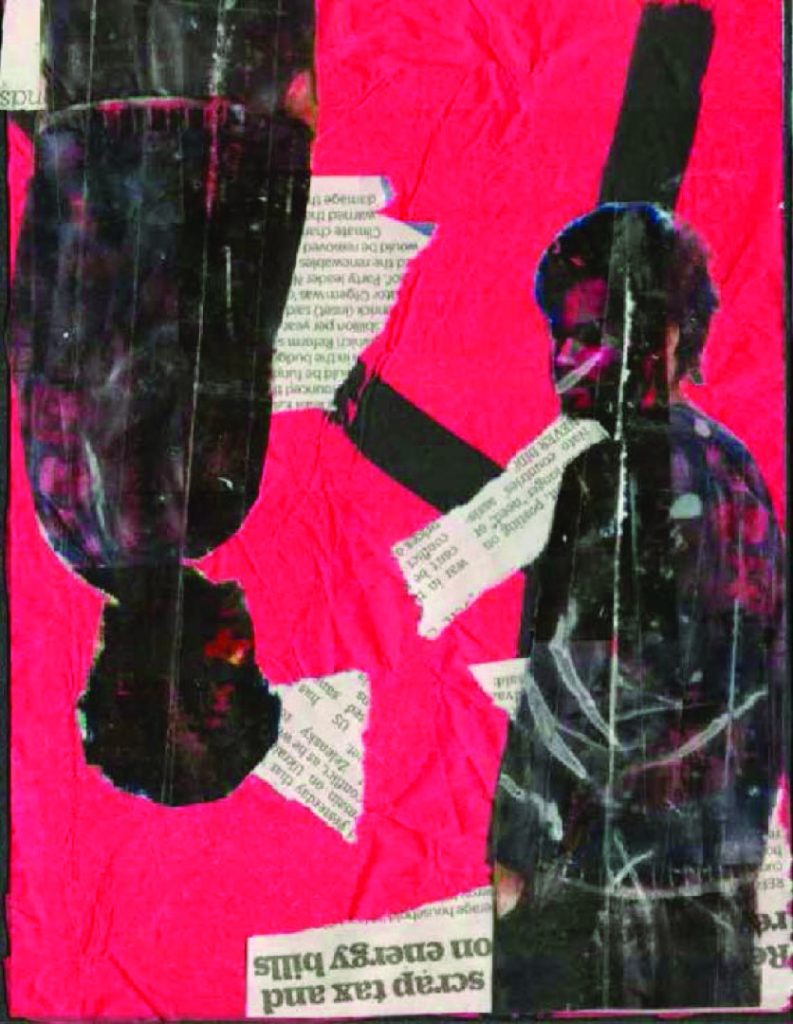
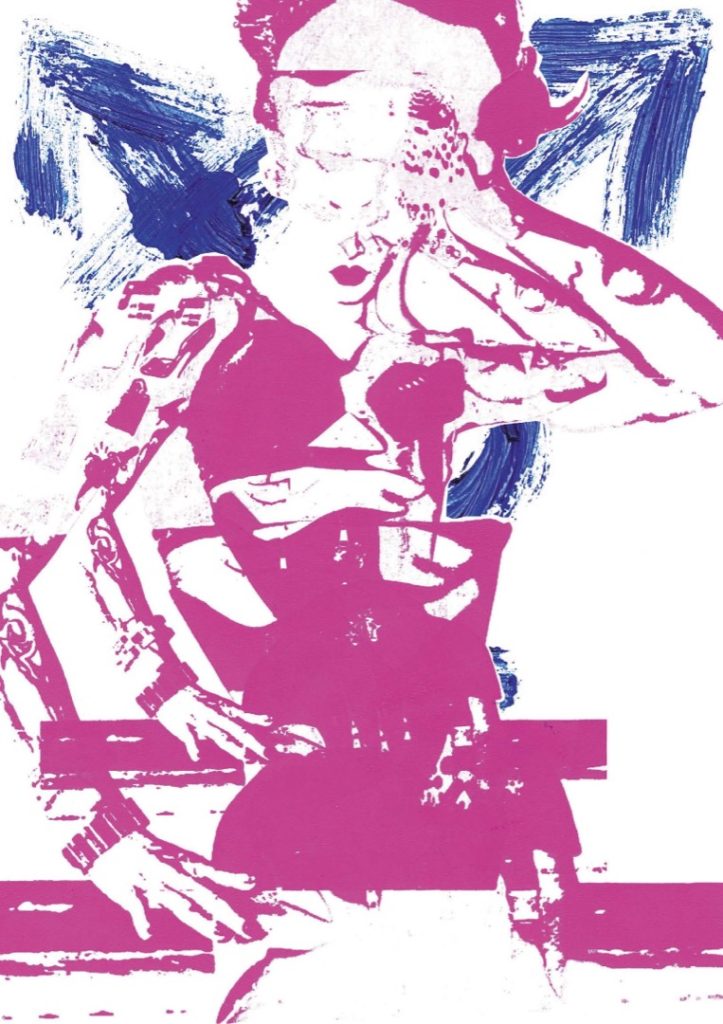
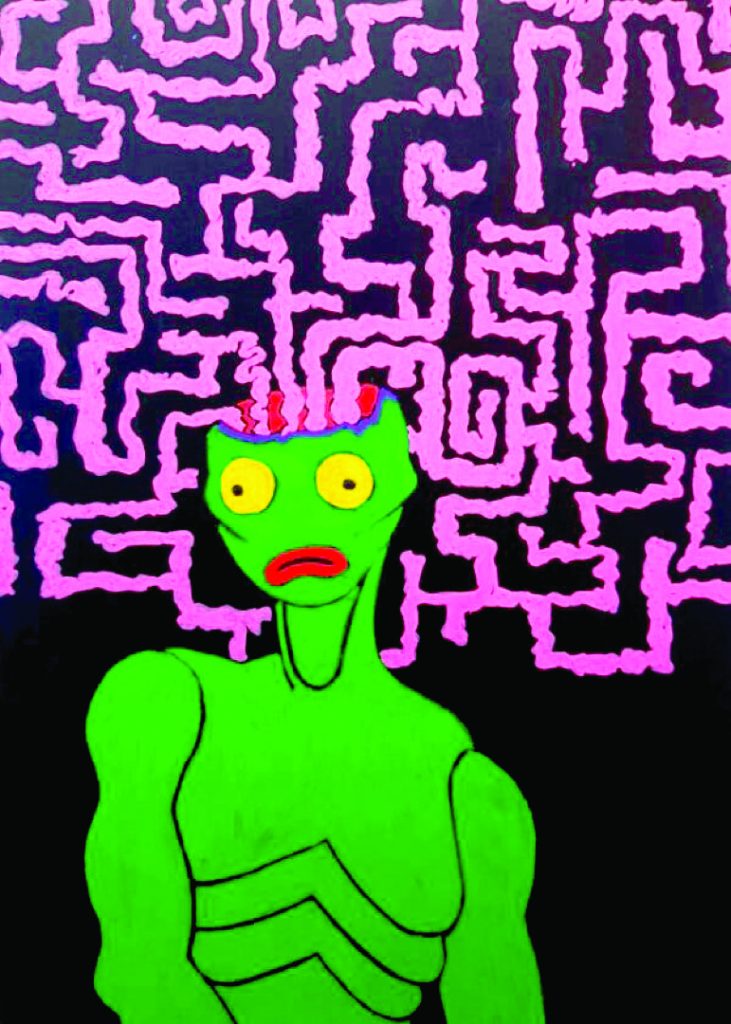
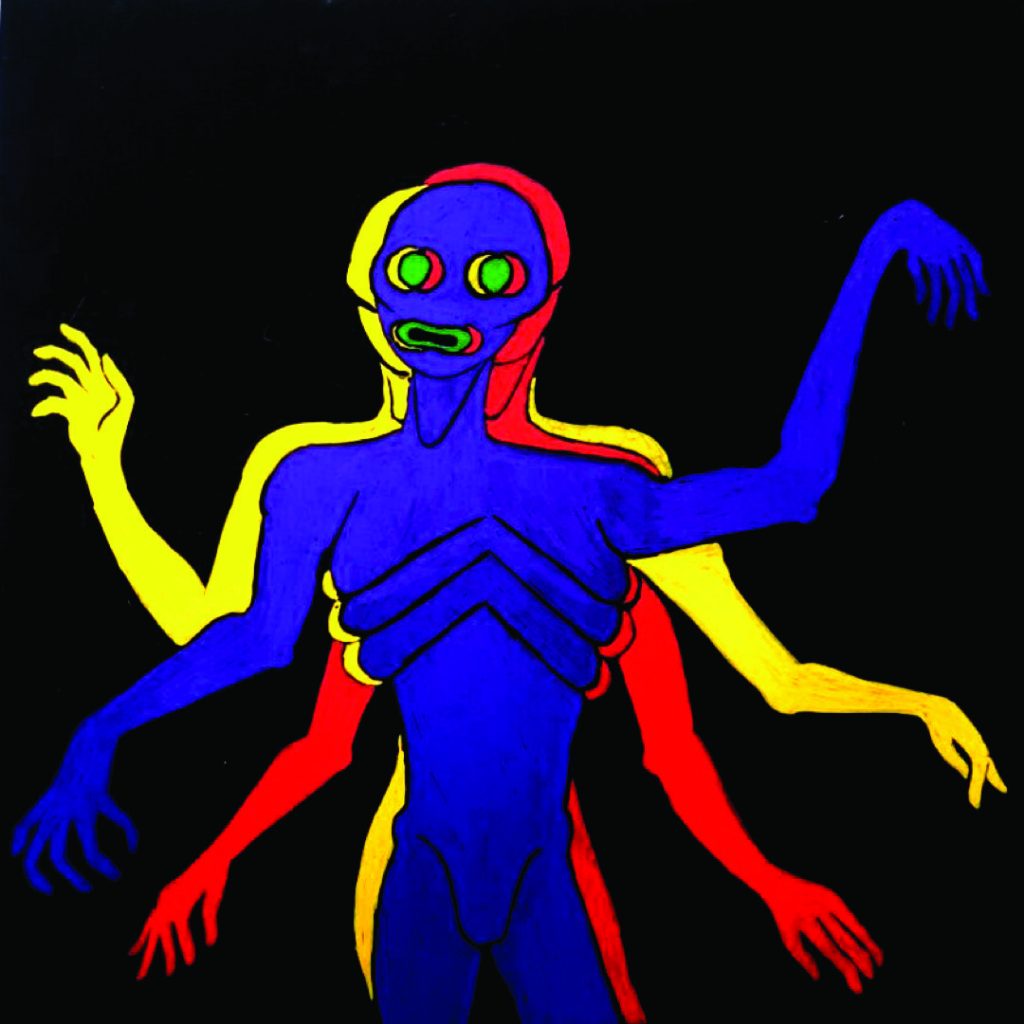
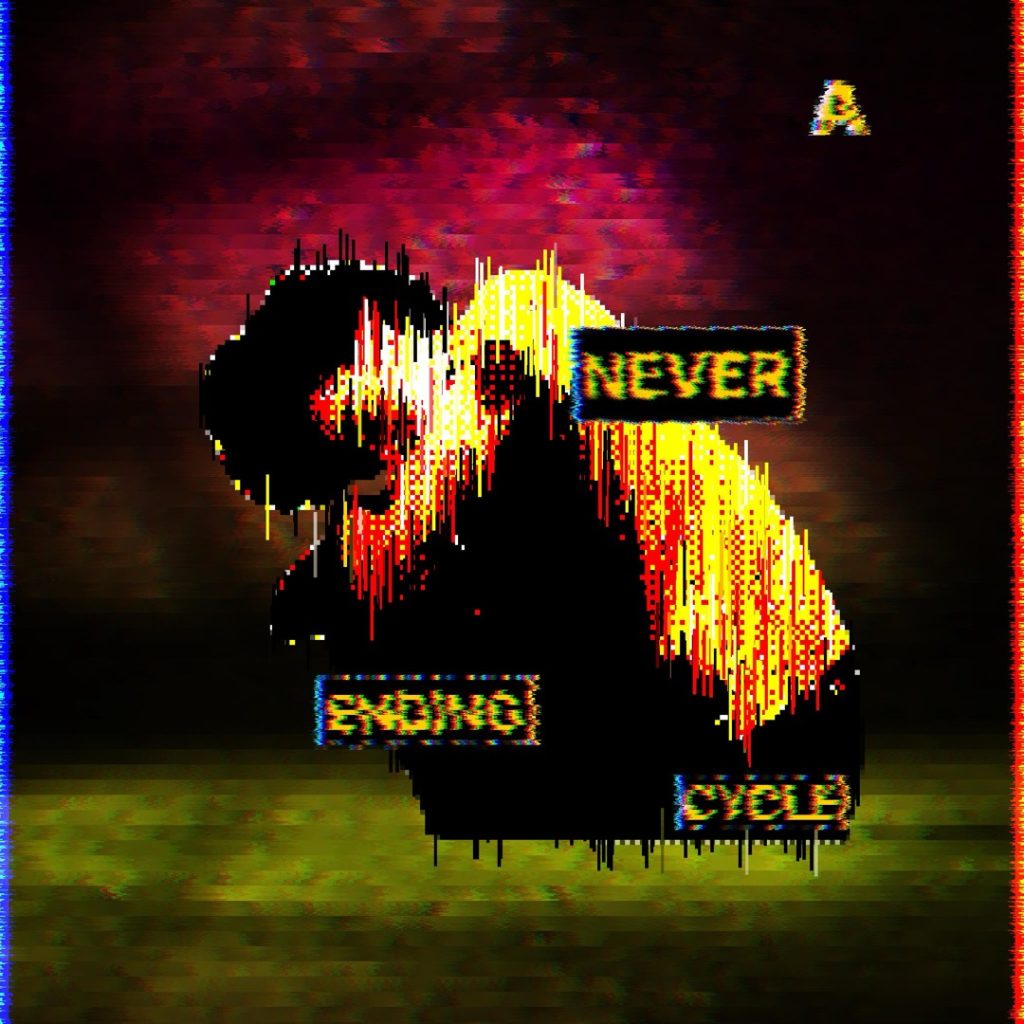
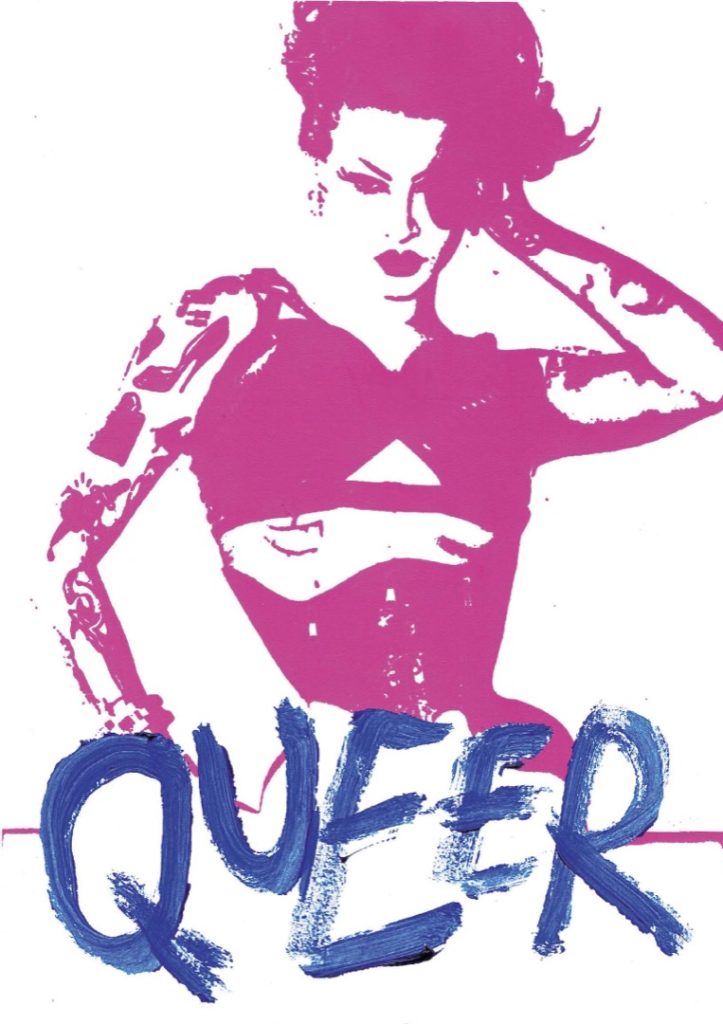
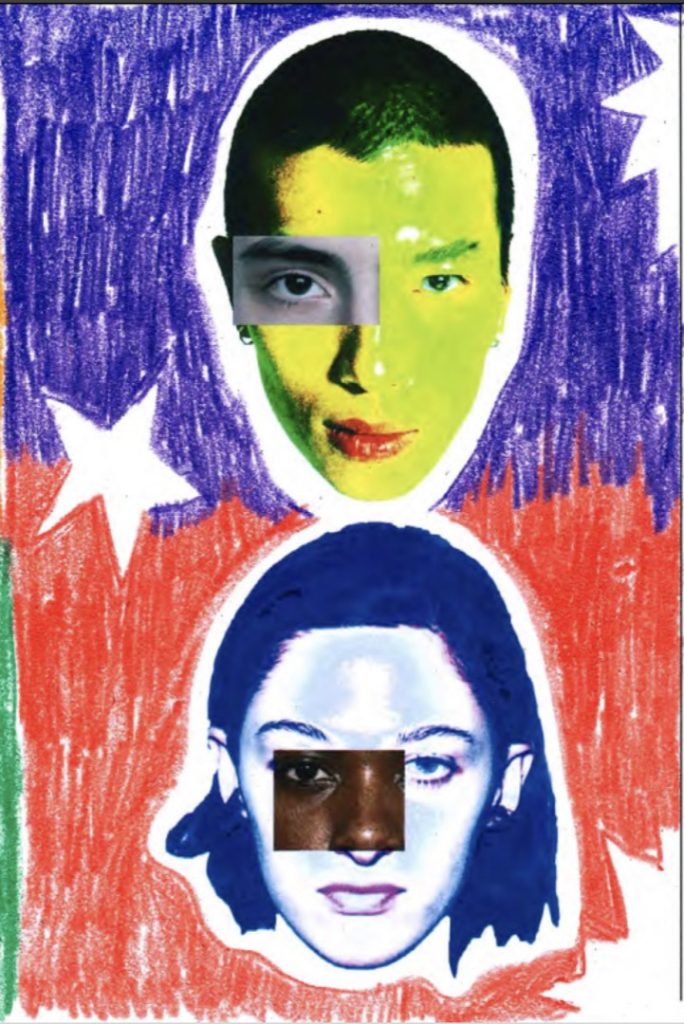
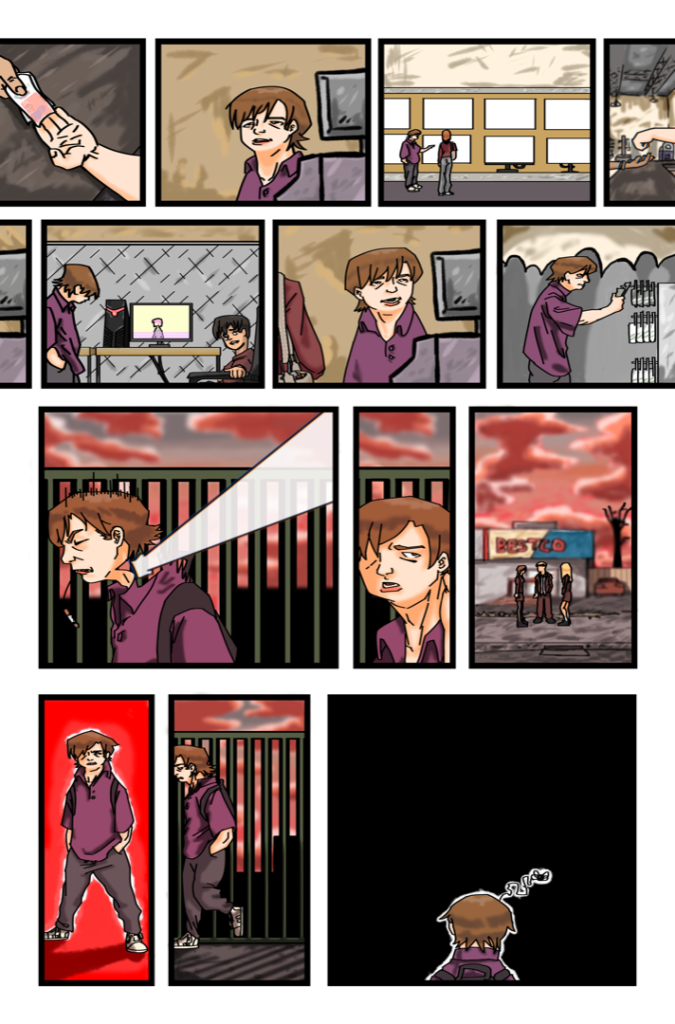
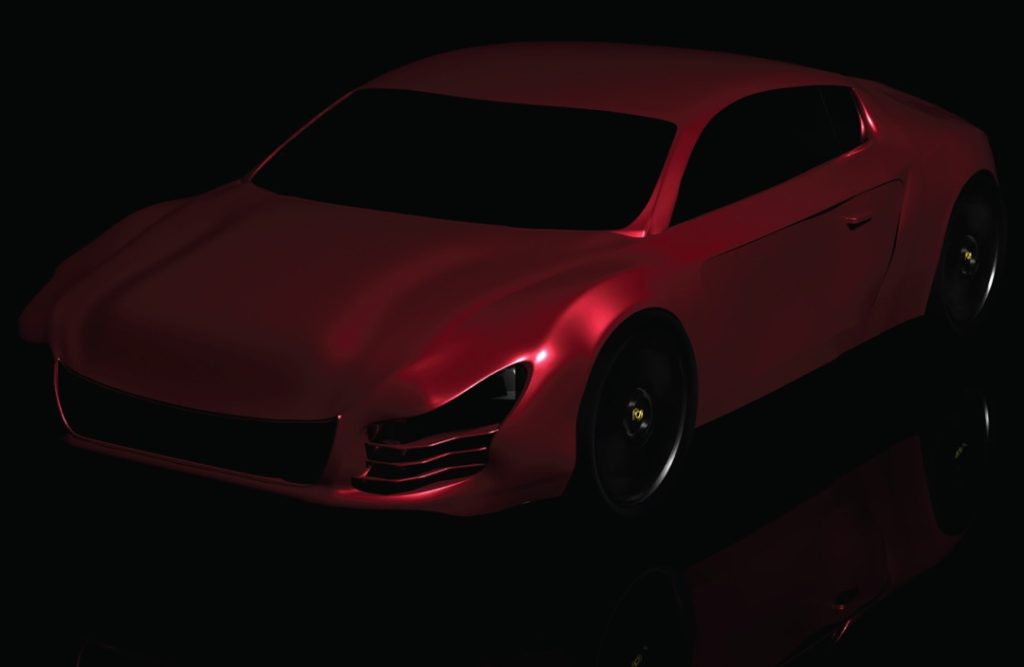
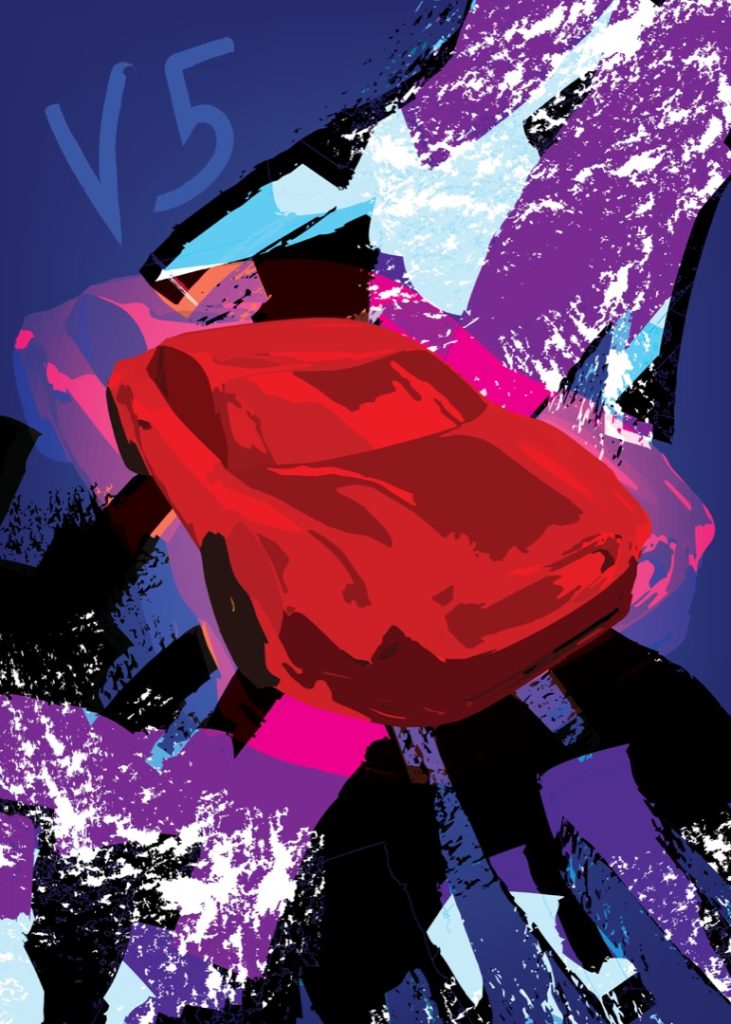
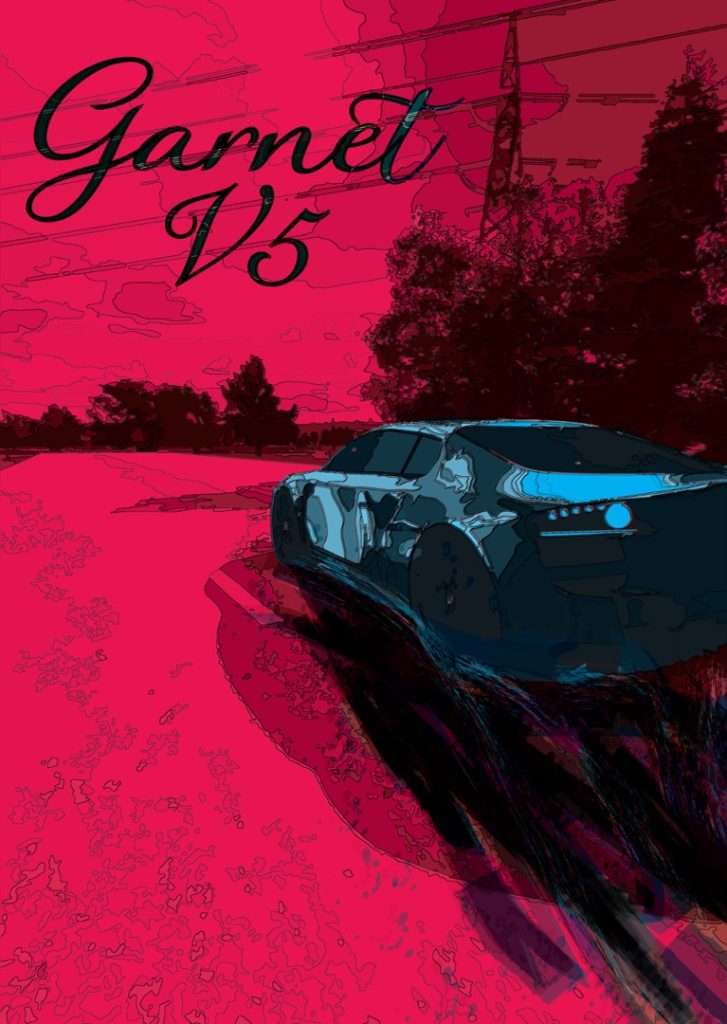
How do you build a computer game from the ground up? This course shows you how. The work showcased demonstrates how young designers and artists at Dudley College have challenged the parameters of game design to present original and imaginative solutions for 2D and 3D game outcomes.
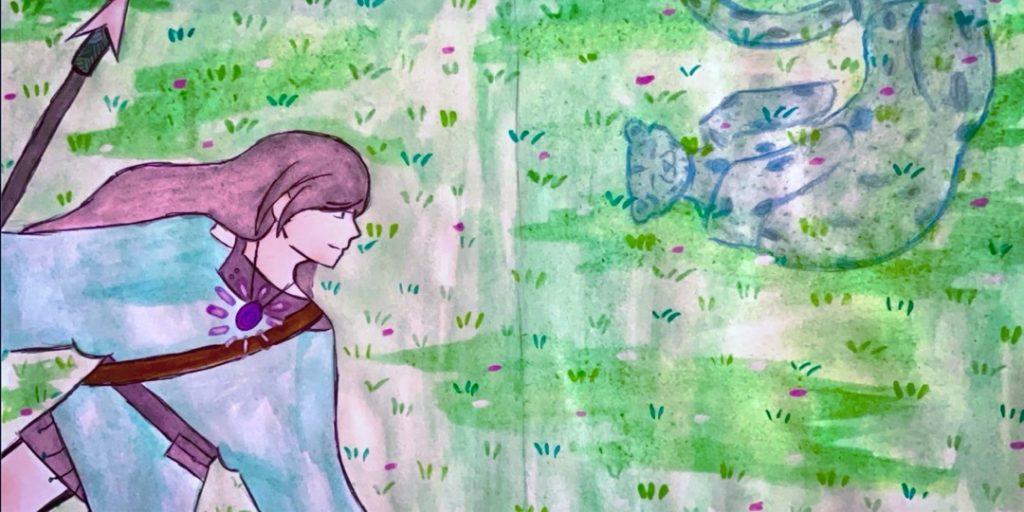
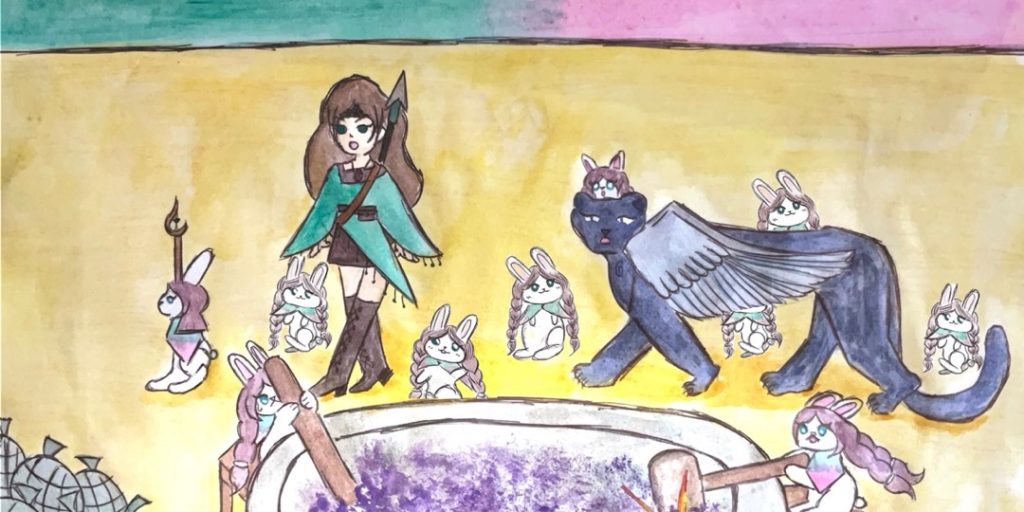
Learners are challenged to ‘think outside of the box’ to explore and question conventions within the world of games design. The course provides learners with the opportunity to creatively develop dynamic conceptual outcomes, while working with industry-standard design and production applications.
Students produce a wide range of game related ideas, from creating and developing proposals for intriguing game play and challenging game mechanics, to learning how to visualise, design and build digital characters for game deployment. The learners also get the opportunity to imaginatively craft and sculpt 3D environments and worlds. The use of industry-standard software is at the core of what we offer.
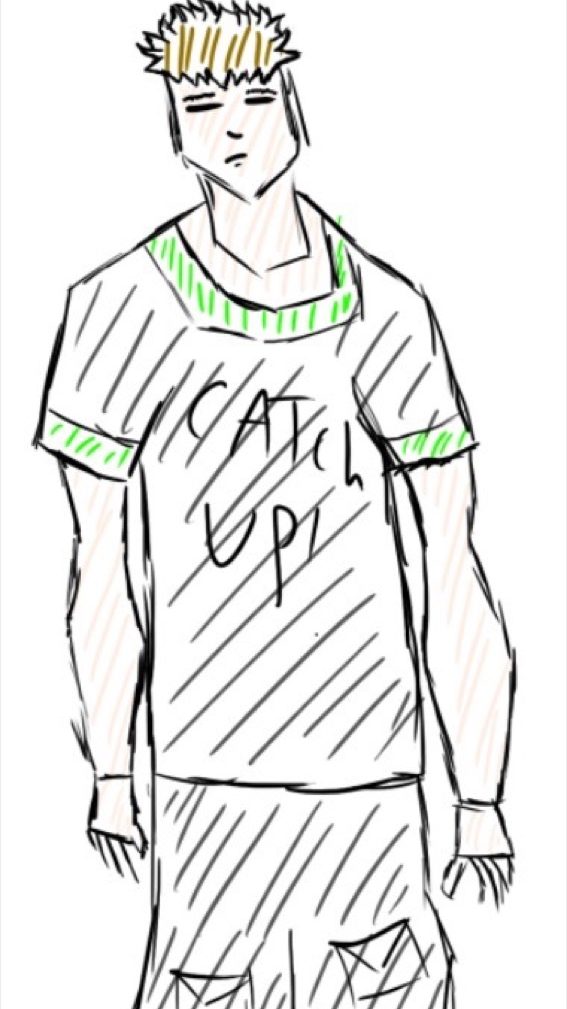
Programmes such as 3D Studio Max, Unreal Engine 4, World Machine, Mudbox, Z Brush, Qiuixel Suite, Crazy Bump, Visual Studio, GameMaker Studio are embedded throughout the projects our learners undertake. As part of the creative aspect of the course, we encourage our learners to become keen practitioners in areas of conceptual illustration, using applications such as Photoshop and Sketchbook to visually portray aspects of their imagination. I hope that you enjoy viewing and watching examples of their work.
Who knows? In a few years, you could be playing one of their games . . .
John Jones, Computer Games Design Course Tutor
BTEC Level 3 Year 2
Lucas Bishop
Check out this Video of Lucas Bishop’s Game
Bradley Colley
Check out this Video of Bradley Colley’s Game
Seth Craig
Check out this Video of Seth Craig’s Game
Finley Evans
Archie Gamble
Check out this Video of Archie Gamble’s Game
Chloe Gimenez
Check out this Video of Chloe Gimenez’s Game
Luke Goodyear
Check out this Video of Luke Goodyear’s Game
Jayden Jenns
Andrew Perkins
William Schipper
Check out this Video of William Schipper’s Game
Chey Taylor
HNC AND HND
Black Country Living Museum Games Trailers
Jack Baker, Ellis Byng, Jay Sharp – Cooking For Victory trailer
Lucas Baggott, Natasha Clayton, Paige Cheney – Whispers From The Shaft game trailer
Lauren Nicholson, Kirk Hickman, Charlie Watson, Satnam Singh – Ash &Anvil game trailer
Selina Russell, Leon Smith – Bostin’ Bus game trailer
It’s difficult to express how brilliant NT Connections is. It has become a fundamental part of my students’ educational experience. They learn and grow so much through this process that goes beyond their college and their course. Participation in Connections gives them a taste of what it means to work in this industry – the mind-set and dedication required to produce work of the highest standard possible. Andrew Wilson – Group Leader
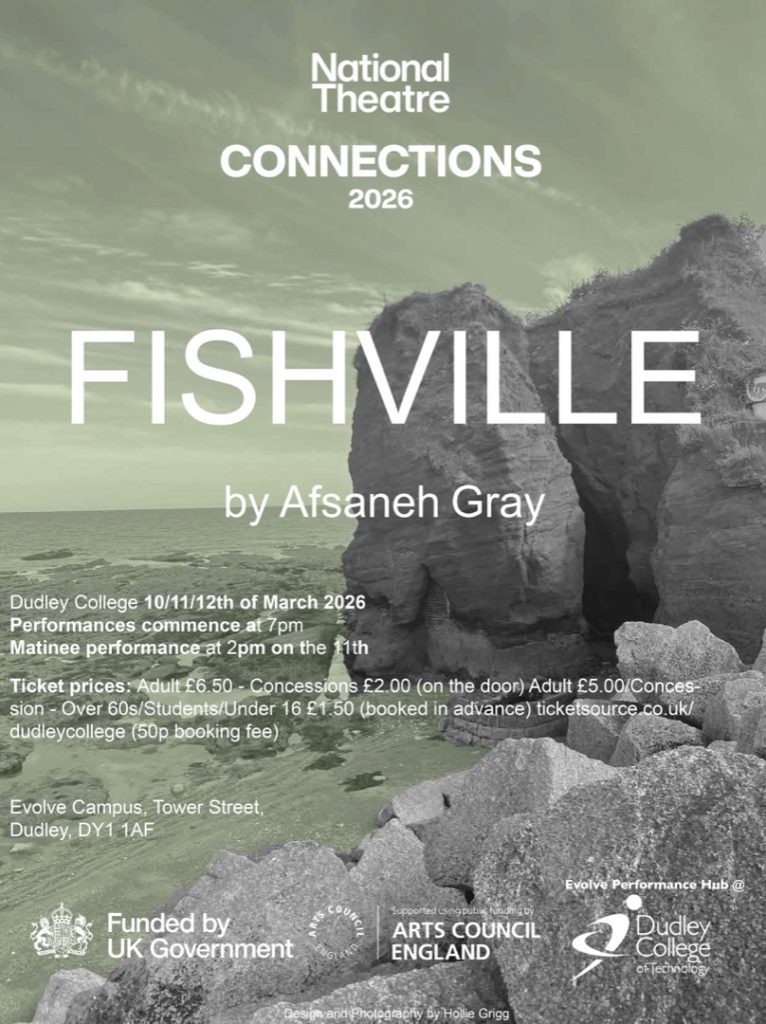
The poster for Fishville, Designed and Photographed by Dudley College Student, Hollie Grigg
Dudley College Students Make Waves with Fishville at National Theatre Connections 2026
This year, the incredible talent of our Dudley College students took center stage as they participated in National Theatre Connections 2026. As part of this prestigious nationwide youth theatre festival, our cast and crew brought the powerful, sea-soaked mystery Fishville, by Afsaneh Gray, to life.
The play begins with a chilling premise: a young man named Jared wades into the sea in his swimming gear, but never starts swimming. His sudden disappearance—triggered by the unexpected sale of his parents’ home—throws the coastal town of Saltwell into chaos. When a severed foot washes ashore, two local teenagers dive into an investigation, uncovering strange local myths about a hidden underwater community.
Our students delivered an outstanding performance, navigating the play’s blend of suspense, dark humor, and complex themes. Taking part in Connections 2026 gave our young theatre-makers the unique opportunity to premiere a brand-new script commissioned by the National Theatre, showcasing the incredible depth of creative talent we cultivate right here at the college. Congratulations to the entire cast and creative team behind the scenes for a truly unforgettable production!
Watch This Performance of NT Connections Fishville by Dudley College Performing Arts Students
‘Wheelchair on my Face’ by Sonya Kelly
‘I got my first pair of glasses when I was seven. A nurse came to the school and tested everyone’s eyes. And so it was discovered why I’d thrown bread to the floating crisp packets in our local pond and walked into lamp posts and said, ‘excuse me’. Until that day the world was a swirl of moving coloured blobs. I thought it was the same for everyone. How wrong I was.’
Part memoir, part theatre and part standup comedy this delightful story of a myopic seven-year-old is brought to you by actor, comedian and playwright Sonya Kelly. Sonya tells her story about growing up with poor vision that went undiagnosed until she was seven years old. Combining several forms of theatre, this delightful story shows us how we can better the world even if we cannot see the world.
Performed by Sophie Sergison as a one-woman show as part our Director’s series at Dudley College on 24 March 2026. Directed by Ella Hardisty.
Watch These Stunning Performances of Wheelchair on my face by Dudley College Student, Sophie Sergison
‘Shakers’ by John Godber and Jane Thornton
Carol, Adele, Niki and Mel work in a bar that is worse than hell! Welcome to the 80s, where every town has its Shakers, the oh so trendy cocktail bar where everyone wants to be seen, from the checkout girls to the chinless wonders, from the luvvies to the local lads tittering at the thought of a “long slow comfortable screw”.
Shakers gives a wickedly funny glimpse of this world as seen through the eyes of the four long-suffering waitresses, offering a fascinating view of the reality that lurks behind the plastic palms and the Pina Coladas.
Performed by 2nd Year Actors – Sophie Sergison – Ella Hardisty – Hannah Shaw and Faye Williams, as part of their Personal Project work on 12 November 2025. Directed by Samanta Zarebska
Watch These Incredible Performances of Shakers by Dudley College Students, Sophie Sergison, Ella Hardisty, Hannah Shaw and Faye Williams
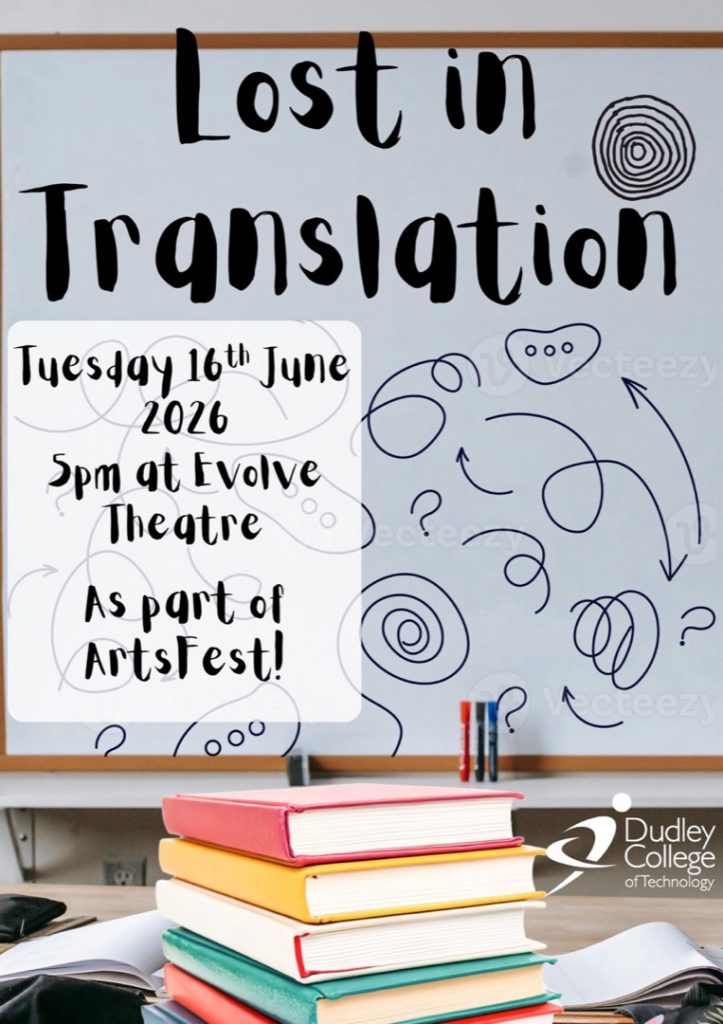
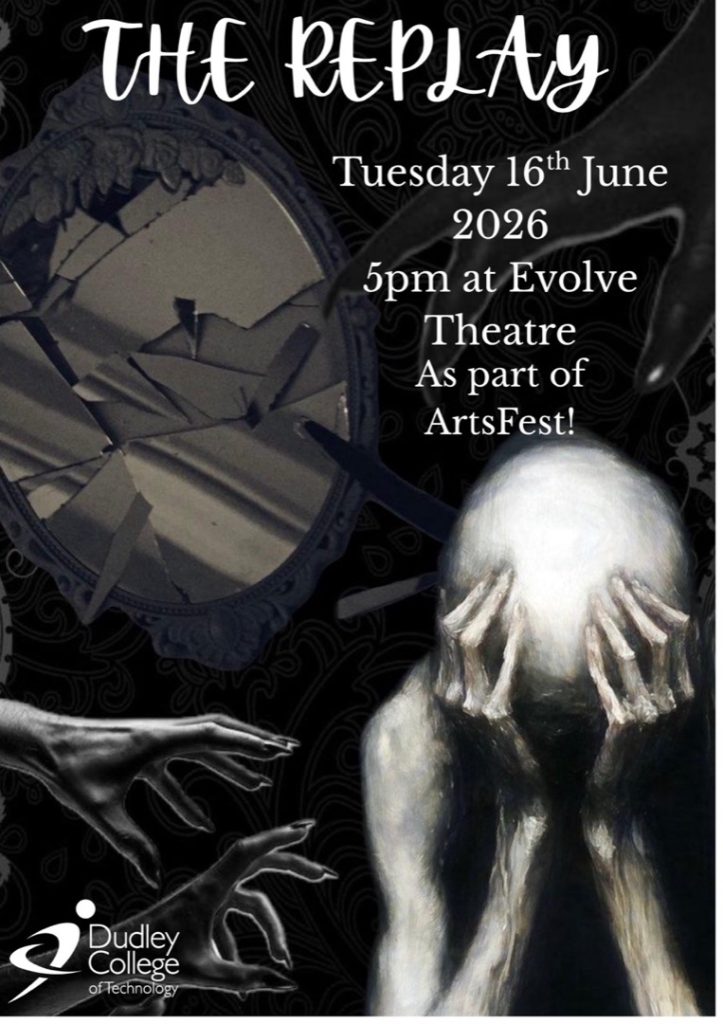
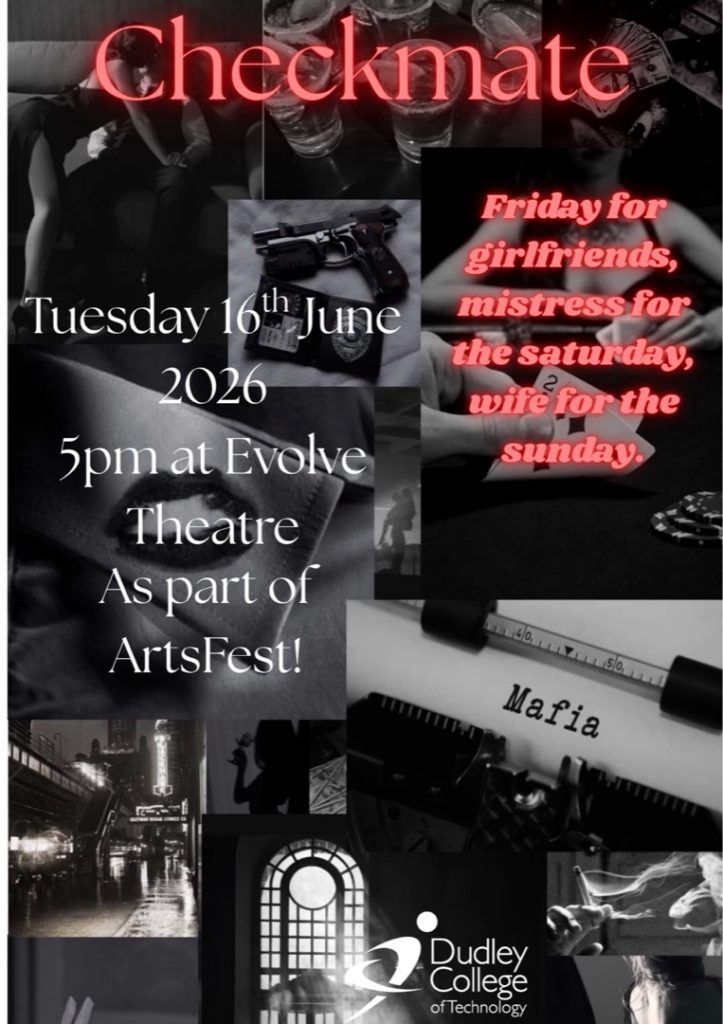
Posters for the 1st Year Devised Pieces Being Performed at This Year’s Artsfest
Music
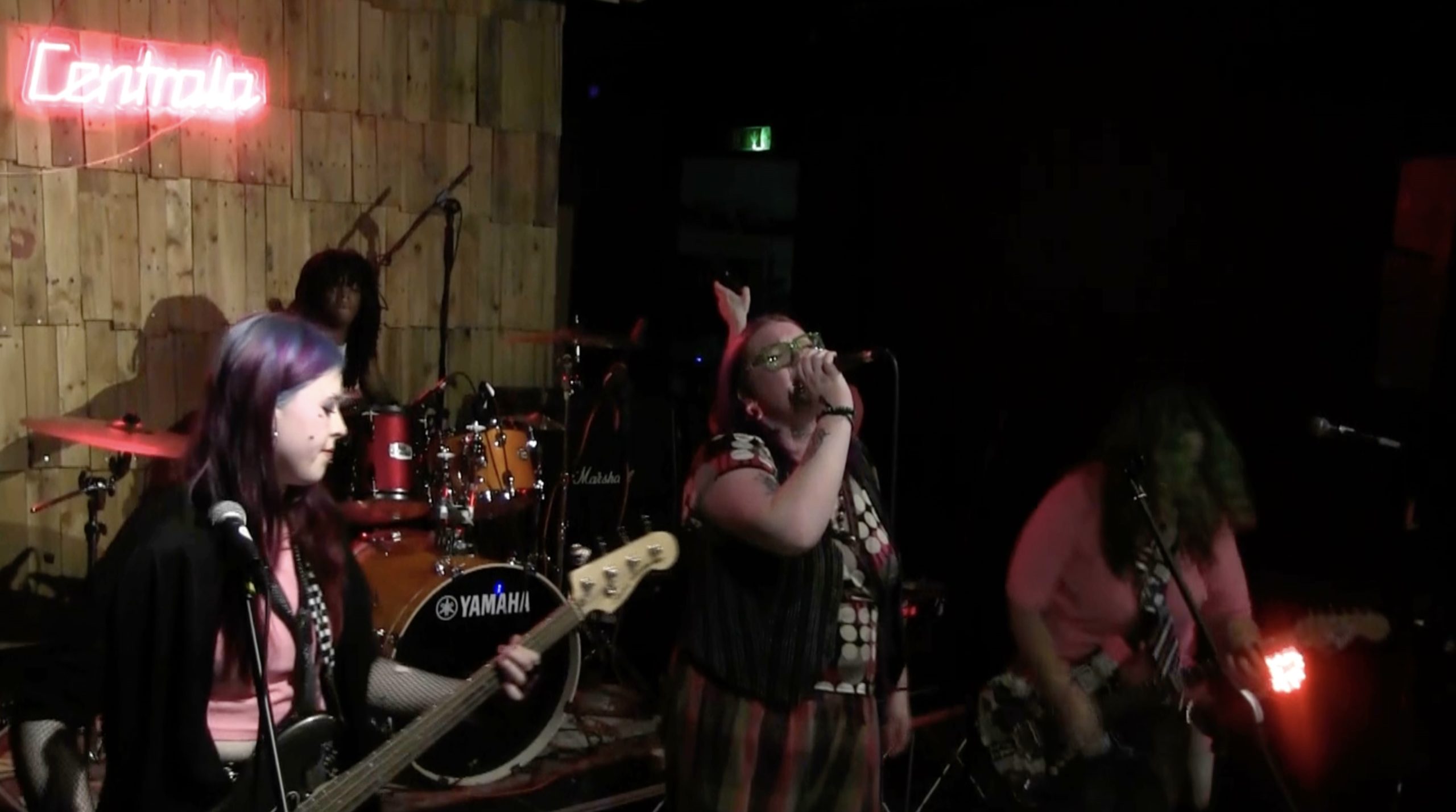
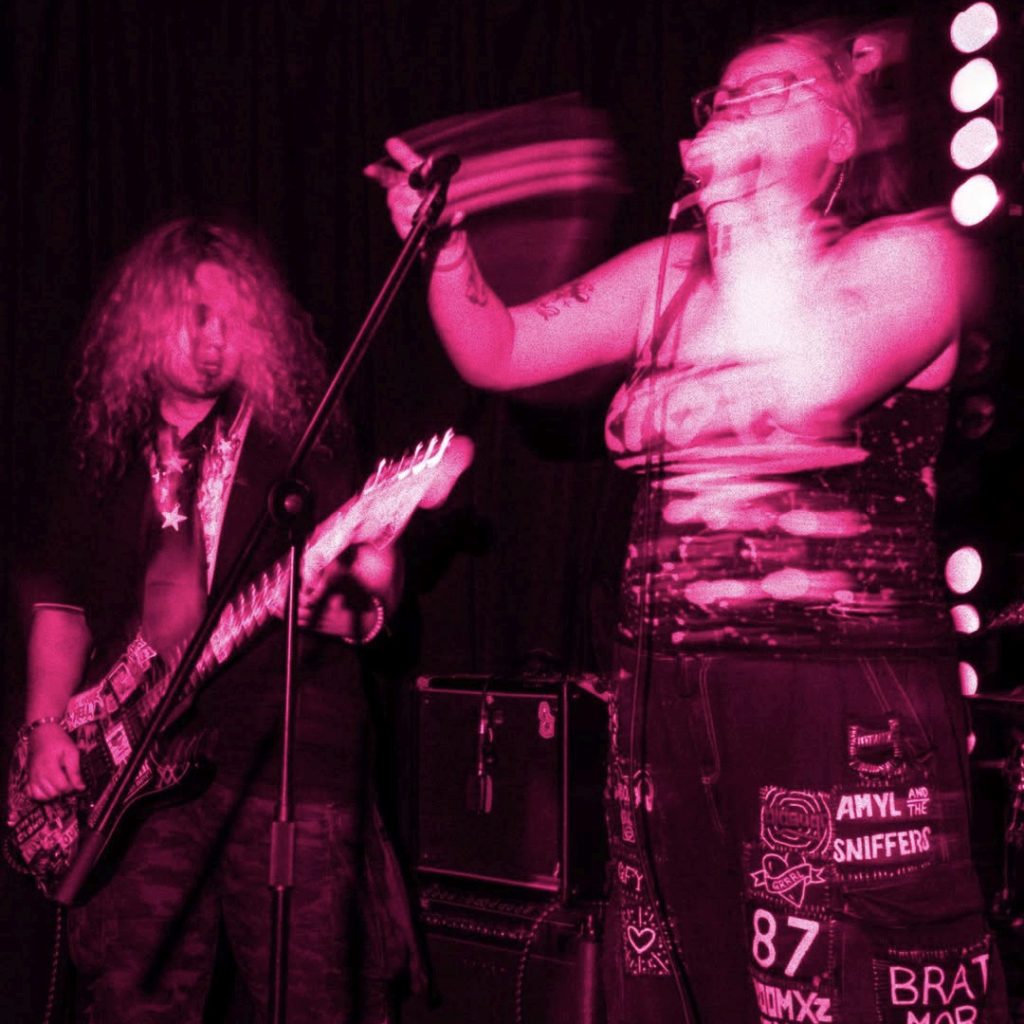
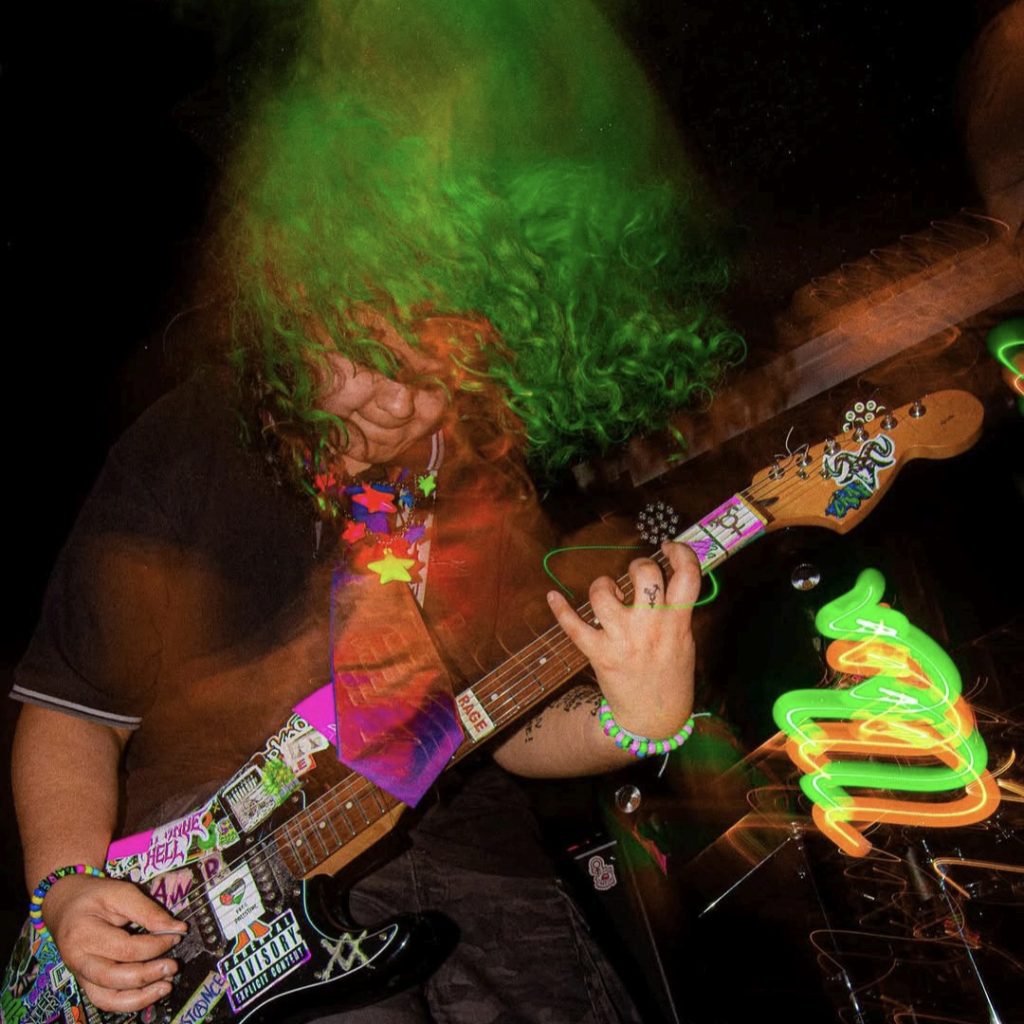
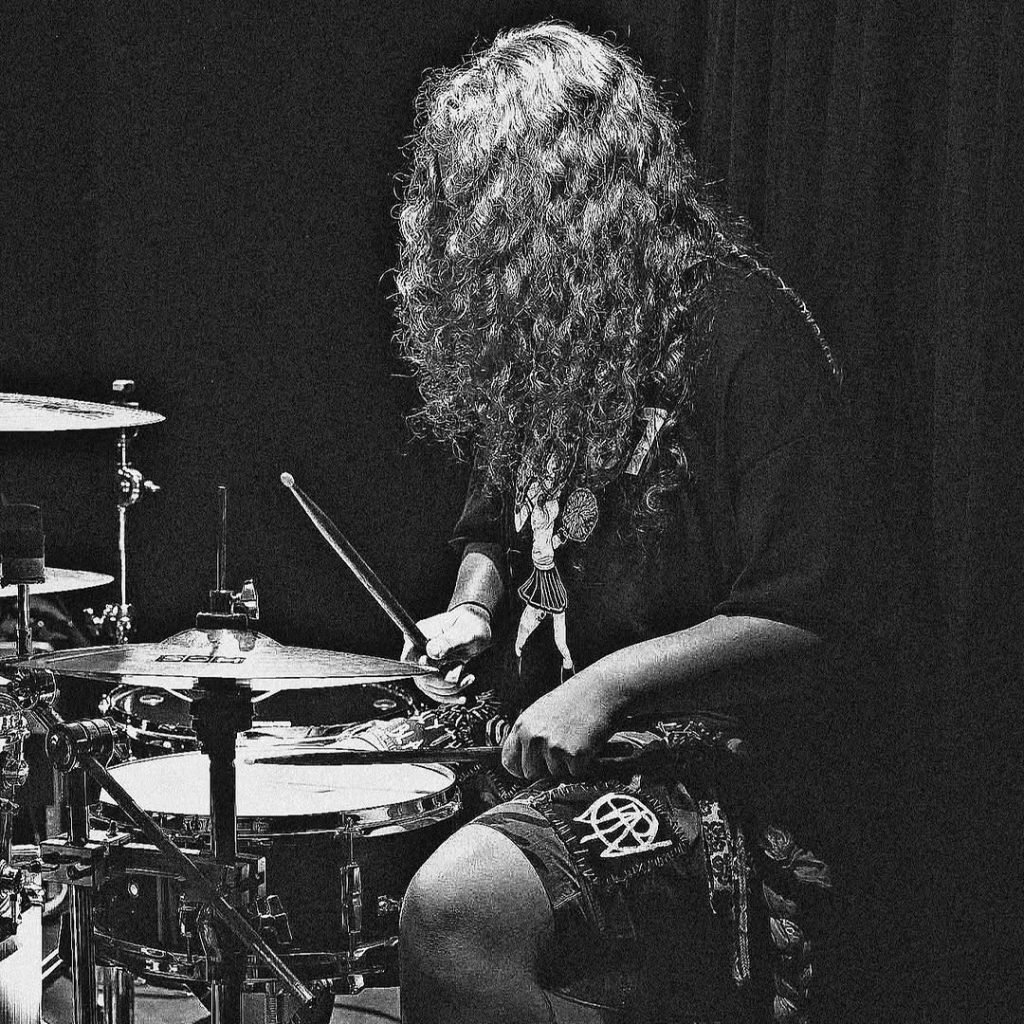
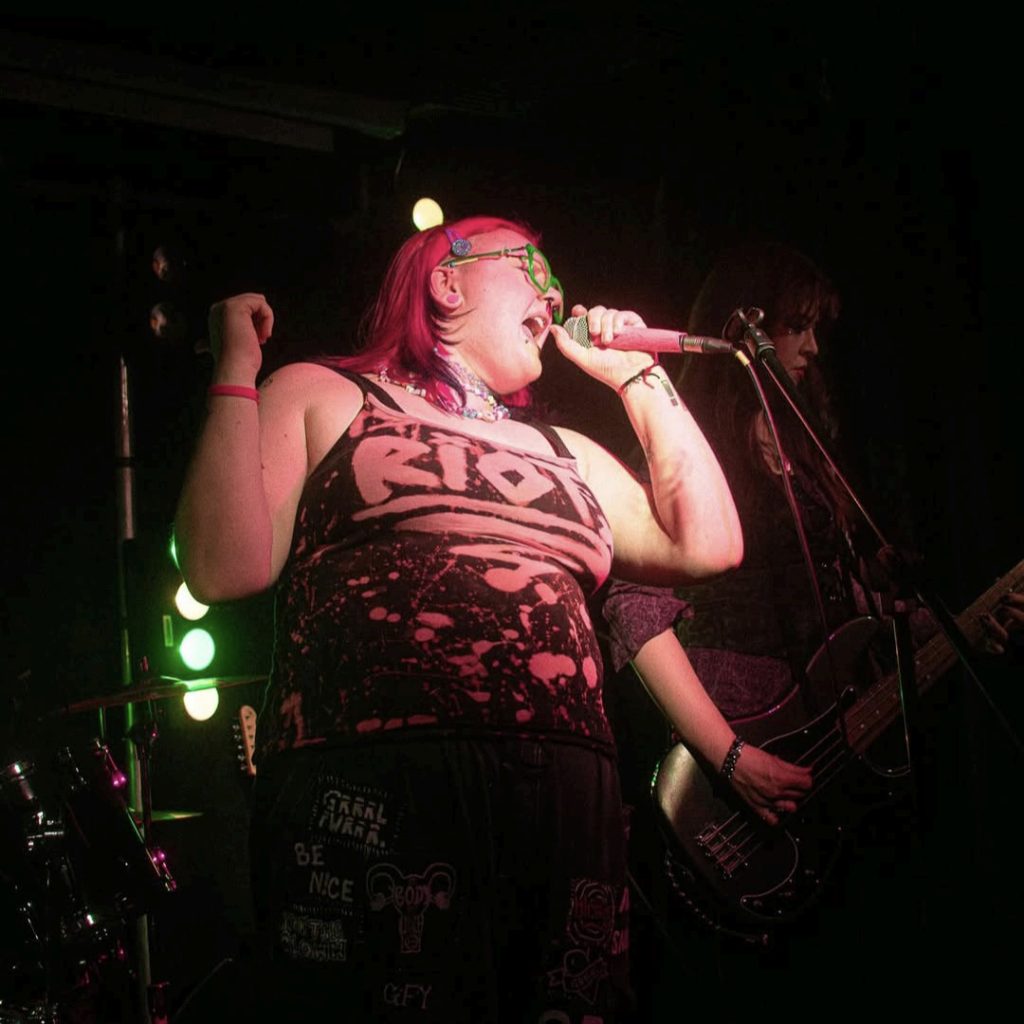
Temper Tantrum Live at Centrala, Birmingham
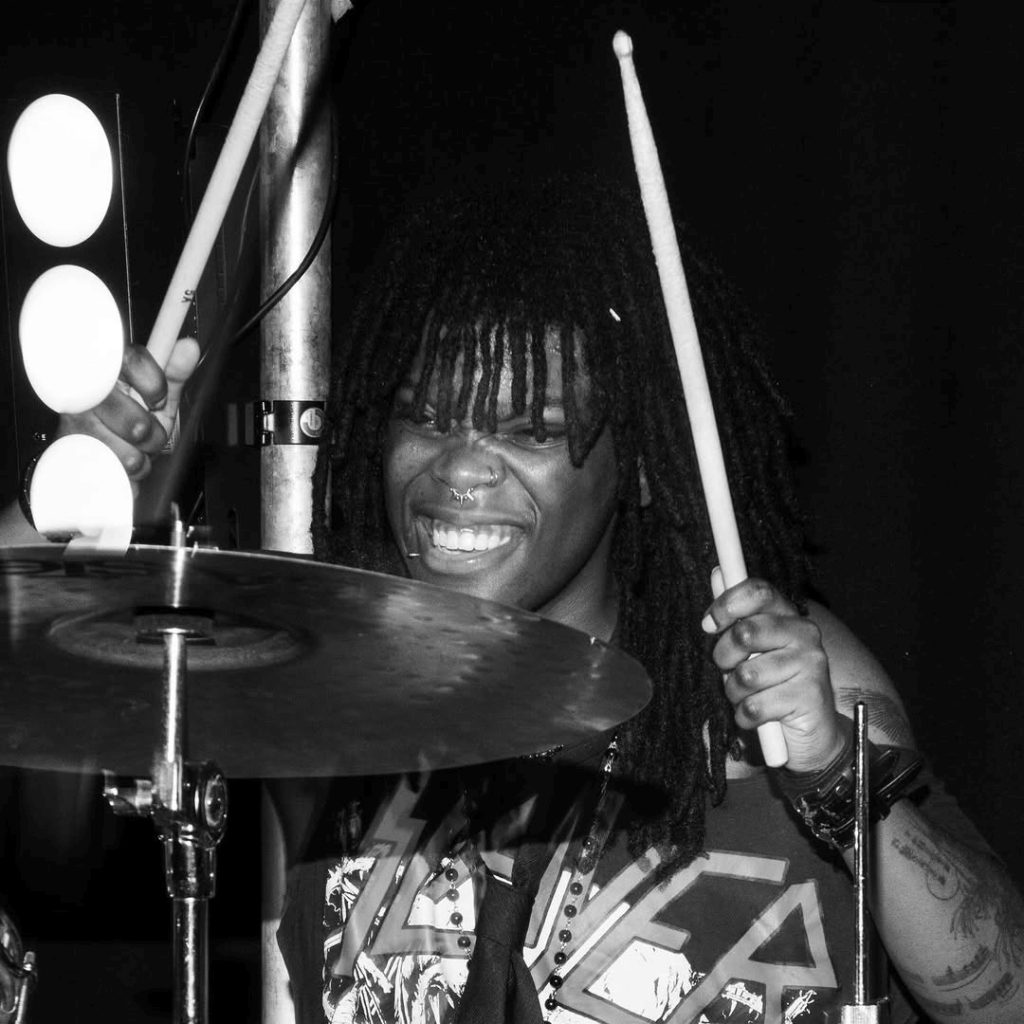
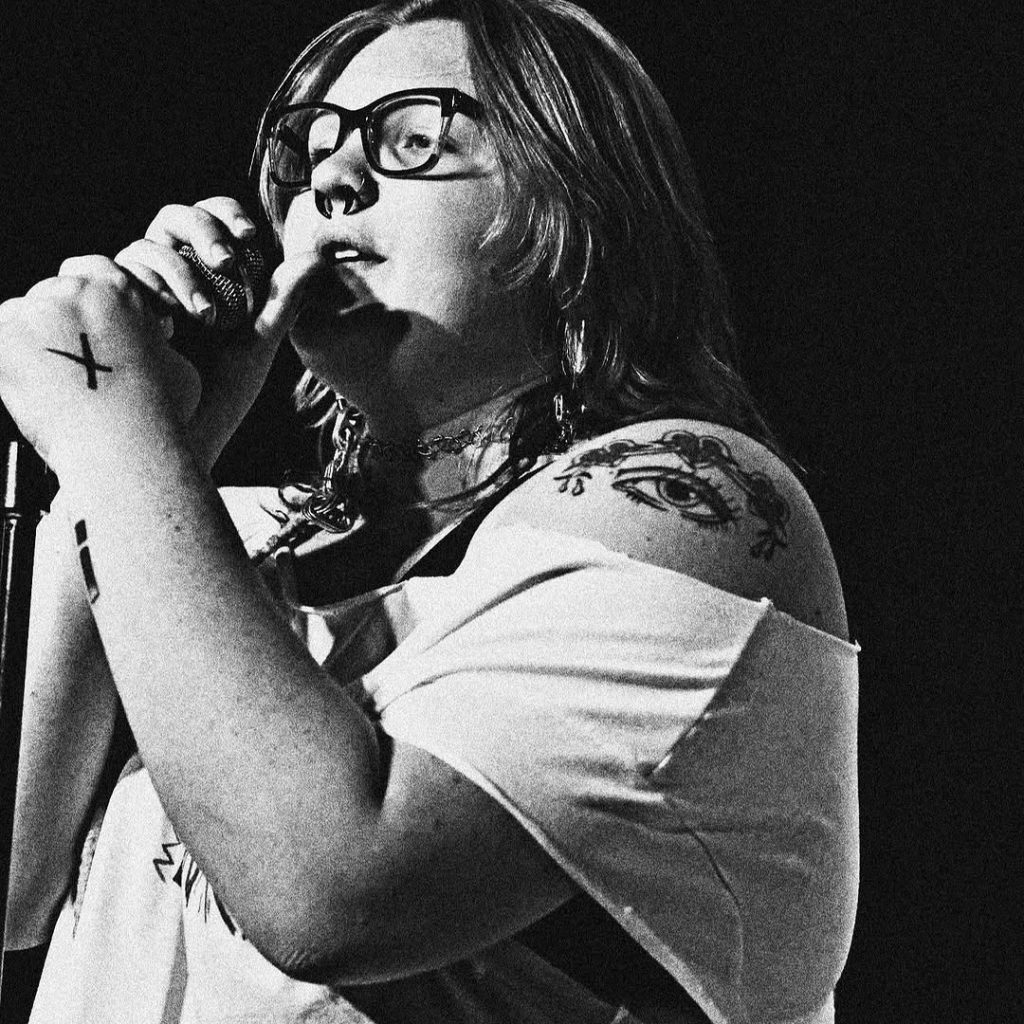
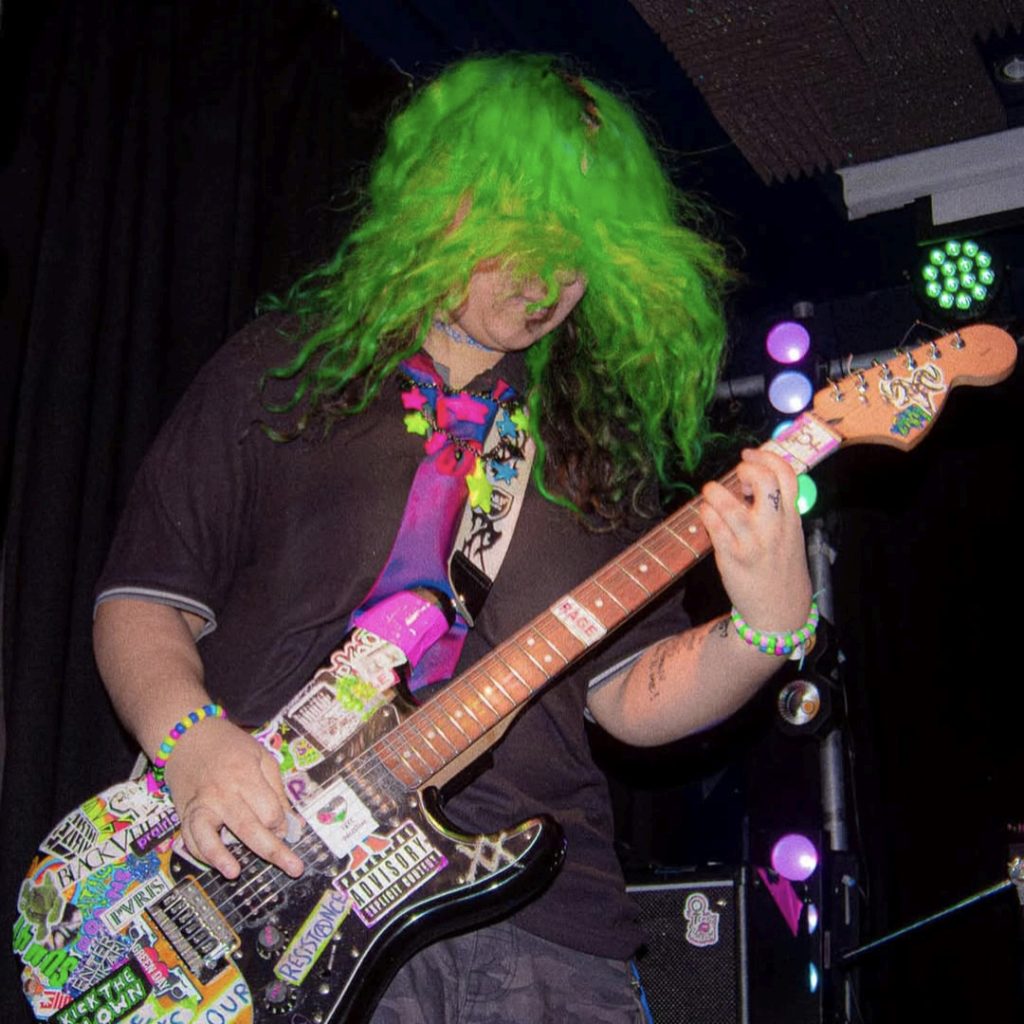
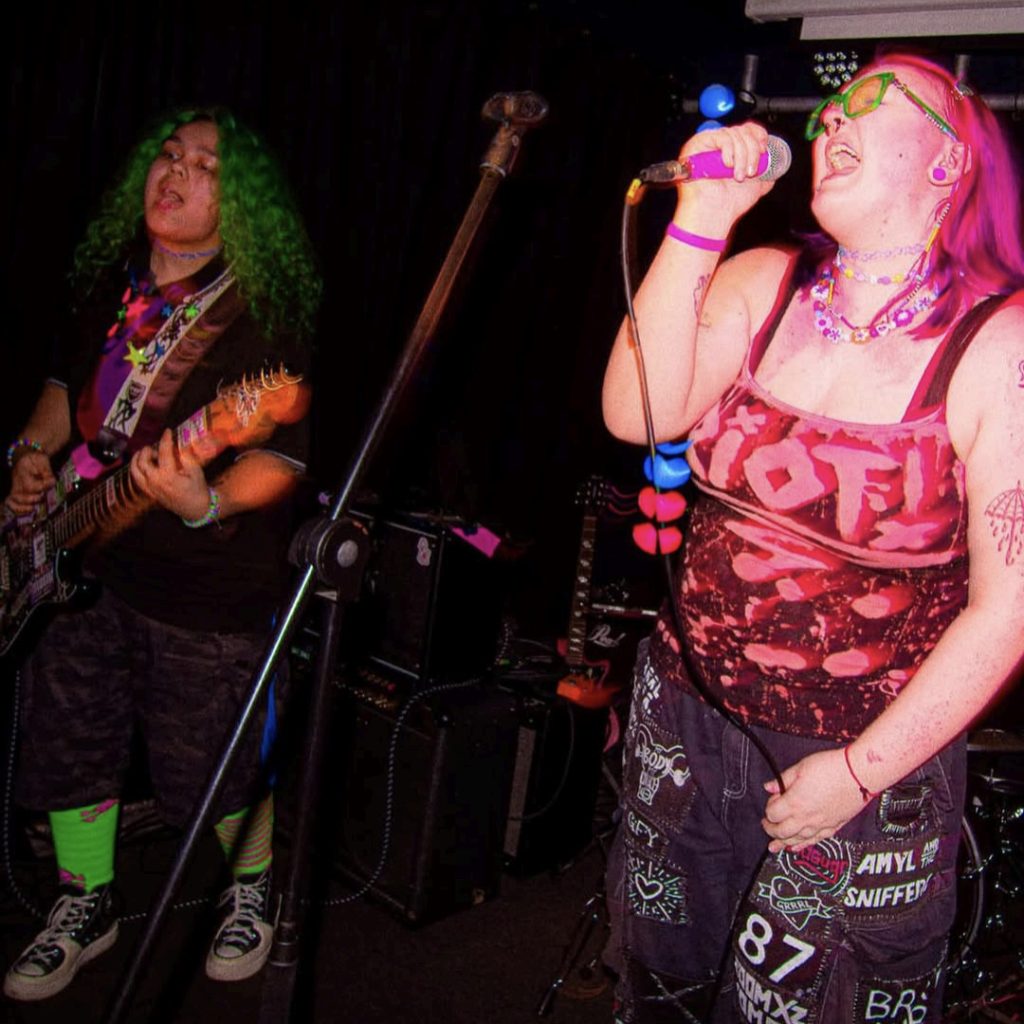
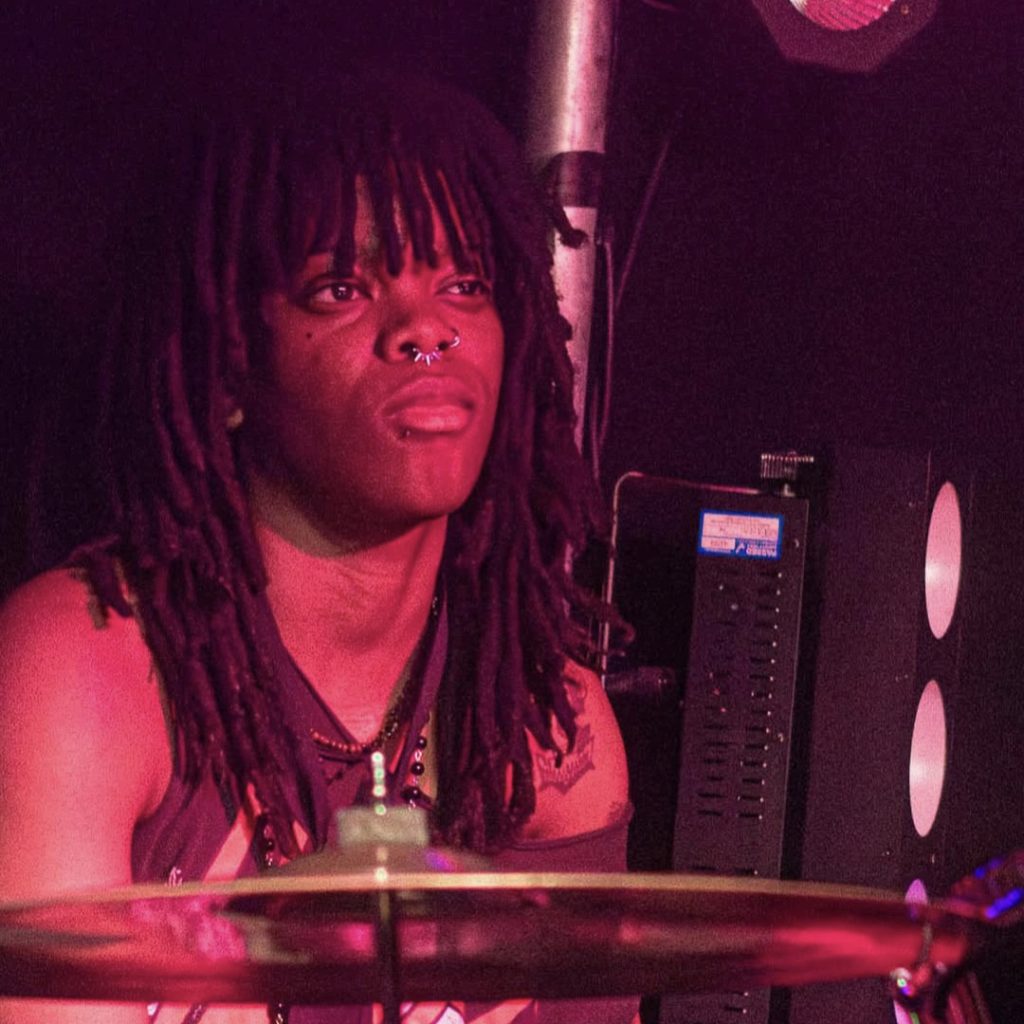
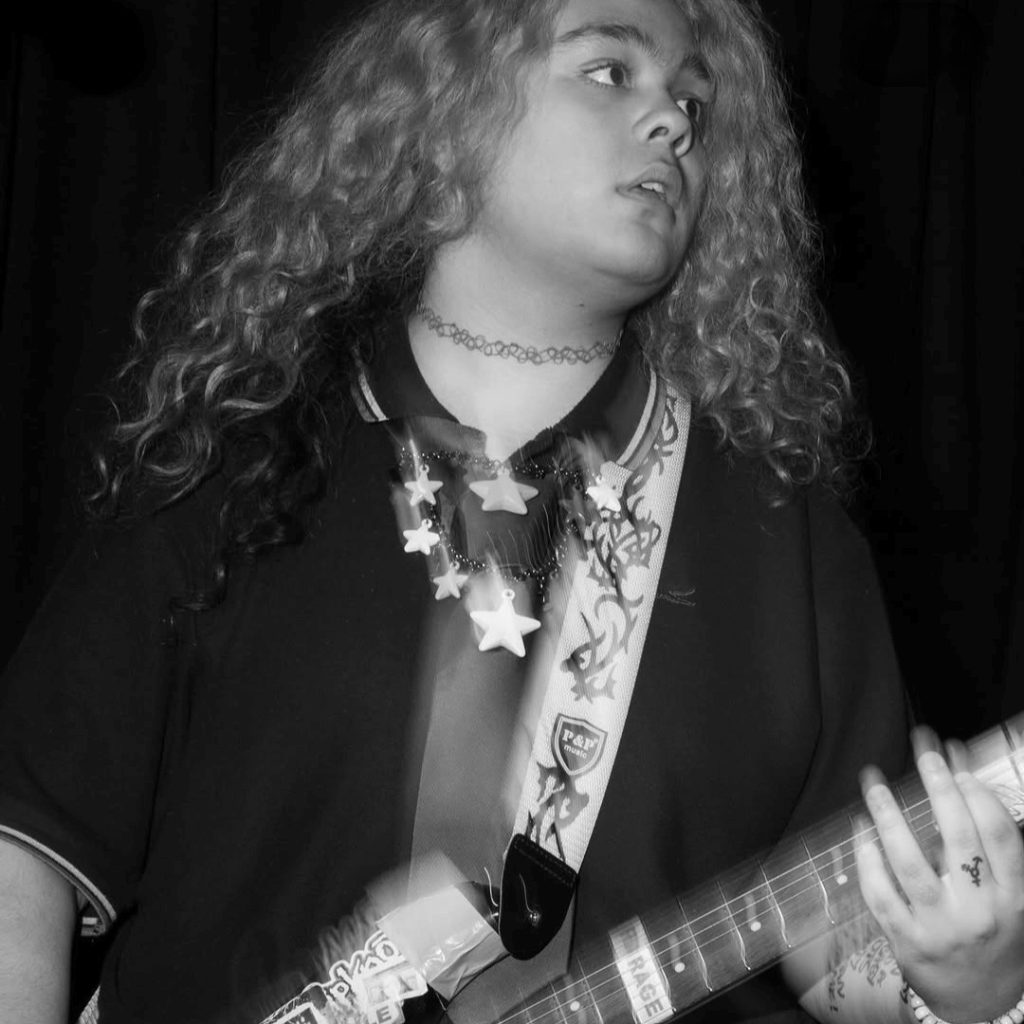
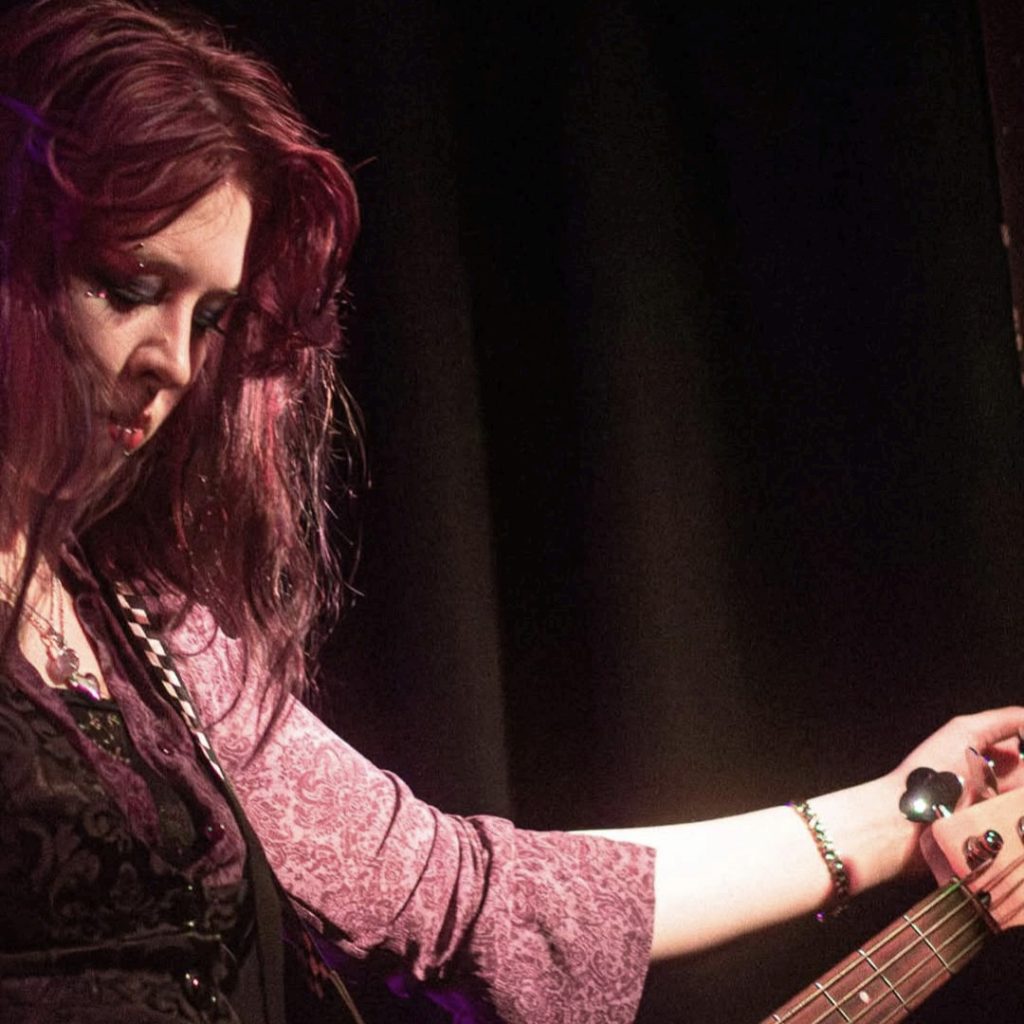
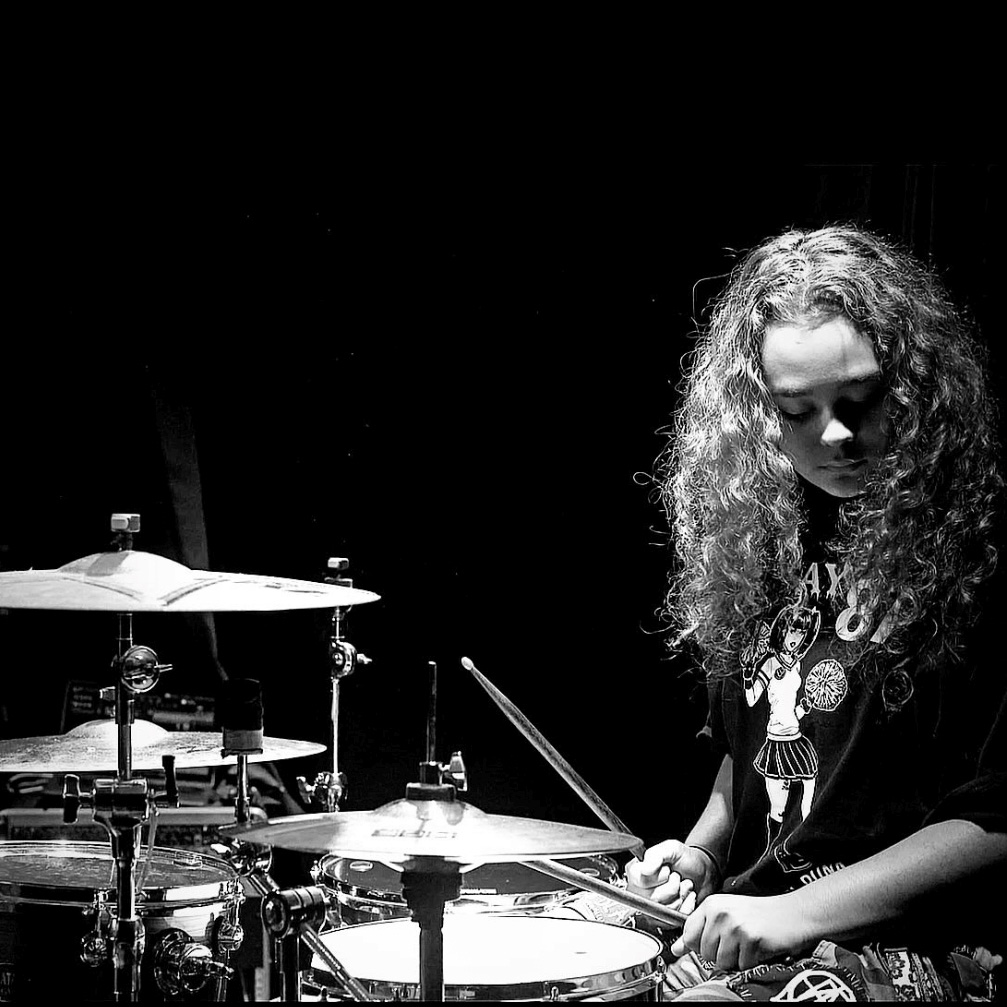
As part of their Final Major Project, the Dudley College students in Temper Tantrum went one step further than just playing a gig – they decided to organise their own punk music festival.
The sold-out event, called Queers in the Pit, took place at Centrala – a cutting-edge alternative music and art venue in Birmingham’s thriving creative hub, Digbeth. Also on the bill were bands from all over the UK, who Temper Tantrum have played with previously in many other cities.
Describing themselves as “a high-energy, all-female/queer Riot Grrrl punk band” Temper Tantrum performed a mix of original music and classic covers on the night, which was a huge success for everyone involved.
The night also coincided with the release of the band’s debut EP, ‘Have I Offended You Yet?’ which is available on their Bandcamp page.
Check out Temper Tantrum’s set From the Queers in the Pit Event at Centrala, Birmingham.
Year 2 Level 3 Music – Tribute performance from College Theatre 1
Year 2 Level 3 Music – Tribute performance from College Theatre 2
Year 1 Level 3 Music – External gig at River Rooms, Stourbridge
Check out This Video Featuring Regan Scrivens, Dominic Williams, Cody Moon, Isaac Steel, Siena Moore and Jack Catton
Dance
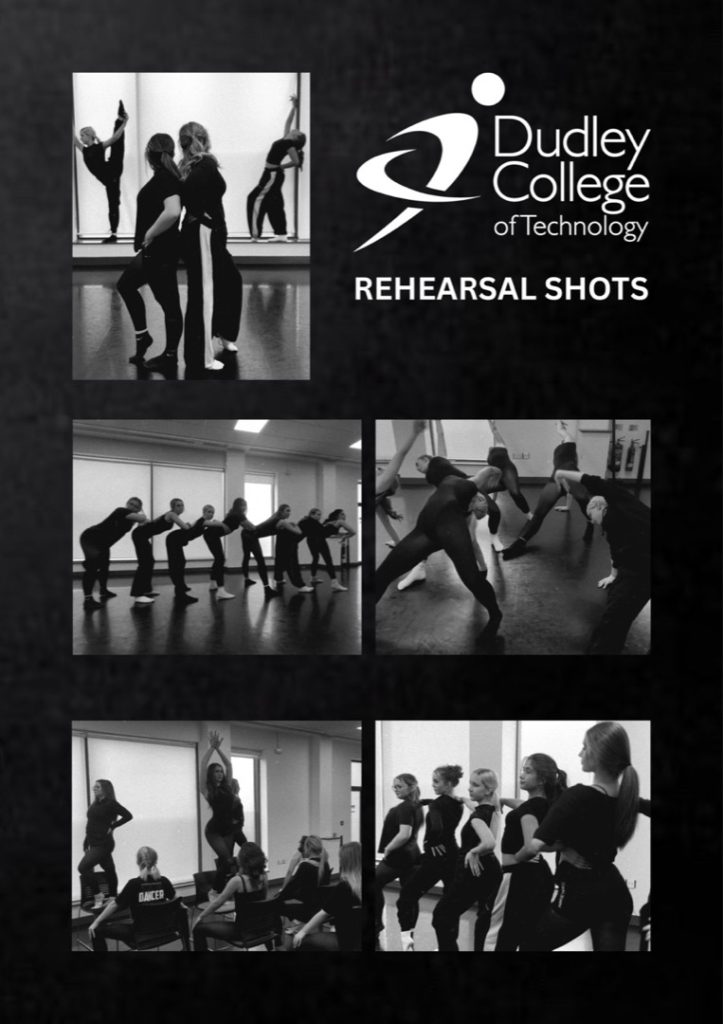
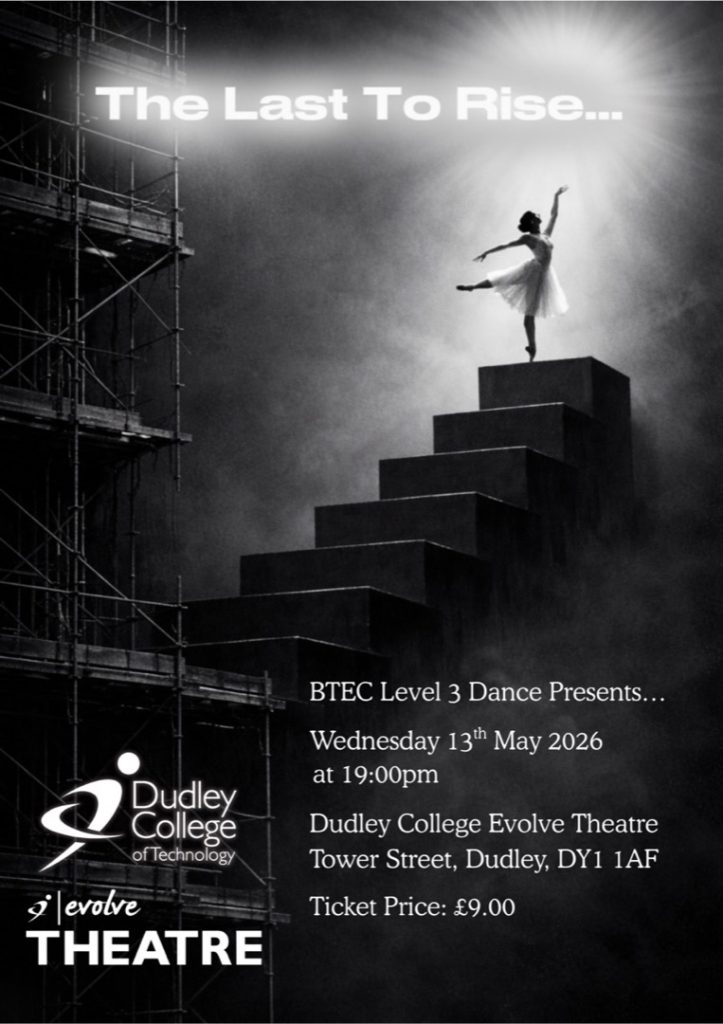
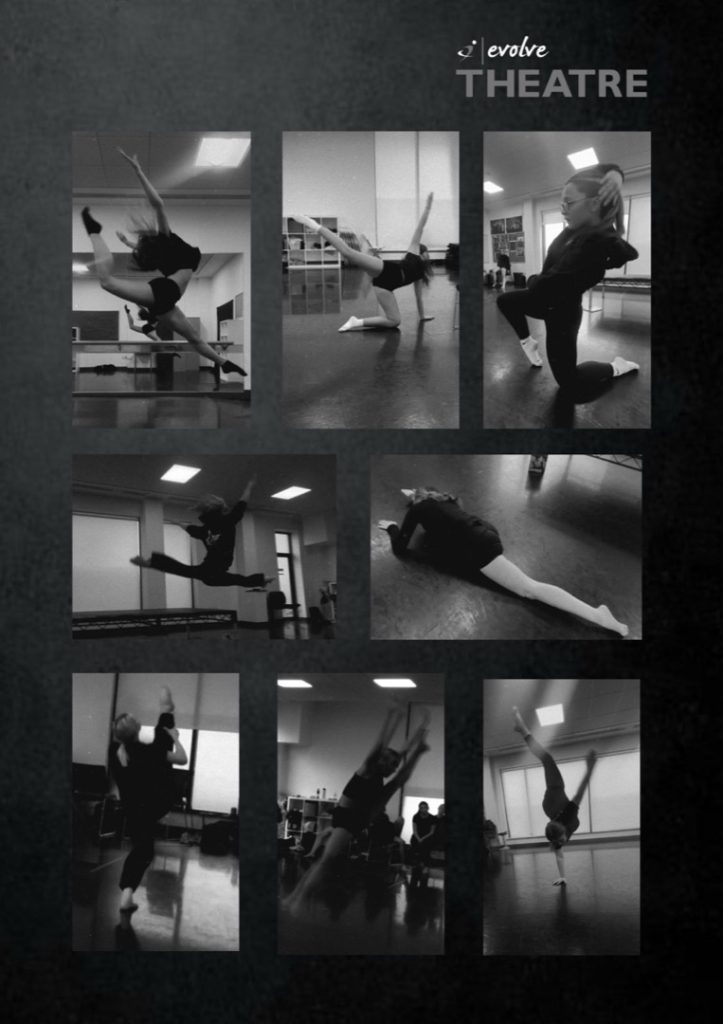
BTEC L3 Dance – The Last to Rise Performance
‘The Last to Rise’ explores the personal journeys performers take in pursuit of their ambitions. At first, success appears glamorous and effortless, but as the illusion fades, the reality of competition, pressure, self-doubt and sacrifice begins to unfold. Each dancer represents a different pathway, revealing how individuals face challenges, form alliances, experience betrayal, and struggle with expectations from society and themselves. As the journey continues, some fall behind while others move forward. In the end, the dancer who struggles the most discovers the strength to rise, reminding us that success is not about who reaches the top first, but about perseverance and resilience.
Watch These Amazing Performances of The Last to Rise by Dudley College L3 Dance Students
Students have been engaged in the production of media content for skills development in Script Writing, Cinematography and Video Editing. They have researched, planned and produced videos for various projects, including exploring narrative themes and TV studio multi-camera productions. Students also undertook productions exploring emerging technologies in live web streaming.
The standard of work has been excellent, with students researching, writing and producing final project work including short film, music video and documentary. Productions have benefitted from students having access to TV studio facilities to enable advanced uses of lighting and cinematography.
The work produced this year shows genuine creativity and imaginative uses of industry standard resources.
Check out This Showreel of our Foundation Art and Design 2026 Exhibition
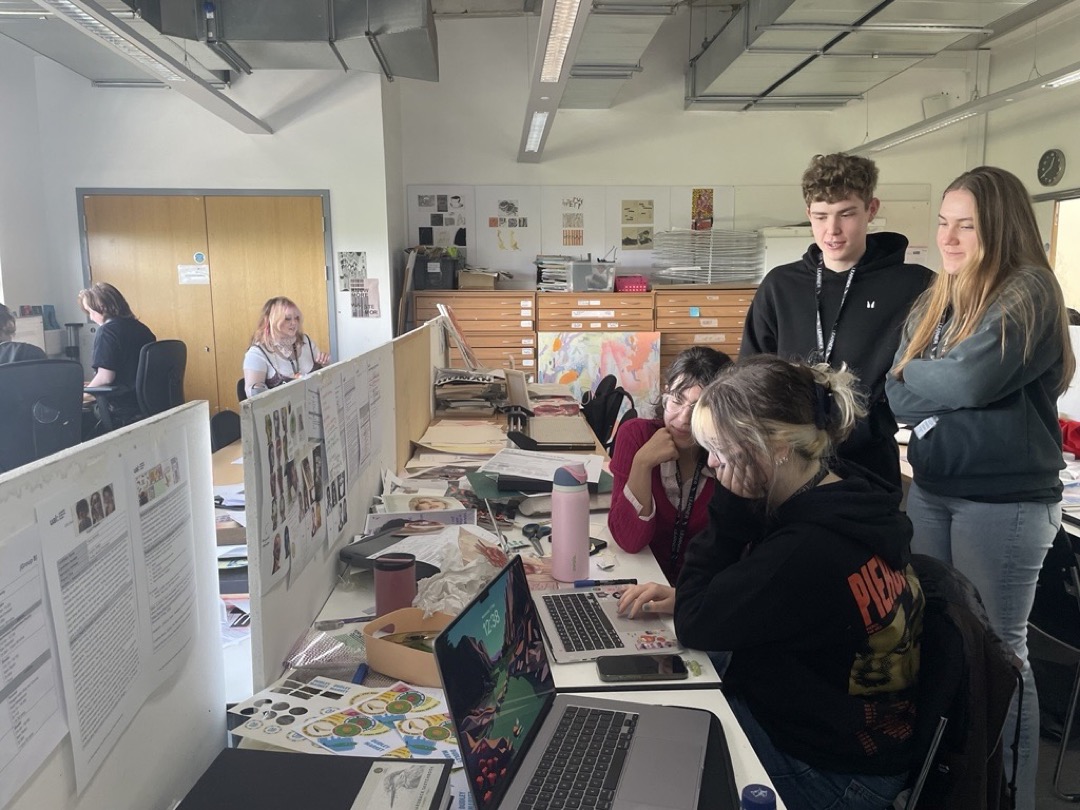
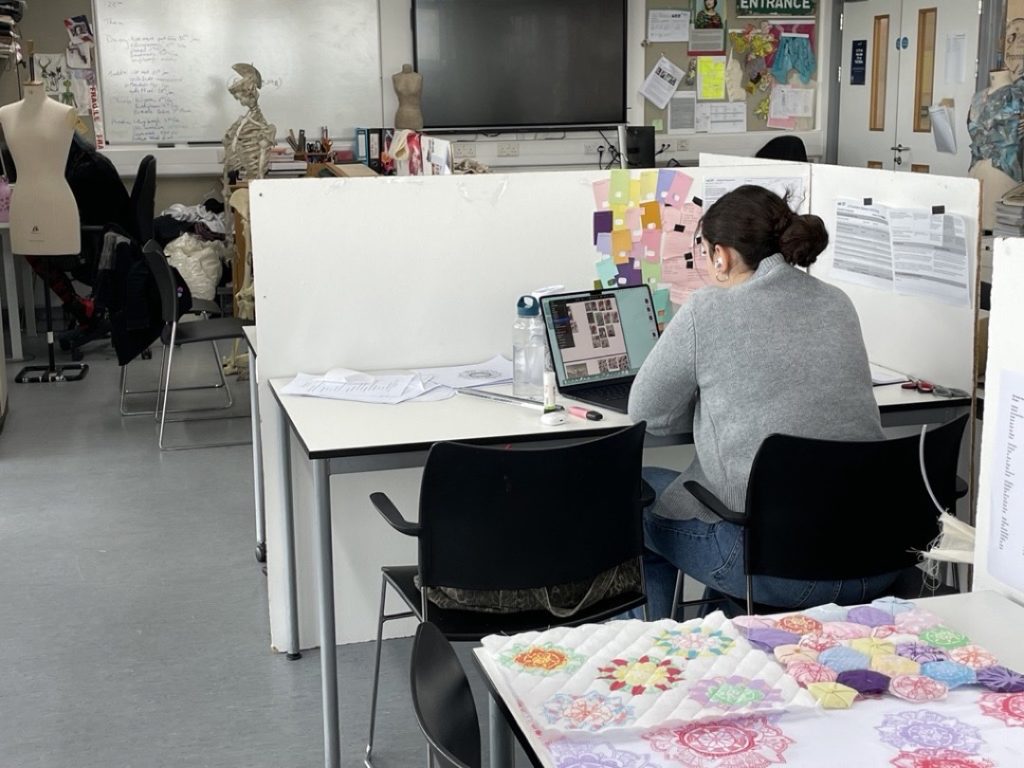
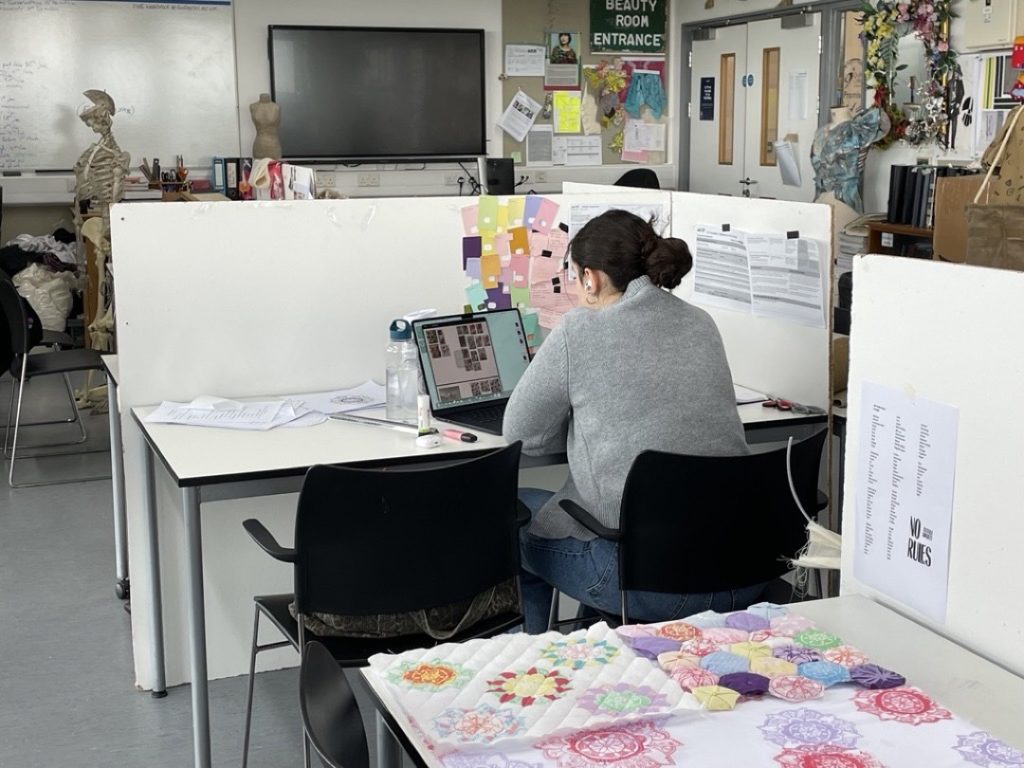
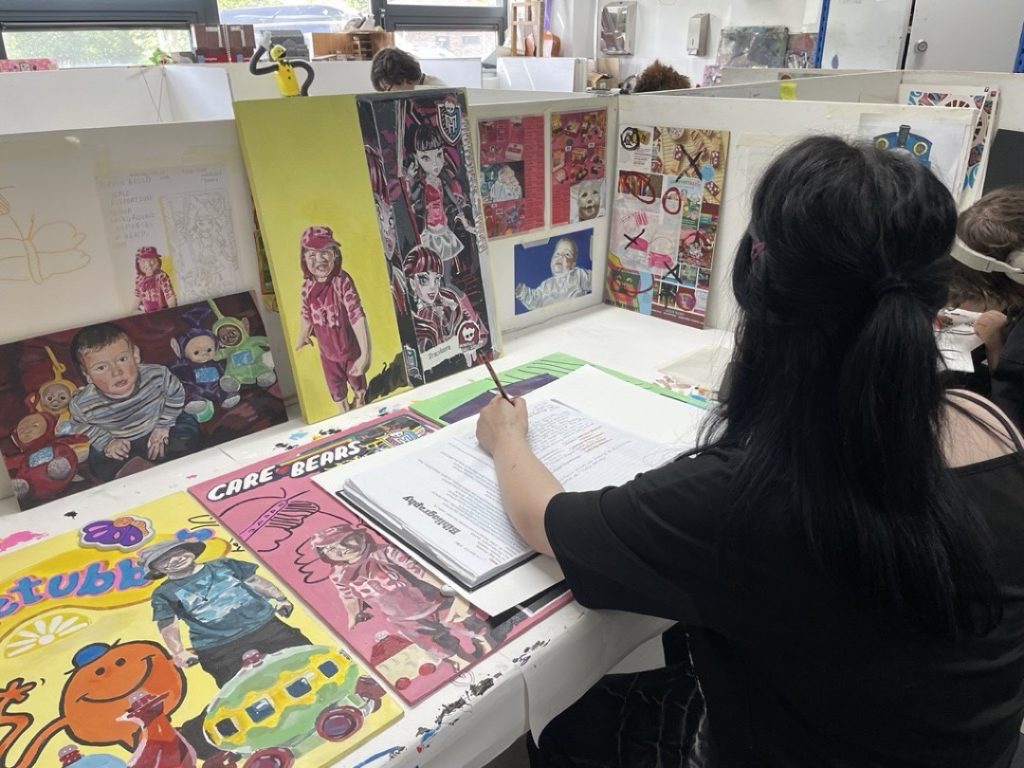
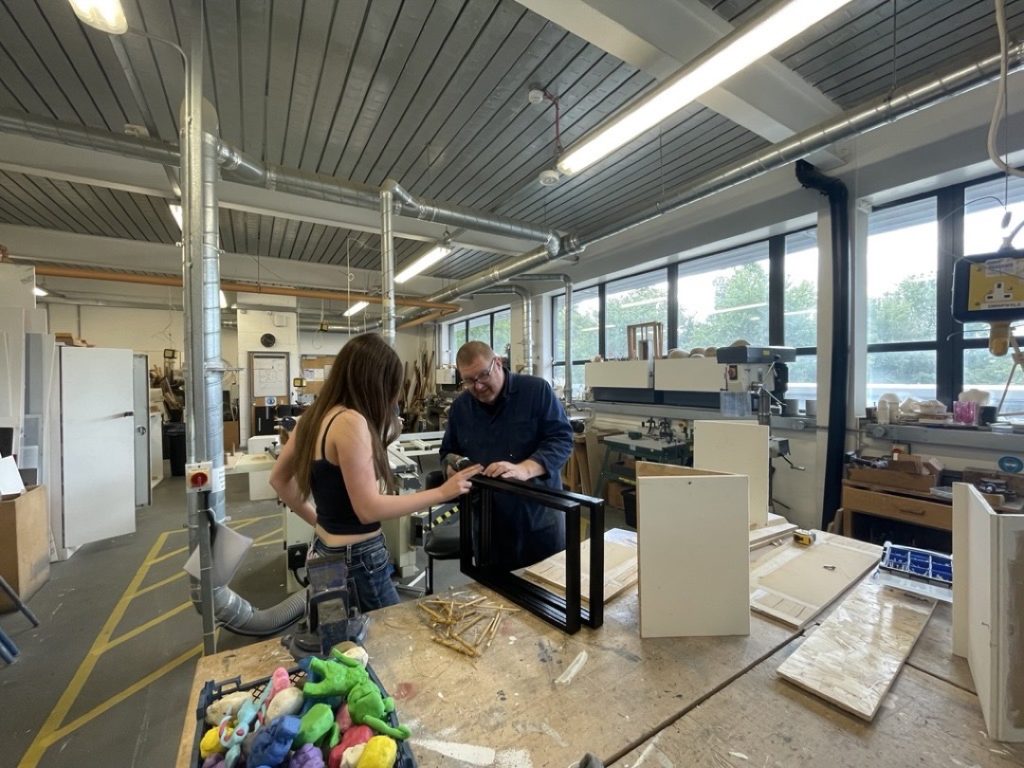
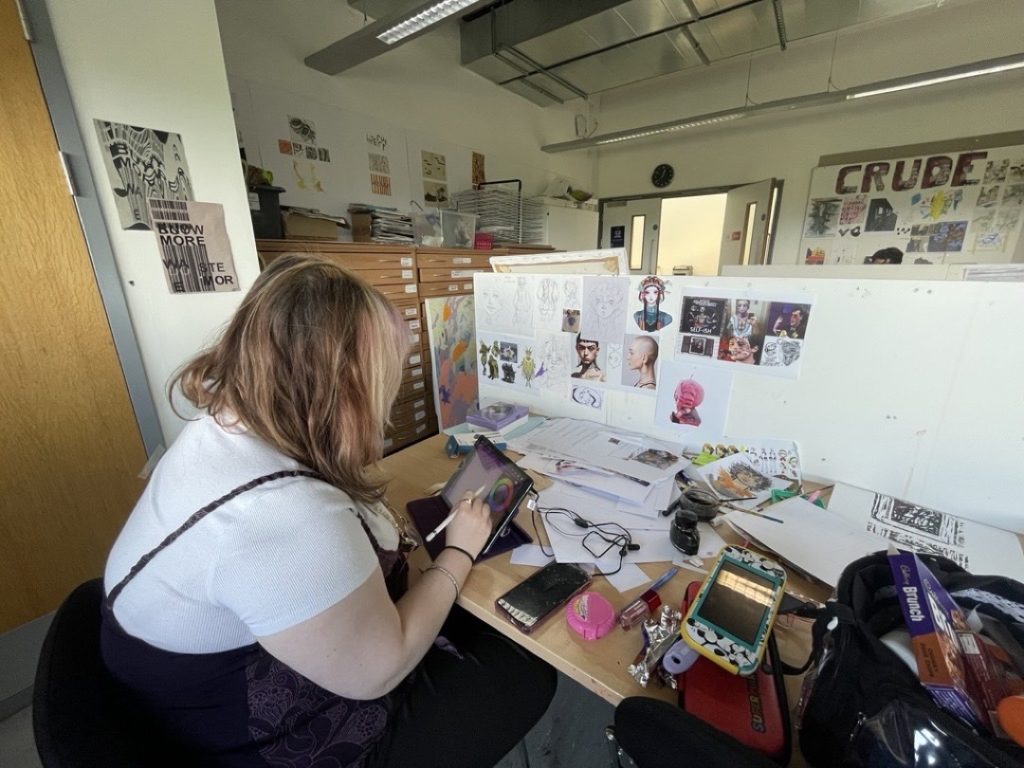
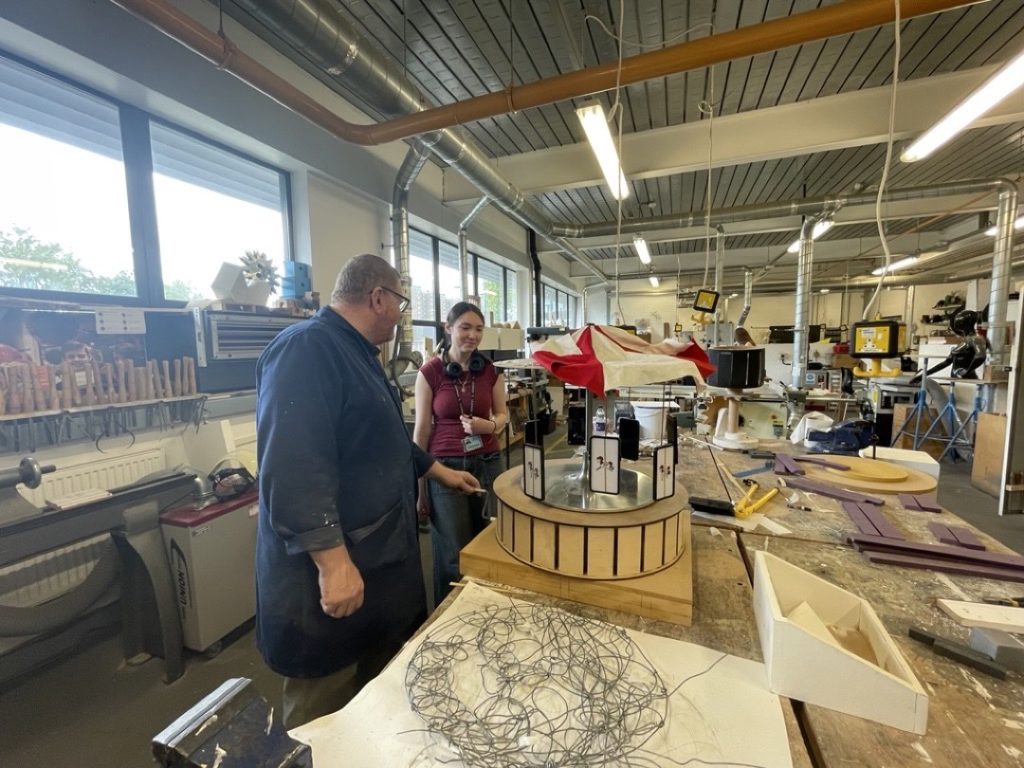
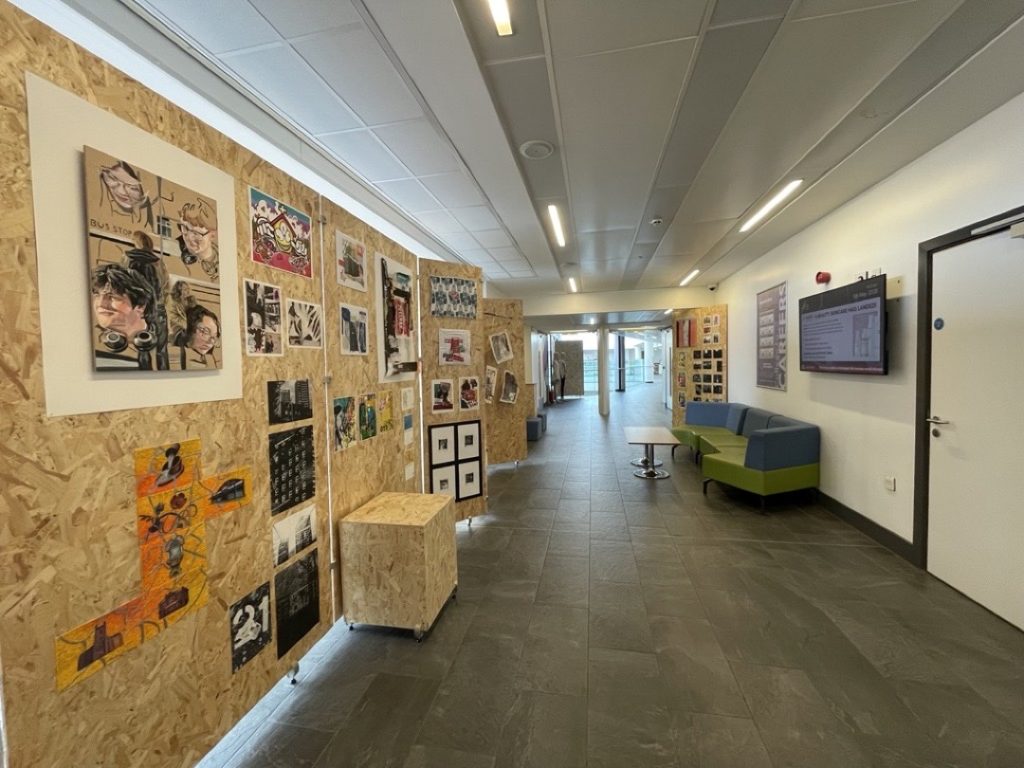
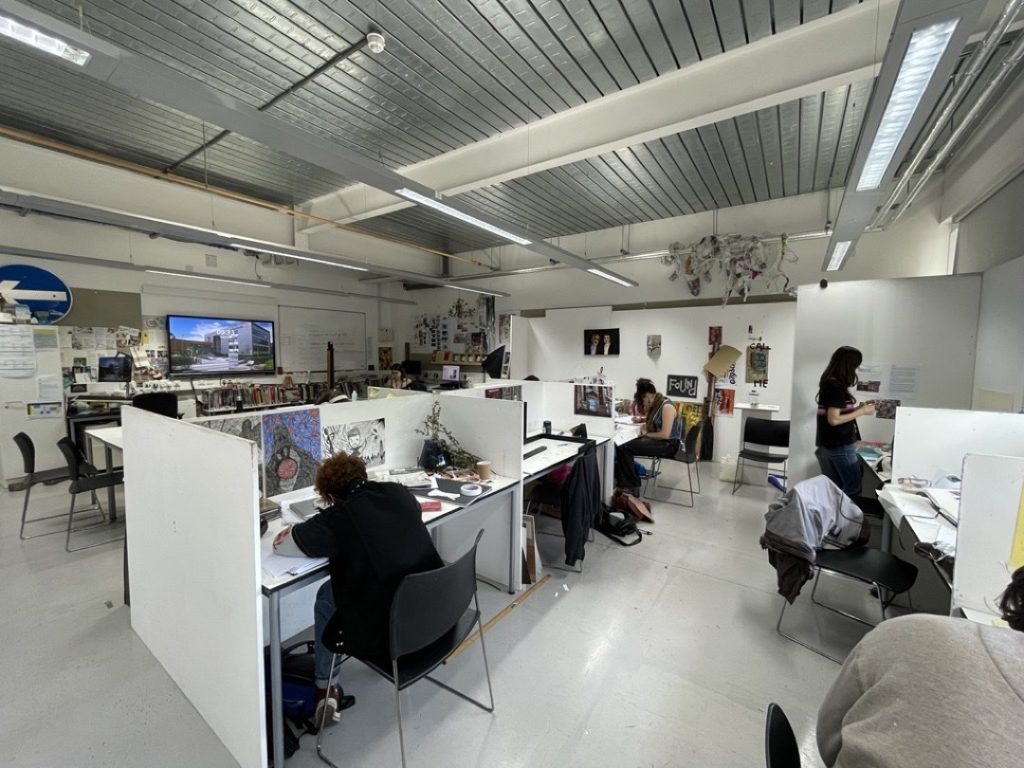
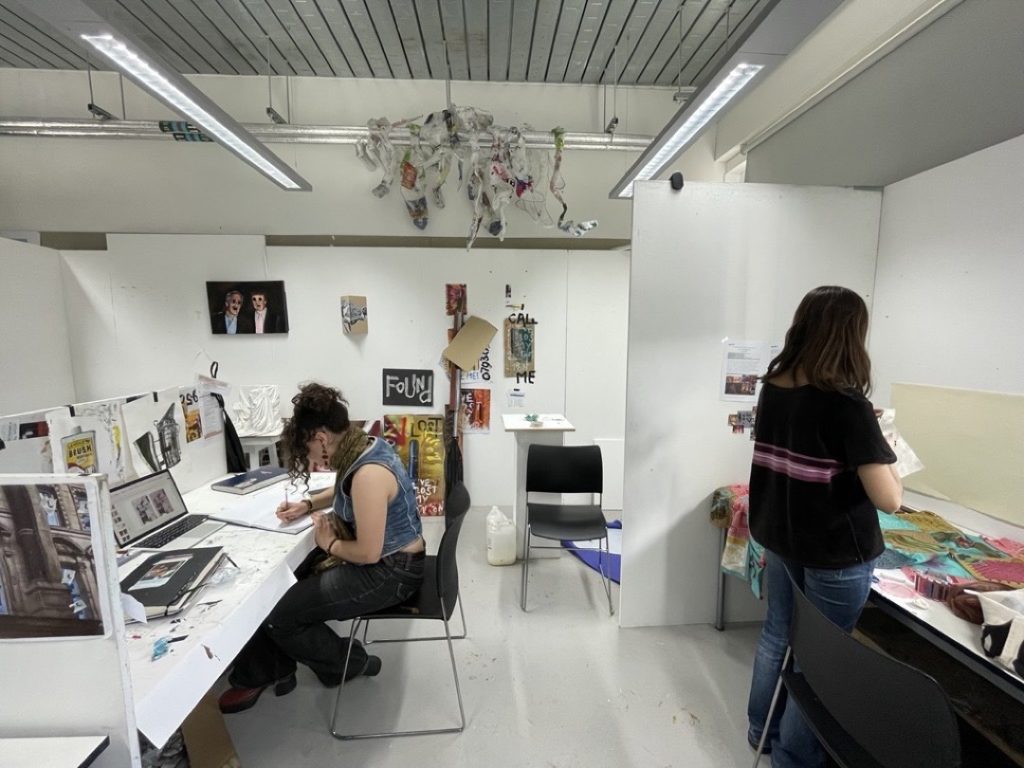
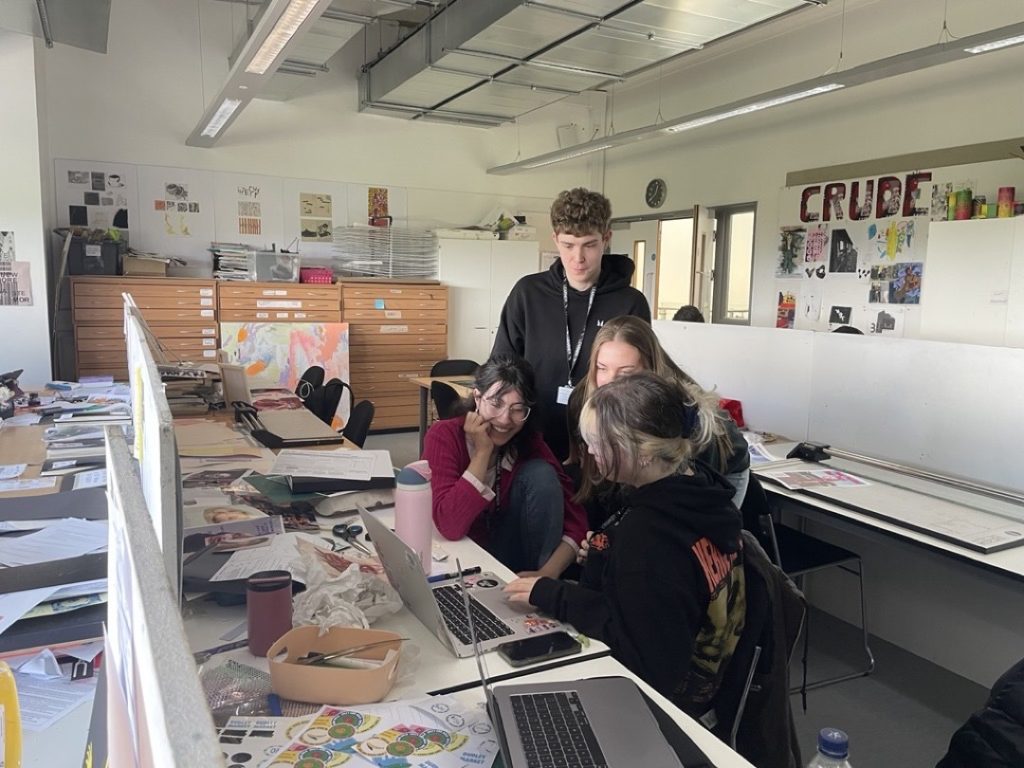
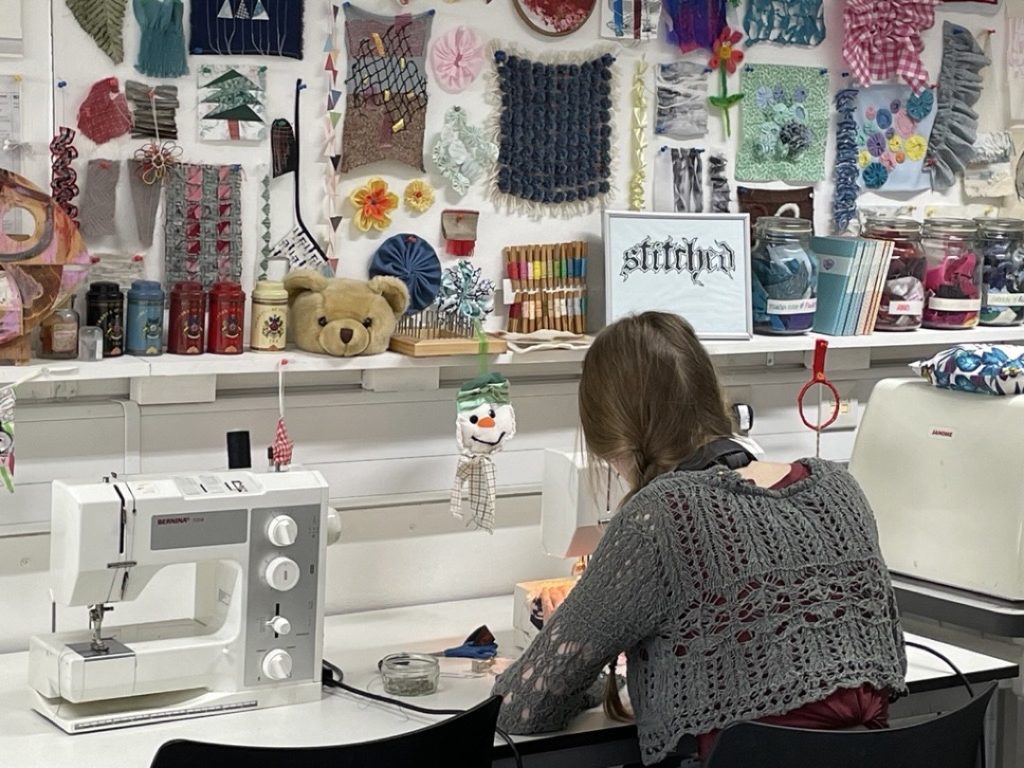
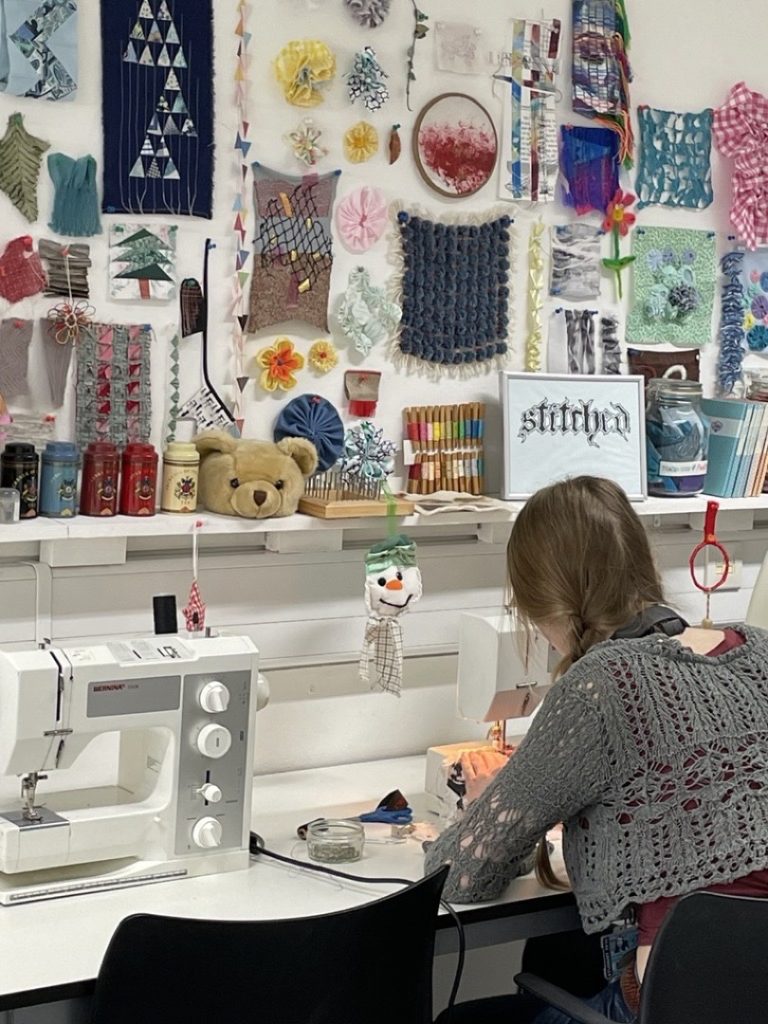
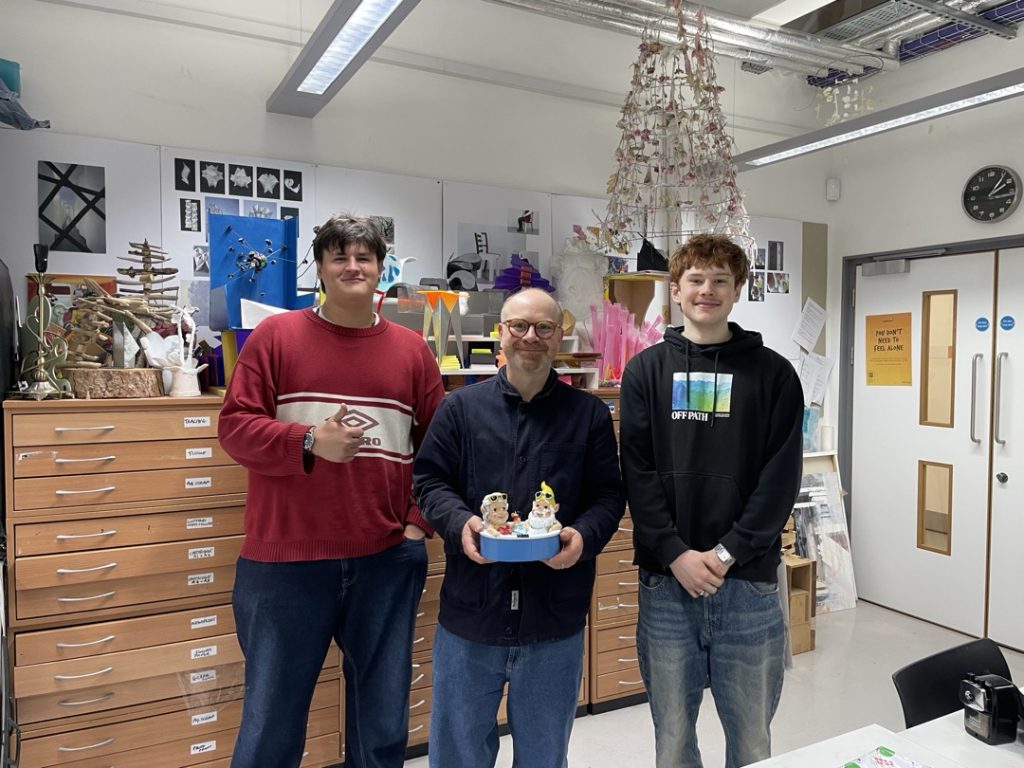
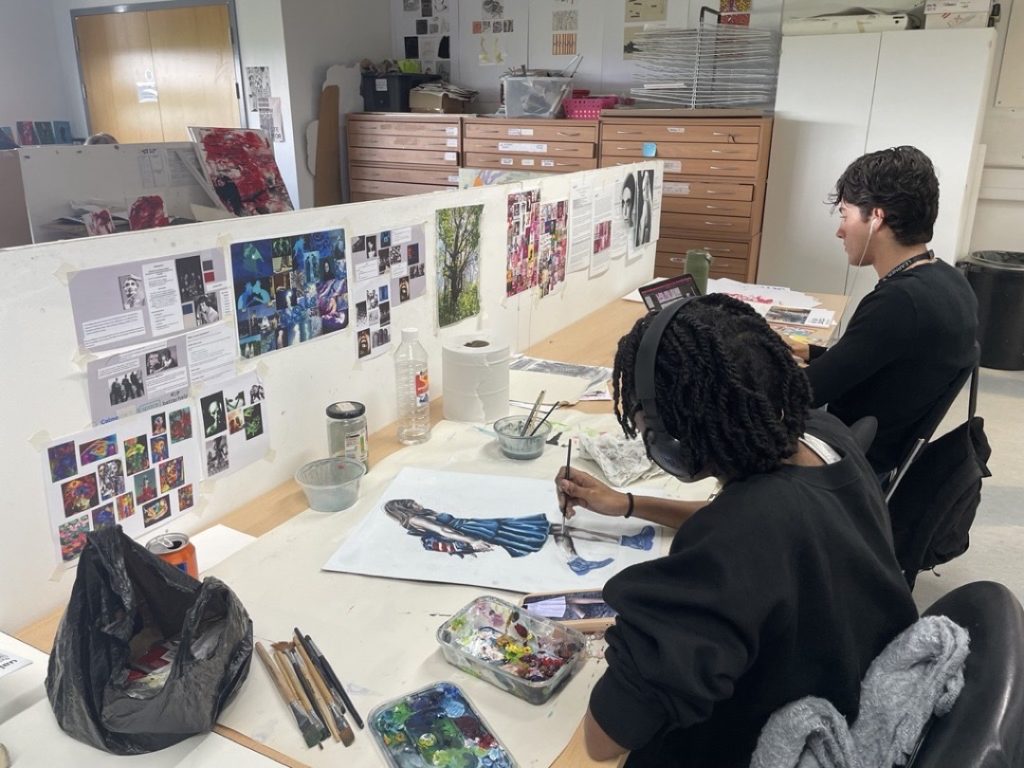
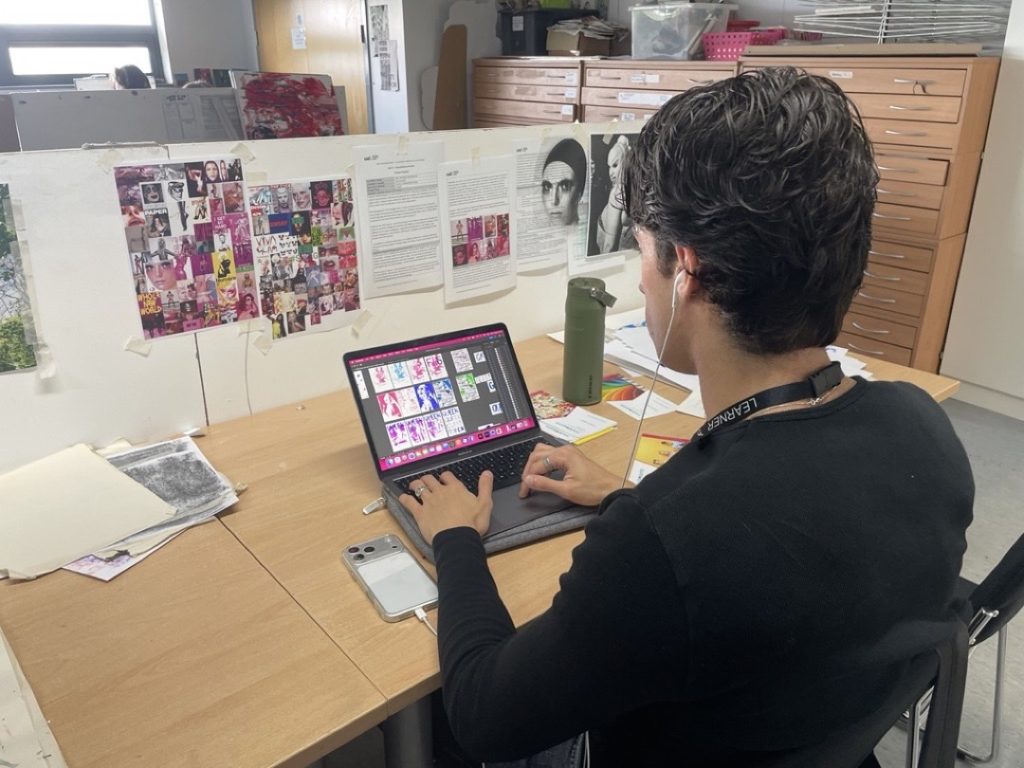
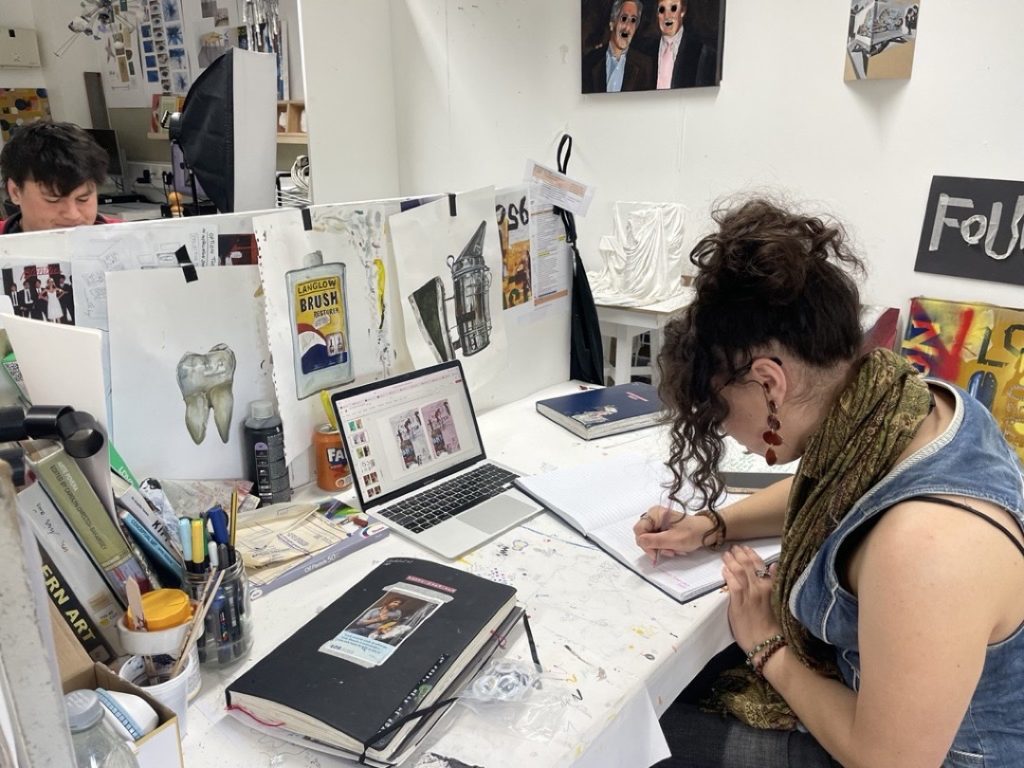
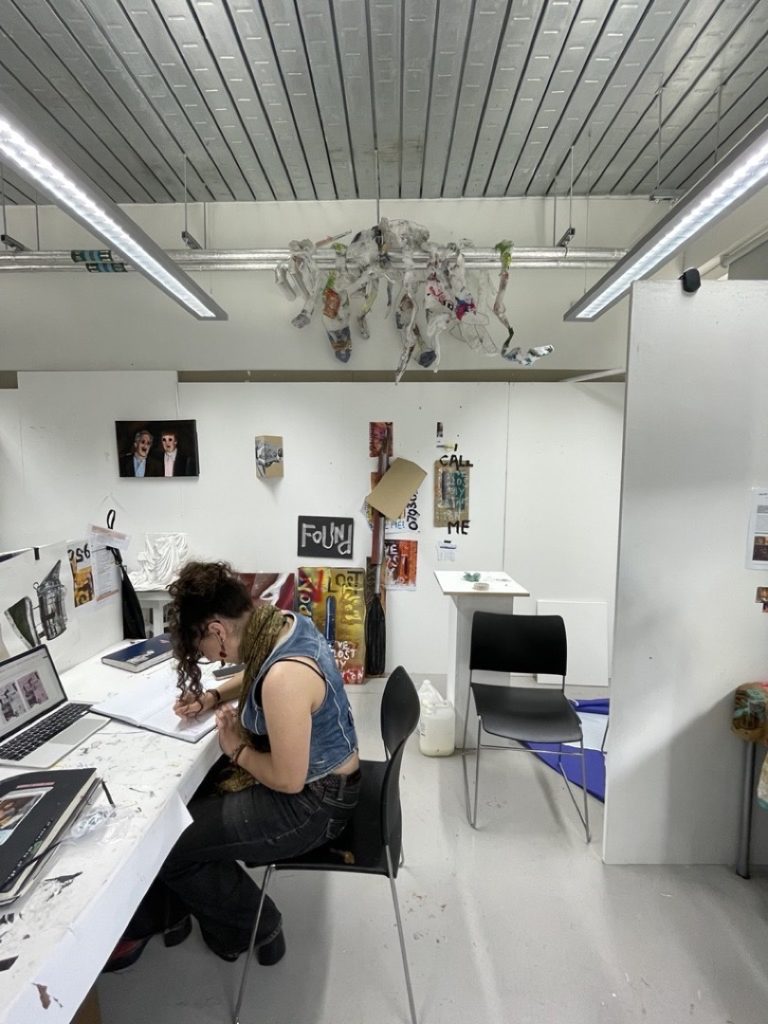
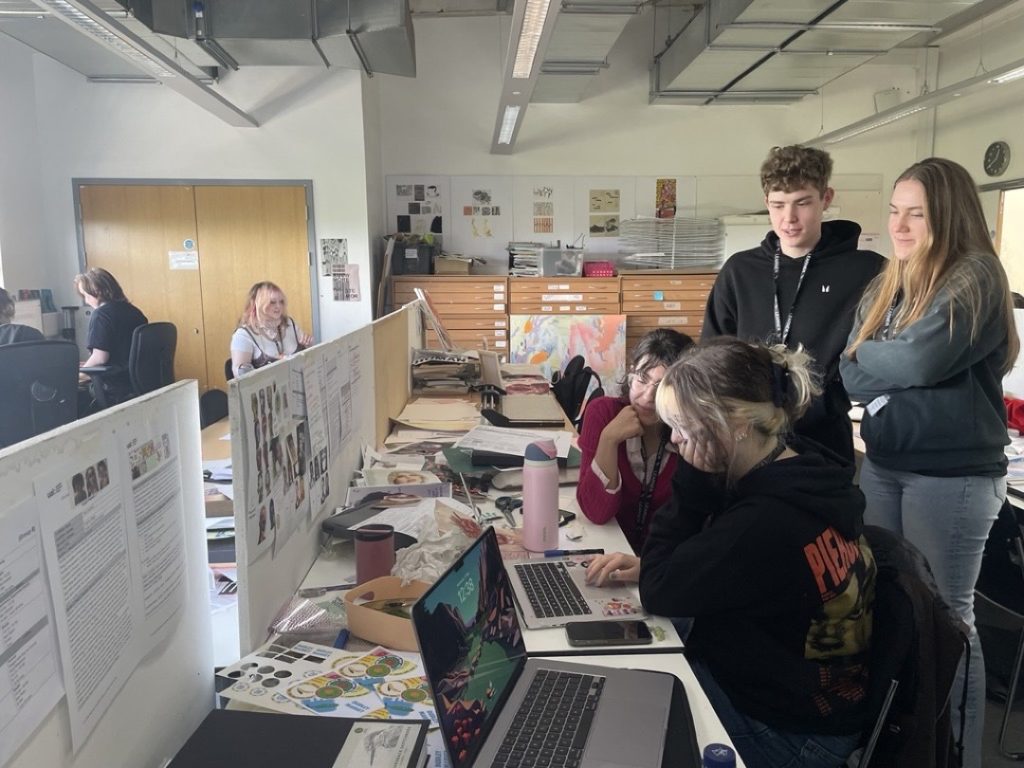
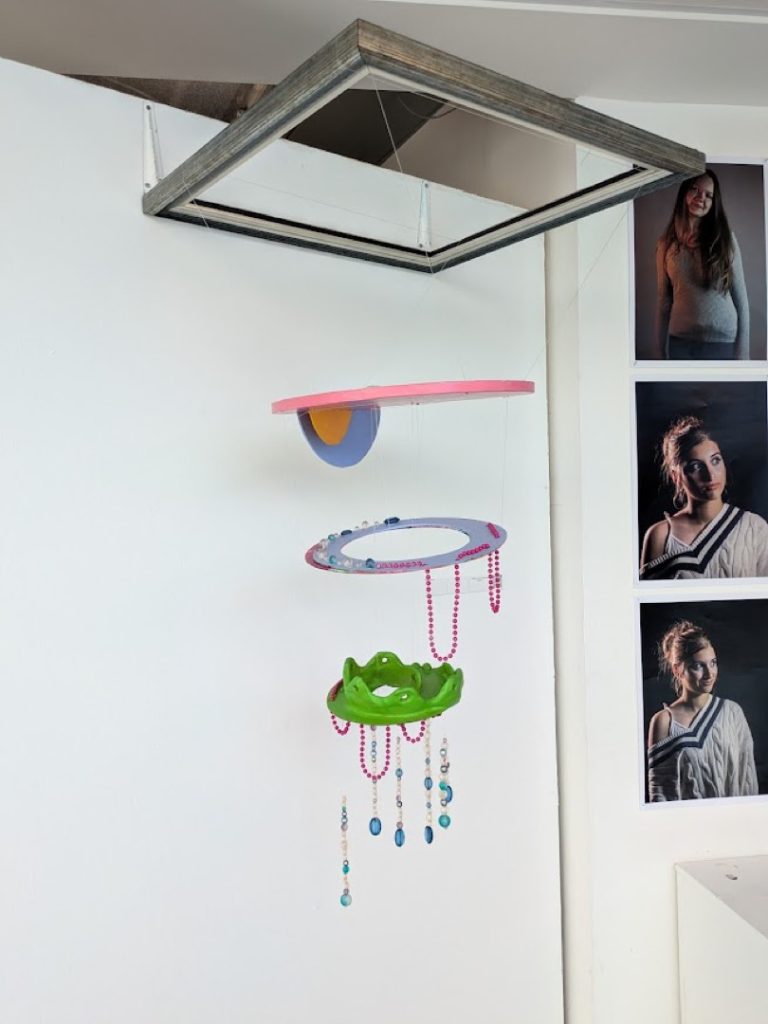
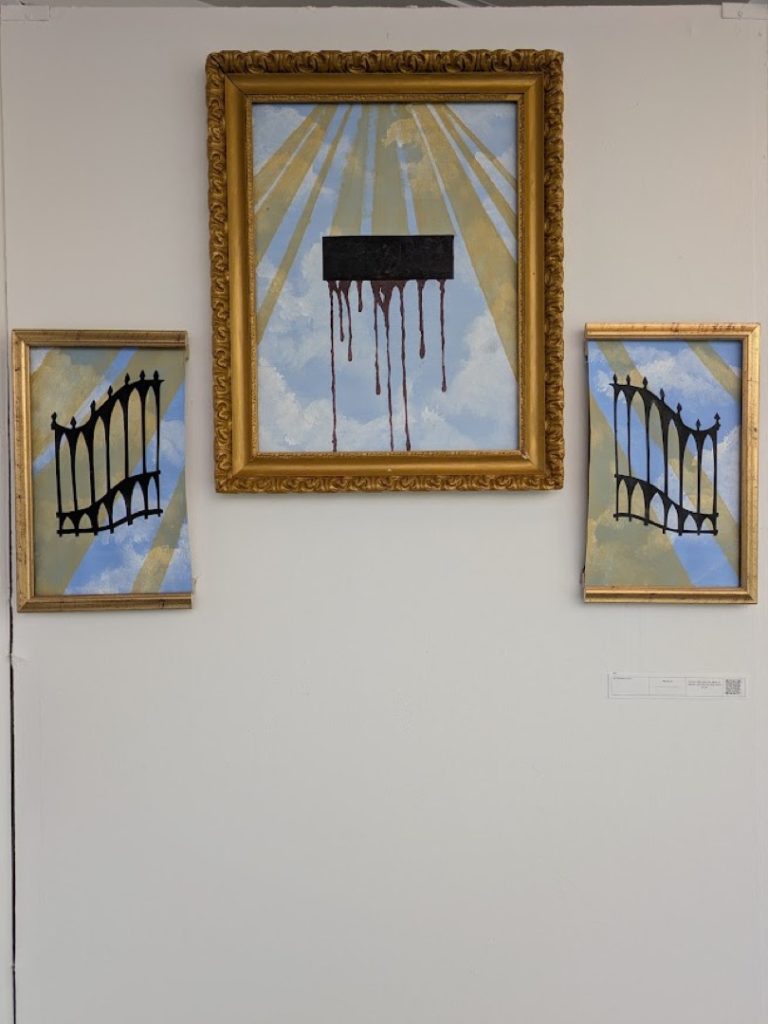
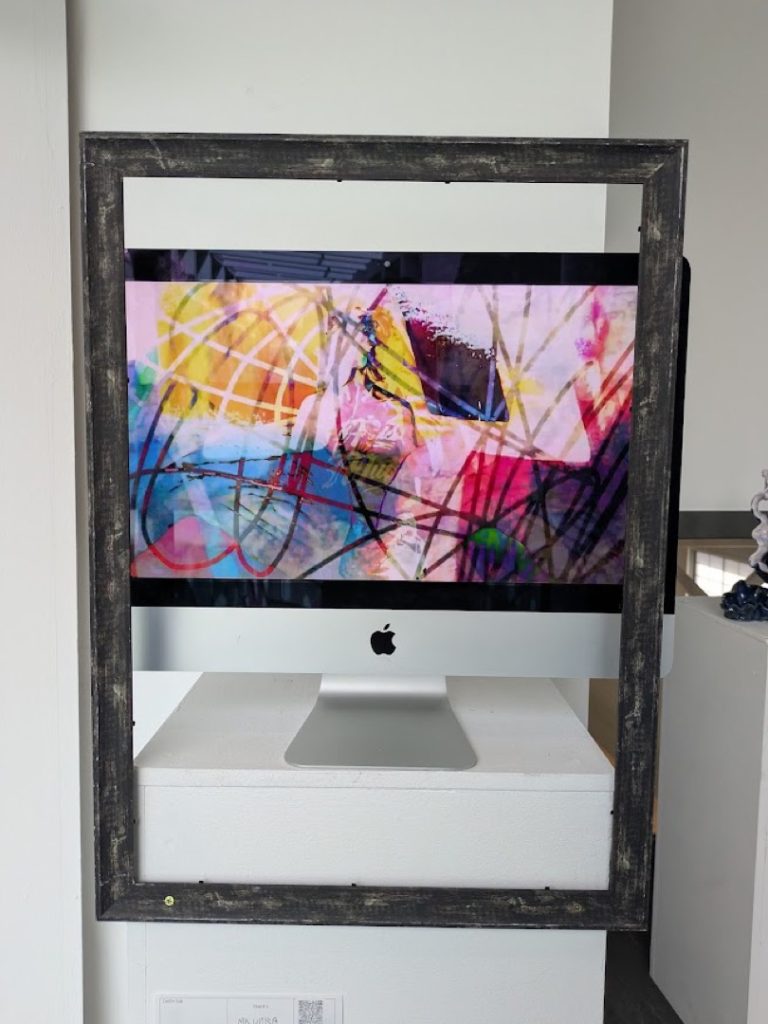
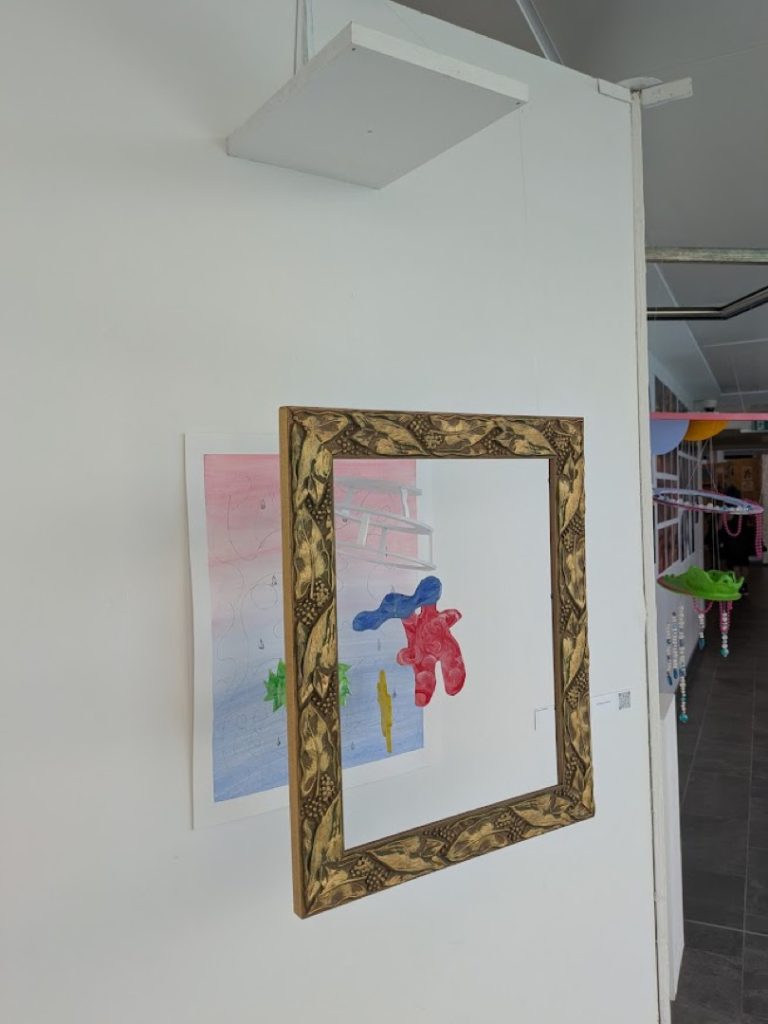
Studio Shots From This Year’s FAD Students
Studying Foundation Art and Design at Dudley College of Technology offers a transformative experience for aspiring artists and designers. This course is designed to nurture creativity, develop technical skills, and prepare students for higher education or careers in the creative industries.
Located at our impressive, purpose-built Inspired campuses in Brierley Hill and in the centre of Dudley, West Midlands, Dudley College of Technology provides state-of-the-art facilities, including modern studios, workshops, and digital labs. Students benefit from access to industry-standard equipment and software, ensuring they are well-prepared for the demands of contemporary art and design practices.
The Foundation Art and Design course covers a broad spectrum of disciplines, including fine art, graphic design, textiles, 3D design, and photography. This diverse curriculum allows students to explore various mediums and techniques, helping them discover their unique artistic voice. Experienced tutors, who are practicing artists and designers, offer personalized guidance and support, fostering an environment of creativity and innovation.
One of the key advantages of studying at Dudley College of Technology is the emphasis on practical, hands-on learning. Students engage in live projects, exhibitions, and collaborations with local businesses and organisations, gaining real-world experience and building a professional portfolio. The college’s strong links with universities and art schools across the UK provide excellent progression opportunities for those wishing to continue their studies.
In addition to academic and technical training, Dudley College of Technology prioritizes personal development. Students are encouraged to develop critical thinking, problem-solving skills, and a professional work ethic, ensuring they are well-rounded individuals ready to succeed in the competitive world of art and design.
Choosing Dudley College of Technology for your Foundation Art and Design studies means embarking on a journey of artistic growth and professional development in a supportive and inspiring environment.
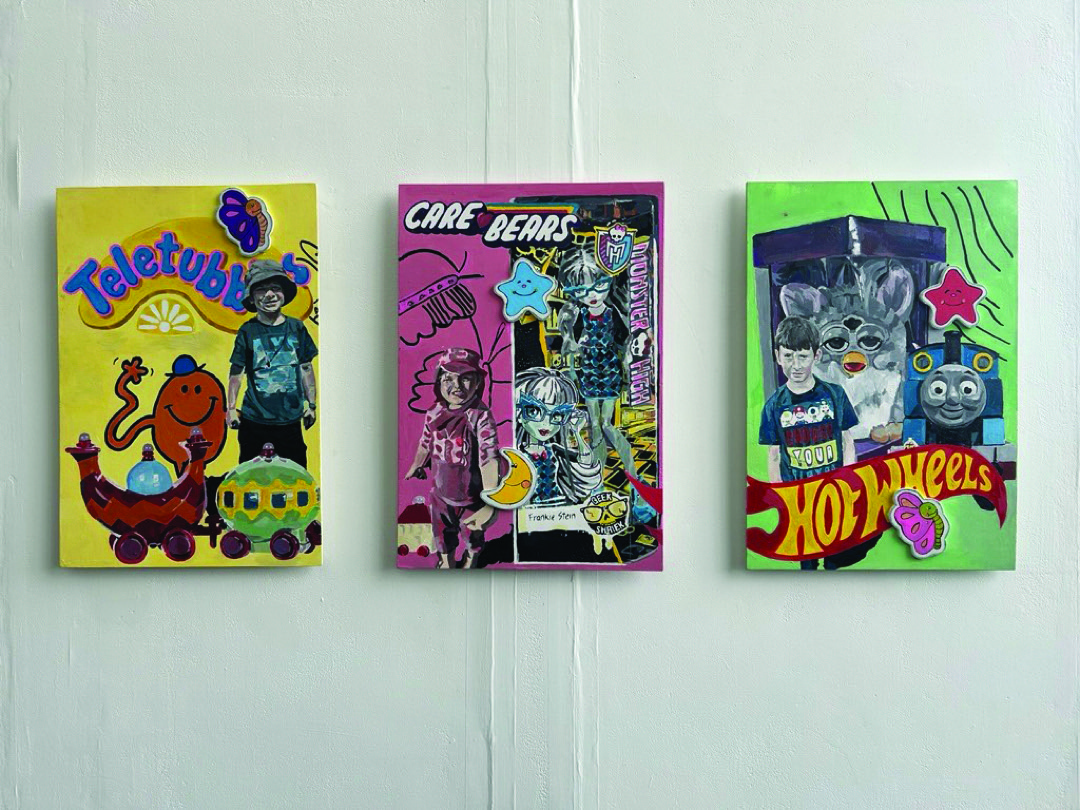
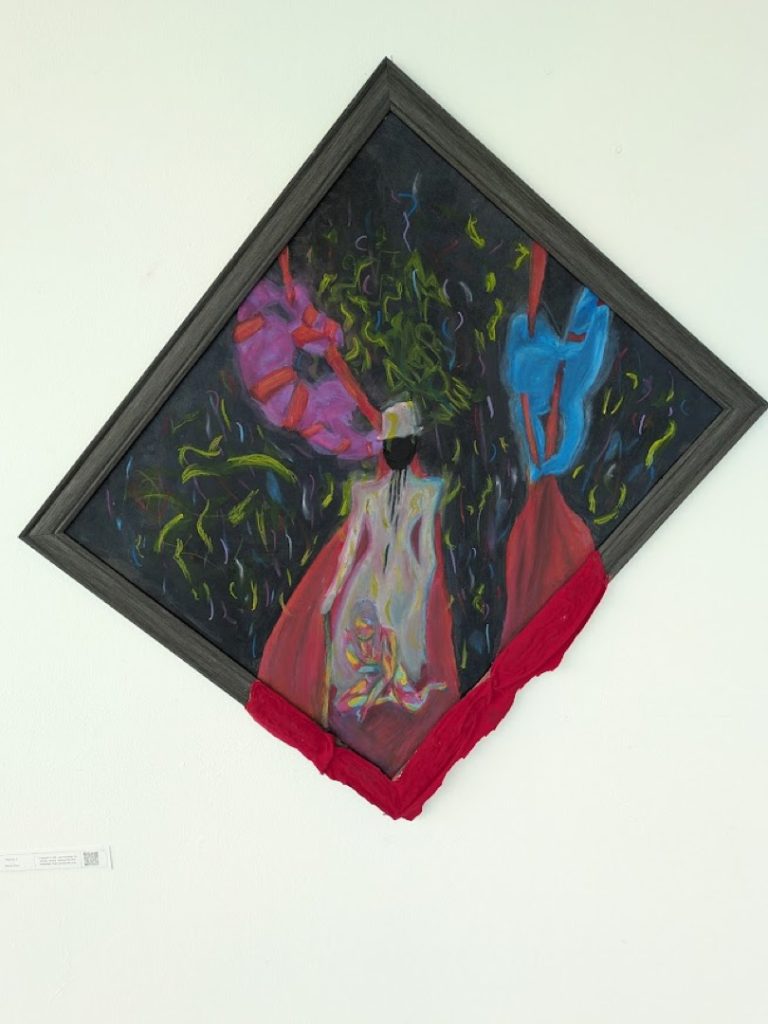
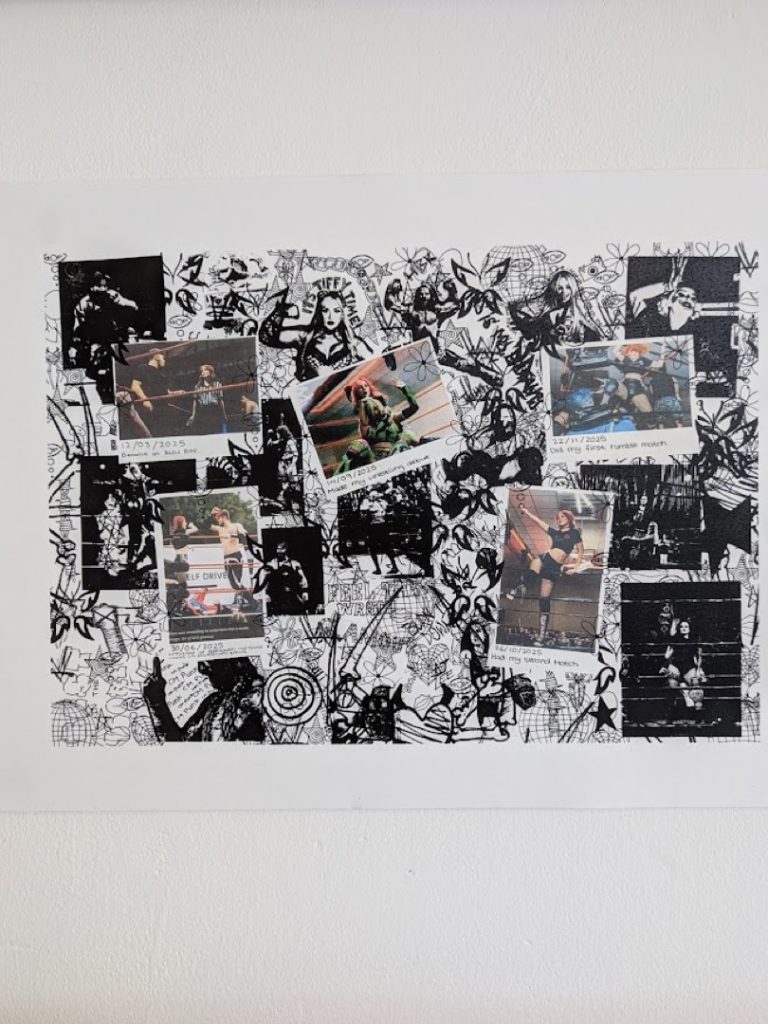
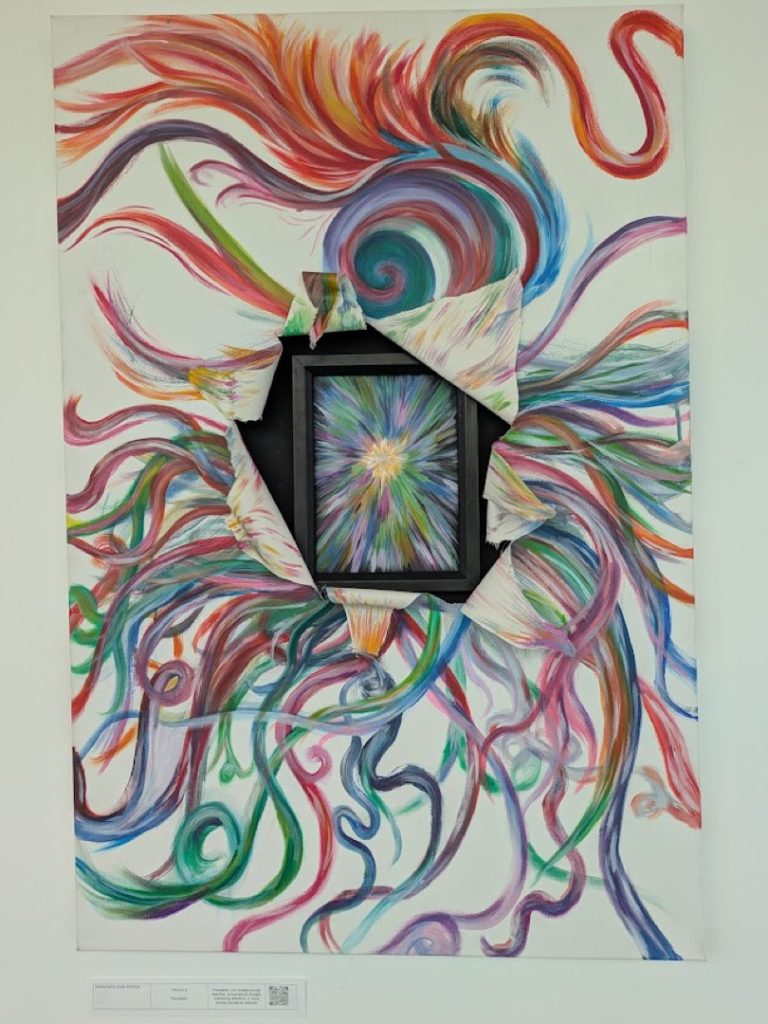
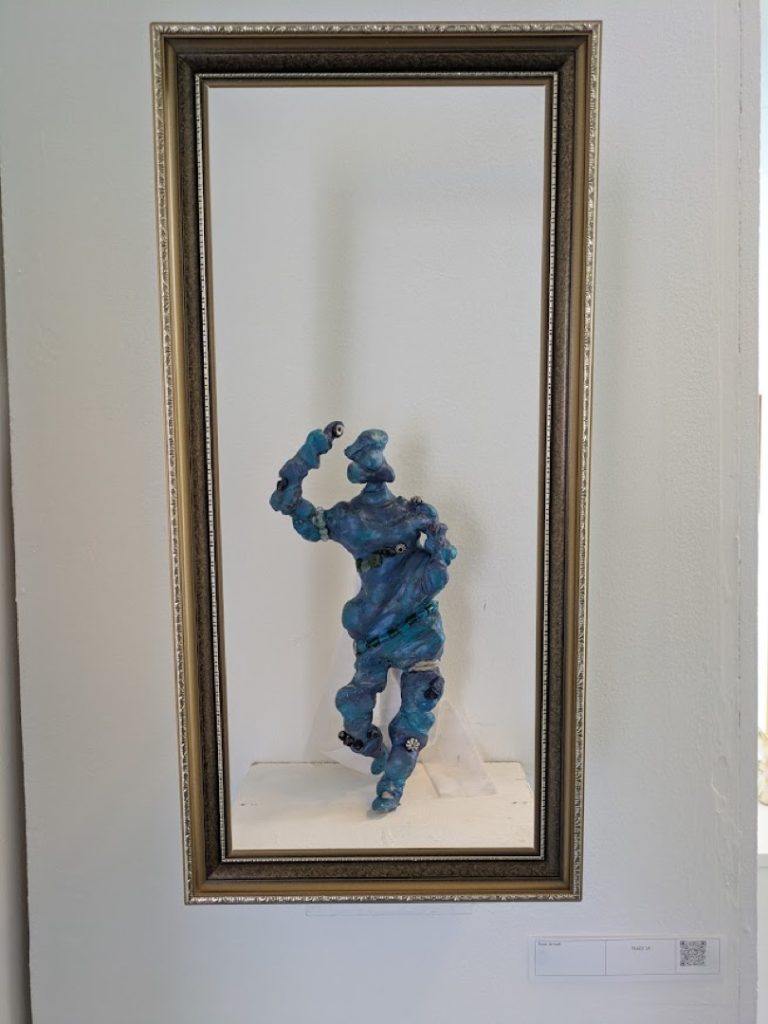
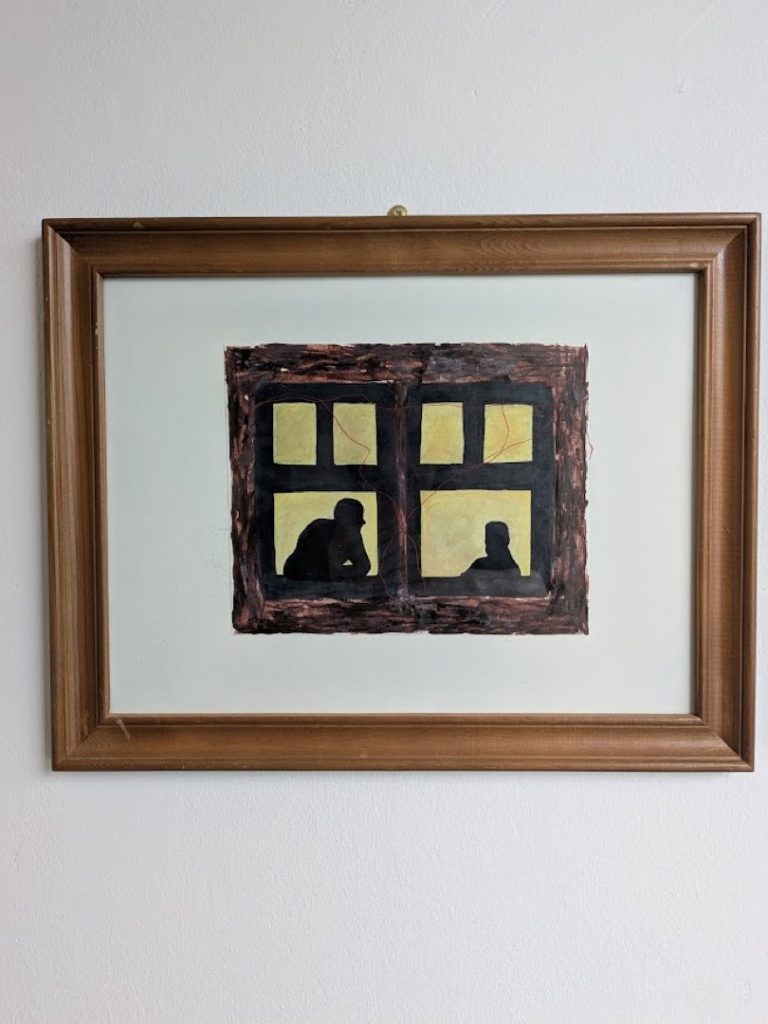
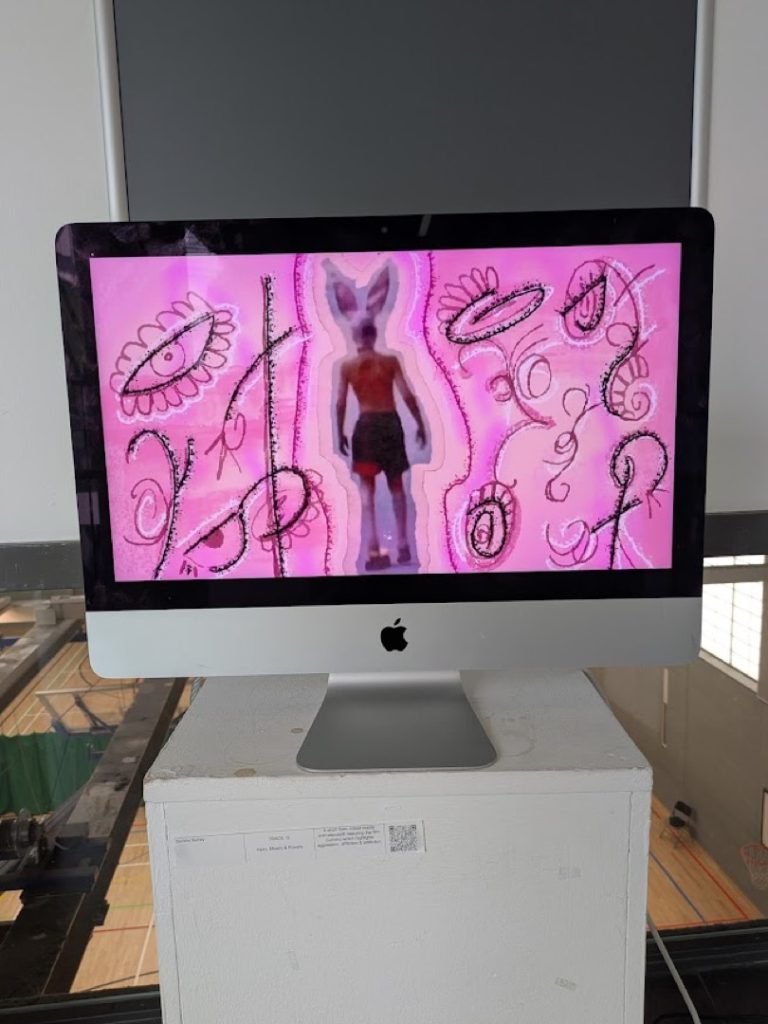
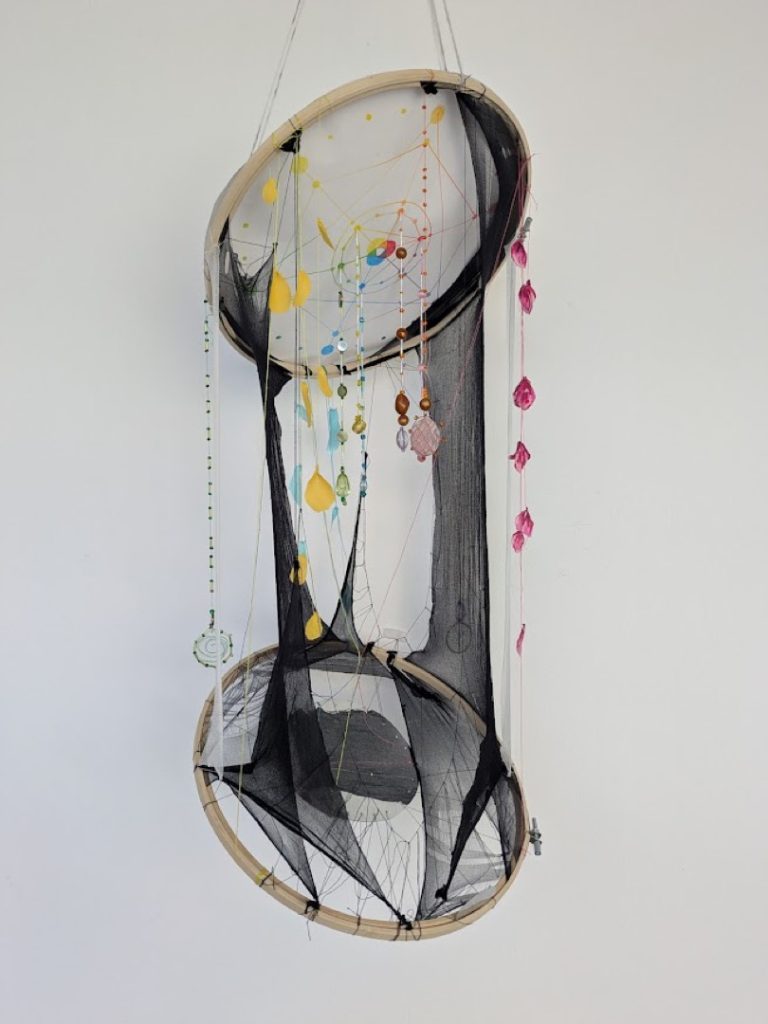
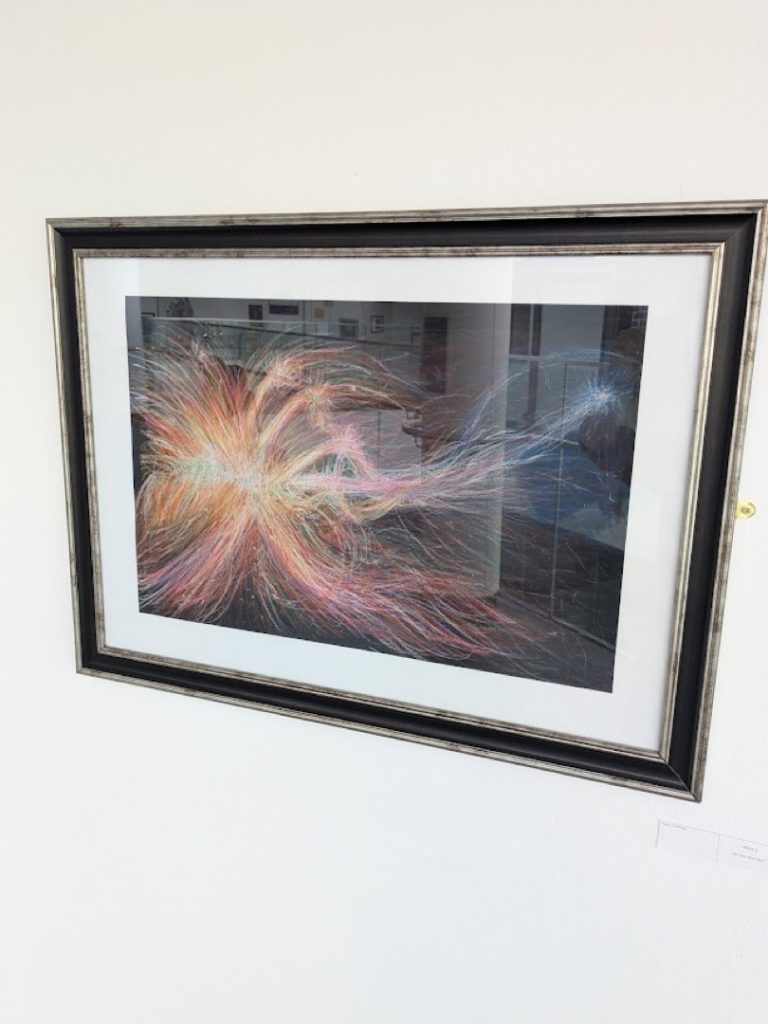
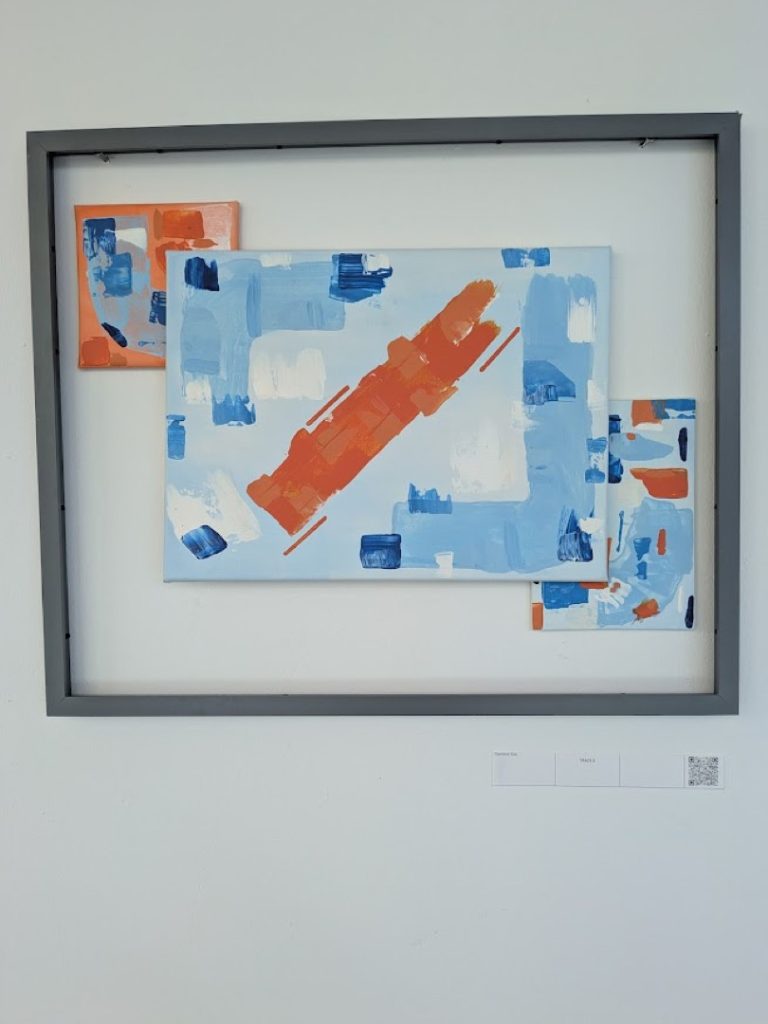
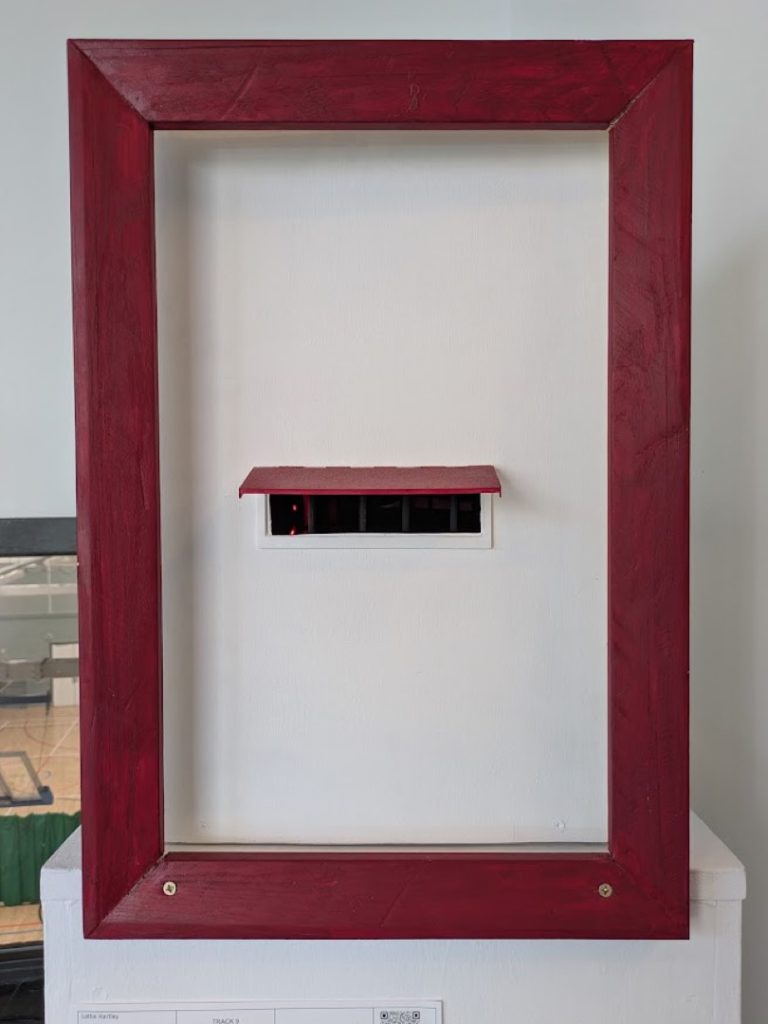
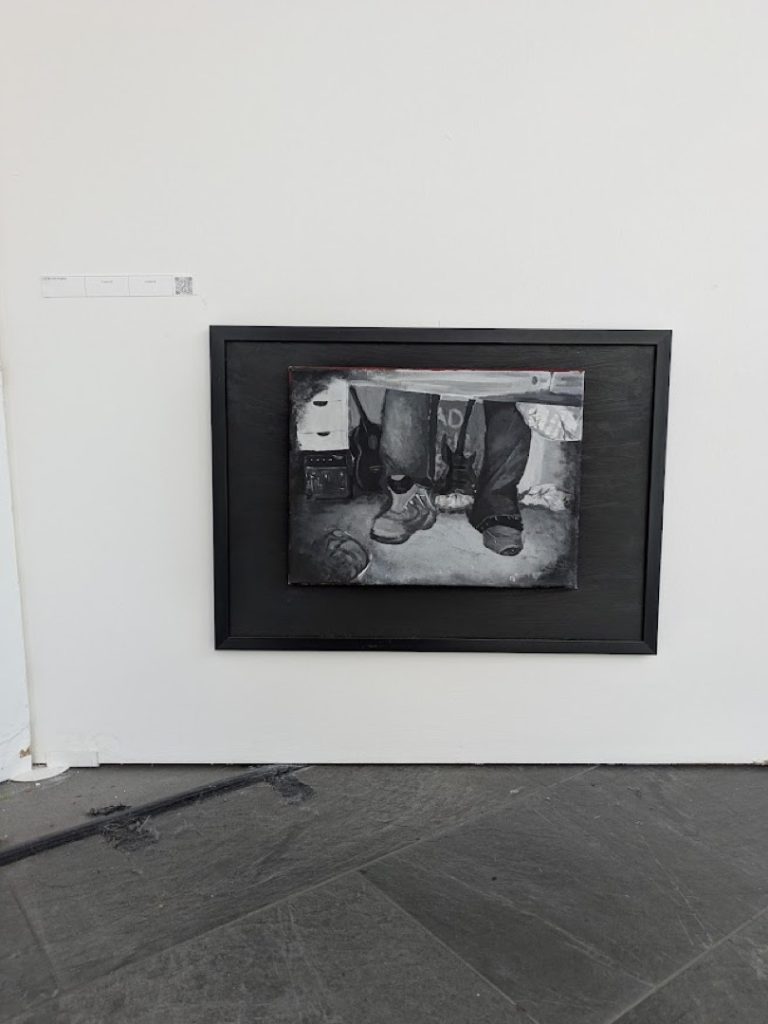
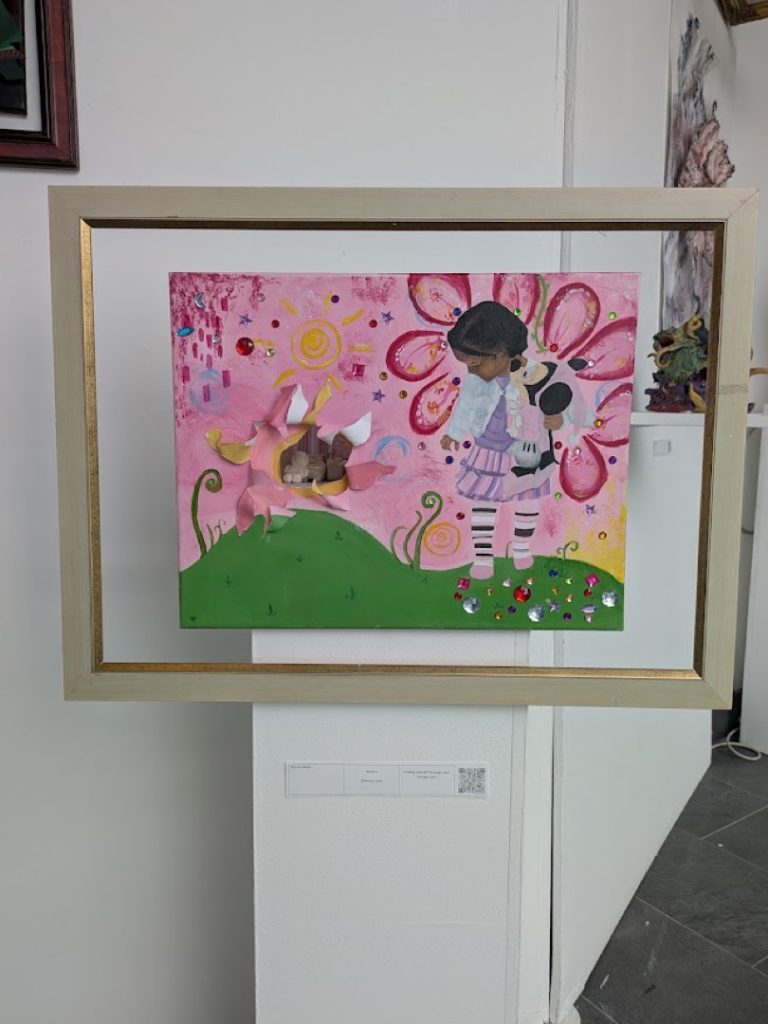
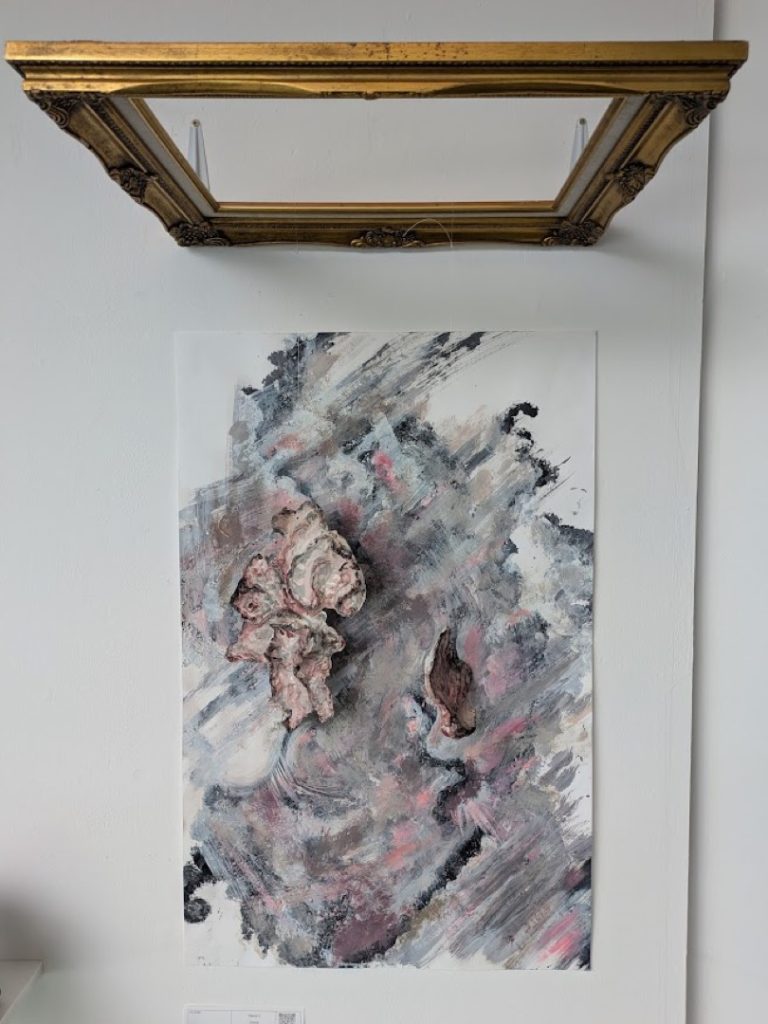
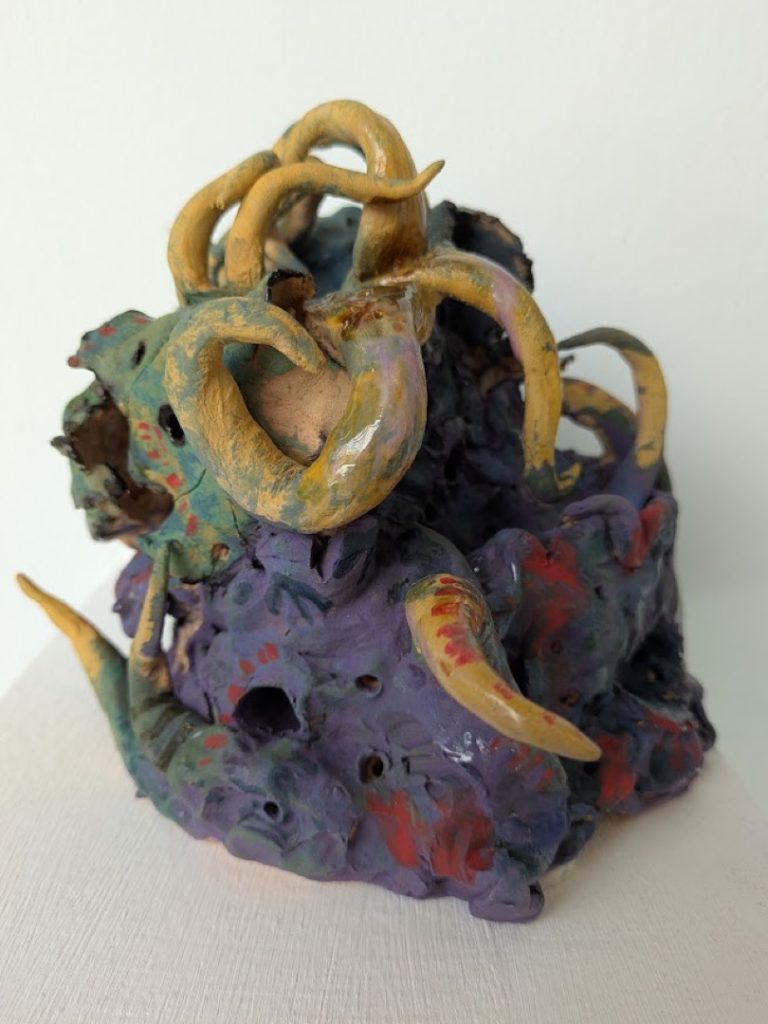
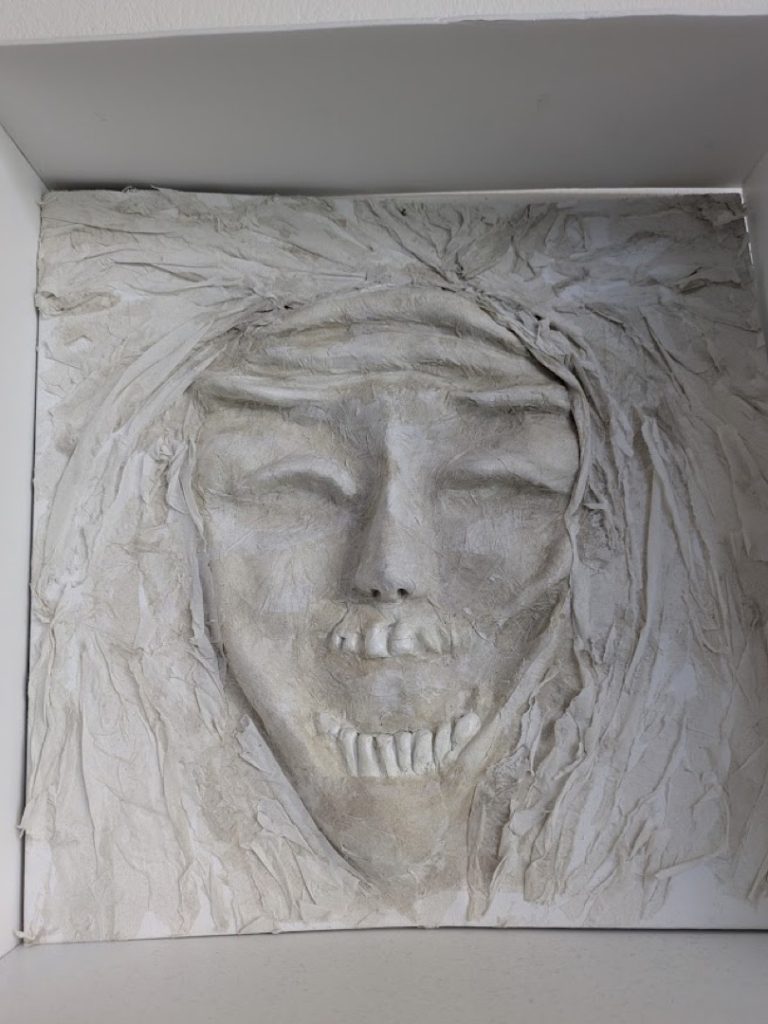
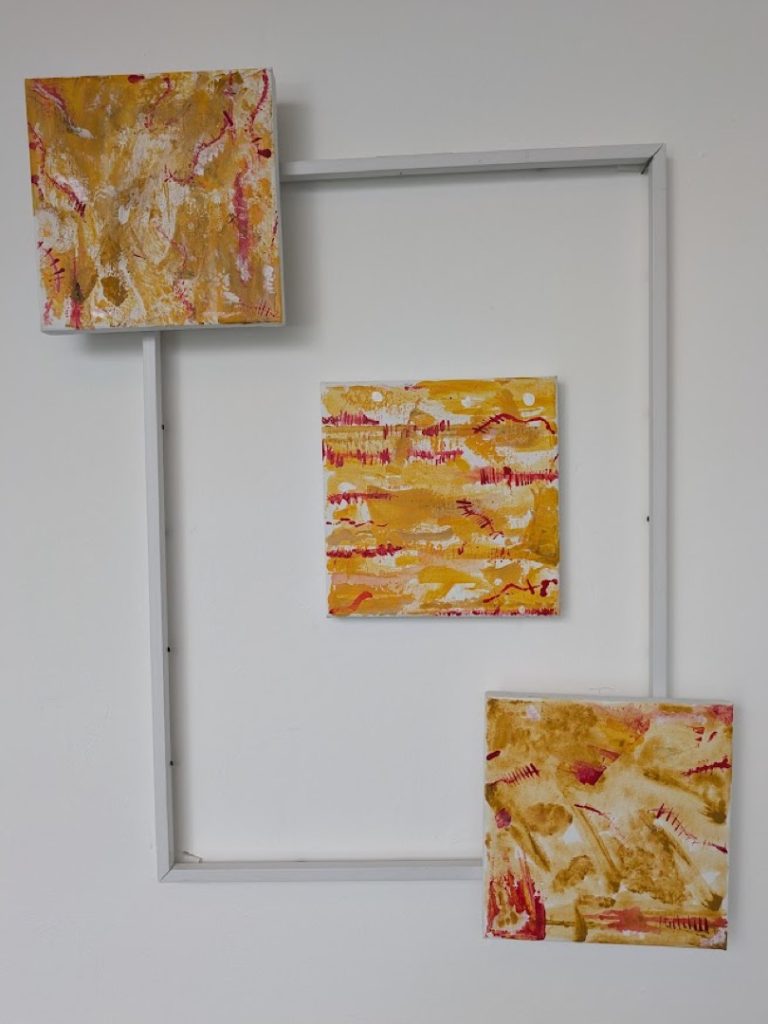
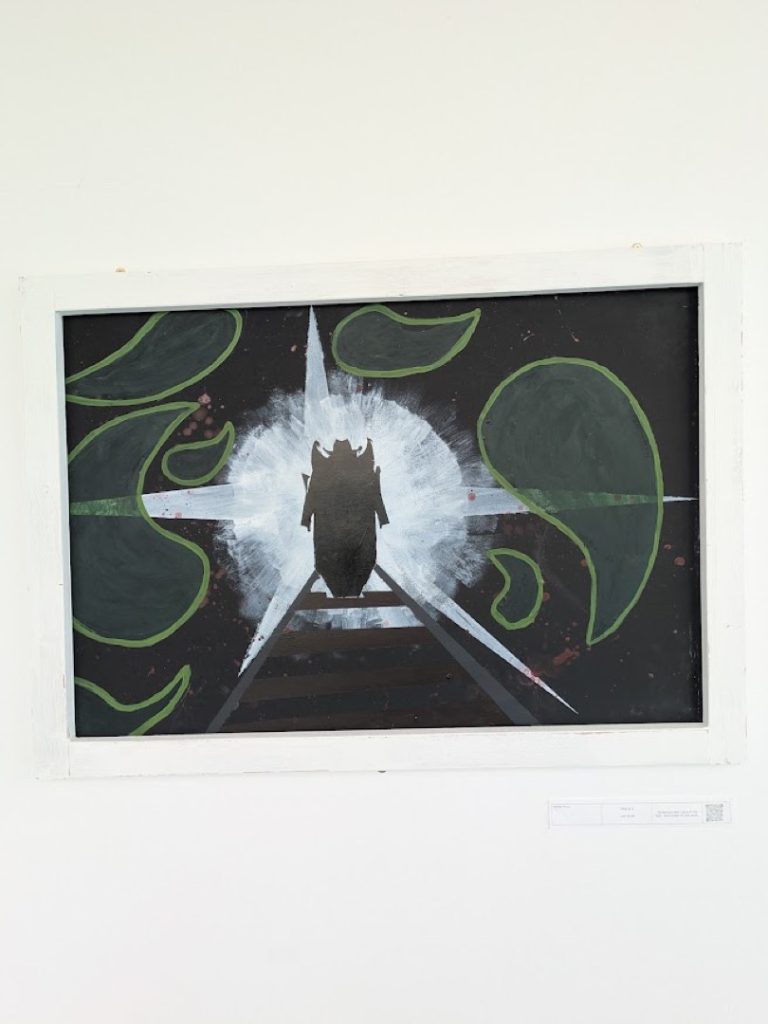
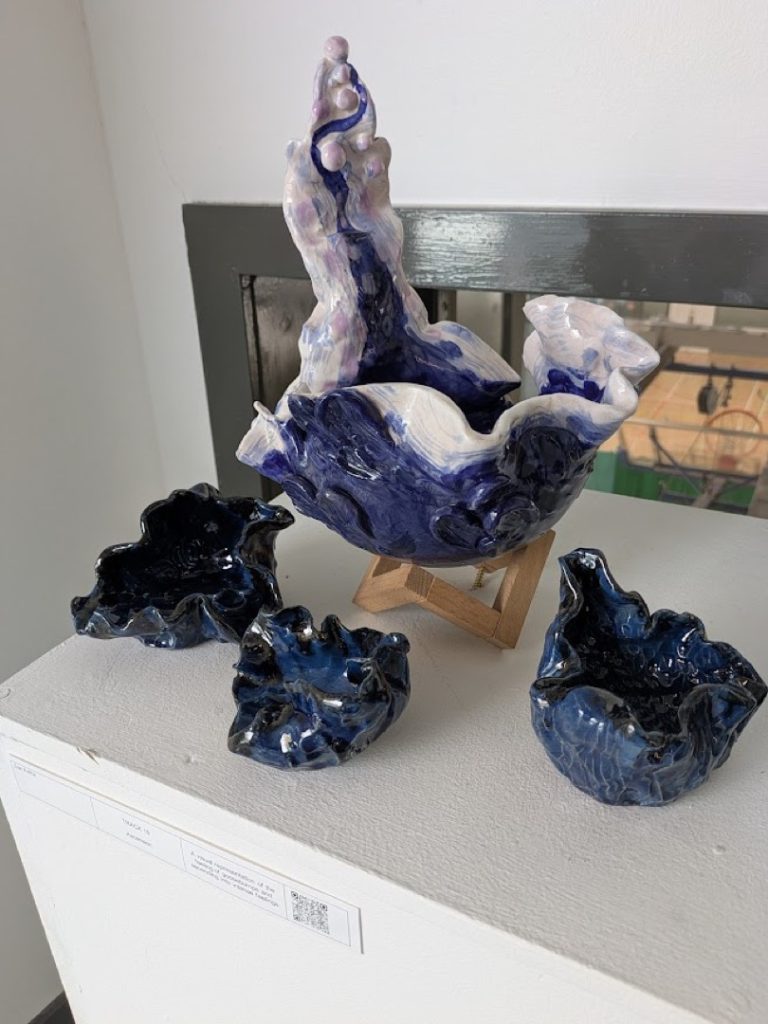
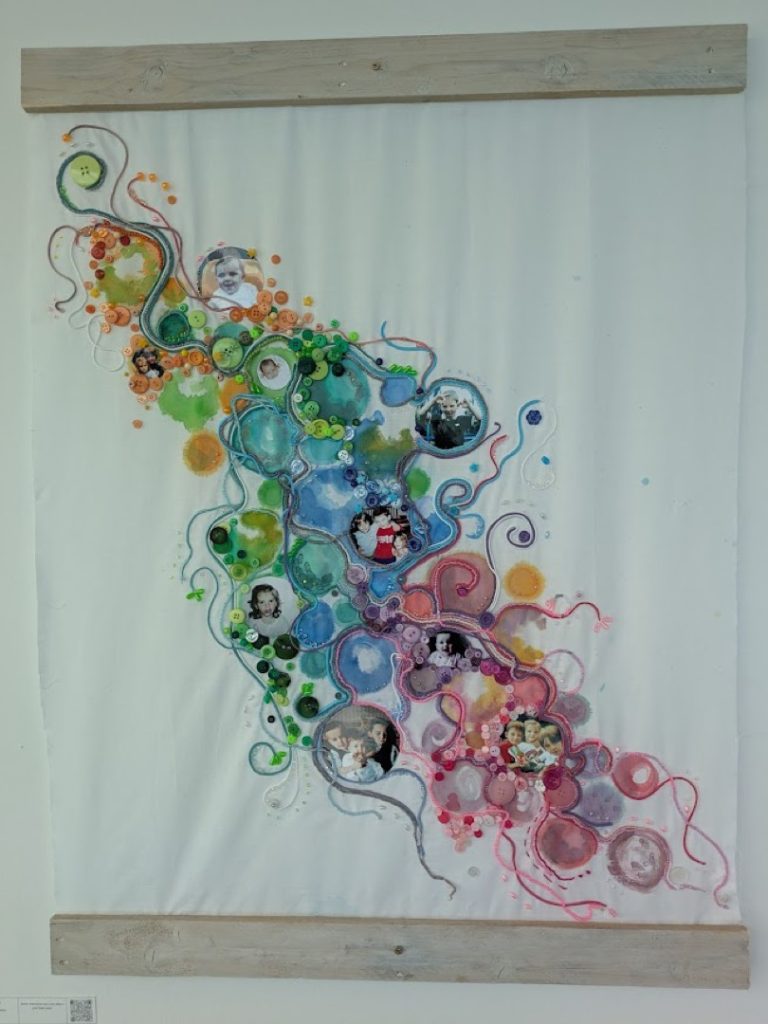
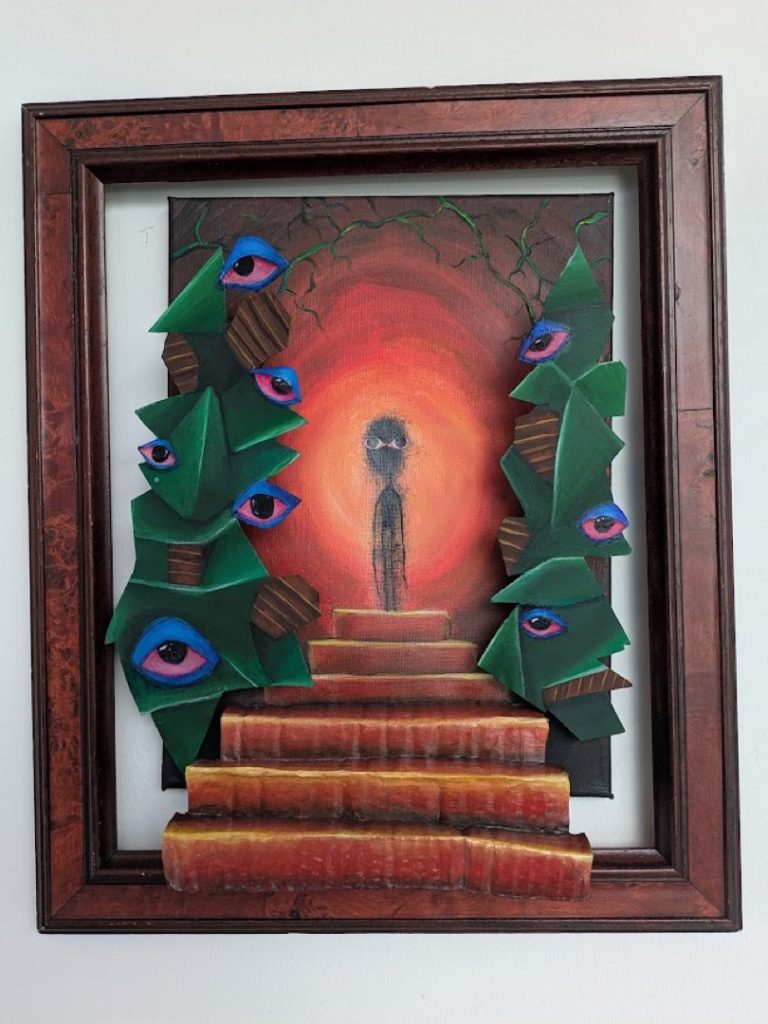
We hope you enjoy looking at this gallery of recent work by our talented Foundation Art and Design students.
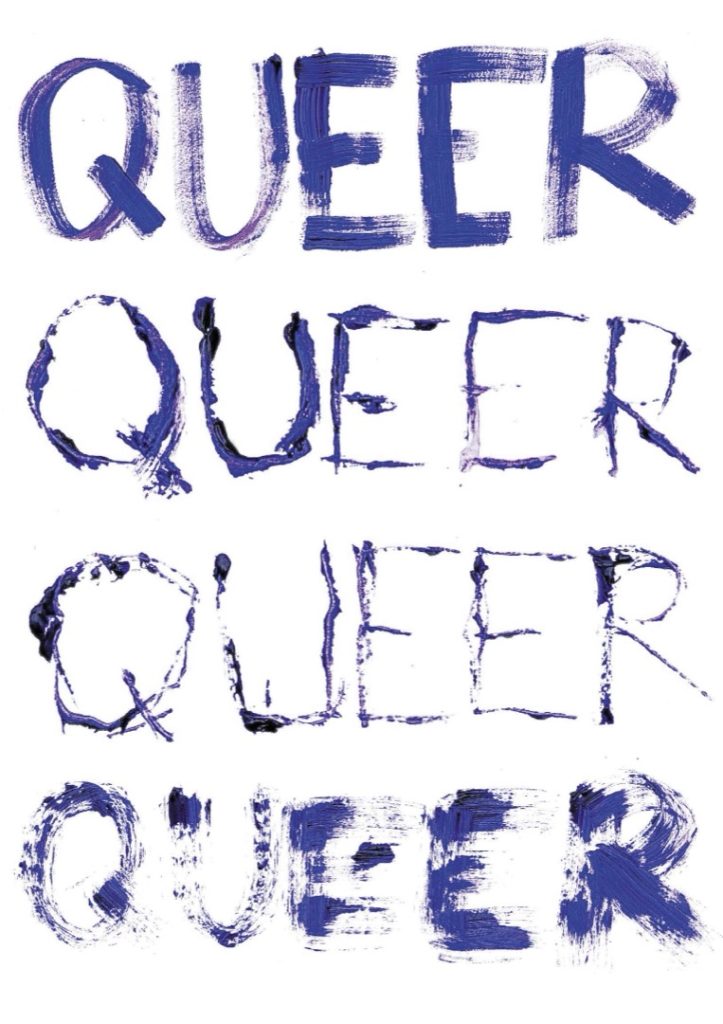
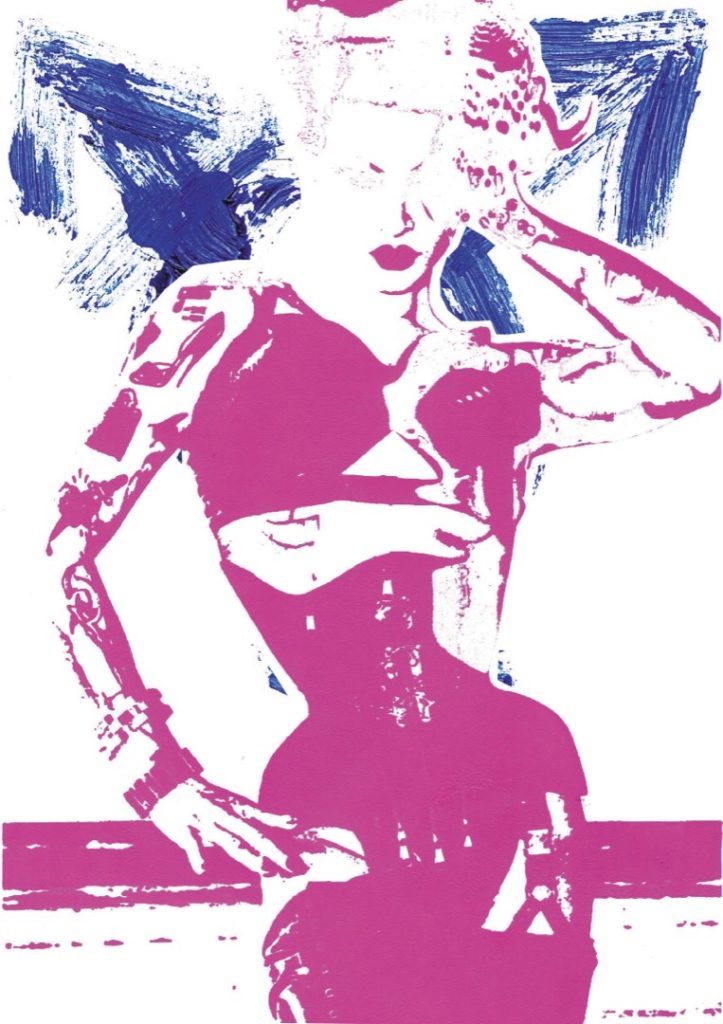
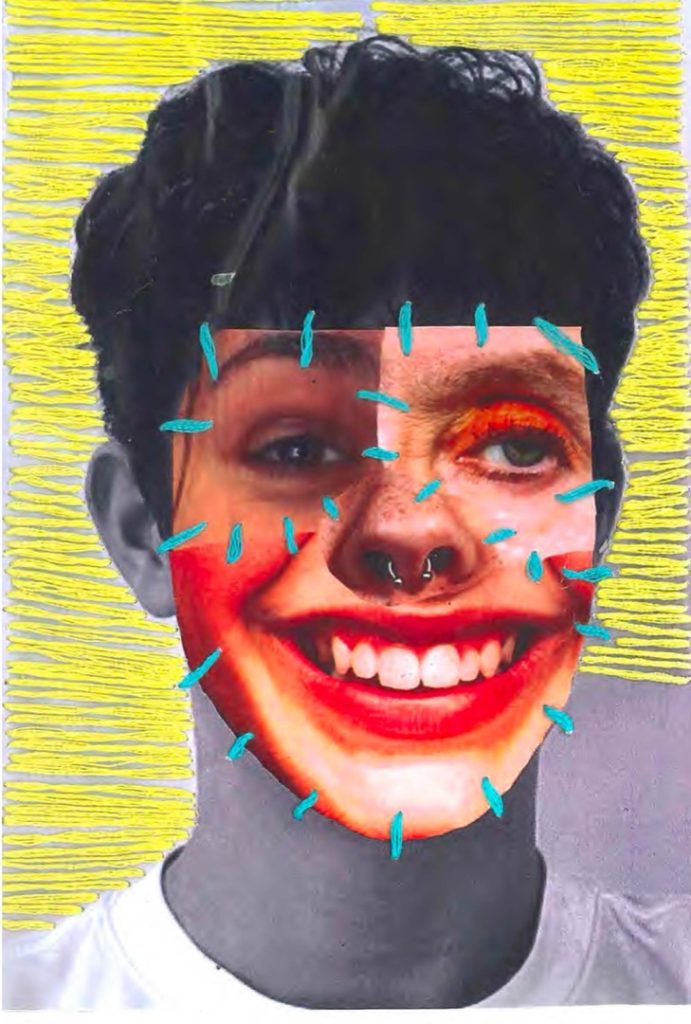
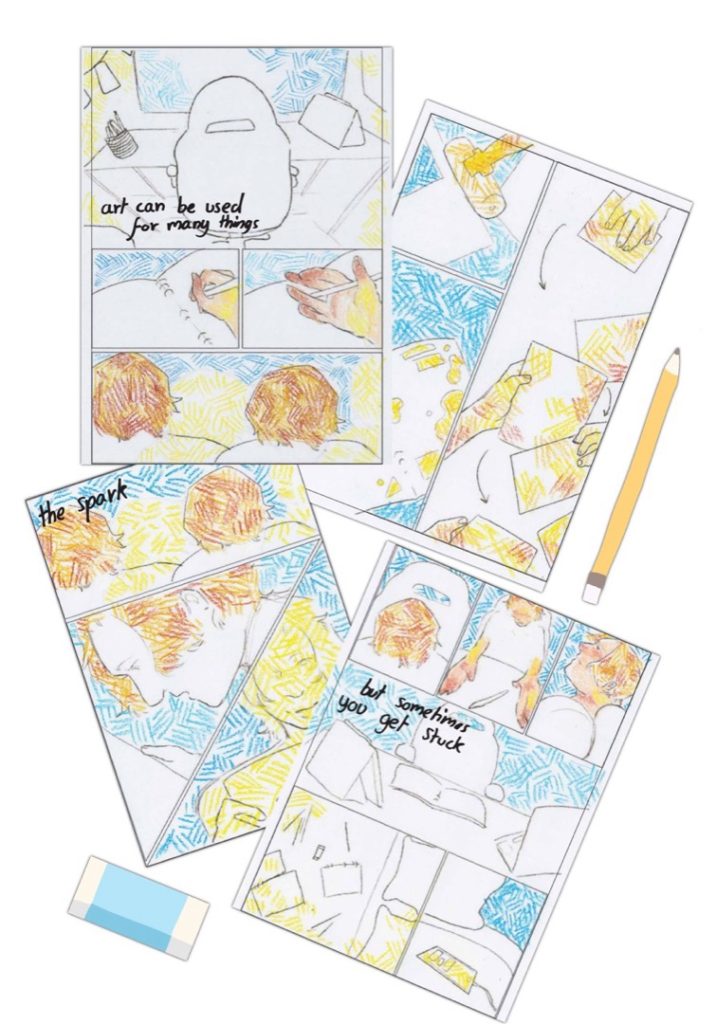
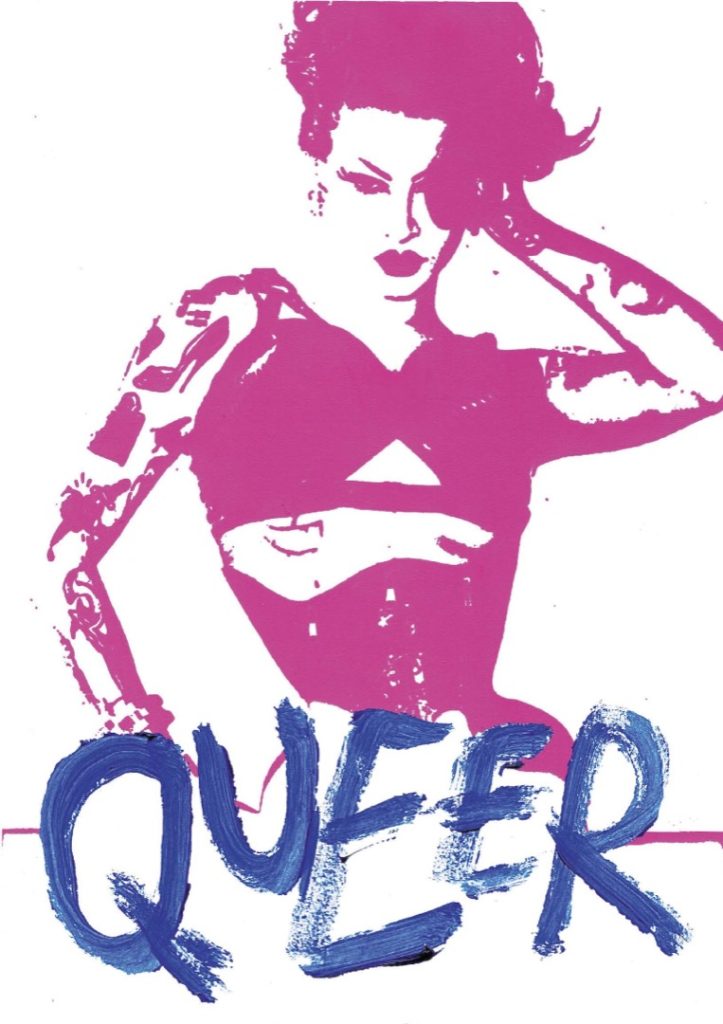
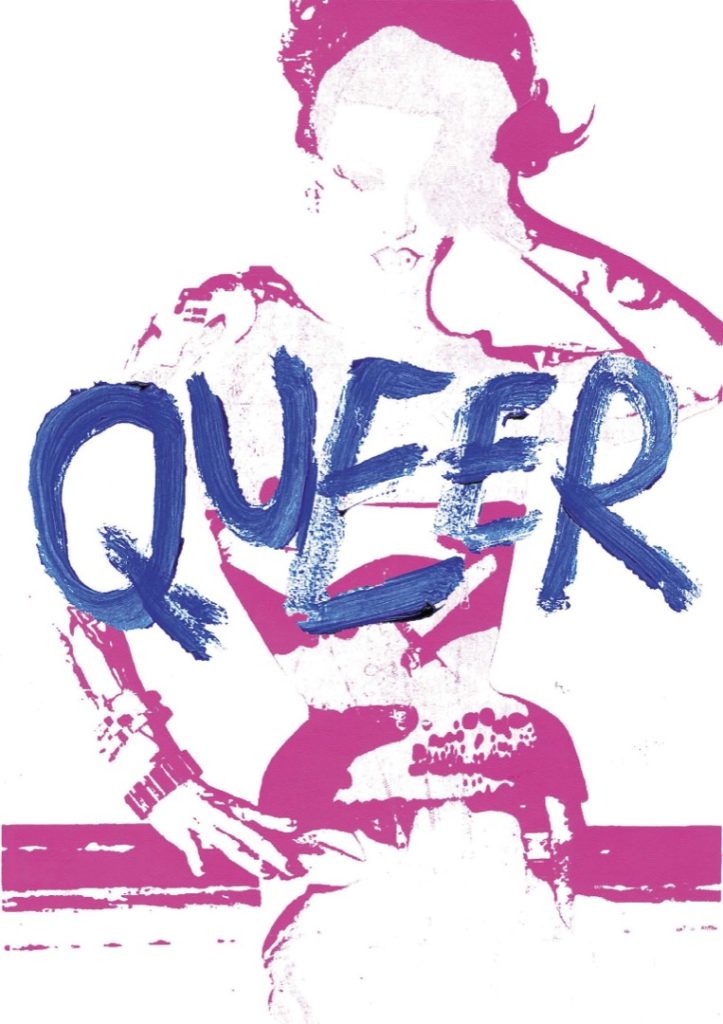
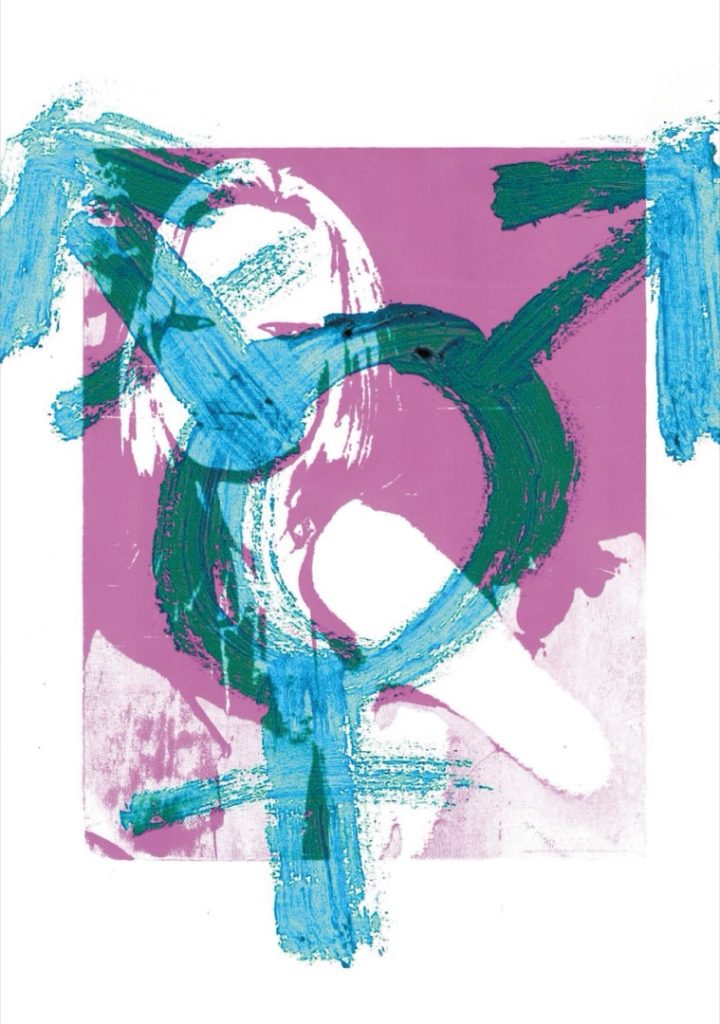
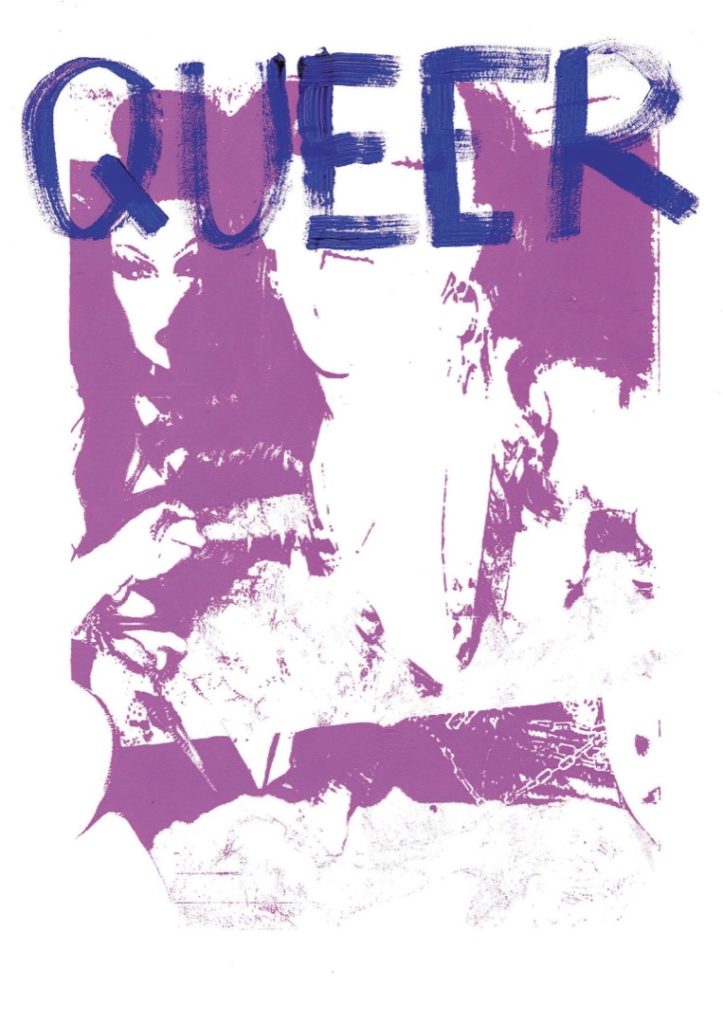
Studying the BTEC National Diploma and Extended Diploma in Art and Design at Dudley College of Technology offers an enriching pathway for students passionate about the creative arts. These courses are meticulously designed to provide comprehensive training in various art and design disciplines, preparing students for higher education or careers in the creative industry.
Dudley College of Technology, situated in the vibrant West Midlands, boasts cutting-edge facilities, including well-equipped studios, workshops, and digital labs. Students have access to industry-standard tools and software, ensuring they are adept at contemporary art and design practices.
The BTEC National Diploma and Extended Diploma courses cover a wide range of subjects such as fine art, graphic design, textiles, 3D design, and photography. This diverse curriculum allows students to explore different mediums and techniques, fostering their creativity and helping them find their unique artistic voice. The courses are taught by experienced tutors who are active professionals in the art and design field, providing expert guidance and support.
A significant advantage of studying at Dudley College of Technology is the emphasis on practical, hands-on learning. Students participate in live projects, exhibitions, and collaborations with local businesses and organizations, gaining valuable real-world experience and building a professional portfolio. The college’s strong connections with universities and art schools across the UK offer excellent progression opportunities for those wishing to further their studies.
Beyond academic and technical training, Dudley College of Technology focuses on personal development. Students are encouraged to develop critical thinking, problem-solving skills, and a professional work ethic, ensuring they are well-rounded individuals ready to thrive in the competitive world of art and design.
Choosing Dudley College of Technology for your BTEC National Diploma and Extended Diploma in Art and Design means embarking on a journey of artistic growth and professional development in a supportive and inspiring environment.
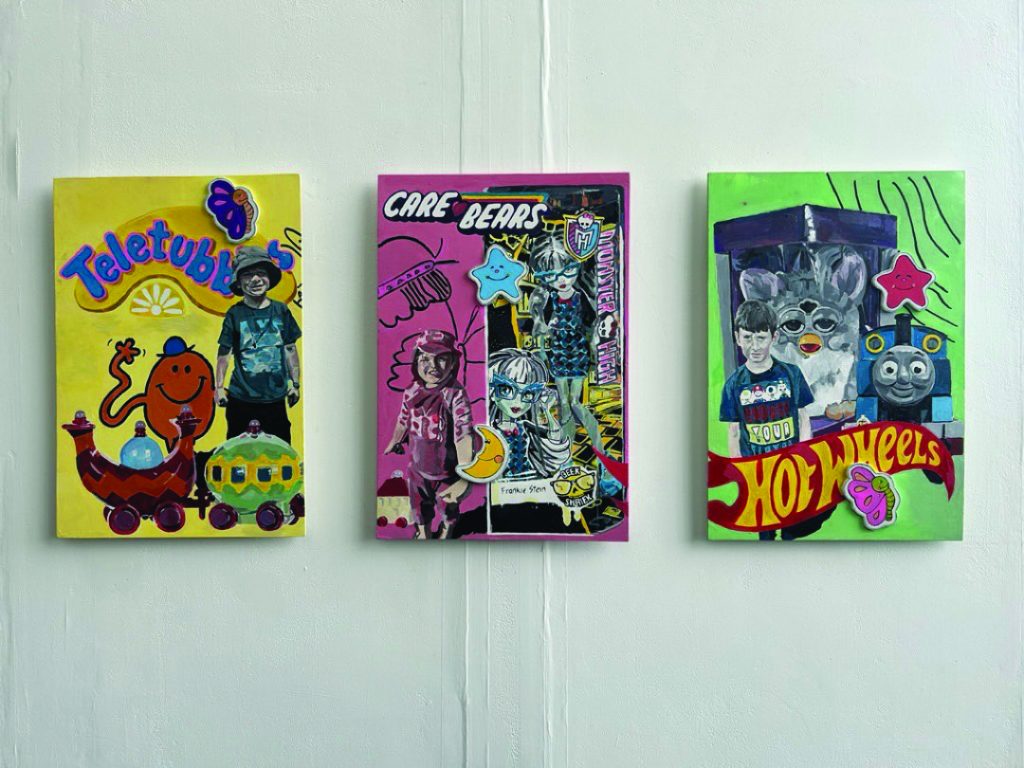
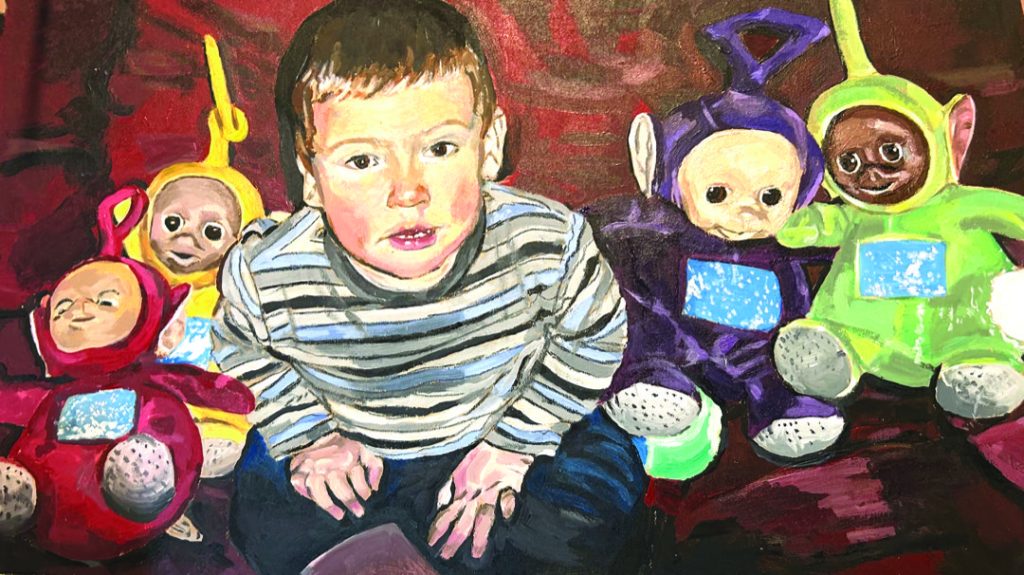
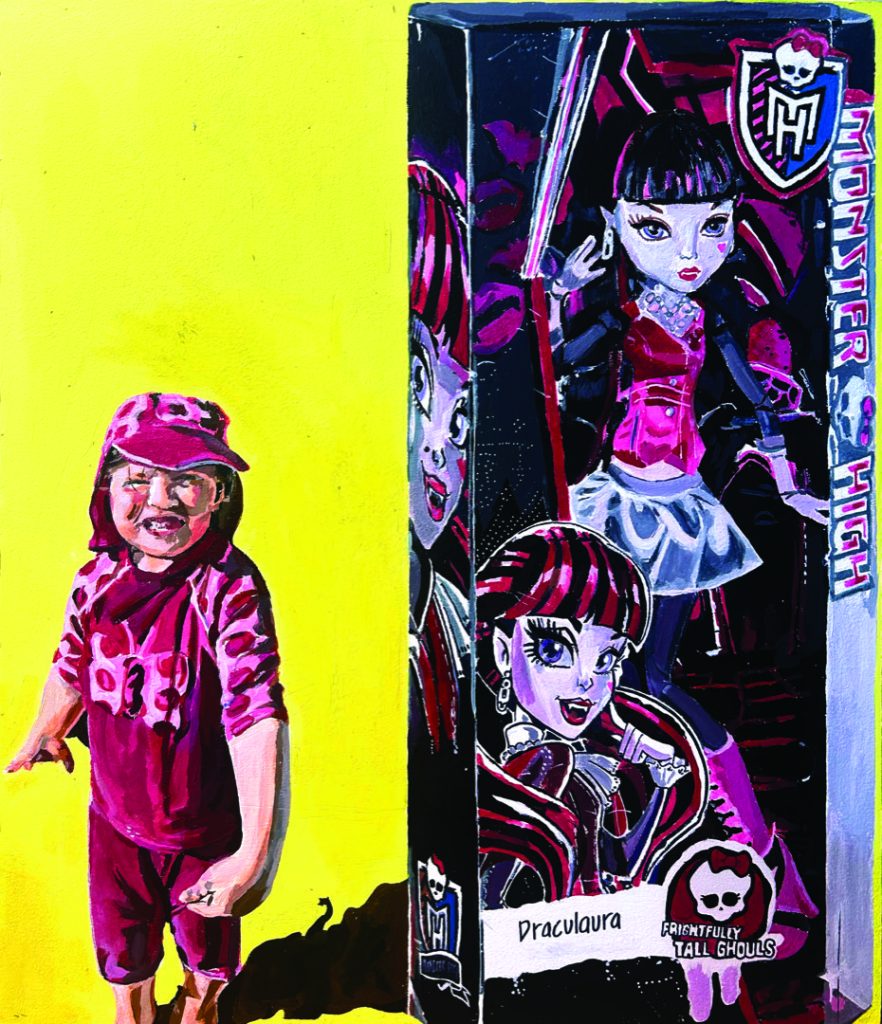
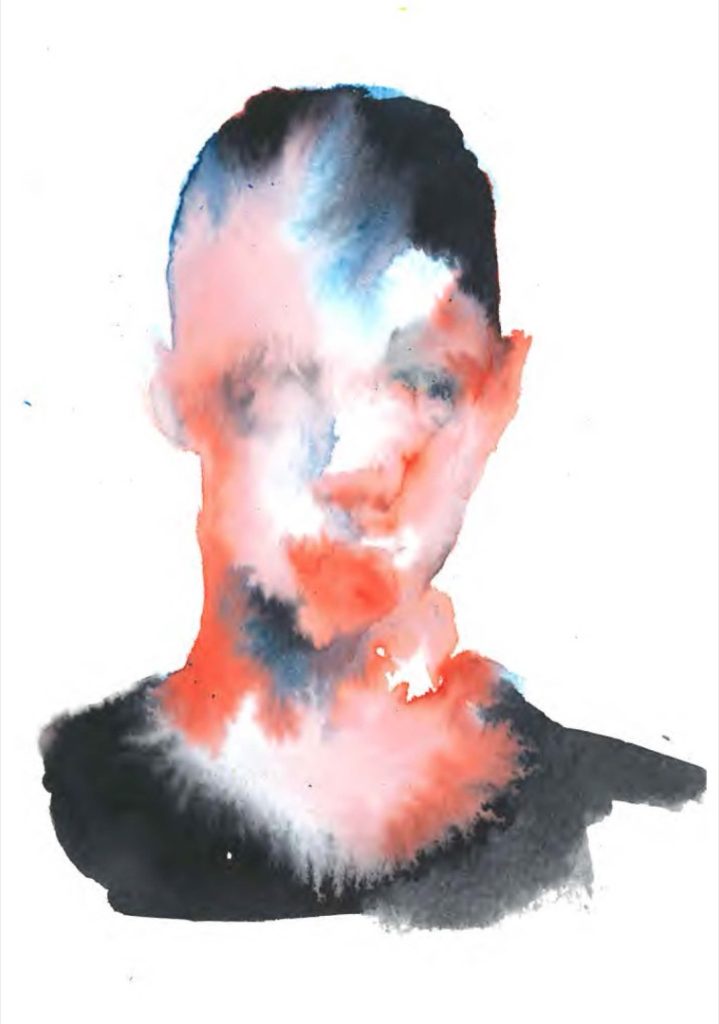
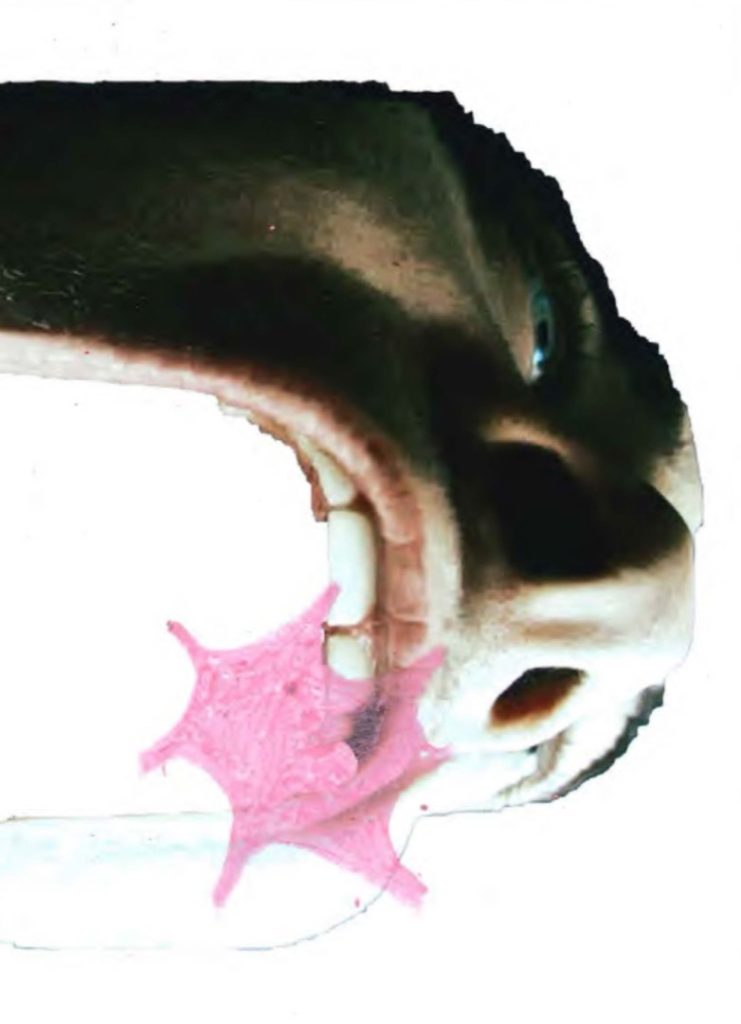
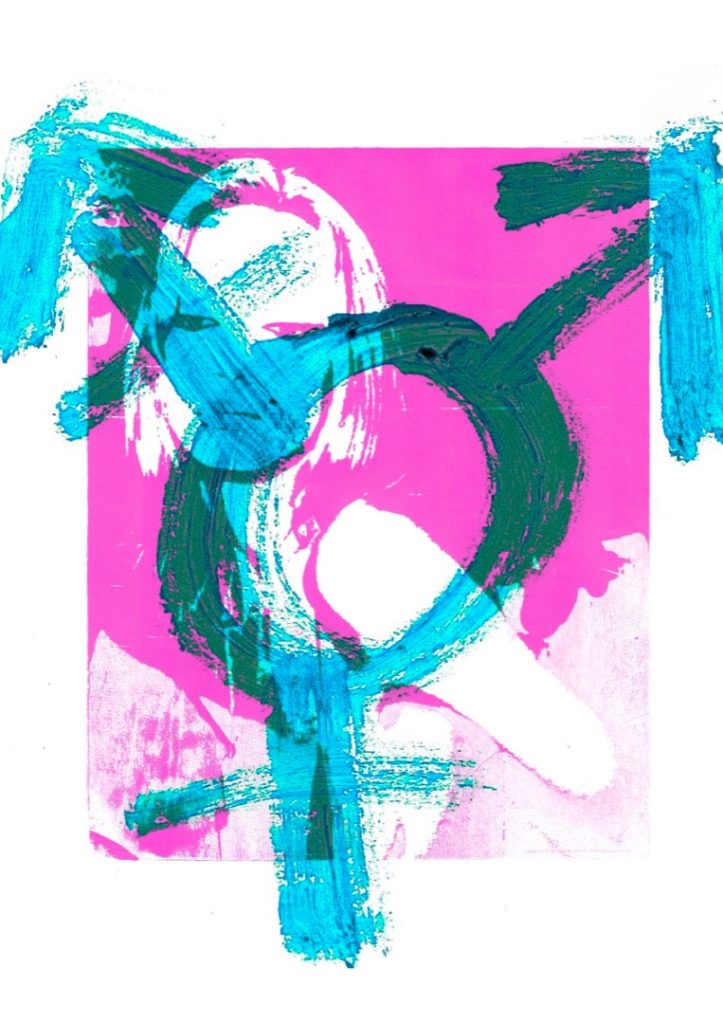
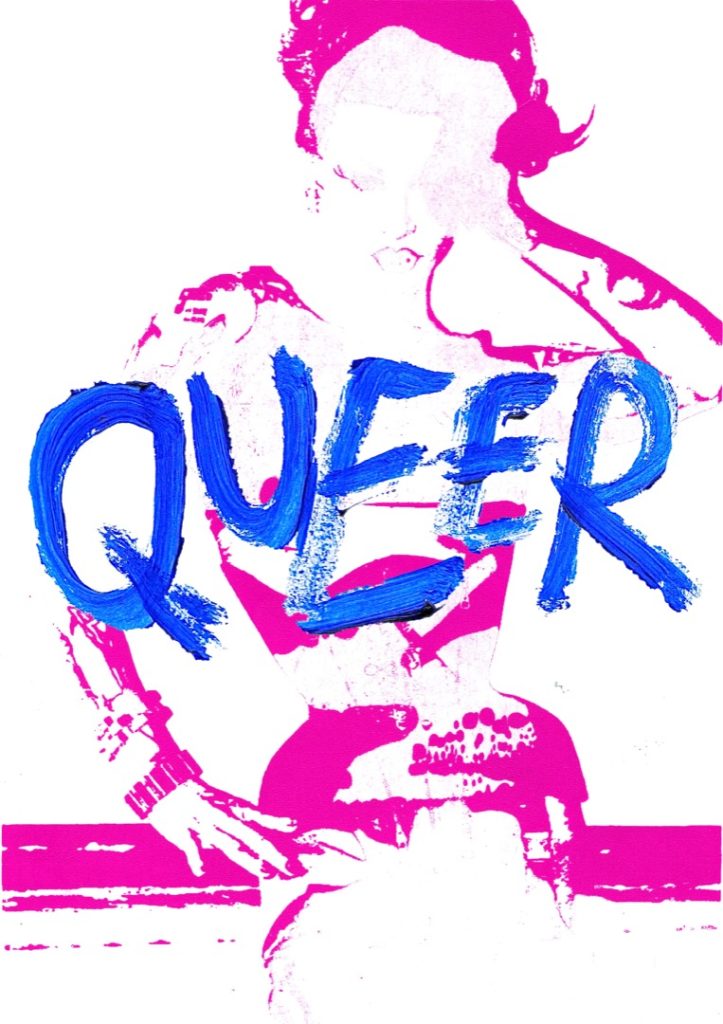
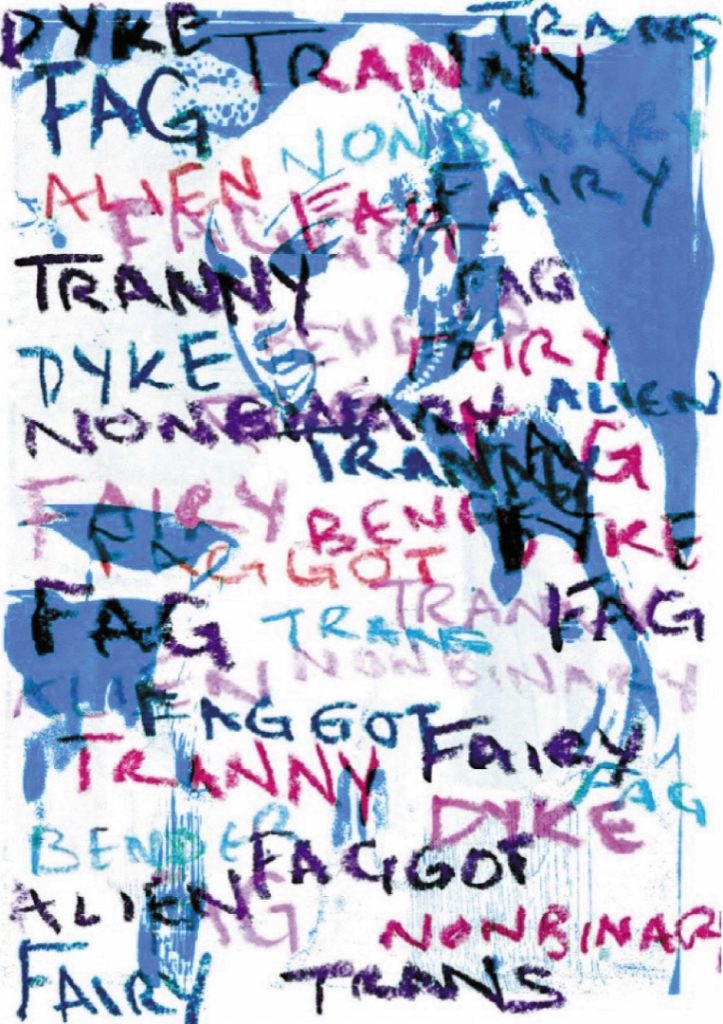
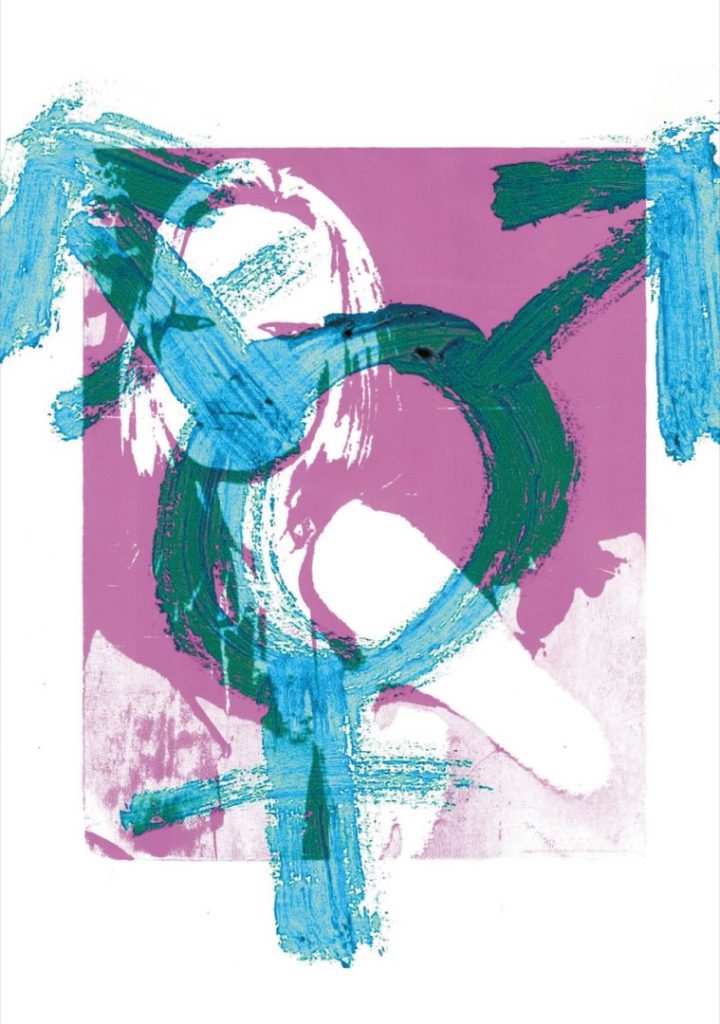
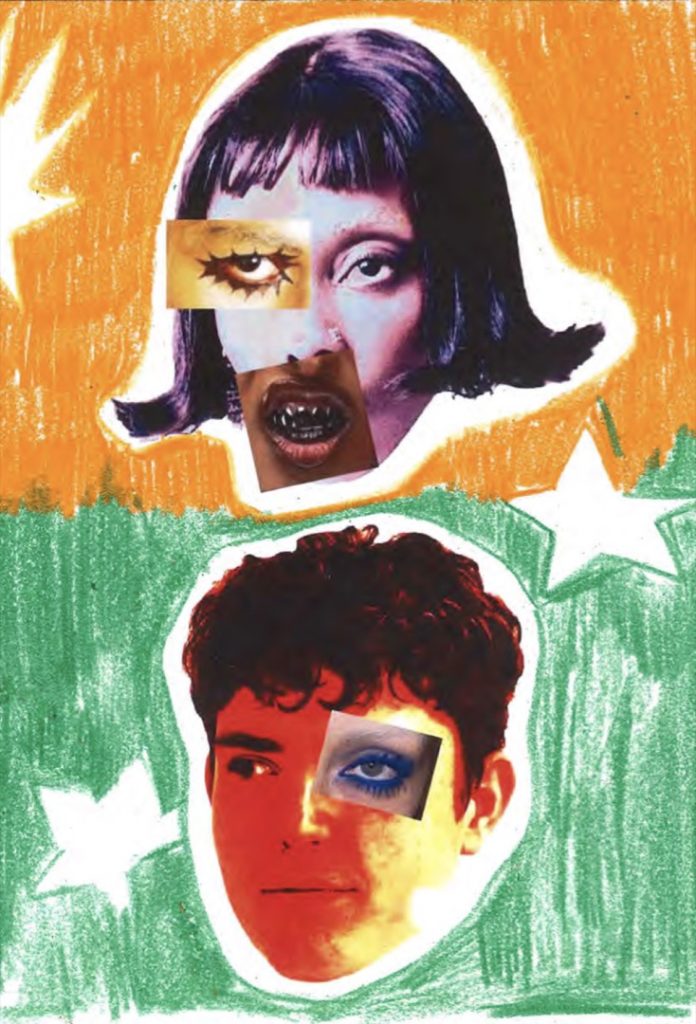
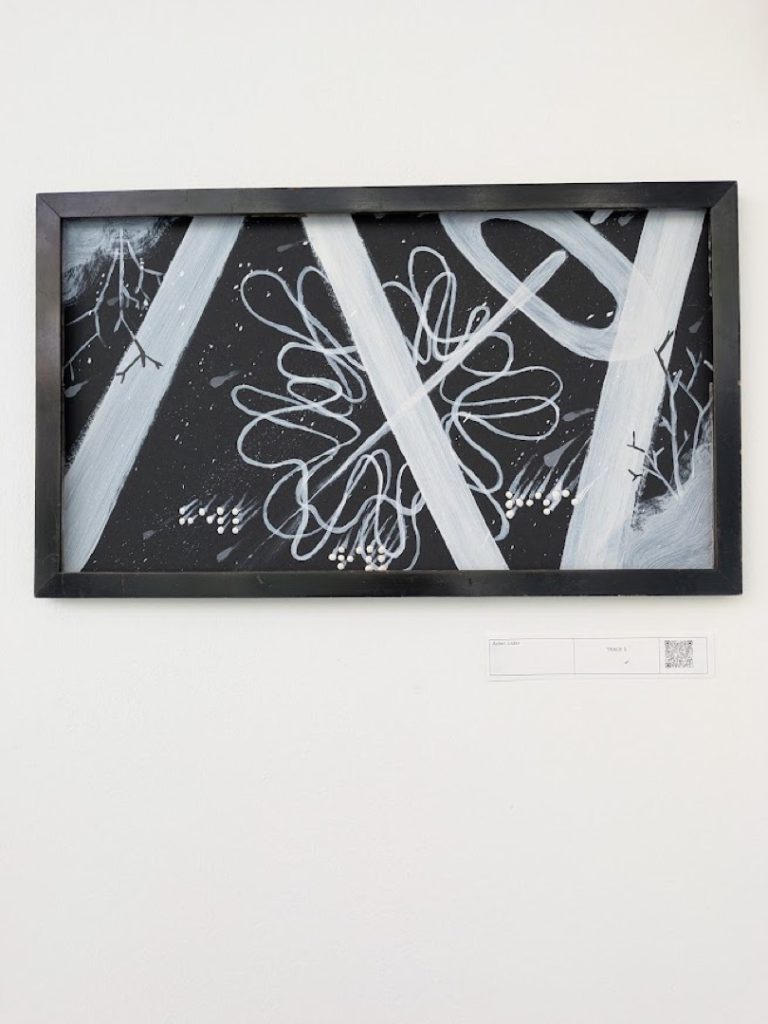
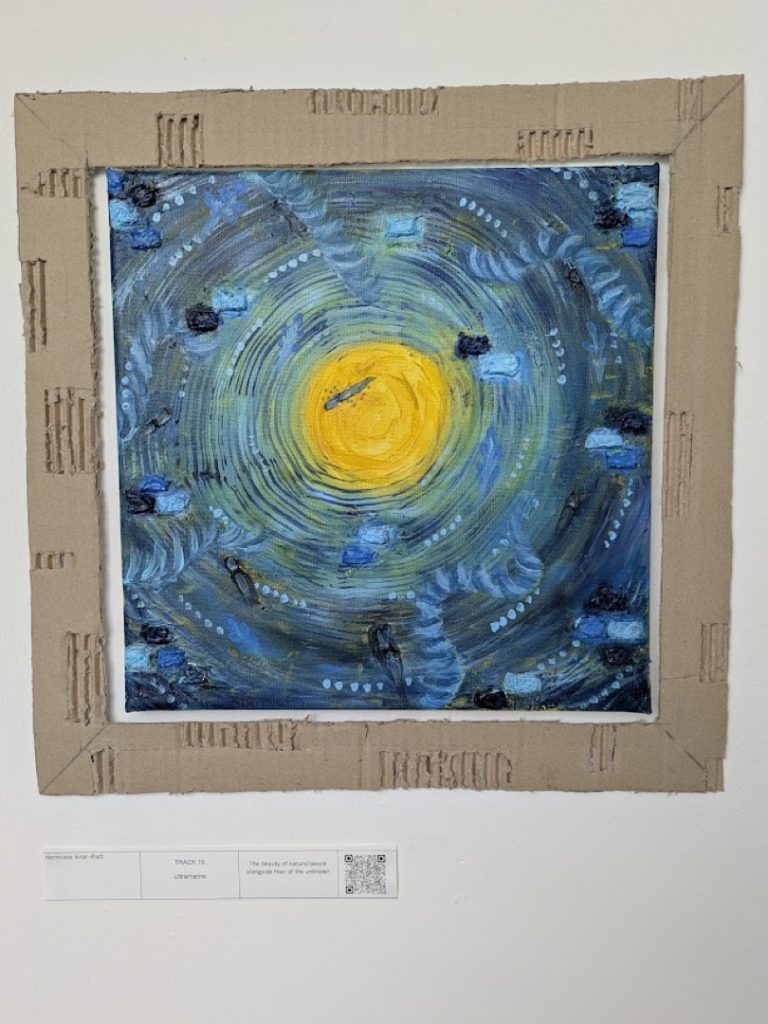
We hope you enjoy this gallery of recent work from this year’s cohort of young artists studying BTEC Art and Design at Dudley College of Technology.
Check out This Video of the BTEC L3 Photography Exhibition Filmed and Edited by Elijah Cottingham
This year marks the 200th anniversary of the first permanent photograph. 2026 is exactly 200 years since the French amateur inventor – Nicéphore Niépce, made the first lens-based likeness, the first lasting grainy scene, which happened to be the view from his window. It was made on metal and took eight hours to expose.
Like an unassuming scientific alchemist, he magically conjured up a golden cultural moment in our quest to record and understand the world around us. Despite its recent convergence with the world of ‘high tech’, photography is still essentially about communicating creative ideas, eloquently through the capture of light and time.
With 200 years of photographic history behind us though, it becomes increasingly difficult for photographers to surprise us with ‘effective novelty’ as creativity is sometimes defined.
This year’s cohort has had its share of ups and downs. We recently had a trip to Derbyshire, where we climbed Thorpe Cloud, as well as completing a 10-mile hike to Thor’s Cave. Last year we also represented the college in the Lessons from Auschwitz program. In January we exhibited our Diversity project as part of our Culture Day.
This was about exploring and conveying positivity and acceptance within themes of diversity, focusing on areas such as age, gender, sexuality, ethnicity, race, hair colour, disability, etc. We feel that it is very important to celebrate individuality and personal expression within our work. To succeed together, we believe we need to value what makes us different.
In March last year we also managed to exhibit our positive-image portraits of Dudley’s Refugees in The Upper Waiting Hall of The House of Commons, as well as making some strong street photography in the capital. We also continued our conservation photography partnership with Dudley Zoo, which next year will become our biggest collaboration yet, as we mark the zoo’s 90th anniversary, with a wider visual and oral history, heritage project.
This cohort are clearly a creative bunch; they have had exhibitions and won competitions, even nationally, with our Association of Colleges exhibition and globally, with our recent World Skills accolade. We have continued to build close relationships with local universities too, many of whom we visited for workshops, or they visited us. Half of our young people are heading for undergraduate study, many locally, but some further afield. Others are seeking creative employment.
We were proud to welcome back Ellie Avison of the class of 2022, this year, a graduate of University of the Arts, London (one of the top universities in the world for art and photography) who during her teacher training with us, has helped transform this academic year. In the end, the class of 2026 have solved problems and come together to make this yearbook, showcasing their talents and aspirations.
We wish them luck, as they leave us to make their mark and embark on the next chapter of their lives; but let’s take a moment to reflect on their journeys together with us. I have learnt, that at critical moments in time, you can significantly raise the aspirations of young people, sometimes, simply by suggesting that they can do something bigger or better or more ambitious than what they thought was possible or what they felt they could achieve.
We hope you find our students’ work interesting, thought-provoking, authentic and relevant, especially in this image-saturated age of instant communication and deep fake, AI digital trickery. Despite the importance of our trips, it’s not always necessarily to go far, no need to canoe down the Amazon to create great photography. The trick it seems to me is to retain a sense of wonder about the world around us. We all take pictures now, but how many of us really look? Really, see?
As the seminal contemporary photographer of our time, the recently departed Martin Parr, so astutely pointed out, why are many of us drawn to photographic cliches, subjects that rarely change? Why not instead, as we did with our Show Me A Secret project, turn your attention to the high street, the view from the bus or the interior of your local shop? Thanks to the whole team, including Ellie and Chris!
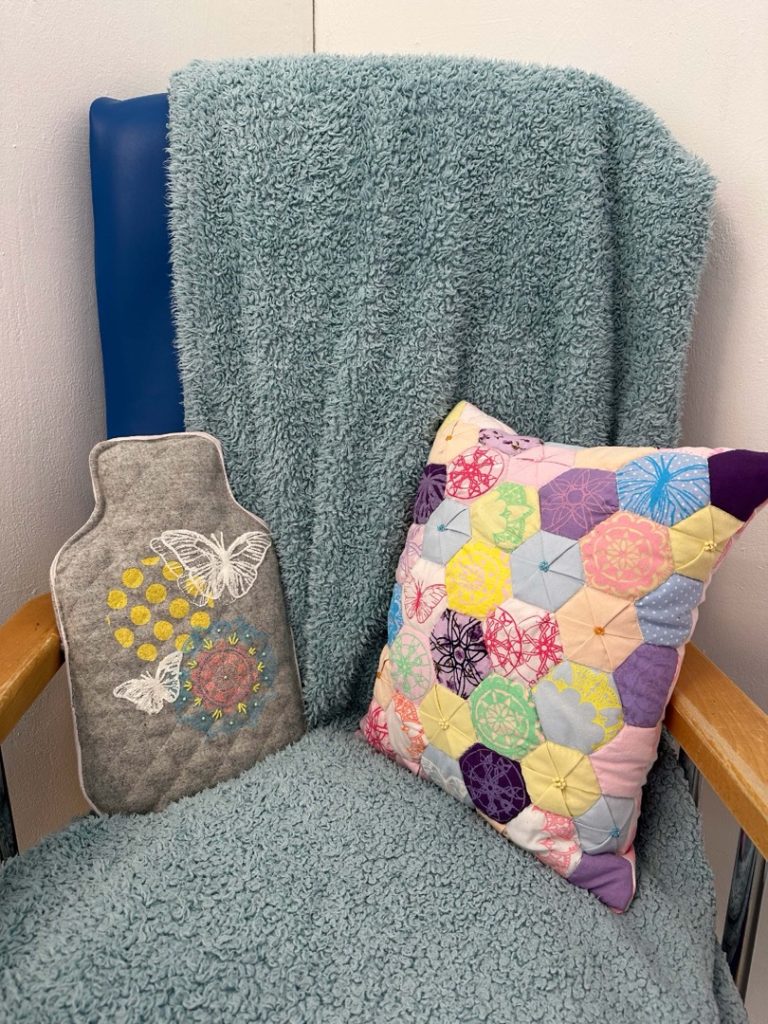
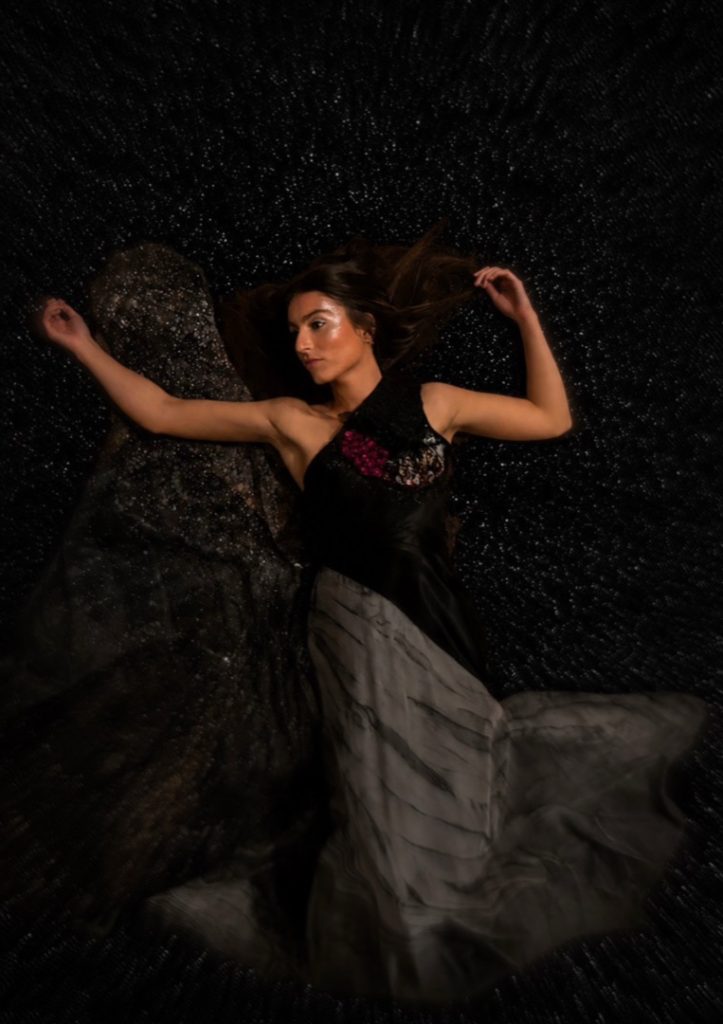
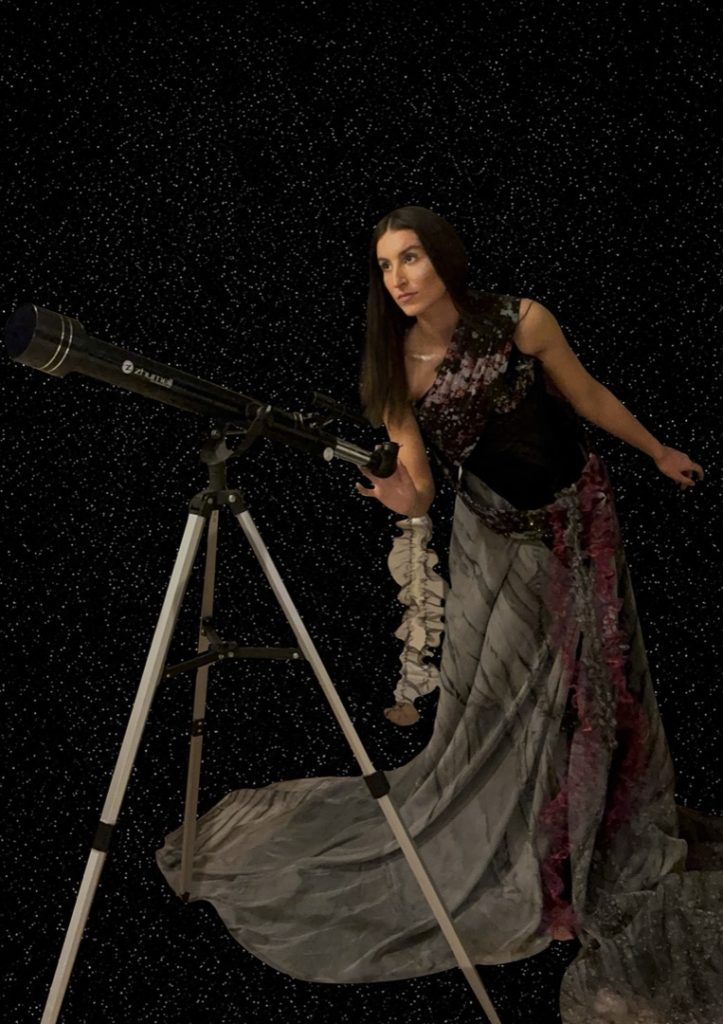
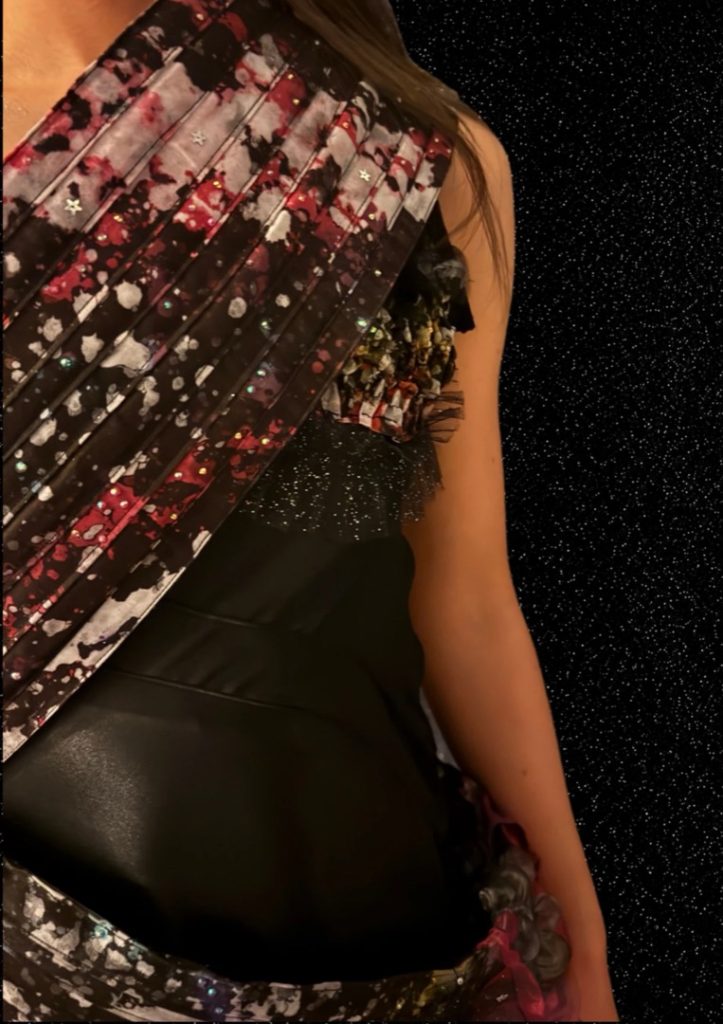
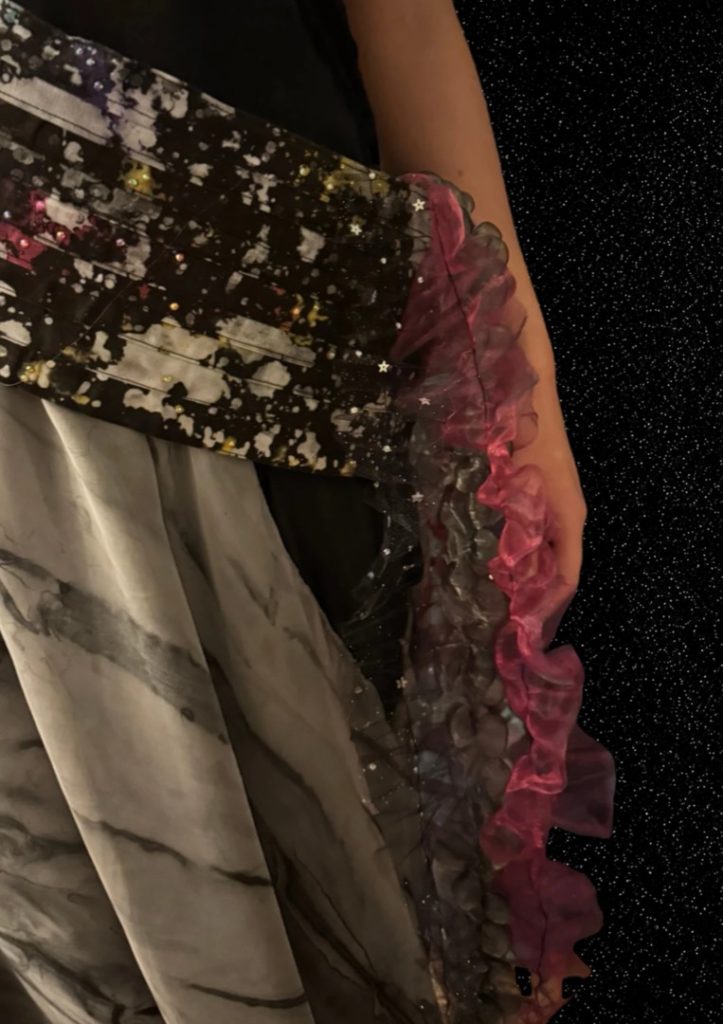
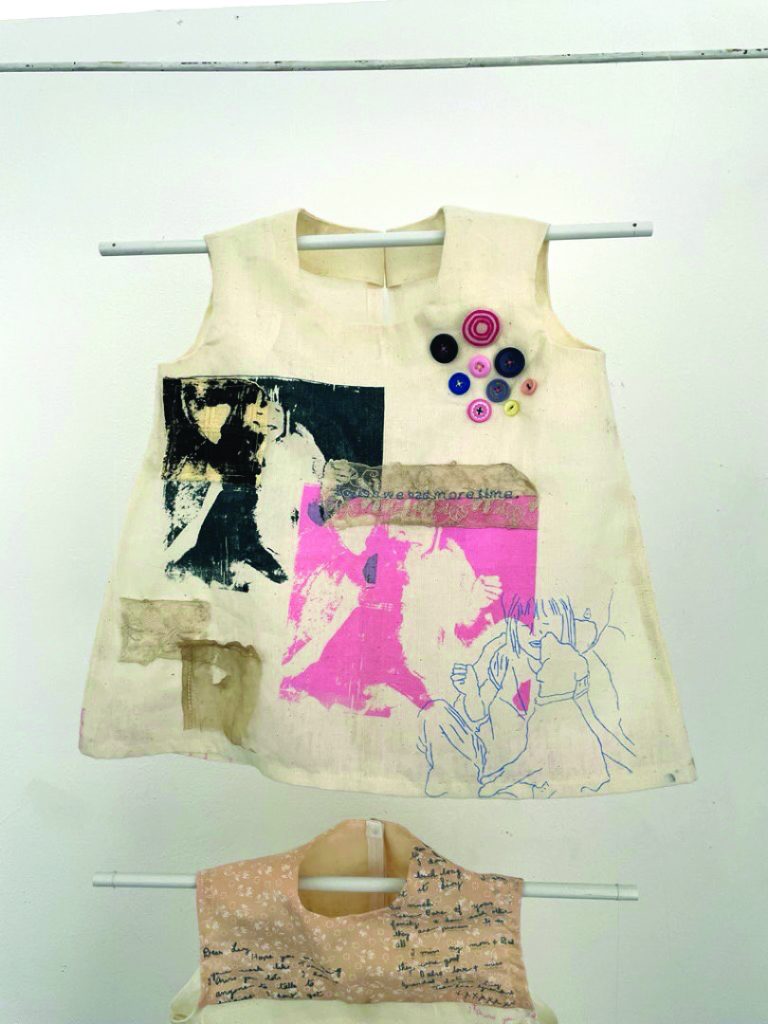
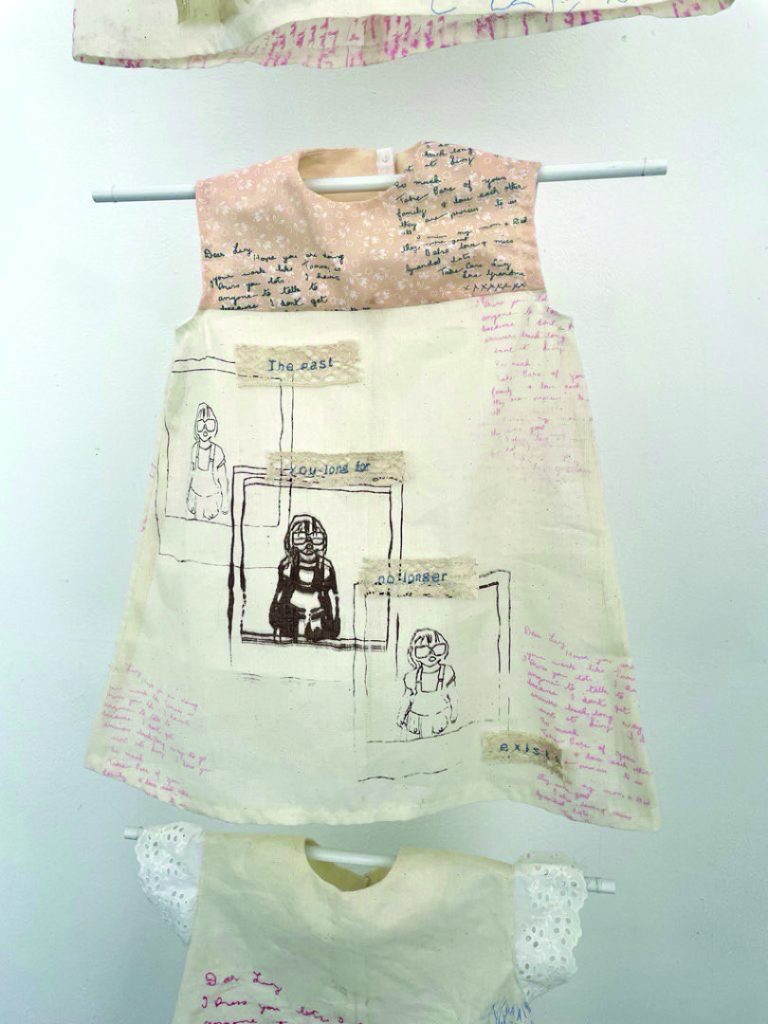
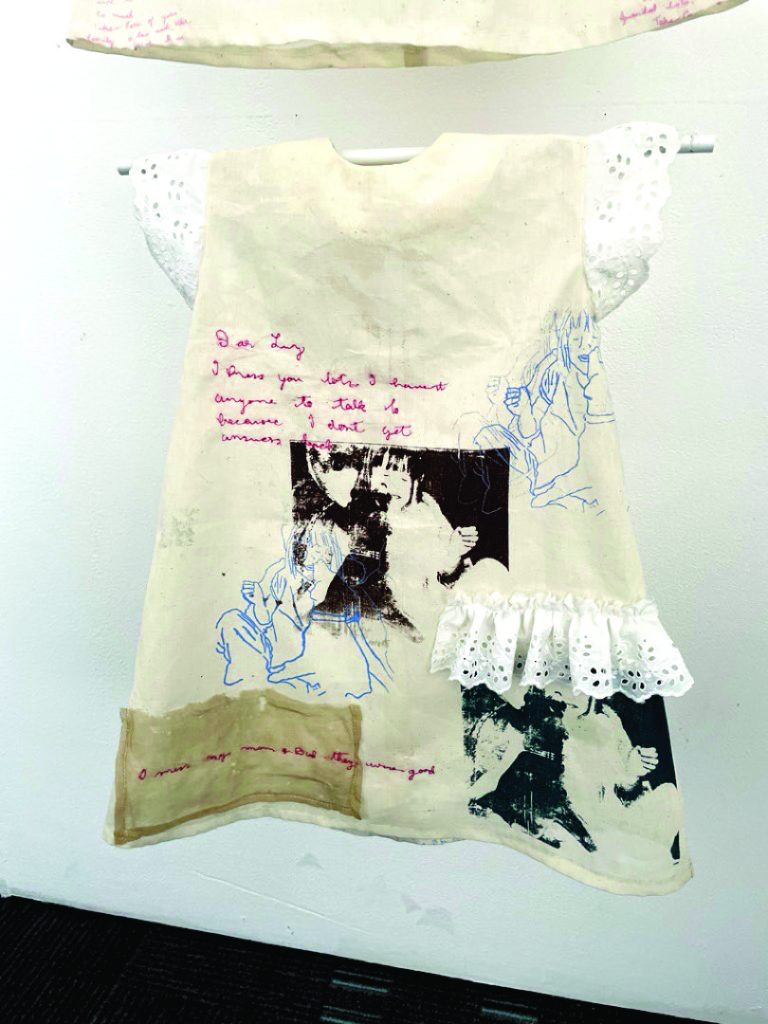
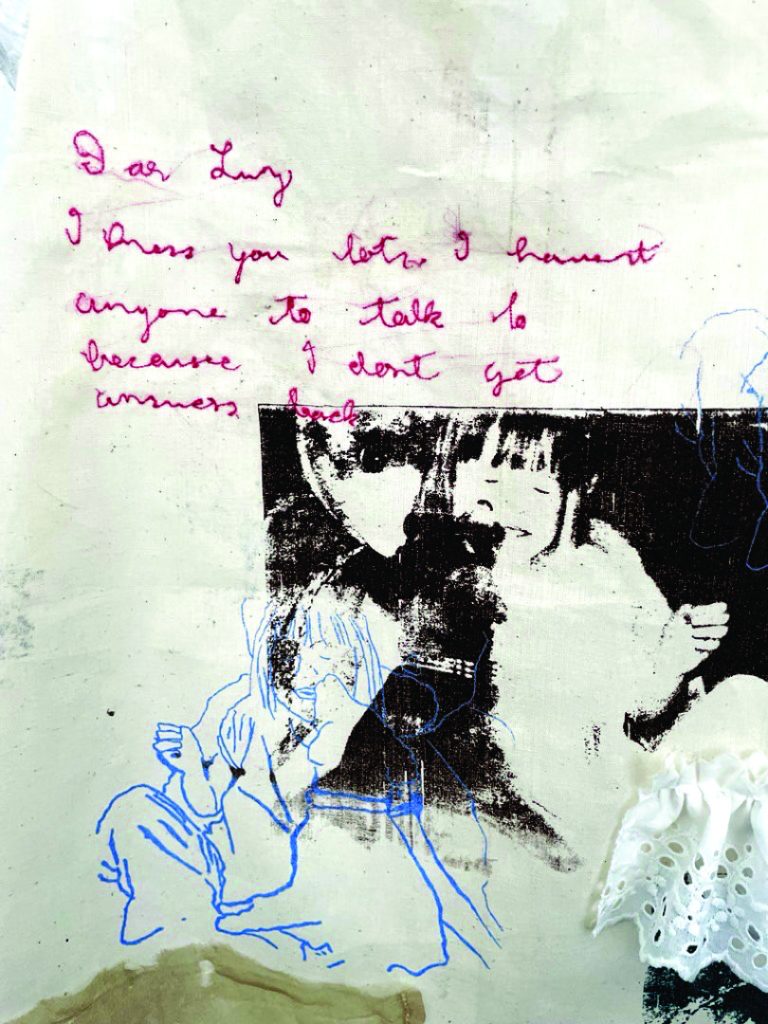
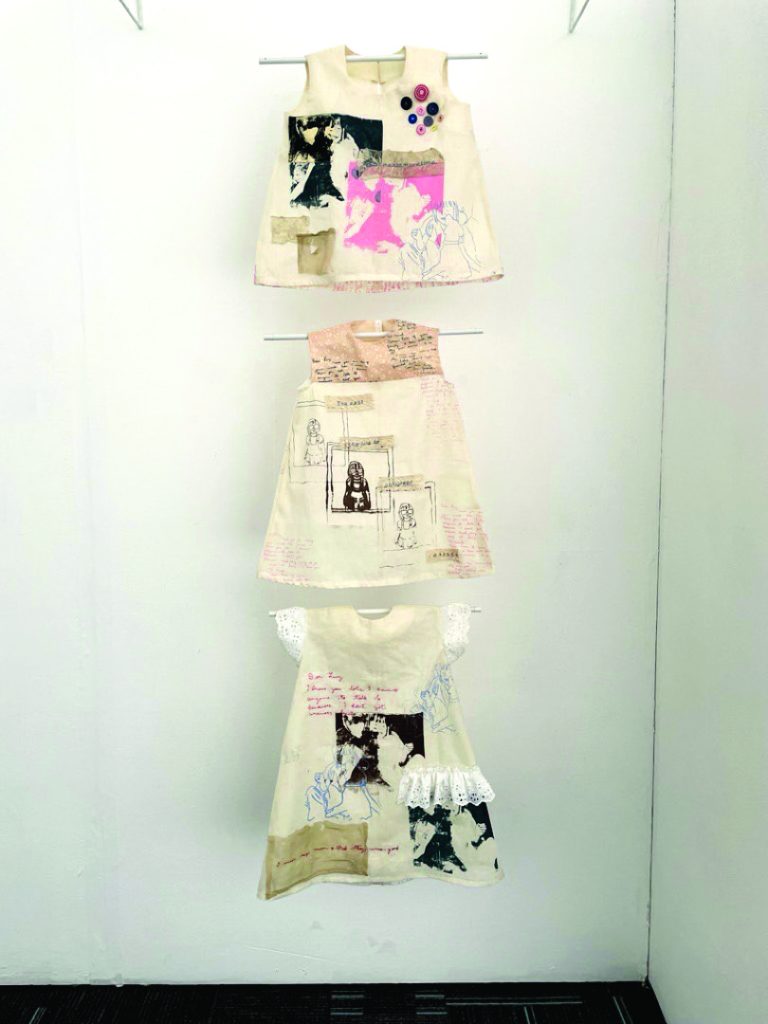
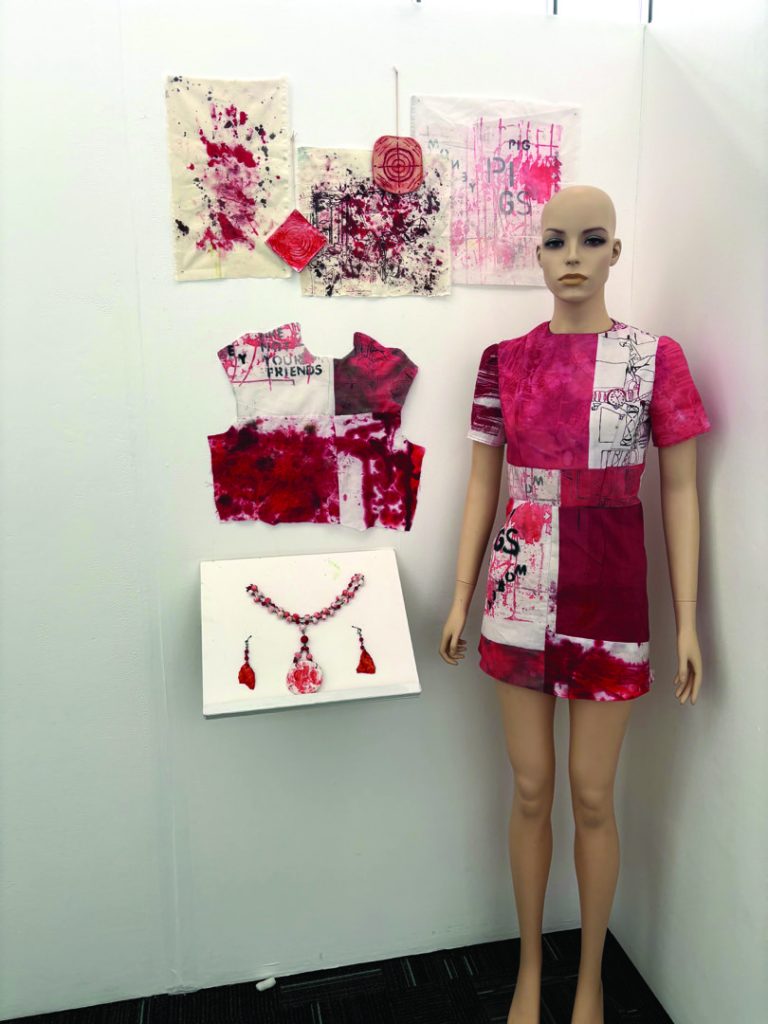
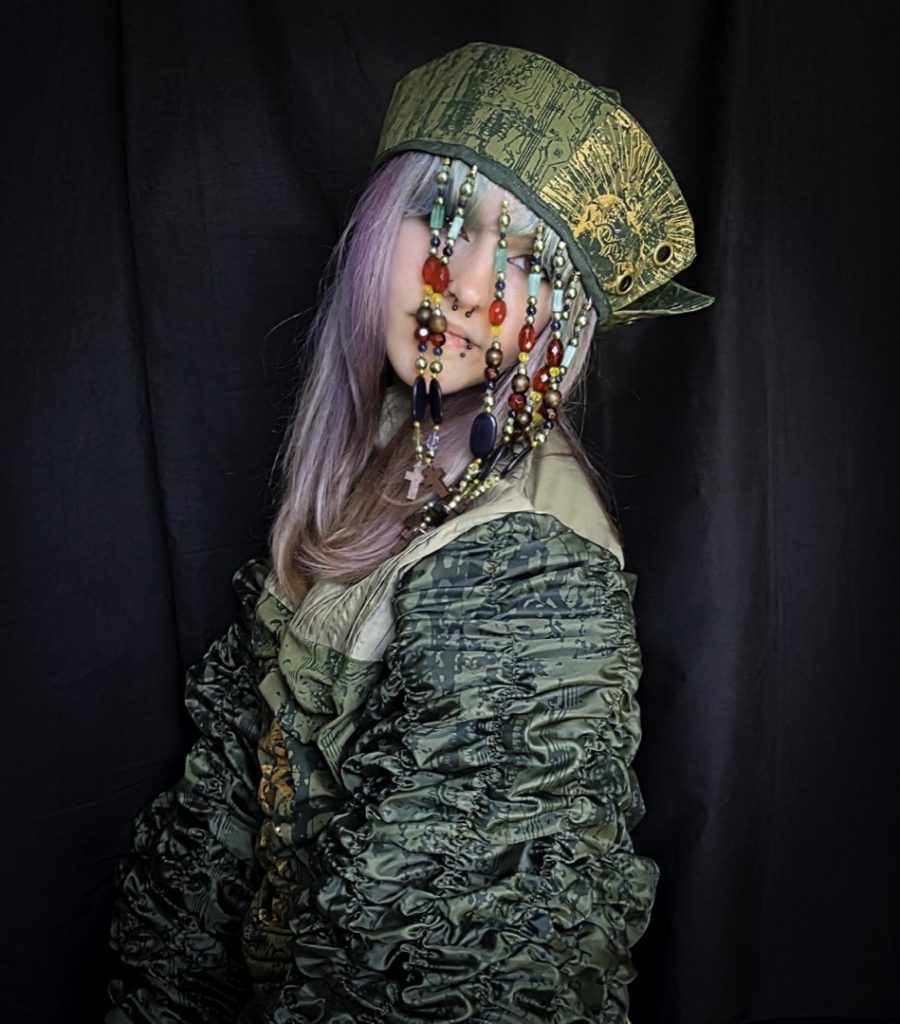
This qualification offers learners the opportunity to develop their technical fashion & textiles skills through a process of self-evaluation, practice and review. In addition to the specialist fashion & textiles content available in this qualification, learners will develop the transferable and higher-order skills that are highly regarded by higher education and employers, for example communication, project management and problem solving.
You will develop practical skills and knowledge in fashion and textiles through lessons taught in specialist studios. From initial ideas and concepts, you will learn how to pattern cut, create your own textiles and construct garments. You will have the chance to see your fashion collections come to life during public fashion shows and a final exhibition.
Dudley College now also offers a Textiles and Fashion T Level qualification that will provide you with the knowledge, skills and behaviours needed to progress into skilled employment or higher-level technical training or study in the Fashion and Textiles sector. The core knowledge and understanding will be assessed through an examination and core skills through a practical employer-set project.
Check out this Catwalk Video of Fantastic Creations by our Yr1 and Yr2 Students
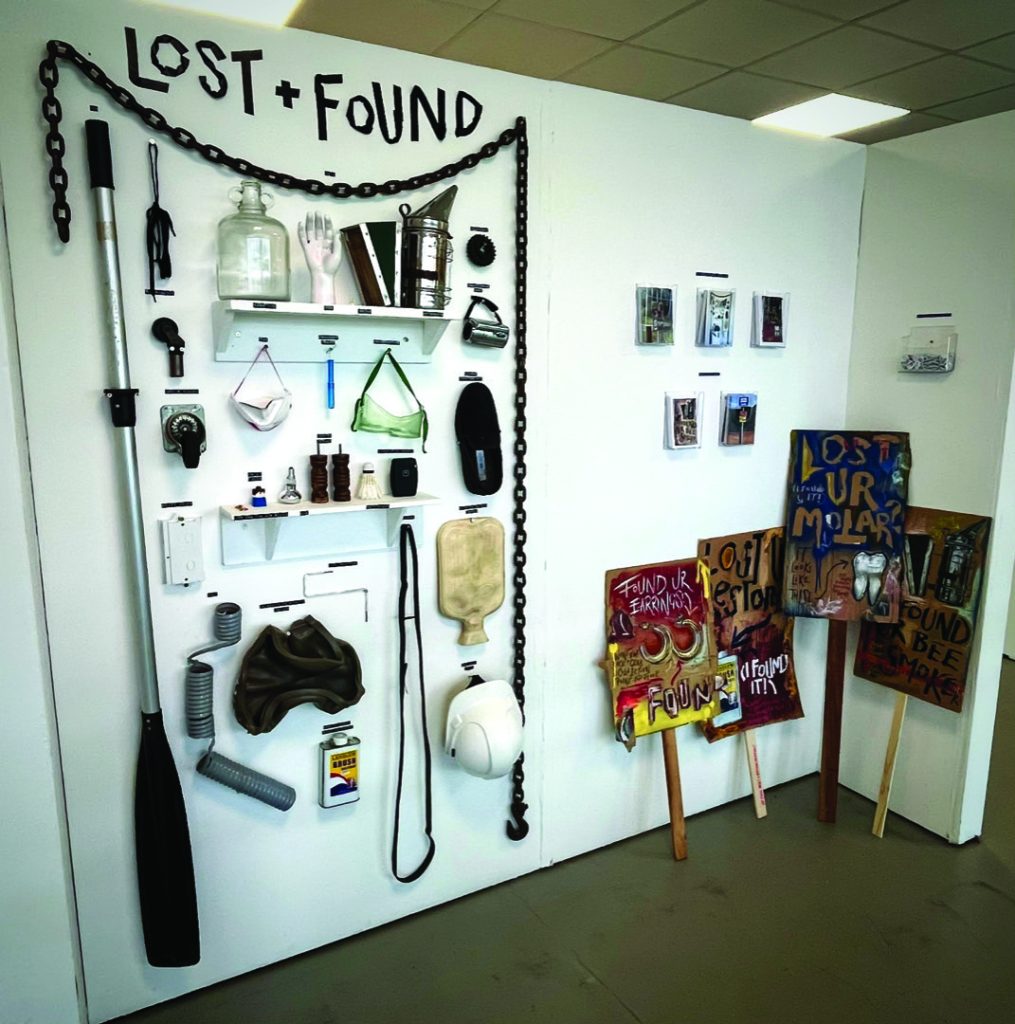
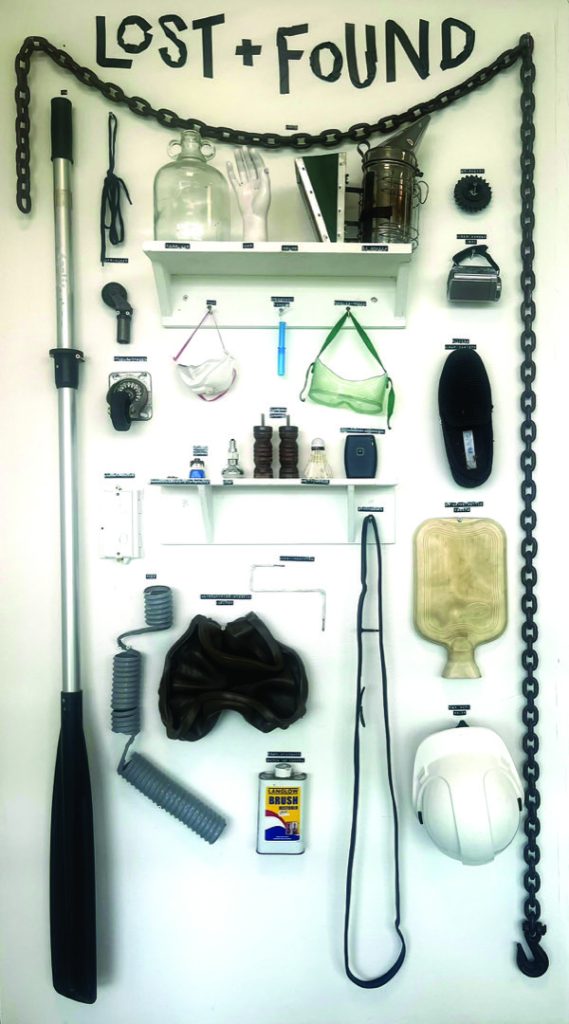
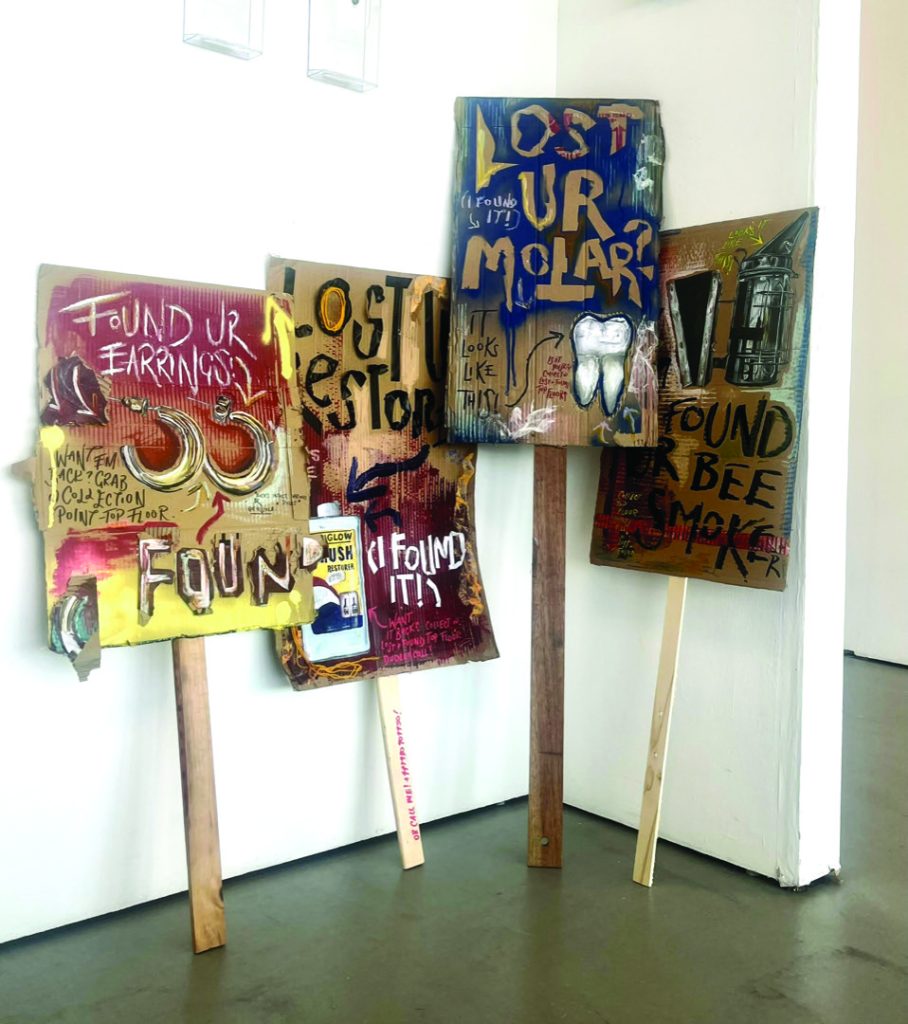
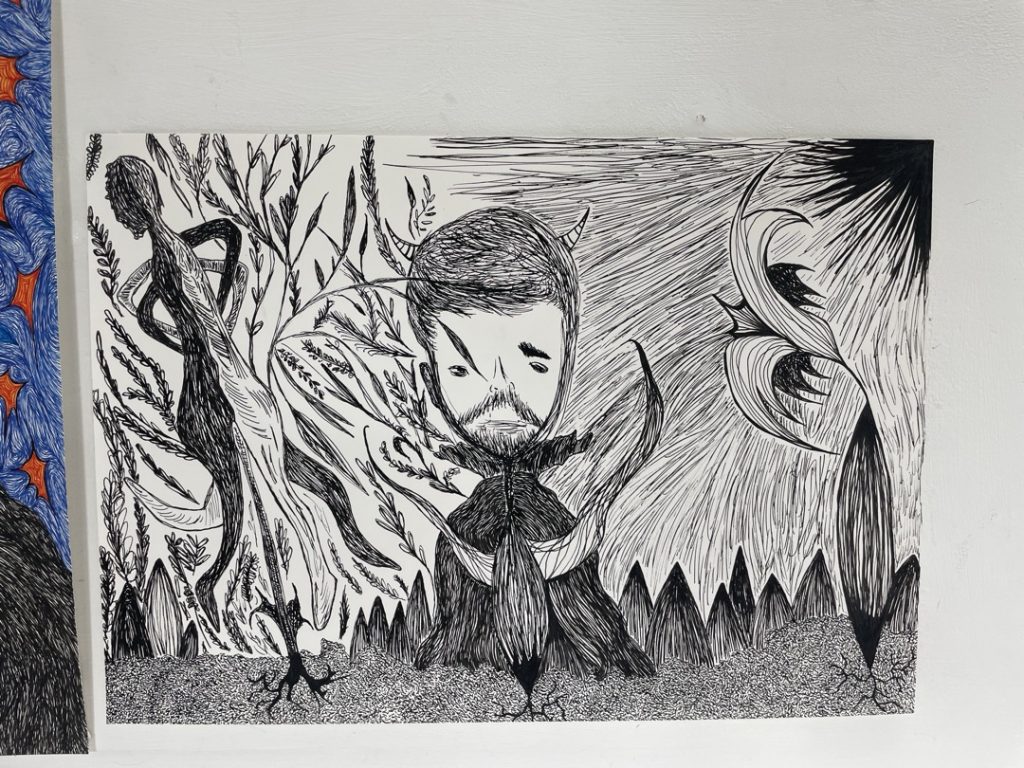
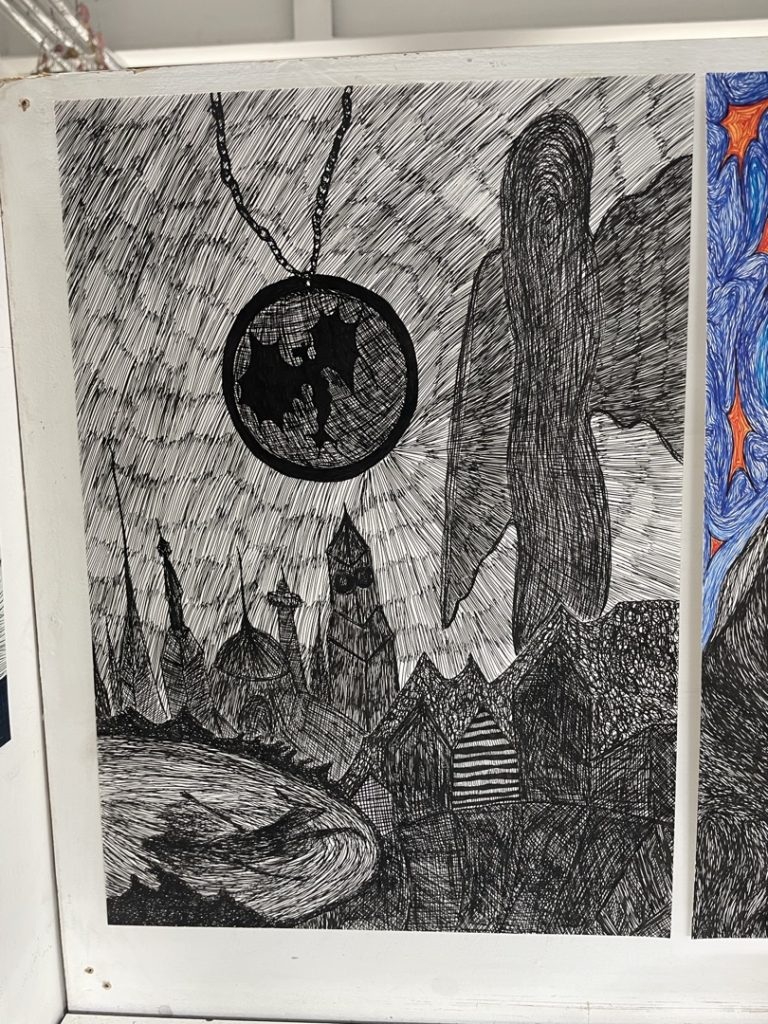
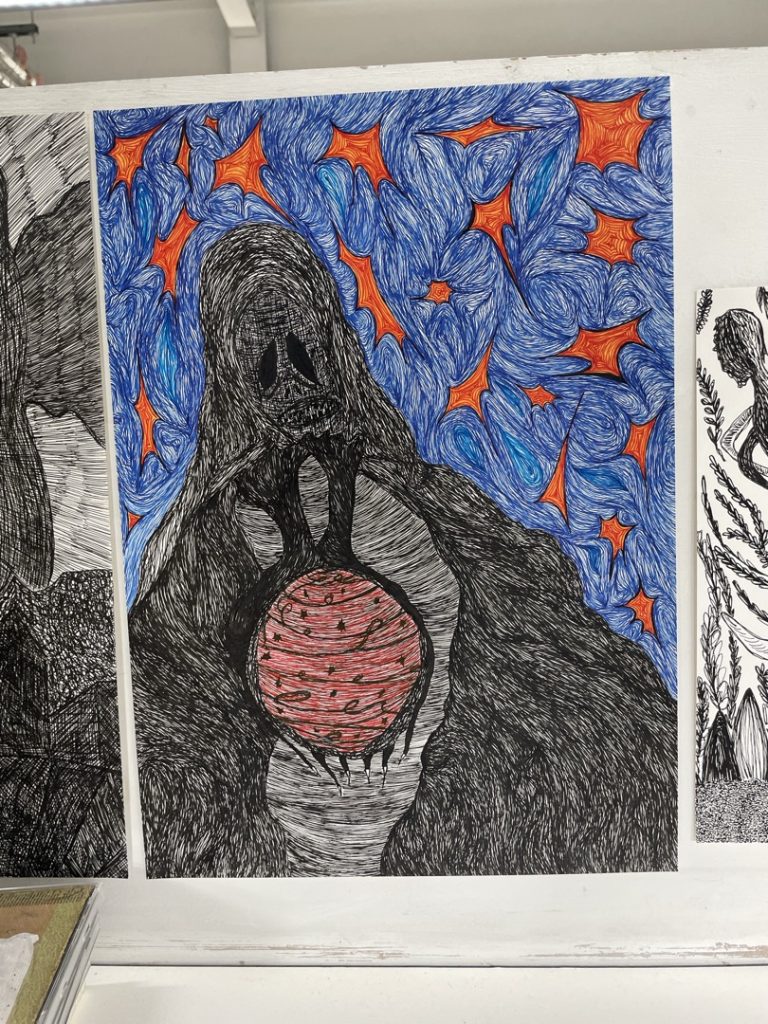
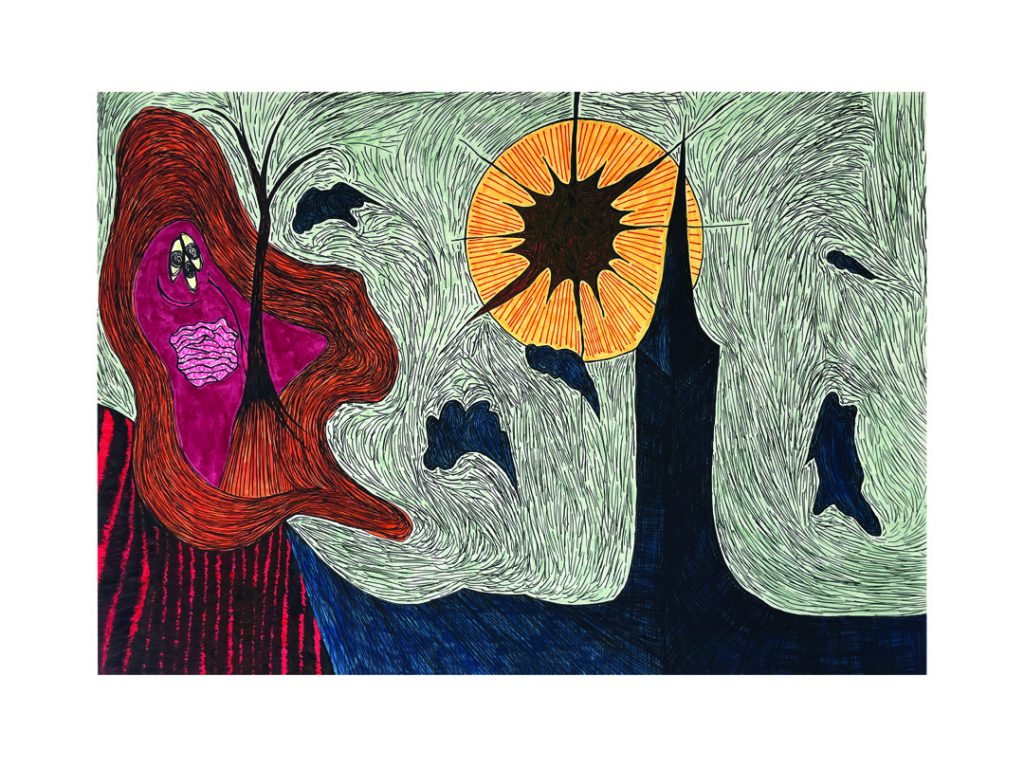
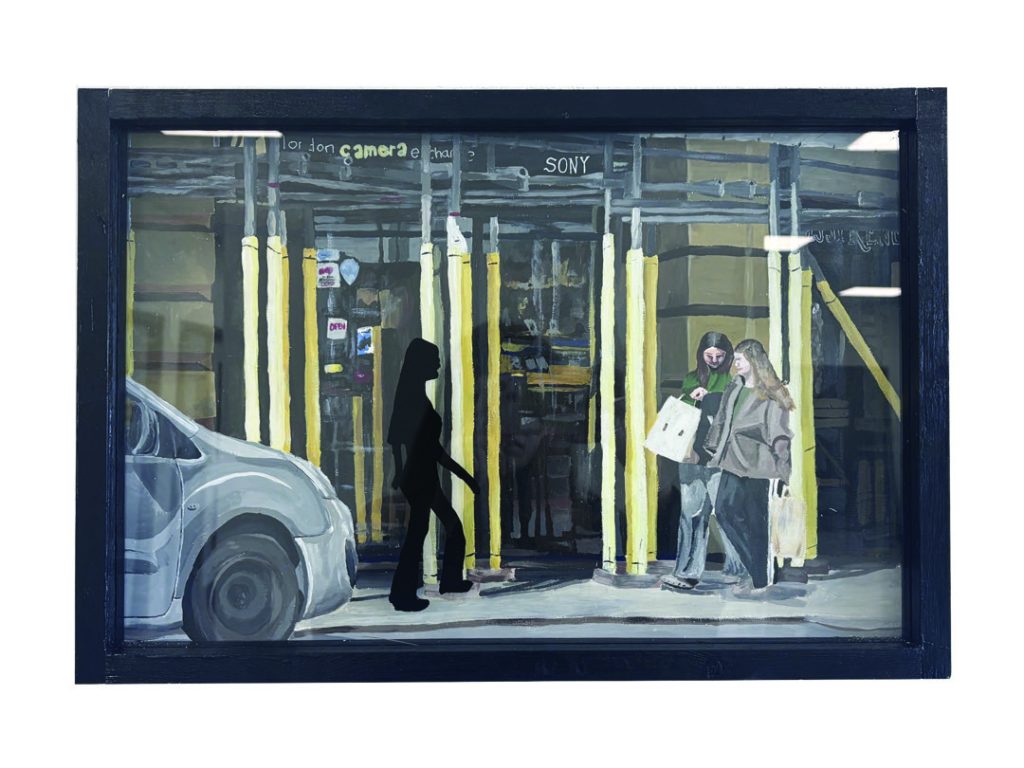
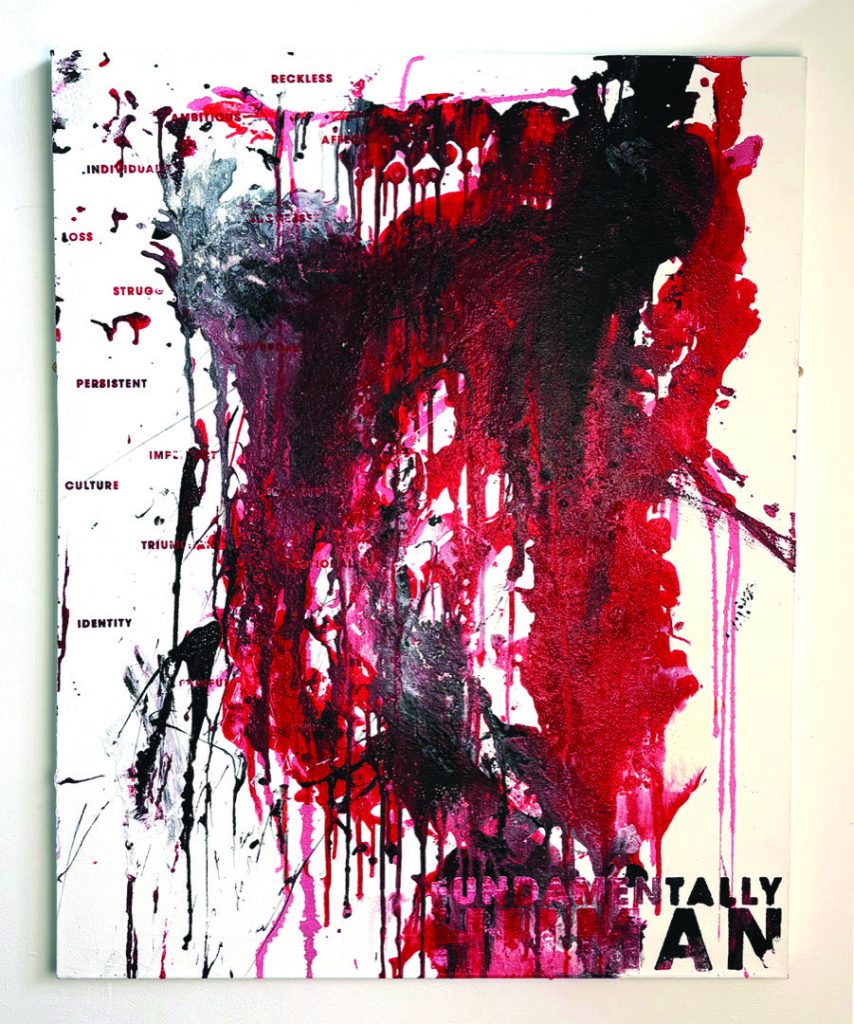
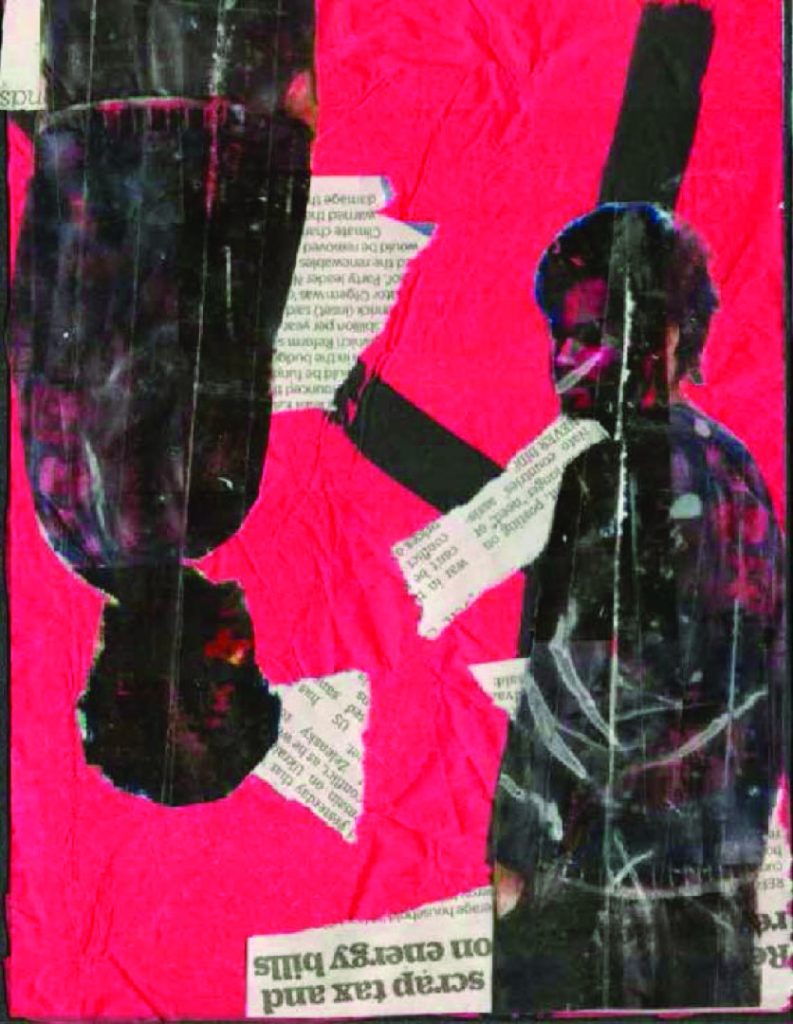
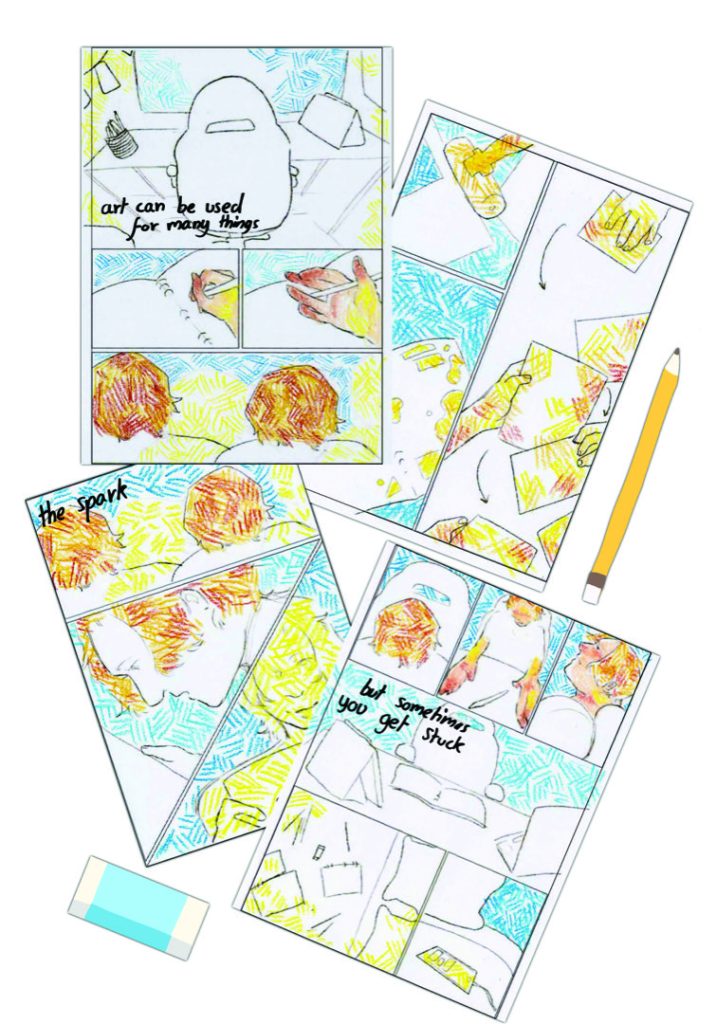
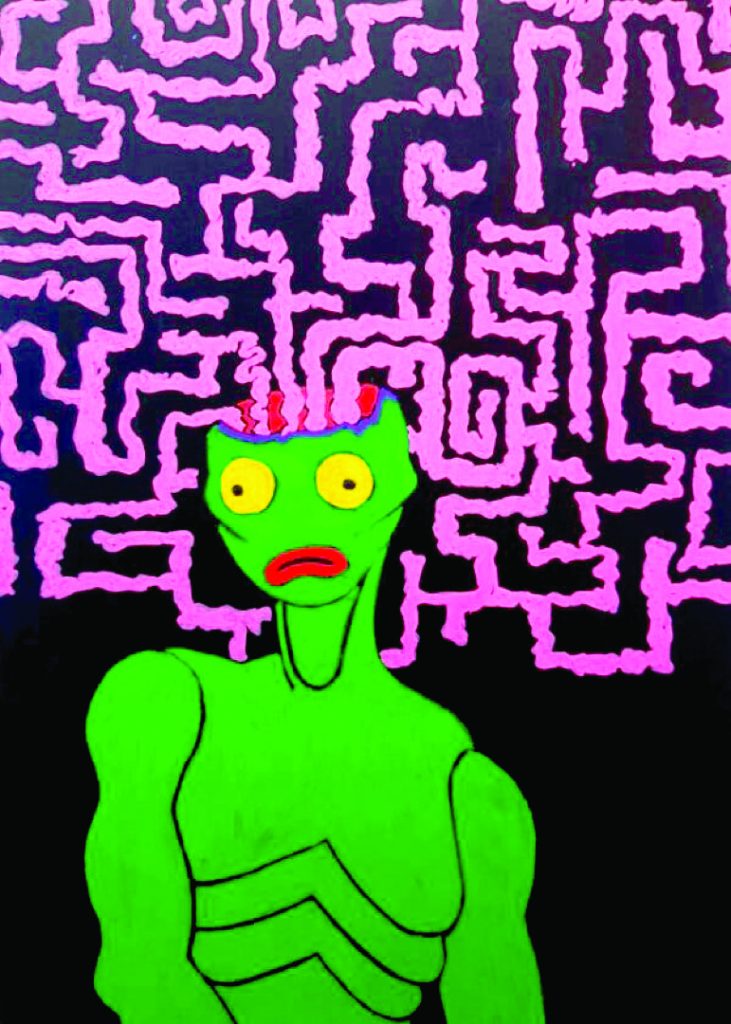
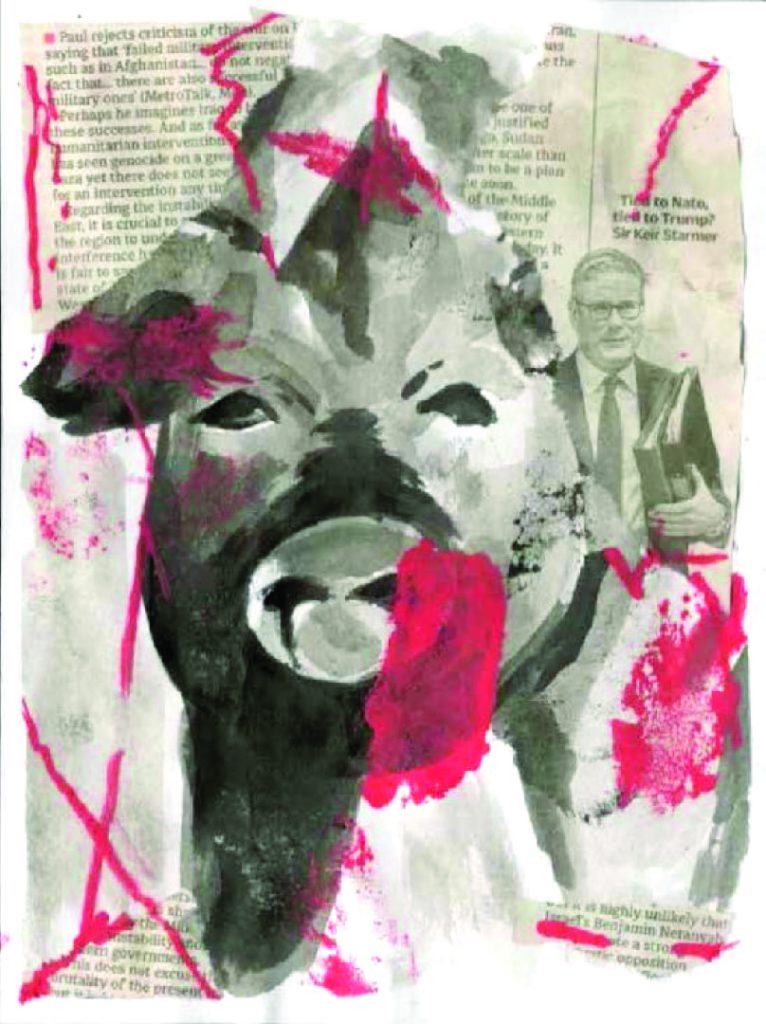
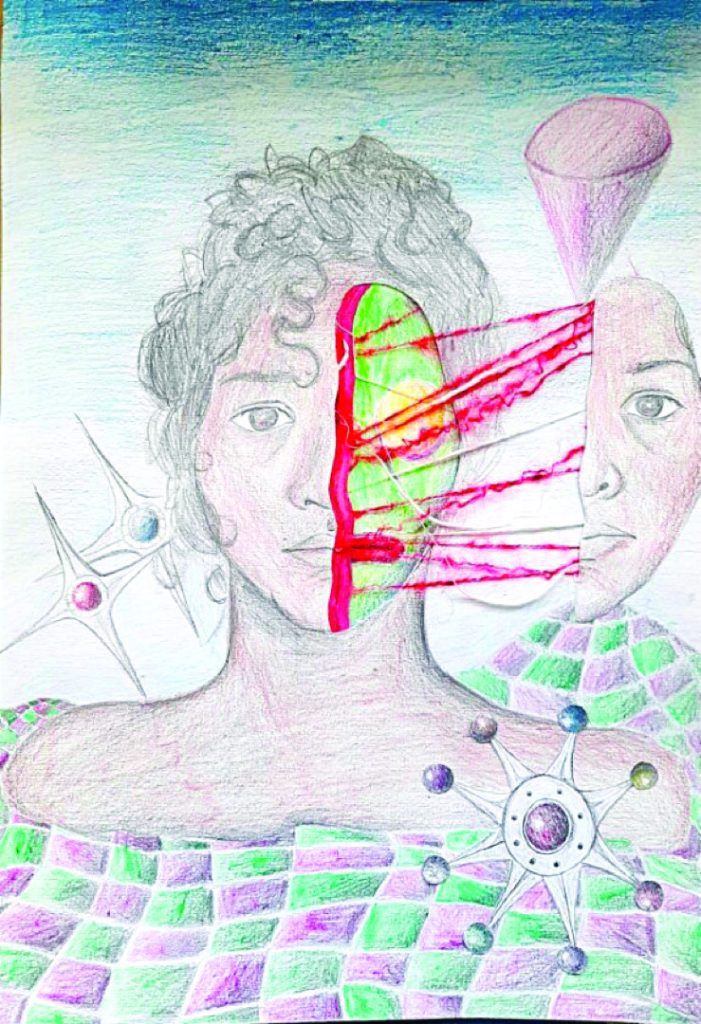
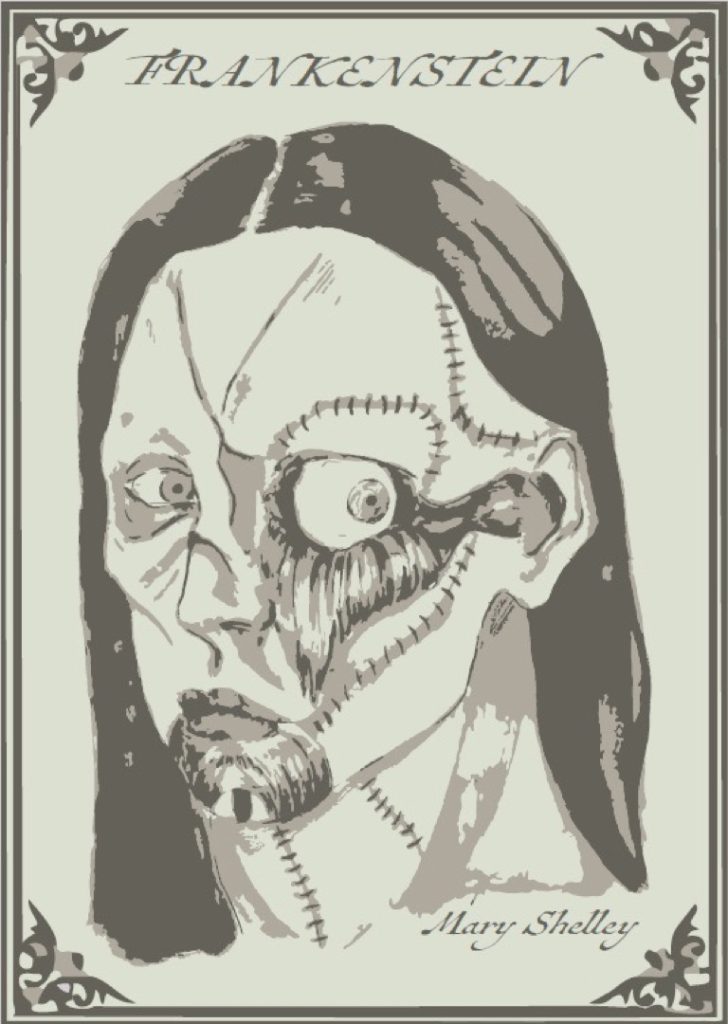
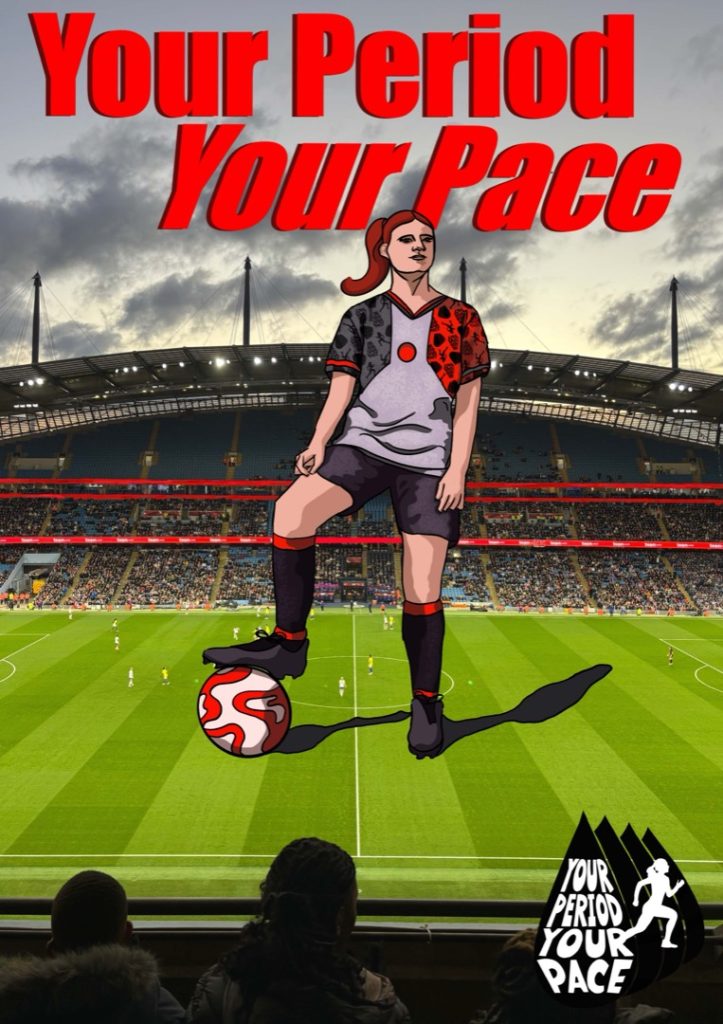
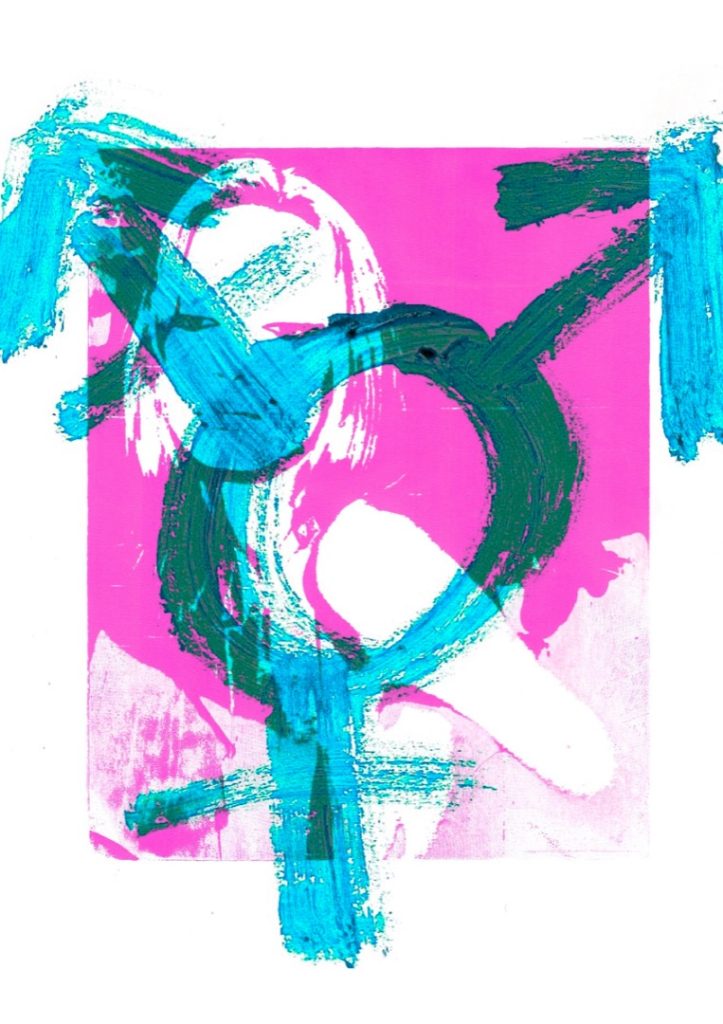
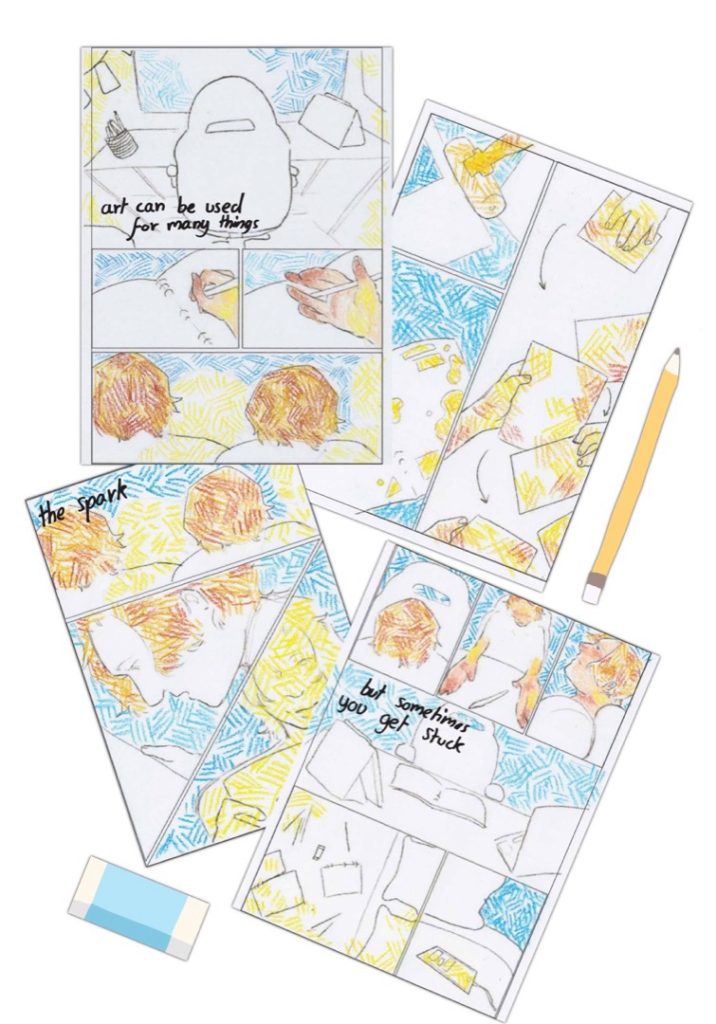
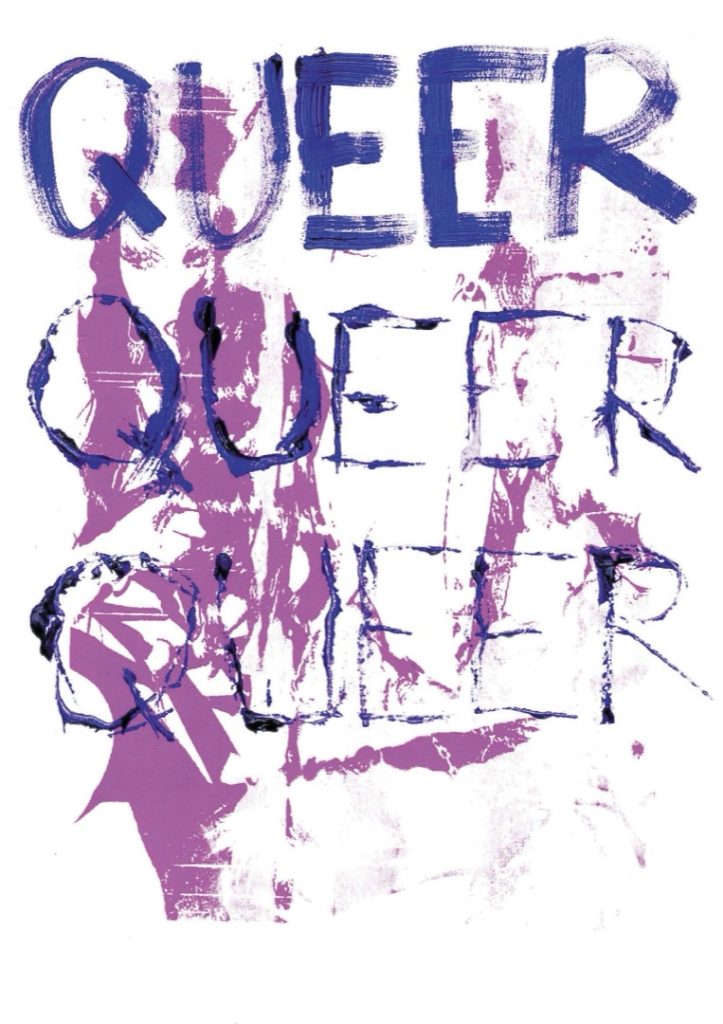
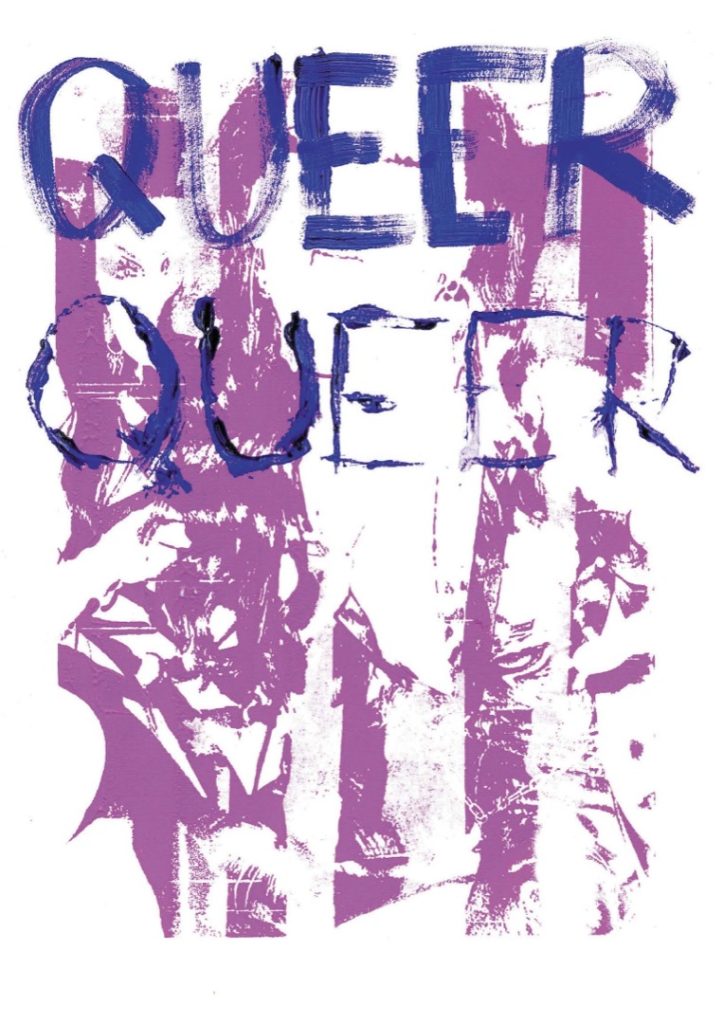
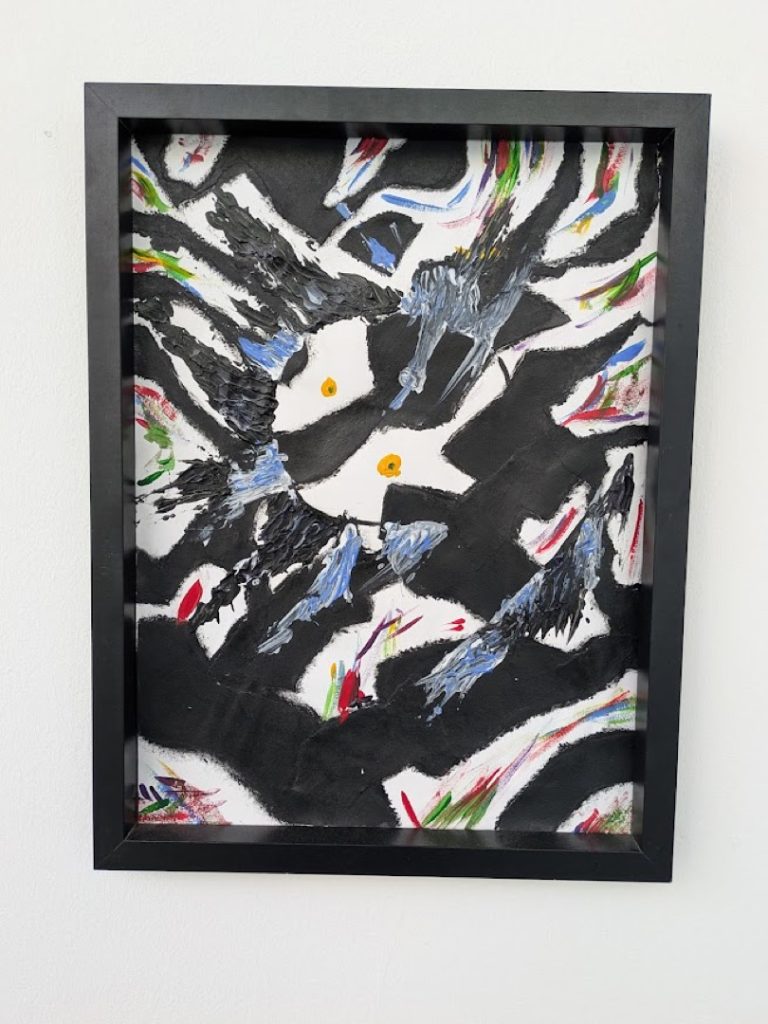
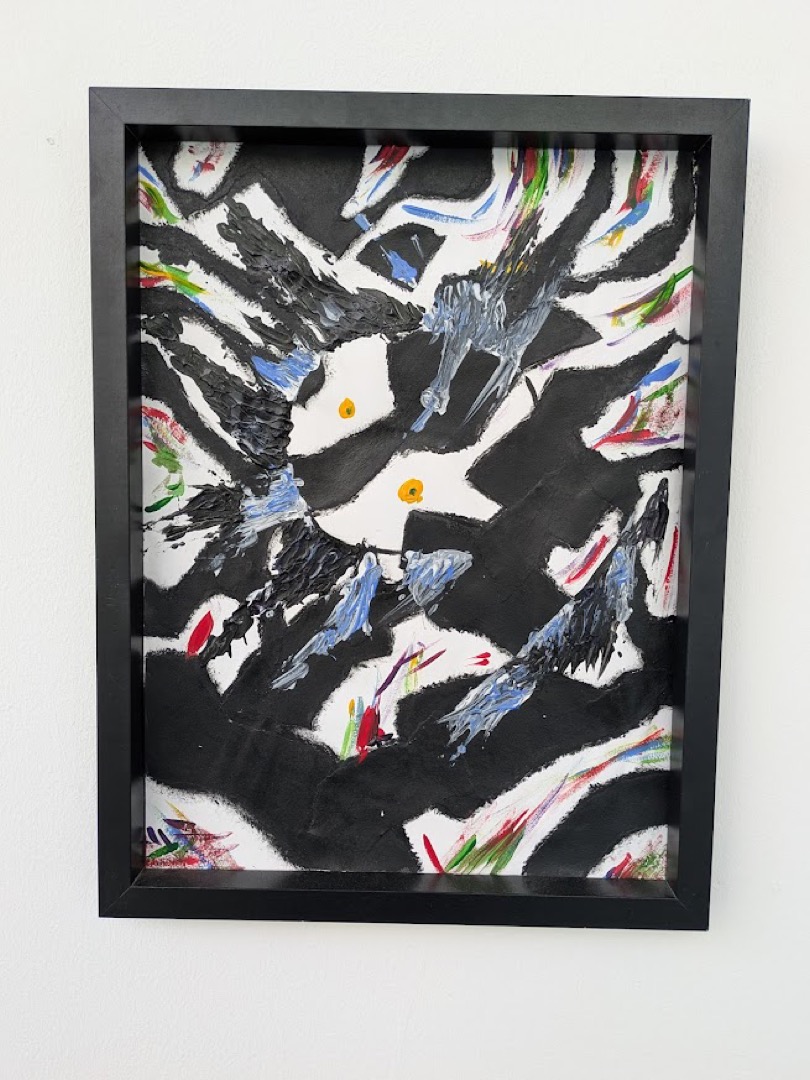
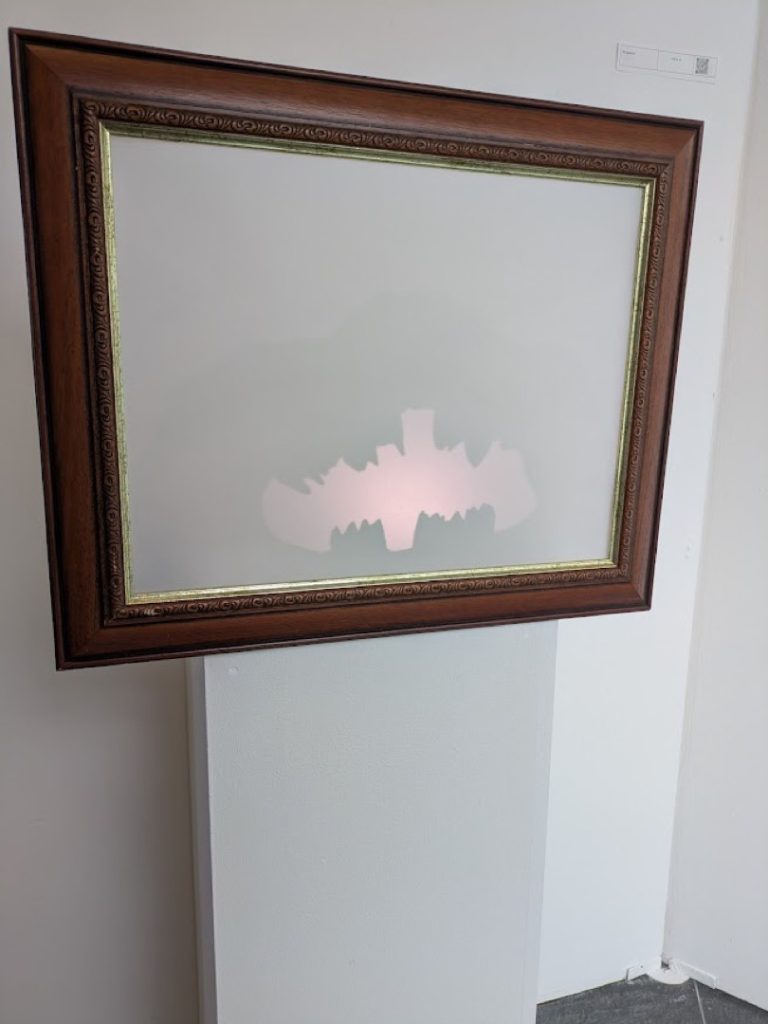
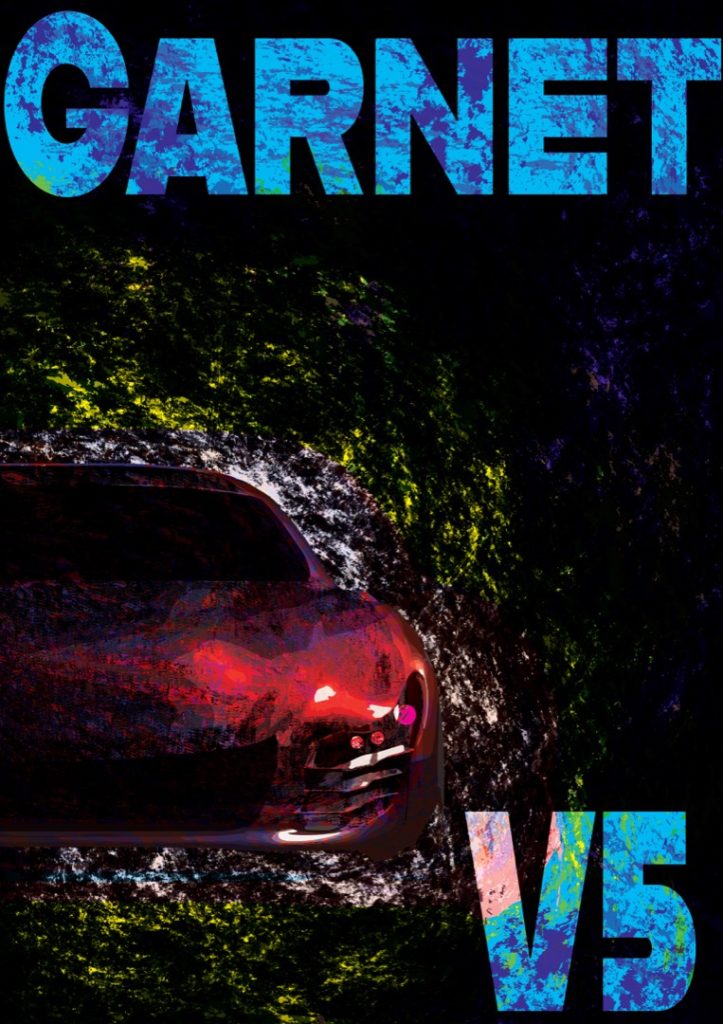
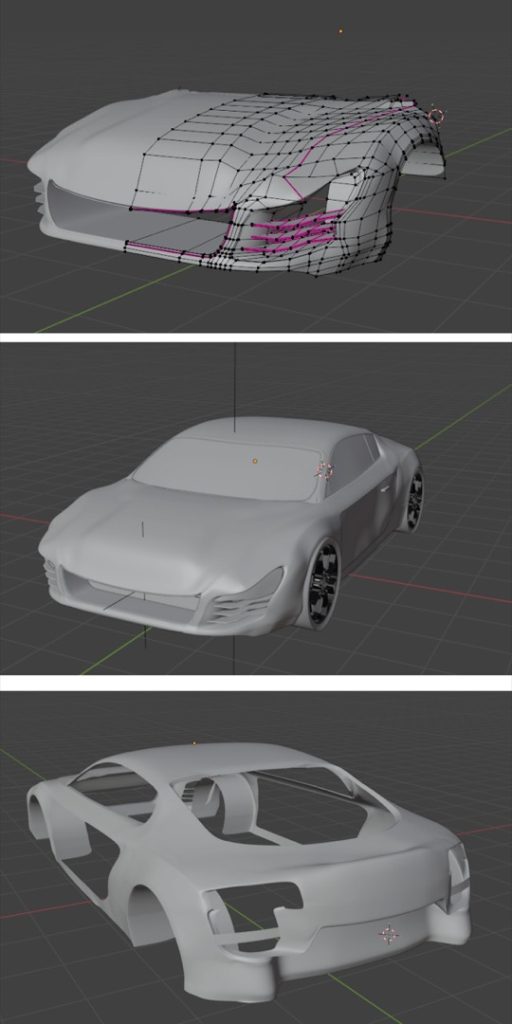
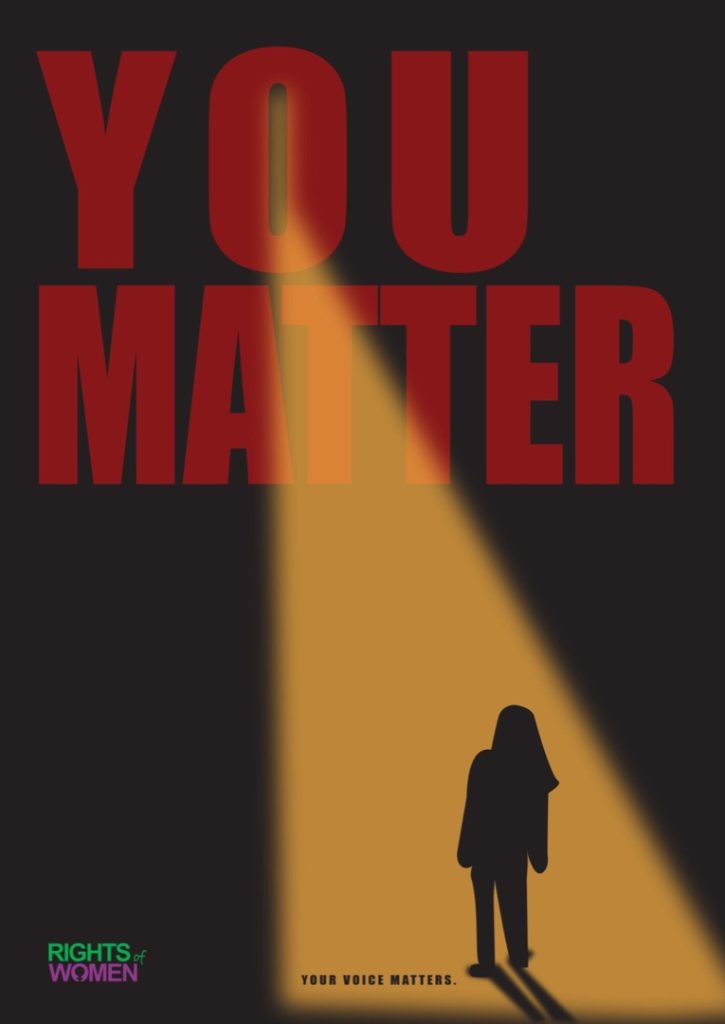
The work on show here is just a snapshot of some of the work produced over the past two years. While our students are taught digital skills, they also learn traditional art and design skills in order to develop a broad portfolio of art and design for their progression onto higher education.
Some of our recent students have gone on to study at degree level in subject areas such as visual communication or graphic design, but also illustration, animation, fashion illustration, automotive design, architecture, interior architecture, jewellery design, digital media, and many other creative pathways.
Over the past few months all our students who made university applications were accepted (as usual), and generally on their first choice. Some have chosen to begin their studies at degree level, and others have decided to stay on at Dudley College for a Foundation Year. Well done all – it’s been great working with you. Good luck for the future.