As a purpose built, self-contained A-Level centre with the goal to educate and enthuse the next generation of learners, Dudley Sixth is fast gaining a reputation for being one of the best places to study A-Levels in the Black Country, Birmingham and the wider West Midlands region.
Our A-Level courses in Fine Art, Graphic Communication, Photography and Textile Design are your gateway to Higher Education, Higher Apprenticeships or employment. The majority of our learners plan to progress onto university and many accept places at a range of Russell Group universities, including Birmingham, King’s College London and Manchester, as well as other local prestigious universities including Aston and Keele.
With subject specialists guiding you through your two-year A-Level programme, you will receive the highest quality education. Our aspiration is for you to achieve your potential and have a very successful future.
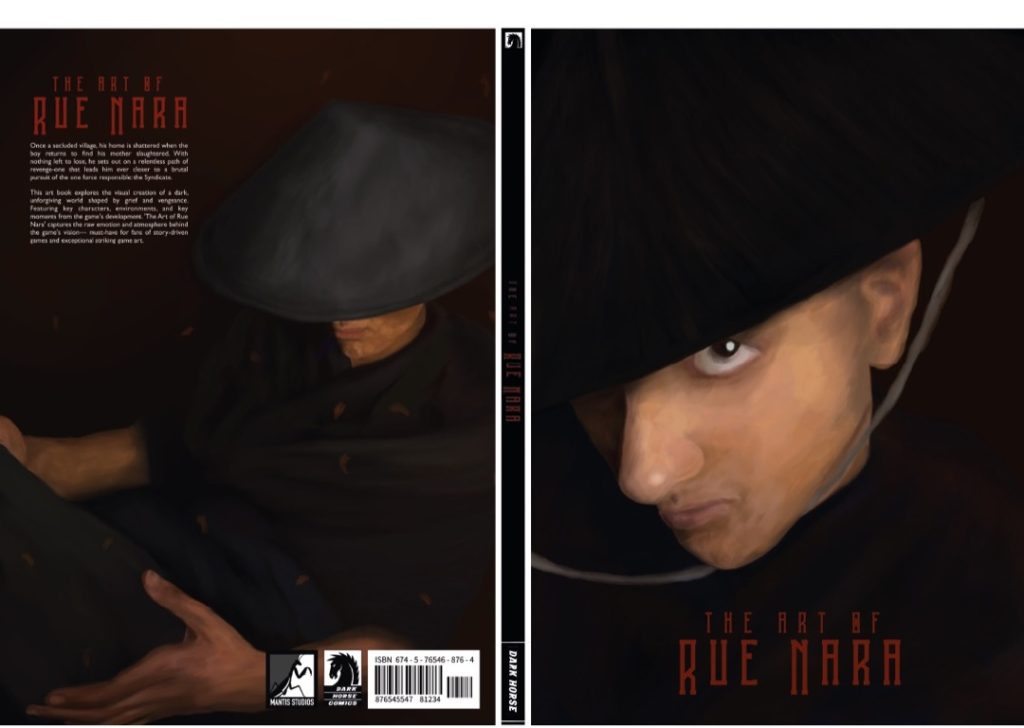
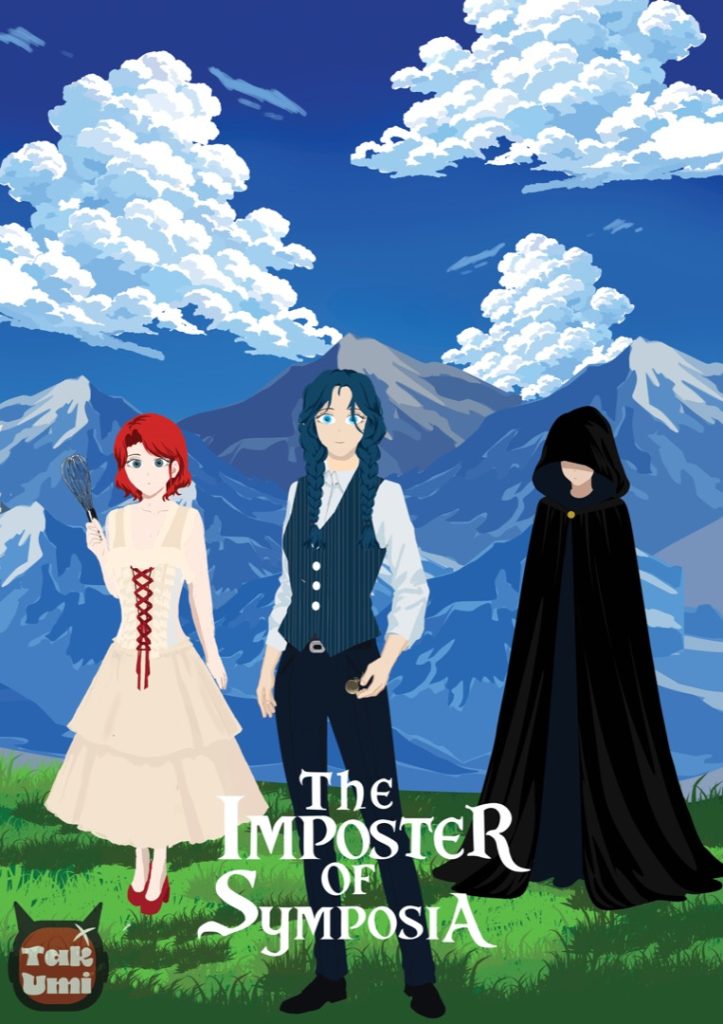
The role of a graphic designer is incredibly varied. You may find yourself immersed in a fantasy world while designing a set of illustrations for a book, or exploring complex data to create exciting and vibrant infographics that inform rather than confuse.
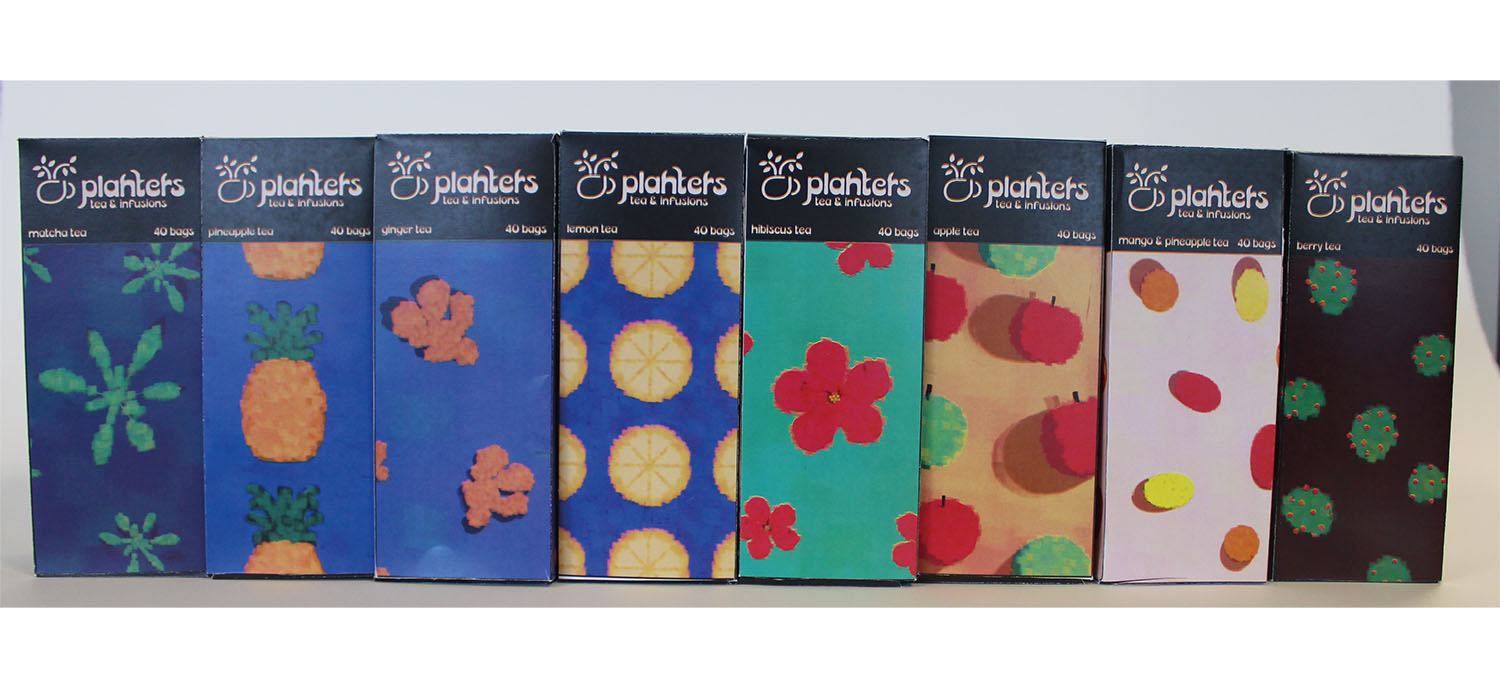
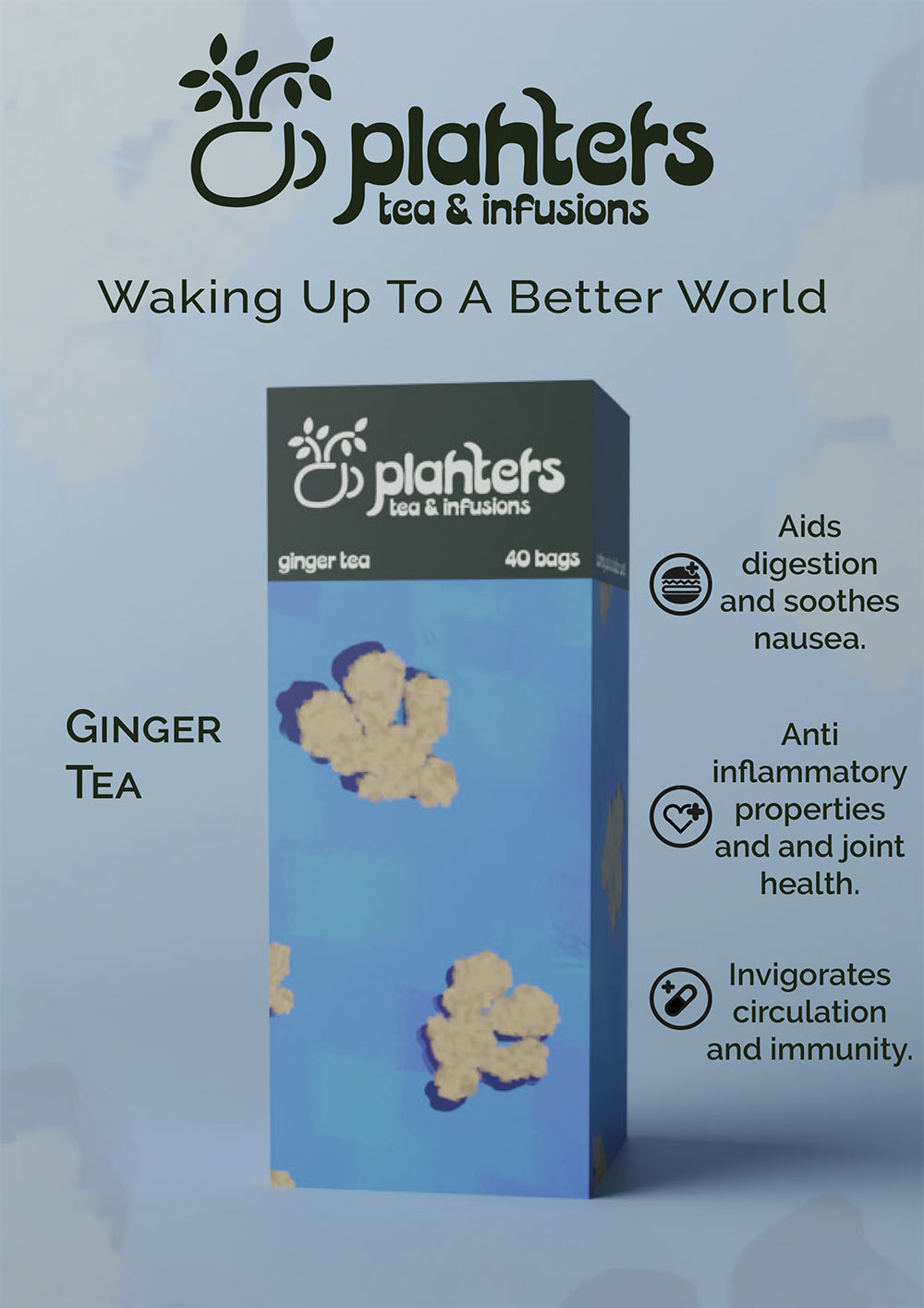
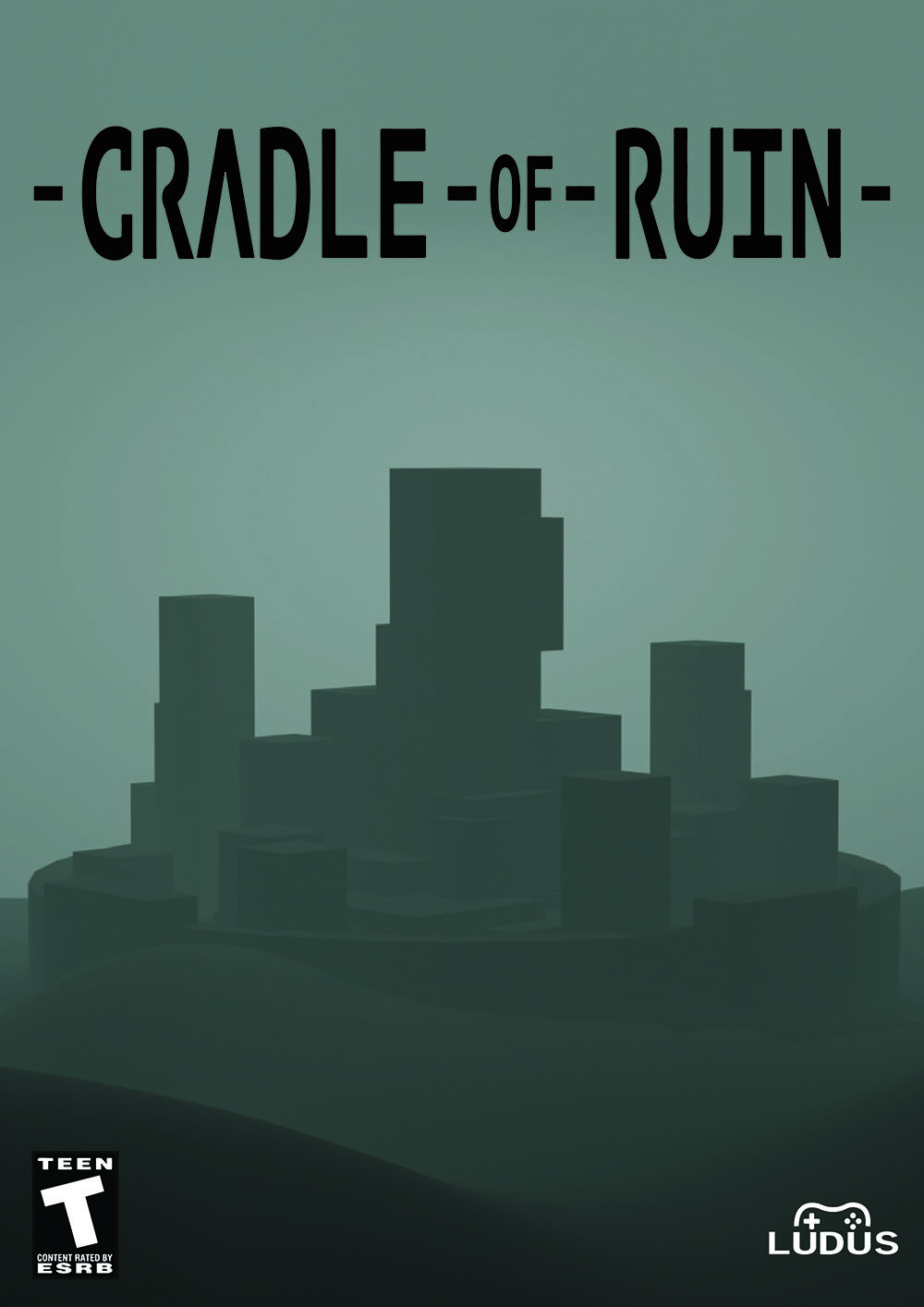
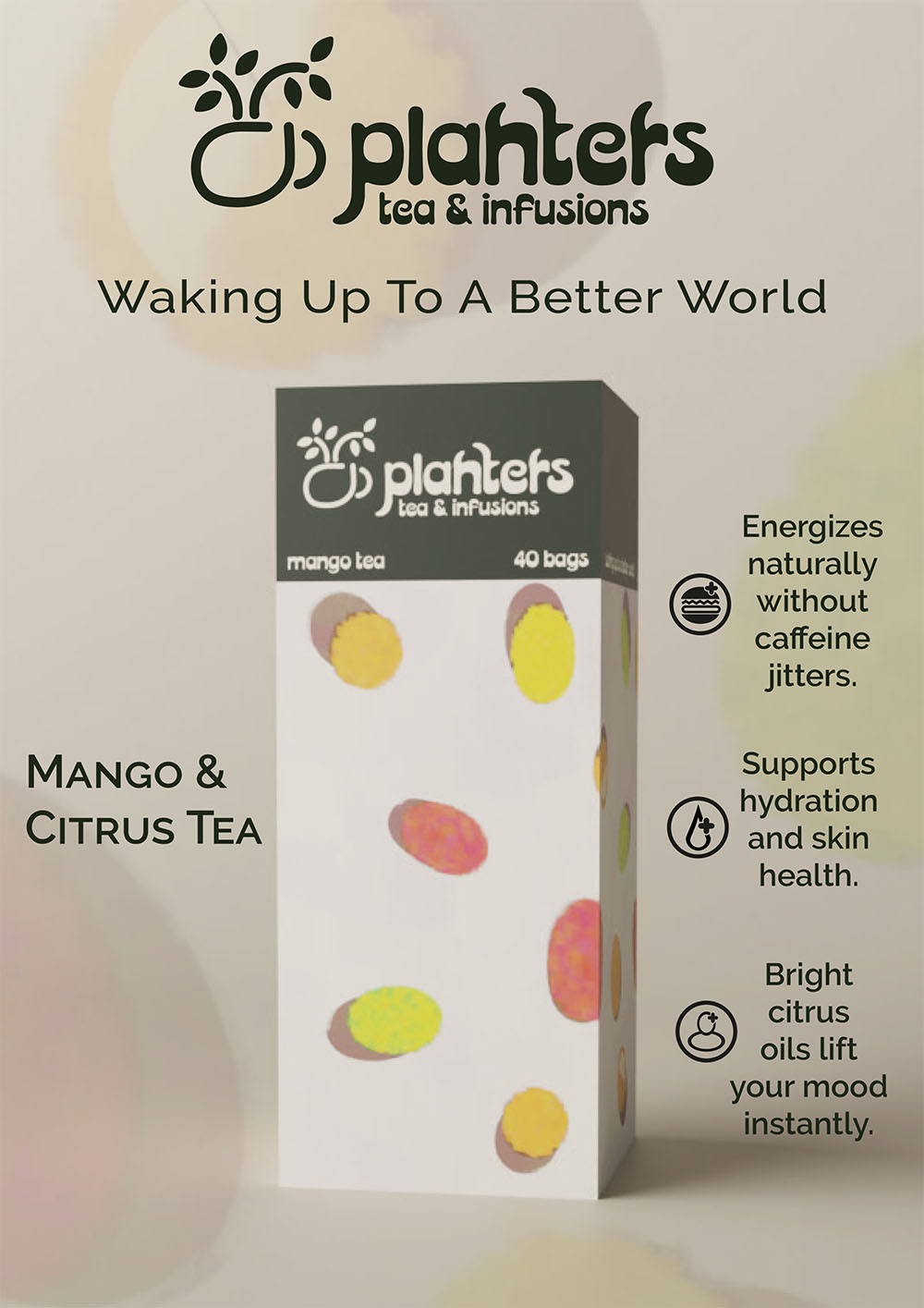
Graphic communication students at Dudley Sixth are introduced to a wide selection of processes and techniques. Using a range of both traditional and digital methods, they are encouraged to move beyond their comfort zones to produce a variety of work supported by an understanding of design theory and a developing awareness of contemporary practitioners to inform and influence their ideas.
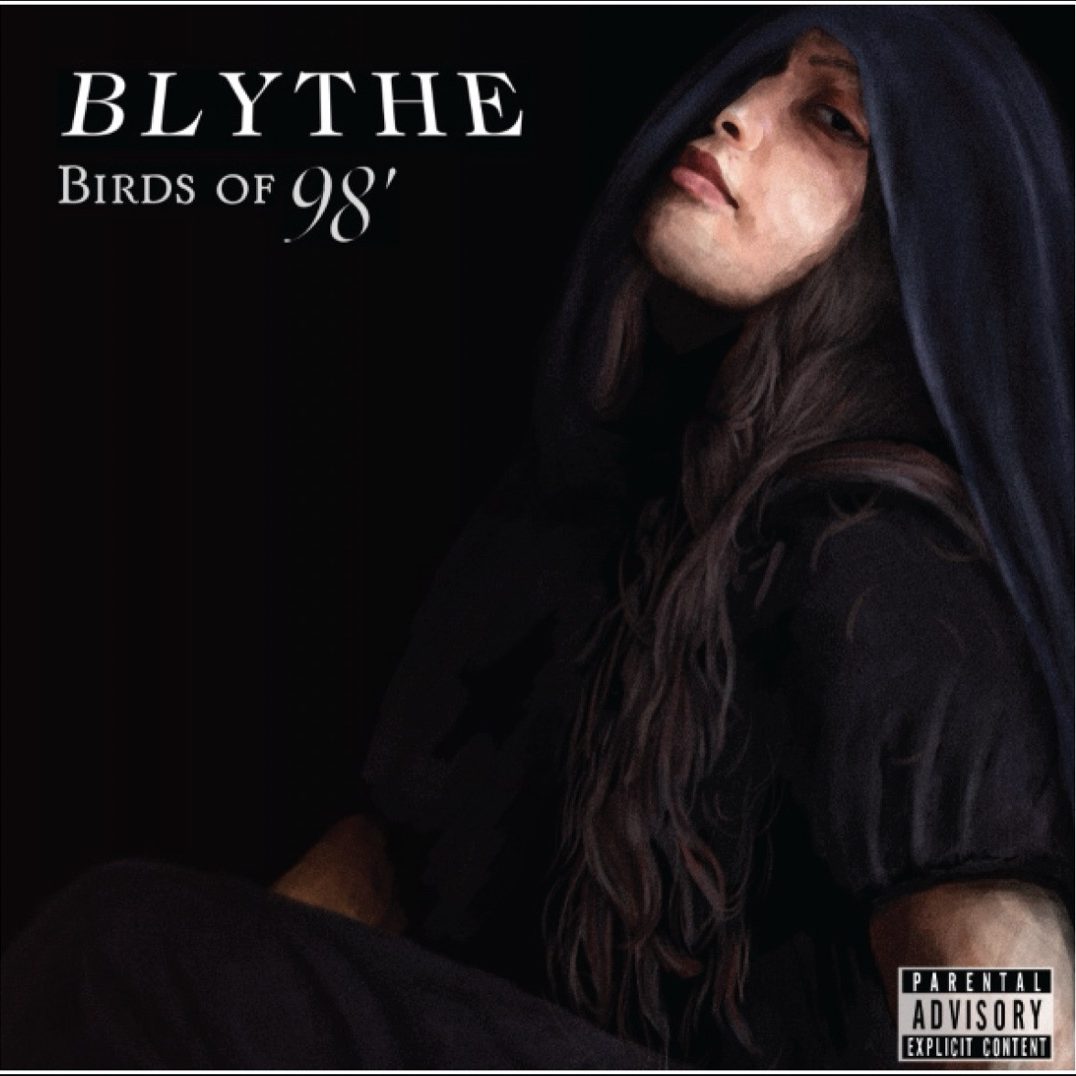
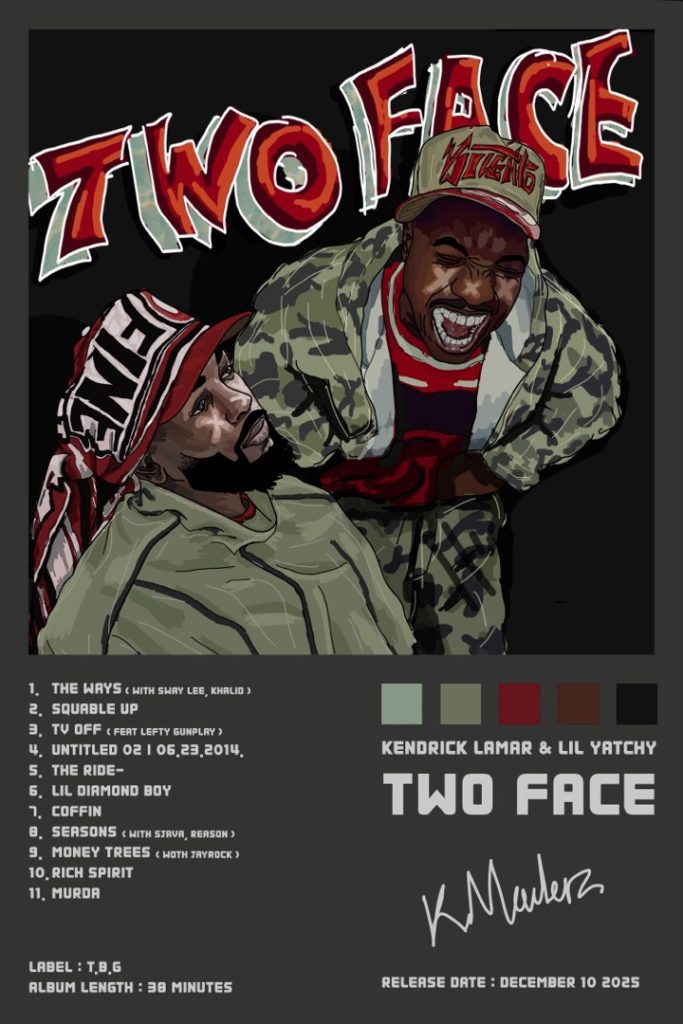
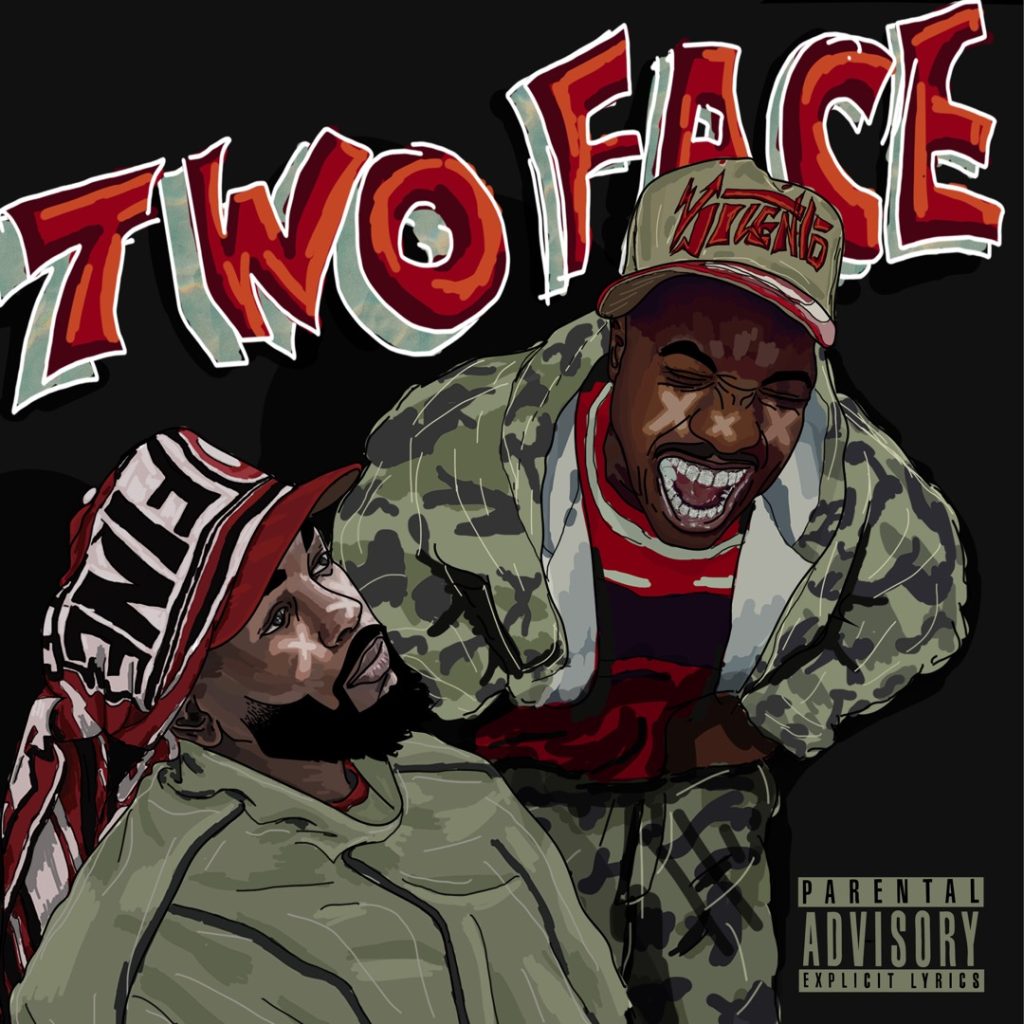
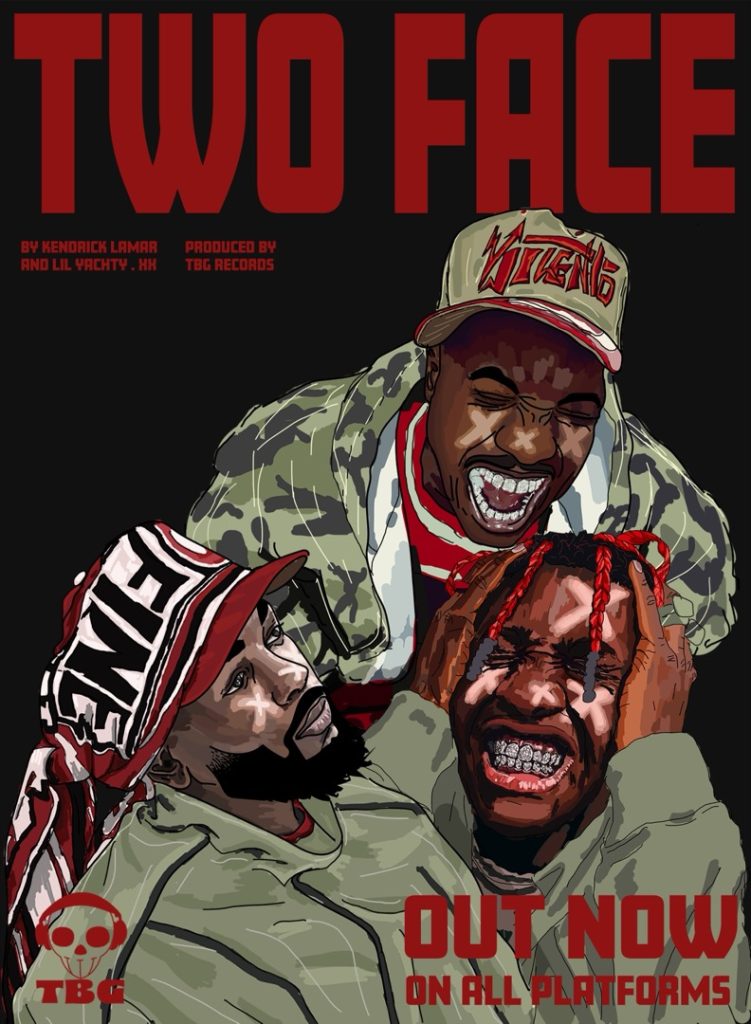
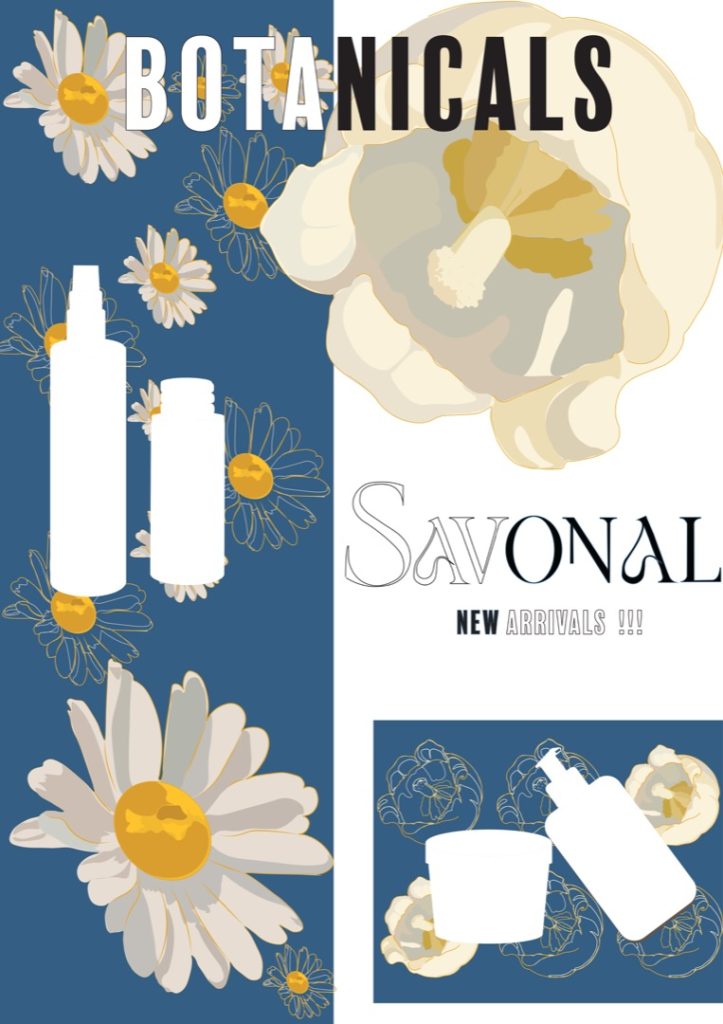
In their second year, students begin to develop their own visual identity while becoming increasingly self-directed and independent, producing a collection of work tailored to their interests and specialisms. This could be an advertising campaign, design work for a clothing website or a set of illustrations for an album sleeve or book. Throughout the year, students will be encouraged to try new approaches and consolidate the skills they have learned in their first year to produce strong, challenging and professionally-produced designs. I believe you will see all of these qualities in this year’s second year work. I hope you enjoy it.
Chris Worley, A-Level Graphic Communication Tutor, Dudley Sixth
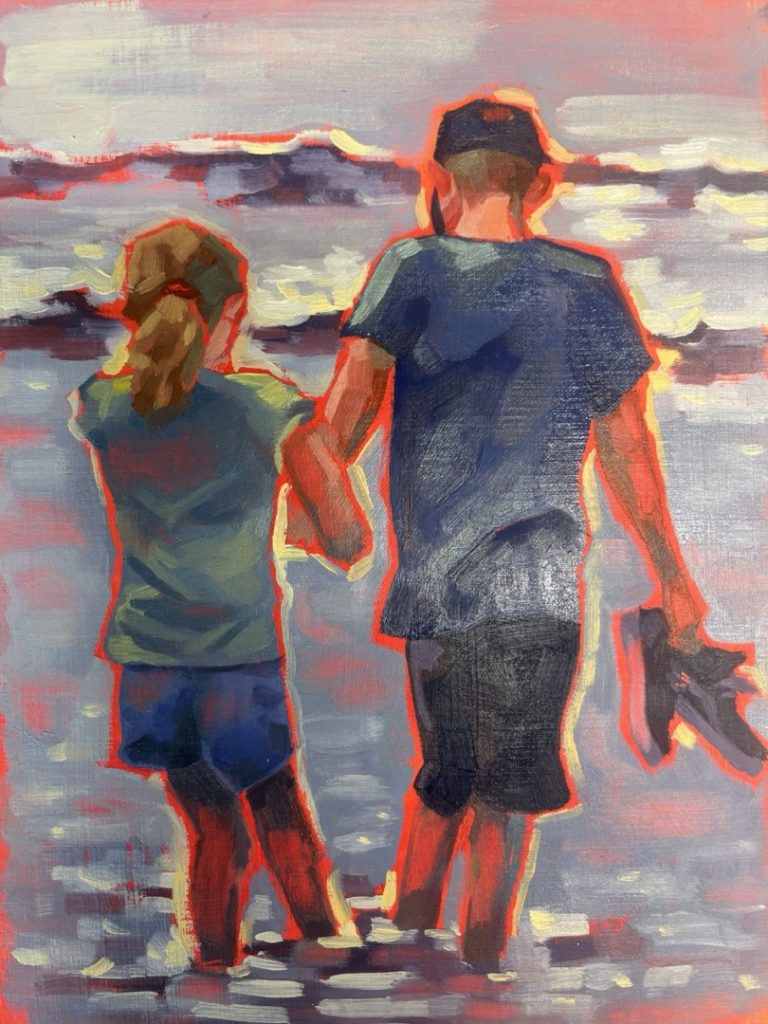
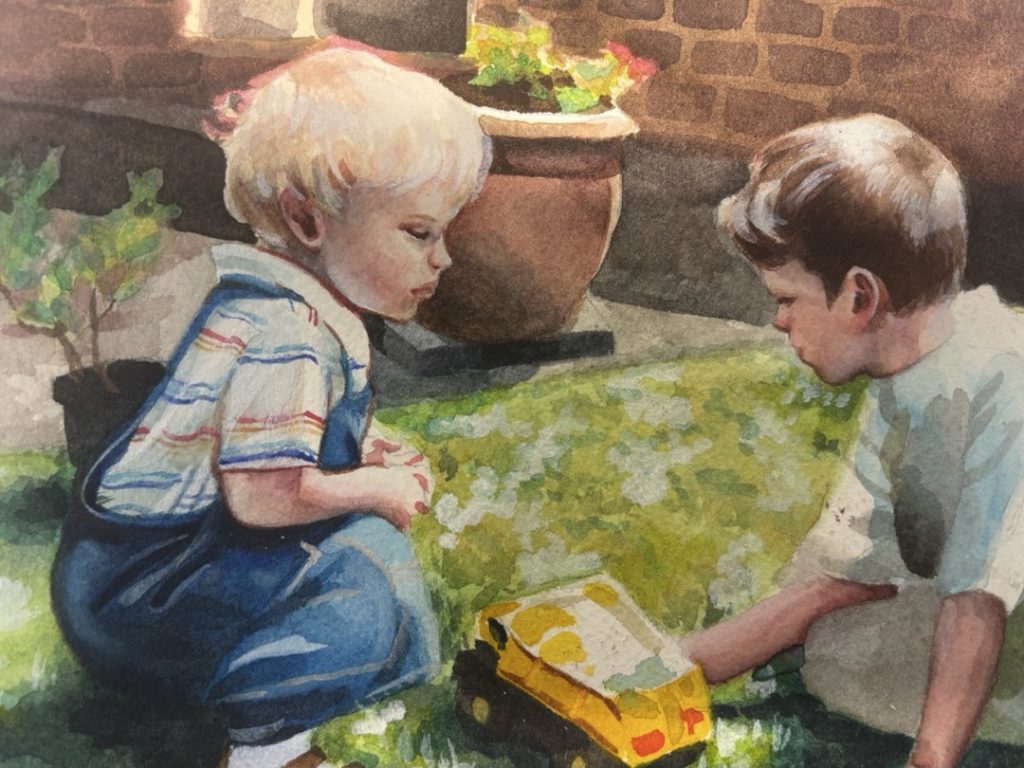
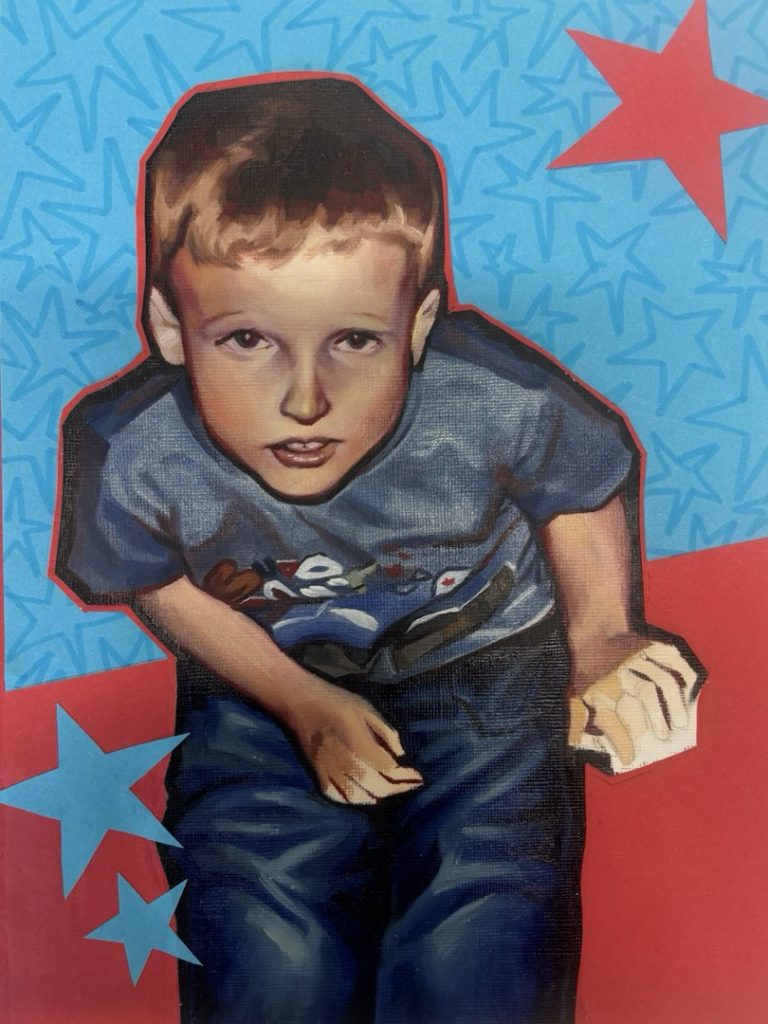
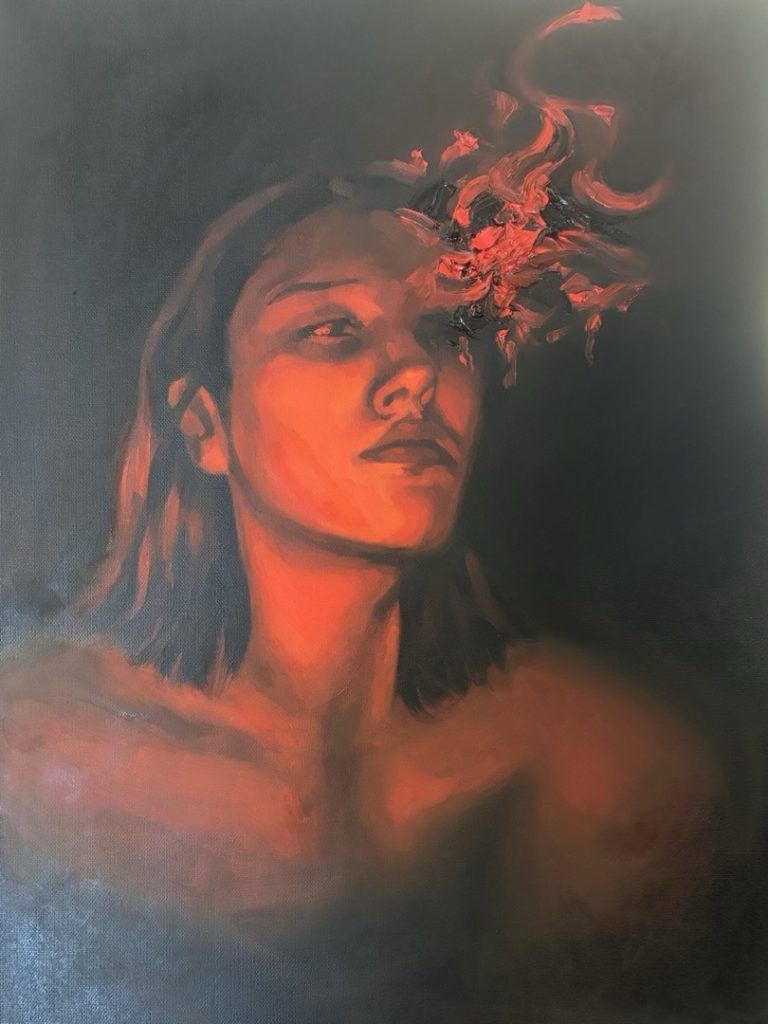
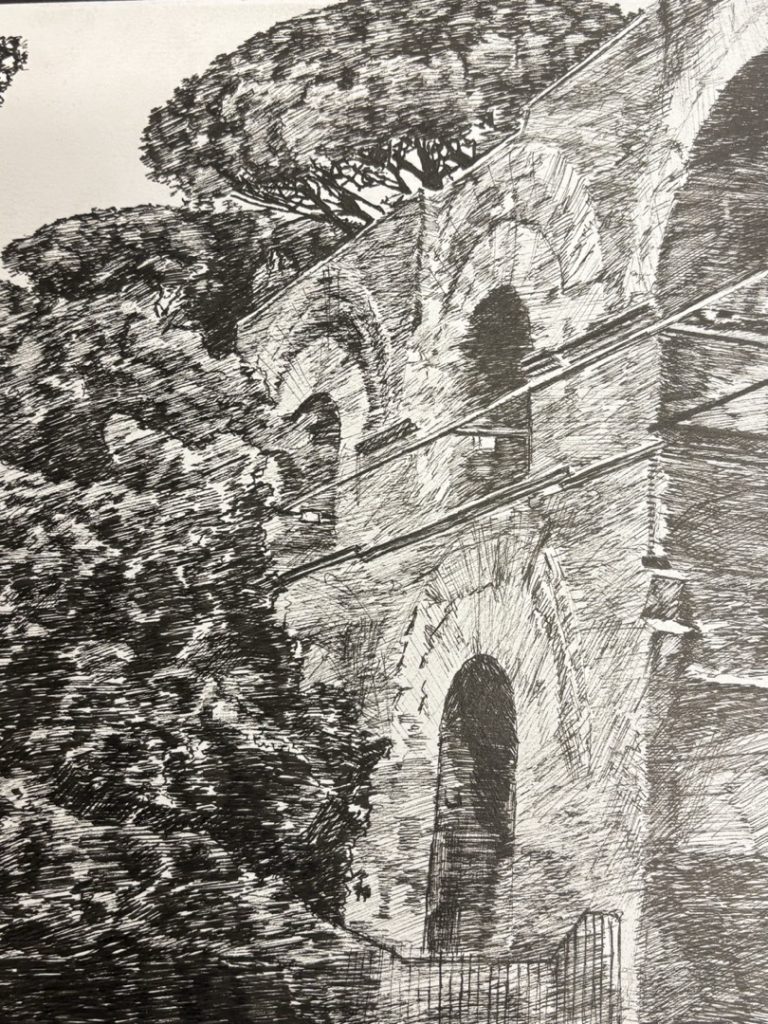
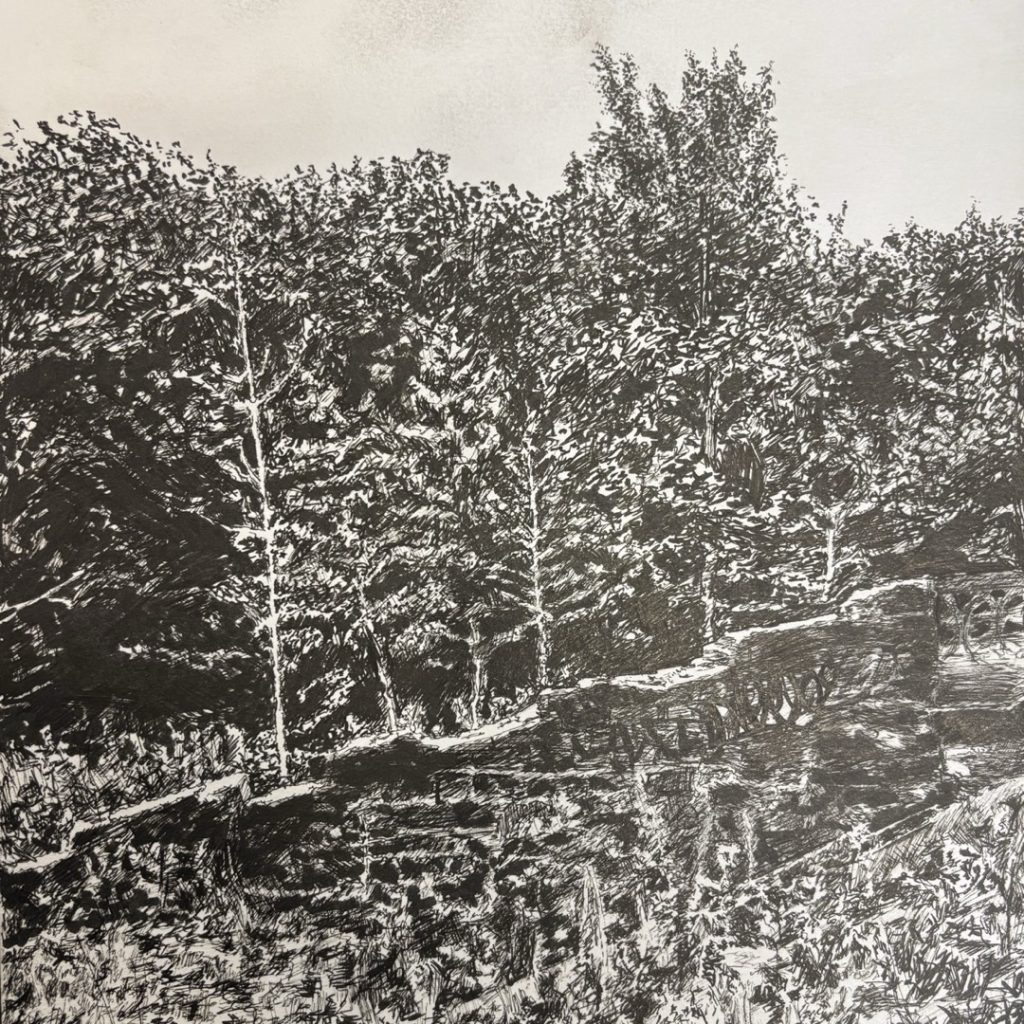
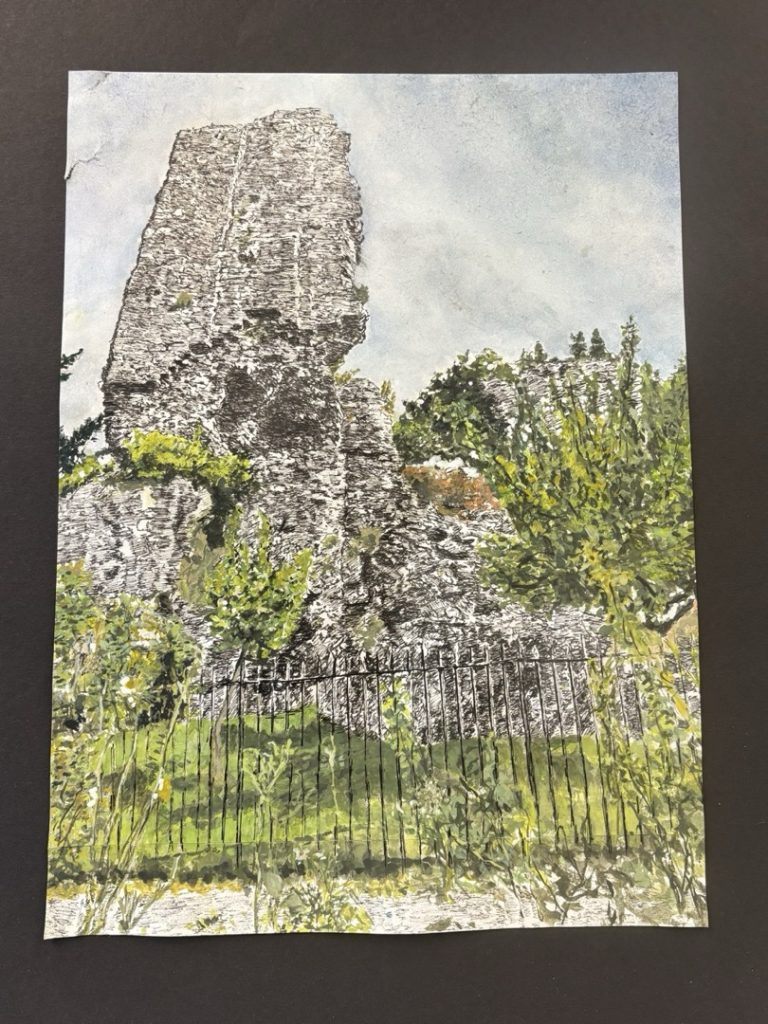
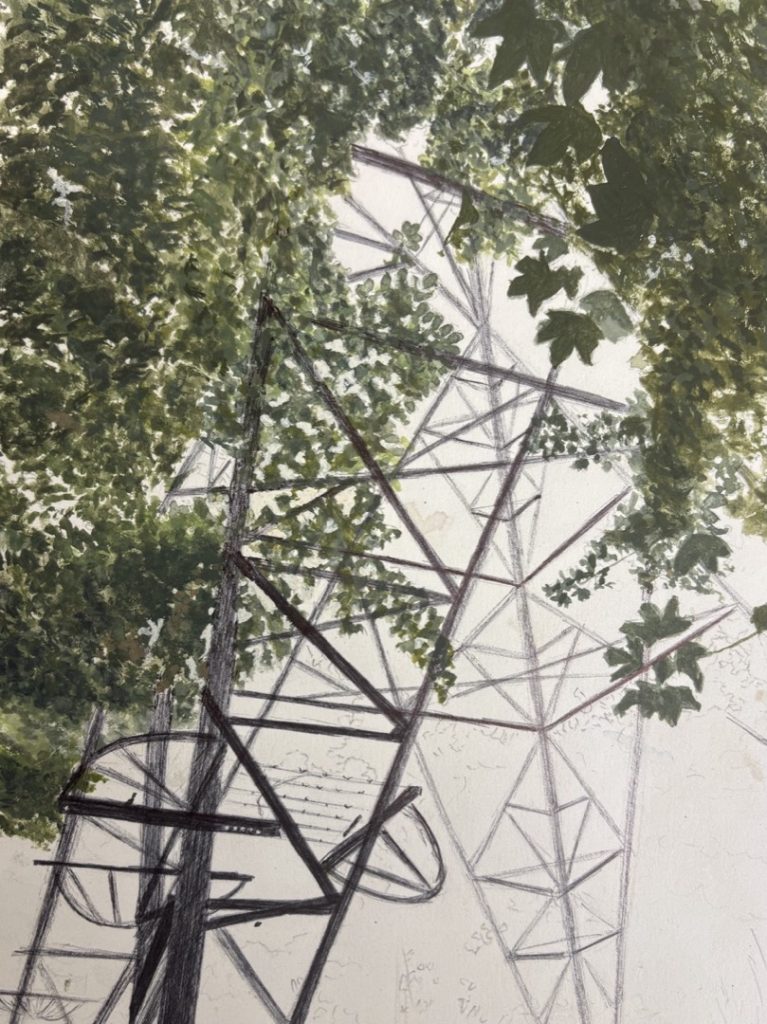
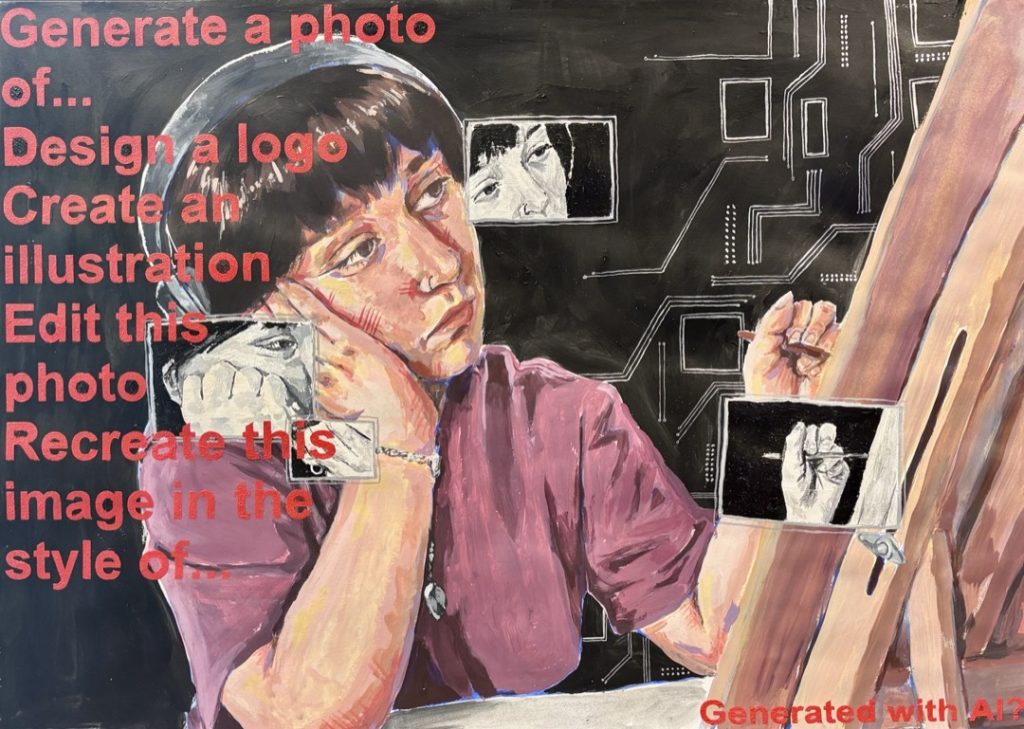
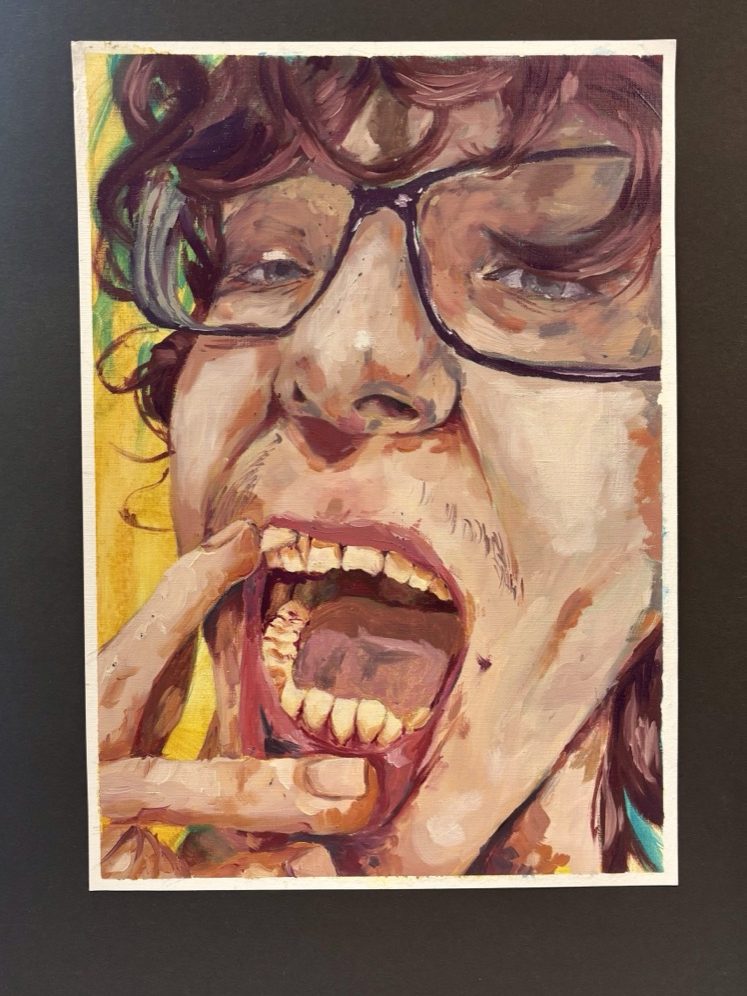
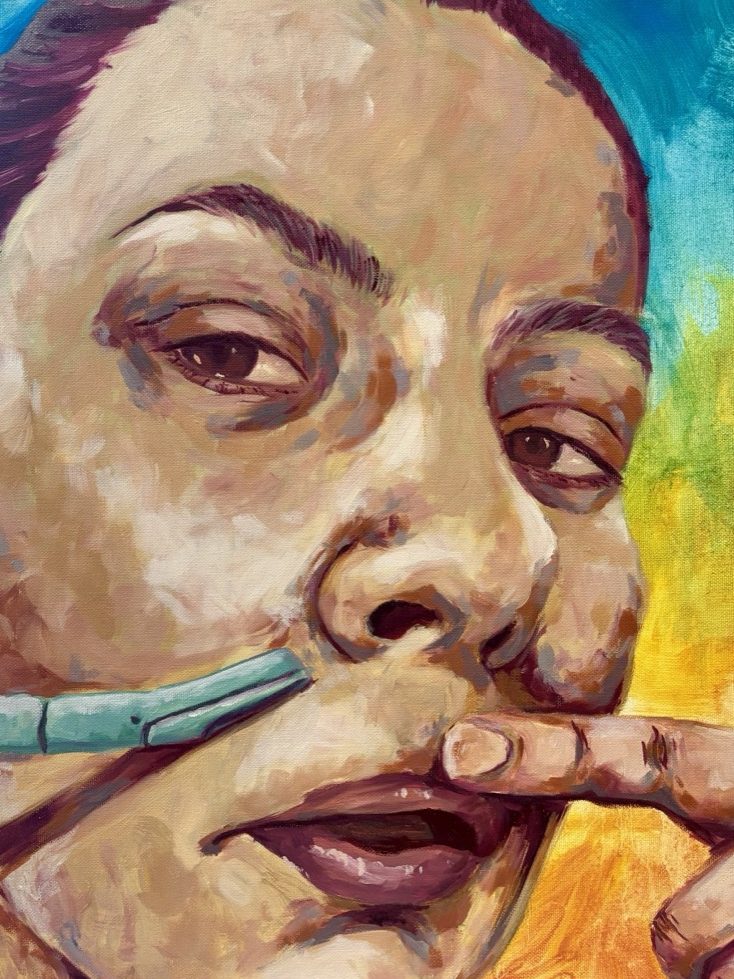
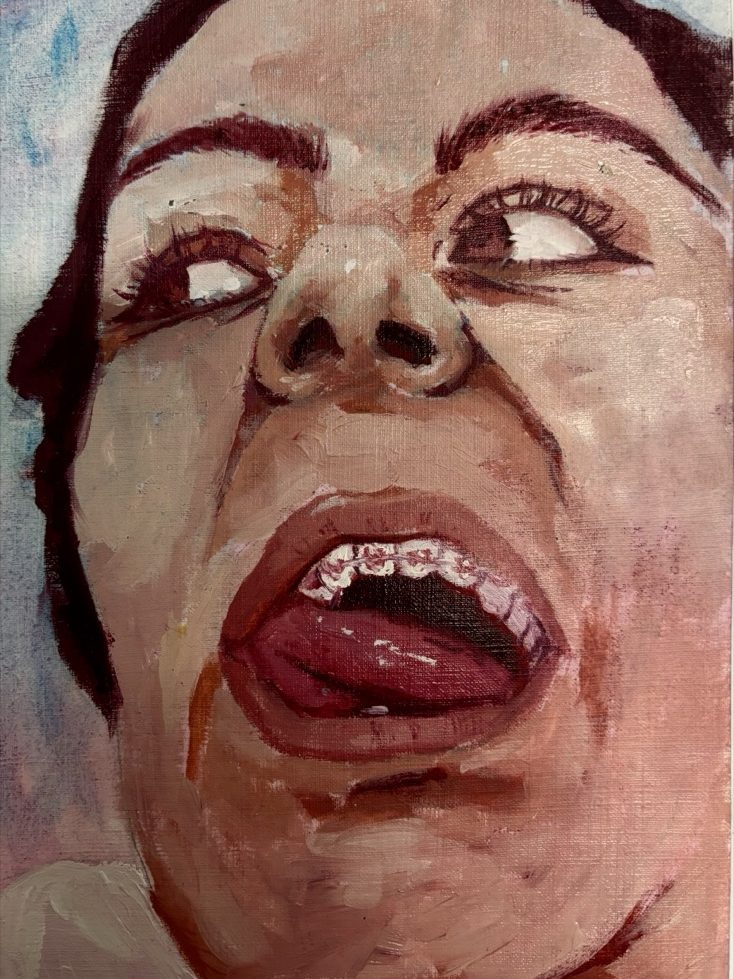
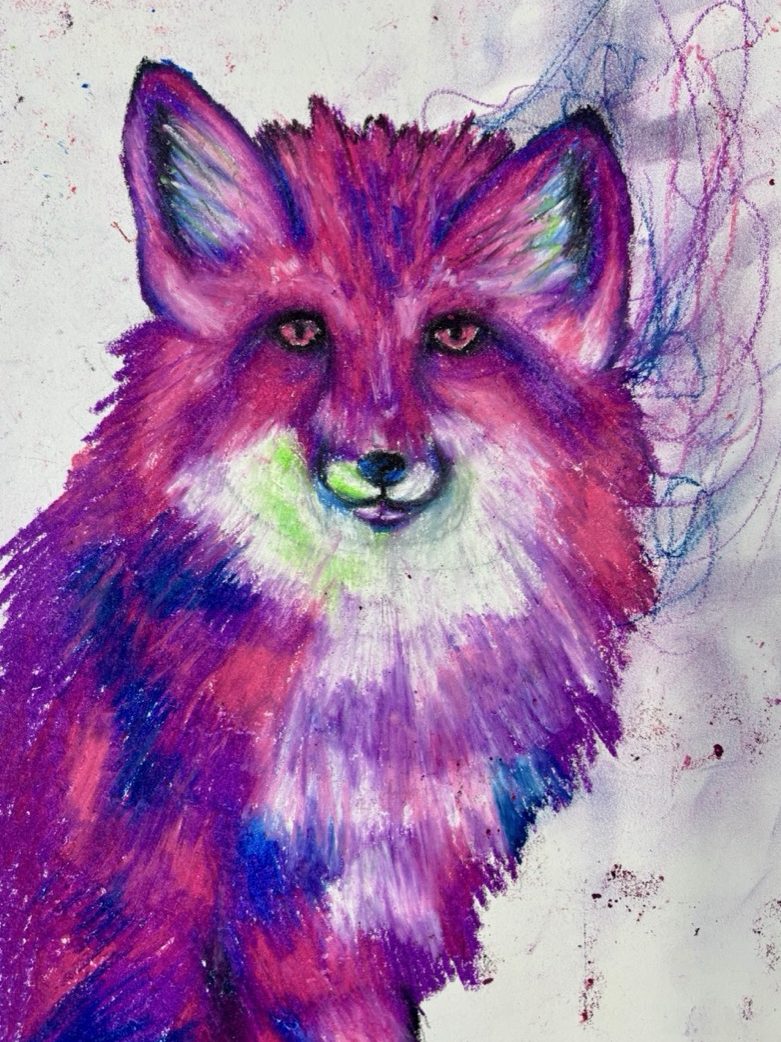
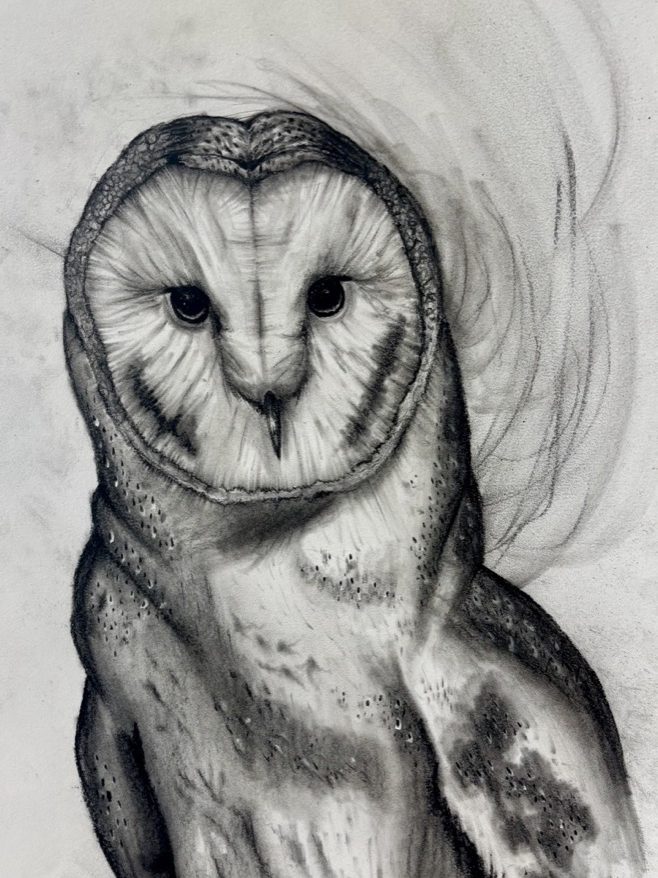
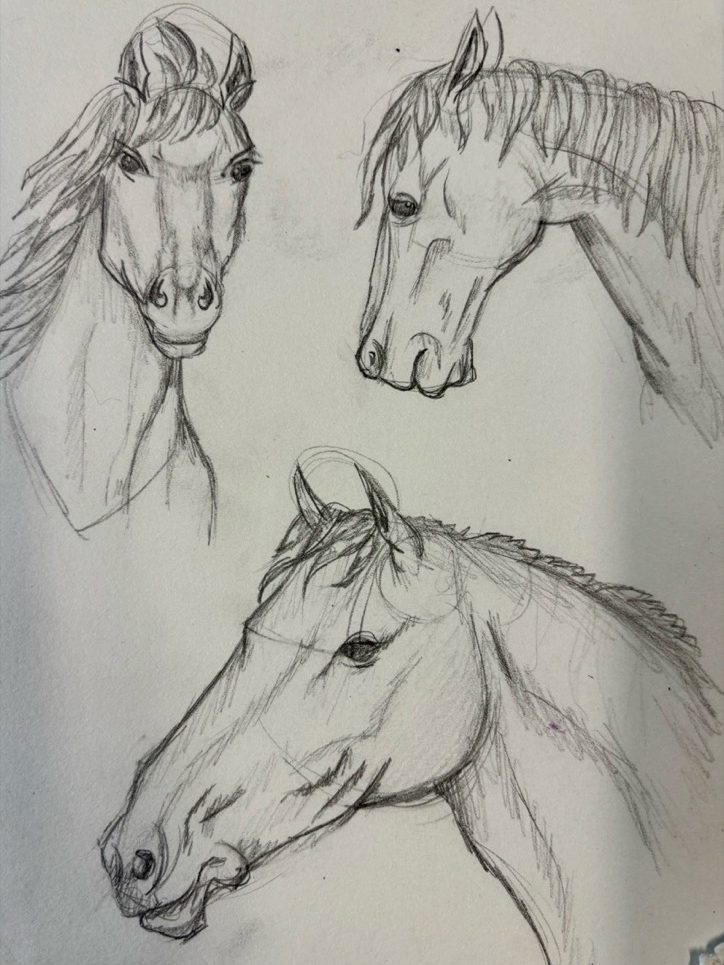
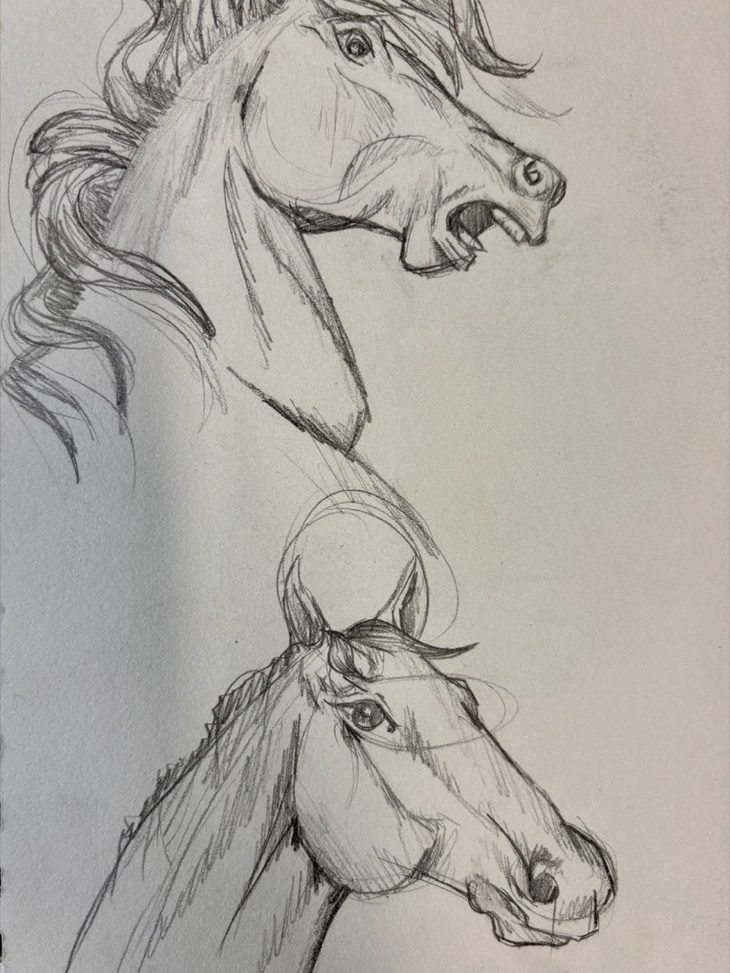
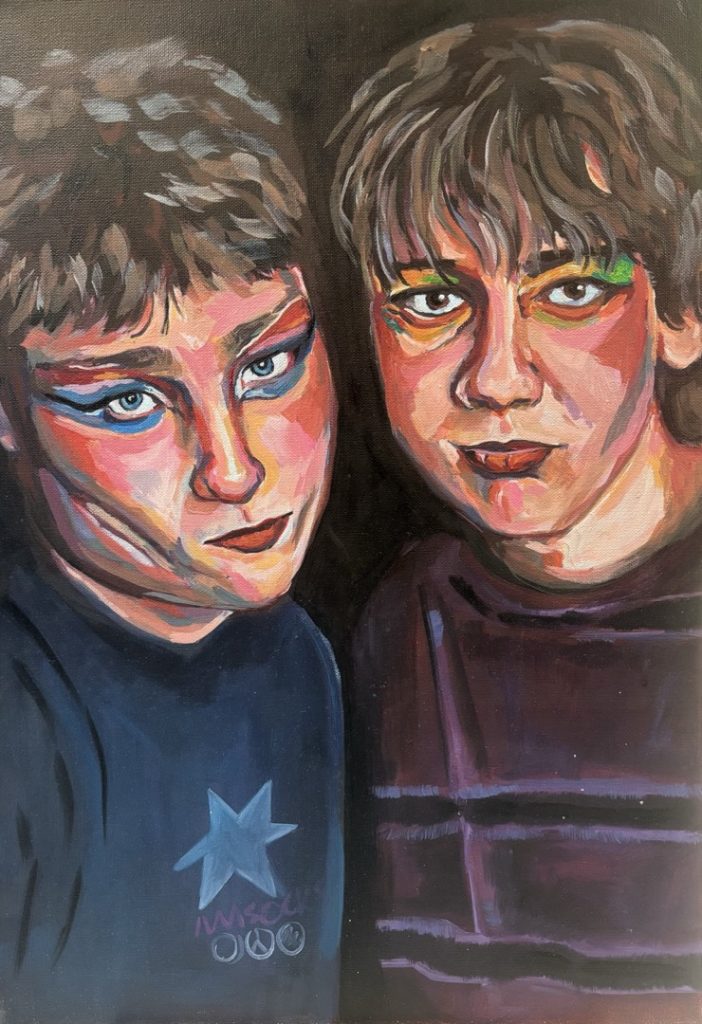
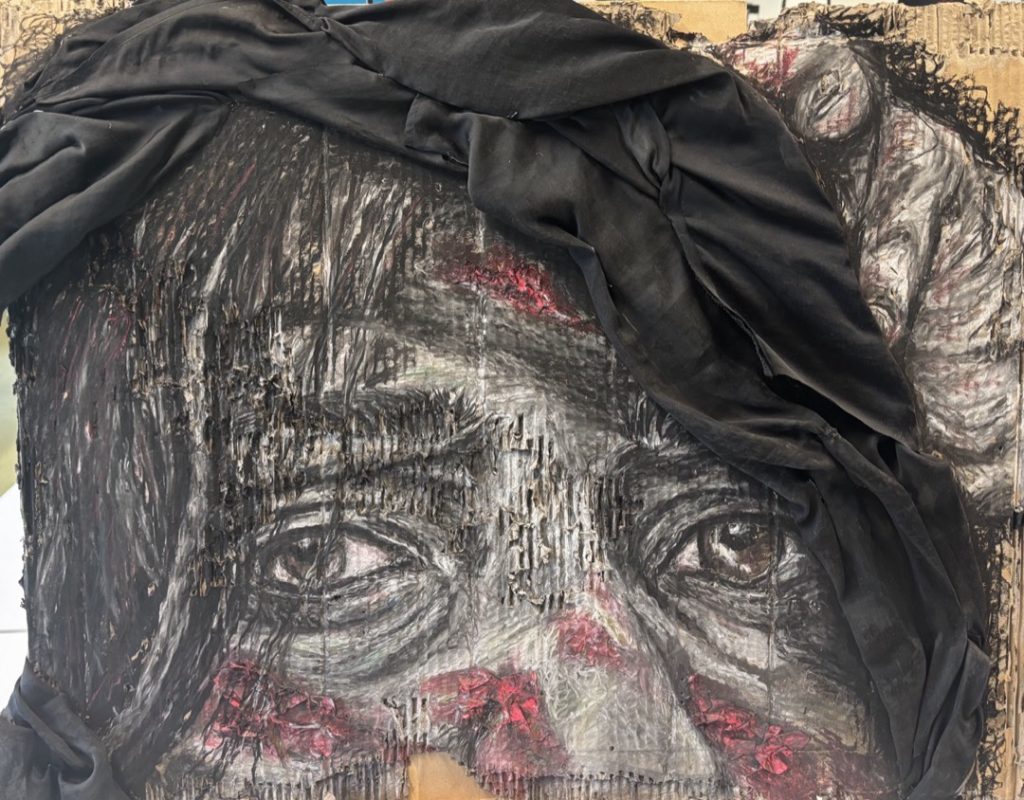
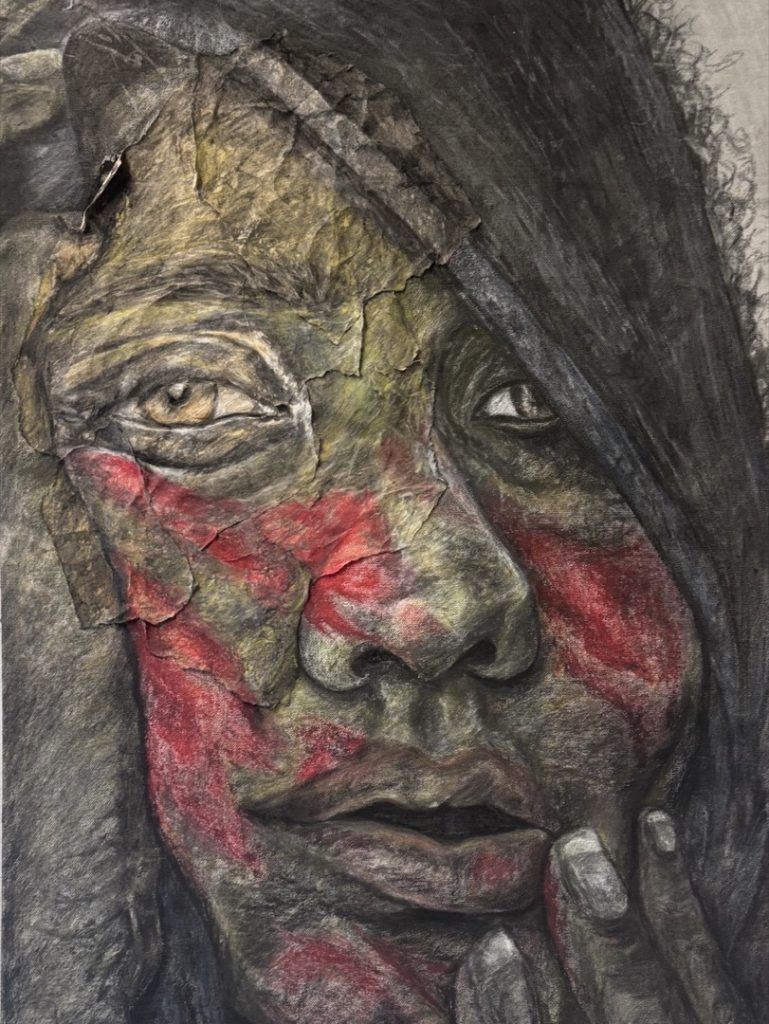
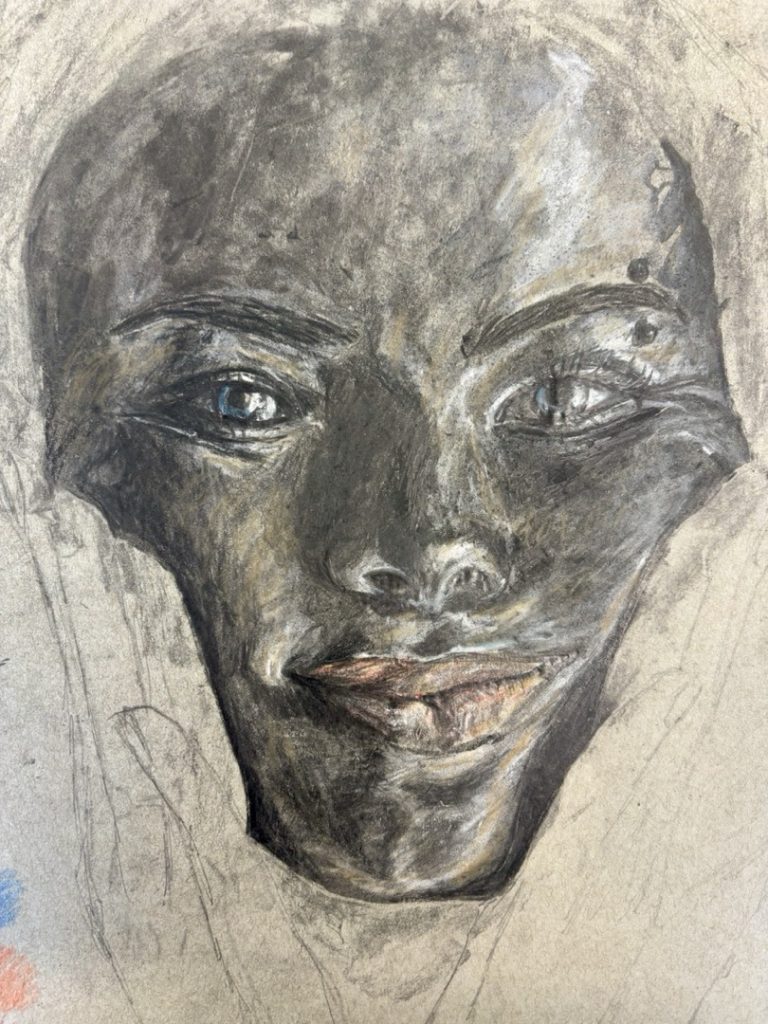
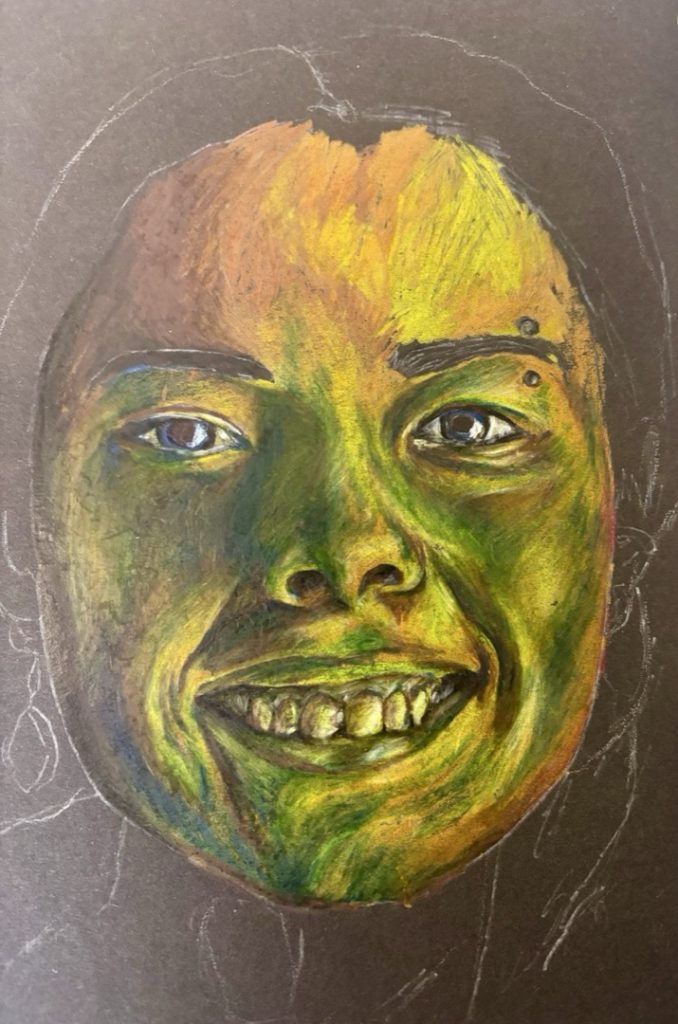
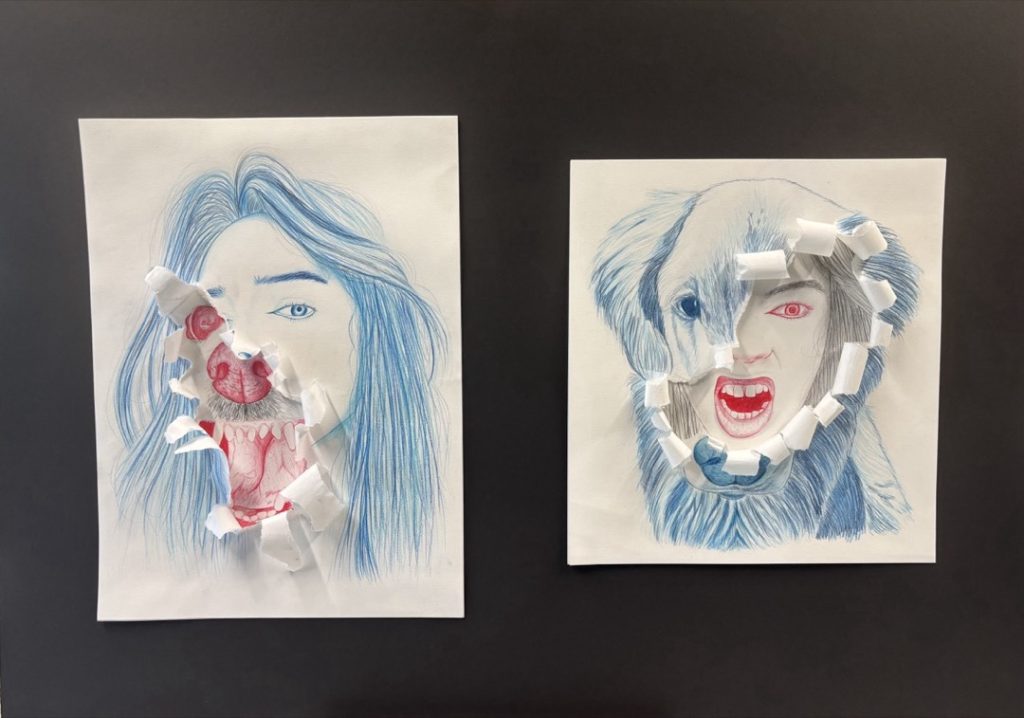
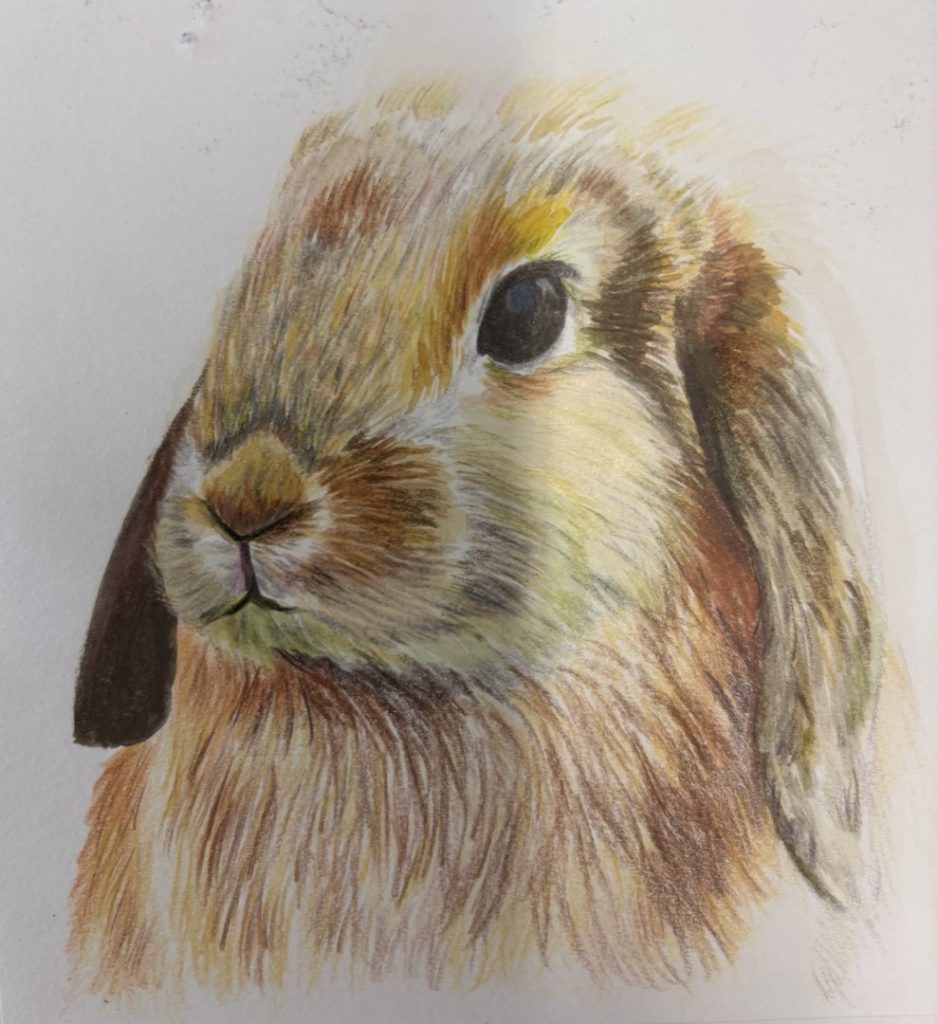
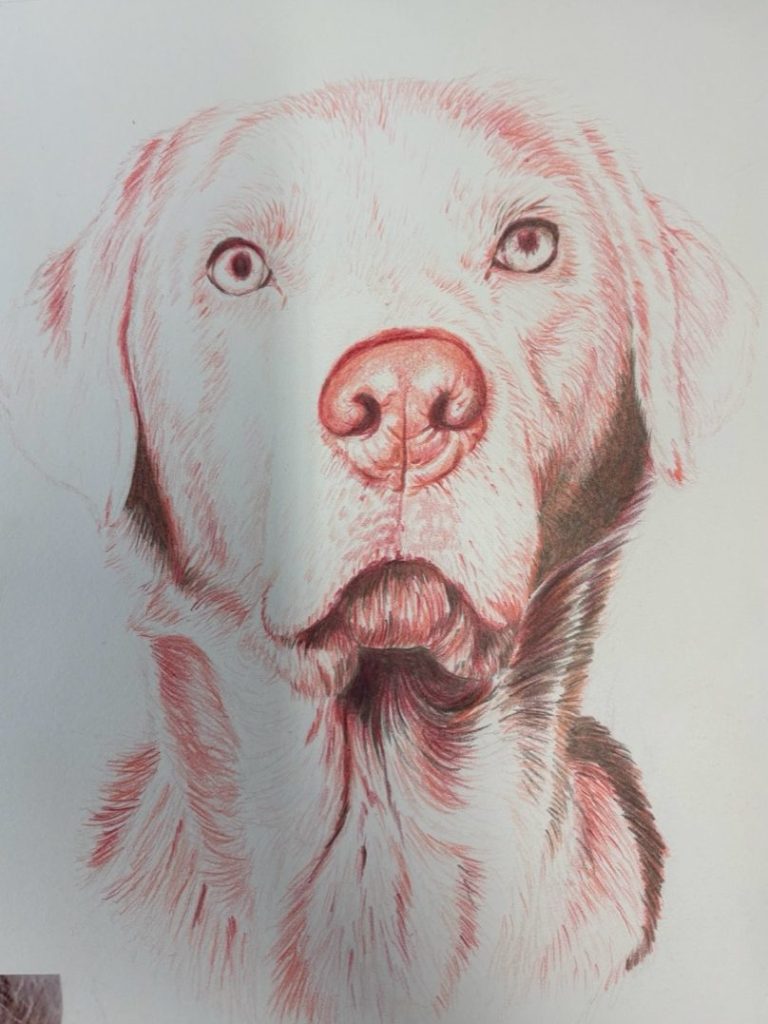
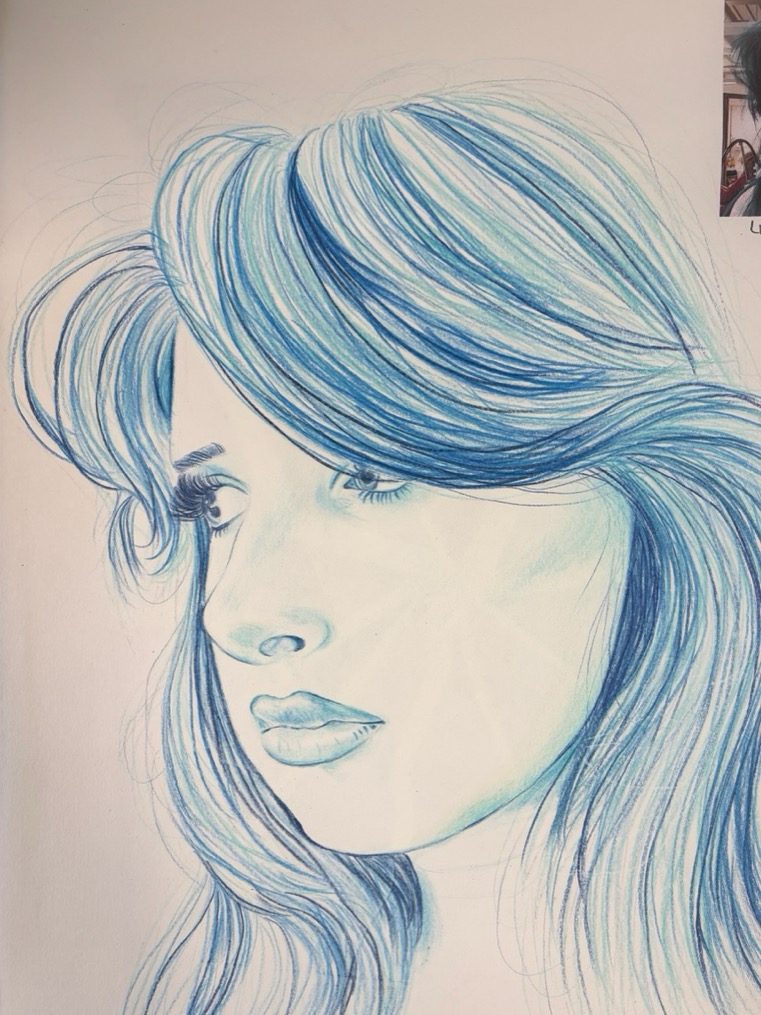
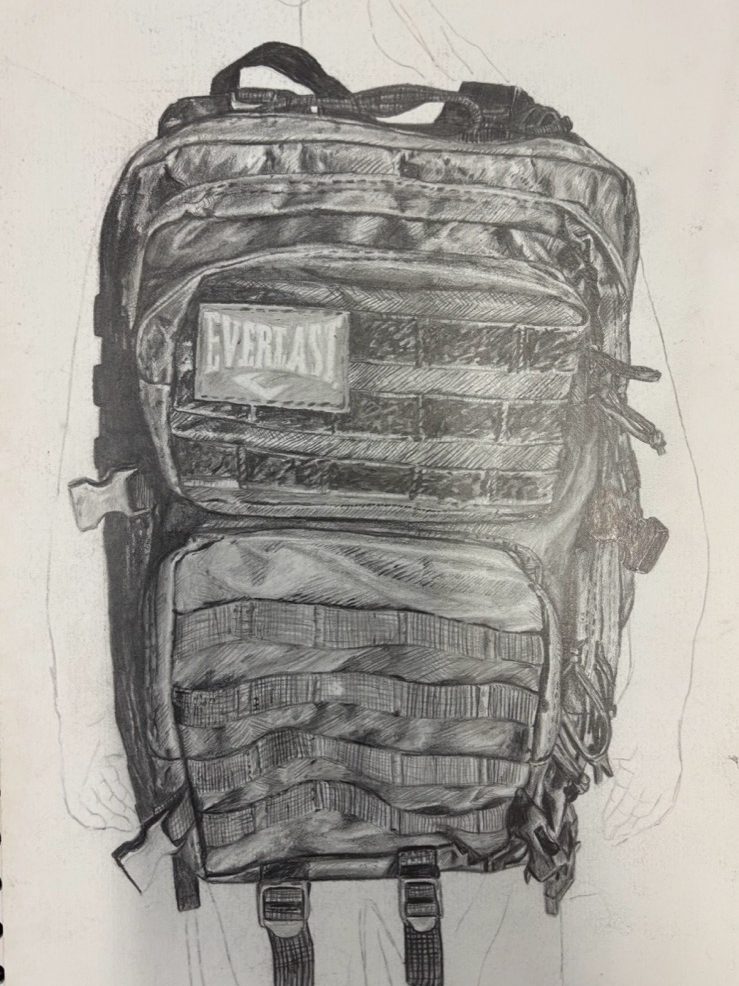
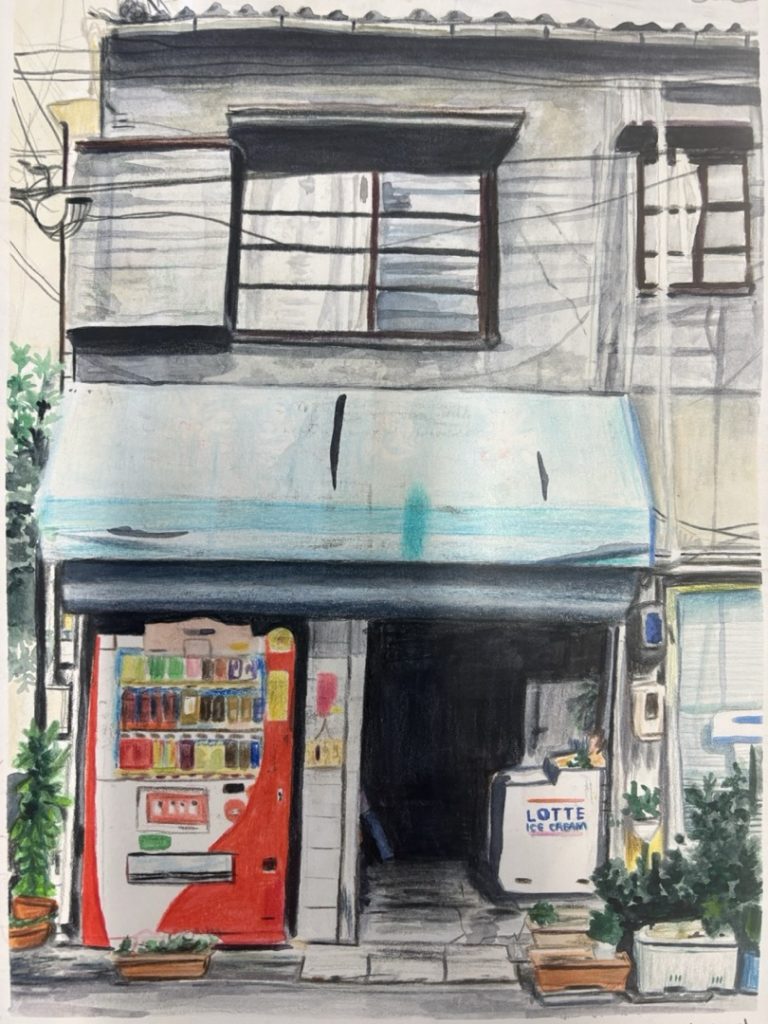
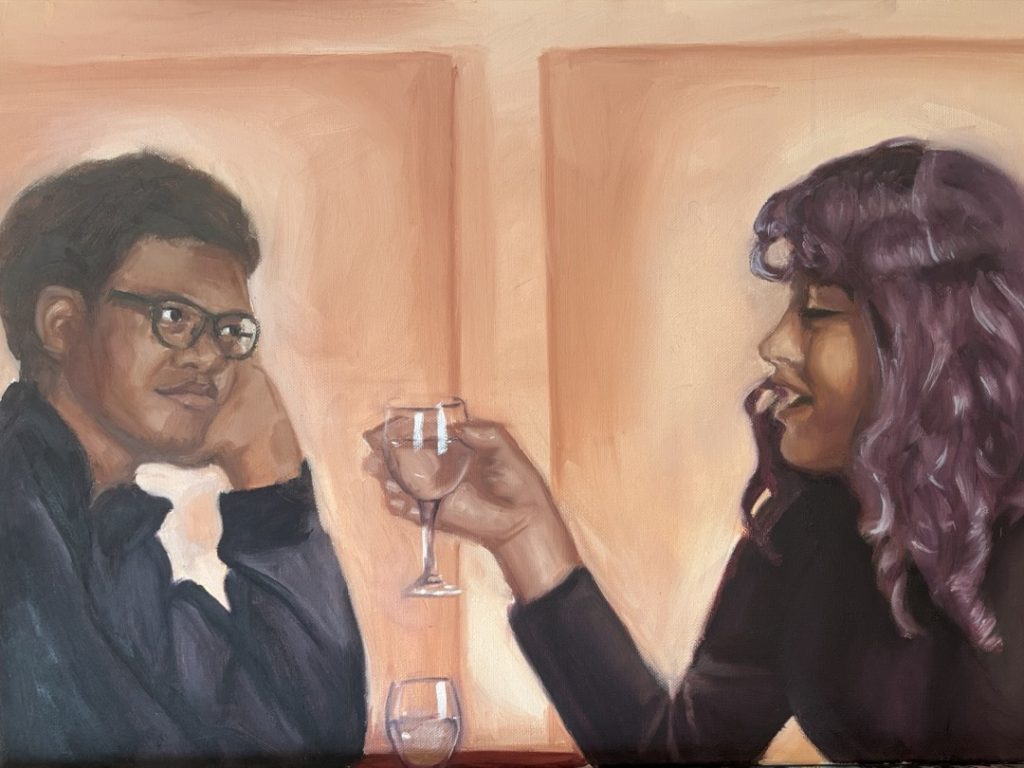
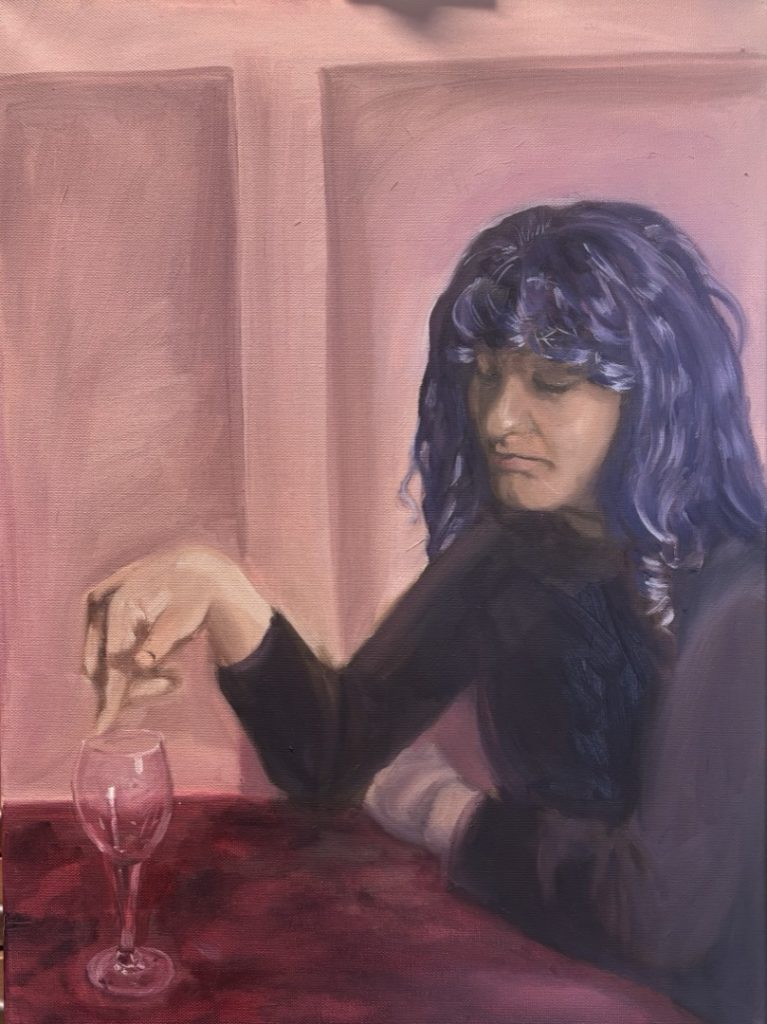
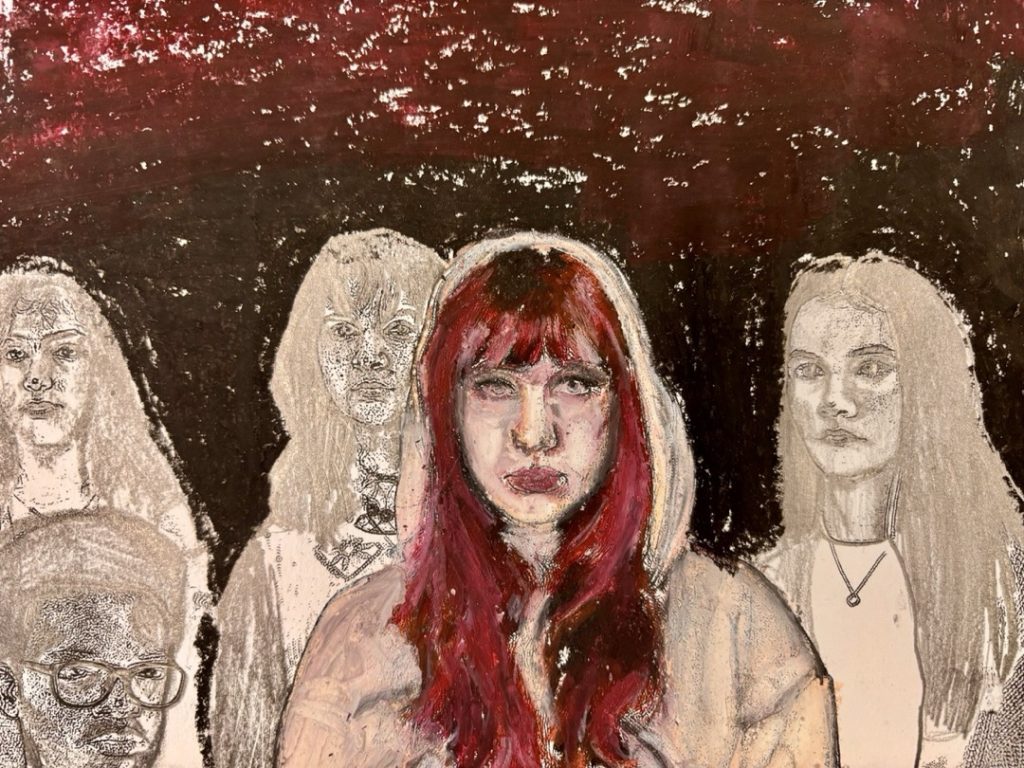
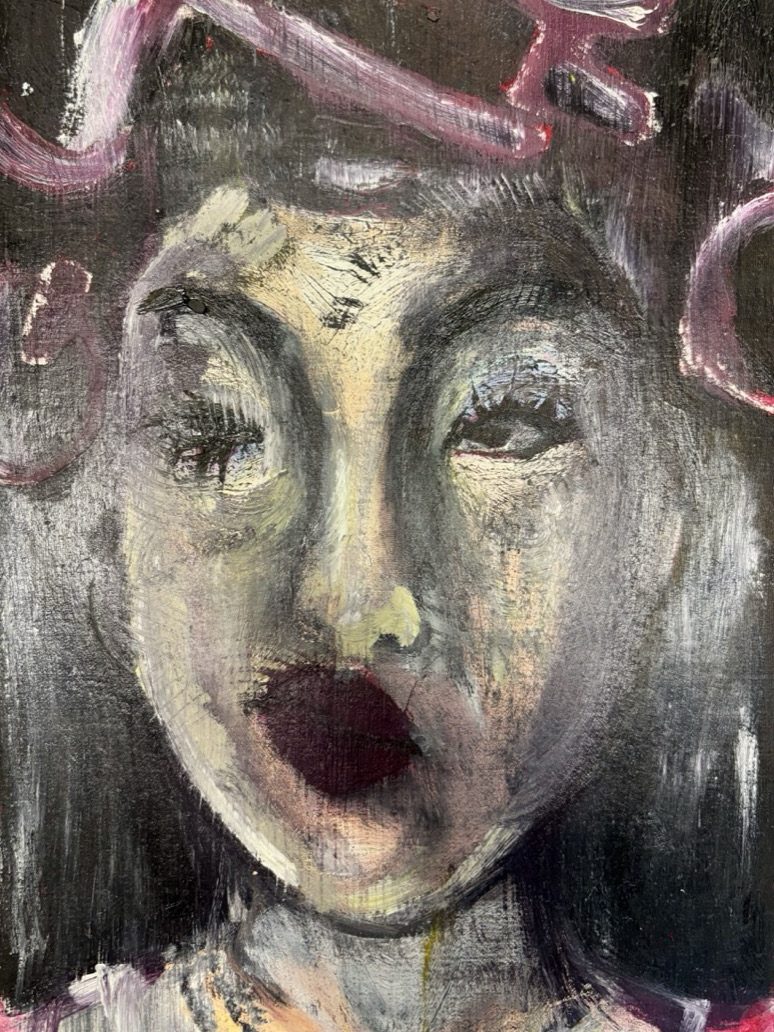
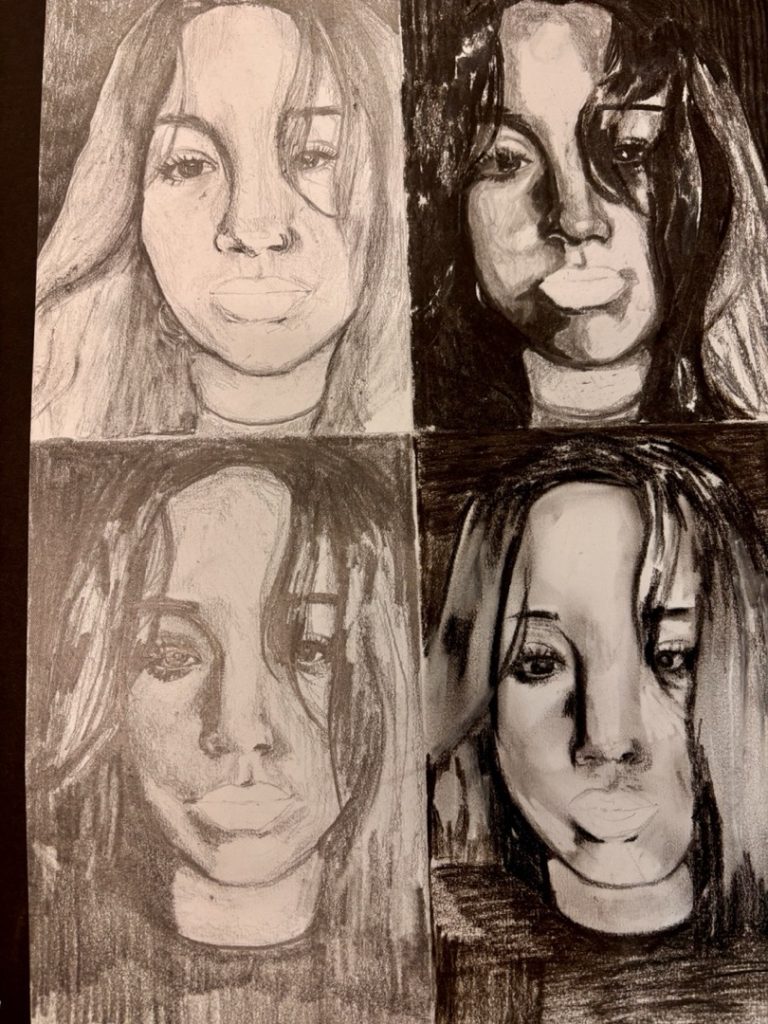
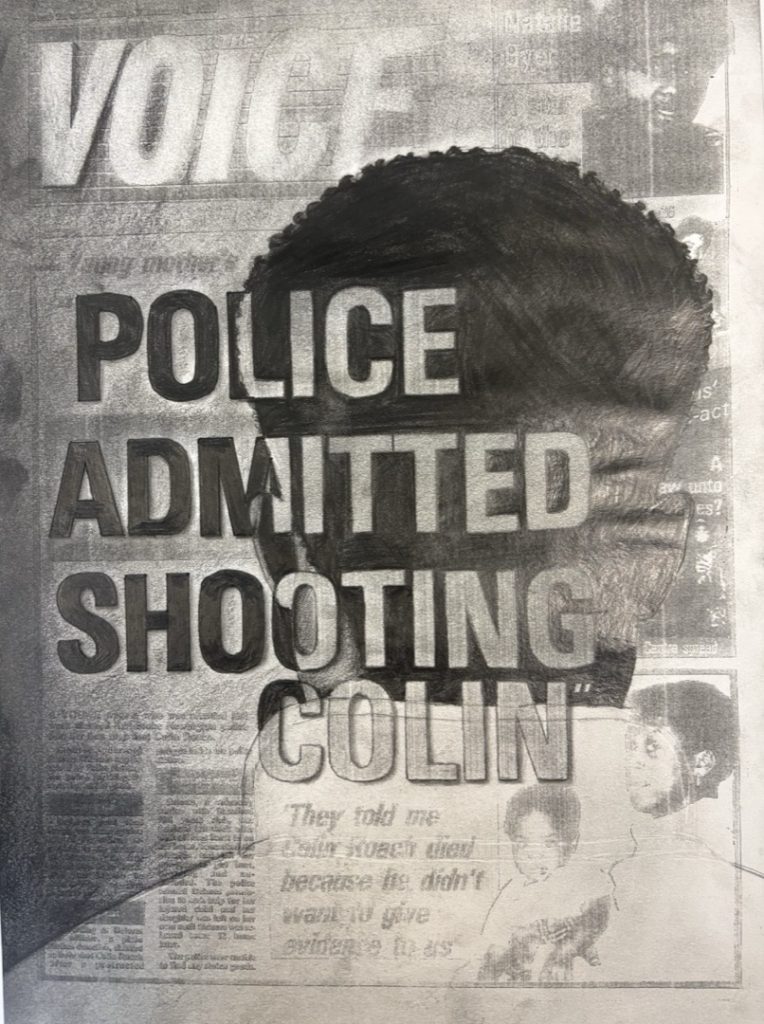
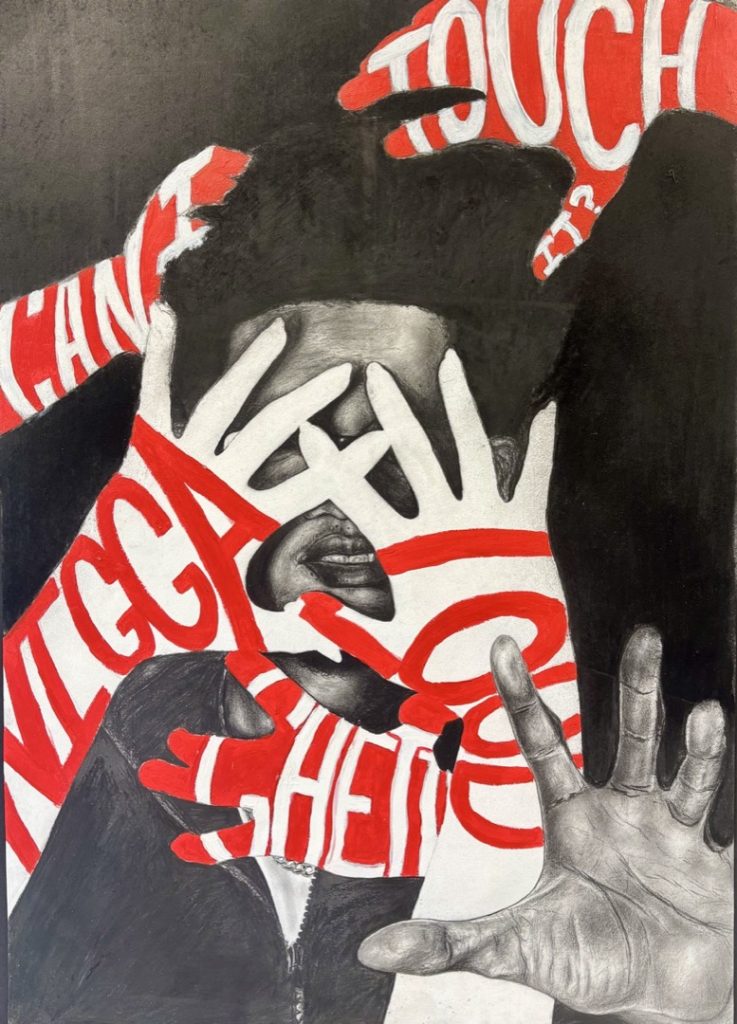
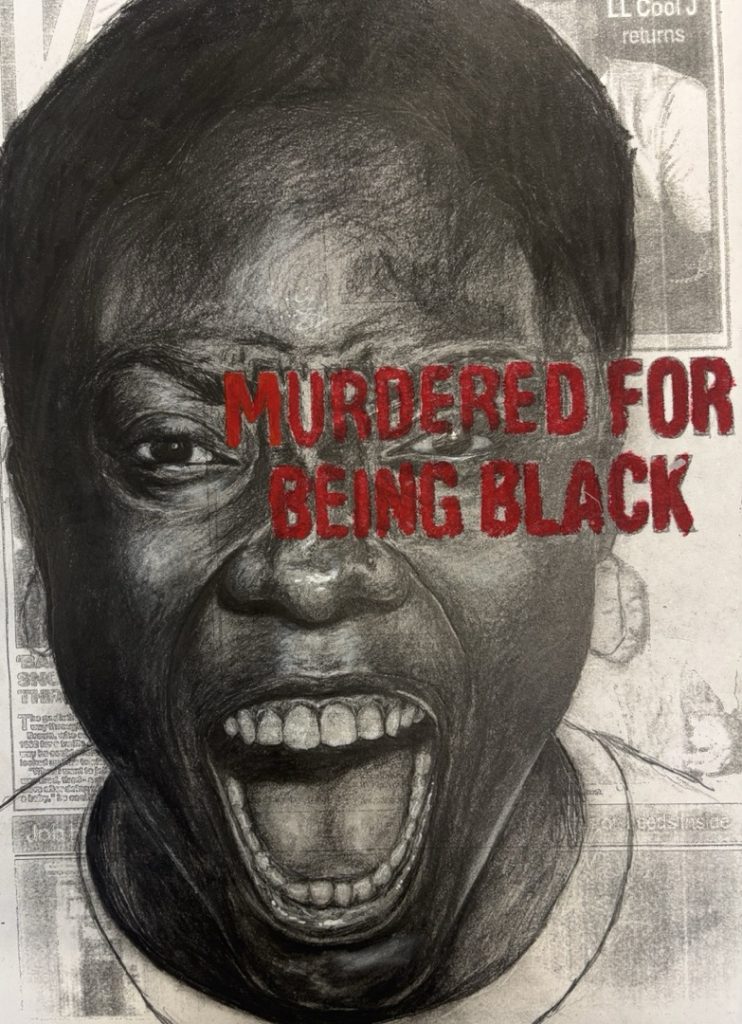
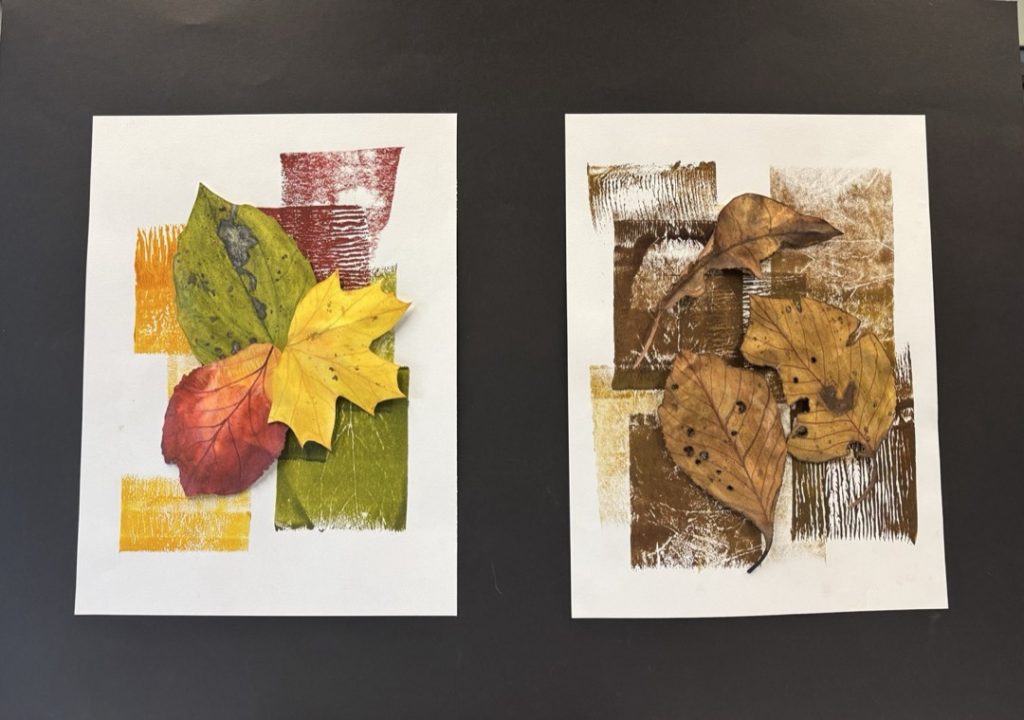
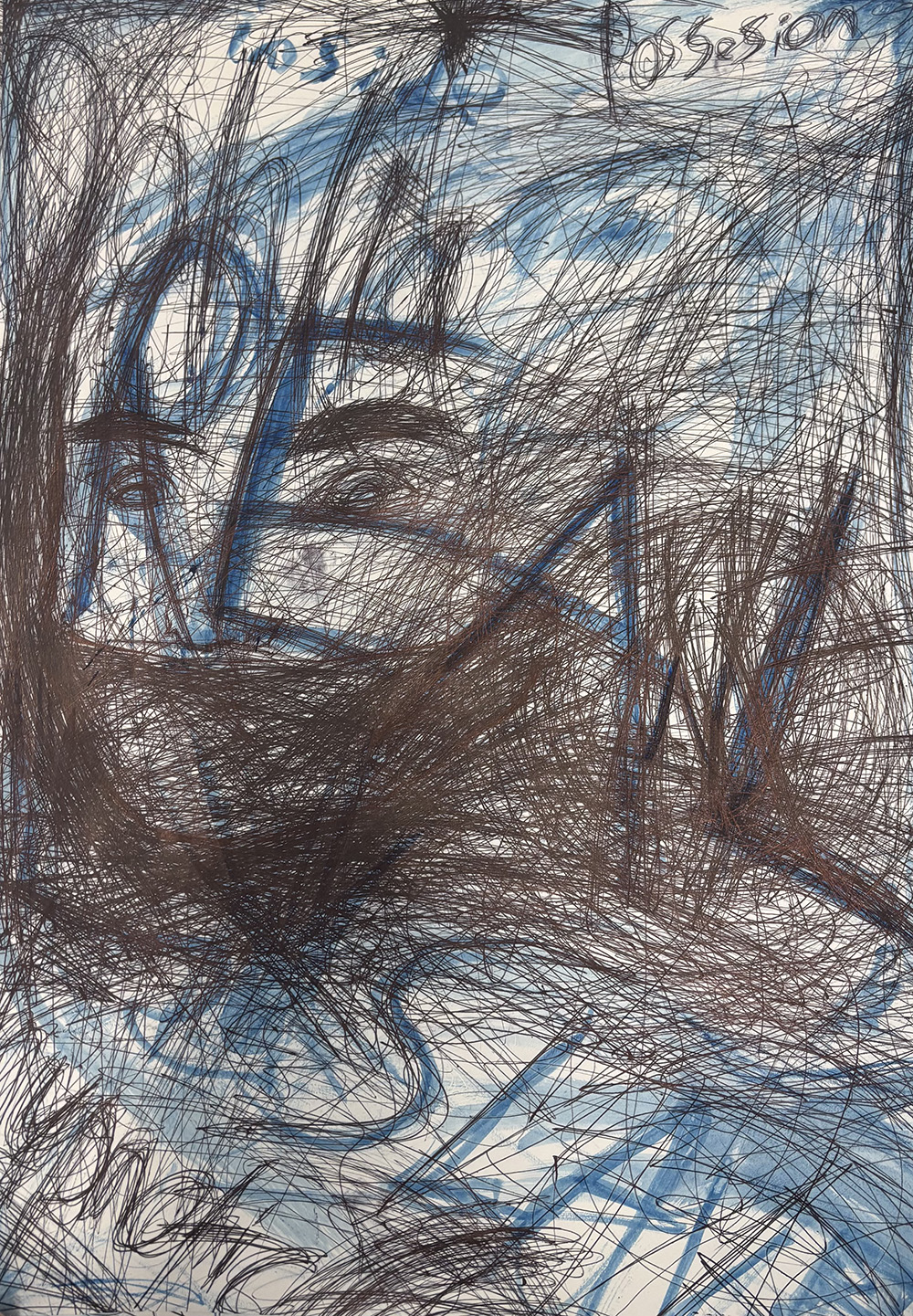
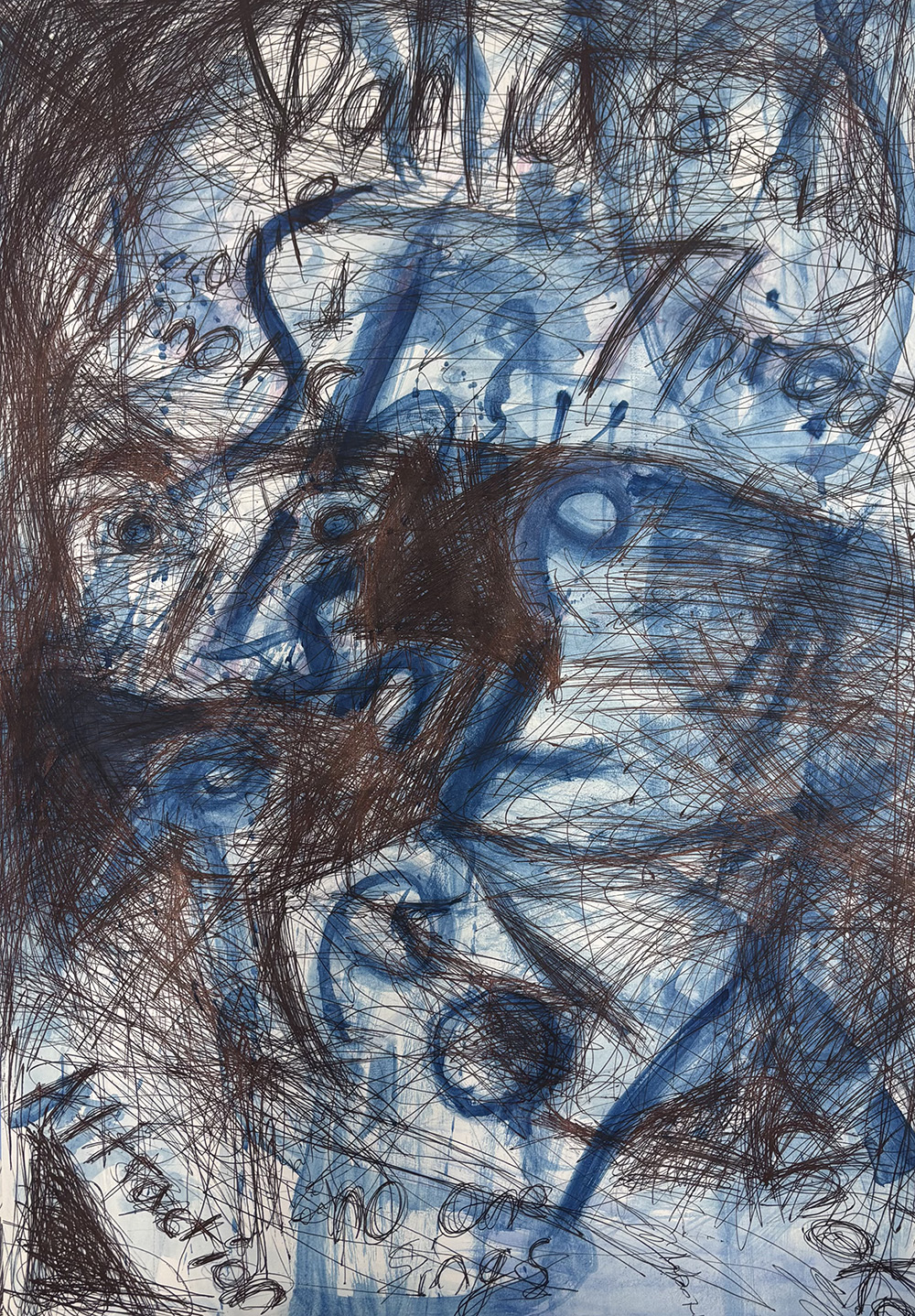
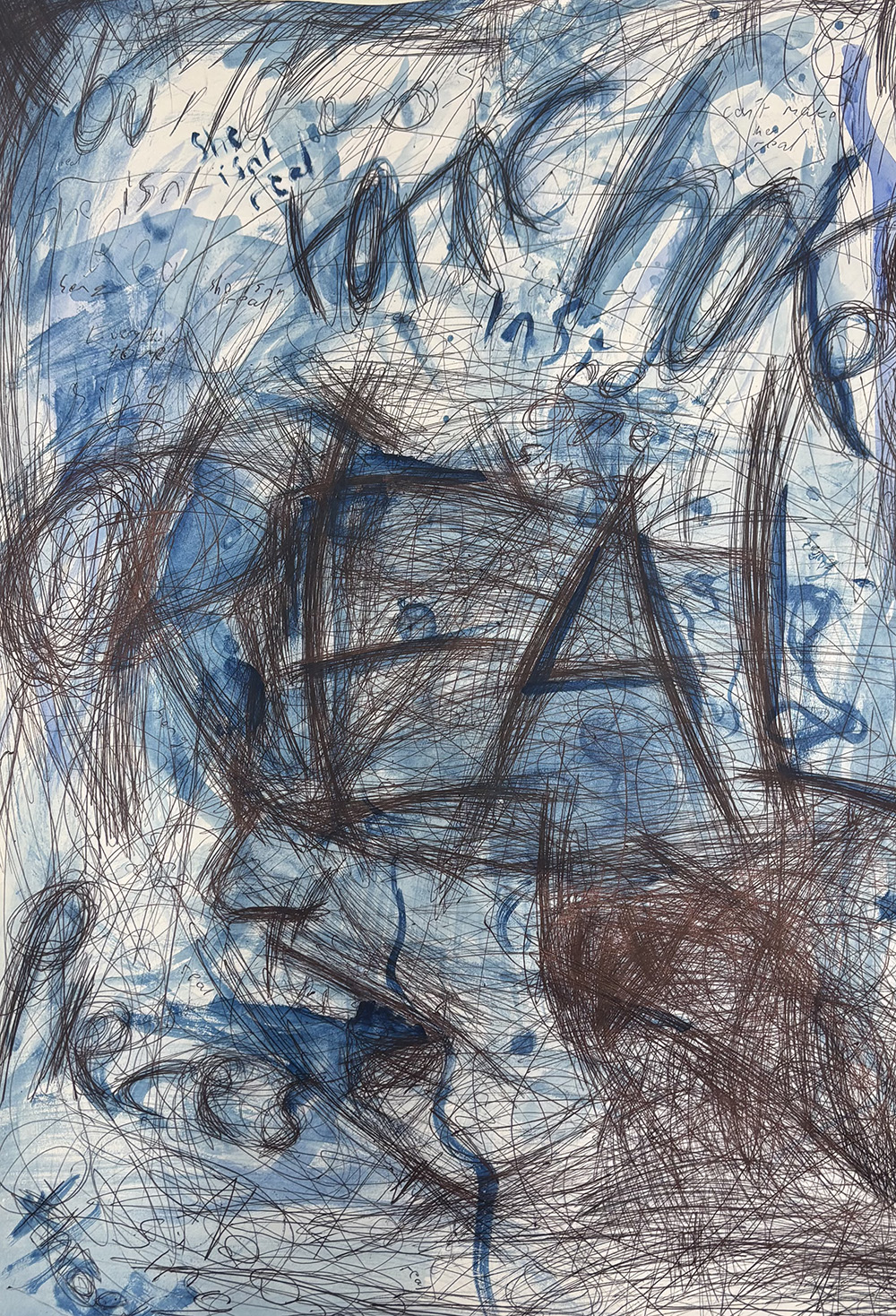
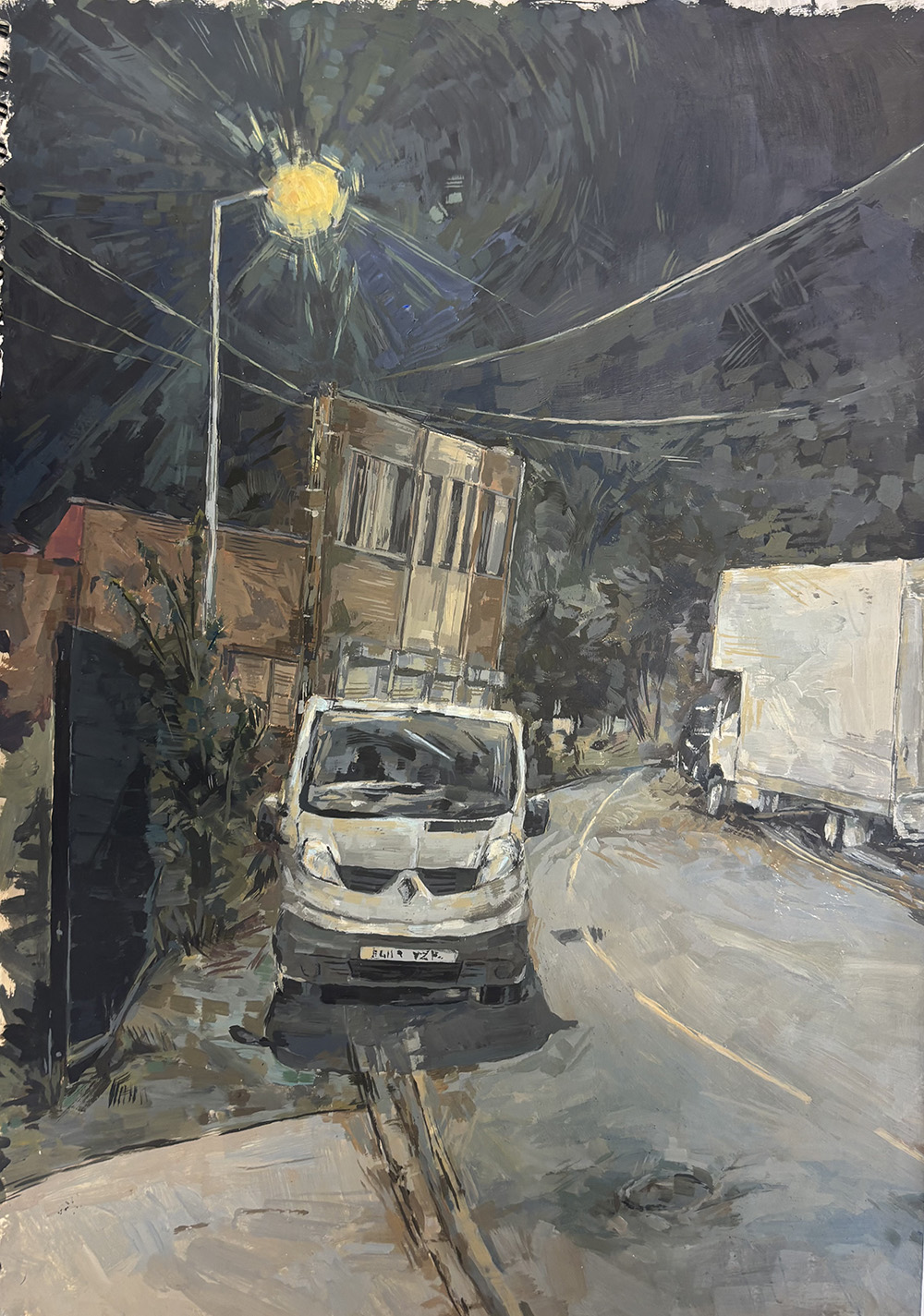
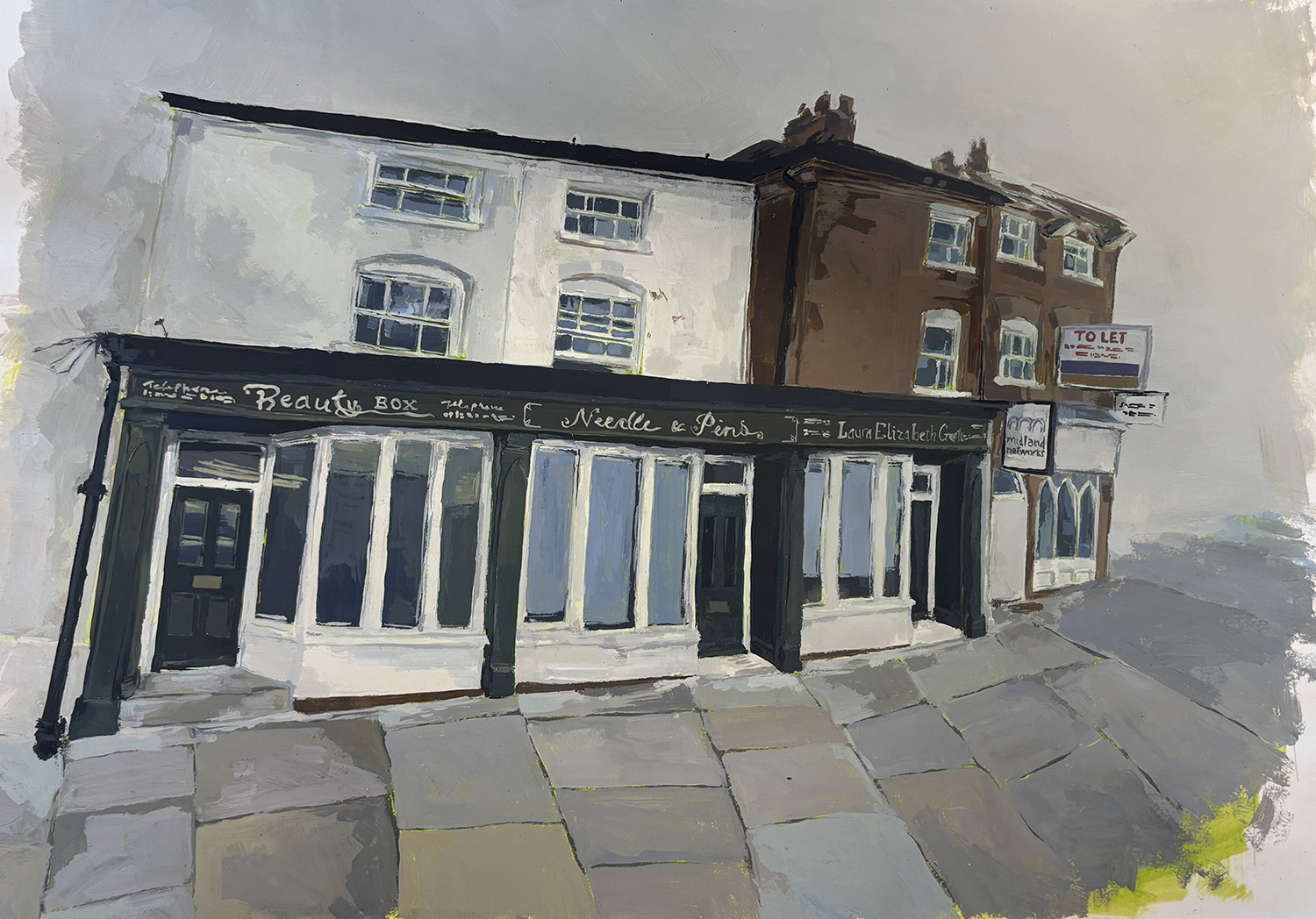
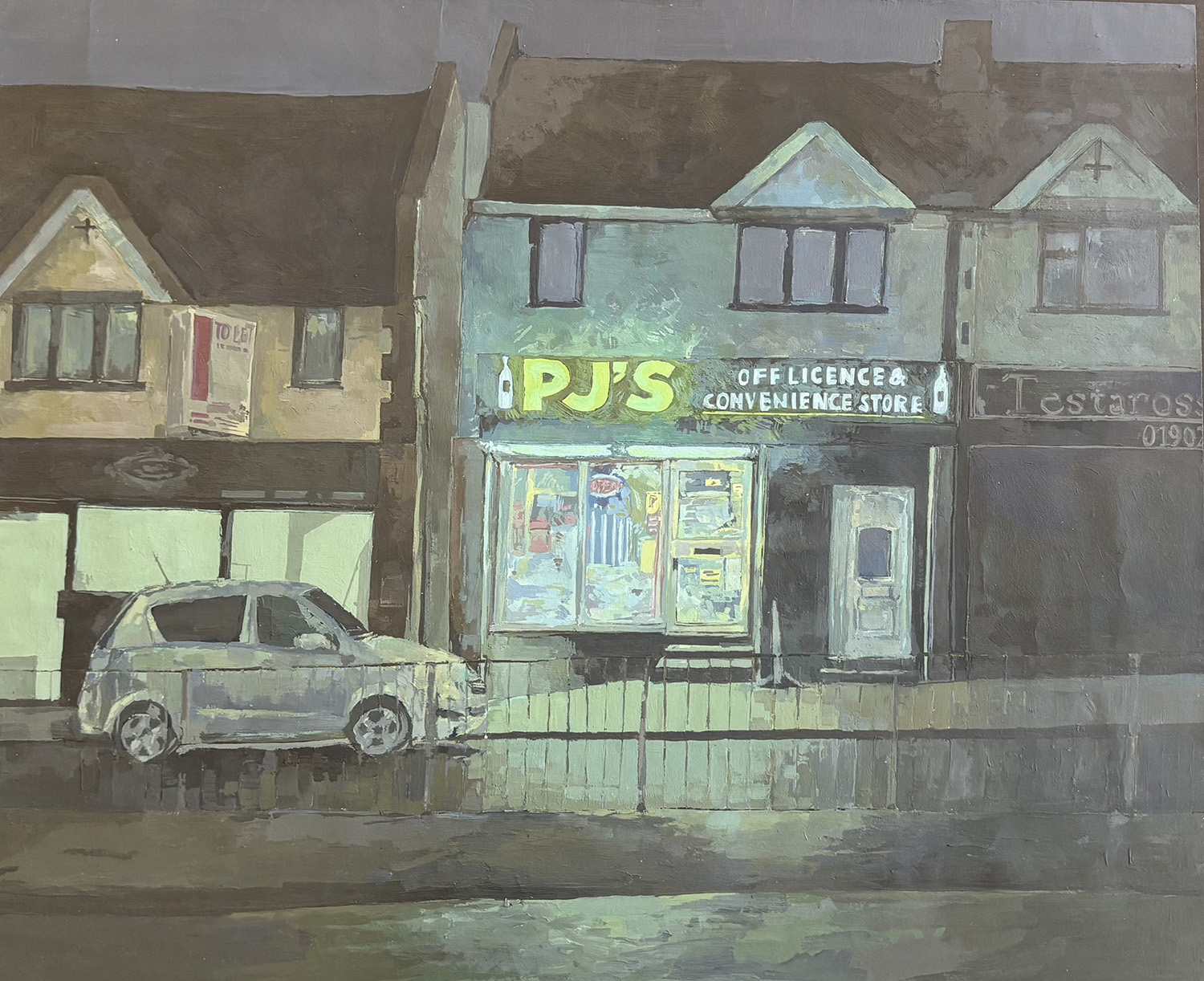
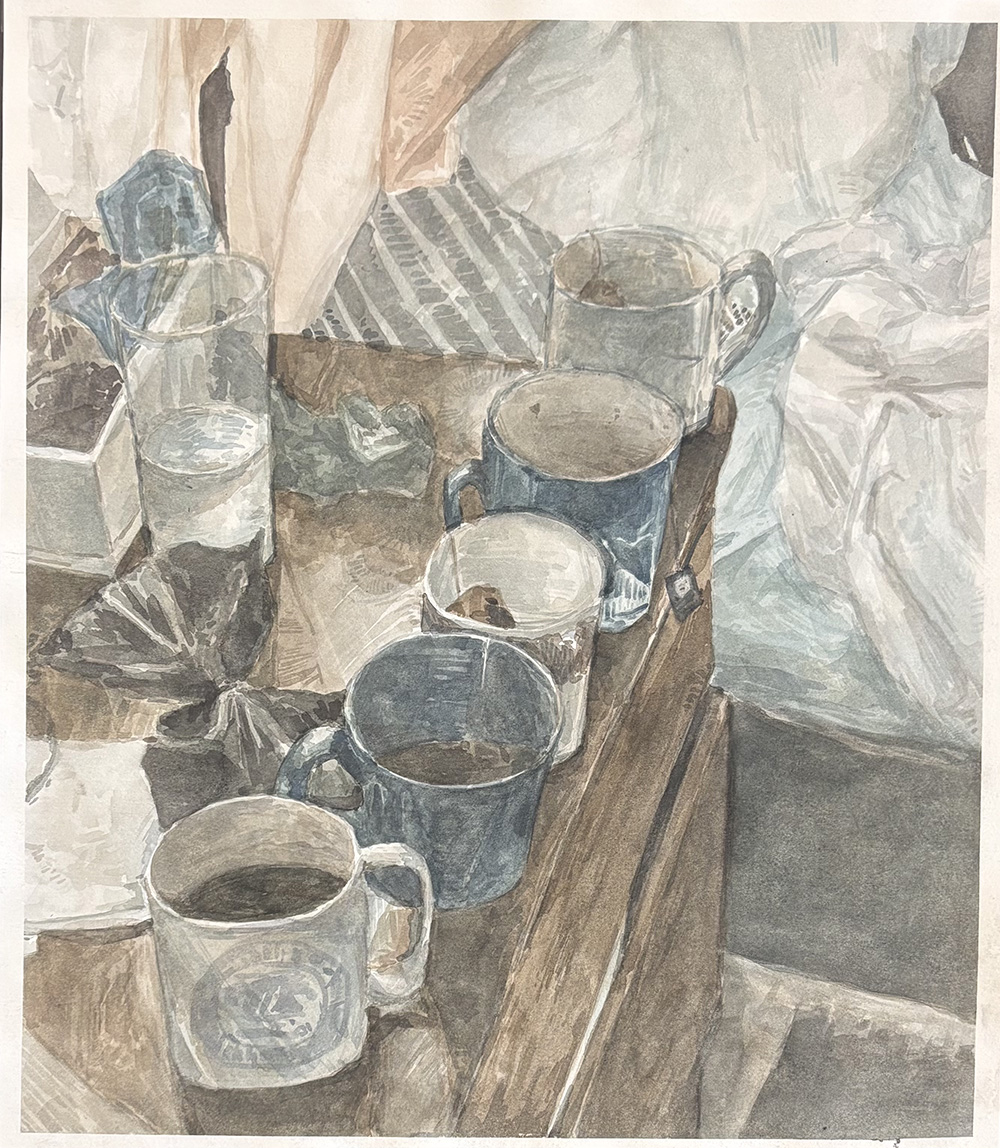
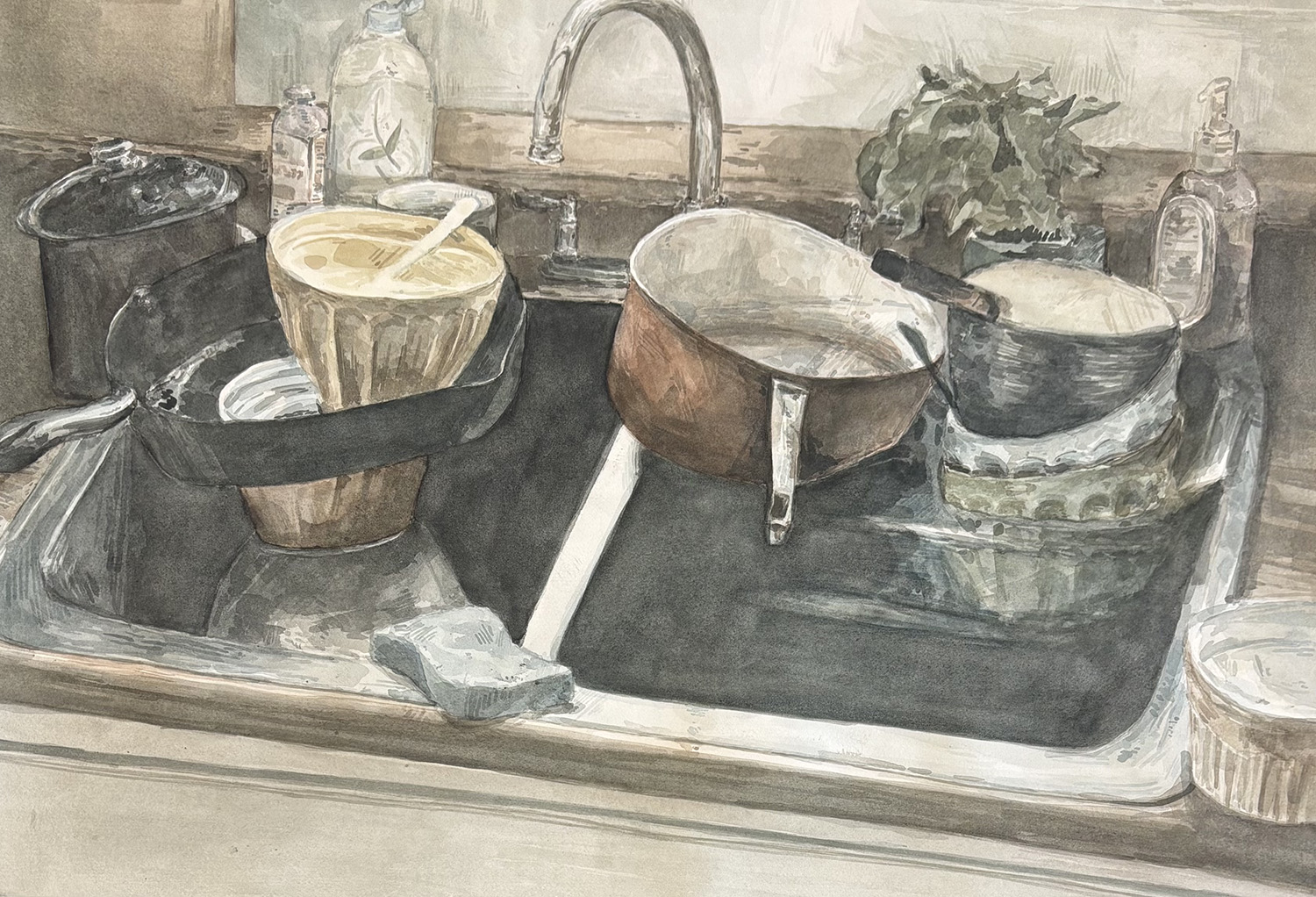
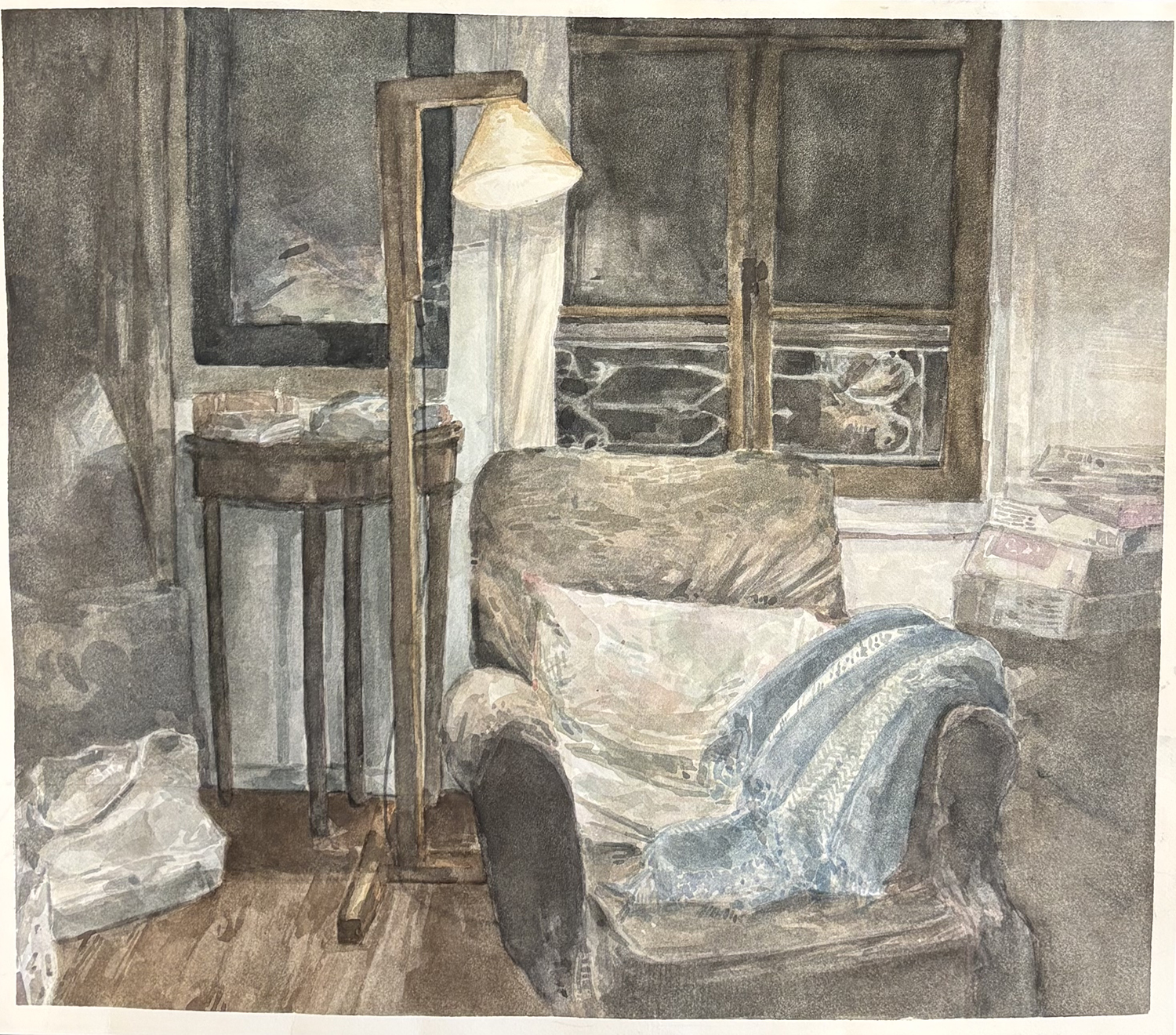
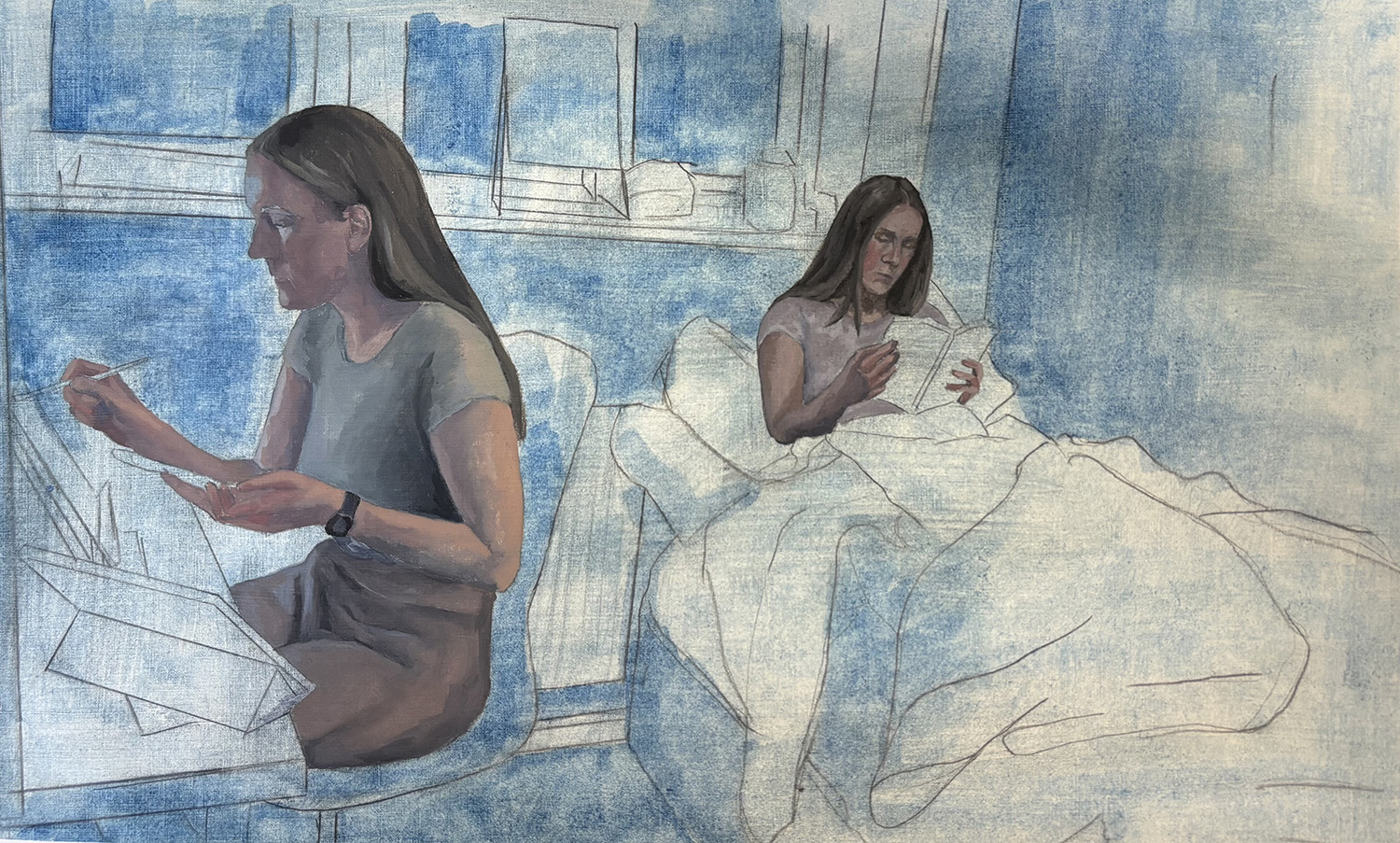
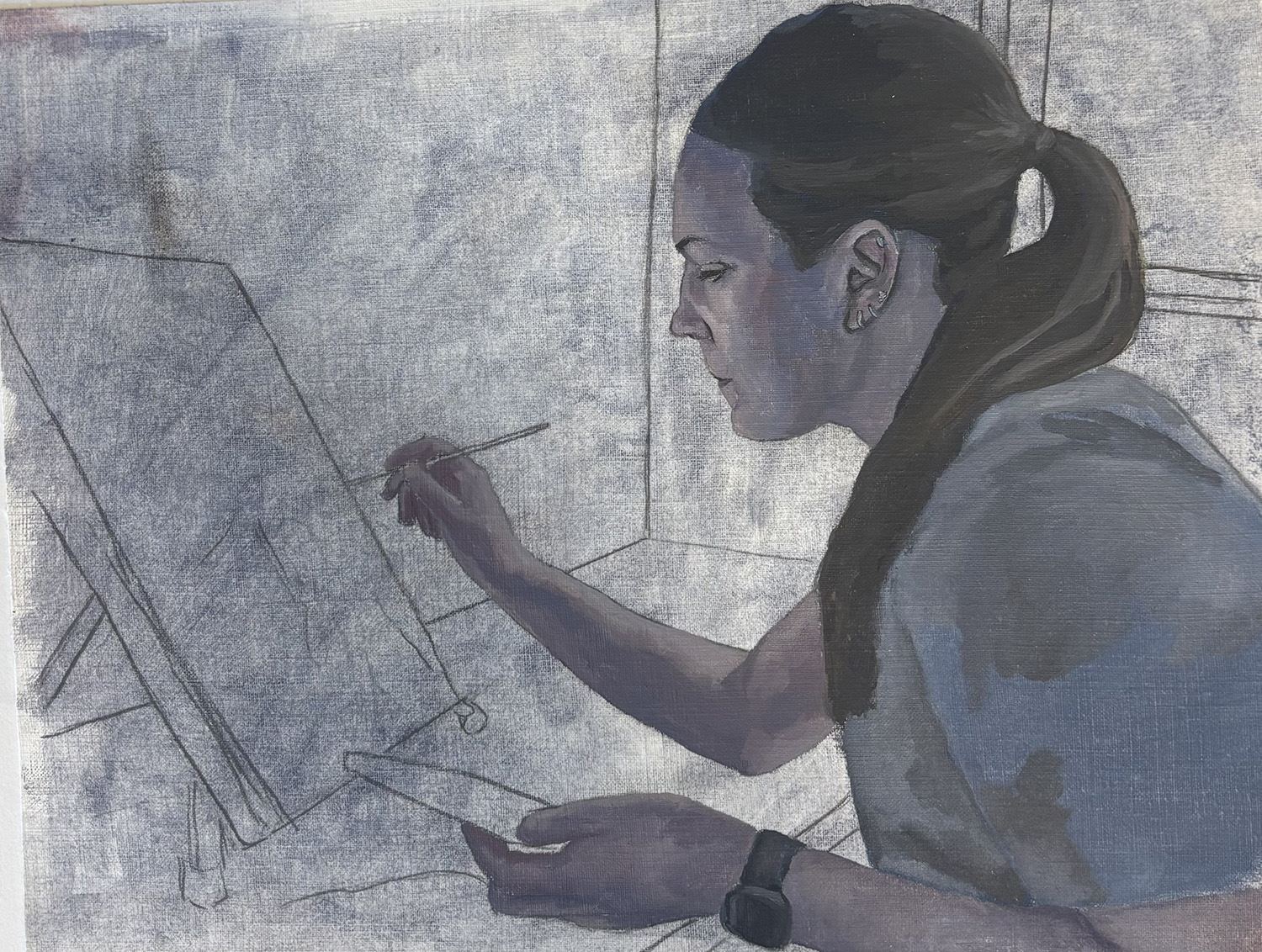
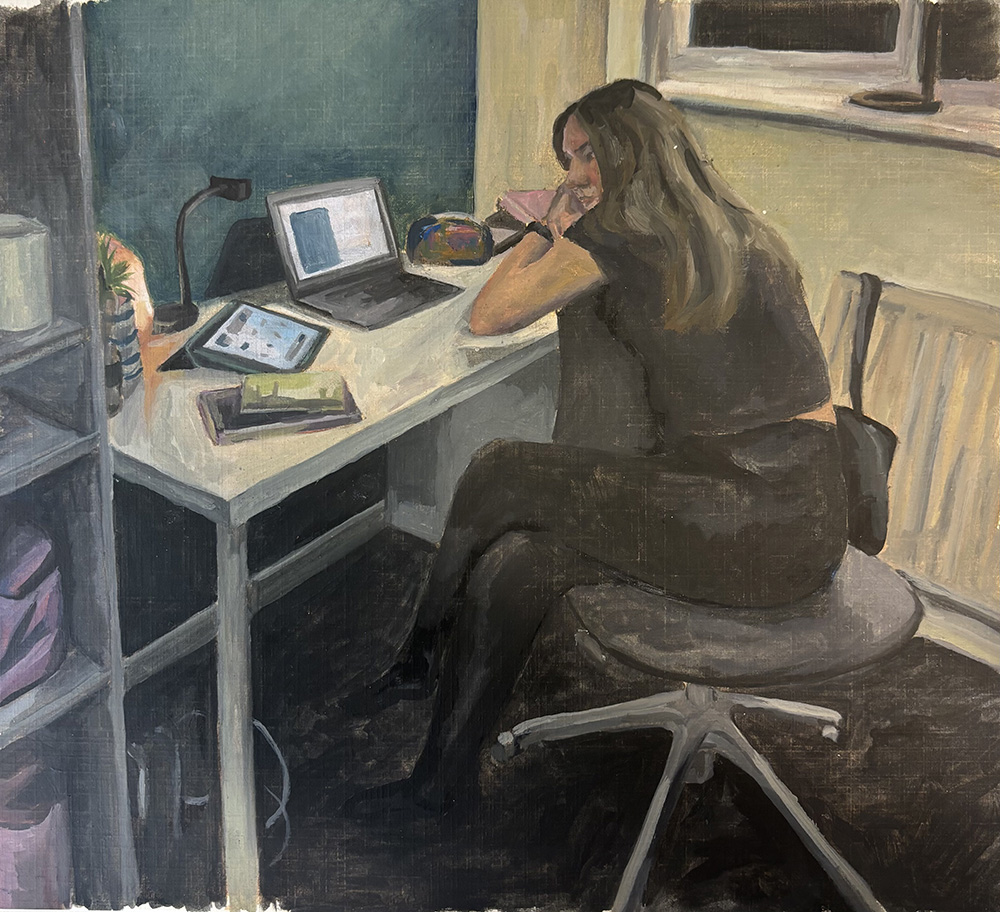
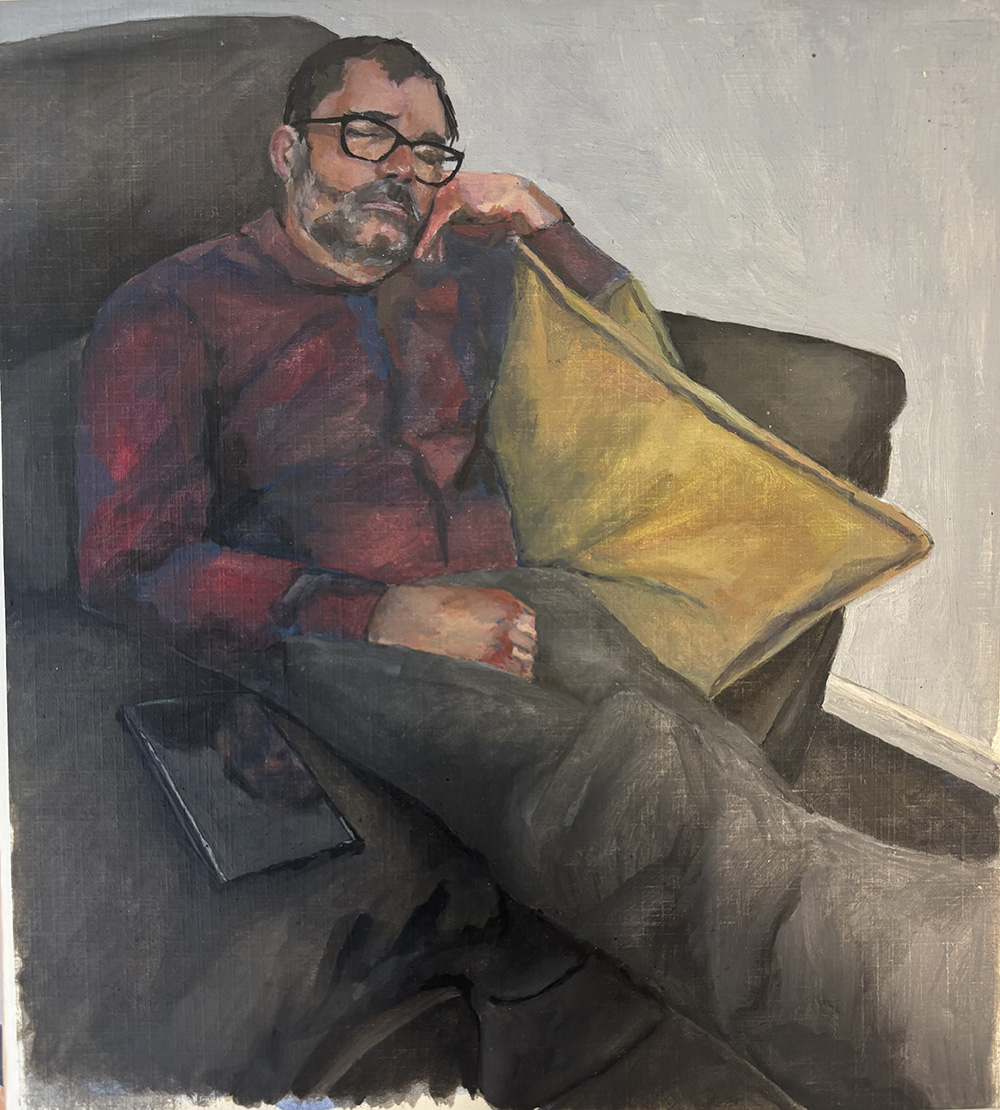
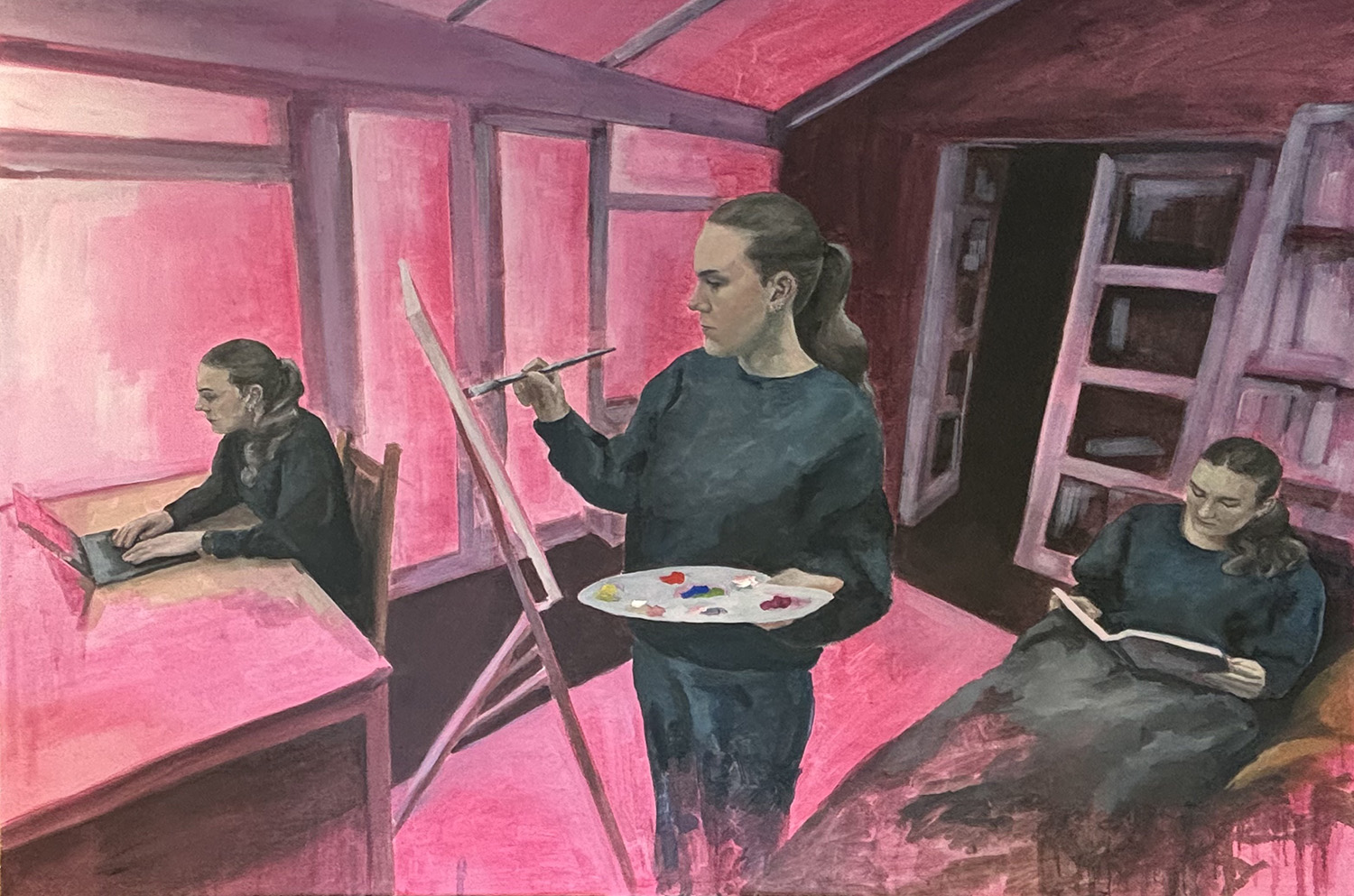
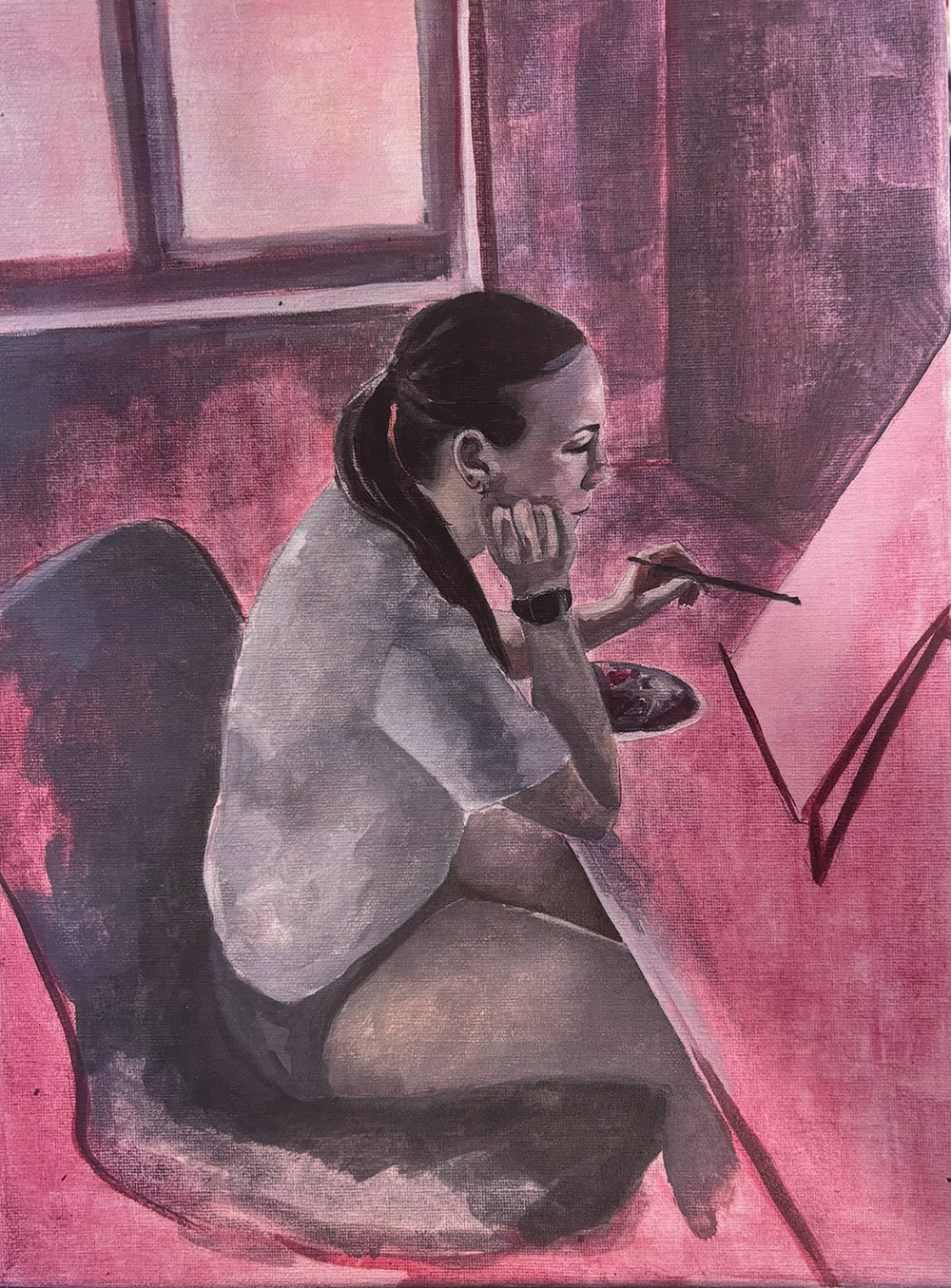
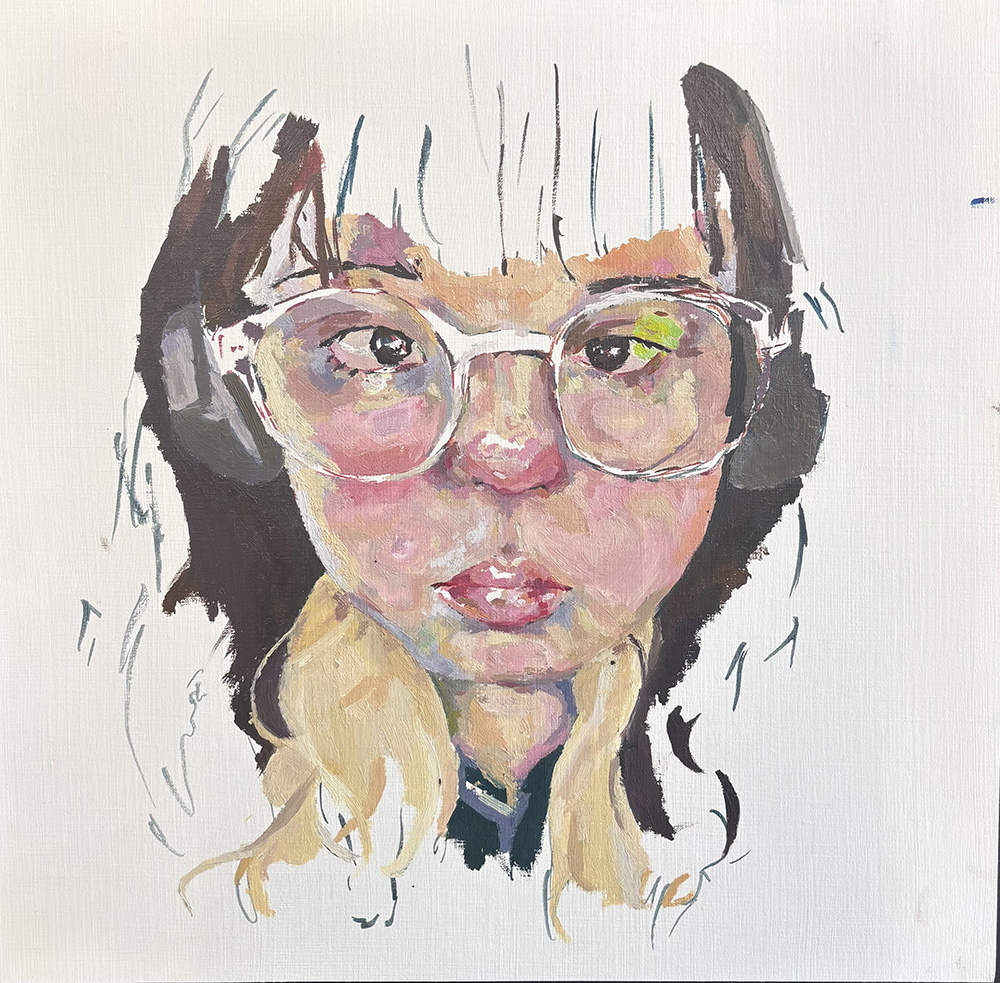
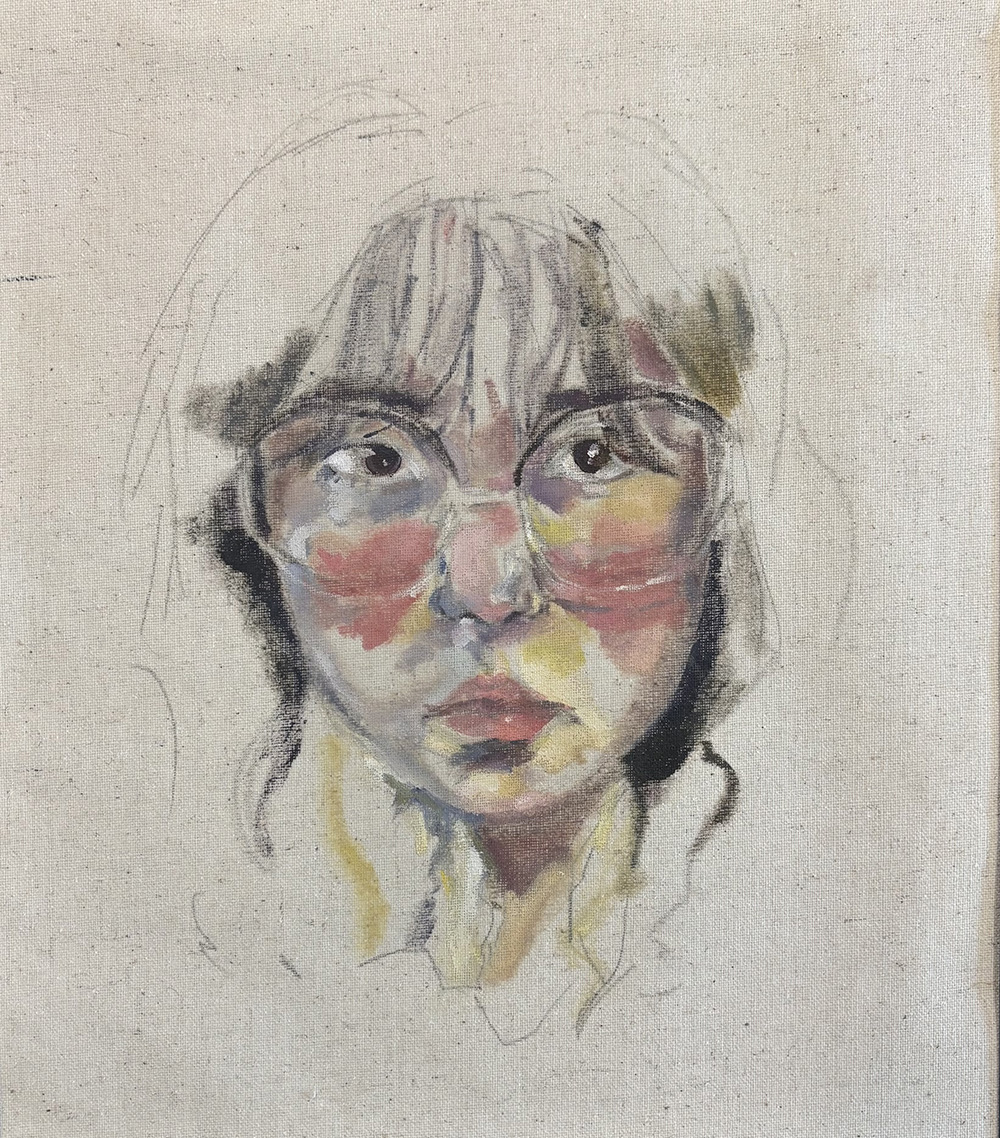
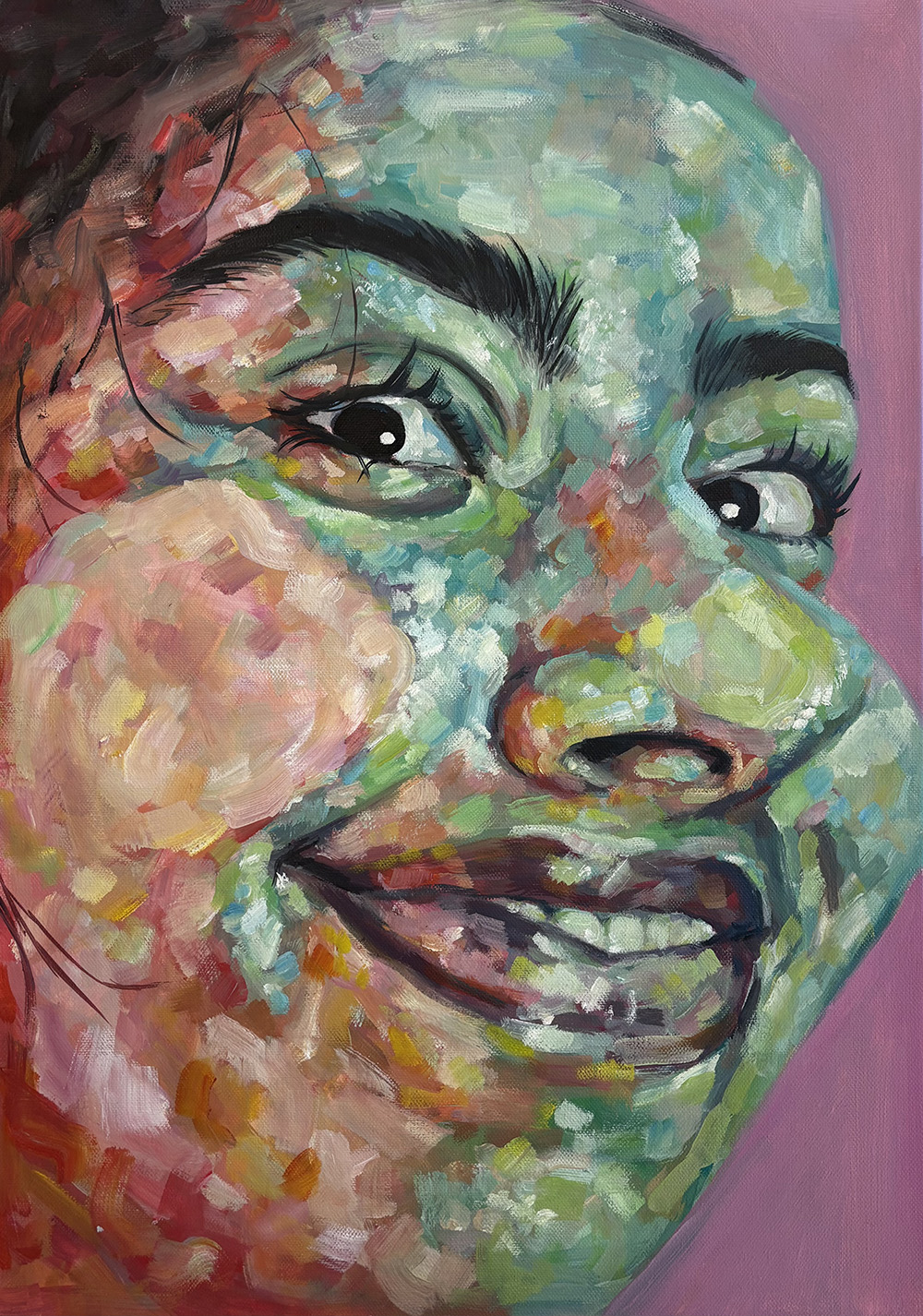
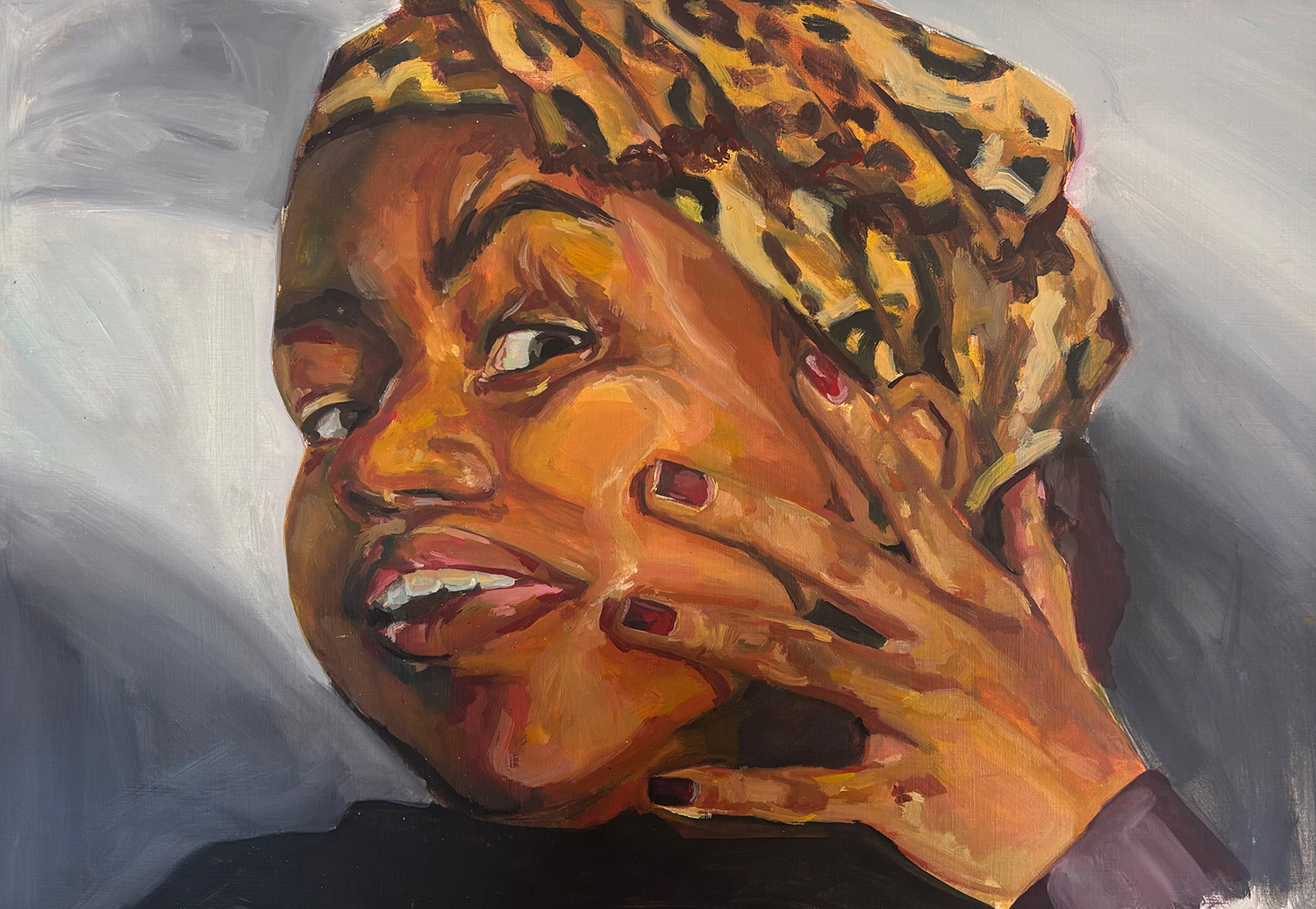
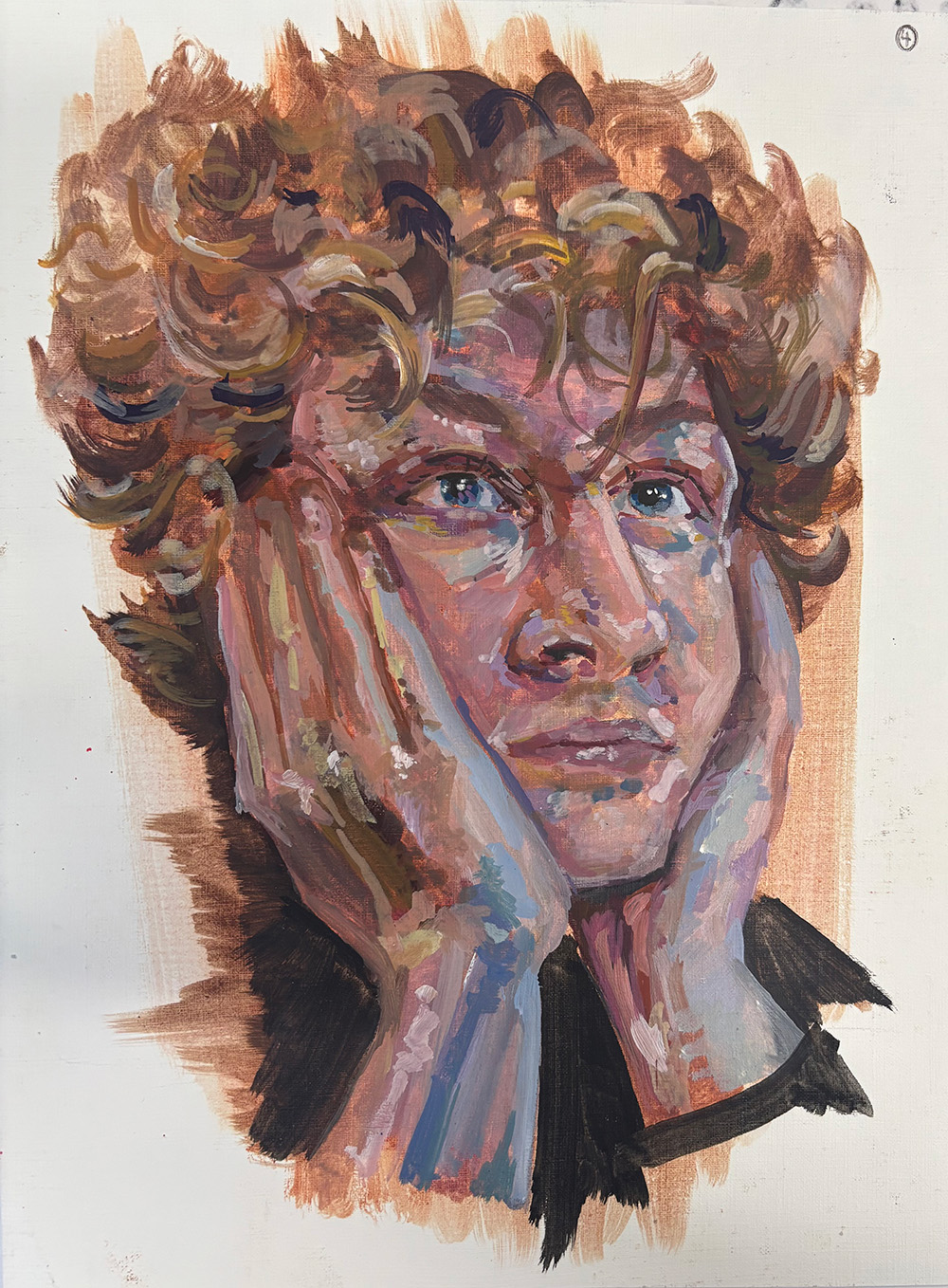
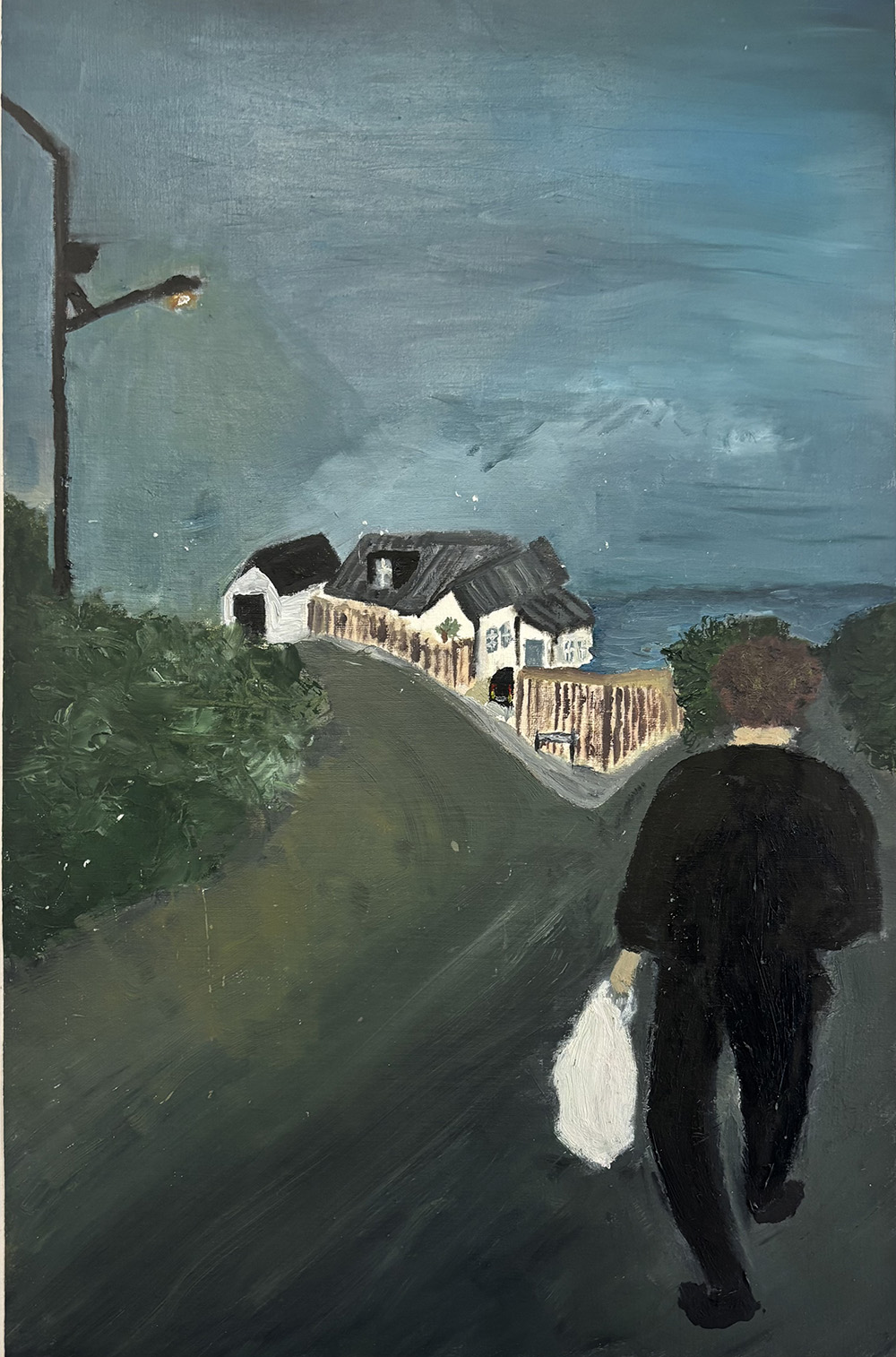
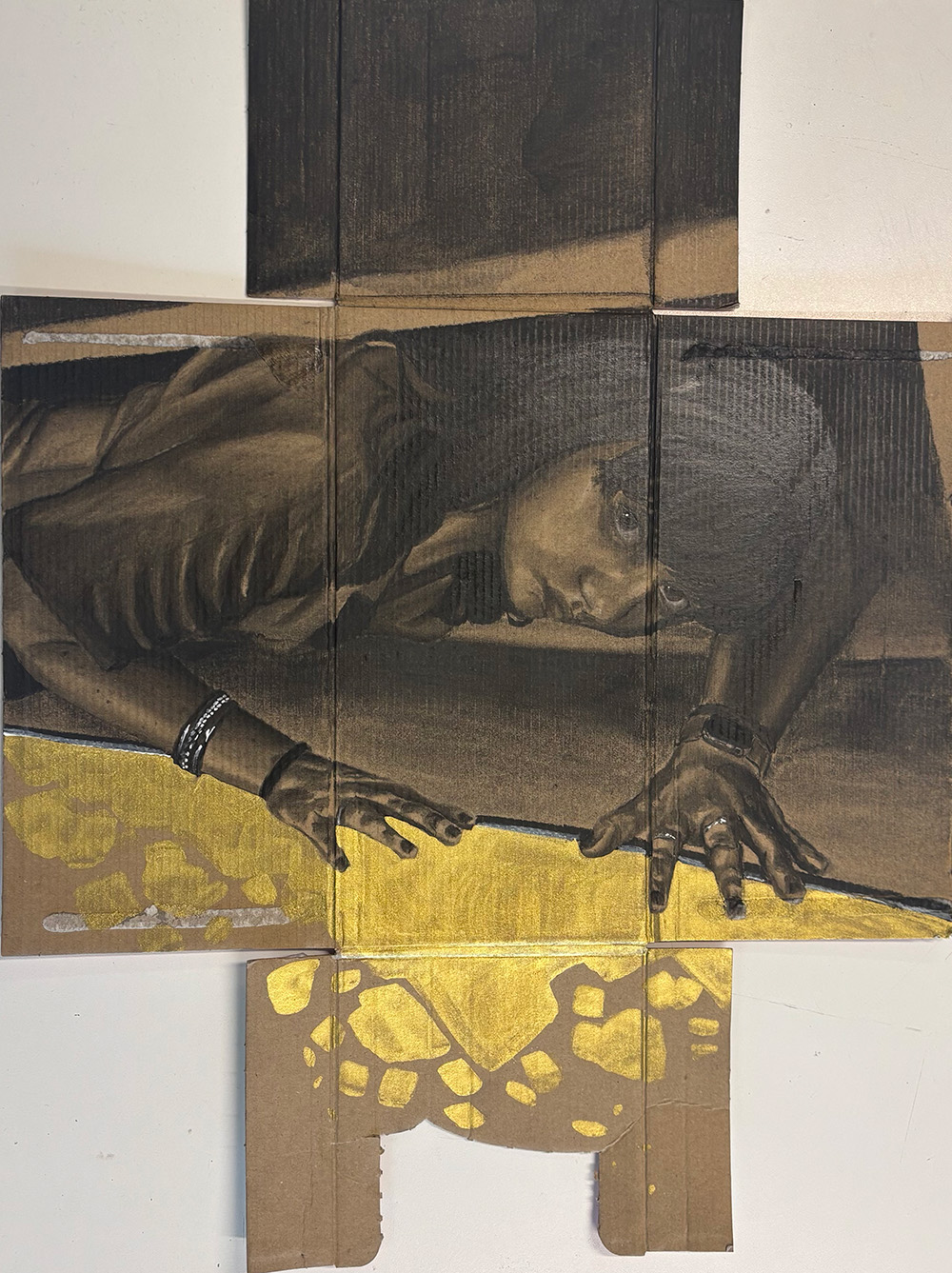
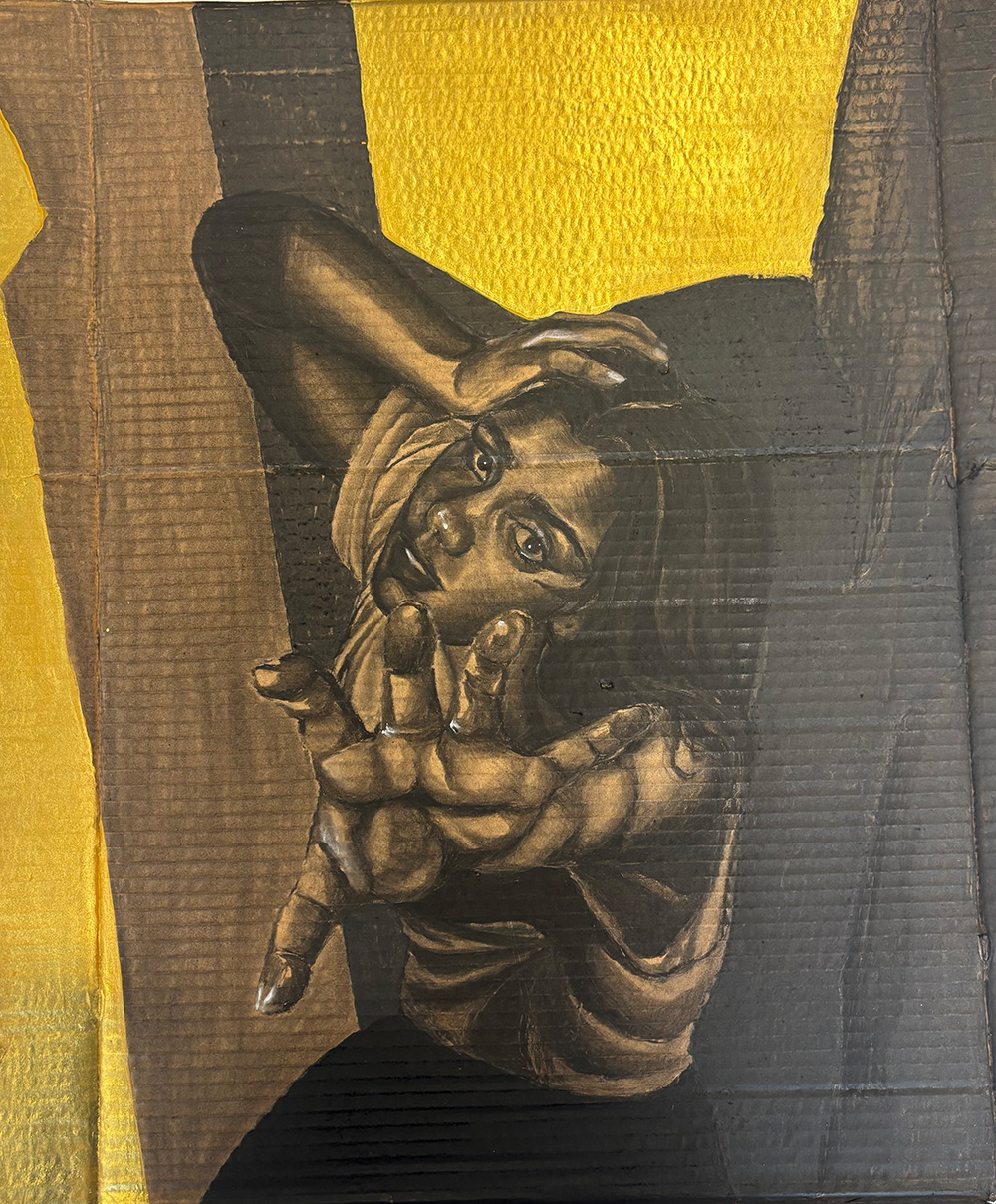
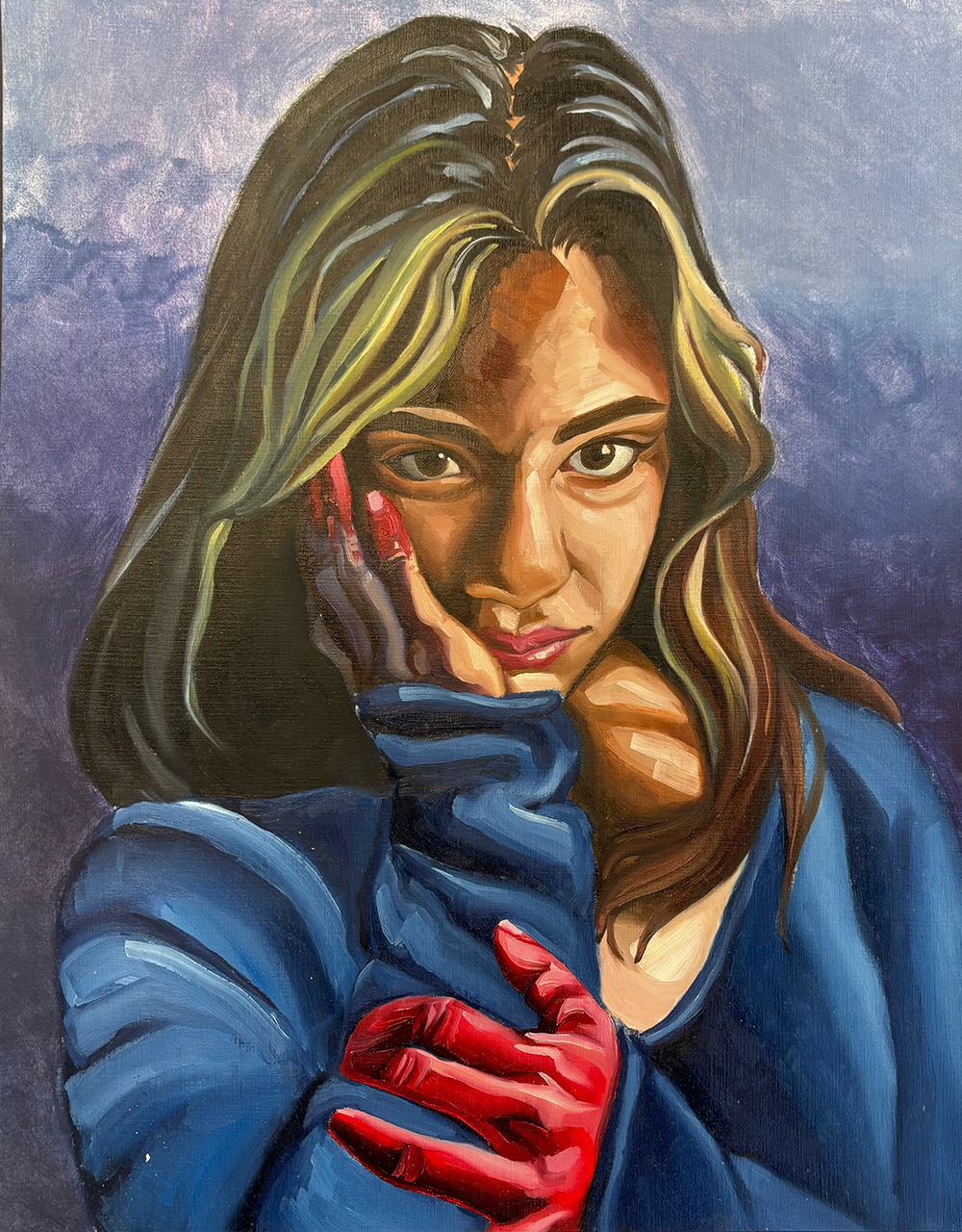
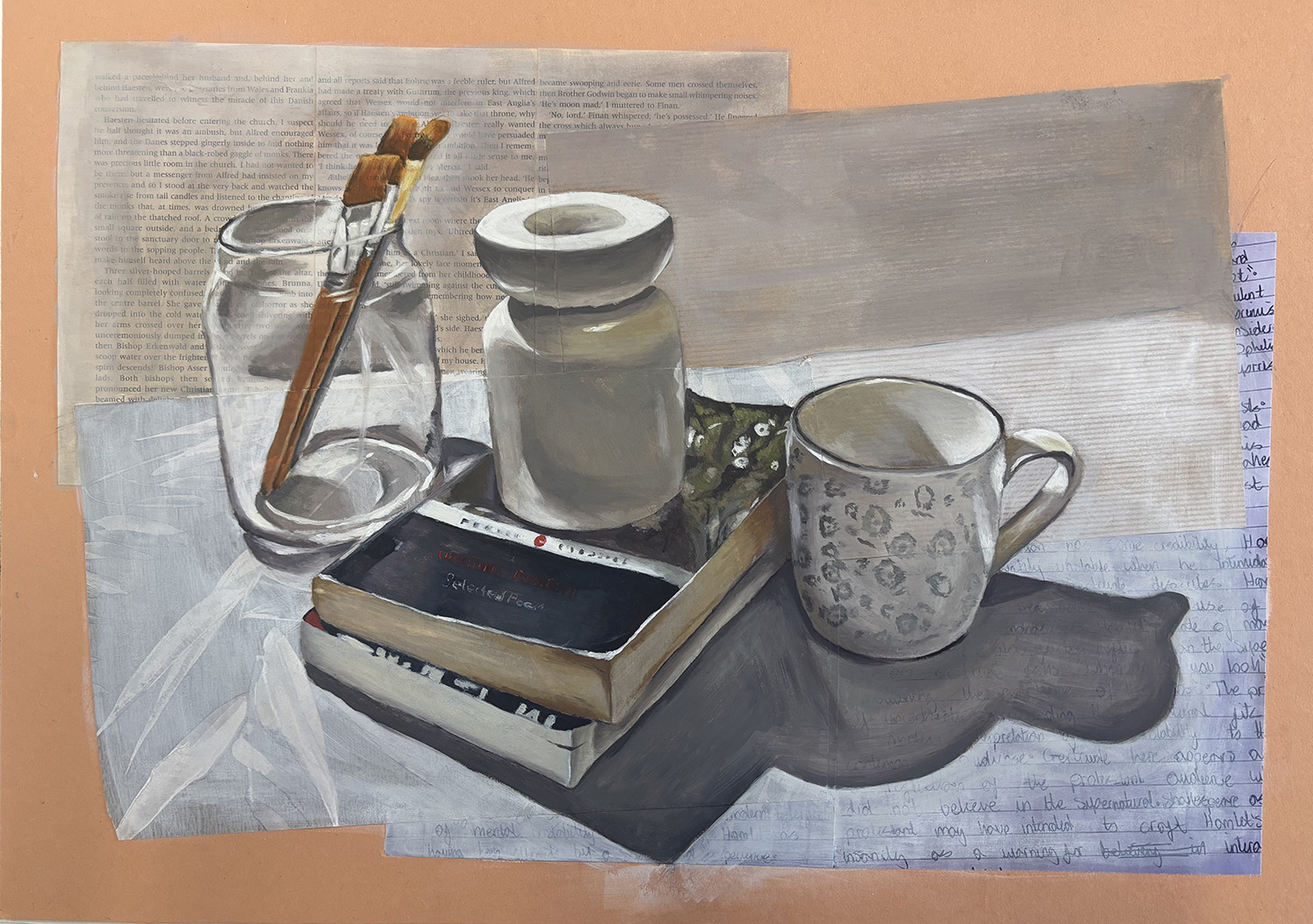
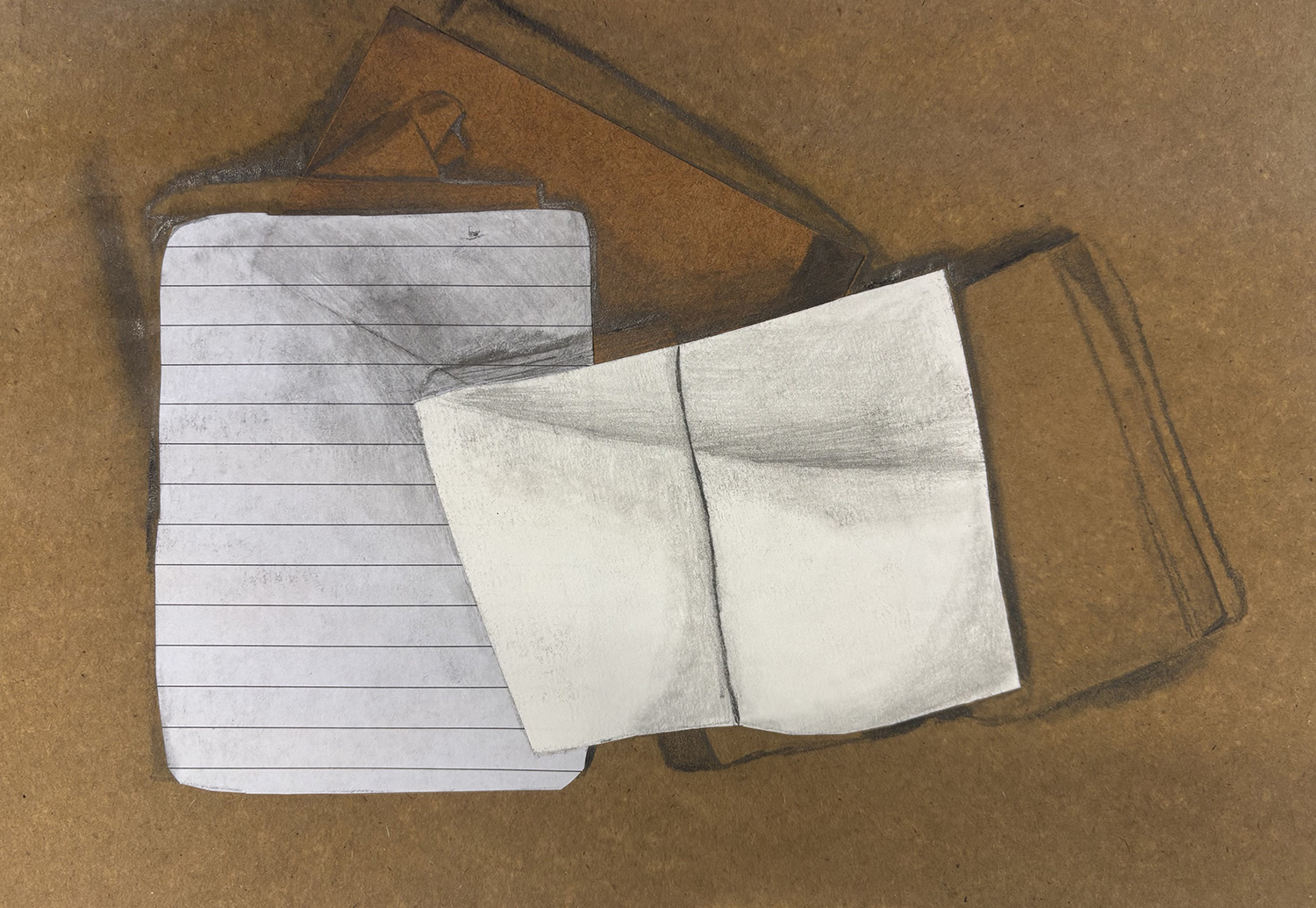
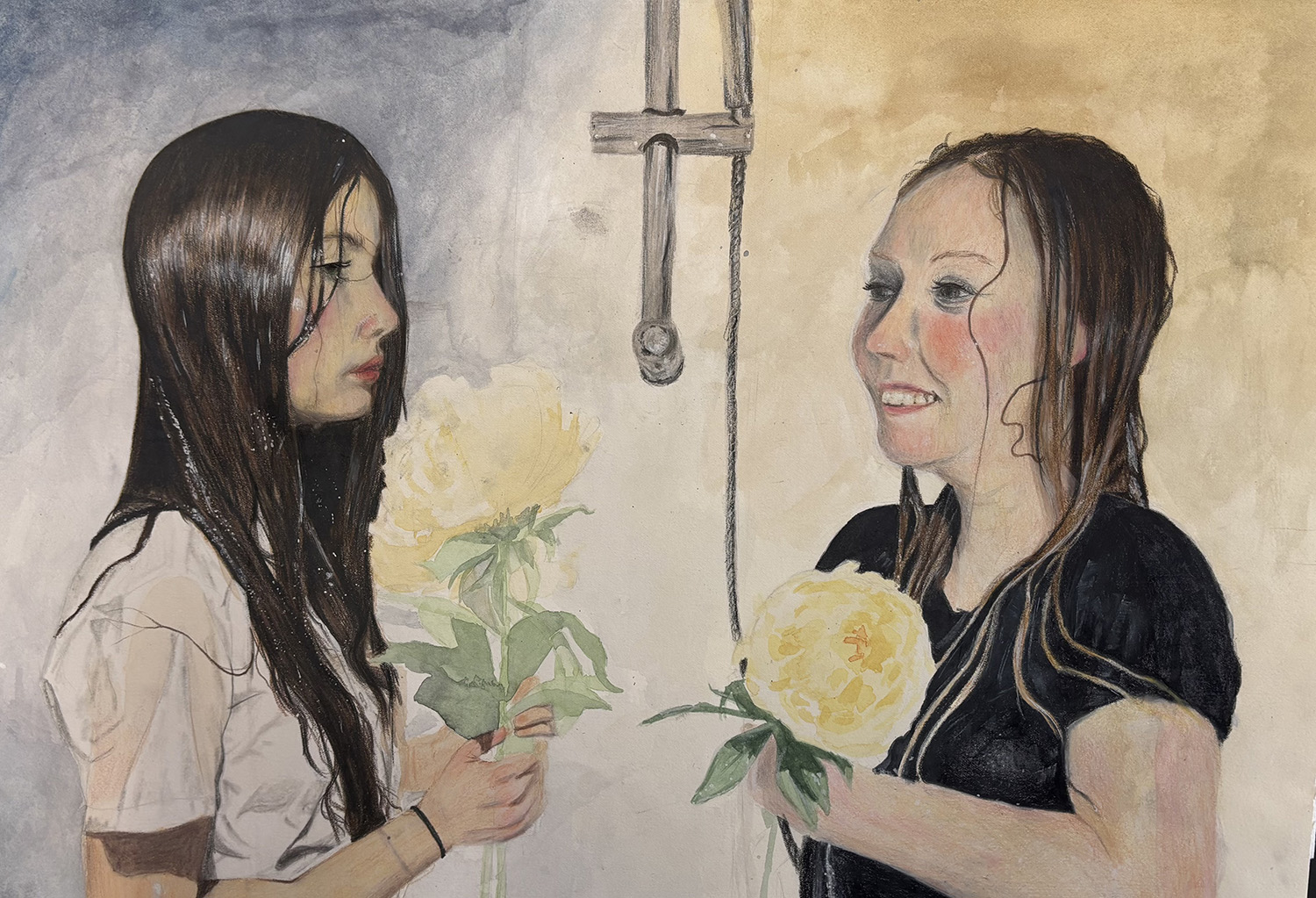
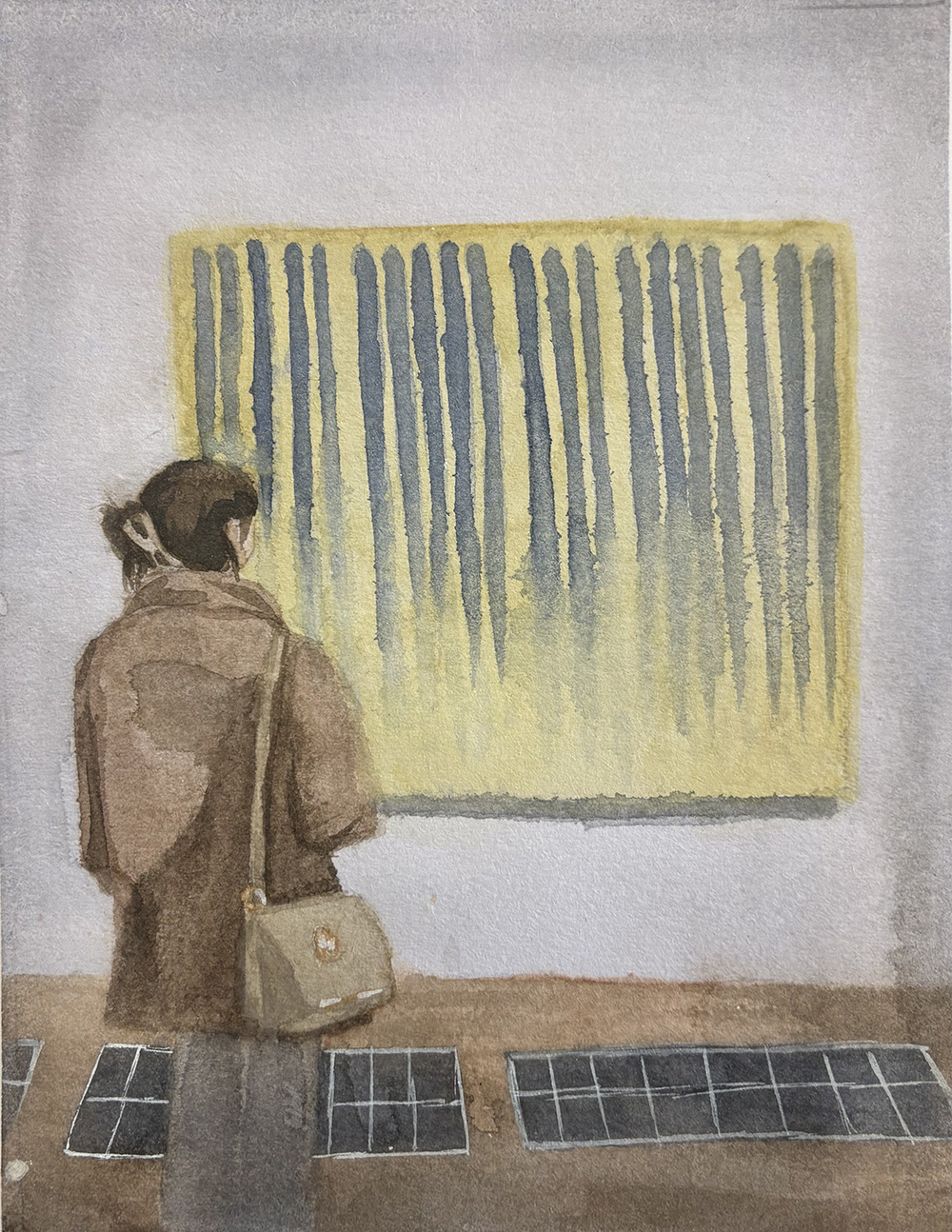
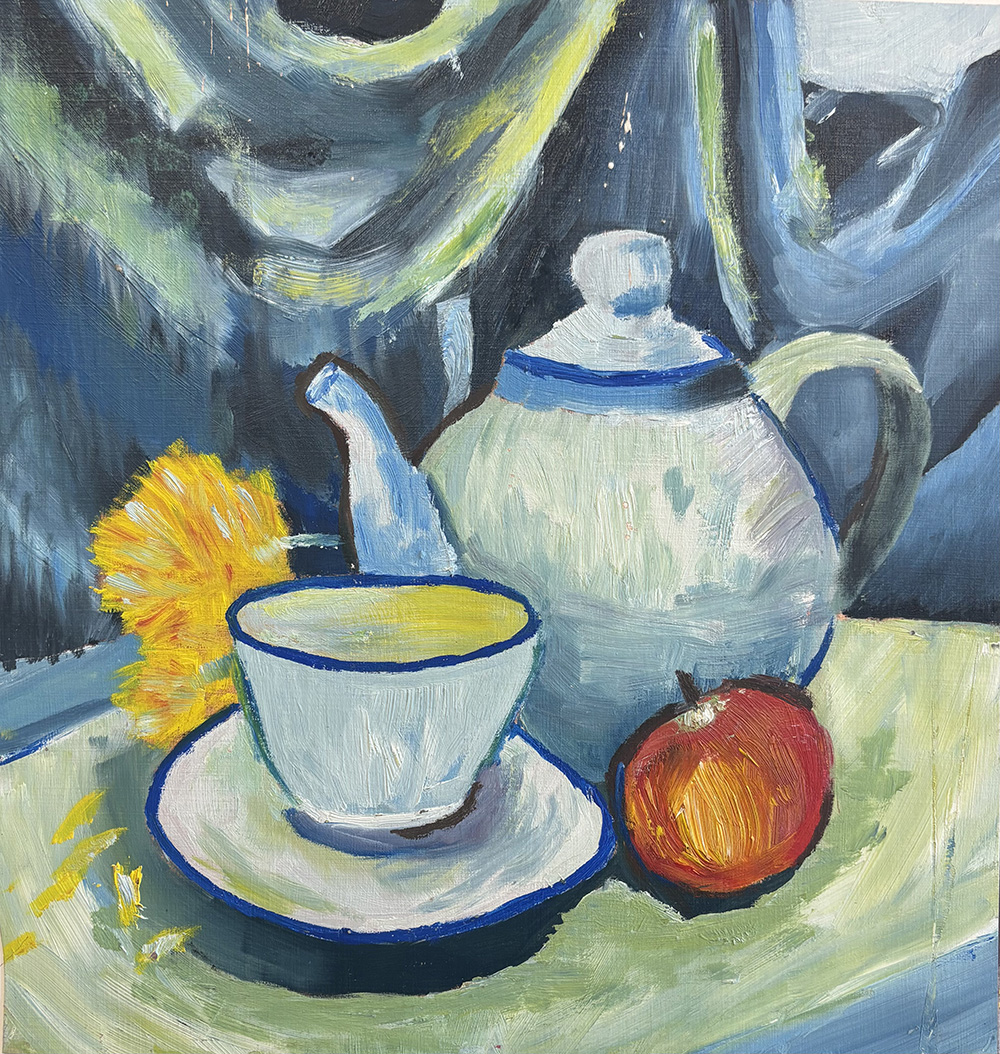
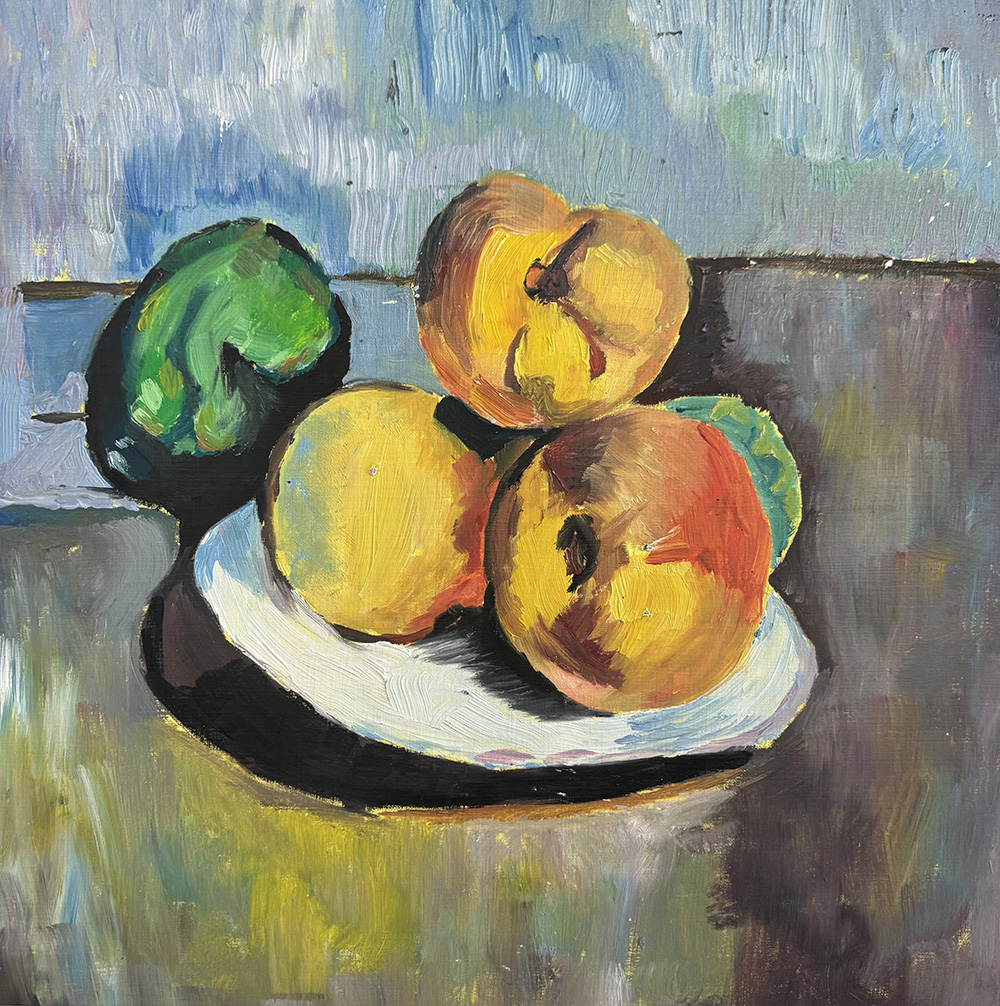
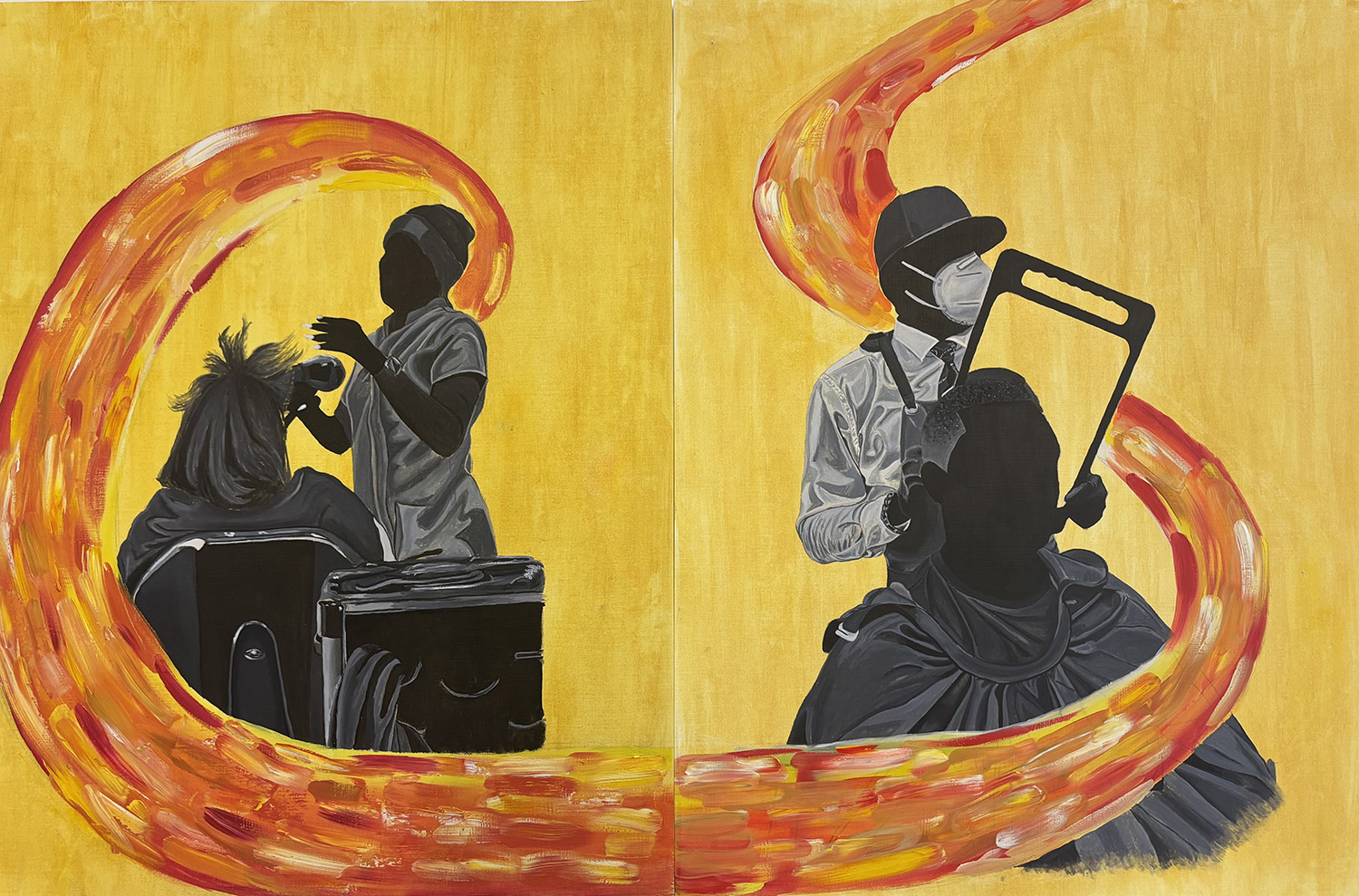
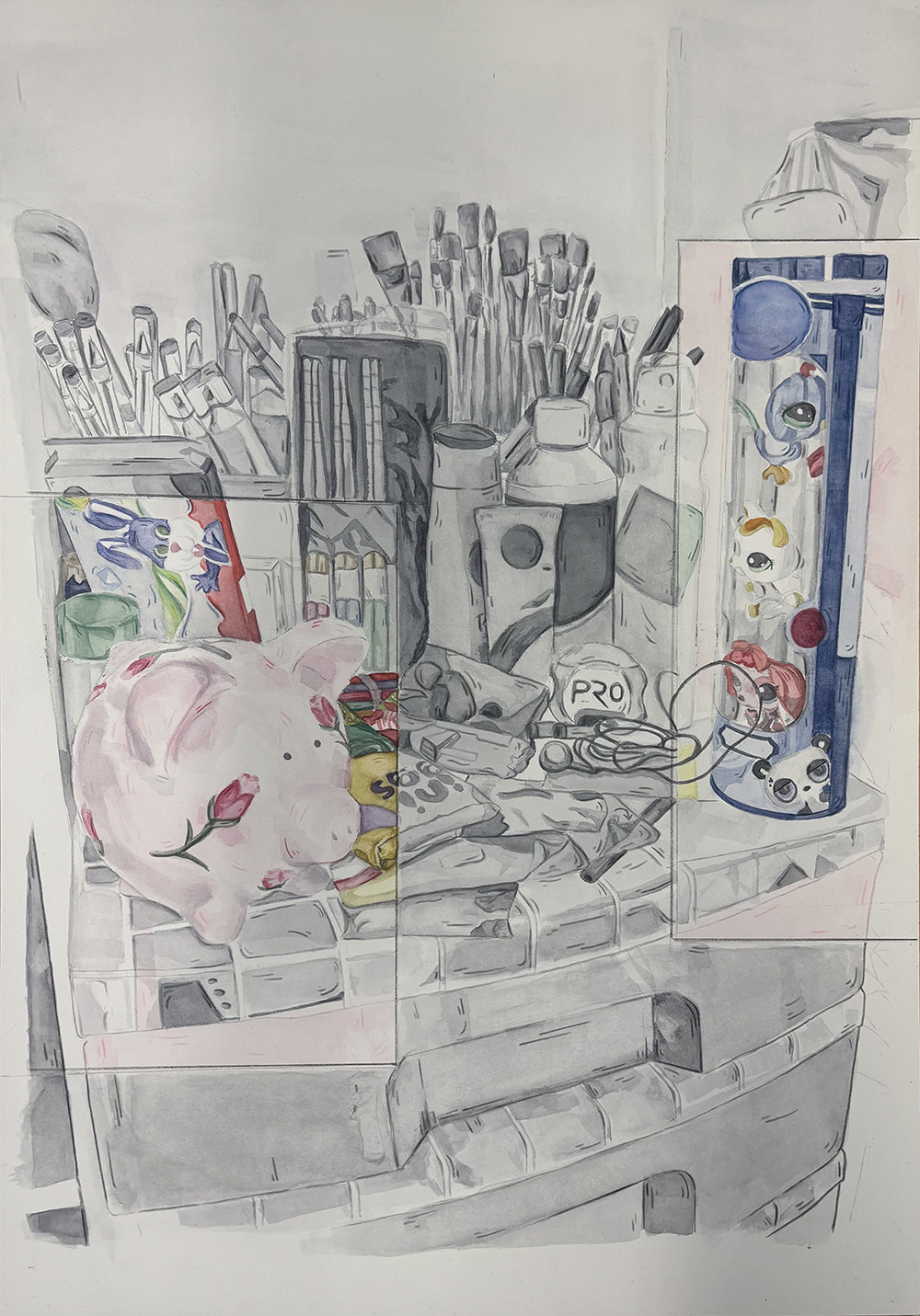
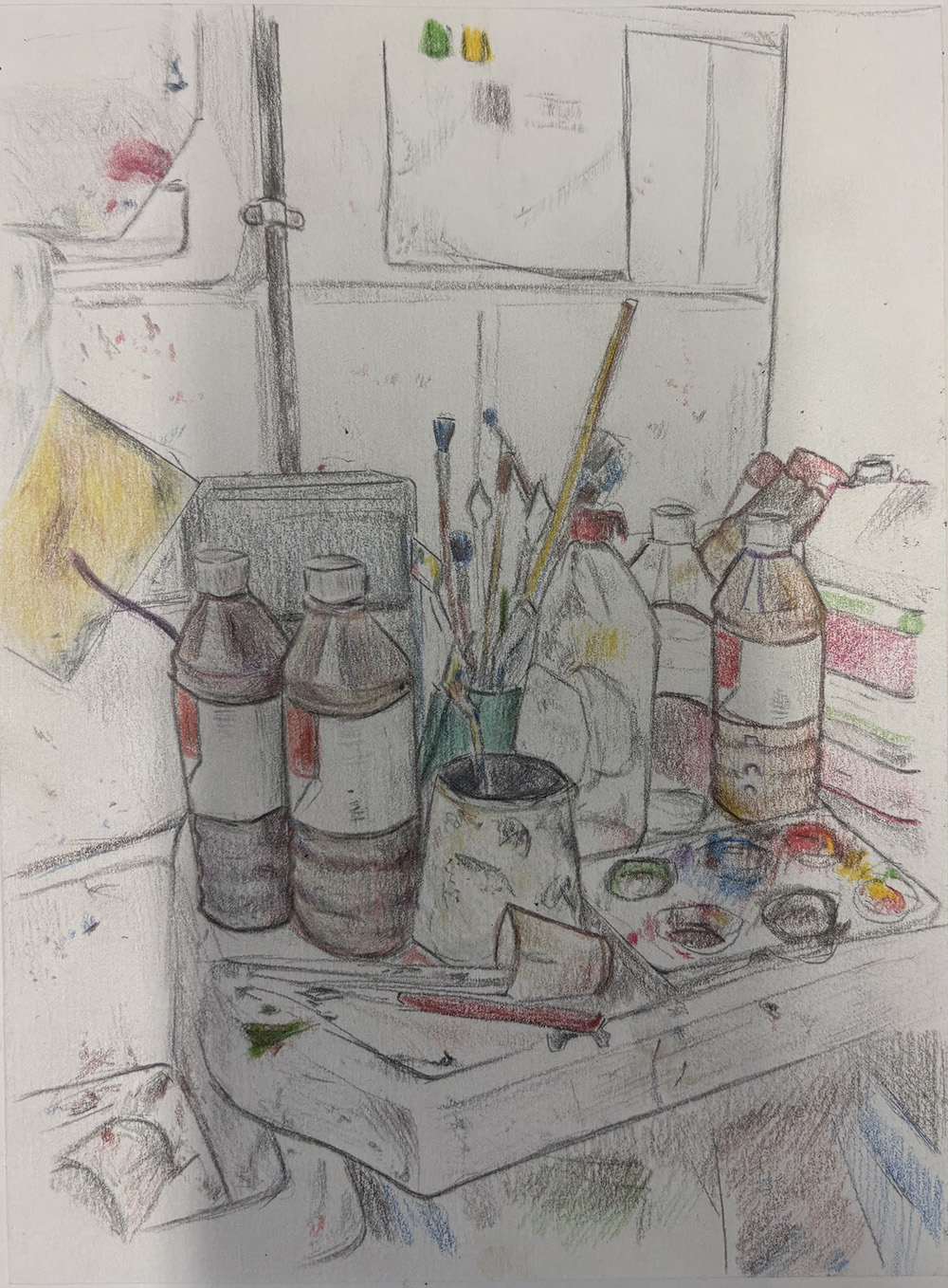
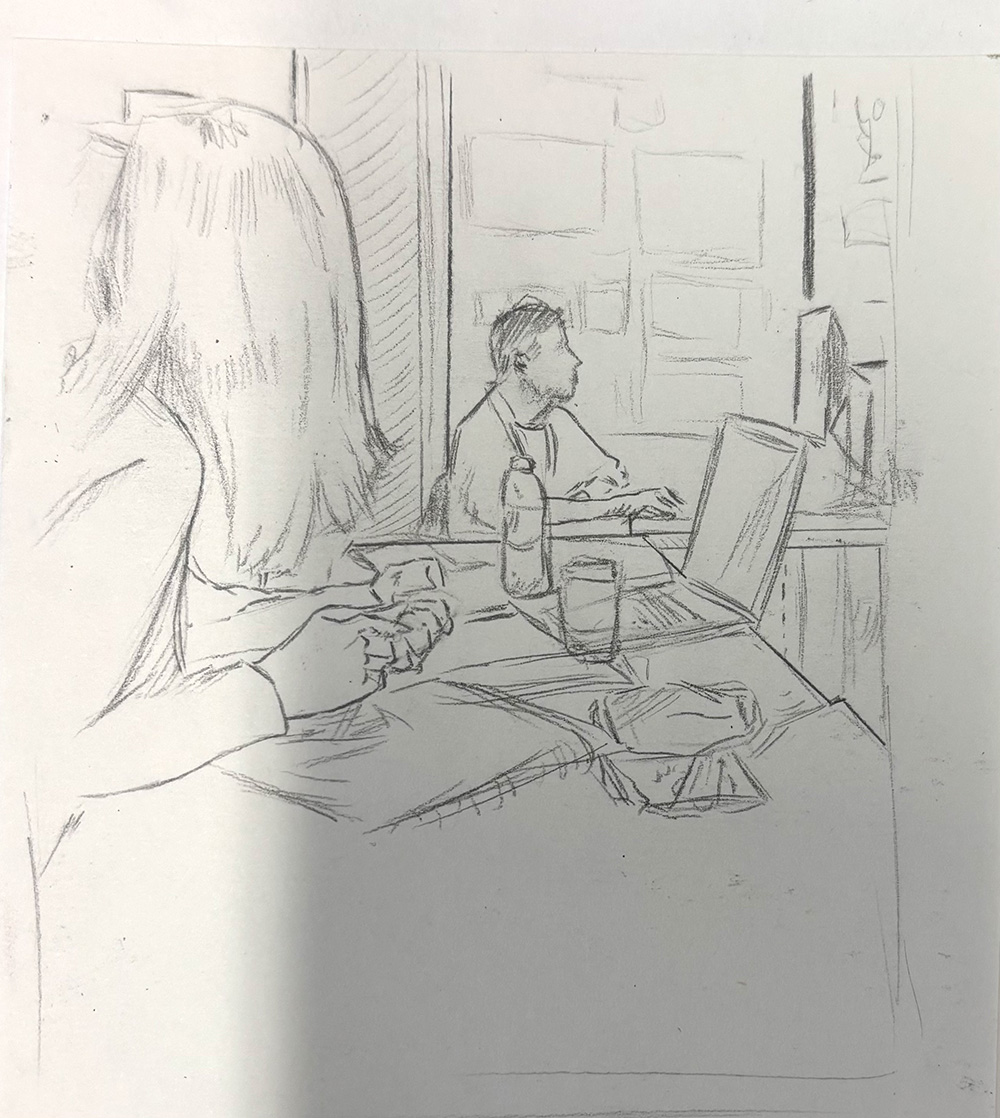
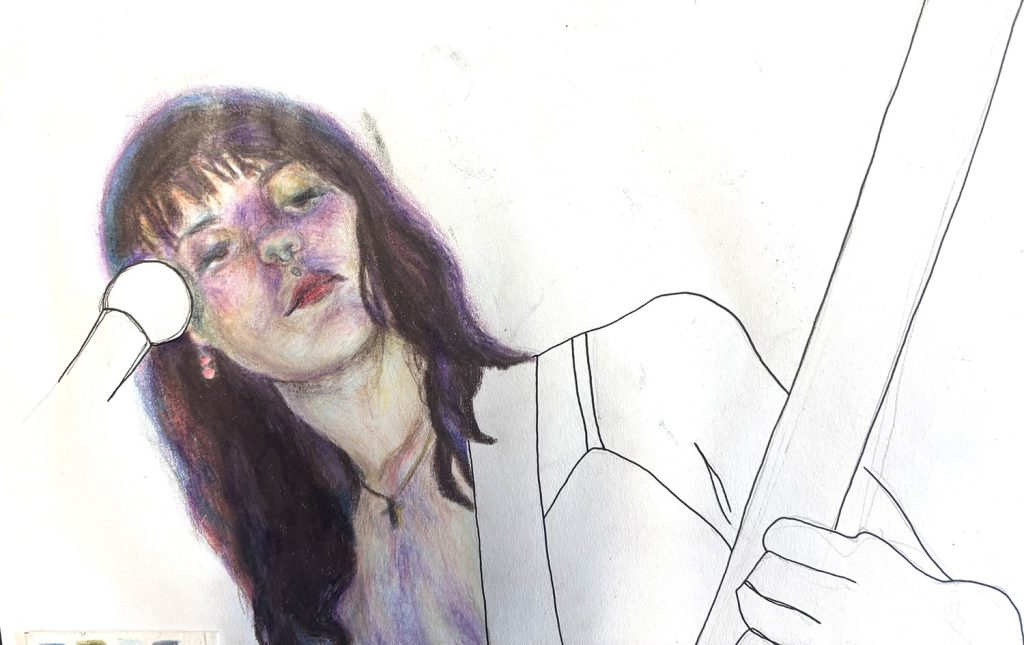
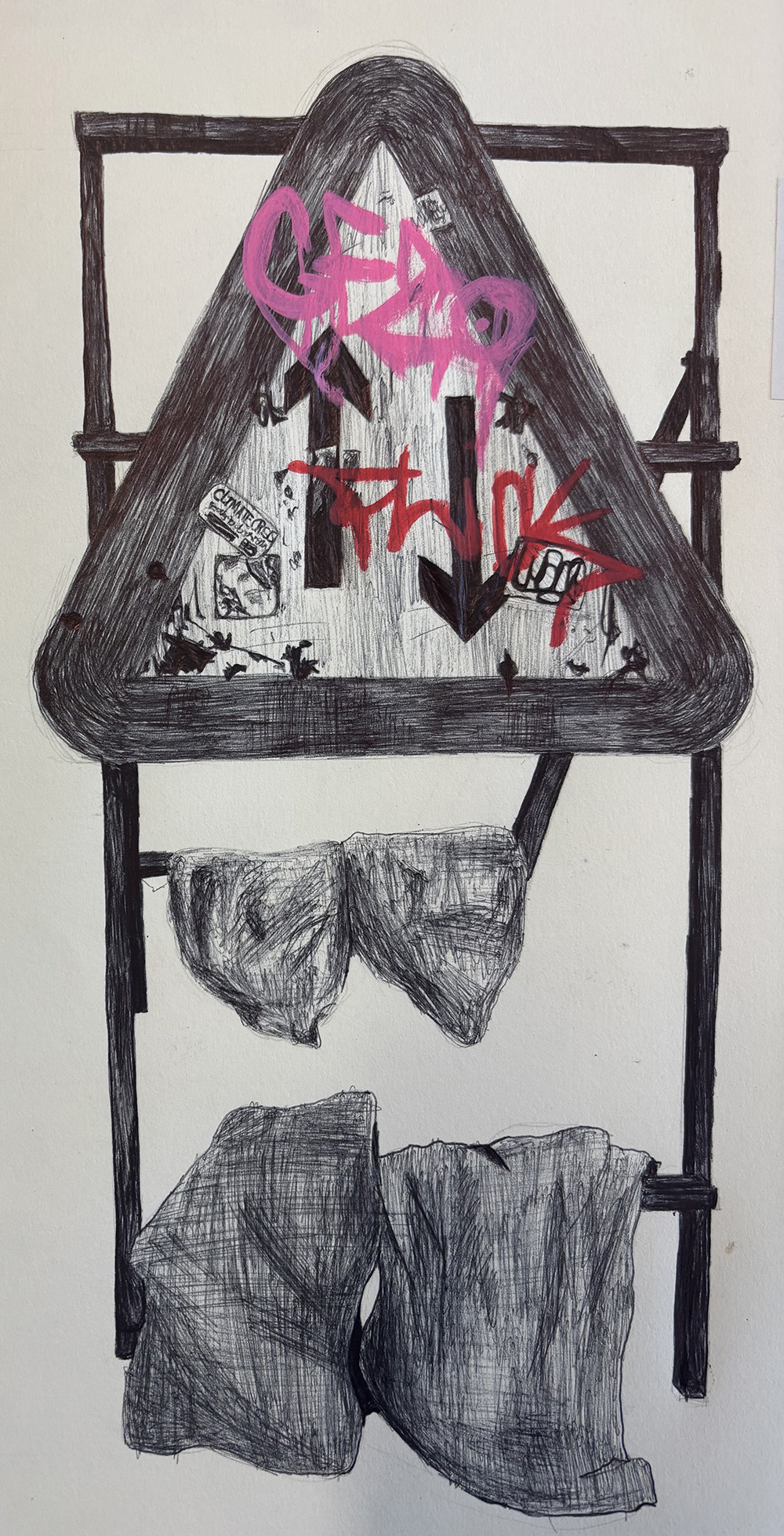
This year has seen some adventurous work come from the A-Level Fine art cohort. The organisational skills and motivation of the students has really been tested. Working with found objects and sometimes huge canvases the patience and skill level of the students has been pushed to their limits. However, all the students have risen to the challenges presented over the year and produced high quality work they should be proud of.
A-Level Photography allows learners the opportunity to express themselves creatively while exploring ideas and concepts that are personal and meaningful. This is clearly demonstrated across the wonderful work created by this years A-Level cohort. I could not be prouder of the work and achievements made by each member of the Photography group.
Learners often choose issues within society as a means to connect their Photography to an audience. The course consistently challenges them to problem solve and improve both quality and concept as they progress. This ultimately prepares them for both industry and Higher Education.
Industry-standard software and equipment are embedded throughout the course to again support progression, exploring the Creative Cloud Adobe Suite with programs such as Photoshop and Lightroom for image editing, along with InDesign to create their stunning portfolios and project work. To allow for a deeper understanding of photography, learners are encouraged to work with both modern and traditional techniques such as darkroom and Cyanotypes. This 2-year programme builds theoretical and practical knowledge to allow our learners the creative means to express themselves through Photography.
I hope you enjoy exploring the work from this year’s Photography learners.
Simon Morris, A-Level Photography Tutor, Dudley Sixth
Safia Ali
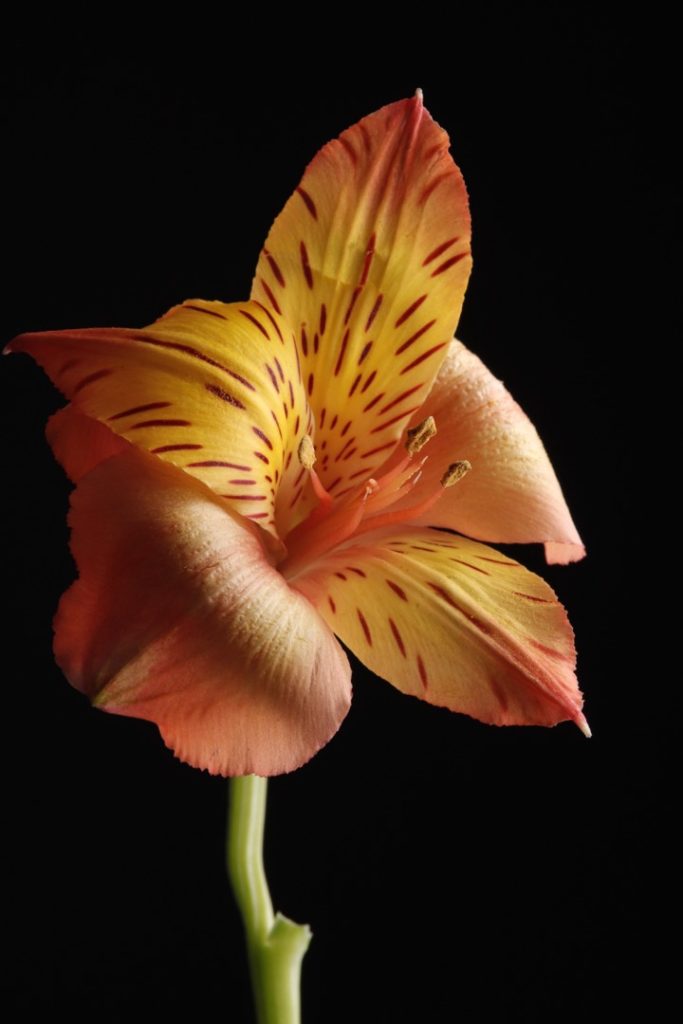
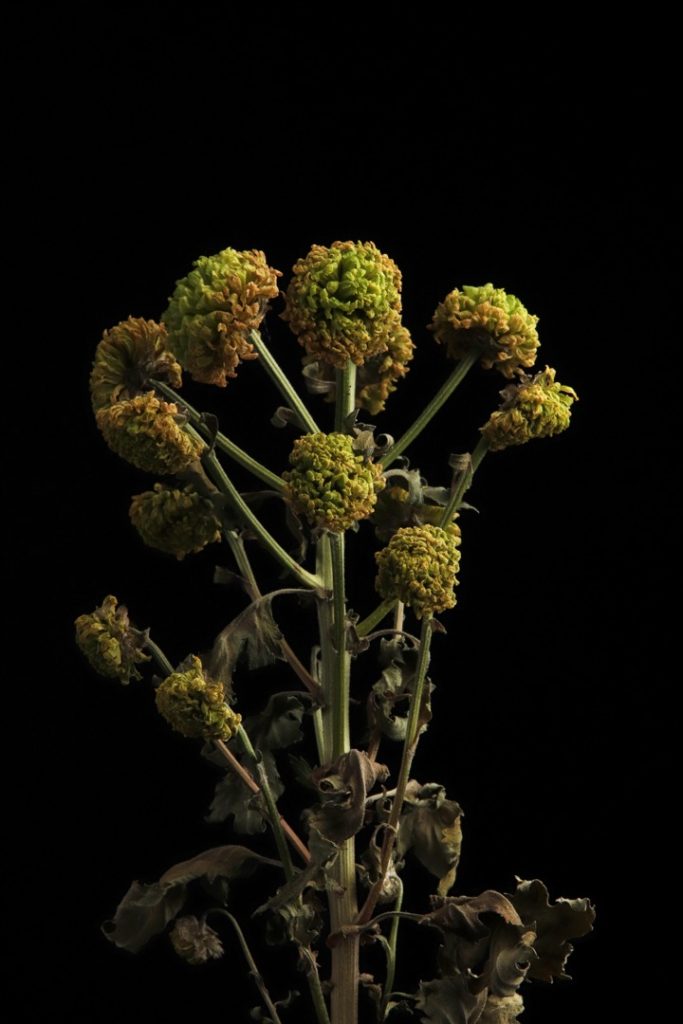
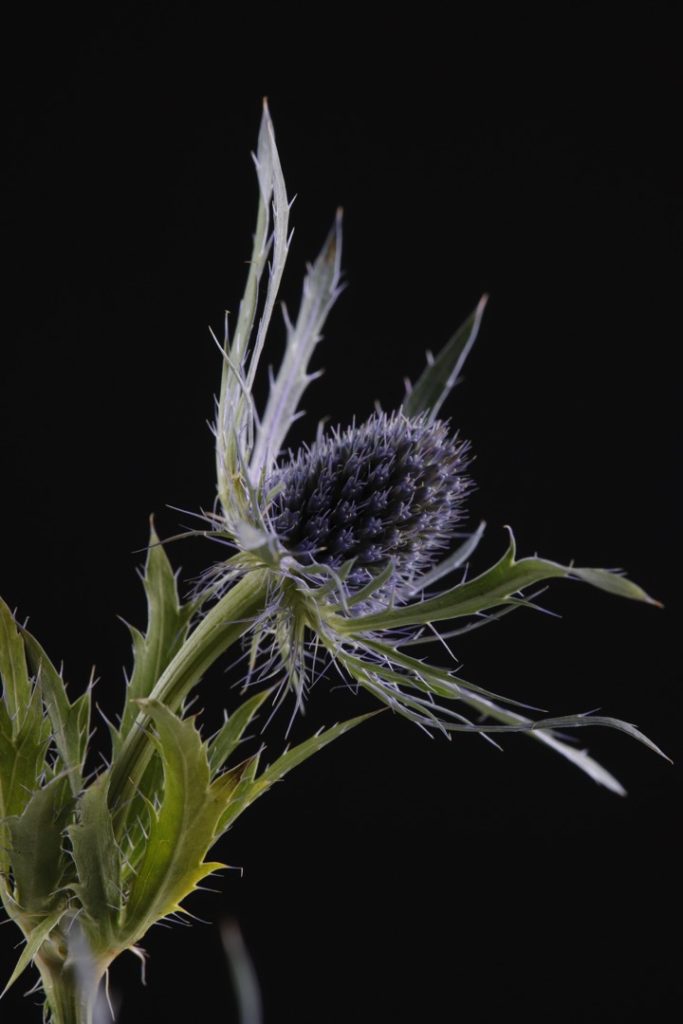
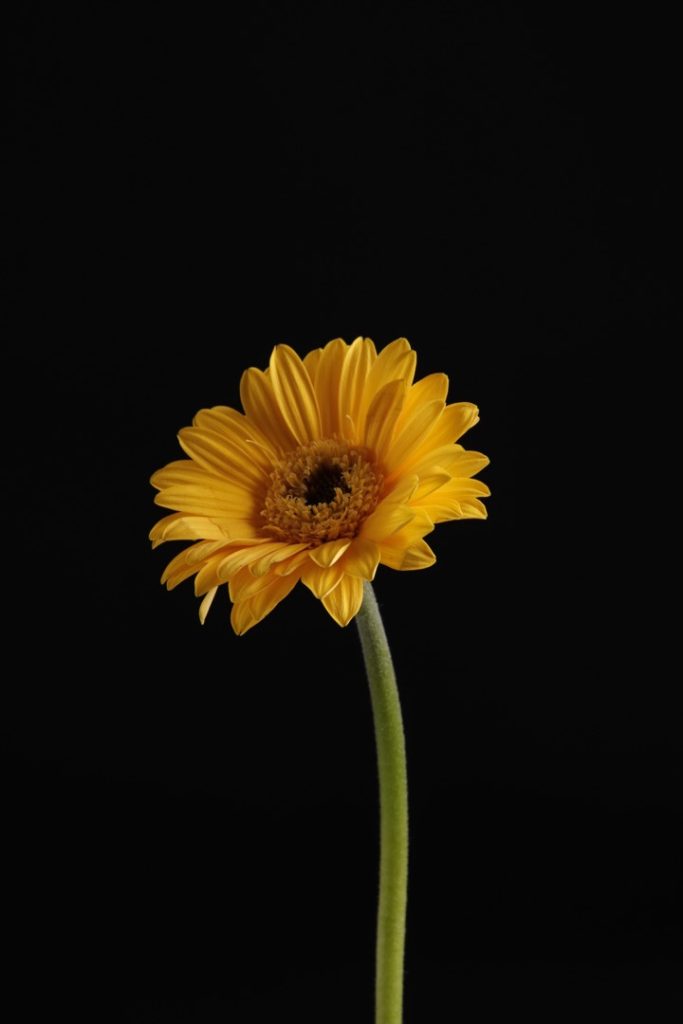
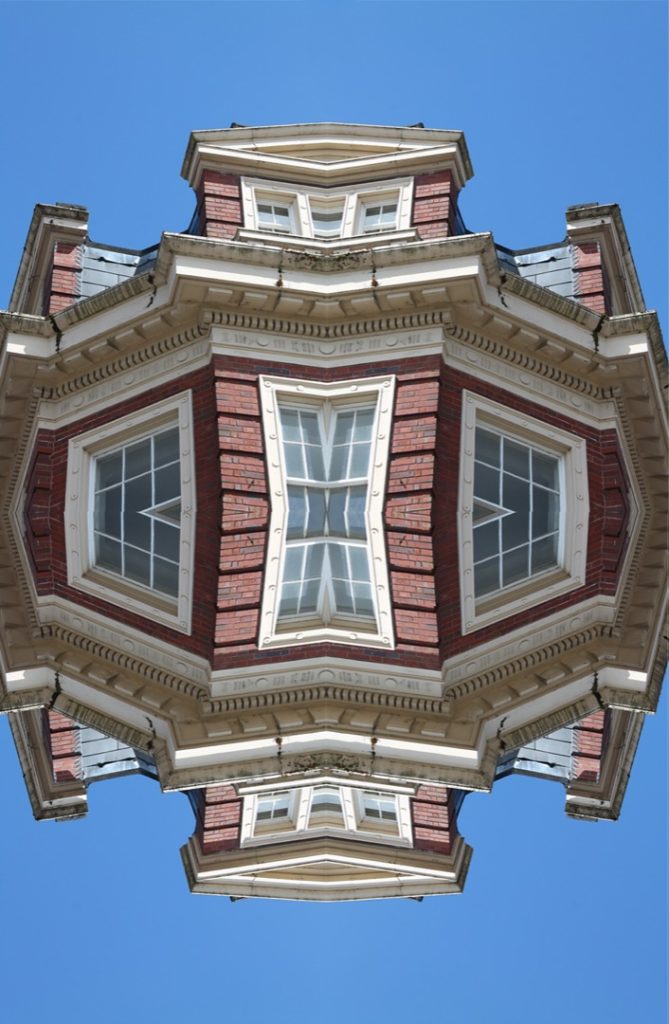
This collection features some of my best outcomes from Components 1 and 2, showcasing a mixture of flowers and architecture. I wanted to capture the cycle of life, and flowers were the perfect subject for this; in full bloom, they are visually striking with deep tones and vibrant colours, whereas in death, they become faded and shrivelled.
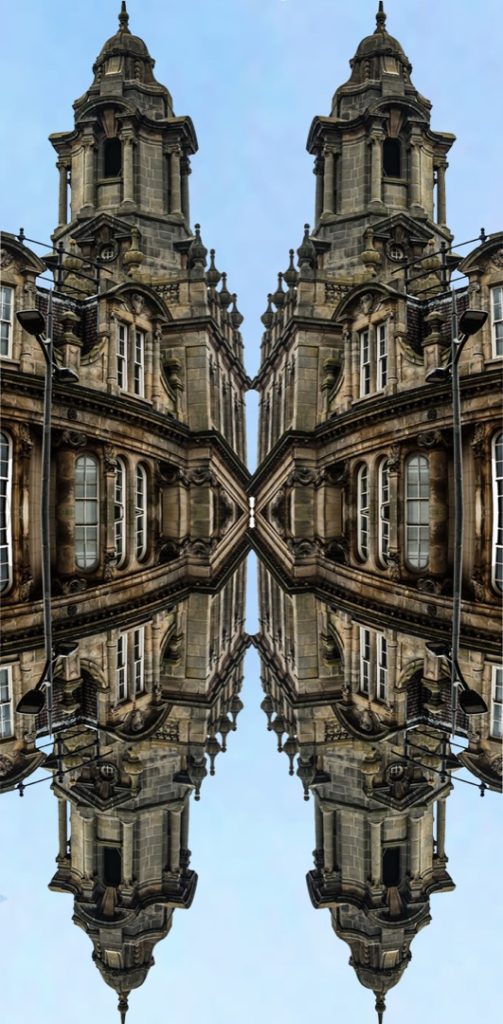
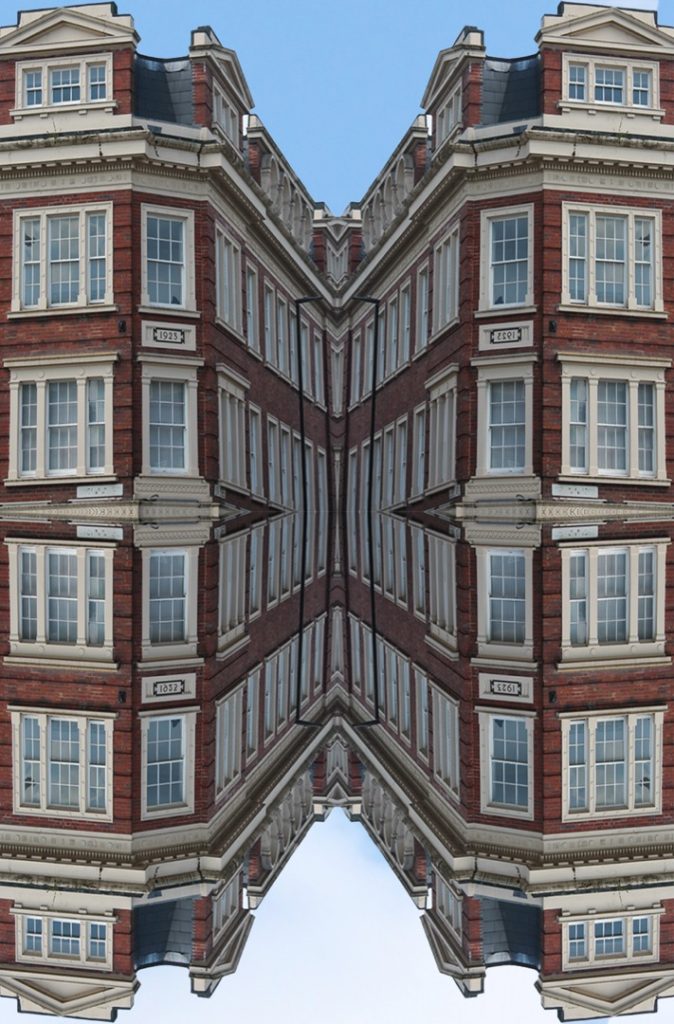
Meanwhile, my images of buildings explore the contrast between modern and traditional design. They juxtapose the intricate craftsmanship of older structures against the flat surfaces and unique geometries of contemporary architecture.
Looking ahead, after finishing college, I aspire to study at Aston University to train as a pharmacist.
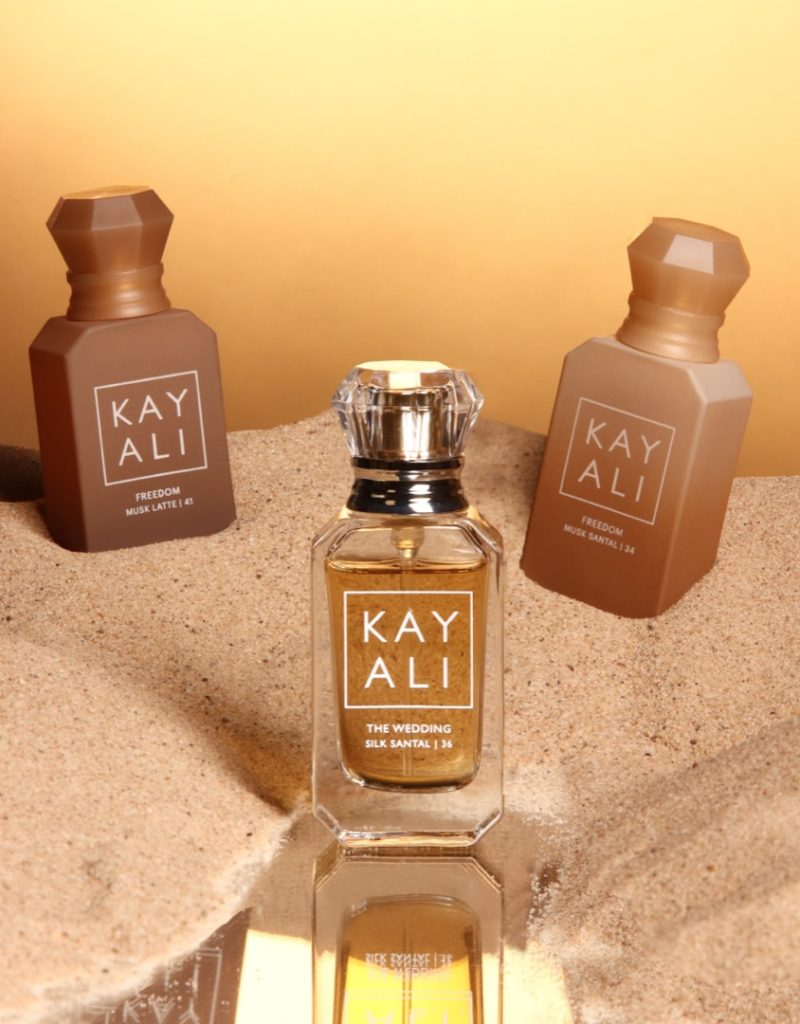
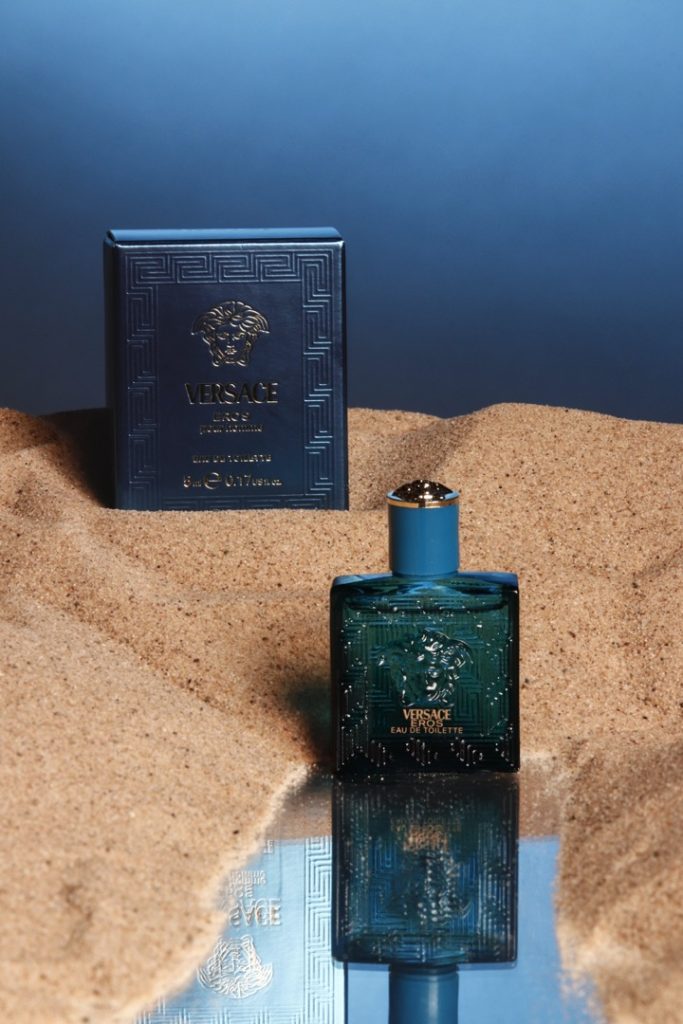
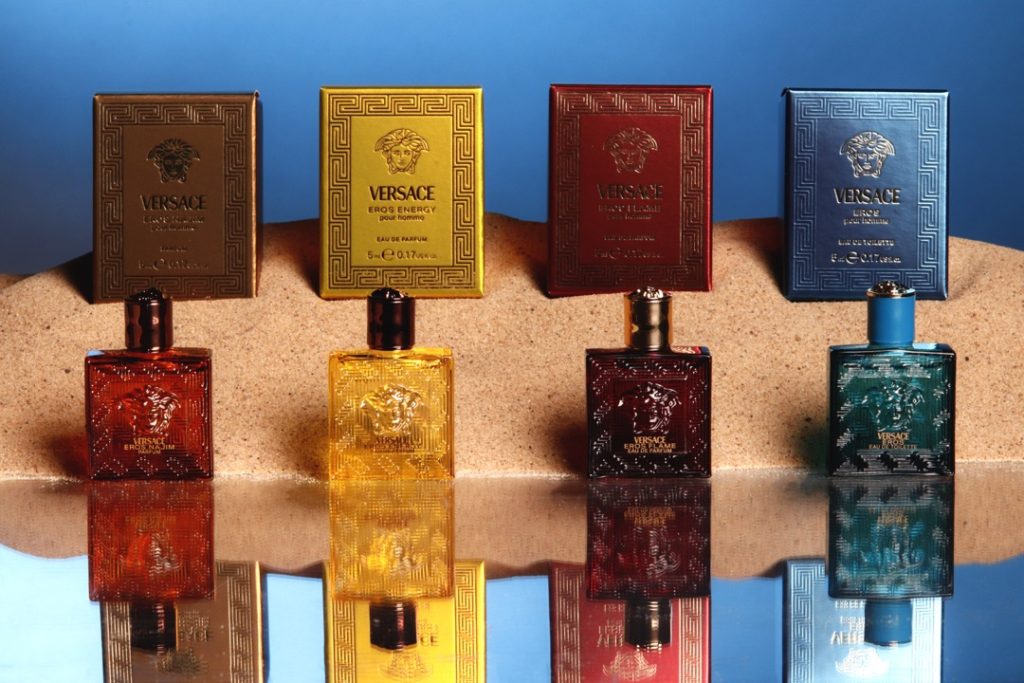
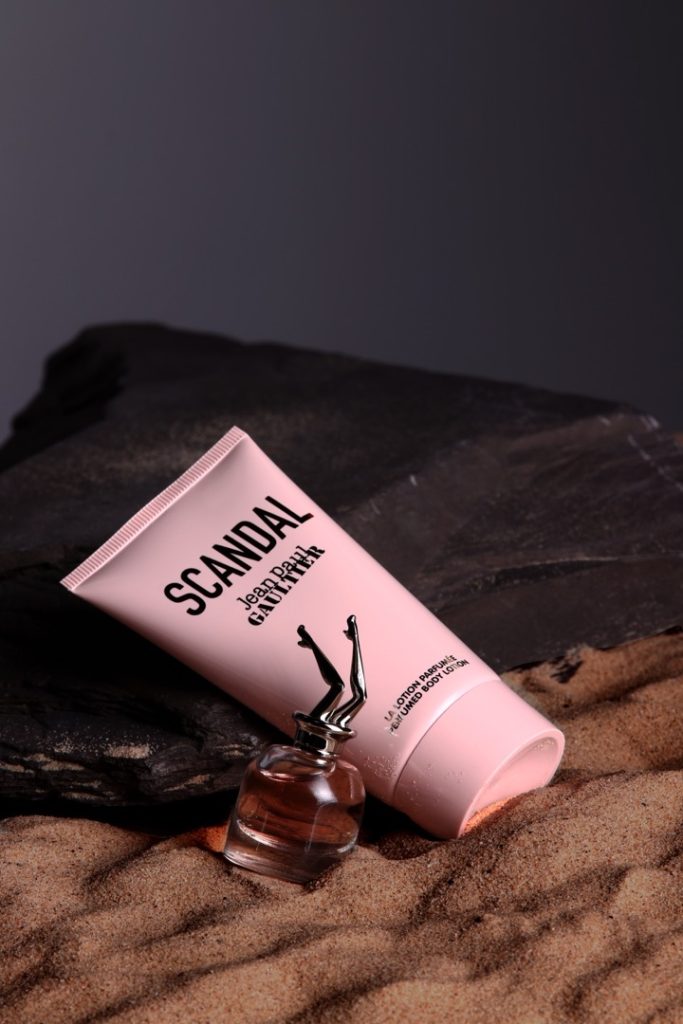
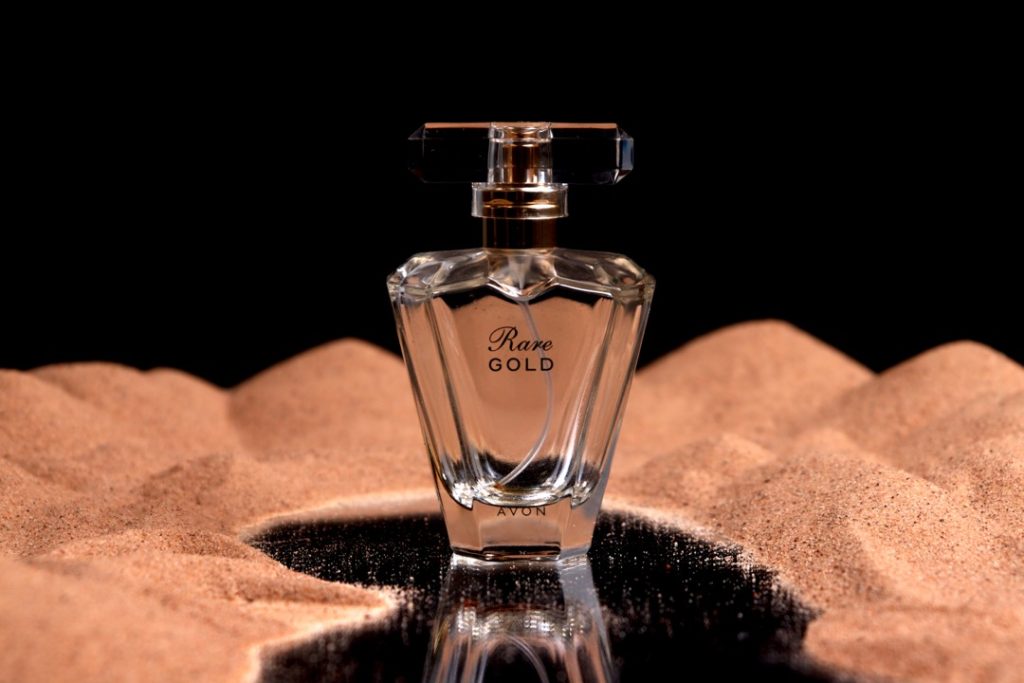
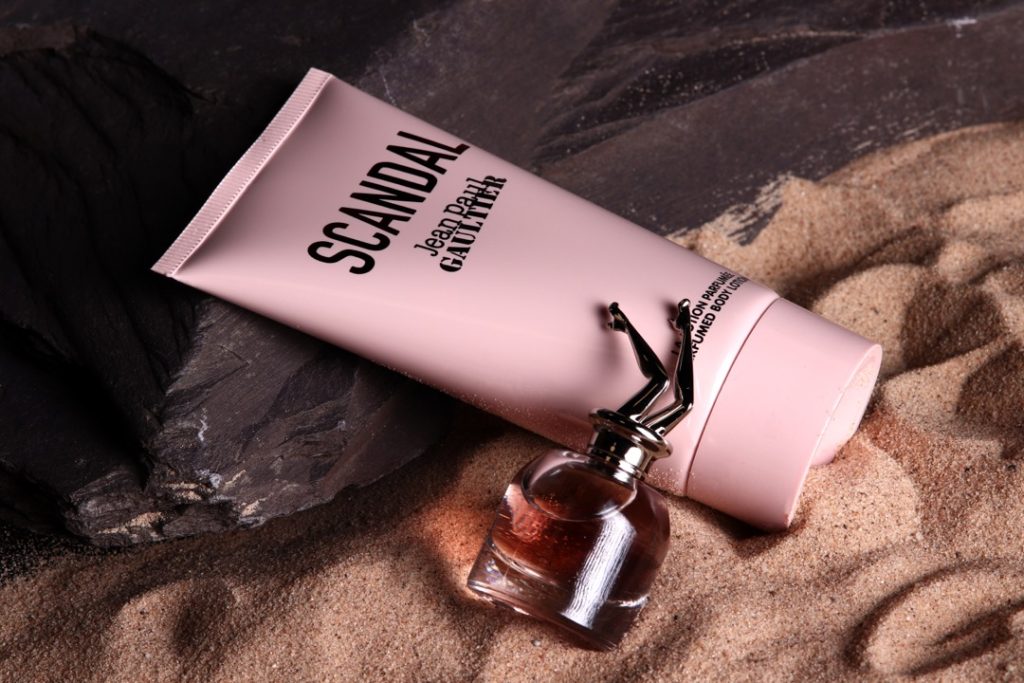
This collection features some of my most successful outcomes from Component 1, which focused on commercial photography and highlighting the hidden beauty of products that often go unappreciated by customers.
For my final piece, I investigated how texture and lighting can enhance a photograph, making the subjects stand out and ultimately elevating the perceived quality of the product.
Xavier Brozda
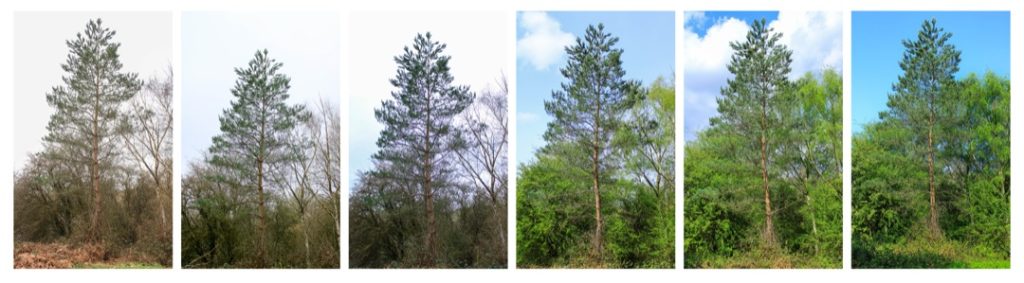
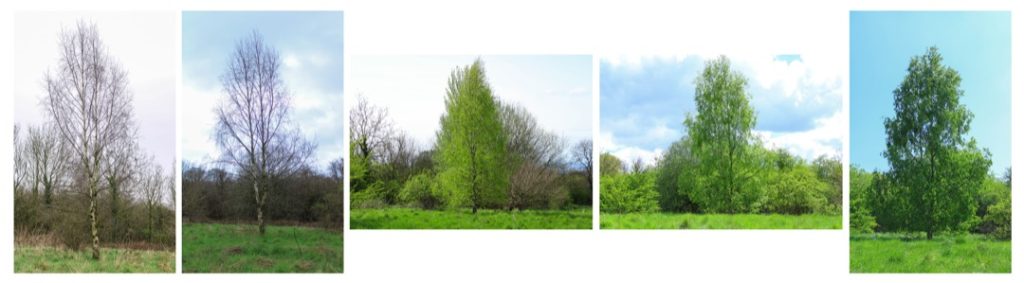
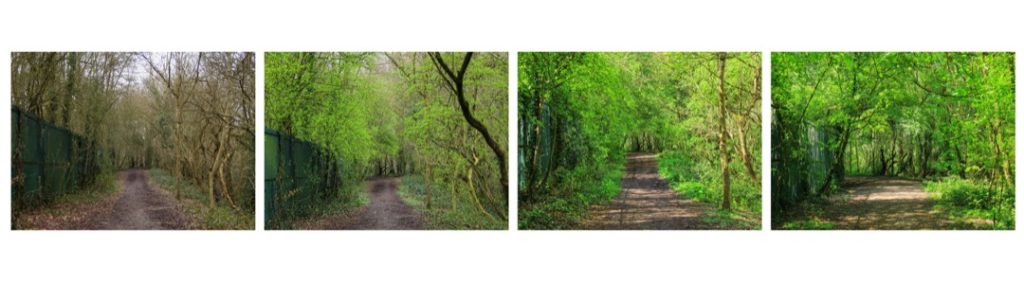
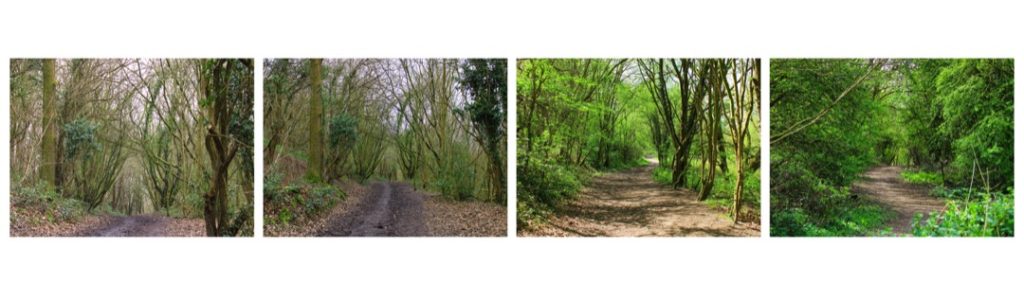
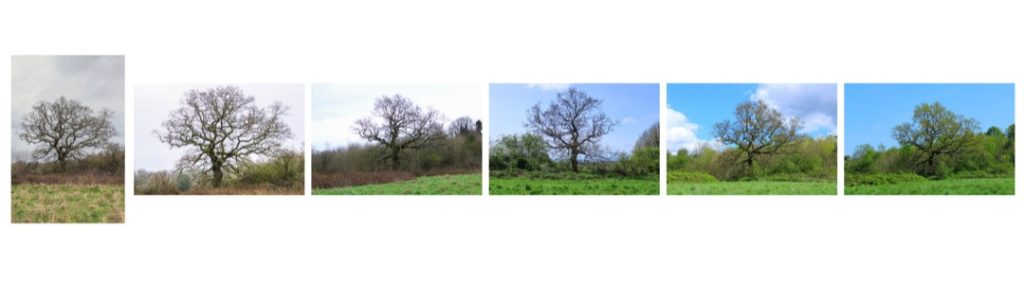
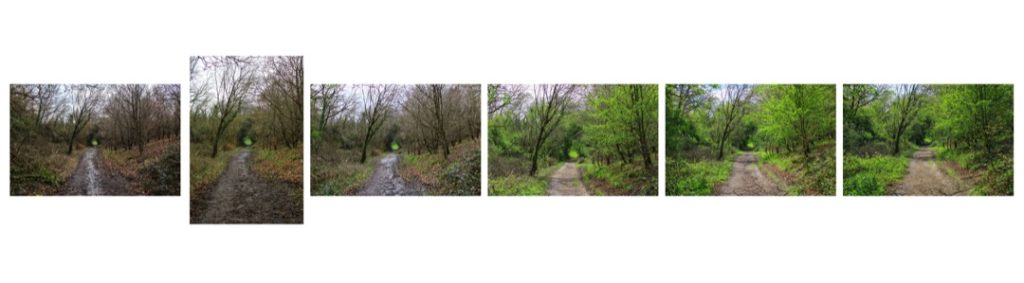
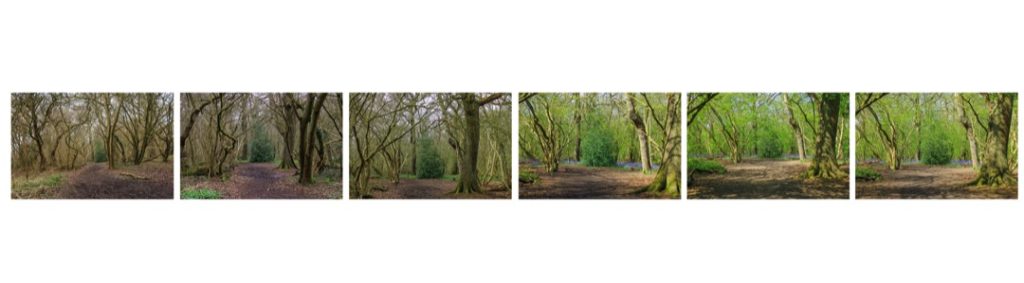
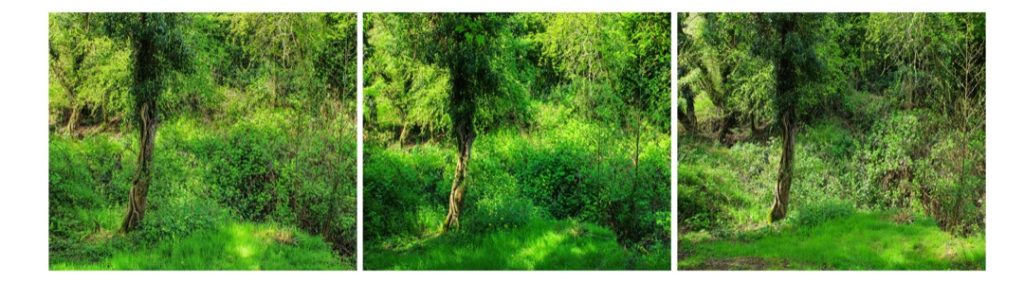
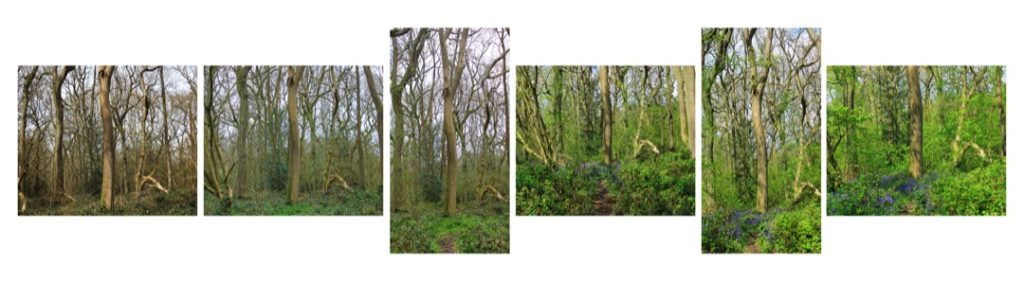
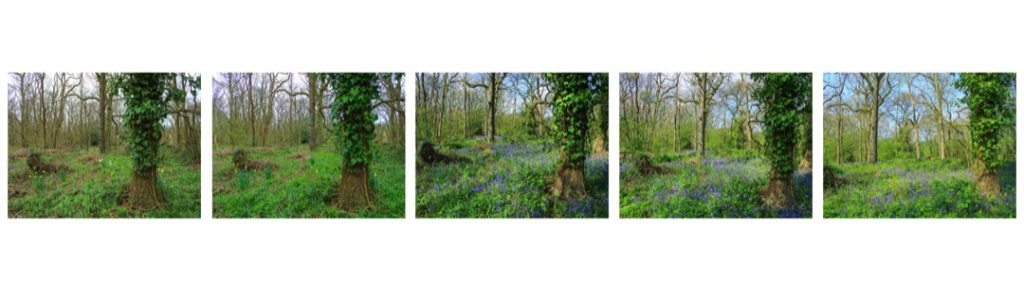
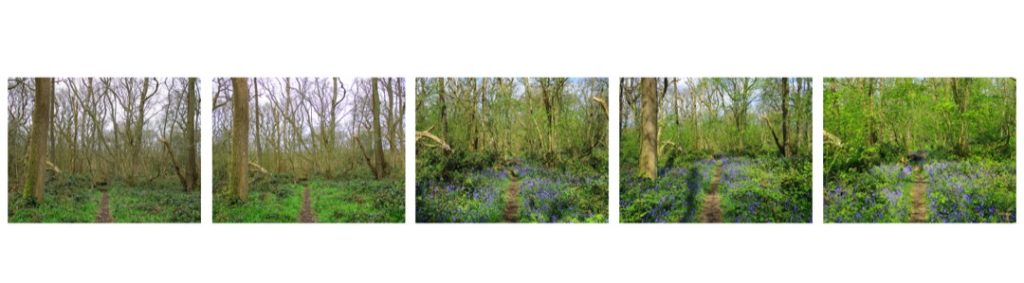
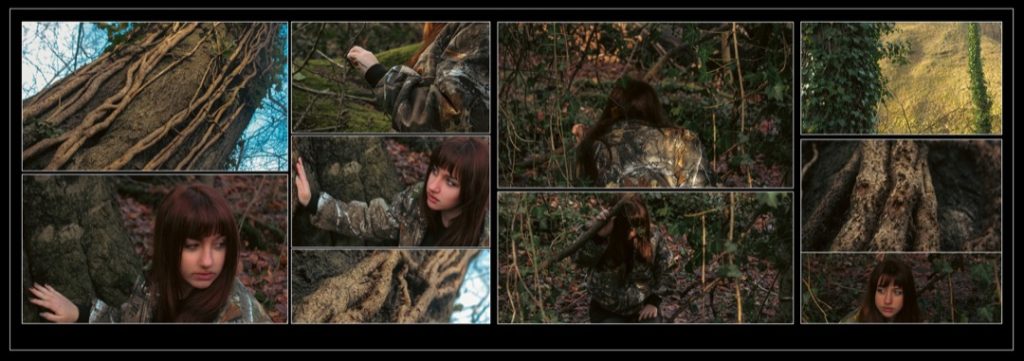
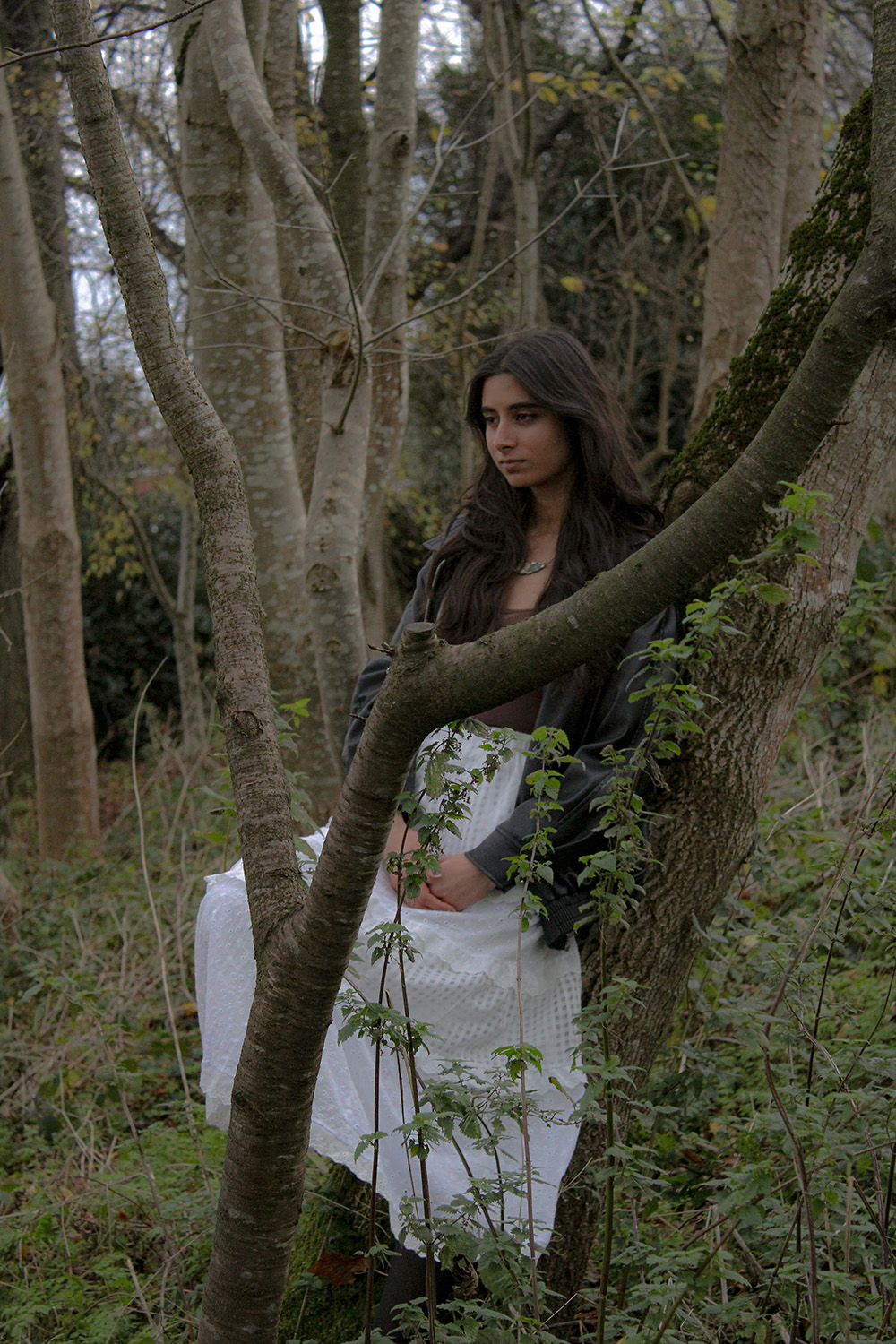
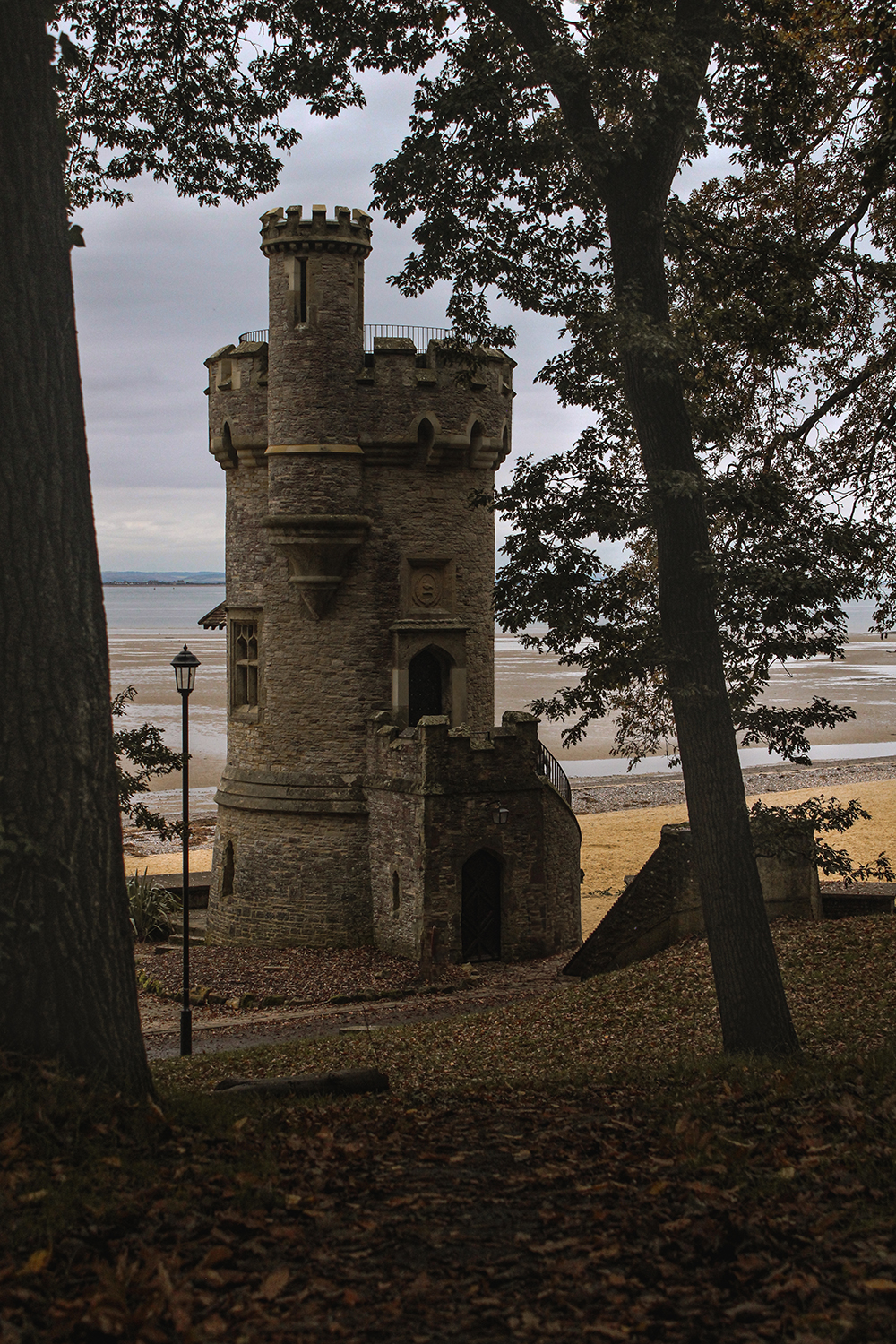
For Component Two in Photography, I selected the brief ‘Change’, aiming to capture the transition from the harshness of winter into the vibrant beginnings of spring. My images explore the shifting tones and structures of nature, emphasising the profound visual impact of the changing seasons.
Throughout each sequence, I wanted to draw a parallel between nature’s ability to regenerate after the near-death of winter and our own human resilience to grow from past experiences.
Ultimately, I am very pleased with how the project and final images turned out. It was a highly enjoyable process that significantly developed my photography skills.
Looking ahead, I plan to attend the University of Birmingham to study Computer Science, where my creative background in photography will be incredibly beneficial for fields such as Game Design and UX Design.
Alexia Curry
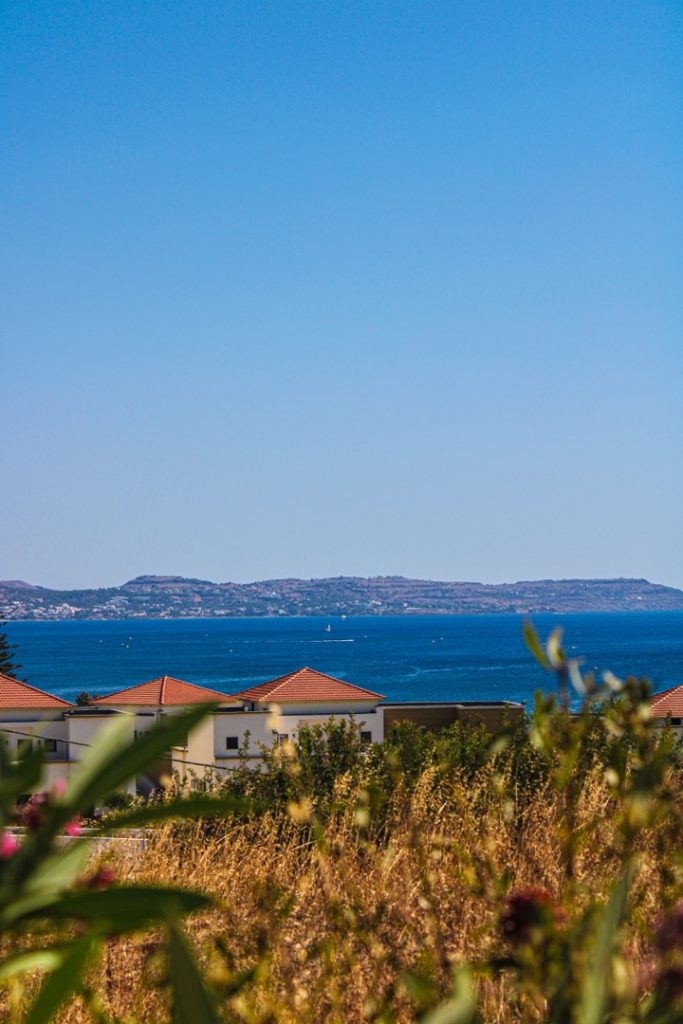
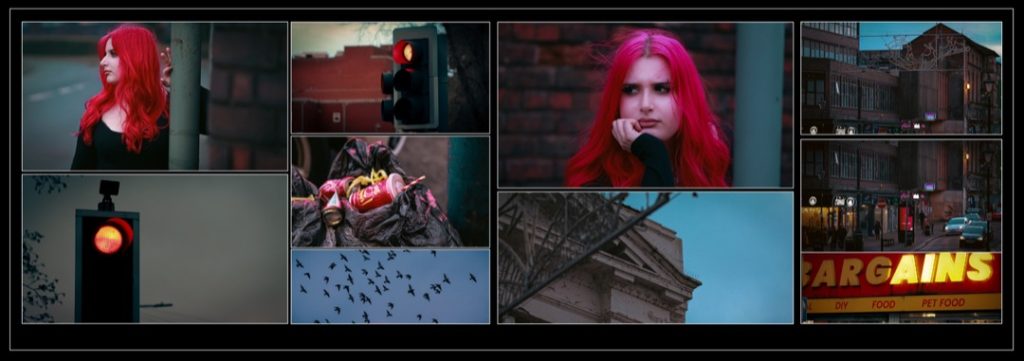
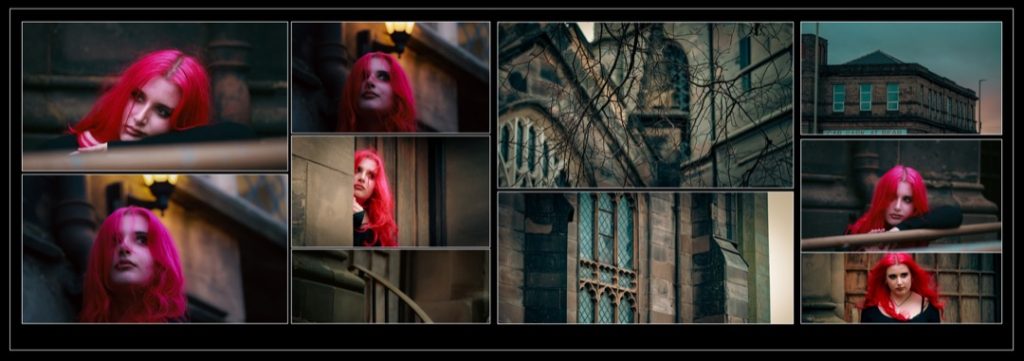
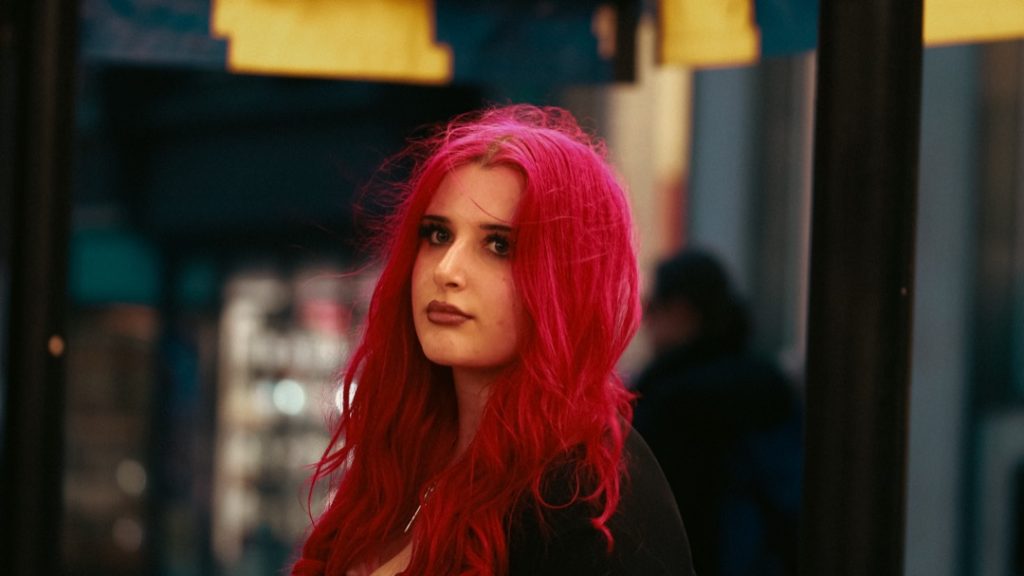
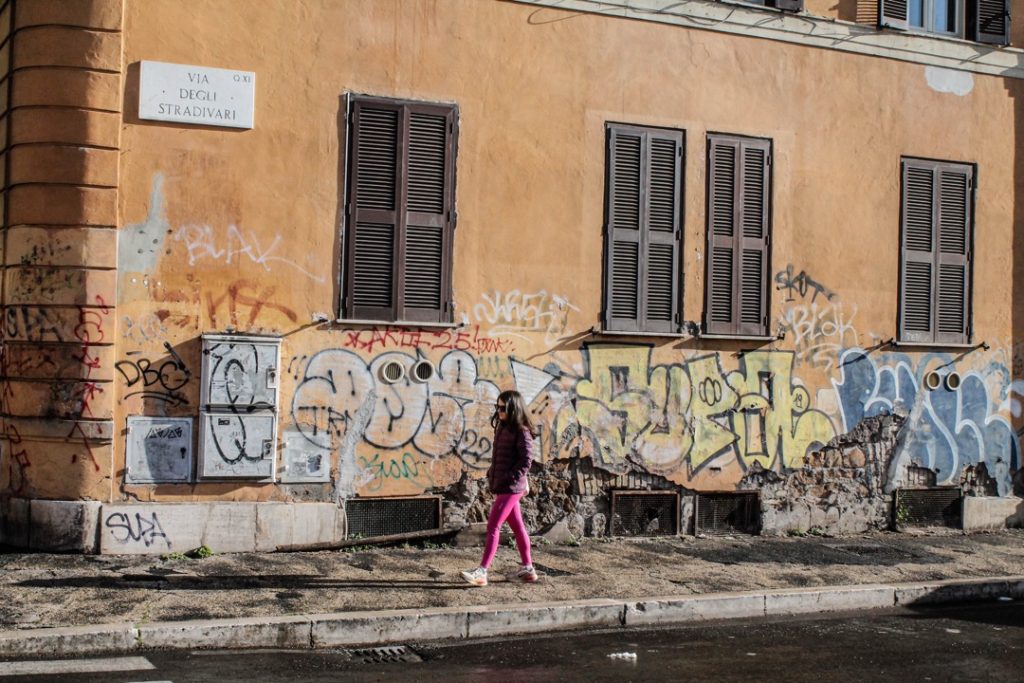
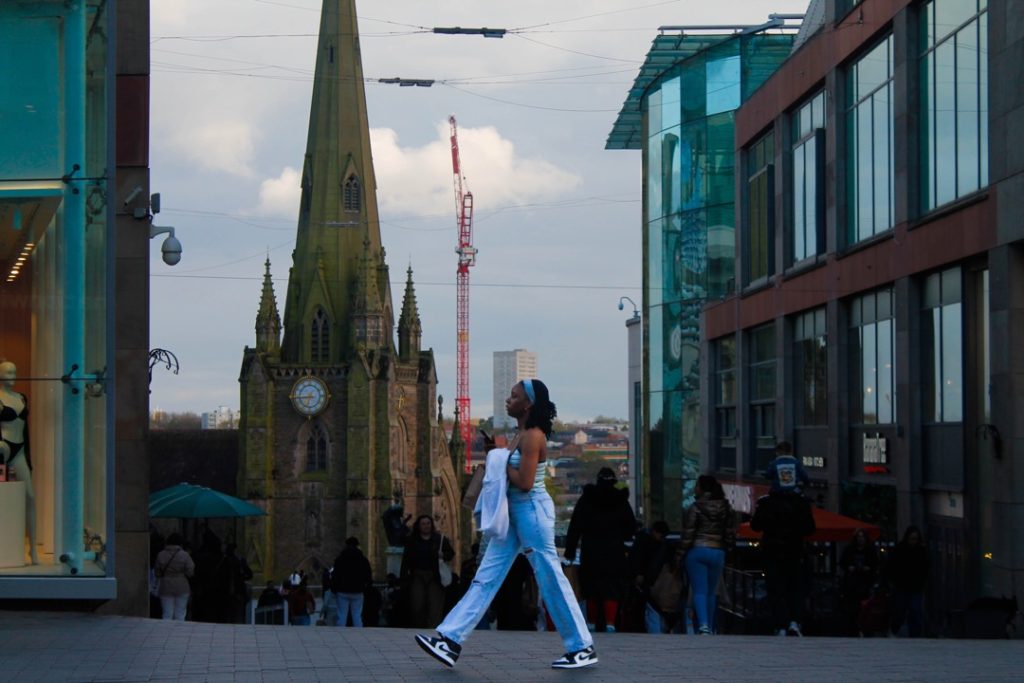
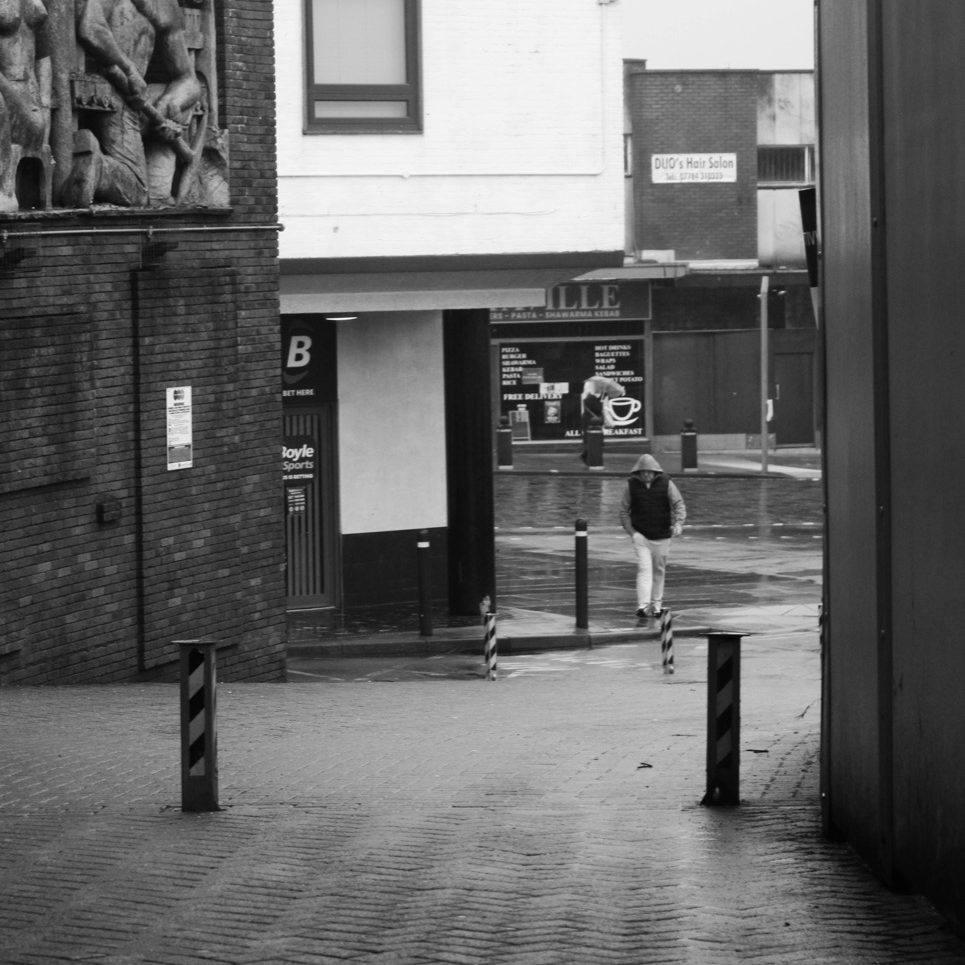
For both of my projects, I delved deep into the world of street photography. I focused on exploring various locations and techniques through a series of images, which I then carefully edited to create my successful final pieces. To build these projects, I travelled to a wide range of locations, including Greece, Birmingham, Dudley, and several smaller towns. Ultimately, I found that my most successful images came from Birmingham, as the scenic areas there truly made my shoots stand out.
I believe I have completed both projects to a high standard, and I am incredibly happy with the final outcomes. To present my images and demonstrate the breadth of my work, I curated two comprehensive photobooks. During the editing process, I experimented with multiple styles and themes to offer my audience a diverse array of visuals, ensuring there were many different perspectives to explore across both shoots.
Now that I have successfully completed my Photography A-Level, I plan to go straight into the workplace.
Brooke Edwards-Dalley
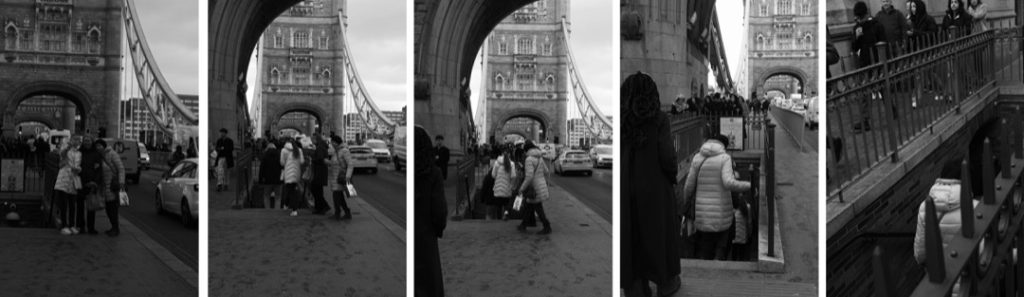
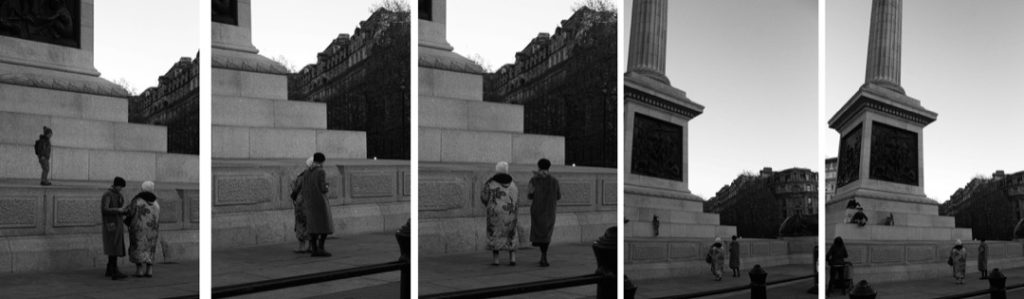
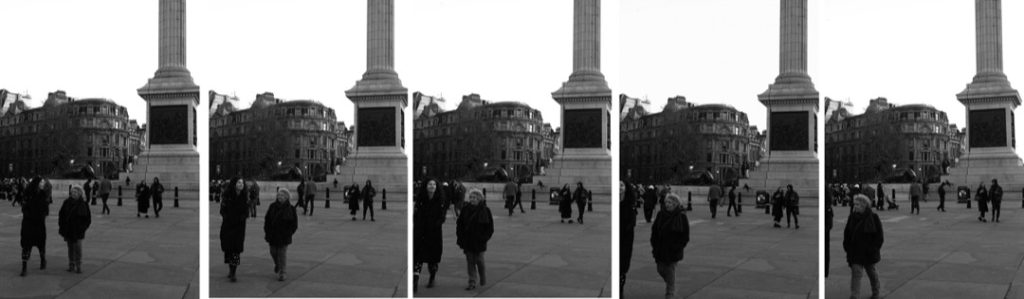
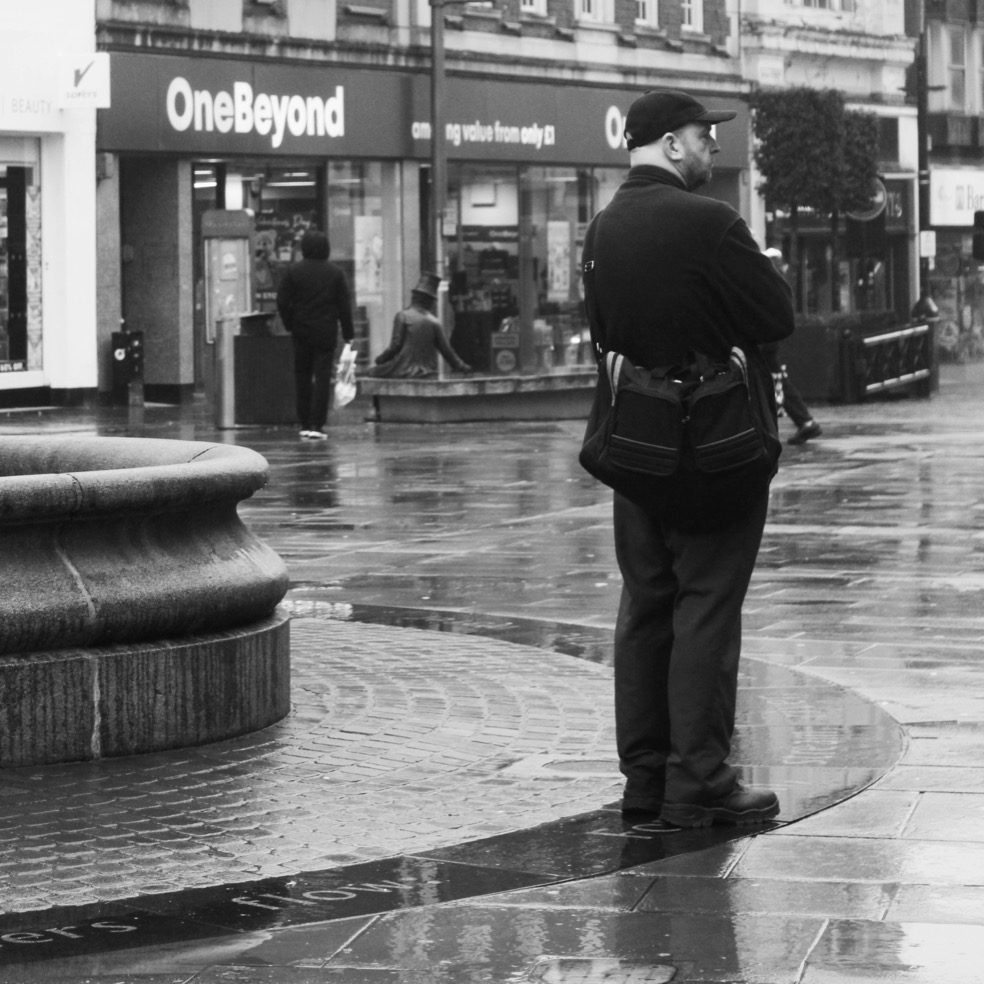
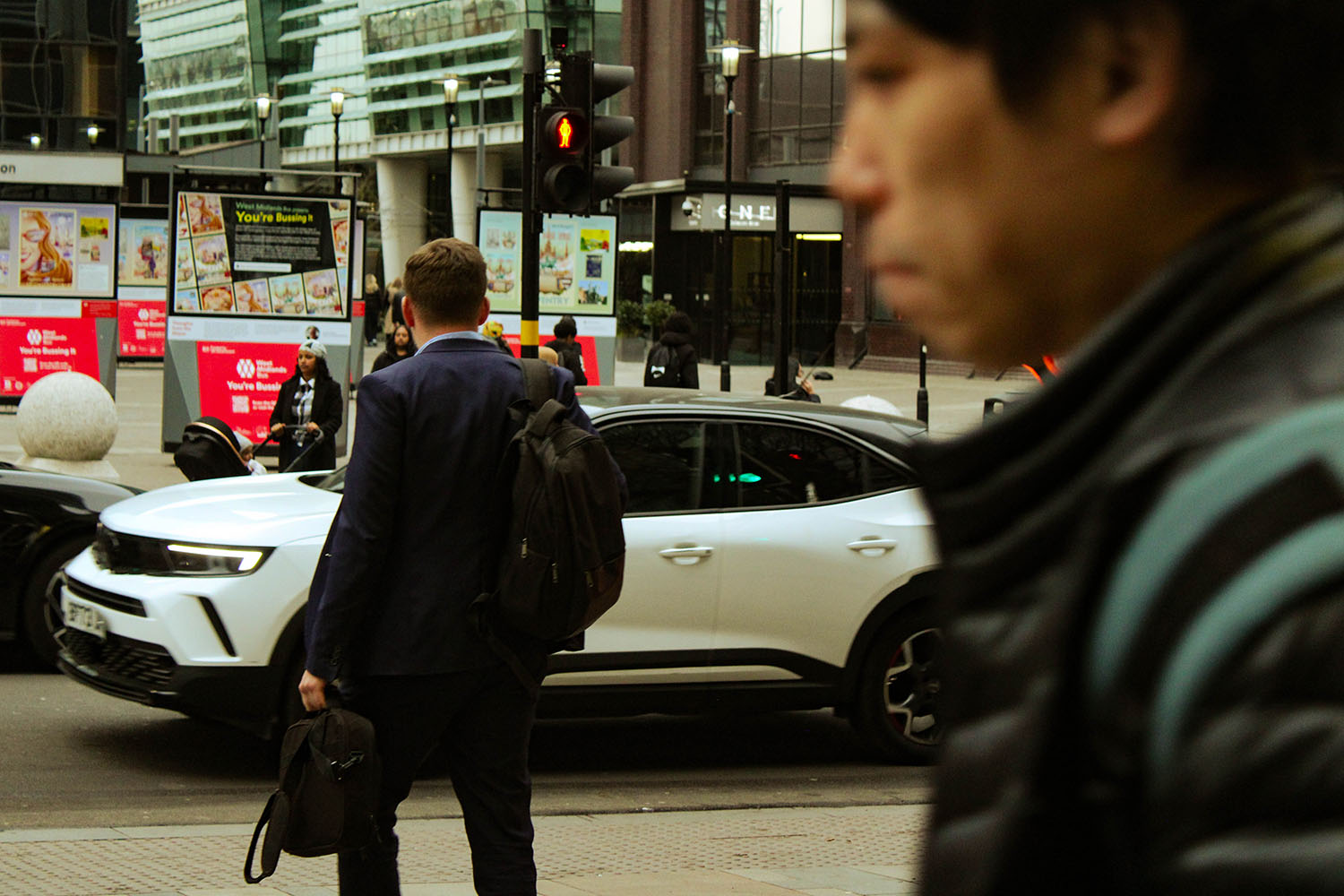
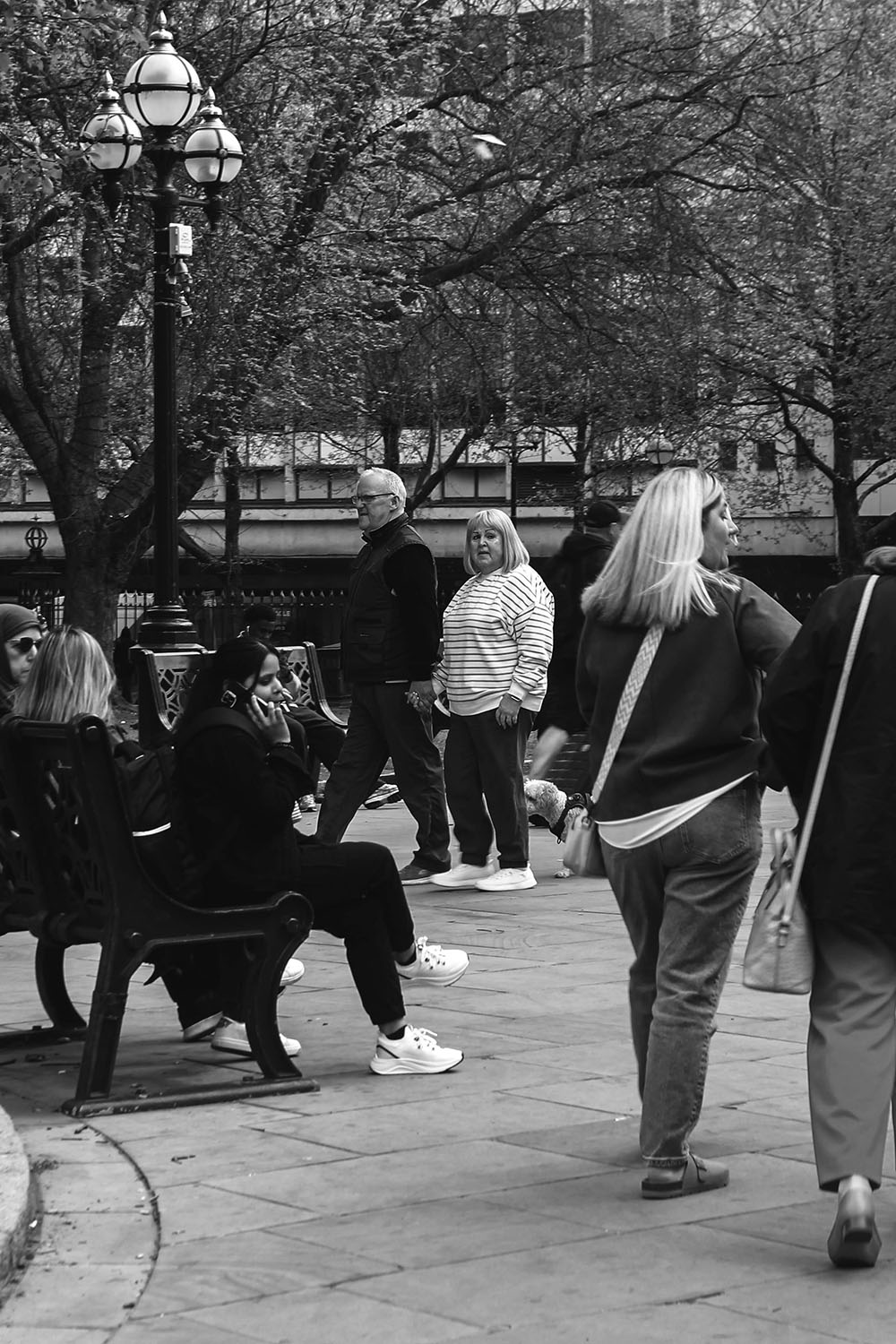
In my first project, I explored the concept of location, following subjects through a series of images to create a story-like sequence. I travelled to several different locations, including London, Manchester, Plymouth, and Bridgnorth. I found the most success in London and ultimately decided to return there to capture my final images.
I chose to edit the images in black and white to encourage the audience to form their own assumptions about the narrative, such as the emotions portrayed and the weather conditions. This extended the audience’s engagement, keeping them interested for much longer. I found that longer sequences worked better, as they felt higher in quality and much more personal to the subject.
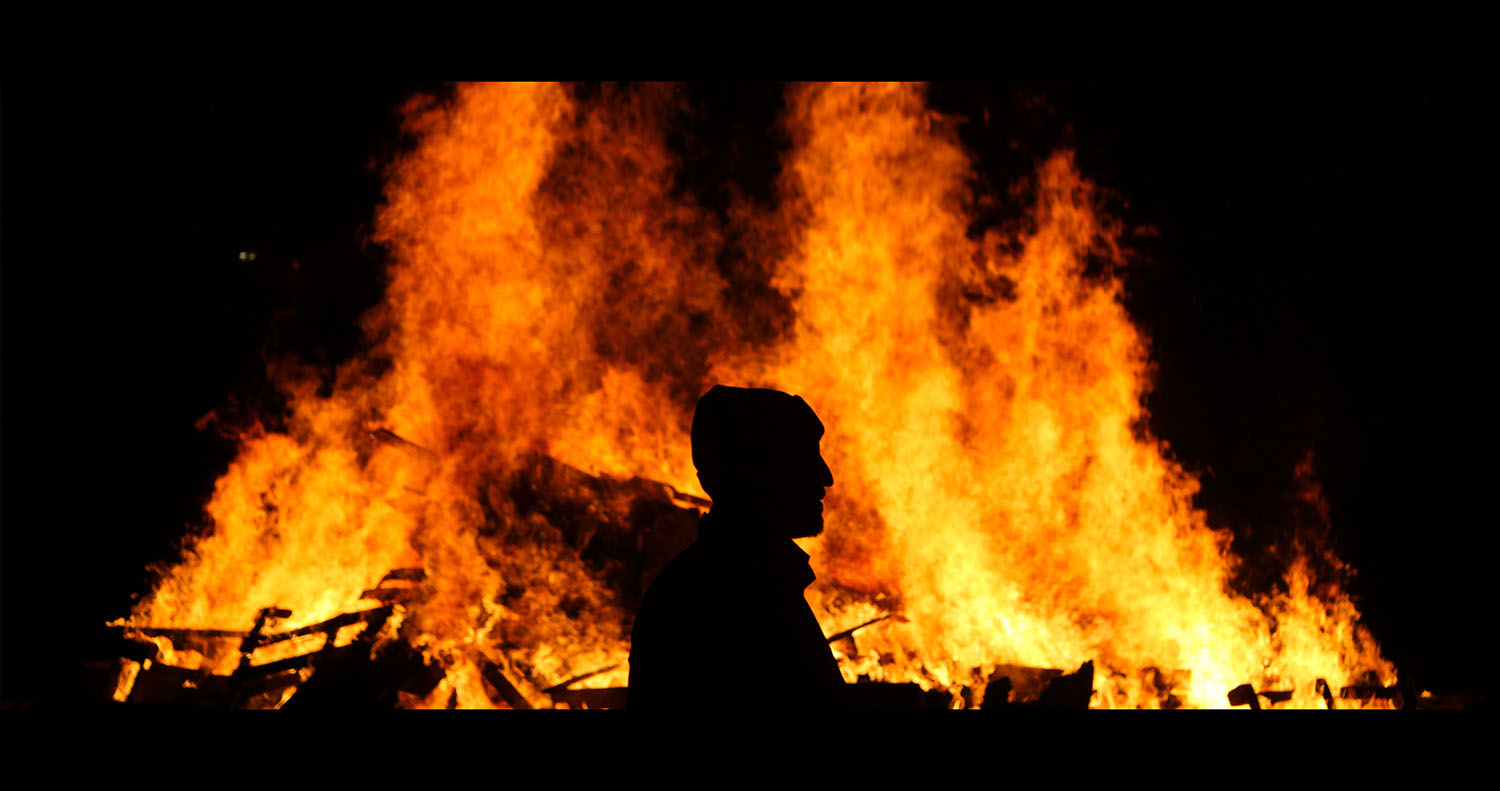
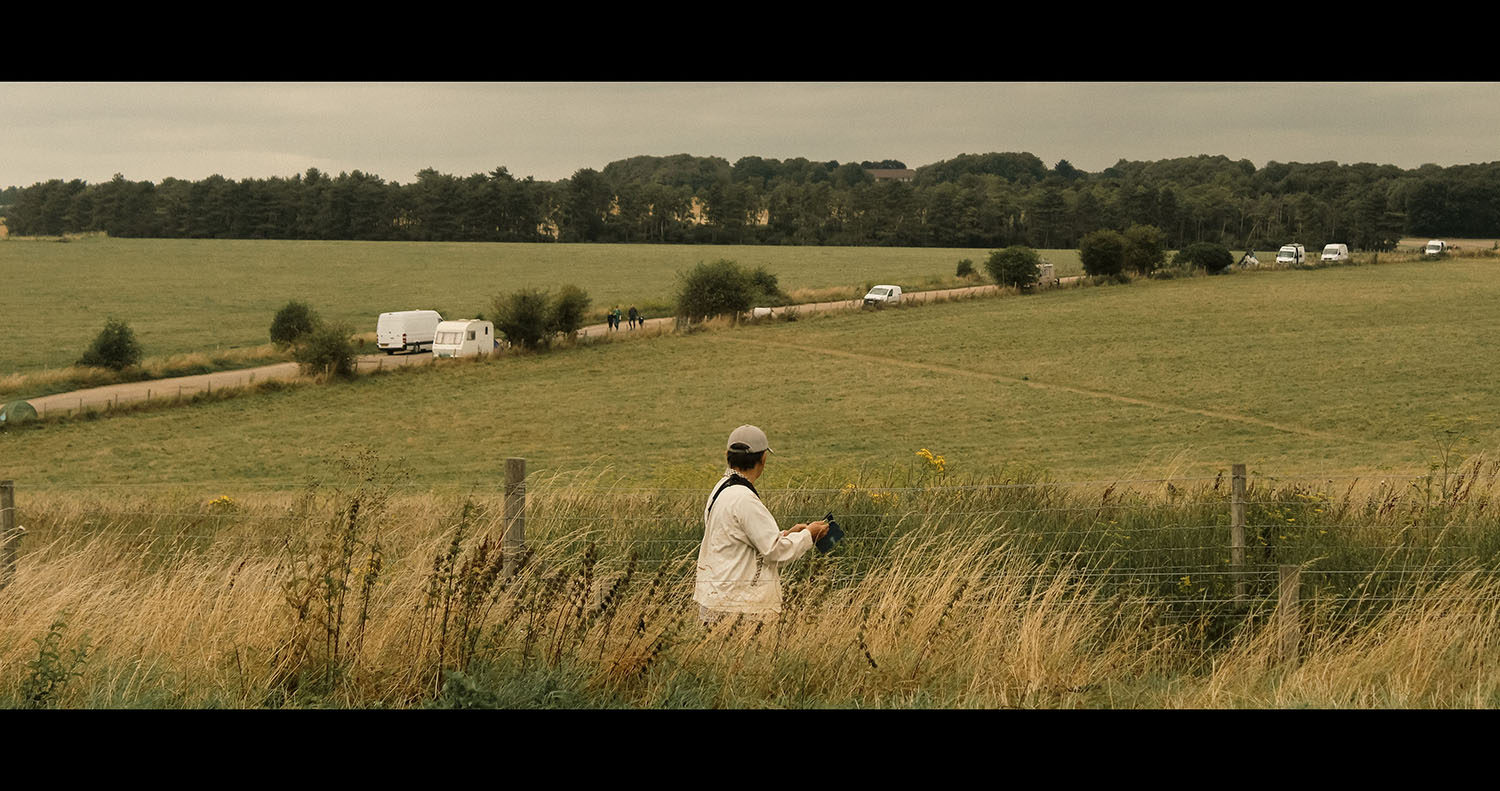
For my second project, I focused on combining images. Drawing inspiration from cinematography, I created a sequence of still images. I experimented with a few different colour palettes, analysing how they altered the aesthetic and the emotions conveyed. Ultimately, I chose to give my final piece a warm feel with orange hues to evoke feelings of nostalgia and comfort.
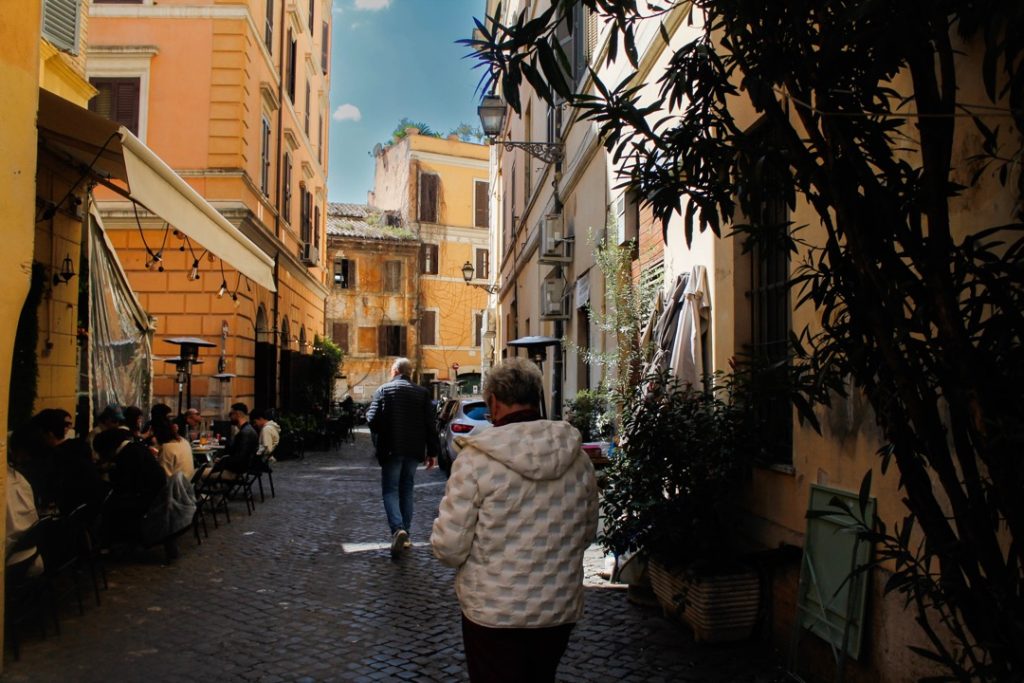
I shot my final images in Rome; the busy city provided the perfect backdrop for a dynamic sequence, and the ancient architecture beautifully complemented the warm tones I was aiming for. The final piece is displayed as a large film strip, which serves as the best way to view this collection of still images.
Destination: Foundation Art and Design
Erin Lawley
IMy work in the first project was focused on cinematography. The concept I explored was creating sequences that looked cinematic in composition, lighting, and colour. Due to this, I was more focused on these features in my project around change as well, leaving my editing style quite similar whilst still having stark differences. I like to make images look exaggerated and dream-like whilst keeping the actual bones of the photo the same. The final sequences gave a cinematic view of people and the surroundings.
Destination: Newman University, to study Primary Education.
Emerald O’Brien
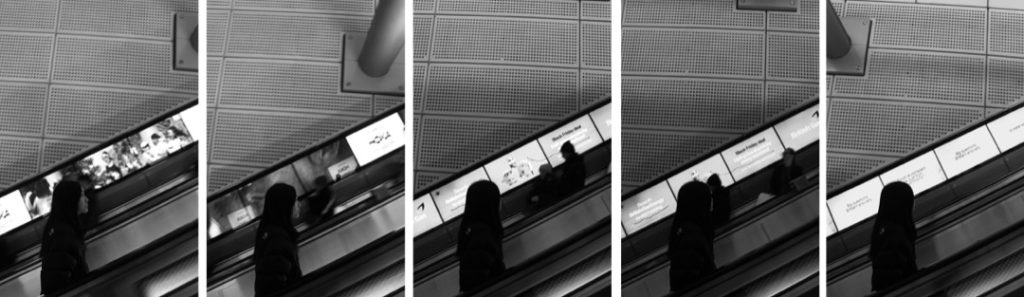
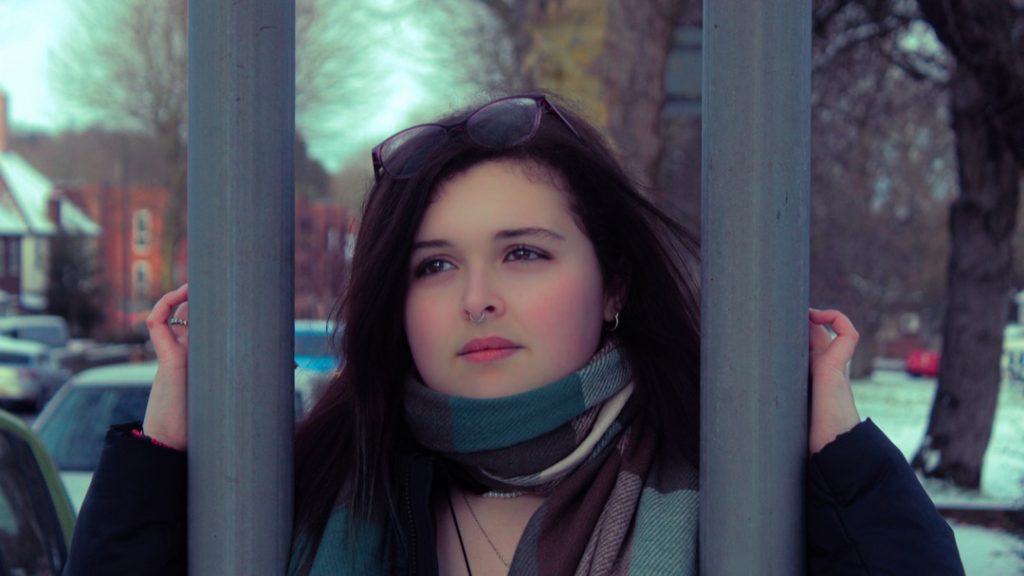
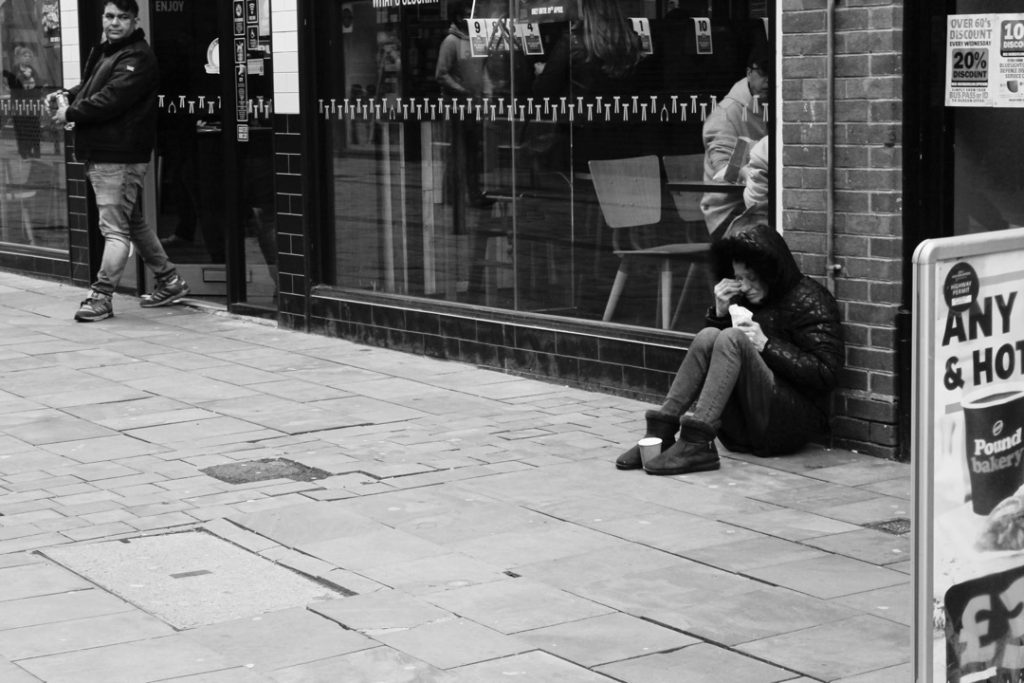
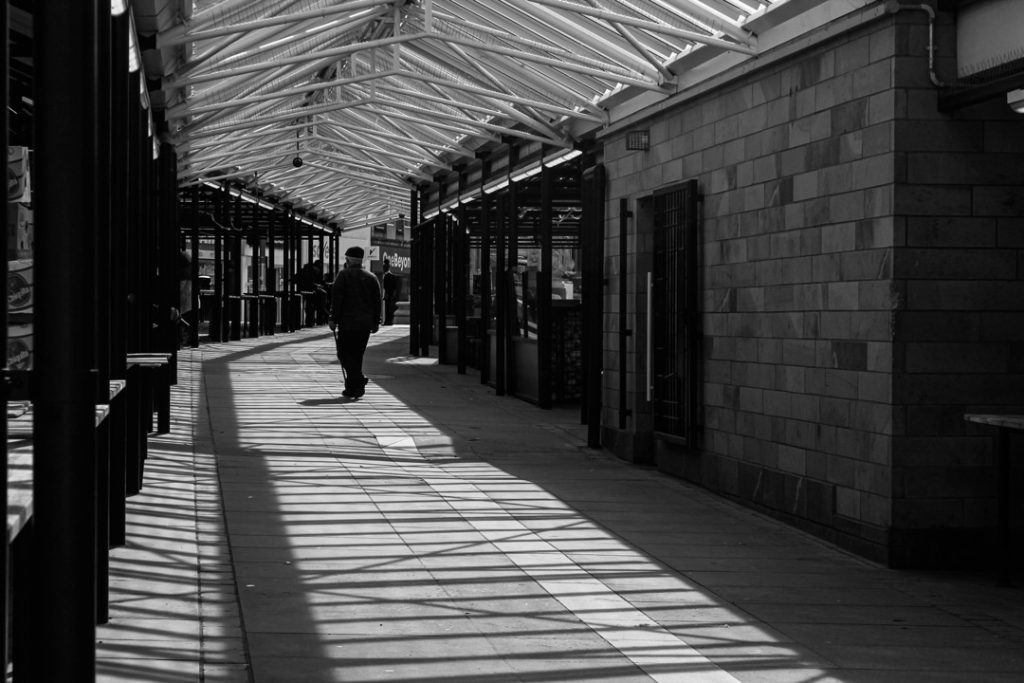
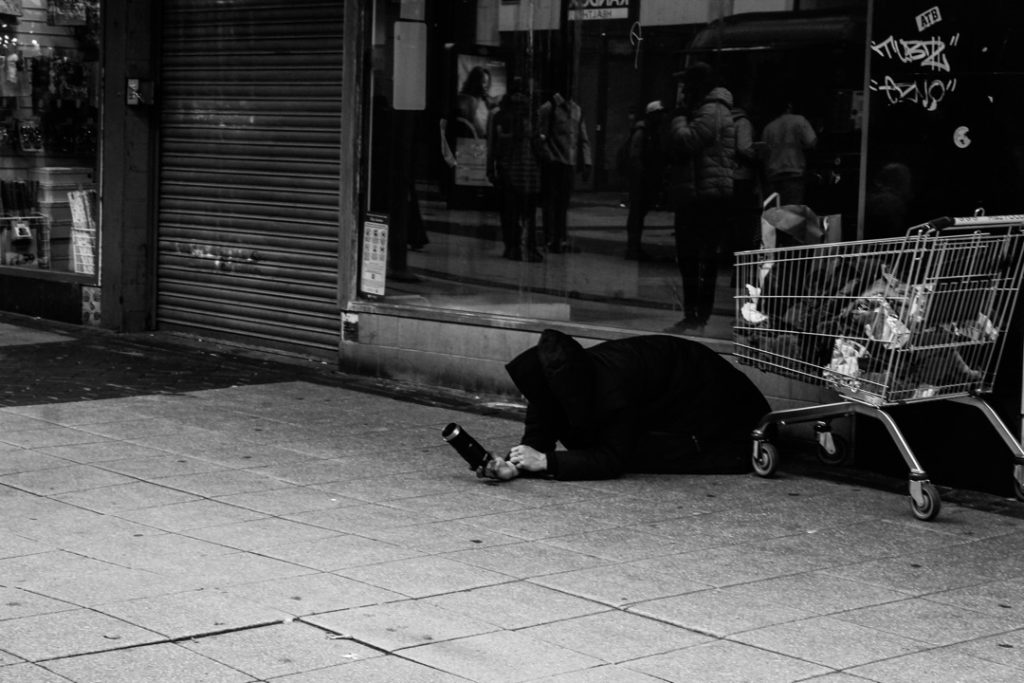
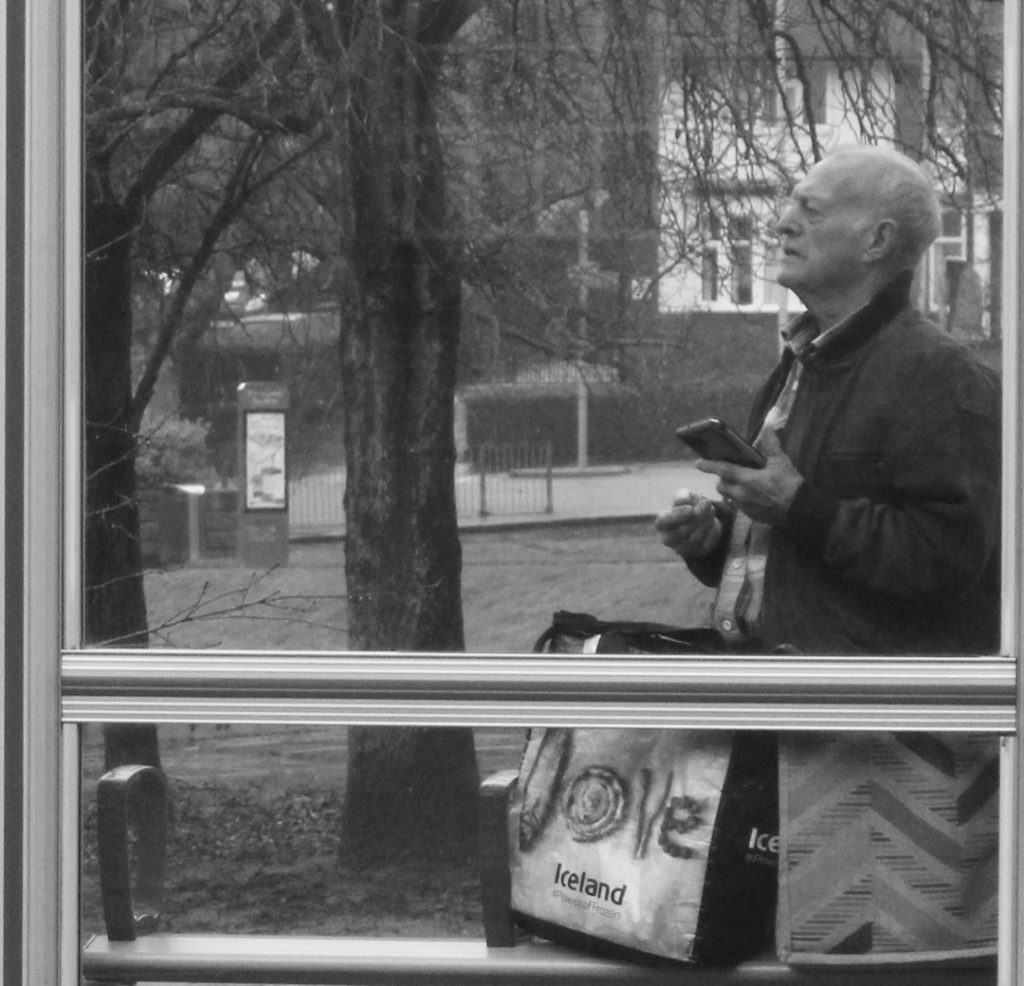
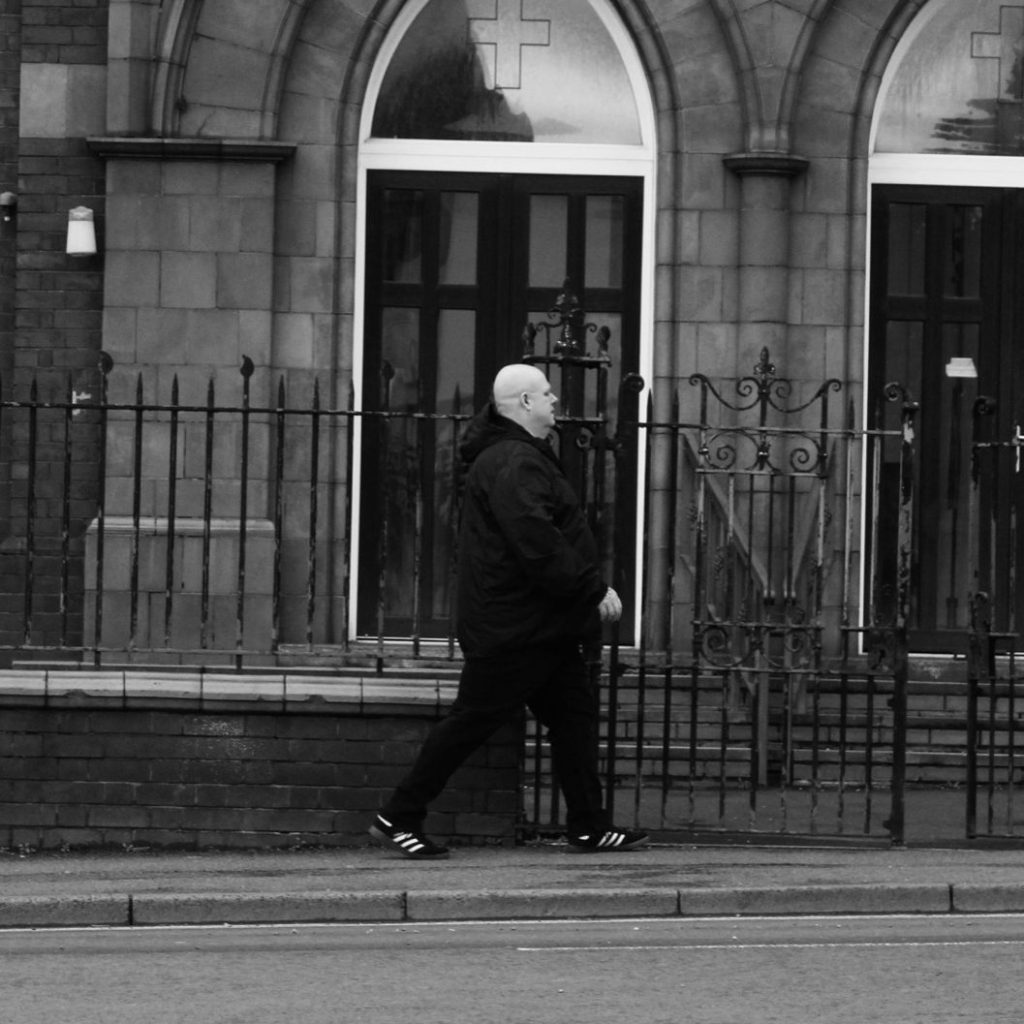
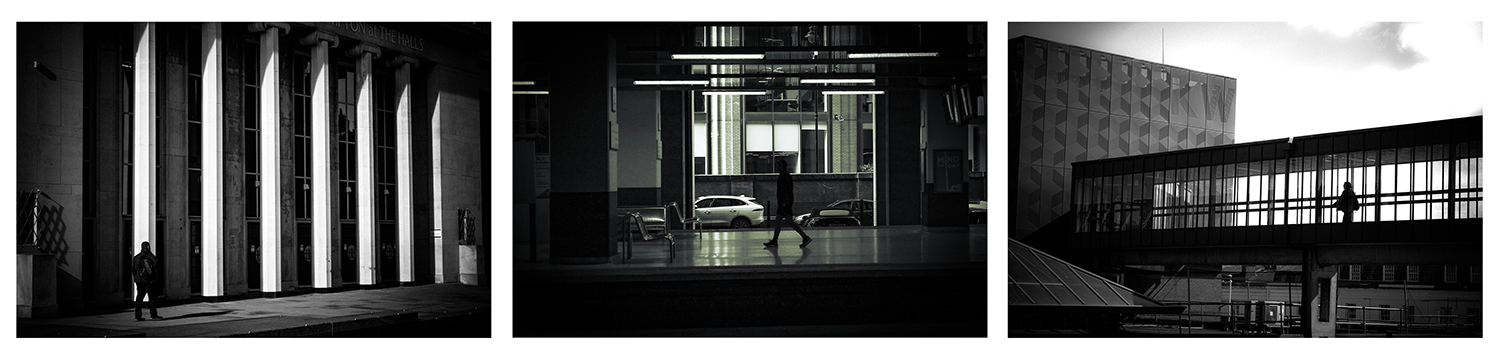
My project explores street photography and the theme of solitude through both positive and negative perspectives. I wanted to show how solitude can be comforting and peaceful, allowing time for reflection and independence, while also highlighting how it can lead to feelings of loneliness and isolation.
Throughout the project, I explored the different emotions and experiences connected to being alone, and how these feelings can vary from person to person. Completing this project has allowed me to develop both creatively and personally.
Destination: After finishing Sixth Form, I aspire to undertake a teaching apprenticeship, where I hope to build a future helping and inspiring others through education.
A-Level textile design encourages students to work with a wide variety of skills and processes across the fields of textiles, fashion and interiors. This includes printed textiles, constructed textiles, embroidery, fashion construction, weaving and fabric manipulation. Learners are introduced to different techniques which they are then able to develop into personal final work. This can be clearly seen within the variety of imaginative outcomes produced this year.
Learners are encouraged to explore both historical and contemporary techniques and processes and to support their work with research into a range of suitable artists, designers, and trends. They are prepared for industry or Higher Education and all the learners from this year are continuing by pursuing degrees, employment or progressing onto the art foundation diploma course here at Dudley College.
I hope that you find the work inspiring. I am very proud of what the learners have achieved this year.
Clare Buchanan, A level Textile Design Tutor
Precious Anozie
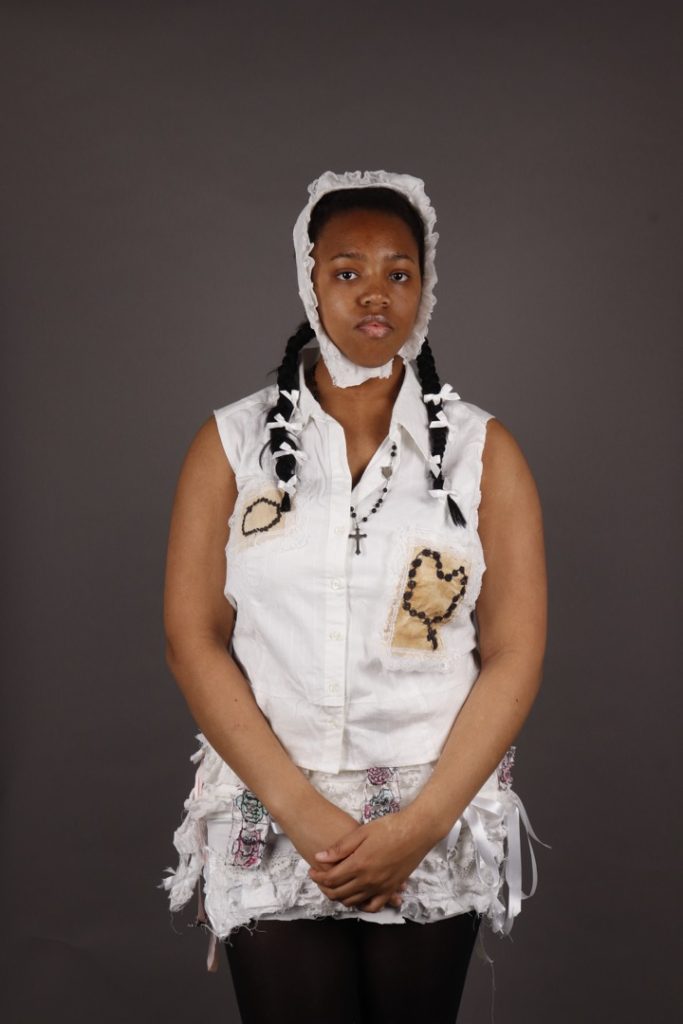
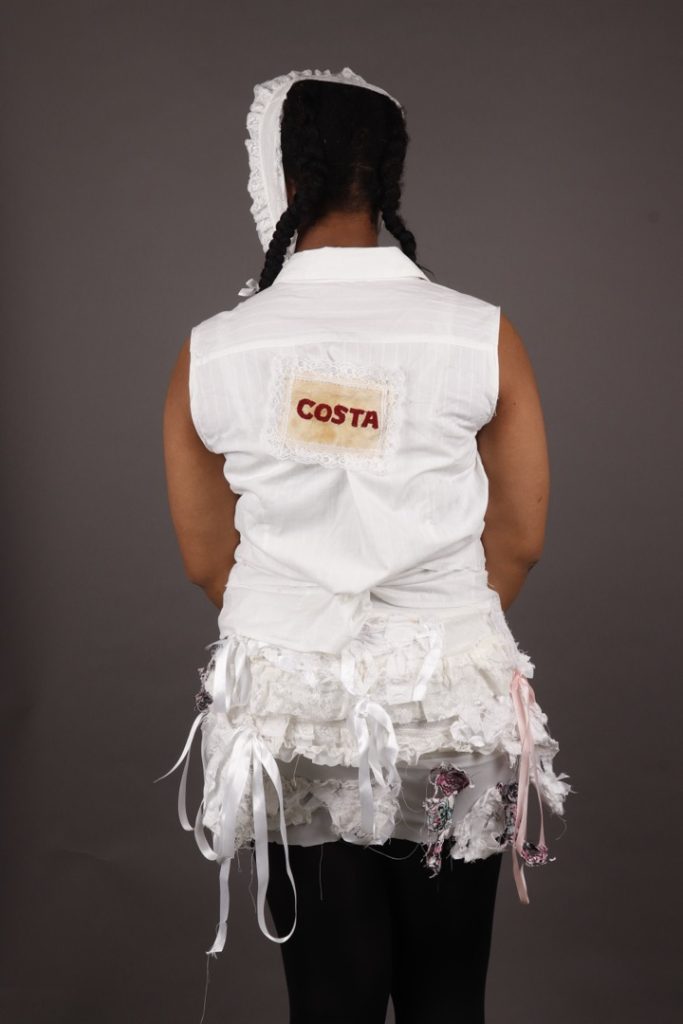
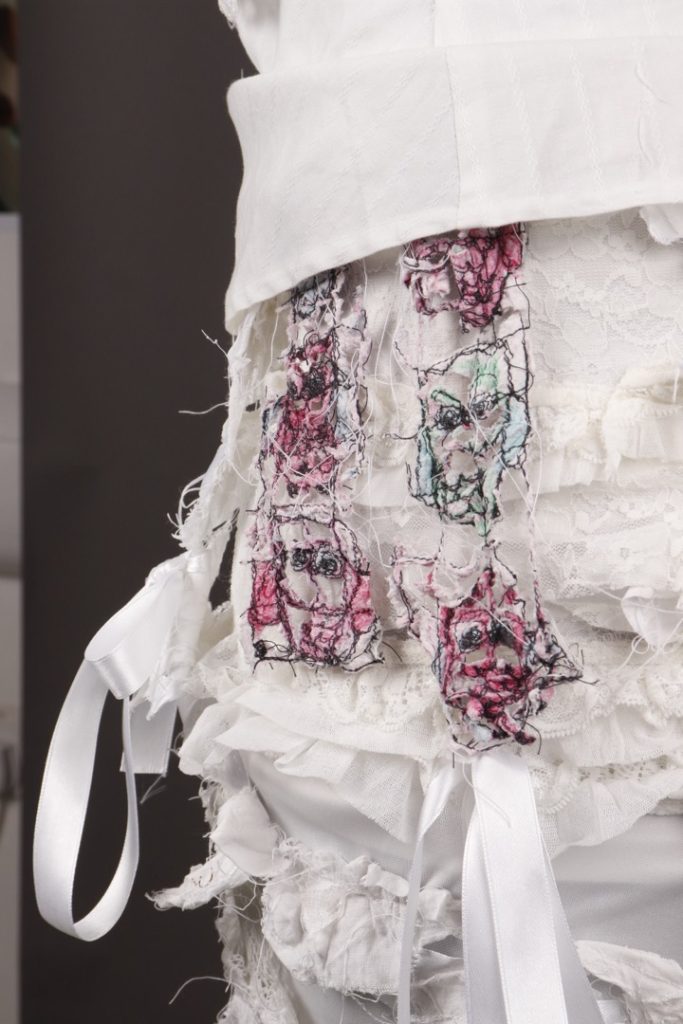
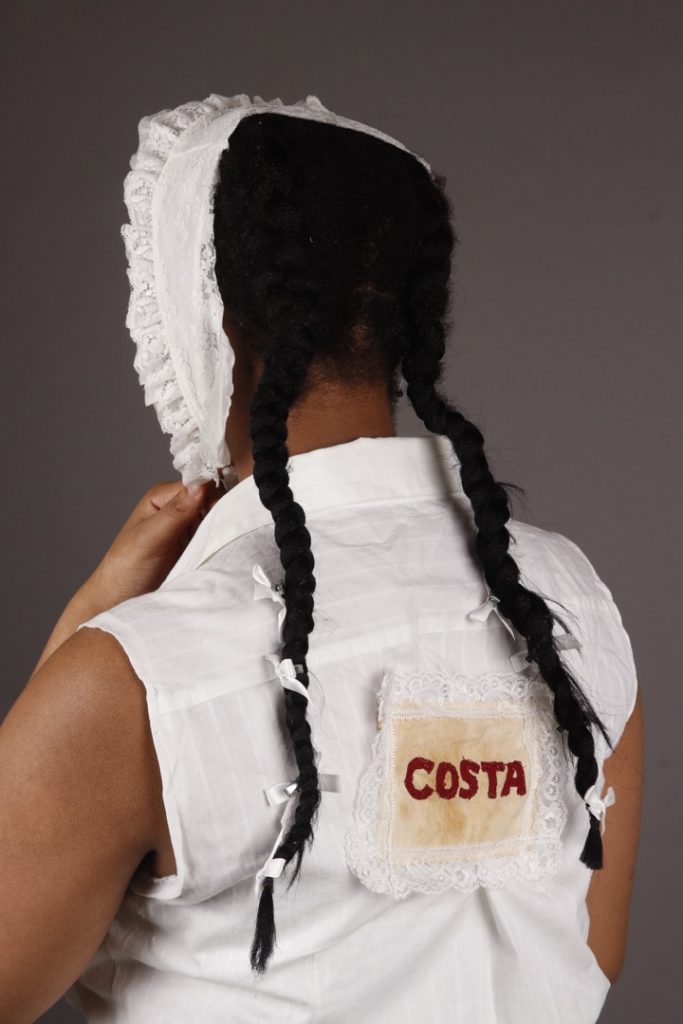
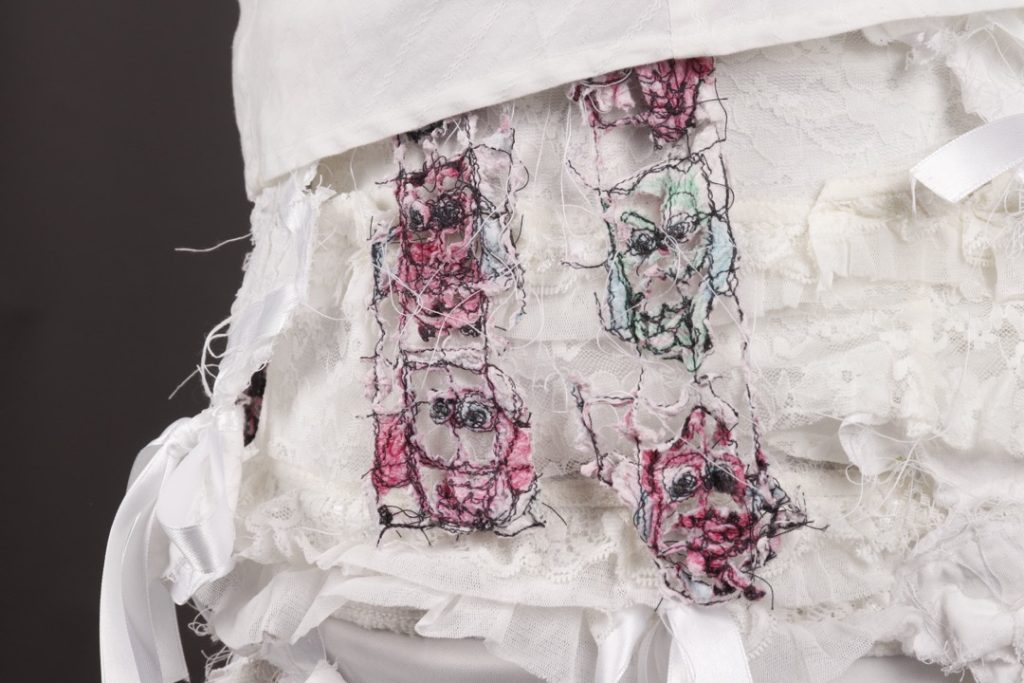
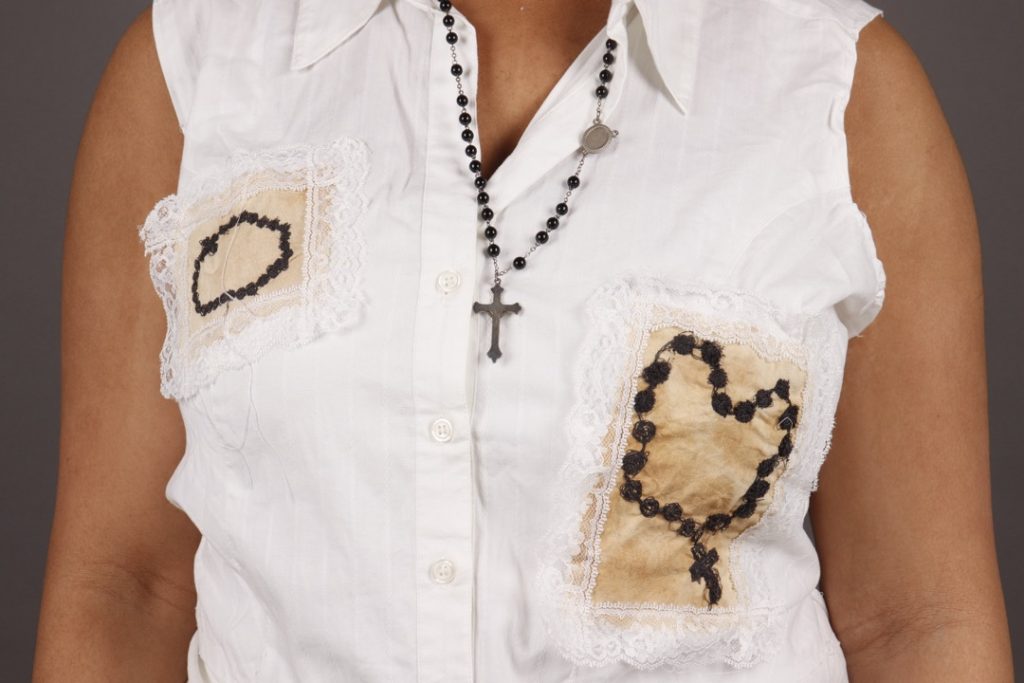
My project explores the emotional significance of personal possessions following my dad’s passing. Inspired by the theme ‘Surplus & Discarded’, I wanted to investigate how everyday objects can become memorial keepsakes that preserve memory and identity.
My final piece is a reconstructed waistcoat inspired by Martin Margiela, featuring embroidered imagery connected to my dad, including his rosary and the Costa logo, referencing a place we loved visiting together.
To create the piece, I used embroidery, machine stitching, and assemblage techniques with discarded fabrics and second-hand materials. I layered and reconstructed textile fragments to reflect themes of repair, remembrance, and transformation.
My intention was to transform personal memories into a wearable textile artwork that honours my dad’s presence through objects and shared experiences. By reworking discarded materials into something meaningful, I aimed to explore how textiles can preserve emotional connections and give new life to memories that might otherwise feel lost.
Charlotte Corbett
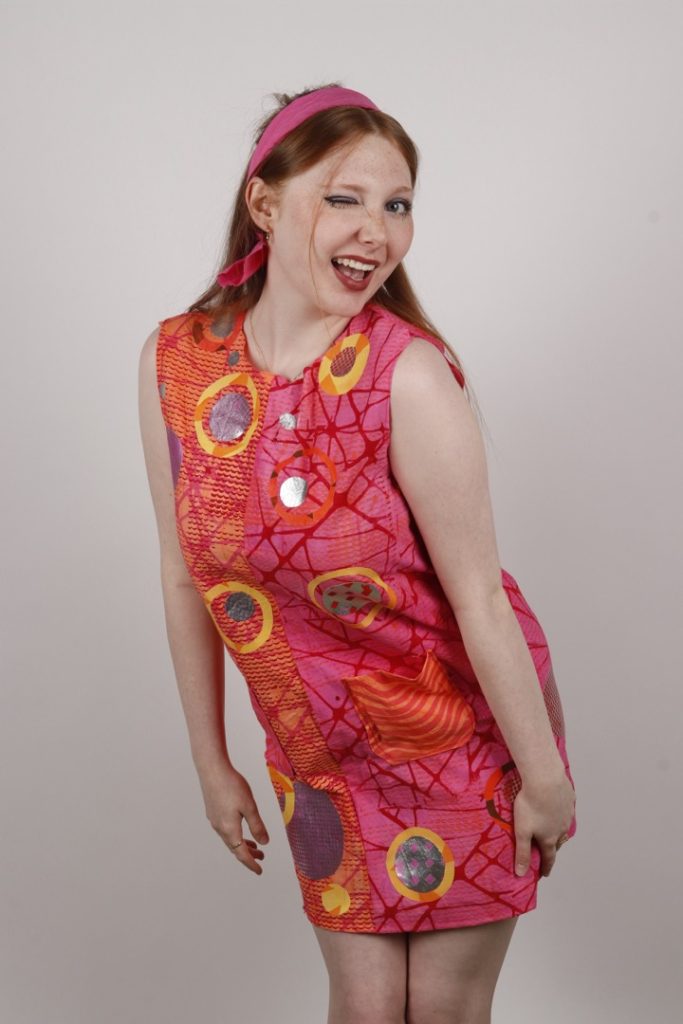
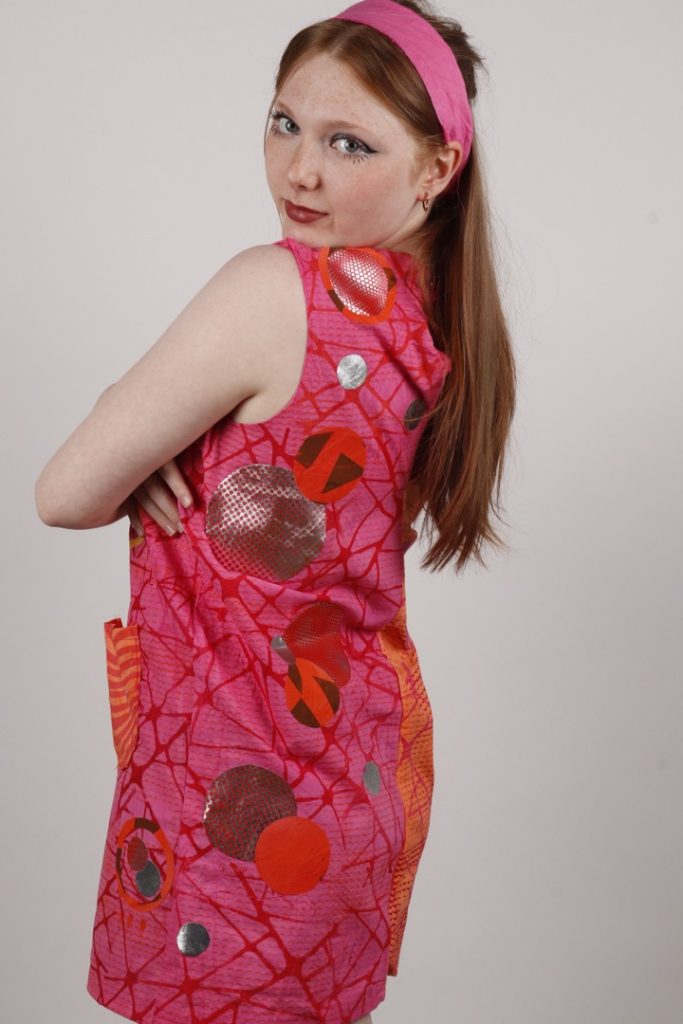
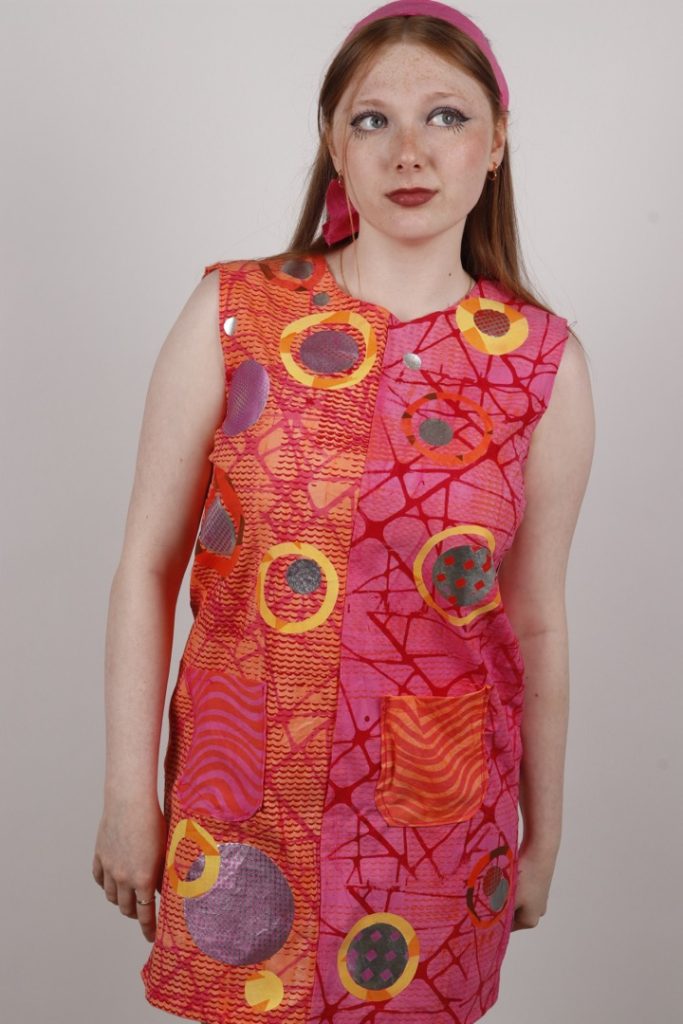
My project explores colour combinations inspired by 1960s and ’70s hippie and psychedelic fashion, with a strong focus on bold patterns and self-expression. I researched designers such as Mary Quant, Emilio Pucci, and Verner Panton, analysing how they use geometric shapes, repetition, and vibrant colours to create visually striking designs.
I was particularly interested in how circles, lines, and organic forms could be repeated and layered to generate movement and energy across a sample. This research deepened my understanding of how pattern and colour can be utilised to create powerful surface designs.
During the development phase, I experimented with multiple textile techniques, including fabric painting, printmaking, tie-dye, and appliqué. I developed both geometric and organic patterns, playing with the scale and placement of shapes to see how they affected the overall composition.
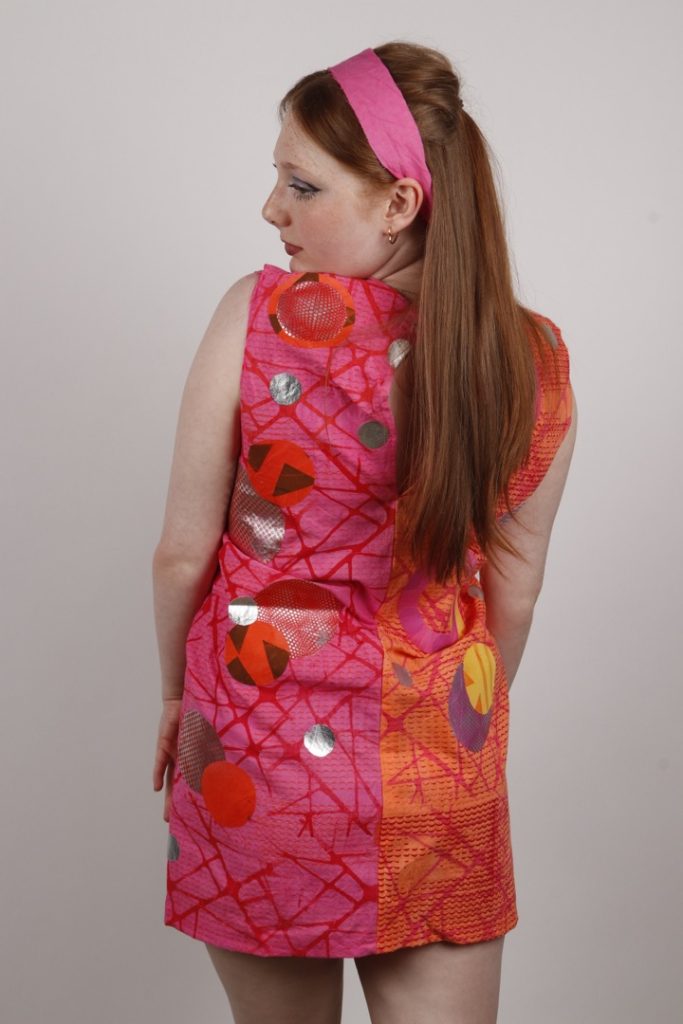
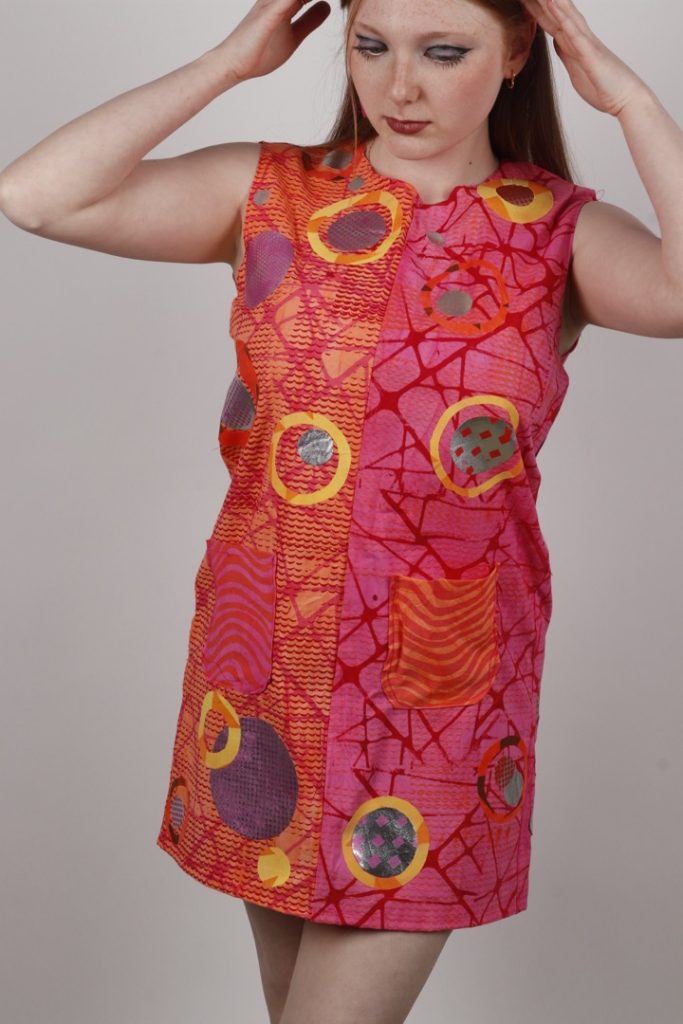
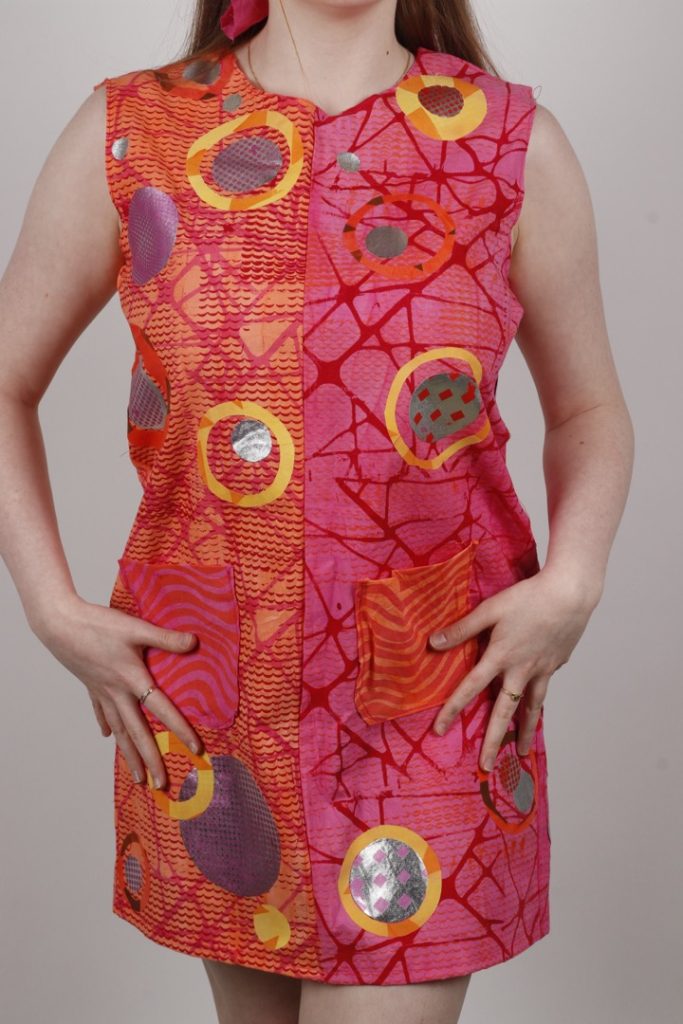
Driven by colour theory, I selected a sunset-inspired palette of oranges, pinks, and warm tones, which kept the collection cohesive while remaining bold and eye-catching. I also drew inspiration from disco imagery—particularly the mirrored surfaces of disco balls—which led me to incorporate layered shapes and reflective fabrics for added texture and movement.
My final piece is a shift dress that marries a classic 1960s Mary Quant-inspired silhouette with 1970s colour and pattern influences. I chose a simple silhouette to ensure the surface design remained the focal point. Using appliqué, I layered various fabrics and shapes to build depth. The repeated circular motifs and contrasting panels proudly reflect my artist research whilst maintaining an original flair.
Overall, my project is successful in demonstrating a clear evolution from initial research to the final outcome. I have synthesised influences from multiple artists and tested various techniques to develop my own unique ideas.
To refine my work further in the future, I would experiment with a wider range of techniques and machine-stitch around the appliqué shapes to achieve a more polished, professional finish.
Brooke Edwards-Dalley
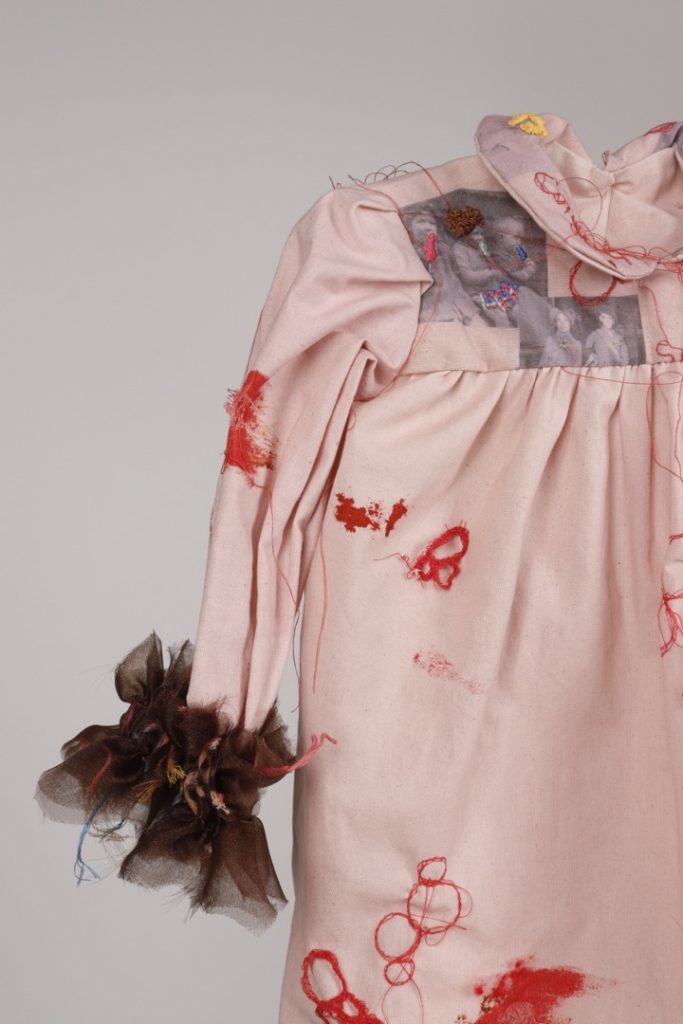
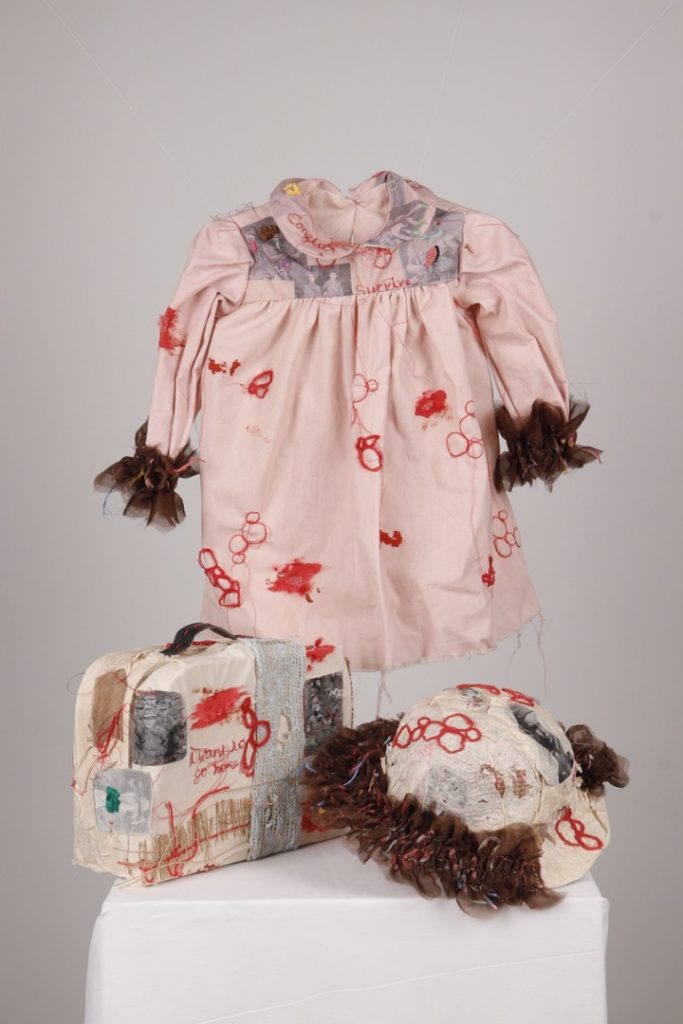
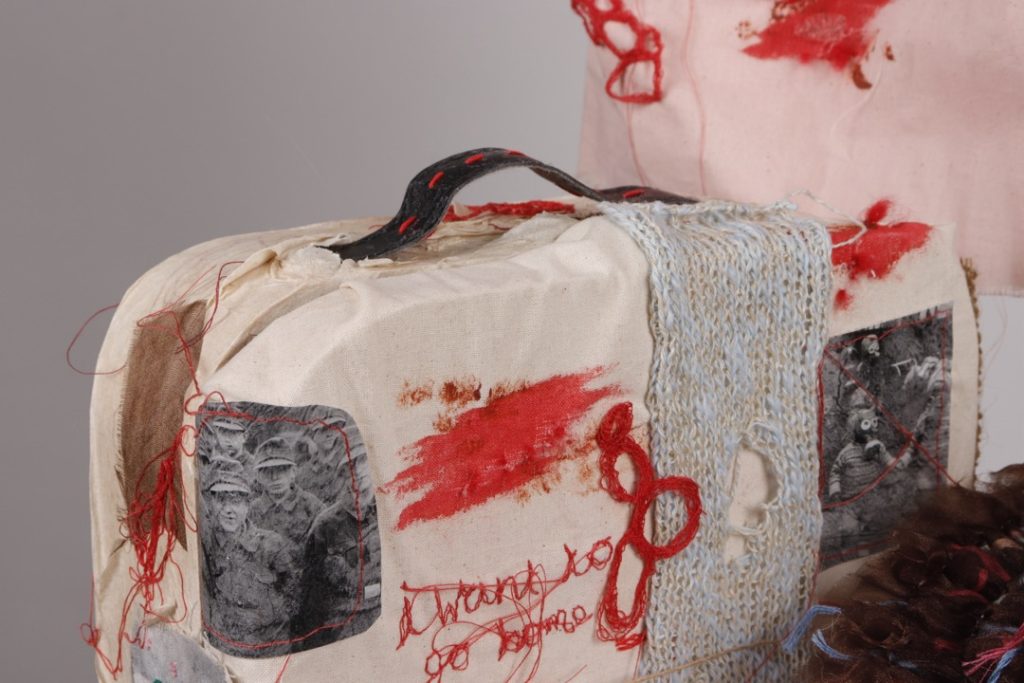
In this project, I explored the theme of protection from a unique perspective: how British children needed safeguarding during the Second World War and their journeys as they fled to safety.
I researched images taken from this era to see what was popular and found that features such as collars, floral prints, dark colours, and gathering were very common during this period.
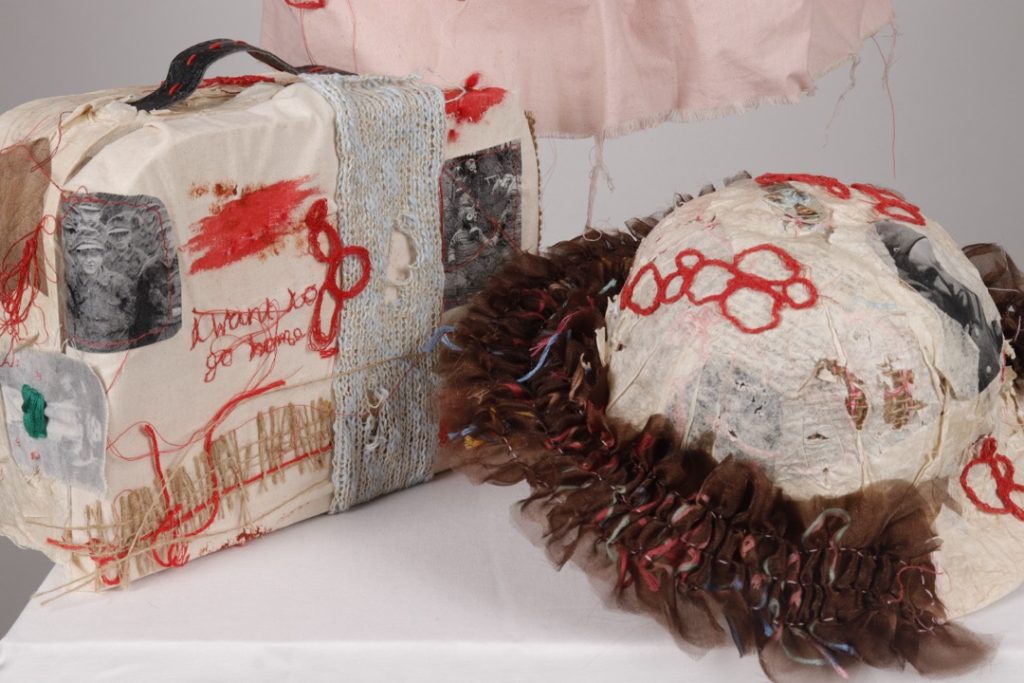
I created a little girl’s dress incorporating some of these features, adding smocking and embroidery to put my own spin on the style. The smocking is inspired by the dirty, muddy floors the children had to endure, while the colourful embroidery draws attention to the youth and innocence present throughout this period.
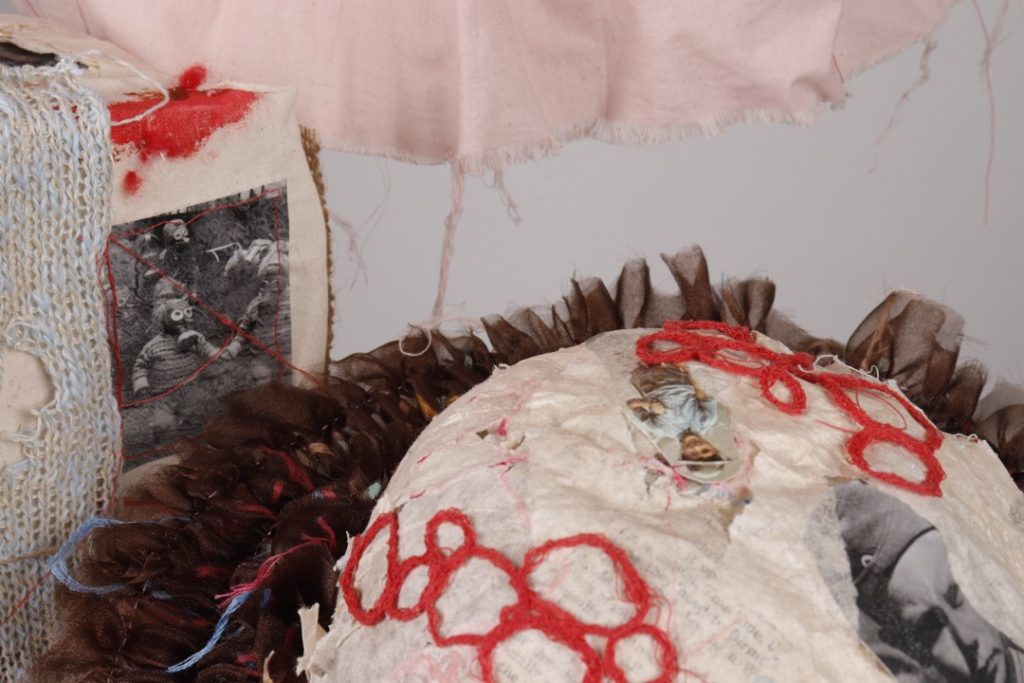
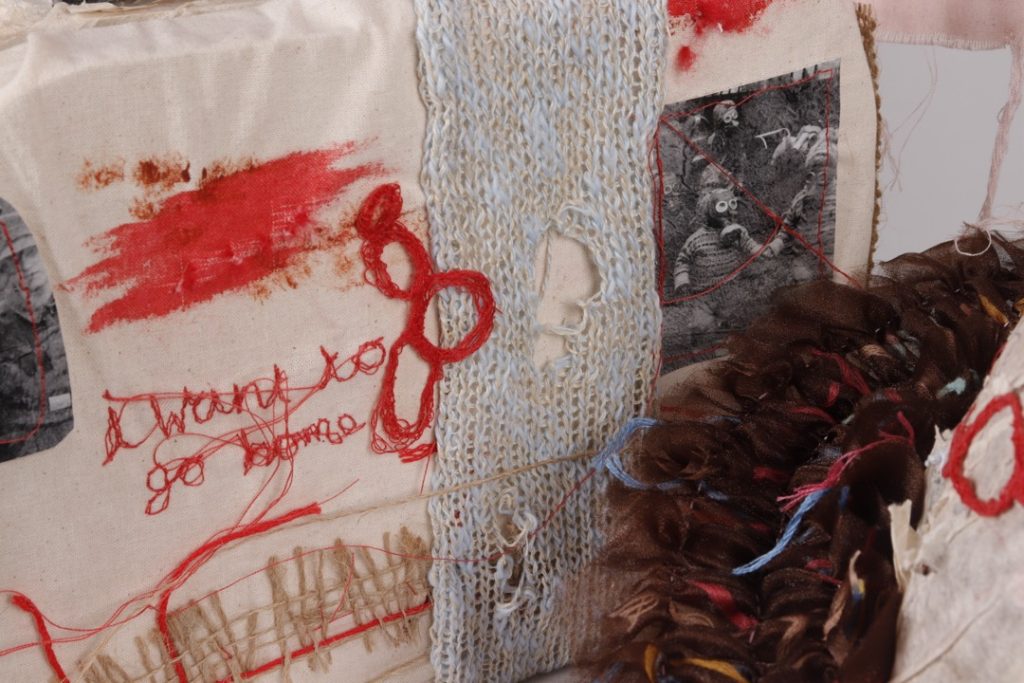
Furthermore, I created a suitcase to illustrate the children fleeing from their homes, alongside a helmet—something many children had to carry around with them for protection during unexpected emergencies.
I incorporated a running theme of red throughout all the pieces to symbolise the bloodshed. I also messily machine-embroidered words onto the objects; this was to make them feel more personal to an individual, as though they had been taken straight from a child living through the war.
Erin Lawley
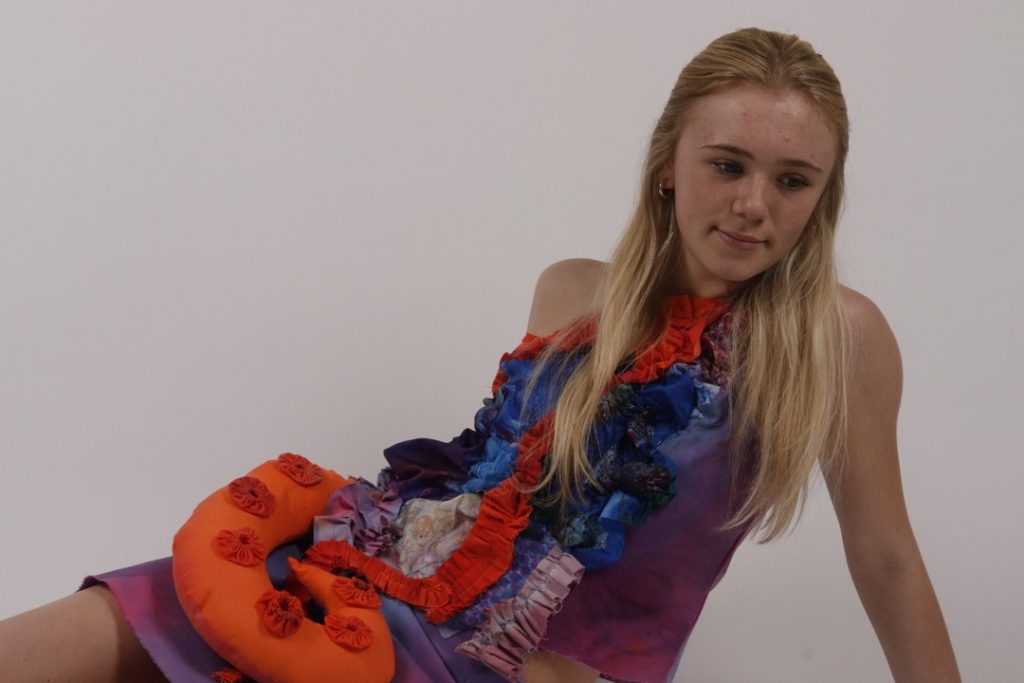
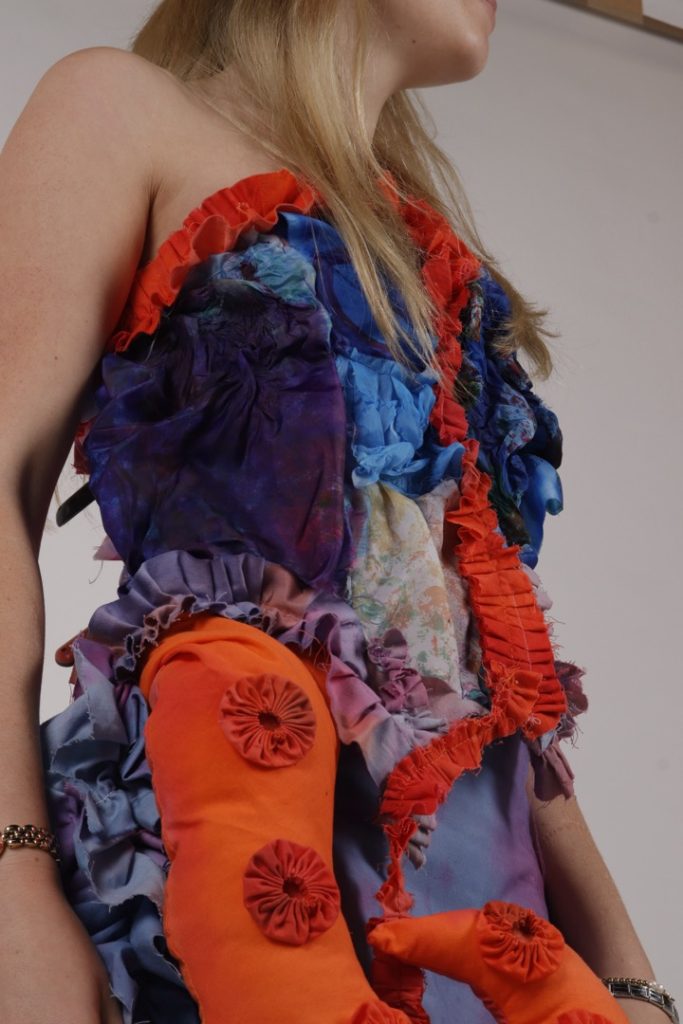
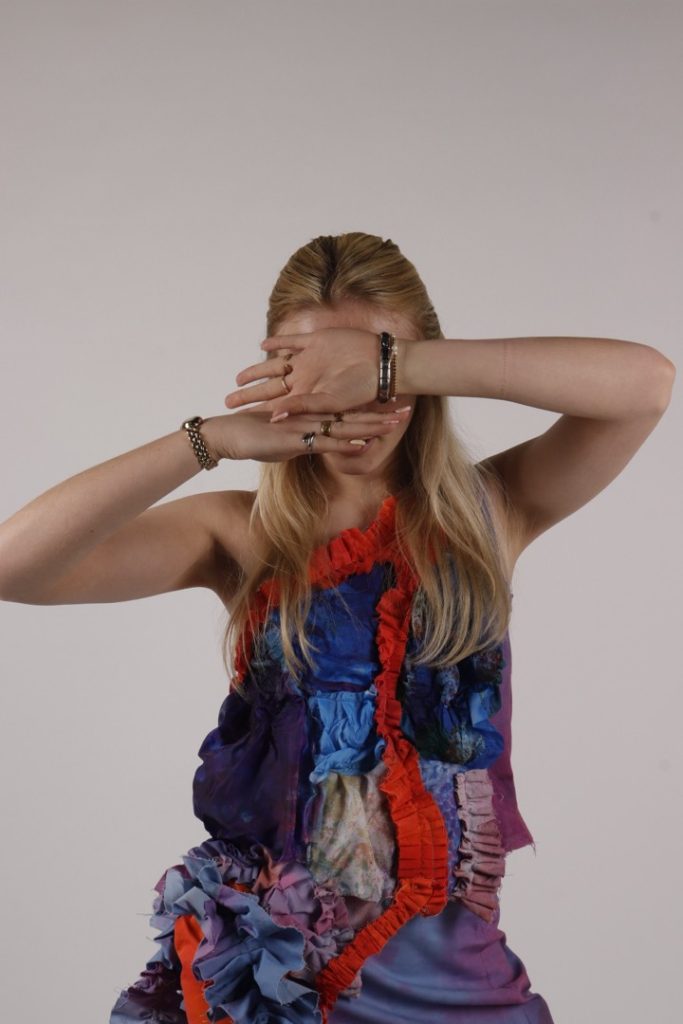
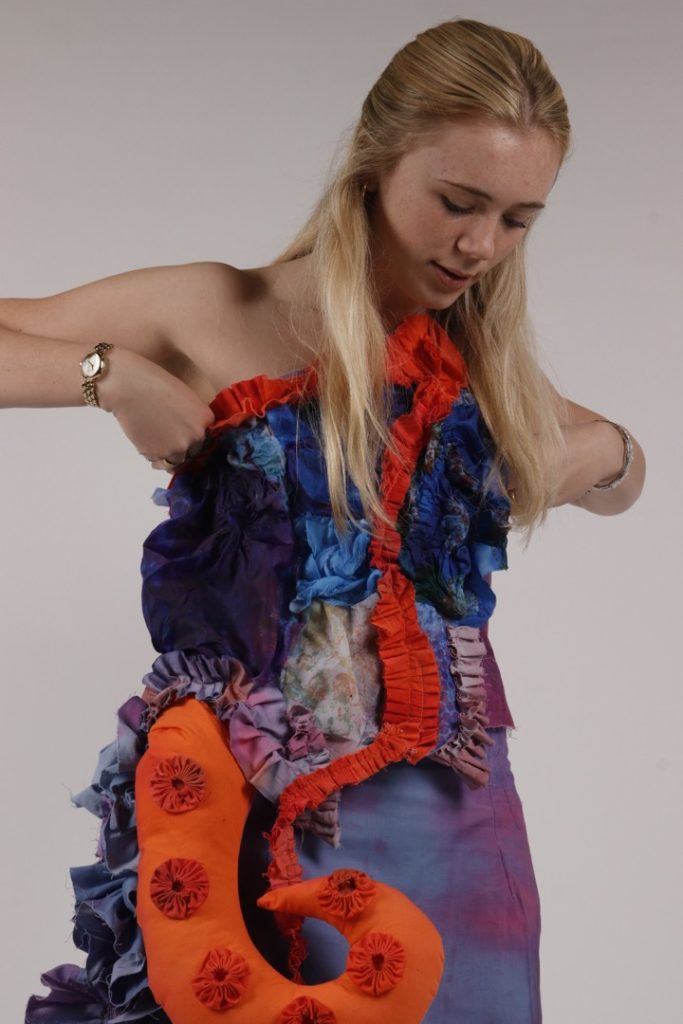
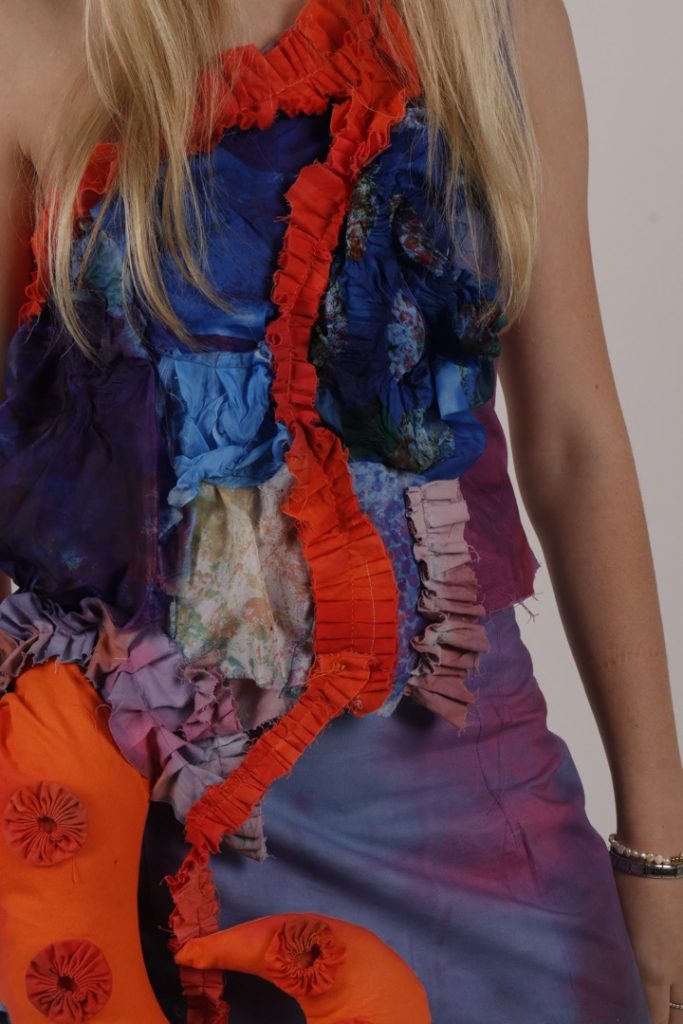
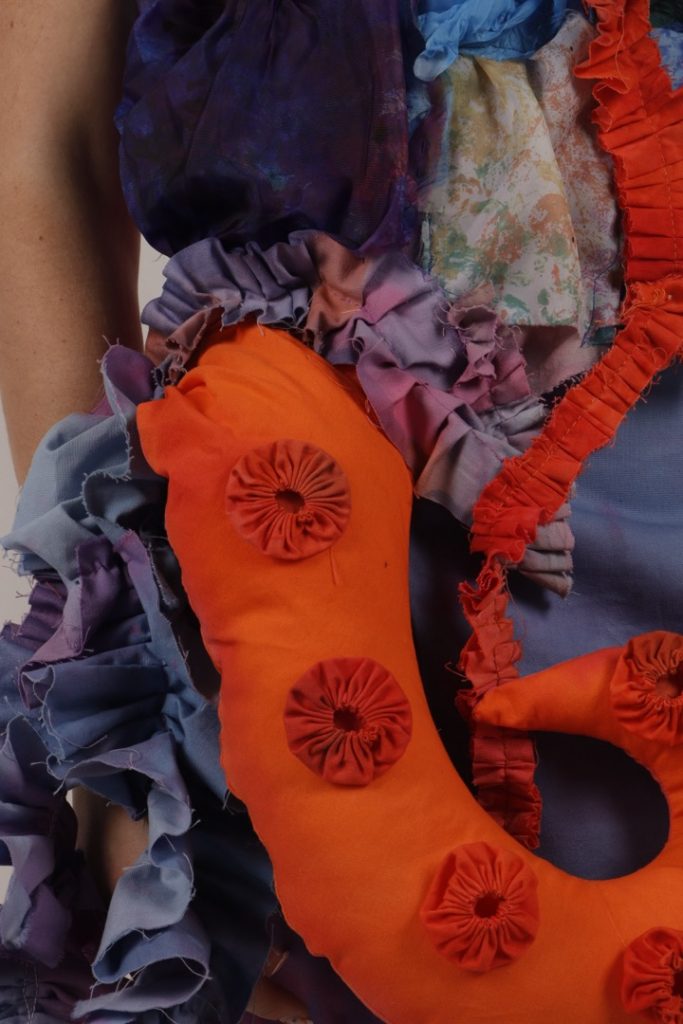
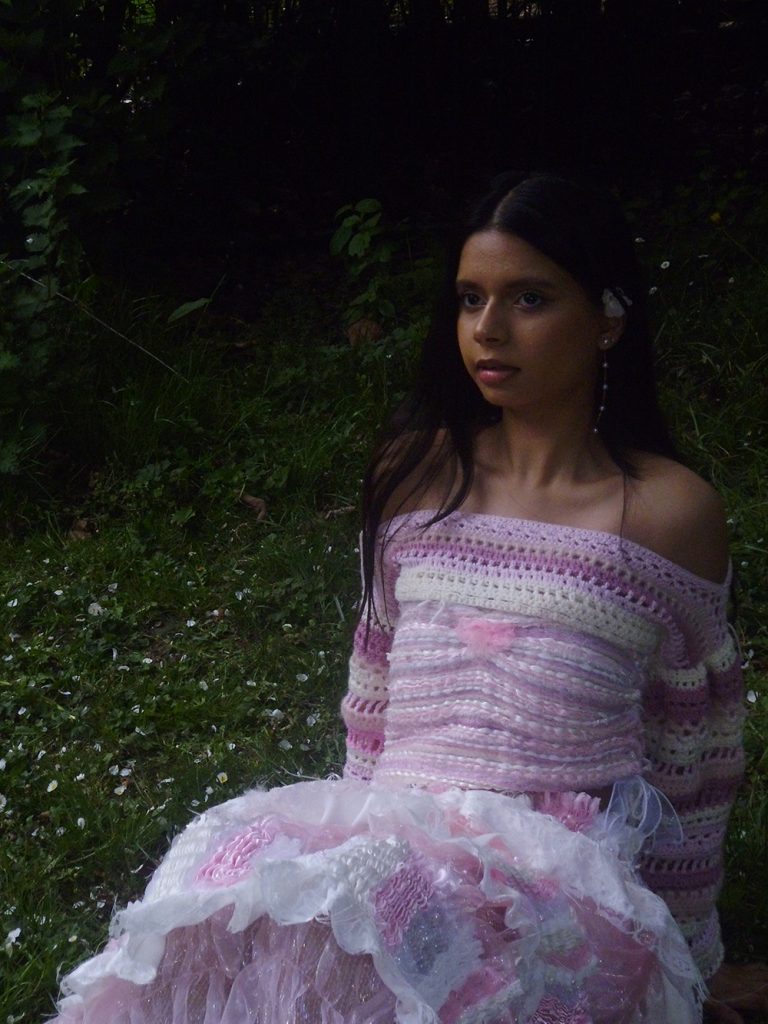
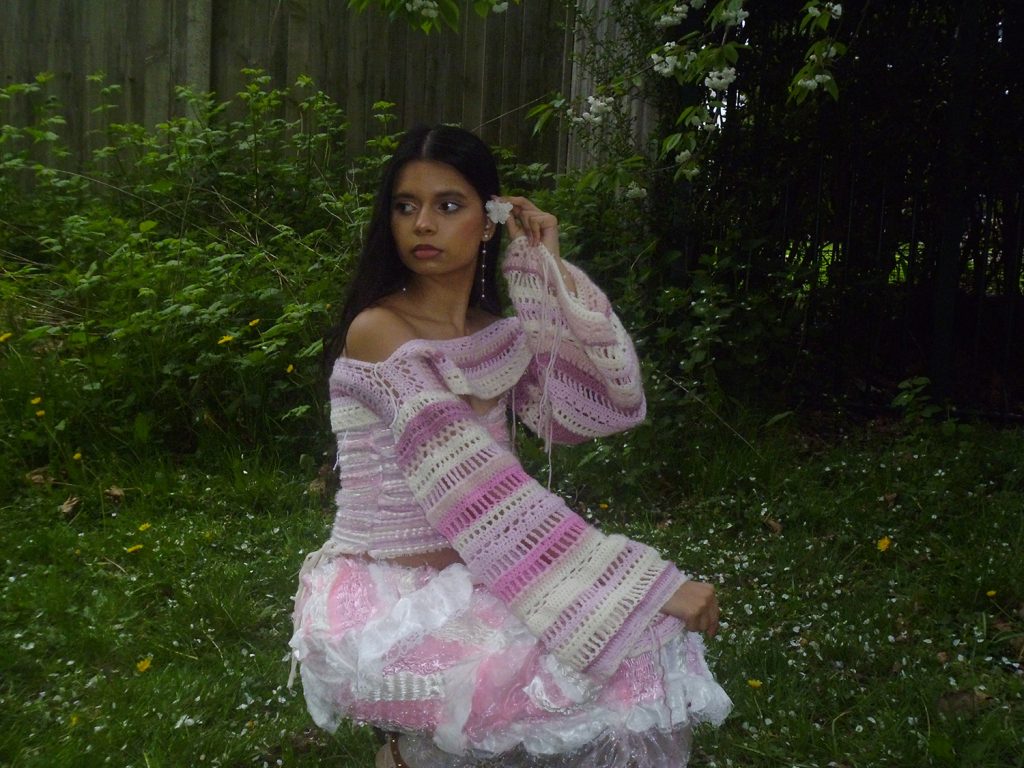
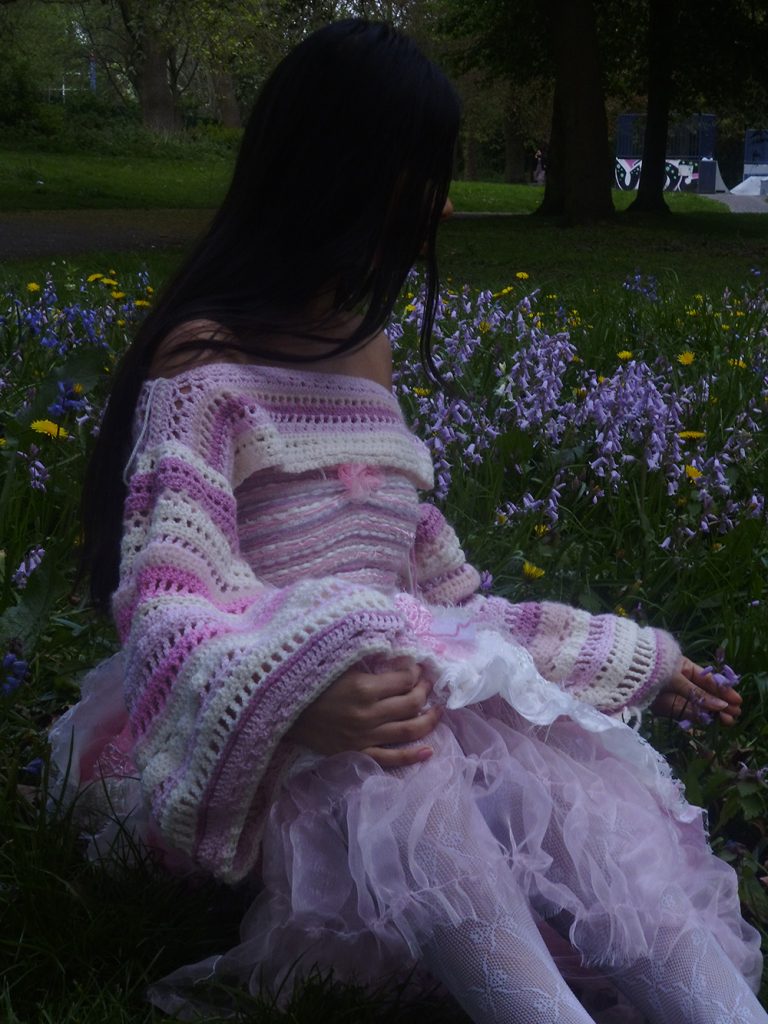
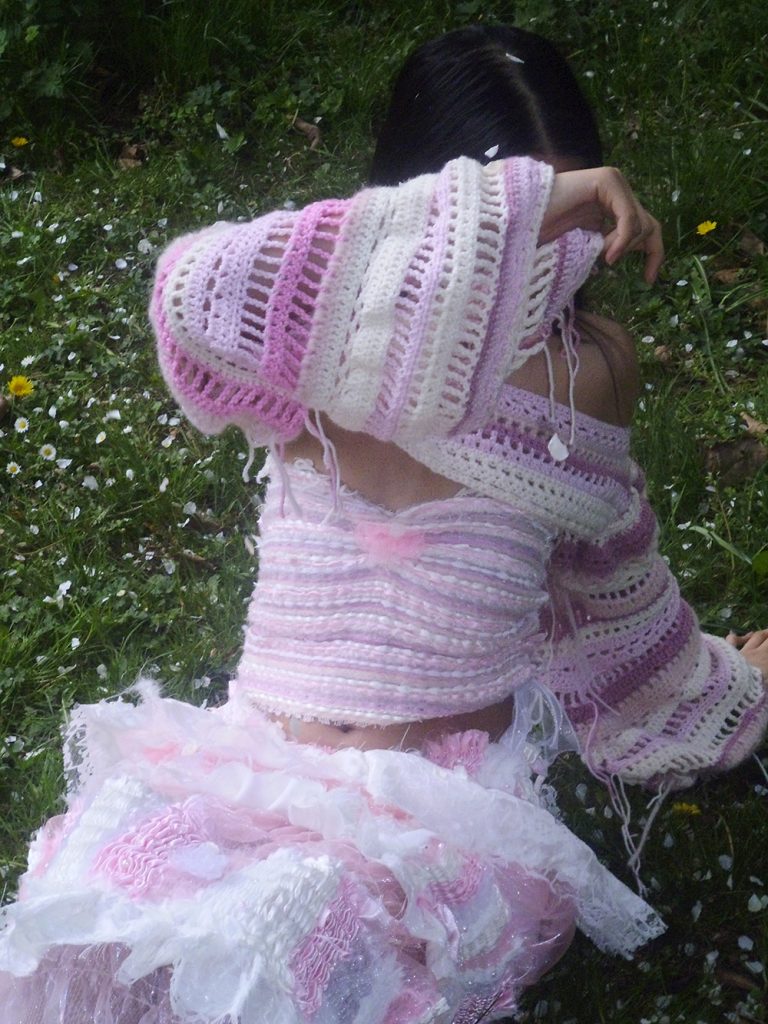
For Component 1, I chose to explore a highly personal theme: my lifelong love for the sea. I developed my sketchbook by experimenting with various textile samples, drawing direct inspiration from the anatomical traits of marine life, particularly octopuses.
The tentacle became a dominant motif throughout my research, heavily influencing the drafts for my final designs. I knew I wanted to incorporate three-dimensional elements to make the garment visually striking whilst ensuring it remained entirely wearable. Integrating sculptural tentacles alongside voluminous ruffles proved to be a highly effective way to achieve this.
I am immensely proud of the final piece and believe it perfectly captures the essence and movement of sea creatures, just as I originally intended.
Erica Northam
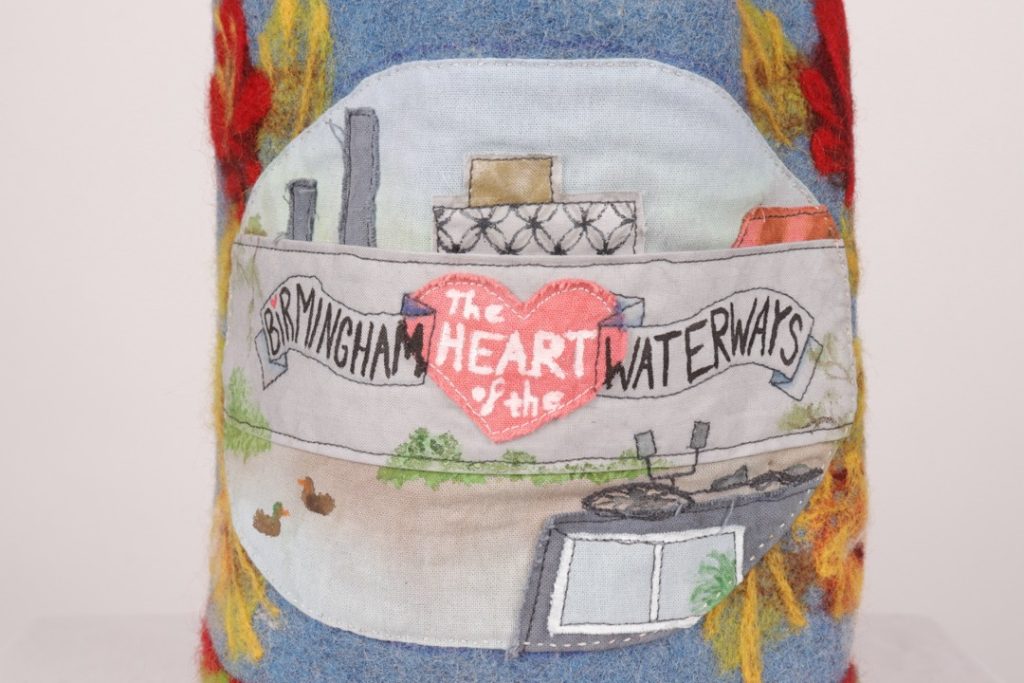
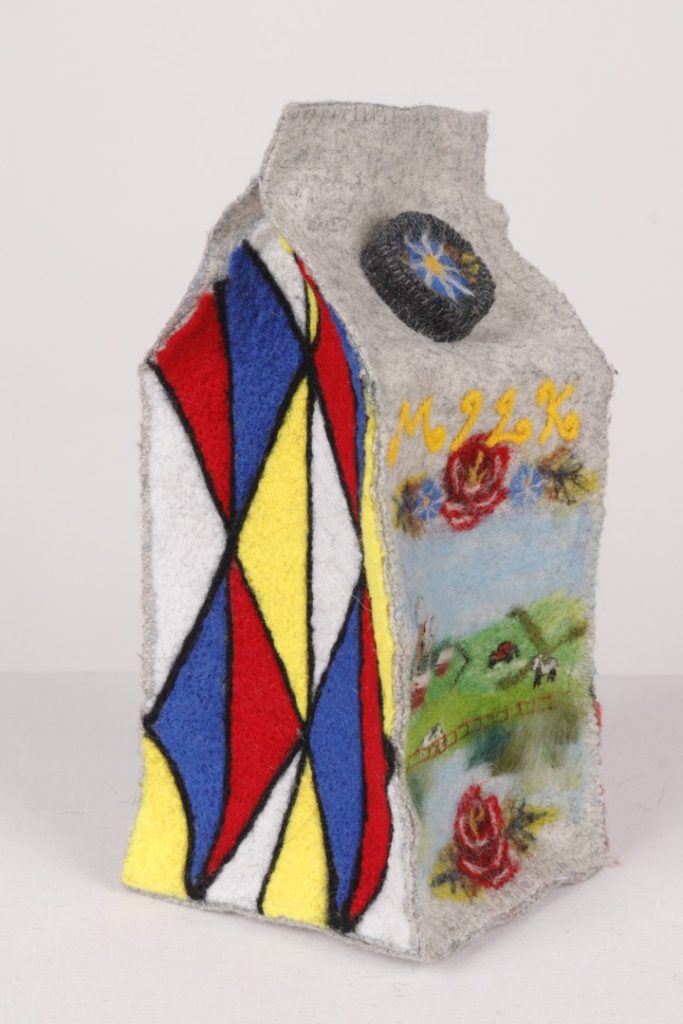
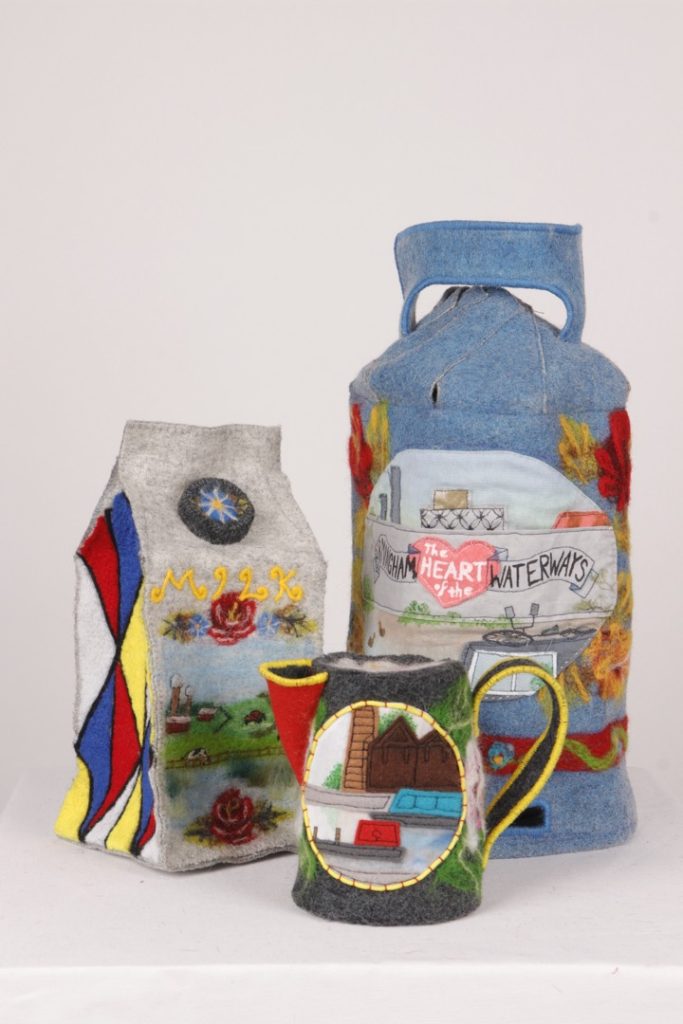
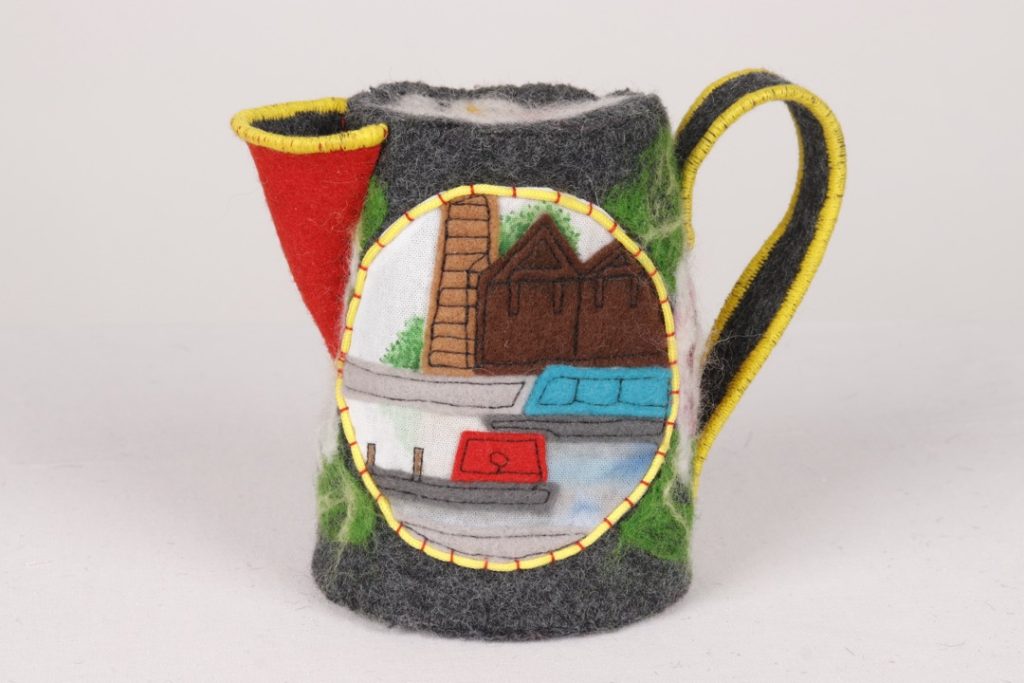
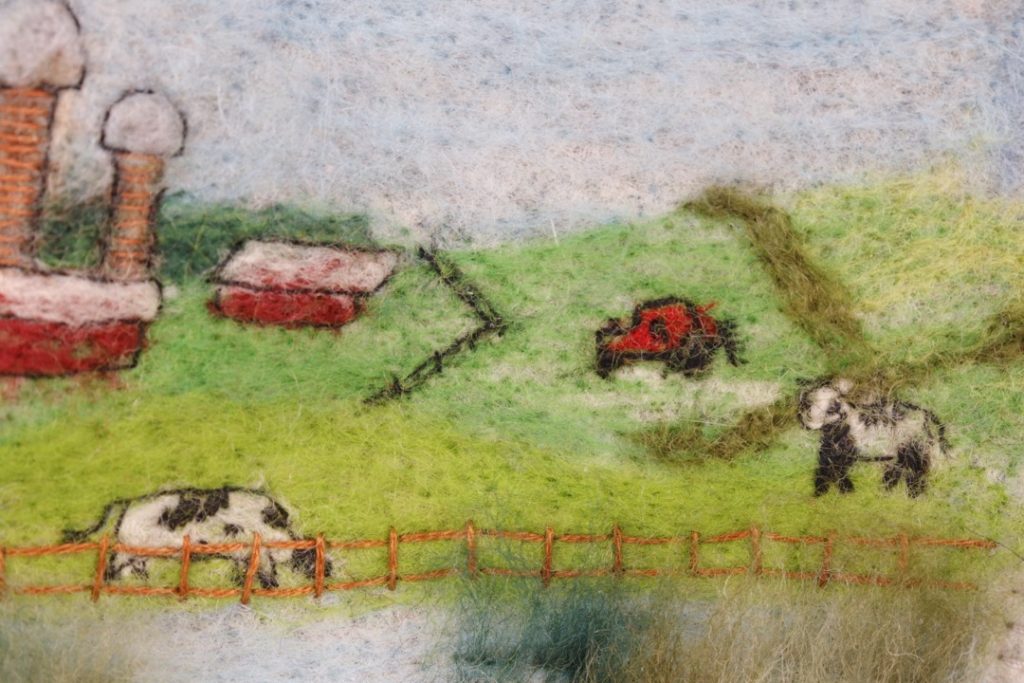
This project explores the theme of ‘Canals and Narrowboats’, which is one of my personal fascinations. I wanted to investigate both rural and urban canal imagery, different boat types and interiors, vivid boat painting, ‘Roses and Castles’ canal folk art, and the industrial history of waterways.
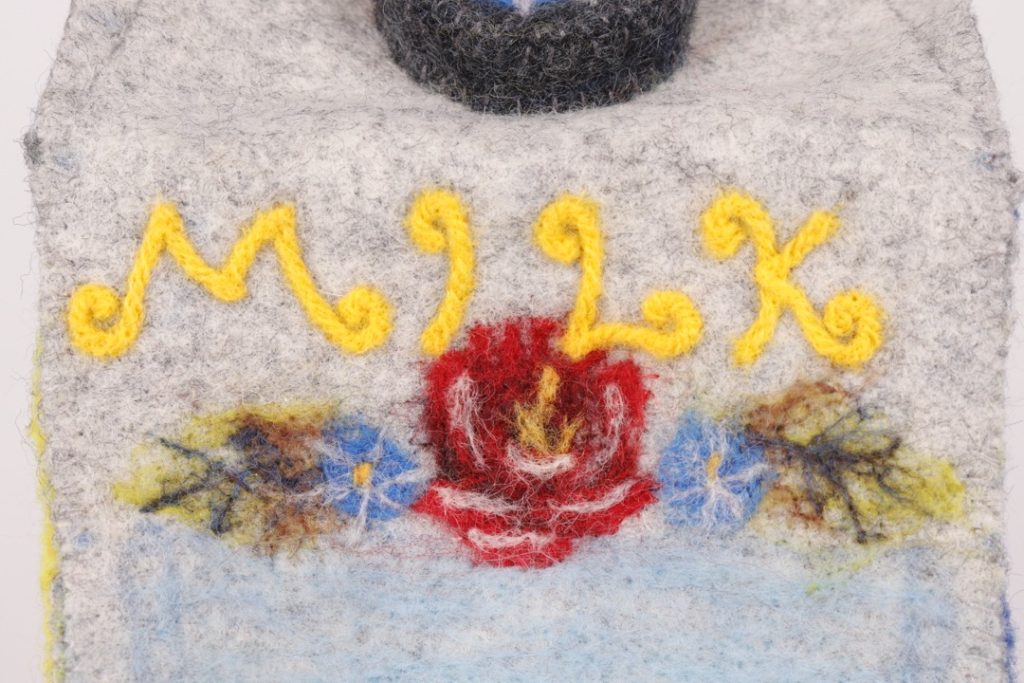
These felt objects were designed to resemble historical bargeware (a ‘Buckby’ watering can) as well as objects that might be found on a modern narrowboat (a butane canister and a milk carton), embellished with patterns inspired by Roses and Castles. Relevant canal landscapes are featured on them, with details such as animals, plants, and local buildings.
I used dyed and printed fabric for my backgrounds, alongside appliqué, painting, and embroidery to create detail, and lots of hand felting for the floral patterns. Having experimented with multiple techniques and investigated many aspects of my theme, I synthesised them into a collection of appealing, colourful, detailed items that celebrate life and history on the waterways.
Caitlin Quaife
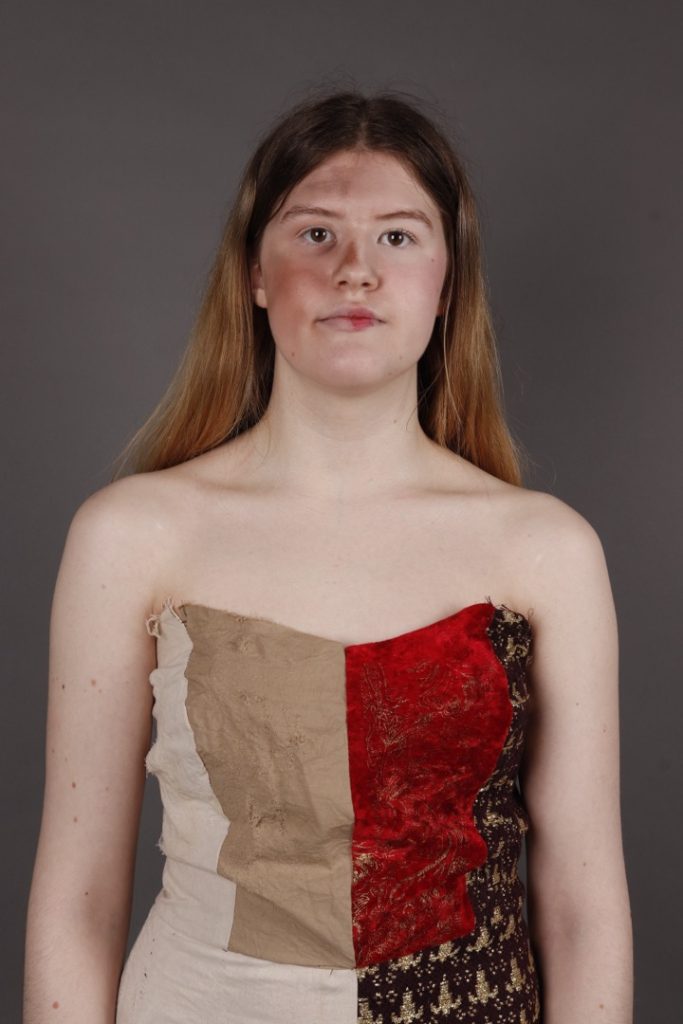
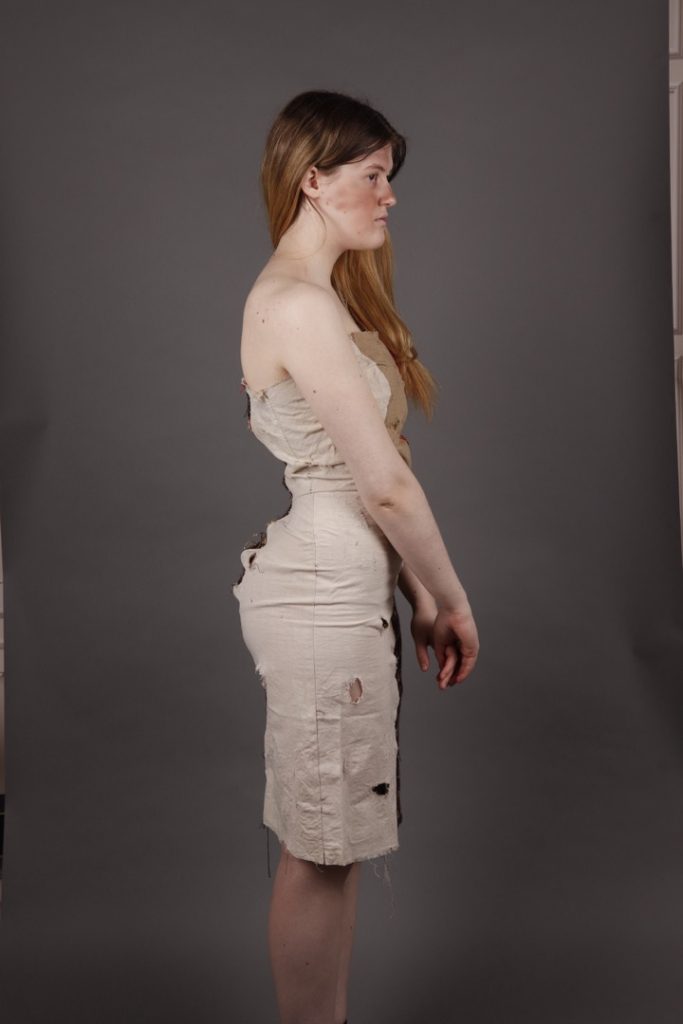
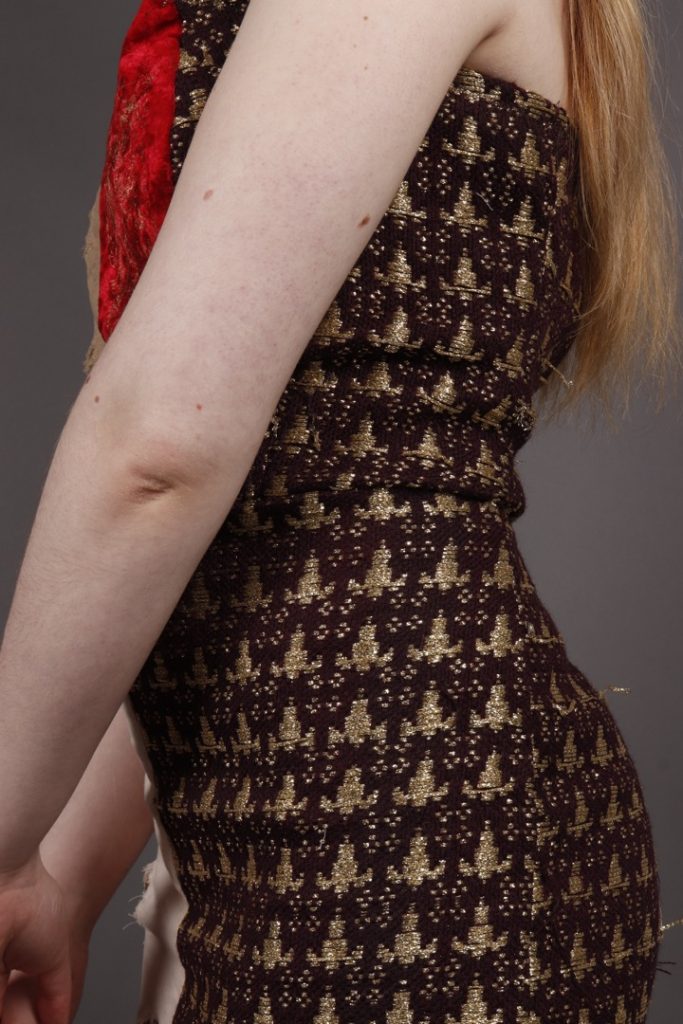
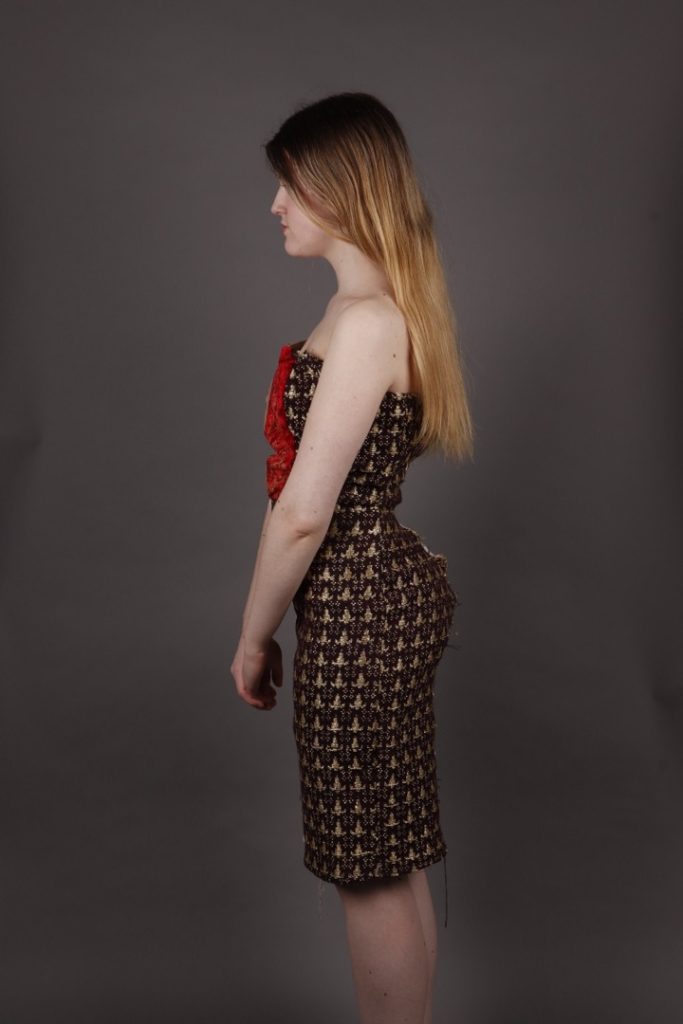
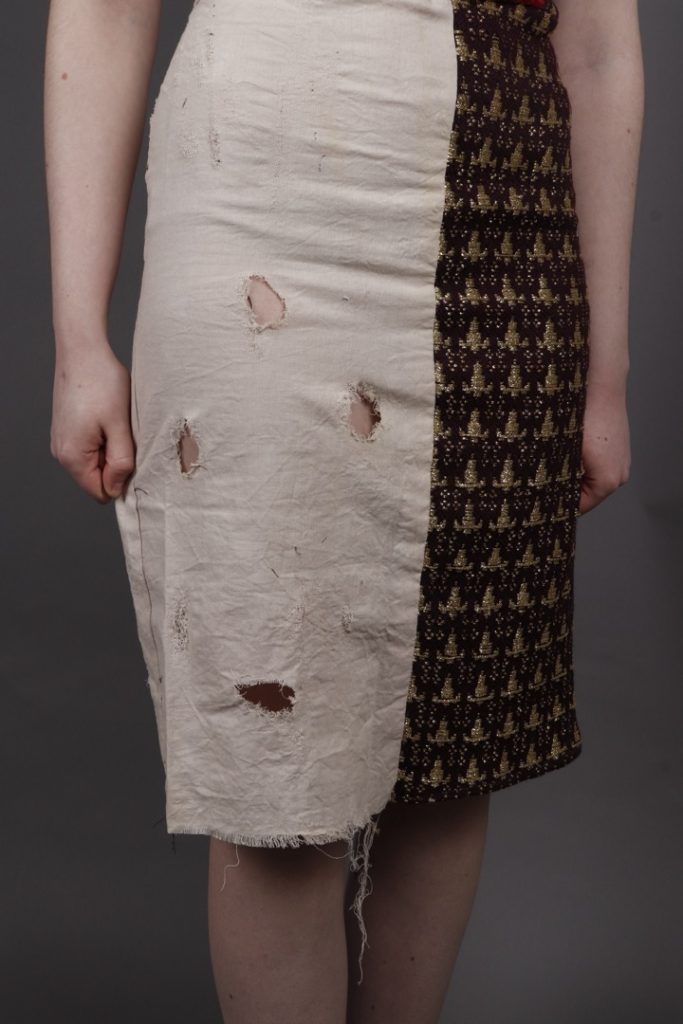
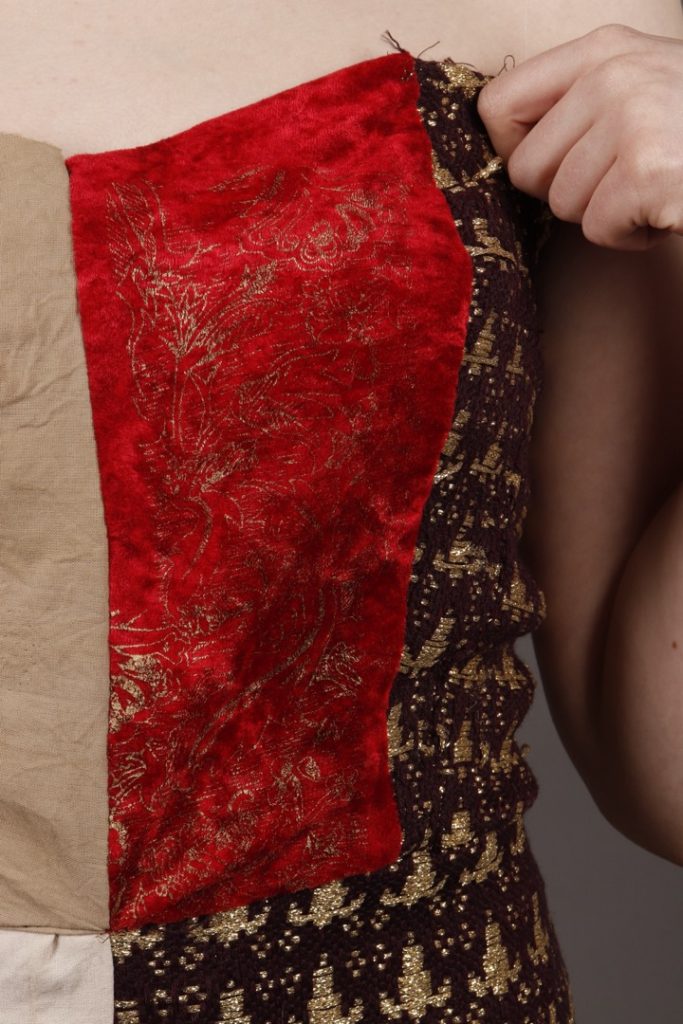
This piece is about opulence and the contrast between the poor and the rich.
I wanted to create something that looked magnificent. The reason rich clothing looked so beautiful in the past was due to the time taken to make it, but also the extreme separation between the poor and the rich.
I decided on a half-and-half dress, which shows that separation with a line down the middle. The poor side has rips and holes all over and uses tan fabric, showing the difficulty of keeping clothes clean, whereas the rich side has intricate hand-woven fabric with gold, alongside detailing on the front of the bodice which has taken a lot of time.
In the past, the quality of life was so different, and I really wanted to show that in this piece; alongside the lavishly rich, you also had the underpaid, terrible working conditions of the poor.
Madison Thornsbury
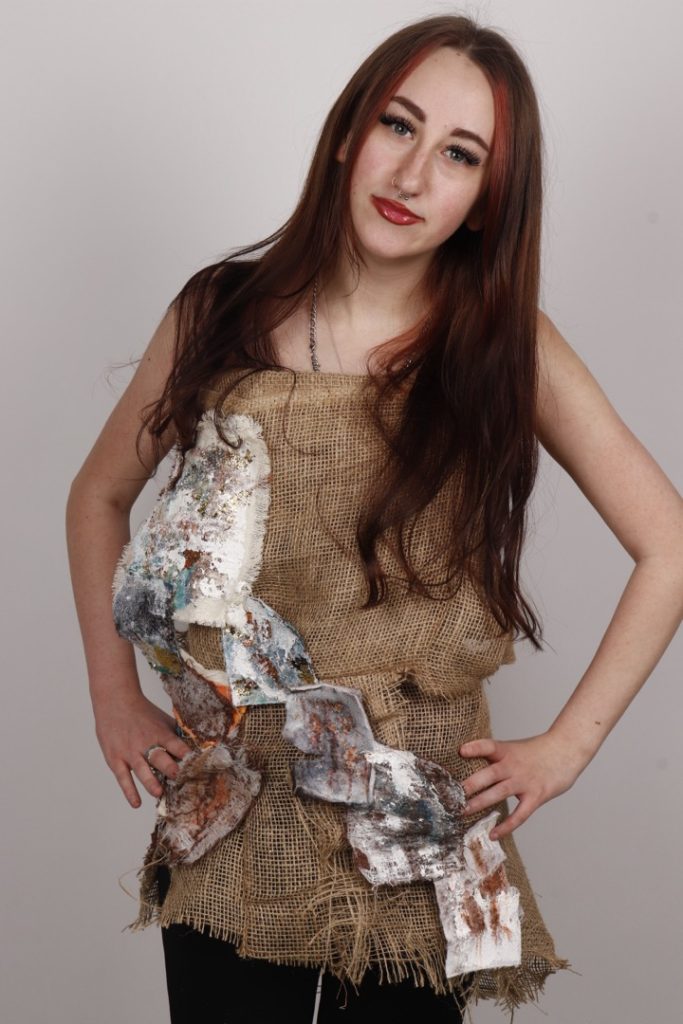
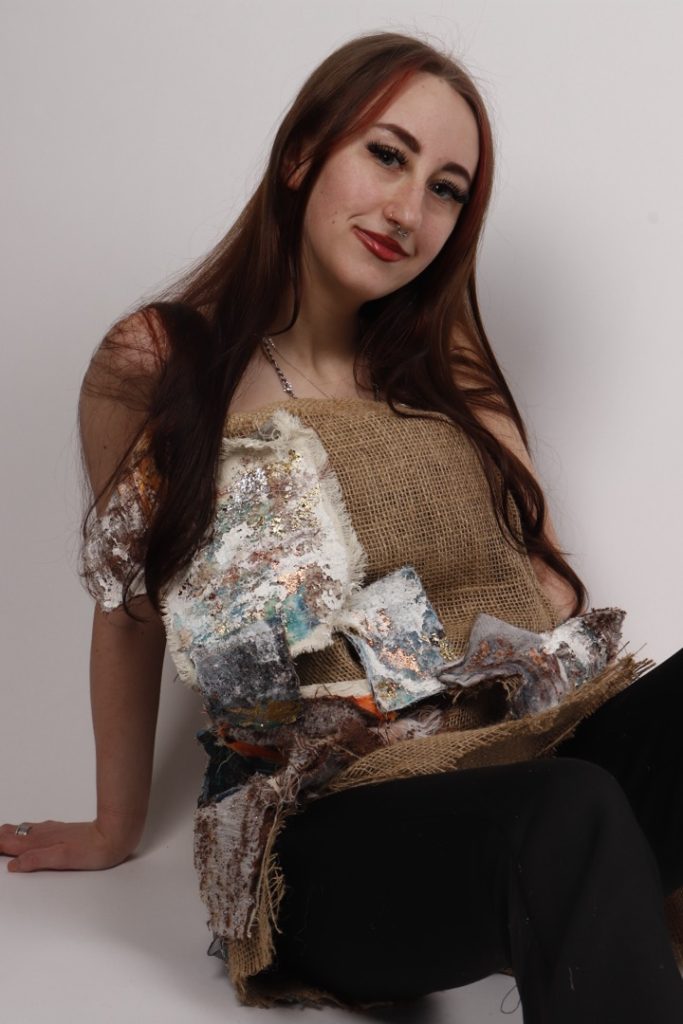
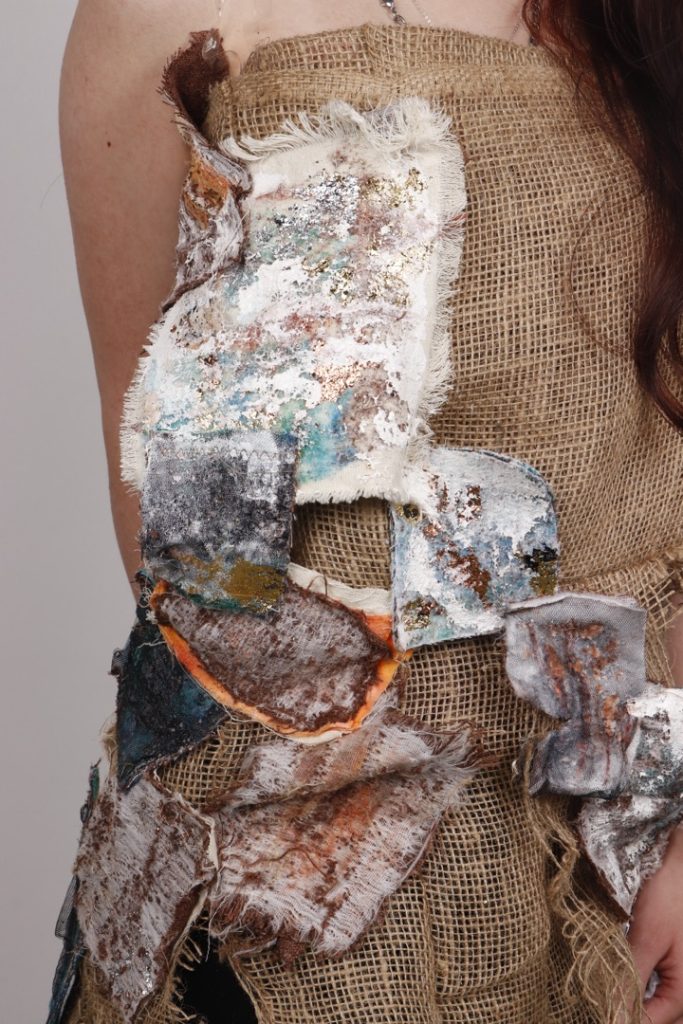
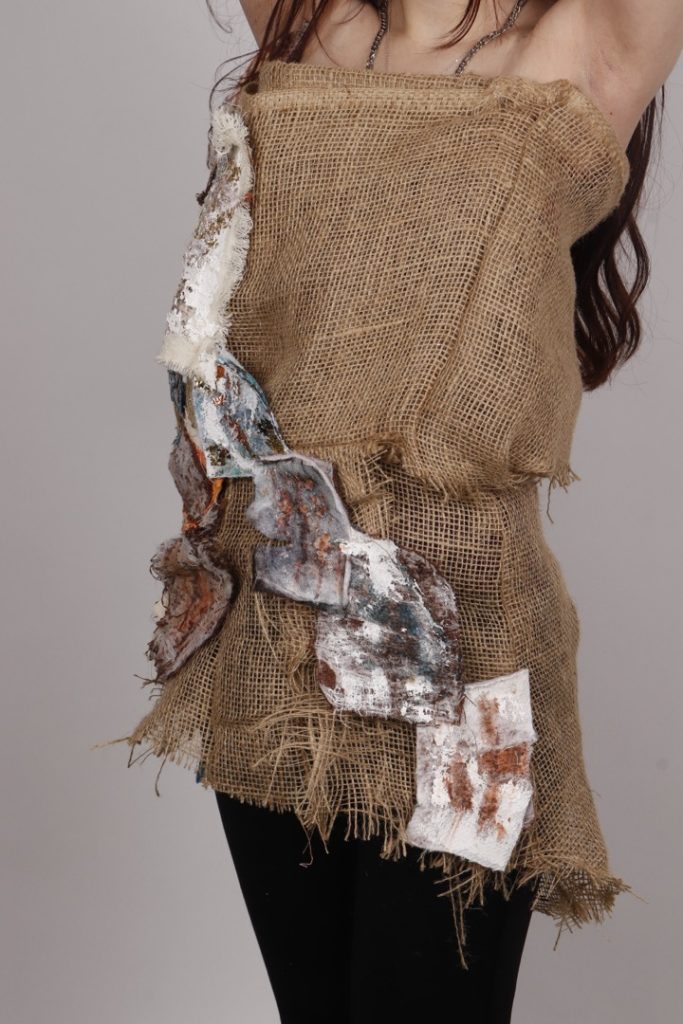
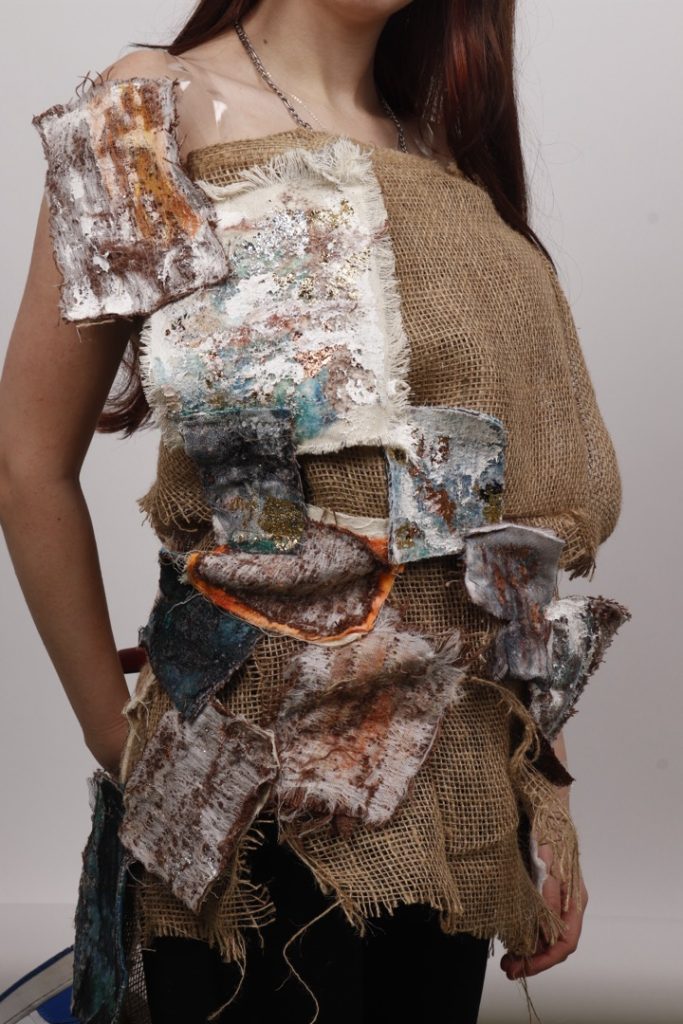
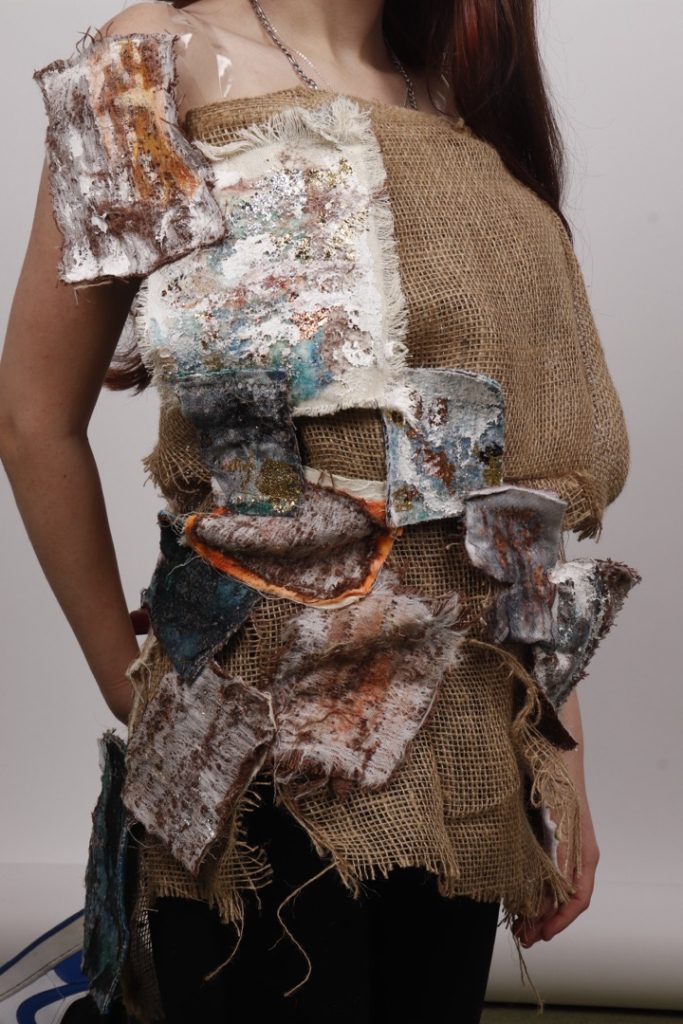
This textile garment explores the concept of surplus and discarded materials, and how they can have patterns and textures that make for beautiful and unique garments. This was done by treating the visual effects of erosion and rust as a symbol that anything can be considered beautiful.
To capture the organic beauty of neglected products, I used hessian fabric—something that would typically be used to transport items such as potatoes and then discarded—as a layered base. I added textures resembling peeling paint and jagged rusted metal using fabrics in a suitable colour scheme of mainly oxidised copper.
The silhouette is intentionally bulky and irregular to mimic the unpredictable patterns that are often found in things left to decay. This work is a way of proving that anything, neat or messy, can always contain beauty.
A-Level Photography allows learners the opportunity to express themselves creatively while exploring ideas and concepts that are personal and meaningful. This is clearly demonstrated across the wonderful work created by this years A-Level cohort. I could not be prouder of the work and achievements made by each member of the Photography group.
Learners often choose issues within society as a means to connect their Photography to an audience. The course consistently challenges them to problem solve and improve both quality and concept as they progress. This ultimately prepares them for both industry and Higher Education.
Industry-standard software and equipment are embedded throughout the course to again support progression, exploring the Creative Cloud Adobe Suite with programs such as Photoshop and Lightroom for image editing, along with InDesign to create their stunning portfolios and project work. To allow for a deeper understanding of photography, learners are encouraged to work with both modern and traditional techniques such as darkroom and Cyanotypes. This 2-year programme builds theoretical and practical knowledge to allow our learners the creative means to express themselves through Photography.
I hope you enjoy exploring the work from this year’s Photography learners.
Simon Morris, A-Level Photography Tutor, Dudley Sixth
Sophie Dunne
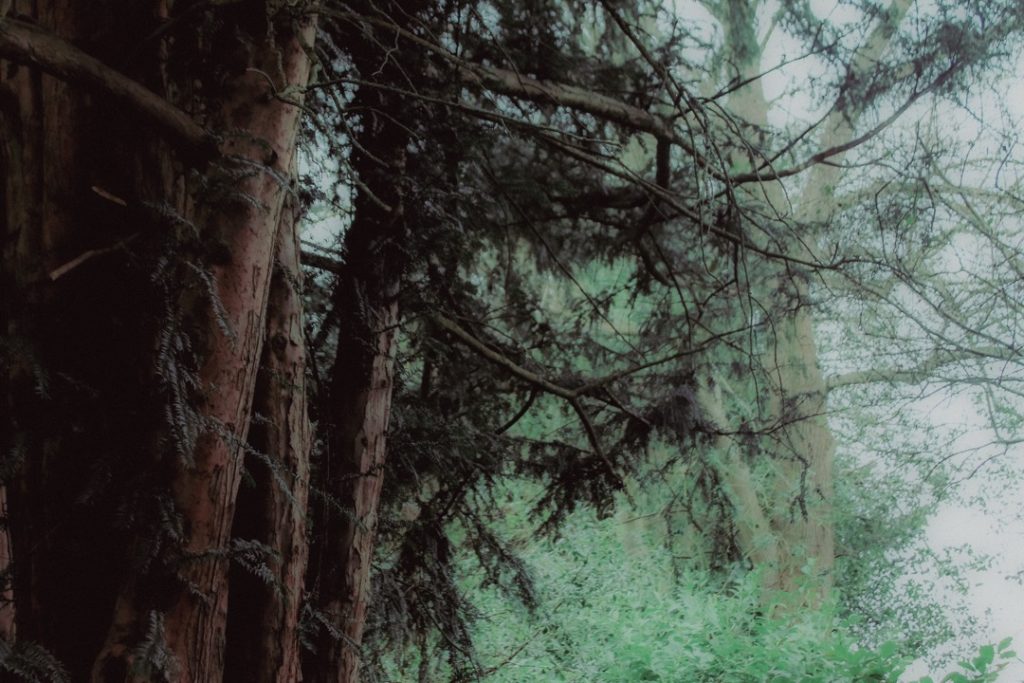
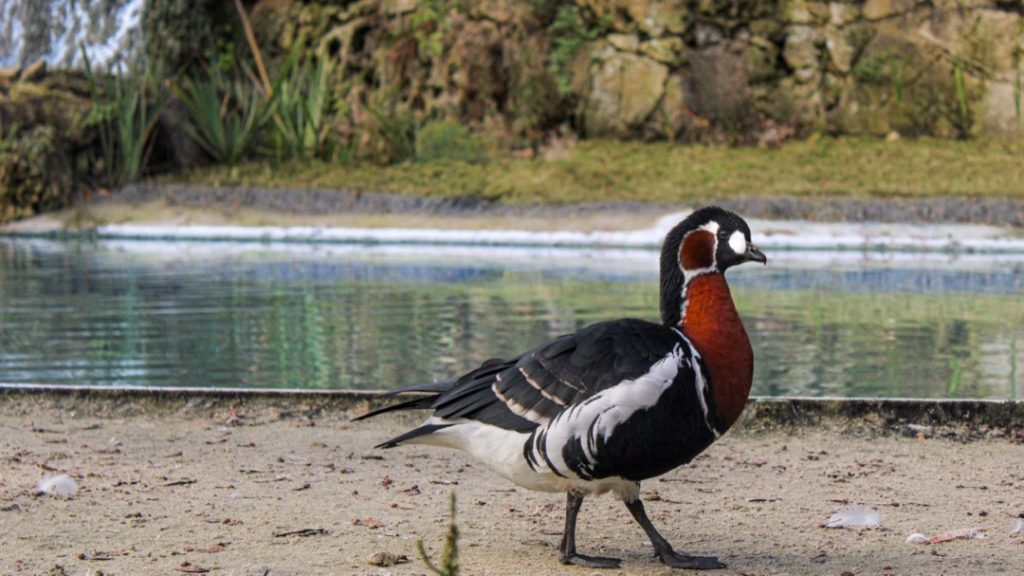
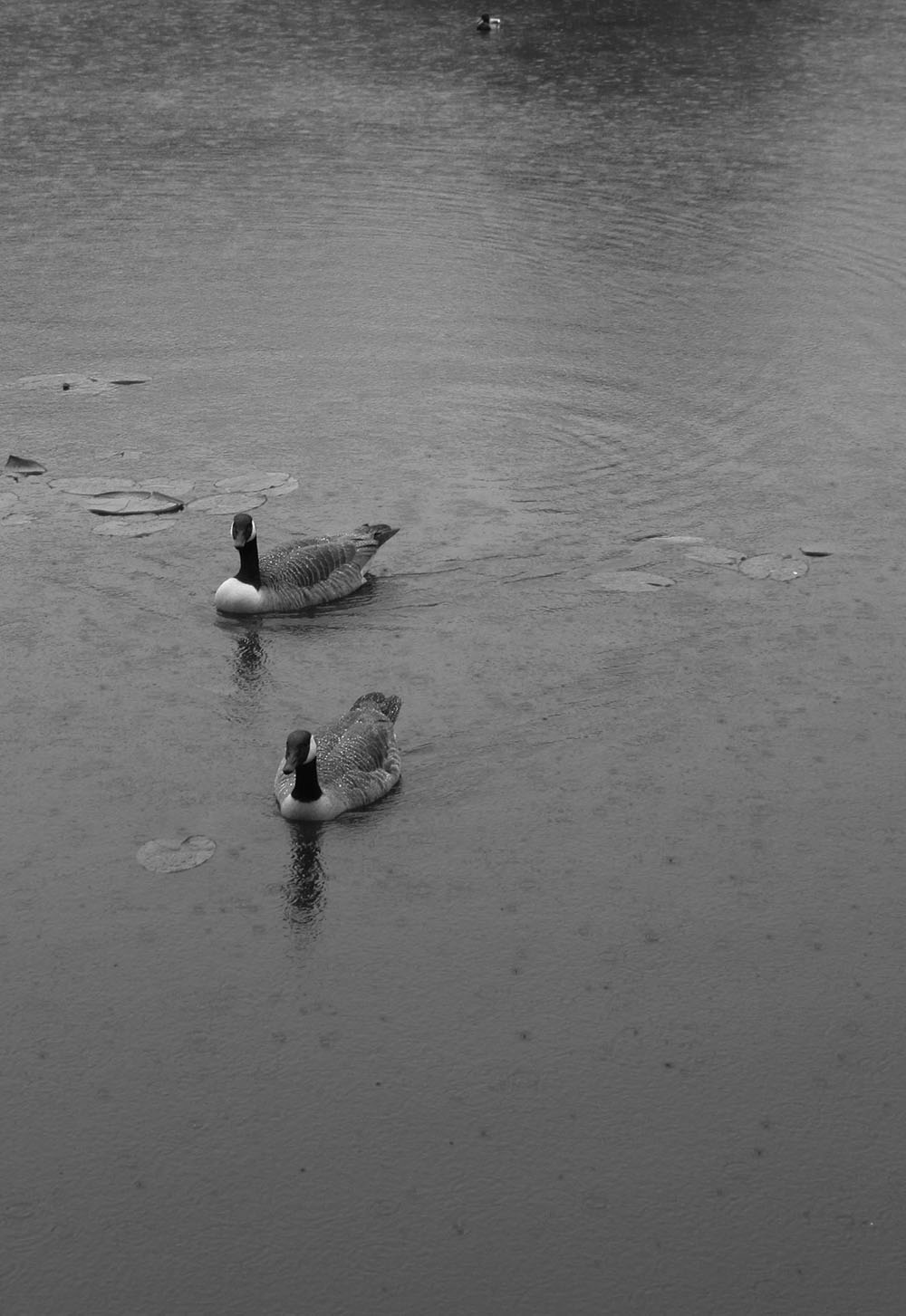
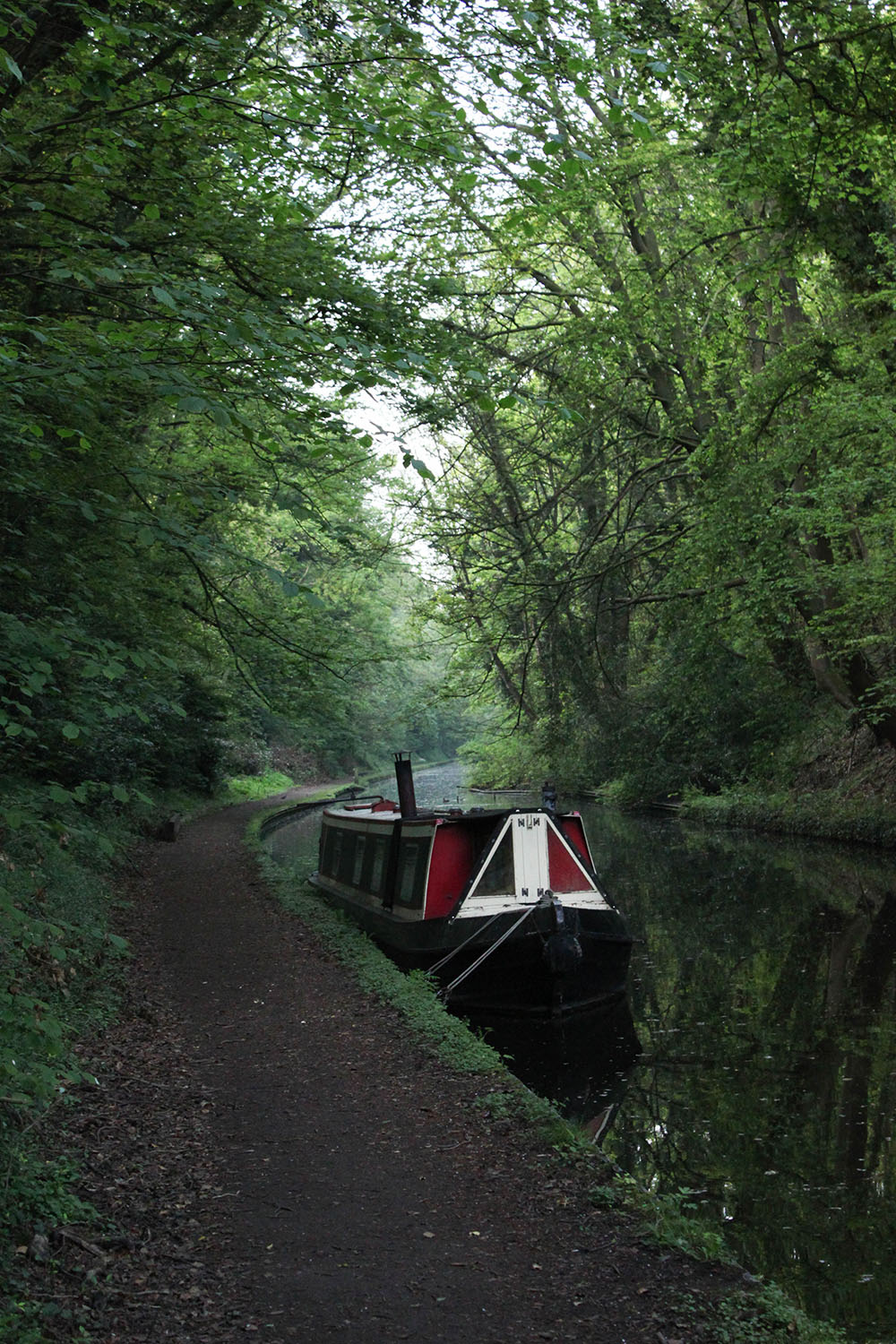
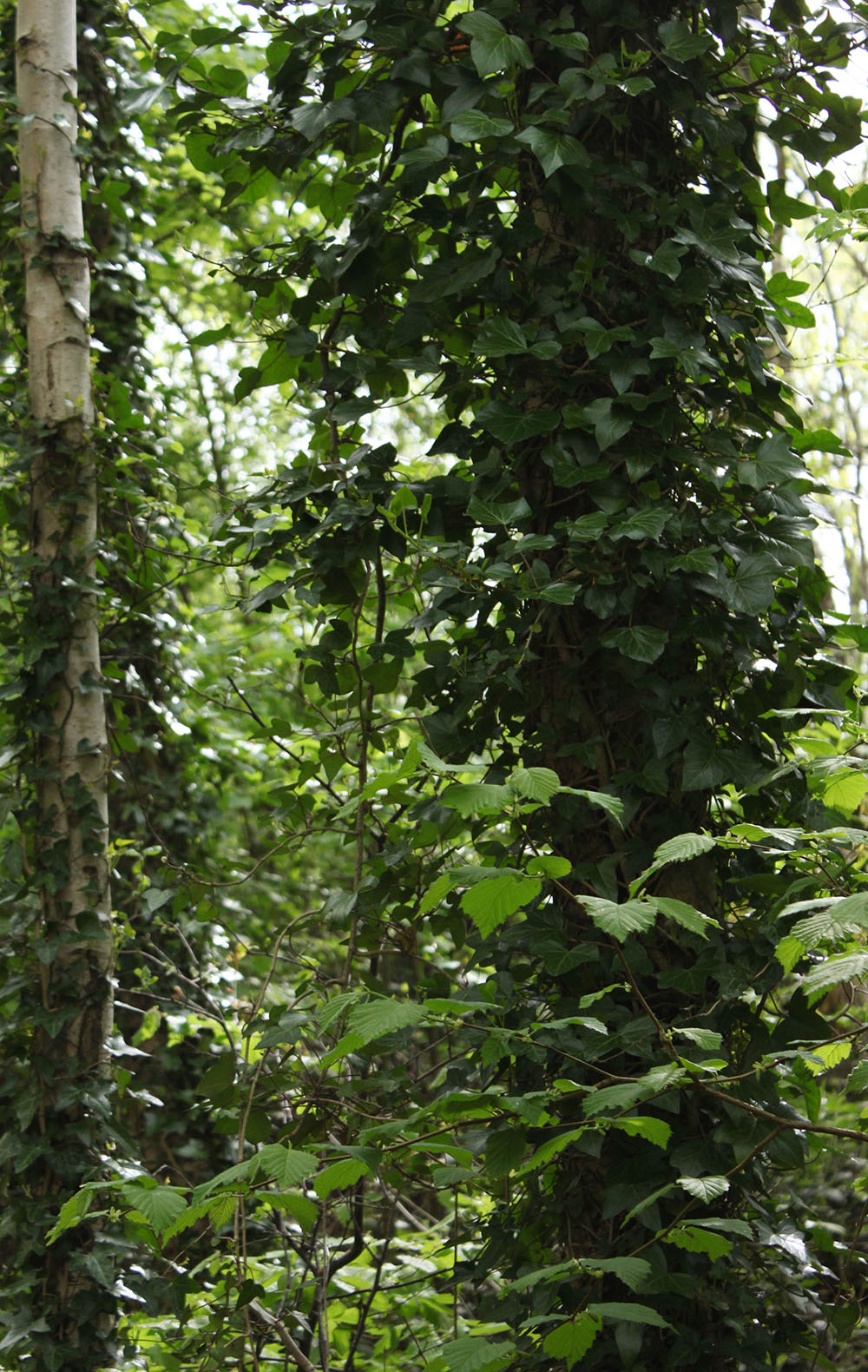
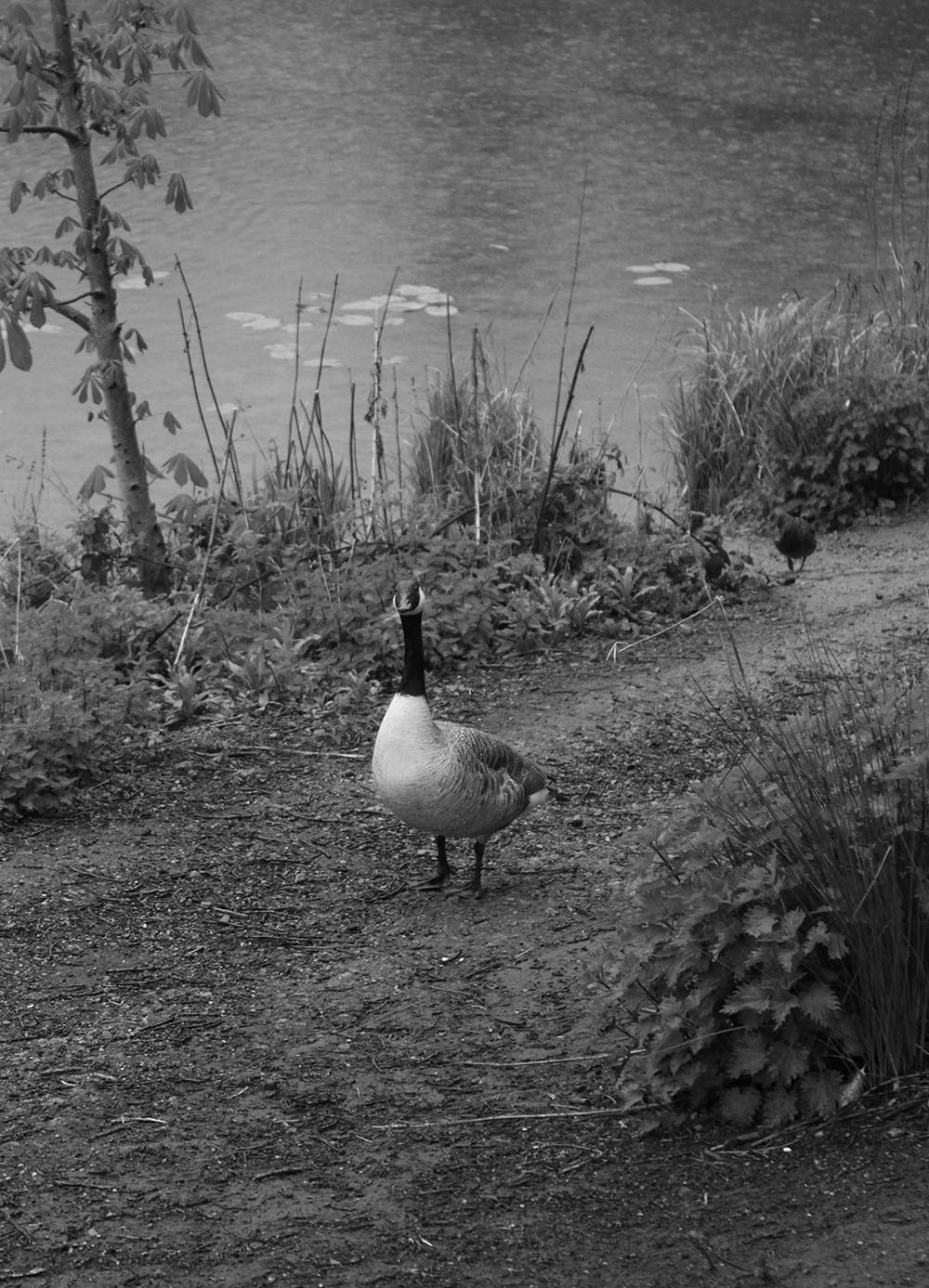
The concept of my project (component 2) was to convey images that expressed the weather and light. While taking these images I tried a different number of locations as well as objects – like trees and ponds and boats as well as geese and ducks.
I really enjoyed both black and white photography and colour and when it came to picking my final images it was sometimes hard picking between the two. When editing my work, I didn’t really change much, just exposure of the images.
I am currently working at a photography studio and hope to continue my work there and to develop more skills as a working photographer.
Sam Dutton
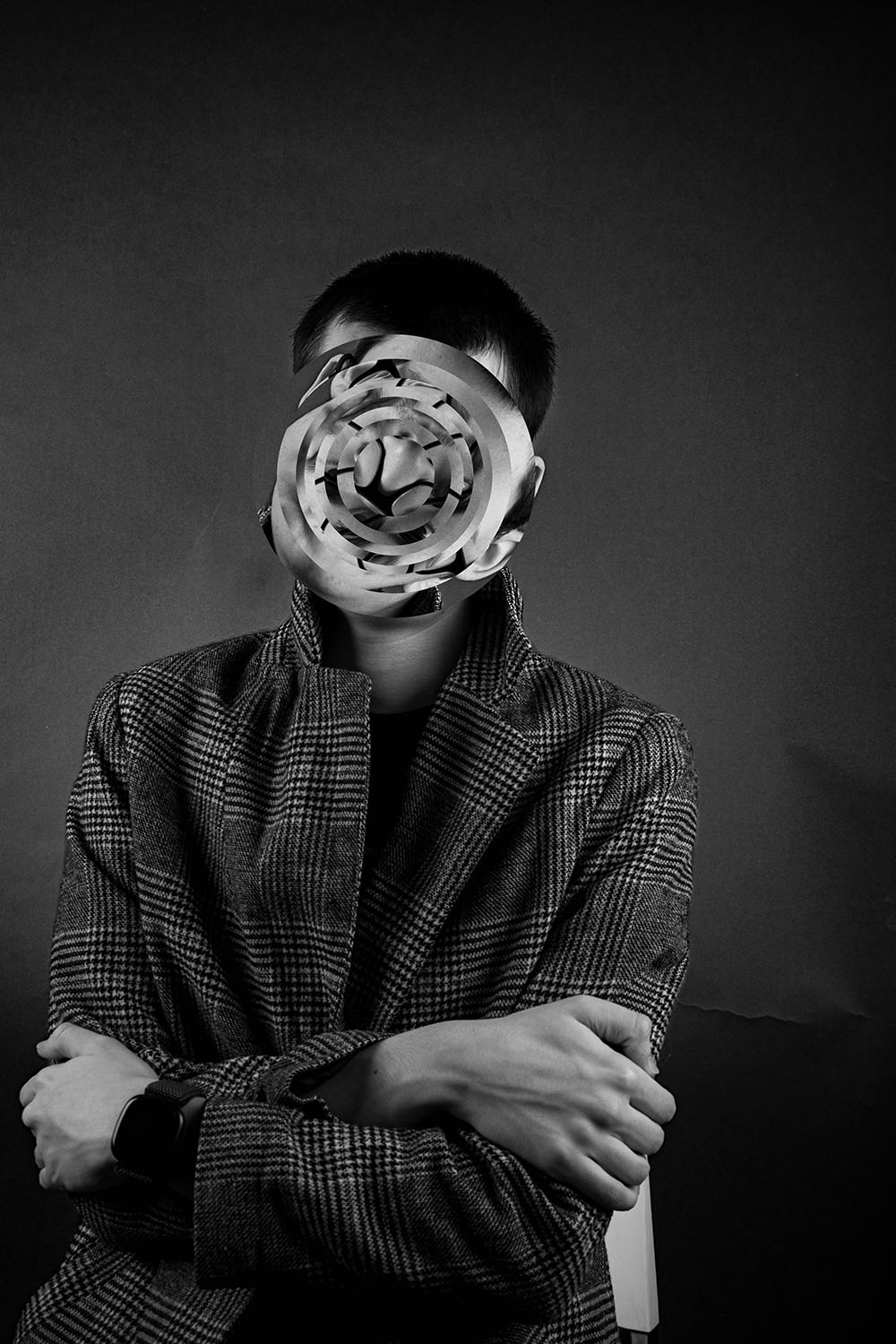
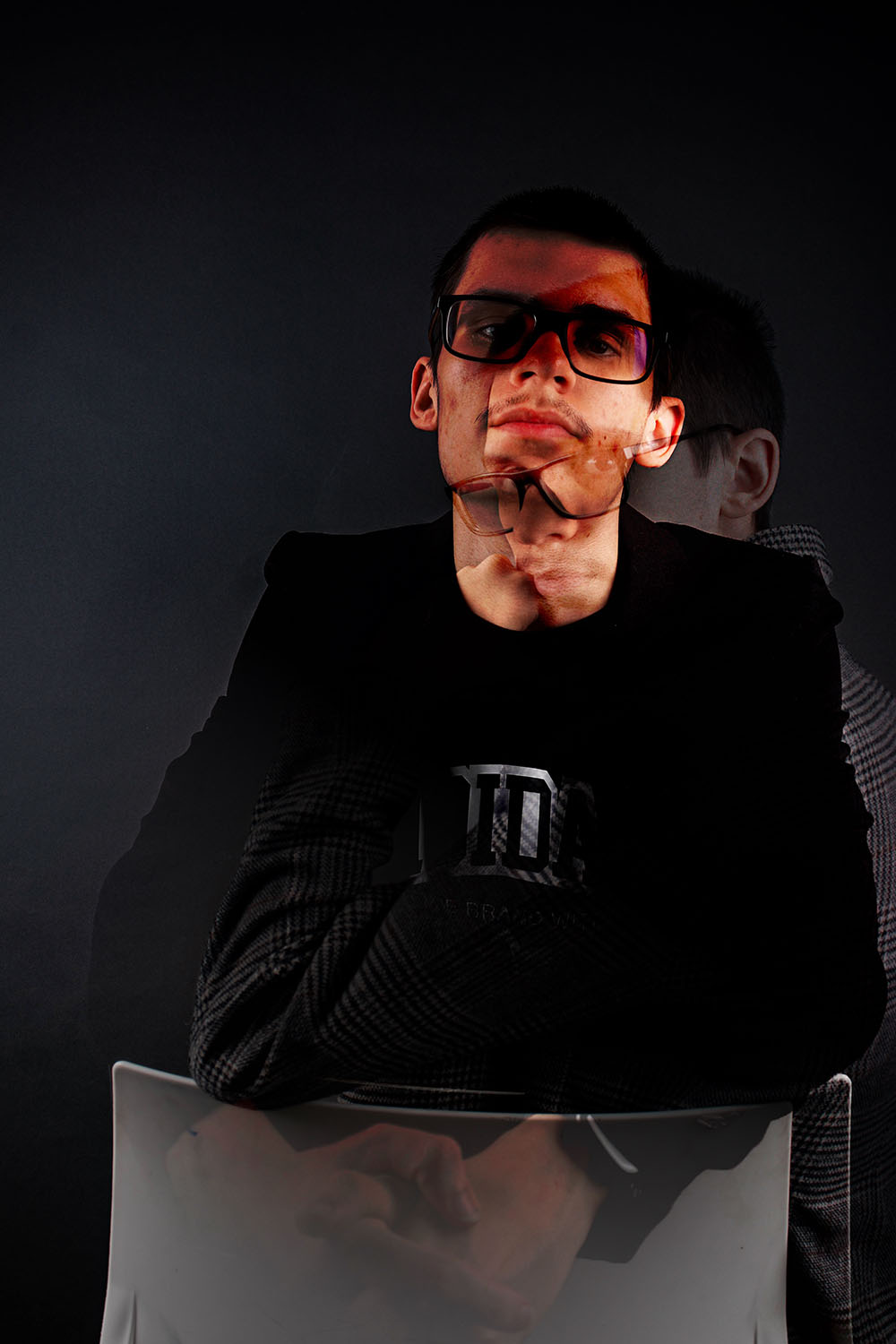
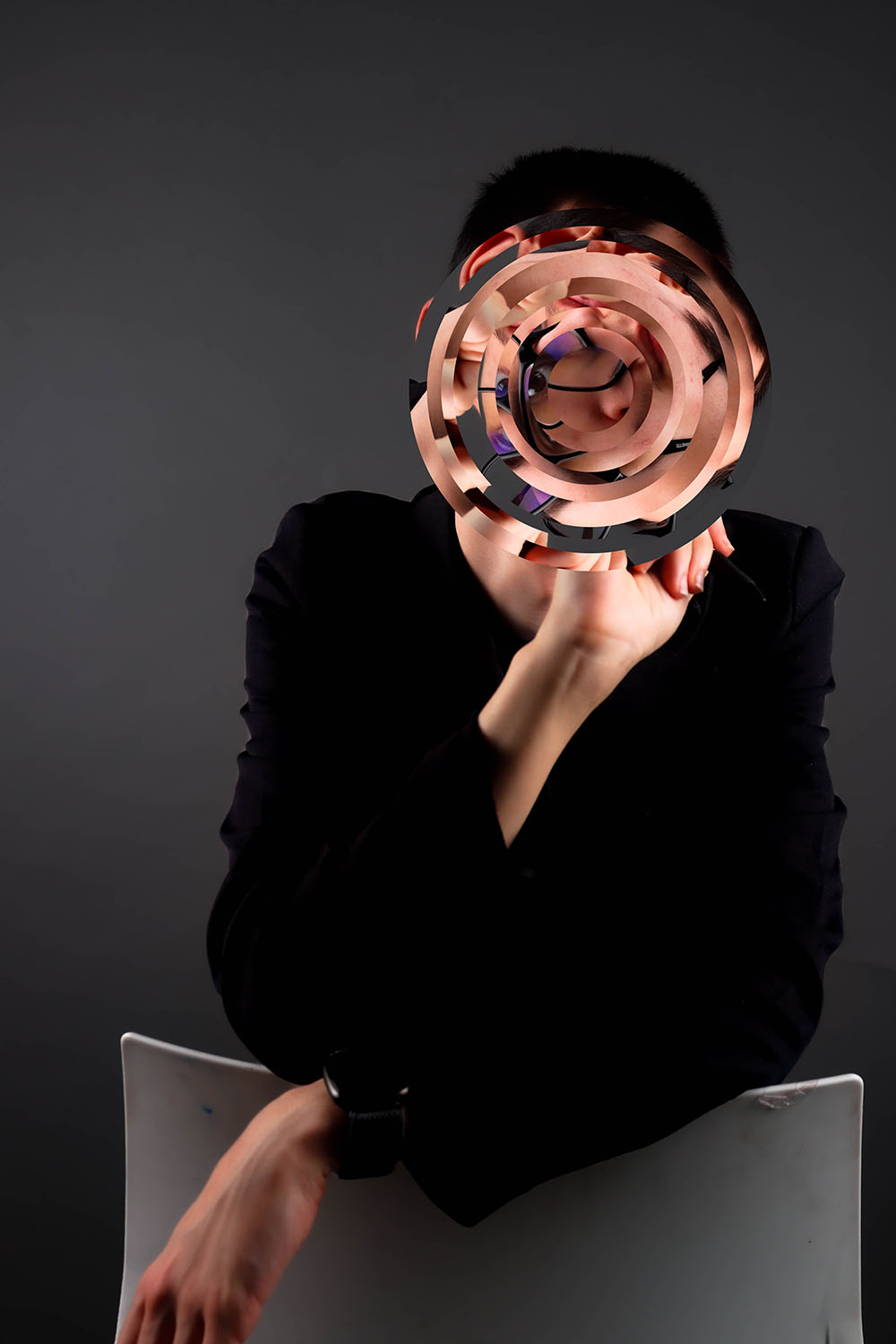
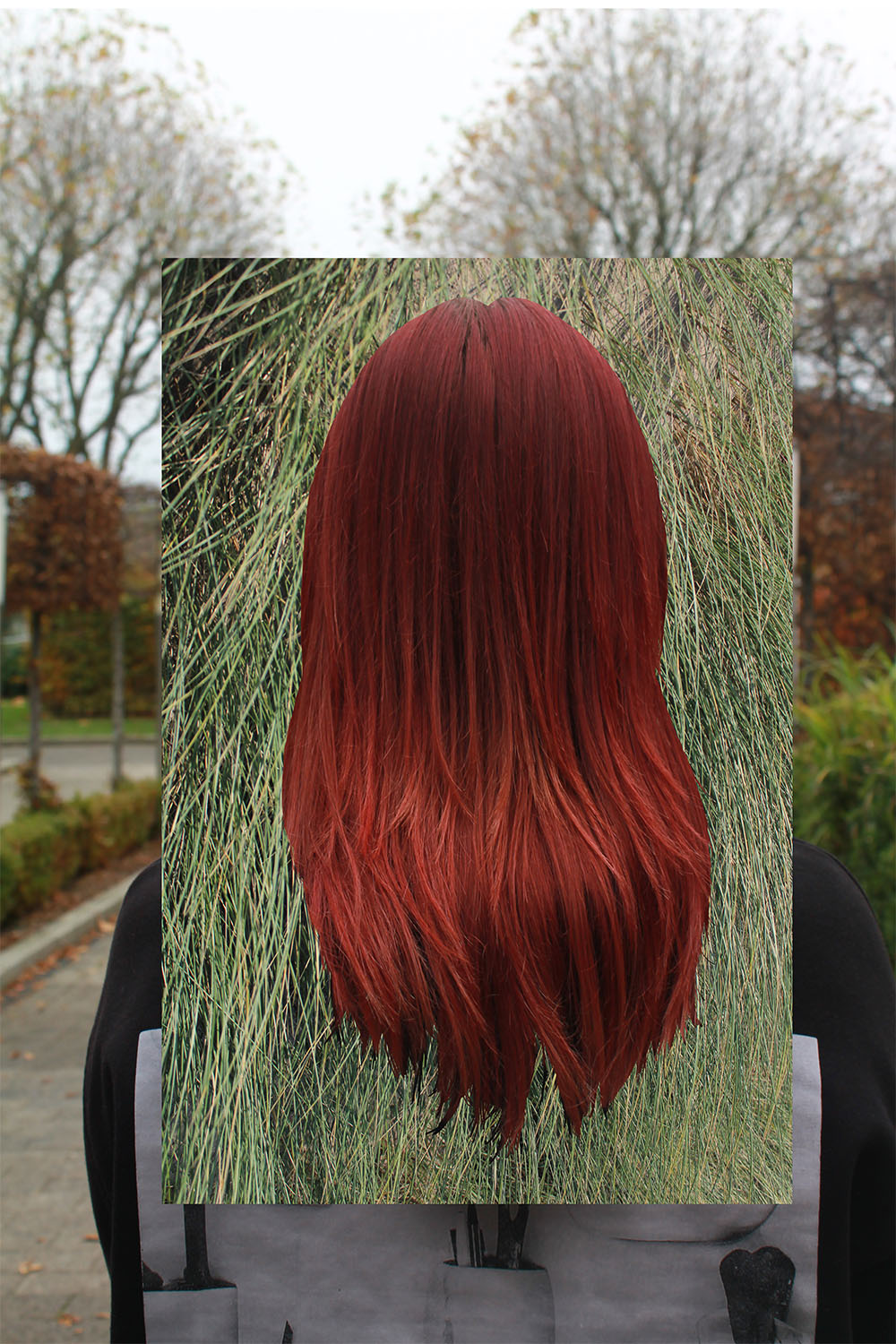
These images mainly served as final images for a project which revolved around self-portraiture as a means to explore the deeper workings of the human psyche. These images all use a variety of editing methods, with the main ones being the use of digital editing to create Spiral effects, blending as well as enabling two subjects to be present in the frame at once.
Other edits that I employed for these series of edits include physical editing methods such as the act of tearing and overlaying two images. All of these were carefully chosen since I felt that they captured the deeper portrayals of the human psyche in a captivating and creepy manner.
I plan to study History and War Studies as a joint honour at The University of Wolverhampton.
Grace Evans
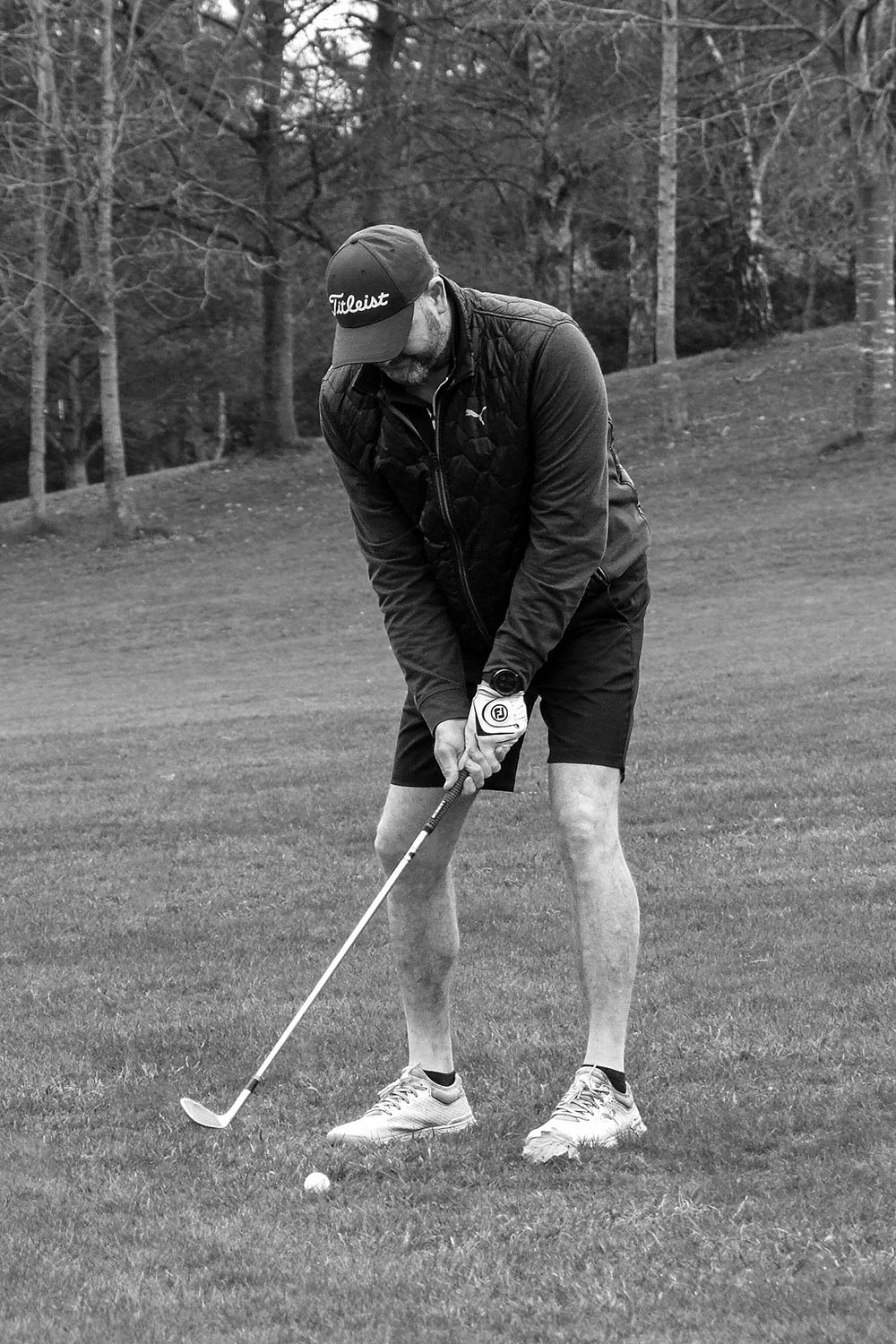
These final images are from my component 2 project where I explored the topic Active or Relaxed. I decided to focus on a documentary style approach for this project, focusing on one person per photoshoot.
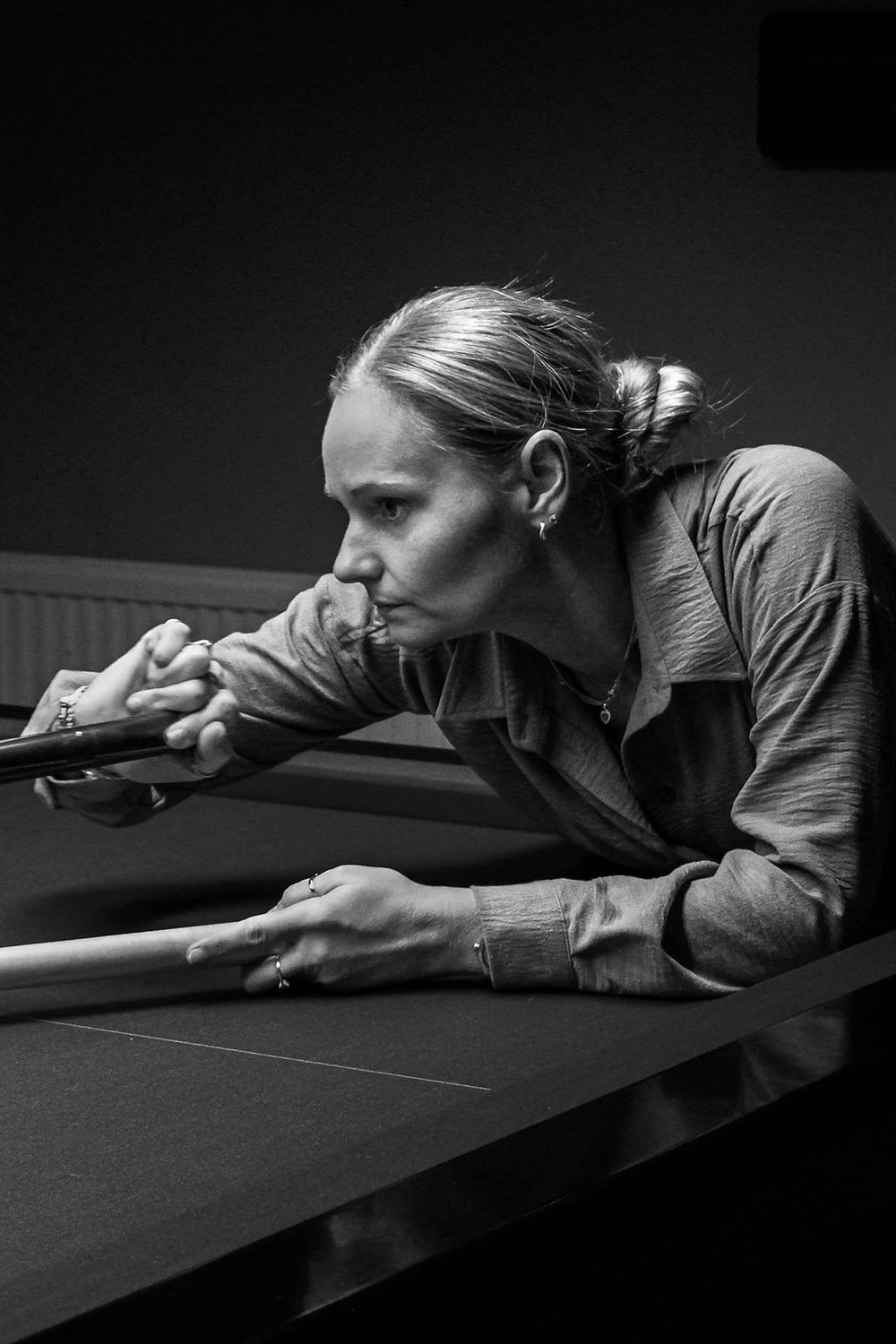
I wanted to capture people doing their favourite things that keeps them active and/or relaxed. For example, I captured my dad playing golf which both keeps him active but also helps him relax as it is a sport he thoroughly enjoys. I kept the images in black and white, as it gave them a more personal feel to them, as well as emphasising documentary style.
After A-Levels I plan to continue working with photography and hopefully pursuing photography as a job.
Leona Gurung
Throughout my works, I chose to follow a cinematic route by capturing scenes that surround me on a day-to-day basis using candid imagery. Cinematography often controls what the audiences can and can’t see, so I was able to use this to my advantage by capturing the beauty that is pre-existing within people, places and things; to help me change people’s perceptions of certain aspects of life that may be overlooked.
I believe that I have successfully demonstrated this concept through the images that have been showcased here.
I plan to continue pursuing photography at the University of the Arts London (UAL) and obtain a degree in it.
Cara Jones
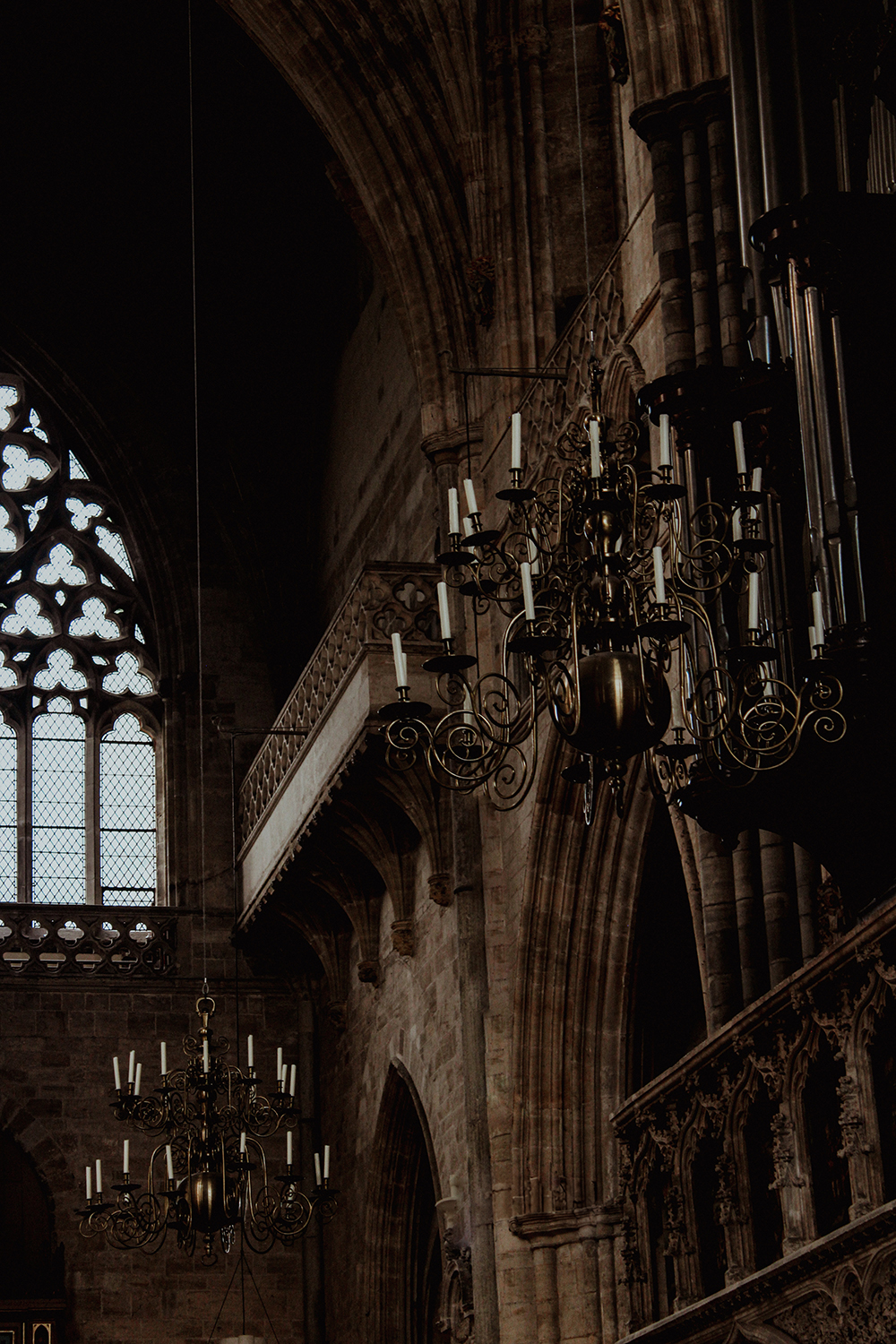
I have thoroughly enjoyed photography A-Level, and my final 2 components have been orientated around my interests, such as street and natural photography. These interests I stretched to my extent, firstly beginning Component 1 based on Fantasy and Fiction. Hopefully, these images look ethereal and perfect to project this theme.
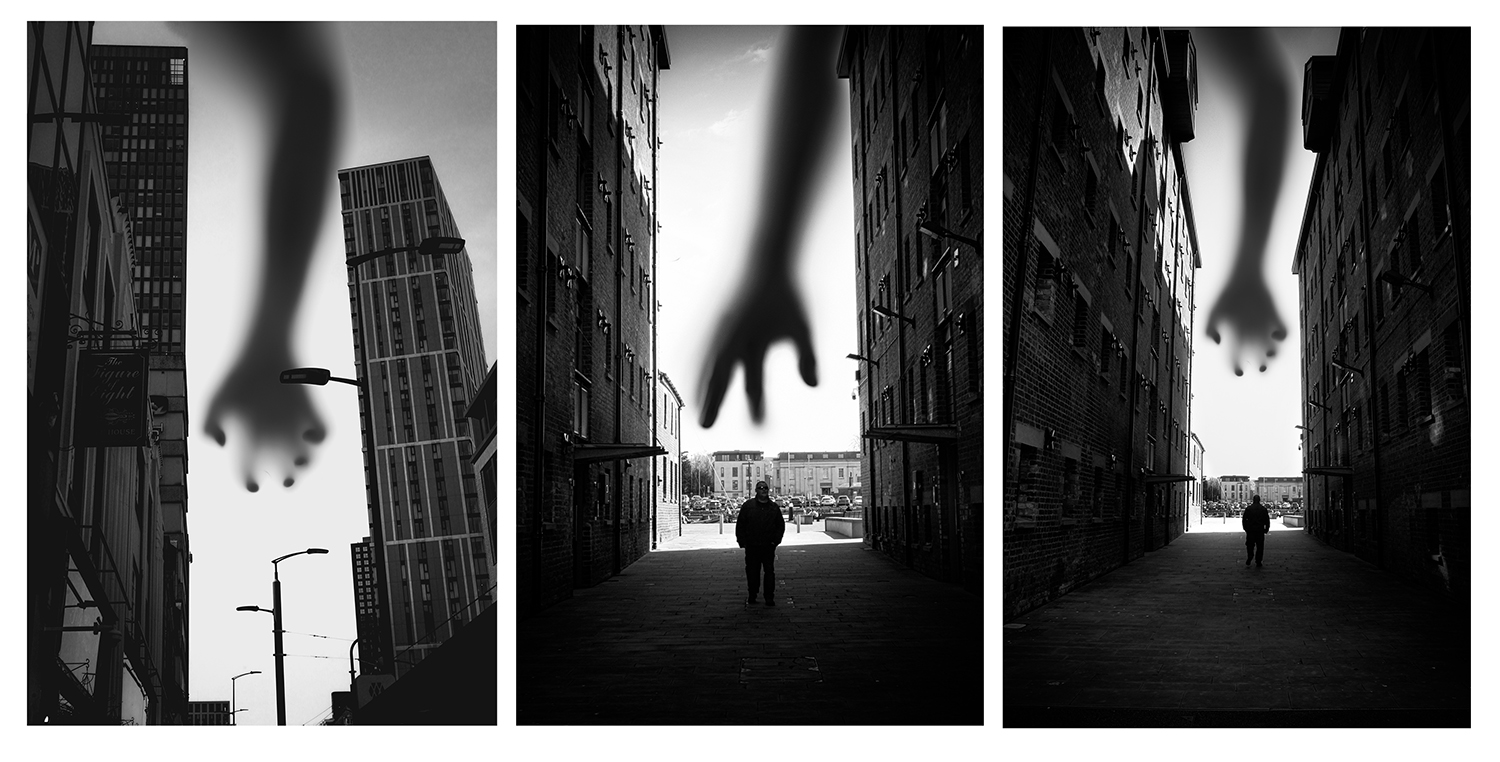
However, for component 2, I have totally switched this on its head and experimented with the idea of Fear enforced by the Urban Environment. These contrast my first images, being dark and isolated and scary.
Thank you to everyone who has helped me through these 2 years including Simon and my family, and I want to wish a well done to everyone else in my class who have done a fab job : )
I plan to study a degree in Archaeology and History at Exeter University, keeping up photography as a keen hobby.
Erin McCabe
Mylee Round
For both my Component 1 and 2, I worked around the central theme of fashion. My component 1 I worked on glamour and fashion photography as it aligns with my interests and is common in everyday media. I investigated magazines such as Vogue and Elle which inspired me and guided me to understand modern beauty standards.
For my second project I worked with different fashion in different locations, I tested a range of different models and places to create a range of moods and aesthetics. I am currently working towards going to Worcester University to study Dance and Performance, and intend to carry on with photography in the future.
Grace Skett
For this project I explored the concept of individuality by forming characters to showcase the distinct separateness between people and how each person has their own identity. My initial starting point of this project was table, and it is through a table that I have presented the different personality types of an individual by giving them their own personality trait.
For the layout of the images, I wanted to capture all of the models together in an arrangement to further accentuate the uniqueness of each of the characters. Overall, my images are successful as they extenuate the difference between each person through the simplicity of a table and incorporate a variety of skills such as cinematography which is the art of photography and visual storytelling in a motion picture. I used this to build a narrative for each of the characters to help further underline the individuality of a person.
In the future I am to go to the University Of Birmingham to study sociology and education.
Libby Stevens
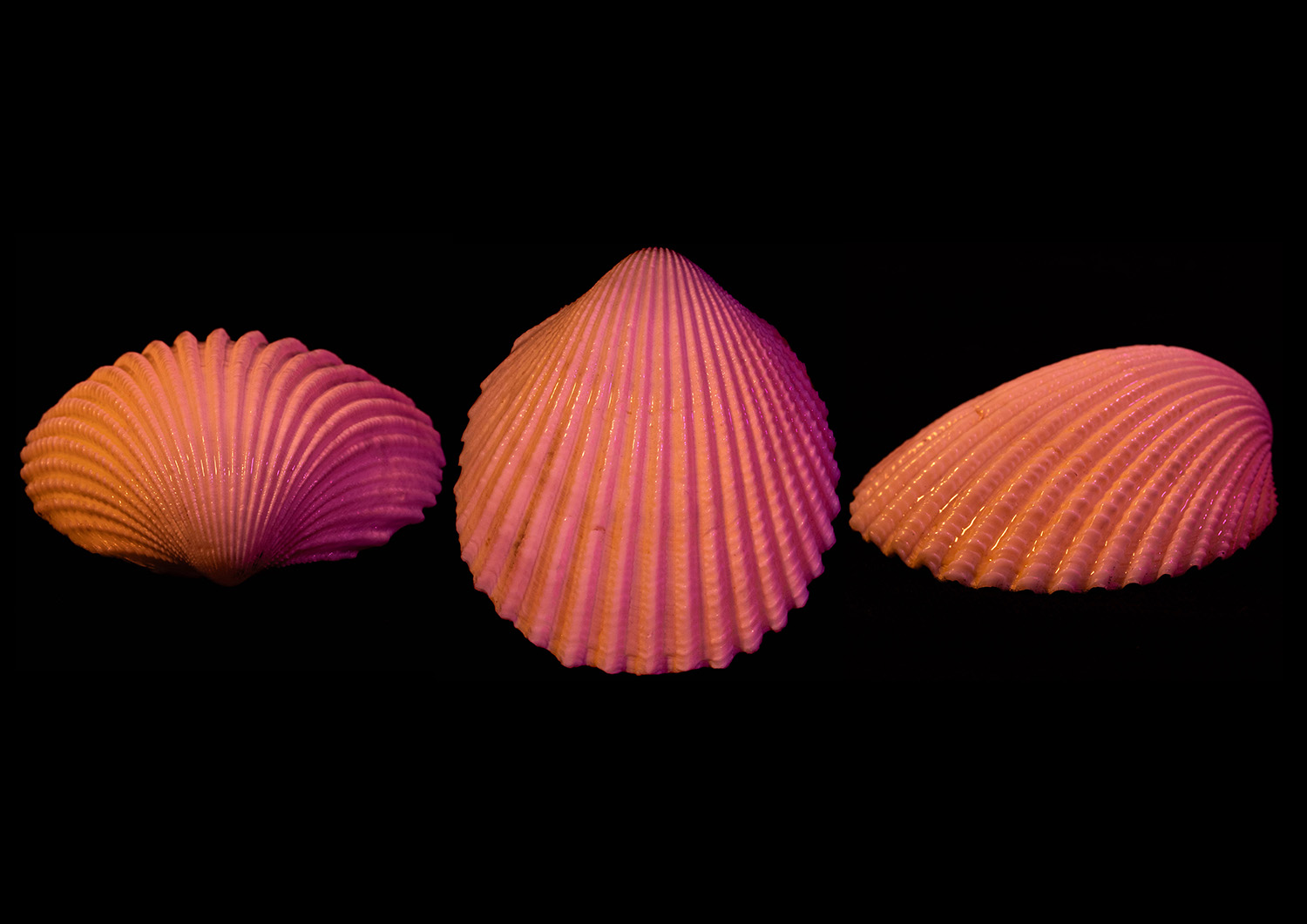
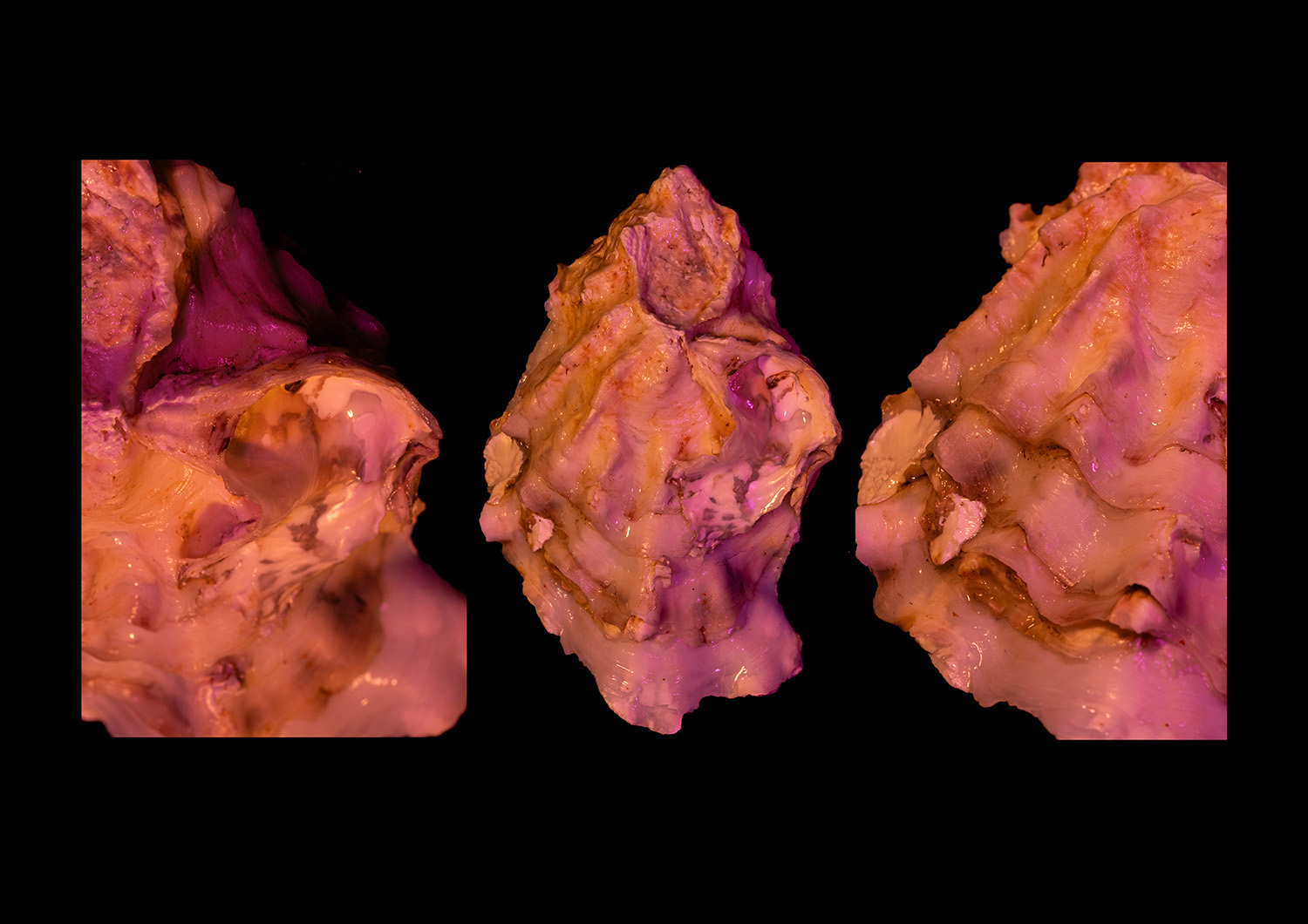
Within my first project I explored the connections between human and natural form. Through doing this I hoped to portray our connection to nature and emphasize our natural beauty as I feel this is something which has been lost within the Morden age, because of the harsh beauty standards rooted within society.
For this project I followed the brief ‘focus’ and chose to photograph natural forms under colored lighting conditions to emphasise the level of detail their surfaces contain, and to make the outcomes more interesting.
I am planning to take a gap year and work on my photography portfolio and hope to continue into photography as a career.
Emma Watson
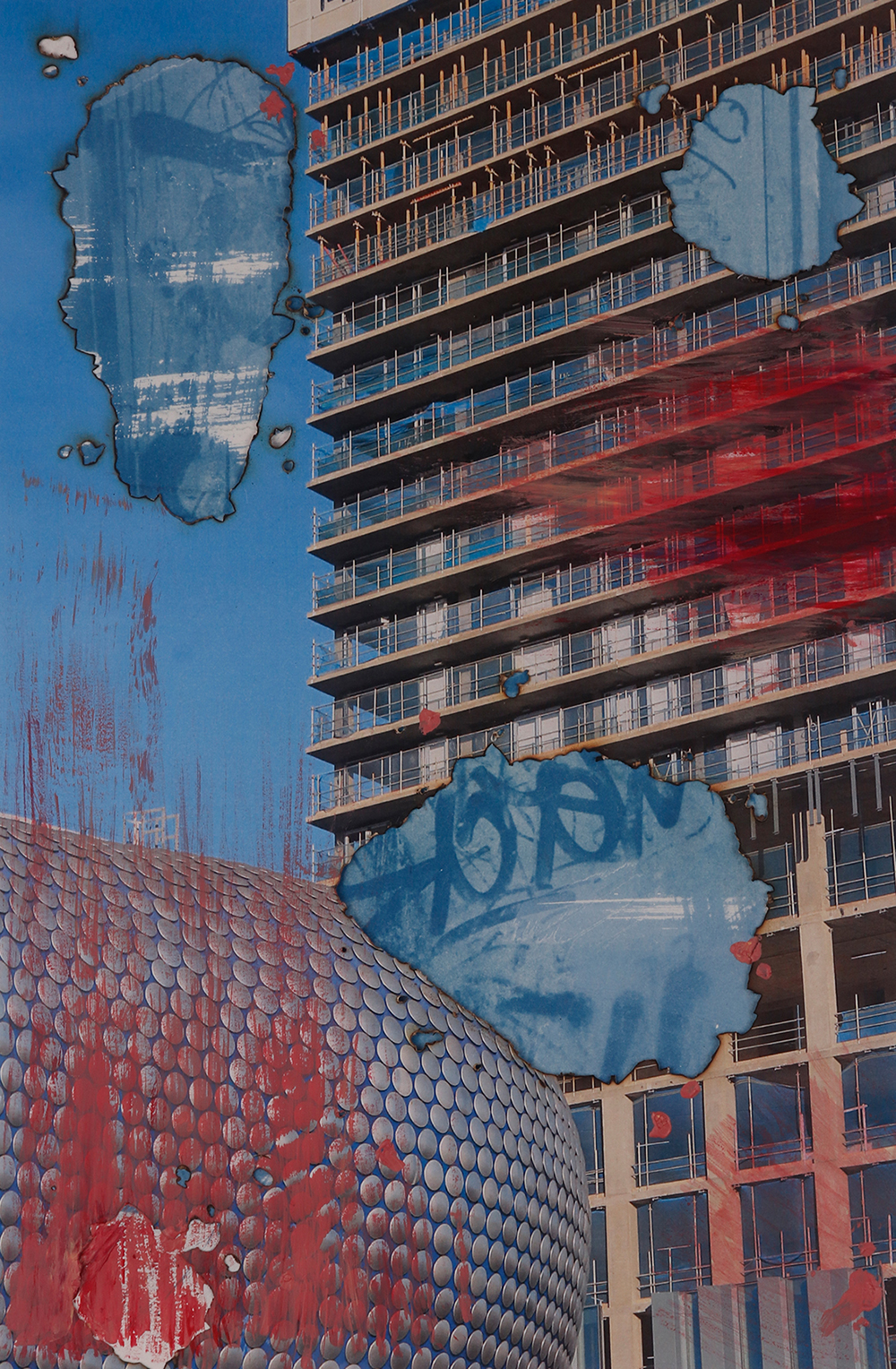
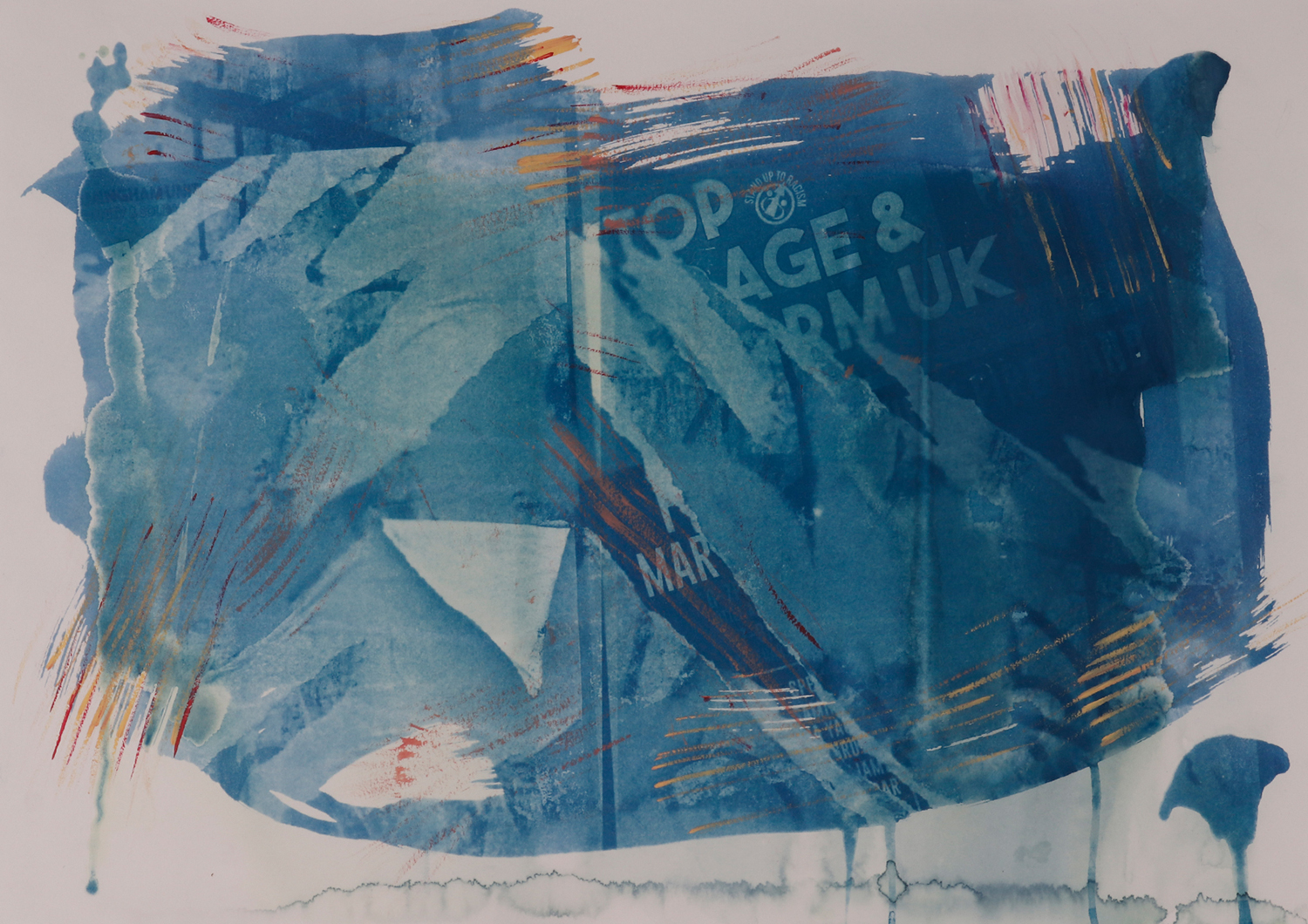
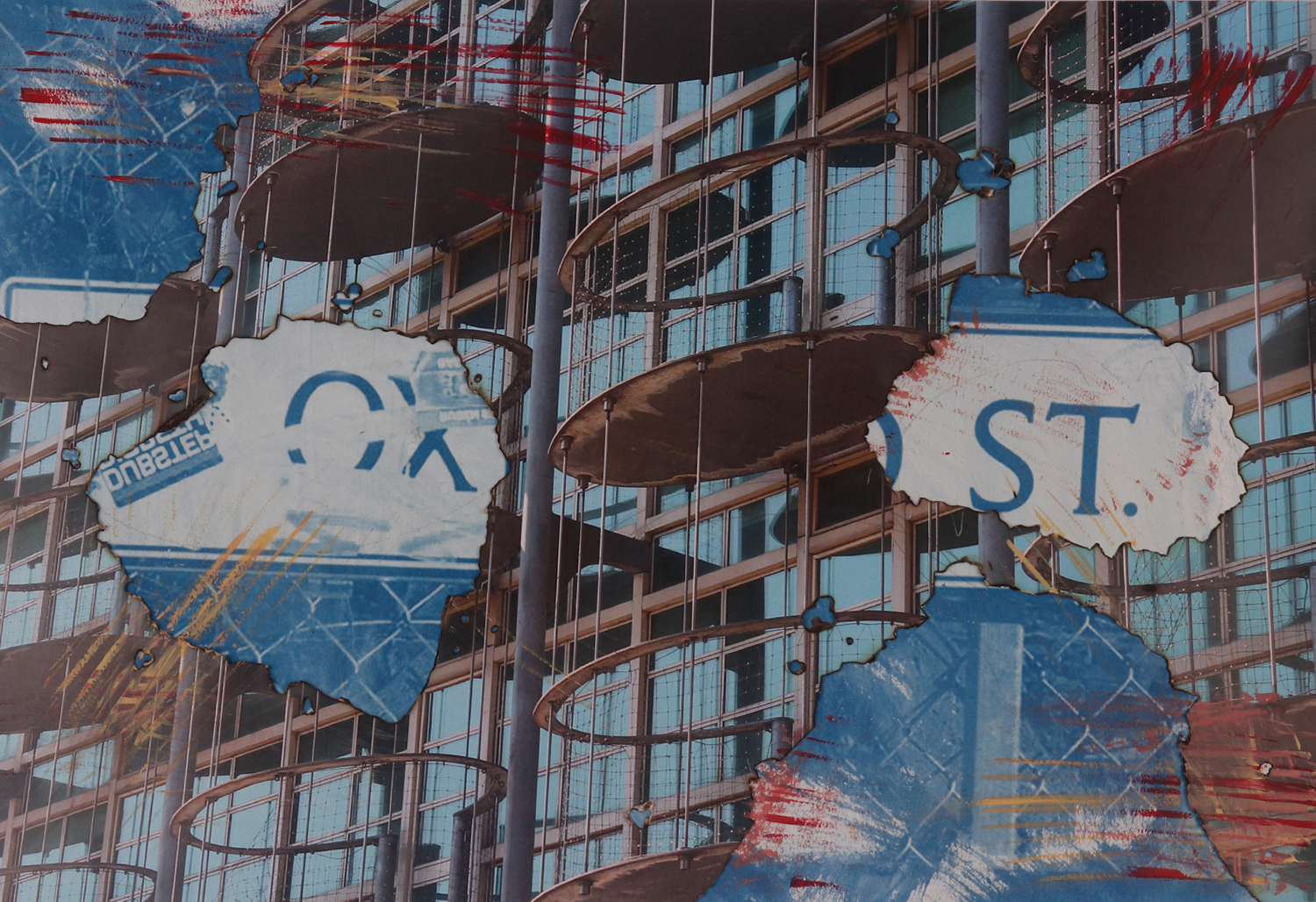
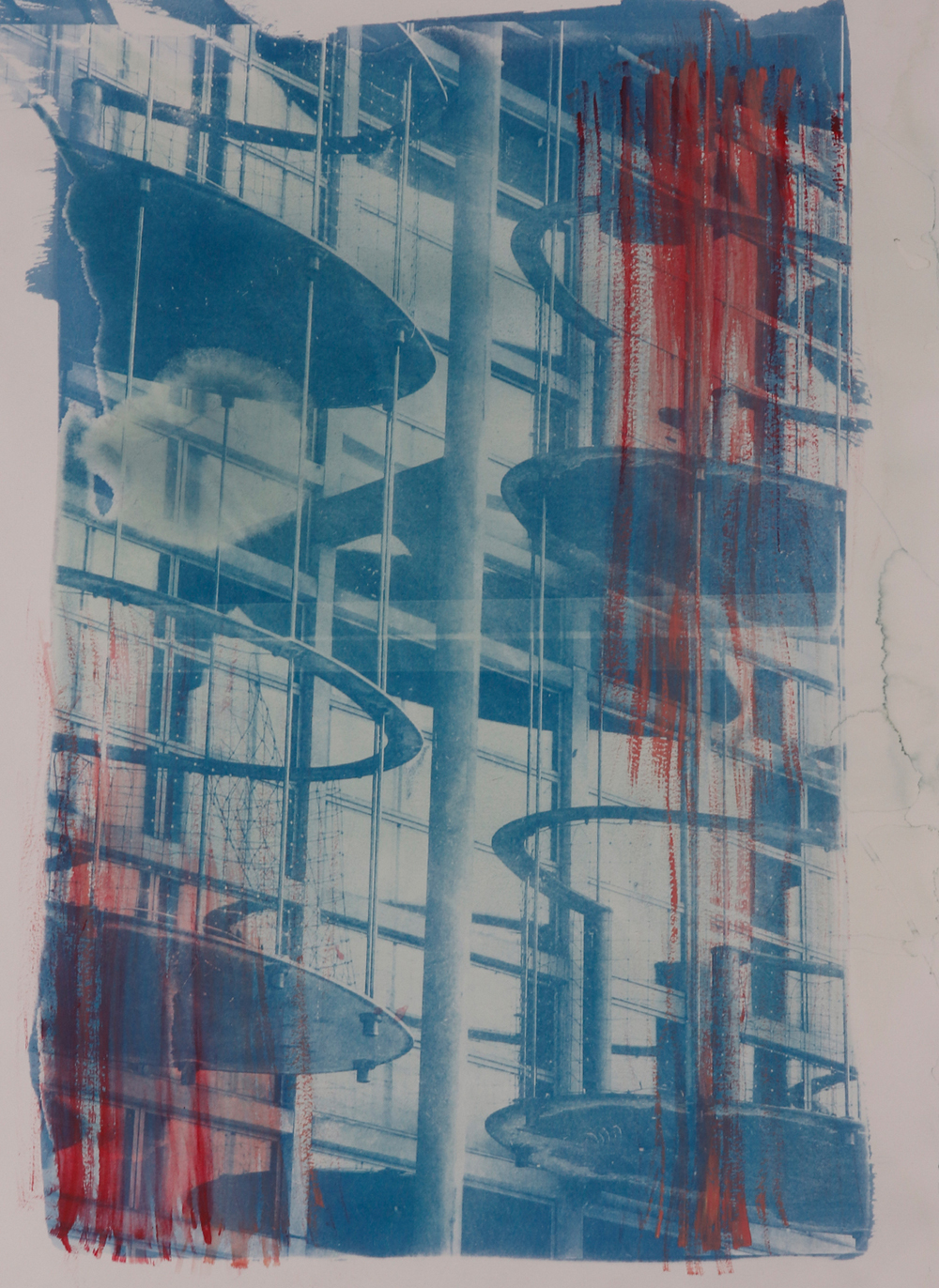
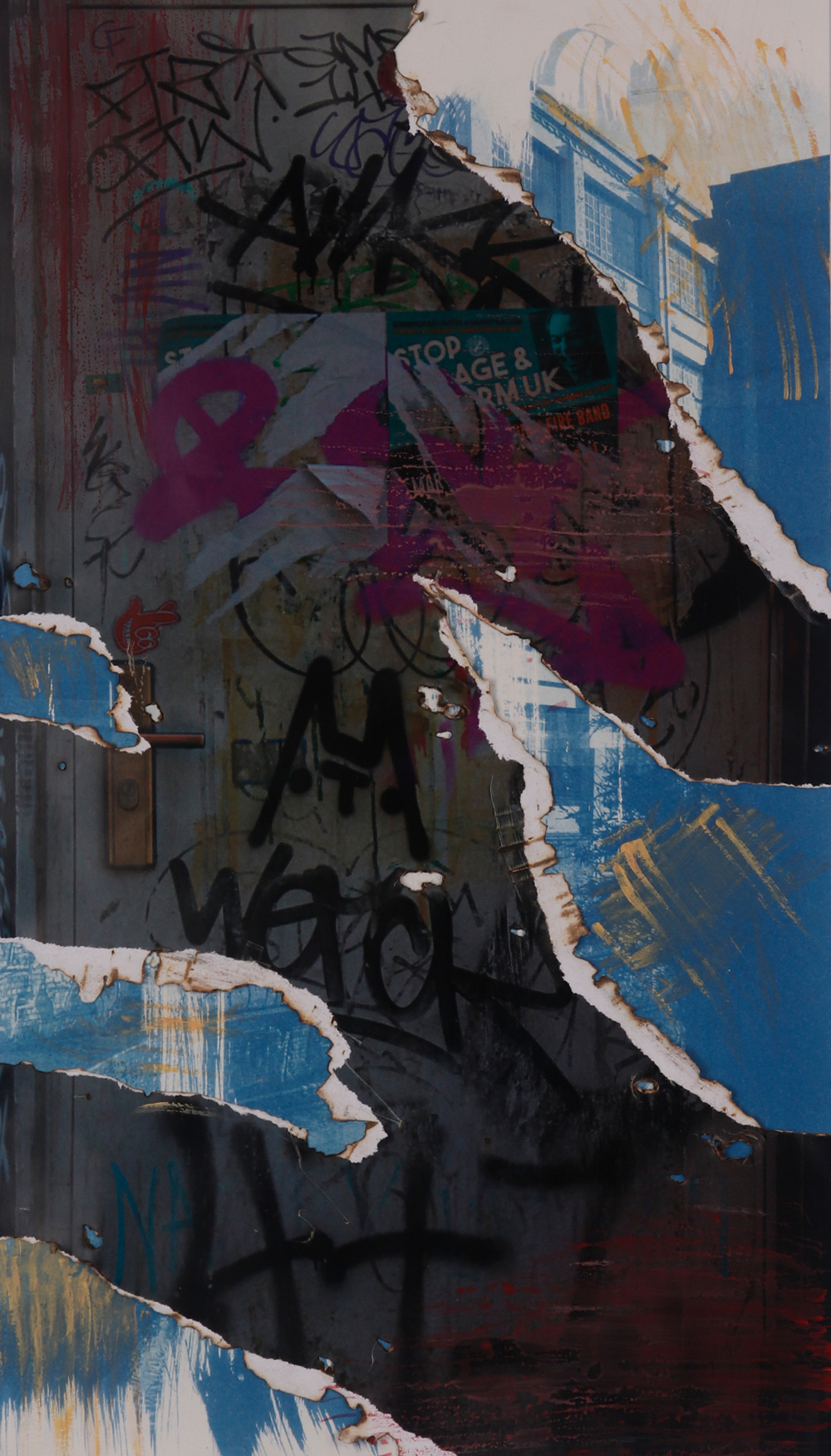
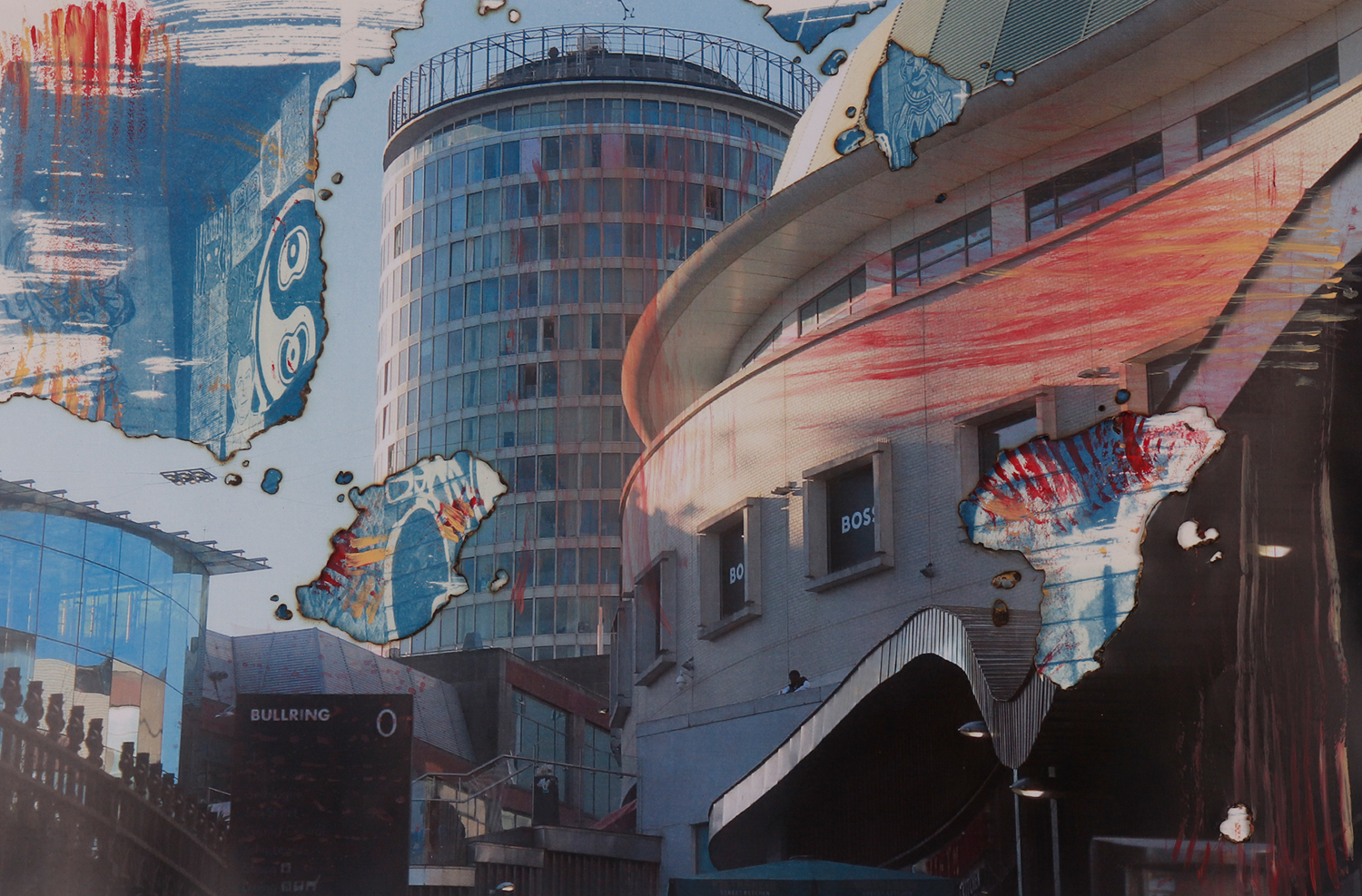
This work is from my component 2 project. I focussed on blurring the lines between the arts and culture of my closest city -Birmingham- and the architecture and work culture by combining work of the graffiti and street art of Digbeth and the inner-city buildings and workplaces by creating collages and overlapping images of the two.
I chose to show this due to the erasure of art in a city’s culture despite its immense impact especially on its youth, I wanted to focus in particularly on the windows of the buildings to showcase the architectural aspect, this is compared to the fleeting line work and bold colours of the street art.
My photography work has helped me obtain more knowledge of the arts and helped solidify my passion in this field. After my A levels I am going to study Art History at Aberystwyth university.
The role of a graphic designer is incredibly varied. You may find yourself immersed in a fantasy world while designing a set of illustrations for a book, or exploring complex data to create exciting and vibrant infographics that inform rather than confuse.
Graphic communication students at Dudley Sixth are introduced to a wide selection of processes and techniques. Using a range of both traditional and digital methods, they are encouraged to move beyond their comfort zones to produce a variety of work supported by an understanding of design theory and a developing awareness of contemporary practitioners to inform and influence their ideas.
In their second year, students begin to develop their own visual identity while becoming increasingly self-directed and independent, producing a collection of work tailored to their interests and specialisms. This could be an advertising campaign, design work for a clothing website or a set of illustrations for an album sleeve or book. Throughout the year, students will be encouraged to try new approaches and consolidate the skills they have learned in their first year to produce strong, challenging and professionally-produced designs. I believe you will see all of these qualities in this year’s second year work. I hope you enjoy it.
Chris Worley, A-Level Graphic Communication Tutor, Dudley Sixth
As a purpose built, self-contained A-Level centre with the goal to educate and enthuse the next generation of learners, Dudley Sixth is fast gaining a reputation for being one of the best places to study A-Levels in the Black Country, Birmingham and the wider West Midlands region.
Our A-Level courses in Fine Art, Graphic Communication, Photography and Textile Design are your gateway to Higher Education, Higher Apprenticeships or employment. The majority of our learners plan to progress onto university and many accept places at a range of Russell Group universities, including Birmingham, King’s College London and Manchester, as well as other local prestigious universities including Aston and Keele.
With subject specialists guiding you through your two-year A-Level programme, you will receive the highest quality education. Our aspiration is for you to achieve your potential and have a very successful future.
This year has seen some adventurous work come from the A-Level Fine art cohort. The organisational skills and motivation of the students has really been tested. Working with found objects and sometimes huge canvases the patience and skill level of the students has been pushed to their limits. However, all the students have risen to the challenges presented over the year and produced high quality work they should be proud of.
A-Level textile design encourages students to work with a wide variety of skills and processes across the fields of textiles, fashion and interiors. This includes printed textiles, constructed textiles, embroidery, fashion construction, weaving and fabric manipulation. Learners are introduced to different techniques which they are then able to develop into personal final work. This can be clearly seen within the variety of imaginative outcomes produced this year.
Learners are encouraged to explore both historical and contemporary techniques and processes and to support their work with research into a range of suitable artists, designers, and trends. They are prepared for industry or Higher Education and all the learners from this year are continuing by pursuing degrees, employment or progressing onto the art foundation diploma course here at Dudley College.
I hope that you find the work inspiring. I am very proud of what the learners have achieved this year.
Clare Buchanan, A level Textile Design Tutor
Anmolprit Kaur
Through my project I explored the theme of spring contrasting with the season of winter. I looked at how the season of spring is slowly disappearing due to the climate change as the transition of the weather is starting to go from the cold winter weathers to the humid summer temperatures skipping the warmth of spring.
To develop this idea, I wanted to look at a form of ‘solution’ to this by creating a garment suitable for both winter and spring weathers by utilizing layers of thinner fabrics combined with thicker fabrics and colours of spring to showcase this. Moreover, by creating different layered garments which can be easily added and taken off the garments would be functional in both weathers.
Erin McCabe
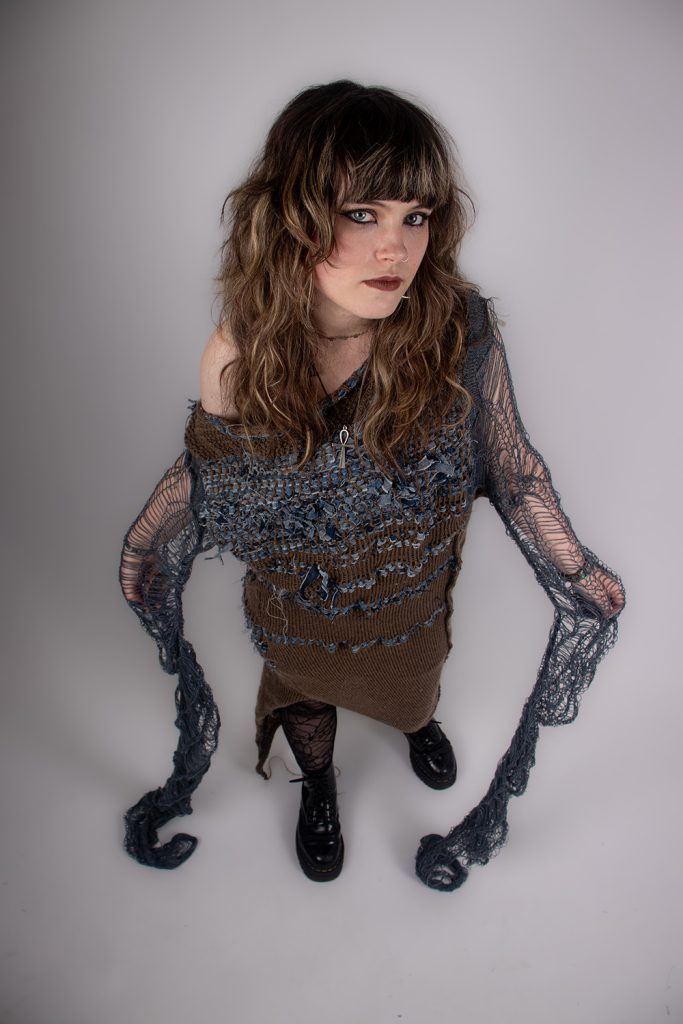
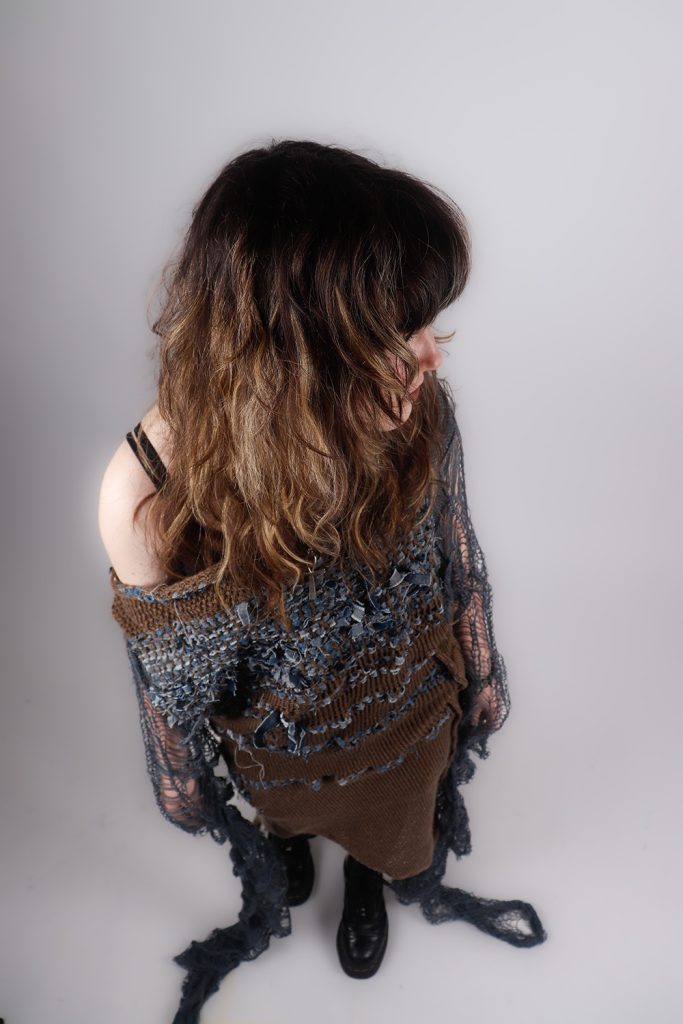
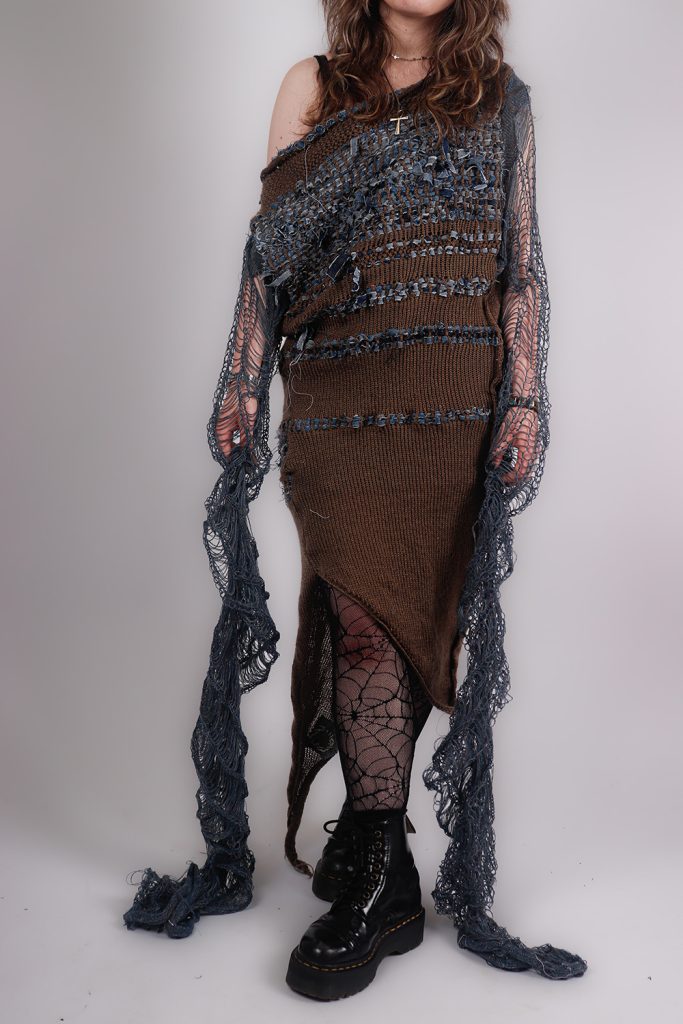
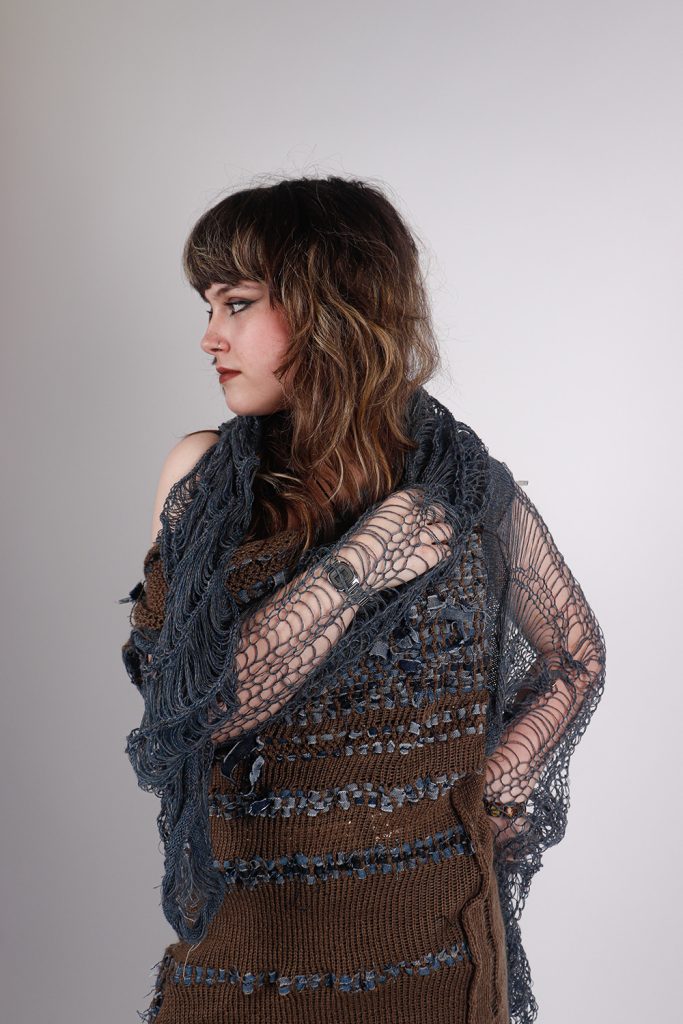
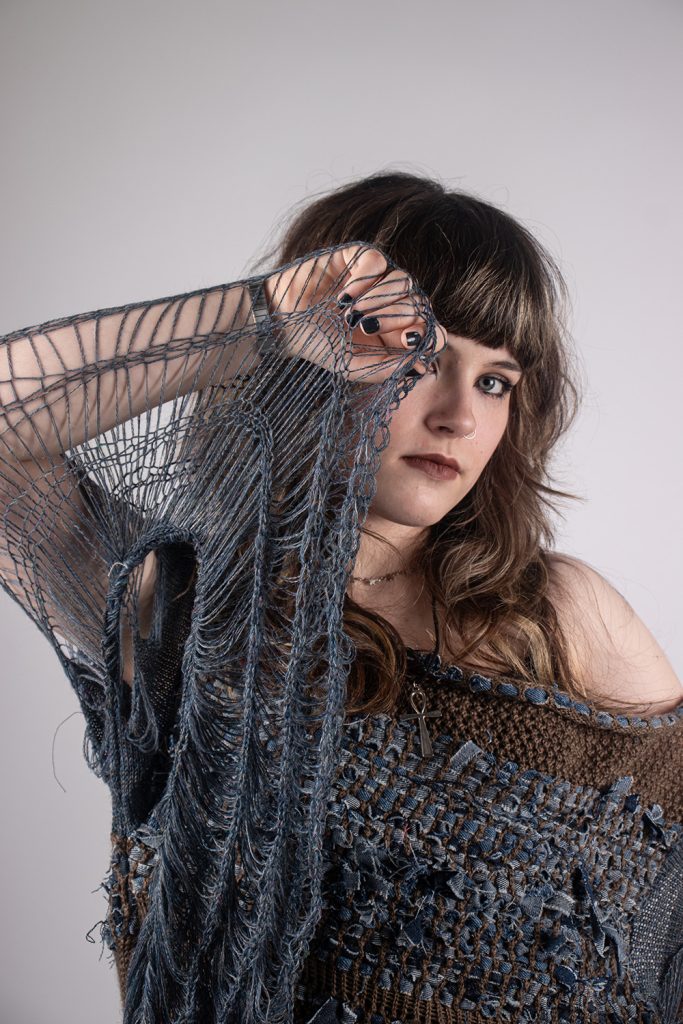
My component one topic is Urban and Rural. This topic came from my love of streetwear and subcultures such as grunge and the fashion found within these further induced the idea of urbanism. Rural came from my love of nature and the impact which urban fashion has upon the rural environments. This was the key focus of my project to explore the differences and also to find a solution to sustainable urban fashion.
To represent urban style, I chose denim as my material, the brown on the jumper came from earth tones such as tree bark. I weaved denim through my knit to represent how these ideas can be complimentary. My garment is fully sustainable as it is made from secondhand materials. The silhouette of the garment was inspired from the 90s grunge scene.
wanted to create a dramatically oversized jumper to reference the style of grunge singers such as Kurt Cobain.
Eve Oram
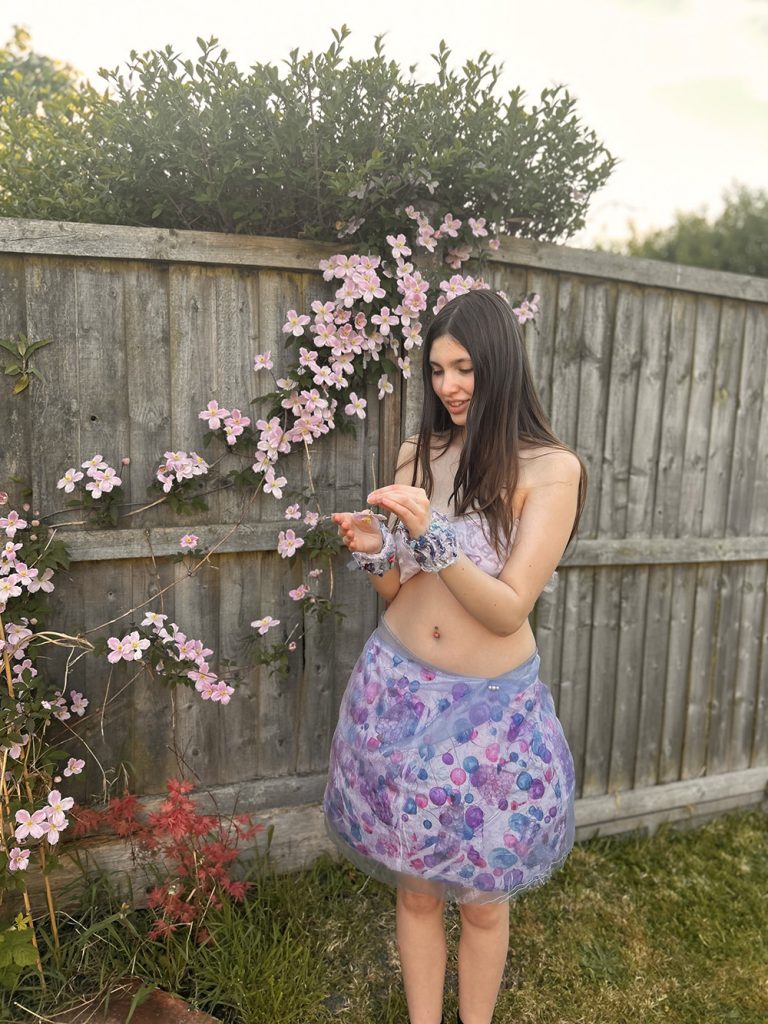
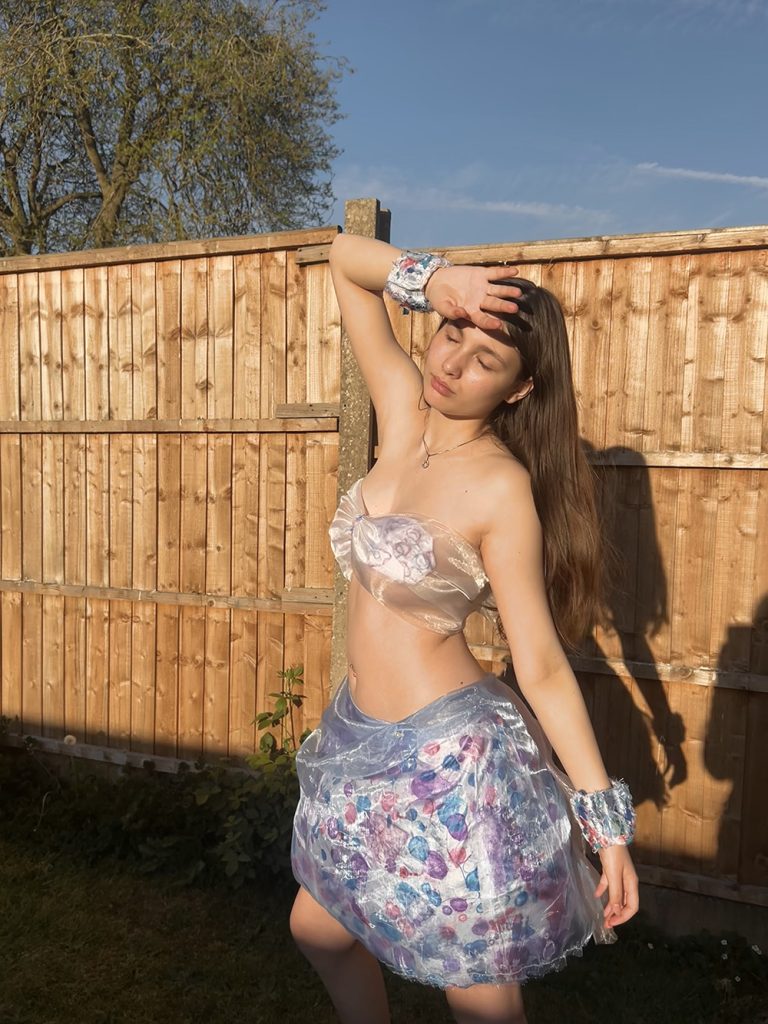
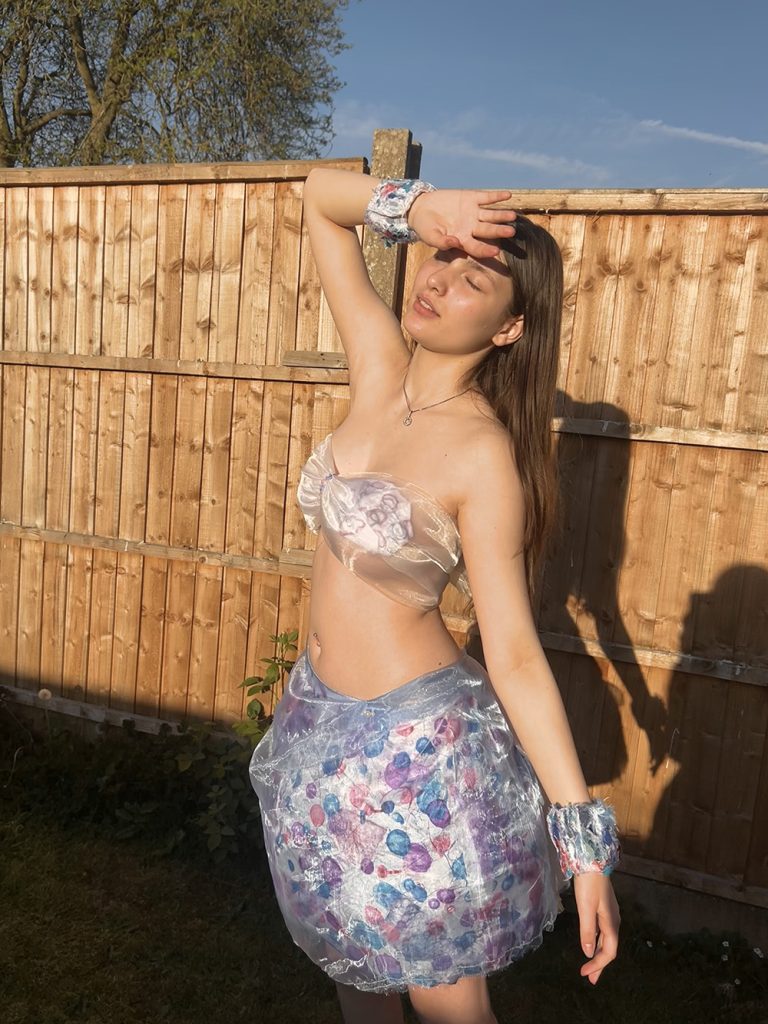
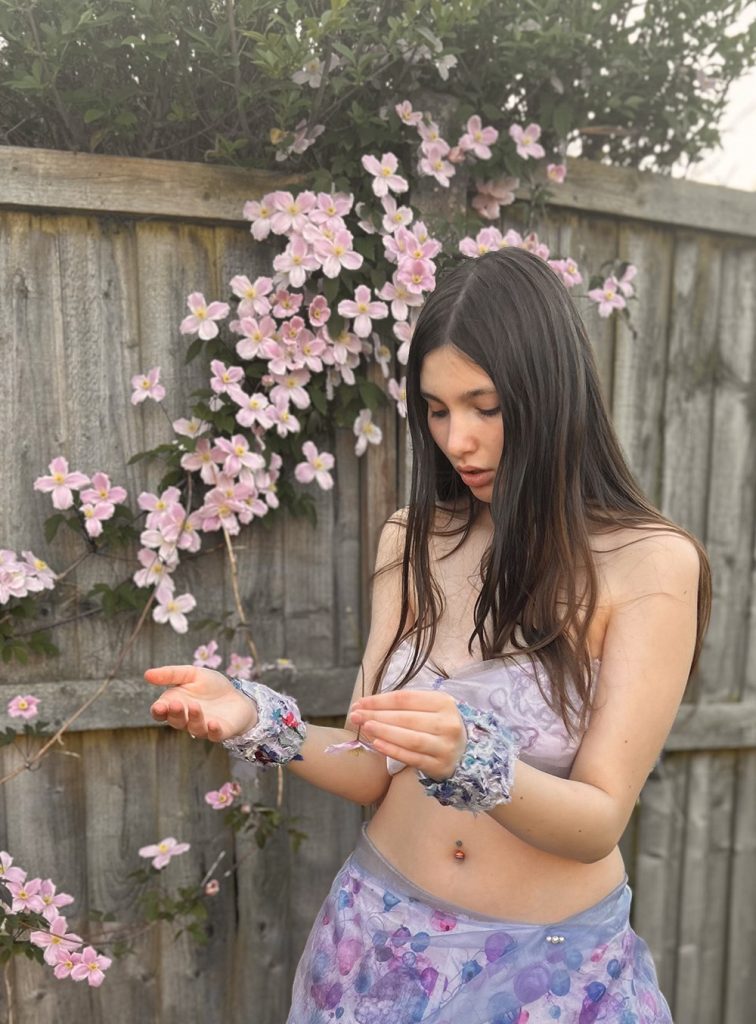
This project is themed around jellyfish and inspired by their vibrant colours and patterns. The piece is a 3-piece set including a skirt inspired by the body of a jellyfish, slash and stitch arm cuffs and a beaded top with smocked/ stitched fabric inside.
The patterns on the skirt are inspired by pollution and include bubbles made from a paper straw, dyed bubble wrap under a heat press and dyed string. The inside of the skirt was stuffed with recycled plastic bags. The outer layer of the skirt is made from organza which shines which reflects different colours in the sun mimicking neon jellyfish.
Gracie Roberts
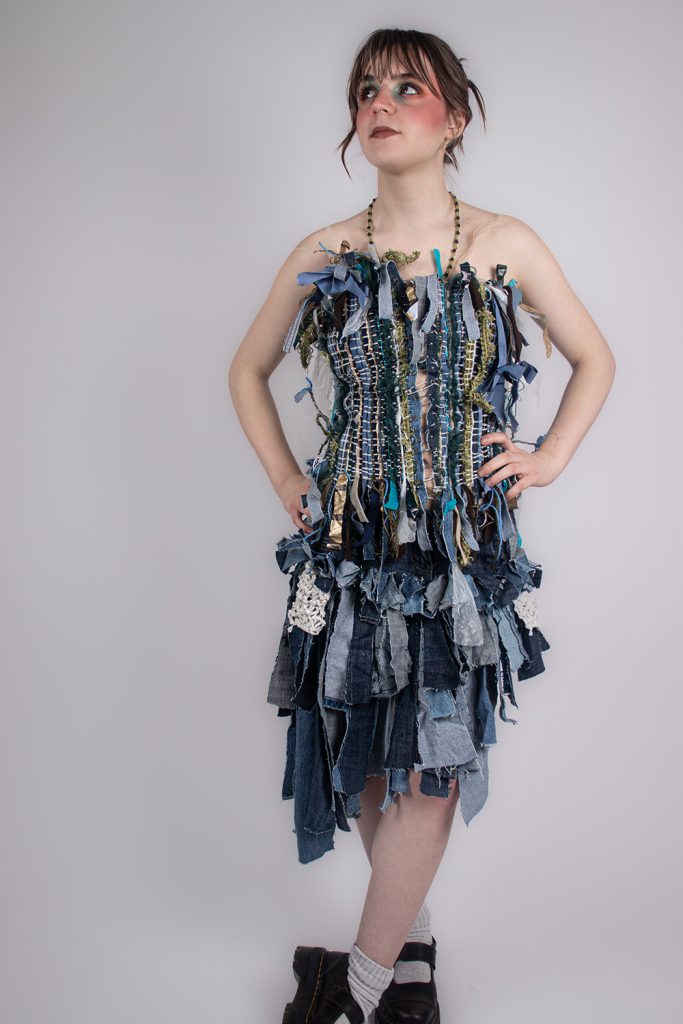
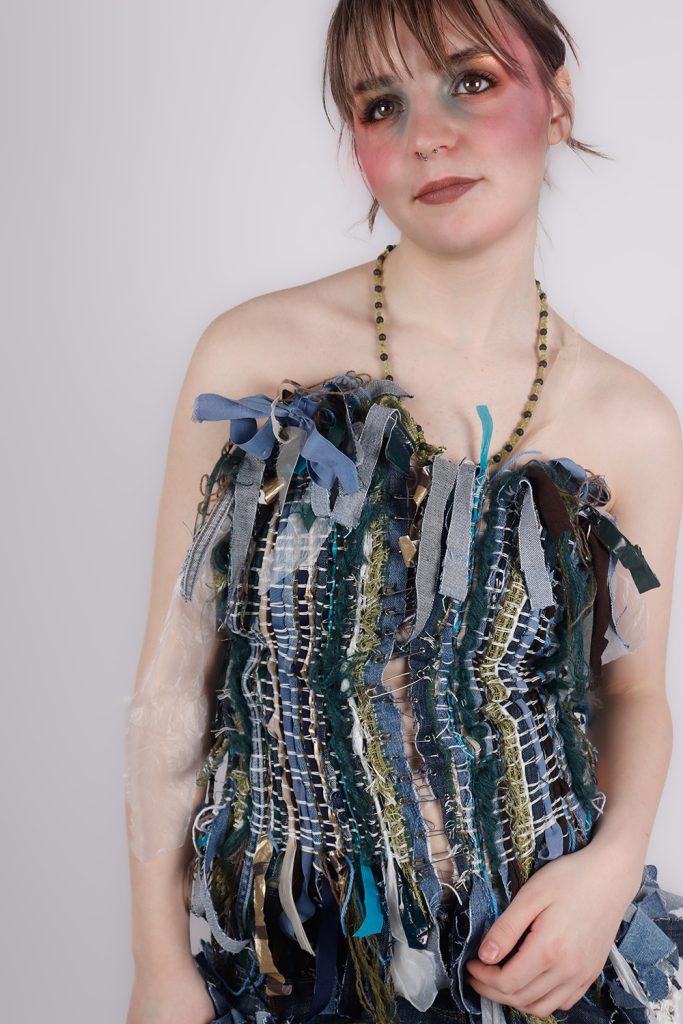
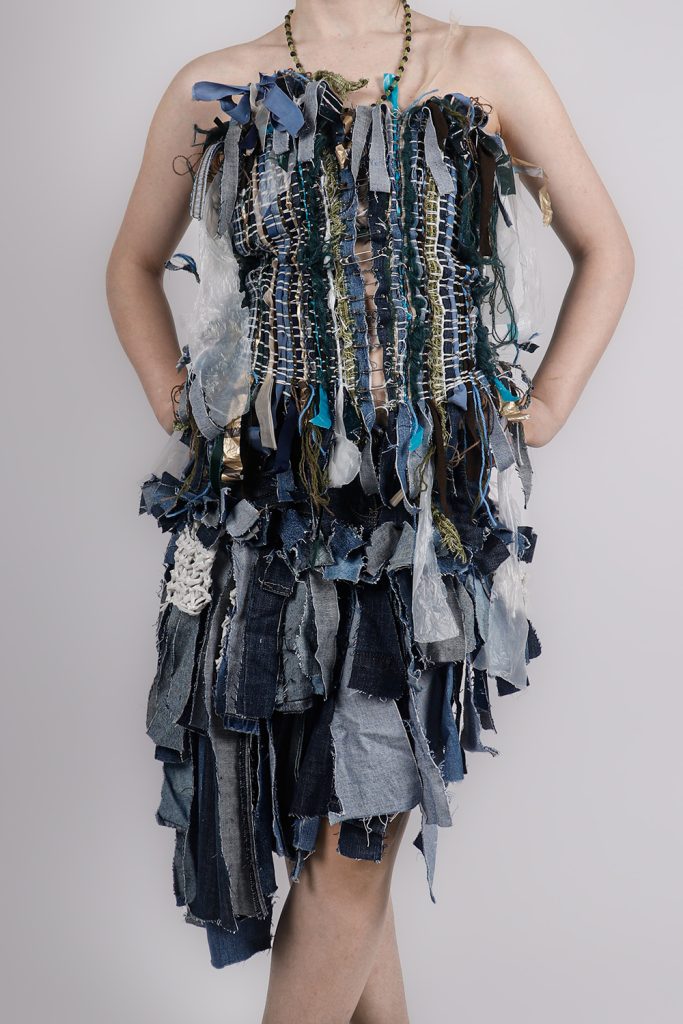
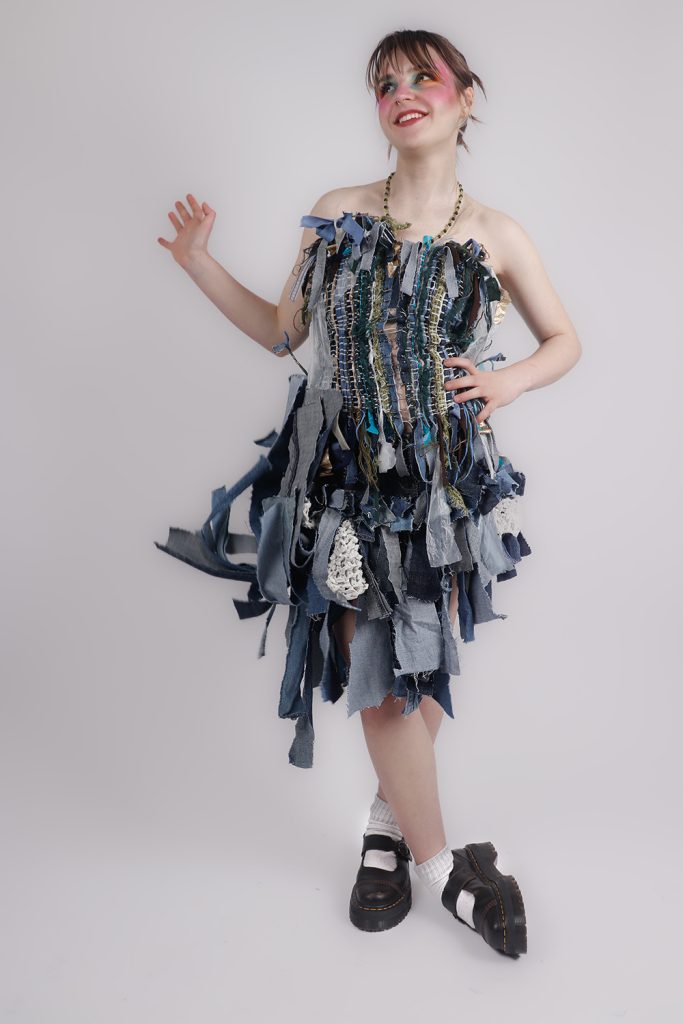
For this project I explored the use of recycled materials, experimenting with ways of reusing and upcycling to promote ideas of sustainable fashion and more thoughtful design. I used a combination of everyday recyclables like plastic bags mixed with old clothes, of which I focused on my use of denim, sourced from old jeans.
For this I was inspired by the ethos of Maison Margiela’s spring 2020 ready-to-wear collection, where designer John Galliano created and used a concept he termed “recicla”, which focuses on giving garments a new life through restorative design, each item in the collection was created from second-hand garments.
I was also inspired by the silhouette and use of raw weaved edges from Viktor and Rolf’s “vagabond” collection from autumn/winter 2016, in this collection they used scrap fabrics from past collections and worked them together in a new way.
experimented with various techniques to combine as many scraps of fabric as possible, focusing on maximising my use of materials and ensuring my project was entirely zero waste, I concluded by using weaving as well as taking inspiration from the creation of rag-rugs and using both within my final piece.
Mya Lee Round
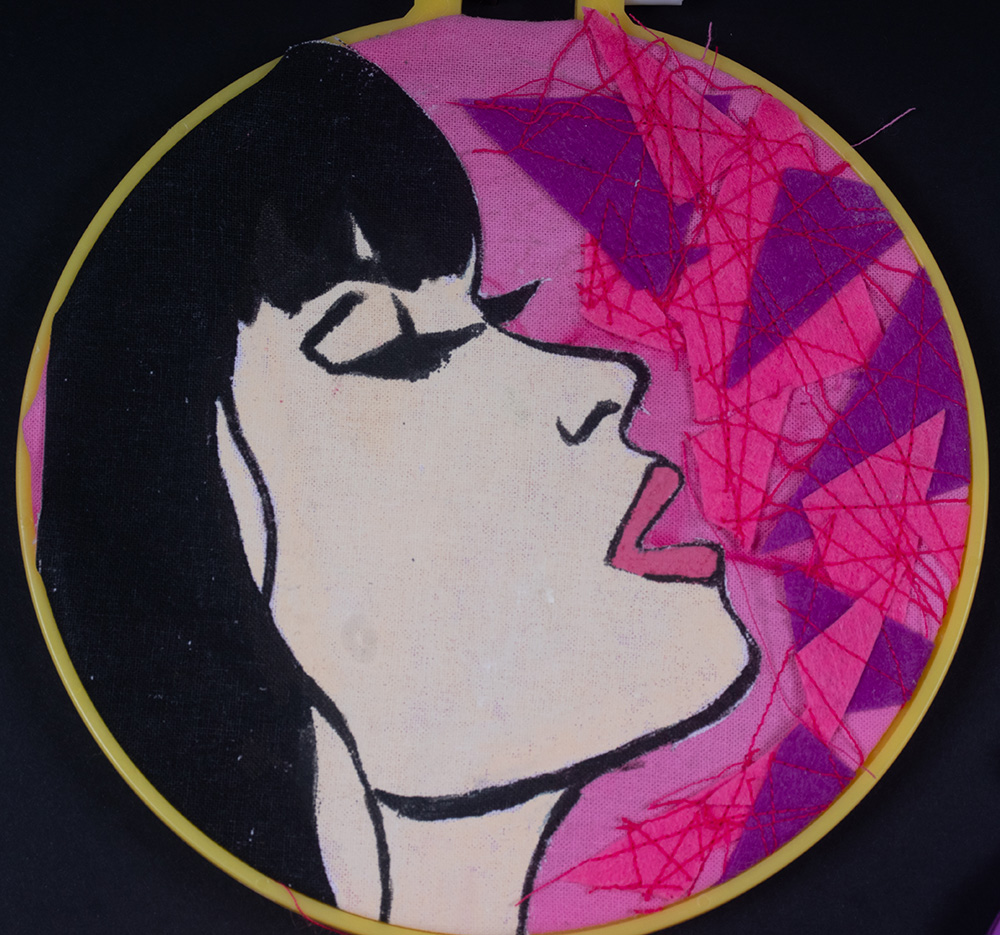
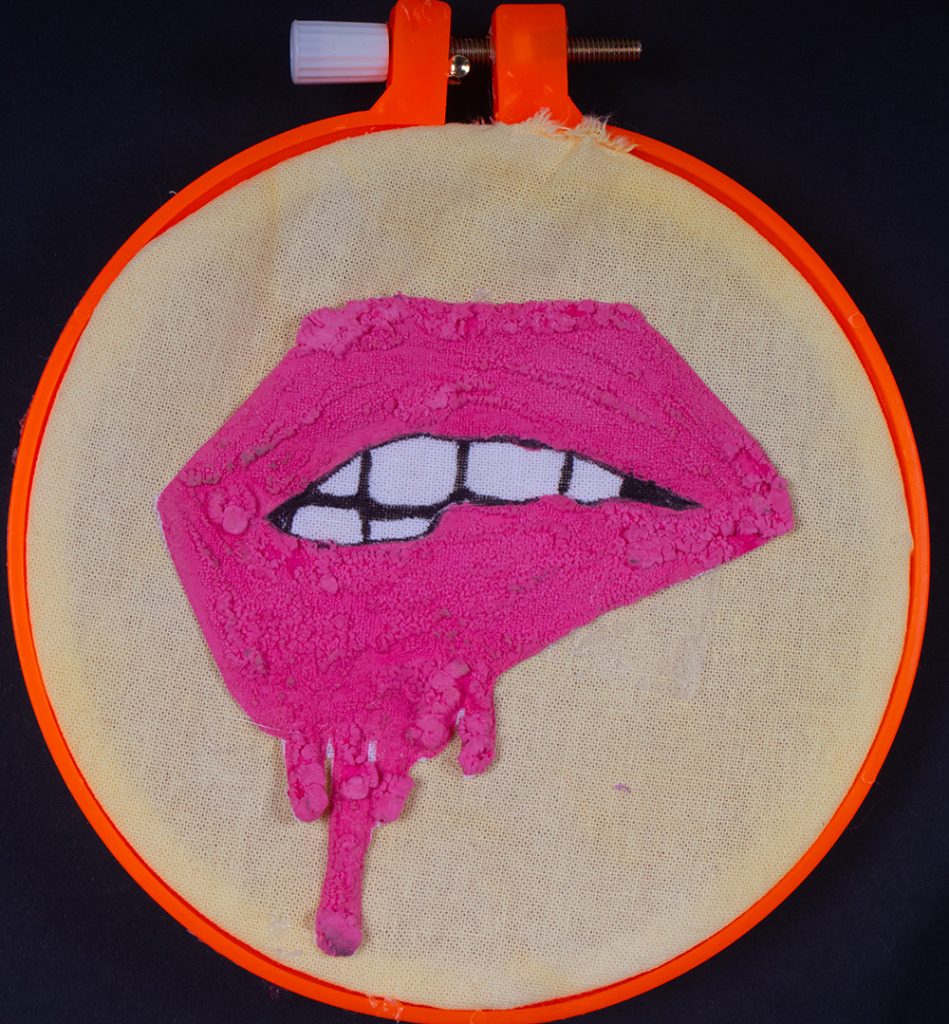
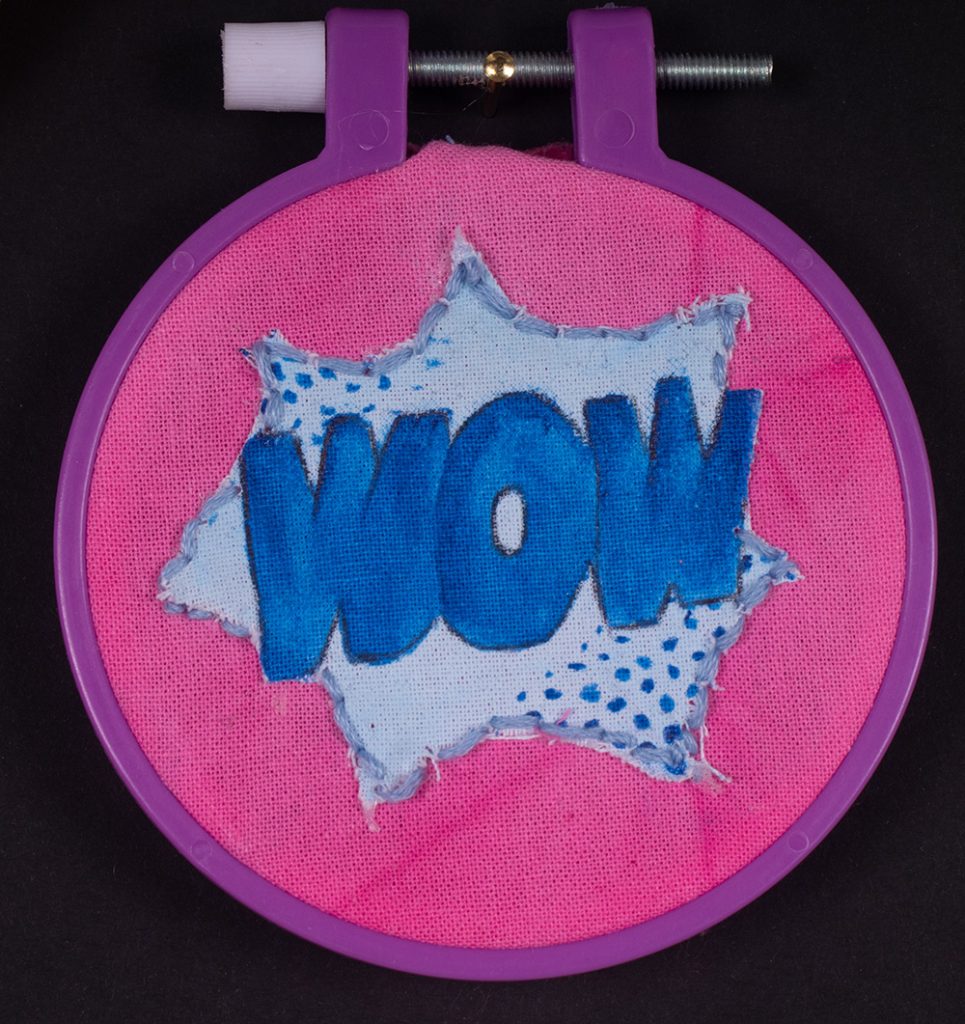
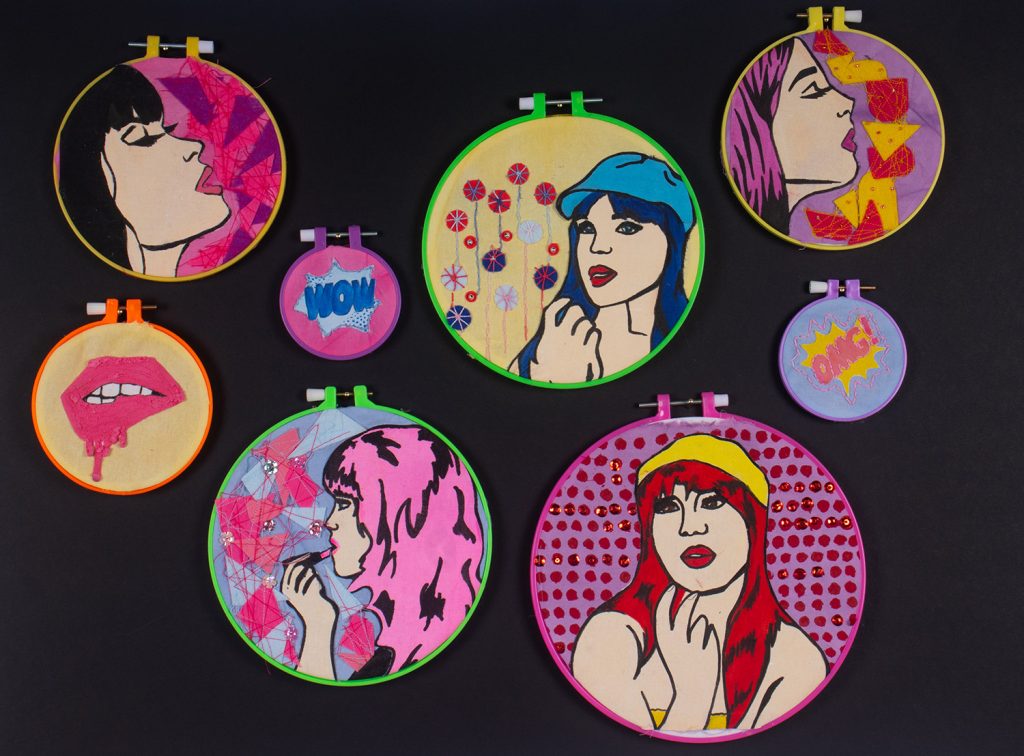
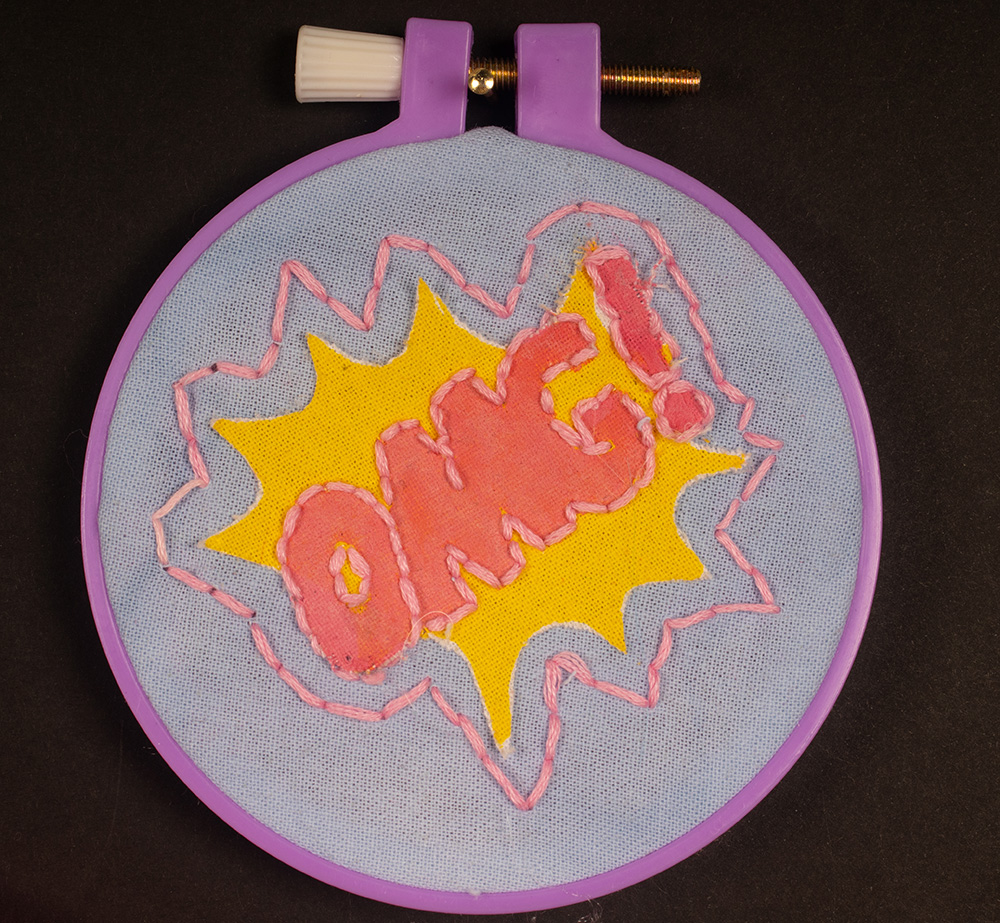
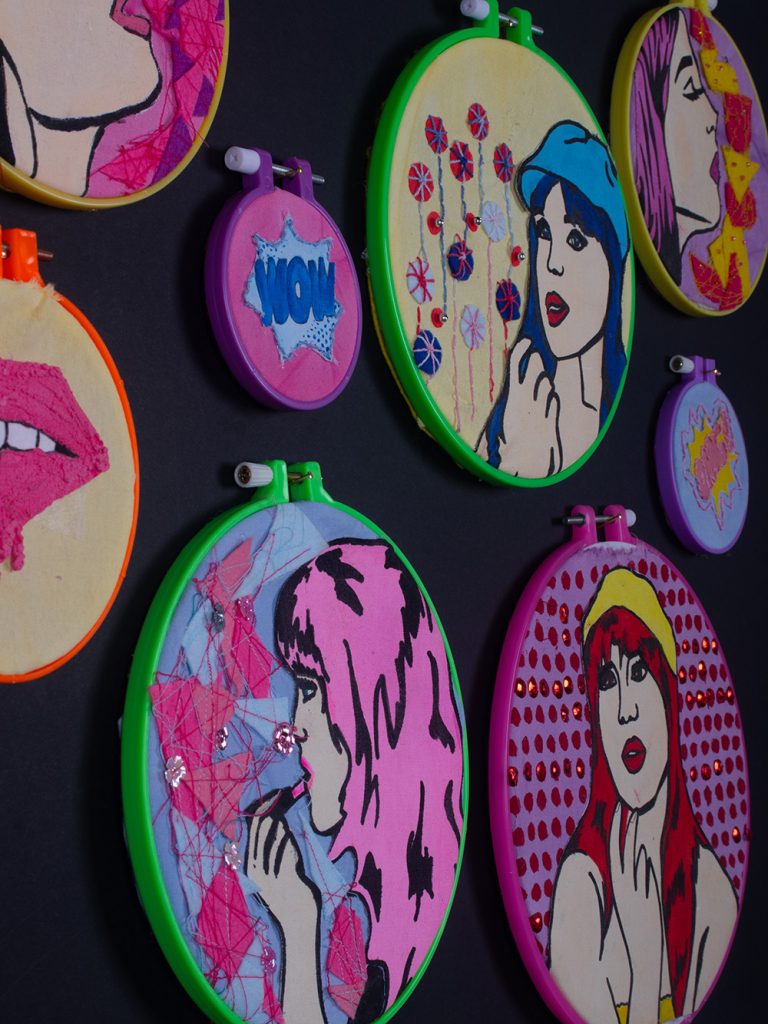
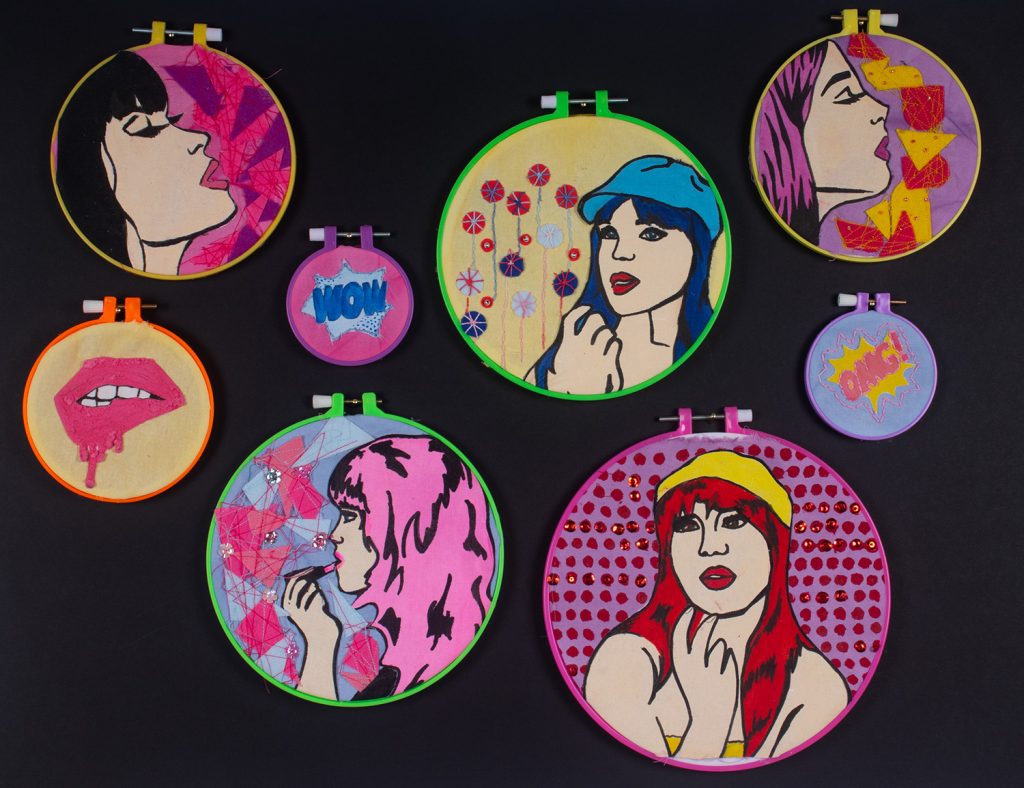
My topic for component 2 was faces and I worked round the inspiration from famous pop artists such as Roy Lichenstein.
My piece is to overall show women empowerment by featuring girly expressions and symbolism. I worked off images I took to create the printing screens and therefore it allowed me to personalise my own work whilst adding key symbols of pop art into them.
Arwen Wilson
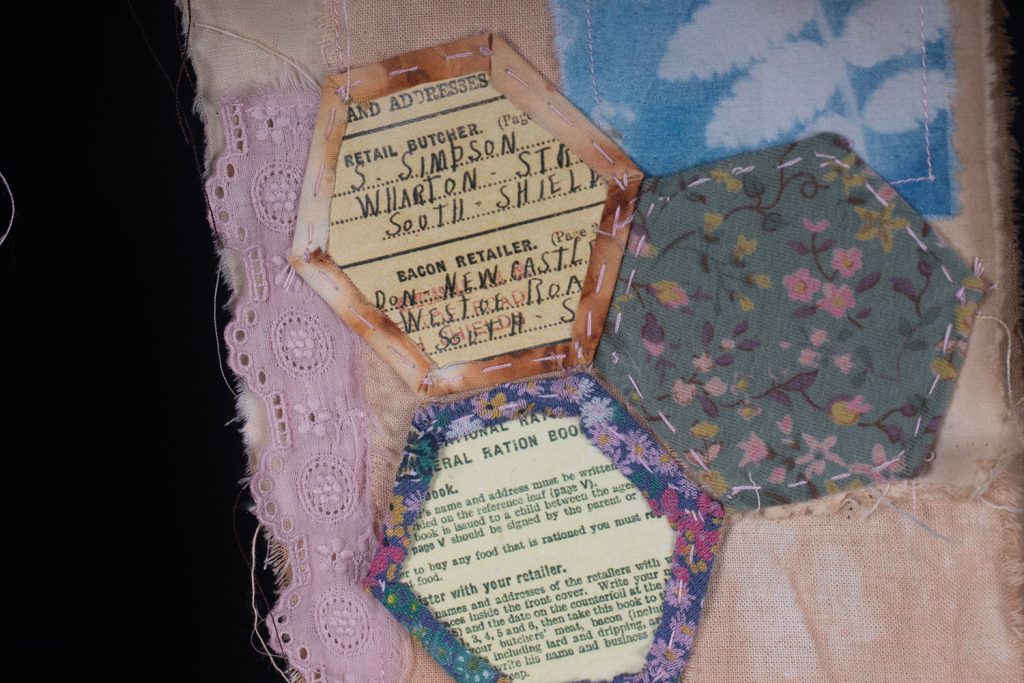
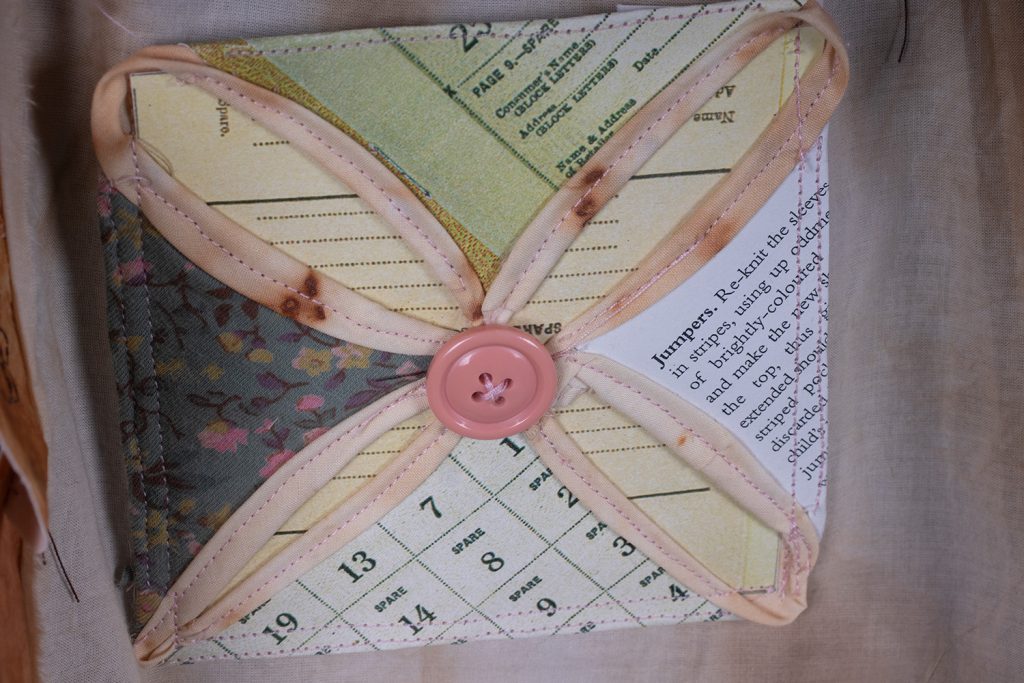
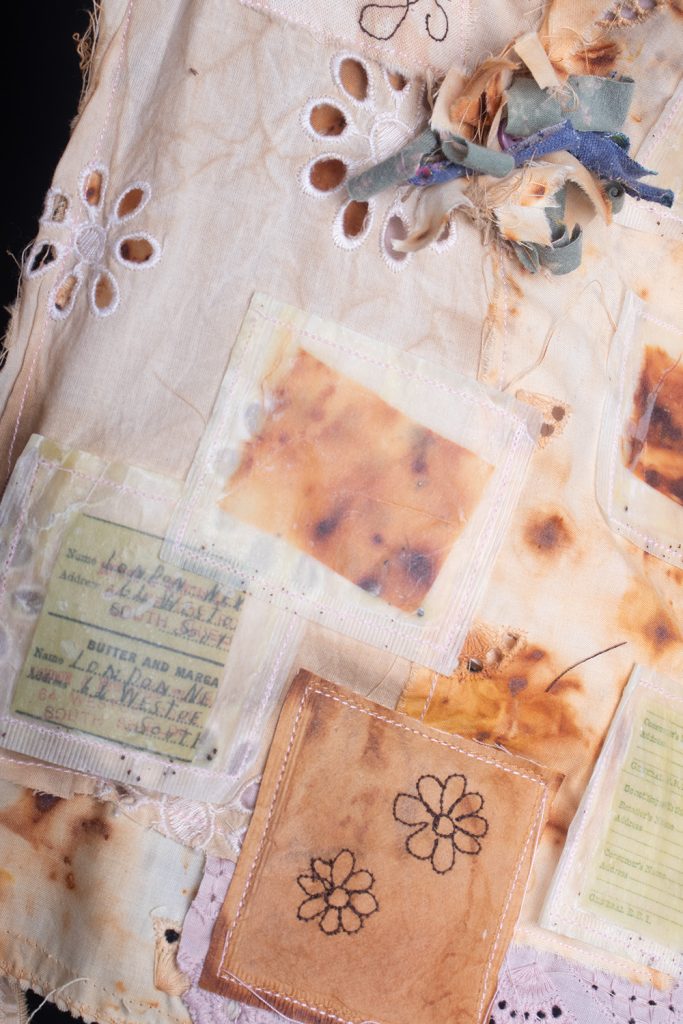
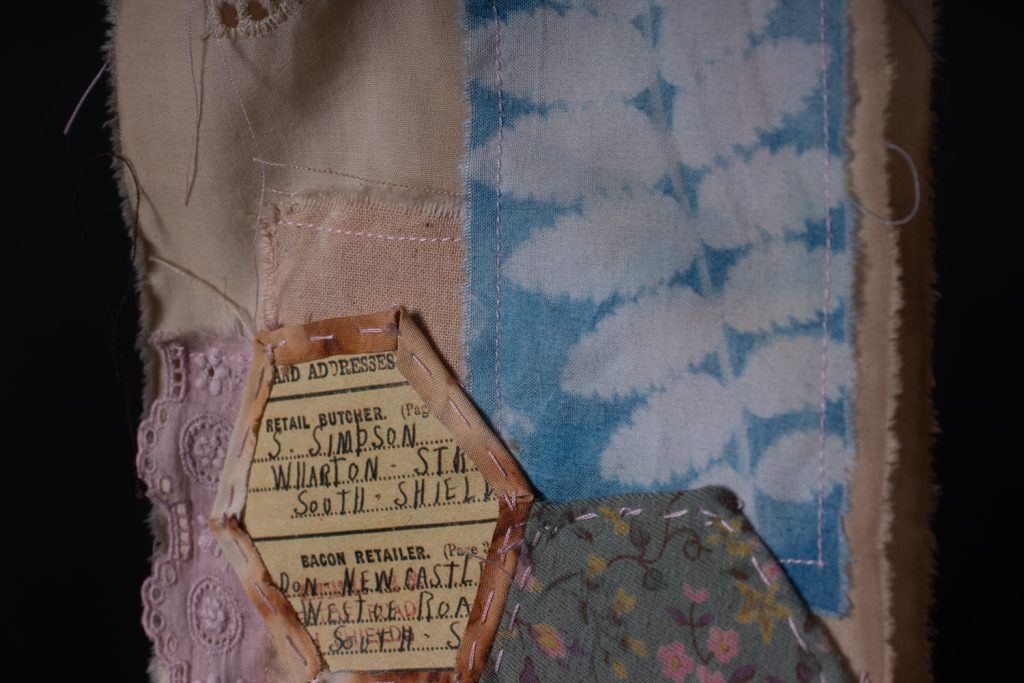
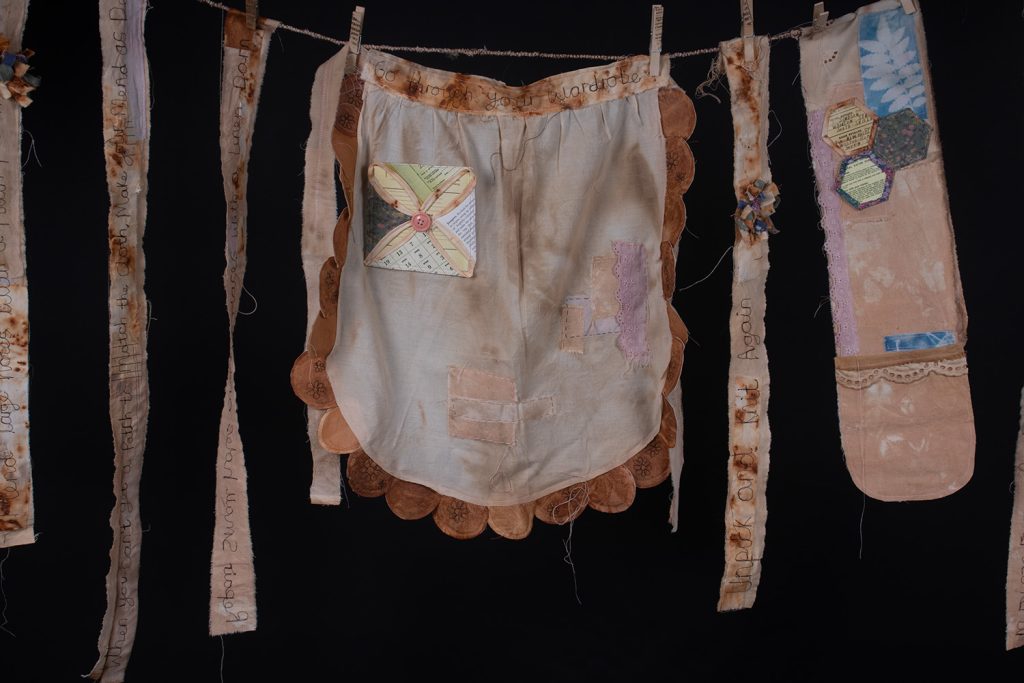
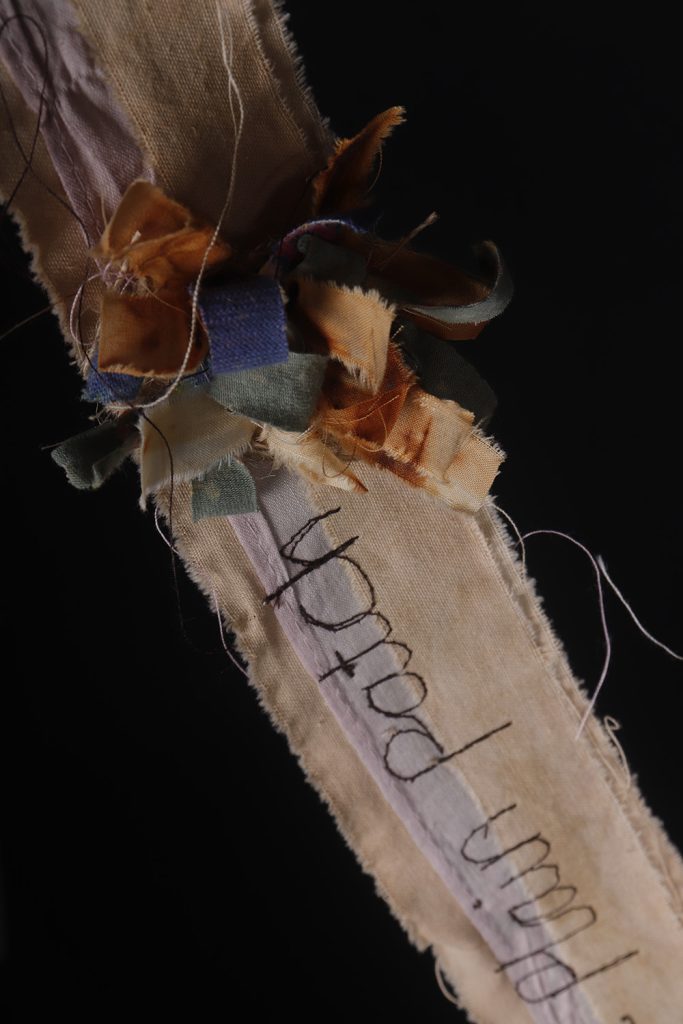
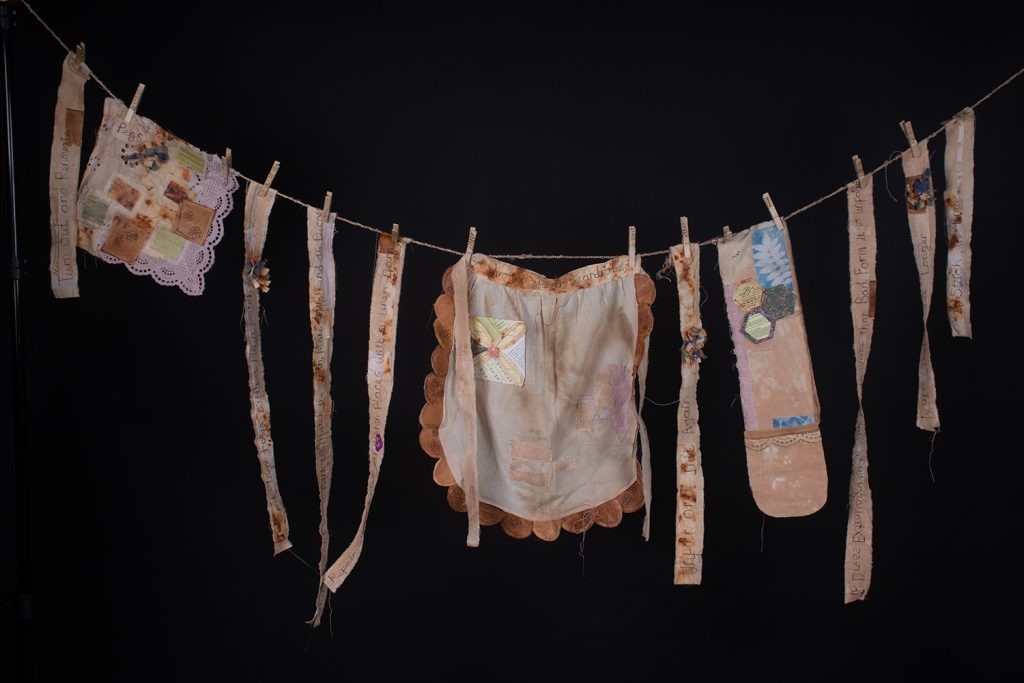
I was attracted to the themes of ‘Make Do and Mend’ and the historical context of the usage of the phrase. After a visit to The Imperial War Museum in London I was further inspired by a book, written during World War Two, of tips on how to care for clothing. Using free-machine embroidery techniques, I incorporated some of the text from the book into my own work.
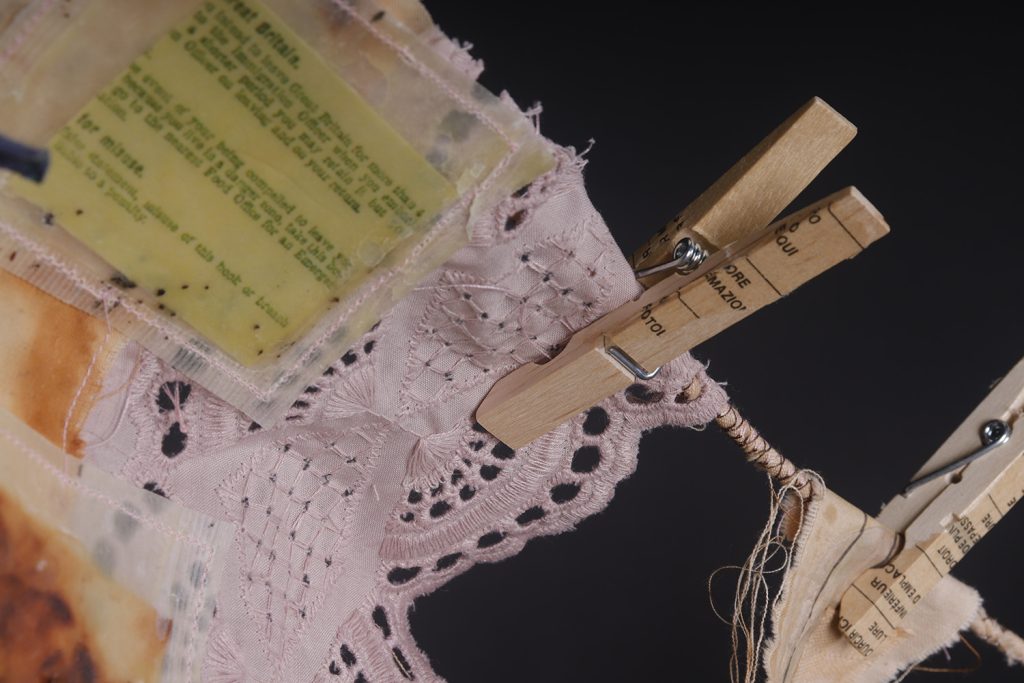
I also researched traditional patchwork techniques and experimented with a range of mixed media such as rust dye, teabags dipped in wax, and stitched paper. For my final piece I decided to focus on everyday domestic items, an apron, oven glove and peg bag. A washing line seemed a fitting way of connecting and displaying these everyday items.
Finally, I felt it was important to use materials that were upcycled or readily available at home, therefore, I combined vintage fabrics from charity shops with teabags and old dress-making patterns and used tea, coffee, red wine and rust to add subtle colour to the fabrics.