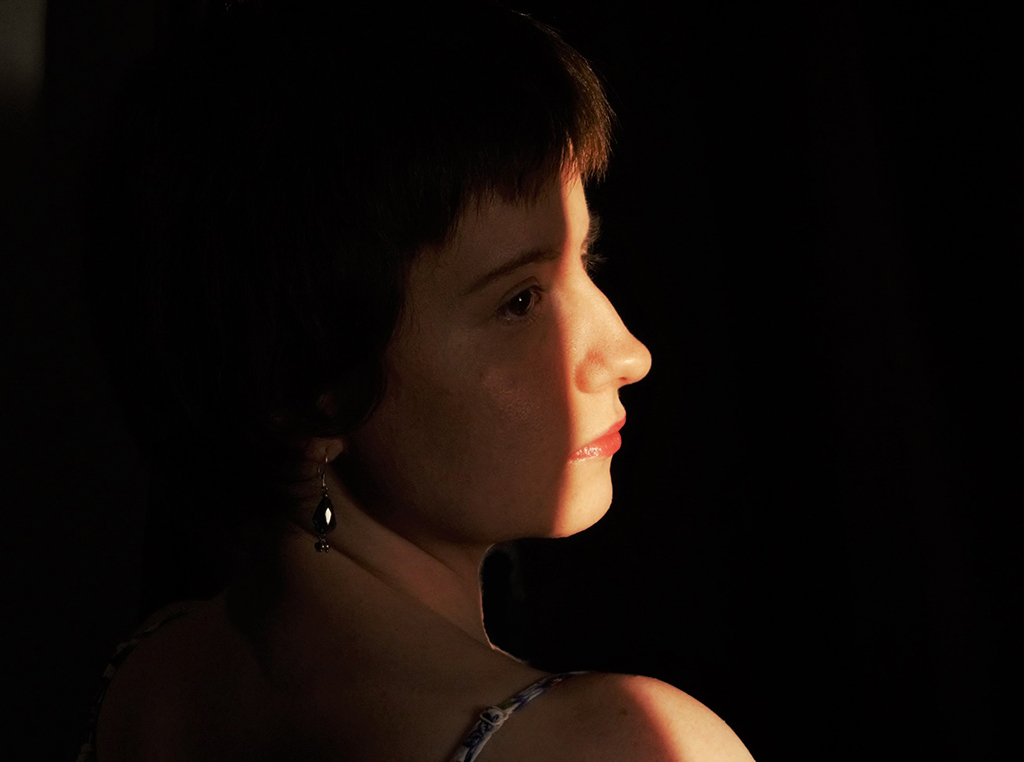
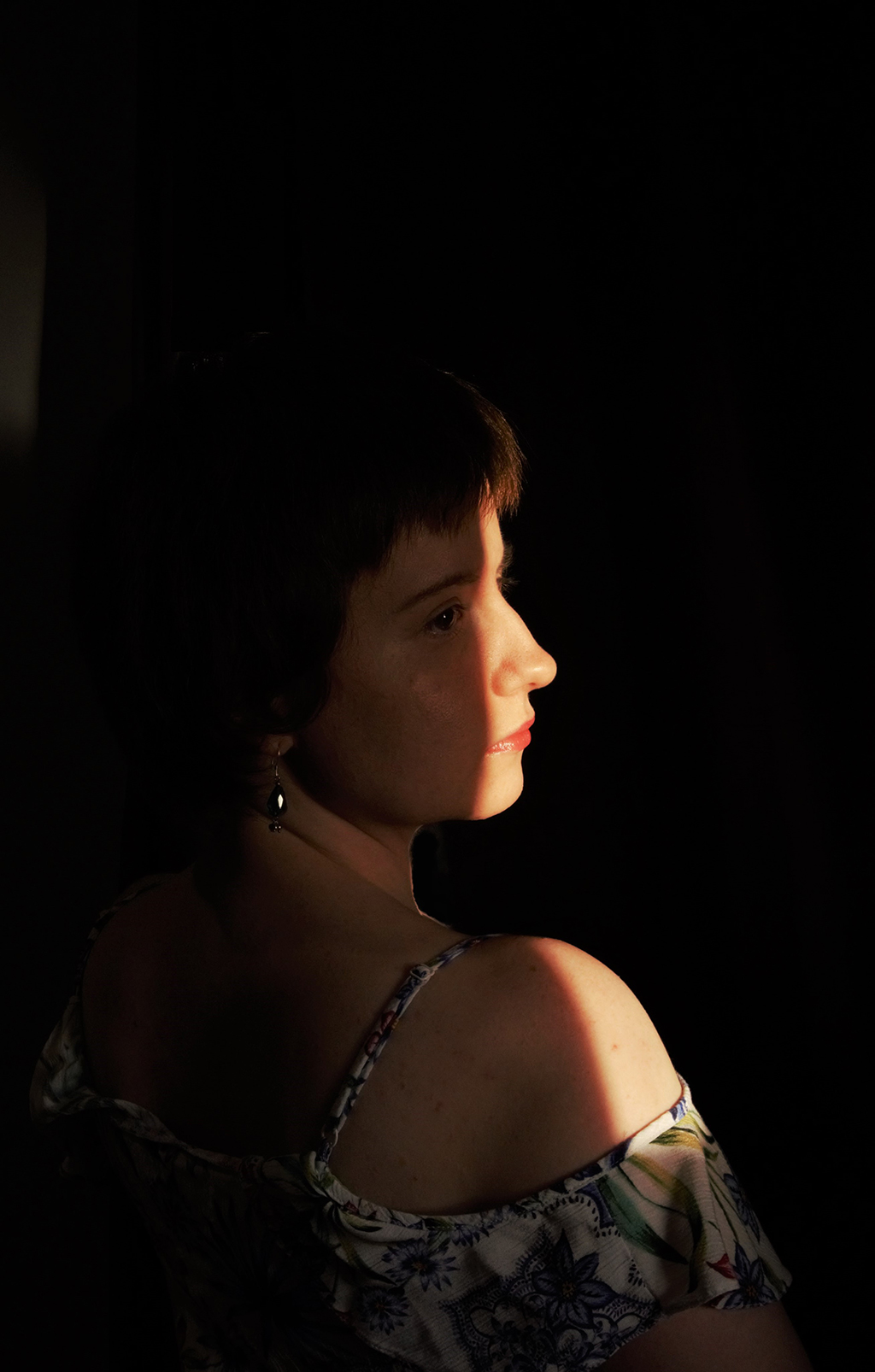
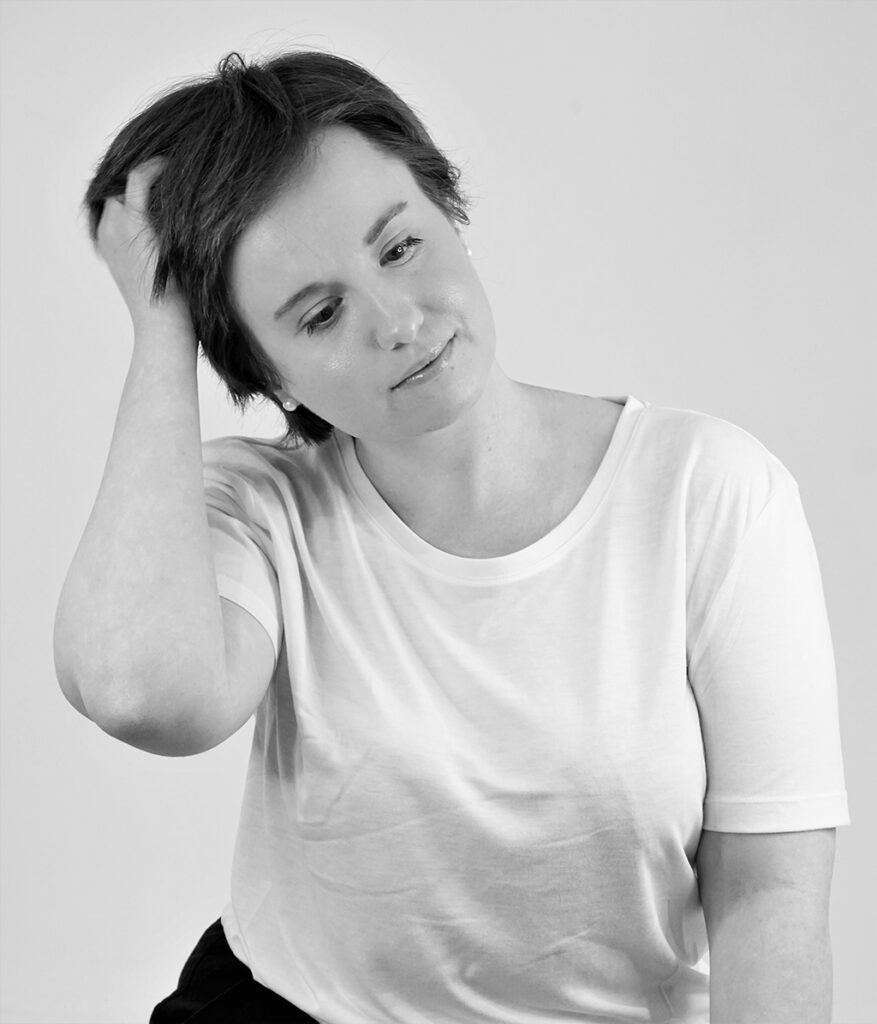
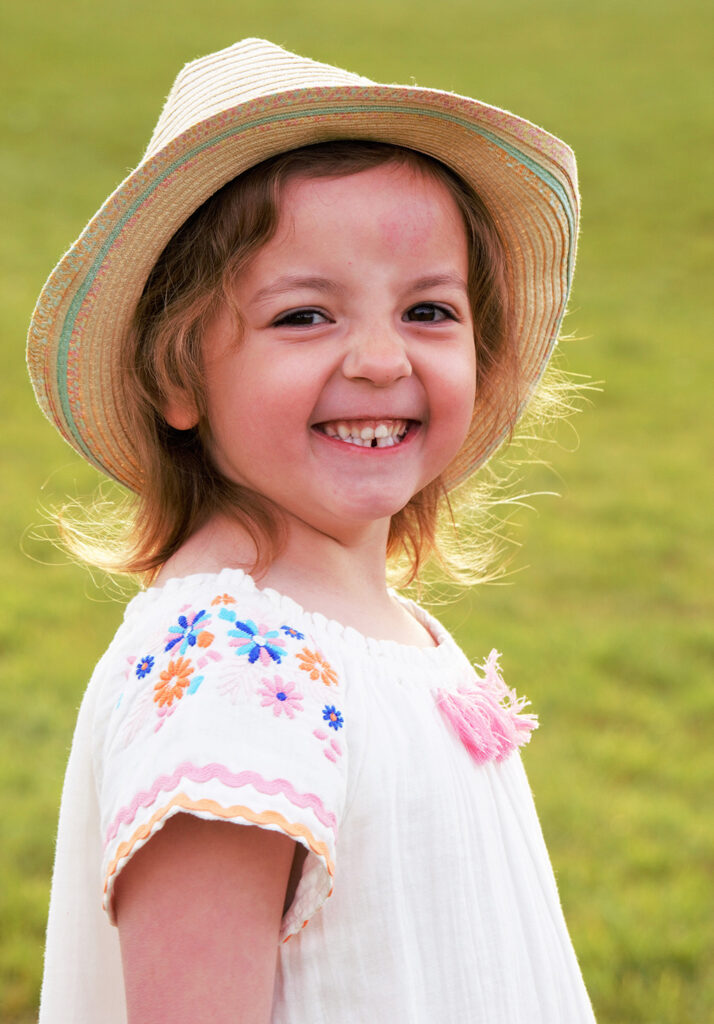
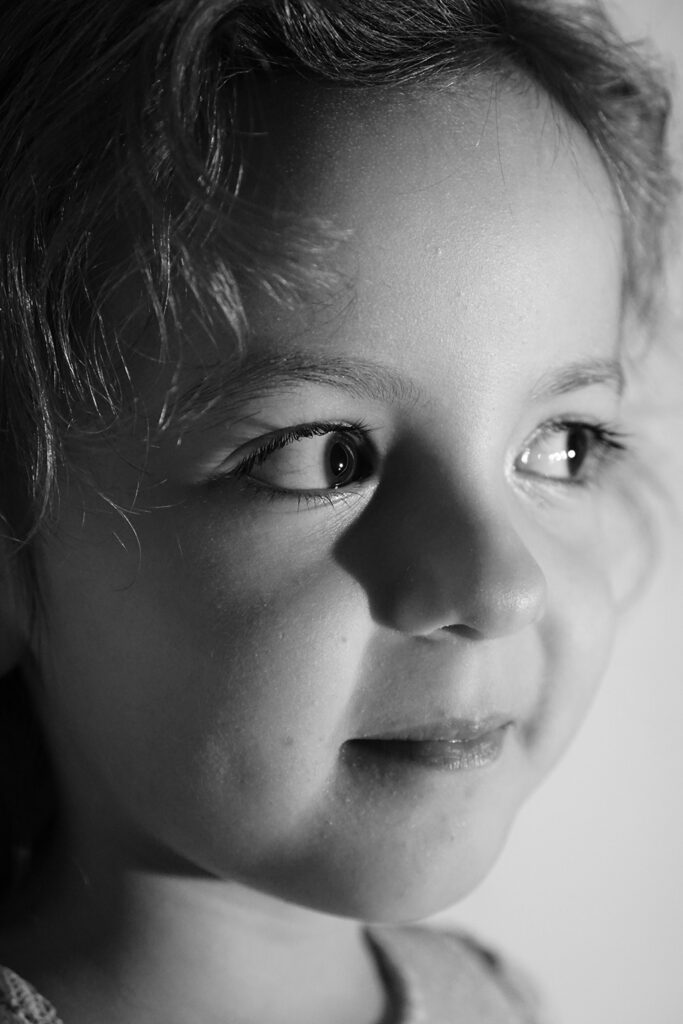
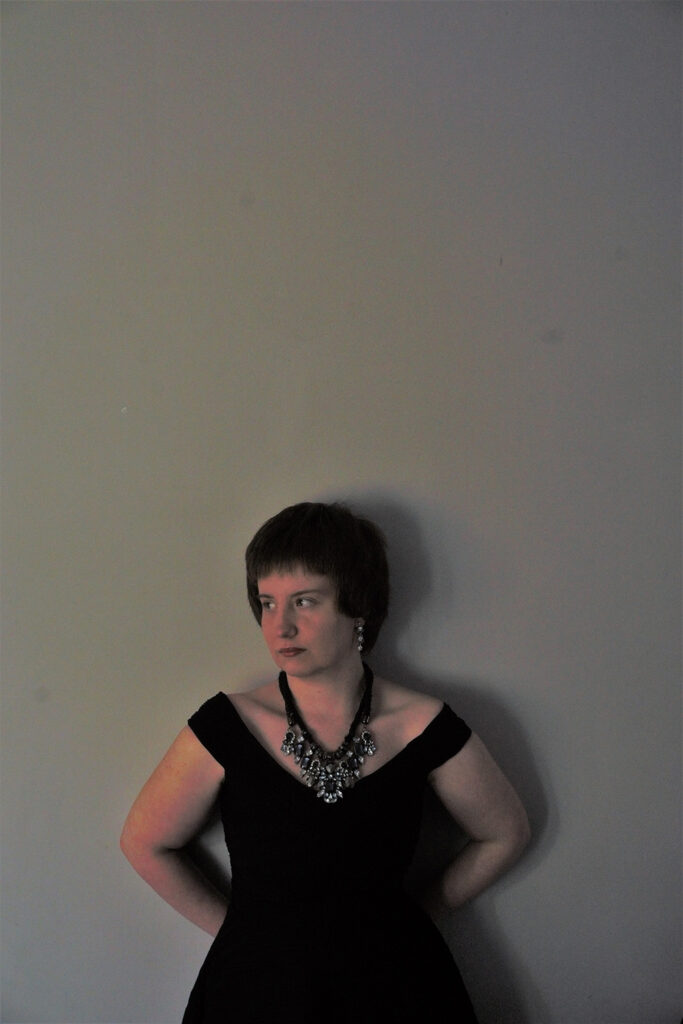
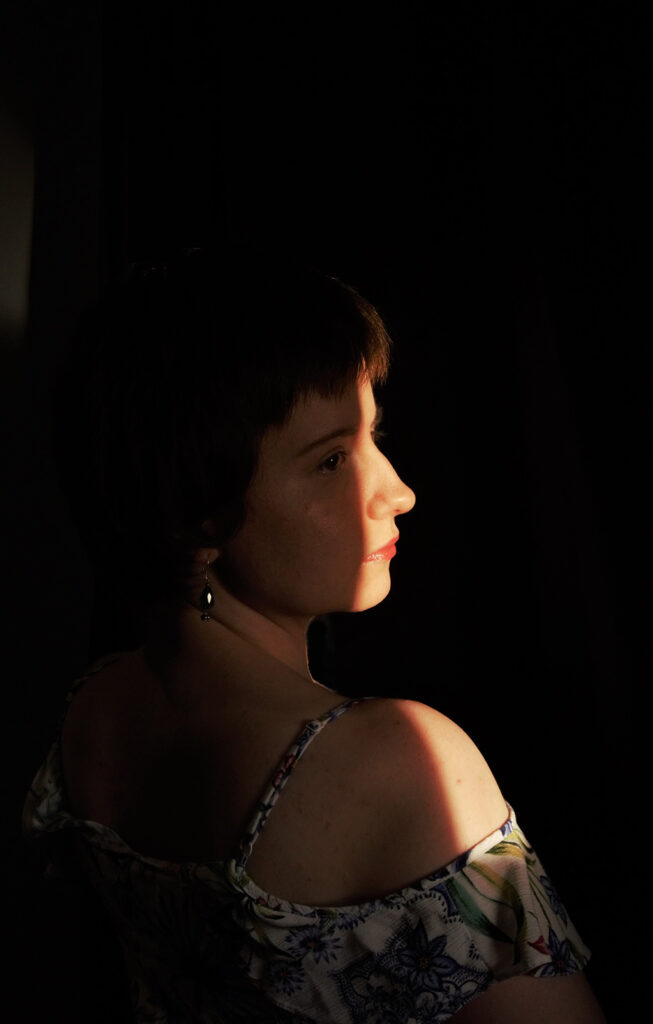
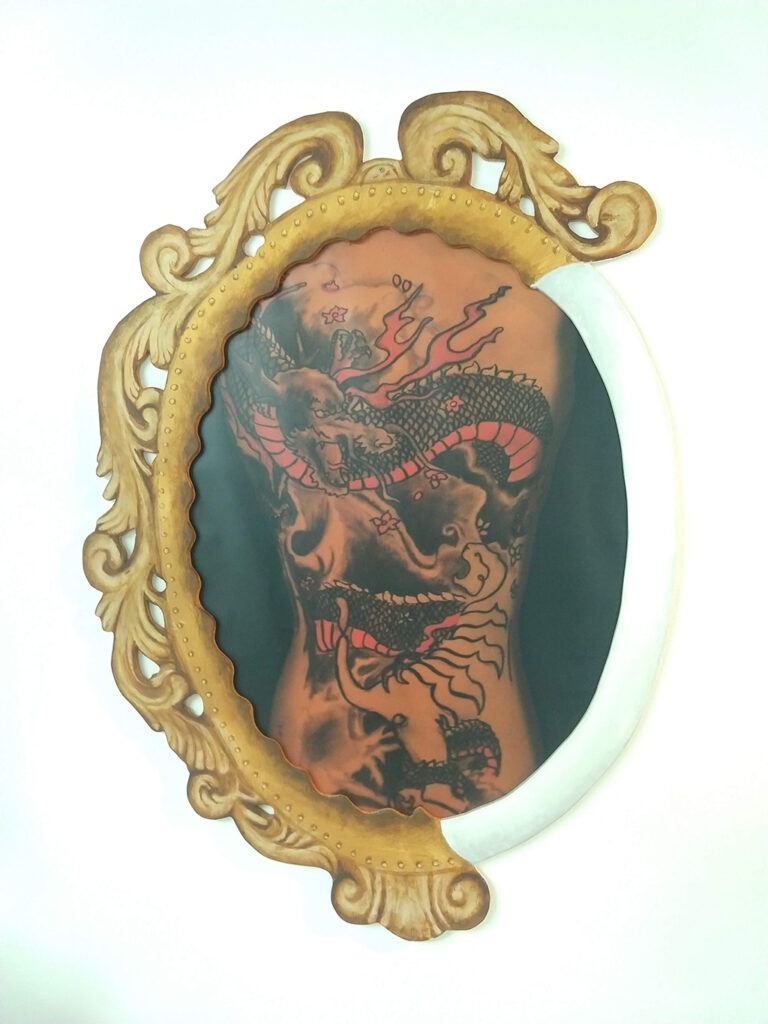
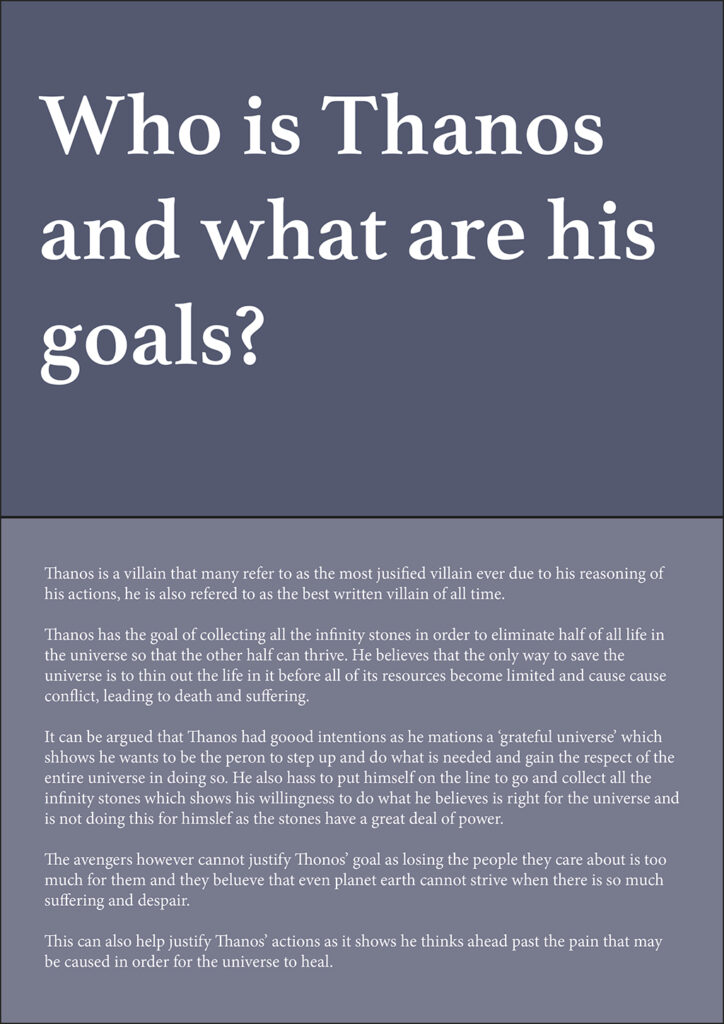
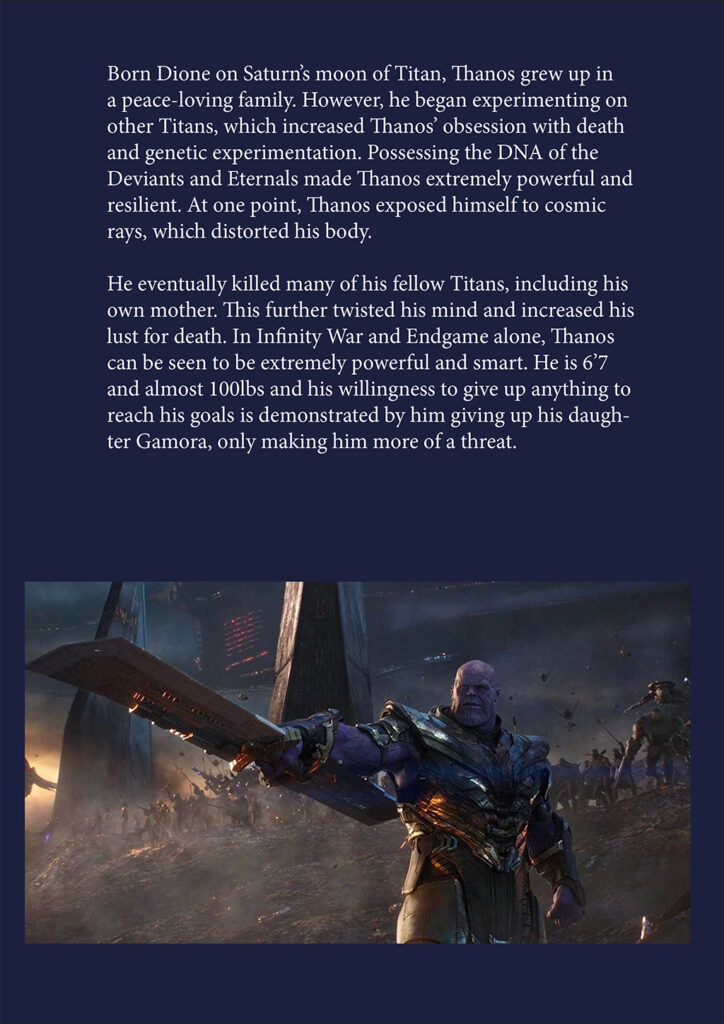
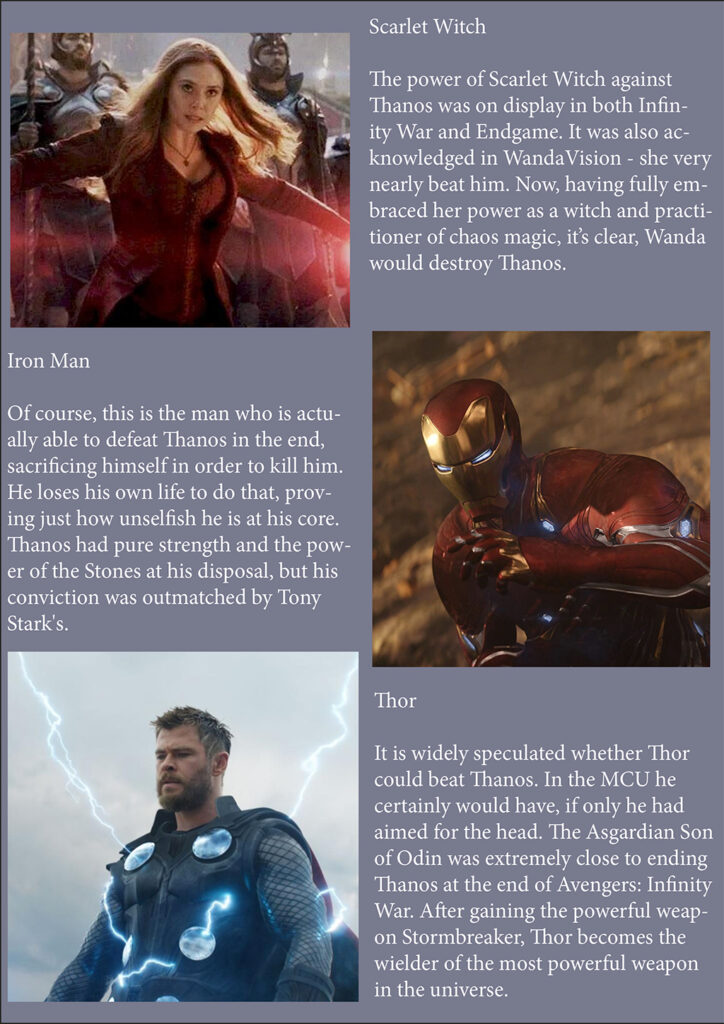
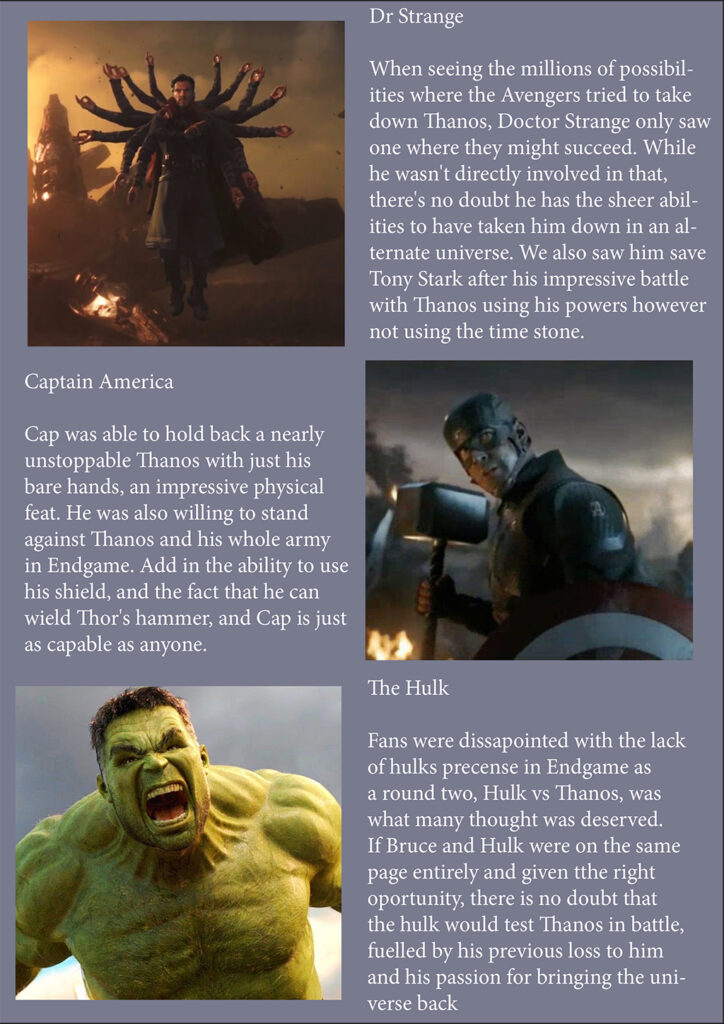
Over the course of this last year, I have developed a deeper understanding and a true passion for portraiture. This is now something that I want to go into professionally. In this selection, I’ve stepped outside my comfort zone to try self-portraiture.
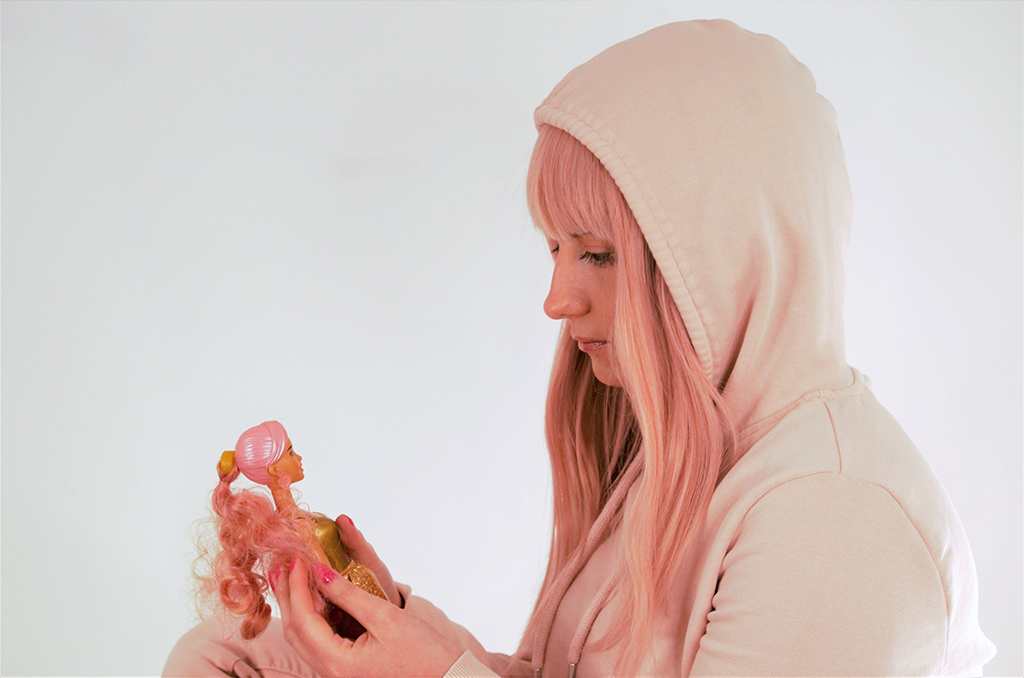
Using a range of different lighting, from natural sunlight to the studio lights, I have been able to work and experiment with multiple styles of lighting and how they overall affect the final image. Some of my images offer a ‘story telling’ element, for example, the photograph of the adult looking at the barbie doll was from my final project and was part of a theme of work titled “Childhood Influences”.
My work over this last year has slowly begun to develop, along with a new sense of confidence and I wanted to be able to choose images which reflected these statements.
Watch the Video of This Exhibition Filmed by Student, Rhys Atkinson
It is fair to say that Extended Diploma Art & Design has its challenges. No one could have anticipated the impact Covid would have on the last two years. The students on the second year Extended Diploma art and design have embraced this challenge with creativity, imagination, determination and good spirits. Having experienced a significant part of their first year with limited access to studios and equipment, they tackled industry-level project briefs using whatever materials and resources they had at home. The second year began with the hope that they might explore their creative pathways accessing the full college’s facilities. Lo and behold they went back into lockdown at what is often the most crucial point in their creative journey. It was heartening to see them continue undeterred and produce their university portfolios and coursework with little change in pace. Much of the last few months has been conducted in preparing them for the first professional exhibitions. They ably demonstrated that they could produce and exhibit work commencing with the entirely digital Silent Gallery. Returning to the studio they then had a very short space of time to conceive, produce and exhibit their first physical show despite the fact there was every chance the public would never be able to see it in person. This did not dissuade them from producing imaginative and thought-provoking pieces, showcasing the creative resilience and professionalism they have developed in these atypical times. It is testament to the dedication that the following work can at least be enjoyed in the digital realm.
We are delighted once again this year to have had Hereford College of Art support our learners’ progression into HE via their ‘One To Watch’ initiative. Tutors from their Fine Art, Graphics, Photography and Fashion/Textiles areas have judged entries from our corresponding courses and awarded those learners whose work shows potential for excellence beyond FE. Look out for the banners next to the recipients’ work who will also receive a book for their efforts. This recognition undoubtedly motivates learners to aspire to greater things.
Martin Doyle, lecturer, visual arts
Mina Akhtar
Interior Design – Living Room
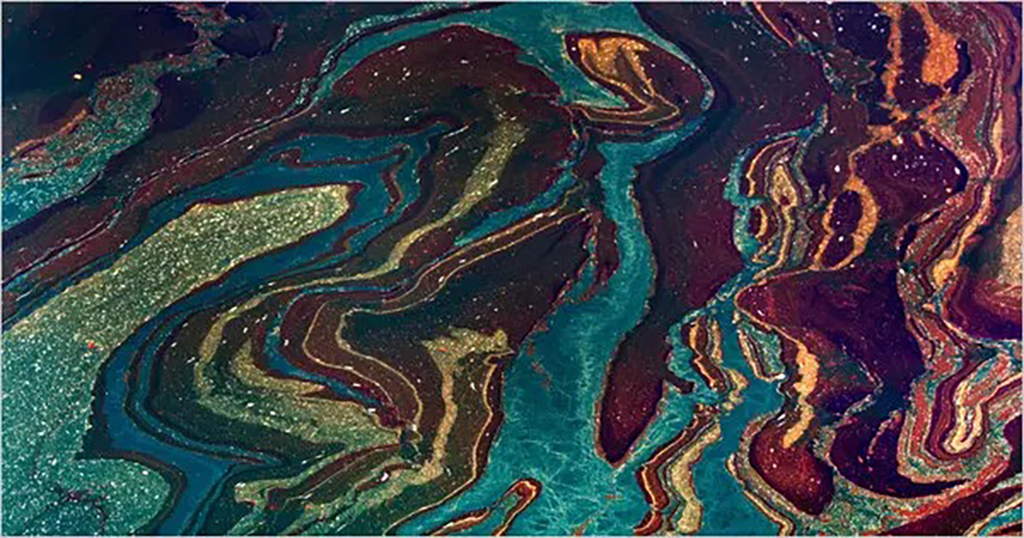
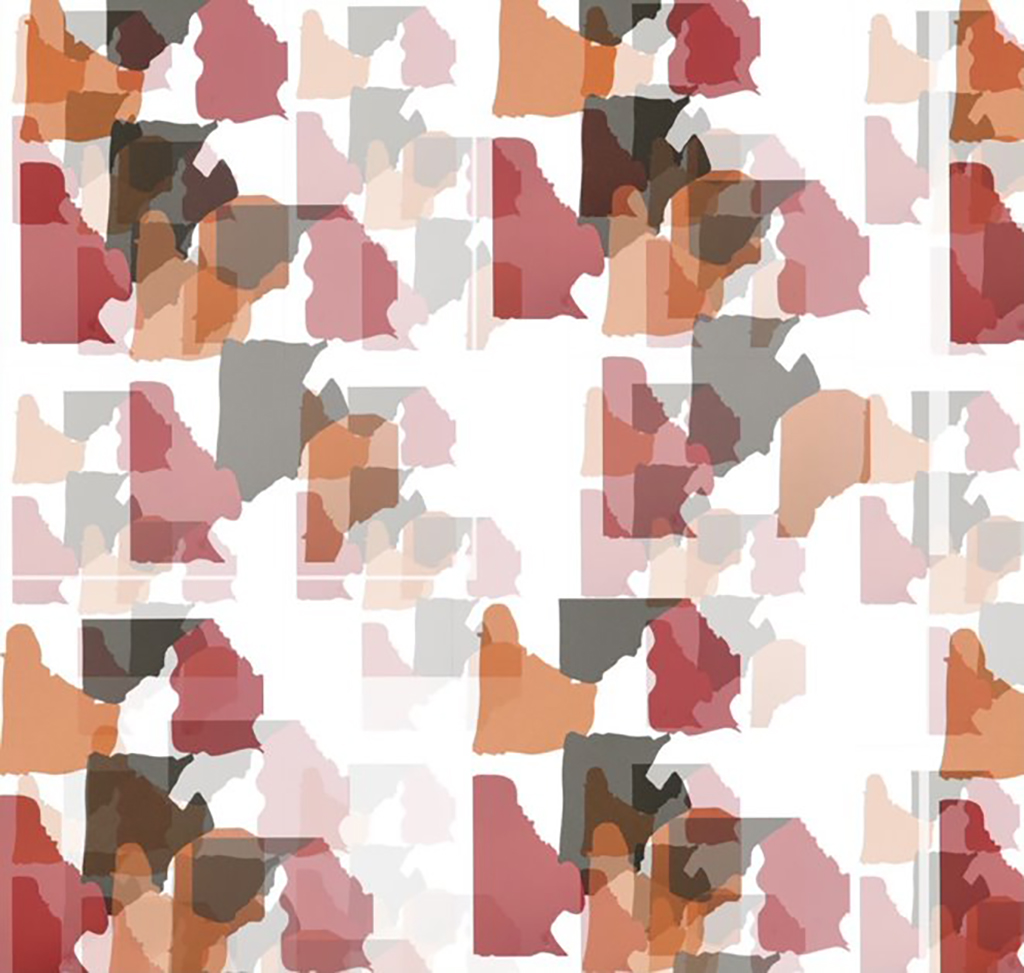
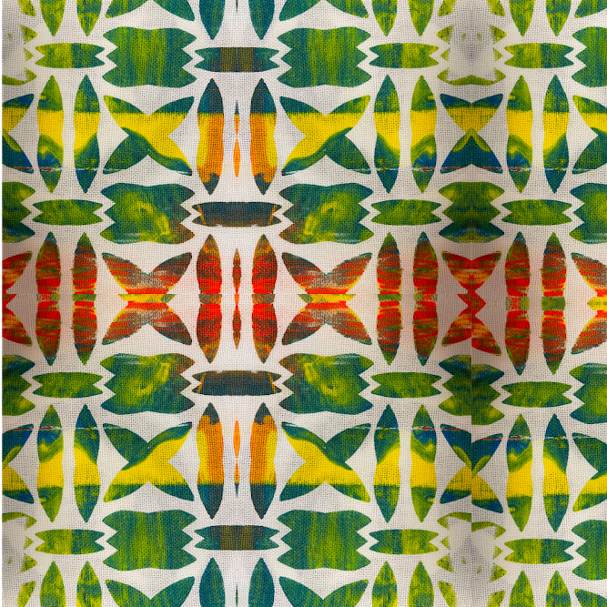
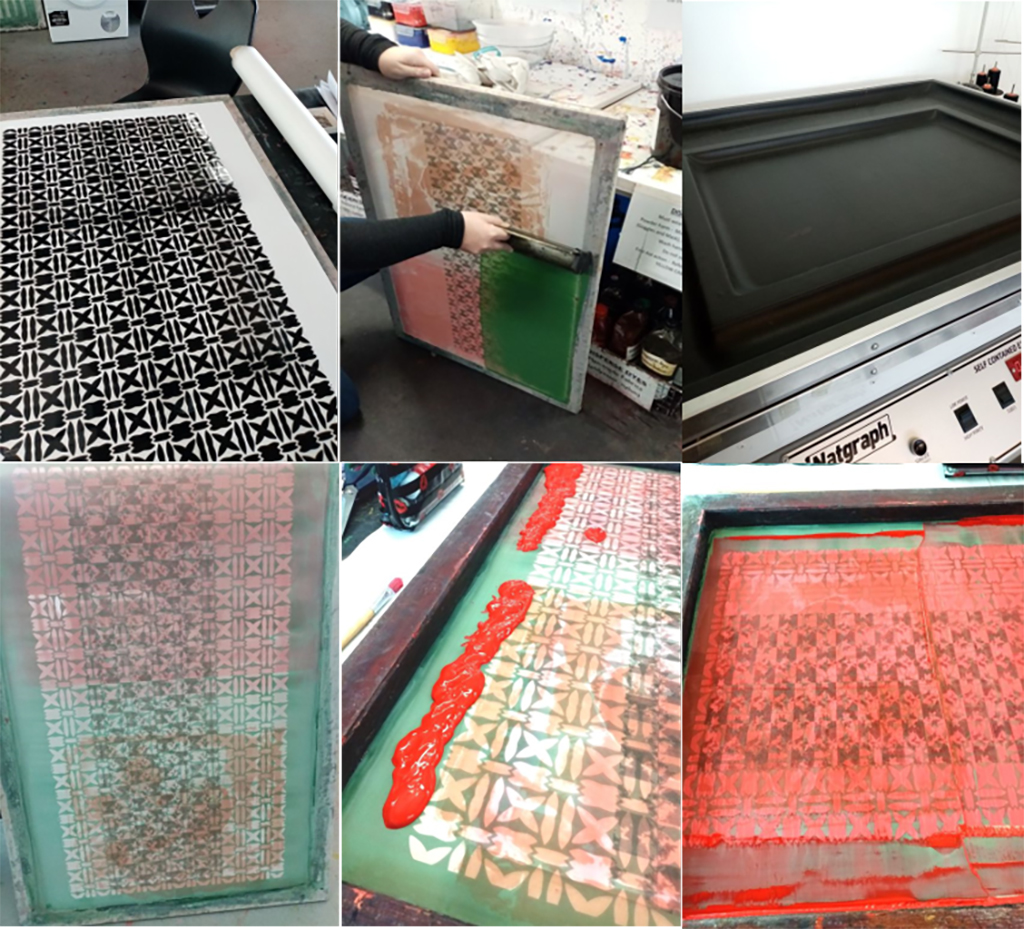
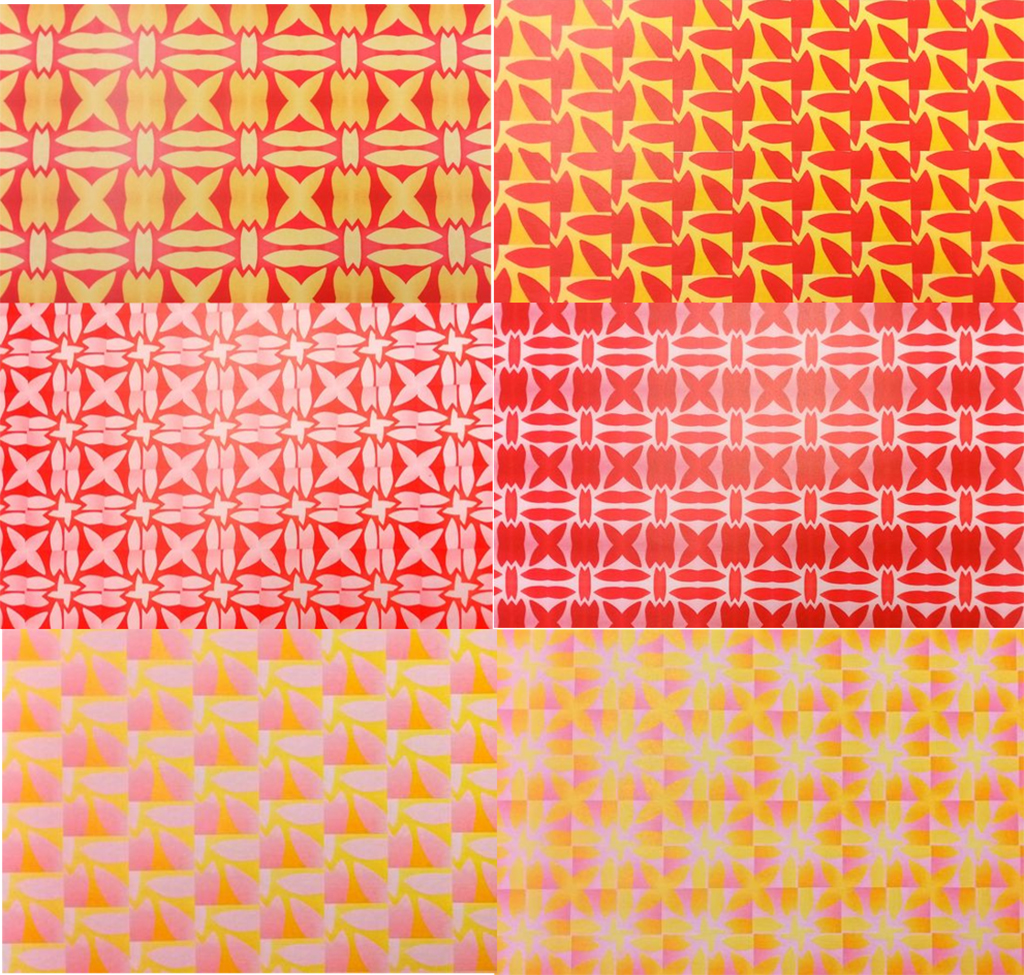
Interior design of a spacious living room, home space. Targeted at those who love a spacious and comfortable living space with cultural, modern/contemporary design. I am interested in marbling and repeat work.
Naomi Celine Kennedy Armstrong
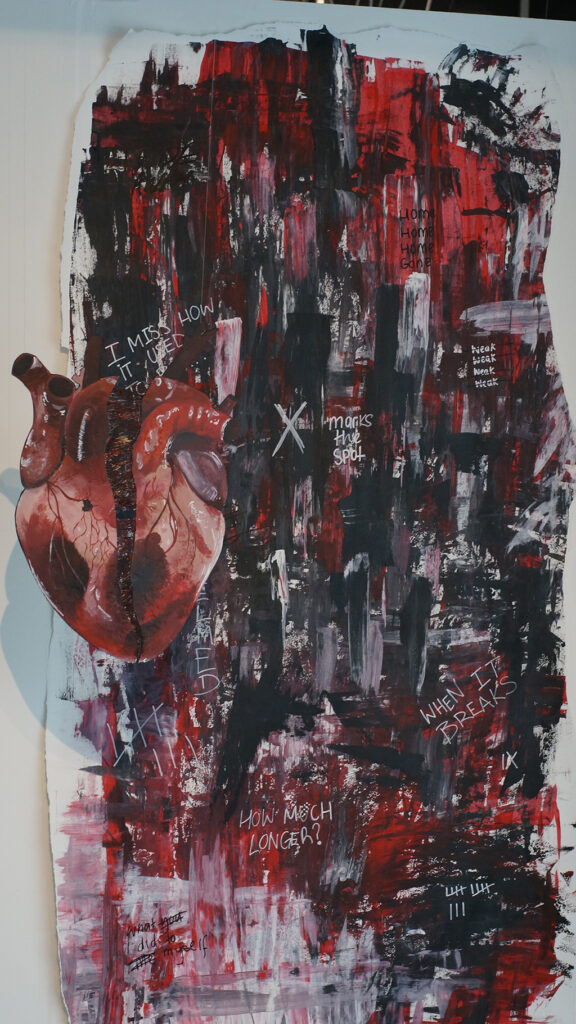
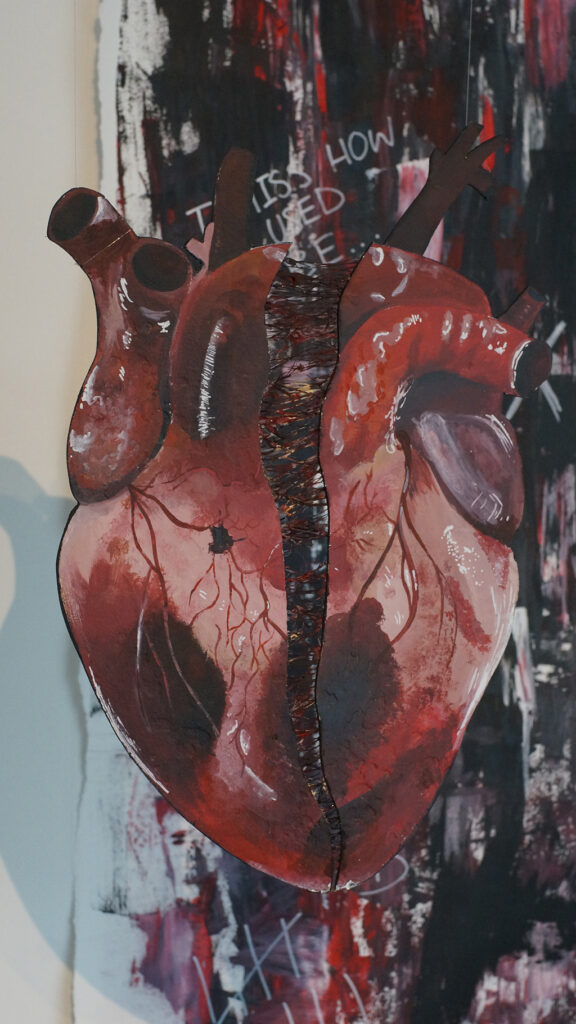
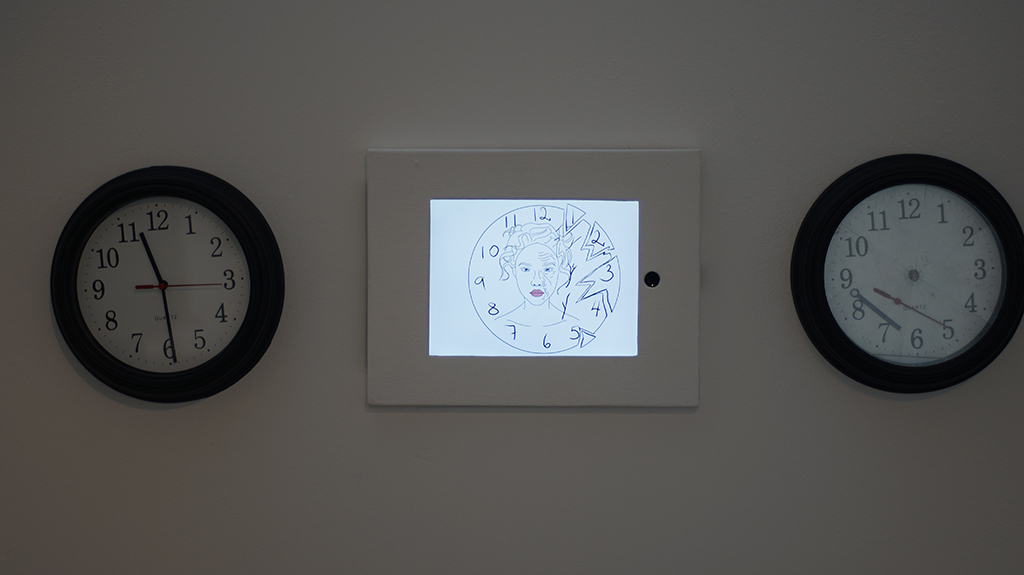
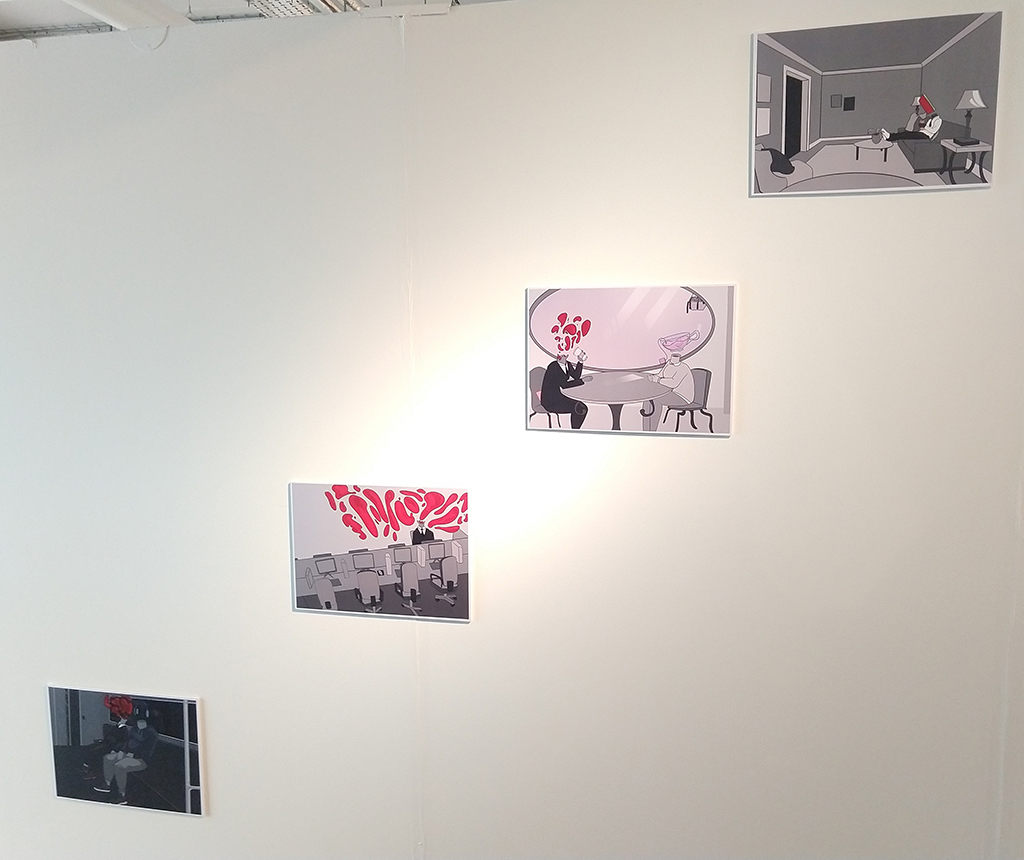
Time Passing
The passing of time and events are constant and is not altered for anyone. No one gets more or less time.
Eden Charlotte Beaven
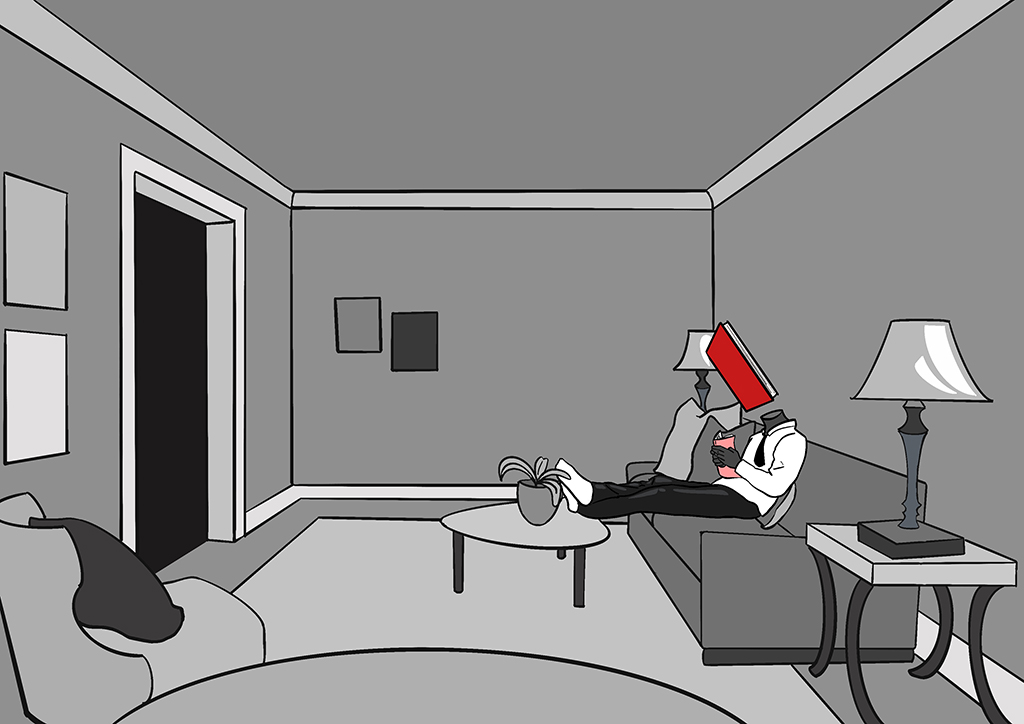
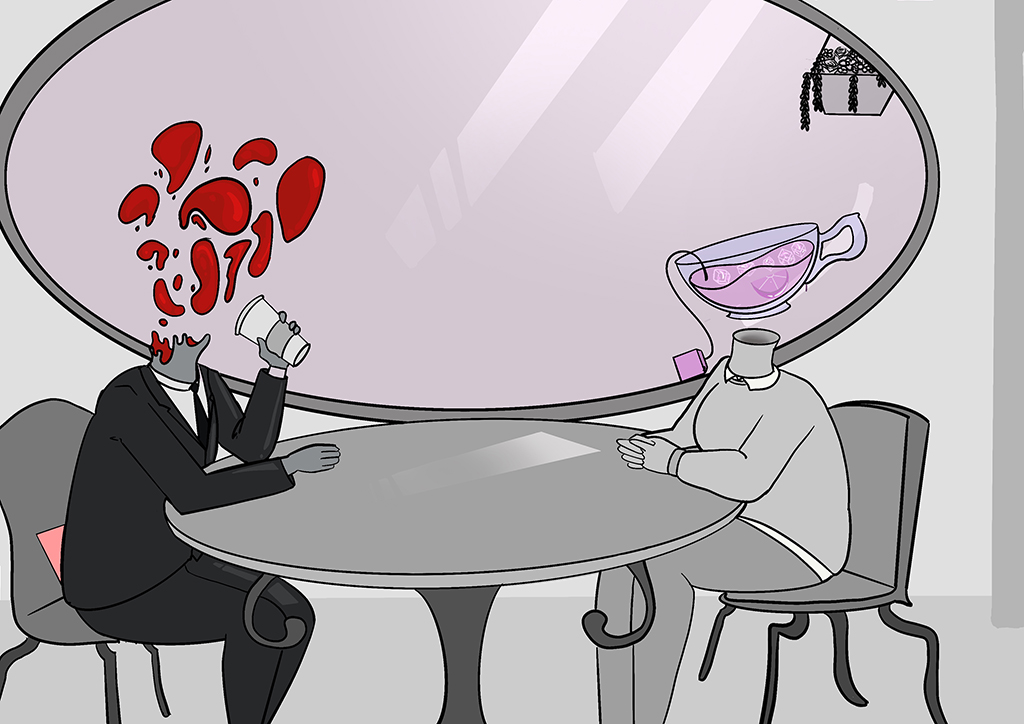
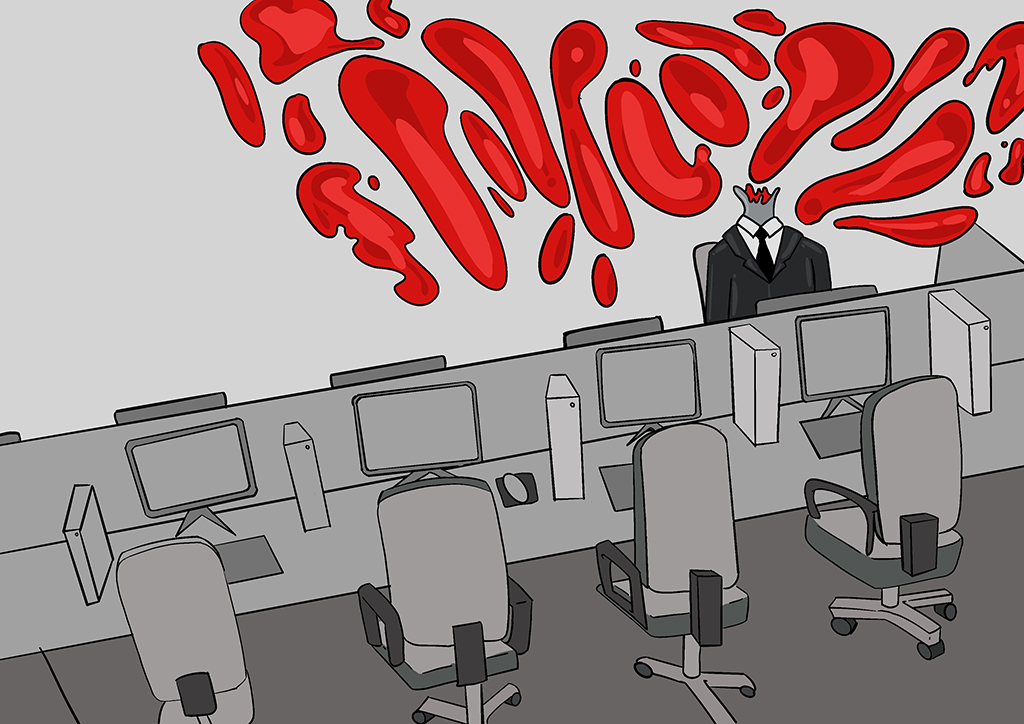
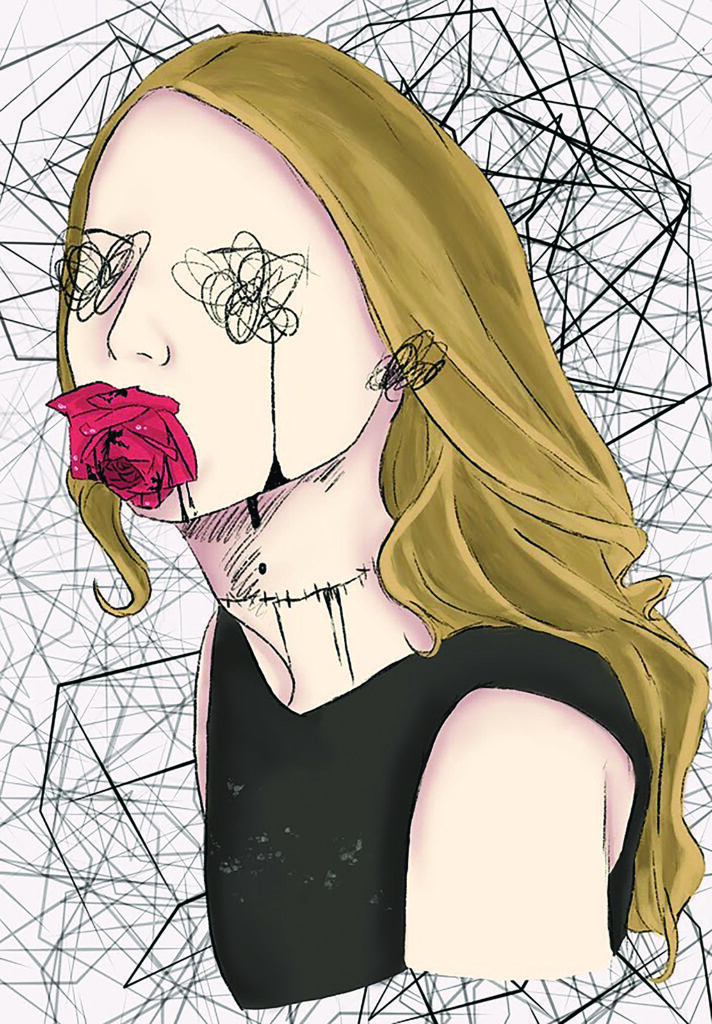
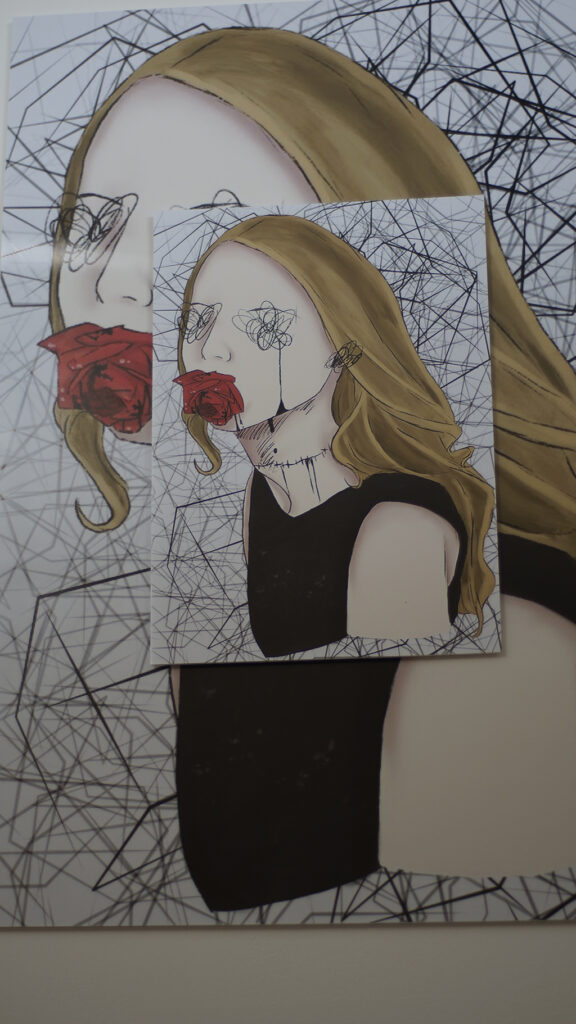
Calamity
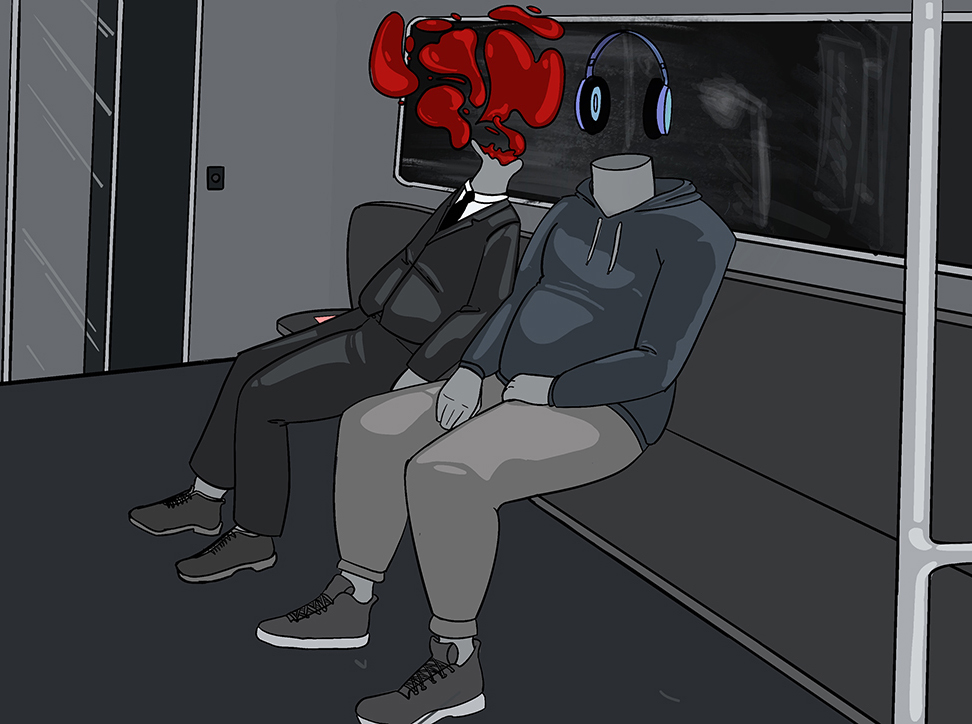
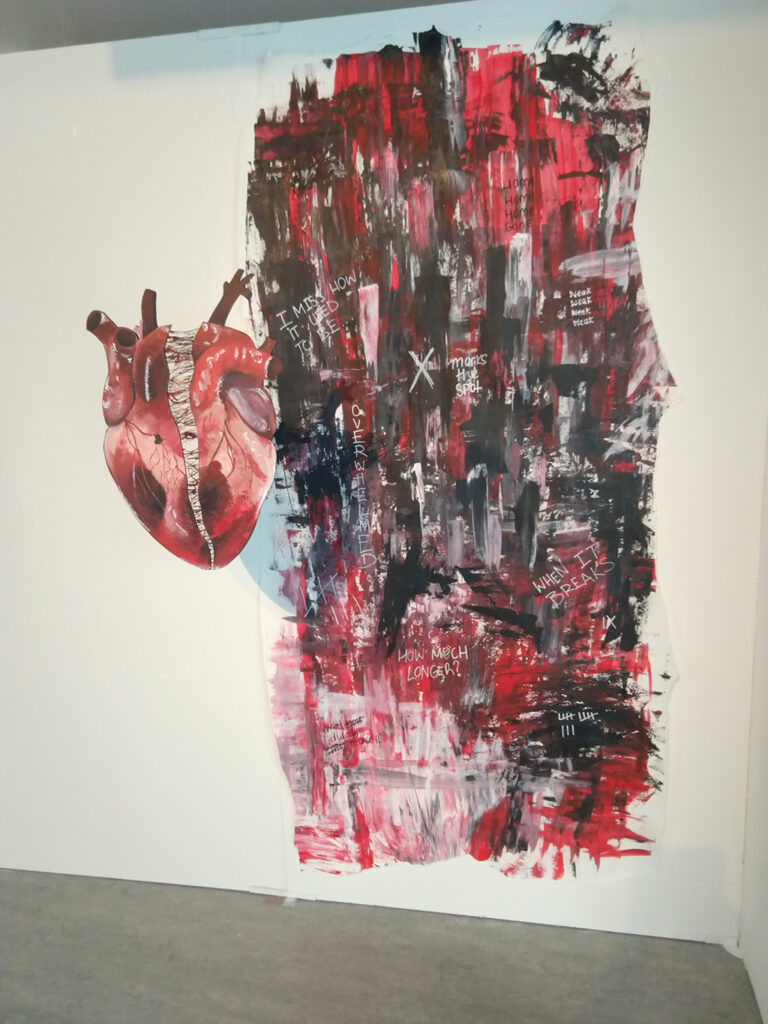
You will never truly understand someone’s internal emotions
Adelina Briceva
Flow Of Life
We reflect ourselves on time which makes us regret afterwards that we dont have time to fulfil our small or big requests. As time passes we think about what we done in the past and how can we improve in the future but never do anything properly in the present.
Lisa Lorette Bullows
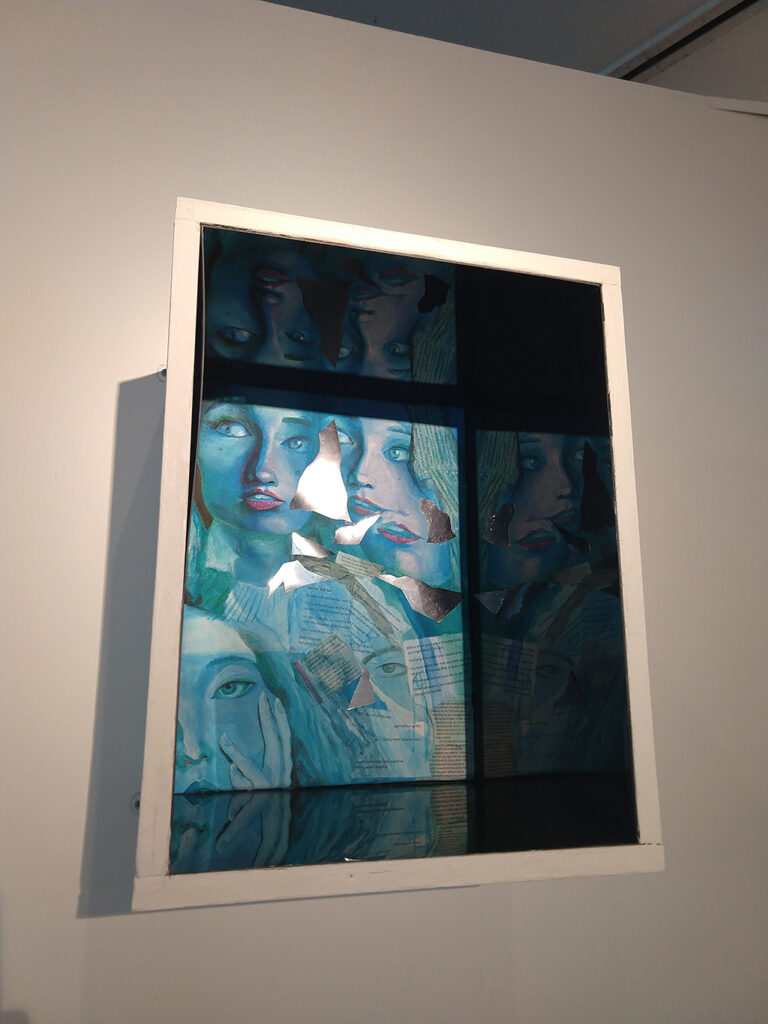
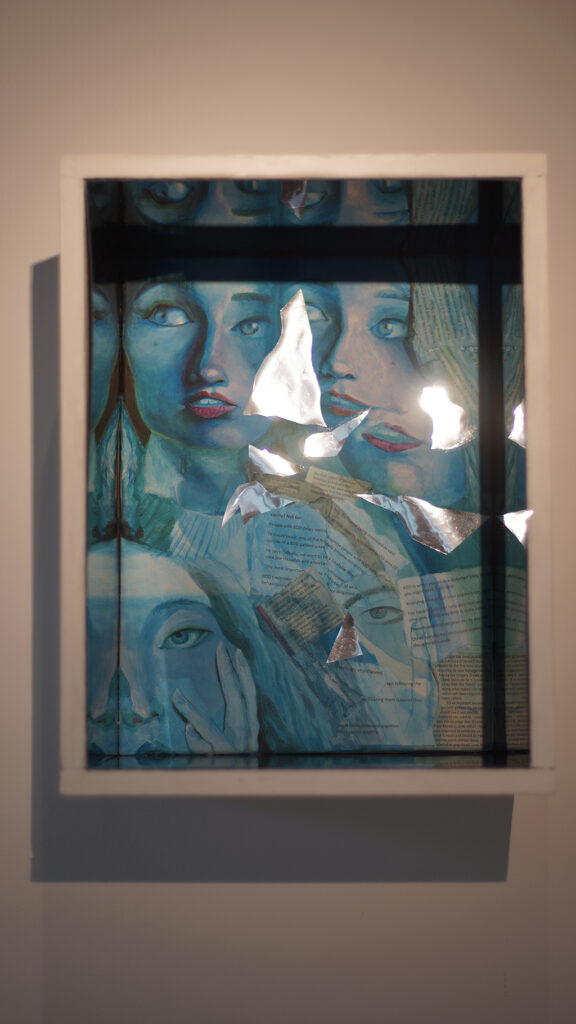
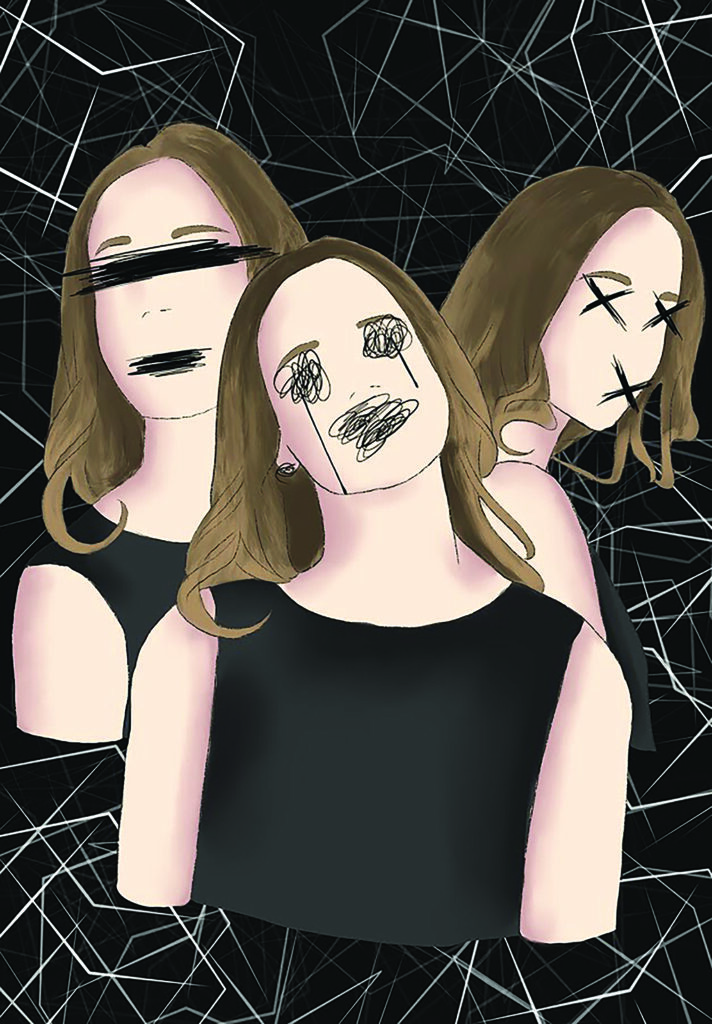
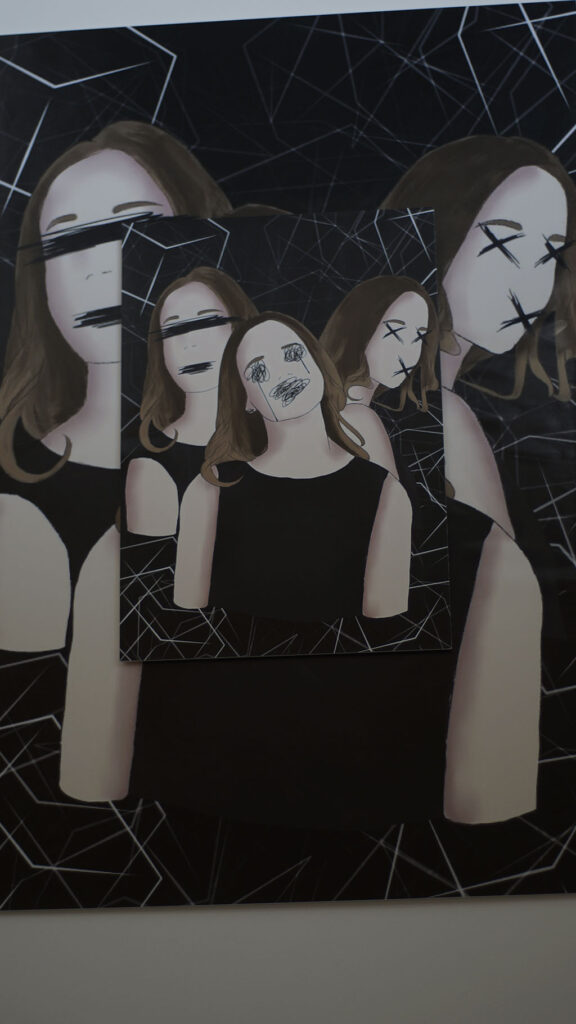
Self-Reflection
The way we see ourselves can be distorted, different to what others see and media can have a negative effect on this.
Hannah Louise Cole
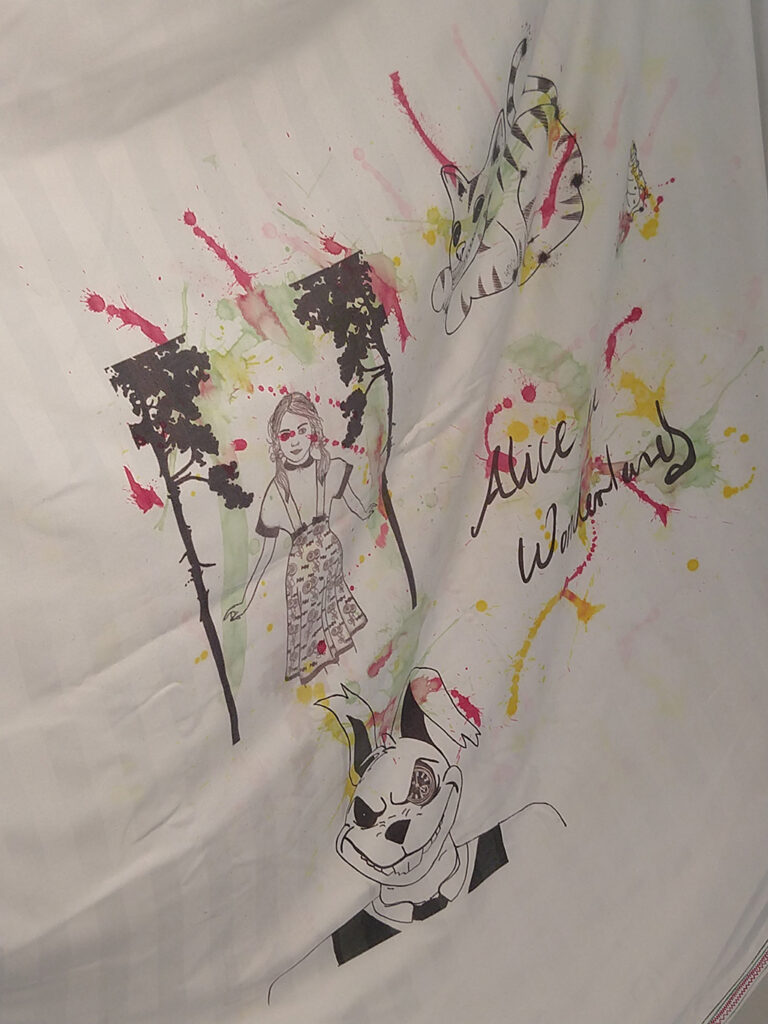
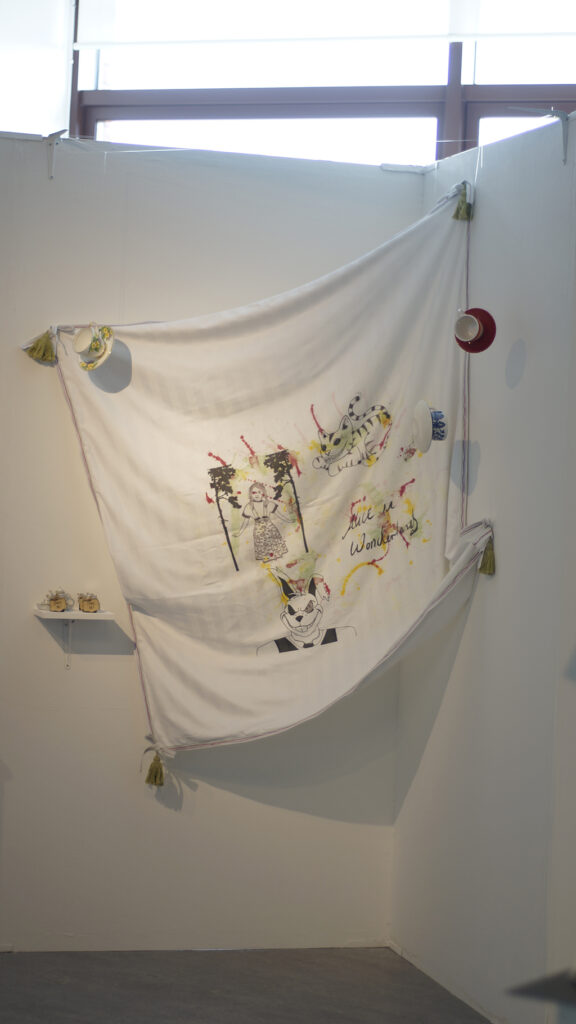
How do you run from what’s inside your head?
This is my interpretation of Alice in Wonderland where the characters are on a tablecloth along with home-made scented candles that I feel remind me of these characters and the story in general.
Neve Dangerfield
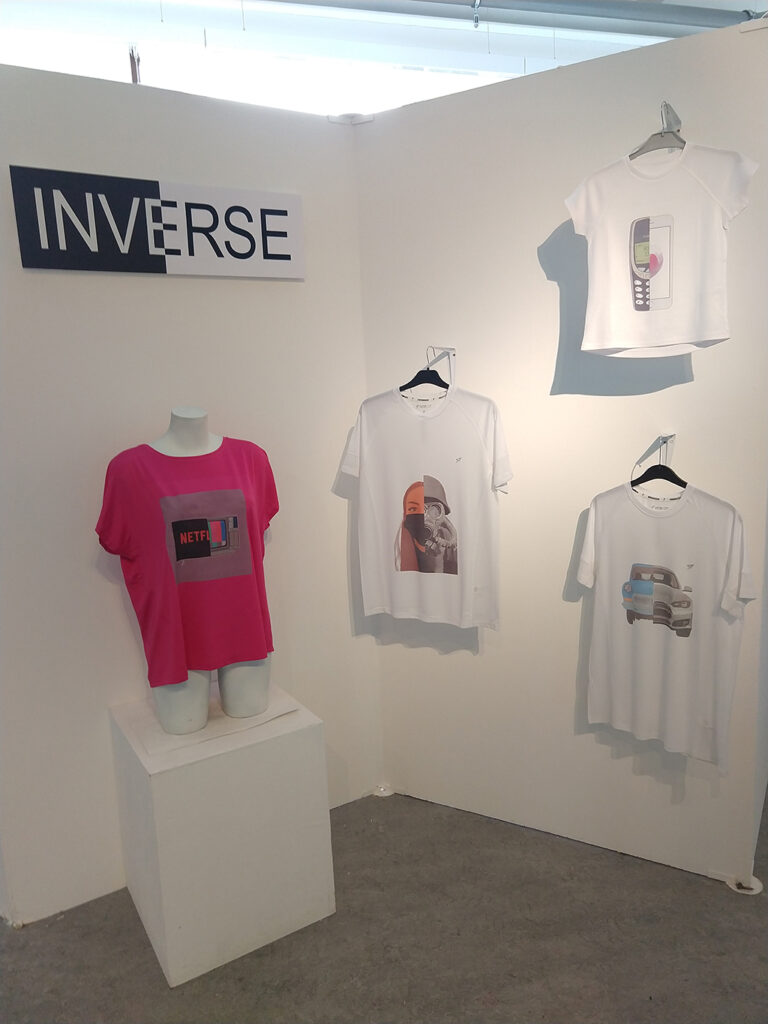
Inverse
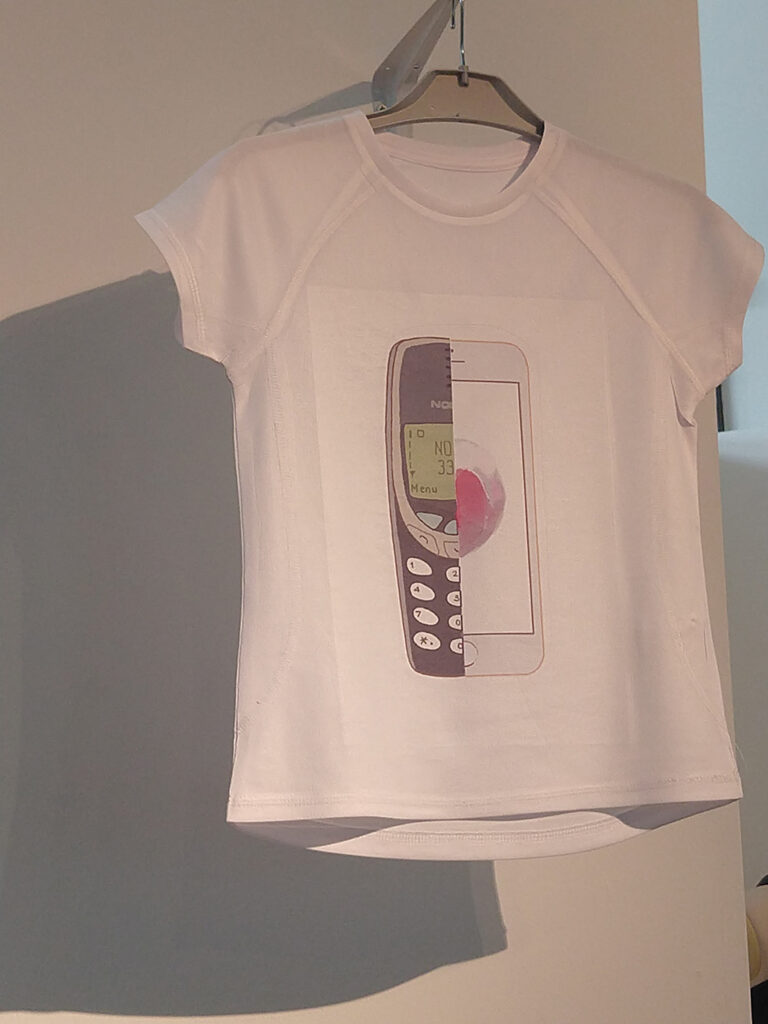
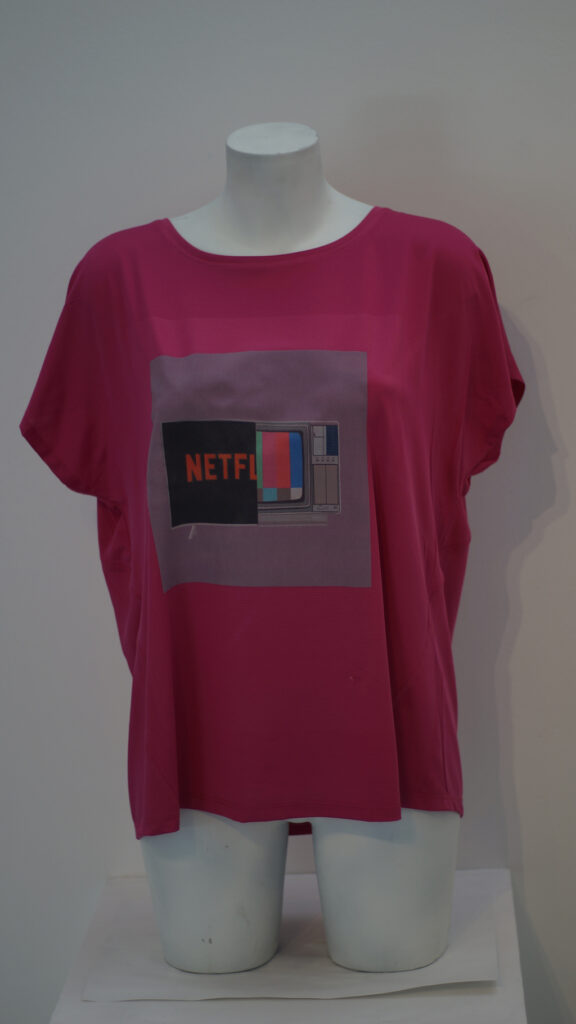
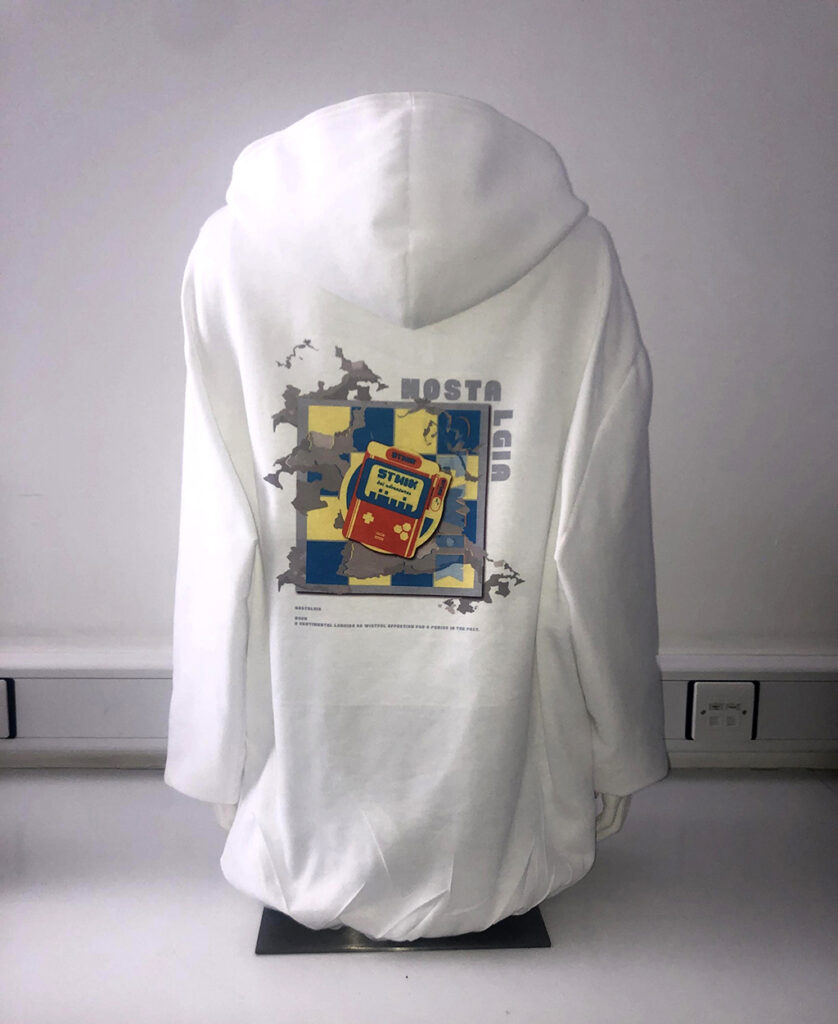
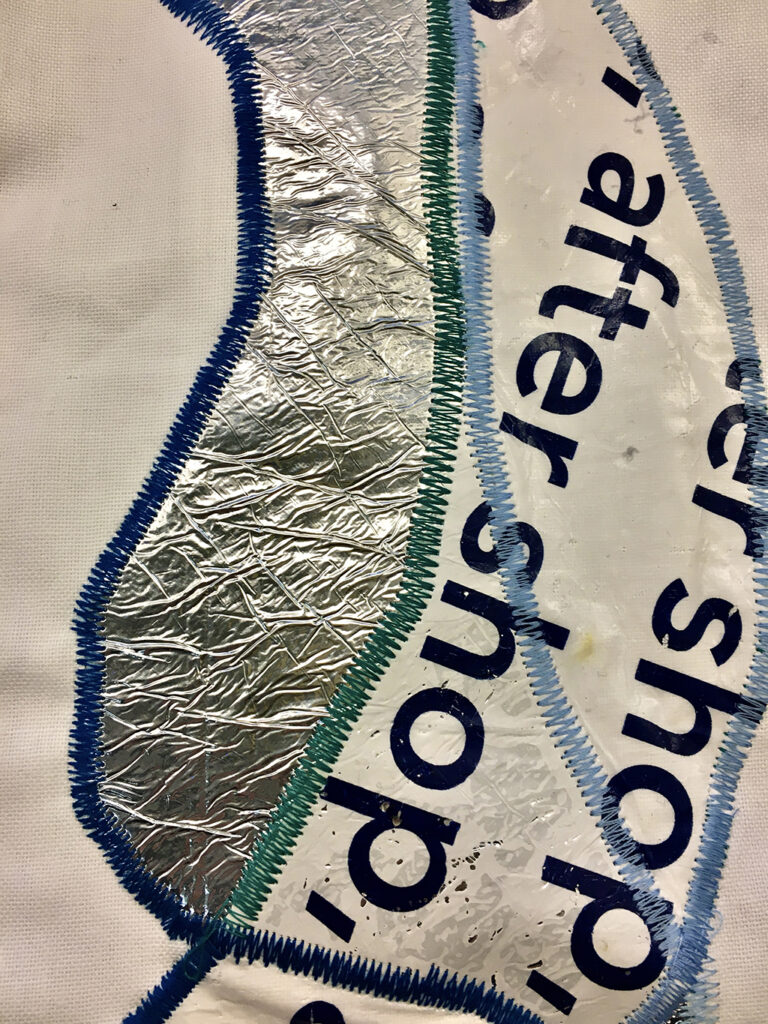
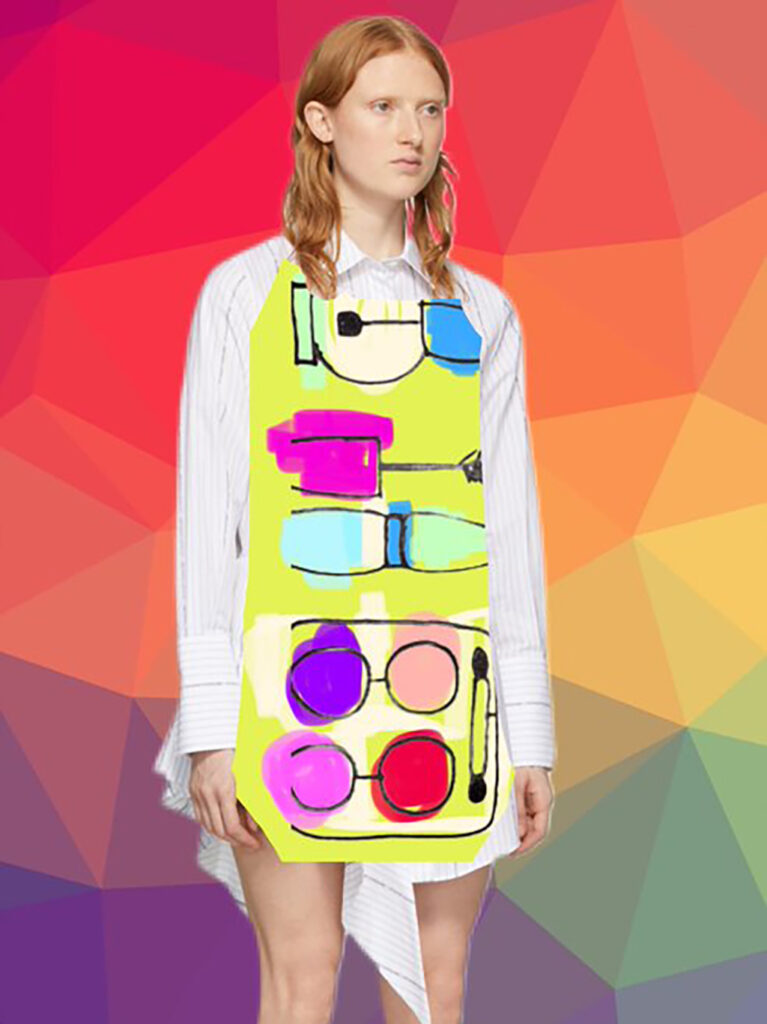
Researching into adverts and the reality behind them inspired this range of clothing graphics for ‘Inverse’ – a new brand that celebrates both new and old.
Shannon Davies
Daylight Hours
What do people use to escape reality? With stress being a main point, most people try to escape by using things such as Music, Art or books.
Lauren Jane Evans
Pistanthrophobia
The fear of trusting others.
Holly Isabella Fellows
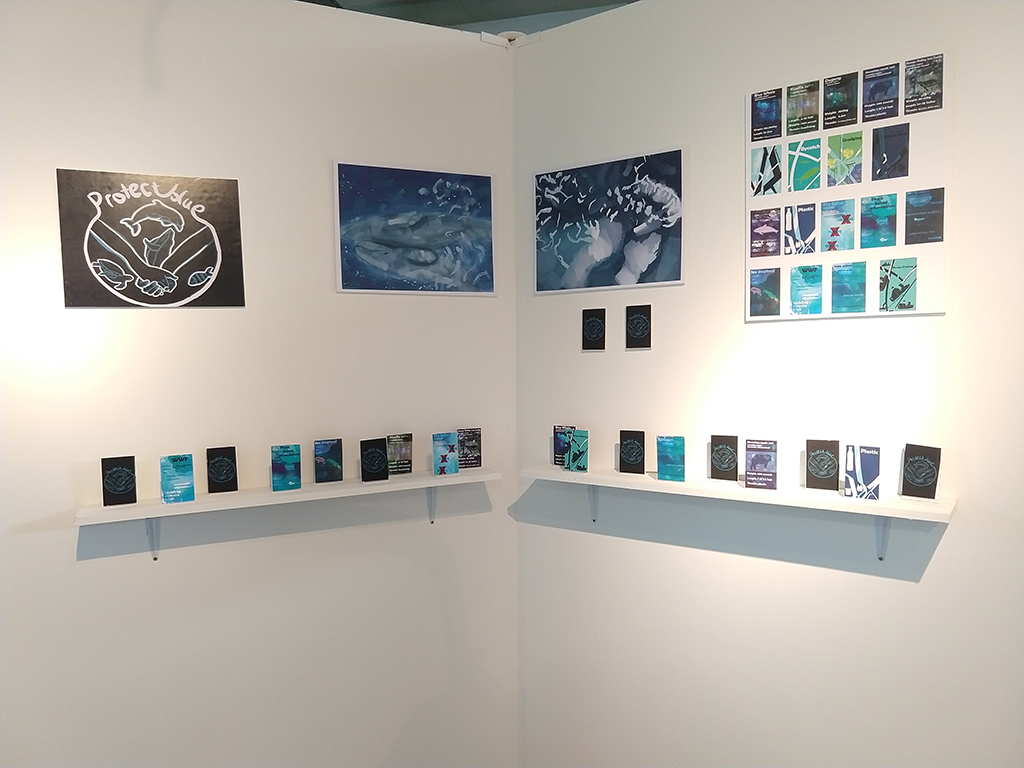
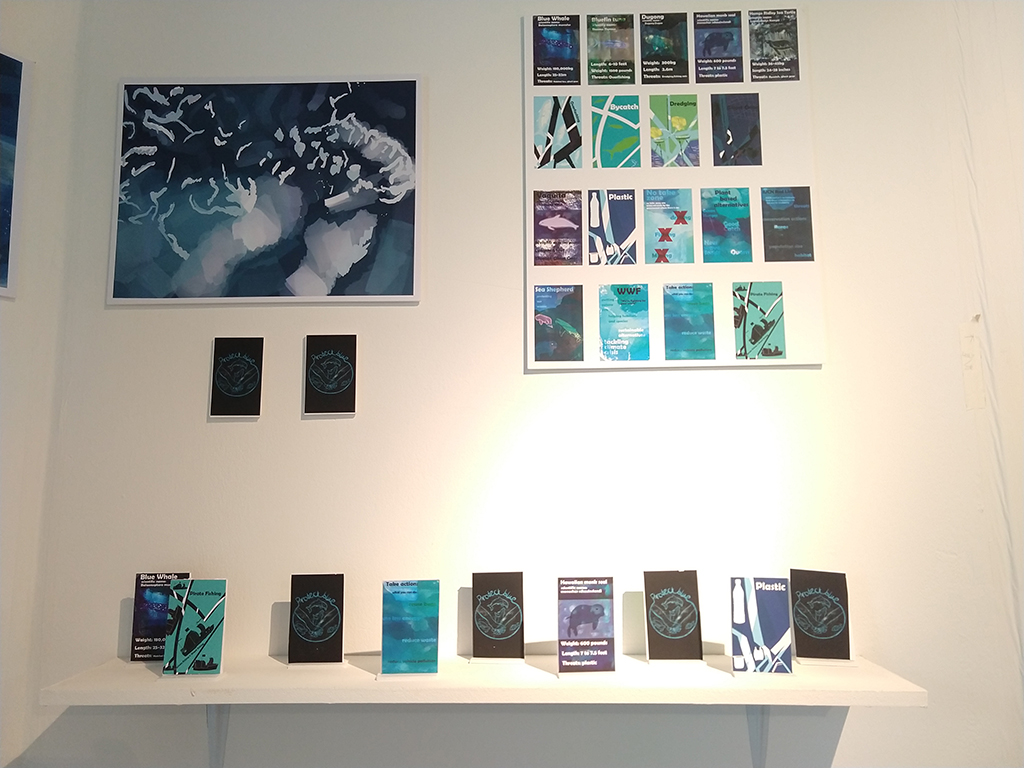
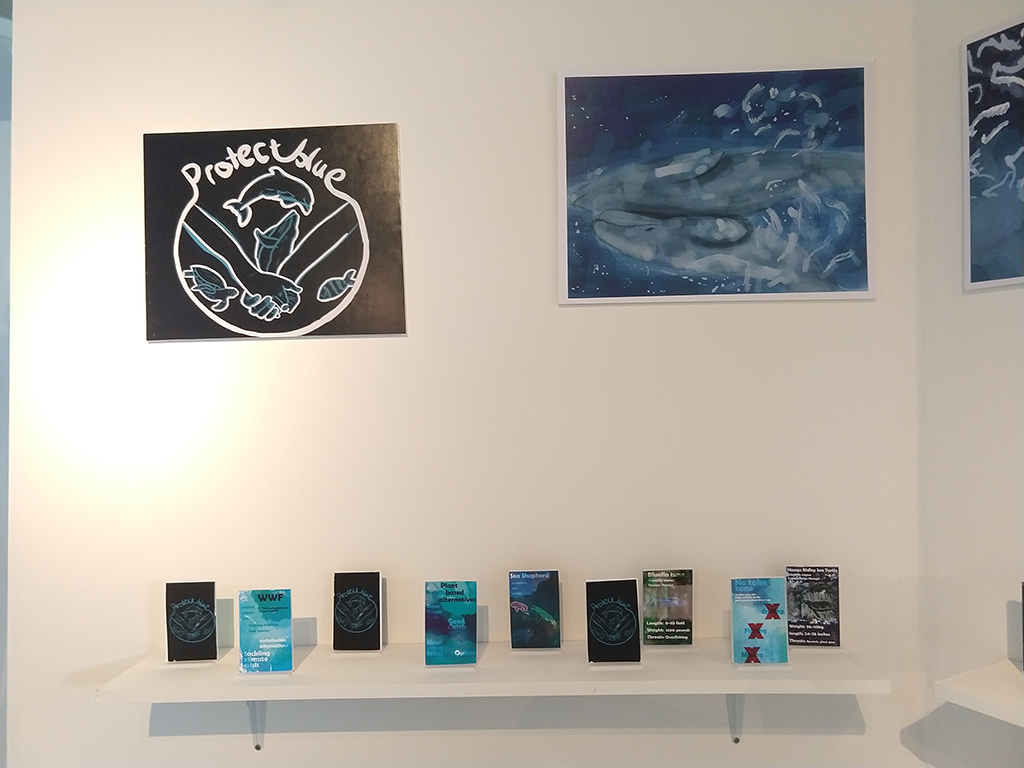
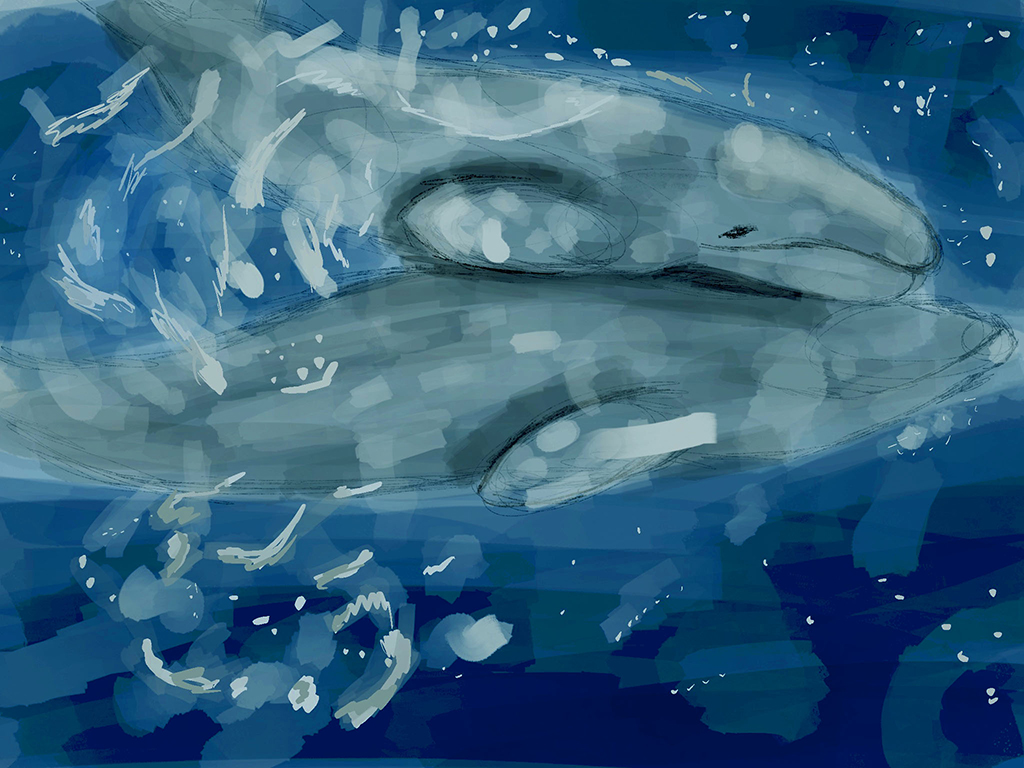
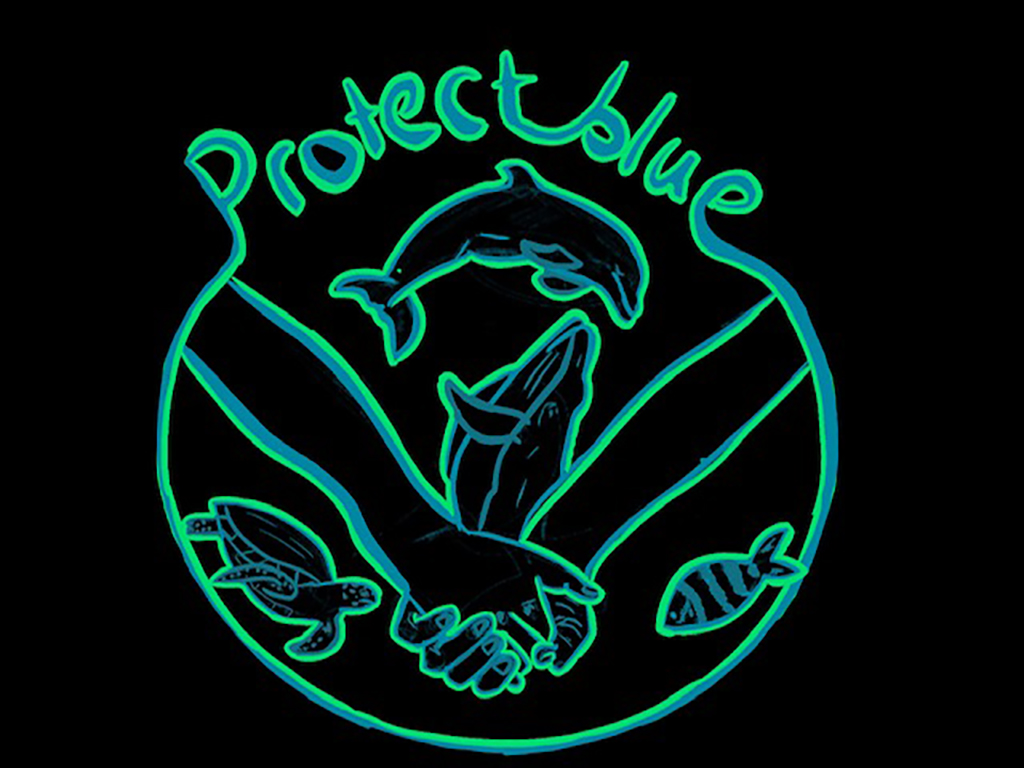
Protect Blue
My work is about showing the beauty of the world that we continue to destroy everyday through simple things. It raises awareness for all ages to get involved and learn how we can make a change. Because as Sylvia Earle said “Start with someone. Some “one.” And no one can do everything but everyone can do something”.
Lucy Graham
Ever Changing
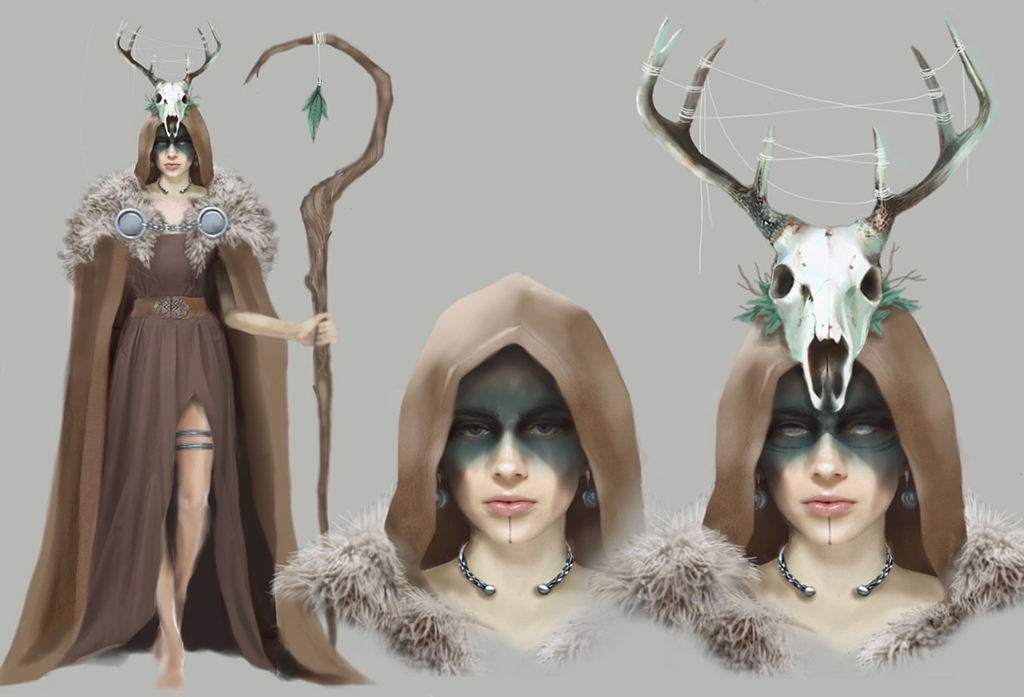
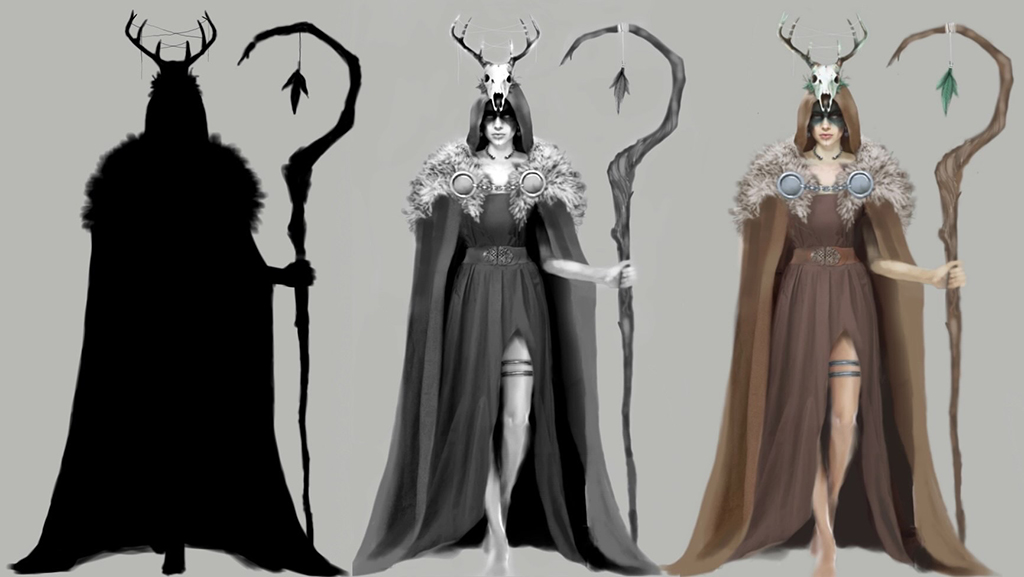
From a shamanistic practice within the roots of both love and war, to now modern times it’s always been a show of self-expression.
Rosa Amora Hans
Mr Doe
I want to create a piece of work about the idea that no matter how small or insignificant a controversial topic may seem to some people it can completely change your perception of a person. I want people who view my piece to have a moment ambiguity and to challenge their own thoughts and develop new ways of thinking.
Nicole Lane
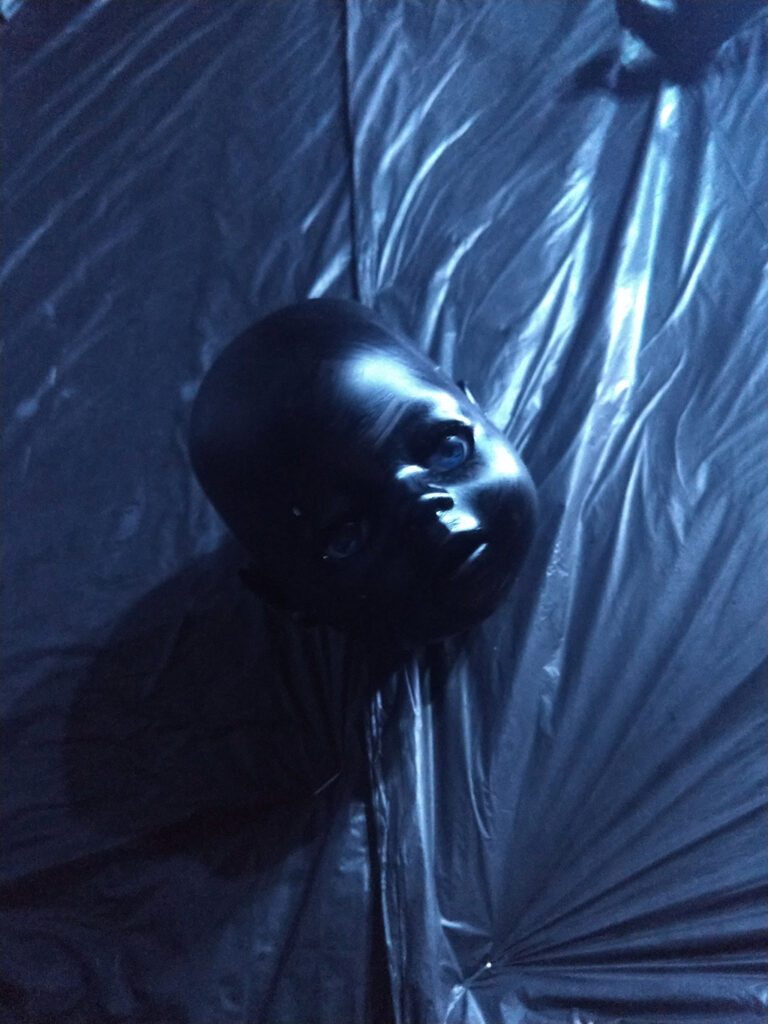
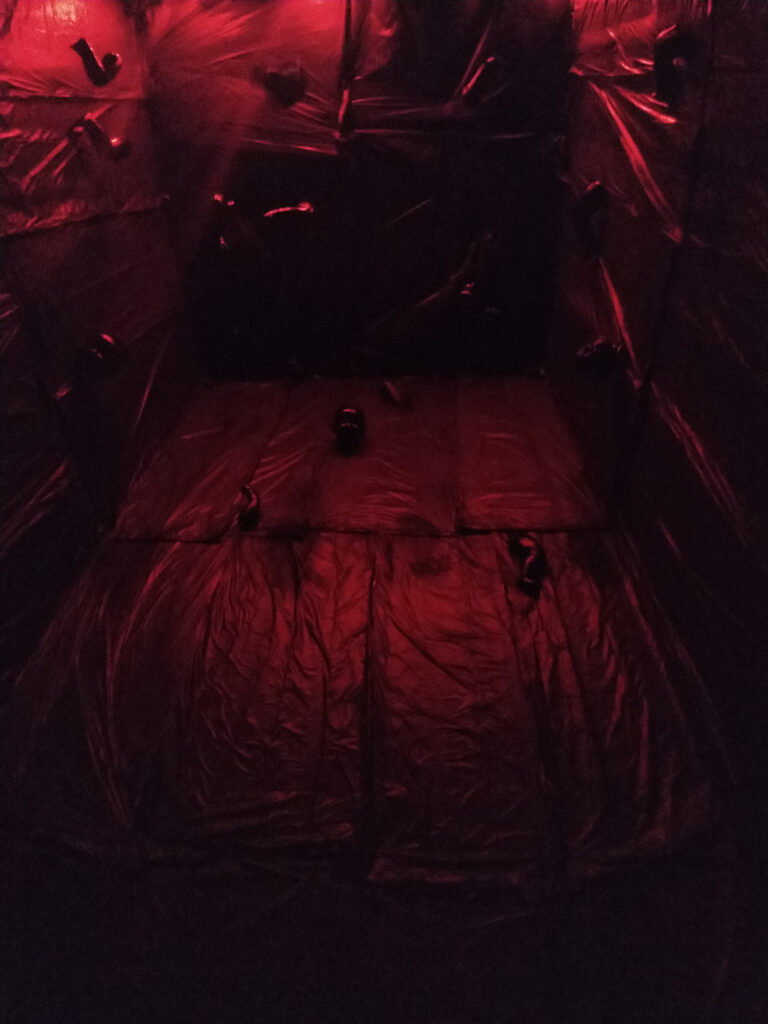
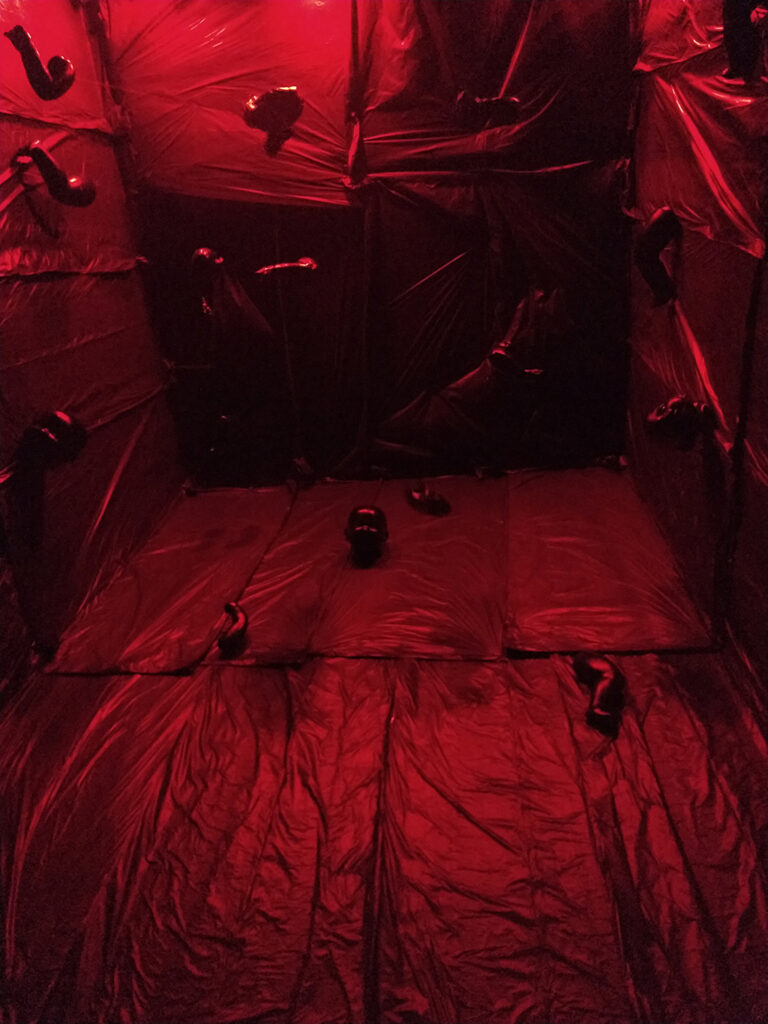
Haunted Mansion
As an interior designer, I want to push the ‘scare maze / tour’ to a different level.
Emma Lee
Bright Side of the Moon
I’m learning to fall in love with the twilight, spent a lifetime trying to.
Alfie James Masters
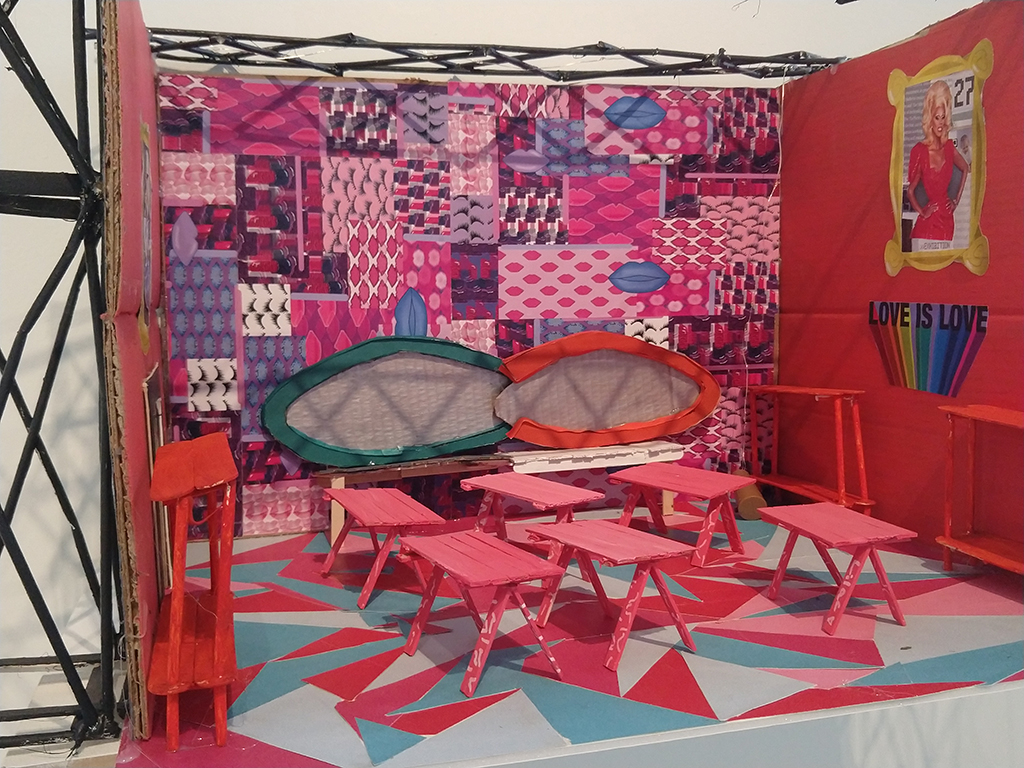
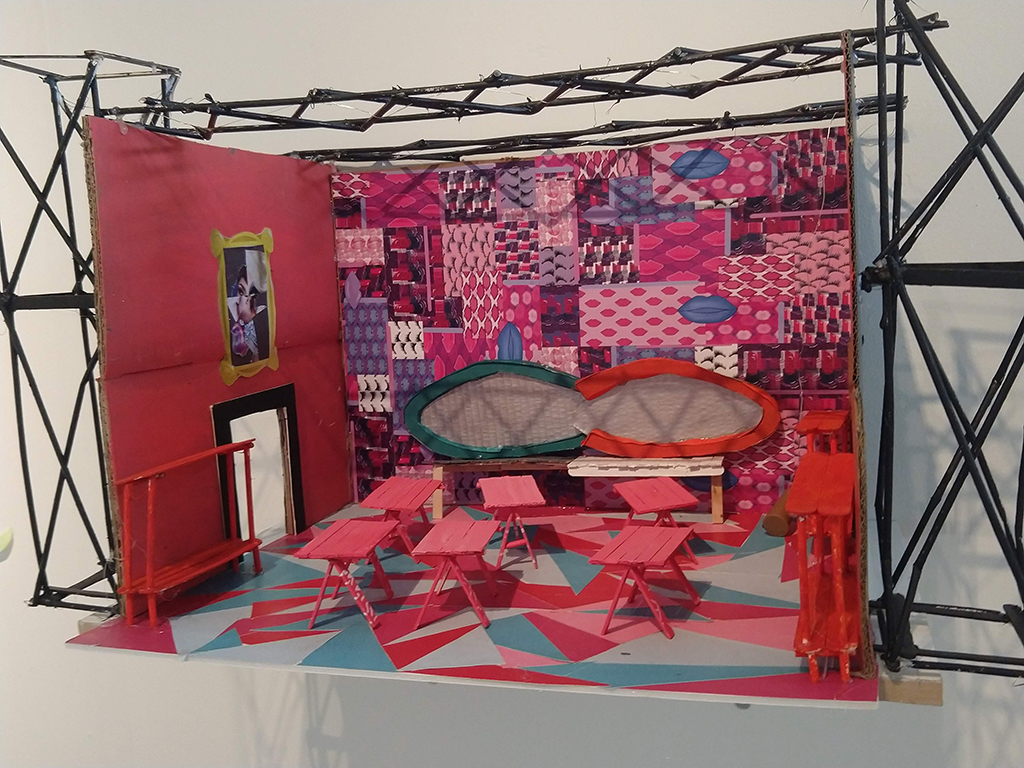
Mahu Werk Room
For my project I looked at drag queens, taking into consideration the culture of Hawaii and how ‘mahu’ (the third gender) could be the future of drag.
Cody Nock
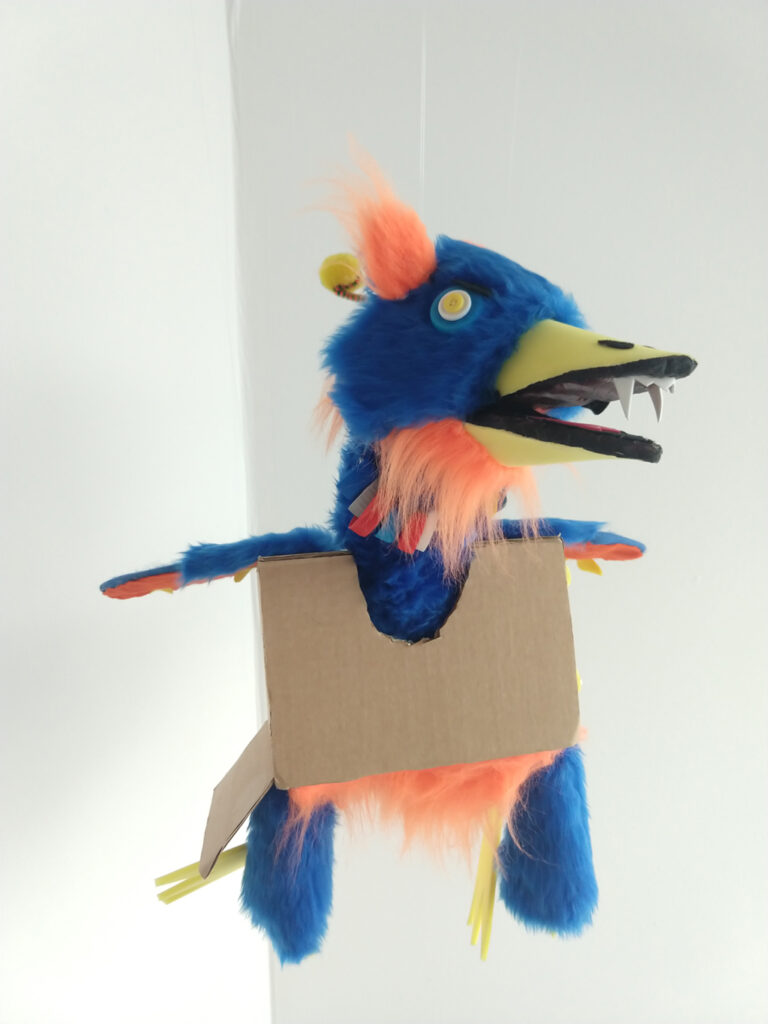
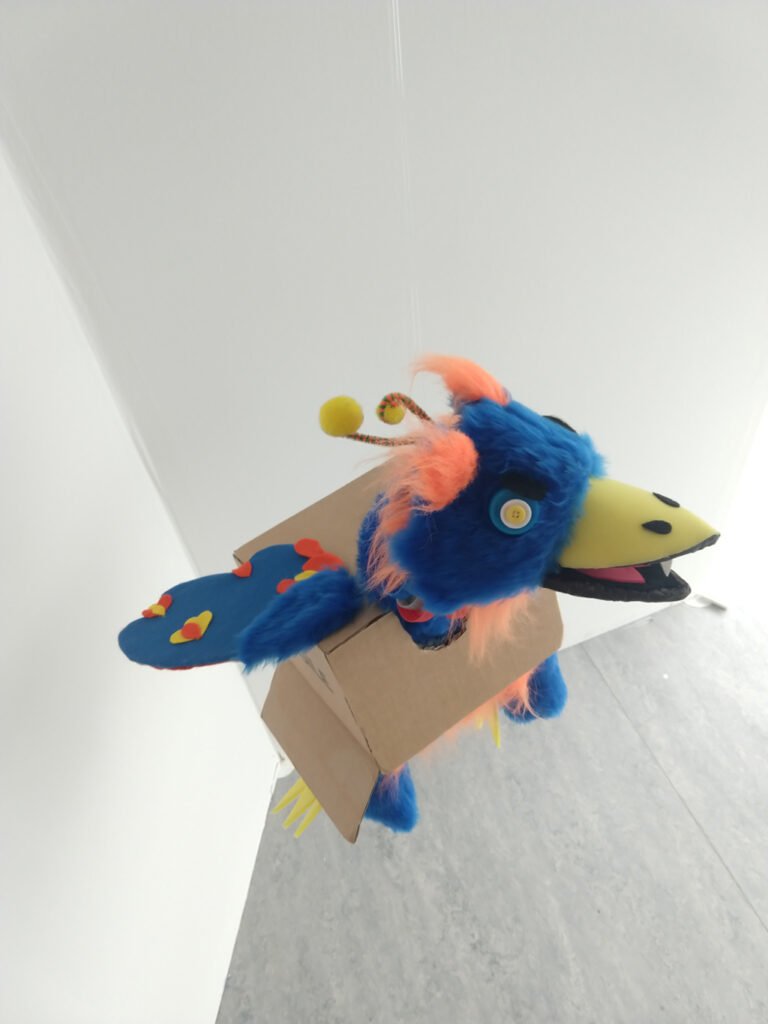
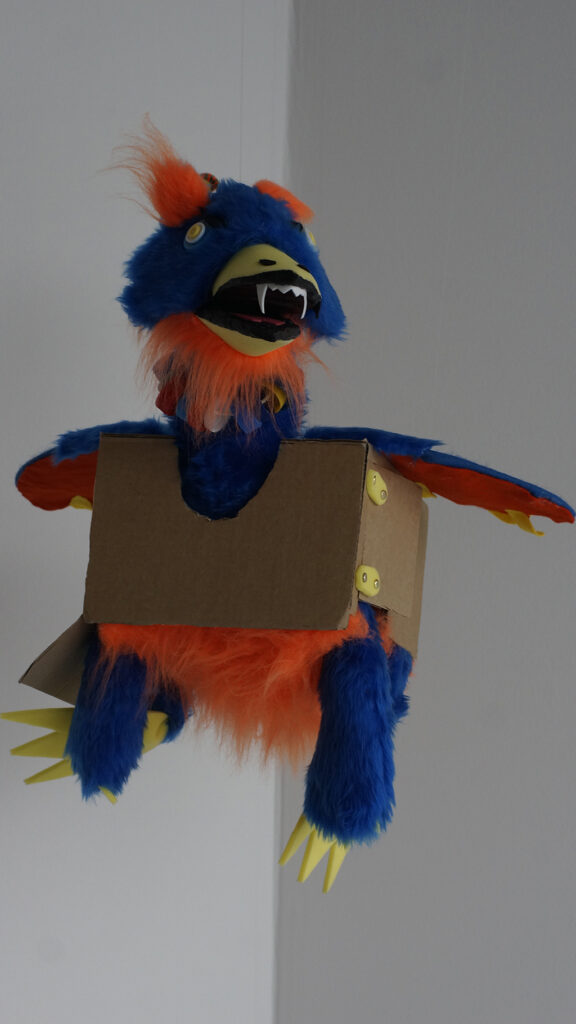
Clutter!
Similarly to Muppet style characters in media, I have created a mascot to teach young children the creative side of recycling and how it helps the environment. Clutter, the Gryphon!
Jill O’Callaghan
Detachment from Reality
What if you over-thought until you can’t distinguish assumptions from reality? The lines between the real world and a fictitious world conjured from your mind becomes blurred. When you lose touch with the reality around you, the atmosphere can become sinister; plaguing your thoughts and emotions.
Emily O’Rourke
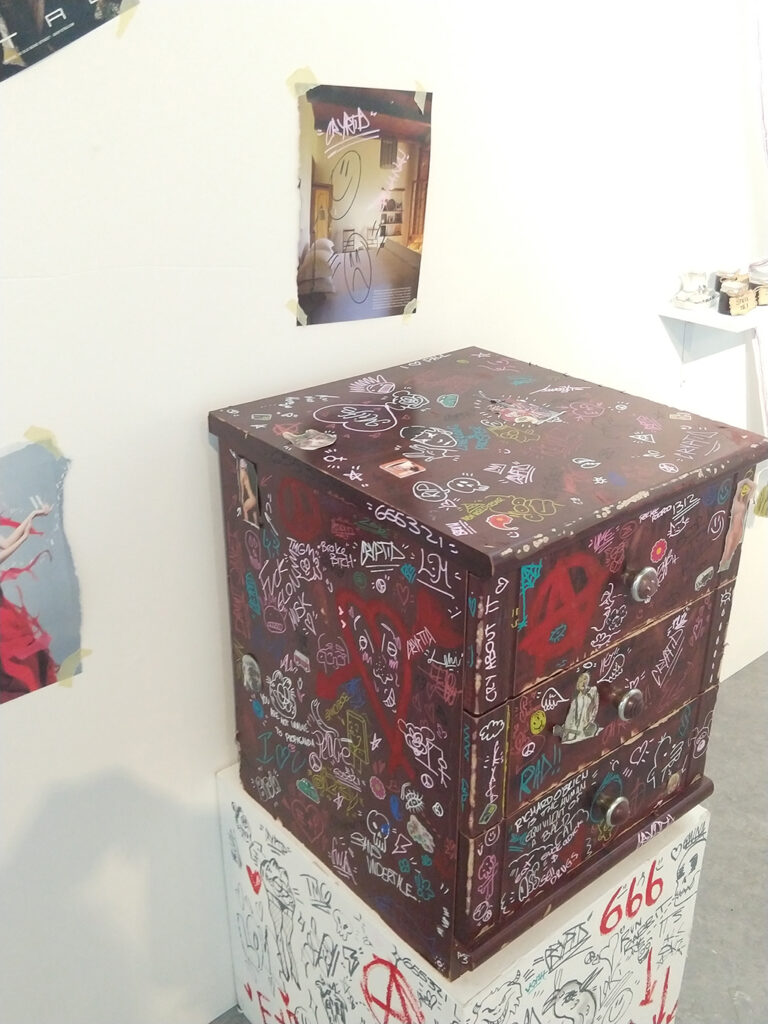
Speed Limit 165
“Those kids with their spray paint, God love ’em” A physical demonstration of trashy teenage rebellion & the ageing process.
Aimee Louise Simpson
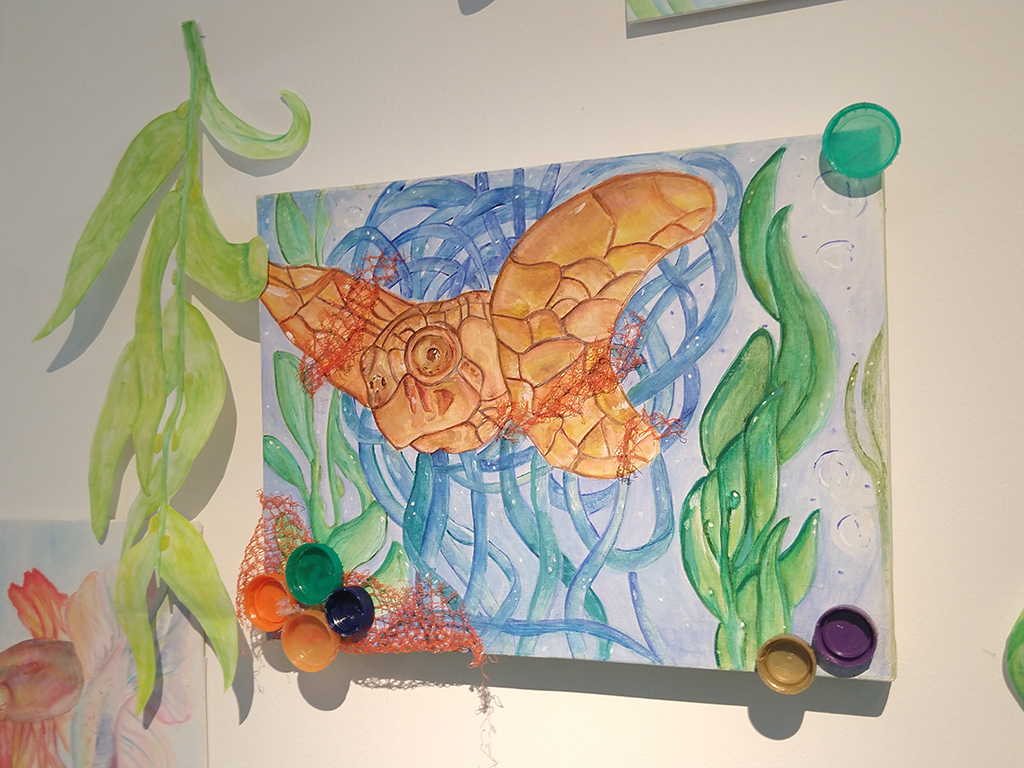
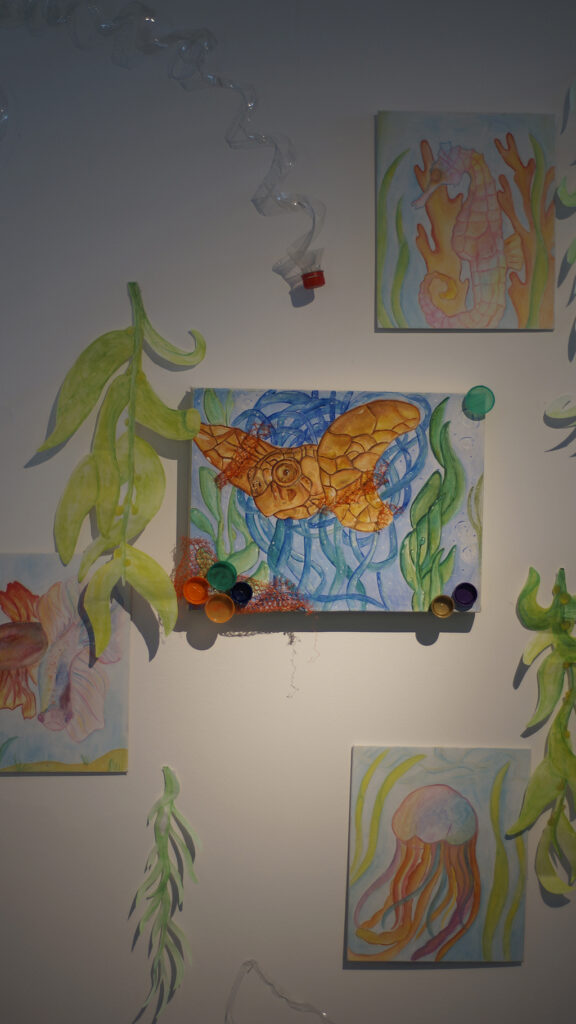
Hidden Ocean
What we do impacts the ocean
Leo Slaidina
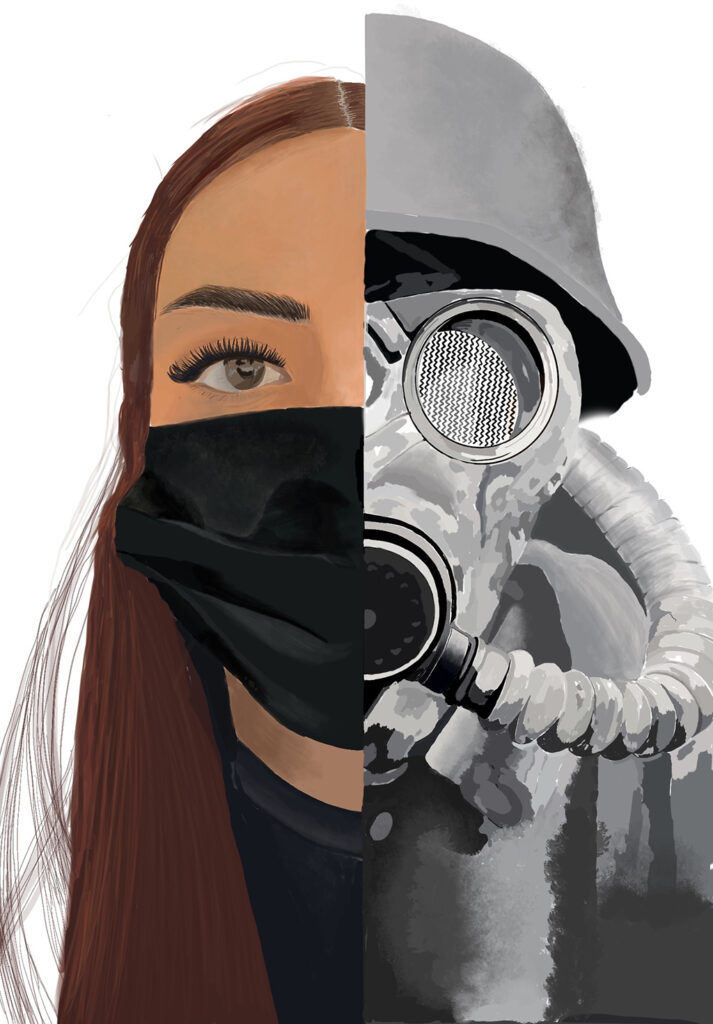
(Delusional) MASK
Set in the near future of 20XX, Morgan escapes to a world which they consider their perfect world
Kian Nathan Smith
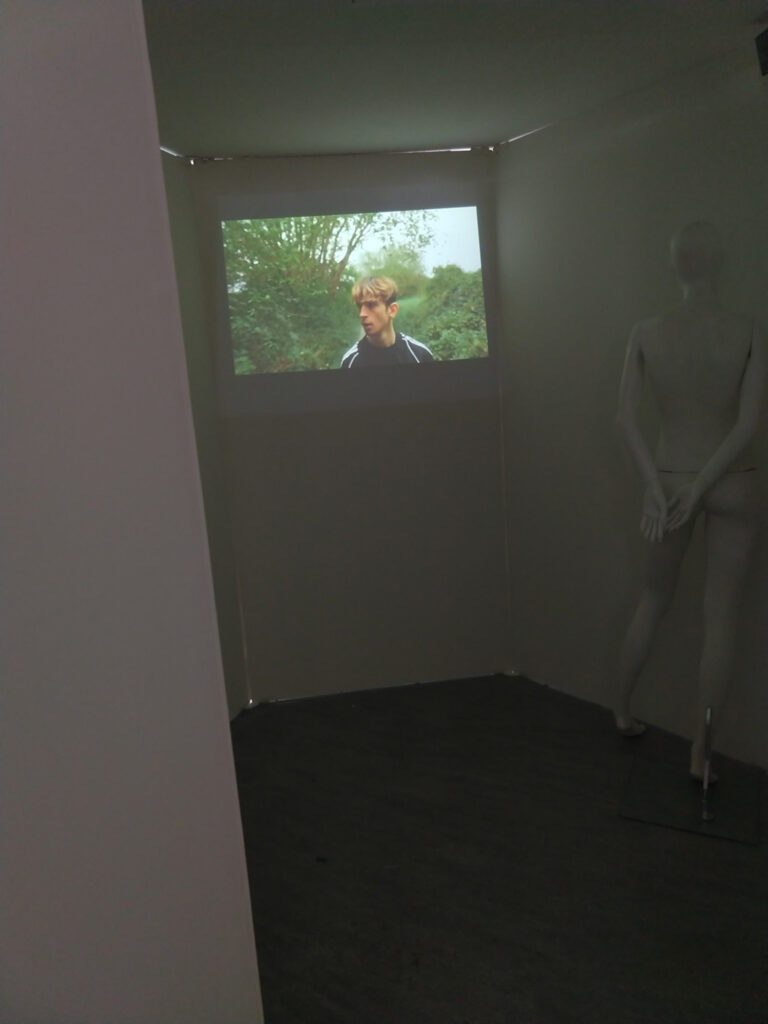
Sap
A short film exploring how a sense of uneasiness can be achieved through sound and visuals. The character explores a forest that has a strange aura, causing him to get increasingly more paranoid as the film continues.
Stefania Ioana Sterian
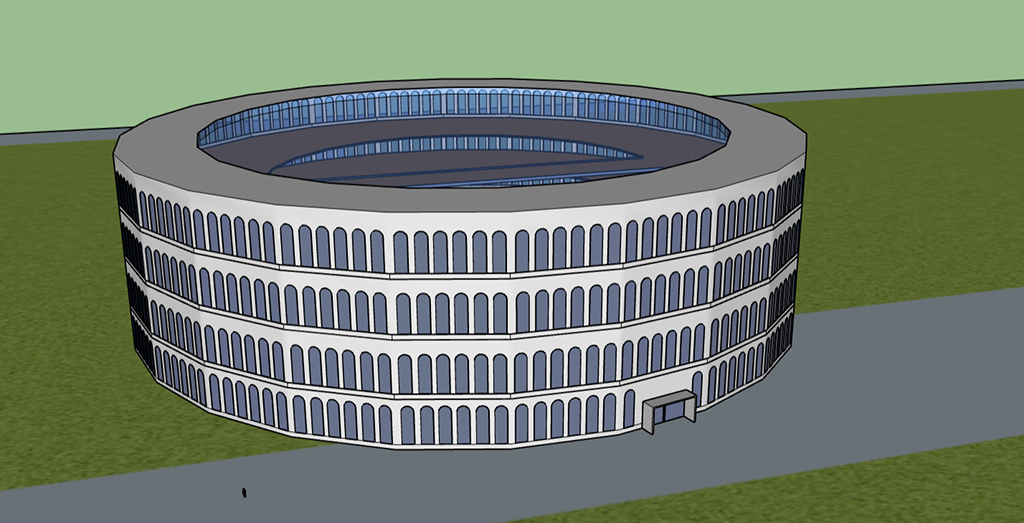
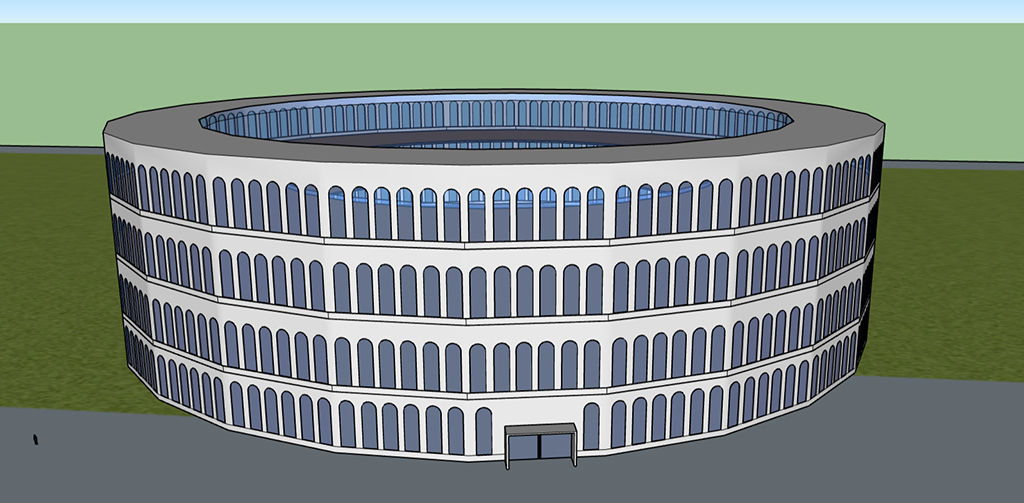
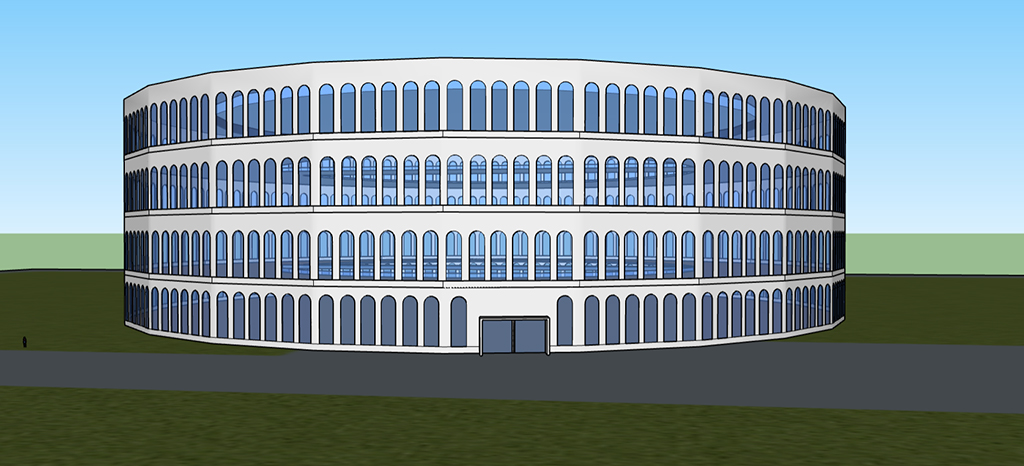
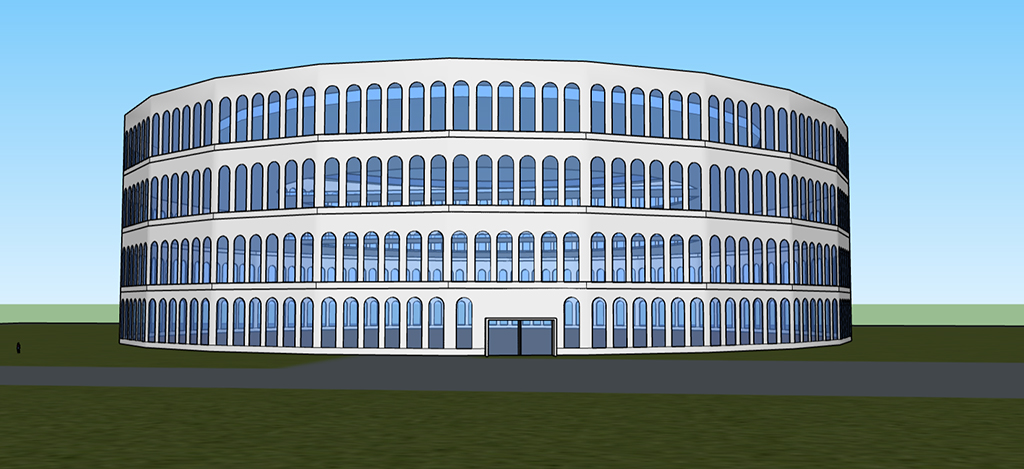
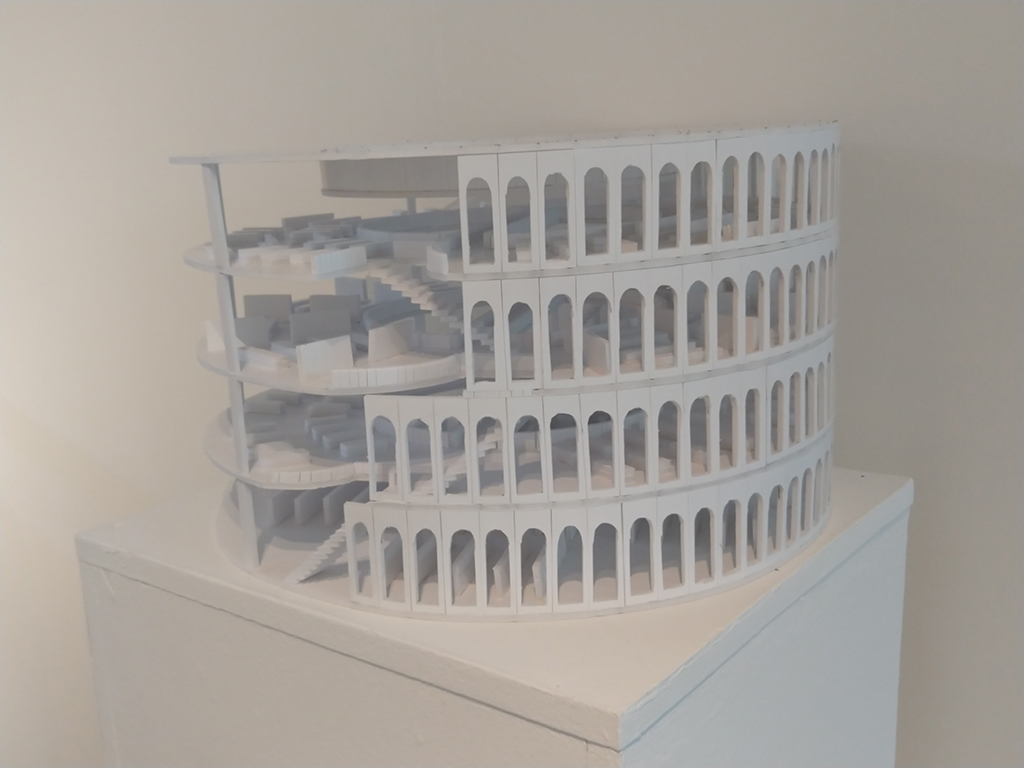
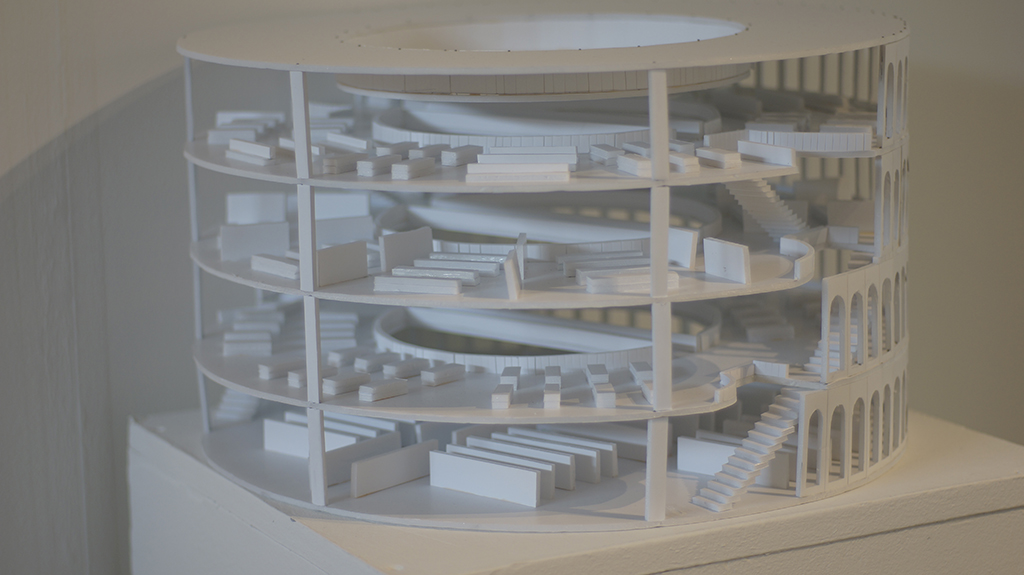
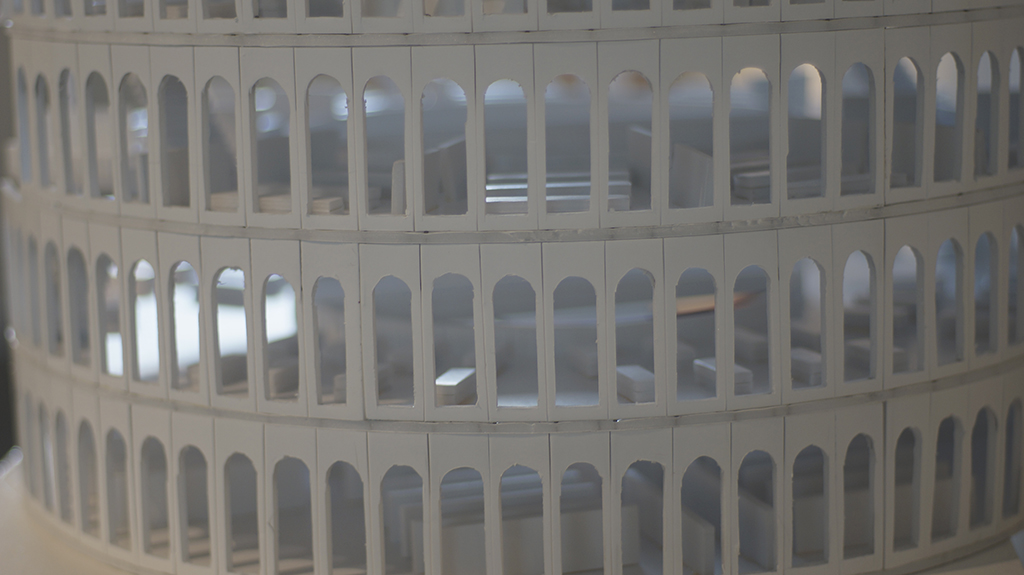
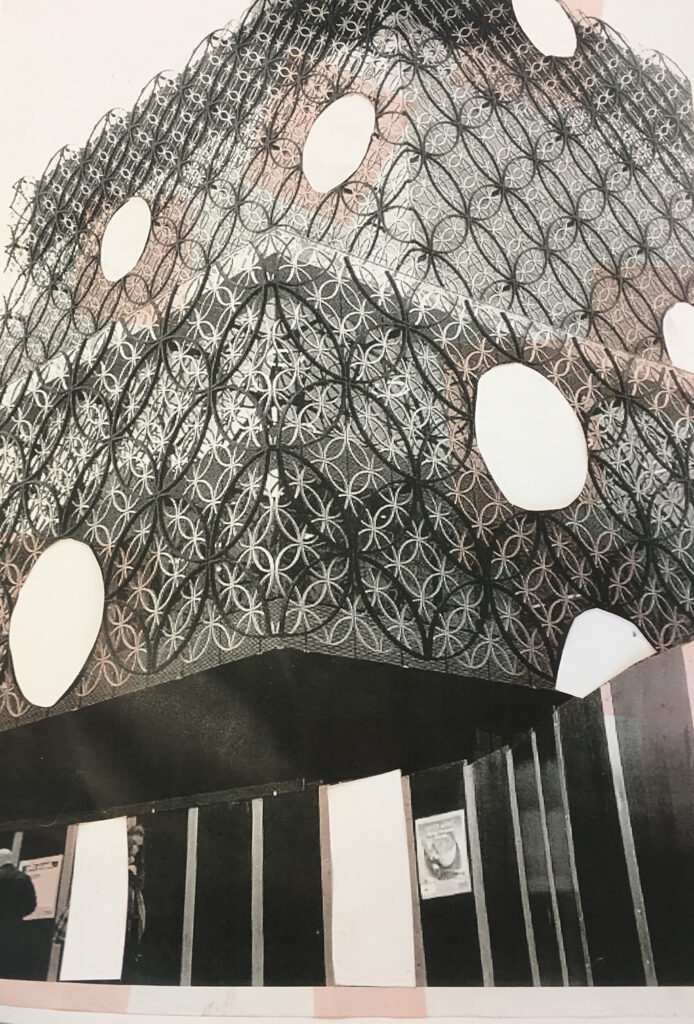
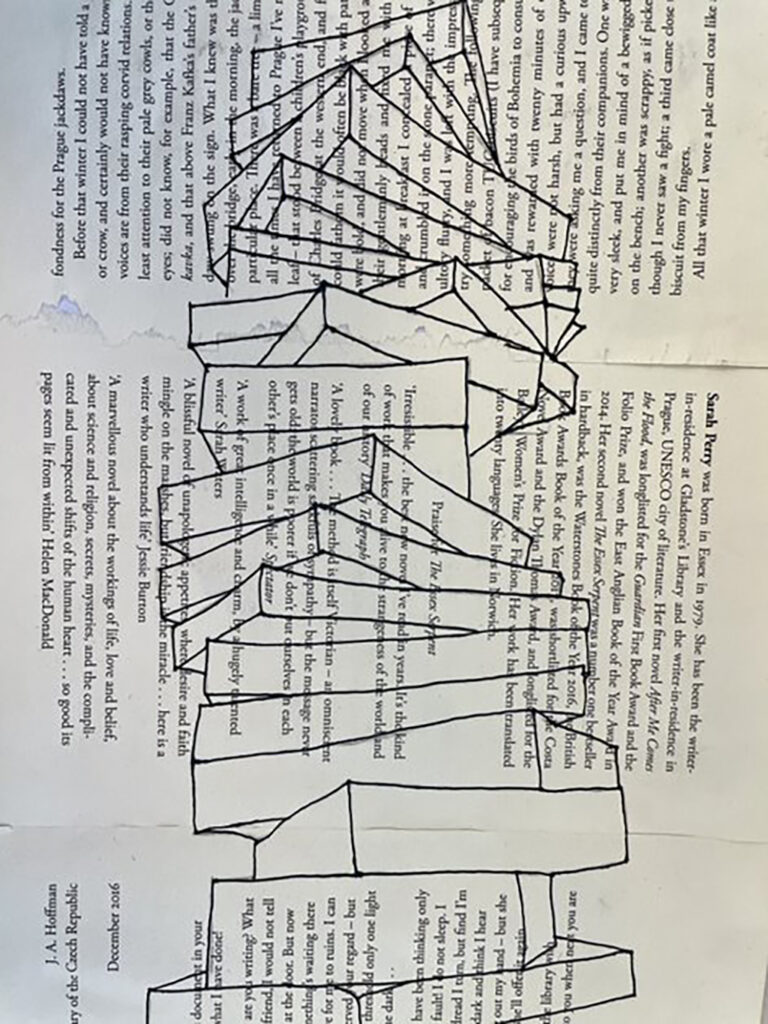
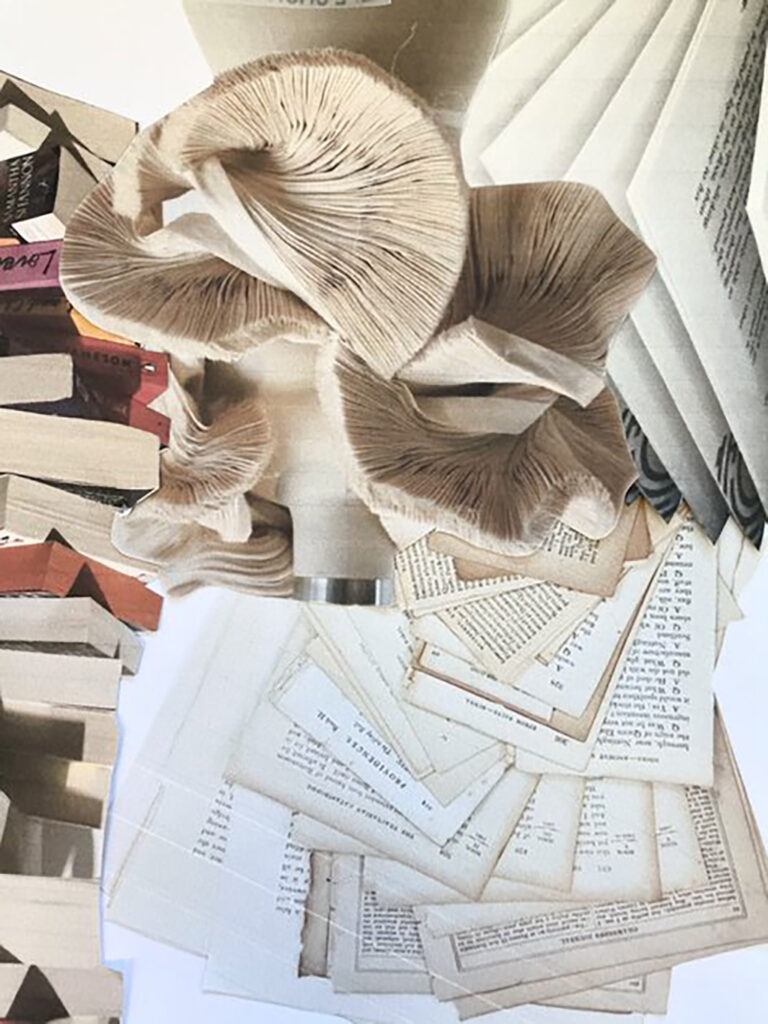
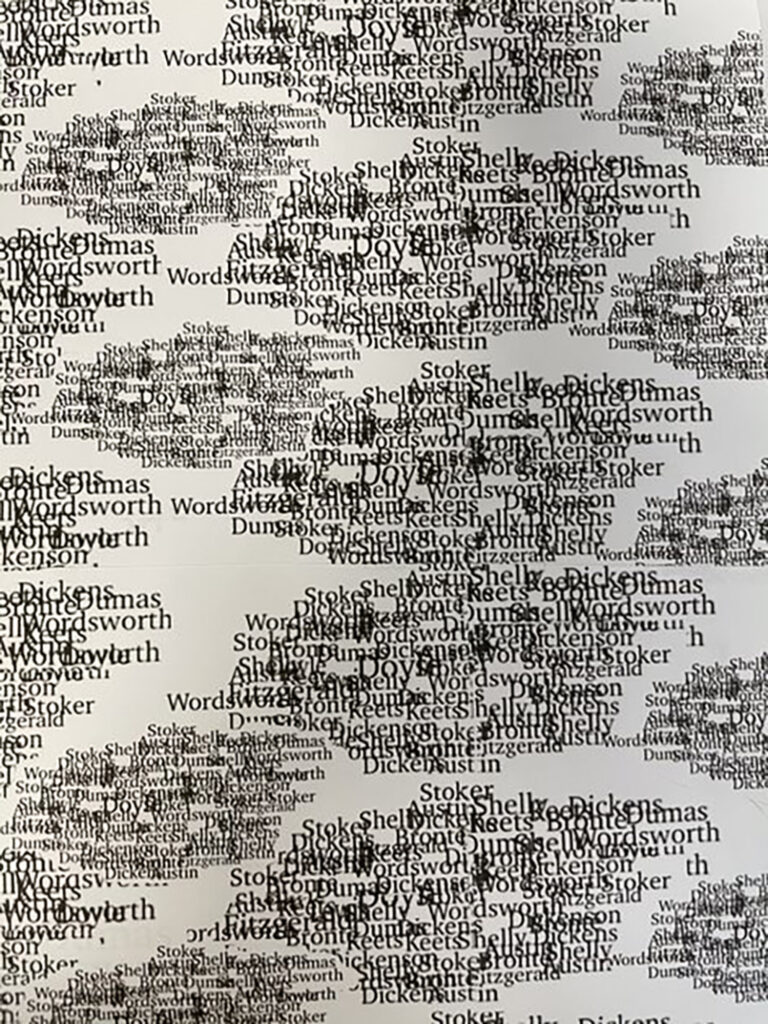
Domus de Libris
Translating to “House of books”, the design is a reminder of where society began and that knowledge and learning are part of our fundamental growth as humans.
Shanikqua Stewart
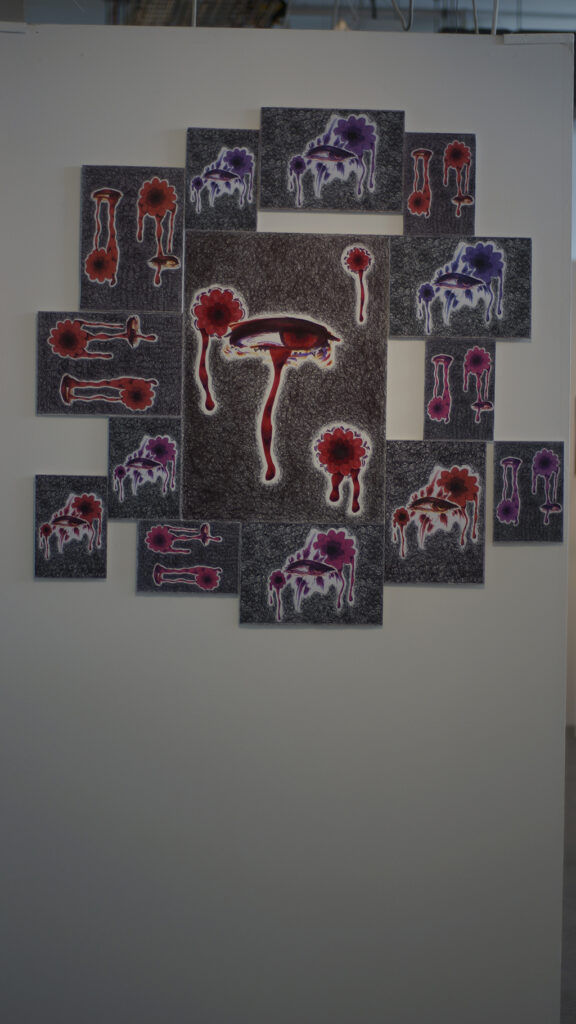
Insanity
My work is a visual representation of anxiety, and how it can feel isolating and take over your mind.
Kaiyan Swan
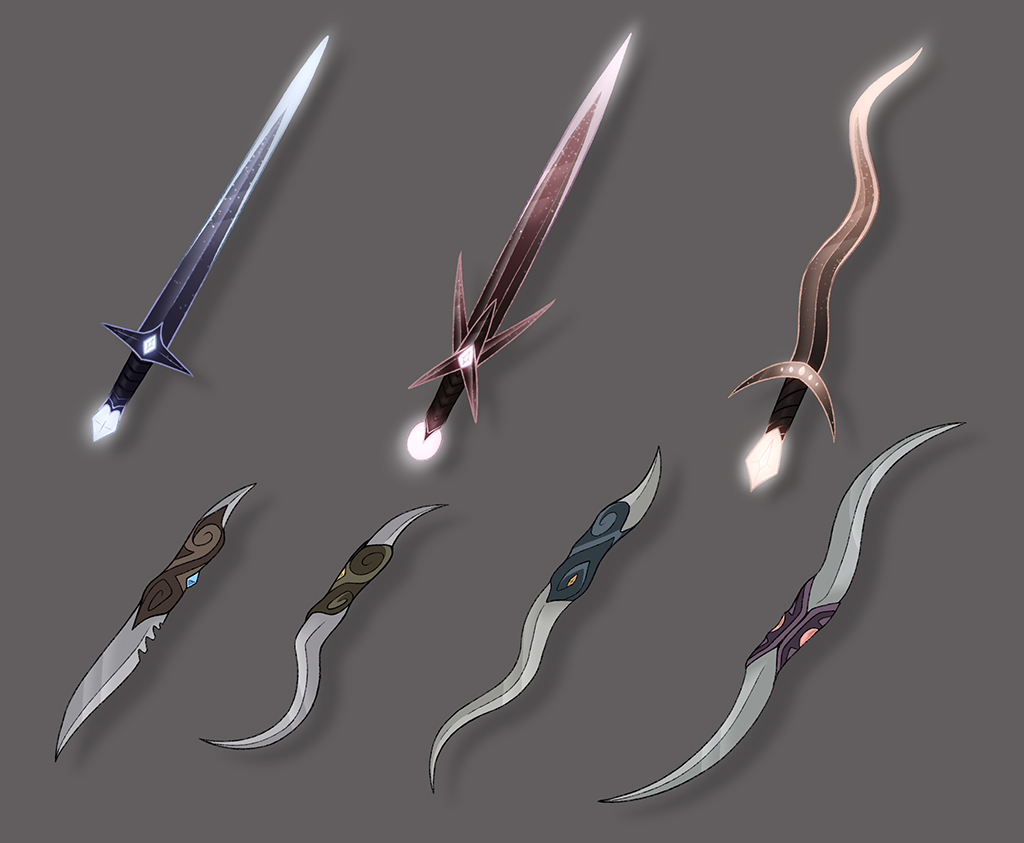
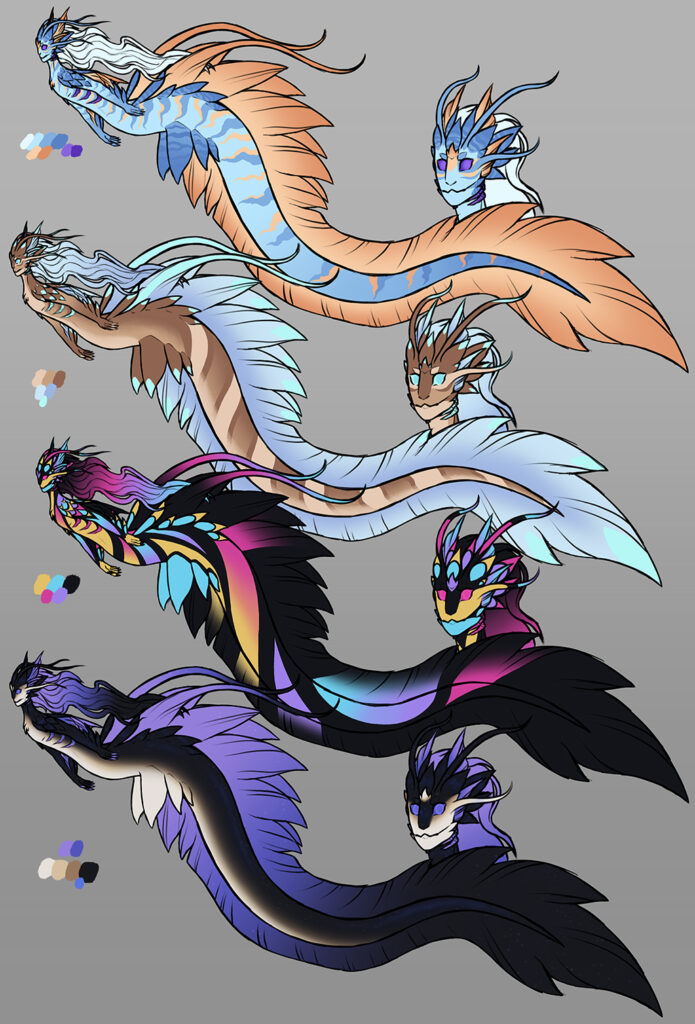
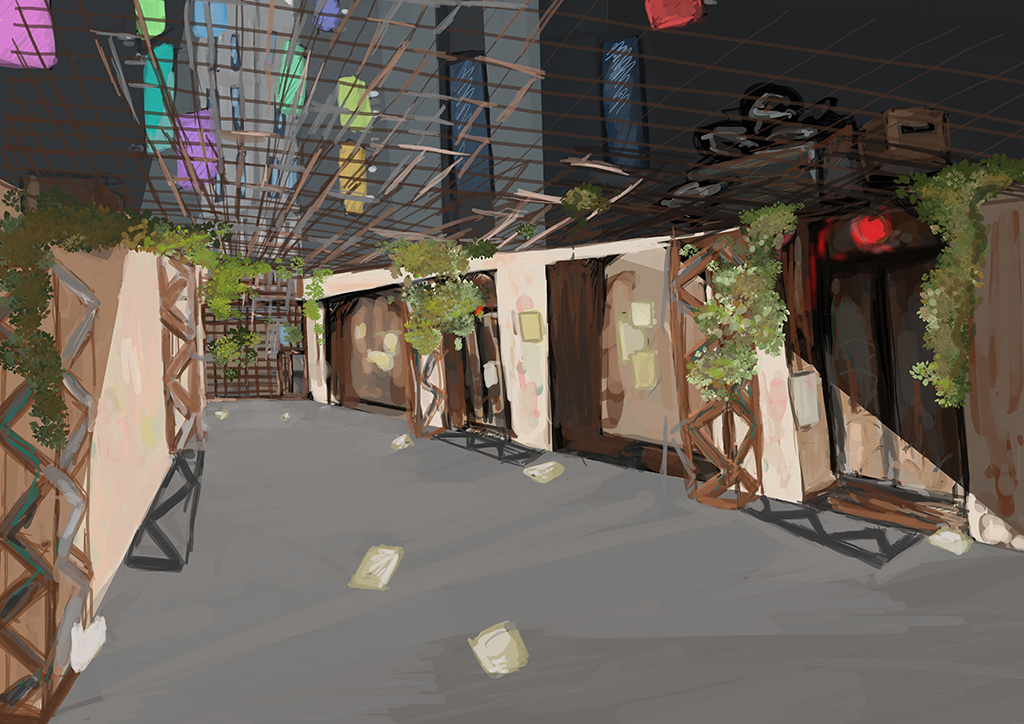
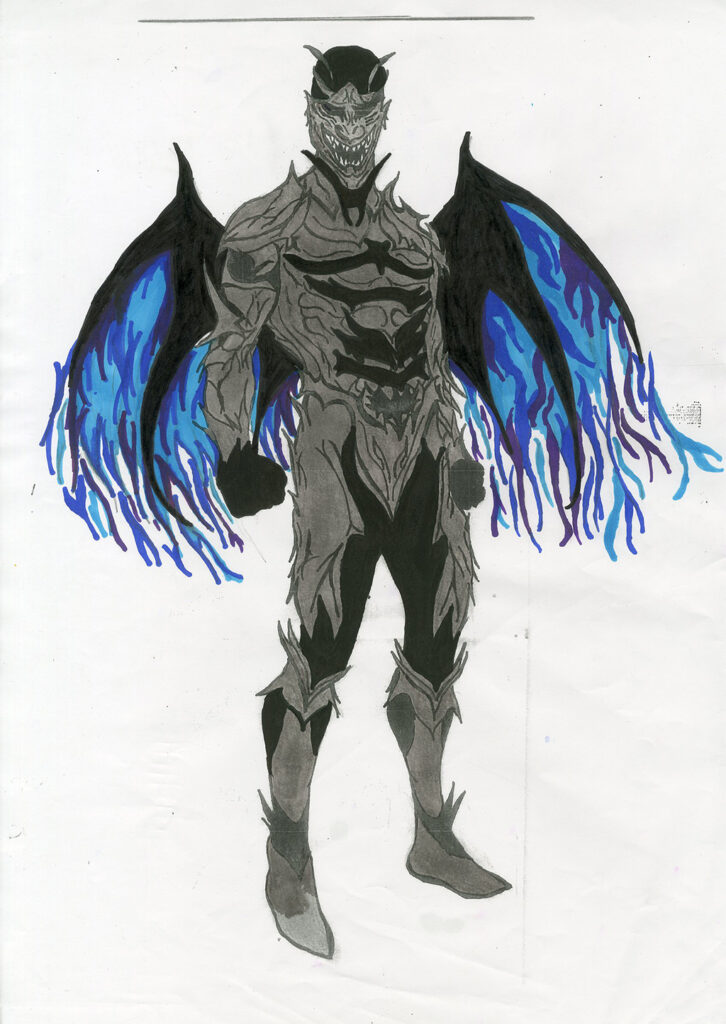
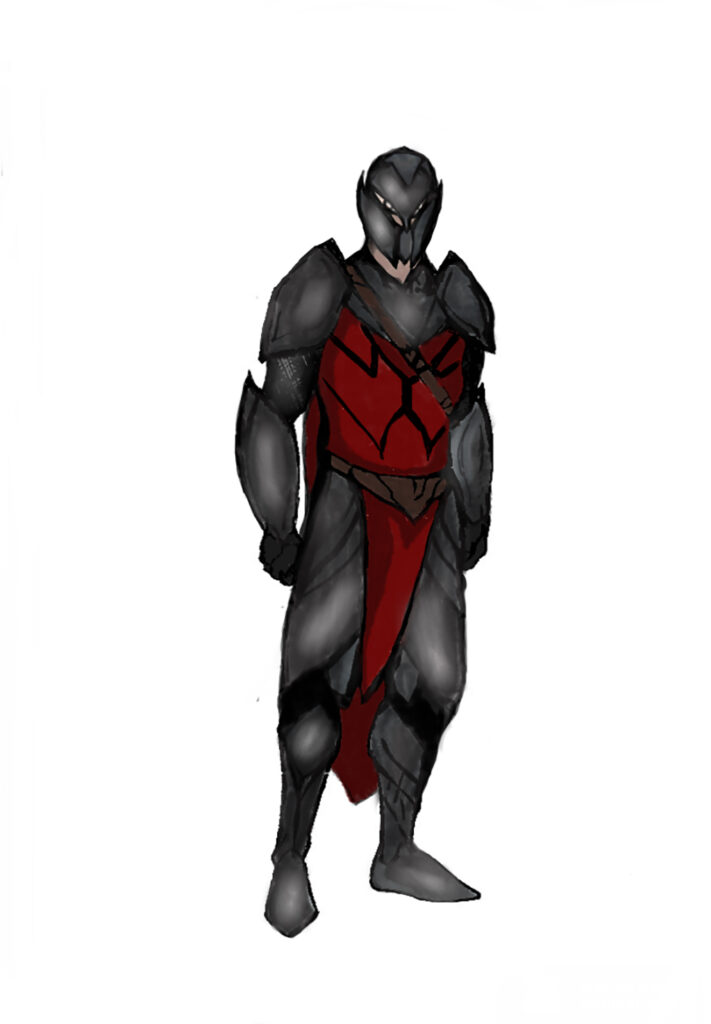
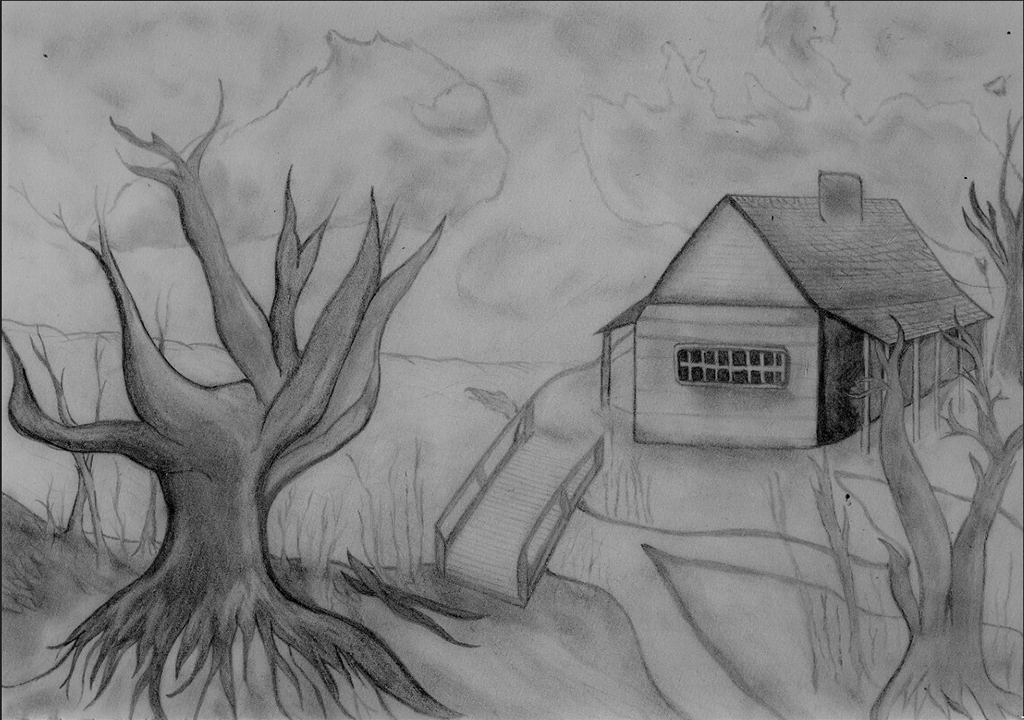
Concept Art
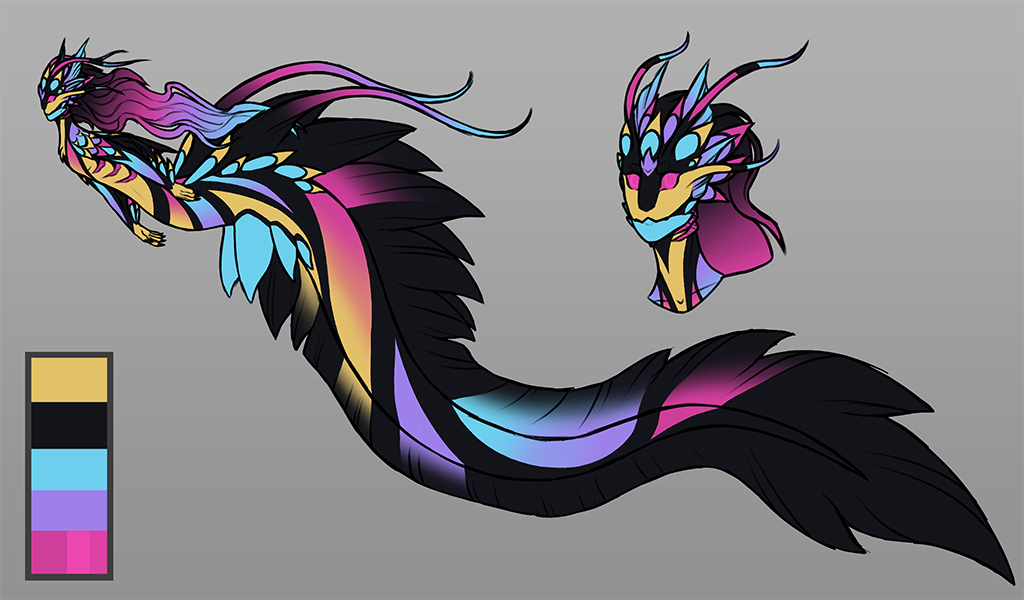
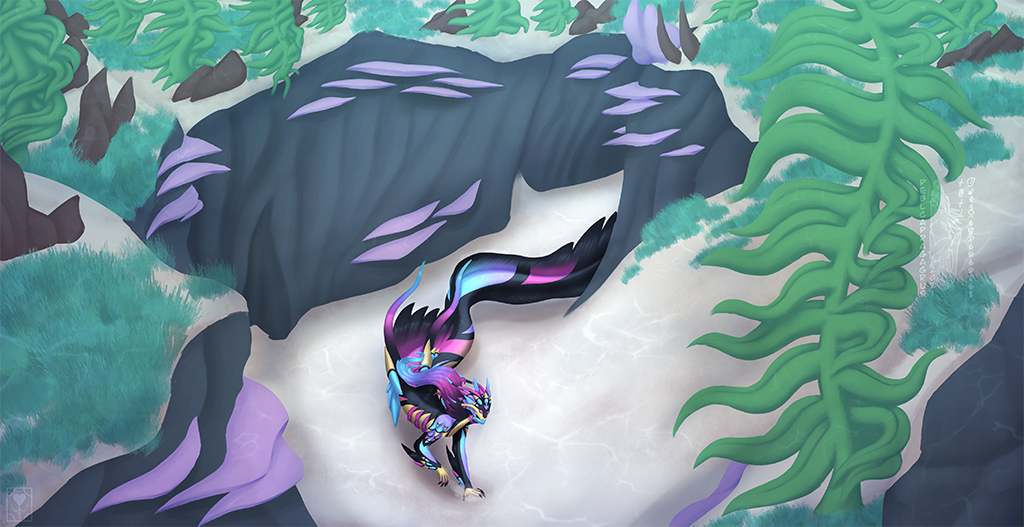
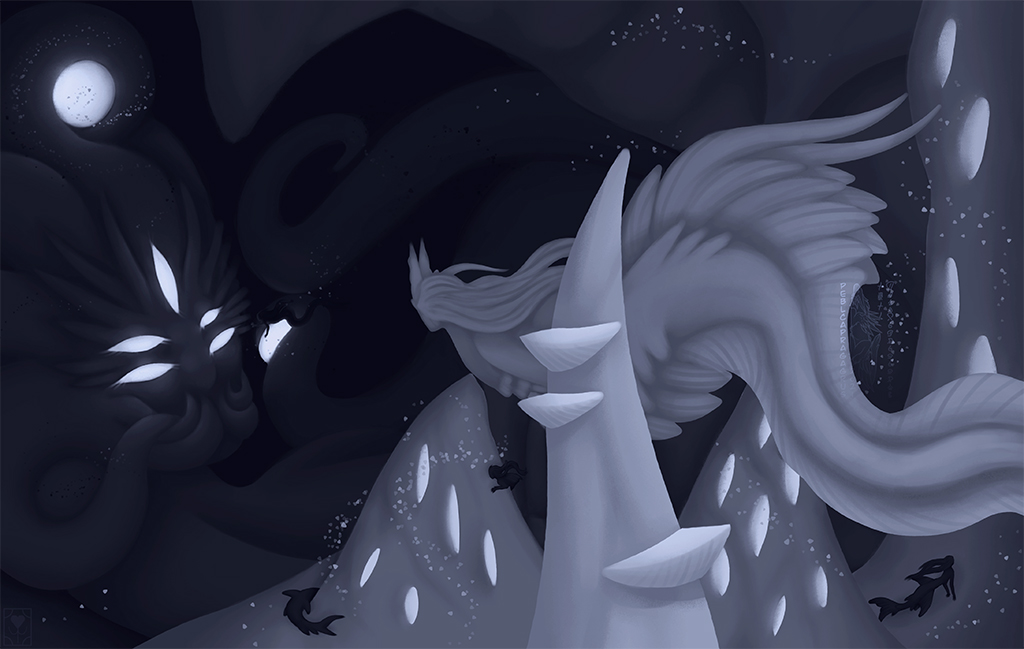
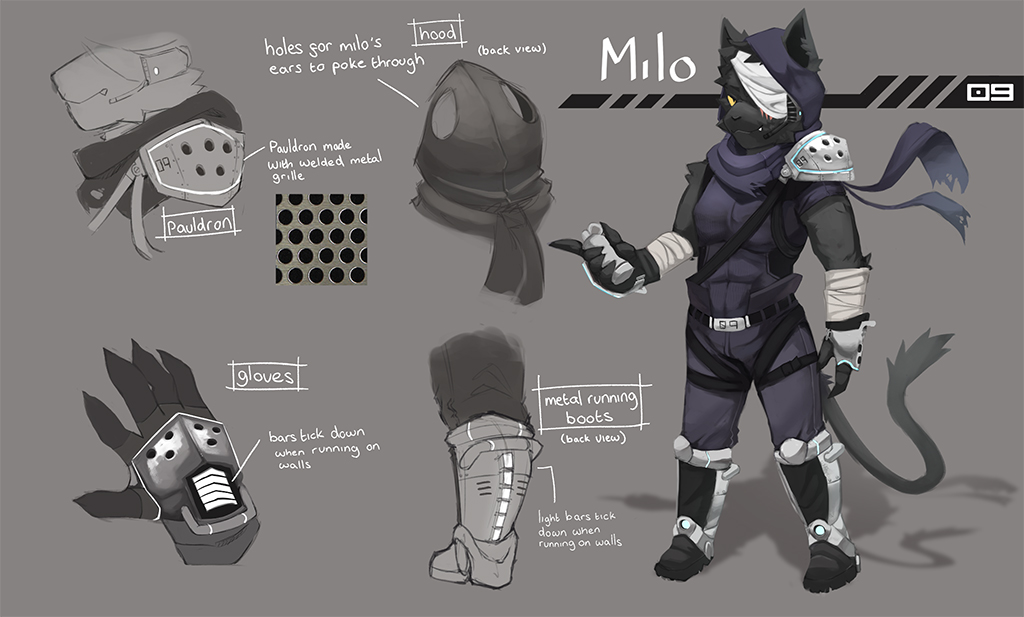
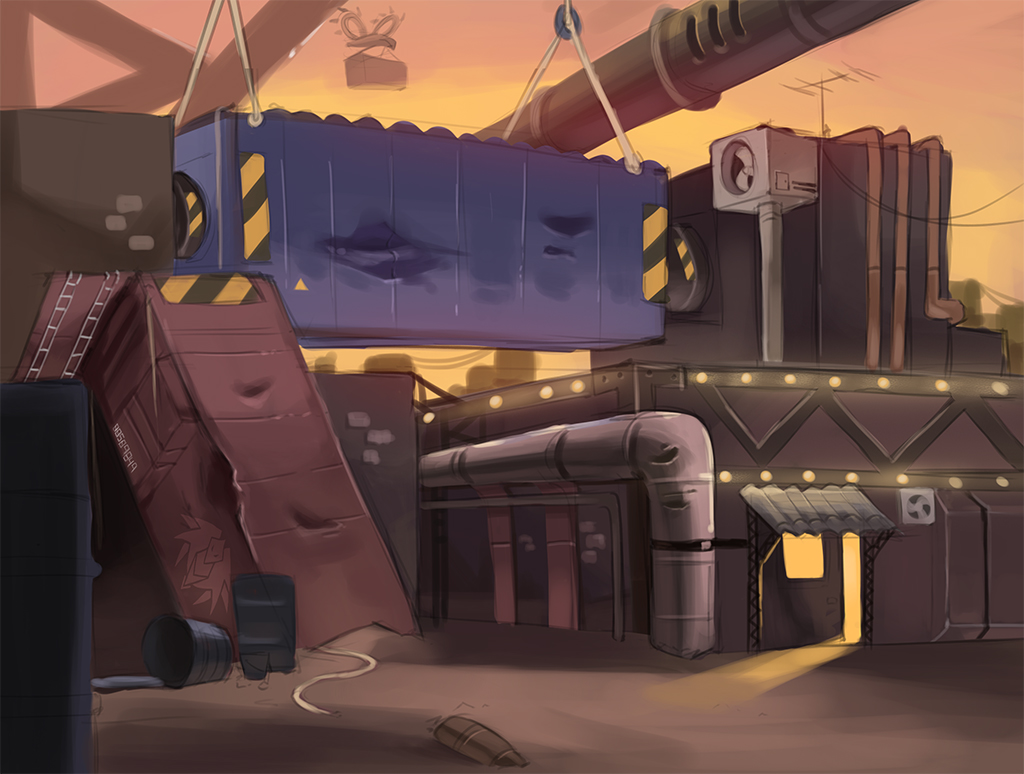
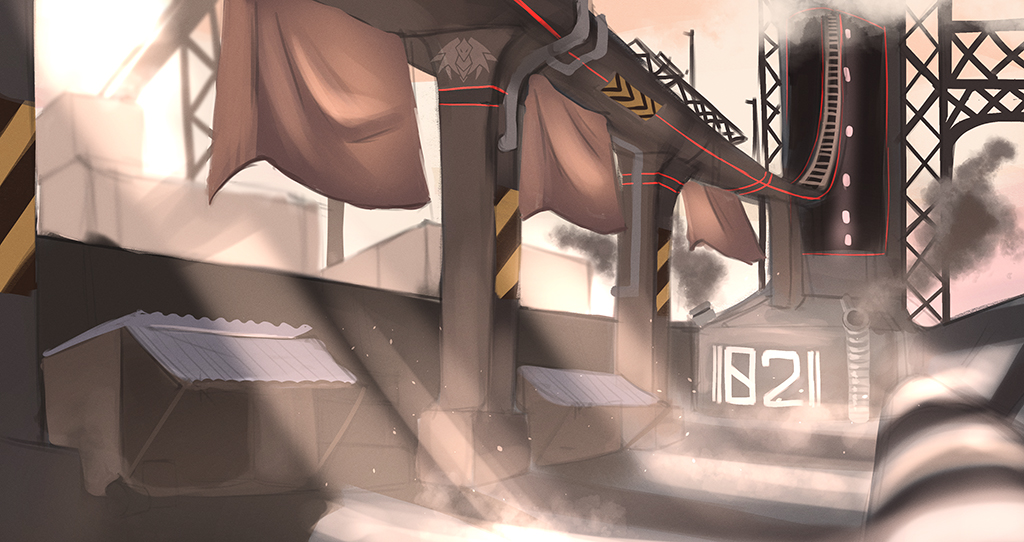
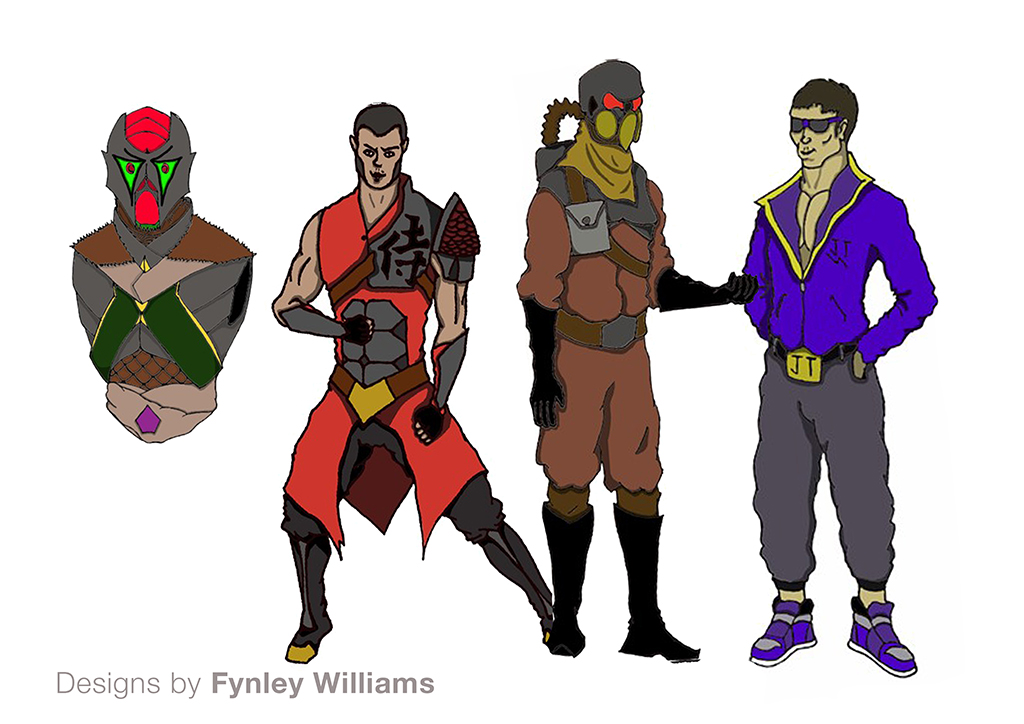
Developing my art skills to help me get better with my future in becoming a concept artist.
Alexandra Teed
Inciter
What you wear never justifies ‘asking for it’.
Zoe Yasmin Thatcher
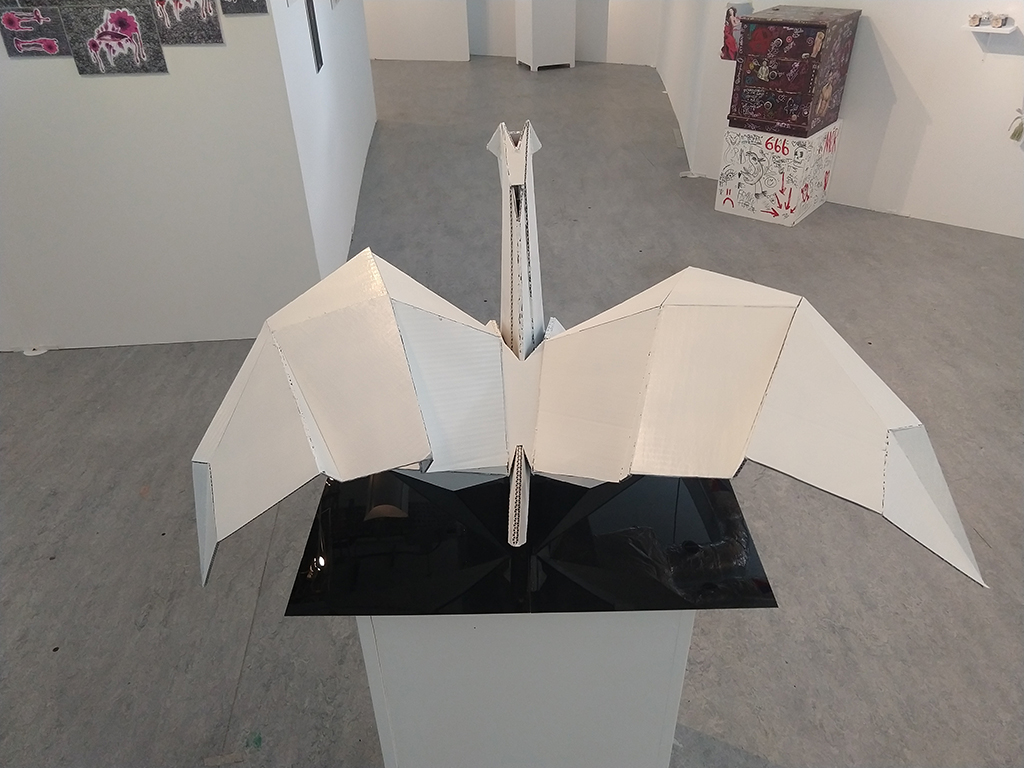
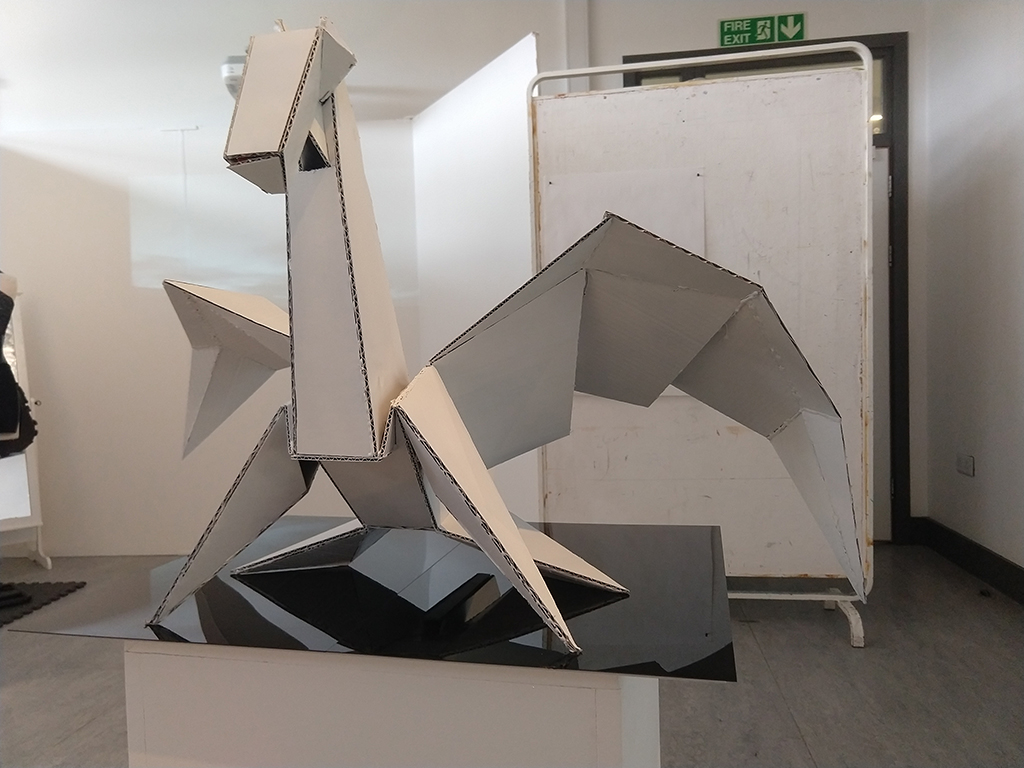
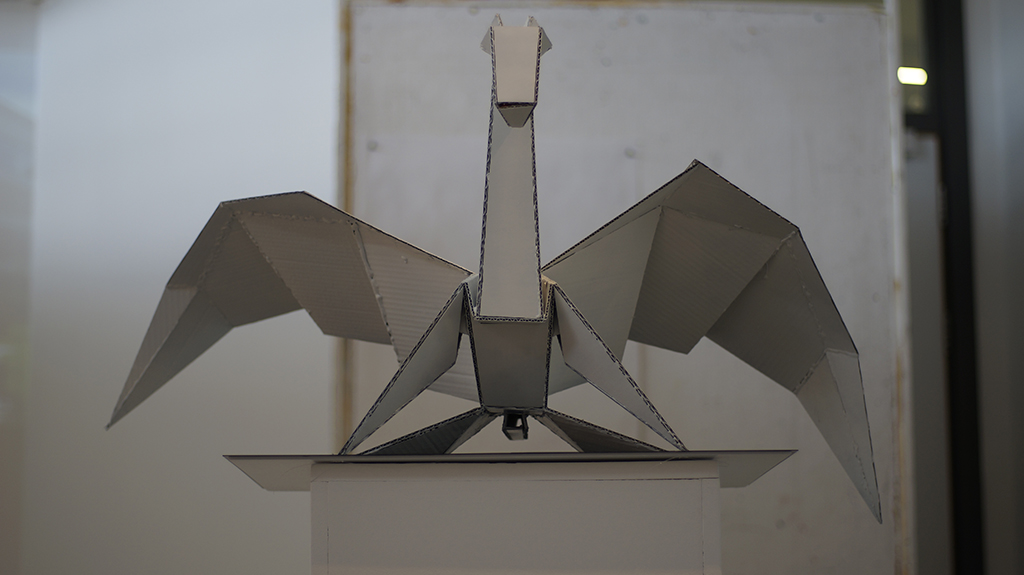
A Simple Pegasus
In the style of Kirigami, I have created a piece that combines the spiritual meaning of the Pegasus with the peacefulness and creative freedom that making an Origami piece provides.
Ellie Jayne Turner
A Closer Look
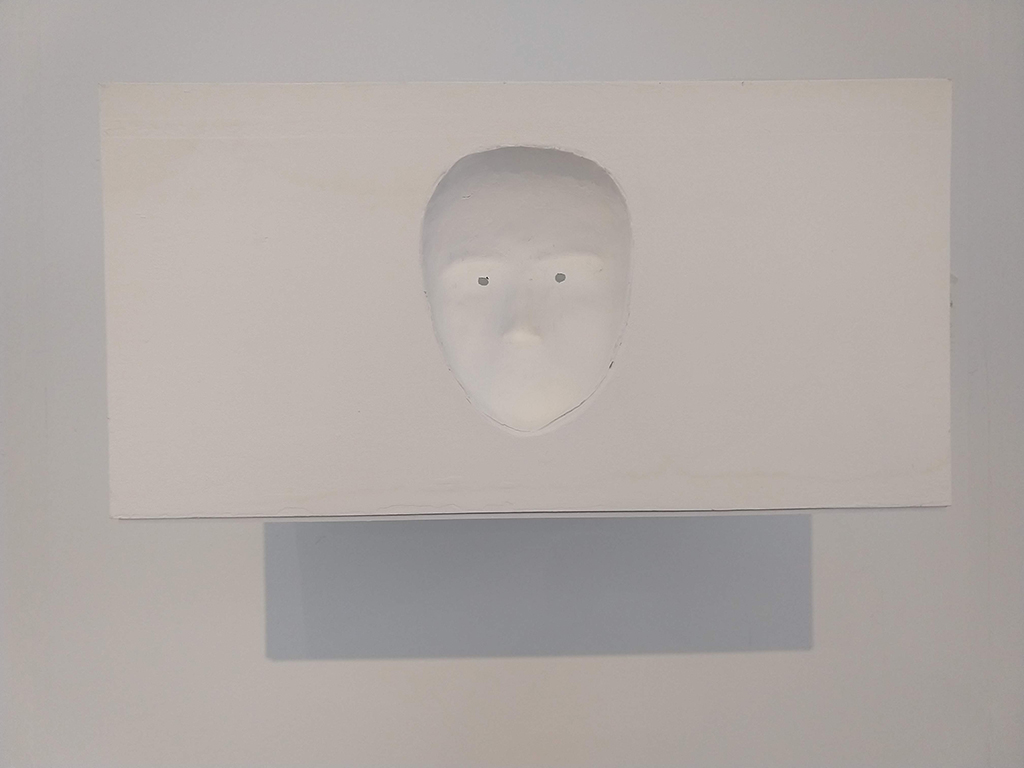
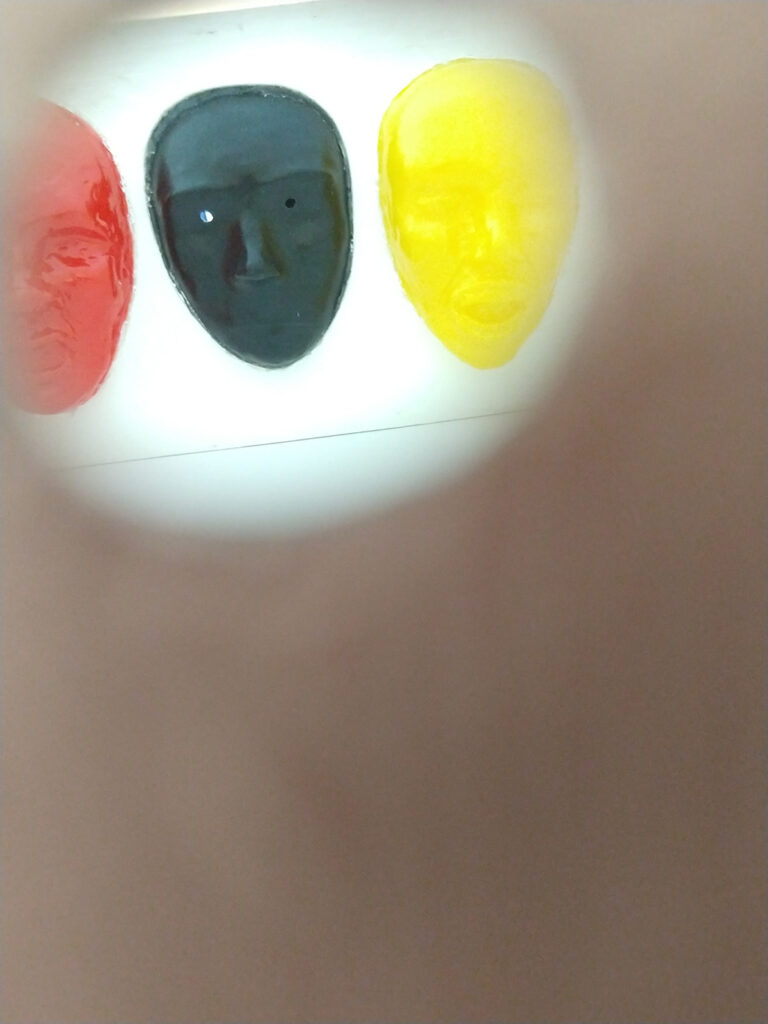
I want spread awareness of what anger is like in a creative way. Anger issues can cause severe mood swings and you can go from really angry to really happy quickly, I want to use masks to show this.
Marcielle Dyami Wade
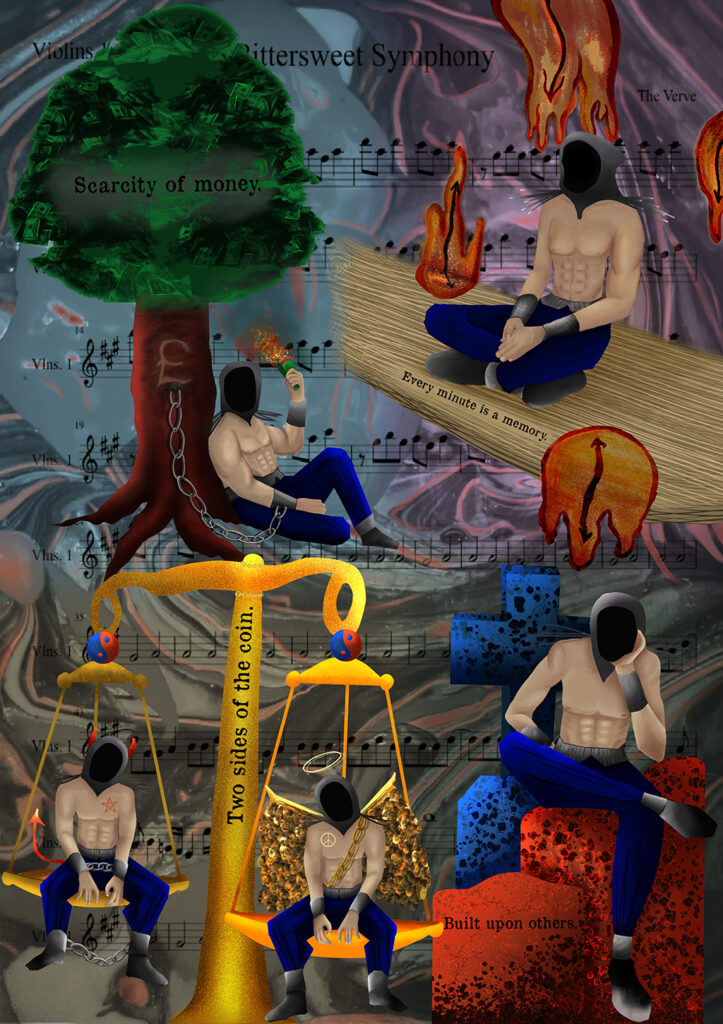
Life’s Certainties
Currency’s deplete. Memories made. Human nature undefined. Built on others.
Aleksandra Wierzbicka
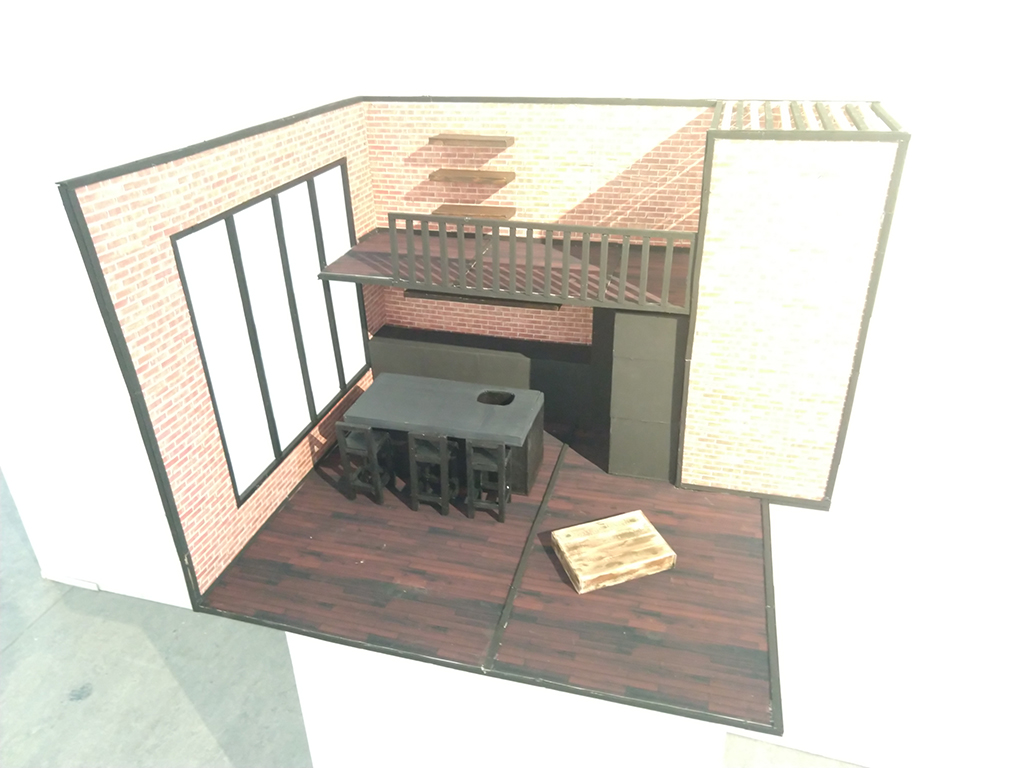
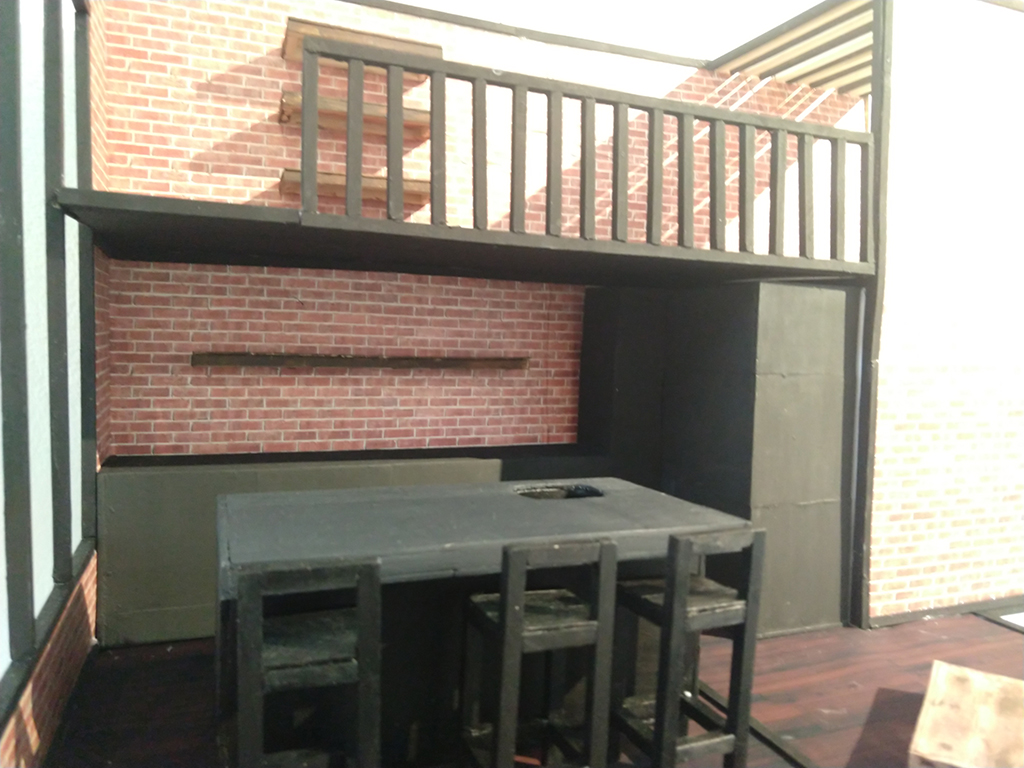
Is Industrial The New Modern?
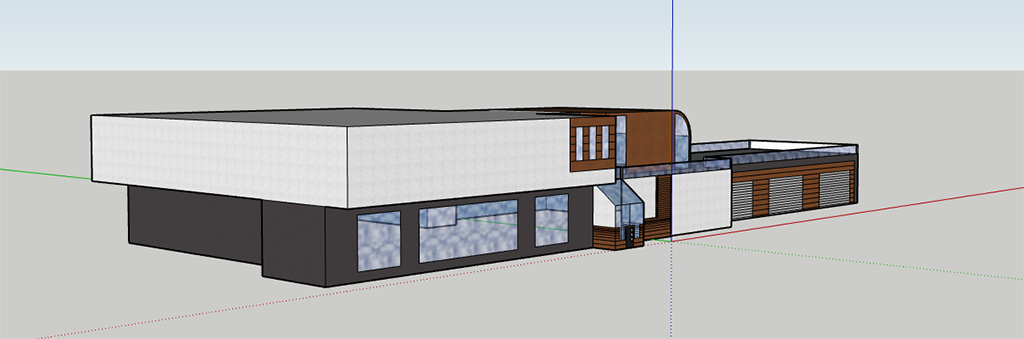
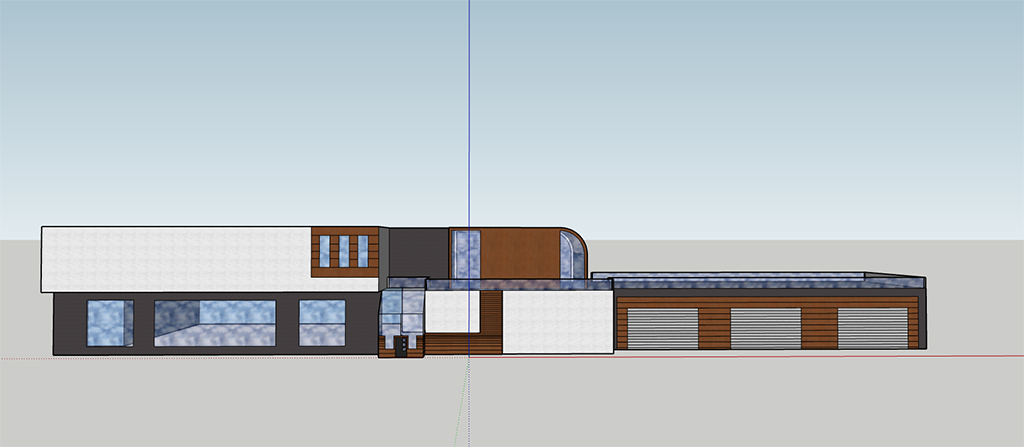
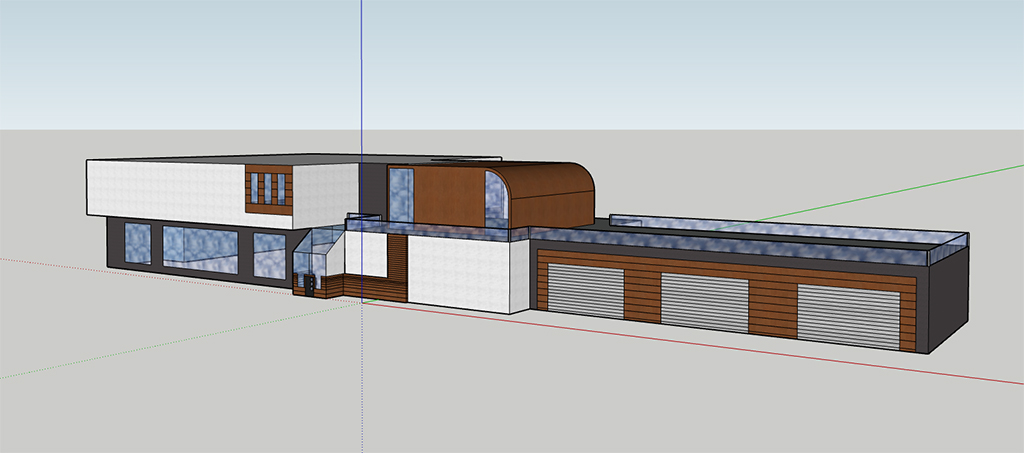
In this project I worked to achieve a proposal / 3D model design for a living studio space. The reason why I chose a studio space is because when searching for a studio apartment online the square footage size is very miniature with almost no room to move around.
Eve Wilmot
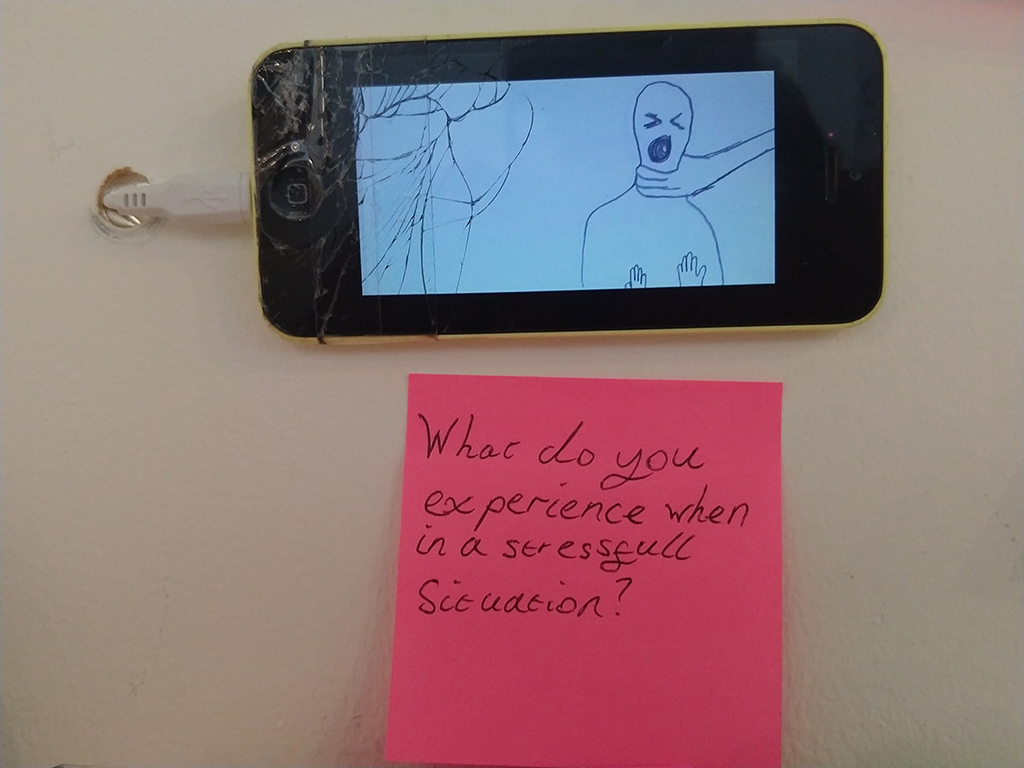
Panic
Panic attacks suck. Simple as. They are humiliating and painful. For me my breathing speeds up and my heartbeat becomes all I can hear.
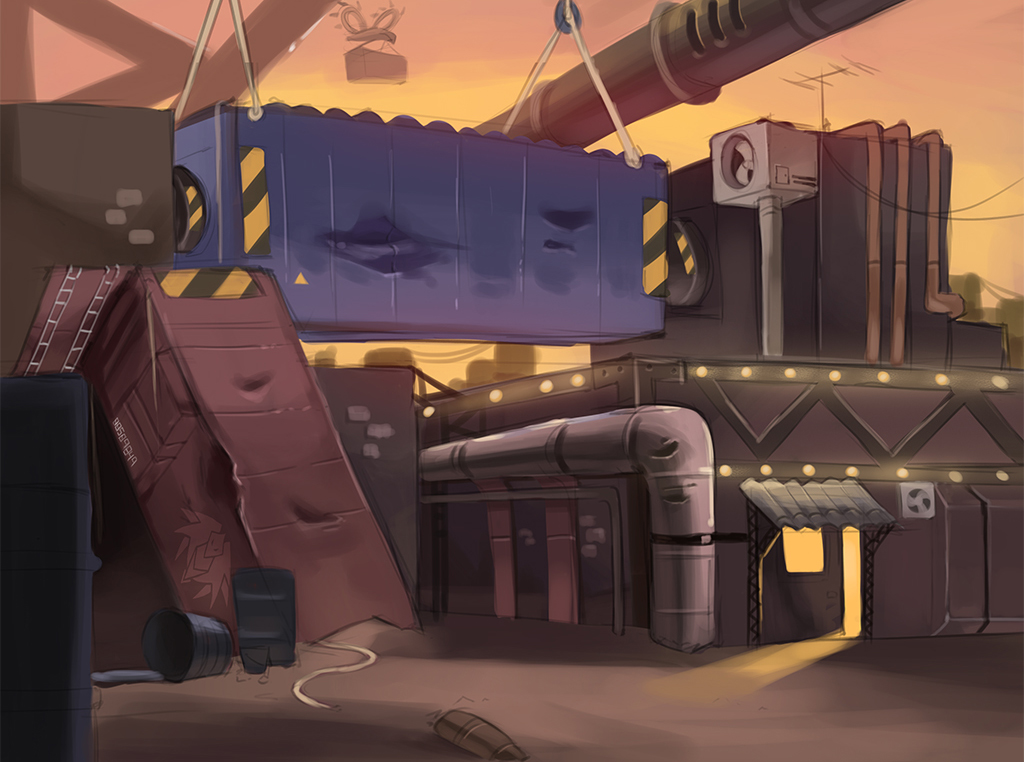
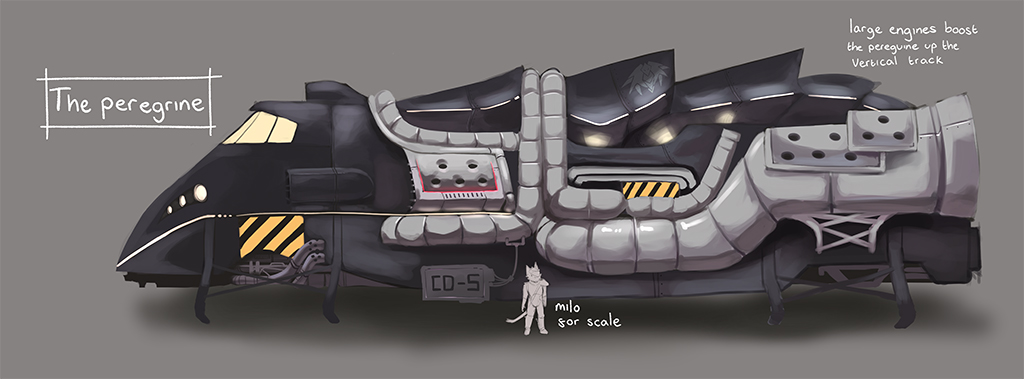
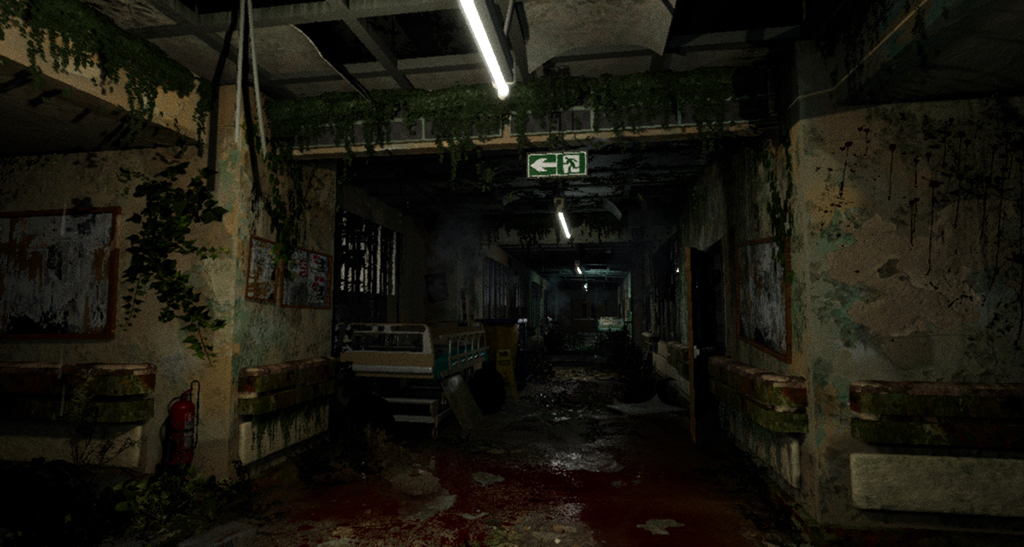
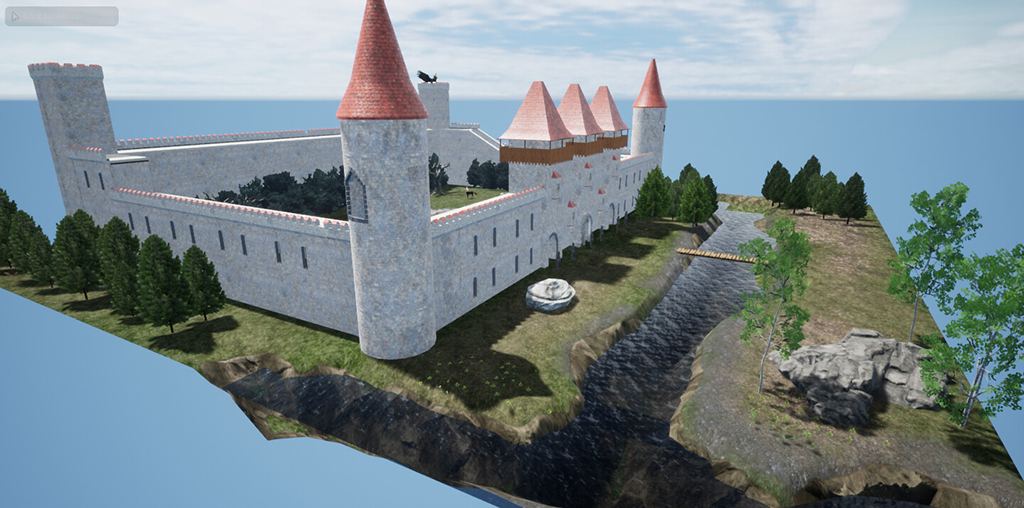
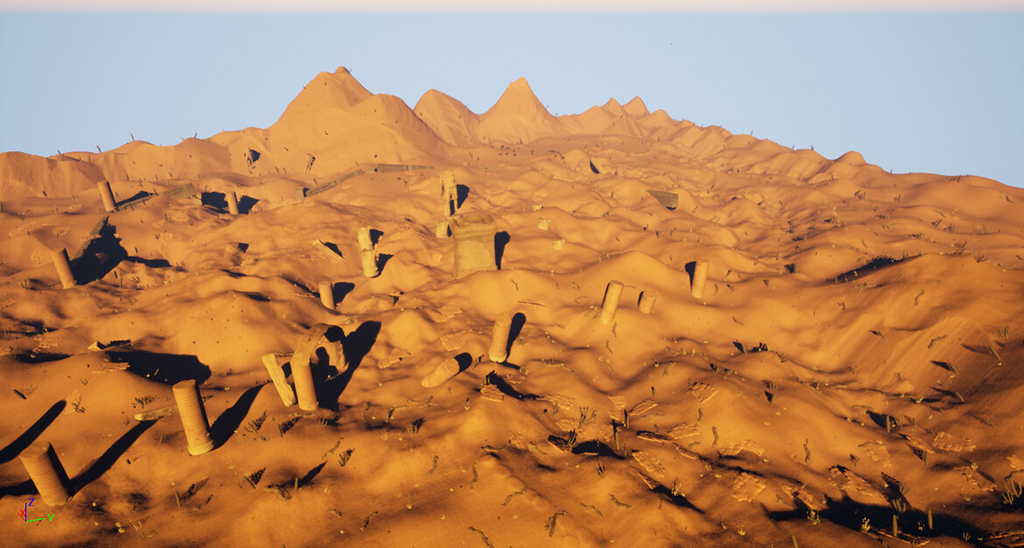
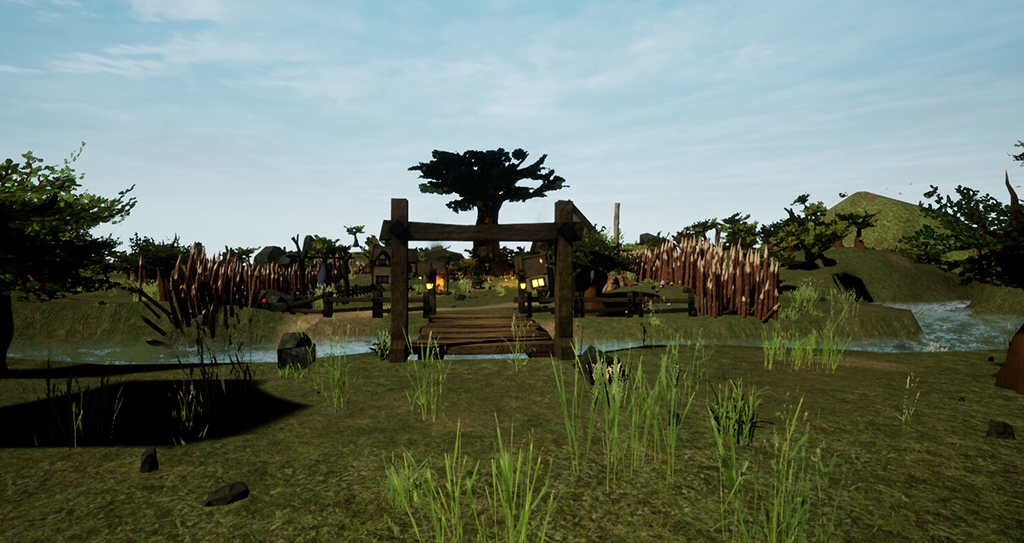
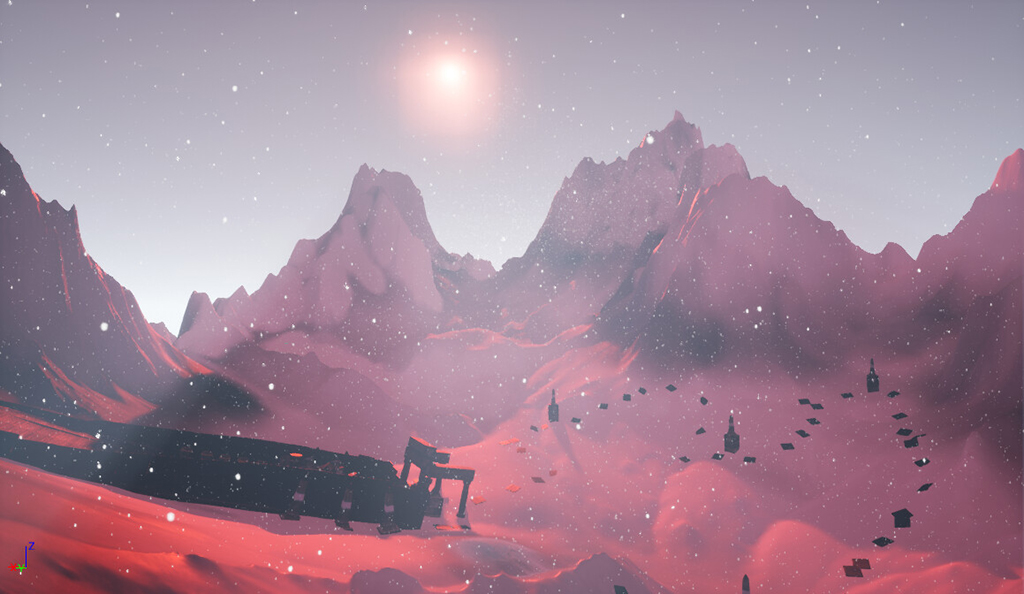
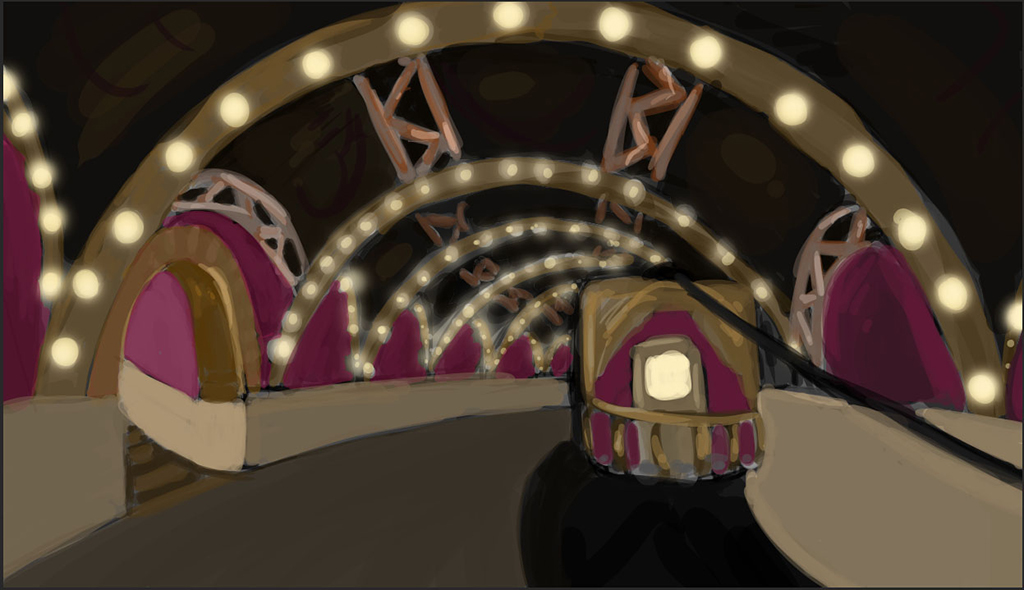
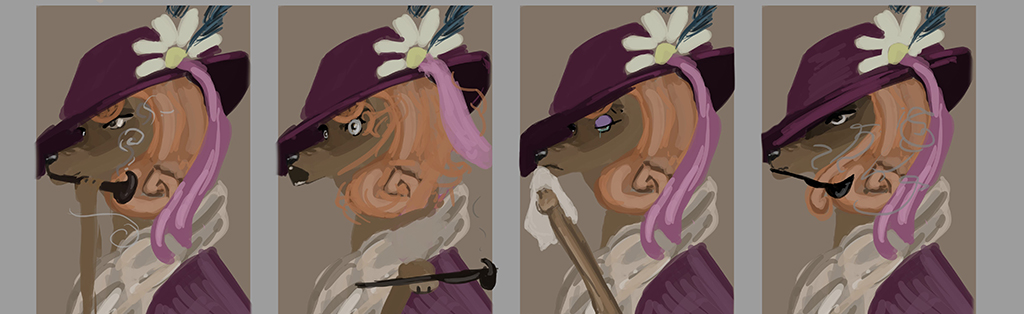
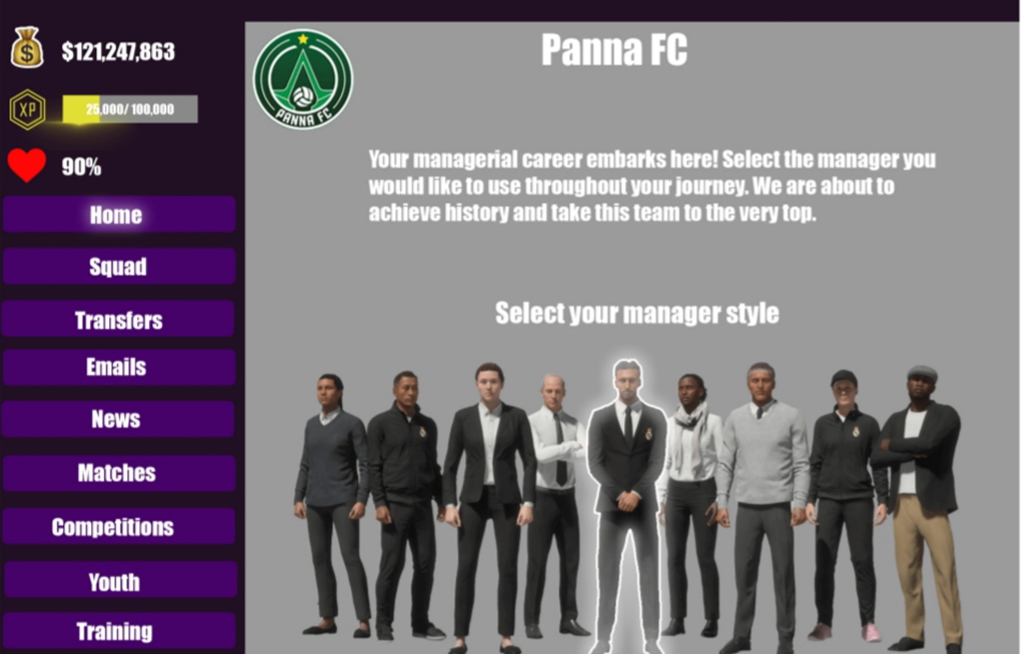
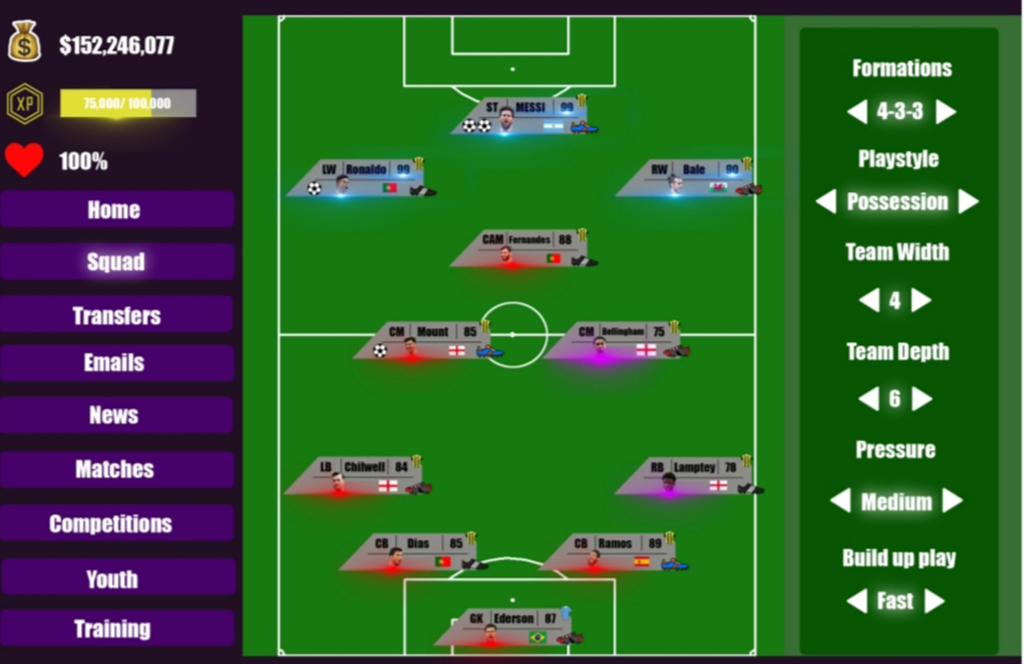
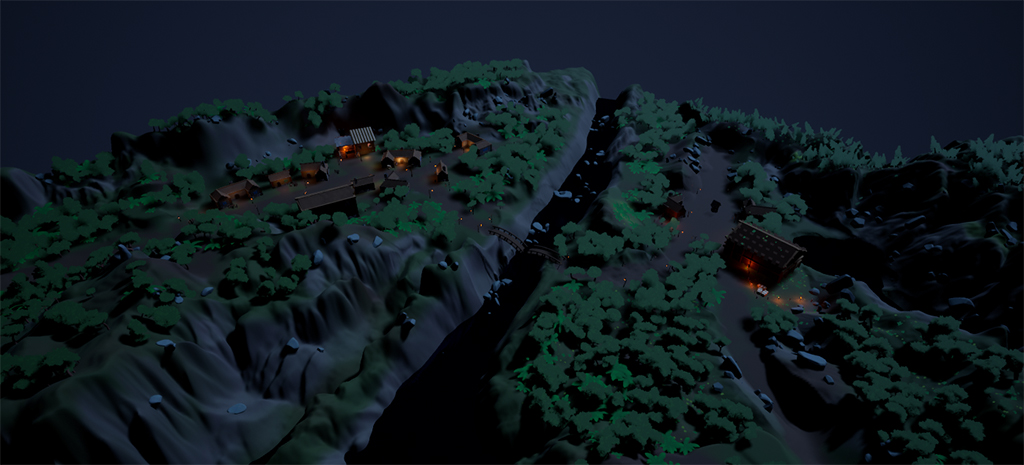
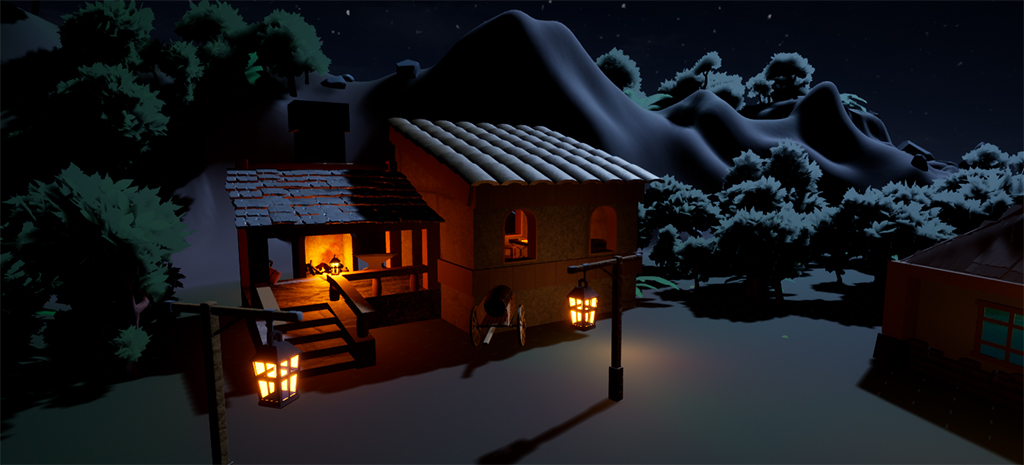
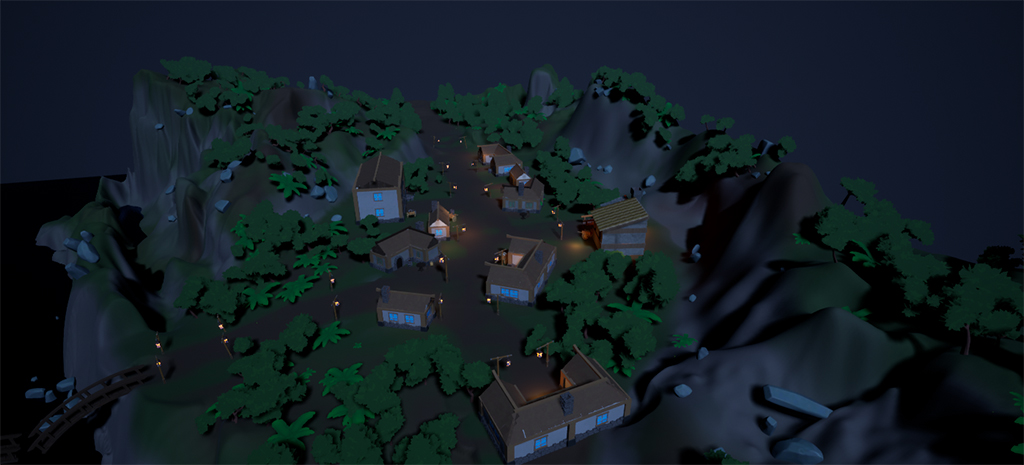
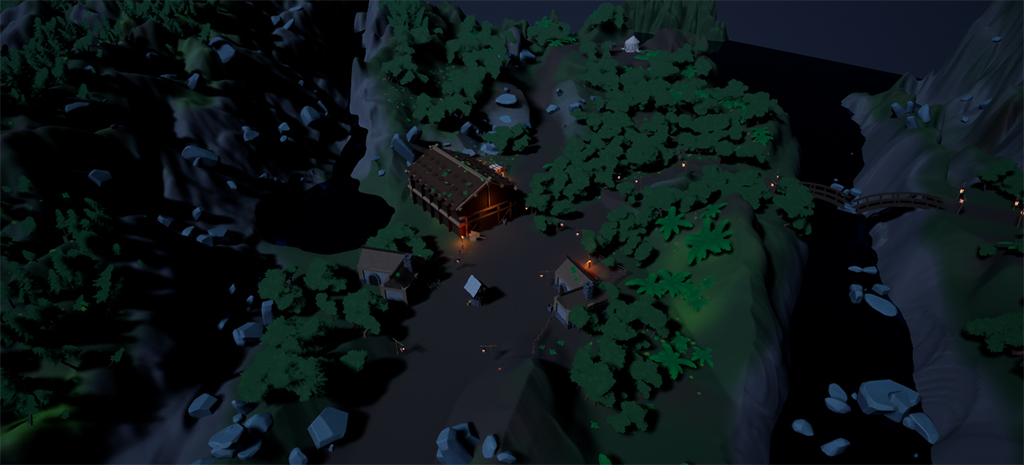
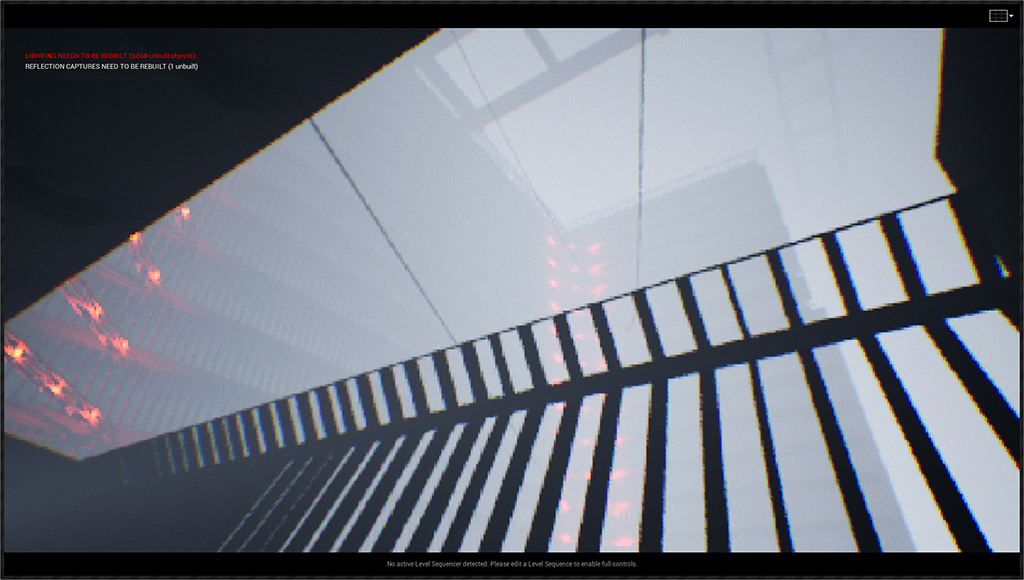
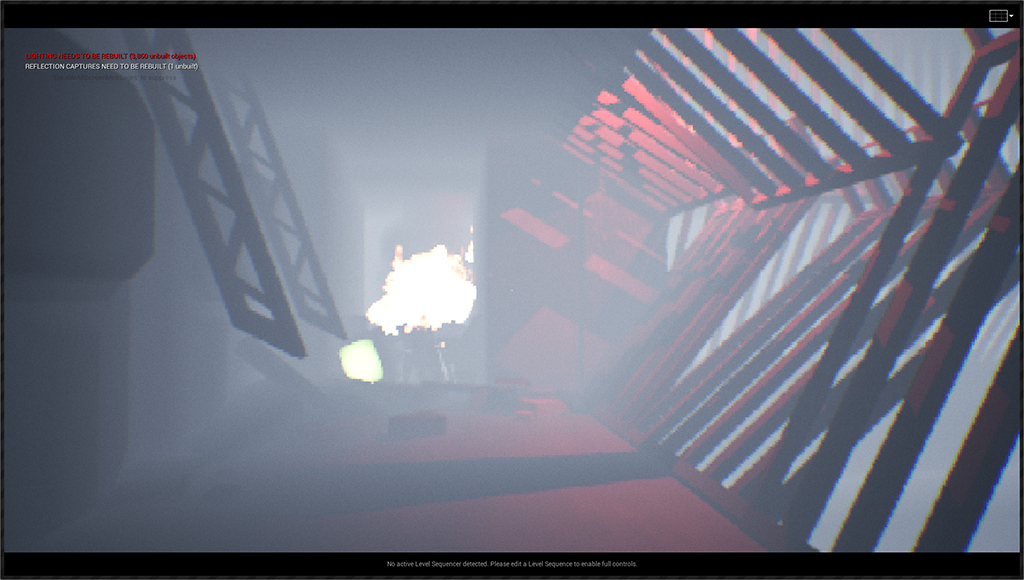
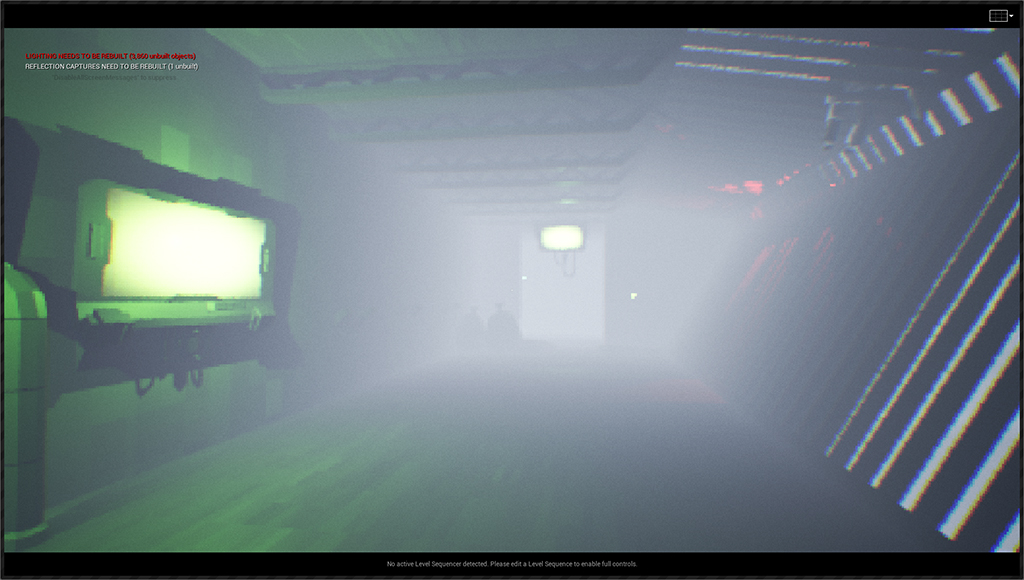
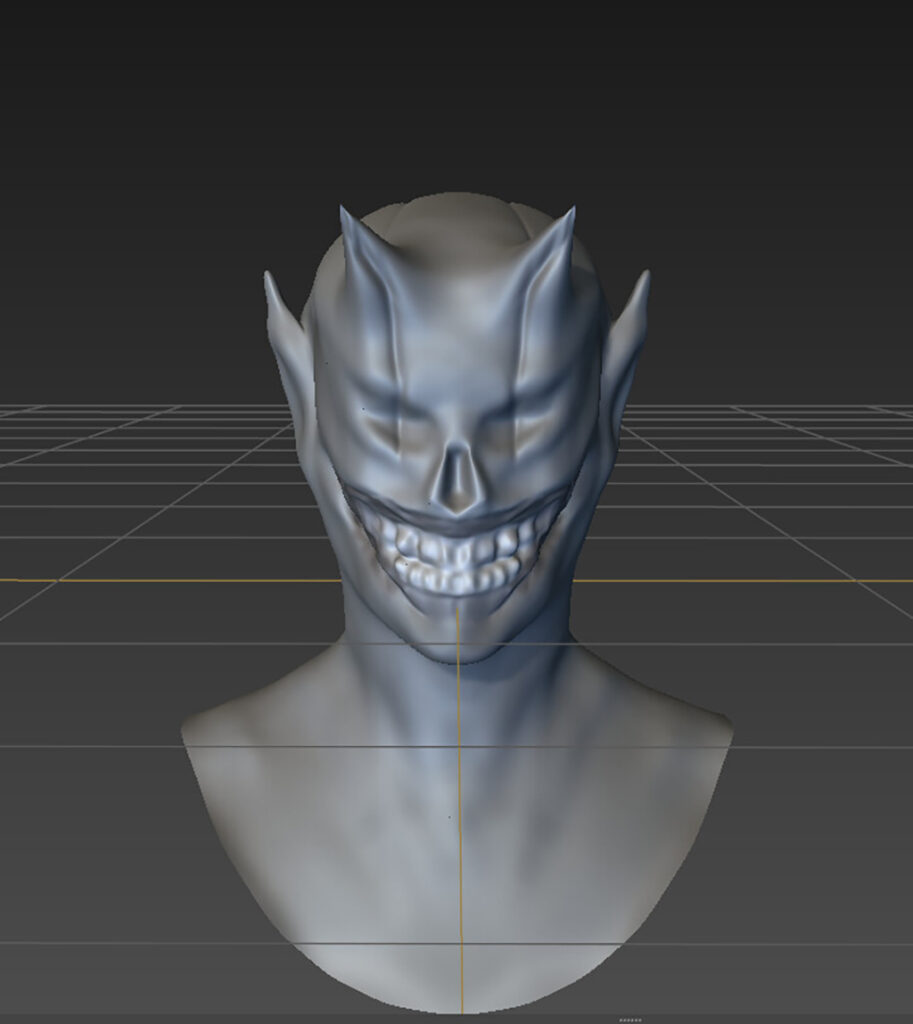
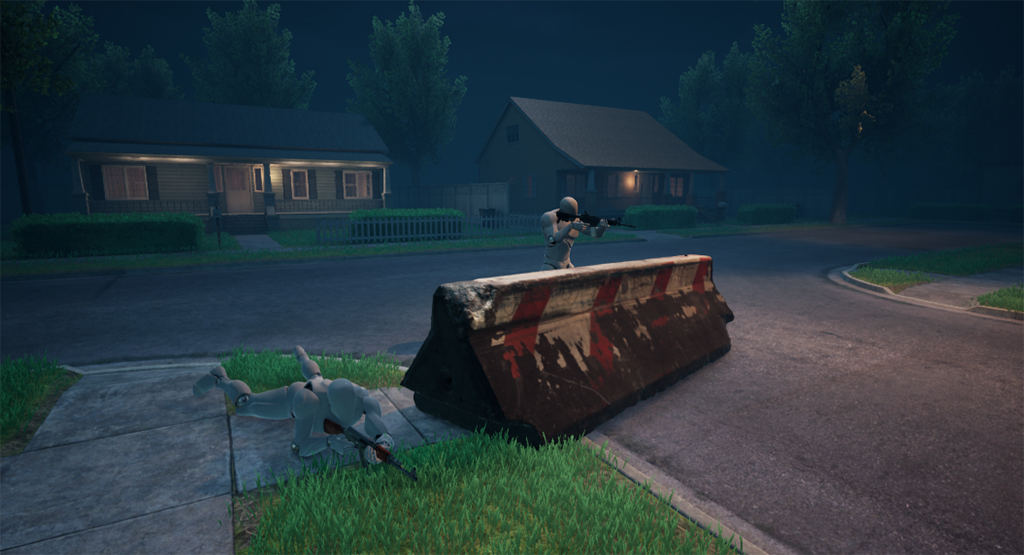
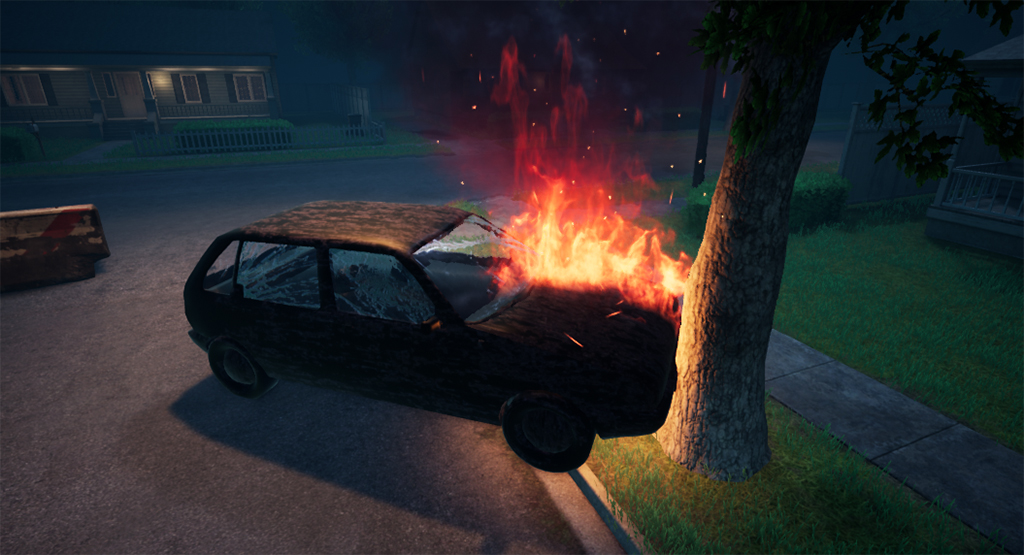
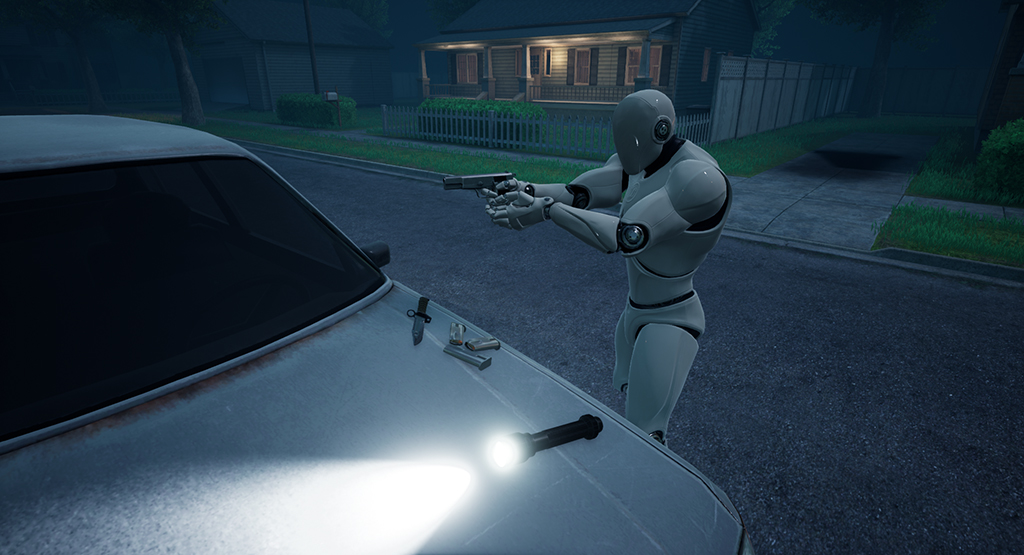
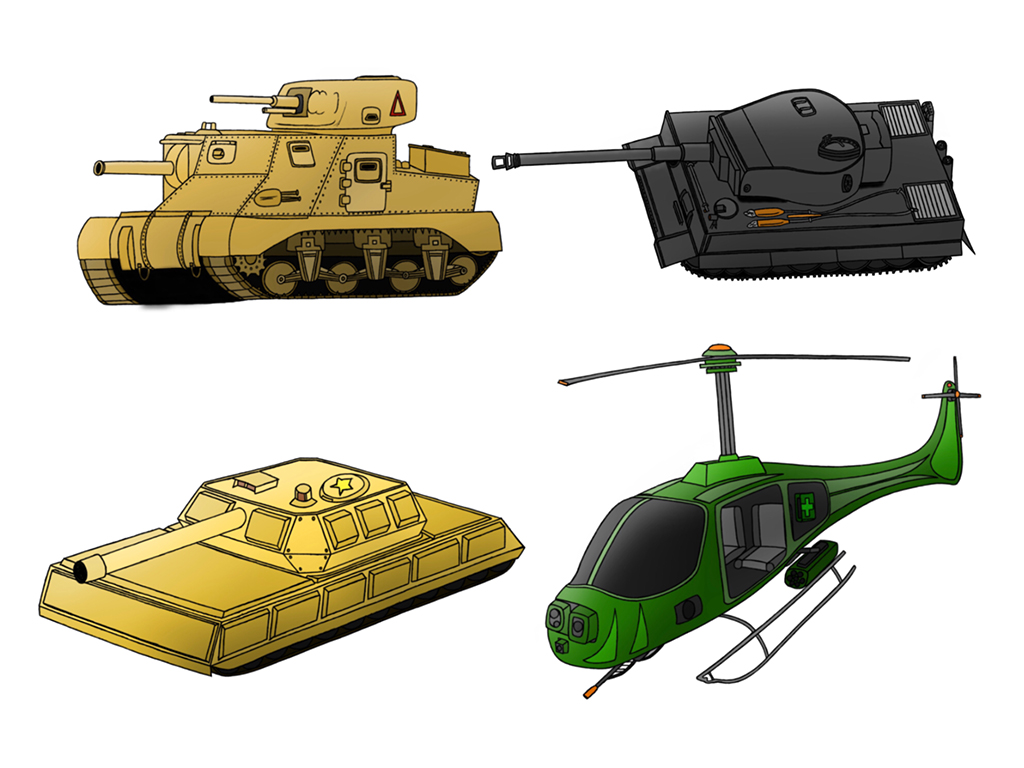
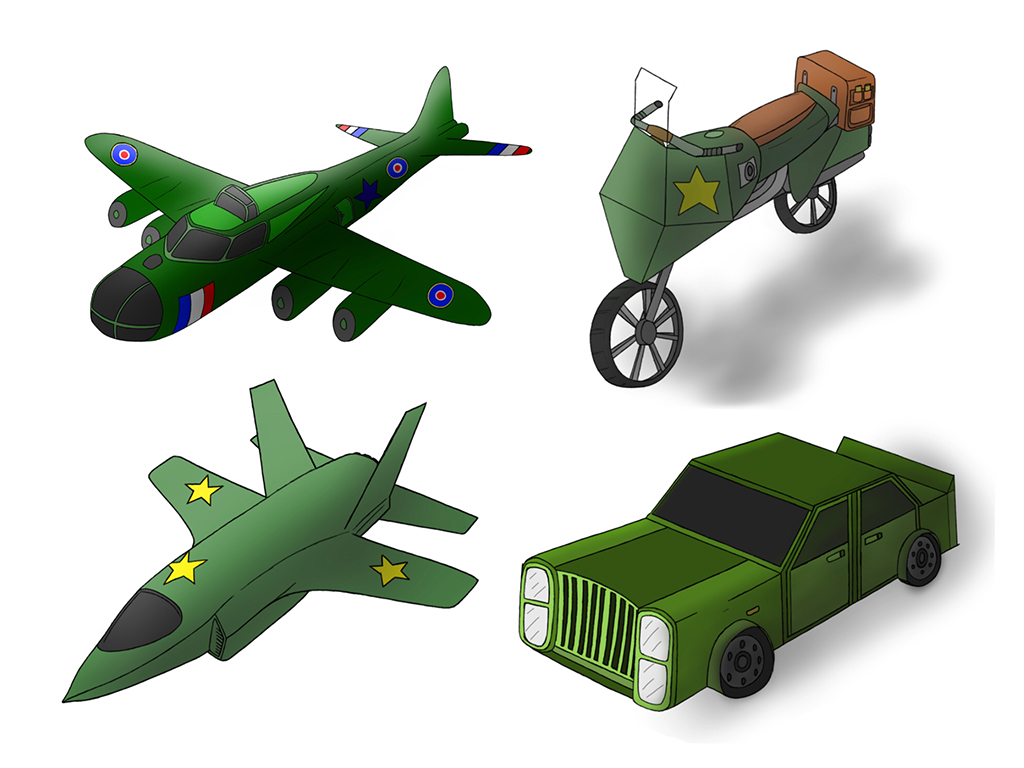
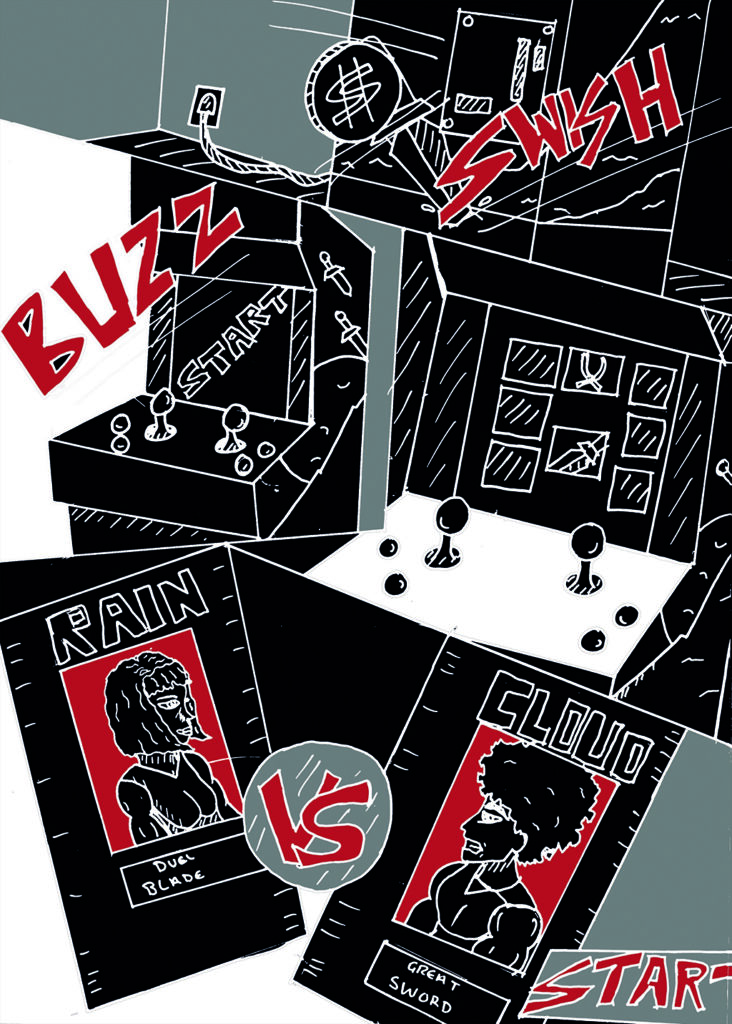
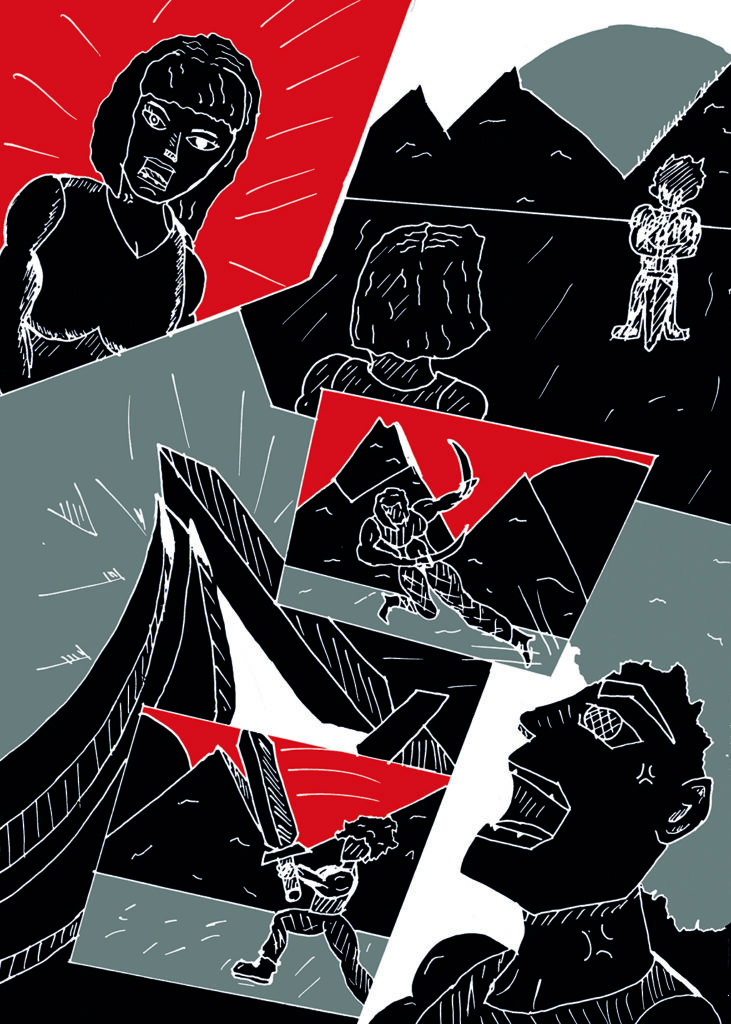
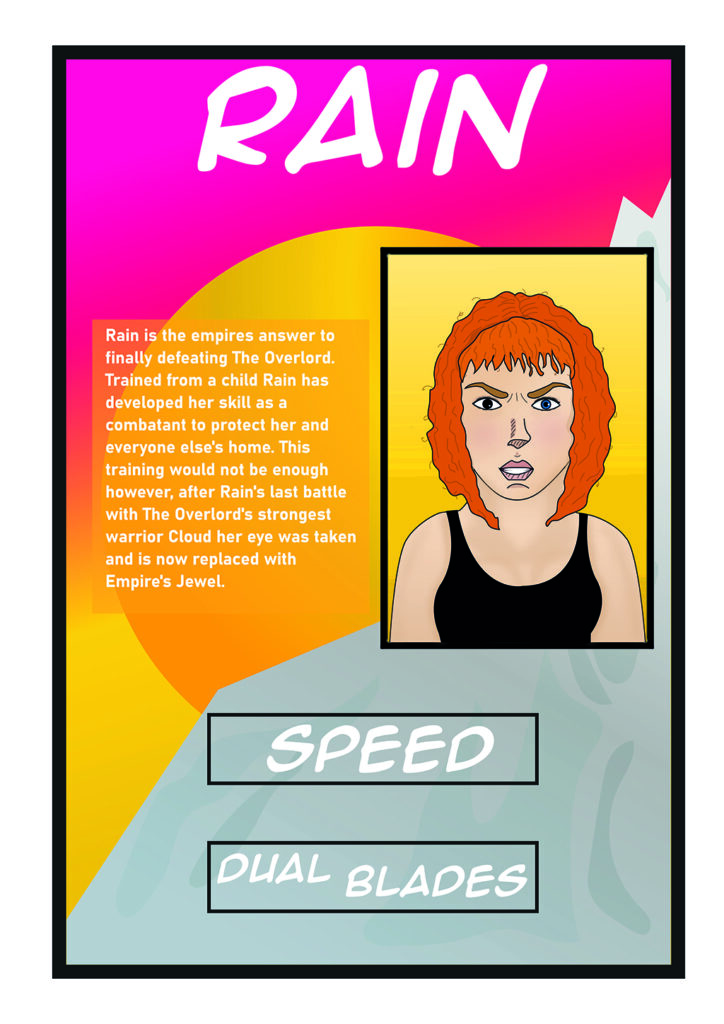
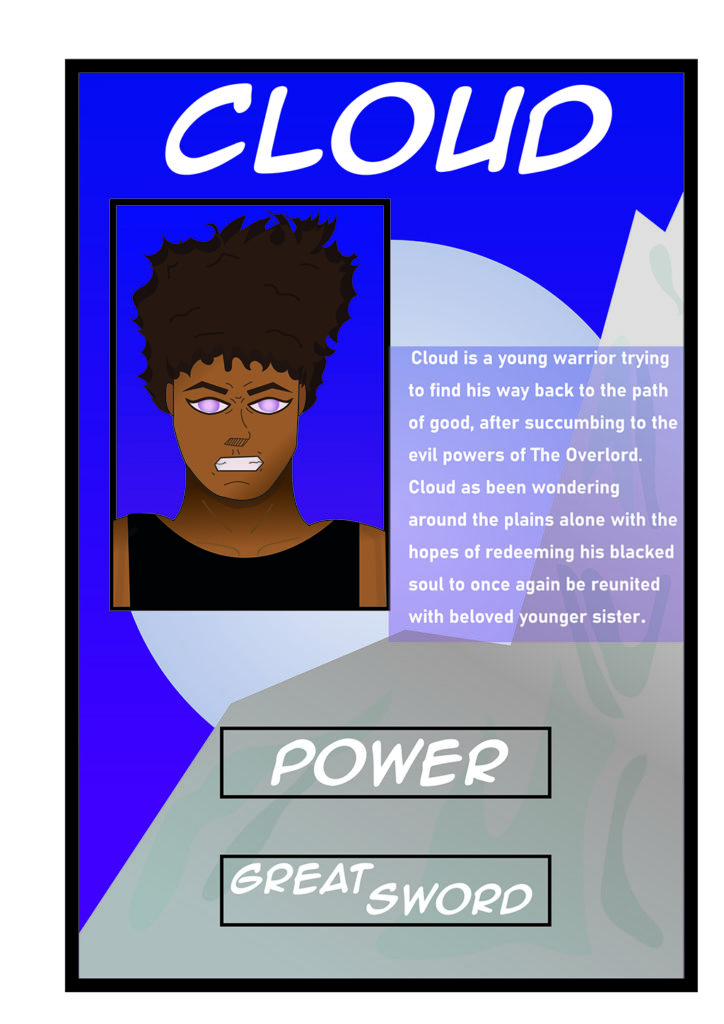
How do you build a computer game from the ground up? This course shows you how.
The work showcased demonstrates how young designers and artists at Dudley College have challenged the parameters of game design to present original and imaginative solutions for 2D and 3D game outcomes. Learners are challenged to ‘think outside of the box’ to explore and question conventions within the world of games design. The course provides learners with the opportunity to creatively develop dynamic conceptual outcomes, while working with industry-standard design and production applications.
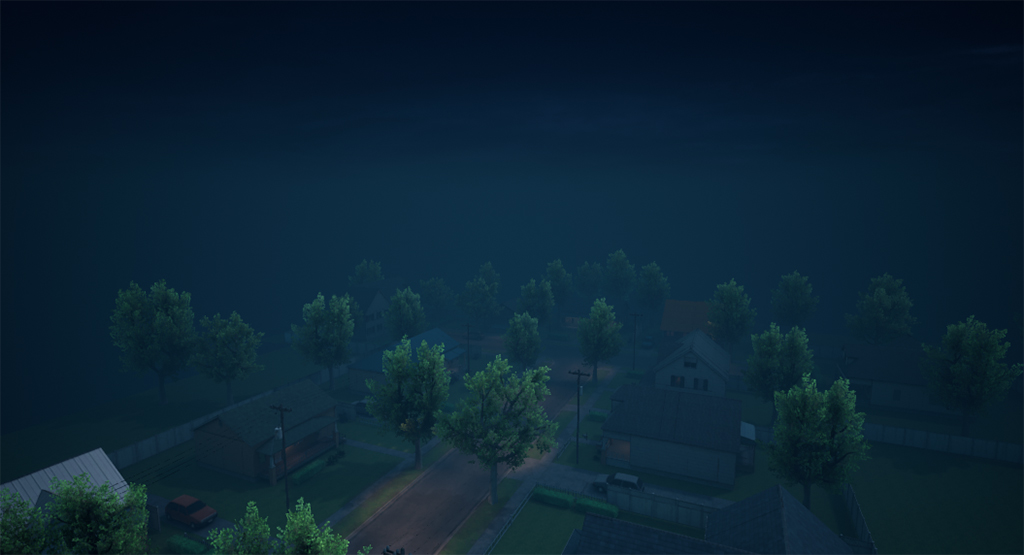
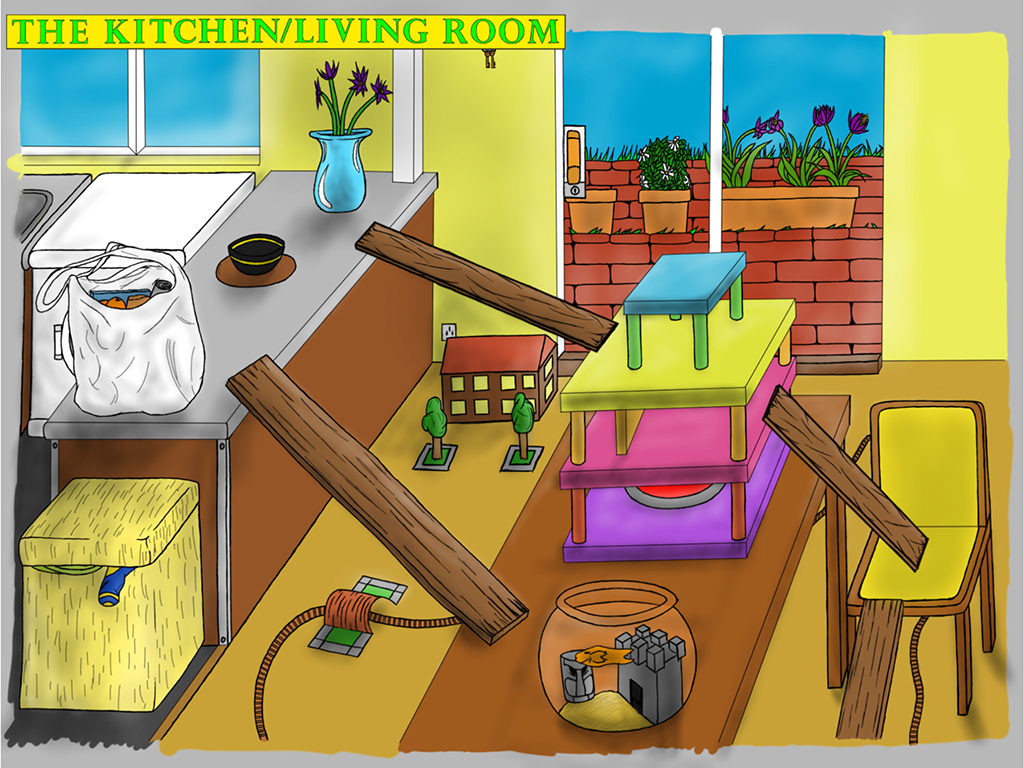
Students produce a wide range of game related ideas, from creating and developing proposals for intriguing game play and challenging game mechanics, to learning how to visualise, design and build digital characters for game deployment. The learners also get the opportunity to imaginatively craft and sculpt 3D environments and worlds. The use of industry-standard software is at the core of what we offer.
Programmes such as 3D Studio Max, Unreal Engine 4, World Machine, Mudbox, Z Brush, Qiuixel Suite, Crazy Bump, Visual Studio, GameMaker Studio are embedded throughout the projects our learners undertake. As part of the creative aspect of the course, we encourage our learners to become keen practitioners in areas of conceptual illustration, using applications such as Photoshop and Sketchbook to visually portray aspects of their imagination. I hope that you enjoy viewing and watching examples of their work.
Who knows? In a few years, you could be playing one of their games . . .
Although ‘Covid’ has had an impact on much of the curriculum, our Graphic Design students have continued with their studies using Adobe Creative Suite at home during periods of lockdown. Dudley College has made sure that all art students have access to Adobe software for the duration of their course in order to support their studies both in college and at home. The work on show here is just a snapshot of some of the work produced over the past two years. While our students are taught digital skills, they also learn traditional art and design skills in order to develop a broad portfolio of art and design for their progression onto higher education. Some of our recent students have gone on to study at degree level in subject areas such as visual communication or graphic design, but also illustration, animation, fashion illustration, automotive design, architecture, interior architecture, jewellery design, digital media, and many other creative pathways.
Over the past few months all our students who made university applications were accepted (as usual), and generally on their first choice. Some have chosen to begin their studies at degree level, and others have decided to stay on at Dudley College for a Foundation Year. Well done all – it’s been great working with you. Good luck for the future.
Previous Education: Dudley College (Level 1 Art) Progression: Employment
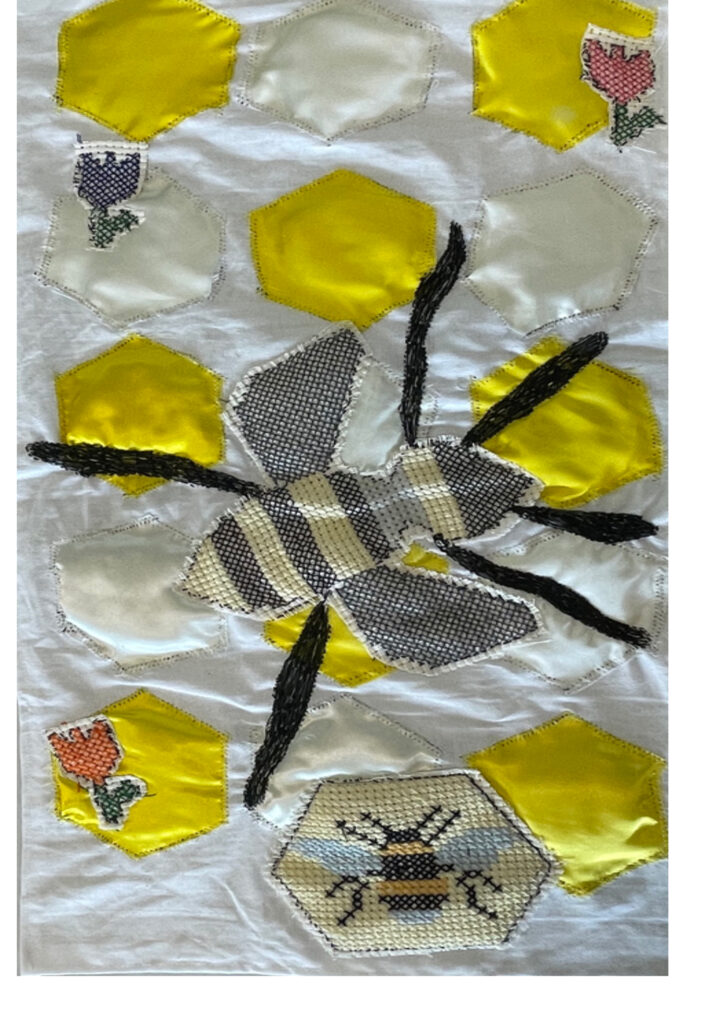
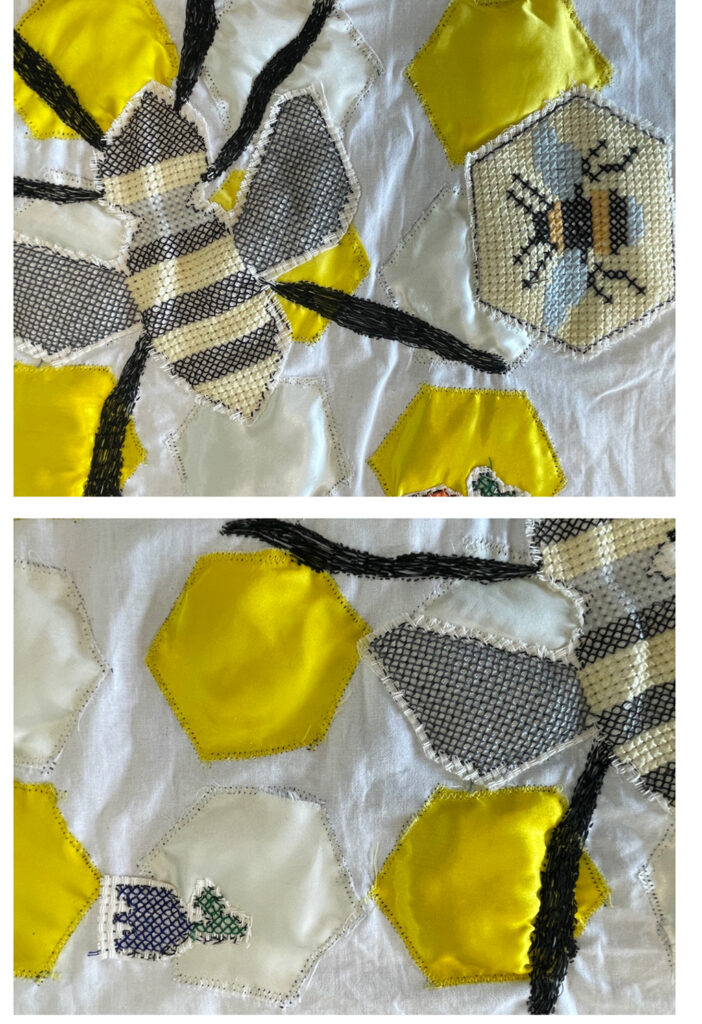
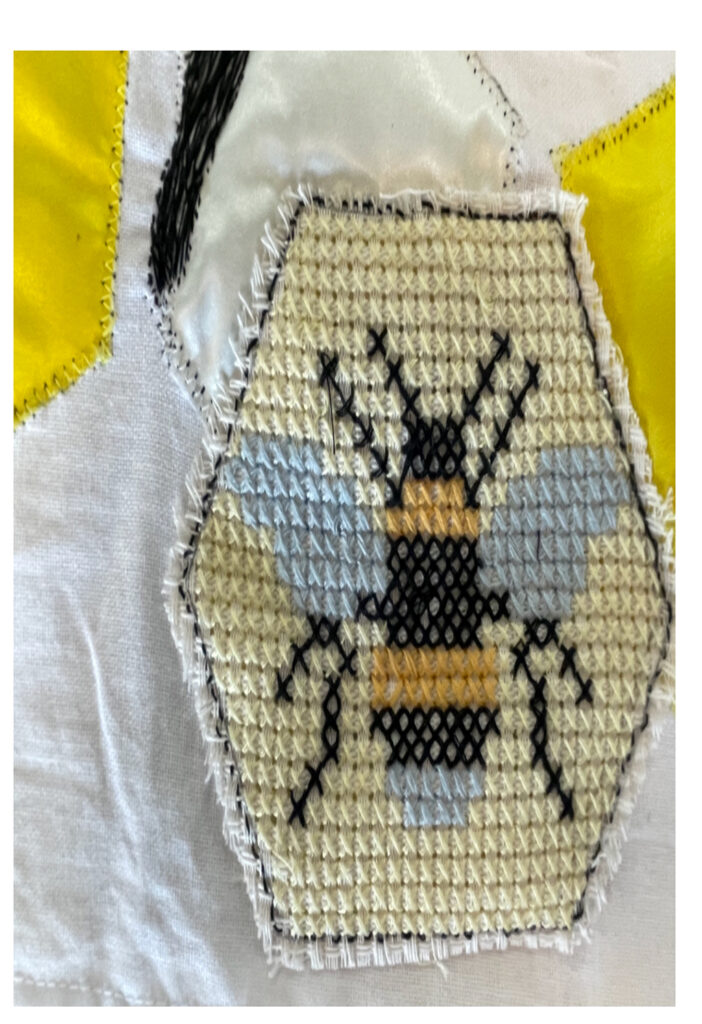
The theme I chose for my project was about Honeybees. Bees are important for the environment because they collect pollen from different plants such as flowers, fruit and vegetables. They fly from one plant to another and make pollination happen so that fruit and vegetables grow more. If the honeybee is reduced in the world or die then this means that maybe gone will be the fruit and vegetables or not be in big quantity. Honey bees also make honey from the pollen which they collect and is used in many things that we eat or help with our skin. In my project I looked at the different bees and made drawings from them. I used the drawings to create hand embroidery and used different sewing machine techniques like, applique and cross stitch. I created a wall hanging with all the work I created to celebrate the honeybee.
With this project I improved on my time management skills and created lots of practical work. I have also learnt that taking risks and trying out ideas, even if you are unsure of them is ok as it helps you to create lots of ideas that you can choose the best from.
Kelci Edwards
Previous Education: Ormiston Sandwell Community Academy Progression: BA (Hons) Fashion Business and Promotion- Birmingham City University
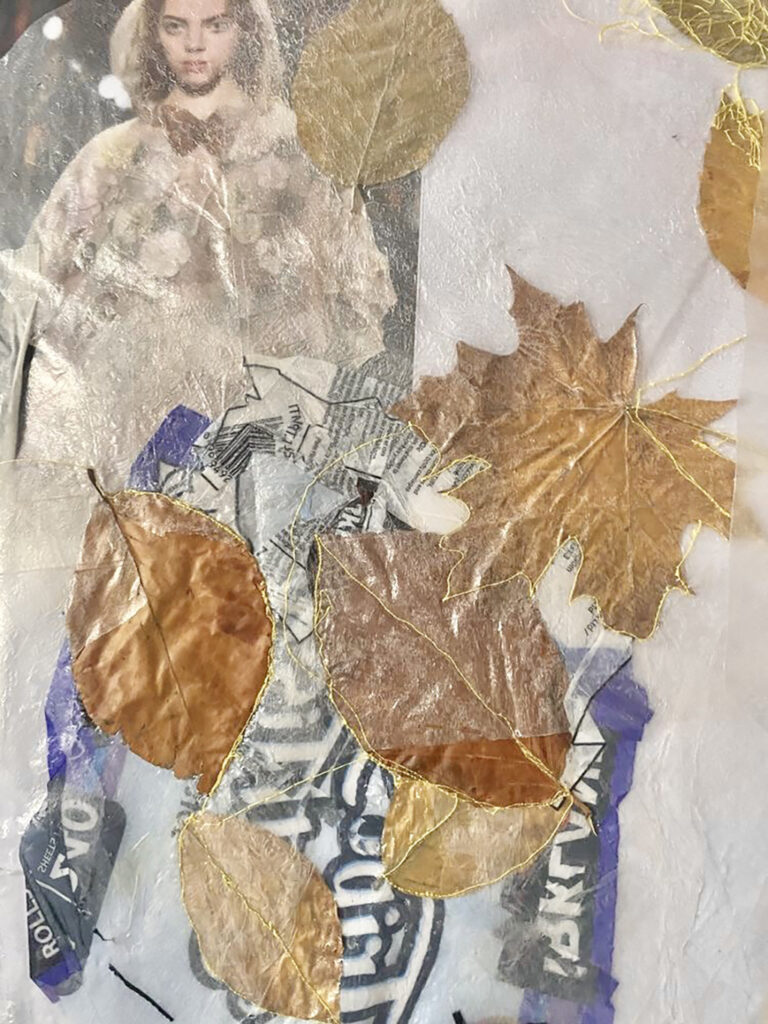
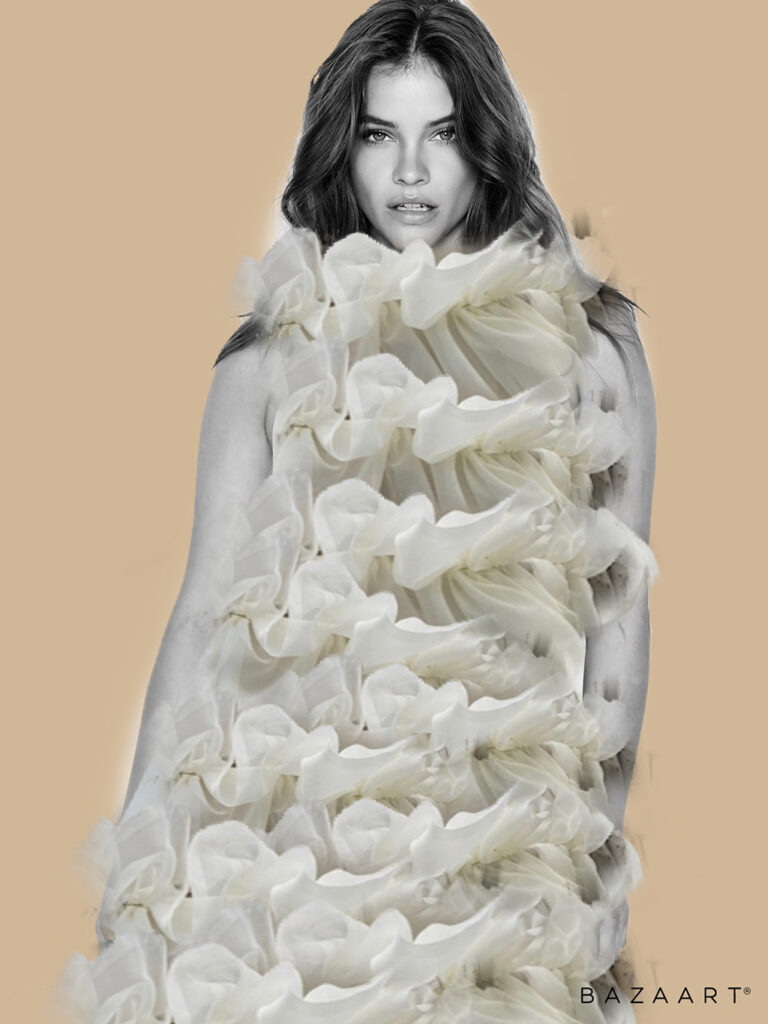
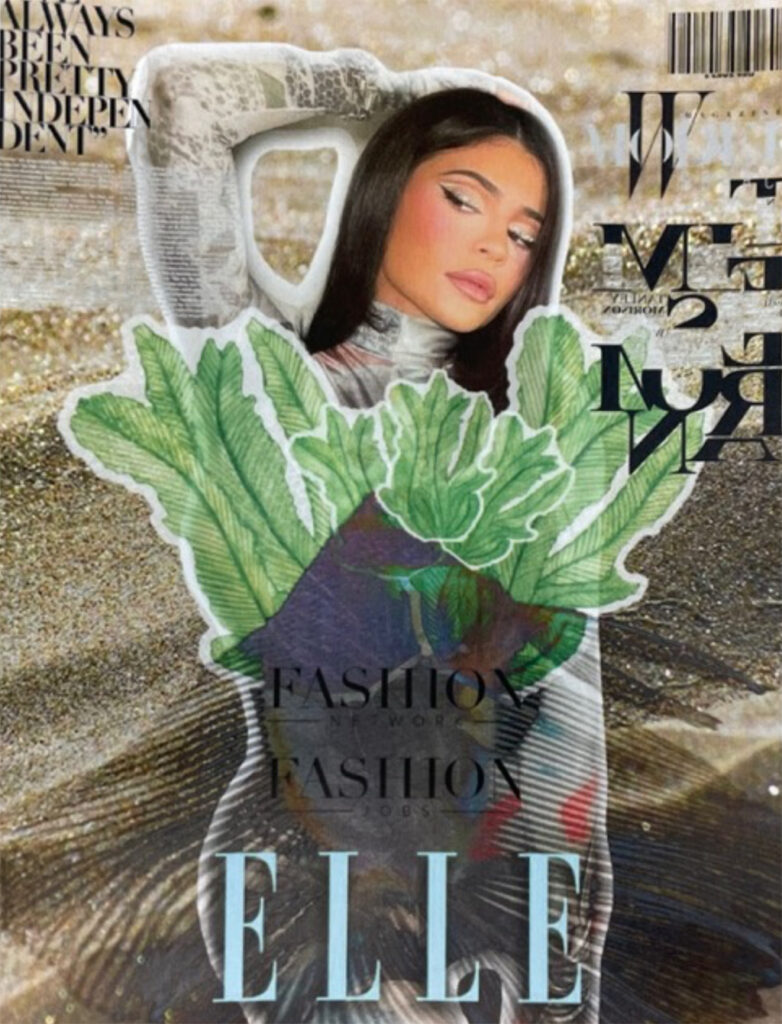
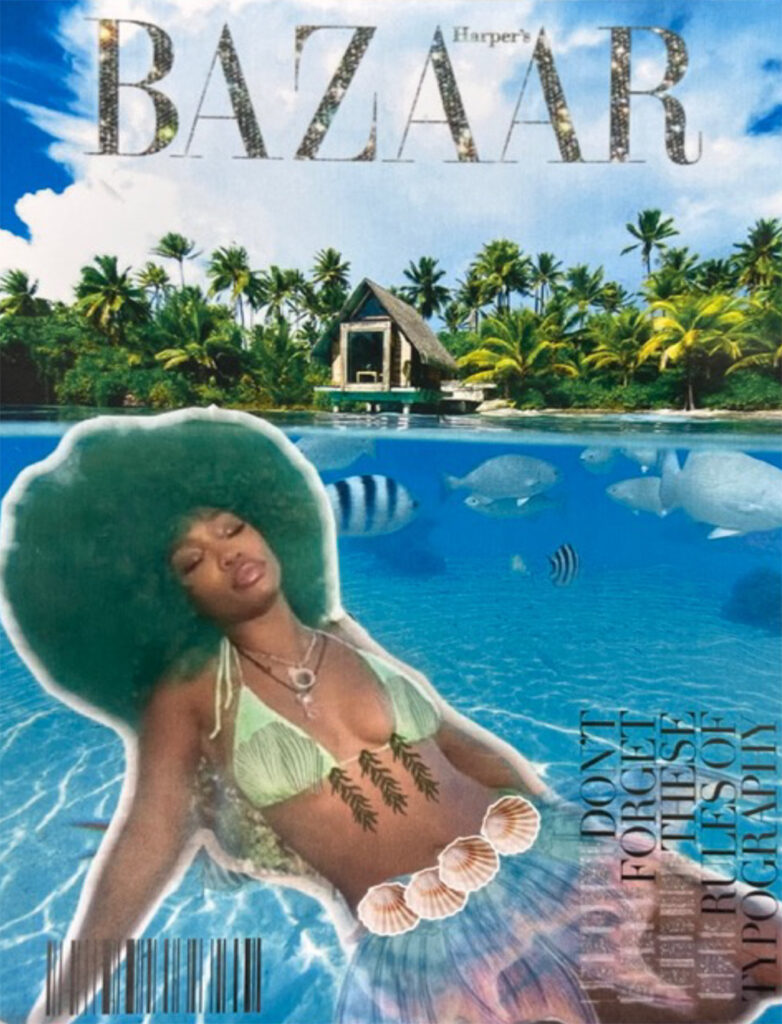
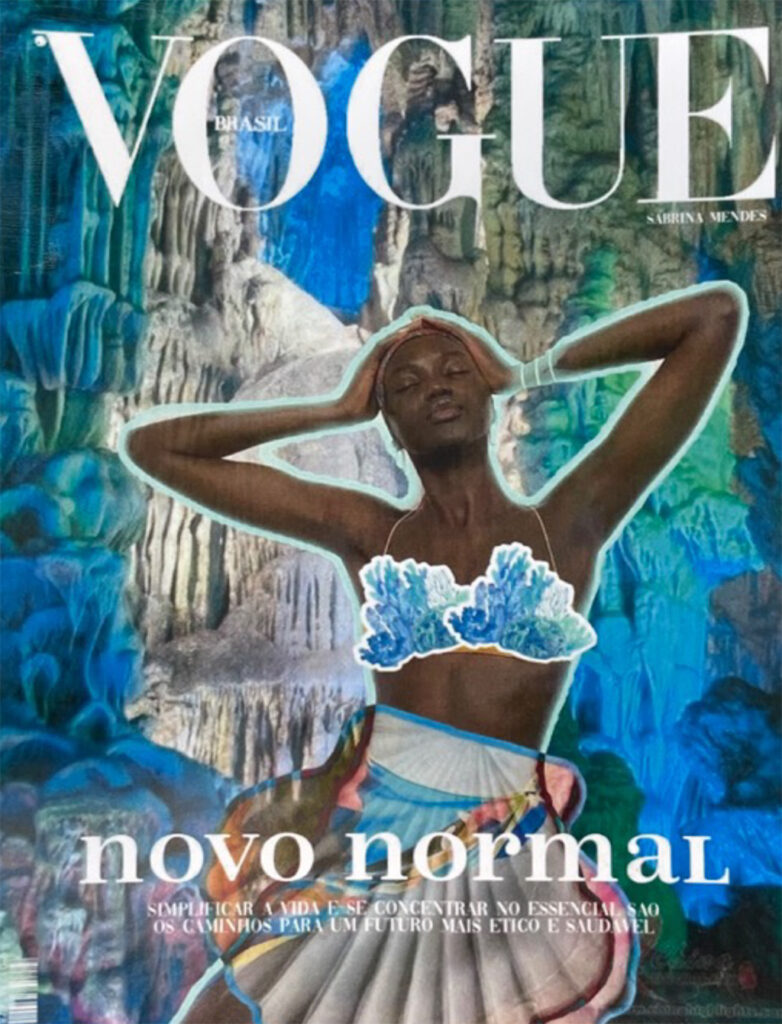
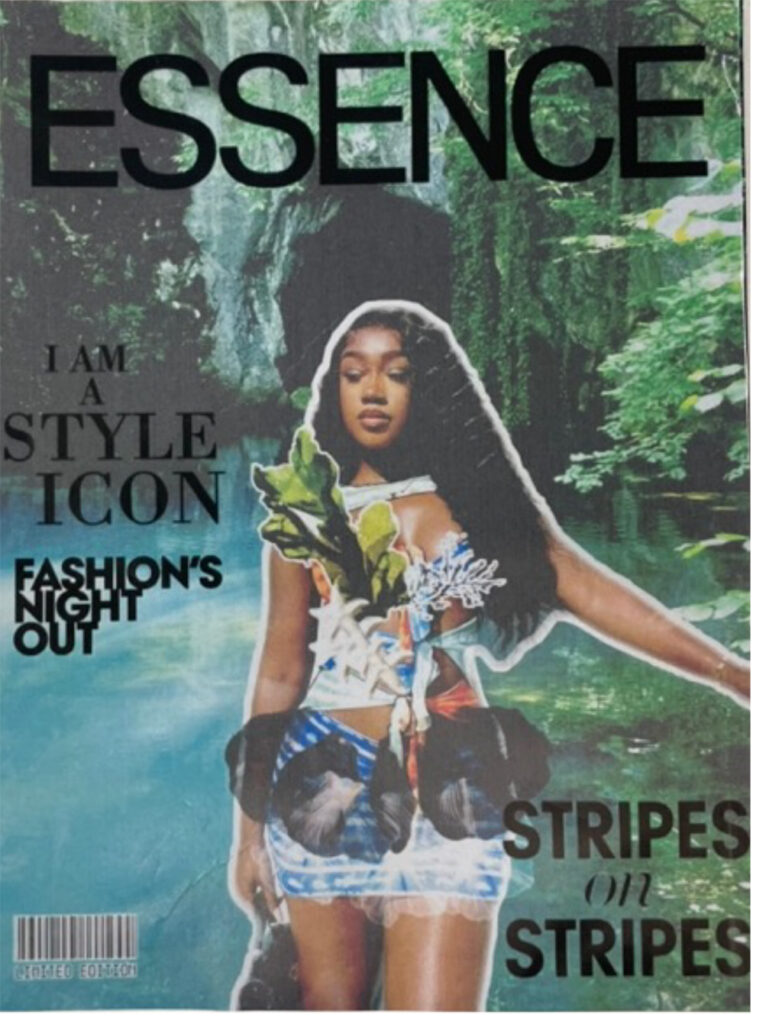
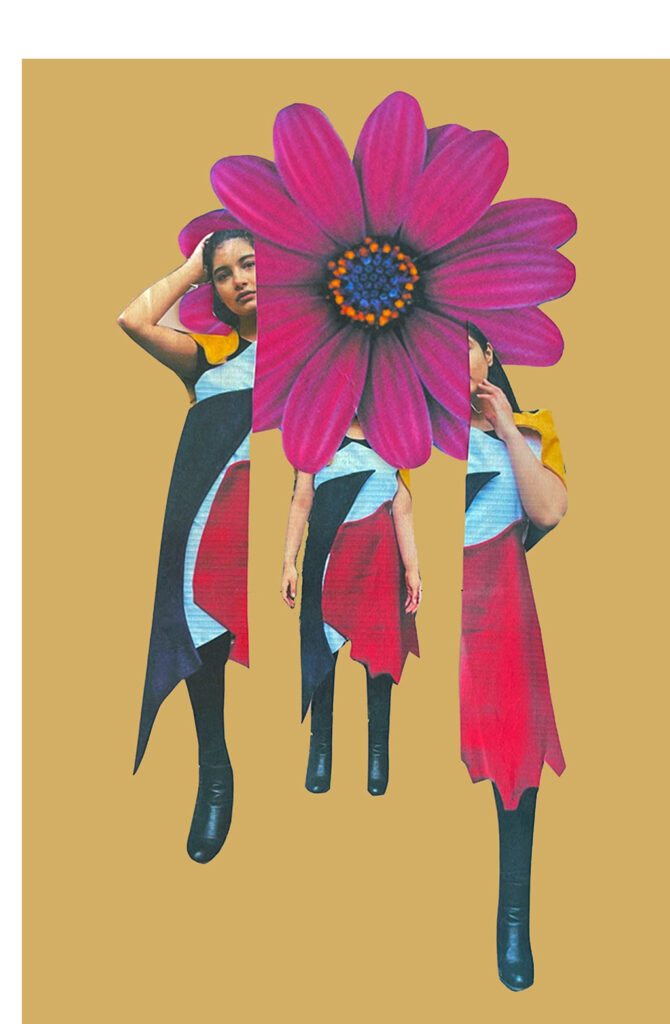
Fantasy and make believe has always been a part of the fashion world. It can be seen in catwalk shows or as part of a marketing strategy. It allows the viewer a moment to escape the realities of their working world or offer ideas on how to dress or style themselves for a social event. For my project I wanted to look into a range of different fantasies and make-believe scenarios and recreate my own for a magazine cover and inside spread. I created digital collages using a phone app that enabled me to layer separate elements together and blend them as one. I tried out several whilst testing them out on different magazine covers. The remaining images I used for the inside fashion story.
The work created during this second year has been intense and fast paced but has helped to develop personal confidence and organisation skills. It has been a challenging experience but has enabled me to find a direction that I want to develop further on the Fashion Business and Promotion Course at Birmingham City University.
Mia Honeyghan
Previous Education: Bristnall Hall Academy Progression: UALAB Foundation Diploma Art & Design. Dudley College of Technology
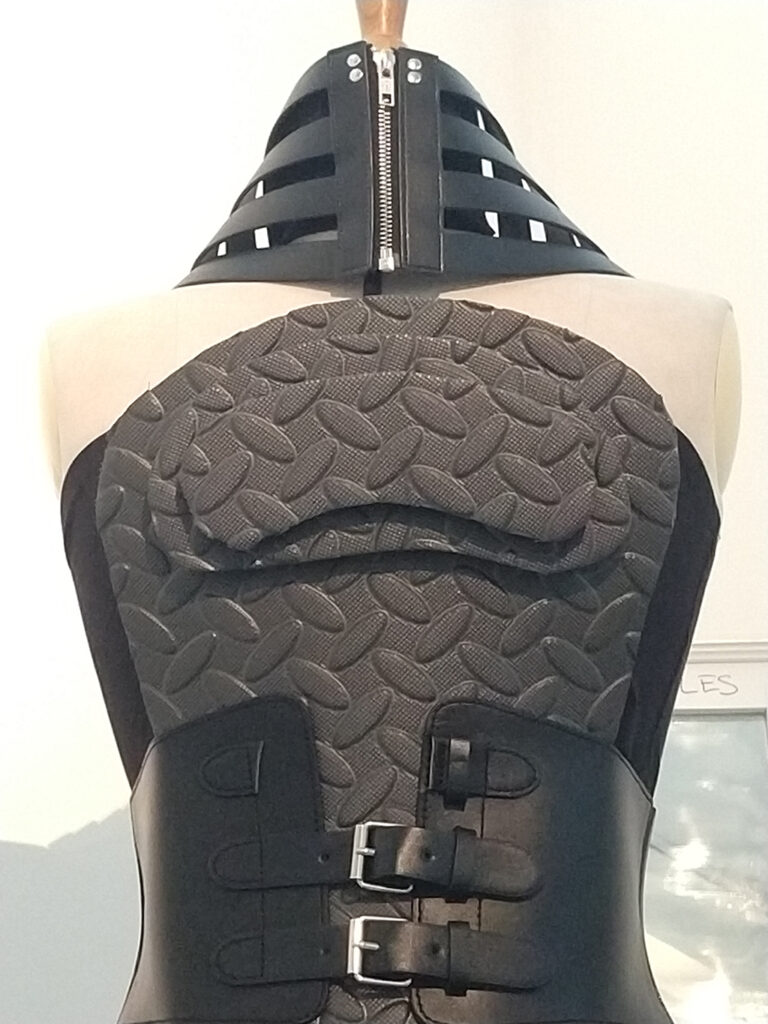
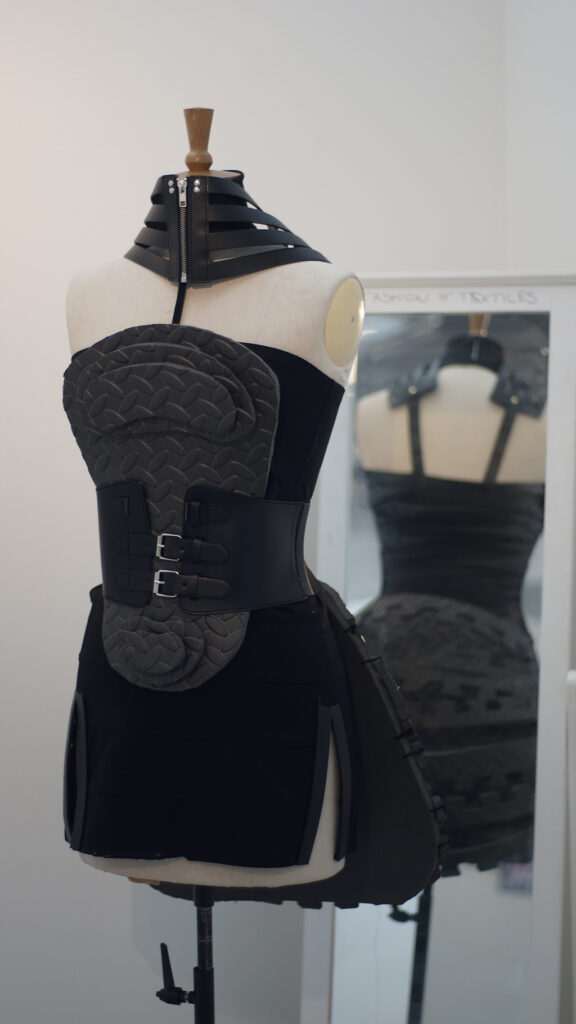
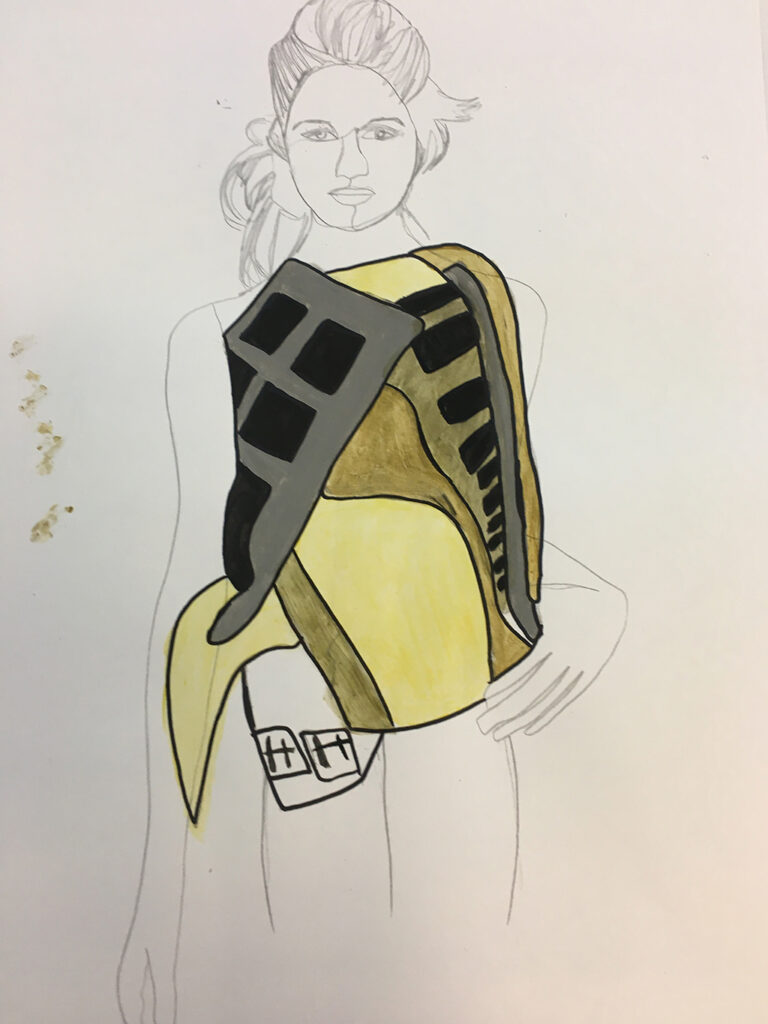
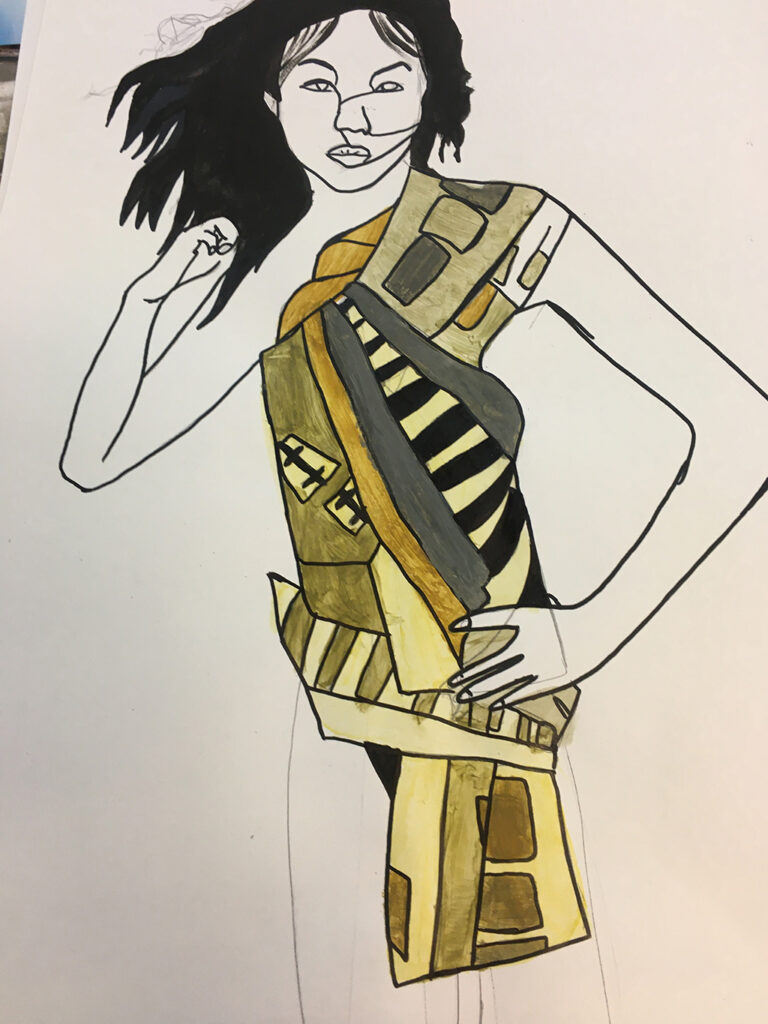
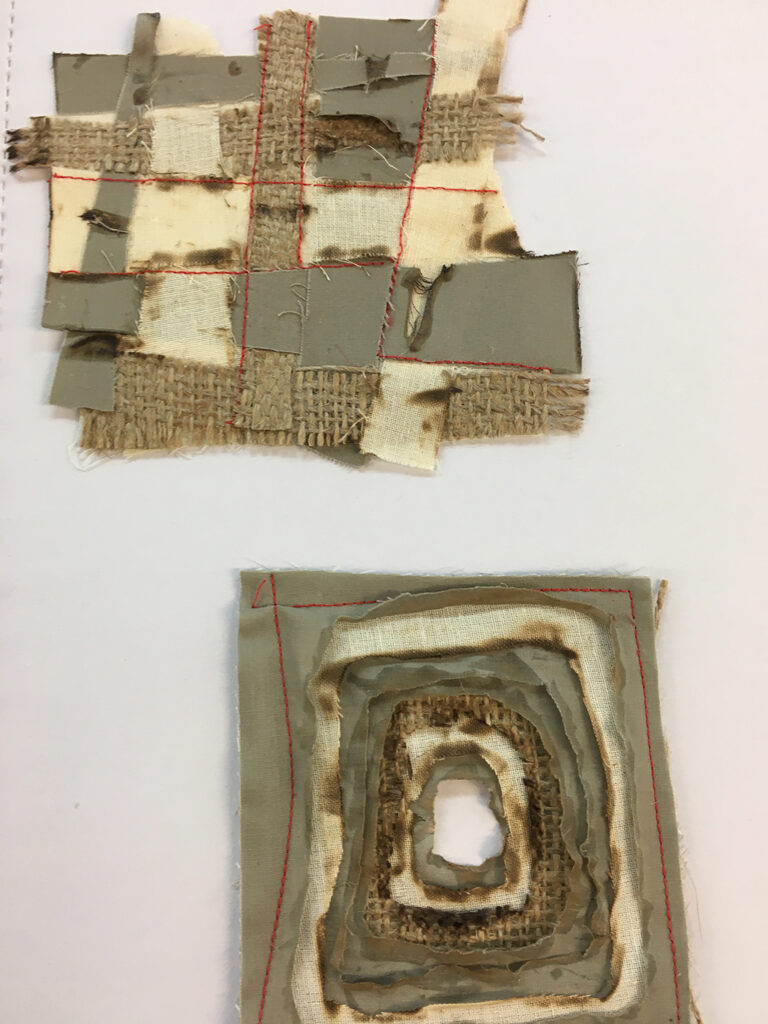
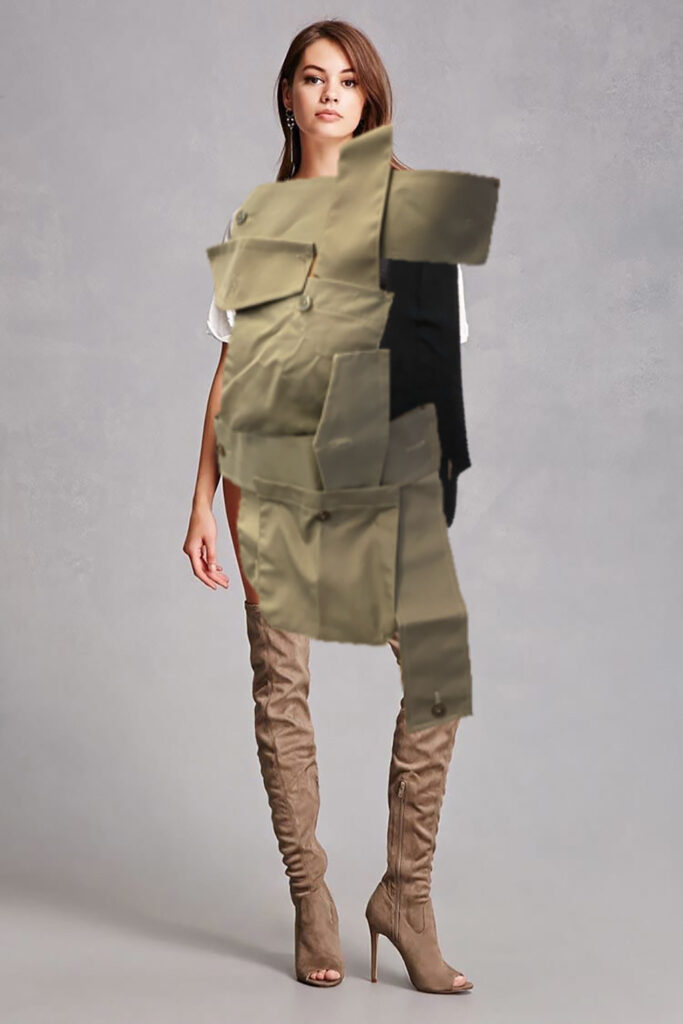
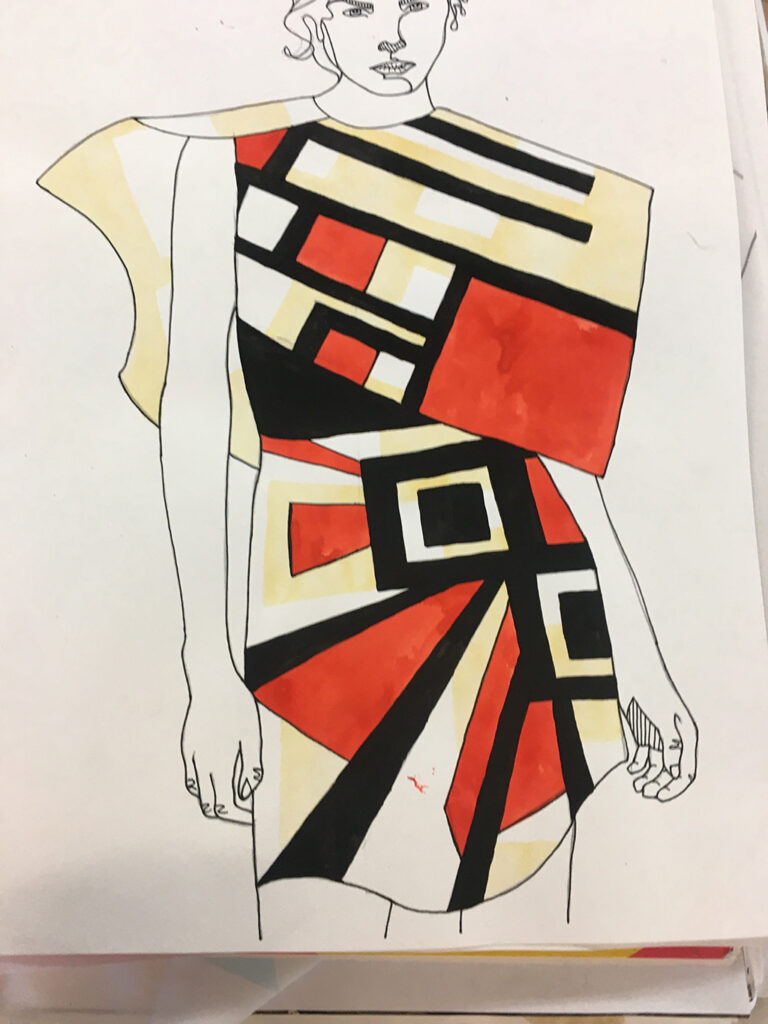
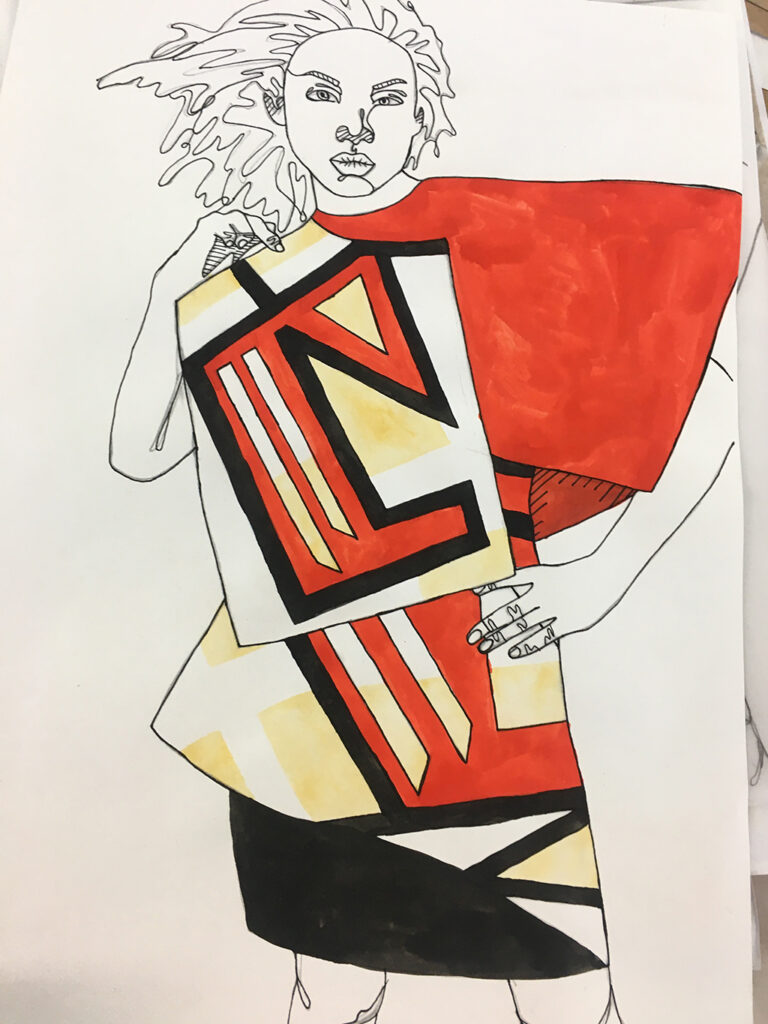
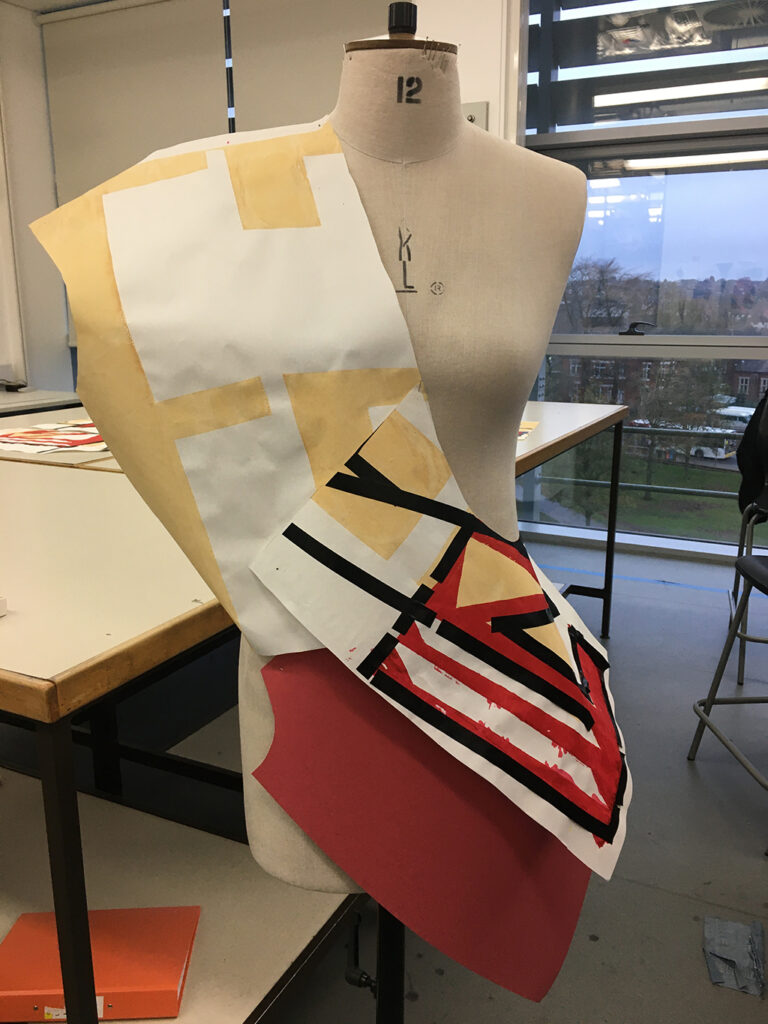
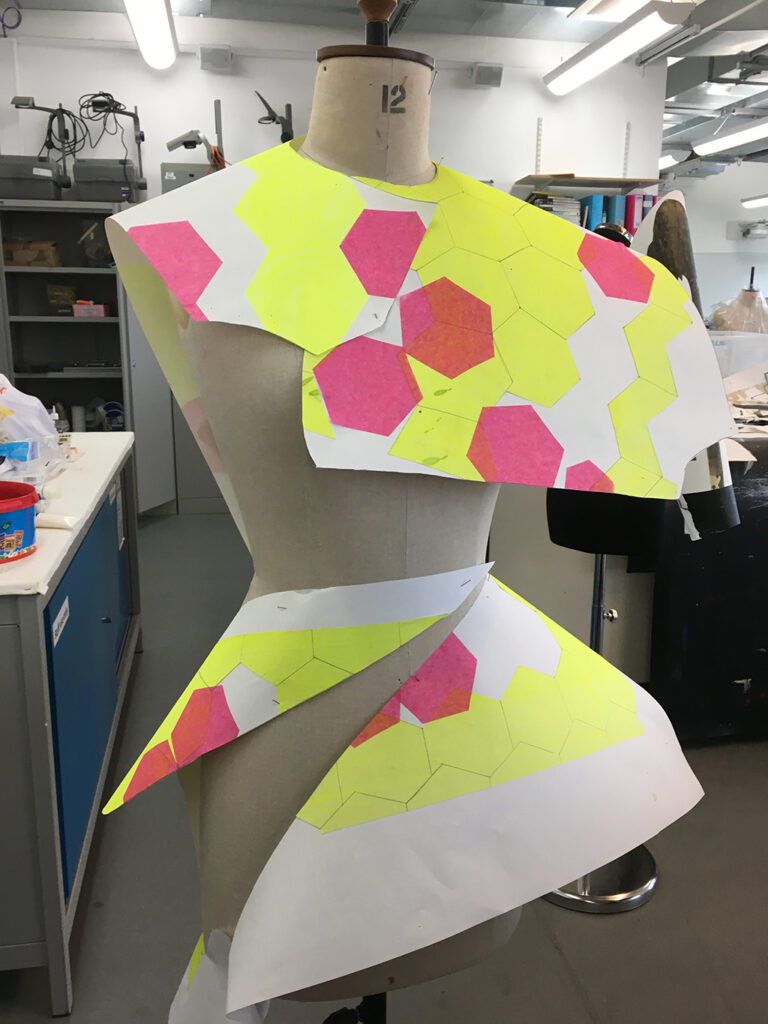
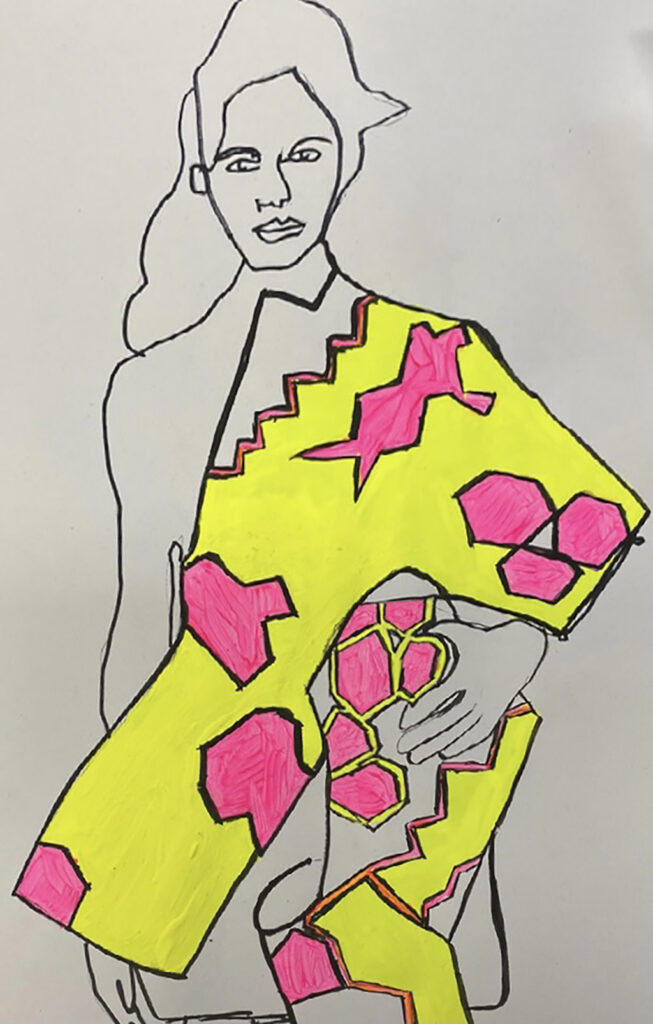
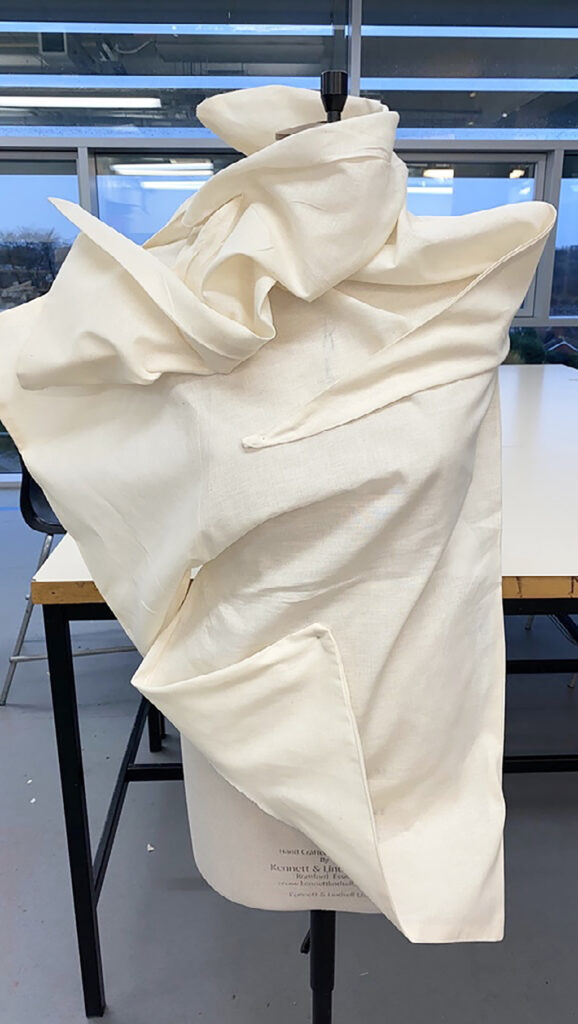
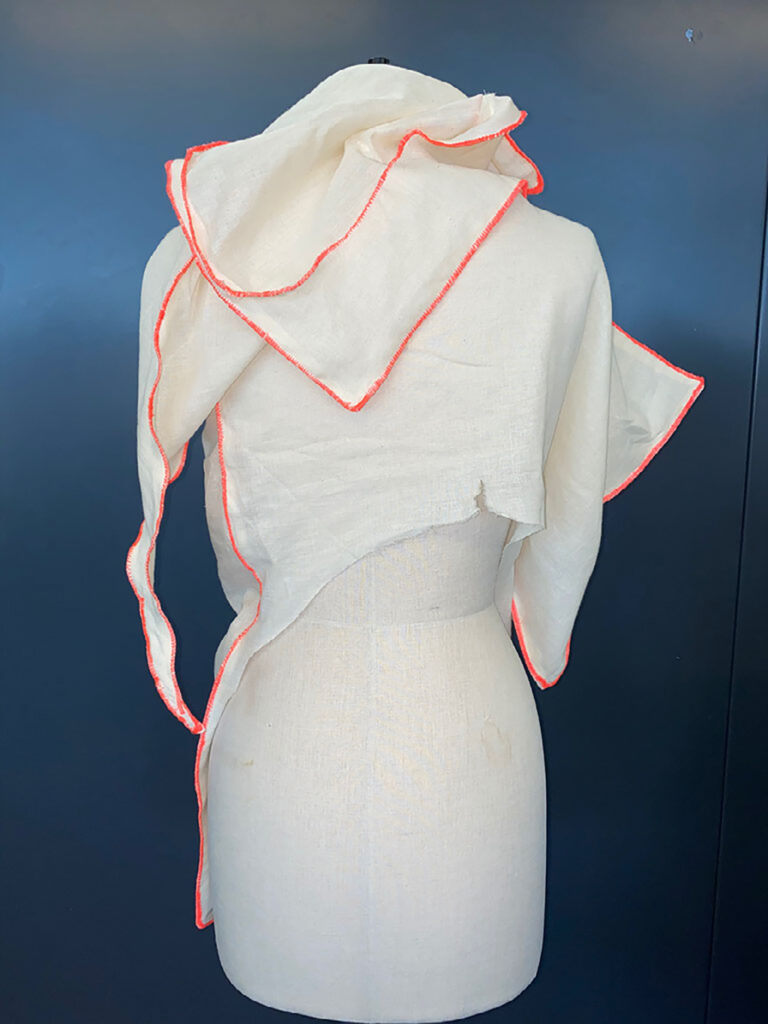
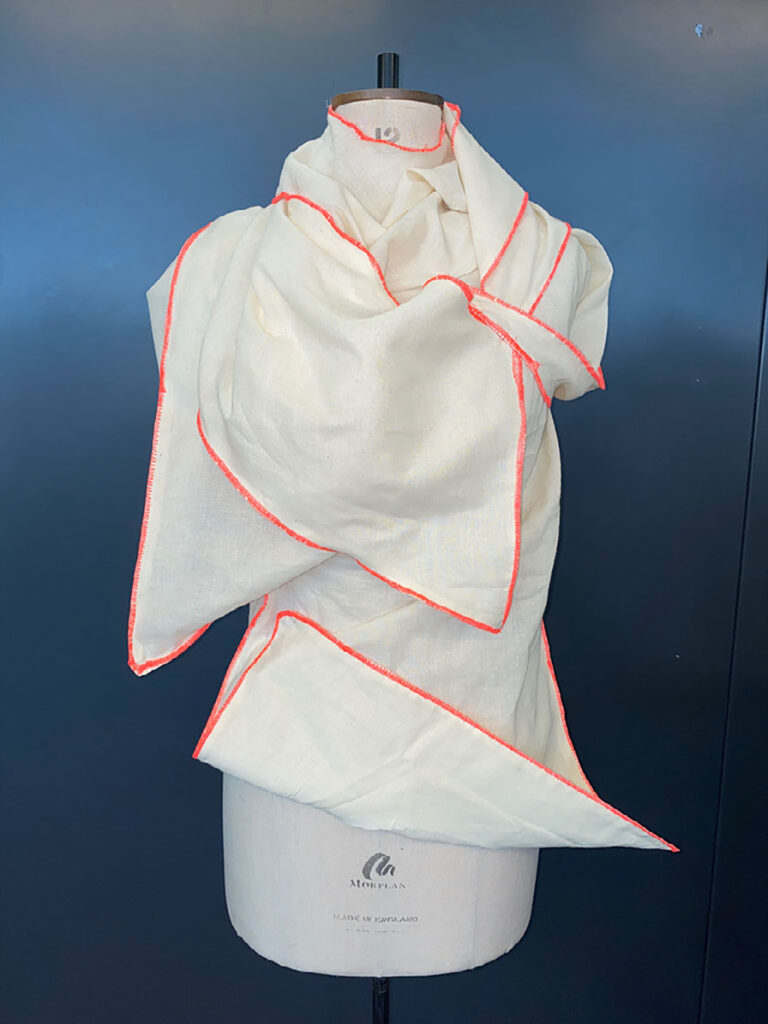
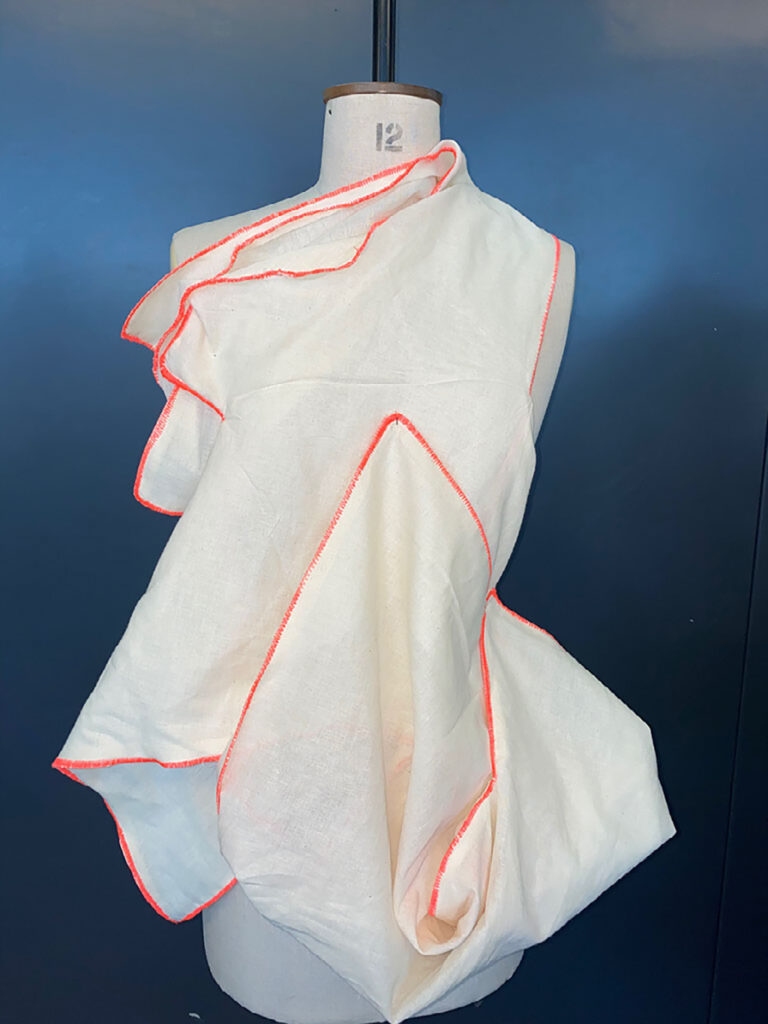
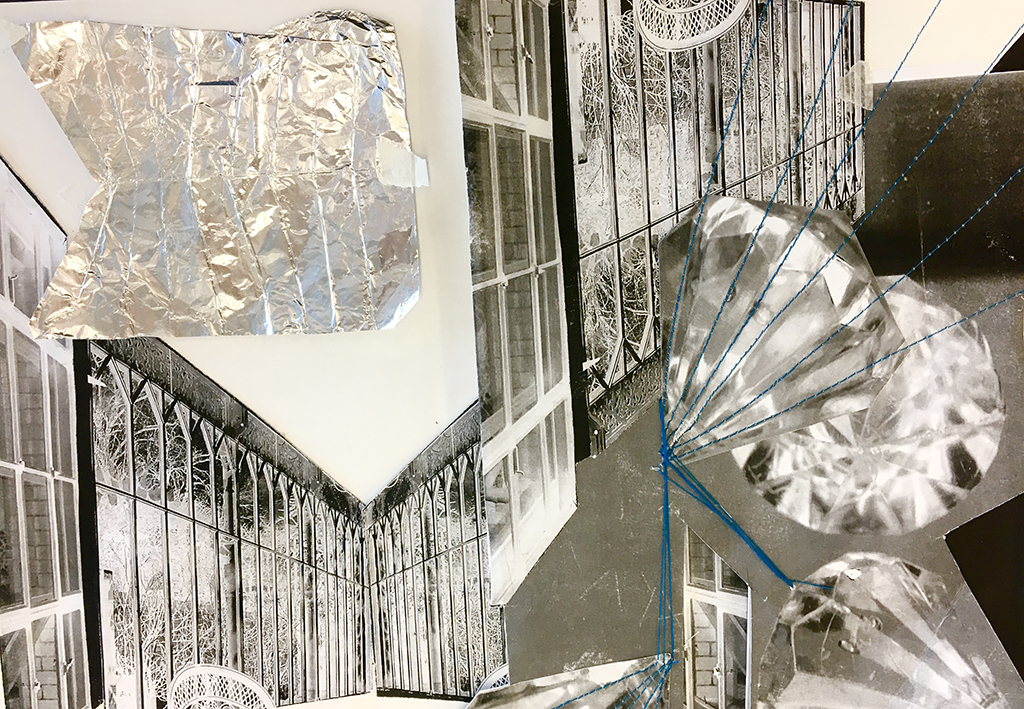
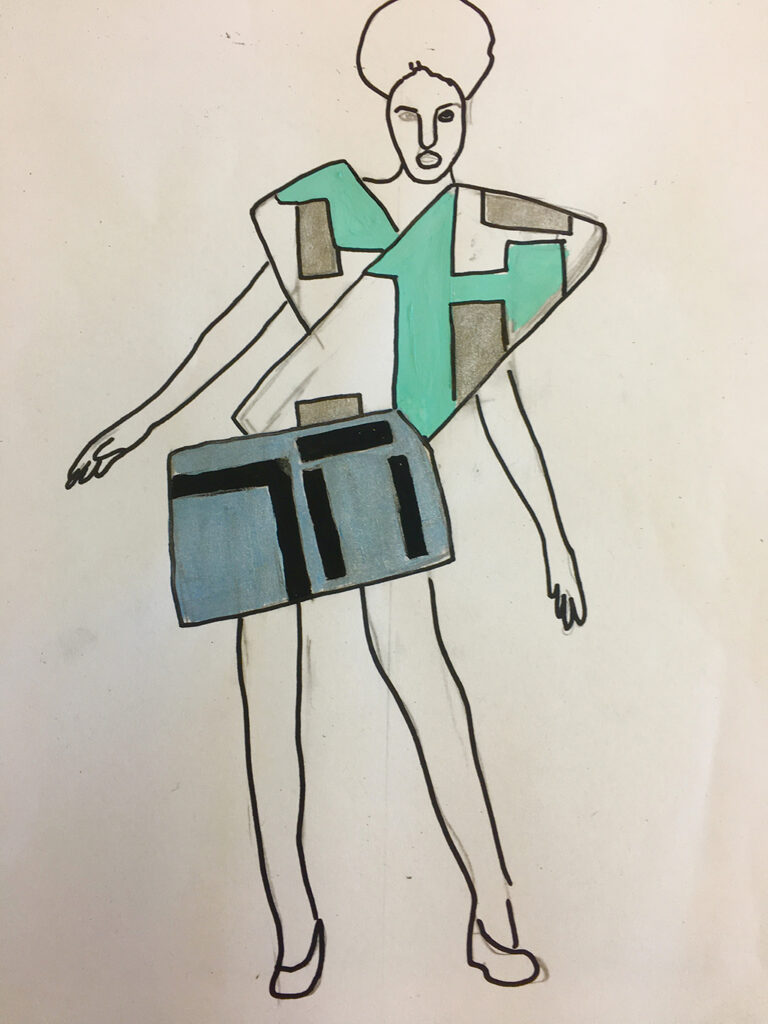
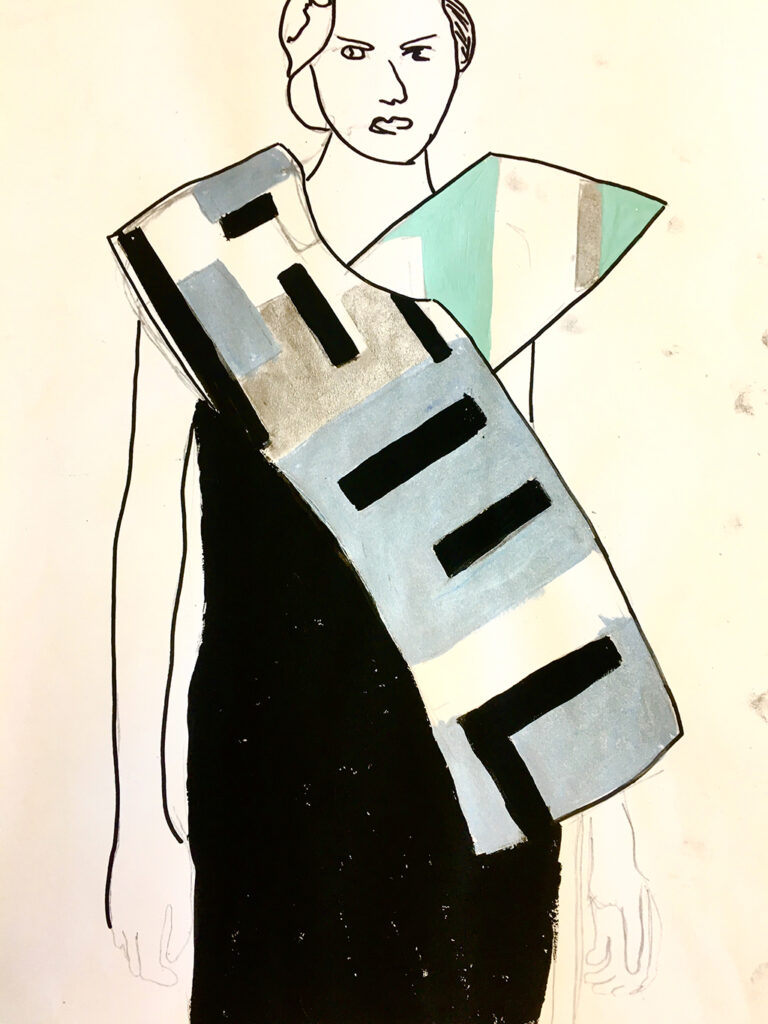
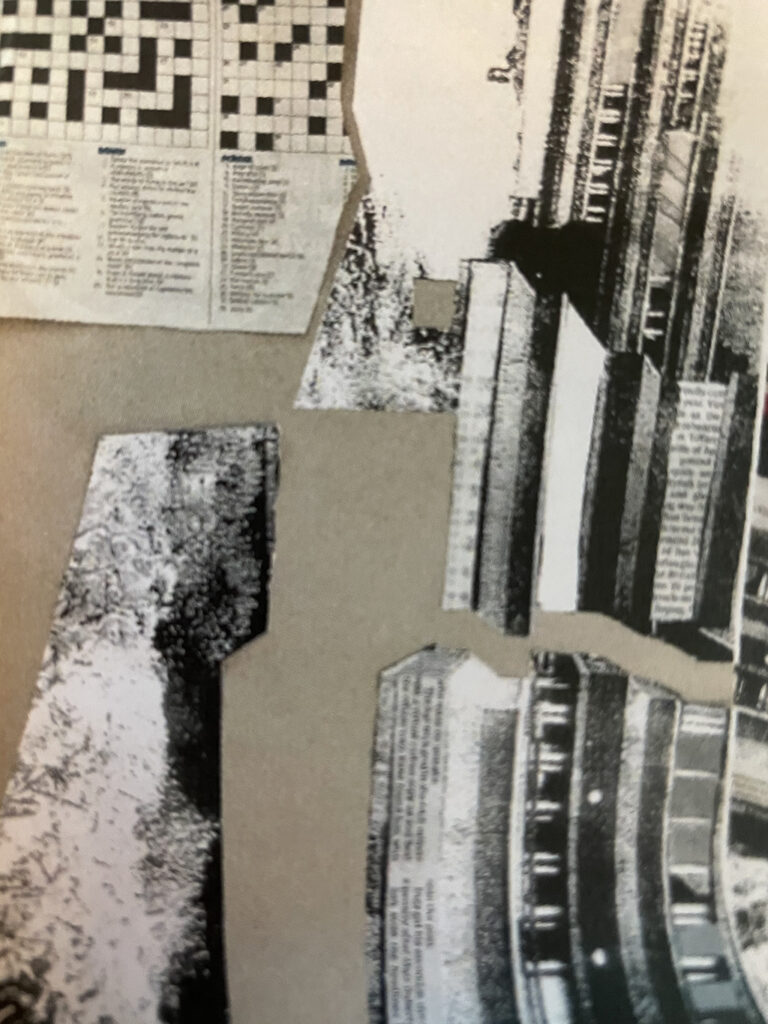
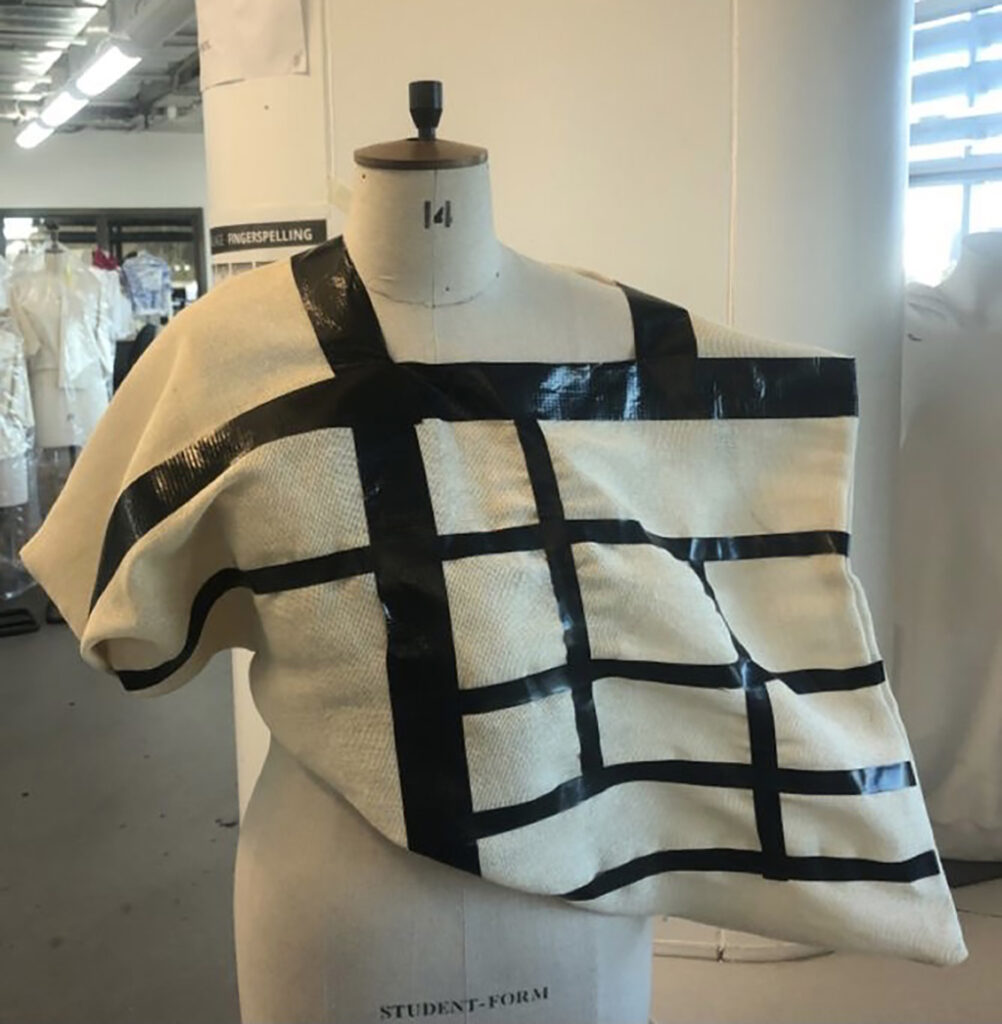
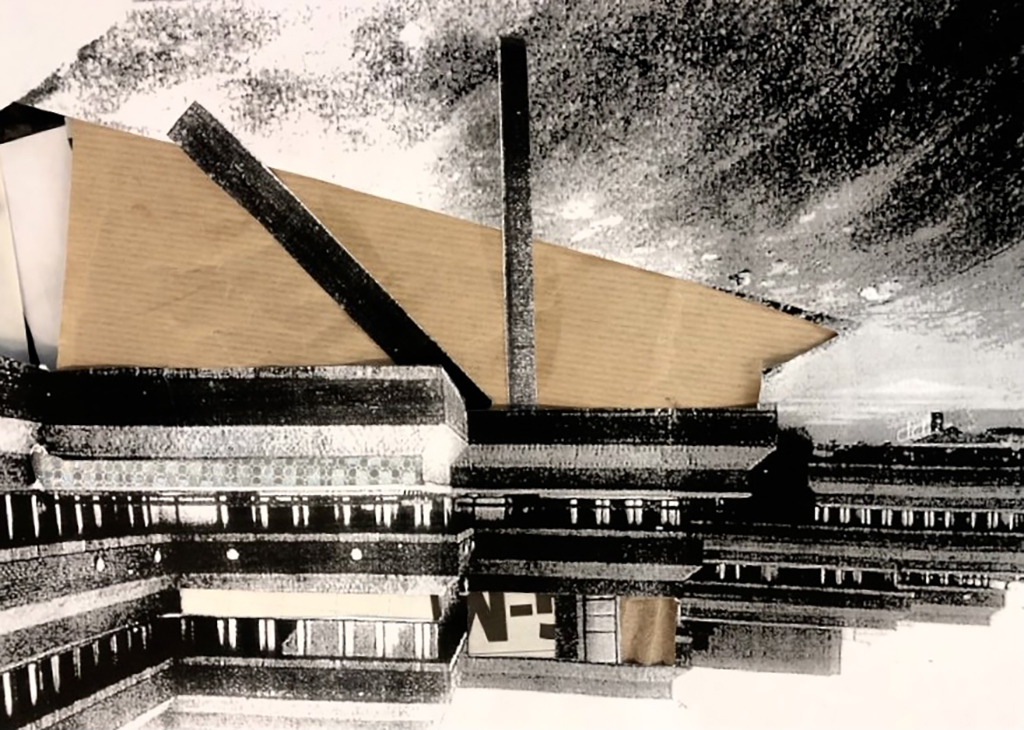
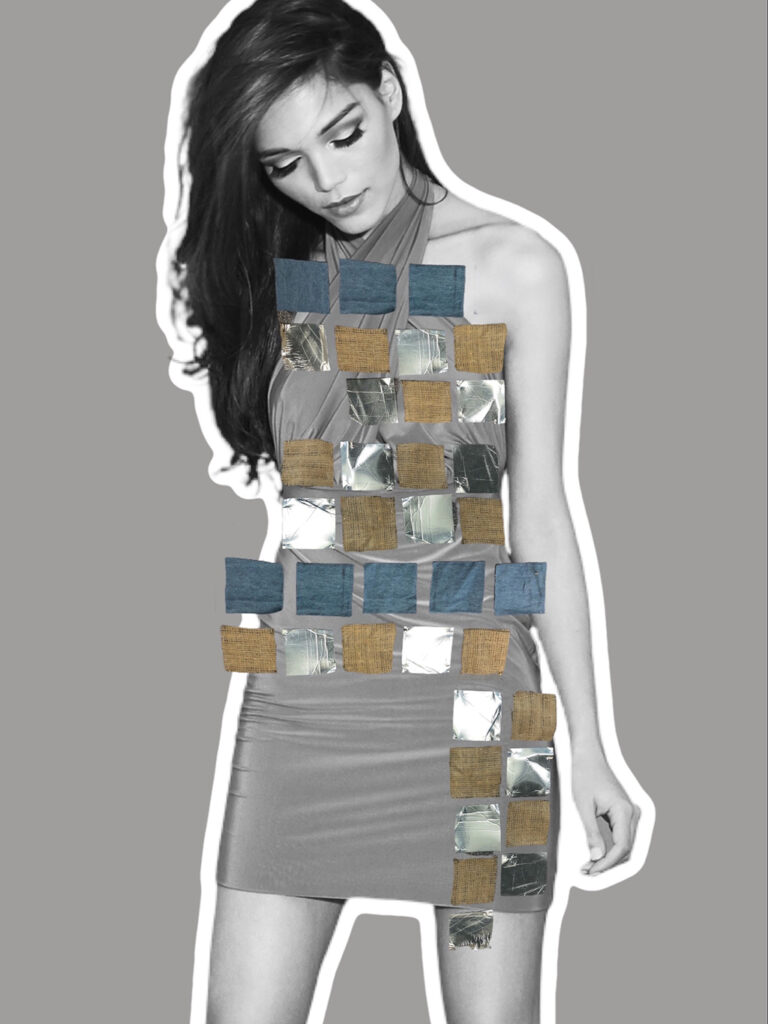
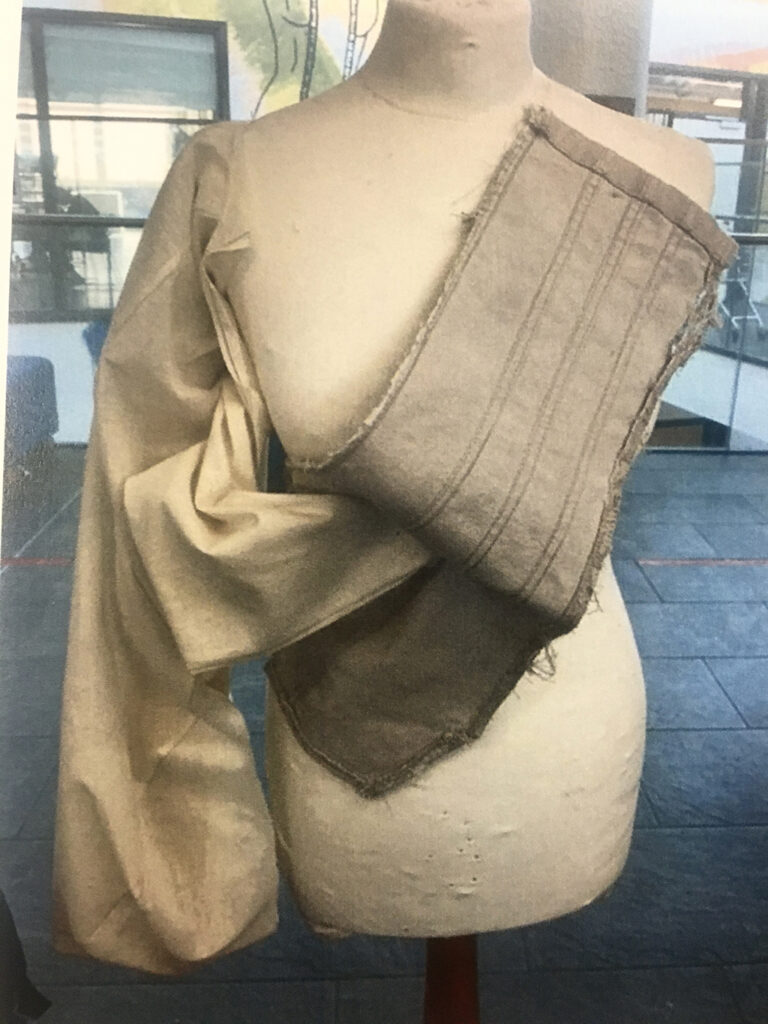
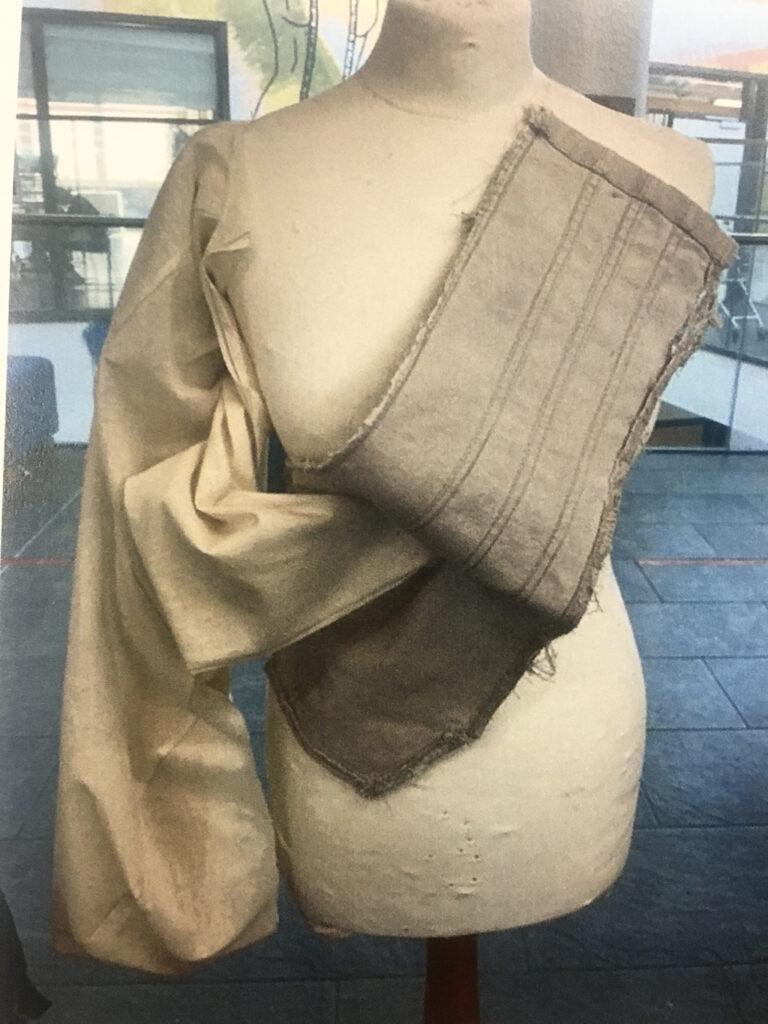
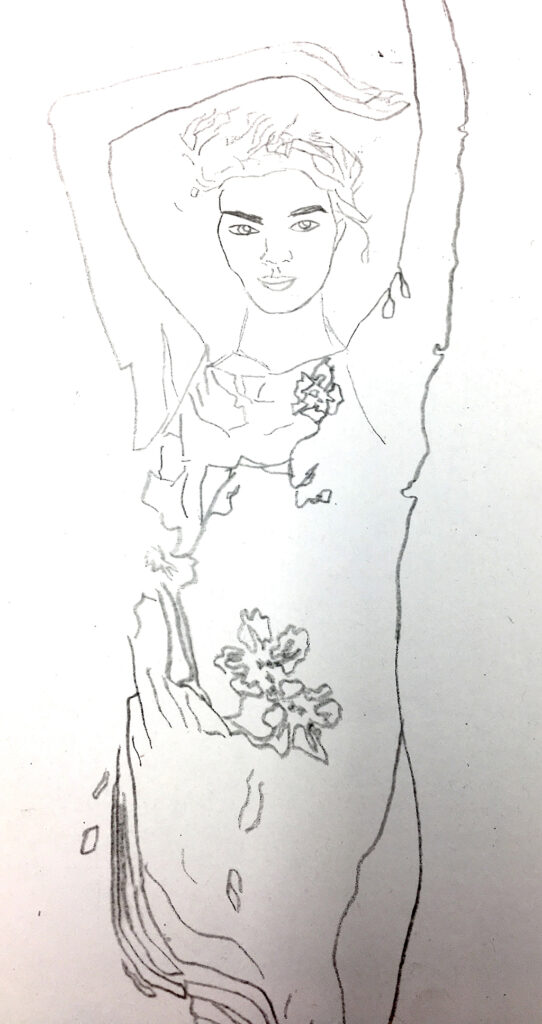
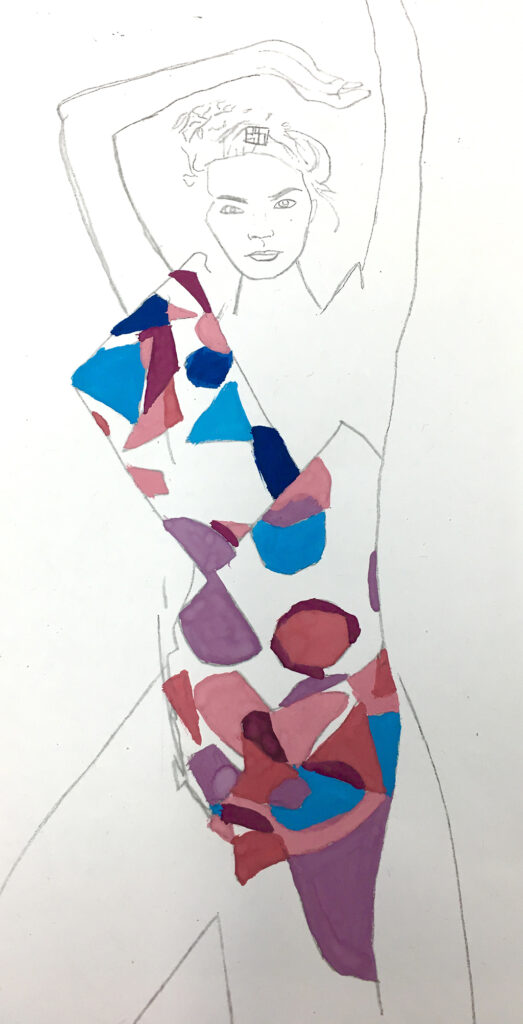
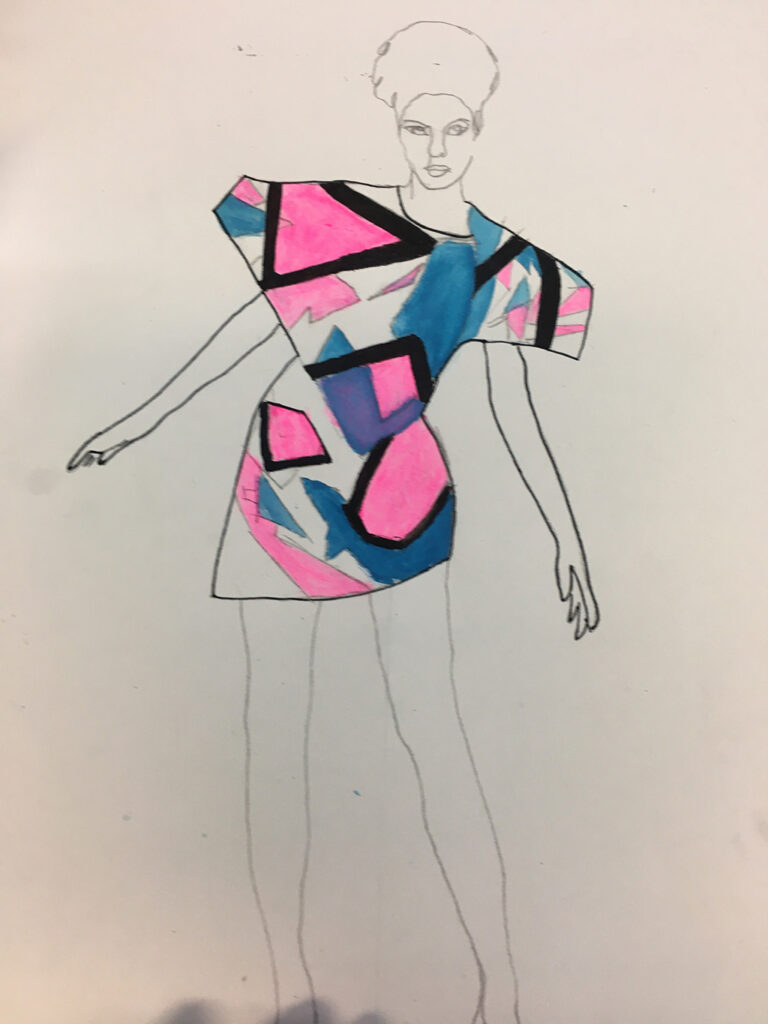
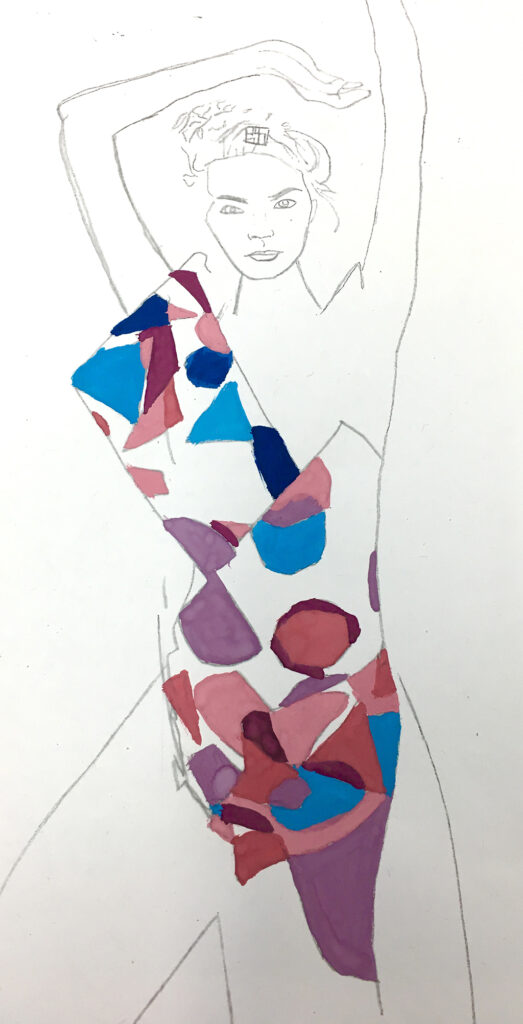
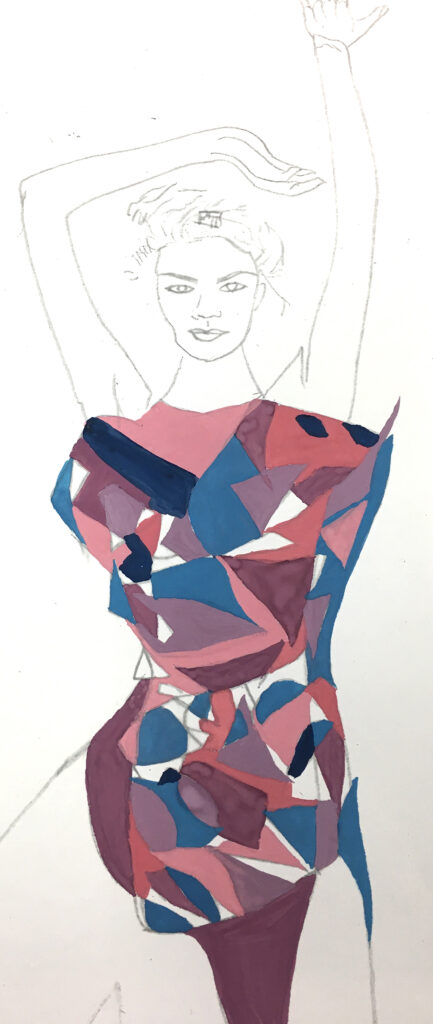
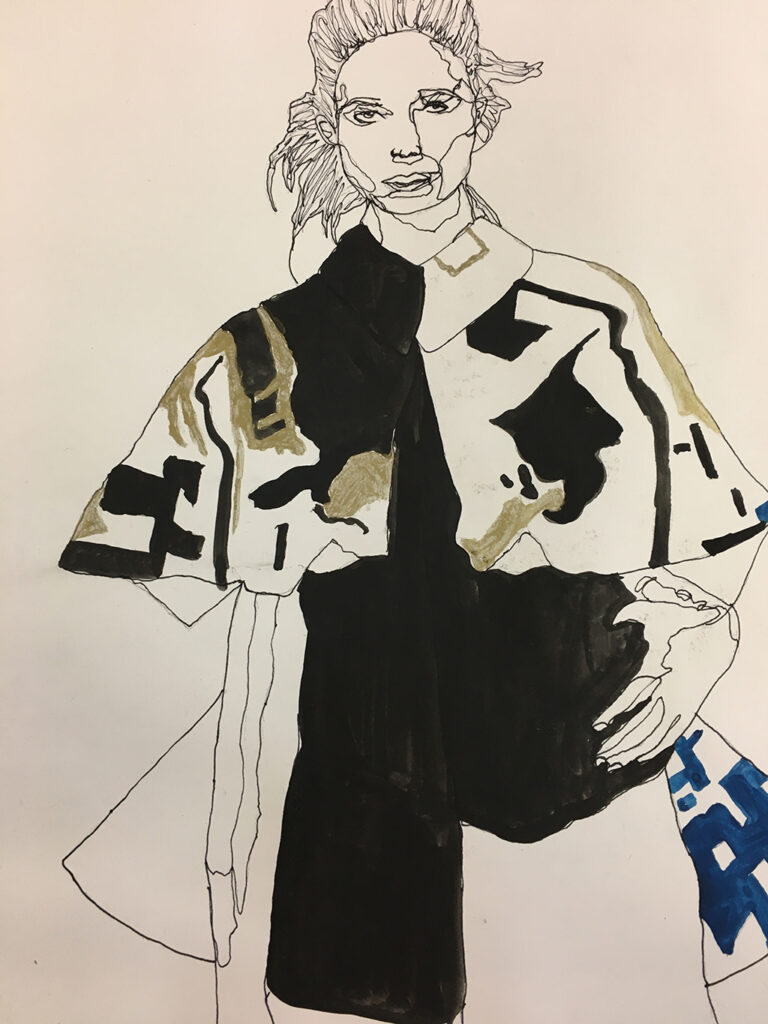
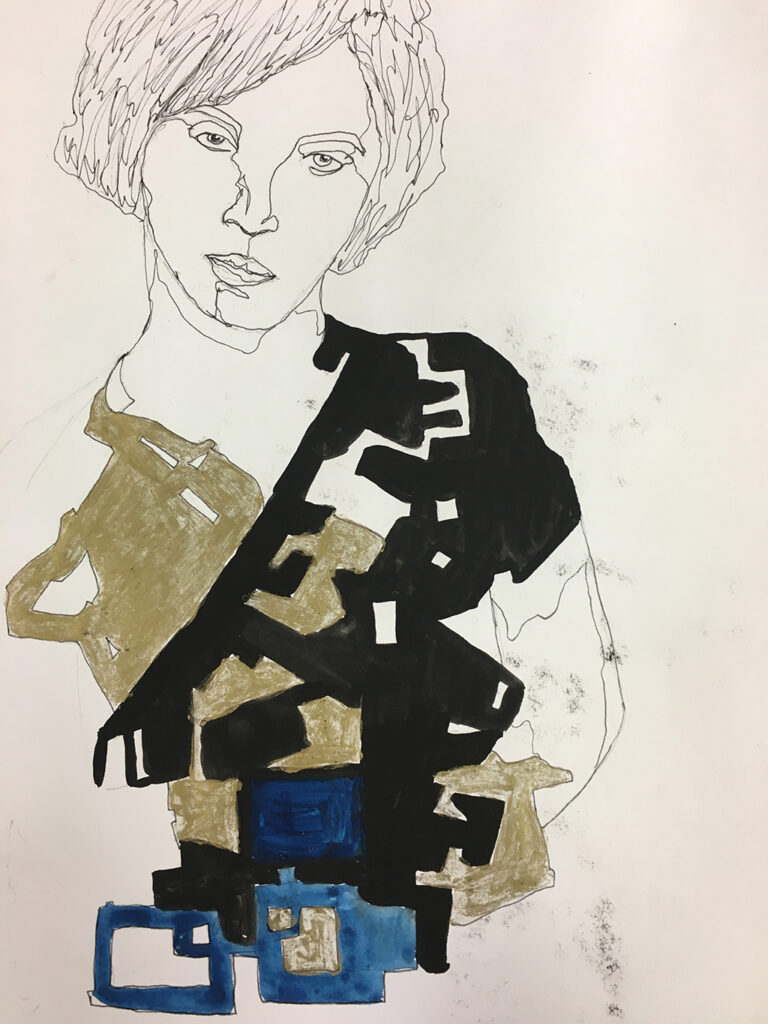
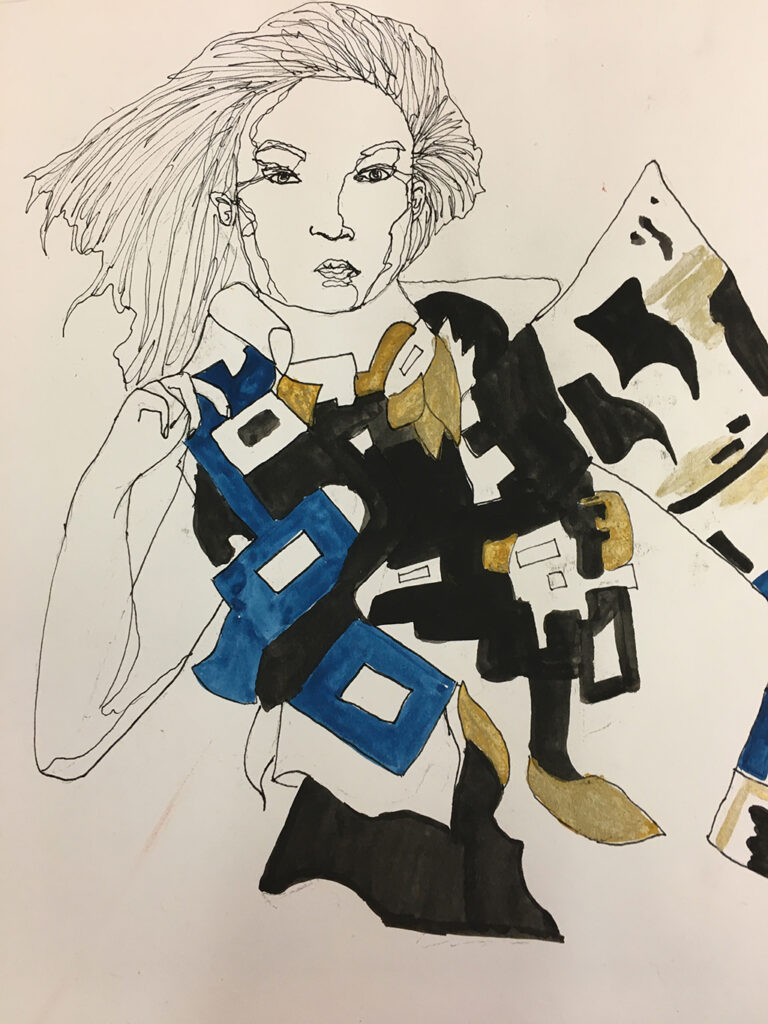
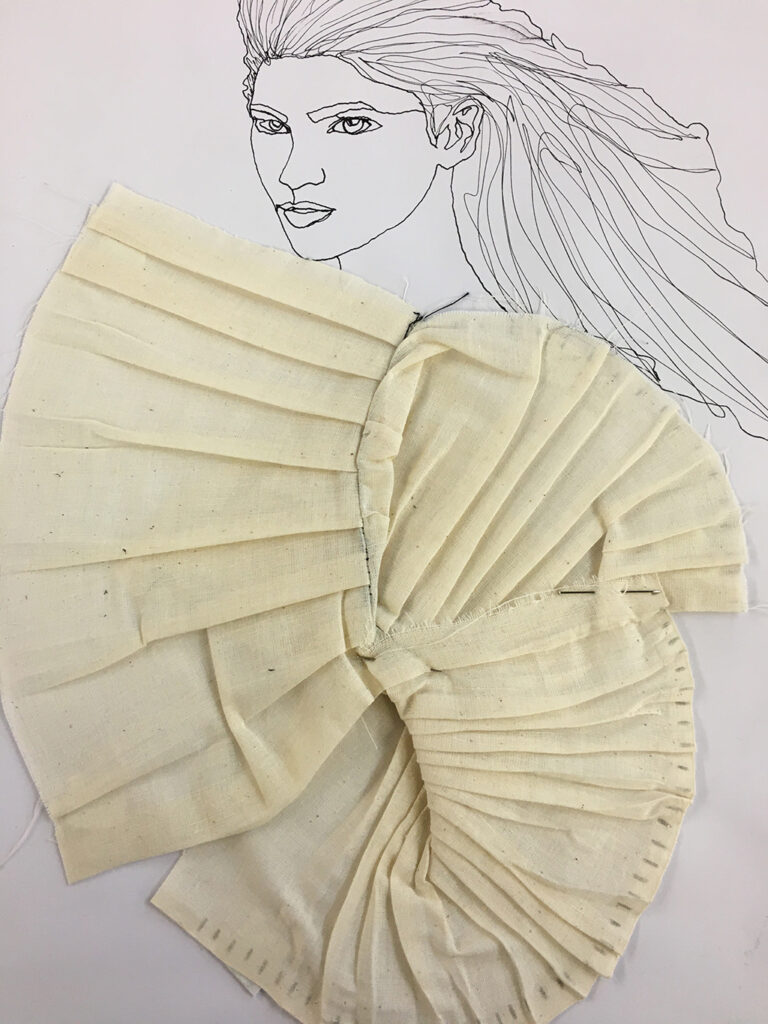
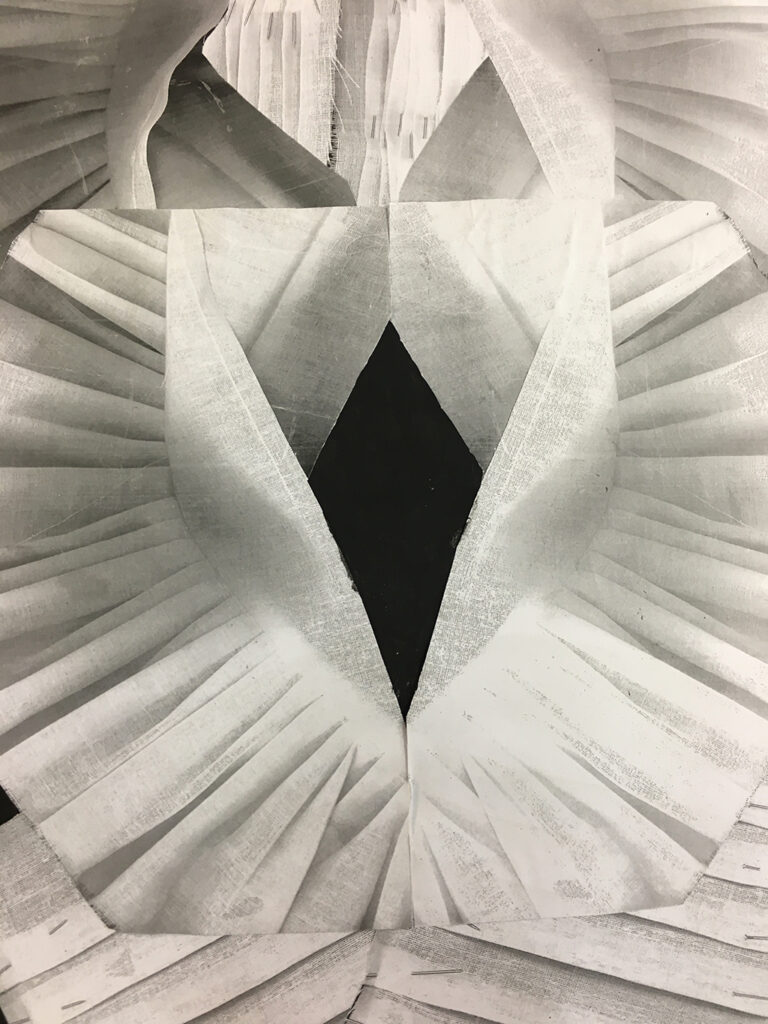
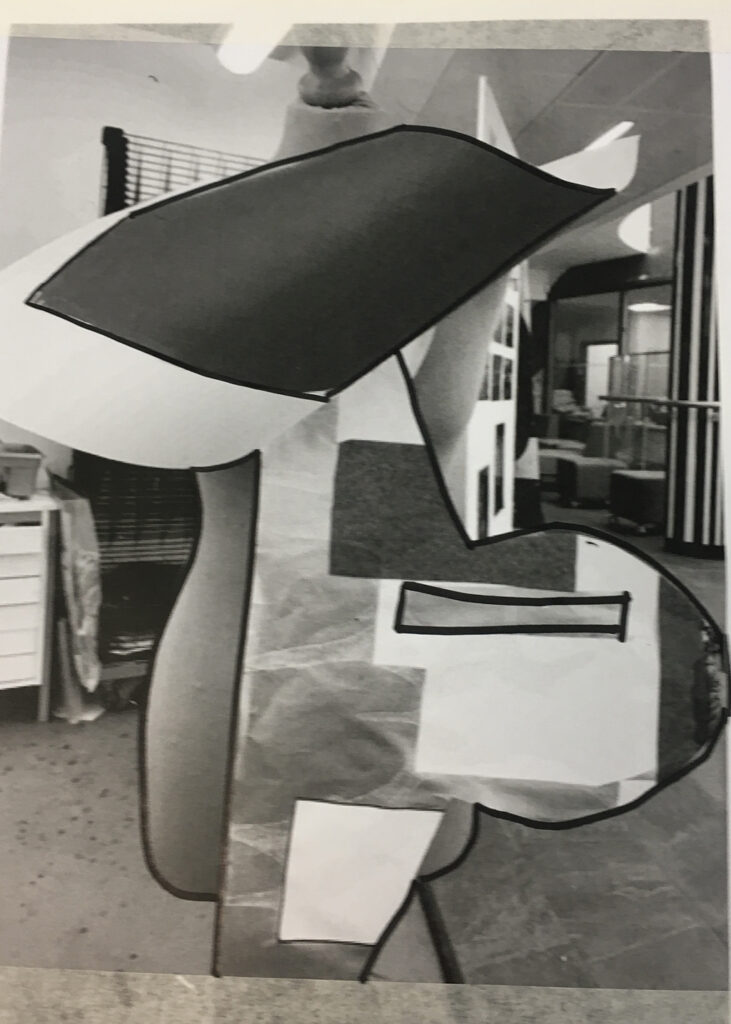
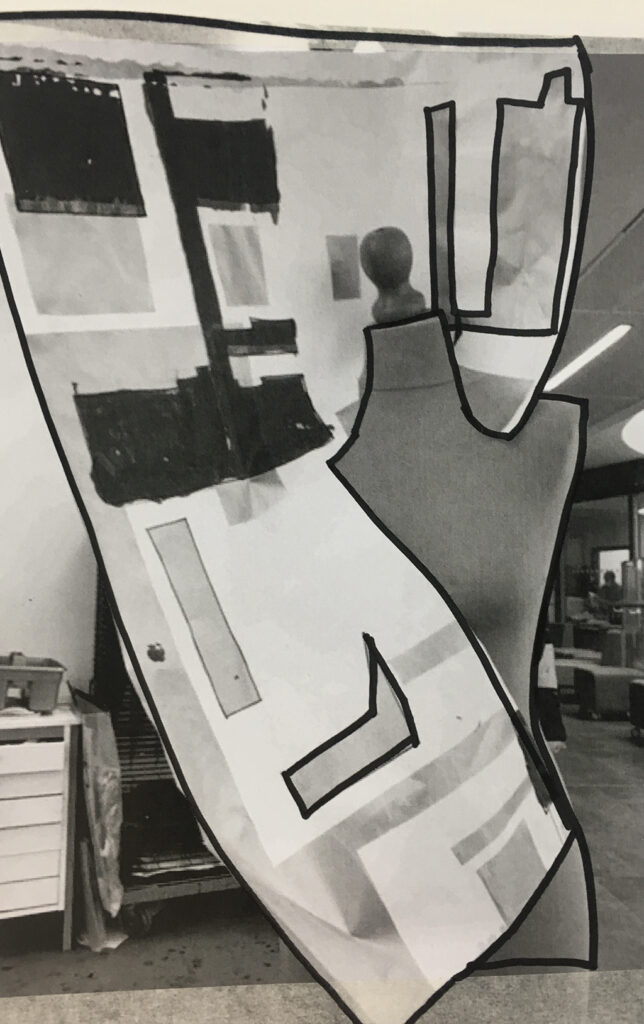
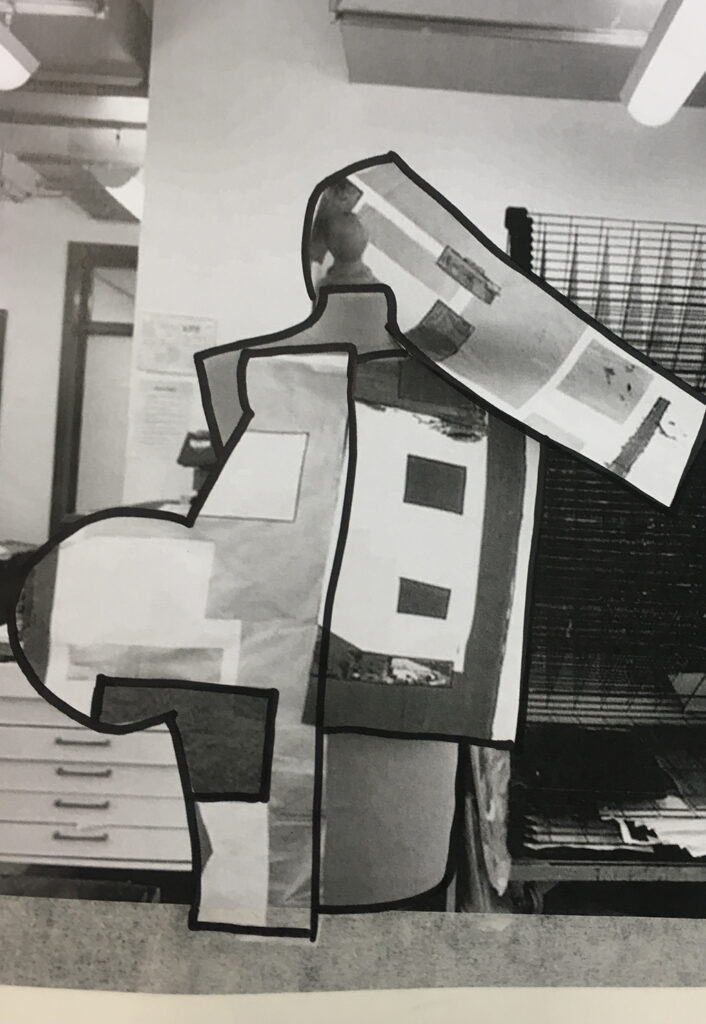
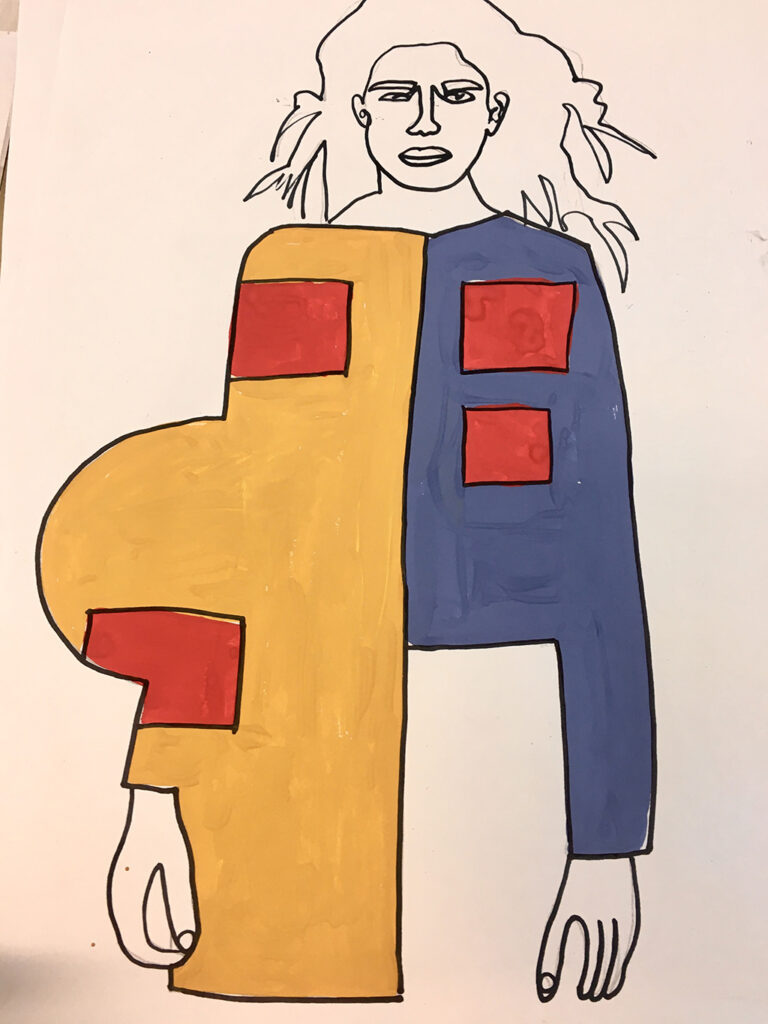
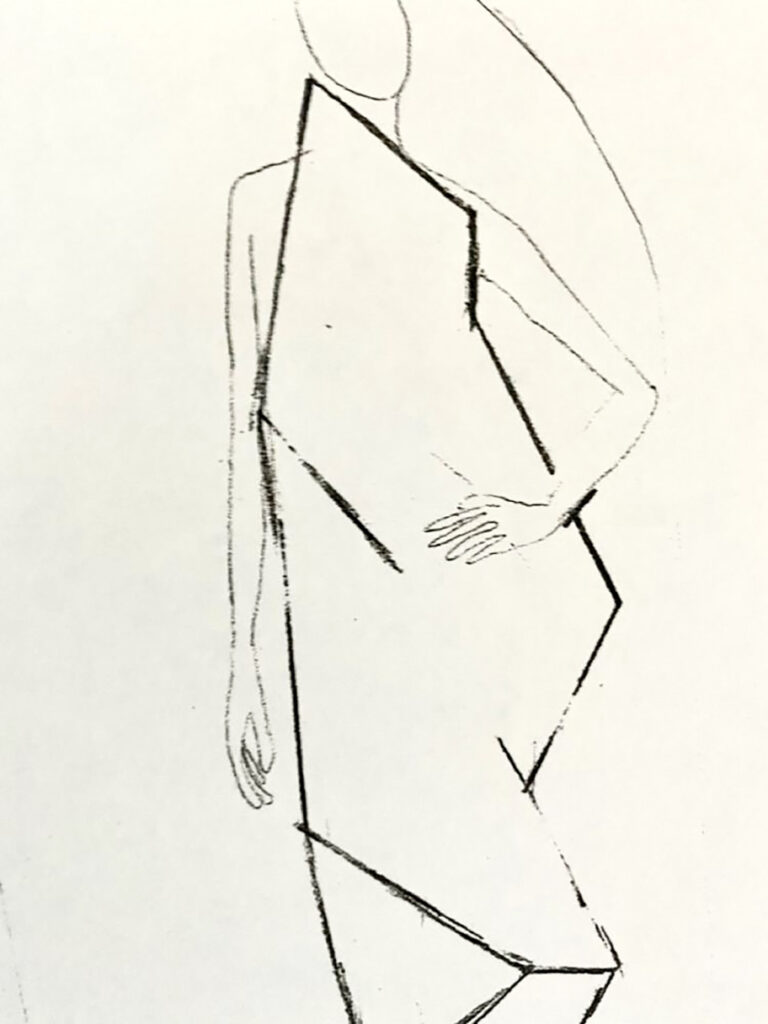
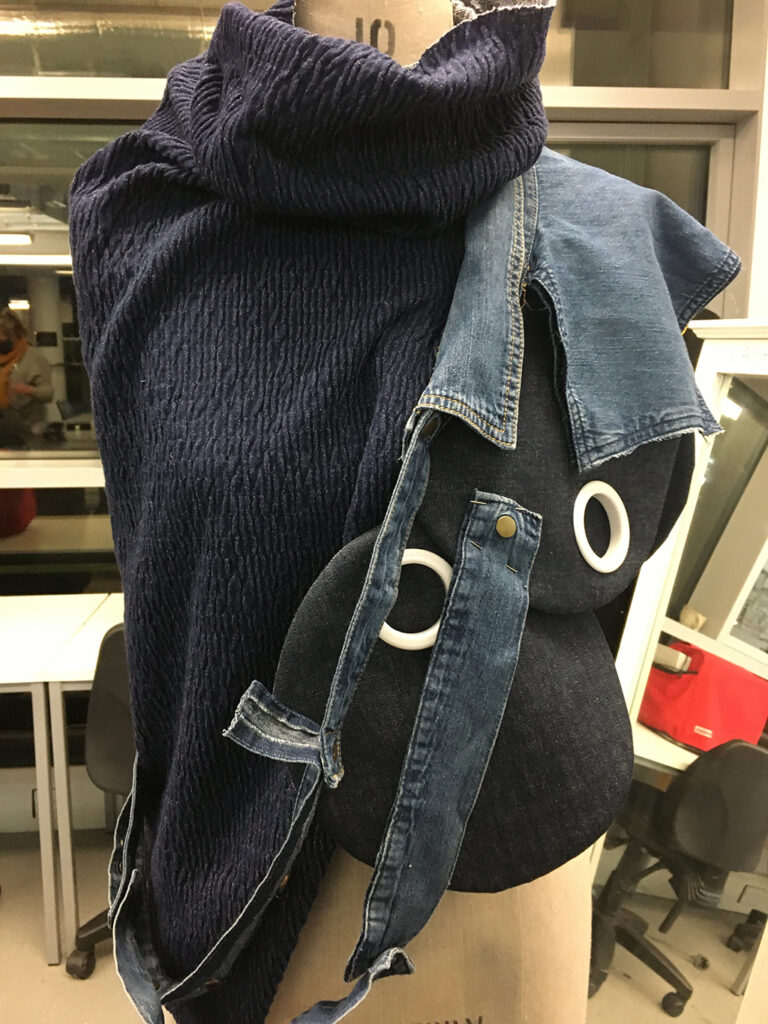
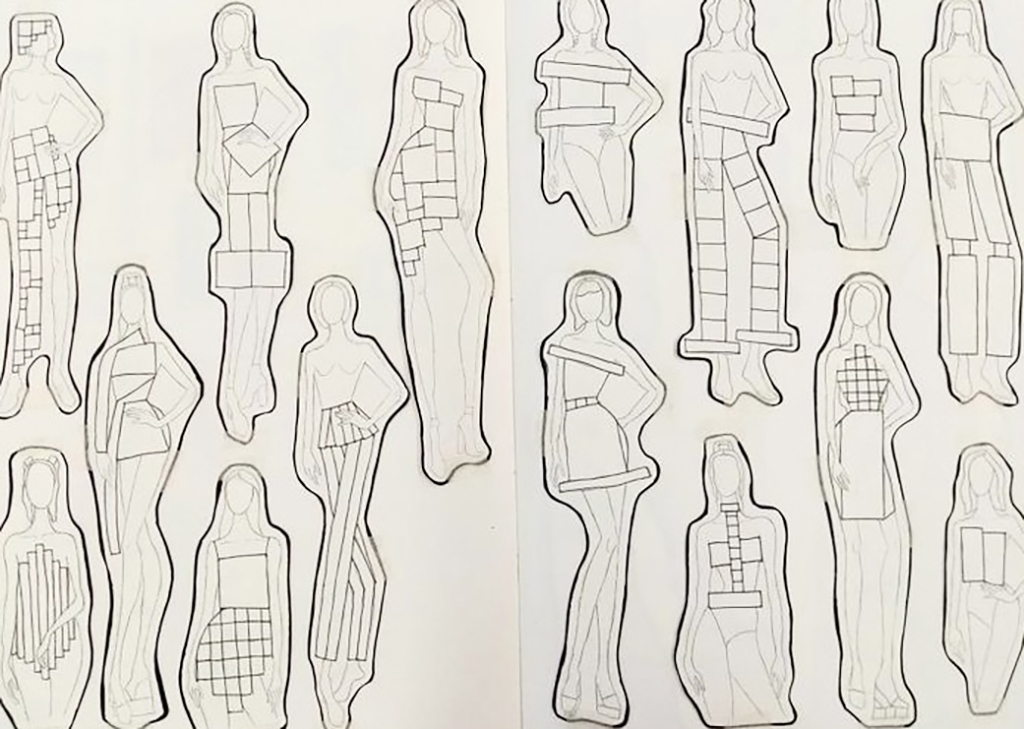
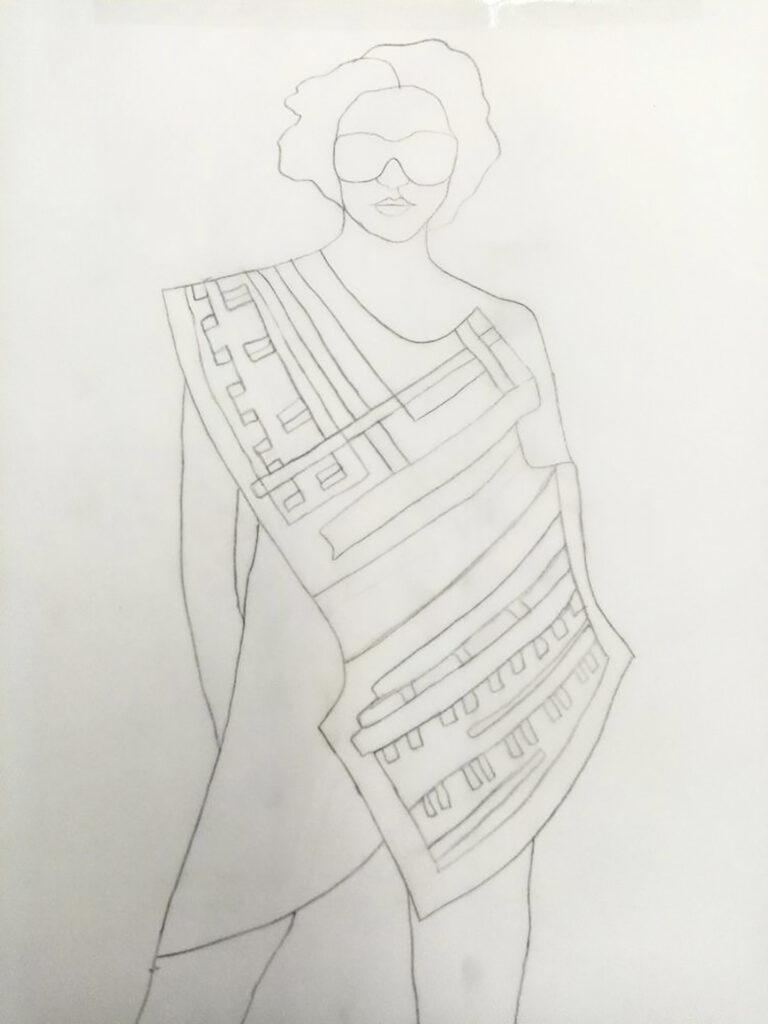
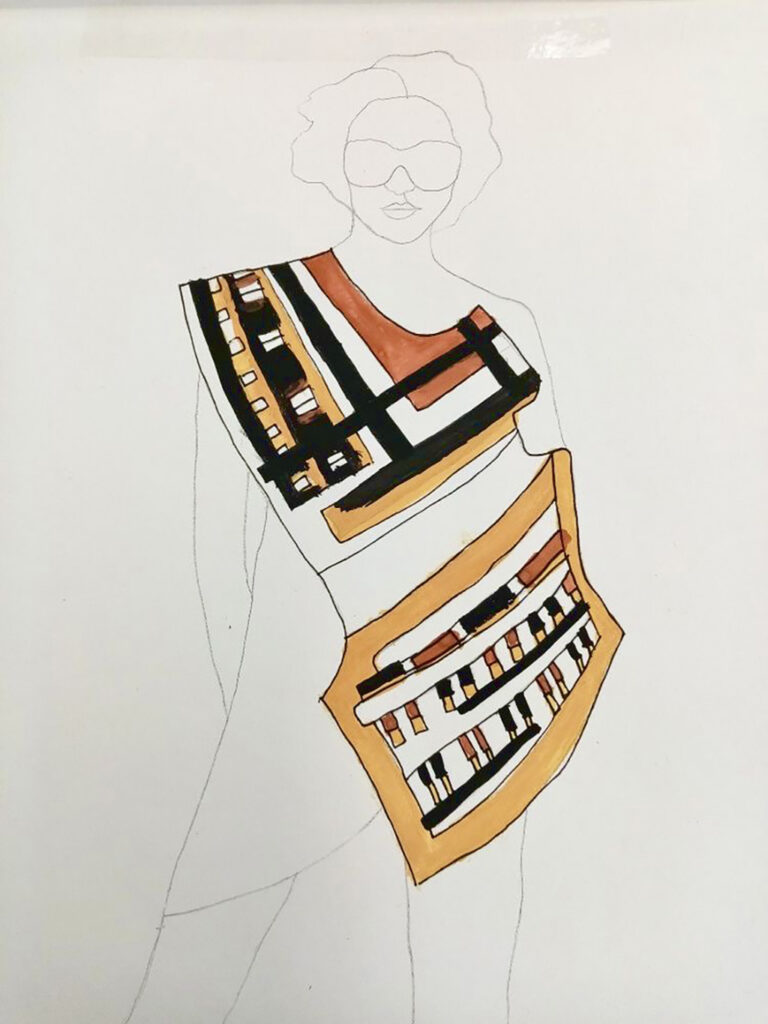
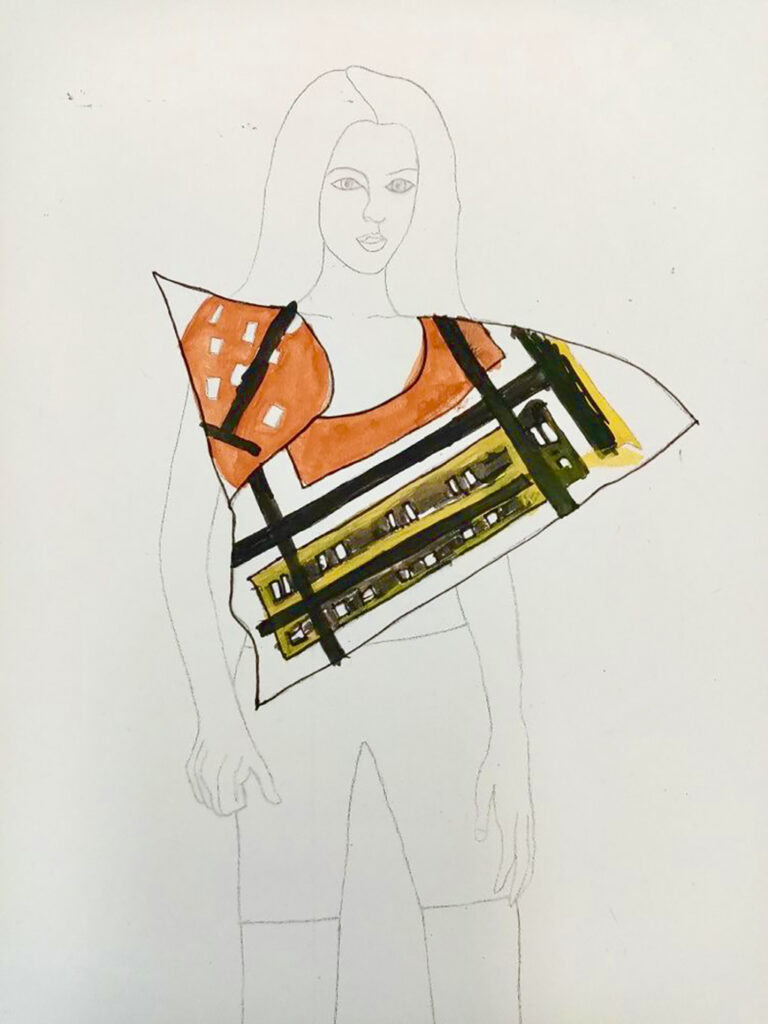
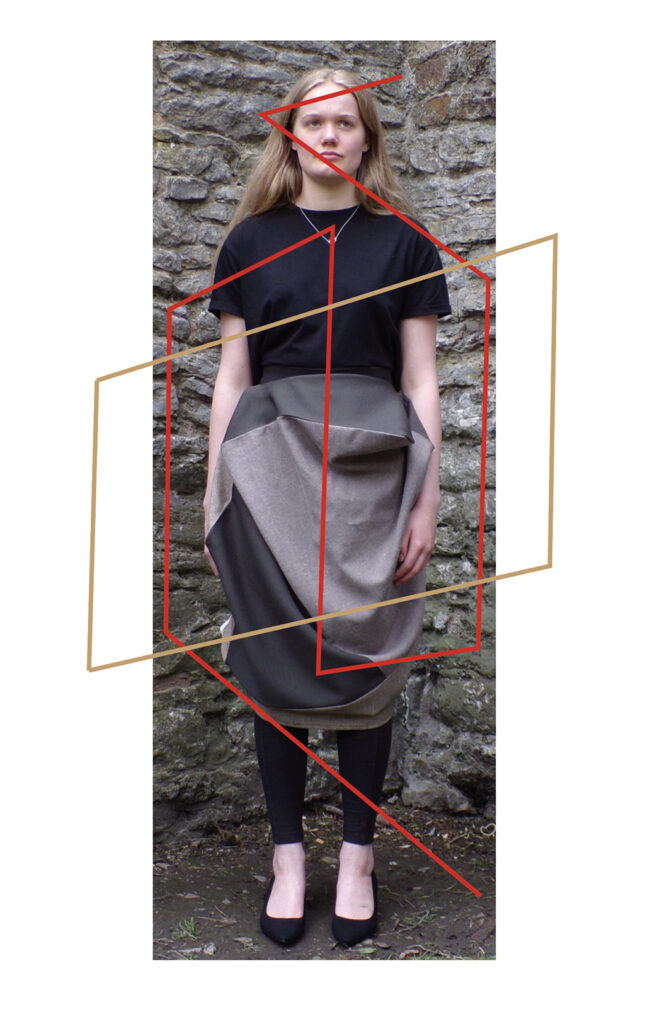
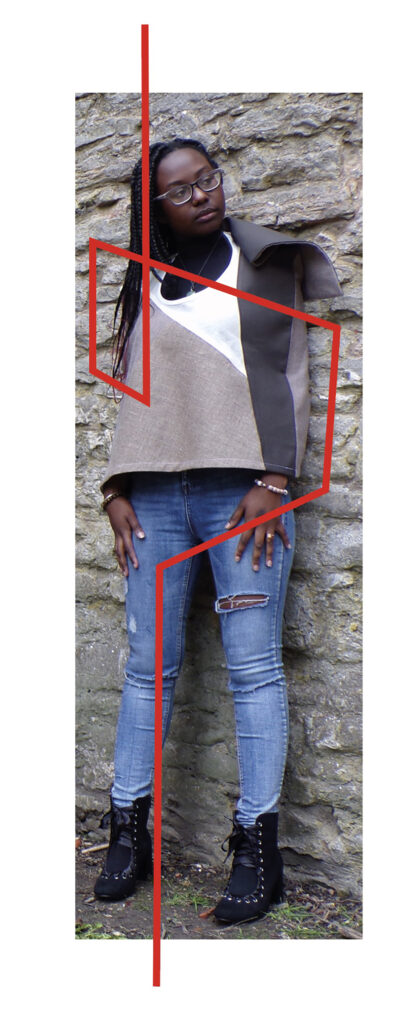
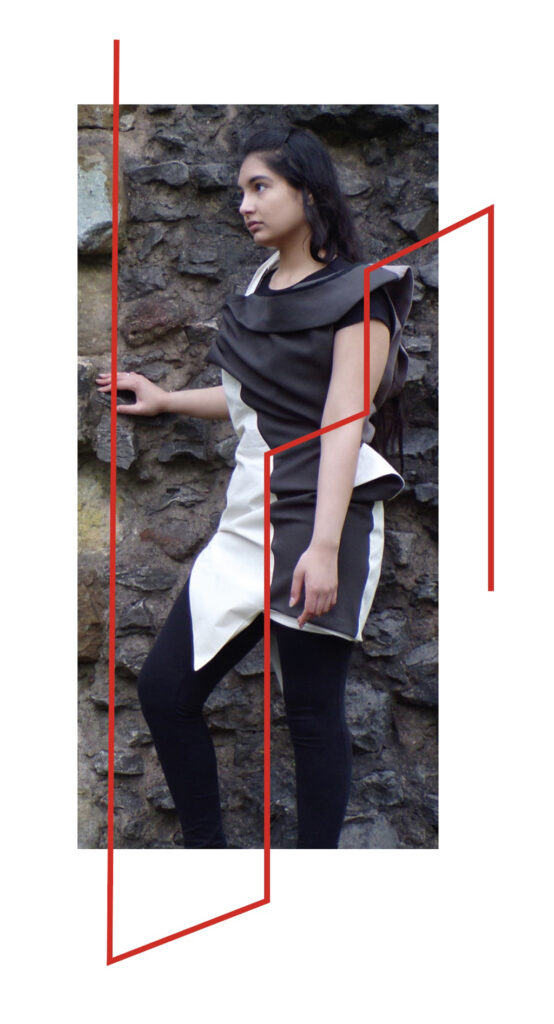
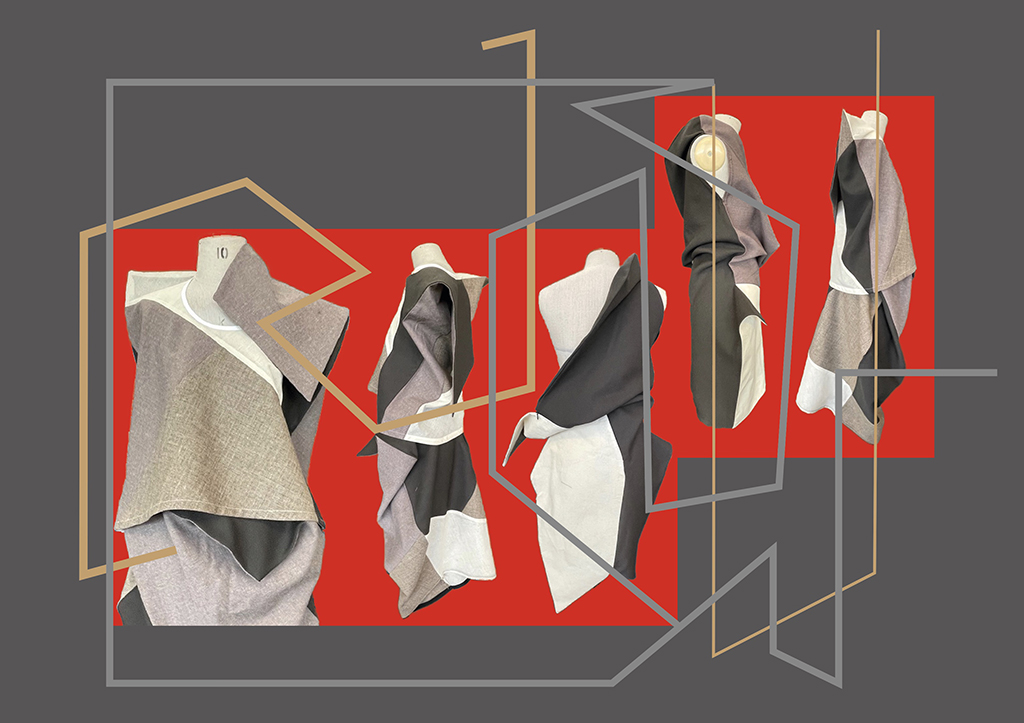
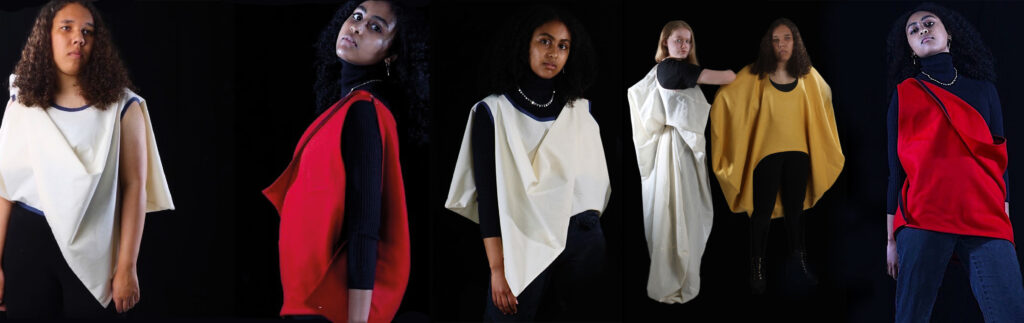
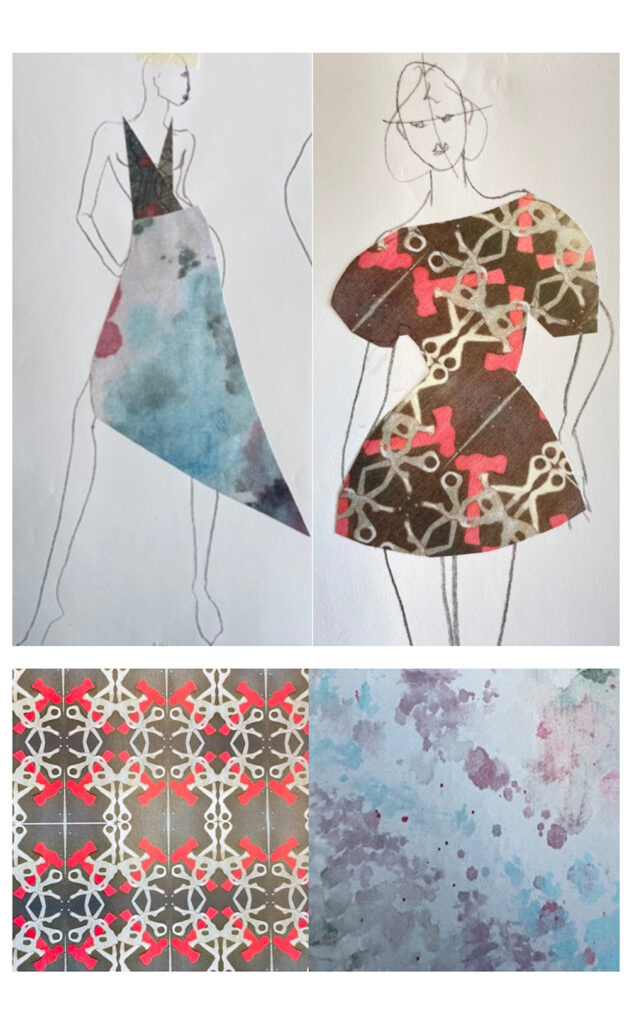
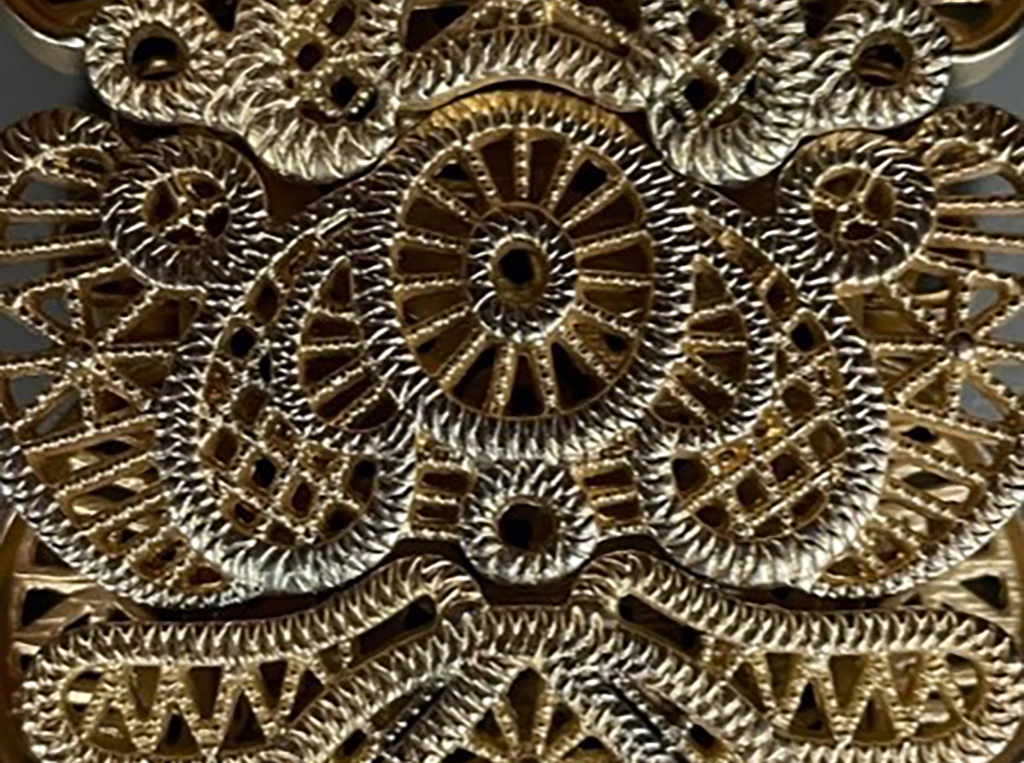
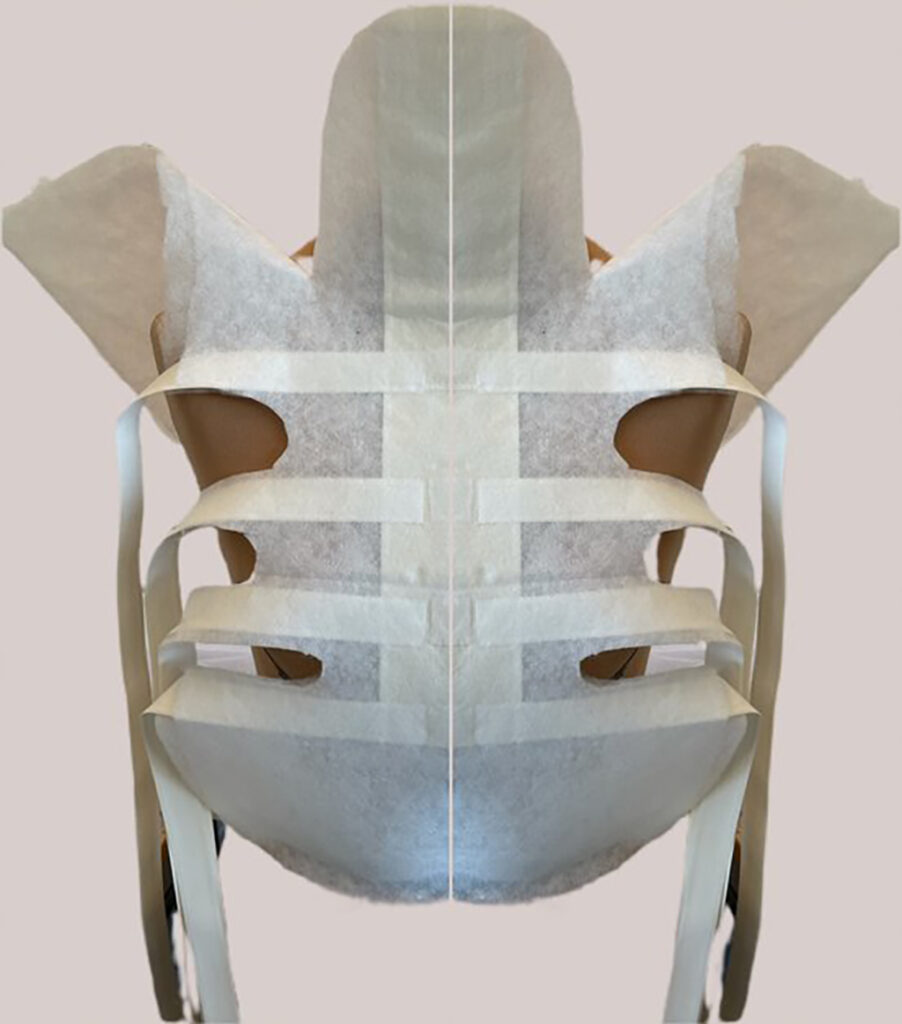
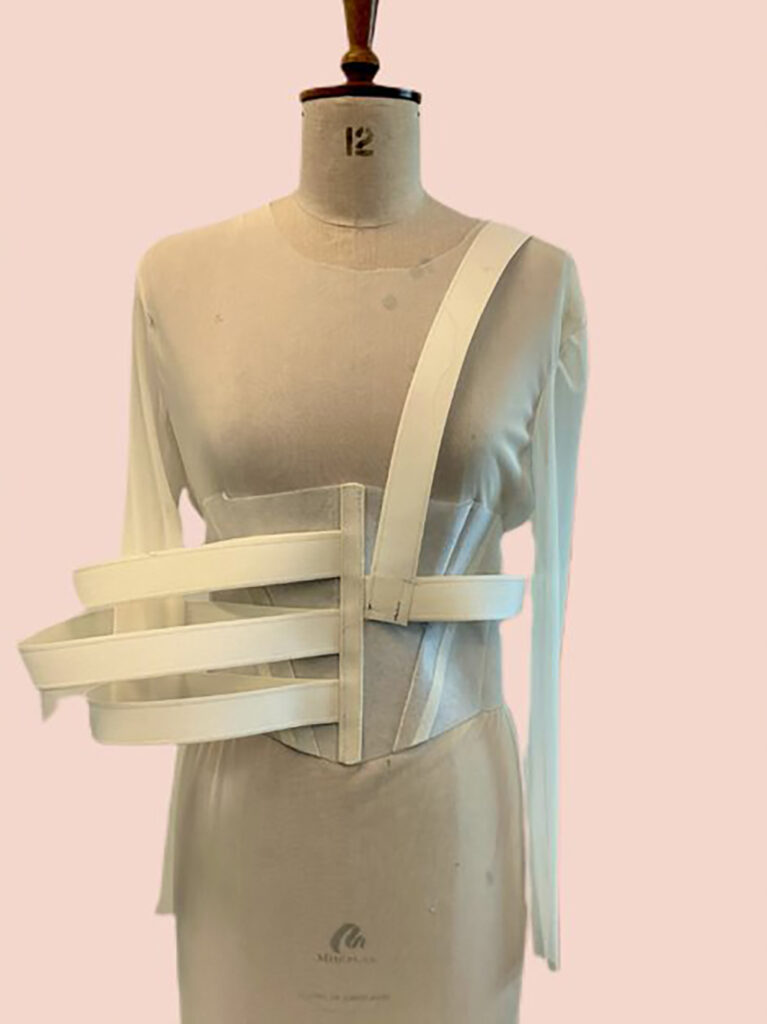
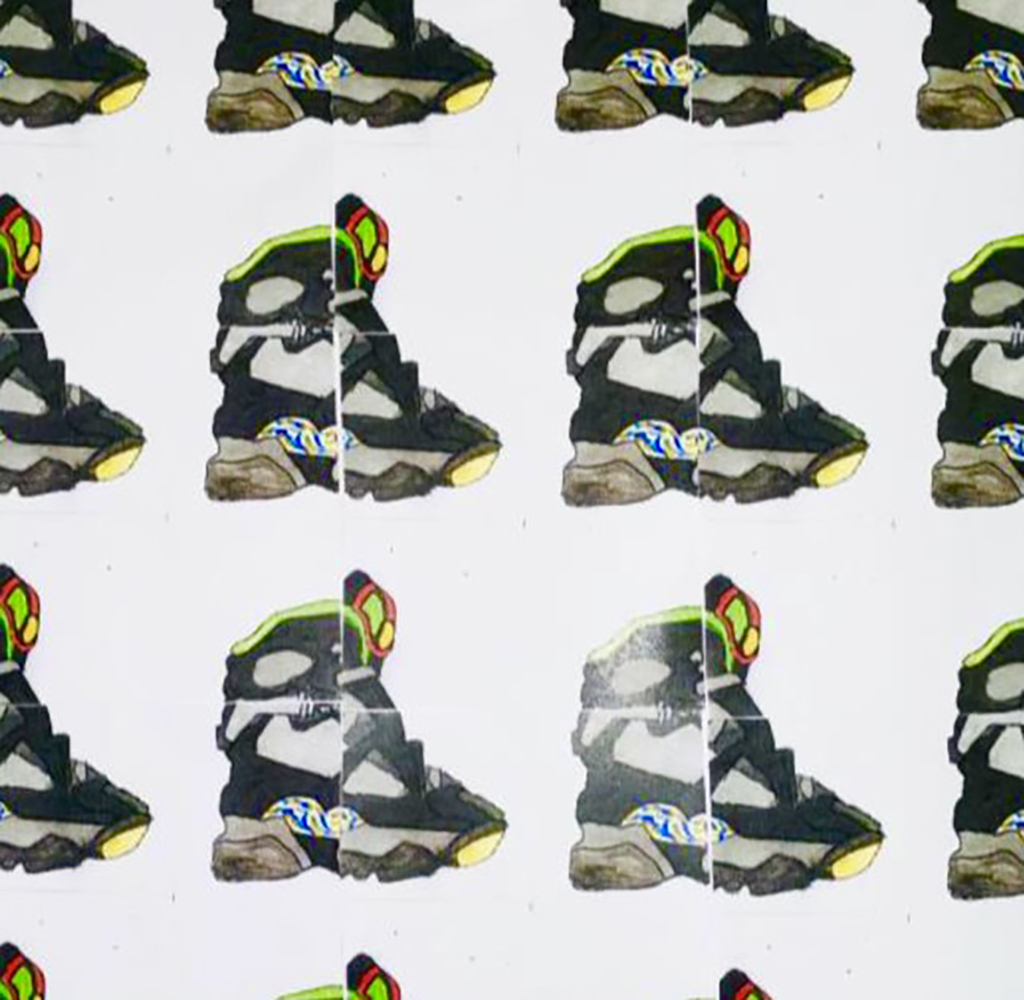
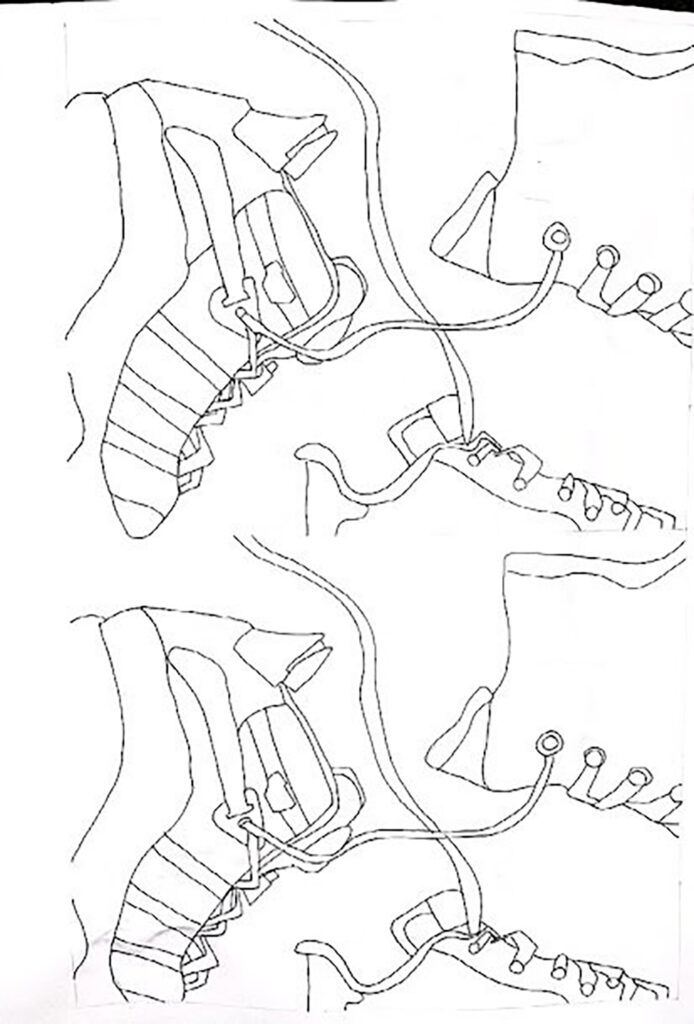
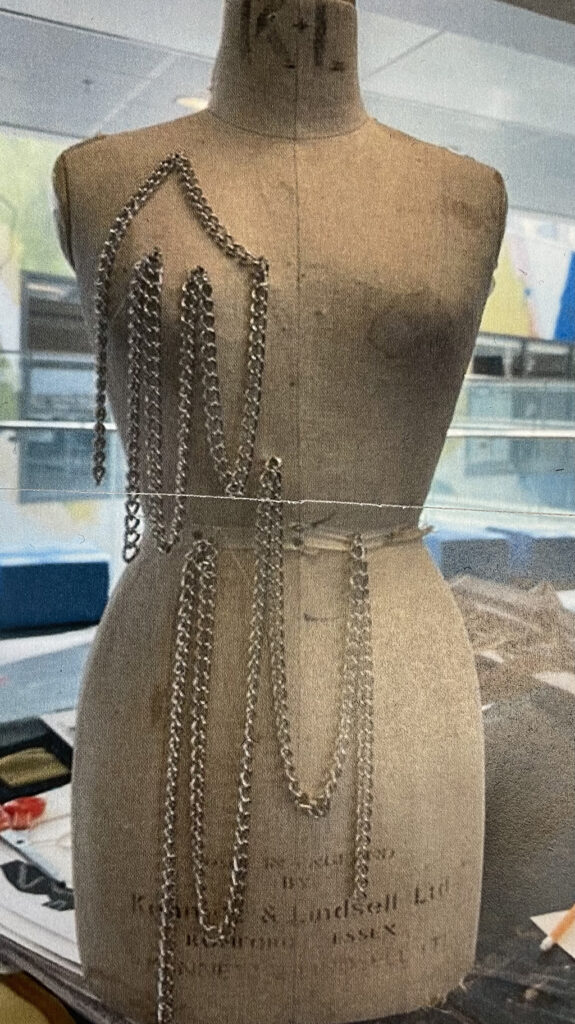
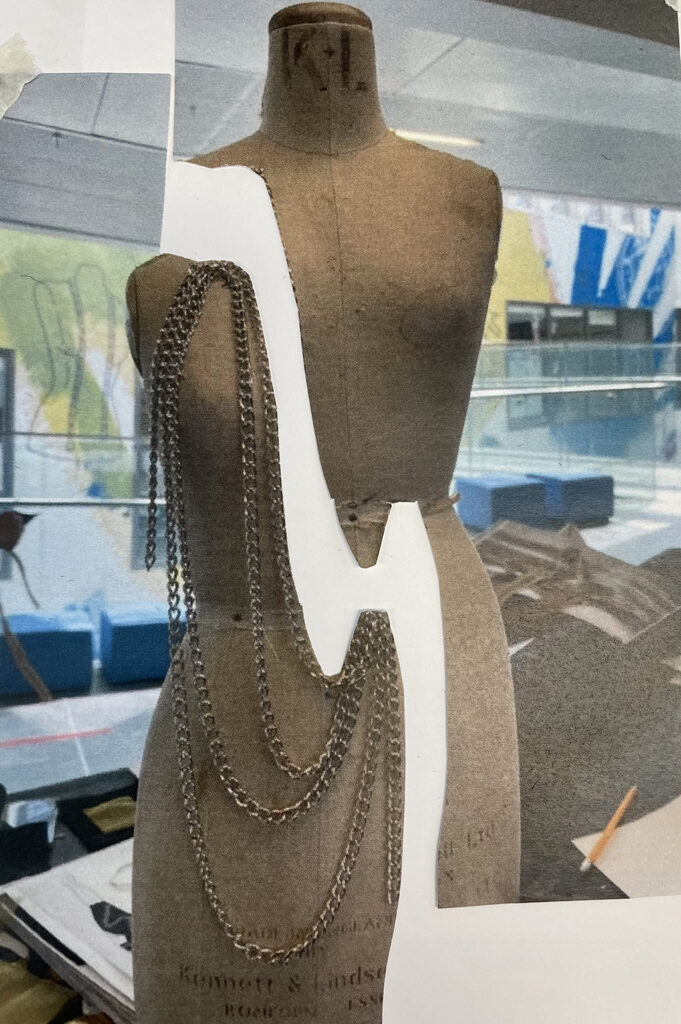
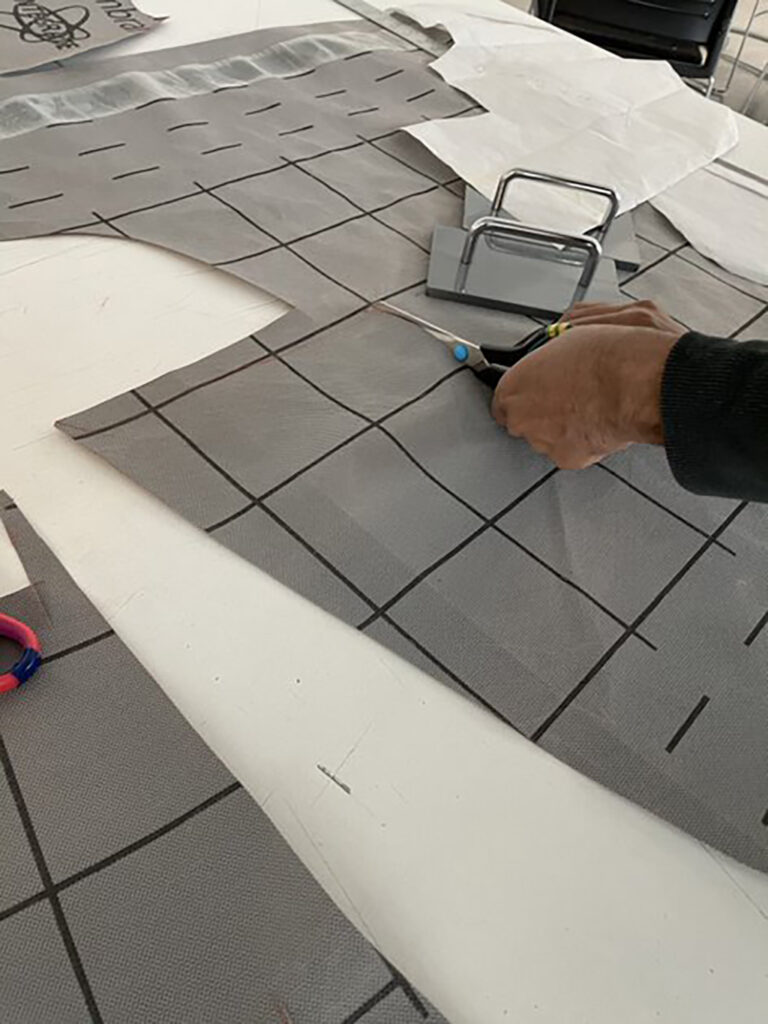
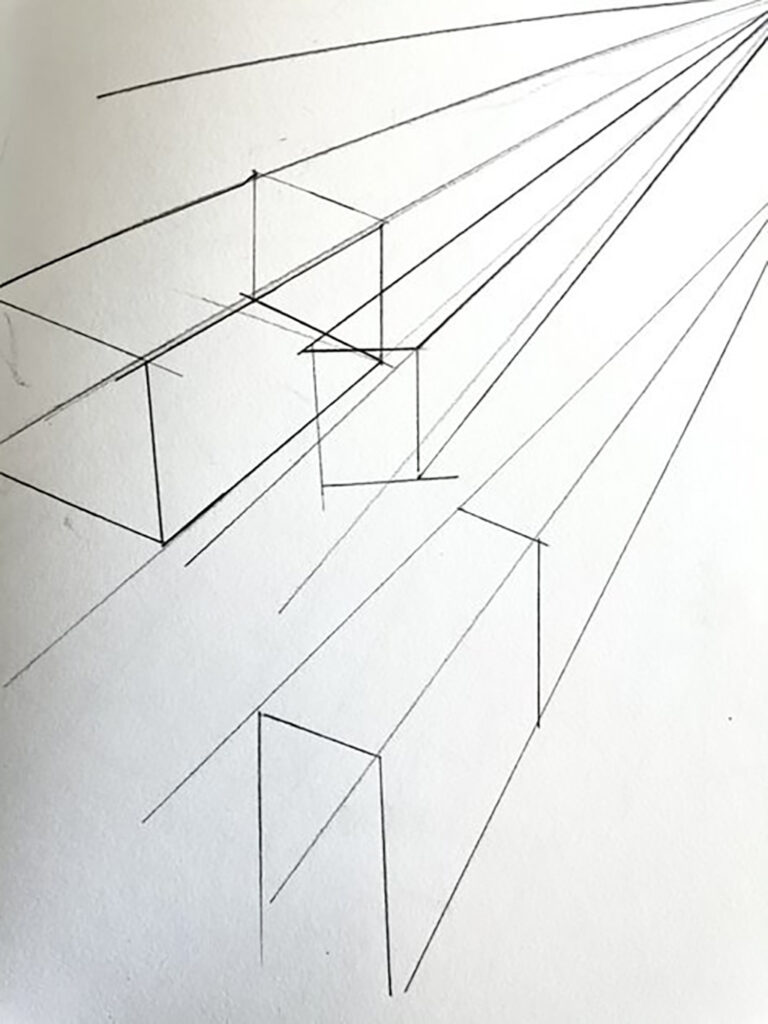
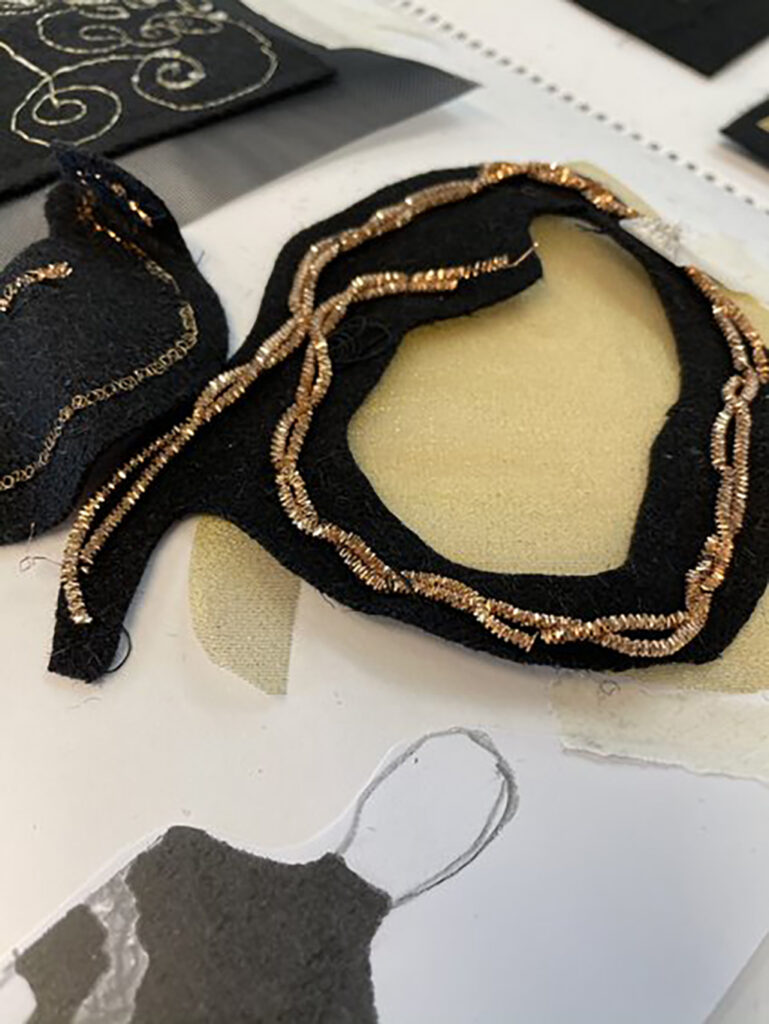
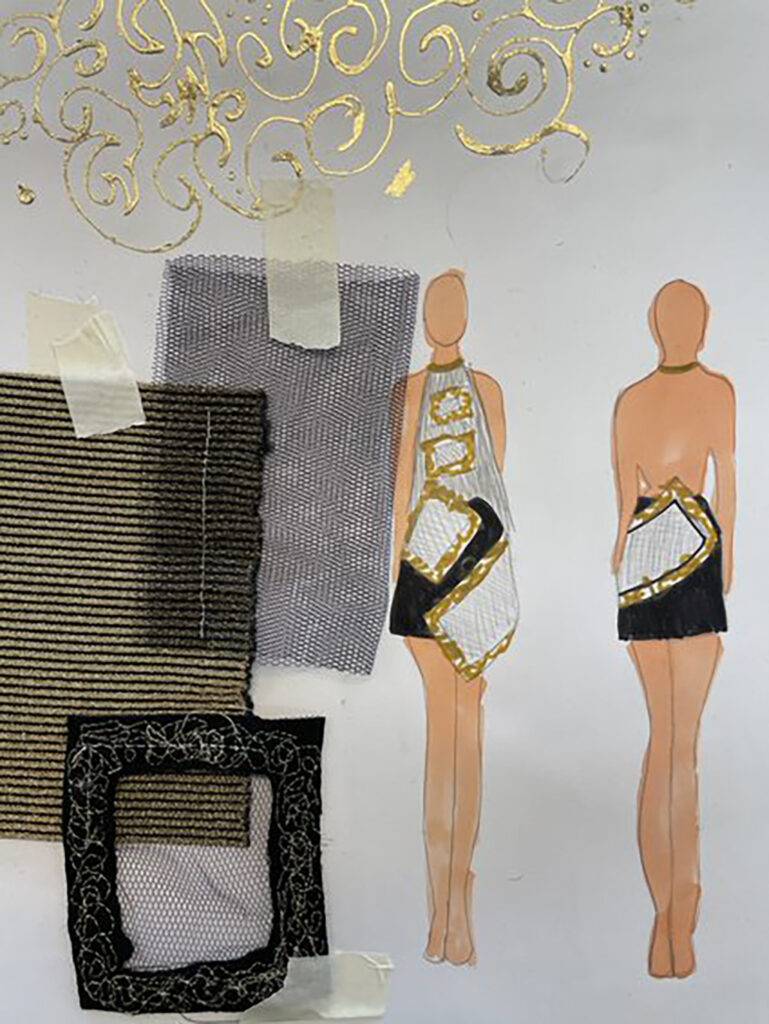
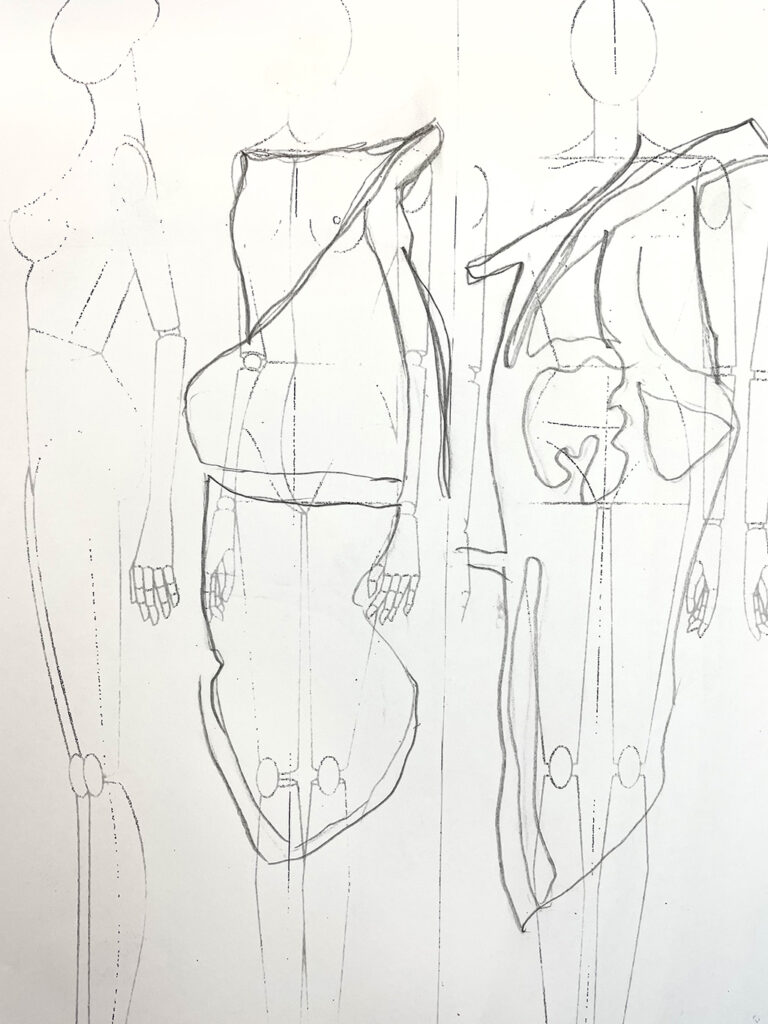
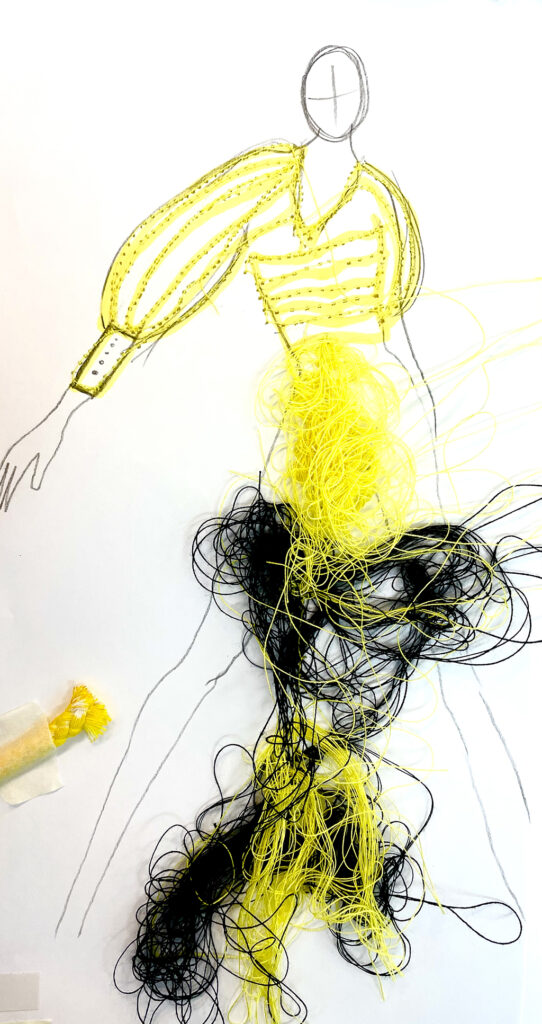
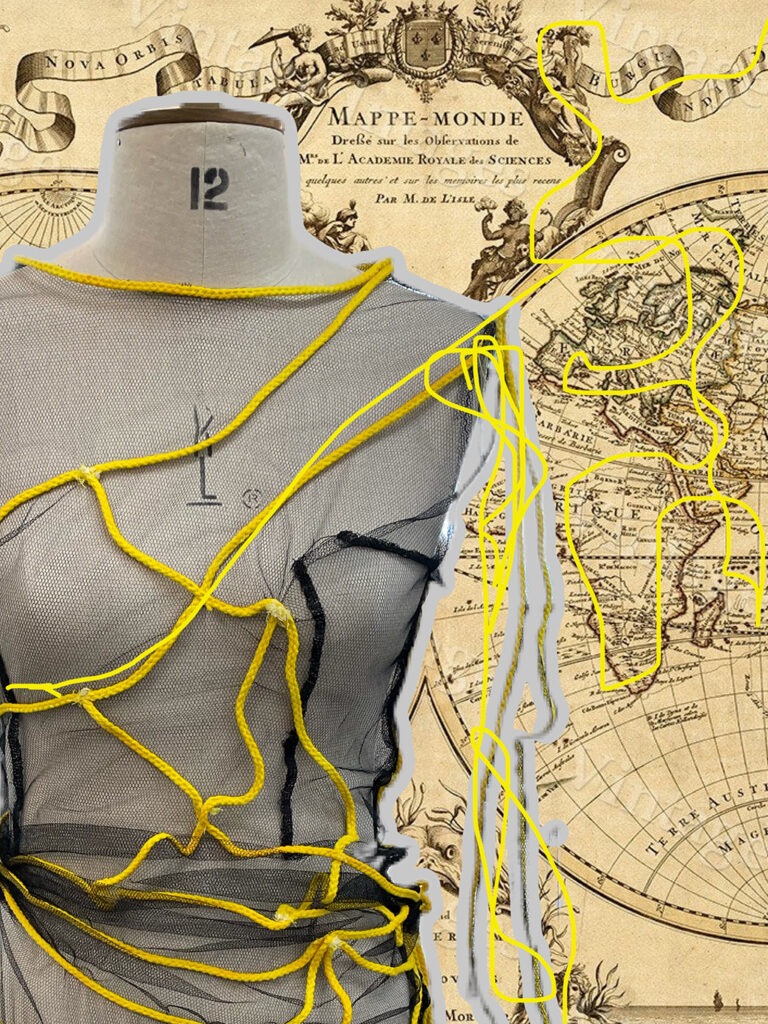
For my FMP I want to tackle the design and pattern cutting aspects of my practice. With my earlier work I had a tendency to revert to shapes and silhouettes that were familiar to me as well as spending too much time on surface manipulations. Although this was fine to some level, I was hindering myself as a fashion designer and not investigating silhouettes through pattern cutting and construction. With this in mind I decided to choose a theme that would offer interesting points that I could grow and evolve from. Investigations led me to the Bauhaus movement of the early 20th century. This movement which started in a German art school ‘The Bauhaus’ became famous for its minimalist aesthetic and functional approach that influenced many designers over the years.
The work by Josef Albers, specifically “Multiplex A” threw open design possibilities and enabled me to generate a wide range of designs and silhouettes that I took forward into 3D modelling and pattern cutting experimentation. This resulted in a series of garments that could be worn in different ways such as a skirt becoming a top or a dress.
Vast learning experiences have been undertaken with this project from time management to critical thinking, as well as working in a more abstract and conceptual manner. These have enabled me to become much more creative as a designer and will take these to a higher level on the Foundation Diploma course in readiness for the demands of University studies.
Megan Lawrence
Previous Education: Halesowen College Progression: BA (Hons) Fashion Design. Birmingham City University
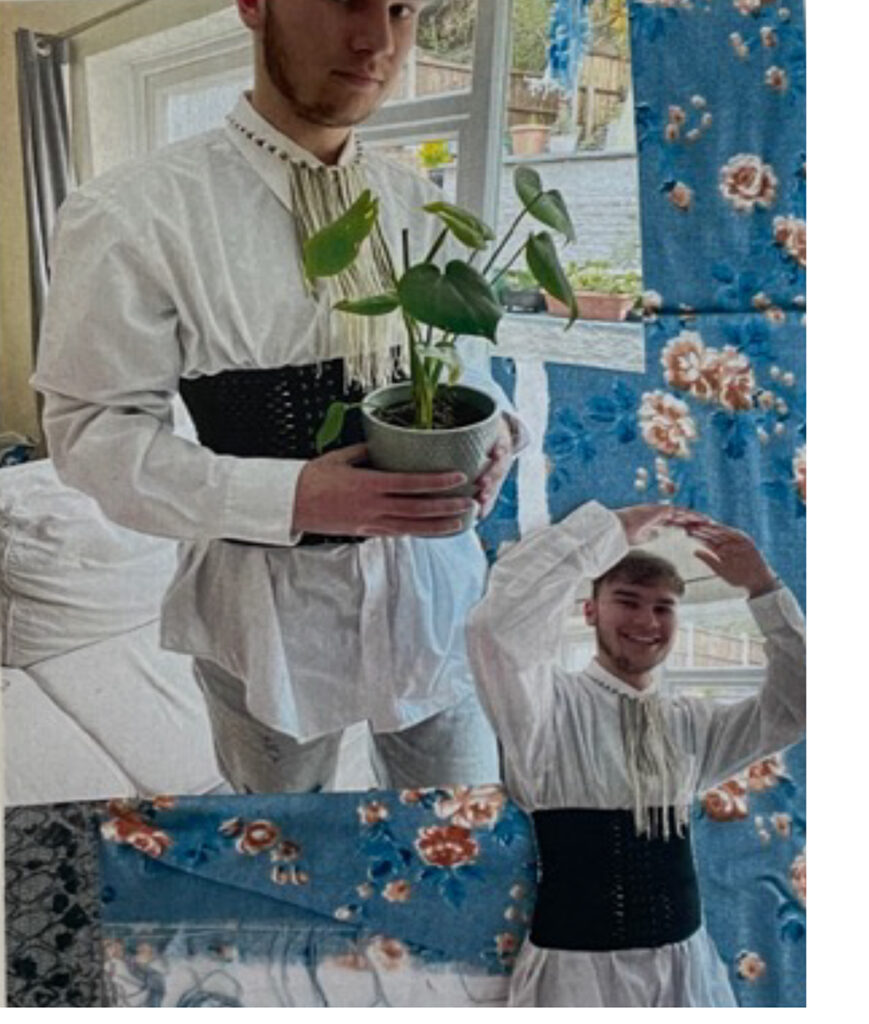
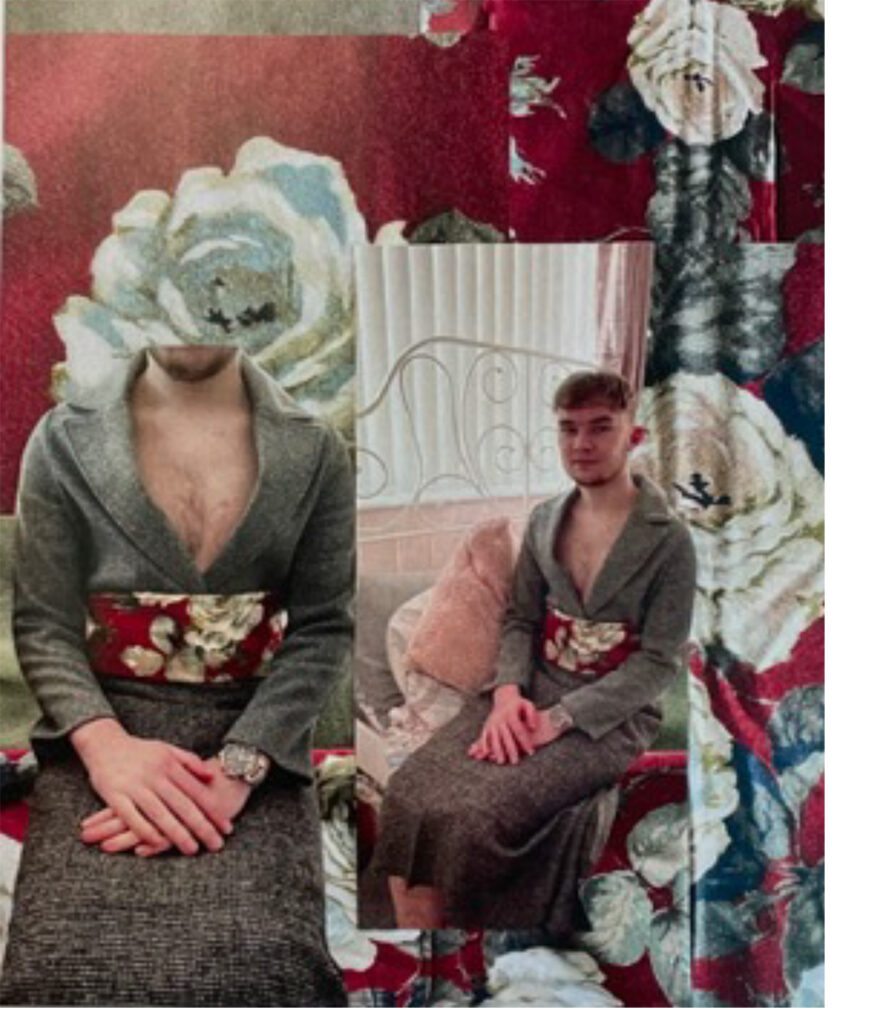
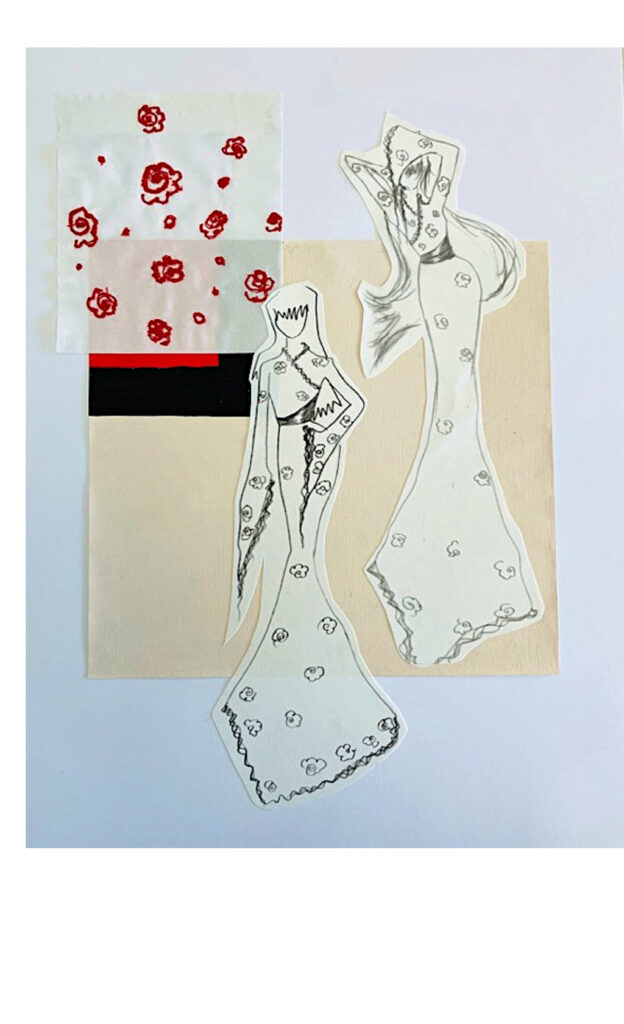
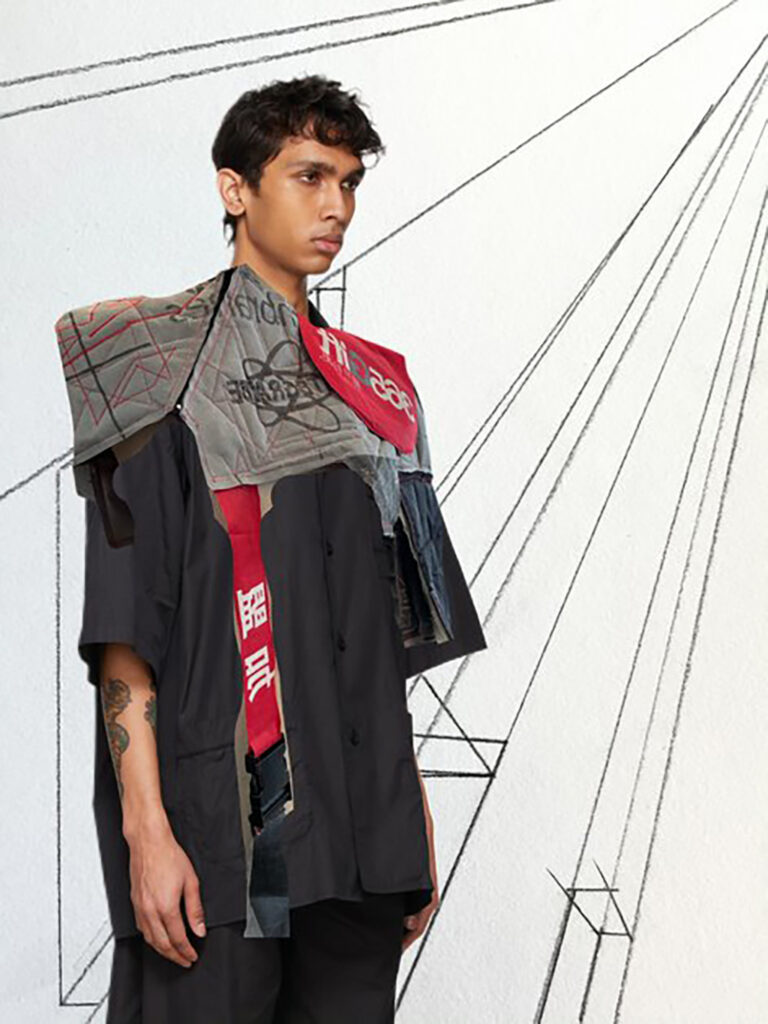
With a recent project I looked at exploring how the clothing we wear is percieved in the general community. This led me to investigate gender sterotypes and the rise of androgynous fashions. Research into designers such as JW Anderson and Rad Hourani opened up a wealth of information as they had begun to challenge what appeared on the catwalks for either Mens or Womenswear collections.
Designers such as Maison Martin Margiela, Gucci and Comme des Garcons are further disrupting and blurring the boundaries of what is acceptable for Menswear, an area that has remained generally safe for many decades- singer David Bowie played around with this concept in the 70’s. Recently at the 2019 Oscars, actor Billy Porter appeared on the red carpet wearing a tuxedo/ballgown hybrid by Christian Siriano whilst singer Harry Styles wasn’t afraid to experiment with fashion in the public eye by wearing dresses, skirts and make-up whilst still looking masculine on the cover of Vogue Magazine.
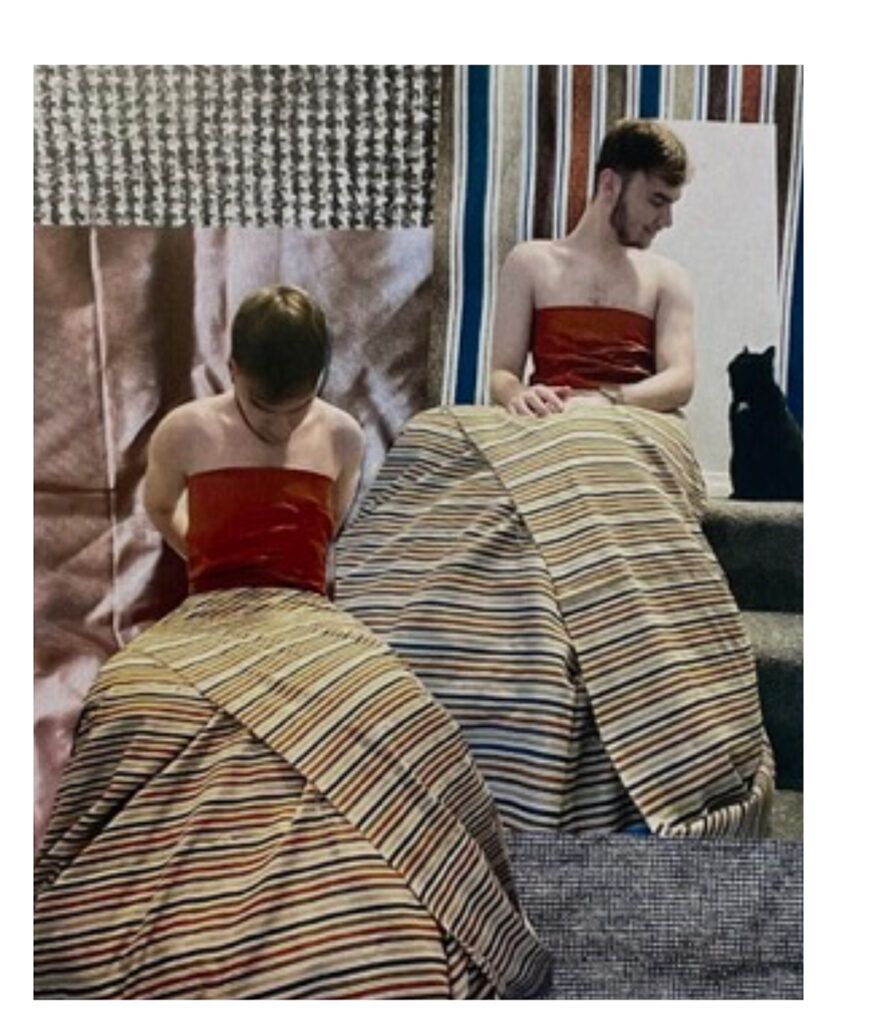
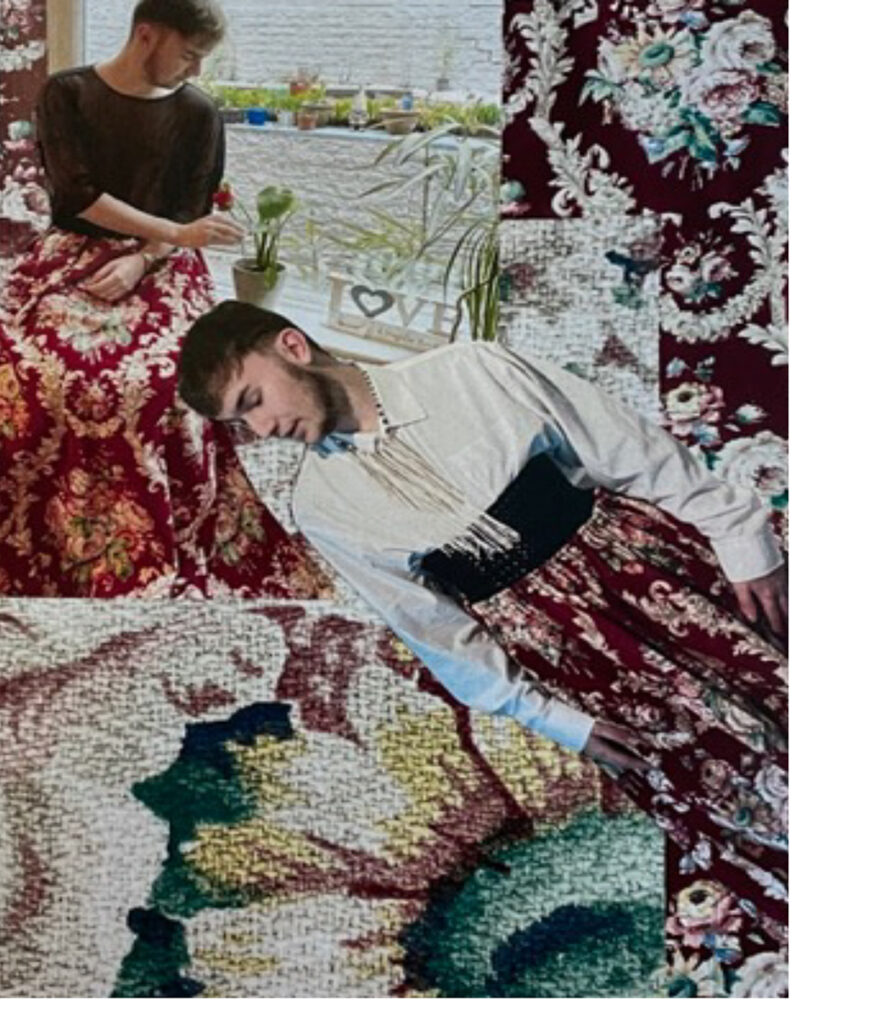
This idea of Gender Bending”, clothing that challenged the rigid, binary definitions of dress became the basis for my styling project. I played around with fabrics and female items of clothings/accessories and put them together on a male model in ways that would offered creative play and joy in being able to wear what you wanted.
A great deal of learning and critical thinking has encouraged on the course especially with time management. By acting on these I have been able to generate a diverse portfolio of creative work. I plan to extend and explore much all these valuable skills more widely on the Fashion Design course at Birmingham City University.
Rosie Malcolm
Previous Education: Sandwell Academy Progression: BA (Hons) Primary Teaching and Education
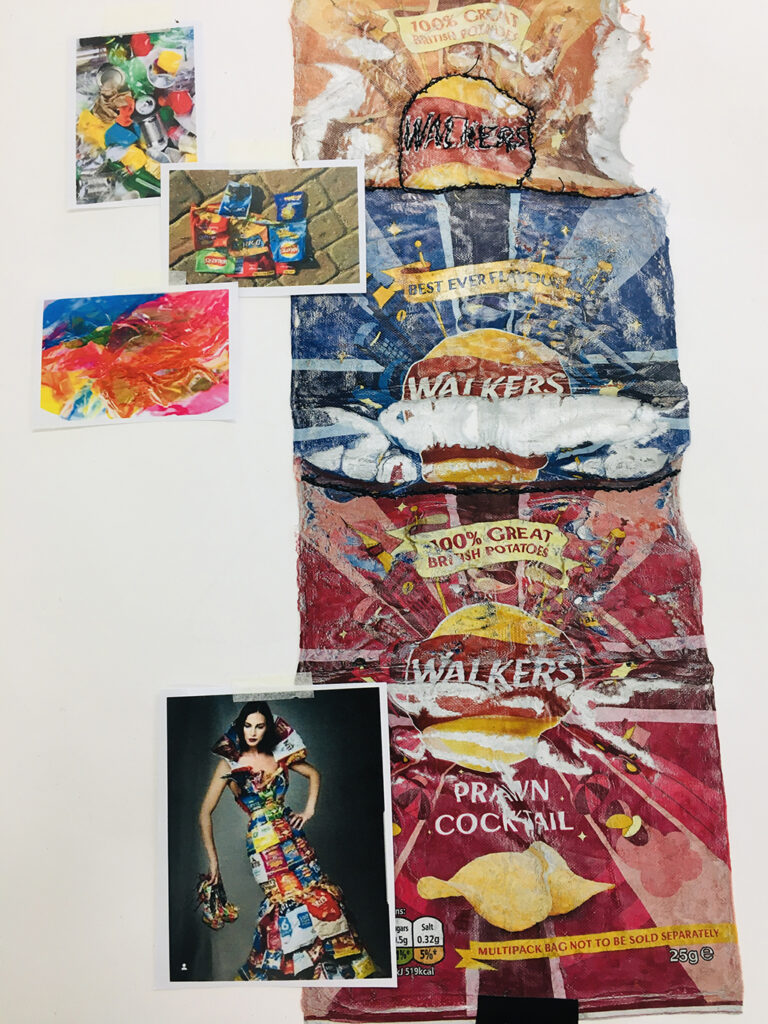
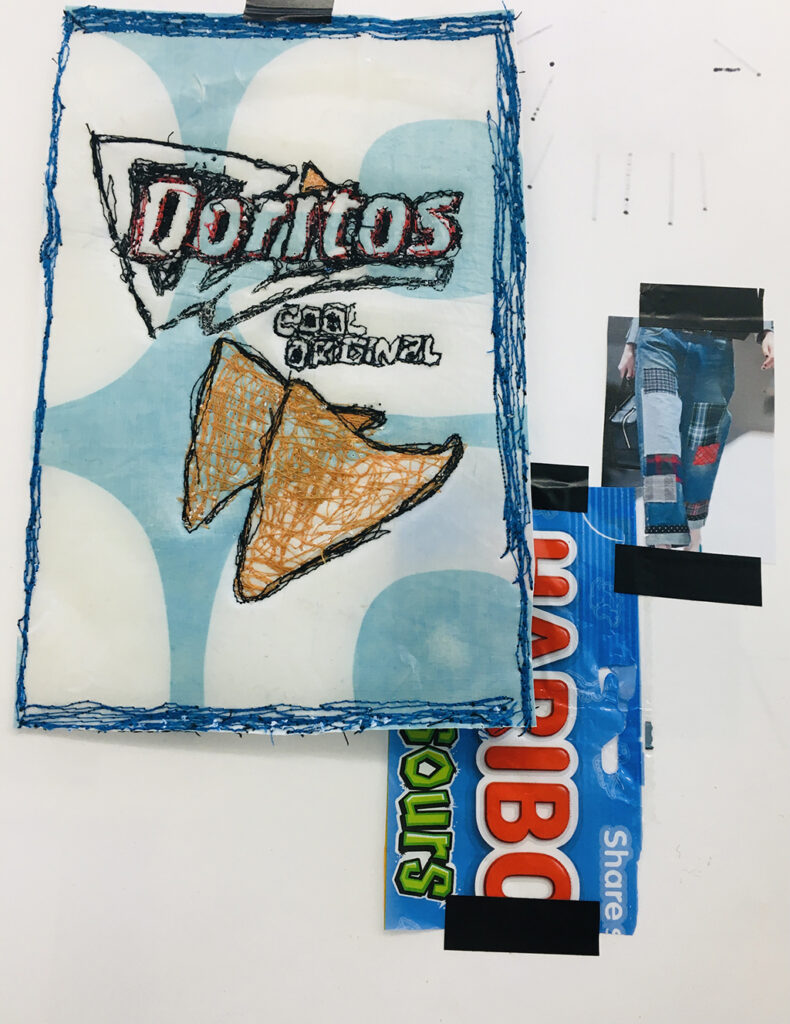
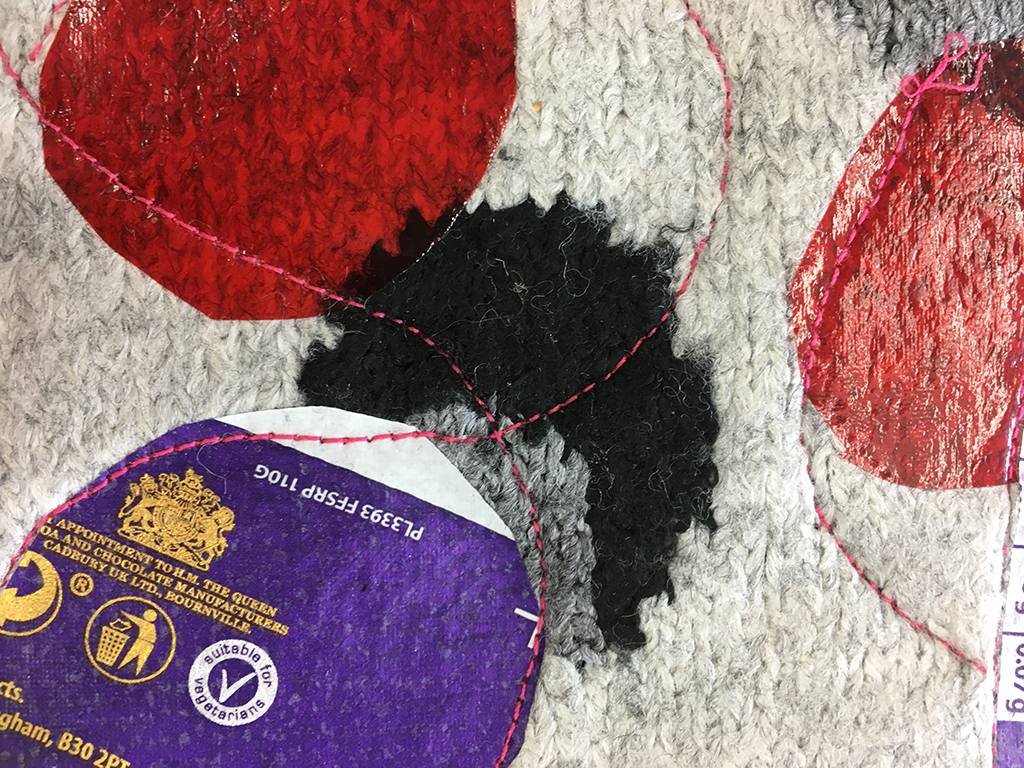
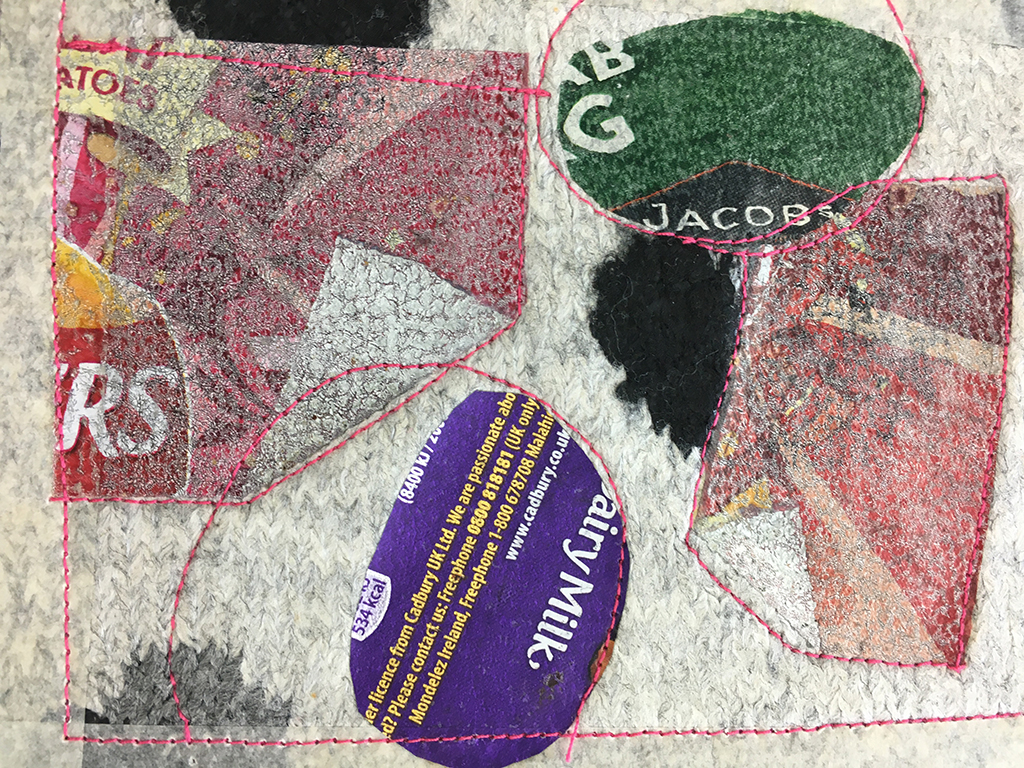
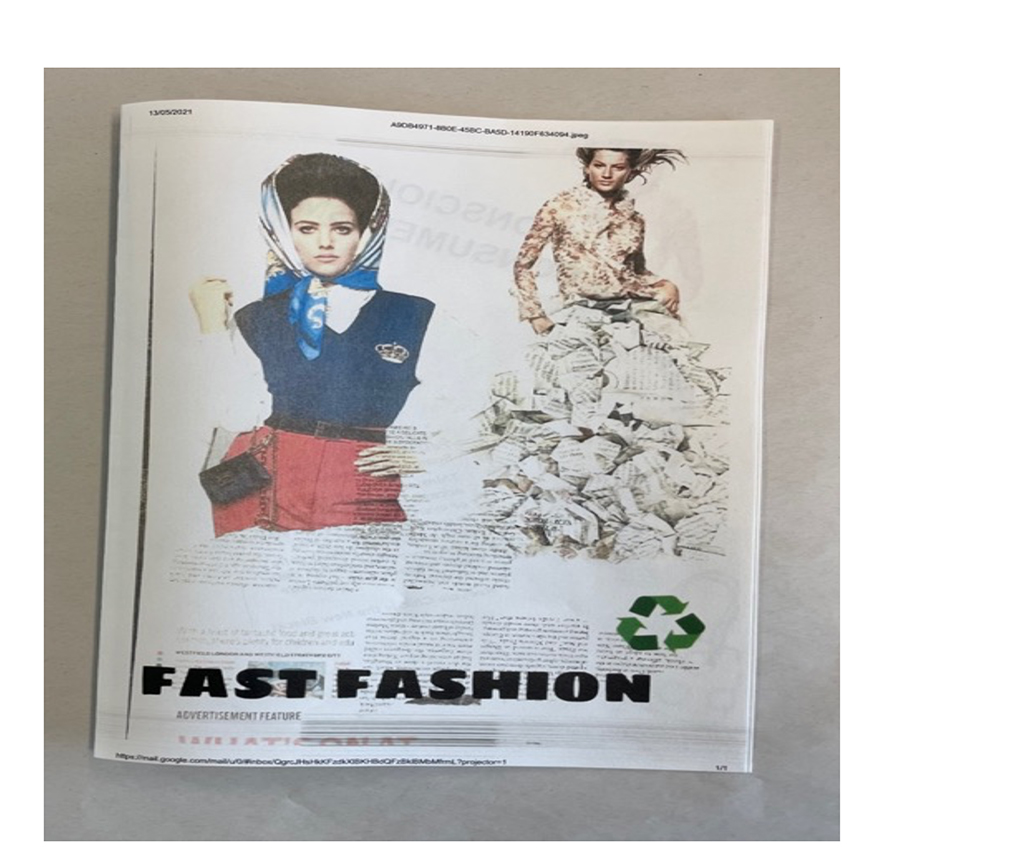
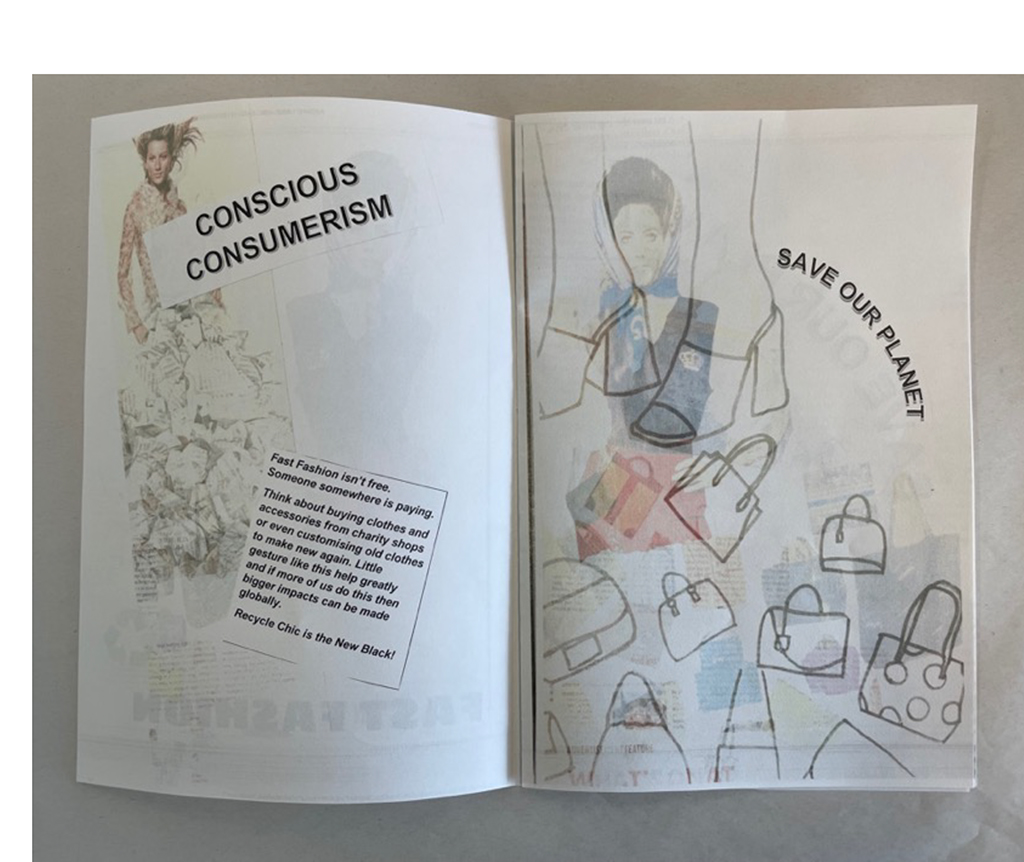
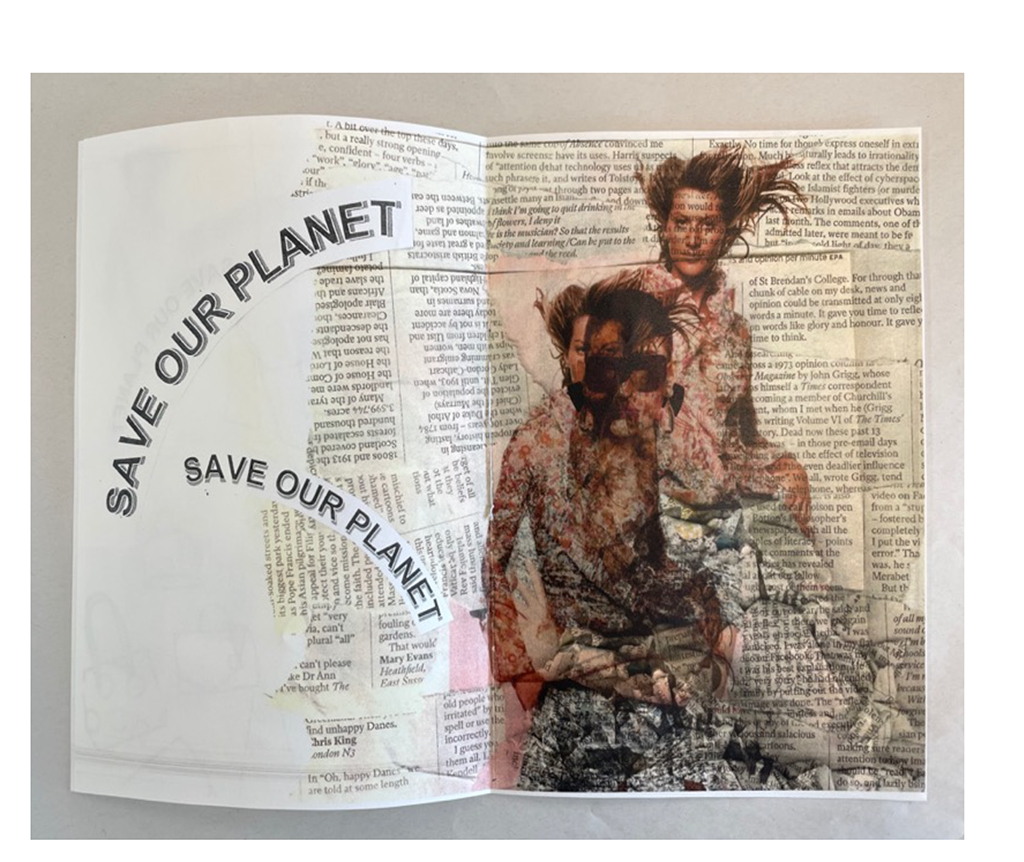
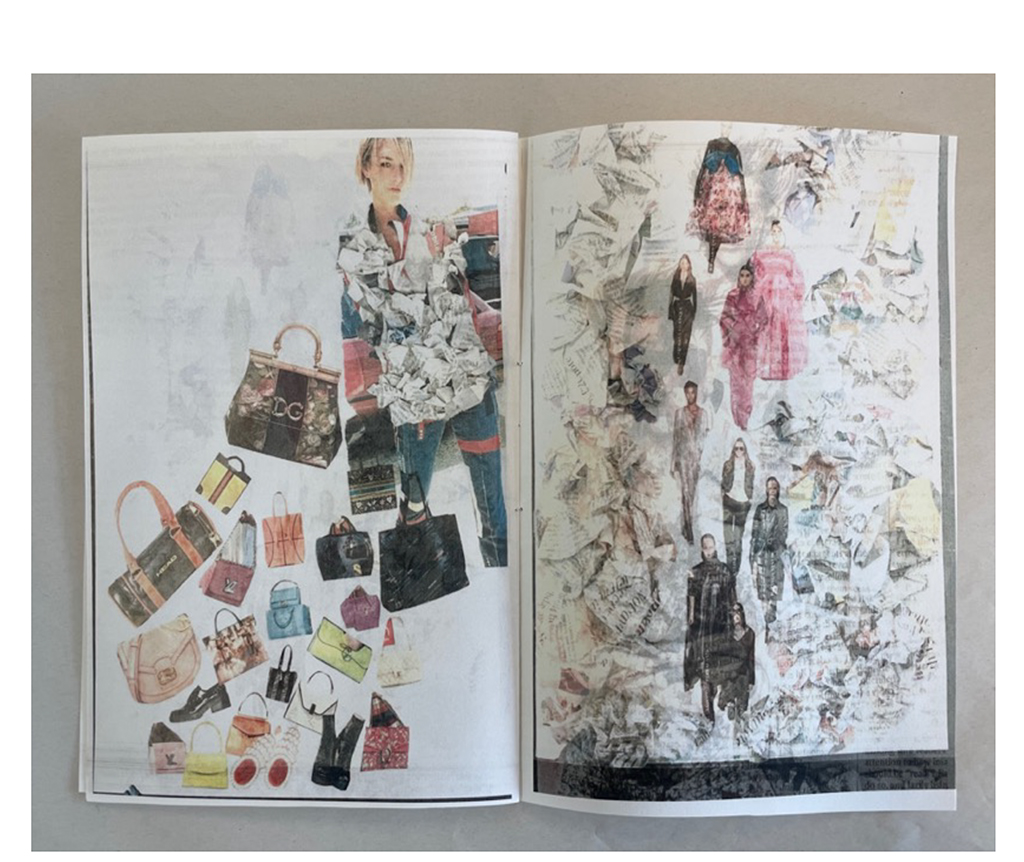
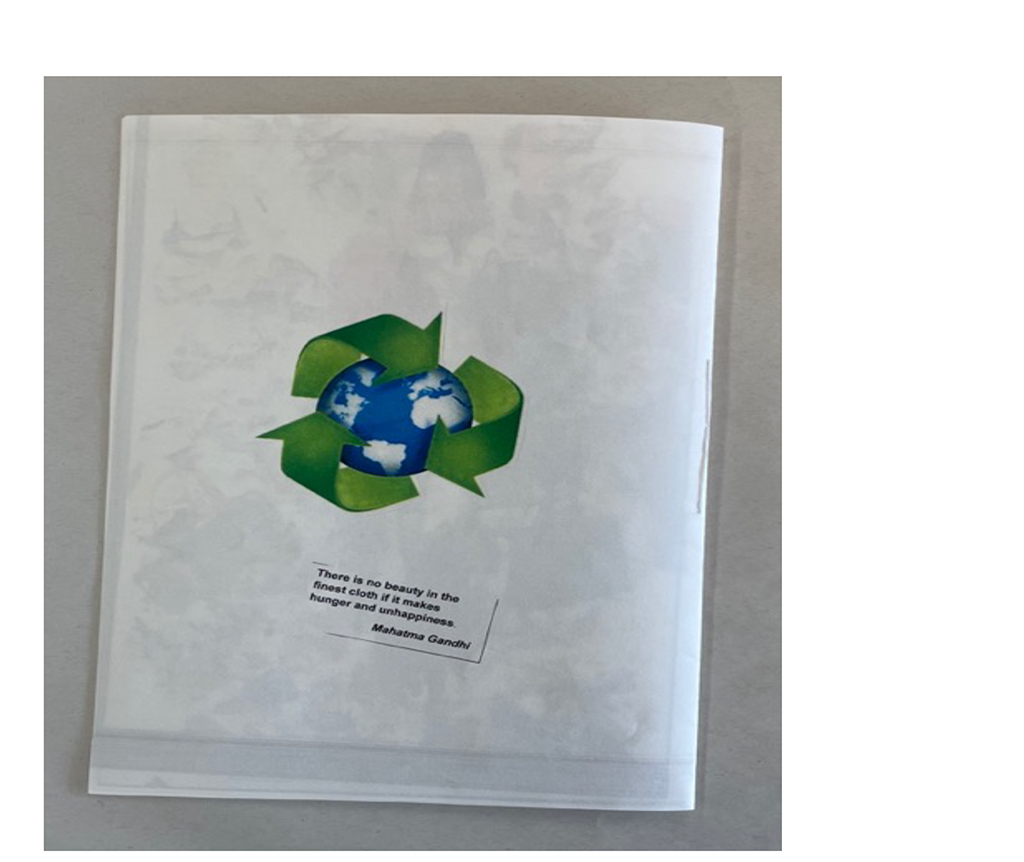
Currently we have been dealing with a serious pandemic that has affected not only the whole of the UK but also the rest of the world. With the concerns of shortages, and shop closures I began to think about the amount things that have ended up in the waste, unsold or left in factories. This has impacted the fashion industry in that clothing and accessories were not purchased and there were rails and shelves of unsold items. I began to ask myself, what would happen to these things and was there a need for so much mass production, but most importantly what effect has this had to the environment? With this in mind, I wanted to create a body of work that addressed this waste issue and to promotes sustainability. I produced collages and visuals for an info-booklet that could be picked up and passed around by everyone to help raise awareness of waste and start conversations on they could play a part in sustainability and zero waste.
A lot of learning experiences have been undertaken with this project from time management to critical thinking. These have enabled me to become much more focused as an individual and will further develop these valuable skills at University.
Sarah Moore
Previous Education: Beacon Hill Academy Progression: BA (Hons) Fashion Garment Technology. Birmingham City University
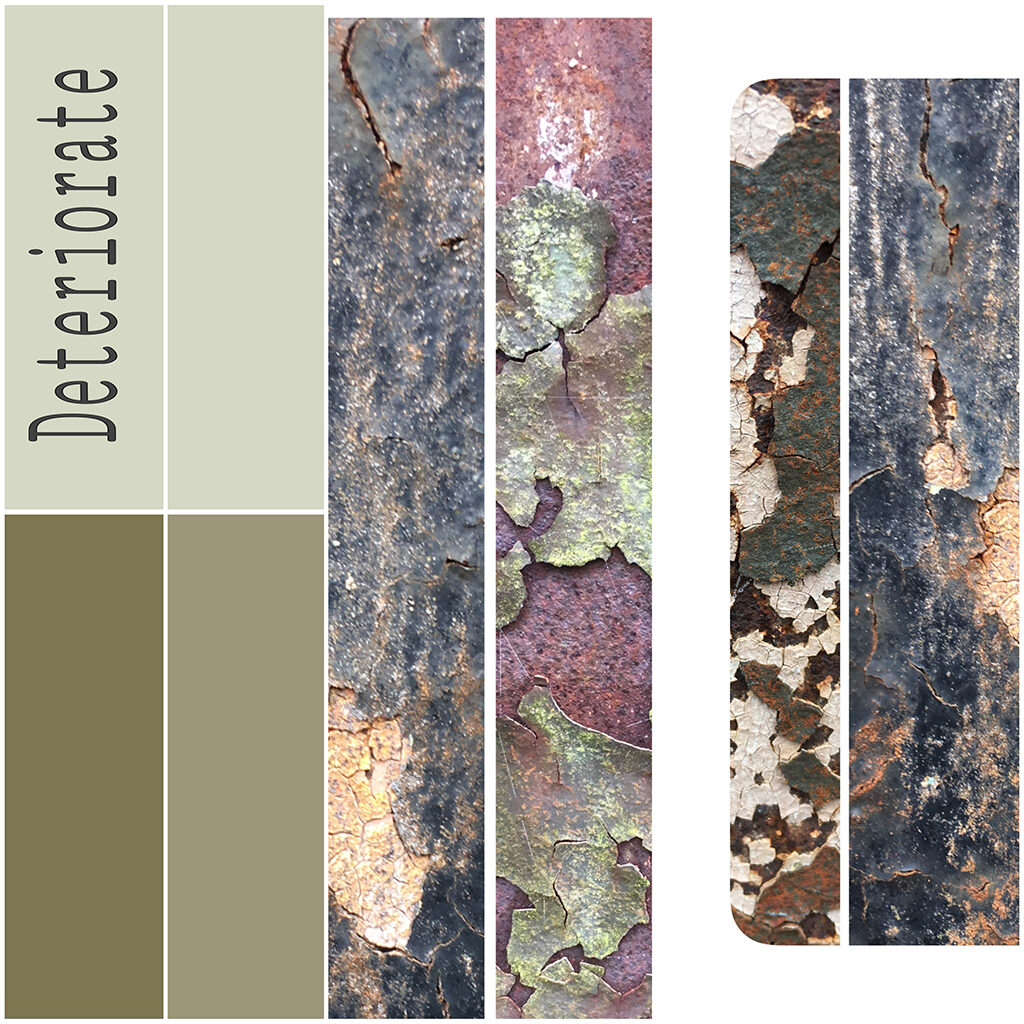
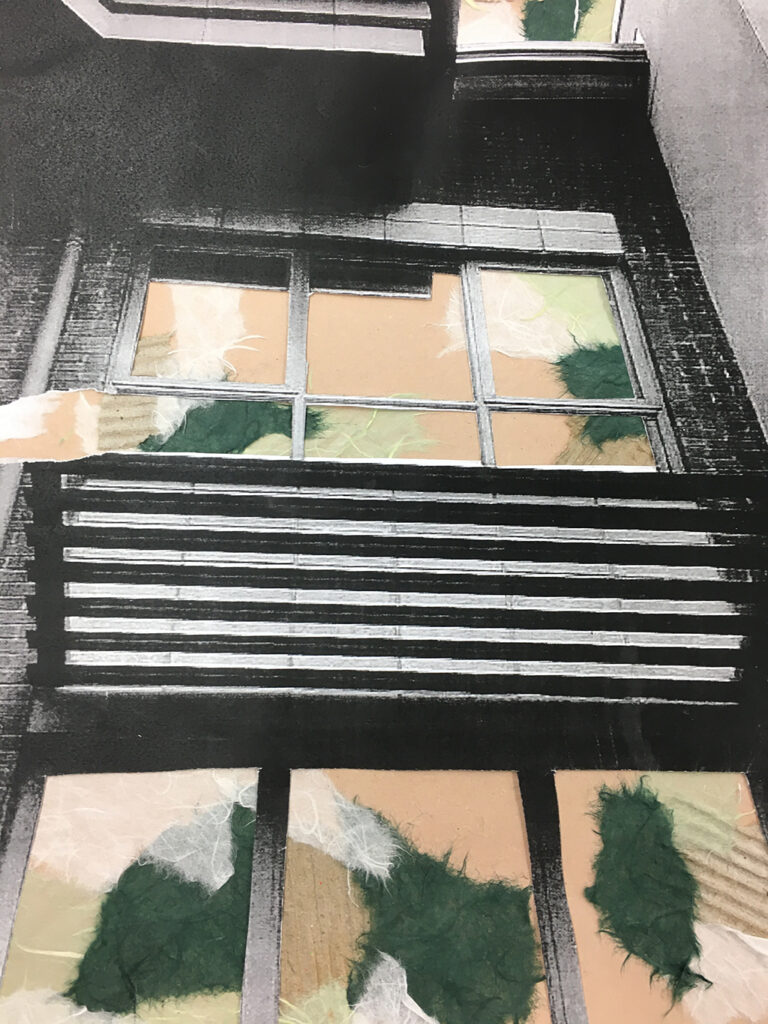
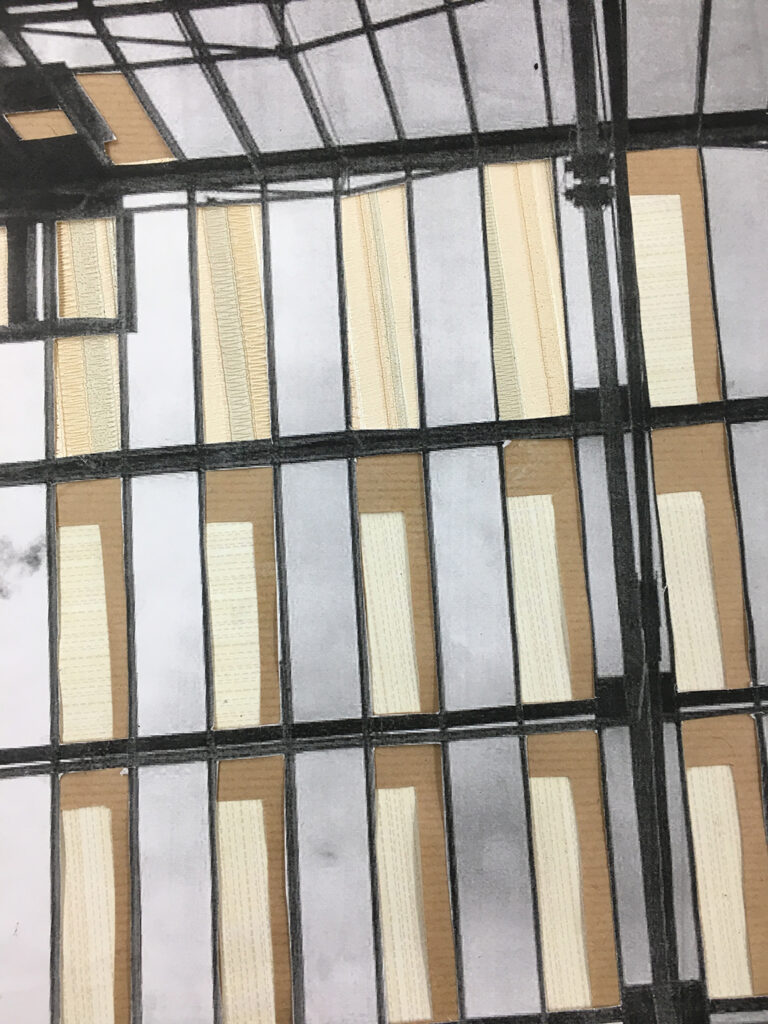
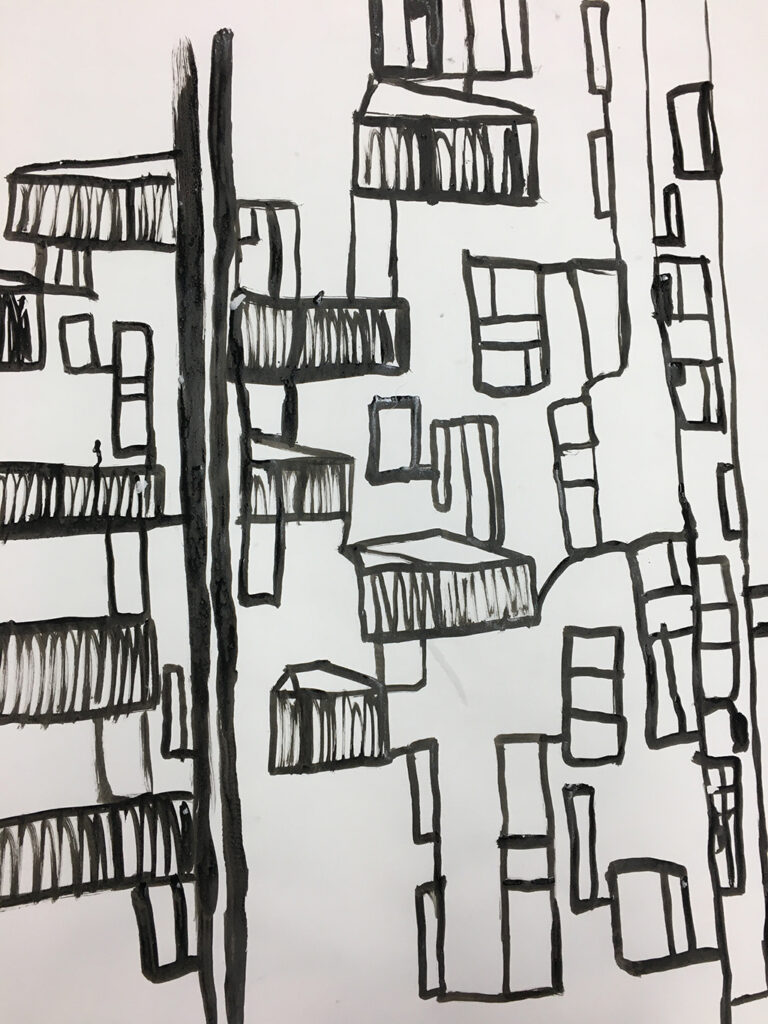
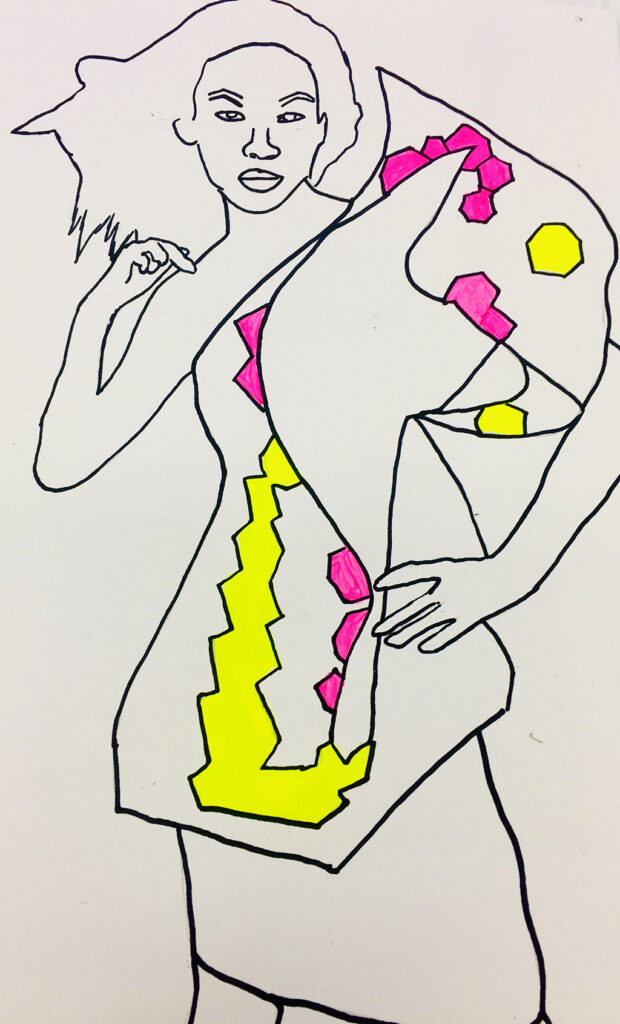
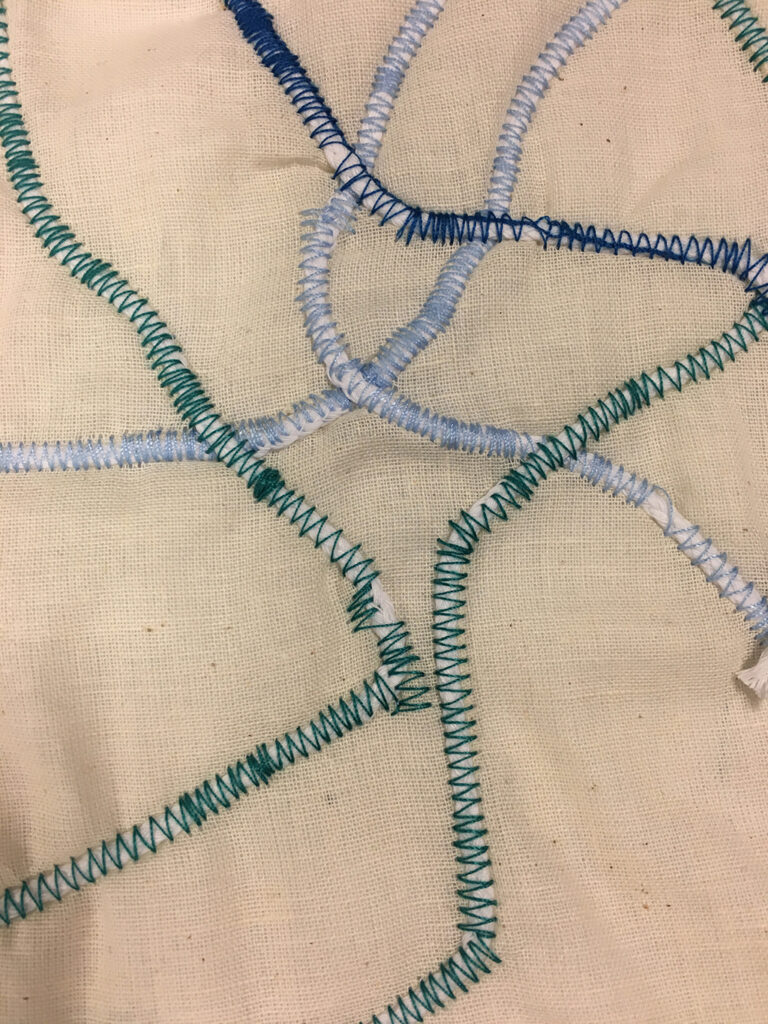
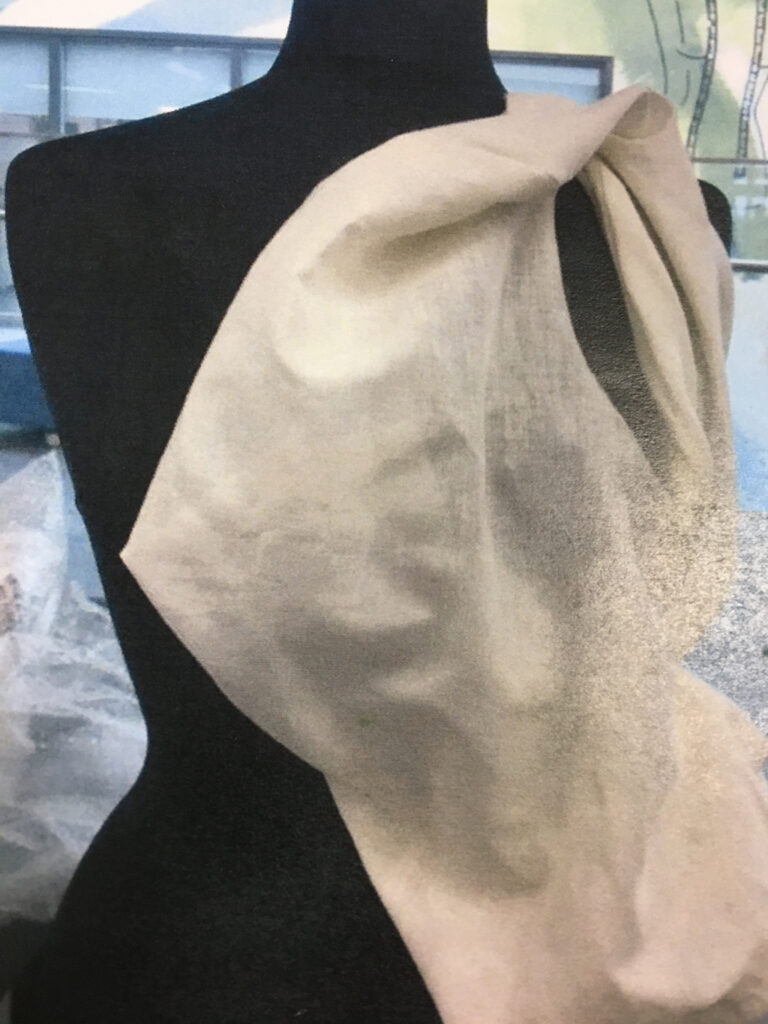
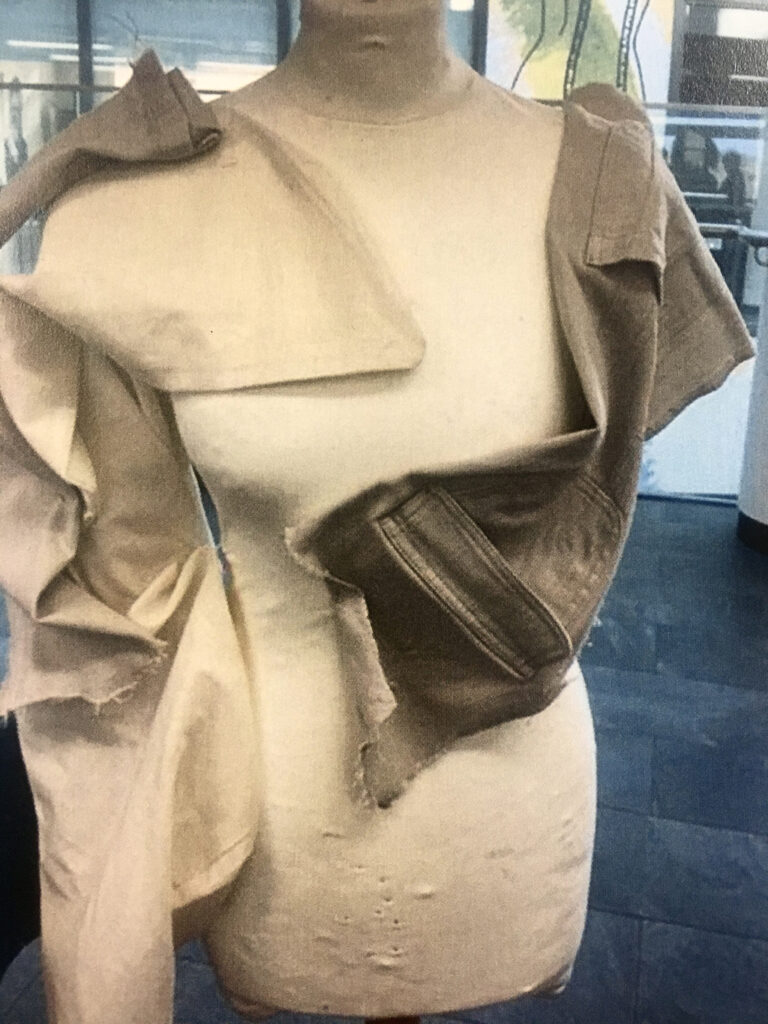
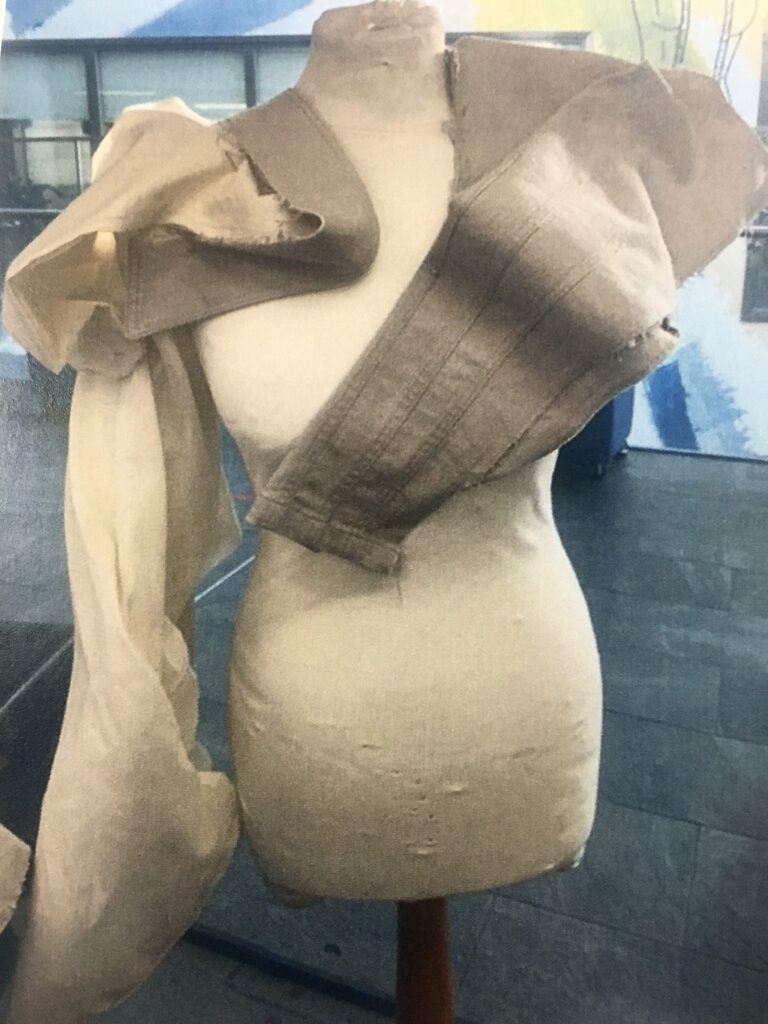
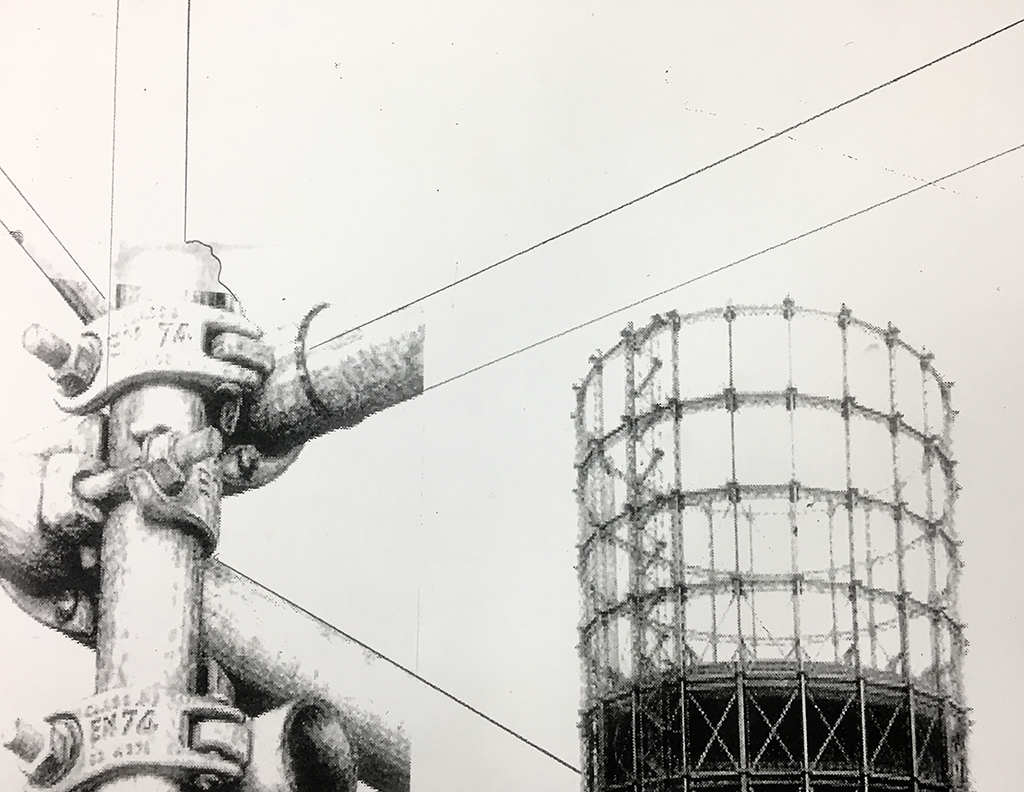
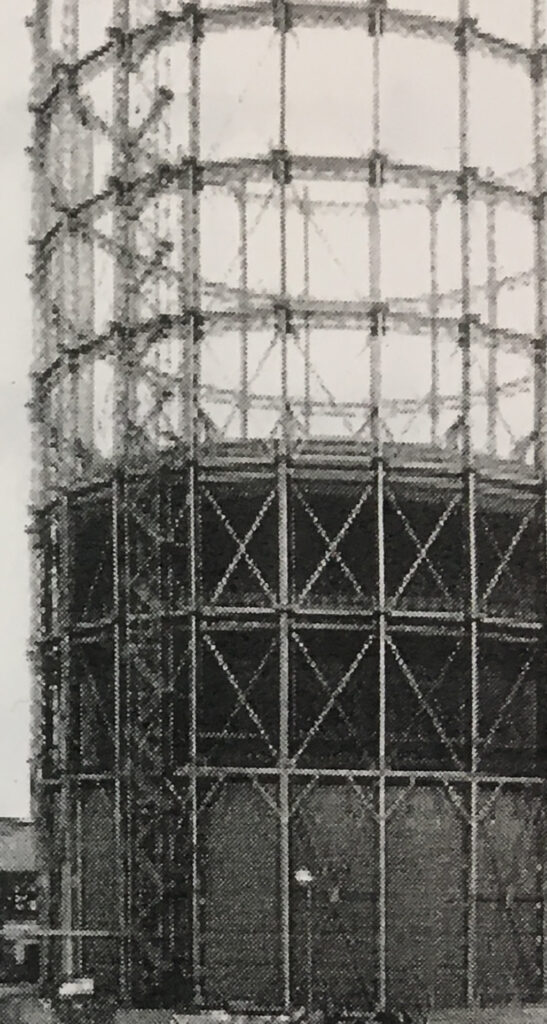
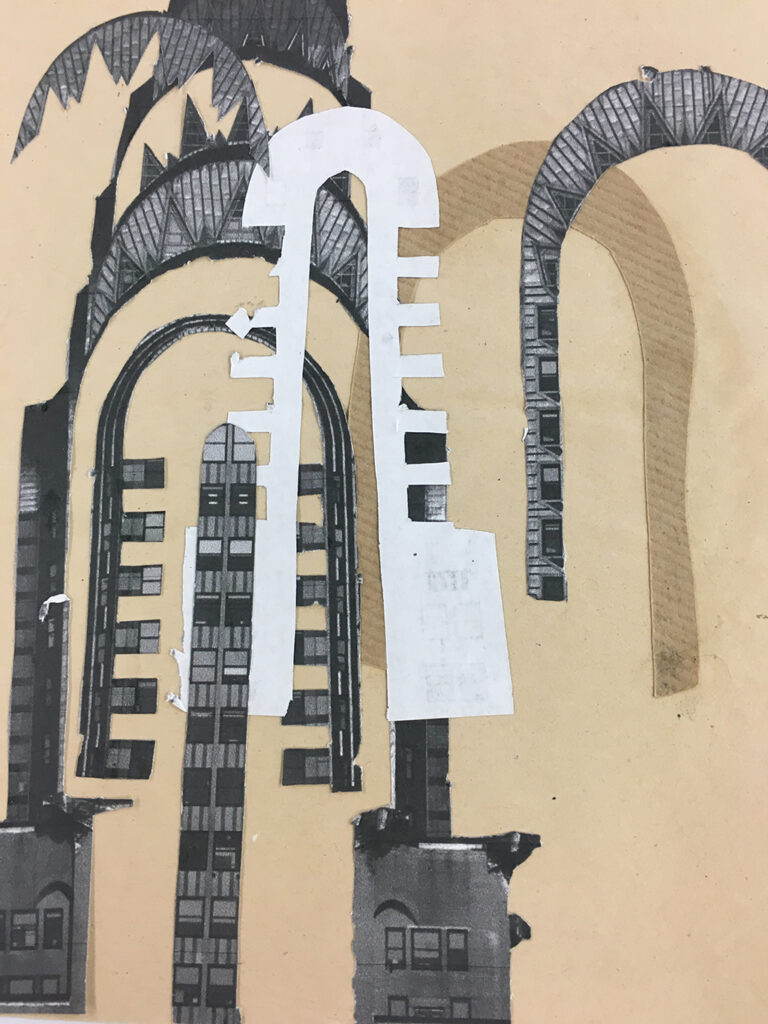
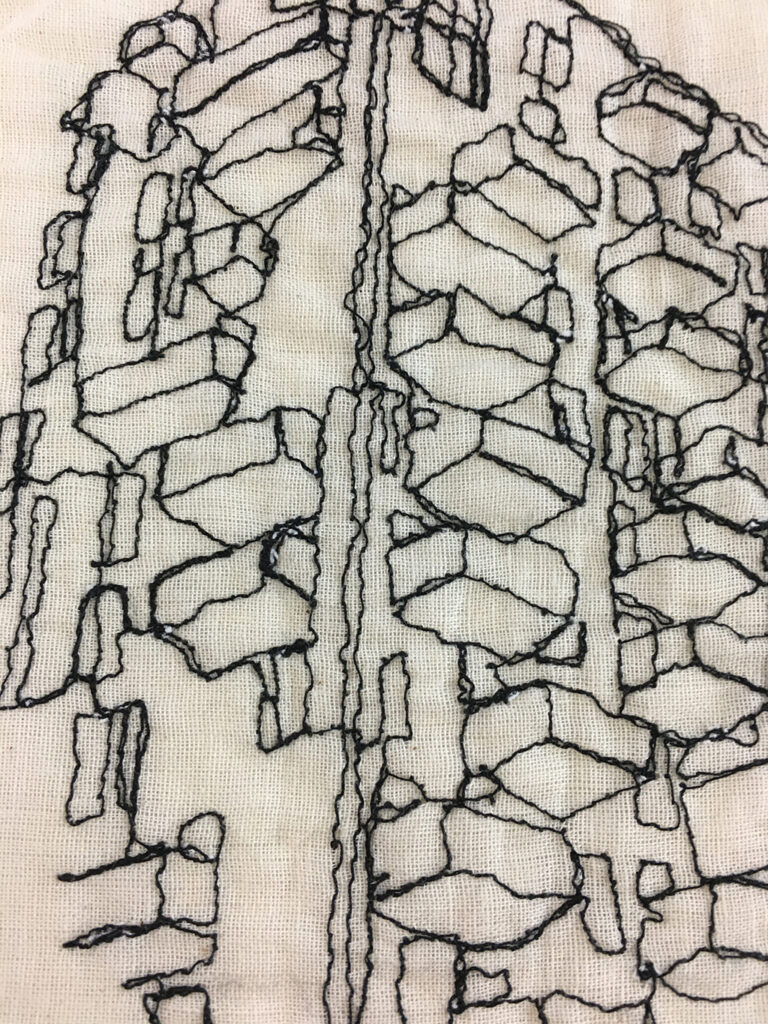
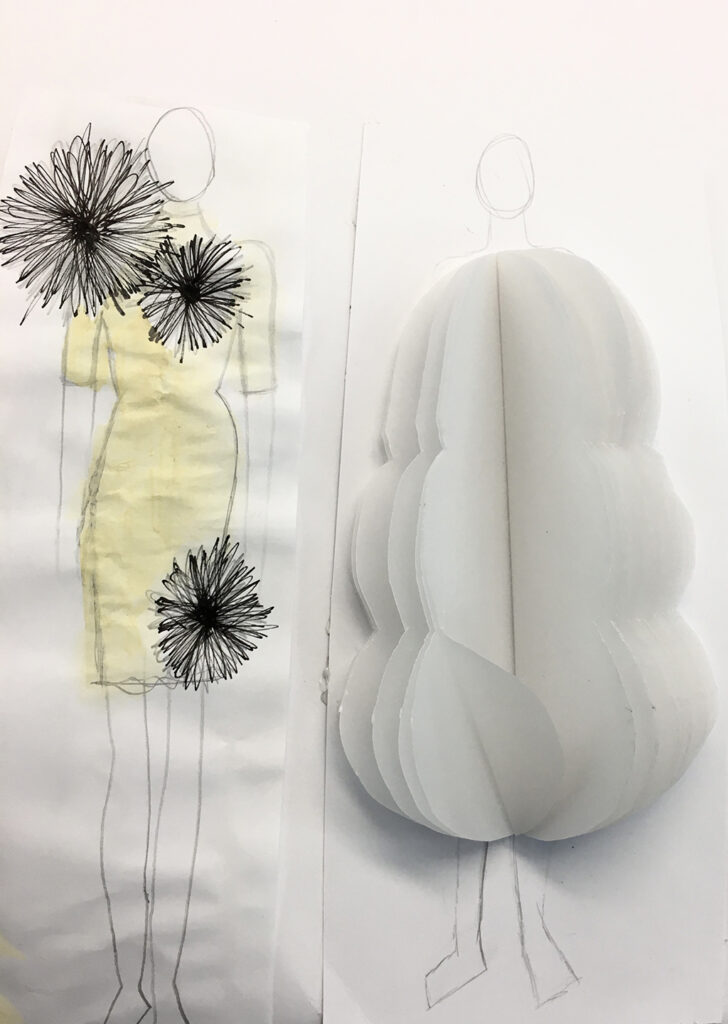
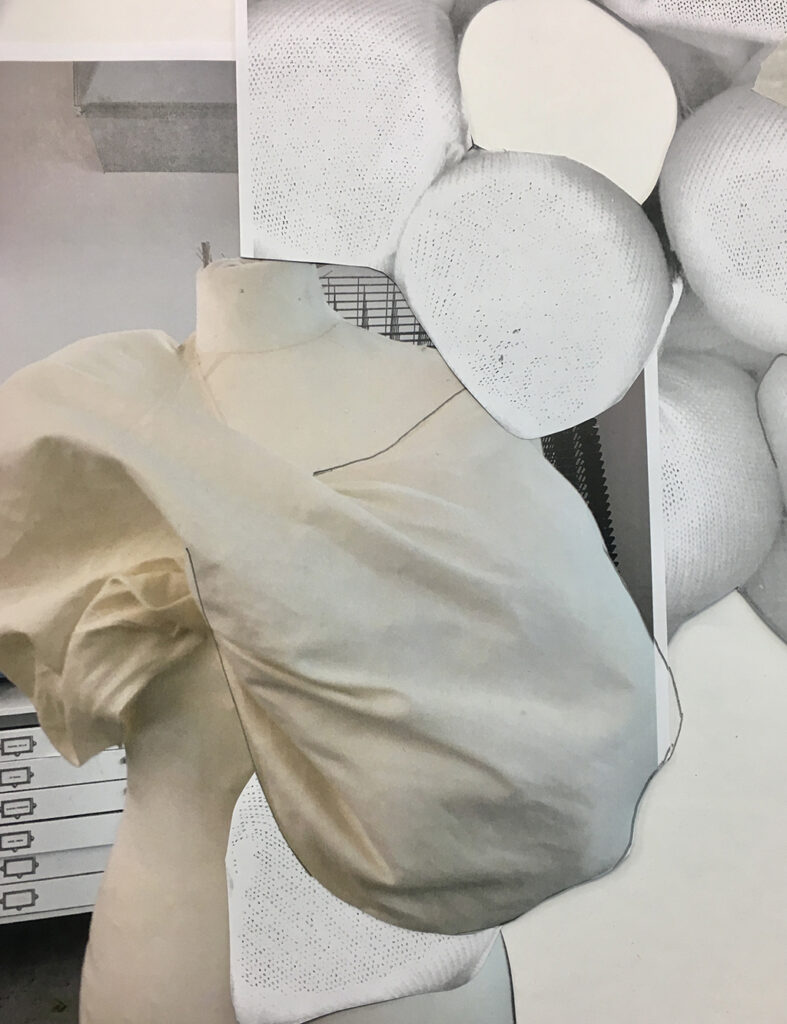
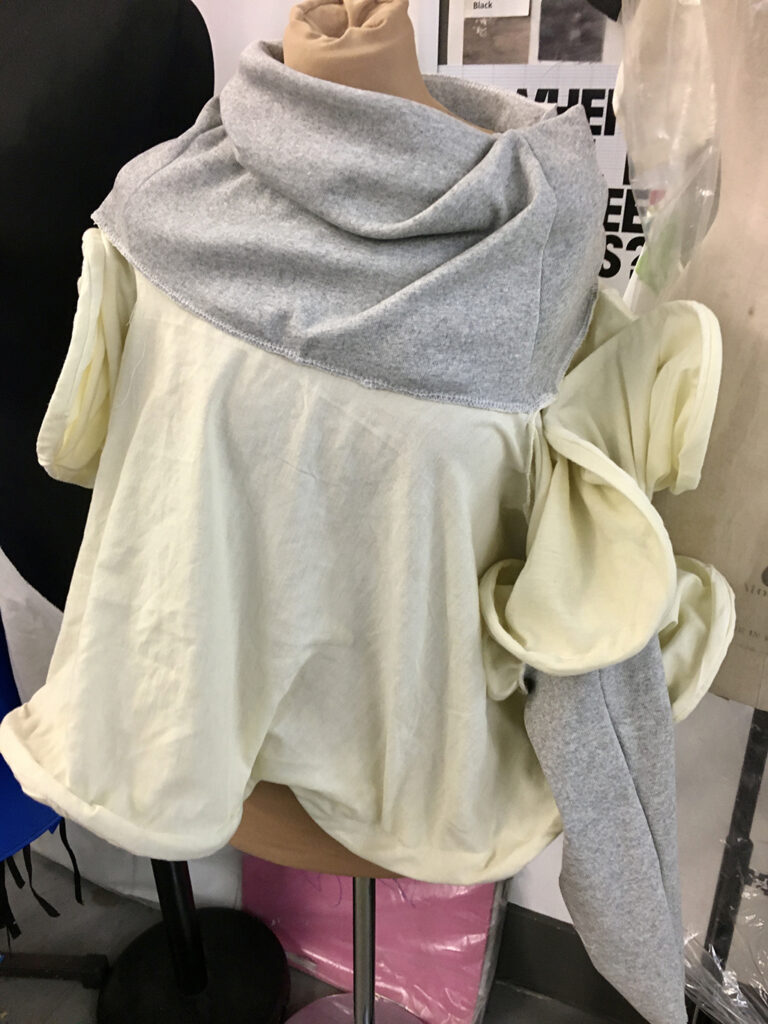
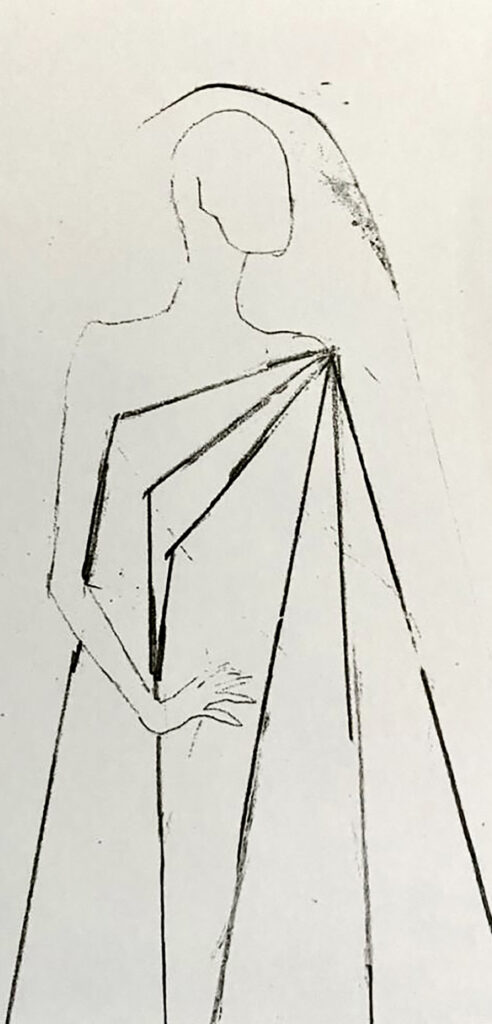
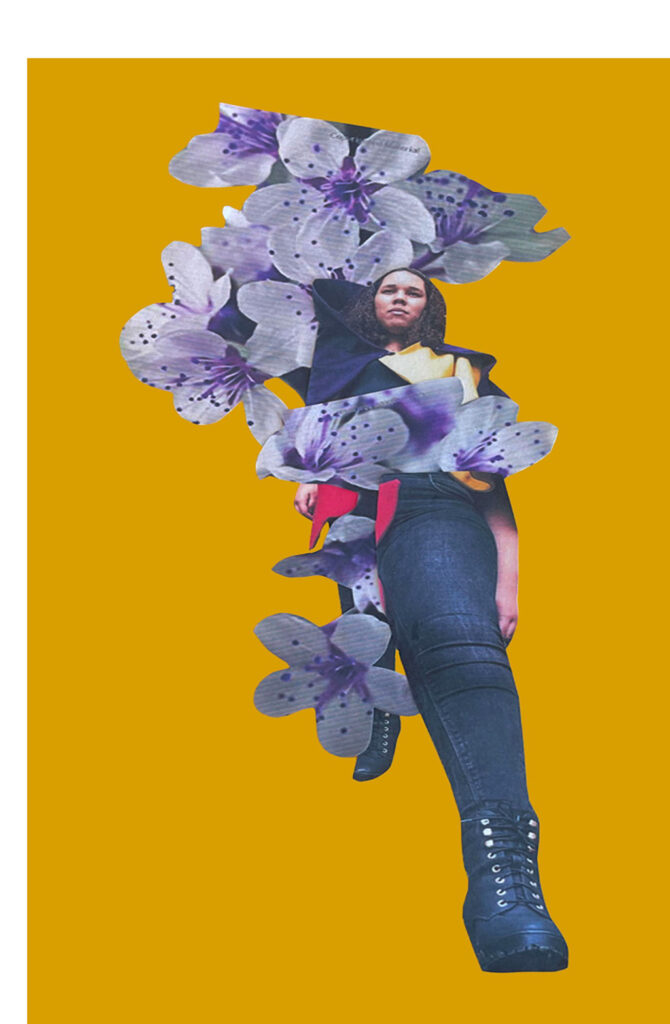
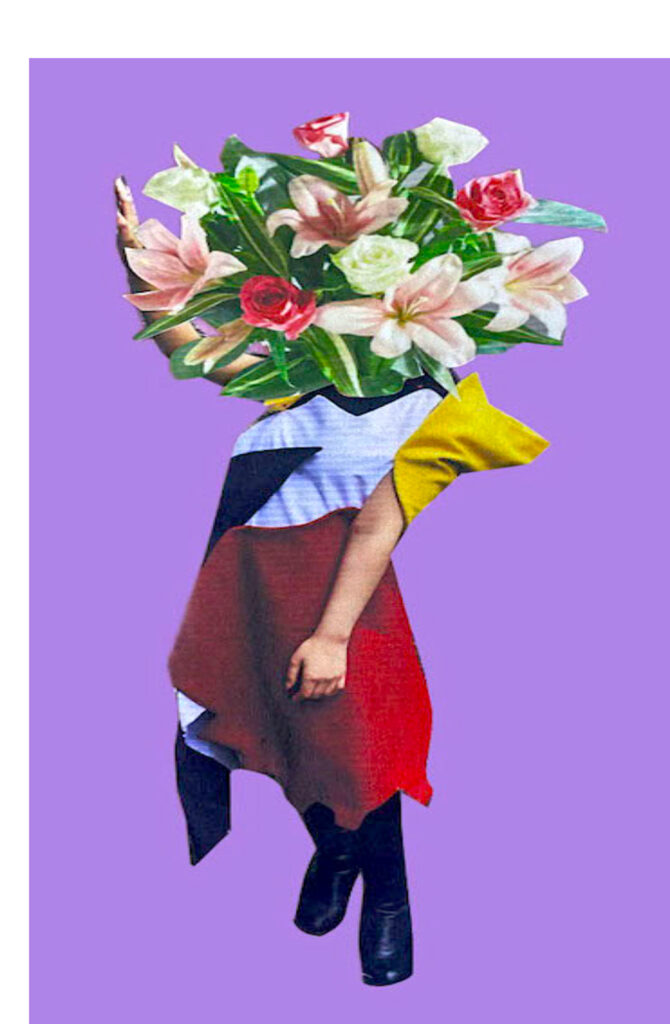
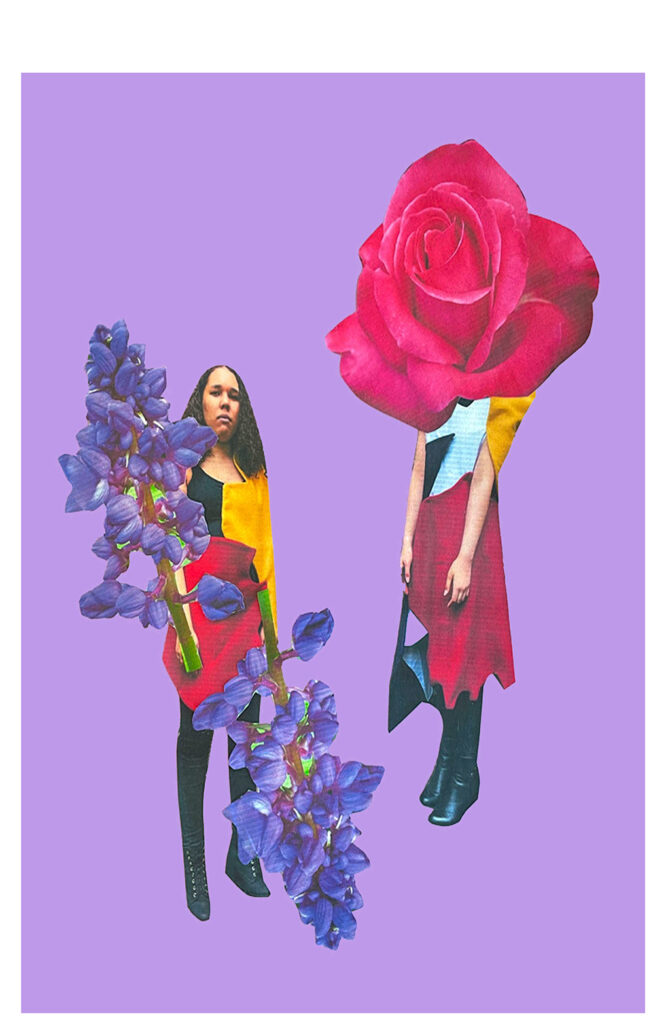
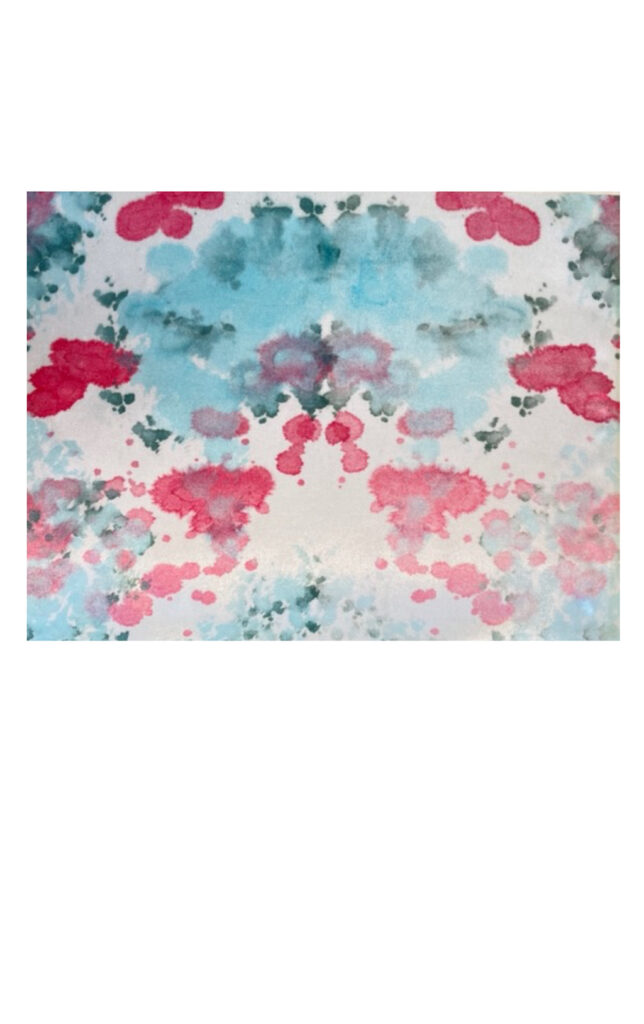
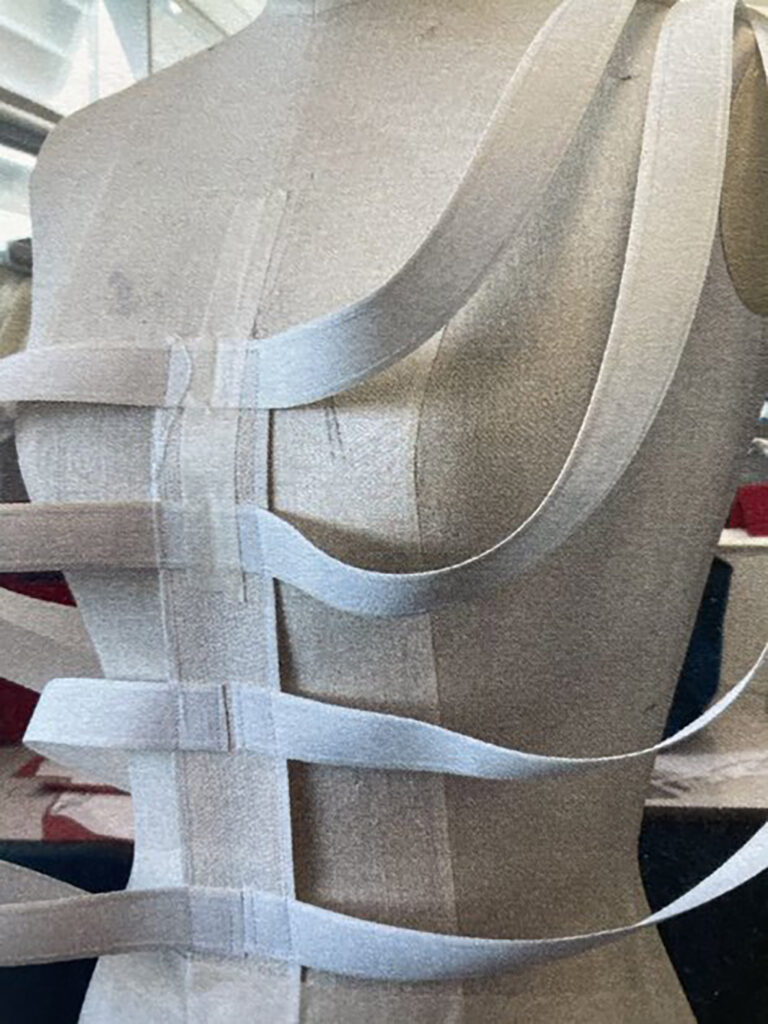
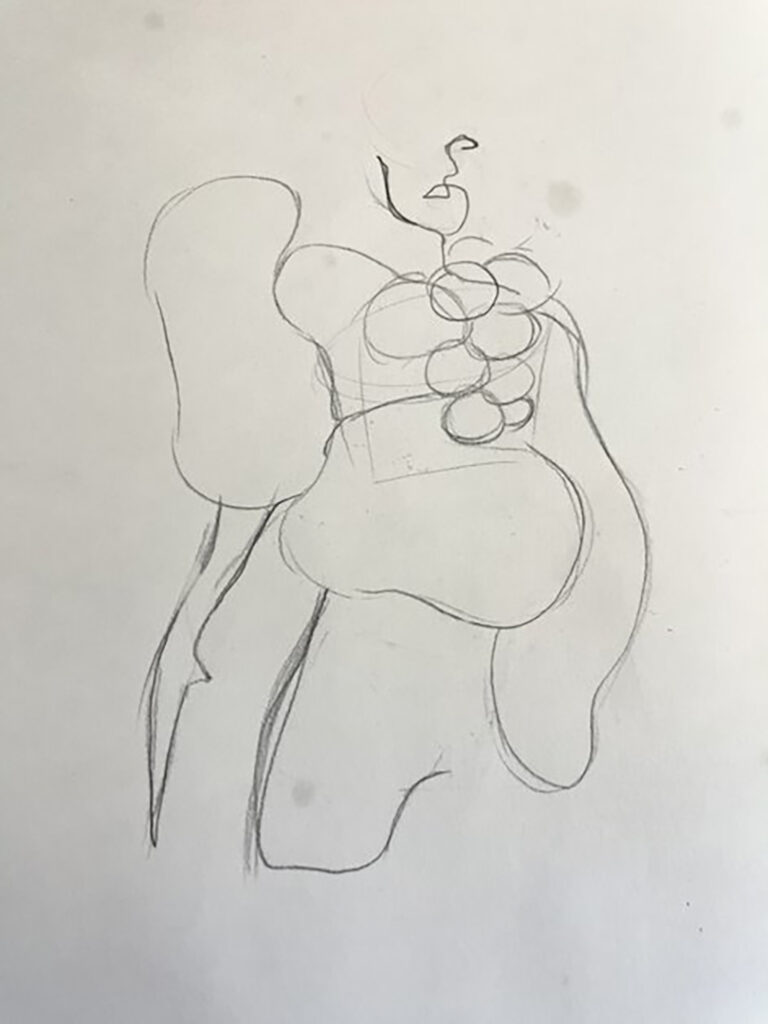
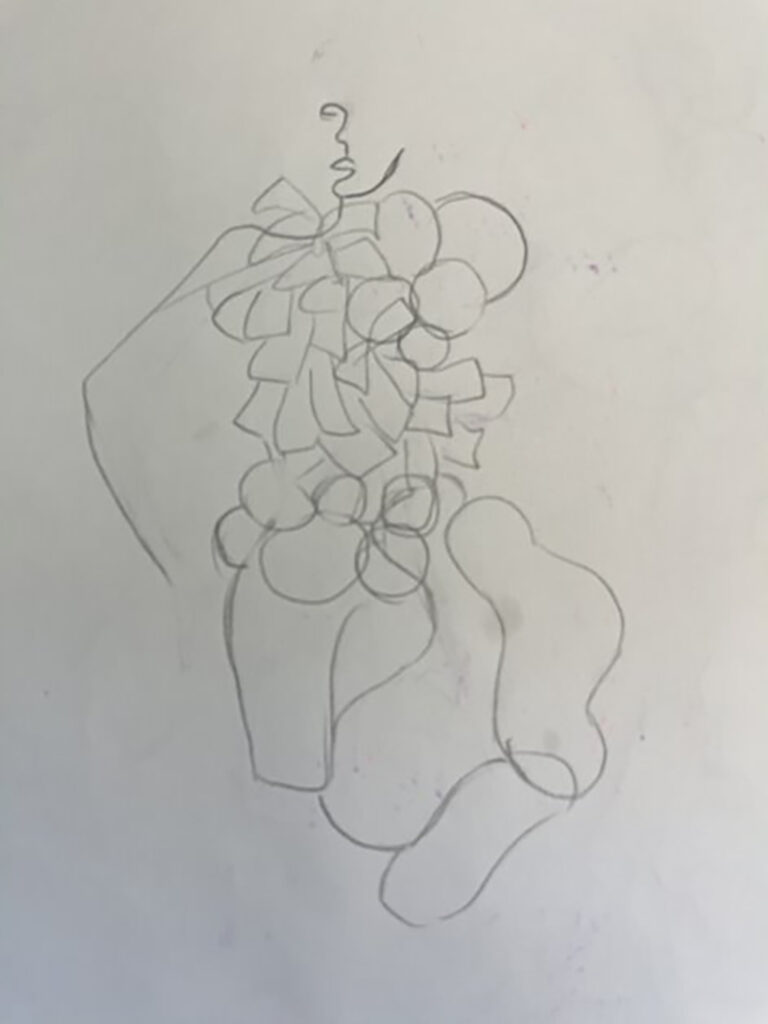
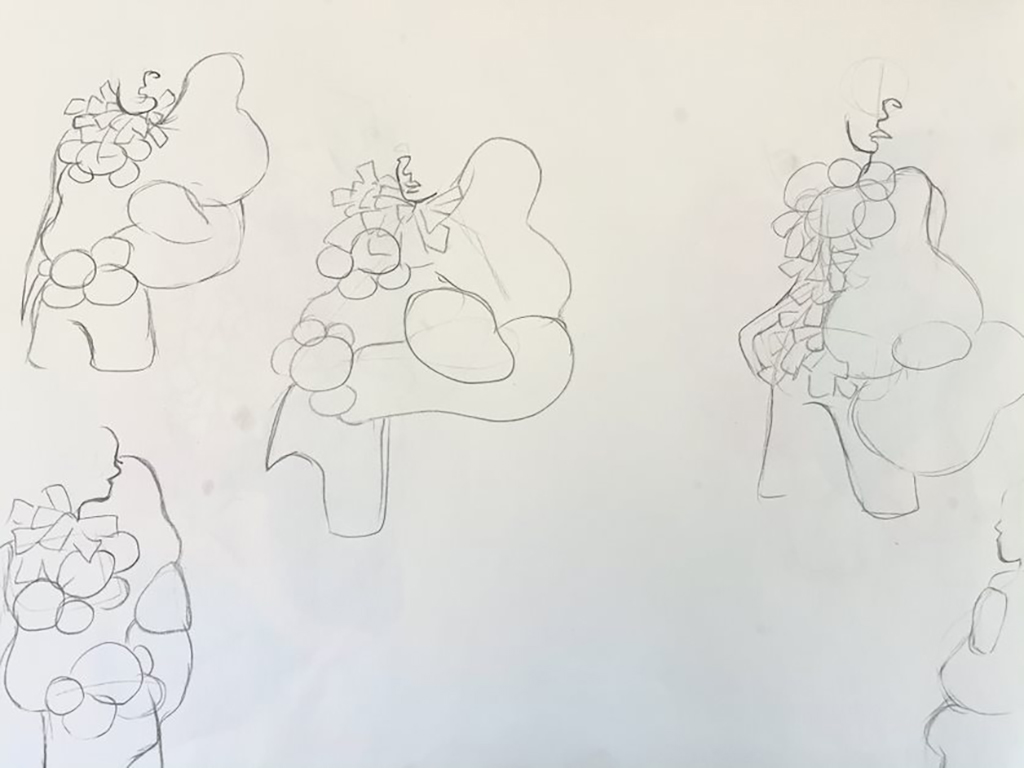
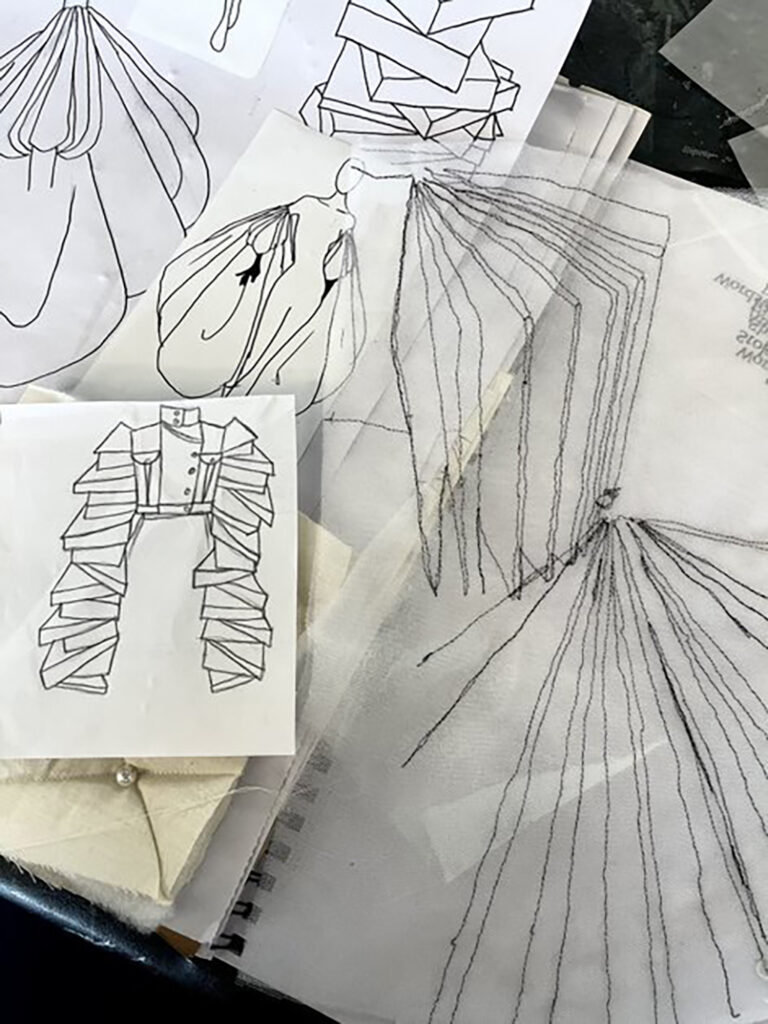
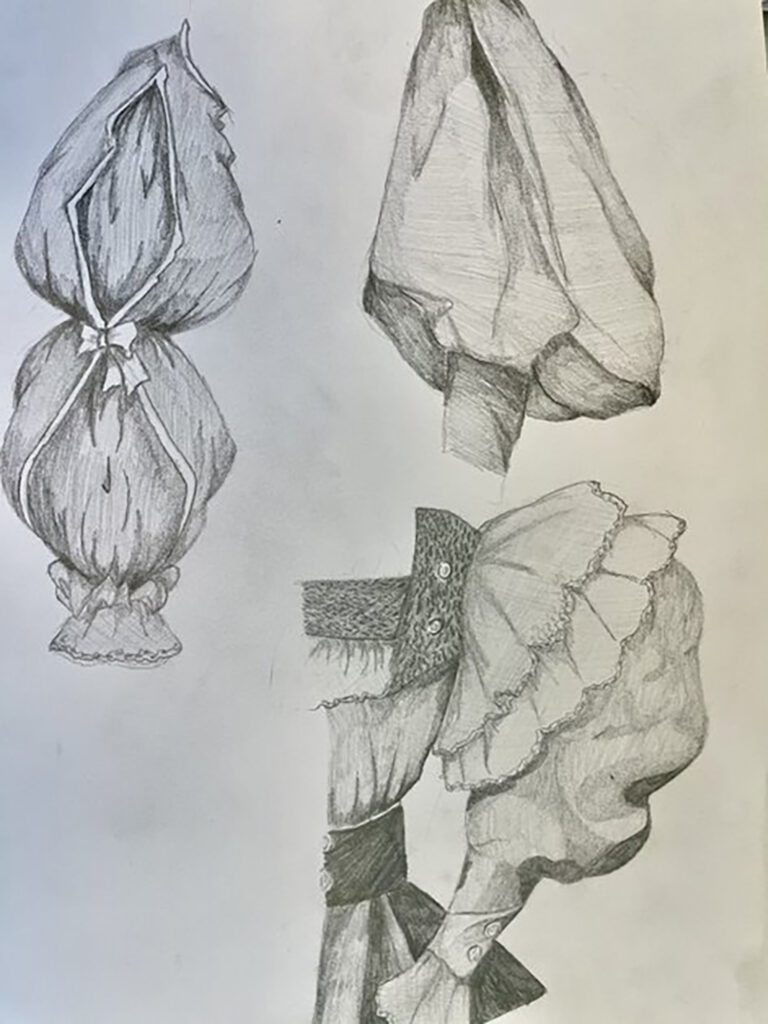
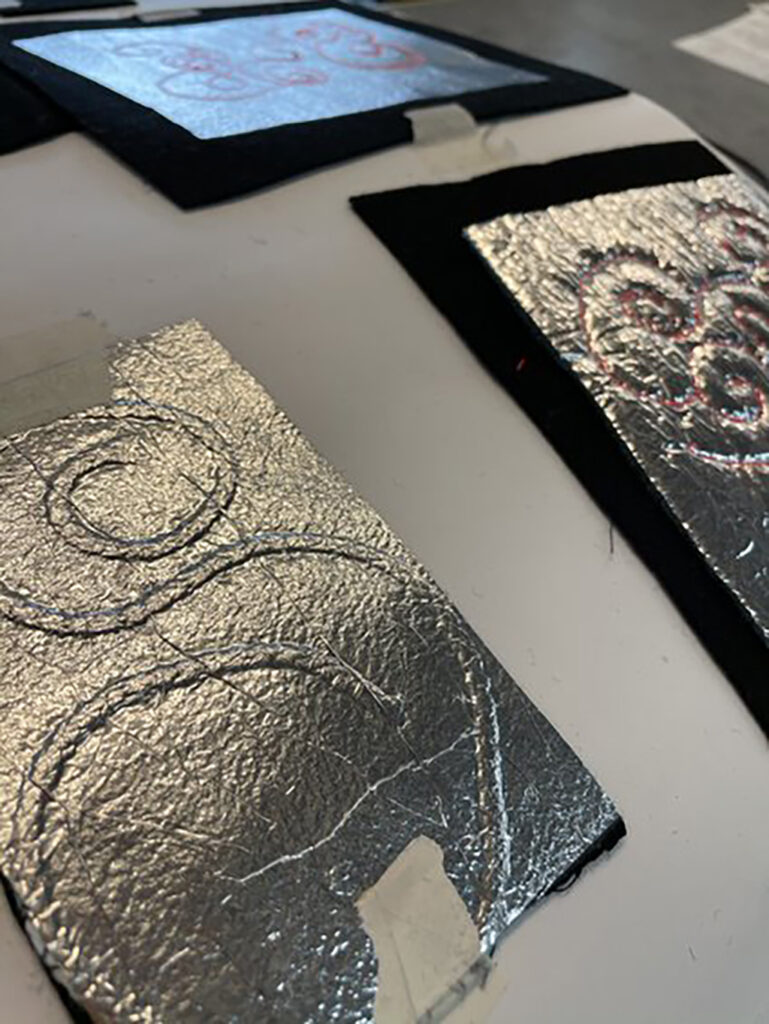
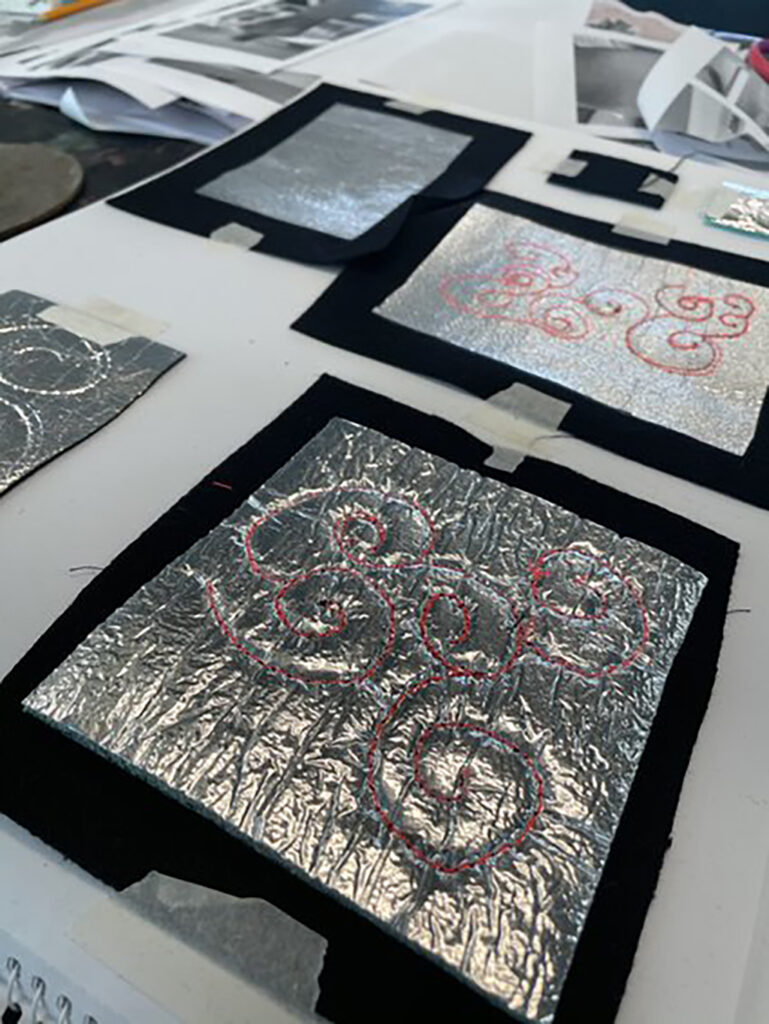
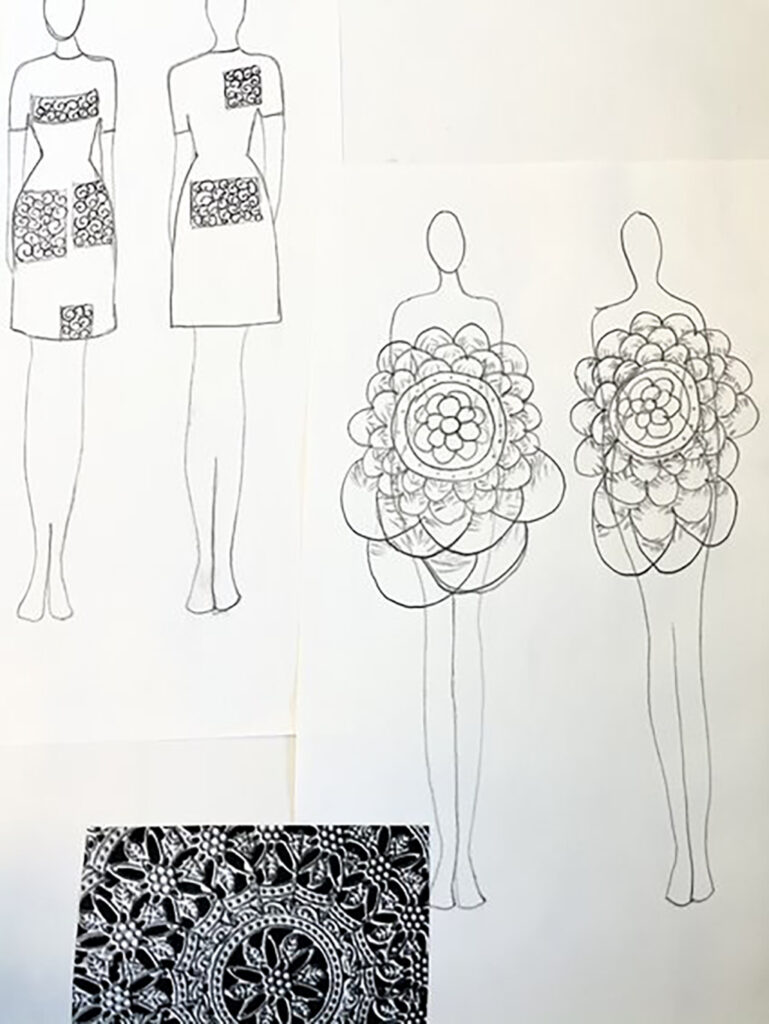
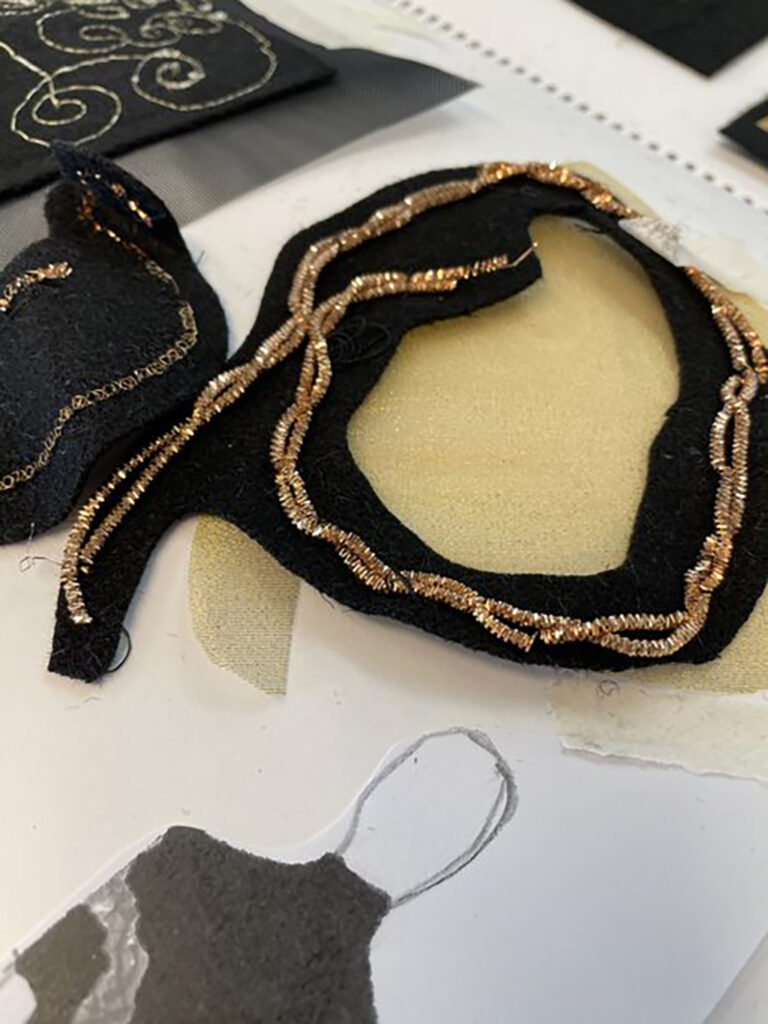
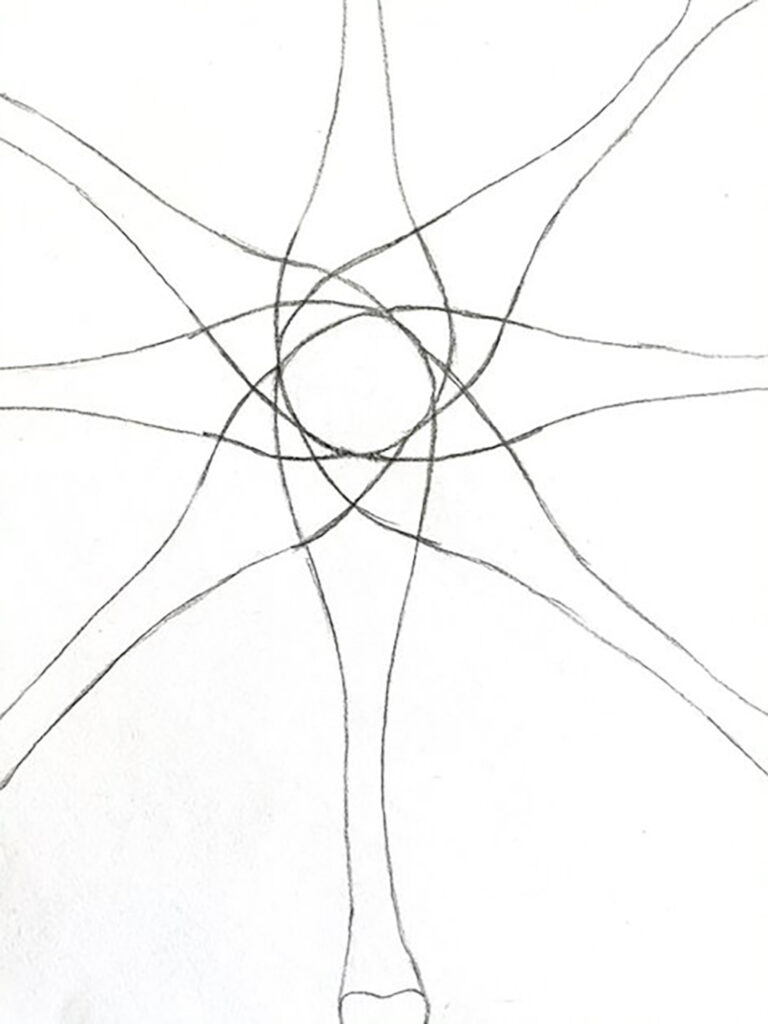
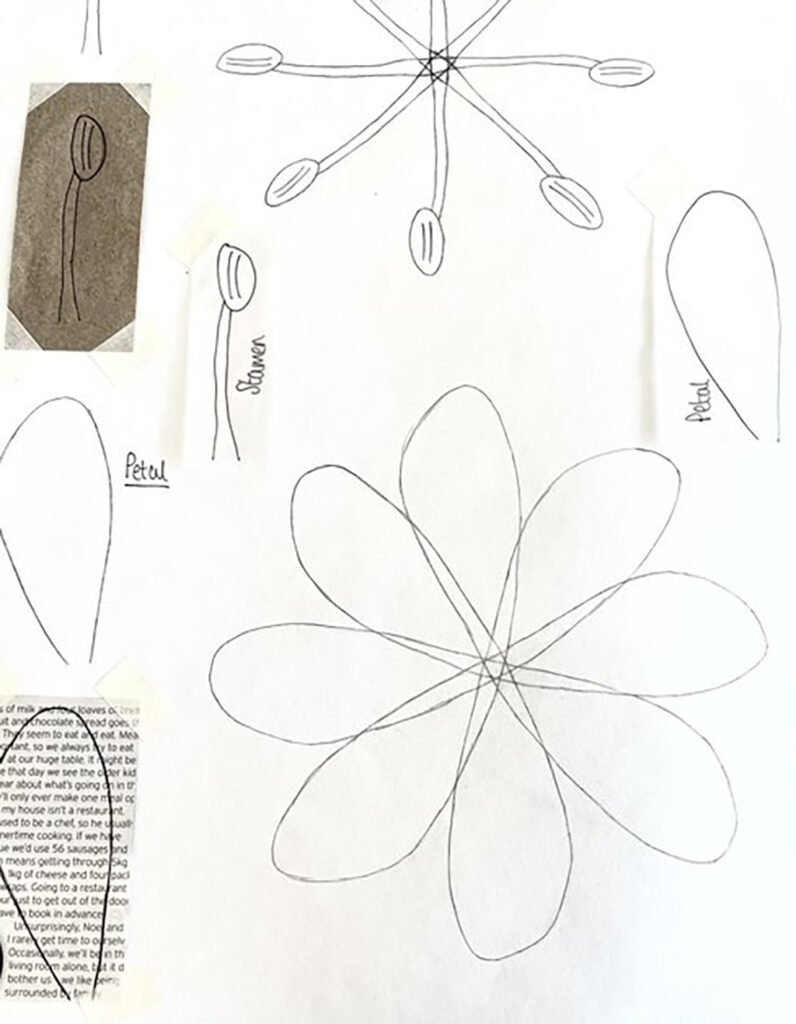
My project was entitled ‘Architecture of Flowers’ where I focused on the irregular shapes and the silhouettes of flowers. With my previous work I had a tendency to focus on the surface aspects of my projects, often neglecting or leaving too late the design play around shapes and silhouettes. In doing so I restricted myself with learning valuable skills such as design development and pattern cutting – two areas that are important in fashion design. My first impressions were that flowers came in a wide range of shapes and forms, some with more curved rounded petals whereas others have straight angular features. Closer inspection revealed other sections such as leaves, stamens and sepals, details which I felt would allow me to delve into when investigating possible shapes for design work. Through pattern cutting and design investigation I was able to generate a very abstract respose to the project where separate shapes were created and placed on the body in different ways. This provided me with a wide range of possible outcomes and created a bigger collection than just designing one garment.
I have been pushed to think more creatively and inventively this year which has helped me to become a stronger designer. Planning and critical anlysis has played an important part in the project. I hope to build on these skills on the Garment technology Course at Birmingham City University so that I am better prepared for the world of work.
Navdeep Najran
Previous Education: Bristnall Hall Academy Progression: BA (Hons) Fashion Design. University for Creative Arts (Epsom)
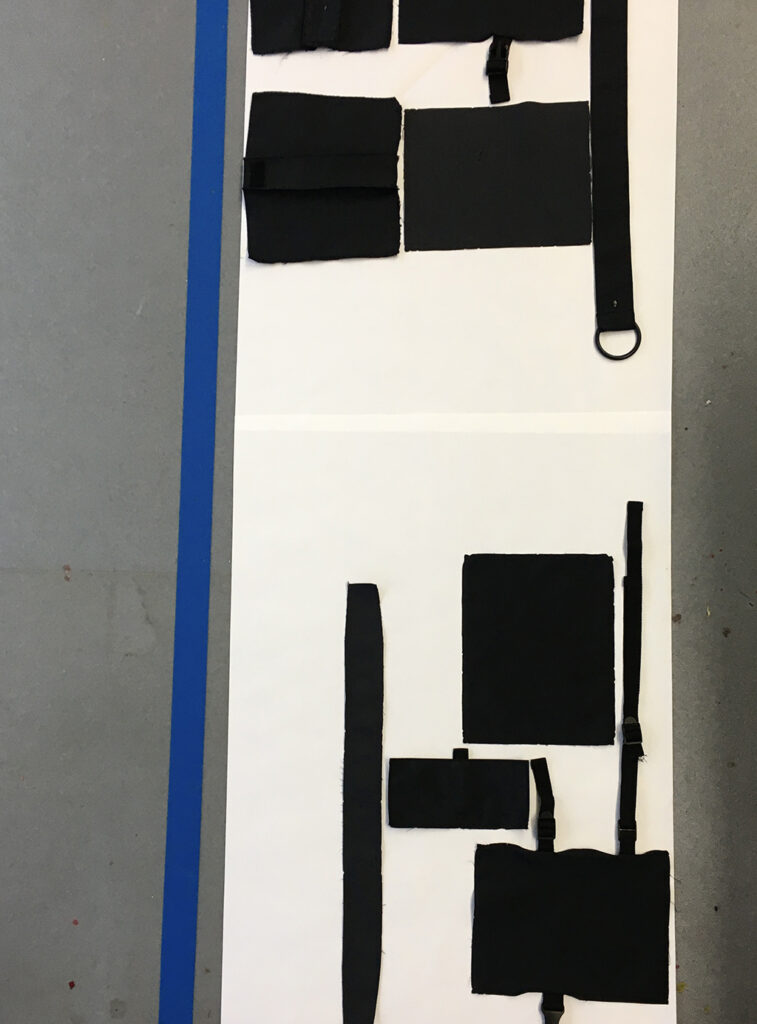
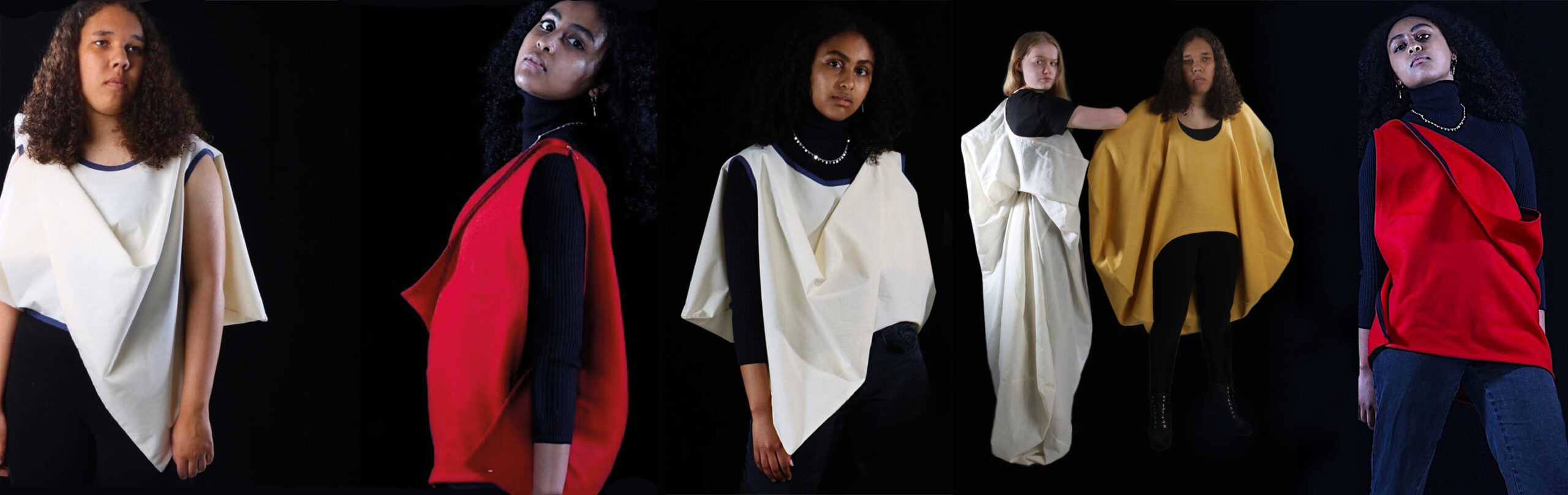
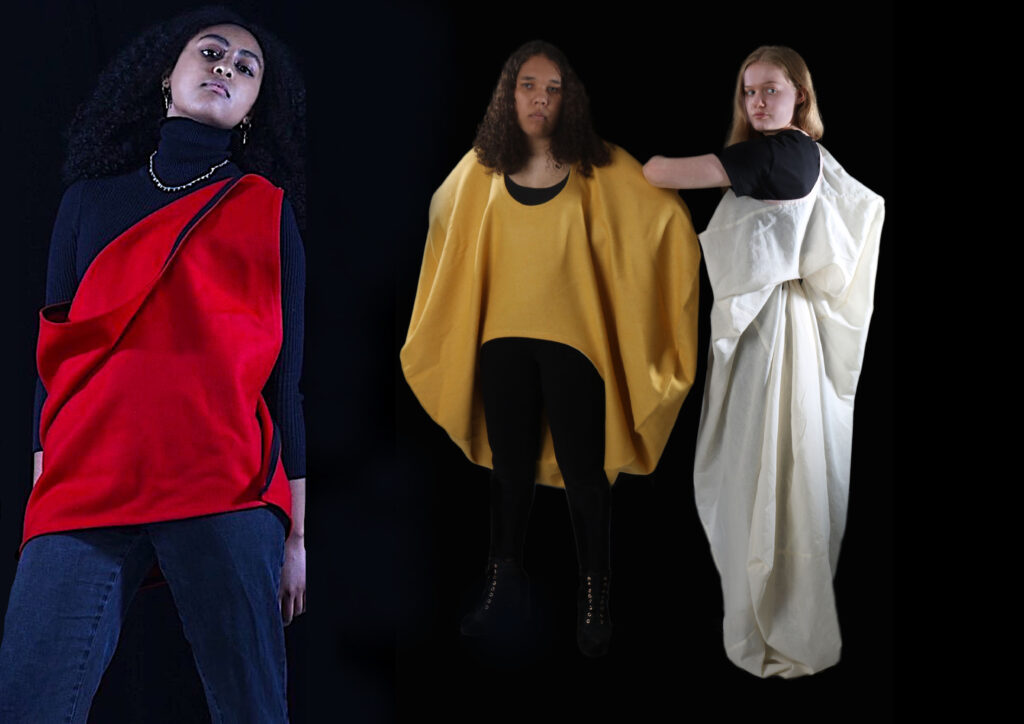
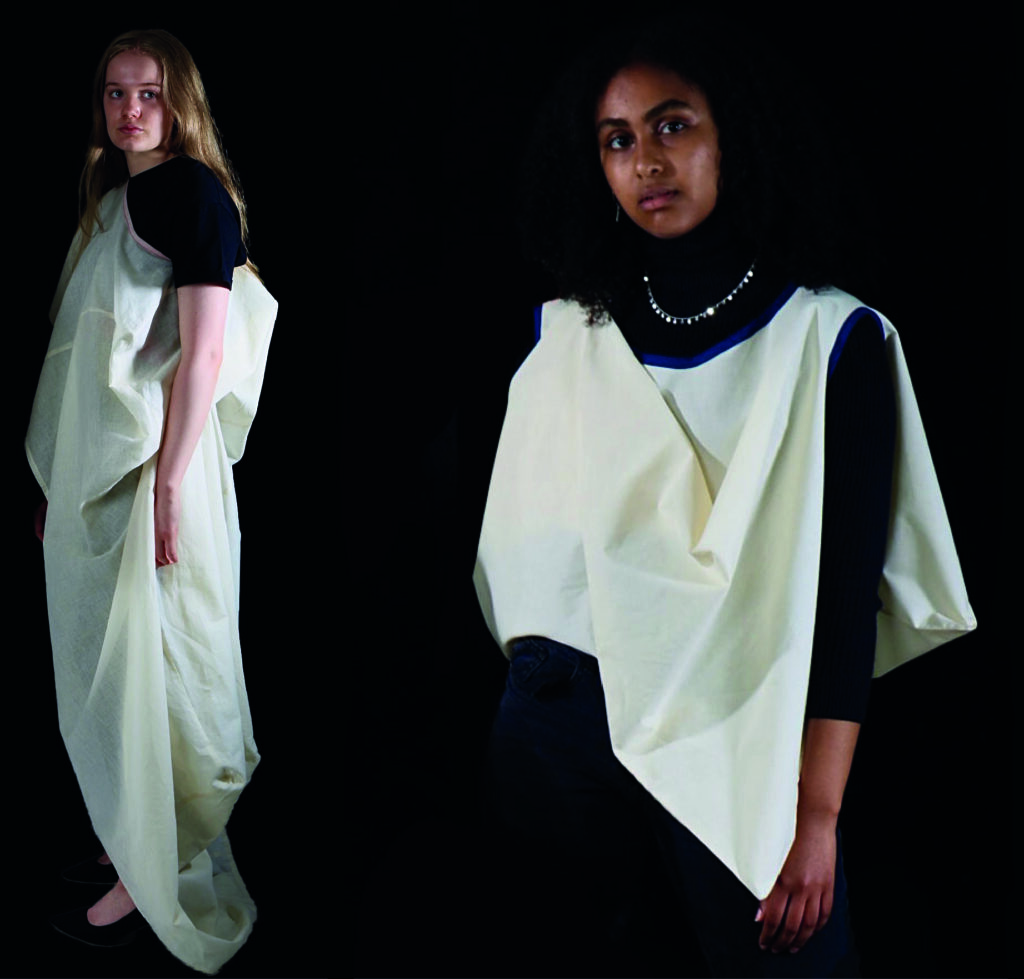
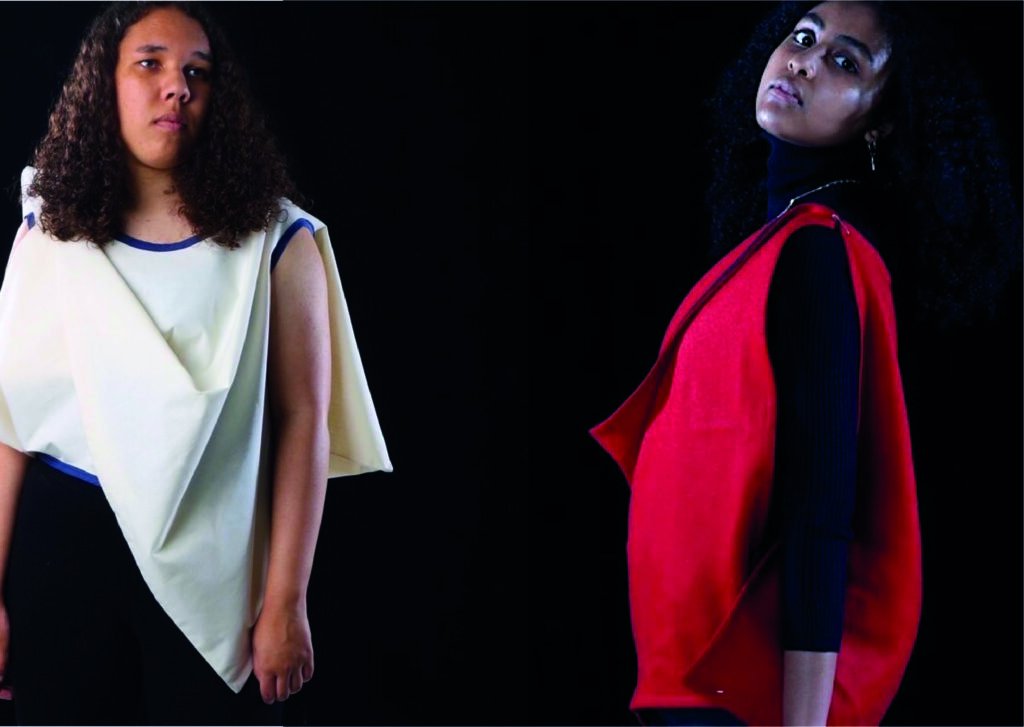
The work I created for previous project enabled me to prepare for my FMP however on reflection I found that I had spent a large amount of time on the surface and textiles aspects of the work leaving me little time to investigate the fashion design and construction side of my studies. To ensure that I succeeded with my final work I decided to investigate a concept that allowed me to focus just on shapes and silhouettes and in doing so explore and exploit pattern cutting and construction to the best of my abilities.
Designers such as Rei Kawakubo for Comme des Garçons, Craig Green or Iris Van Herpen, are wildly exploring abstract shapes with interesting motives. Through this exploration they have been able to play with pattern cutting and construction skills to produce unusual and almost deformed silhouettes.
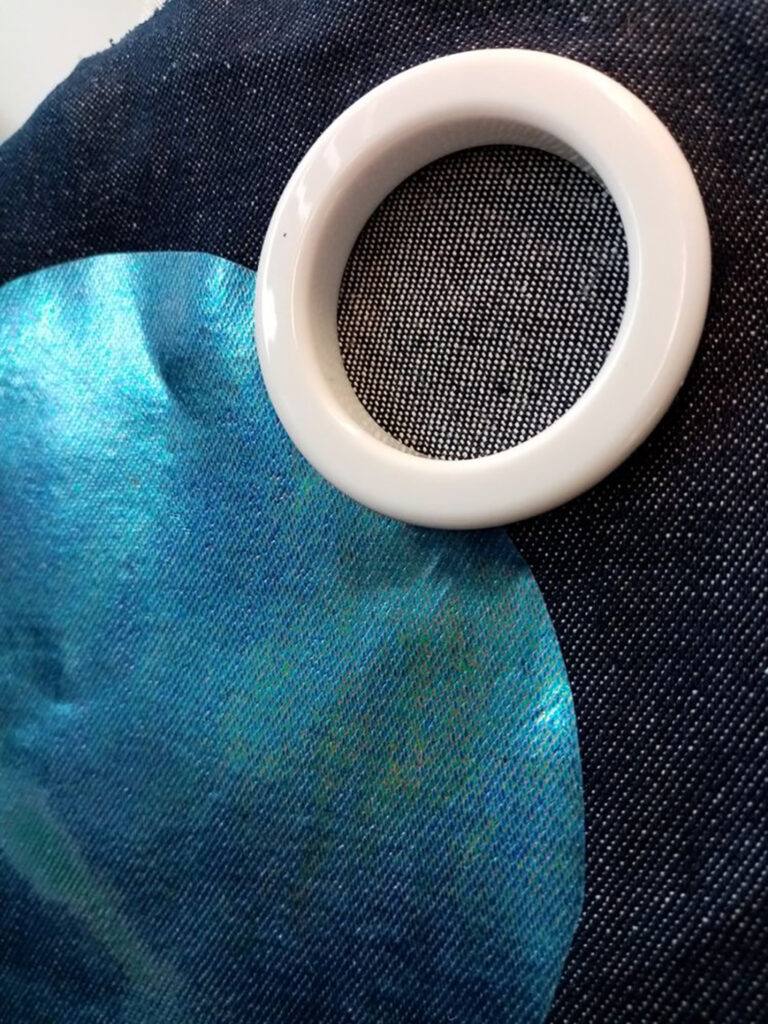
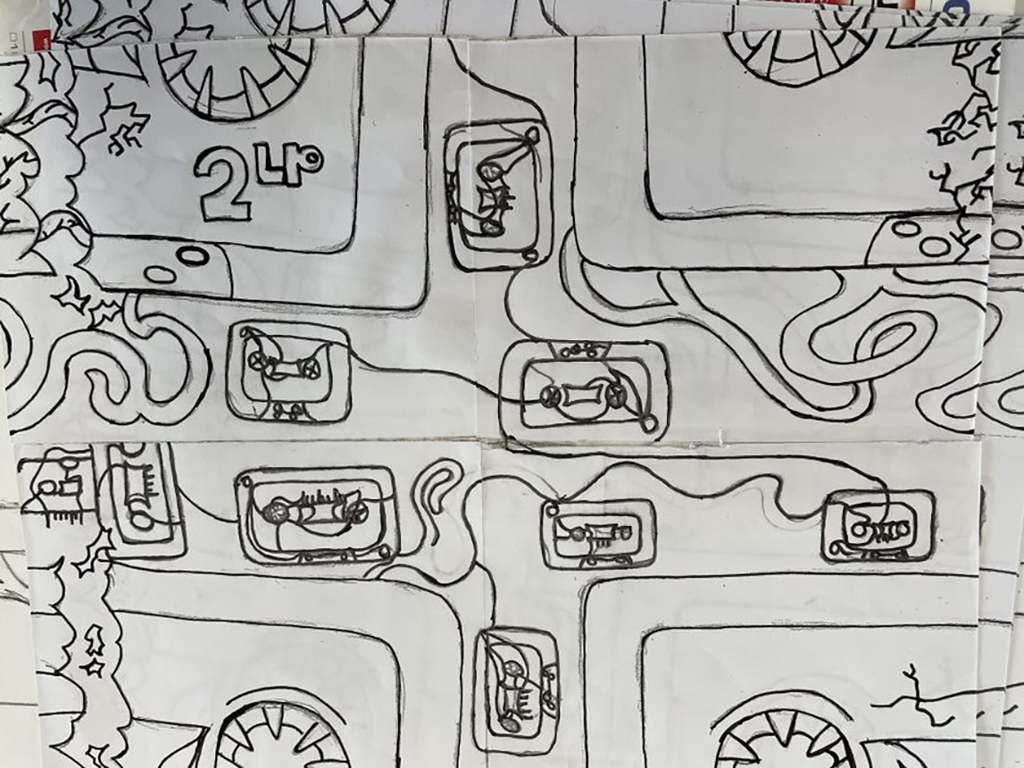
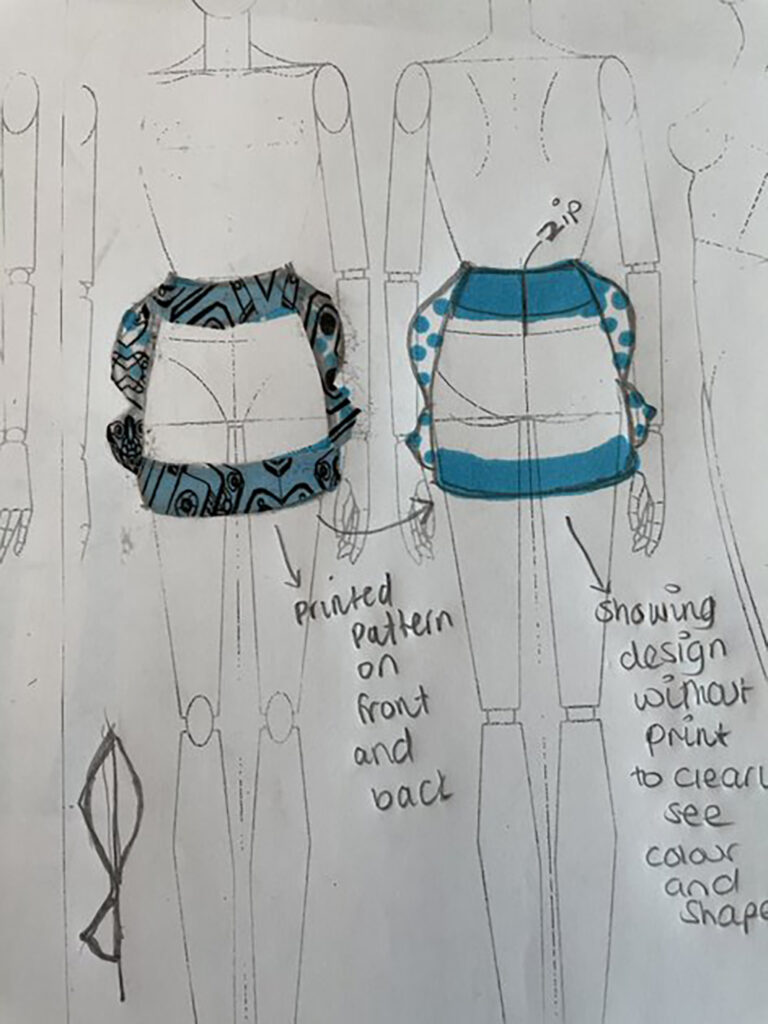
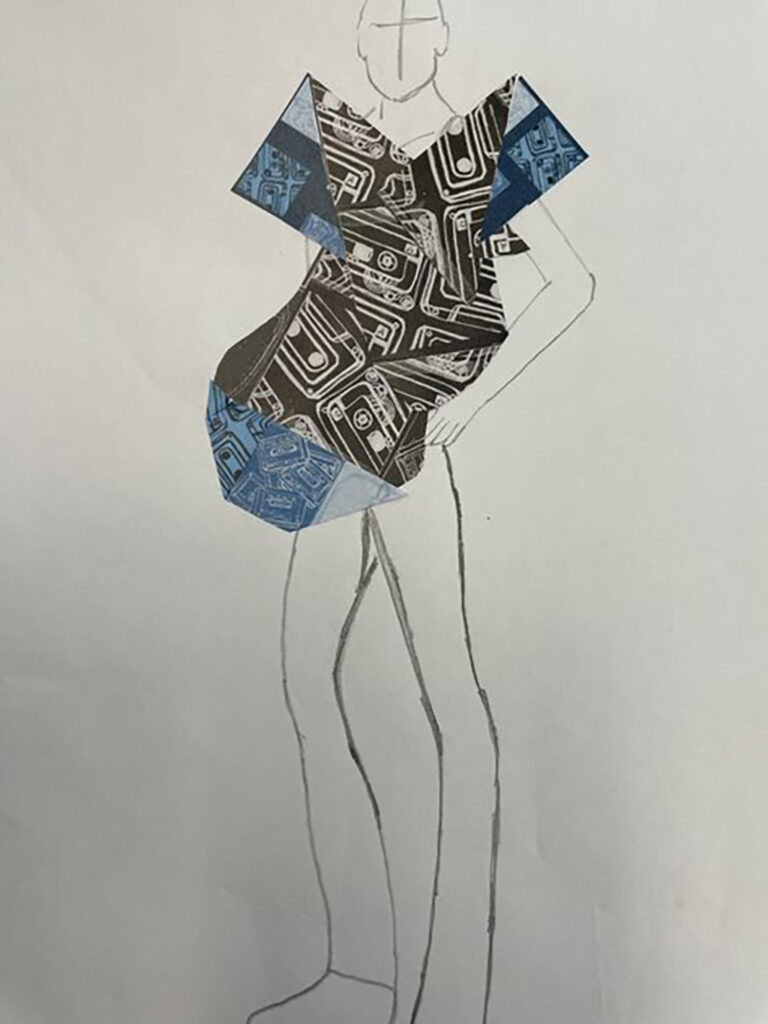
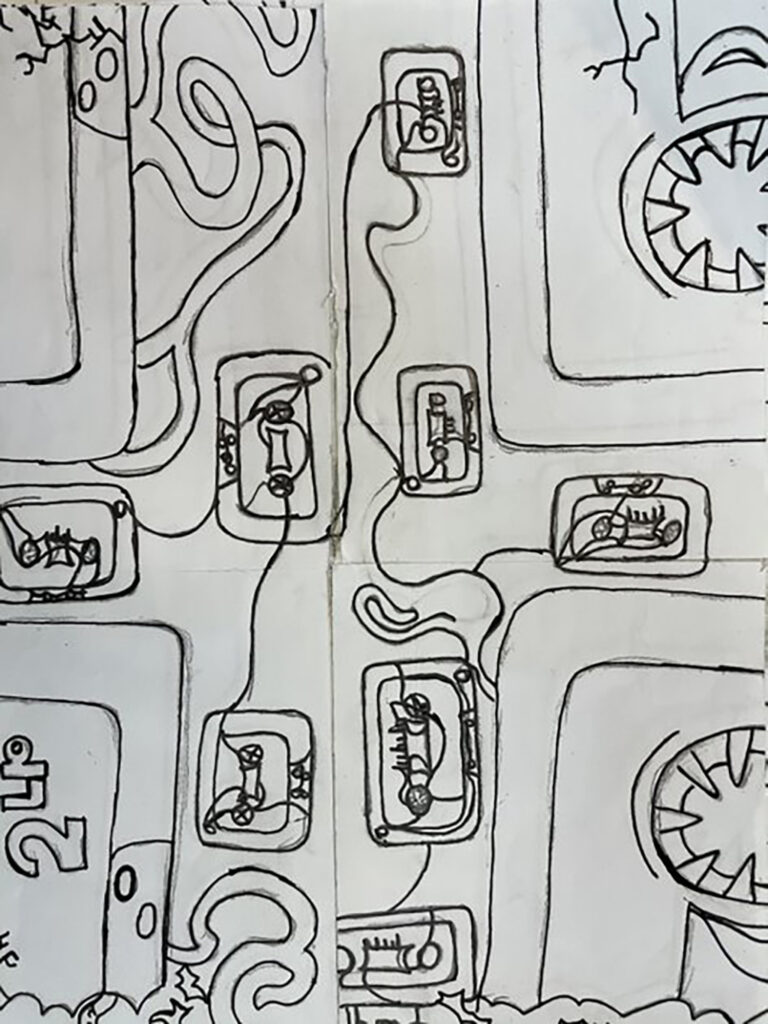
I decided to delve into the basic fundamentals of shapes and silhouettes to create abstract outcomes. The intention was to explore mundane geometric shapes such as squares, circles and triangles and in doing so, investigate the relationship between unusual designs and the human body. Square dresses became fluid, circles had the ability to add sensuality to the form and rectangles when wrapped around the body created flow. All garments constructed could be worn not only in different ways but combined together in multiple ways that generated a large collection of sophisticated clothing for women.
What I have learnt this year is that working closly with staff and acting on their valuable suggestions has opened up ways of thinking and working that has injected fresher perspectives in my fashion work which I will take on more willingly on the Fashion Design Course at the University for Creative Arts in Epsom.
Jodie Pountney
Previous Education: Earls High School Progression: Employment: Dudley Canal and Tunnel Trust
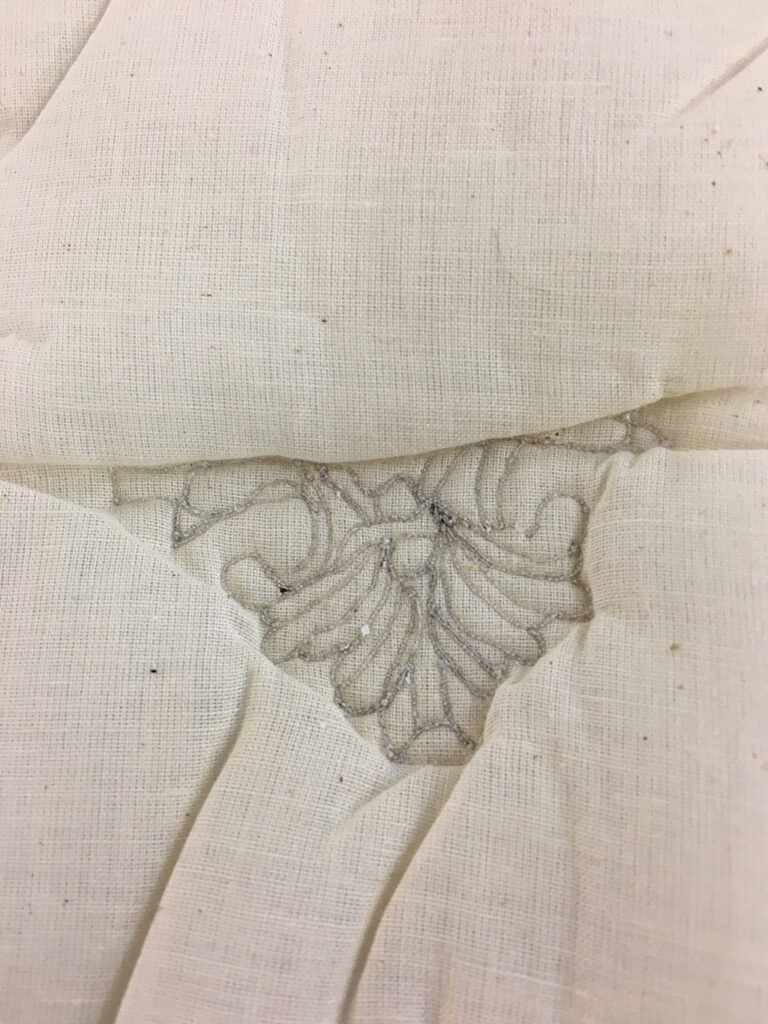
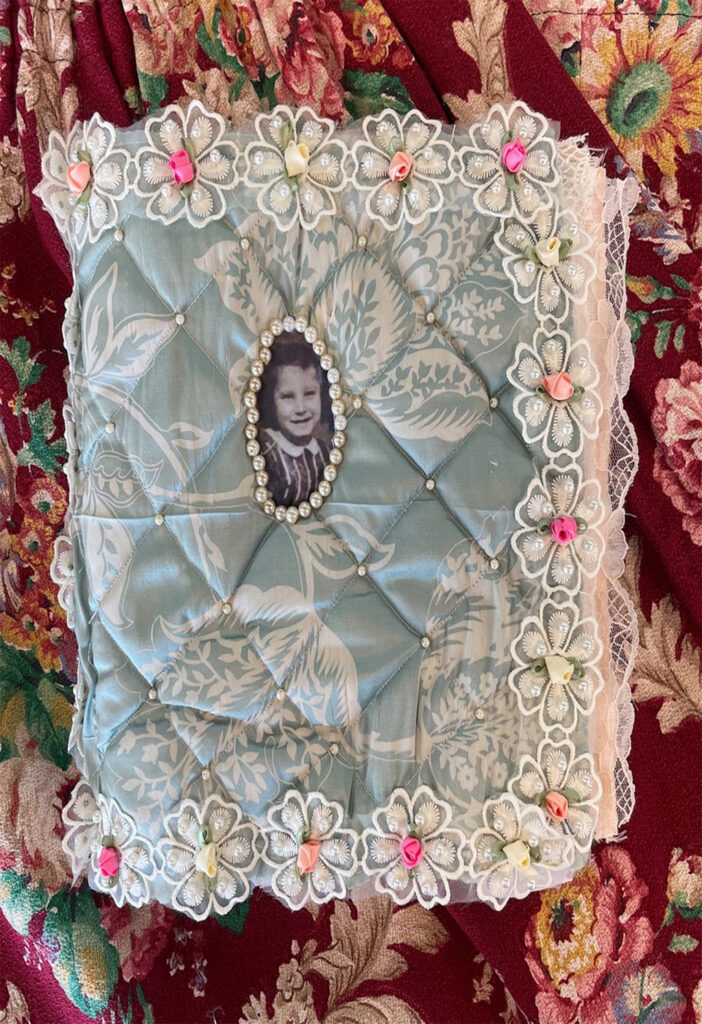
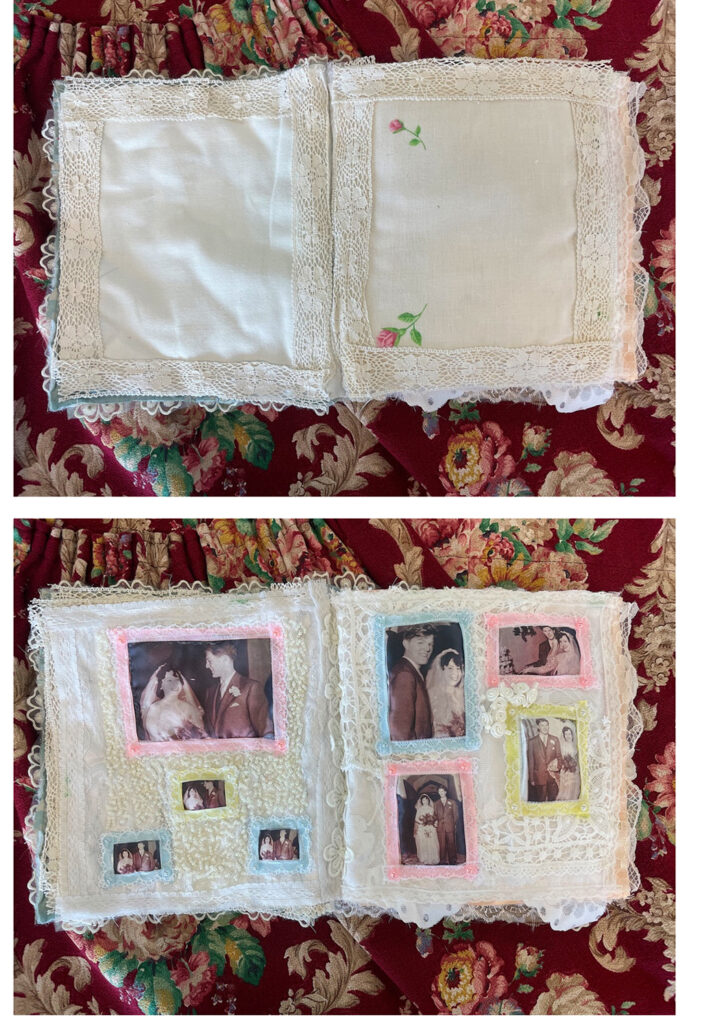
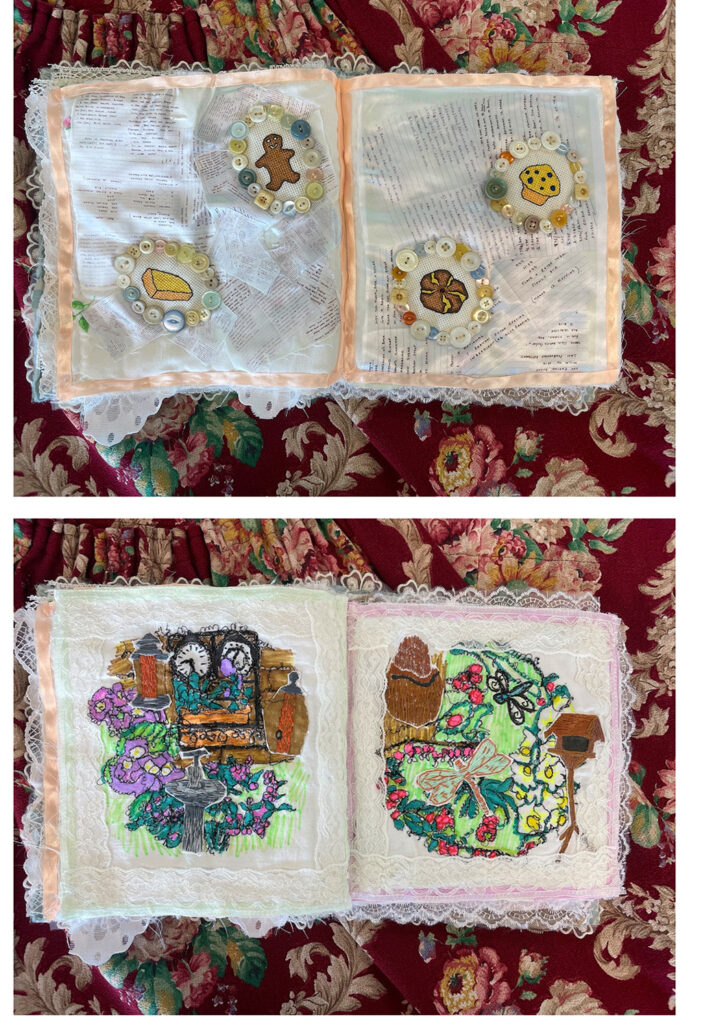
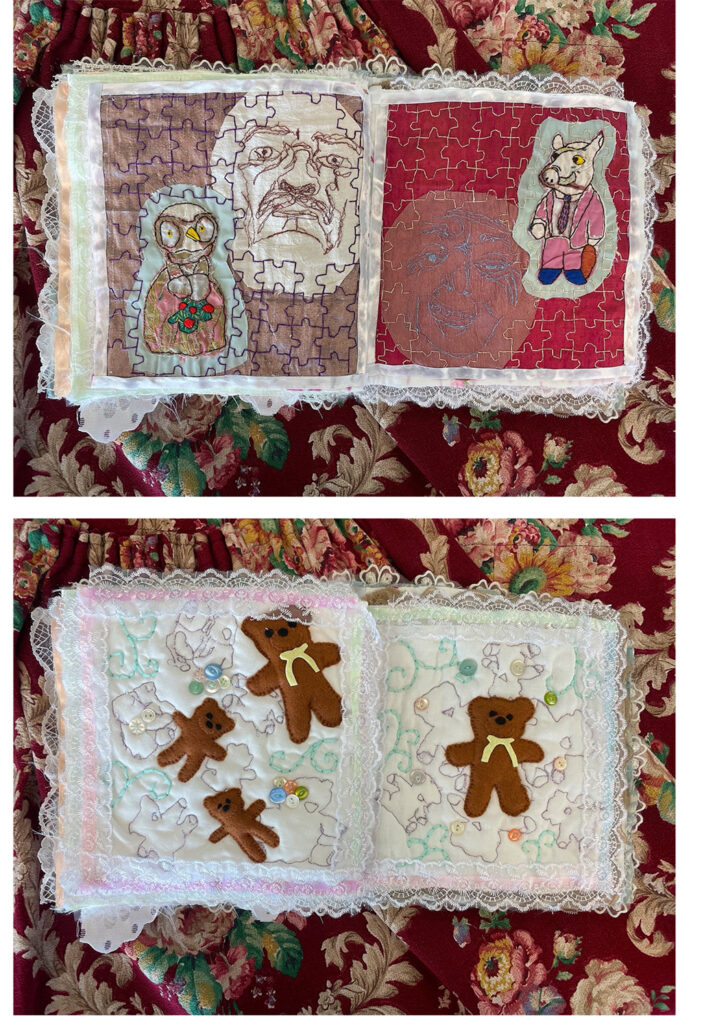
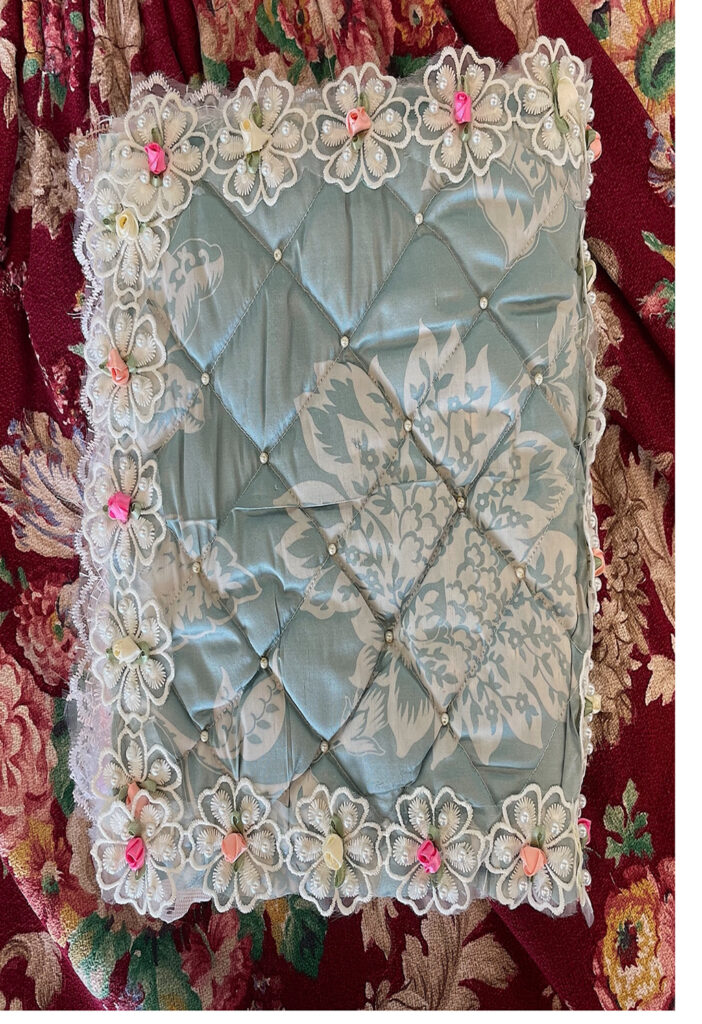
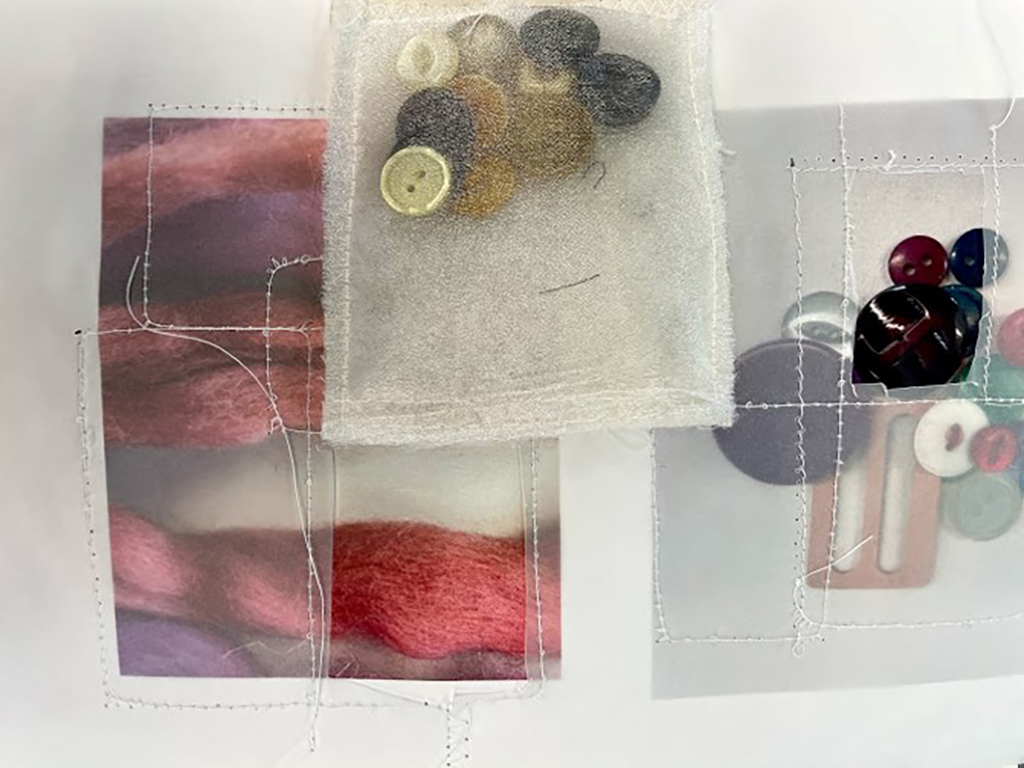
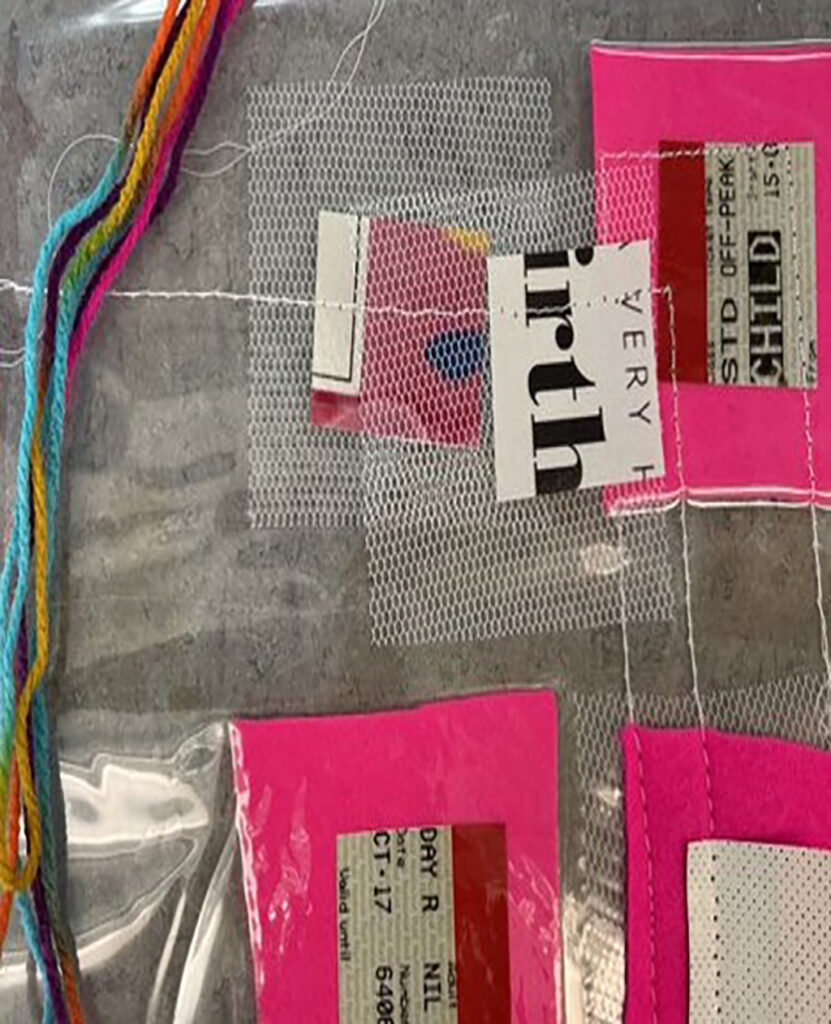
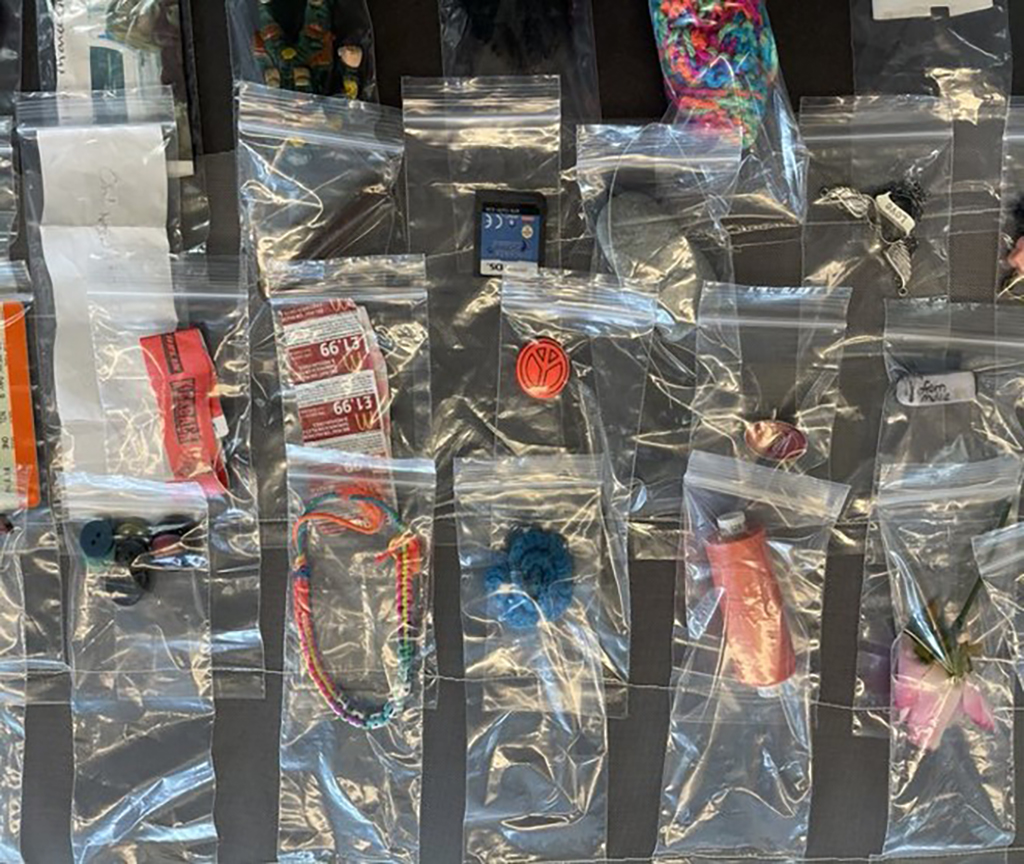
The recent lockdown has been incredibly hard for me, due to my anxiety I was very afraid of visiting and talking to my grandma, however as things got better, I was able to spend a lot of time with her as she had been very lonely and fed up in the pandemic. I built a really close relationship with her and this improved her life and mine. Through this time, I learnt a lot about her life which I didn’t know before. Learning about her childhood and being shown her collection of china, jewellery and even her own embroidery work.
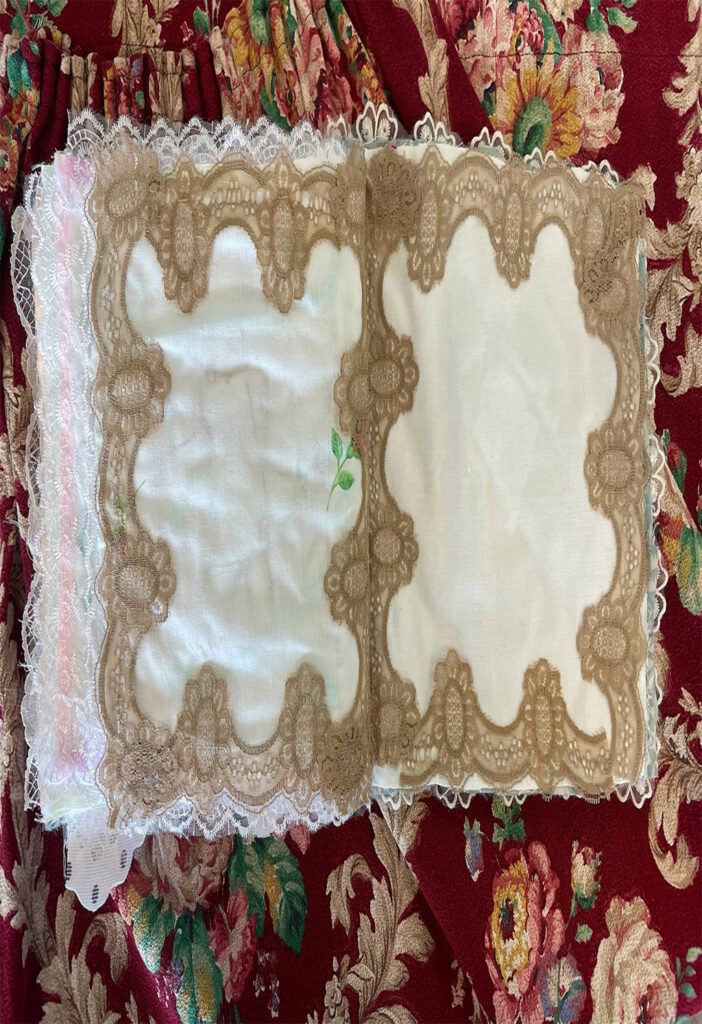
We also connected over our love of jigsaw puzzles and she had been teaching me to bake. With this in mind I felt it was an idea to create and develop biographical work around the life of my grandma, taking inspiration from her life stories and her belongings. I looked into work by contemporary artists and designers such as Grayson Perry and Tracey Emin, who created biographical work whether about themselves or others to add contextual depth to my project which resulted in me creating a fabric-based photo album full of imagery that were linked to her life.
I have learnt this year that taking risks and trying out ideas, even if you are unsure of them is ok and help you grow as a person. These can be further developed and offer other options that I might not have considered. I hope to take this newfound confidence and apply it to all aspects of my life and careers.
Tia-Ann Rowledge
Previous Education: L3 Art & Design Dudley College of Technology Progression: BA (Hons) Fashion Design & Technology. Manchester Metropolitan University
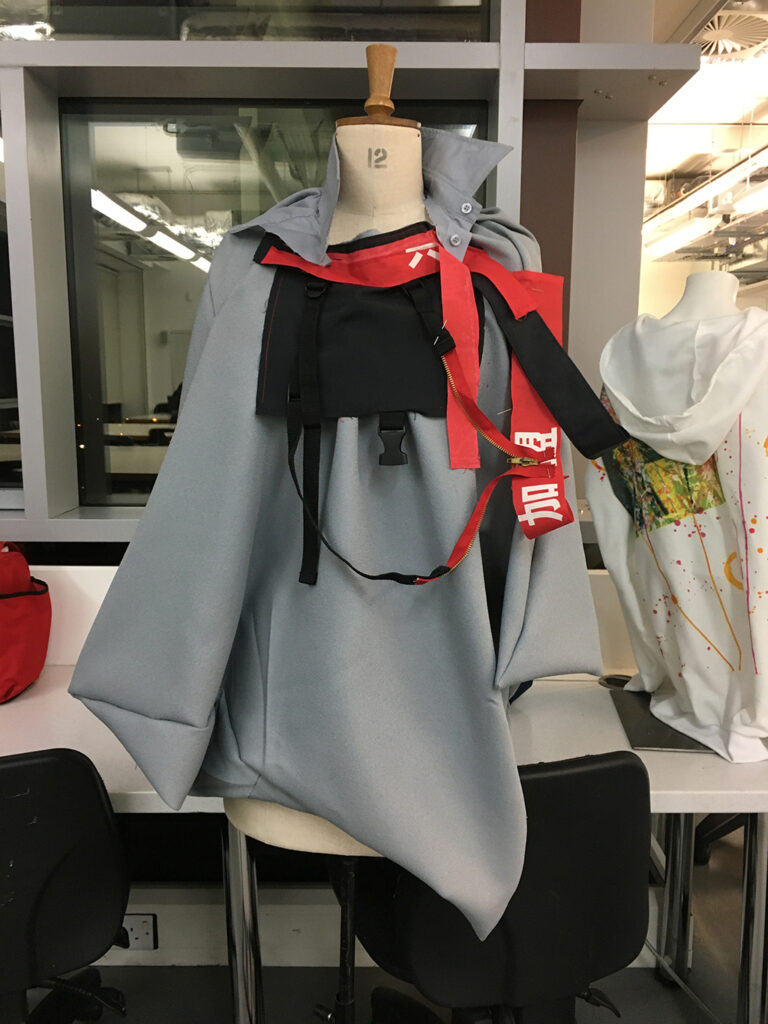
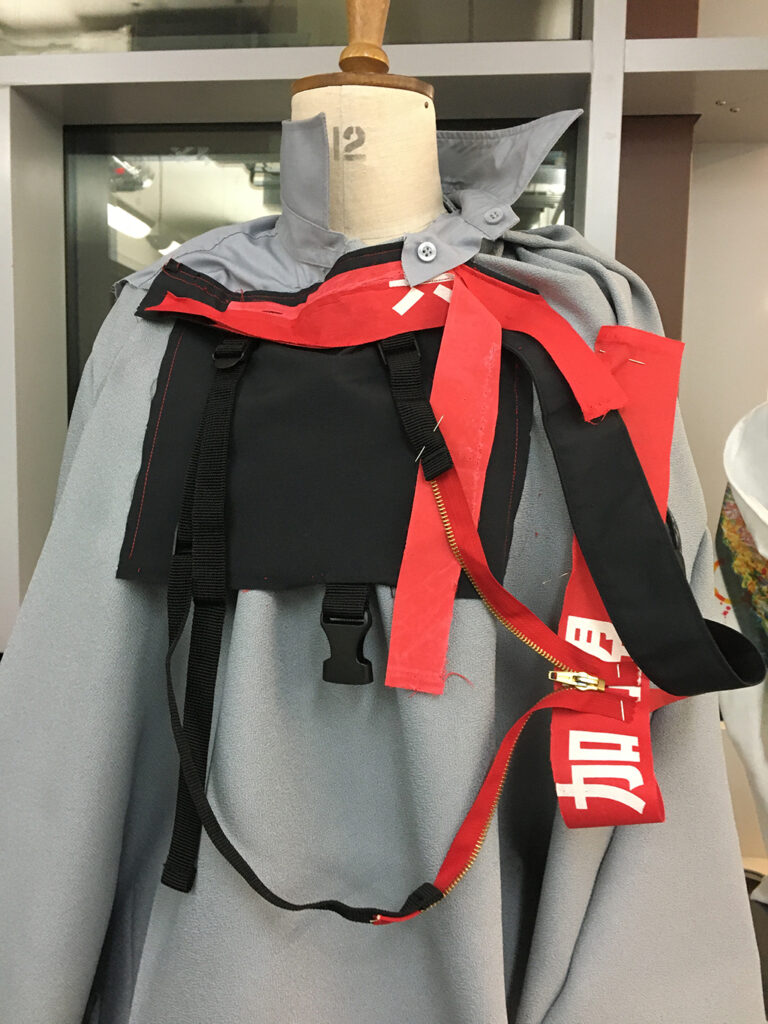
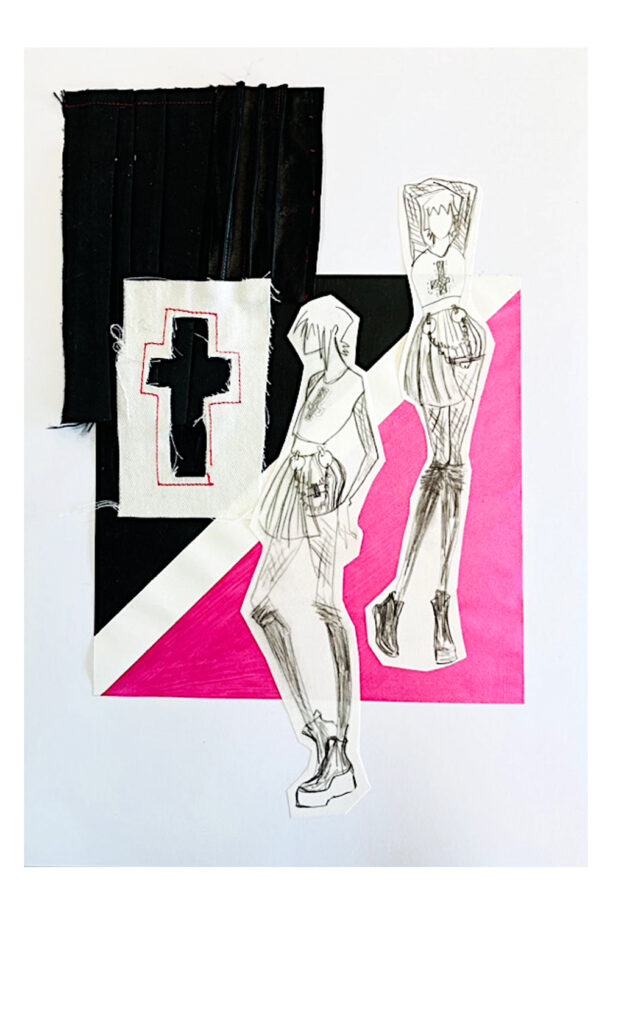
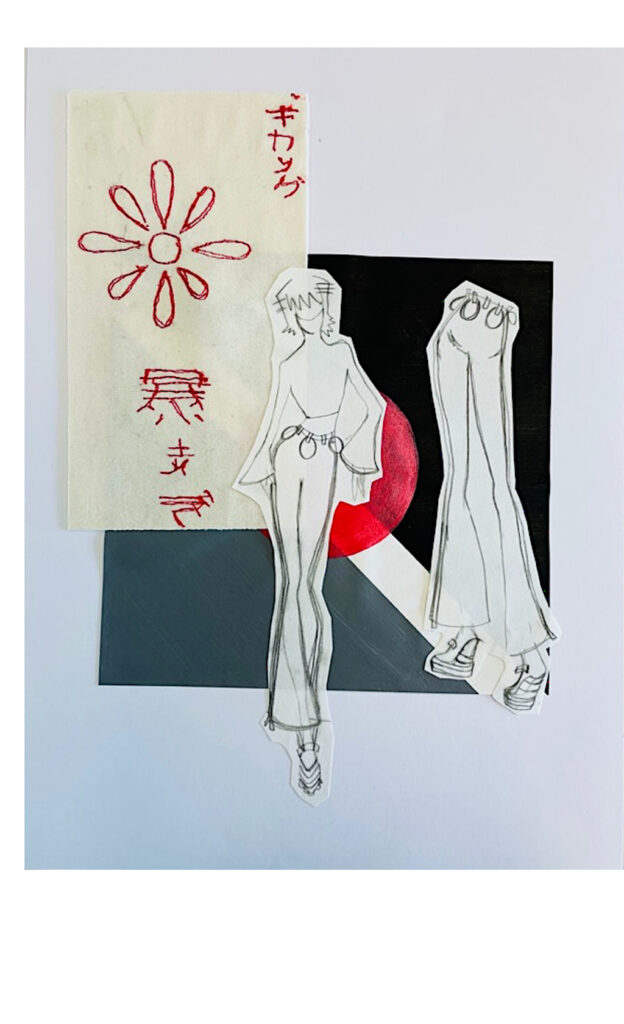
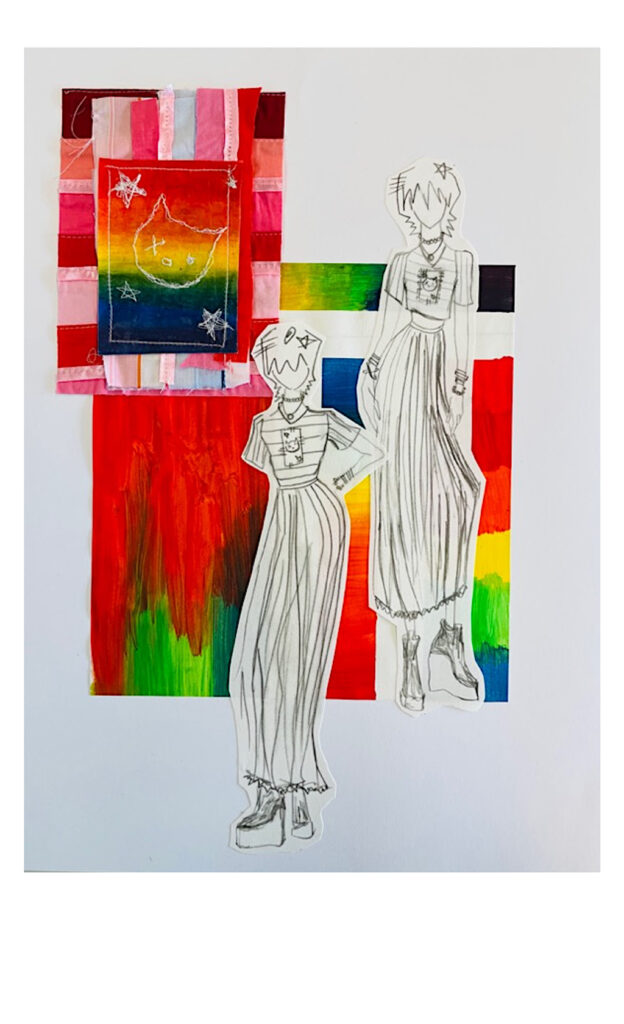
My FMP revolved around Japanese street fashions and the different fashion subcultures found within the Harajuku district in Tokyo. The Harajuku street fashion has long been known for its expressive and cartoonish styles, often very flamboyant and colorful. Japanese youth have a sense of bravery and adventure in their fashion outlook and there is a strong play on eccentricity, fusions of patterns and co-ordination of accessories with nods to art-based influences such as Pop Art.
I was drawn to this very unique and fluid style with the fusing together of different subcultures and felt that investigating into this would allow me to take many influences and ideas and meld them into a personal response that is fun and eclectic. Through research and practical investigations both in drawing and textile techniques, I created a range of designs that were inclusive to all genders and accessible so that it would be possible for anybody to wear with confidence.
I feel the most successful part of my second-year experience has been the growth and development I have made with practical skills and approaches to ideas. I have started to become more experimental and braver with what I do and through staff encouragements able to take practical risks more openly. I look forward to developing my newfound confidence on the Fashion Design course at Manchester Metropolitan University so that I am better equipped for the world of work.
Simran Simplay
Previous Education: Colton Hills, Wolverhampton Progression: BA (Hons) Textiles Print & Surface Design. Birmingham City University
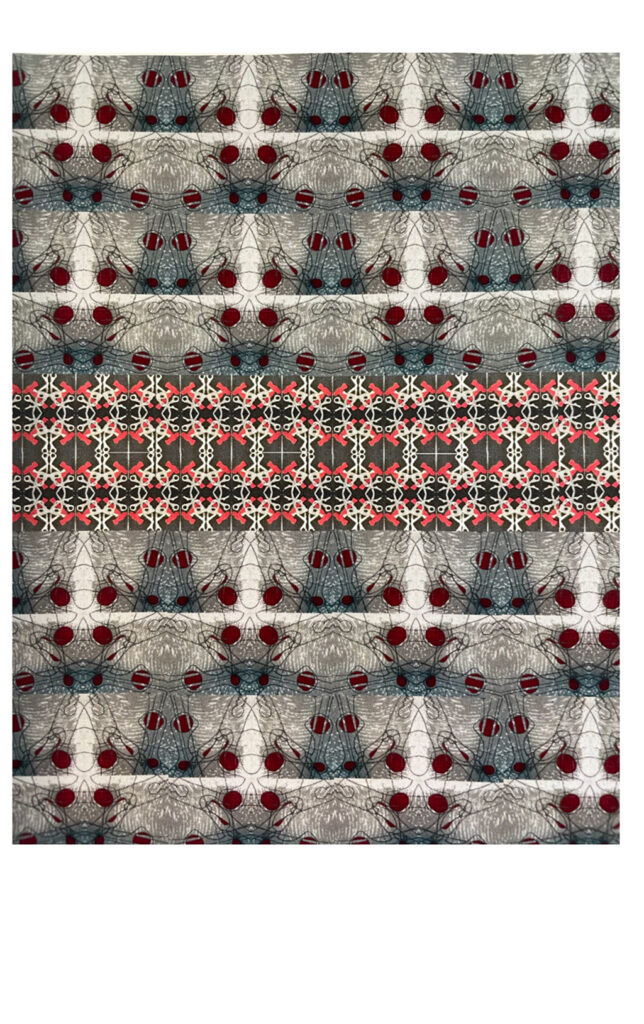
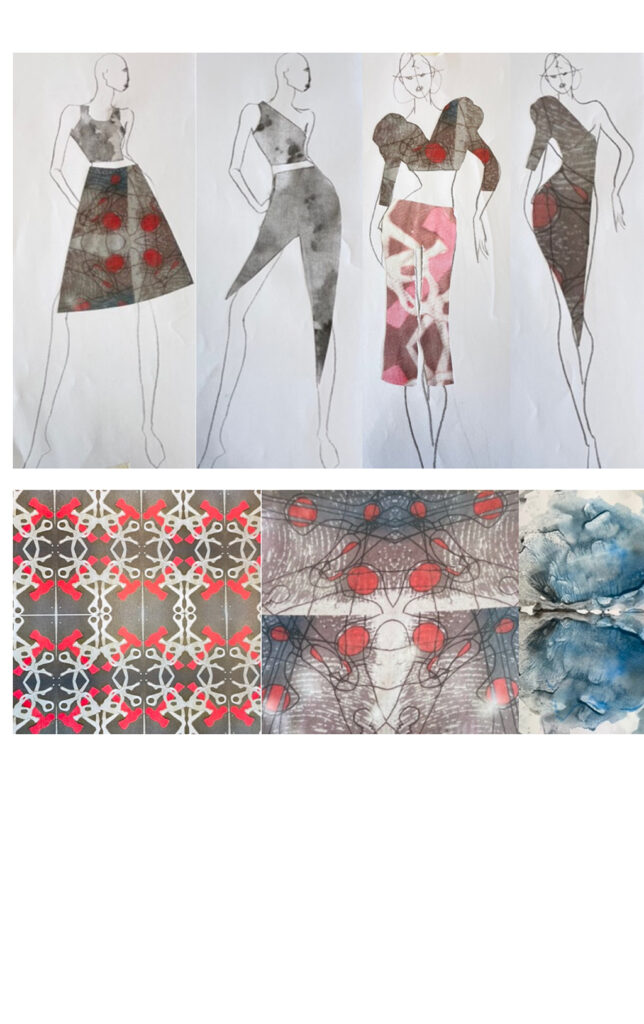
I often find myself drawn to stories, films and documentaries that revolve around serial killers or murderers whether as fantasy story telling or real-life adaptations. For my FMP I wanted to look into the range of items used by serial killers and find ways to incorporate them into textile designs for surfaces. It may appear sinister to use these objects as a design inspiration but I have come across works by many artists and designers who have looked at unconventional starting points to create work that appears beautiful but are unsettling on closer inspection.
Textiles designers Timorous Beasties subverted the traditional Toile de Juoy by replacing romantic scenes with images associated with the dark side of the city in their work Glasgow Toile which included images of gunmen, drunks and drug addicts. I approached my work with this similar ideas of disruption where an image may appear attractive at first glance but shocking on closer inspection. Initial observational drawings of knives, ropes and hammers became layered and distorted.
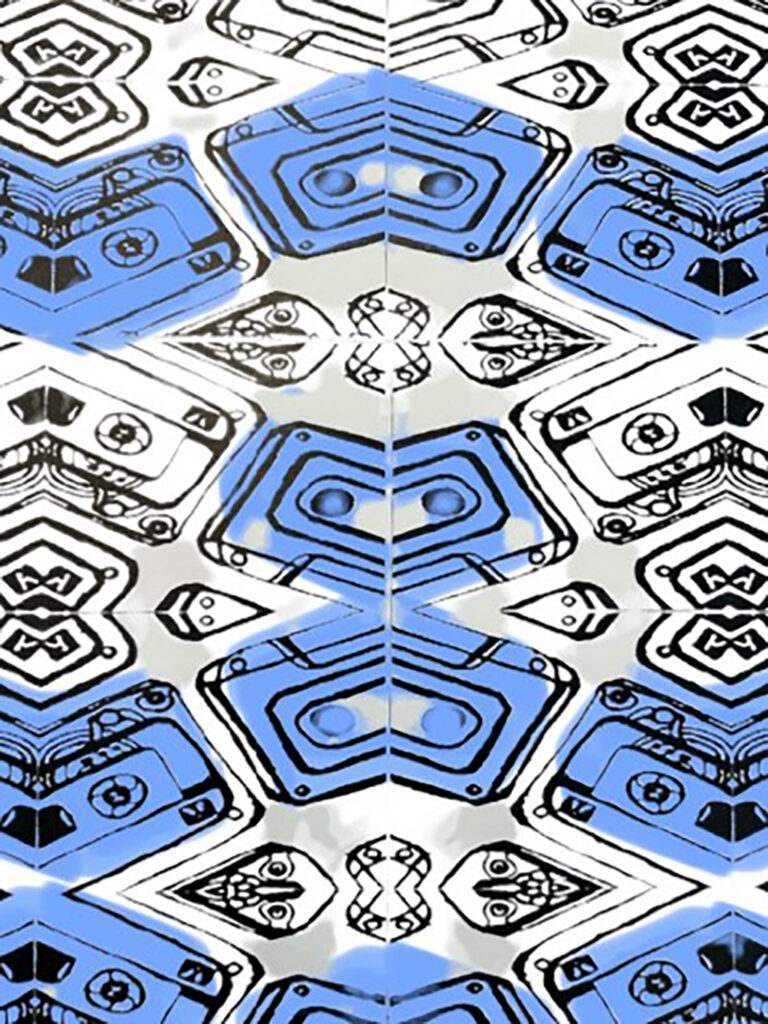
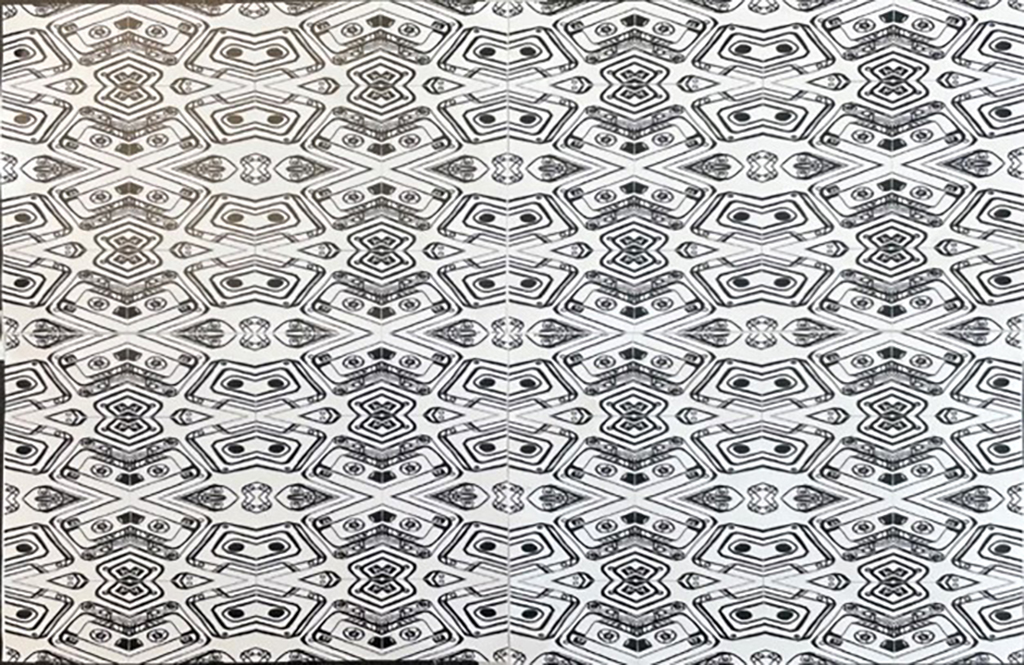
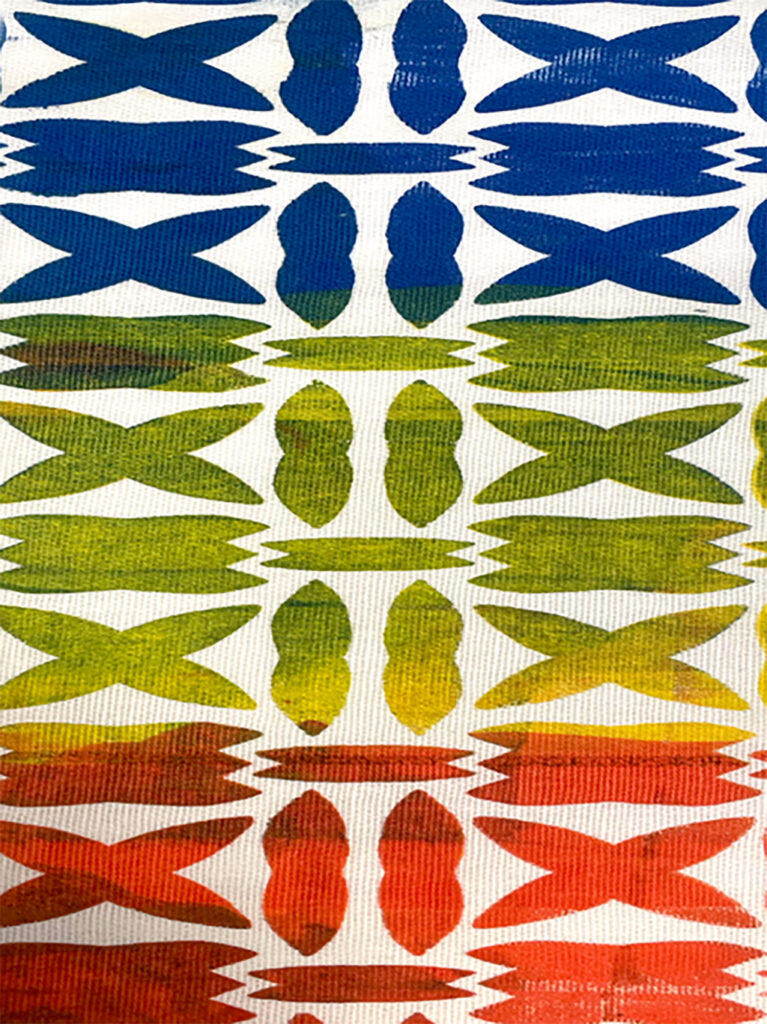
These were then turned into inventive patterns through experimenting with repeat structures. Through the process or digital manipulations and sublimation printing, I was able to generate a body of work that at first glance looked like creative print designs but on closer inspection, hid a dark story. The prints can be used not only as prints on fabrics but on different surfaces such as wallpaper and furnishings.
What this year has taught me is that research and drawing investigation has played an important part in the creative process and allowed for a wide range of work to be created which could be narrowed down to the most successful. Year 2 has been a challenging experience but it has enabled me to find a direction that I was most successful in and one that I want to develop further on the Print and Surface Design Course at Birmingham City University.
This year’s online Artsfest at Dudley College of Technology will go live on Tuesday, 22nd June and will showcase all the incredible work of our creative industries students. Just click the button below to enter the online exhibition on this date and enjoy this video featuring work by our photography students in the meantime.
Destination: BA (Hons) Photography Leeds Arts University
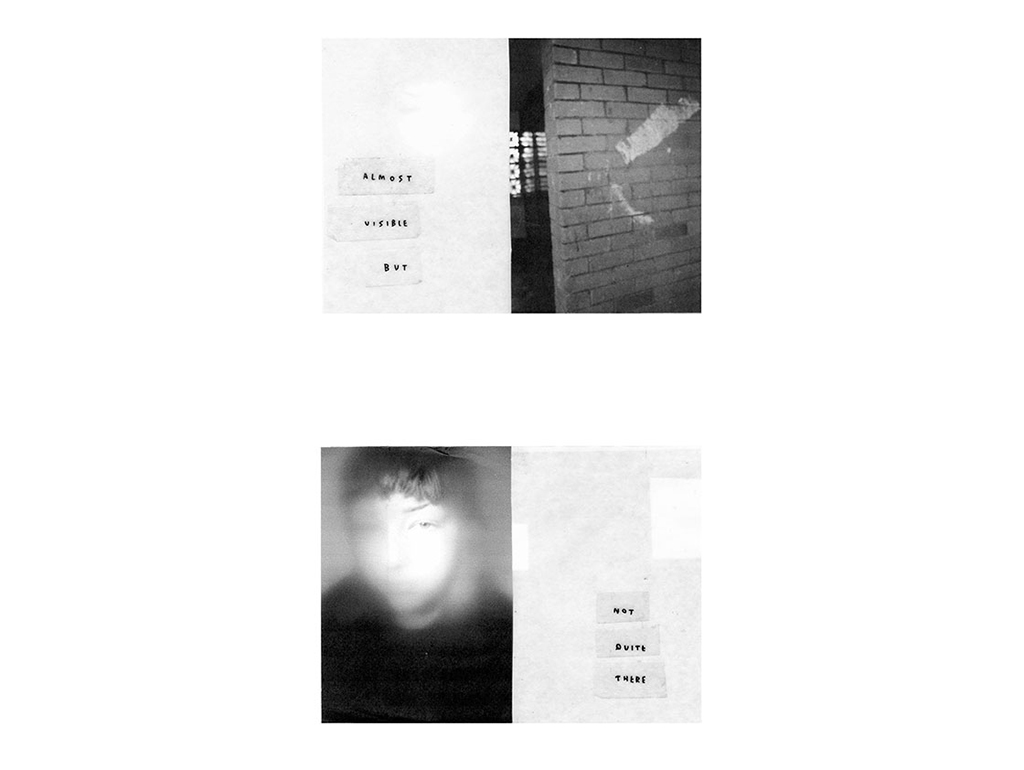
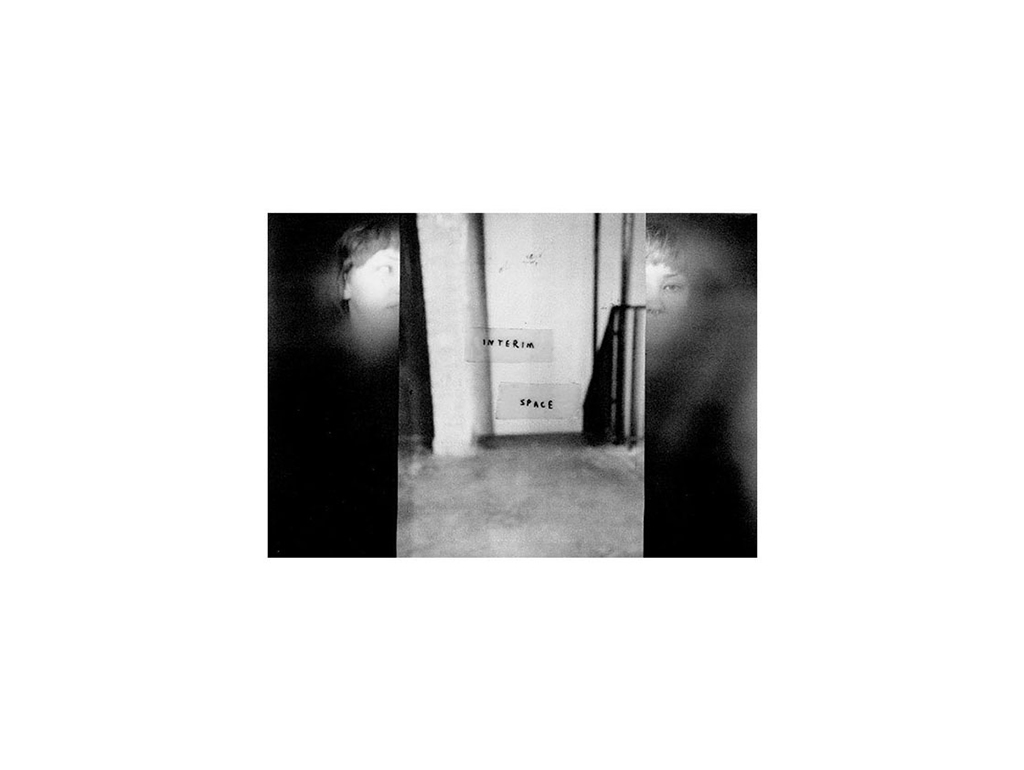
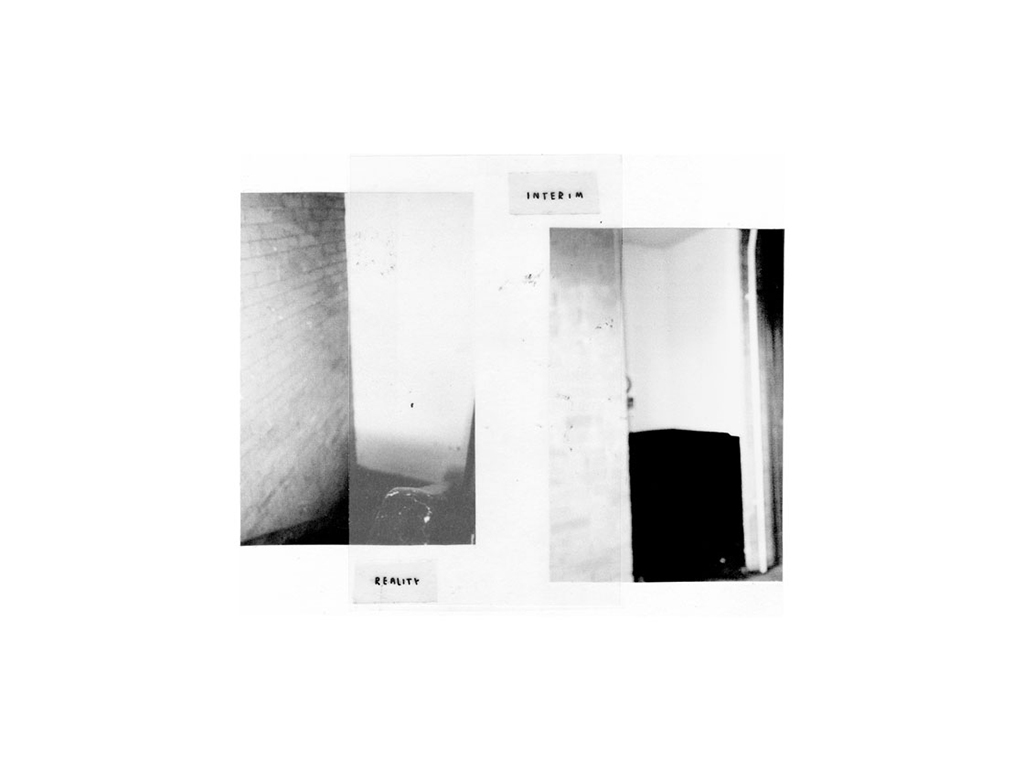
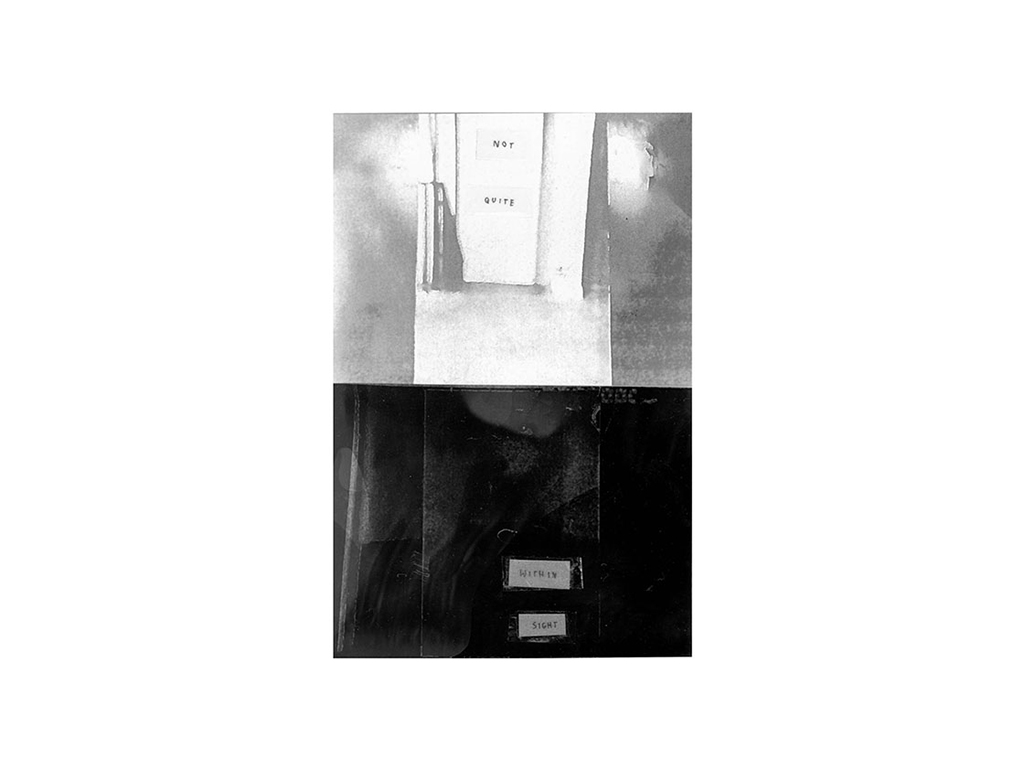
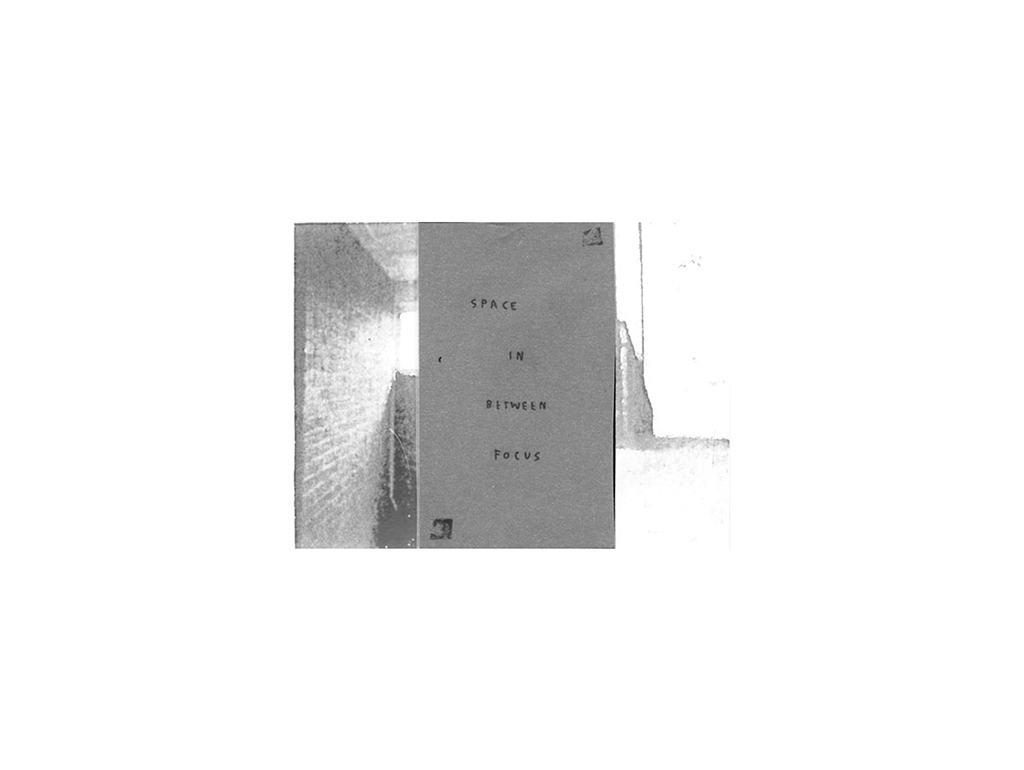
Perception acts as a lens on how we view reality and this can often become distorted. What we choose to focus on can alter everything around us, but what’s not in focus is still slightly visible –not quite there. As we transition between viewpoints, that space between focus that we don’t acknowledge still exists but only as noise in the background. We may think that reality as a whole is how we view it, but we are distracted by this when in actual fact reality isn’t perceived in a certain fixed way. I haddeveloped my concept from the idea that we as individuals can construct our own reality from our own thoughts, feelings and beliefs.
The solipsism theory and term ‘subjective construct’ both explain that there is no fixed reality beyond how we perceive it, that we all view everything differently. Photographer Paul Mpegi Sepuya had inspired the experimental approaches I explored towards my photography. Sepuya manipulated the perspective through reflection and in camera collage composition which fragmented the subject. This inspired me to alter the subject’s perspective whilst taking the photo by using different materials to hold in front of the lens. Video art ‘The space in between’ by Mirza and Butler explores object representation and surface abstraction through a multi-screen edit technique where the images fluctuate vigorously.
This inspired me to create a video assemblage using photographs of liminal like spaces which accompanied the subject and edit them to flicker vigorously emphasising a fast thought process whilst looking between different viewpoints. In my work, the viewpoint emphasises what the subject is perceiving as well as portraying the subject them self. The pieces suggest this thought process between different viewpoints. The photographs of spaces act as liminal transition spaces whilst the areas that are muted out or unfocused represent individual interpretation.The video assemblage stills fluctuate with the flashing on the screen, which emphasises the vigorous transition between different viewpoints in someone’s perspective.
The flashing is that space we don’t focus on, it appears in our vision for a split second but isn’t as acknowledged. The ambience suggests background noise that is still heard even when not focused on.From the FMP, I have learnt a range of skills and expanded my knowledge in the technical side of photography. I have worked in the dark room developing film and have learnt the technical basics of a film SLR camera and I can develop these new skills further when I progress on to Leedsundergraduate course. I’ve also explored new experimental approaches towards my work through techniques such as physically editing and taking the photograph, I have learnt I have a certain visual eye when I take my photographs which I can develop further in the undergraduate course.
Isaac Jones
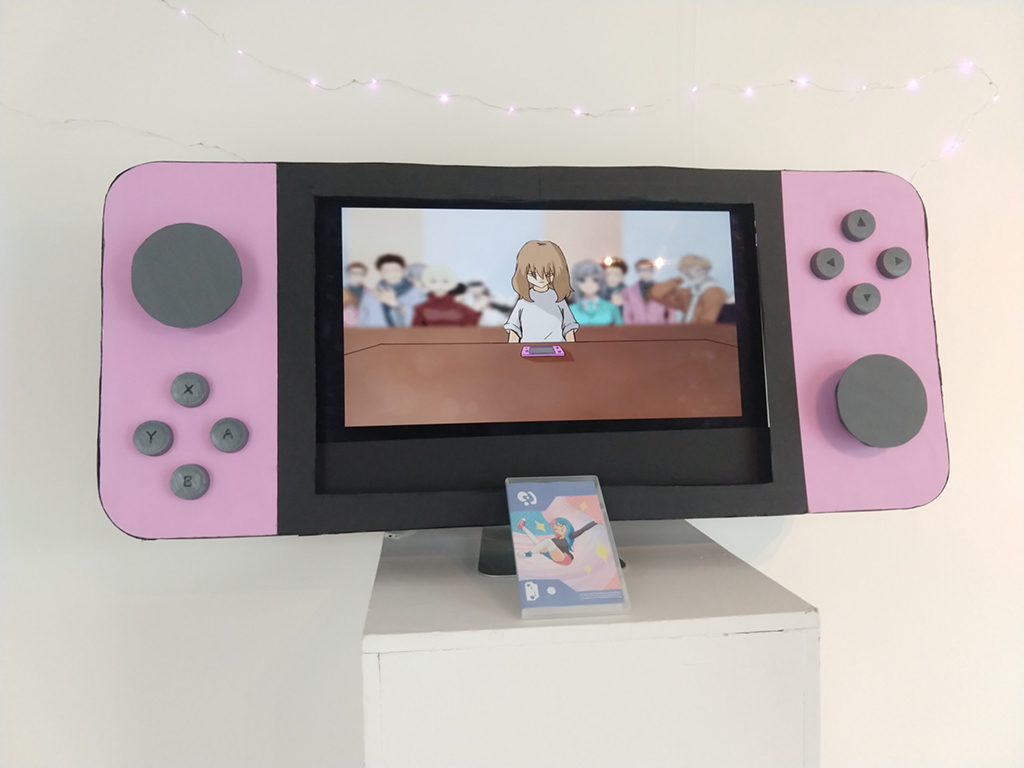
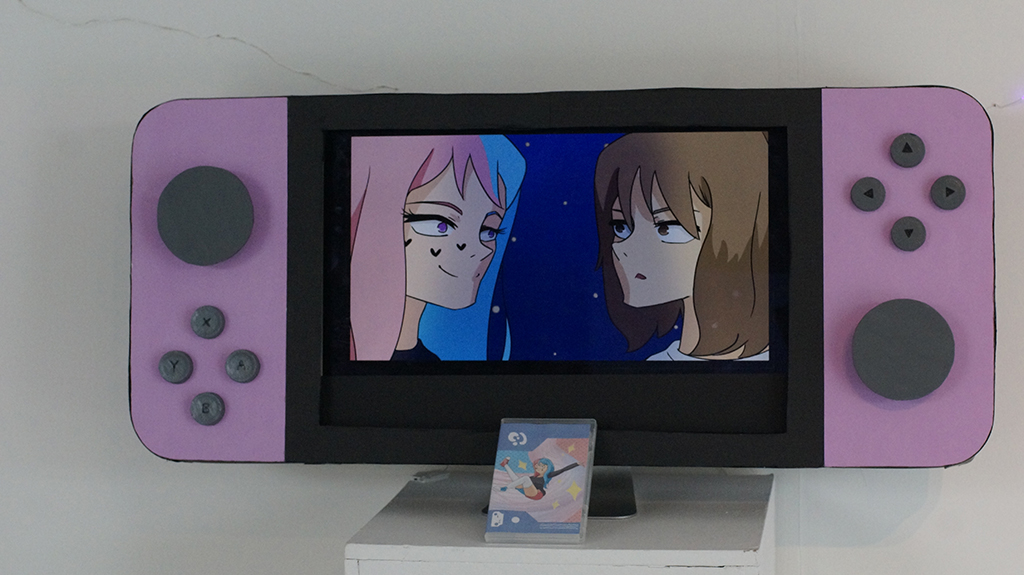
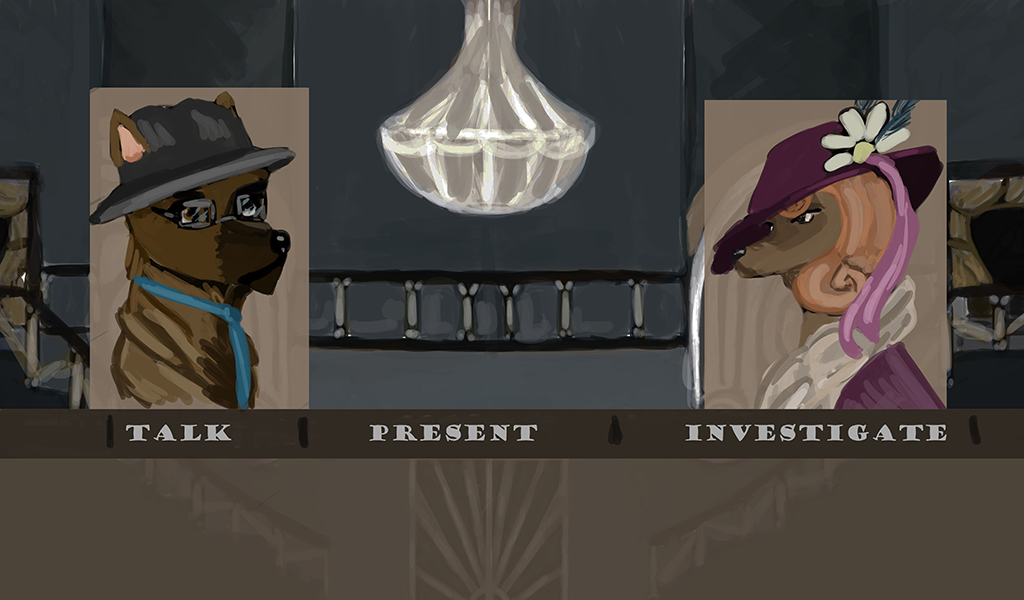
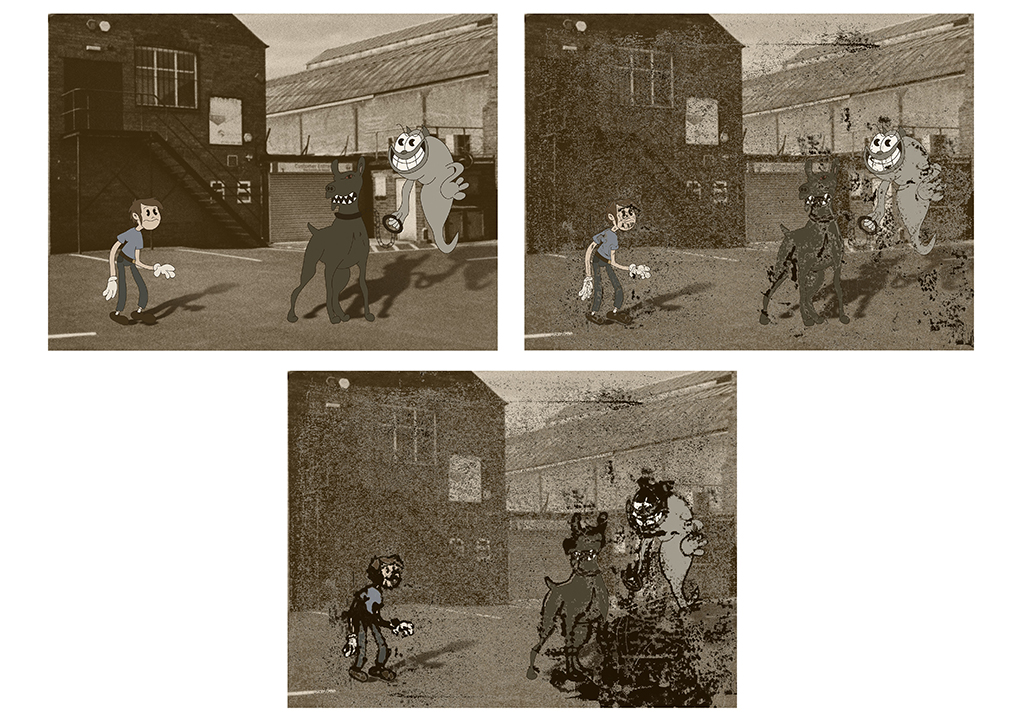
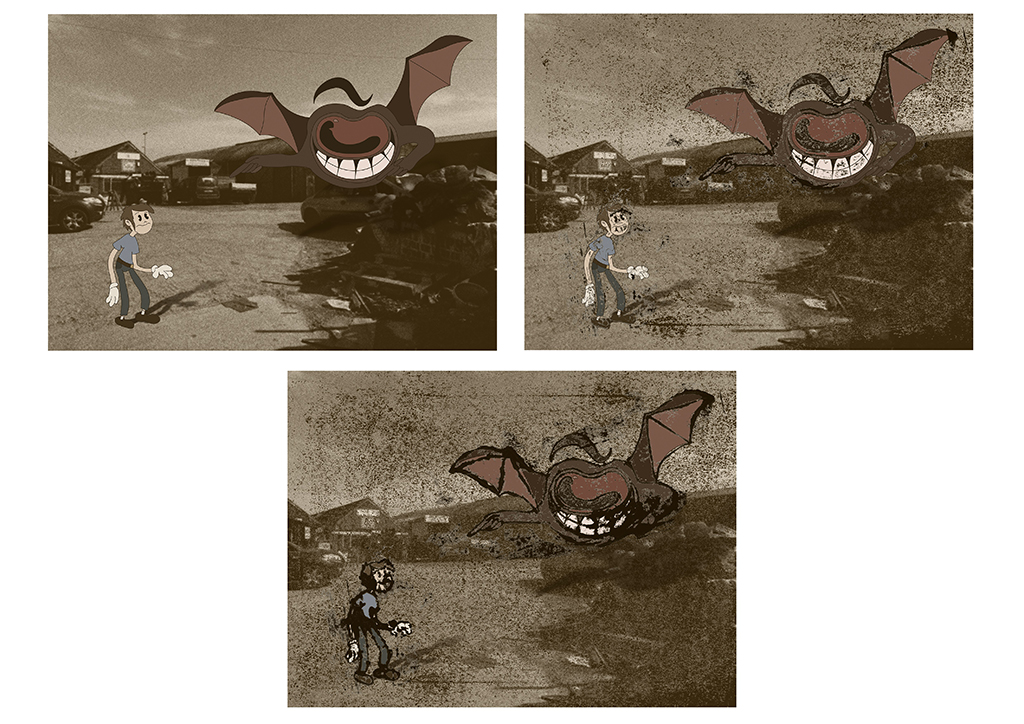
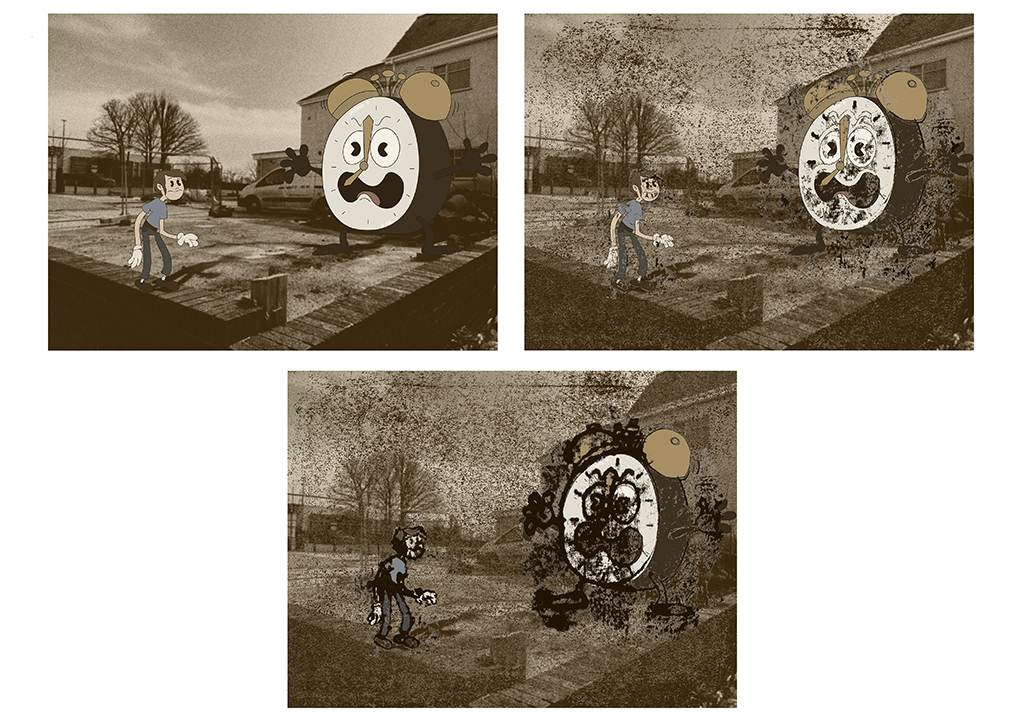
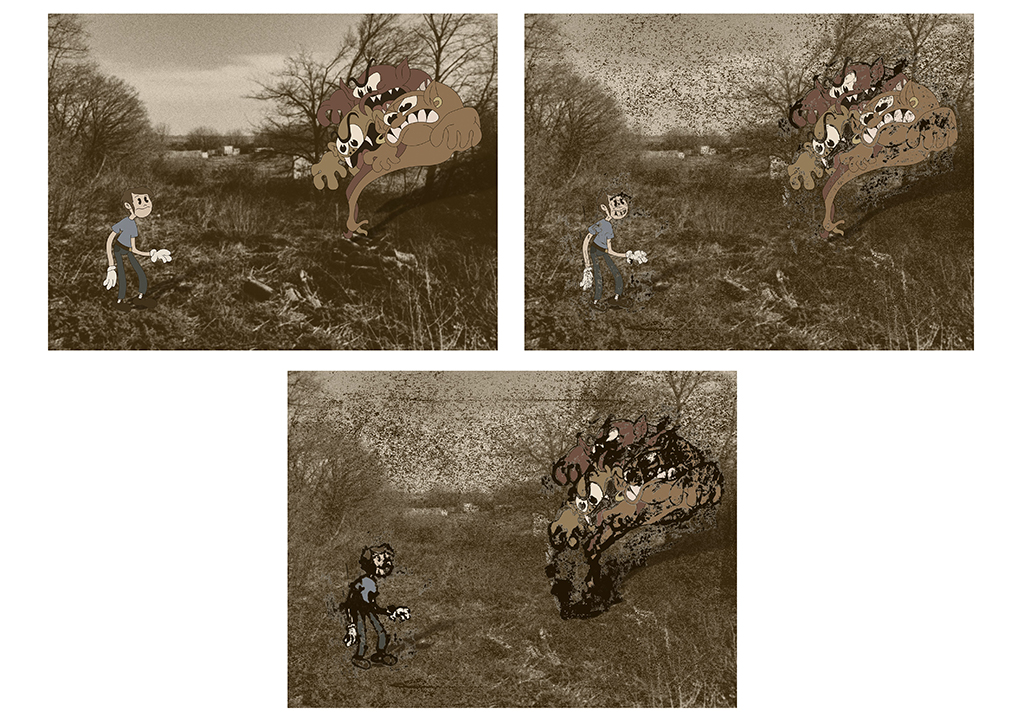
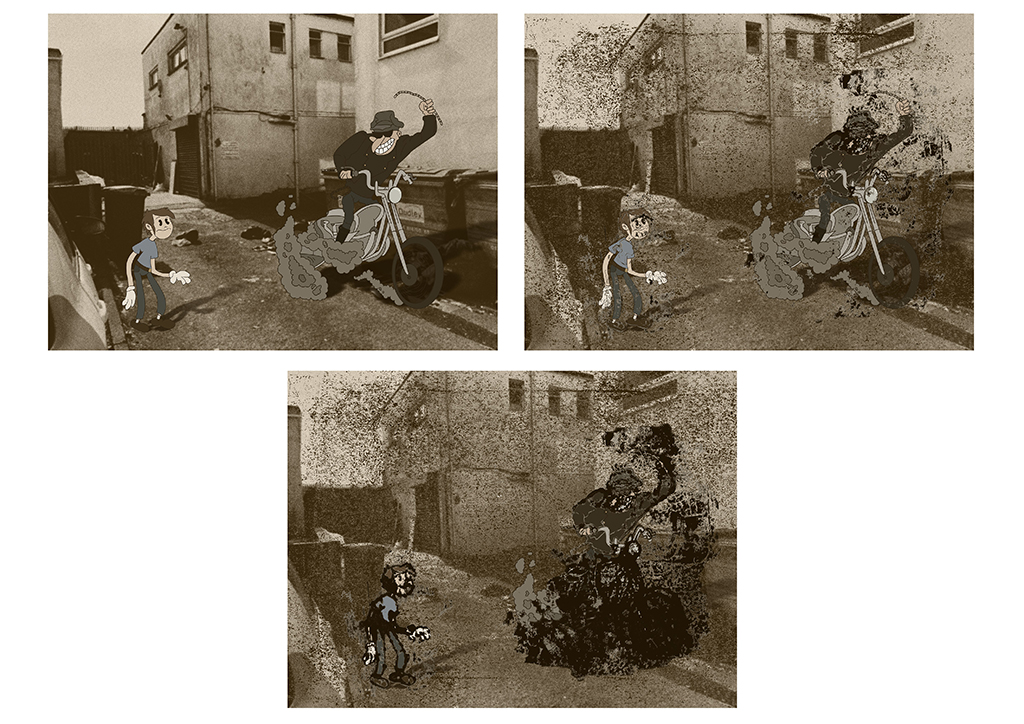
I proposed to make concepts and designs for a game centered on mental health that would use an old-fashioned form of illustration called rubber-hose that dates back to the 1930’s. Mental Health has been something that has been a big thing within my life for the past 5 years in terms of my own well-being as well as family and friends; and it is clear that it is an overlooked issue. Seeing as I want to go into the games industry, I thought it would be good to use the idea of a game as a base to explore mental health (an issue I am passionate about).
This was the initial idea that developed more visually during the initial research and project proposal stage where I looked at various artists and decided on a particular art style. The art-styles used feature many vintage aspects such as the 1930’s cartoon style of illustration for the characters and the sepia-toned photographs for the backgrounds; which I chose to use due to my appreciation of the style as well as the darker and grittier look that it brings, which relates very heavily to the more dark and depressing outlook on mental health issues. I think influence came from many places including peers and tutors who both gave new ideas on how I could explore and develop different aspects of my work as well as ideas on how it could be presented.
However, inspiration also came from my research and I think the game Cuphead has influenced my project and idea the most. The illustration style of Rubberhose is similar with the characters. I feel the idea of having these large monsters that have subtle details about them is something that I have learnt from looking and Cuphead. I think the pathway and exploratory stage was great for trying to representing the ideas that I already had so that others could see visually what I was thinking of. It also showed me new ideas in that area of art that I could bring into my own project. However, I wish I had initially explored other forms of media to get a wider appreciation of the topic I was focusing on.
I did make up for this later looking into TV shows, interviews with artist and exploring more of the mental health side with a variety of mediums but doing this at the start would have made this process easier. During this project, I think I have learnt the most about the importance of reflection and research and how it can positively affect the project. Reflections and research has allowed me develop new ideas that I didn’t have at the start and have been some of the most crucial aspects that have brought the project together, such as the ideas of using different techniques with the fine artist anxiety research as well as research into TV and Cinema with Wandavision and Pleasentville which led me to develop the idea of using monoprints as a shadow.
I think when I move on to my undergraduate course this will help greatly as research and reflection help a lot in terms of planning and keeping track of where the project is going. I will also gain a much wider range of ideas to draw from which will make my work much more interesting.
Elliot Luton
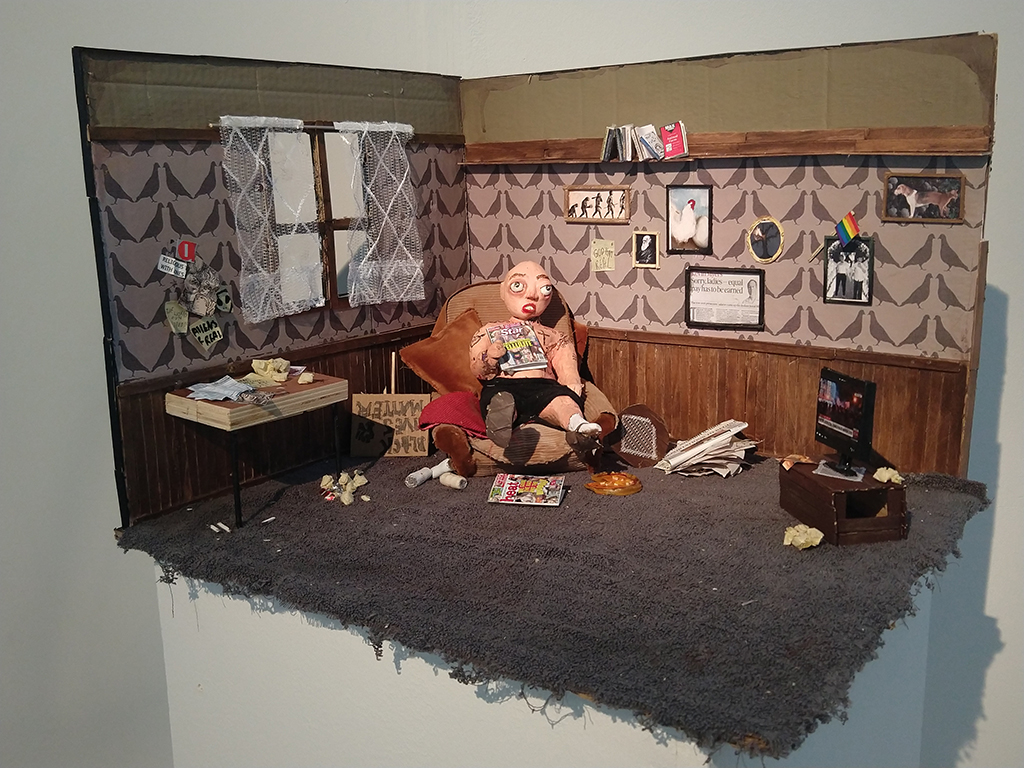
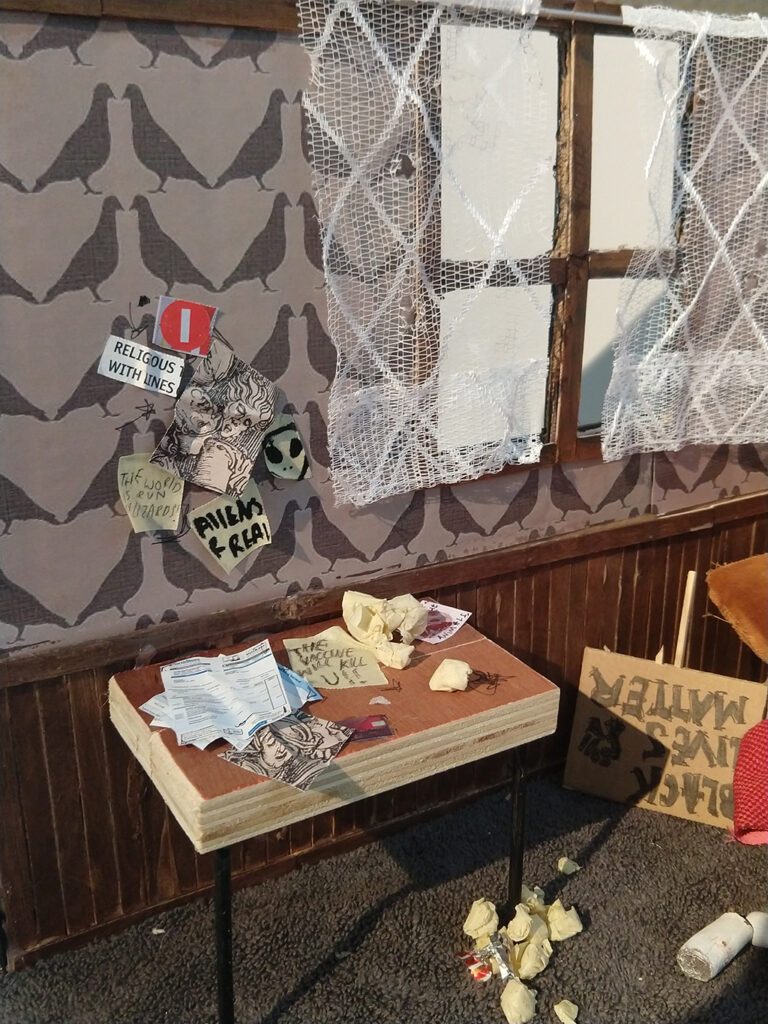
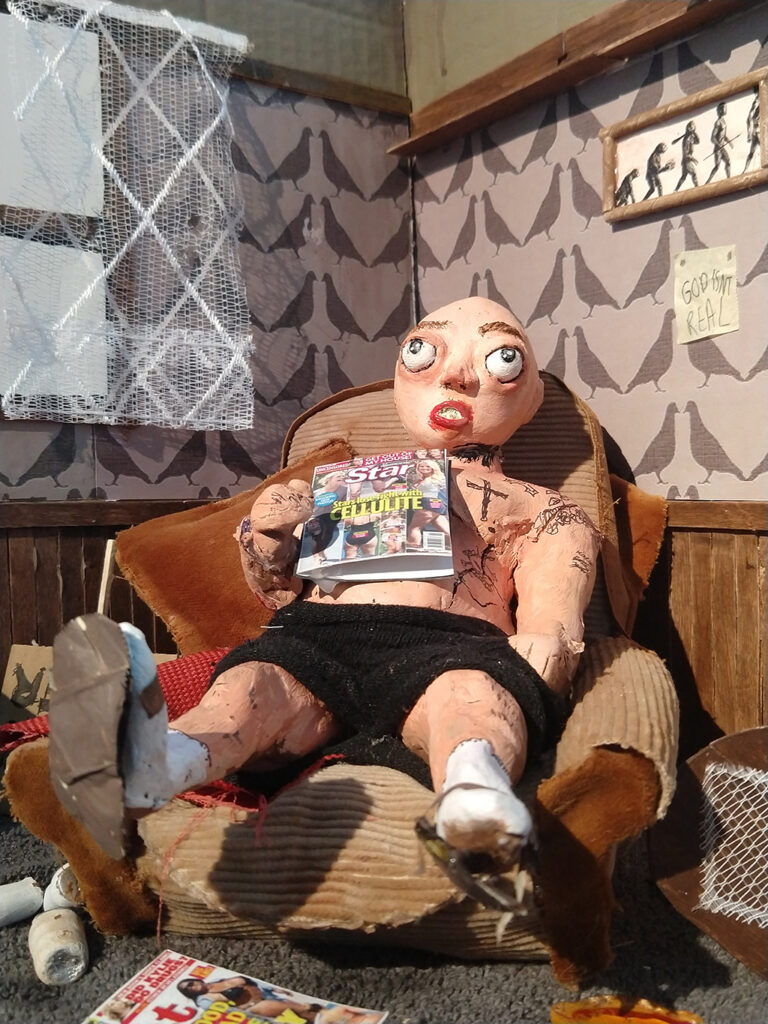
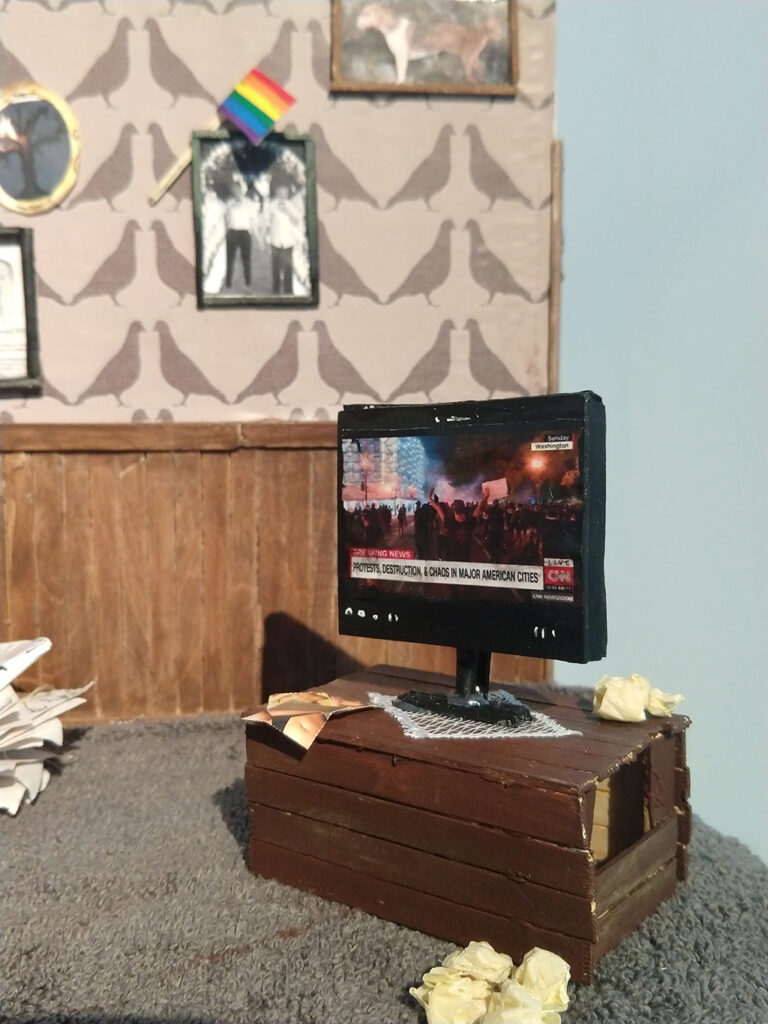
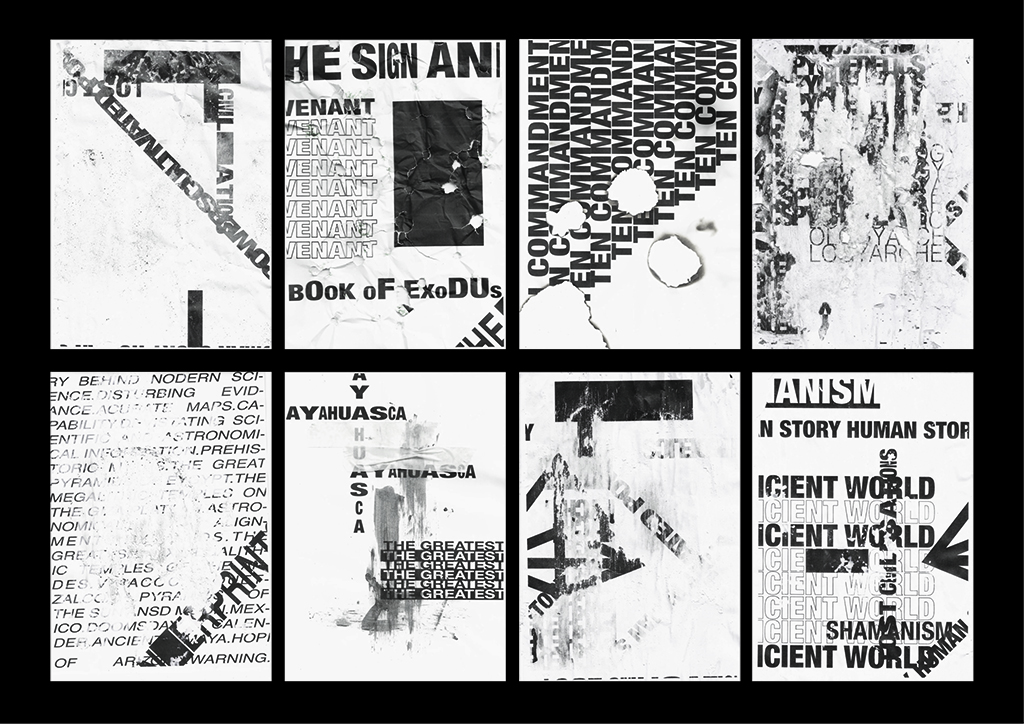
Graham Hancock is a pseudoscientist who researches theories about the early years of life. My fascination with aliens and the unnatural theories in life, lead me to Hancock’s theories of how the pyramids were built and that it would be physically impossible for any normal human to do so. His theories on the hidden sectors of history would evoke amotions in any type of person, from fear to excitement, just the fact that even the top scientists can’t explain everything we know about in history, even before touching on the parts we have yet to discover.
My work examines the way that these types of people are treated, the theories and ideas that can be proven but are outside of explanation, are hidden and defaced as they are not understood. Presenting this idea shows how narrow-minded scientists are and the only understanding we have of our history is the words written in black and white.
Chloe Pritchard
Destination: Illustration-BA(Hons) Birmingham City University (BCU)
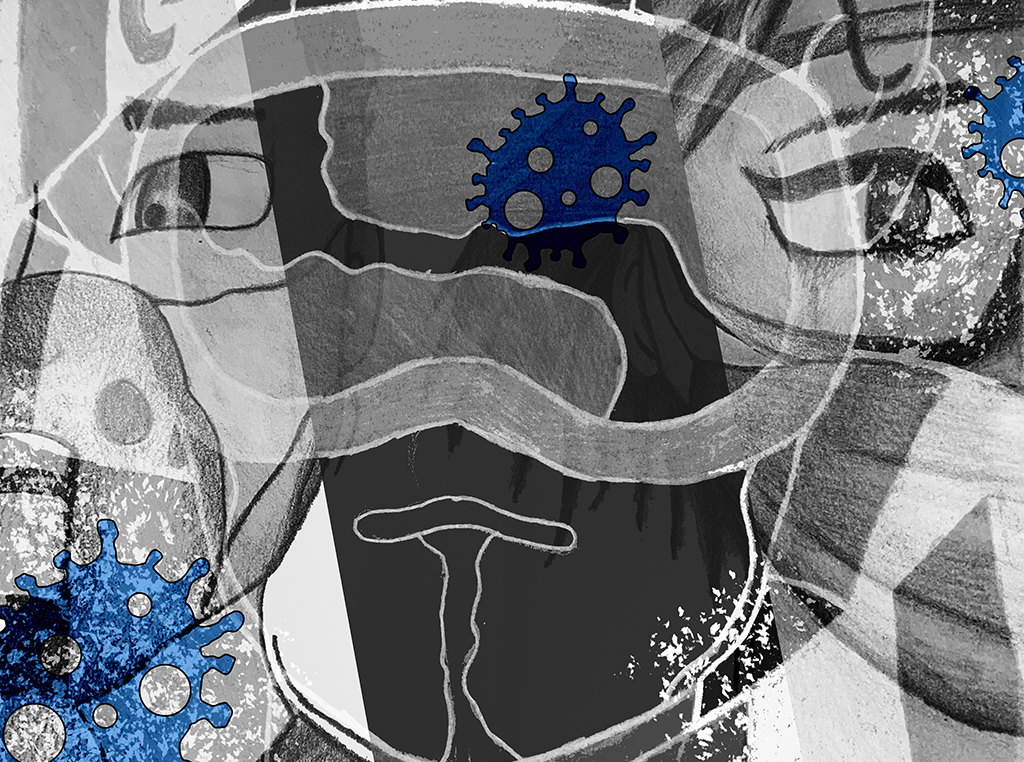
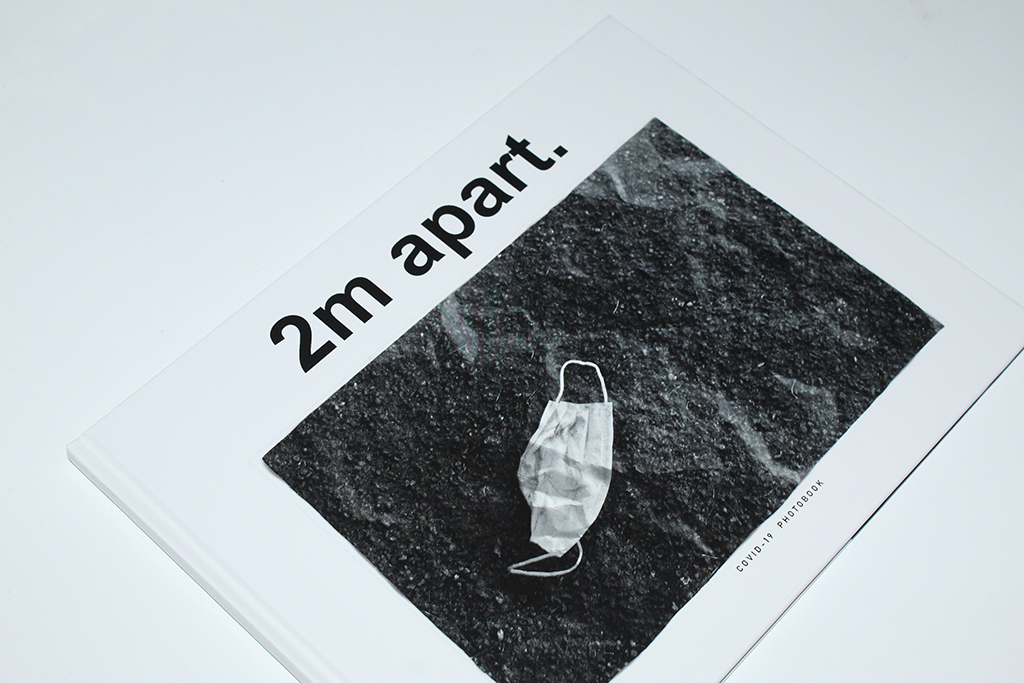
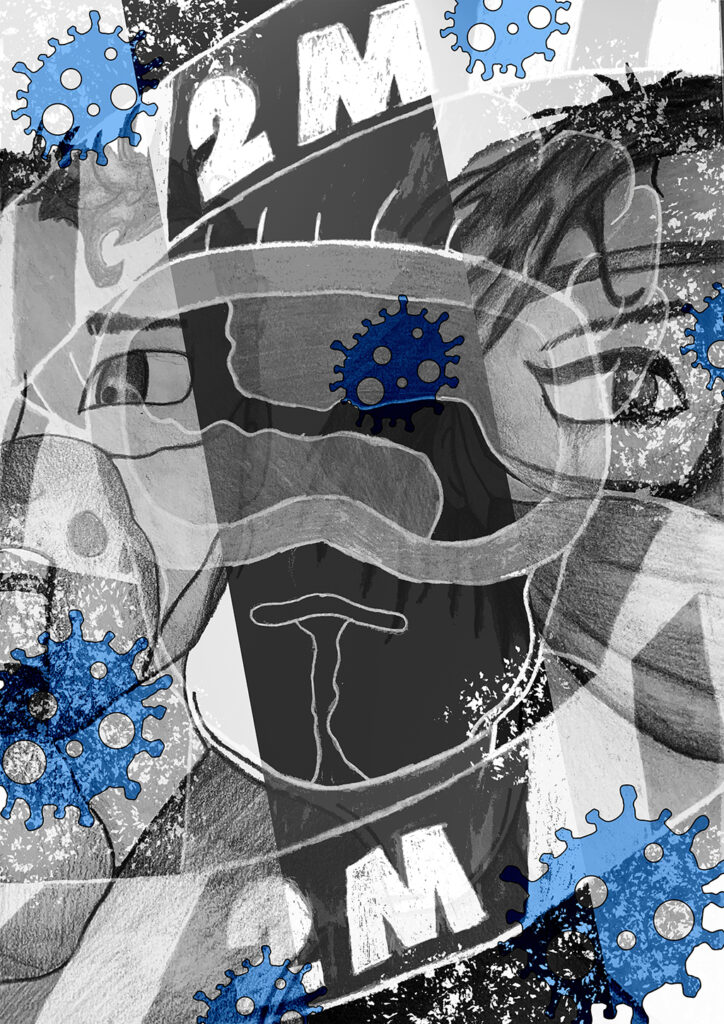
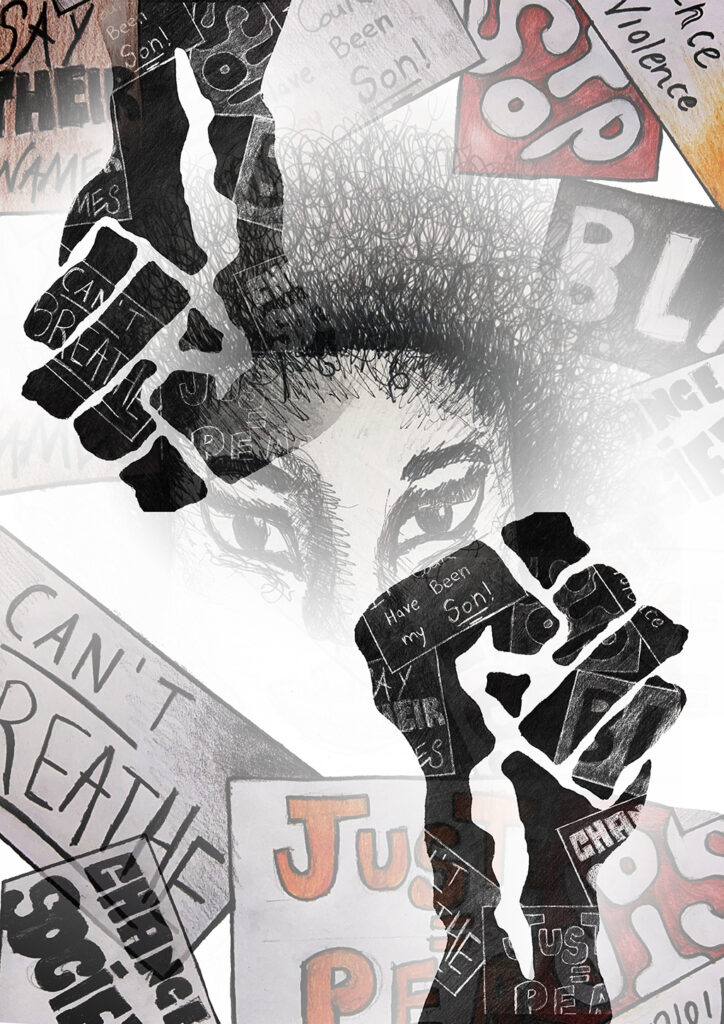
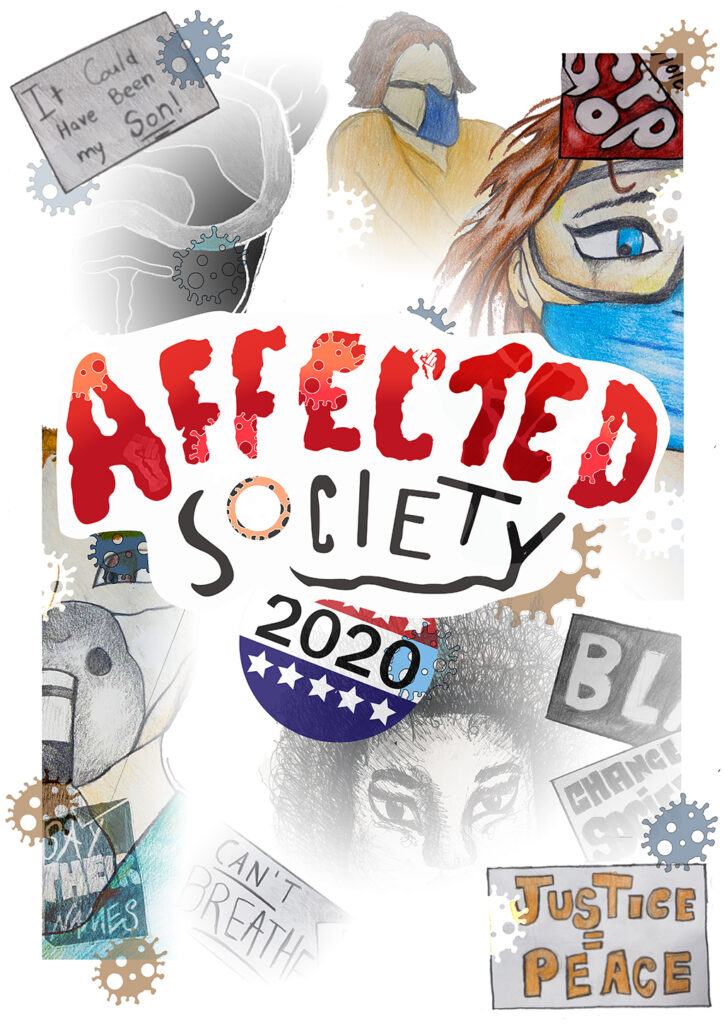
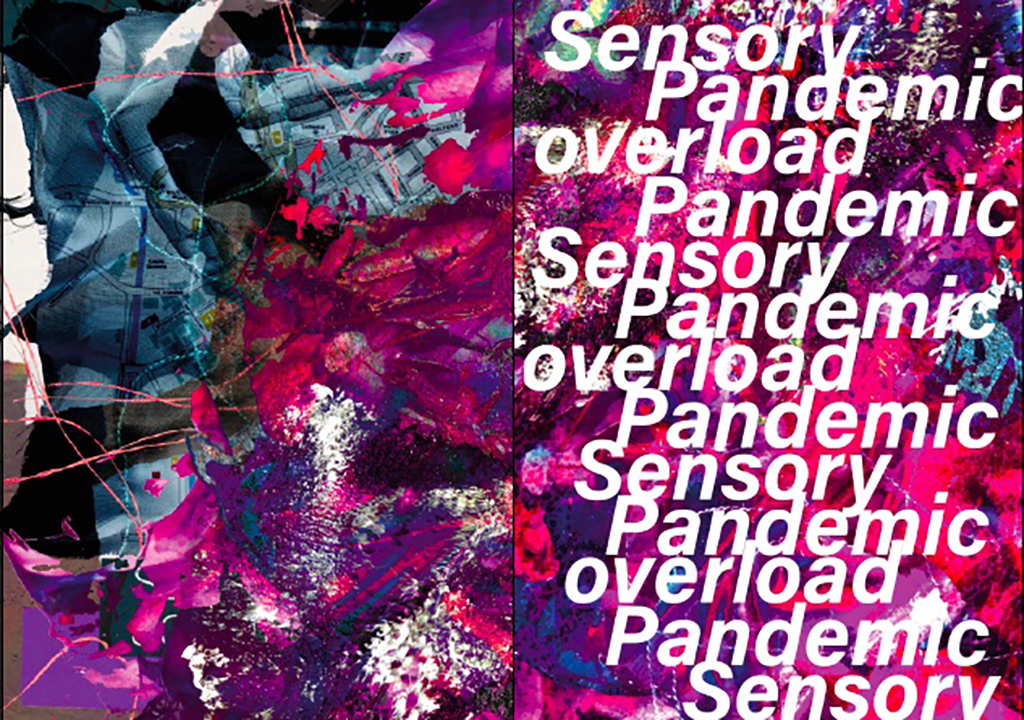
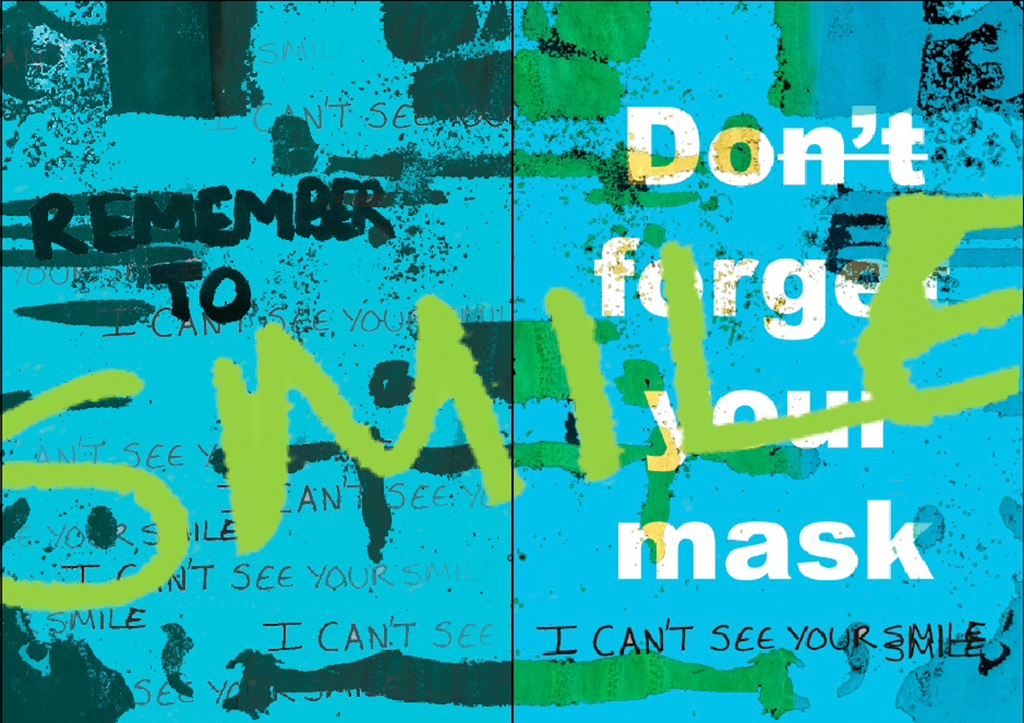
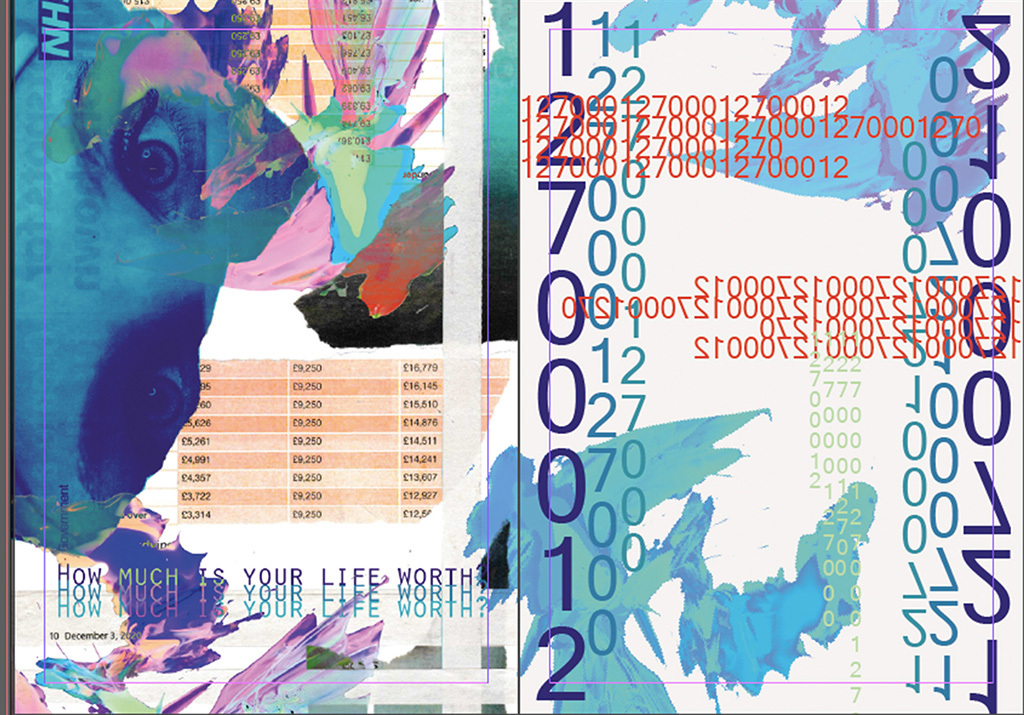
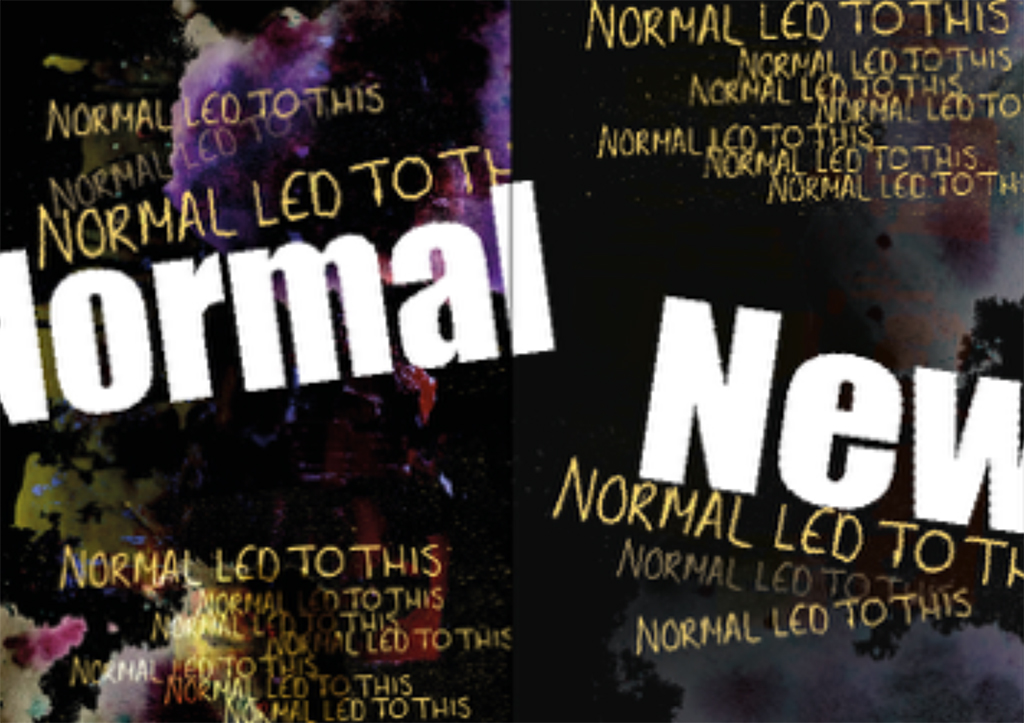
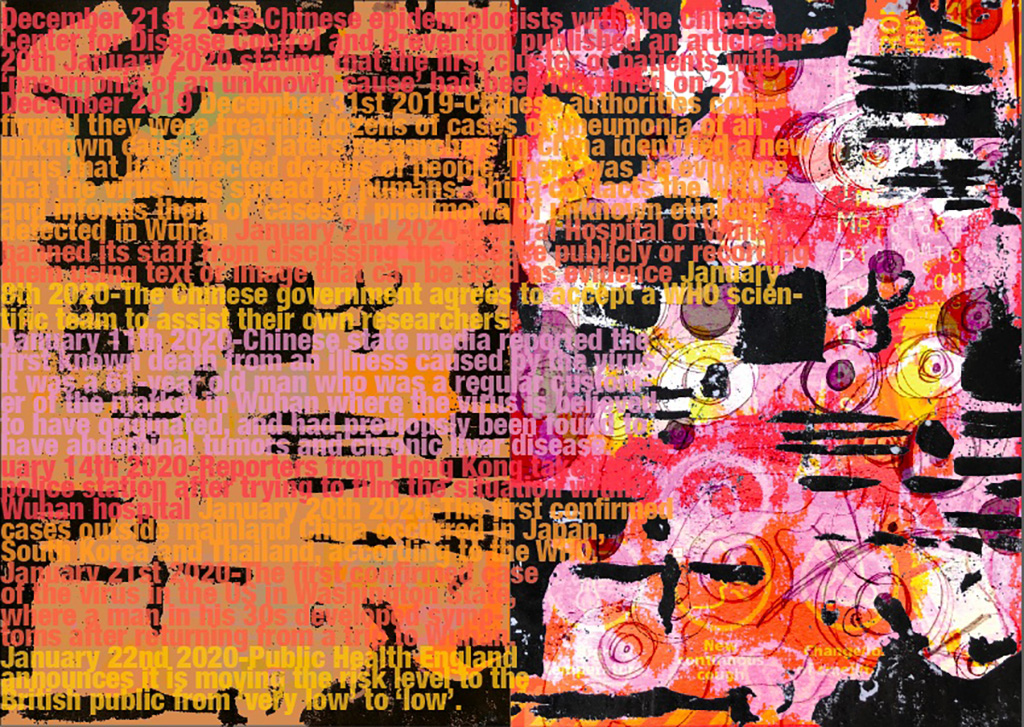
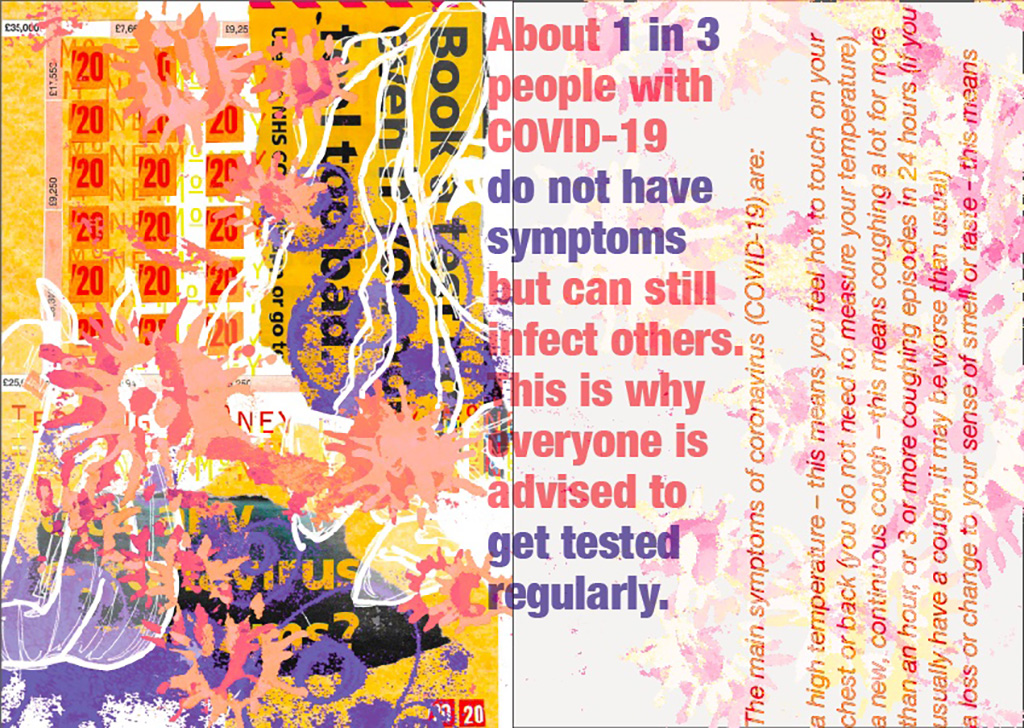
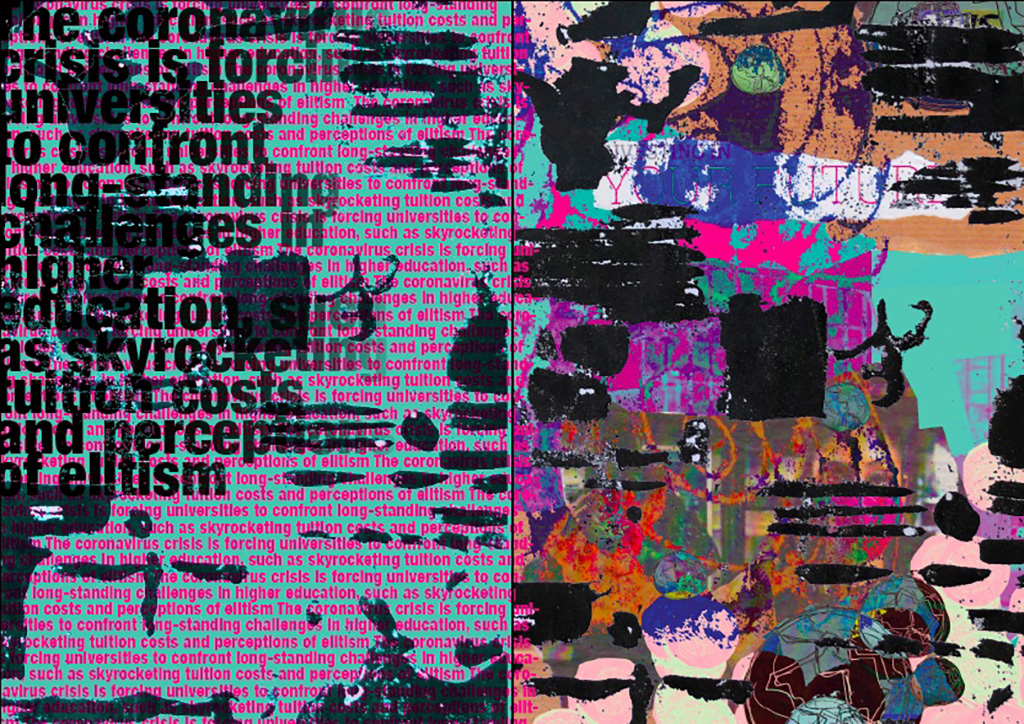
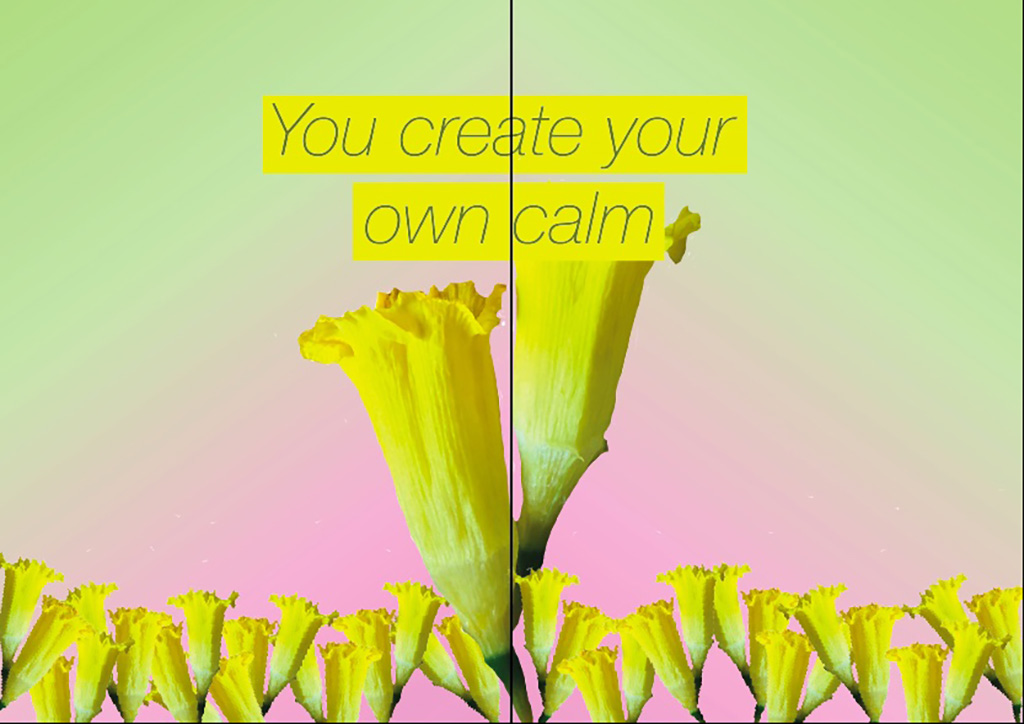
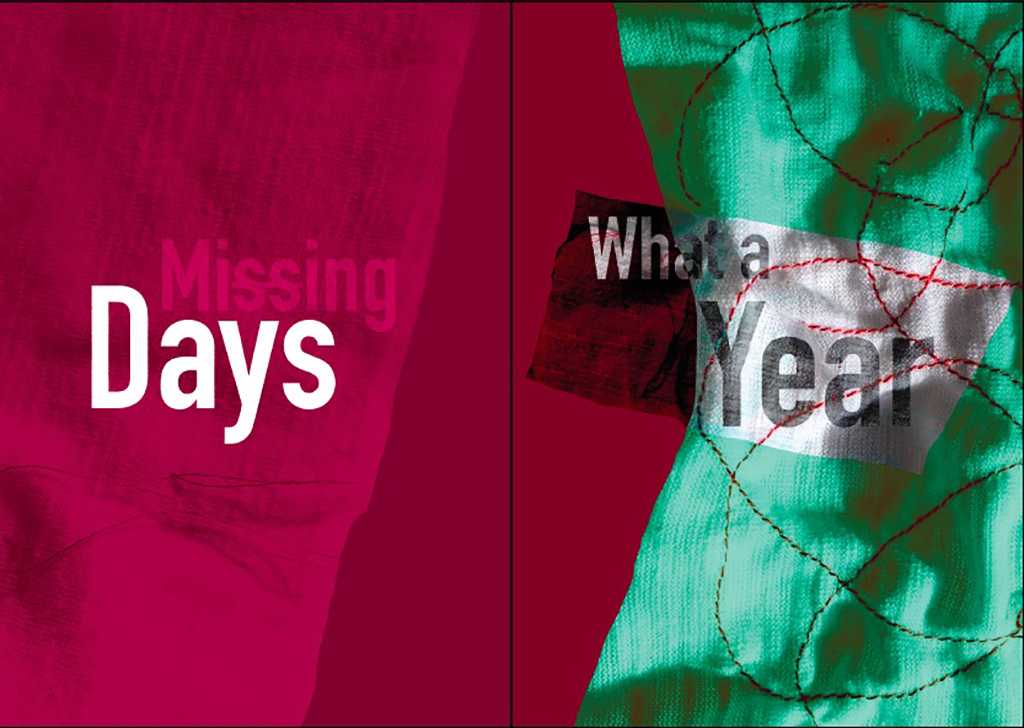
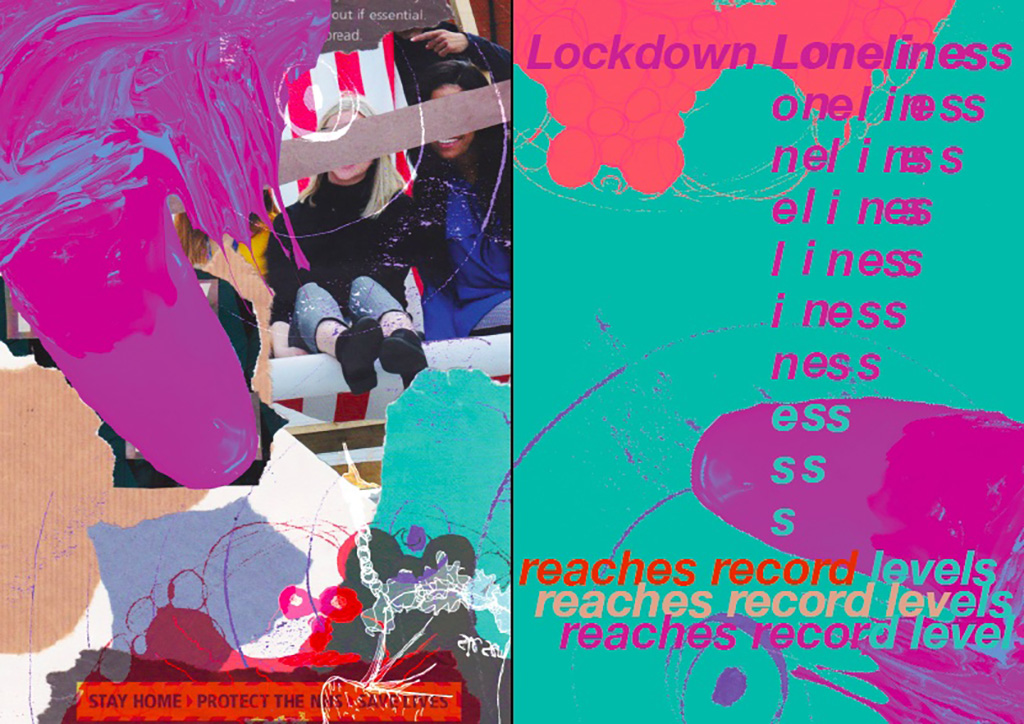
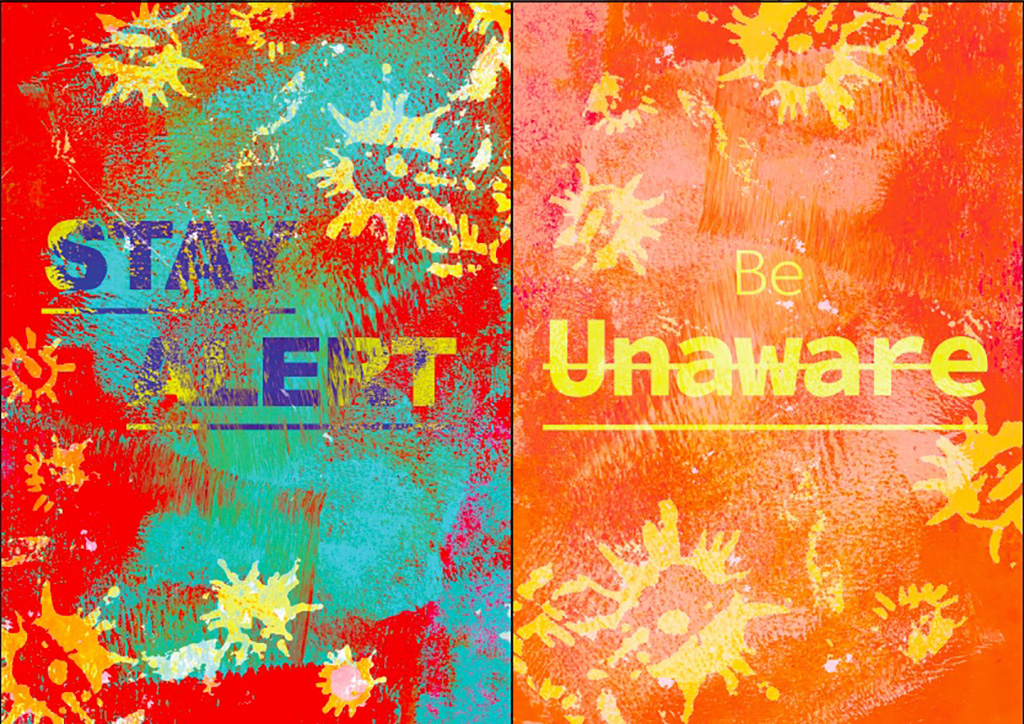
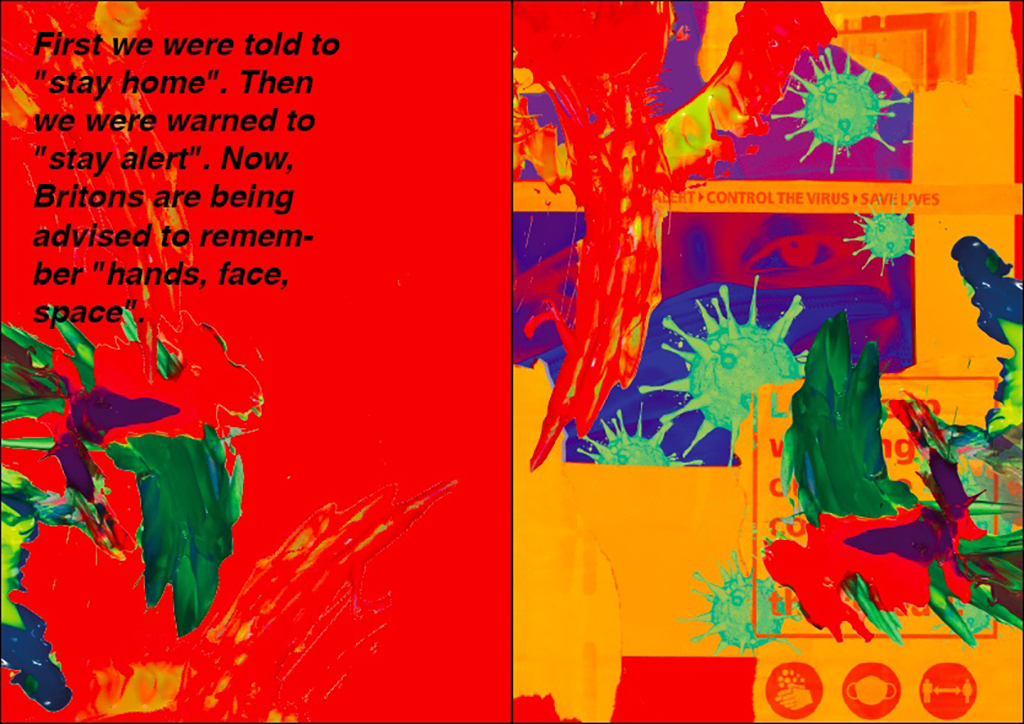
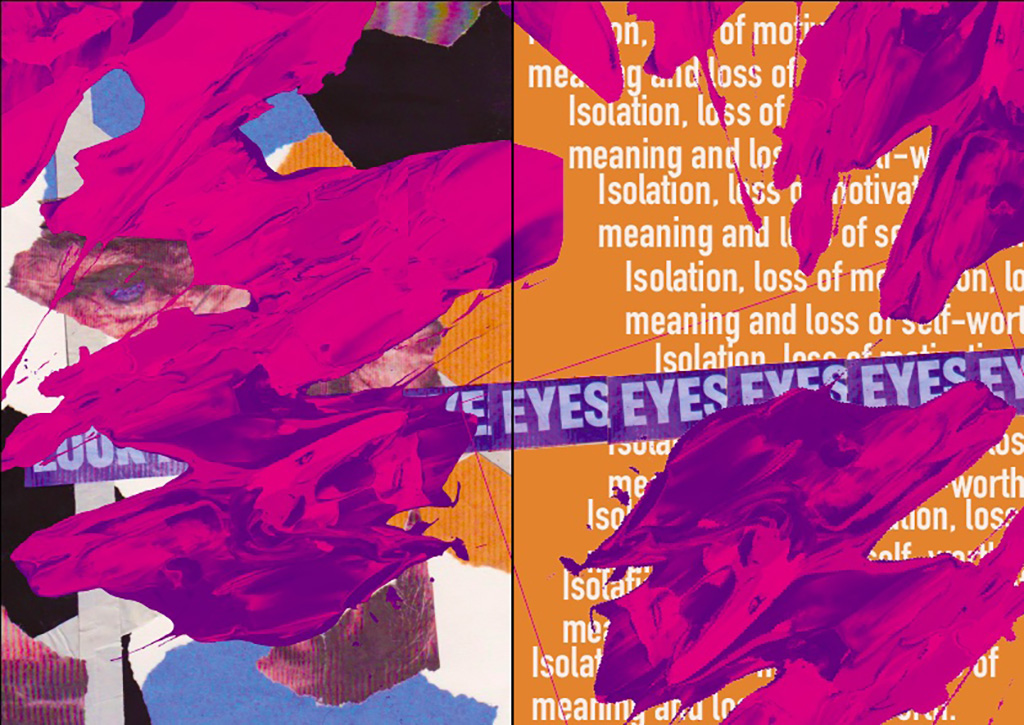
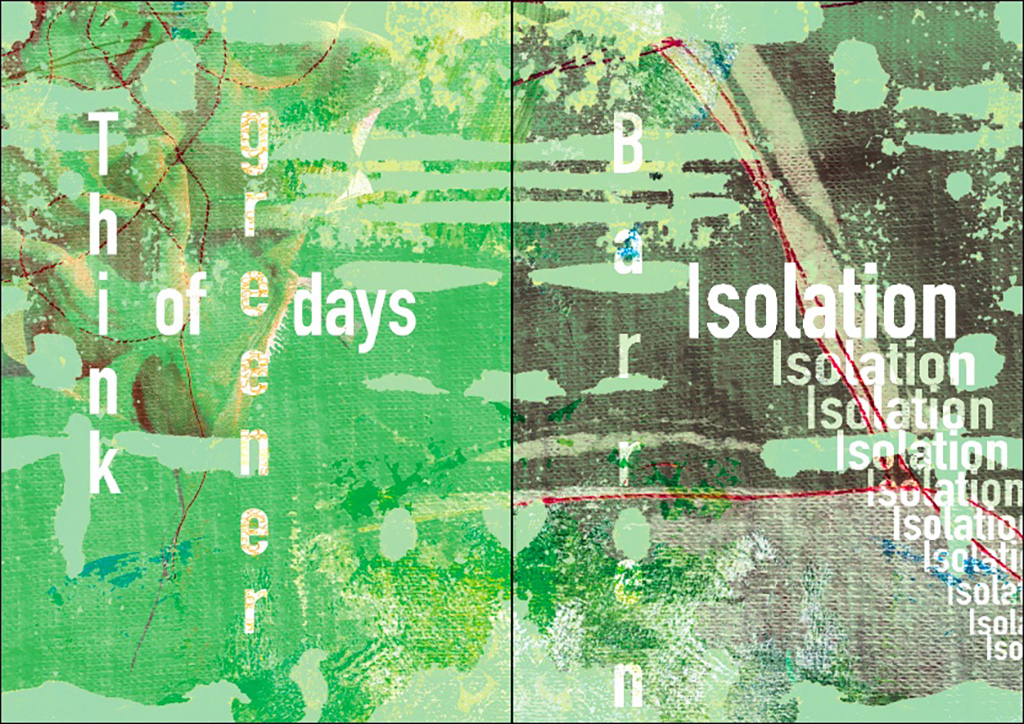
Confusion, fear and entrapment. Instructed by the new laws and informed by the constant flow of misery after misery. Trapped within the confines of 4 walls where our only escape is to find clarity with the screens in front of us, further binding our eyes and ears to more dreaded news. The past year has been insufferable or a blessing, giving those more free time while also making us feel more alone. Connections have been lost where new ones have formed and our lives still continue while adapting to our new situation. This Sensory overload we have been bombarded with and the clarity in-between has affected the way we feel and talk, especially regarding Covid-19.
My work is a collective of emotion, conflict, imagery and information being kept within the confines of four corners. Detailing the bombardment of media and information with the breaks of clarity we have in-between. The sensory overload of colour, text and imagery conveys the emotions felt and informs us as a reminder to not forget but to converse and allow for an open dialogue of interpretation. It aims to be insightful while commemorating my own thoughts and feelings throughout this pandemic. It is an open collection to the youth and how we have faced parameters while being informed of consequences and risks. We have faced the unknown and continue to overcome with resilience within the confusion of it all.
Inspired by collage, illustration and different media, my work evolved into a topic of discussion surrounding Covid-19. This developed through exploring artists relating to colour, design principles and mark making such as Callen Schaub, inspiring me to use traditional media mixed with my graphic design developing my work from simple collage to a chaotic mixture of colour, imagery and text. Inspiration from Sigmar Polke, allowed the utilisation of illustration in a simple and contemporary way incorporated into a mixture of bombarding and simple imagery. Exploring a mixture of artists from all disciplines allowed me to express this sense of bombardment and overload.
Open dialogue with peers and tutors allowed the incorporation of different ideas and ways to further push my theme. Relying heavily on the opinions of others and my own judgement, determined development and pushed the boundaries of my work. My project within Covid-19. With this constant development, I prepared for all eventualities and displayed different outcomes. I achieved the outcome I desired from the start, communicating and opening dialogue for an audience.
Through completing this course and FMP, lockdown and restrictions have added a disadvantage but have also shown the resilience I have to overcome the parameters and restrictions. I have developed my own perspective towards using different media and explored within these fields. Obtaining a more critical mindset has allowed me to spot details in my work that need improving and this mind set is something I will proceed to use, progressing on to University.
Ellie Walker
Previous Education: Dudley College Destination: Wolverhampton University Graphic Design
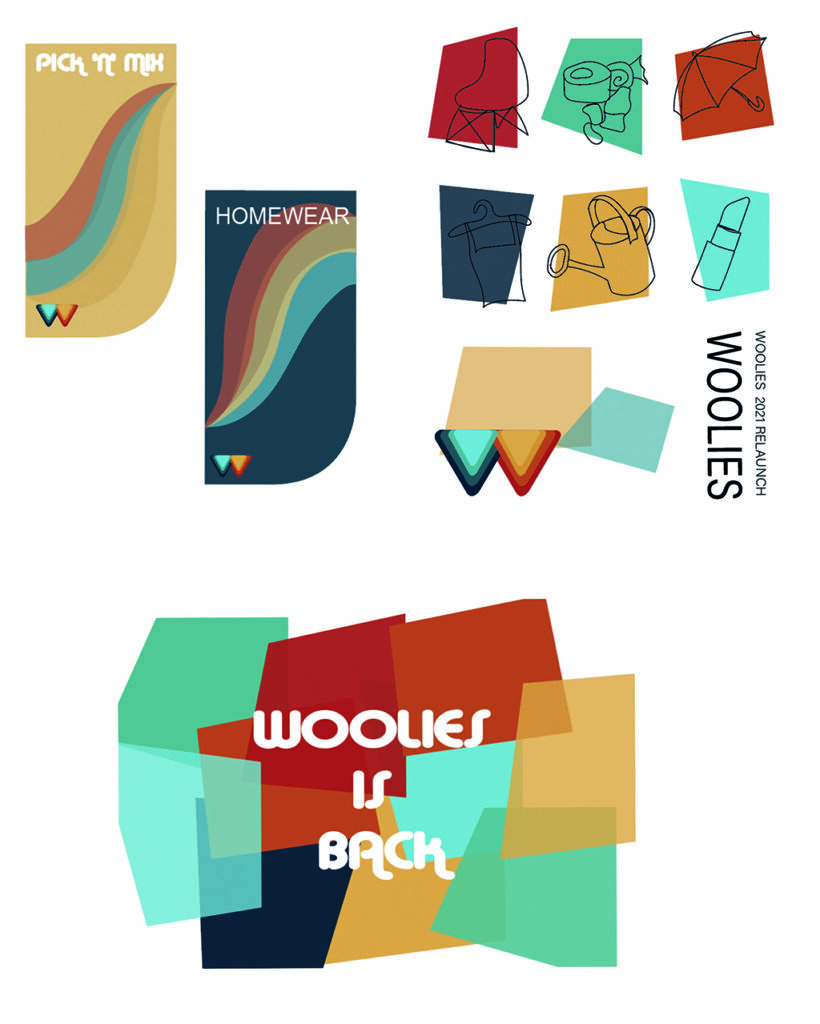
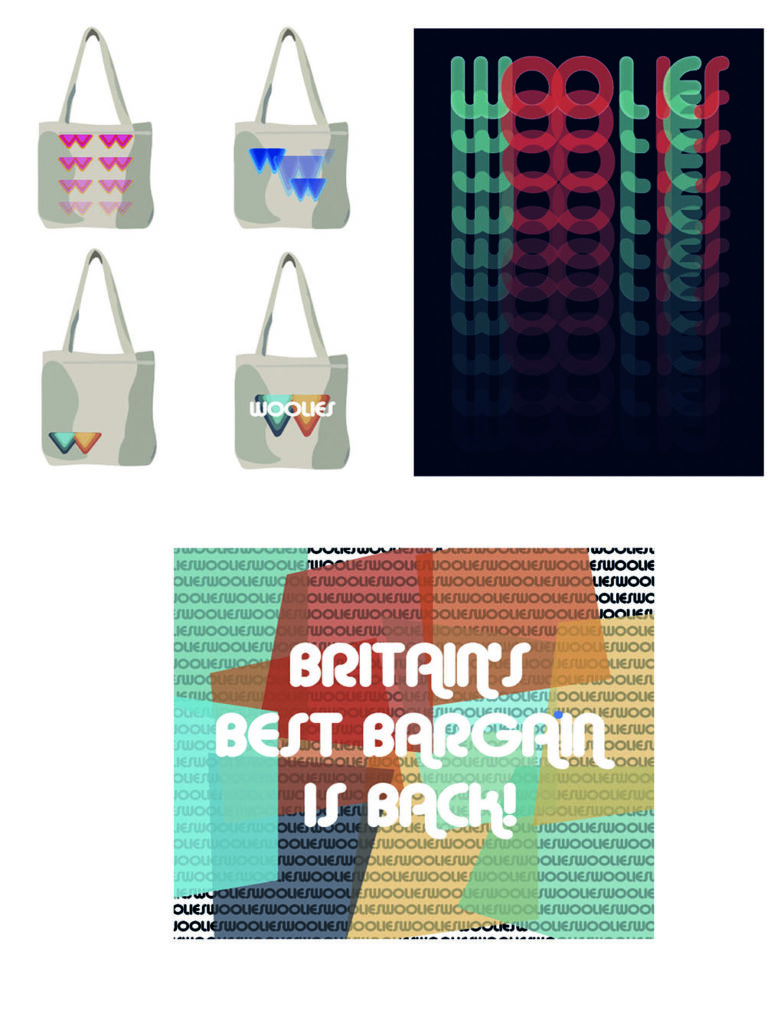
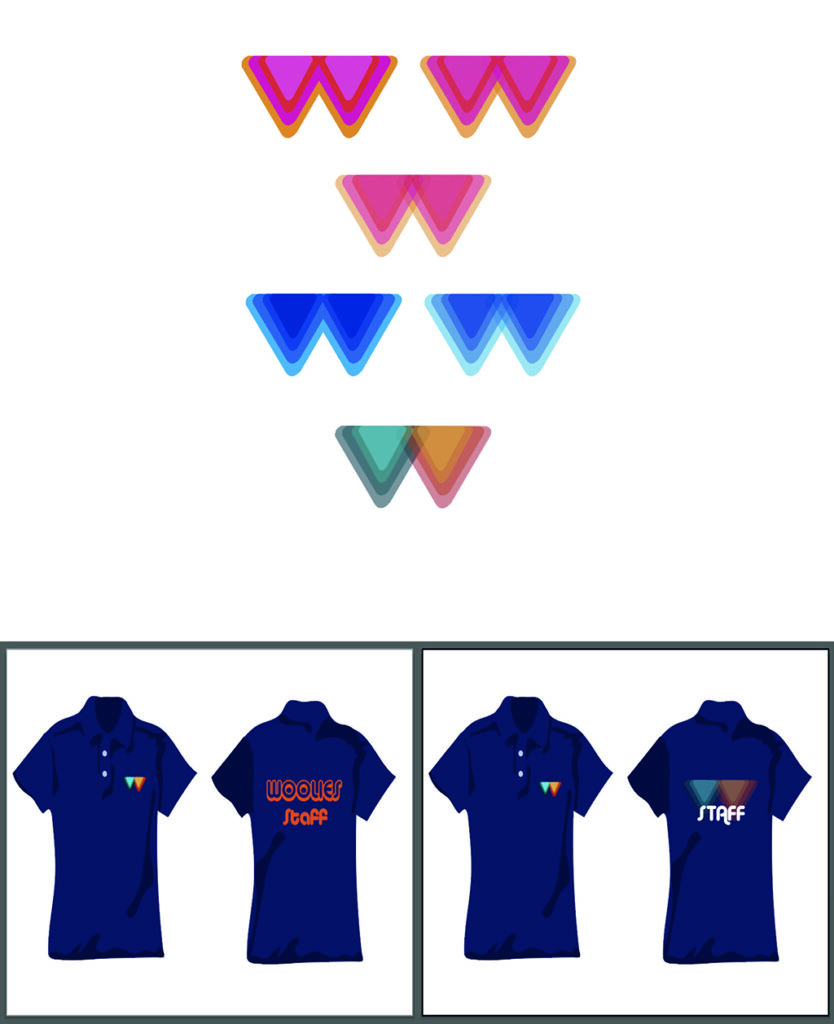
The initial idea for this project was to re-brand the well-known store Woolworth’s. I wanted to create the company in a new light. The idea was to go back to basics and start from scratch with a new company logo, company uniforms, advertisement posters, website, shop signs and shopping bag designs. I initially looked at artists including Saul Bass and Alice Isaac, I found that Isaac’s style wasn’t suited to this project as her work was too complex and abstract. I was hugely inspired by Bass as his work helped me dive deeper into art movement which led me to look at the Bauhaus which became my main inspiration for design. Through this I learnt that using simplistic patterns and shapes worked better as it made the logo design especially more memorable.
I initially didn’t set myself enough targets and for the ones I managed to set I unfortunately didn’t give myself enough time. Through this project I have learnt have to keep up with time scales and set myself aims which I believe will help me for future projects, that I something I will definitely take forward in the future. With help from tutors and peers I was able to get the e feedback I needed in order to make my designs the best they could be, I personally feel critical feedback is key when sharing pieces of work as it helps you see things from other peoples point of views which can also sometimes change your opinion on your own work, for the better.
Through feedback it allowed me to change my logo design completely in the initial design process, for a basic corporate logo, into a quirky retro design. It also allowed me to bring Woolworth’s into the 21st century, changing the name from Woolworth’s to Woollies and changing the idea of creating a website into creating an Instagram page. This was much easier to set up and allowed me to increase my target audience to the younger generation rather than just the older generation for the nostalgic value. Although I liked the idea of the nostalgic feel, I didn’t want that to take over from reality and I wanted the brand to be taken seriously, with the retro aspect I feel as though I captured this perfectly. I believe that despite a few hiccups the project came together well.
From this I will now analyse my work to a better quality making sure my reviews and evaluations of work are in more detail and of better quality and I will also learn how to manage time more efficiently. This year has allowed me to work on my specialist subject in a more mature way and has allowed me to find my own style. I have also learnt to be confident in my own work especially if I am pleased with something I have created and how to make other people believe my work is of a high standard. I hope from this past year I can now take on my skills to university and any future career I am able to achieve.
Joseph Woodcock
Previous Education: Joseph Woodcock Destination: BA Graphic Design with a Placement Year Loughborough University
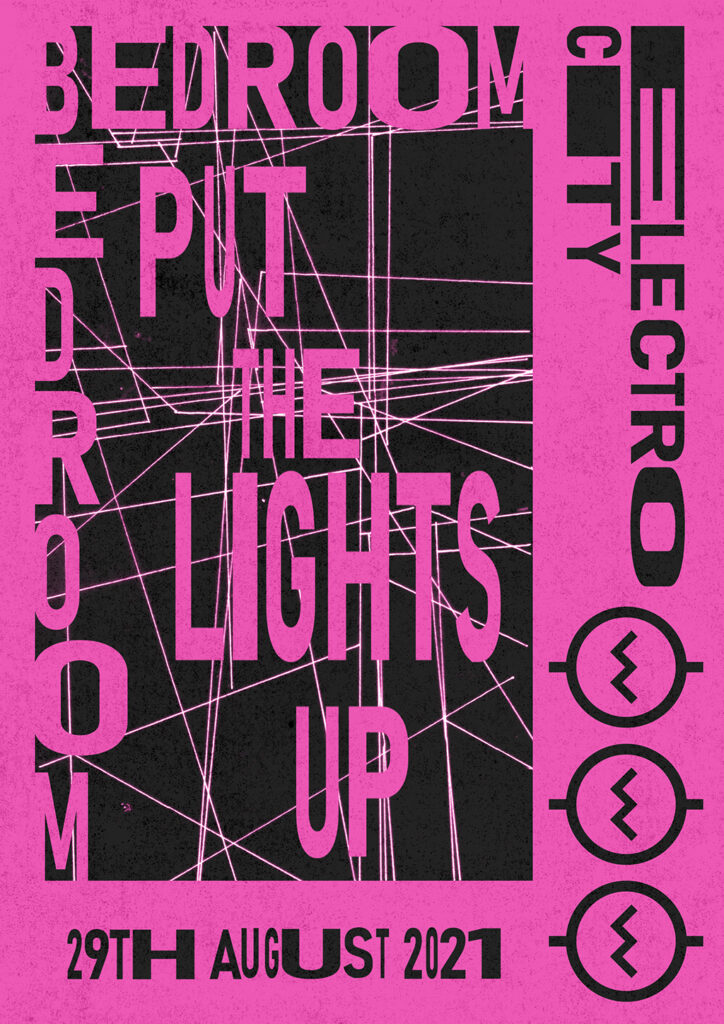
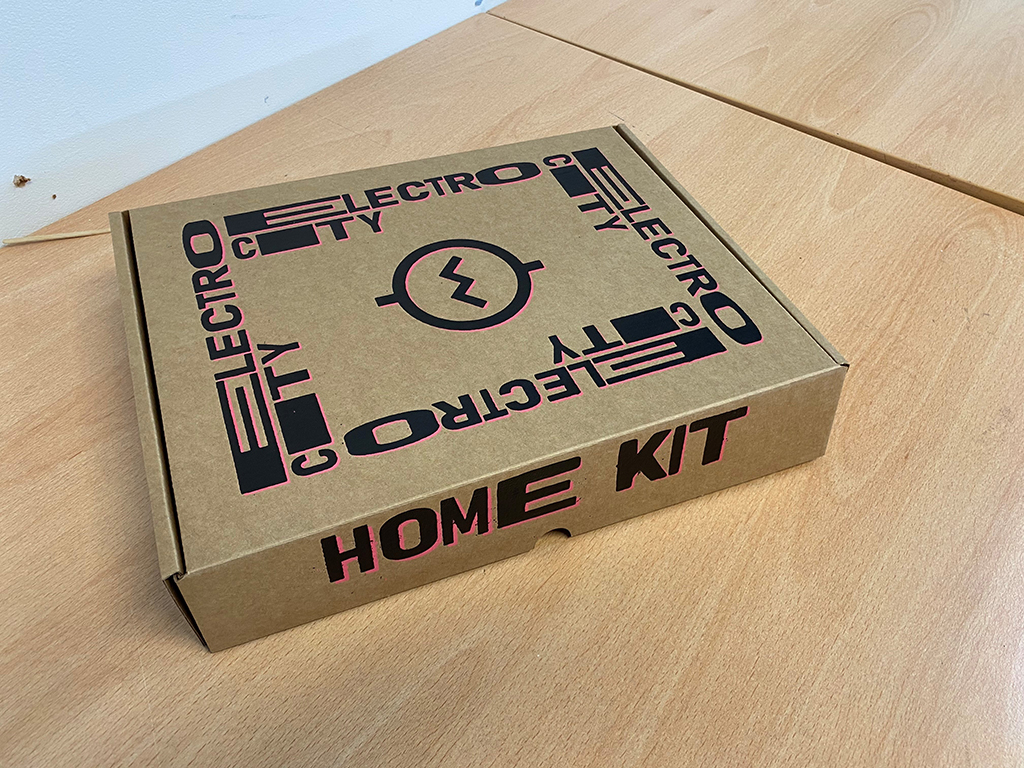
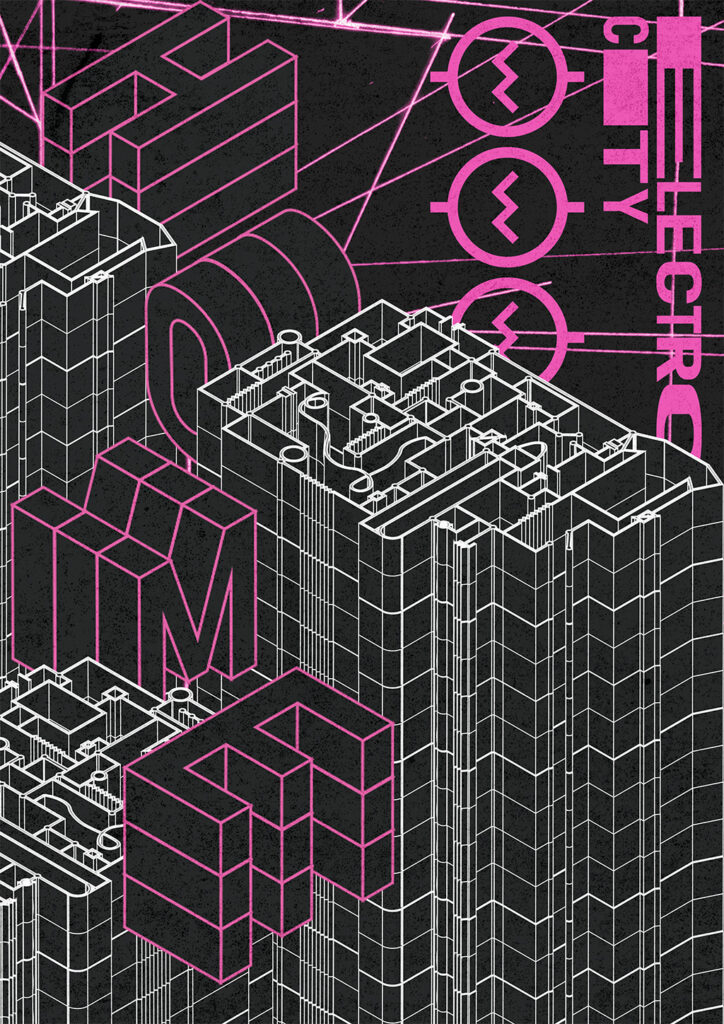
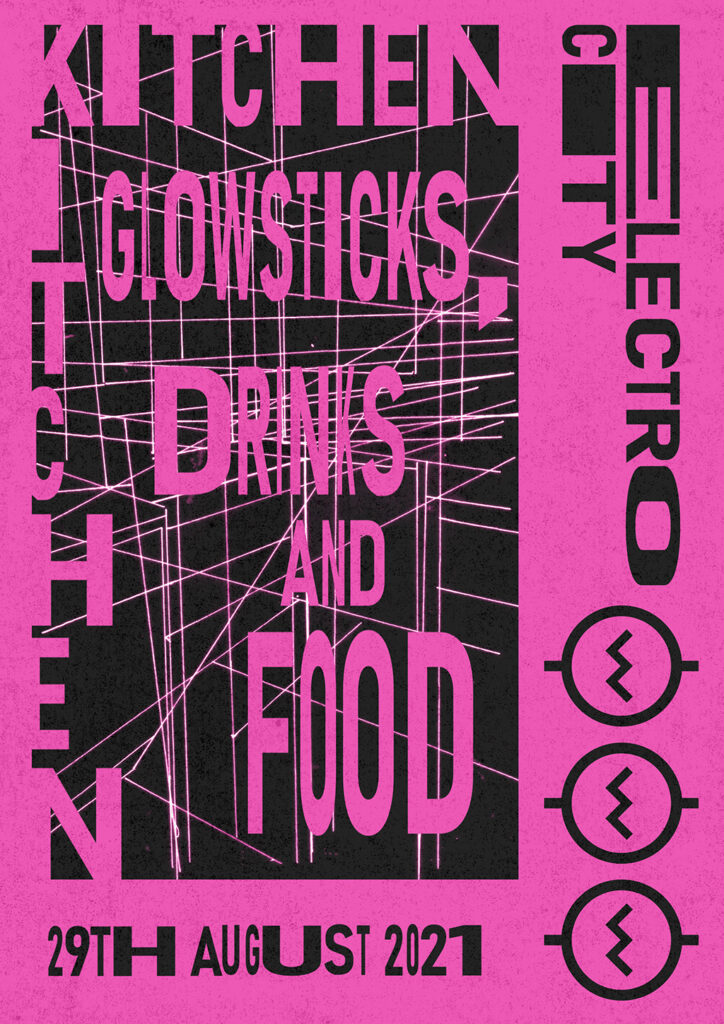
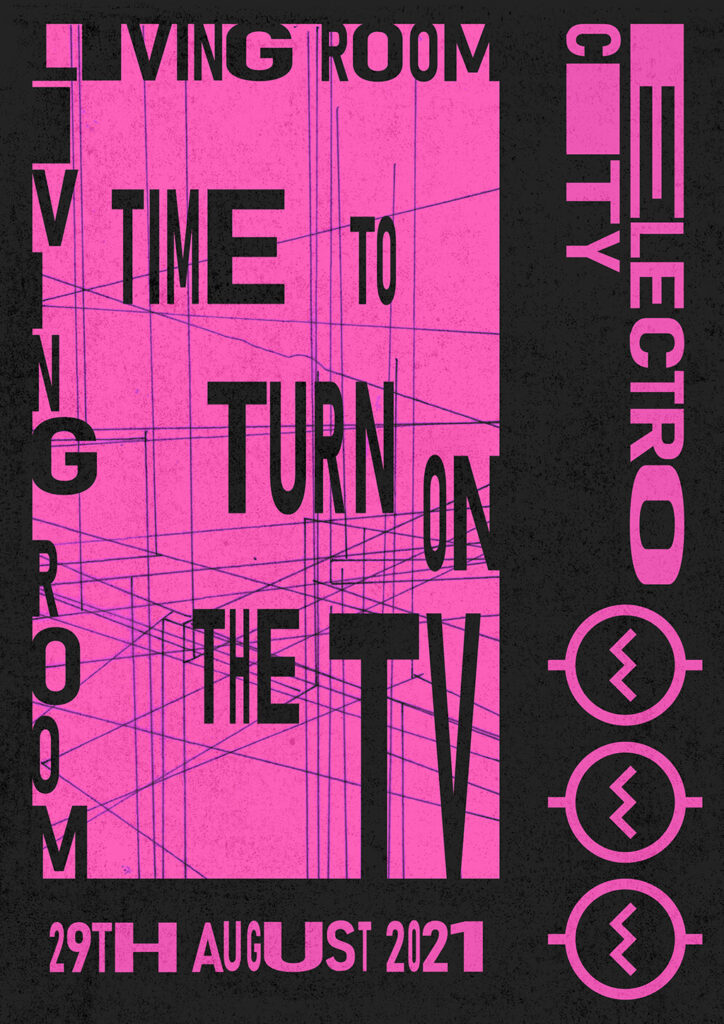
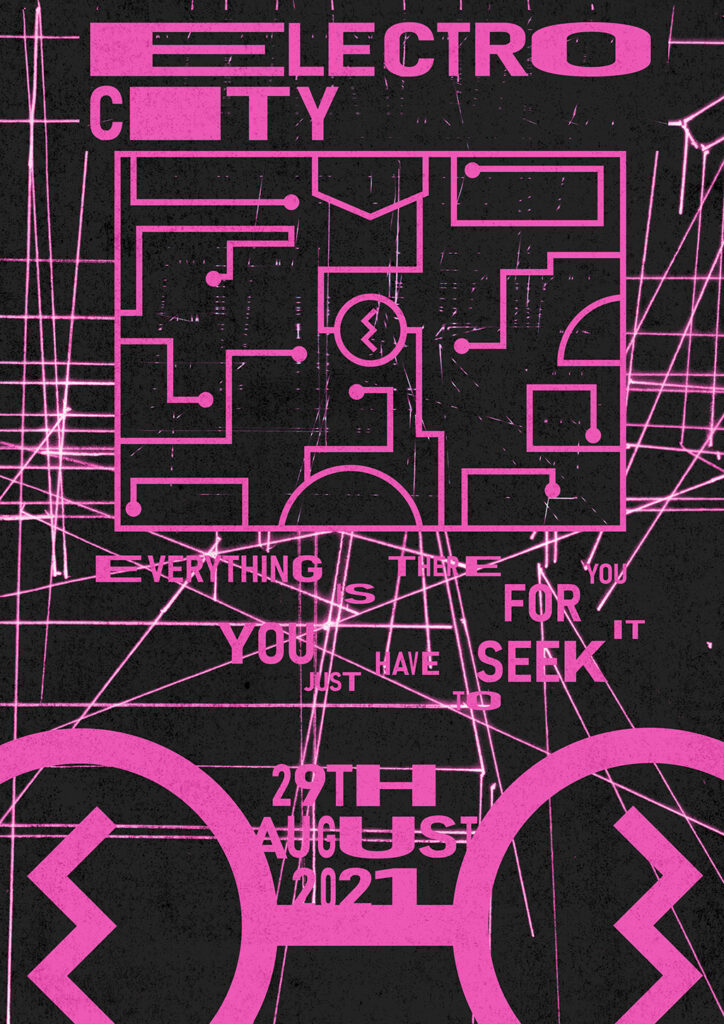
The initial idea for his project was to create branding for a new and upcoming EDM festival that was trying to tackle the issue of coronavirus we face today. As I began to work with the project I found routes around the issue we face today. I wanted to create a box that would be shipped to your house that would contain a range of elements that would allow you to set up your own festival in your house. Through initially looking at artists Harrison Pollock and Jack Teagle, I found my theme of ‘hyper reality’, which developed into my own take on the theme through researching films and multiple other artists. I choose to delve into this as it strongly relates to simulation and have strong futuristic ideology. This worked well inside the genre of my music which pushes electronic noises and have links to both the past and the future, which when mixed together, creates for amazing visuals, and I think I achieved this with great success.
This project had a large influence from others around me and they all helped push my project further. Initially I set myself a rough timetable. However, through constantly reviewing work and talking with my three tutors, I managed to refine this and found a great pattern of work then review that helped keep me on track. I have managed to achieve my main goal in my project by doing this however, I did have a range of opponents that didn’t end up being formulated. These include: a website, virtual tickets, VR headset and a range of other promotional work. The time I spent focusing on the four elements of this project allowed me to create a far better quality of work that held strong references, and allowed me to explore a diverse range of techniques that helped develop my skills. I do however, feel as though I could have started stronger in terms of this and this may have allowed me to create a wider range of final piece. Overall, I am extremely pleased with my management of this project and if I was to do it again I would have put more time into configuring my initial timetable.
One of the main things I will take away from this project is an ability to integrate far more hand rendered work into my digital works. This year has allowed me to develop my specialist practice and my own unique style which has informed what I want to create as I move to the next stage of university. I have also learnt how to review and look back at my project. It’s taught me to not veer away from the project at hand and to keep focus on what I want. I think at the start of this year I was susceptible to this but my focus has changed and I have a far more knowledge on how to keep a structure to my time and how I can distribute my time around. This is a great skill to have developed at this stage and will only grow as I head towards my career.