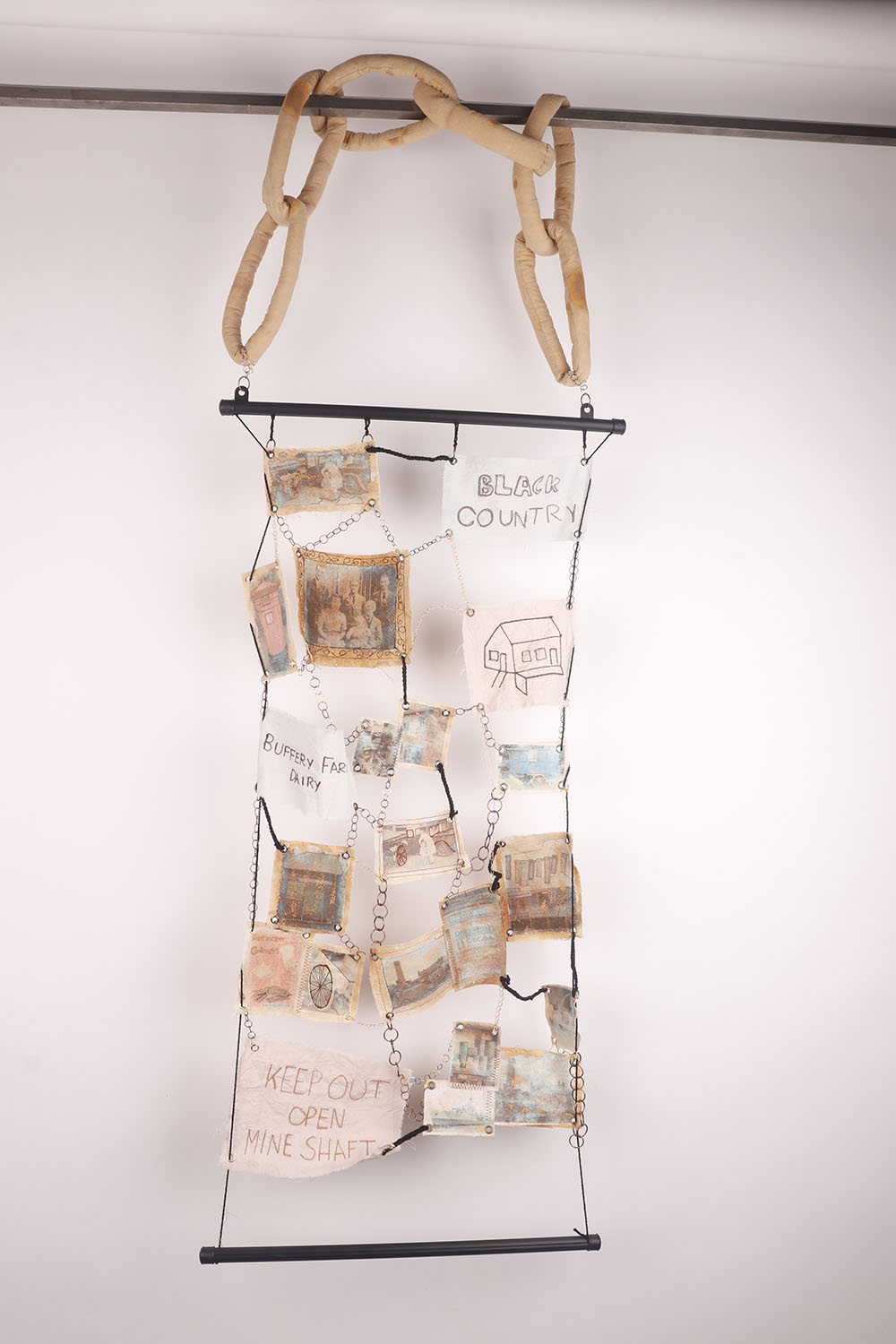
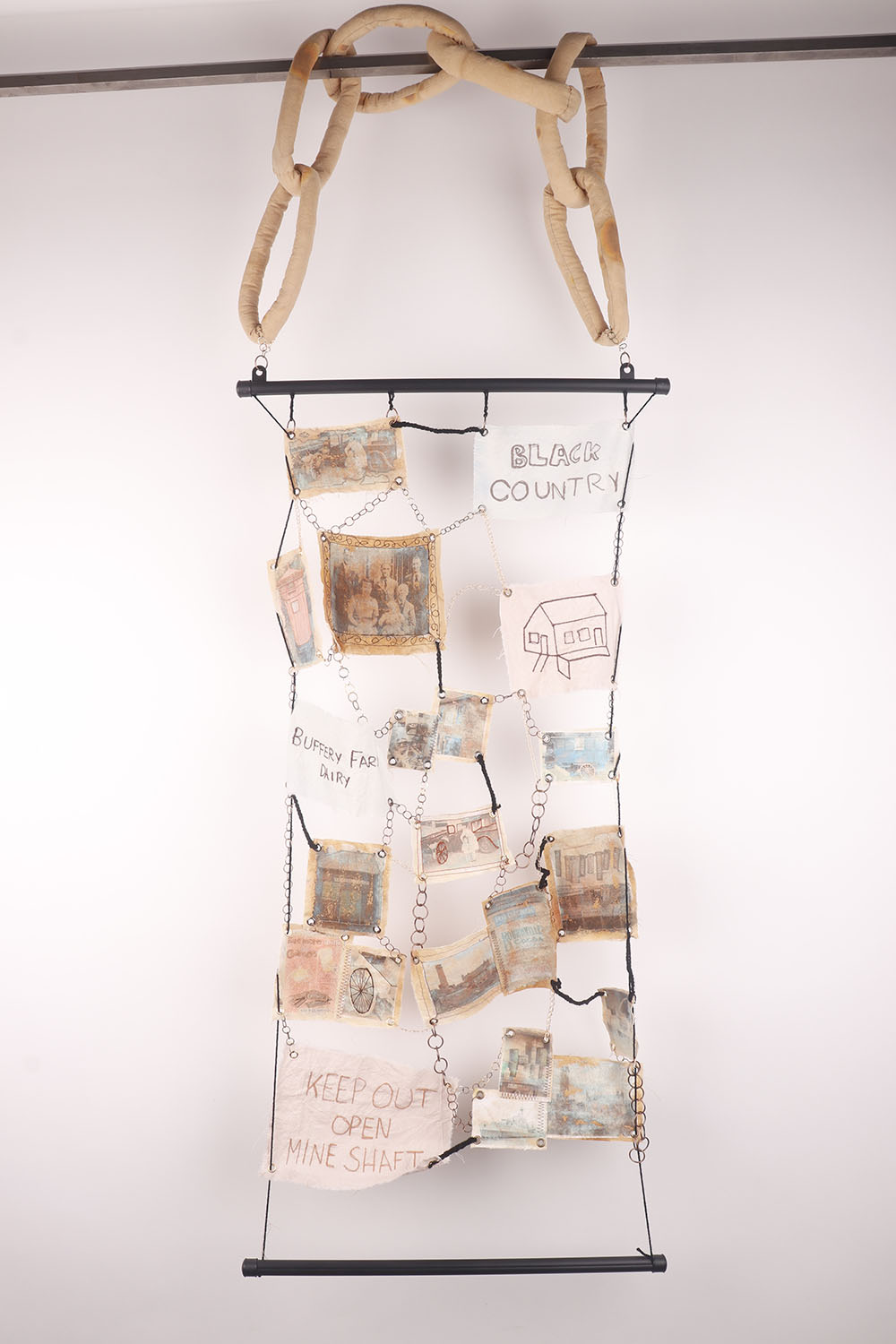
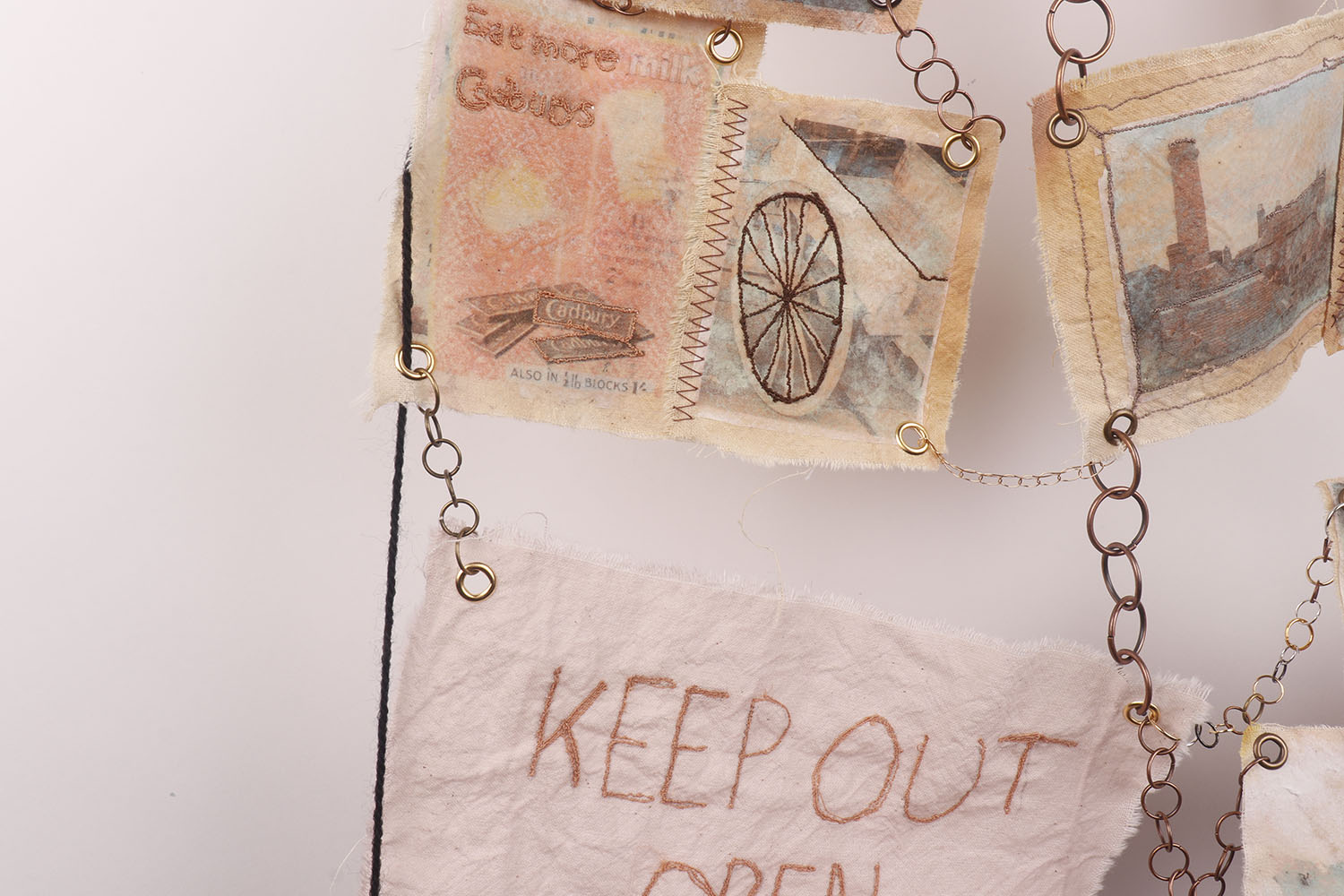
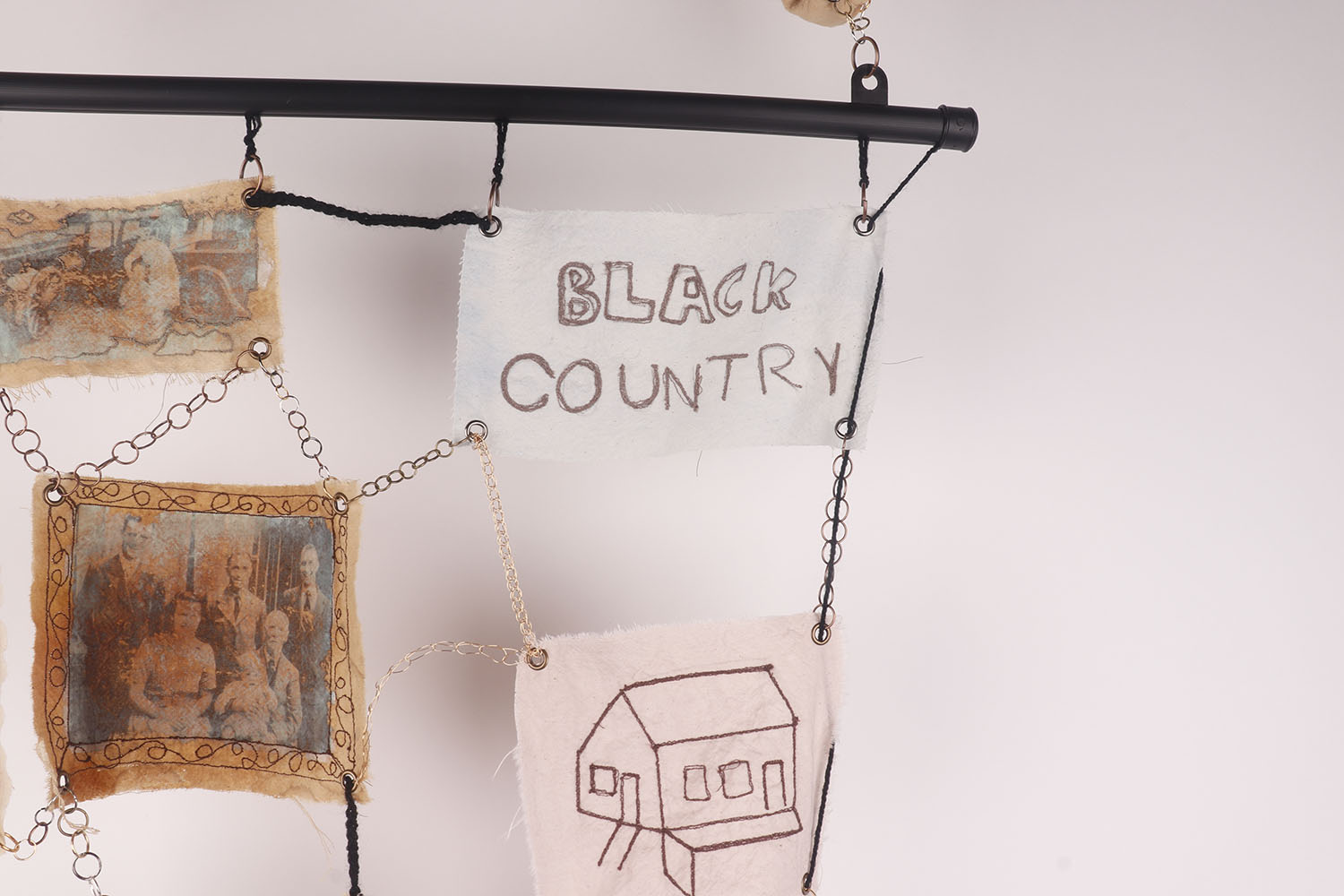
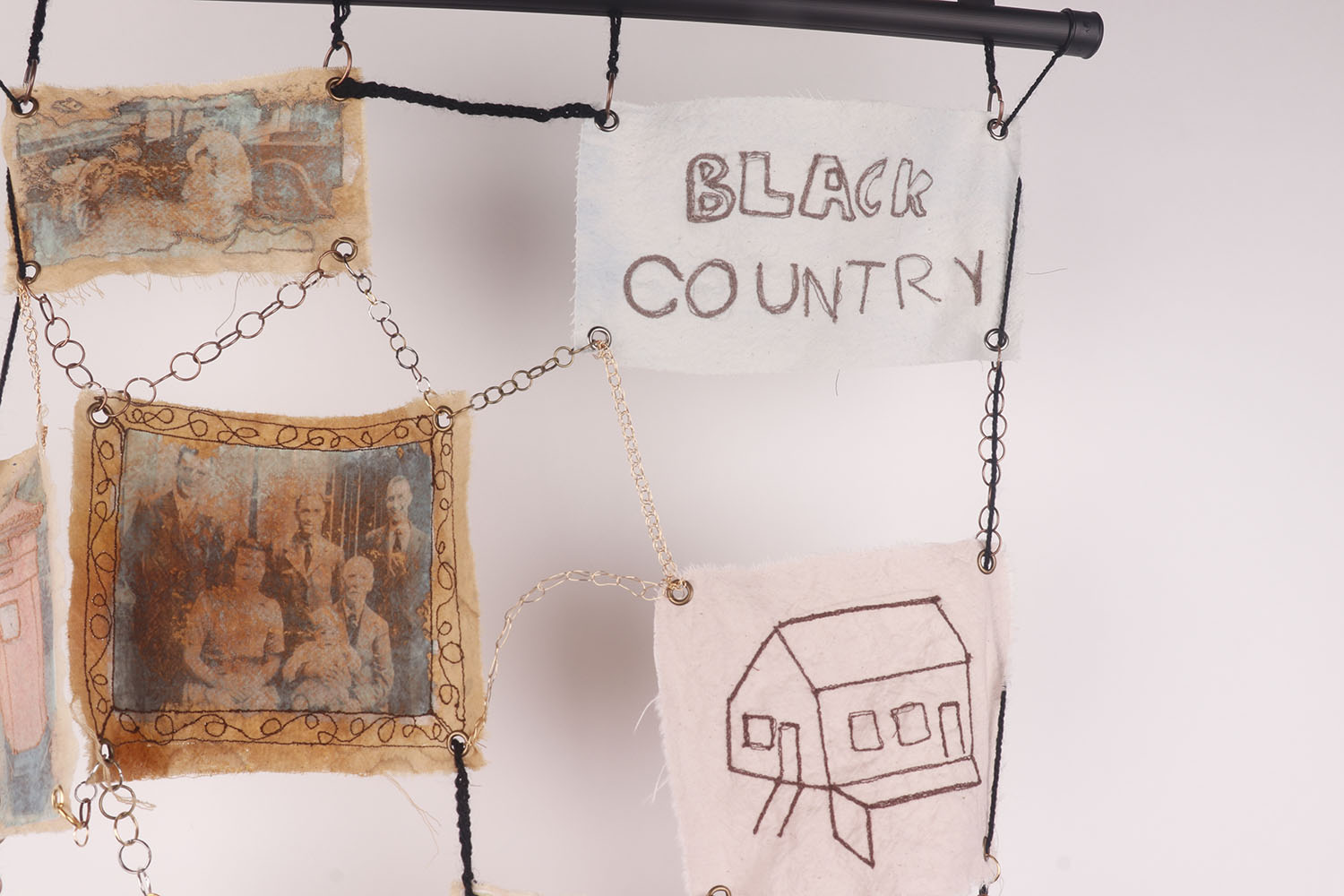
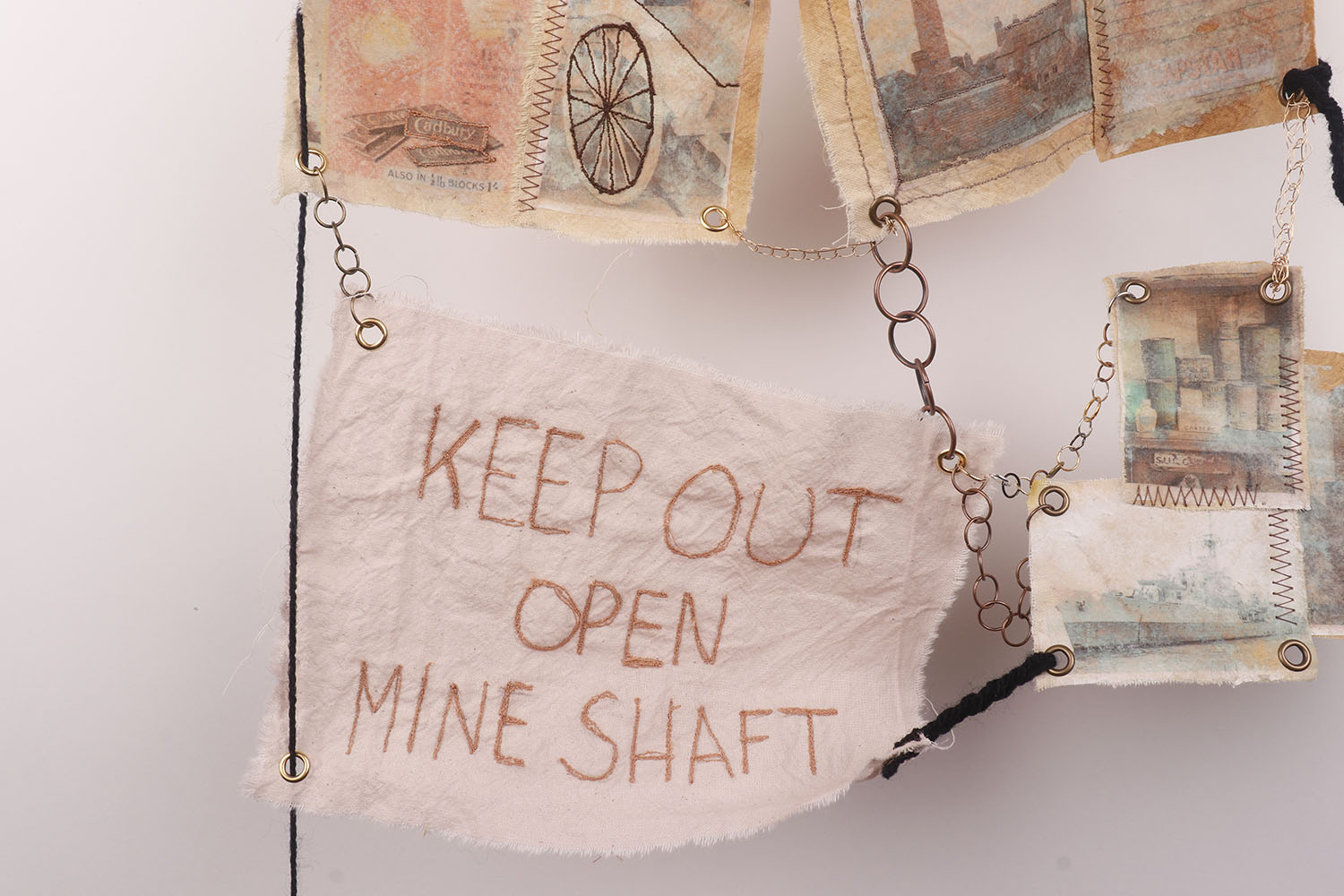
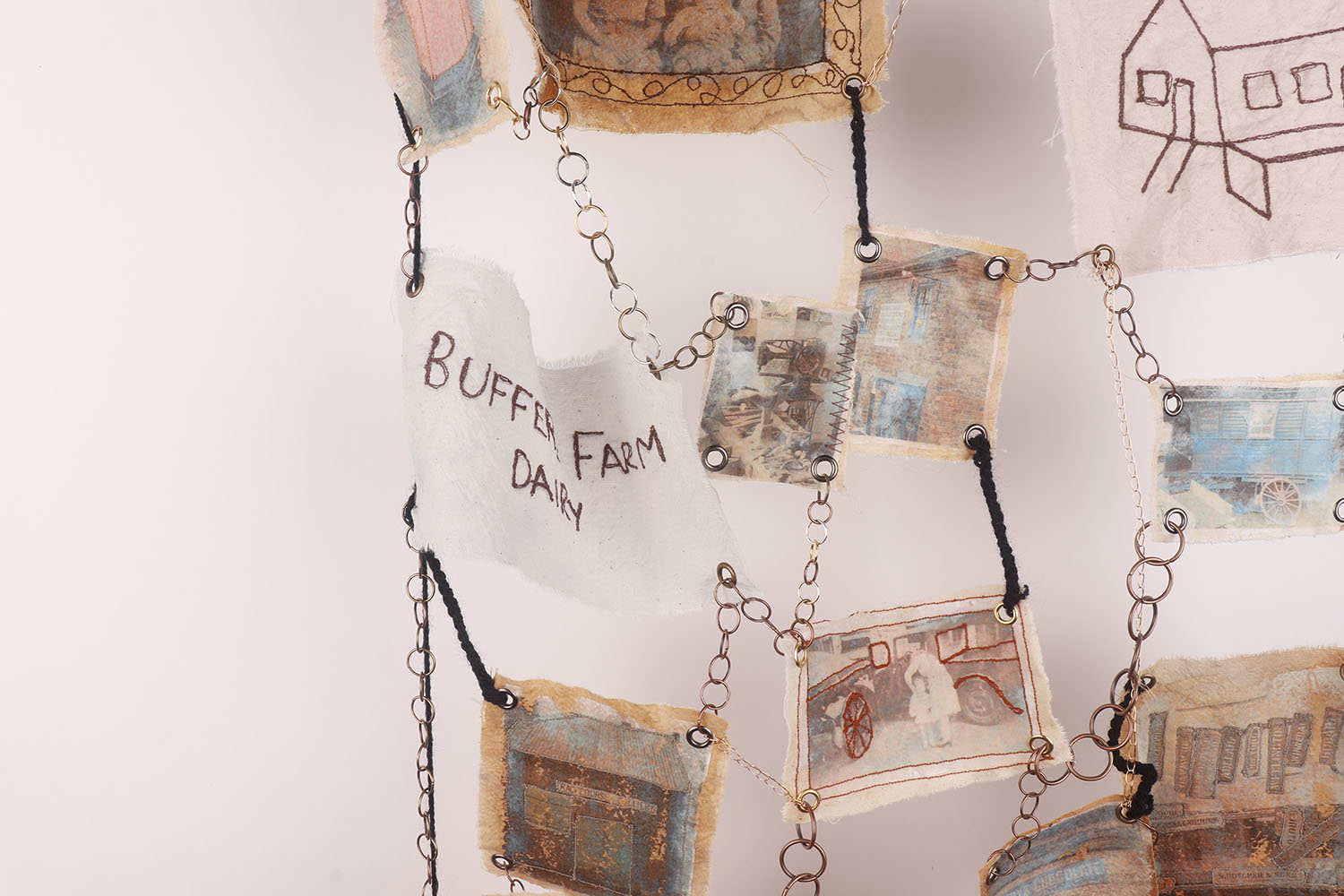
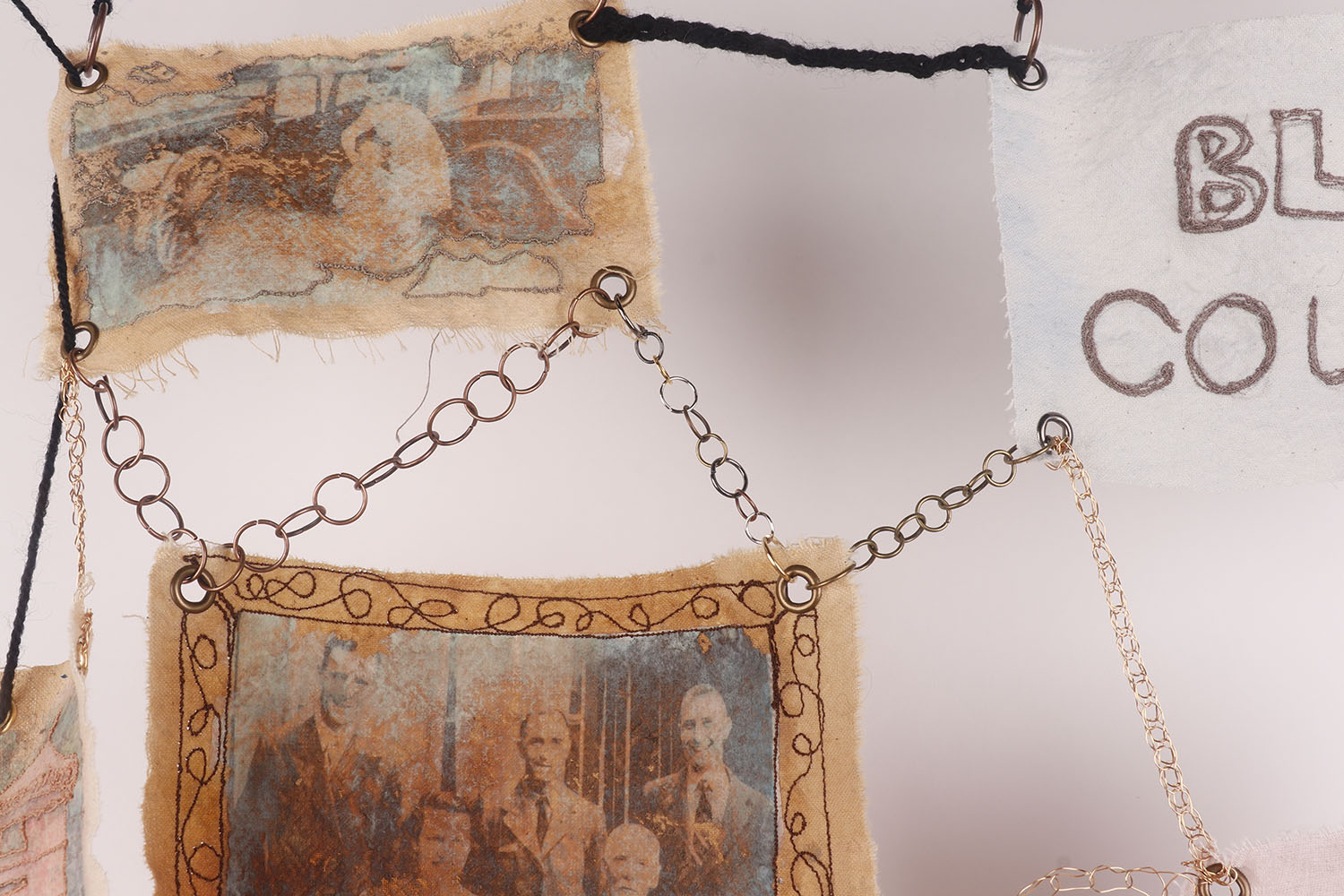
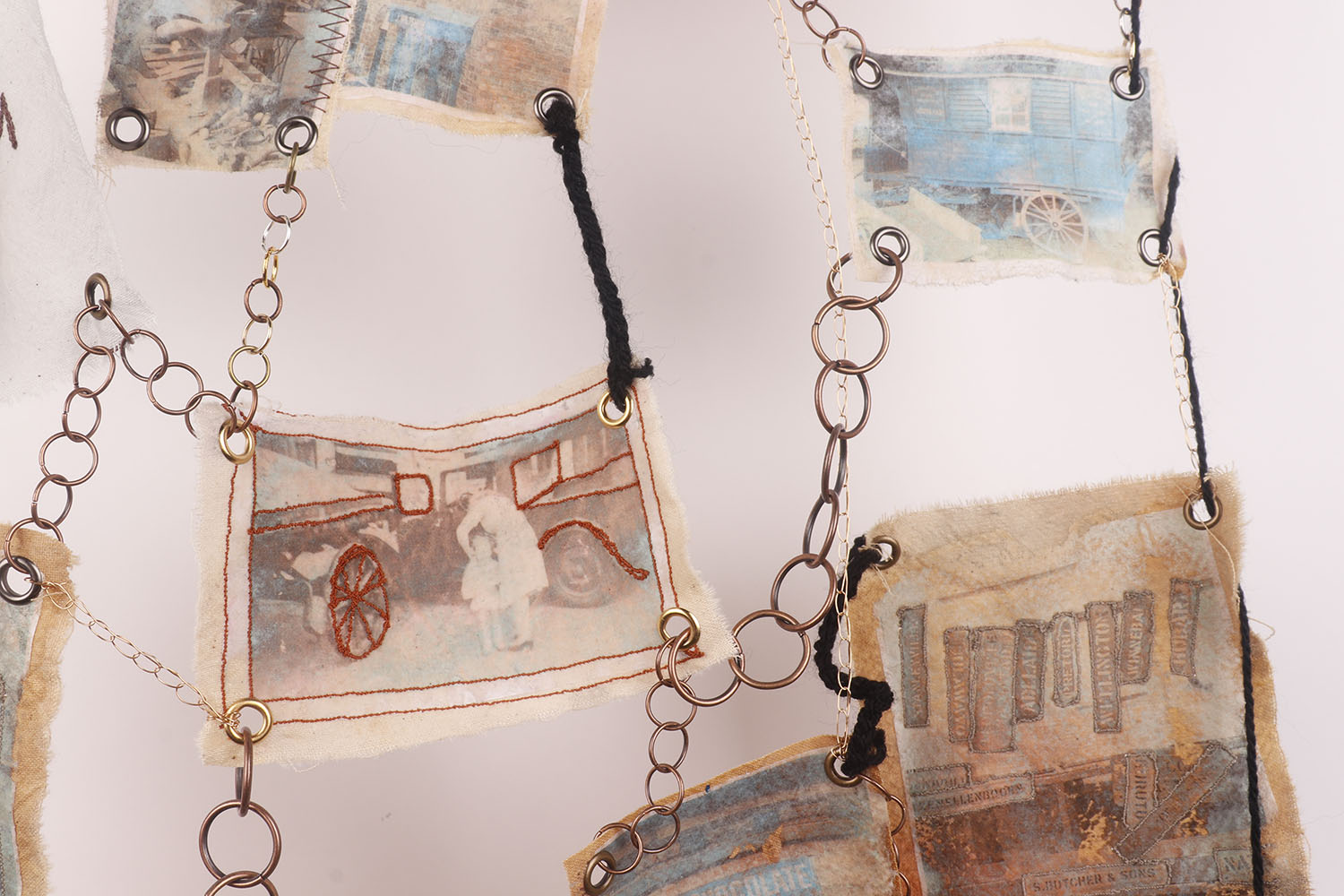
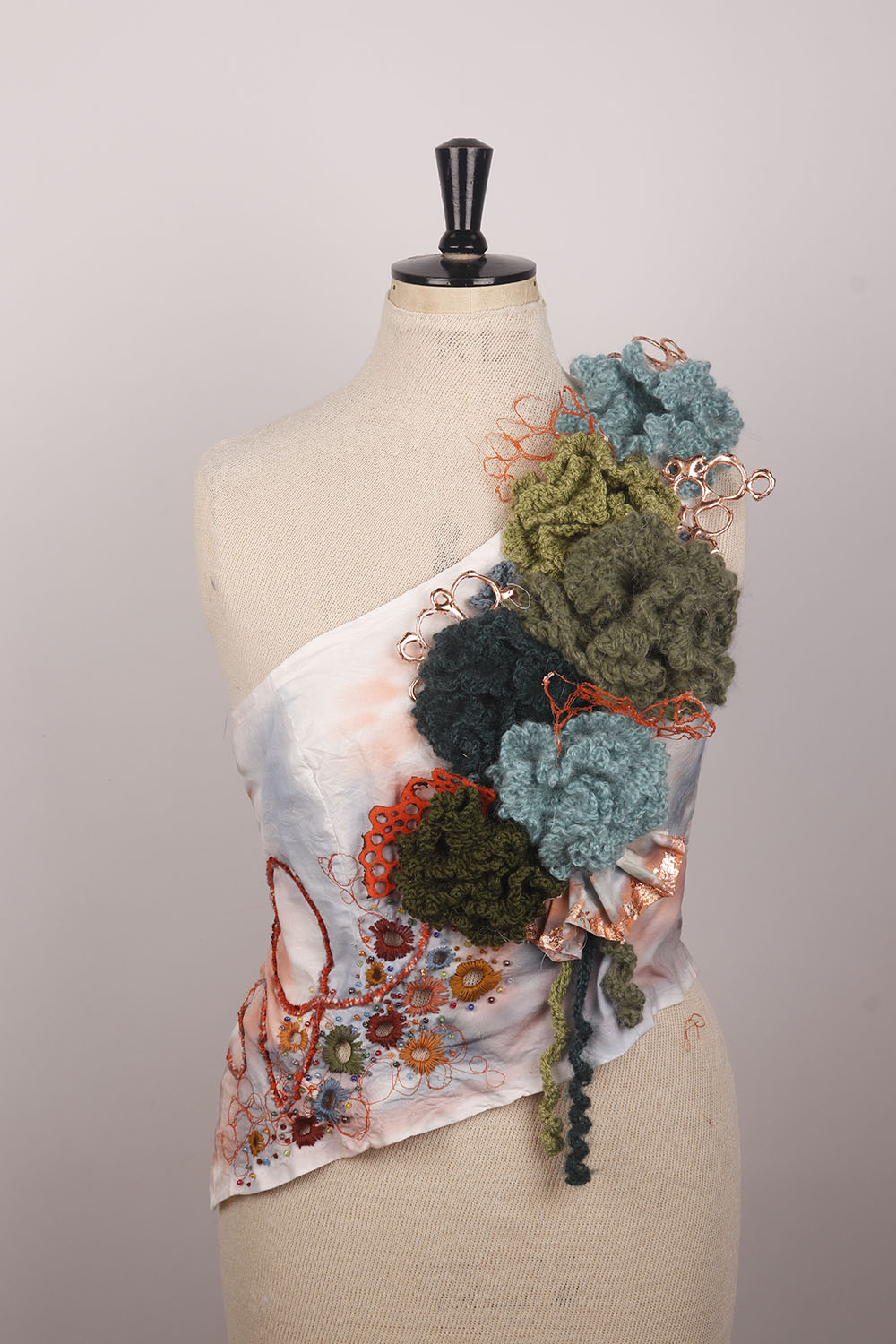
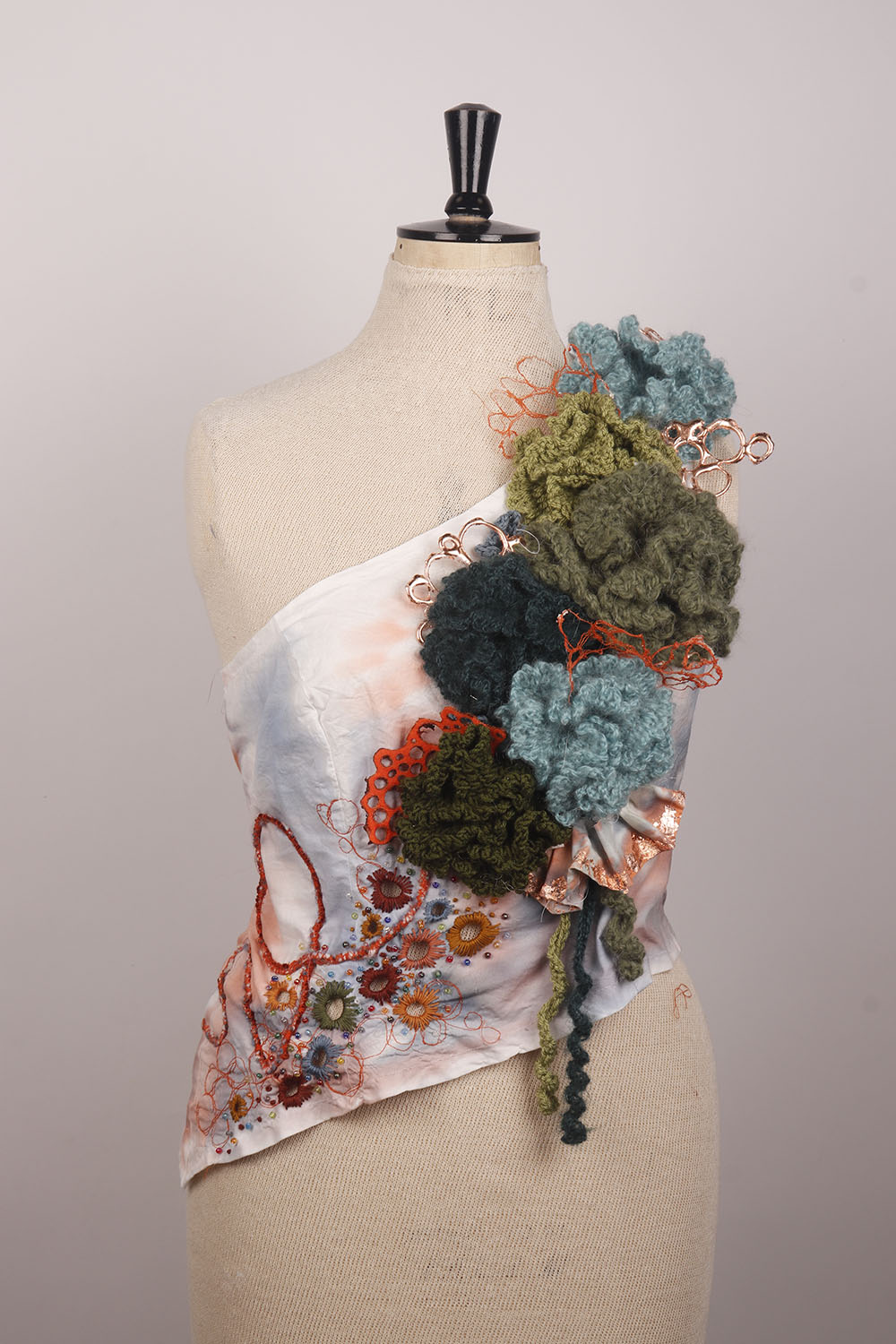
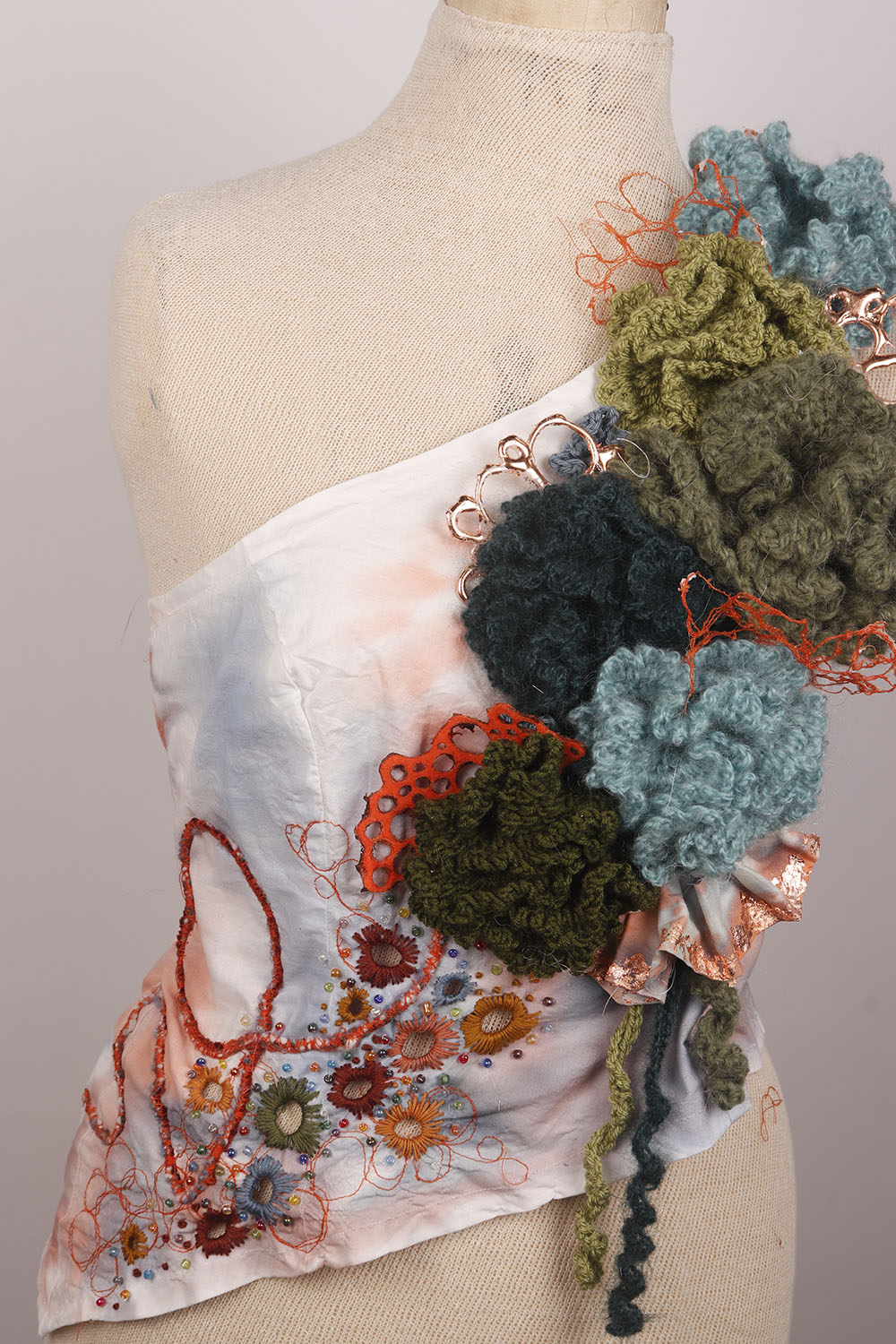
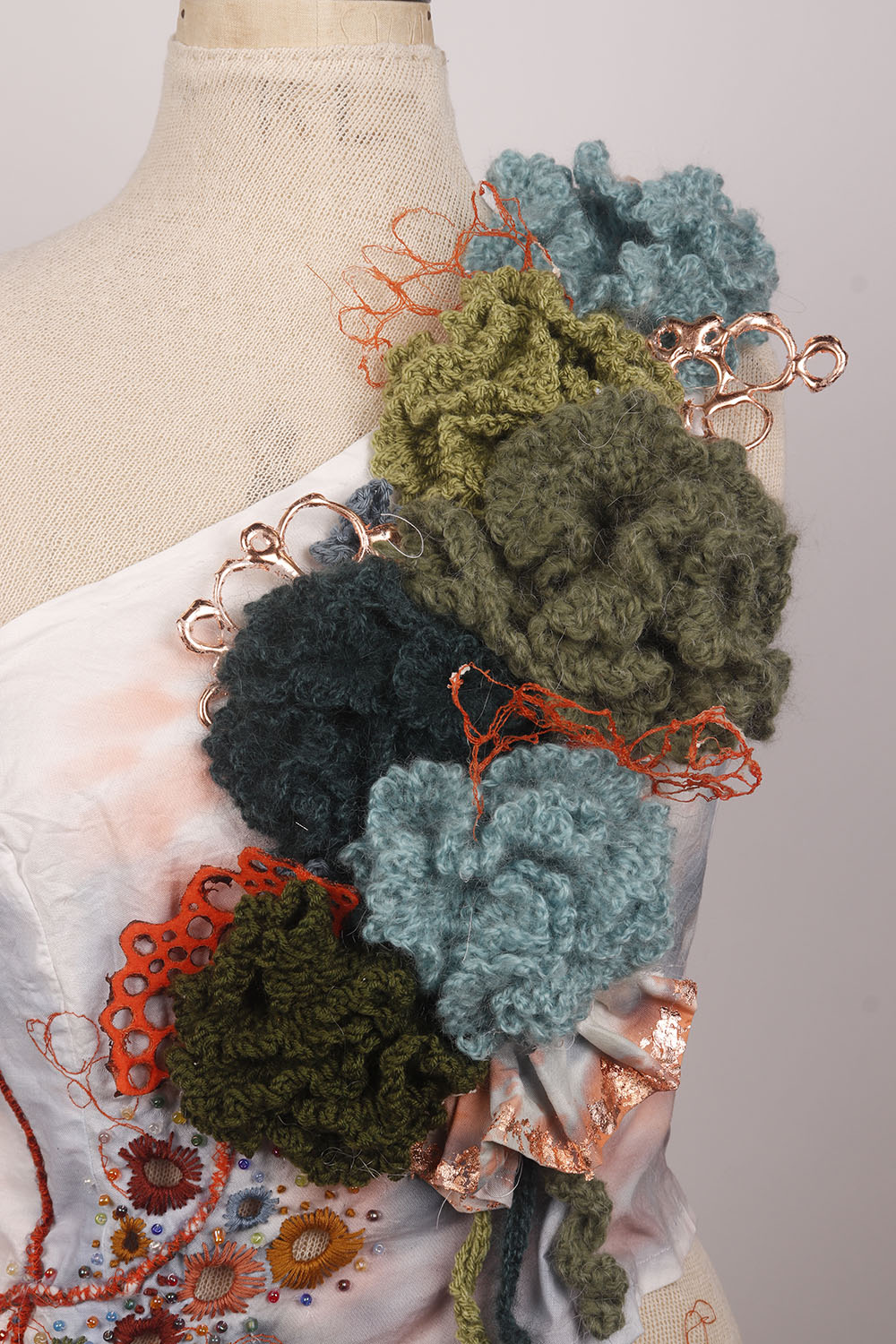
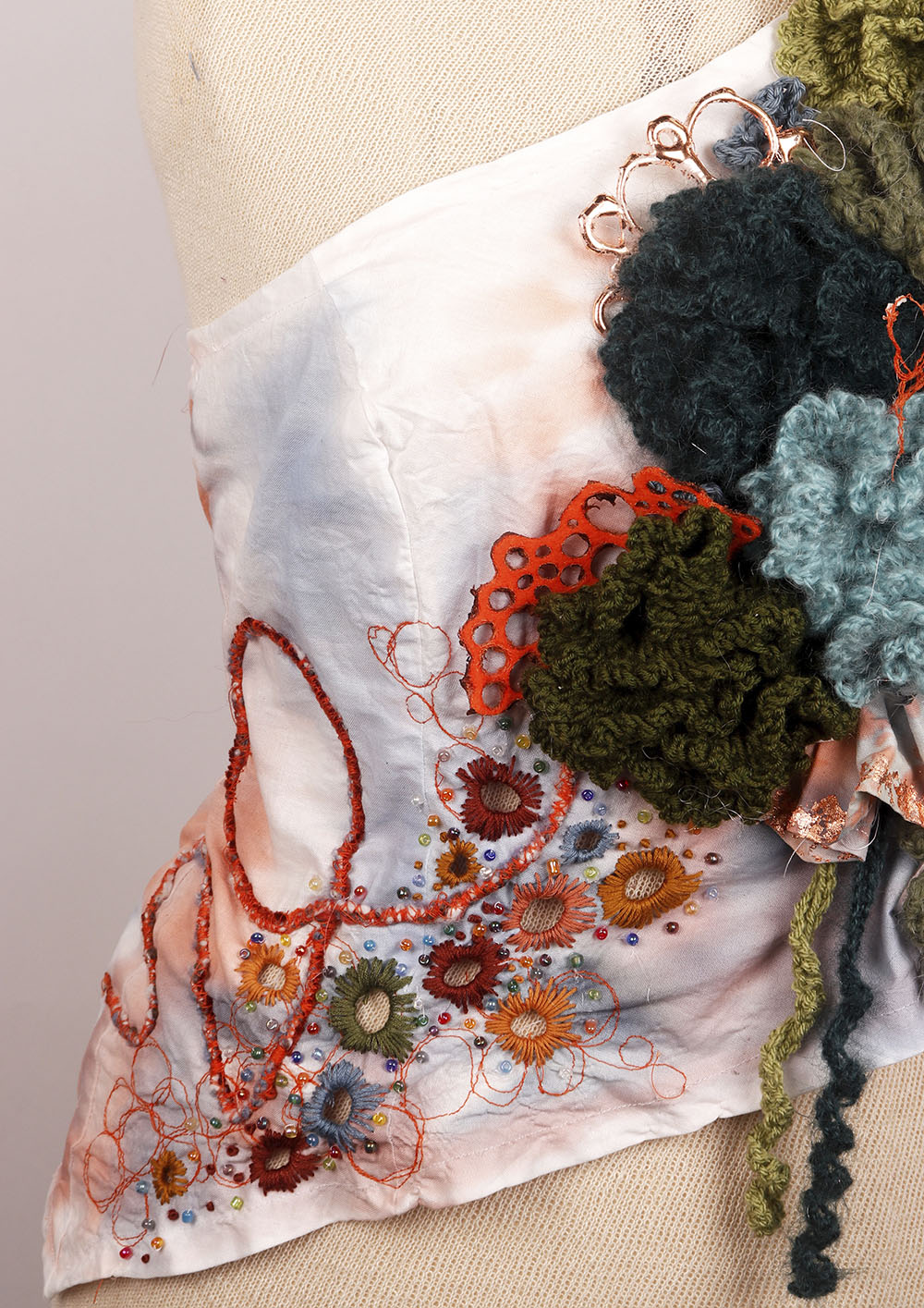
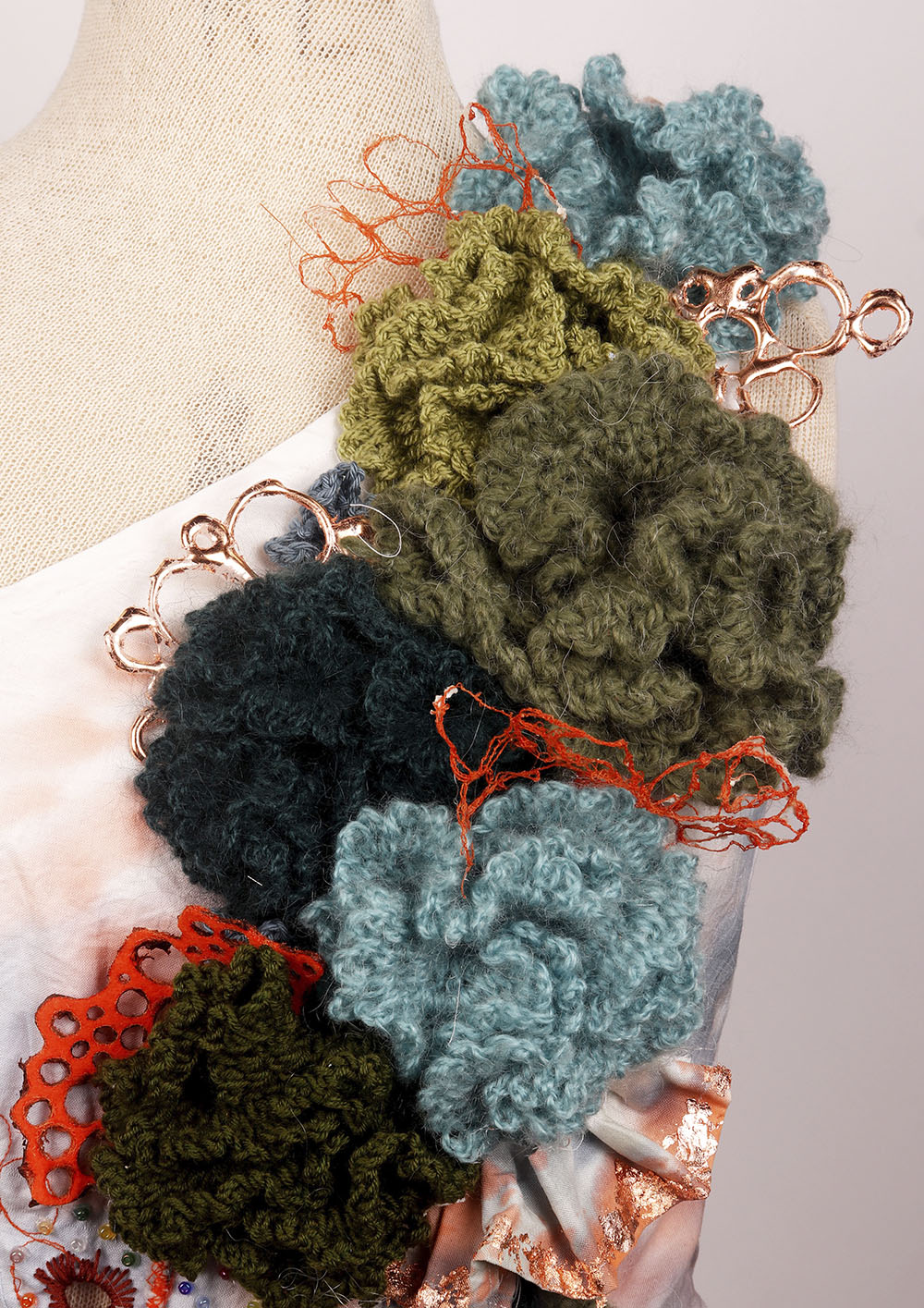
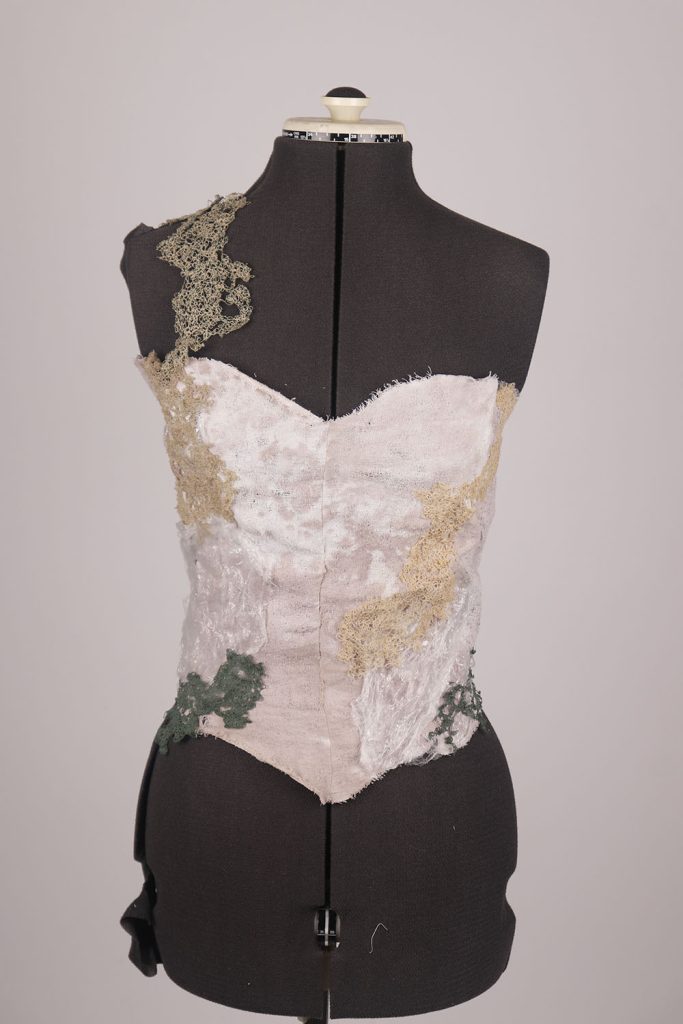
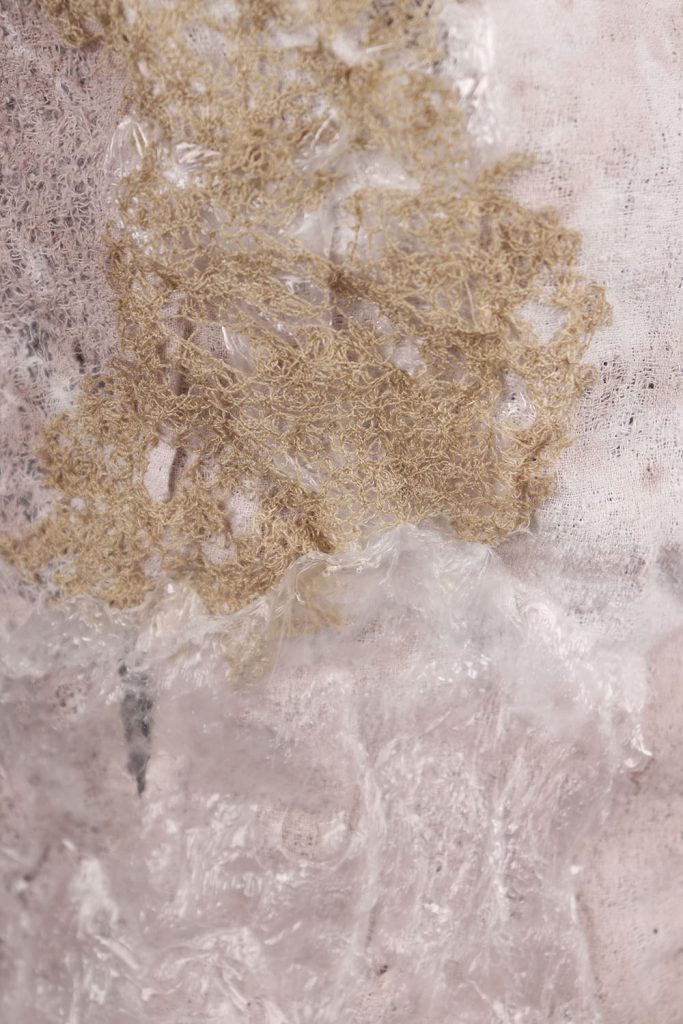
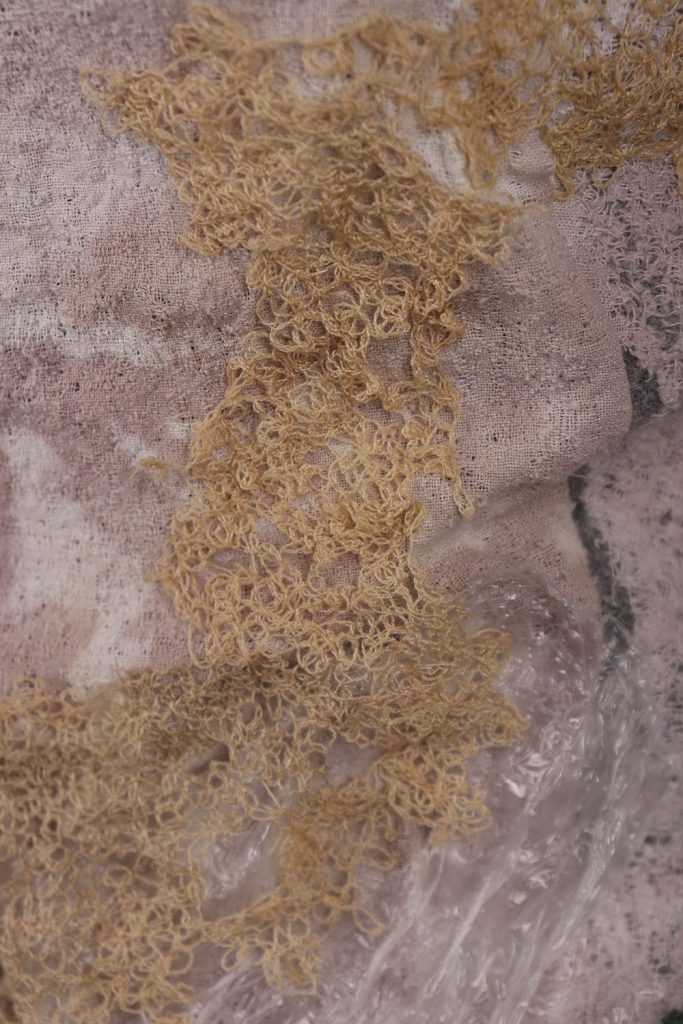
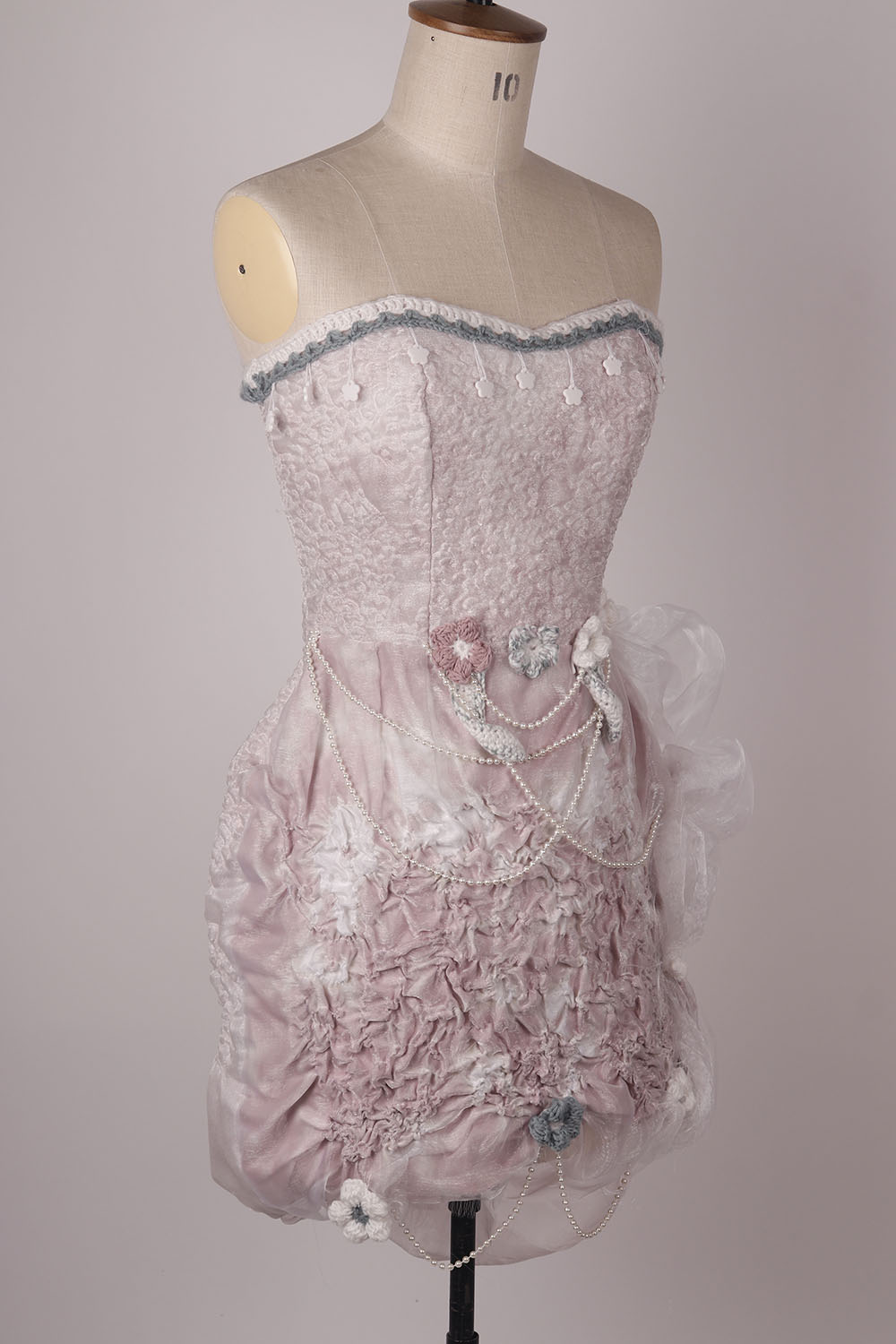
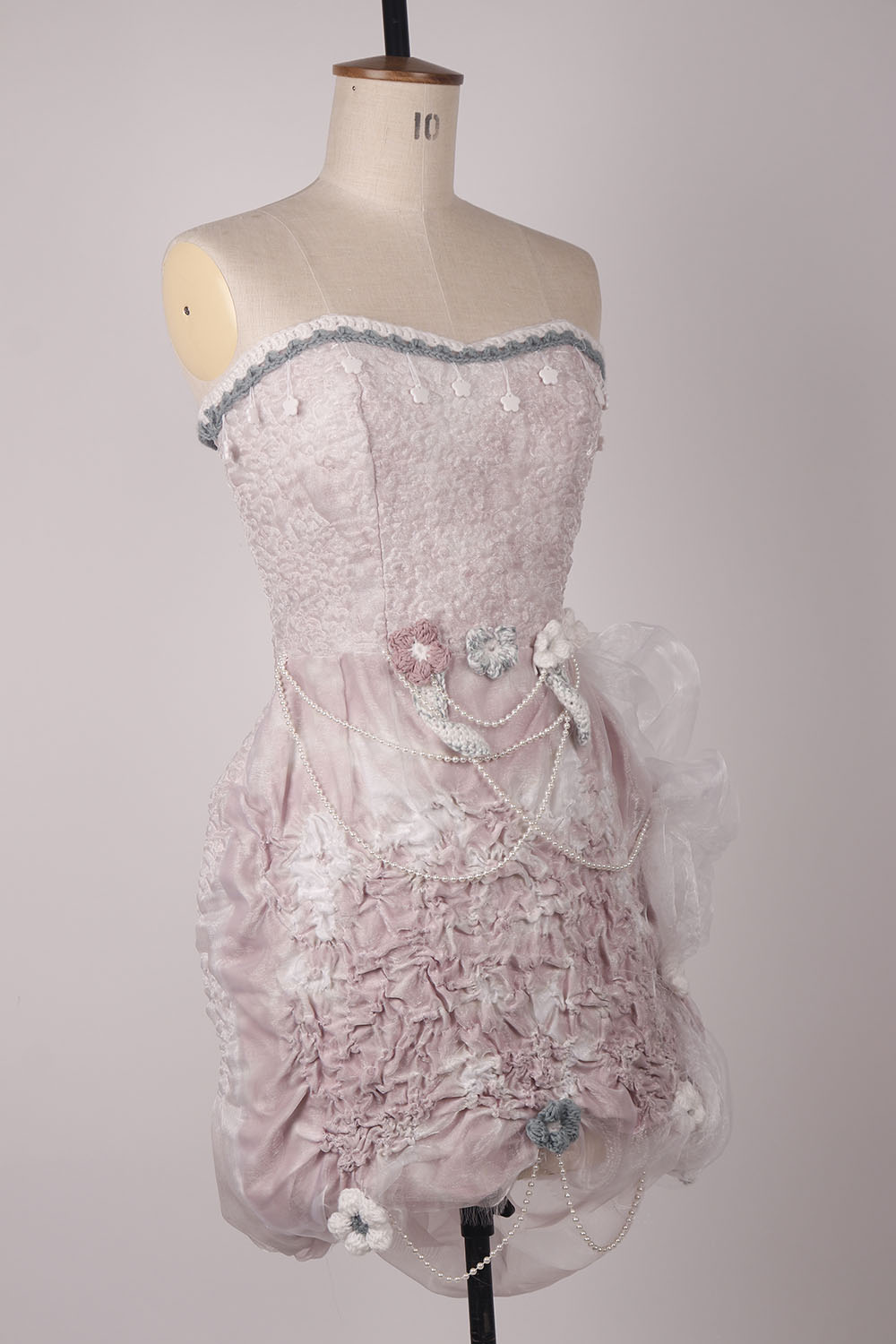
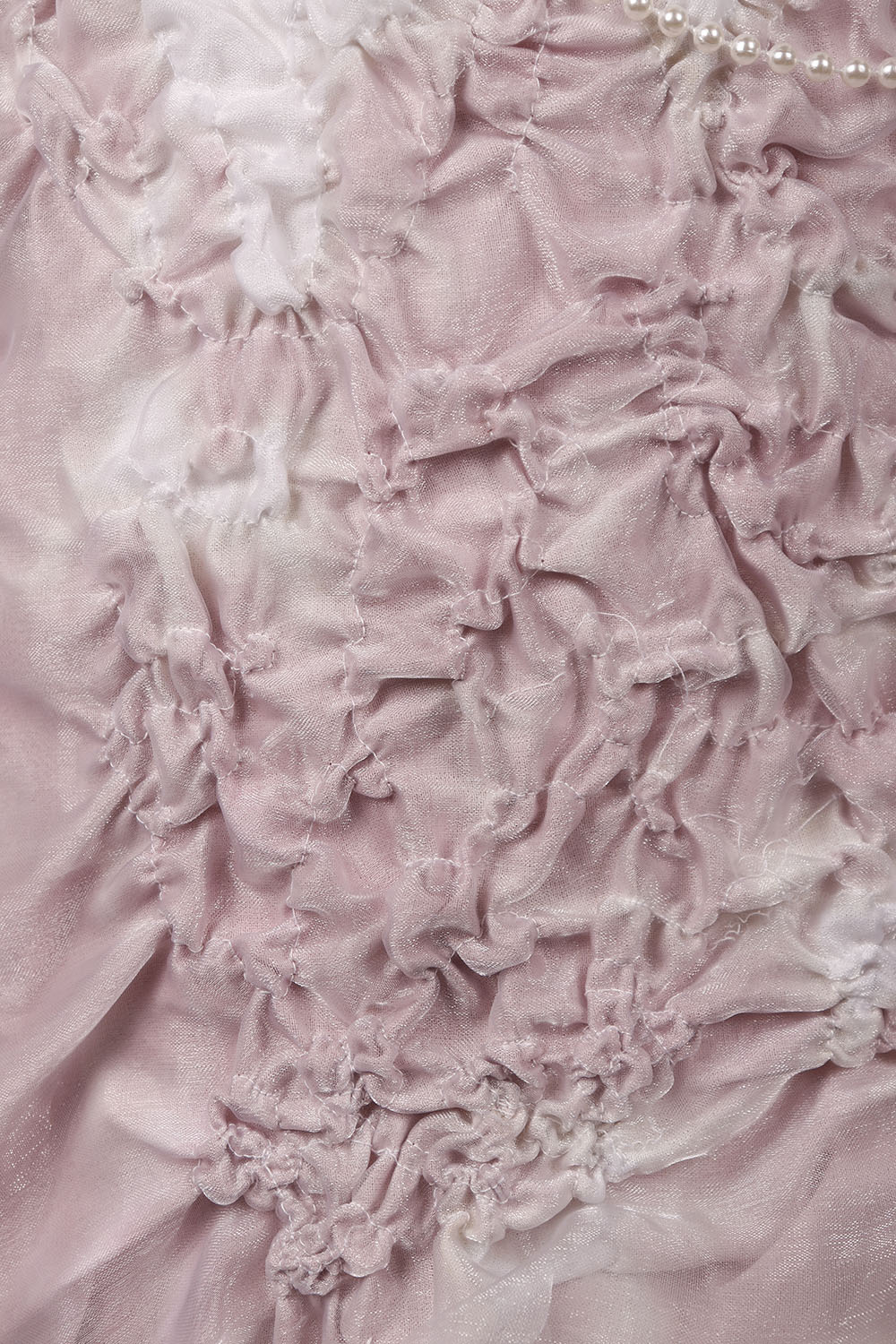
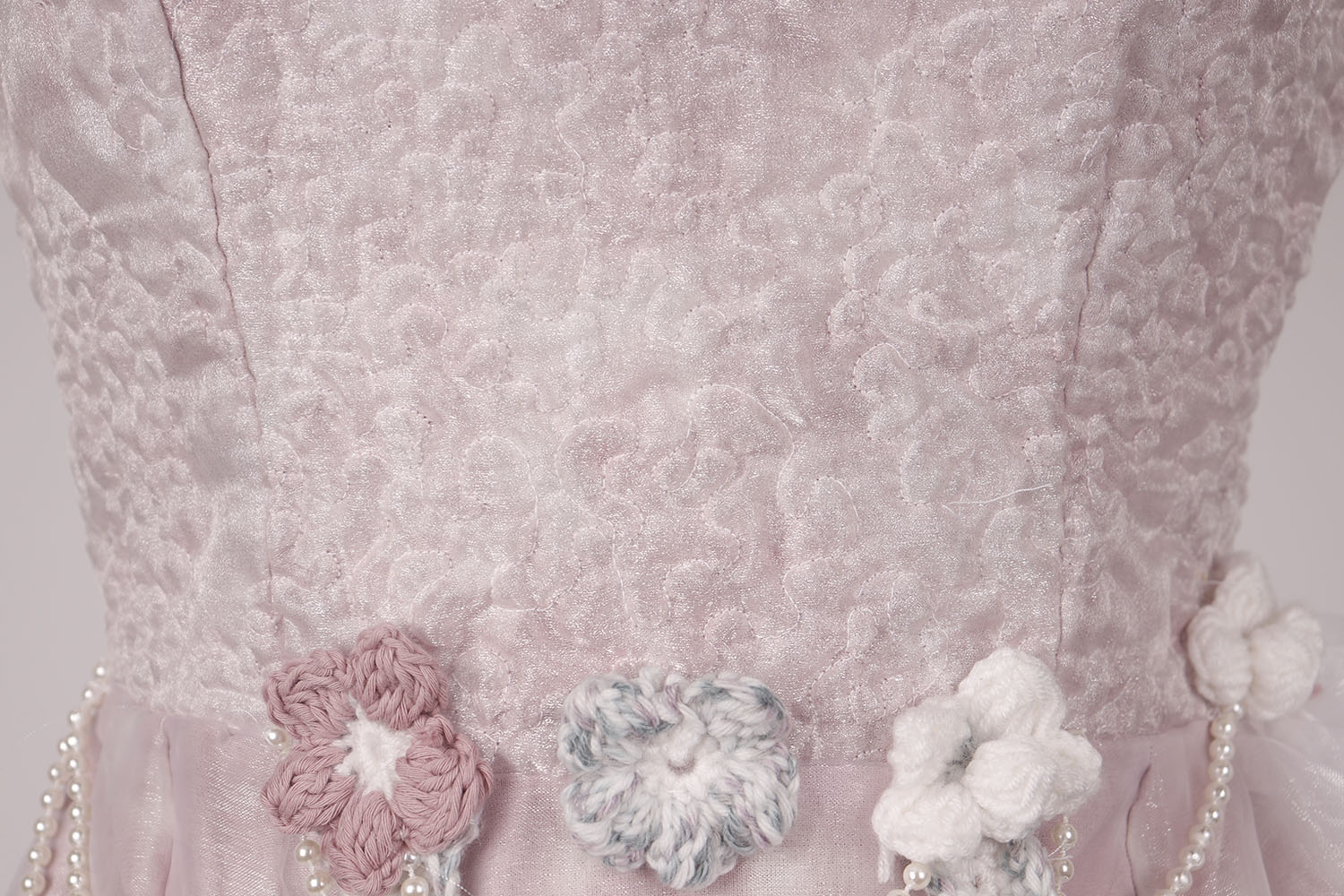
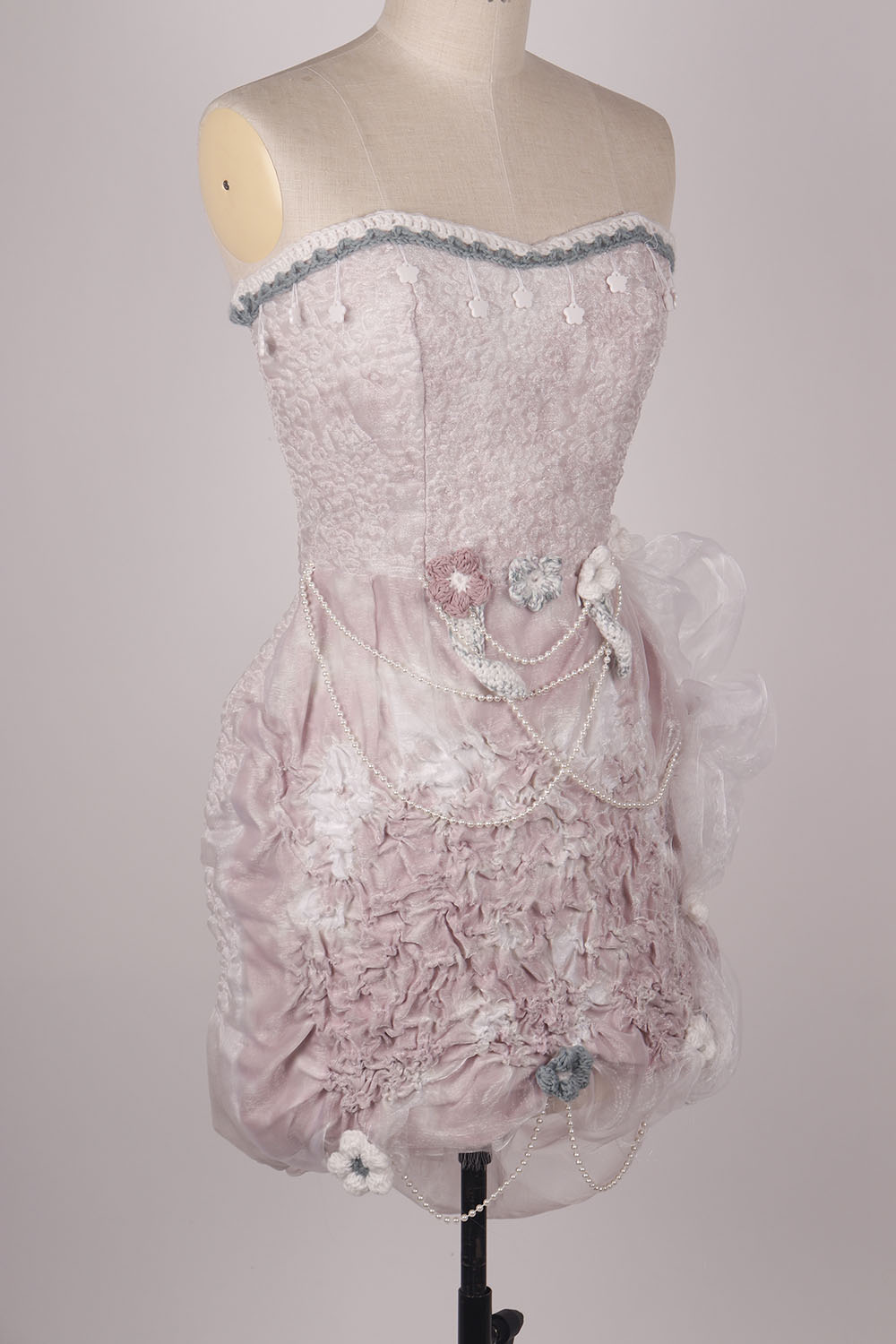
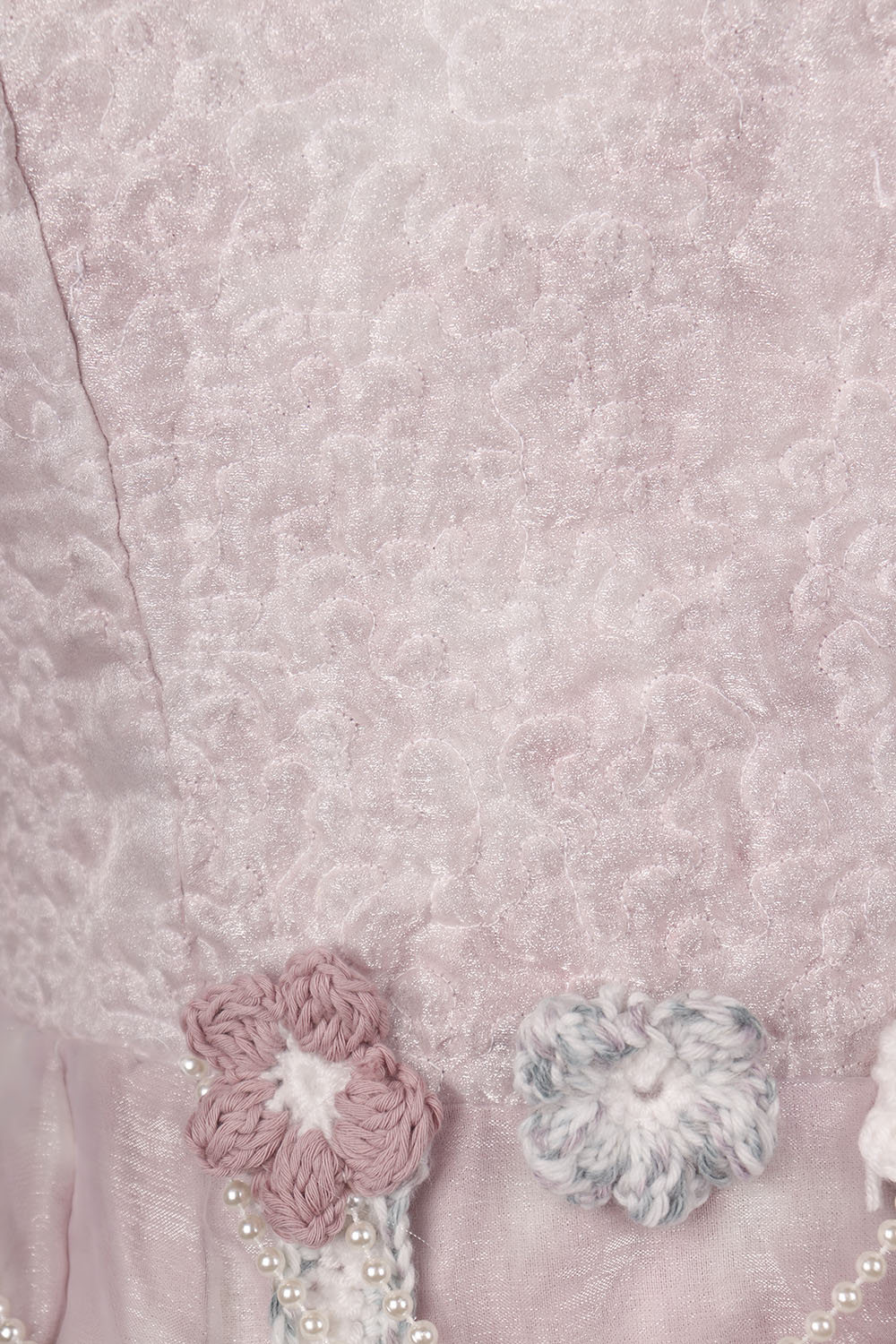
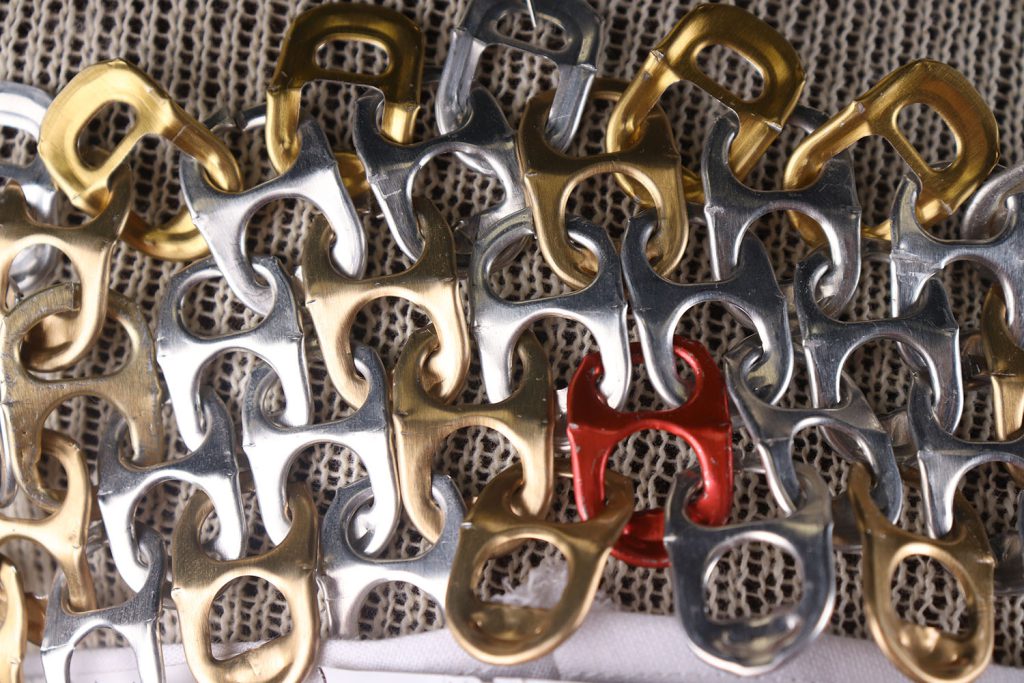
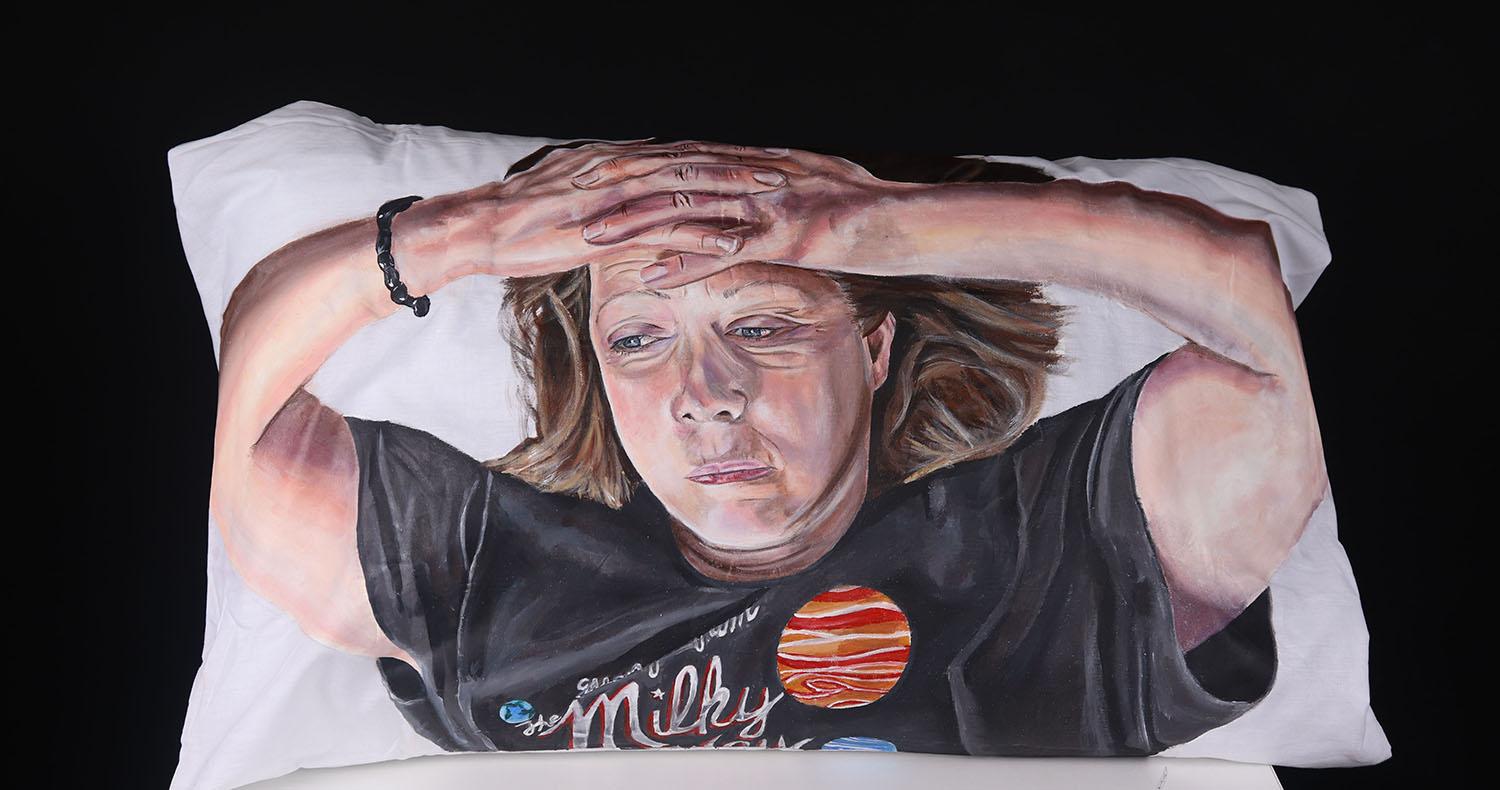
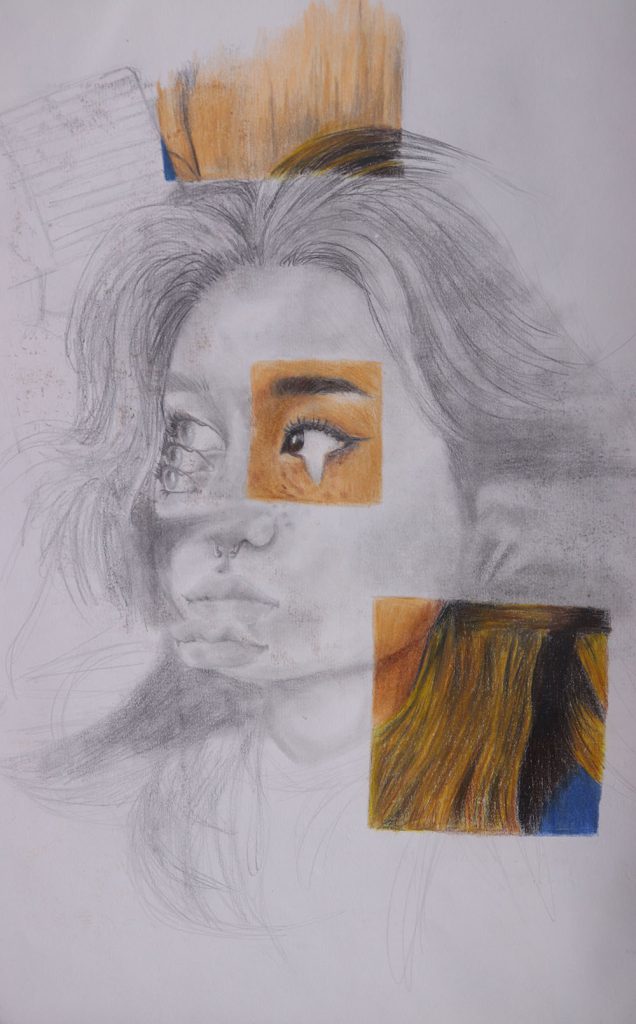
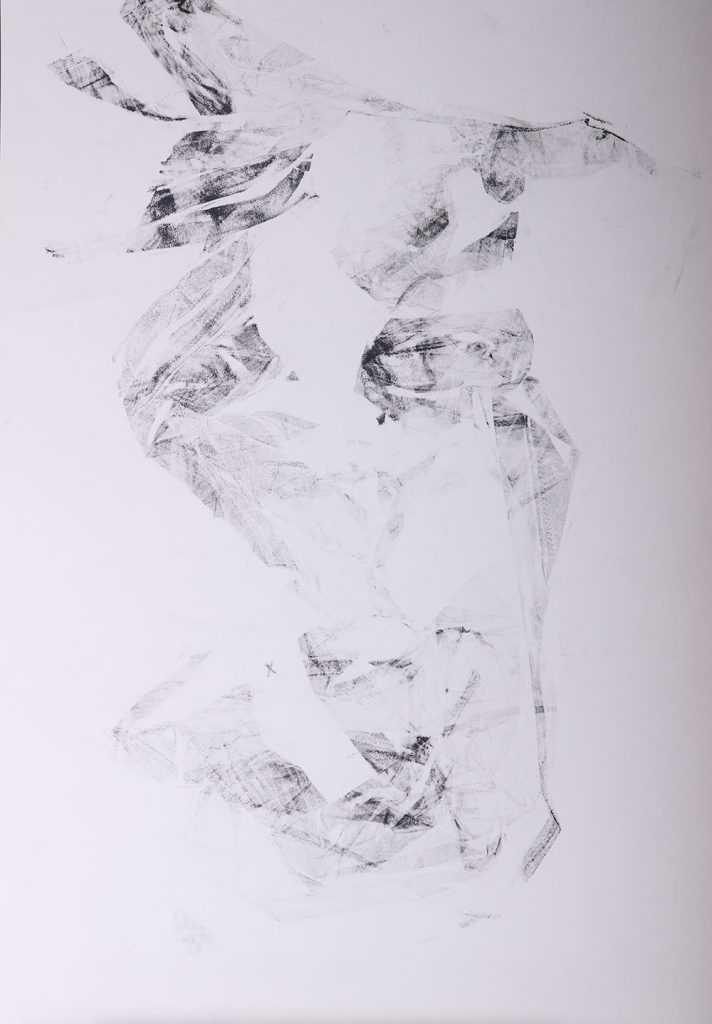
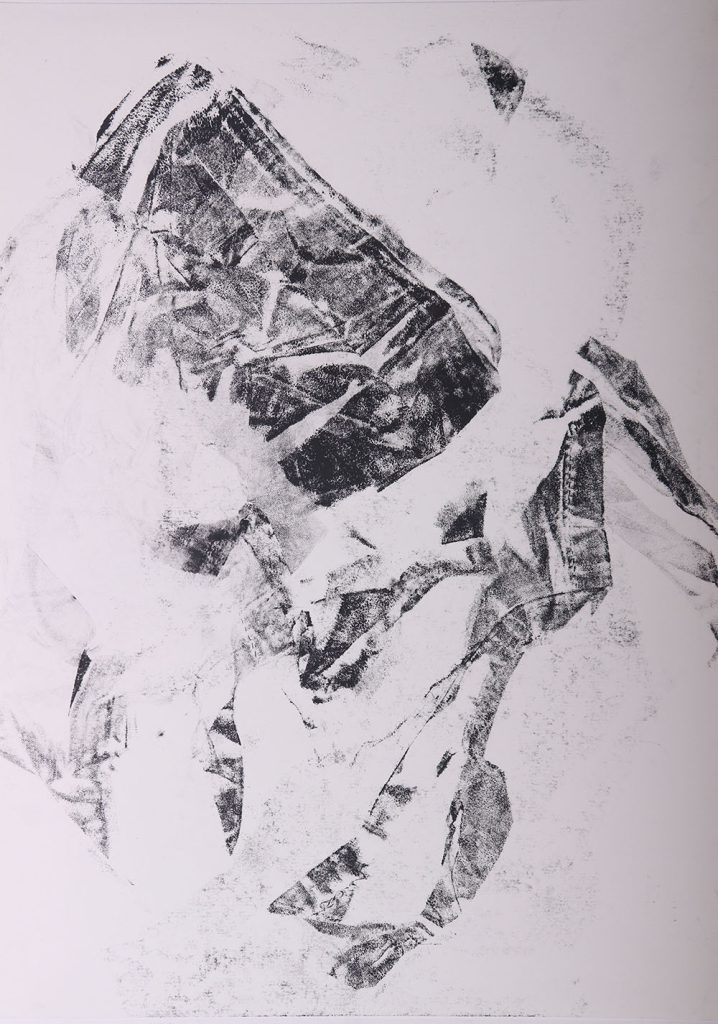
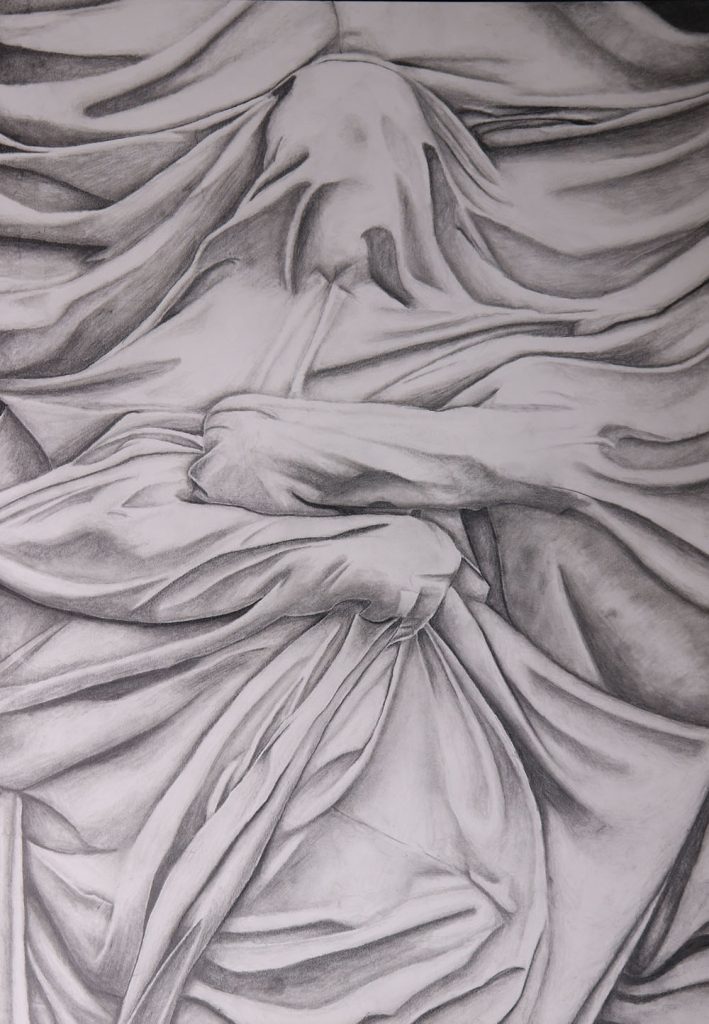
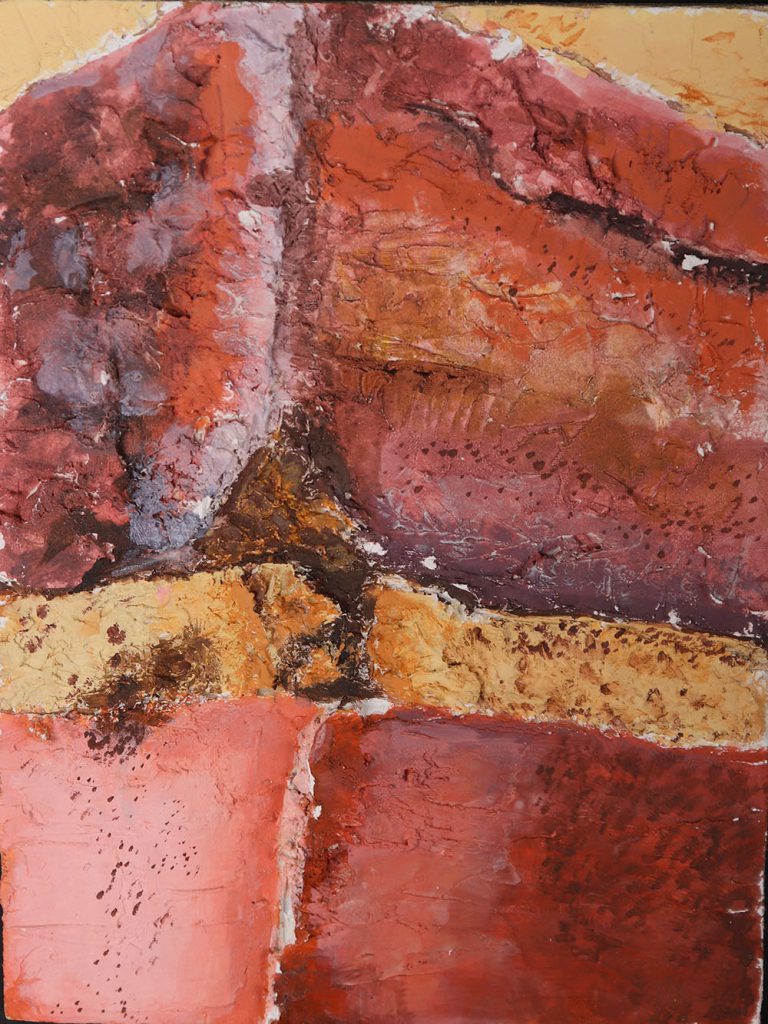
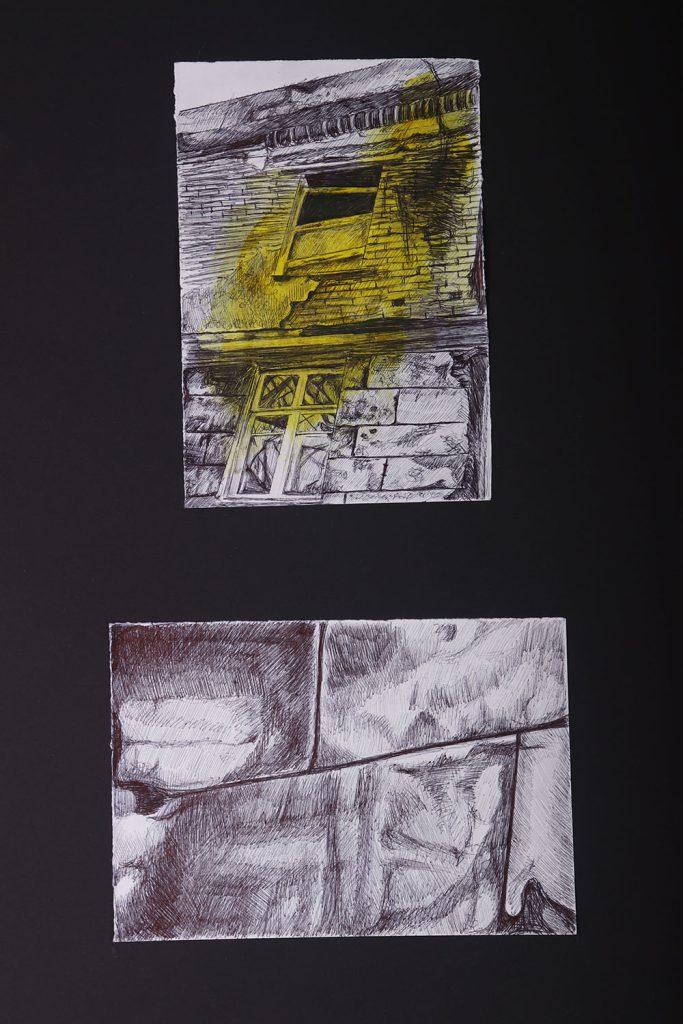
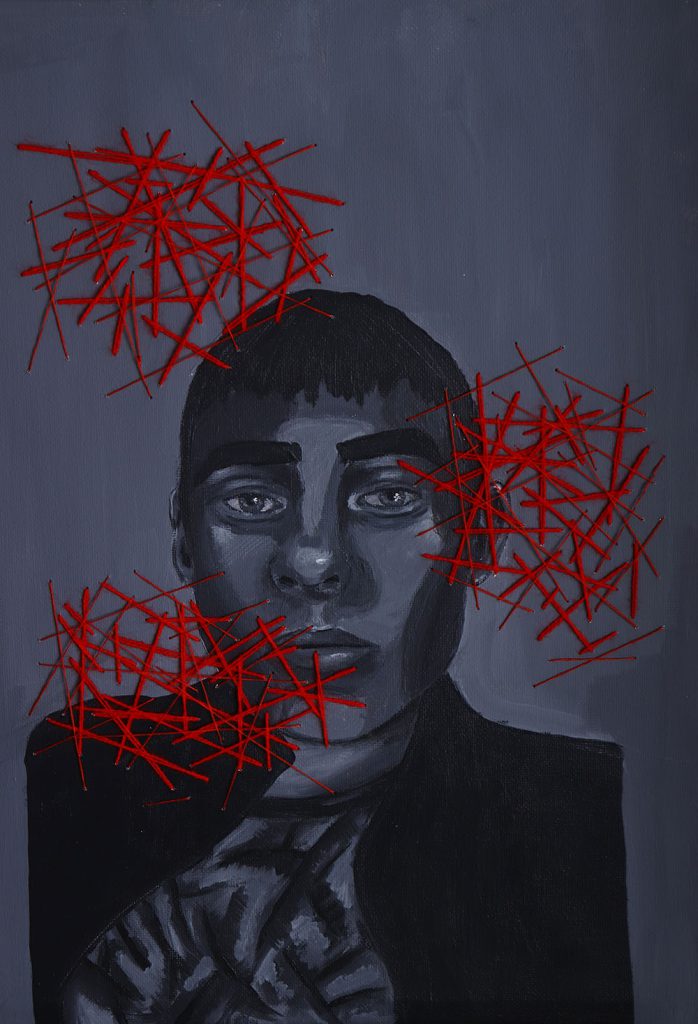
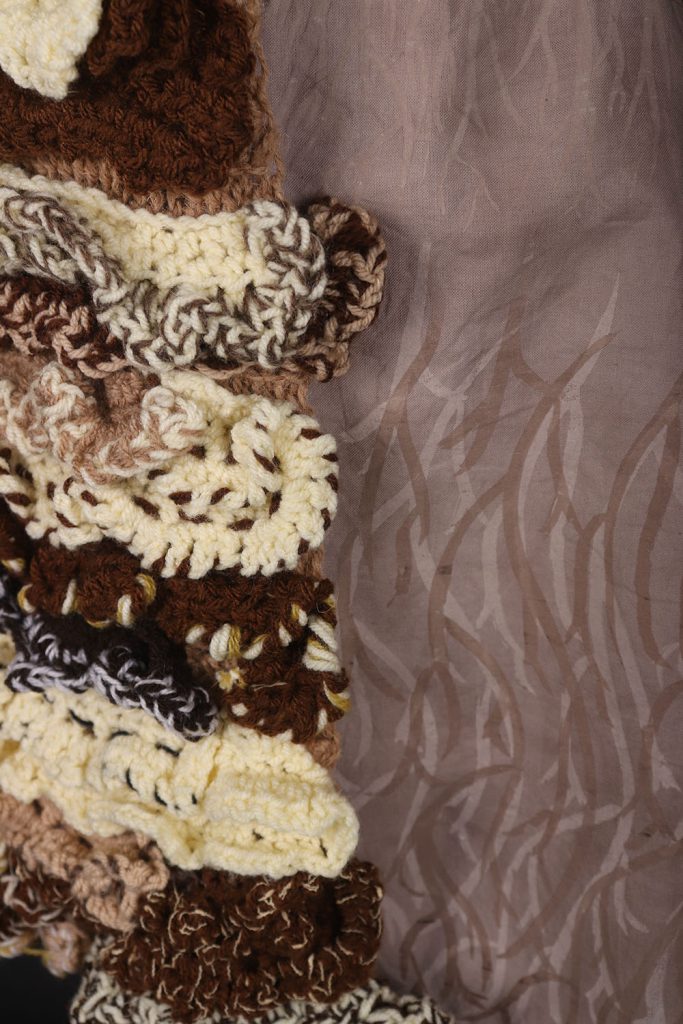
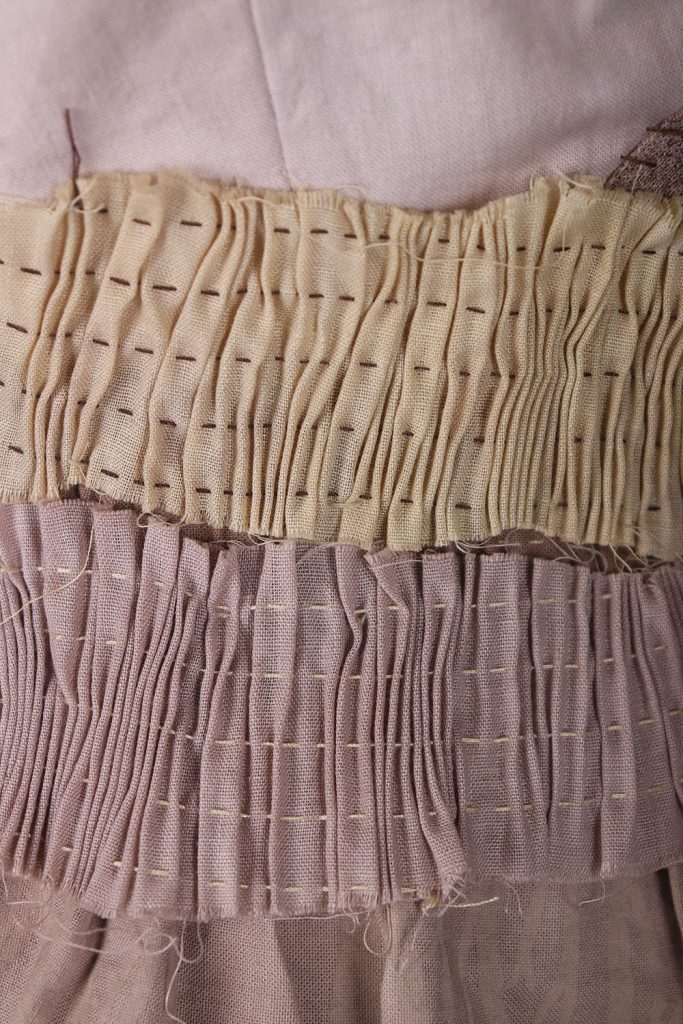
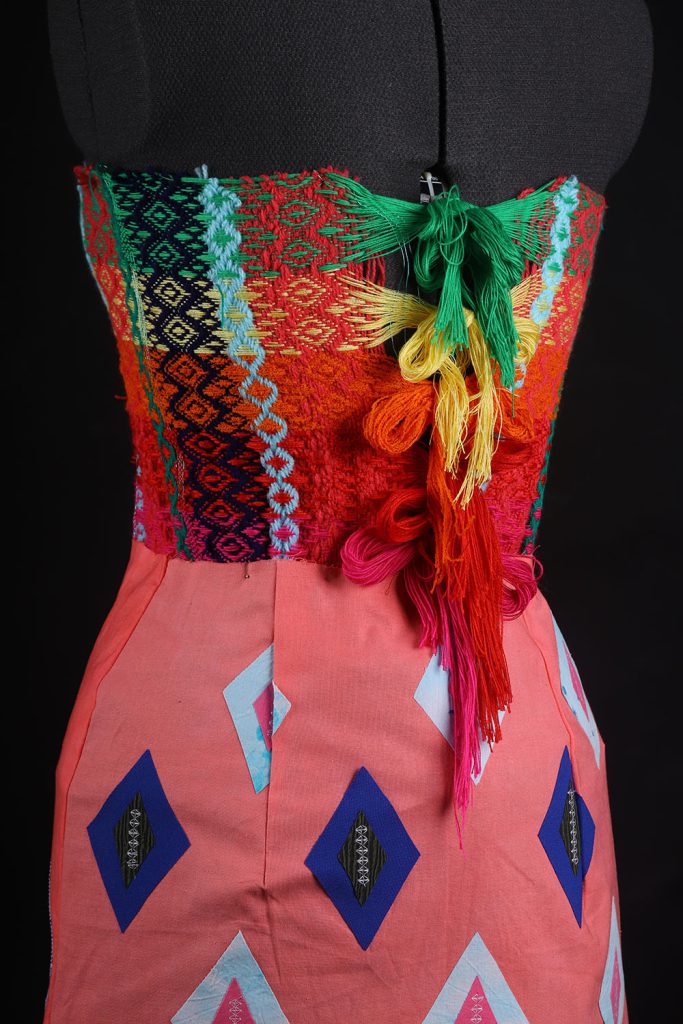
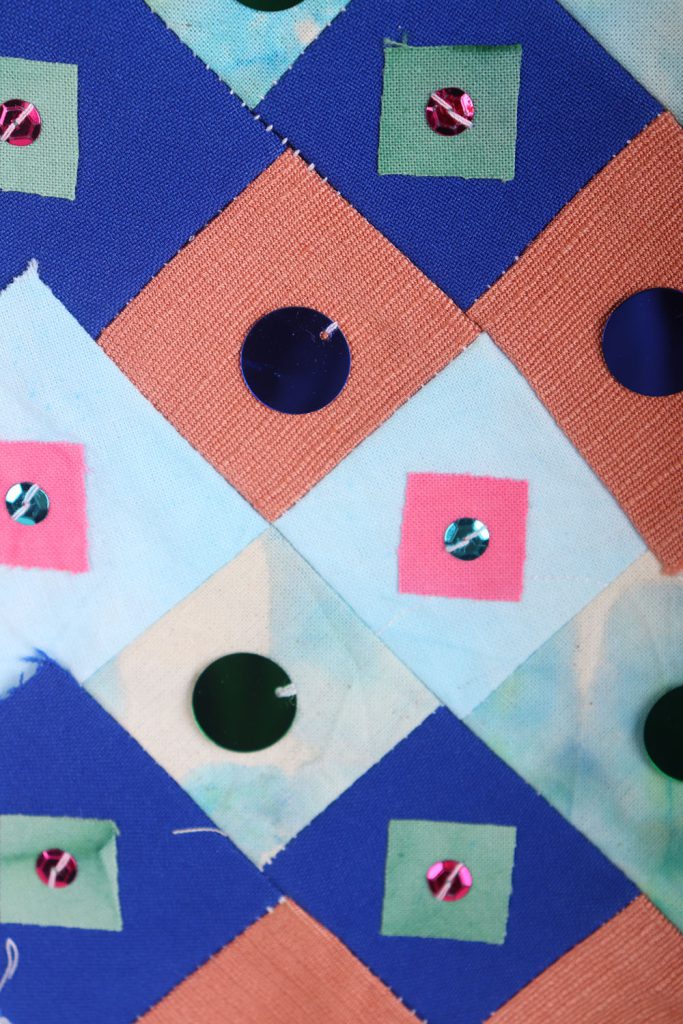
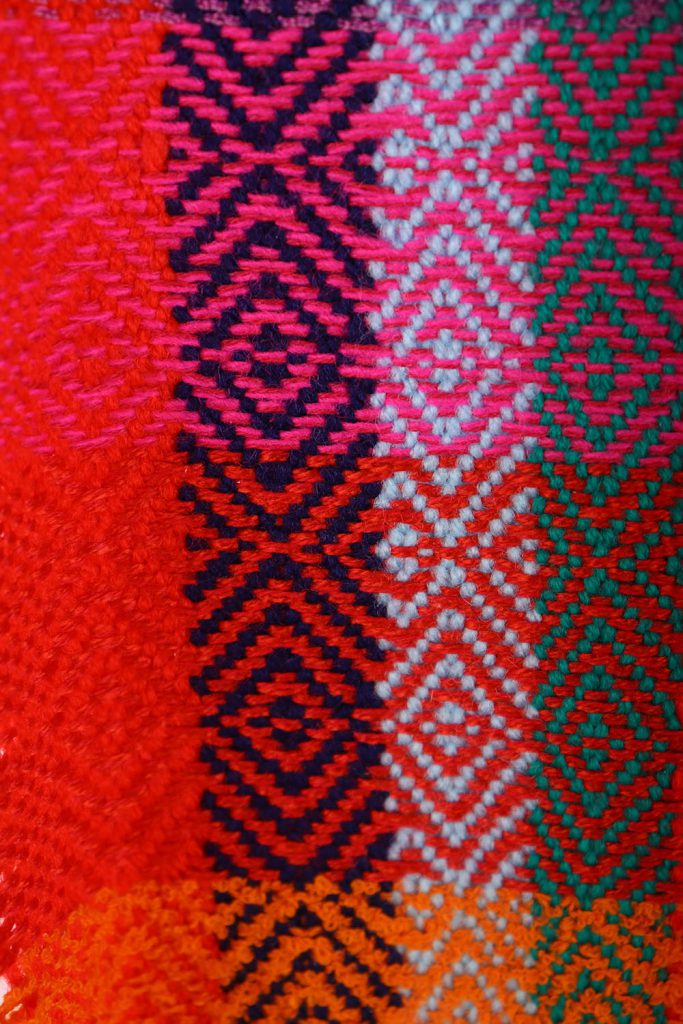
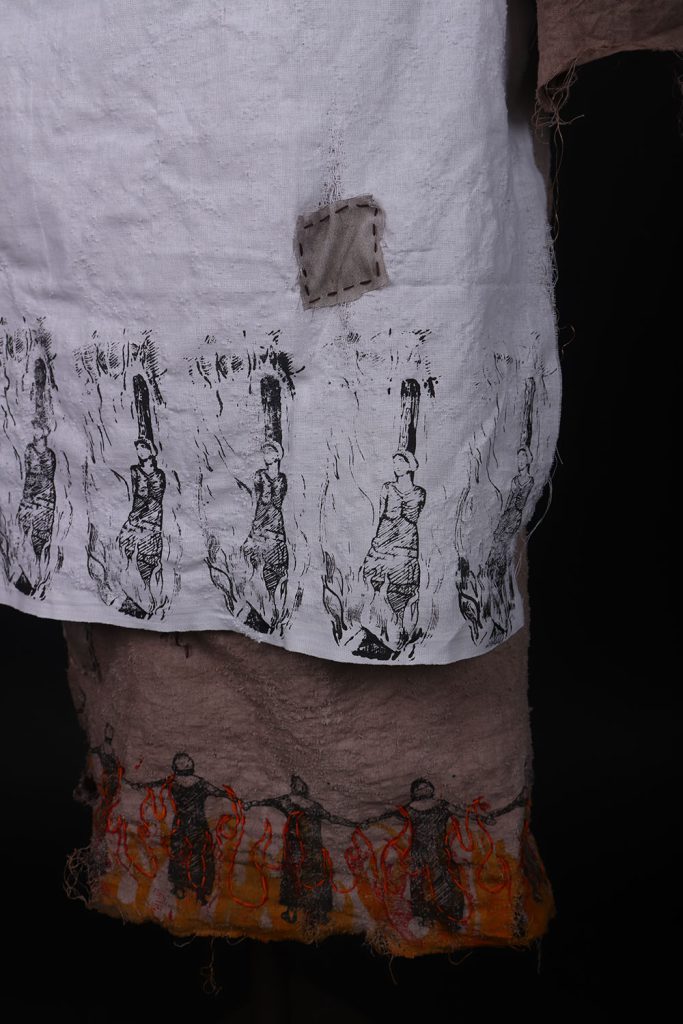
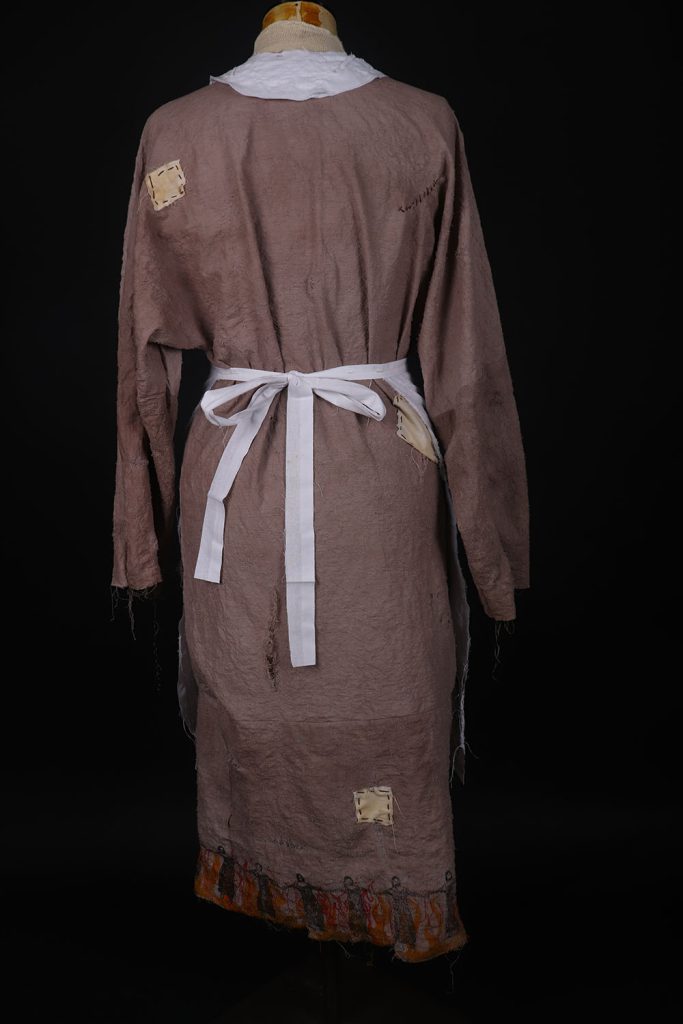
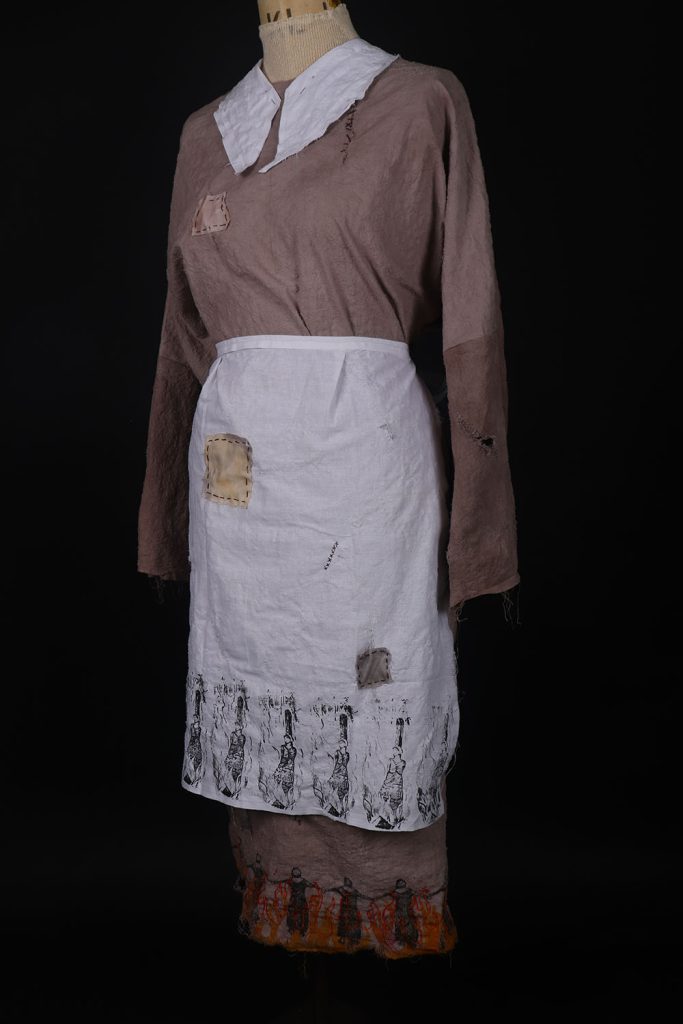
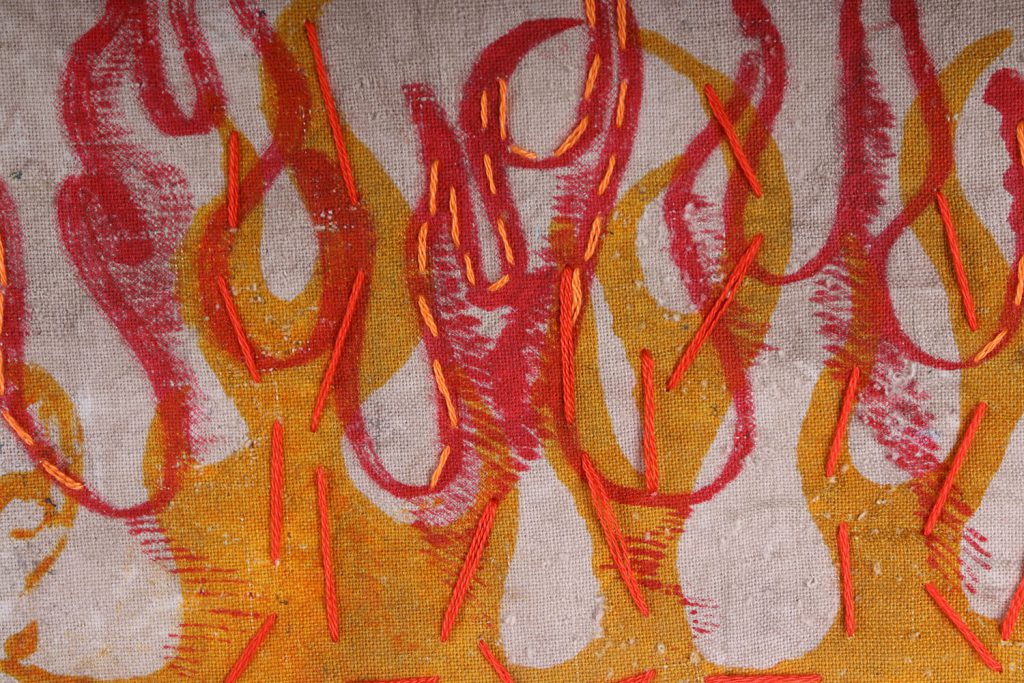
A-Level textile design encourages students to work with a wide variety of skills and processes across the fields of textiles, fashion and interiors. This includes printed textiles, constructed textiles, embroidery, fashion construction, weaving and fabric manipulation. Learners are introduced to different techniques which they are then able to develop into personal final work. This can be clearly seen within the variety of imaginative outcomes produced this year.
Learners are encouraged to explore both historical and contemporary techniques and processes and to support their work with research into a range of suitable artists, designers, and trends. They are prepared for industry or Higher Education and all the learners from this year are continuing by pursuing degrees, employment or progressing onto the art foundation diploma course here at Dudley College.
I hope that you find the work inspiring. I am very proud of what the learners have achieved this year.
Clare Buchanan, A level Textile Design Tutor
Amii Cresswell-Stevens
Isabell Hignell
Olivia Hill
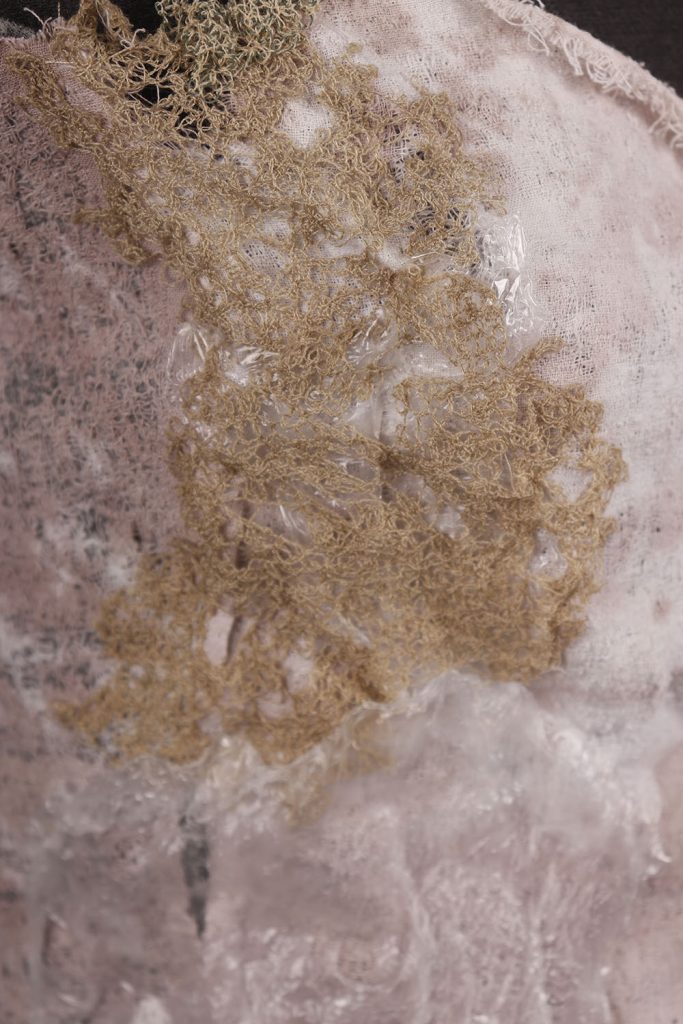
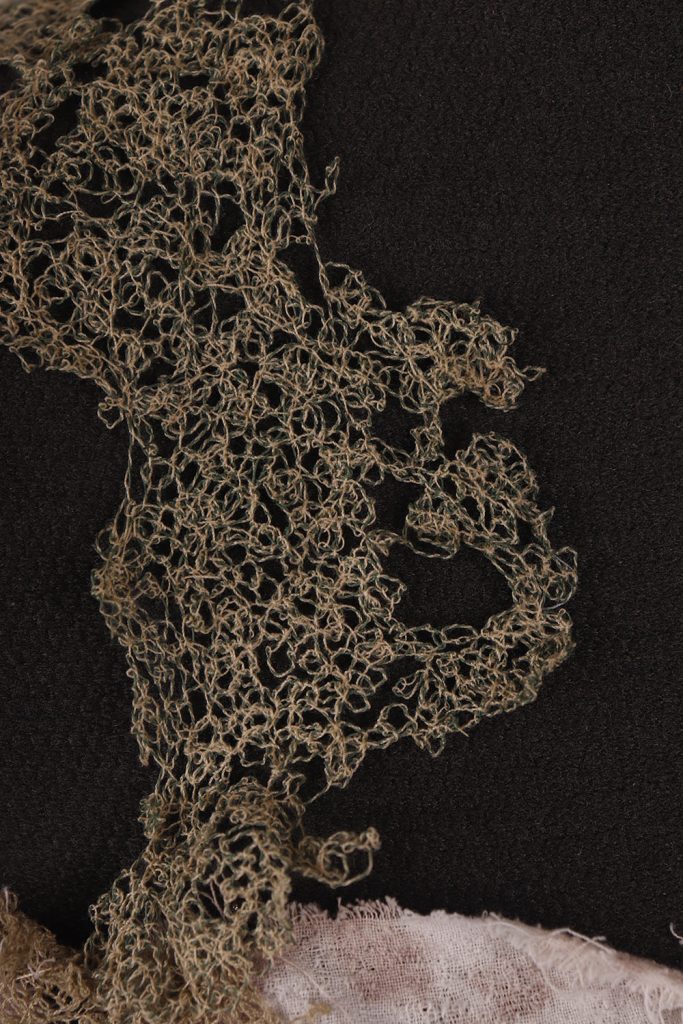
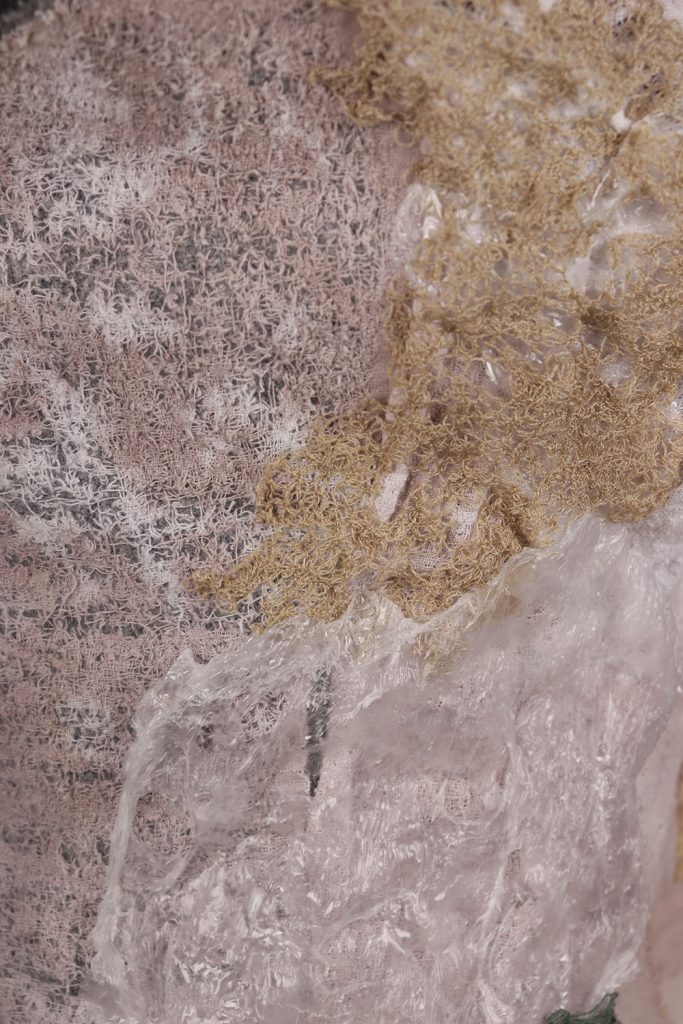
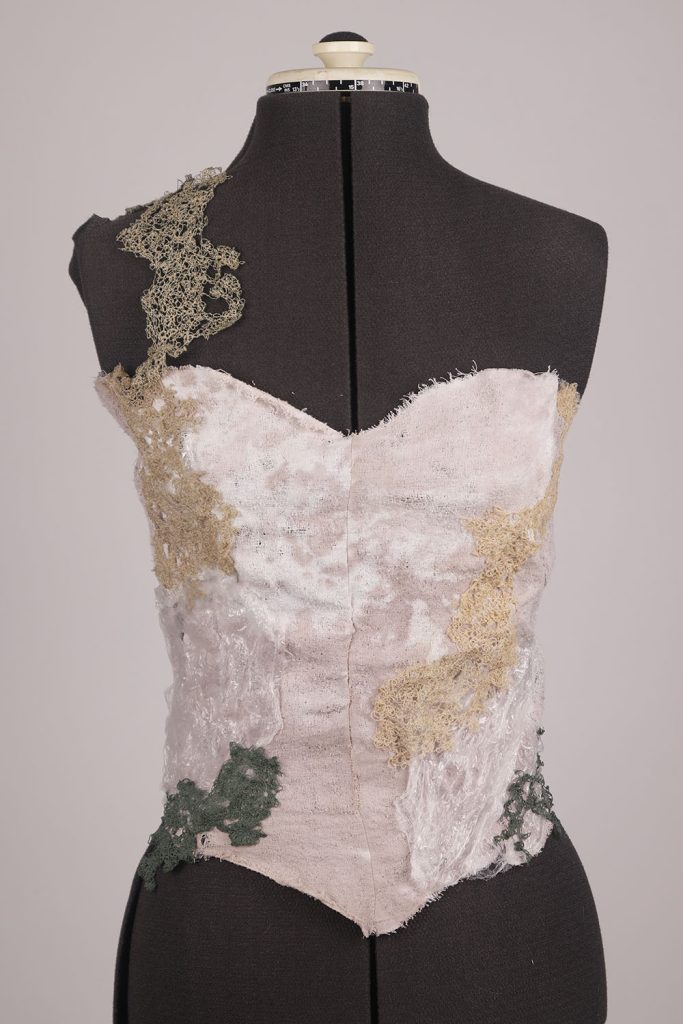
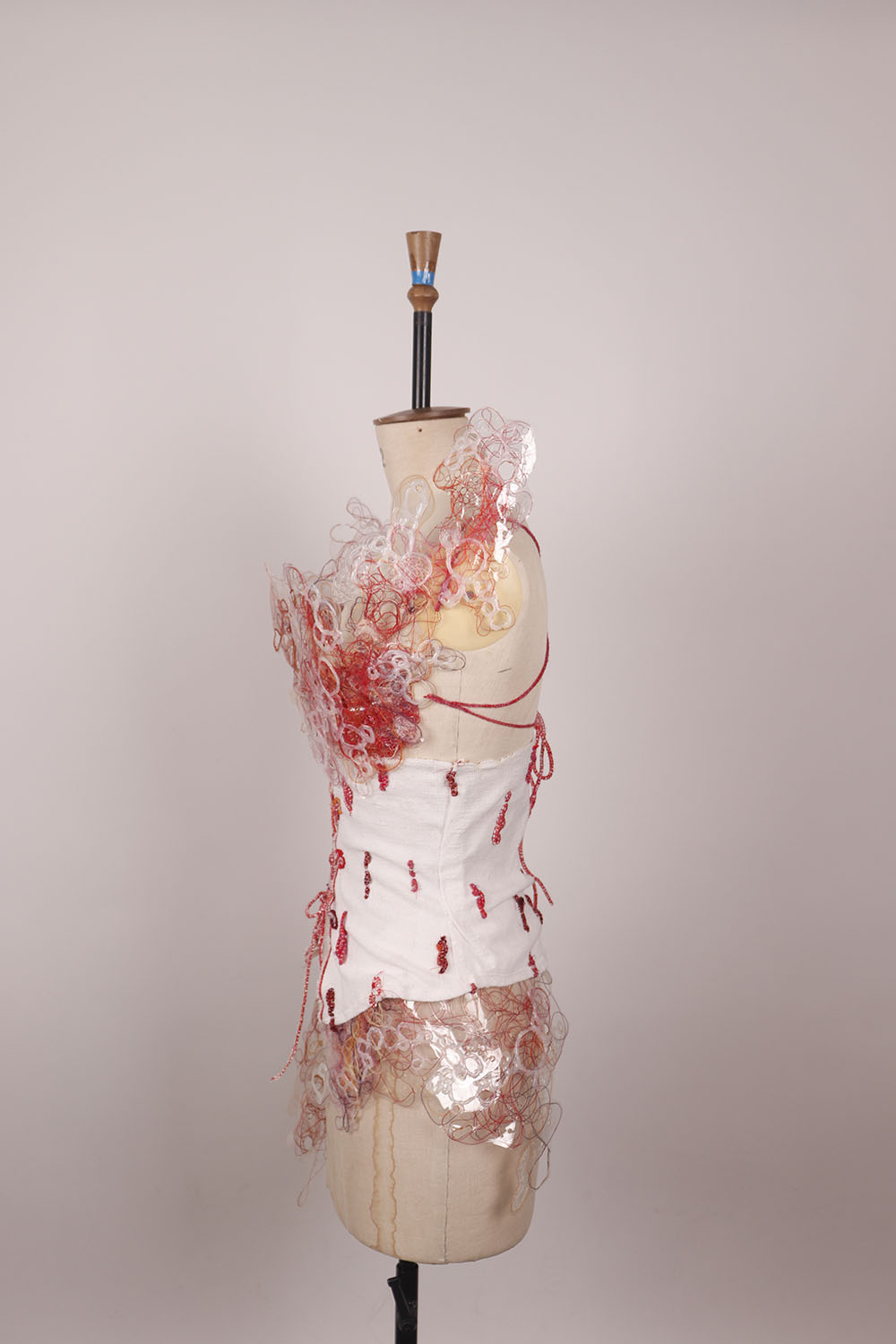
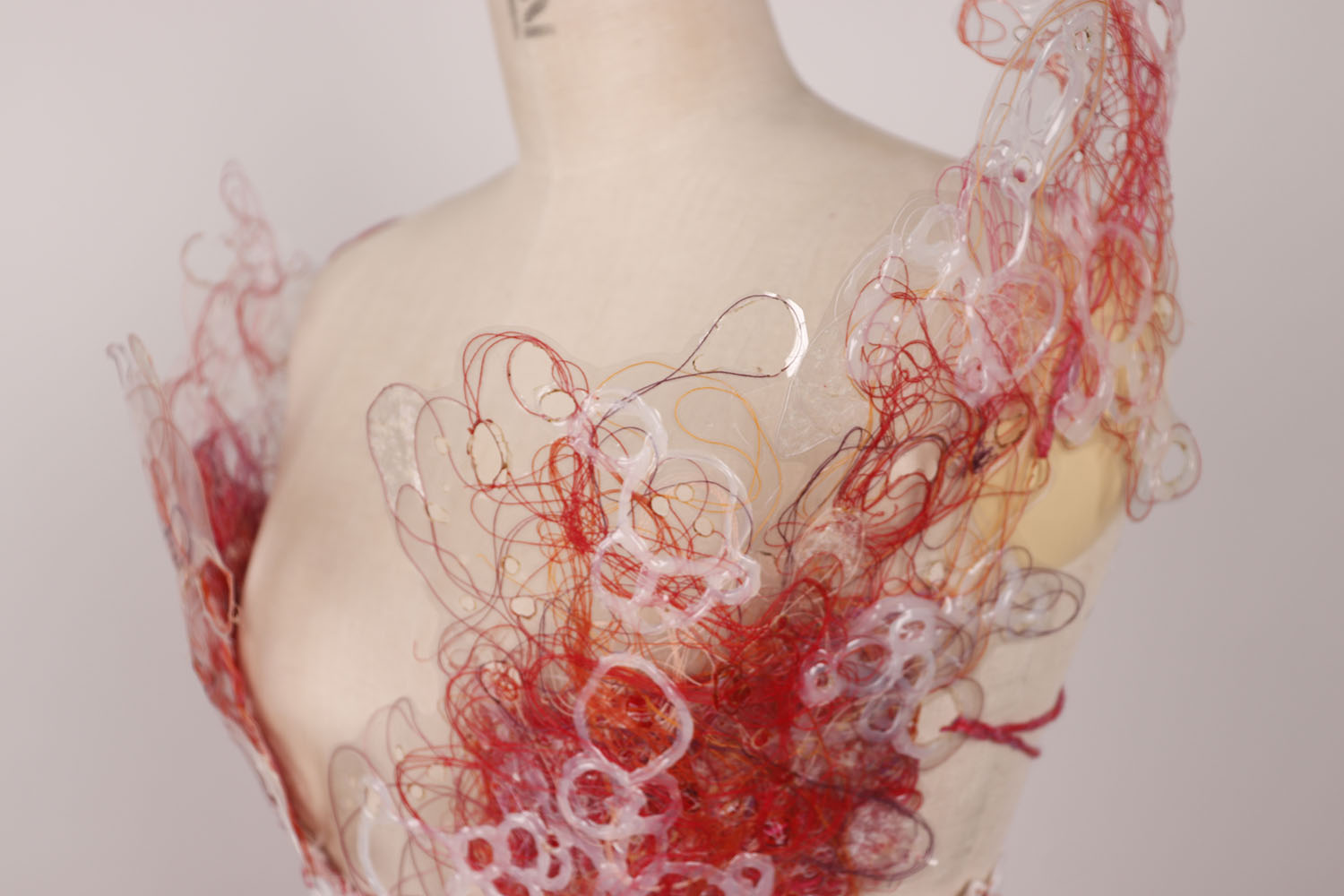
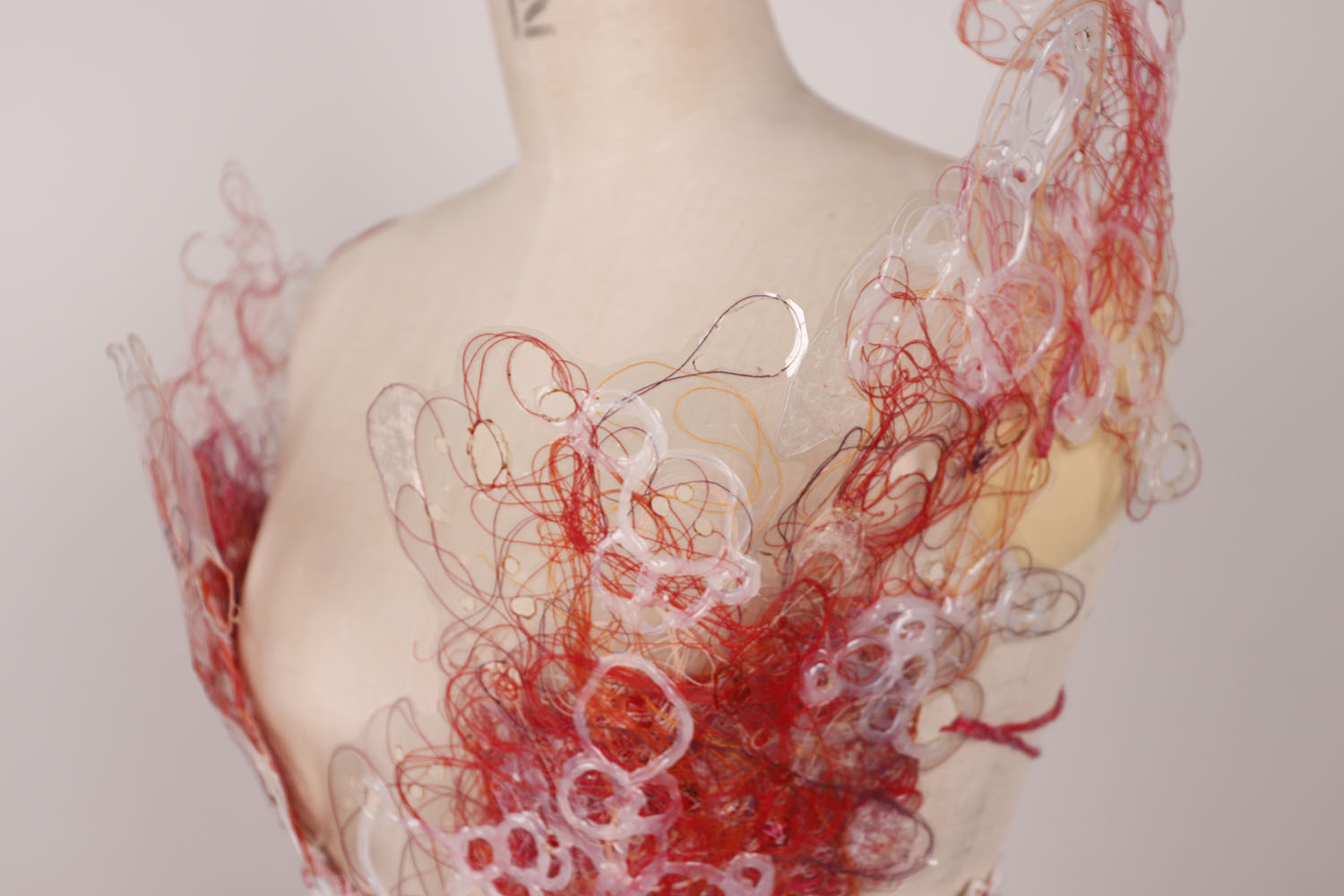
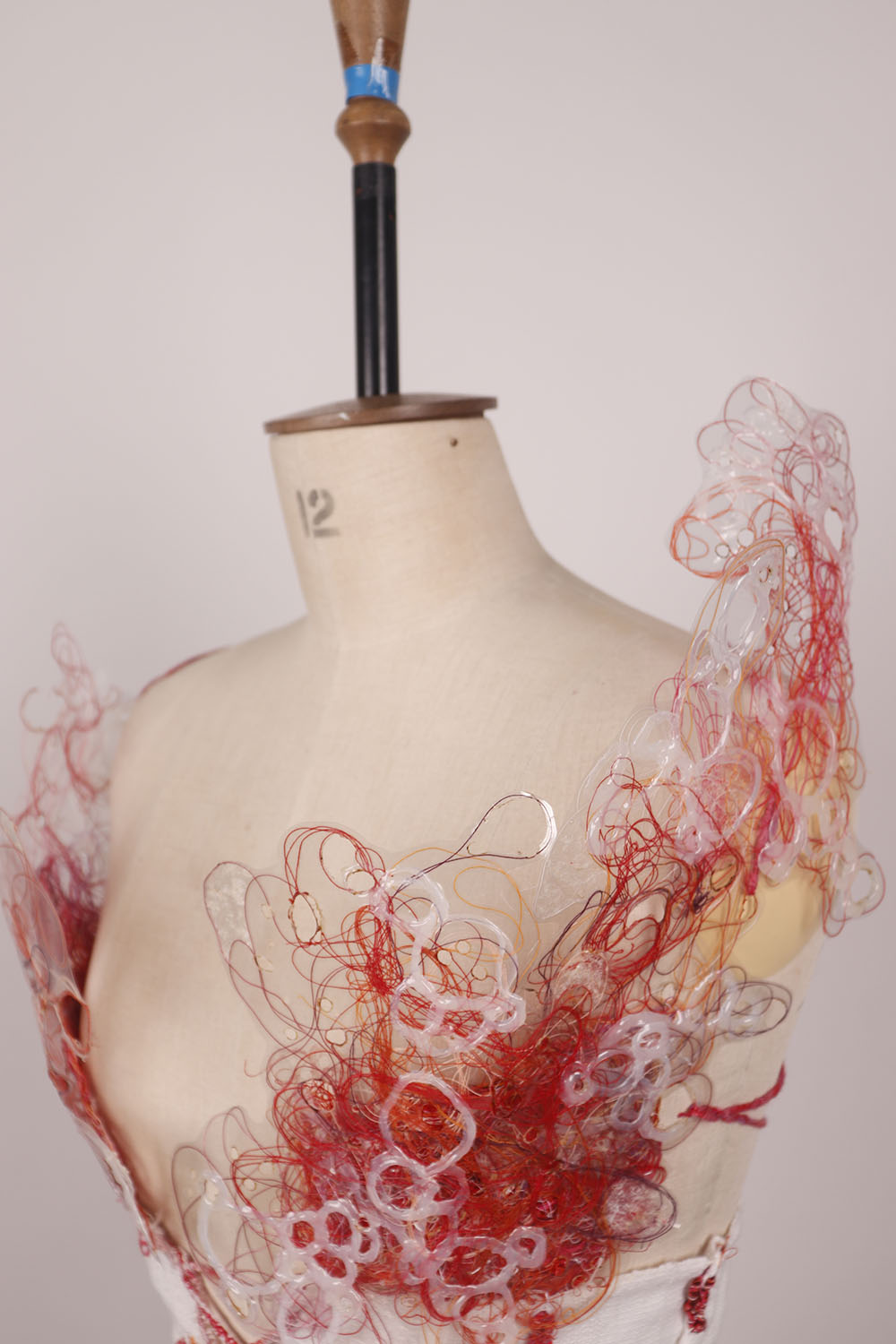
This collection of work is my response to the starting point of ‘decay’, where I took my own influence from zombies, mould and skeletons. I decided to take more of a ‘grotesque’ approach to my work, as I found that it allowed me to work closer with finer areas of texture and detail as well as working with quite a natural colour palette (though I did contrast this occasionally by incorporating green – I found this reinforced my influence from zombies.)
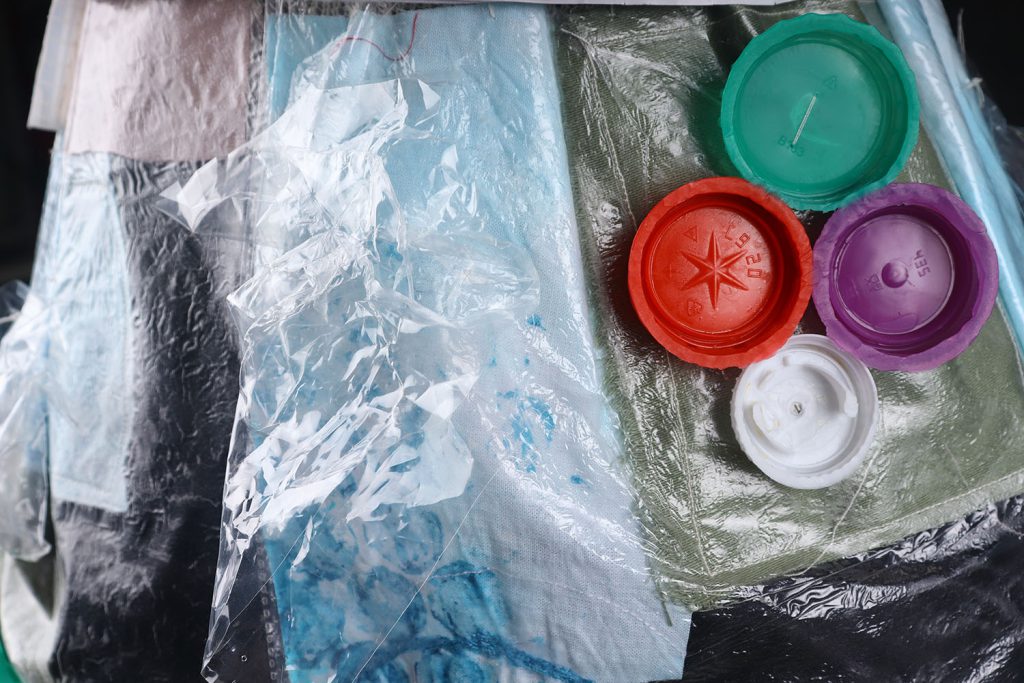
Throughout the project I prioritised working with texture-oriented techniques while trying to maintain quite a delicate and fragile type of aesthetic, I found that this worked well with my chosen combination of final techniques – aquafilm, embellishment and heat manipulation. Aquafilm has a delicate appearance and ability to be manipulated and easily layered amongst other things. Fabric manipulation, such as embellishing/tearing fabric worked well in my experimentation as I could work with how much texture and sheerness that I could provide. Using the heat gun on plastics would give a textured and destroyed appearance which I found emphasised my influence from zombies – I even dusted one of these samples with a green pigment.
For my final piece, I chose to make a top garment incorporating these three key techniques. I attempted to make the garment more structured by adding larger plastic samples across the waist of the garment and I layered aquafilm on-top of this. I also chose to add a shoulder strap of just aquafilm for a sheer but textured effect.
In September, I am going to study fashion textiles at The University of The West of England in Bristol.
Imamah Laraib
Banita Manak
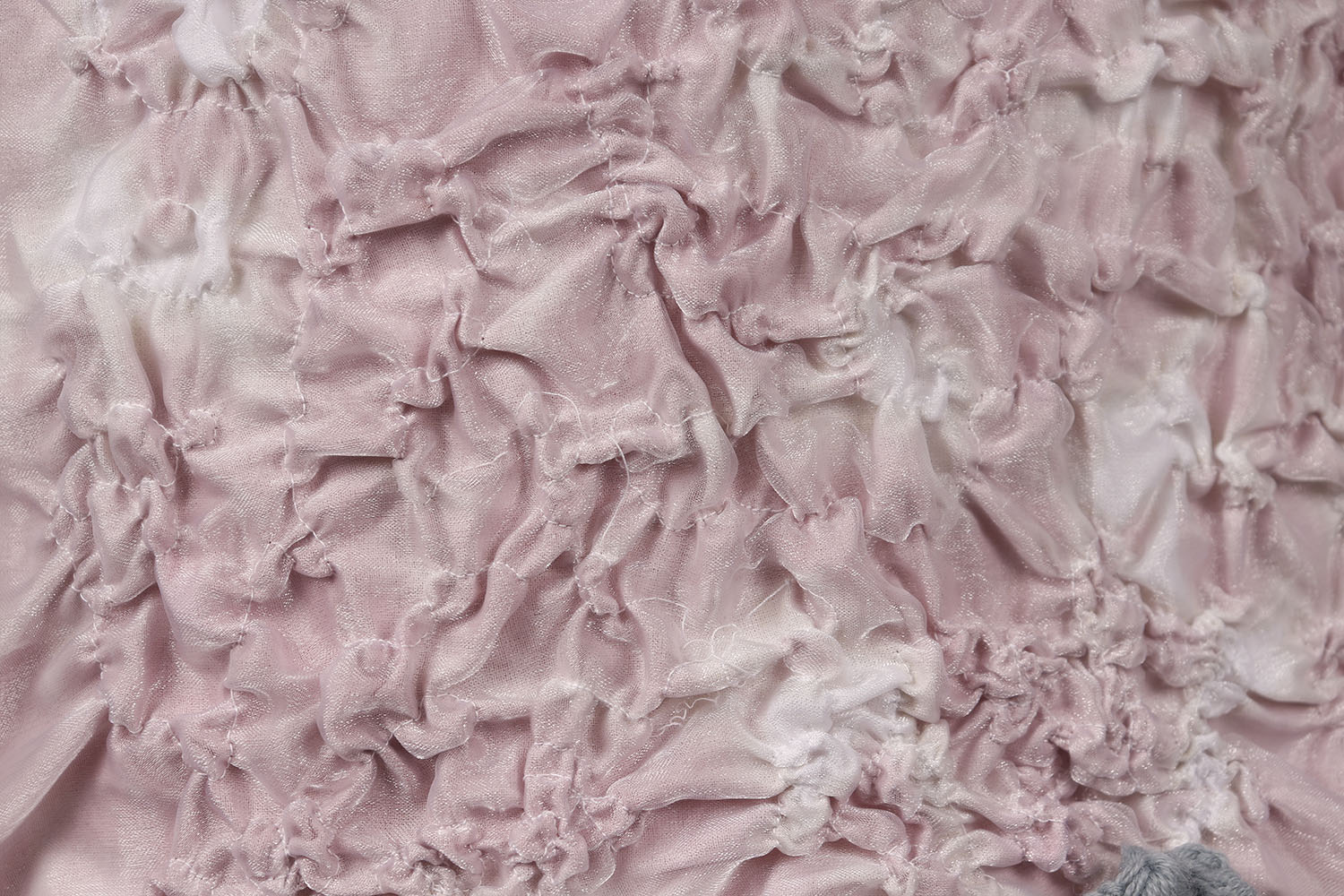
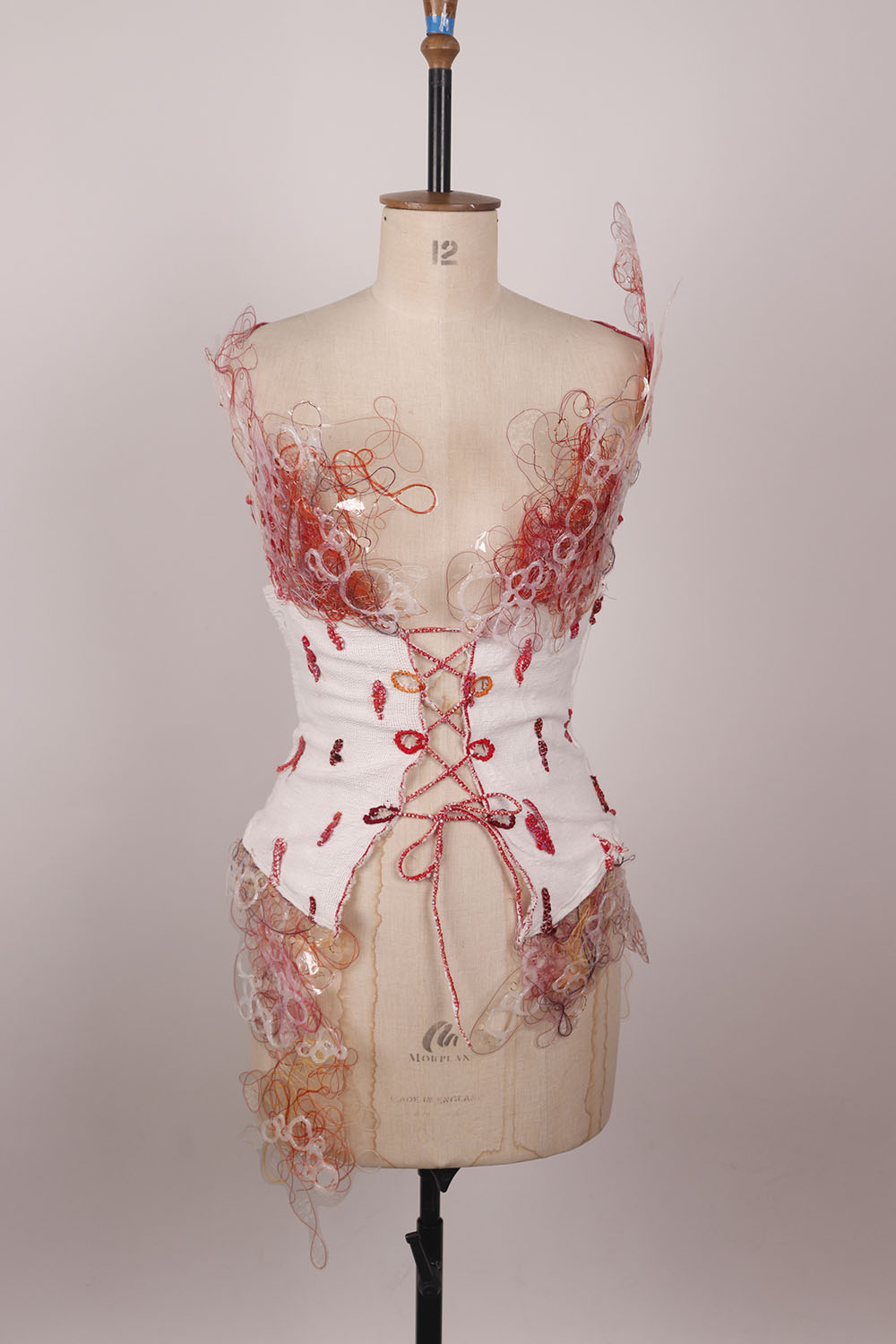
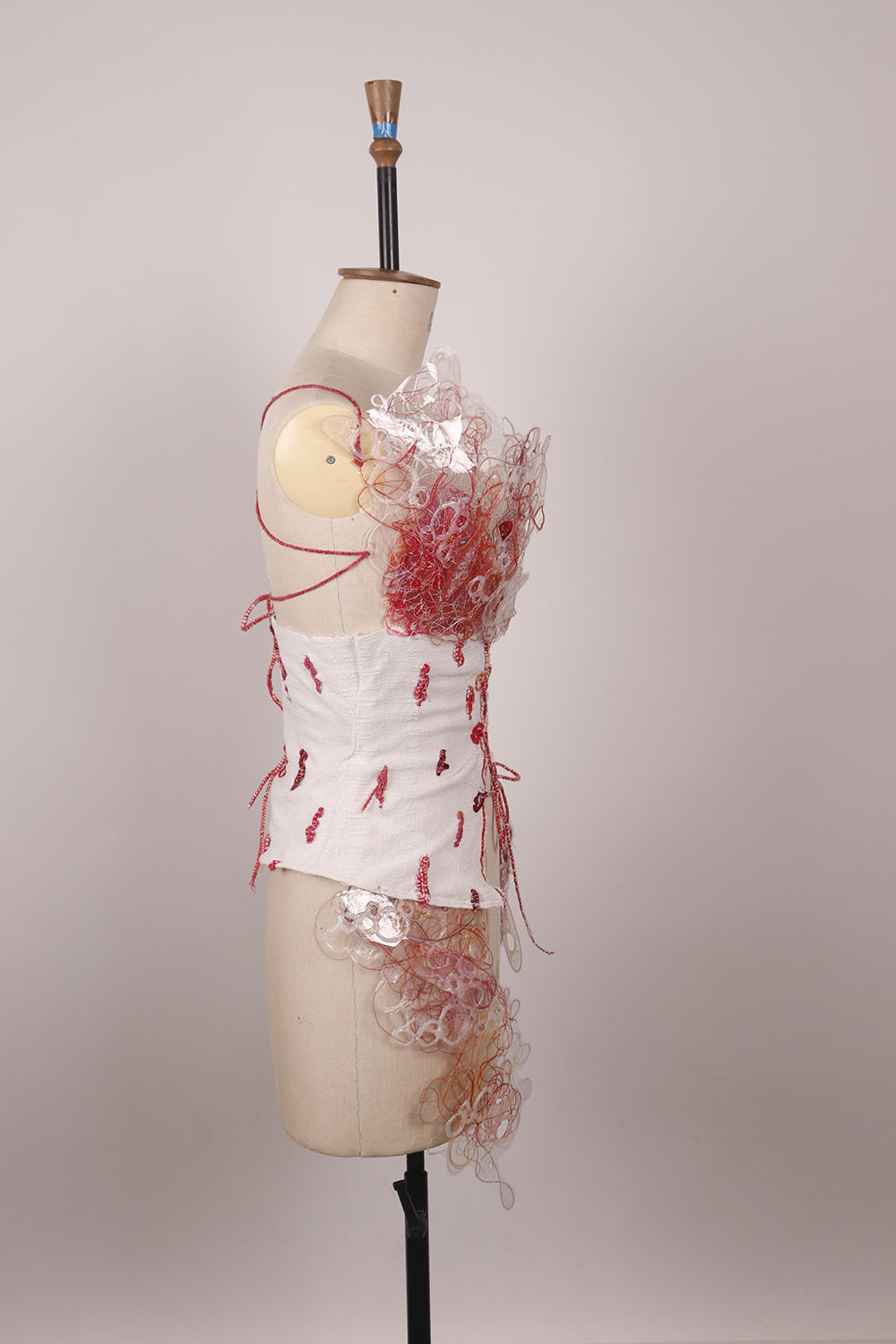
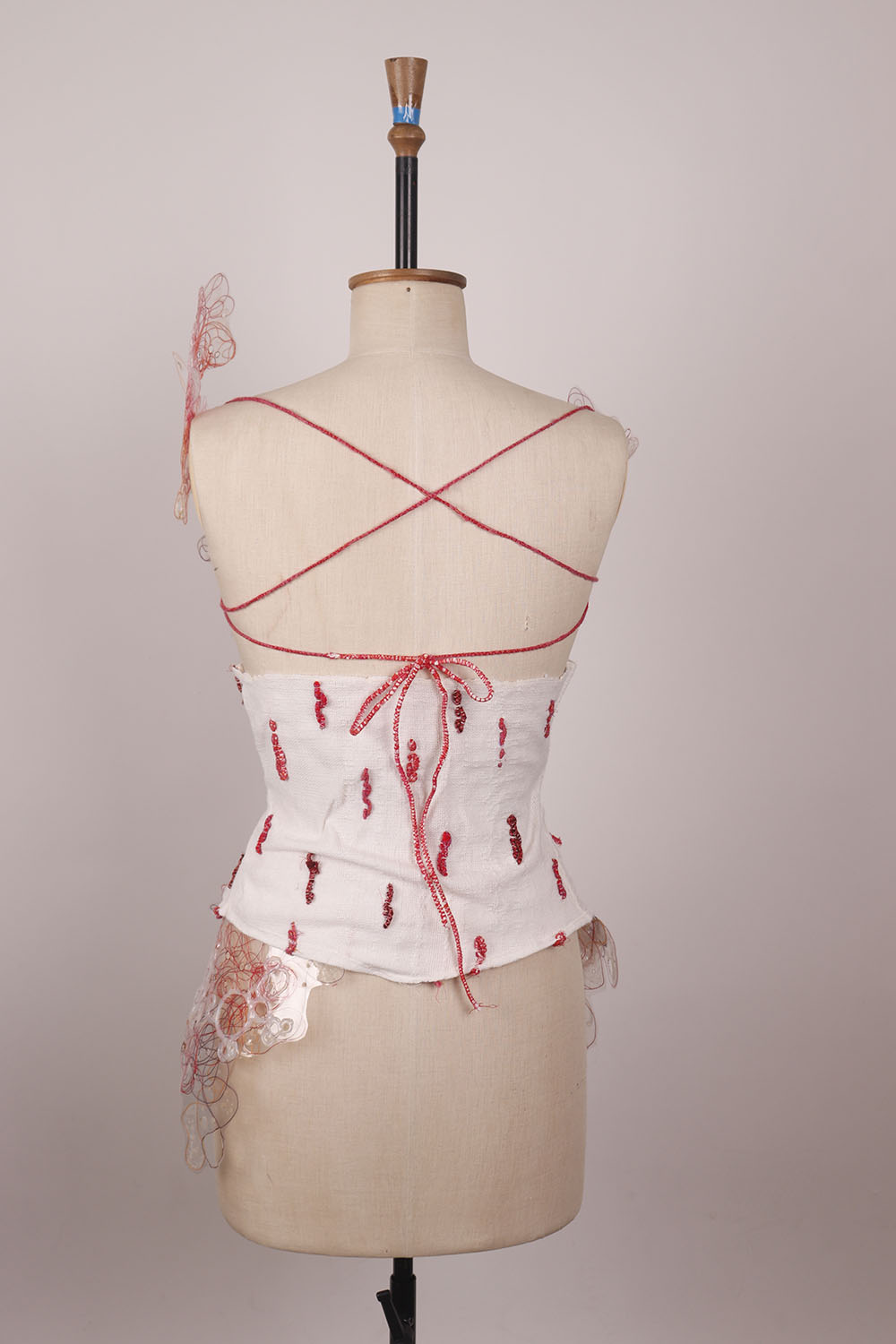
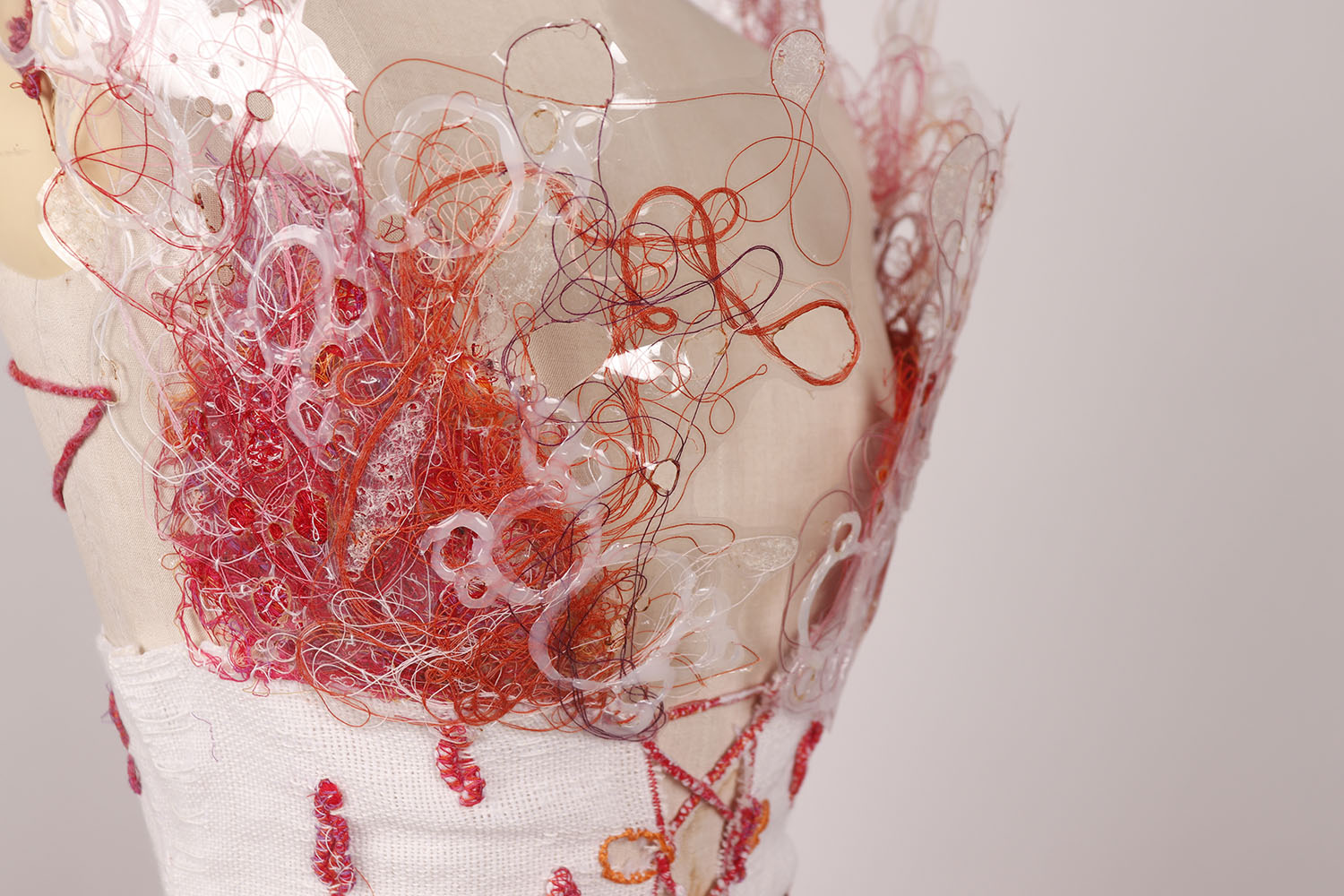
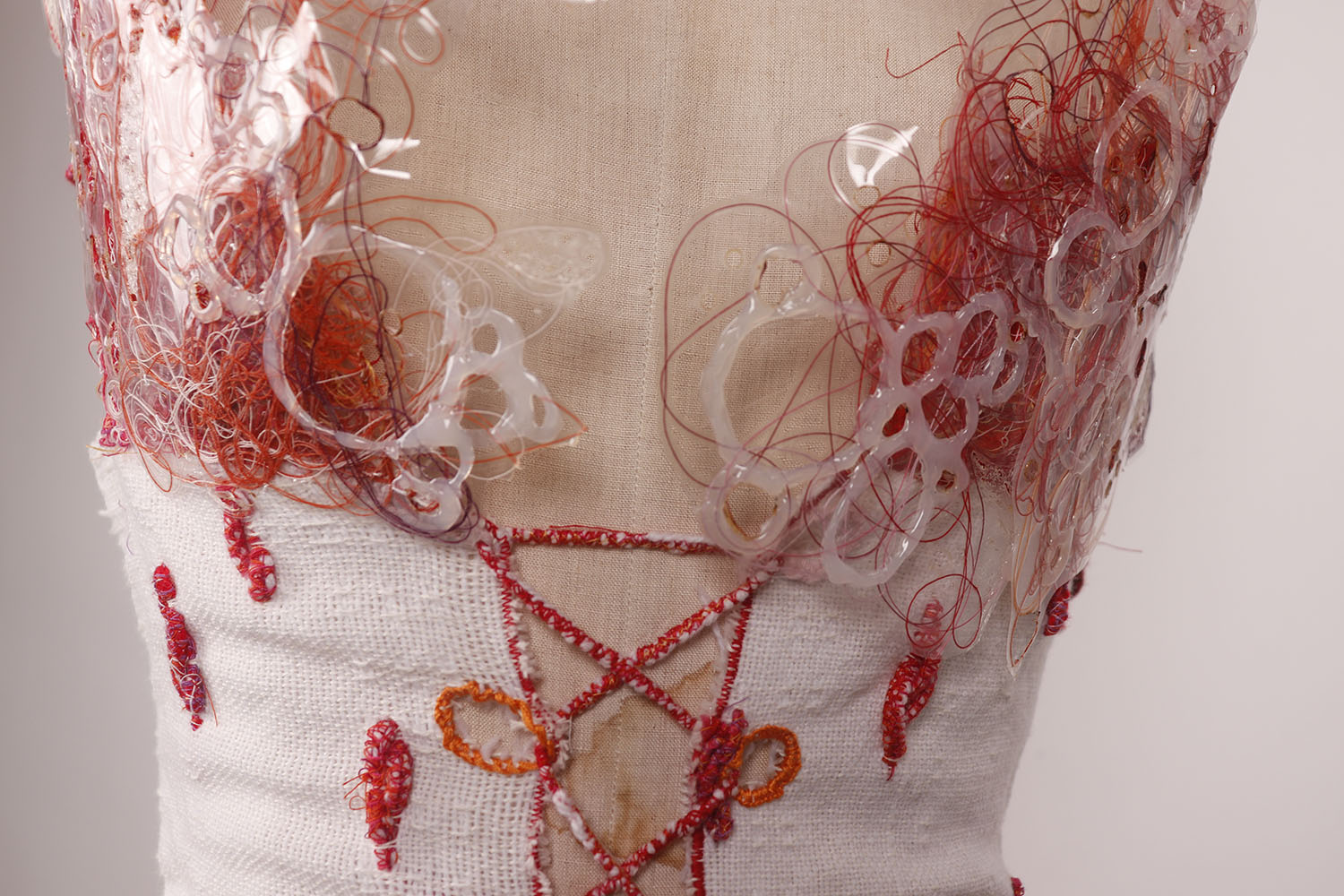
This project was all about interiors as a starting point, I decided to take the route of the interiors of the body. By closely looking at the anatomy it allowed me to choose the right methods to show the complexities and how intricate these pieces that make up how delicate our bodies actually are. Throughout this project I had experimented with a wide range of techniques and towards the end I had chosen my favourite pieces and combined them together to make this final fashion piece, which is a compilation of the many ideas I had explored in this project.
Grace Steele
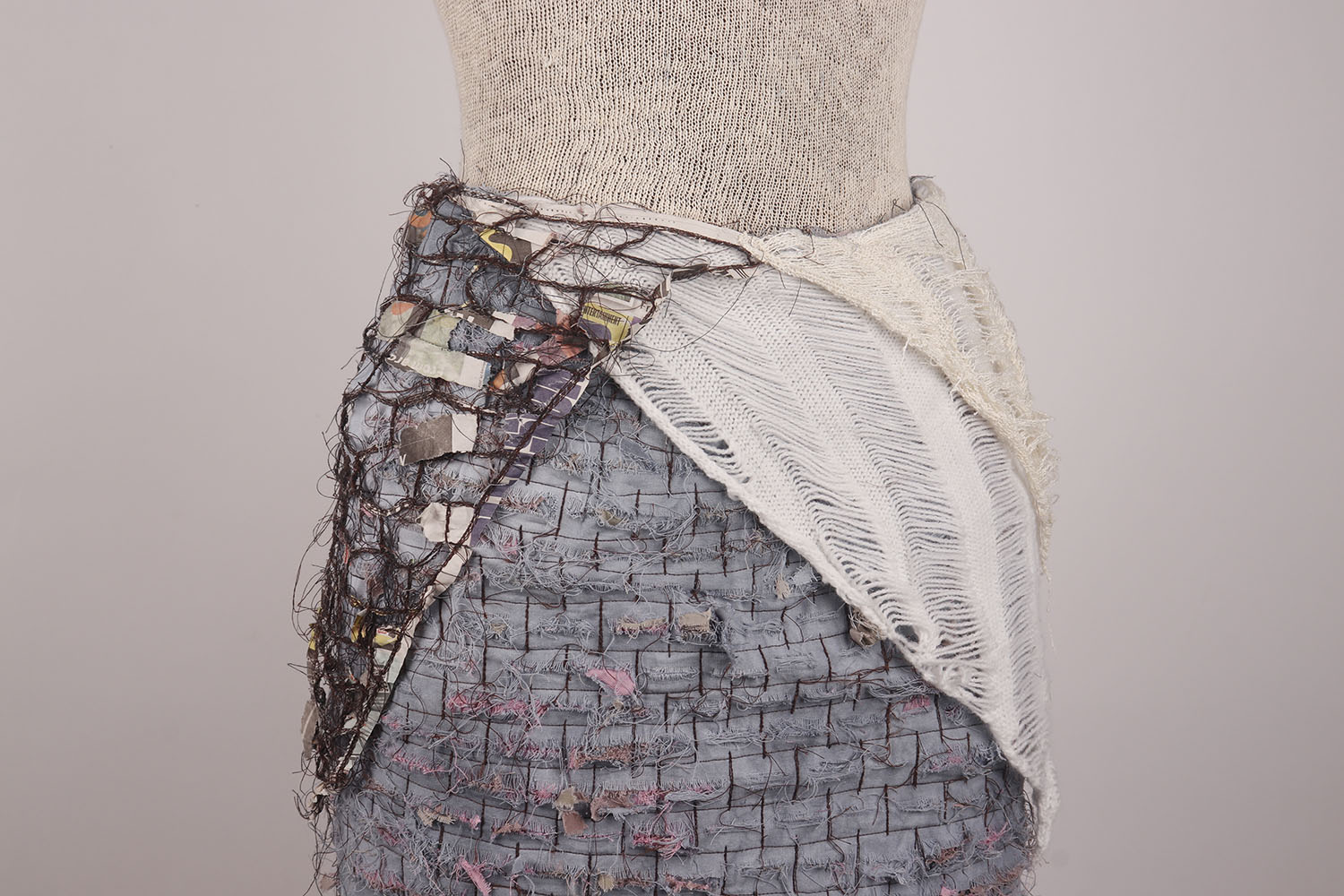
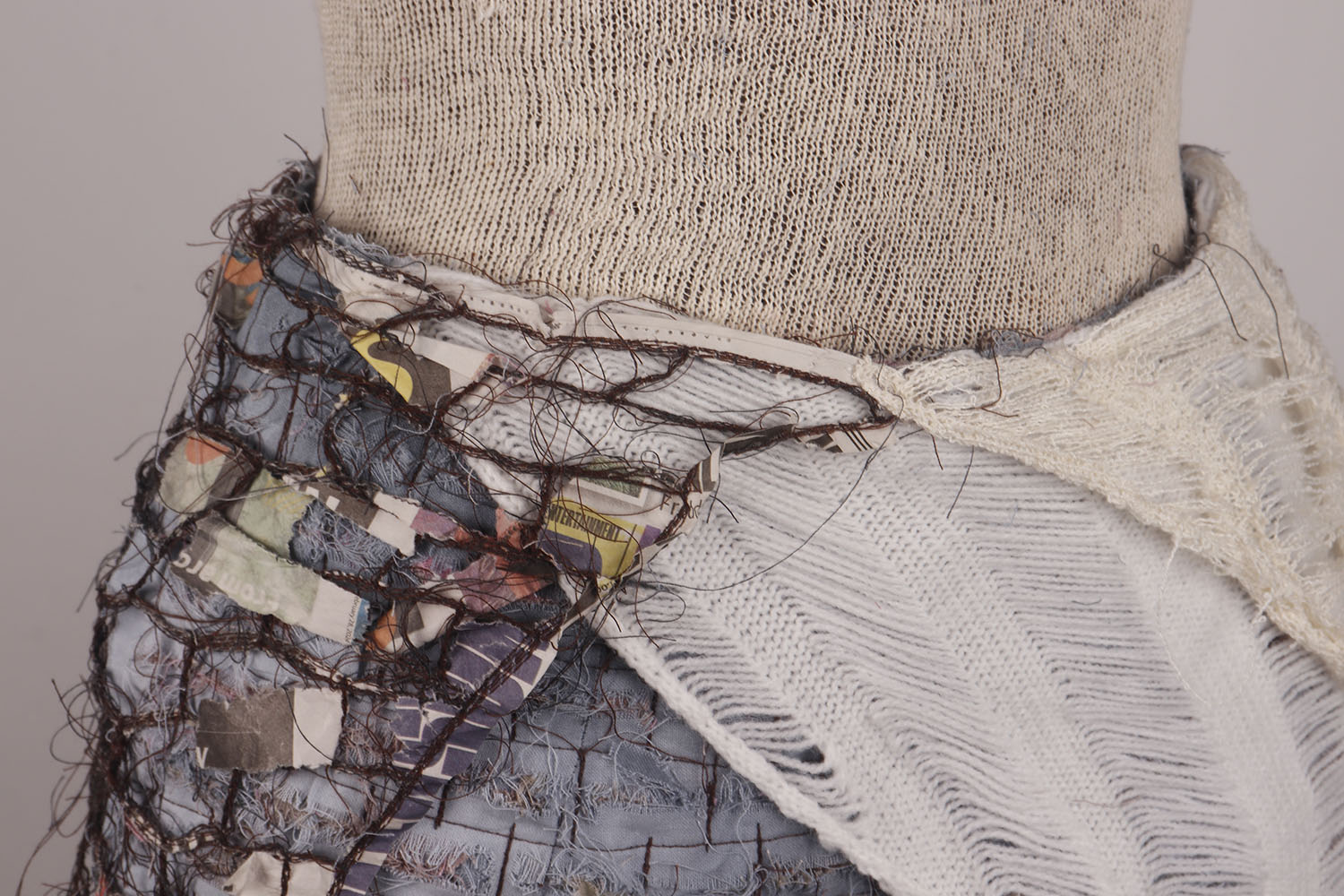
For this project I chose the theme “Decay” because I found it very inspiring and different from my earlier projects. I had many ideas for this project, but I decided to focus on architectural decay including rust and water damage.
Since I live in a deprived area, finding primary sources was not difficult. There were many buildings that I found interesting because of the decay and lack of upkeep. Although I chose to focus on architecture, for my final piece I created a fashion-based piece which consists of layering of different fabrics to create a distressed look. I think this is interesting because my original inspiration was Giles Deacons Fall 2012 collection which contains fashion pieces inspired by decay and burning. These dresses are interesting because of the colours scheme and the layering involved.
For this piece, I experimented with much more machine embroidery, slash & stitch, and knitting. I found this project to be the most inspiring I have created yet due to the variety of different techniques I was able to experiment with. My final piece was successful in creating the aesthetic I wanted to create so I am overall incredibly happy with the outcome.
Sarah Tavares
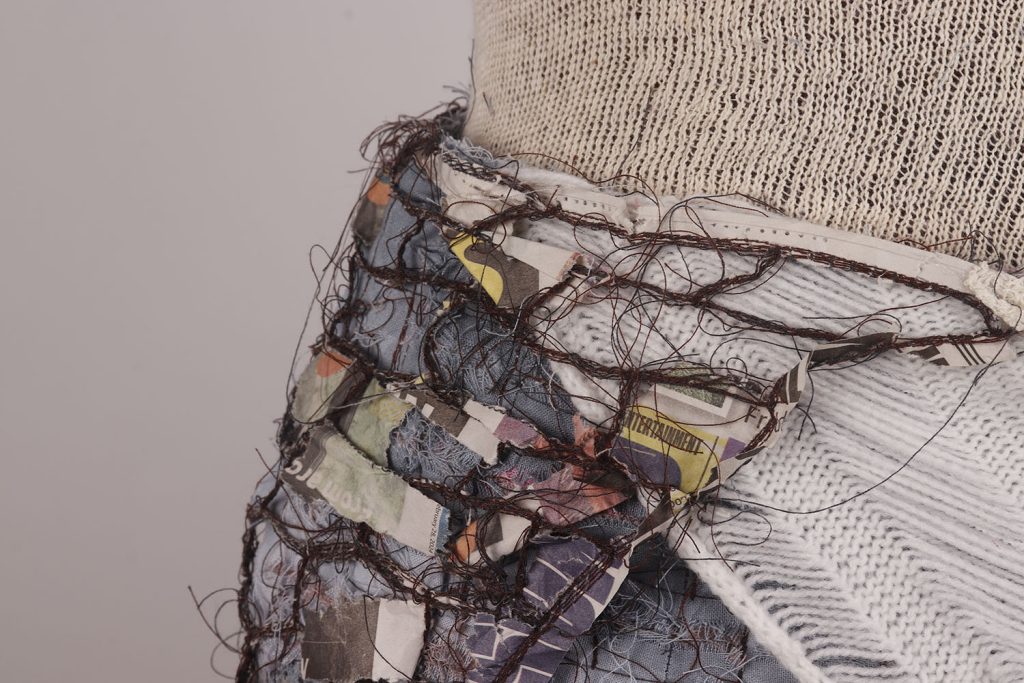
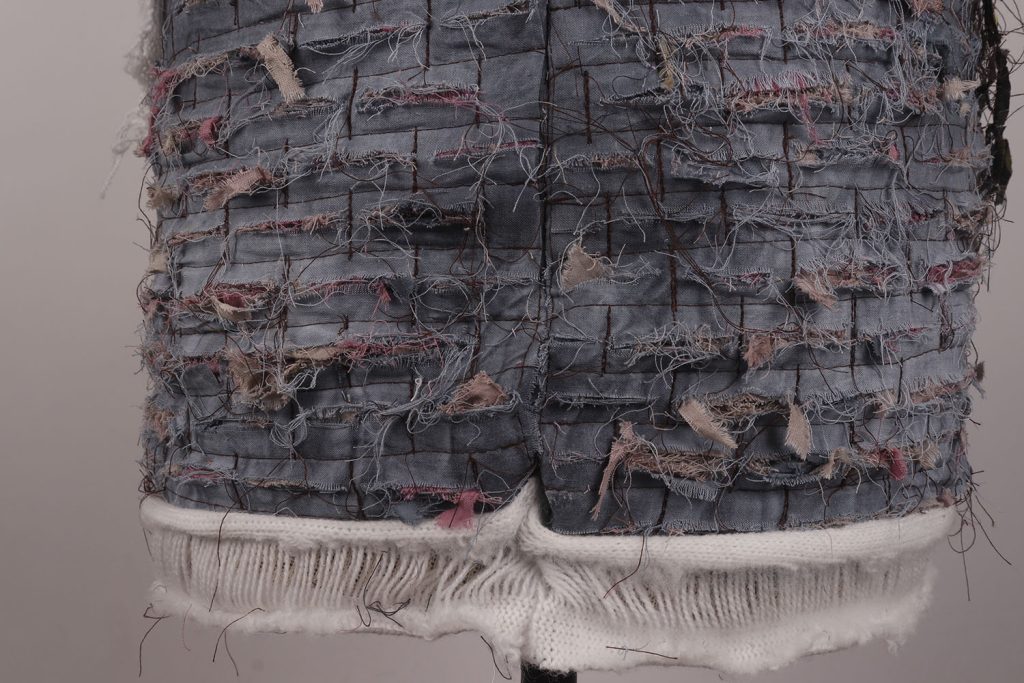
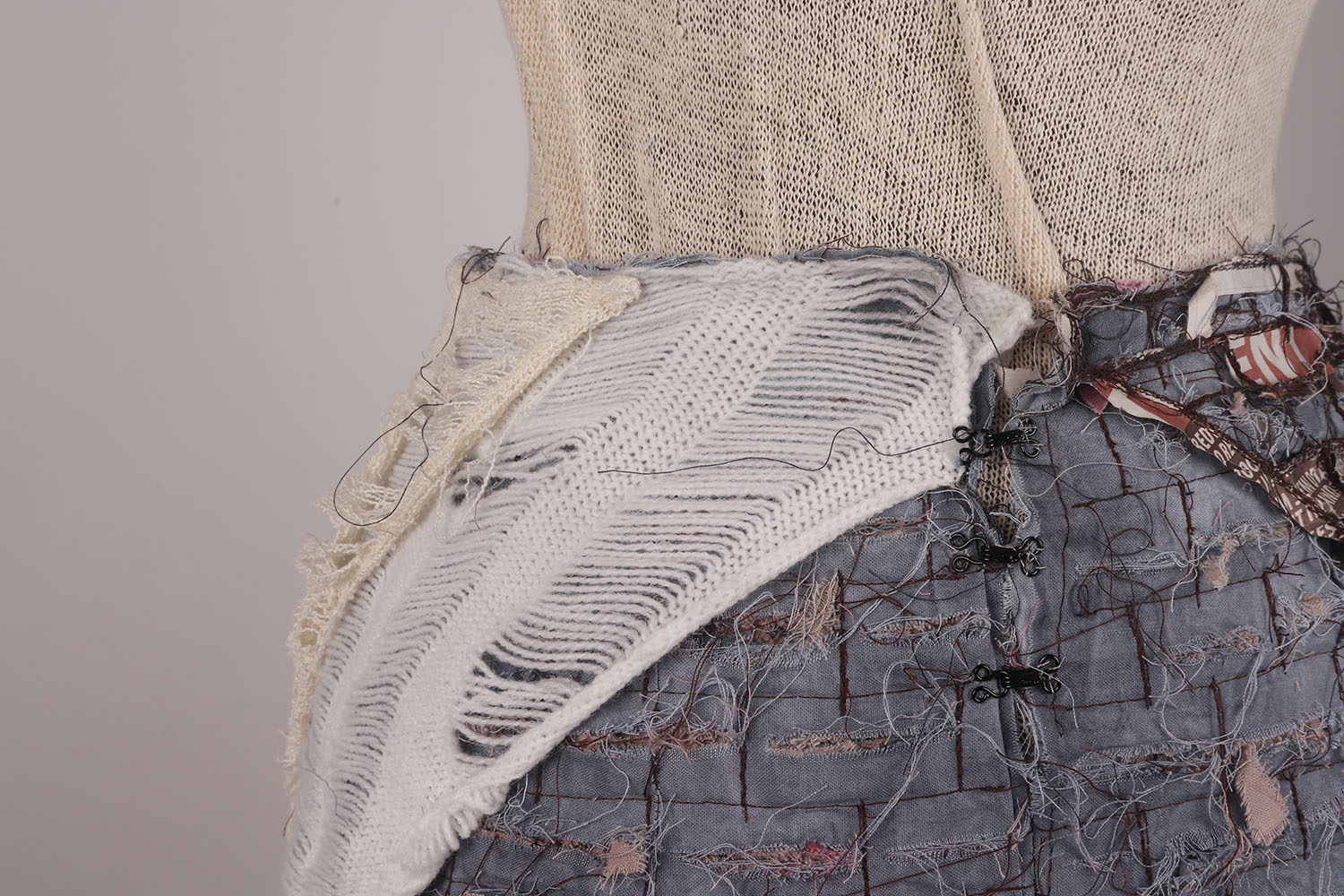
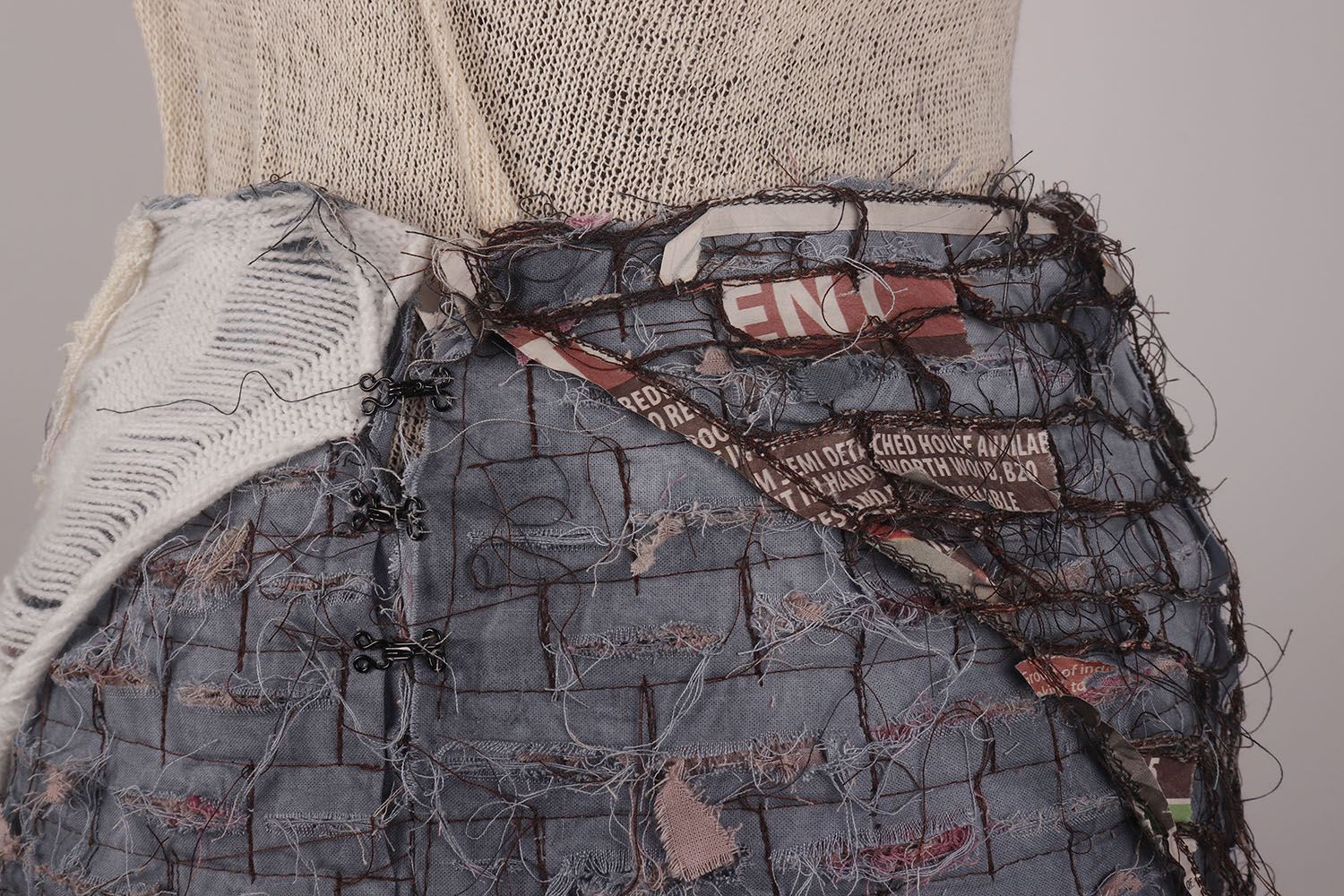
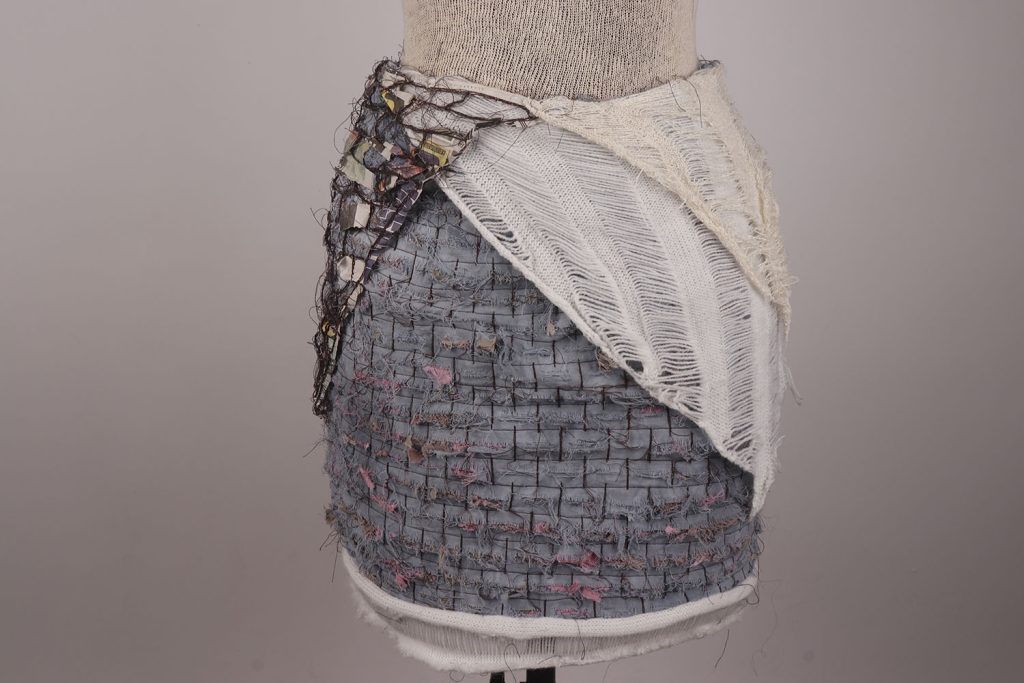
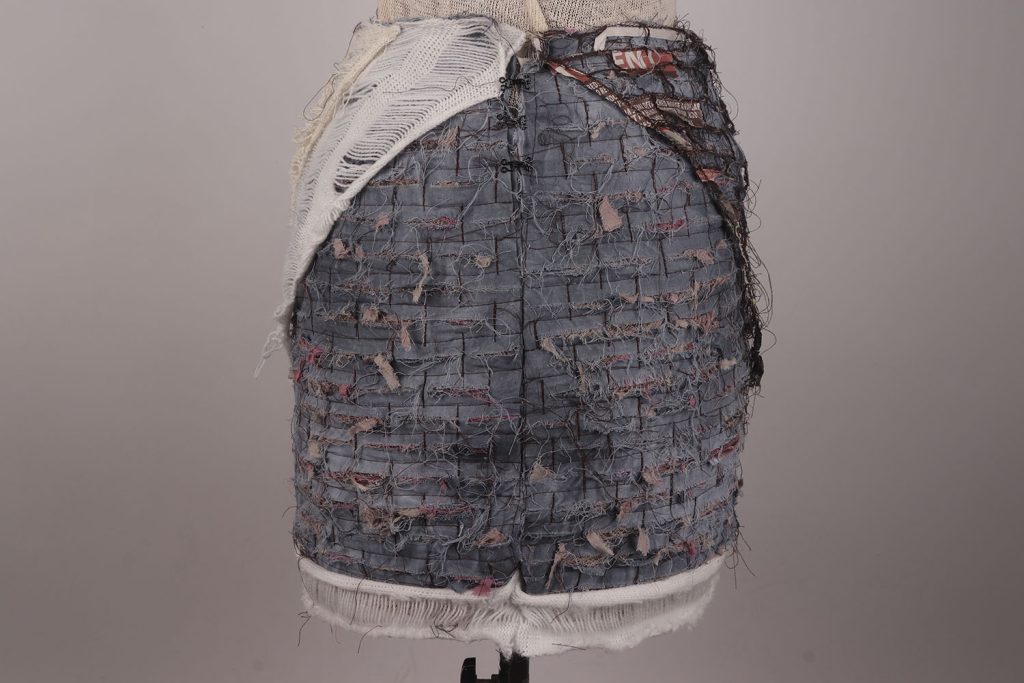
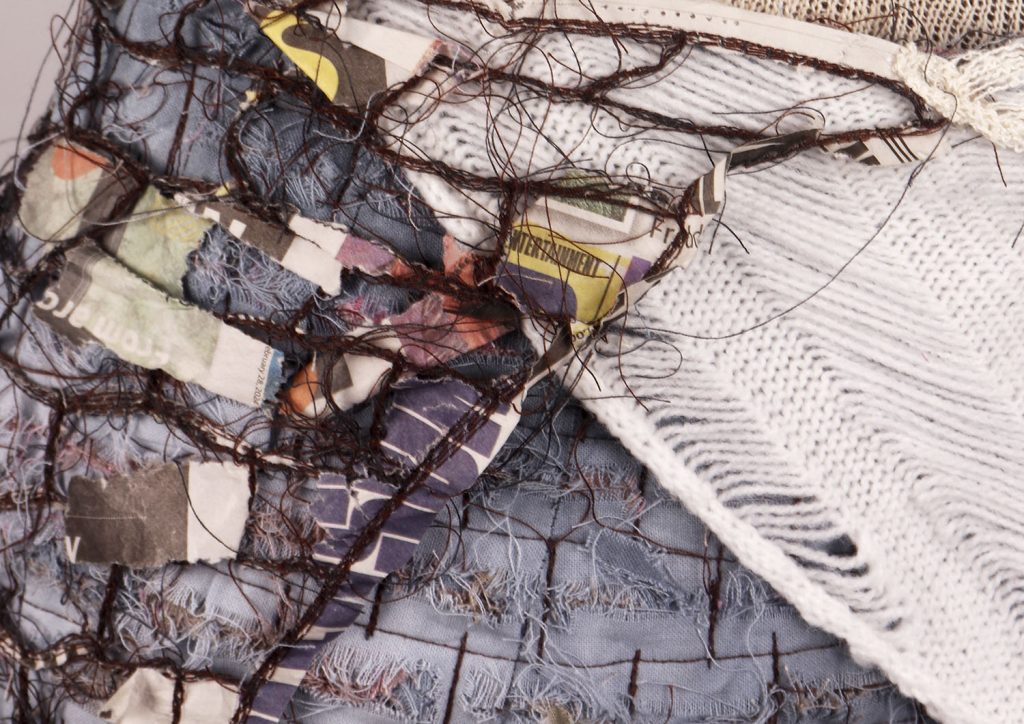
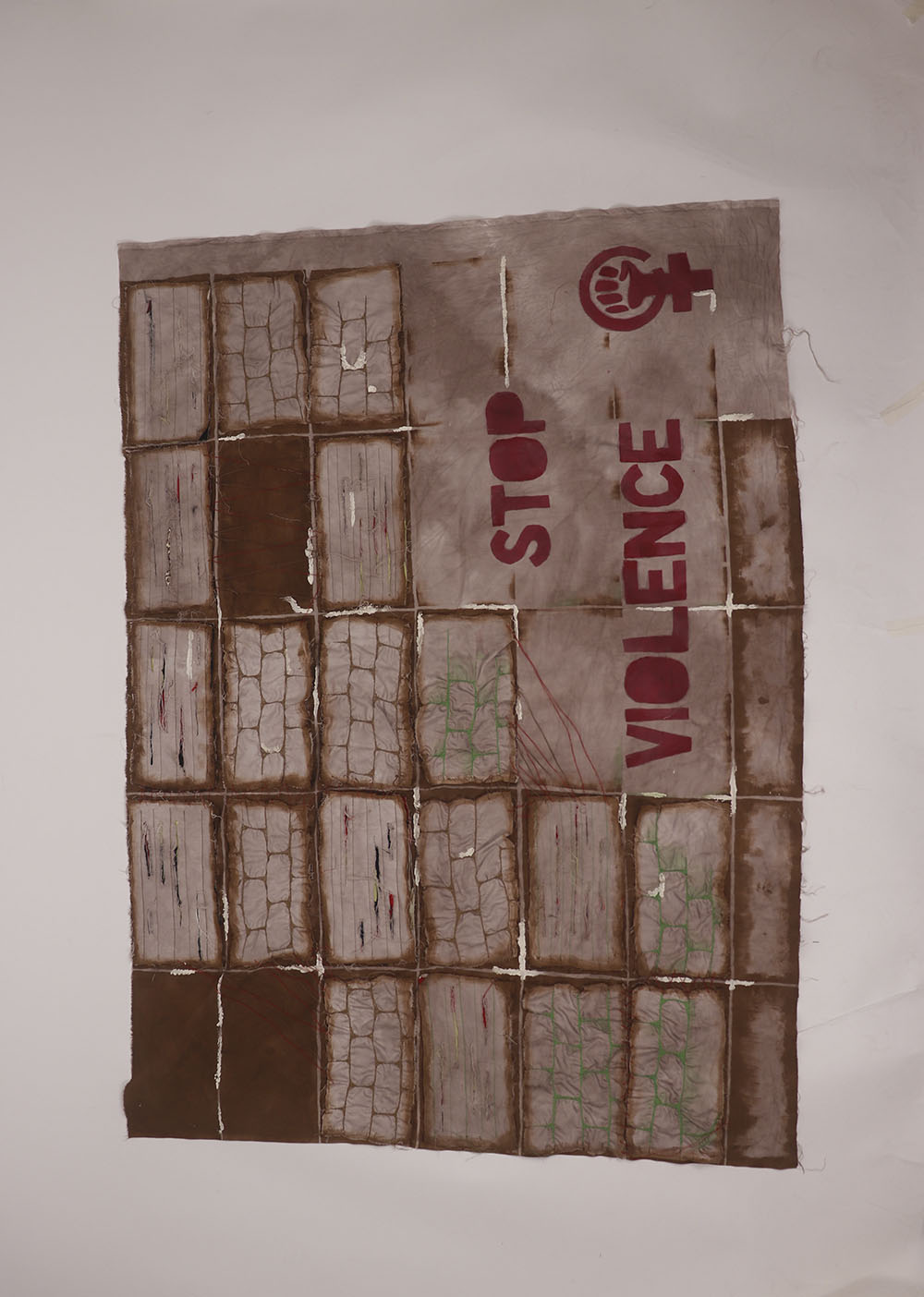
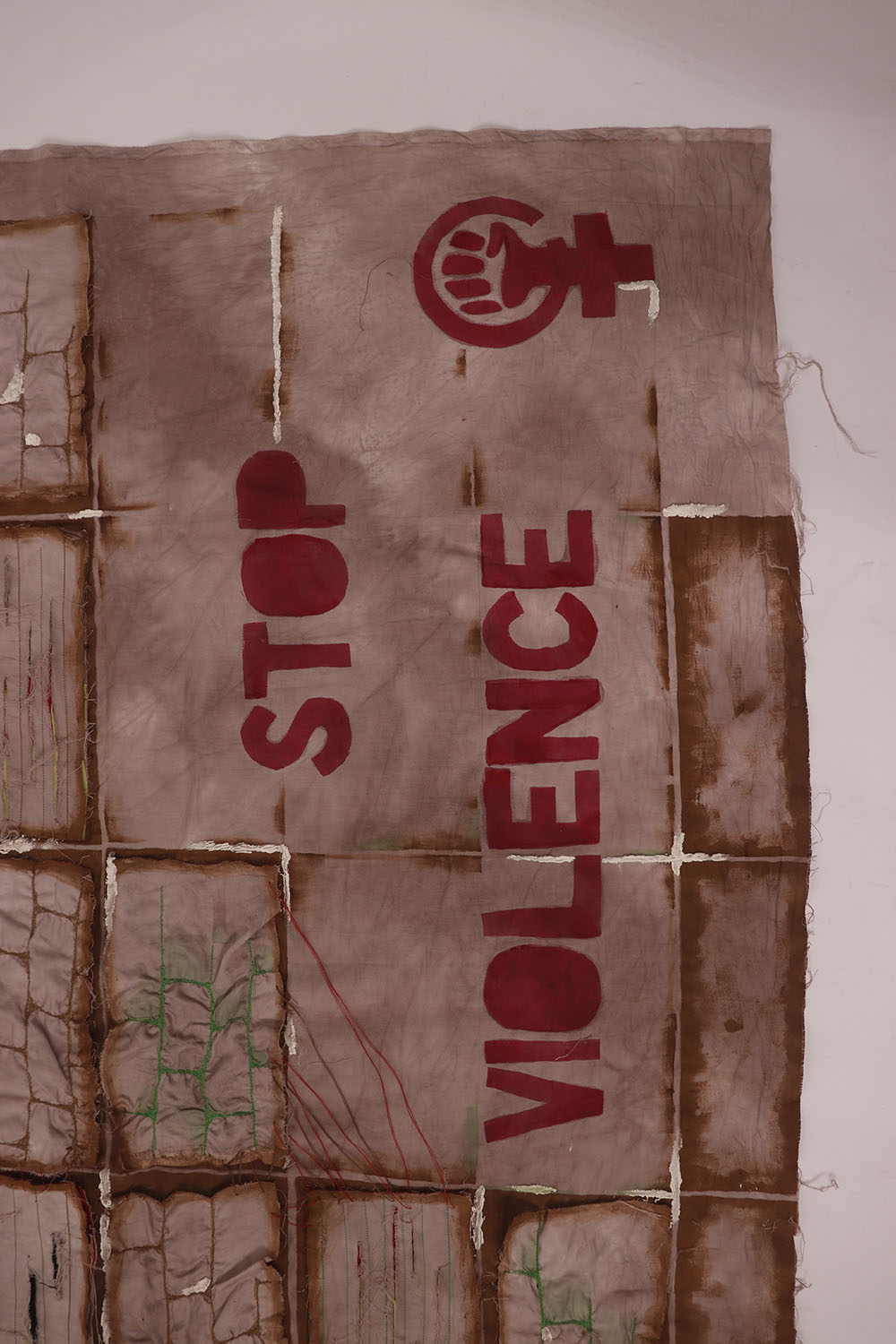
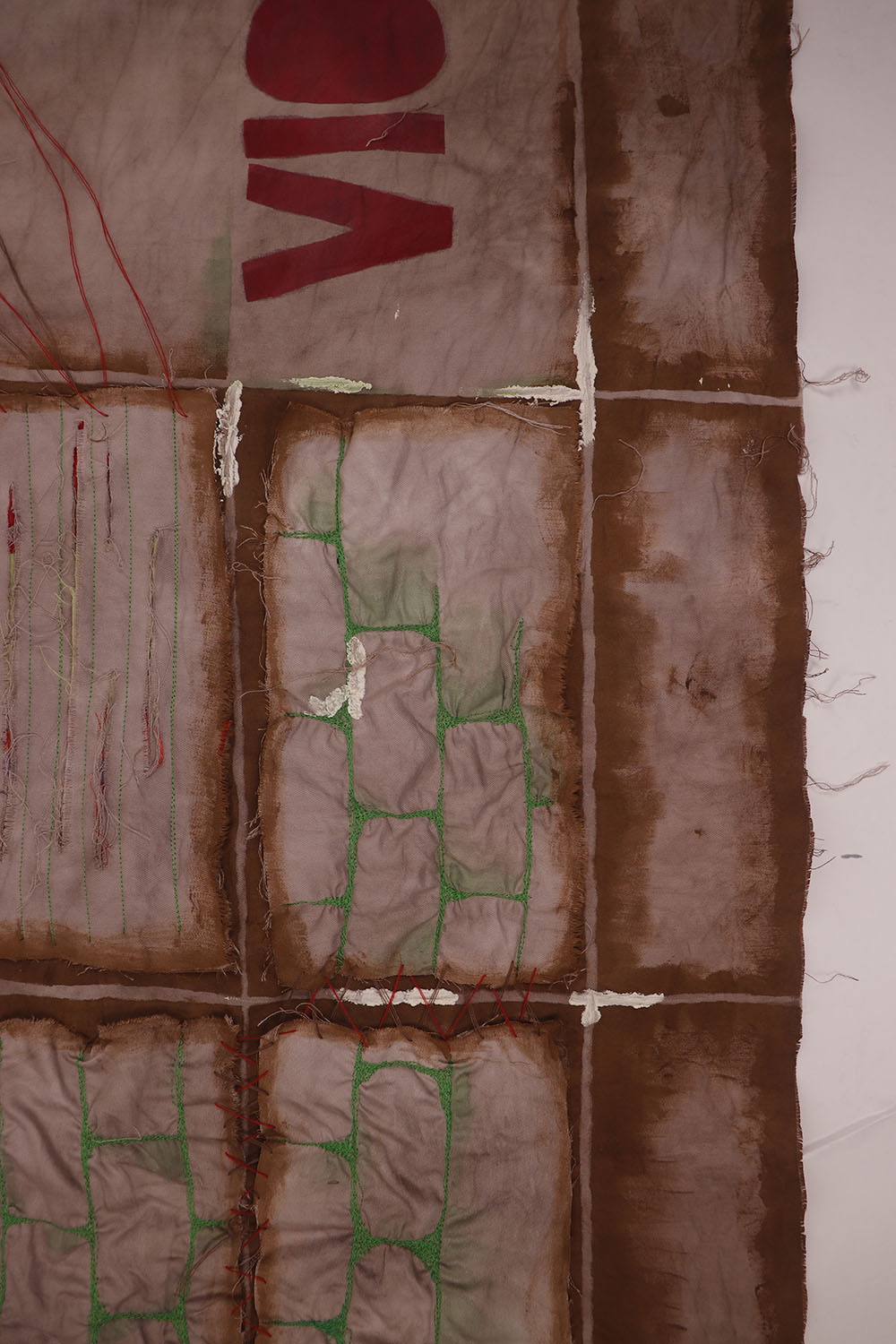
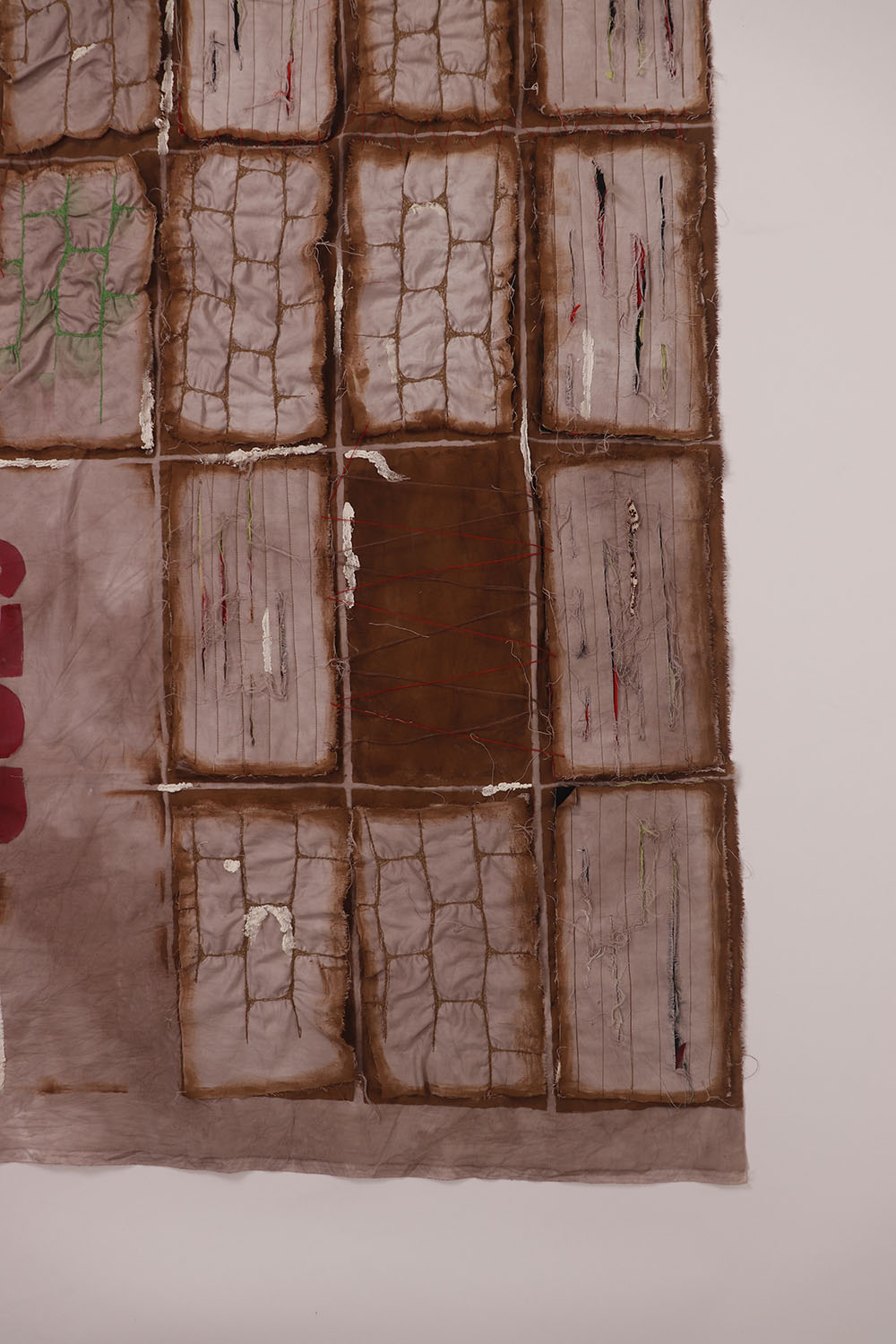
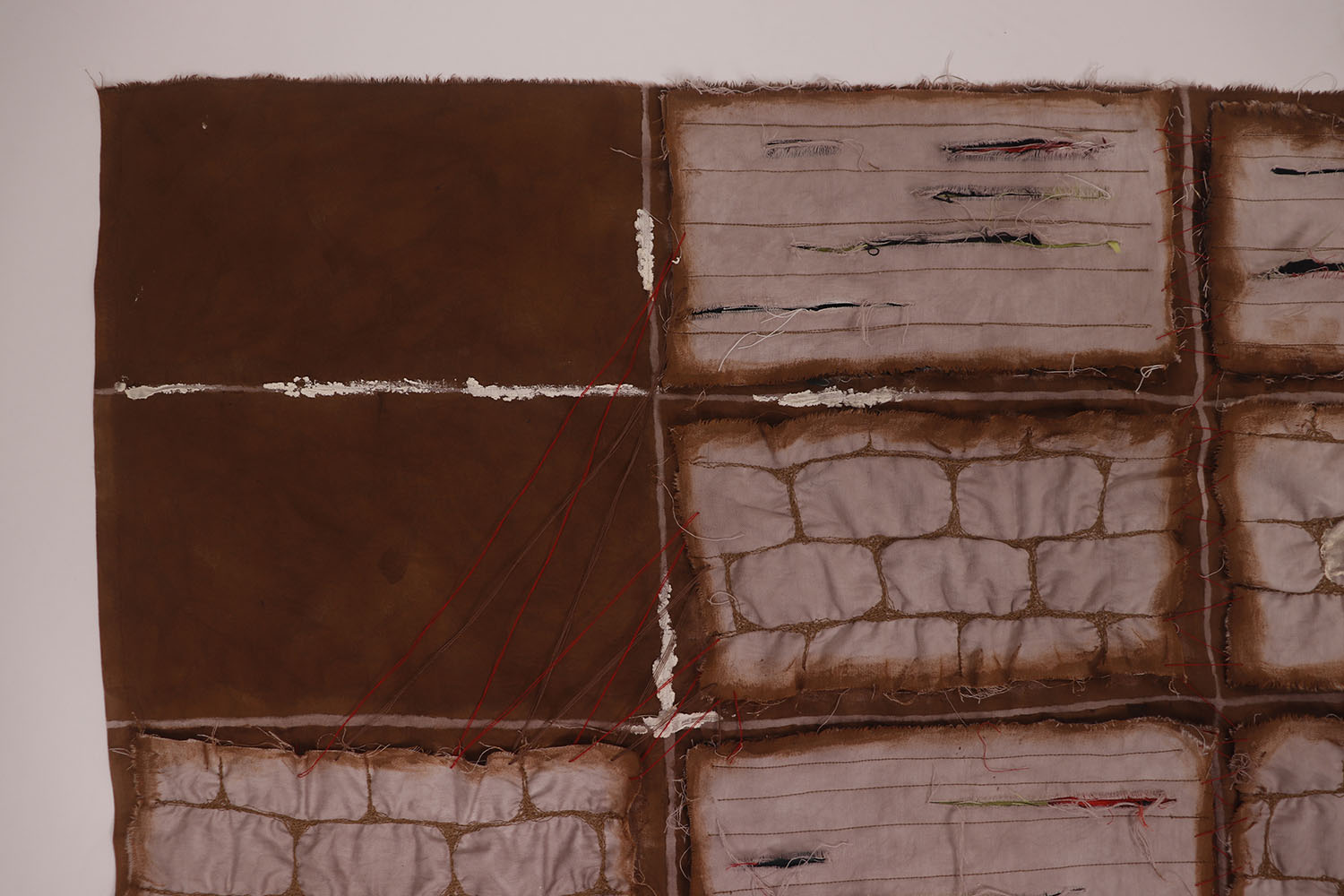
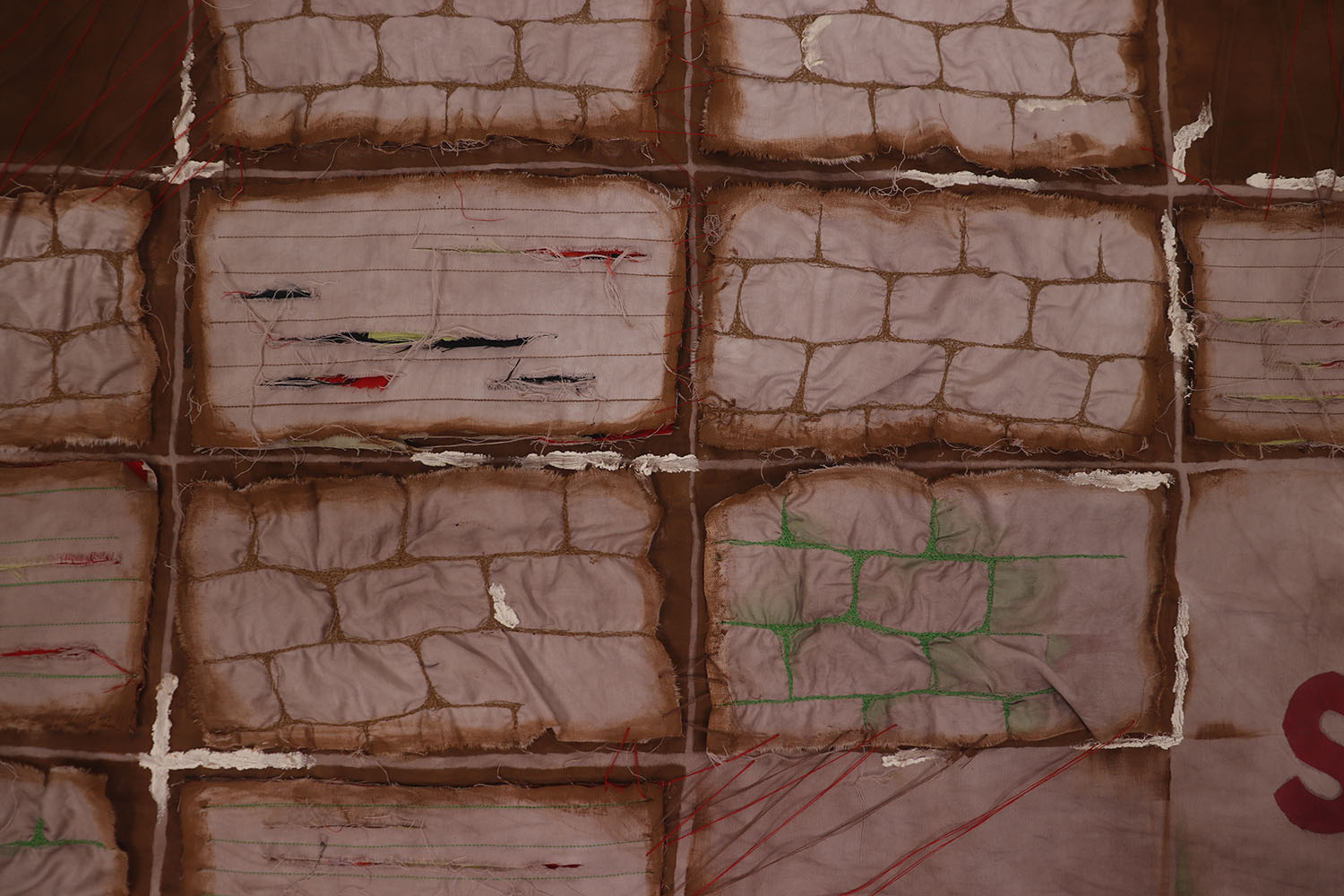
My final piece aims to reflect the decay of our society, but also the ghastly beauty behind it. Each tile is made to look distressed and torn away from the wall, symbolising that we as individuals are pulling away from what used to be the social norms, which can be perceived as a positive or negative movement.
On one hand, we are becoming a generation unlike any seen before, but we’re also pulling away from each other, sectioning off into groups and segregating ourselves from the rest of society. The red and brown threads also represent this pulling apart of society. The brown shows the material world that we are changing by doing so, the buildings destroyed by war, the cities levelled by hatred and the monuments built to commemorate them, but what good is a monument if nobody listens to what it’s trying to say?
The red thread represents the flesh that will always bind us, the unwavering truth that, at the end of the day, we are all human beings, and no amount of hatred and disgust can change that. That is what holds us together. The bold lettering and feminist logo are there to represent those brave enough to speak out through art and the risks they take by doing so, I can only hope to make as much of an impact on the minds of our decaying society as they do.
Daisy Williams
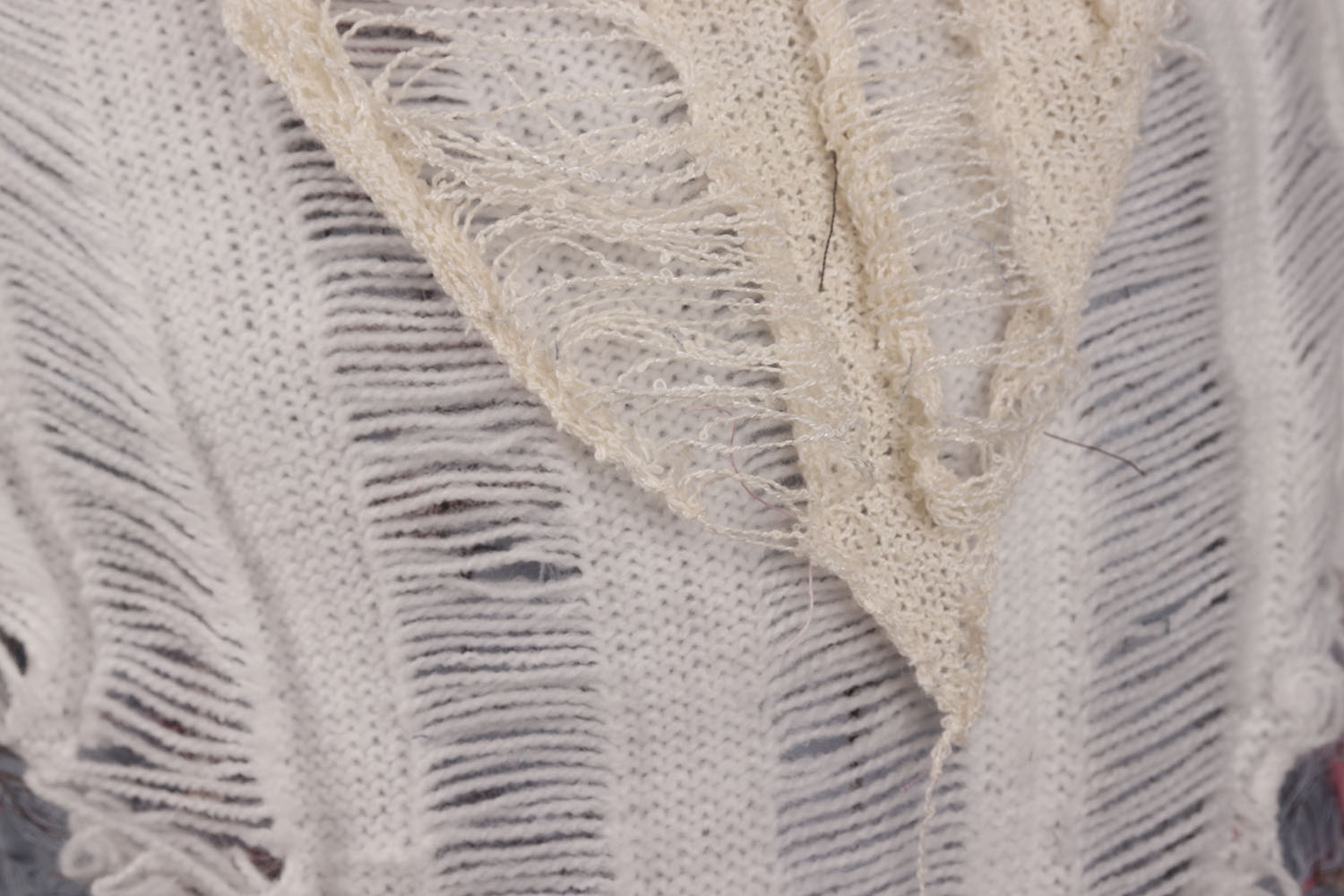
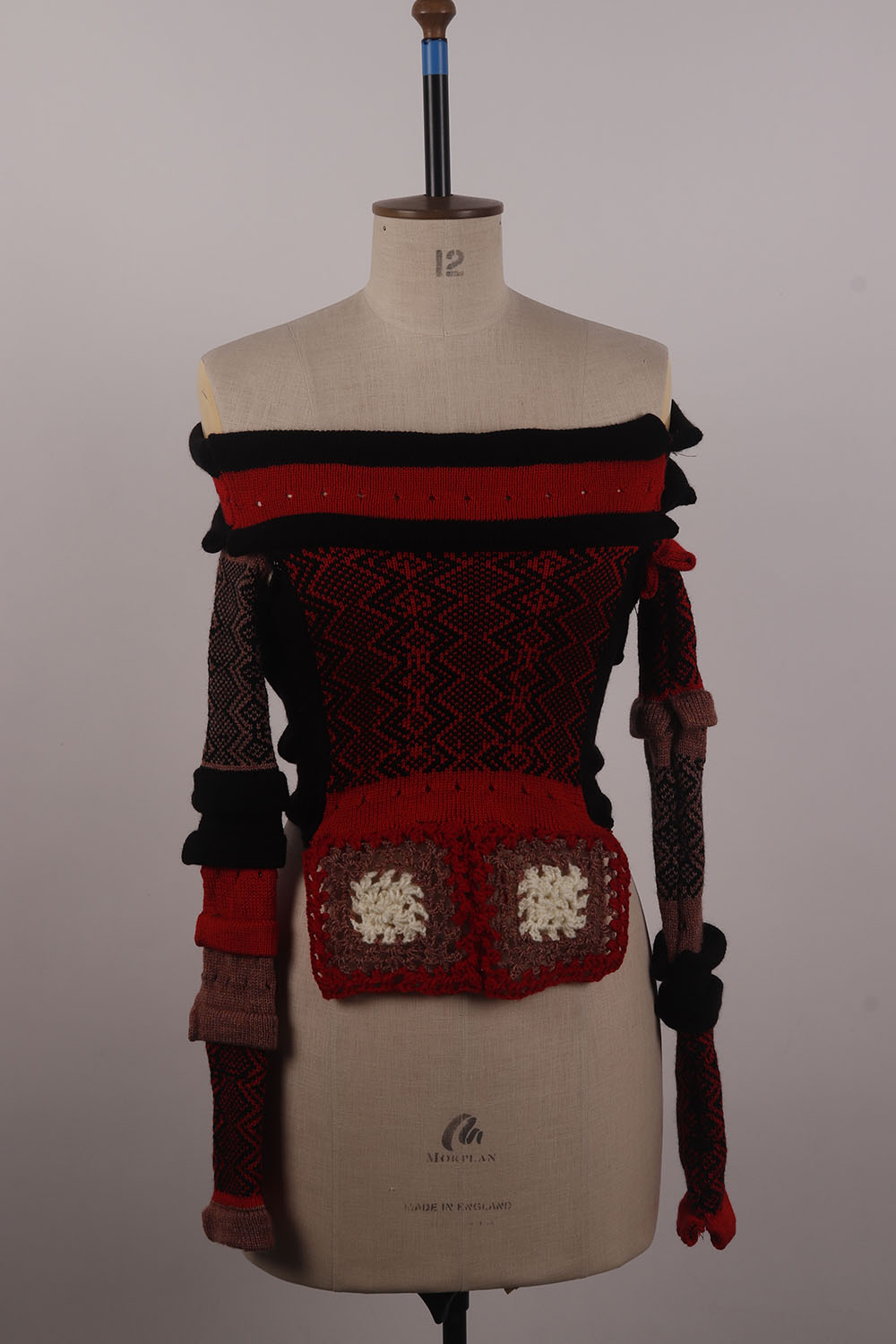
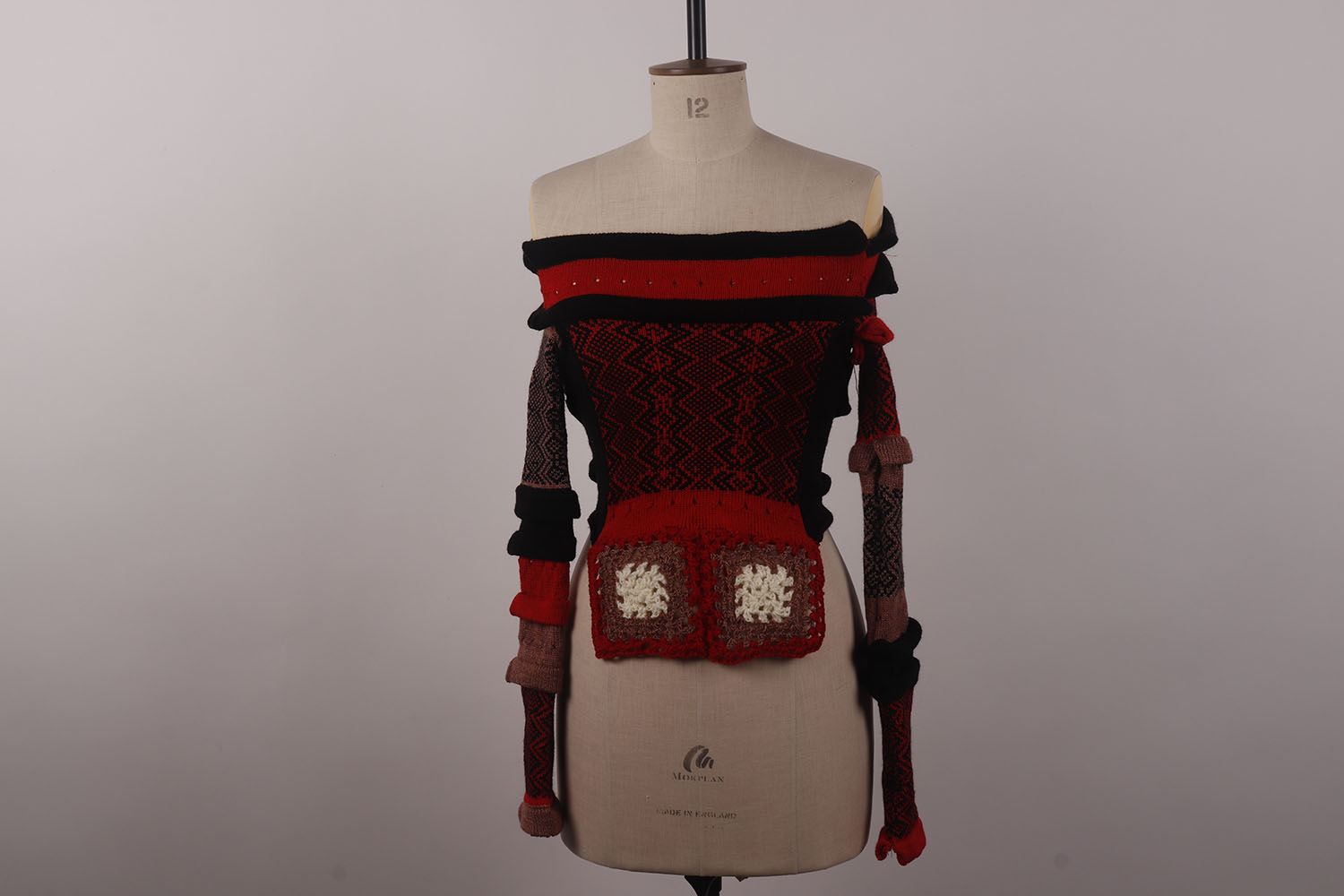
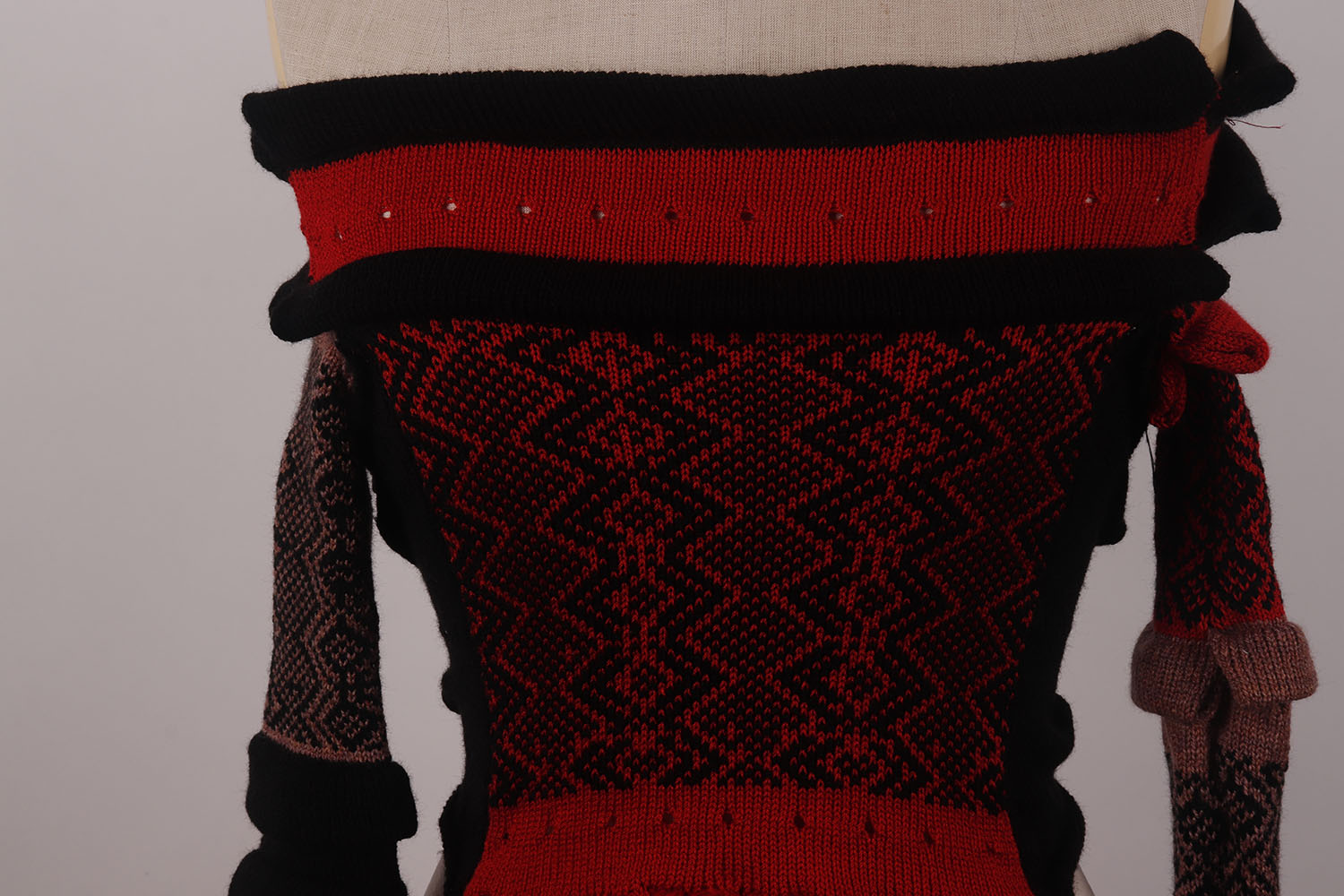
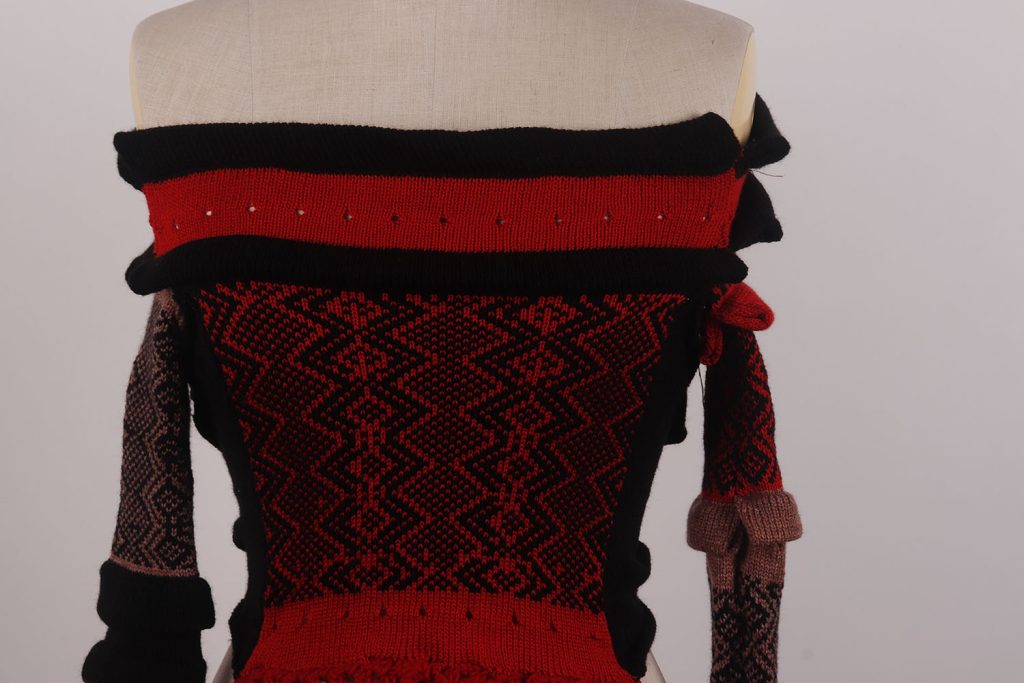
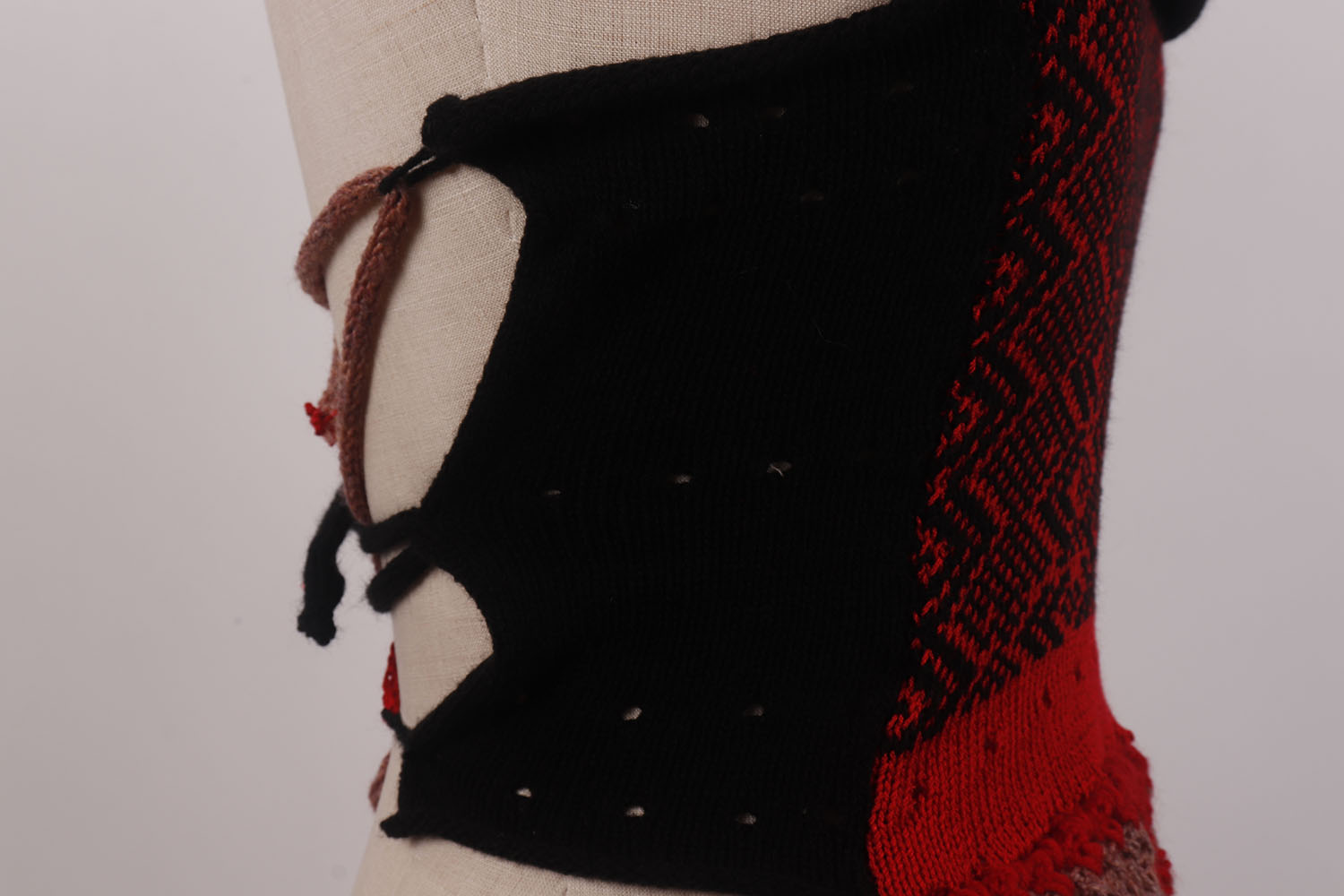
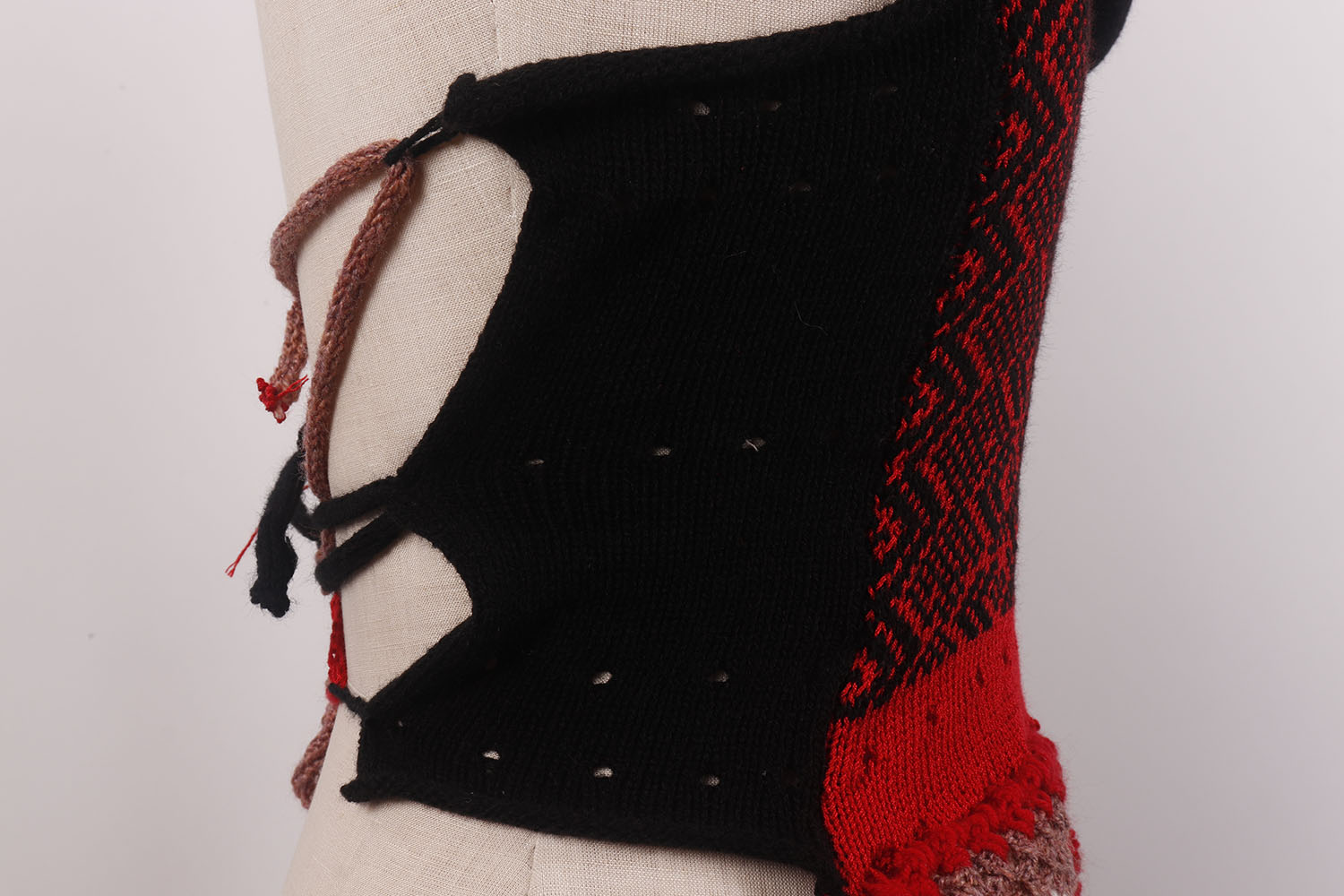
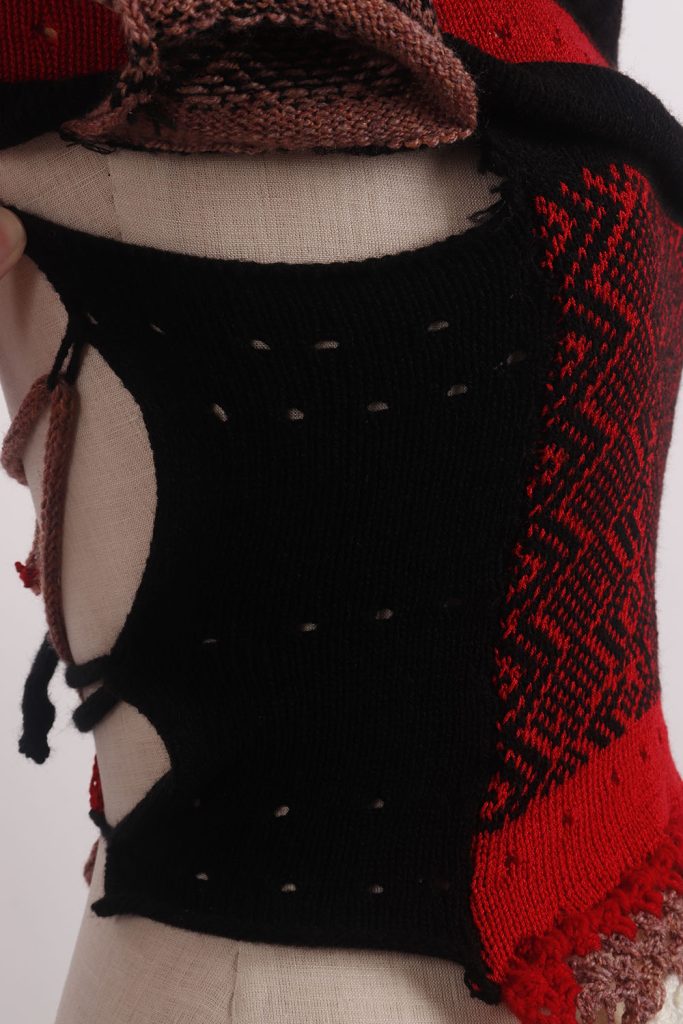
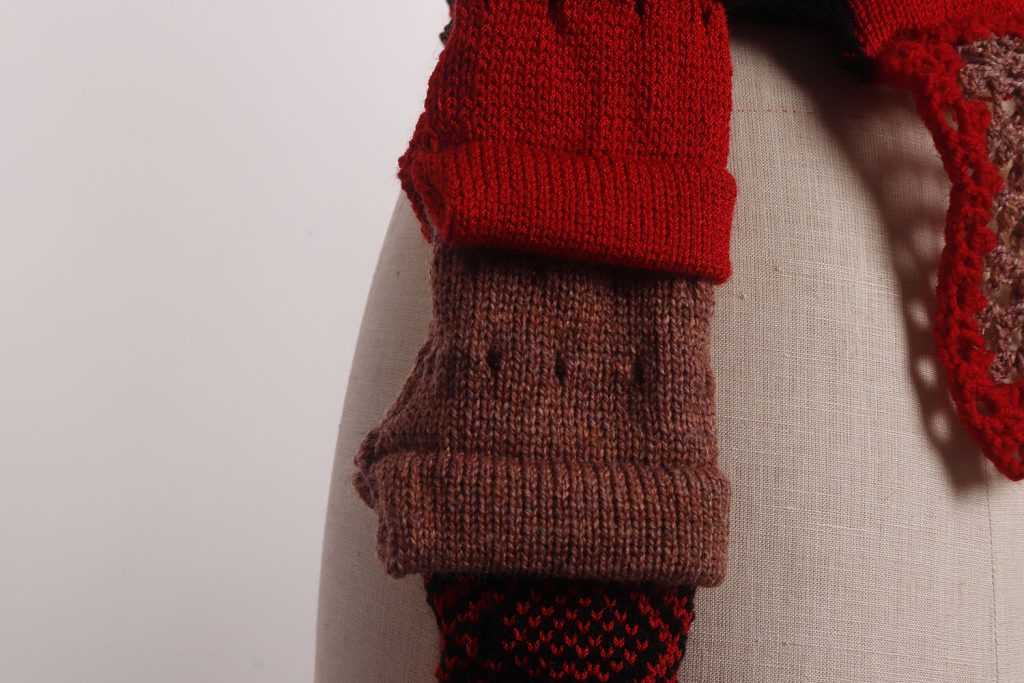
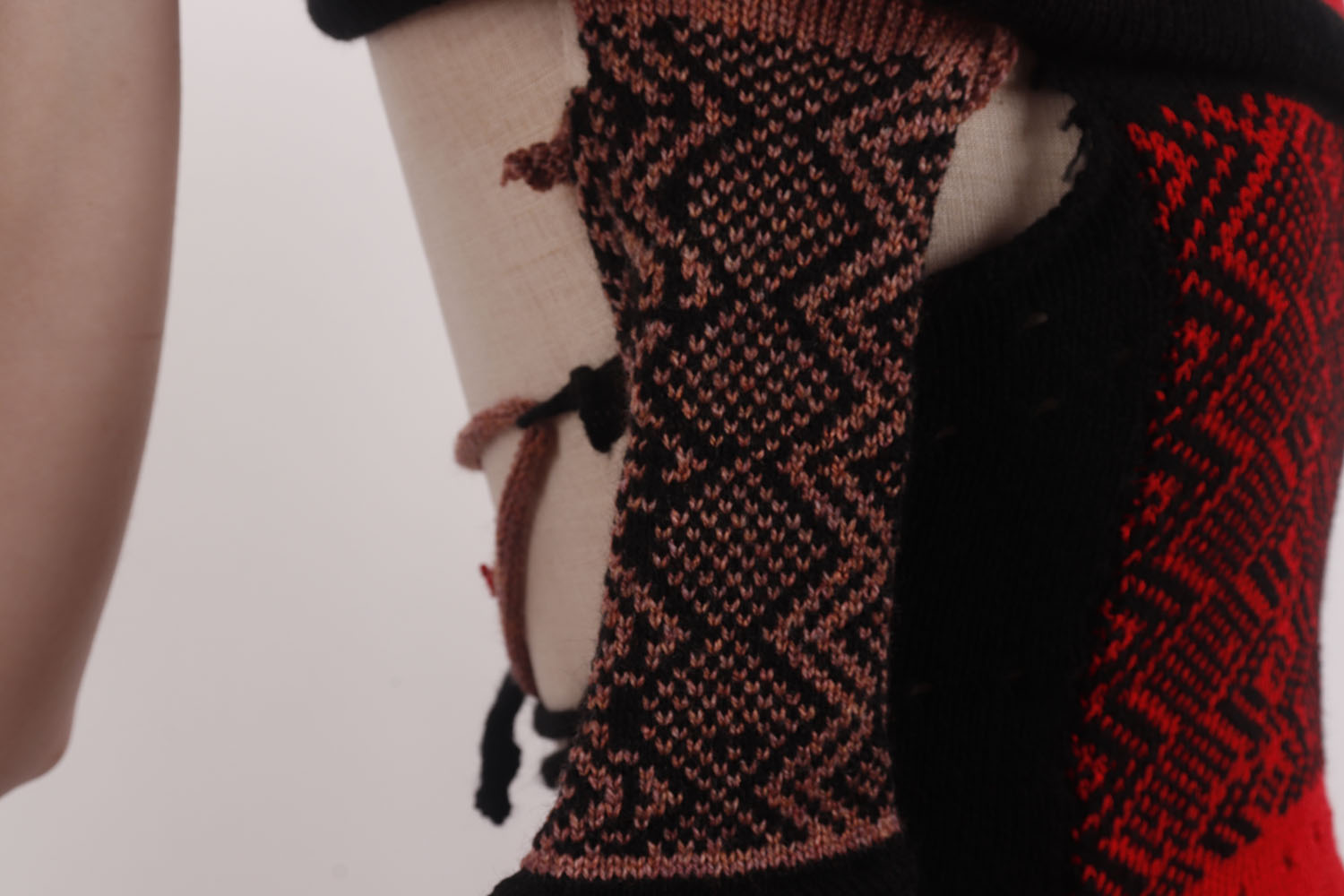
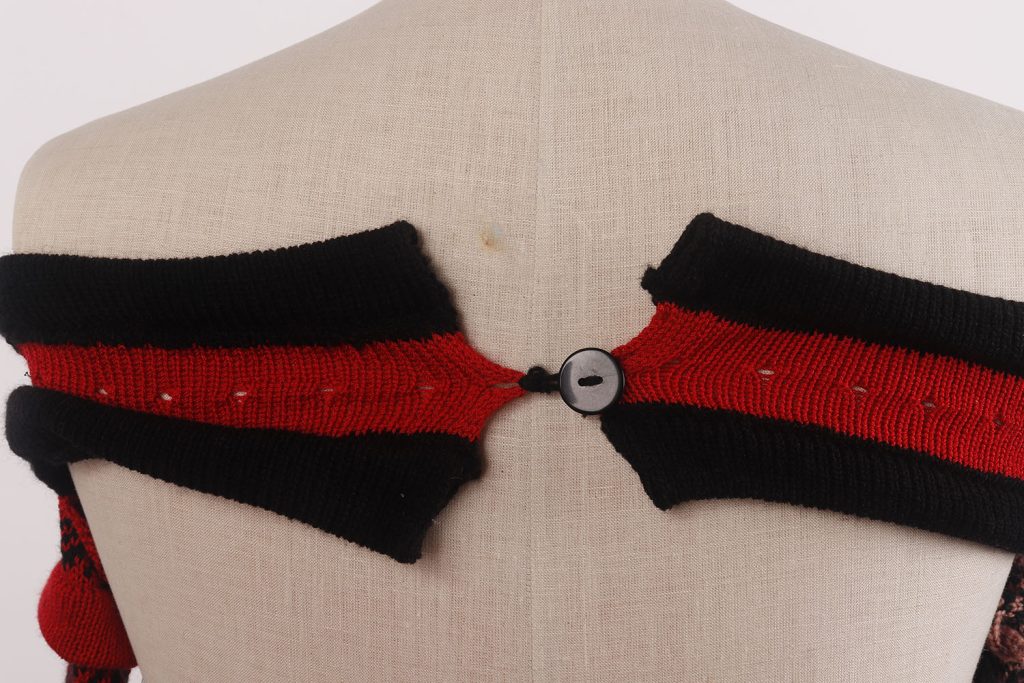
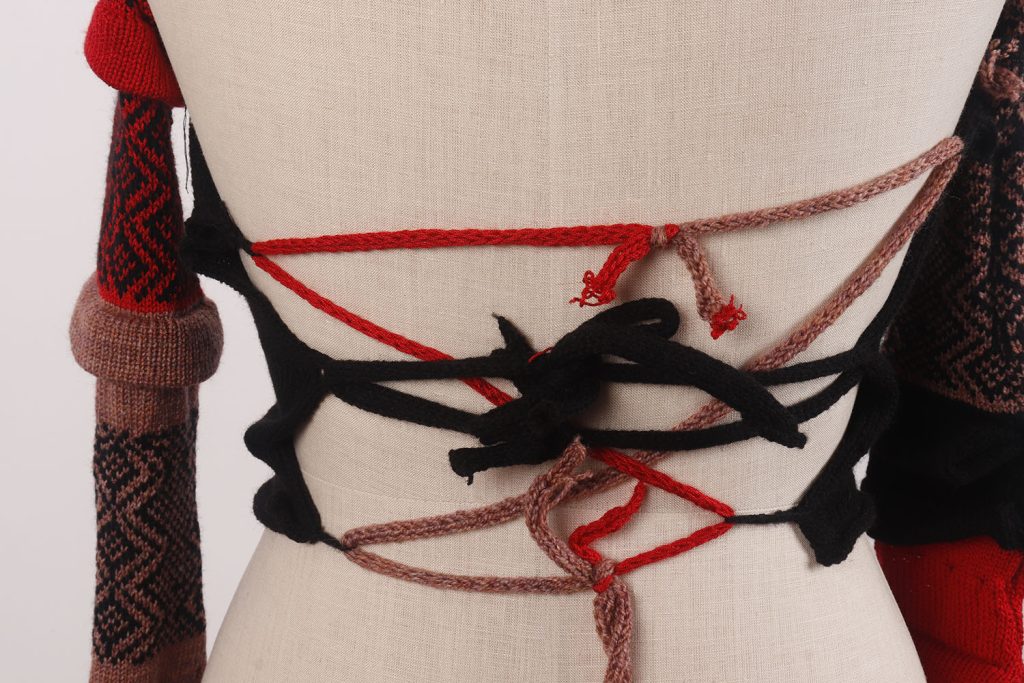
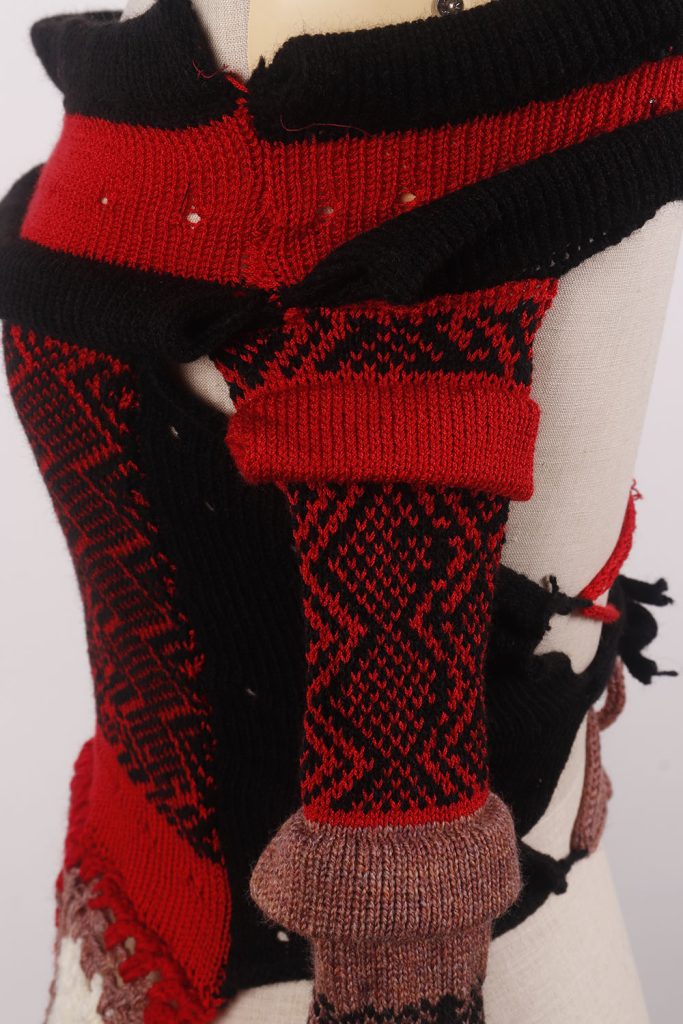
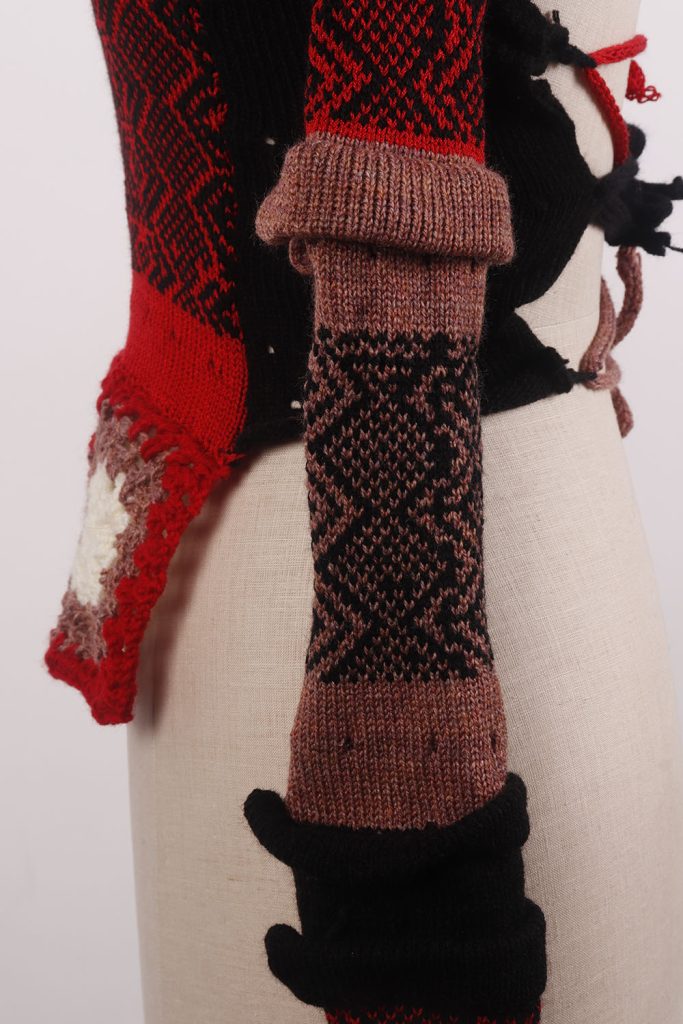
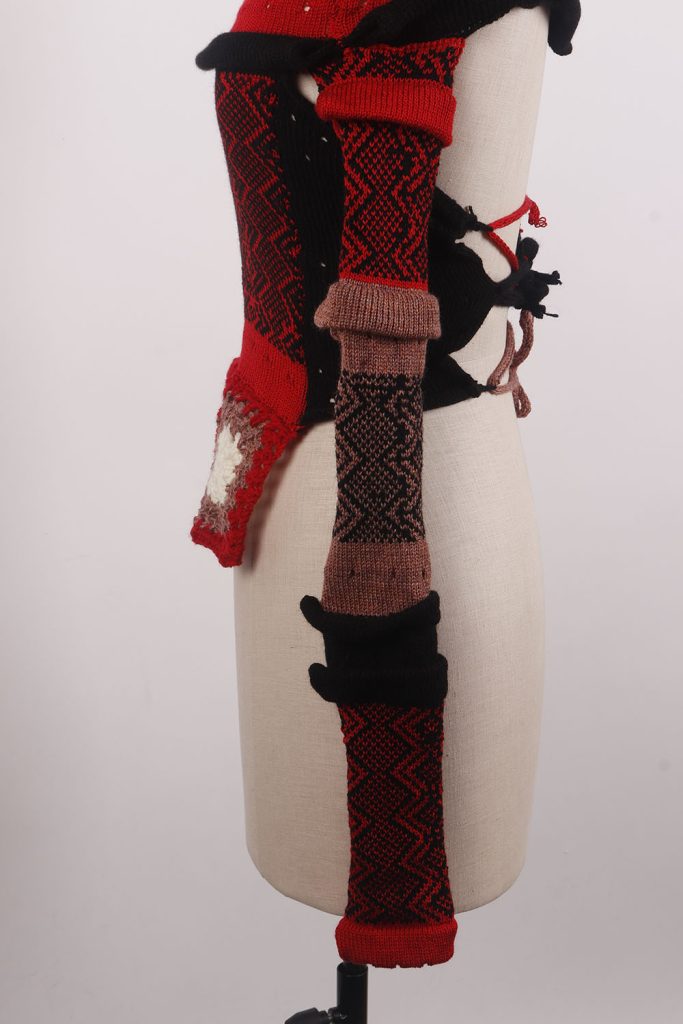
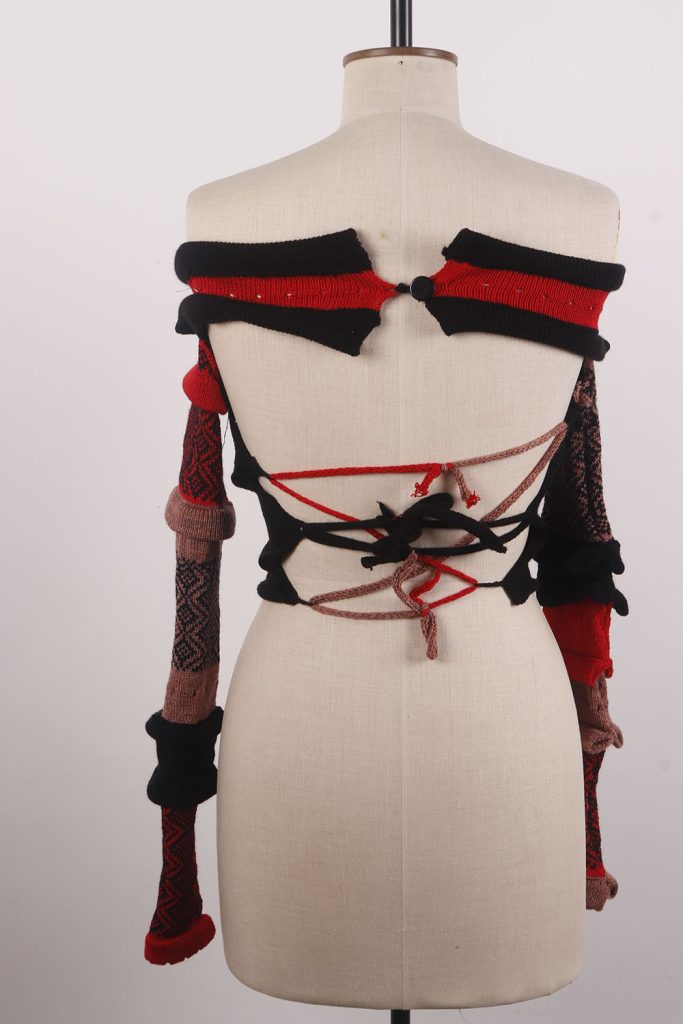
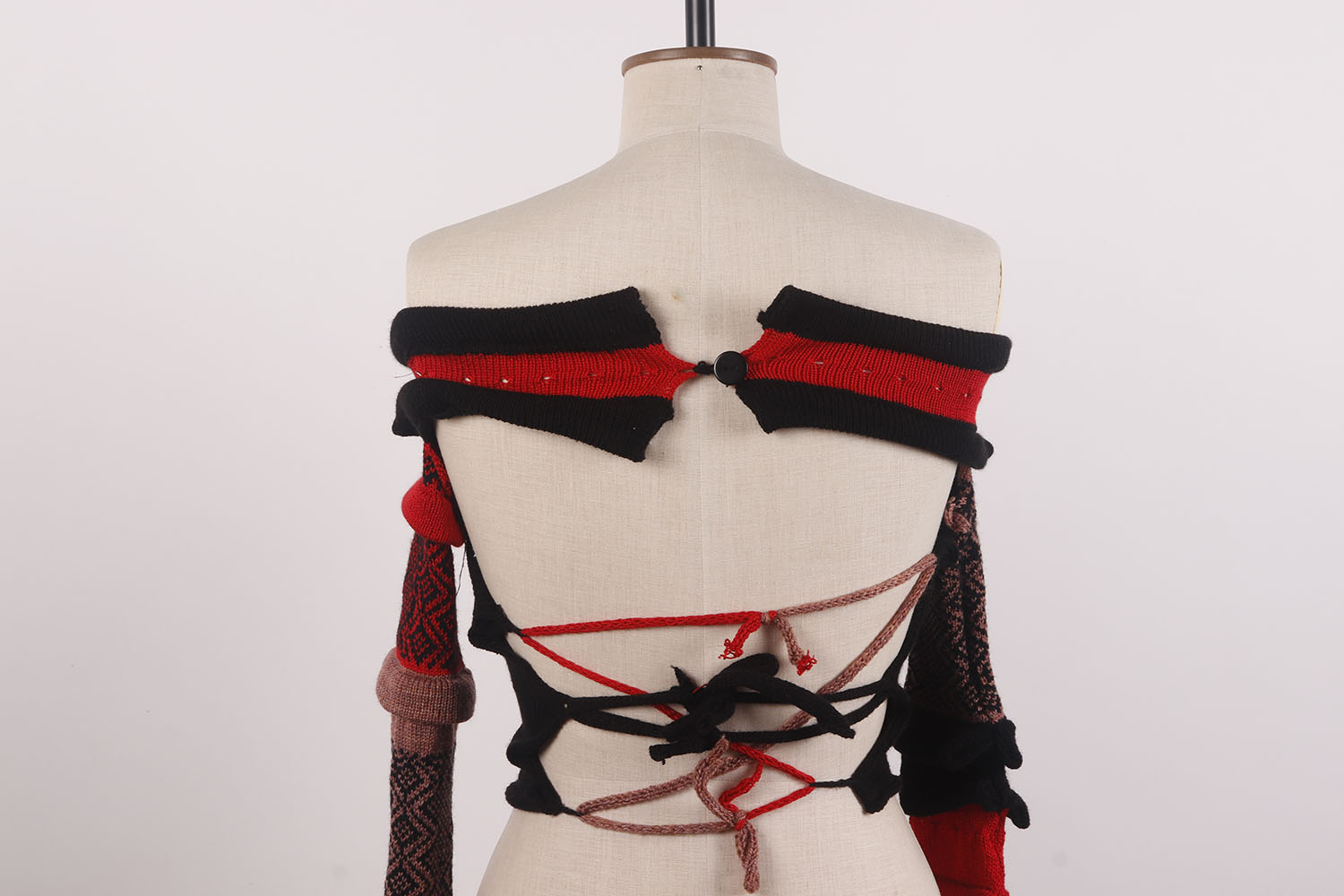
I wanted to explore how knitting could be manipulated to create a fashion garment in my piece. I was really inspired by the technique of knitting due to how it can behave with different wools and stitches. I focused heavily on the knitting machine which is an old fashioned and complex technical machine to create my top, which I found extremely interesting due to its various stitch styles.
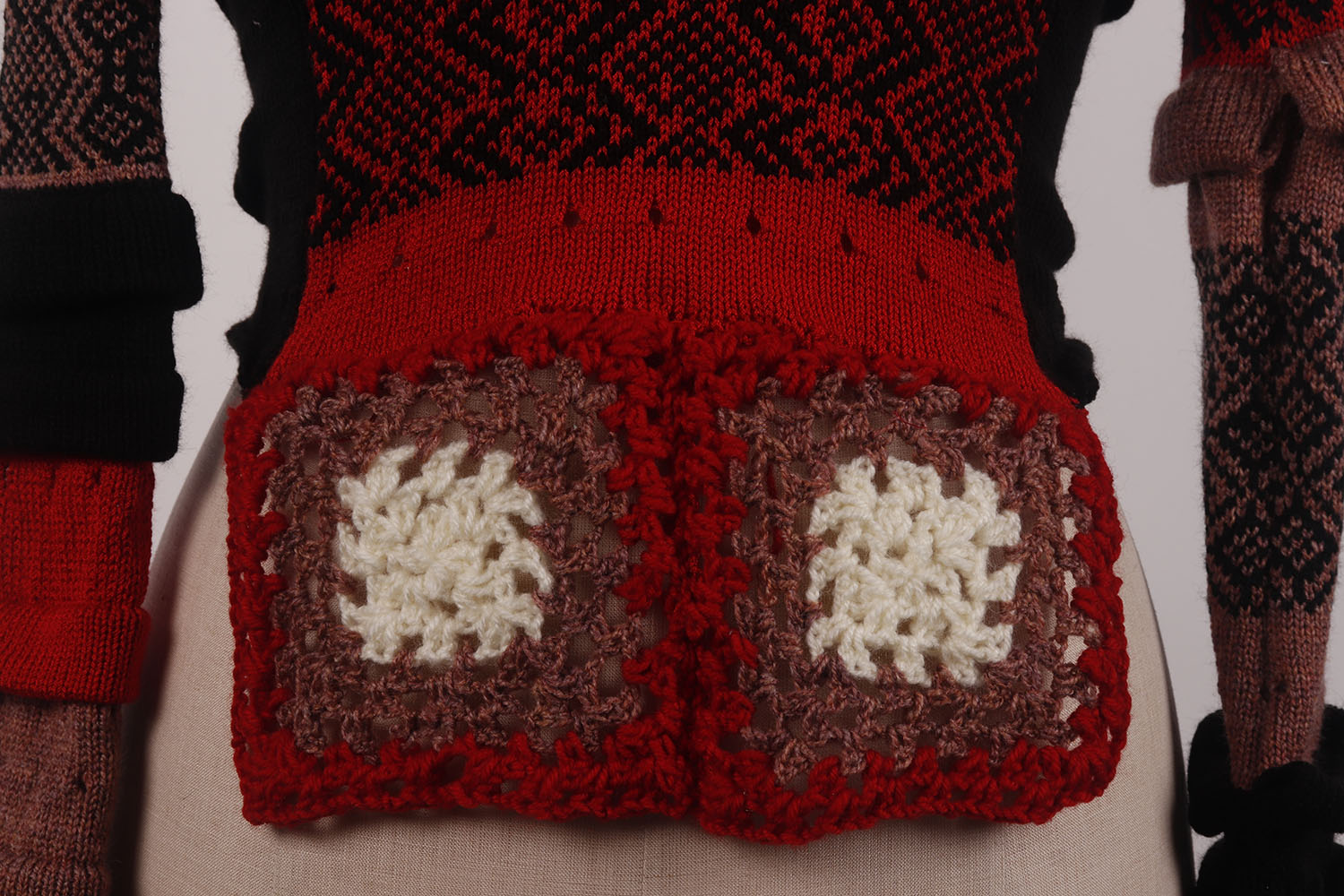
Furthermore, in this exploration I focused on the use of the fair isle stitch, which originated in Scotland, because of how it allows you to create pieces of knit which are patterned in various colour combinations and styles. I specifically chose one geometric pattern and manipulated the colour and length in my piece, as I wanted to create an asymmetrical design without overwhelming the piece. I found that adding pleats in the knit helped break up the design and also add more dimension to the piece, furthermore, I found adding carefully placed holes and the use of crochet on the lower torso of the top added more texture.
Overall, I really enjoyed creating this piece as it was all decided by myself on where the segments joined together, how big they were and how each knitted part would have subtle differences compared to the next. Furthermore, I found that the colours and style were all cohesive. However if I was to add more I would include the crocheted pieces all around the bottom of the design, although I do think they are successful on their own.
The role of a graphic designer is incredibly varied. You may find yourself immersed in a fantasy world while designing a set of illustrations for a book, or exploring complex data to create exciting and vibrant infographics that inform rather than confuse.
Graphic communication students at Dudley Sixth are introduced to a wide selection of processes and techniques. Using a range of both traditional and digital methods, they are encouraged to move beyond their comfort zones to produce a variety of work supported by an understanding of design theory and a developing awareness of contemporary practitioners to inform and influence their ideas.
In their second year, students begin to develop their own visual identity while becoming increasingly self-directed and independent, producing a collection of work tailored to their interests and specialisms. This could be an advertising campaign, design work for a clothing website or a set of illustrations for an album sleeve or book. Throughout the year, students will be encouraged to try new approaches and consolidate the skills they have learned in their first year to produce strong, challenging and professionally-produced designs. I believe you will see all of these qualities in this year’s second year work. I hope you enjoy it.
Chris Worley, A-Level Graphic Communication Tutor, Dudley Sixth
As a purpose built, self-contained A-Level centre with the goal to educate and enthuse the next generation of learners, Dudley Sixth is fast gaining a reputation for being one of the best places to study A-Levels in the Black Country, Birmingham and the wider West Midlands region.
Our A-Level courses in Fine Art, Graphic Communication, Photography and Textile Design are your gateway to Higher Education, Higher Apprenticeships or employment. The majority of our learners plan to progress onto university and many accept places at a range of Russell Group universities, including Birmingham, King’s College London and Manchester, as well as other local prestigious universities including Aston and Keele.
With subject specialists guiding you through your two-year A-Level programme, you will receive the highest quality education. Our aspiration is for you to achieve your potential and have a very successful future.
This year has seen the return of our exam project (which due to COVID hasn’t been conducted since 2019) and with it, a workload increase for all on A-Level Fine art. The organisational skills and motivation of the students has really been tested, working with given topics presented by the exam board, which at times can often be frustrating. However, all the students have risen to the challenges presented over the year and produced high quality work they should be proud of.
This year we’ve even managed to resume our educational visits, with trips to Liverpool, London and even Berlin. These have inspired and engaged our cohort and provided them with some additional inspiration outside of the classroom.
Gillian Worley, A-Level Fine Art Tutor, Dudley Sixth
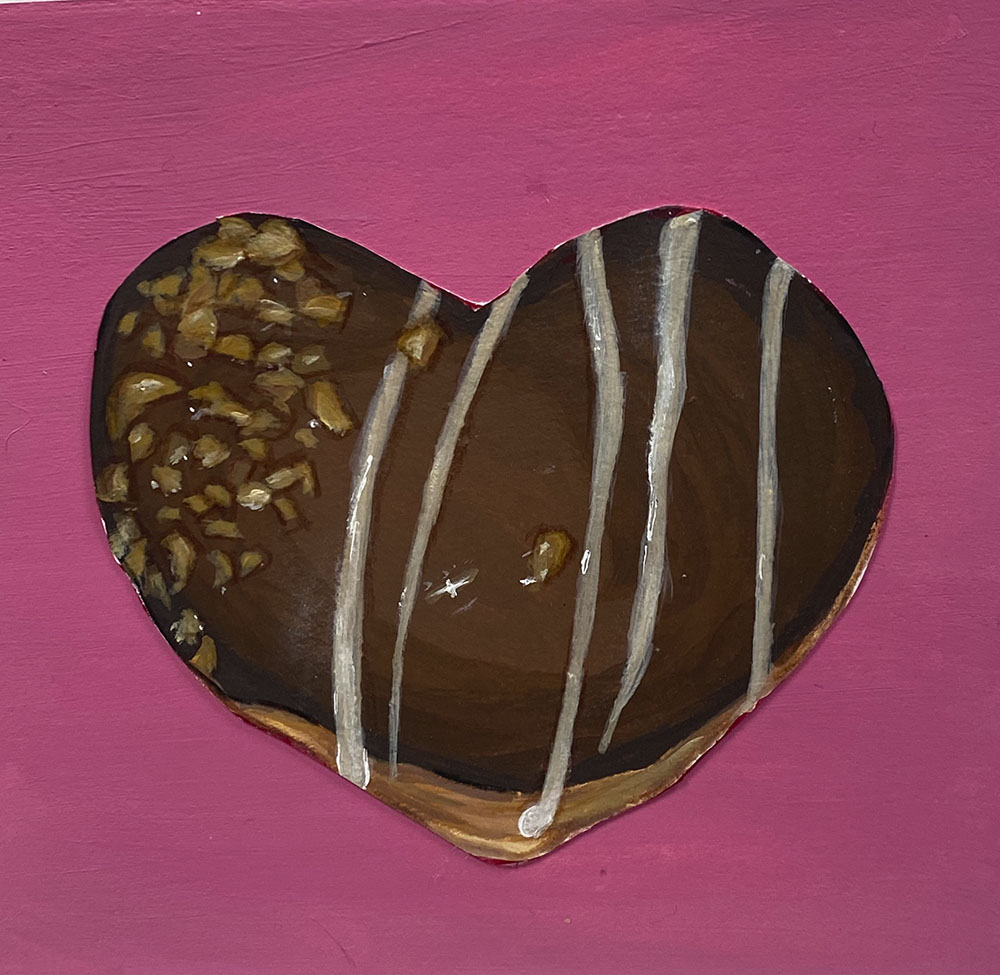
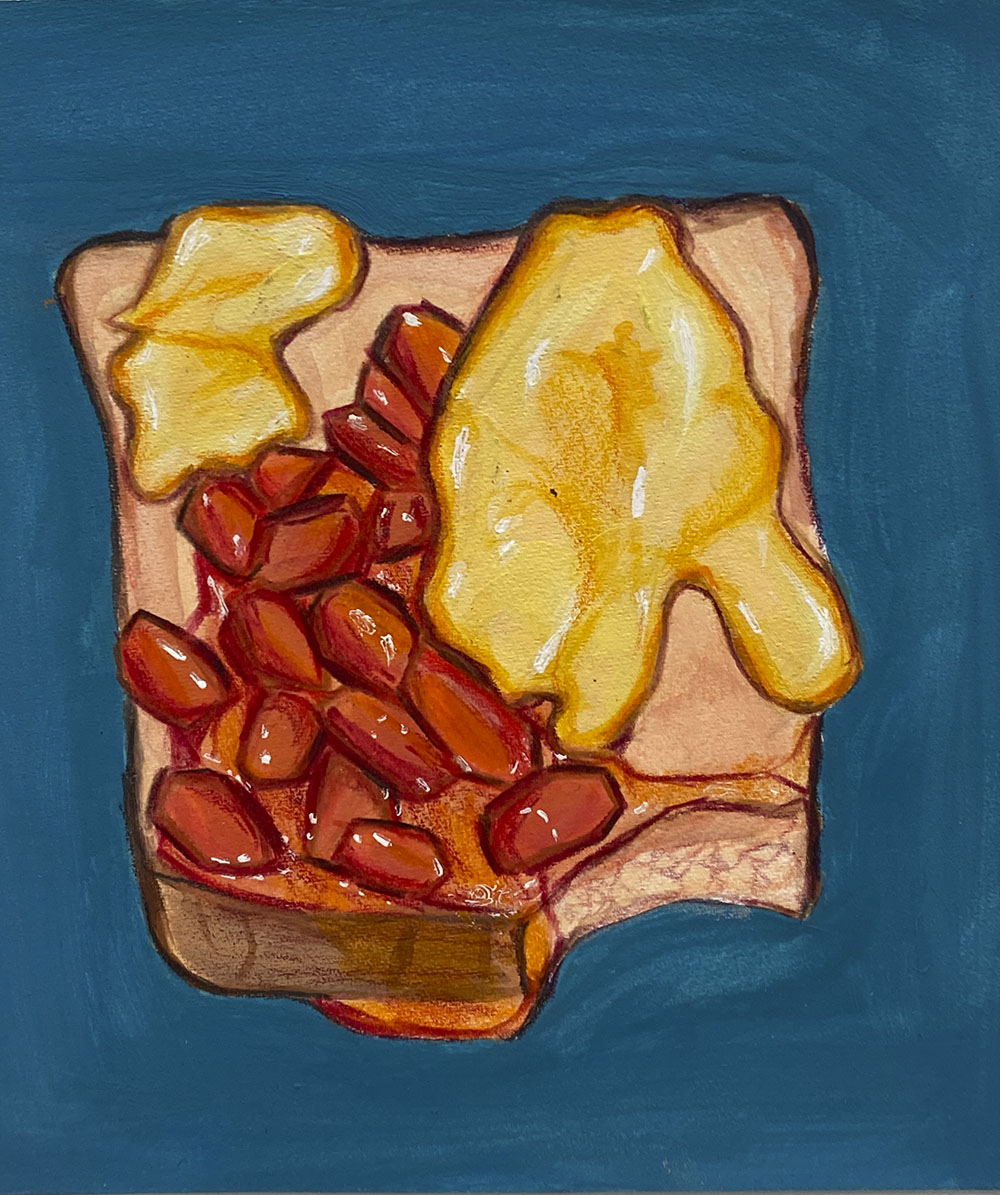
Graciela Amulong
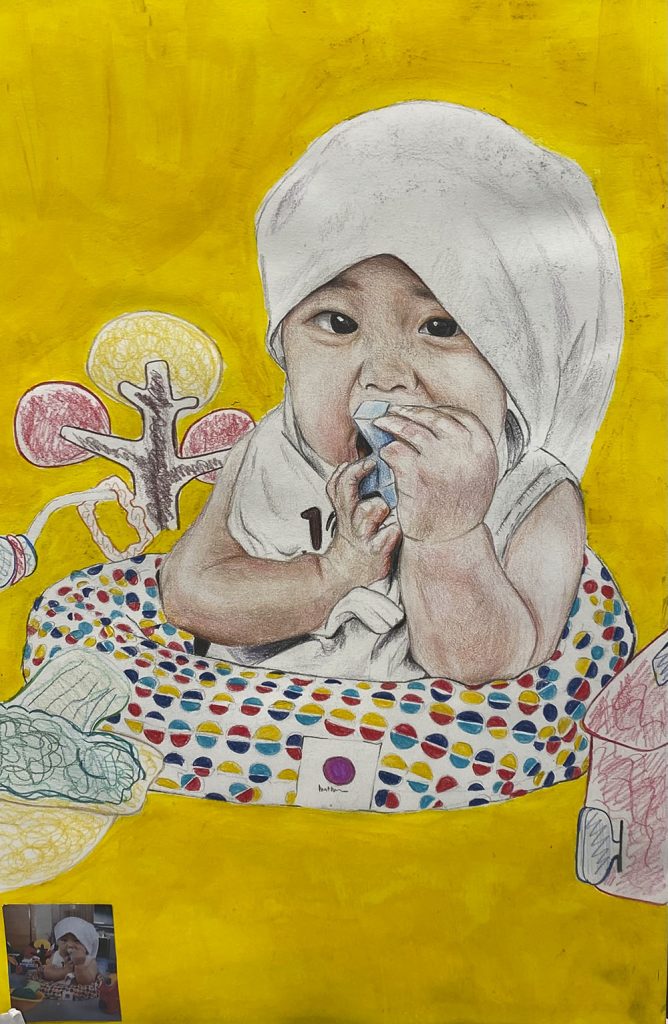
I wanted to explore the uniqueness of different encounters and how these experiences vary from person to person; we remember and dwell about our favorite memories, but being able to present the passing moments is just as valuable.
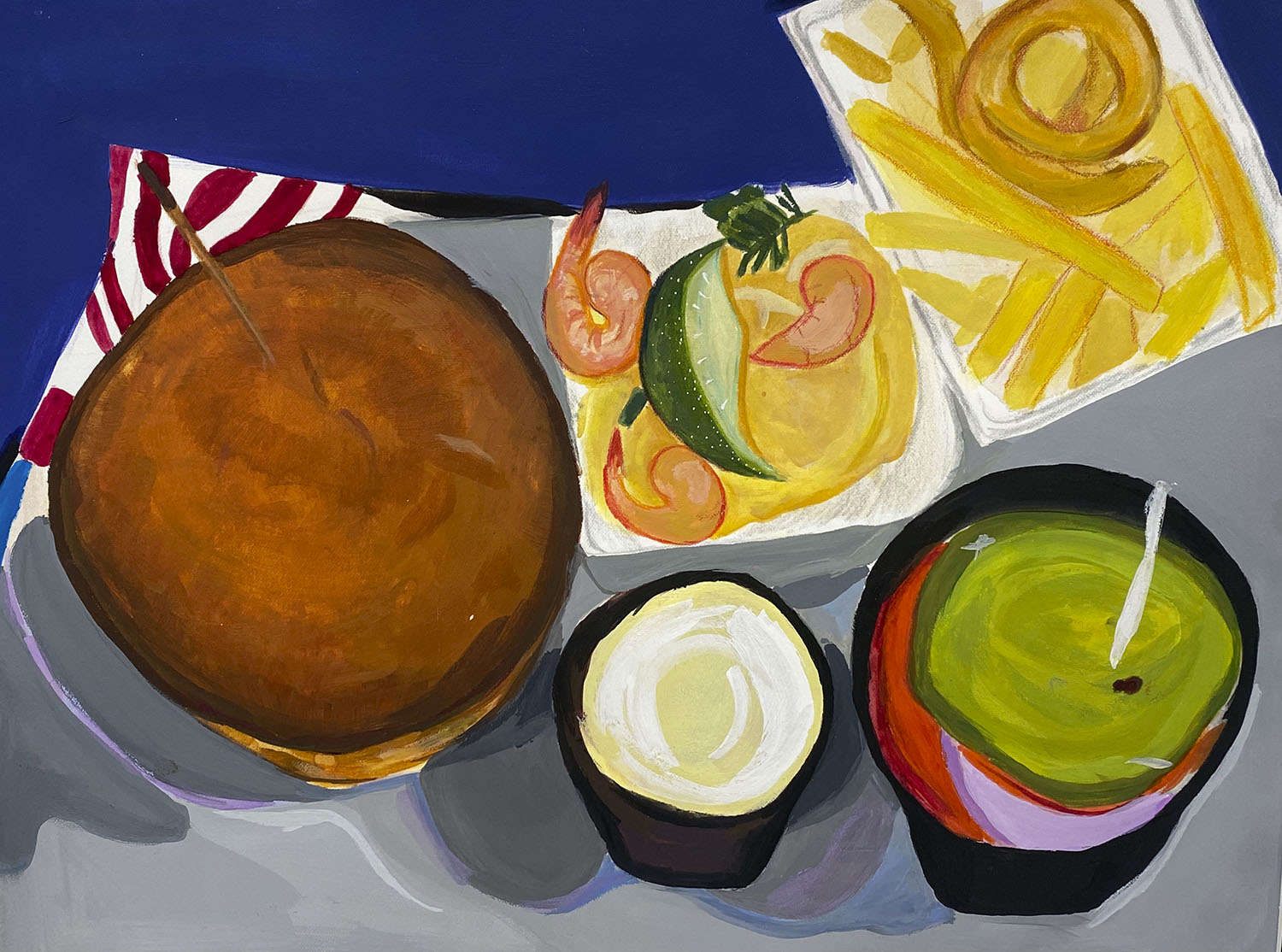
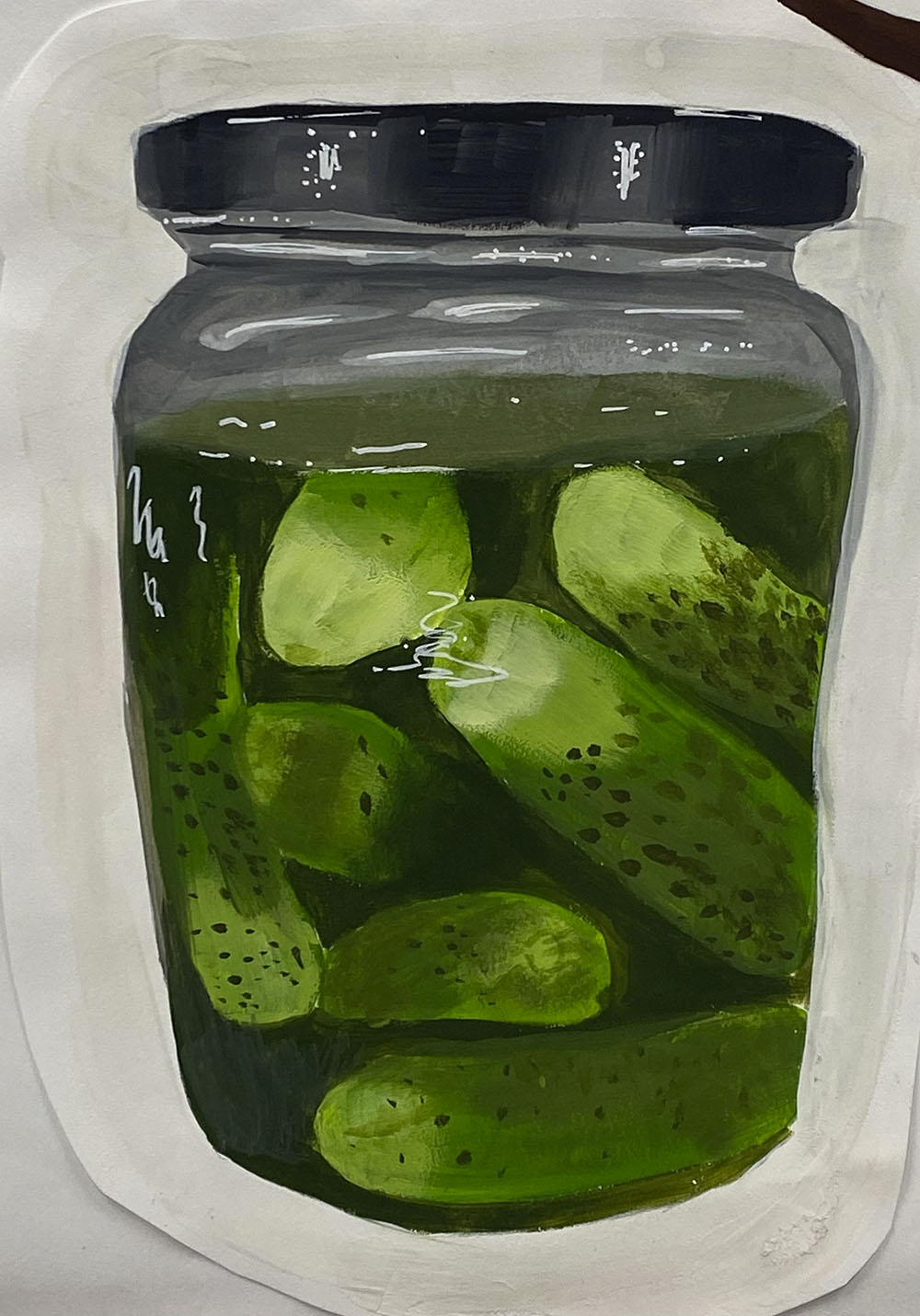
I also created a project that consisted of me recreating dishes and a variety of foods to help elevate the concept of the mundane; foods are recognized to amplify our five senses, so I wanted to see if I could recreate that in my work using colour and different styles.
Morgan Cadd
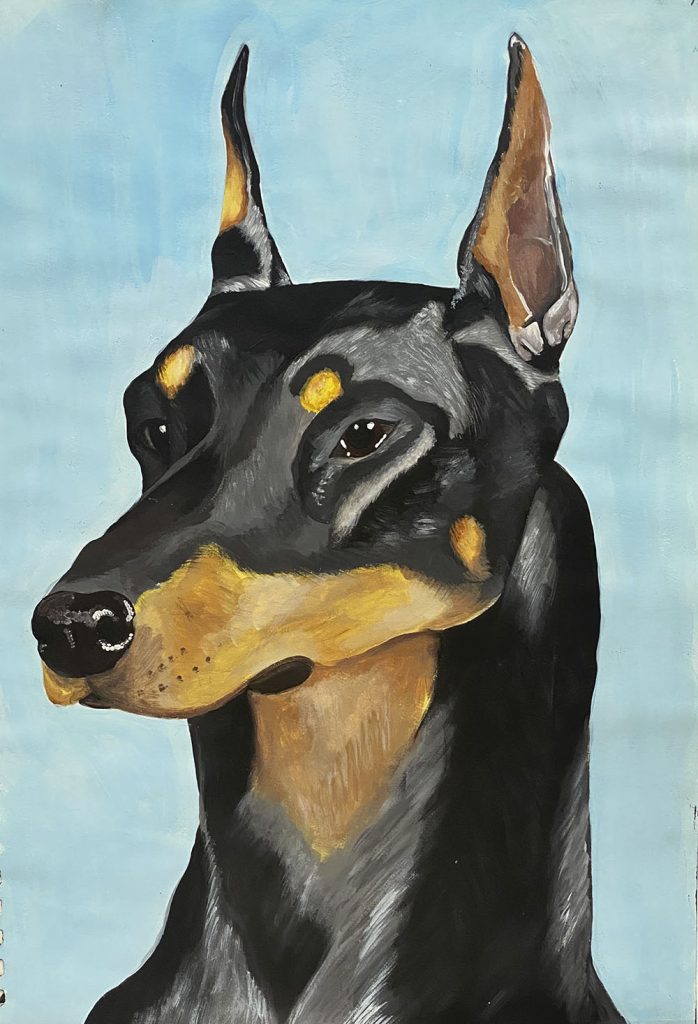
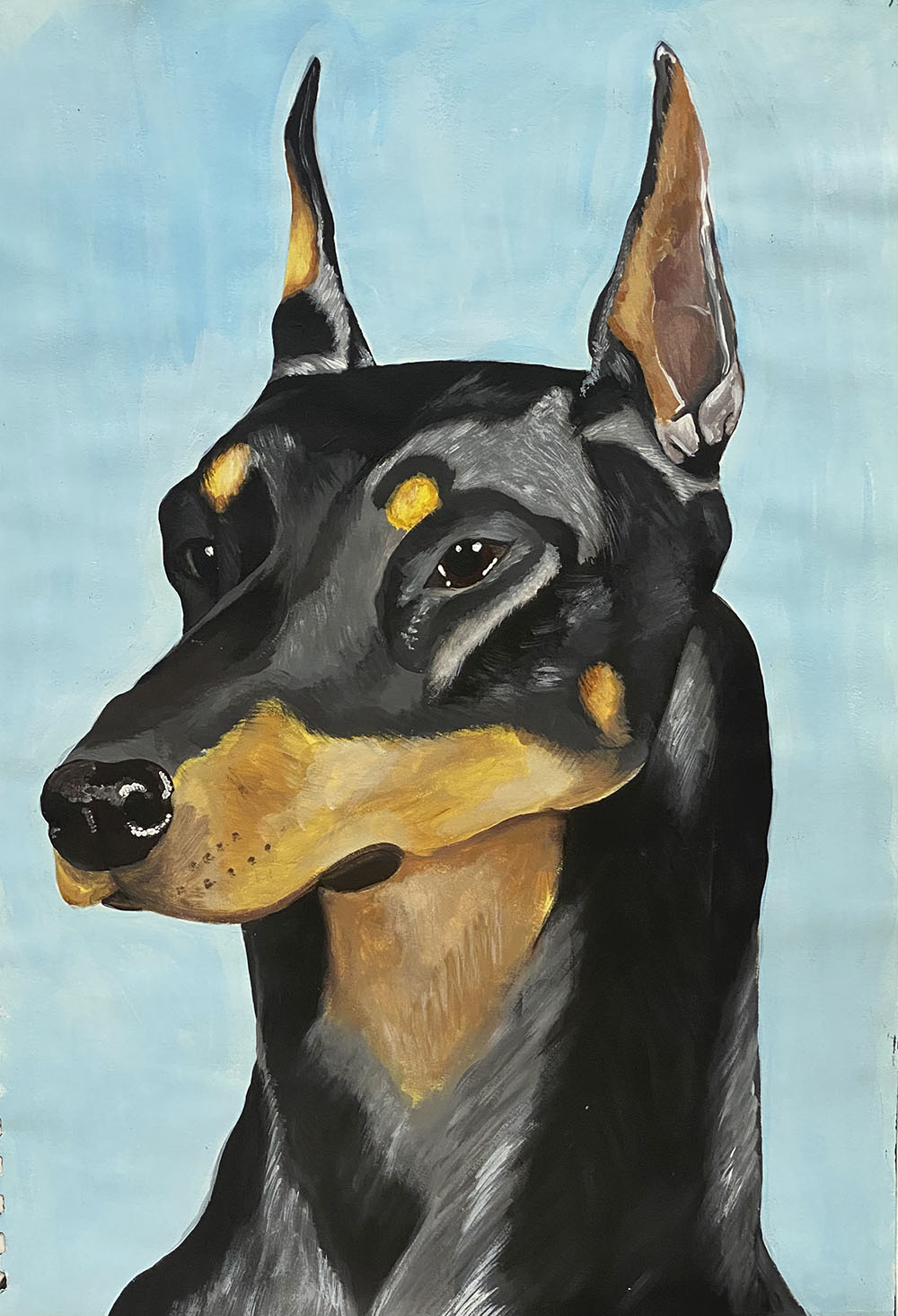
For my first project, I choose the topic ‘Animals’ where I explore different domestic pets such as dogs, cats and snakes in a range of different media leading up to my final piece centred around the negative stereotypes surrounding dogs, all painted in acrylic paint as I thoroughly enjoyed the harsh and bold colours/look of this material.
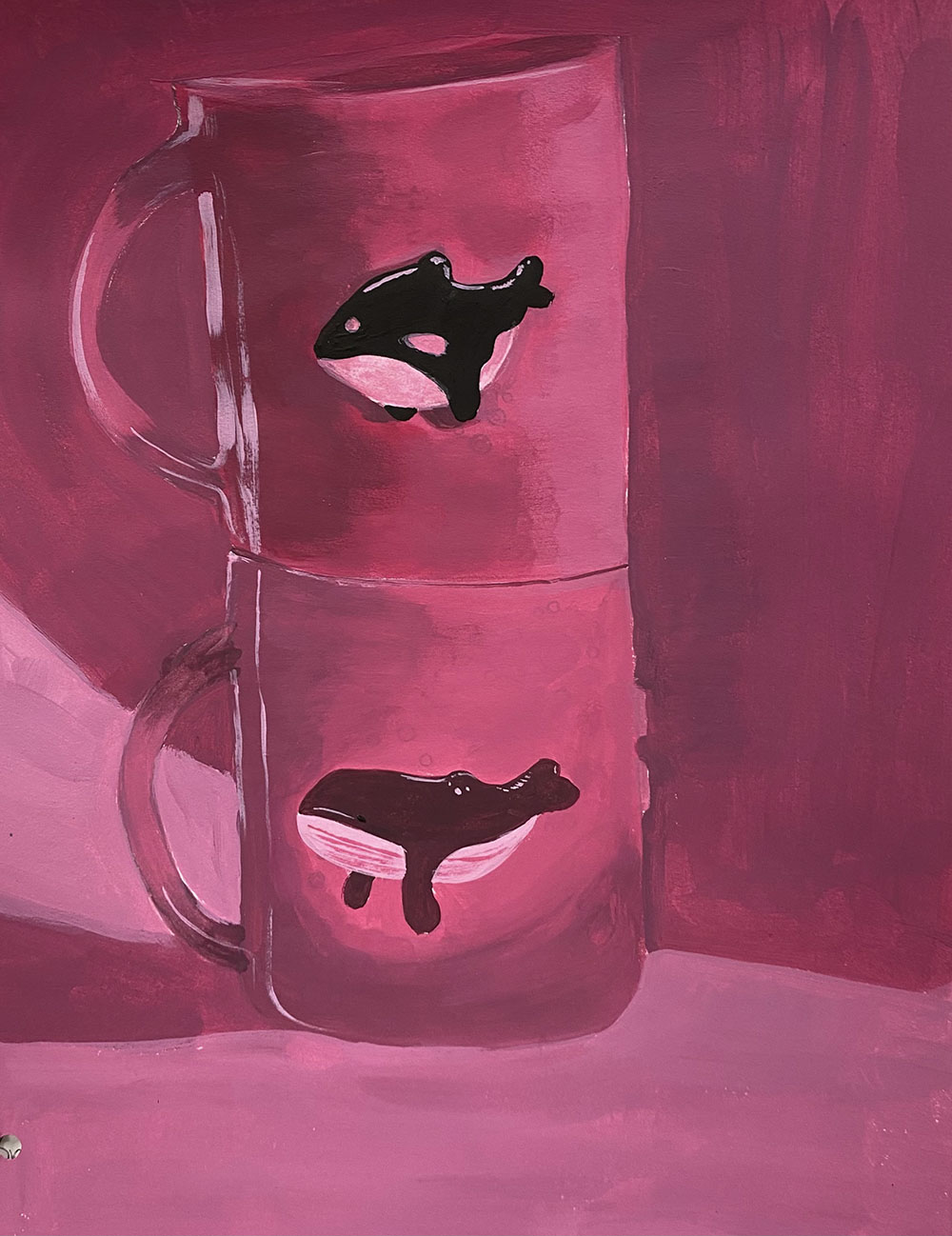
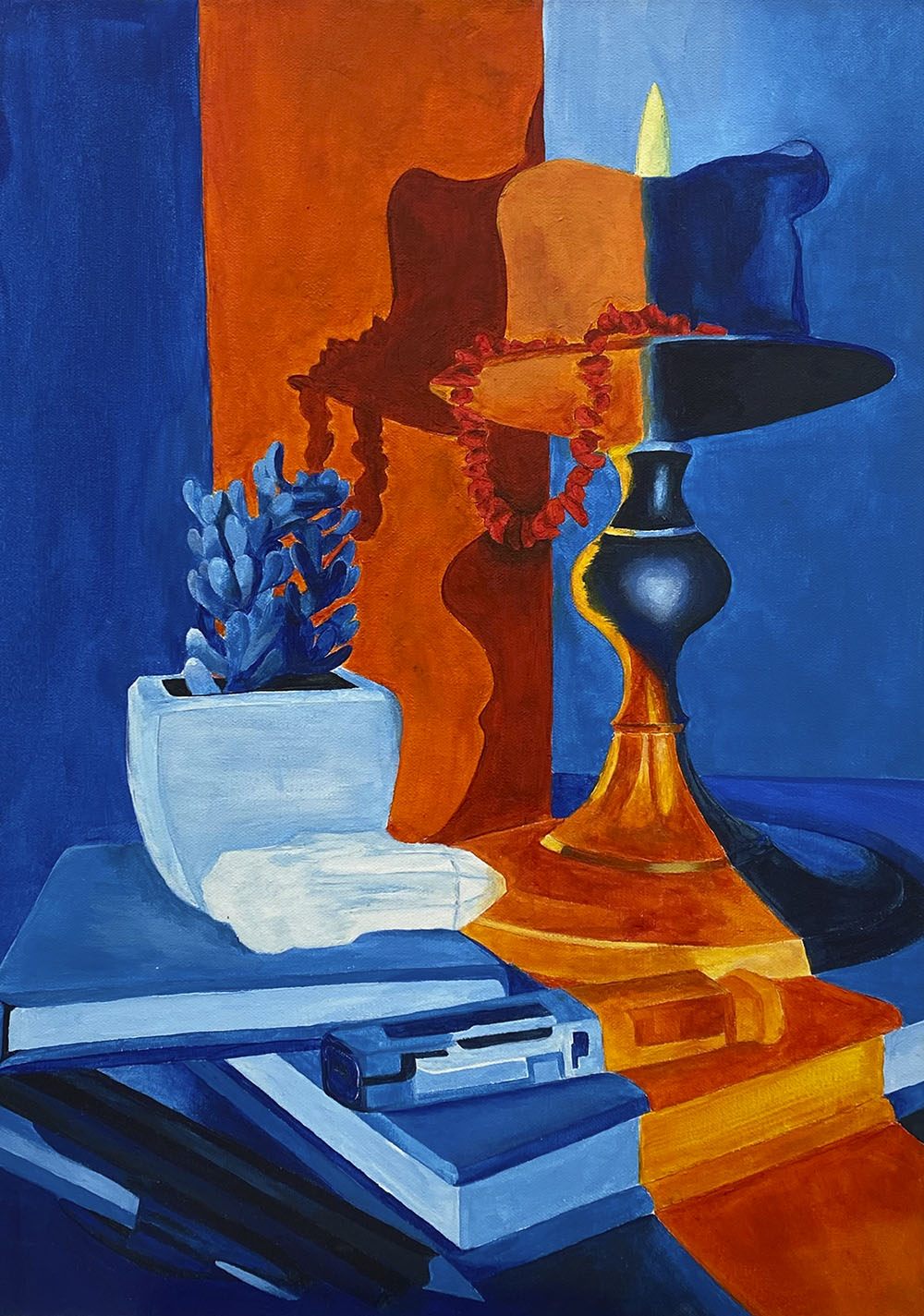
For my next project, I choose the exam topic ‘Vivid’ as this spoke to me the most. I knew from the beginning I wanted to continue using acrylic paint as well as exploring coloured pencils and watercolour.
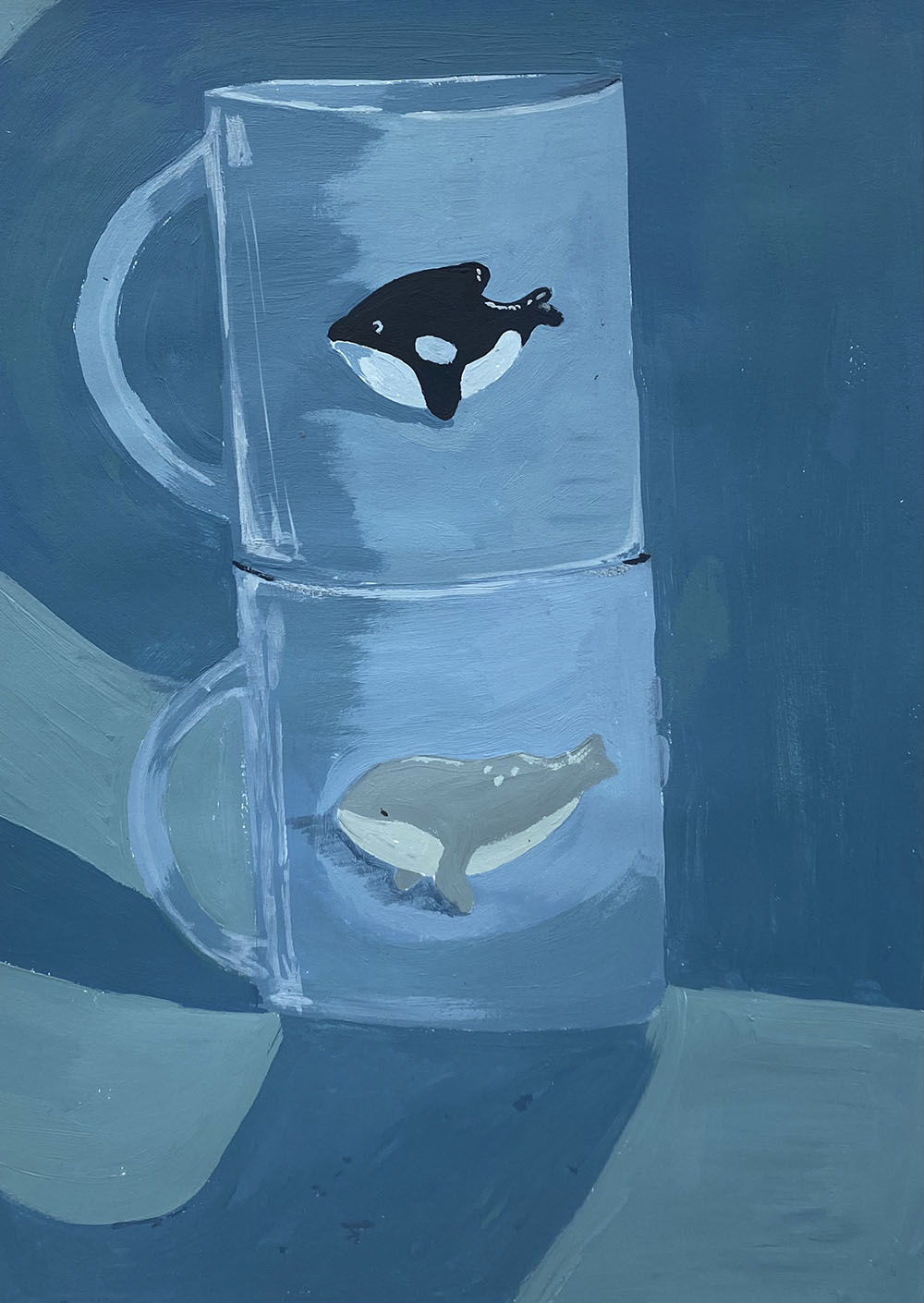
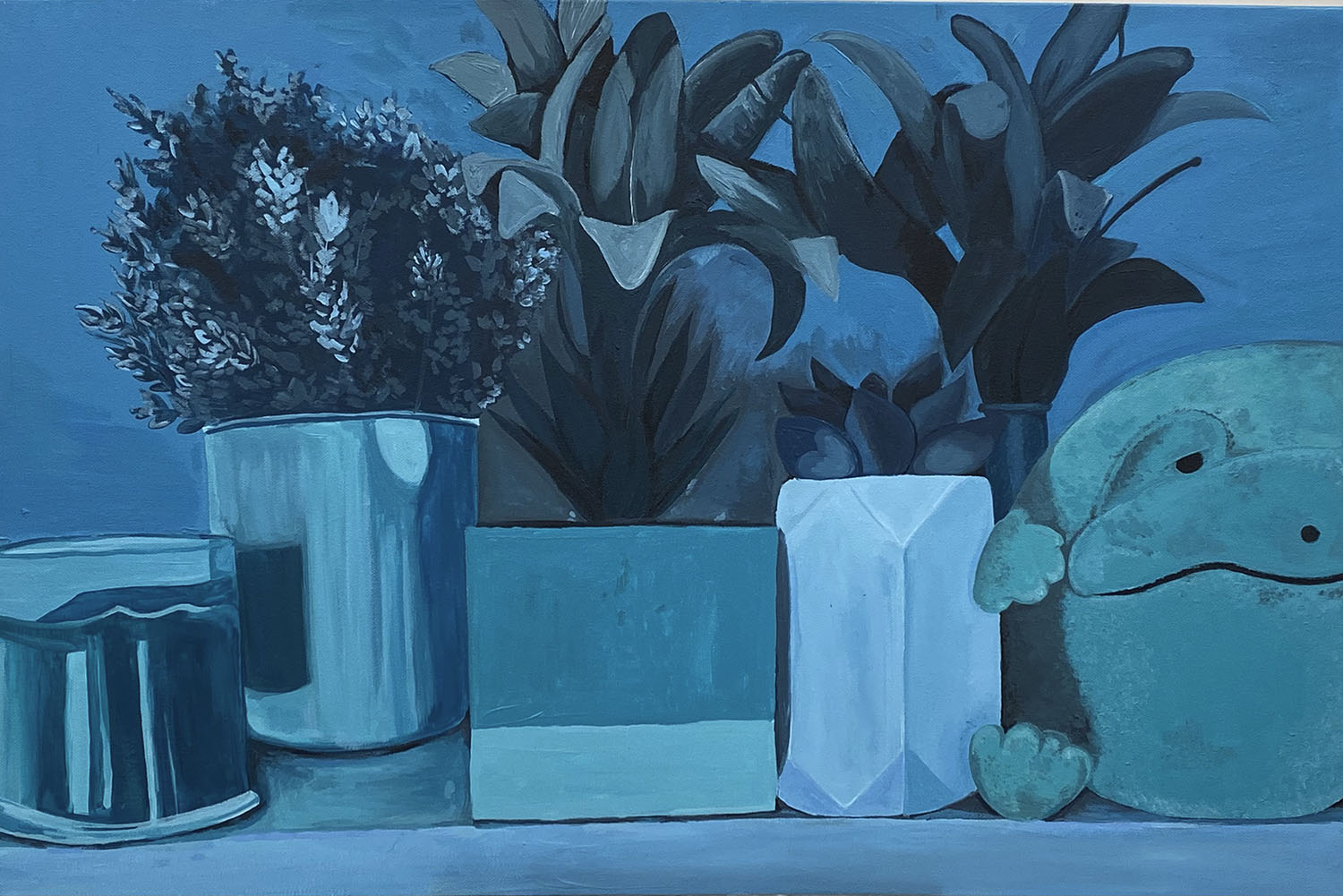
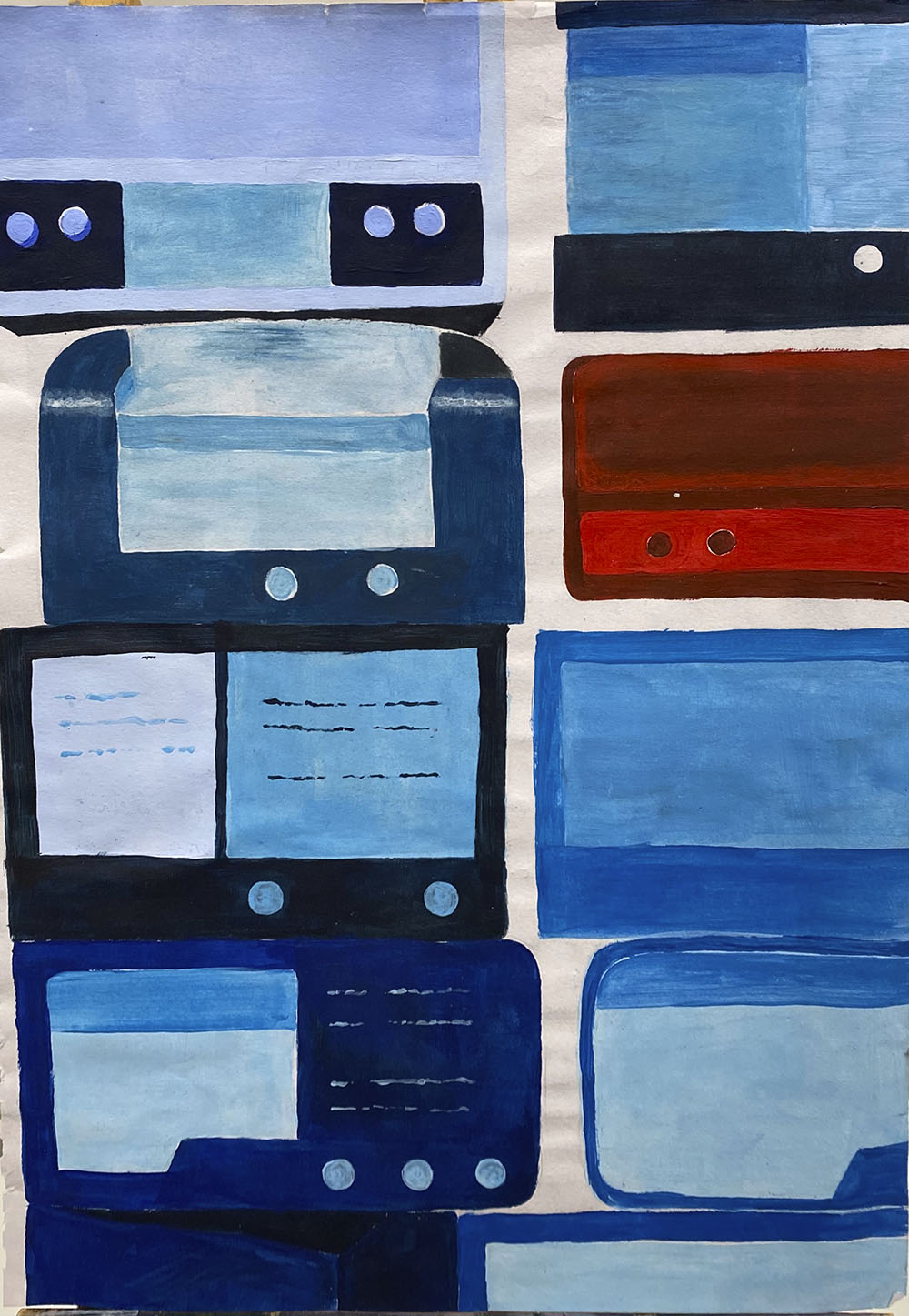
Ultimately, I decided acrylic was the medium I preferred through my experiments around objects and people in bold, monochromatic colours. My final piece encompasses all I learnt throughout this project. Again, I chose acrylic paint as my chosen medium, using it in a monochromatic style that has since become another technique I fell in love with throughout this project.
Charlie Craig
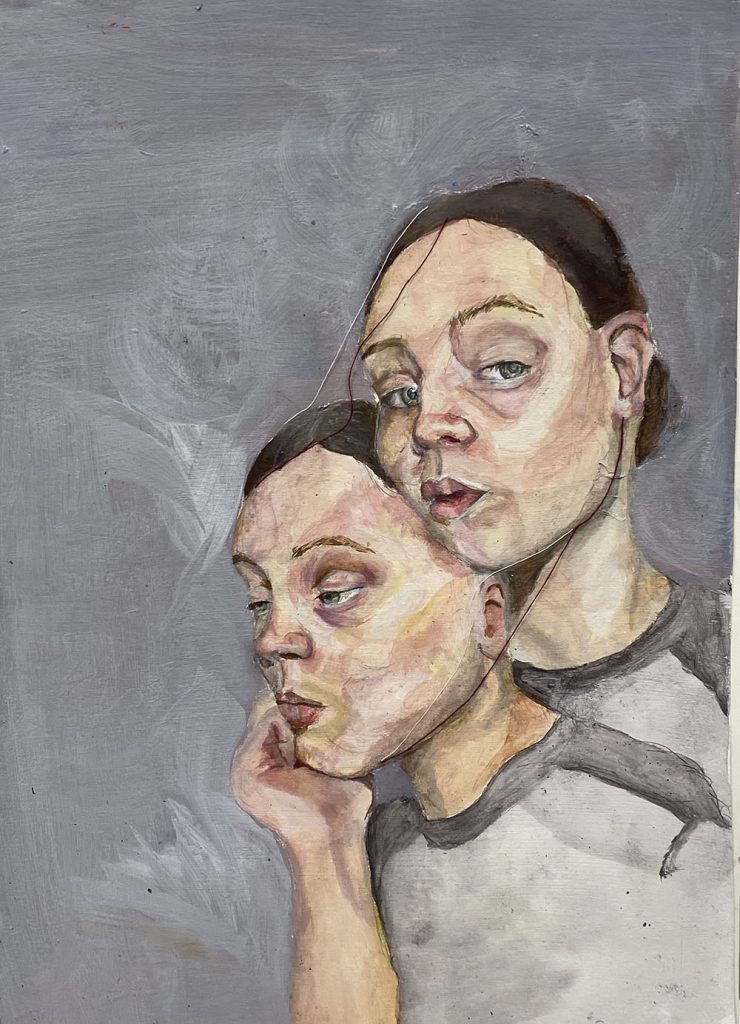
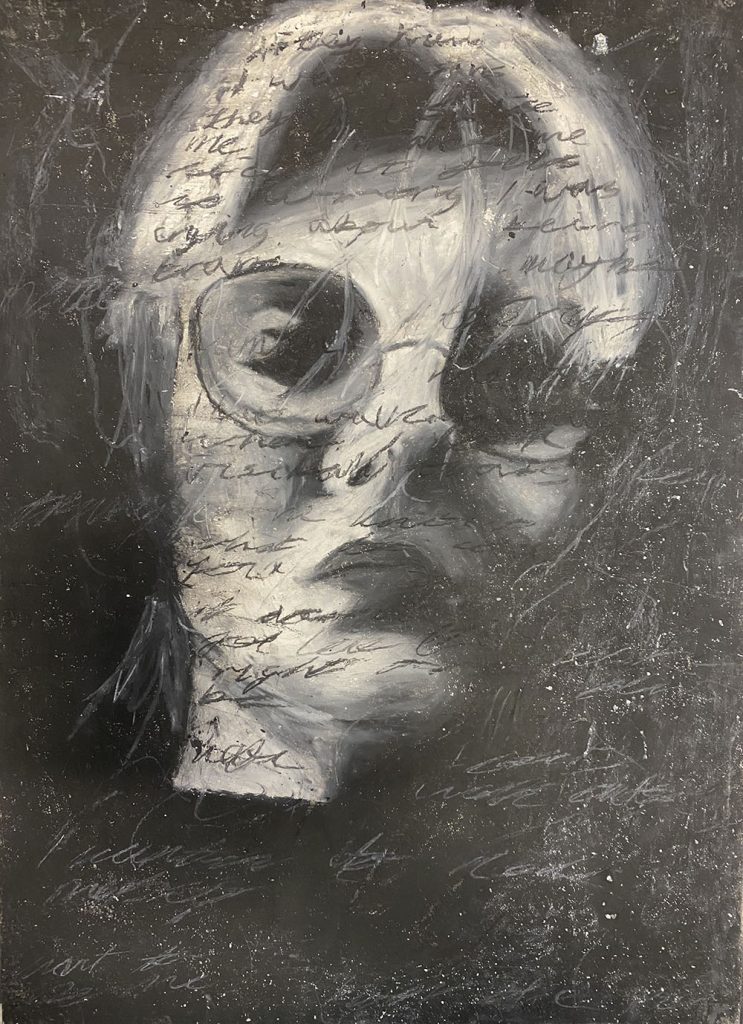
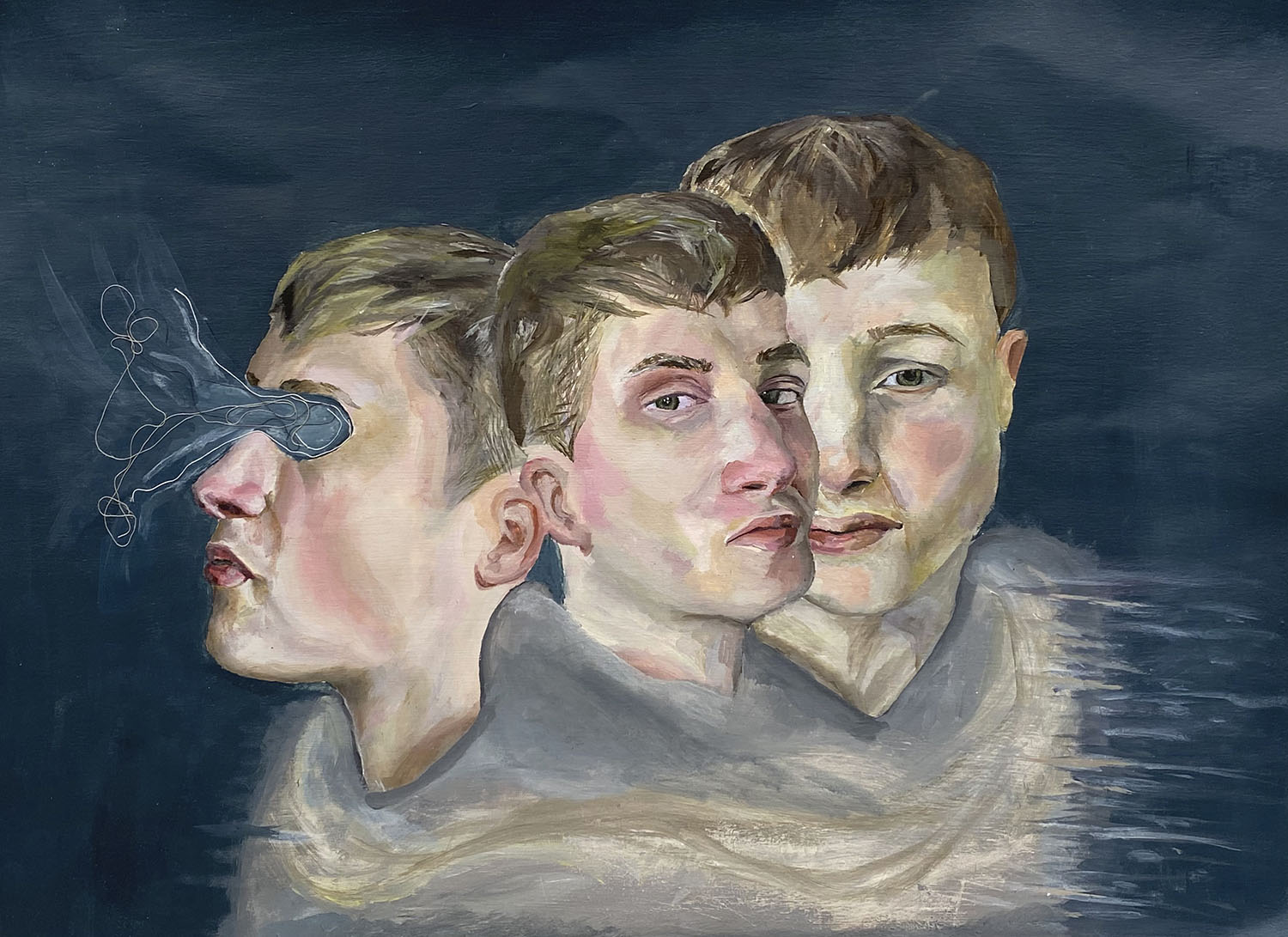
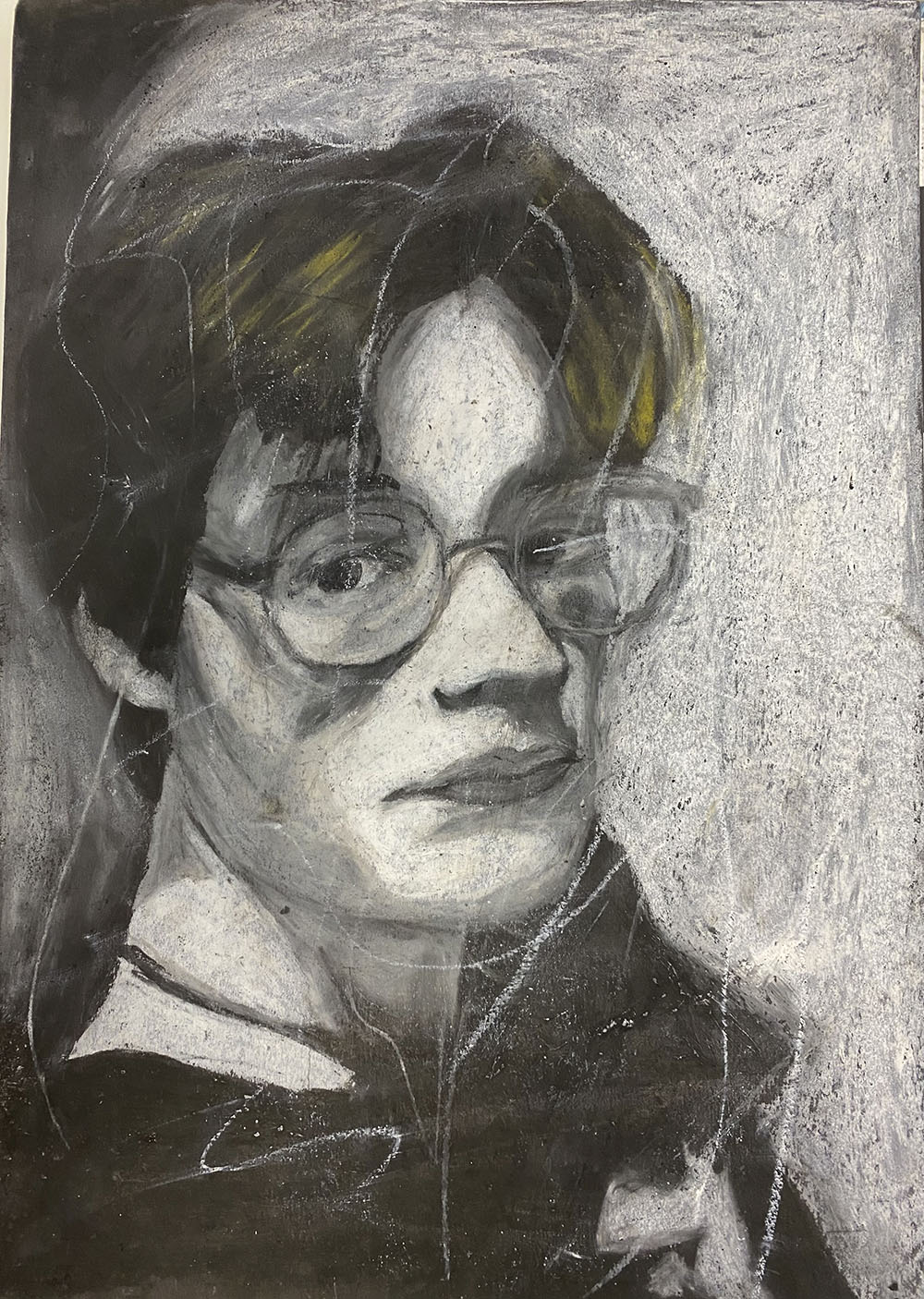
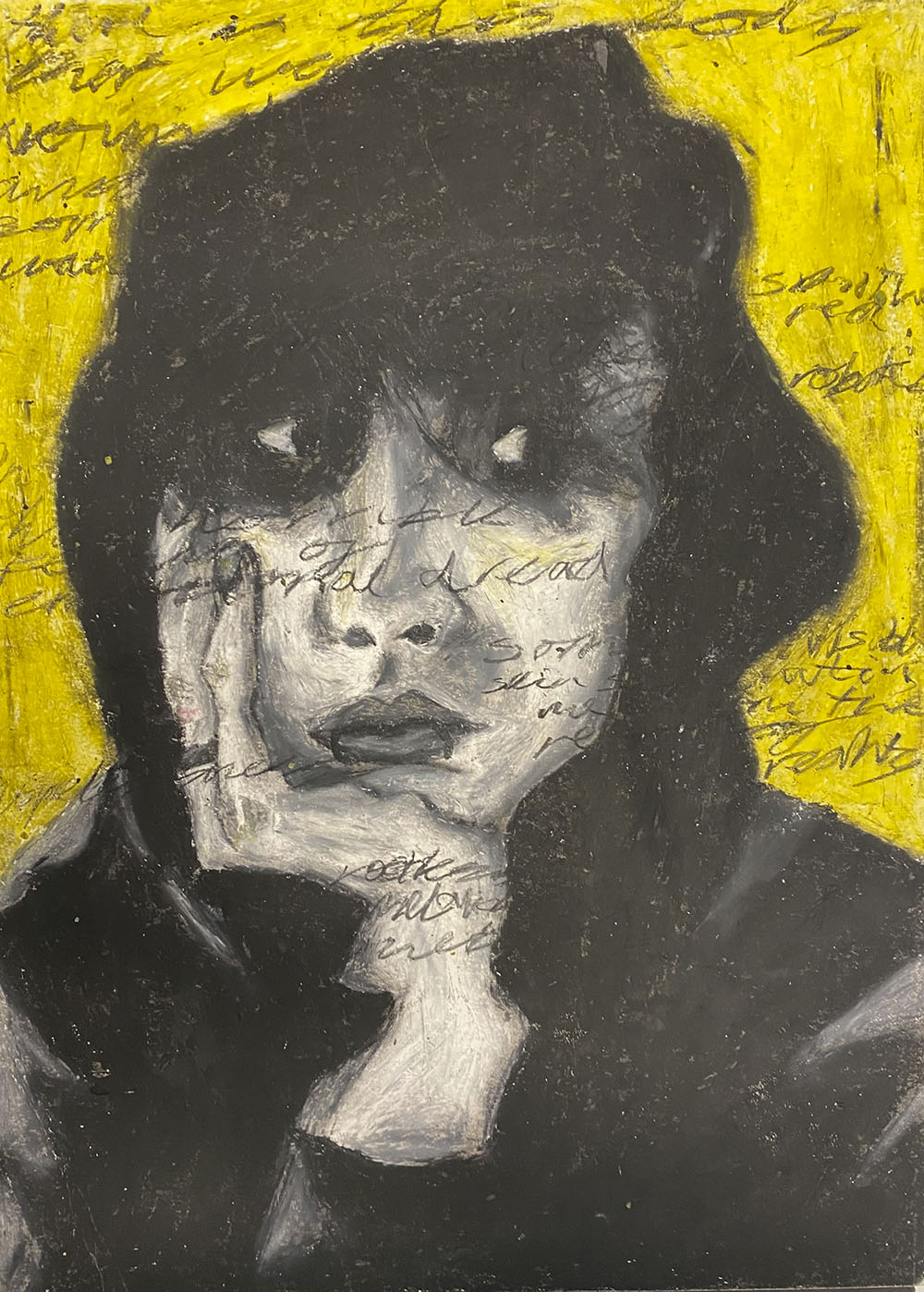
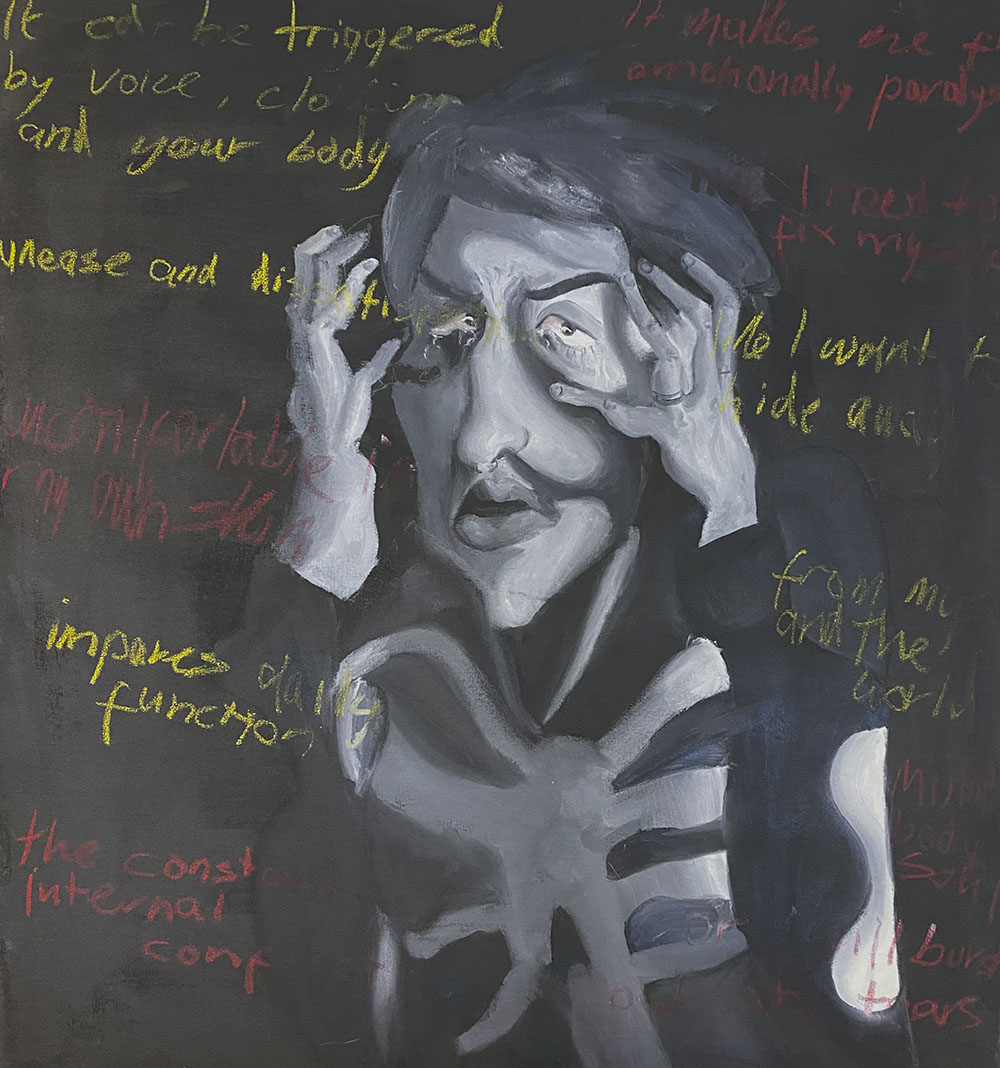
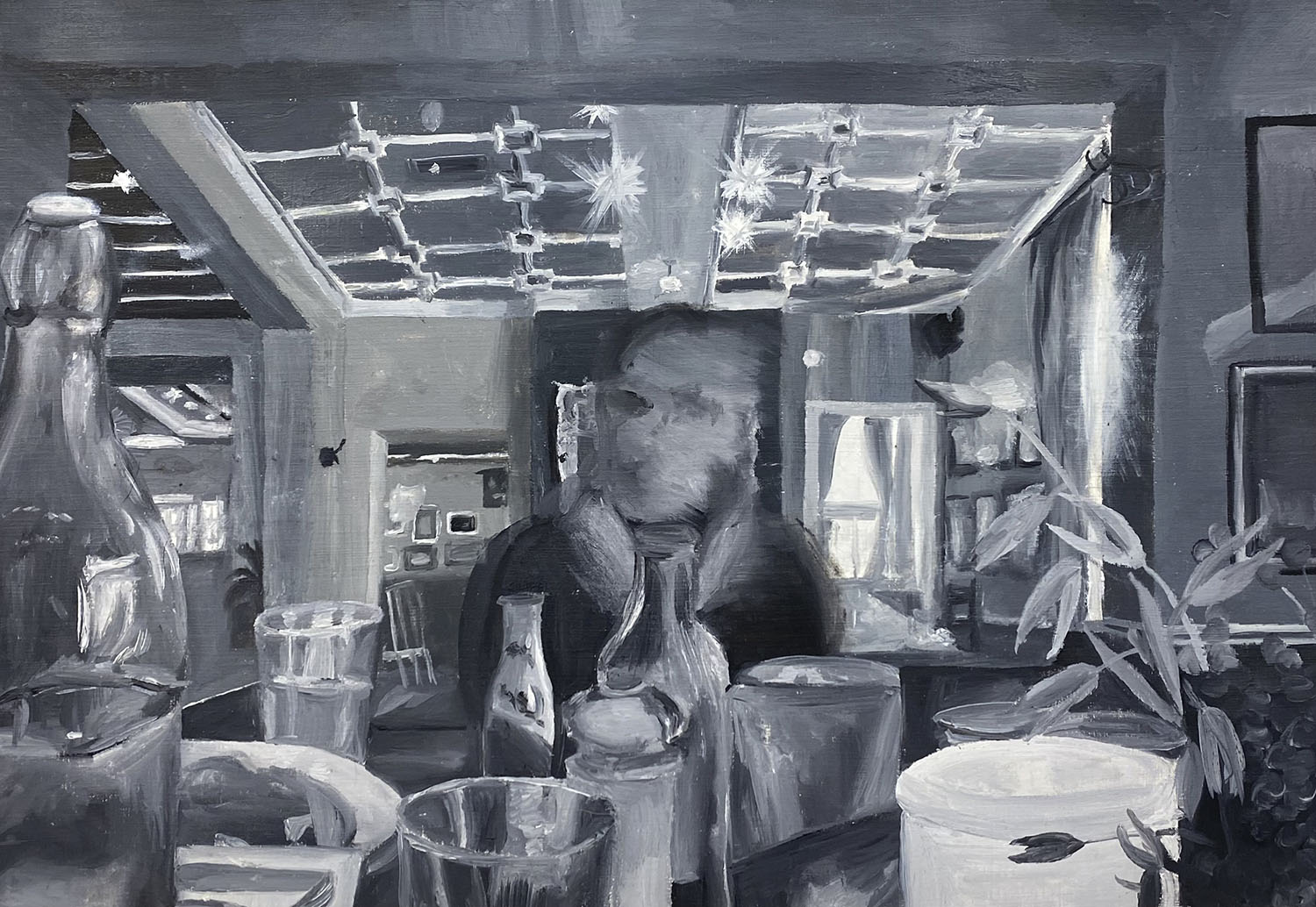
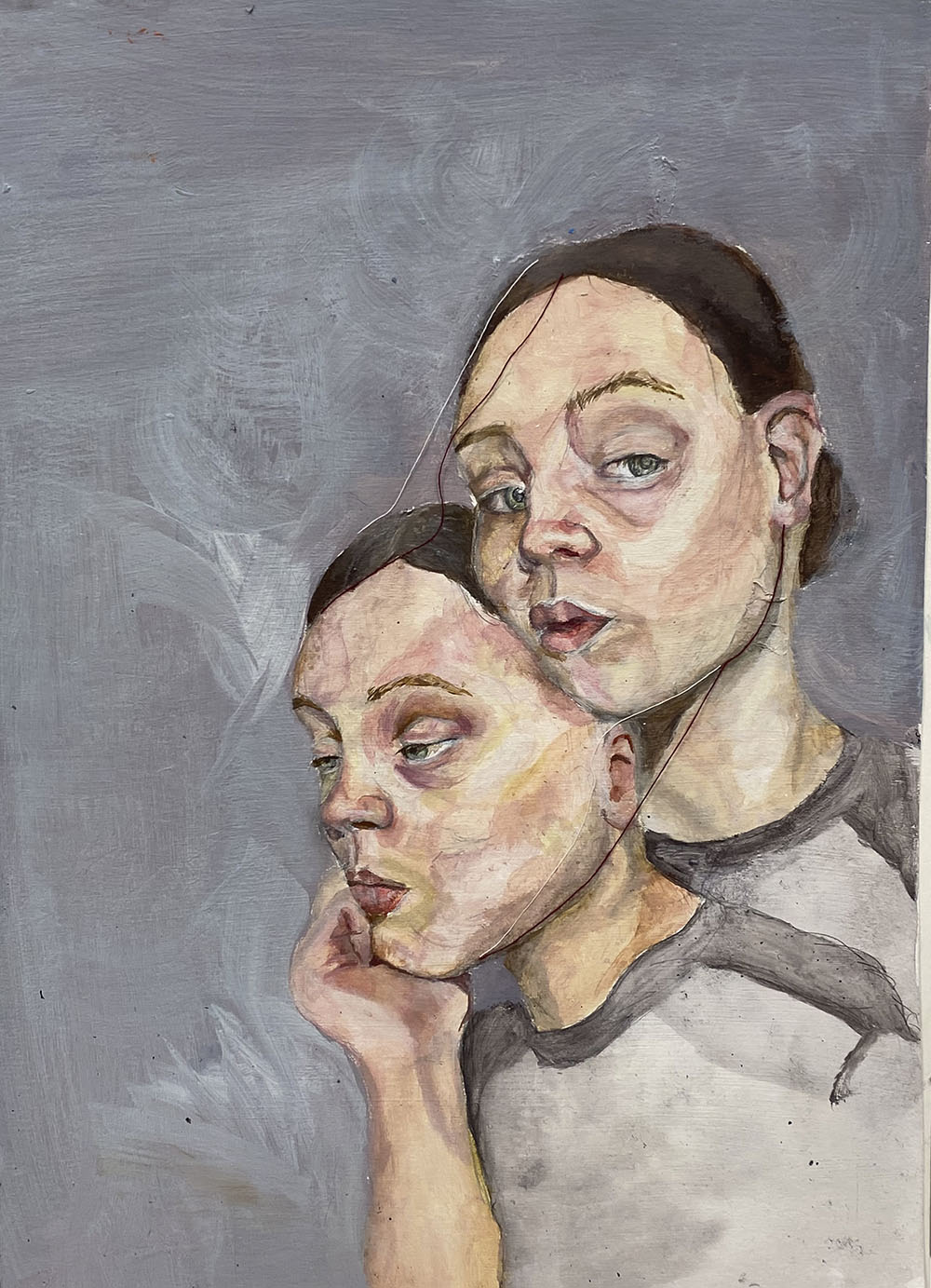
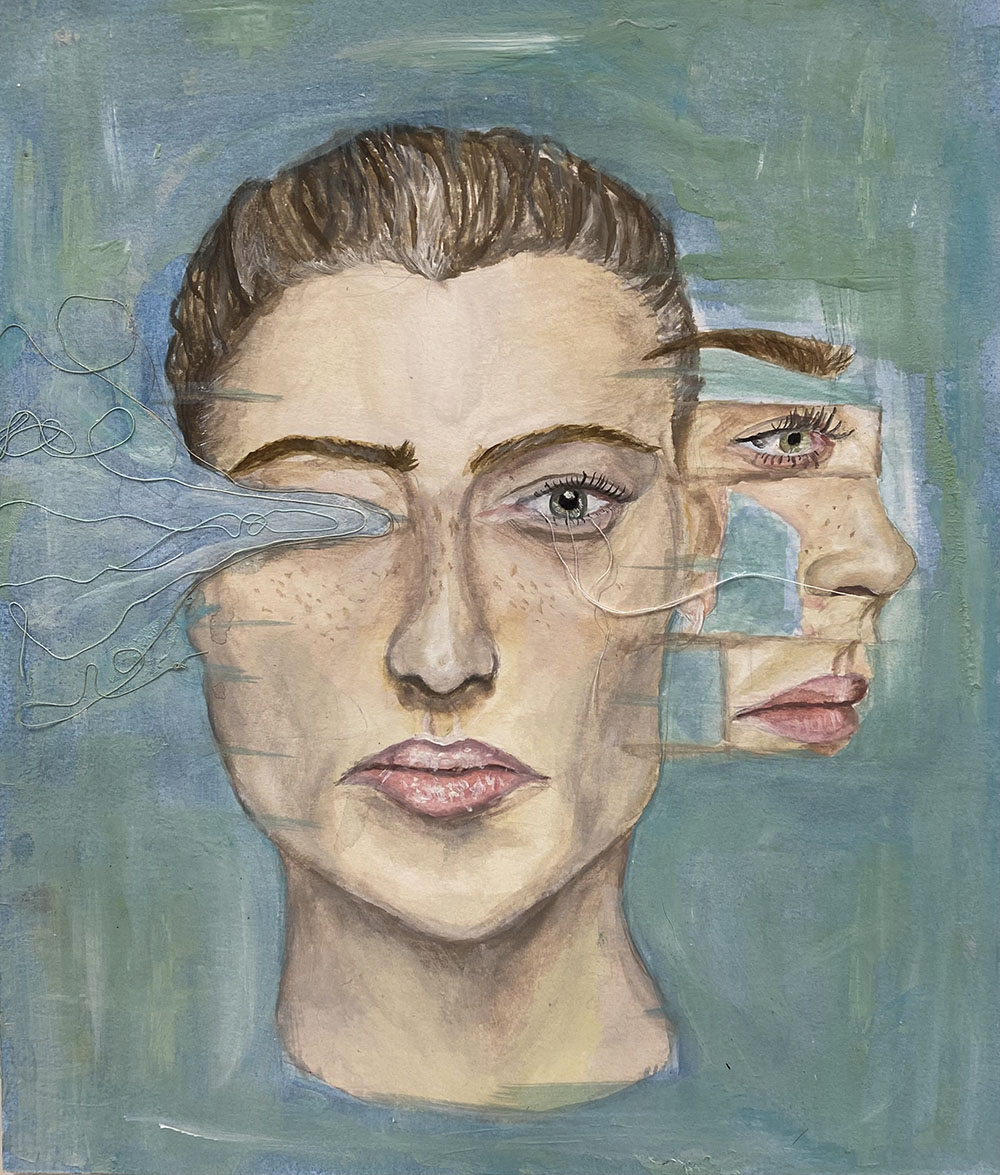
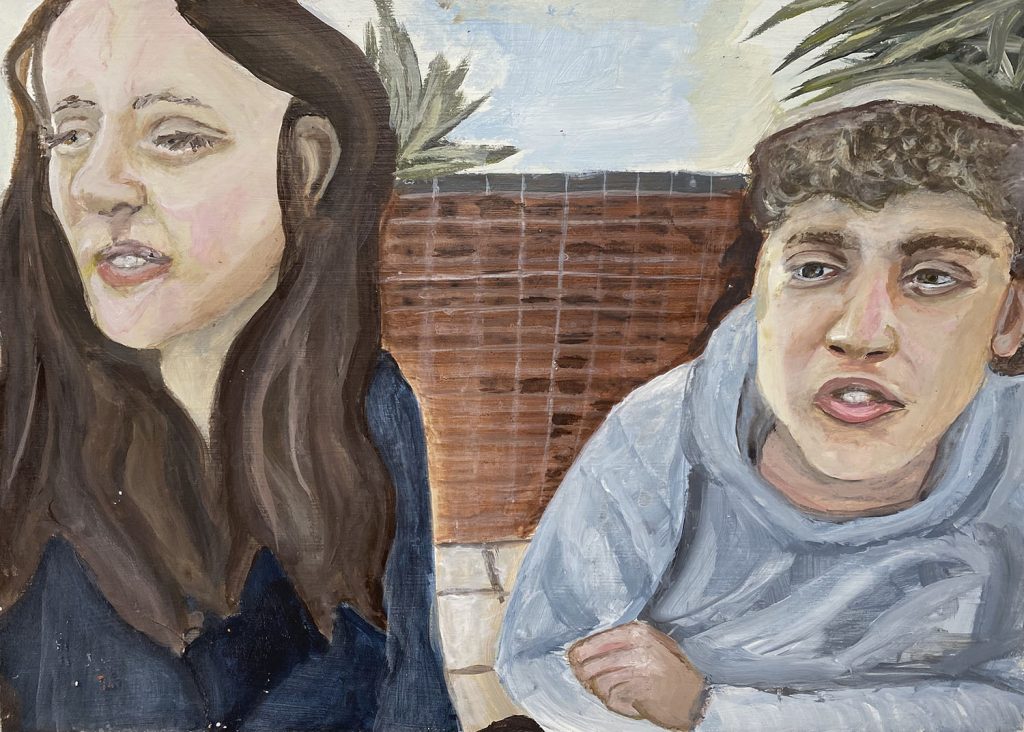
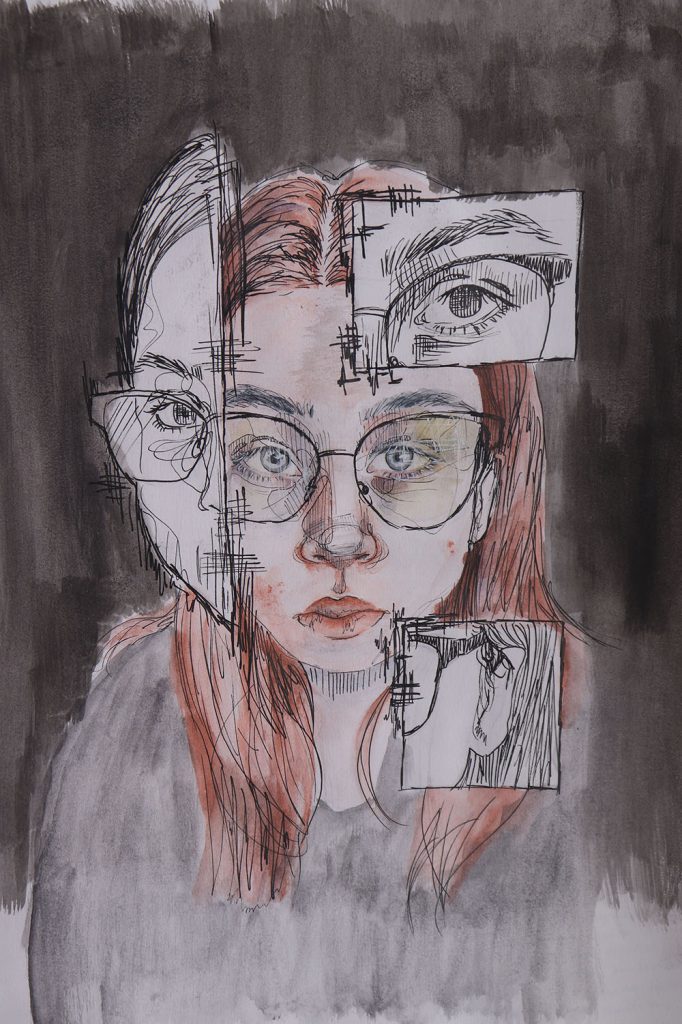
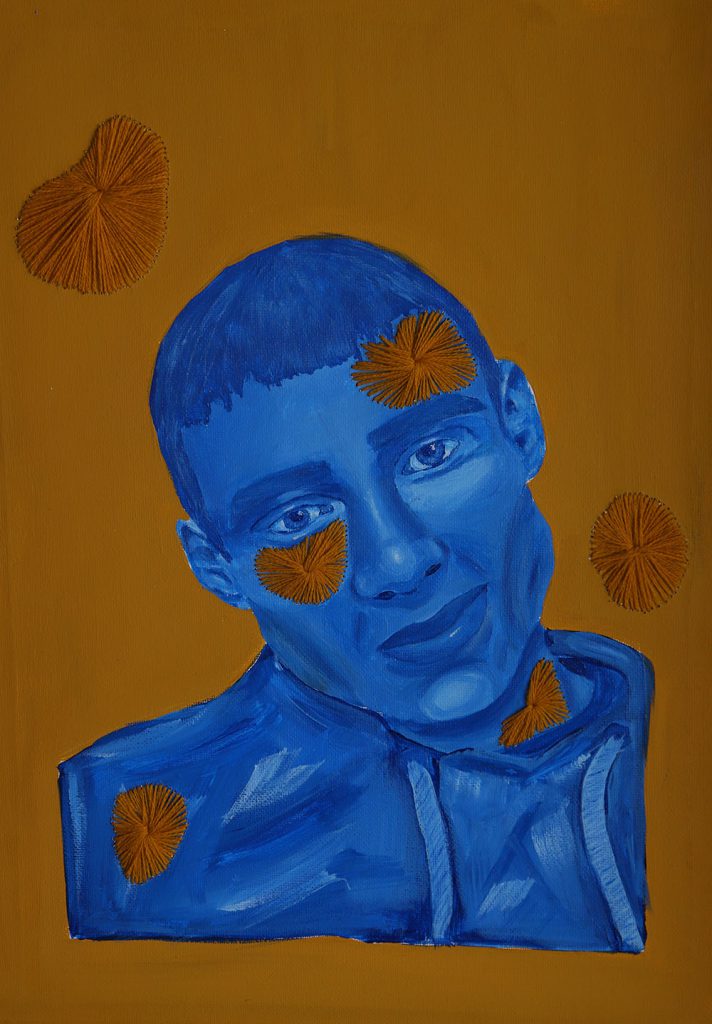
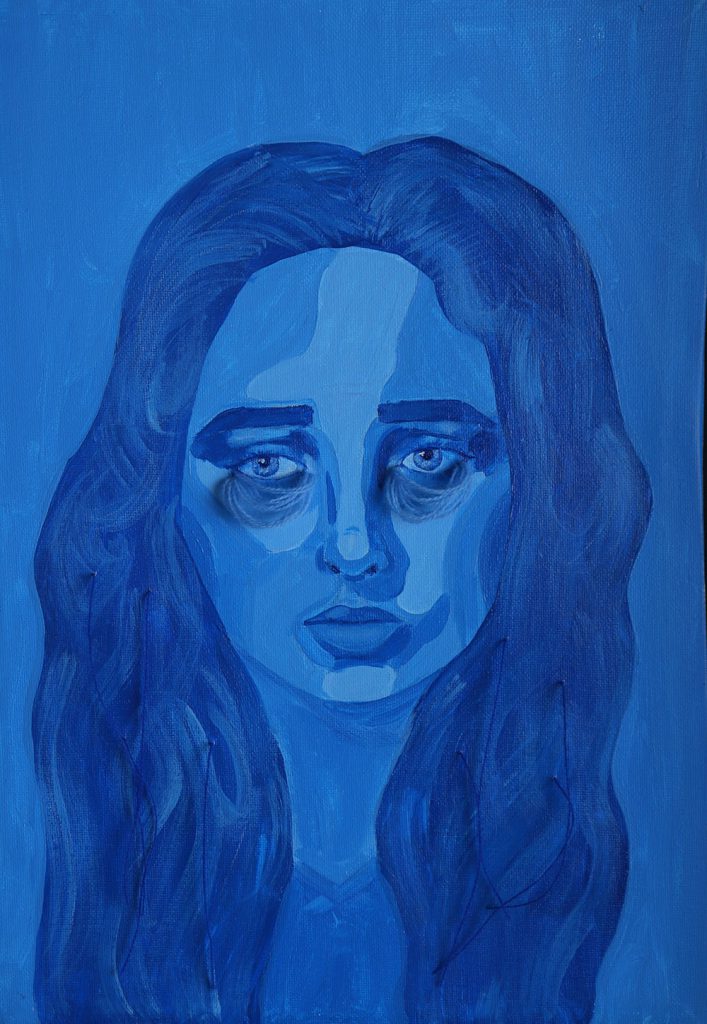
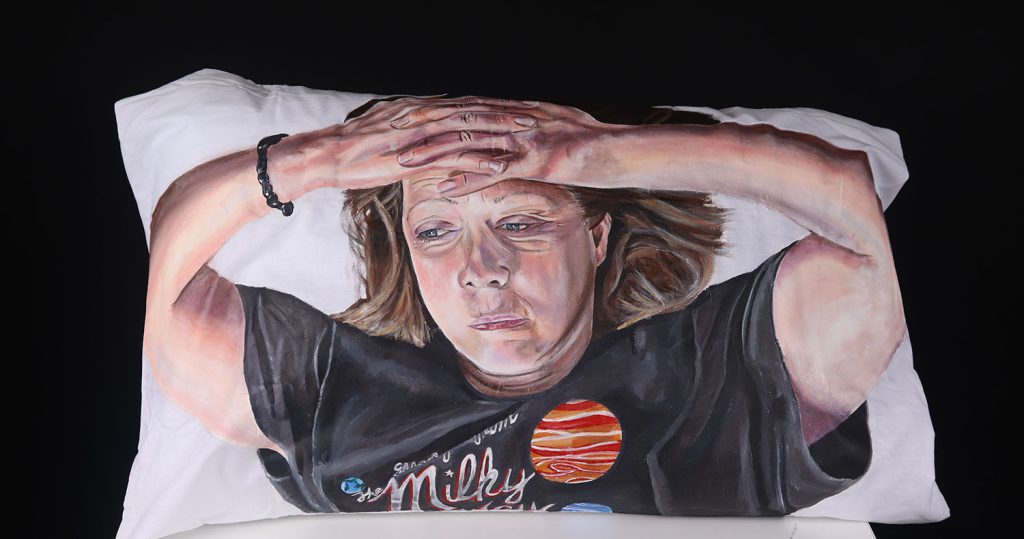
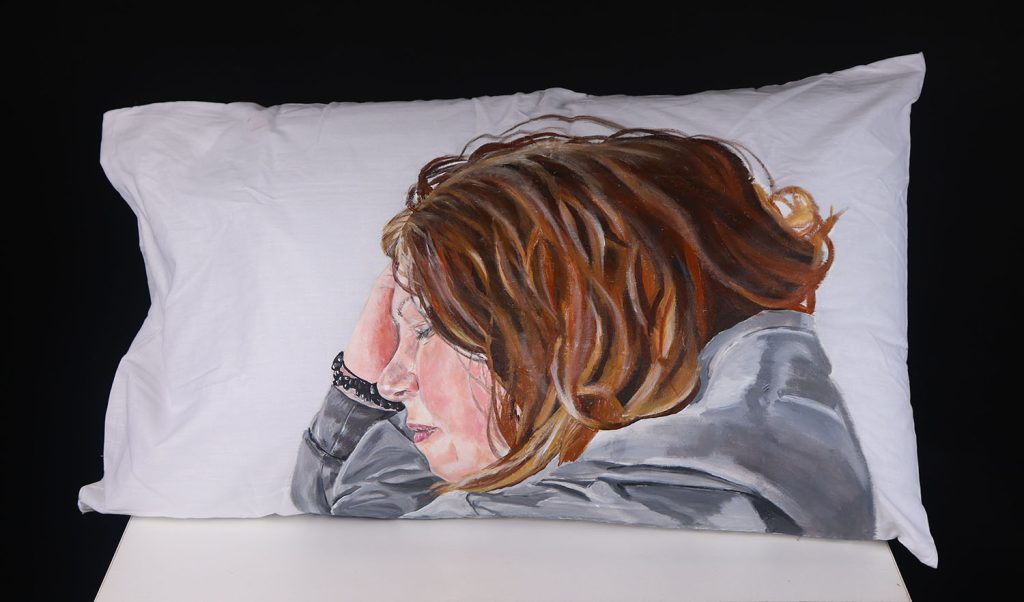
This project focused on portraits and how you could manipulate and distort the facial features of a person to represent the disconnect between the body and mind in times of severe mental health episodes. I used oil paints and oil pastels to create a smooth flowing texture.
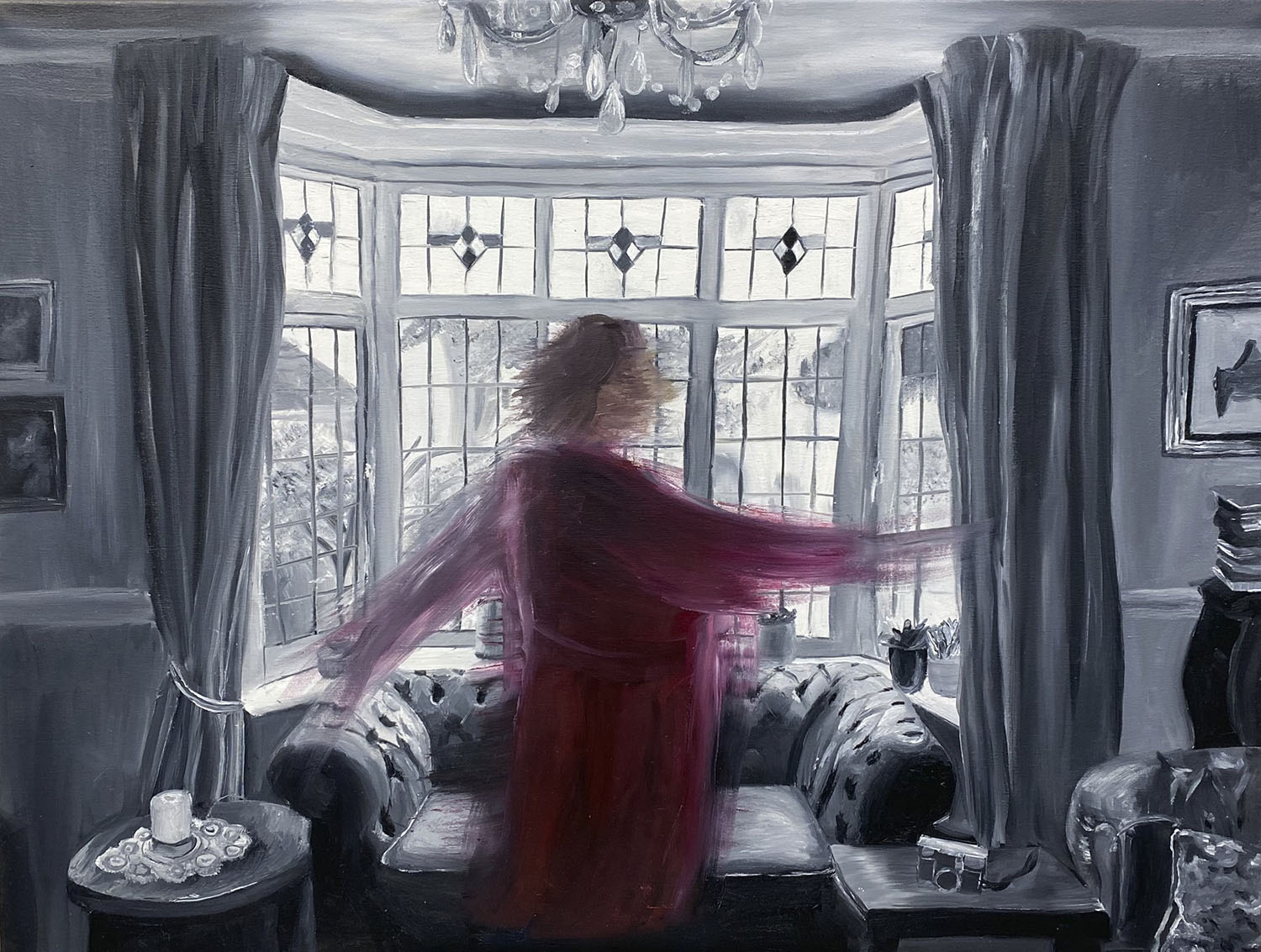
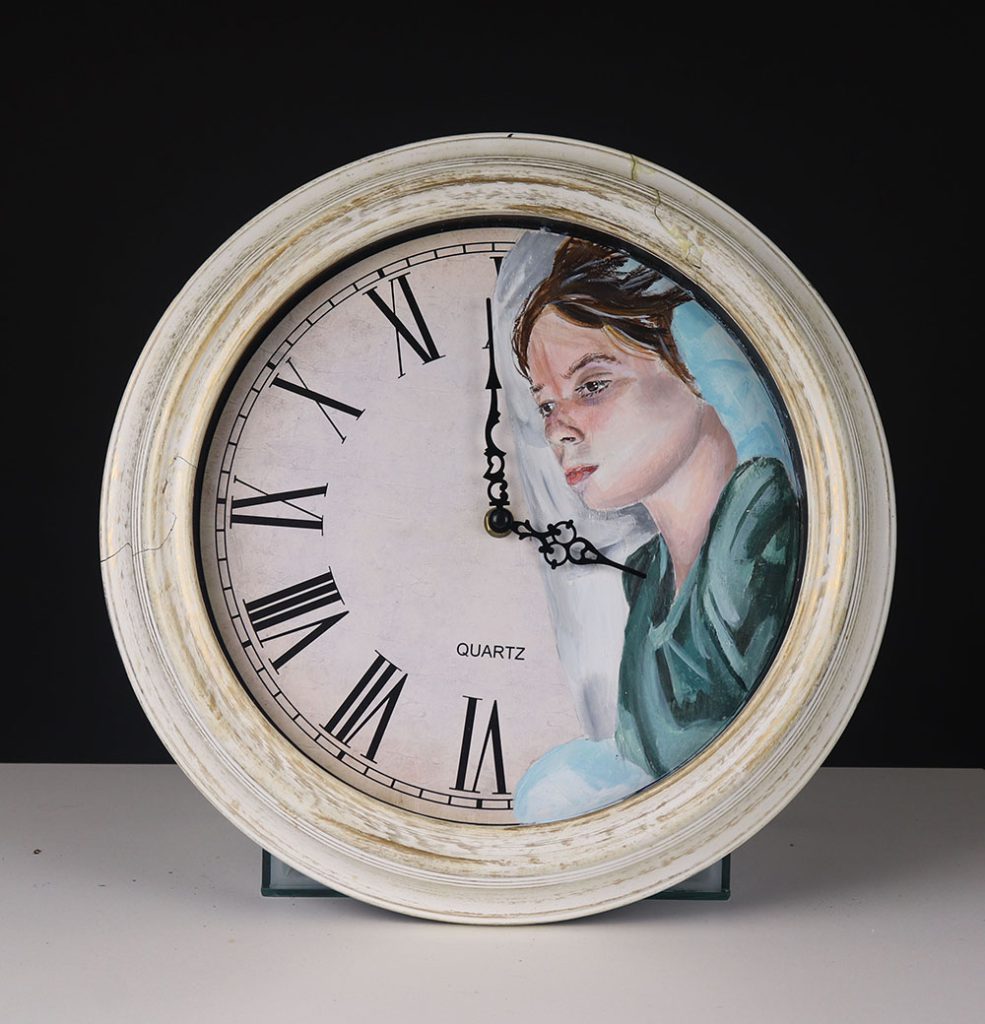
I then explored a project focused on time, and how long movements of a person can be painted into a single image. I used long exposure photography to take my images and dragged the paint to show direction of motion.
Leanna Douglas
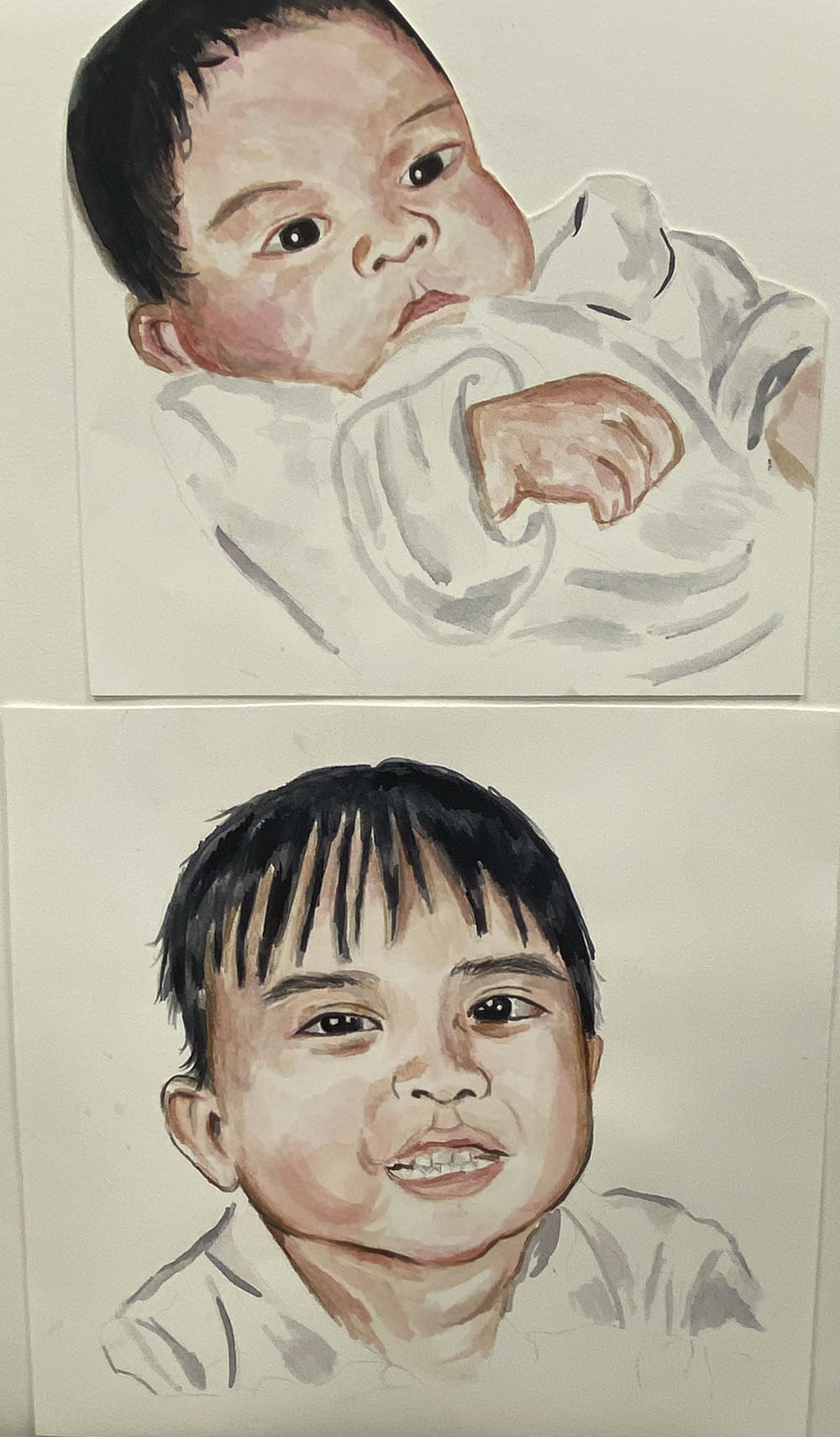
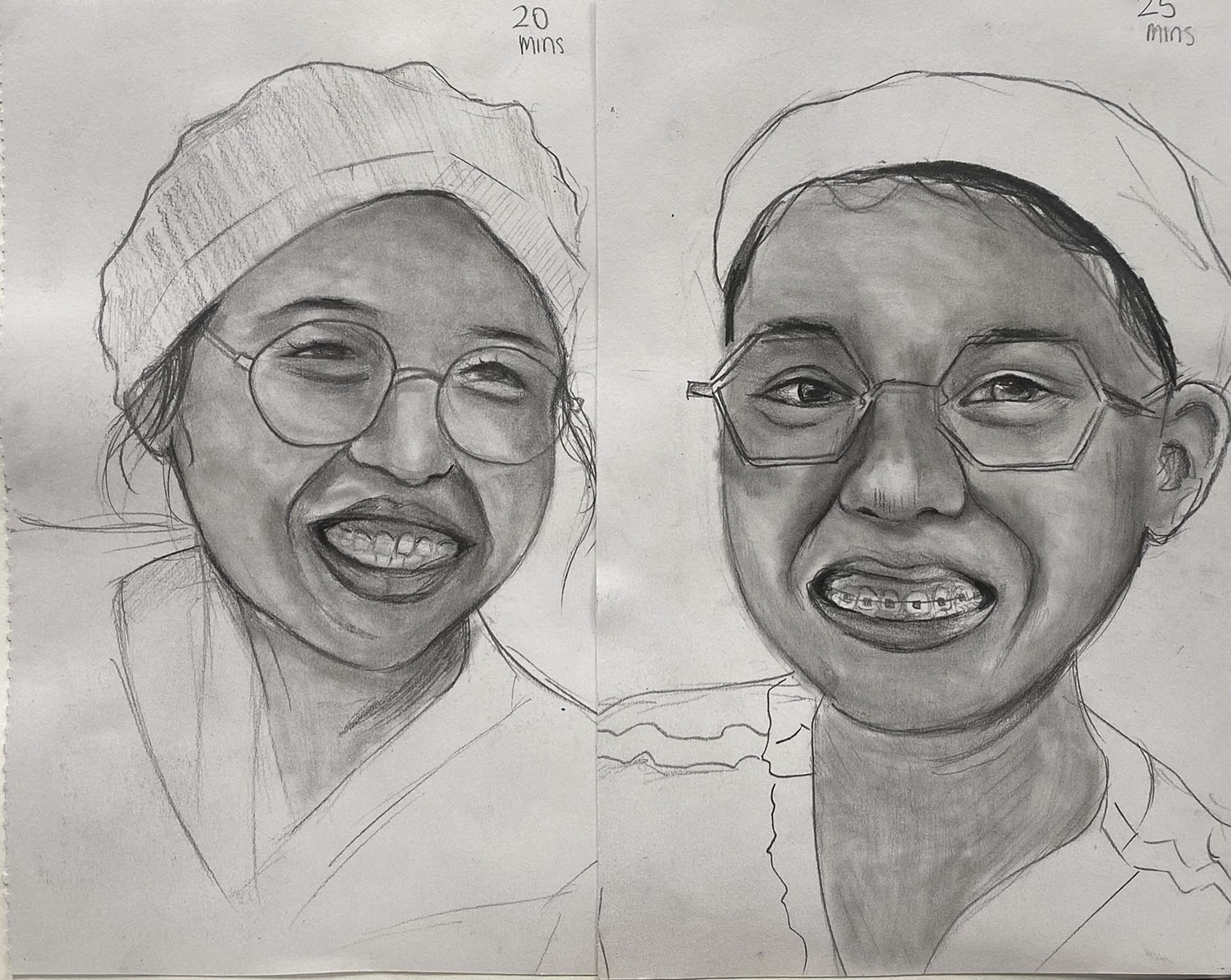
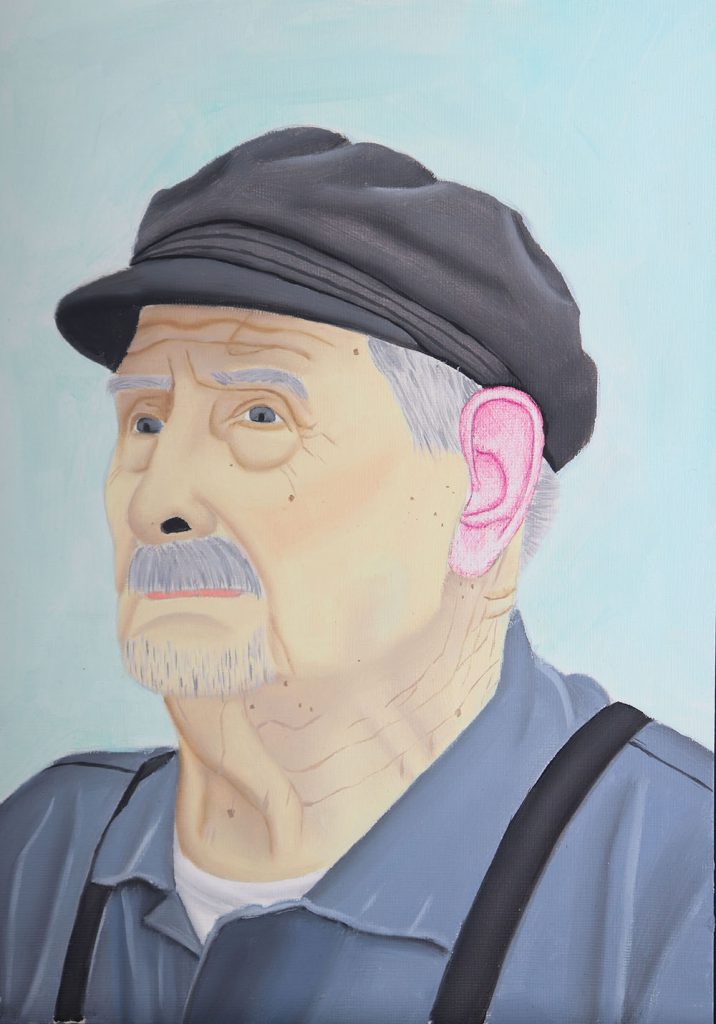
In project one I practiced portraiture by looking into the concept of the effects of aging.
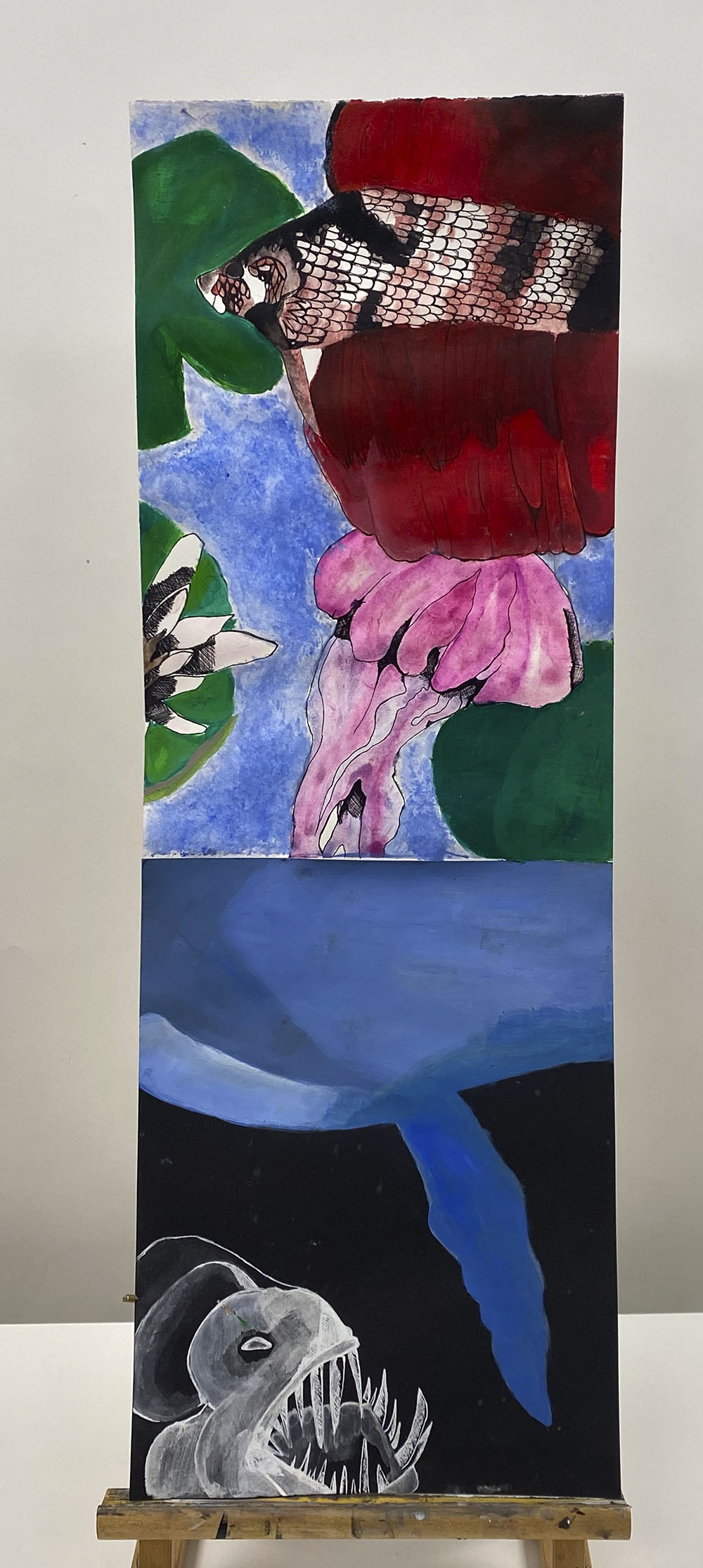
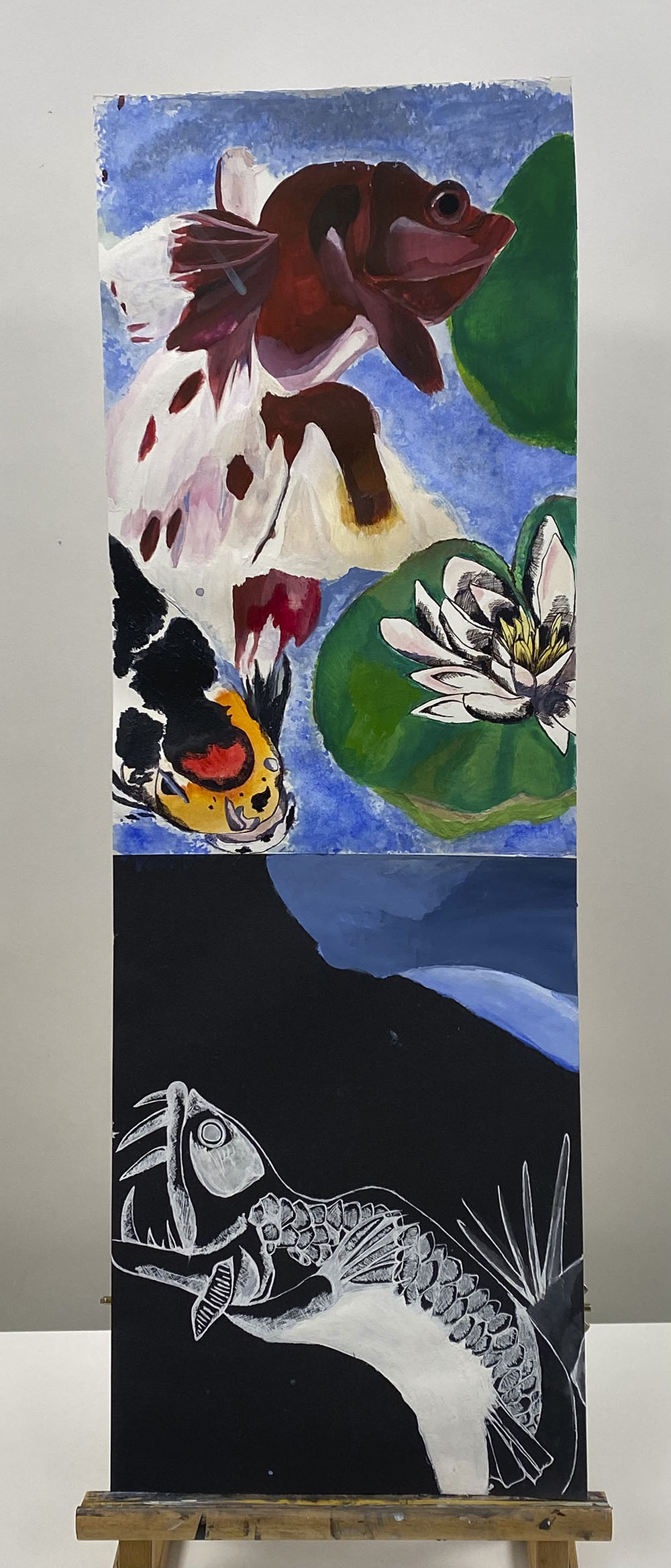
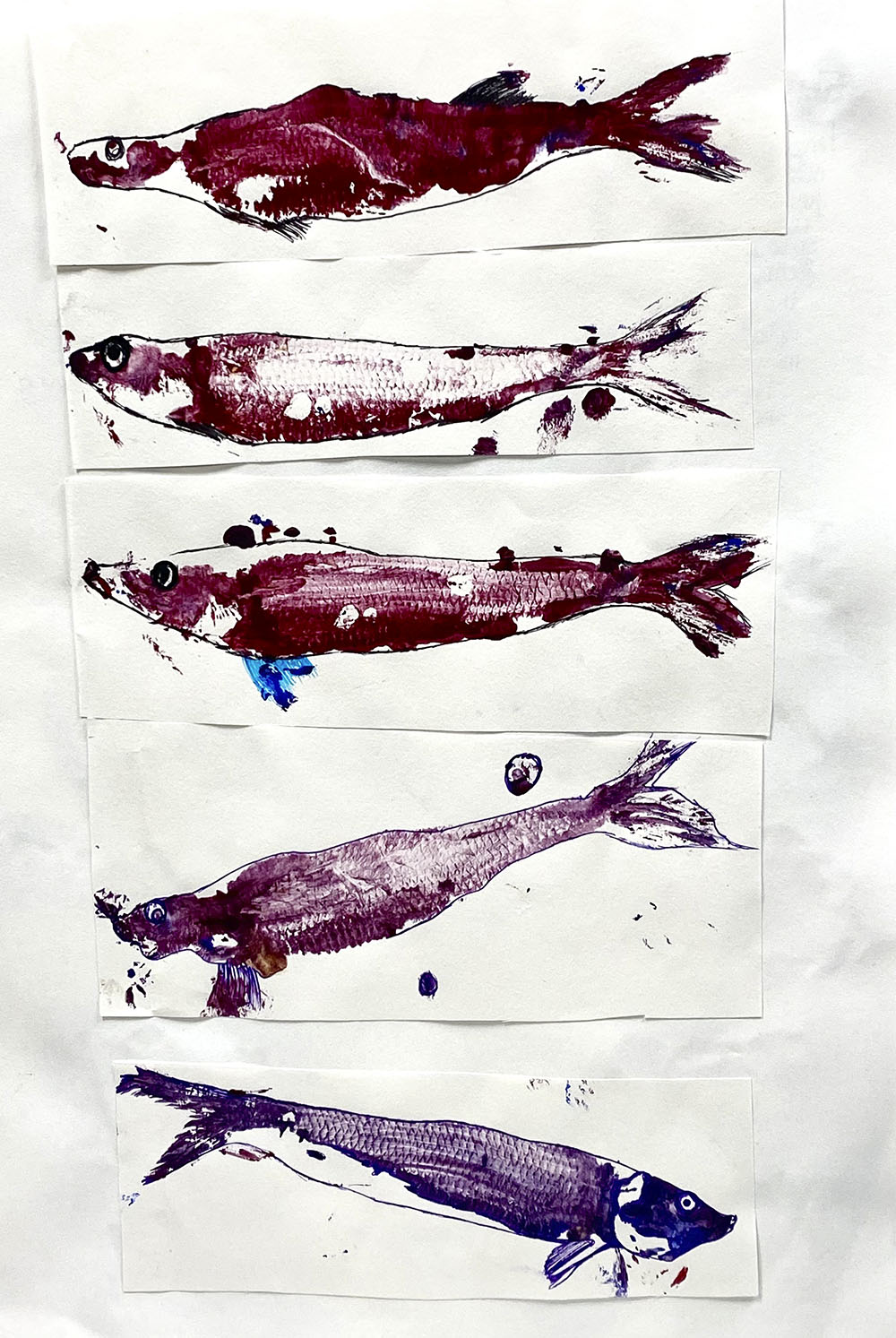
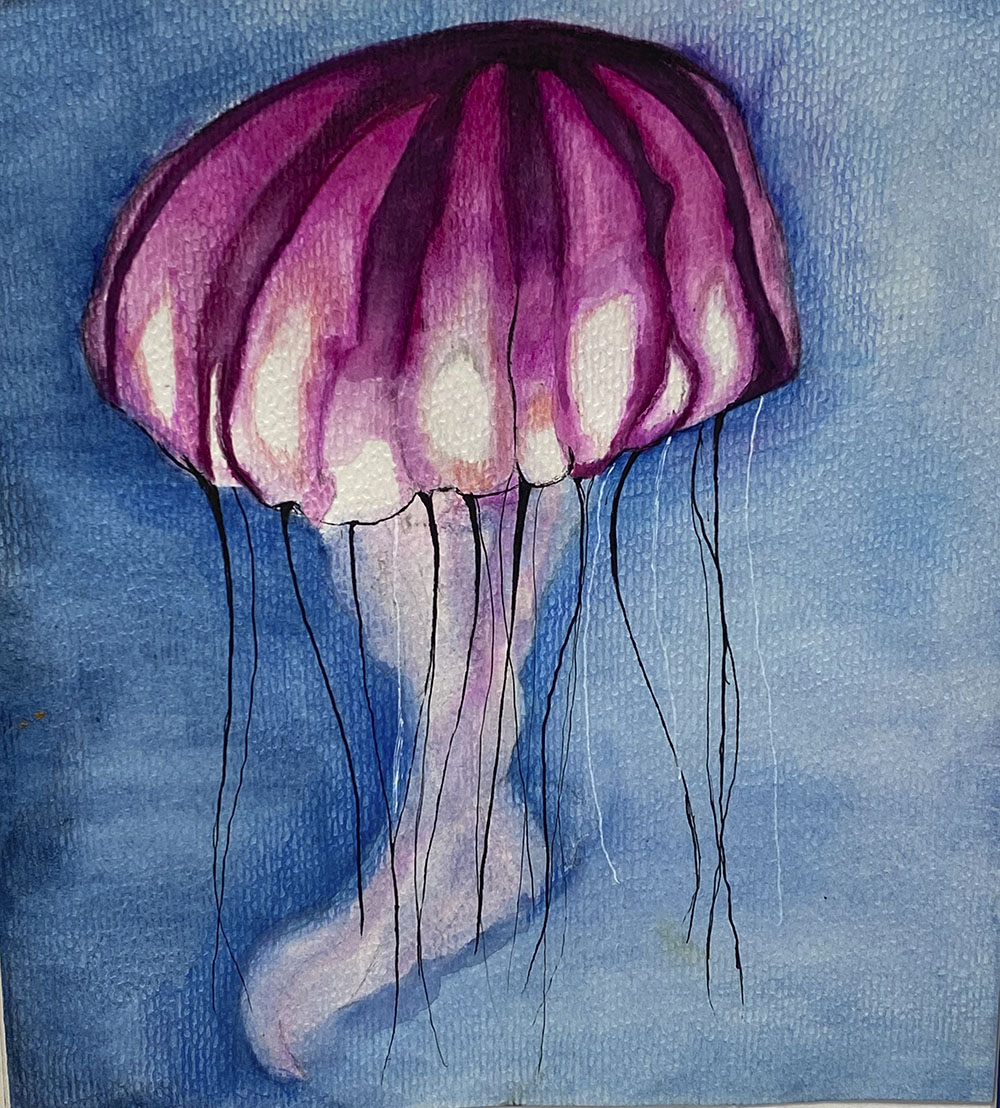
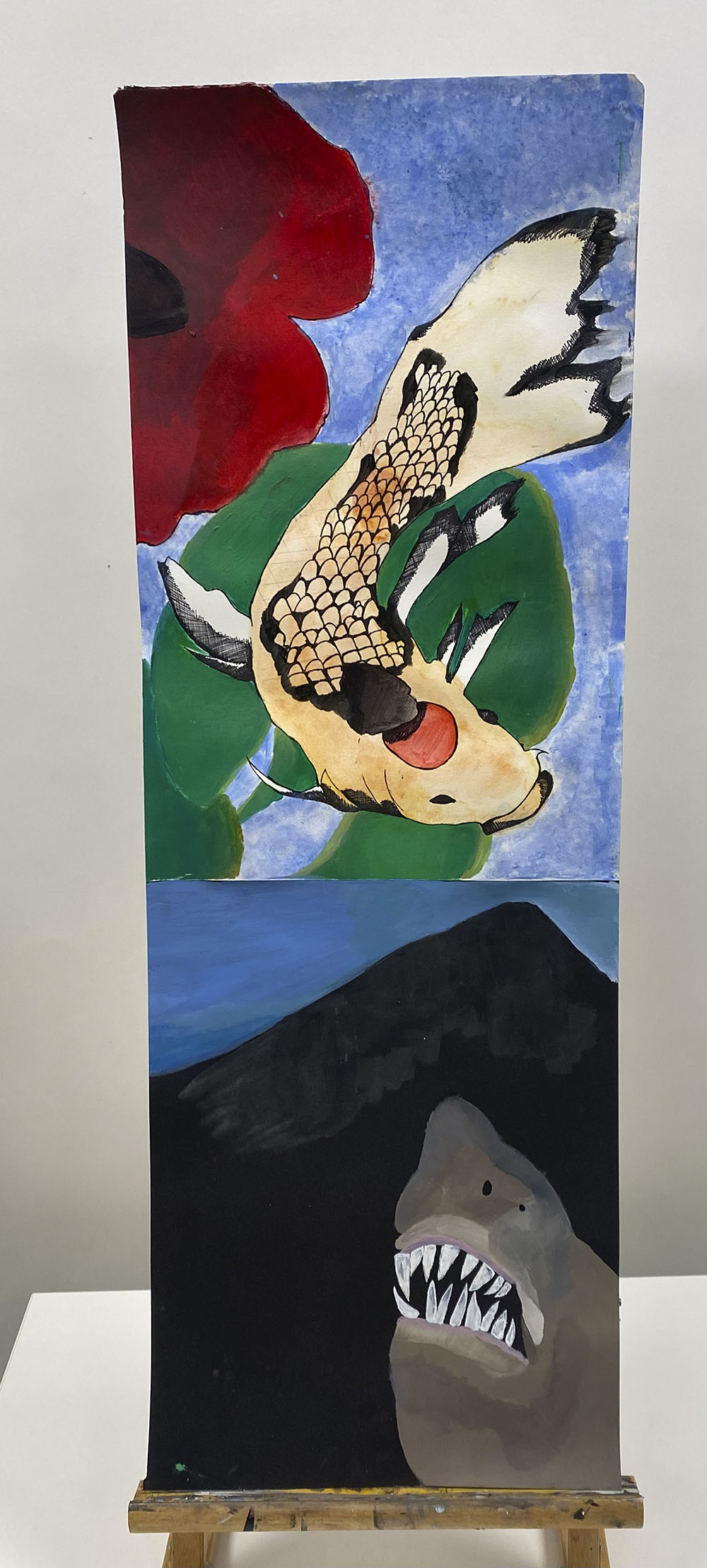
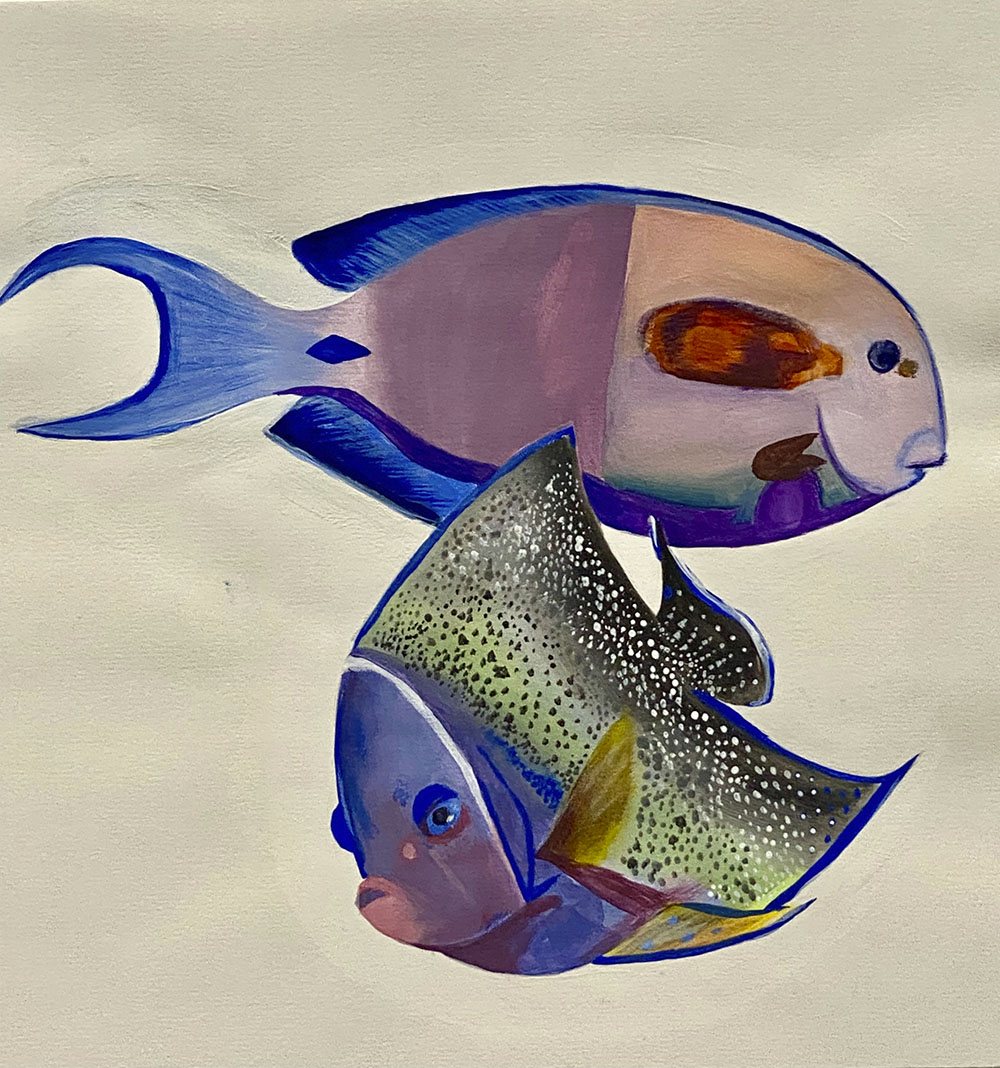
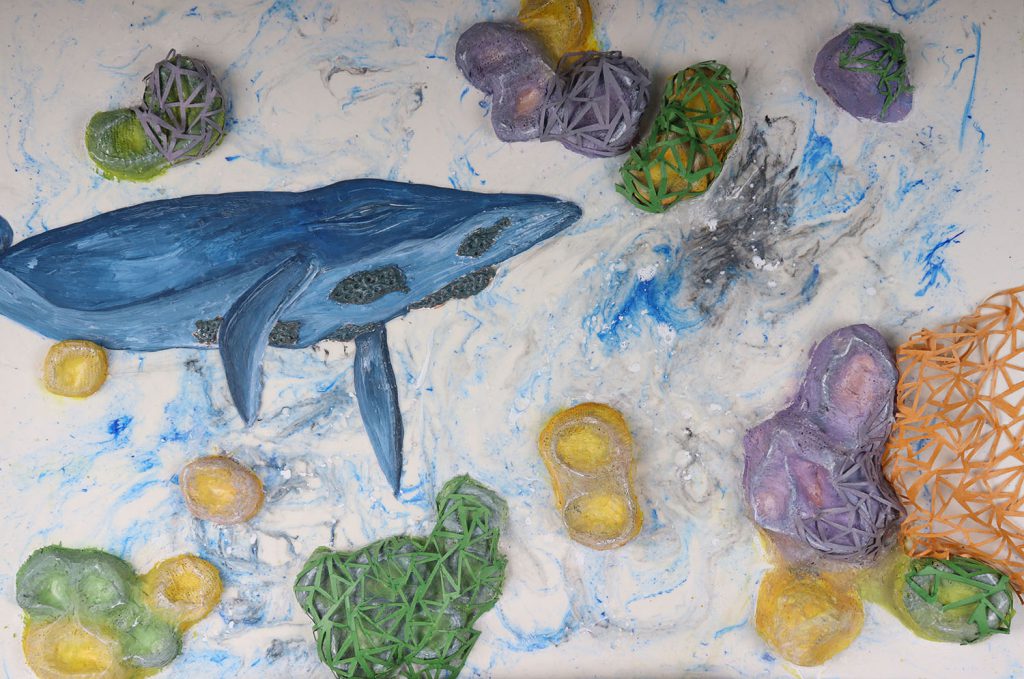
For project 2 I explored fish and fears of the deep ocean through printing and painting medias.
Libby Spinks
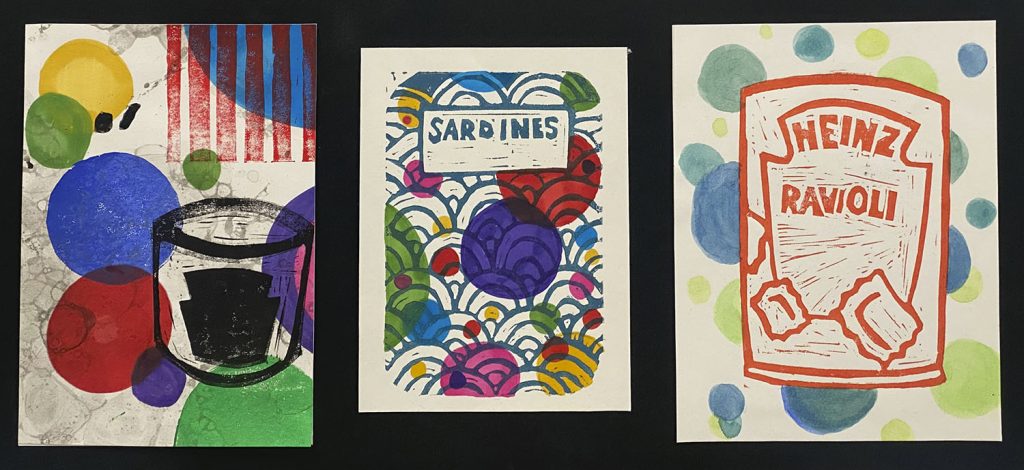
I explored the idea of circles in art through printing and painting.
In my second project I investigated animals and the pollution of their habitats.
Ellie Vaughan
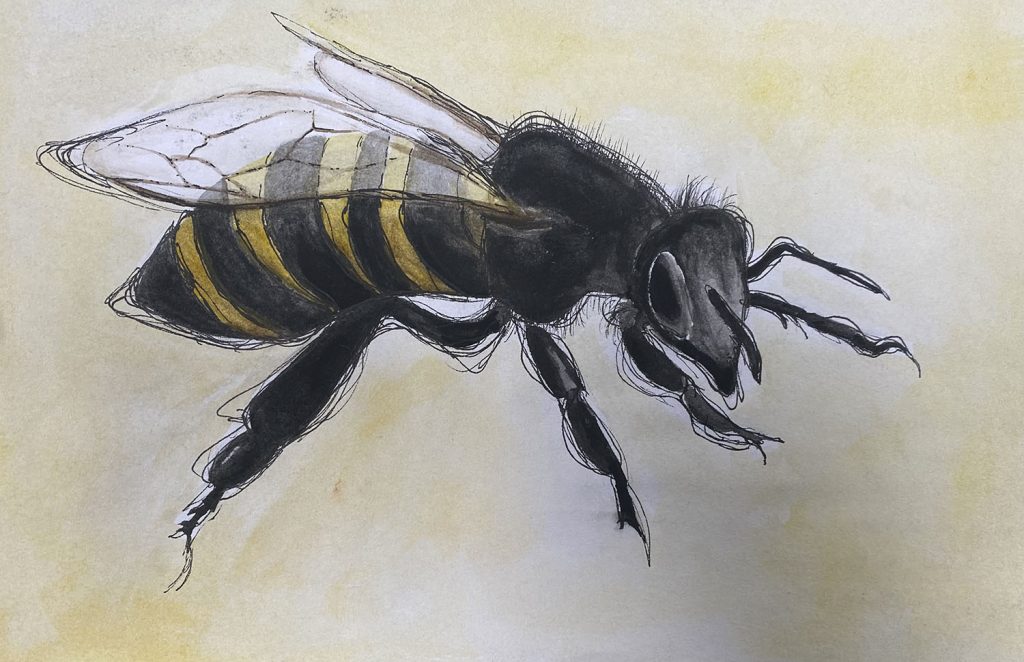
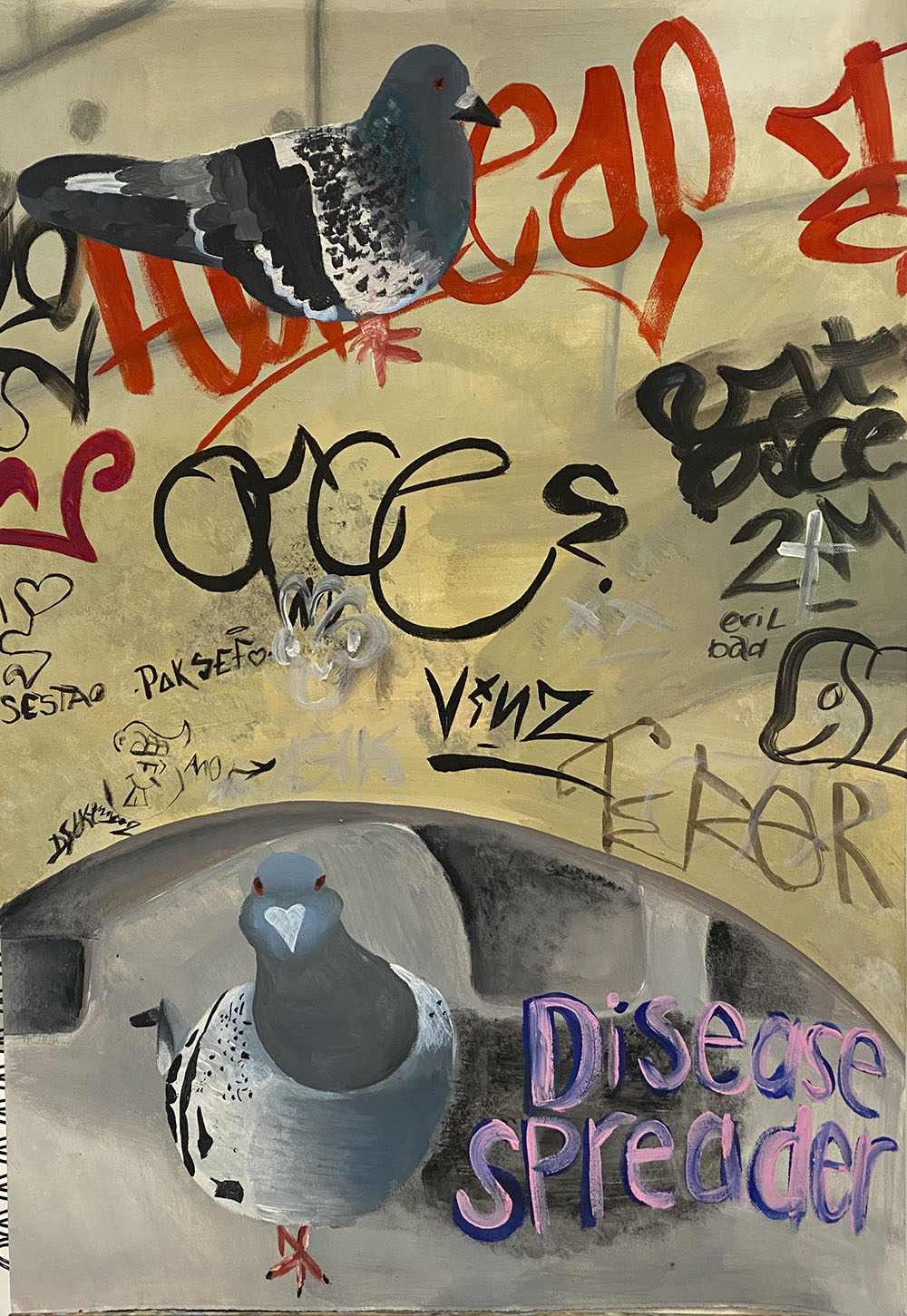
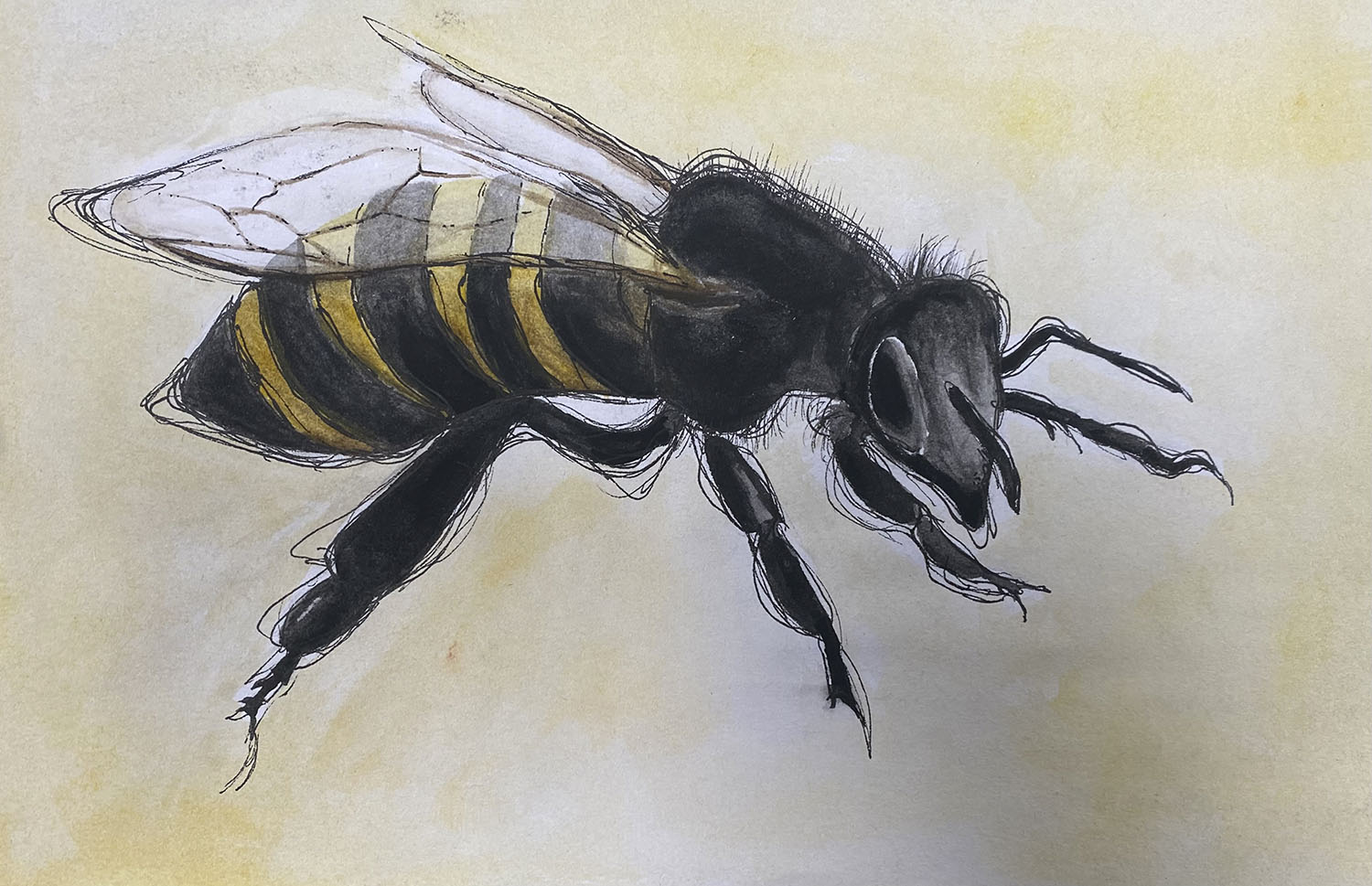
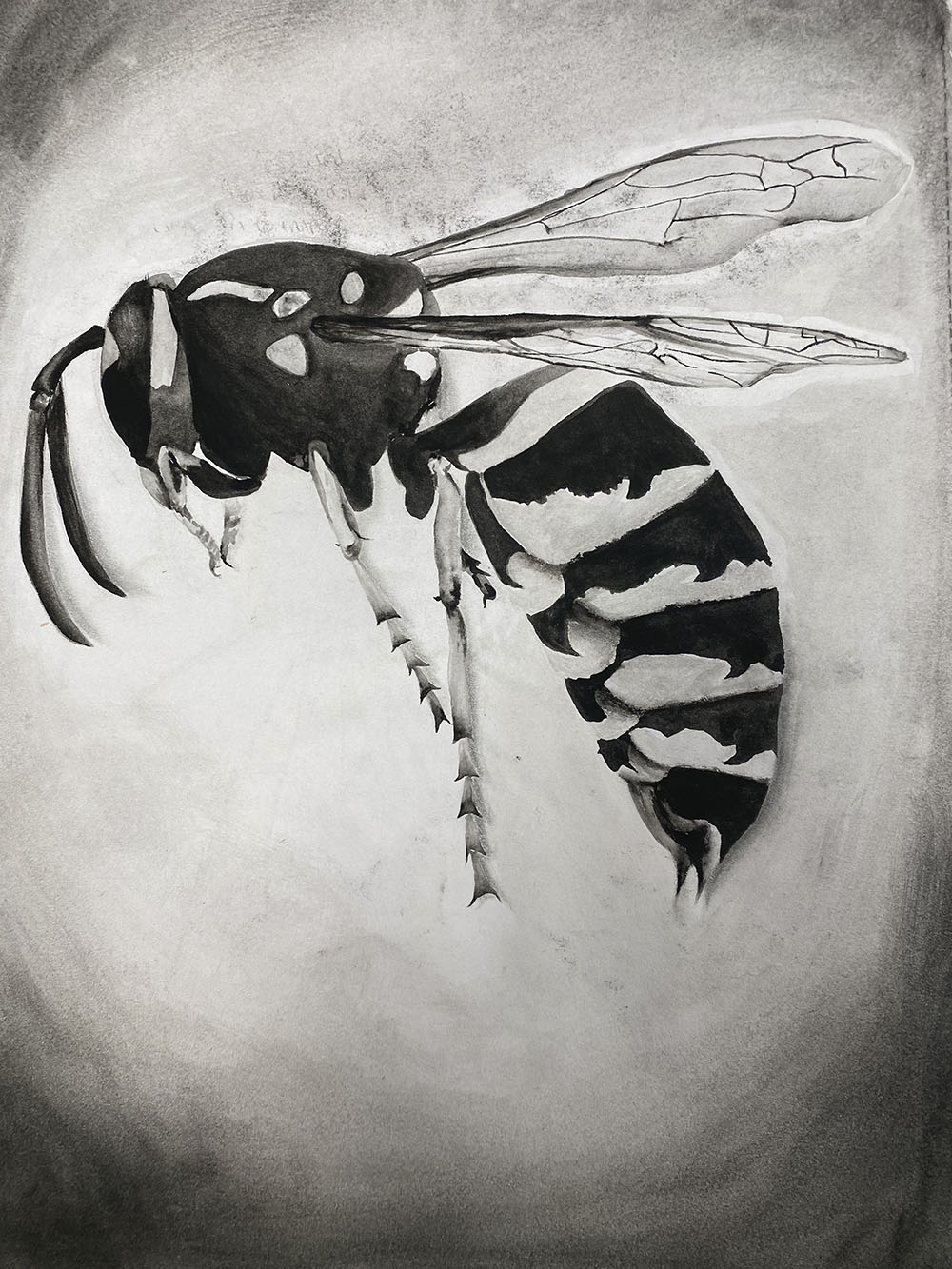
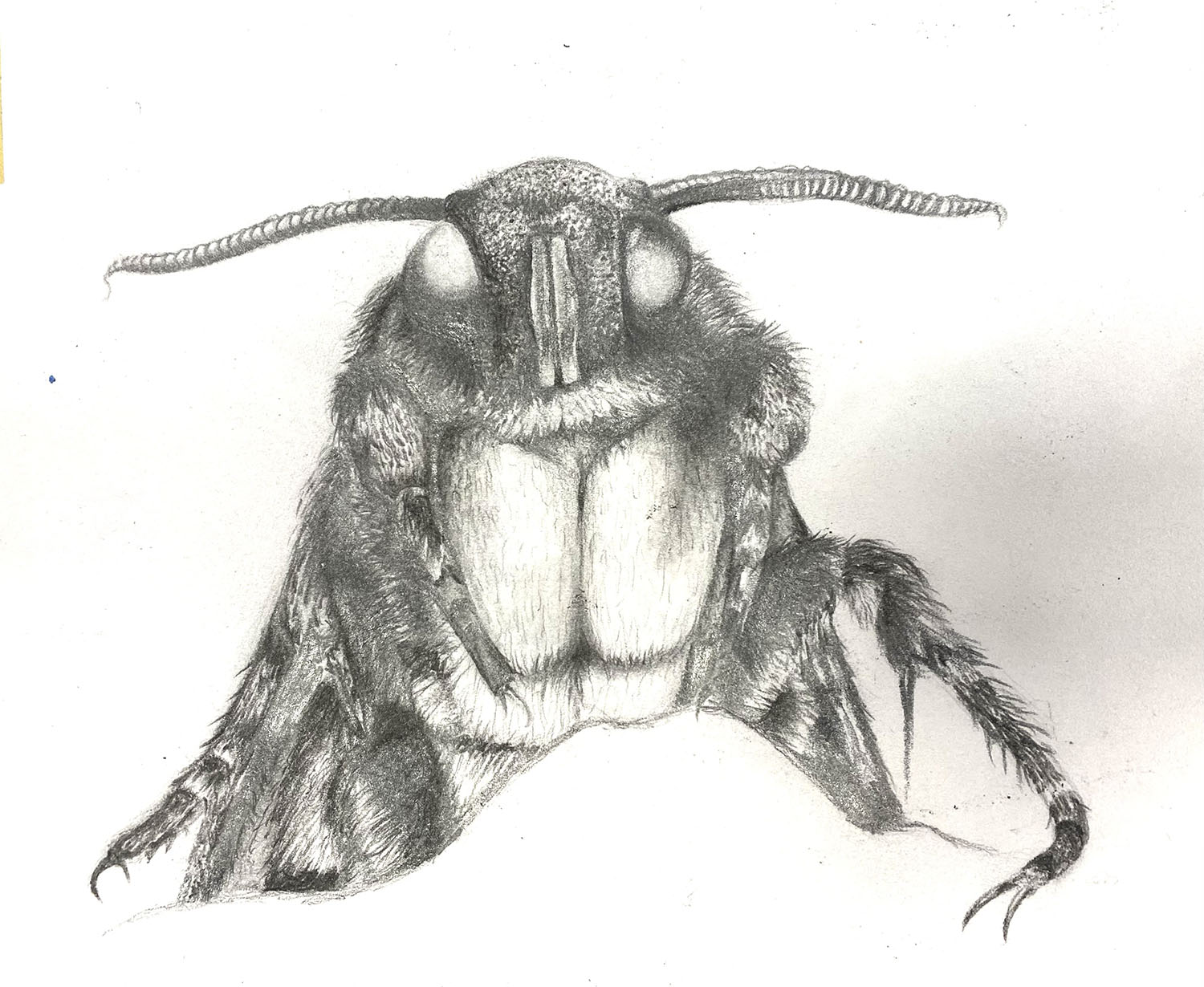
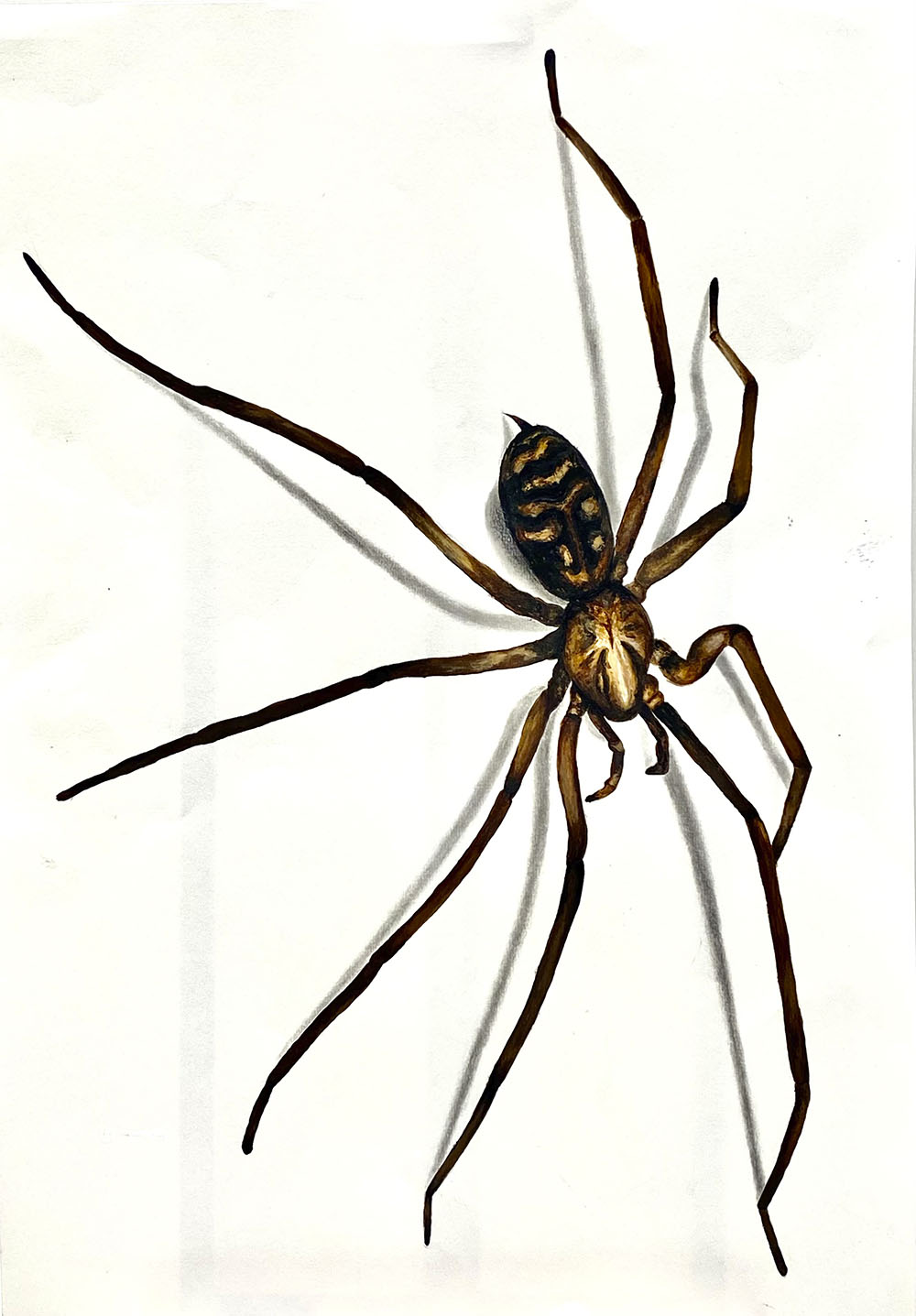
My first project focused on the beauty and intricacy of insects versus a more negative view and why we fear them, using materials such as watercolour, acrylic, biro and pencil.
My second project stemmed from the word “vivid”, exploring how I can use colours together to get the best visual outcome, while using materials like coloured pencil, oil pastels, acrylic and watercolour.
Grace Ward
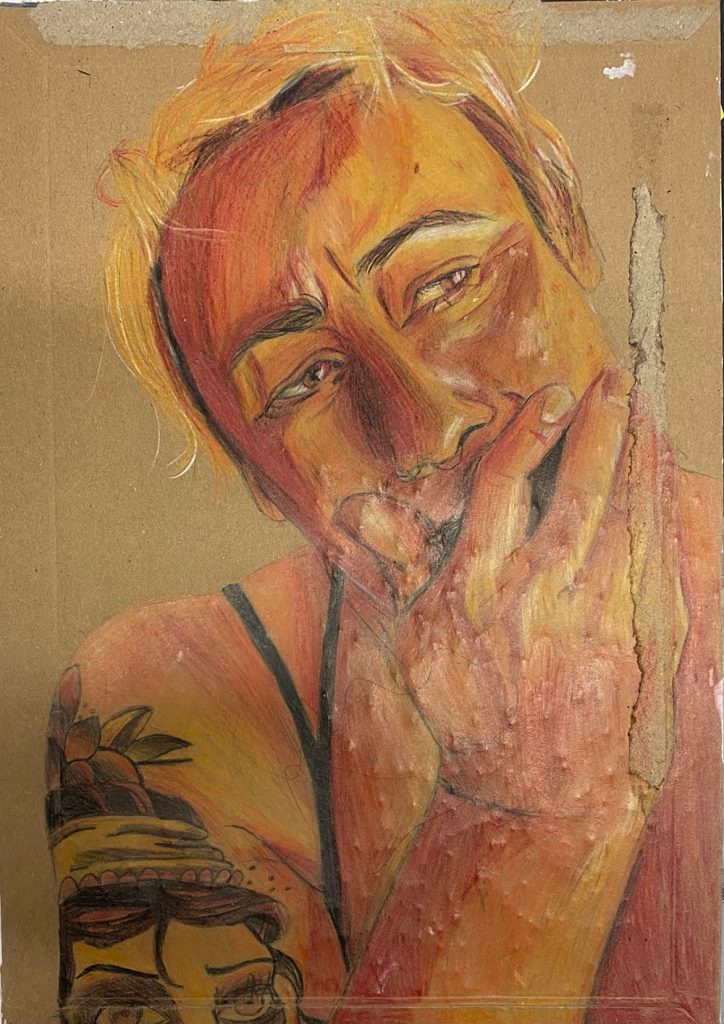
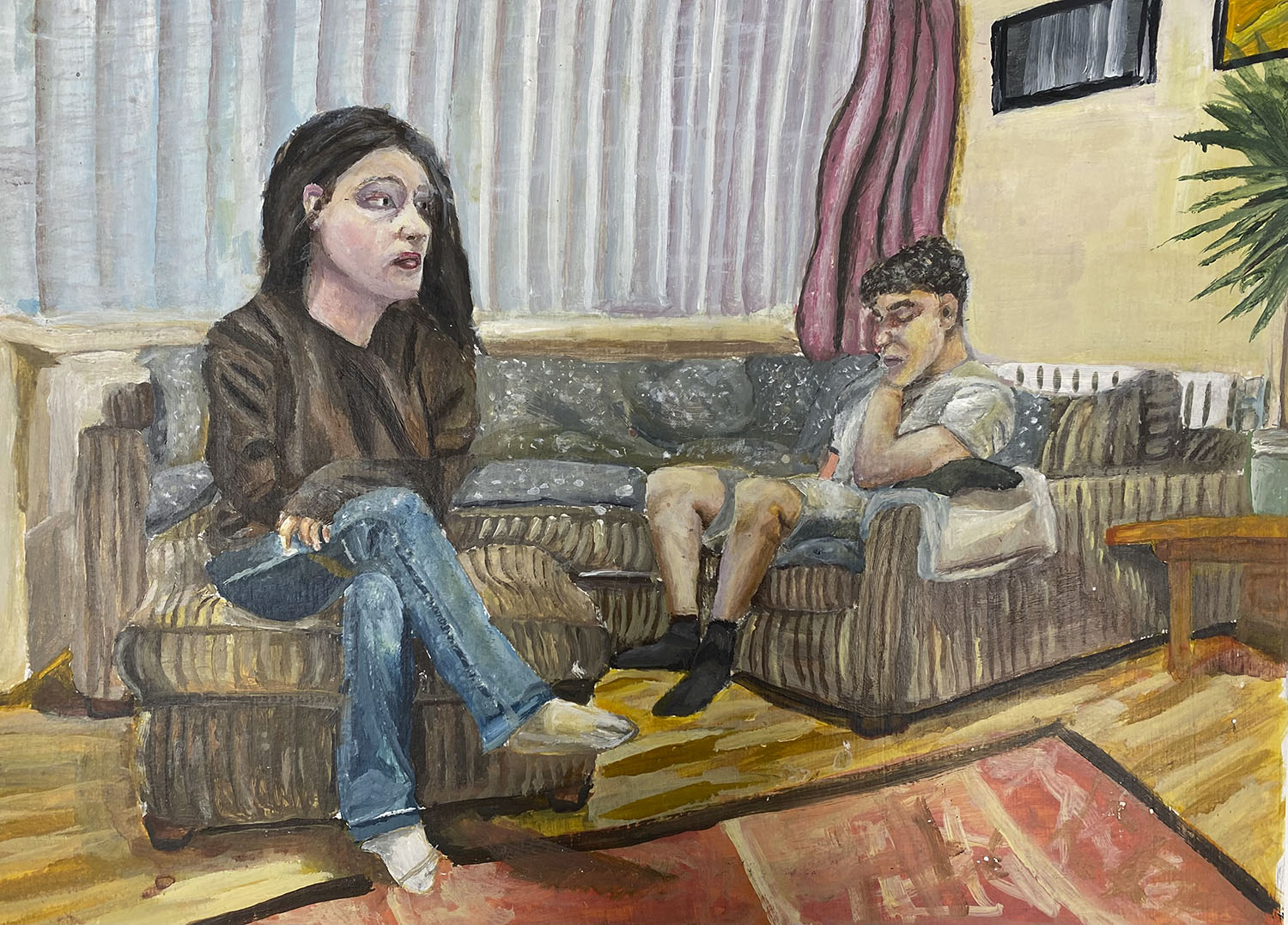
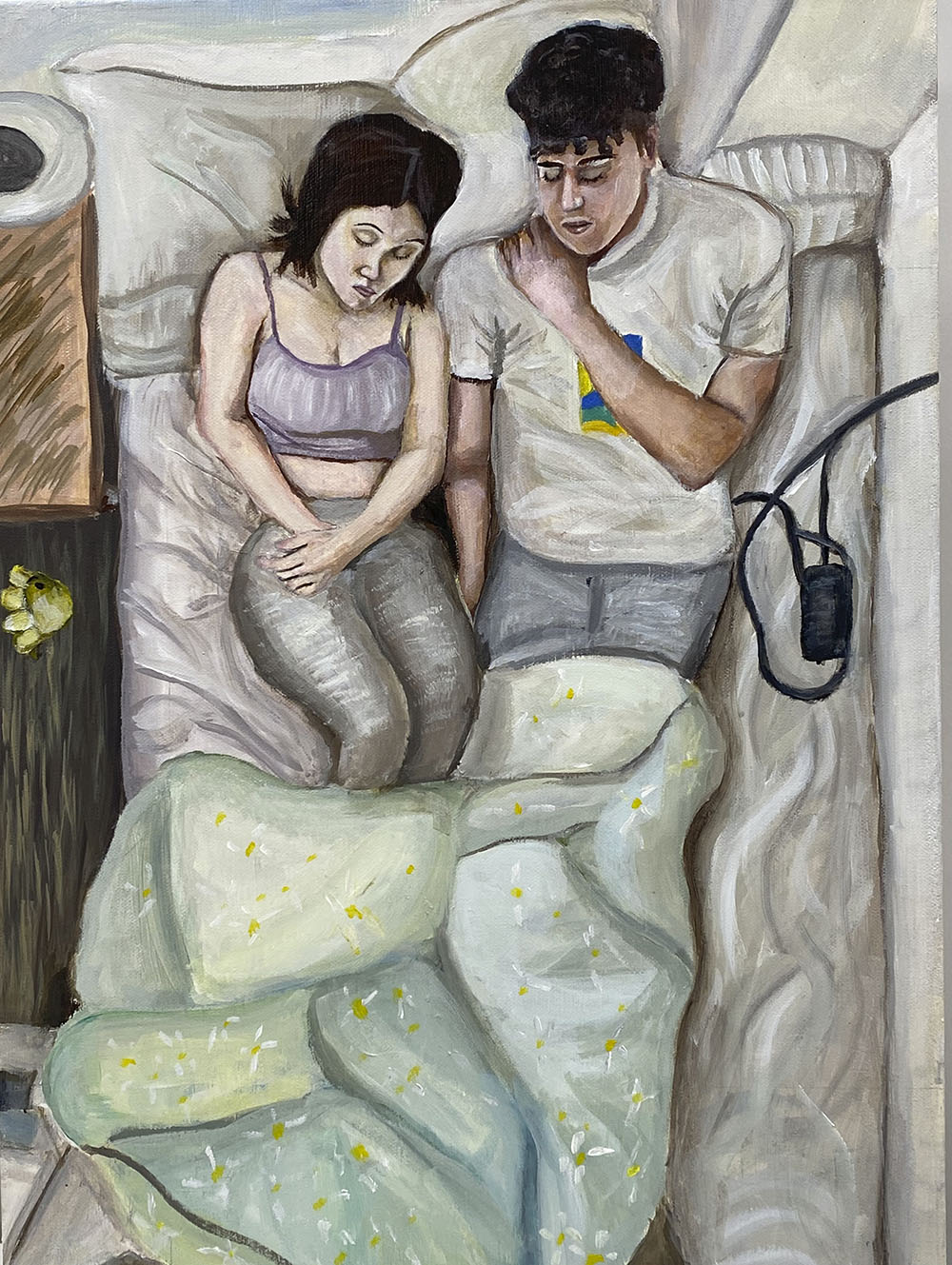
For my first project, the concept was ‘abstract mind’, which was about seeking and exploring the possibilities of representing anxiety and confusion in portraiture.
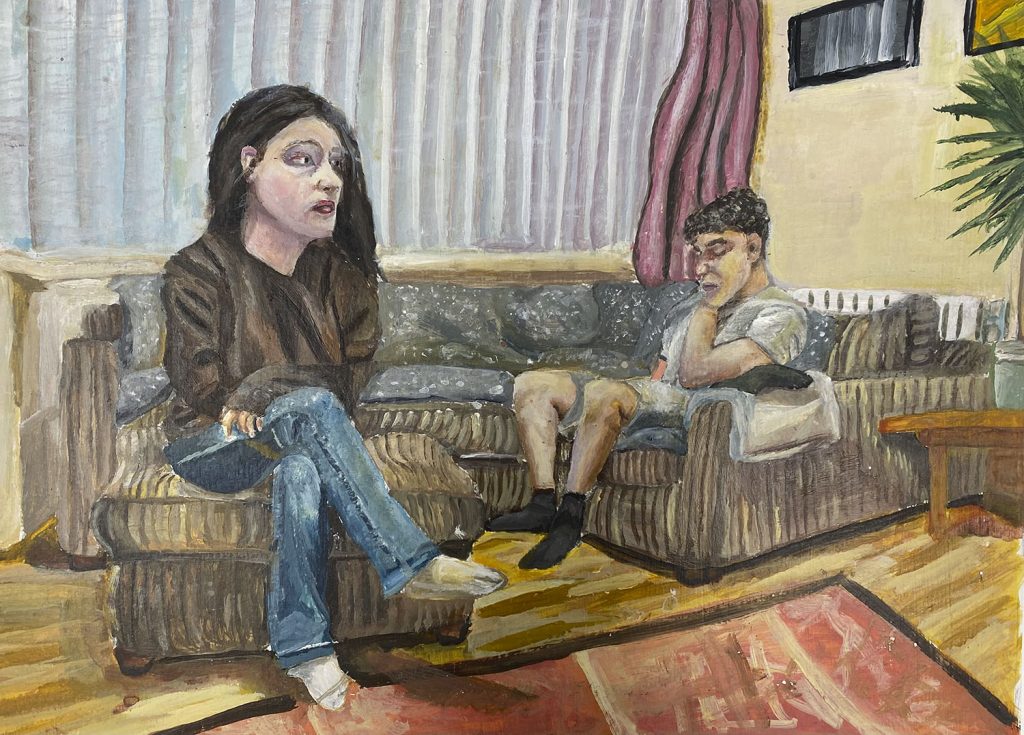
For my next project, I focused on the idea of the mundane reality of relationships, looking into the significance of the small moments of life with a significant other.
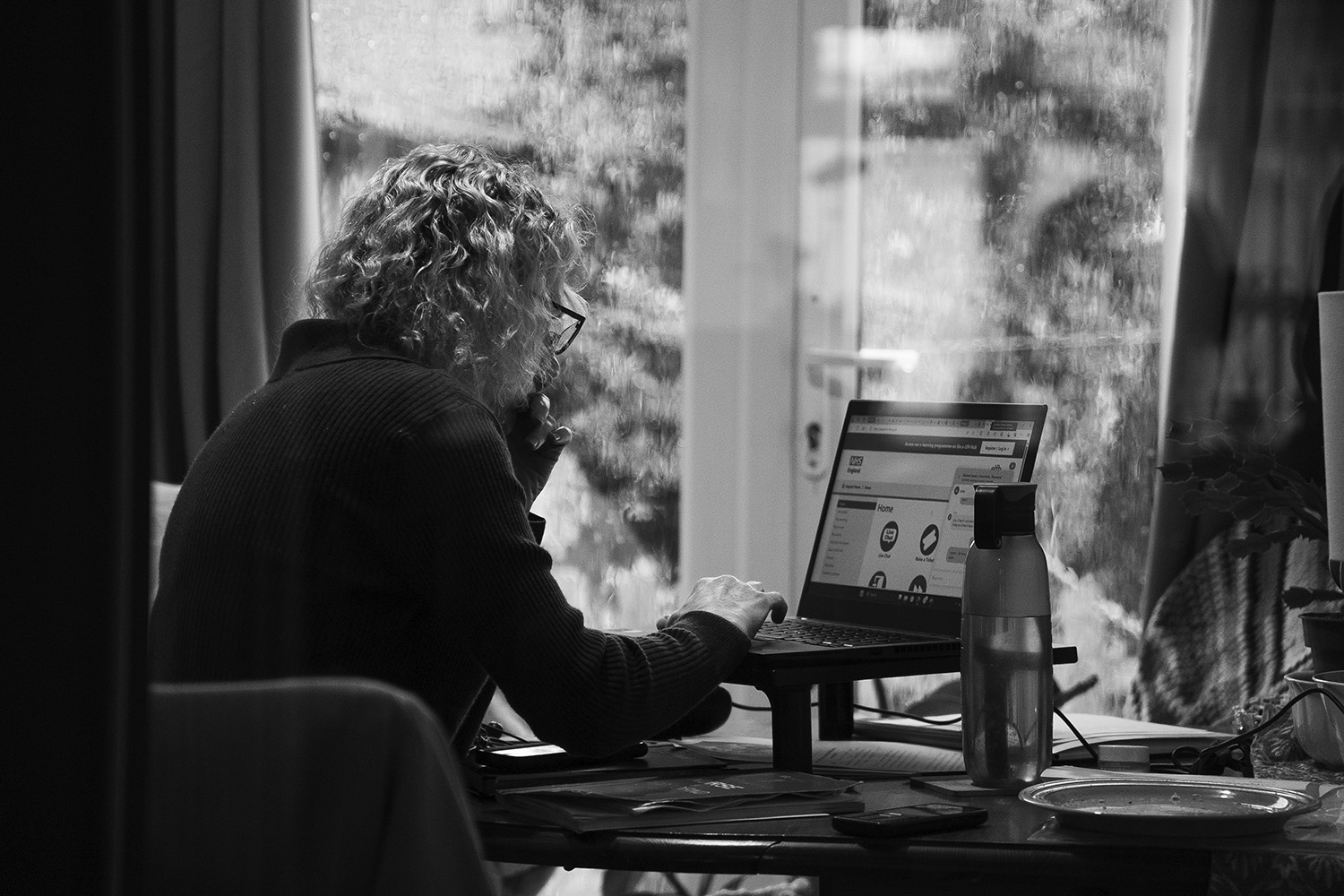
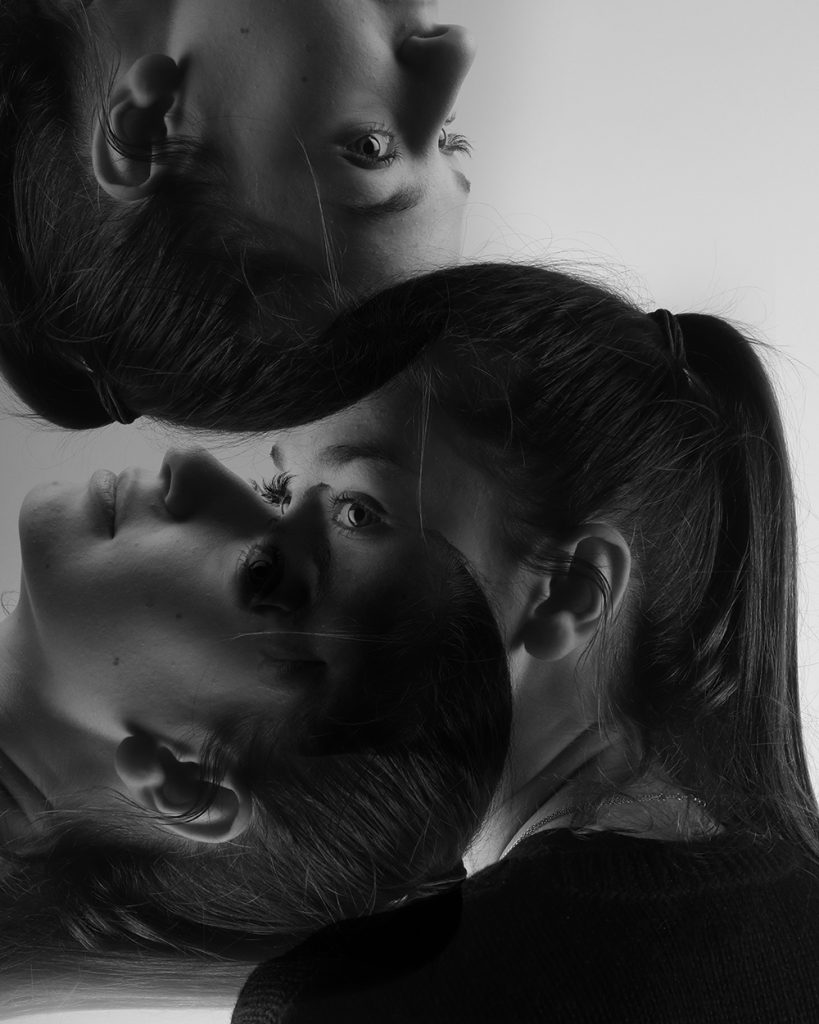
A-Level Photography allows learners the opportunity to express themselves creatively while exploring ideas and concepts that are personal and meaningful. This is clearly demonstrated across the wonderful work created by this years A-Level cohort. I could not be prouder of the work and achievements made by each member of the Photography group.
Learners often choose issues within society as a means to connect their Photography to an audience. The course consistently challenges them to problem solve and improve both quality and concept as they progress. This ultimately prepares them for both industry and Higher Education.
Industry-standard software and equipment are embedded throughout the course to again support progression, exploring the Creative Cloud Adobe Suite with programs such as Photoshop and Lightroom for image editing, along with InDesign to create their stunning portfolios and project work. To allow for a deeper understanding of photography, learners are encouraged to work with both modern and traditional techniques such as darkroom and Cyanotypes. This 2-year programme builds theoretical and practical knowledge to allow our learners the creative means to express themselves through Photography.
I hope you enjoy exploring the work from this year’s Photography learners.
Simon Morris, A-Level Photography Tutor, Dudley Sixth
Ayah Abdul-Halim
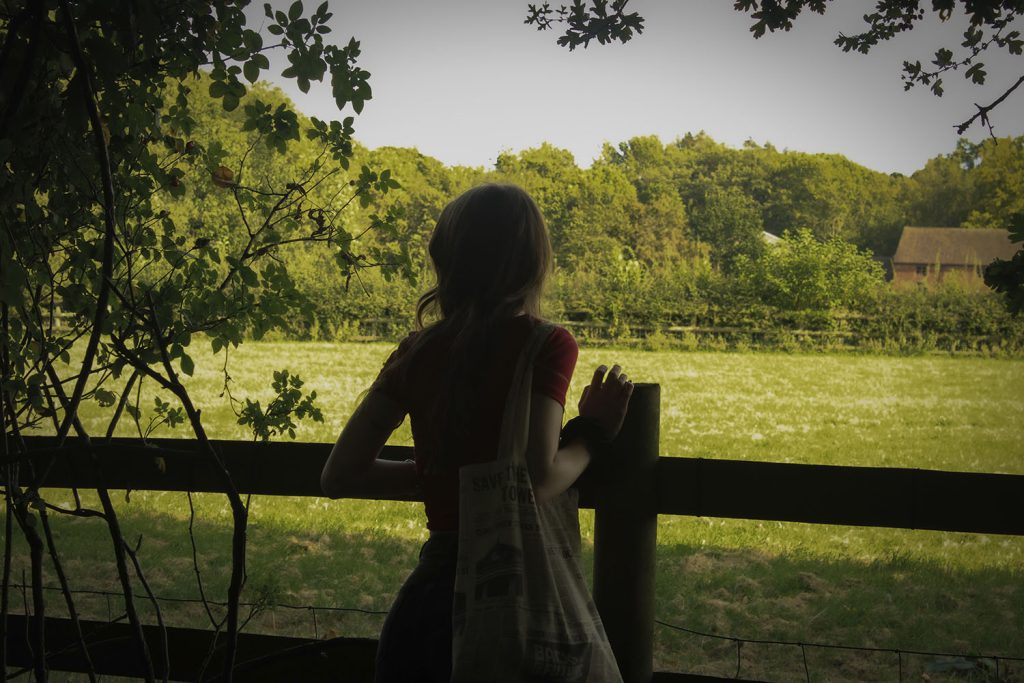
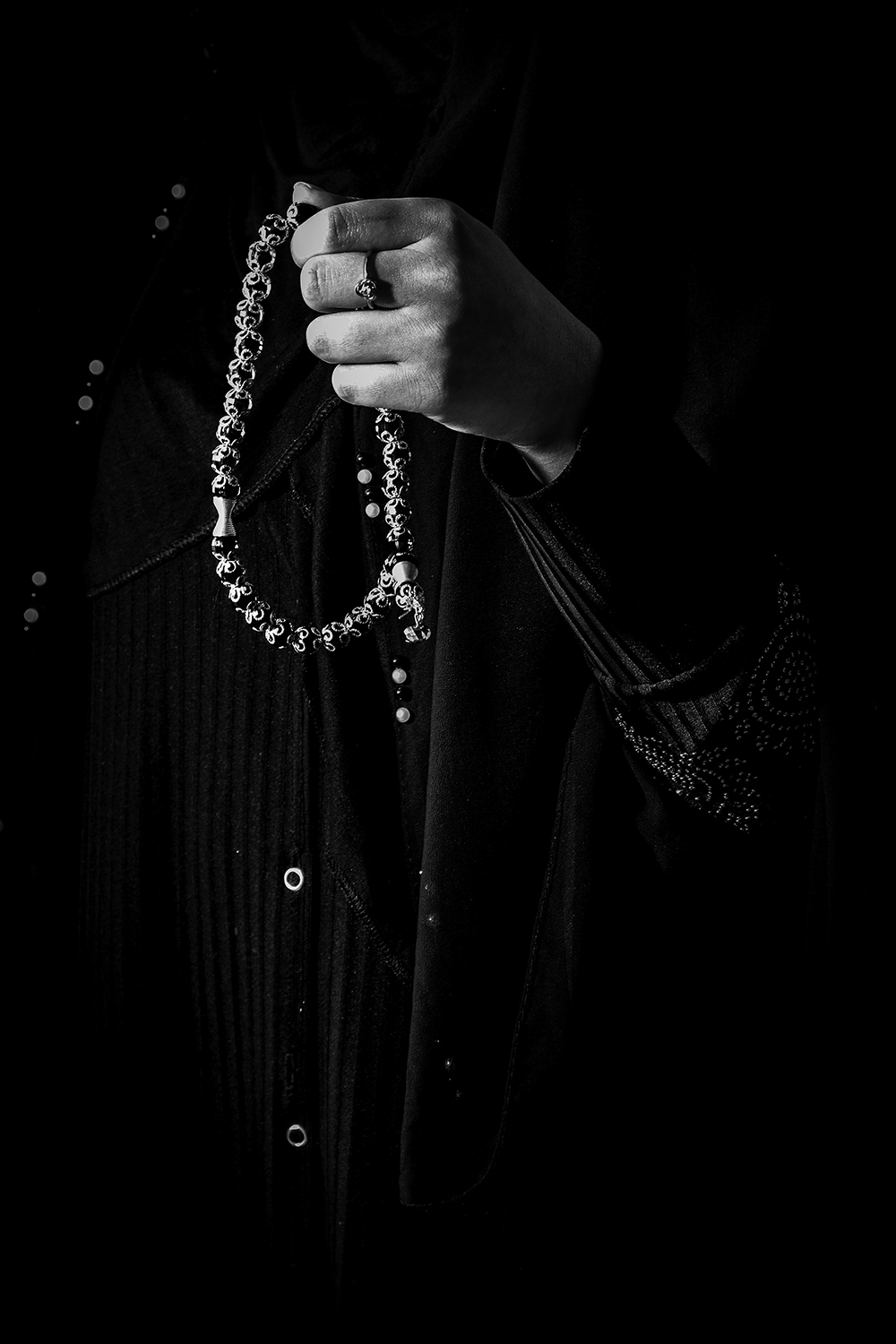
During year 13 I experimented creating imagery which represented the feeling of hope using a digital camera. I used a variety of photographic techniques like street, portrait and still life photography for my shoots developing a range of outcomes. After my A-Levels I will be taking a gap year to discover myself more before returning to education with the potential route of becoming a lawyer.
Aleesha Ball
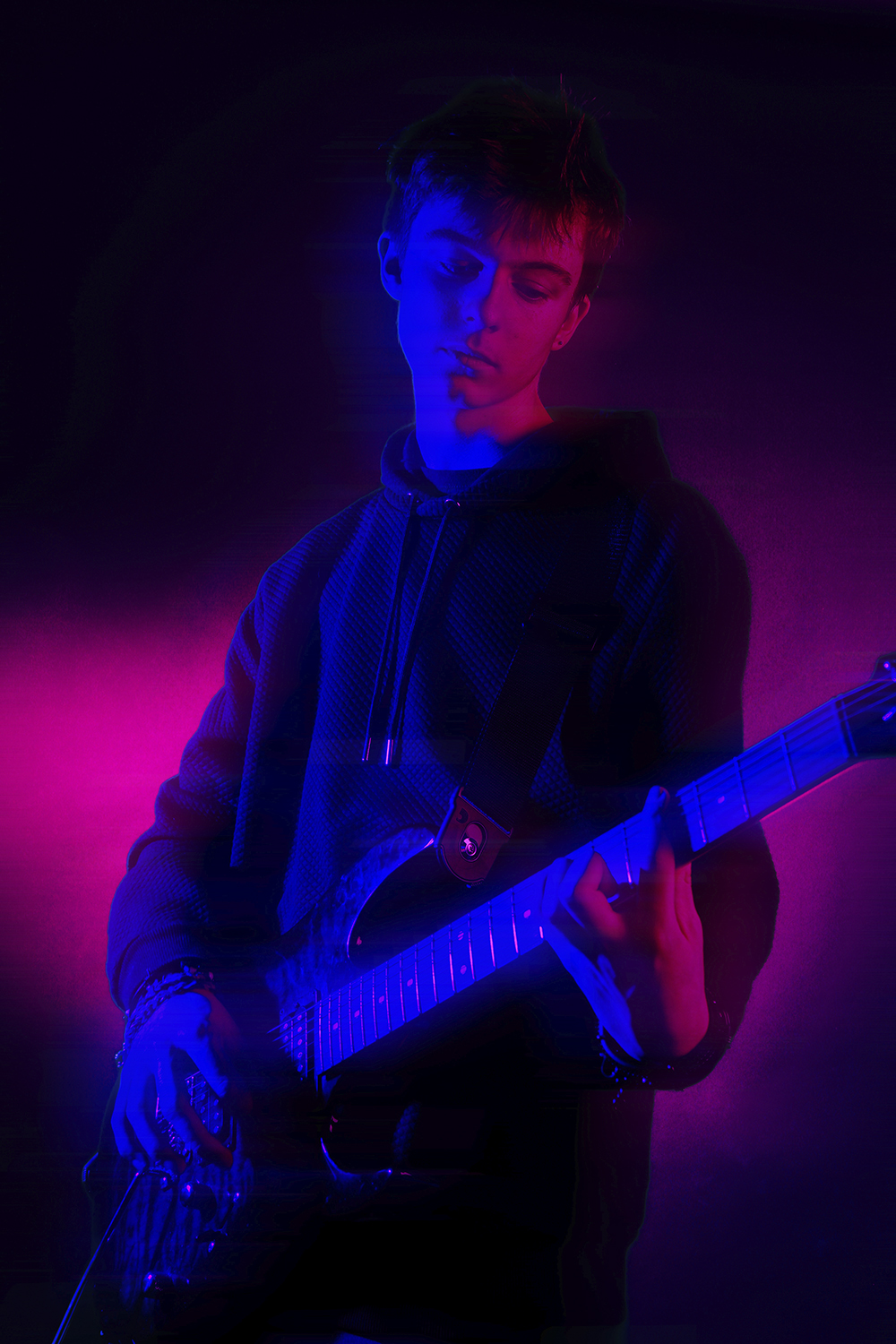
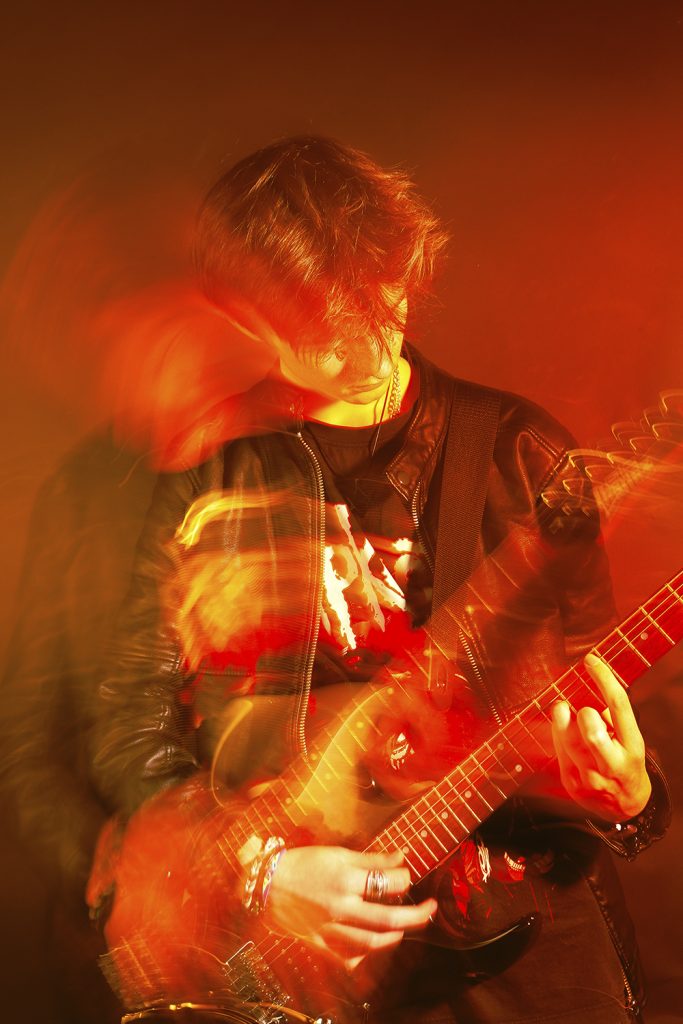
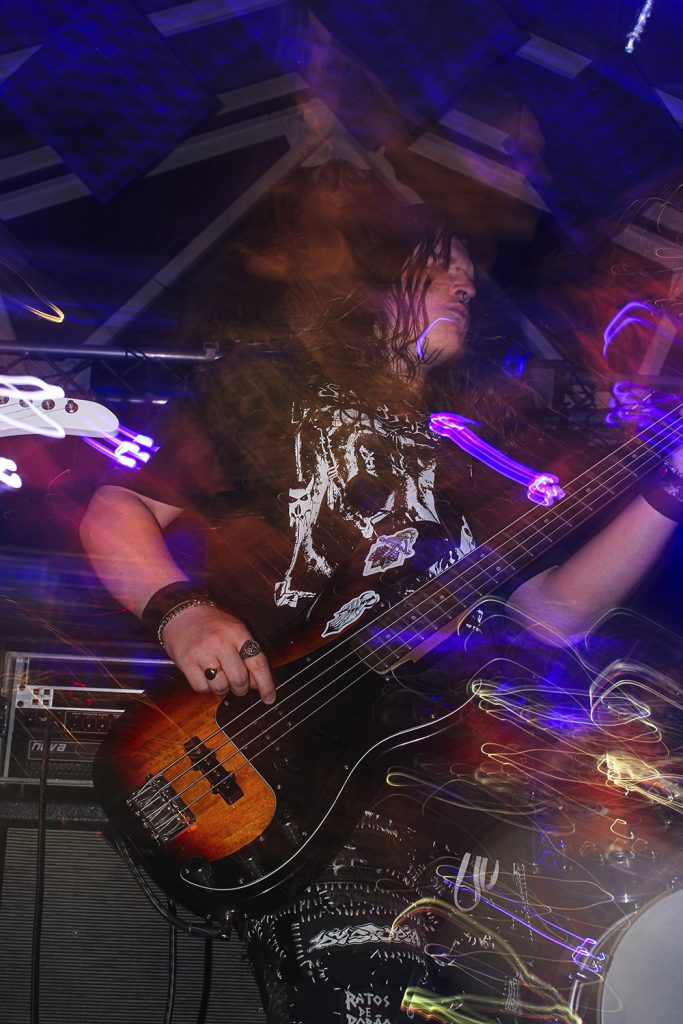
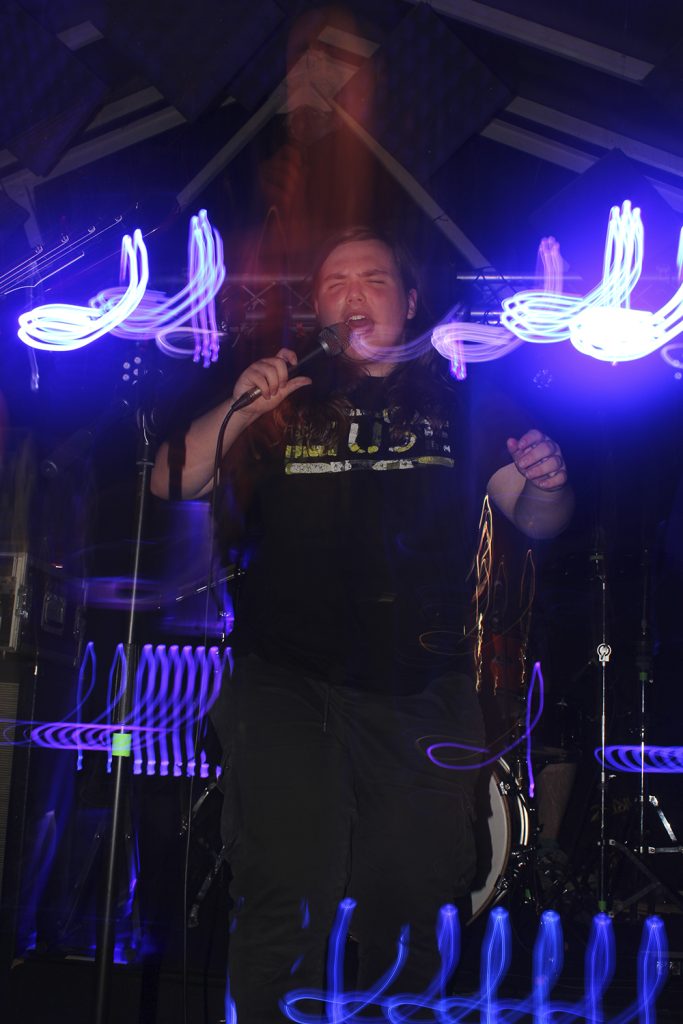
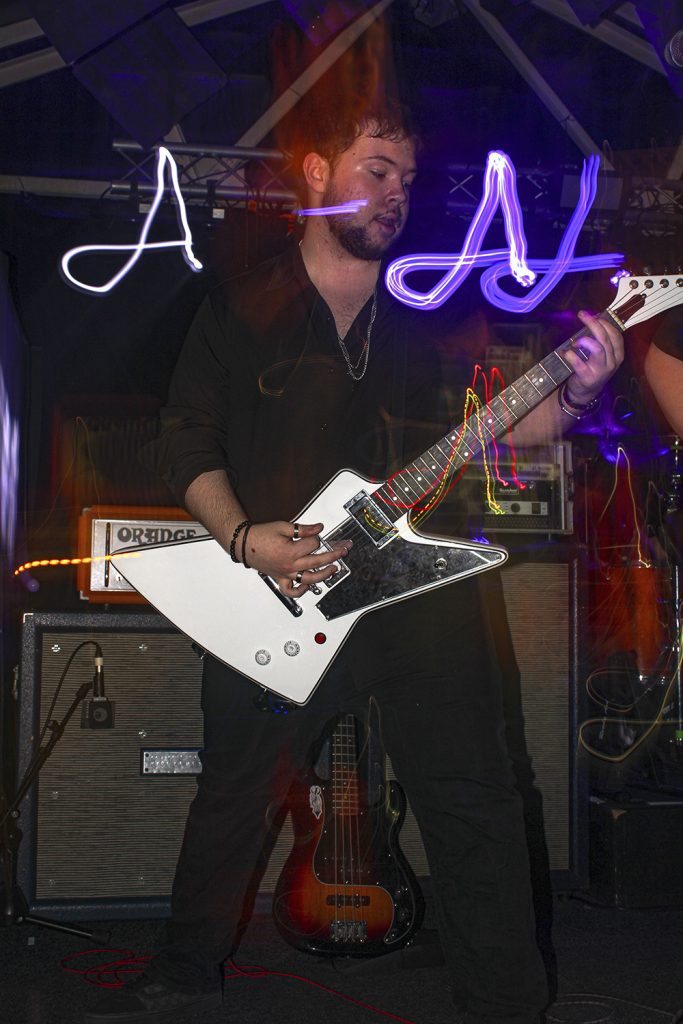
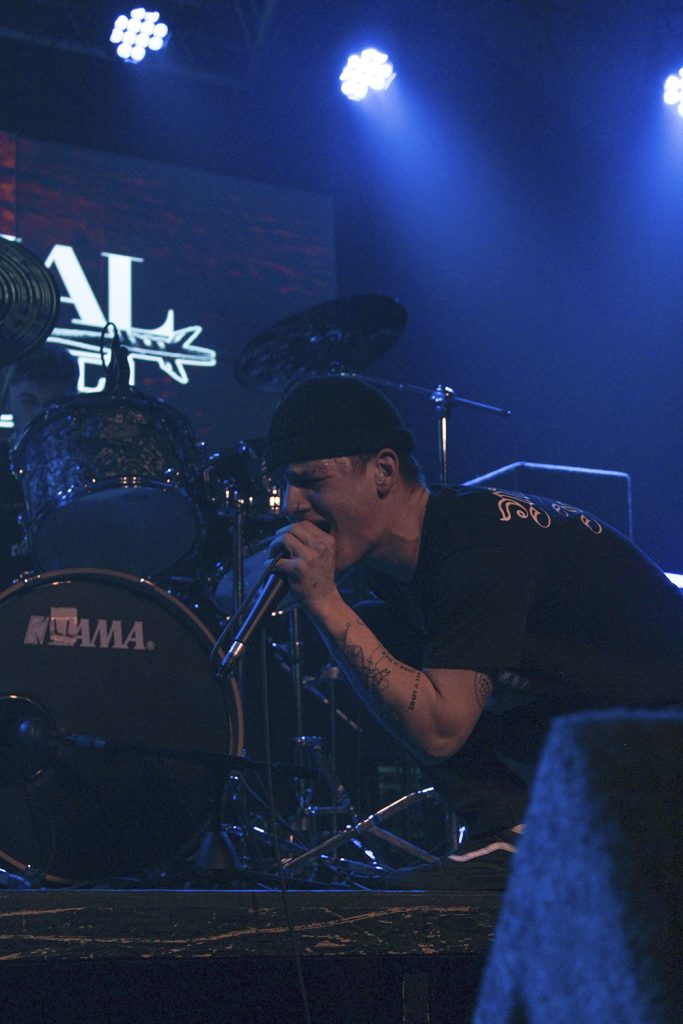
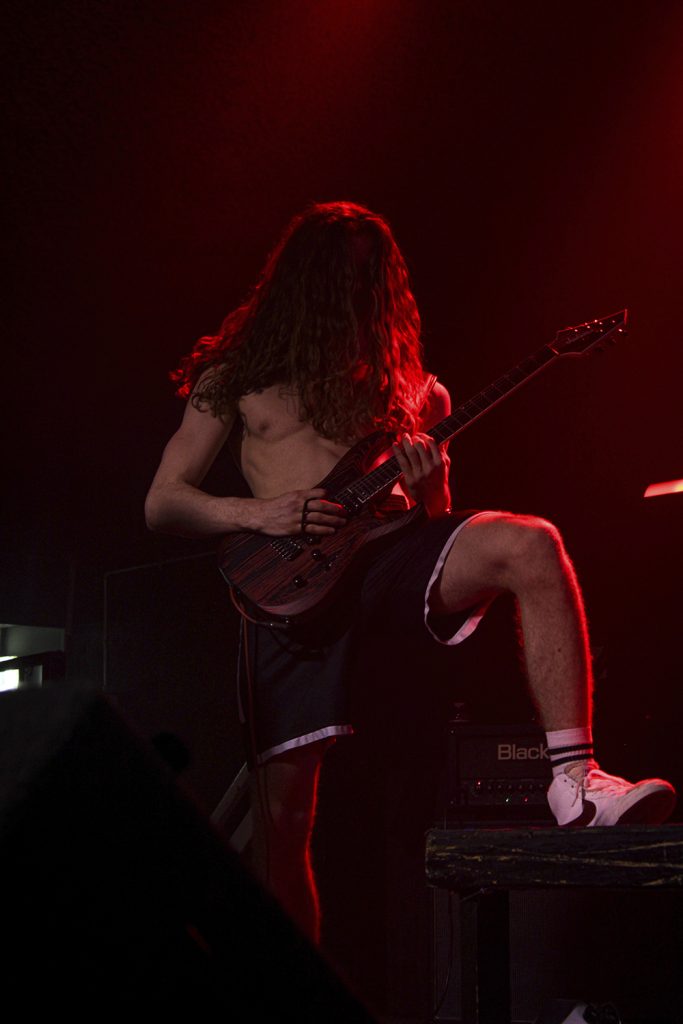
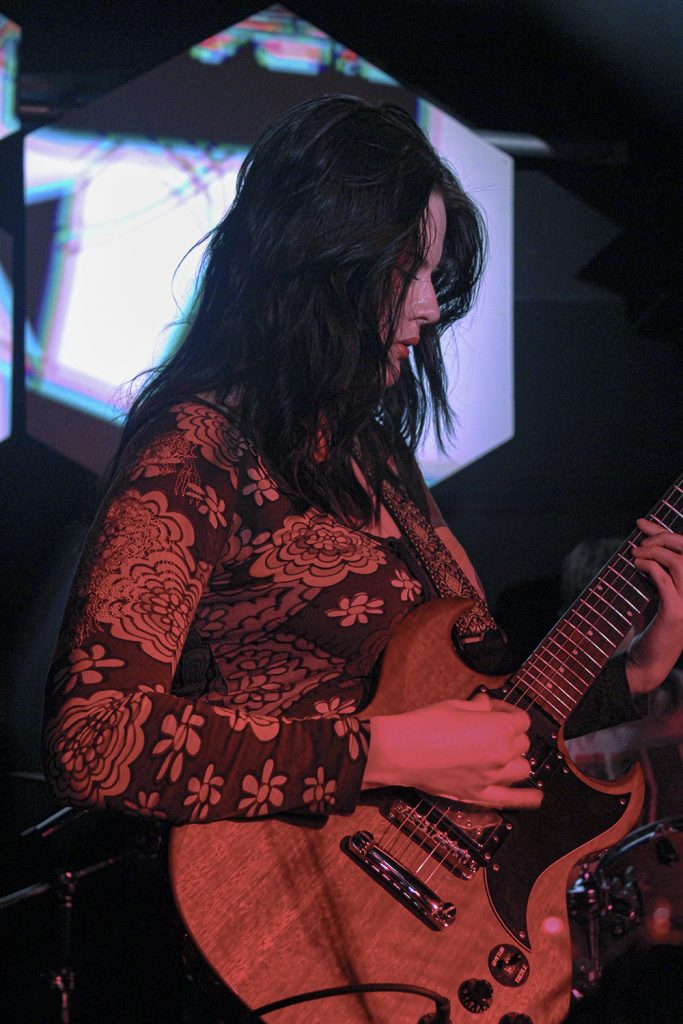
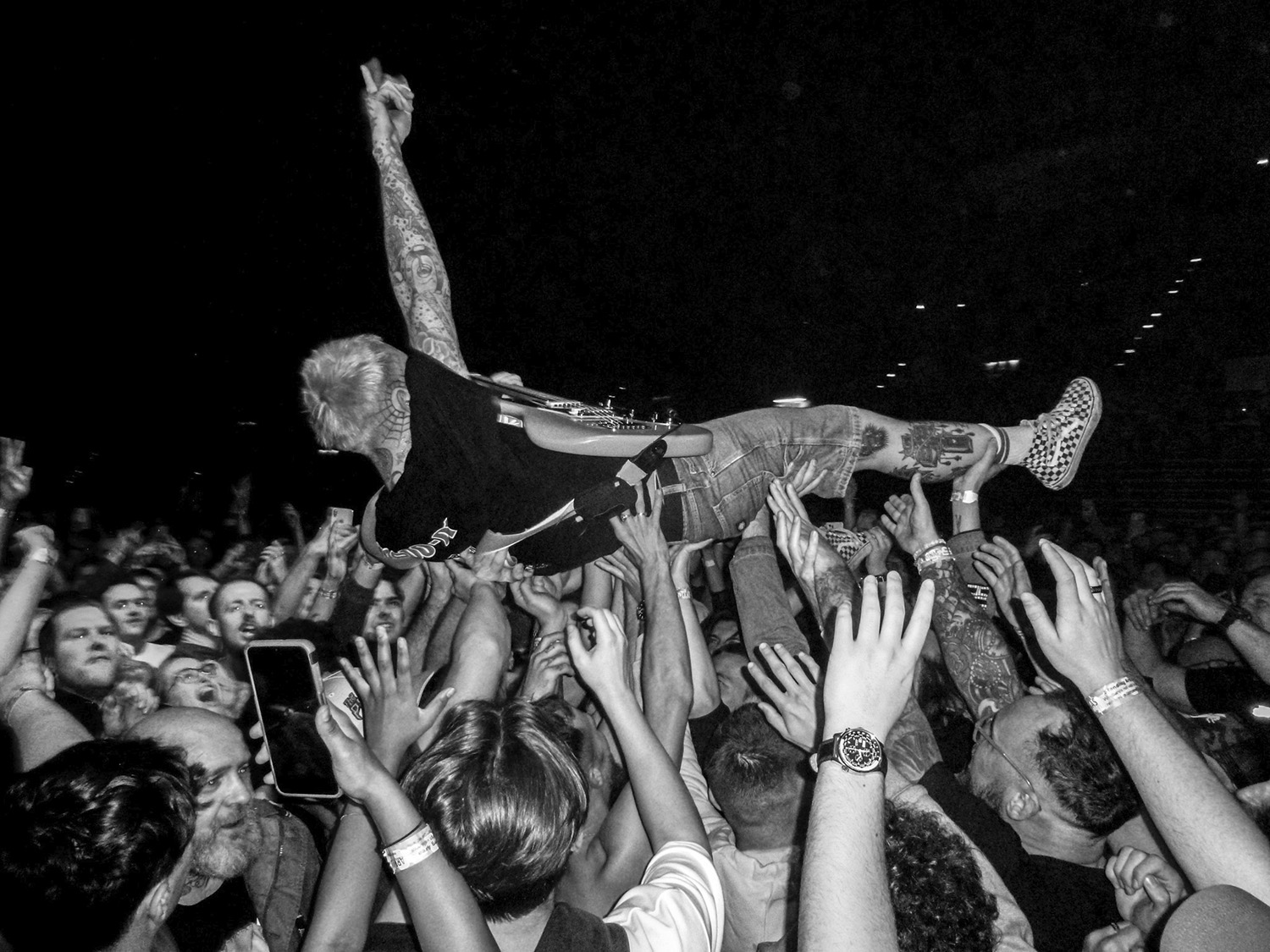
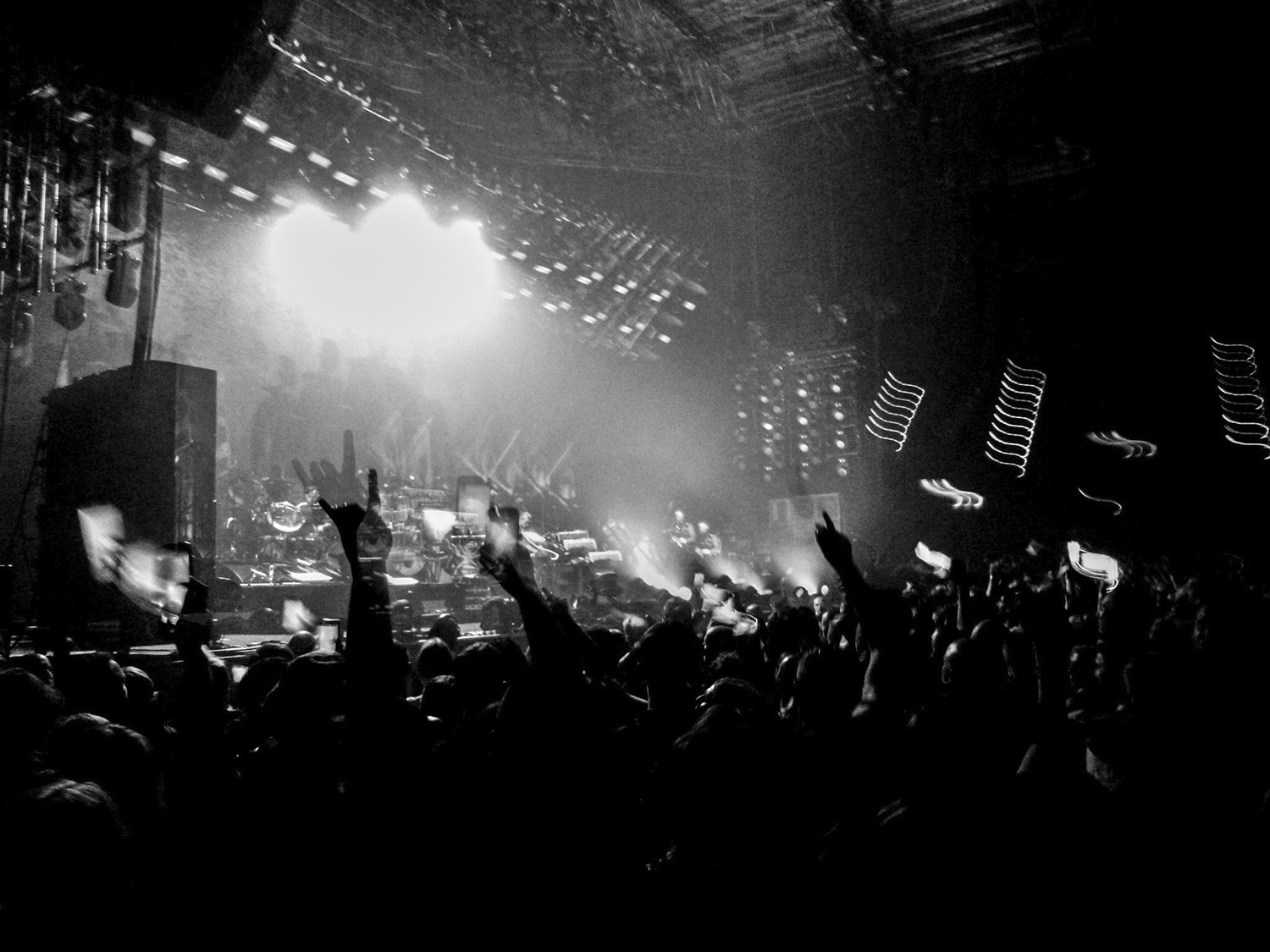
The concept of my project is to create images that convey motion to reflect the high energy captured within them. My main inspirations are metal and rock music as I enjoy them the most and the bands I saw played these types of music. I did this by taking long exposure photographs to capture lots of movement and edited the colours to be brighter and more eye-catching.
I also edited a few images in Photoshop to add a motion blur without doing it on the camera to showcase different uses of effects. I photographed both live music and studio shoots with instruments as props and I think the mixture of both works quite well together.
I am currently working towards doing a foundation level in arts and I plan on going to Nottingham Trent University the year after to study photography further.
Alivea Bennett
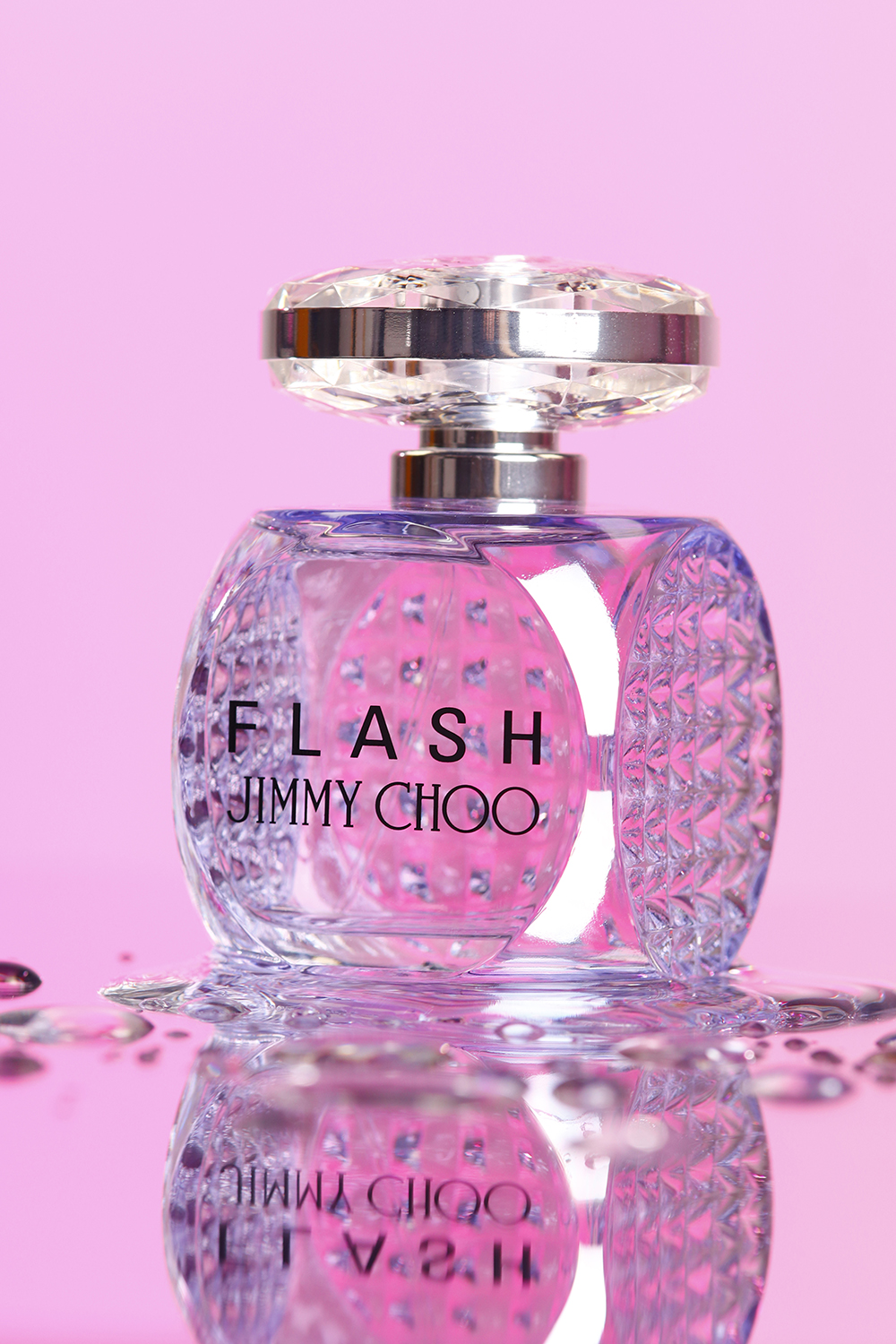
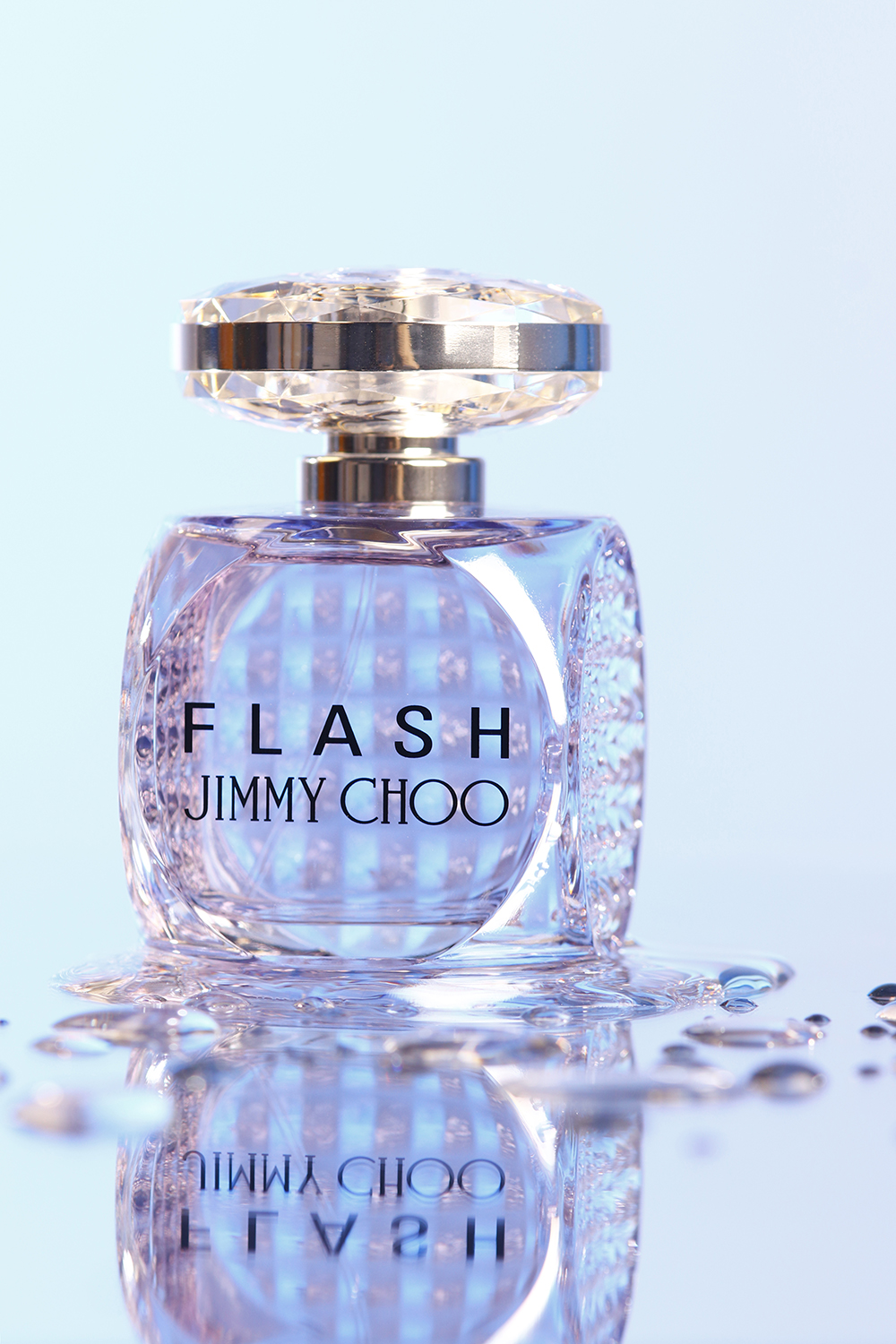
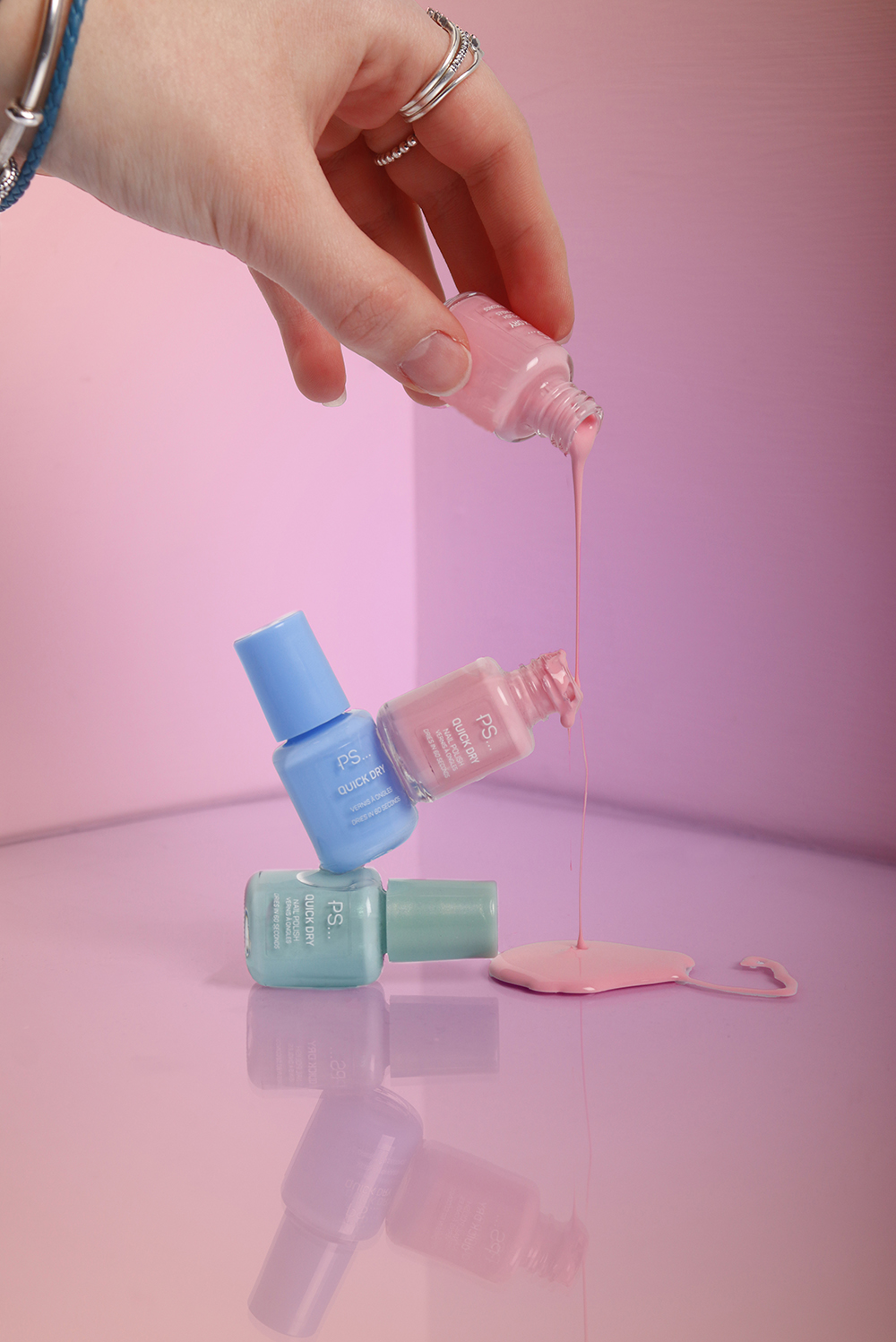
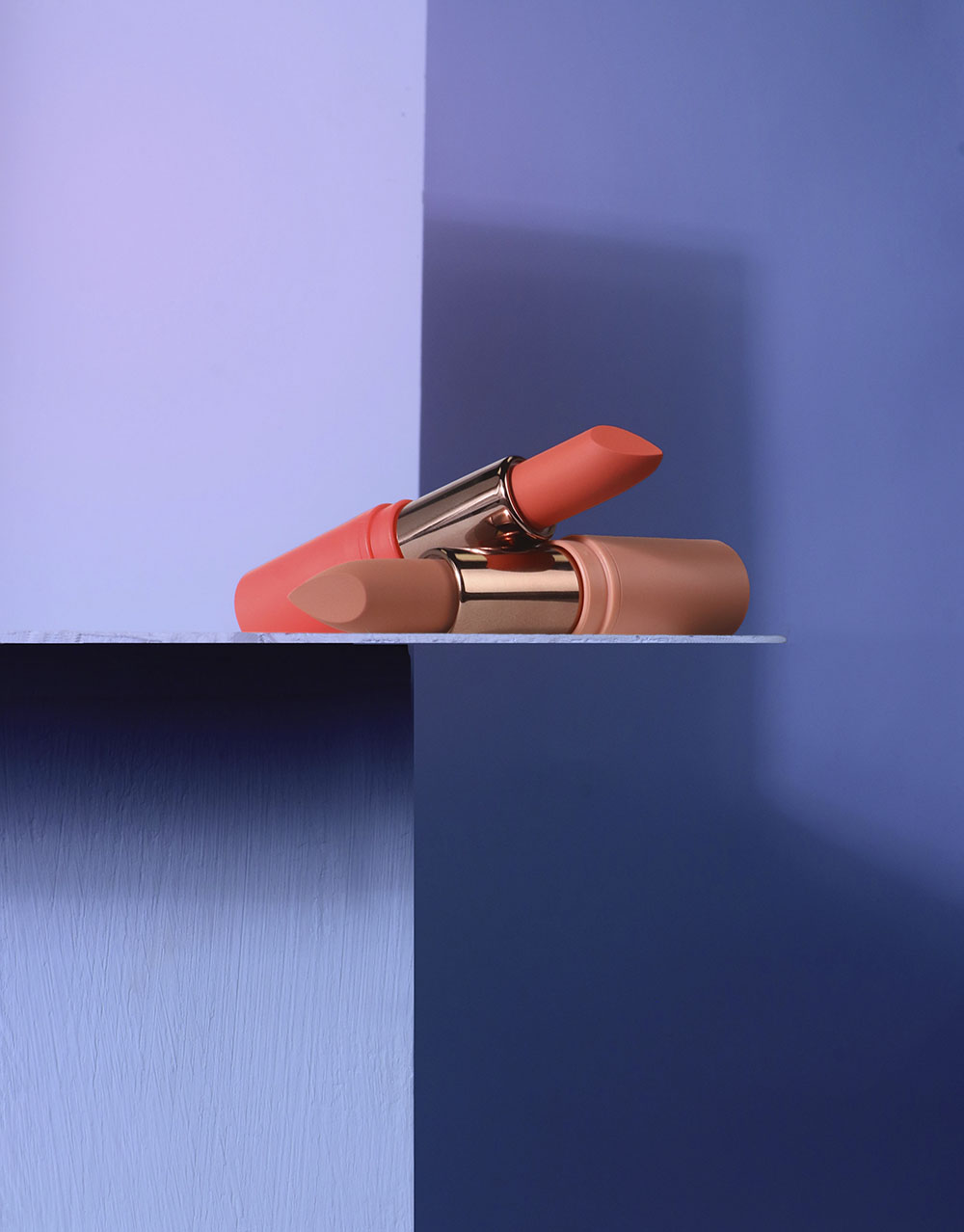
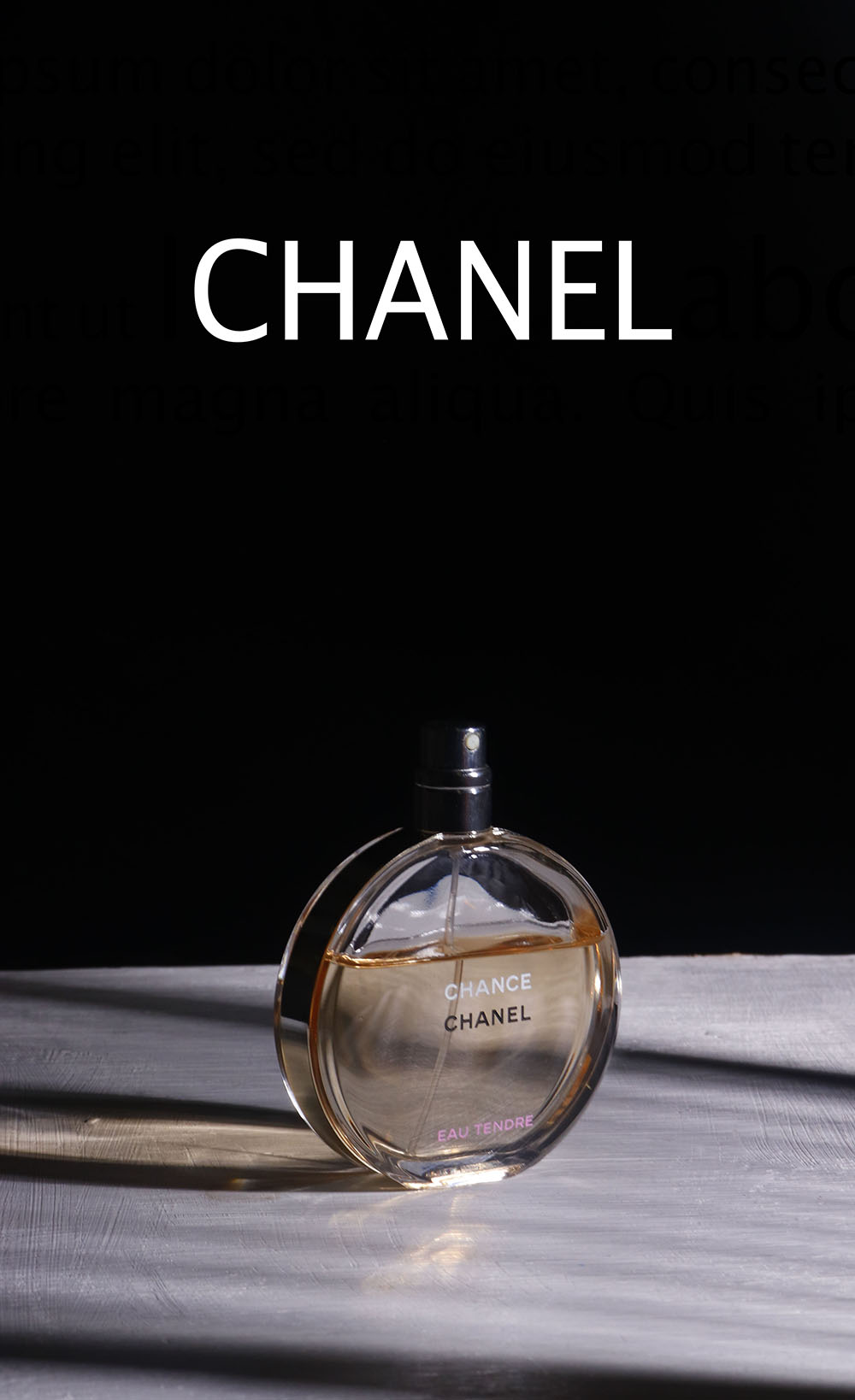
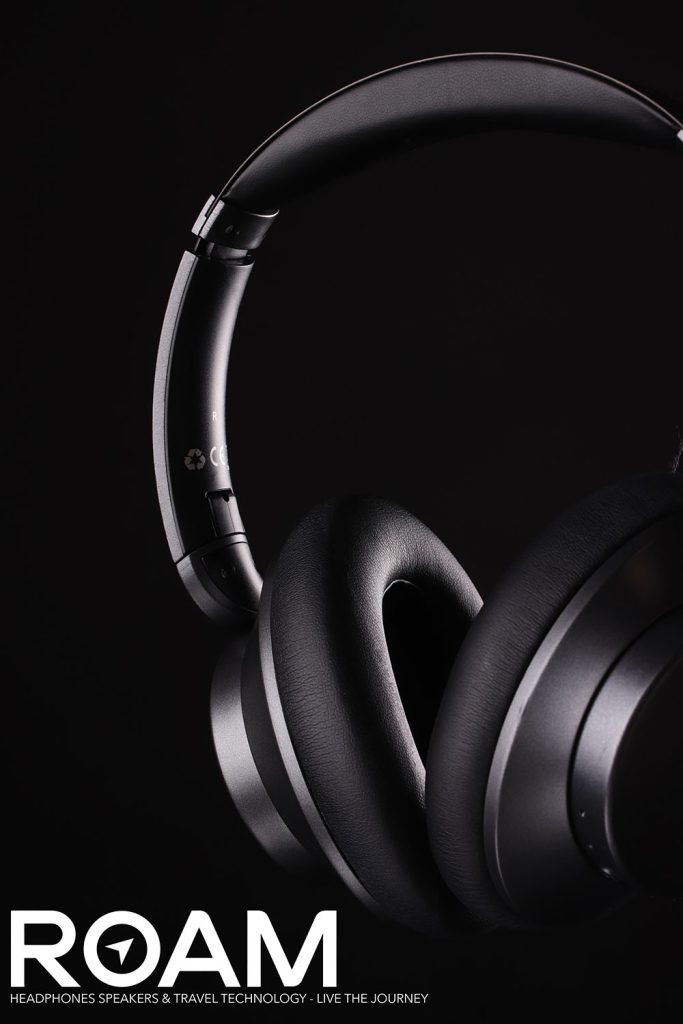
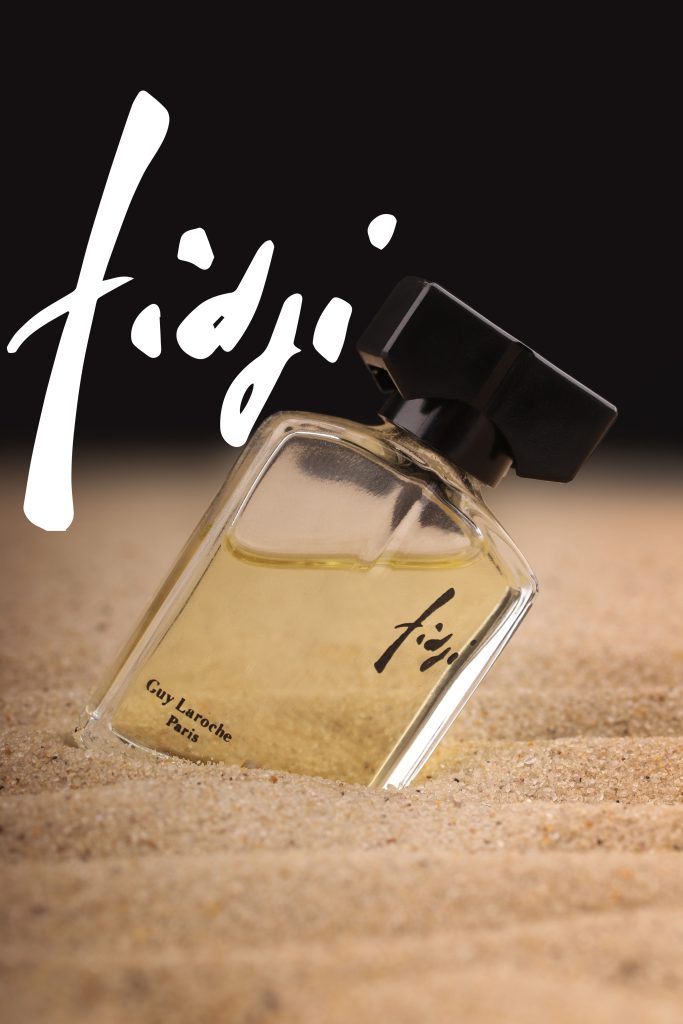
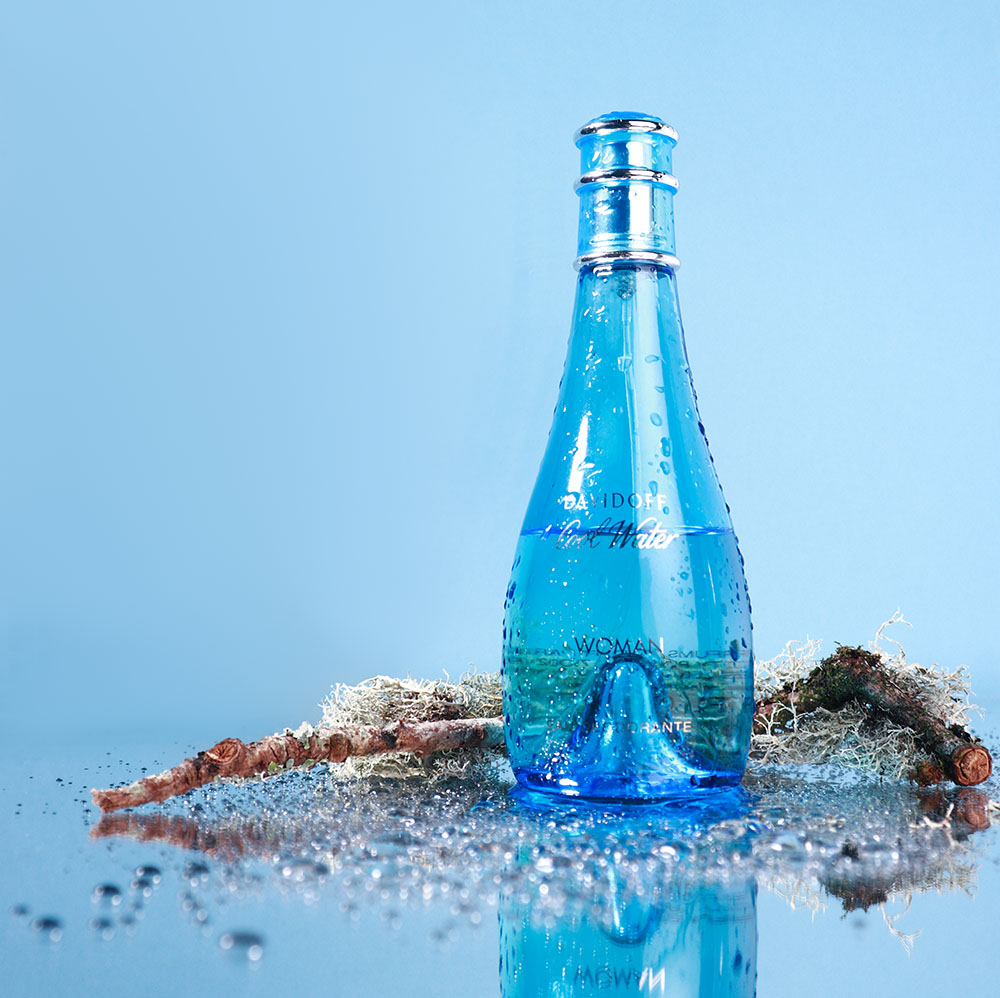
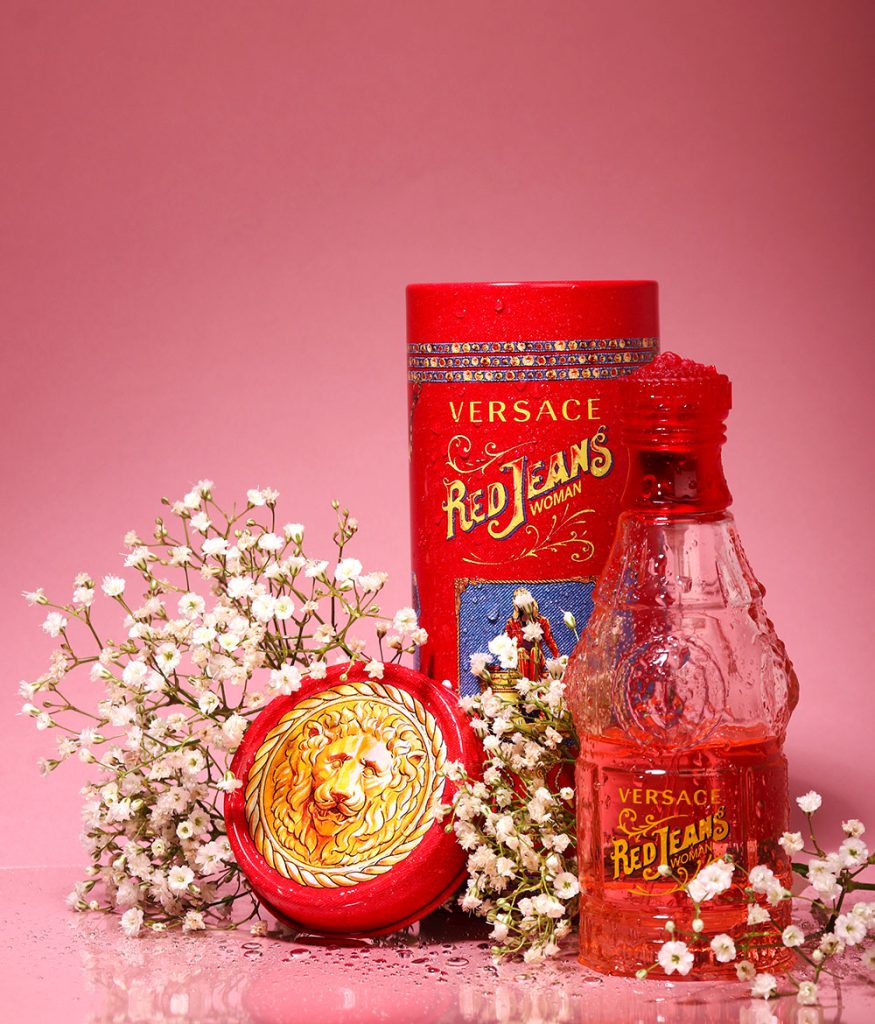
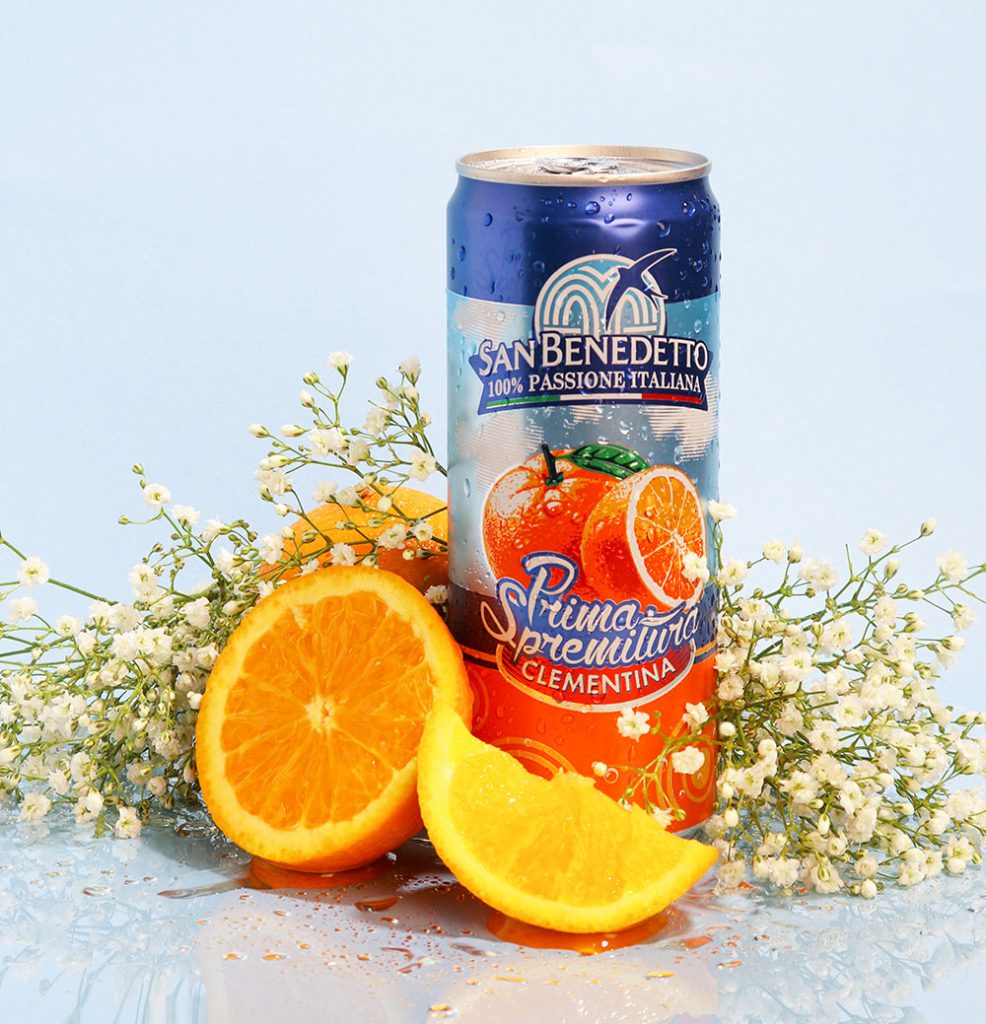
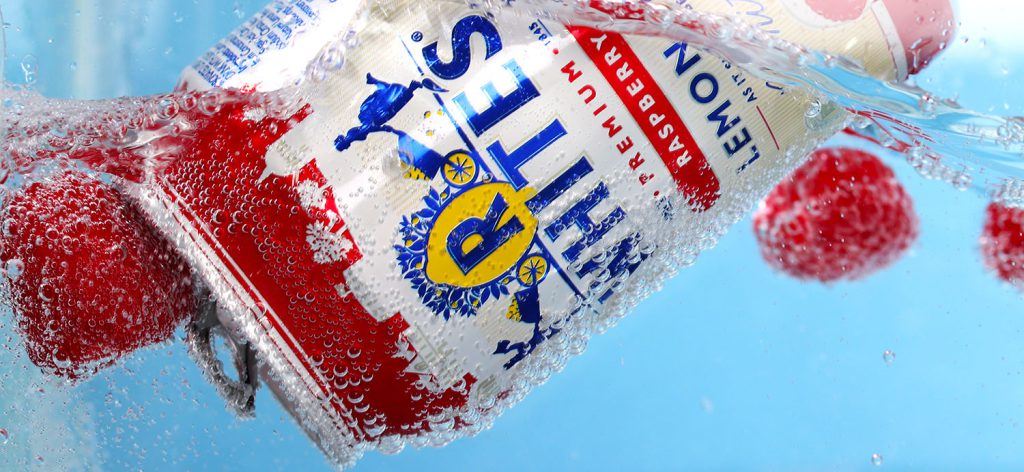
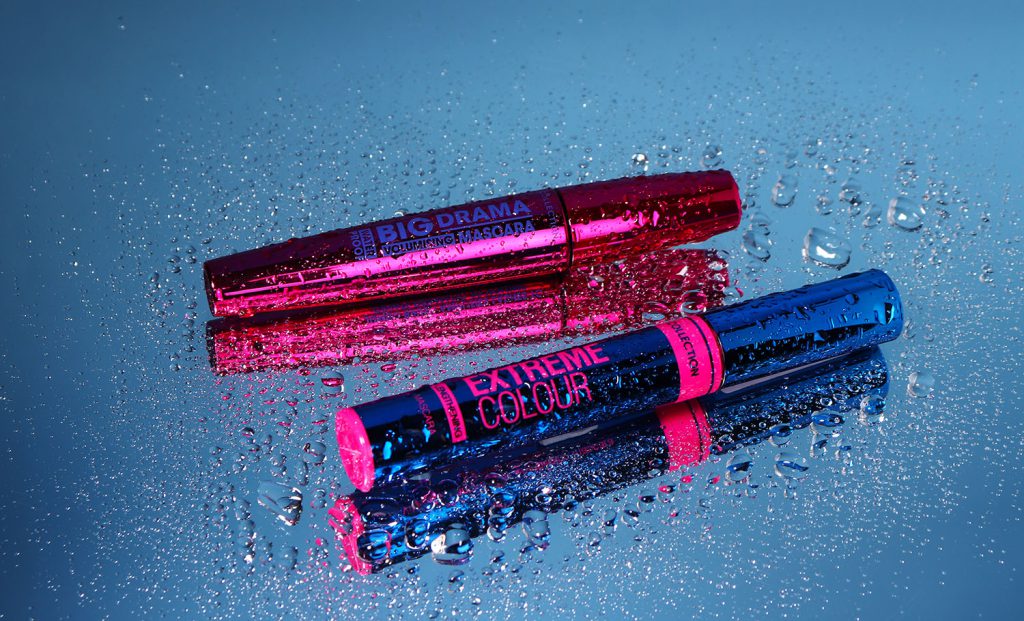
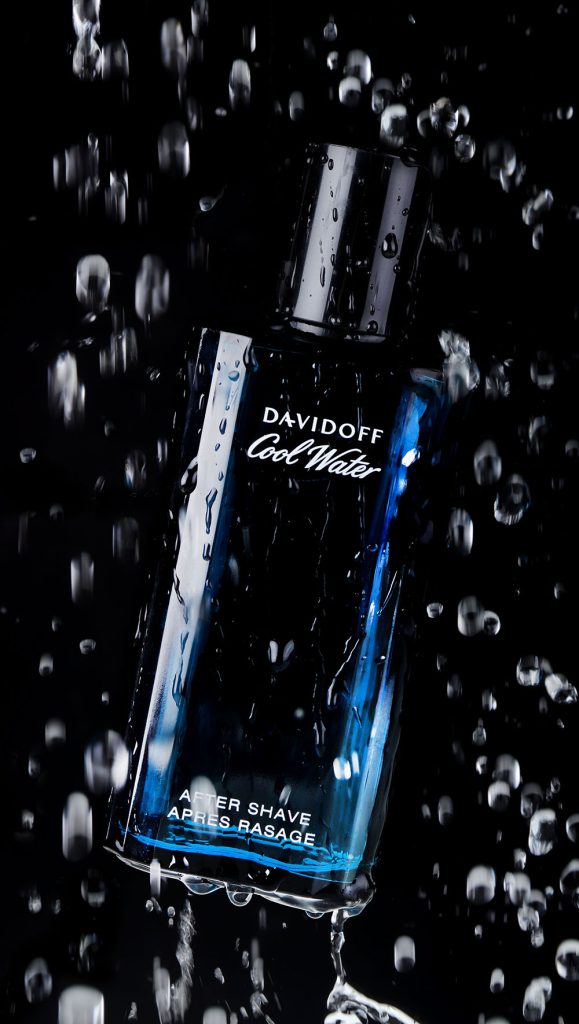
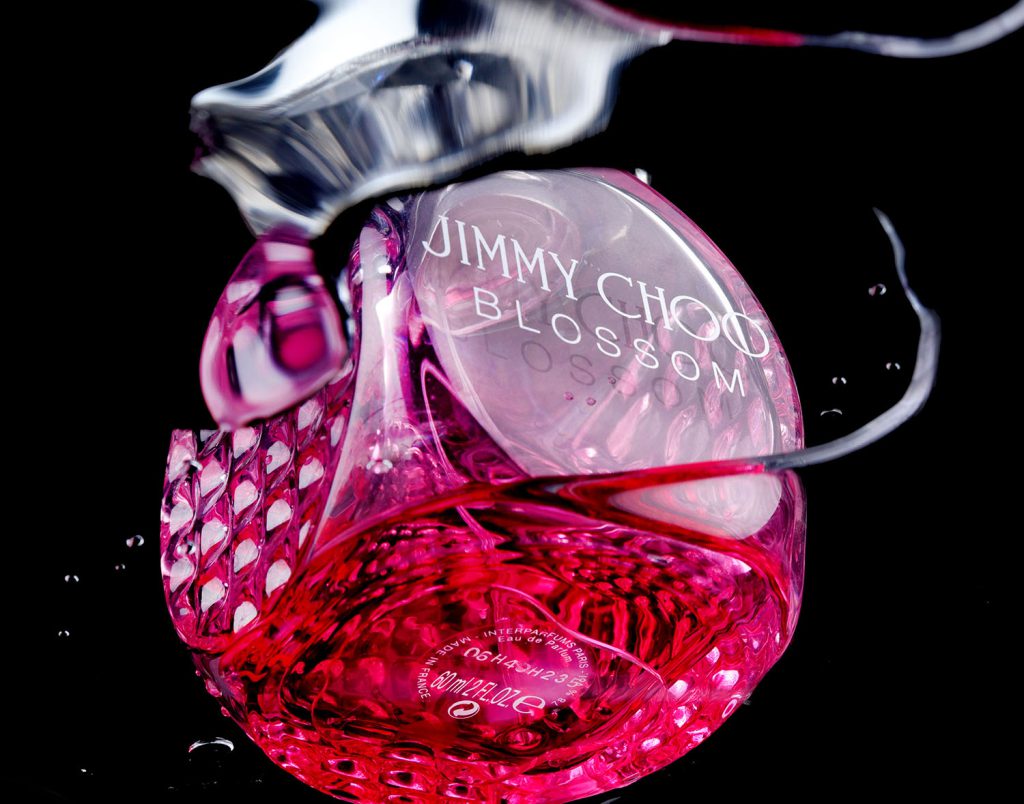
For this project, I focused on the techniques used and the components which develop and make up product photography as a whole, techniques such as the use of gel lighting, shadows, and the use of water droplets along with a range of other techniques. I also intended for this project to have a focus on the use of vibrant colours in my work particularly complimentary colours.
I experimented with various skills/ techniques in order to develop my skill range and capture my intentions in my work. I found particular success through the use of negative space, shadows, contrast, depth and colour in my work which brought a focus to the object of the image and created a more professional outcome to my outcomes.
After A-levels I intend to go to Warwick University to complete a degree in Law and Sociology.
Bethan Bowater
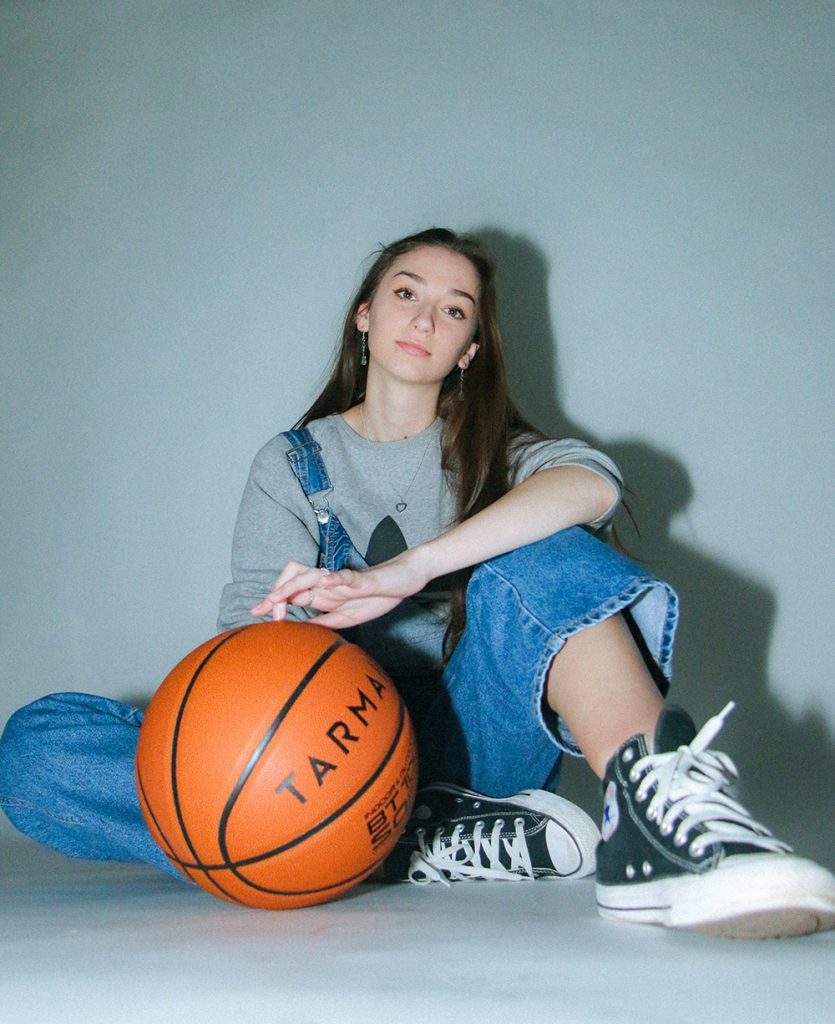
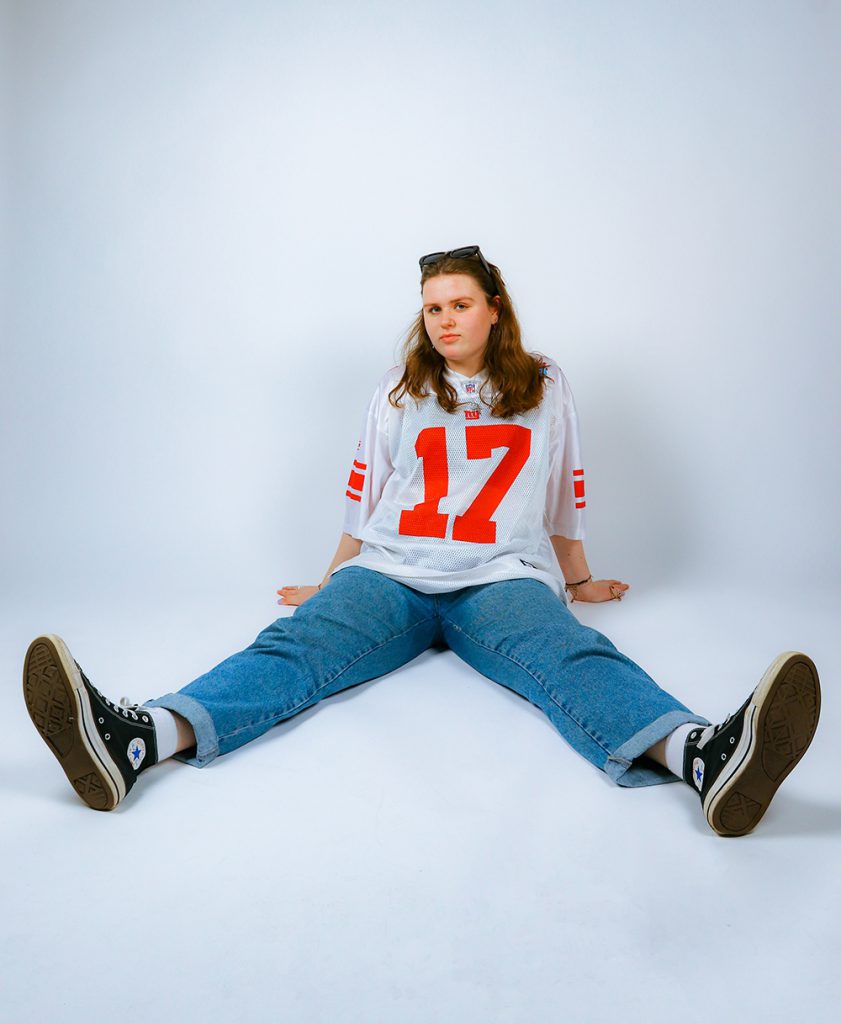
For this project I explored the concept of individuality by forming characters to showcase the distinct separateness between people and how each person has their own identity. My initial starting point of this project was table, and it is through a table that I have presented the different personality types of an individual by giving them their own personality trait.
For the layout of the images, I wanted to capture all of the models together in an arrangement to further accentuate the uniqueness of each of the characters. Overall, my images are successful as they extenuate the difference between each person through the simplicity of a table and incorporate a variety of skills such as cinematography which is the art of photography and visual storytelling in a motion picture. I used this to build a narrative for each of the characters to help further underline the individuality of a person.
In the future I am to go to the University Of Birmingham to study sociology and education.
Isobel Cooper
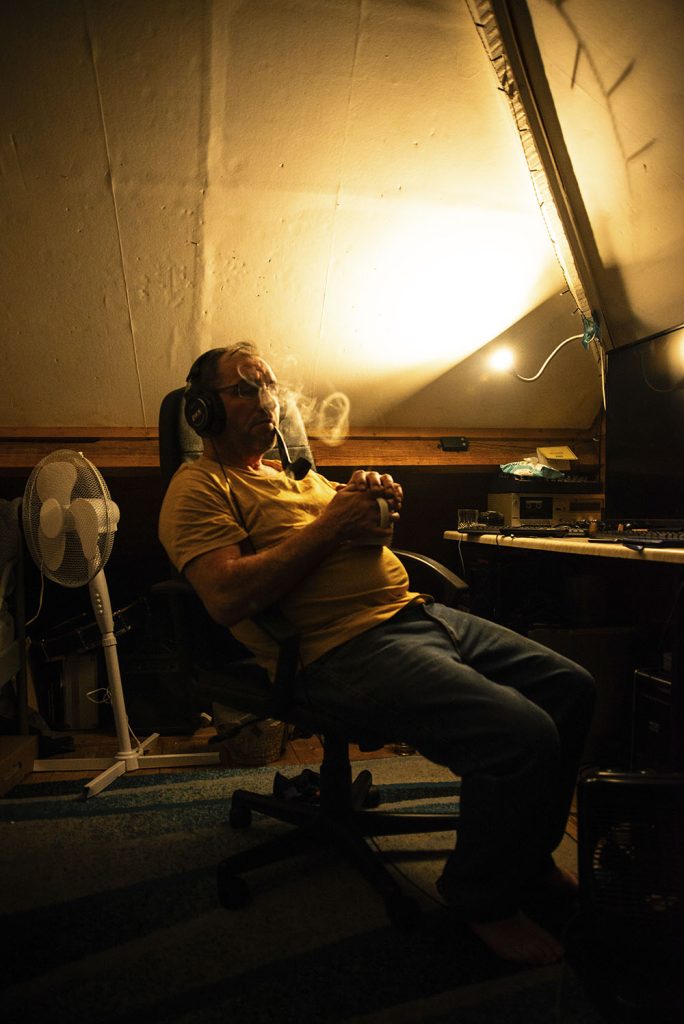
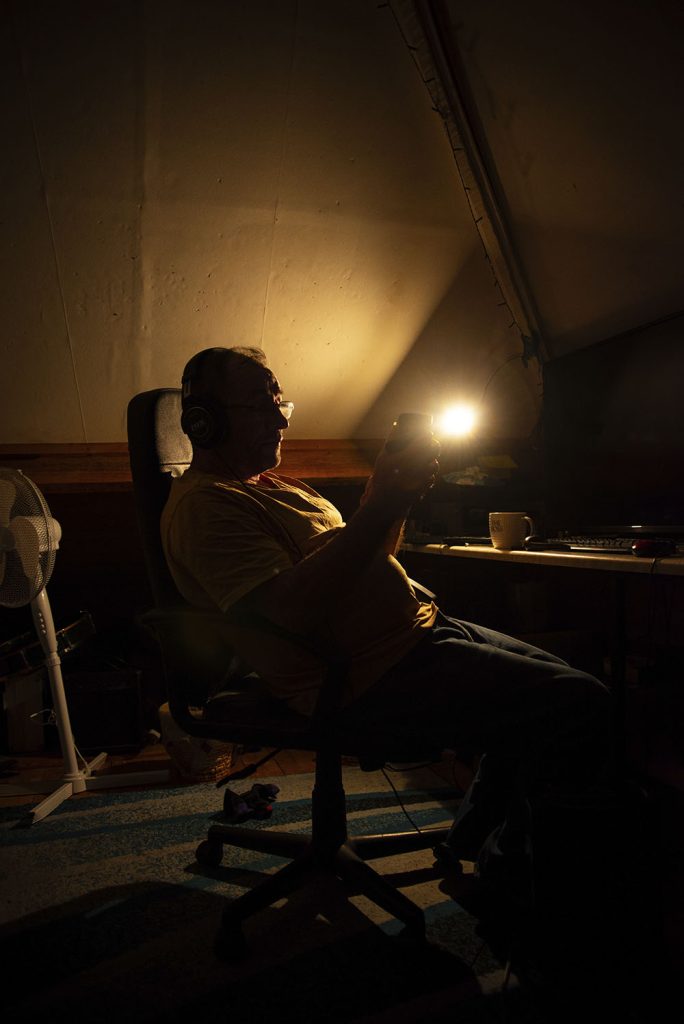
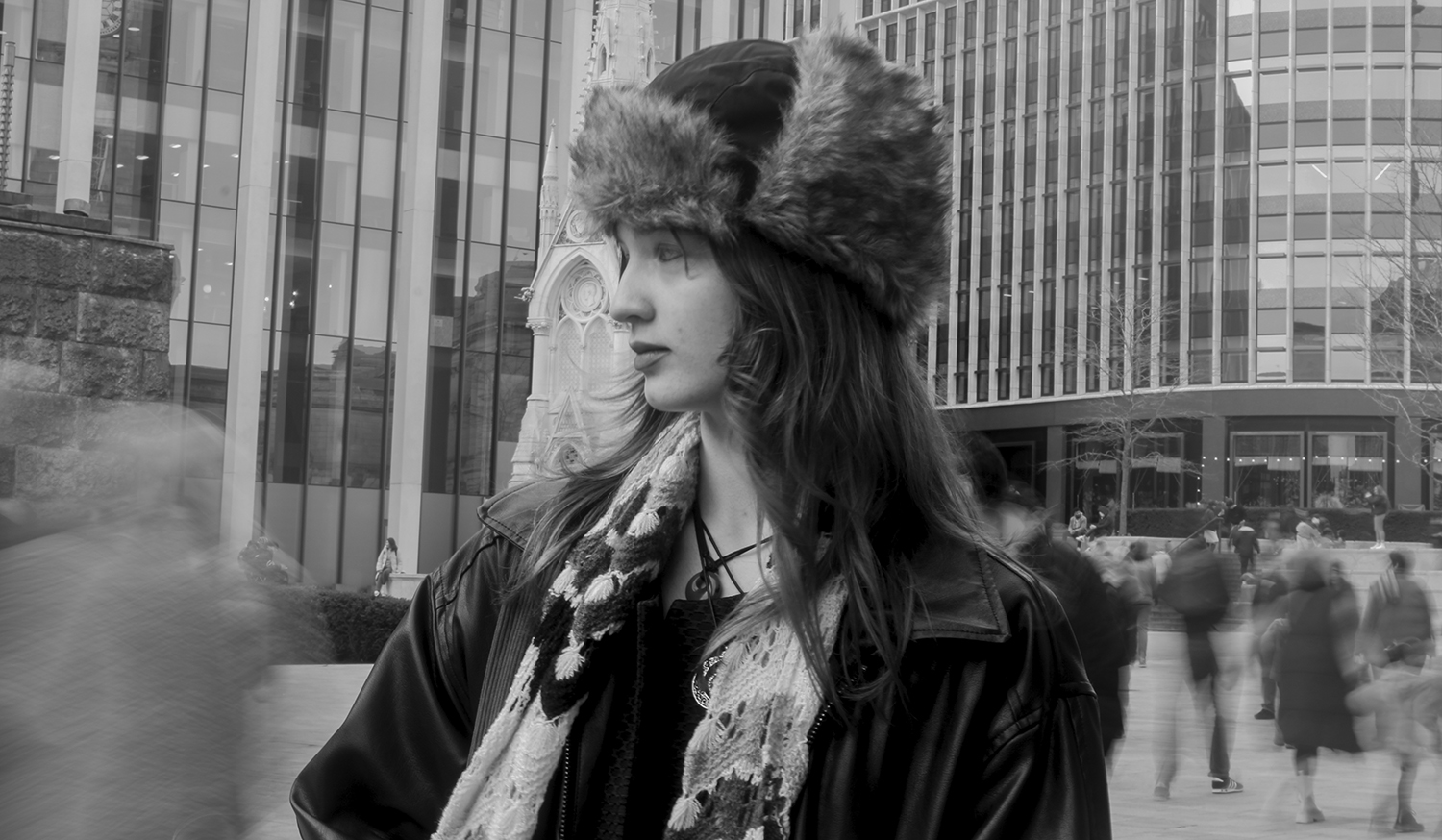
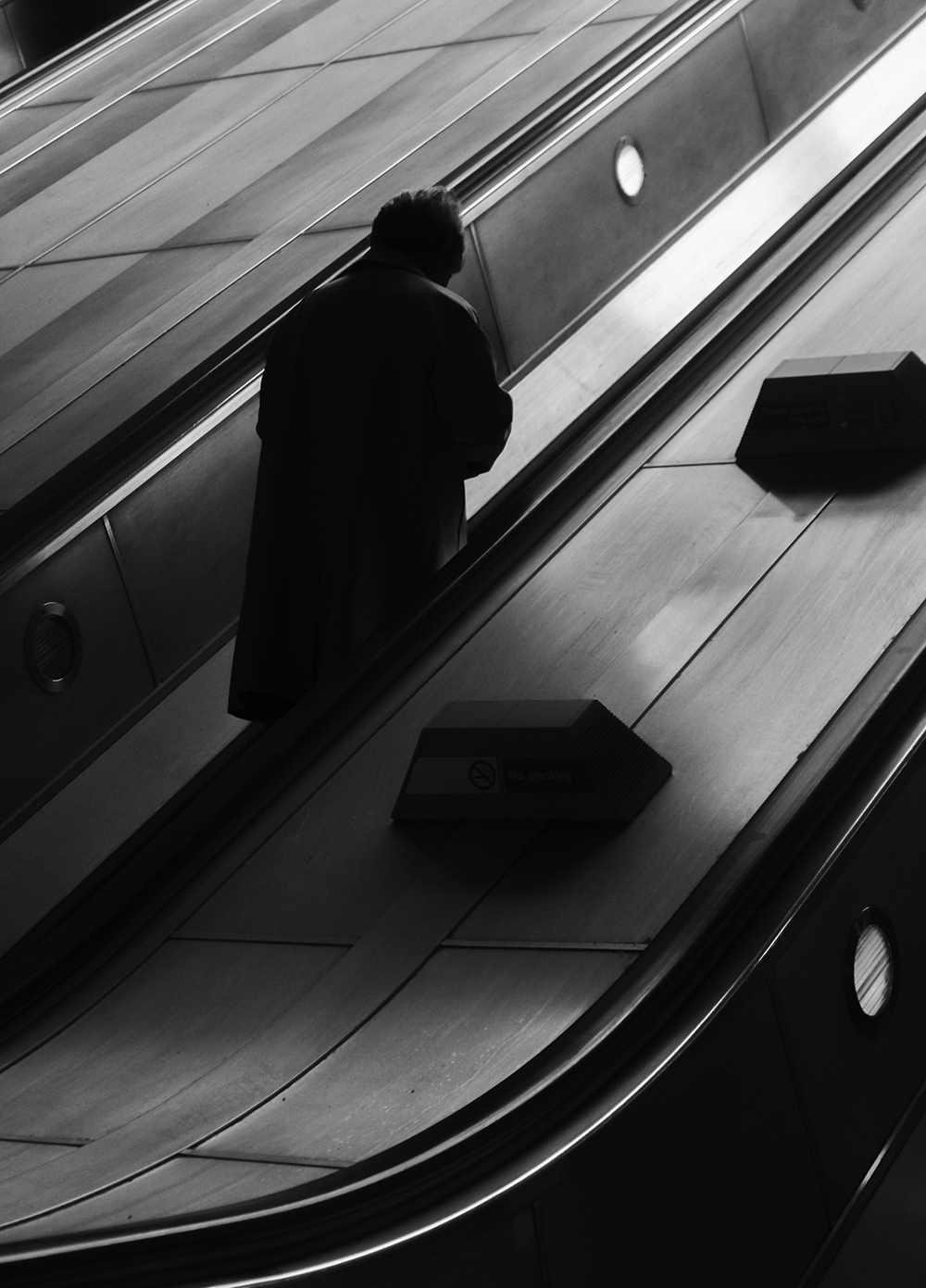
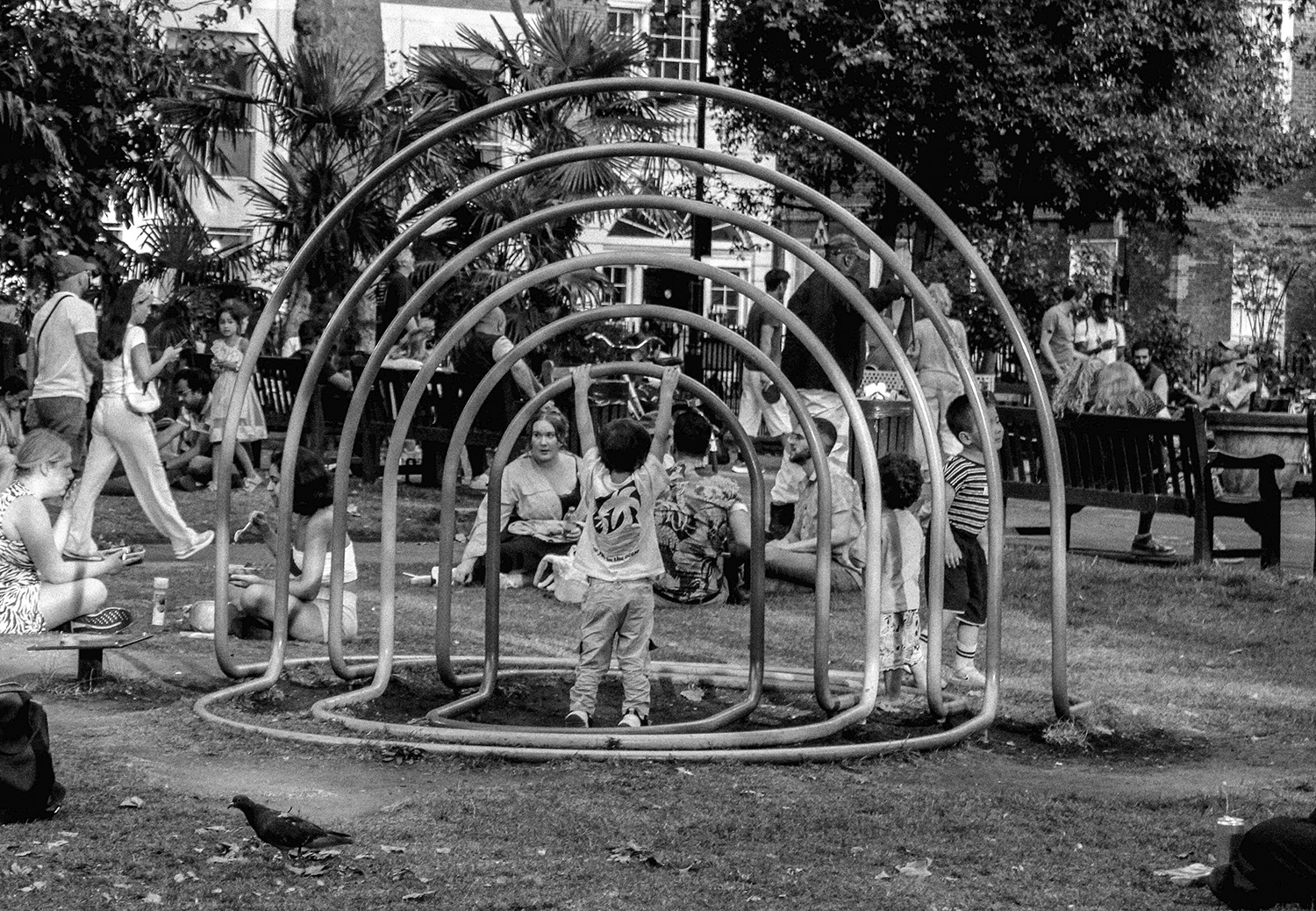
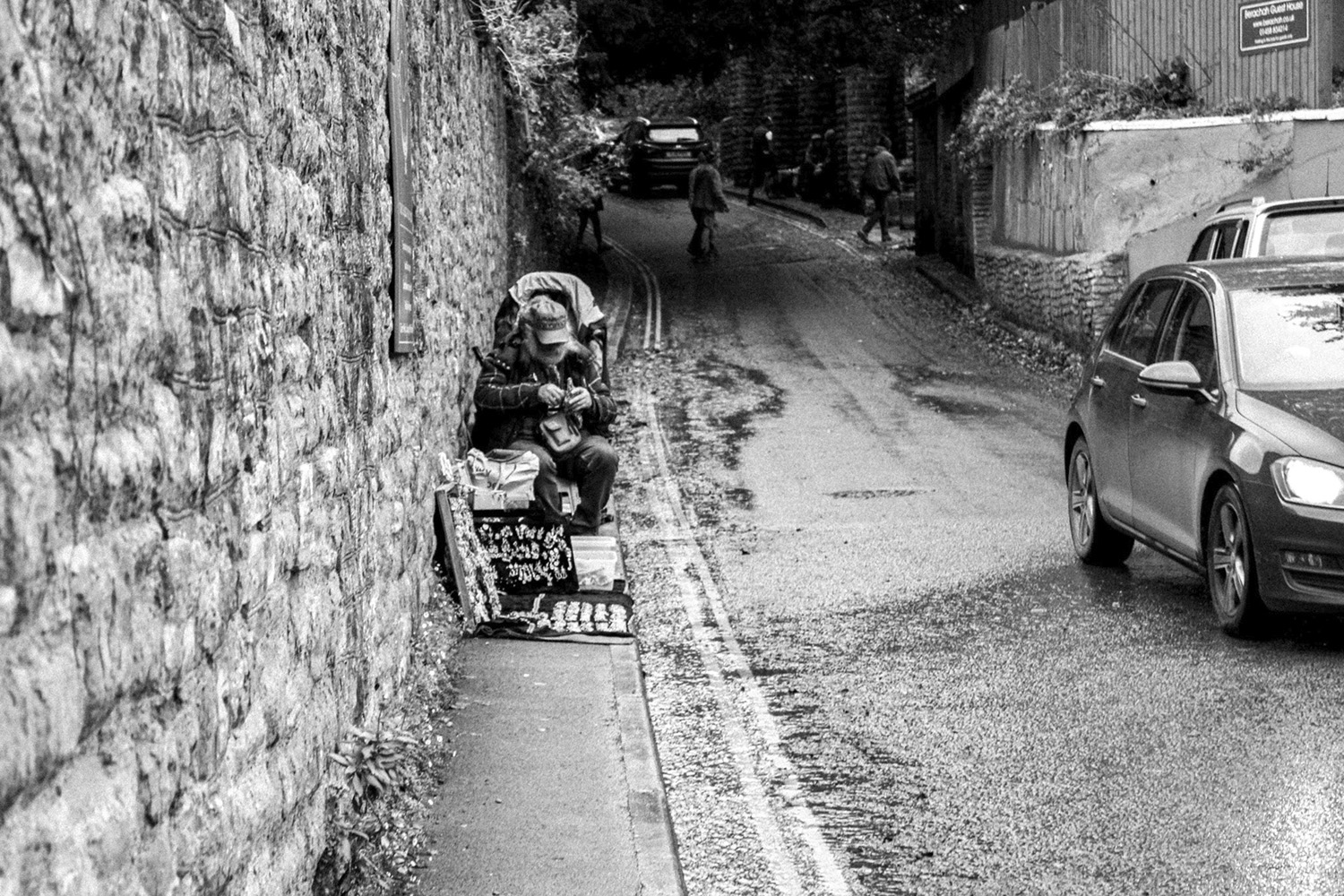
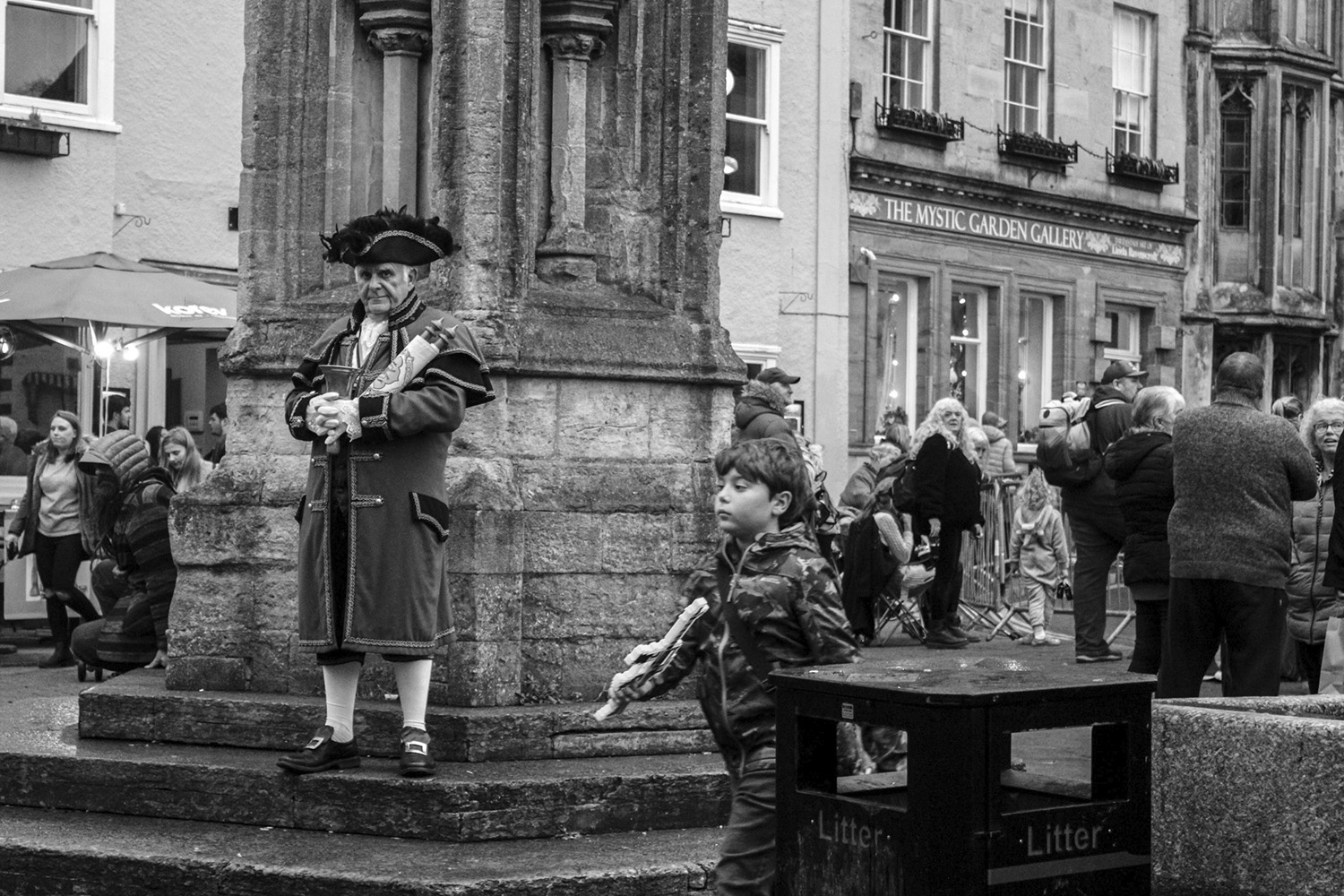
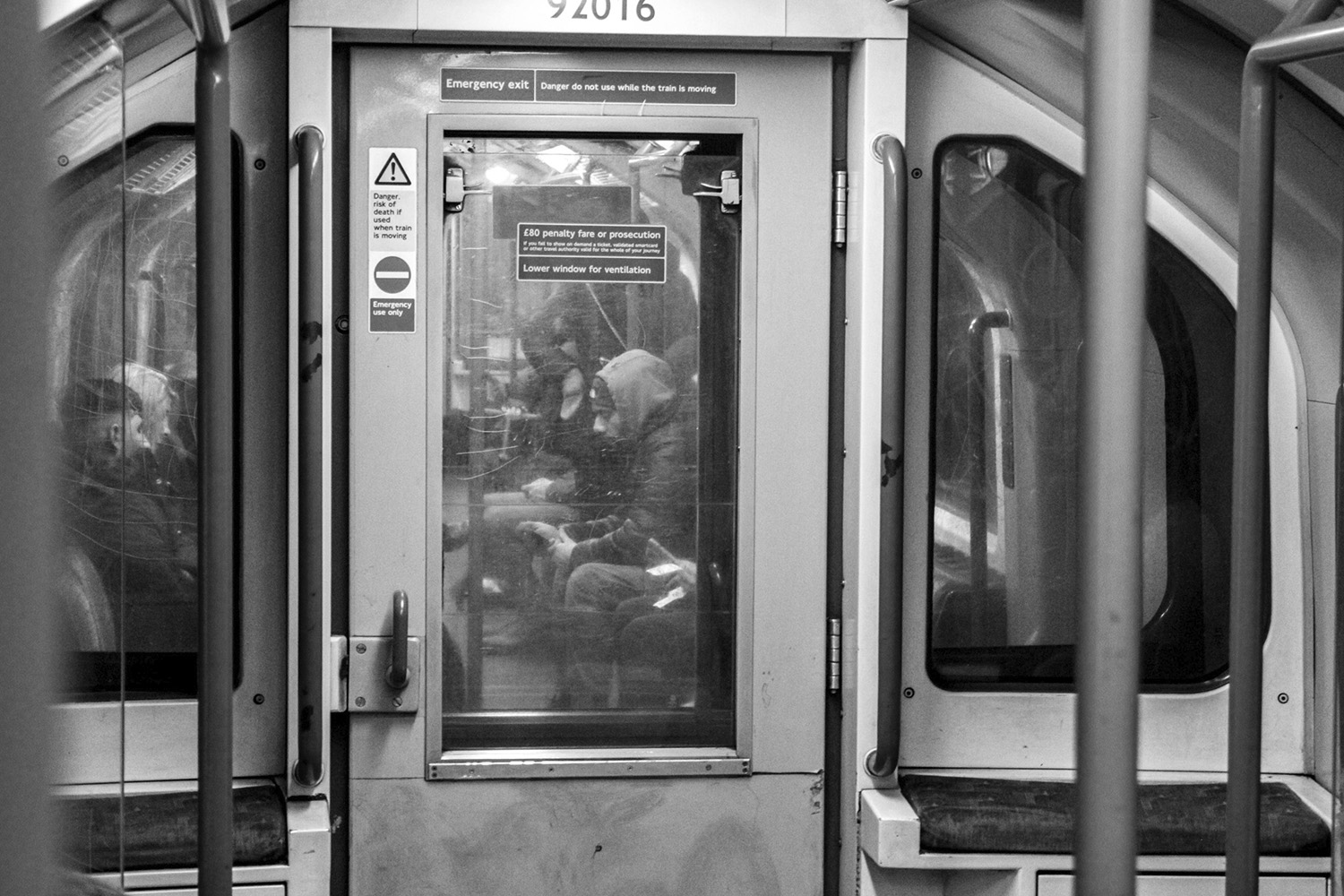
My collection of images explores the human presence in everyday life. These are some of my final results for one of my projects which follows a documentary style of photography to show my perspective of how I see the people around me. In this project I was able to develop my work as I moved through different locations and found new places and people to photograph. These are some of my favourite images in showing my view of the people around me.
I am unsure on what I will do next however I am going to continue my photography further in the future.
Lucinda Elson-Whittaker
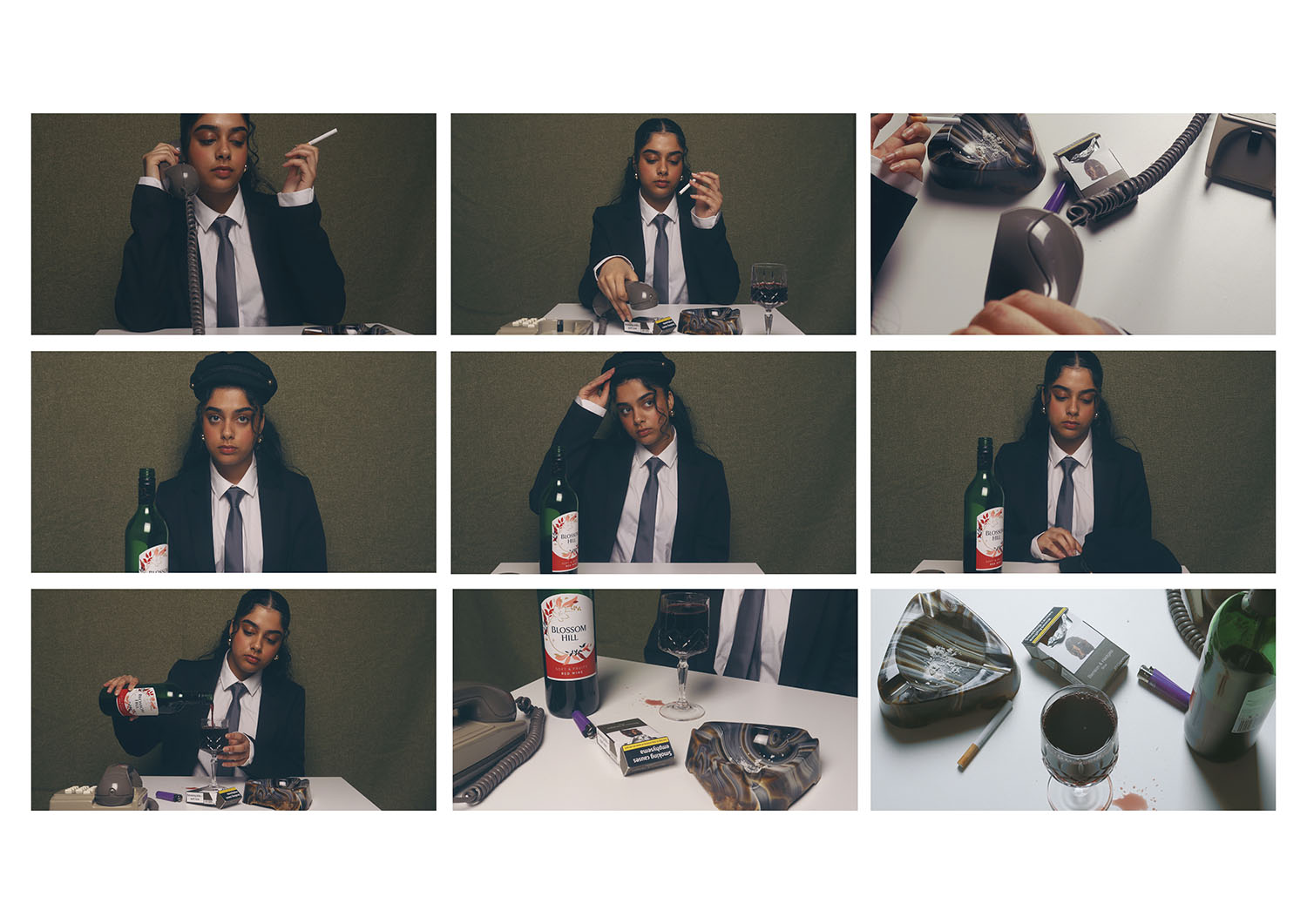
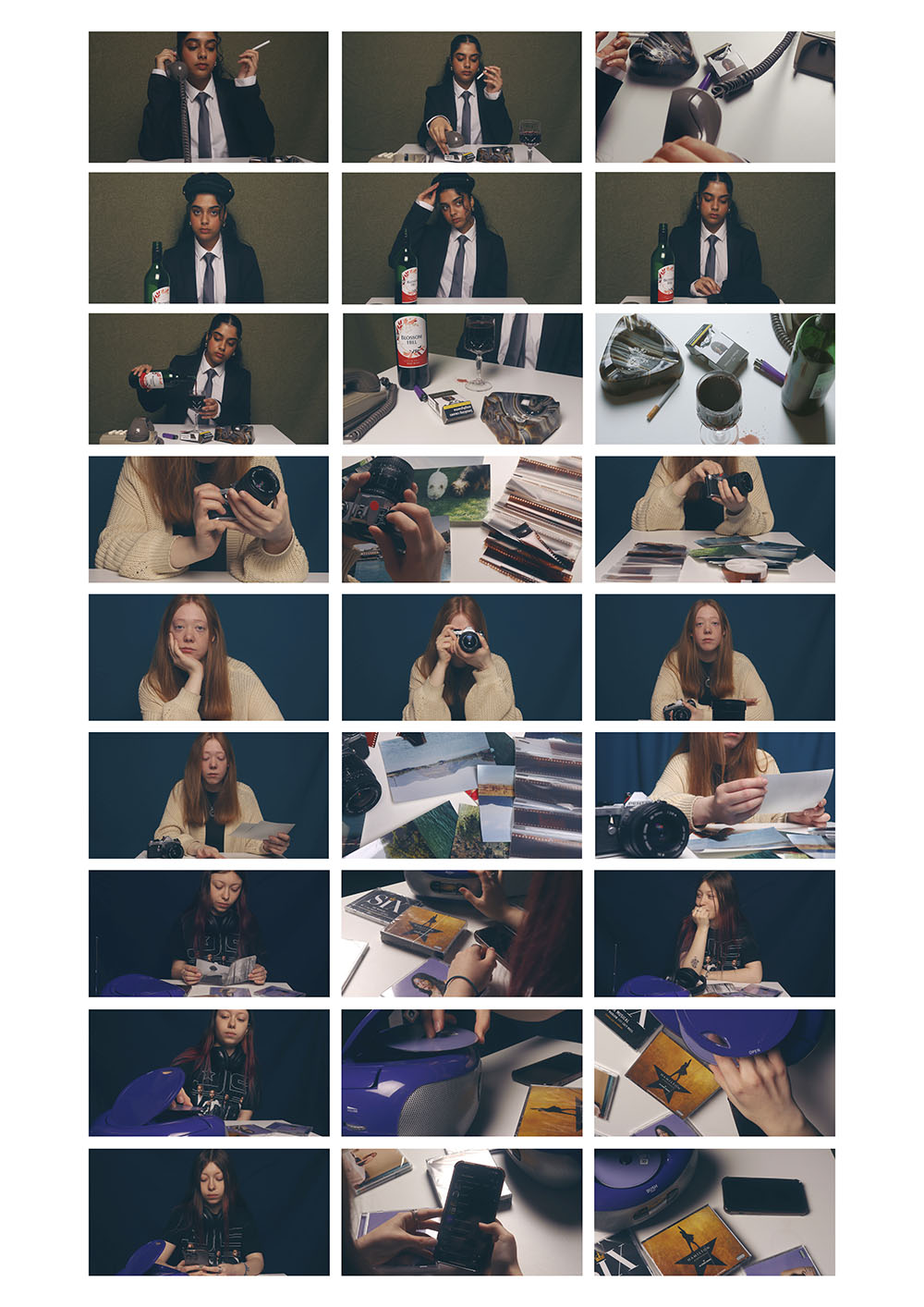
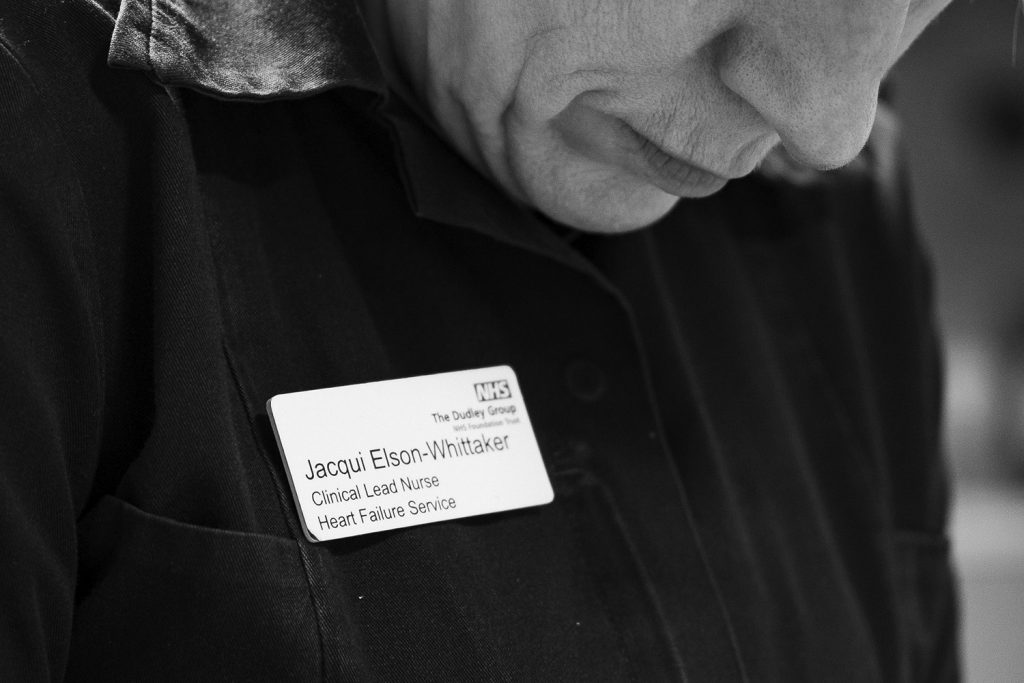
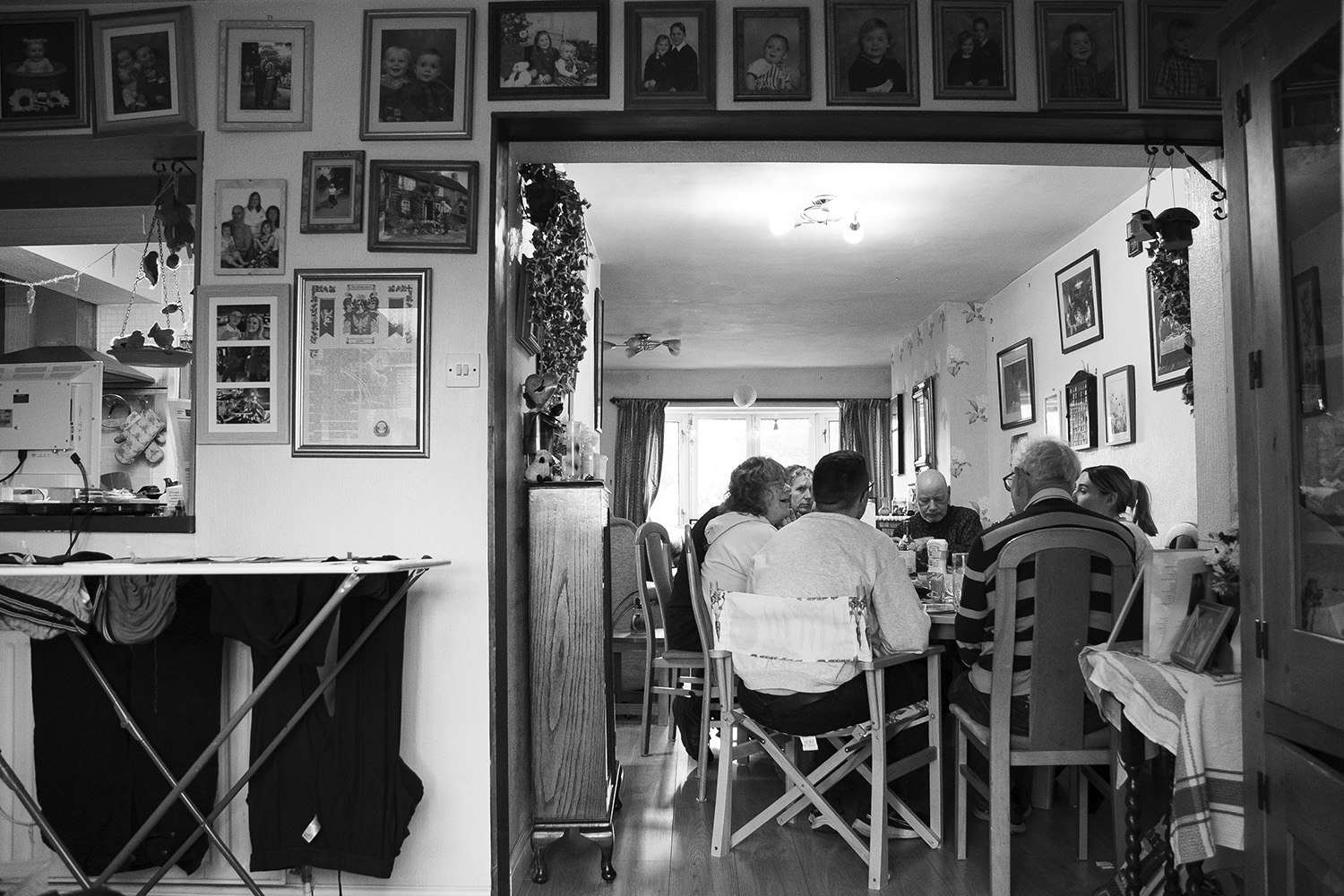
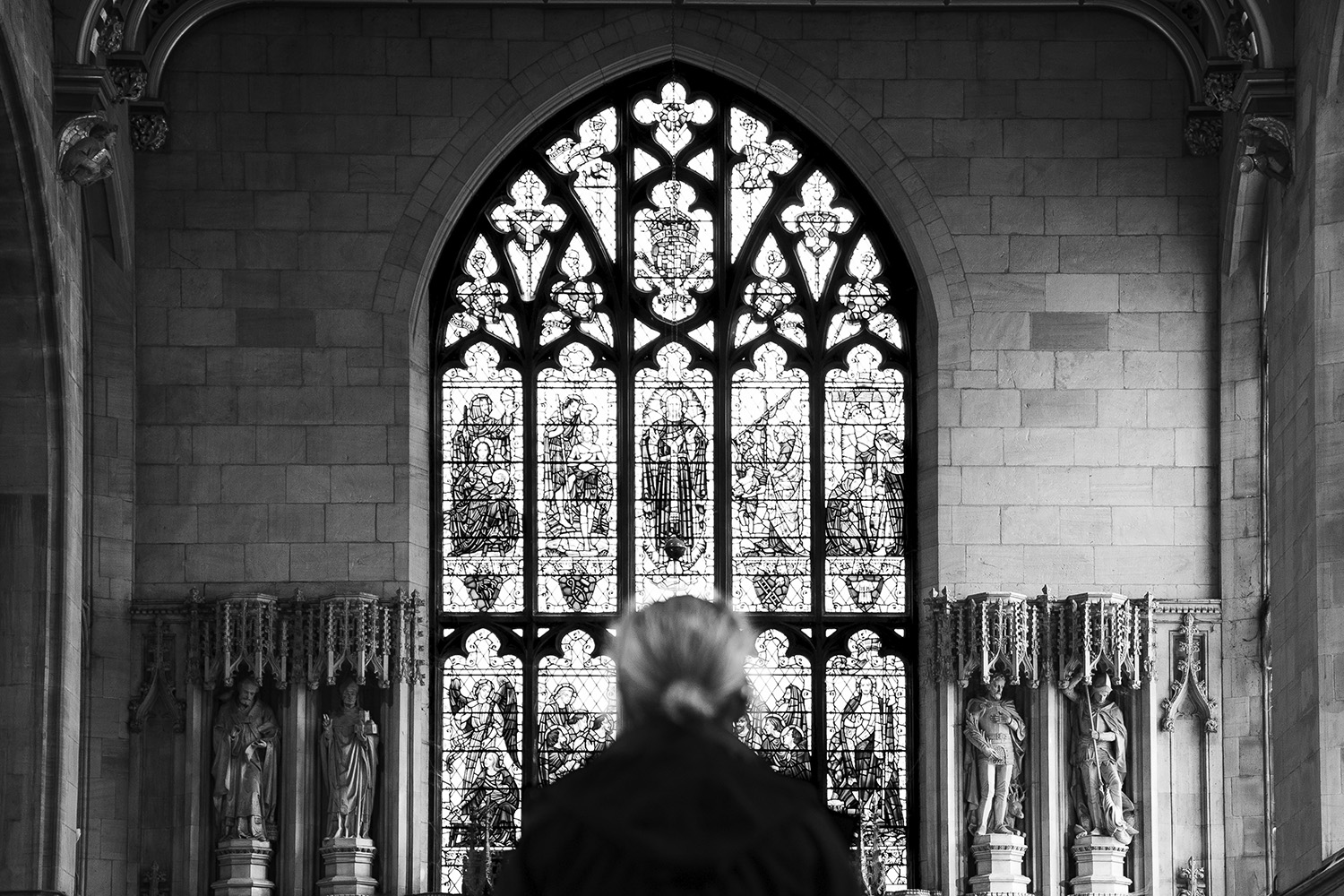
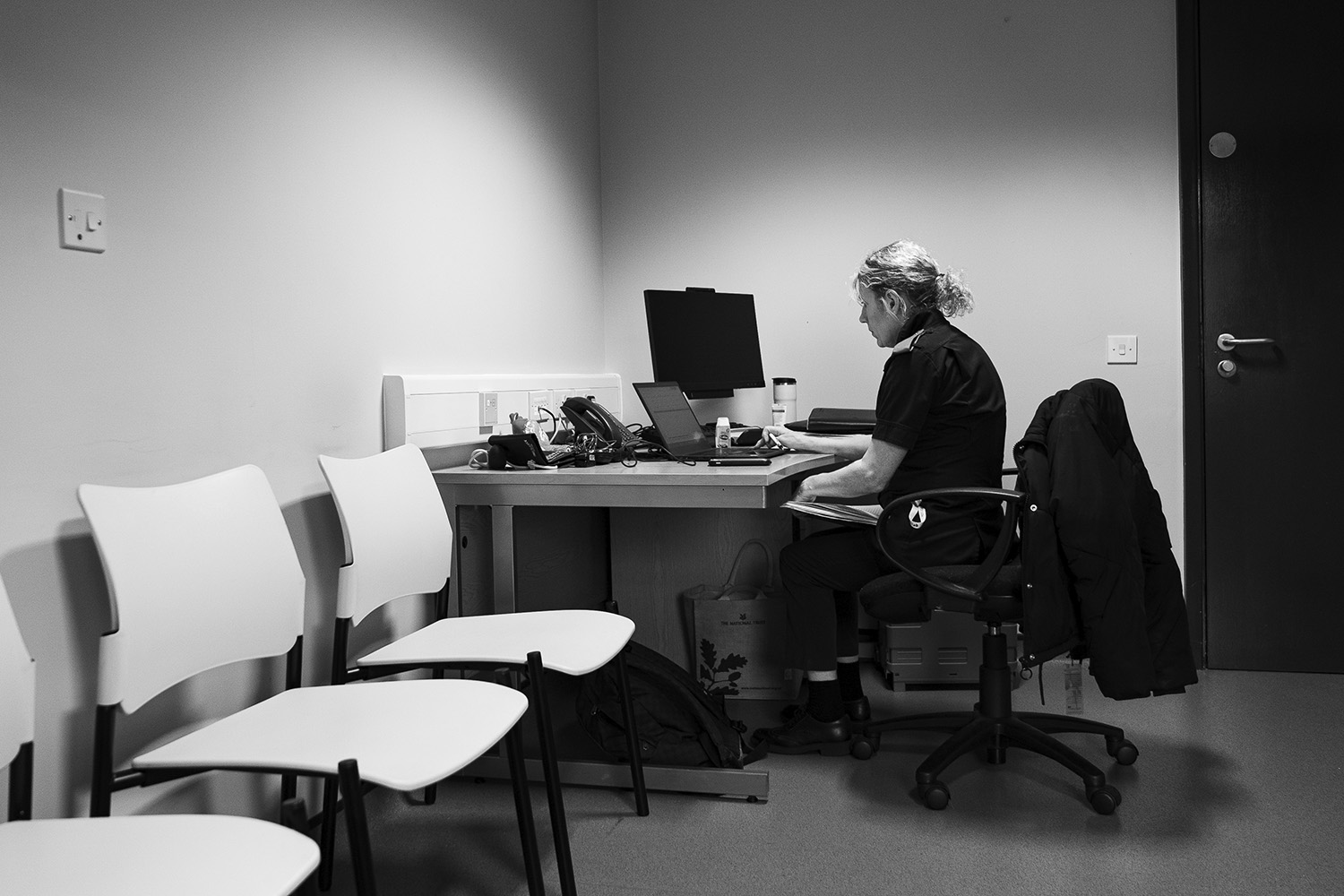
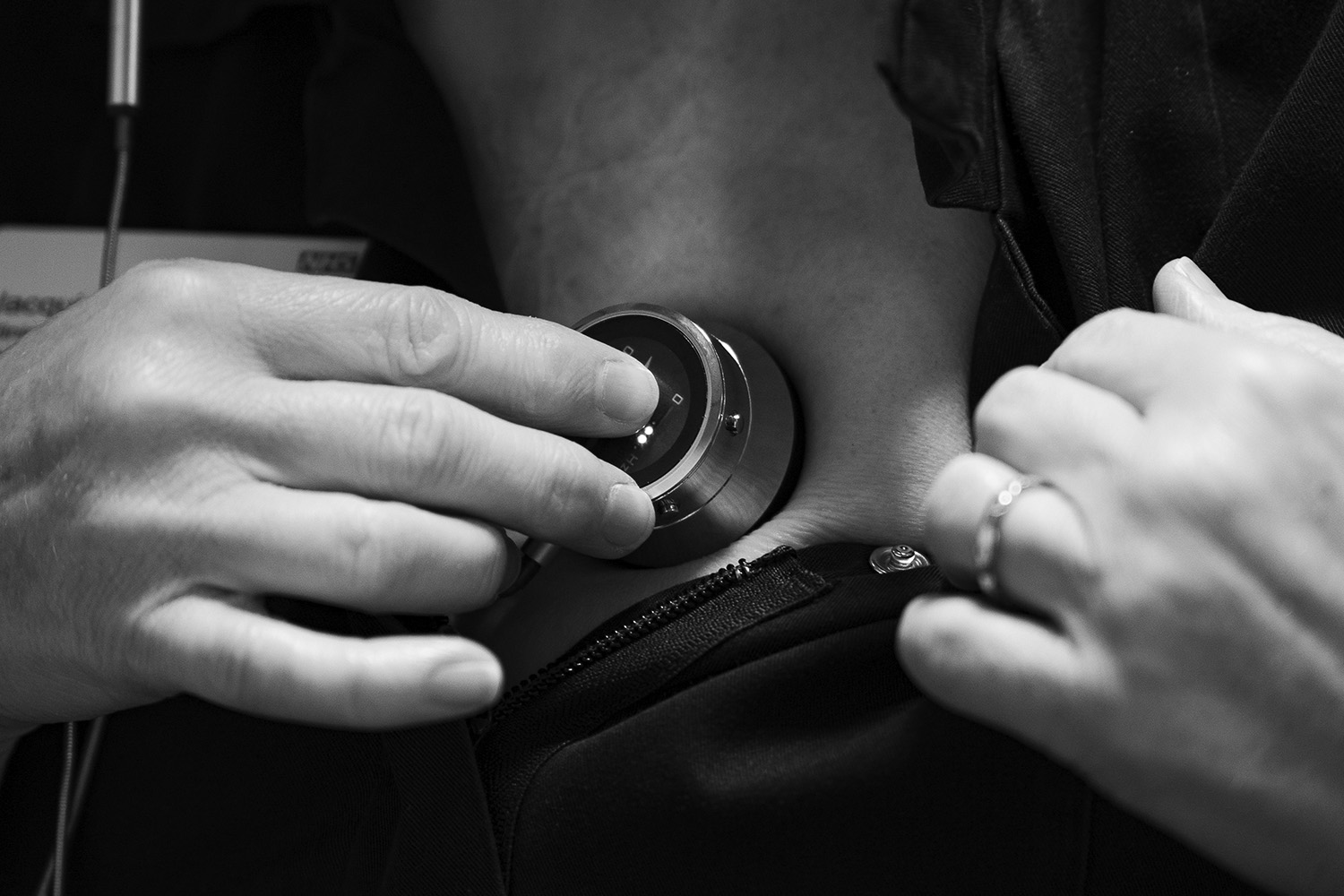
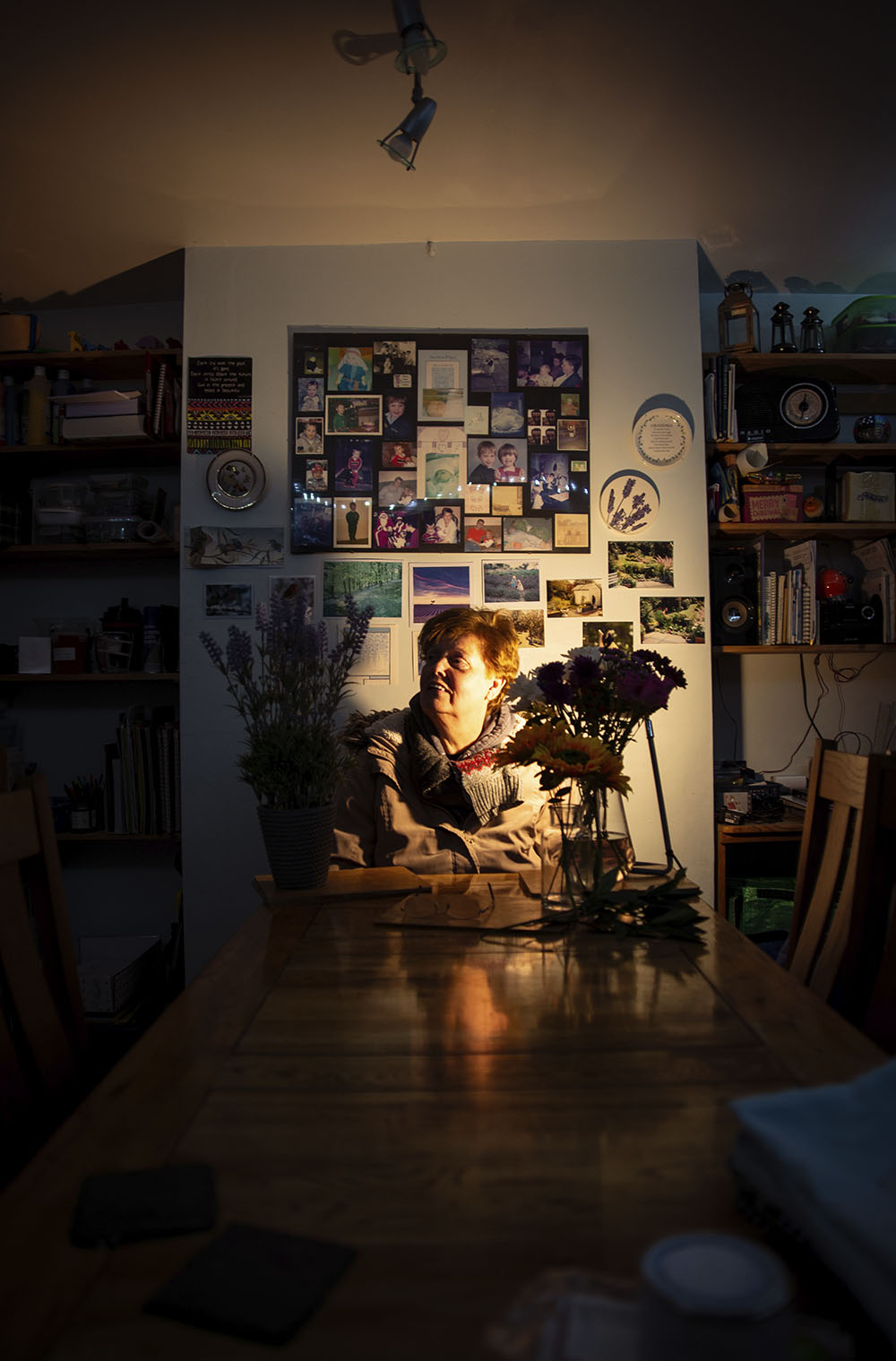
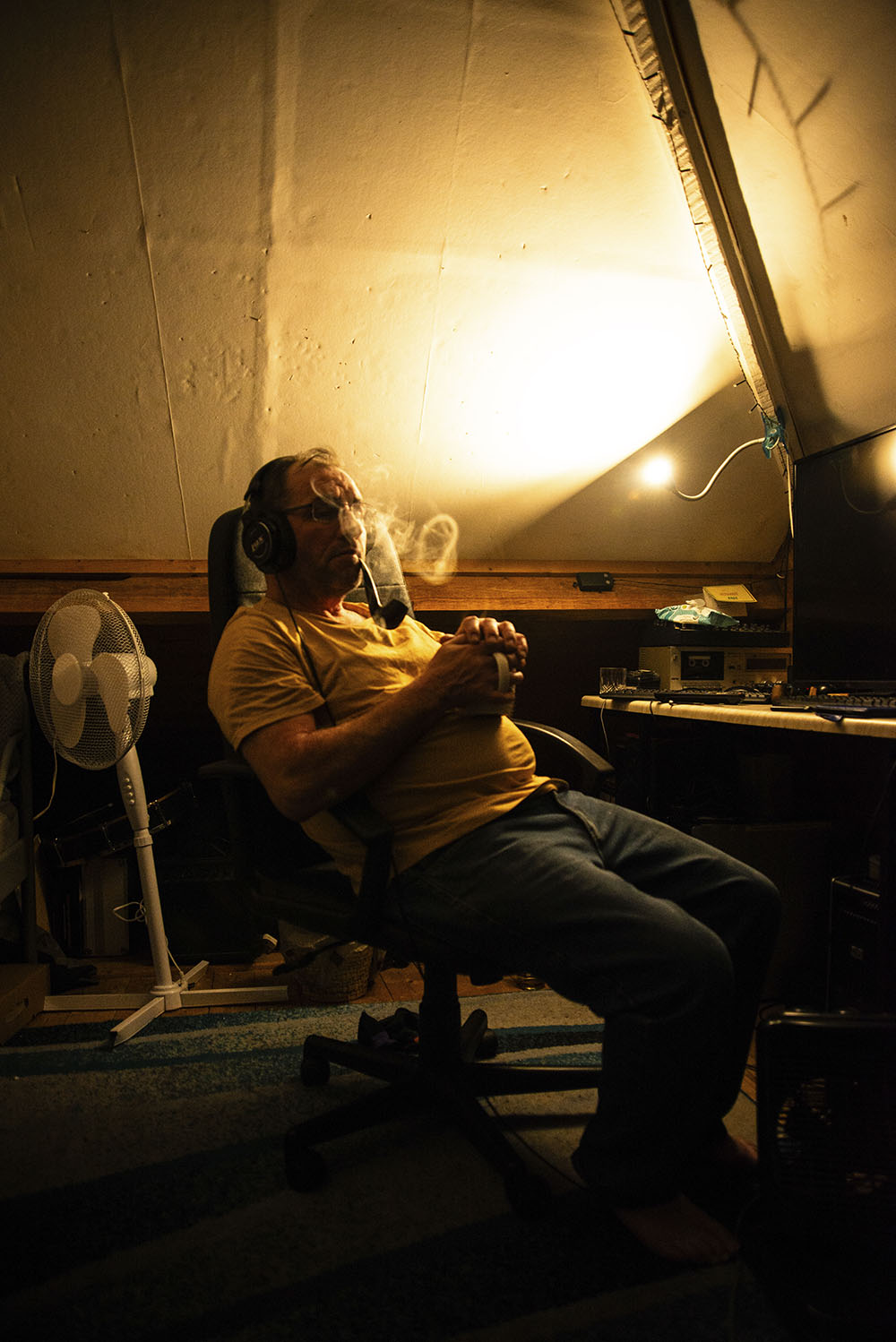
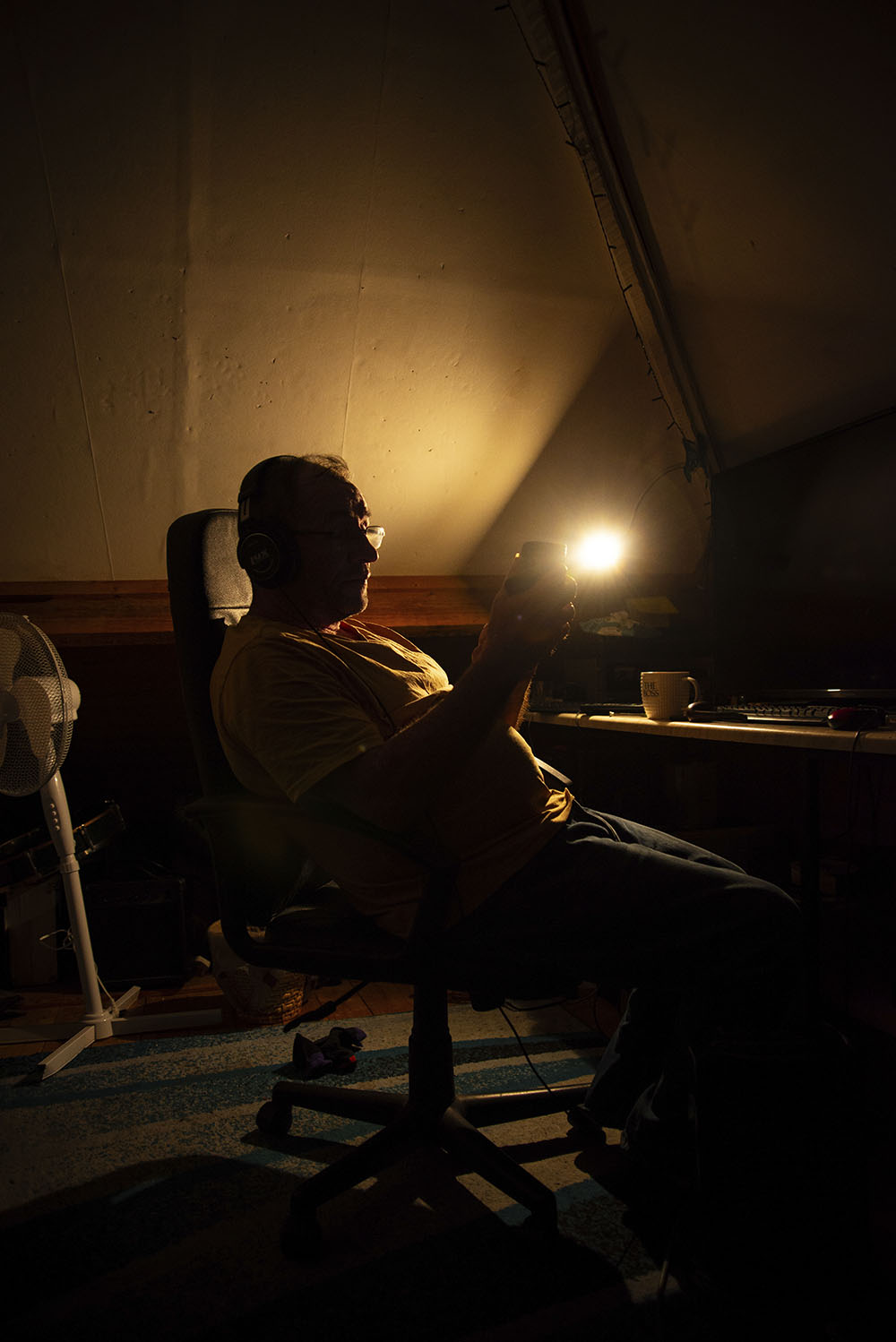
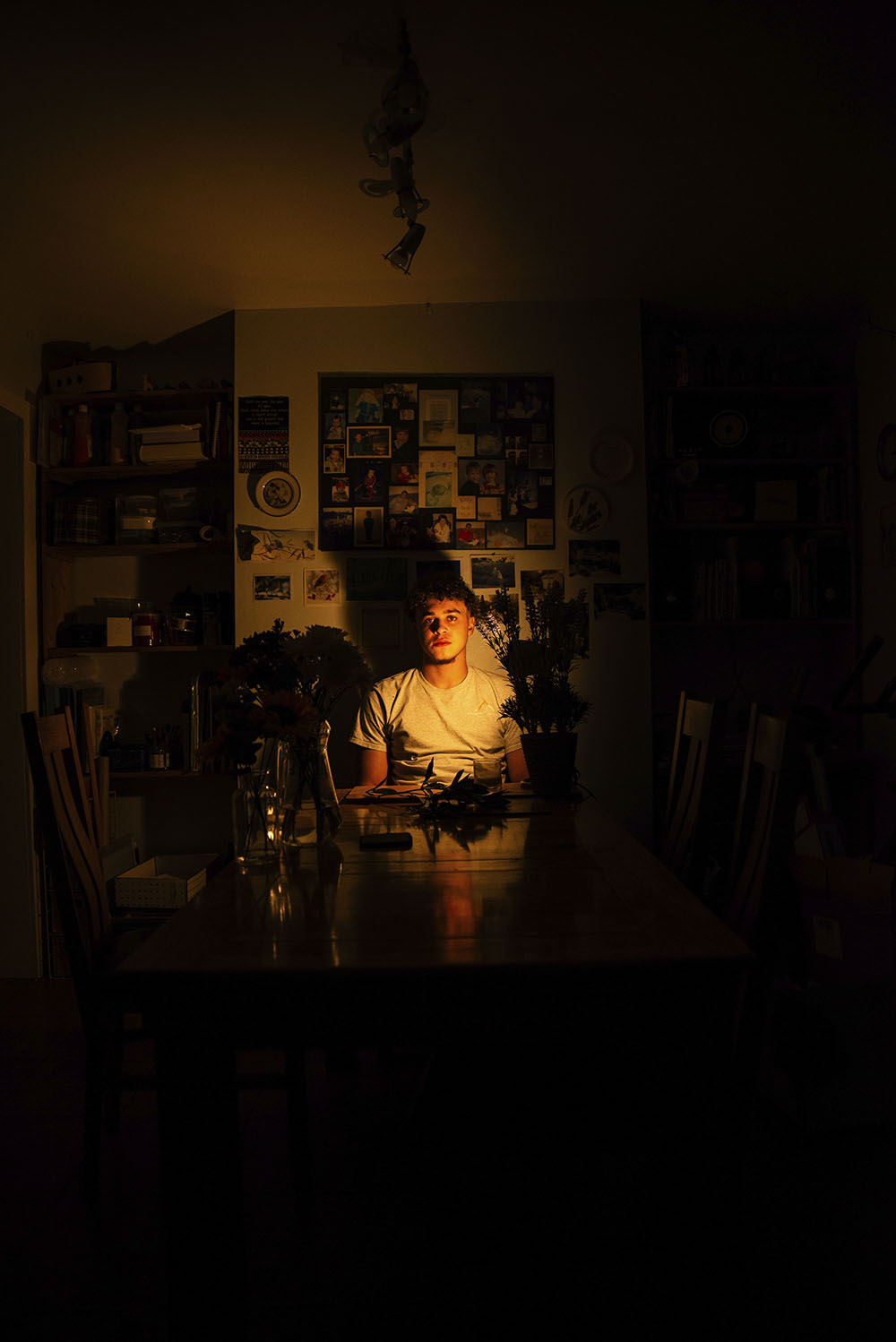
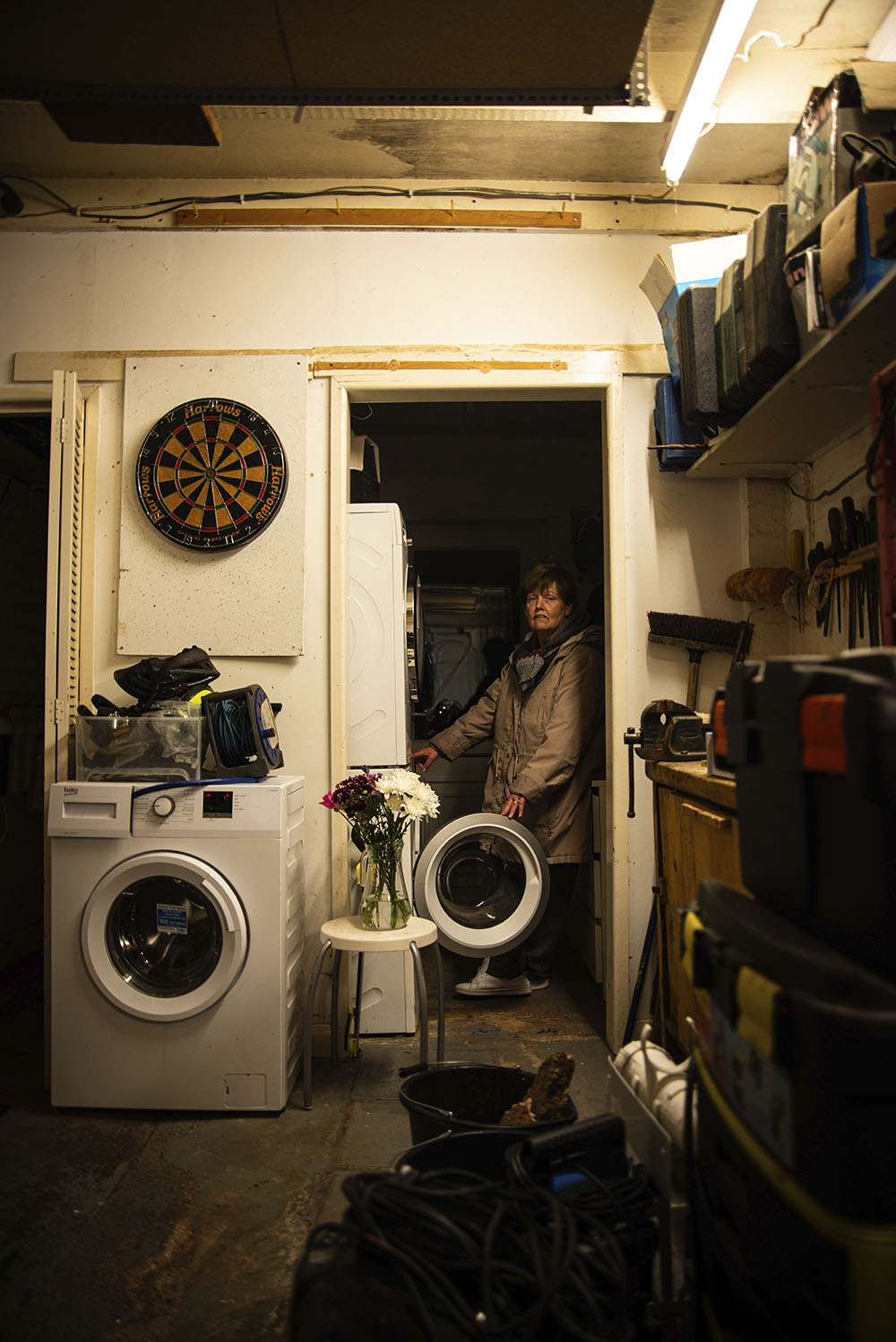
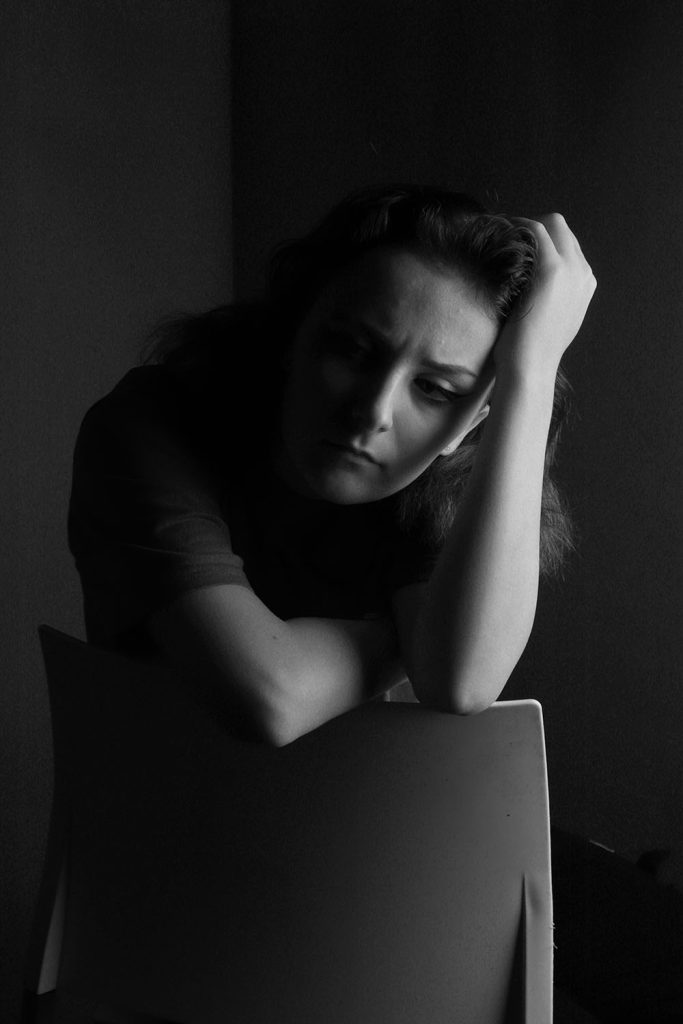
These are some of my final images from a project where I wanted to explore the unseen struggles that people may experience in their lives in comparison to how they project themselves to everyone in day-to-day life. I explored the ways my mom portrays herself at work, whether that be with colleagues or patients, in comparison to how she may truly feel because of her work environment. Furthermore, I thought it would be interesting to investigate the ways she attempts to work through this stress as well as know why she continues this job despite the negative impacts.
I plan to study photography at Manchester Metropolitan University in September.
Paulina Jonkisz
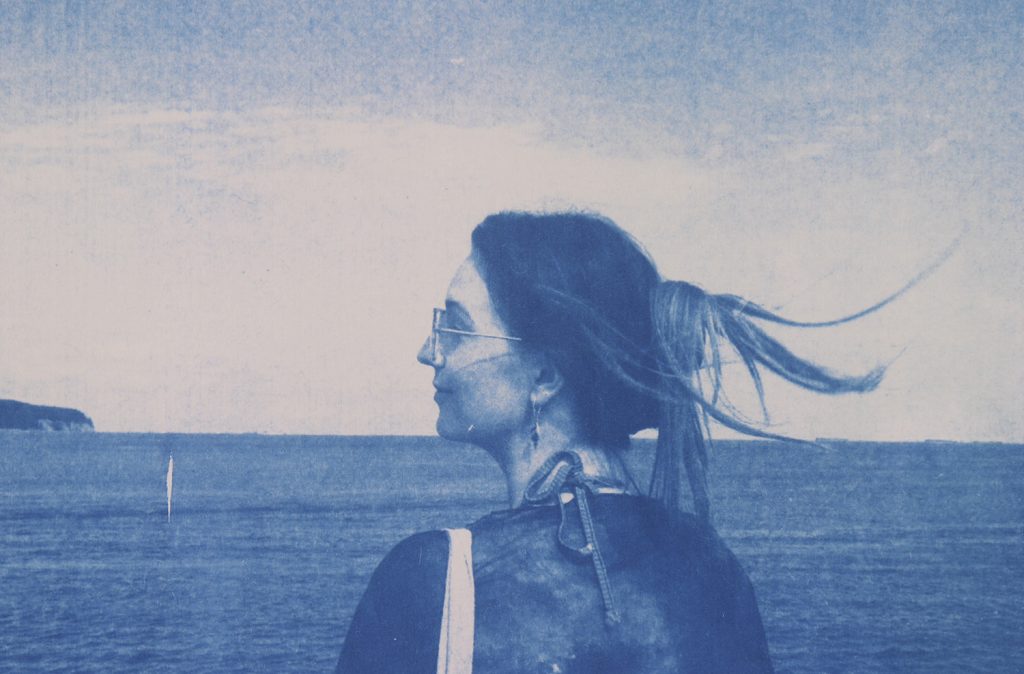
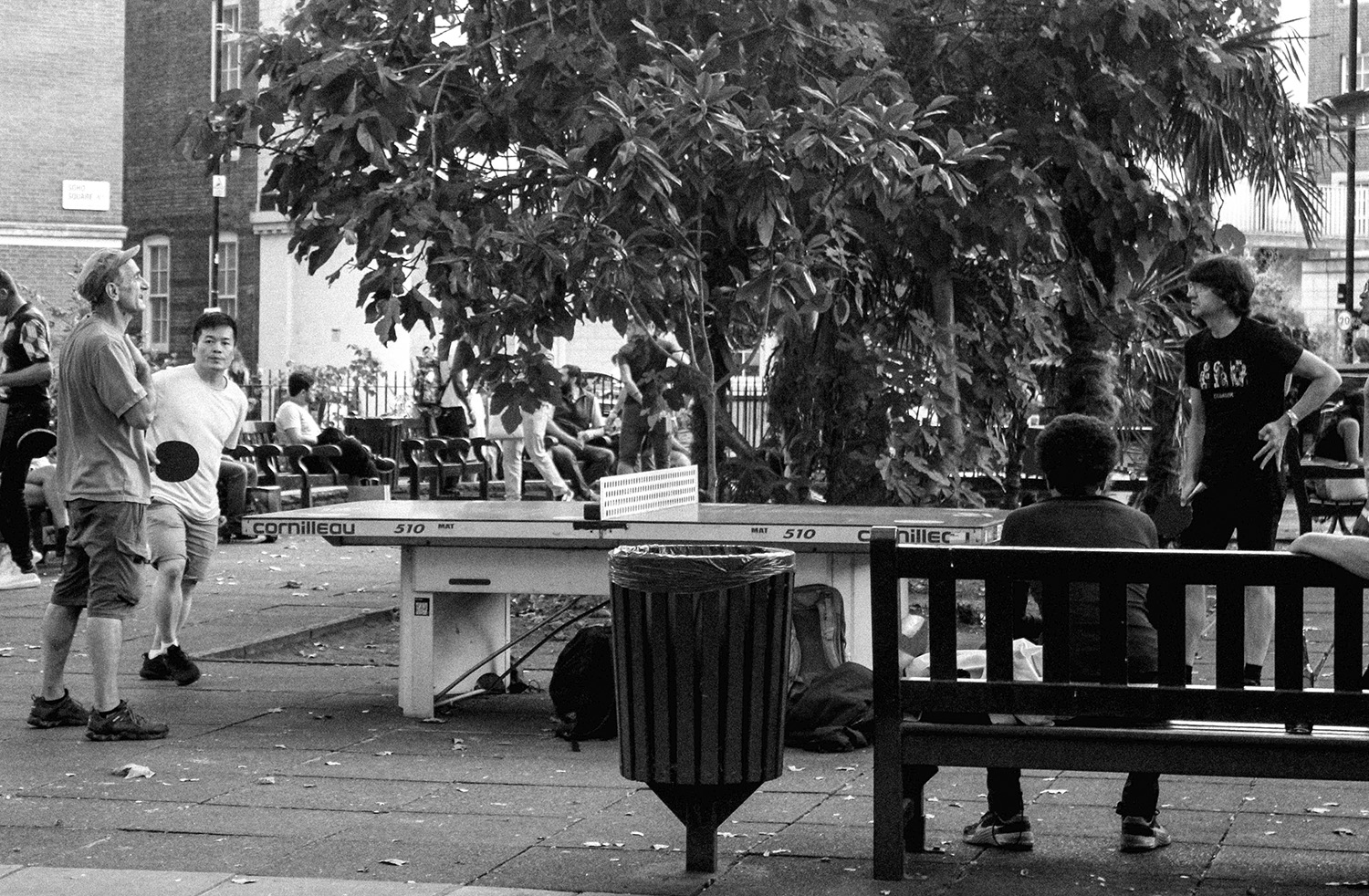
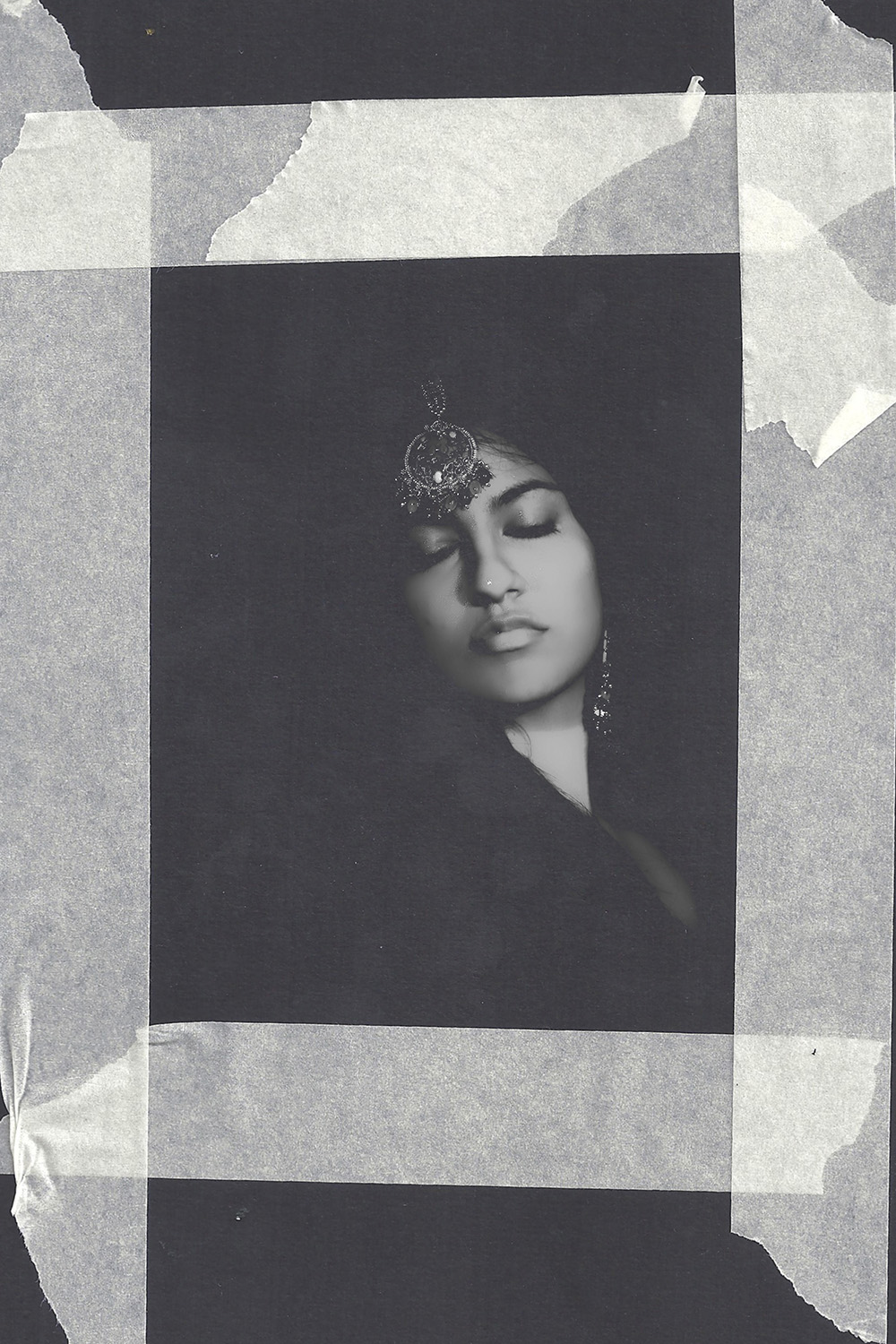
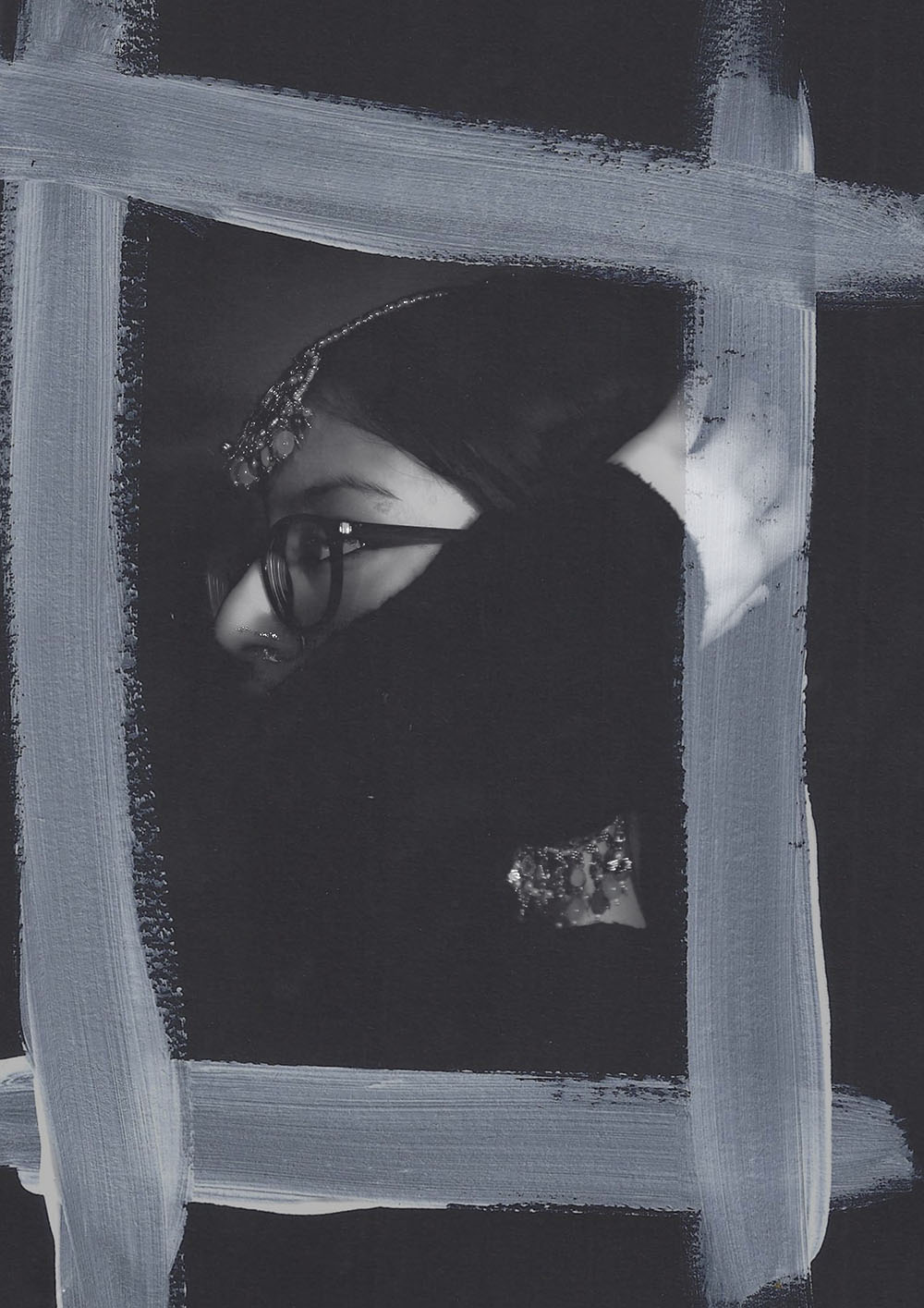
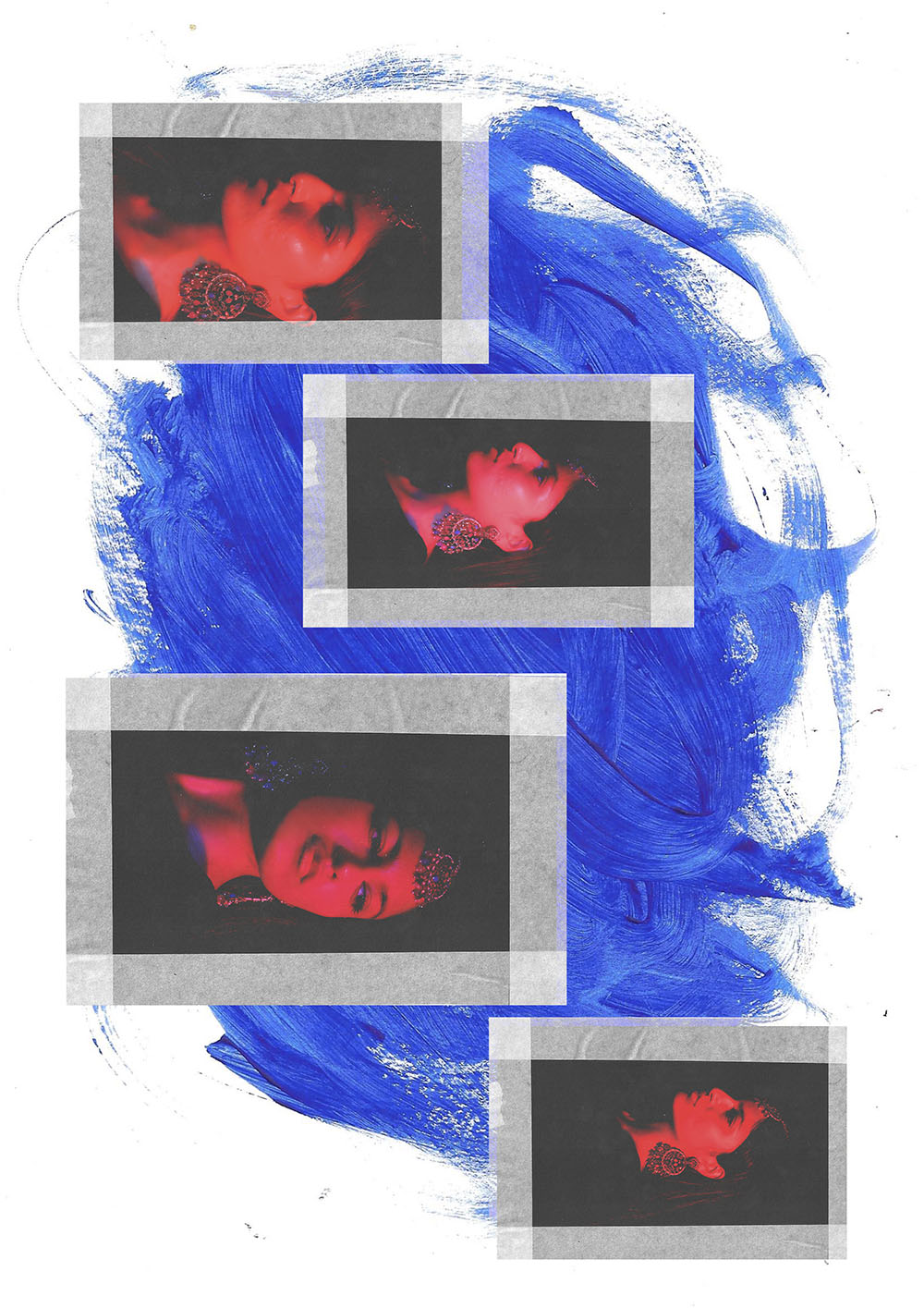
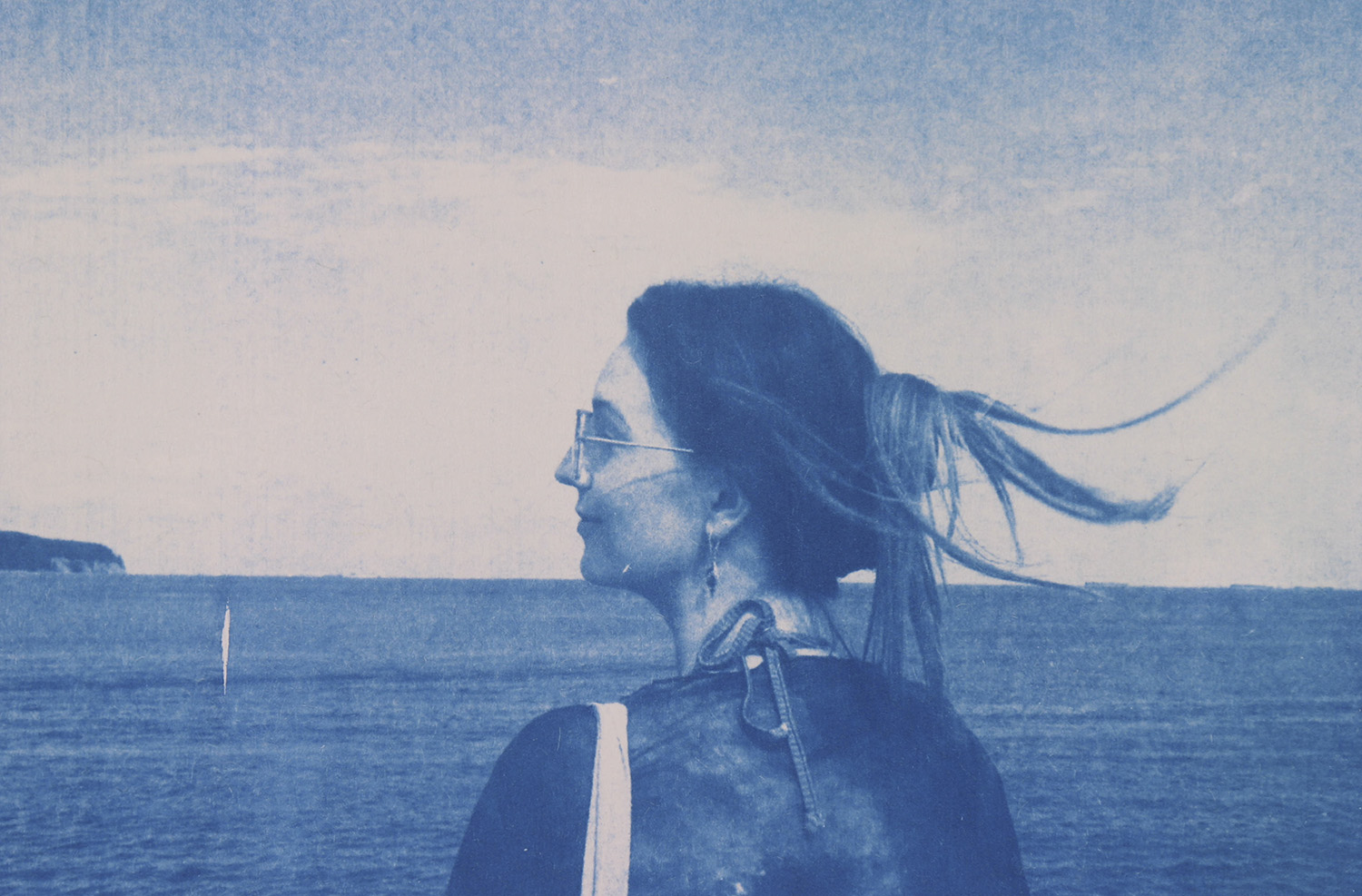
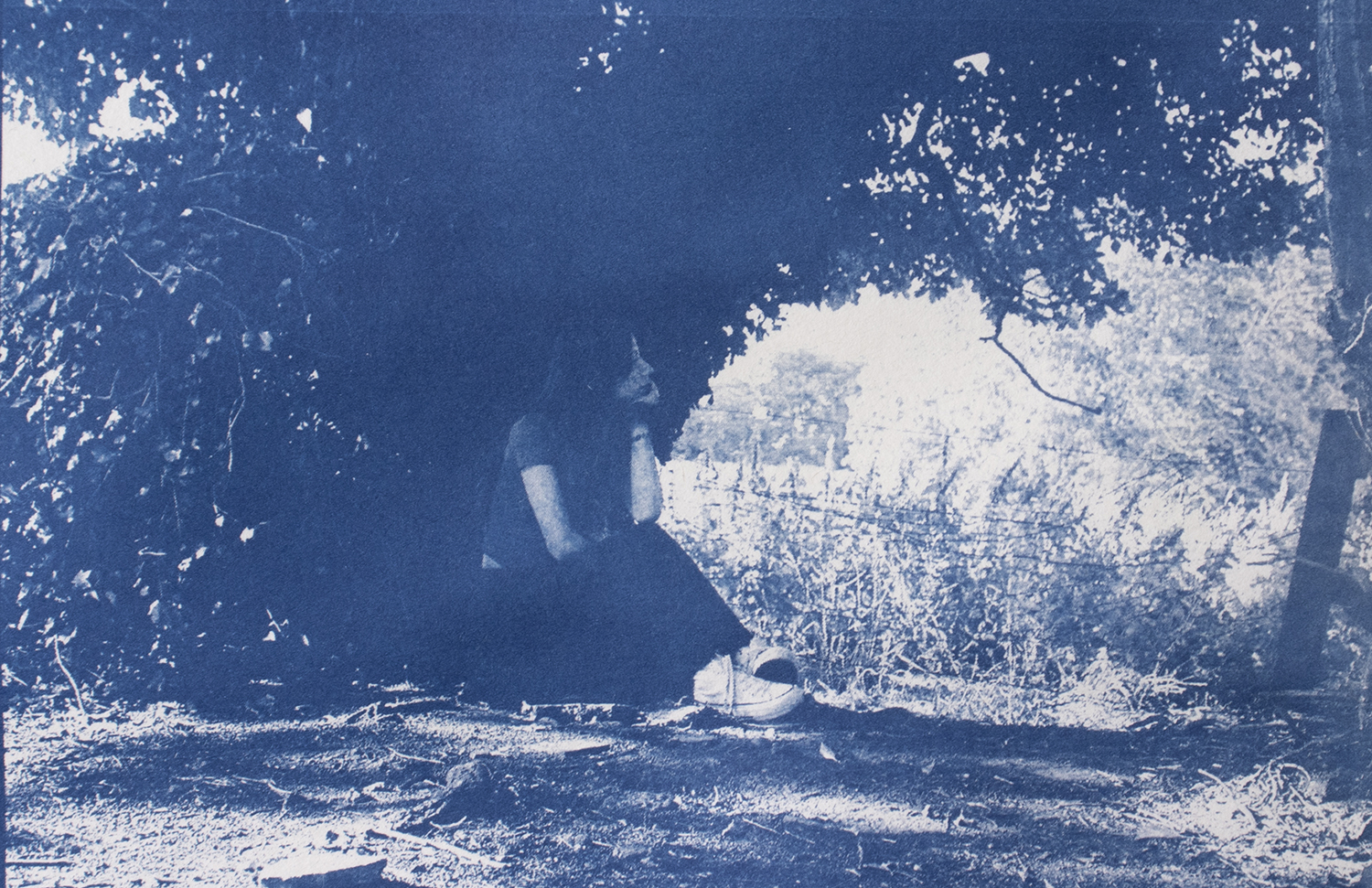
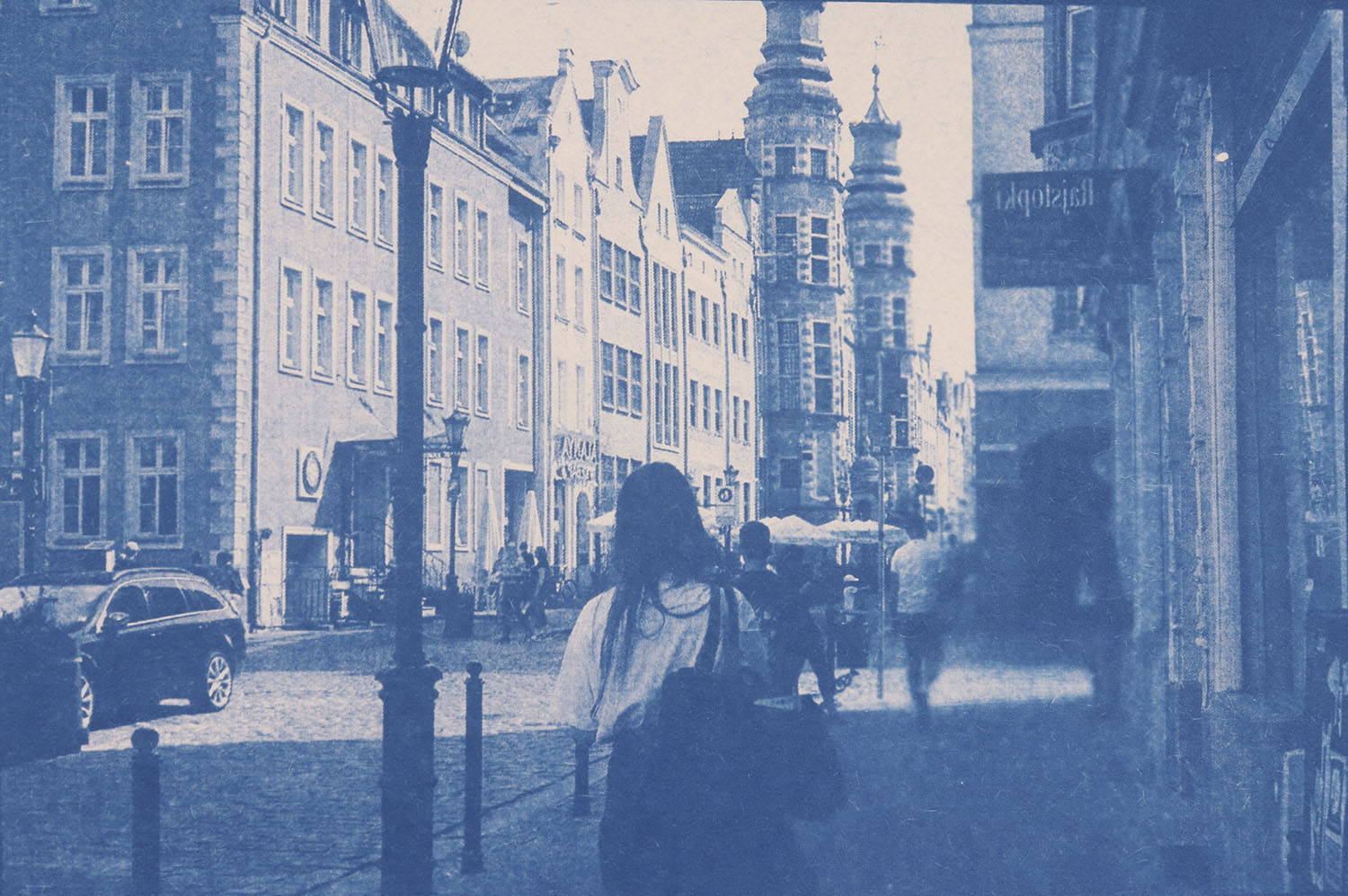
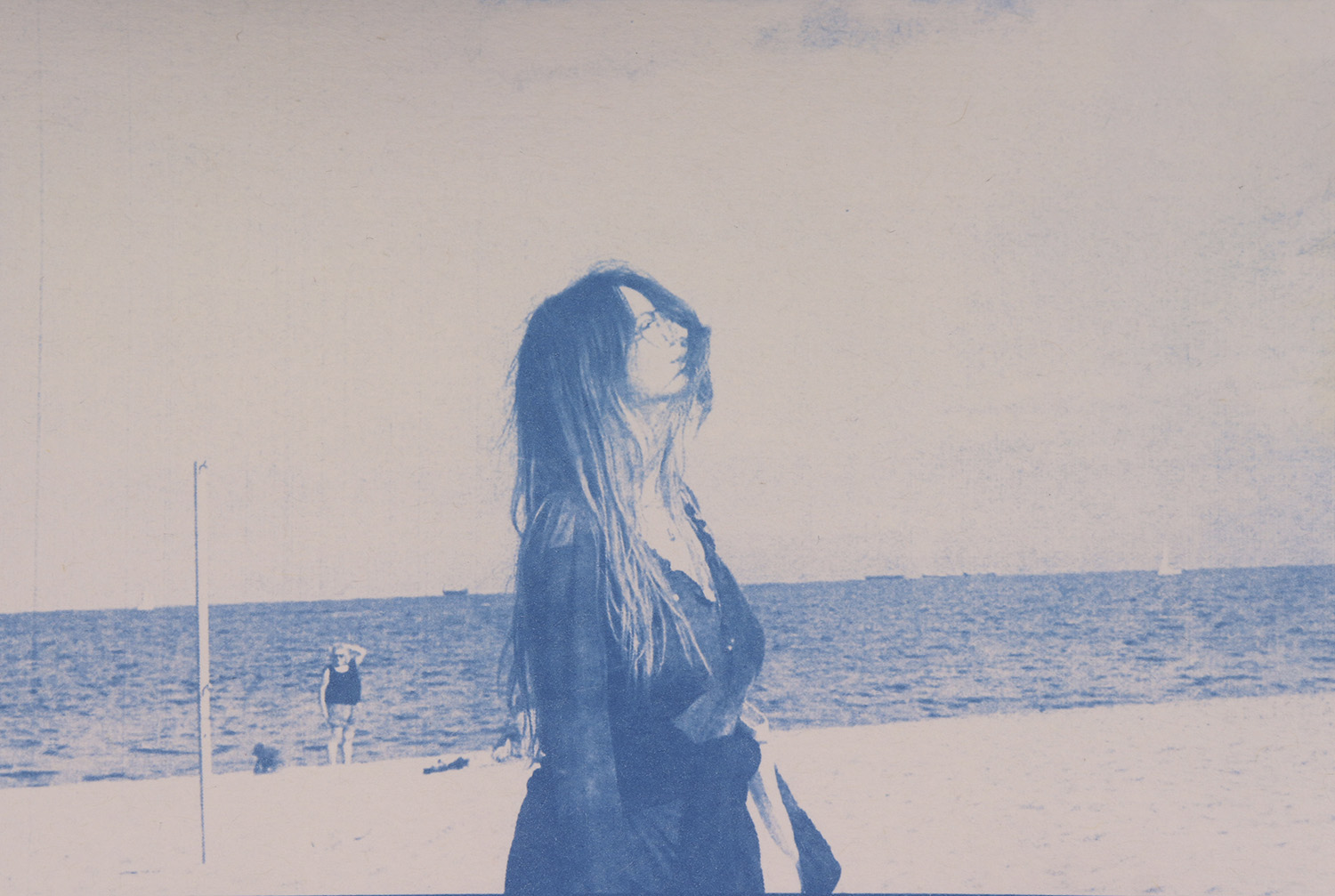
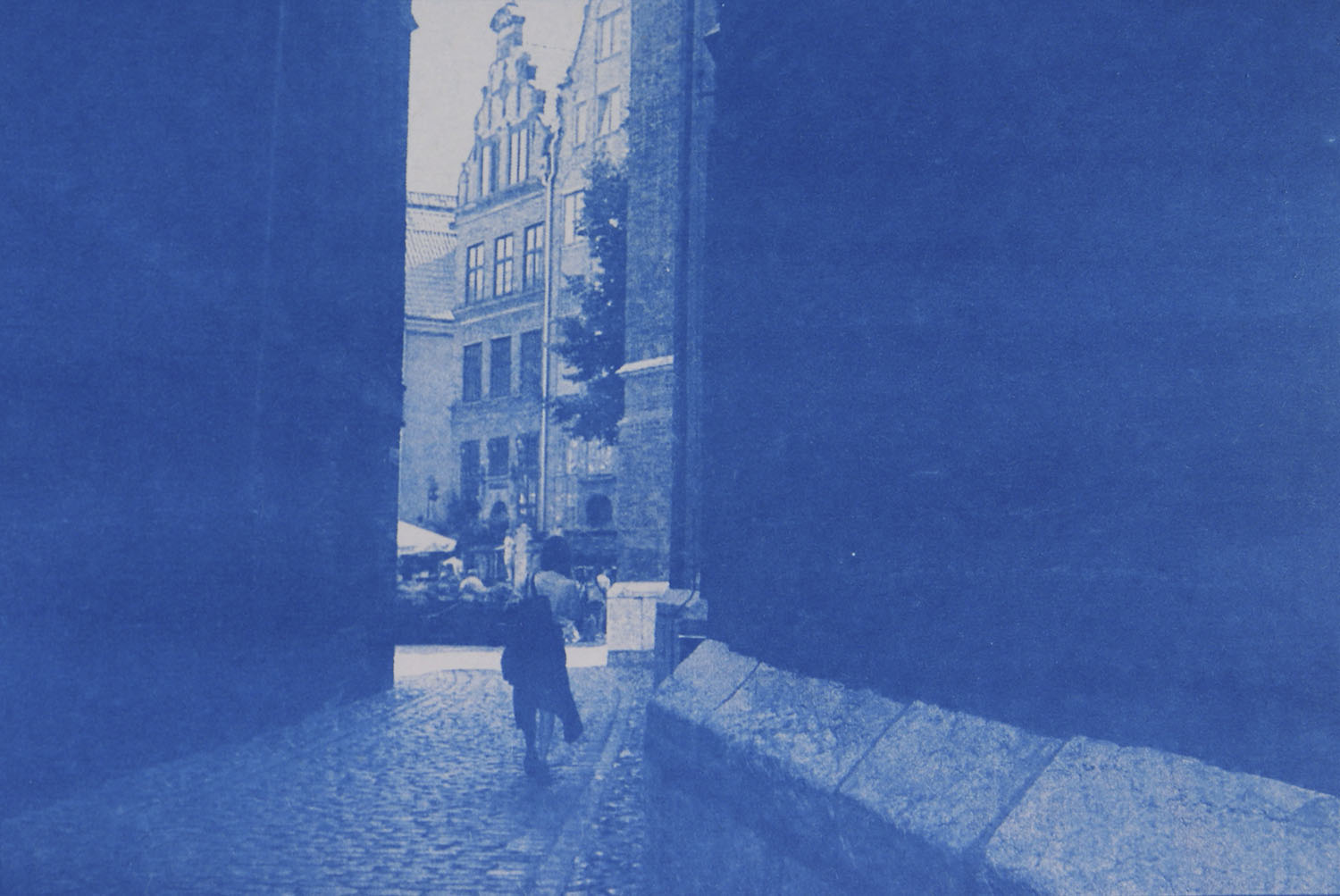
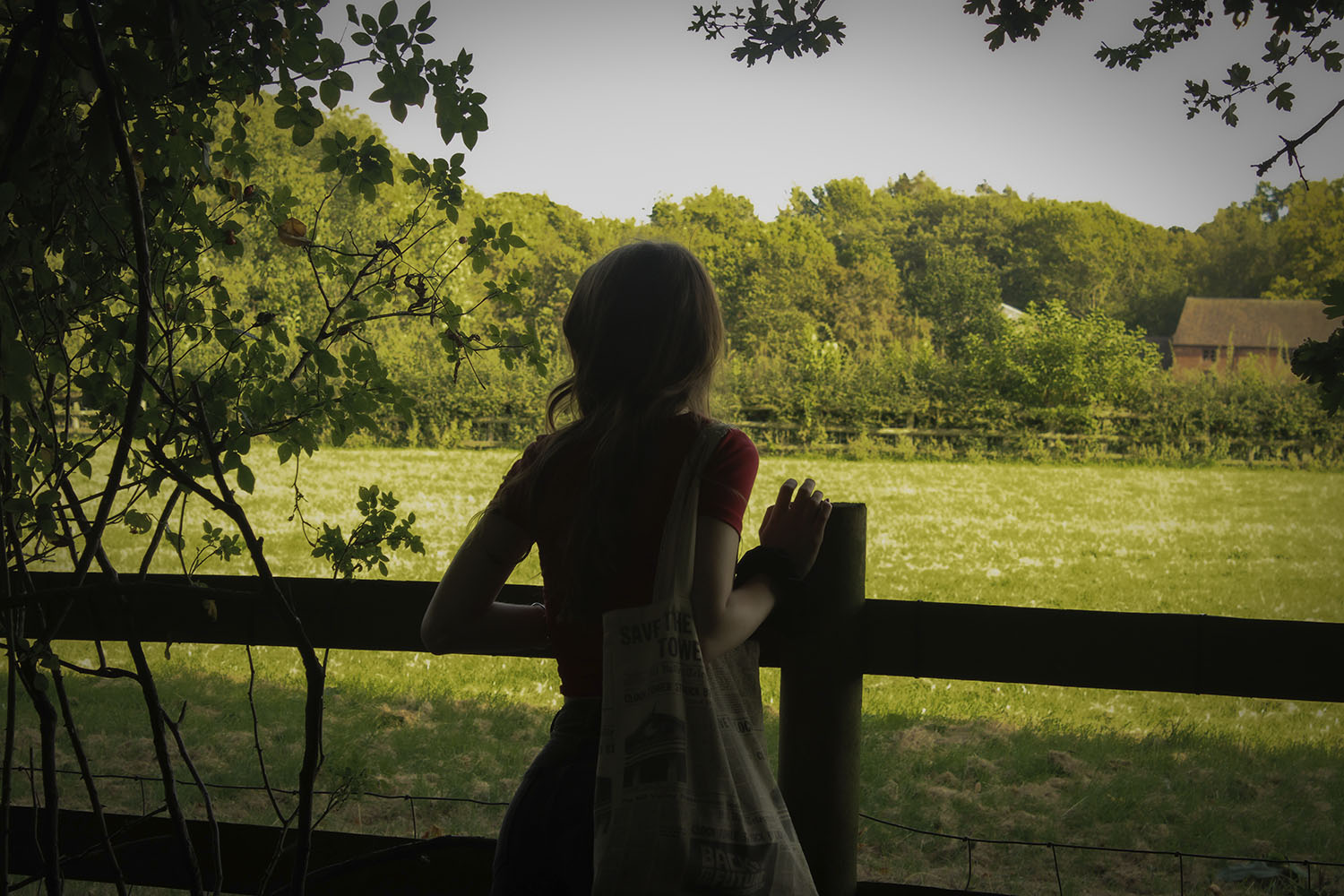
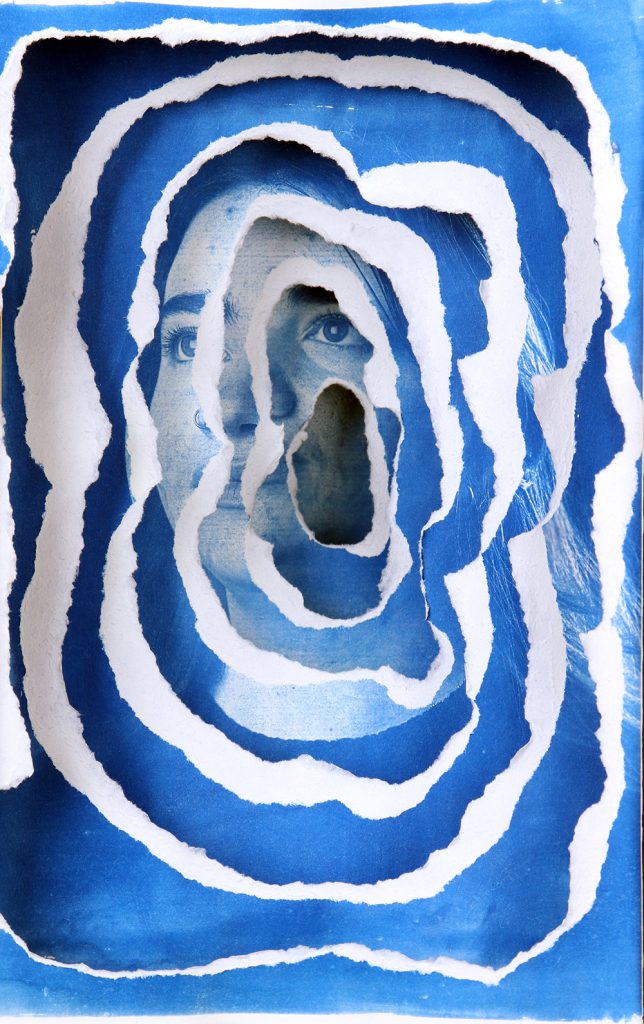
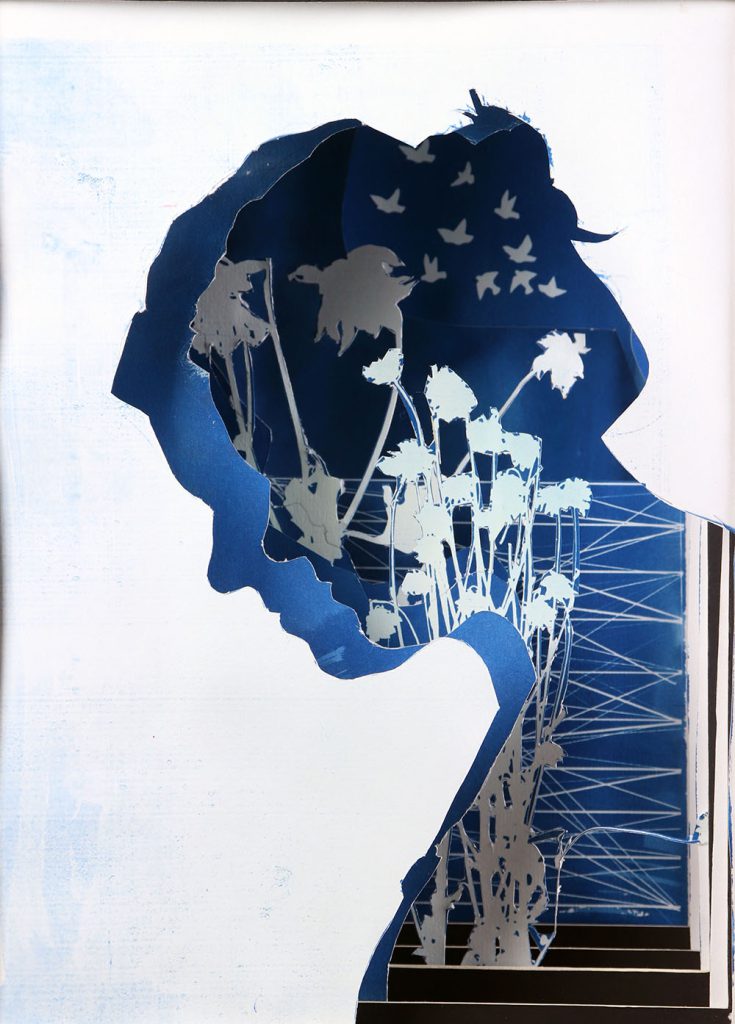
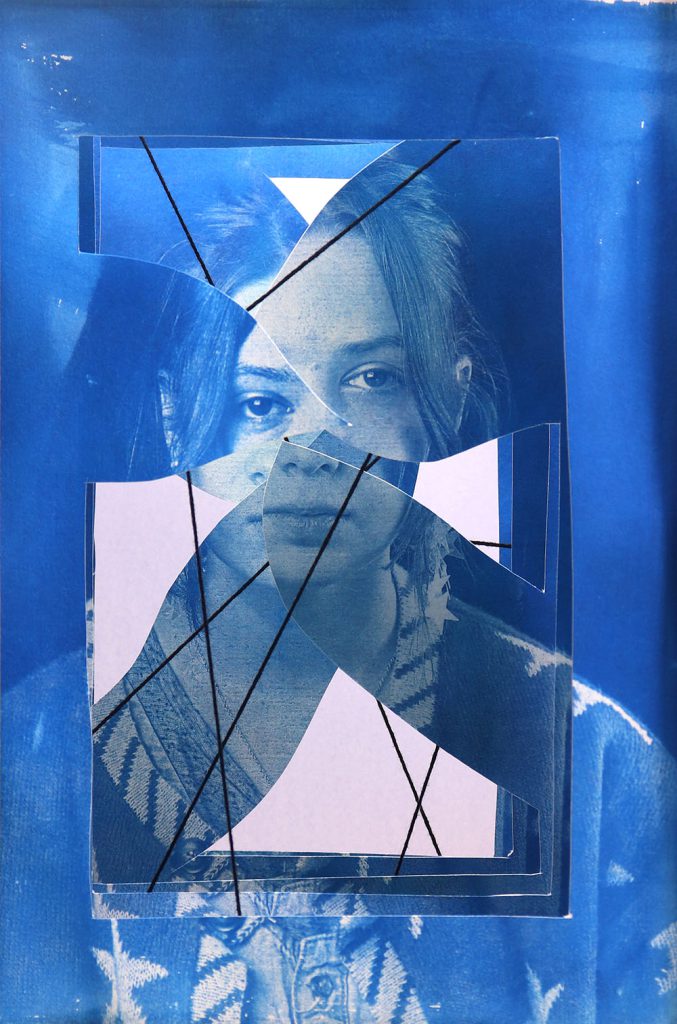
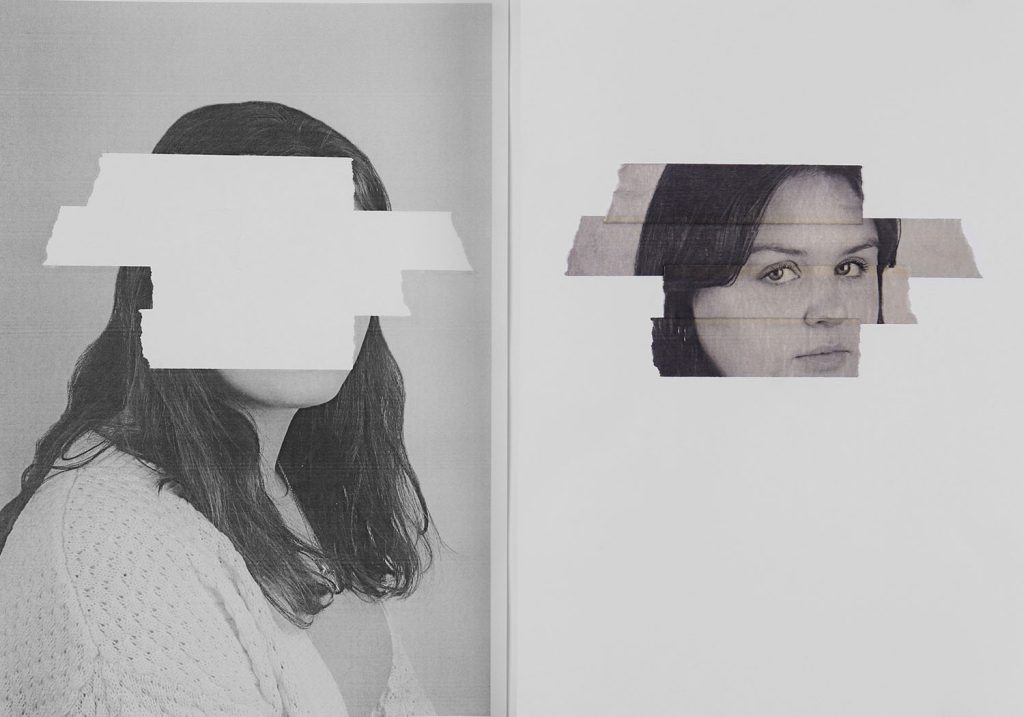
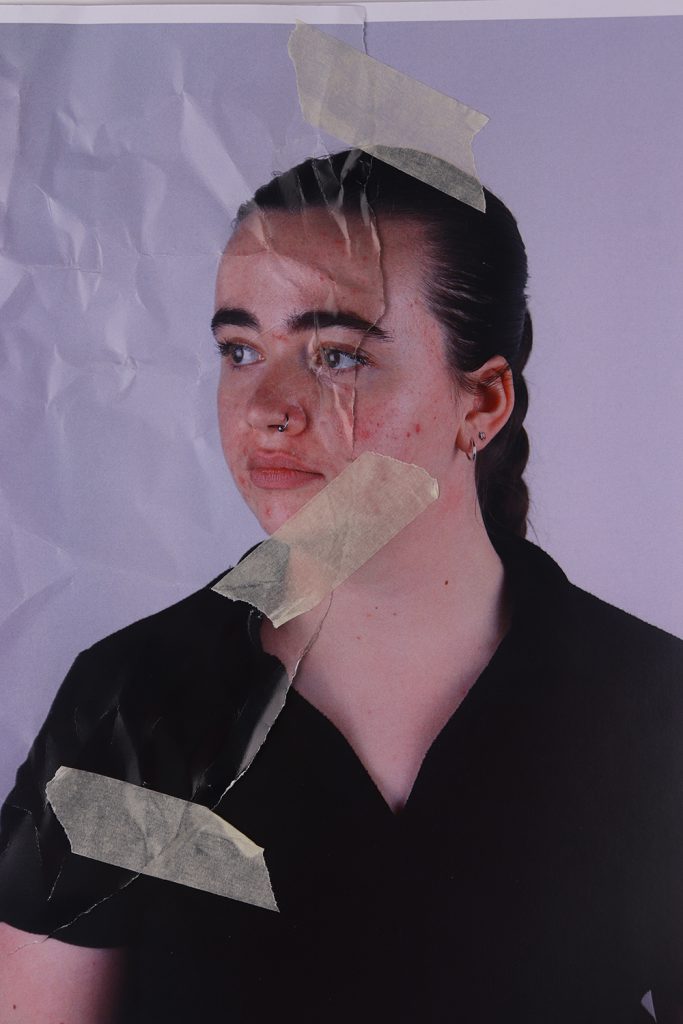
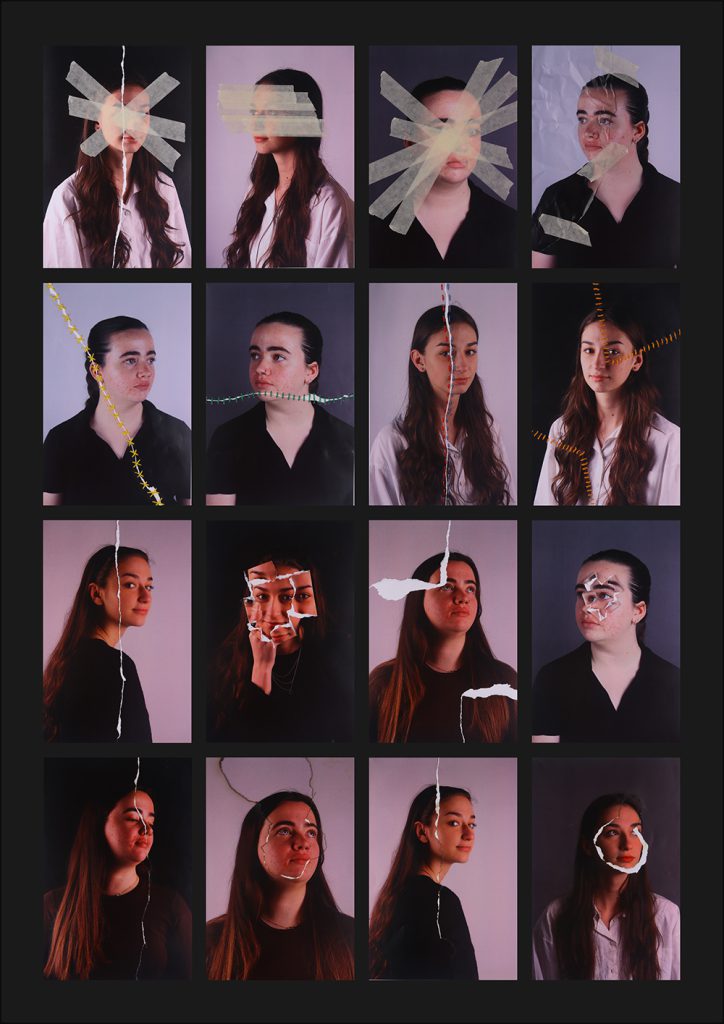
During the second year of my photography course, my main intention was to explore and experiment with the use of a diverse range of mixed media techniques. For my Component 1 project, ‘Cyan Reminiscence’, my project was centred around the alternative cyanotype photographic process, partnered with the creation of stop motion. During this project, I created cyanotype stop motions presenting a range of themes, mostly consisting of nature, freedom, and escapism.
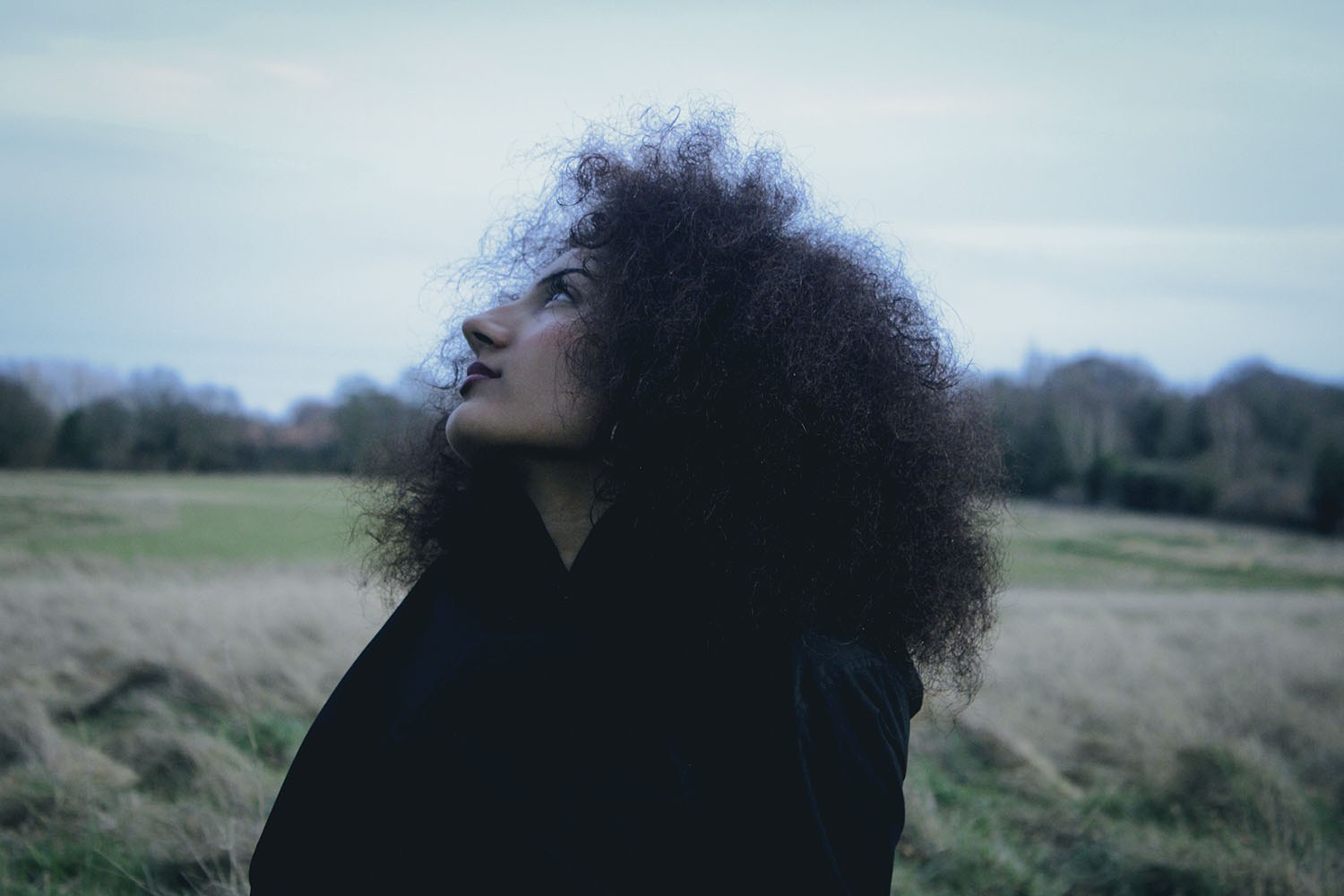
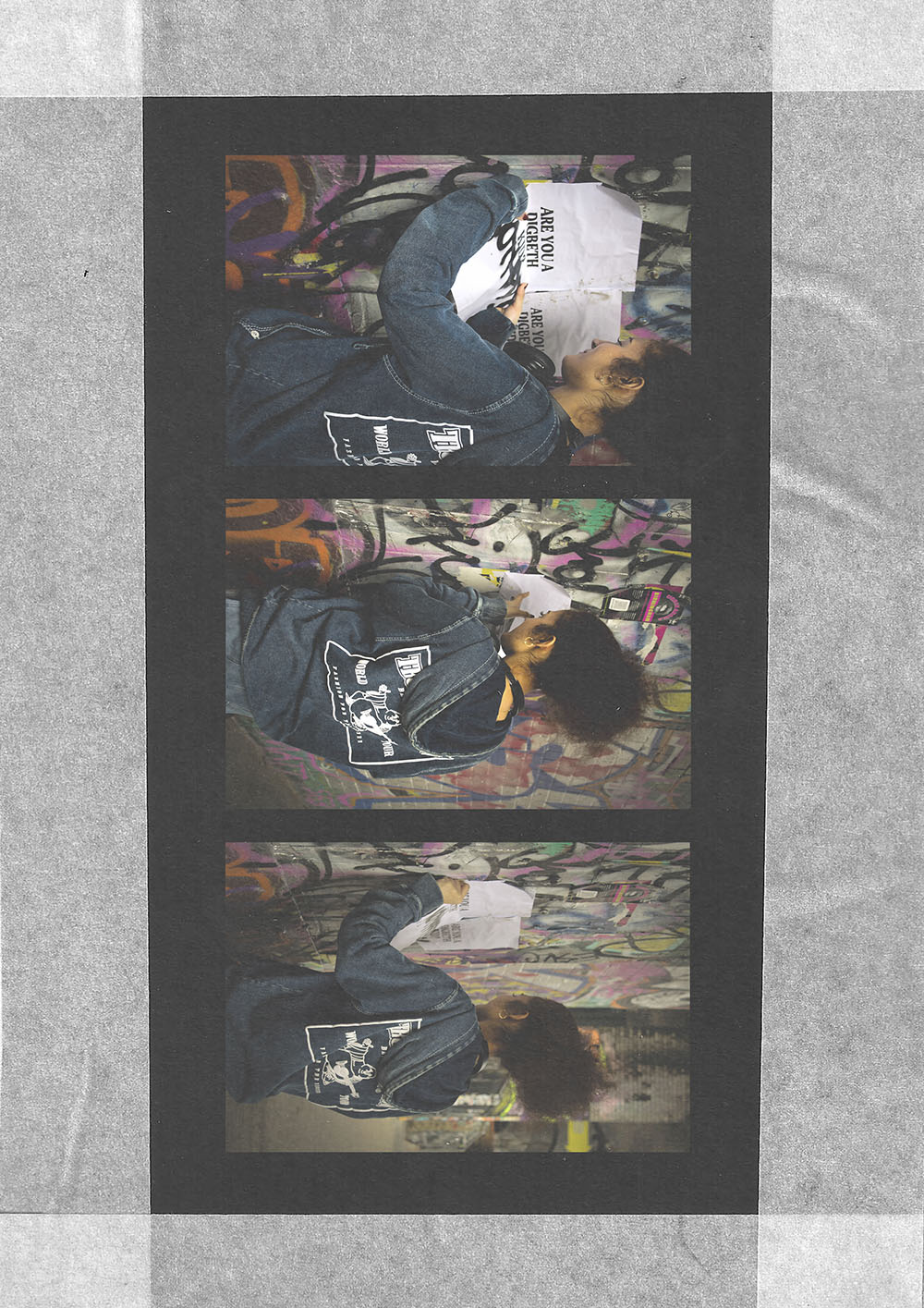
My Component 2 photography project, ‘Essence of Identity’, consists of mixed media exploration, with the central aim of this project consisting of exhibiting alternative and unique identities. I have decided to explore with the use of a diverse range of materials in order to fabricate a range of creative textures that emphasise the identities presented.
In September, I am planning on studying Film, Photography and Media BA at The University of Leeds.
Ruby Parker
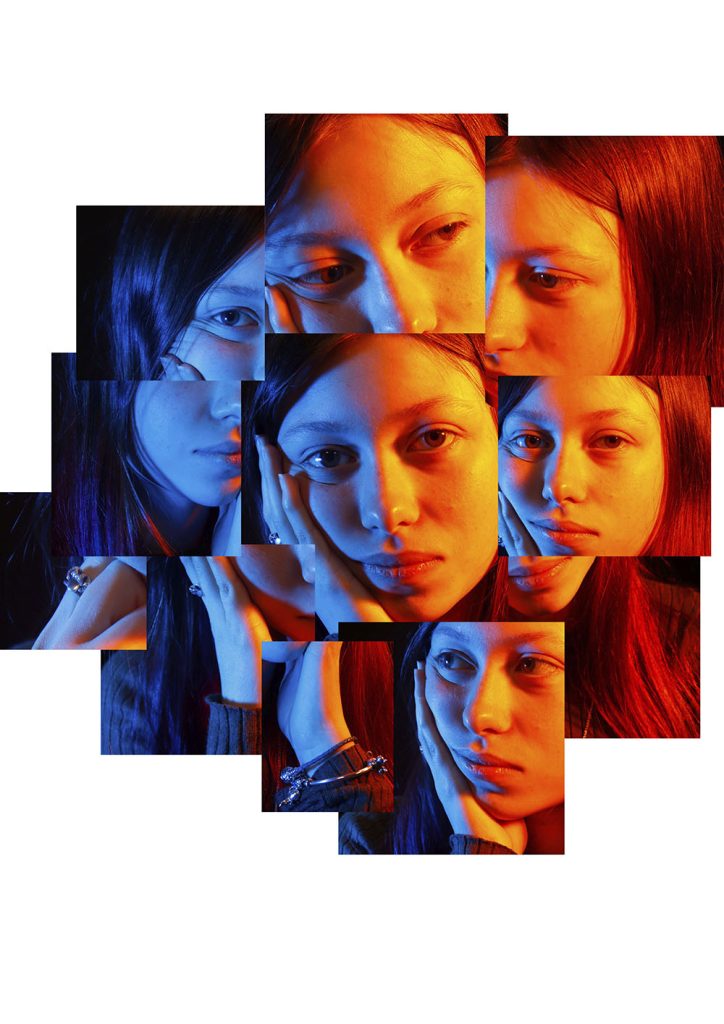
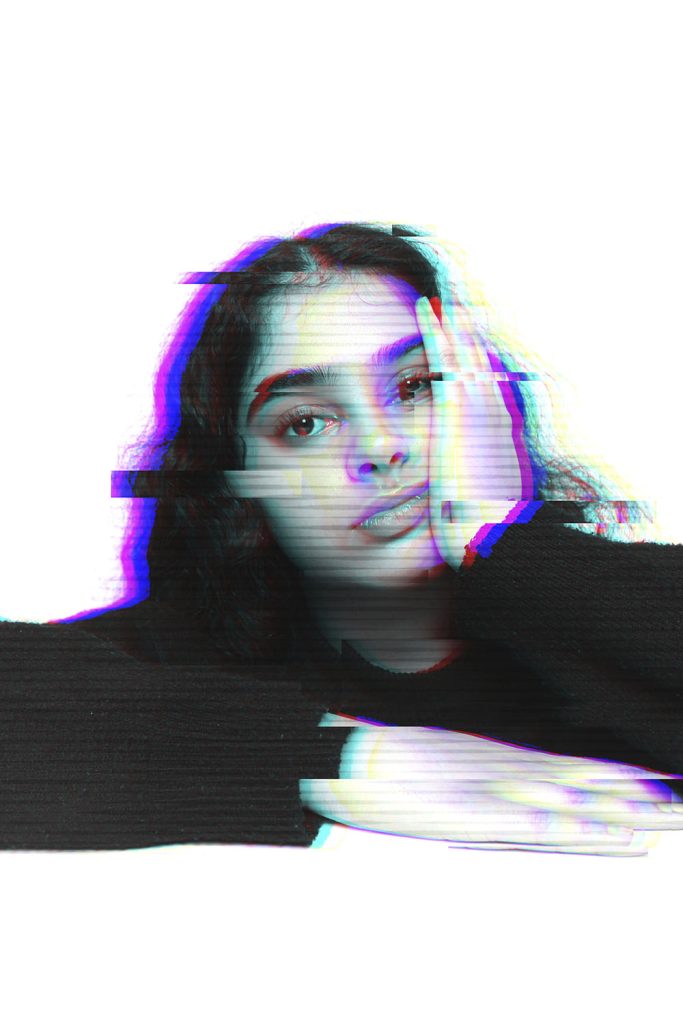
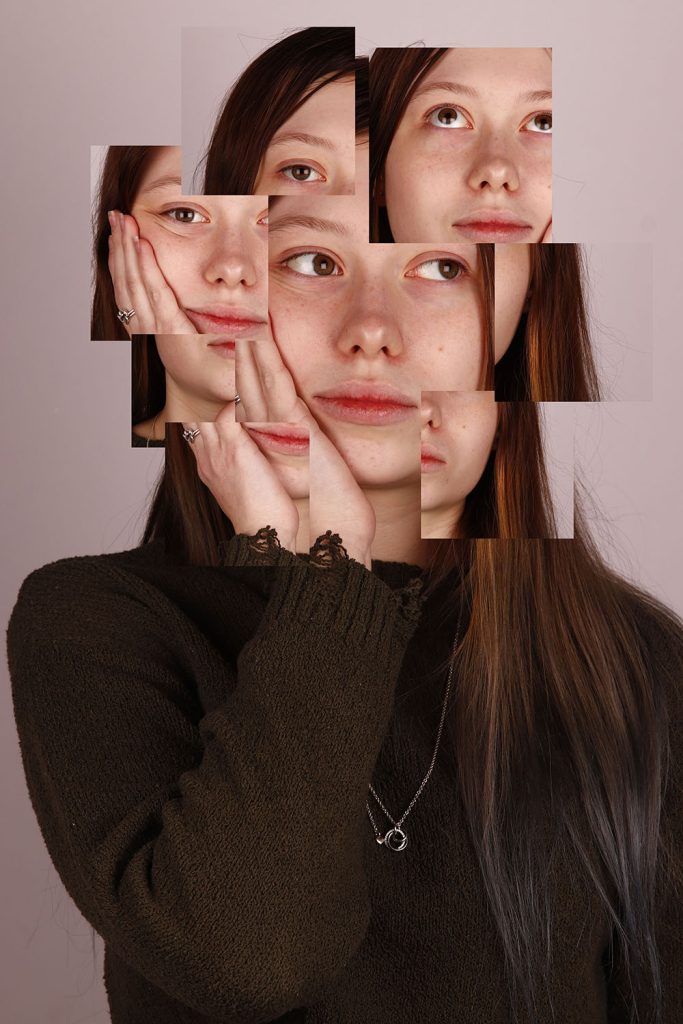
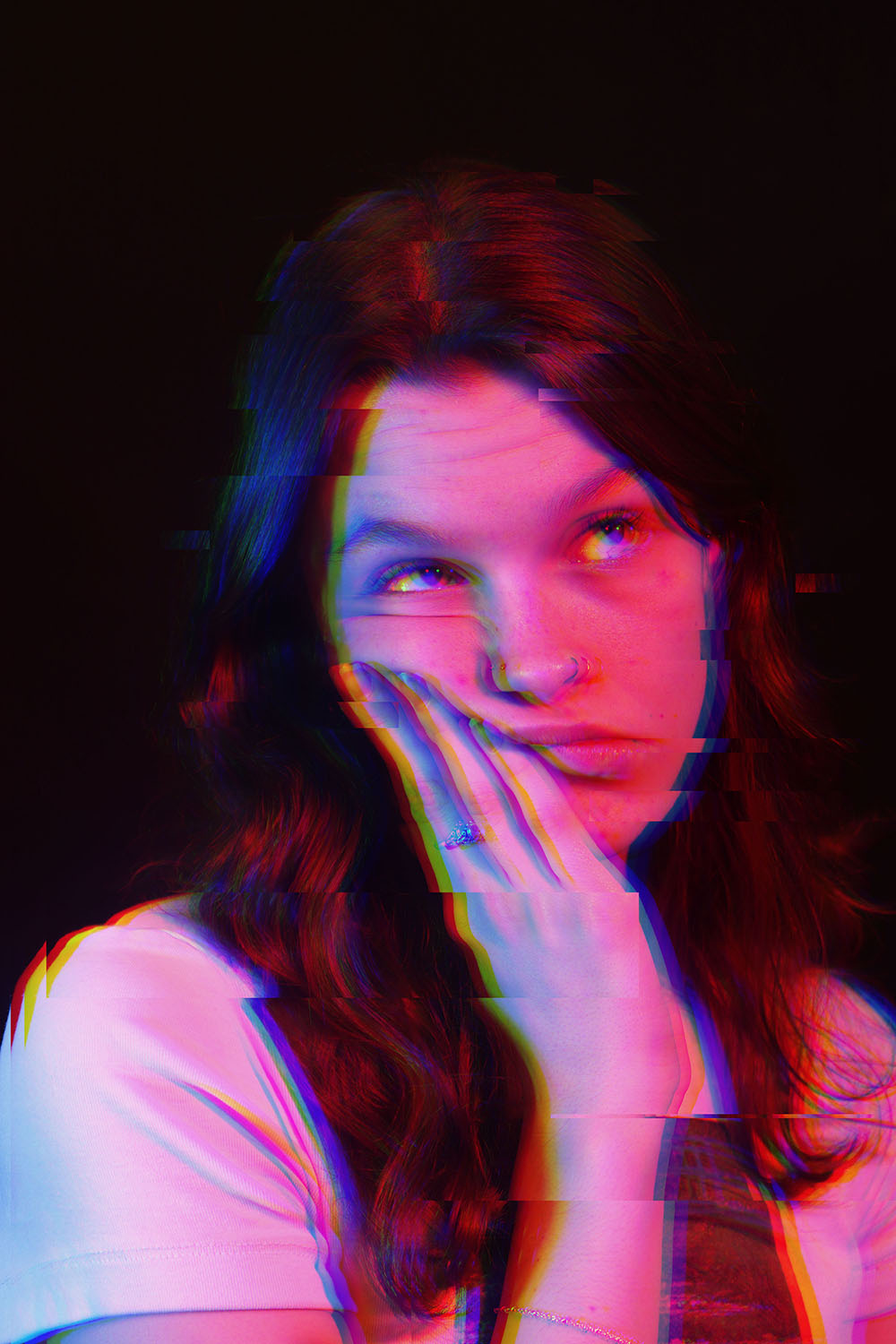
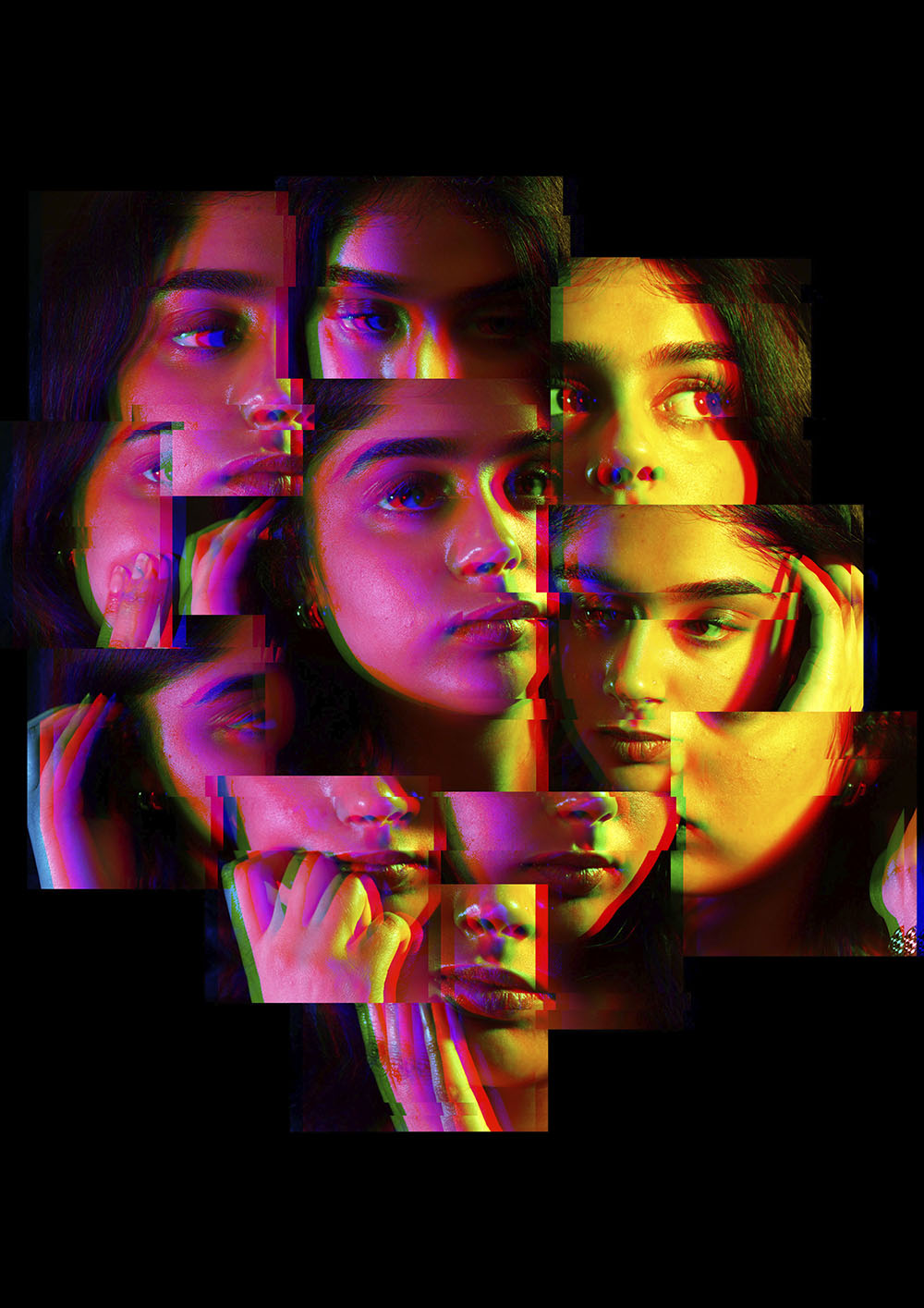
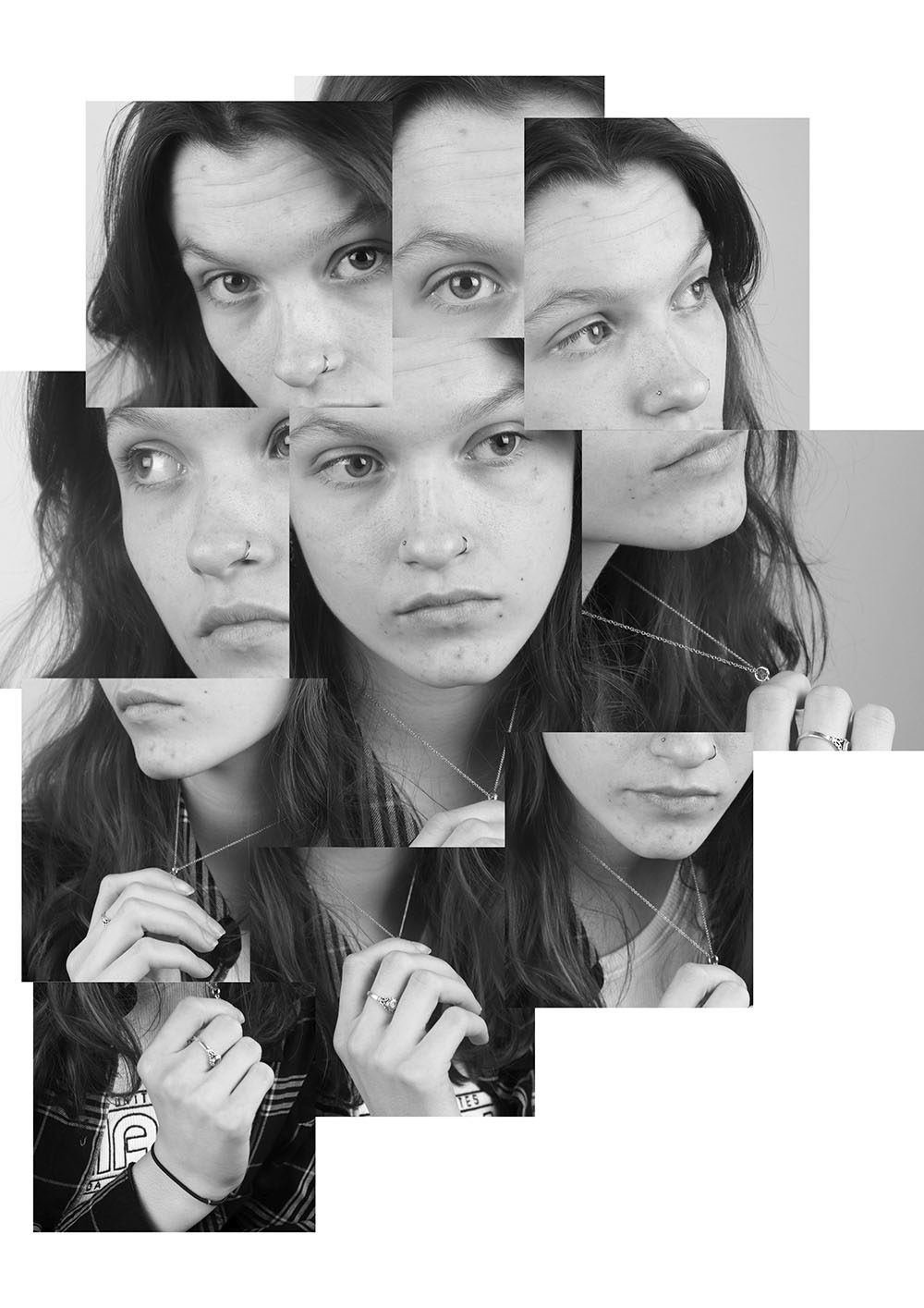
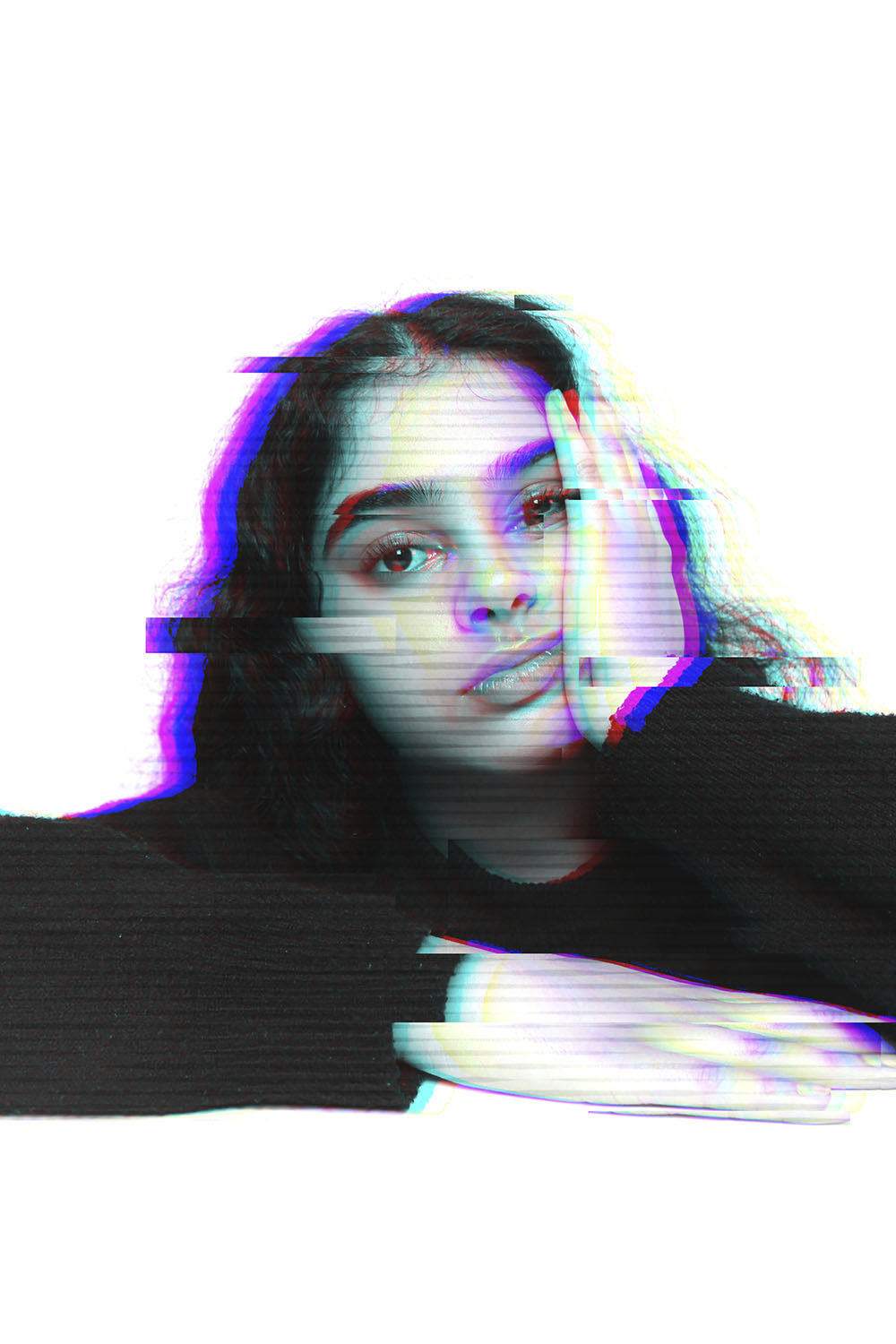
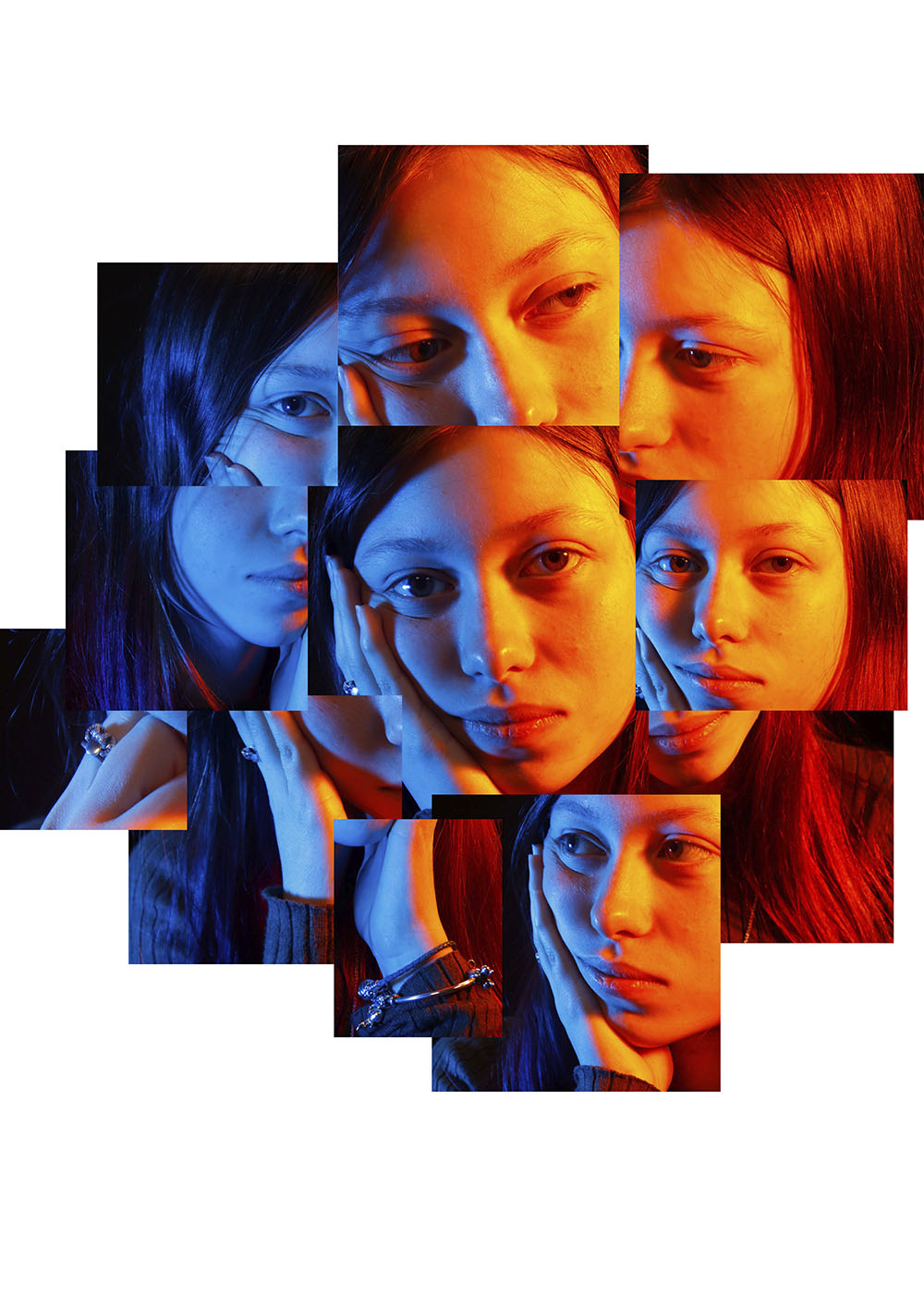
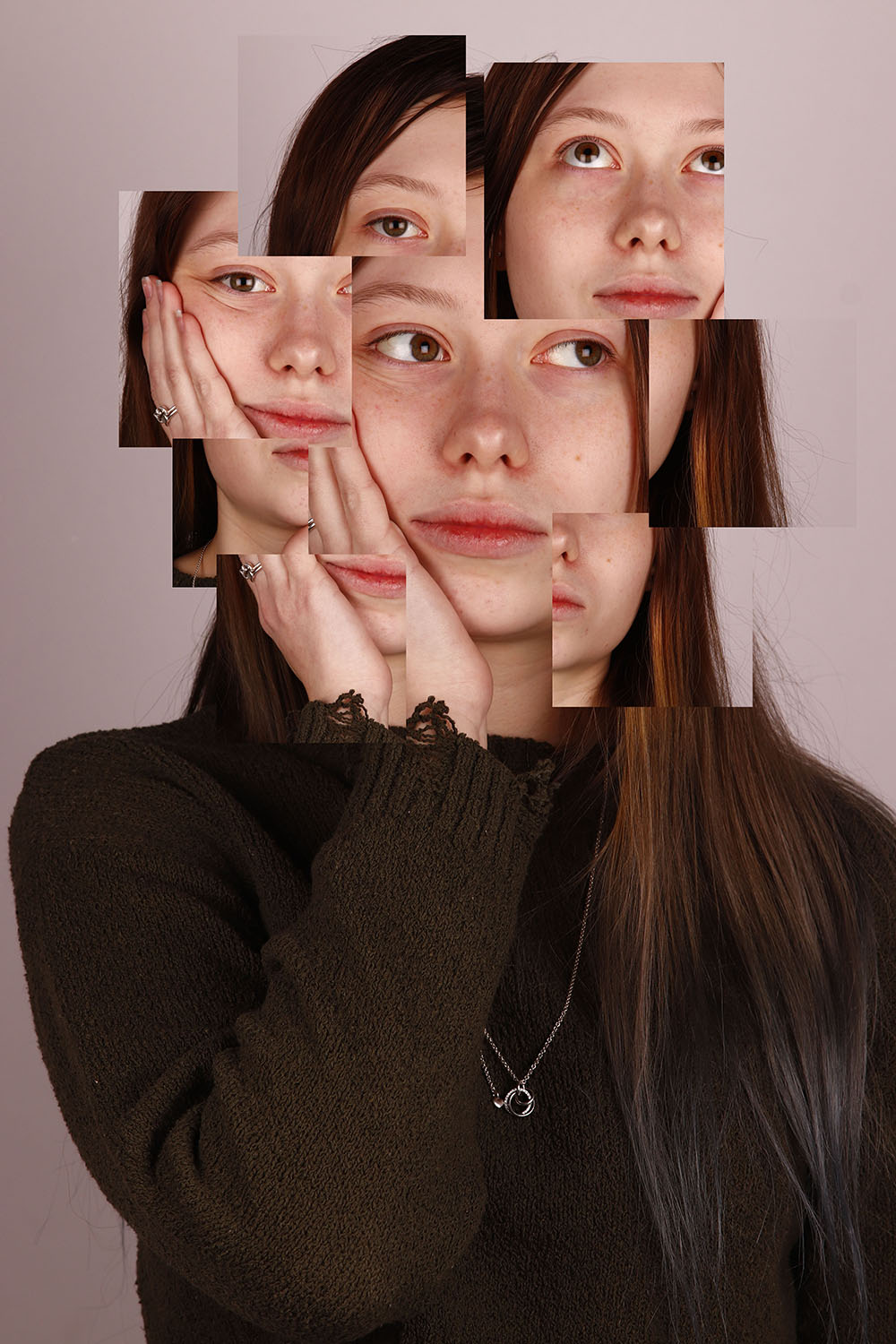
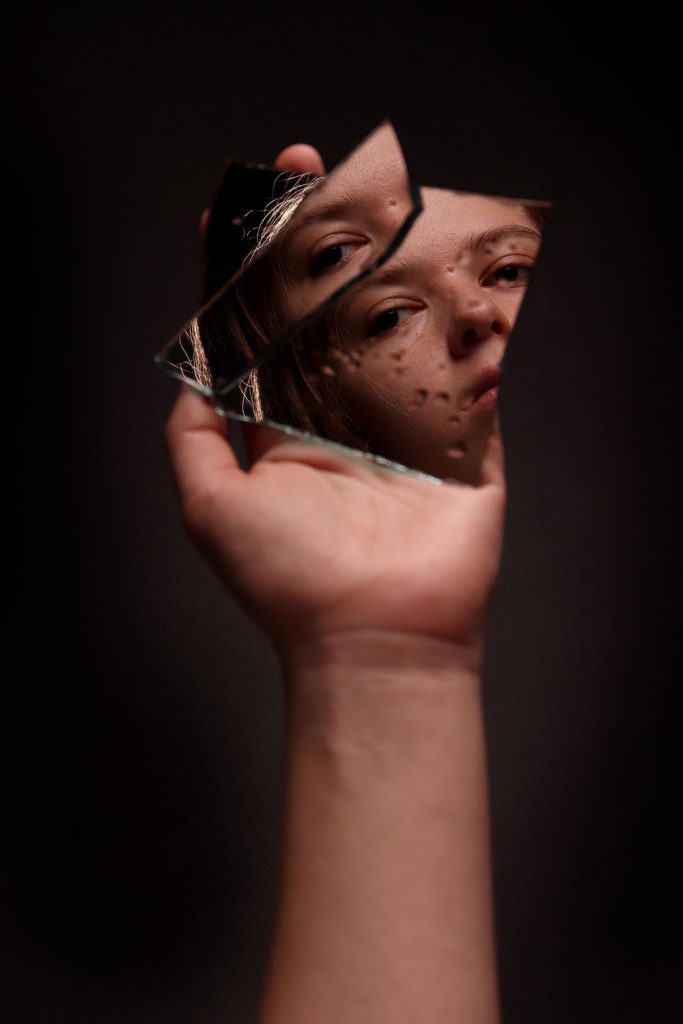
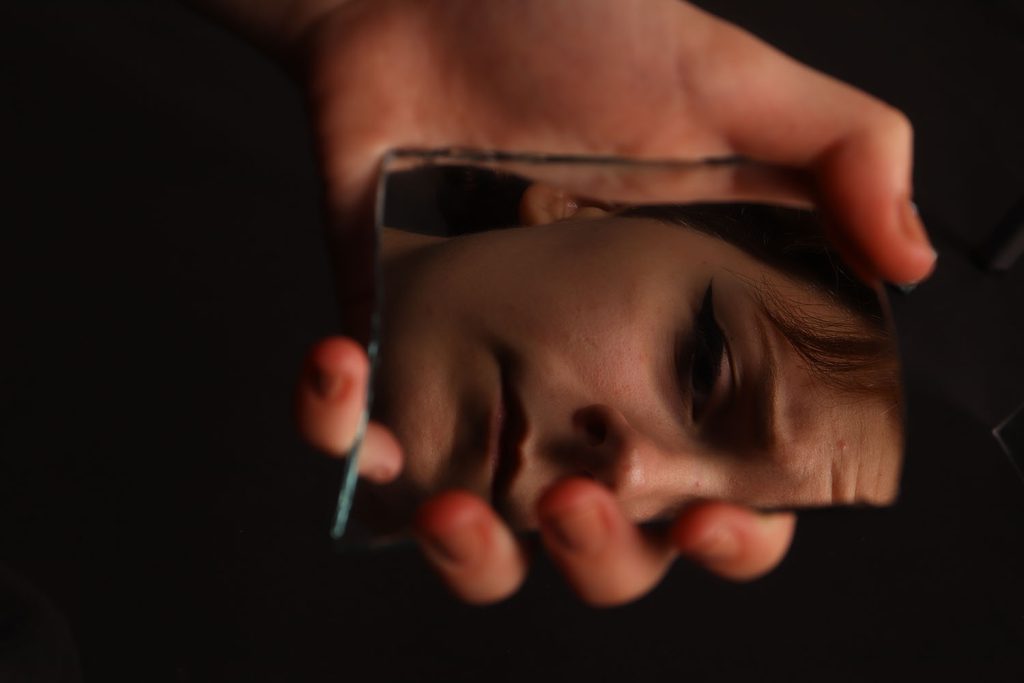
In this project, I explored the concept of identity and how it can become fragmented and distorted. I placed a key focus on editing photos in a glitch-like style, this reflected the broken, multi-faceted nature of identity. Throughout the project, I also explored collaged outcomes in the style of Photographer David Hockney, these collages reflected the multiple ways people may present themselves in society and their online personas.
I utilised a range of techniques throughout this component from simple coloured portraiture to black and white collages, this allowed me to explore many concepts in order to create my final piece. To conclude my project, I combined my glitch style outcomes into a short video clip showing the slow and gradual process of distortion through the use of social media.
After A-Levels, I intend to study Psychology with criminology at Birmingham City University.
Amelia Parr
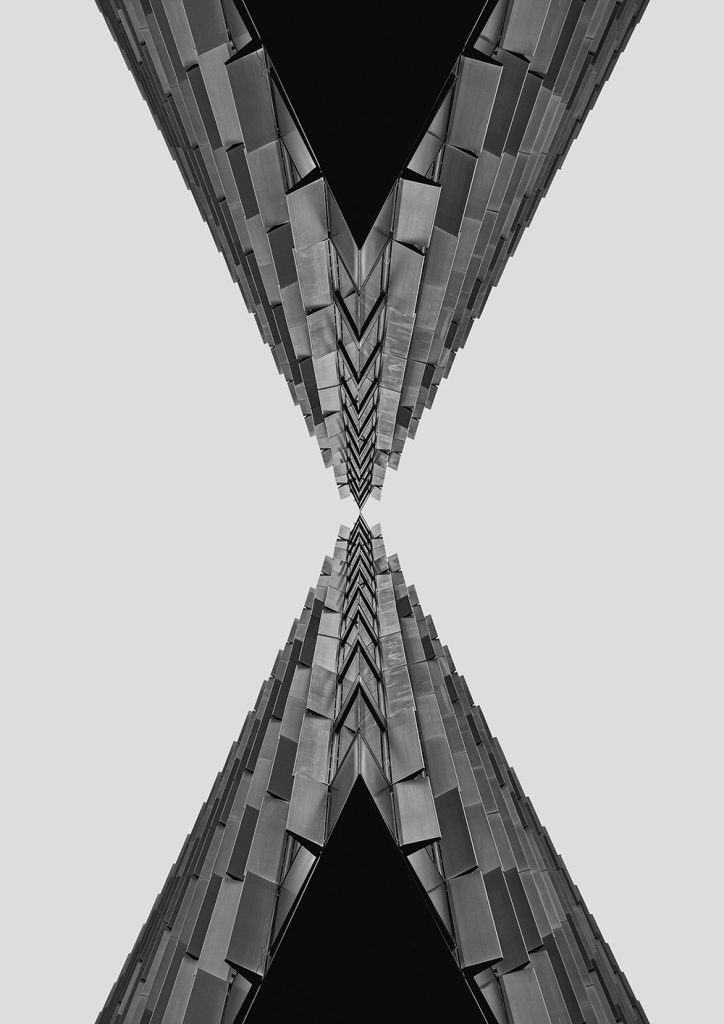
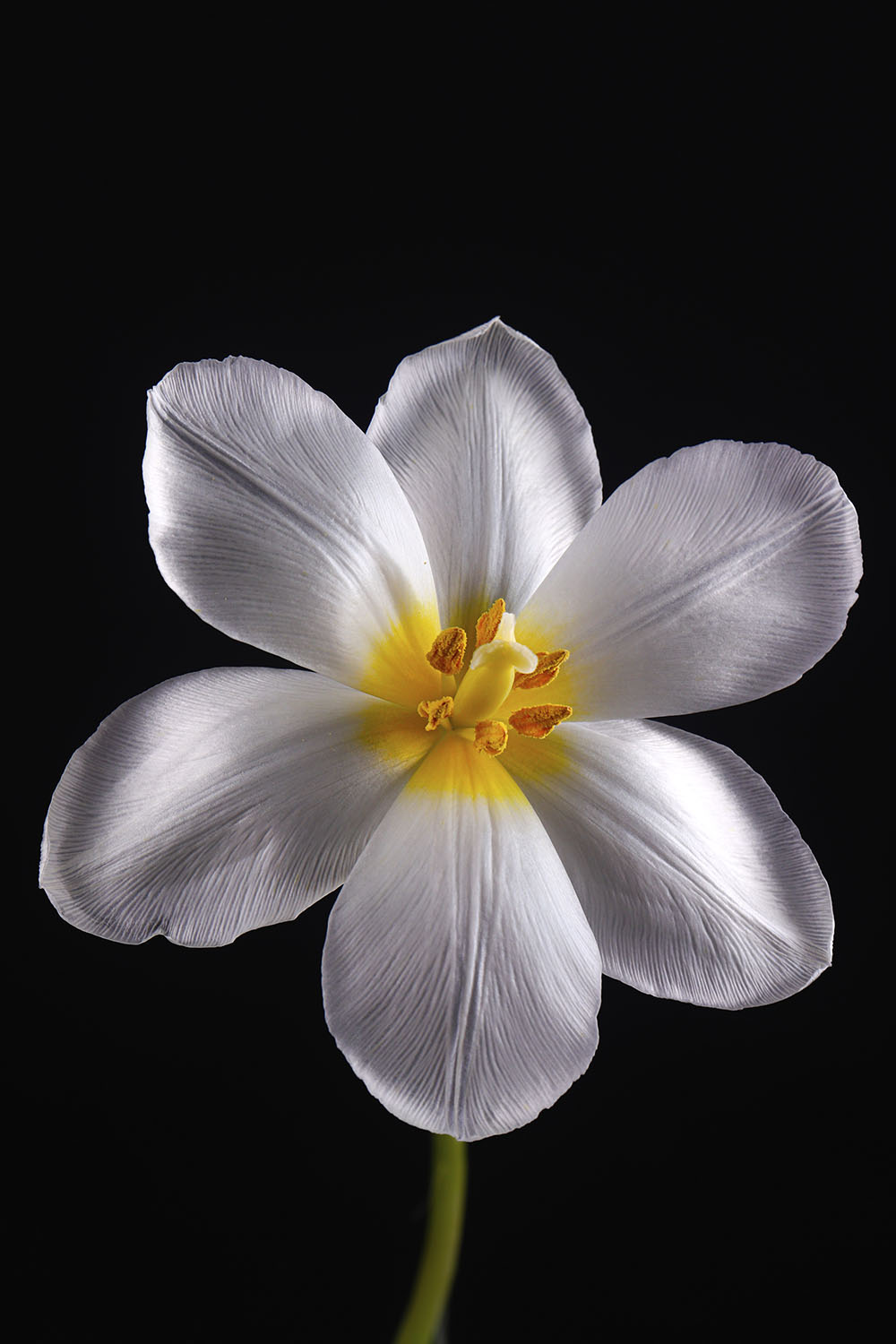
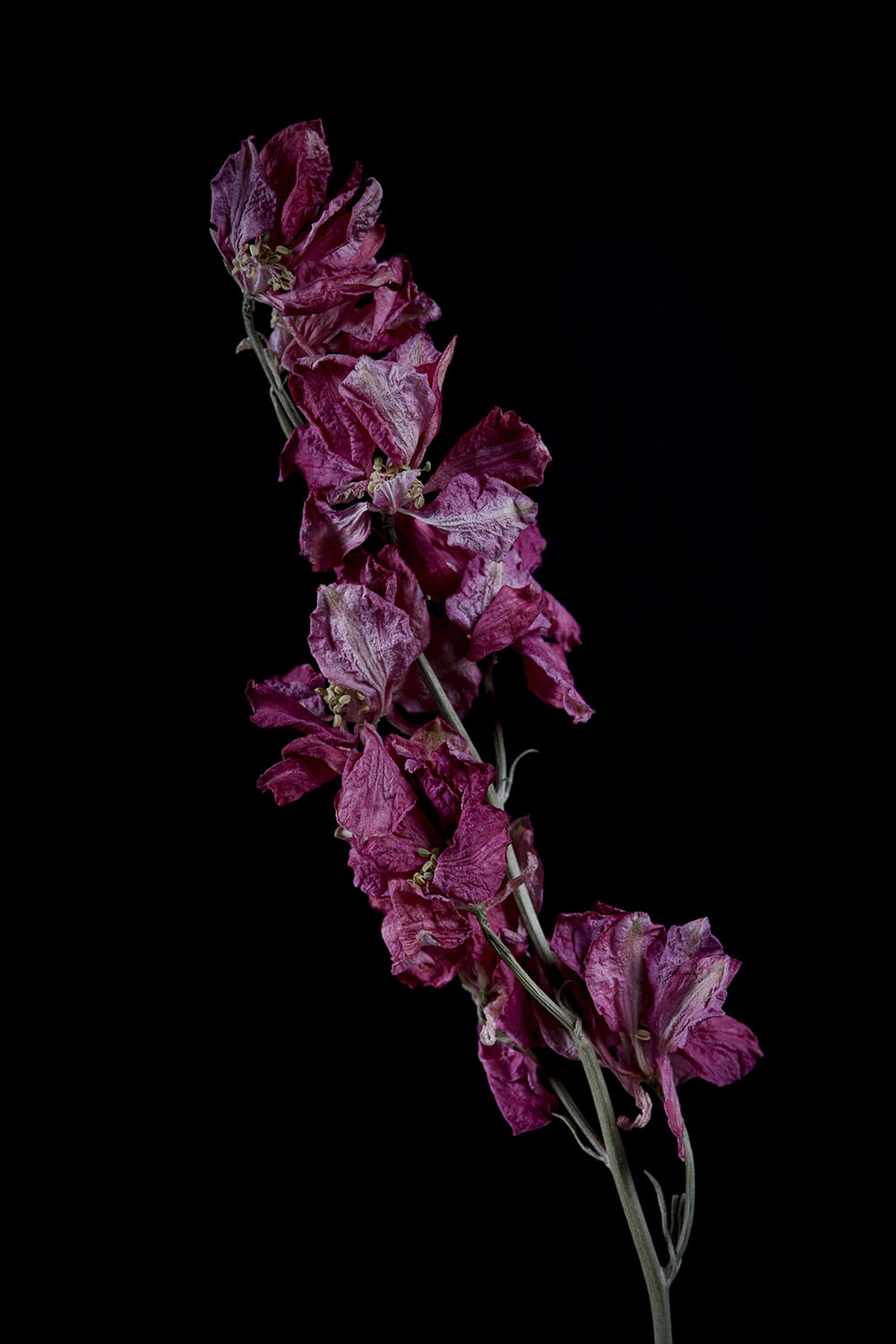
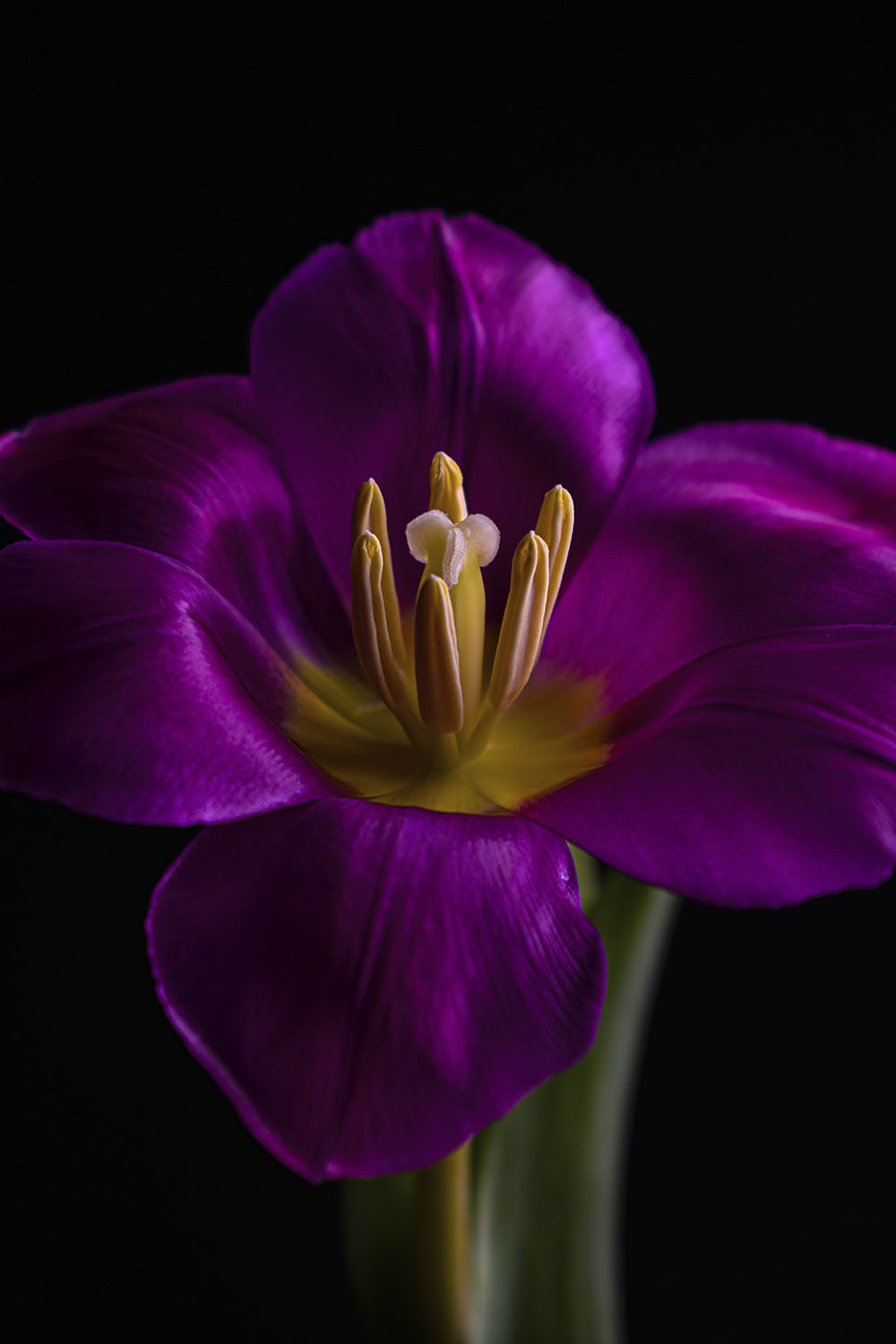
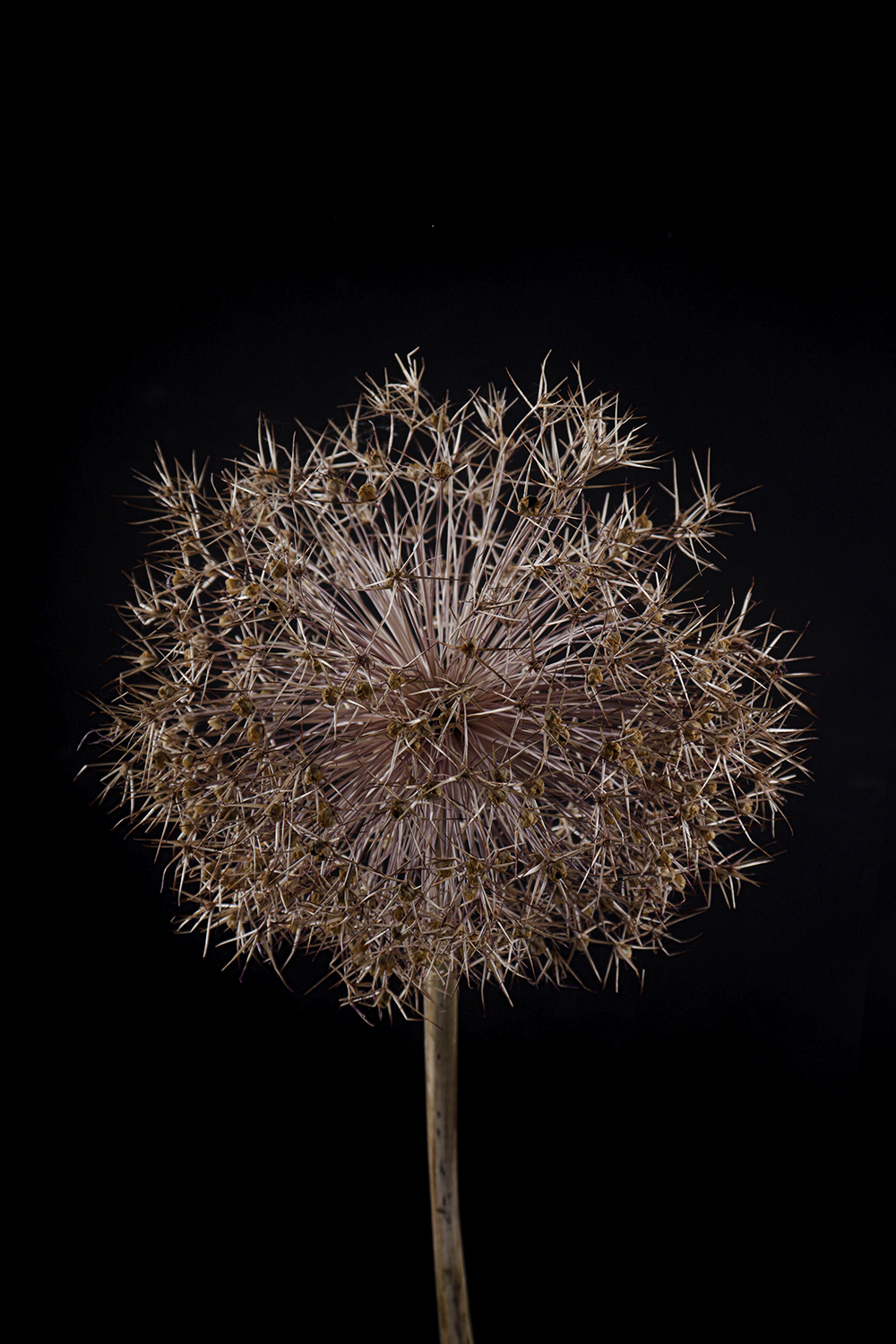
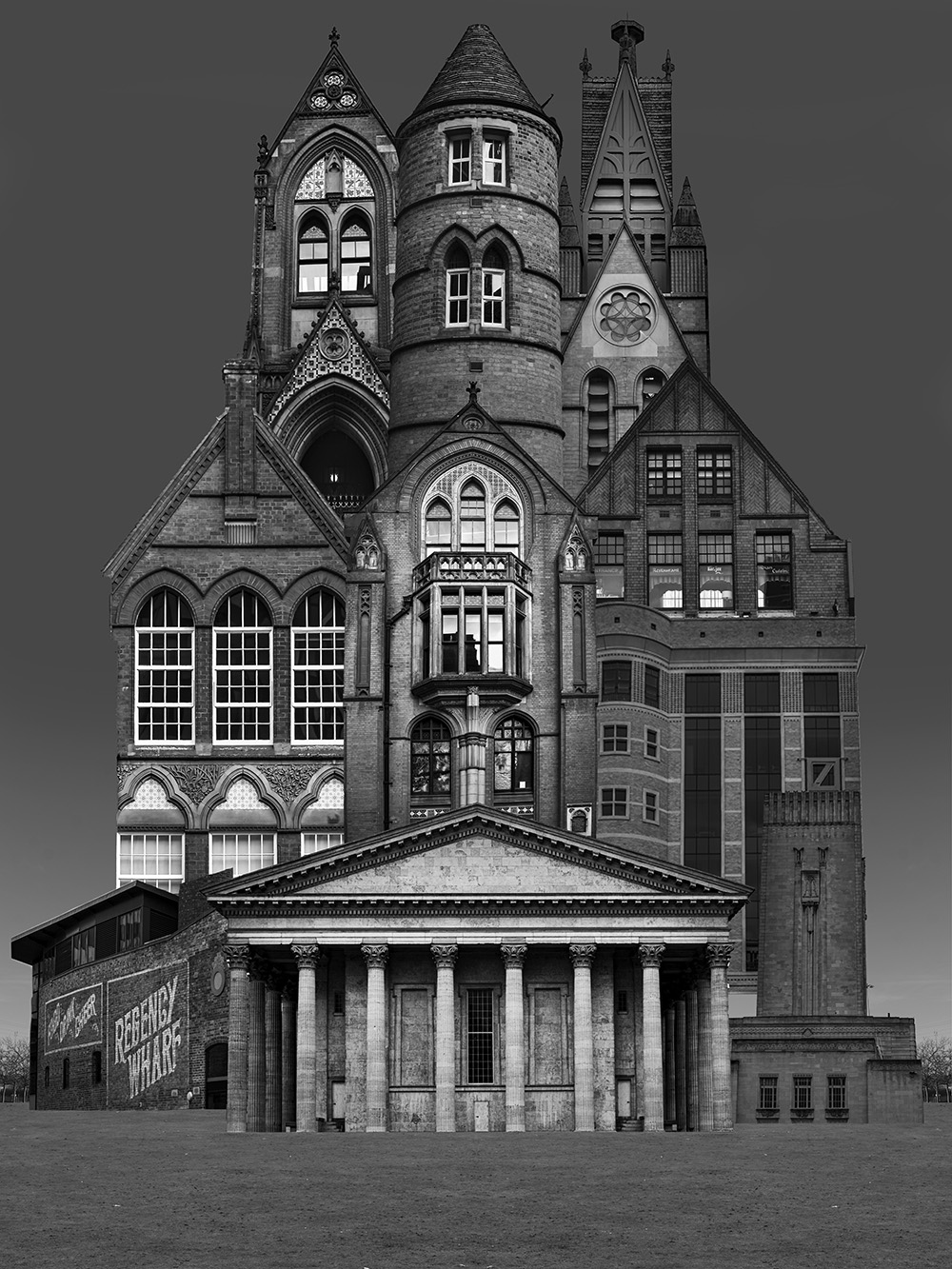
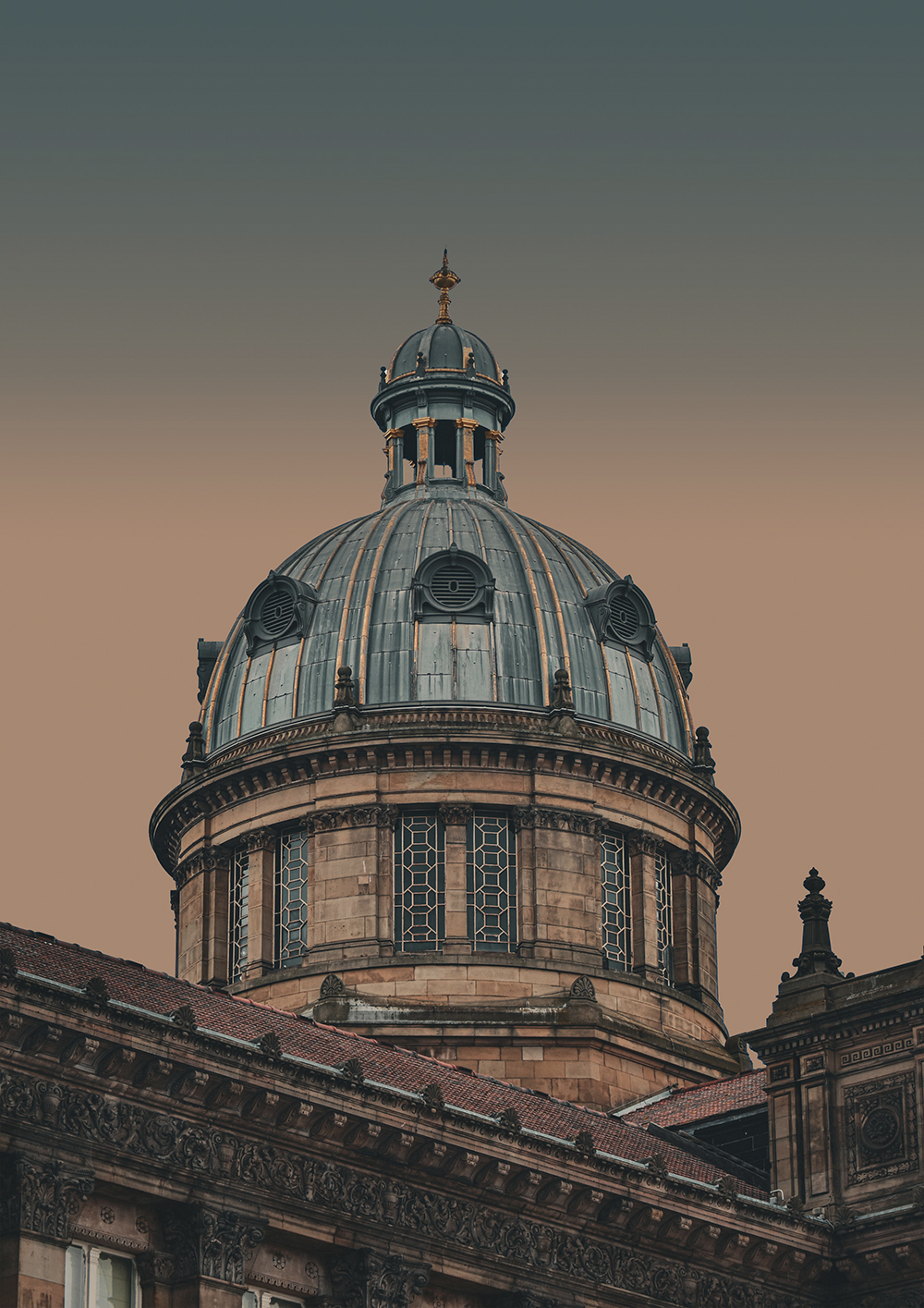
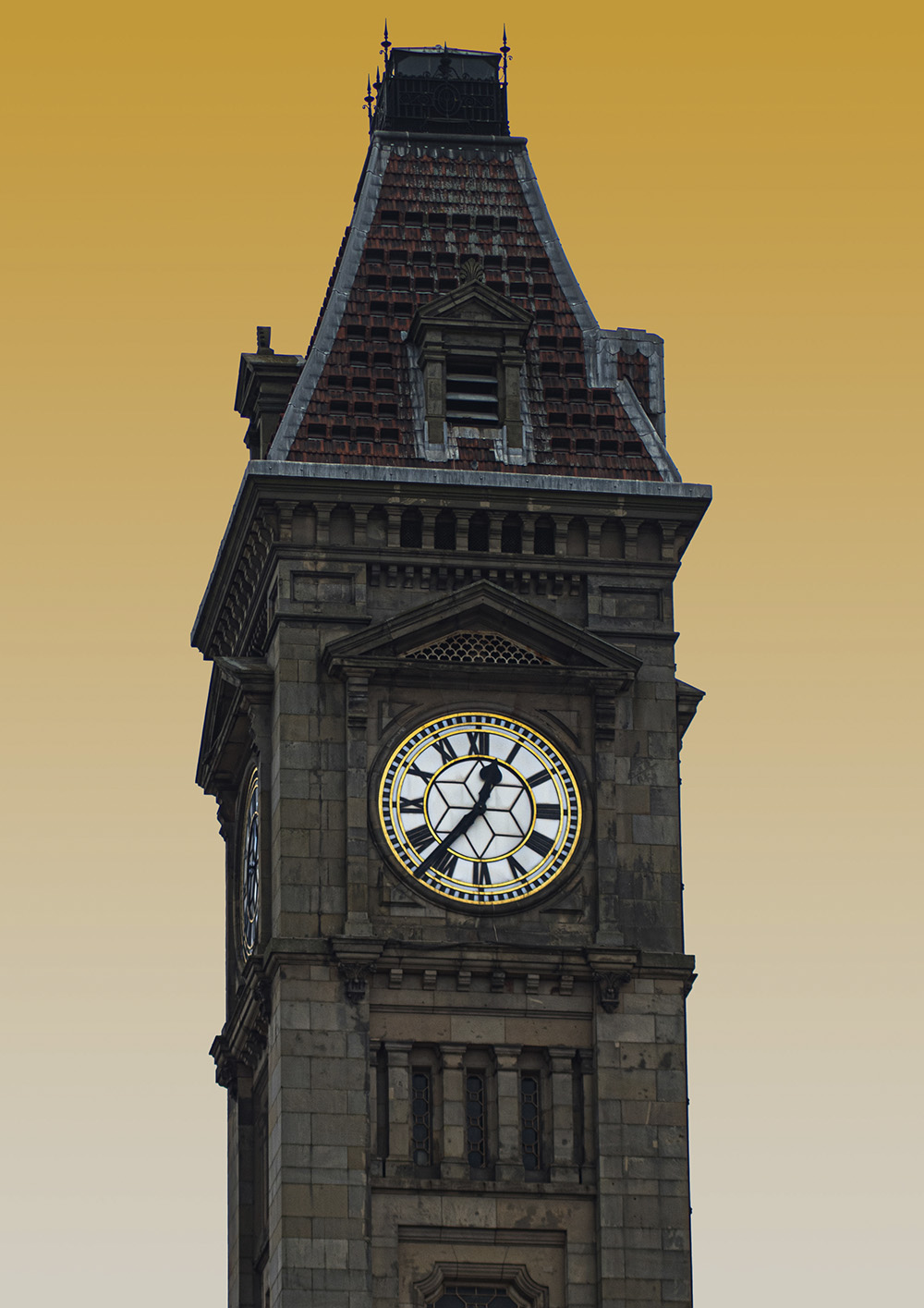
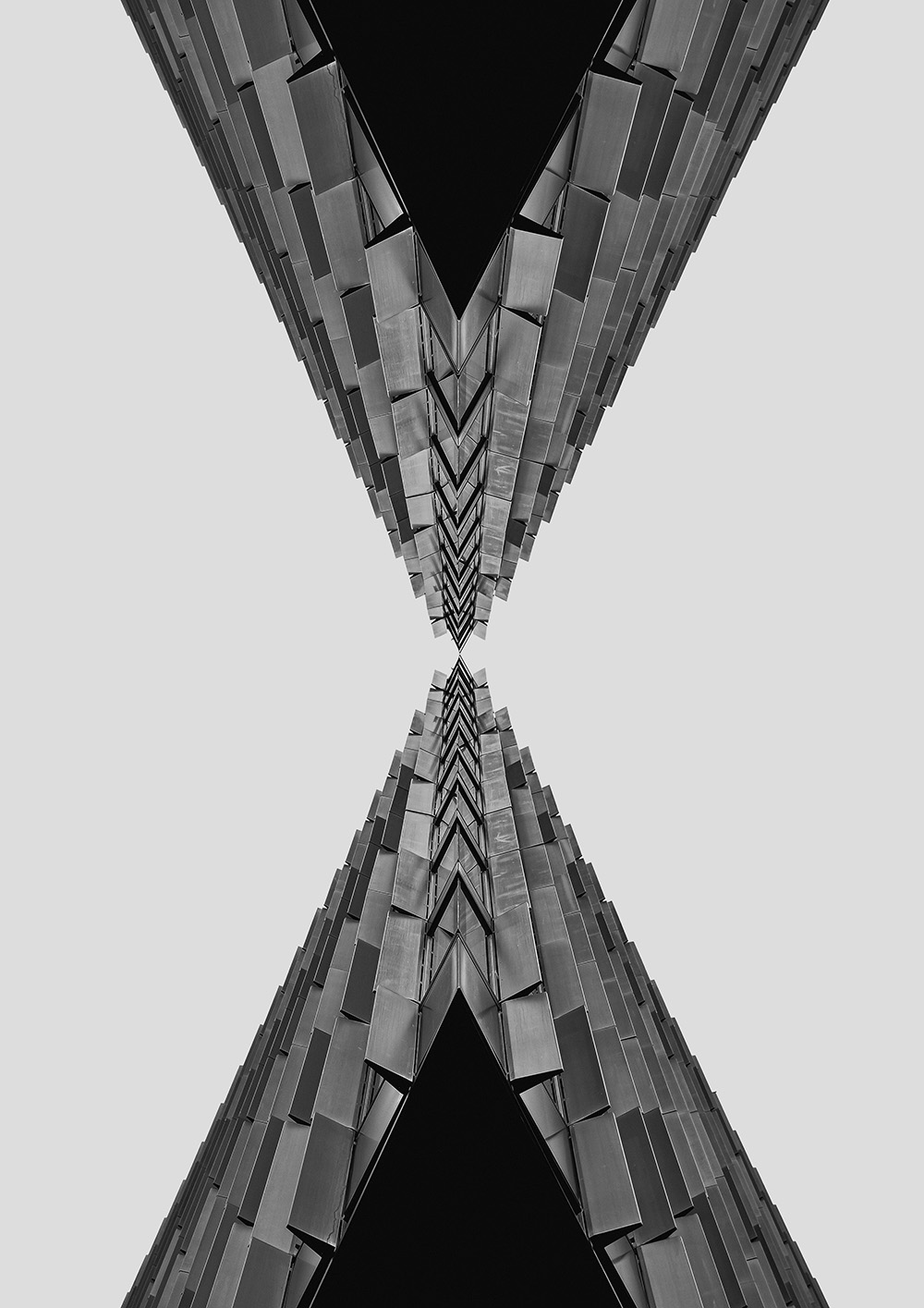
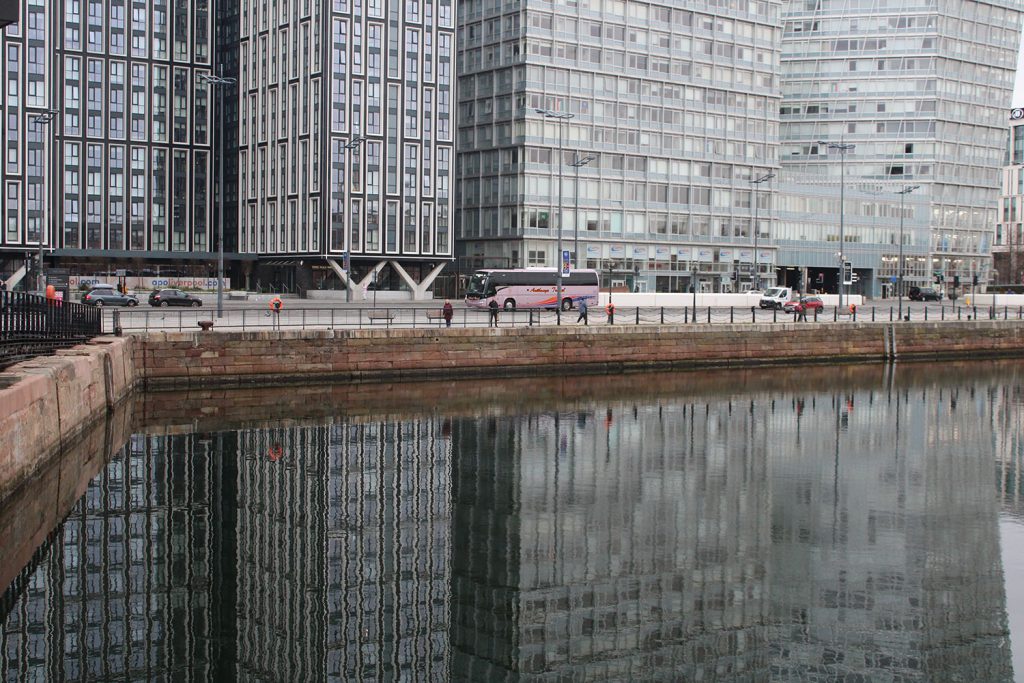
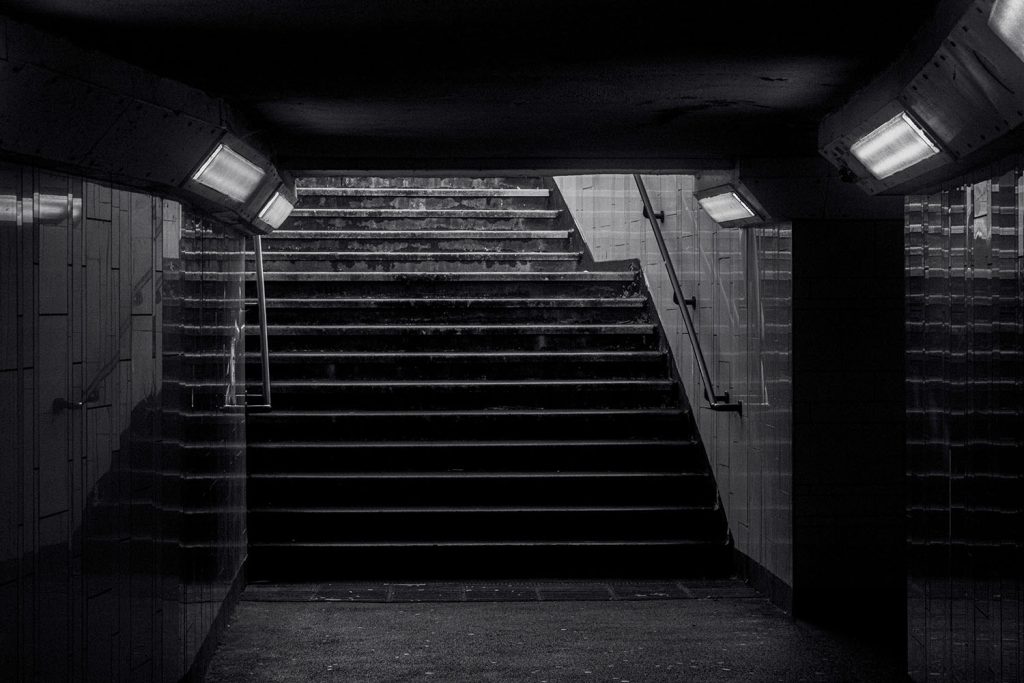
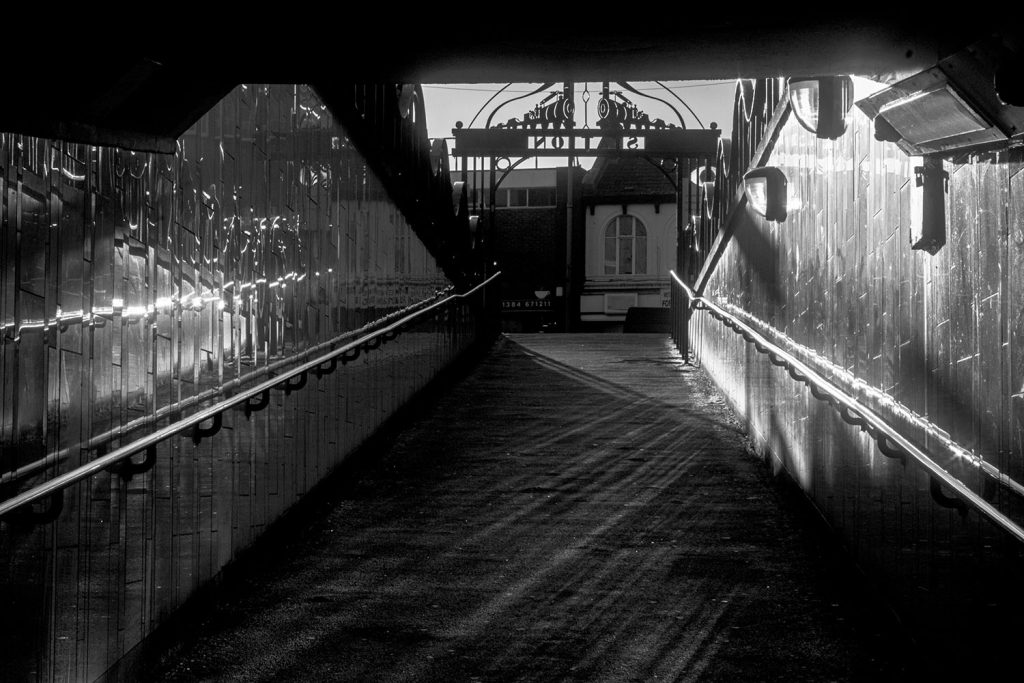
In my A-level photography projects, I showcase work that encourages viewers too see things differently. Through one project, I reveal the hidden elements of natural forms, highlighting its often-unnoticed details allowing my audience to appreciate them more. In the other, I explored different ways to view architecture, challenging typical perspectives and offering new ways to look at everyday buildings.
My aim over my projects is to inspire my audience to take time to observe and find beauty in the ordinary, to realise there are many ways we can perceive and appreciate the world around us.
I plan on studying a degree in photography at Birmingham city University
Grace Taylor
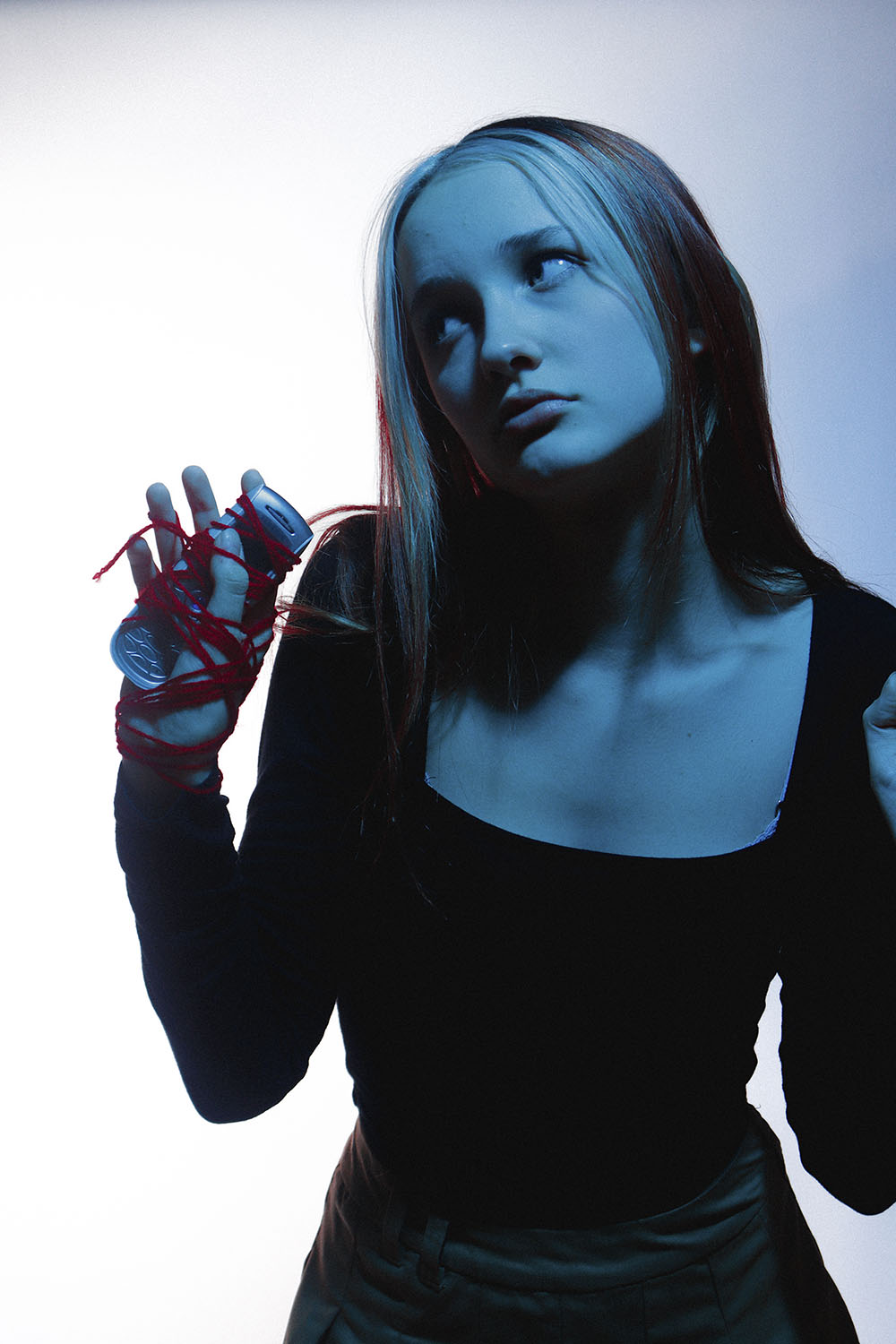
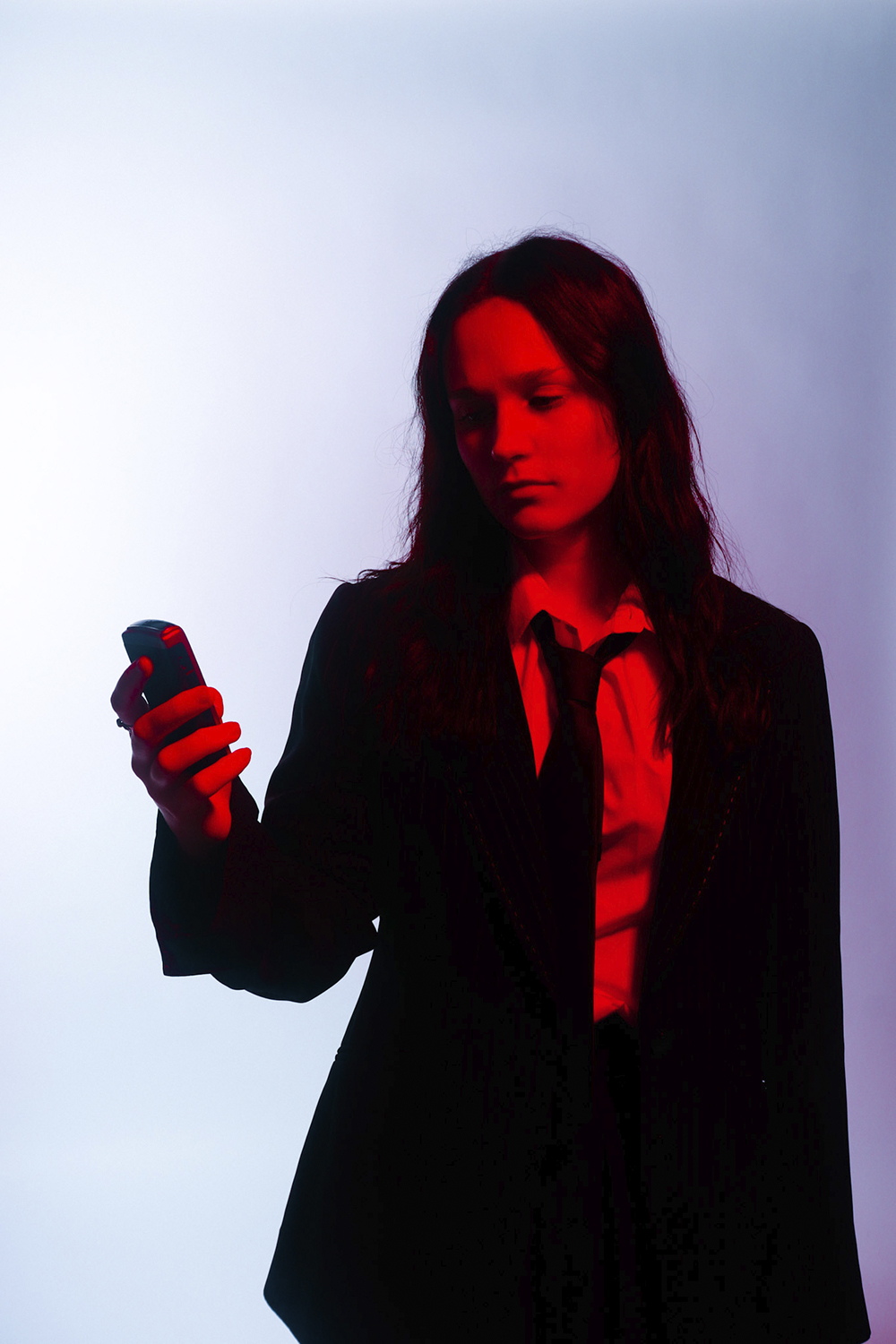
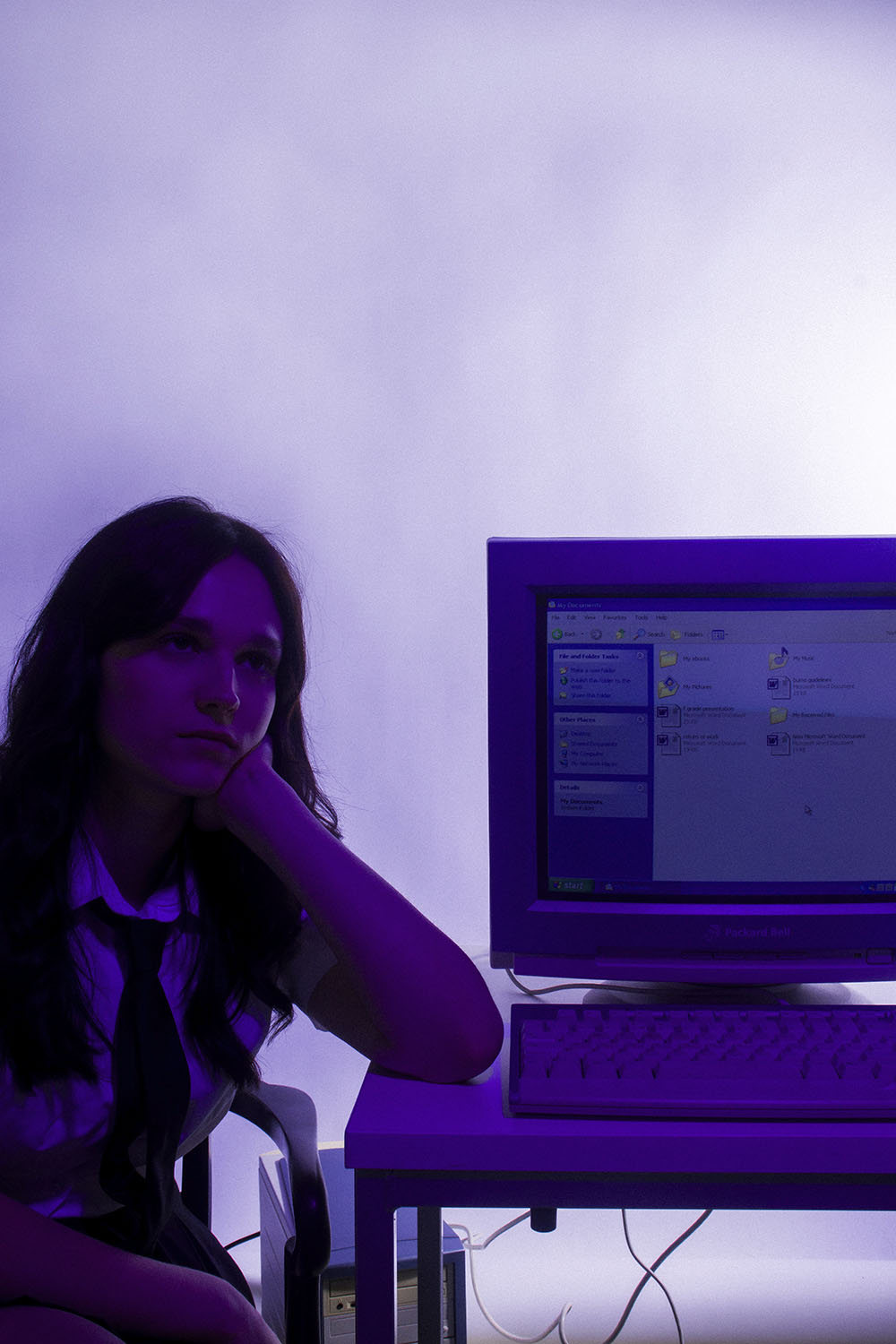
The first three images are some of the final results taken from my project which explores the relationship society has with technology nowadays. I used old devices from the 90’s and early 2000’s to create irony and highlight the almost strange dependency we have on our phones compared to 20 years ago.
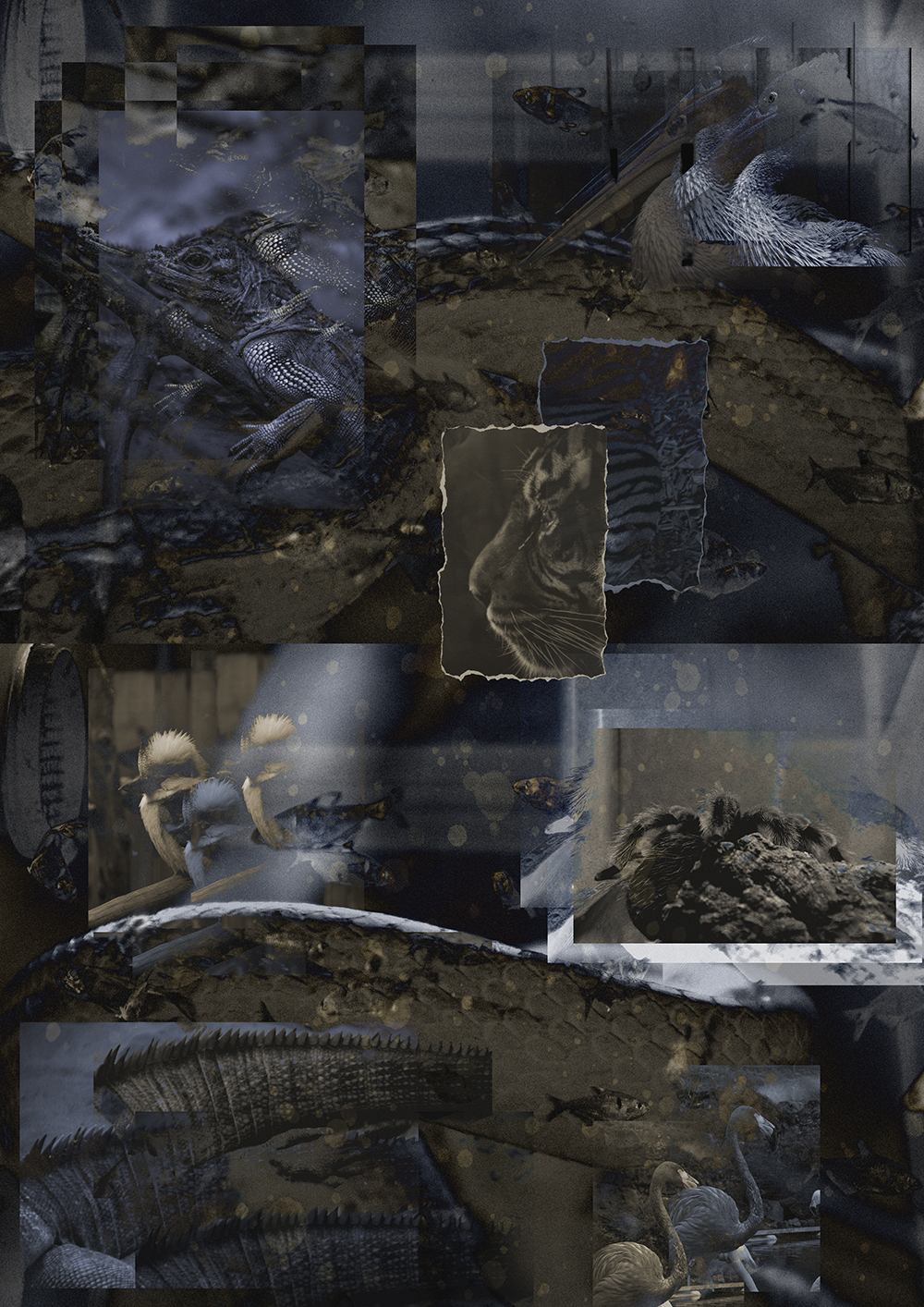
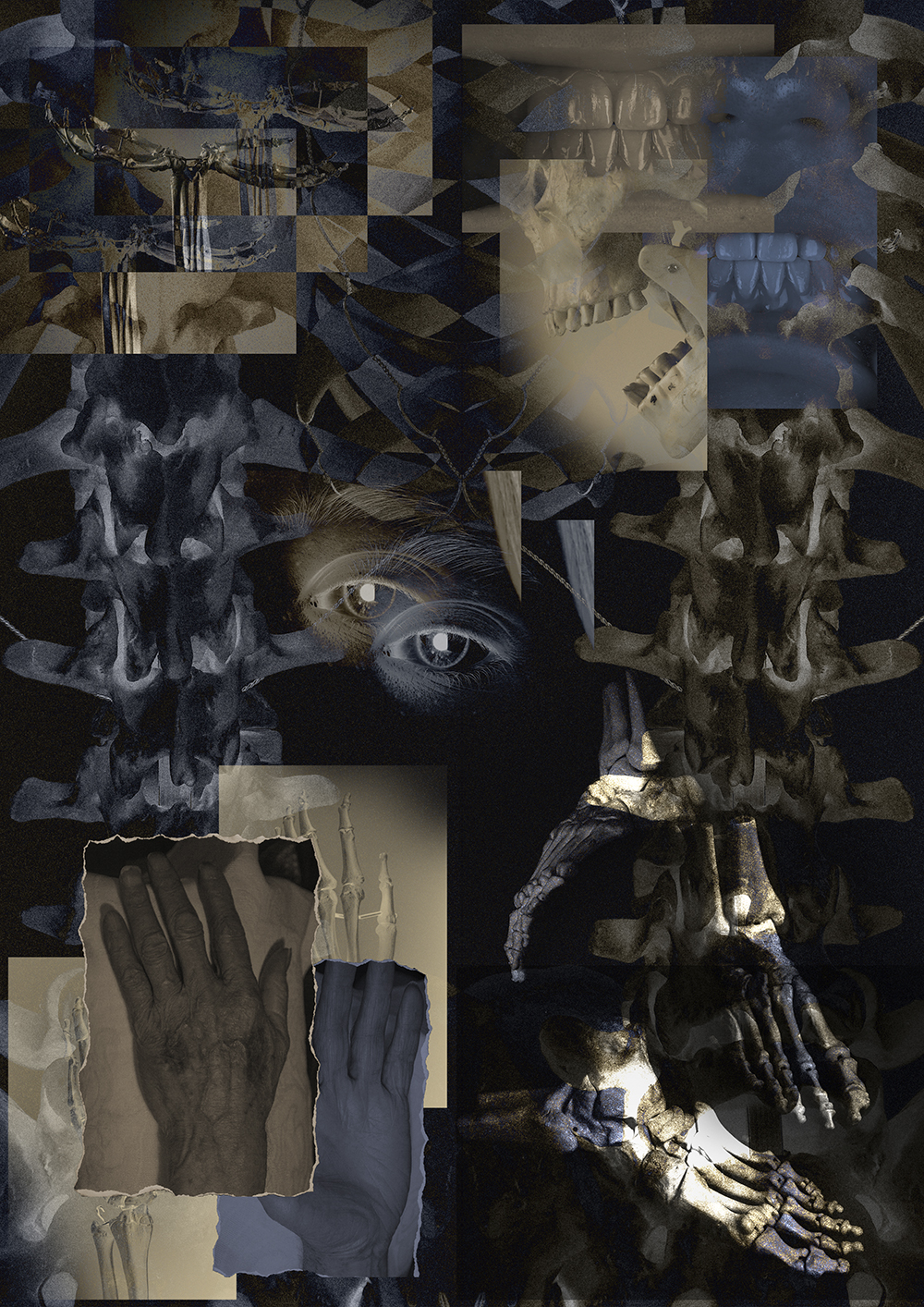
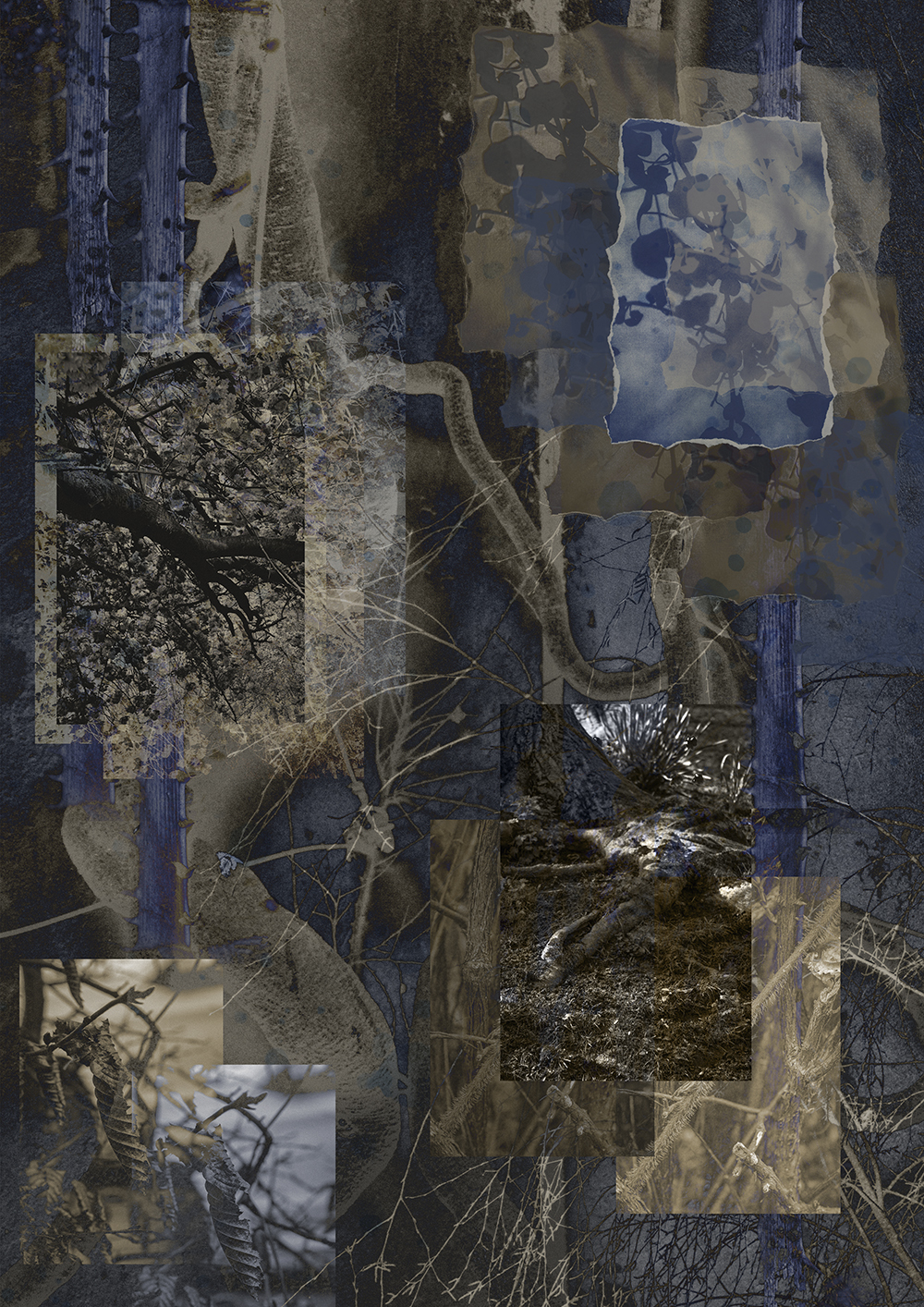
The next three are my final pieces taken from my exam project, which focus on the starting point of layers. The three collages, constructed in Photoshop, highlight the similarities and differences between natural, human and animal form with a focus on grunge as a visual aesthetic.
In September I plan to study Graphic Design at Birmingham City University.
Grace Ward
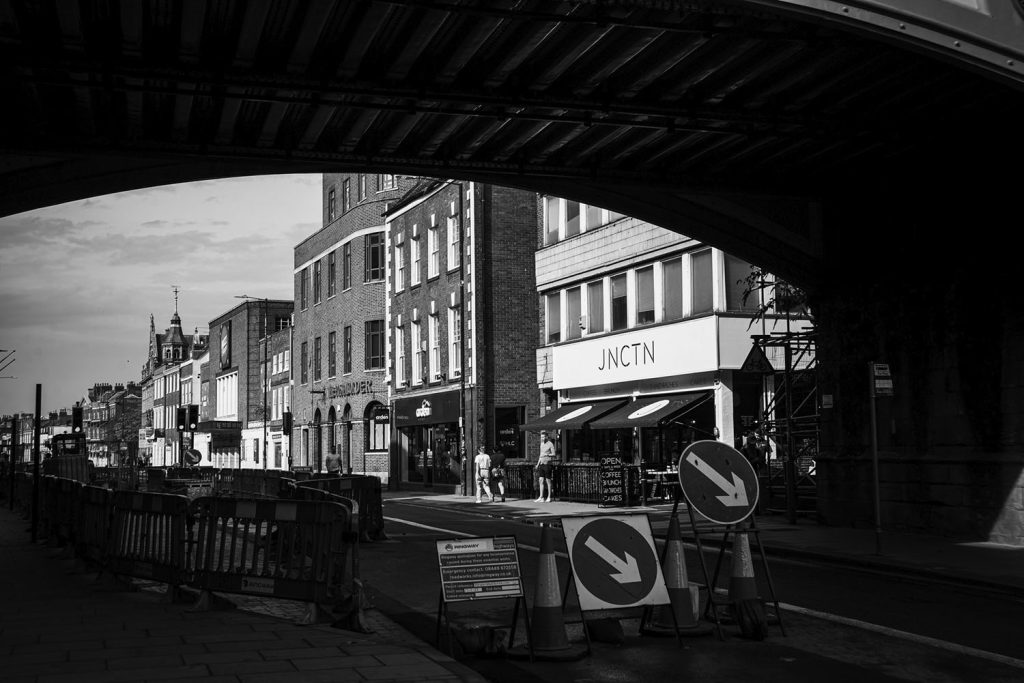
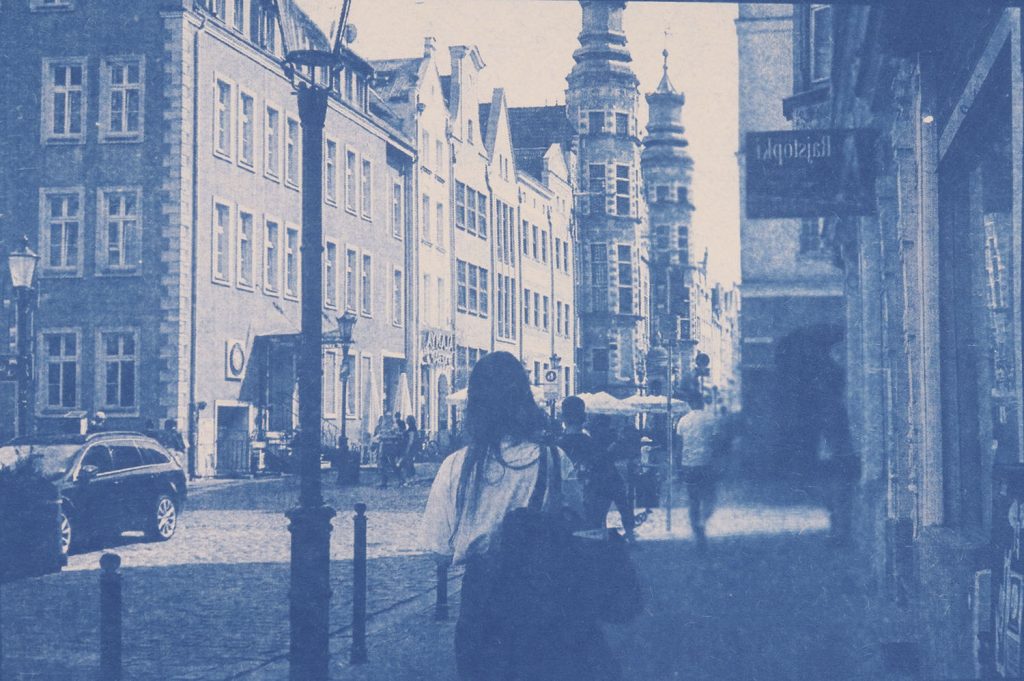
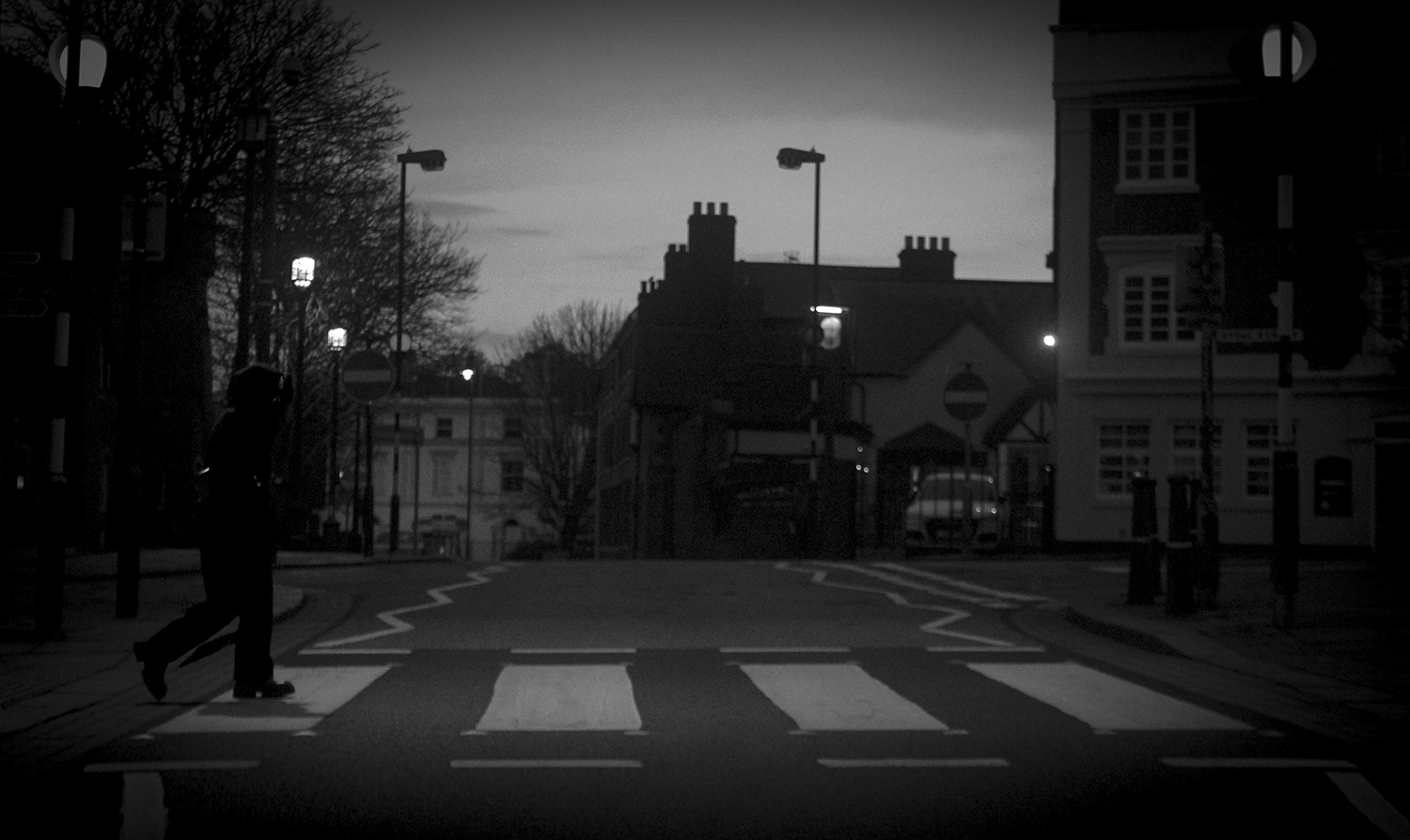
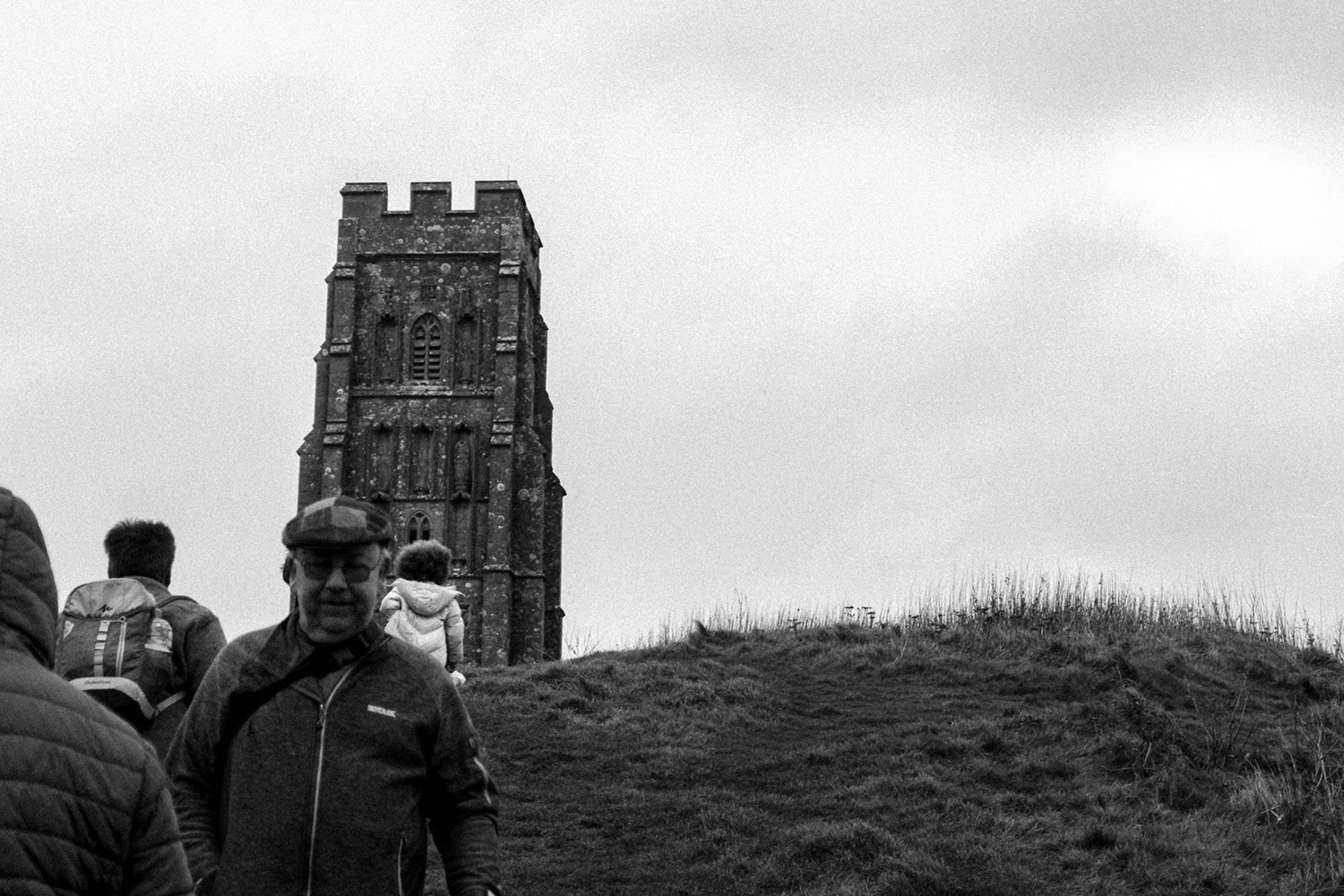
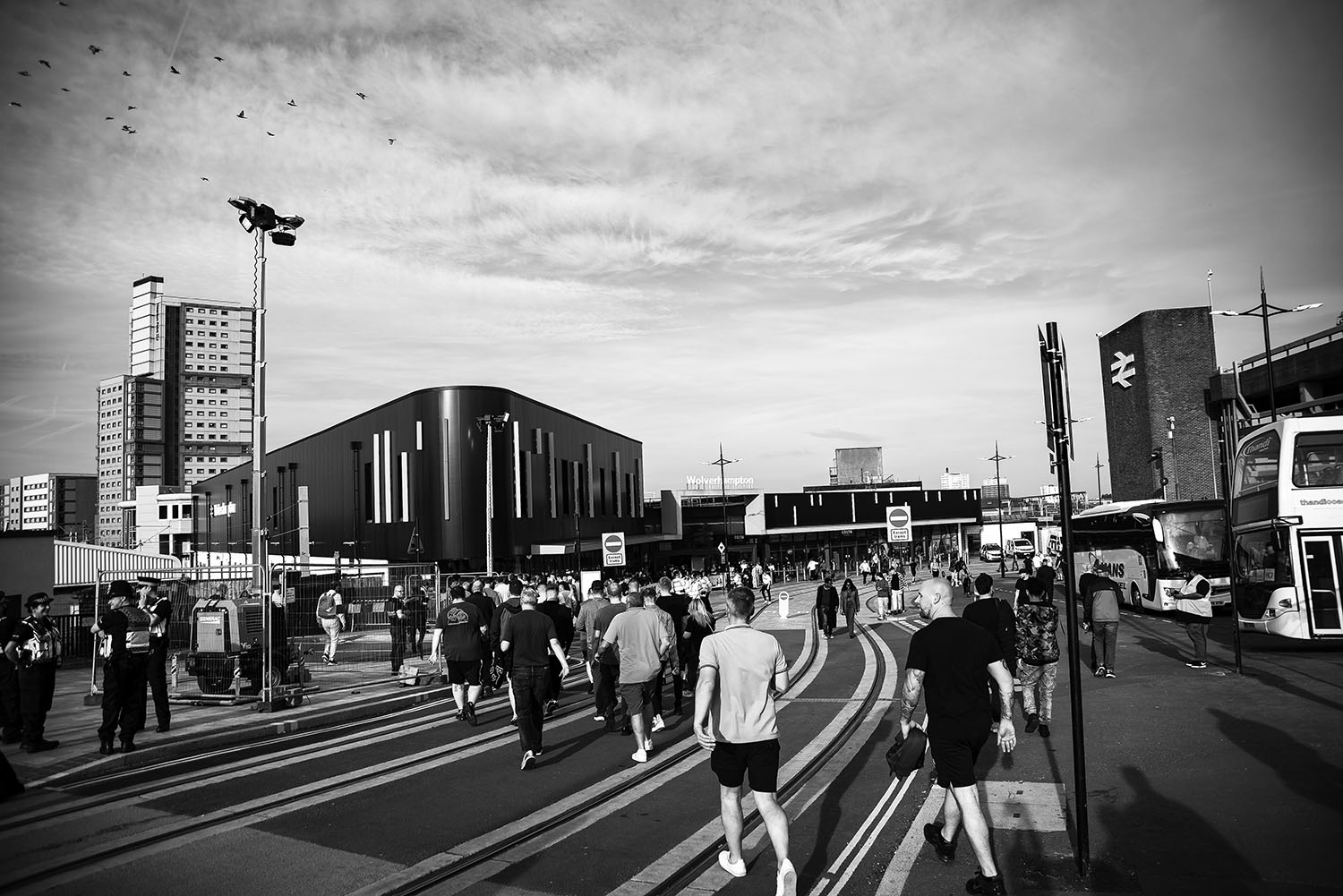
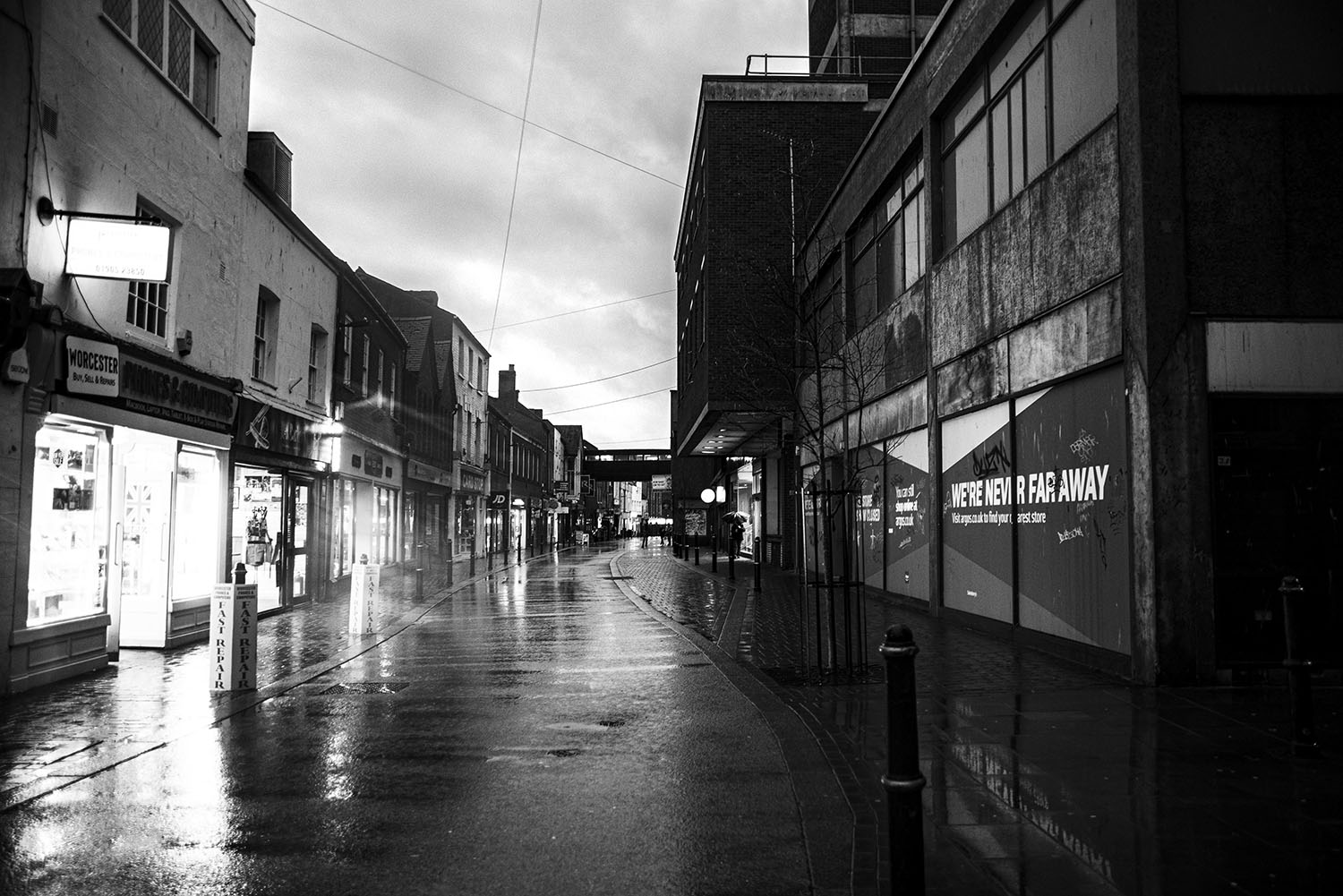
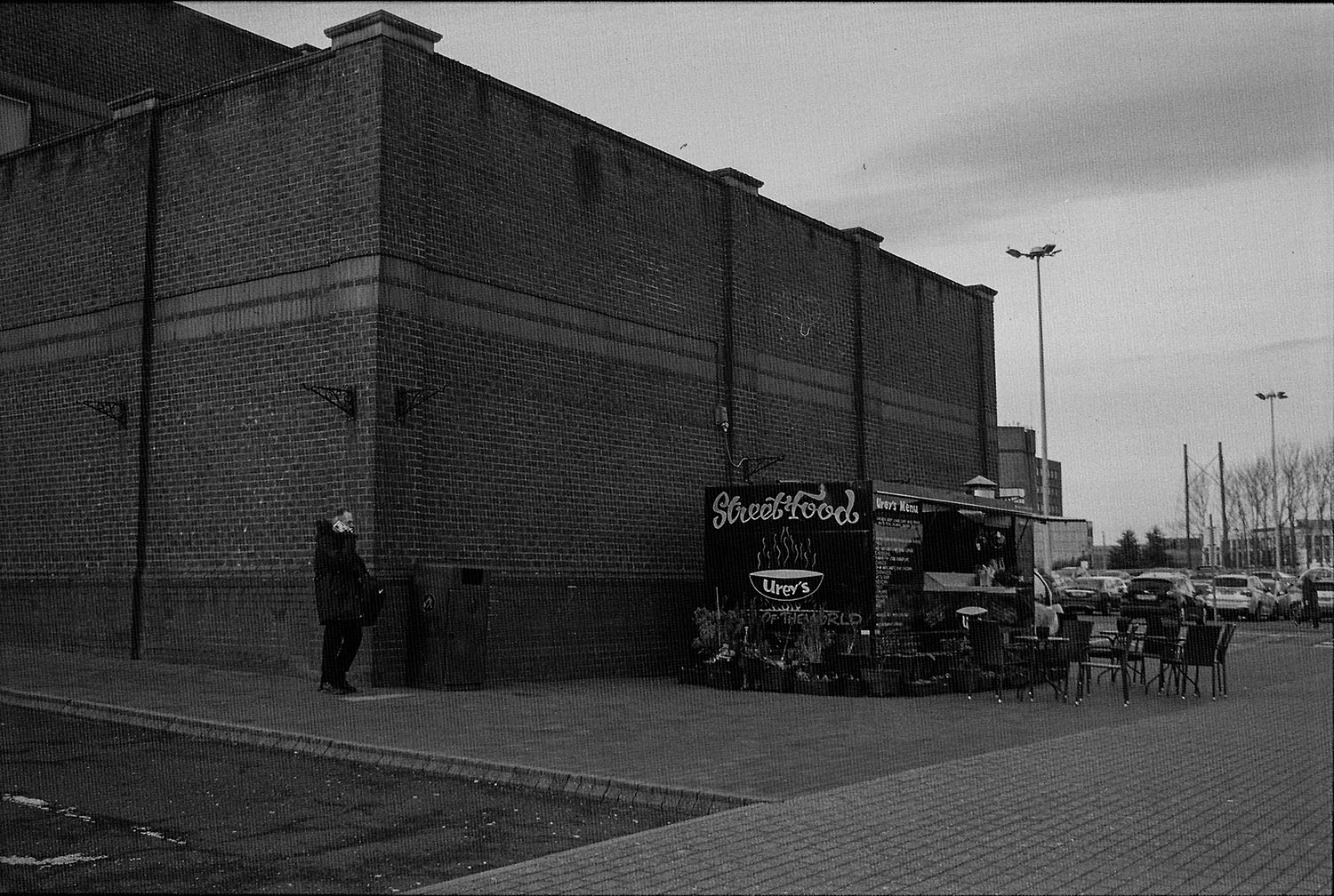
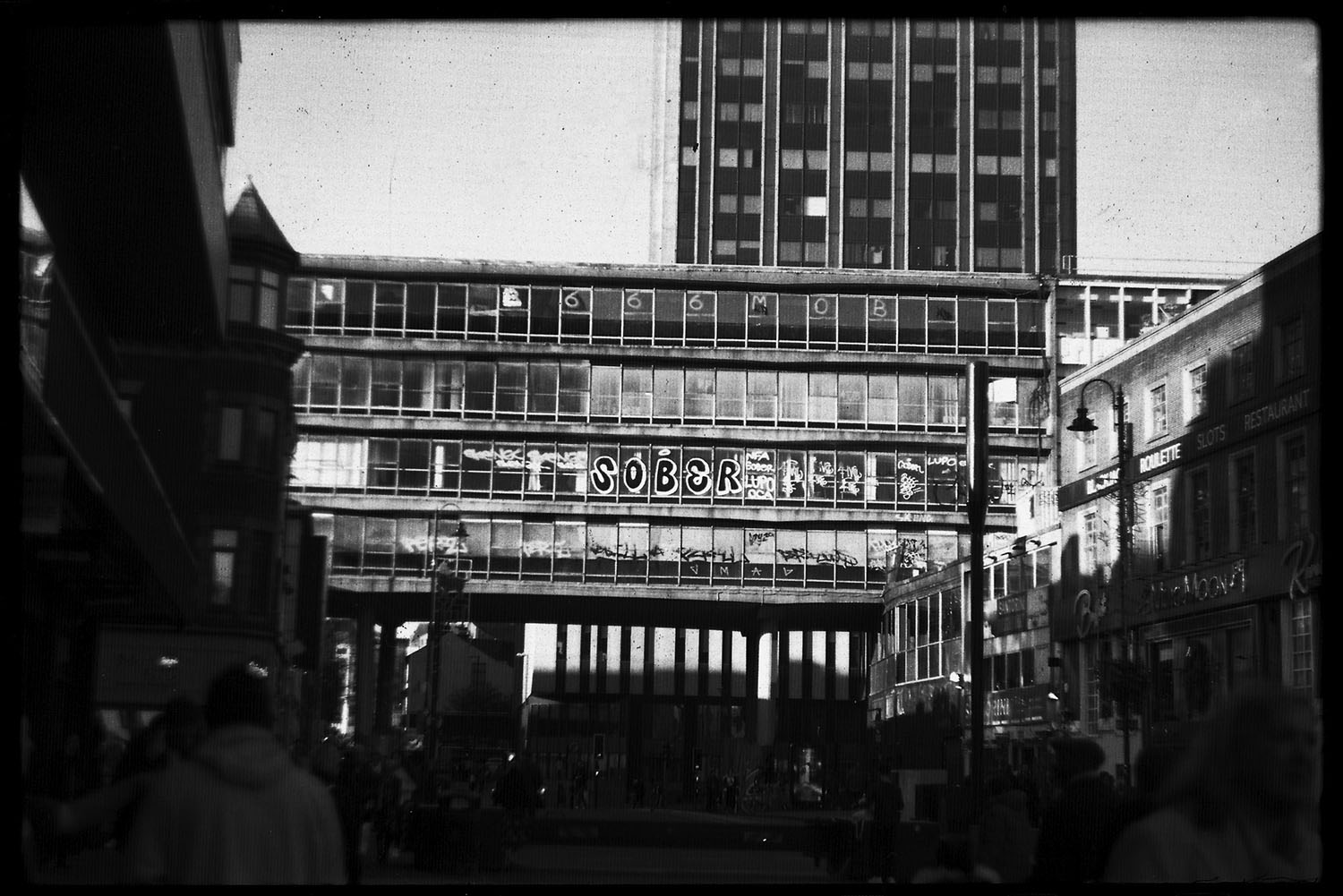
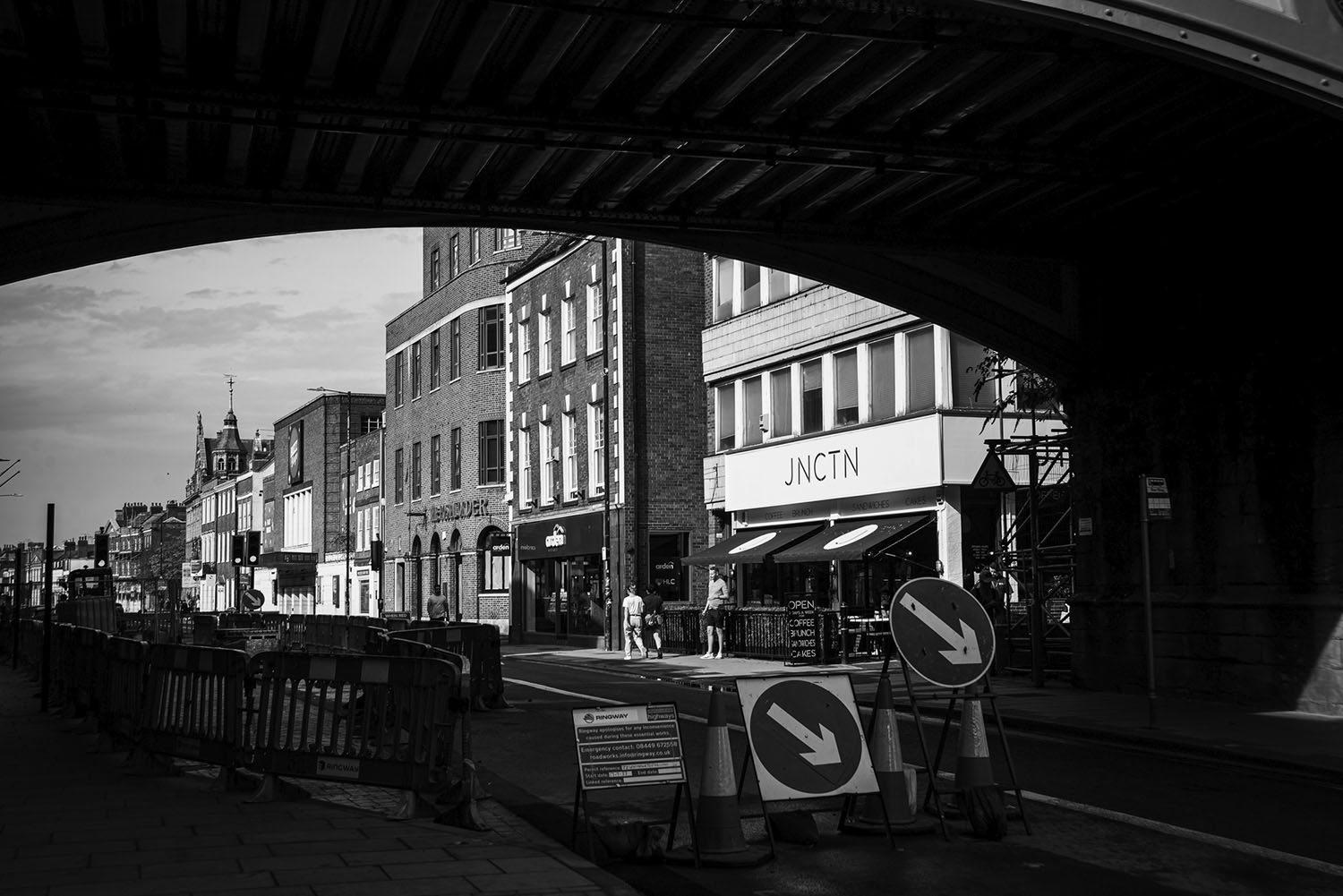
For the first project, my learnt interests in photography grew into exploring and seeking deeper meanings about our reality through photography. My concept was based upon depicting change within the urban environment in black and white imagery outcomes to express the change between the original colour format used to document early development of towns and cities. Applied to the modern day to put an emphasis upon our ever changing and developing urban reality. I further worked with capturing and developing my own B&W film to further emphasise the classical link I was seeking within this project.
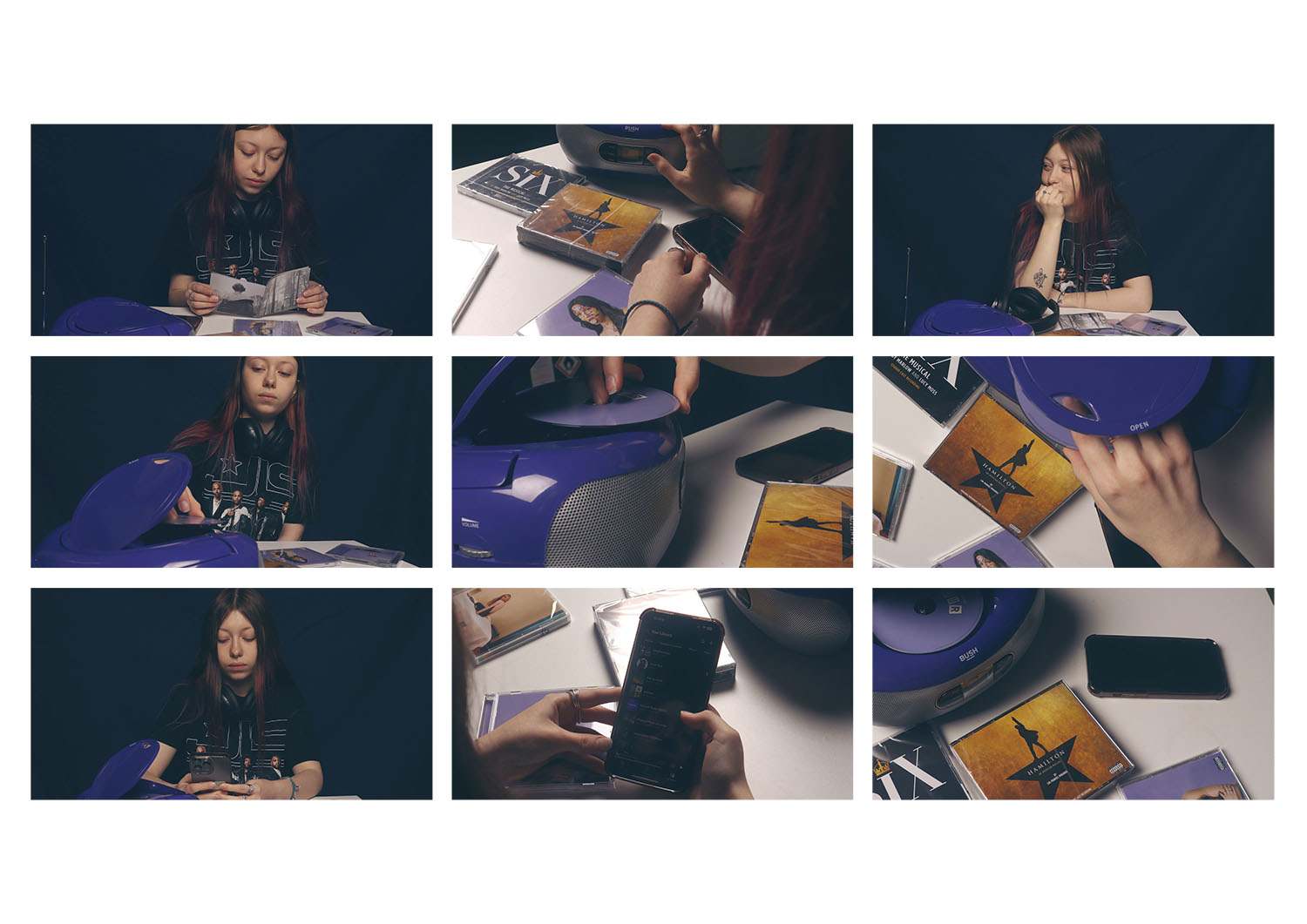
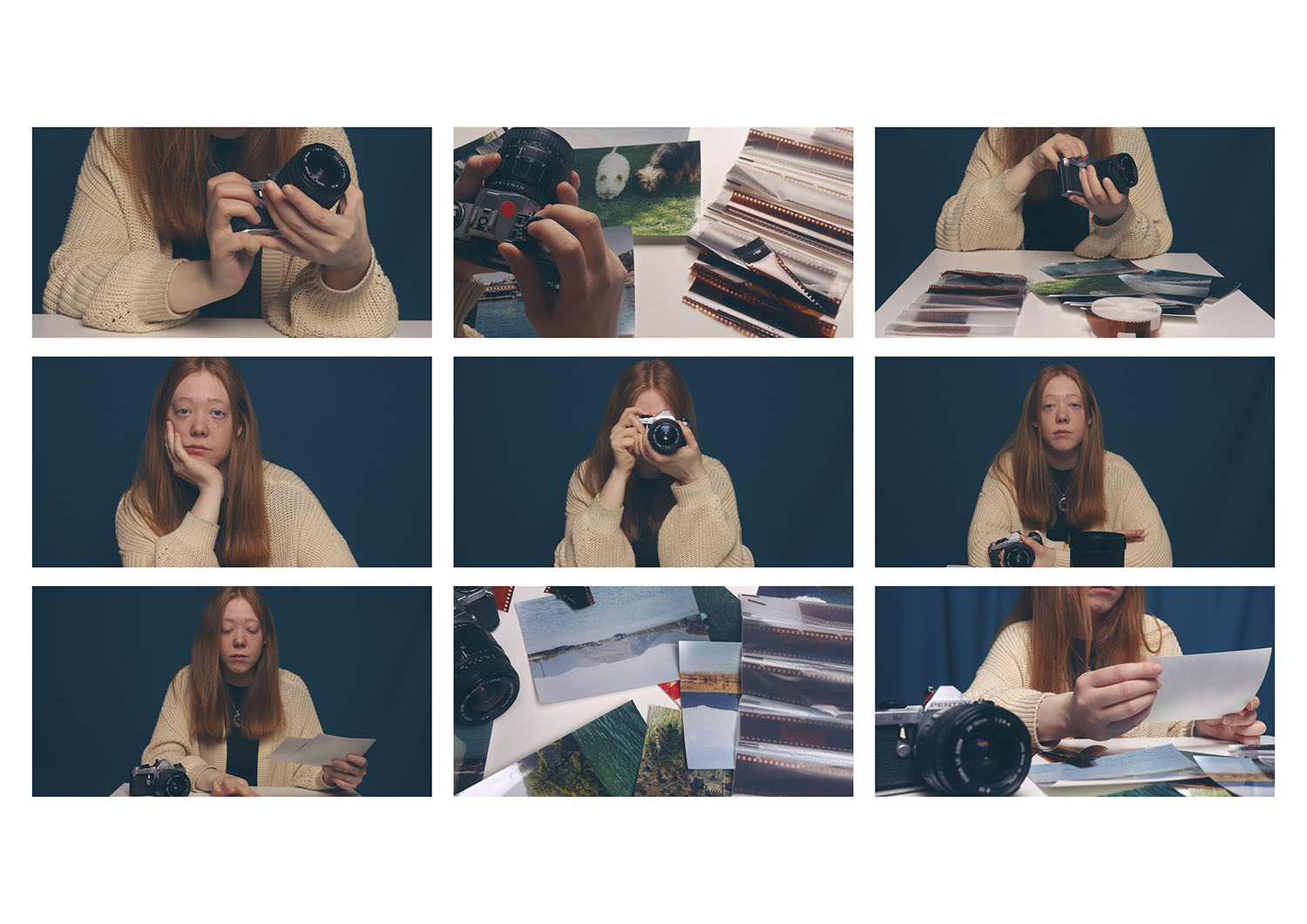
When it came to the next project, I wanted to focus on my personal reality. A camera gives you the ability to freeze a moment in time, something you can look back and be nostalgic, sentimental or even grateful for. This understanding made me want to seek out my reality and capture significant moments in my life in relation to the set topic of table. In my final I understood that; the table became a symbolic reference to what was important and held importance within my life.
My plans are that I intend to study photography at university. My chosen university is Birmingham City University.
As a purpose built, self-contained A-Level centre with the goal to educate and enthuse the next generation of learners, Dudley Sixth is fast gaining a reputation for being one of the best places to study A-Levels in the Black Country, Birmingham and the wider West Midlands region.
Our A-Level courses in Fine Art, Graphic Communication, Photography and Textile Design are your gateway to Higher Education, Higher Apprenticeships or employment. The majority of our learners plan to progress onto university and many accept places at a range of Russell Group universities, including Birmingham, King’s College London and Manchester, as well as other local prestigious universities including Aston and Keele.
With subject specialists guiding you through your two-year A-Level programme, you will receive the highest quality education. Our aspiration is for you to achieve your potential and have a very successful future.
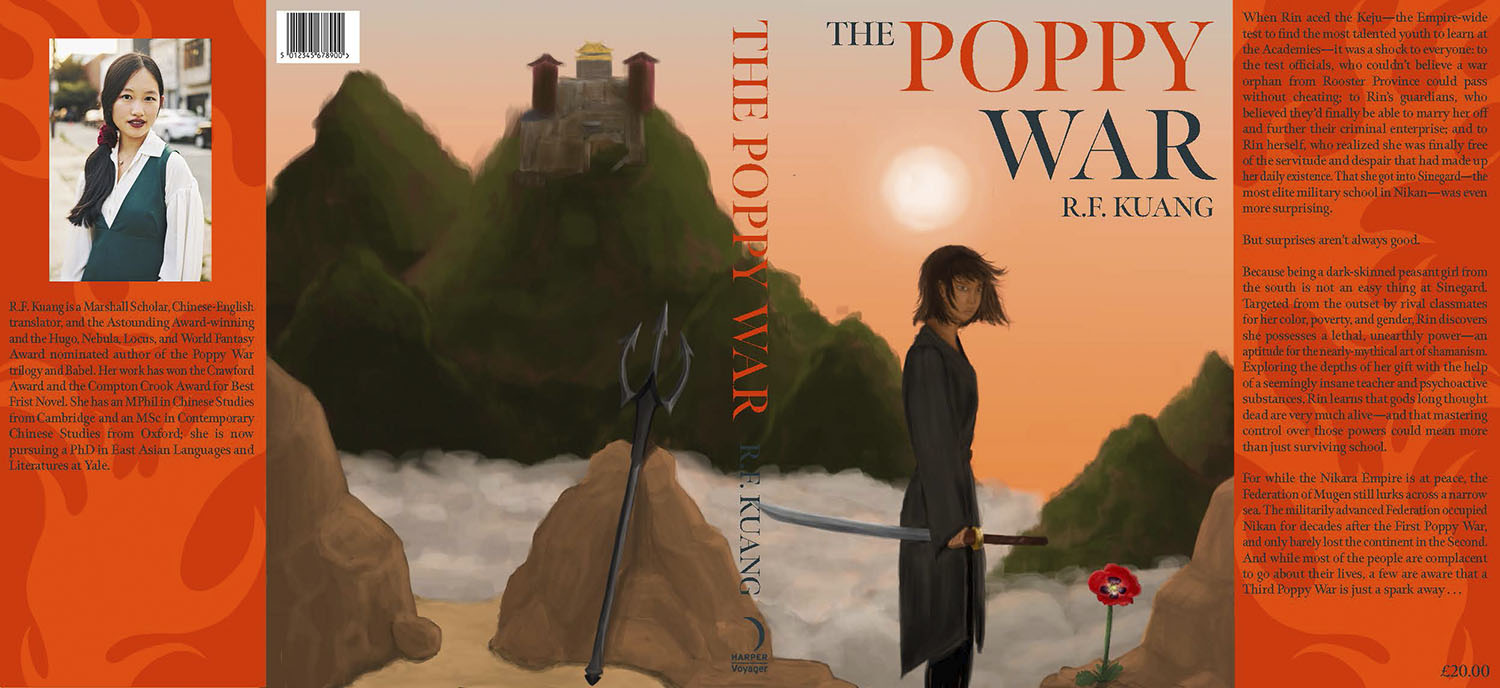
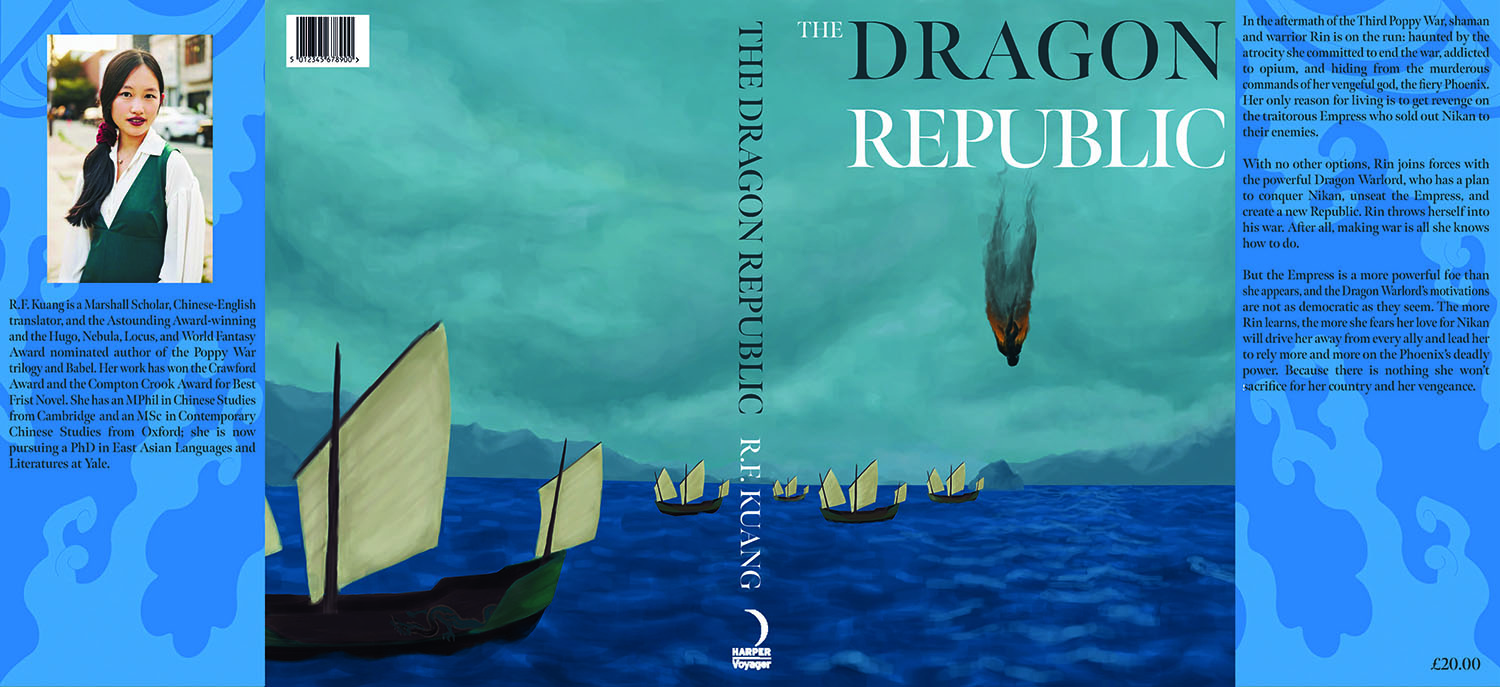
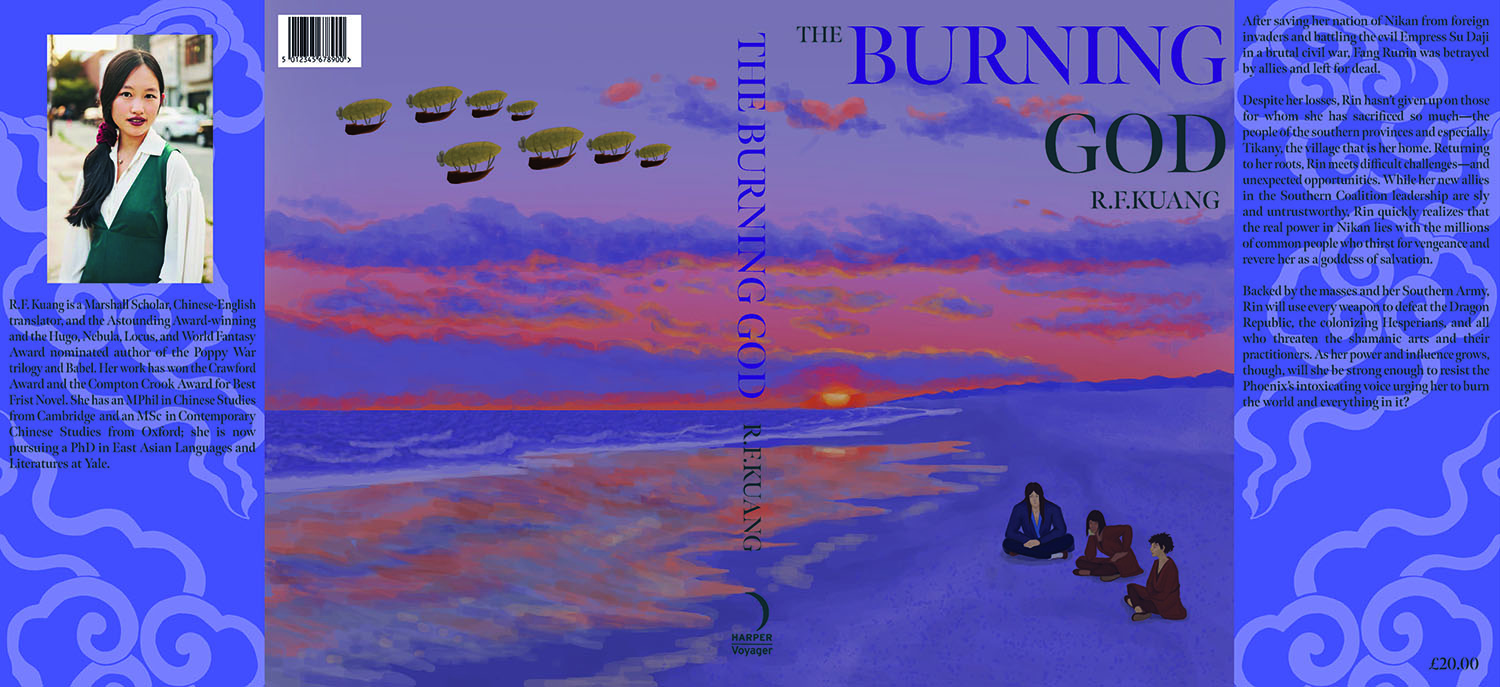
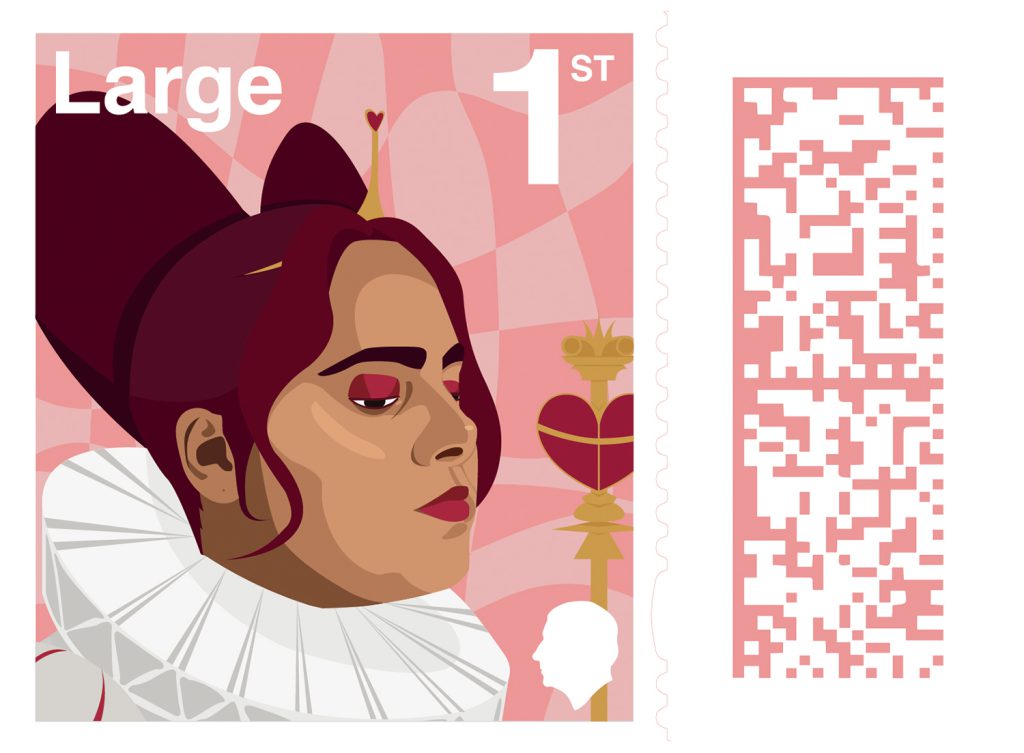
The role of a graphic designer is incredibly varied. You may find yourself immersed in a fantasy world while designing a set of illustrations for a book, or exploring complex data to create exciting and vibrant infographics that inform rather than confuse.
Graphic communication students at Dudley Sixth are introduced to a wide selection of processes and techniques. Using a range of both traditional and digital methods, they are encouraged to move beyond their comfort zones to produce a variety of work supported by an understanding of design theory and a developing awareness of contemporary practitioners to inform and influence their ideas.
In their second year, students begin to develop their own visual identity while becoming increasingly self-directed and independent, producing a collection of work tailored to their interests and specialisms. This could be an advertising campaign, design work for a clothing website or a set of illustrations for an album sleeve or book. Throughout the year, students will be encouraged to try new approaches and consolidate the skills they have learned in their first year to produce strong, challenging and professionally-produced designs. I believe you will see all of these qualities in this year’s second year work. I hope you enjoy it.
Chris Worley, A-Level Graphic Communication Tutor, Dudley Sixth
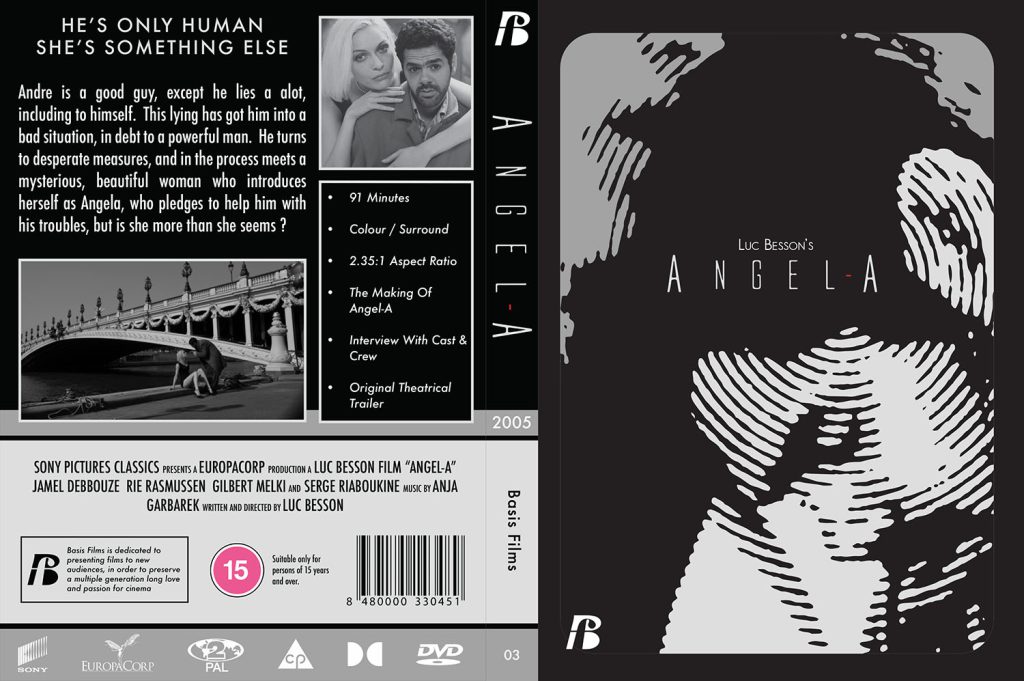
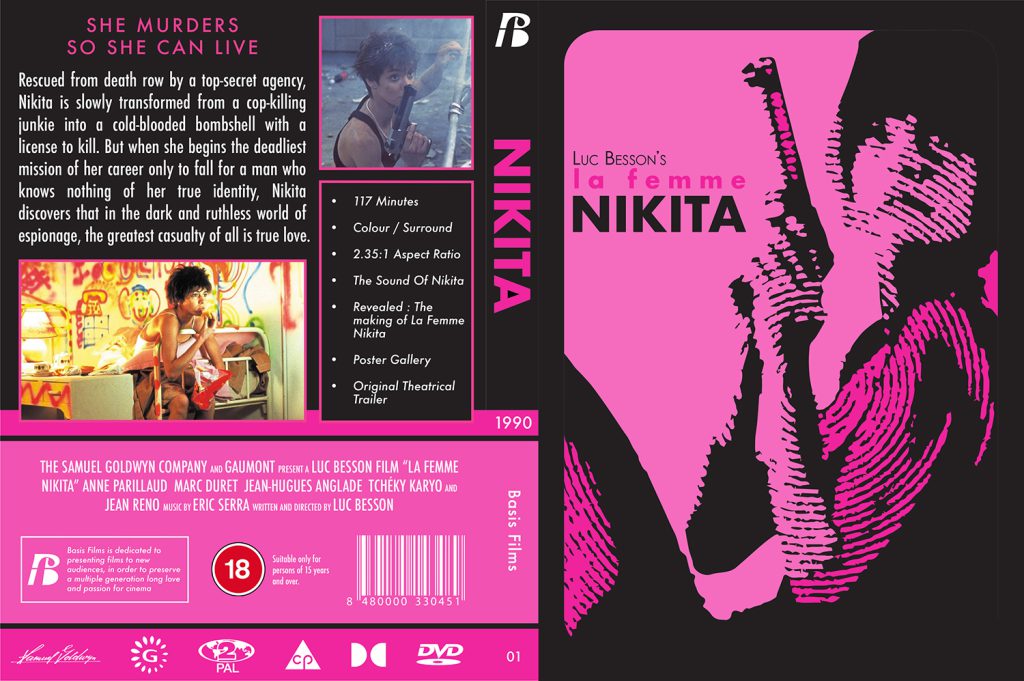
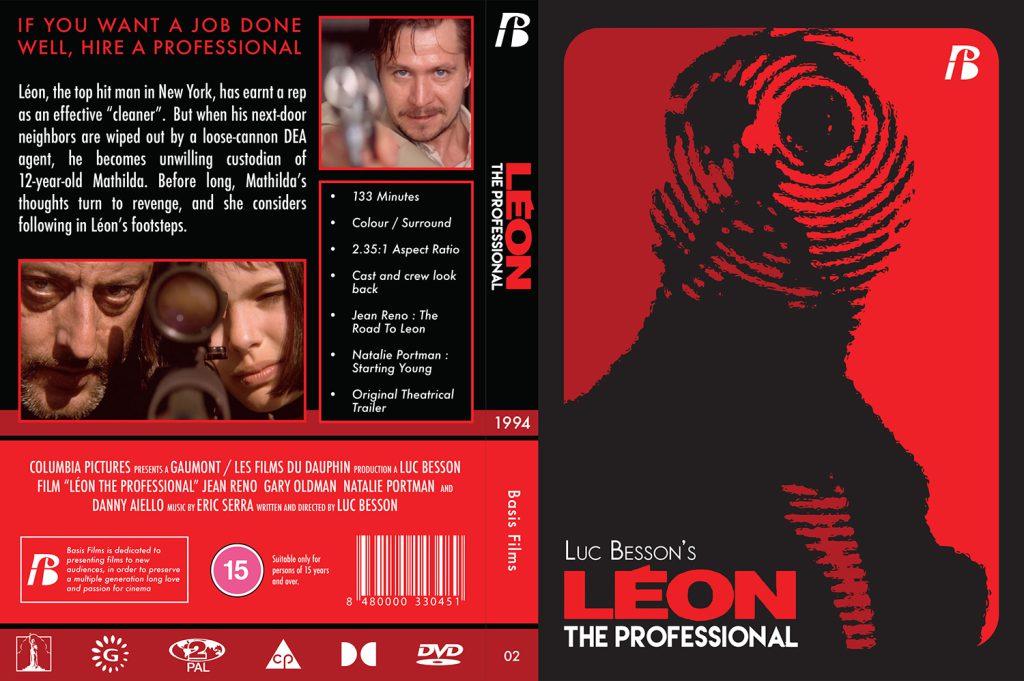
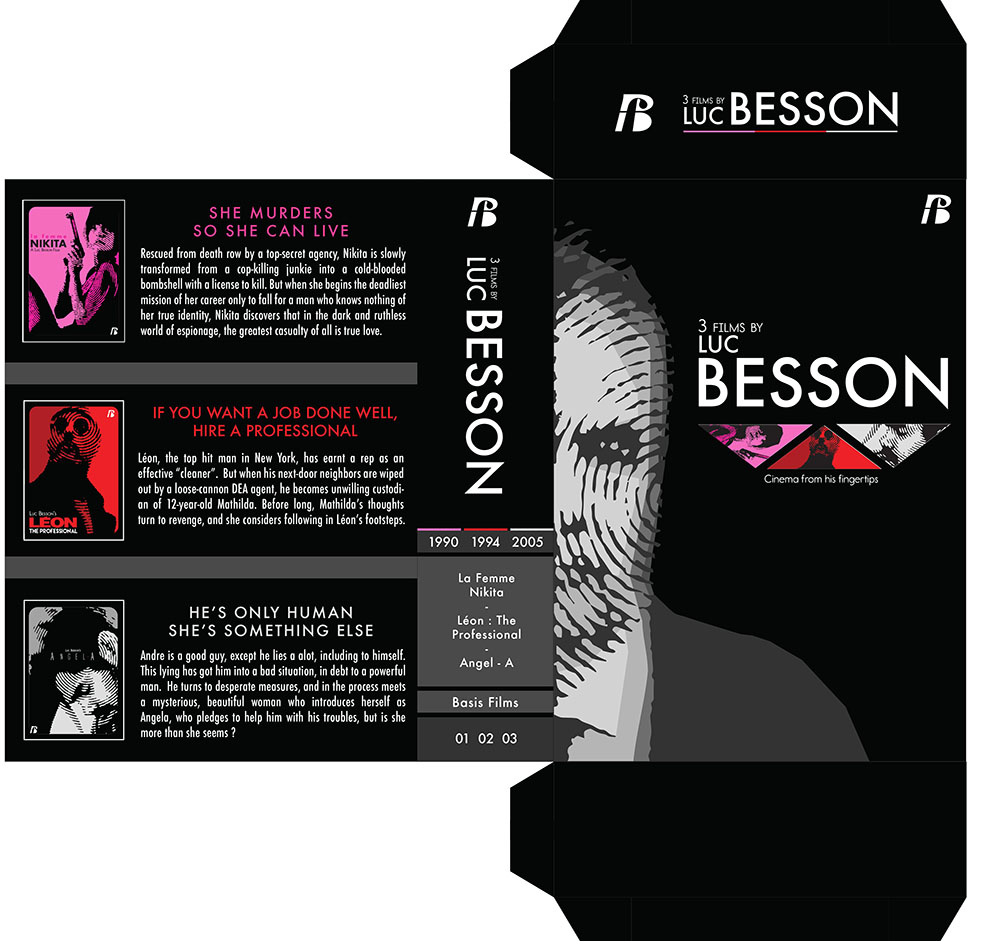
Ben Fletcher
HCA One to Watch Second Prize Winner
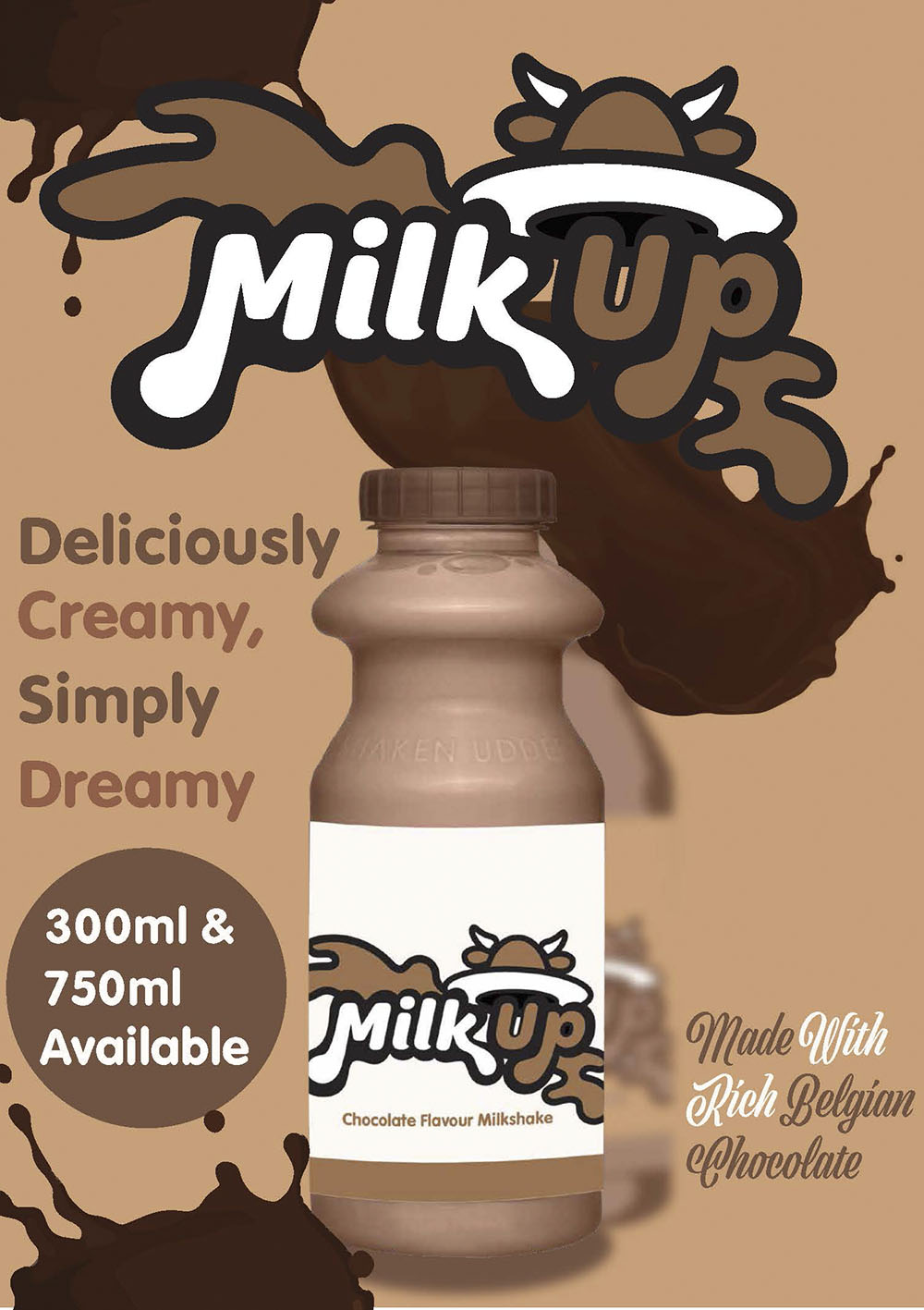
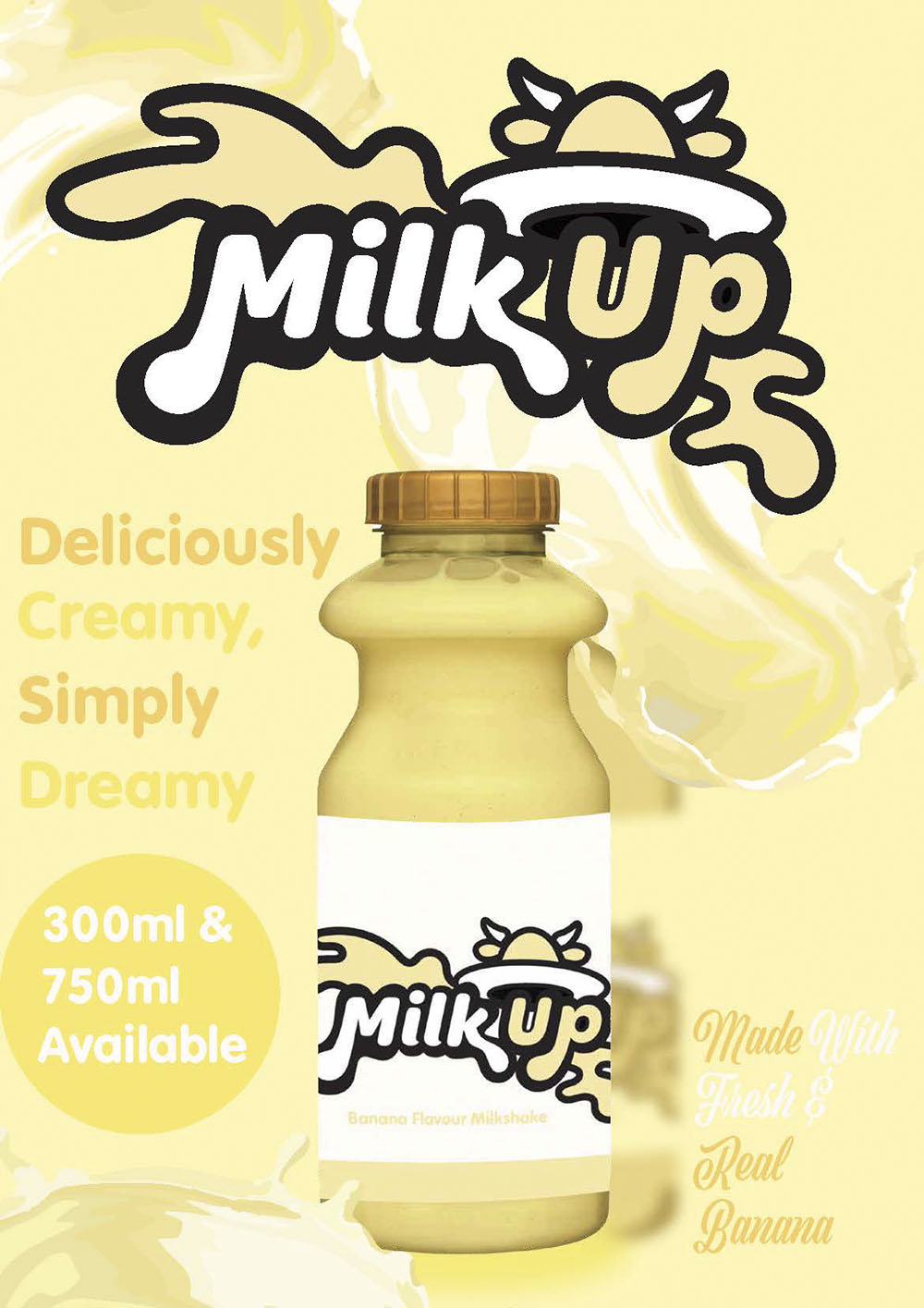
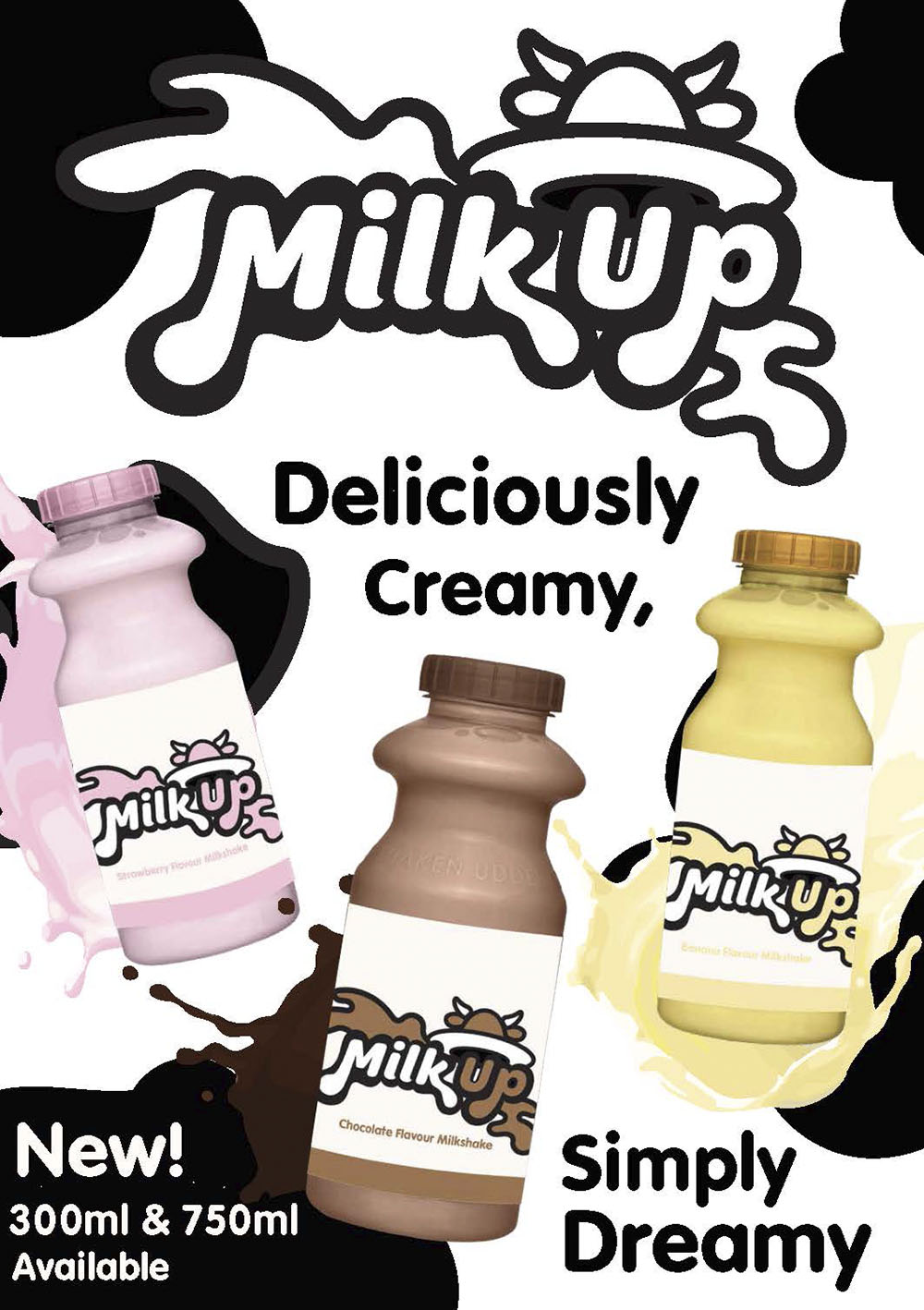
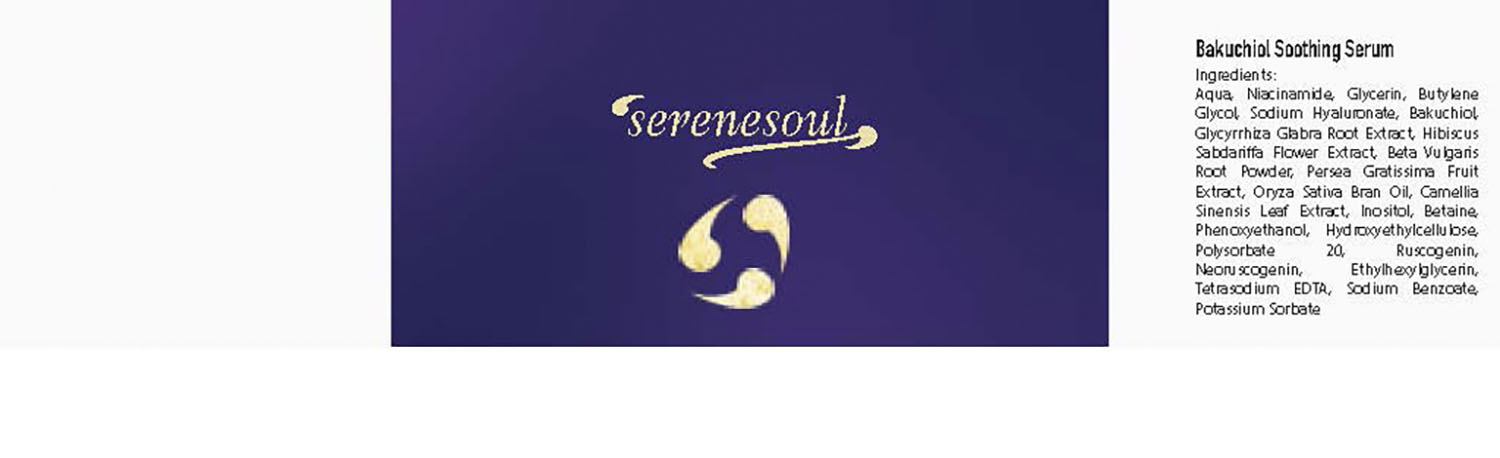
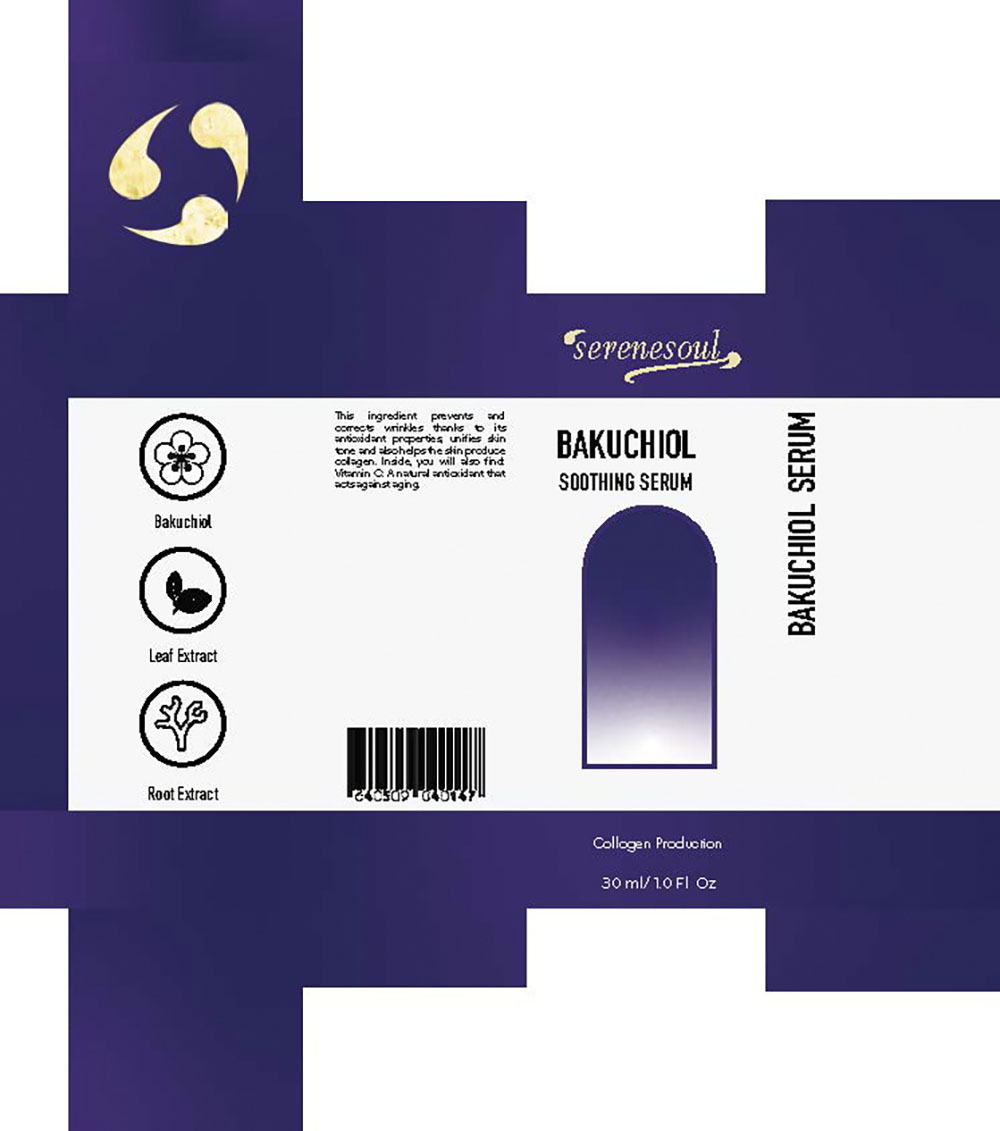
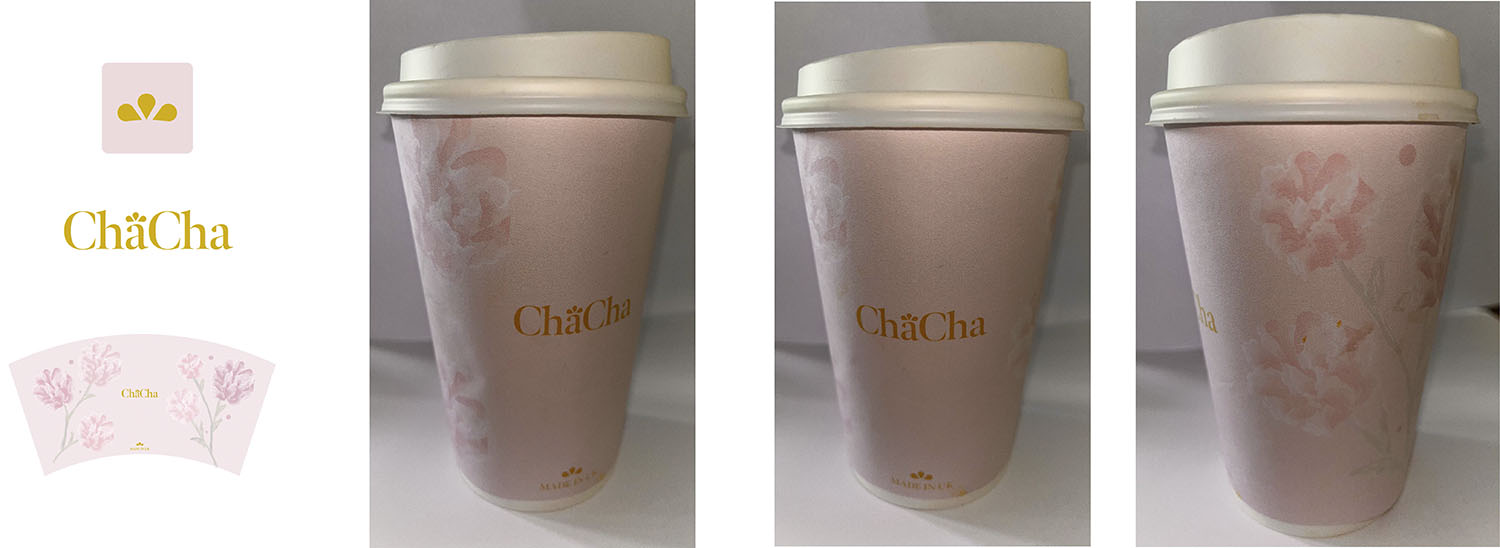
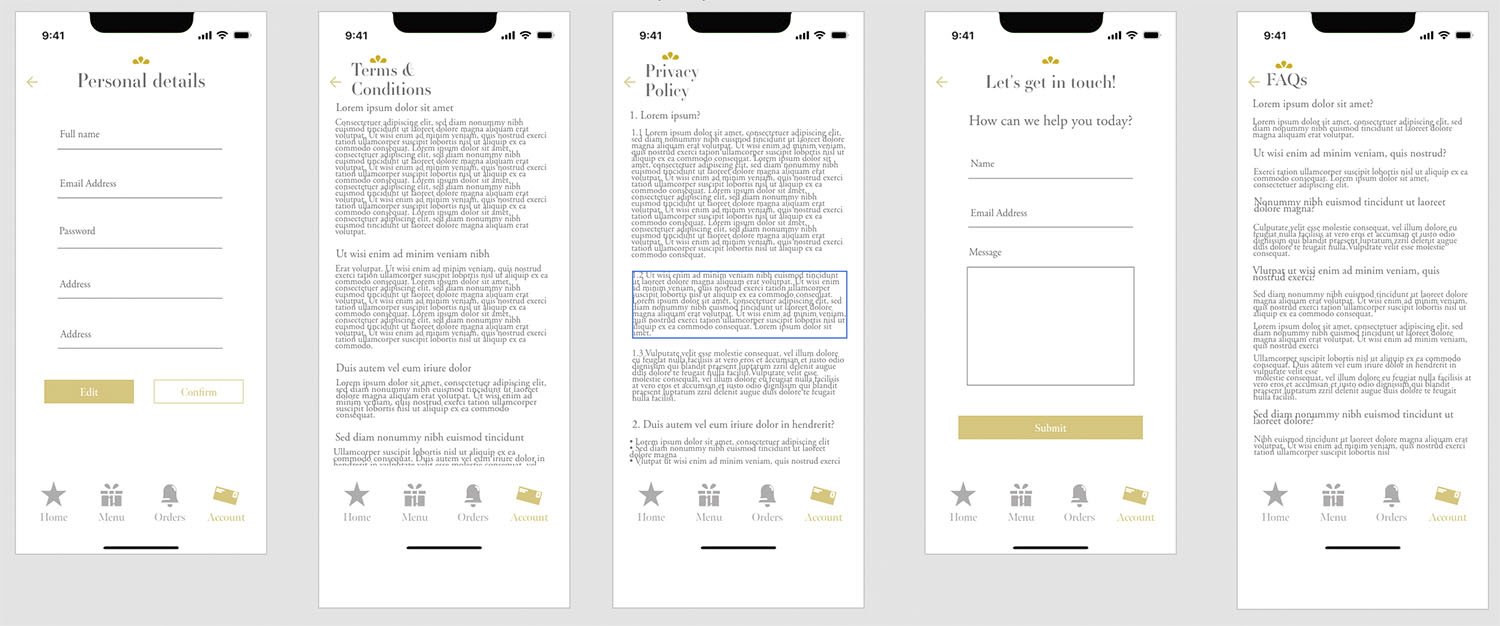
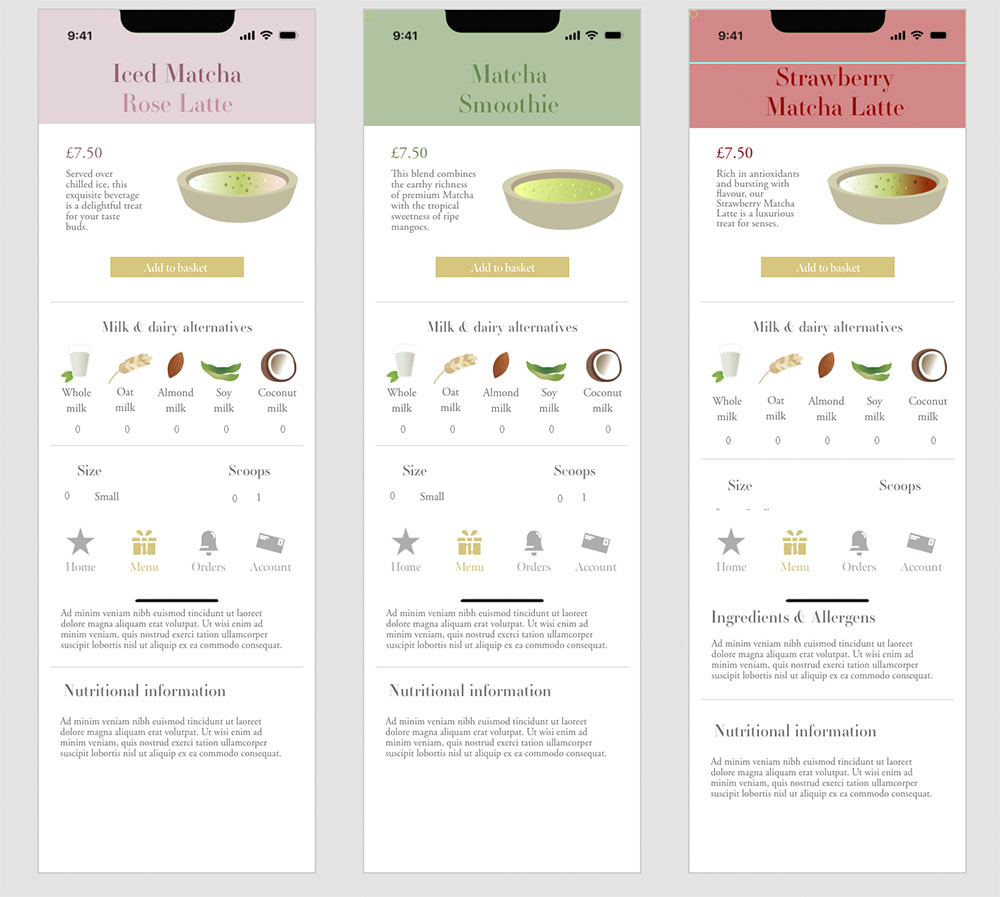
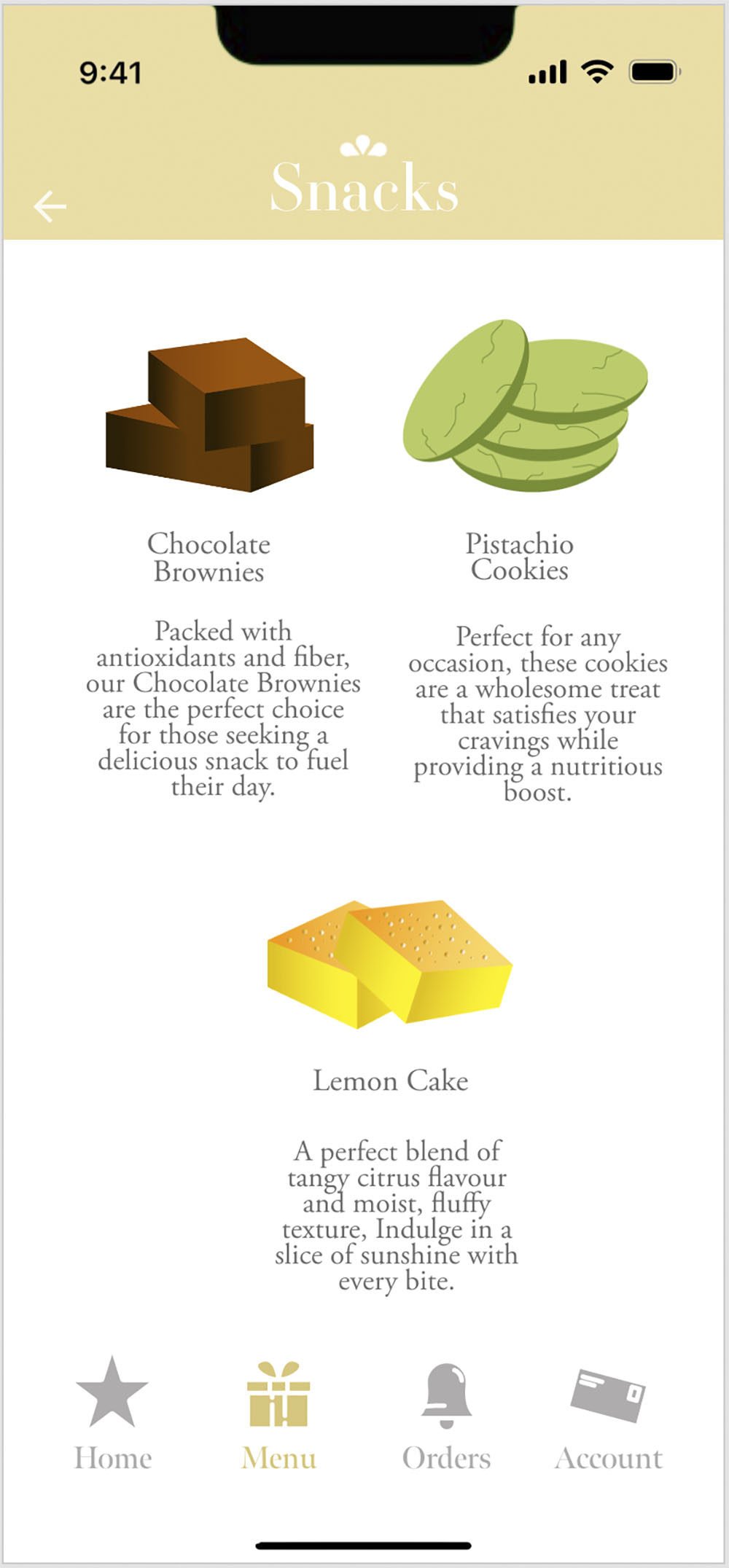
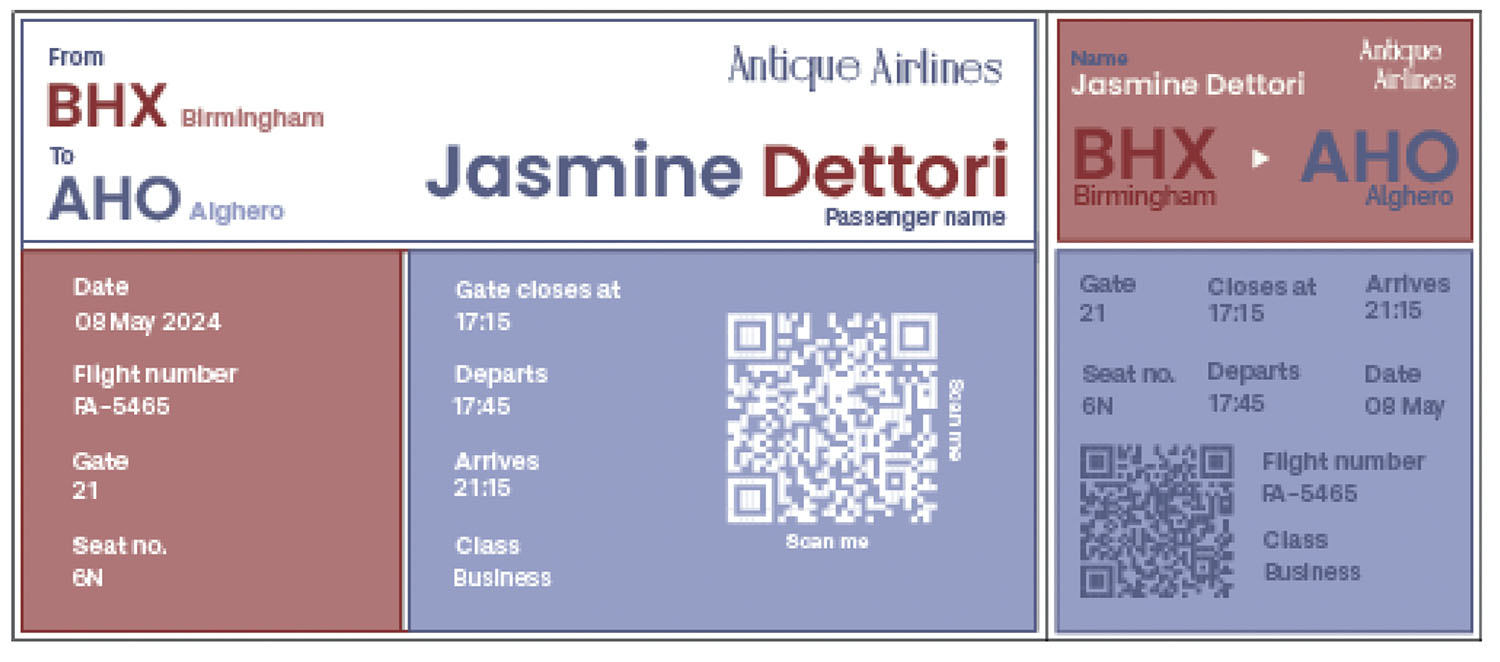
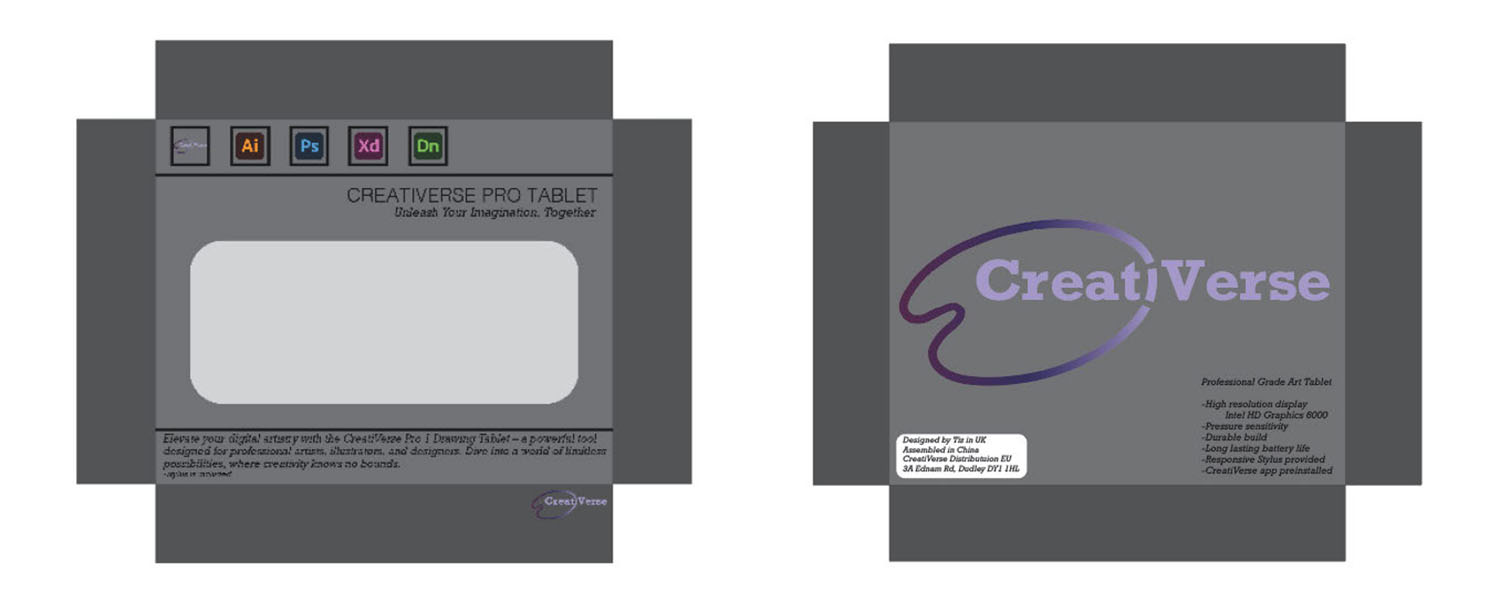
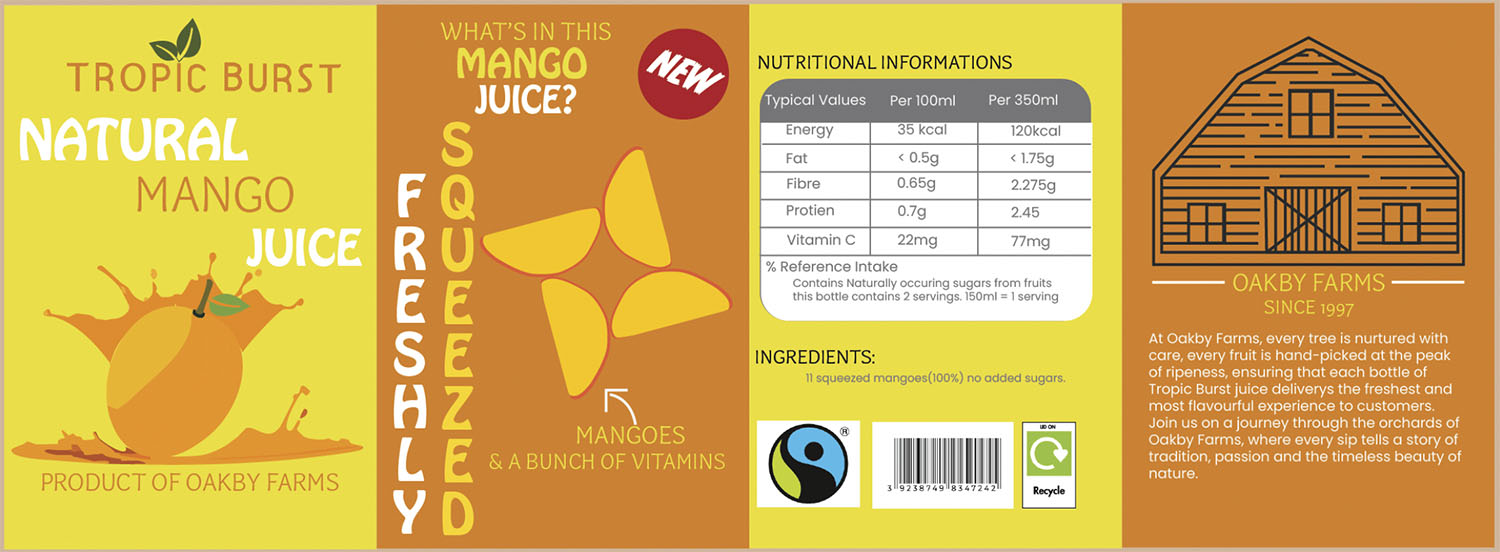
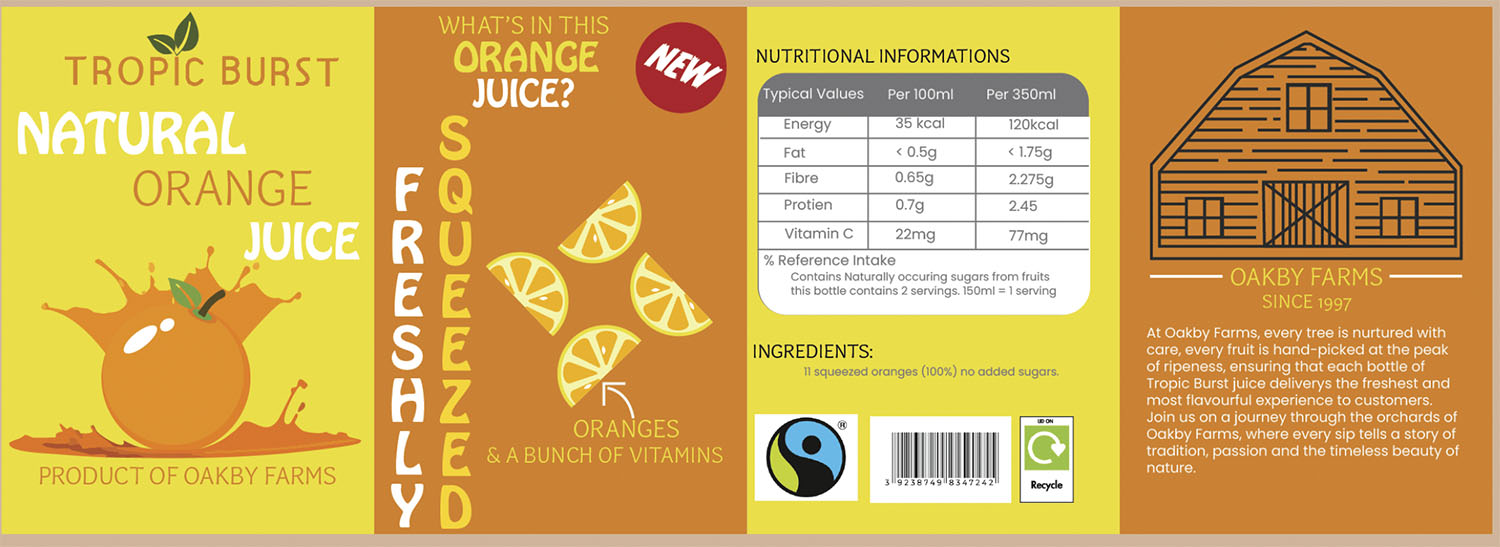
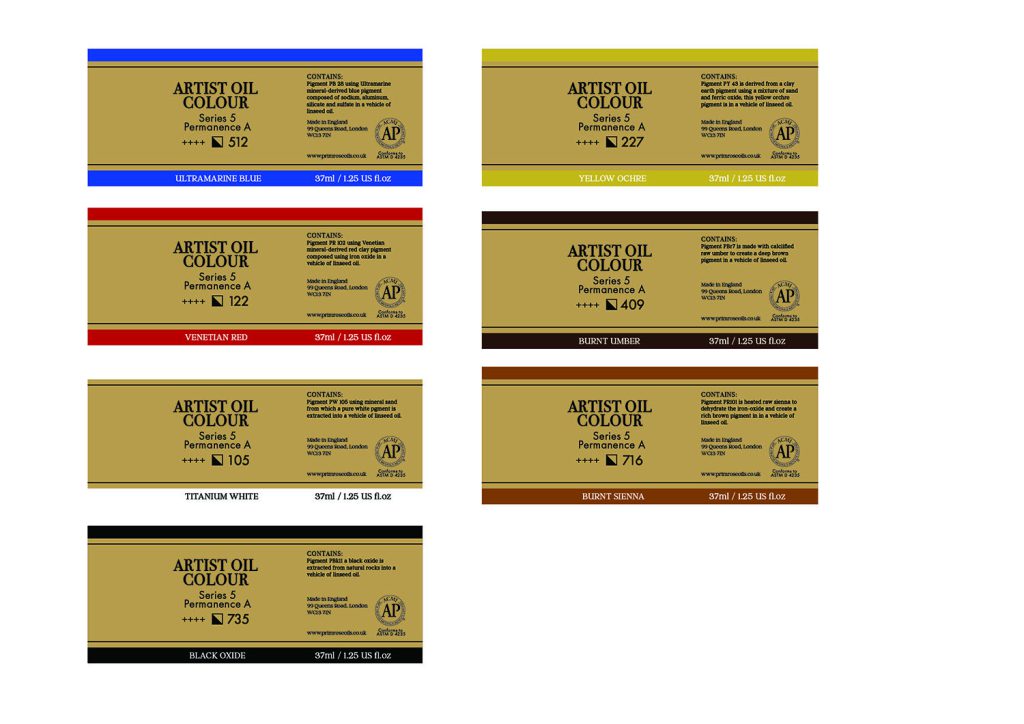
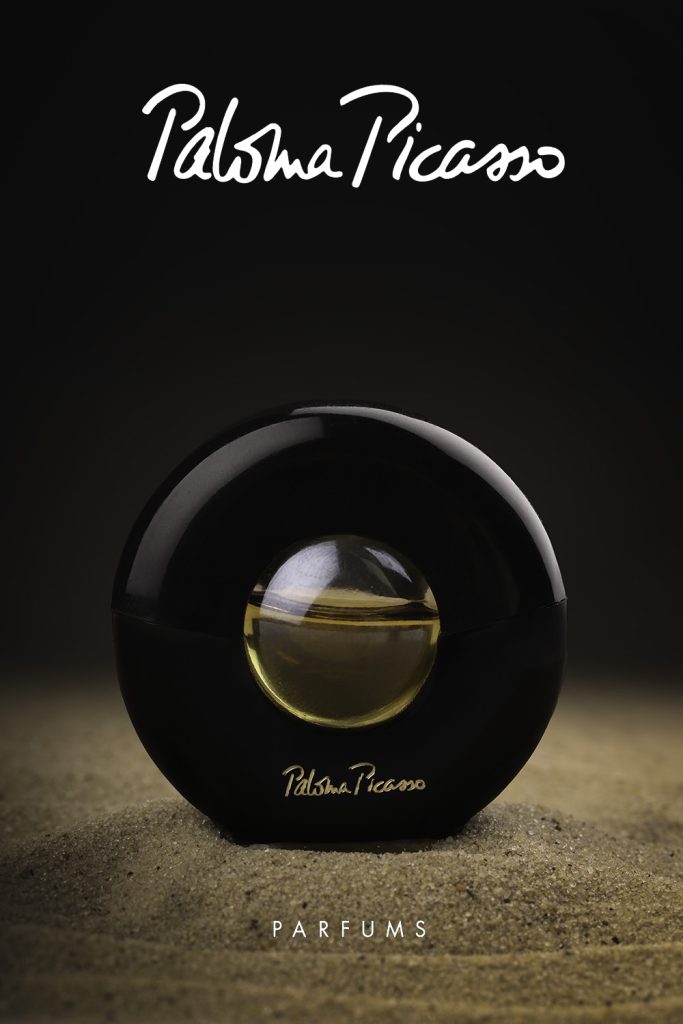
Calido Restaurant Branding Design Brief
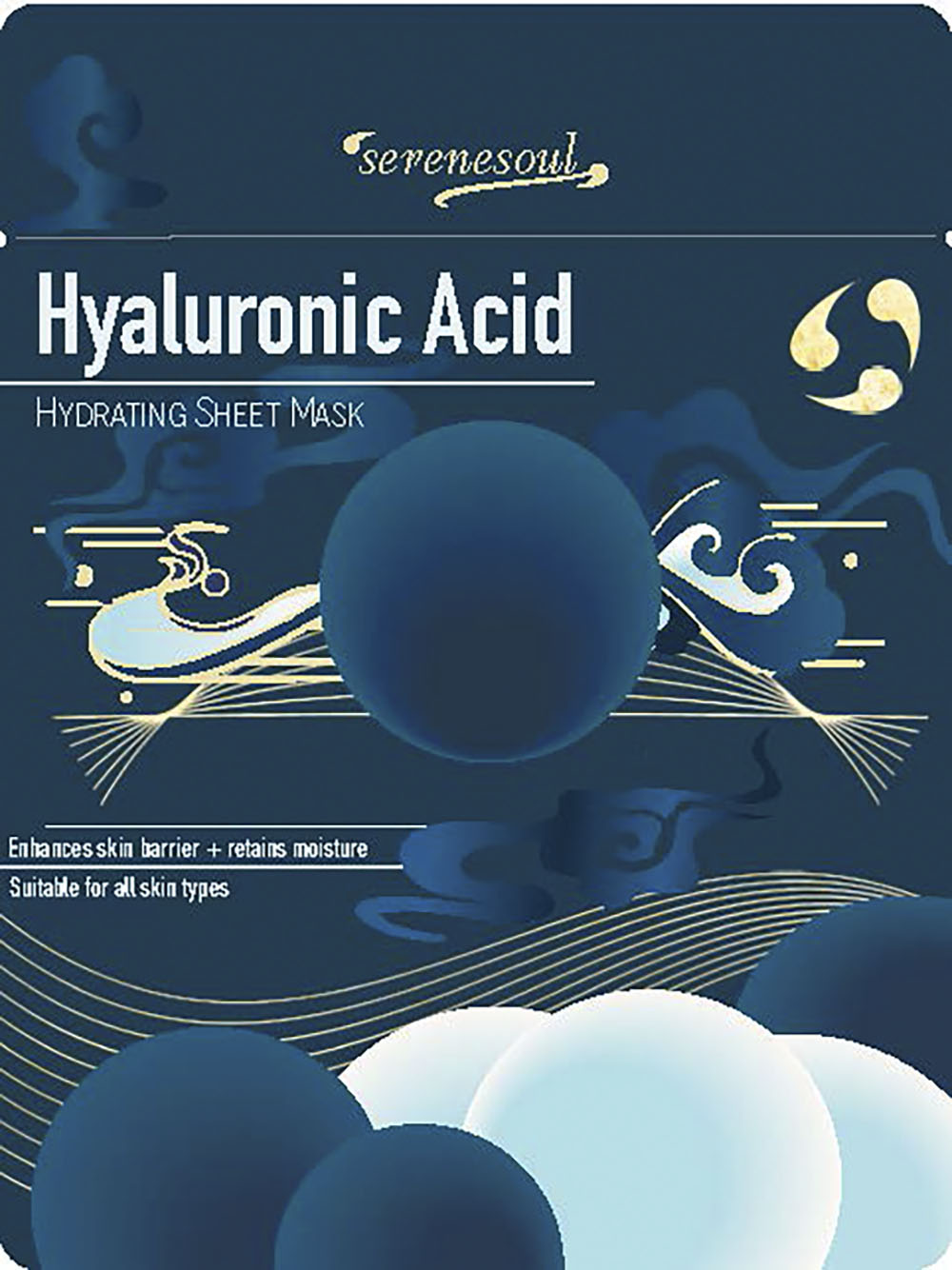
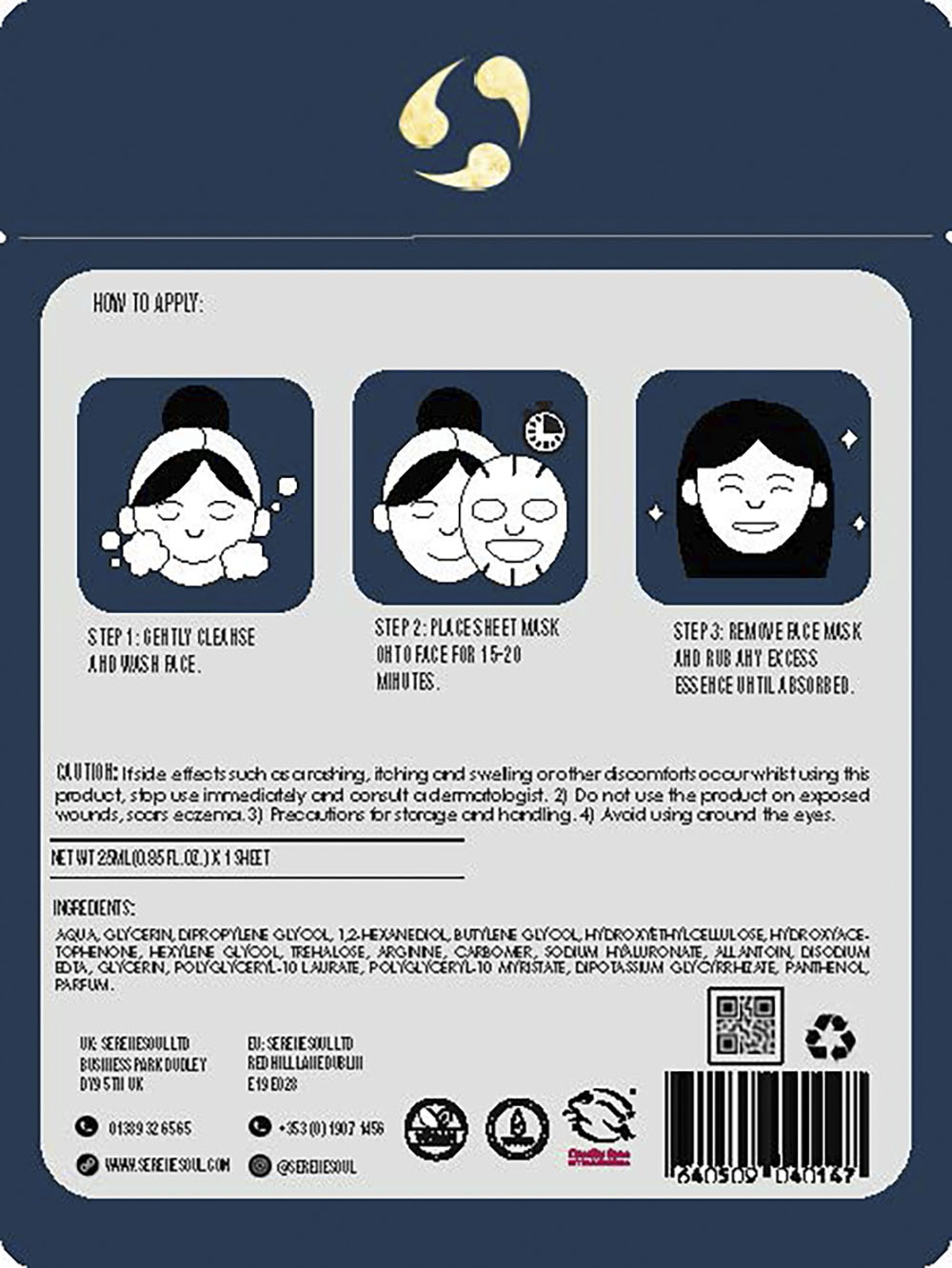
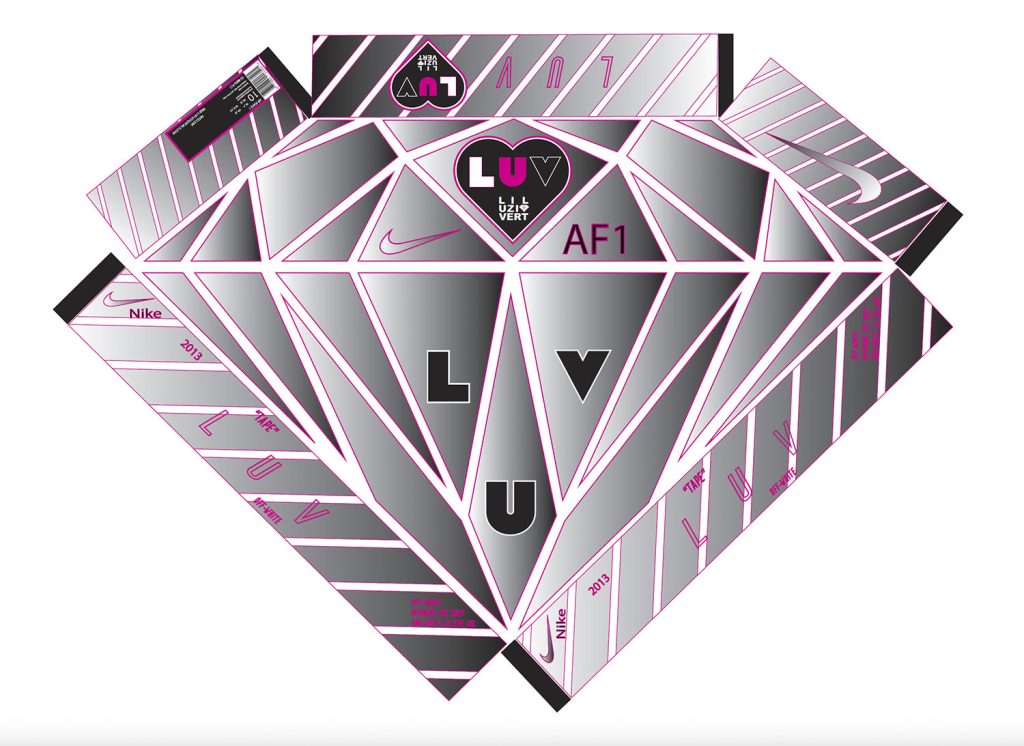
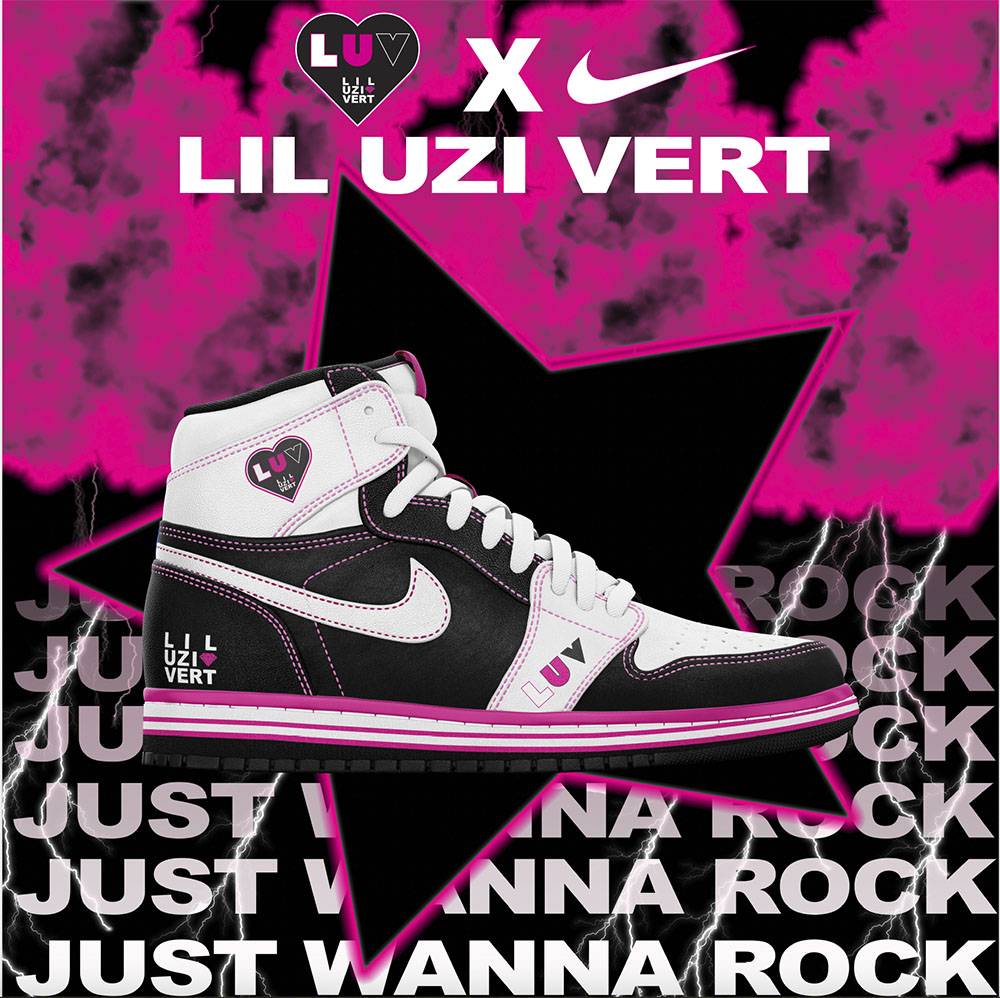
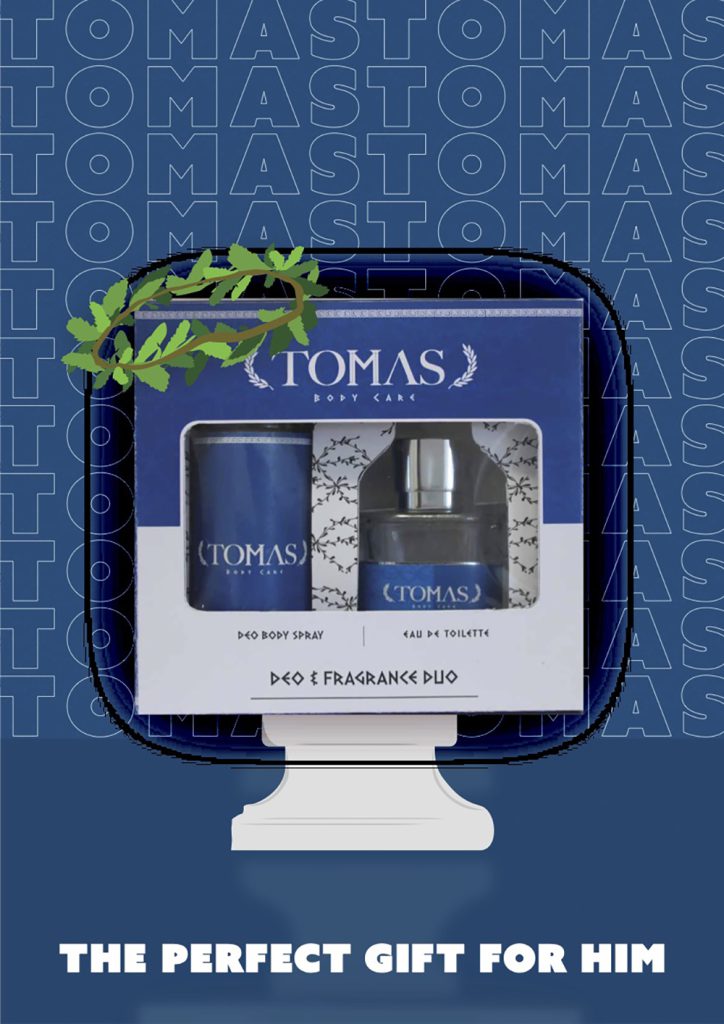
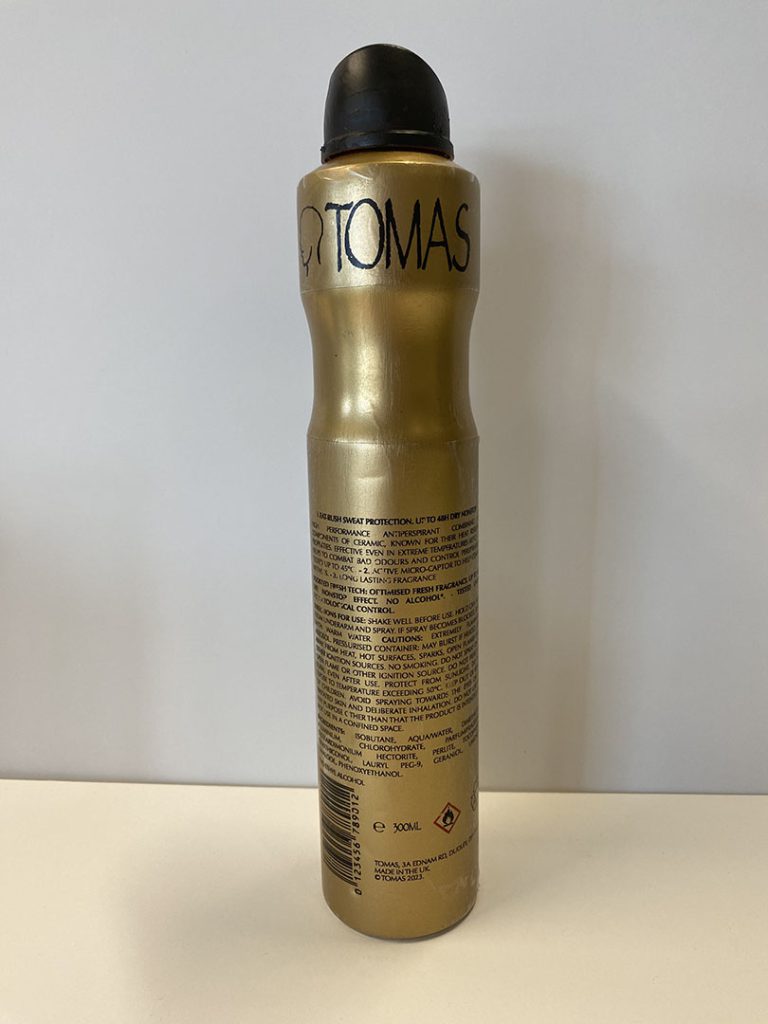
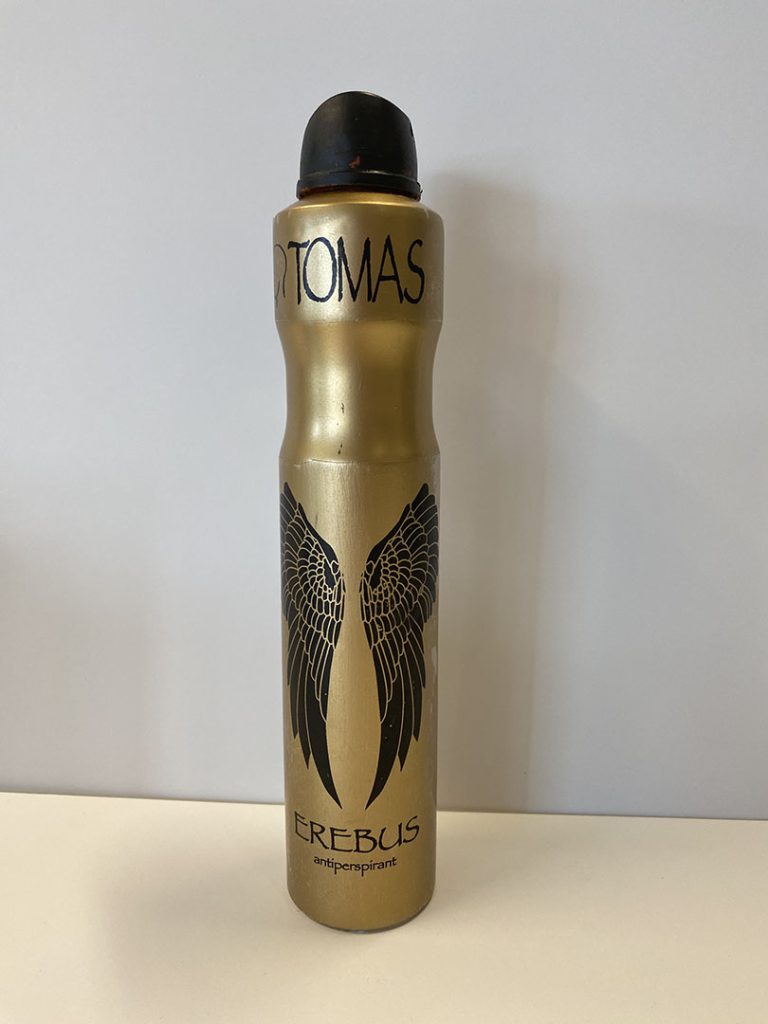
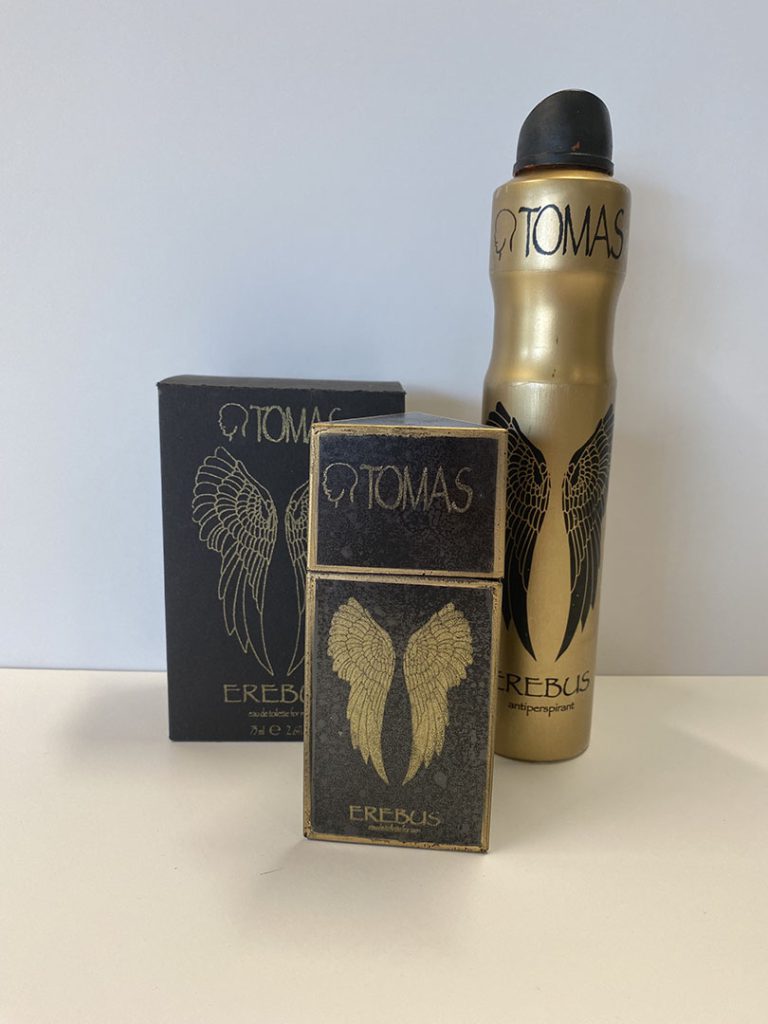
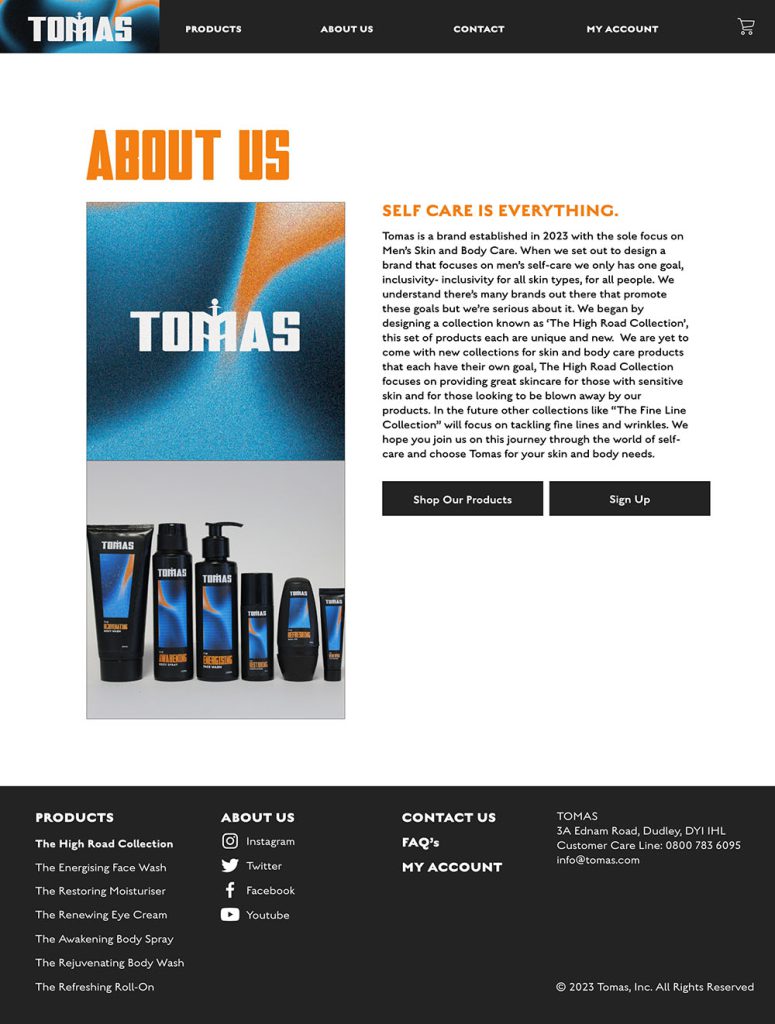
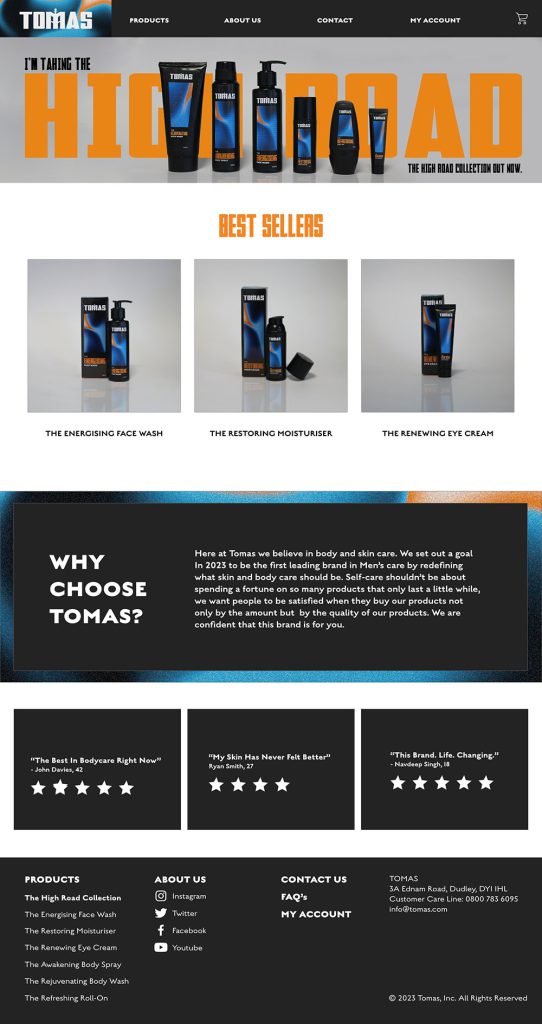
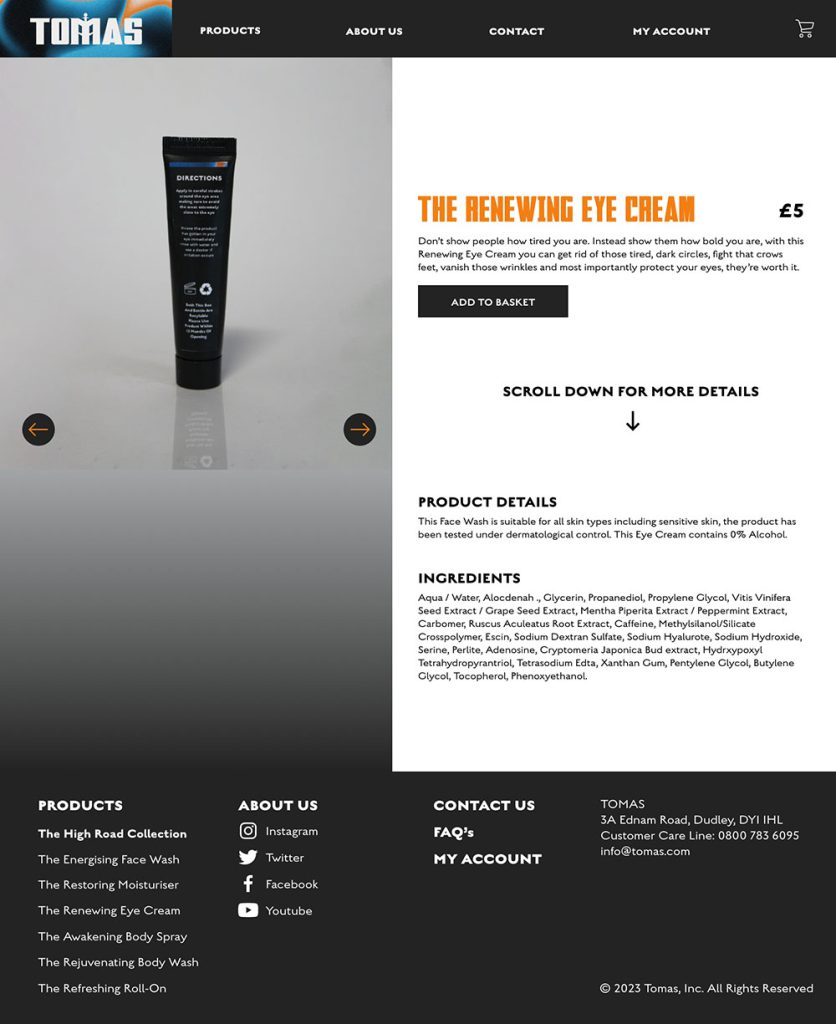
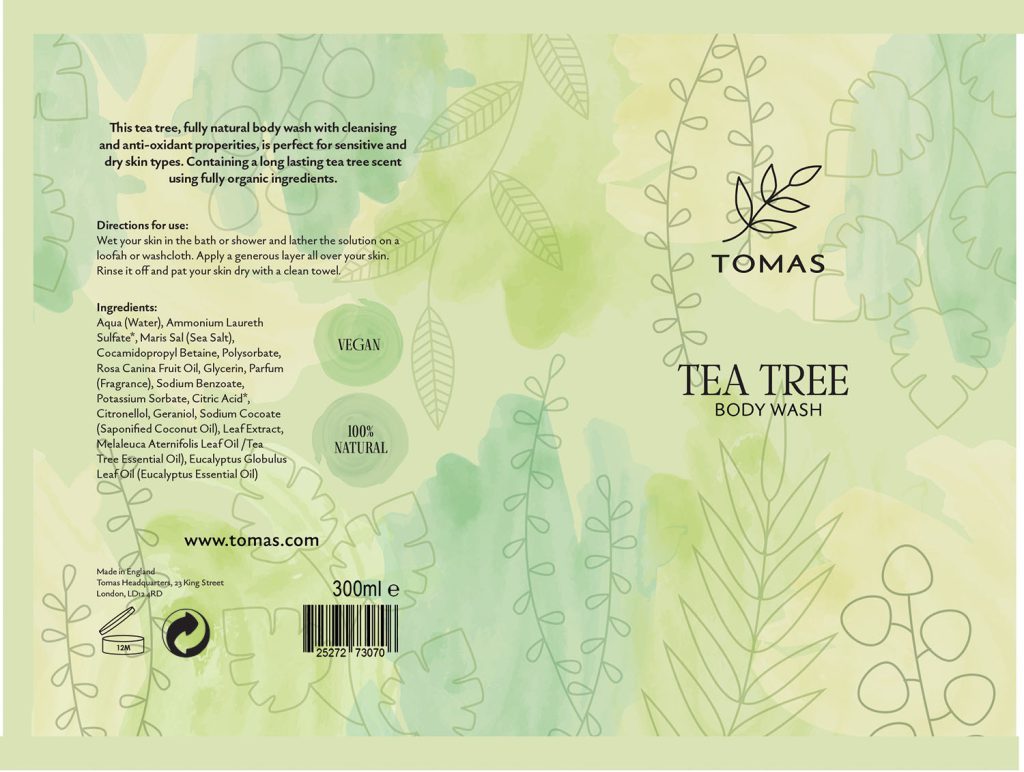
Tomas Product Branding Design Brief
Aman Gill
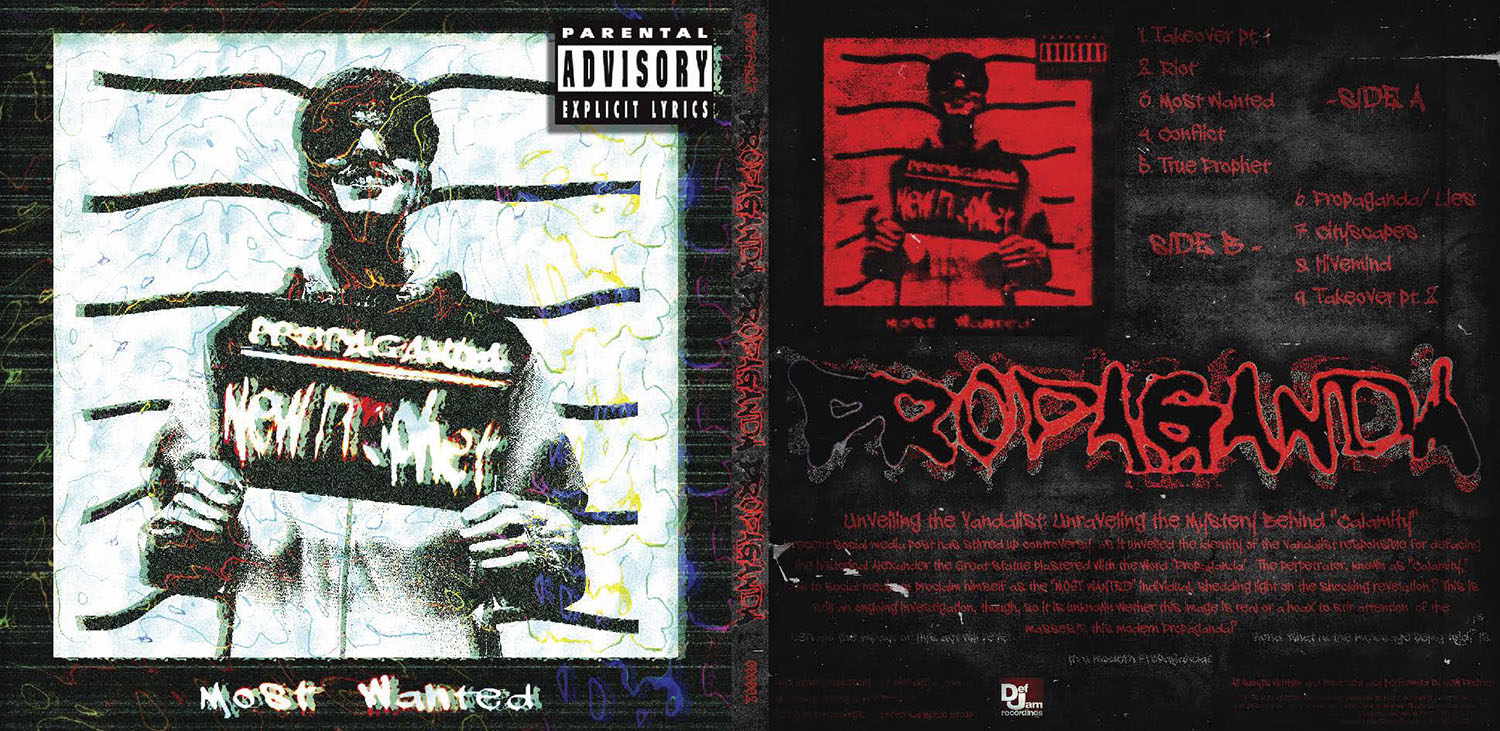
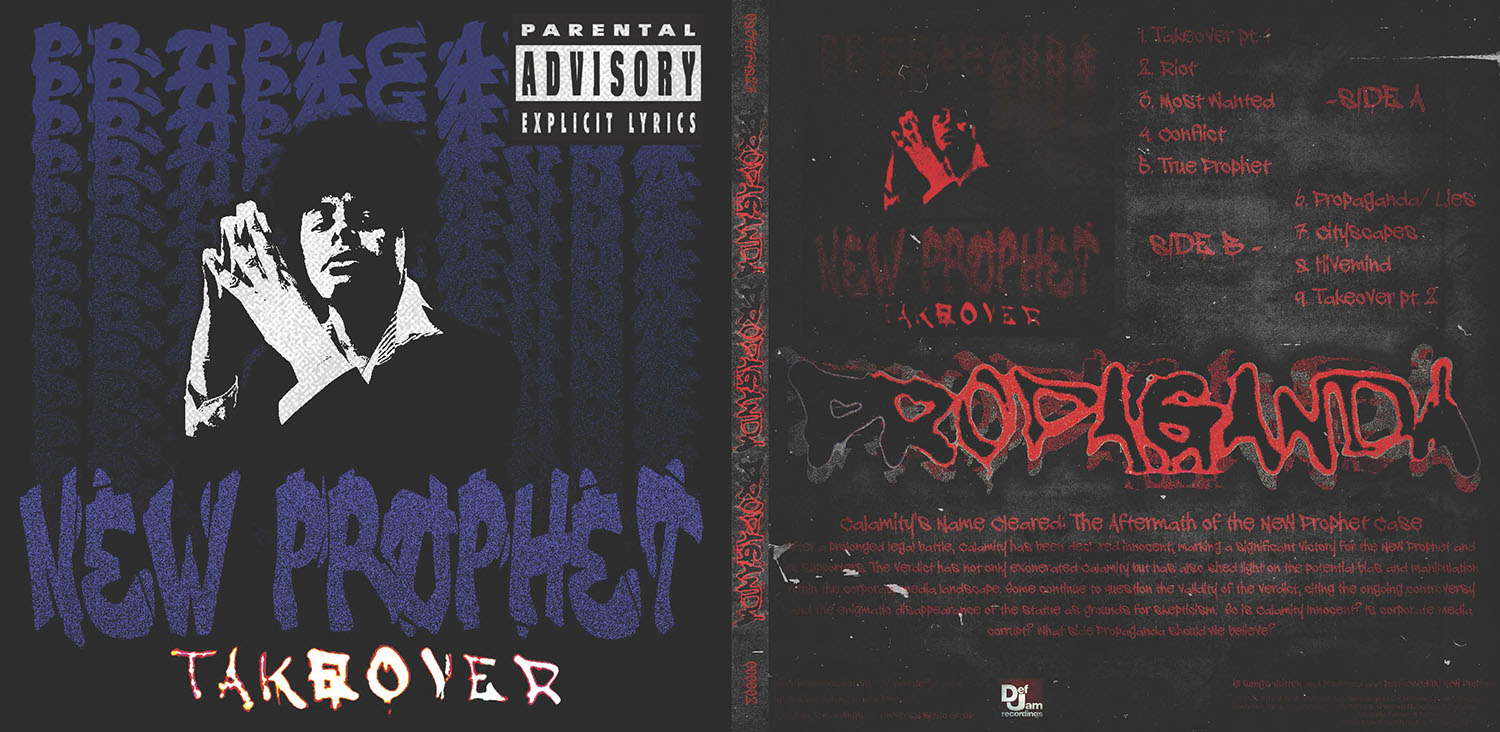
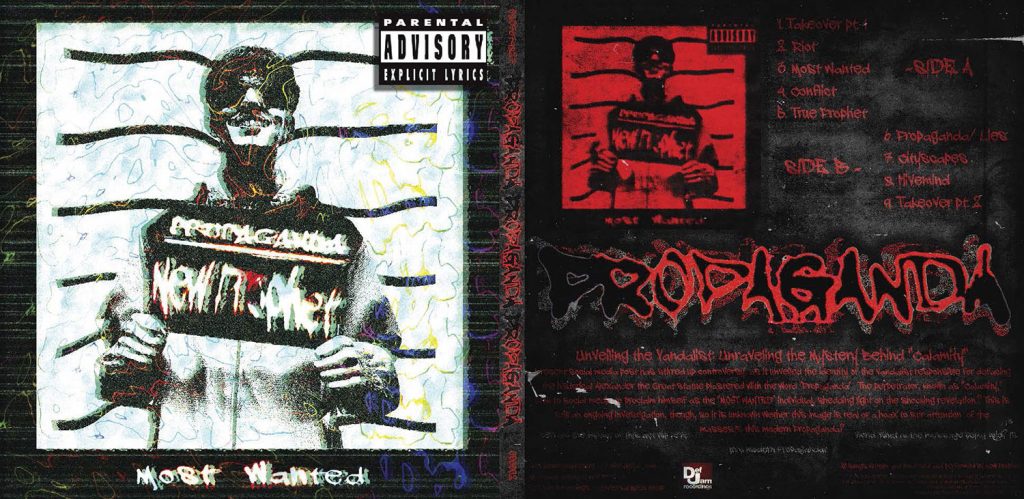
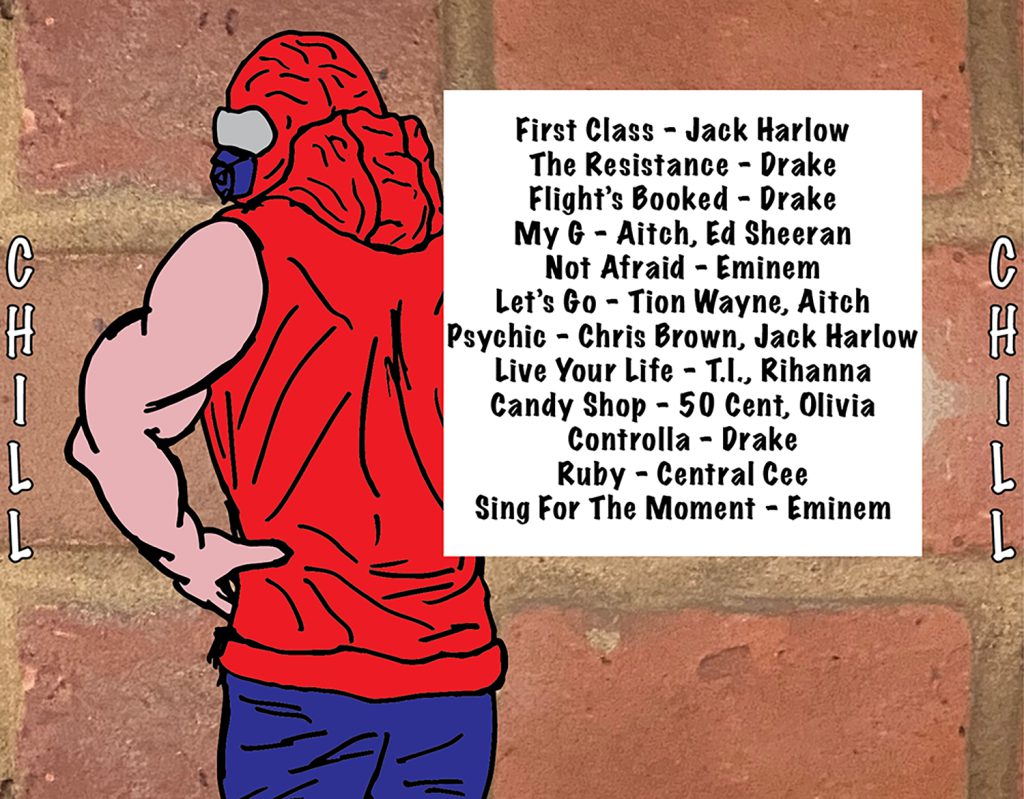
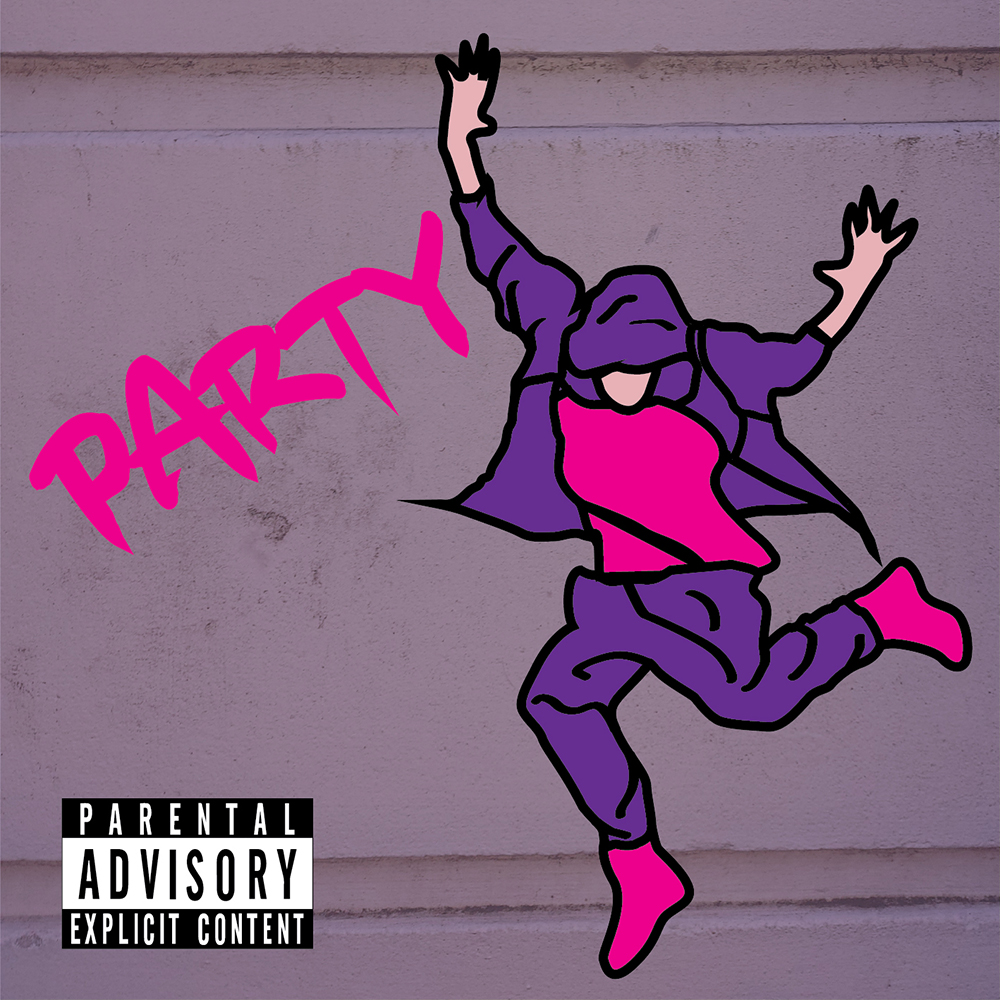
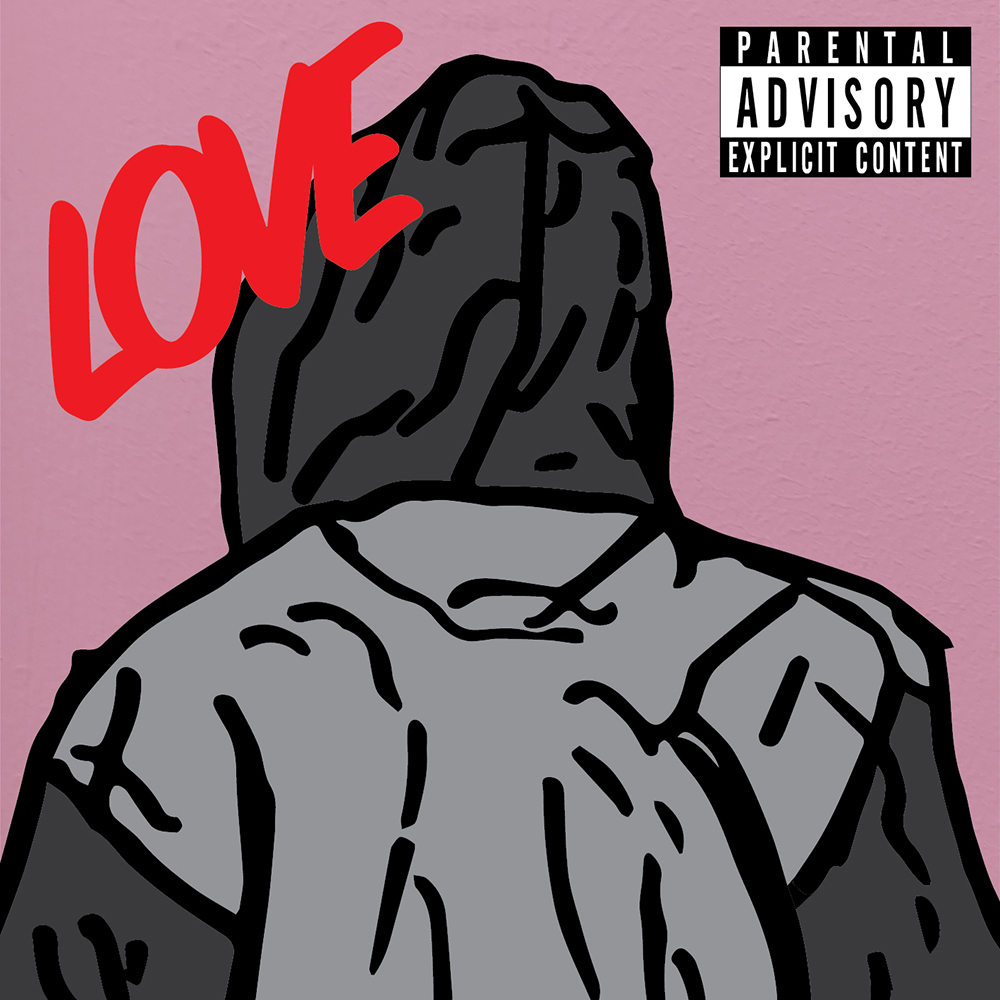
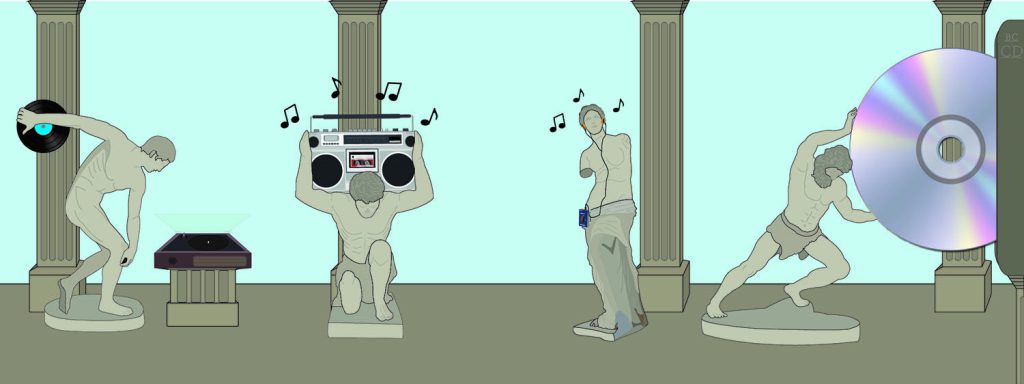
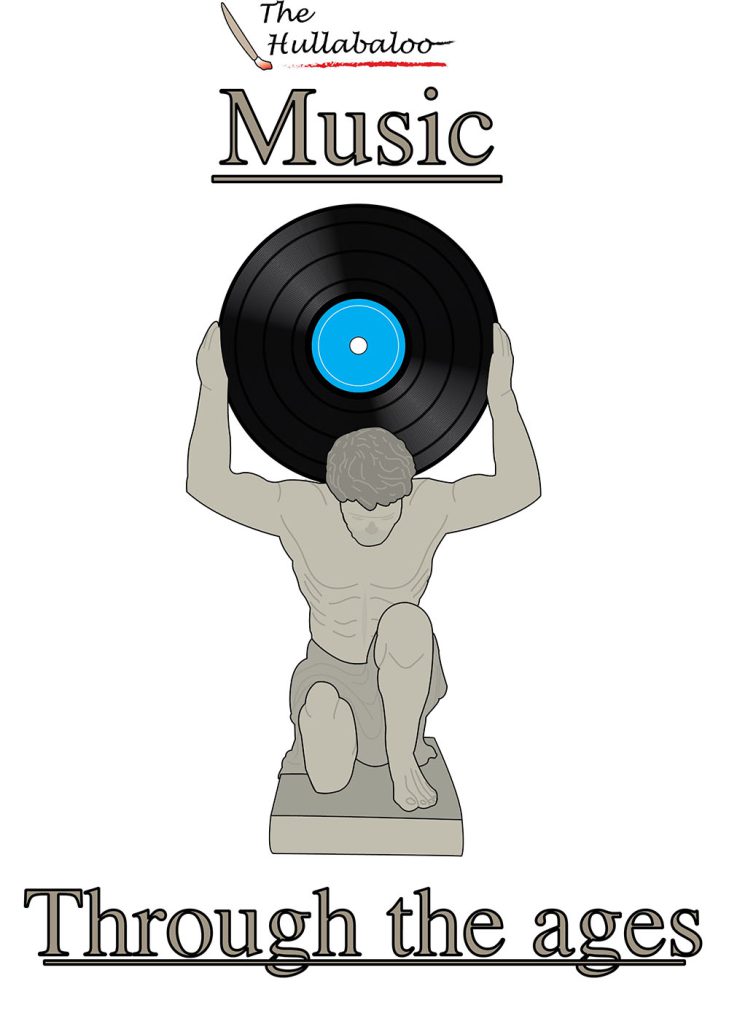
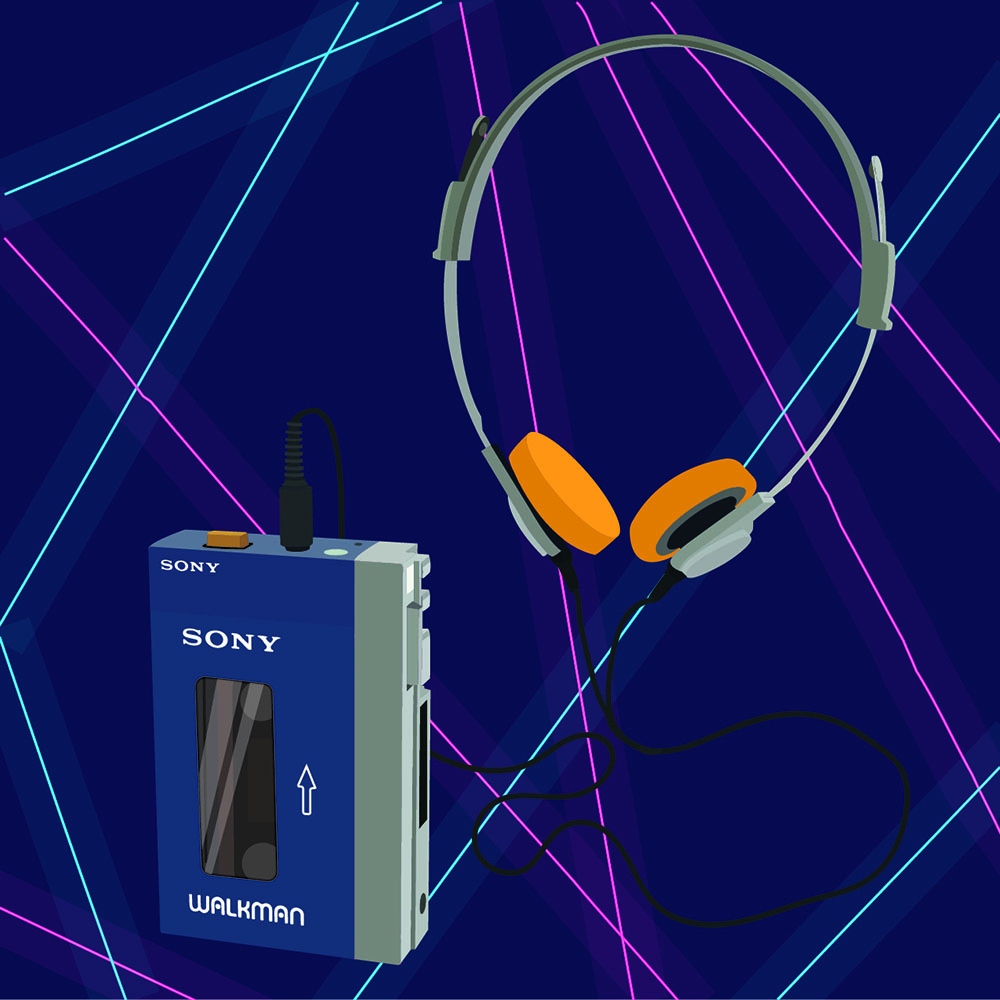
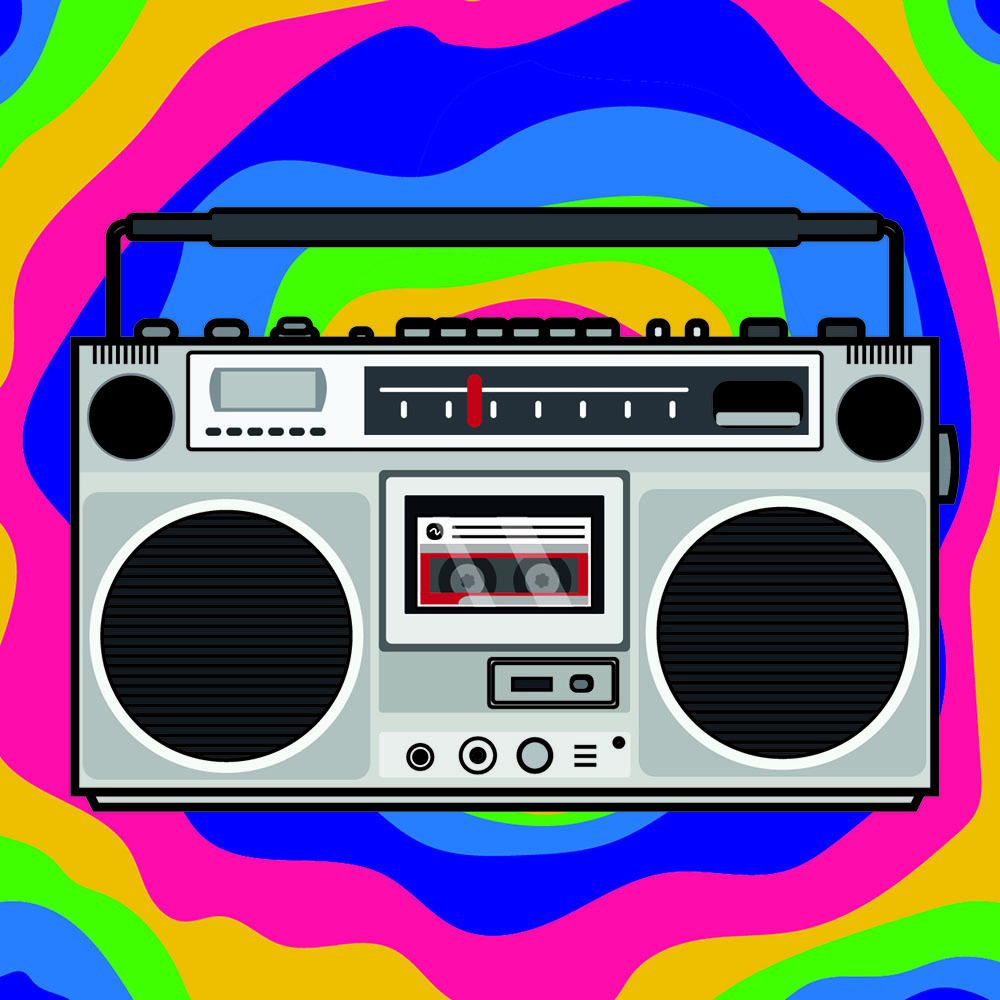
CD Cover Design Brief
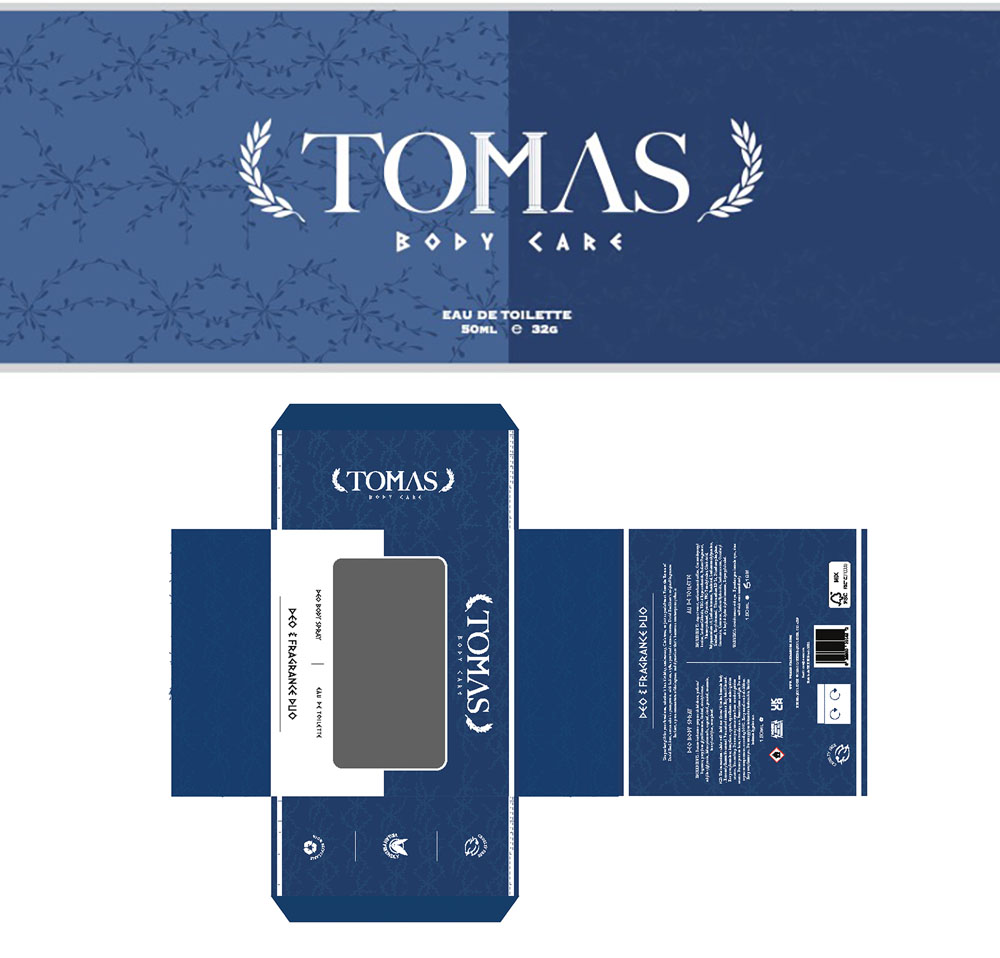
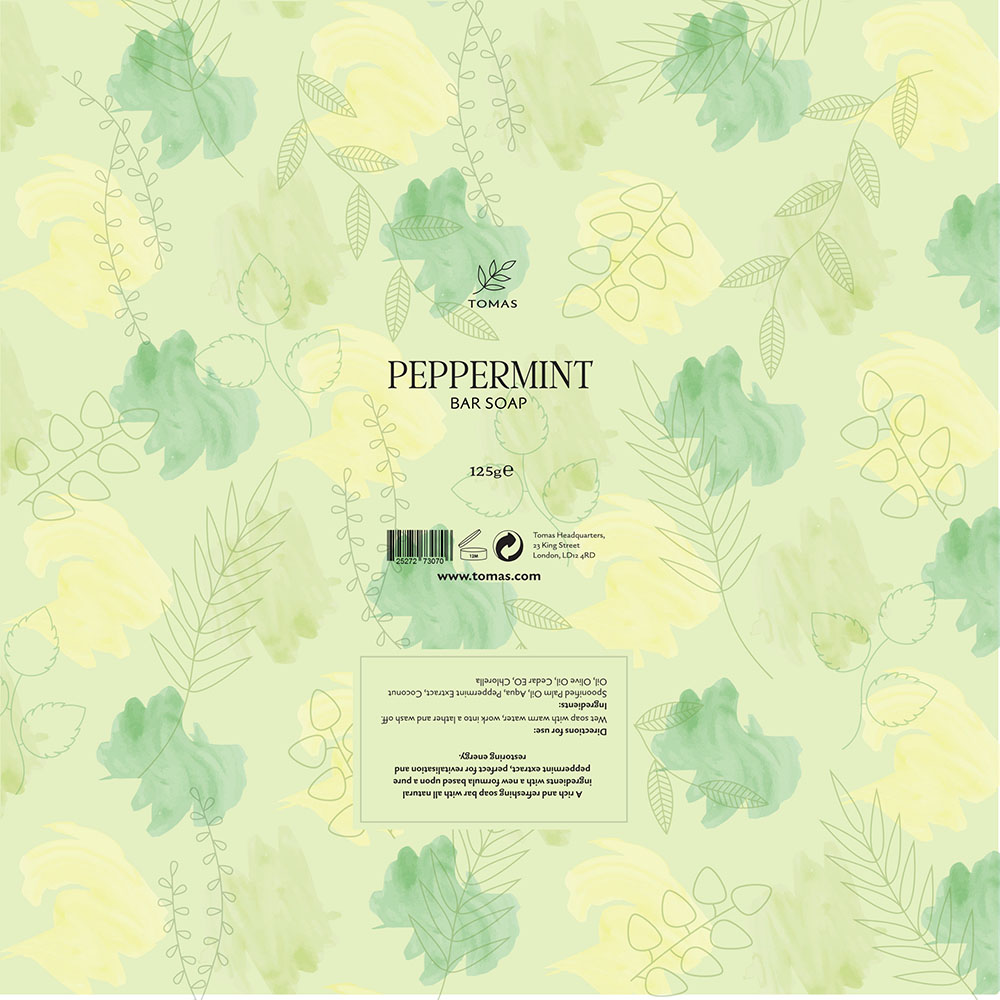
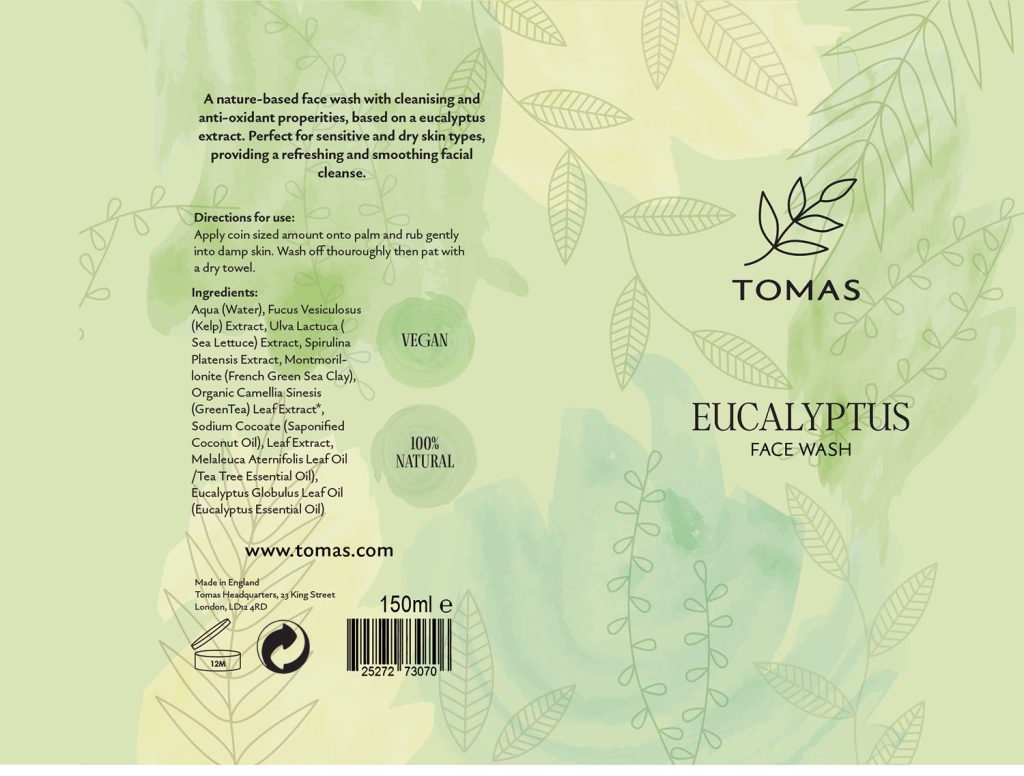
Tomas Product Branding Design Brief
Libby Jones
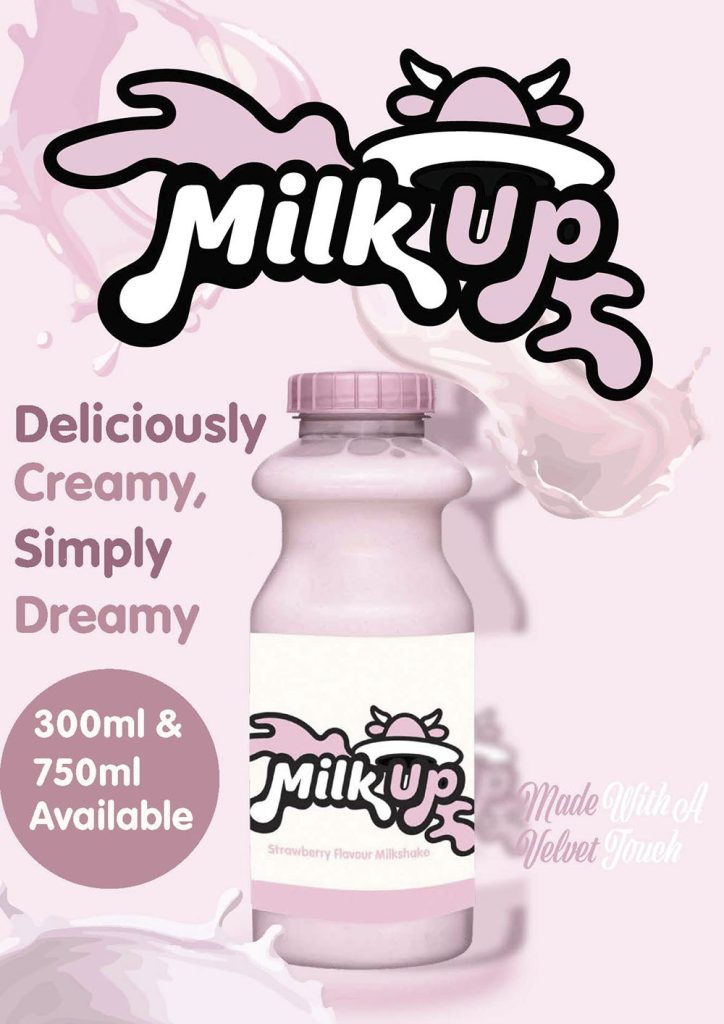
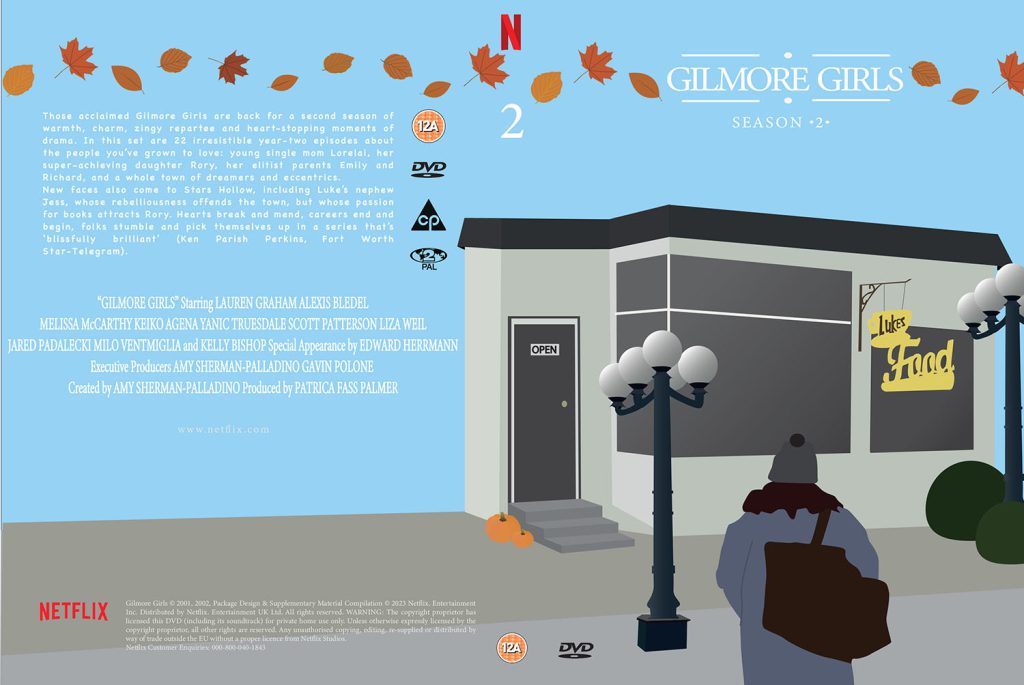
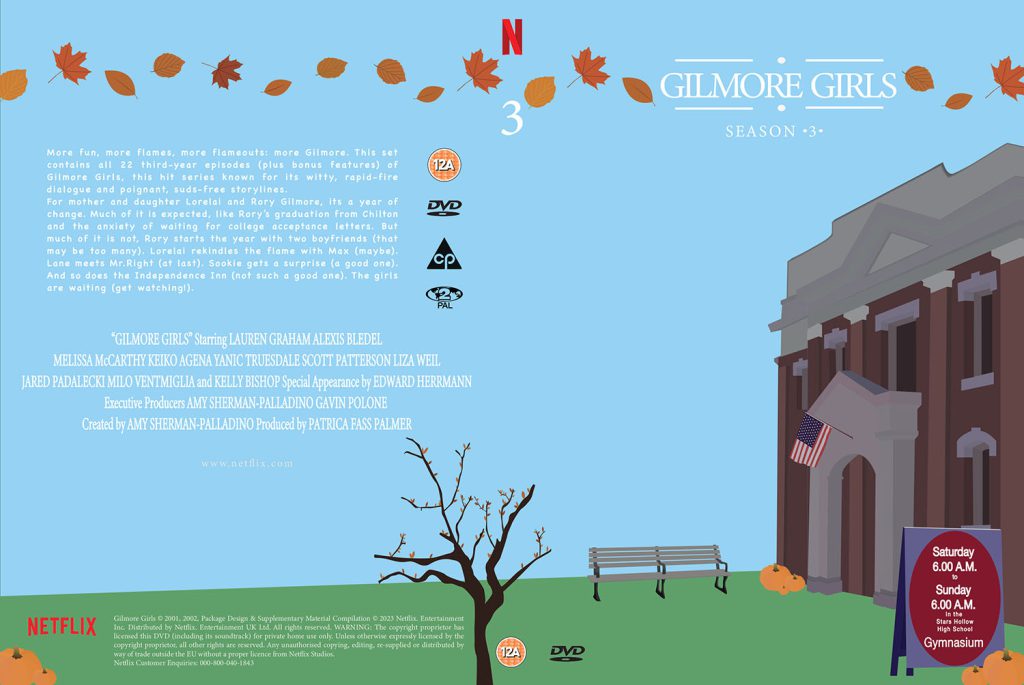
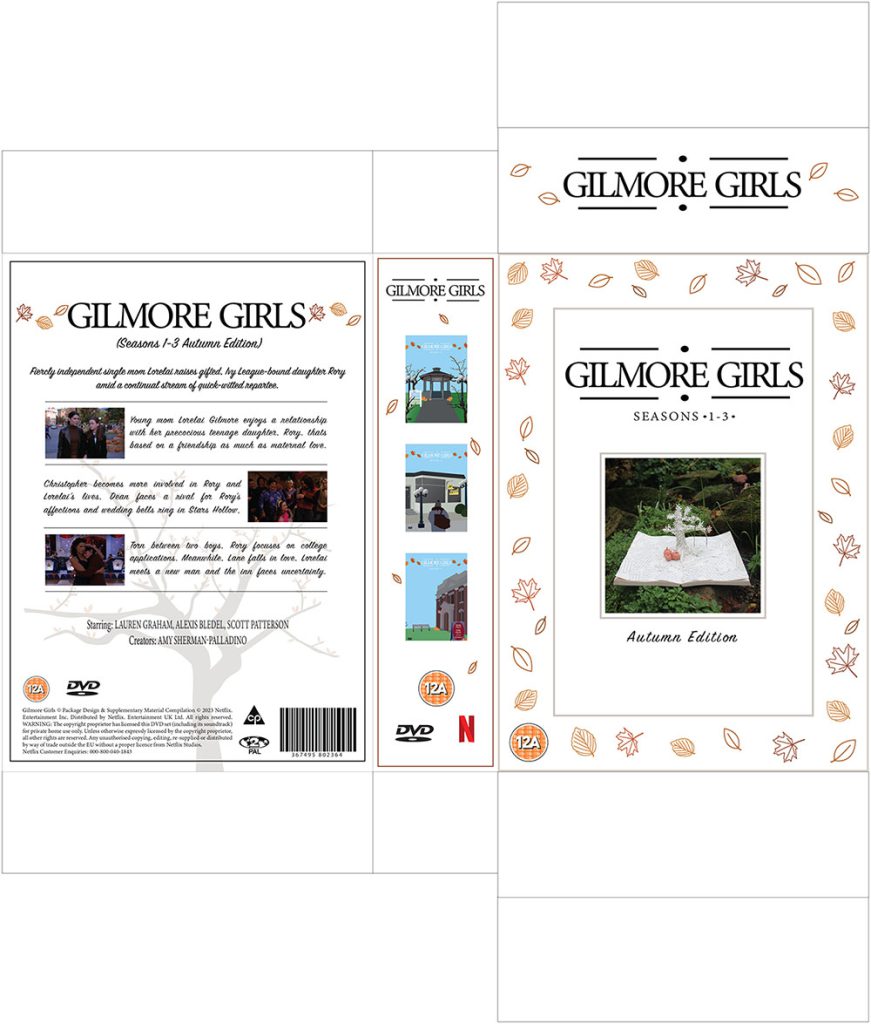
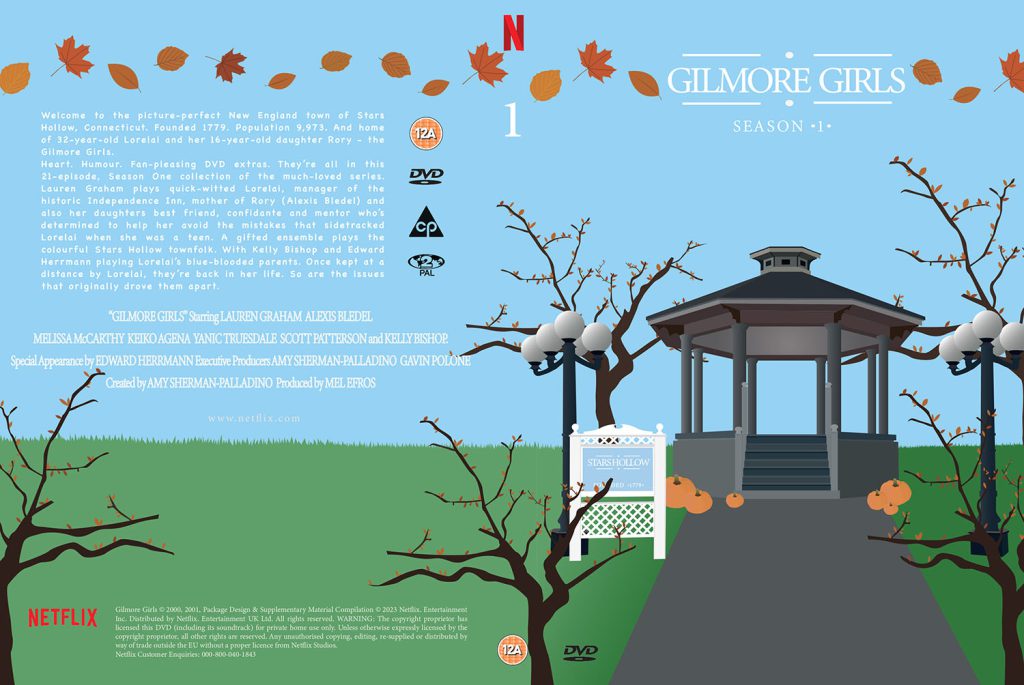
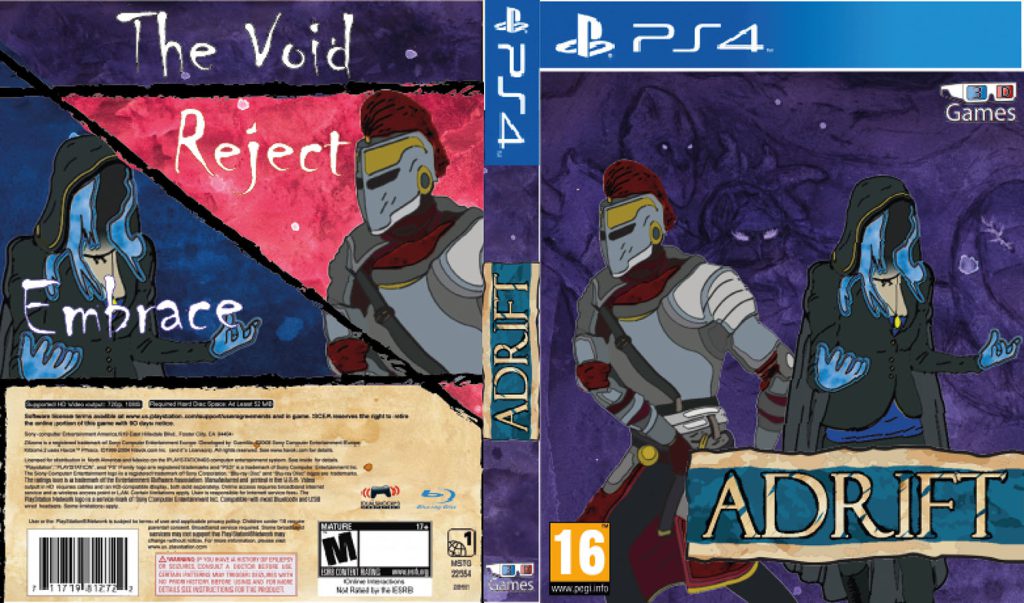
Gilmore Girls DVD Box Set Design Brief
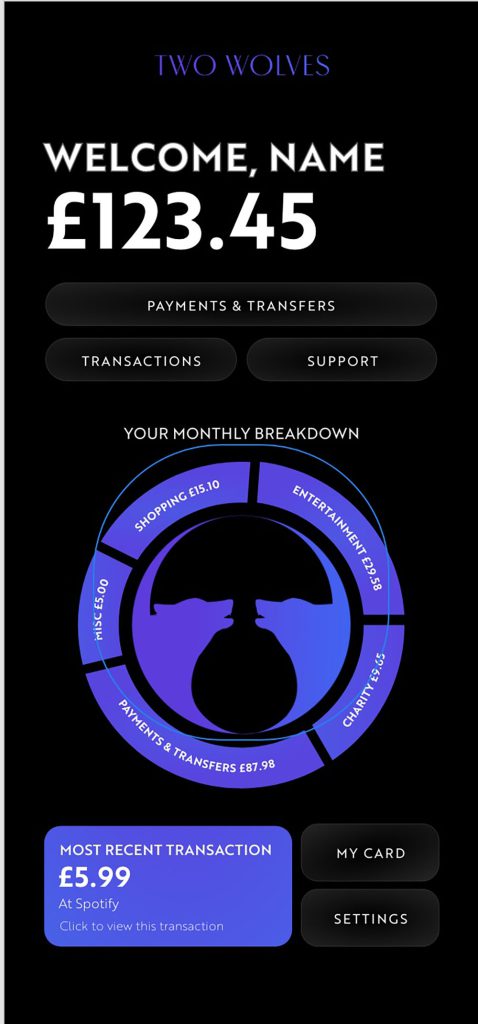
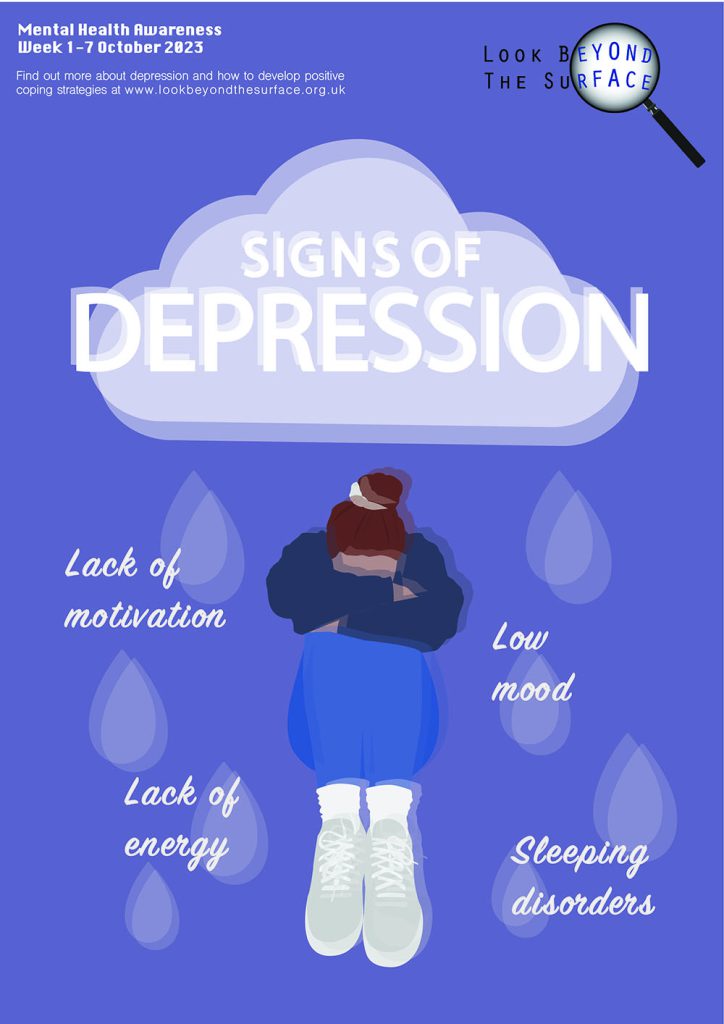
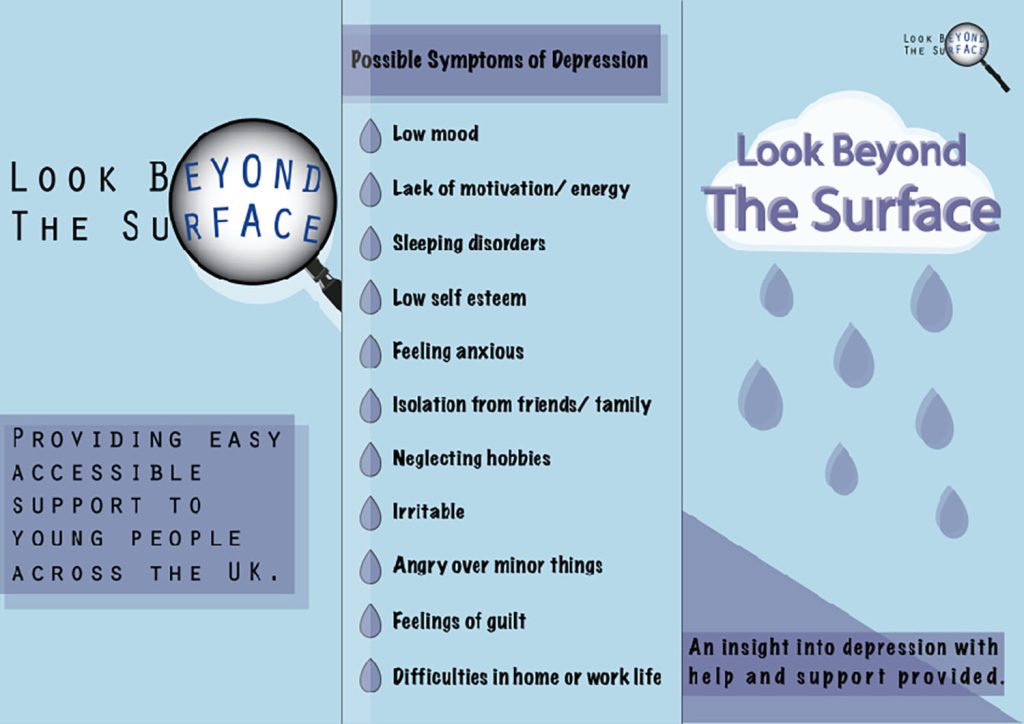
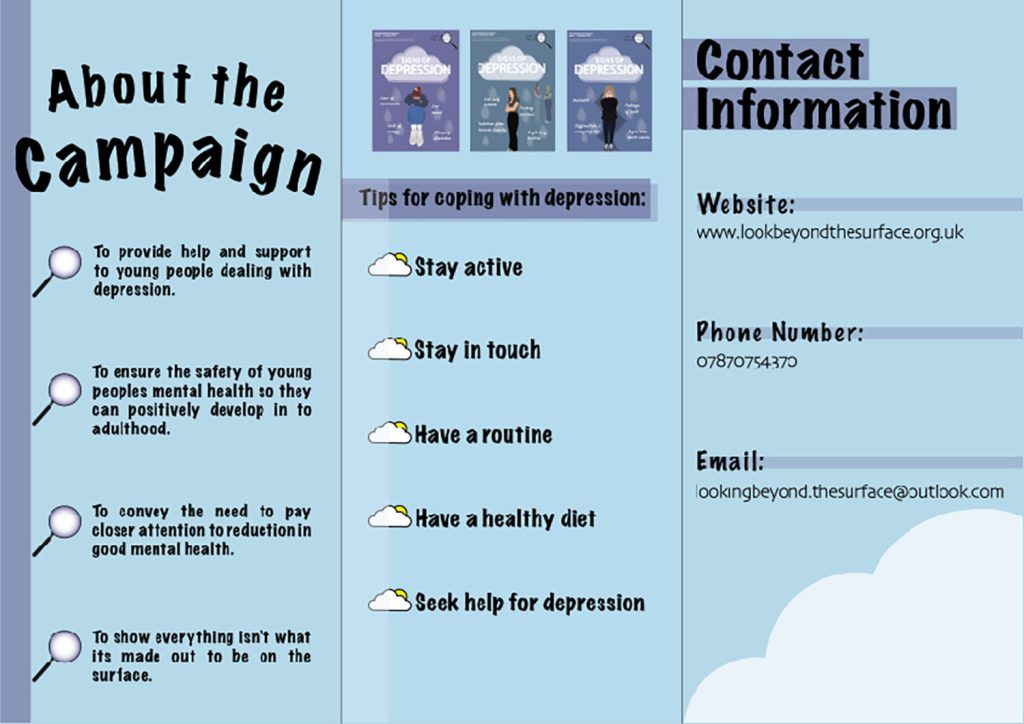
Mental Health Awareness Promo Campaign Design Brief
This year has seen the return of our exam project (which due to COVID hasn’t been conducted since 2019) and with it, a workload increase for all on A-Level Fine art. The organisational skills and motivation of the students has really been tested, working with given topics presented by the exam board, which at times can often be frustrating. However, all the students have risen to the challenges presented over the year and produced high quality work they should be proud of.
This year we’ve even managed to resume our educational visits, with trips to Liverpool, London and even Berlin. These have inspired and engaged our cohort and provided them with some additional inspiration outside of the classroom.
A-Level textile design encourages students to work with a wide variety of skills and processes across the fields of textiles, fashion and interiors. This includes printed textiles, constructed textiles, embroidery, fashion construction, weaving and fabric manipulation. Learners are introduced to different techniques which they are then able to develop into personal final work. This can be clearly seen within the variety of imaginative outcomes produced this year.
Learners are encouraged to explore both historical and contemporary techniques and processes and to support their work with research into a range of suitable artists, designers, and trends. They are prepared for industry or Higher Education and all the learners from this year are continuing by pursuing degrees, employment or progressing onto the art foundation diploma course here at Dudley College.
I hope that you find the work inspiring. I am very proud of what the learners have achieved this year.
A-Level Photography allows learners the opportunity to express themselves creatively while exploring ideas and concepts that are personal and meaningful. This is clearly demonstrated across the wonderful work created by this years A-Level cohort. I could not be prouder of the work and achievements made by each member of the Photography group.
Learners often choose issues within society as a means to connect their Photography to an audience. The course consistently challenges them to problem solve and improve both quality and concept as they progress. This ultimately prepares them for both industry and Higher Education.
Industry-standard software and equipment are embedded throughout the course to again support progression, exploring the Creative Cloud Adobe Suite with programs such as Photoshop and Lightroom for image editing, along with InDesign to create their stunning portfolios and project work. To allow for a deeper understanding of photography, learners are encouraged to work with both modern and traditional techniques such as darkroom and Cyanotypes. This 2-year programme builds theoretical and practical knowledge to allow our learners the creative means to express themselves through Photography.
I hope you enjoy exploring the work from this year’s Photography learners.
Simon Morris, A-Level Photography Tutor, Dudley Sixth