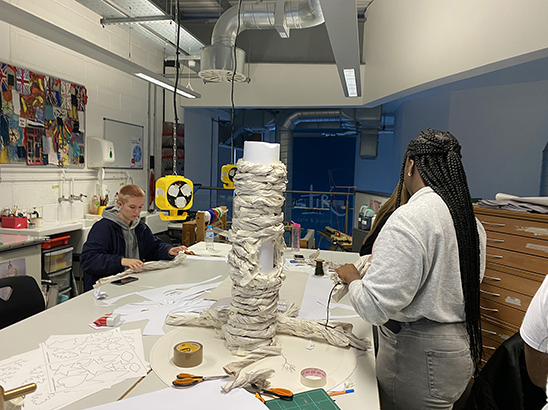
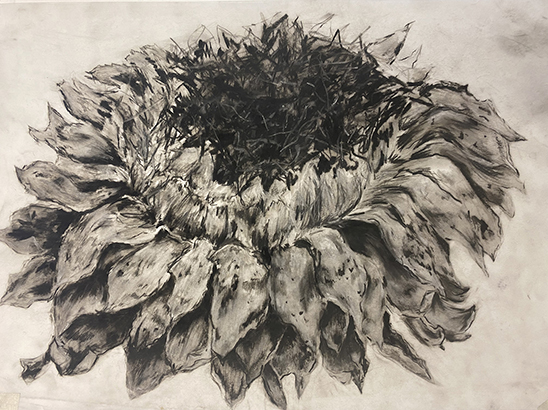
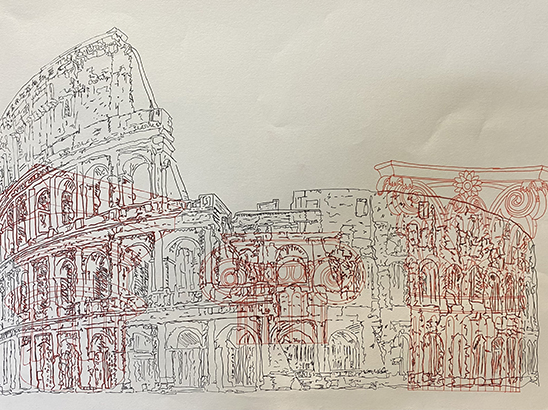
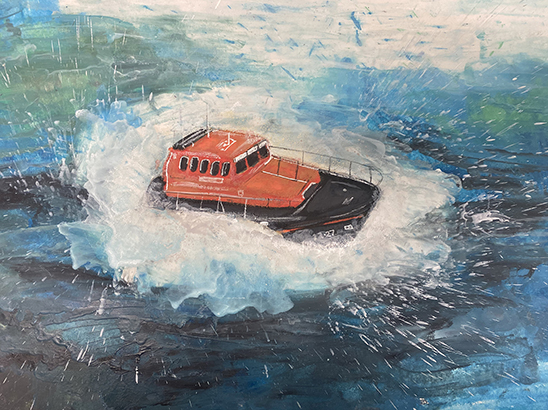
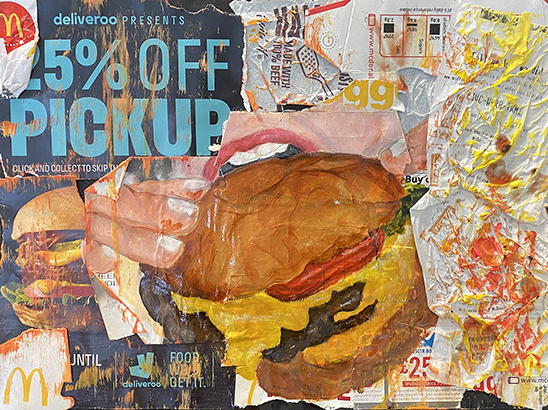
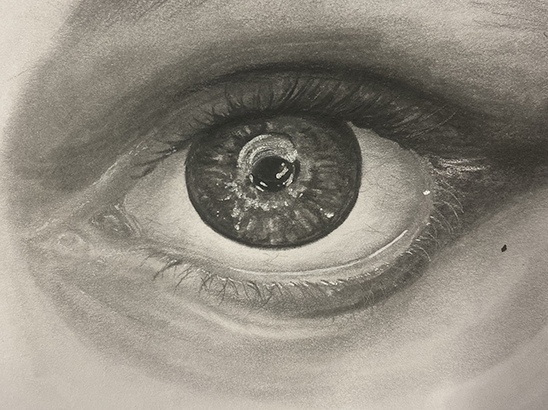
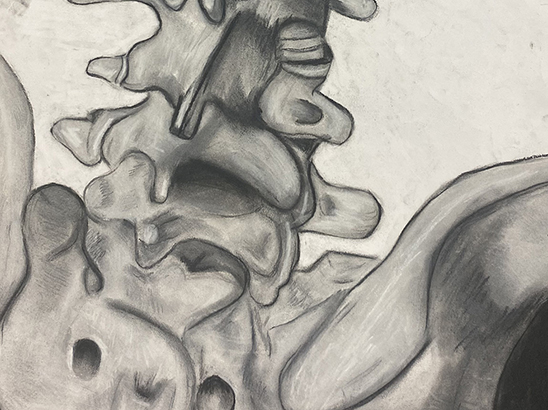
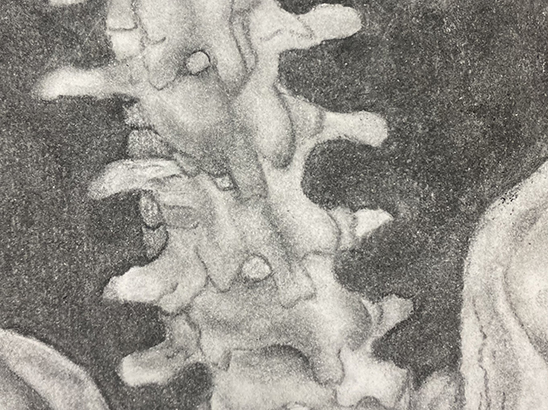
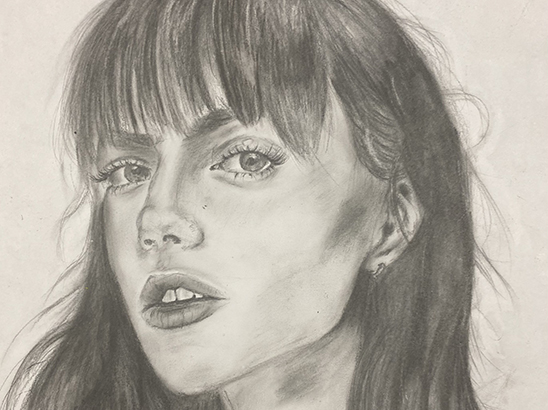
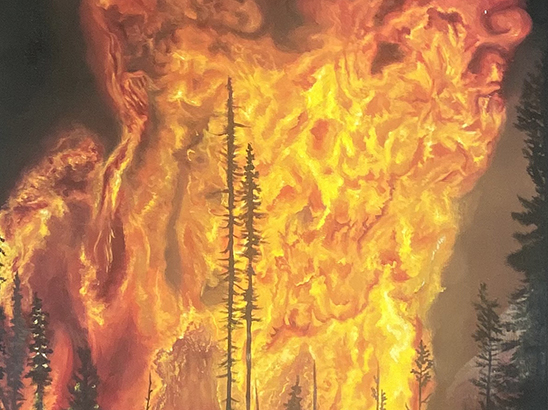
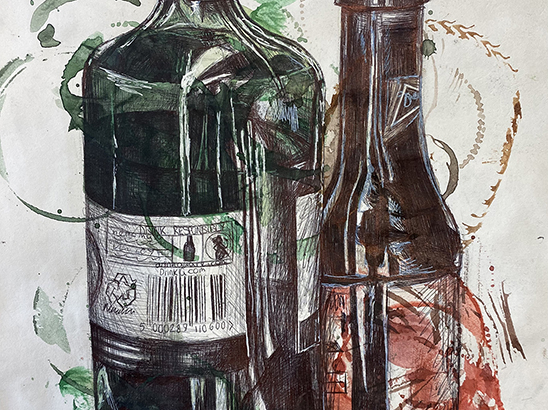
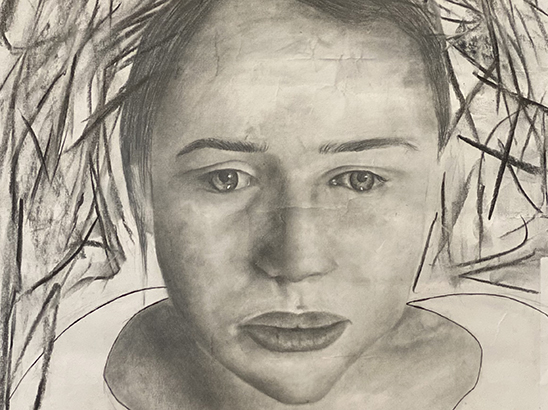
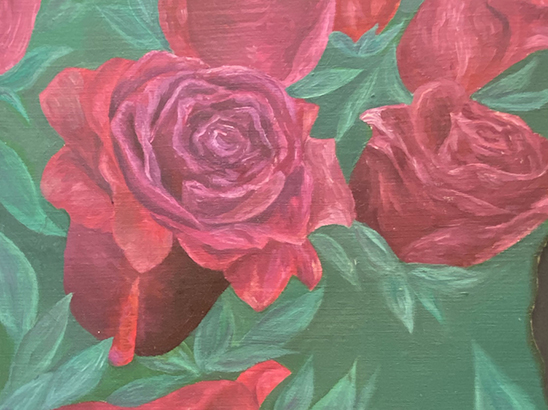
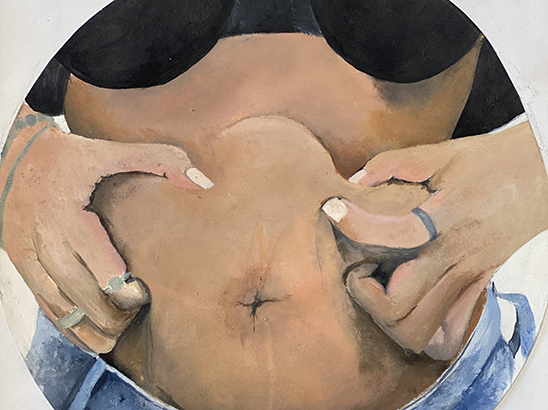
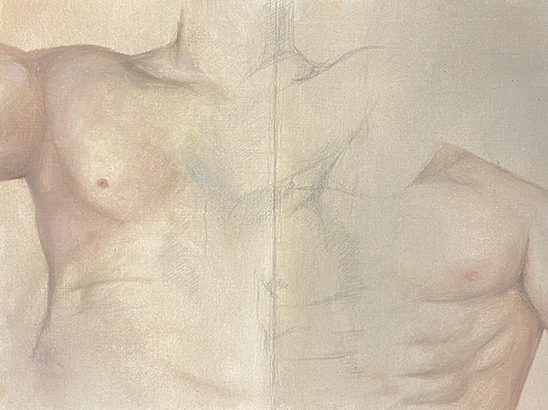
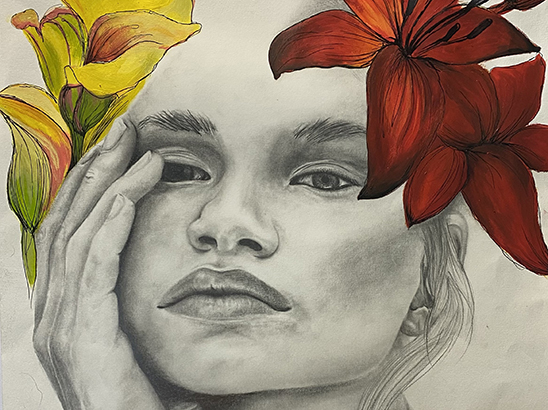
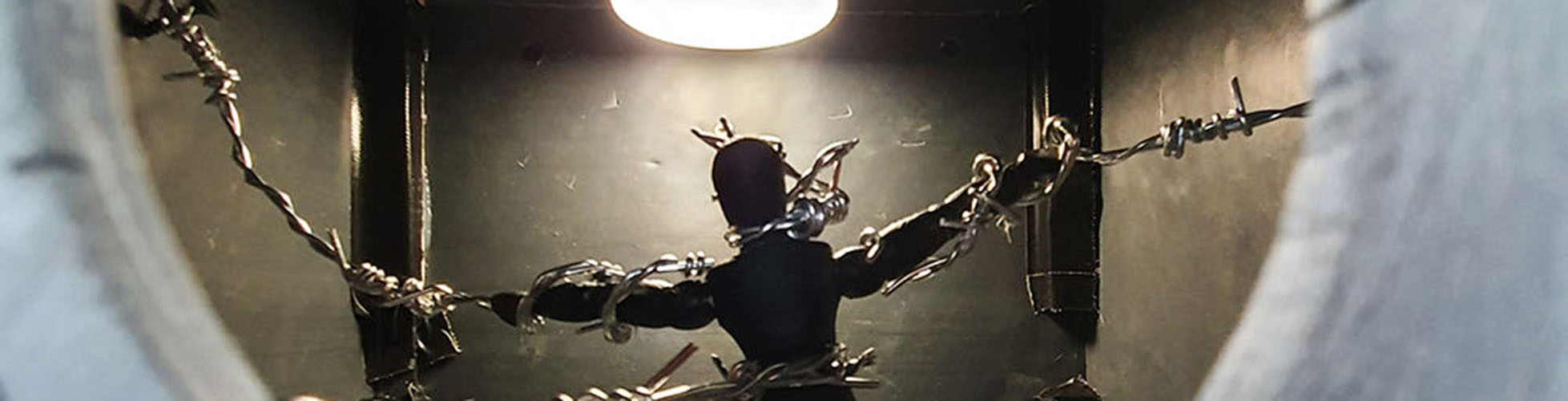
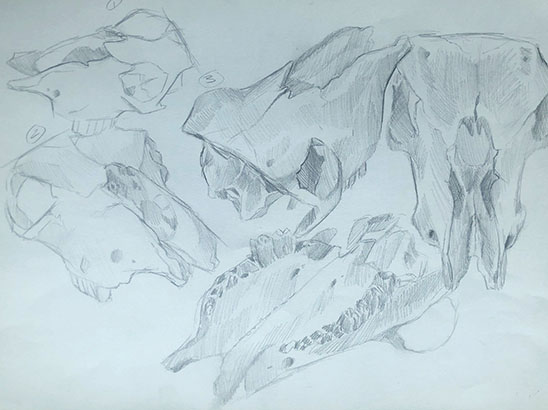
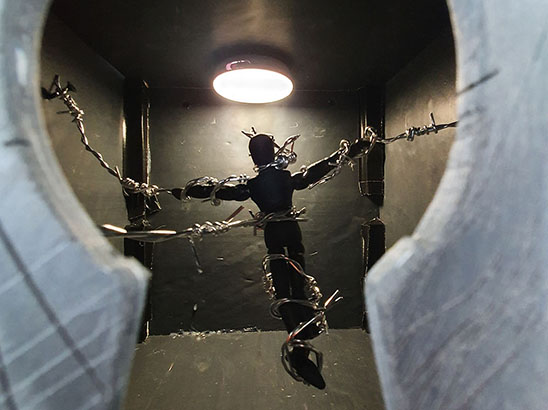
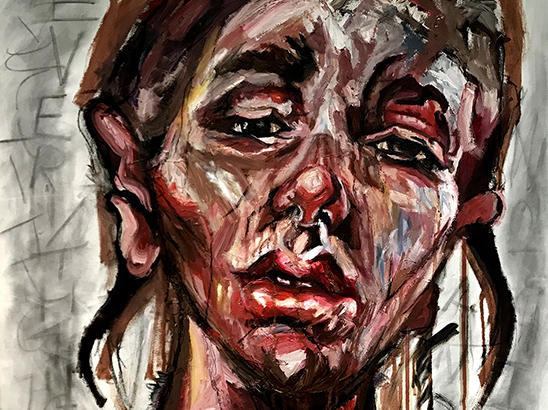
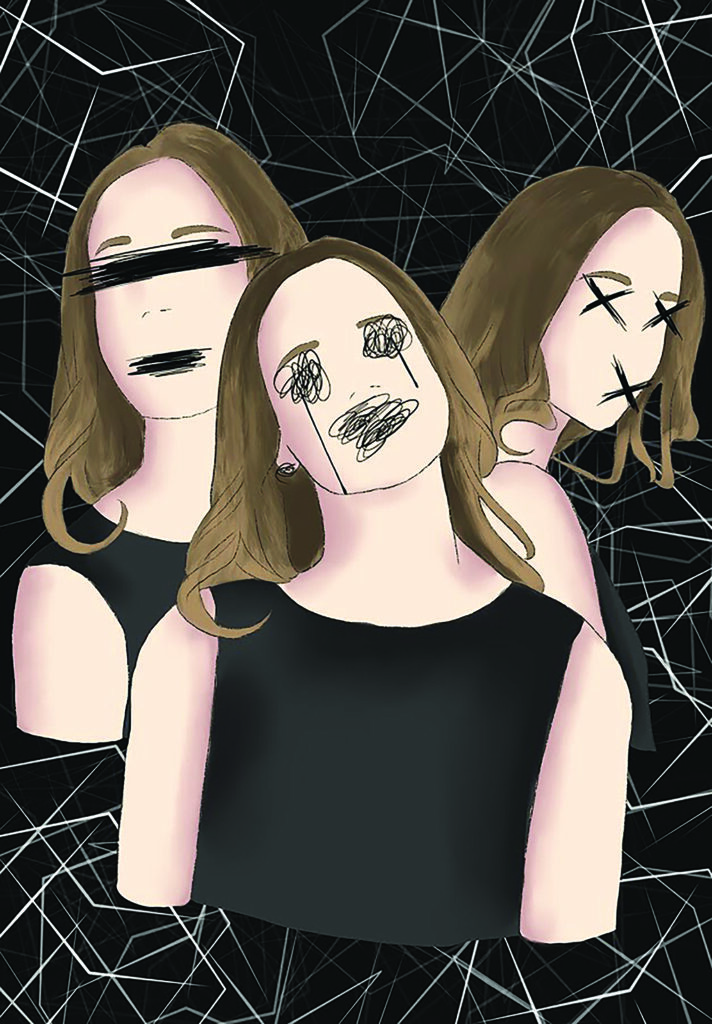
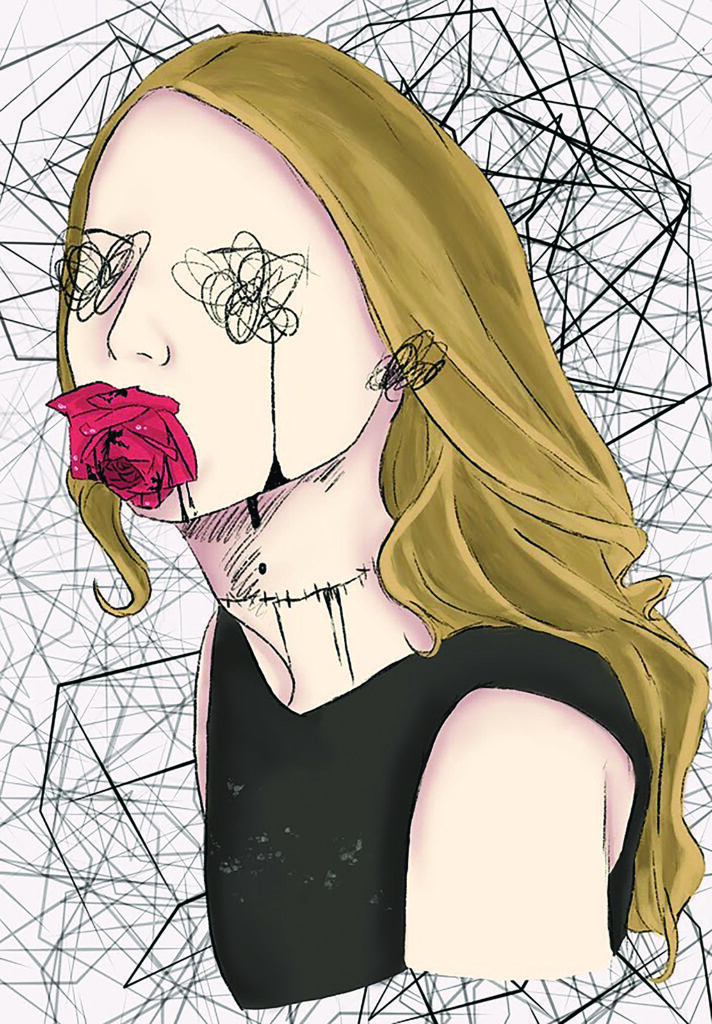
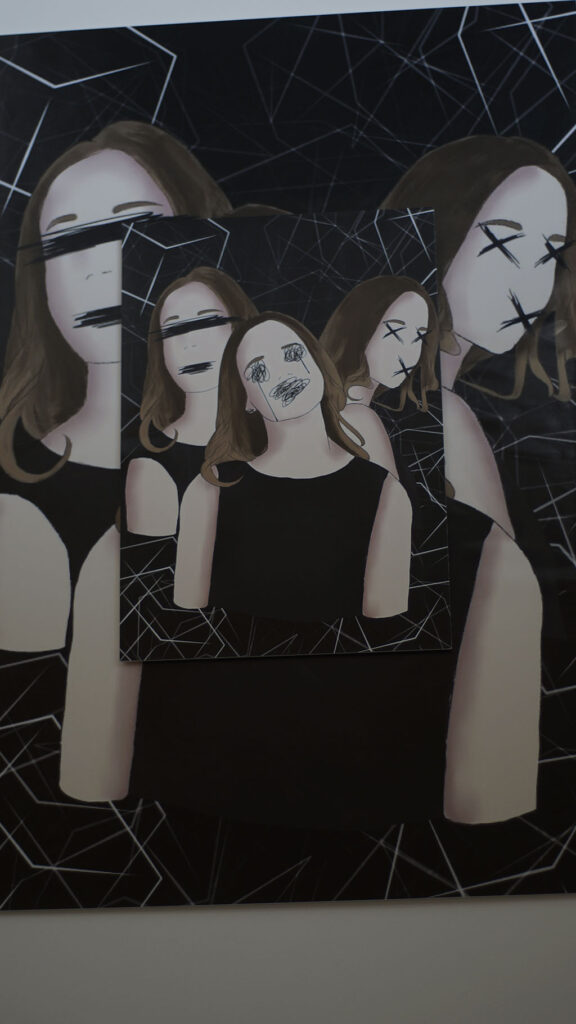
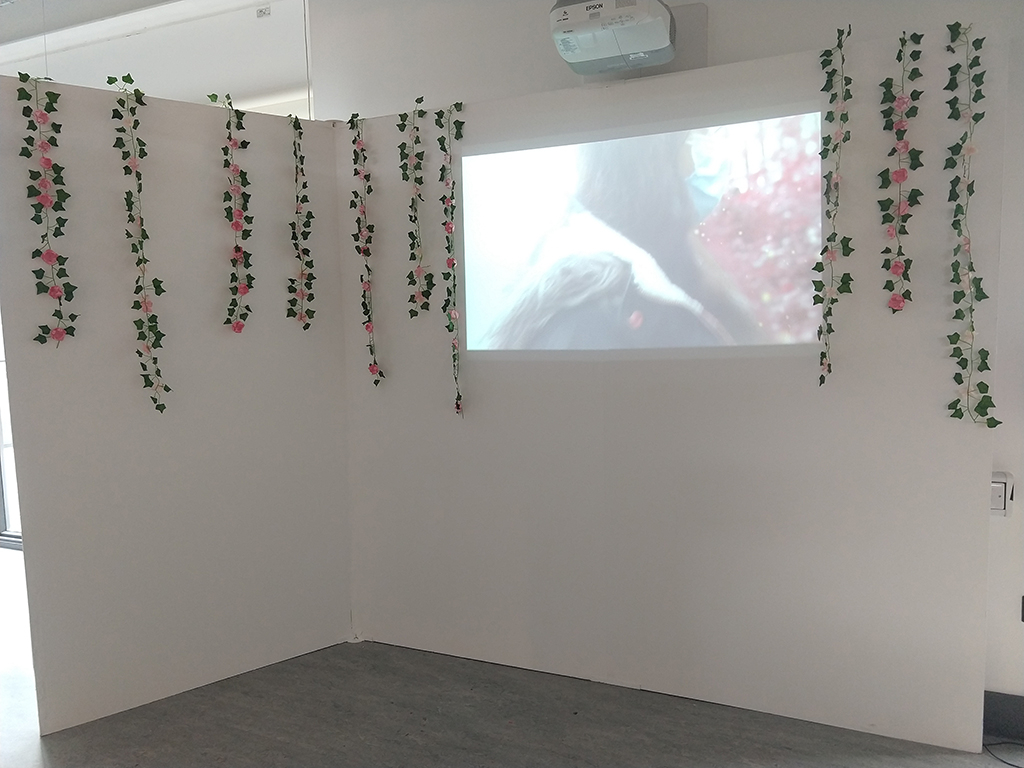
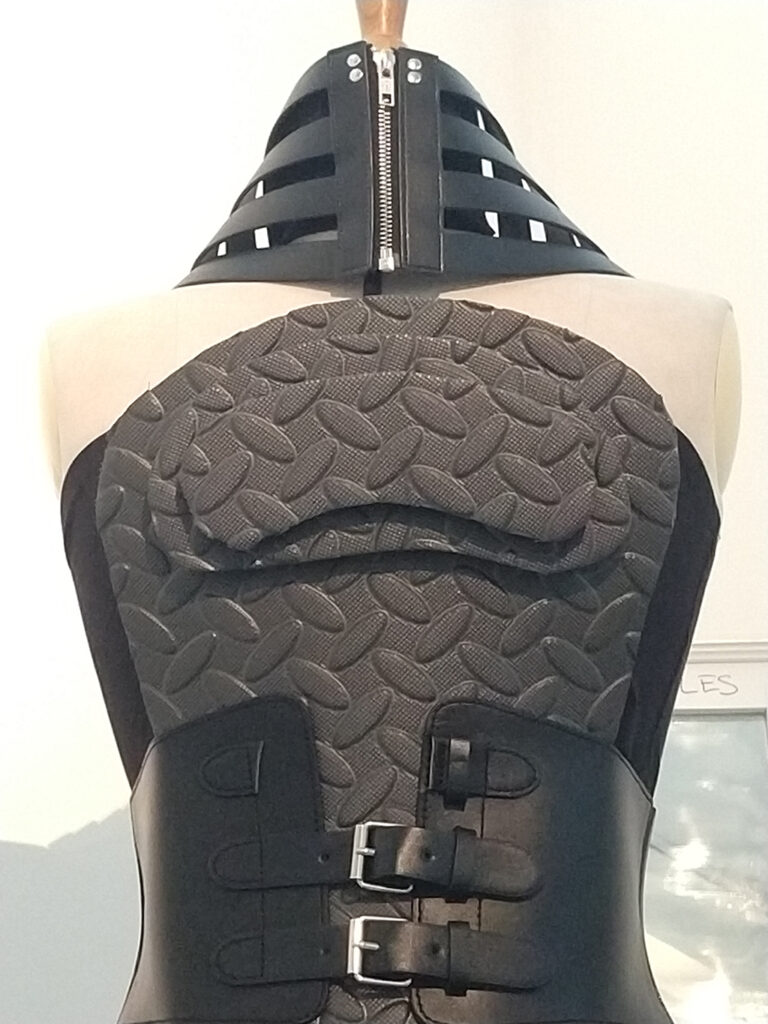
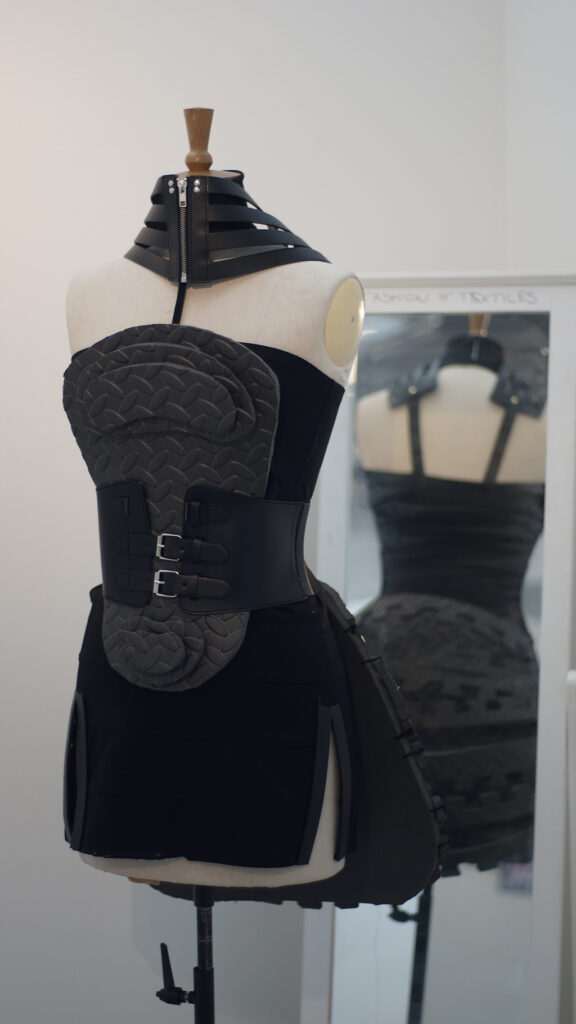
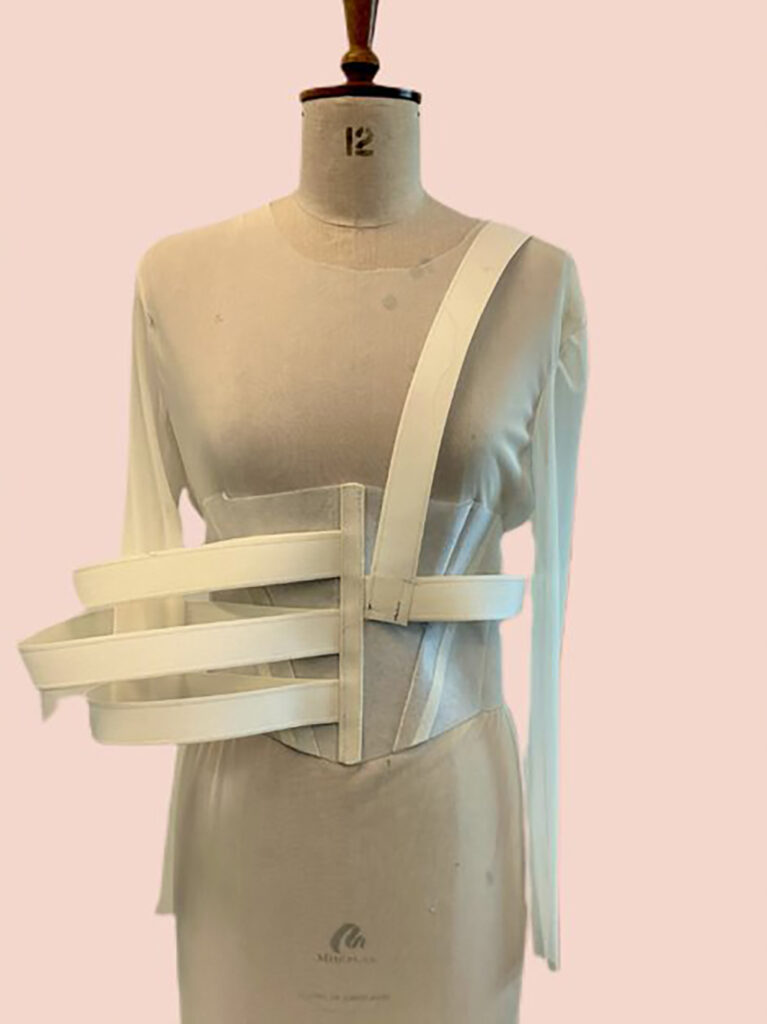
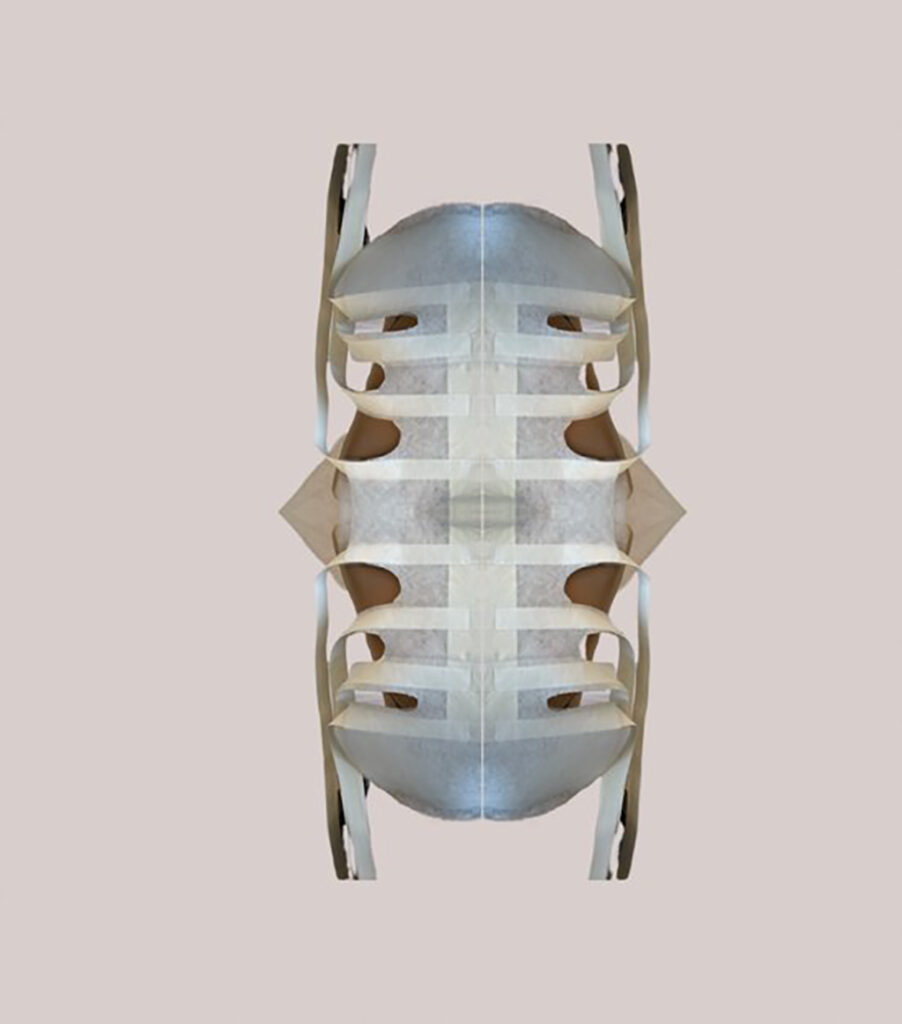
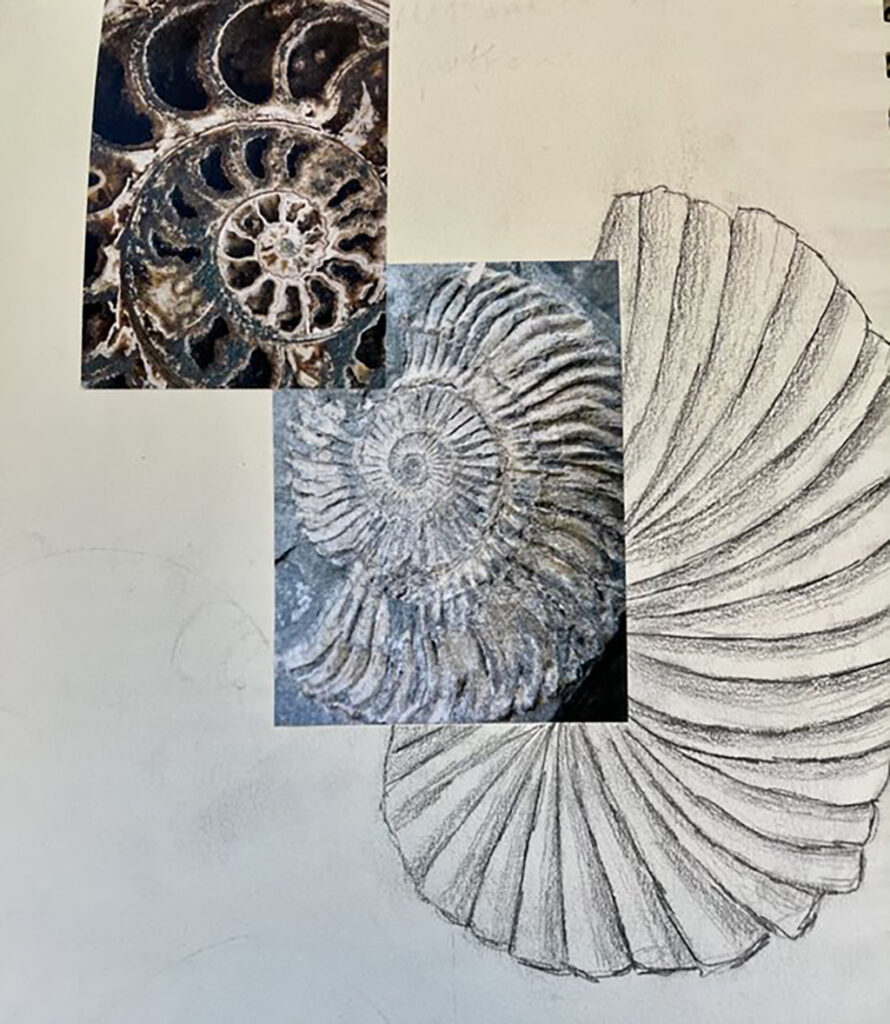
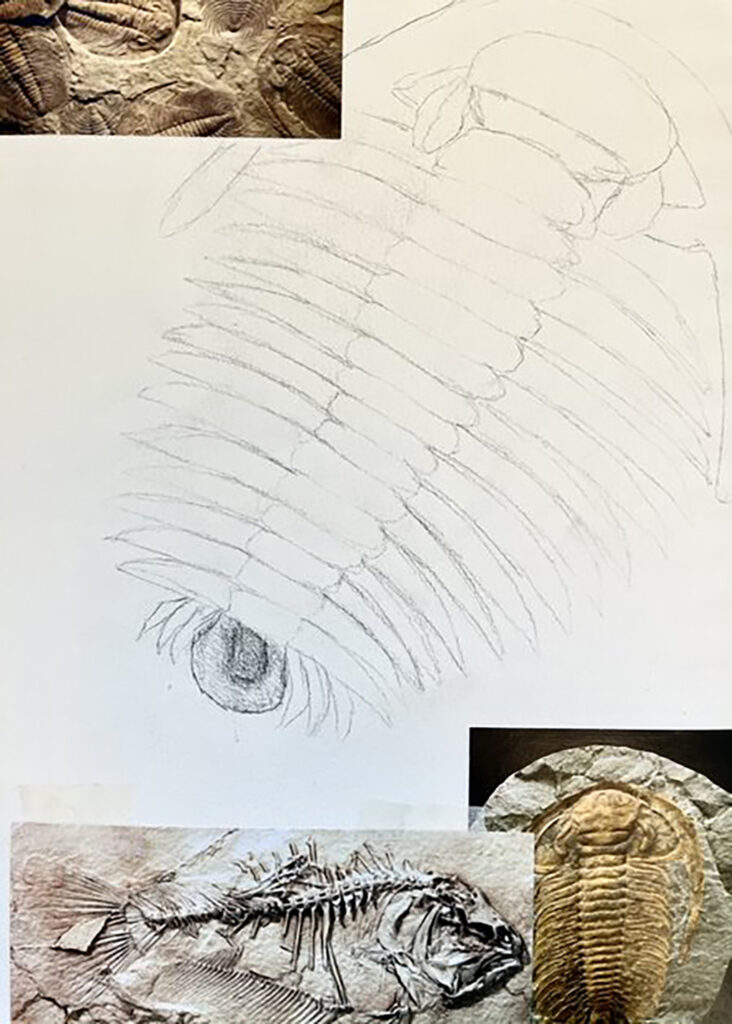
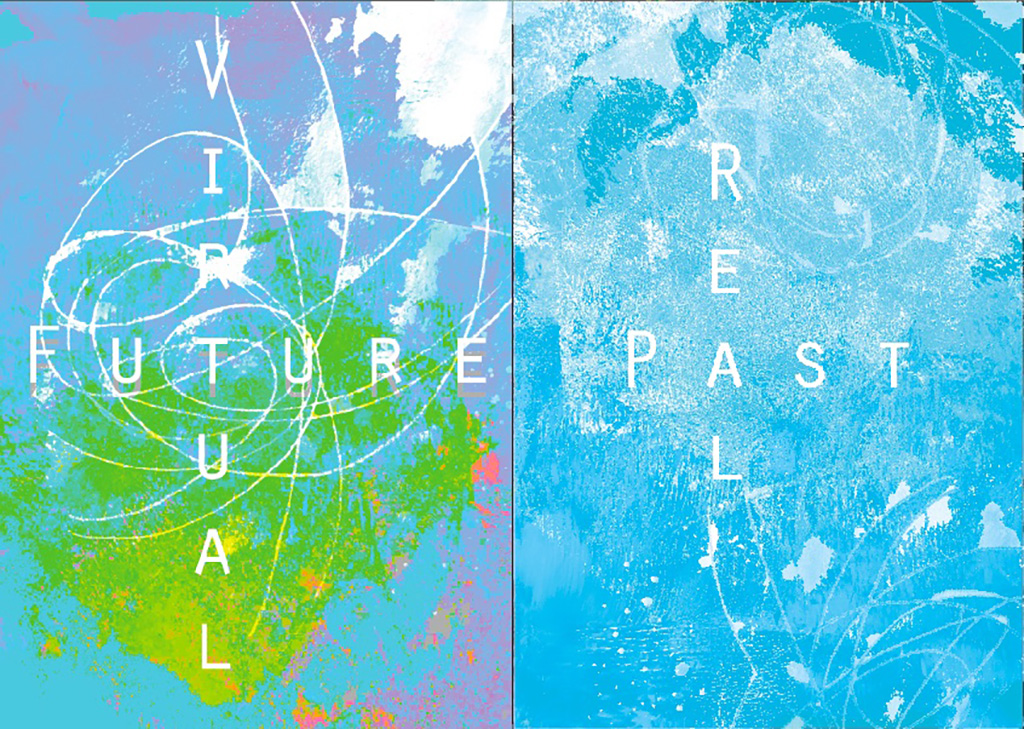
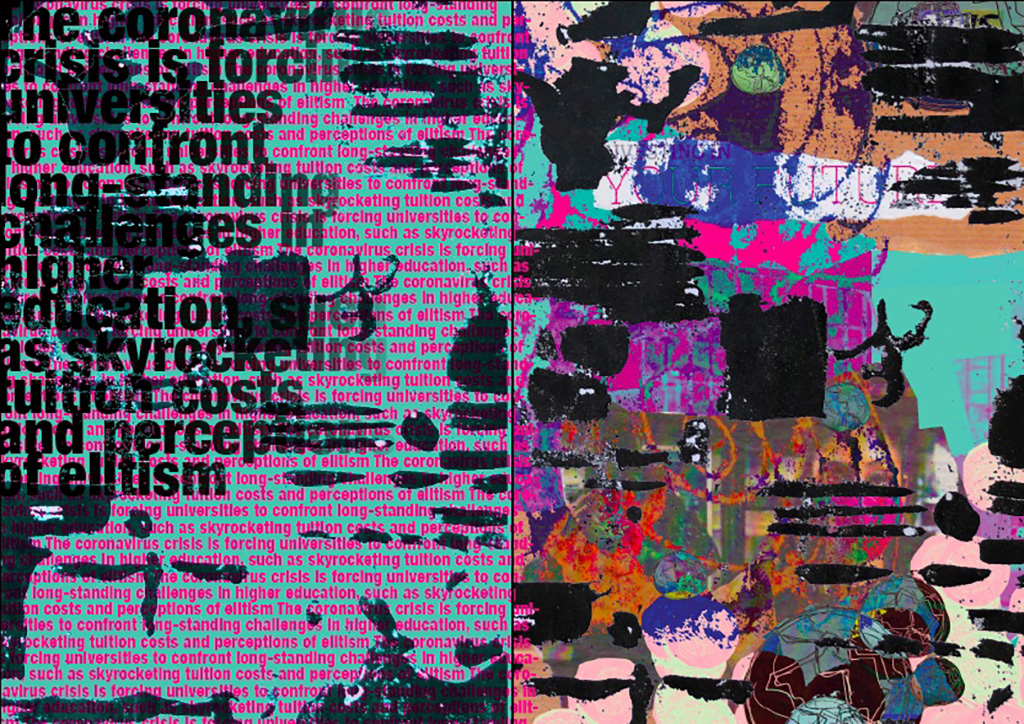
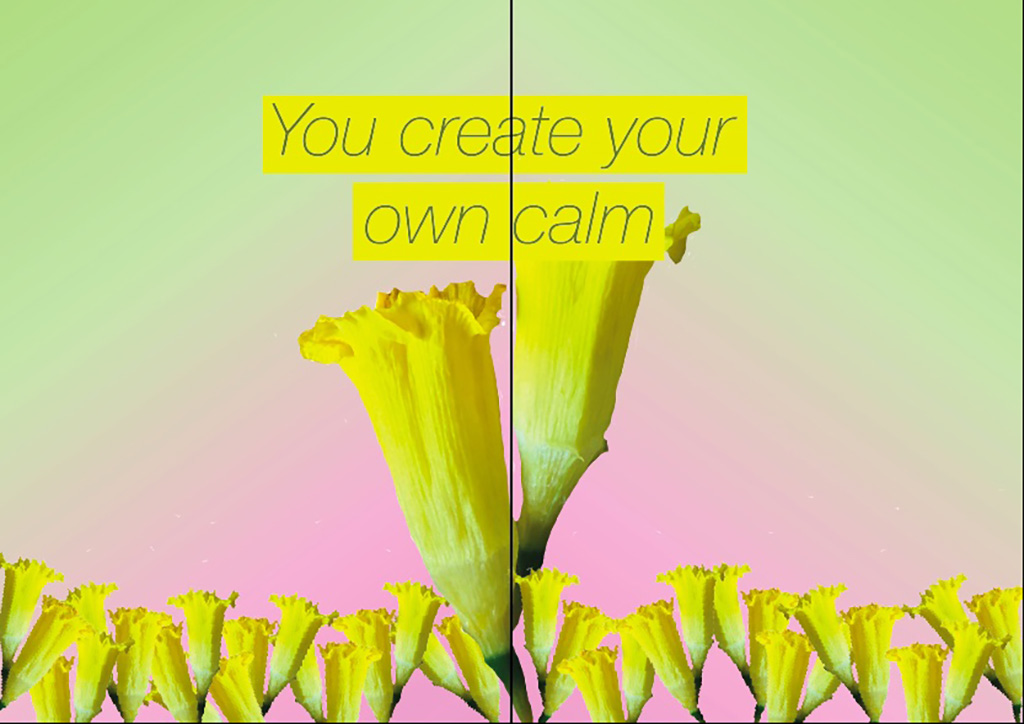
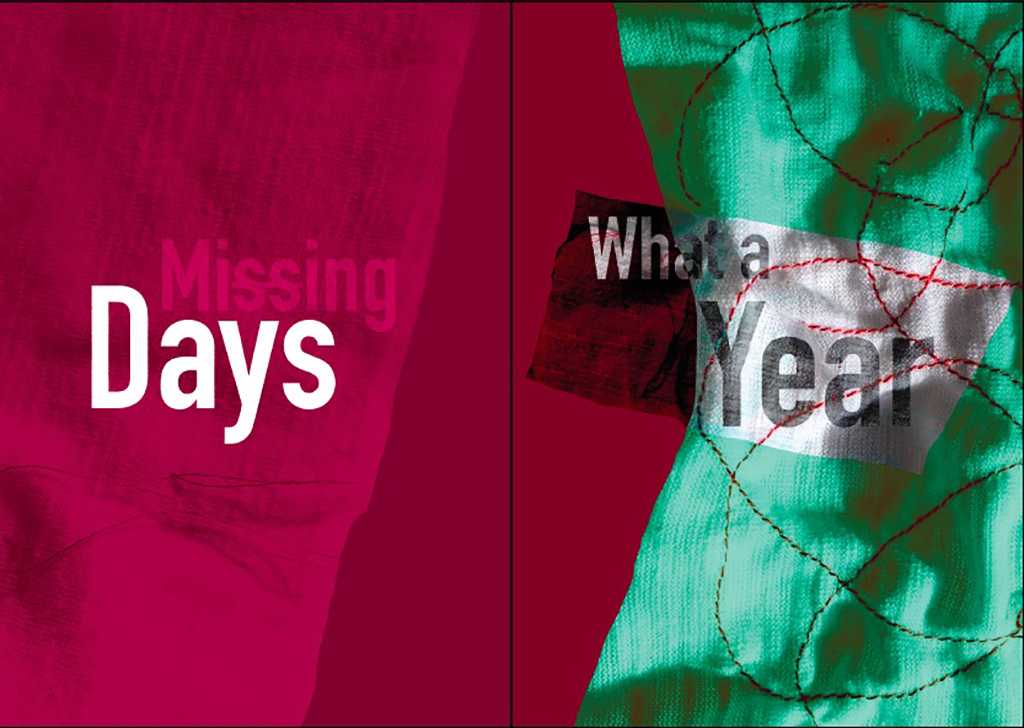
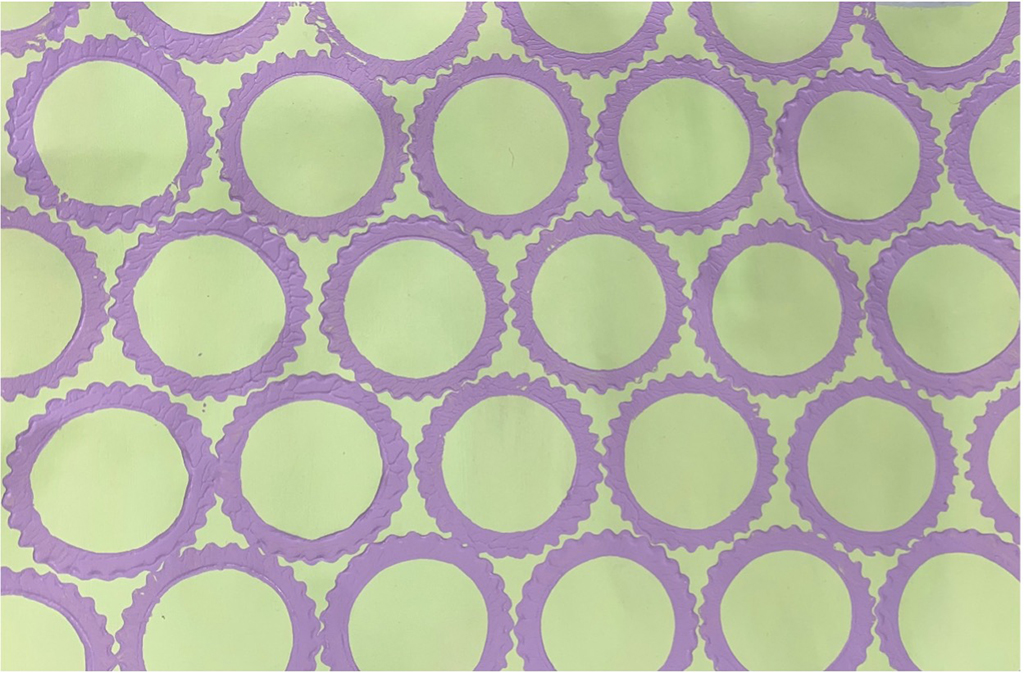
In a usual year, A-Level fine art students would have the opportunity to complete two projects over the duration of year two – one self-set, the other selected from externally-set topics released by the exam board and whose final outcome would be produced during an exam. These would normally form a 60/40 split.
This year, the students have been completing one project for the whole year. The pieces of work you see here are the results of a very difficult year, both academically and generally. The results are a real testament to my students’ resilience, willingness to engage with online learning and the sheer determination of every single one of them. They should be extremely proud of their achievements – as am I – and I wish them all the luck for the future.
Gillian Worley, A-Level Fine Art Tutor, Dudley Sixth
The work on show here is just a snapshot of some of the work produced over the past two years. While our students are taught digital skills, they also learn traditional art and design skills in order to develop a broad portfolio of art and design for their progression onto higher education.
Some of our recent students have gone on to study at degree level in subject areas such as visual communication or graphic design, but also illustration, animation, fashion illustration, automotive design, architecture, interior architecture, jewellery design, digital media, and many other creative pathways.
Over the past few months all our students who made university applications were accepted (as usual), and generally on their first choice. Some have chosen to begin their studies at degree level, and others have decided to stay on at Dudley College for a Foundation Year. Well done all – it’s been great working with you. Good luck for the future.
Paul Oldnall, graphics tutor
Seamus Bayne
Progression: University of Chester, BA Graphic Design & Photography
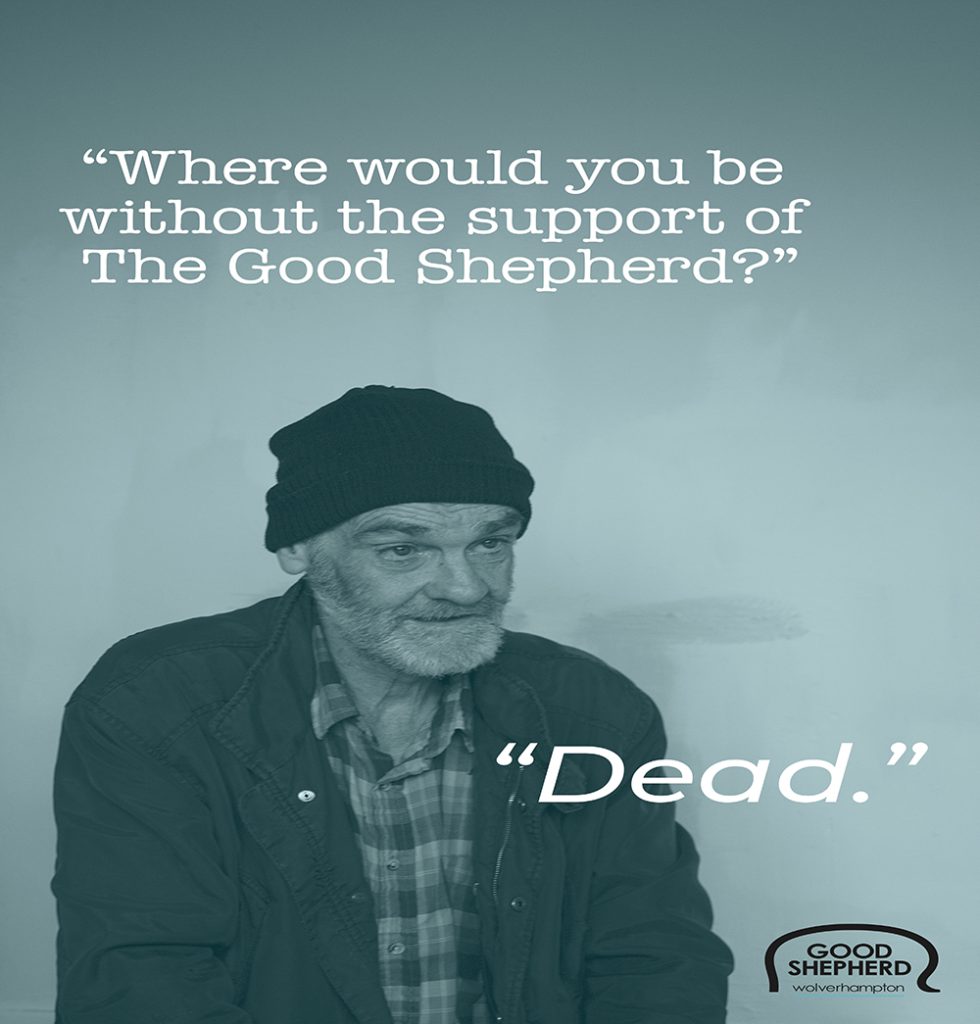
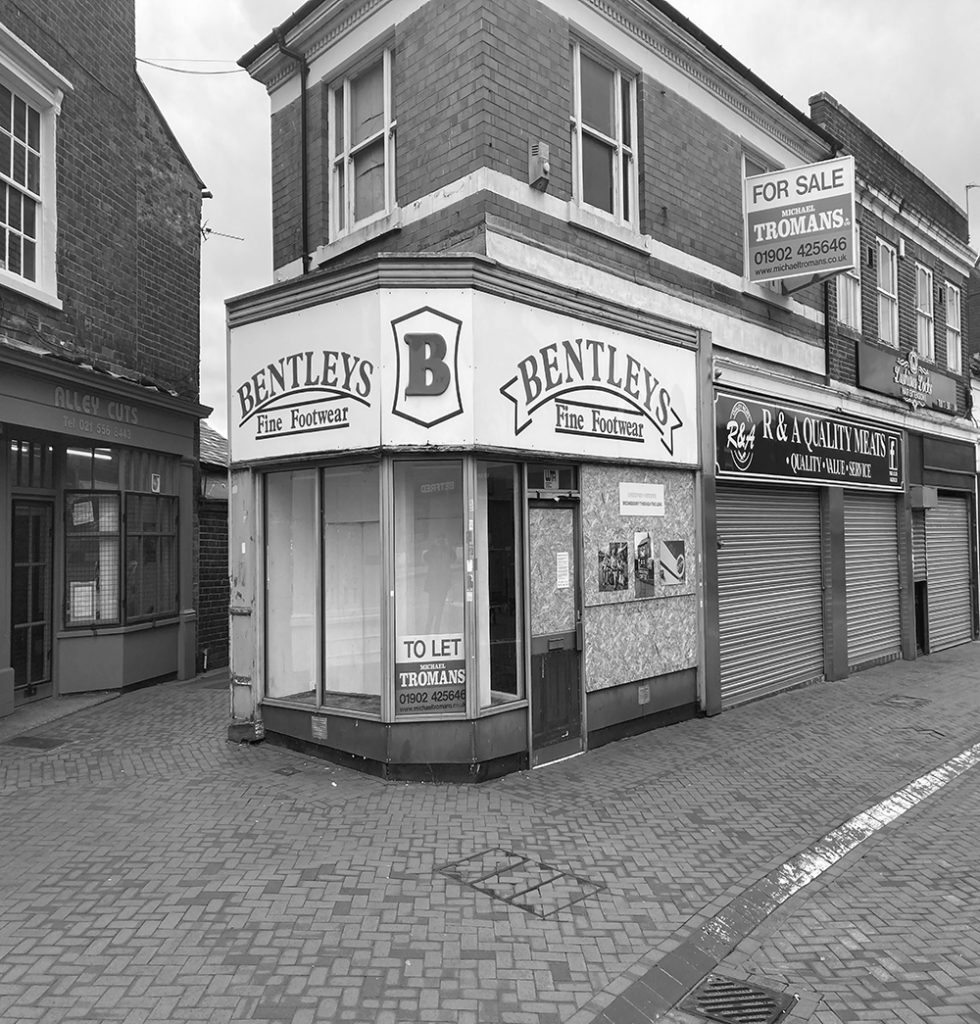
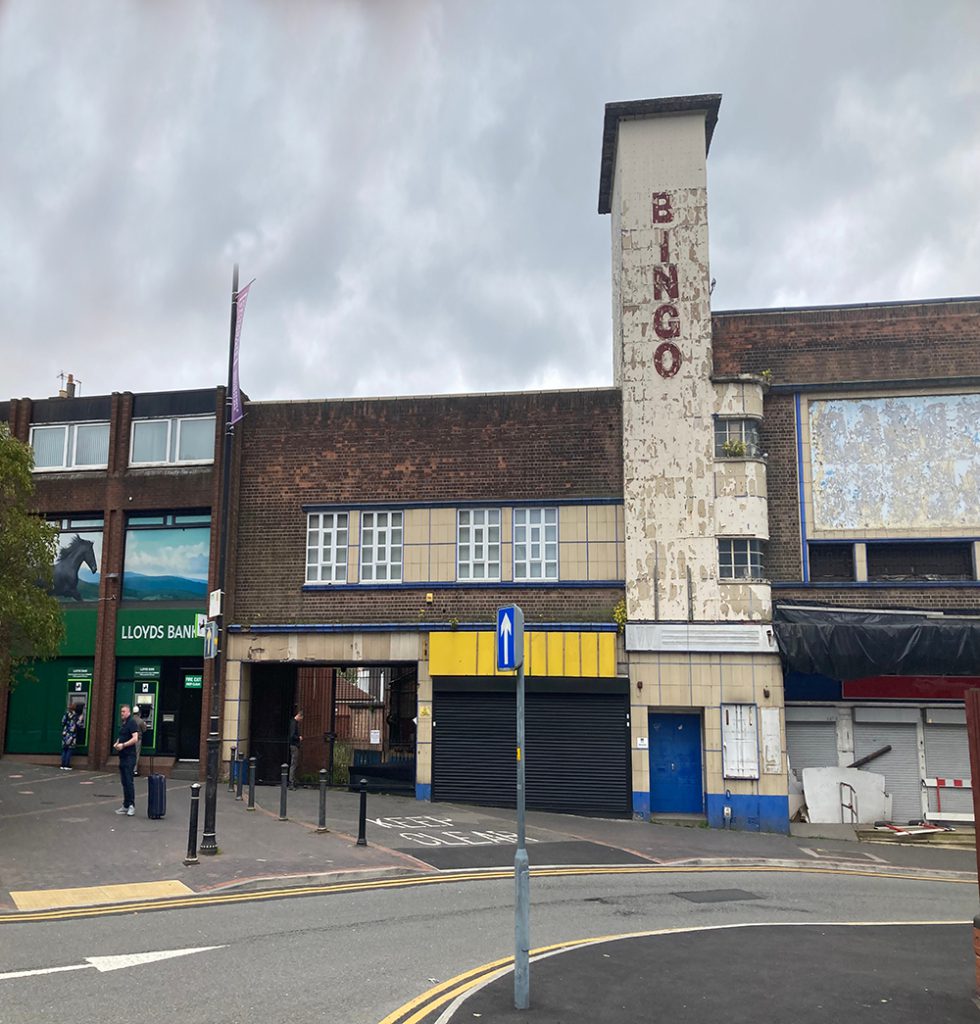
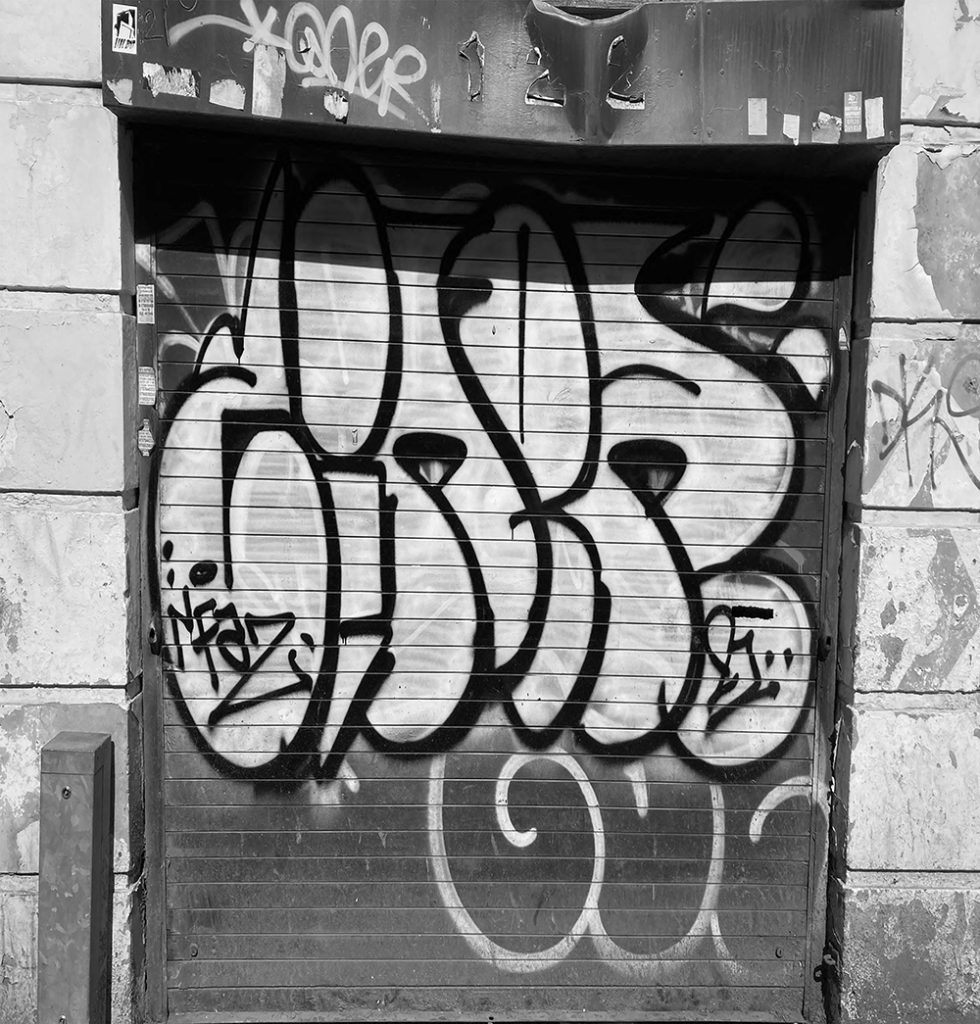
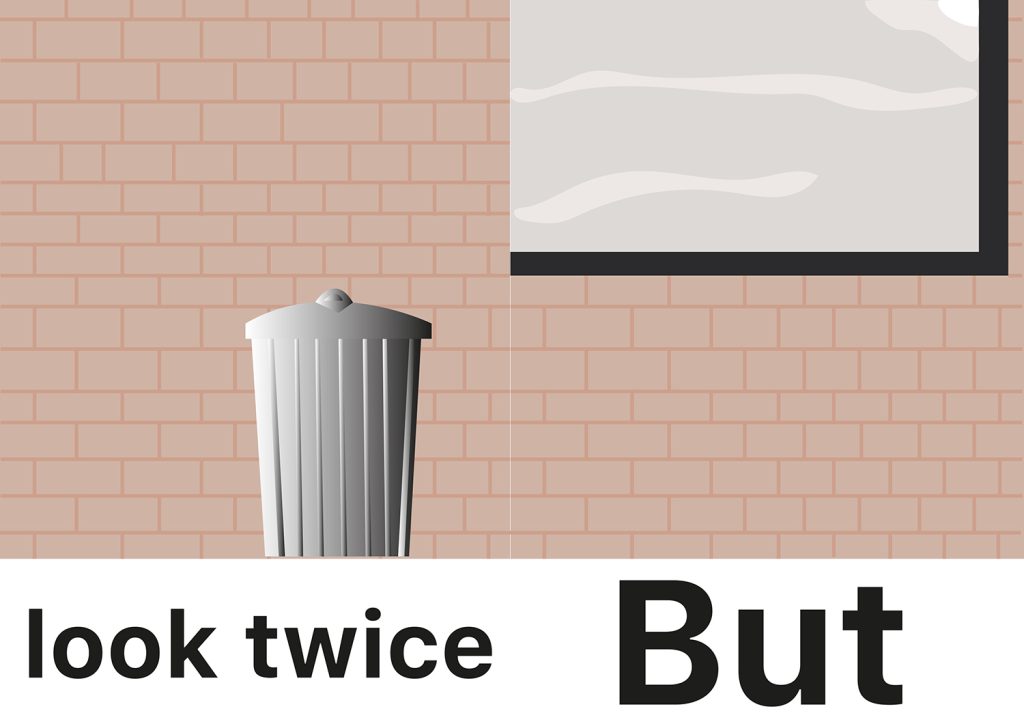
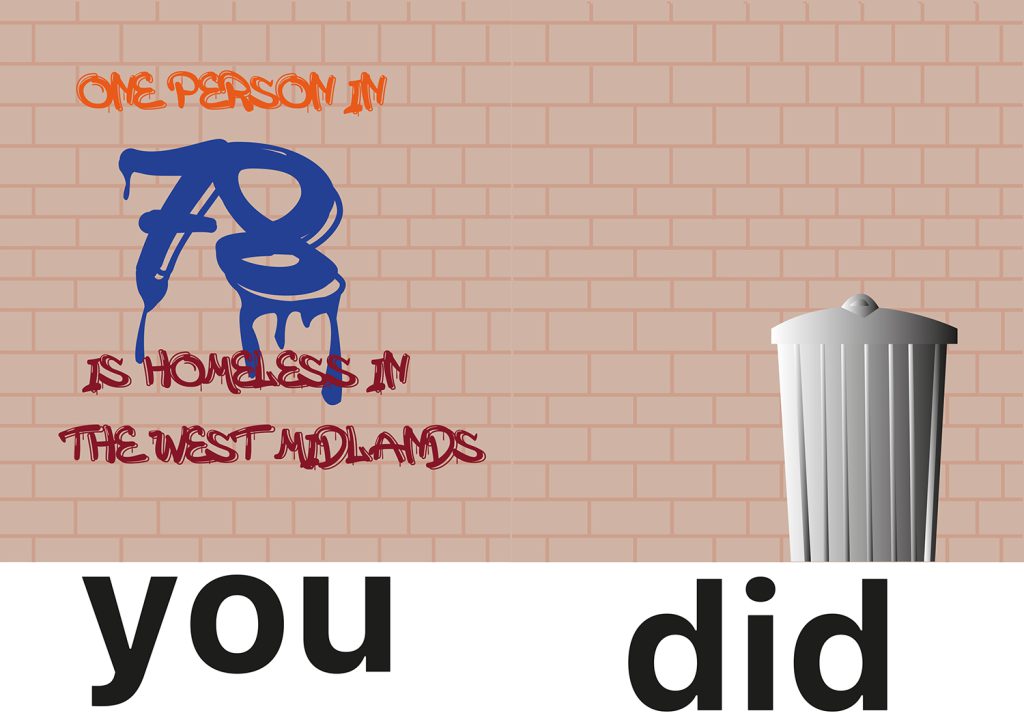
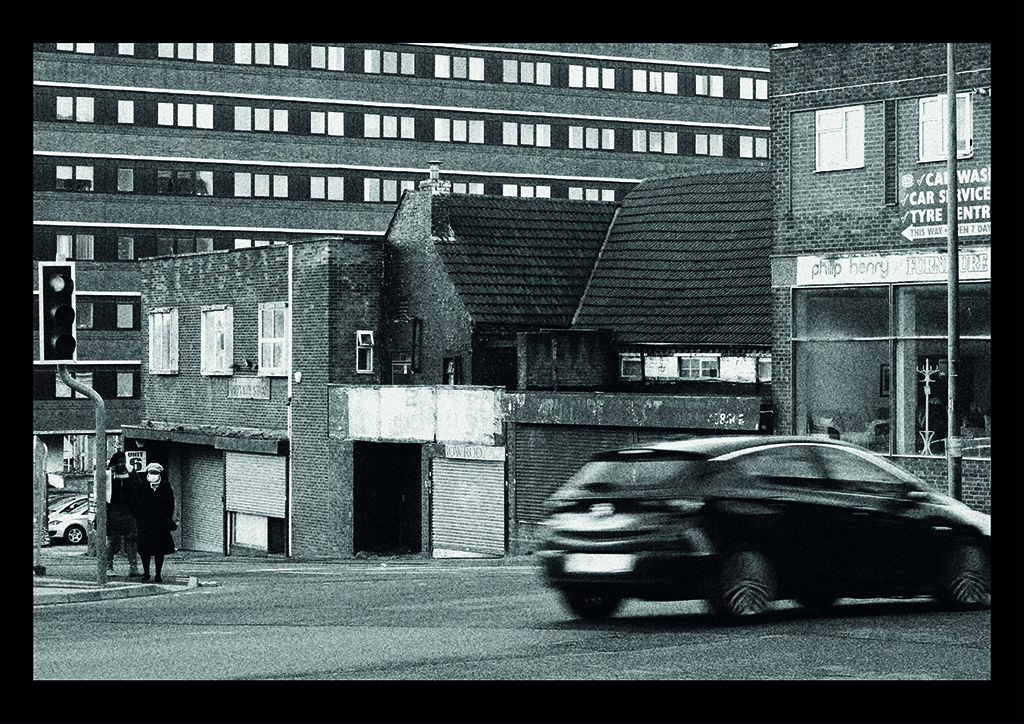
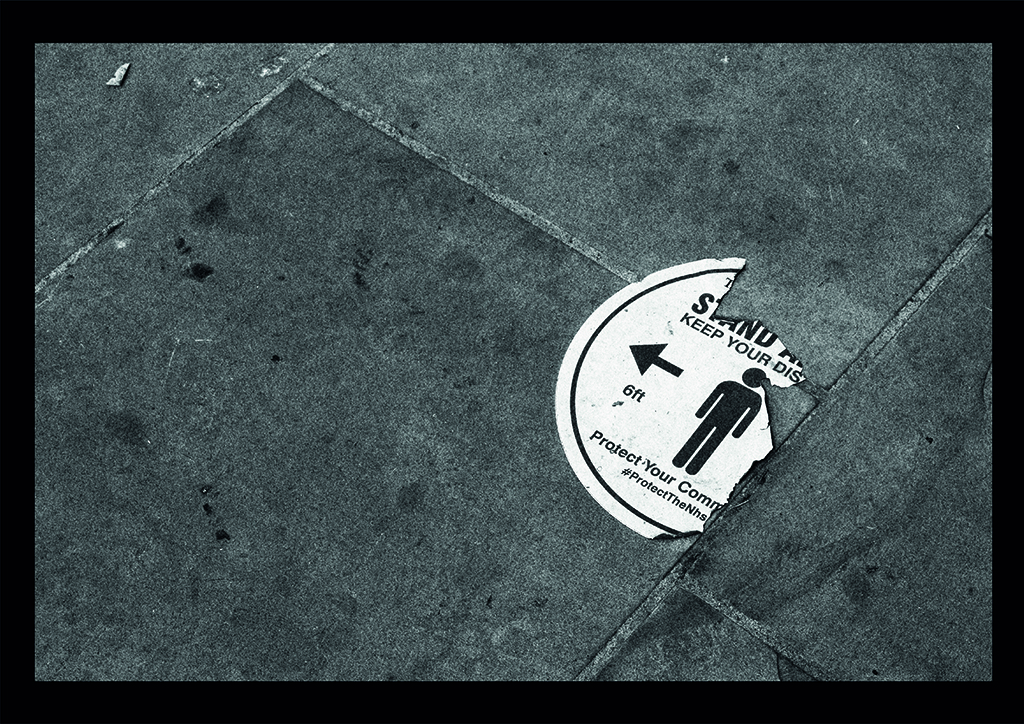
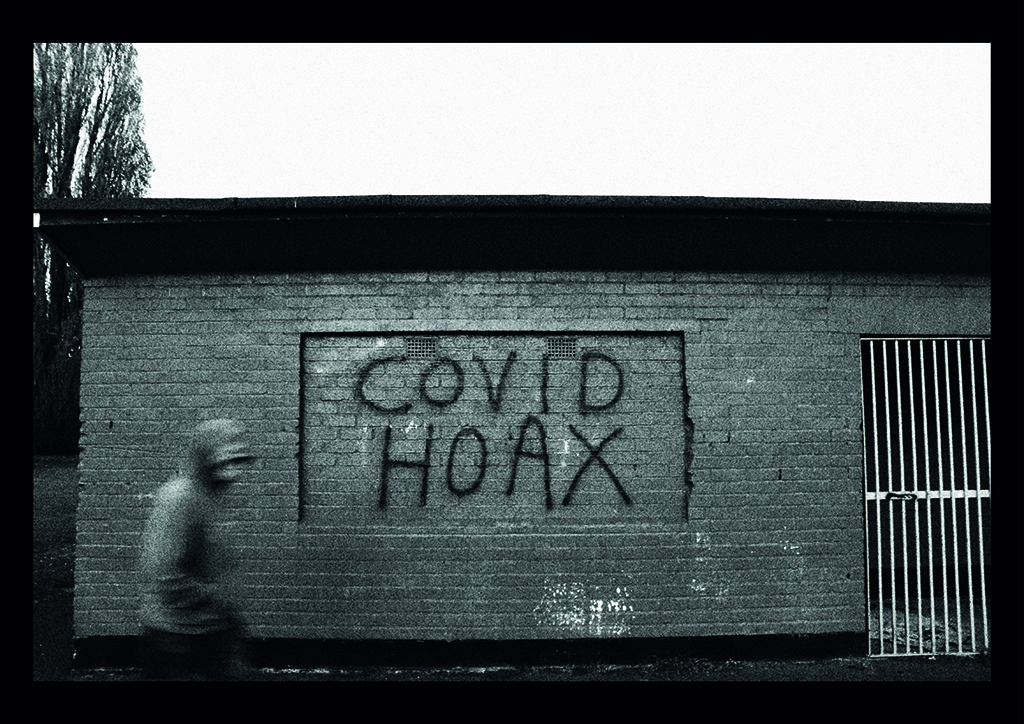
Poverty Britain is an attempt to highlight the everyday examples of poverty and despair in modern Britain. Homeless people now litter the streets alongside overflowing bins; once thriving high streets now feature many derelict buildings and vandalised storefronts.
Maxim Diacov
Progression: Dudley College of Technology, Foundation Diploma
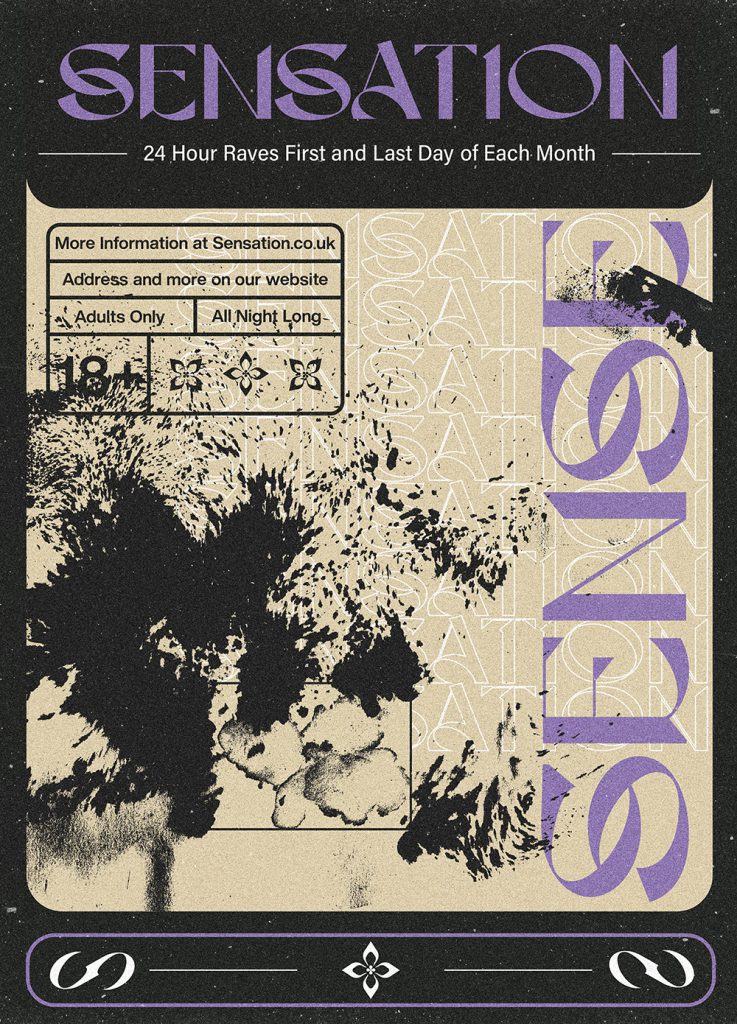
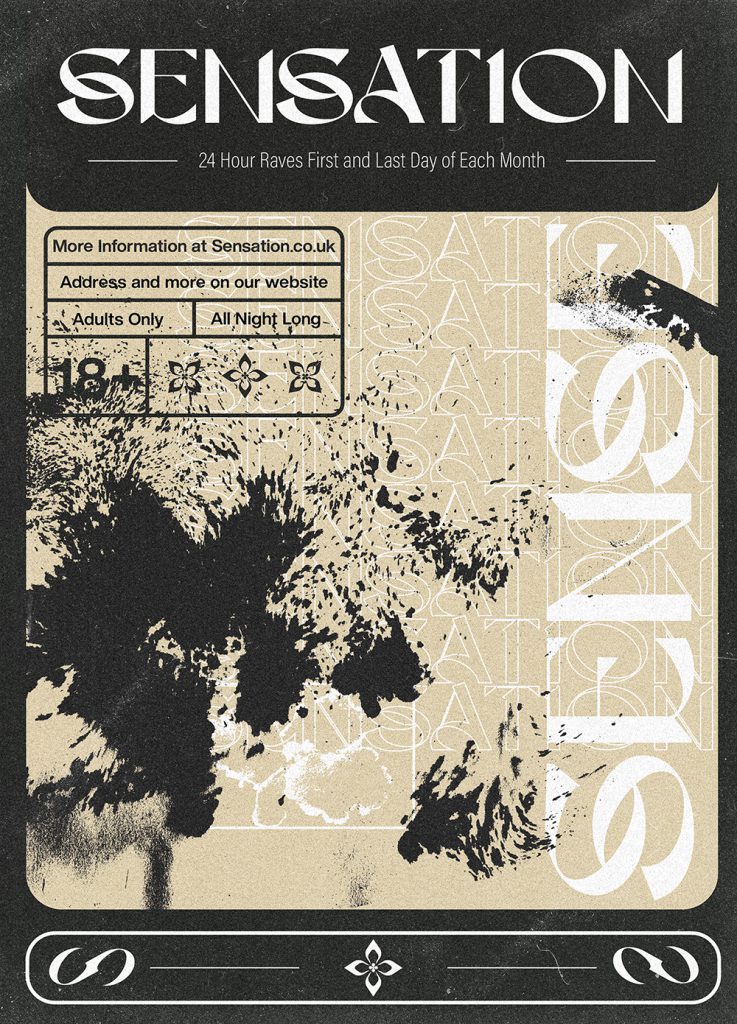
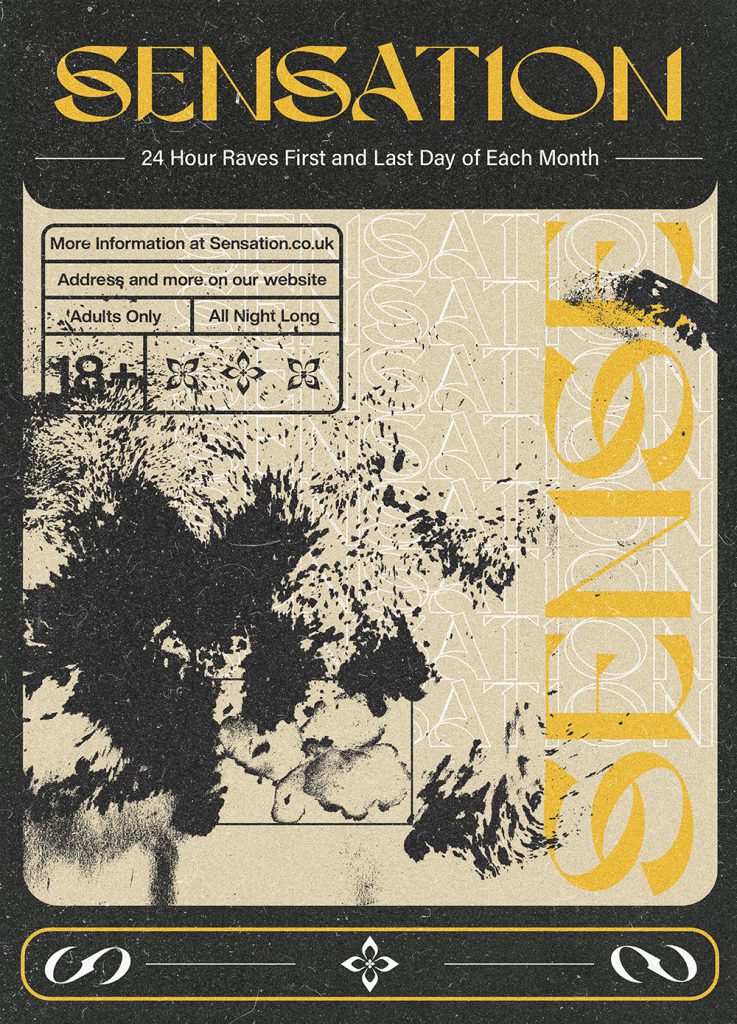
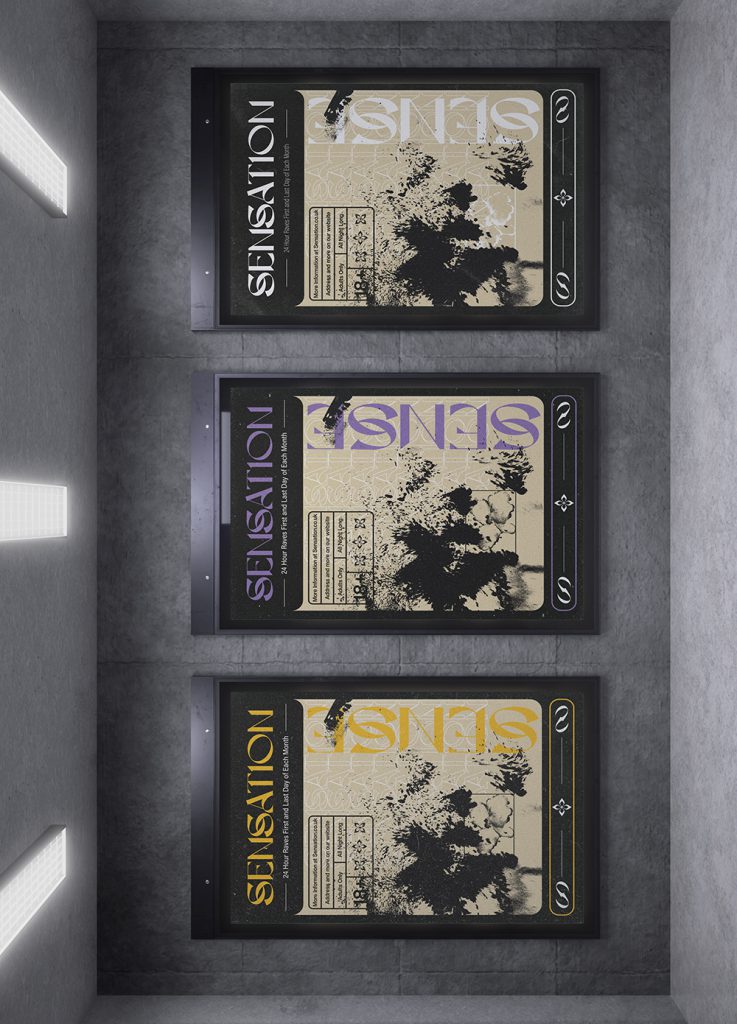
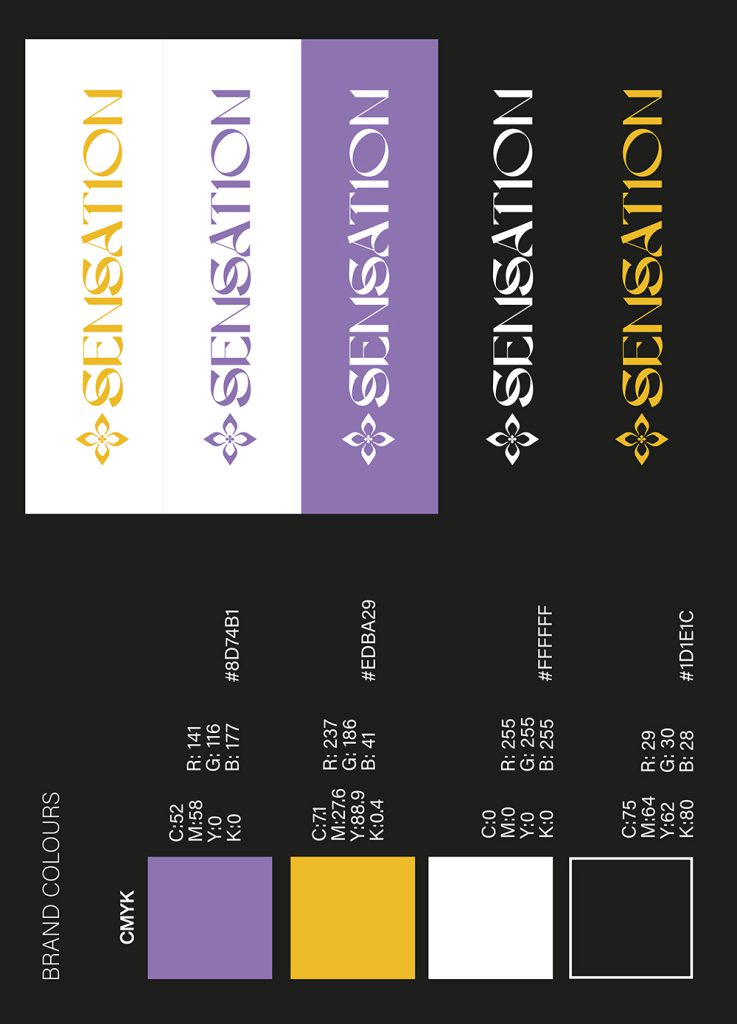
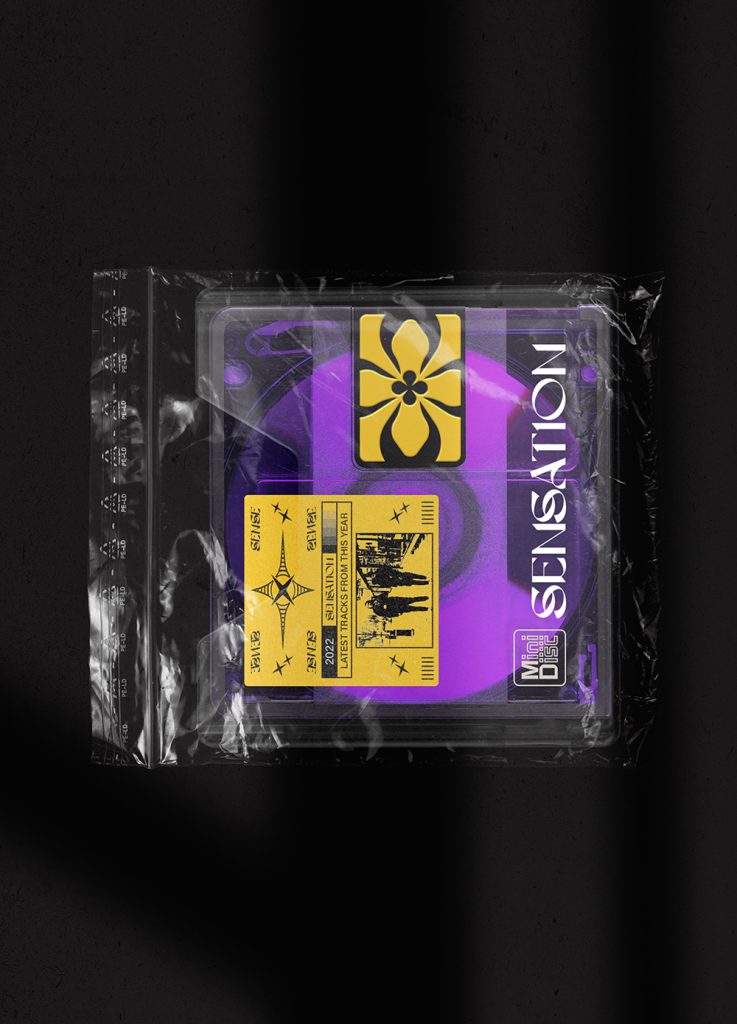
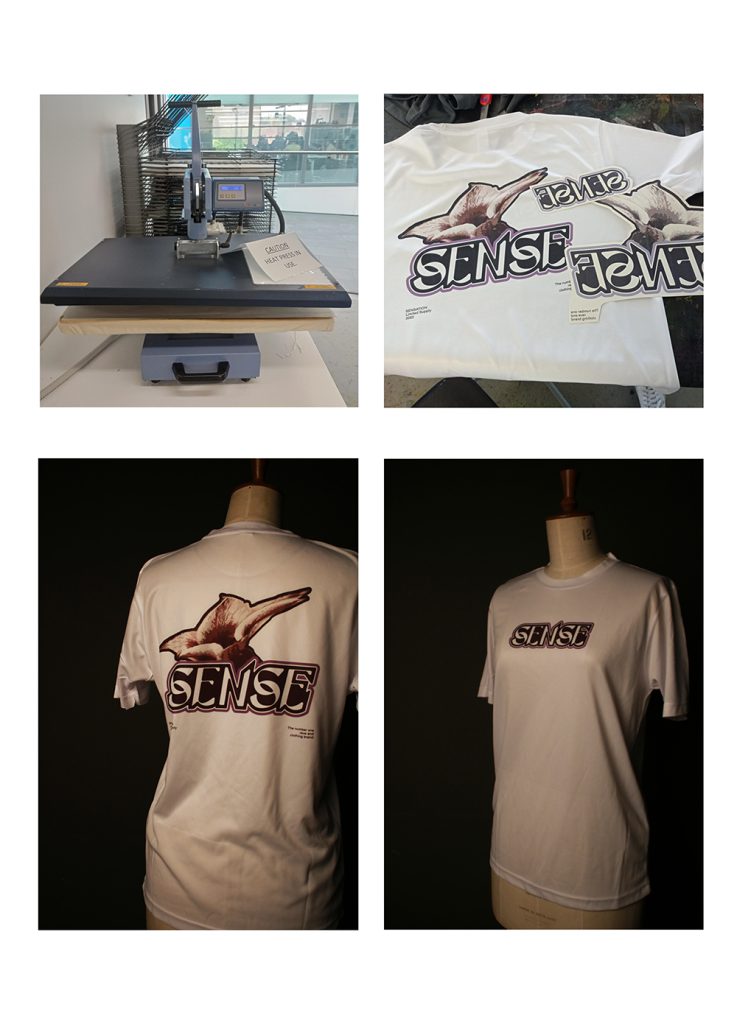
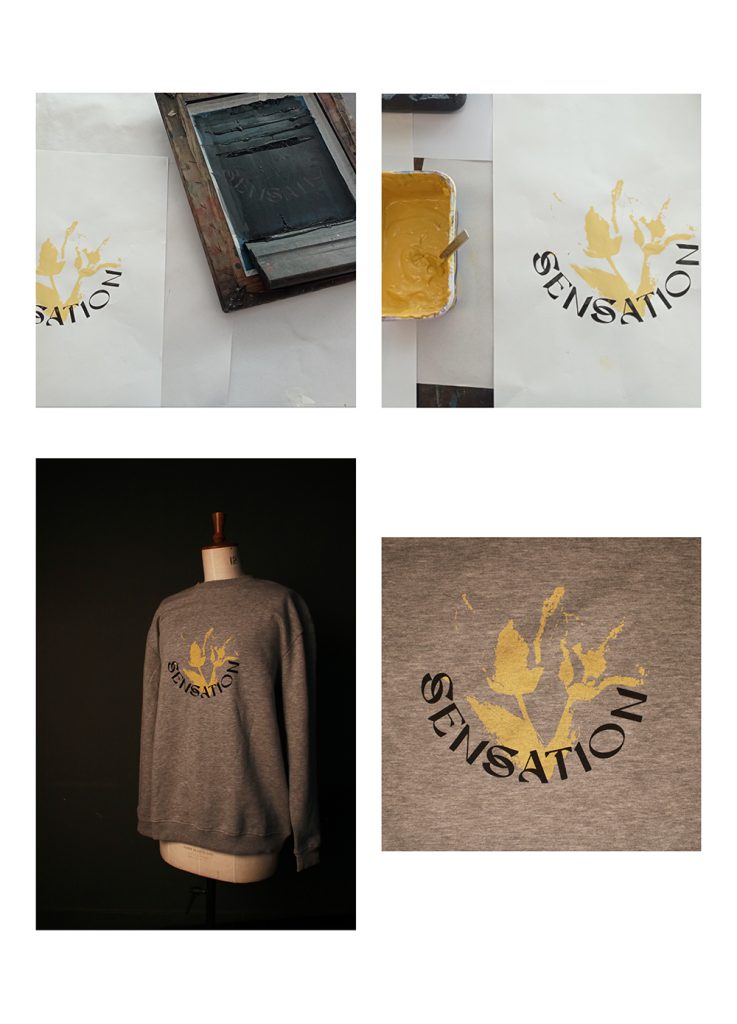
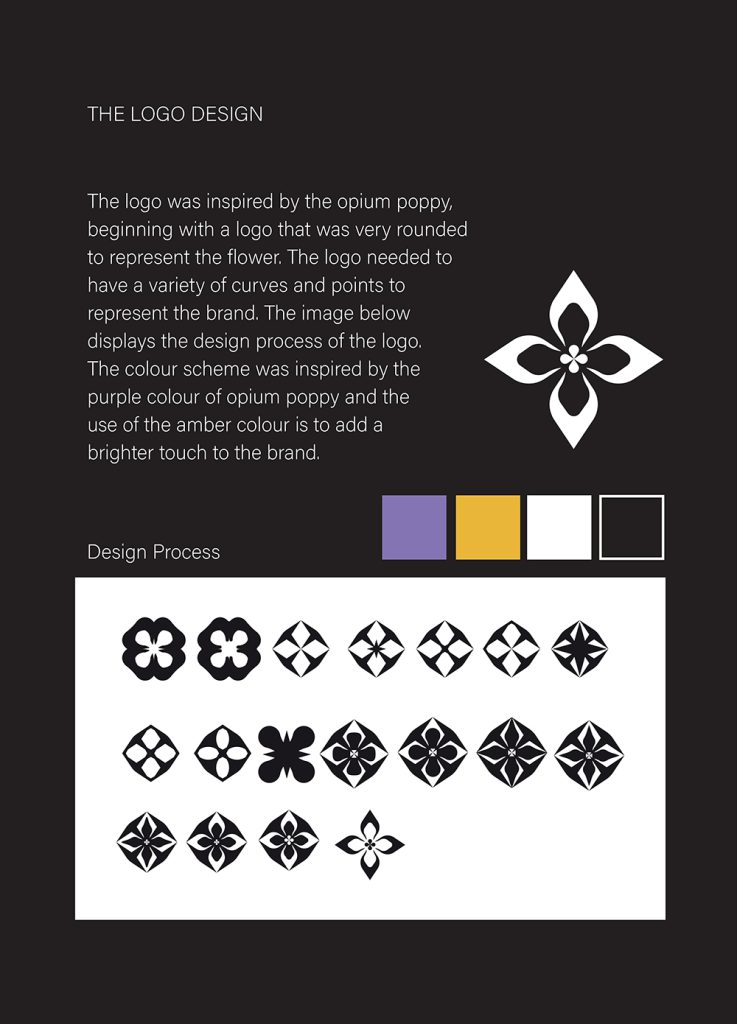
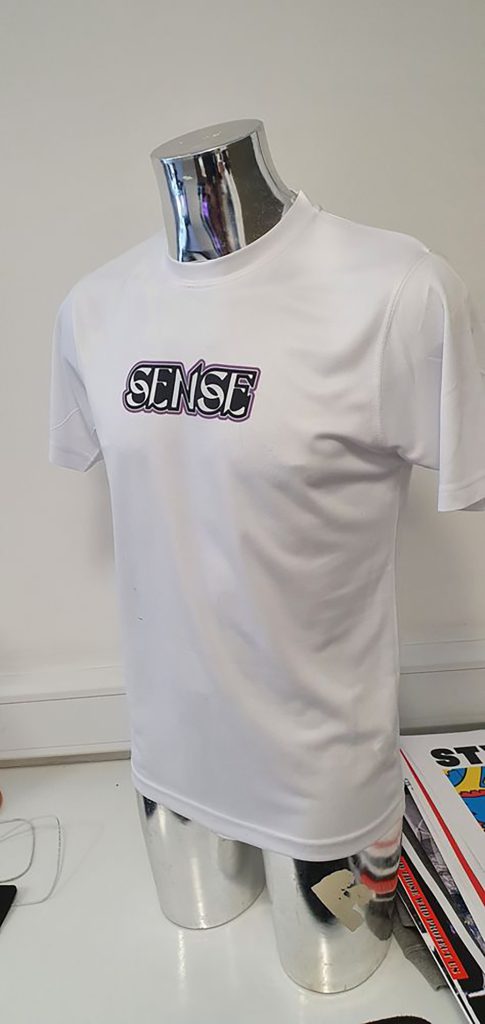
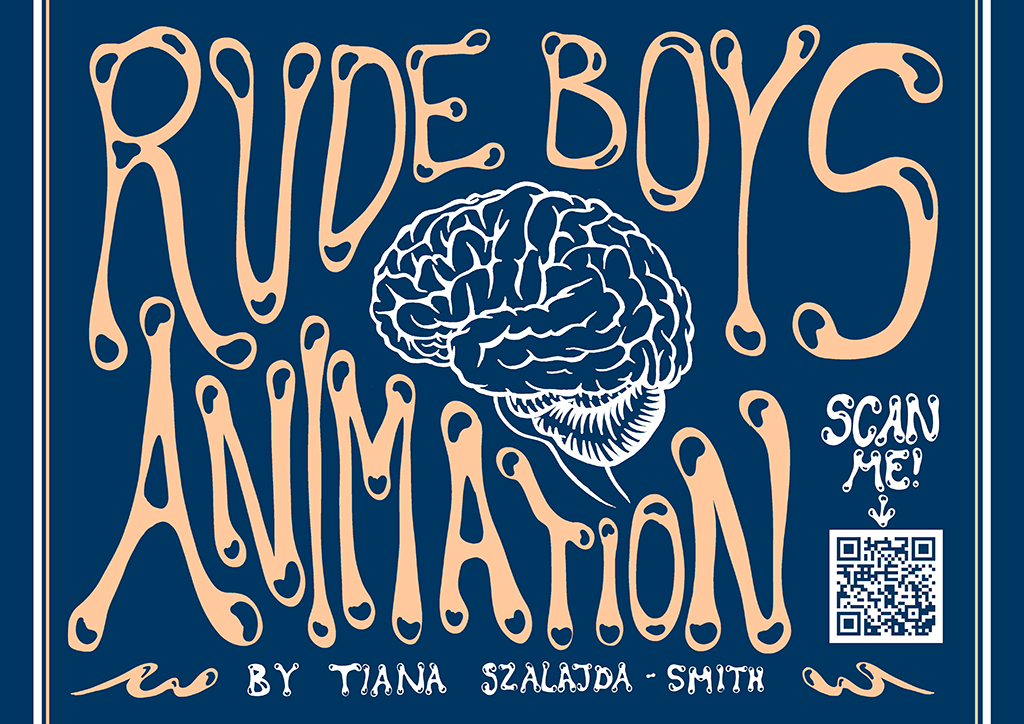
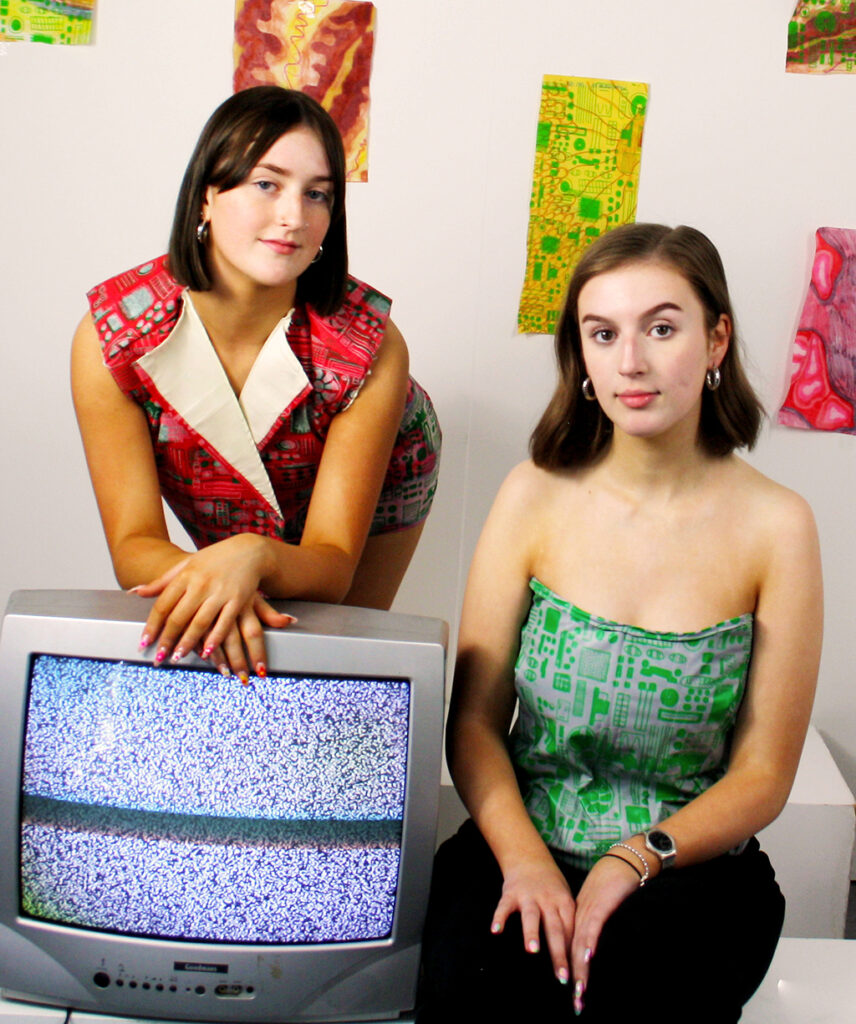
Sensation is a rave brand inspired by the 90s with a modern twist. My project includes a printed magazine which includes posters, mockups and clothing, as well as explanations about the processes used to make each design.
Leah Hamilton
Progression: Dudley College of Technology, Foundation Diploma
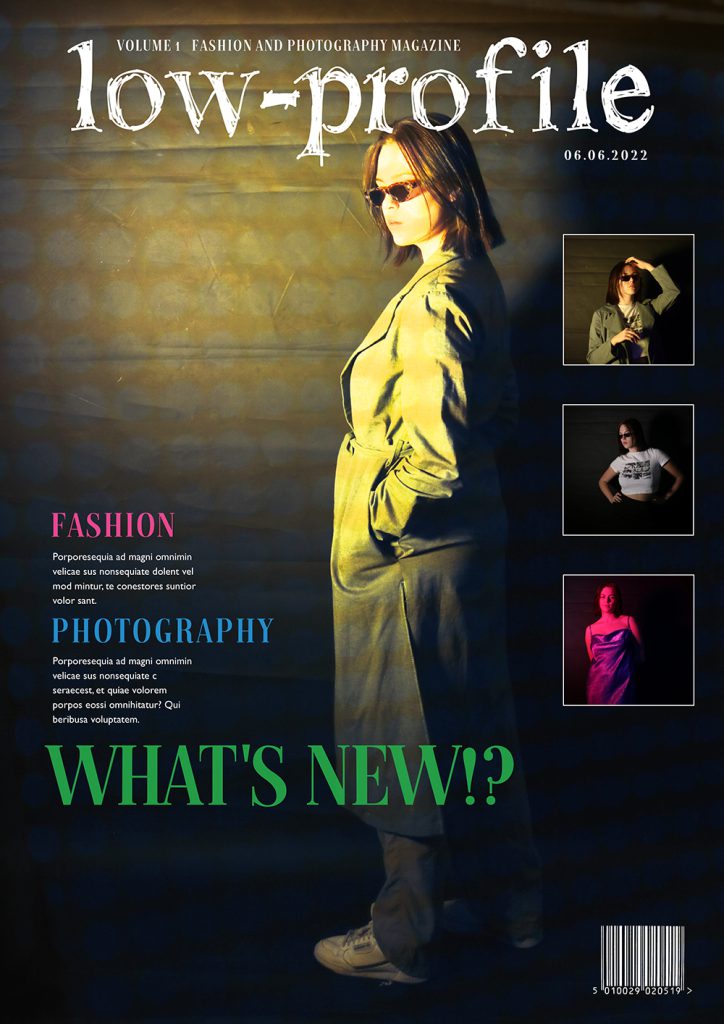
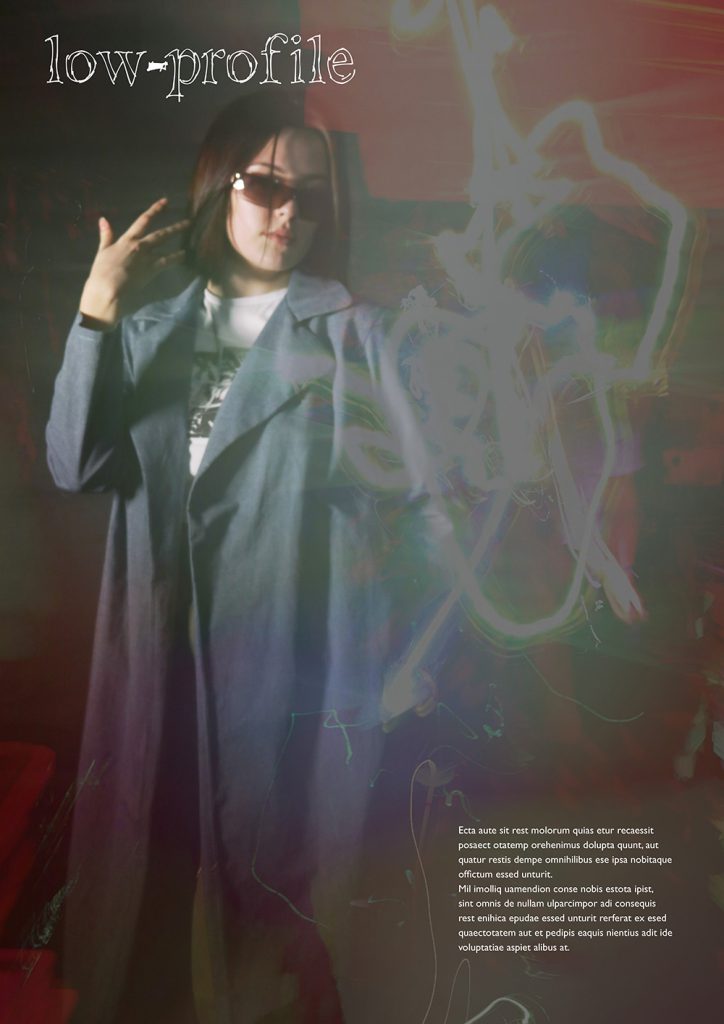
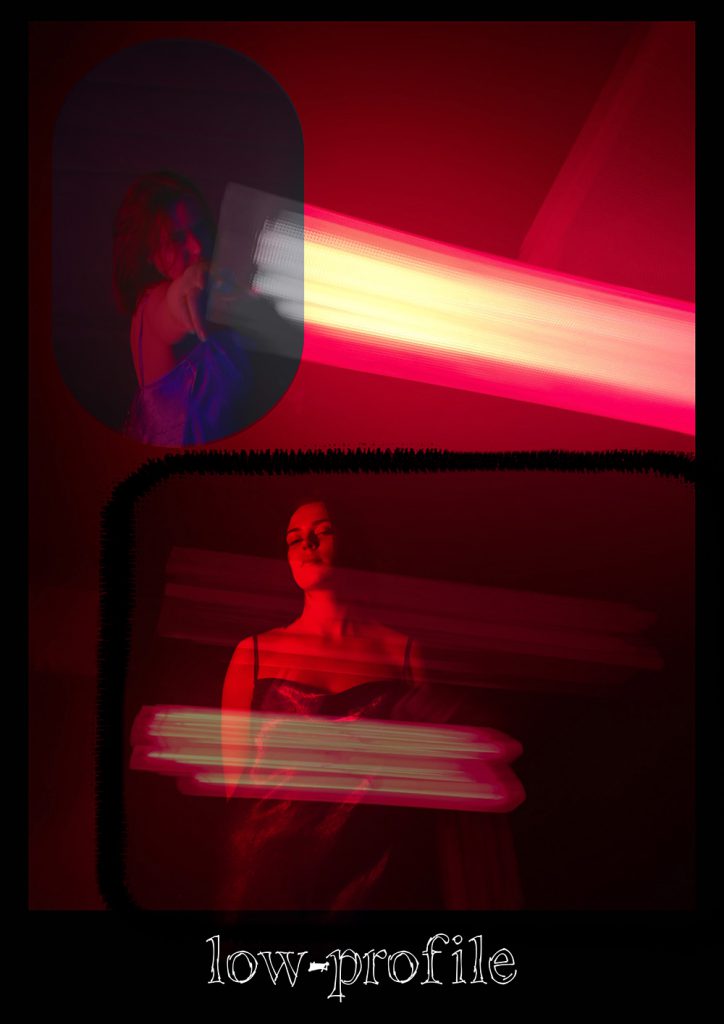
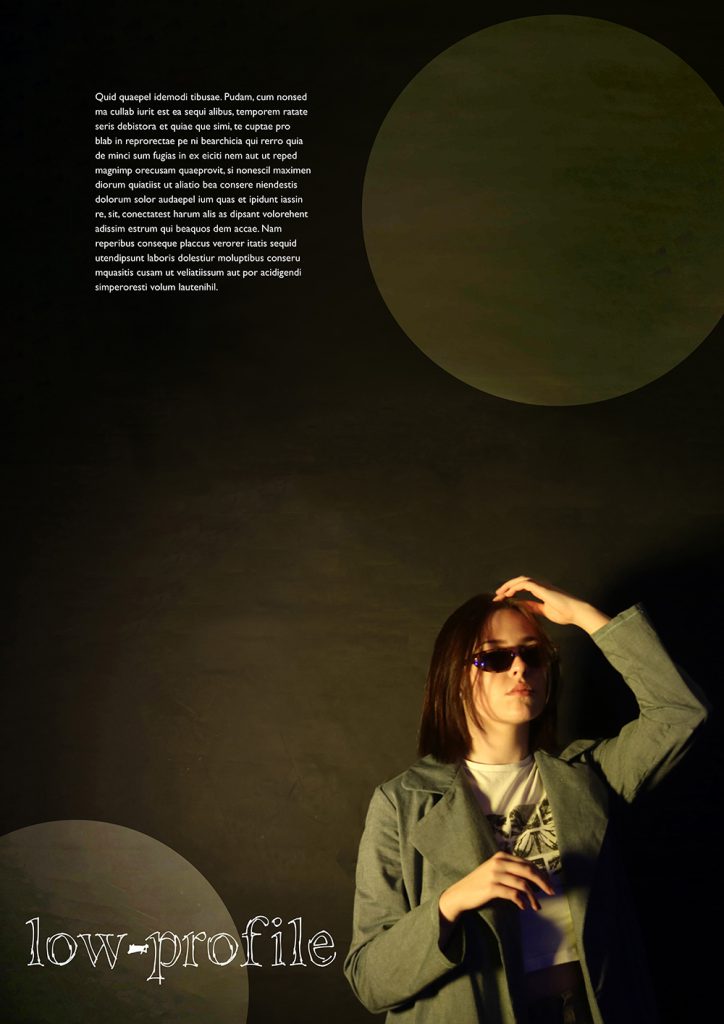
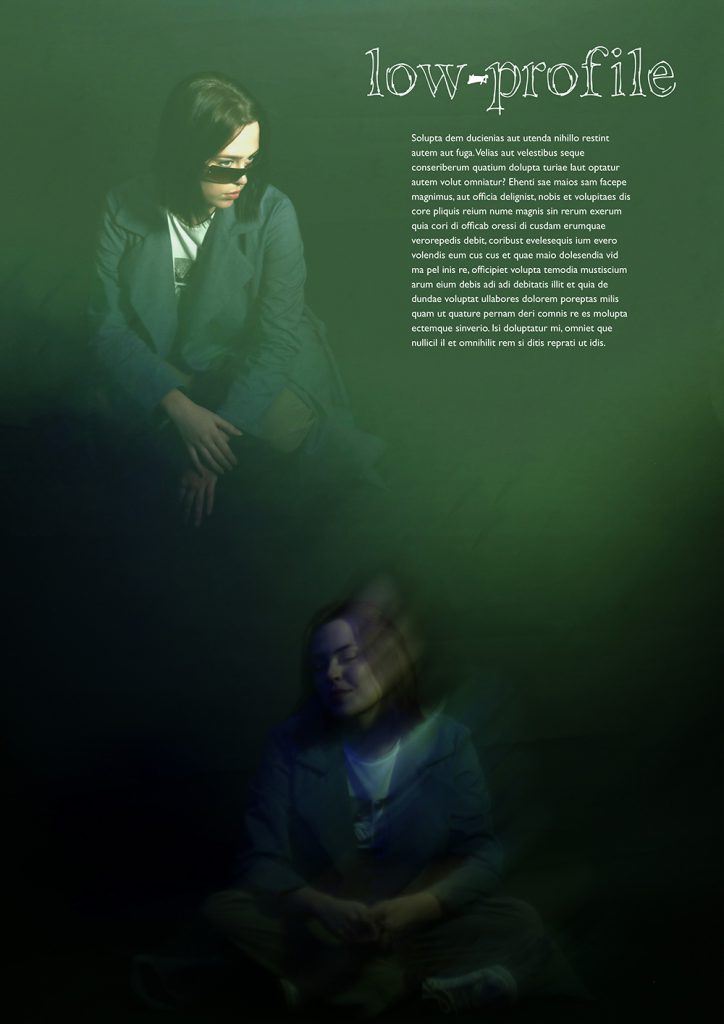
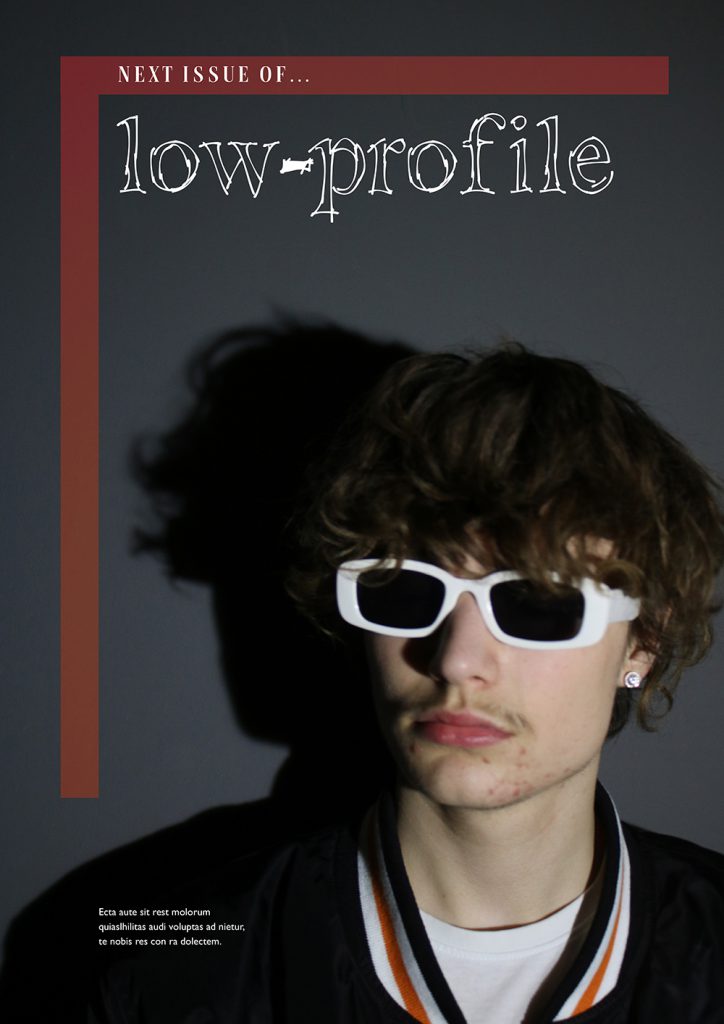
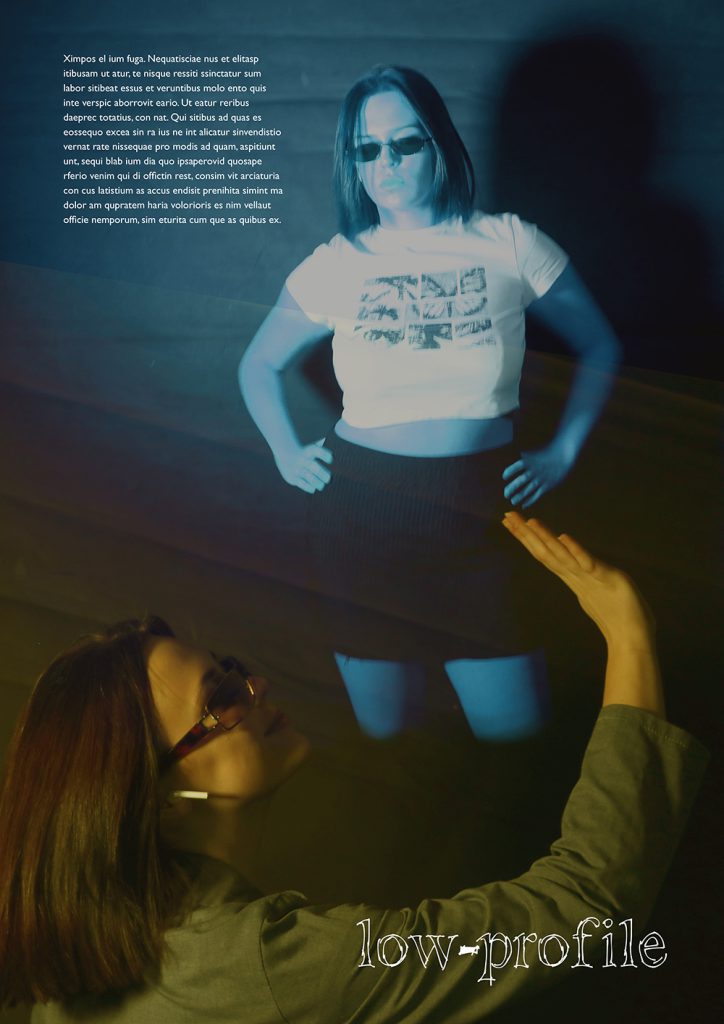
My FMP is a fashion and photography magazine called low-profile. It is a 7 page magazine that consists of different photography and editing techniques.
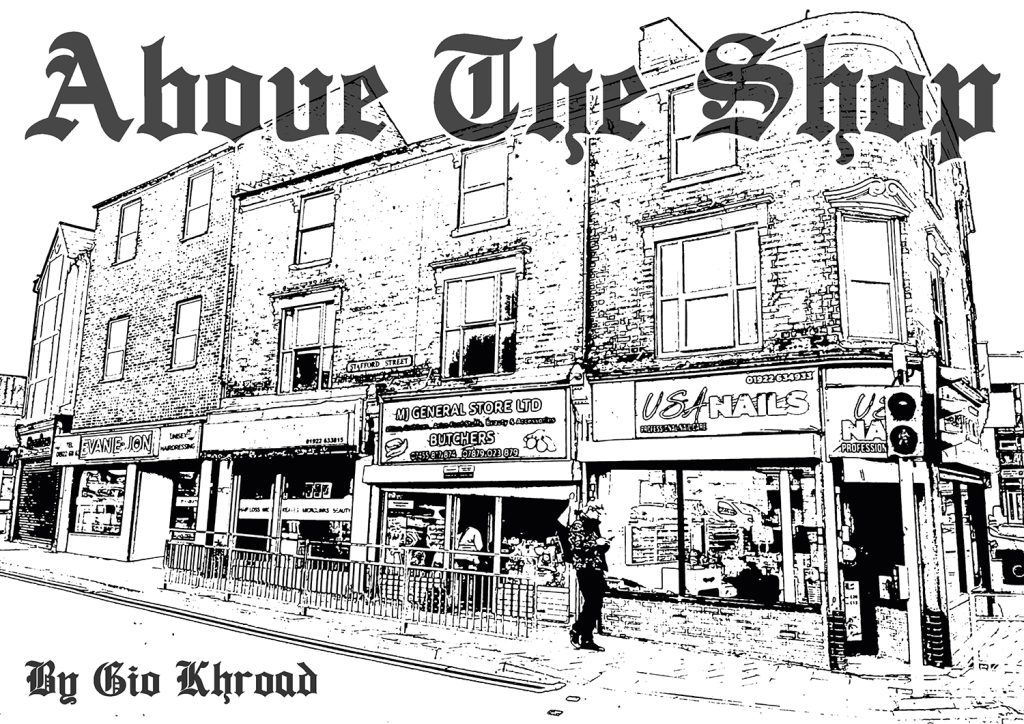
Gio Khroad
Progression: Dudley College of Technology, Foundation Diploma
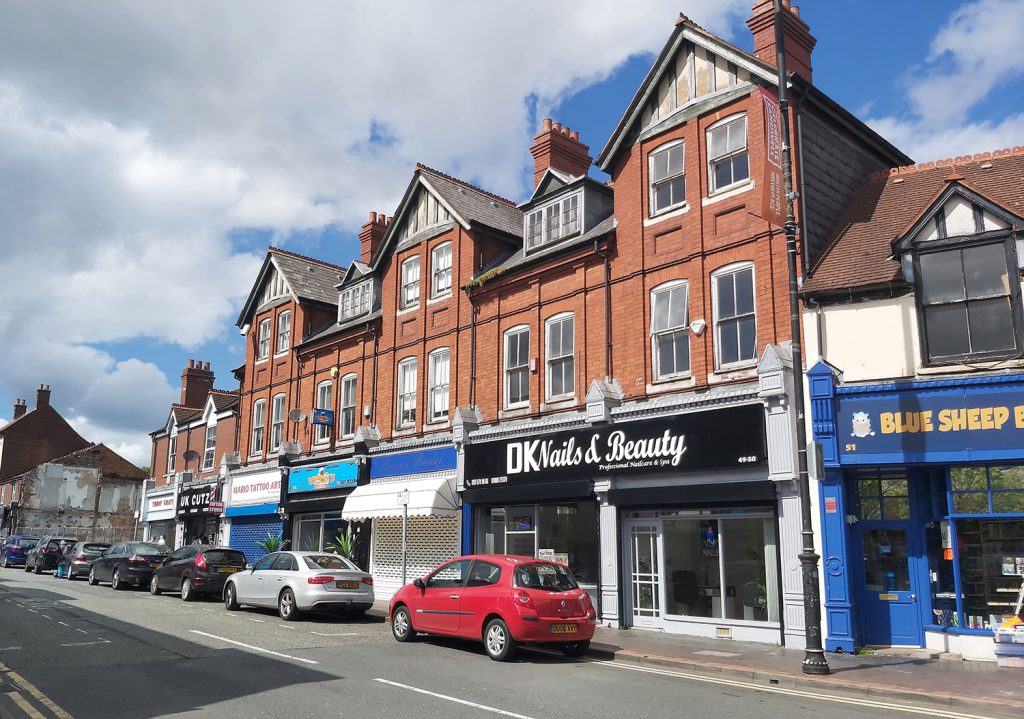
My FMP is an architectural photobook. I made it to show how towns in the Black Country and the UK as a whole, generally look the same!
Miroslav Kosik
Progression: Dudley College of Technology, Foundation Diploma
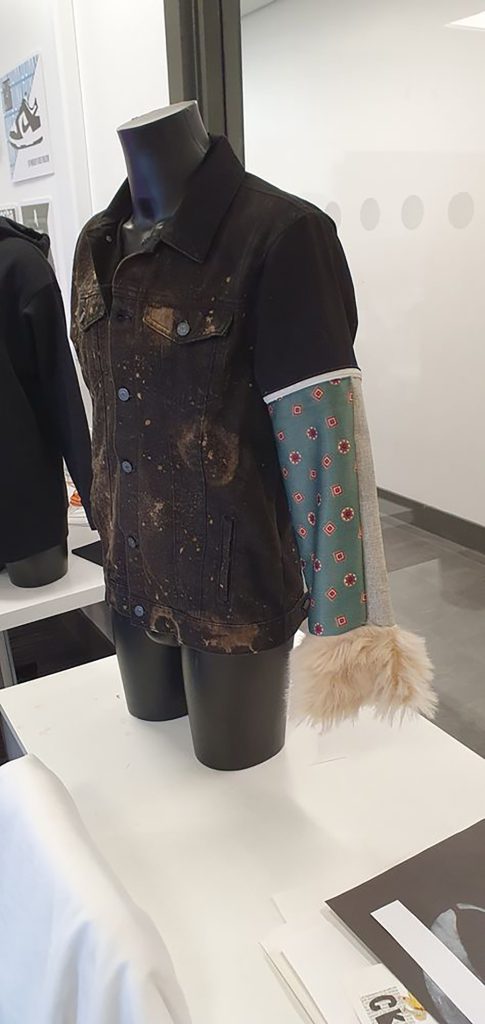
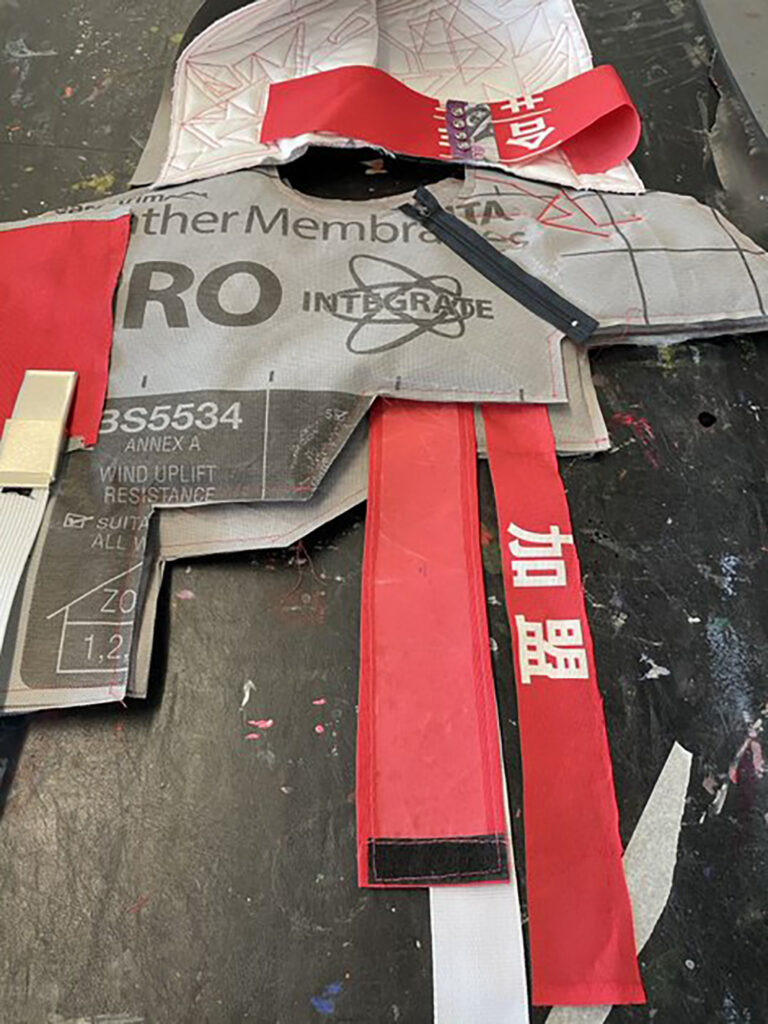
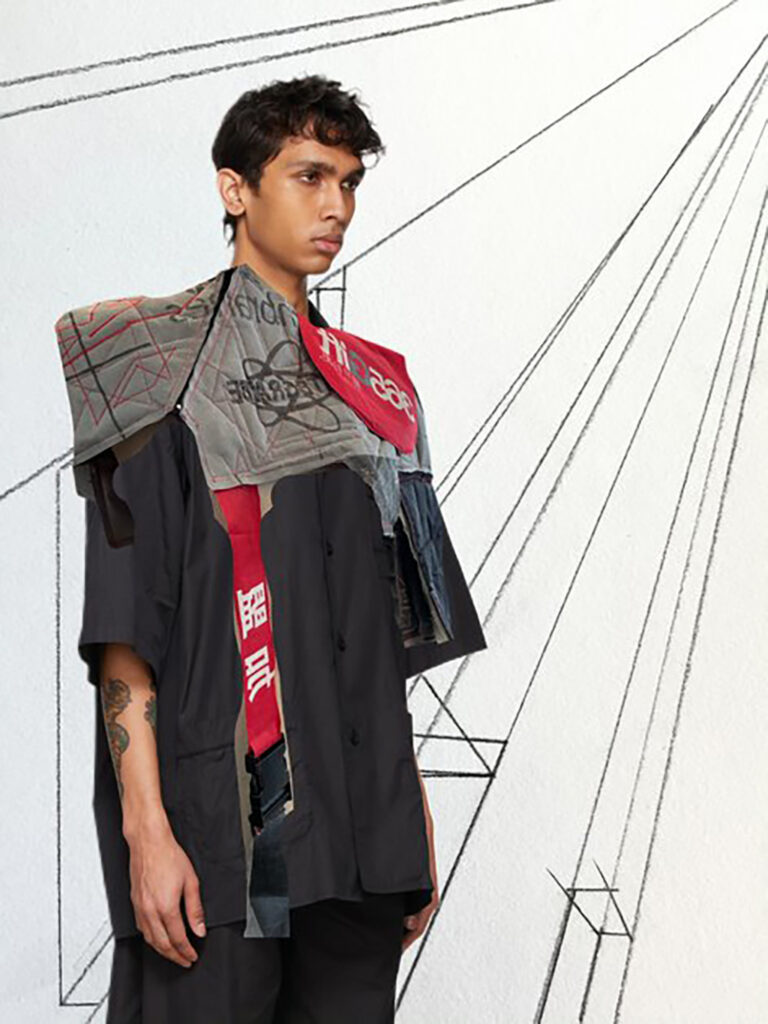
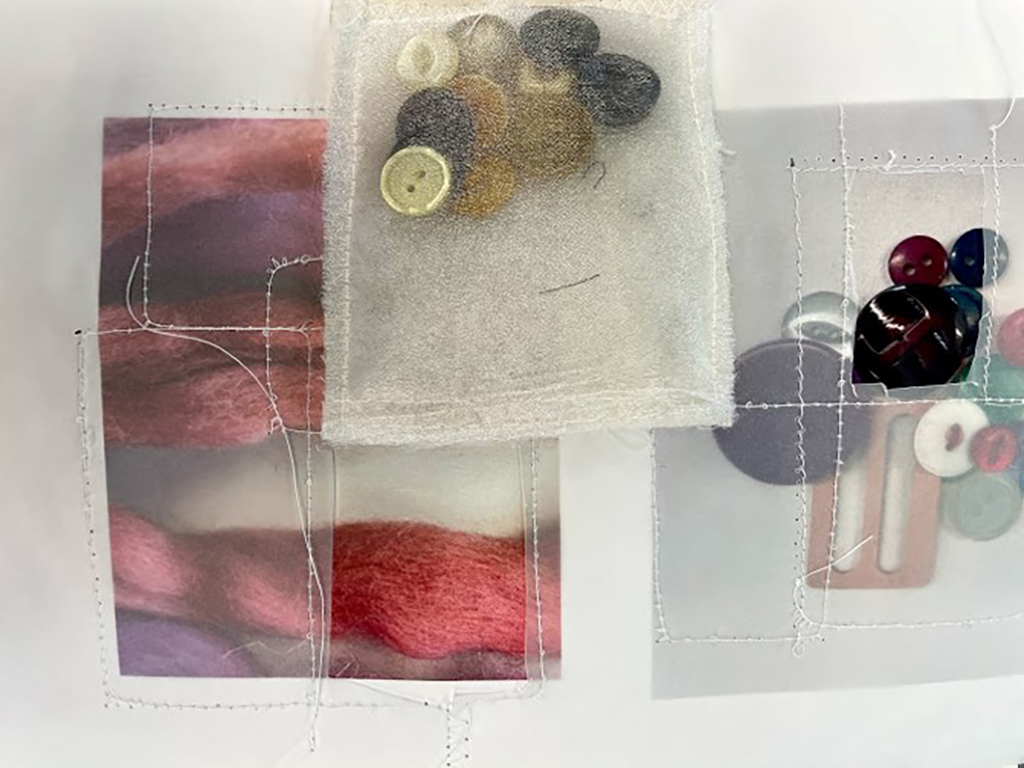
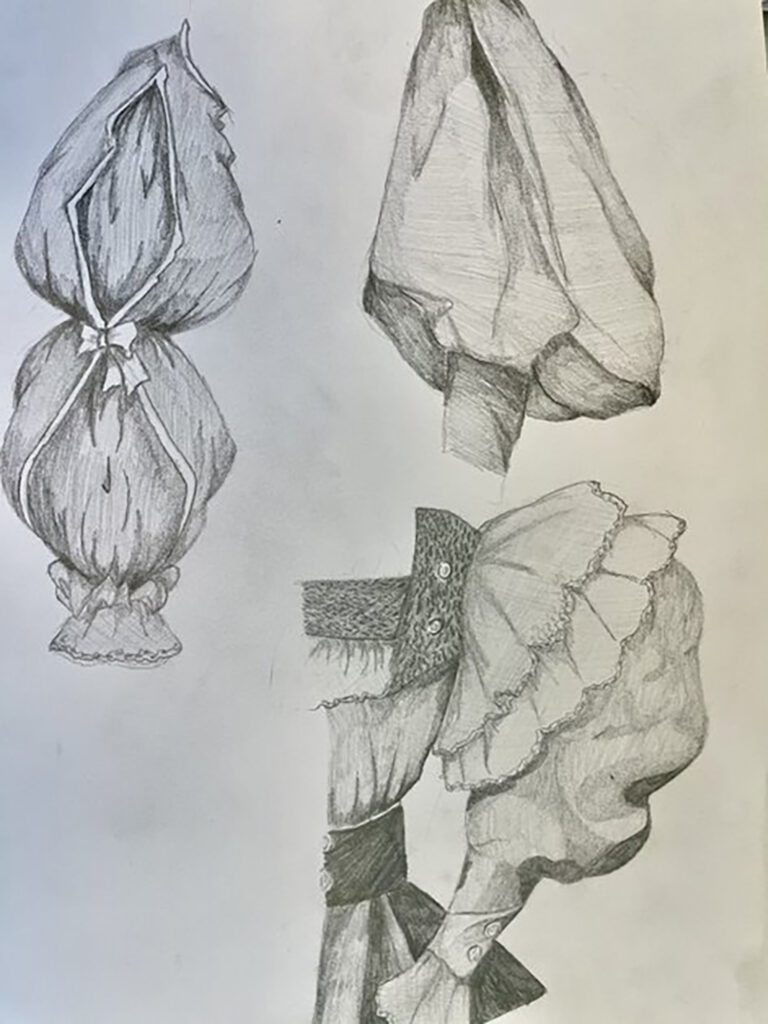
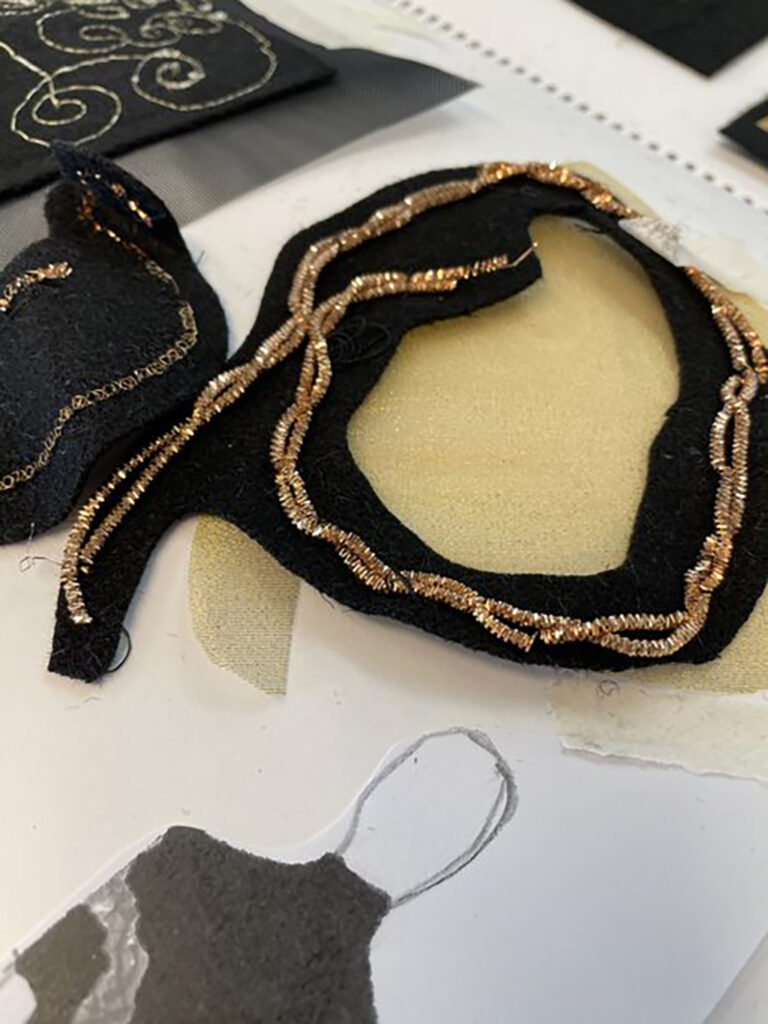
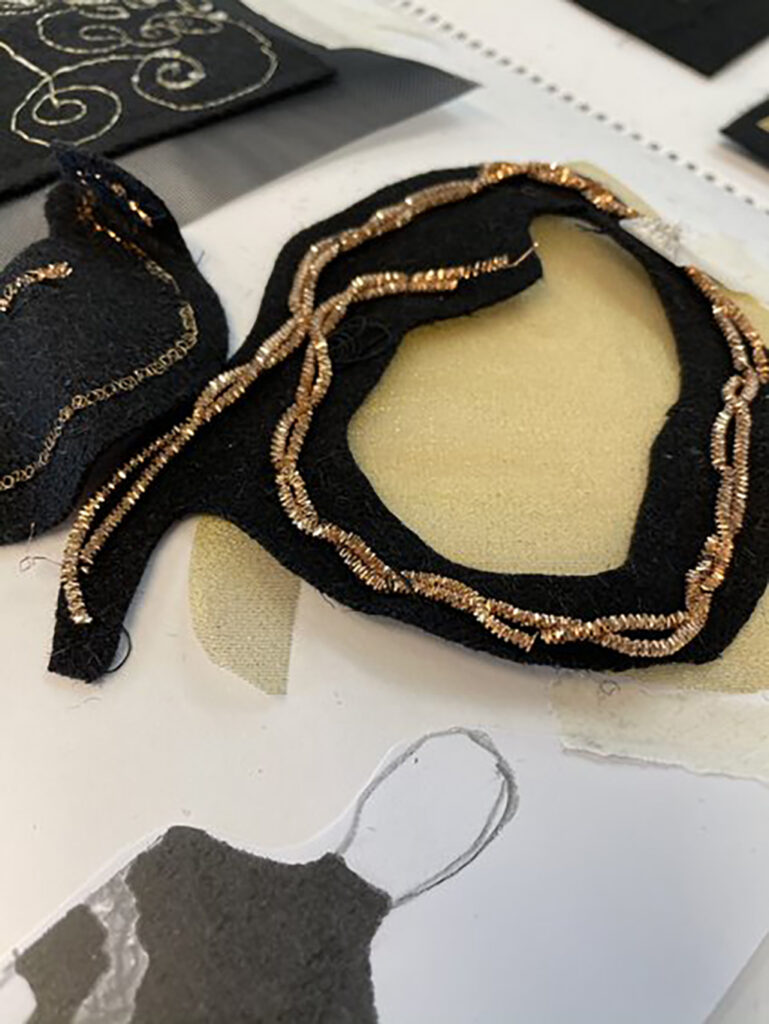
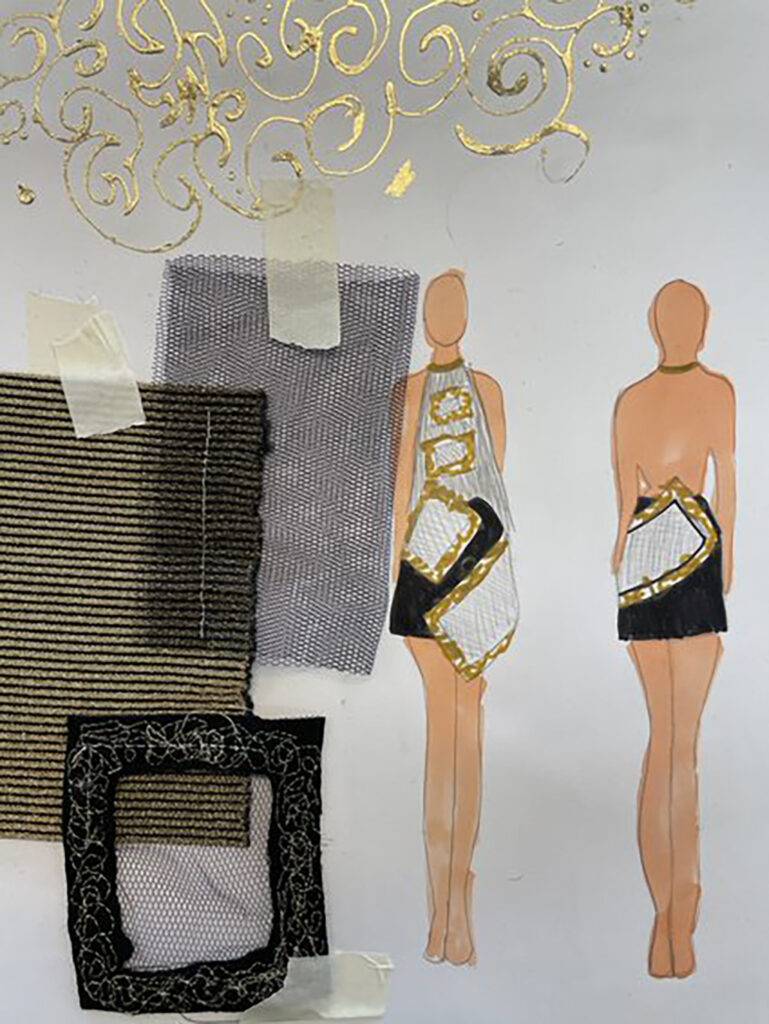
My FMP is about taking old clothes and materials and re-purposing them. The process is called Upcycling – using other fashion artists and their methods as inspiration
Alexander Jones
Progression: Aston University, BSc Transport Management
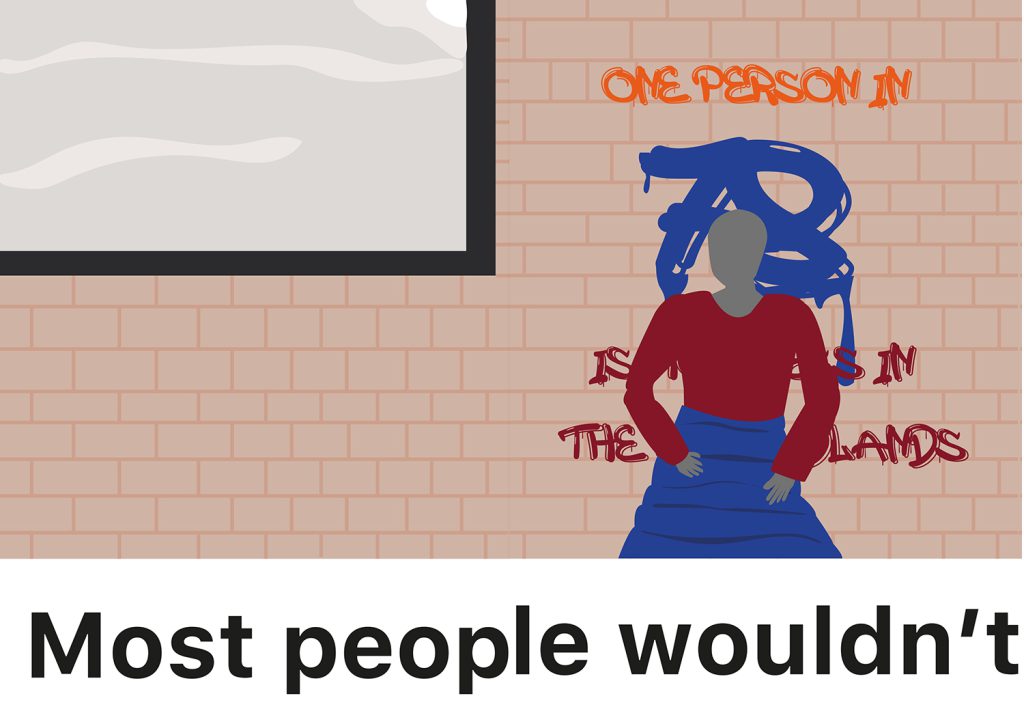
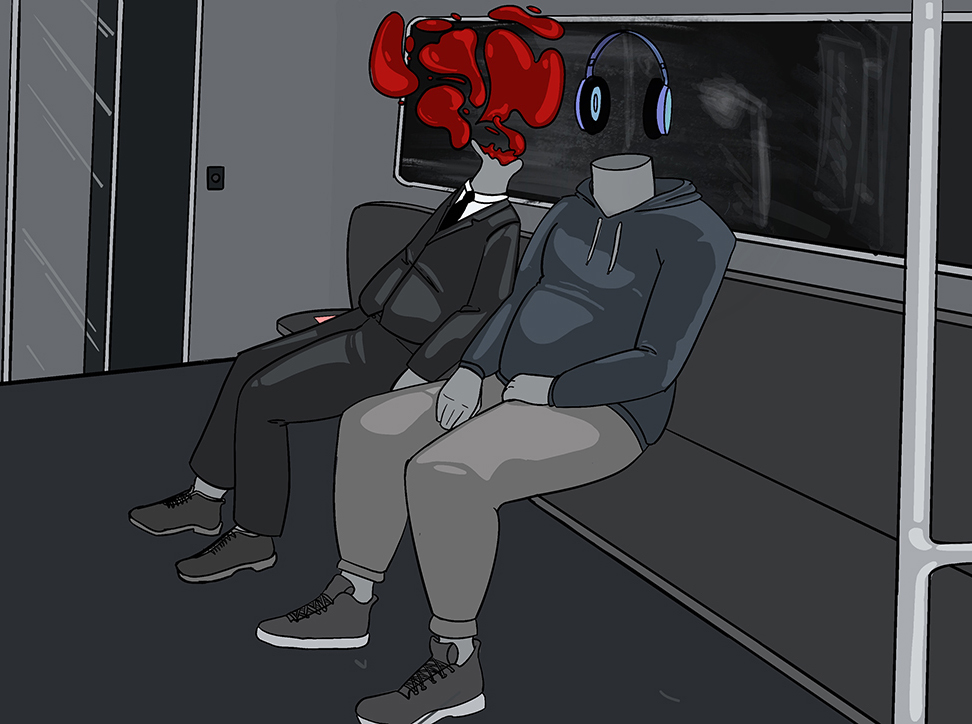
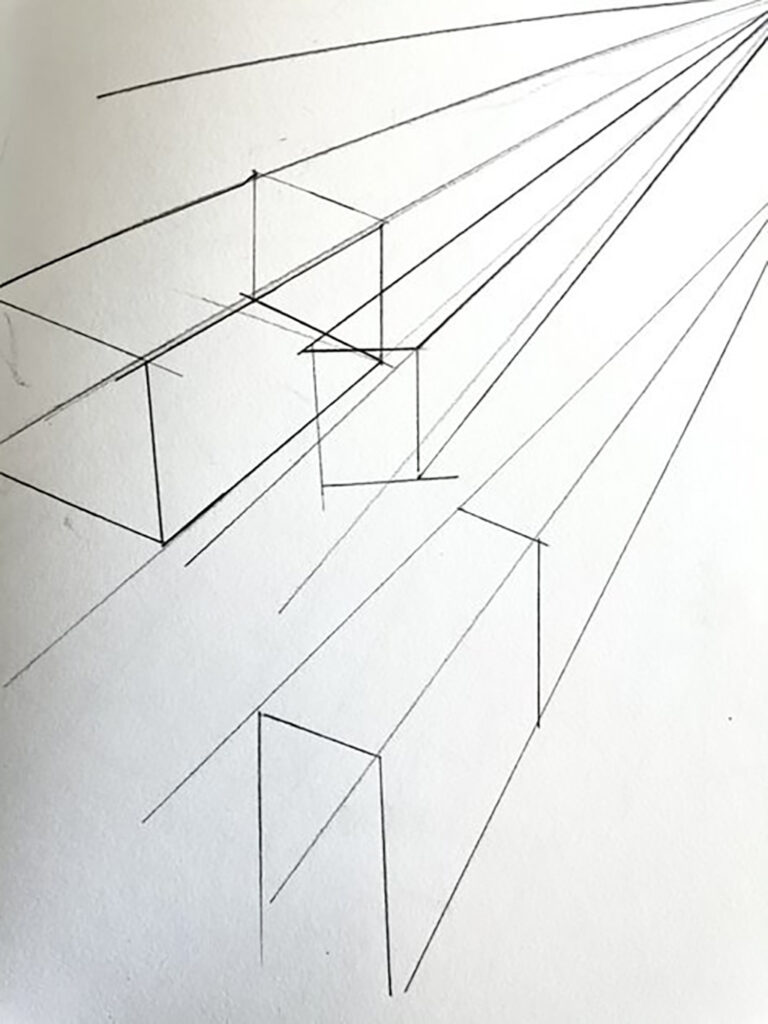
My project is based on the continuously growing problem of homelessness in the UK, and consists of a series of concepts on perspective, to make the viewer think more about what they chose to see, and choose to ignore.
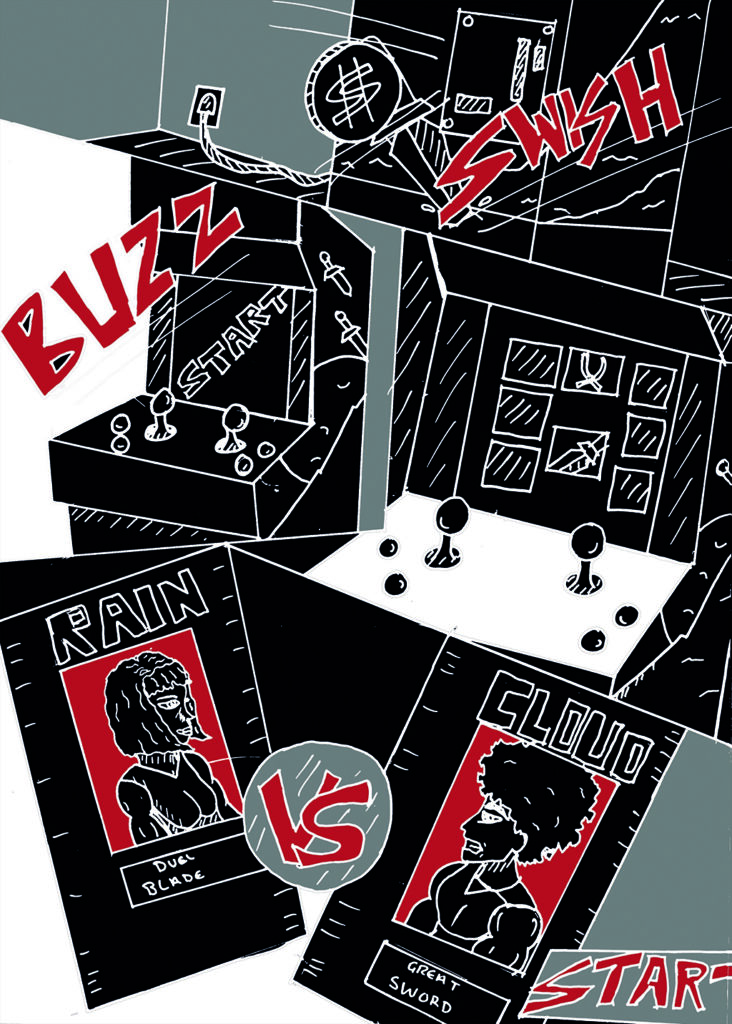
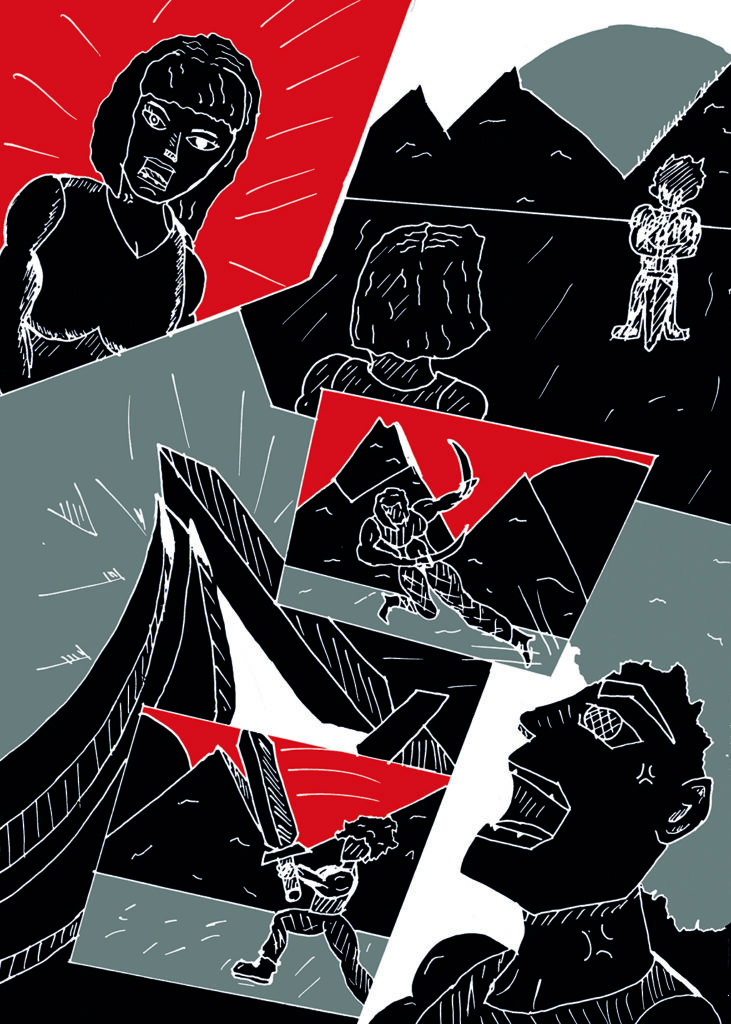
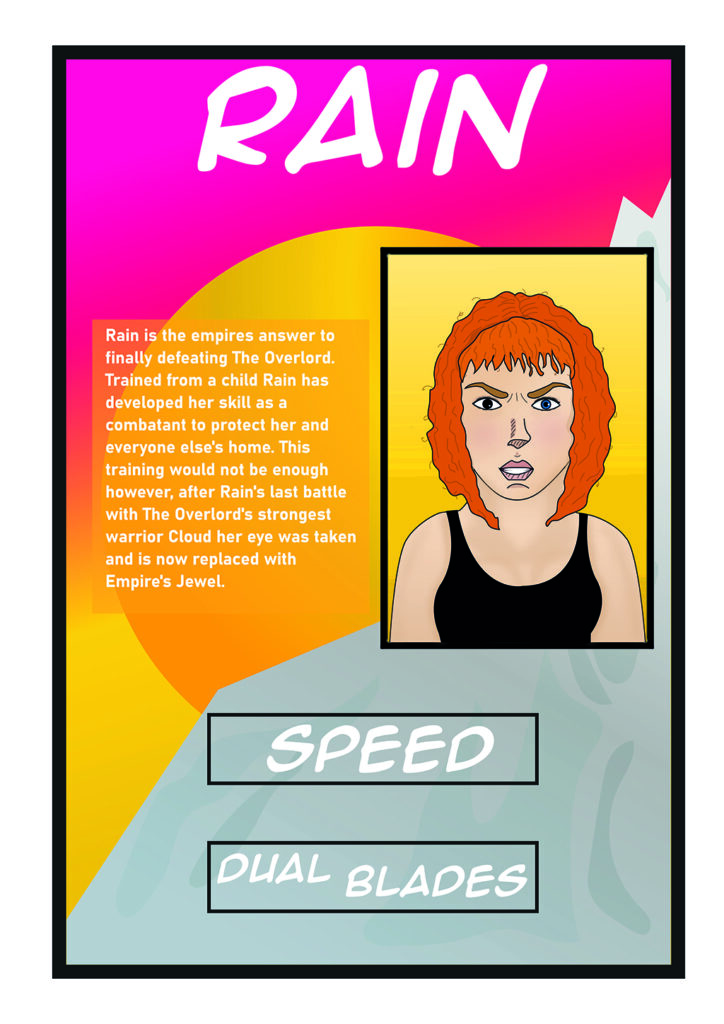
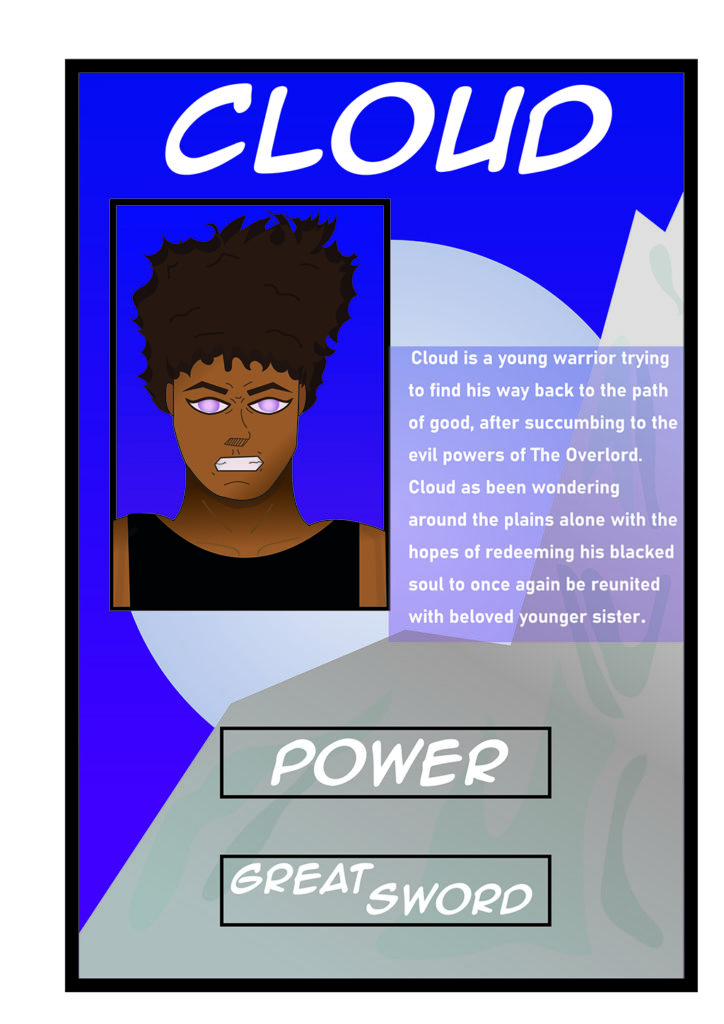
Aimee McKnight – Reaper’s Game
Progression: University of Wolverhampton, BA Animation
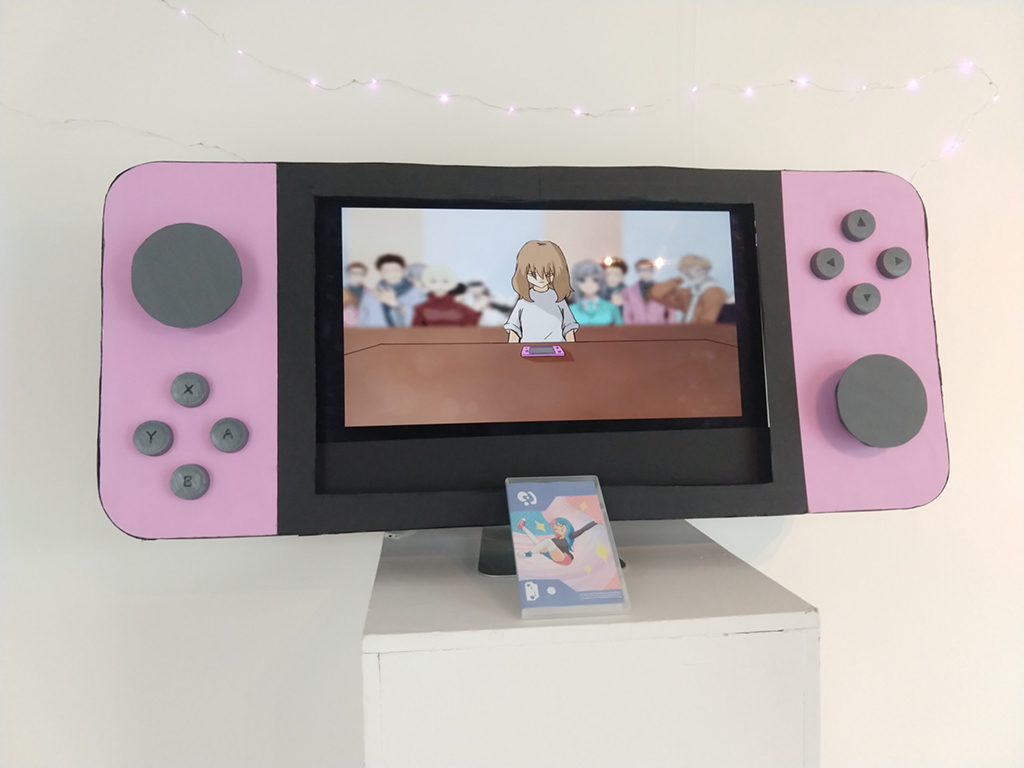
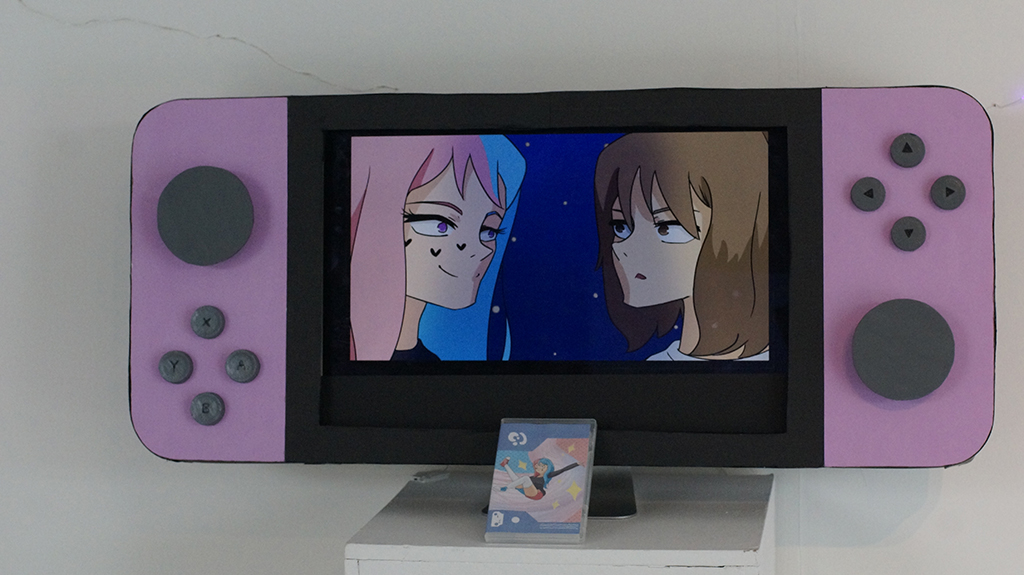
“Reapers Game” is my original comic that I’m currently working on in my spare time. For my FMP, I decided to create an animation based on this.
Bryony Nock
Progression: Dudley College of Technology, Foundation Diploma
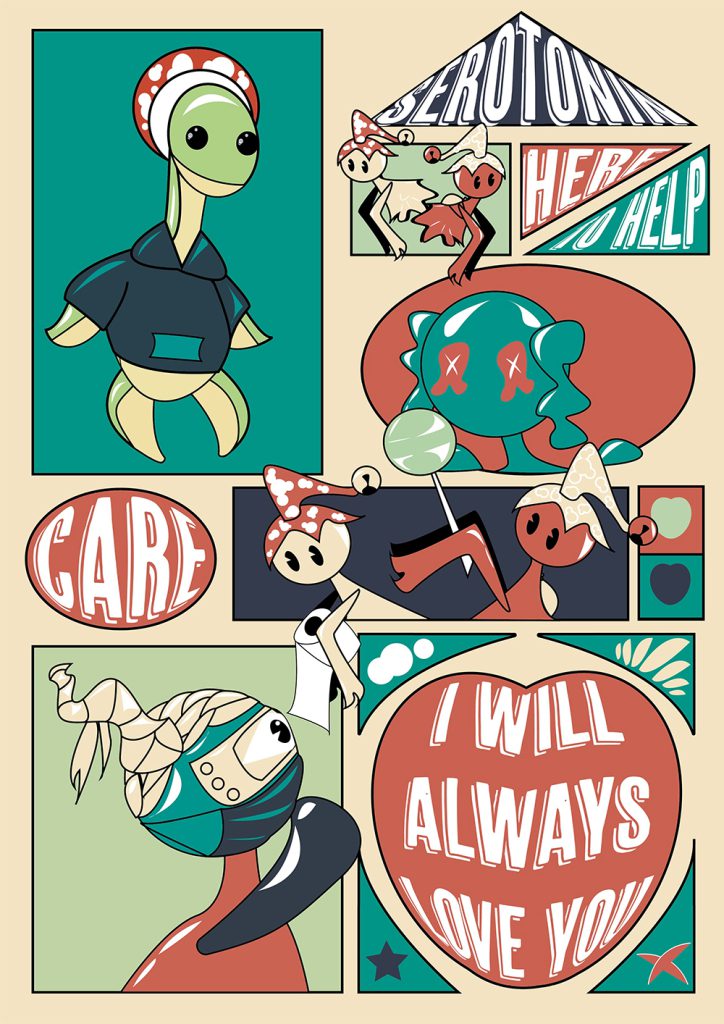
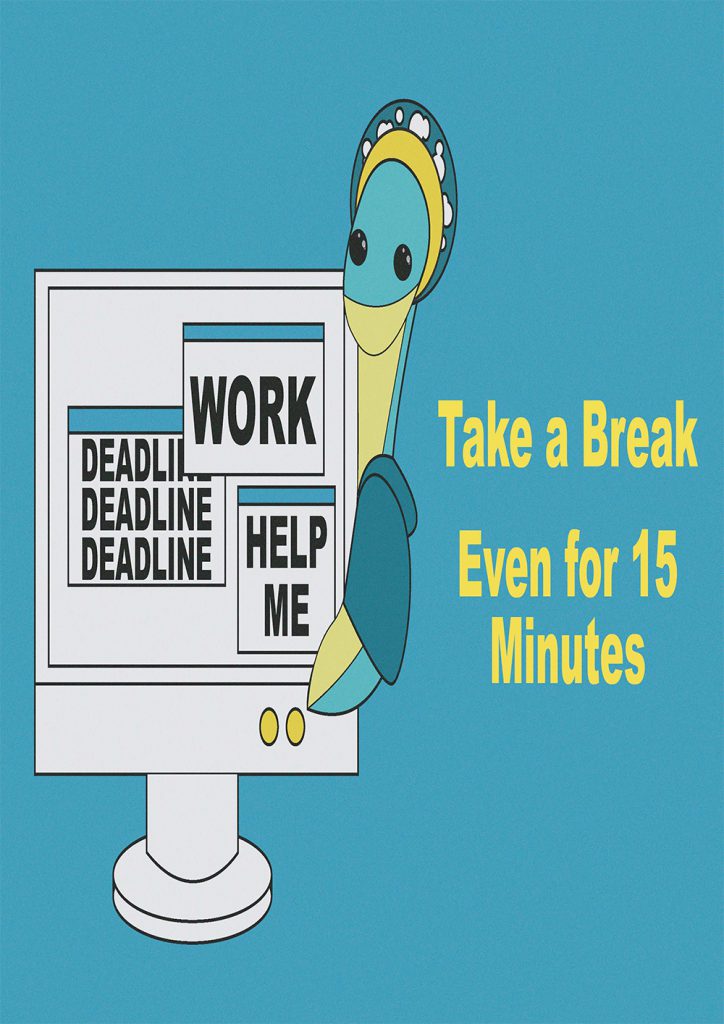
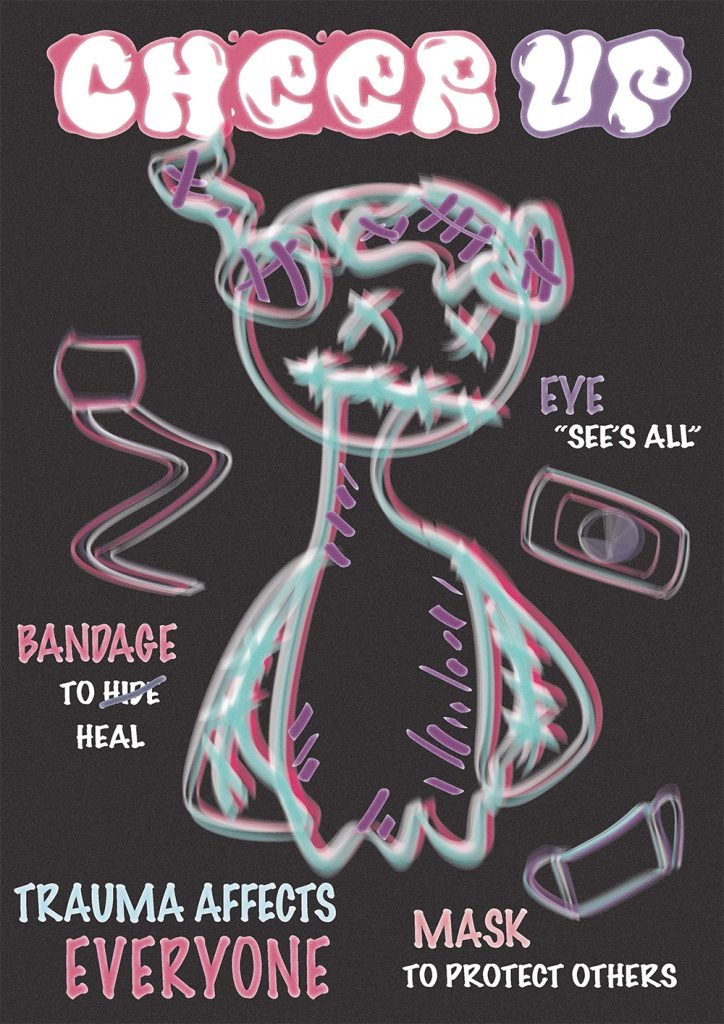
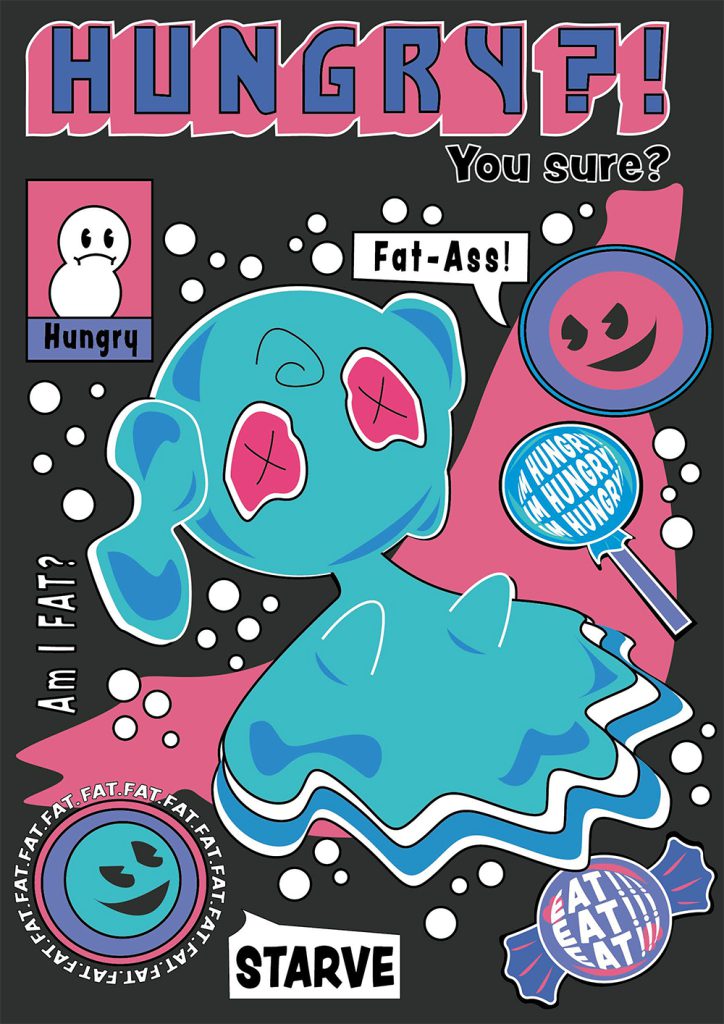
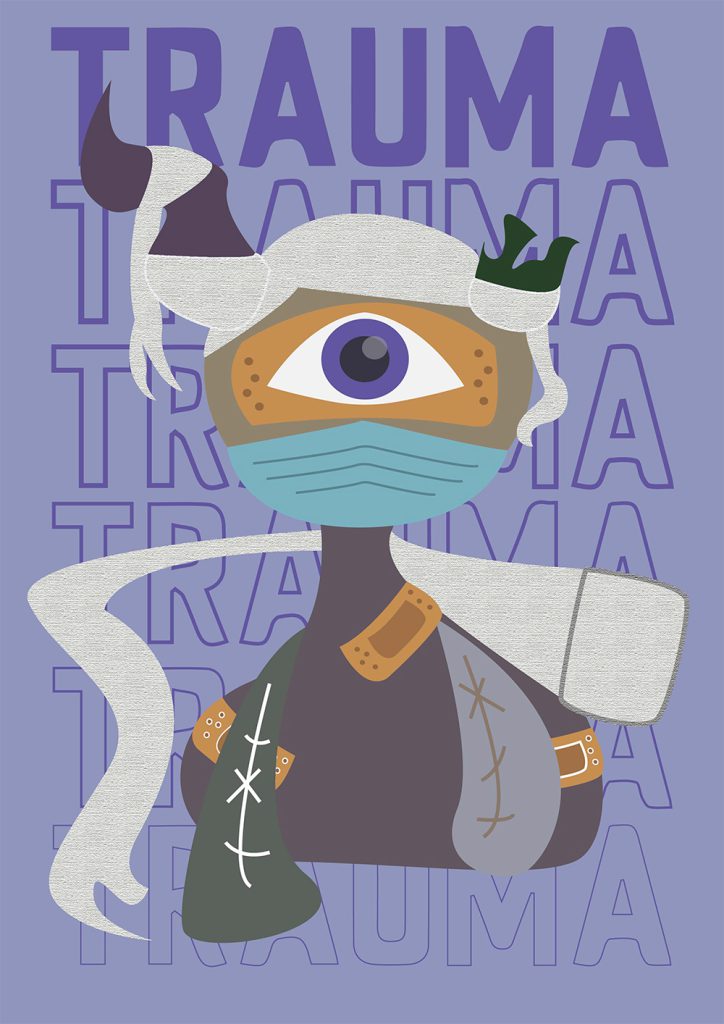
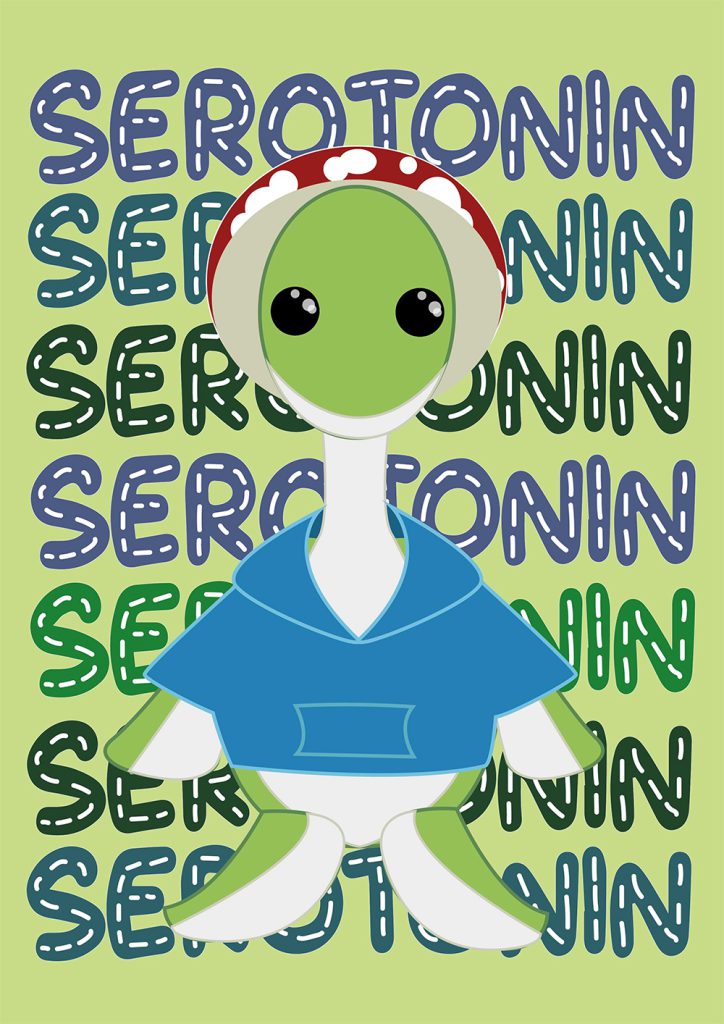
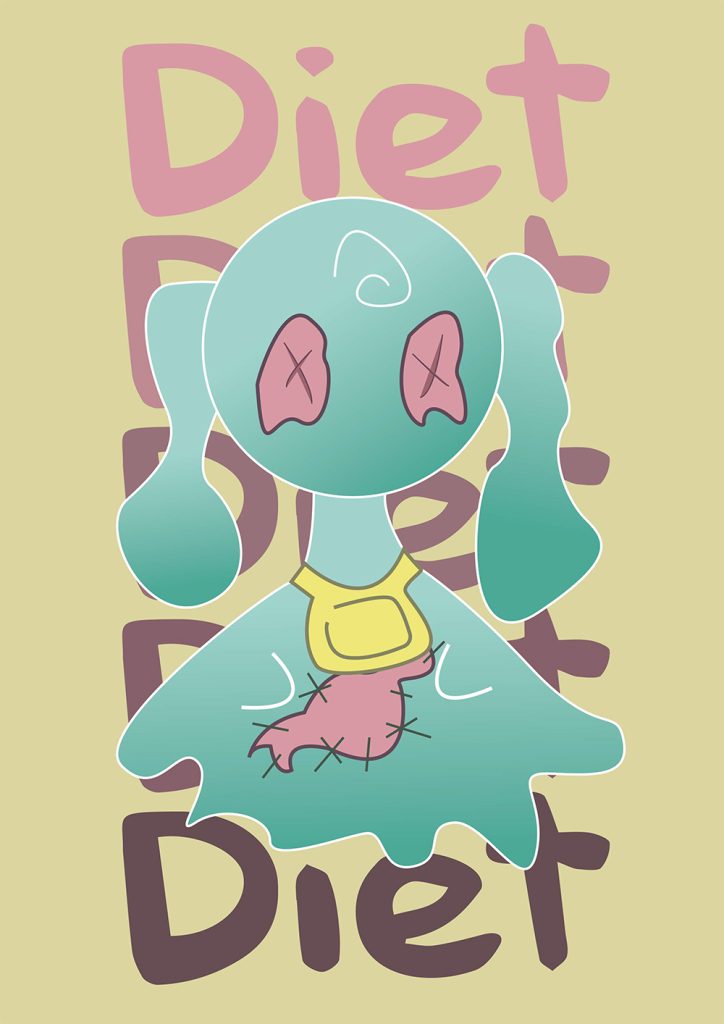
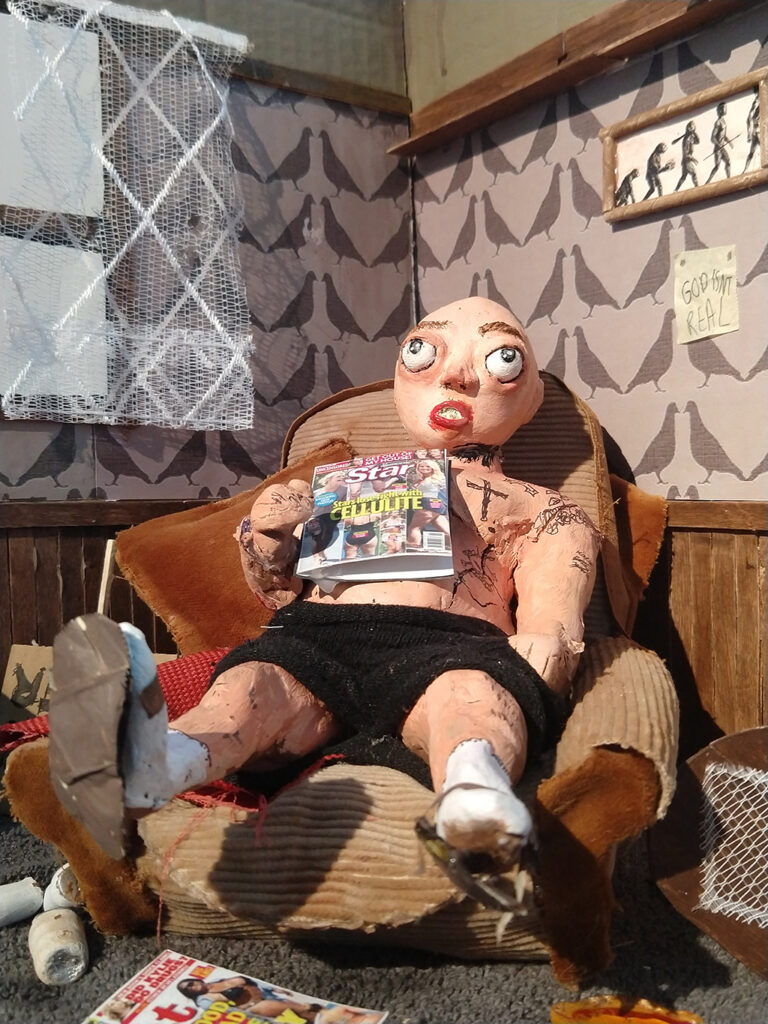
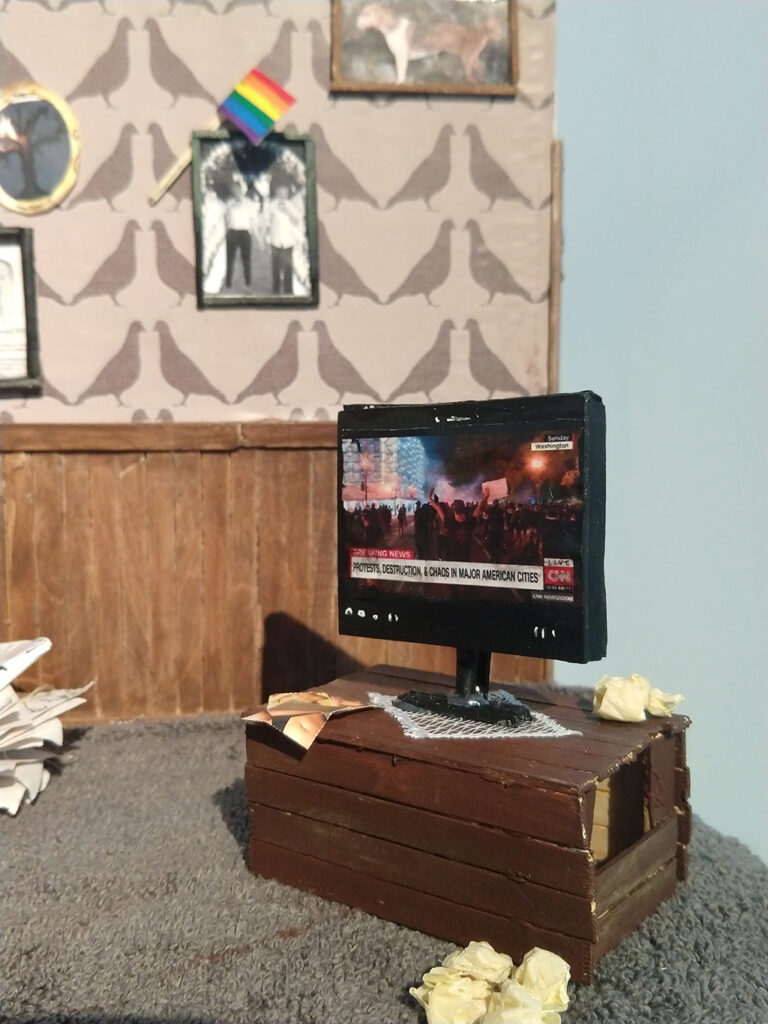
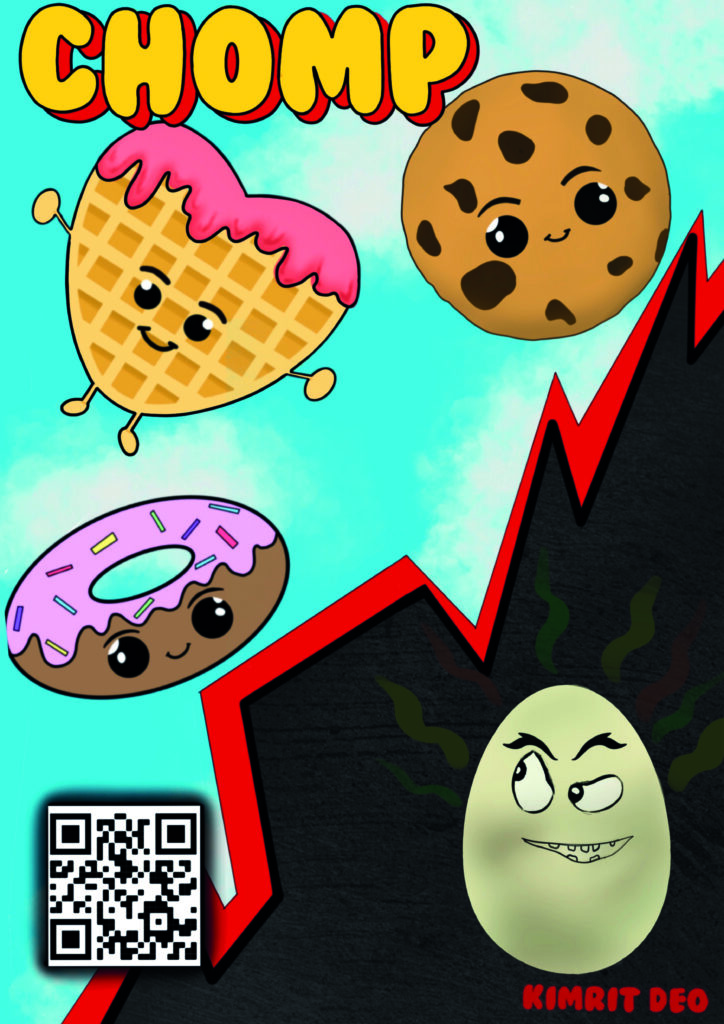
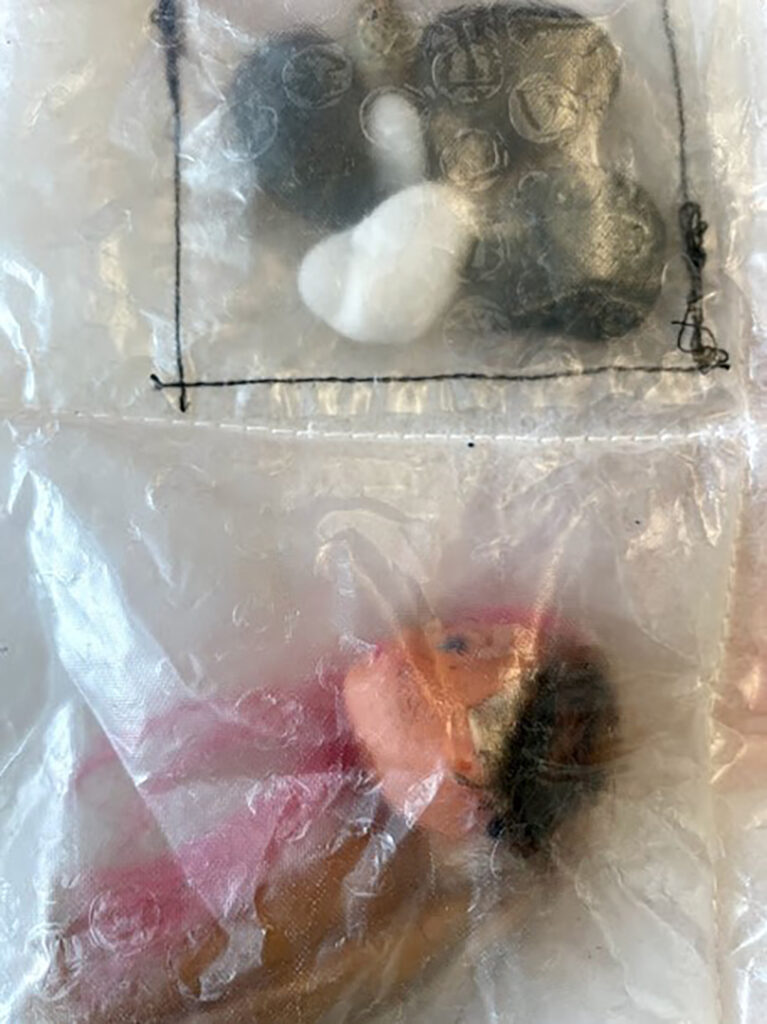
“Cheer up” is a project that spreads awareness of Anxiety and the effect it has on victims through cute and wonderful dolls. Meet the dolls of Trauma, Diet, and Serotonin.
Tiegan Pearce
Progression: Dudley College of Technology, Foundation Diploma
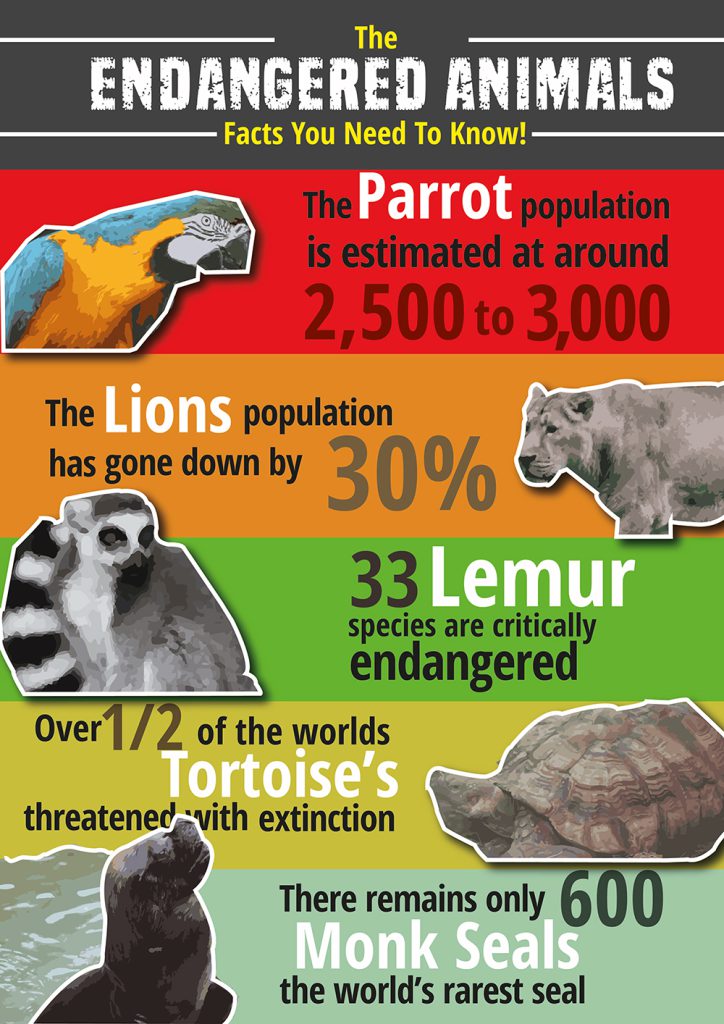
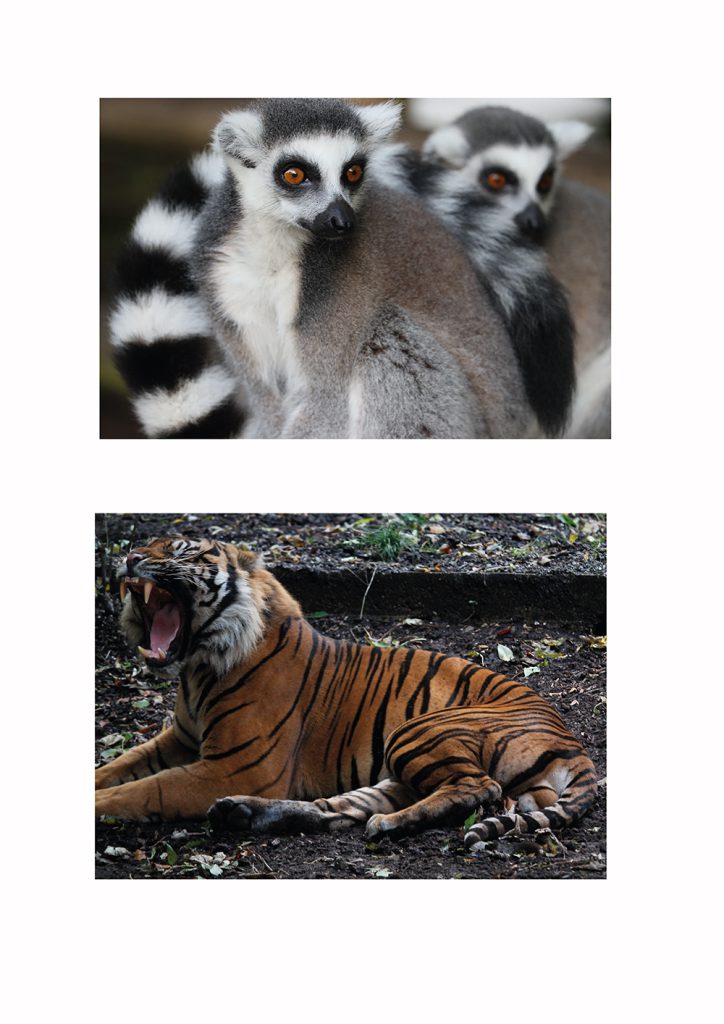
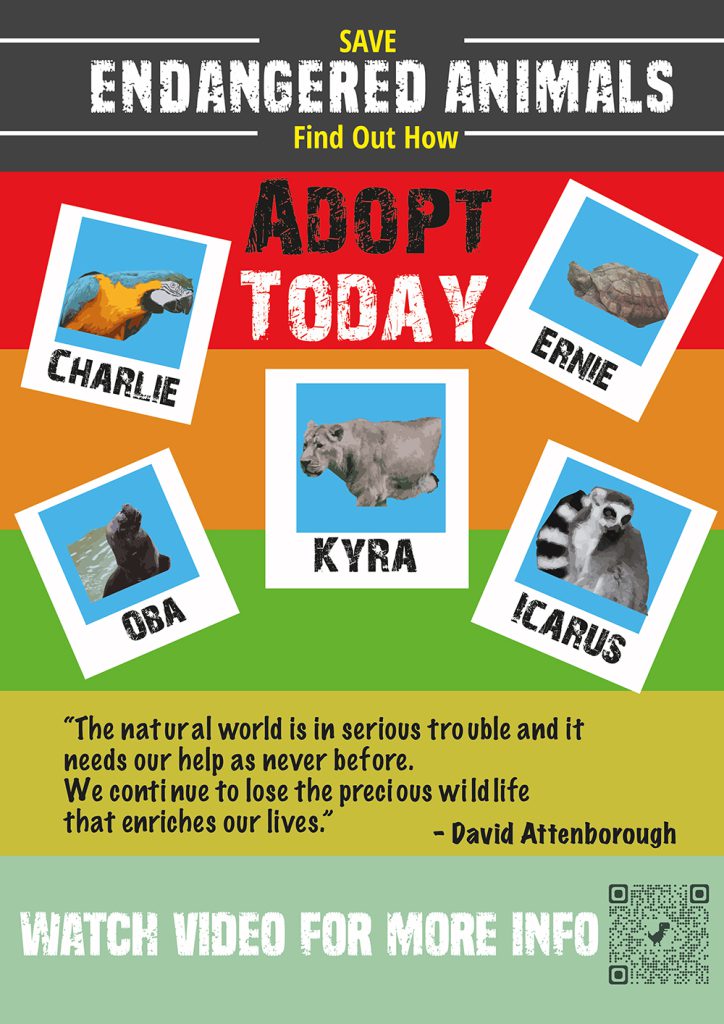
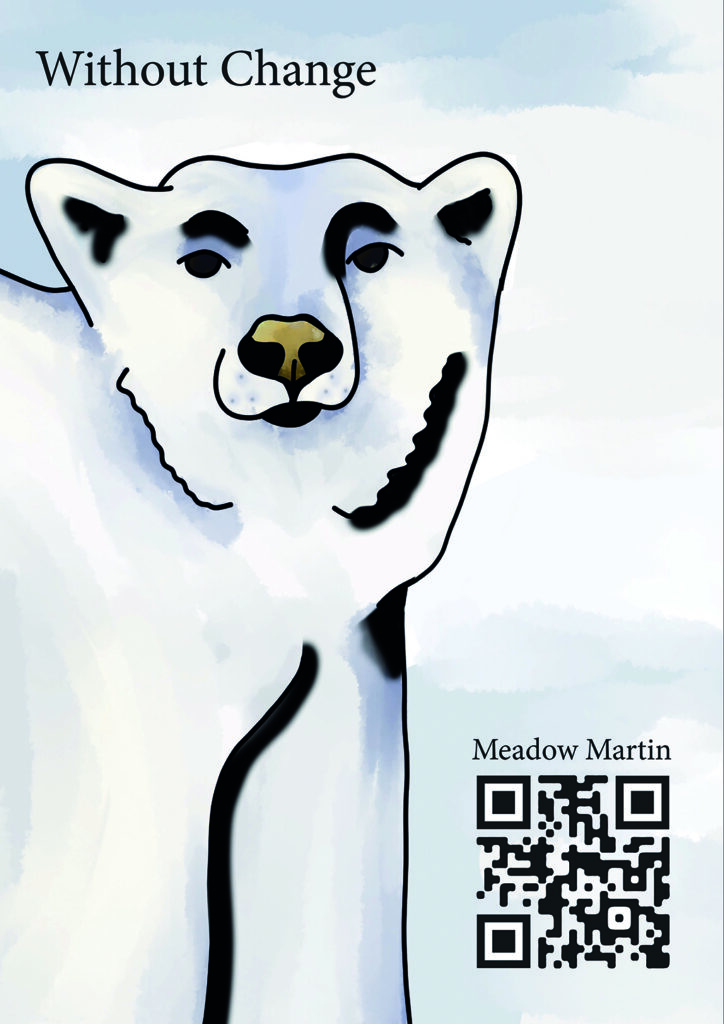
My FMP is to create awareness of animal species that are likely to become extinct in the near future. I became interested in this subject after recent visits to Dudley Zoo as part of my Graphic Design course.
Amberley Poulton
Progression: Dudley College of Technology, Foundation Diploma
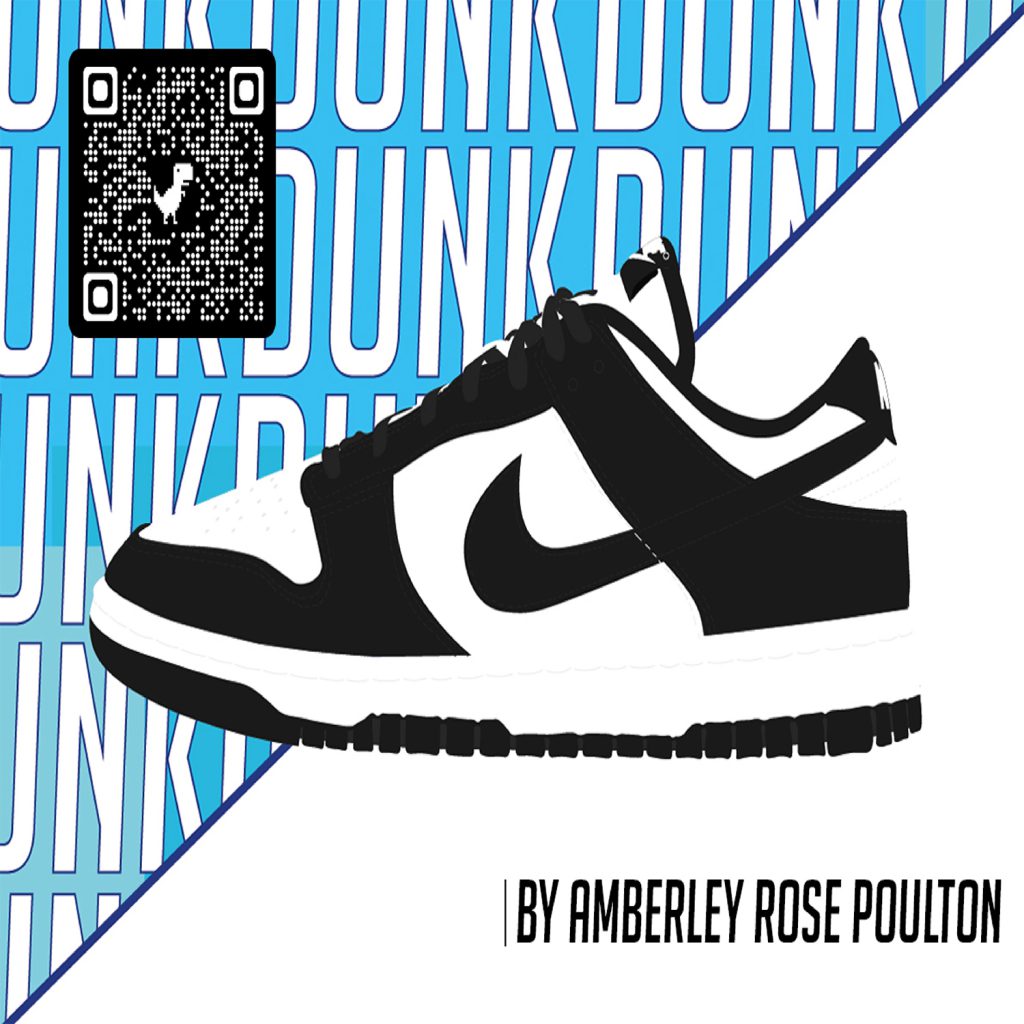
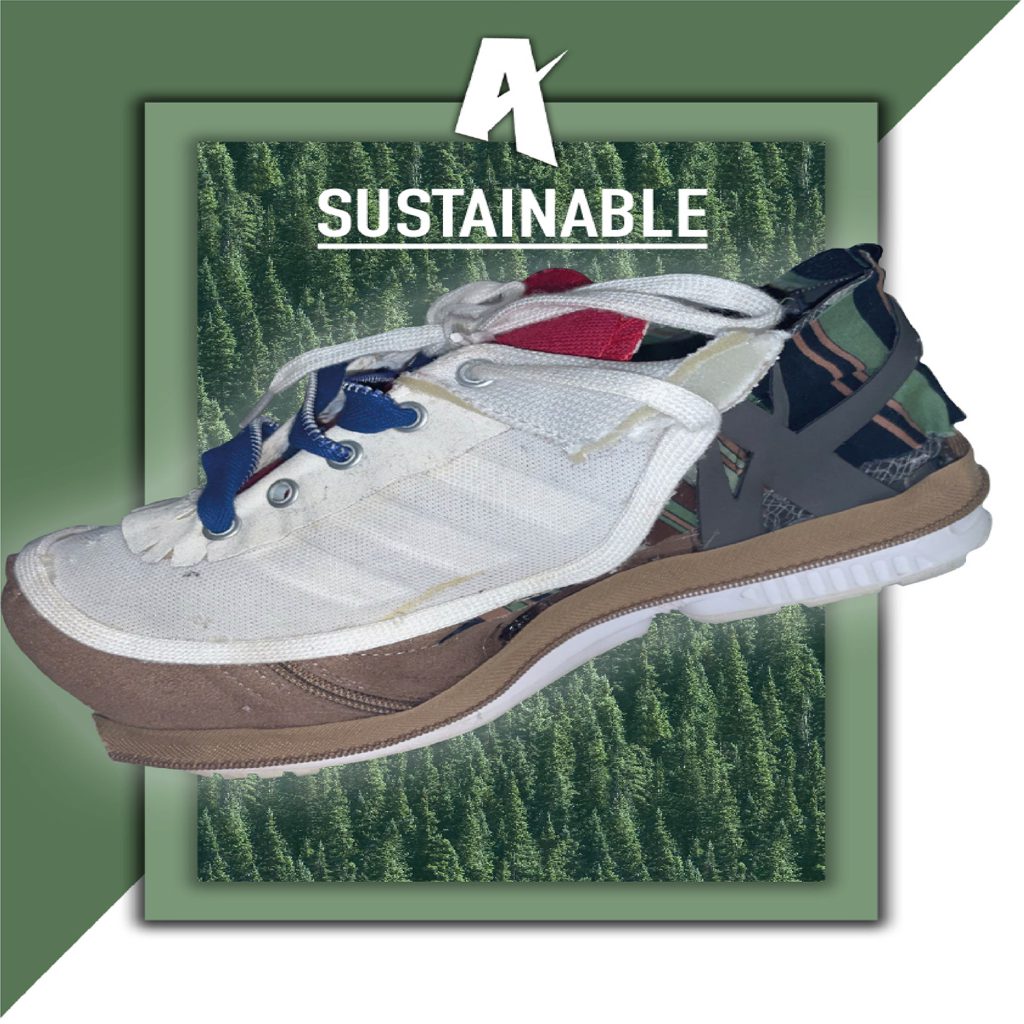
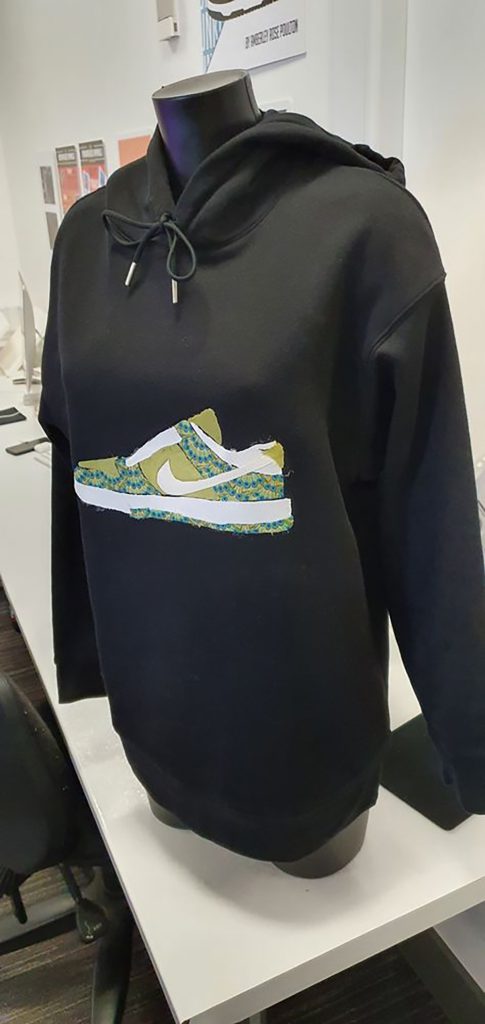
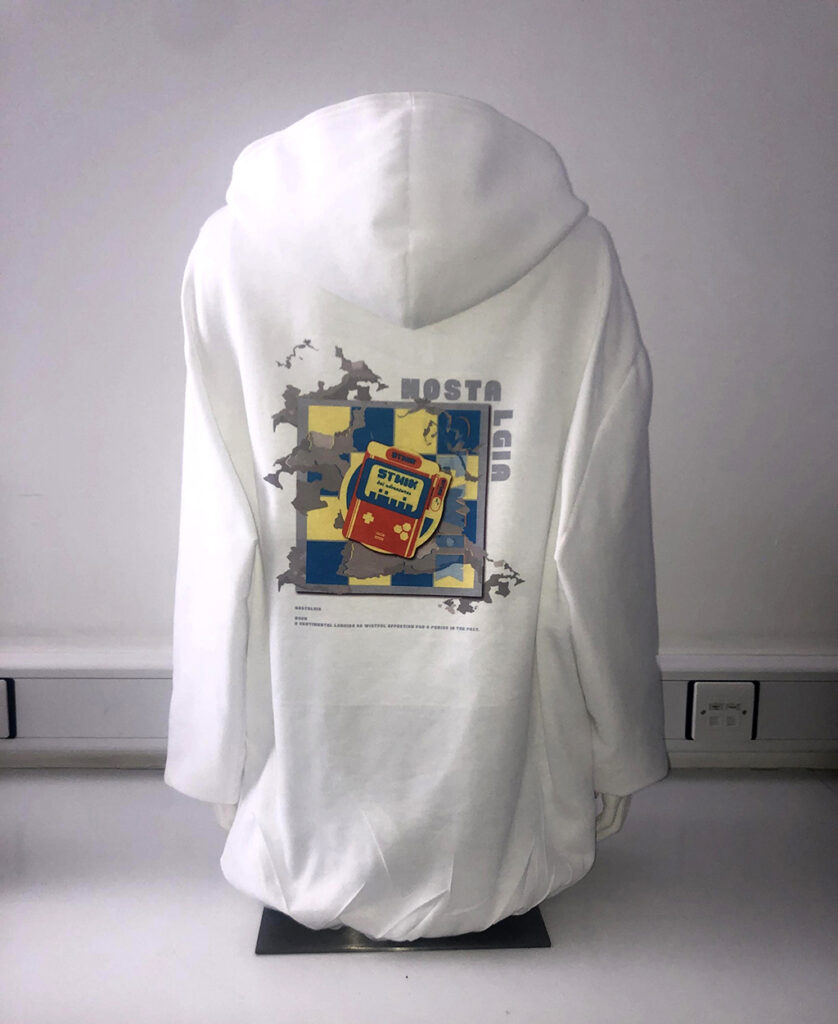
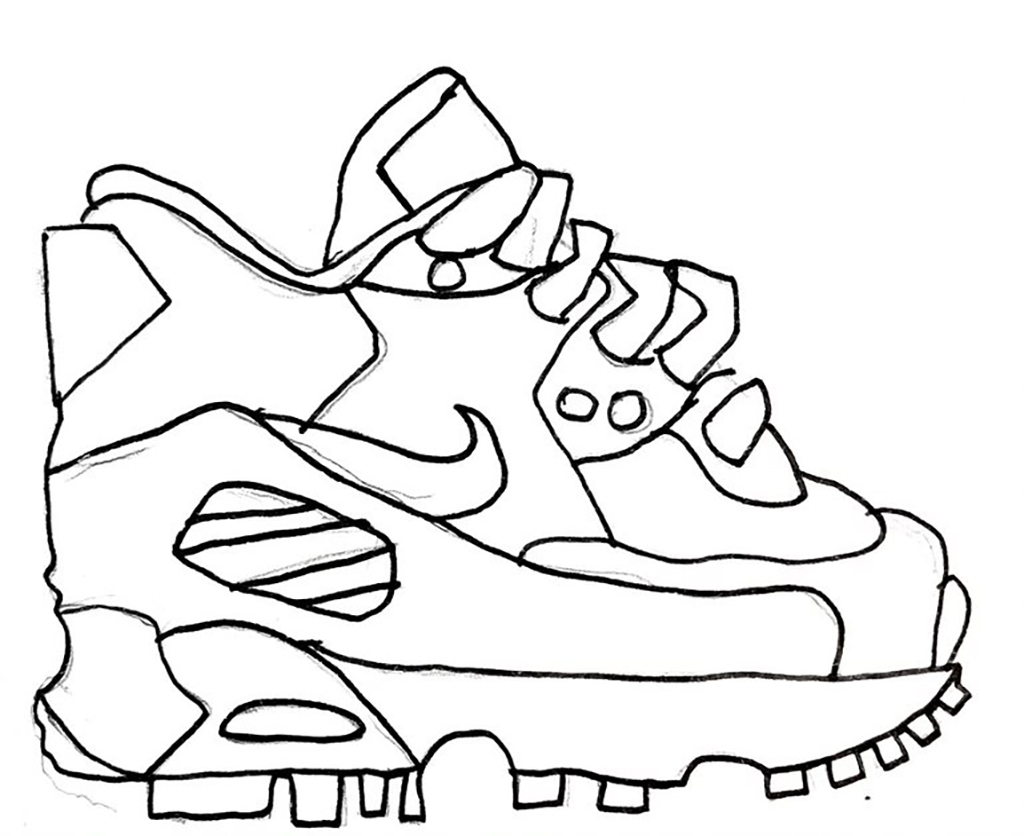
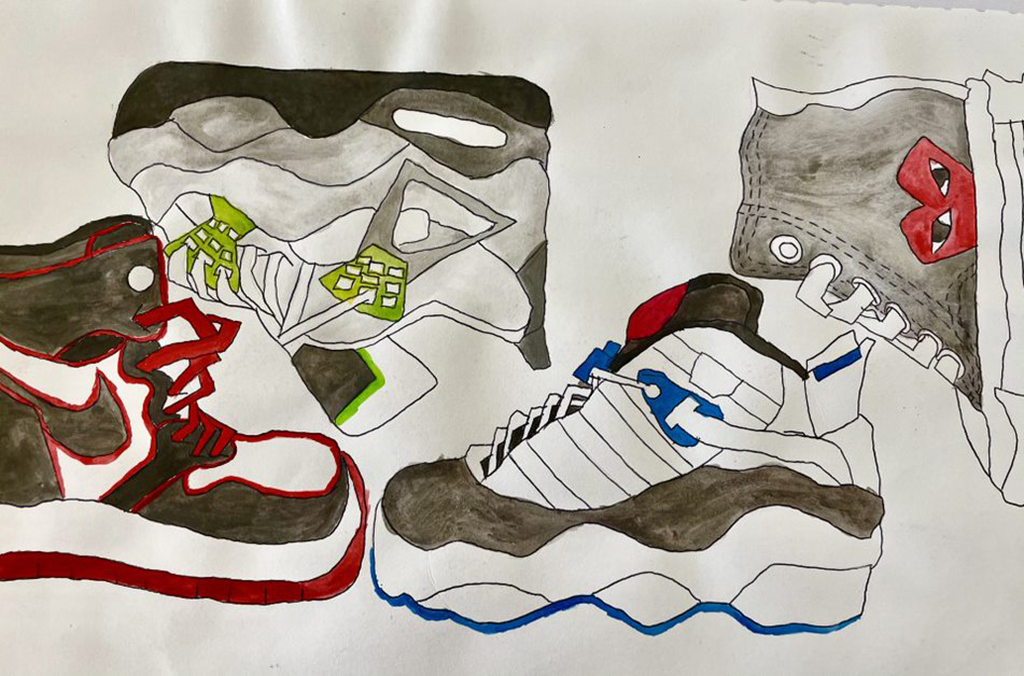
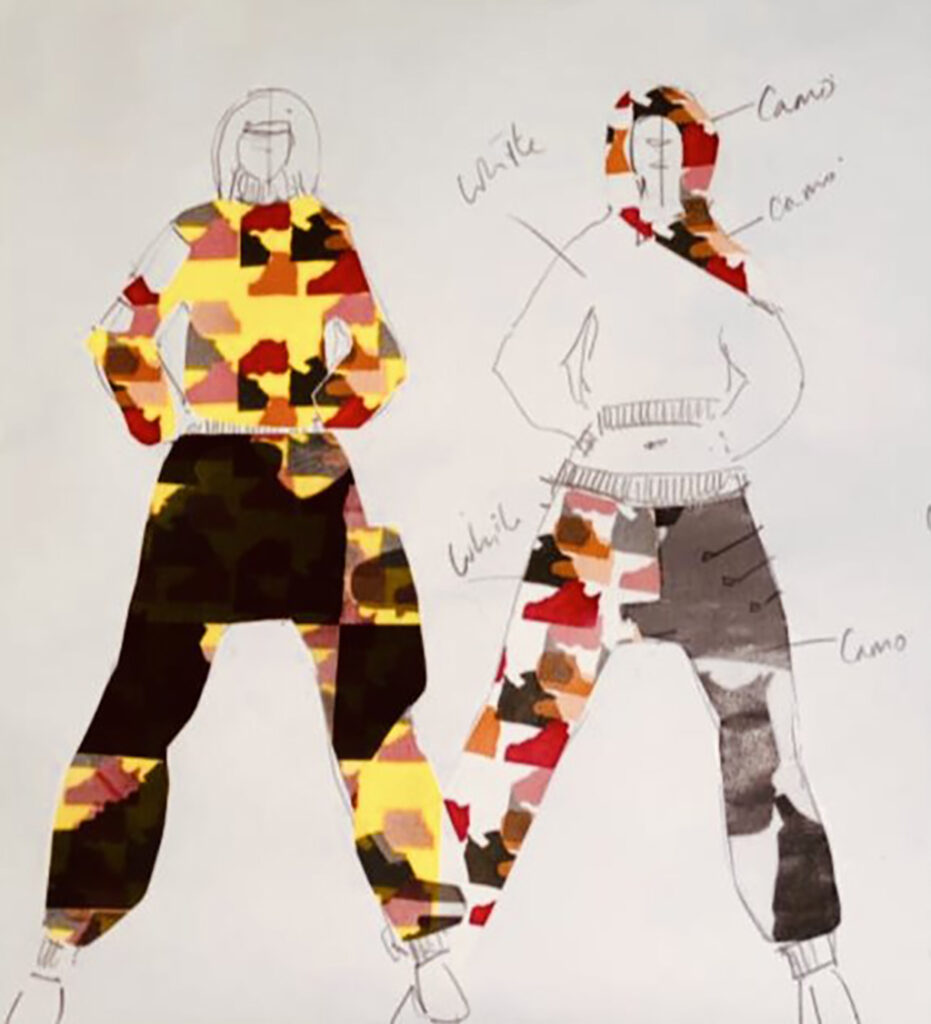
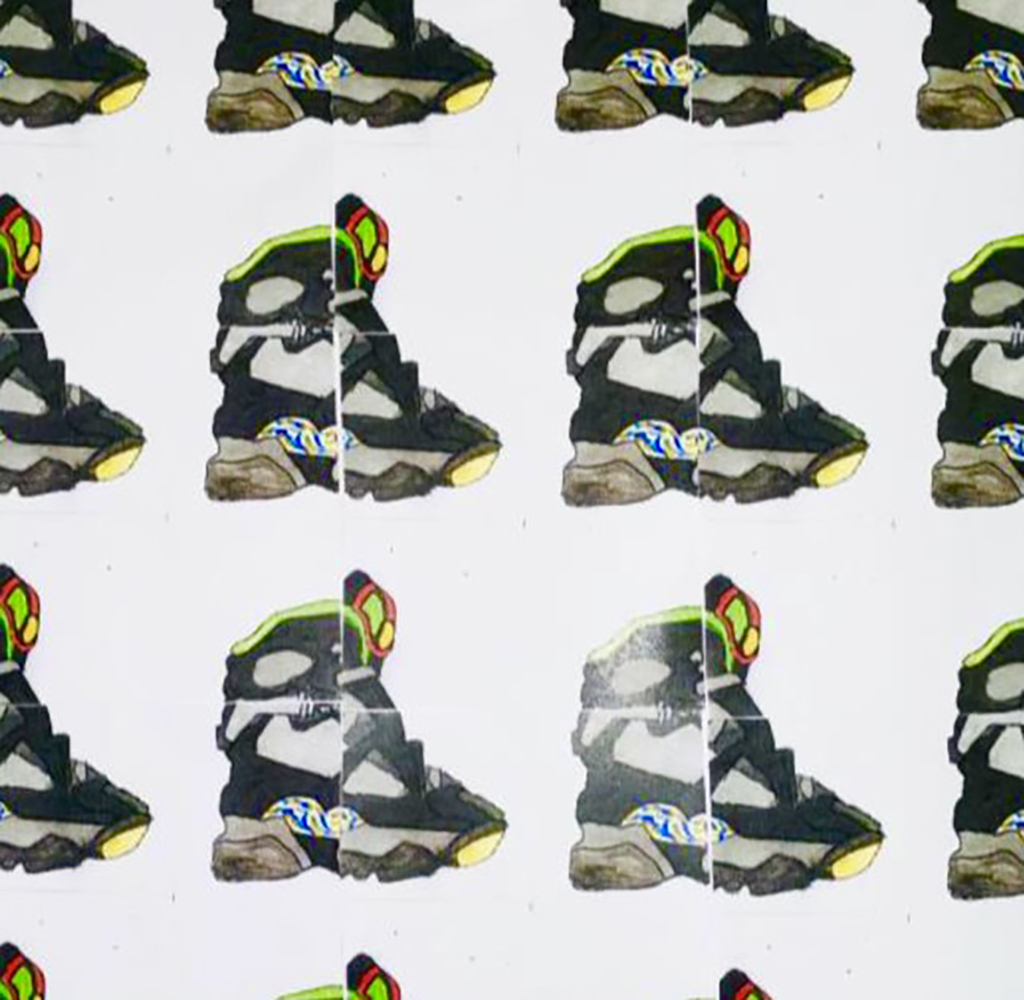
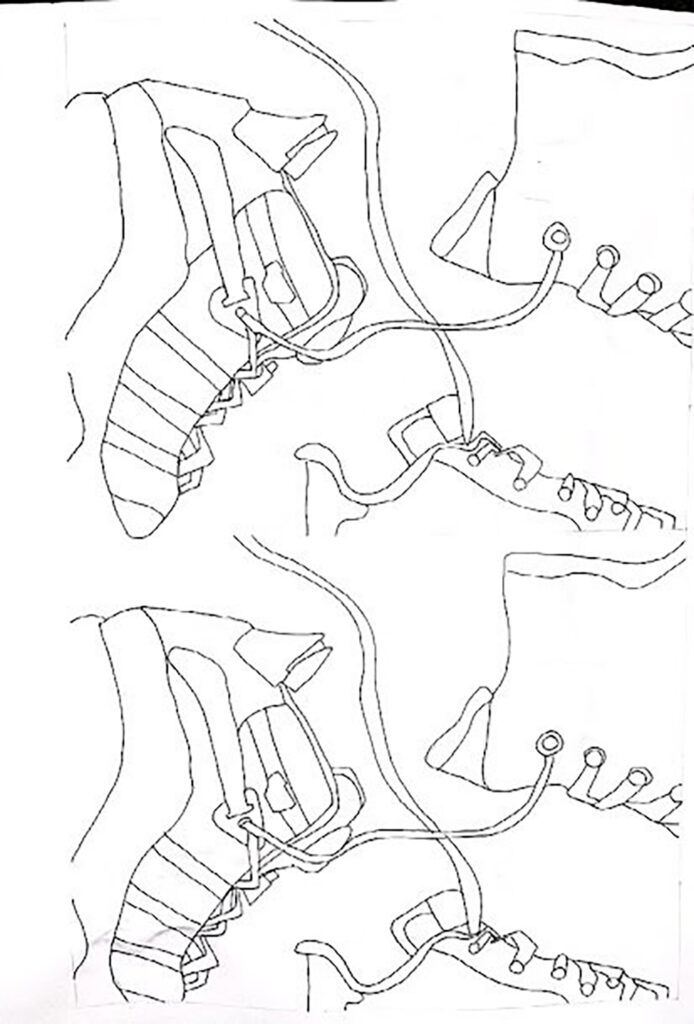
My Final Major Project is about creating sustainable wearable items. I chose to create my own trainer and hoodie design fully made out of repurposed materials.
Lani Raybould
Progression: Birmingham City University, BA Graphic Communication
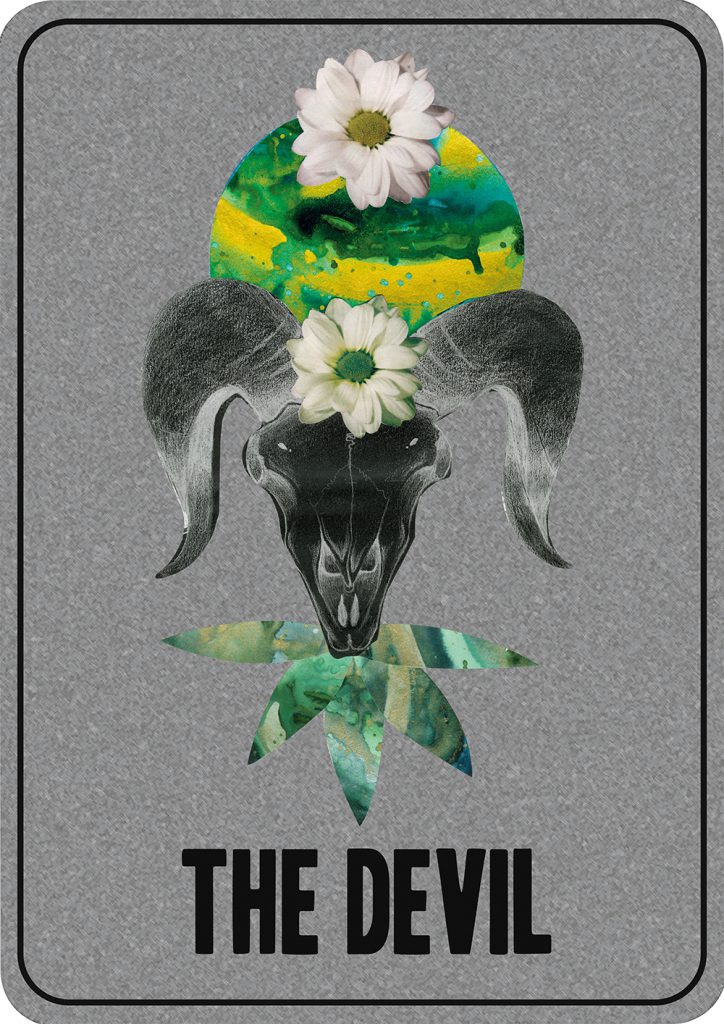
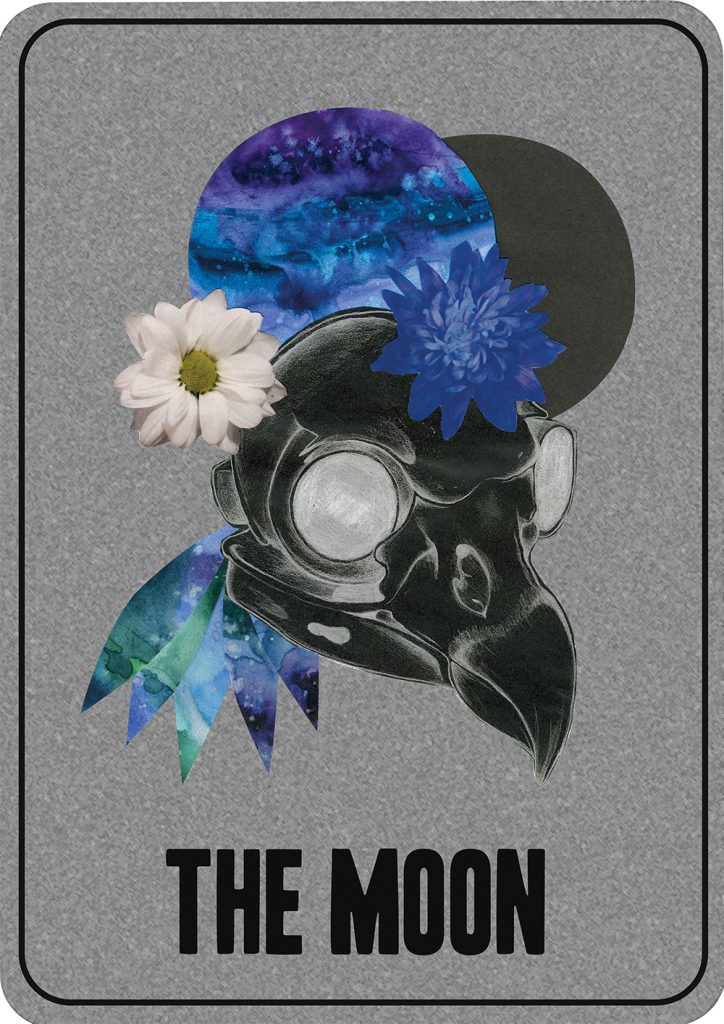
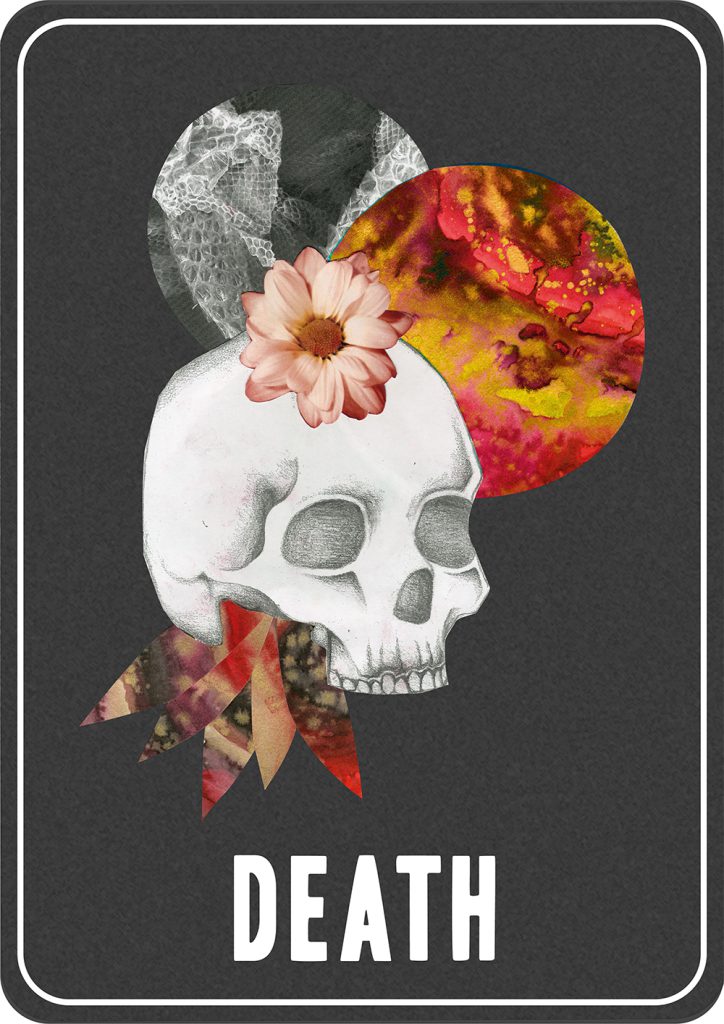
The four Tarot cards designs on show have been created by combining traditional art and design techniques with digital methodologies.
Jake Smith
Progression: Employment or Further Education
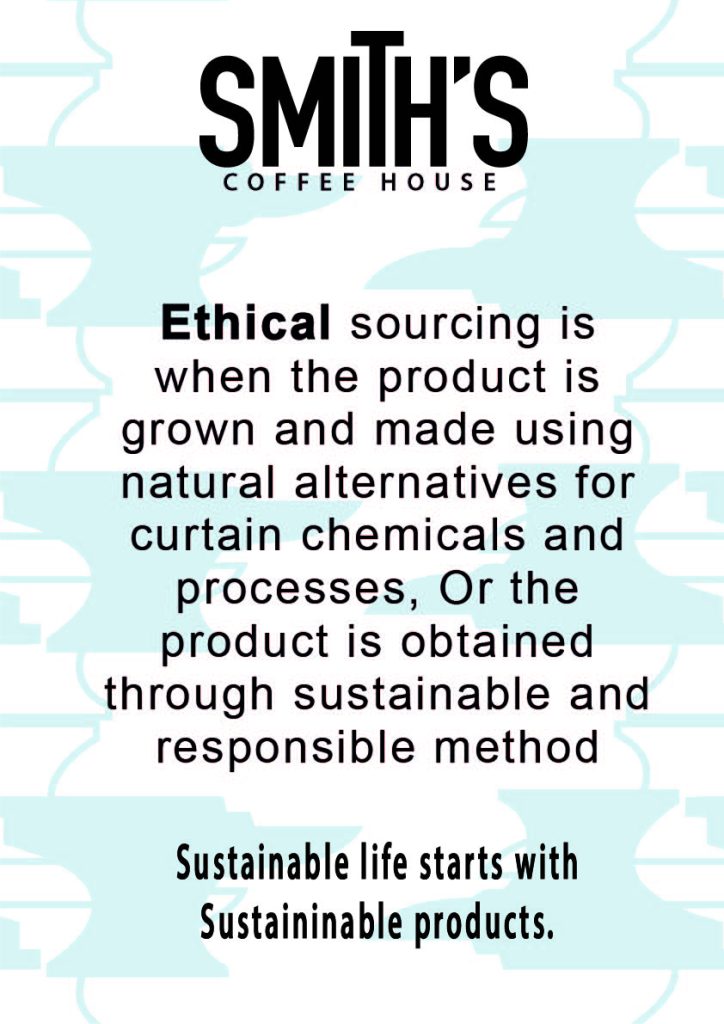
My FMP’s main focus is to educate people about more sustainable alternatives in the form of a coffee brand.
Sam Smith
Progression: Bournemouth University
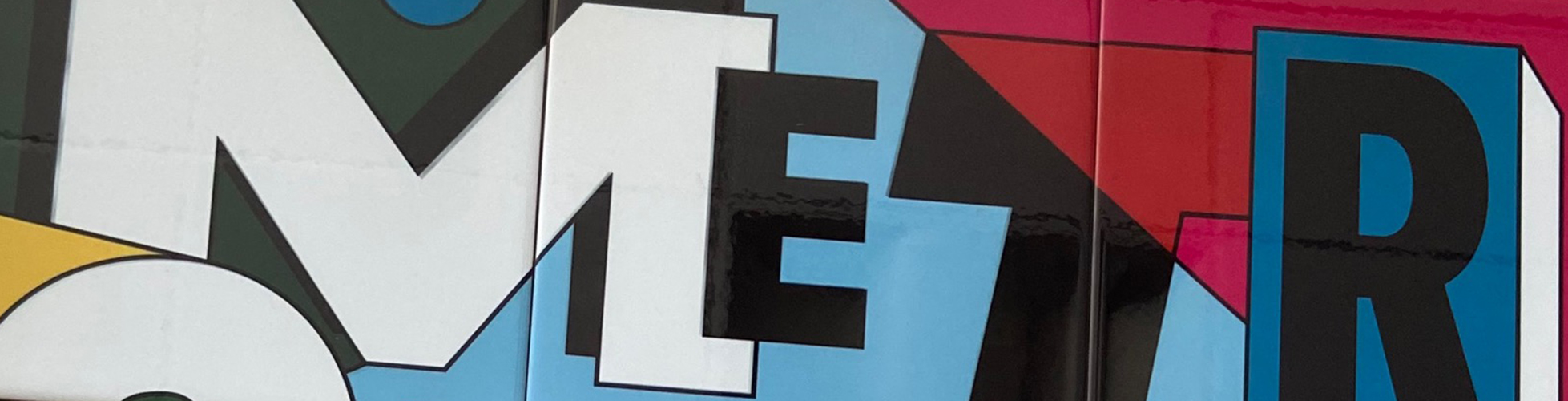
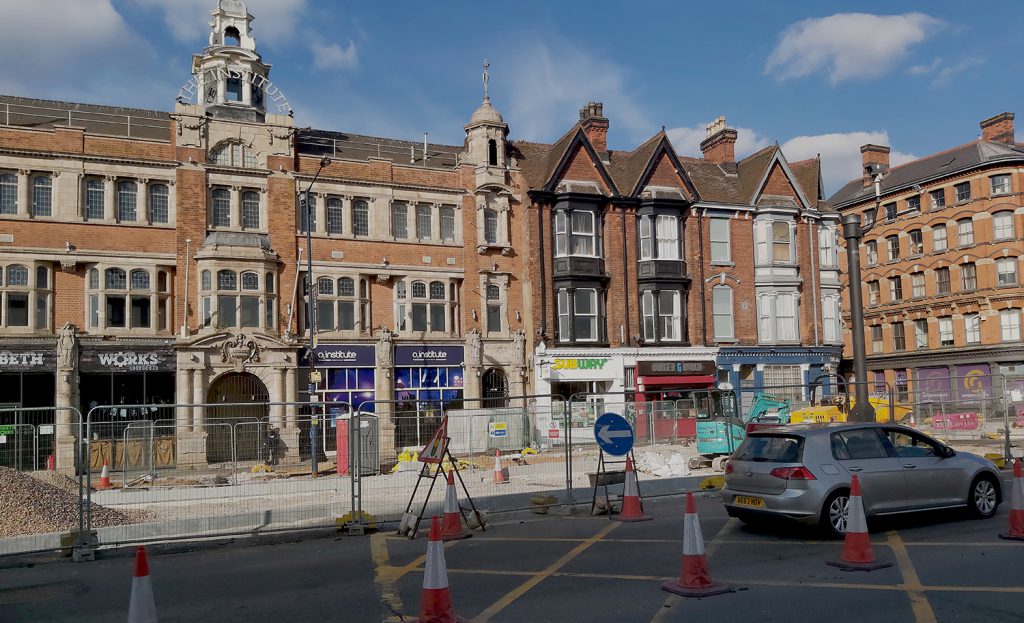
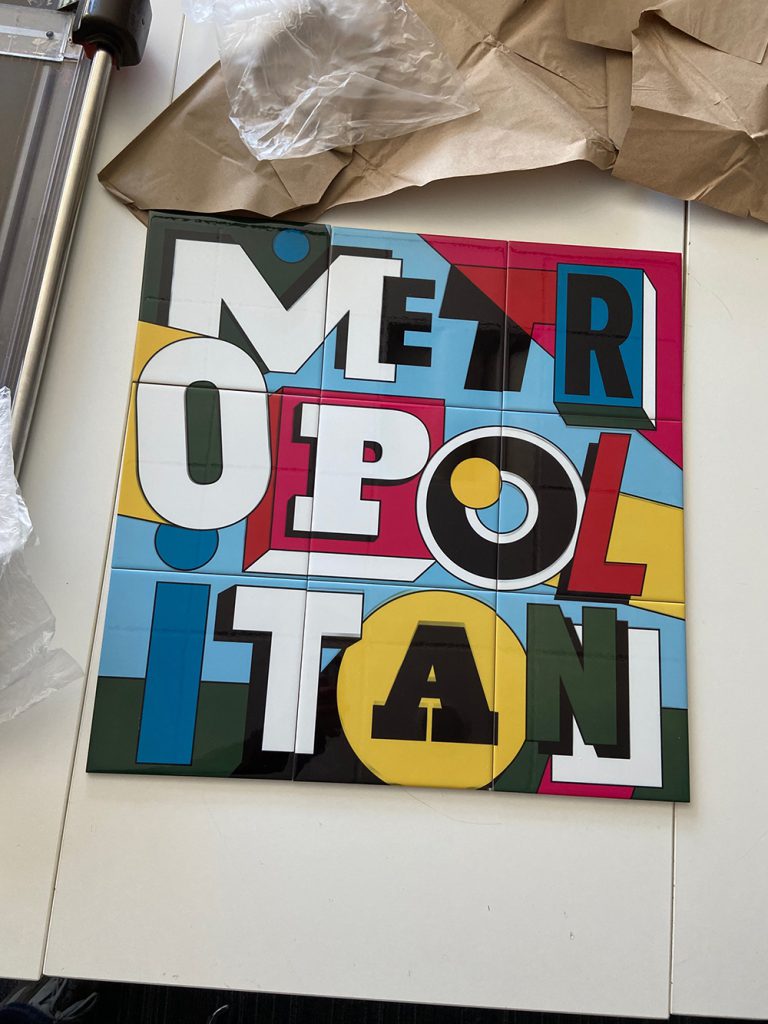
For my project ‘The Metro’ I wanted to highlight through my work the community of Dudley, providing an essence of our town, both old and new. I was keen to show different techniques that I have accrued at Dudley College within my work, but still push myself to try new things. I was particularly interested in the Midland Metro line that will soon shape Dudley’s future, whilst still using my work to look at Dudley’s rich history and its wonderful people.
Brooke Totney
Progression: Birmingham City University, BA Graphic Communication
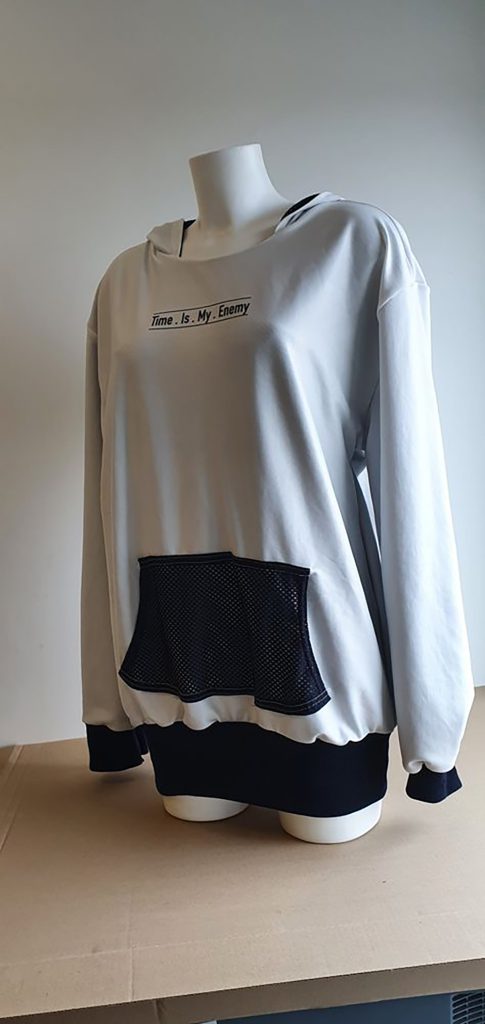
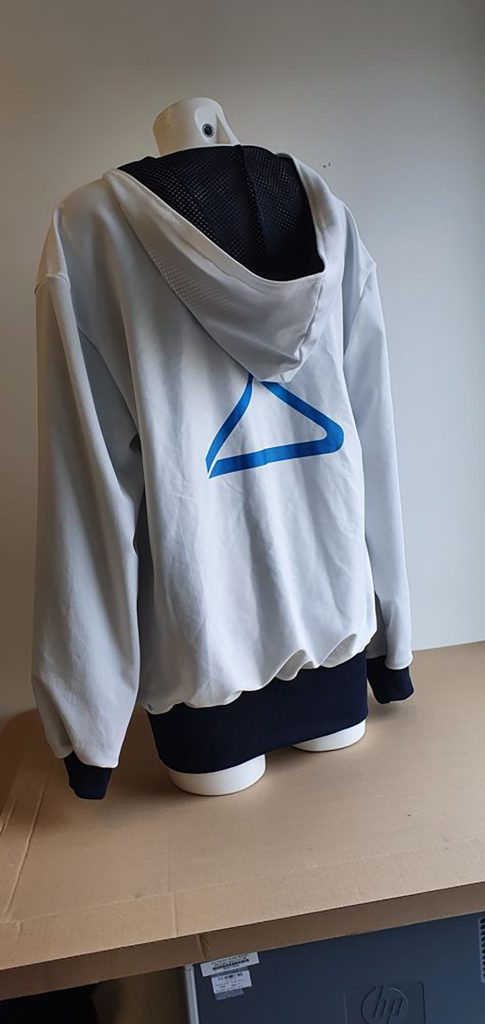
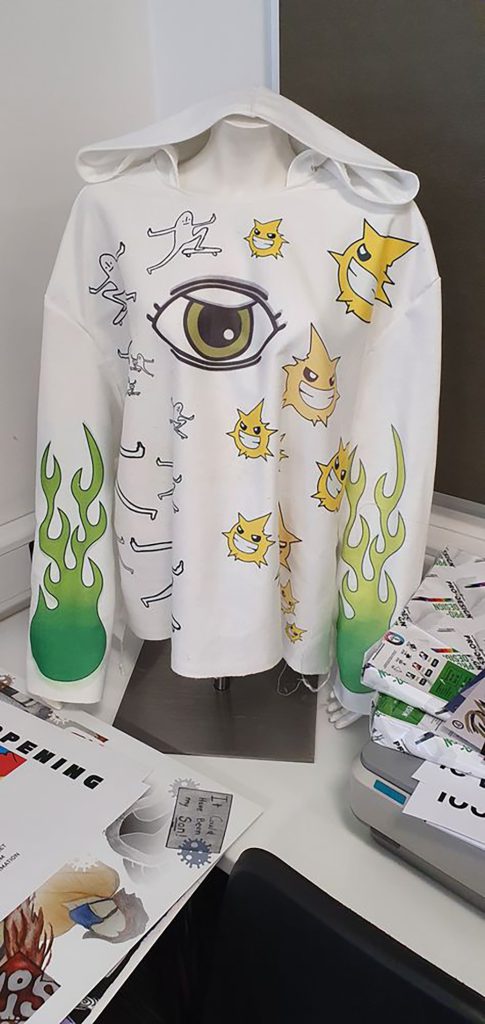
My FMP was based around swimming, as I am a British Championship swimmer. The hoodie was designed to keep swimmers’ muscles and body warm as it is vital to stay warm when racing. The materials used to make the hoodie dry quickly and use water resistant materials.
Liam Warden
Progression: Birmingham City University, BA Graphic Communication
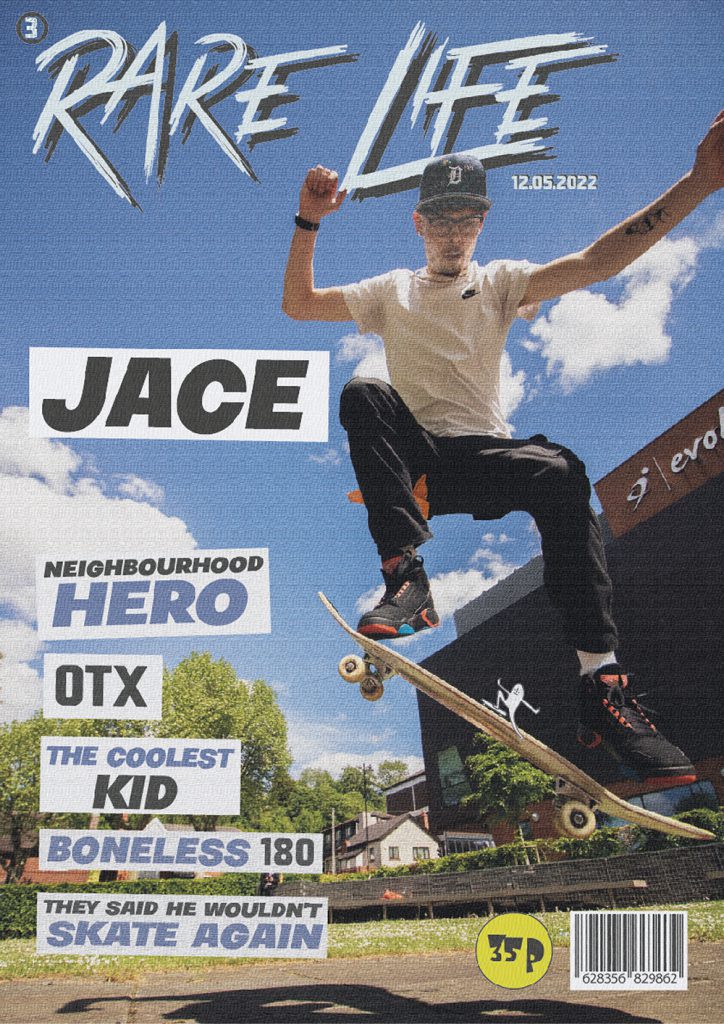
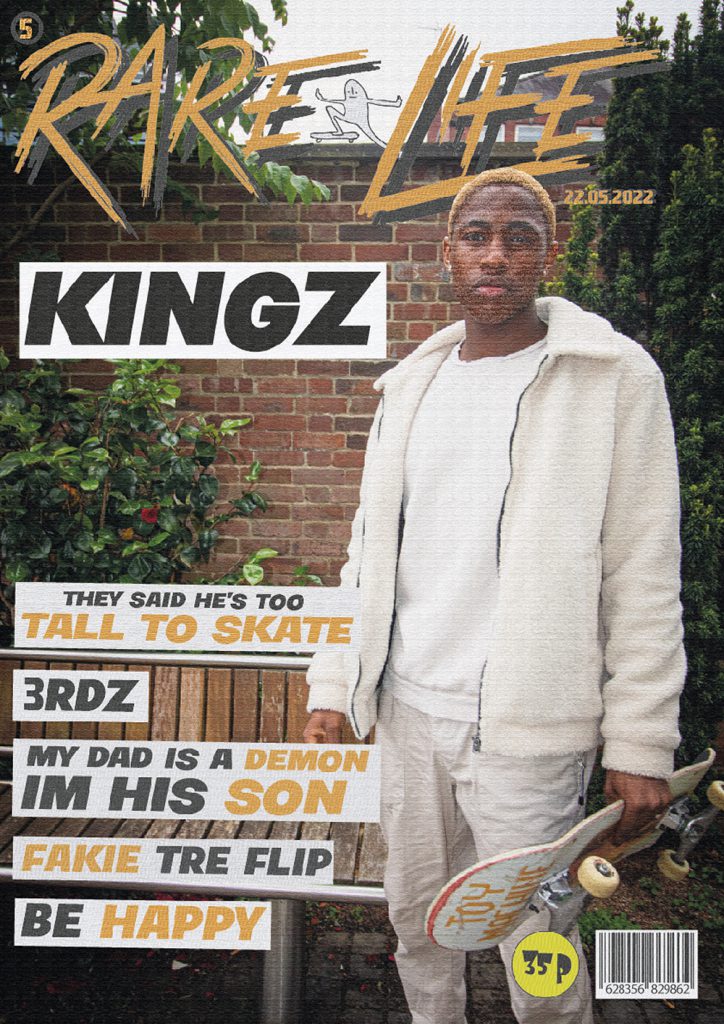
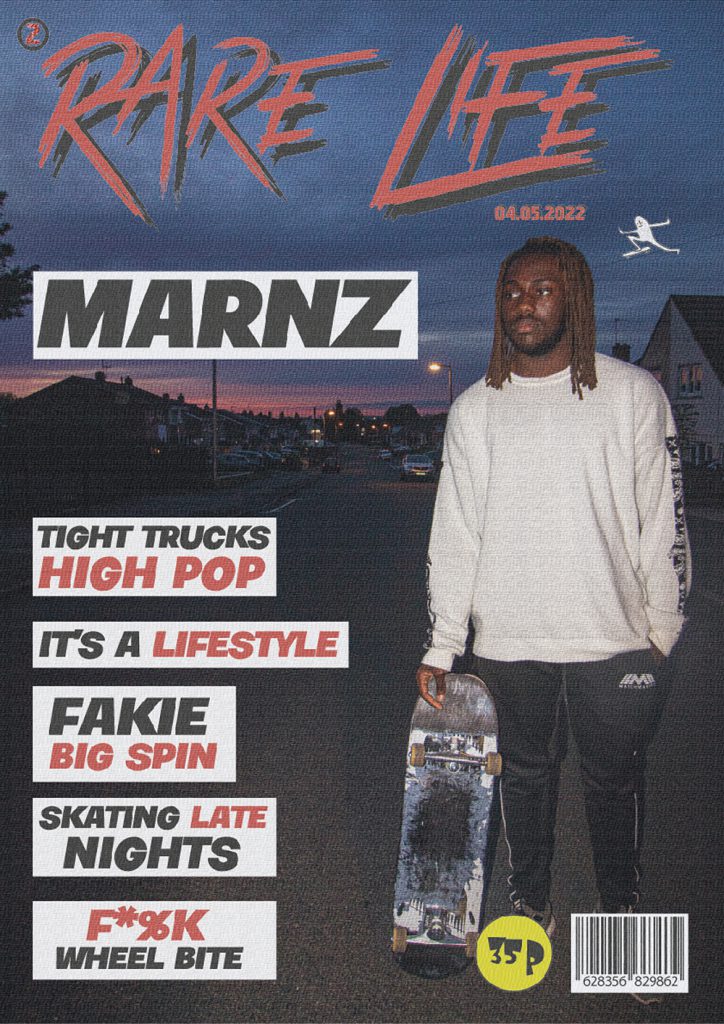
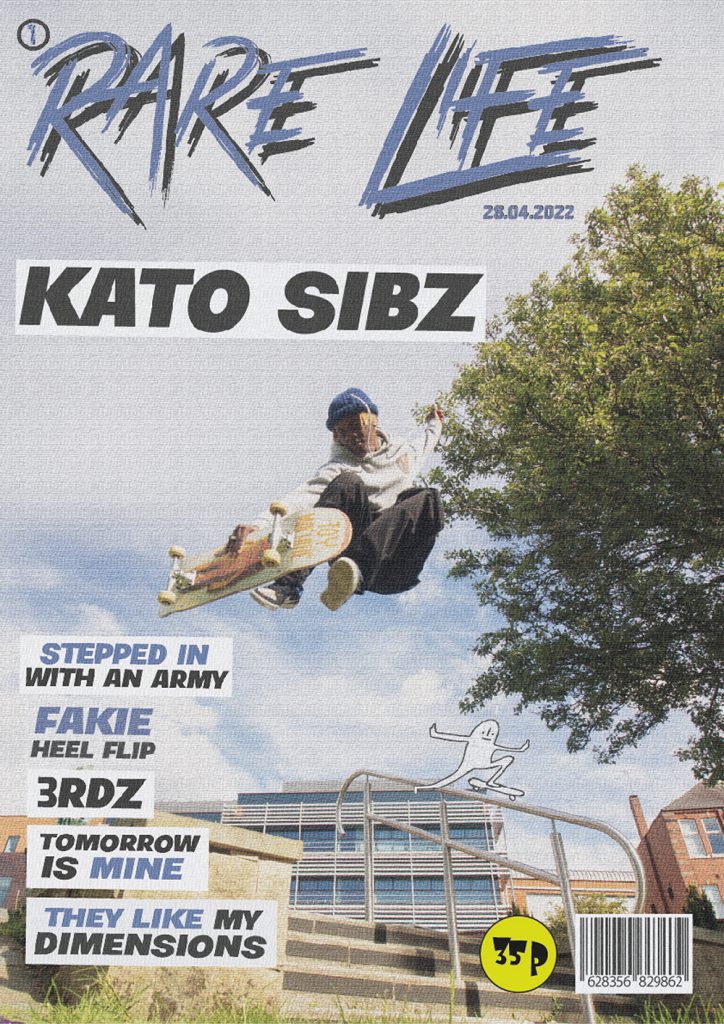
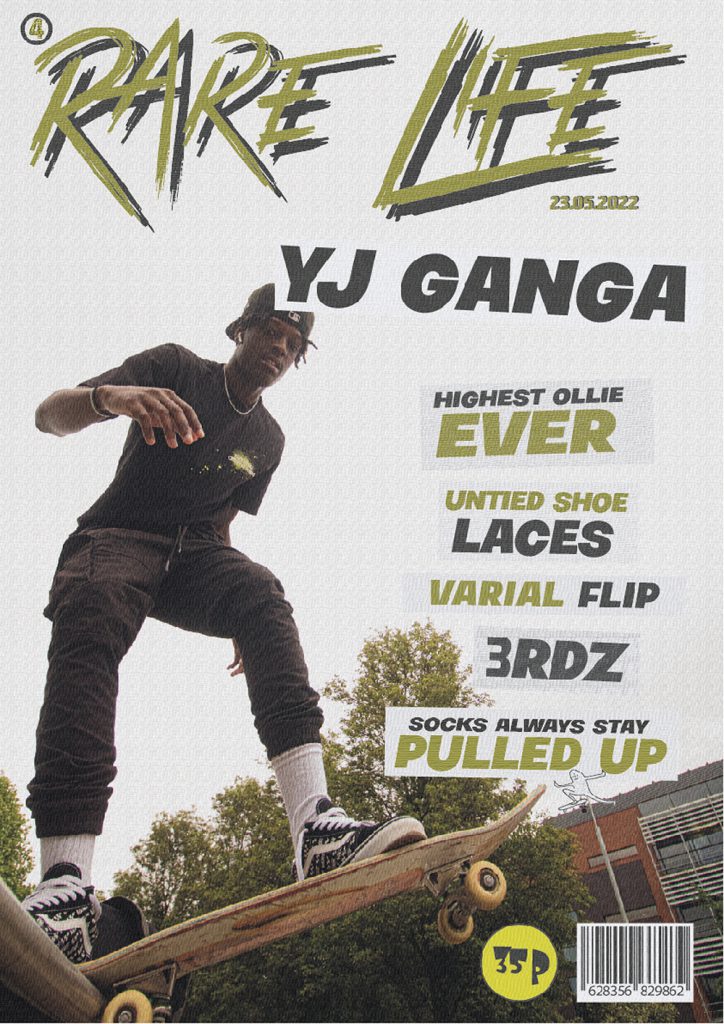
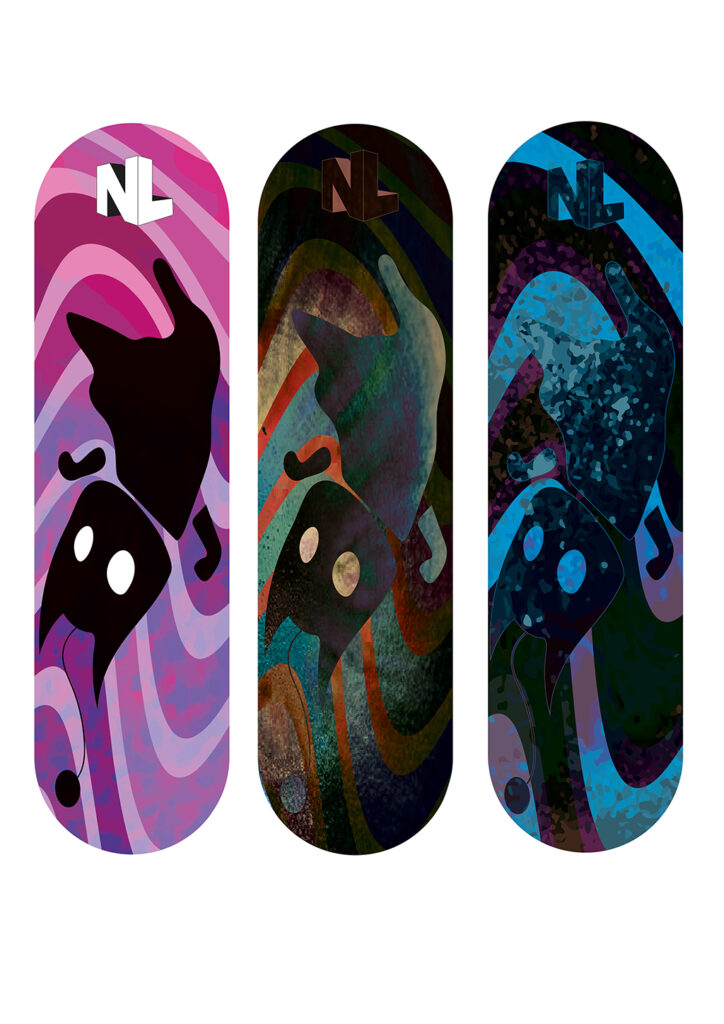
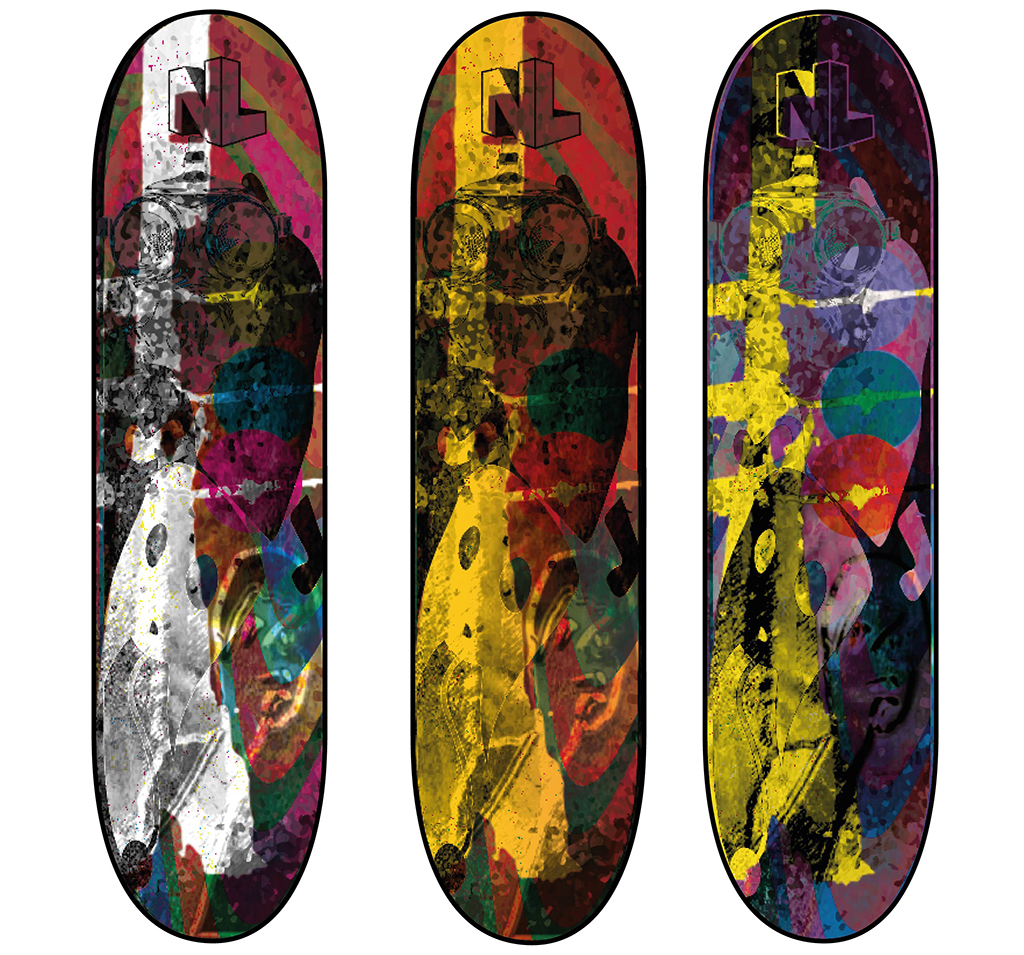
My FMP is based on of my skateboarding brand called ‘Rare Life’. My brand philosophy is to live a life so different from anyone else’s that it is seen as ‘Rare’.
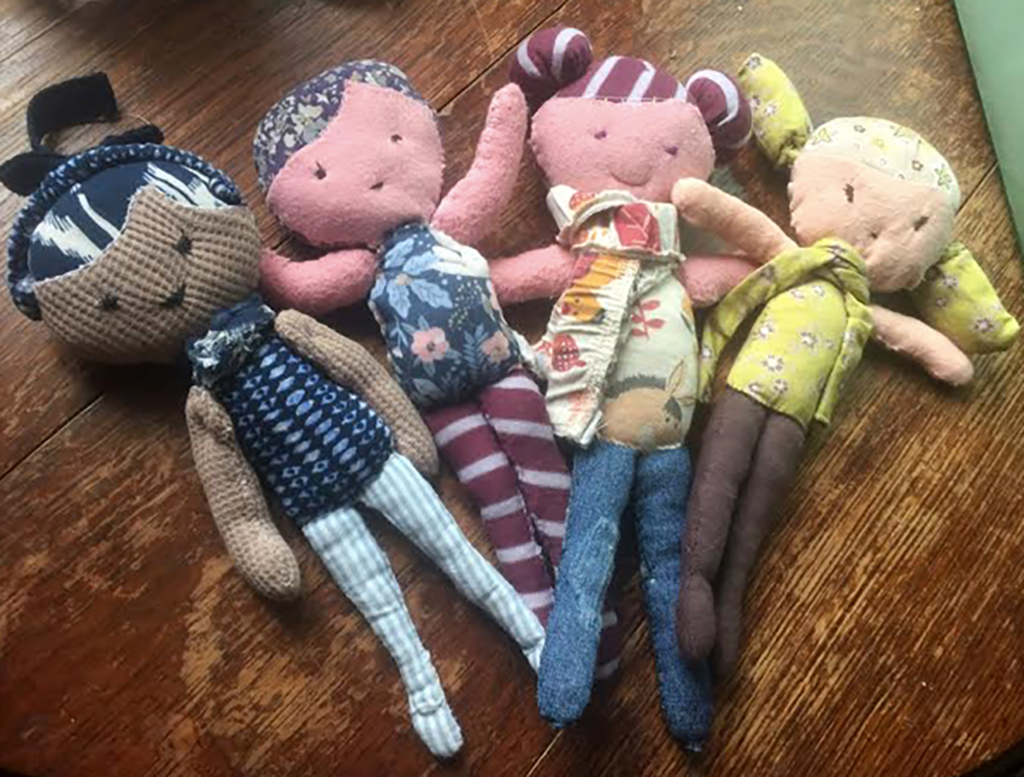
‘Violet’s Pirates’ is the name of my creative business. Named after my daughter who was born prematurely, the business is the unity of my past, present and hopeful future
I propose to run workshops in healthcare settings that help give the parents and siblings of premature babies the reassurance that they are not alone. When a child is born prematurely, they need to be kept in an incubator, which means the natural urge to hold and cuddle them is limited. Memory dolls can help with the mental anxiety this separation can create.
I have developed my business by combining the skills learnt from many years of employment in the textile industry with the experience of being a parent of a premature baby. I know how stressful a time this can be, and my dream is to help other families who find themselves in a similar situation.
I aim to teach other parents and siblings affected by premature births how to make their own memory dolls. This will not only help occupy the long days spent in hospital wards and waiting rooms, but also provide them with the opportunity to learn a new craft.
The workshops are though not only about making the dolls because they will also provide a safe space for families to re-connect with one another, discuss how they are feeling and try to solve the many practical problems that having a child in an intensive care facility may create.
Violet’s Pirates will also provide opportunities for other people such, as healthcare professionals and social workers, to attend workshops and offer further practical and emotional support to families going through what is a traumatic experience. I am certain of the positive impact my business would have and am applying for funding to start delivering workshops as soon as possible.
Josie Smart
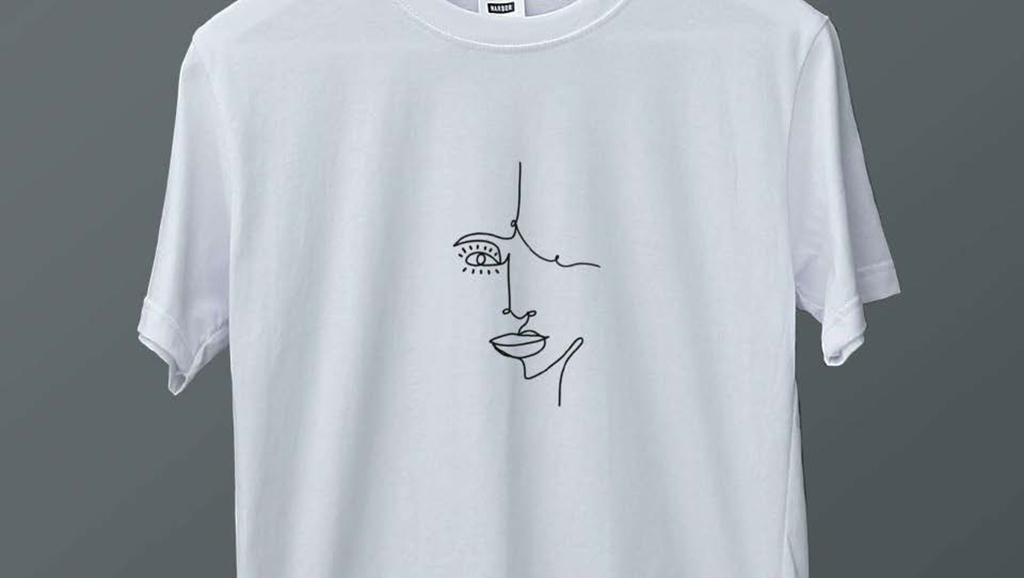
I am hoping to start my own creative business ‘nude.prints’ which will sell urban style clothes and accessories. The garments will all be designed and hand crafted by me, inspired by abstract and line art.
Fashion is something I’ve always been into, but I never previously thought I could create my own brand. I have been excited to see my ideas develop this year and the concept for my business grow.
I hope to make a range of different t-shirts that I can sell through Instagram, Etsy or my own website. Eventually I would like to expand my designs into a range of colours and styles and sell other items such as bags and accessories.
Designing my fashion brand has meant making sure my illustration ideas are on trend. Fashion is a very competitive business and in 2021 streetwear has become one of the most popular trends. This is where I am aiming my clothing brand, as I feel there will be significant interest in what I’m make.
Buying something made by an independent artist gives more meaning to the clothes you wear. Most people also like to have things which are unique, and I want to generate that feeling of exclusivity with my brand identity.
My business will focus on an age range from 18-28. I have picked this age range because typically when you get to the age 18 you start to explore in the fashion industry and become more confident with bolder fashion choices.
Art is something I have always had a passion for, but I realised I needed more experience in the business side of things and this qualification has helped me towards my goals.
2 months from now I aim to be selling my t-shirts and bags online through Etsy, whilst advertising my brand Nude.prints through social media.
6 months from now I will have my own website up and running so that I am able to sell to a wider range of people.
I am passionate about my career in art and design and hope my business will be a success. I am currently working in the service industry but after a year I hope to be running my creative business full time.
It’s important to have ambition and ever since I’ve been financially independent, I wanted to run my own business. I enjoy creating something that I love doing and that other people also love.
You can look at my work on my Instagram account @nude.prints
Diana Waldron
Cathead is my creative business idea that I have developed on the Level 4 Creative Practitioner course. I have been inspired to try and do what I love for a living and that for me is origami and paper related art. I am now on a mission to make origami the next big craft making craze!
Paper folding has always helped me calm my nerves and I’ve wanted to show how it can become integrated more with seasonal events such as Halloween and Christmas.
Origami is fun but can get complicated quickly. Cathead Kits will have a specially designed pattern on the paper that makes it really easy to create origami animals and get professional looking sculptures fast.
My aim is for people to become confident enough to make ambitious and quality designs that decorate their home and create an amazing atmosphere. Cathead products will take the stress of folding and worrying if you’re doing it right. You can simply follow the instructions or watch one of my online tutorials.
A key product Cathead is large scale origami kits. Origami packs are often so small and fiddly, so I am developing large-scale screen-printed origami kits. Going big is the perfect way to inspire children and give new life to seasonal decorations and celebrations. You can even get everyone involved in the making. I am planning to launch Do it Yourself kits online and run regular workshops and online tutorials.
I have looked into how other businesses operate and understand now how it all works. I am confident in large scale origami and digital work and have begun to approach local businesses, either to run drop in workshops or sell my products in their gift shops.
Personally, the course has boosted my confidence. I have needed to look at the business side of running a creative business – pricing – sales, budgets etc… and now have much more confidence in my ability to make my creative business a success.
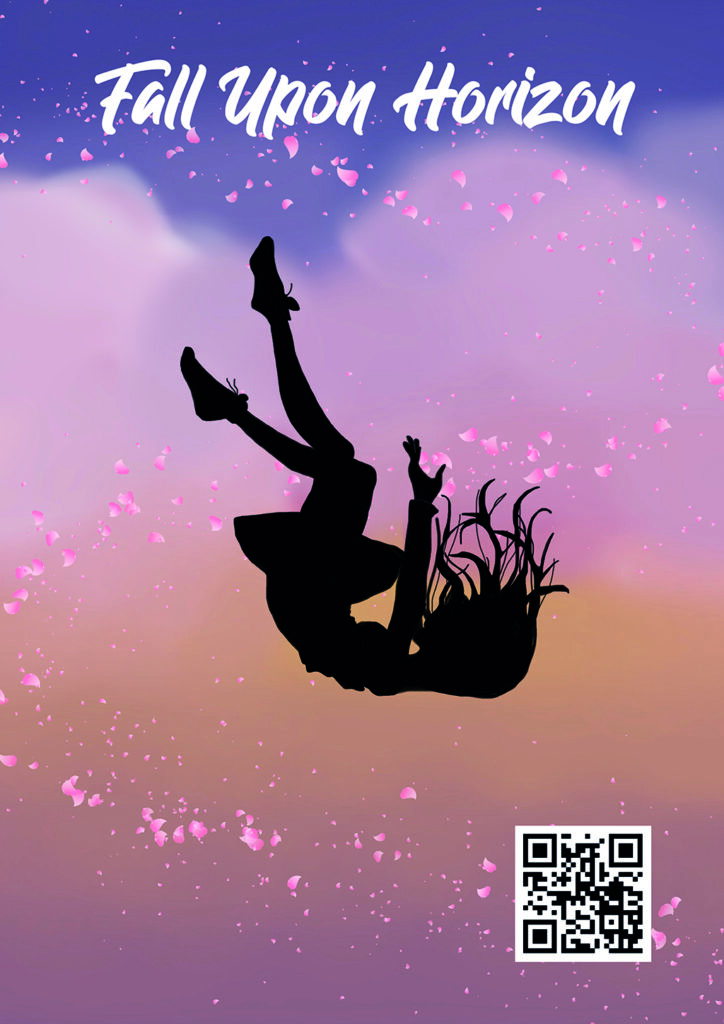
I decided to do a stop-motion animation because I wanted to challenge myself by doing something more involved and more practical than a painting.
I used clay for the stop-motion animation because it was the most efficient material for movement. I also used it because it is easier to make models out of clay and the cost of materials is cheaper, I made the backgrounds out of paper because it would take too long to make a set.
The backgrounds and colours used are meant to represent different emotions such as red for anger or blue for sadness.
I was inspired to do the topic of BPD (Borderline Personality Disorder) because it interested me and I wanted to talk more about the mood disorder since it is not widely known about.
Ben Brant
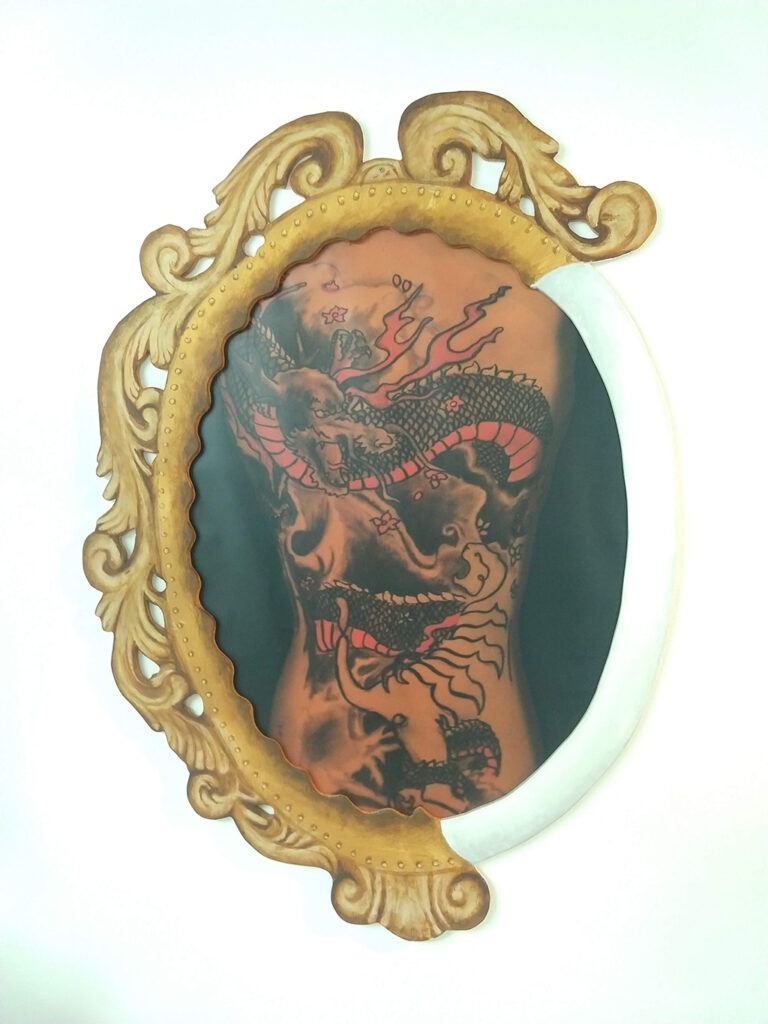
The Mirror Knows You!
This design is all the sadness caused by discrimination that the LGBTQ community have been getting over the years.
When people are talking about you, and they do not understand just remember the mirror knows how you are feeling. Know that one day you will be the big star that you will be. The sadness and the fear that is there now will be in the past when you are a super star.
An old friend used to say, “Never Let Fare Strike You Out It Will Just Stop You from Playing the Game”.
Madeleine Darby
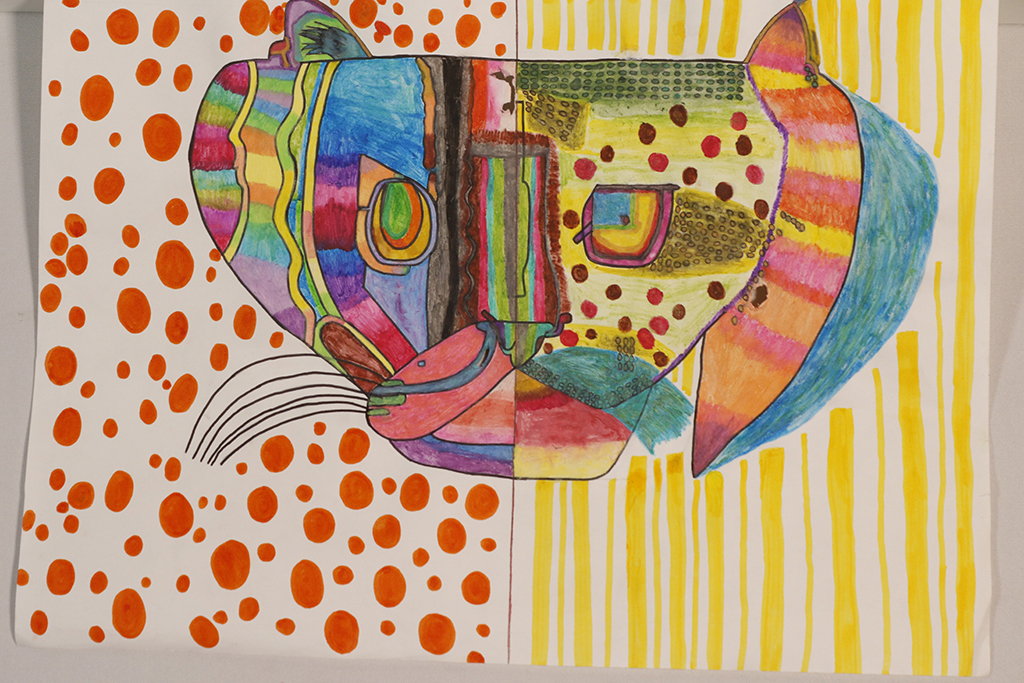
My thought was to help to raise awareness about endangered species of wildcats. My final piece is a drawing, of a half of two endangered Wildcat species, I thought this would be more interesting than doing two whole pictures. I used watercolour pencil crayons to blend the colours in and I made my drawing multicoloured, because it would be bright, bold and stand out nicely.
Amelia Grainger
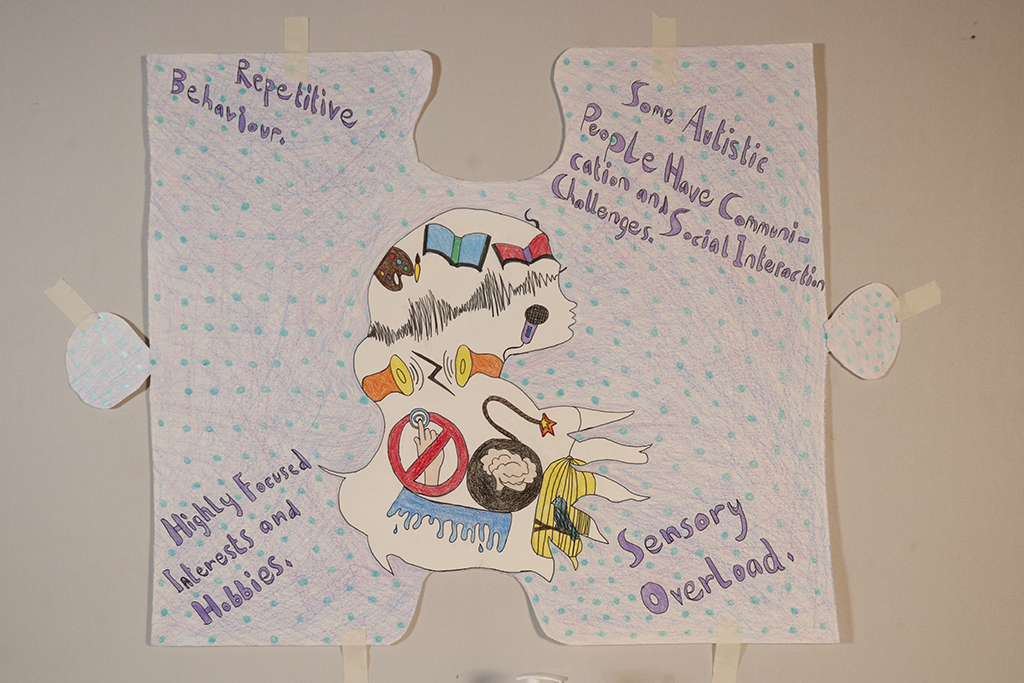
Autism is Like a Superpower
My work is based on Autism Awareness. I chose to do autism because I was diagnosed with it and I wanted to learn more about it. I learnt more about what makes me, me. To be proud of the differences of how my mind works and not thinking of myself as a hindrance.
I did not get diagnosed with Autism until I was in secondary school and proof says that it is harder to tell in girls than it is in boys 1:4. I want people to look at autism as a superpower because everyone is on the autistic spectrum whether you need more help or not so much help in our lives.
Jason Jones
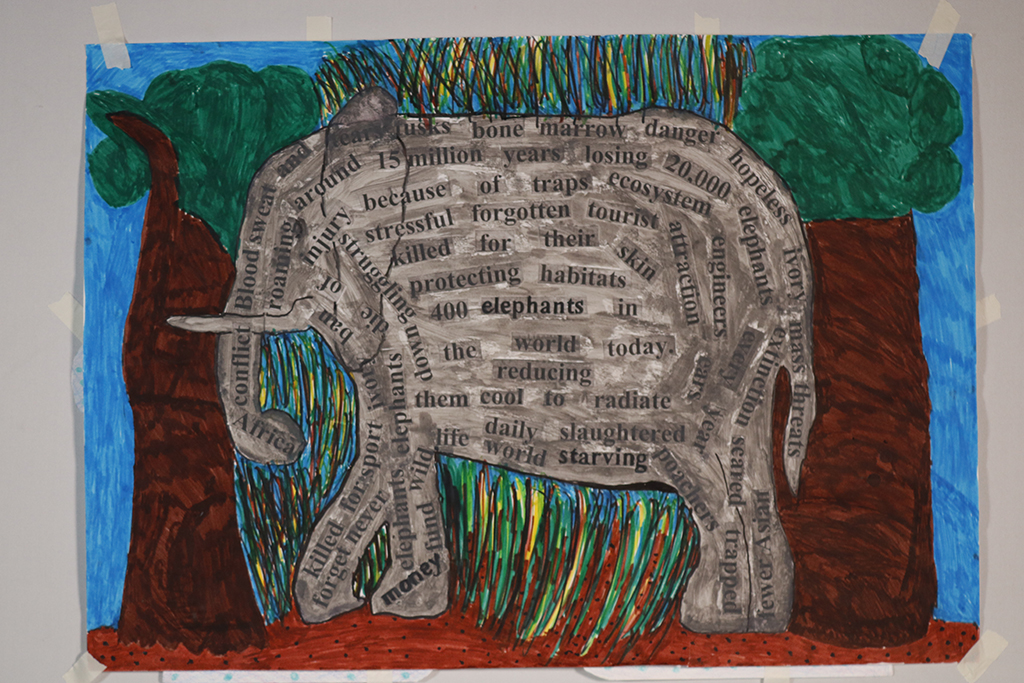
Blood, Sweat and Tusks
20,000 elephants every year get slaughtered. Daily elephants die of injury because of traps. They can live up to 70 years in their natural ecosystem. I wanted to raise awareness of this.
Connor Perkins
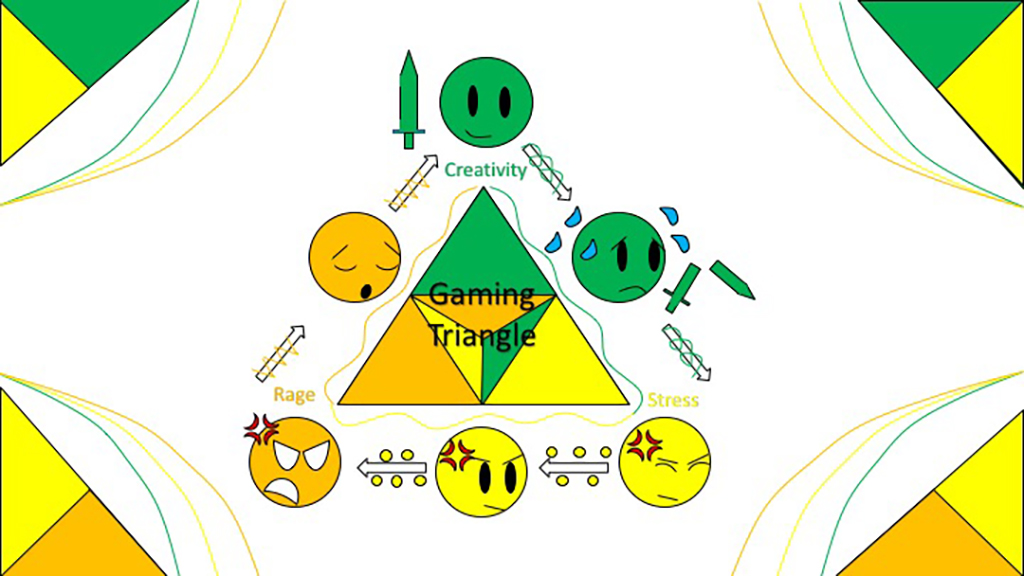
The Gaming Triangle
This Artwork Project is about the gaming triangle. It’s all about the benefits of the positives and negatives of gaming. The colours represent common feelings about gaming.
Yellow = Joyful, excited, creative
Green= Powerful, aware, confident
Orange = Scared, anxious, embarrassed.
Within the options I’ve chosen creativity stress and rage – the effects of gaming.
Ginny Whitehouse
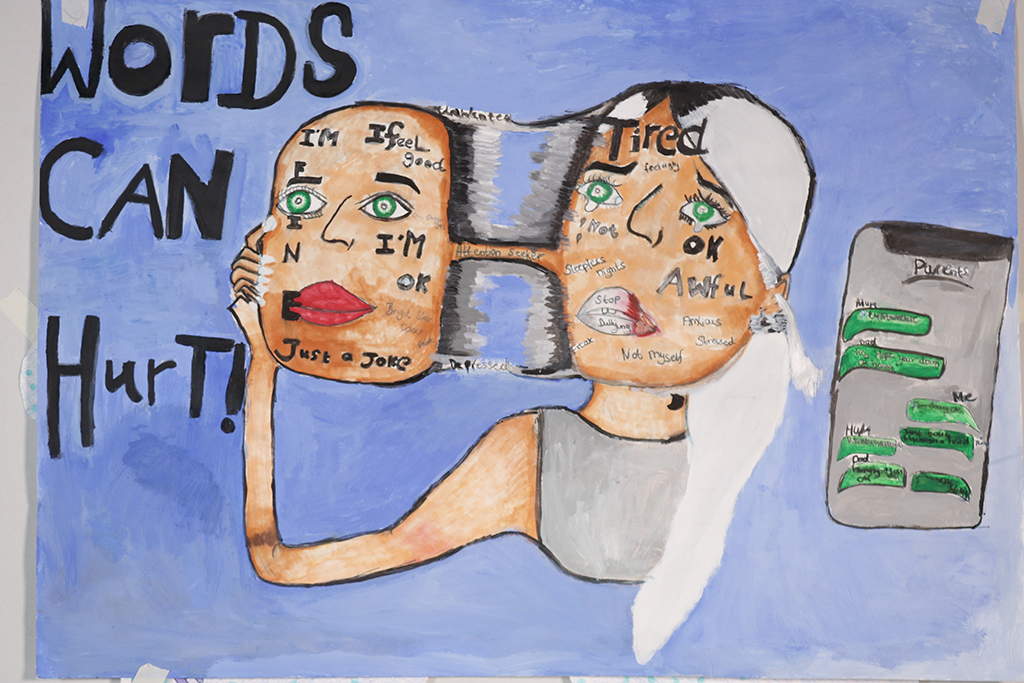
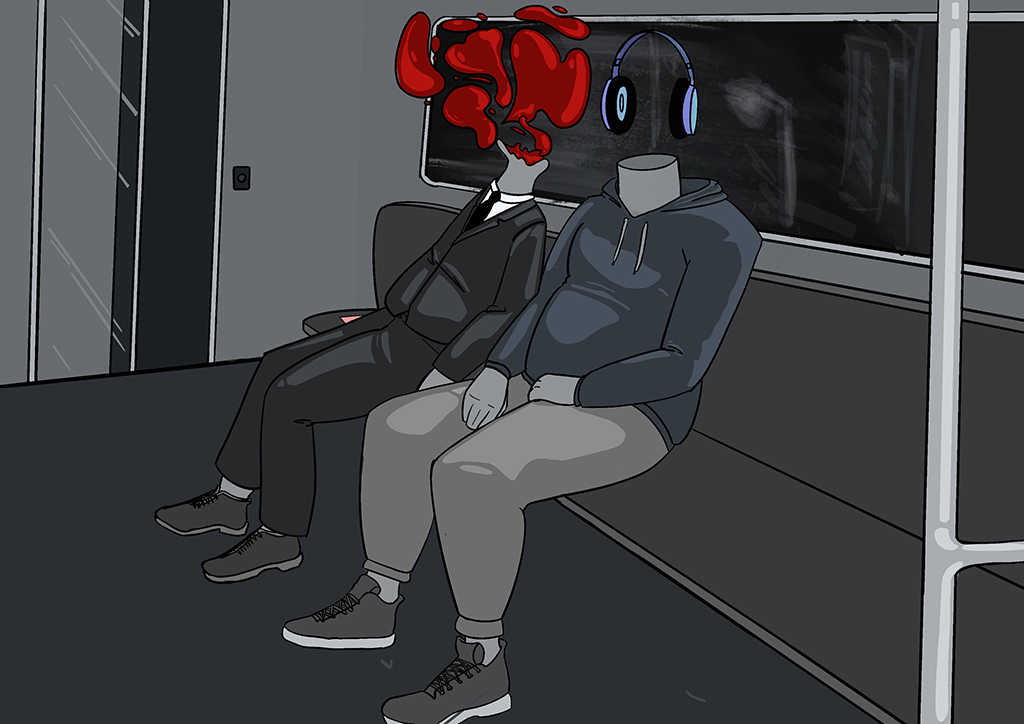
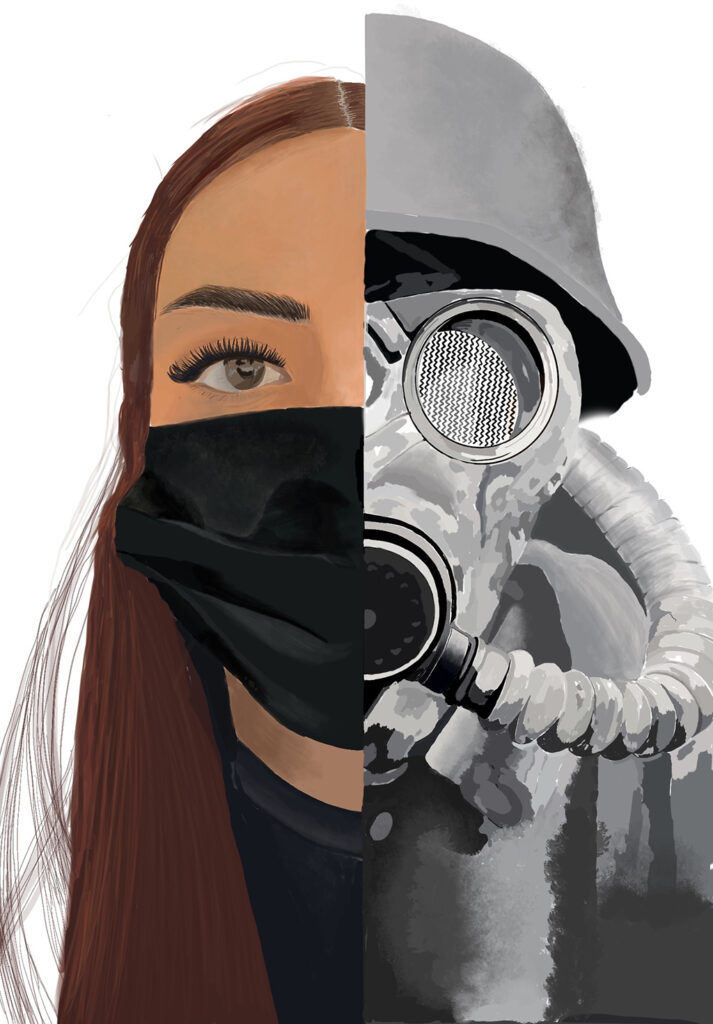
The Truth behind the Mask
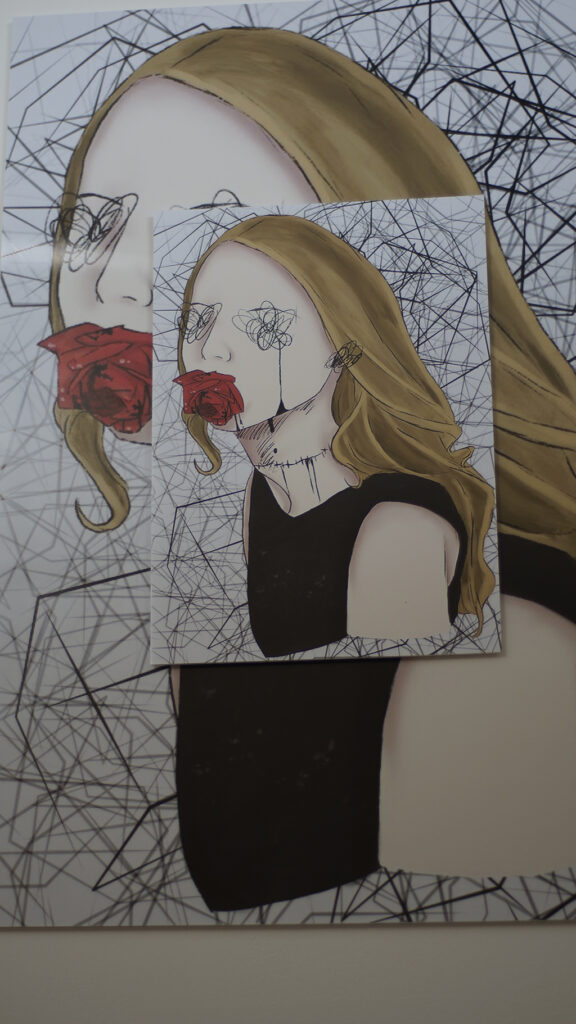
My design is based on bullying – I want to emphasise the imagery from a personal point of view of what that person is feeling inside. I believe this will be an eye opener to the public, to show how bullies make that person feel inside and that words can hurt.
The inspiration for the mask idea came from the No Tears Left to cry music video by Ariana Grande where she takes off the mask to show the truth that she’s not okay after what she experienced mentally. That came up as an idea for bullying as I experienced bullying for who I was as a person. I listened to other people’s personal experiences and it just made me think that this needs to be addressed some way or another so I decided to do a painting based on this situation and so that people can relate to it.
Watch the Video of This Exhibition Filmed by Student, Rhys Atkinson
It is fair to say that Extended Diploma Art & Design has its challenges. No one could have anticipated the impact Covid would have on the last two years. The students on the second year Extended Diploma art and design have embraced this challenge with creativity, imagination, determination and good spirits. Having experienced a significant part of their first year with limited access to studios and equipment, they tackled industry-level project briefs using whatever materials and resources they had at home. The second year began with the hope that they might explore their creative pathways accessing the full college’s facilities. Lo and behold they went back into lockdown at what is often the most crucial point in their creative journey. It was heartening to see them continue undeterred and produce their university portfolios and coursework with little change in pace. Much of the last few months has been conducted in preparing them for the first professional exhibitions. They ably demonstrated that they could produce and exhibit work commencing with the entirely digital Silent Gallery. Returning to the studio they then had a very short space of time to conceive, produce and exhibit their first physical show despite the fact there was every chance the public would never be able to see it in person. This did not dissuade them from producing imaginative and thought-provoking pieces, showcasing the creative resilience and professionalism they have developed in these atypical times. It is testament to the dedication that the following work can at least be enjoyed in the digital realm.
We are delighted once again this year to have had Hereford College of Art support our learners’ progression into HE via their ‘One To Watch’ initiative. Tutors from their Fine Art, Graphics, Photography and Fashion/Textiles areas have judged entries from our corresponding courses and awarded those learners whose work shows potential for excellence beyond FE. Look out for the banners next to the recipients’ work who will also receive a book for their efforts. This recognition undoubtedly motivates learners to aspire to greater things.
Martin Doyle, lecturer, visual arts
Mina Akhtar
Interior Design – Living Room
Interior design of a spacious living room, home space. Targeted at those who love a spacious and comfortable living space with cultural, modern/contemporary design. I am interested in marbling and repeat work.
Naomi Celine Kennedy Armstrong
Time Passing
The passing of time and events are constant and is not altered for anyone. No one gets more or less time.
Eden Charlotte Beaven
Calamity
You will never truly understand someone’s internal emotions
Adelina Briceva
Flow Of Life
We reflect ourselves on time which makes us regret afterwards that we dont have time to fulfil our small or big requests. As time passes we think about what we done in the past and how can we improve in the future but never do anything properly in the present.
Lisa Lorette Bullows
Self-Reflection
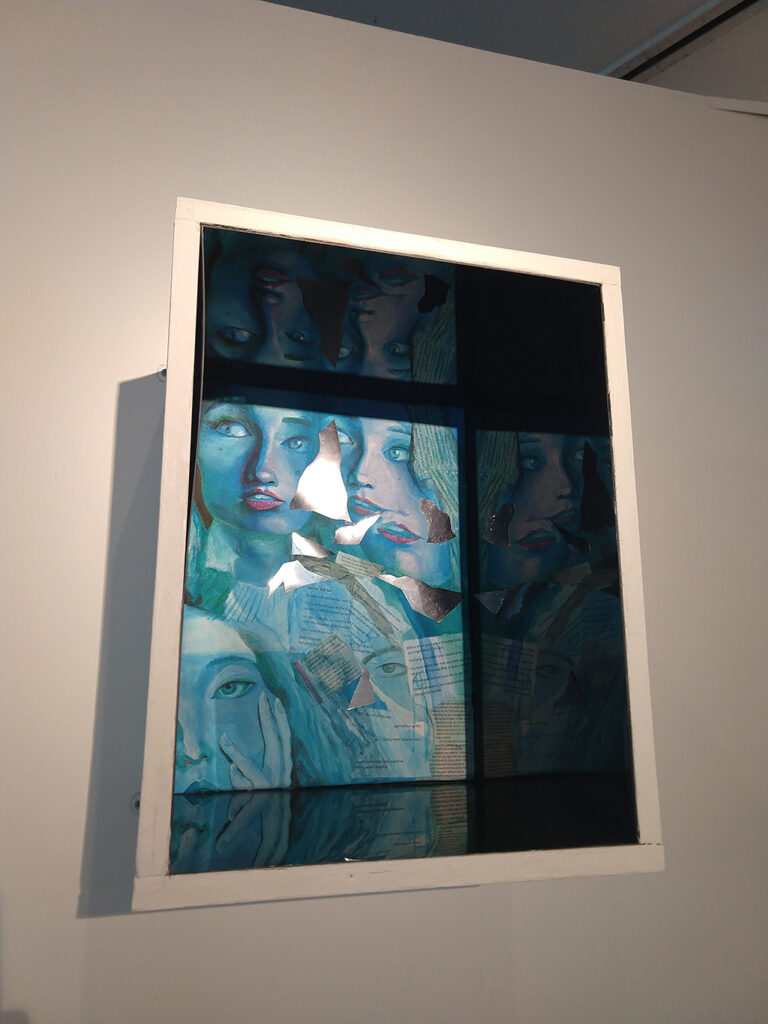
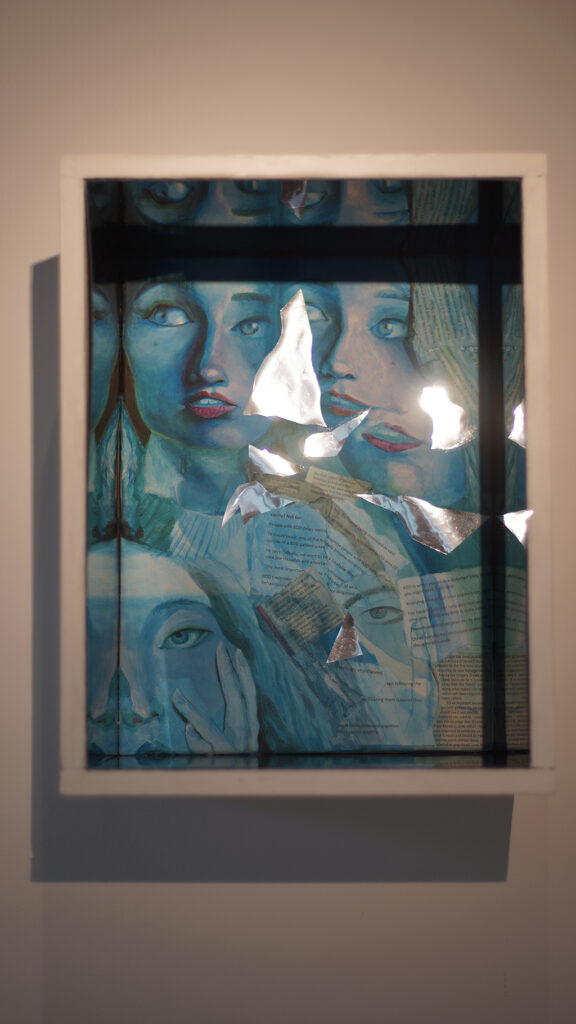
The way we see ourselves can be distorted, different to what others see and media can have a negative effect on this.
Hannah Louise Cole
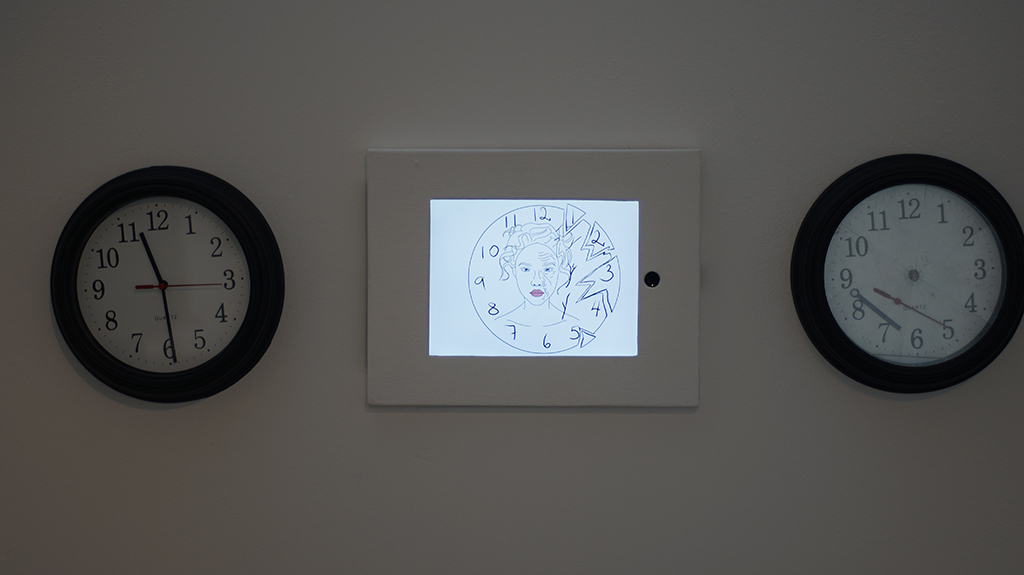
How do you run from what’s inside your head?
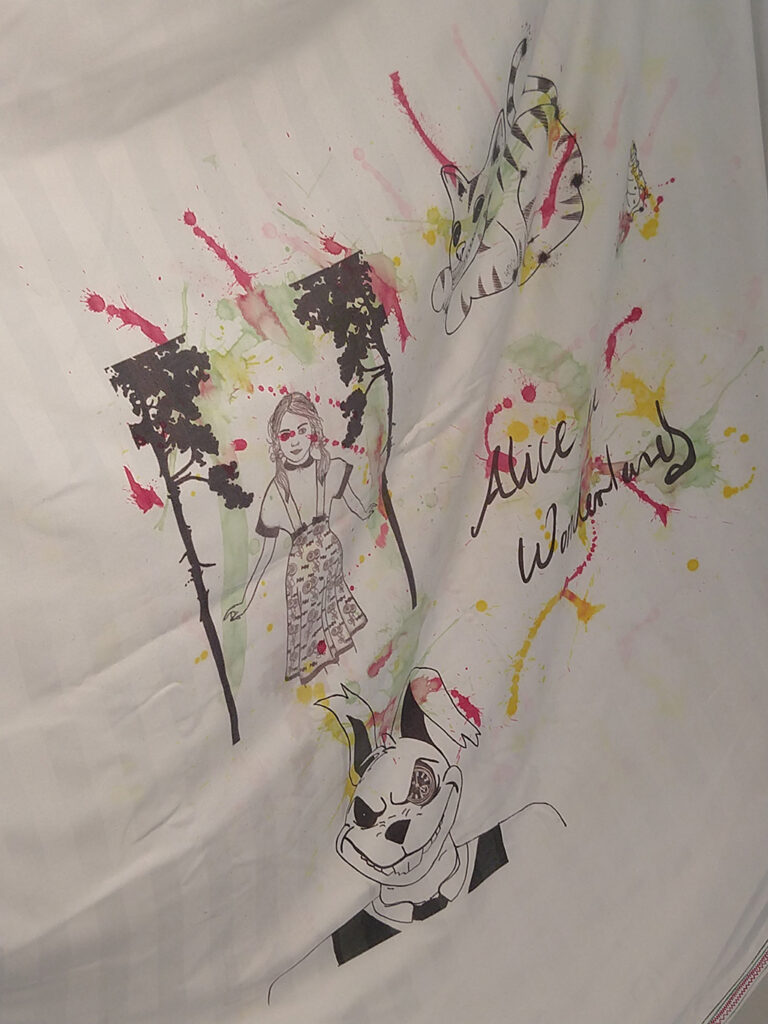
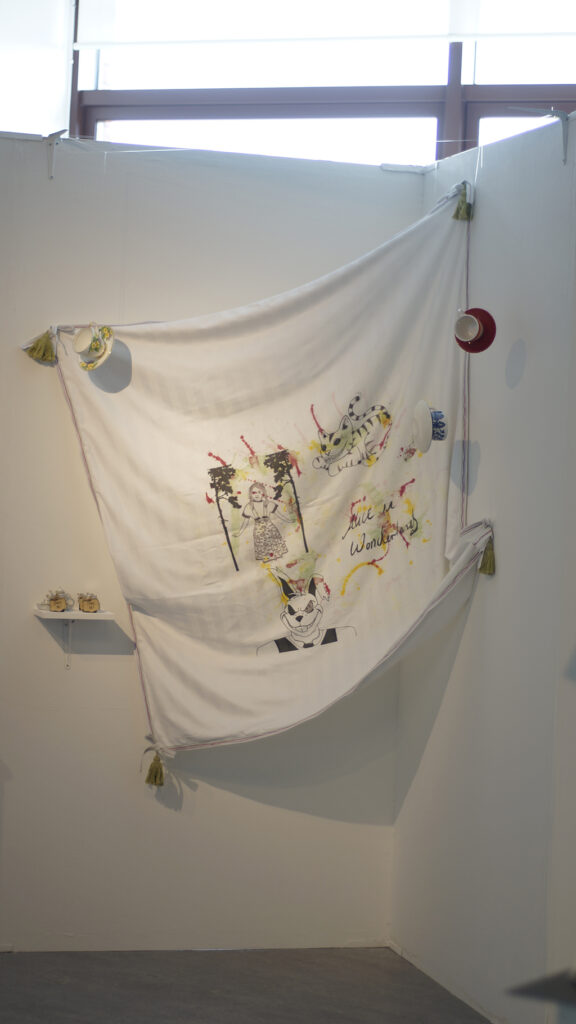
This is my interpretation of Alice in Wonderland where the characters are on a tablecloth along with home-made scented candles that I feel remind me of these characters and the story in general.
Neve Dangerfield
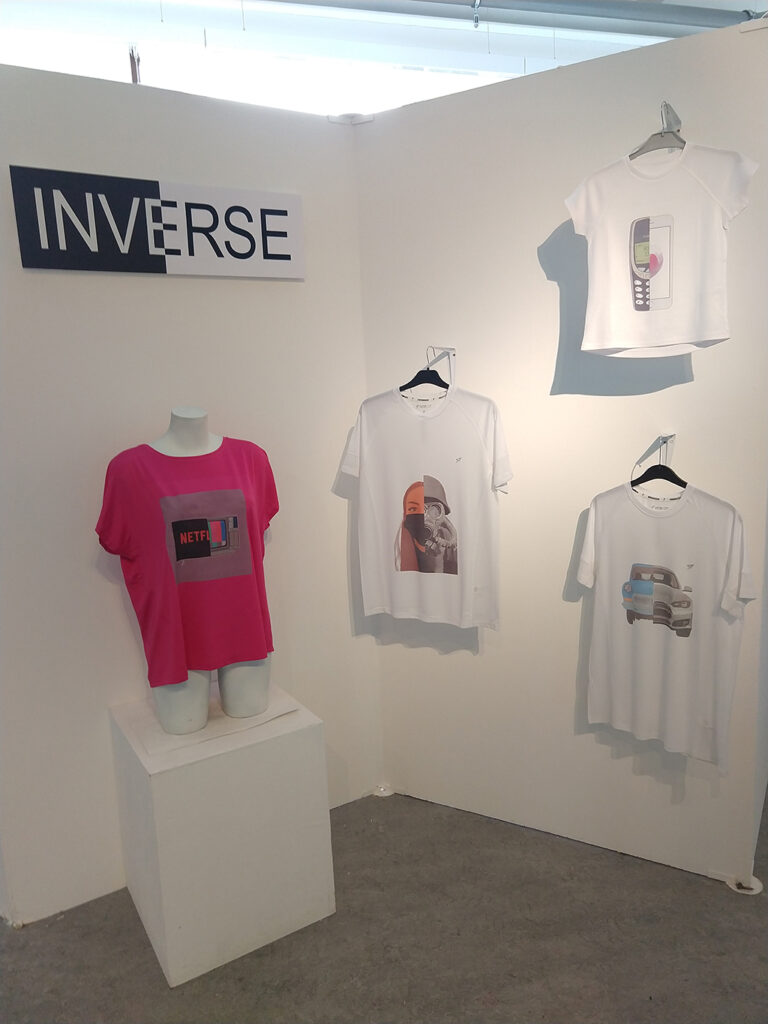
Inverse
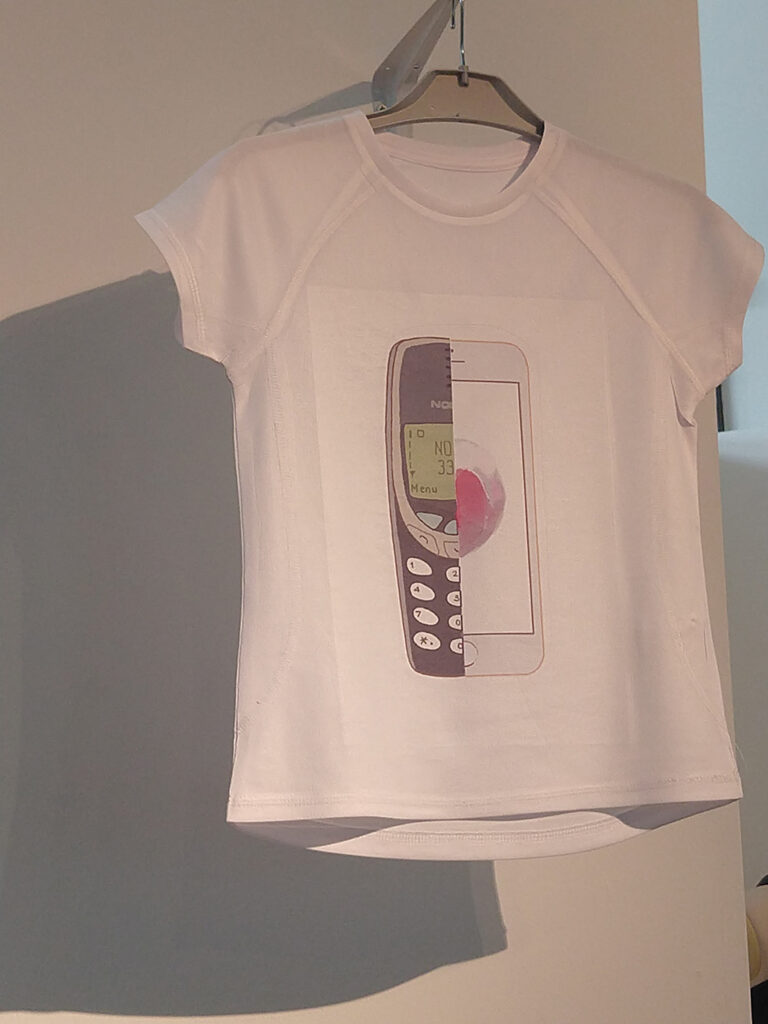
Researching into adverts and the reality behind them inspired this range of clothing graphics for ‘Inverse’ – a new brand that celebrates both new and old.
Shannon Davies
Daylight Hours
What do people use to escape reality? With stress being a main point, most people try to escape by using things such as Music, Art or books.
Lauren Jane Evans
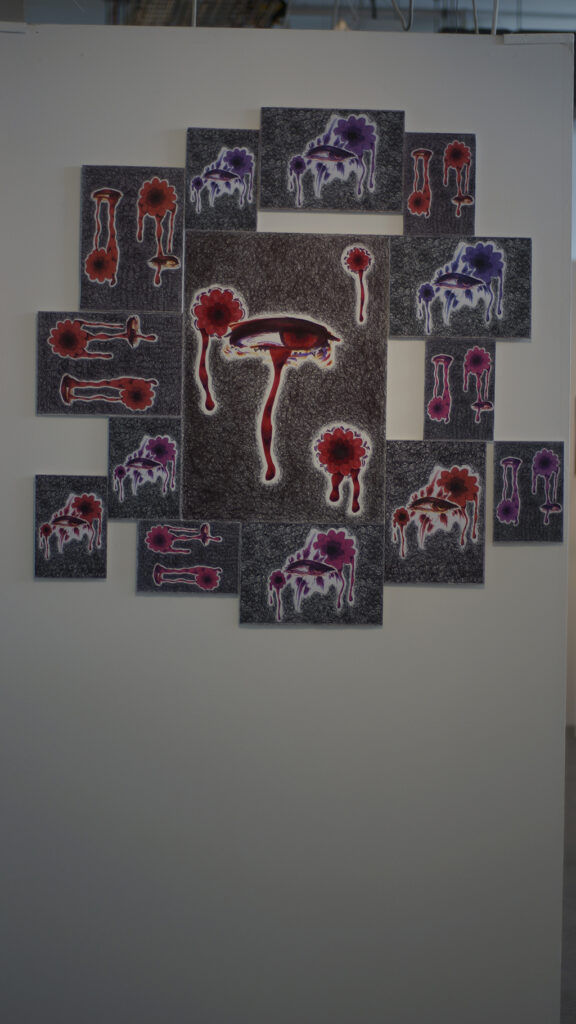
Pistanthrophobia
The fear of trusting others.
Holly Isabella Fellows
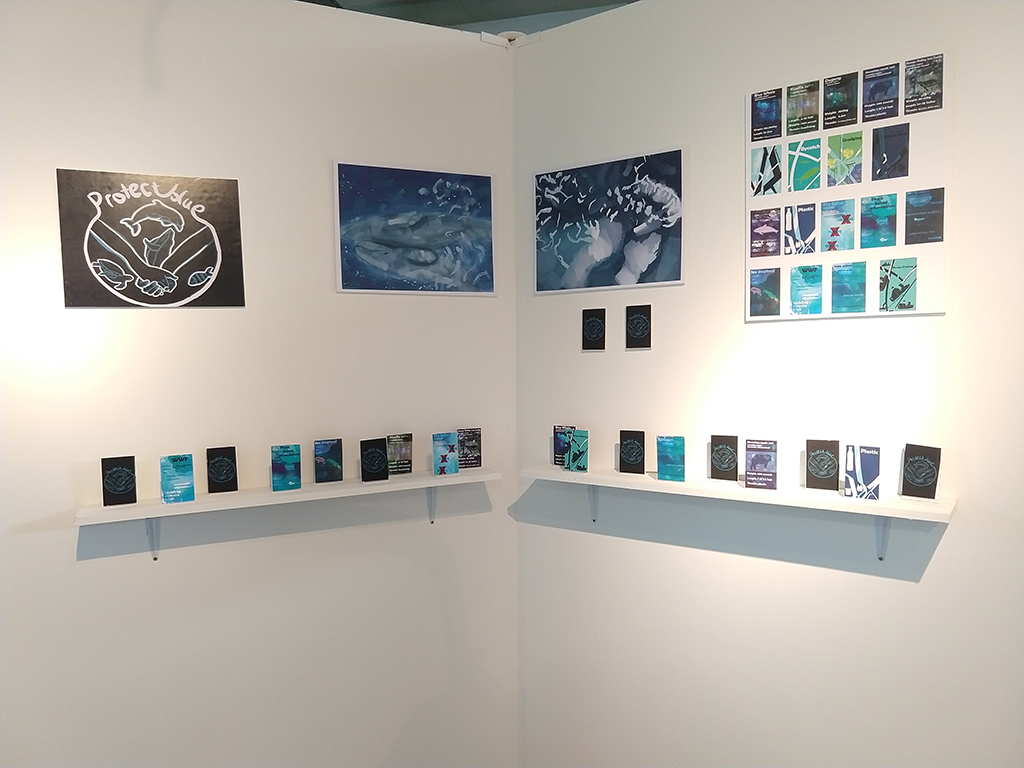
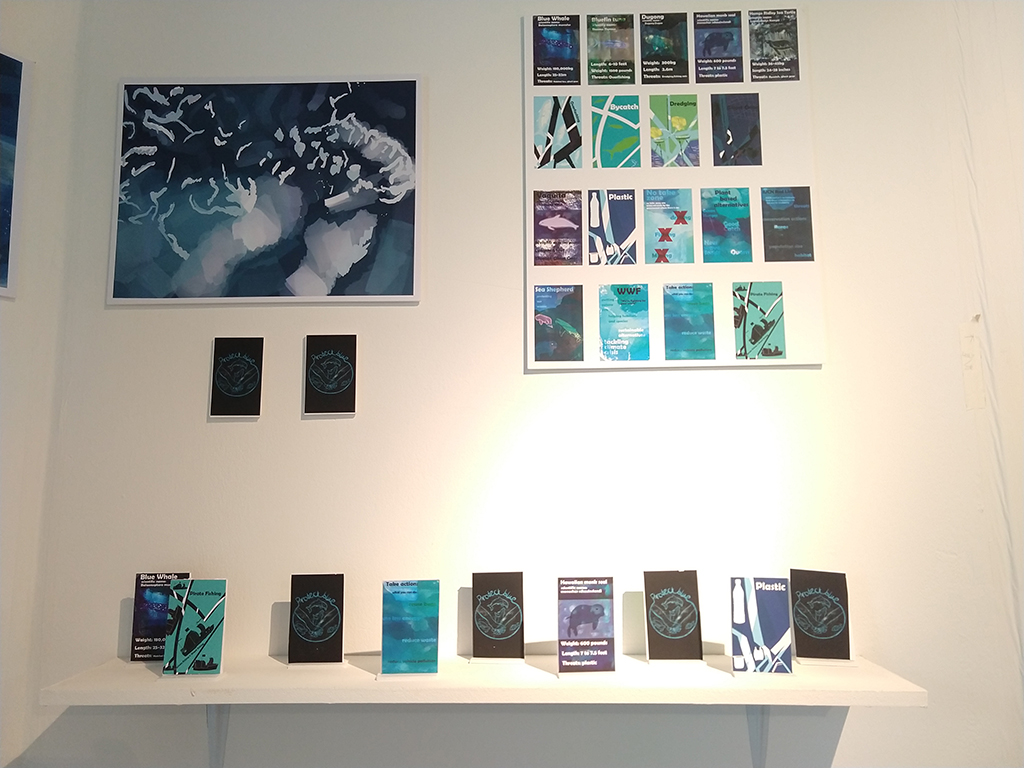
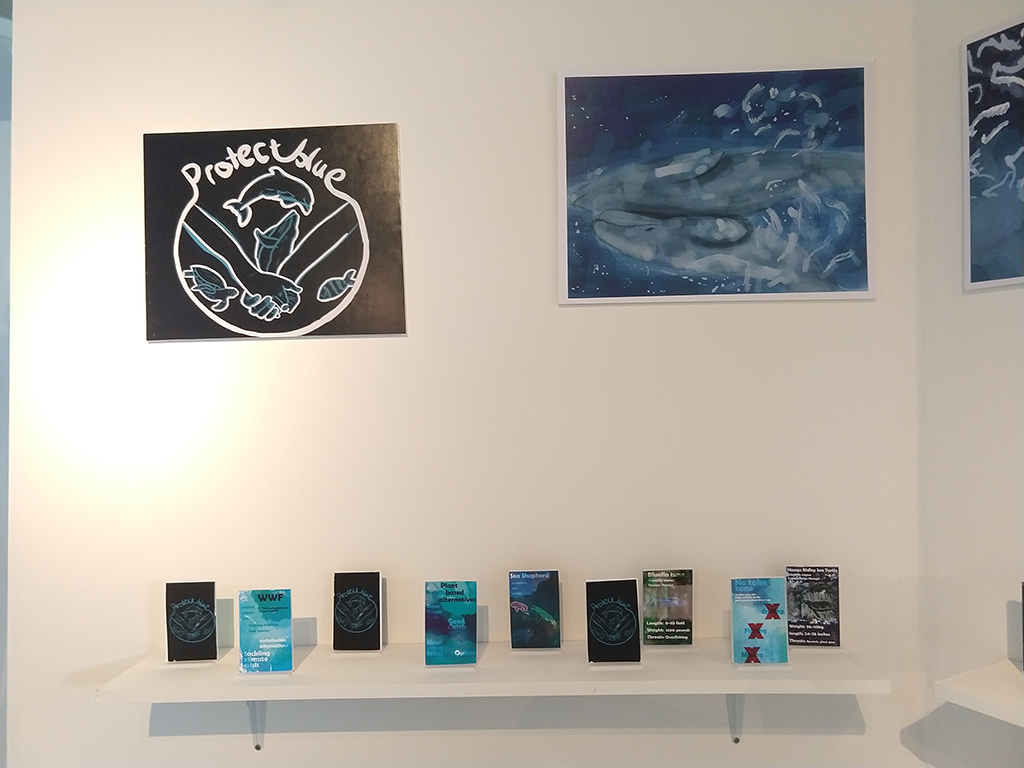
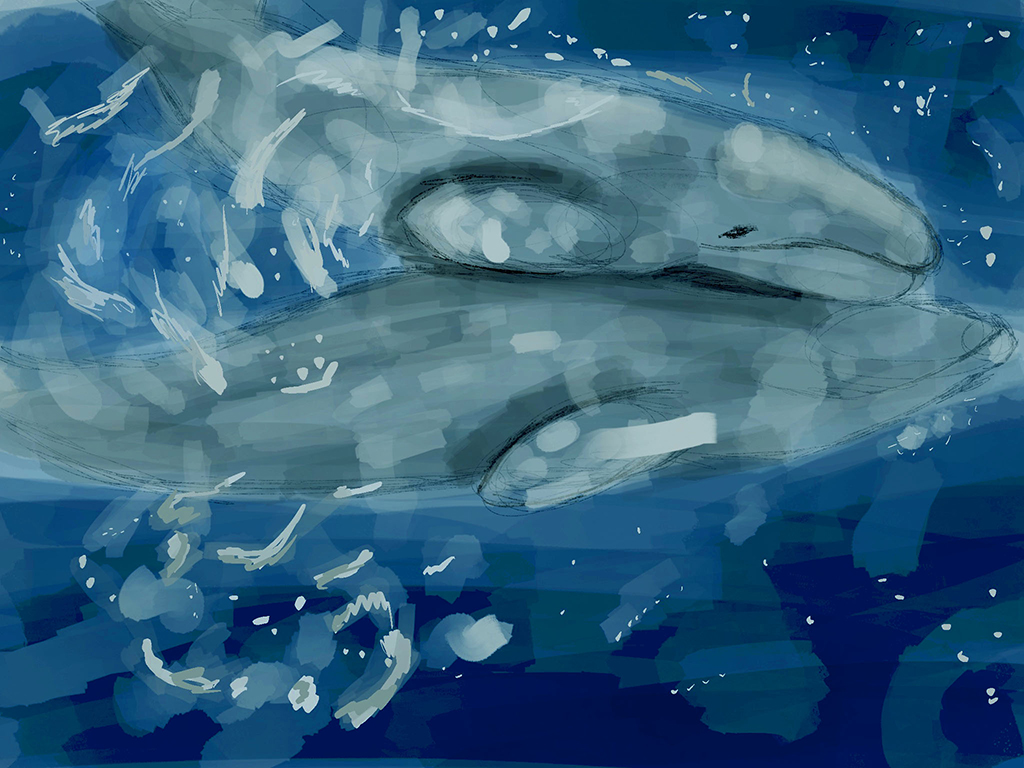
Protect Blue
My work is about showing the beauty of the world that we continue to destroy everyday through simple things. It raises awareness for all ages to get involved and learn how we can make a change. Because as Sylvia Earle said “Start with someone. Some “one.” And no one can do everything but everyone can do something”.
Lucy Graham
Ever Changing
From a shamanistic practice within the roots of both love and war, to now modern times it’s always been a show of self-expression.
Rosa Amora Hans
Mr Doe
I want to create a piece of work about the idea that no matter how small or insignificant a controversial topic may seem to some people it can completely change your perception of a person. I want people who view my piece to have a moment ambiguity and to challenge their own thoughts and develop new ways of thinking.
Nicole Lane
Haunted Mansion
As an interior designer, I want to push the ‘scare maze / tour’ to a different level.
Emma Lee
Bright Side of the Moon
I’m learning to fall in love with the twilight, spent a lifetime trying to.
Alfie James Masters
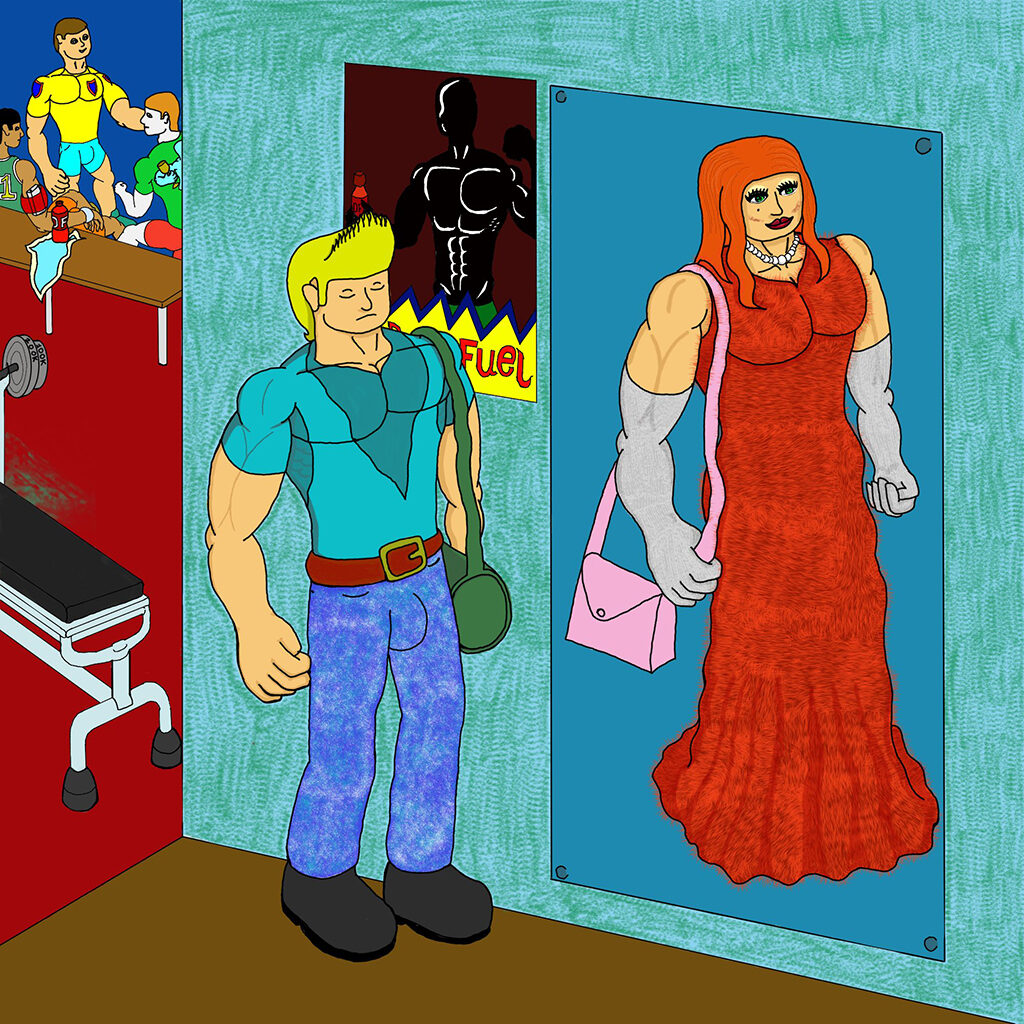
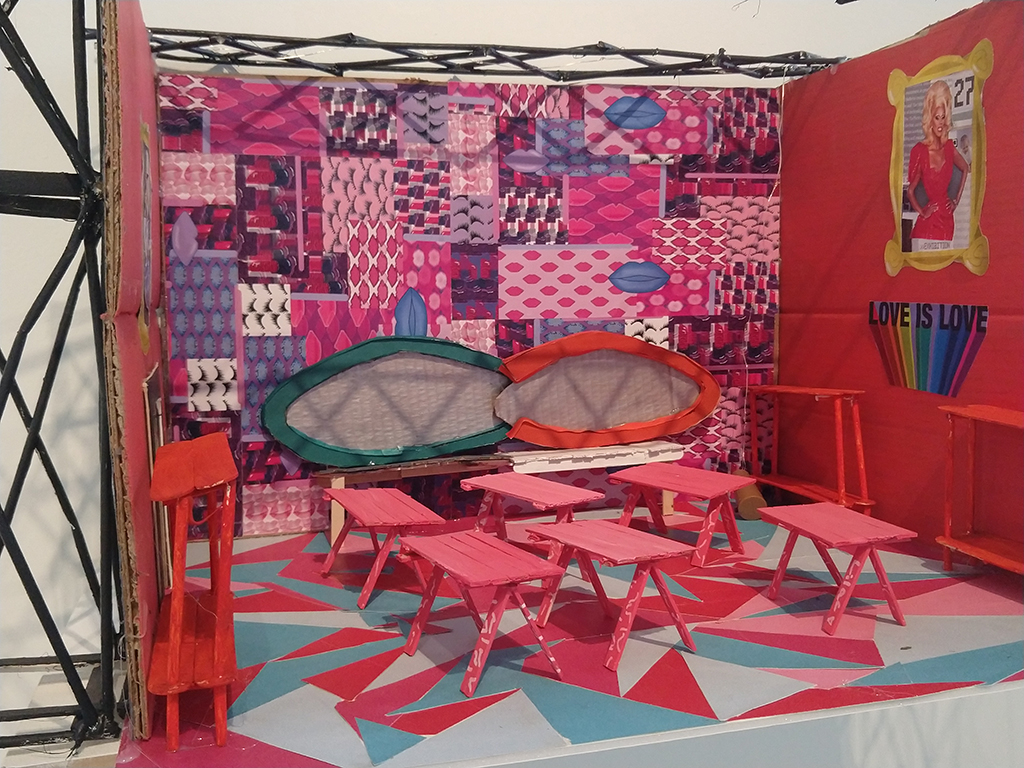
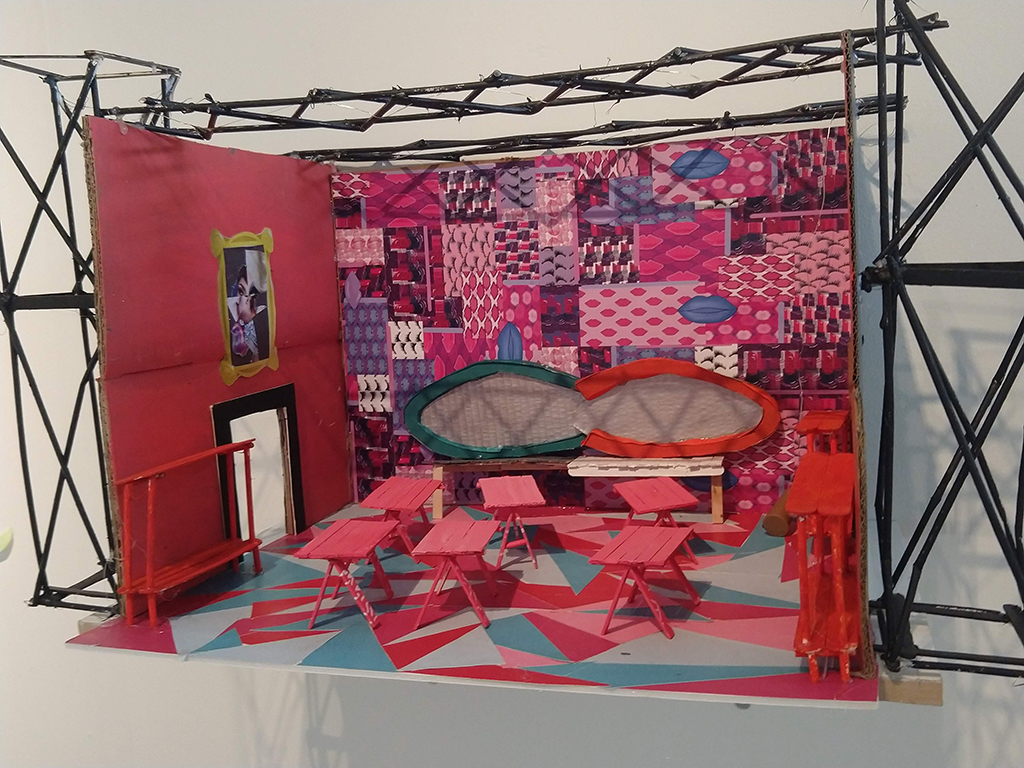
Mahu Werk Room
For my project I looked at drag queens, taking into consideration the culture of Hawaii and how ‘mahu’ (the third gender) could be the future of drag.
Cody Nock
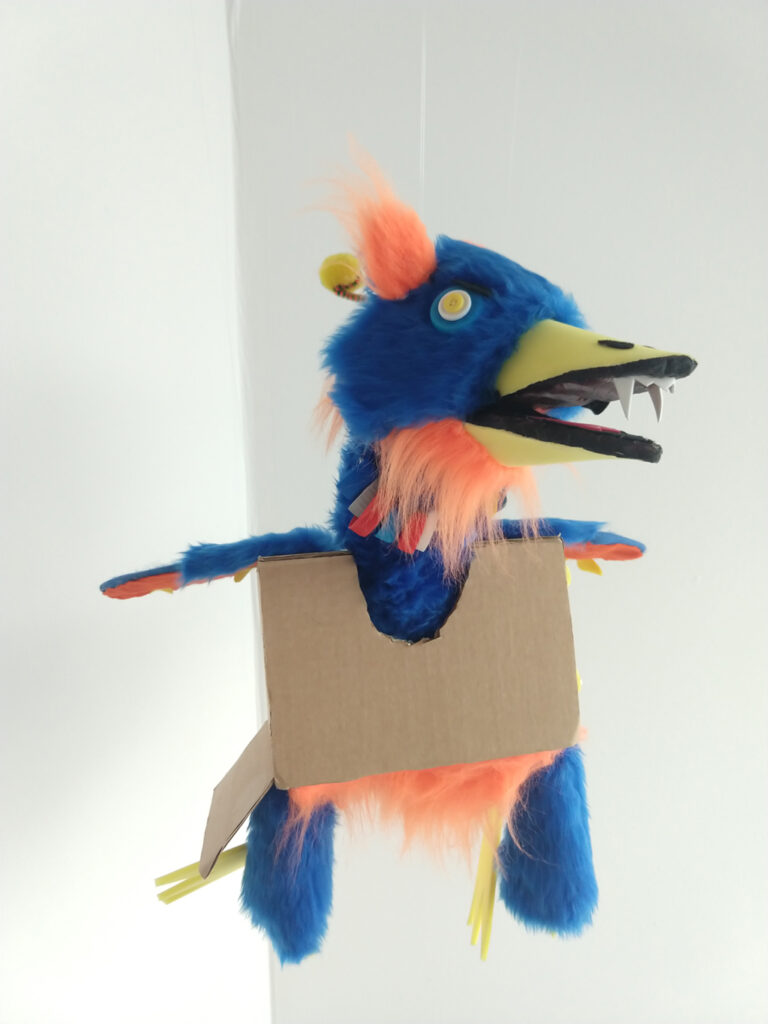
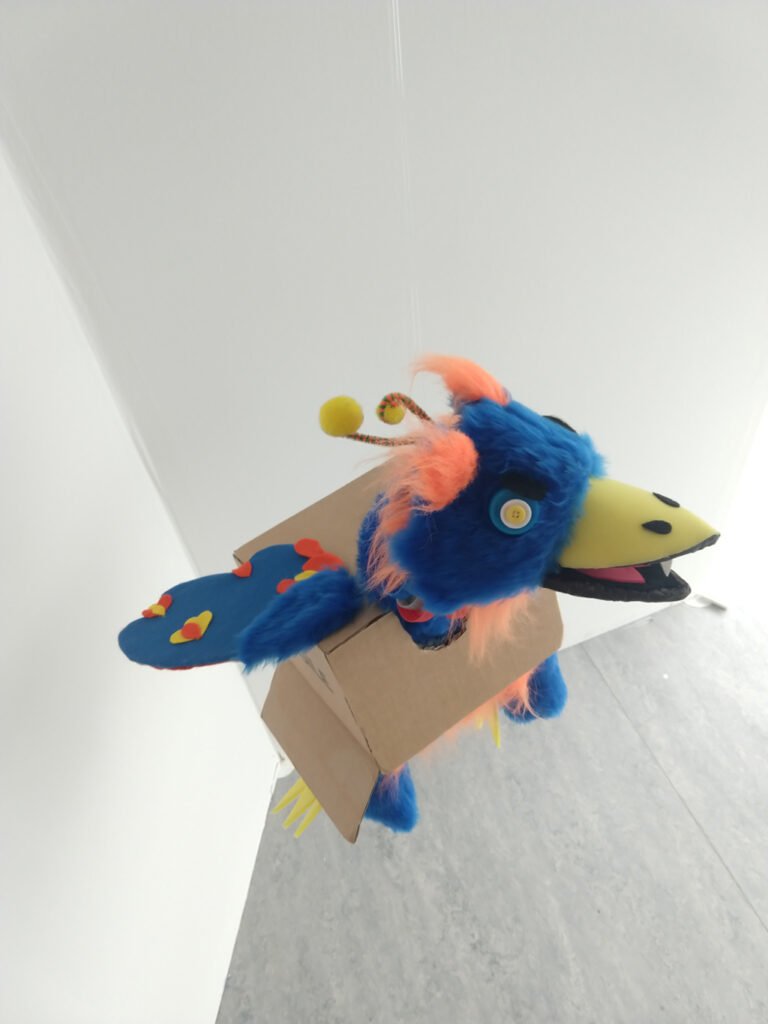
Clutter!
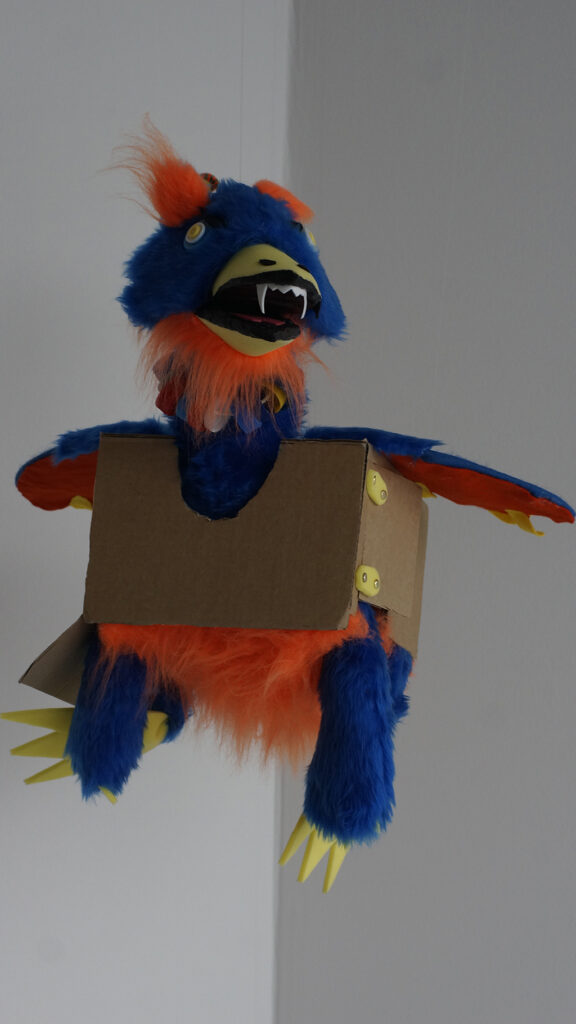
Similarly to Muppet style characters in media, I have created a mascot to teach young children the creative side of recycling and how it helps the environment. Clutter, the Gryphon!
Jill O’Callaghan
Detachment from Reality
What if you over-thought until you can’t distinguish assumptions from reality? The lines between the real world and a fictitious world conjured from your mind becomes blurred. When you lose touch with the reality around you, the atmosphere can become sinister; plaguing your thoughts and emotions.
Emily O’Rourke
Speed Limit 165
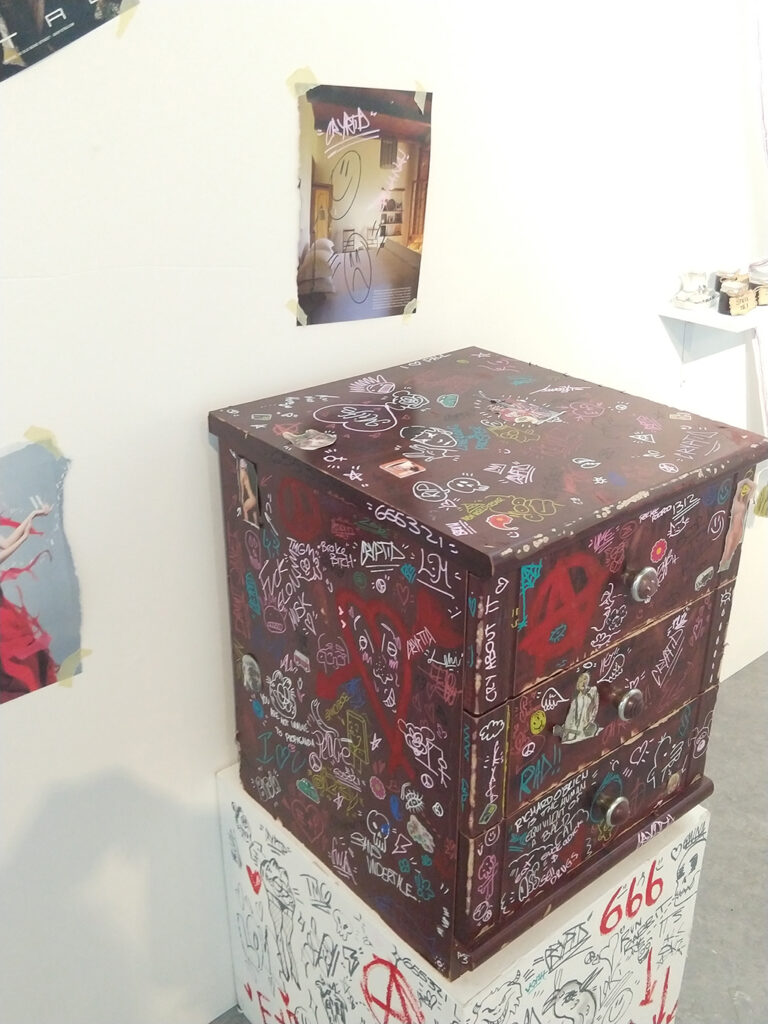
“Those kids with their spray paint, God love ’em” A physical demonstration of trashy teenage rebellion & the ageing process.
Aimee Louise Simpson
Hidden Ocean
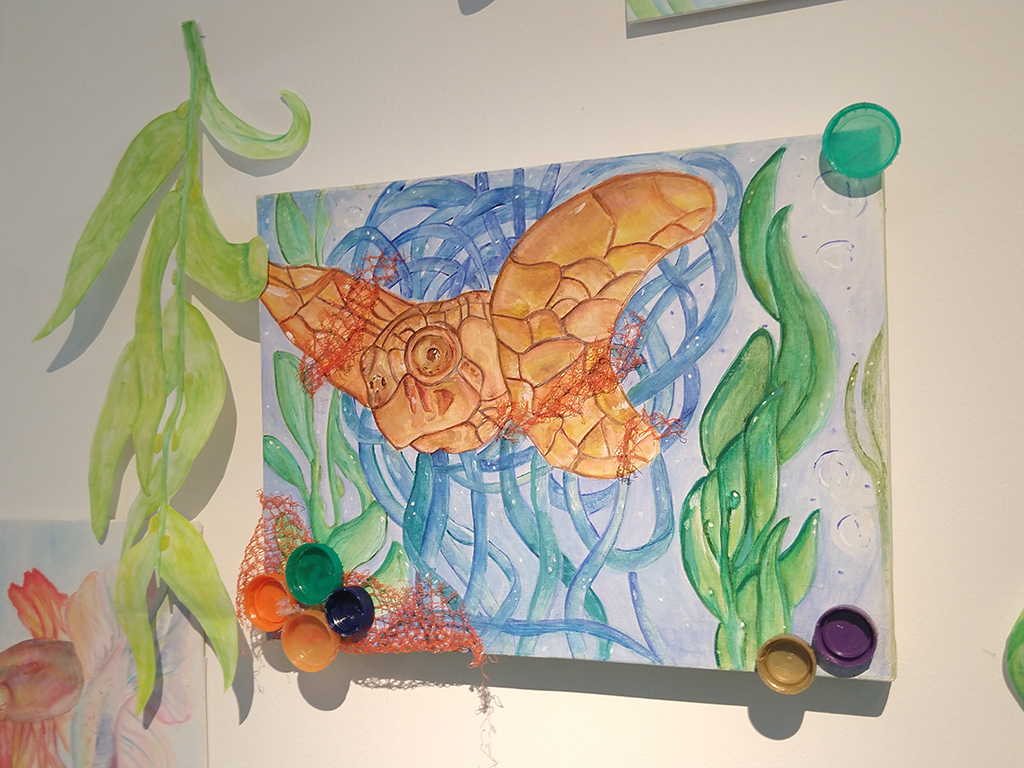
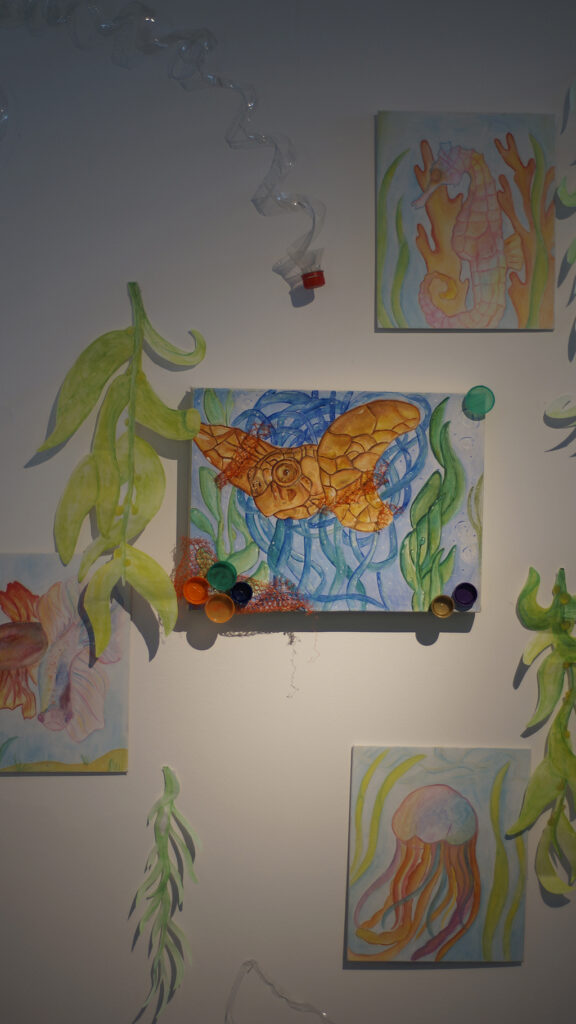
What we do impacts the ocean
Leo Slaidina
(Delusional) MASK
Set in the near future of 20XX, Morgan escapes to a world which they consider their perfect world
Kian Nathan Smith
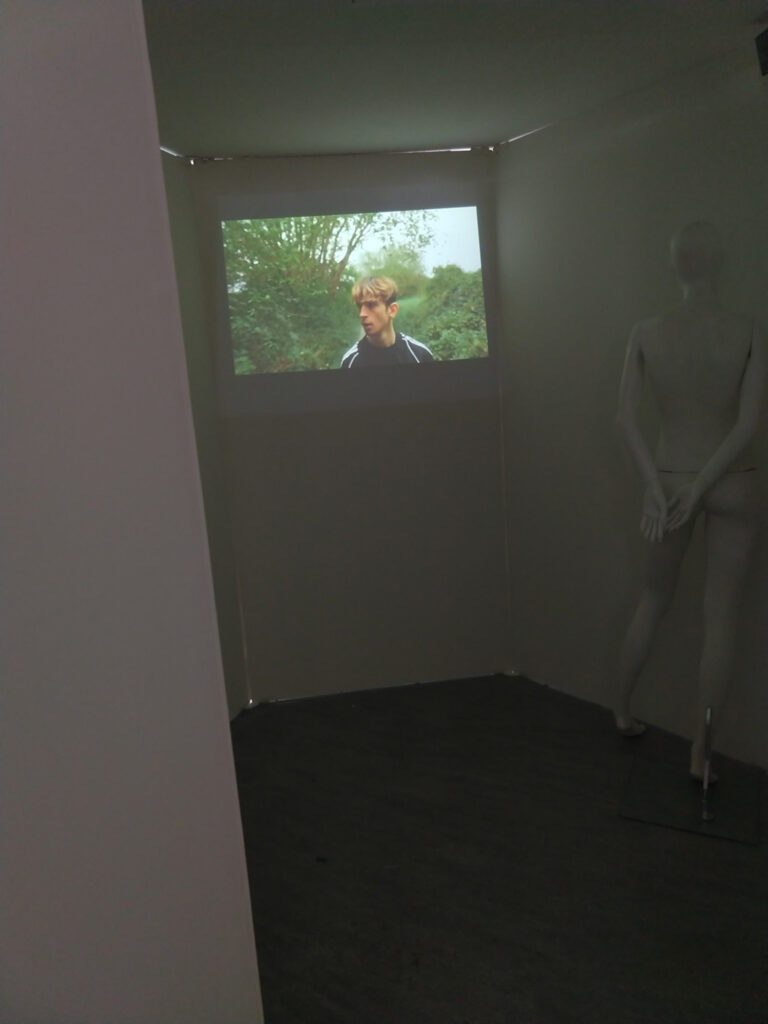
Sap
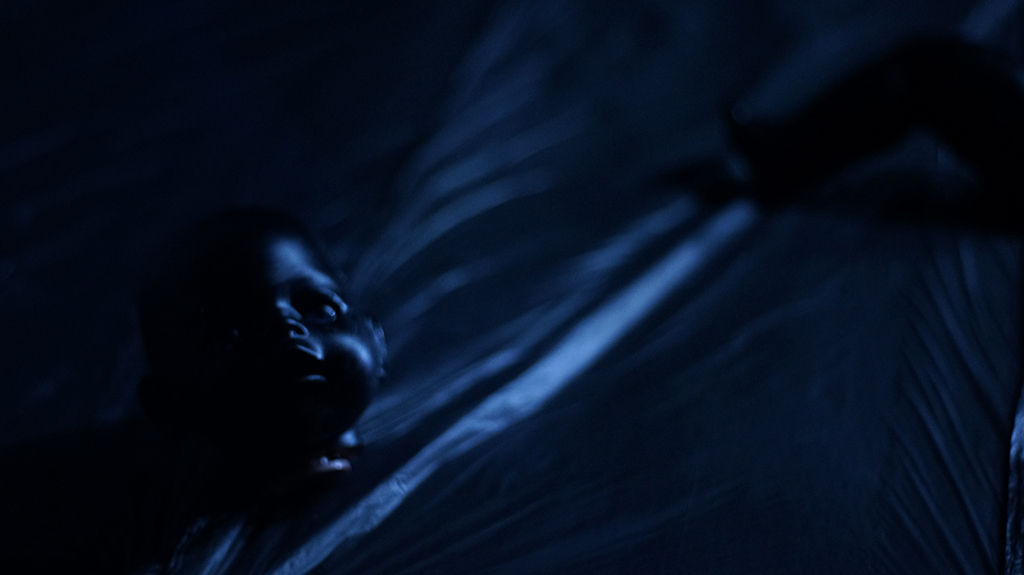
A short film exploring how a sense of uneasiness can be achieved through sound and visuals. The character explores a forest that has a strange aura, causing him to get increasingly more paranoid as the film continues.
Stefania Ioana Sterian
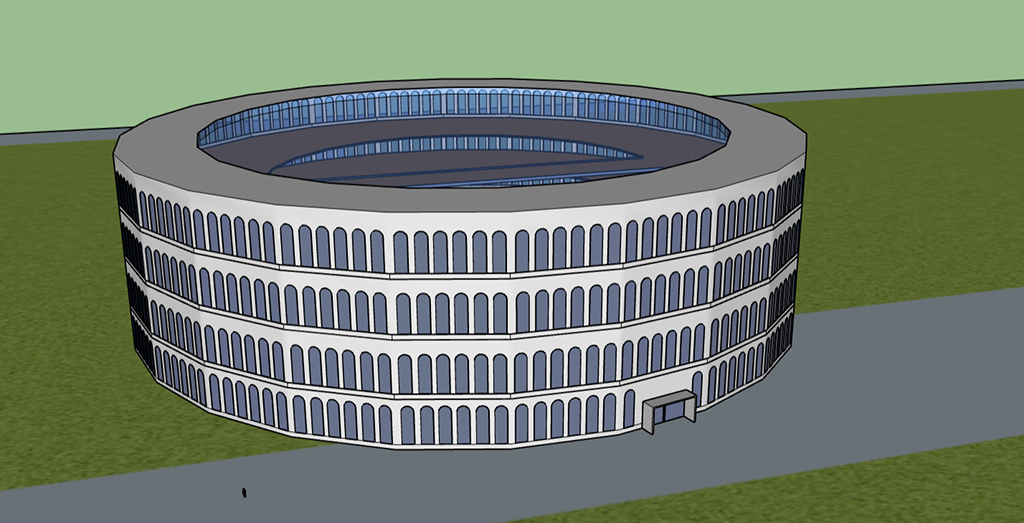
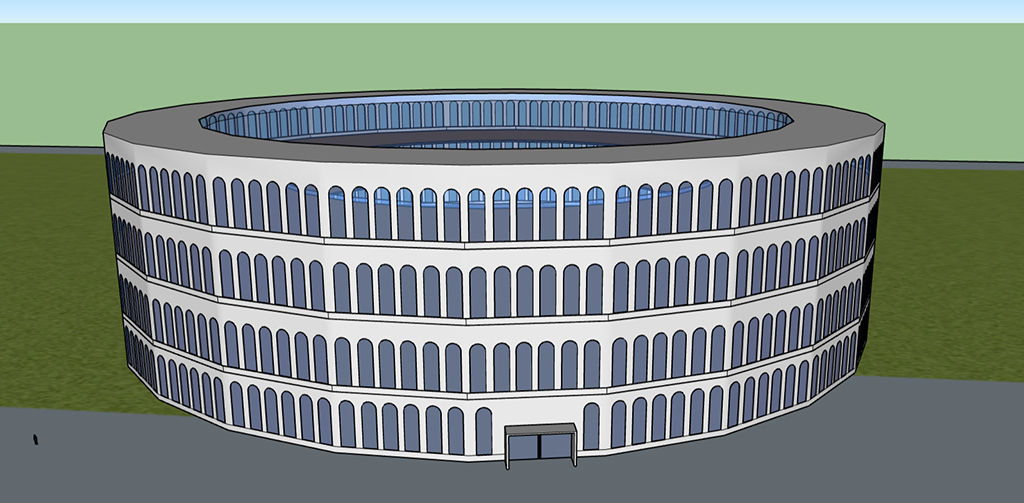
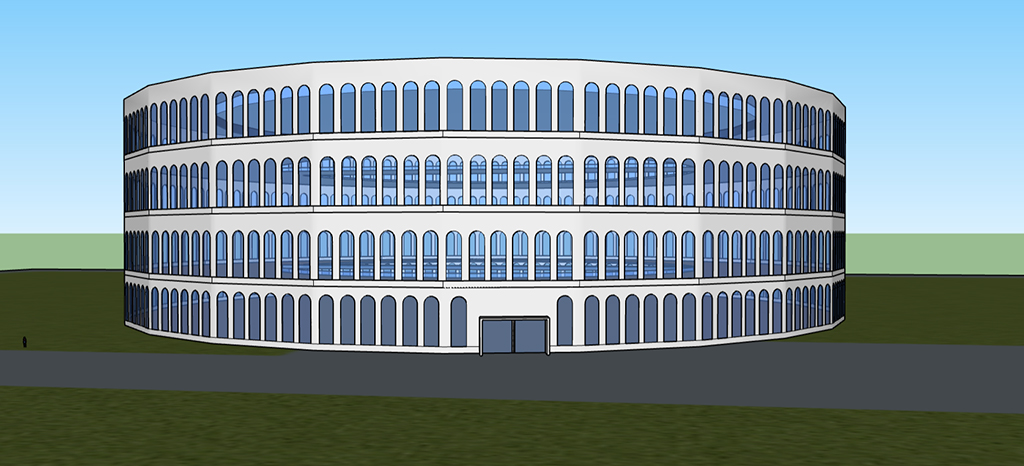
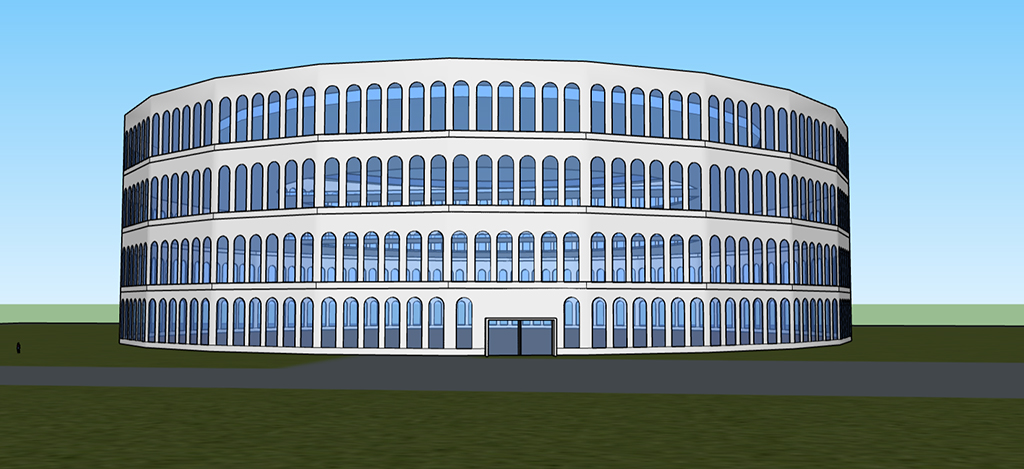
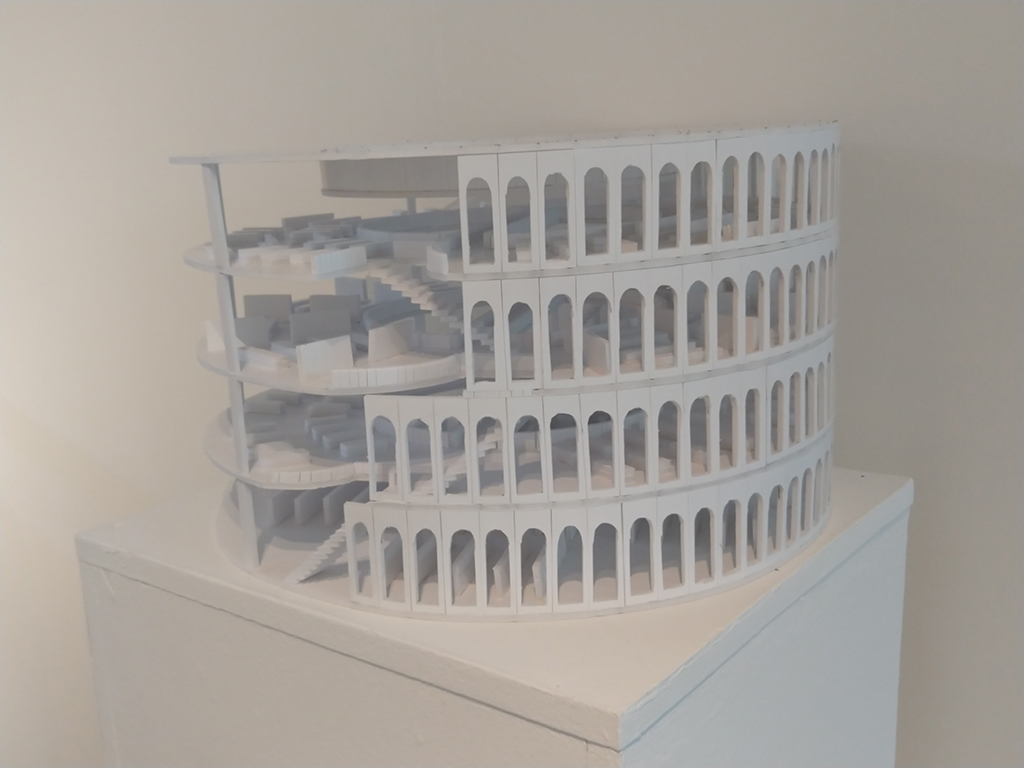
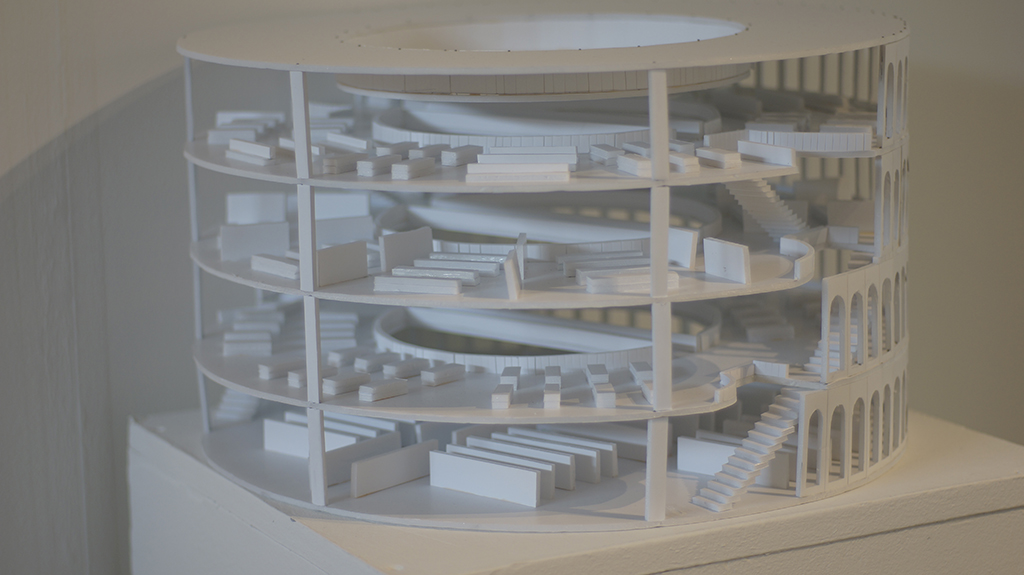
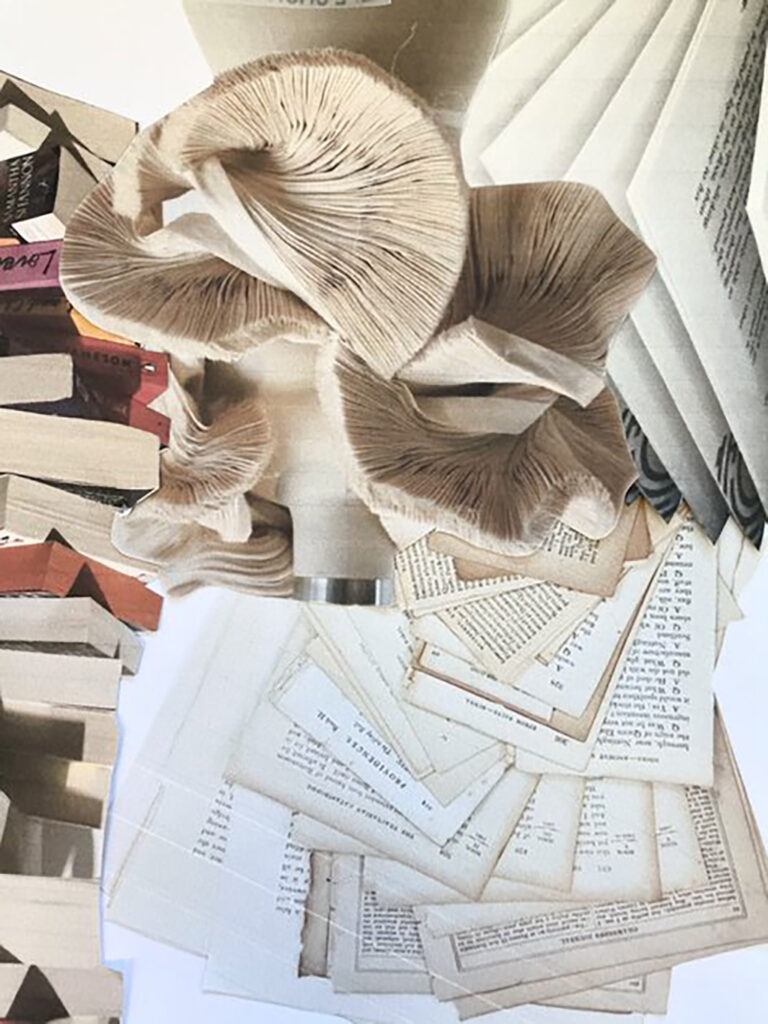
Domus de Libris
Translating to “House of books”, the design is a reminder of where society began and that knowledge and learning are part of our fundamental growth as humans.
Shanikqua Stewart
Insanity
My work is a visual representation of anxiety, and how it can feel isolating and take over your mind.
Kaiyan Swan
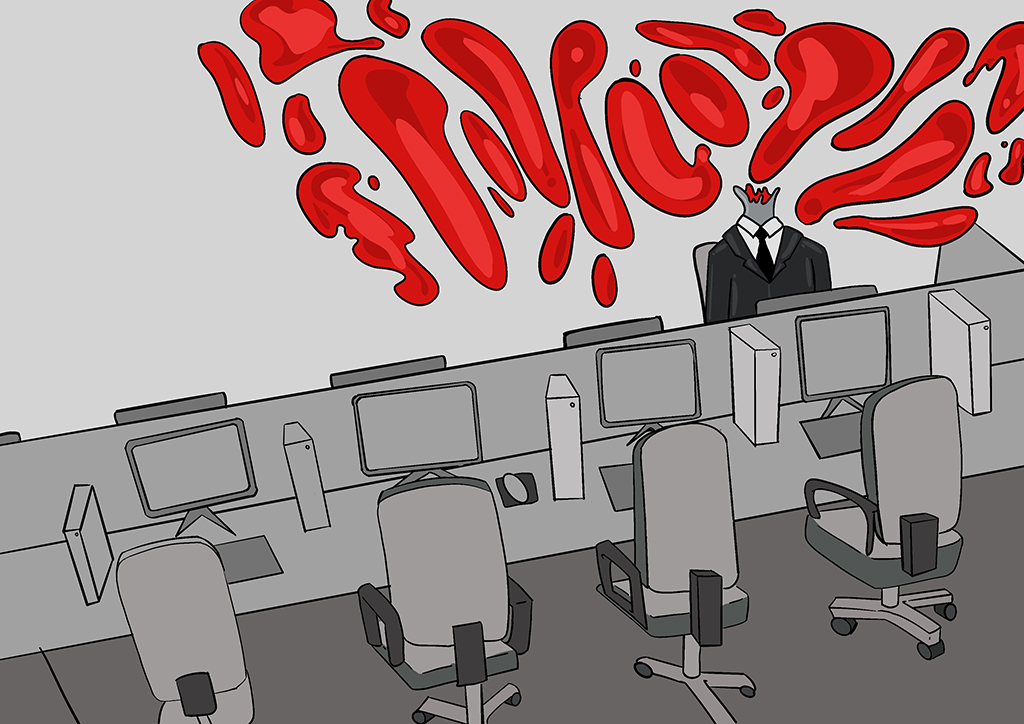
Concept Art
Developing my art skills to help me get better with my future in becoming a concept artist.
Alexandra Teed
Inciter
What you wear never justifies ‘asking for it’.
Zoe Yasmin Thatcher
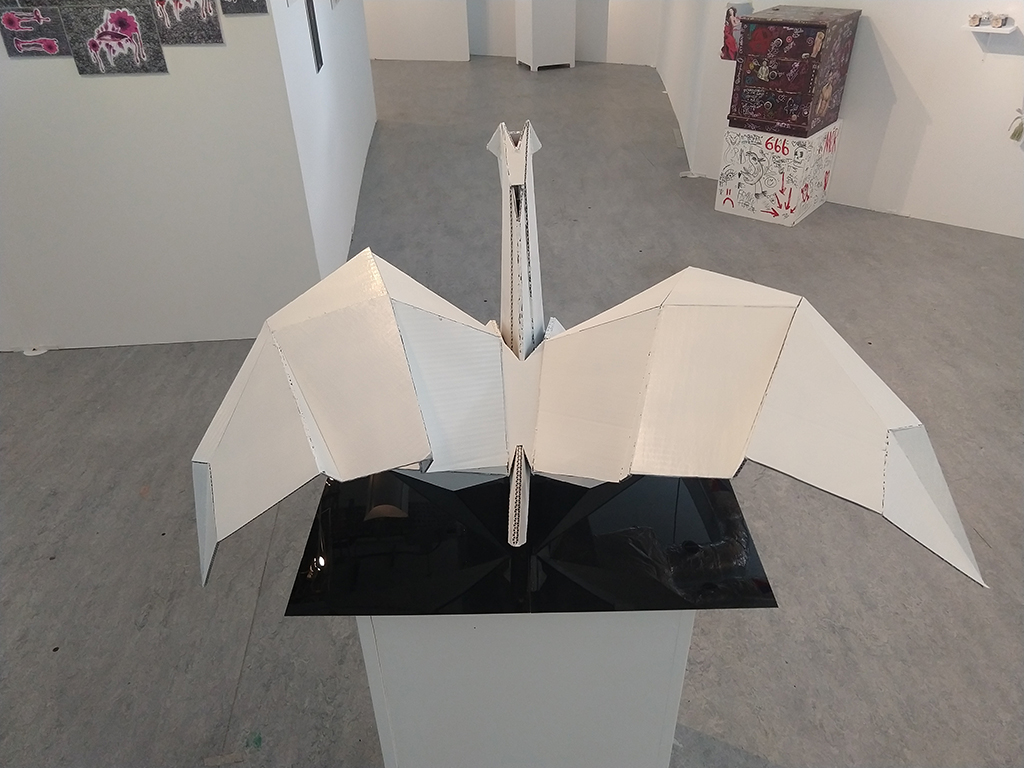
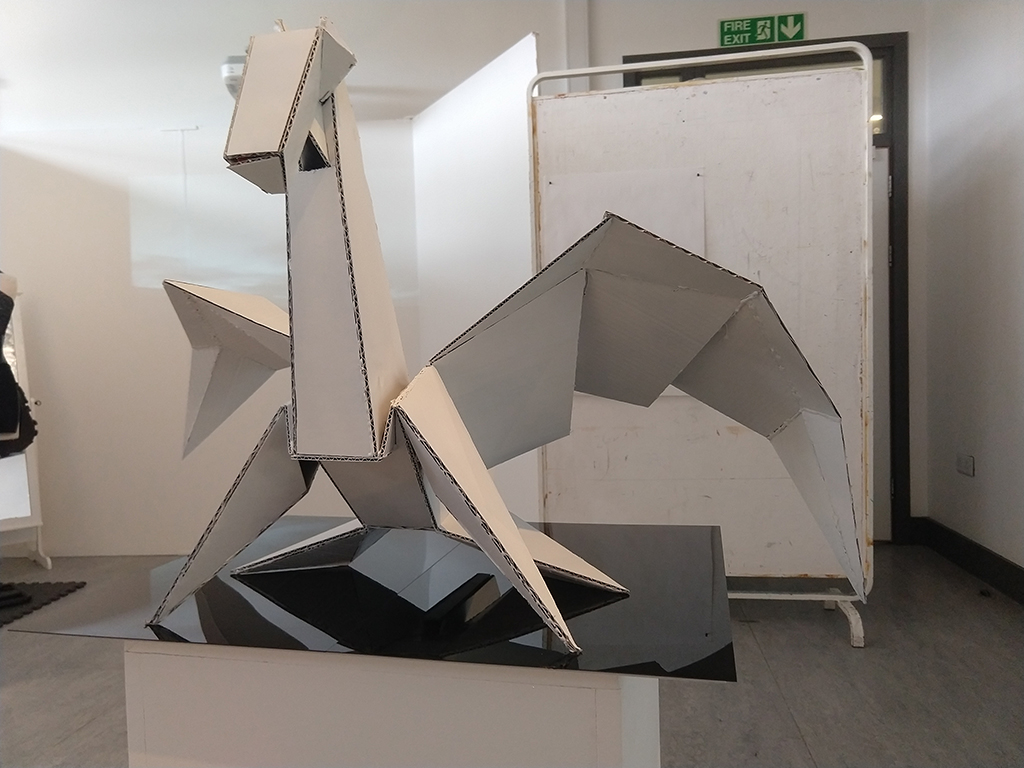
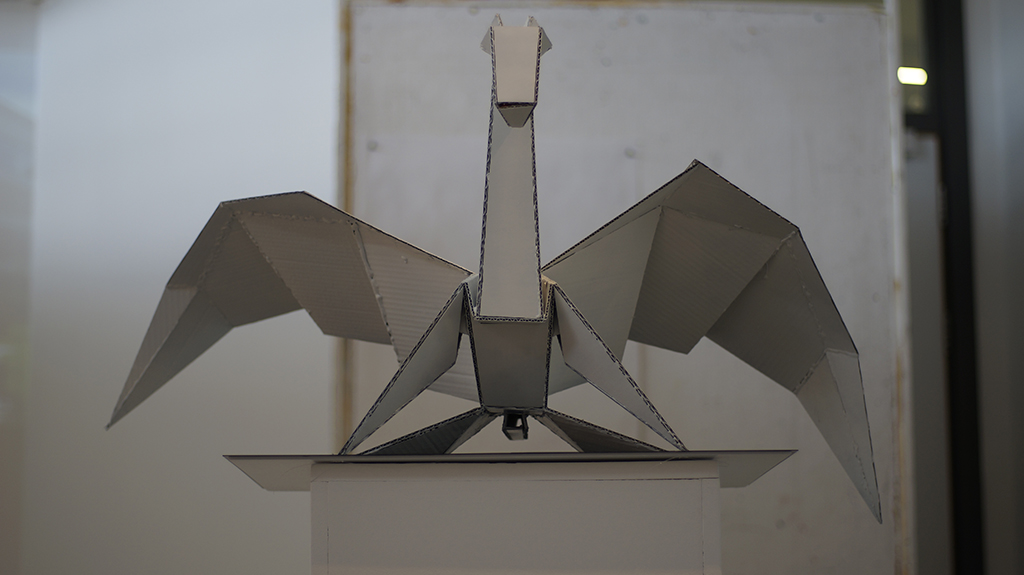
A Simple Pegasus
In the style of Kirigami, I have created a piece that combines the spiritual meaning of the Pegasus with the peacefulness and creative freedom that making an Origami piece provides.
Ellie Jayne Turner
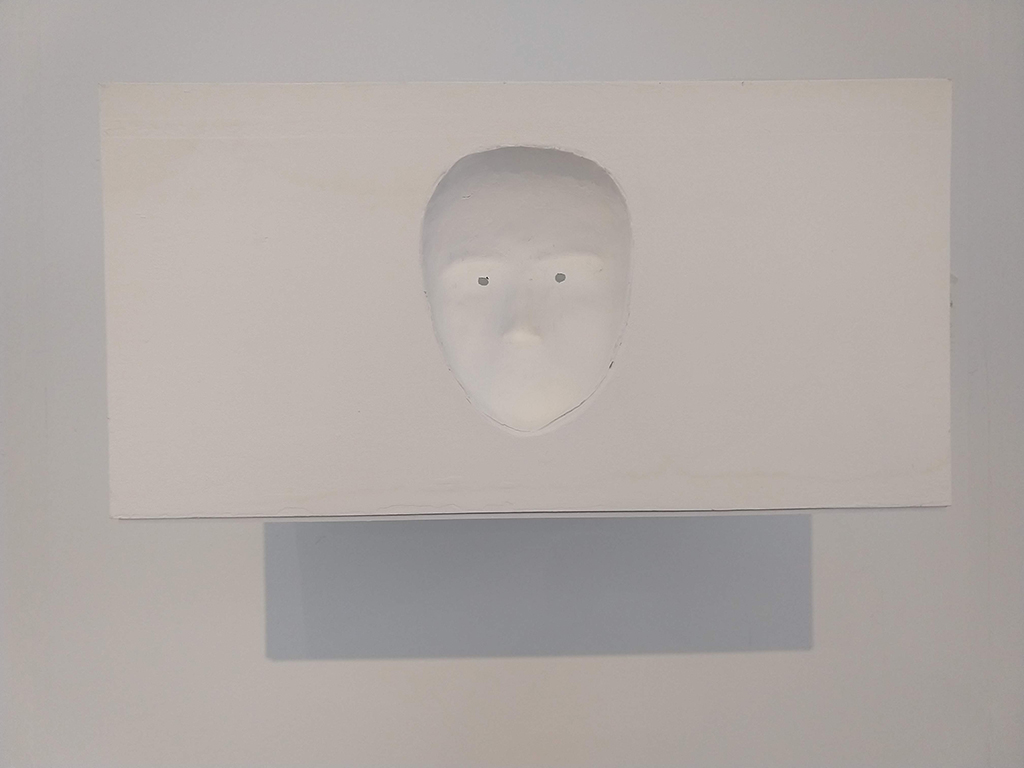
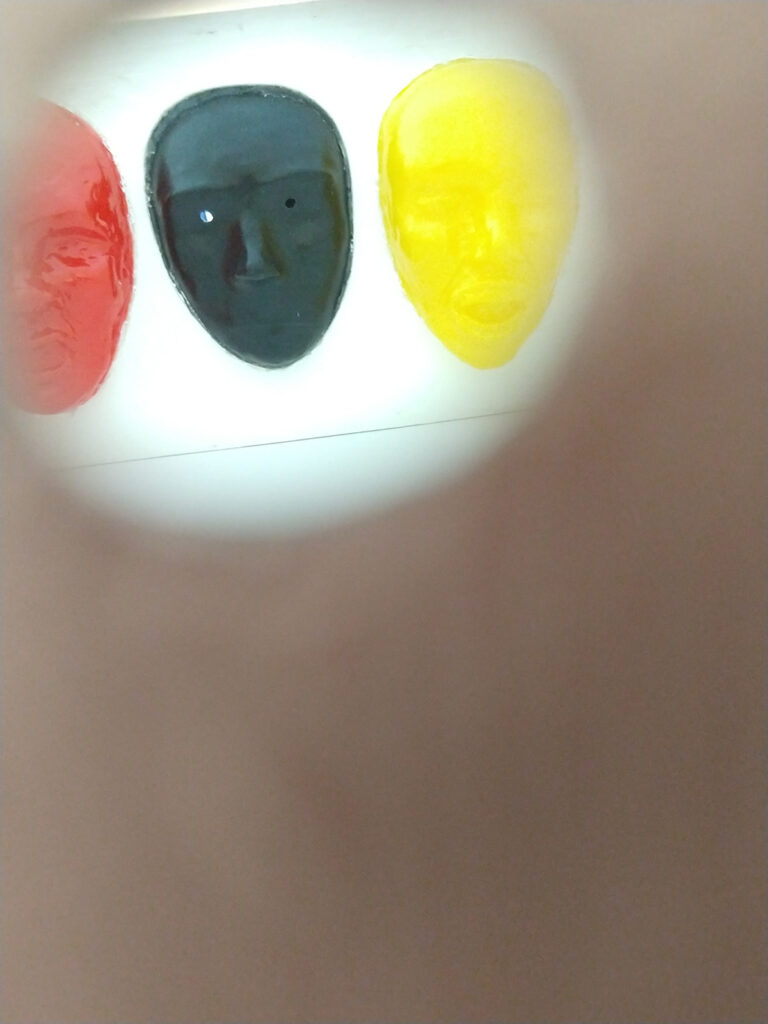
A Closer Look
I want spread awareness of what anger is like in a creative way. Anger issues can cause severe mood swings and you can go from really angry to really happy quickly, I want to use masks to show this.
Marcielle Dyami Wade
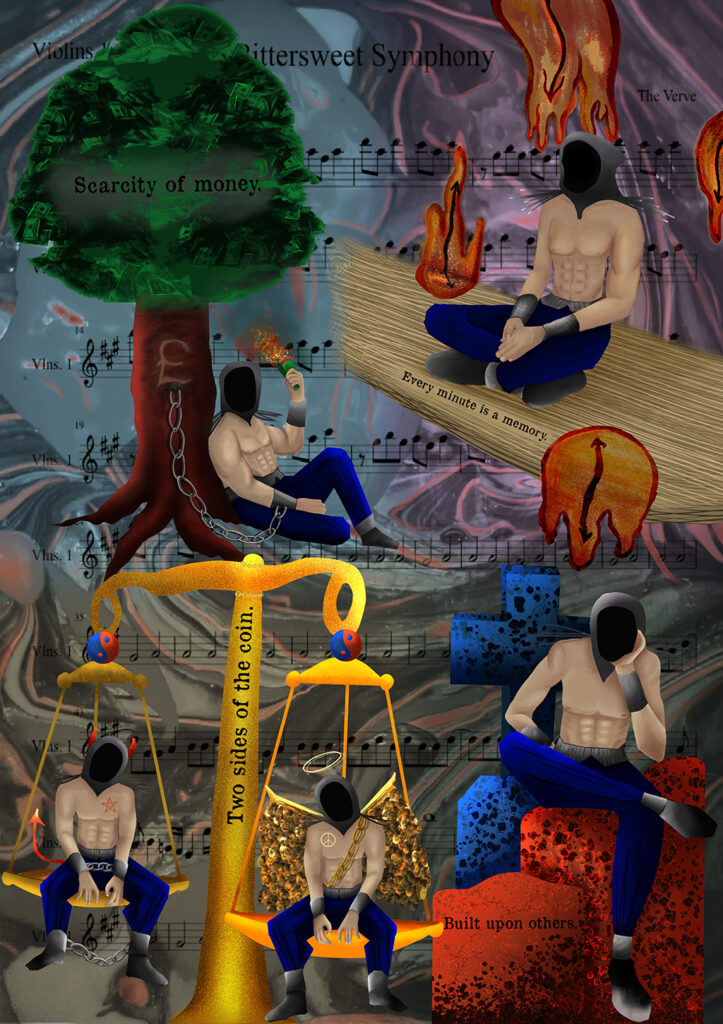
Life’s Certainties
Currency’s deplete. Memories made. Human nature undefined. Built on others.
Aleksandra Wierzbicka
Is Industrial The New Modern?
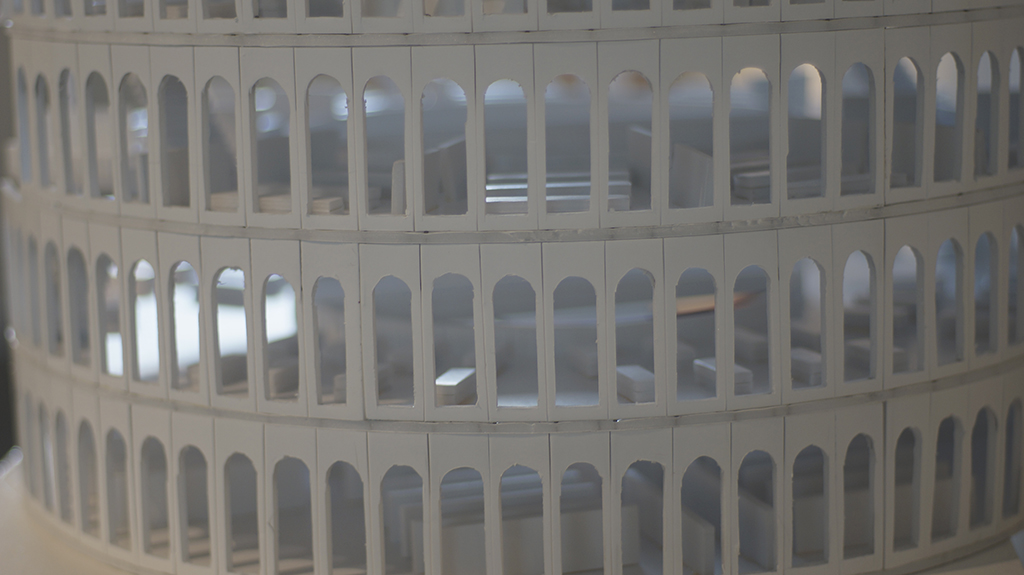
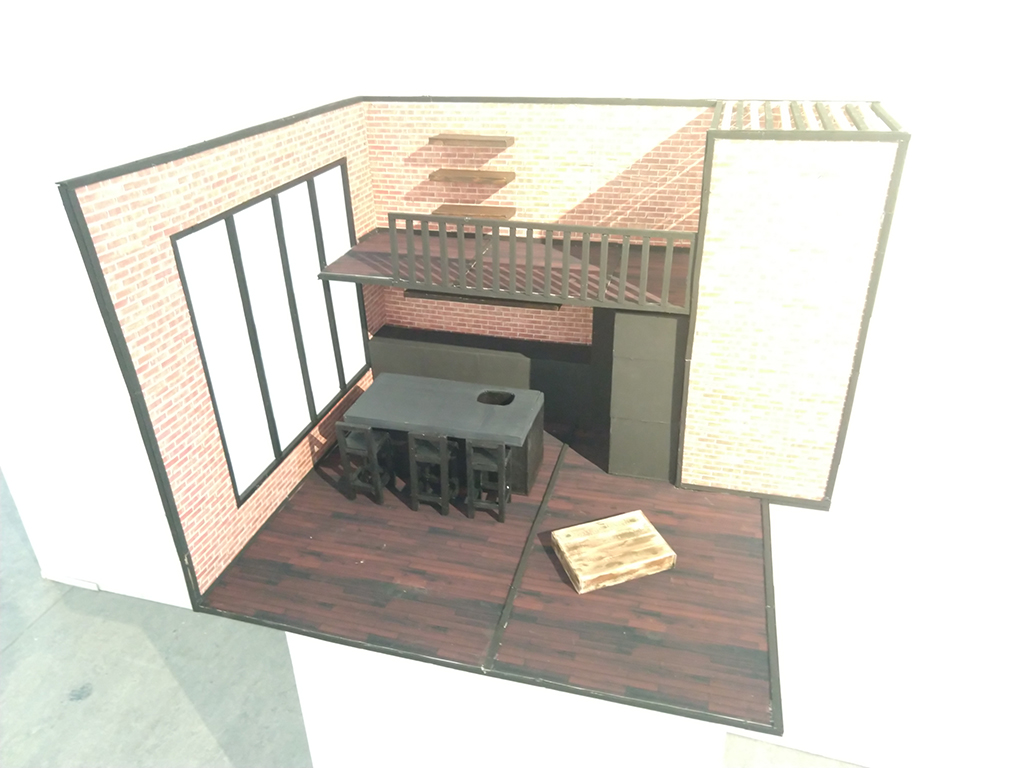
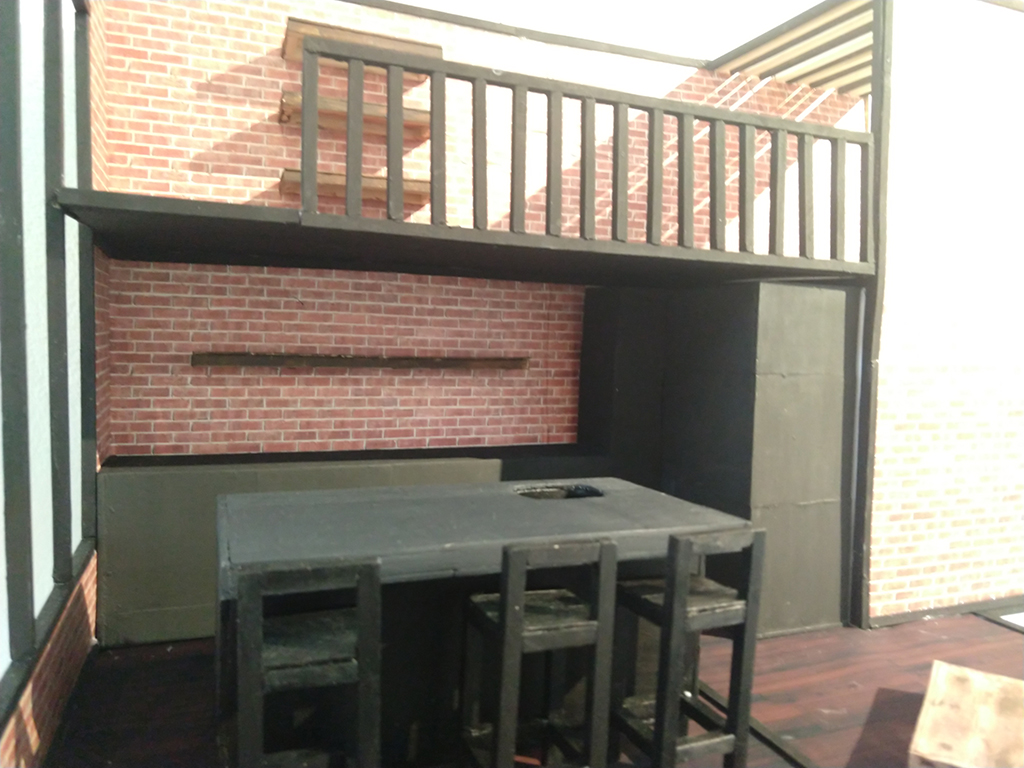
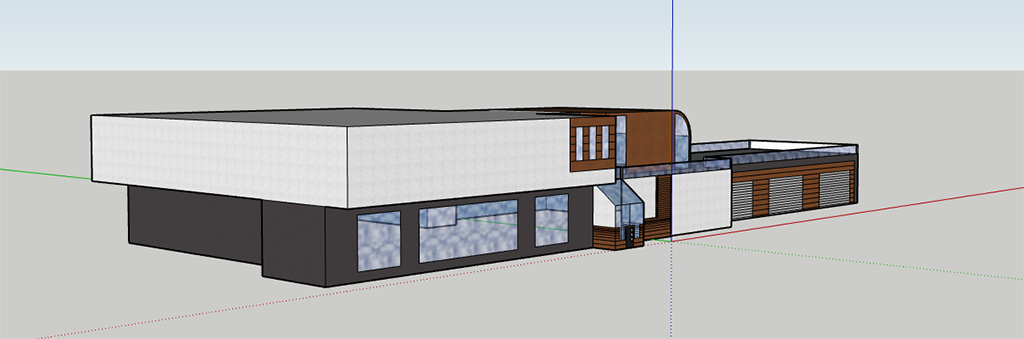
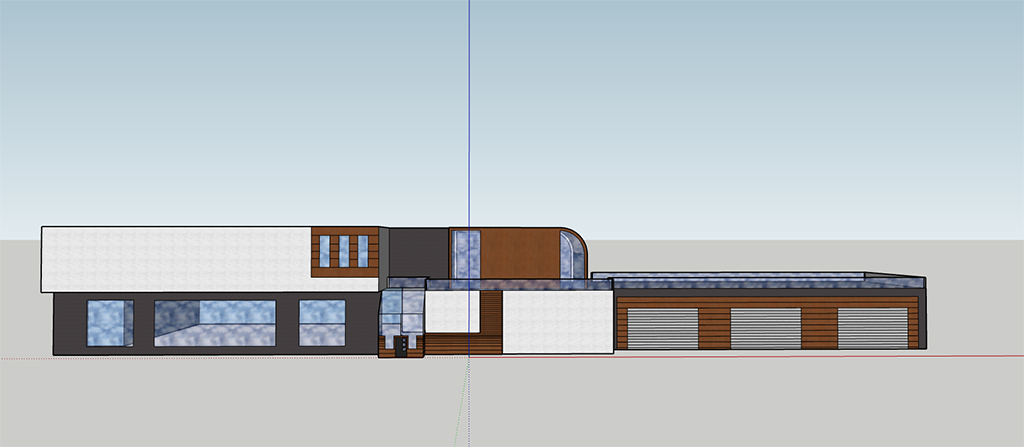
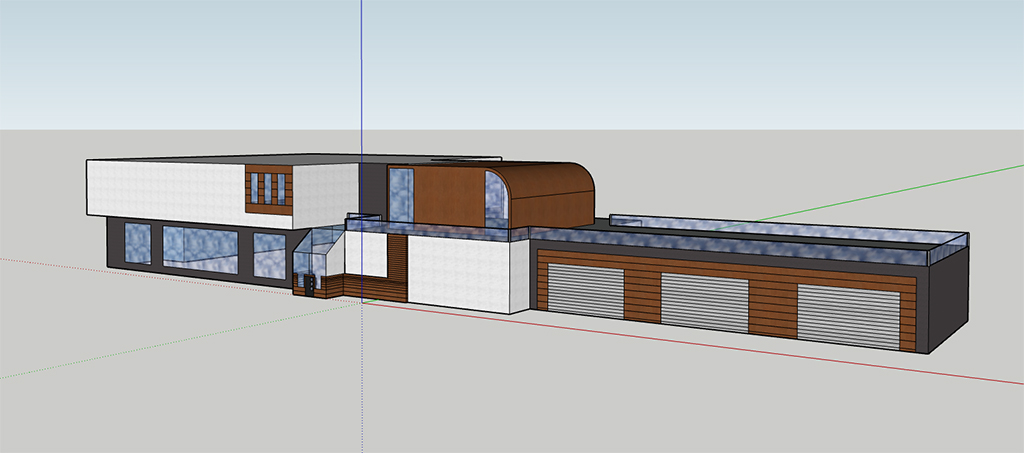
In this project I worked to achieve a proposal / 3D model design for a living studio space. The reason why I chose a studio space is because when searching for a studio apartment online the square footage size is very miniature with almost no room to move around.
Eve Wilmot
Panic
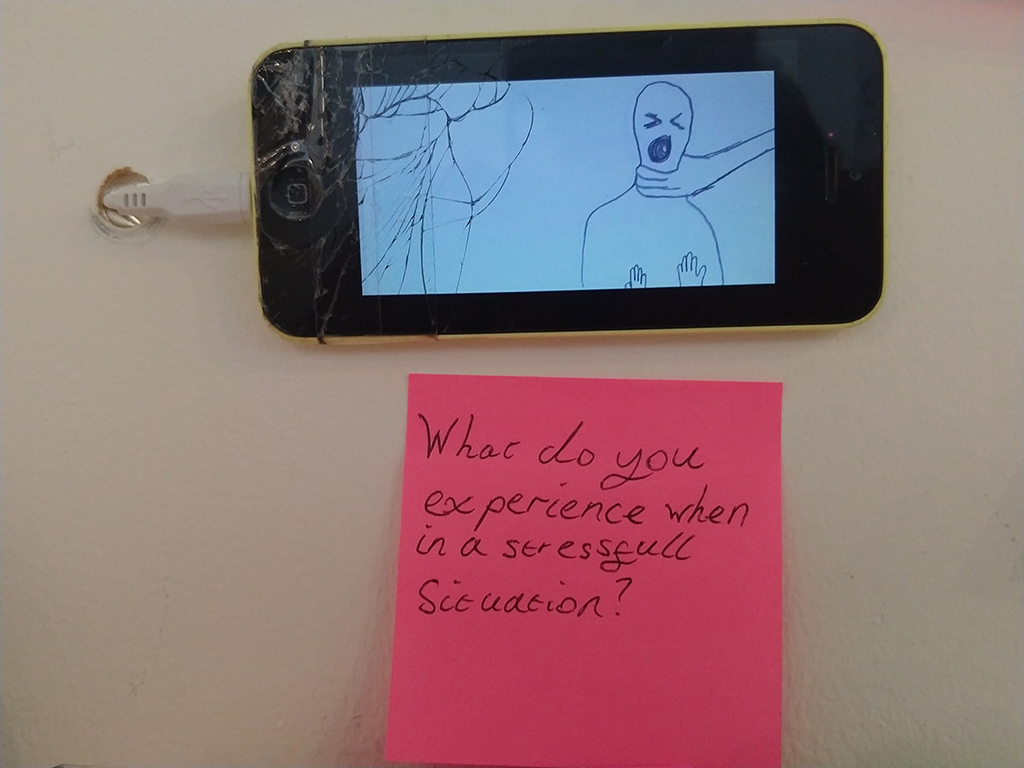
Panic attacks suck. Simple as. They are humiliating and painful. For me my breathing speeds up and my heartbeat becomes all I can hear.
Although ‘Covid’ has had an impact on much of the curriculum, our Graphic Design students have continued with their studies using Adobe Creative Suite at home during periods of lockdown. Dudley College has made sure that all art students have access to Adobe software for the duration of their course in order to support their studies both in college and at home. The work on show here is just a snapshot of some of the work produced over the past two years. While our students are taught digital skills, they also learn traditional art and design skills in order to develop a broad portfolio of art and design for their progression onto higher education. Some of our recent students have gone on to study at degree level in subject areas such as visual communication or graphic design, but also illustration, animation, fashion illustration, automotive design, architecture, interior architecture, jewellery design, digital media, and many other creative pathways.
Over the past few months all our students who made university applications were accepted (as usual), and generally on their first choice. Some have chosen to begin their studies at degree level, and others have decided to stay on at Dudley College for a Foundation Year. Well done all – it’s been great working with you. Good luck for the future.
Destination: BA (Hons) Photography Leeds Arts University
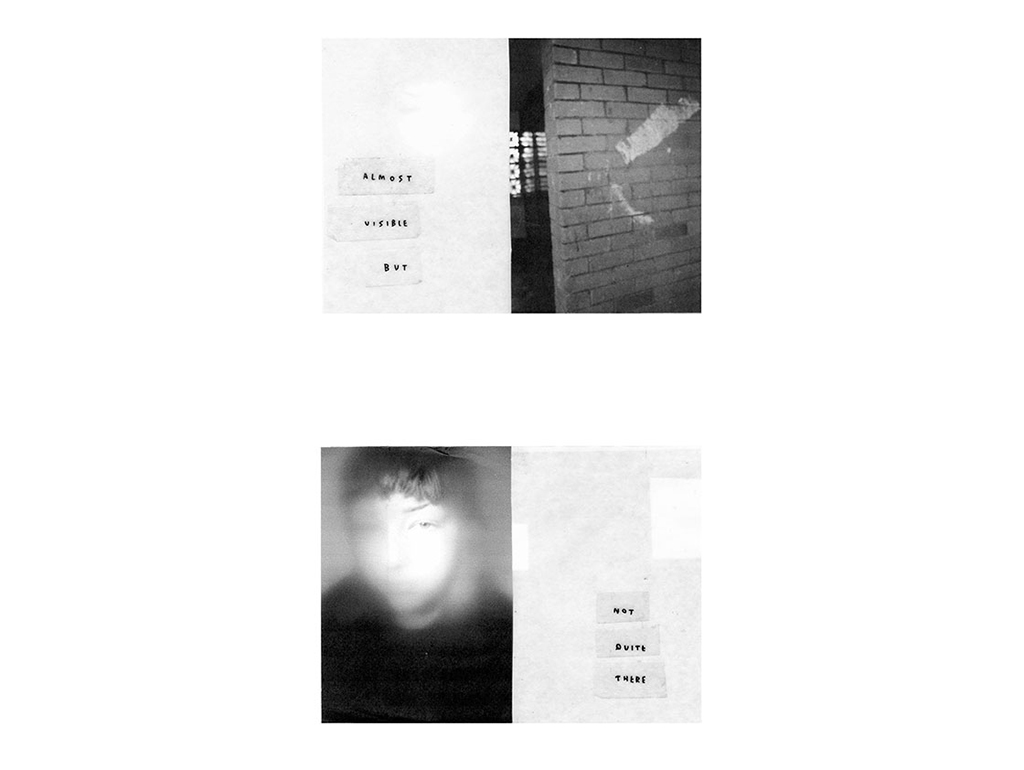
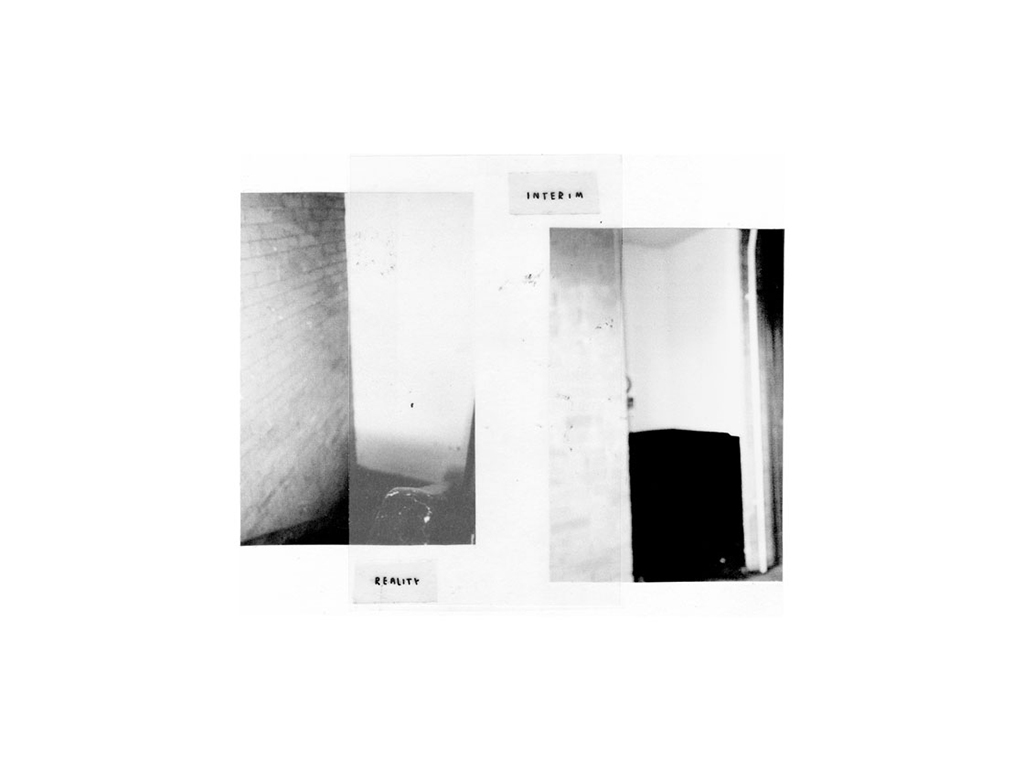
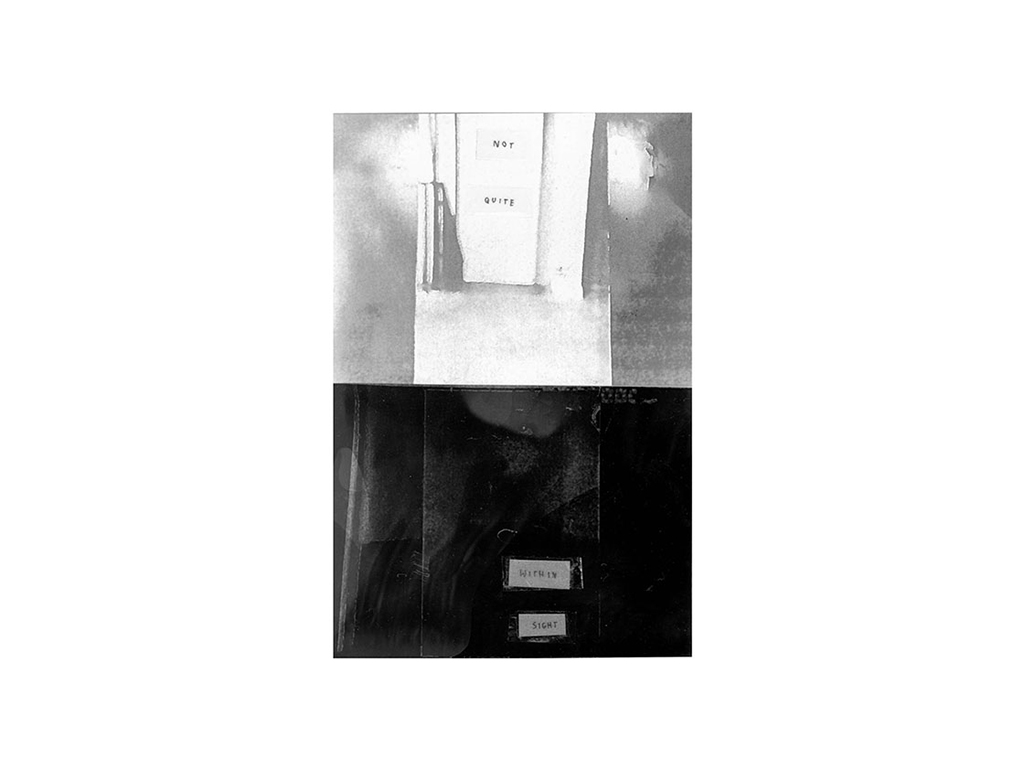
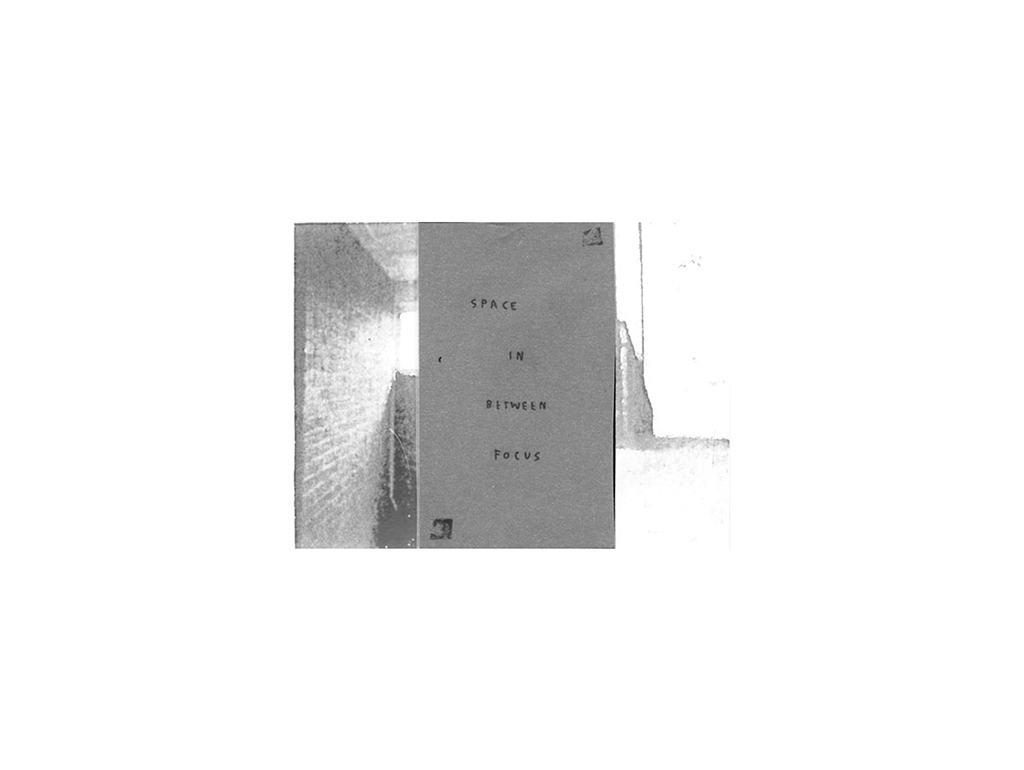
Perception acts as a lens on how we view reality and this can often become distorted. What we choose to focus on can alter everything around us, but what’s not in focus is still slightly visible –not quite there. As we transition between viewpoints, that space between focus that we don’t acknowledge still exists but only as noise in the background. We may think that reality as a whole is how we view it, but we are distracted by this when in actual fact reality isn’t perceived in a certain fixed way. I haddeveloped my concept from the idea that we as individuals can construct our own reality from our own thoughts, feelings and beliefs.
The solipsism theory and term ‘subjective construct’ both explain that there is no fixed reality beyond how we perceive it, that we all view everything differently. Photographer Paul Mpegi Sepuya had inspired the experimental approaches I explored towards my photography. Sepuya manipulated the perspective through reflection and in camera collage composition which fragmented the subject. This inspired me to alter the subject’s perspective whilst taking the photo by using different materials to hold in front of the lens. Video art ‘The space in between’ by Mirza and Butler explores object representation and surface abstraction through a multi-screen edit technique where the images fluctuate vigorously.
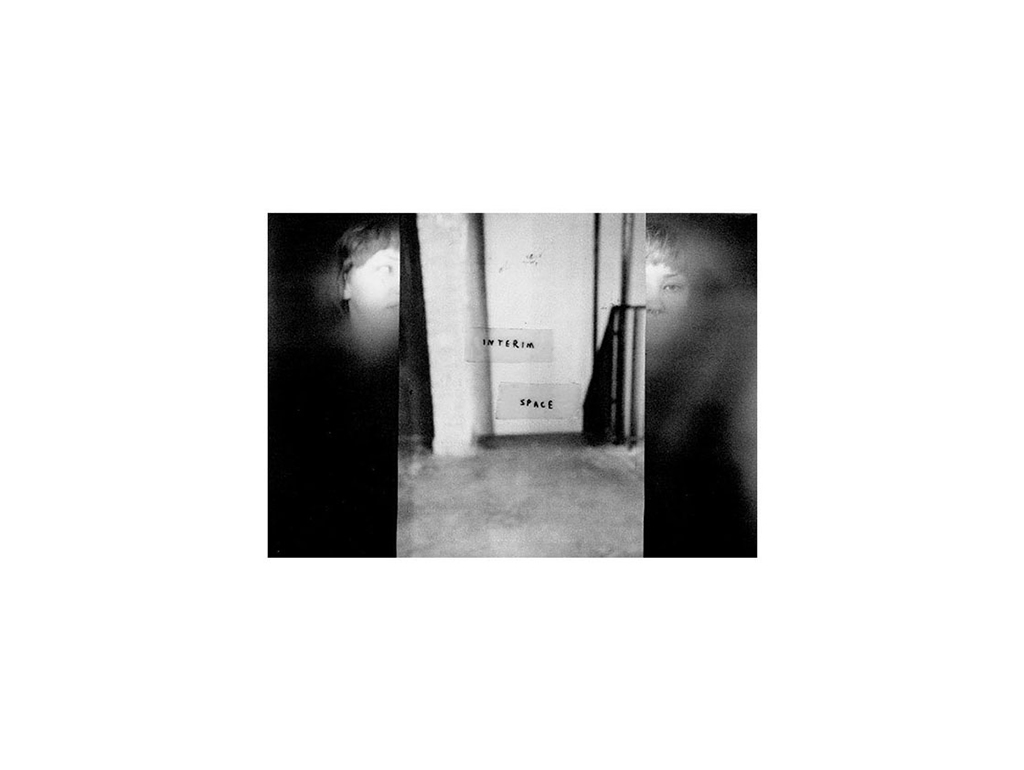
This inspired me to create a video assemblage using photographs of liminal like spaces which accompanied the subject and edit them to flicker vigorously emphasising a fast thought process whilst looking between different viewpoints. In my work, the viewpoint emphasises what the subject is perceiving as well as portraying the subject them self. The pieces suggest this thought process between different viewpoints. The photographs of spaces act as liminal transition spaces whilst the areas that are muted out or unfocused represent individual interpretation.The video assemblage stills fluctuate with the flashing on the screen, which emphasises the vigorous transition between different viewpoints in someone’s perspective.
The flashing is that space we don’t focus on, it appears in our vision for a split second but isn’t as acknowledged. The ambience suggests background noise that is still heard even when not focused on.From the FMP, I have learnt a range of skills and expanded my knowledge in the technical side of photography. I have worked in the dark room developing film and have learnt the technical basics of a film SLR camera and I can develop these new skills further when I progress on to Leedsundergraduate course. I’ve also explored new experimental approaches towards my work through techniques such as physically editing and taking the photograph, I have learnt I have a certain visual eye when I take my photographs which I can develop further in the undergraduate course.
Isaac Jones
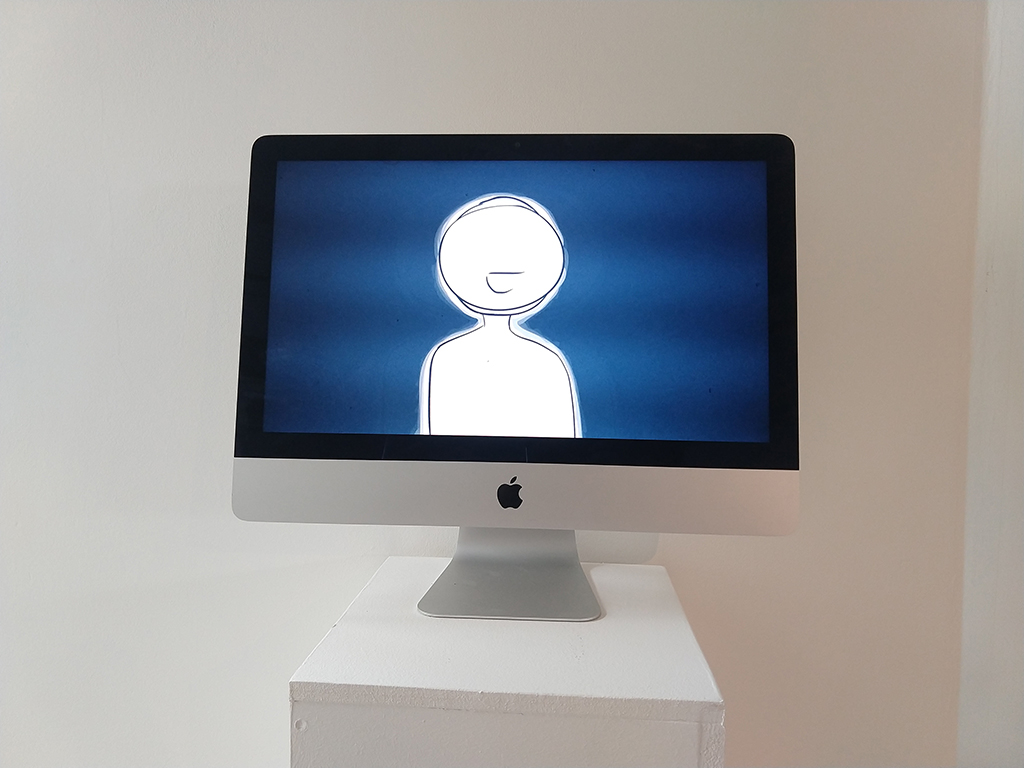
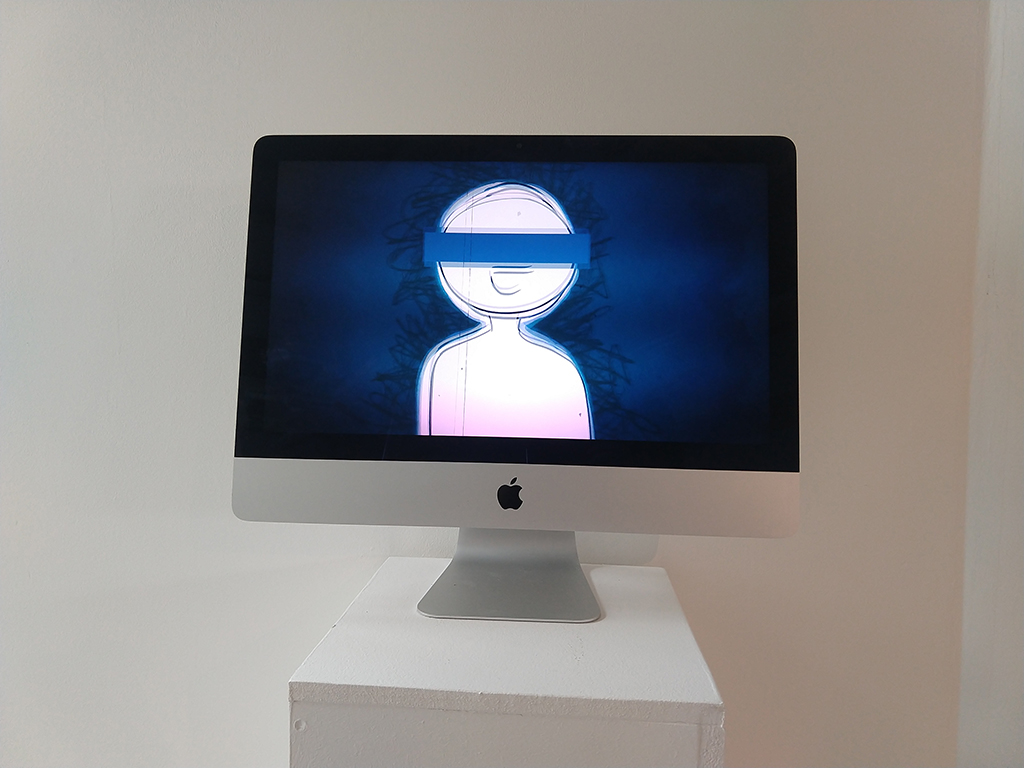
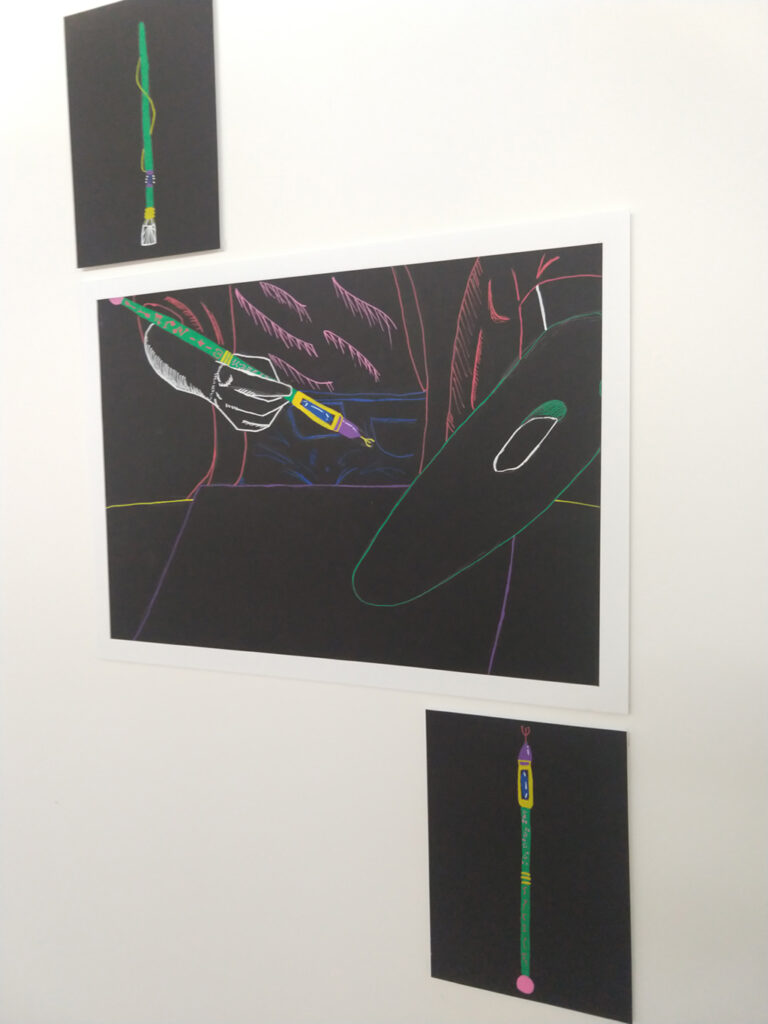
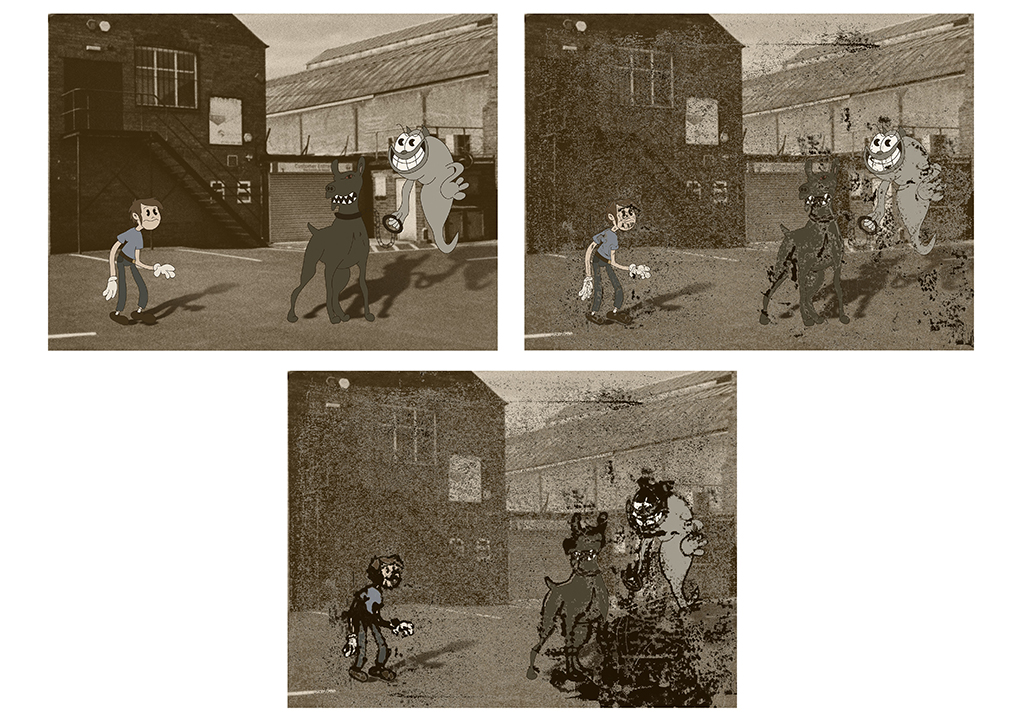
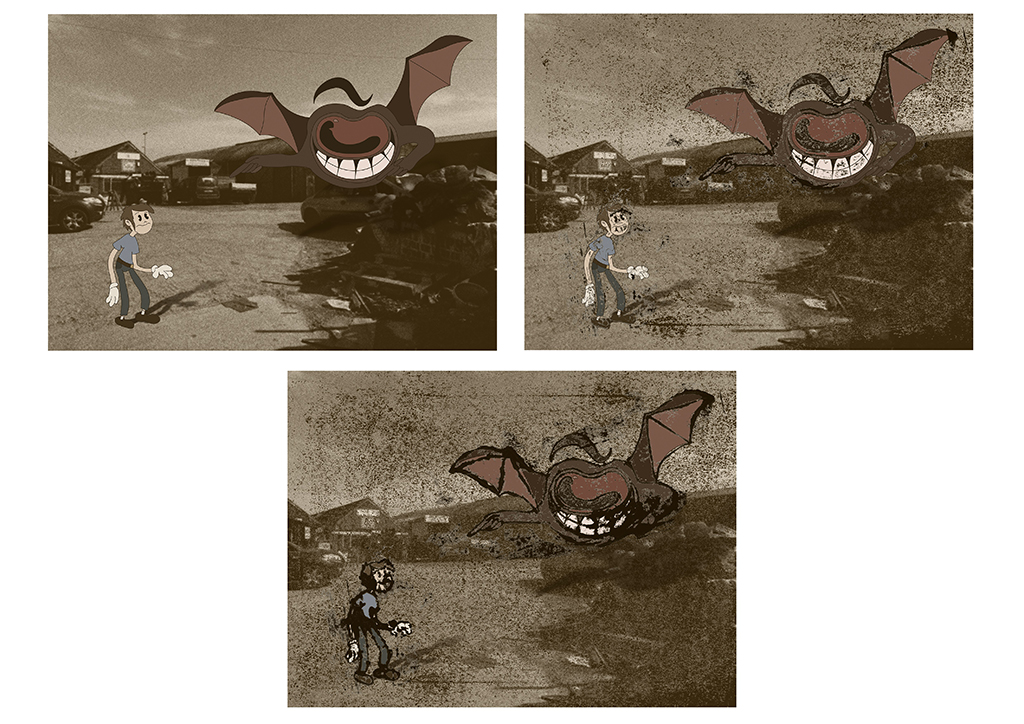
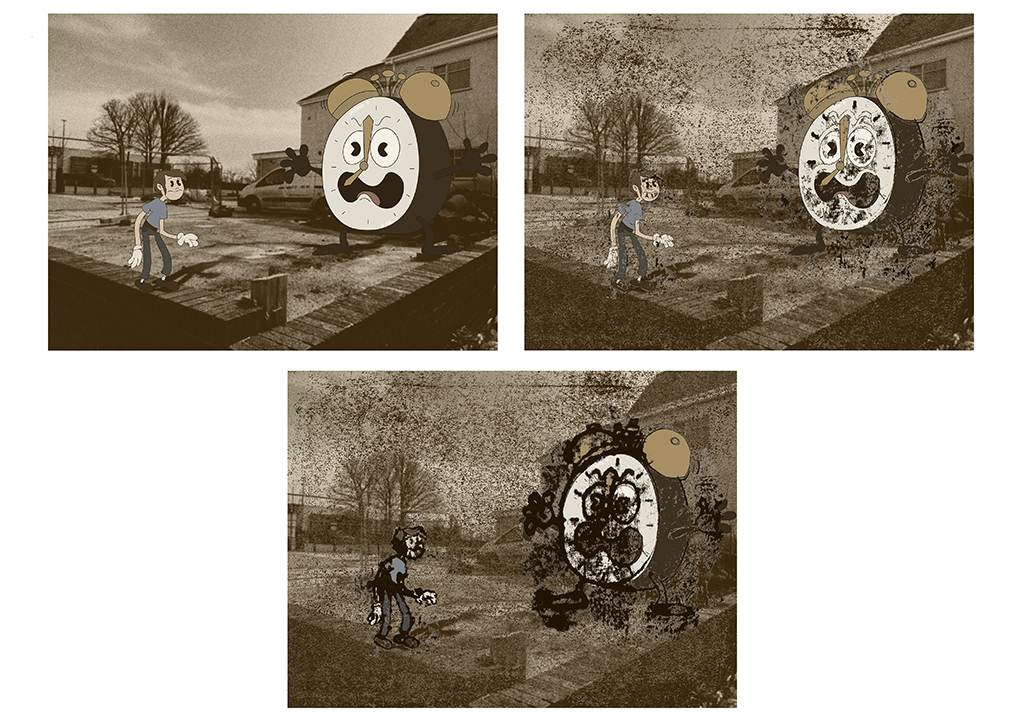
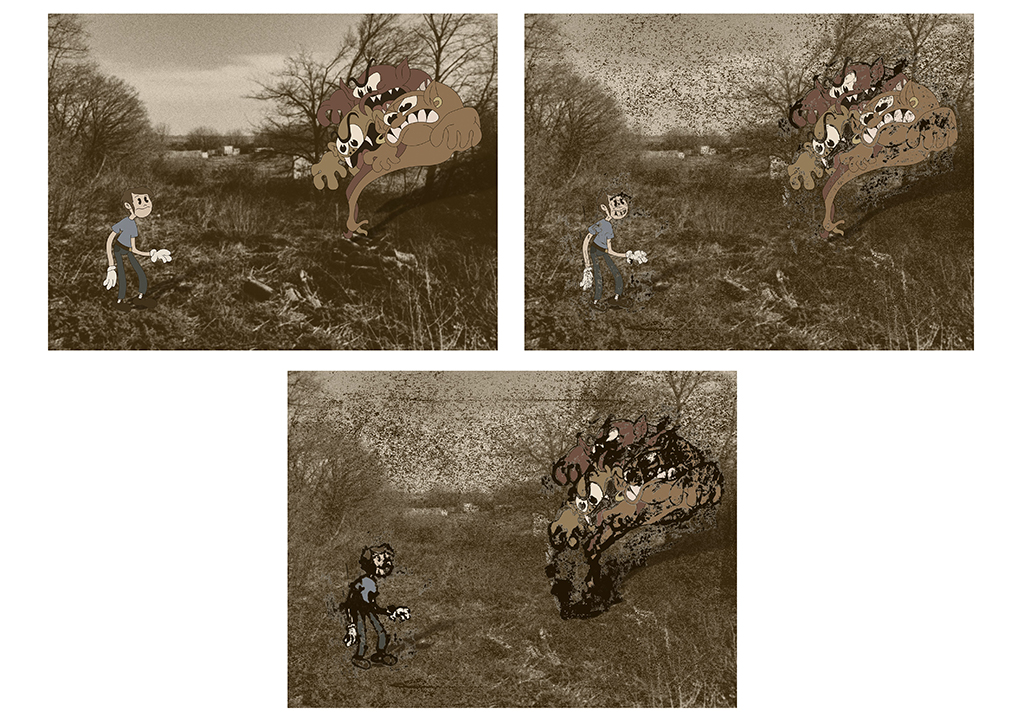
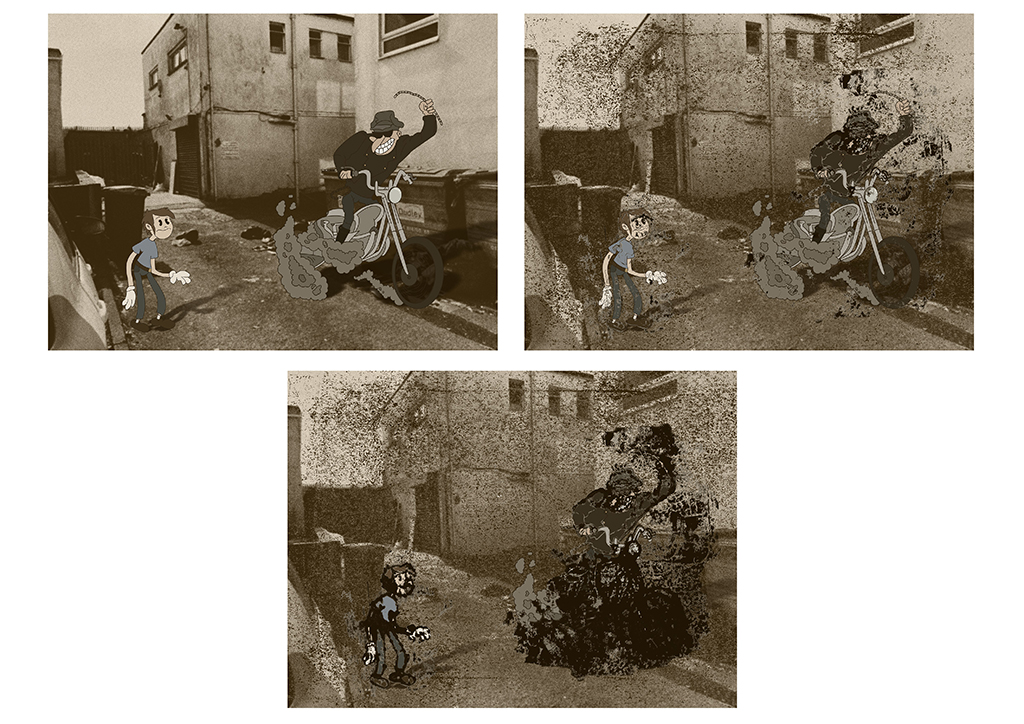
I proposed to make concepts and designs for a game centered on mental health that would use an old-fashioned form of illustration called rubber-hose that dates back to the 1930’s. Mental Health has been something that has been a big thing within my life for the past 5 years in terms of my own well-being as well as family and friends; and it is clear that it is an overlooked issue. Seeing as I want to go into the games industry, I thought it would be good to use the idea of a game as a base to explore mental health (an issue I am passionate about).
This was the initial idea that developed more visually during the initial research and project proposal stage where I looked at various artists and decided on a particular art style. The art-styles used feature many vintage aspects such as the 1930’s cartoon style of illustration for the characters and the sepia-toned photographs for the backgrounds; which I chose to use due to my appreciation of the style as well as the darker and grittier look that it brings, which relates very heavily to the more dark and depressing outlook on mental health issues. I think influence came from many places including peers and tutors who both gave new ideas on how I could explore and develop different aspects of my work as well as ideas on how it could be presented.
However, inspiration also came from my research and I think the game Cuphead has influenced my project and idea the most. The illustration style of Rubberhose is similar with the characters. I feel the idea of having these large monsters that have subtle details about them is something that I have learnt from looking and Cuphead. I think the pathway and exploratory stage was great for trying to representing the ideas that I already had so that others could see visually what I was thinking of. It also showed me new ideas in that area of art that I could bring into my own project. However, I wish I had initially explored other forms of media to get a wider appreciation of the topic I was focusing on.
I did make up for this later looking into TV shows, interviews with artist and exploring more of the mental health side with a variety of mediums but doing this at the start would have made this process easier. During this project, I think I have learnt the most about the importance of reflection and research and how it can positively affect the project. Reflections and research has allowed me develop new ideas that I didn’t have at the start and have been some of the most crucial aspects that have brought the project together, such as the ideas of using different techniques with the fine artist anxiety research as well as research into TV and Cinema with Wandavision and Pleasentville which led me to develop the idea of using monoprints as a shadow.
I think when I move on to my undergraduate course this will help greatly as research and reflection help a lot in terms of planning and keeping track of where the project is going. I will also gain a much wider range of ideas to draw from which will make my work much more interesting.
Elliot Luton
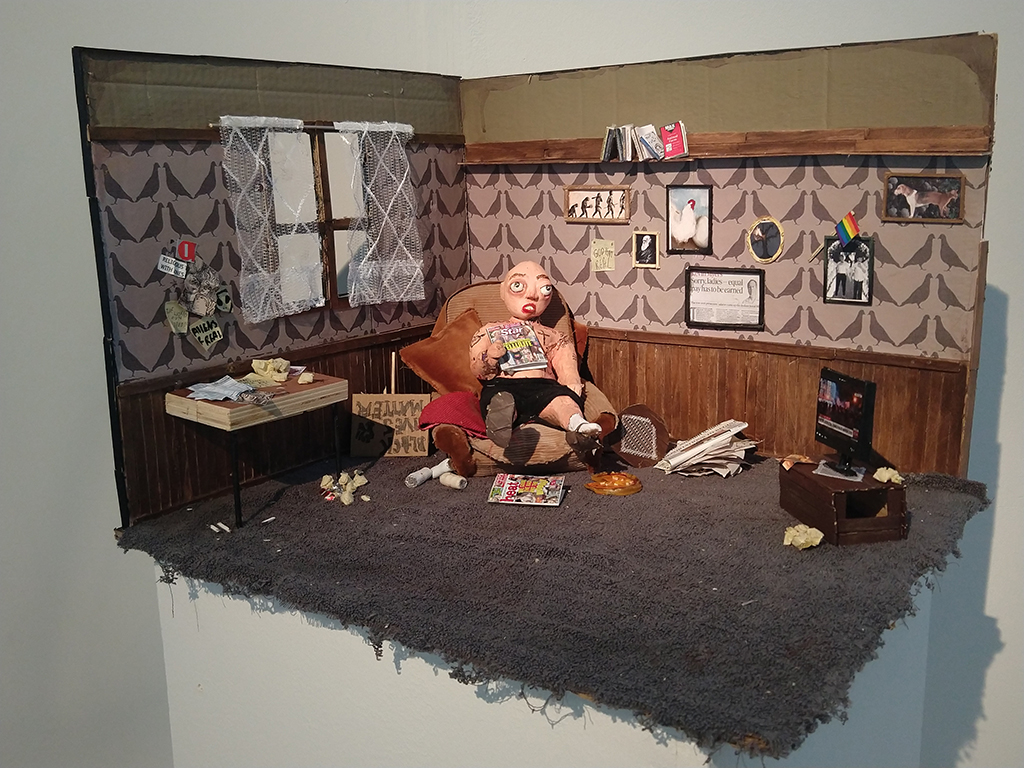
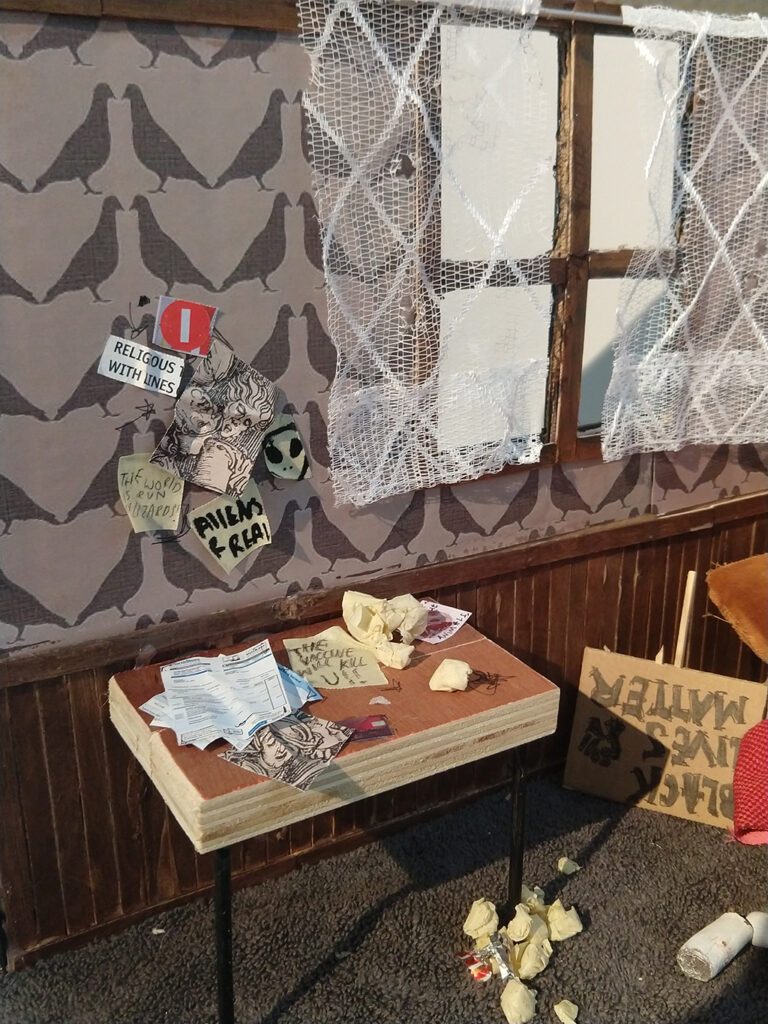
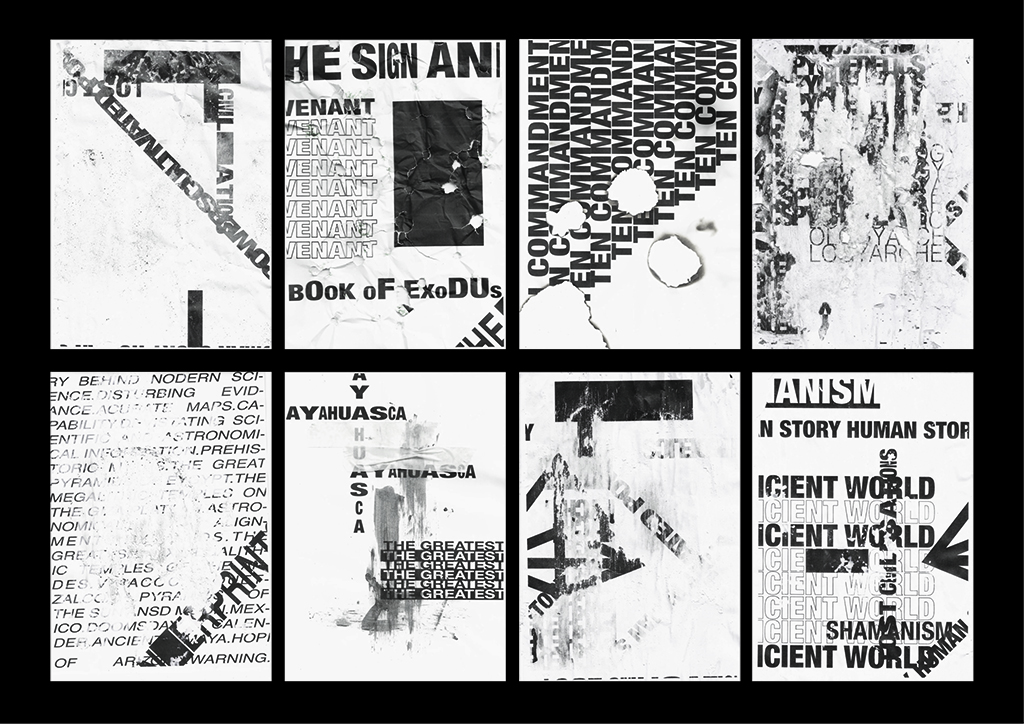
Graham Hancock is a pseudoscientist who researches theories about the early years of life. My fascination with aliens and the unnatural theories in life, lead me to Hancock’s theories of how the pyramids were built and that it would be physically impossible for any normal human to do so. His theories on the hidden sectors of history would evoke amotions in any type of person, from fear to excitement, just the fact that even the top scientists can’t explain everything we know about in history, even before touching on the parts we have yet to discover.
My work examines the way that these types of people are treated, the theories and ideas that can be proven but are outside of explanation, are hidden and defaced as they are not understood. Presenting this idea shows how narrow-minded scientists are and the only understanding we have of our history is the words written in black and white.
Chloe Pritchard
Destination: Illustration-BA(Hons) Birmingham City University (BCU)
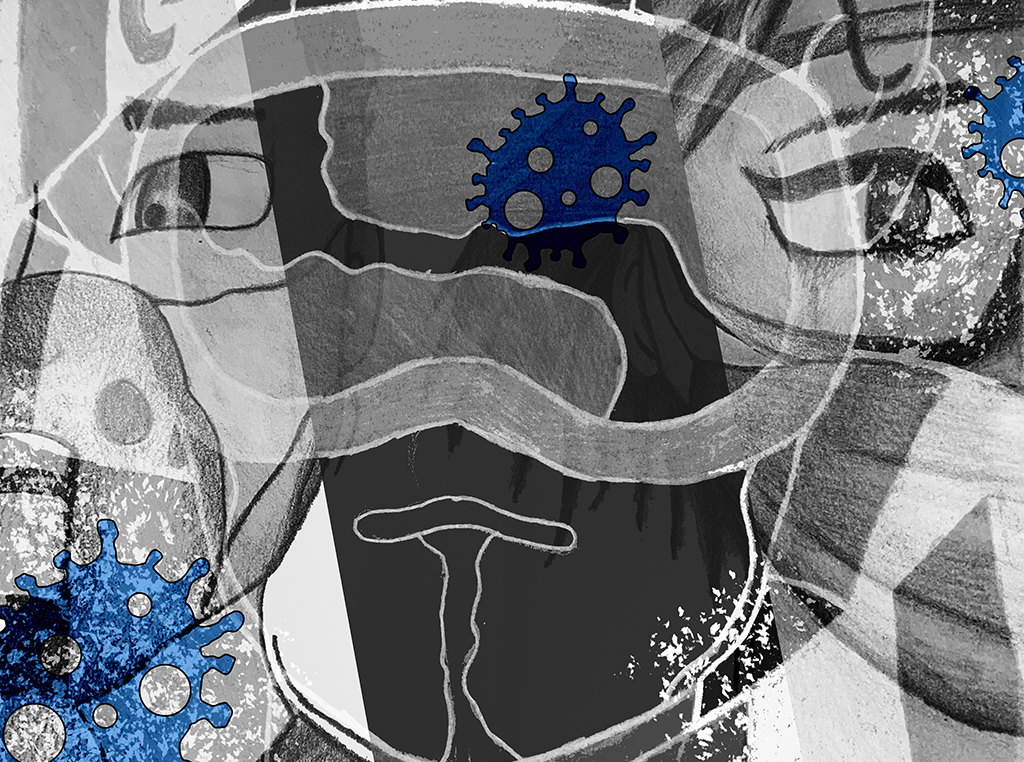
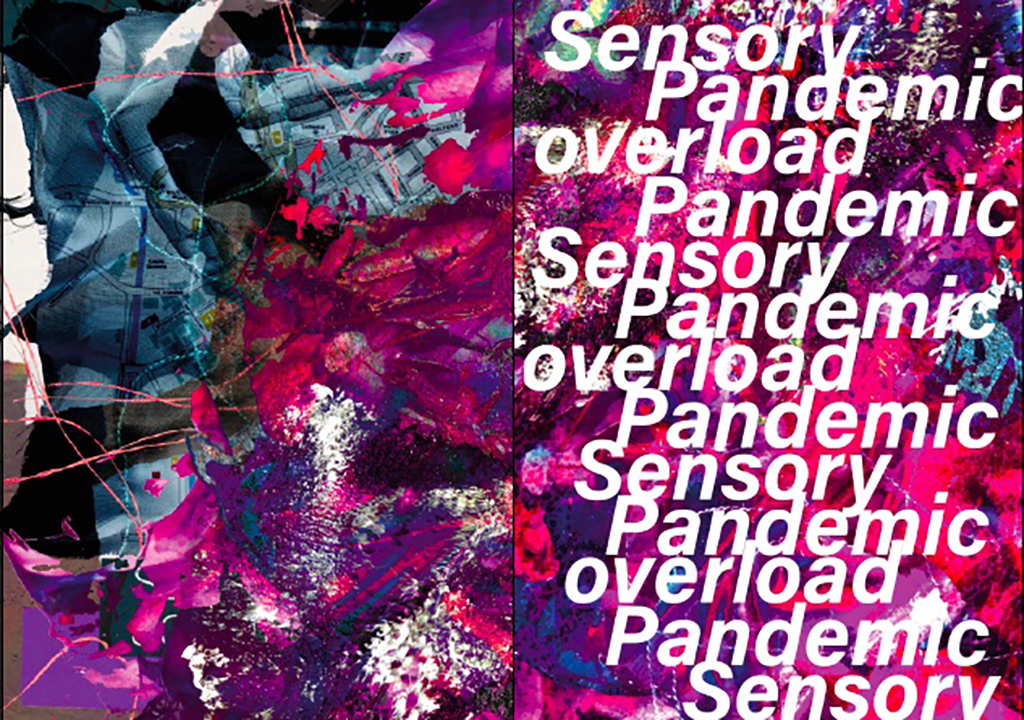
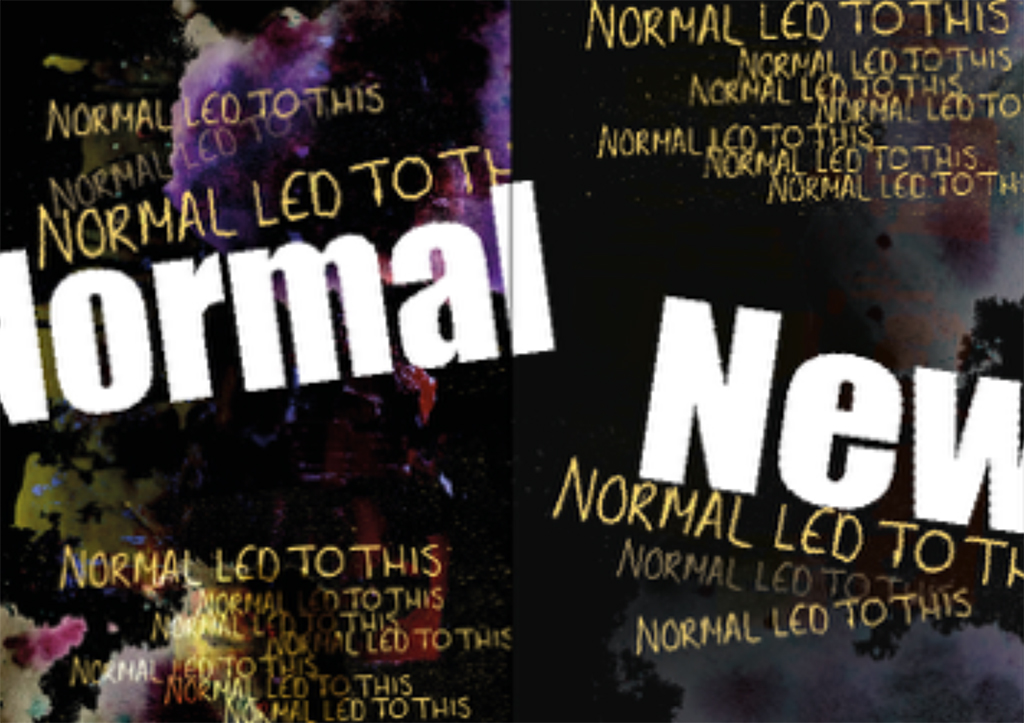
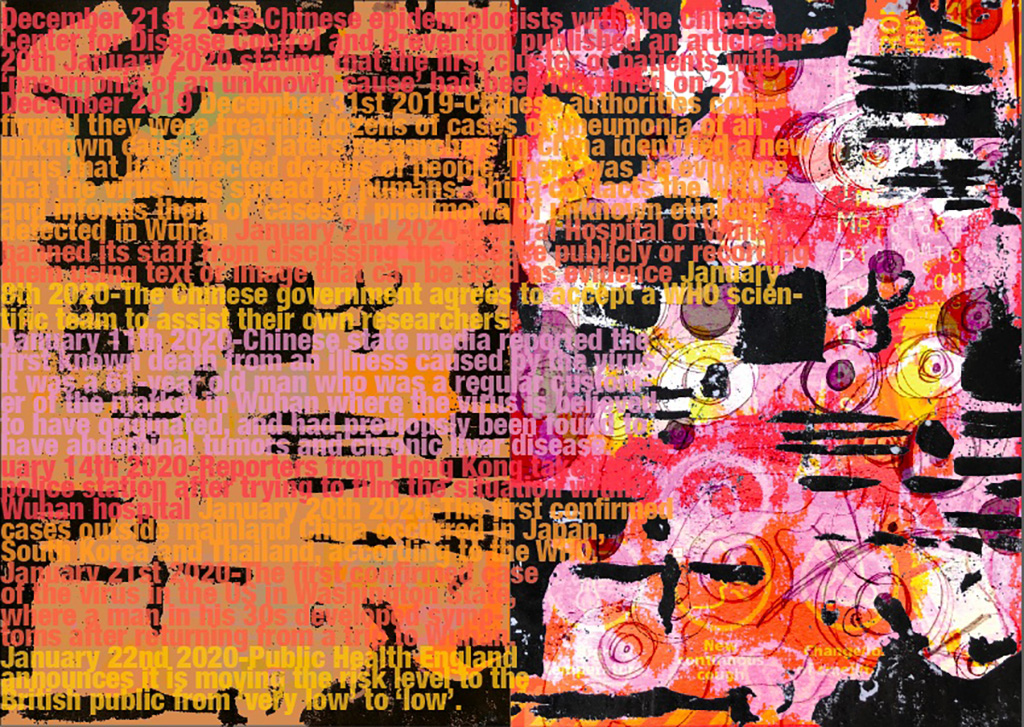
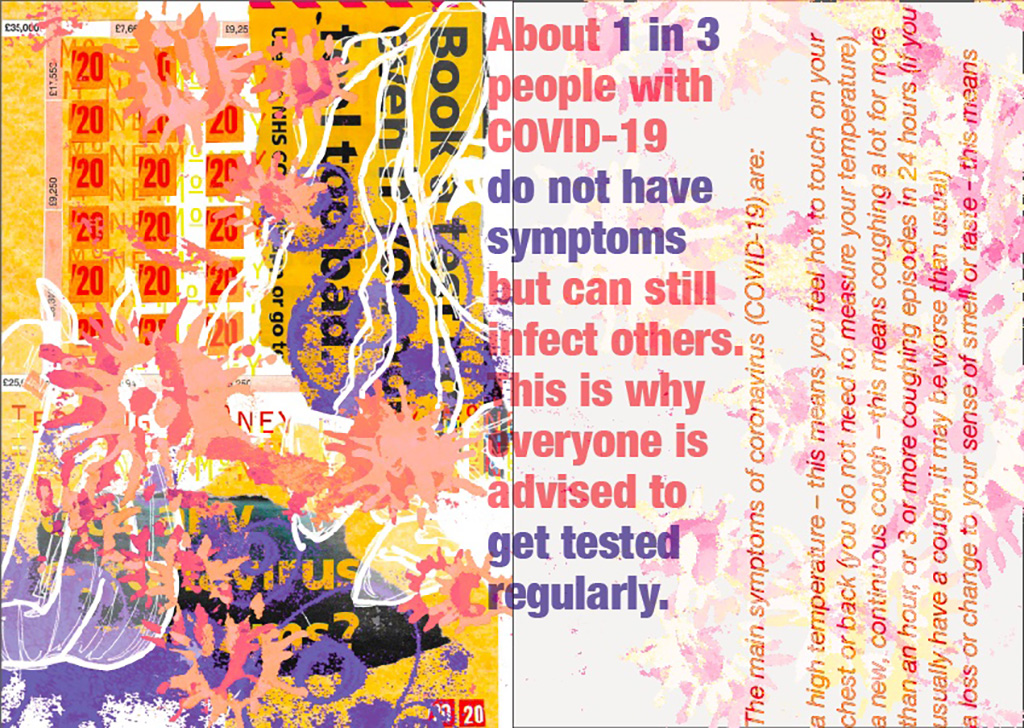
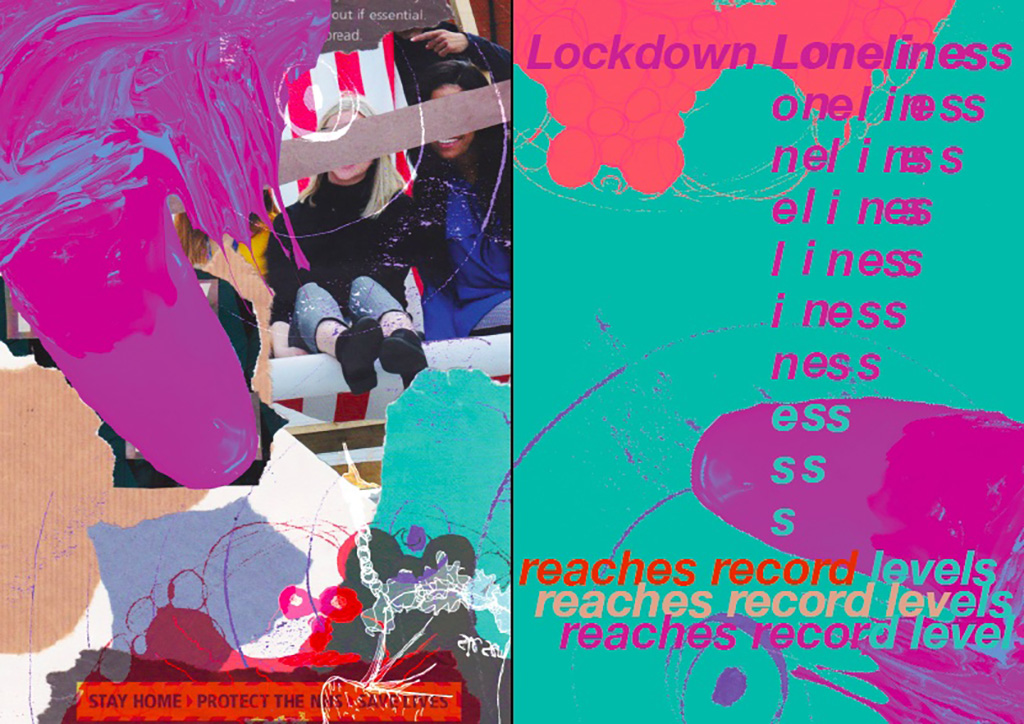
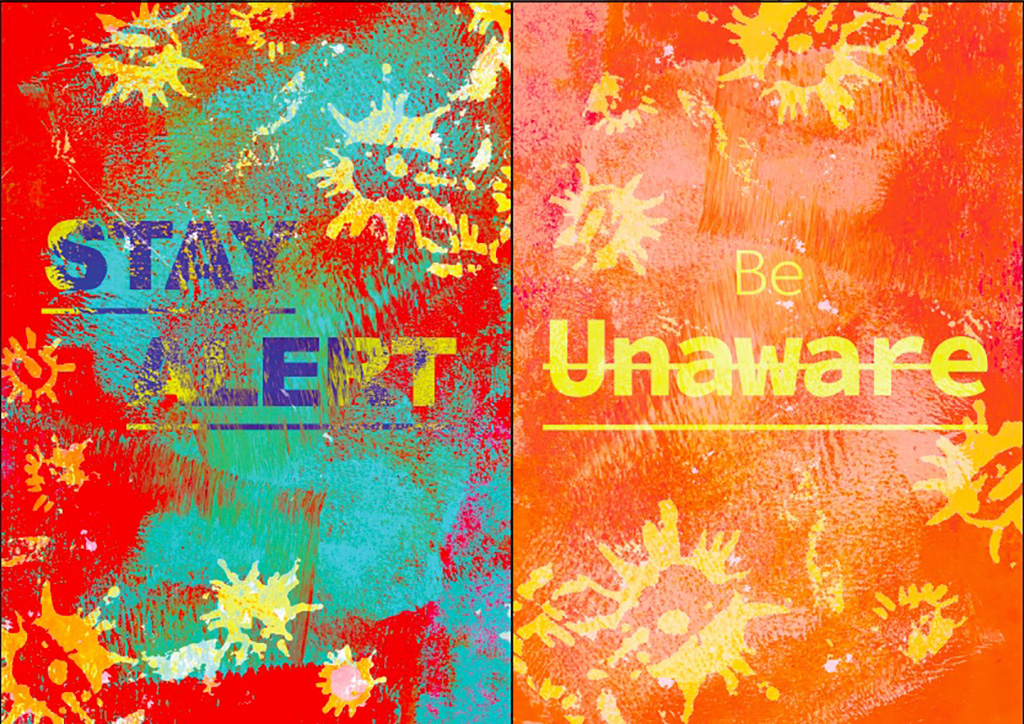
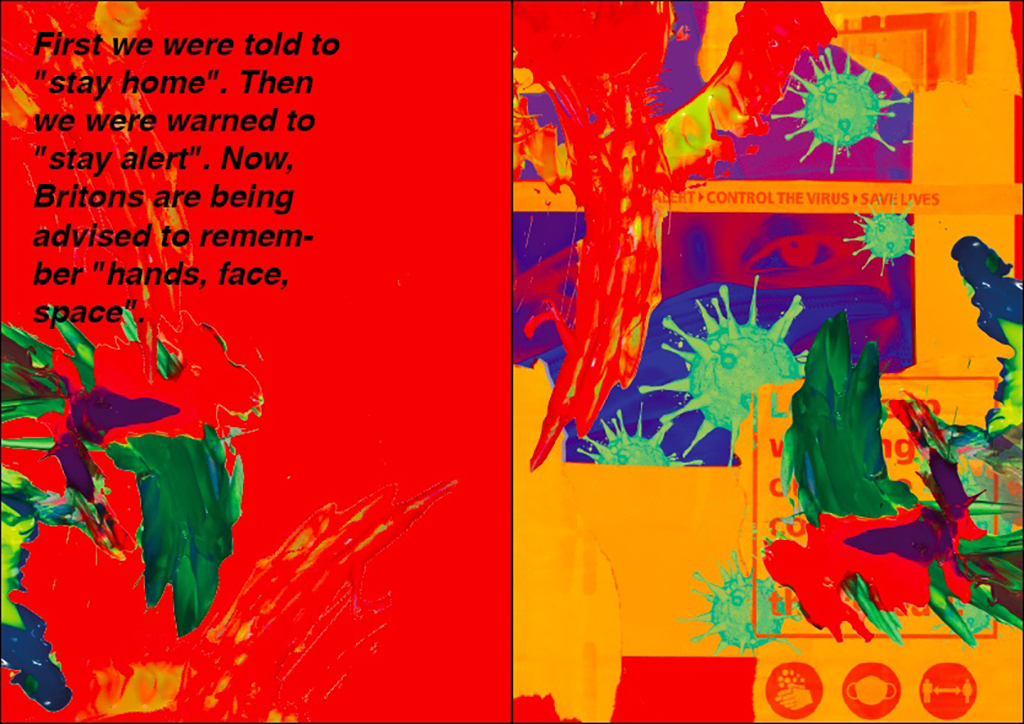
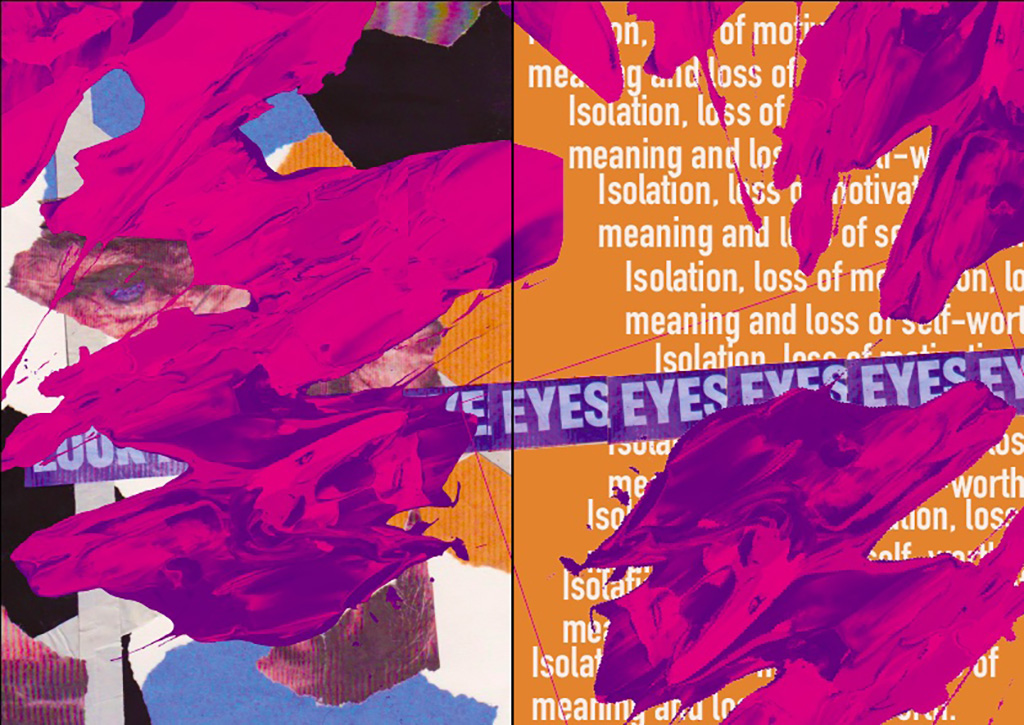
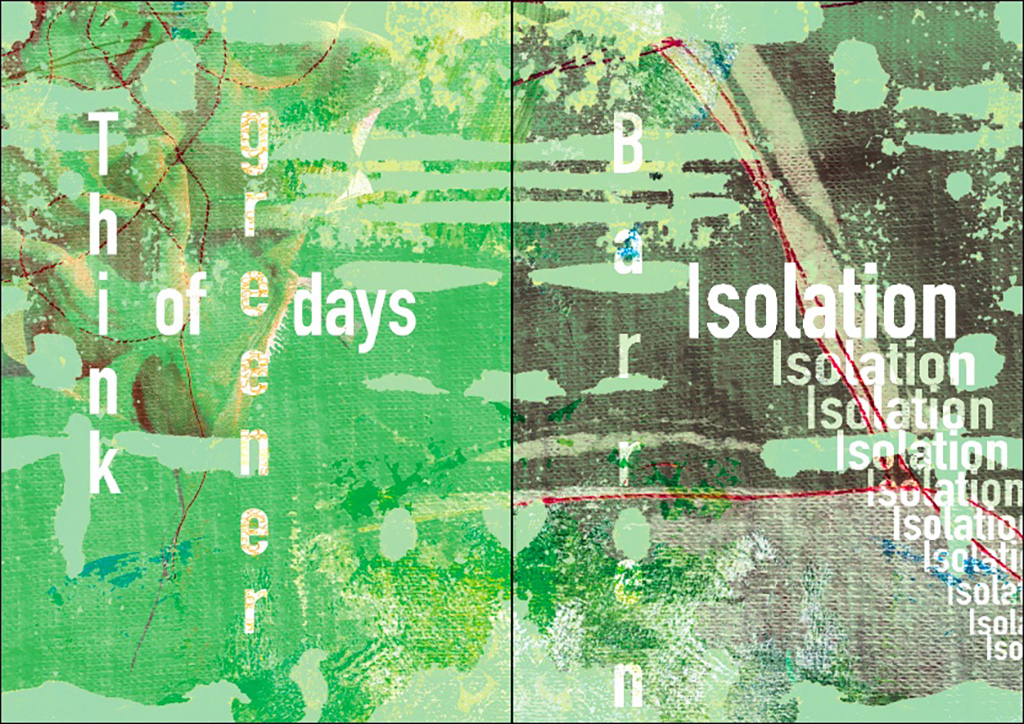
Confusion, fear and entrapment. Instructed by the new laws and informed by the constant flow of misery after misery. Trapped within the confines of 4 walls where our only escape is to find clarity with the screens in front of us, further binding our eyes and ears to more dreaded news. The past year has been insufferable or a blessing, giving those more free time while also making us feel more alone. Connections have been lost where new ones have formed and our lives still continue while adapting to our new situation. This Sensory overload we have been bombarded with and the clarity in-between has affected the way we feel and talk, especially regarding Covid-19.
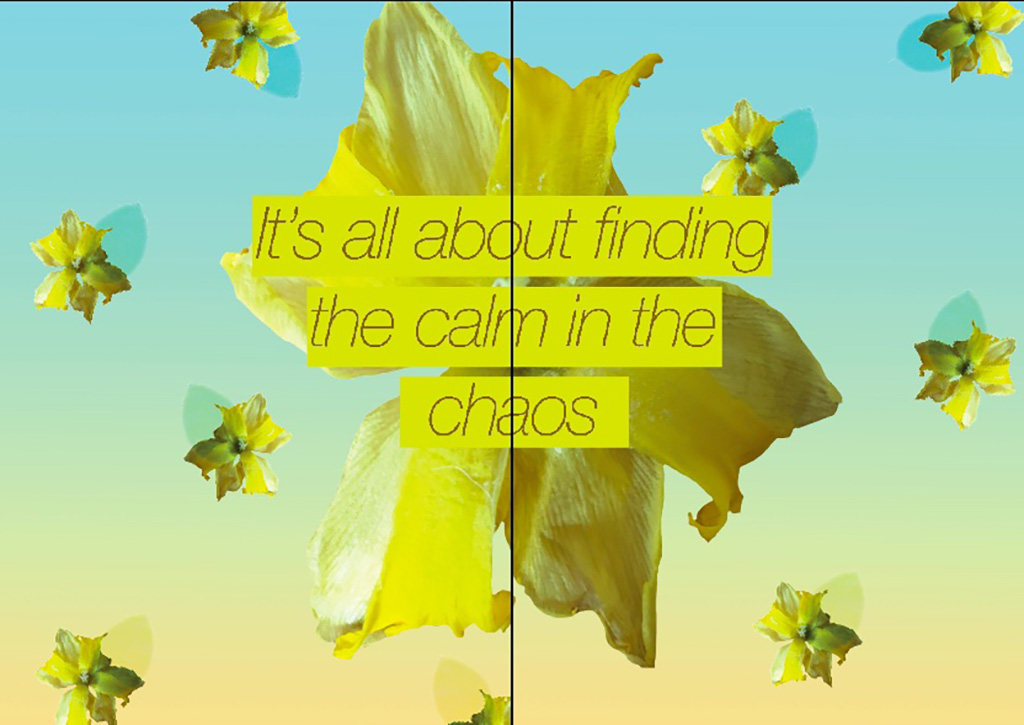
My work is a collective of emotion, conflict, imagery and information being kept within the confines of four corners. Detailing the bombardment of media and information with the breaks of clarity we have in-between. The sensory overload of colour, text and imagery conveys the emotions felt and informs us as a reminder to not forget but to converse and allow for an open dialogue of interpretation. It aims to be insightful while commemorating my own thoughts and feelings throughout this pandemic. It is an open collection to the youth and how we have faced parameters while being informed of consequences and risks. We have faced the unknown and continue to overcome with resilience within the confusion of it all.
Inspired by collage, illustration and different media, my work evolved into a topic of discussion surrounding Covid-19. This developed through exploring artists relating to colour, design principles and mark making such as Callen Schaub, inspiring me to use traditional media mixed with my graphic design developing my work from simple collage to a chaotic mixture of colour, imagery and text. Inspiration from Sigmar Polke, allowed the utilisation of illustration in a simple and contemporary way incorporated into a mixture of bombarding and simple imagery. Exploring a mixture of artists from all disciplines allowed me to express this sense of bombardment and overload.
Open dialogue with peers and tutors allowed the incorporation of different ideas and ways to further push my theme. Relying heavily on the opinions of others and my own judgement, determined development and pushed the boundaries of my work. My project within Covid-19. With this constant development, I prepared for all eventualities and displayed different outcomes. I achieved the outcome I desired from the start, communicating and opening dialogue for an audience.
Through completing this course and FMP, lockdown and restrictions have added a disadvantage but have also shown the resilience I have to overcome the parameters and restrictions. I have developed my own perspective towards using different media and explored within these fields. Obtaining a more critical mindset has allowed me to spot details in my work that need improving and this mind set is something I will proceed to use, progressing on to University.
Ellie Walker
Previous Education: Dudley College Destination: Wolverhampton University Graphic Design
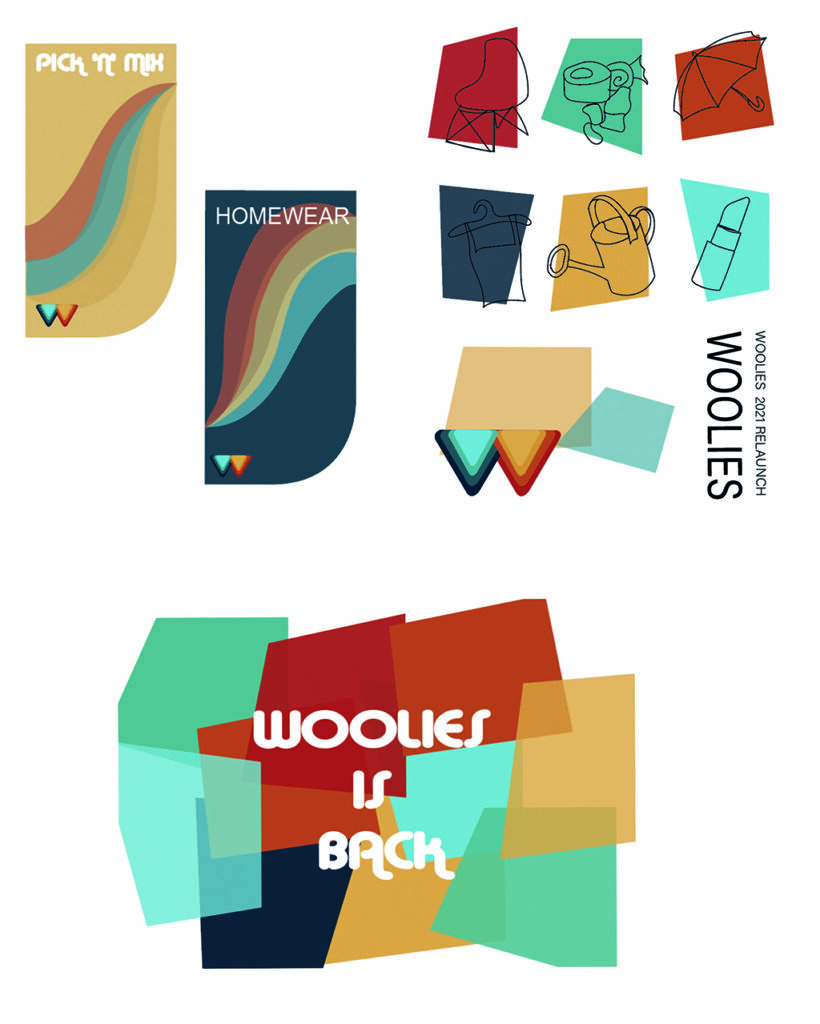
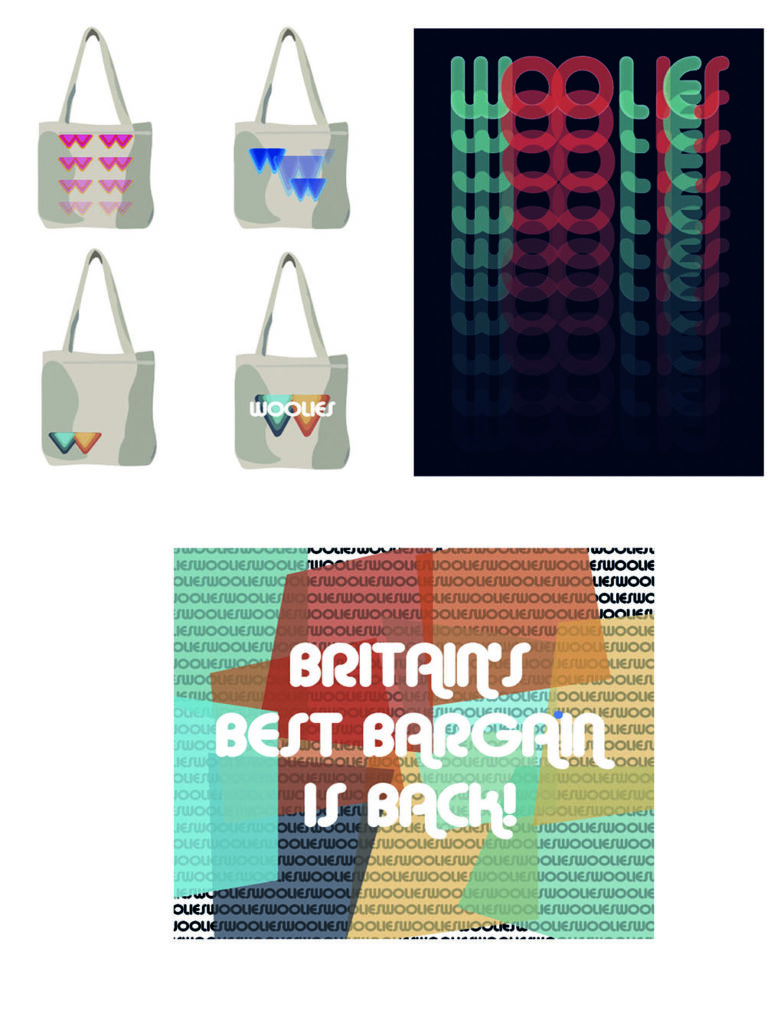
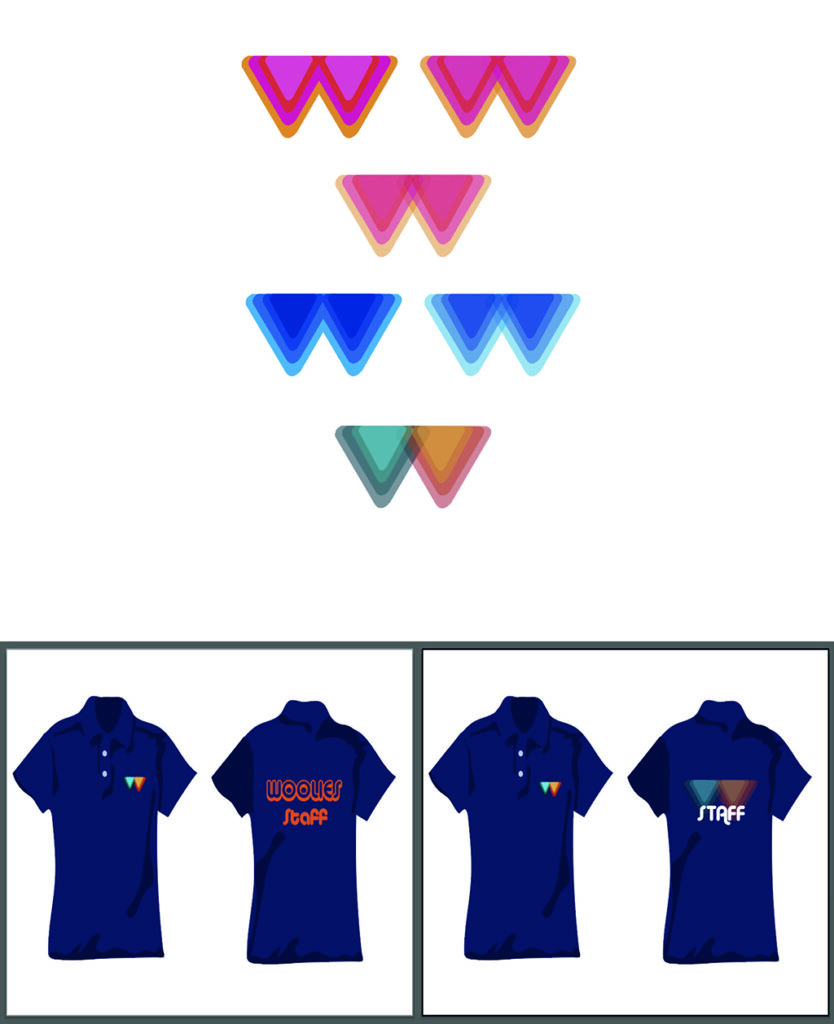
The initial idea for this project was to re-brand the well-known store Woolworth’s. I wanted to create the company in a new light. The idea was to go back to basics and start from scratch with a new company logo, company uniforms, advertisement posters, website, shop signs and shopping bag designs. I initially looked at artists including Saul Bass and Alice Isaac, I found that Isaac’s style wasn’t suited to this project as her work was too complex and abstract. I was hugely inspired by Bass as his work helped me dive deeper into art movement which led me to look at the Bauhaus which became my main inspiration for design. Through this I learnt that using simplistic patterns and shapes worked better as it made the logo design especially more memorable.
I initially didn’t set myself enough targets and for the ones I managed to set I unfortunately didn’t give myself enough time. Through this project I have learnt have to keep up with time scales and set myself aims which I believe will help me for future projects, that I something I will definitely take forward in the future. With help from tutors and peers I was able to get the e feedback I needed in order to make my designs the best they could be, I personally feel critical feedback is key when sharing pieces of work as it helps you see things from other peoples point of views which can also sometimes change your opinion on your own work, for the better.
Through feedback it allowed me to change my logo design completely in the initial design process, for a basic corporate logo, into a quirky retro design. It also allowed me to bring Woolworth’s into the 21st century, changing the name from Woolworth’s to Woollies and changing the idea of creating a website into creating an Instagram page. This was much easier to set up and allowed me to increase my target audience to the younger generation rather than just the older generation for the nostalgic value. Although I liked the idea of the nostalgic feel, I didn’t want that to take over from reality and I wanted the brand to be taken seriously, with the retro aspect I feel as though I captured this perfectly. I believe that despite a few hiccups the project came together well.
From this I will now analyse my work to a better quality making sure my reviews and evaluations of work are in more detail and of better quality and I will also learn how to manage time more efficiently. This year has allowed me to work on my specialist subject in a more mature way and has allowed me to find my own style. I have also learnt to be confident in my own work especially if I am pleased with something I have created and how to make other people believe my work is of a high standard. I hope from this past year I can now take on my skills to university and any future career I am able to achieve.
Joseph Woodcock
Previous Education: Joseph Woodcock Destination: BA Graphic Design with a Placement Year Loughborough University
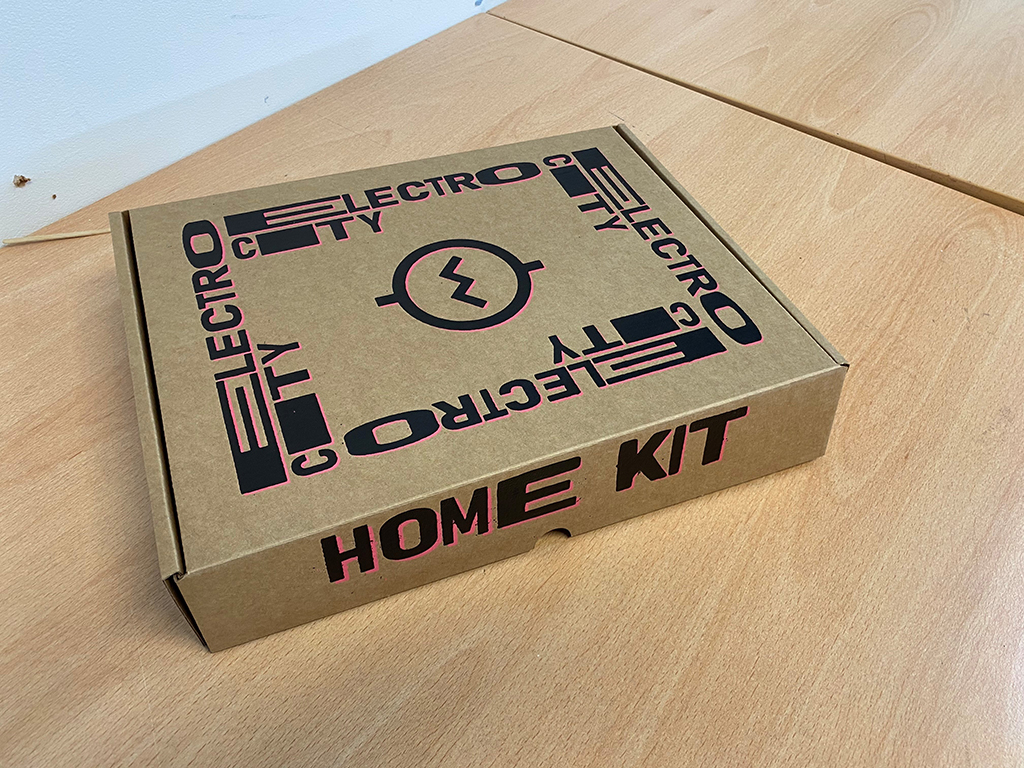
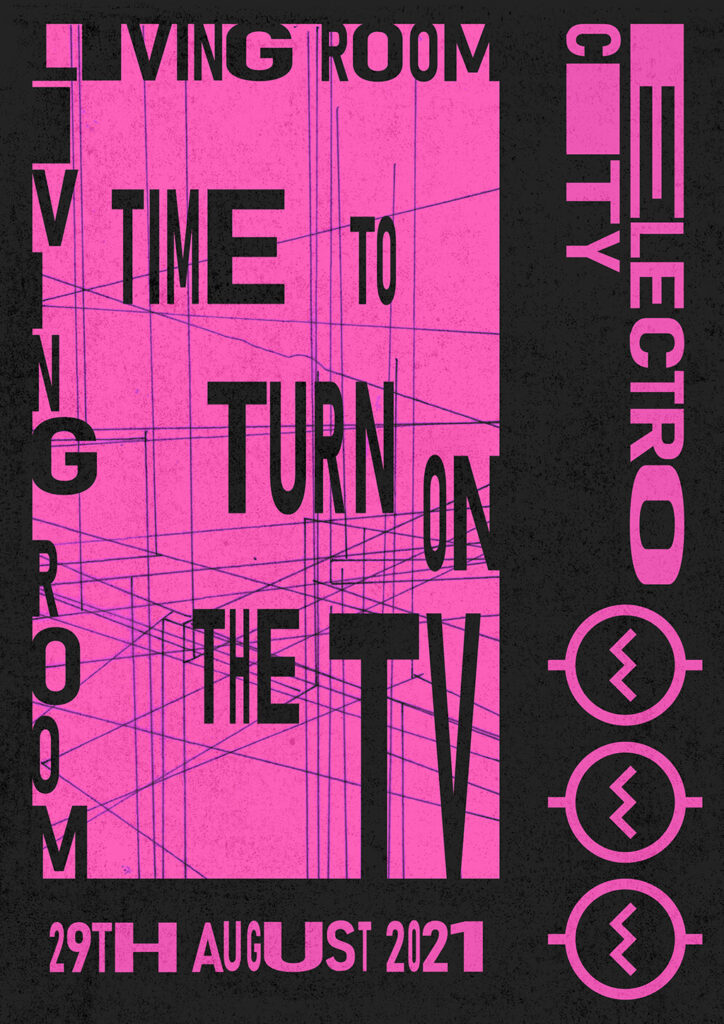
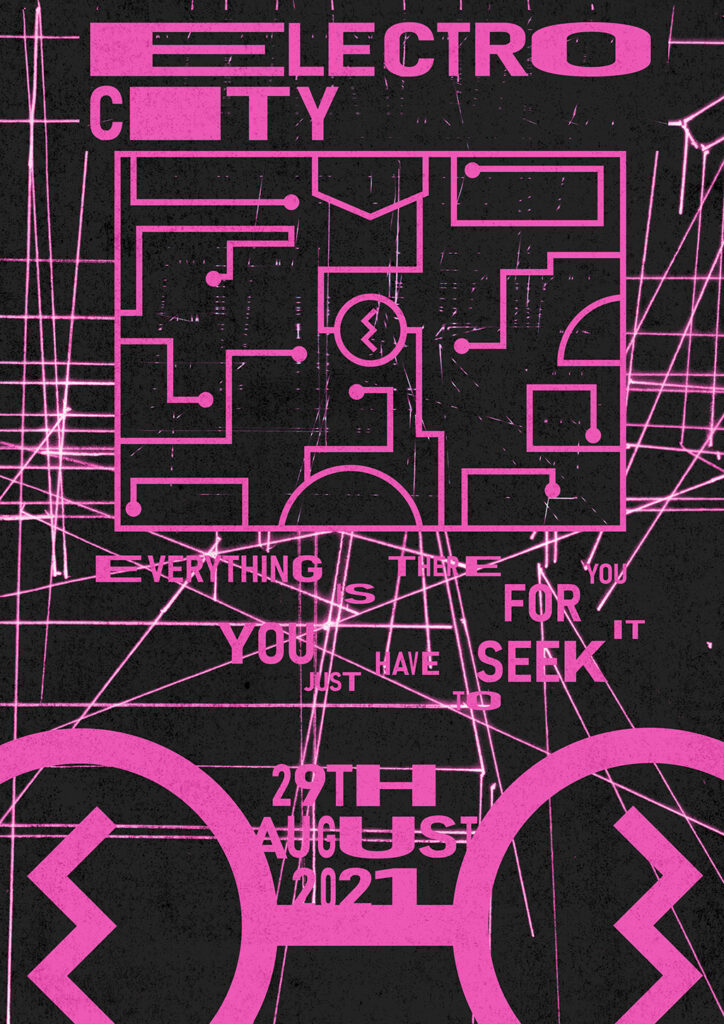
The initial idea for his project was to create branding for a new and upcoming EDM festival that was trying to tackle the issue of coronavirus we face today. As I began to work with the project I found routes around the issue we face today. I wanted to create a box that would be shipped to your house that would contain a range of elements that would allow you to set up your own festival in your house. Through initially looking at artists Harrison Pollock and Jack Teagle, I found my theme of ‘hyper reality’, which developed into my own take on the theme through researching films and multiple other artists. I choose to delve into this as it strongly relates to simulation and have strong futuristic ideology. This worked well inside the genre of my music which pushes electronic noises and have links to both the past and the future, which when mixed together, creates for amazing visuals, and I think I achieved this with great success.
This project had a large influence from others around me and they all helped push my project further. Initially I set myself a rough timetable. However, through constantly reviewing work and talking with my three tutors, I managed to refine this and found a great pattern of work then review that helped keep me on track. I have managed to achieve my main goal in my project by doing this however, I did have a range of opponents that didn’t end up being formulated. These include: a website, virtual tickets, VR headset and a range of other promotional work. The time I spent focusing on the four elements of this project allowed me to create a far better quality of work that held strong references, and allowed me to explore a diverse range of techniques that helped develop my skills. I do however, feel as though I could have started stronger in terms of this and this may have allowed me to create a wider range of final piece. Overall, I am extremely pleased with my management of this project and if I was to do it again I would have put more time into configuring my initial timetable.
One of the main things I will take away from this project is an ability to integrate far more hand rendered work into my digital works. This year has allowed me to develop my specialist practice and my own unique style which has informed what I want to create as I move to the next stage of university. I have also learnt how to review and look back at my project. It’s taught me to not veer away from the project at hand and to keep focus on what I want. I think at the start of this year I was susceptible to this but my focus has changed and I have a far more knowledge on how to keep a structure to my time and how I can distribute my time around. This is a great skill to have developed at this stage and will only grow as I head towards my career.
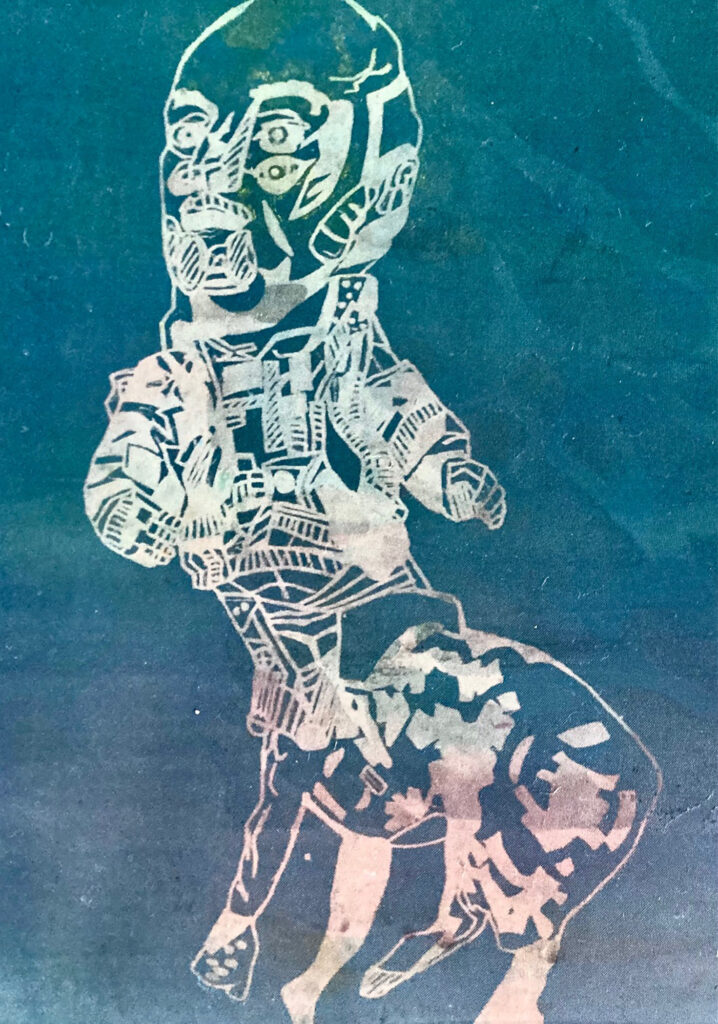
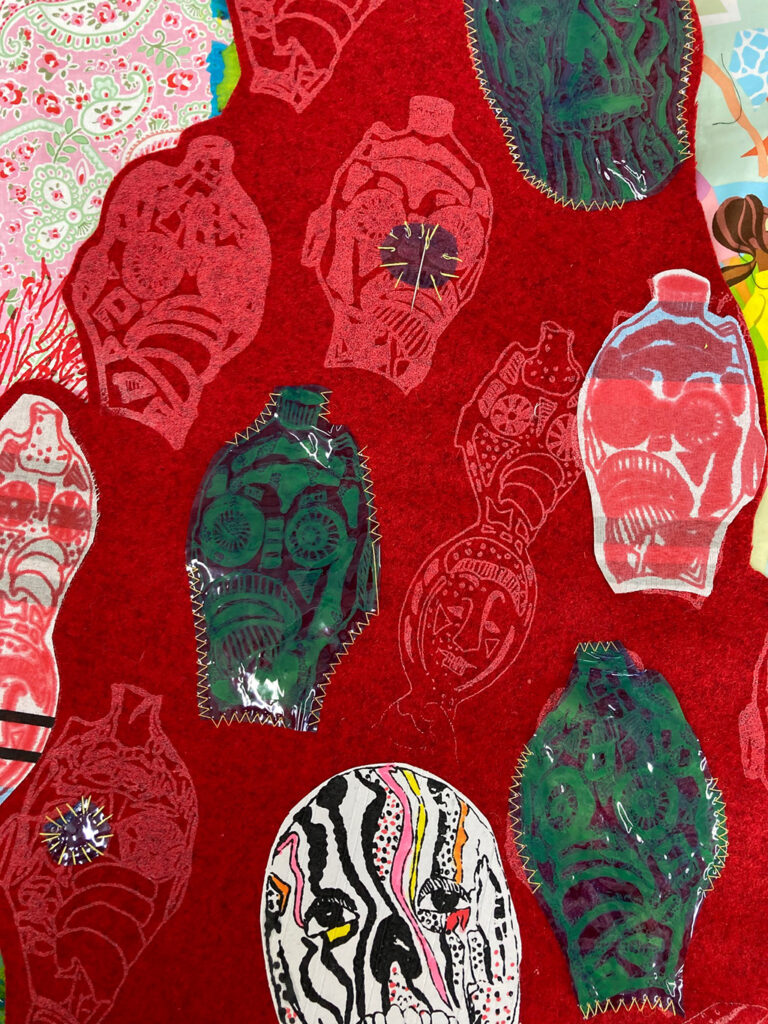
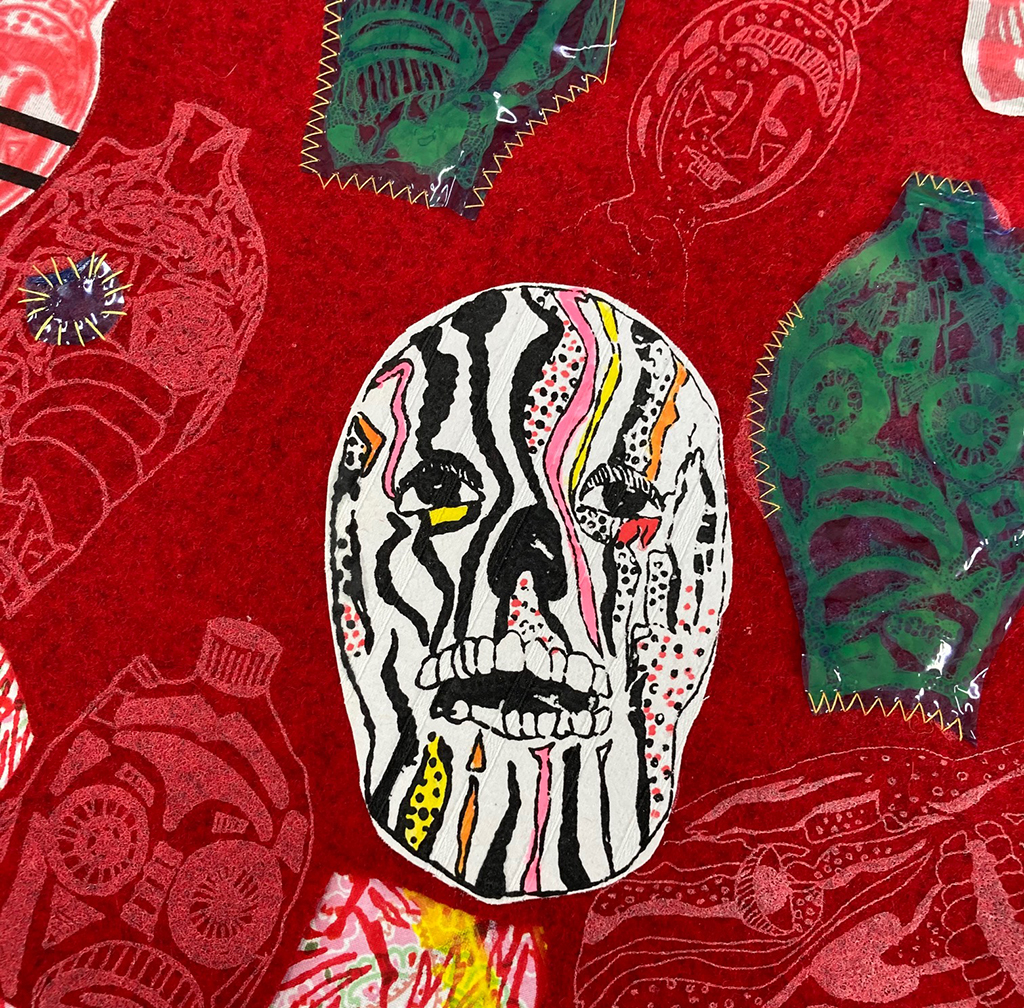
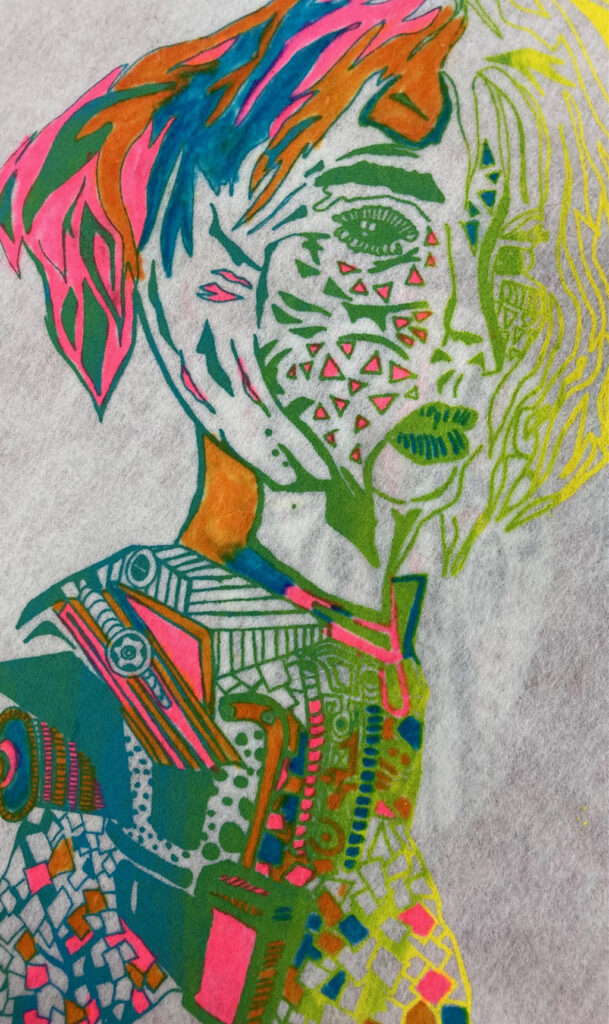
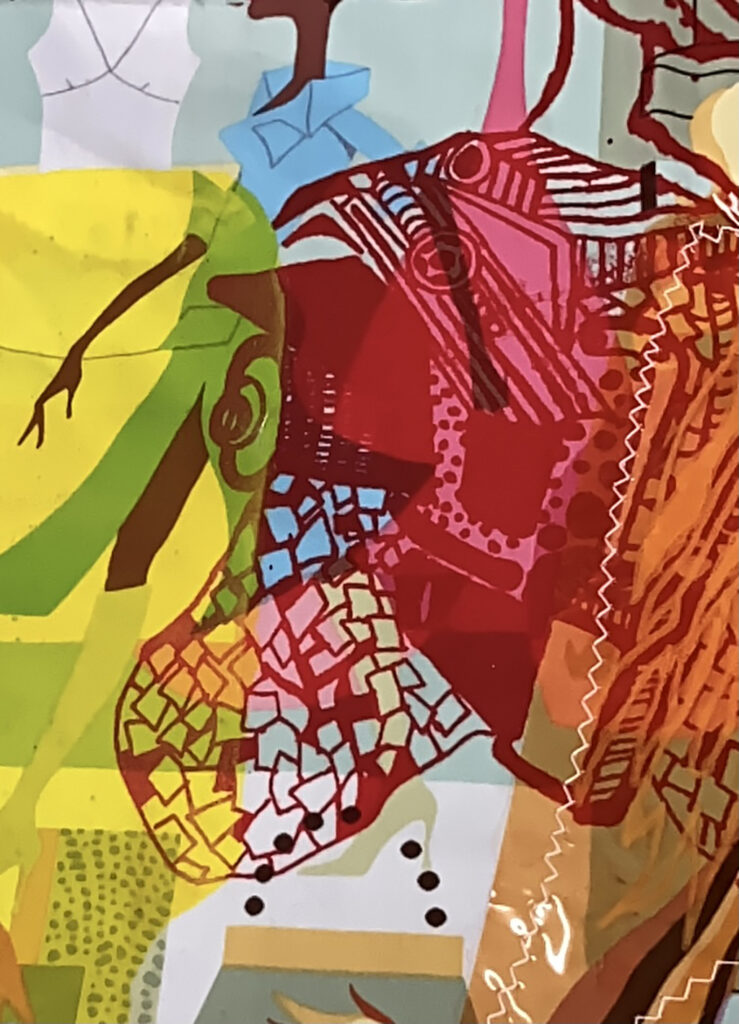
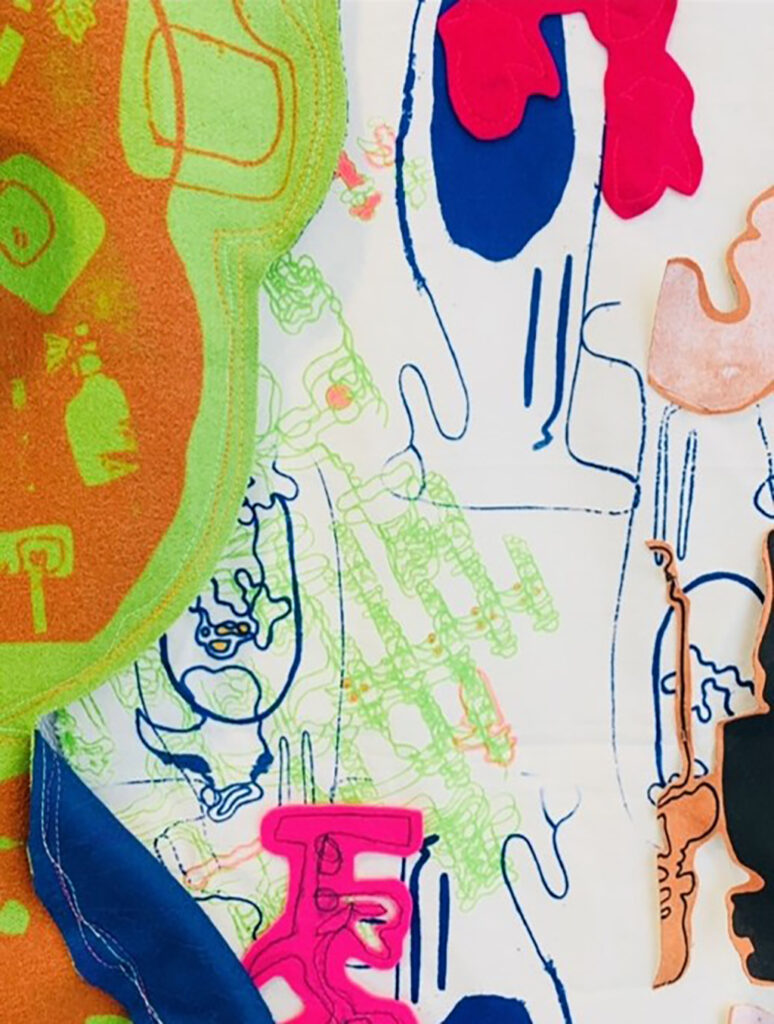
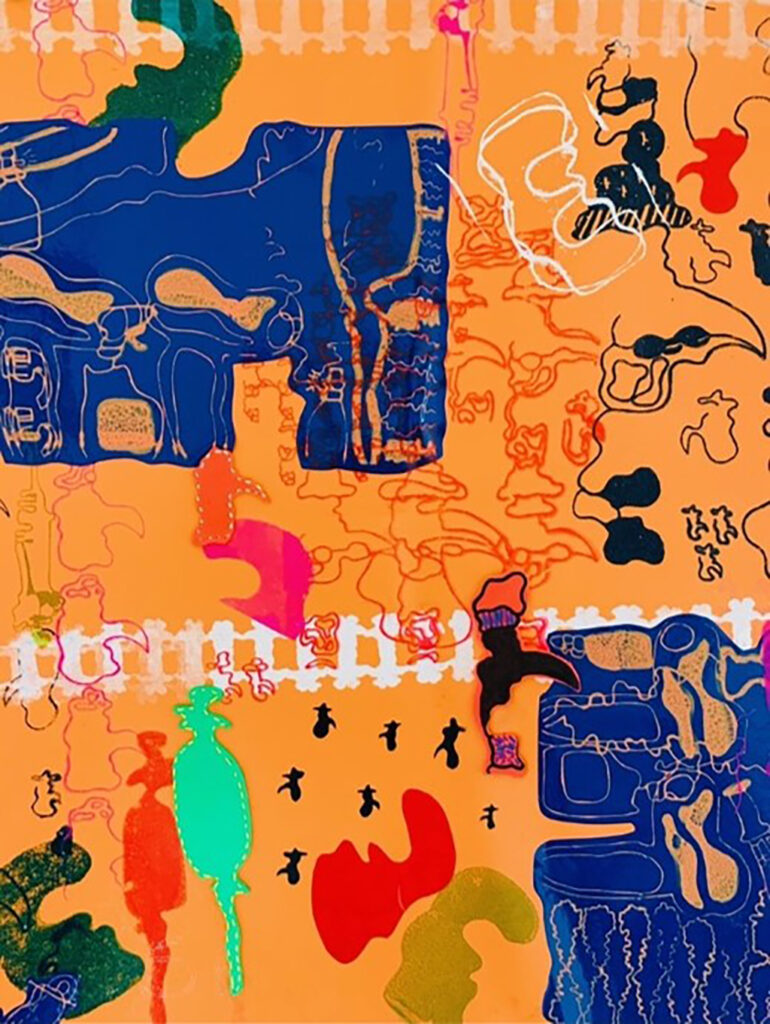
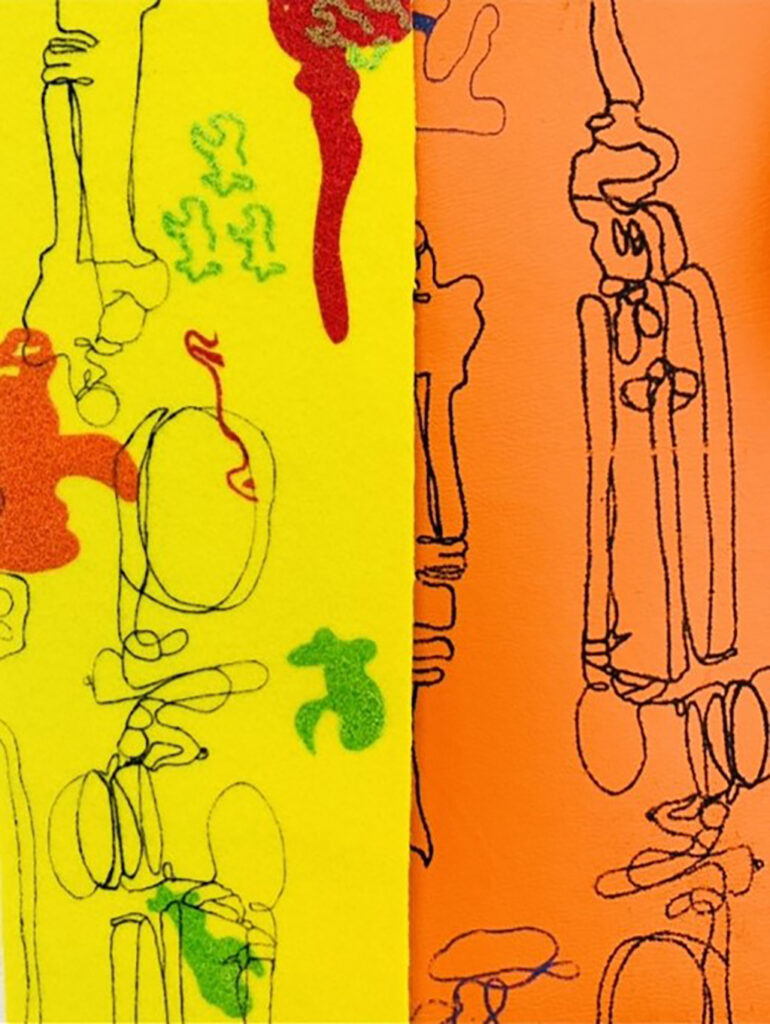
The title of this project was ‘Expect the Unexpected’ and develops work produced for my Extended Diploma course. I wanted to create strange beings inspired by the work of Surrealist Max Ernst and contemporary illustrator Linder Sterling. Both make strange compositions collaging together animals, humans and objects to create bizarre and weird imagery. Another artist that I was inspired by was J Semp because his work is bizarre and futuristic looking.
If the national lockdown didn’t happen I could have developed the idea of using peers as models for me to photograph and use in my collages, this didn’t happen so I had to use only magazines.
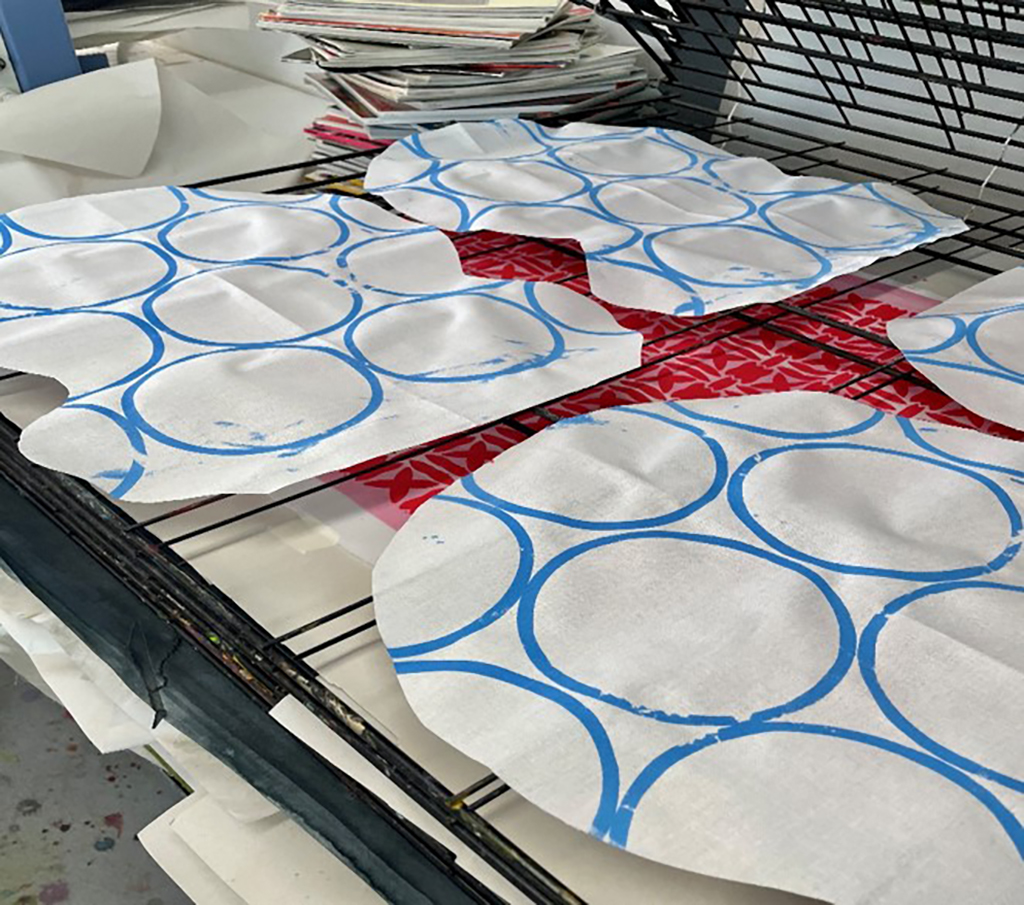
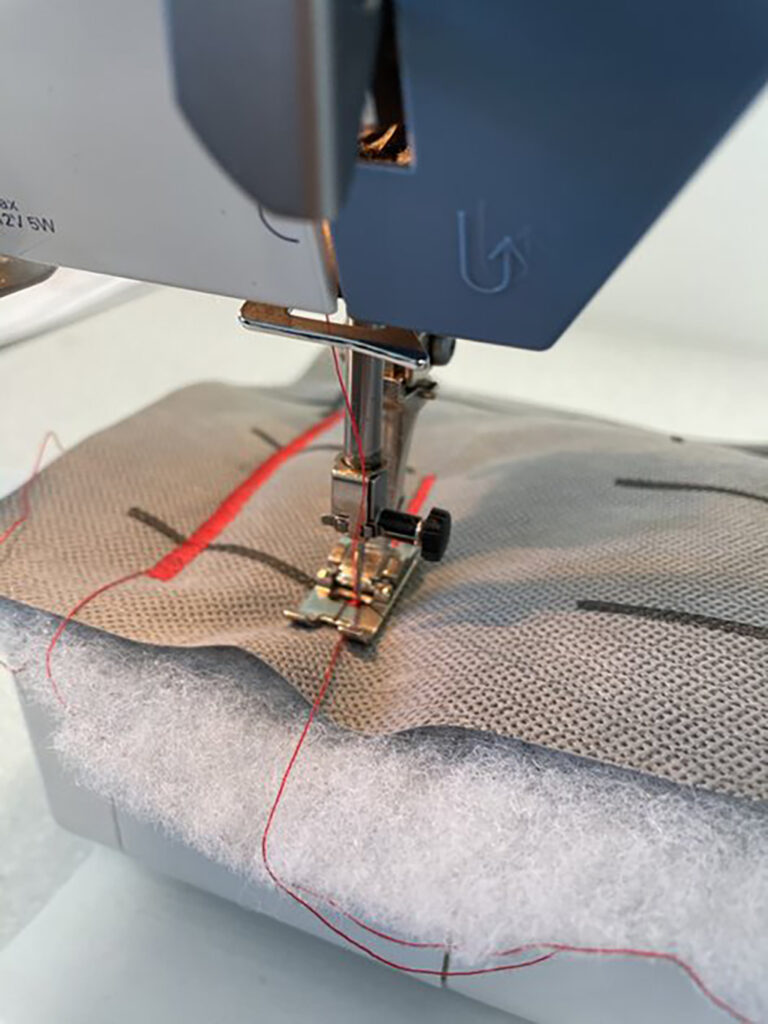
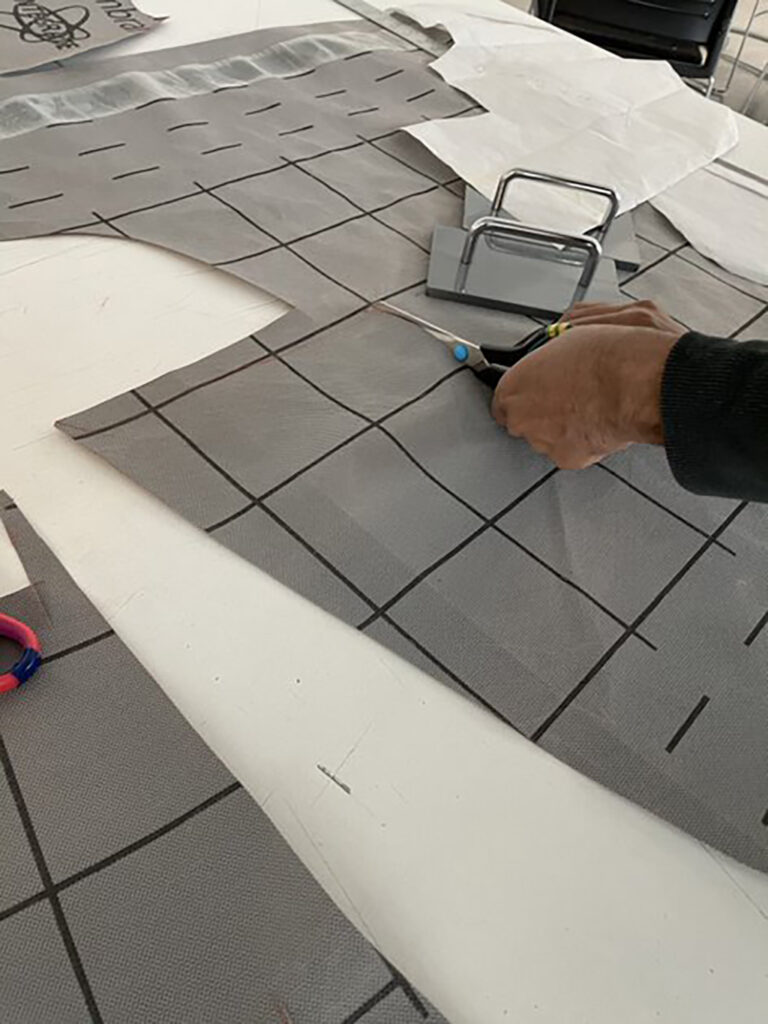
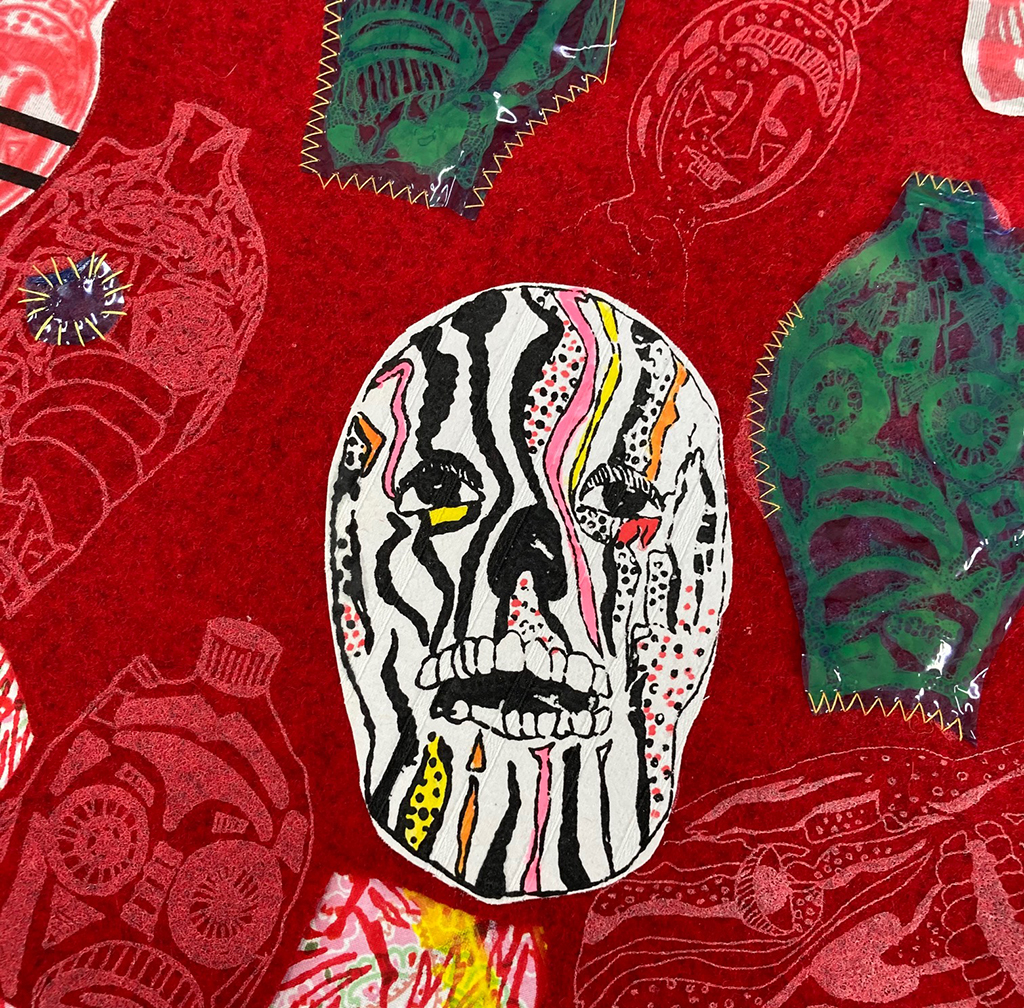
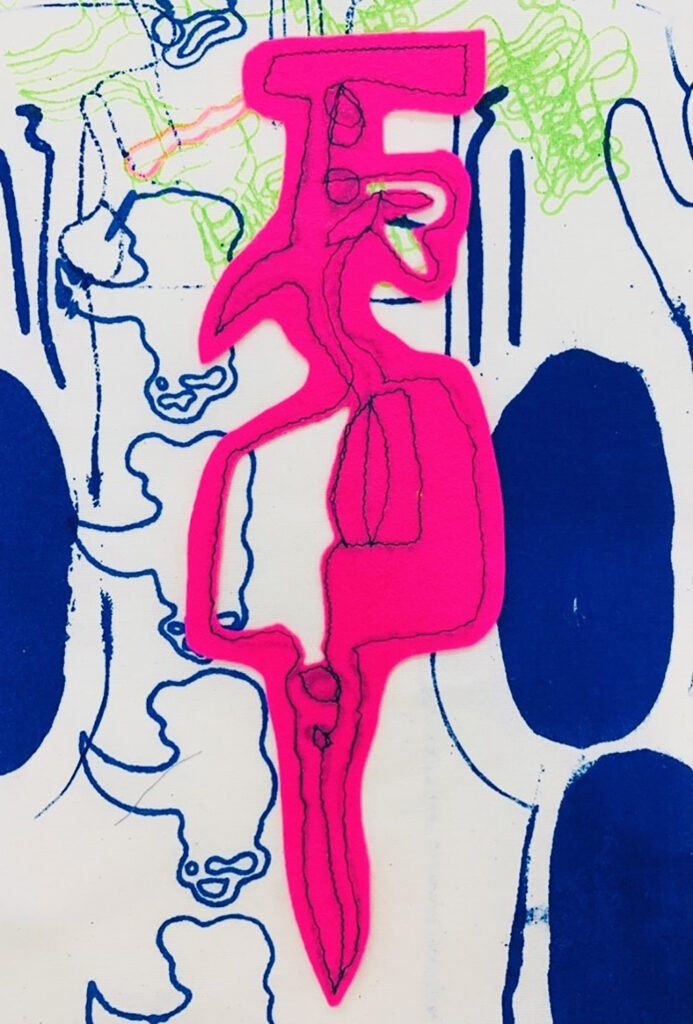
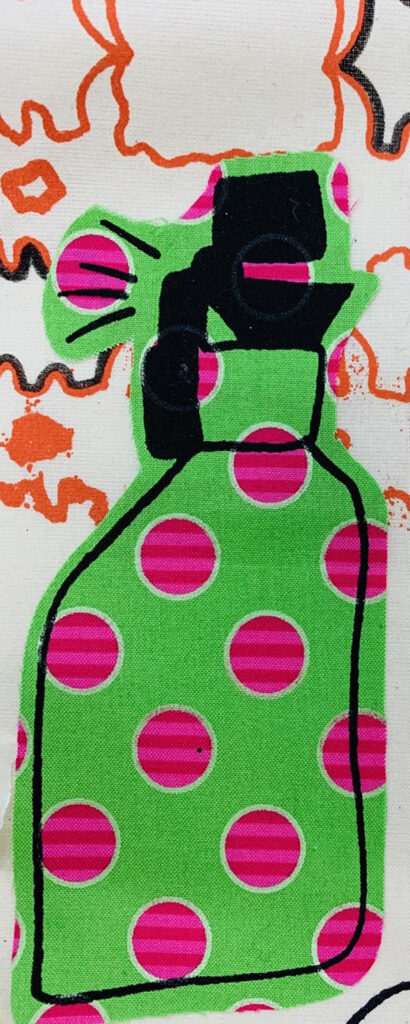
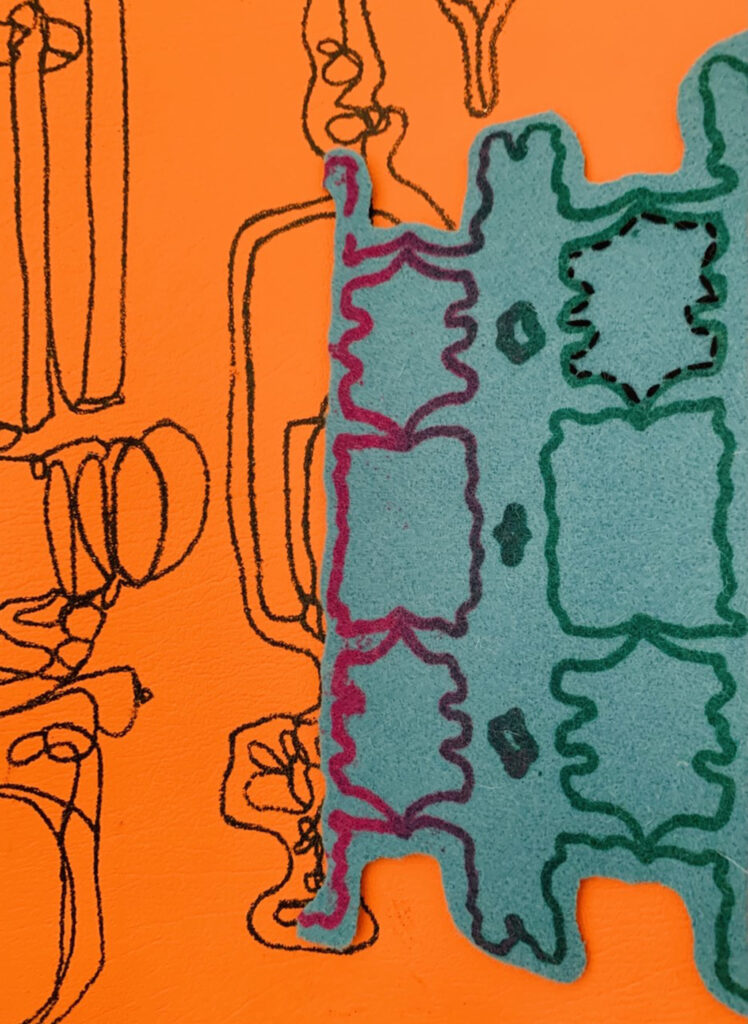
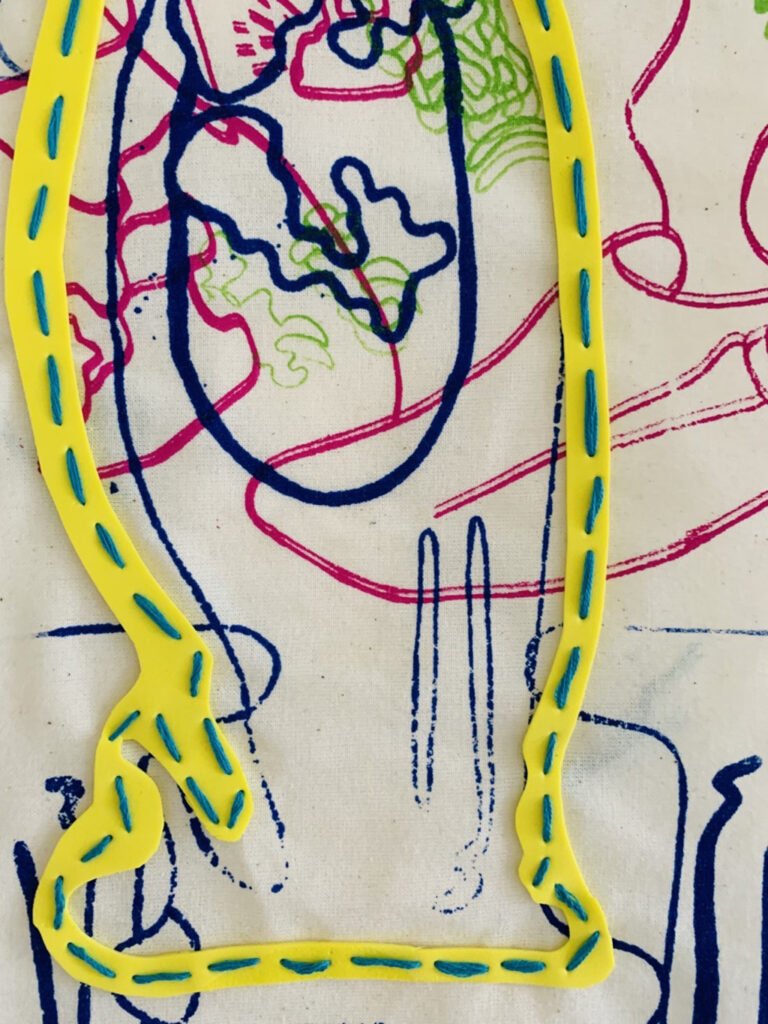
Back in college I did manage to develop my ideas by transferring tracings of my collages into silk screens. I used a mixture of different brightly coloured fabrics, viylene, existing printed fabrics and PVC. I could have potentially applied more refined details and definition through the sewing techniques, hand and machine stitch and applique but there wasn’t enough time.
The different images, surfaces and colour palettes all helped me convey my idea of ‘Expect the Unexpected’, due to the unusual mix and clash of colour on various surfaces. I have developed my confidence in printing and machine embroidery and want to broaden my skill set at university.
Ellie Bloomfield
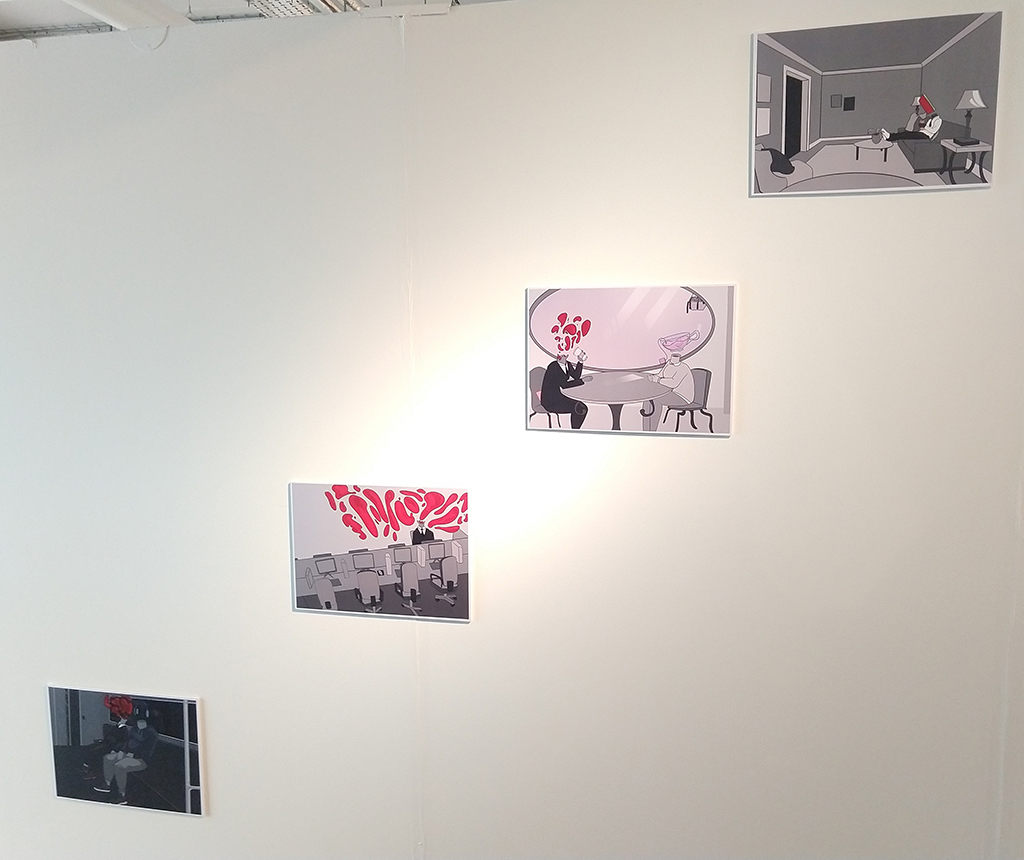
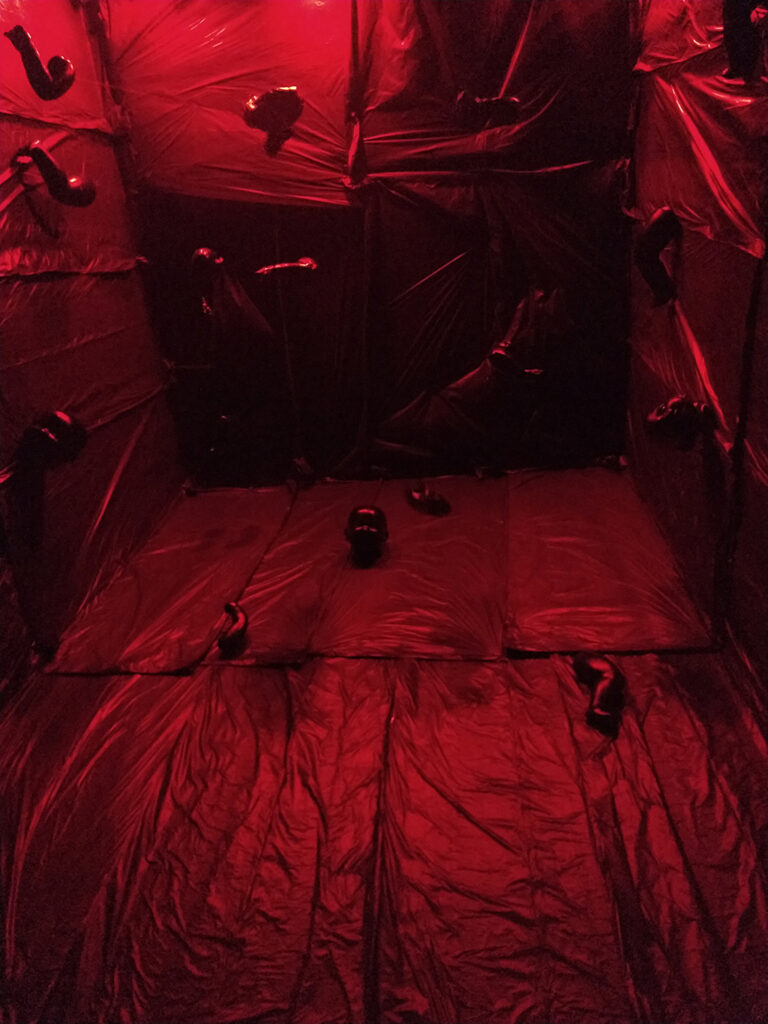
Cabin Fever’ was inspired by the uninspired. My FMP began during a Covid-19 lockdown and I was struggling to get motivated due the claustrophobic feeling of being trapped indoors. However, rather than allowing this to negatively affect my project, I decided to embrace these feelings and allow them to direct my work, pushing me to be creative whilst stuck in a small office. Self-reflection realised that to cope with the disorder and unknown of the circumstances, I relied on repetition, order, and control of the space around me.
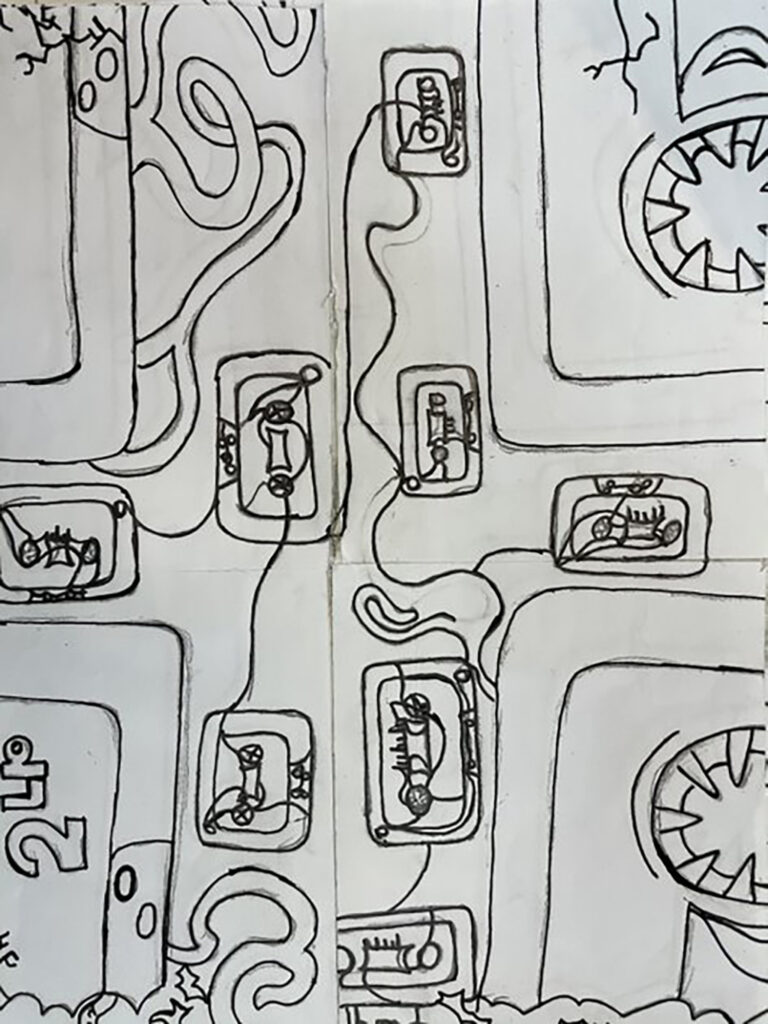
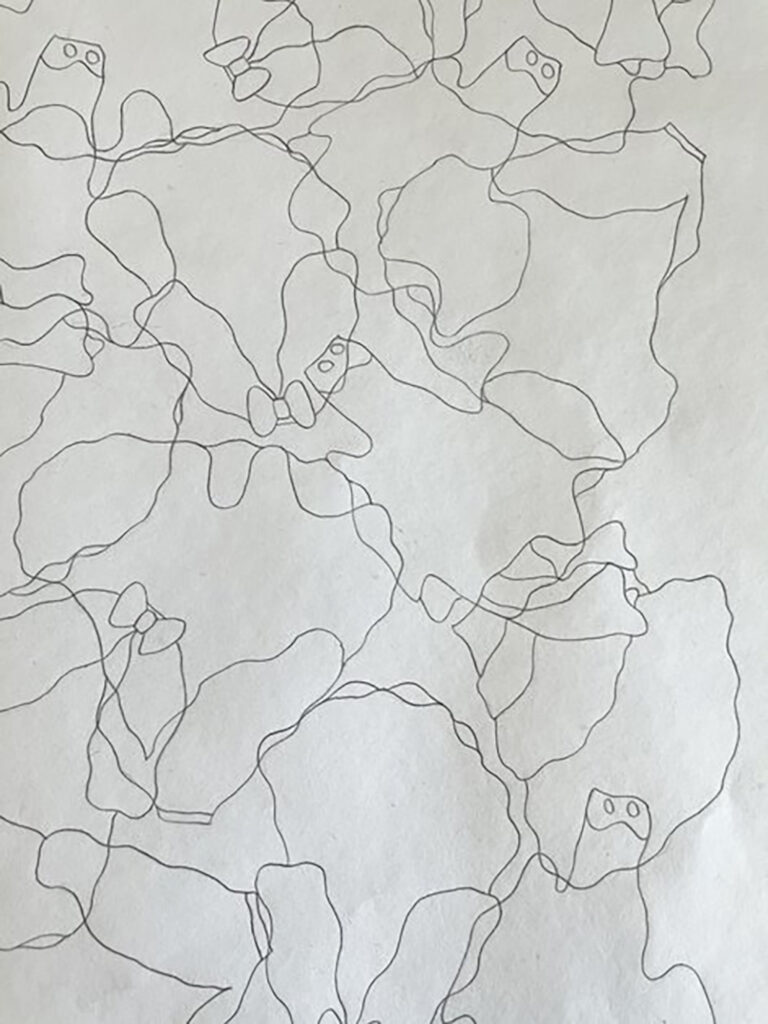
The Outsider Art heavily influenced my project. I found comparisons between some of the artist’s dispositions and methods, and my own ideas and emotions during the lockdown period. Heinrich Reisenbauer’s organised grid paintings of identical subjects reminded me of my own coping methods, for example, eating the same foods during isolation. His work also emulates the feeling of endlessness, and the repetition of lockdown life, whilst the low-tech materials, remind me of the lack of resources I had at home. In contrast, August Walla’s explosive and expressive murals evokes the feeling of disorder and claustrophobia that I felt at that time, the crushing feeling of cabin fever. The vast distinction between the techniques used by these troubled artists became the basis for my ‘project of two halves’. The work I produced from home was inspired by Reisenbauer’s simple line drawings of subjects around me. However, once I returned to college, I decided to explode my small initial drawings into a large exhibition space, to challenge my creativity and to use my return to the studio space from home to the best of my ability.
My biggest challenge for this project was to trust the process and to allow myself to react as I go without a structured plan for an outcome. I was able to achieve this by having frequent tutor discussions which allowed me to create bite sized plans that provided the control I needed in order to cope and create order within disorder.
This project could have continued forever, and I feel as if the creativity and curiosity I learnt from it will. There are many ways it could have developed, from textiles print to embroidered samples, however I am pleased with where it did conclude as it remains ambiguous and my use of mostly paper-based materials links back to my original resources. In my proposal I had planned to create a ‘range of textiles’ and although my final space and samples do not resemble a traditional example of textiles it holds all of the key elements and explores the idea of a modern take on textiles.
This project not only enhanced my practical skills and creativity but taught me about myself. The purpose of the project was to explore the personal effects of Covid by emulating my emotions through large scale motifs and repetition in an installation environment, but that space itself trapped me and pushed me to work through my struggles and allow the lack of motivation at times to inspire new work
FAD has given me the opportunity to explore a large range of specialities and combine aspects of them all to create my own creative individuality. I have learnt to be more experimental and to not be to be caught up on the outcome and forget to explore the process. I will take these fundamentals on with me into my creative career.
Nathaniel Buffery
Previous Education: King Edward VI College Stourbridge Destination: BSc Psychology, University of Liverpool
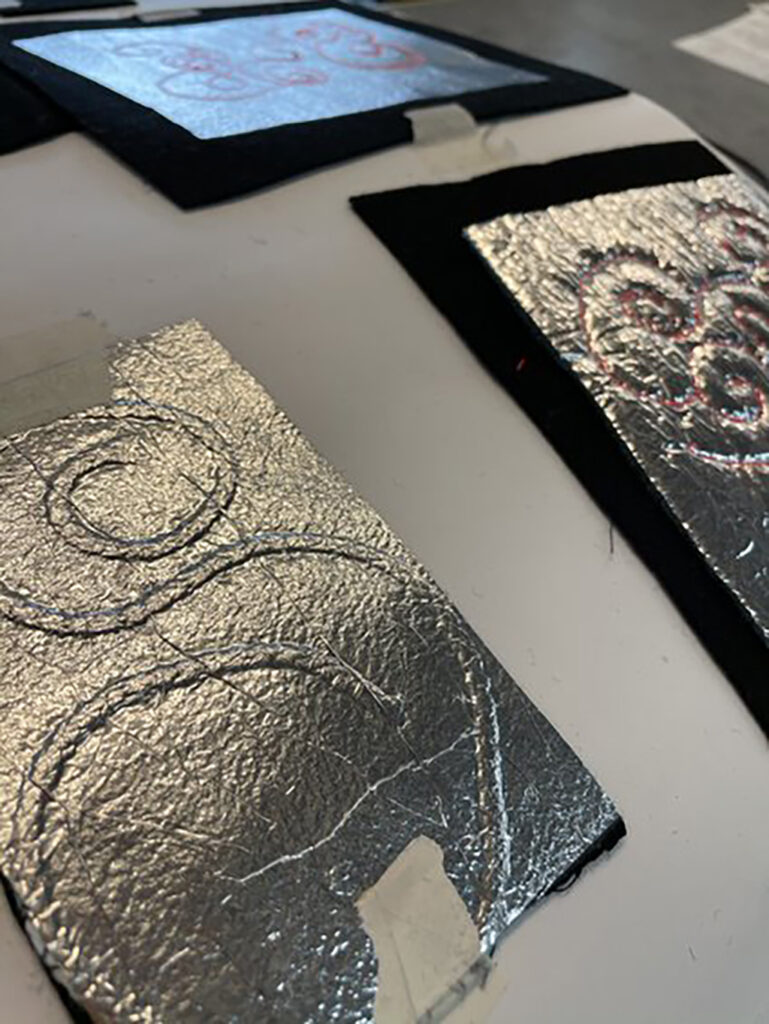
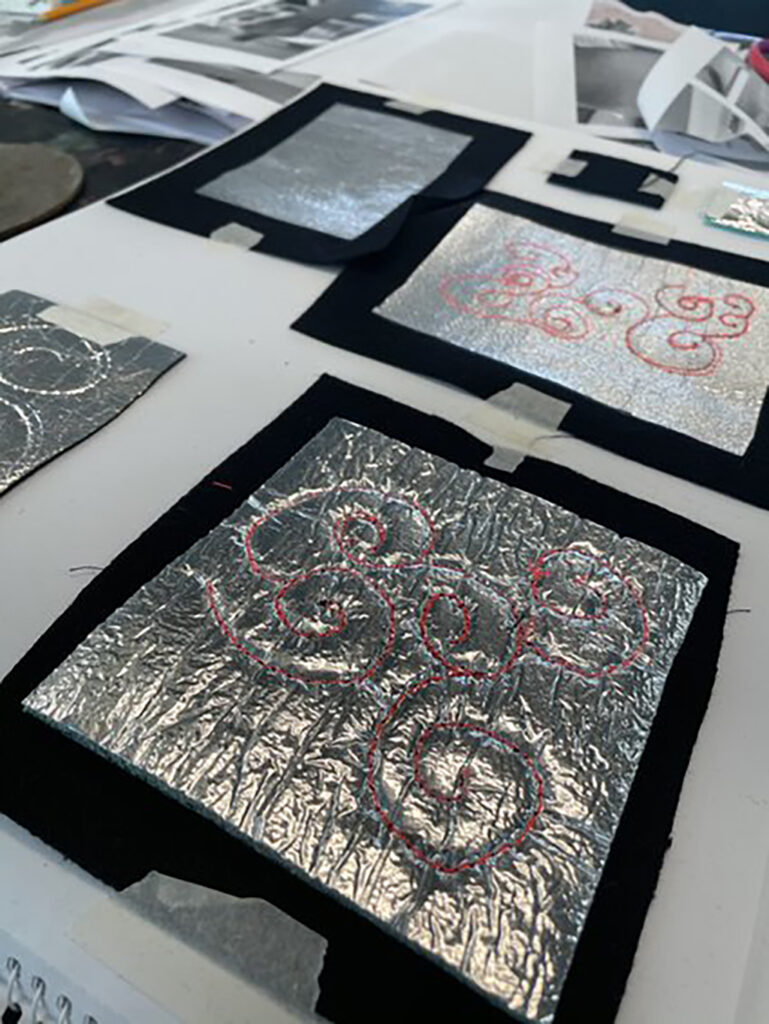
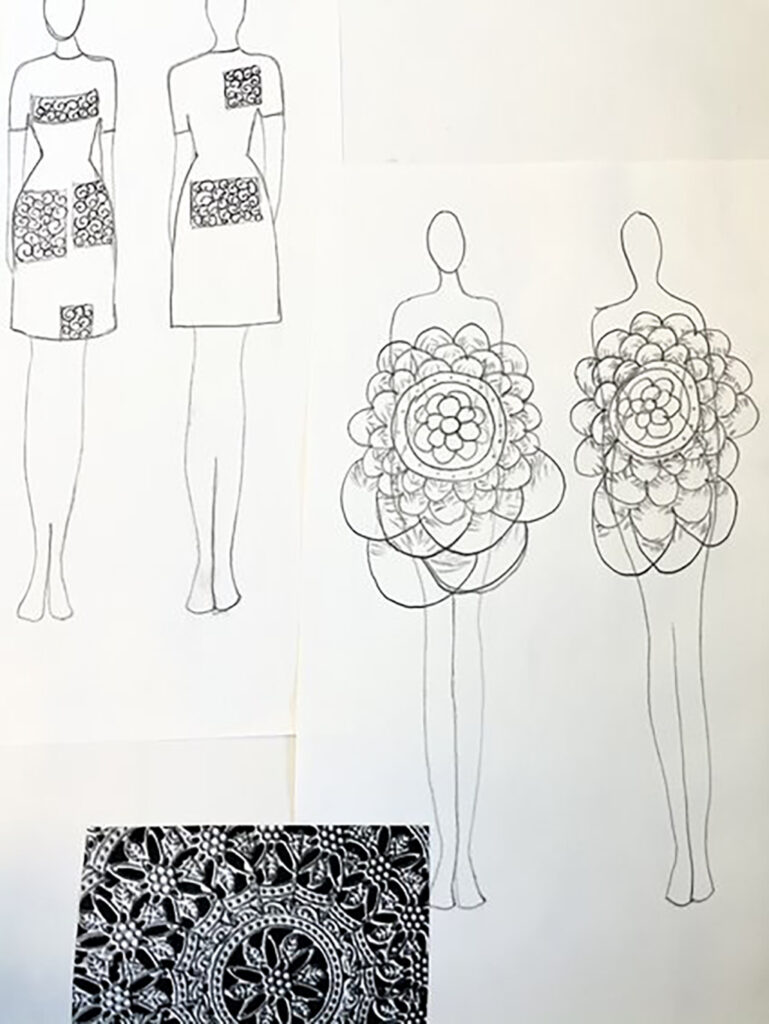
“Space and Fashion” was an investigation both into the historical roots of Space Age but, also a look at more contemporary print techniques and technological innovation. My aim was to create a series of simple 1960s silhouettes with astronomy inspired printed fabrics for a Space-themed garment collection. The idea came from renewed international interest in space travel and personal interest in aesthetics of planetary surfaces and how they may be applied to fashion. I developed my initial ideas in lockdown through research and sketches and then moved onto printing techniques.
My main inspiration for this project were the fashion designers of Space Age such as Pierre Cardin, Paco Rabanne, Andre Courreges etc. Their use of unconventional materials and ‘looking to the future’ in a time scarred by the fear of a world-ending nuclear war was something I could relate to given the limited supplies I had in lockdown and being in a world event where the only outlook to have was to look to the future. Another source of inspiration was Mary Quant and the work of activists in the 1960s who pushed against modesty and prudish culture of the 1950s, allowing for more ‘scandalous’ silhouettes such as the mini skirt and more exposed skin.
Tutor and student comments did influence my ideas a lot. In the early stages, tutor discussions helped me pull all my research into one cohesive idea. Had time not been so tight that I could have developed further ideas such as expanding my collection to look at other 60s silhouettes (e.g., the A-Line or the cape/poncho) or looking at accessories outside of the hypothetical (e.g., shoes or cuffs).
There are many things I have learnt from my FMP project. The main one is improving my practical skills in both textile and fashion design, I specialized in fashion without any prior experience of this field. Although it has been a steep learning curve it has been incredibly useful, not only learning skills for personal use but also how the industry works and how the skills I was using translated onto an industrial scale.
I also learnt more skills in organization and recording my work, that the end-product is not just the finished garment but the journey to get to that work. The most significant thing the FAD has taught me is to go outside my comfort zone, to try new things because it’s better to be rewarded for doing something new rather than doing something mundane that you always do. I would like to apply that to my undergraduate as although it’s a different subject, there are many fields to explore, opportunities to try something new.
Evie Burgess
Destination: BA Hons Creative Direction for Fashion London College of Fashion UAL
The coronavirus pandemic and how it has affected the fashion industry influenced my initial ideas for this project. I wanted to consider how fashion will change in the future and create work communicating this.
Fashion must become more sustainable, and this is something I wanted to explore in my work. I found an article on Forbes outlining how the fashion industry will be data-driven, sustainable, digital, and simplified in the future. It discusses how new technology and changing customer demands will begin to transform the industry.
My approach in previous projects has always involved photography, an area in which I feel confident, but lockdown meant that opportunities for this were limited. I was able to experiment with hand-rendered techniques such as collage in the initial stages of my project. My experimentation informed the type of practical work I wanted to produce, directing me towards new ideas.
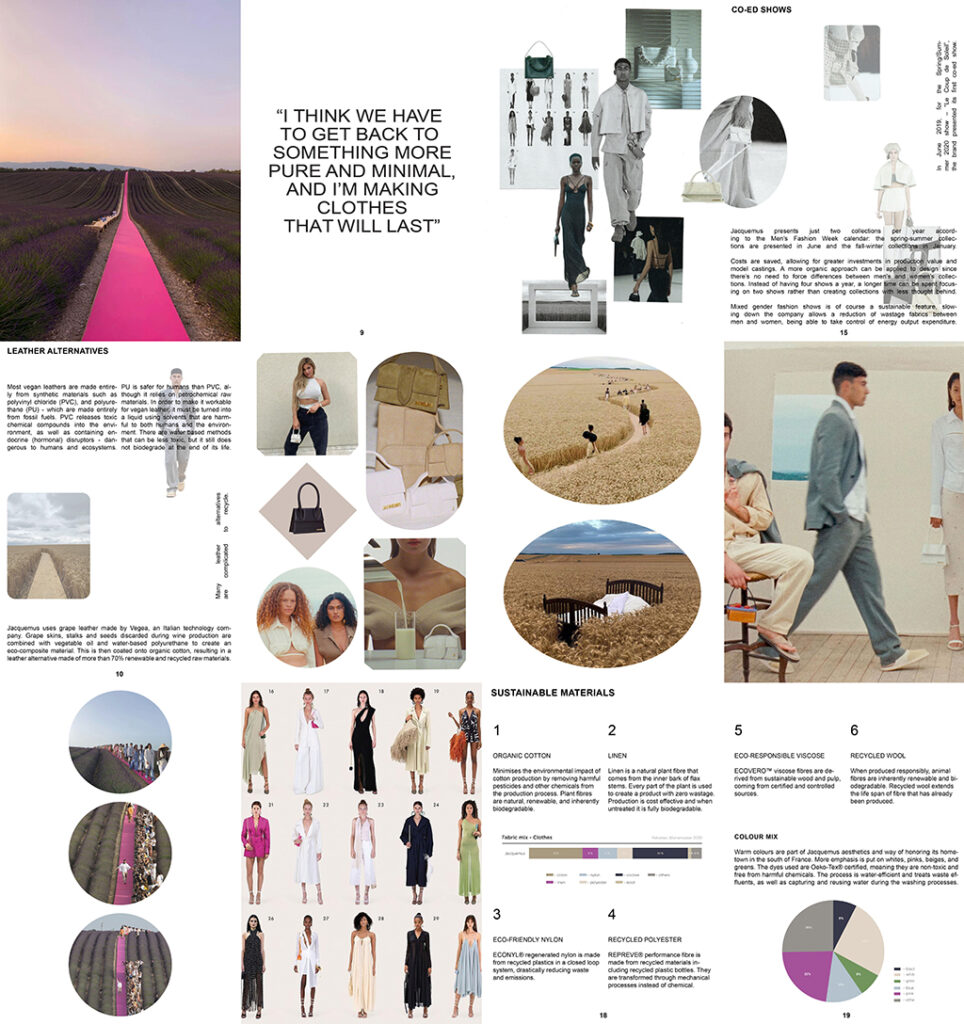
After extensive research into the brand Jacquemus, I created a publication, working in a hypothetical style as if I was producing this for them. Its purpose is to inform potential customers about sustainable practices and methods used in production. I wrote about the brand’s decision to slow down the company through co-ed shows. Doing this allows a reduction of wastage fabrics, being able to take control of energy expenditure. I was able to educate myself on sustainability, which I found was the most rewarding part of my project.
Being on FAD, I have learned that experimentation is a significant process. I feel it allows me to devise ideas that I may not have had if I jumped straight into practical work. I also found I could allow more time to consider the presentation of my outcomes. I wanted to grow my InDesign skills and investigate new techniques that combine text with images. My approach has worked well for this project, and I have the confidence to develop this finesse when I progress to university.
Molly Cartwright
Previous Education: UAL Foundation Diploma in Art & Design, UAL London College of Fashion Destination: BA (Hons) Fashion Design Technology: Womenswear
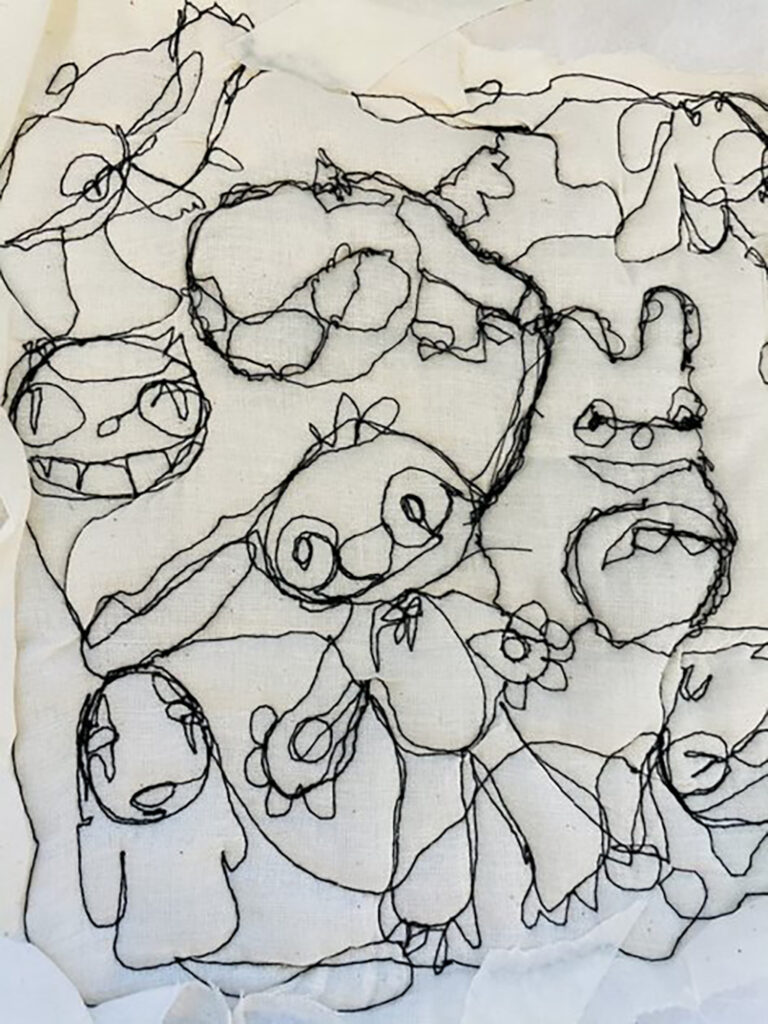
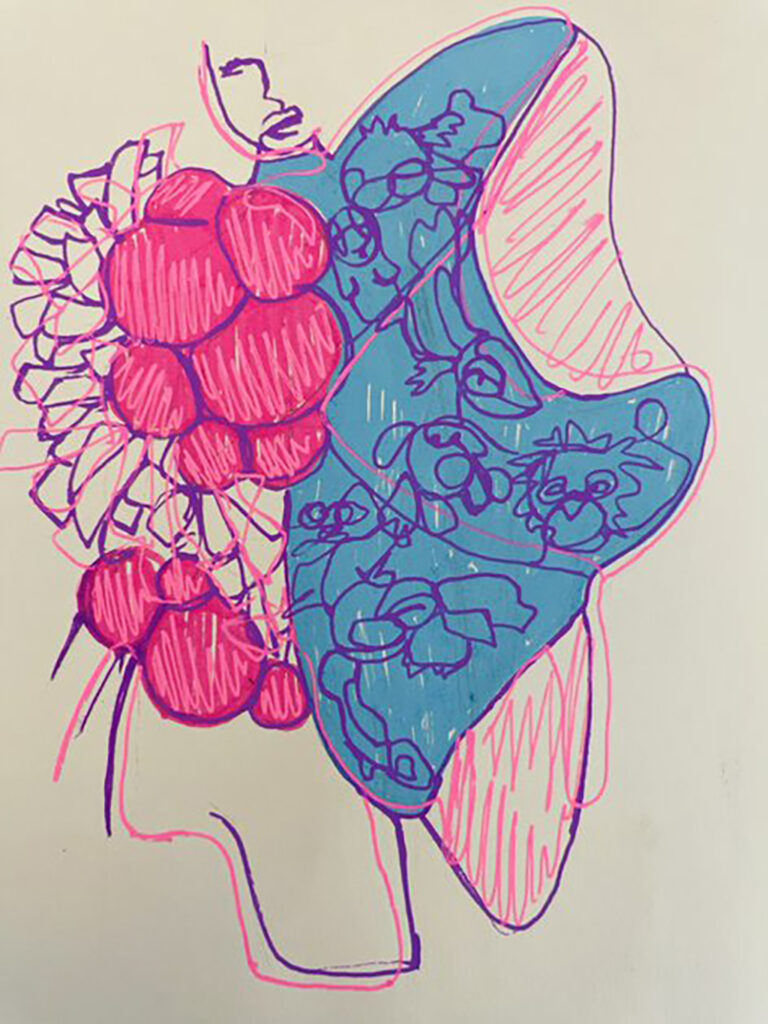
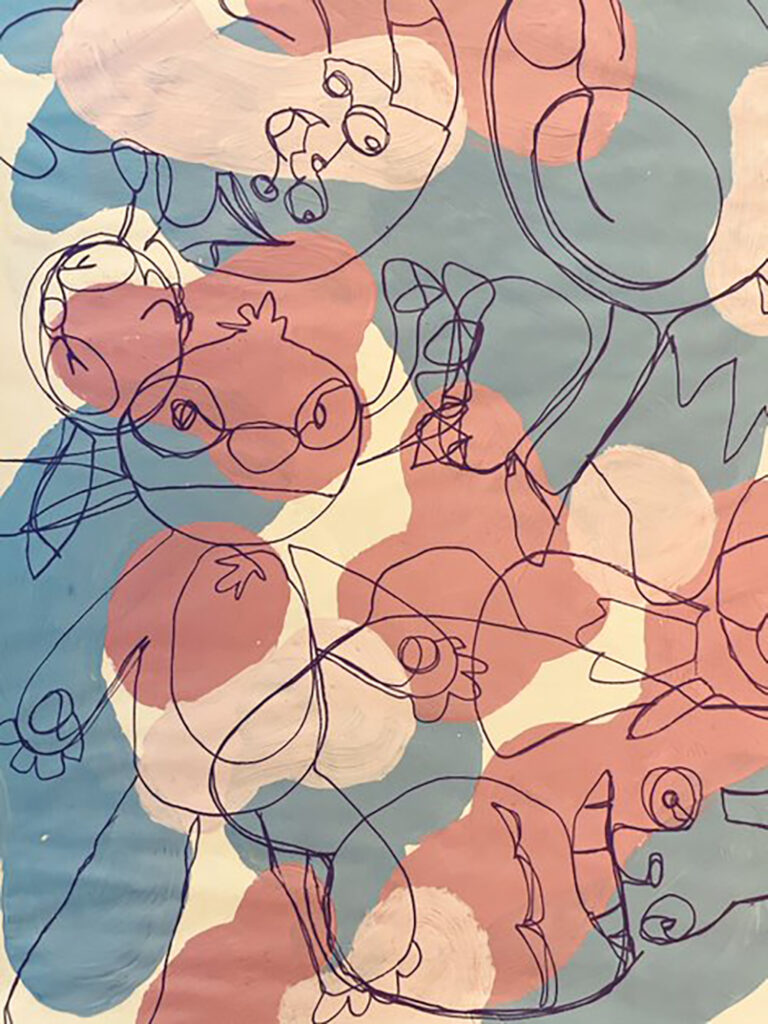
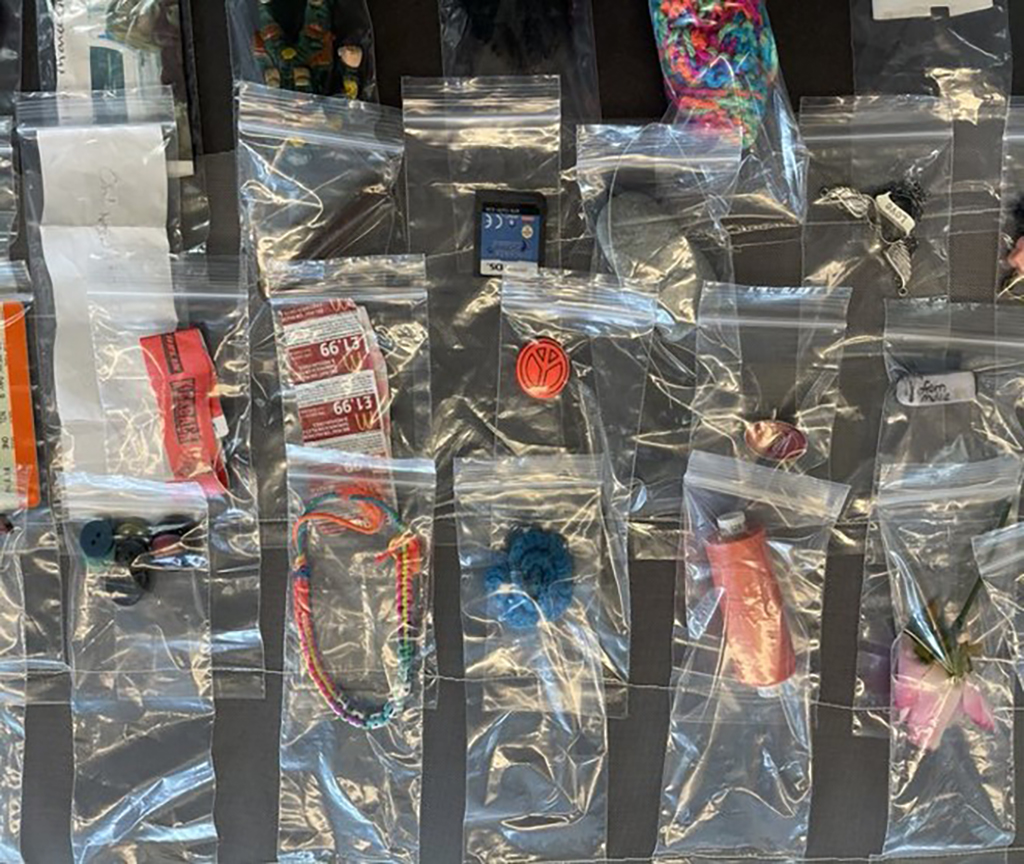
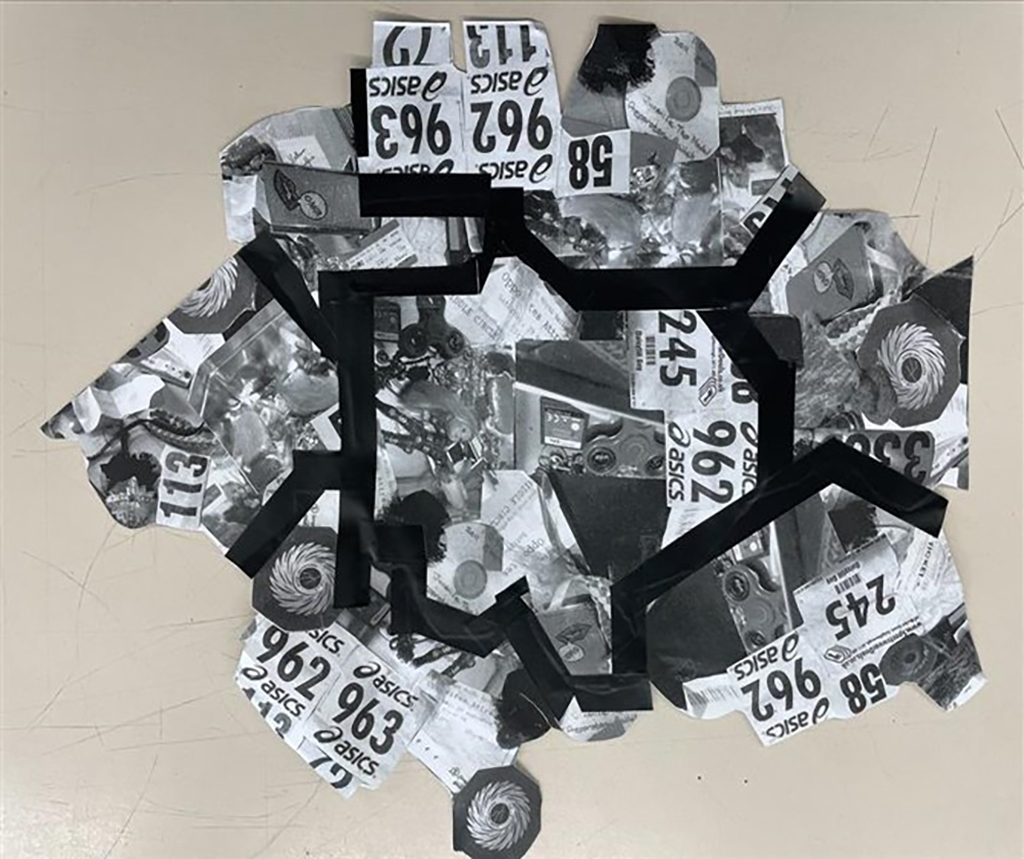
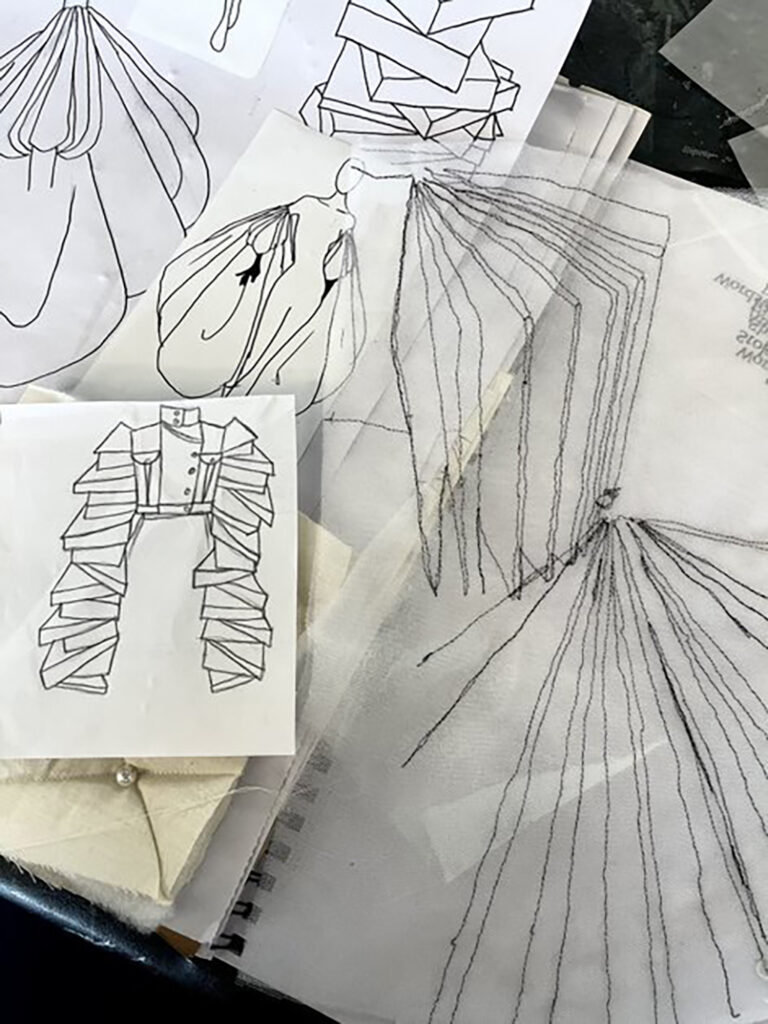
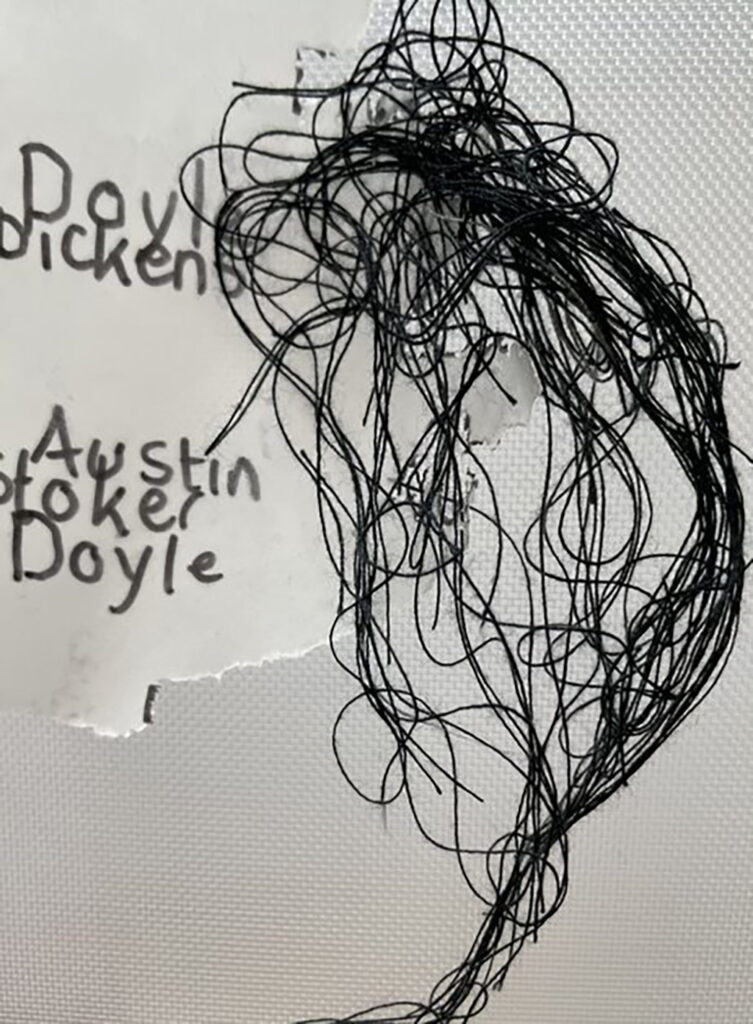
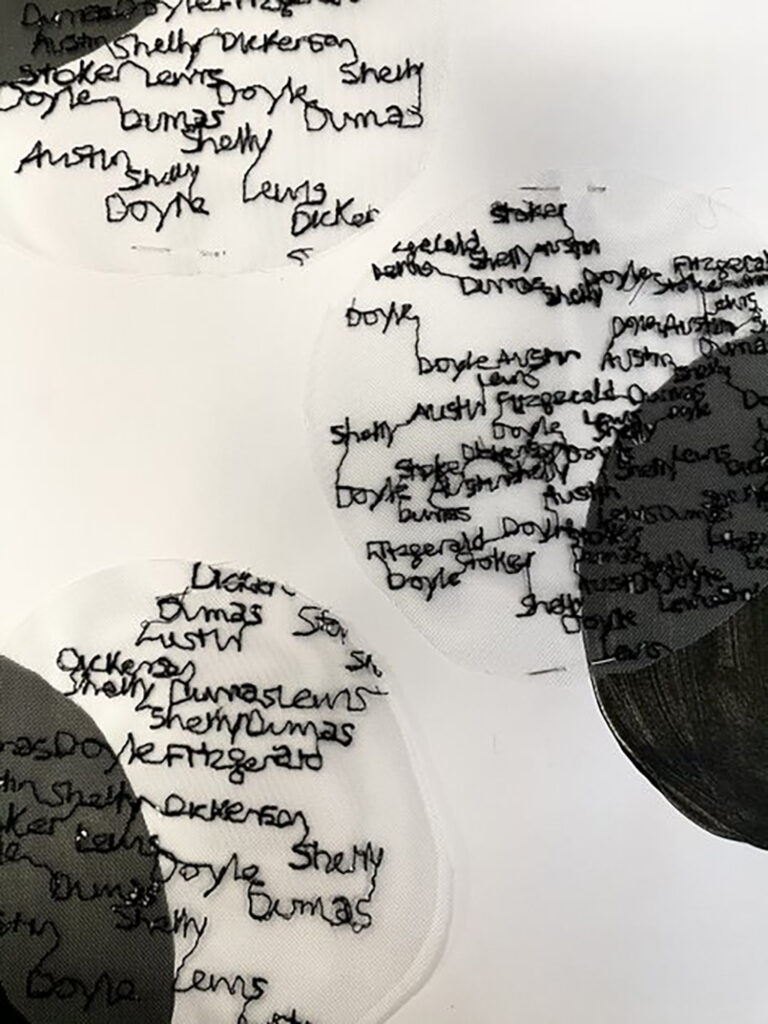
My Final Major Project was a reaction to the pandemic I am living in, specifically the effects of the lockdown being anxious, distressed, alienated and frustrated feelings. When stimulating ideas for what my project could be, aware that fashion designers collections are normally a reaction to what is happening in the world around them I decided to look to my own experiences of the current world I’m living in. My initial idea was mainly developed from researching Outsider Art. This work is made by the untrained, and includes work by the mentally ill, child art, work mad by prisoners and those who live in isolation. I wanted to see how being isolated effected their art to inspire how I present my isolated, lockdown feelings through art. Here I discovered motifs of outsider artwork including overlapping, communicating through repetitive words and numbers, and illegibility, which I applied to my initial drawings which then went on to inform garment design.
Outsider artists including Emma Hauck who inspired me to explore my feeling by writing them down in manners that explored the outsider motifs. My drawings reminded me of Gosia Wlodarczak’s work who went on to inspire a significant amount of my practical work, I applied the same fluidity to explore the lack of control felt in lockdown, applied my drawings directly onto silhouettes to see how they would distort the drawing, distortion being something I wanted to achieve to further convey anxiety and alienation and finally experimenting similarly in a performative manner and filming this experimentation to explore another lockdown feeling of mine in a more abstract way, the desire for human touch and connection.
Discussion with tutors and peers was vital for the development of my work, as they suggested interesting artist research and ideas. For example, I had all these ideas of feelings in lockdown and how art has been used as a coping mechanism, thinking about the psychological effects of being confined and even OCD in the pandemic. My tutor’s suggestion of looking into outsider art bound all of my ideas together and led to how I would explore my own time in isolation.
In my proposal my aim was to design a minimum of one garment, however, as ideas developed I realised I did not want my work to result to one garment I wanted my final outcome to be a collection of all my experimentation and fashion films to demonstrate what I was able to achieve in these difficult times.
One of the most significant things I have learnt on FAD is problem solving. Having a lack of resources to work with but, still stimulating alternative ideas, and design development are very valuable skills for both university and industry. FAD has also taught me how to collect my own relevant research from different sources and a range of artists. I think the most successful aspect of my project has been my ability to then stimulate lots of ideas from my research, using my research to inform my practical work and the continuation of this throughout my project.
At university, I want to be able to take my approach to mind mapping, lateral thinking and research and ideas from beyond my specialism and use my planning, resilience and problem-solving skills to work independently and negotiate support from my peers and tutors.
Chloesue Hartill
Destination: Kingston University BA (Hons) Fashion Design
“Fade to Grey” is a project inspired by fascination with the New Romantic Era and how open and how all gender stereotypes were forgotten about. I wanted to look back into the 80s and explore what inspired their flamboyant fashion choices.
Through research I discovered many influences on the New Romantics such as; 19th English Romantic Era, Glam Rock and Sci-Fi. The New Romantic took all of these influences and through clashing and contrasting different styles together created bold, over the top garments.
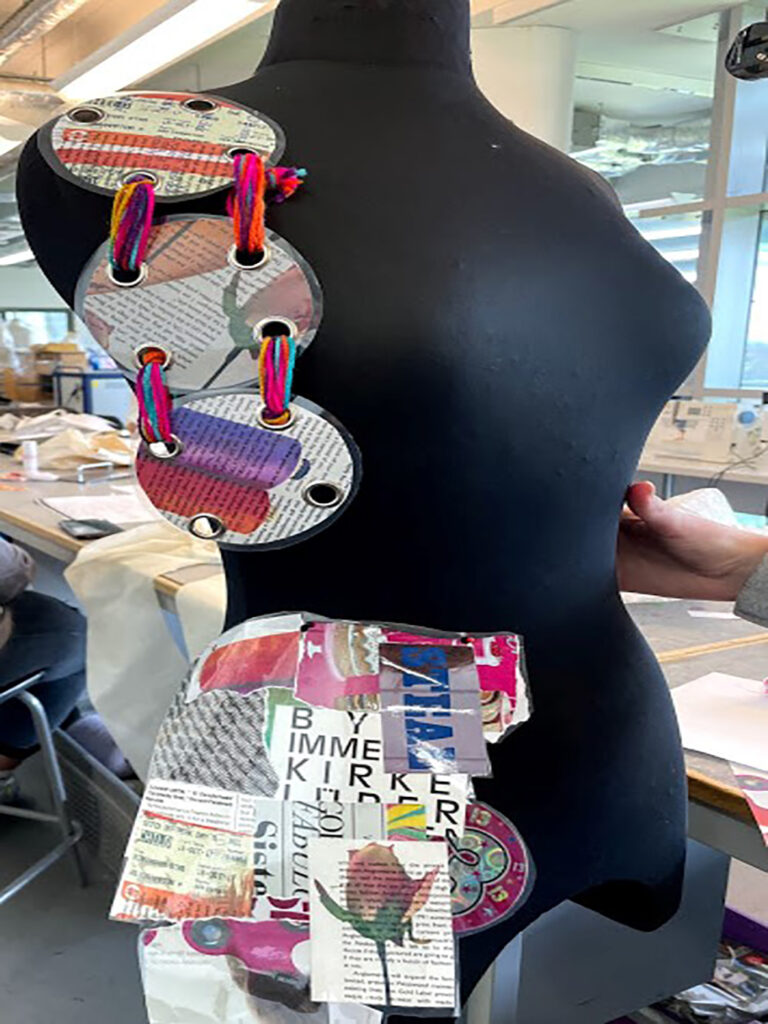
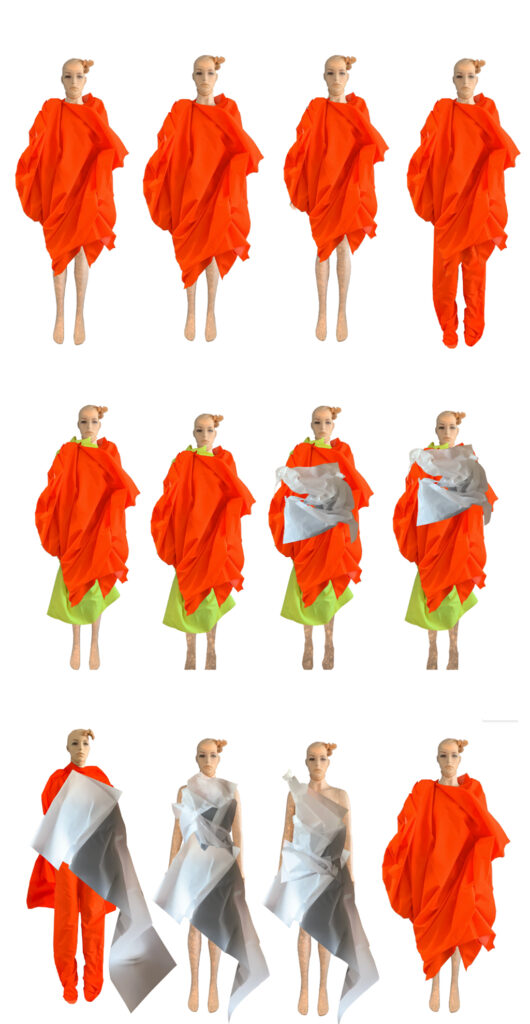
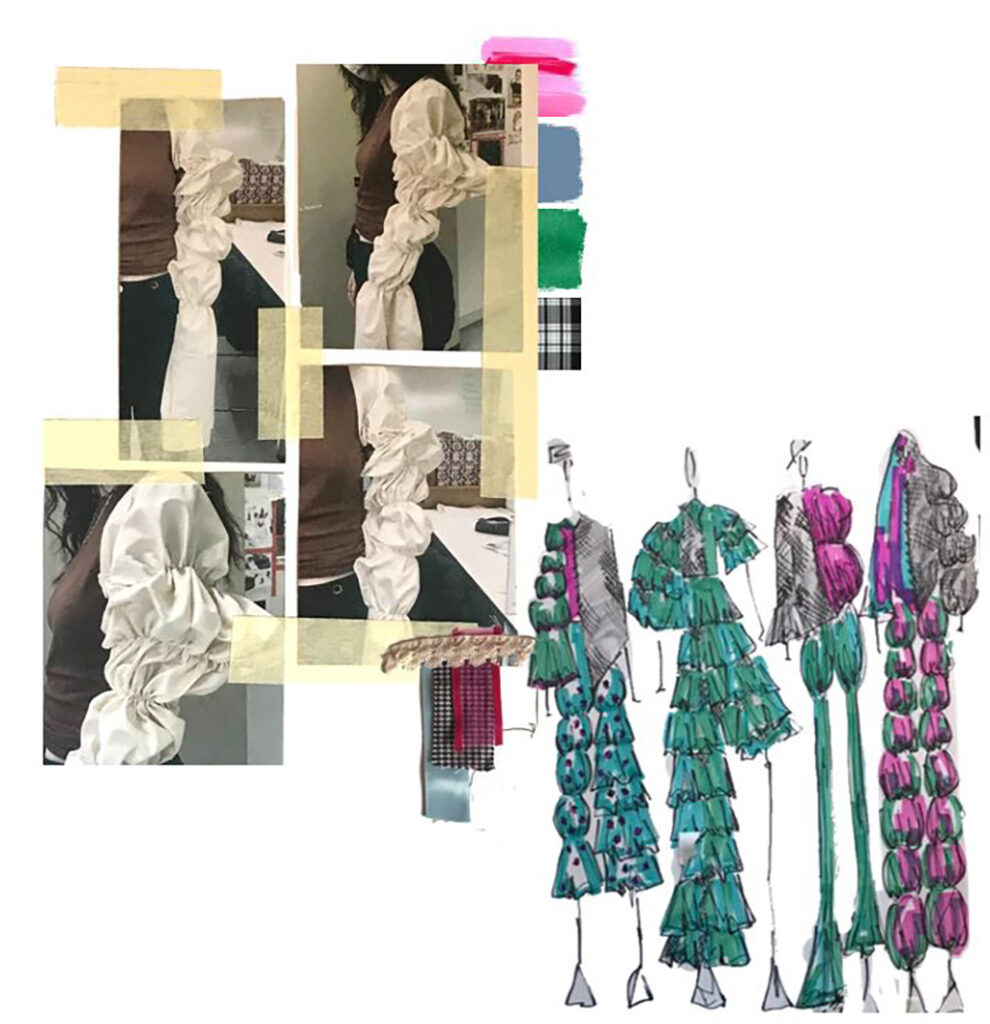
I created fashion collages to inspire draping and fabric manipulation on the mannequin. I produced a collection of that mismatched and clashed menswear with womenswear and pattern, colour and texture. This project has given me a greater understanding of Fashion throughout the 80s and how it was influenced by many different things which shows fashion is constantly evolving and how the younger generation is constantly looking up to the older generation to inspire their fashion choices.
The foundation course has increased my confidence which can be seen throughout my work as it shows a growing confidence in experimentation and a more varied style than I had at the beginning of the course. I will continue to push my boundaries and to go out of my comfort zone.
Alister Kidger
Previous Education: UAL Foundation Diploma in Art & Design Destination: Further Education
I think that there is a pressure on people to be perfect and beyond cool from film, TV and social media, especially with celebrities and Instagram models where they are pictured as living the dream and being the centre of everything 24/7, which can make people feel like they need to be more than they already are in a negative way.
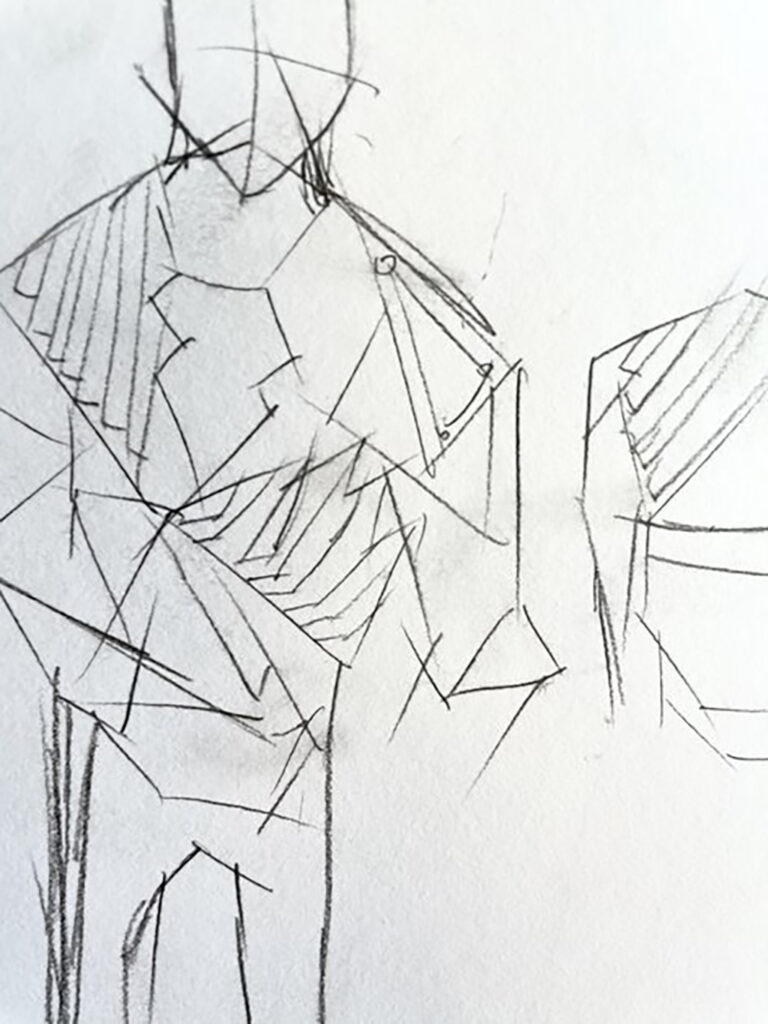
For my Final Major Project intend to create a menswear collection titled ‘Unseen’, which is based on the feeling of anxiety in social situations that introverts like myself can feel. The pressure of desperately trying to stand out and be seen as the life of the party, and hiding who you really are for fear that people won’t accept you for as you actually are is a problem for many young people.
I was interested in extremes of constructed personality; the introvert and extrovert and wanted to try and convey those feelings through the fashion design. I was drawn to extroverts like Prince, who was very experimental and wild with his choice of fashion as well as fashion collections like Balmain Fall 2016.
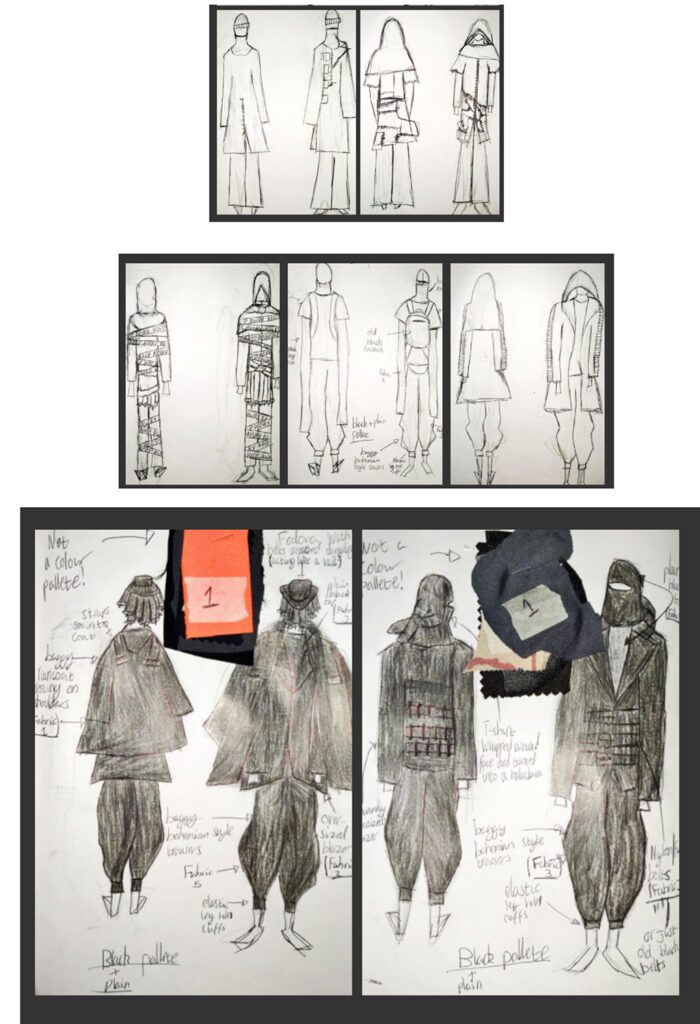
Hiding the body through layering and a dark colour palette informed my early designs. I was also drawn to the idea of censoring the face without it looking like it was done intentionally, and so I was drawn to the idea of covering the face with black cloth which was inspired by the work of Juha Arvid Helminen called The invisible empire.
Due to lockdown, I was unable to construct any garments but feel that this FMP has given me more confidence in fashion illustration and a greater understanding of fabrication.
Sarah Lewis
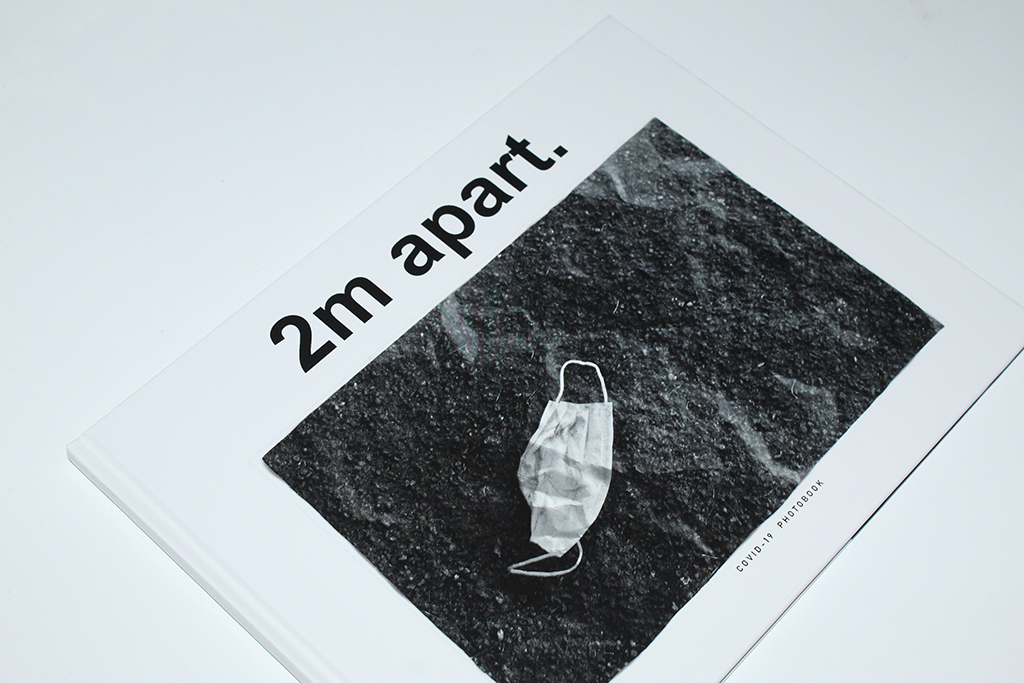
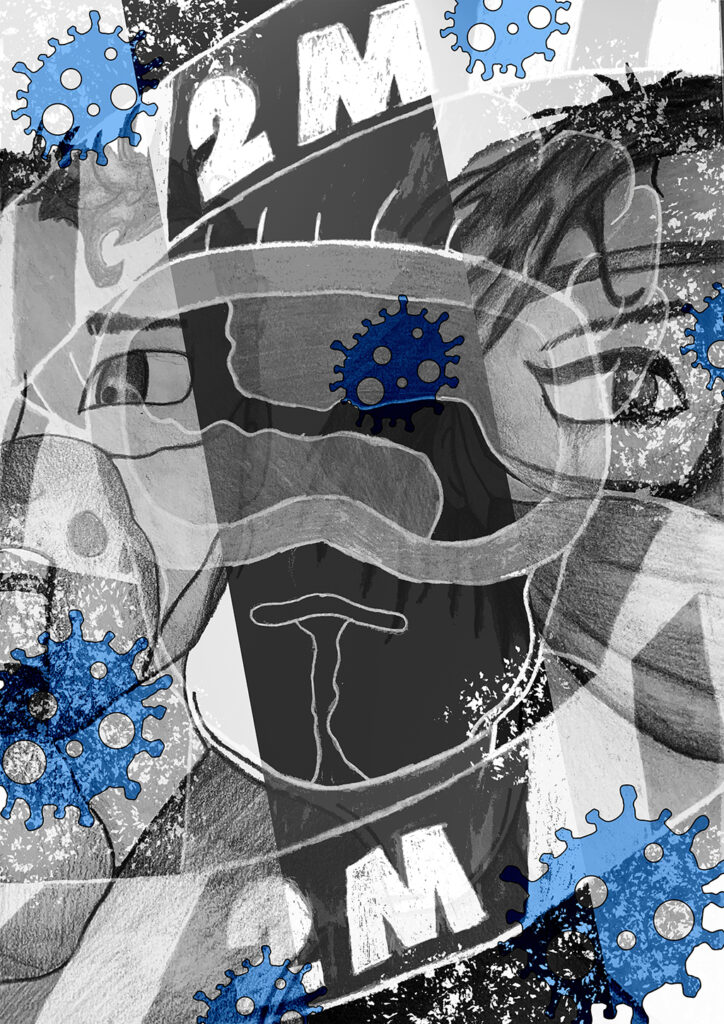
‘Covid-19’ is a project that portrays the horrific pandemic that hit the world in 2020. Lockdown has had a huge impact affecting everybody’s day to day lives. The experience of being trapped inside and repeating the same routine is what inspired me.
My initial ideas were developed through researching Artists and Designers that were inspired by the pandemic. The influence of Coronavirus can be seen in Fine Art, Fashion. My research extended to investigating how the pandemic was spreading and what the virus looked like. It was a shock to see how beautiful these deadly virus were under a microscope! As a textile designer I was drawn to the patterns and colours in these microscopic images as well as wanting to reference medical equipment.
I am a very hands on designer and enjoy the challenges of developing work practically, so not having access to the textile print resource I instead had time to really experiment and explore drawing in much more depth than I would have done had college been open. This is something significant that I have learnt.
My confidence has grown through being able to communicate my ideas through drawing and in discussing my work with others. Working on my communication skills have certainly prepared me to talk about my work more broadly in future projects at university.
I believe that I managed to achieve all I set out to do. This is through the variety of hangings that could be featured for interiors. Pattern and colour have also been explored massively to create vibrant elements in my designs.
Commitment and resilience to producing my very best work is shown throughout the project and I was dedicated to work hard and focus on developing my ideas, even though at times I found it hard to stay motivated.
Although lockdown has been difficult to cope with, I am so grateful for how it has improved the way I work. I believe that I have pushed myself through working outside of my comfort zone, and I will continue to test my experimentation on my undergraduate course. Overall, it has been a challenging but exciting experience, and it will be the project that I shall always refer to if I am ever struggling in future projects.
Isabella Loveridge
Previous Education: Kinver High school Destination: Employment
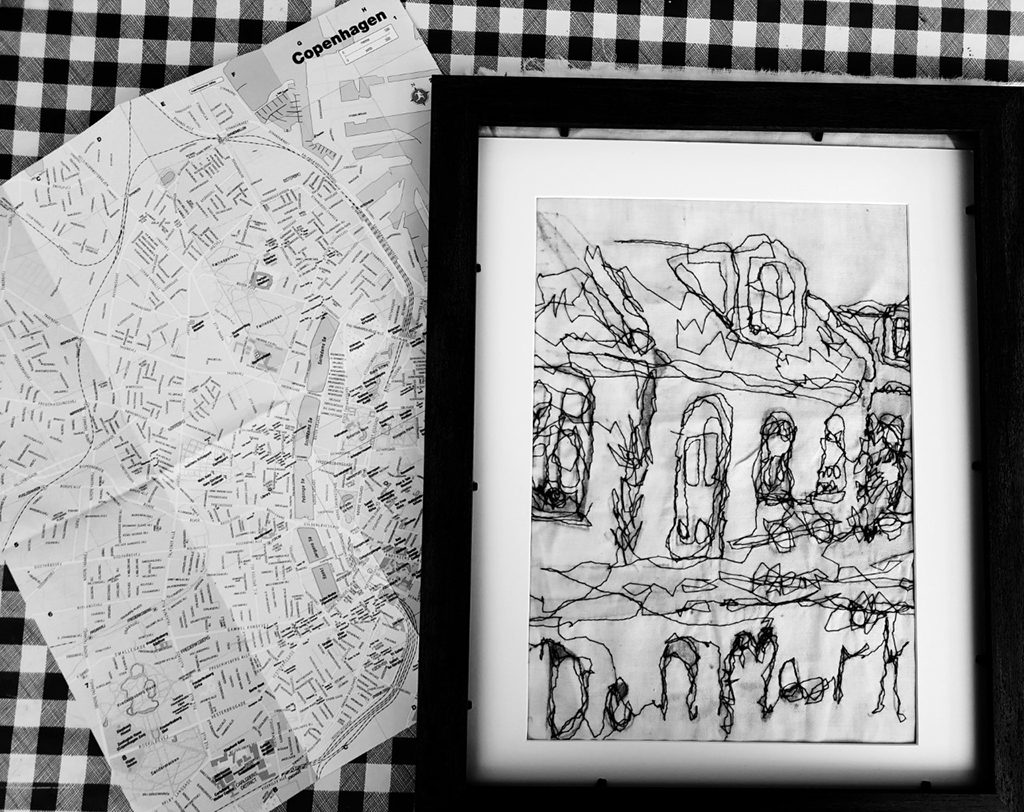
My work is based on Danish Architecture, I thought the contrast between the old and the new was very stark and different to my own surroundings. I have never visited Denmark but if I ever did, like any tourist, I would want a souvenir to remind me of time spent in a different country. I decided that my textile work would take the form of holiday keepsakes, fabric postcards!
My work has been inspired by a range of textile artists and designers, I particularly drawn to the work of Harriet Popham and Ruth Chalk – these are textile artists who explored architecture using textile techniques and processes. Harriet Popham is an illustrative print designer whose work is complex and very detailed using print and embroidery. Artist working in recycled textile and waste plastic. Chalk is inspired by the urban landscape and works with knit, machine embroidery and collage. I had hope to use some of these techniques but due to the lockdowns and having limited access to textile resources I decided to focus on small scale pieces in techniques I could work on from home. Also working on a small scale meant my work would be more suitable as keepsakes if they were small and easily packed in holiday luggage!
When working from home it was important that I kept in contact with tutor and my peers to help keep me on track and motivated. Whenever I had a one to one or a student gave me advice or feedback on my project, I made notes and reflected on what was discussed. Sometimes I was given ideas or other techniques to try. On one occasion, I had a meeting on Microsoft Teams and a group of us showed a PowerPoint of our work in progress, we talked through our project, and got feedback from each other, ideas of what we could do next, what they liked, what they didn’t like. I found this very supportive and useful.
I have learnt new skills as the work I produced had to be presented digitally. I was initially a bit nervous about using computer but now I use it a lot more. The most useful thing I learnt in my Final Major Project was to be more inventive in using whatever I had around to make work and not worry about having to use traditional materials and techniques. I think this pushed me to think of new ways to work this helped my project develop a lot more than it usually does, as I was forced to try new ways of making work that I would not normally think about. I did a lot more drawing at the beginning so I had lots of work to use to insure my textiles pieces. I planned much better in this project, so I was able make the most of the time when I was in college.
I managed to produce a range of fabric postcards, some figurative, others with text and some that were more abstract to appeal to a wider market. I also made some badges that could be sewn onto clothing.
I think FAD has made me more confident in my work and more confident in myself. I now have a set of skills that I will develop after leaving college, hopefully selling through craft fairs maybe even online!
Ailish McCay
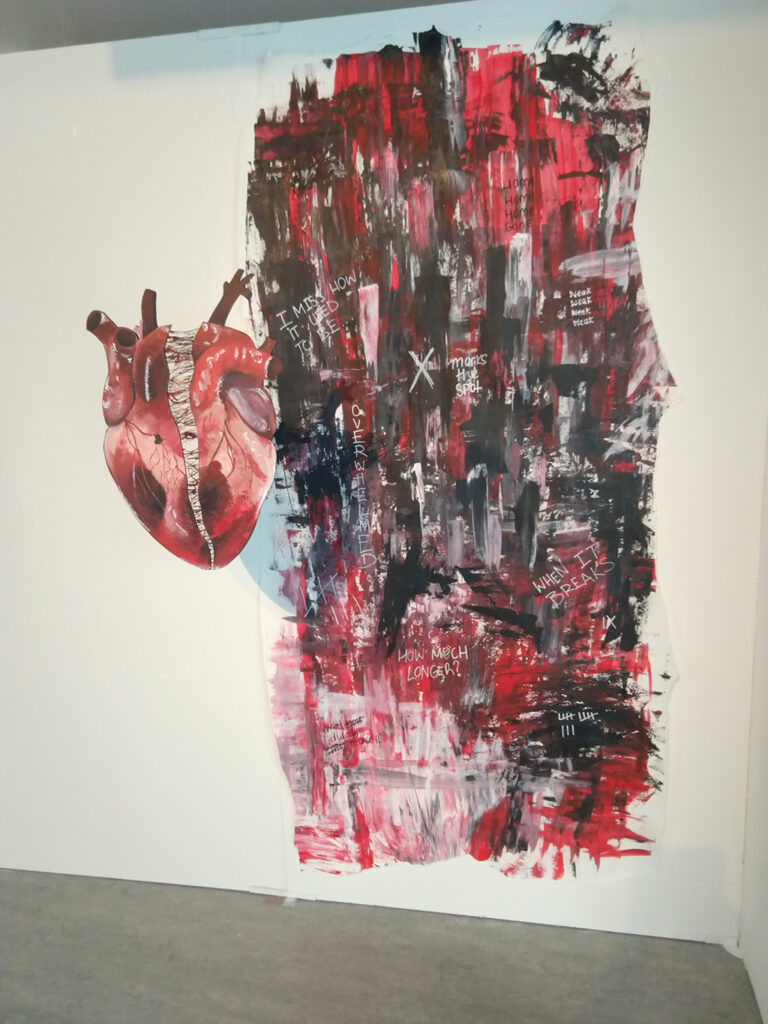
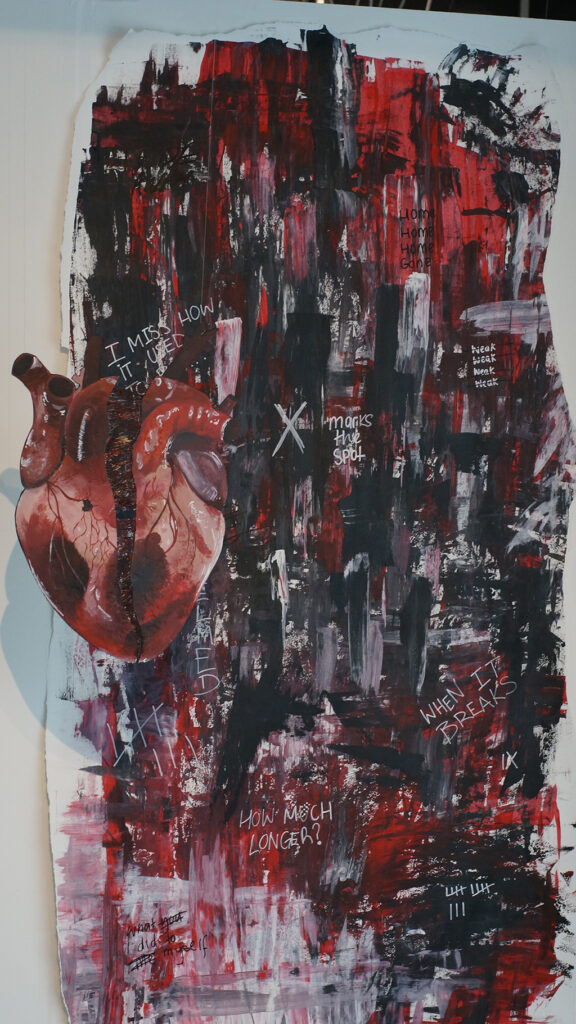
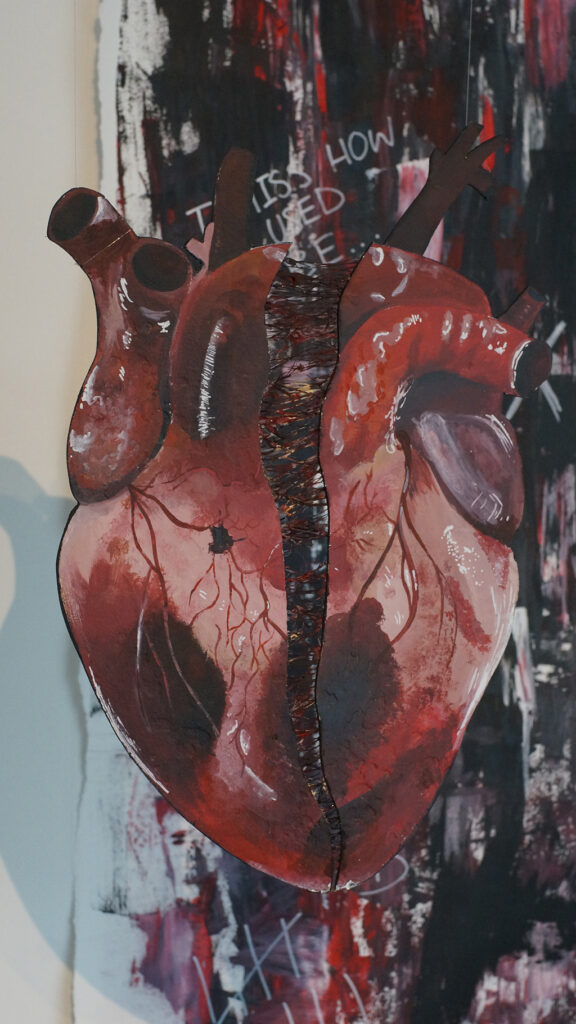
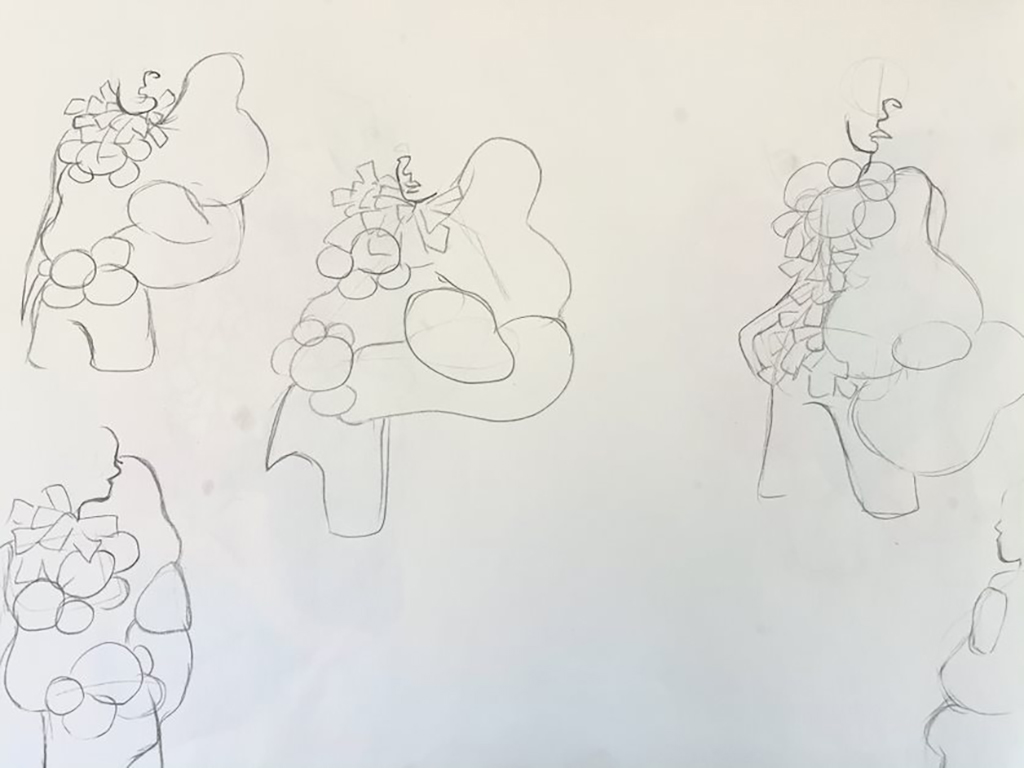
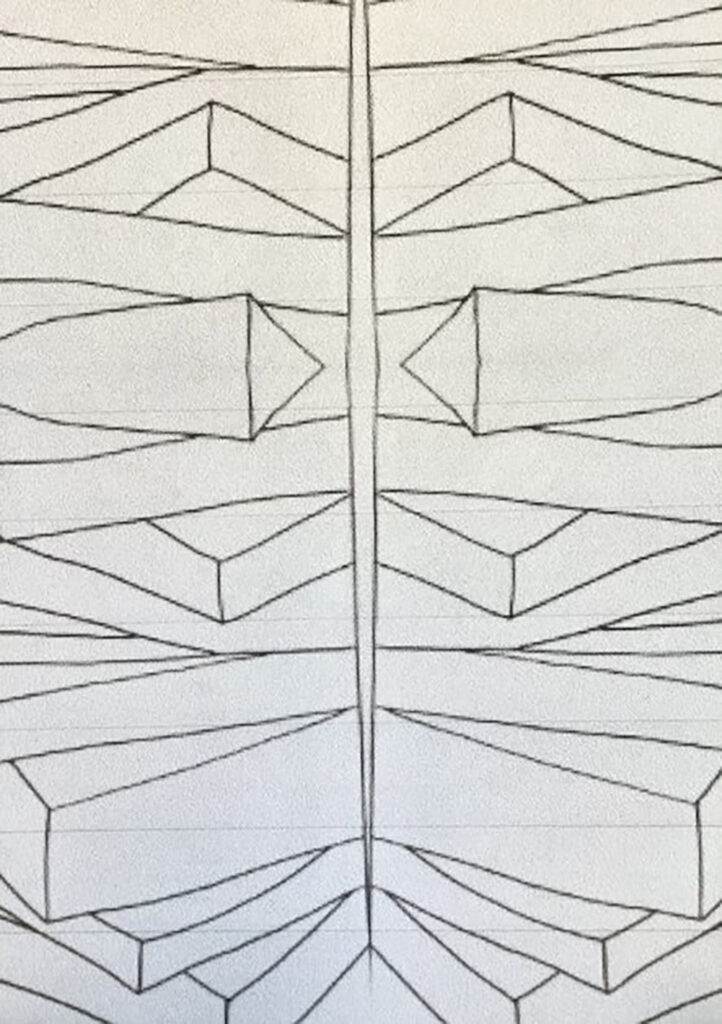
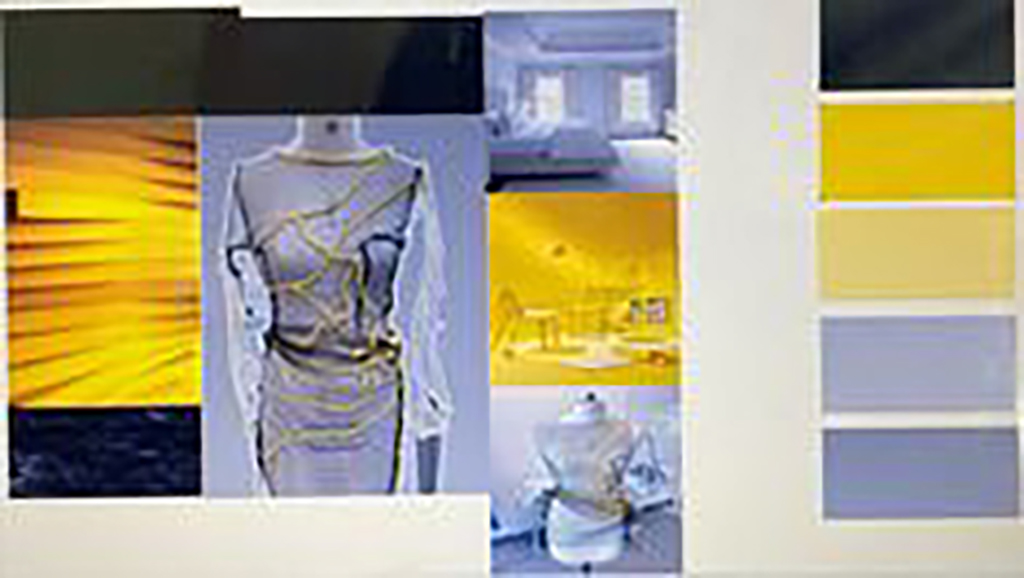
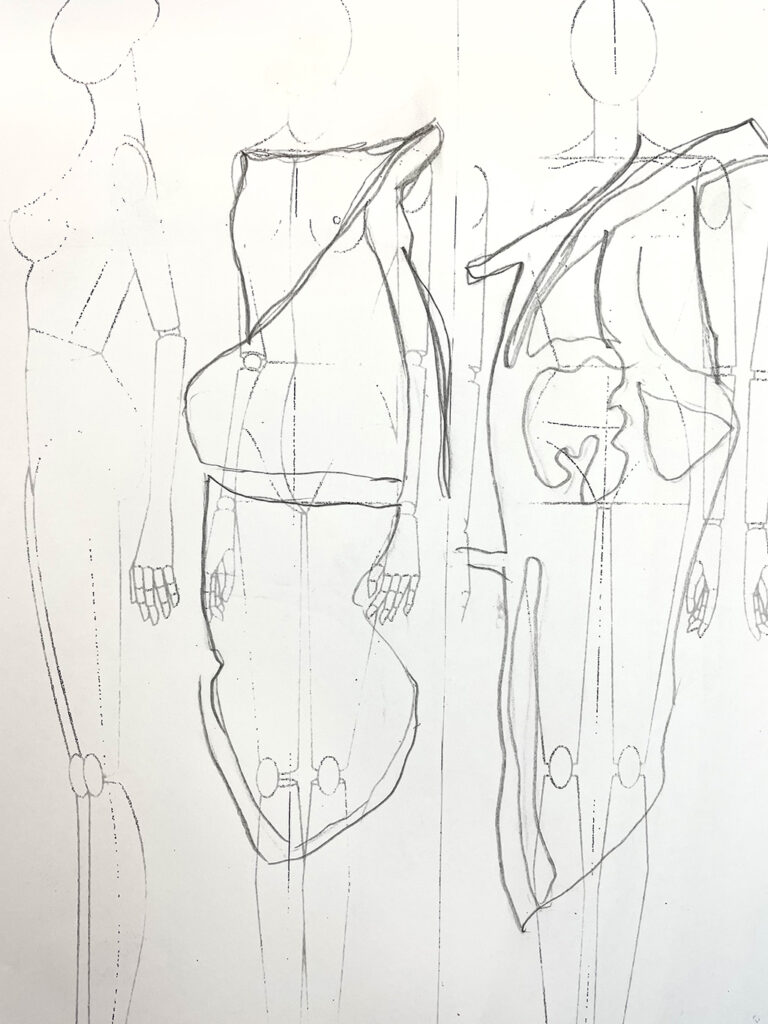
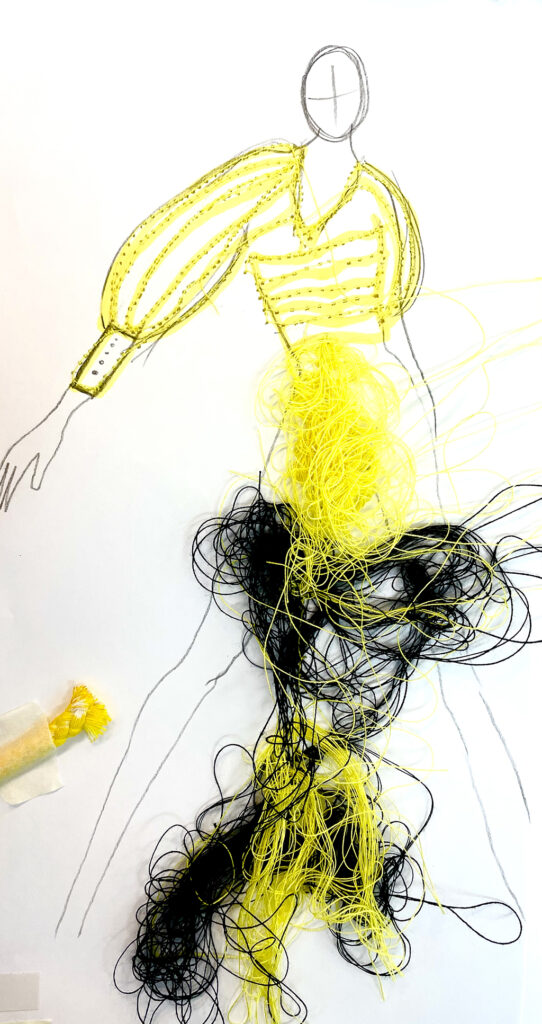
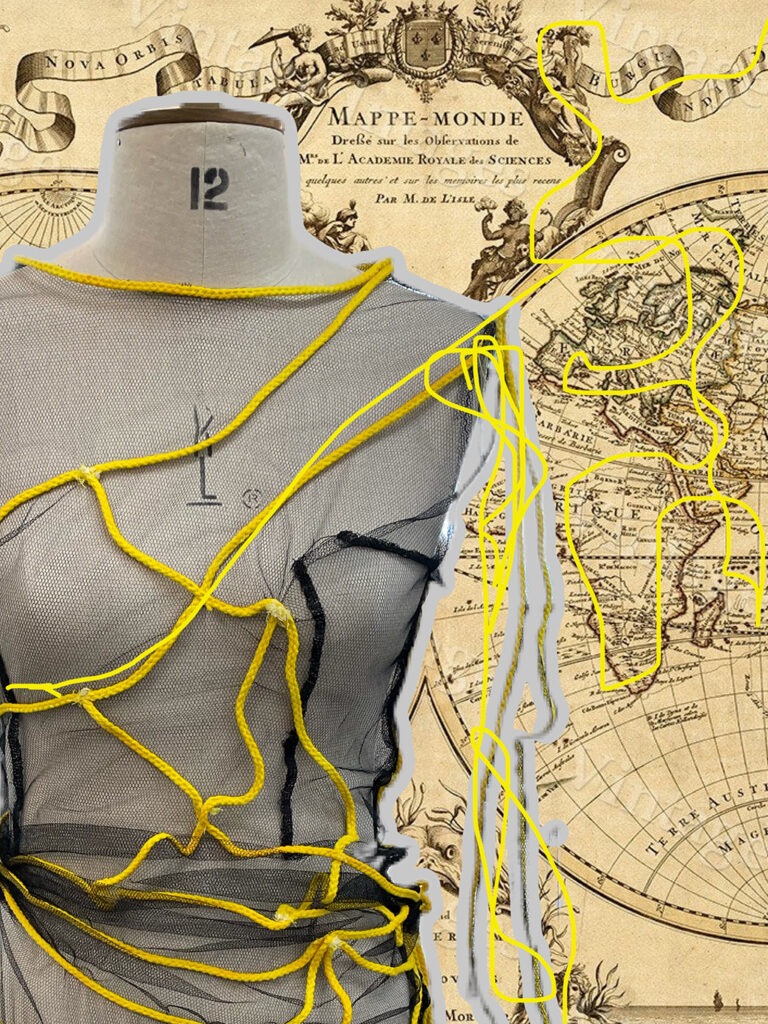
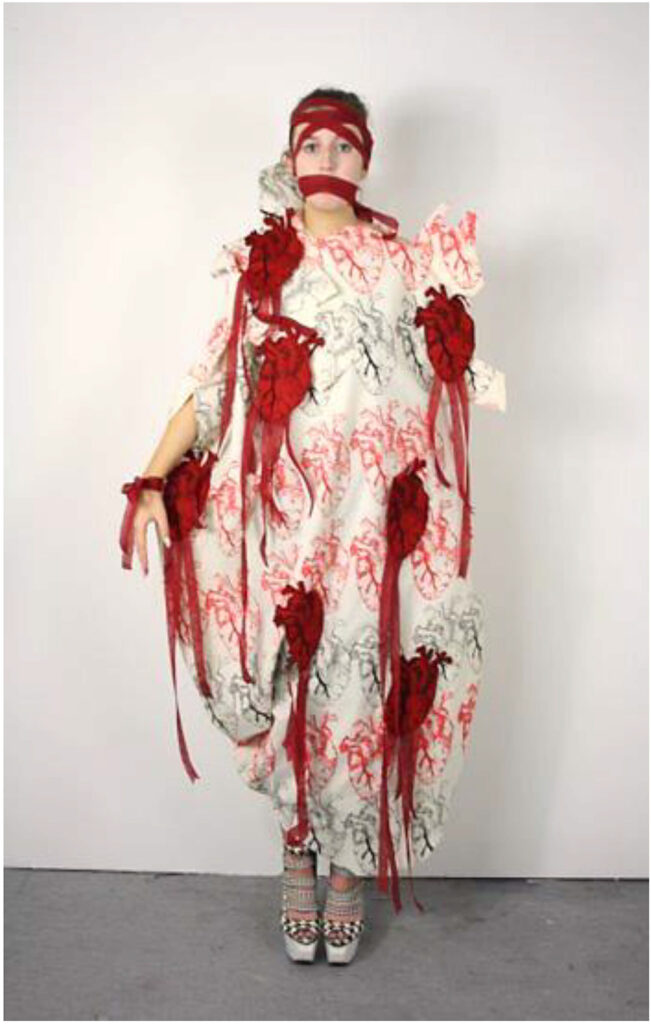
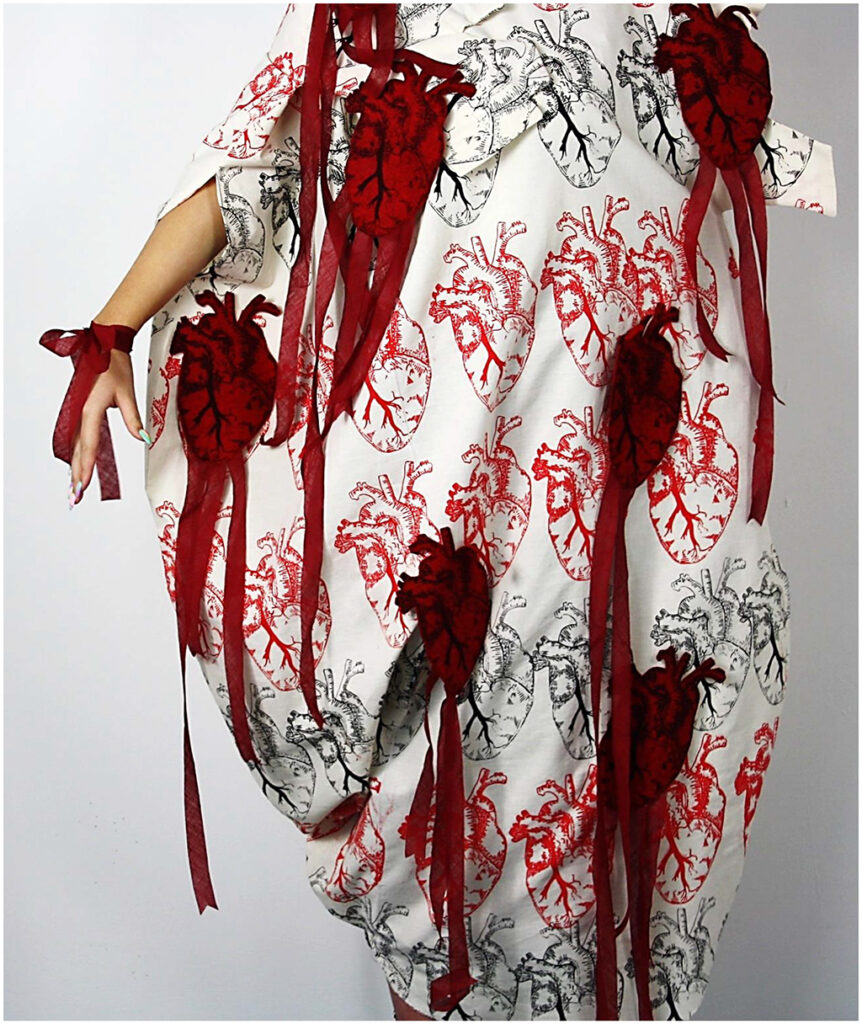
“Anatomy – (between sizes)” is an exploration of the unjust sizing systems in retail clothing stores. I also wanted to challenge what people would consider beautiful by aiming to make something beautiful out of something gruesome. The initial ideas stemmed from personal difficulties of being between two sizes in retail sizing myself and rather than this being strange is actually how most women actual are. I decided that the best way to show this would be to explore the inner working of the body which everyone shares, eluding to the fact that we are all the same no matter the size we wear.
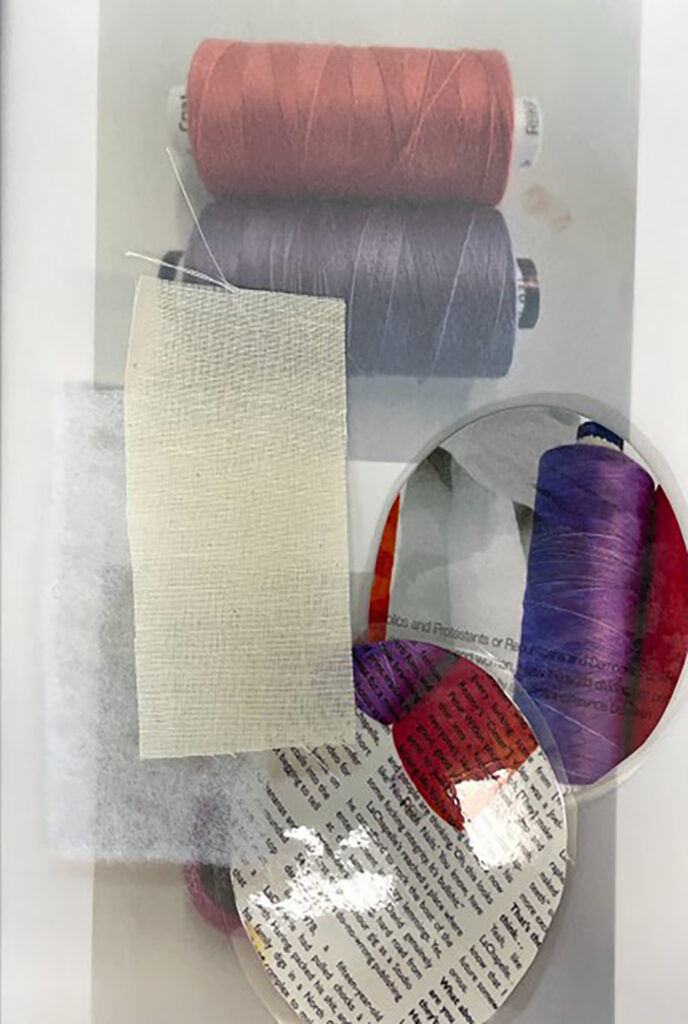
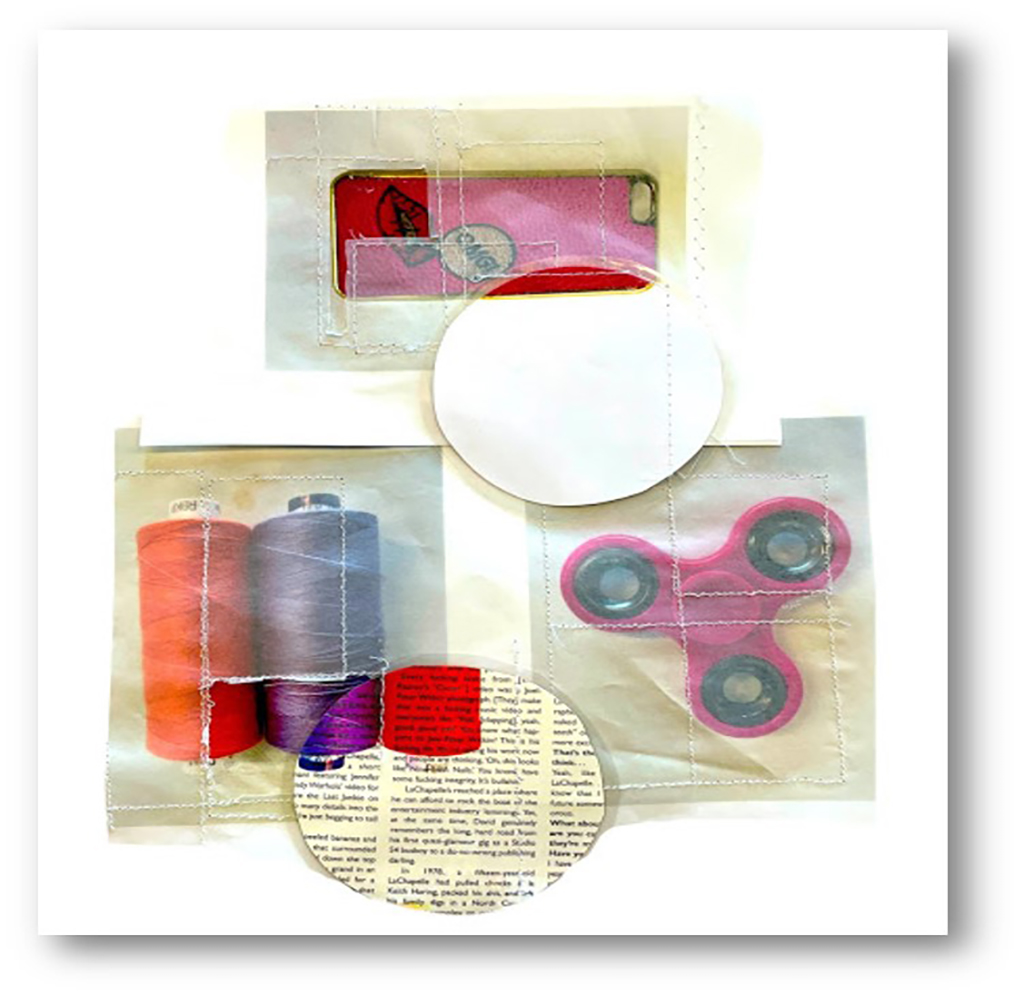
From this research I found certain fashion designers to share the same aesthetic as me, for example Comme des Garçons, Iris Van Herpen etc. Van Herpen’s 2021 London Fashion week display had looks that, to me, looked similar to vein structures, which linked to my idea of using internal organs as a surface decoration. I began to create detailed linear of internal organs and skin structures. I then explored how these organs would look if they were to be used to inform the silhouette of the garment as well as its surface. I explored print and embroidery. I printed heart onto calico and projected a heart shape onto the stretched calico as my pattern for the oversized silhouette.
The idea of the garment being oversized is to hide the natural figure of those who decide to wear it, regardless of what size they are.
As a result of lockdown, starting this project was really difficult for me, my mental health had plummeted and I had absolutely no motivation. It became really important for me to have regular contact with my tutor so I could continue to take small steps to get this project off the ground and not be overwhelmed by what I had to do to complete the project. These talks with my tutor helped me to really grasp where I wanted to go with this project, and what work I could produce until we were able to create something spectacular once reintroduced to the college facilities.
In an ideal world I would have loved to have explored multiple outcomes of this project and create multiple garments, however with the current global status and aforementioned personal problems, this was just not possible. Once reflecting on my initial proposal I feel that I have created a project that has exceeded what I set out for myself. I have proved myself wrong and have proved to myself that I am more than capable in any situation.
Naomi Reynolds
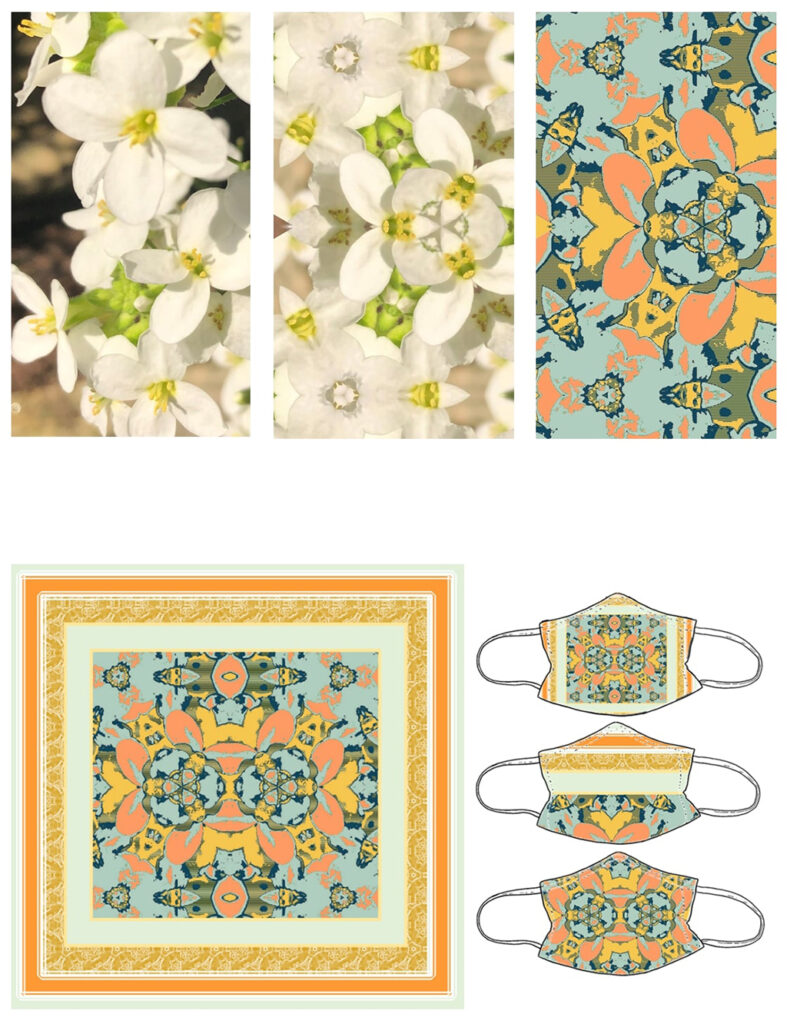
“Beyond the surface” is an exploration of digitally and physically manipulating photographs of natural surfaces such as textured fruit skin, leaves and flowers. From my own photographs I wanted to create abstract patterns and repeat prints, inspired by predicted 2020 and 2021 spring/summer pattern trends. I was interested in the juxtaposition of natural and geometric forms featuring in patterns. There was also a trend that looked at surreal patterns found in nature that were contrasted with a vibrant colour palette creating a new abstract surface. The choice to explore this as my theme was inspired by lockdown partly as I could turn photographs of natural things I could find around the house into patterns moreover, this paired well with working digitally and from home which I think enhanced the work as I could create photographic prints using vibrant and vivid colours which would be hard to achieve in the studio.
I experimented with hand rendered and digitally produced collages, enhancing the colours which juxtaposed the initial image with vibrant and unnatural colours. I was inspired by Sonia Delaunay’s use of geometric shapes and solid primary and secondary colours. I also looked at various photographers of microscopic natural surfaces such as Wojtek Plonka to help me develop my colour palette and designers Margaret Howell and Snow Xue Gao to see the practical applications of the vibrant patterns on garments. The design of the Hermès scarf to help develop my patterns into designs. If I had the opportunity to develop this project further, I think it could be interesting to turn some of my more graphic style patterns into screen prints and experiment with scale, layering, printing and then manipulating, positioning and photographing the printed fabric to see how the patterns distort.
I believe I have achieved all I set out to do in my proposal as I ended up creating a wide range of patterns incorporating the predicted pattern trends and developed those into face mask and silk scarf designs. However, I did not experiment as much with geometric shapes and hand-rendered elements within my work since, working digitally was more successful.
The key things I learnt on Foundation is the importance of time management as well as reviewing your work. Some of my favourite patterns in this project came from revisiting unsuccessful collages or heat transfers, photographing them and digitally manipulating the image. Developing this in my undergraduate course I want to work digitally more and I think this has proved successful.
Sophie Smart
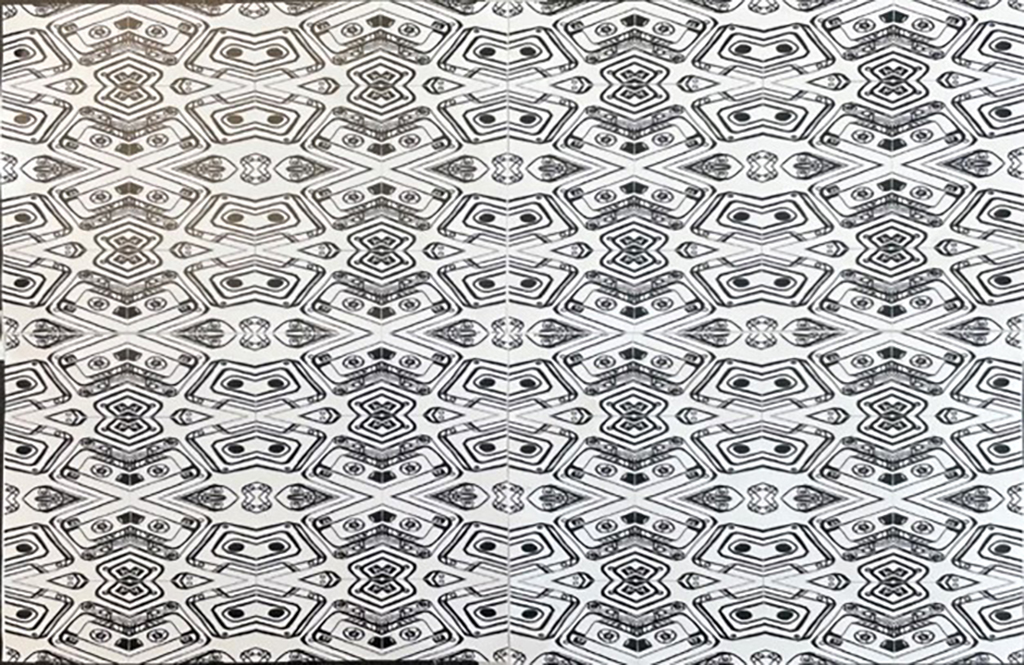
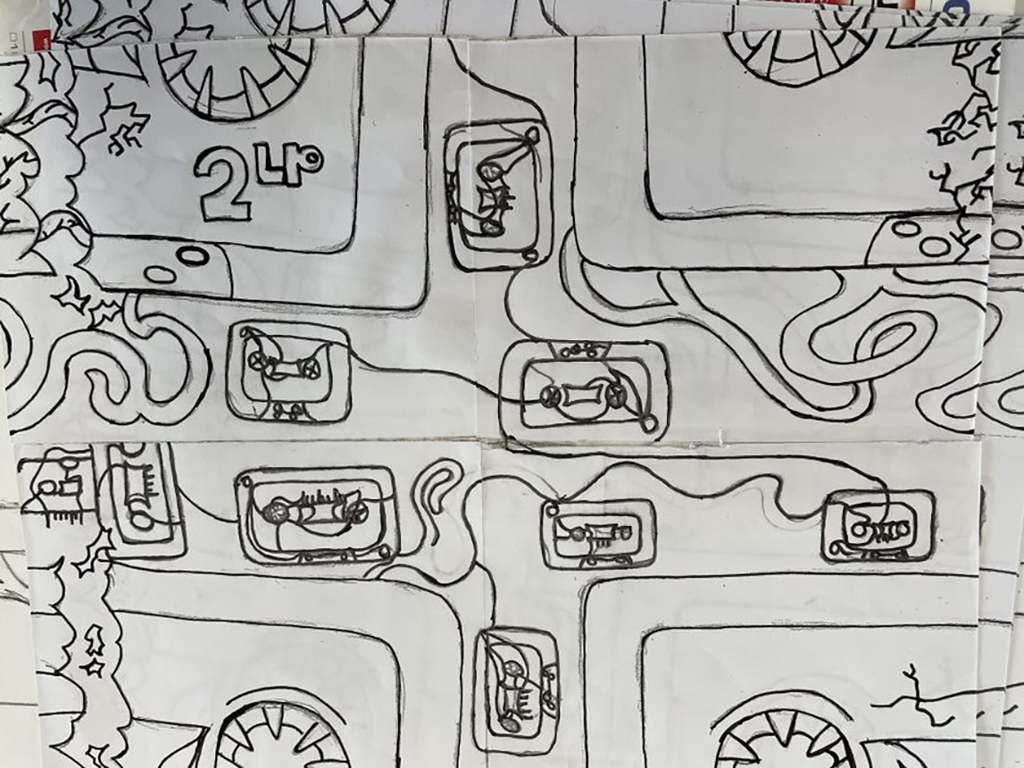
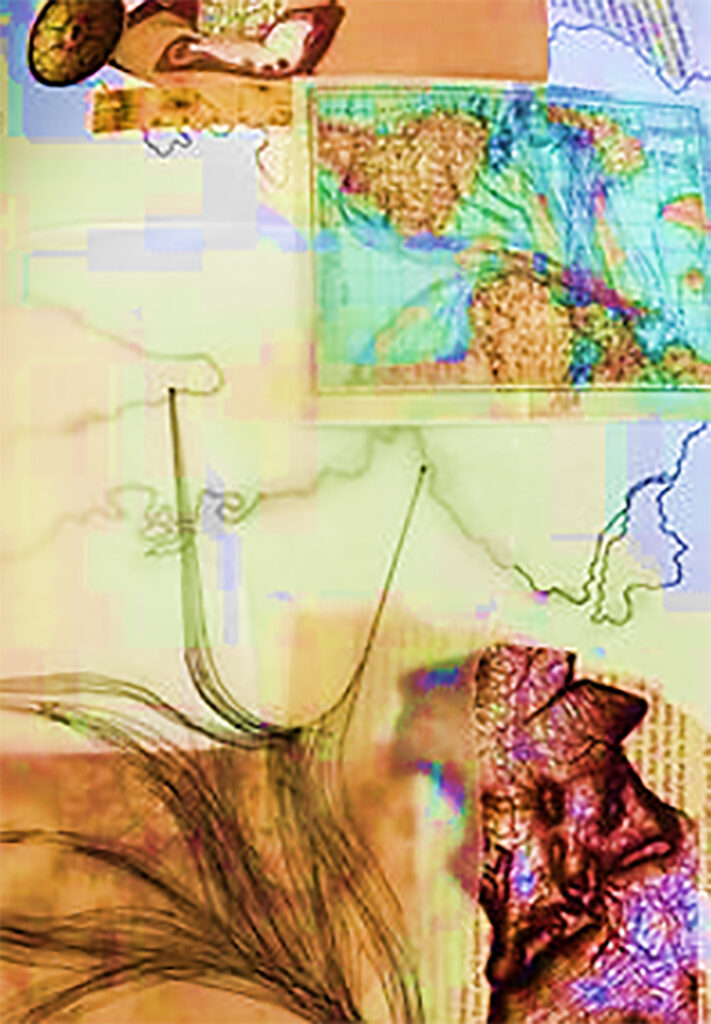
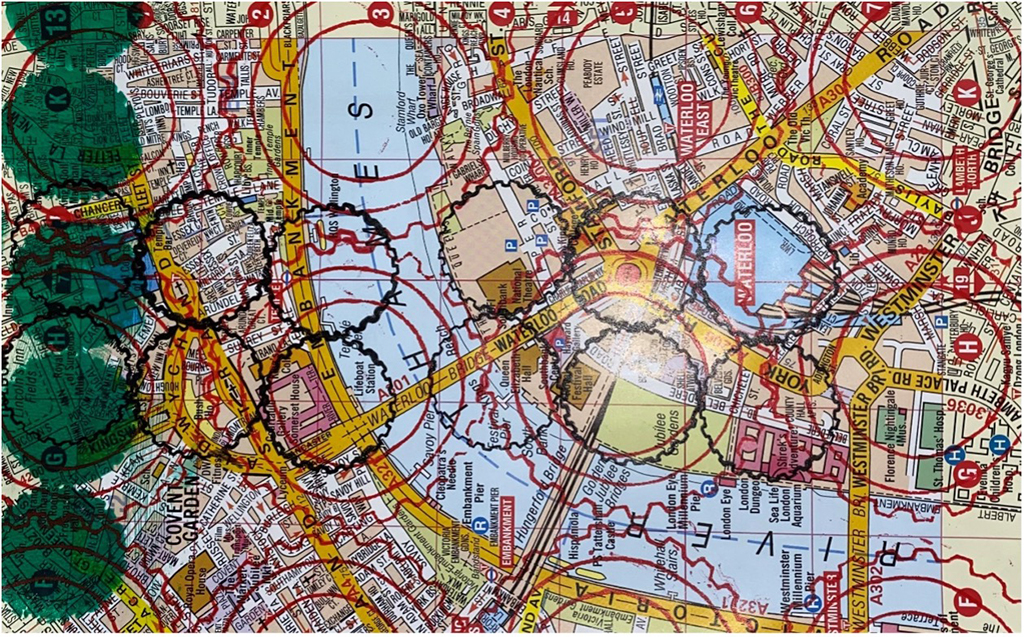
For my FMP project I wanted to design fashion prints exploring the theme of ‘Maps and Journeys’. I want to incorporate telescopes, compasses and their internal mechanical workings. In my last project the range of what I drew inspiration from was narrow and this had an impact on the variety of drawings I produced, this had to be avoided on my FMP.
I have been inspired by textile artist Valerie Goodwin use of intricate lines and shapes which create complex fibre art maps. Closer inspection of her work shows that these patterns are city blocks and landscapes inspired by aerial views of real and imaginary places.
I also referred to The London tube map, ordinance survey maps A-Z as part of my initial research and experimentation.
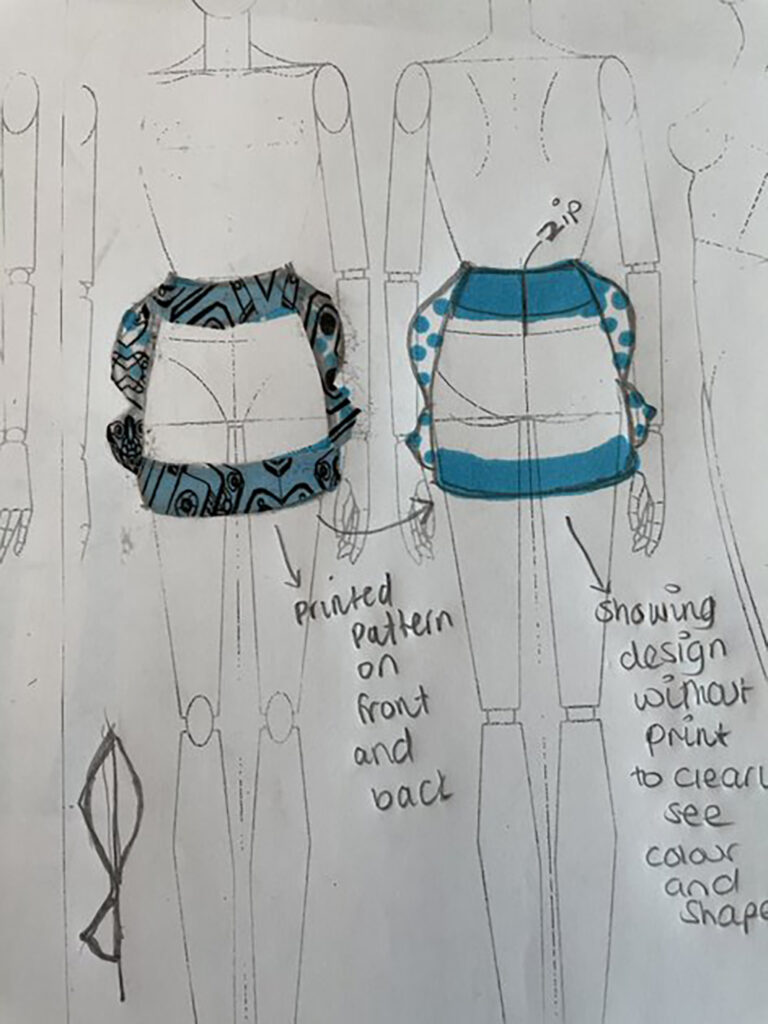
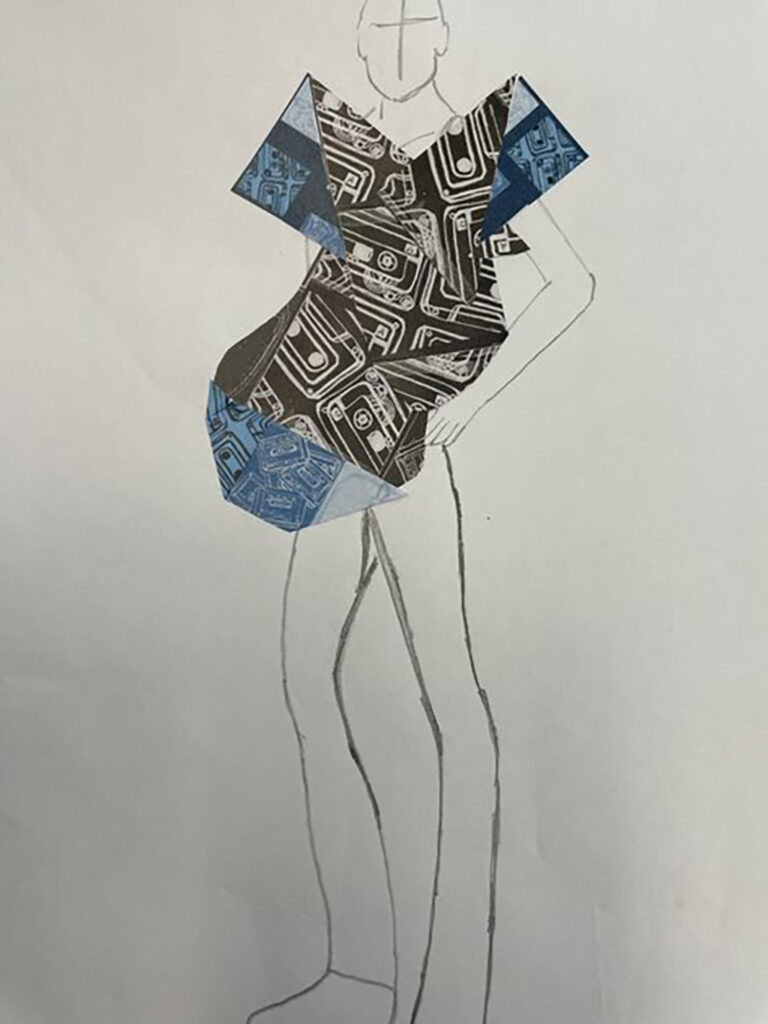
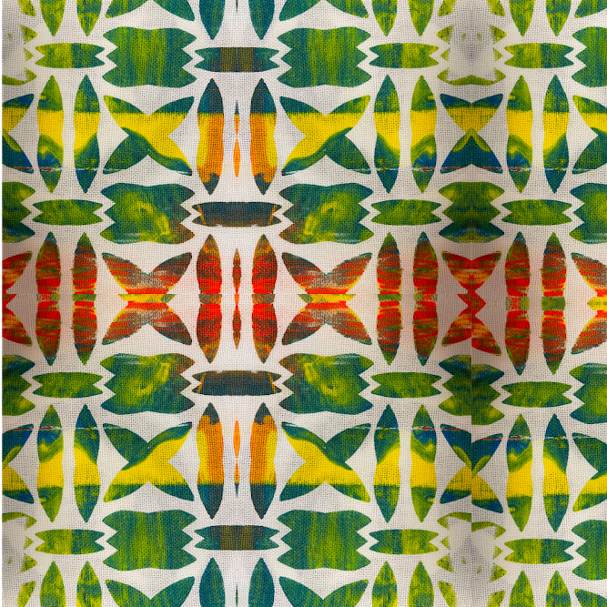
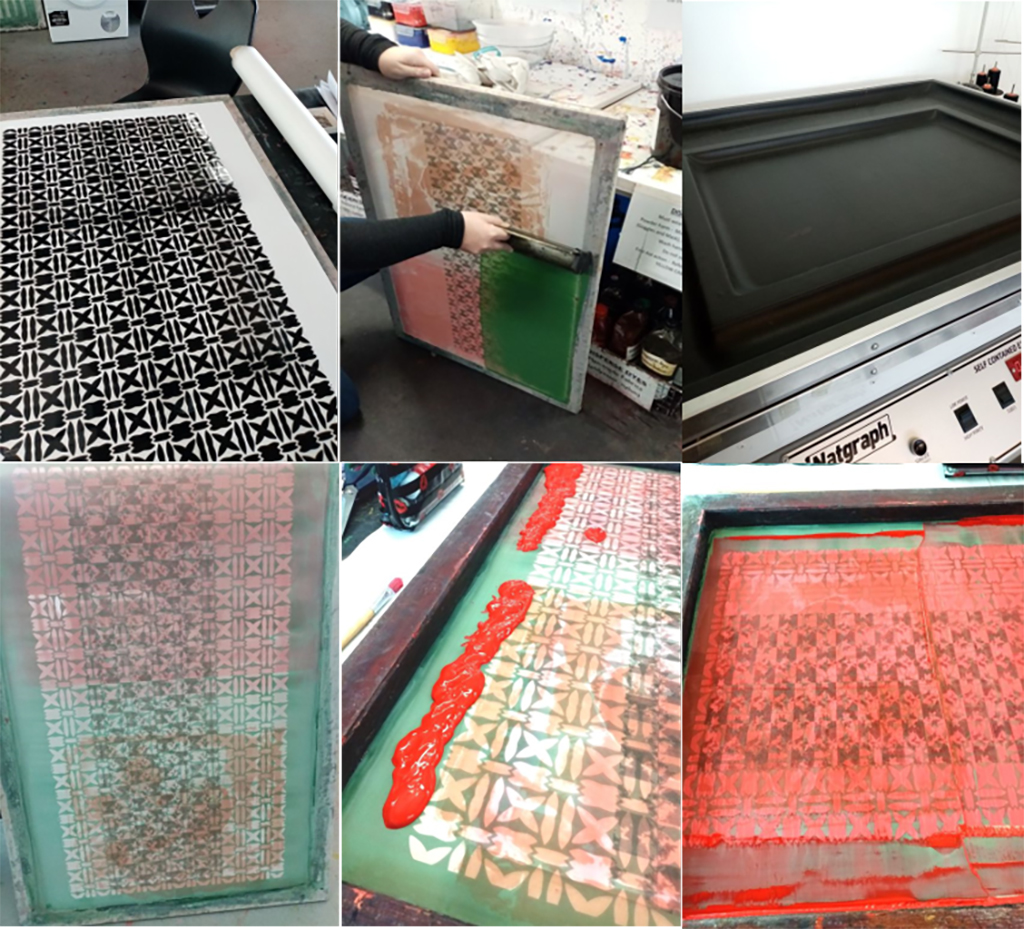
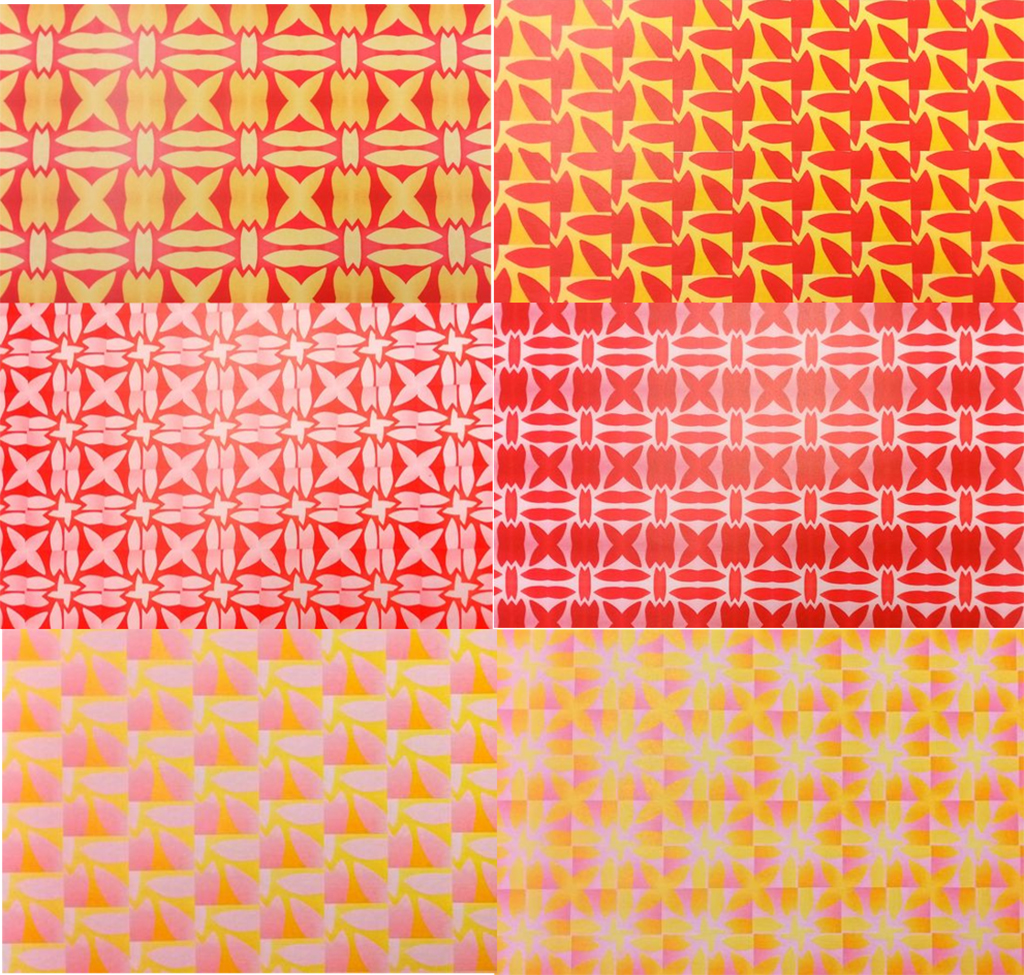
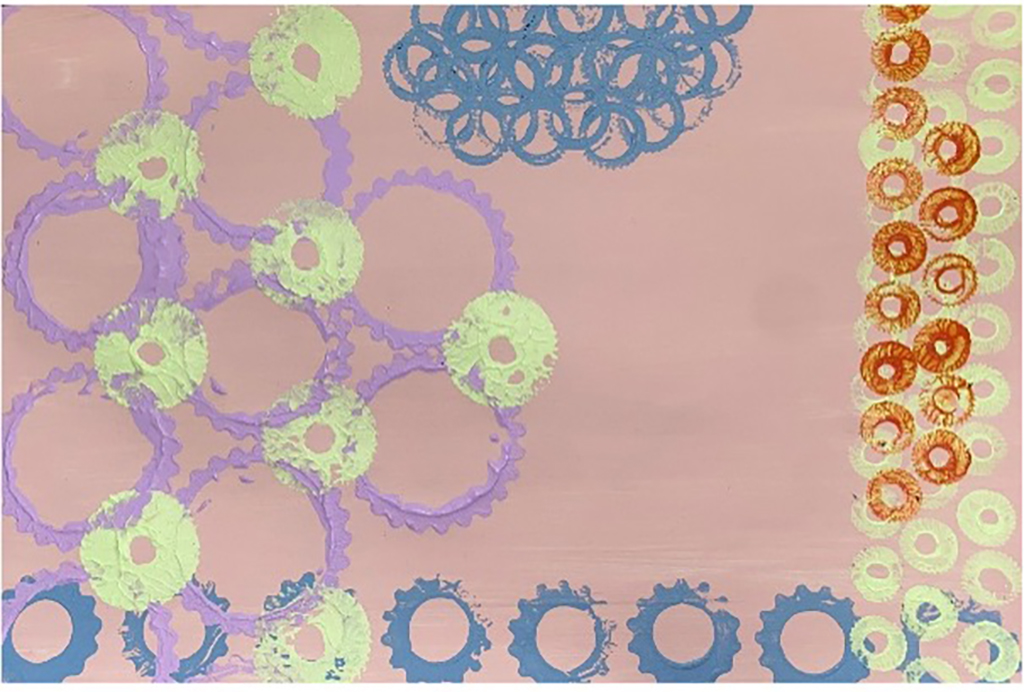
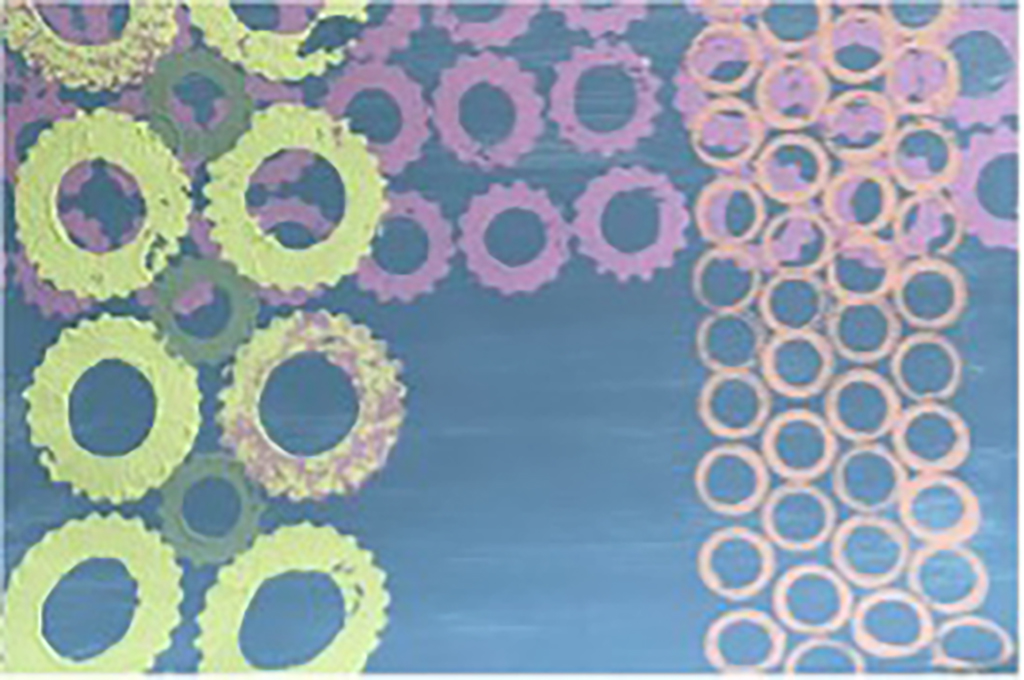
I also looked into other printed textile designers who have created a simple garments including Susan Stockwell and I have produced a range of printed samples informed by extensive drawing. I explored screen print but also using cogs and wheels to print directly onto my samples. The colour palette I chose was inspired by contemporary trend forecasts. I feel I have developed my subject specific skills in readiness for university.