The work on show here is just a snapshot of some of the work produced over the past two years. While our students are taught digital skills, they also learn traditional art and design skills in order to develop a broad portfolio of art and design for their progression onto higher education.
Some of our recent students have gone on to study at degree level in subject areas such as visual communication or graphic design, but also illustration, animation, fashion illustration, automotive design, architecture, interior architecture, jewellery design, digital media, and many other creative pathways.
Over the past few months all our students who made university applications were accepted (as usual), and generally on their first choice. Some have chosen to begin their studies at degree level, and others have decided to stay on at Dudley College for a Foundation Year. Well done all – it’s been great working with you. Good luck for the future.
Paul Oldnall, graphics tutor
Seamus Bayne
Progression: University of Chester, BA Graphic Design & Photography
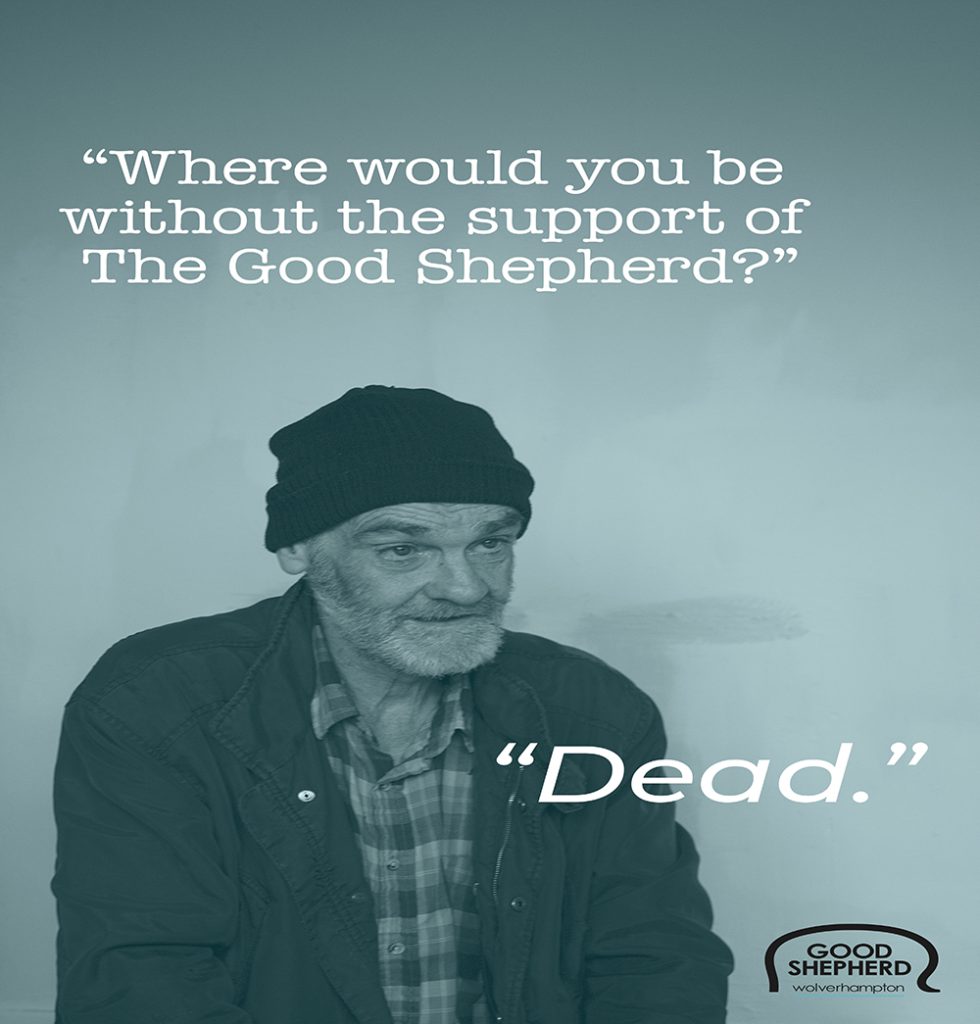
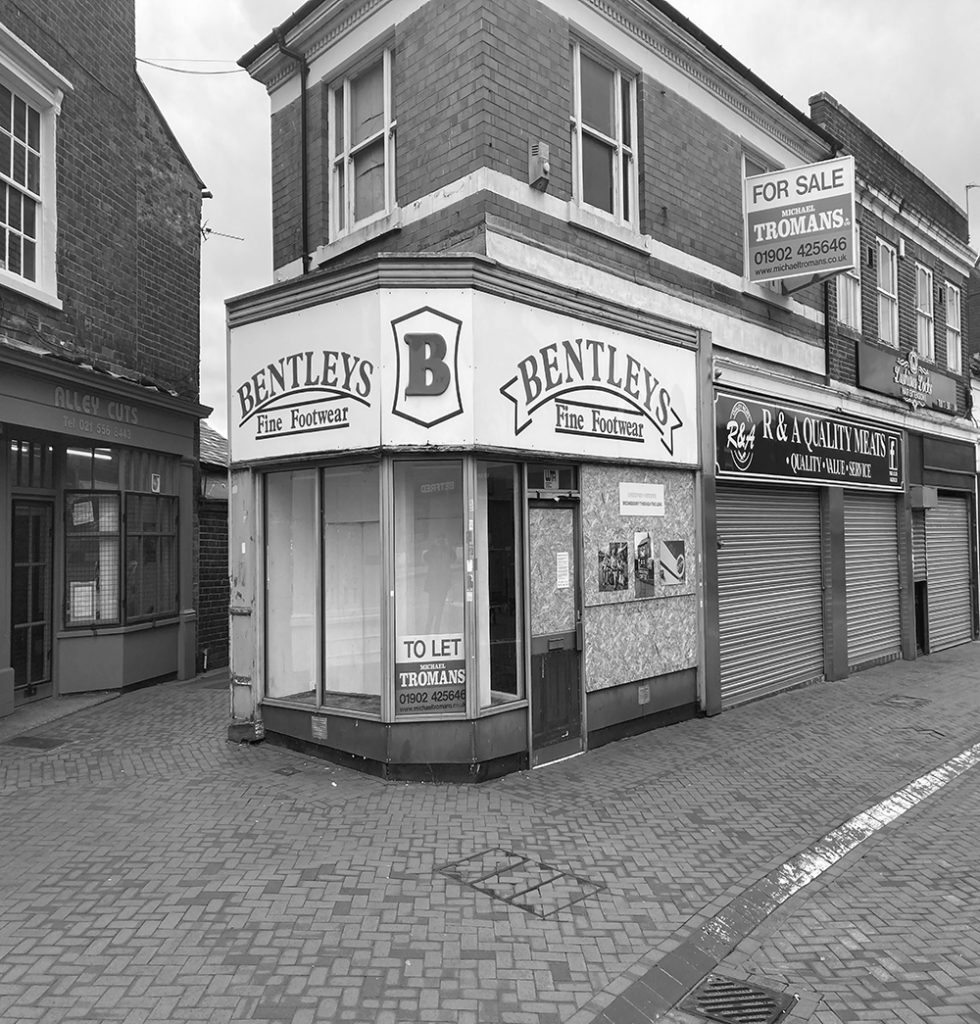
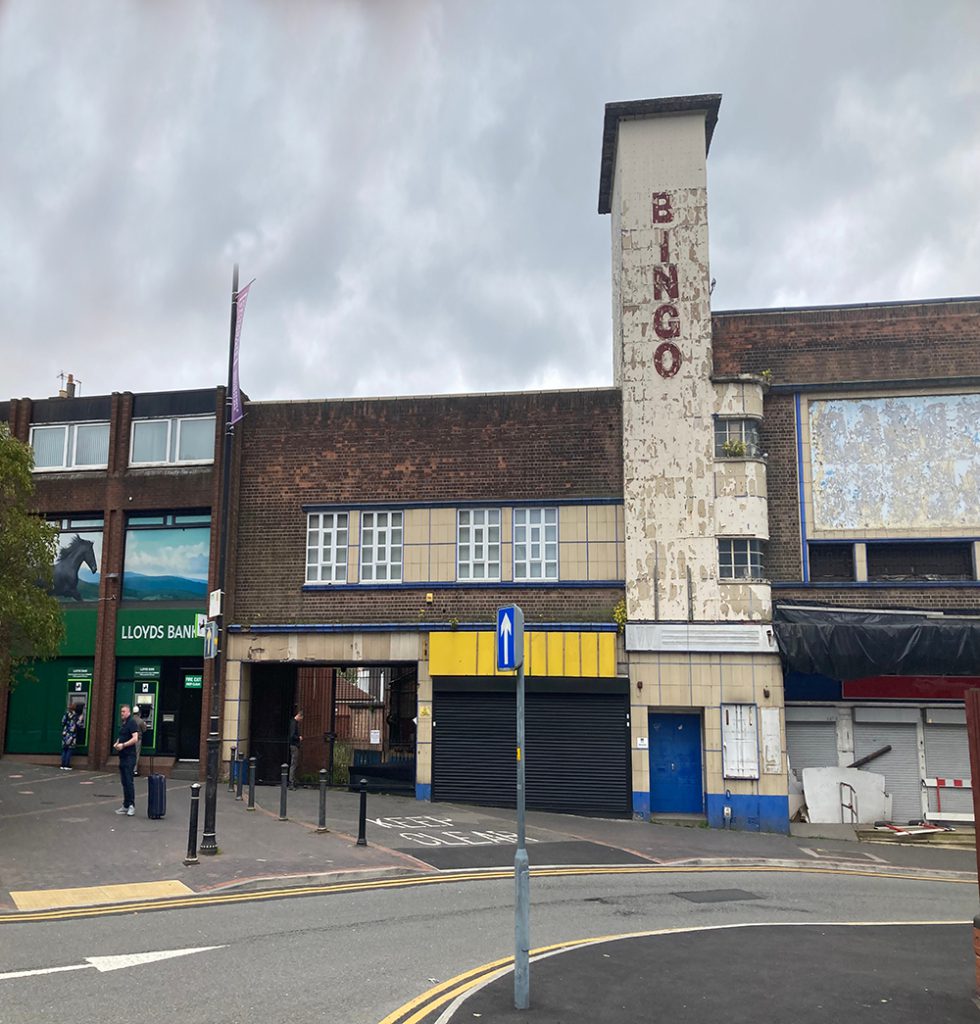
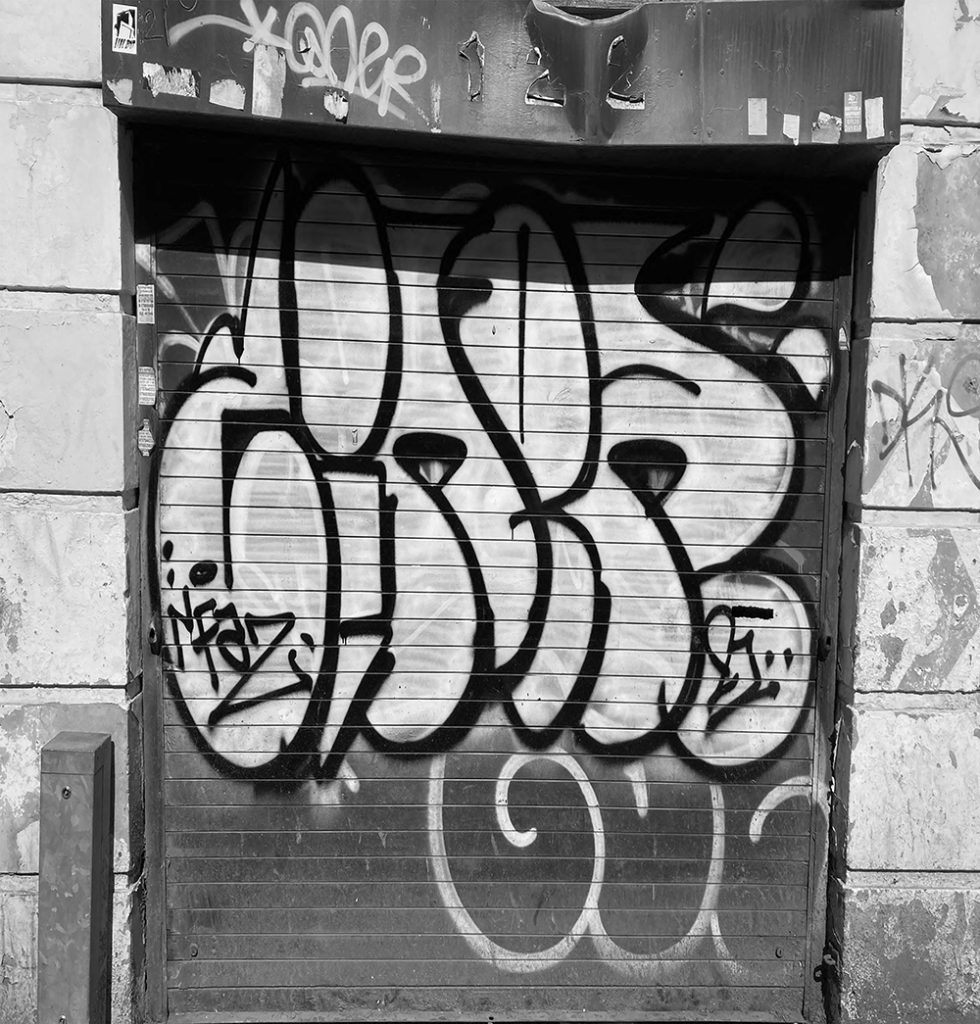
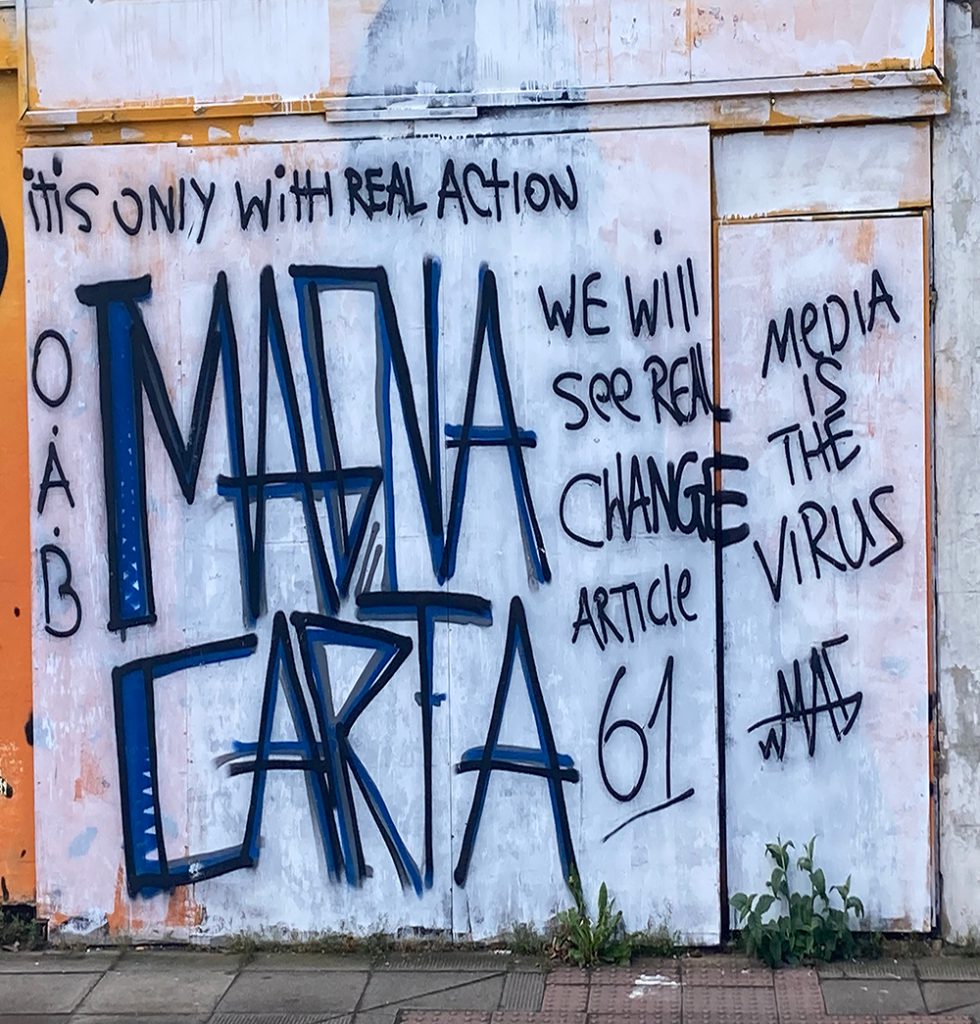
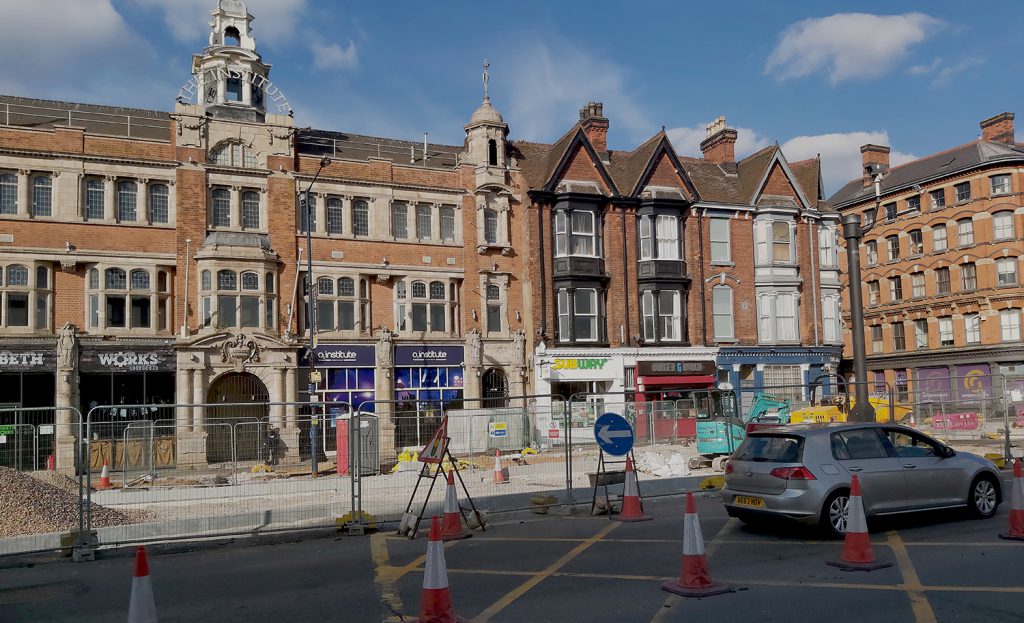
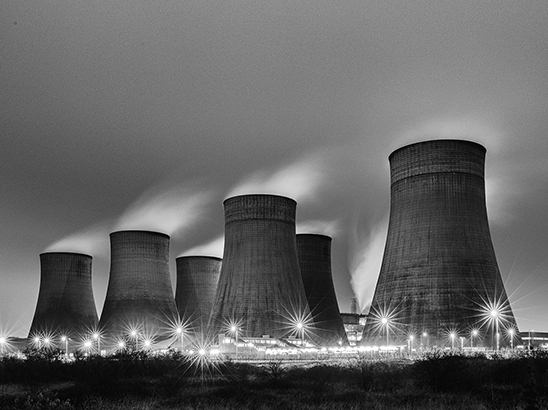
Poverty Britain is an attempt to highlight the everyday examples of poverty and despair in modern Britain. Homeless people now litter the streets alongside overflowing bins; once thriving high streets now feature many derelict buildings and vandalised storefronts.
Maxim Diacov
Progression: Dudley College of Technology, Foundation Diploma
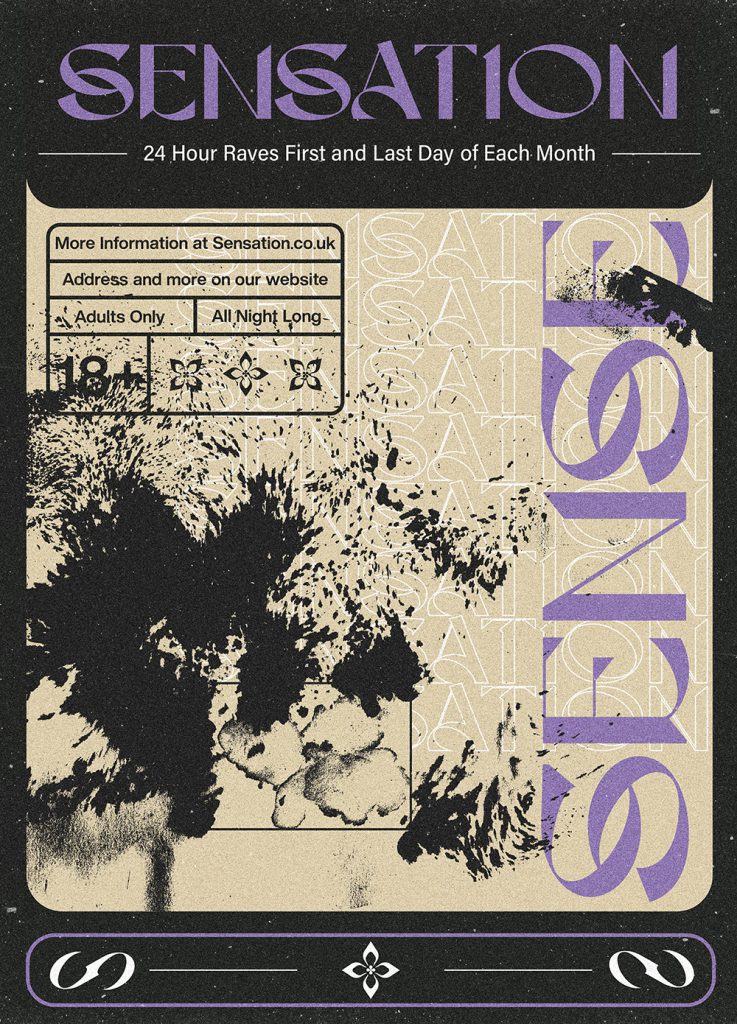
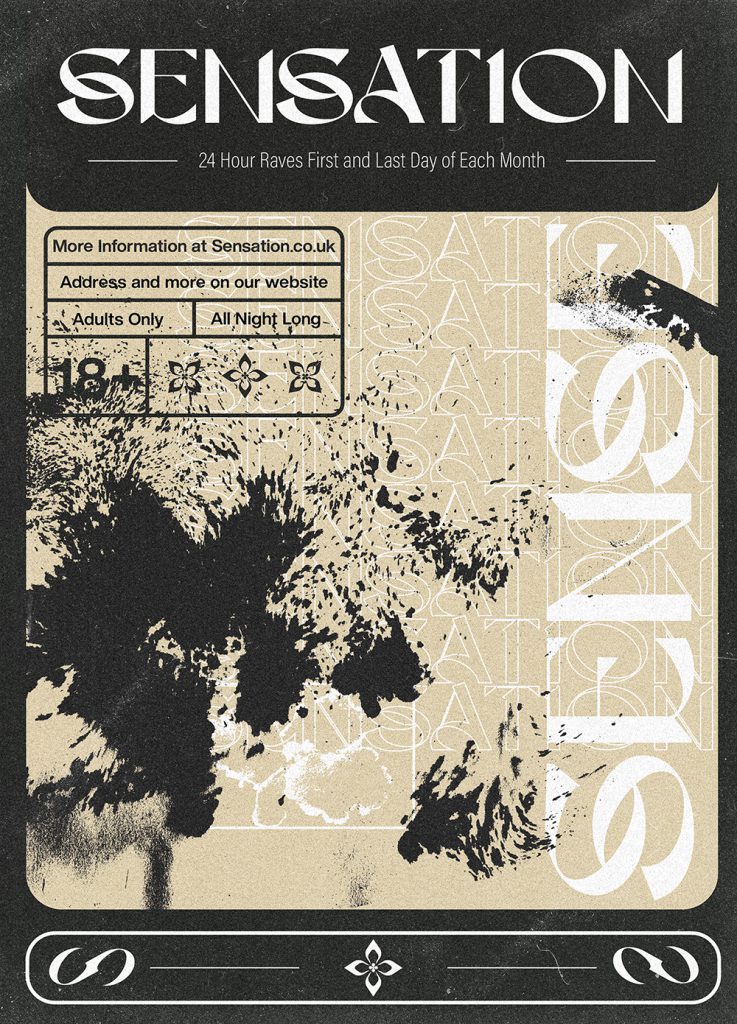
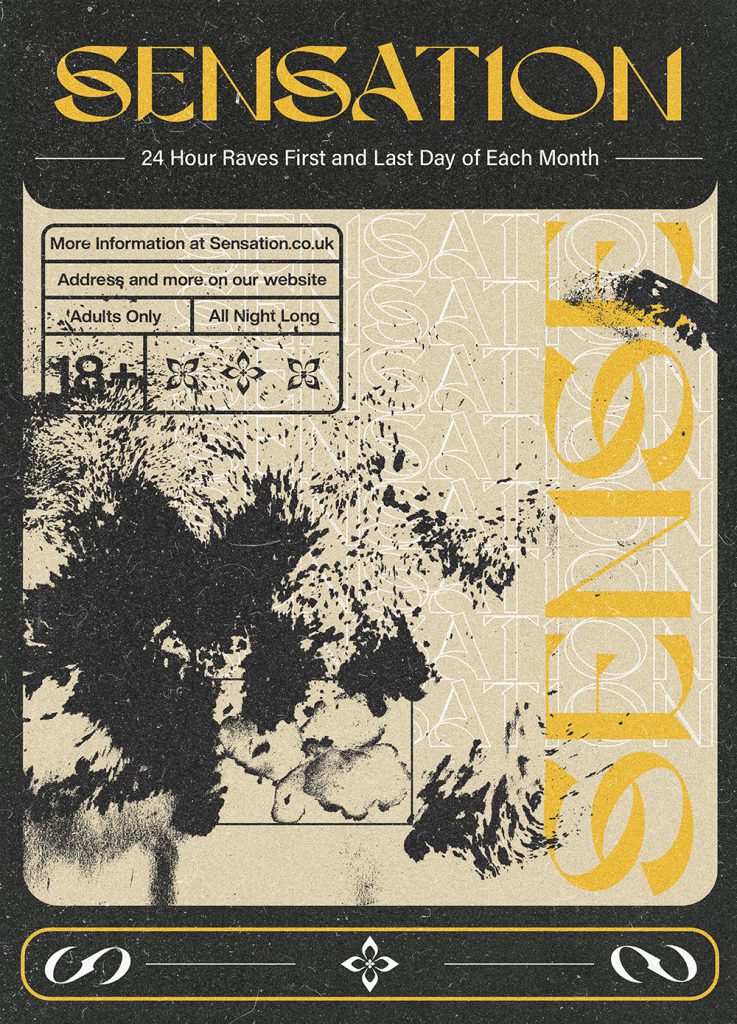
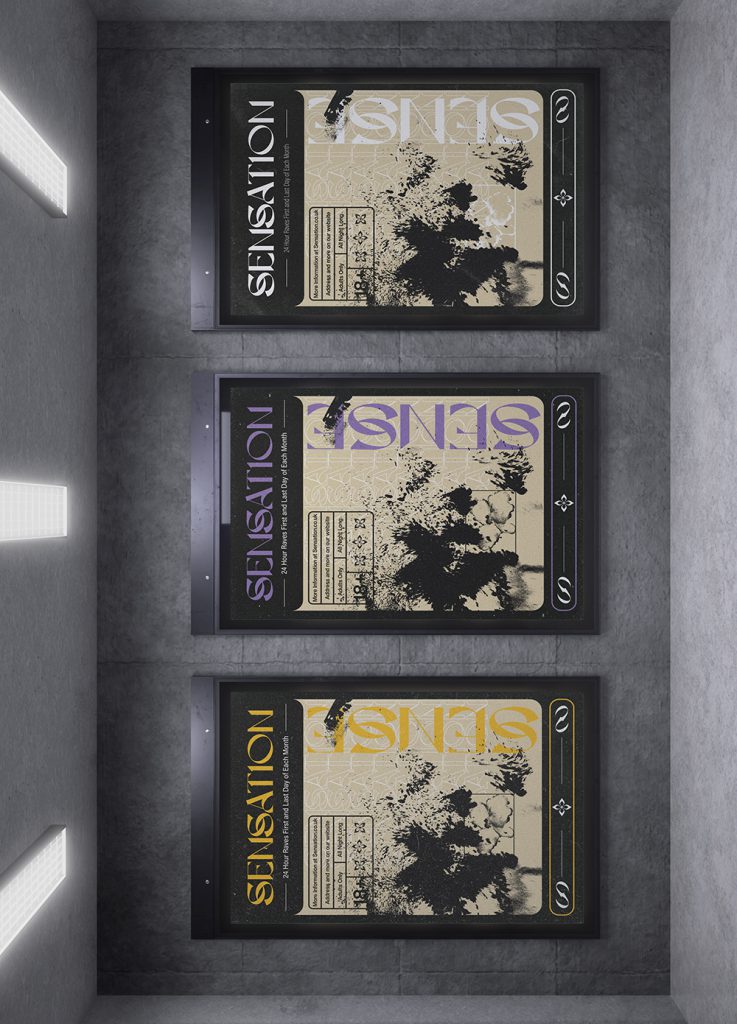
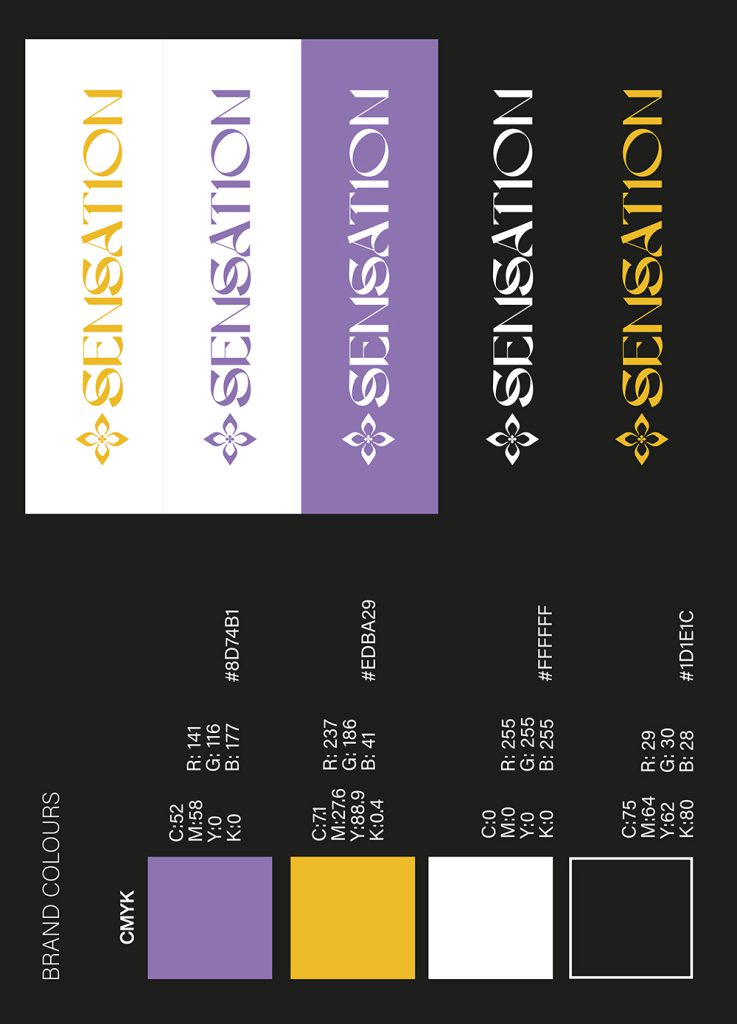
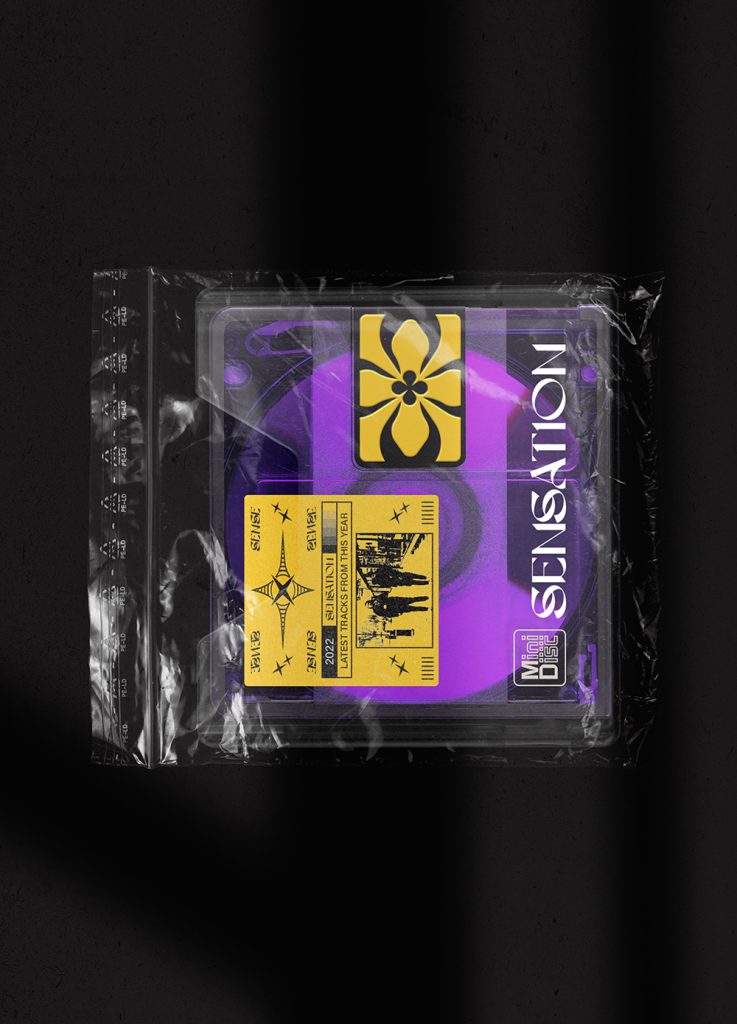
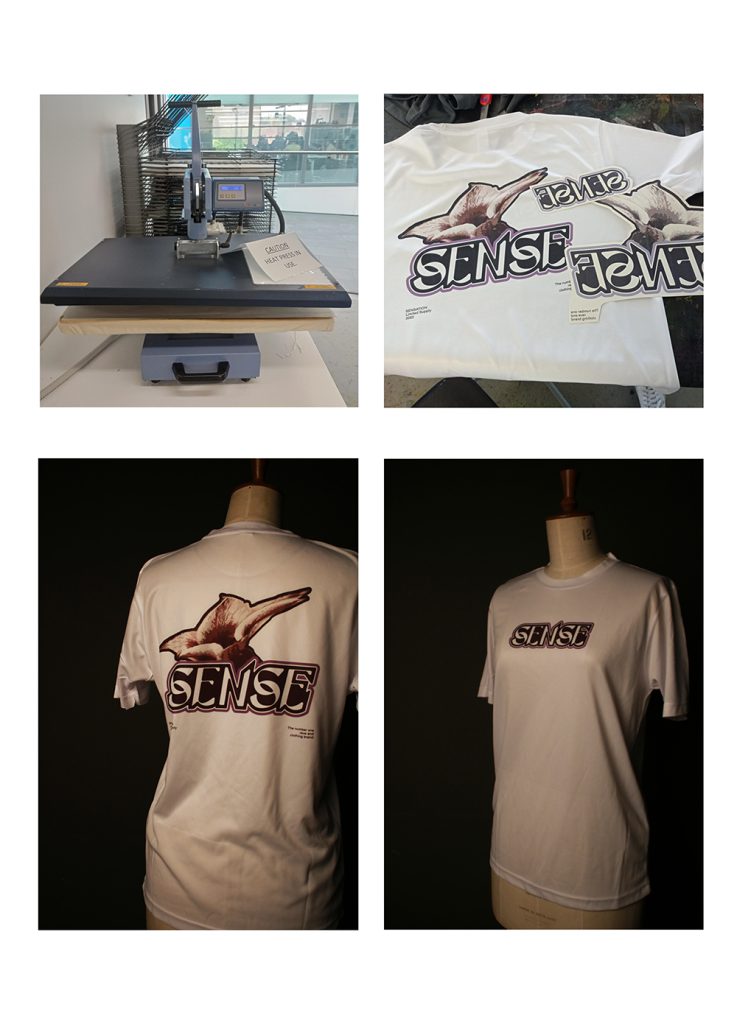
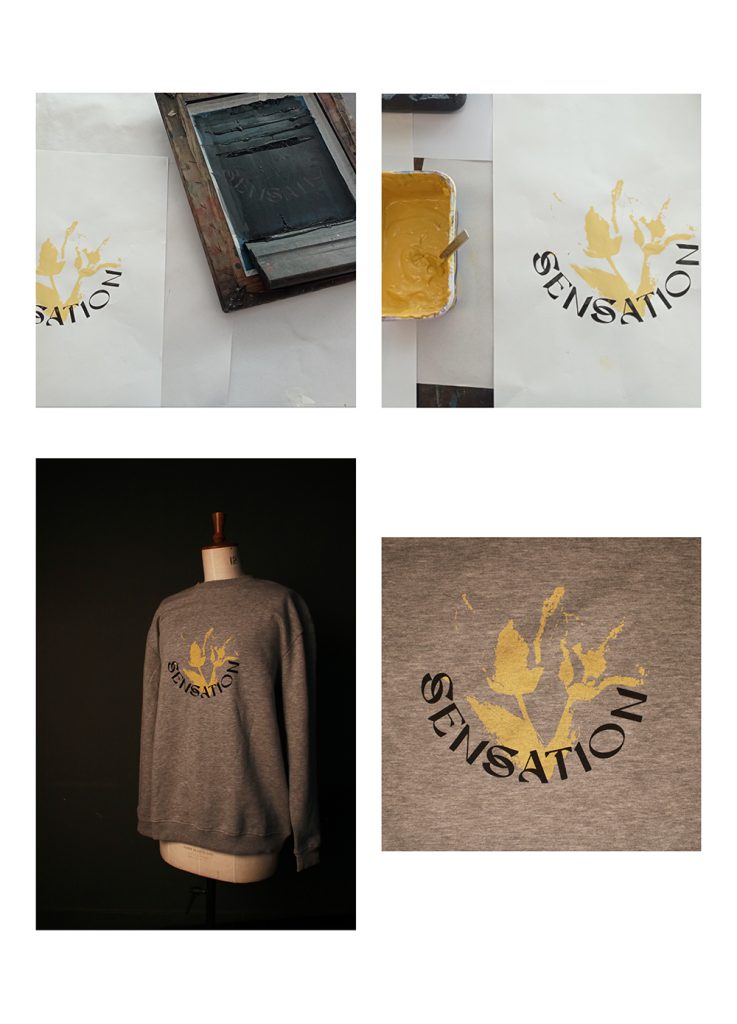
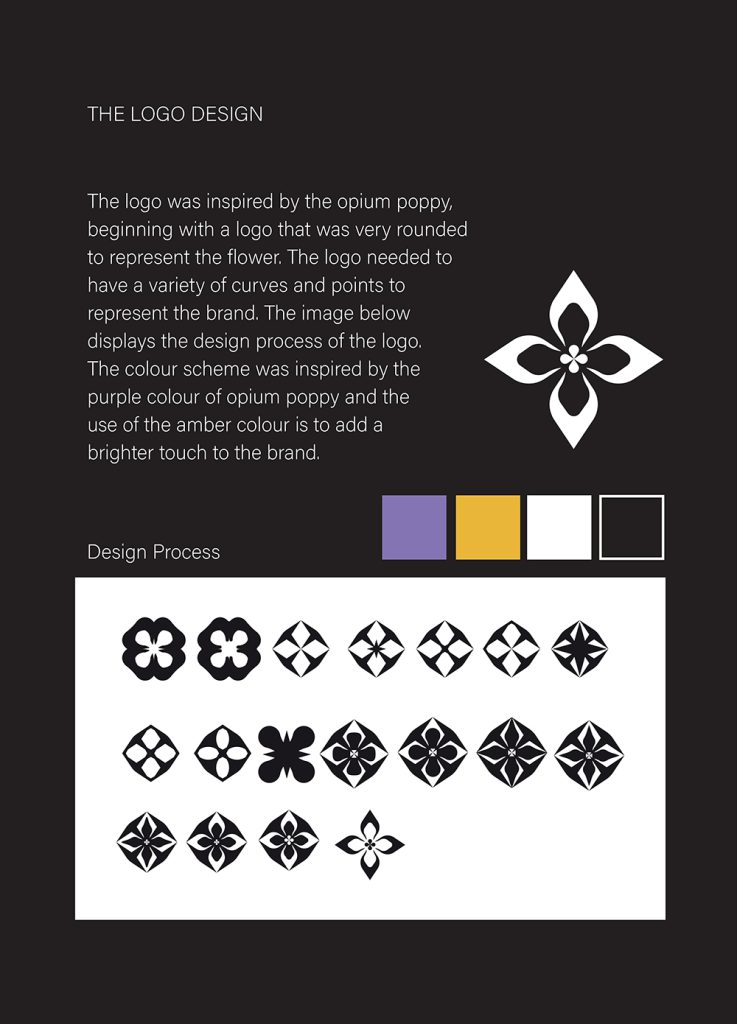
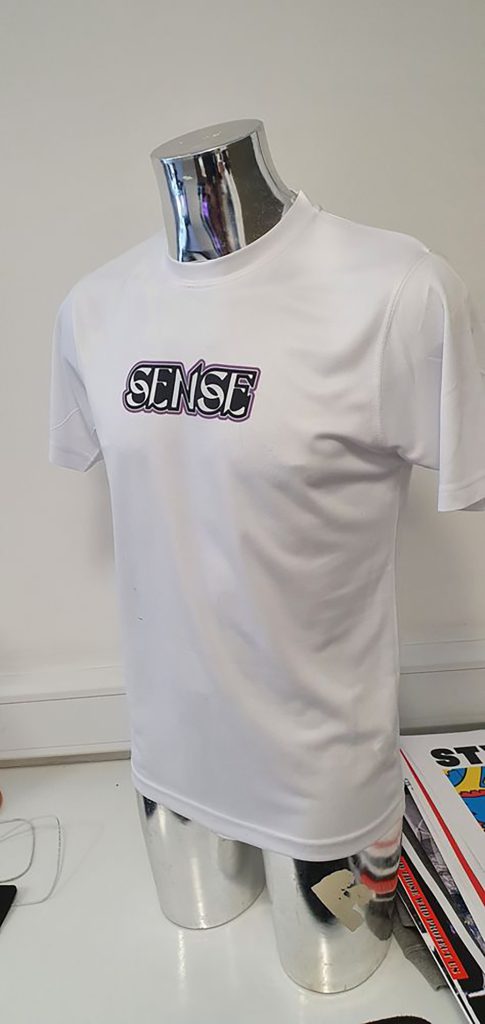
Sensation is a rave brand inspired by the 90s with a modern twist. My project includes a printed magazine which includes posters, mockups and clothing, as well as explanations about the processes used to make each design.
Leah Hamilton
Progression: Dudley College of Technology, Foundation Diploma
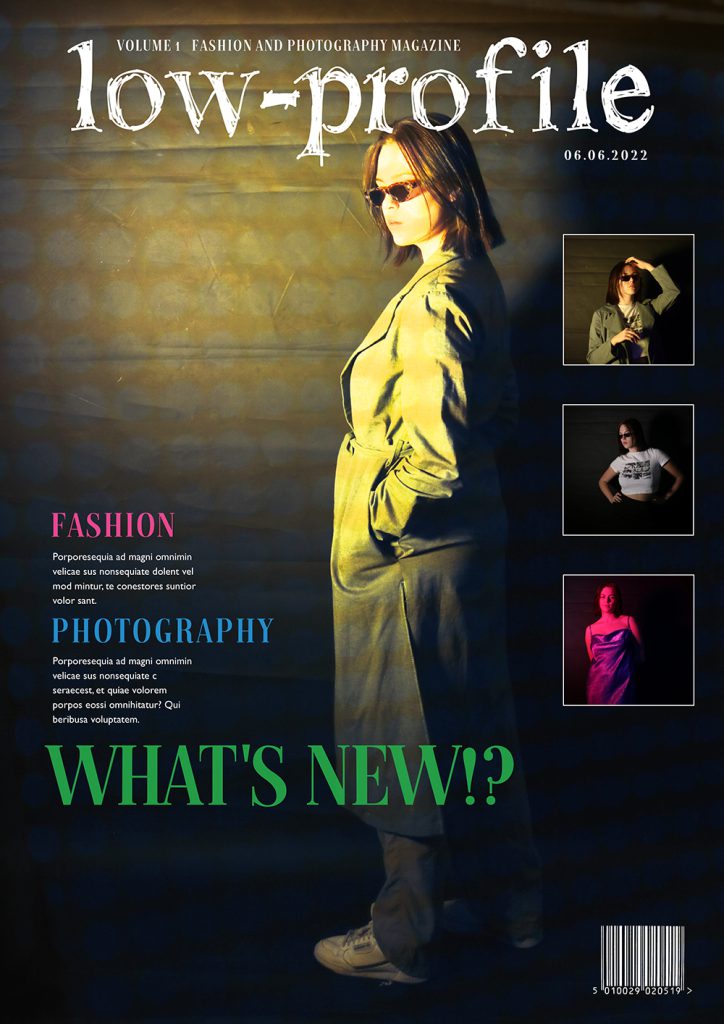
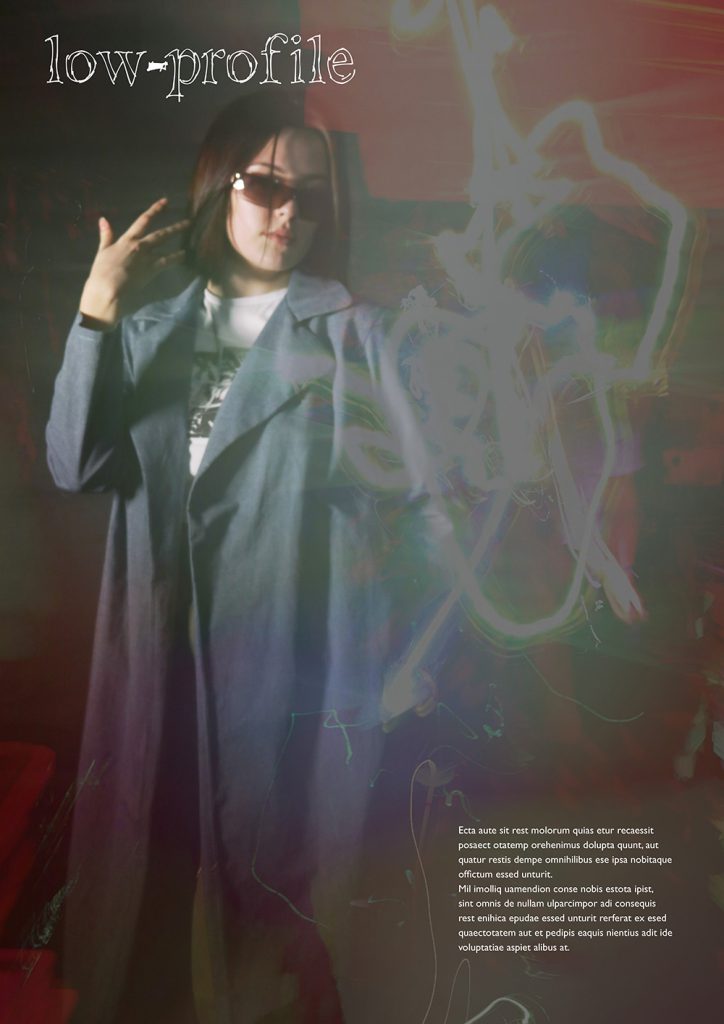
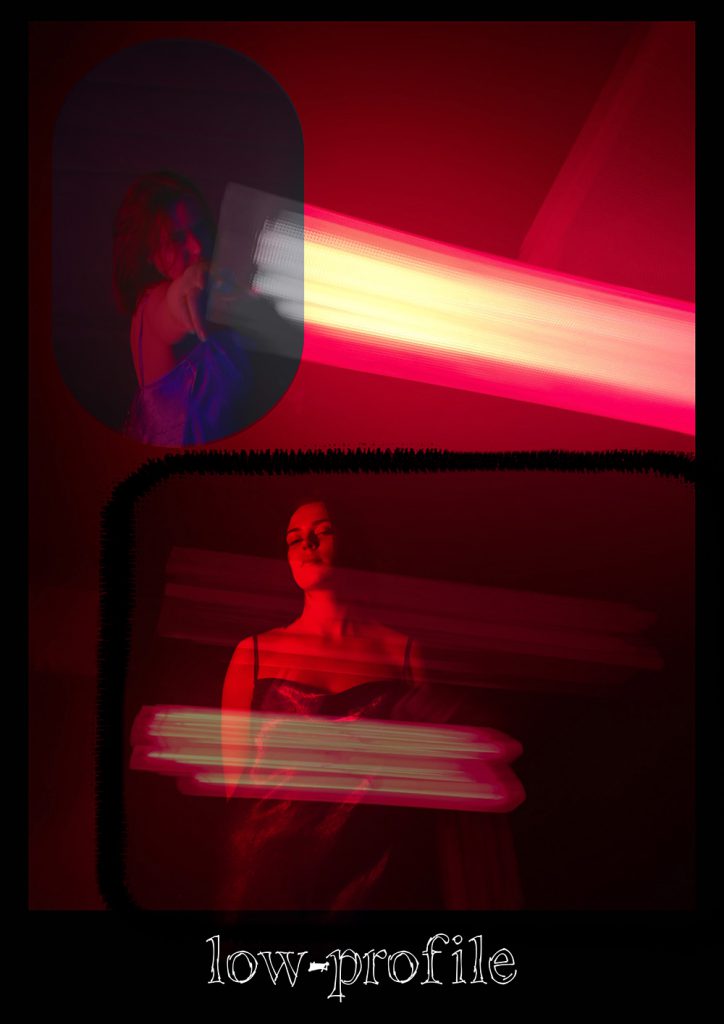
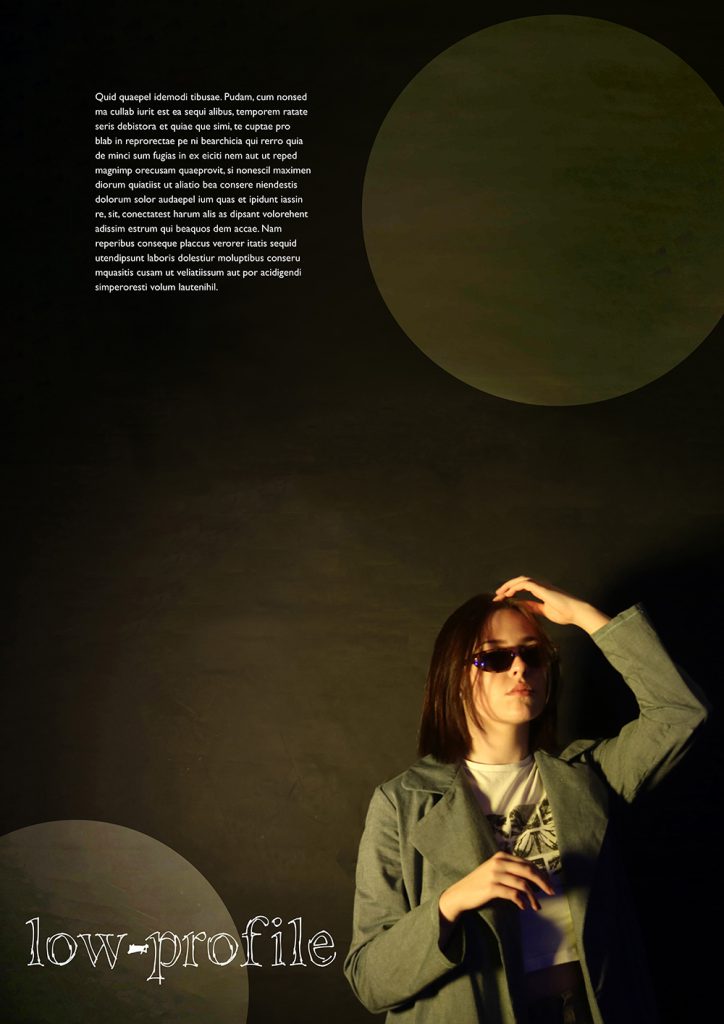
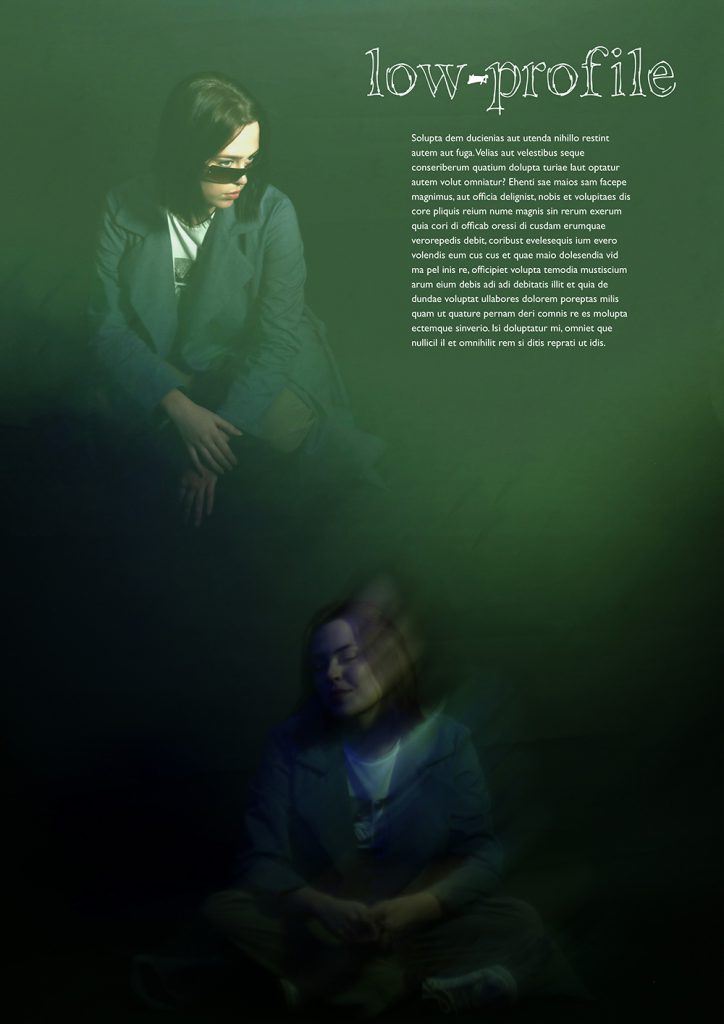
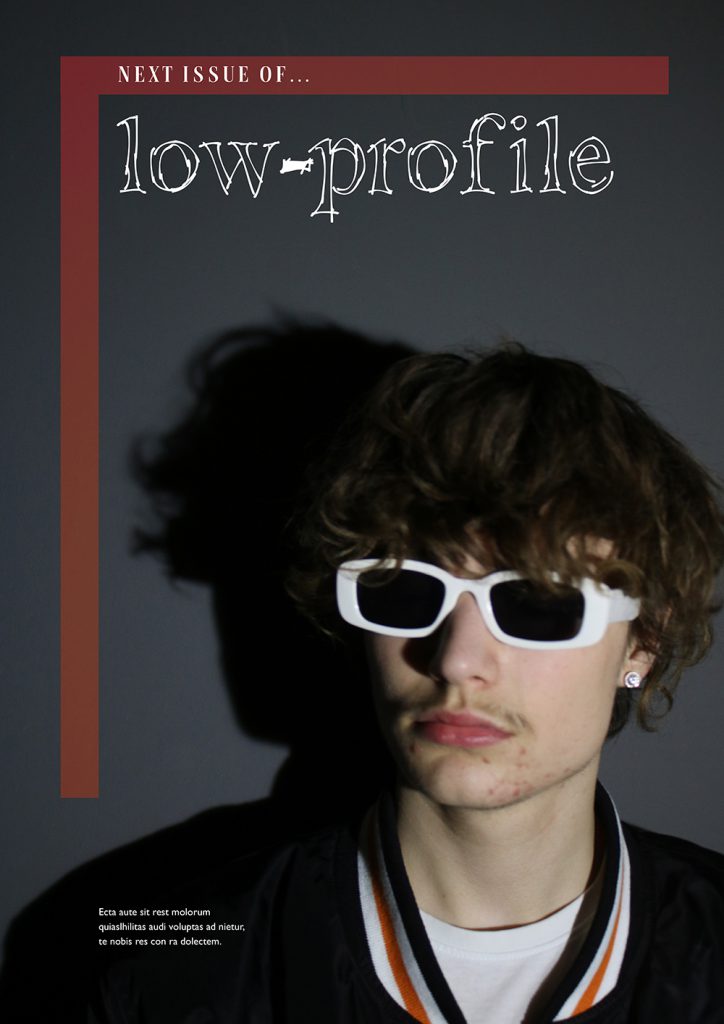
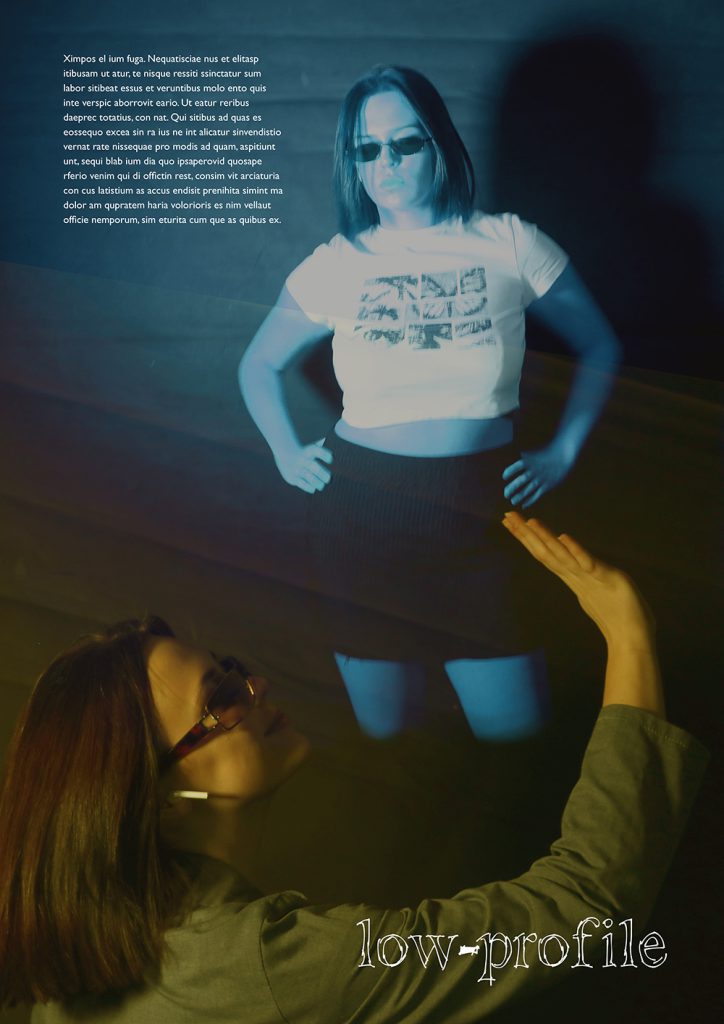
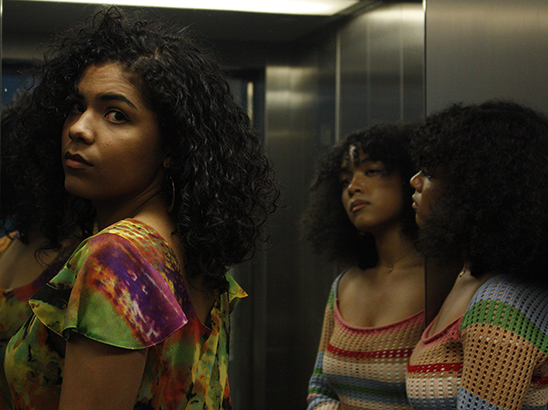
My FMP is a fashion and photography magazine called low-profile. It is a 7 page magazine that consists of different photography and editing techniques.
Gio Khroad
Progression: Dudley College of Technology, Foundation Diploma
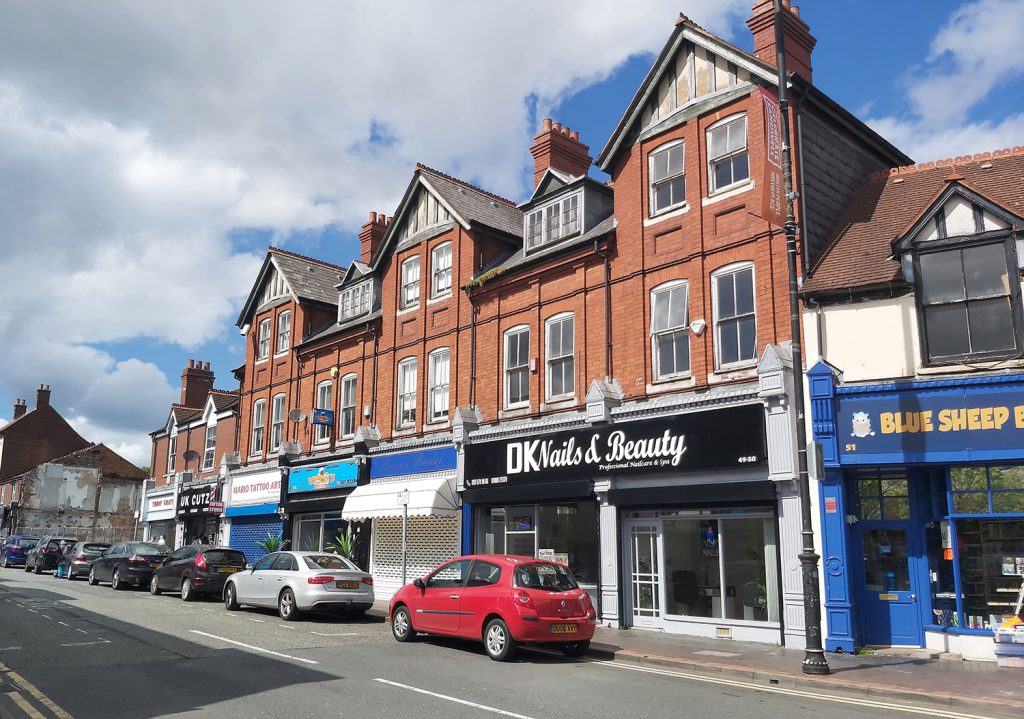
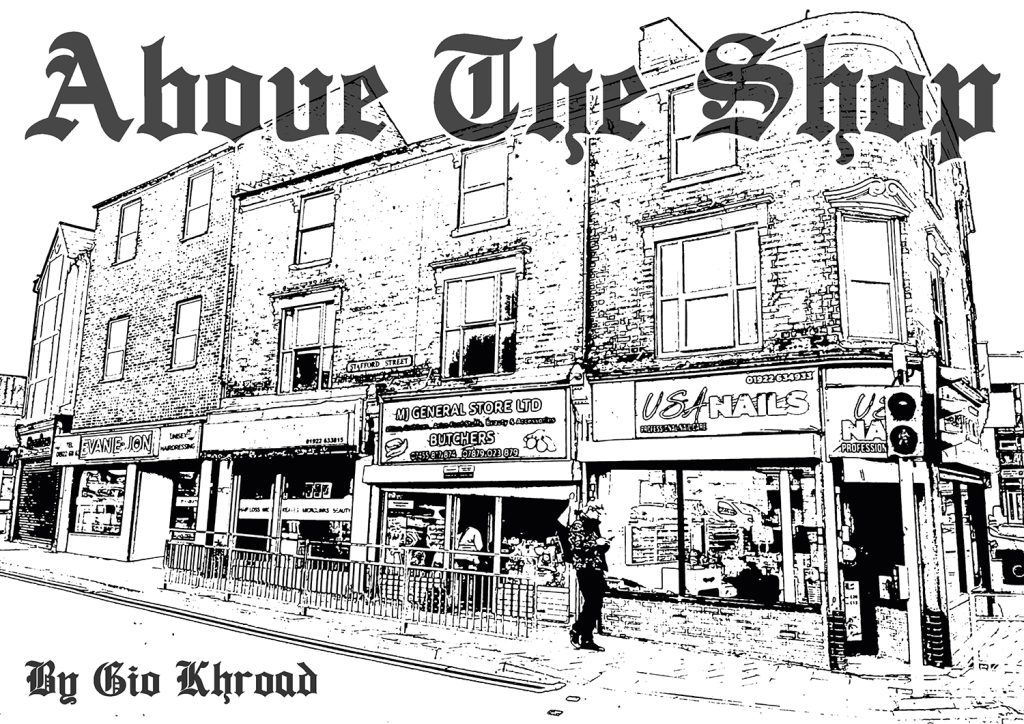
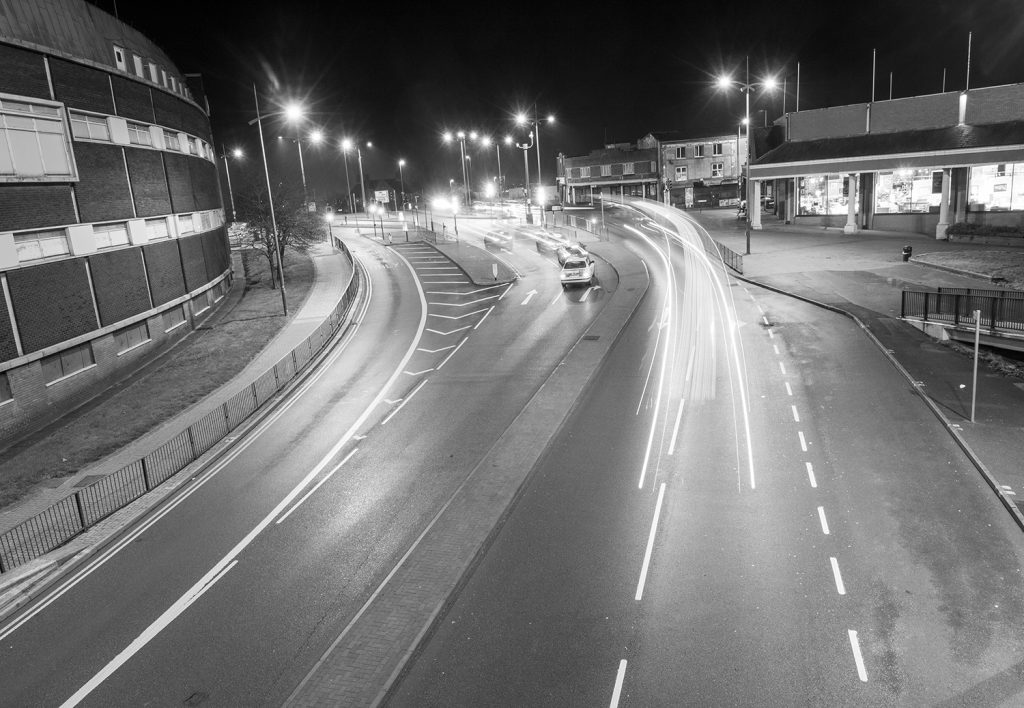
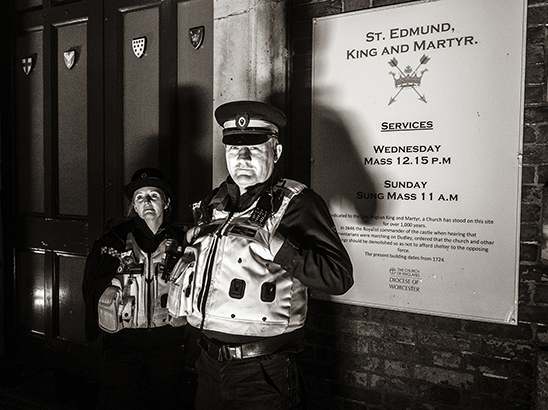
My FMP is an architectural photobook. I made it to show how towns in the Black Country and the UK as a whole, generally look the same!
Miroslav Kosik
Progression: Dudley College of Technology, Foundation Diploma
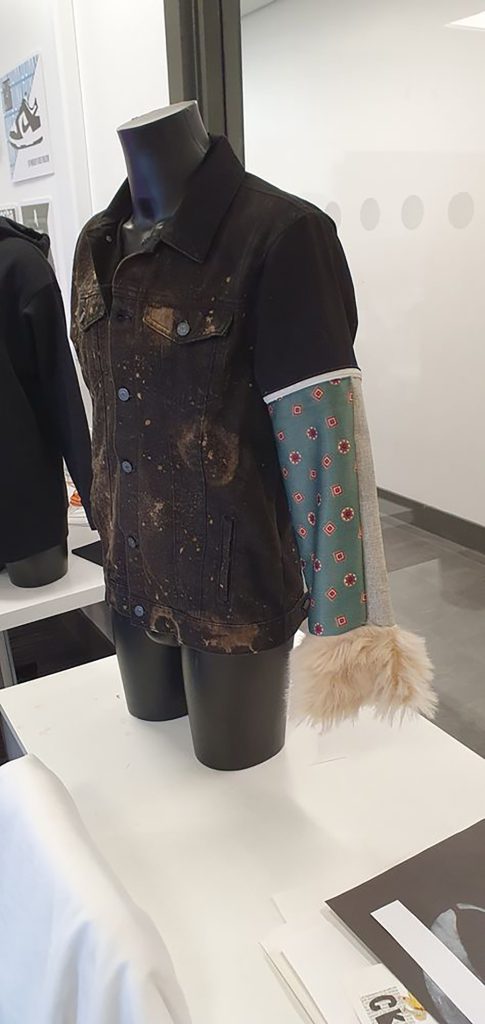
My FMP is about taking old clothes and materials and re-purposing them. The process is called Upcycling – using other fashion artists and their methods as inspiration
Alexander Jones
Progression: Aston University, BSc Transport Management
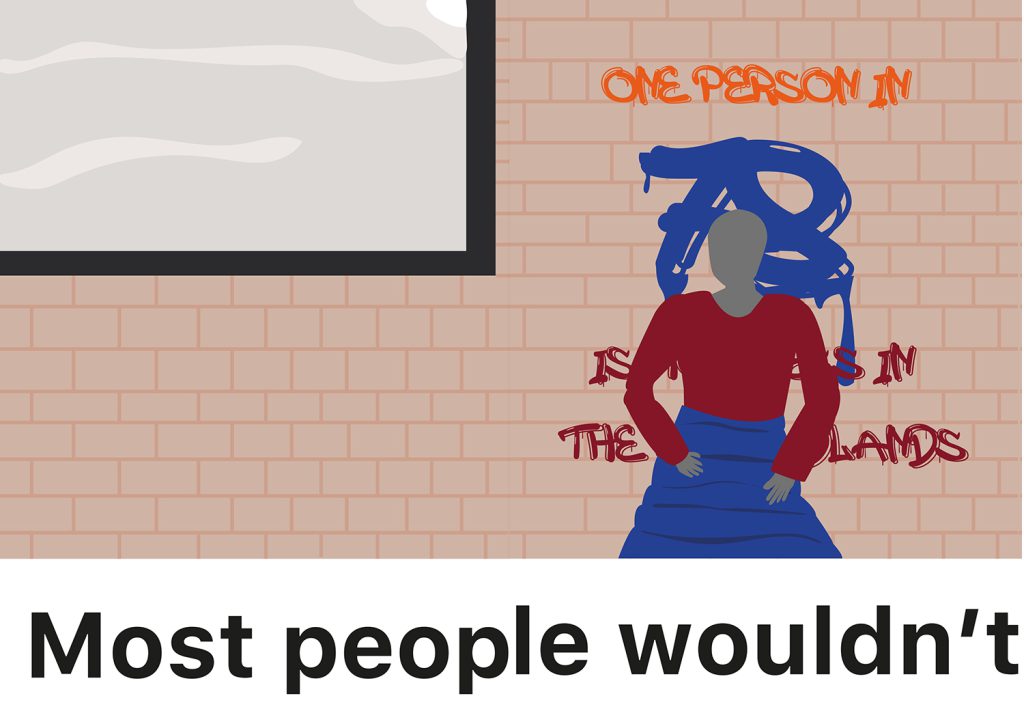
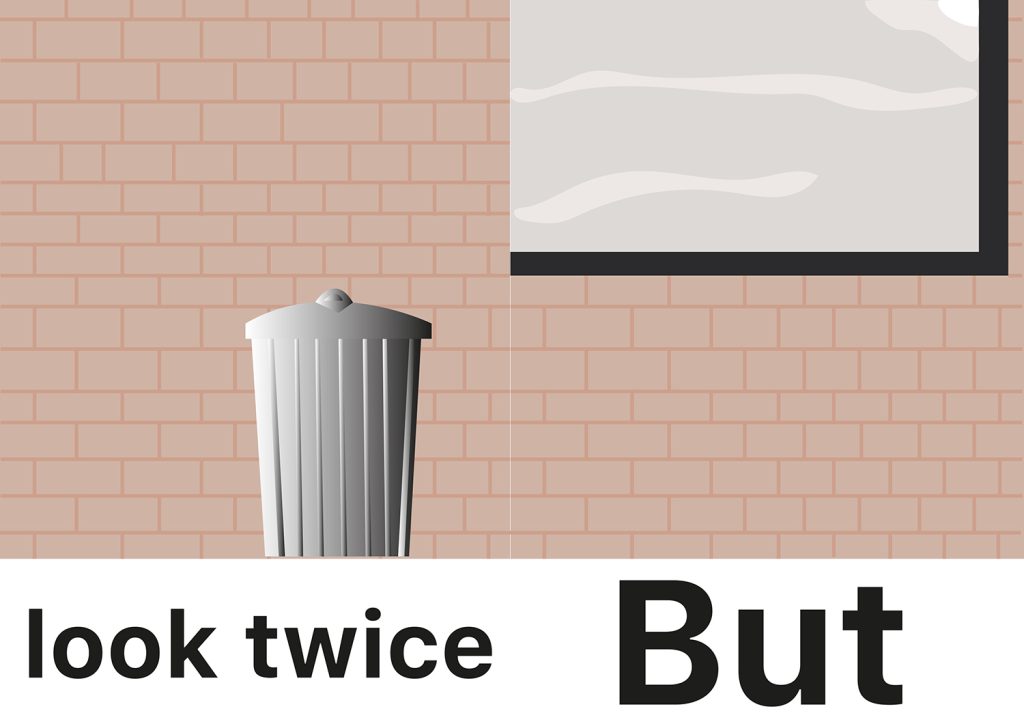
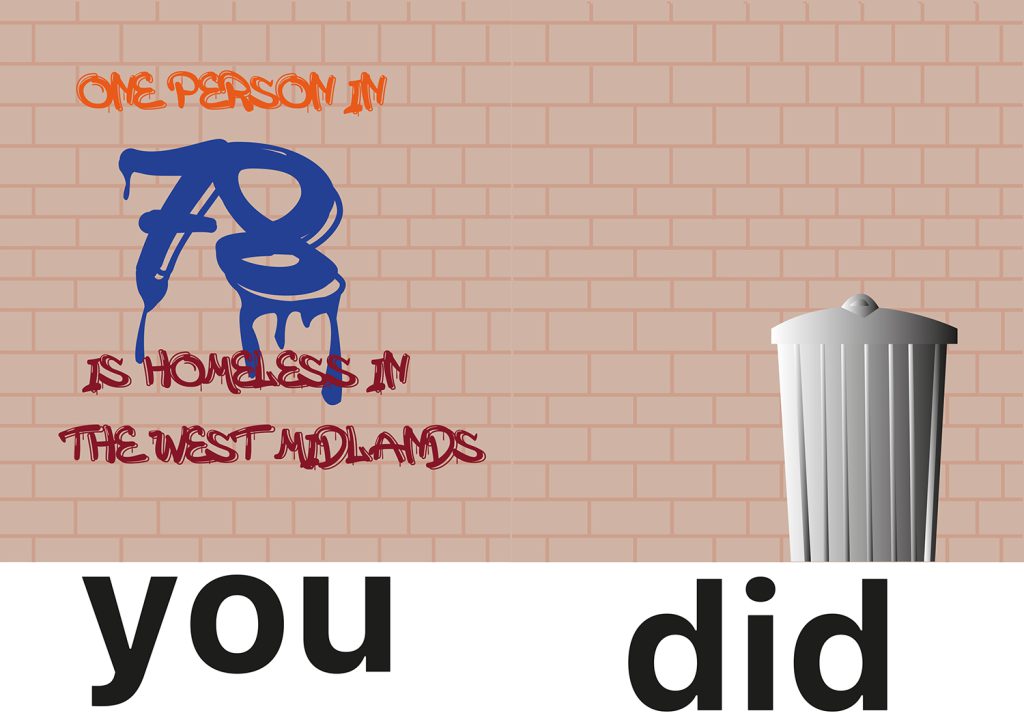
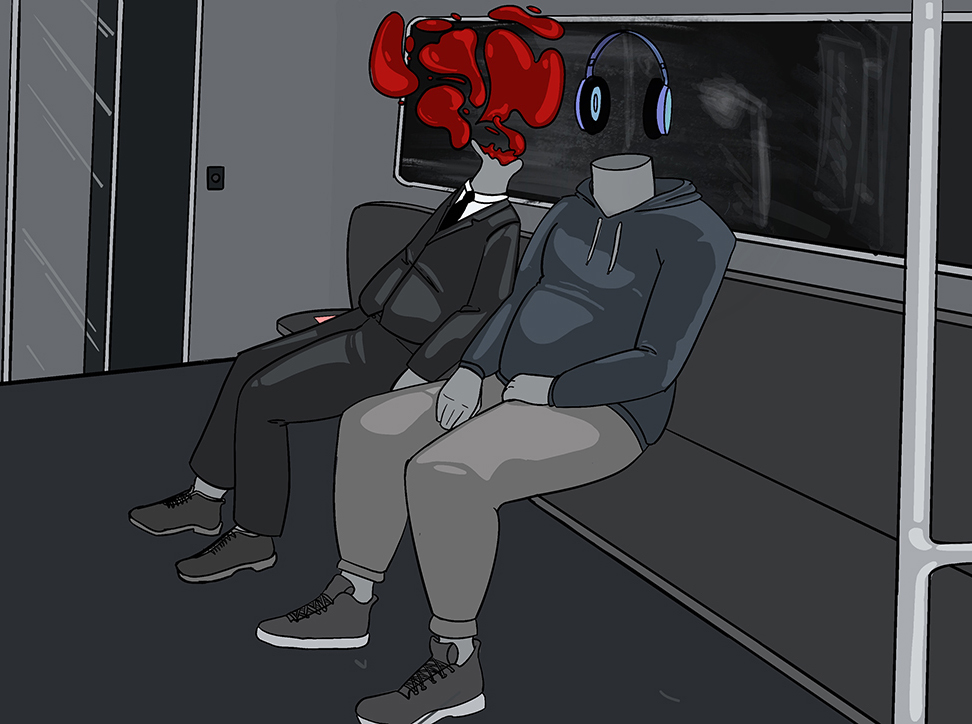
My project is based on the continuously growing problem of homelessness in the UK, and consists of a series of concepts on perspective, to make the viewer think more about what they chose to see, and choose to ignore.
Aimee McKnight – Reaper’s Game
Progression: University of Wolverhampton, BA Animation
“Reapers Game” is my original comic that I’m currently working on in my spare time. For my FMP, I decided to create an animation based on this.
Bryony Nock
Progression: Dudley College of Technology, Foundation Diploma
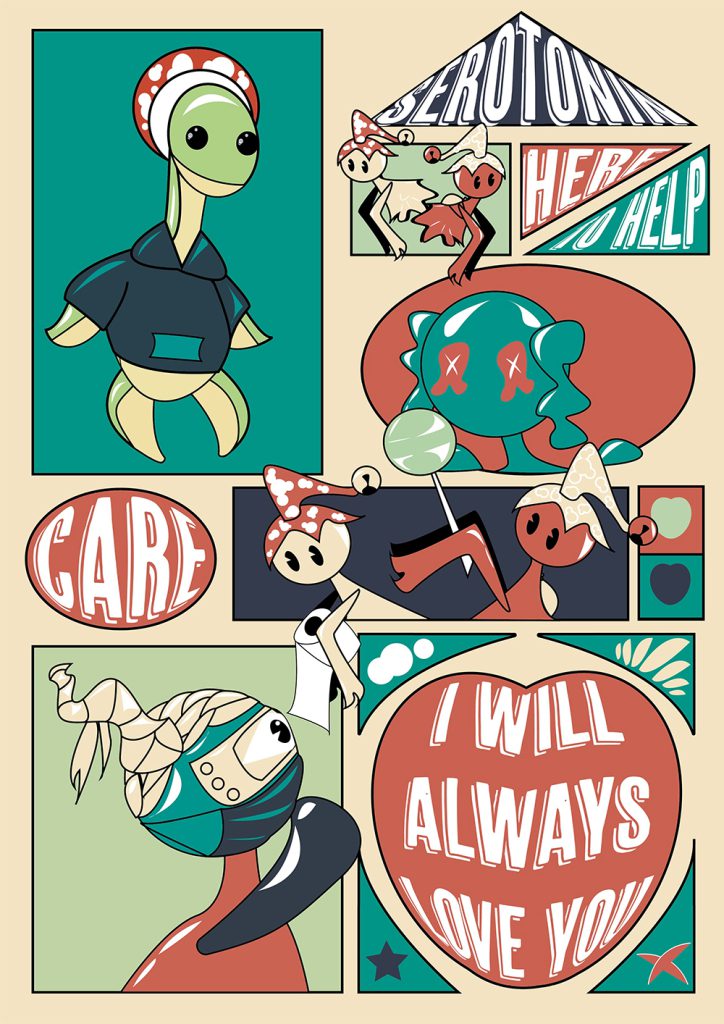
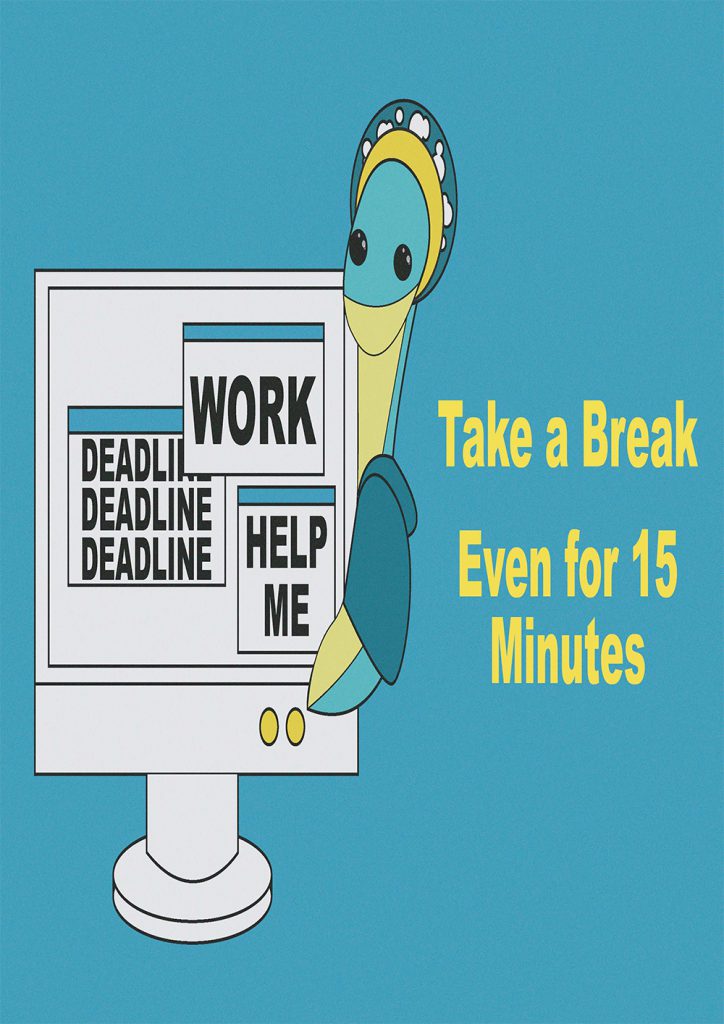
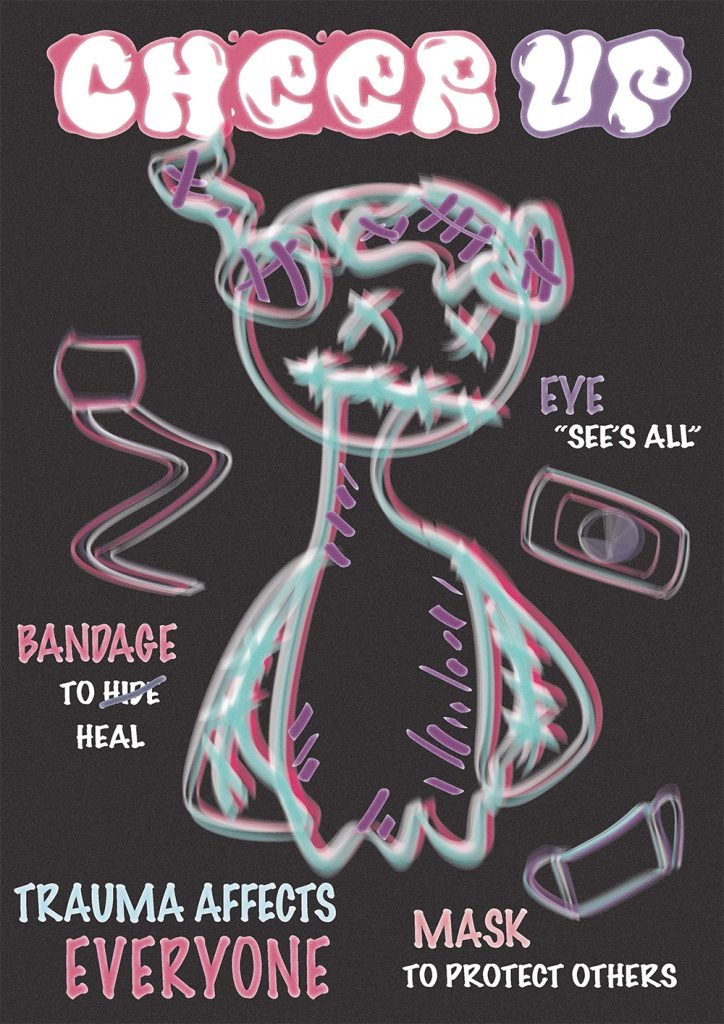
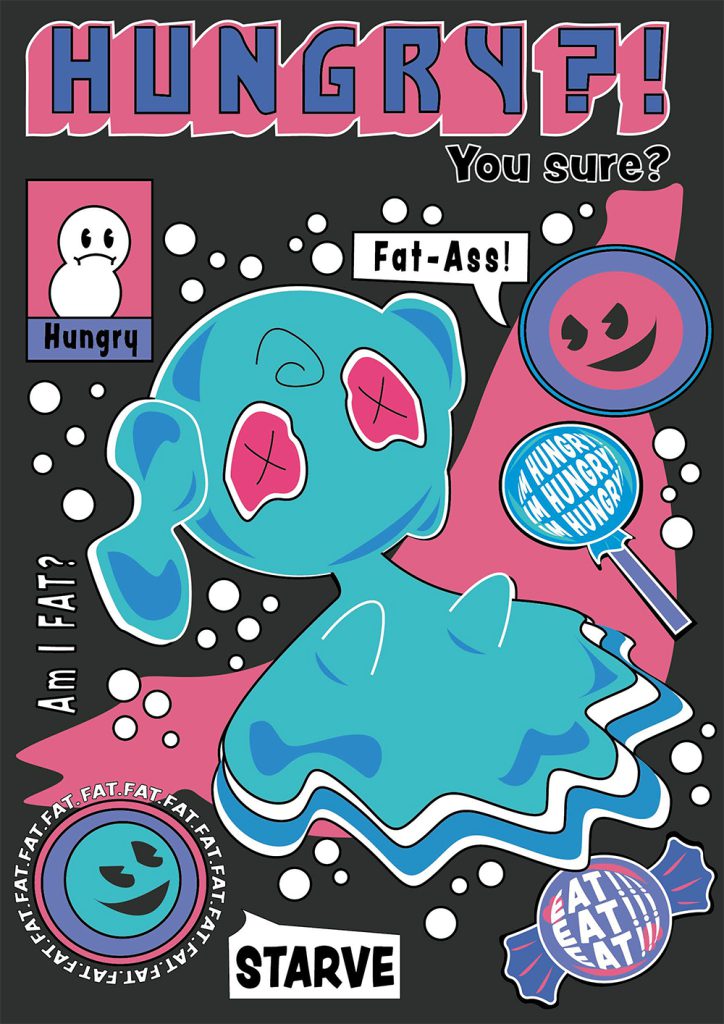
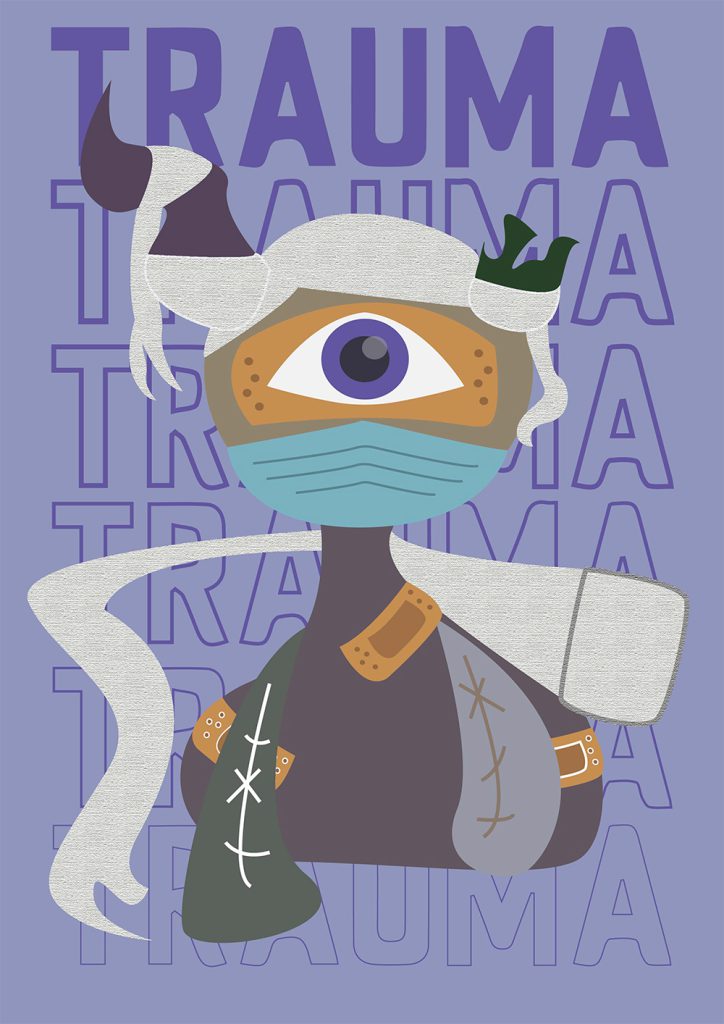
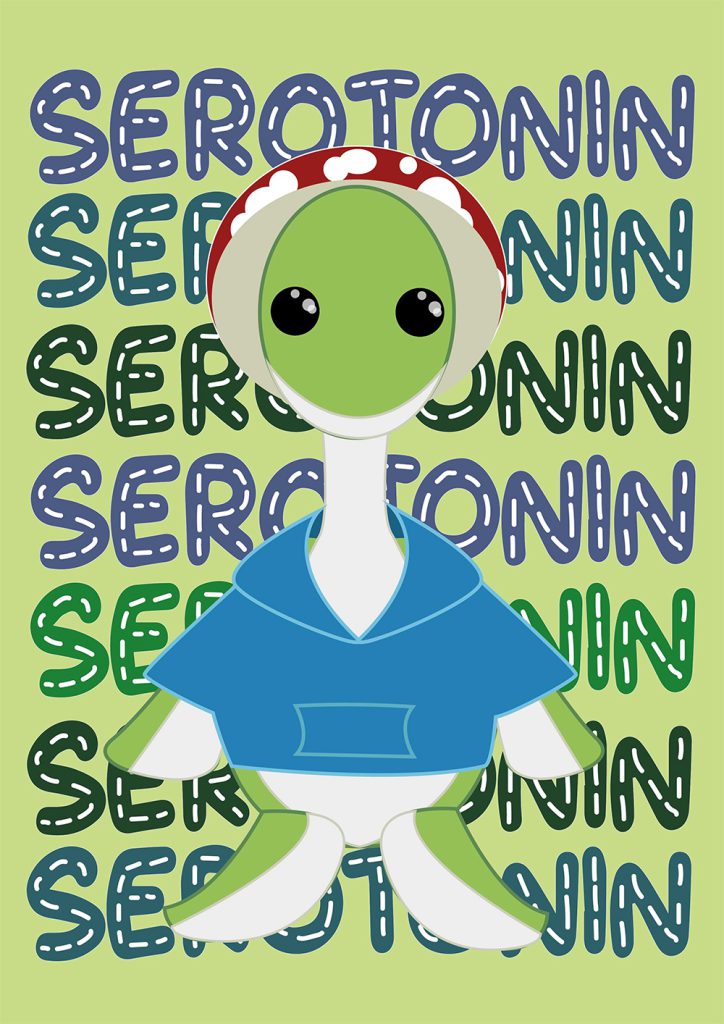
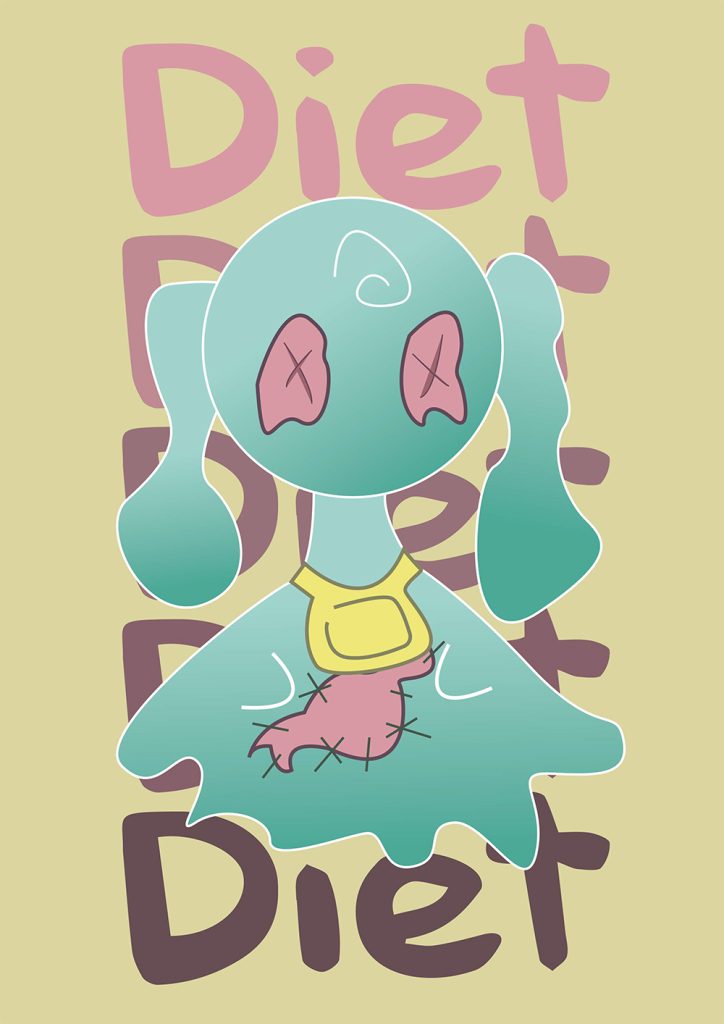
“Cheer up” is a project that spreads awareness of Anxiety and the effect it has on victims through cute and wonderful dolls. Meet the dolls of Trauma, Diet, and Serotonin.
Tiegan Pearce
Progression: Dudley College of Technology, Foundation Diploma
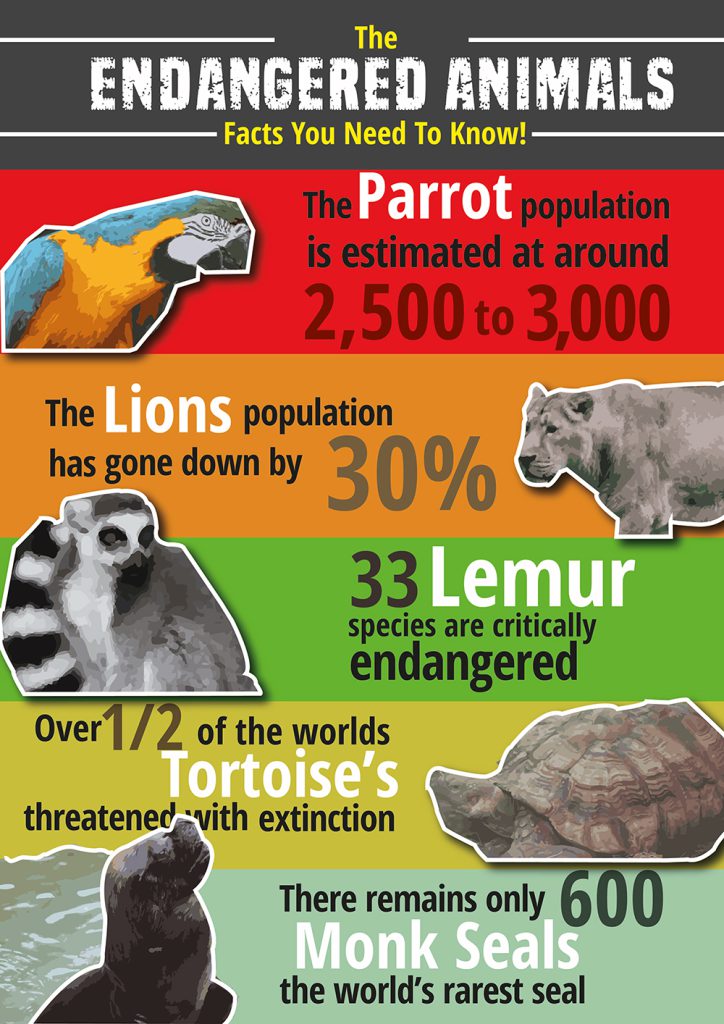
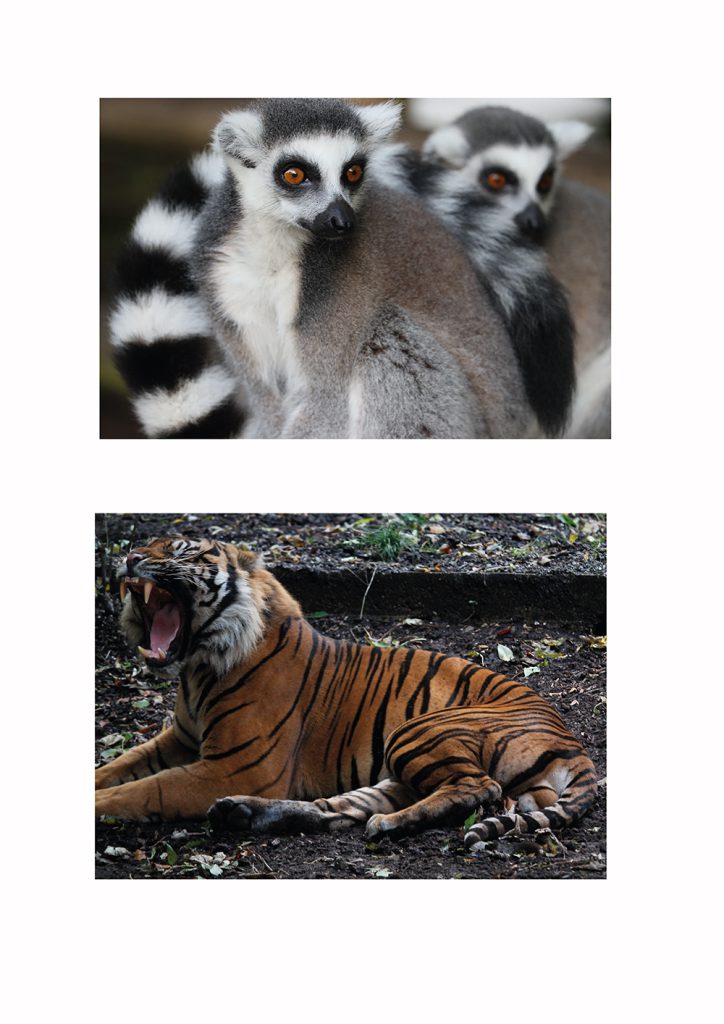
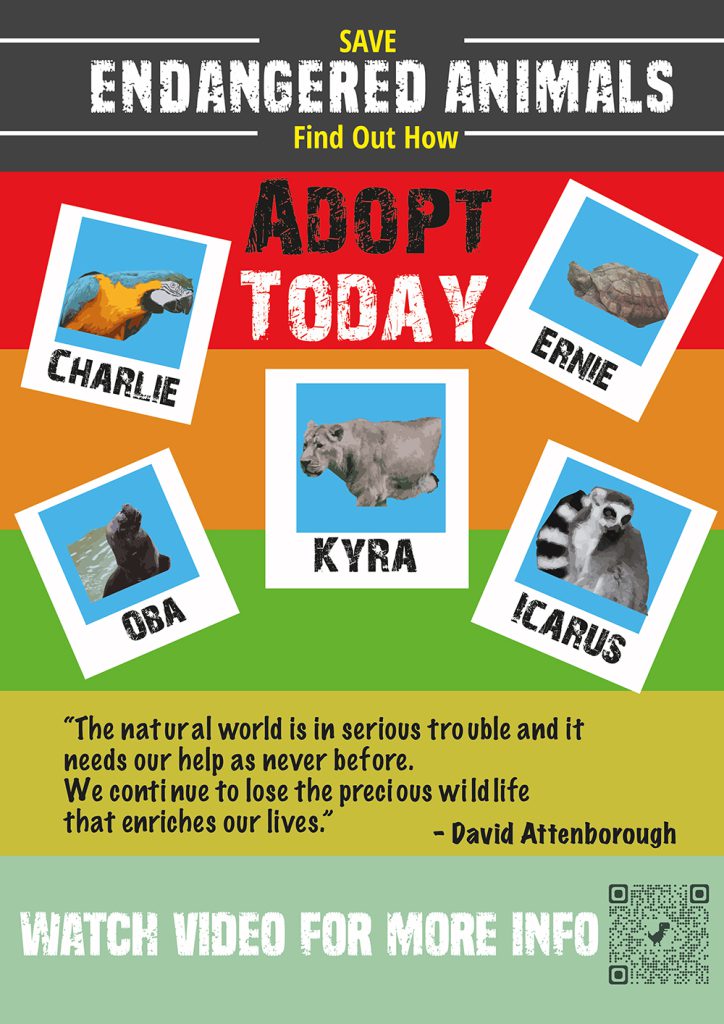
My FMP is to create awareness of animal species that are likely to become extinct in the near future. I became interested in this subject after recent visits to Dudley Zoo as part of my Graphic Design course.
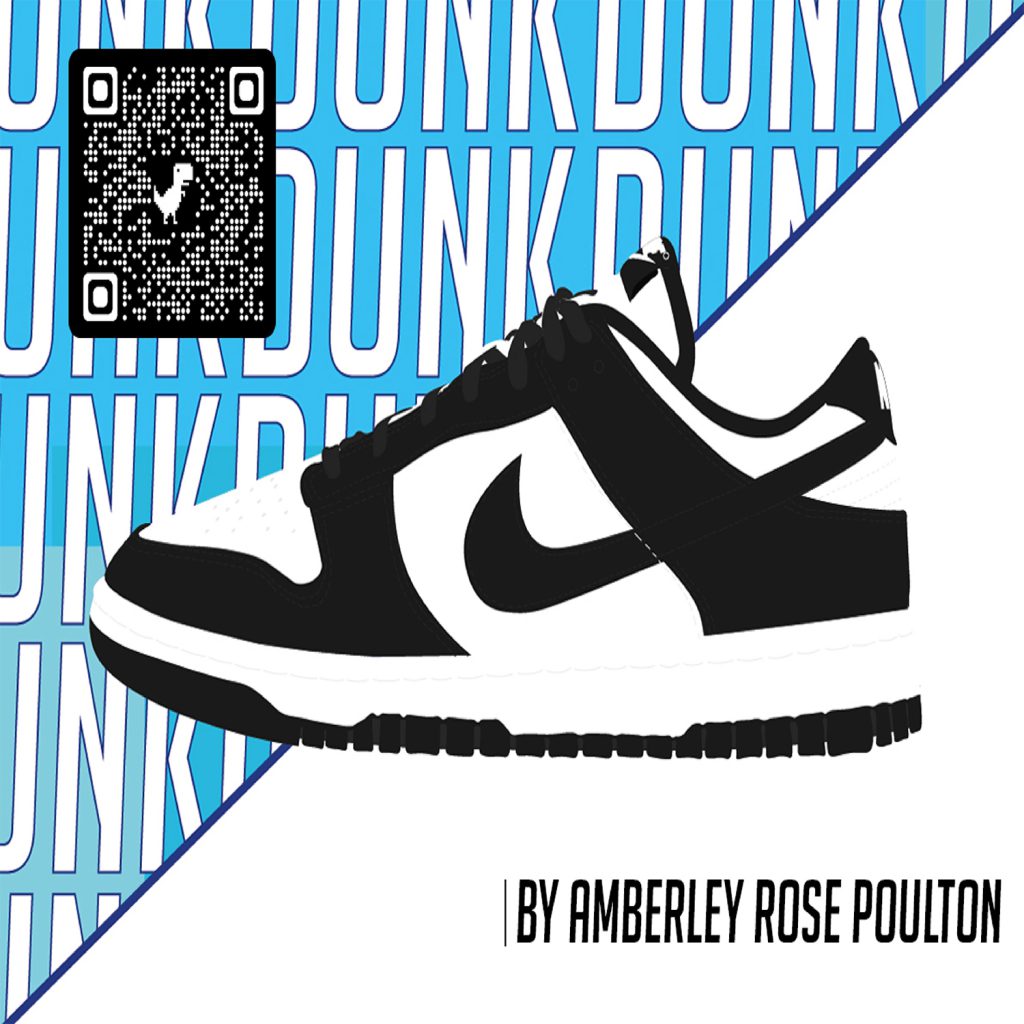
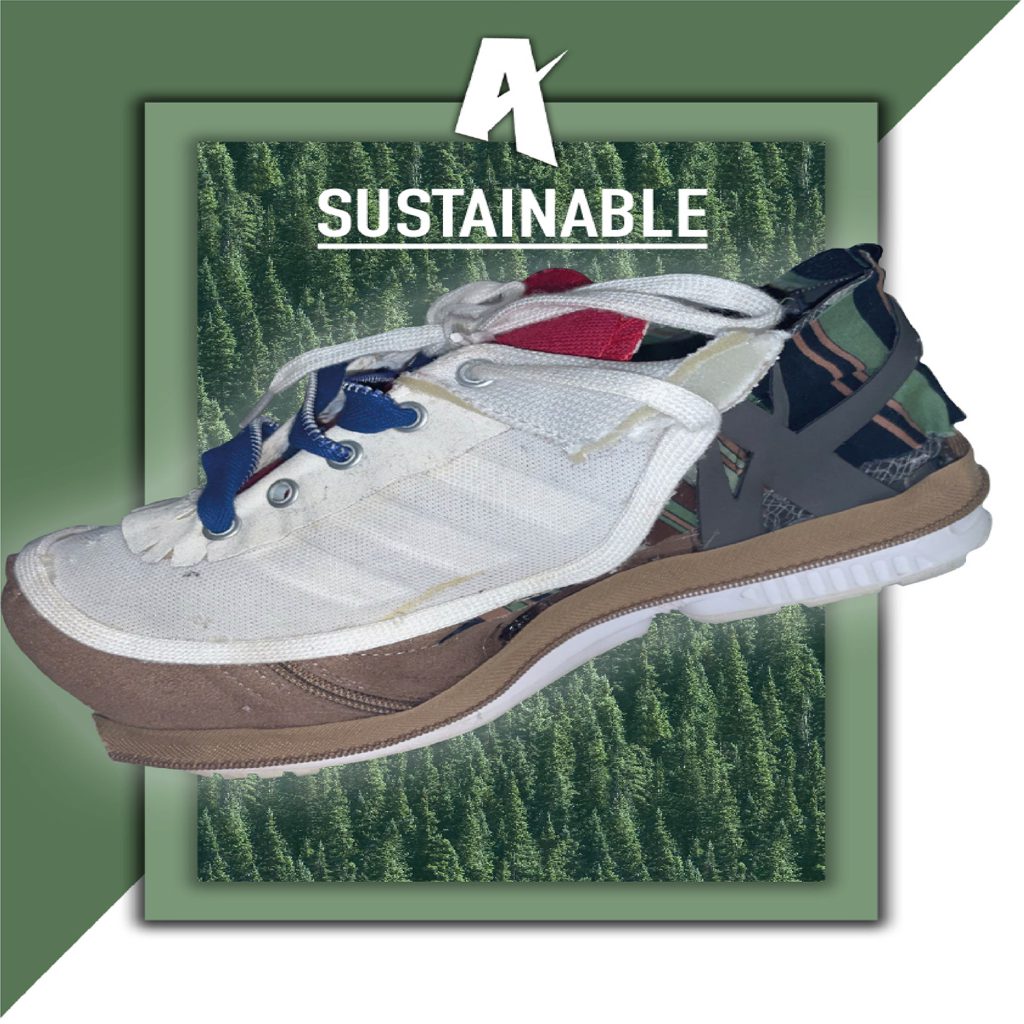
Amberley Poulton
Progression: Dudley College of Technology, Foundation Diploma
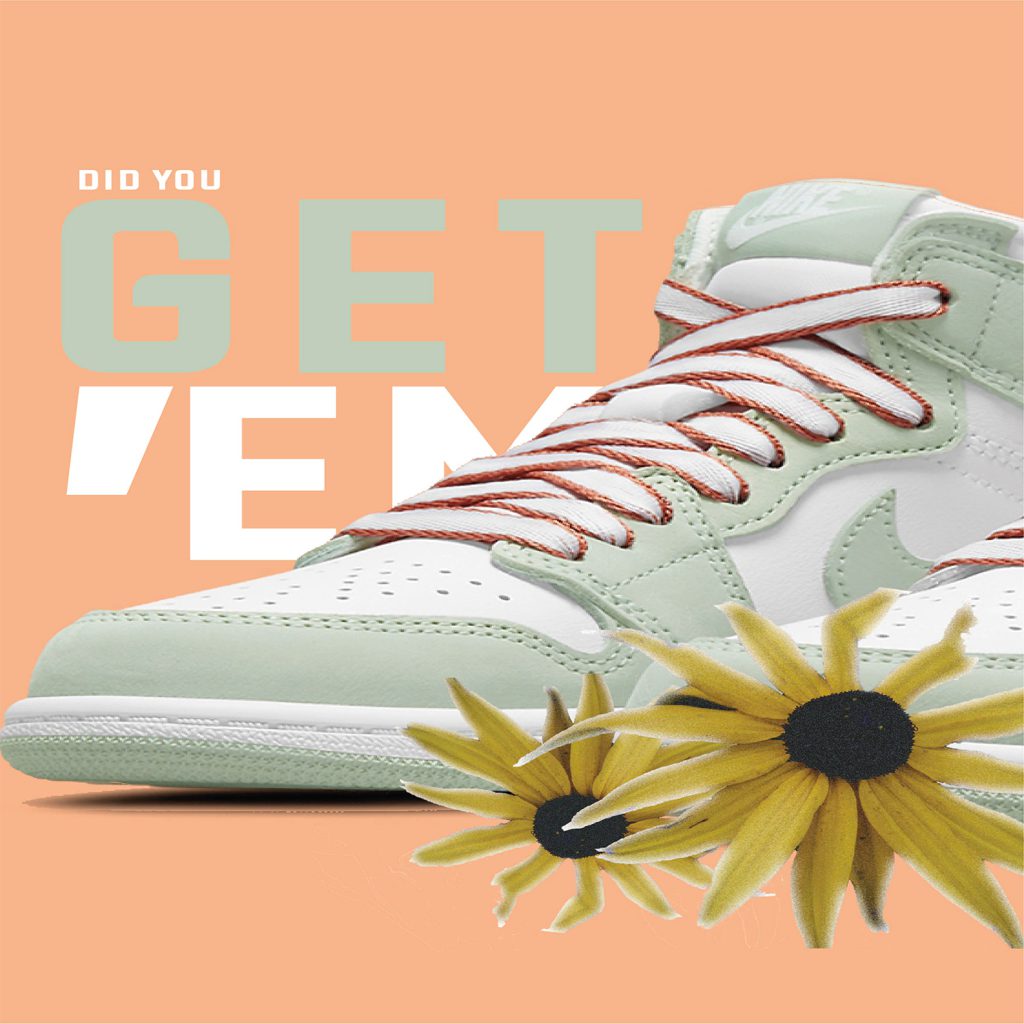
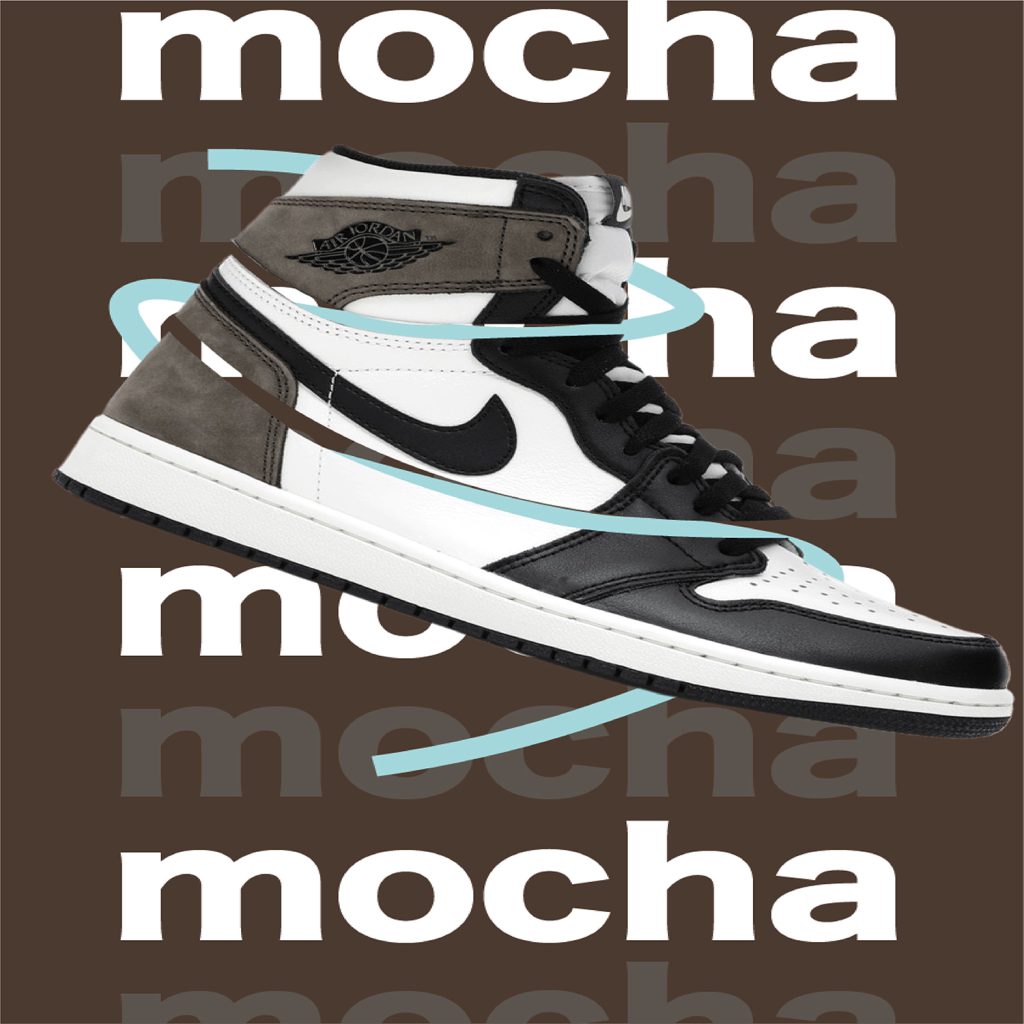
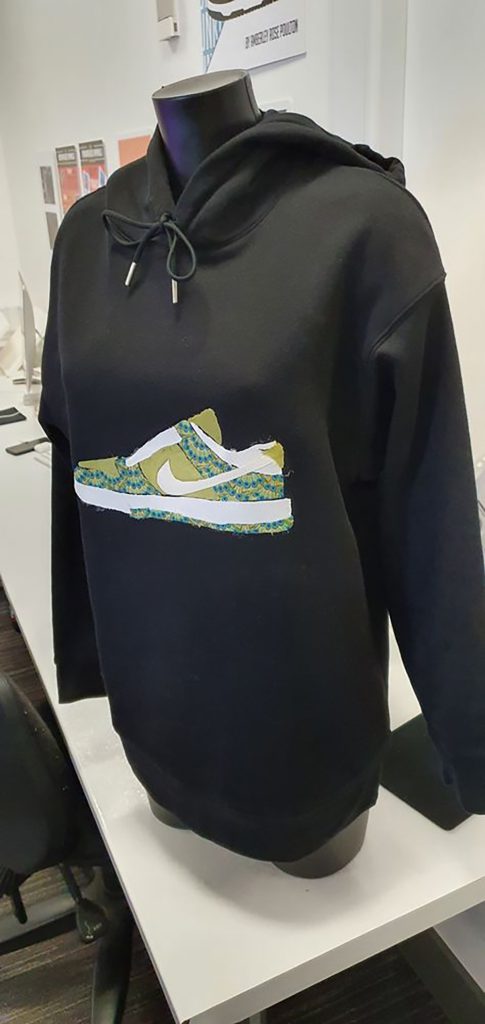
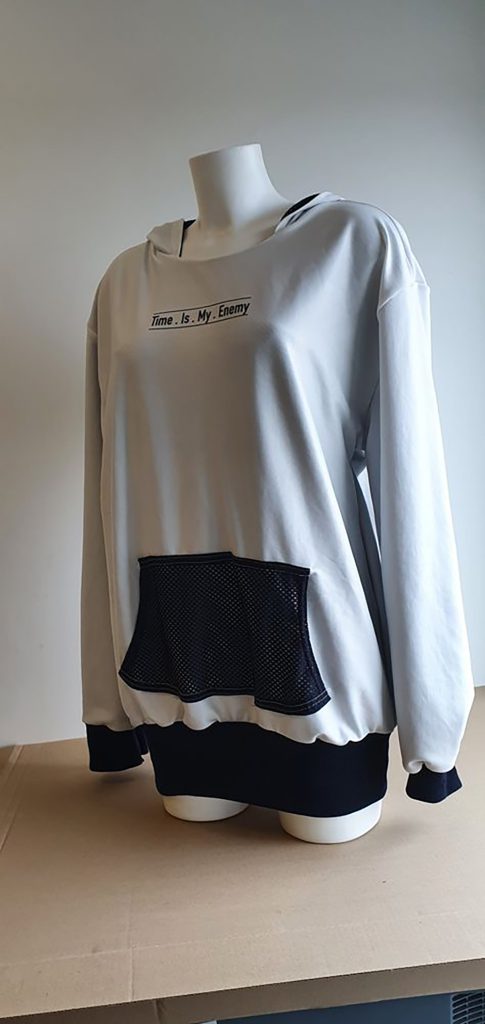
My Final Major Project is about creating sustainable wearable items. I chose to create my own trainer and hoodie design fully made out of repurposed materials.
Lani Raybould
Progression: Birmingham City University, BA Graphic Communication
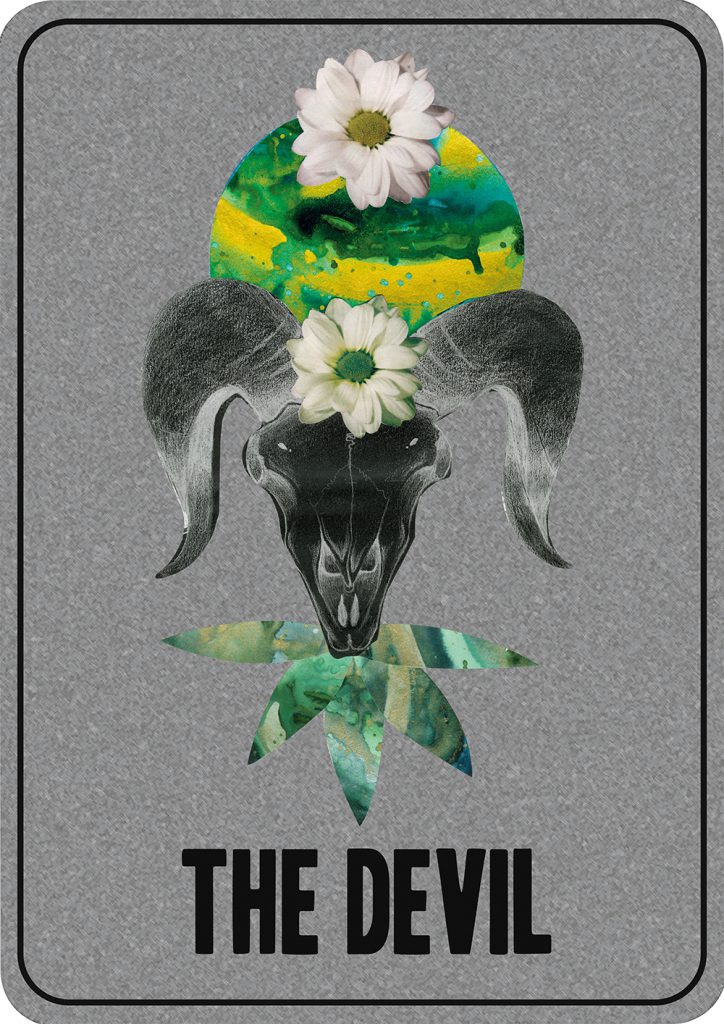
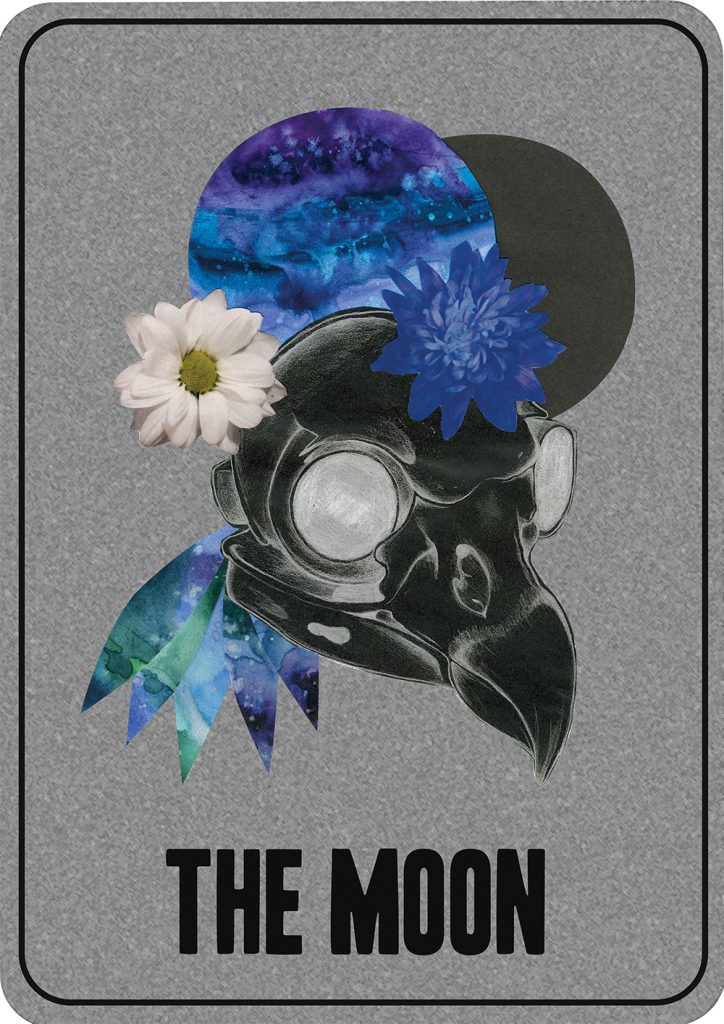
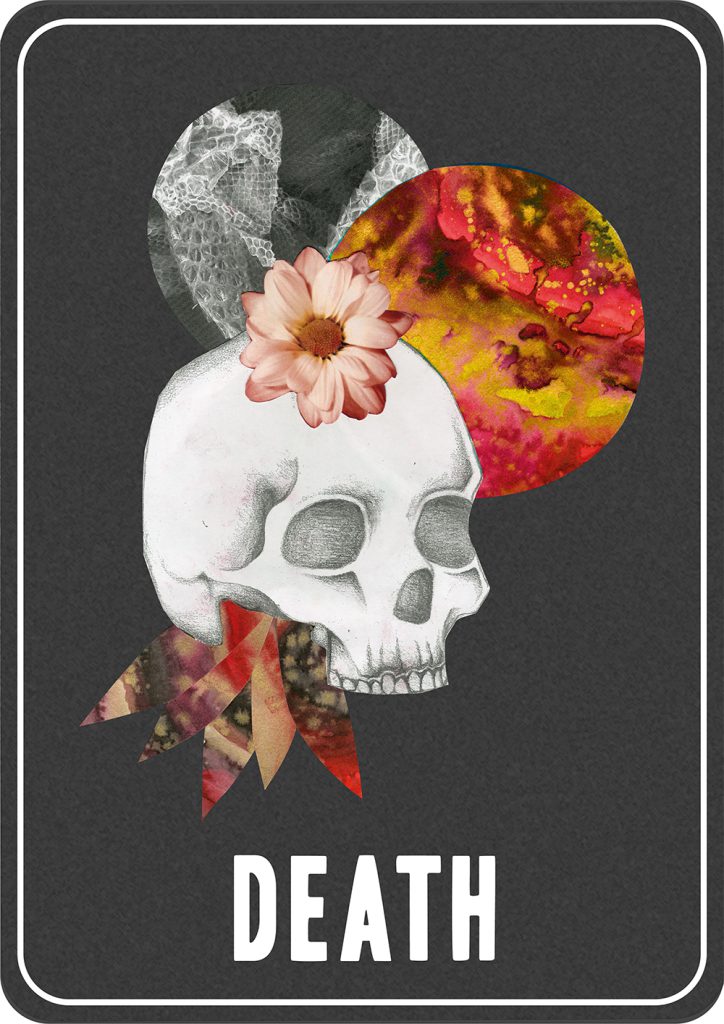
The four Tarot cards designs on show have been created by combining traditional art and design techniques with digital methodologies.
Jake Smith
Progression: Employment or Further Education
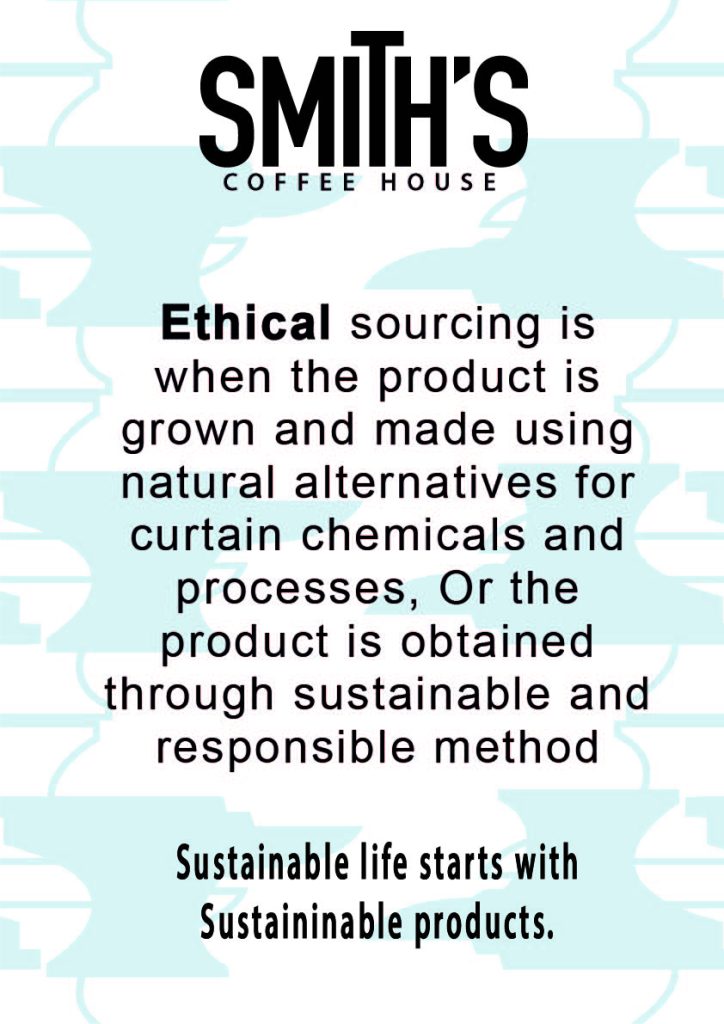
My FMP’s main focus is to educate people about more sustainable alternatives in the form of a coffee brand.
Sam Smith
Progression: Bournemouth University
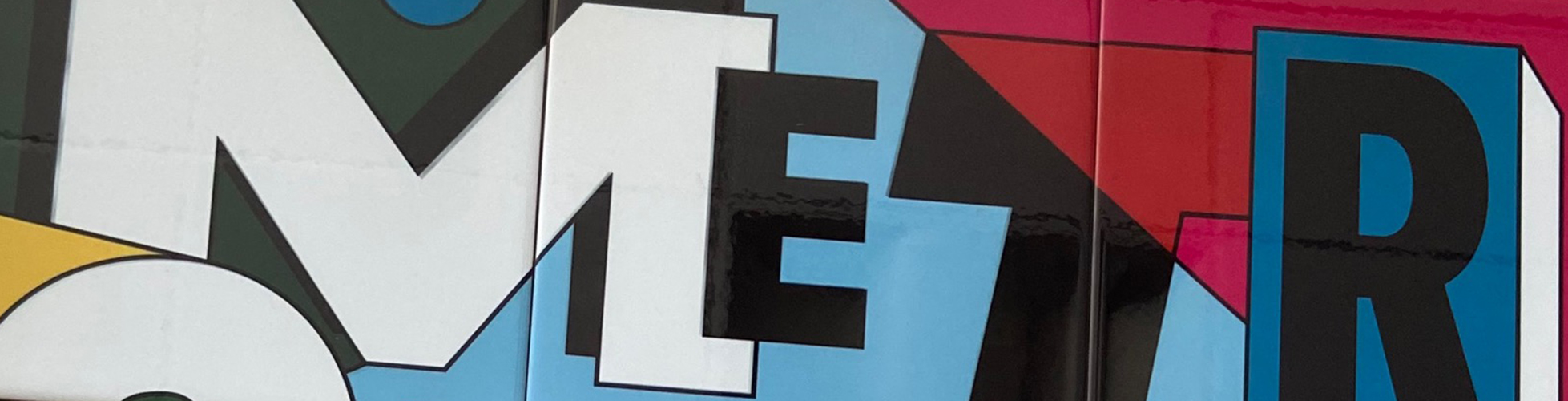
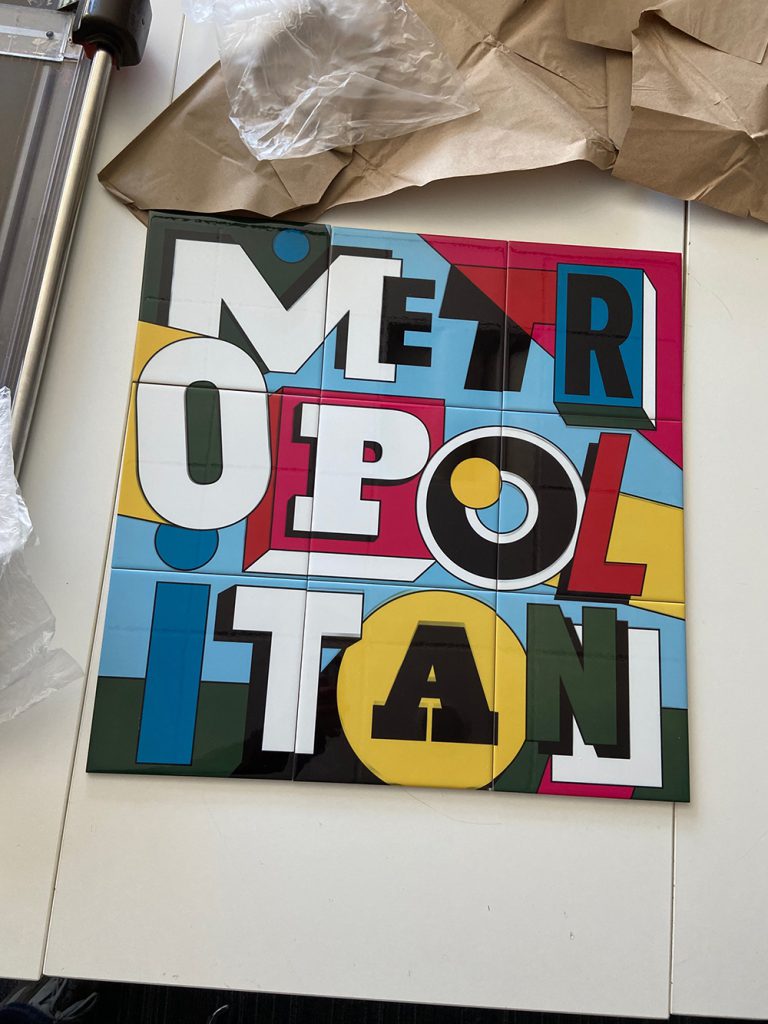
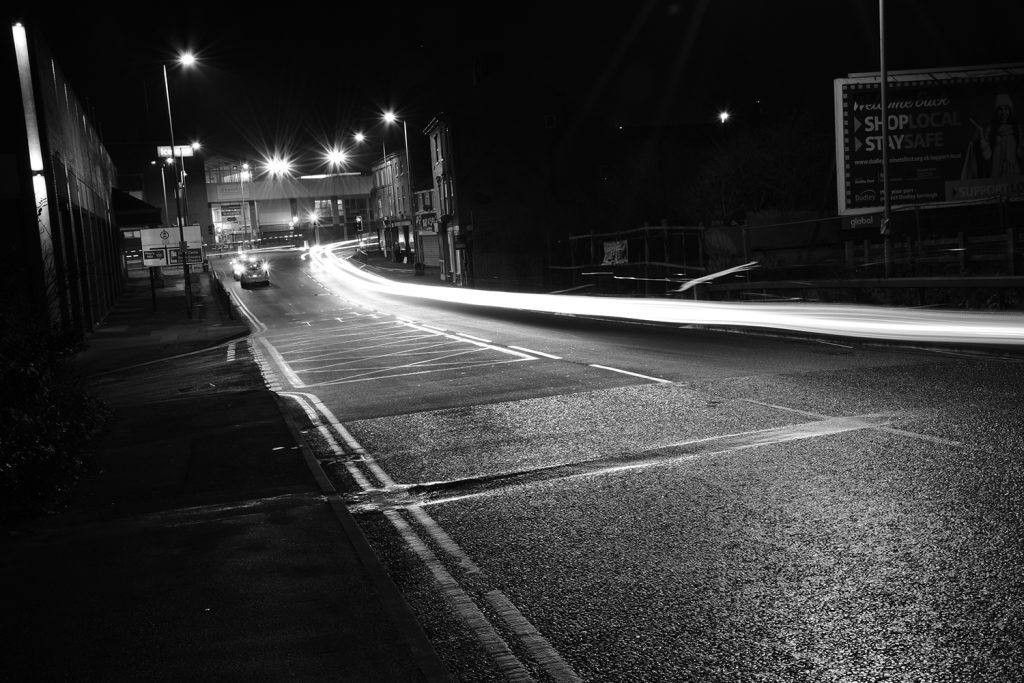
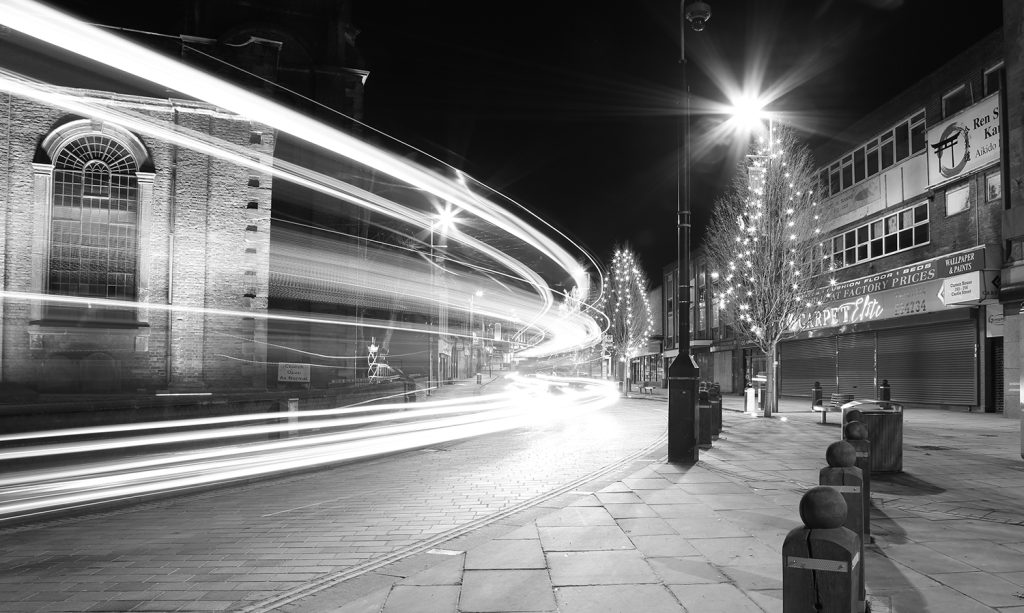
For my project ‘The Metro’ I wanted to highlight through my work the community of Dudley, providing an essence of our town, both old and new. I was keen to show different techniques that I have accrued at Dudley College within my work, but still push myself to try new things. I was particularly interested in the Midland Metro line that will soon shape Dudley’s future, whilst still using my work to look at Dudley’s rich history and its wonderful people.
Brooke Totney
Progression: Birmingham City University, BA Graphic Communication
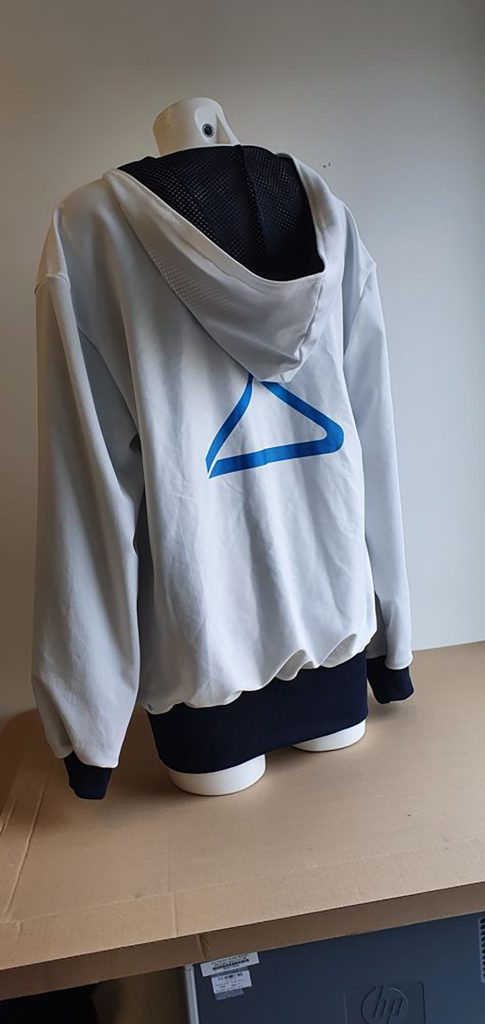
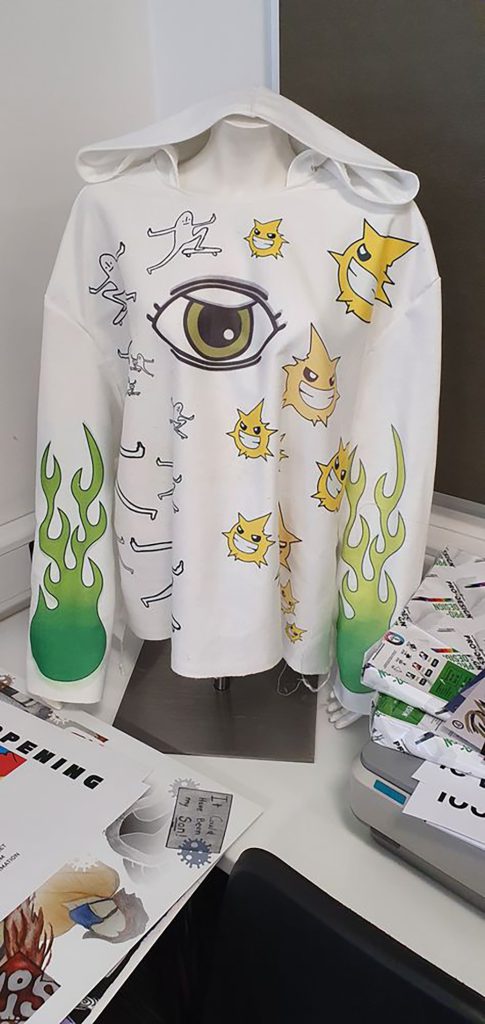
My FMP was based around swimming, as I am a British Championship swimmer. The hoodie was designed to keep swimmers’ muscles and body warm as it is vital to stay warm when racing. The materials used to make the hoodie dry quickly and use water resistant materials.
Liam Warden
Progression: Birmingham City University, BA Graphic Communication
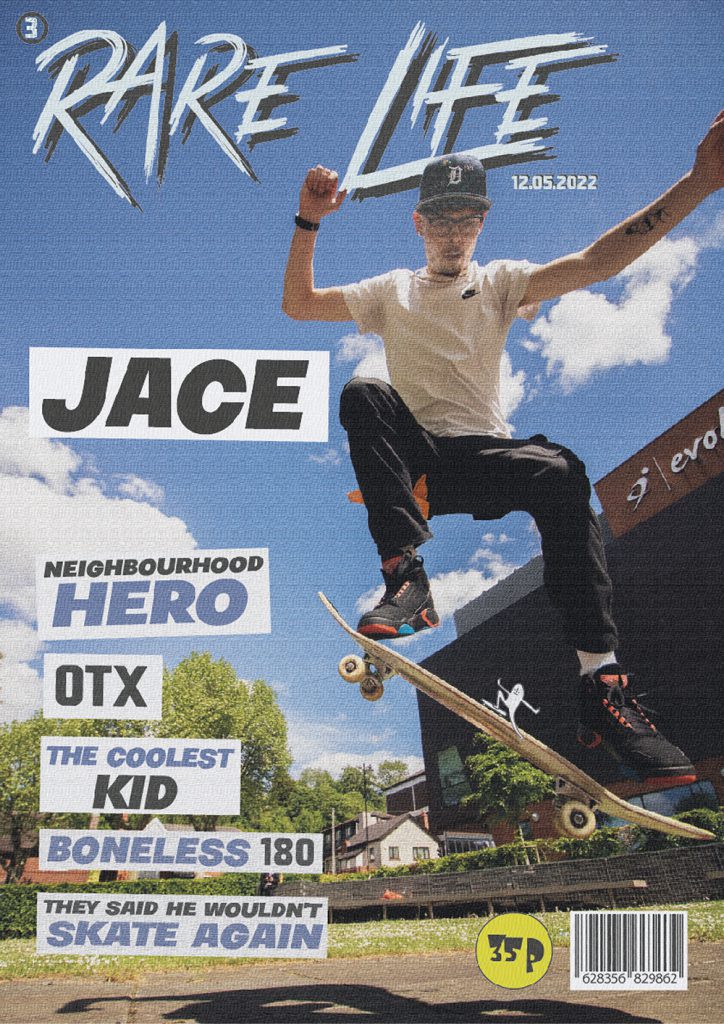
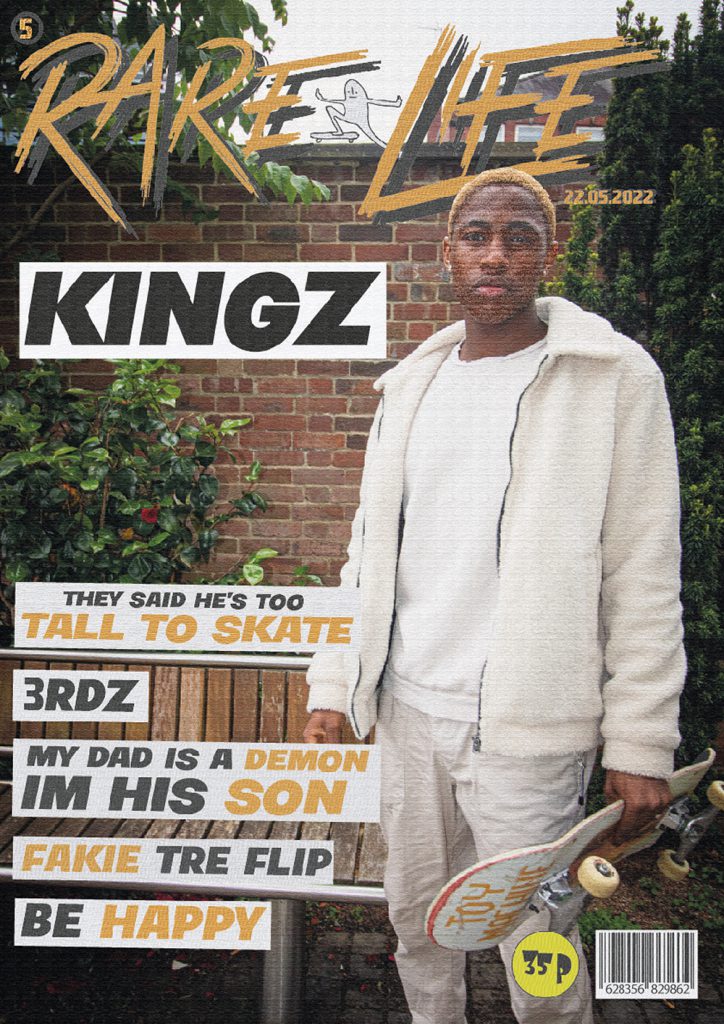
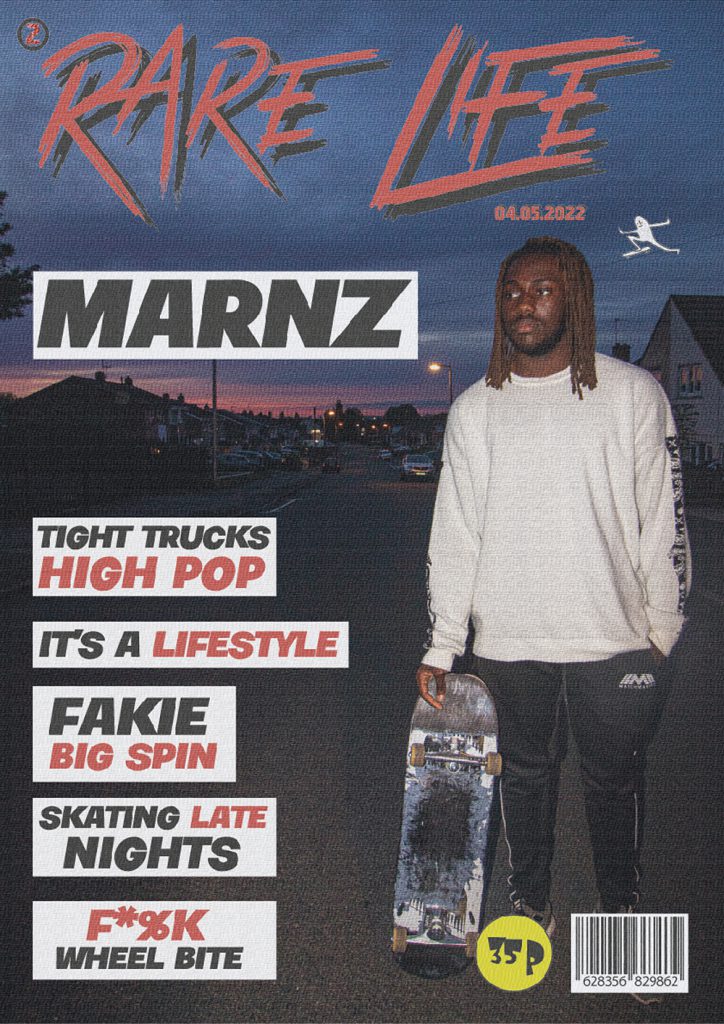
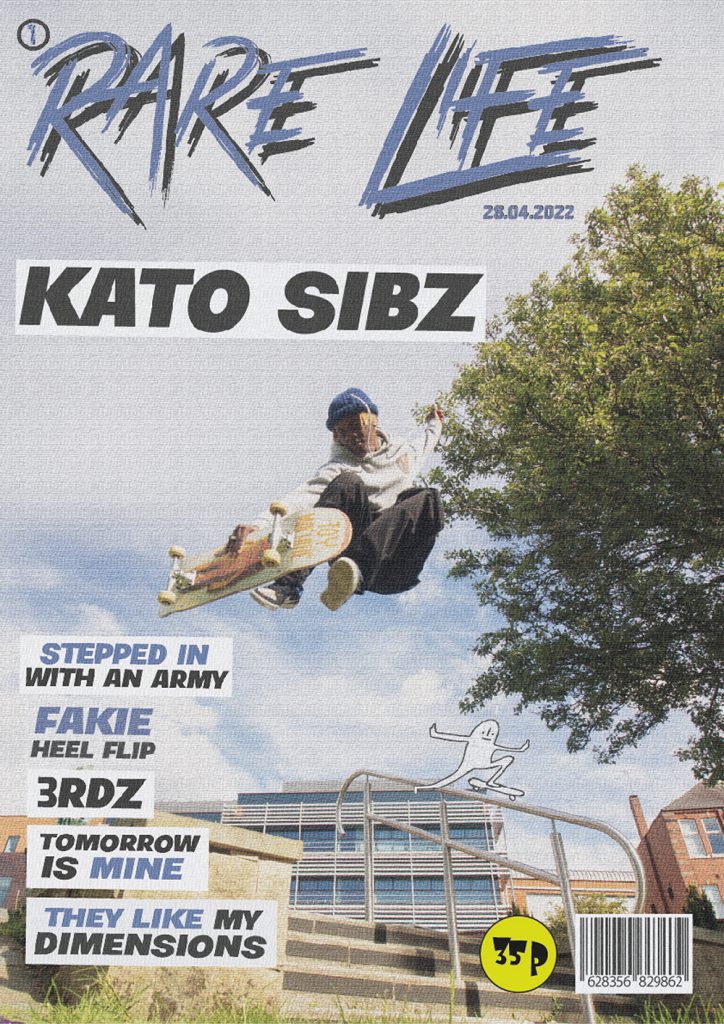
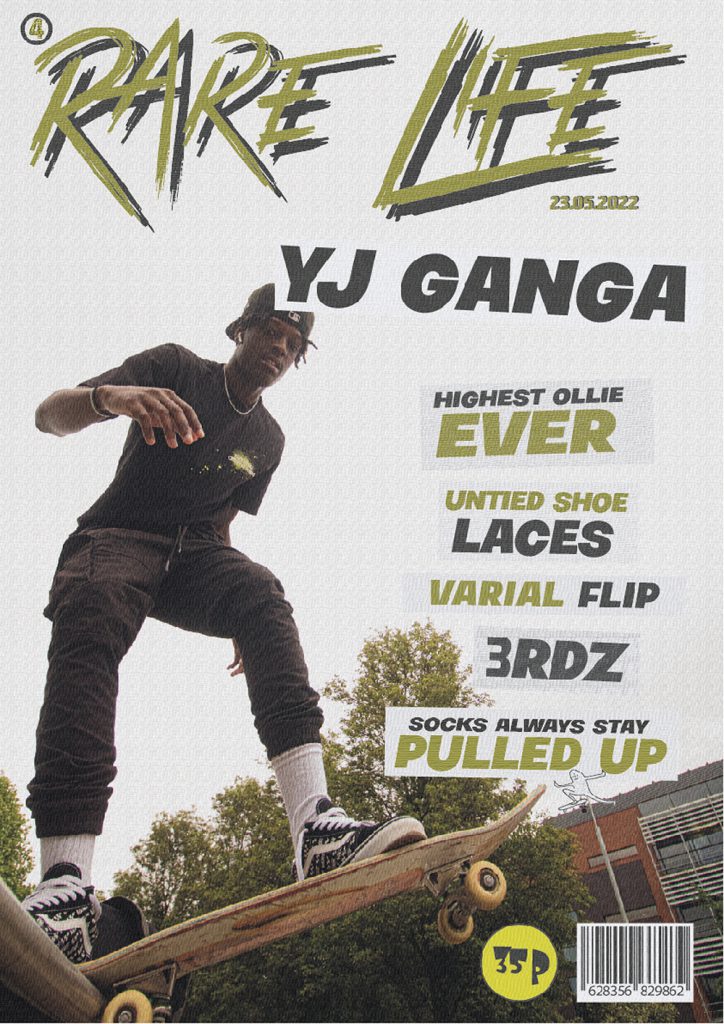
My FMP is based on of my skateboarding brand called ‘Rare Life’. My brand philosophy is to live a life so different from anyone else’s that it is seen as ‘Rare’.
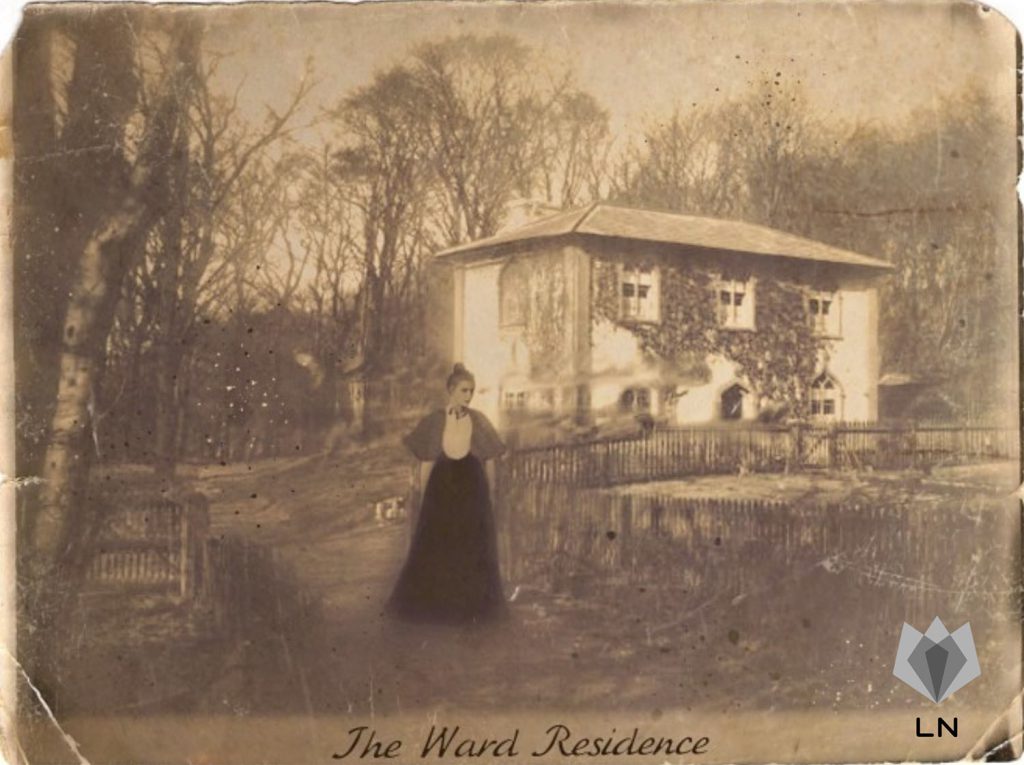
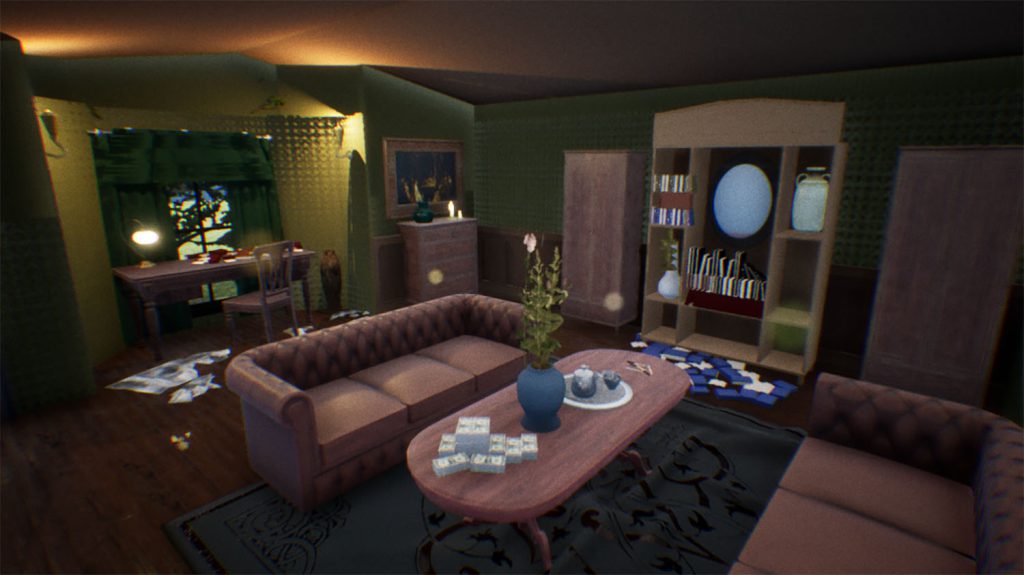
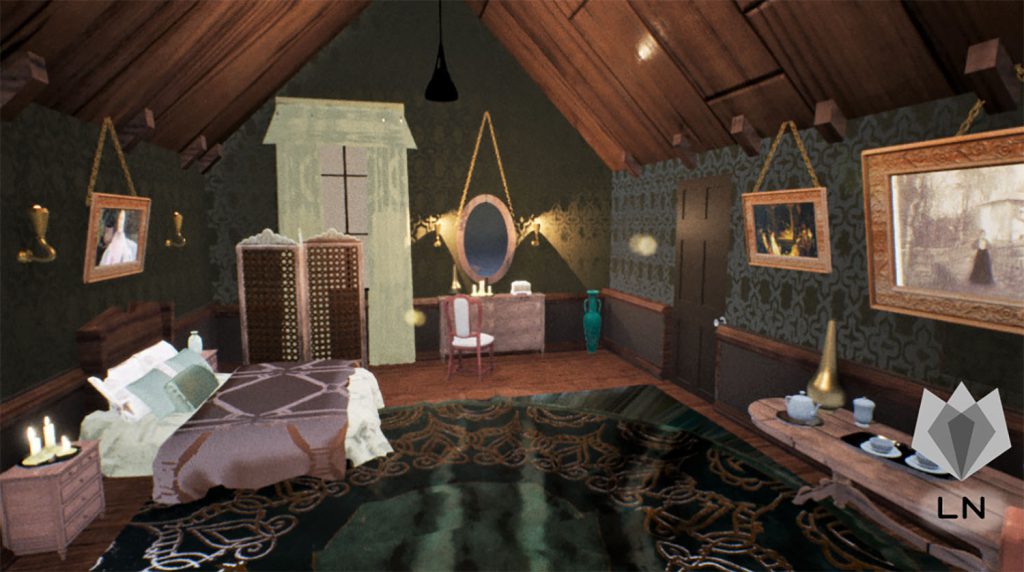
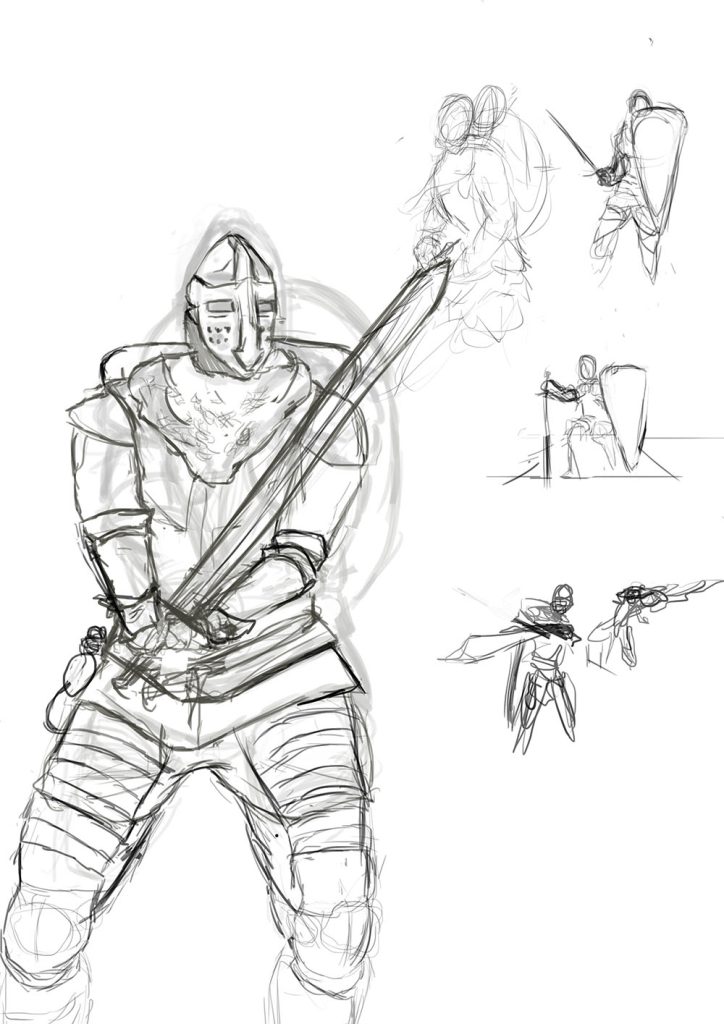
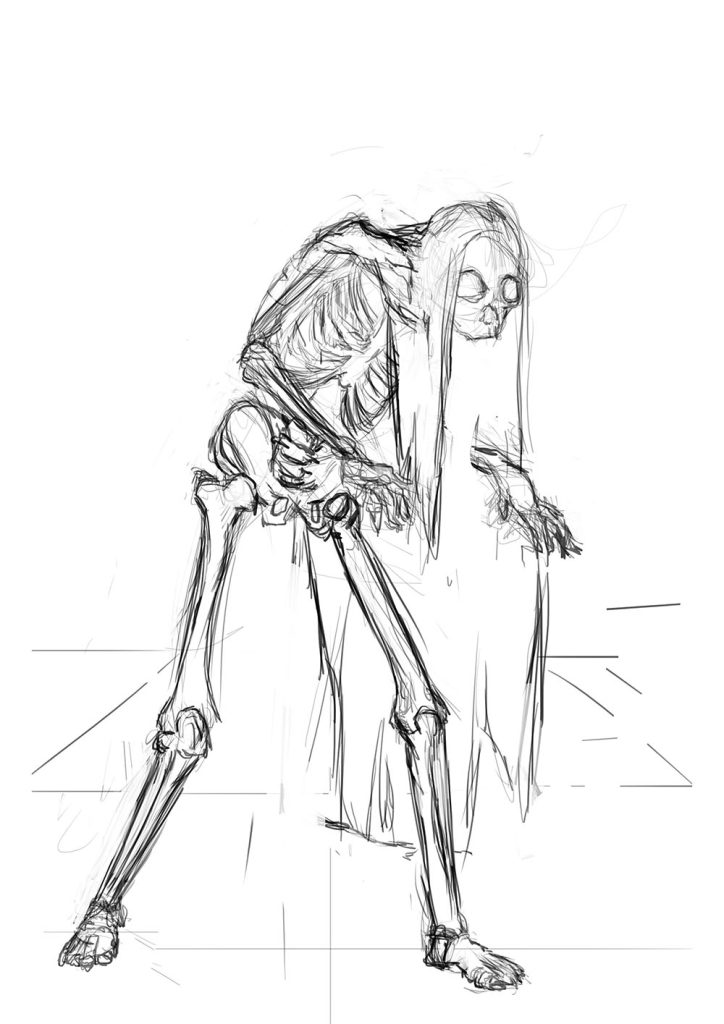
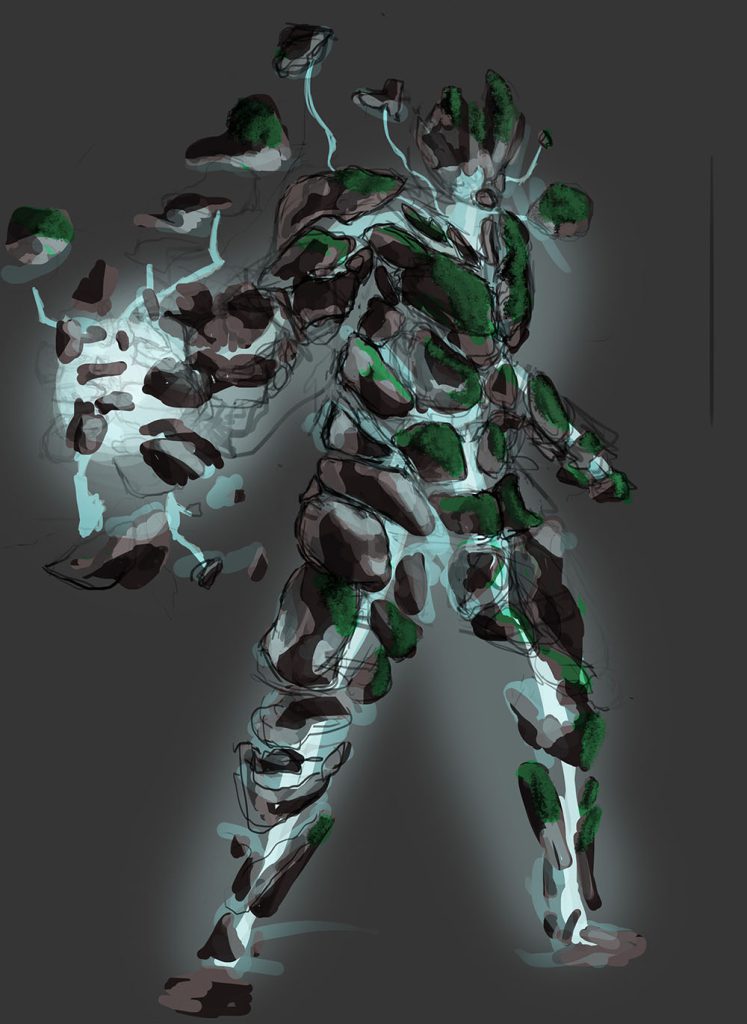
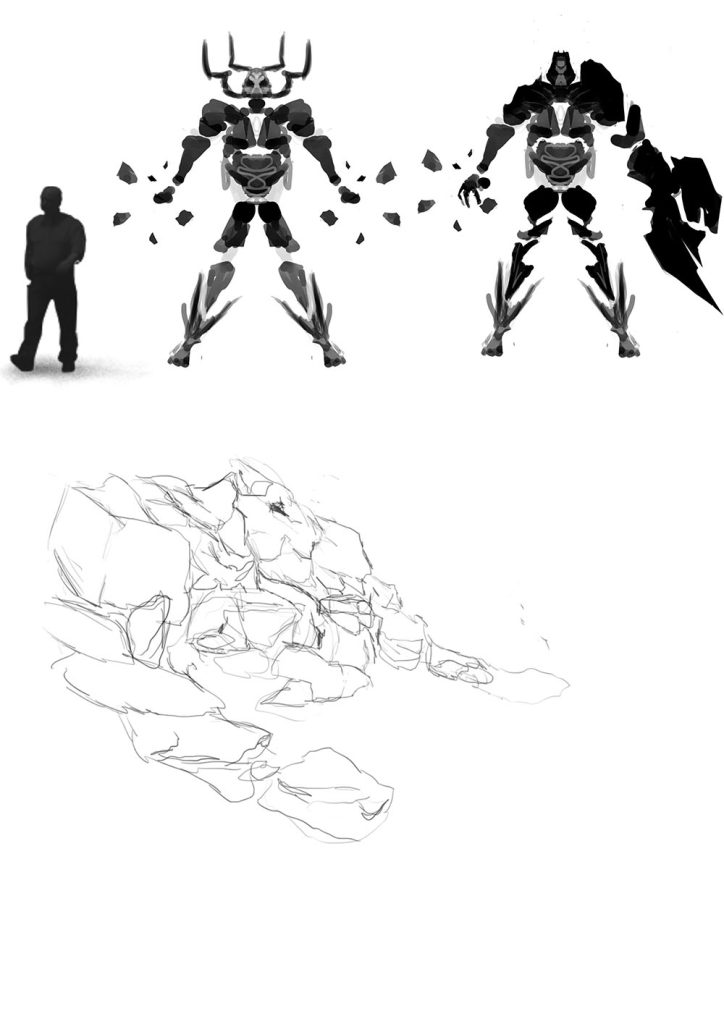
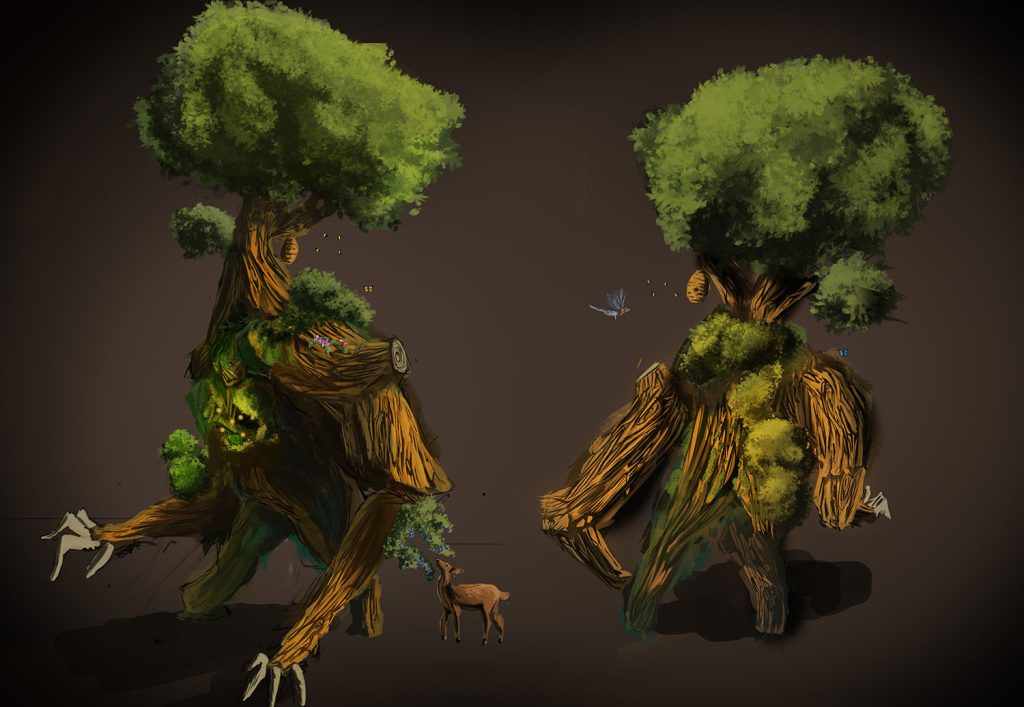
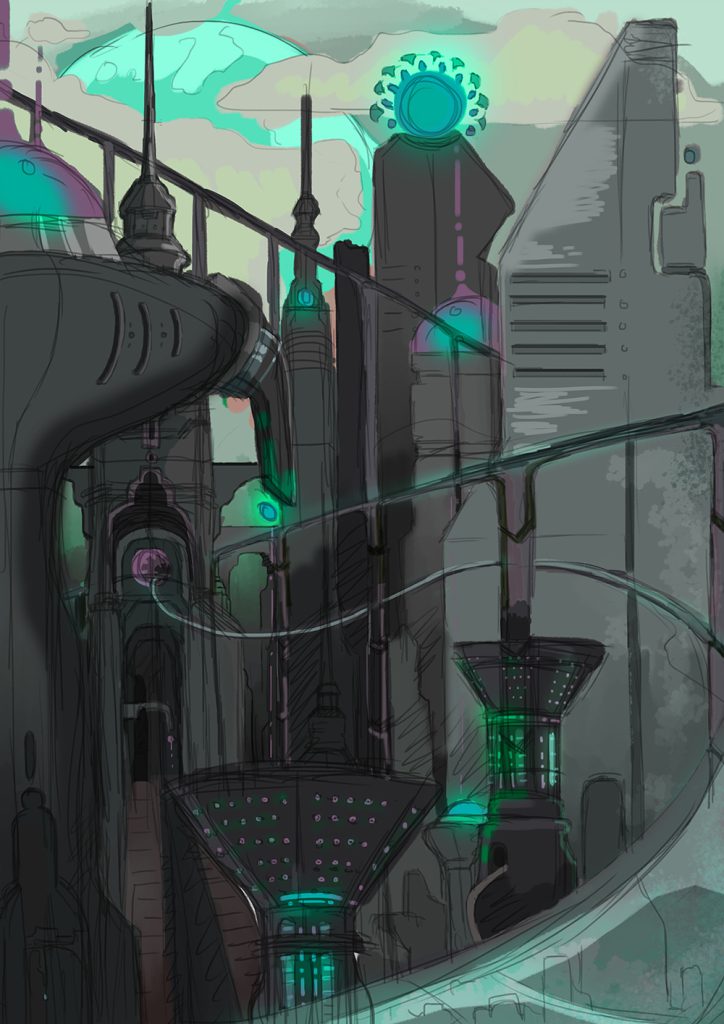
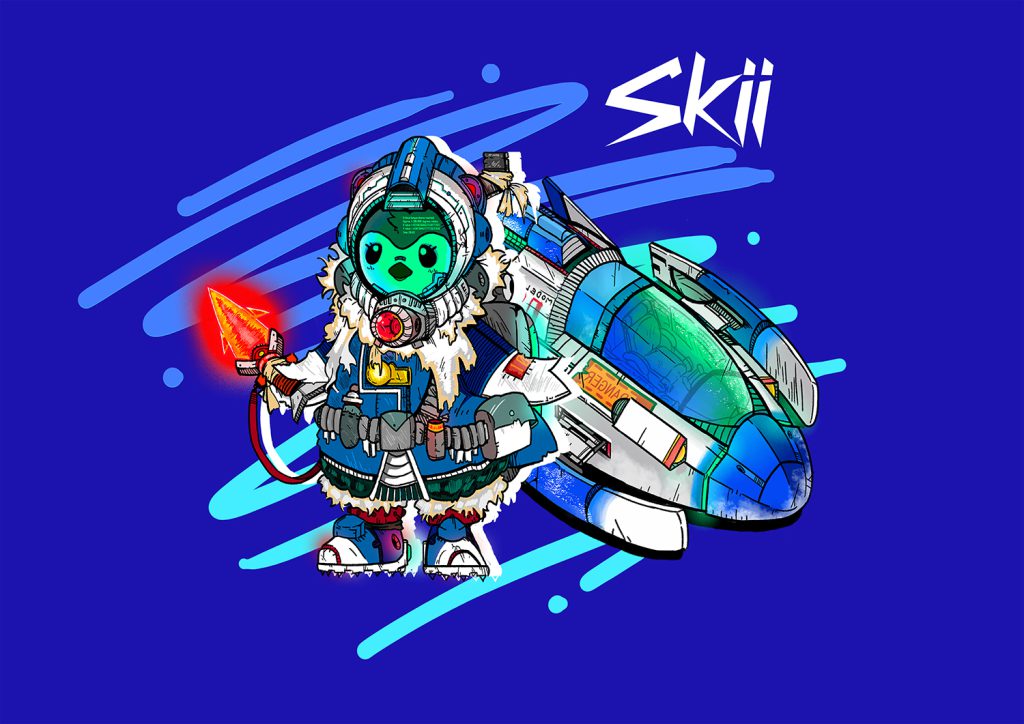
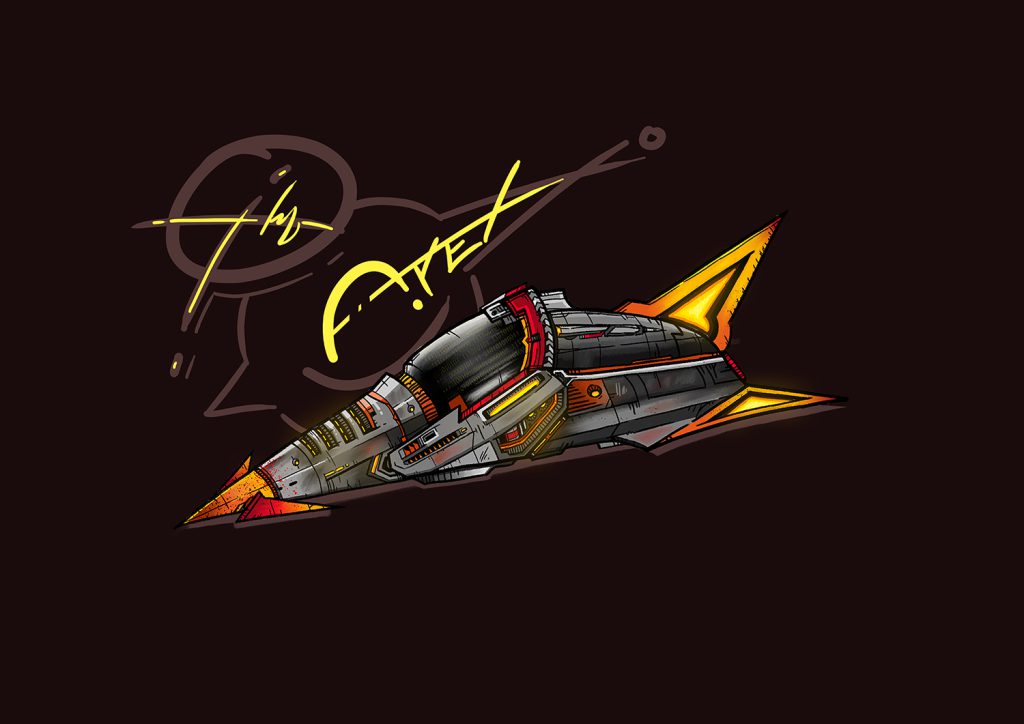
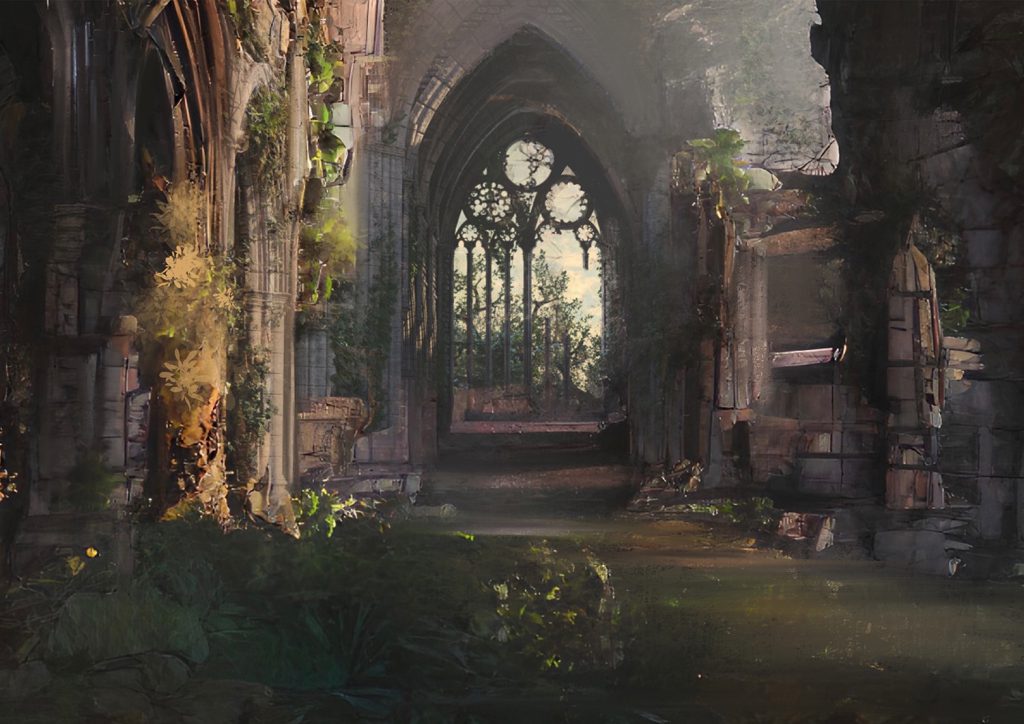
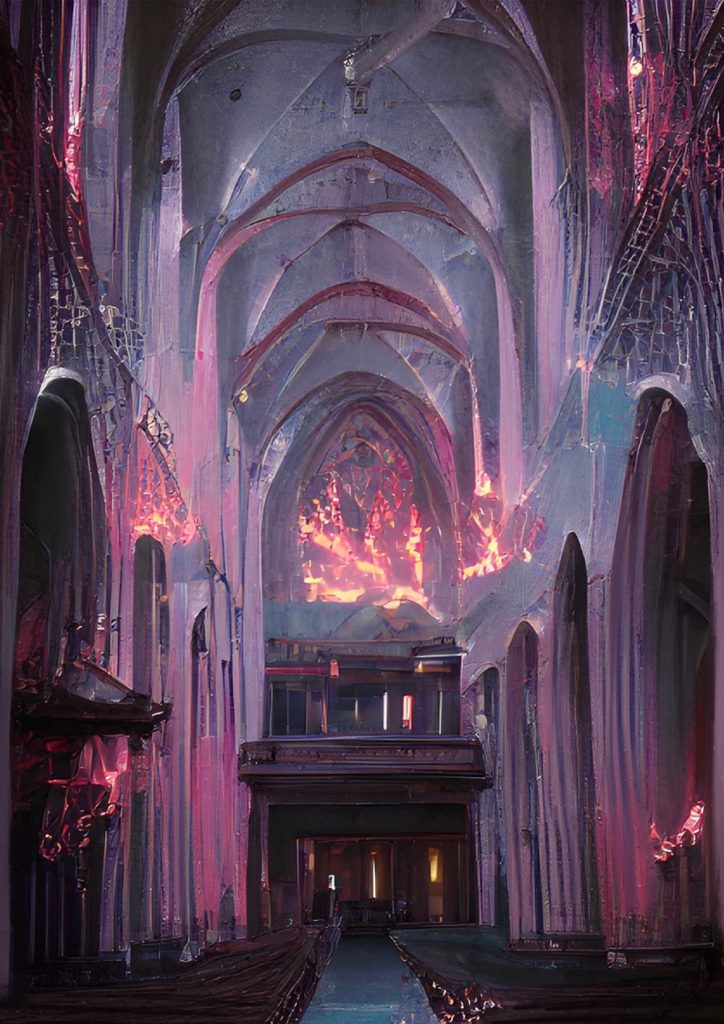
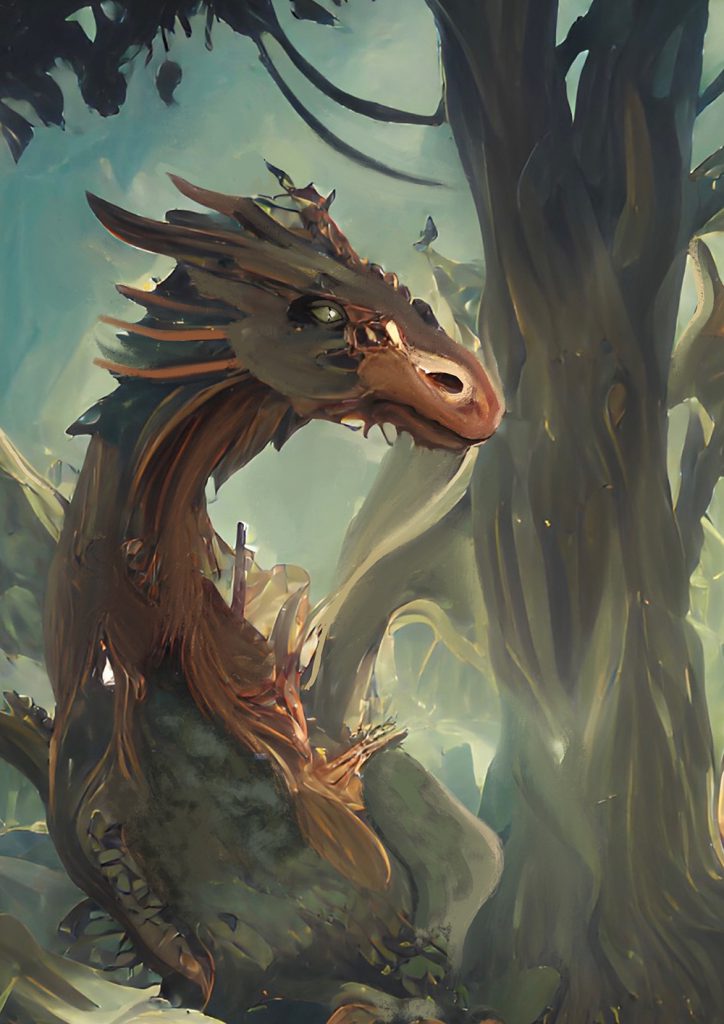
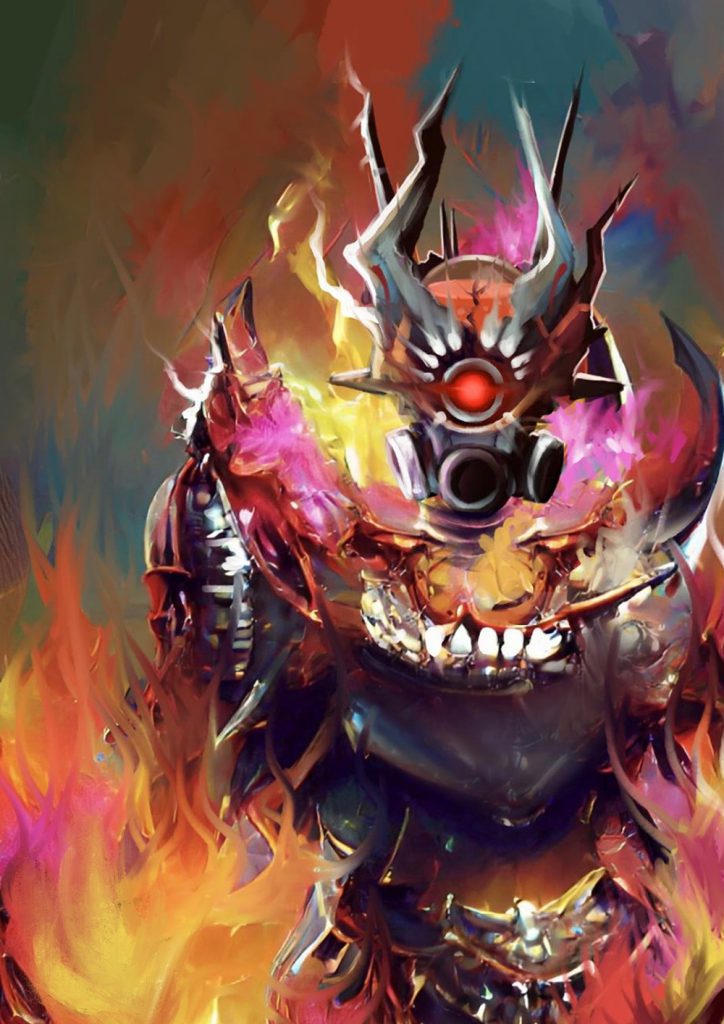
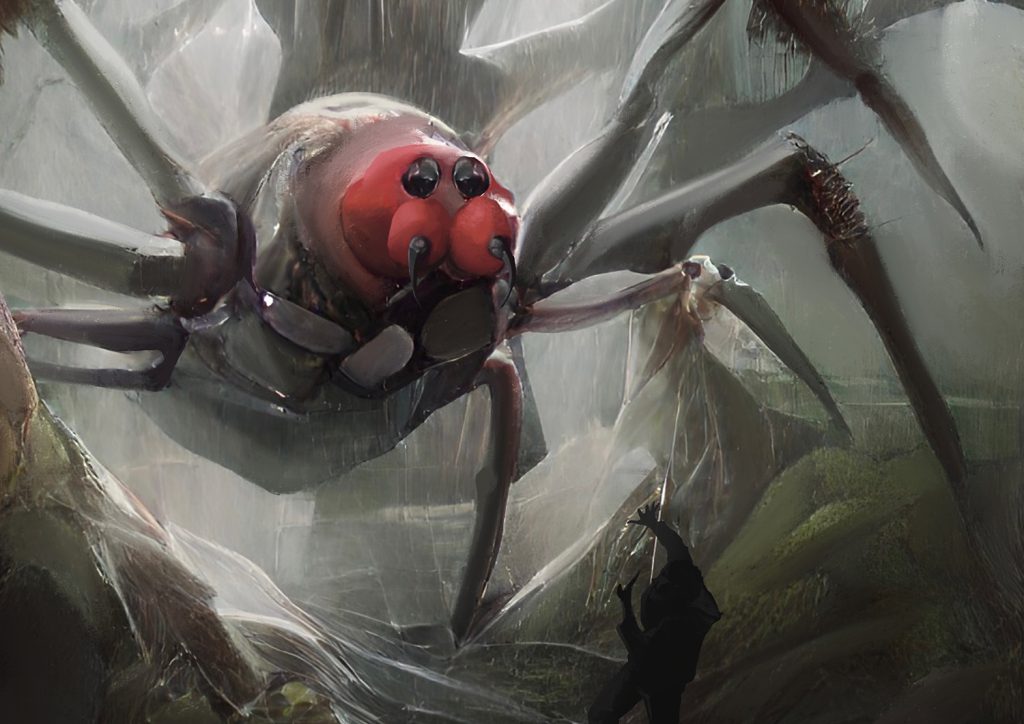
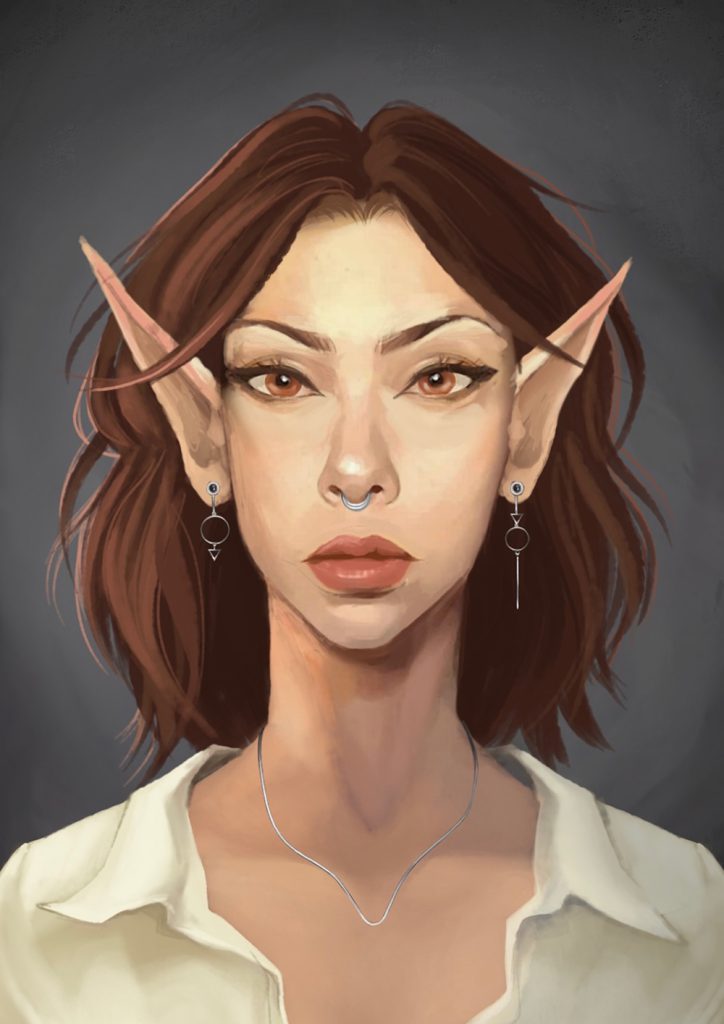
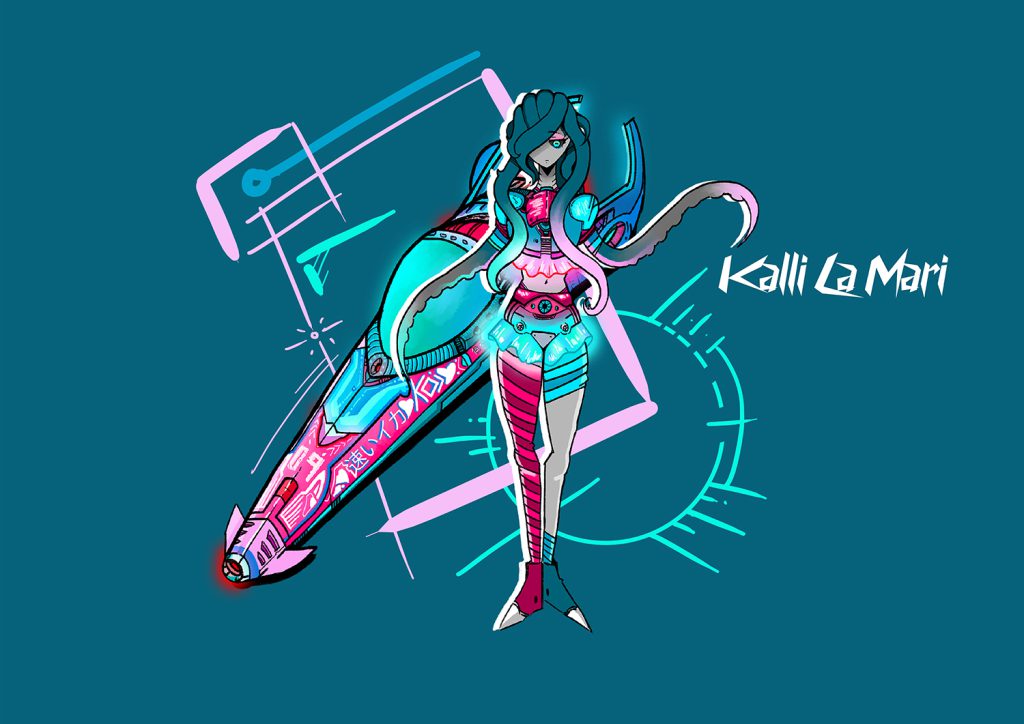
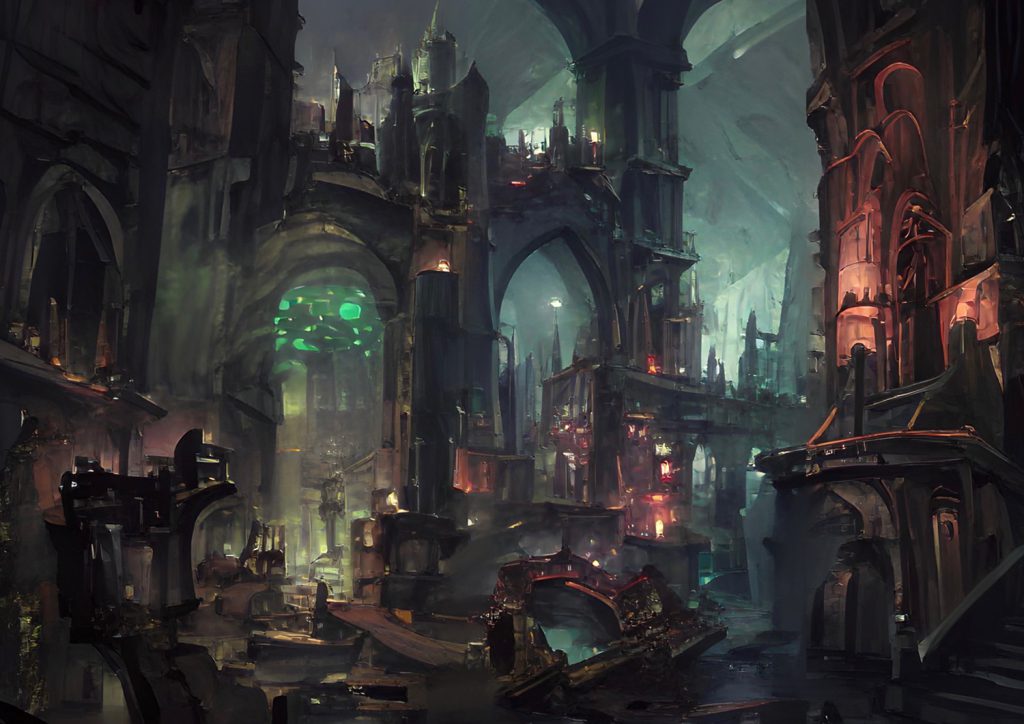
How do you build a computer game from the ground up? This course shows you how. The work showcased demonstrates how young designers and artists at Dudley College have challenged the parameters of game design to present original and imaginative solutions for 2D and 3D game outcomes.
Learners are challenged to ‘think outside of the box’ to explore and question conventions within the world of games design. The course provides learners with the opportunity to creatively develop dynamic conceptual outcomes, while working with industry-standard design and production applications.
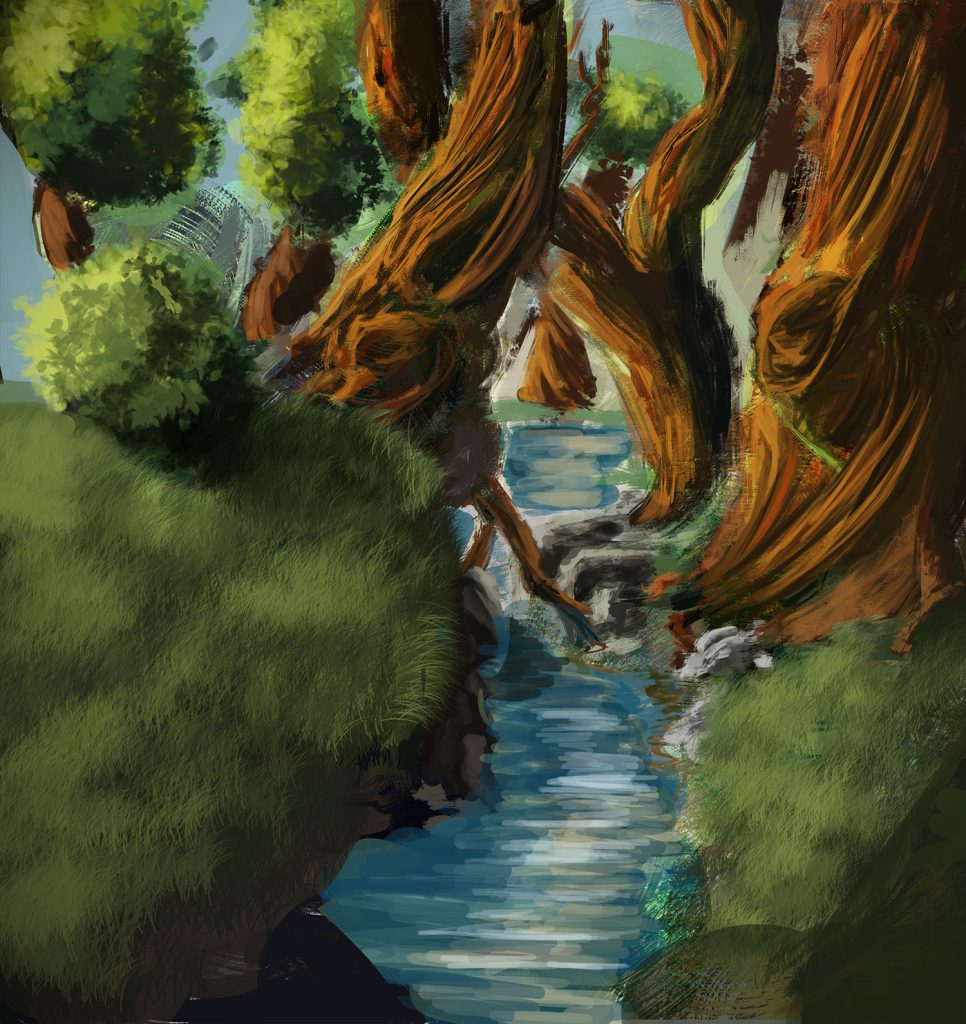
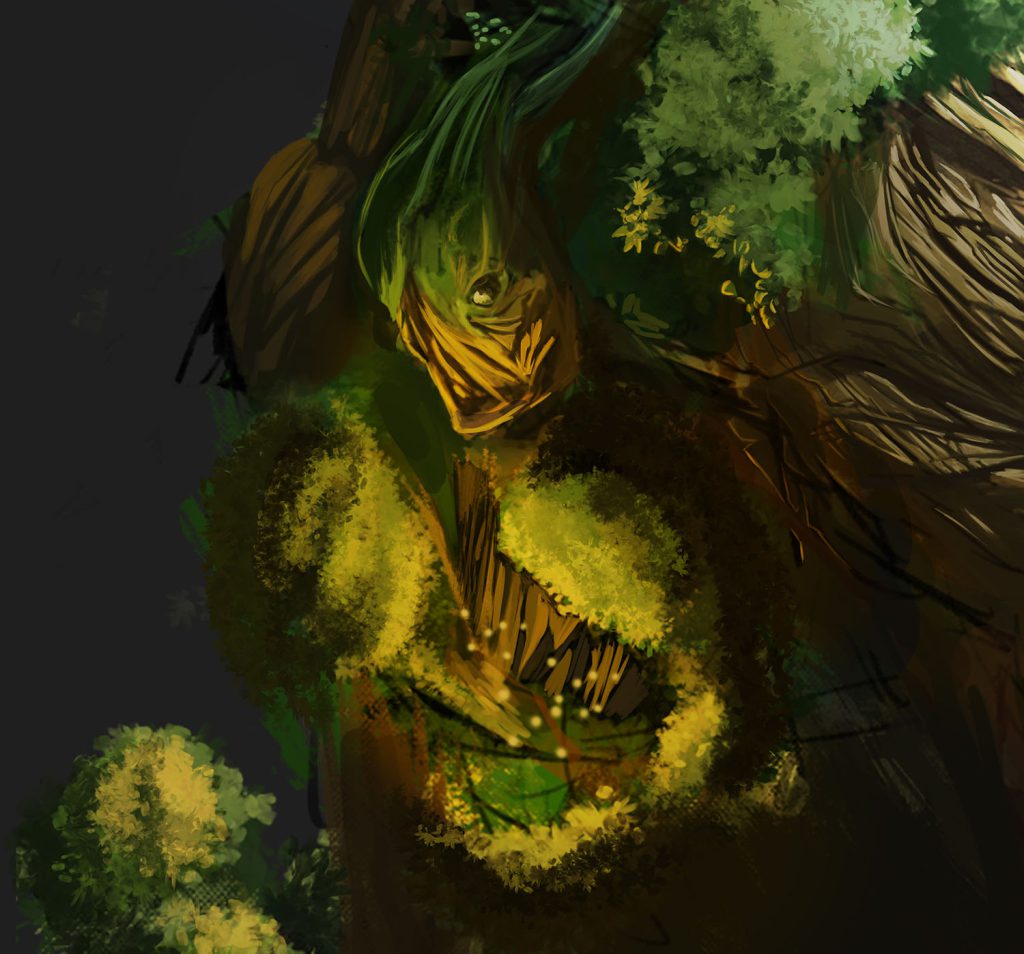
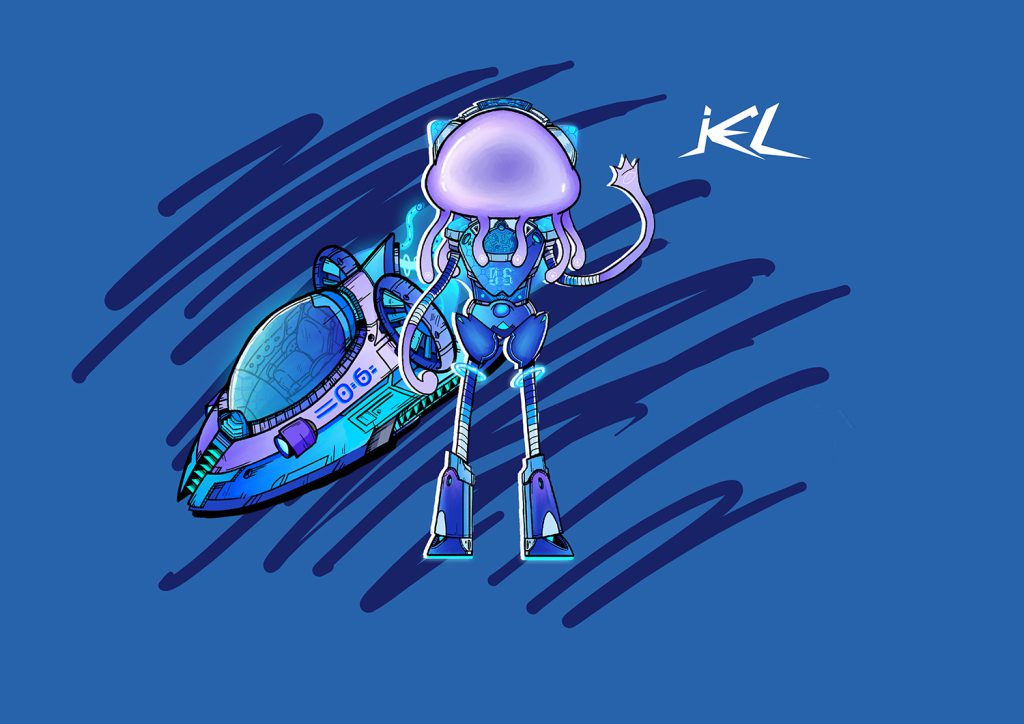
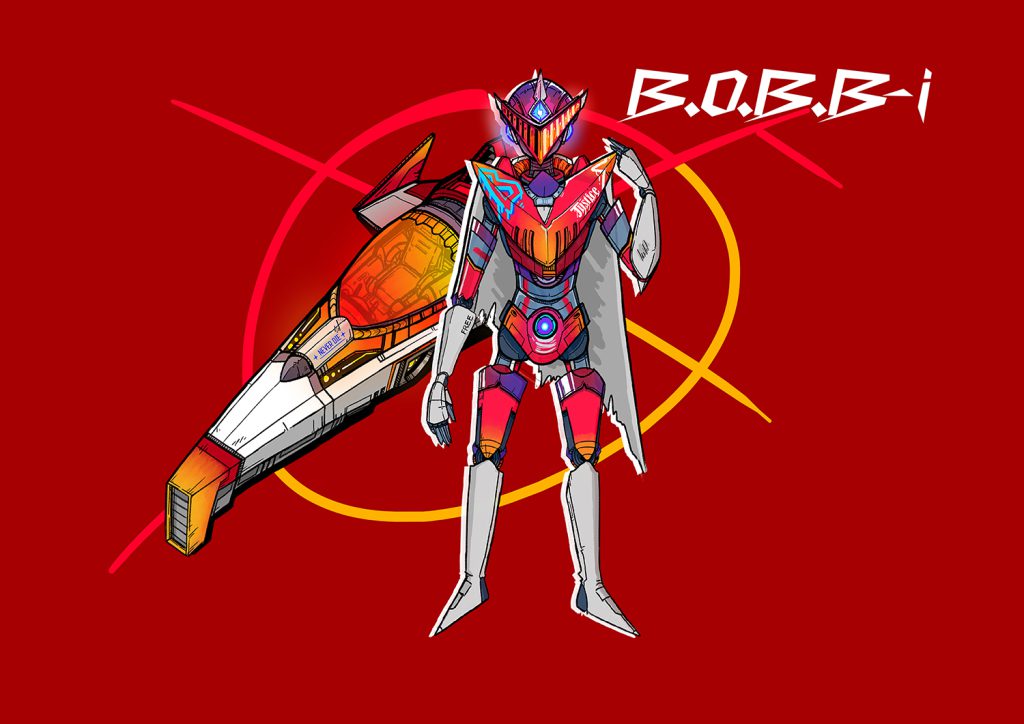
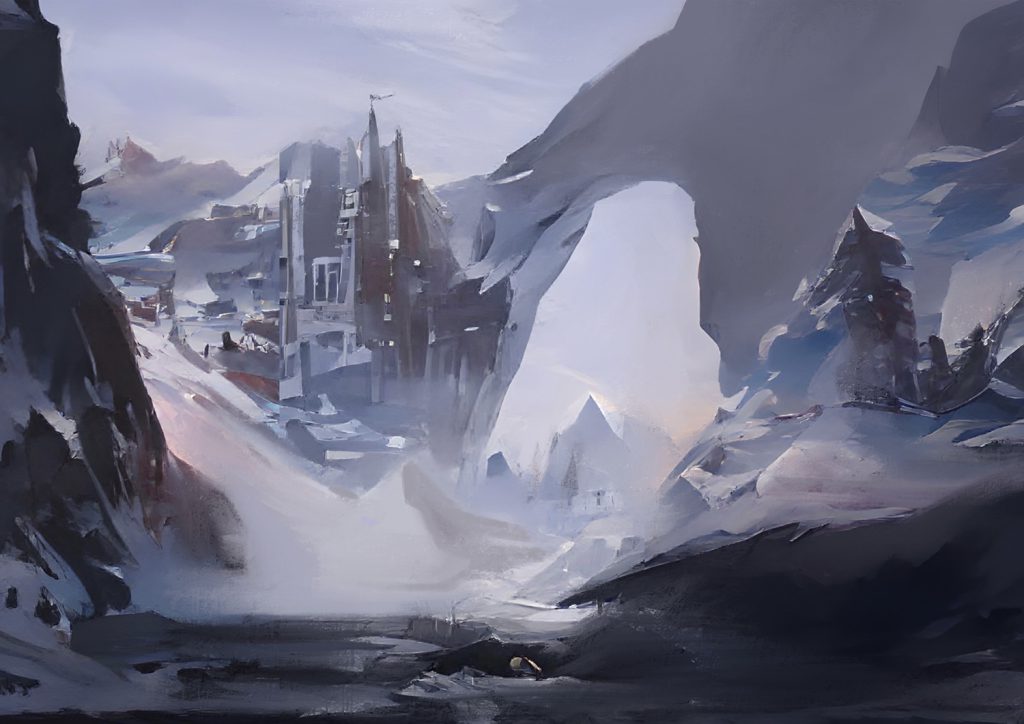
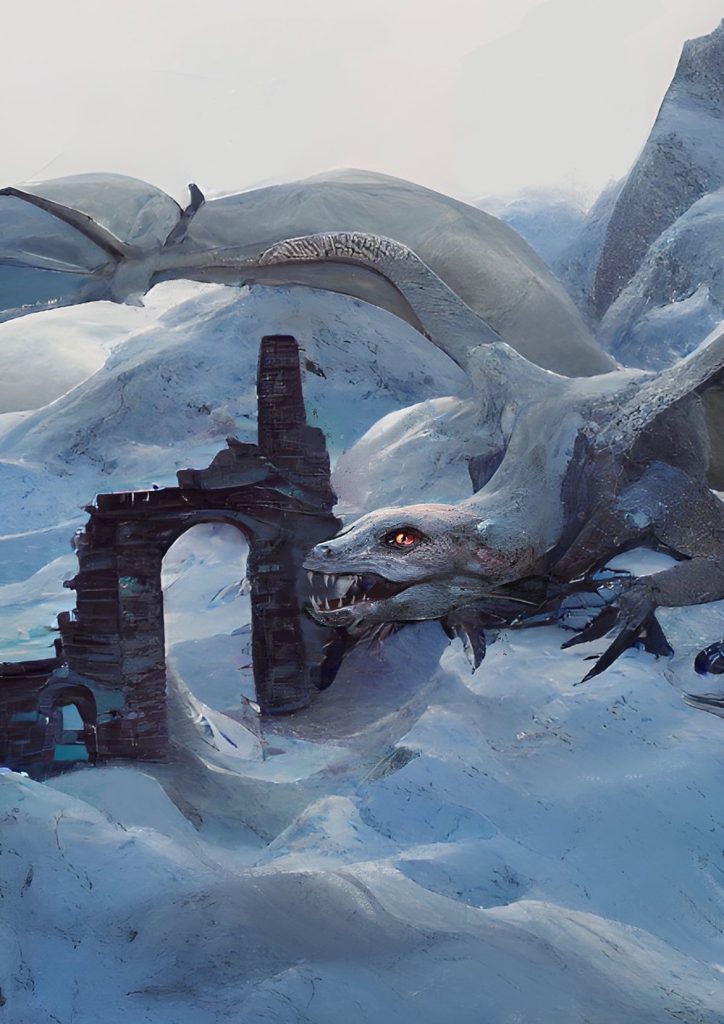
Students produce a wide range of game related ideas, from creating and developing proposals for intriguing game play and challenging game mechanics, to learning how to visualise, design and build digital characters for game deployment. The learners also get the opportunity to imaginatively craft and sculpt 3D environments and worlds. The use of industry-standard software is at the core of what we offer.
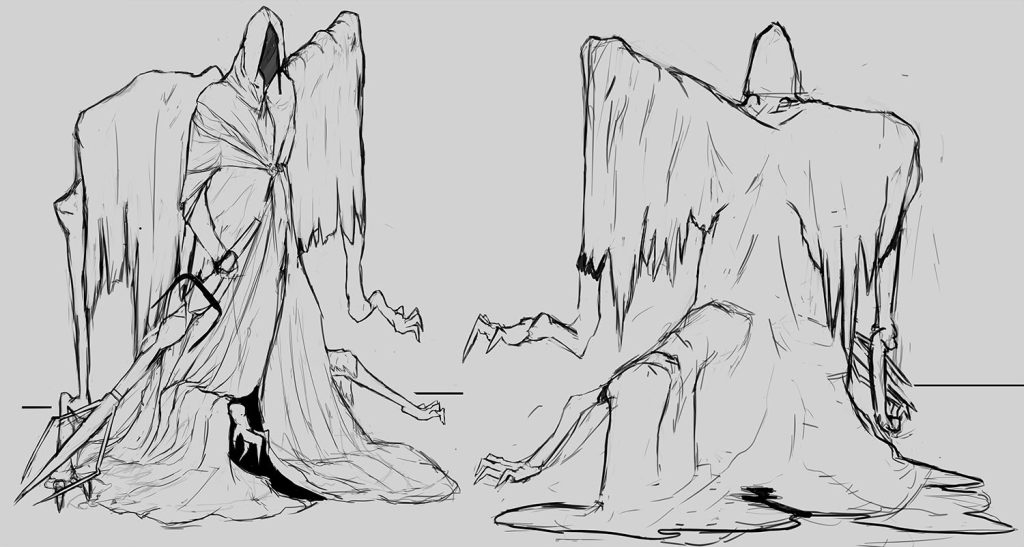
Programmes such as 3D Studio Max, Unreal Engine 4, World Machine, Mudbox, Z Brush, Qiuixel Suite, Crazy Bump, Visual Studio, GameMaker Studio are embedded throughout the projects our learners undertake. As part of the creative aspect of the course, we encourage our learners to become keen practitioners in areas of conceptual illustration, using applications such as Photoshop and Sketchbook to visually portray aspects of their imagination. I hope that you enjoy viewing and watching examples of their work.
Who knows? In a few years, you could be playing one of their games . . .
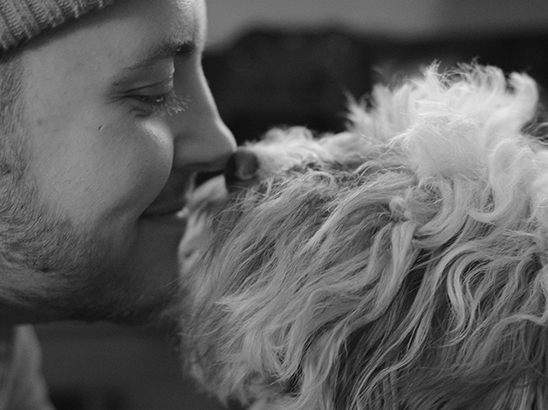
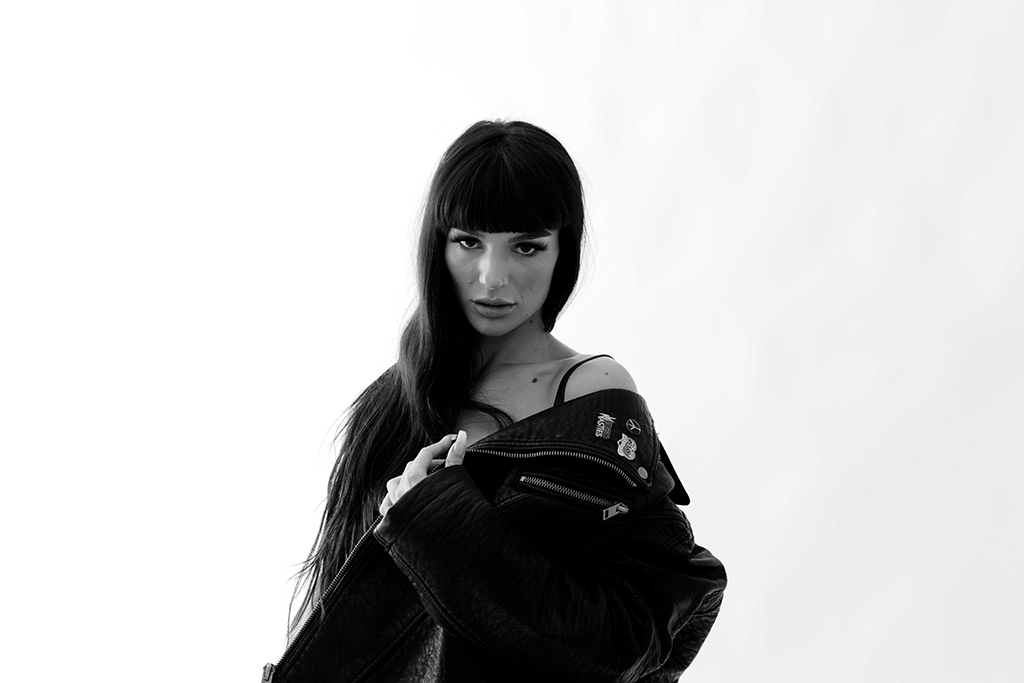
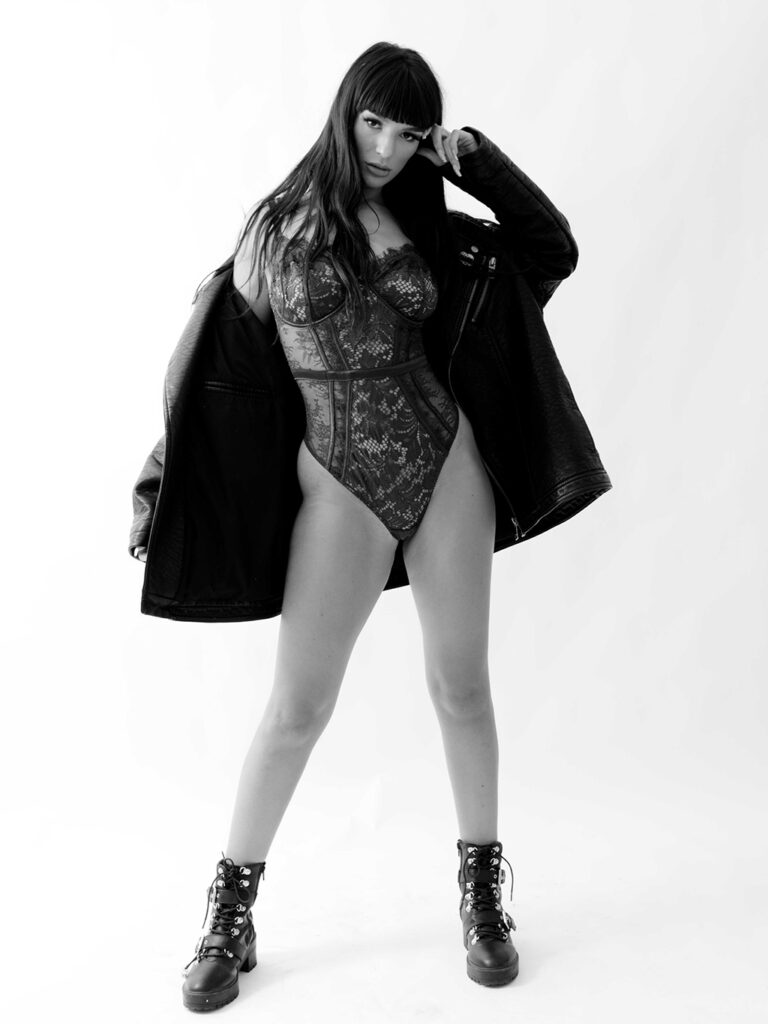
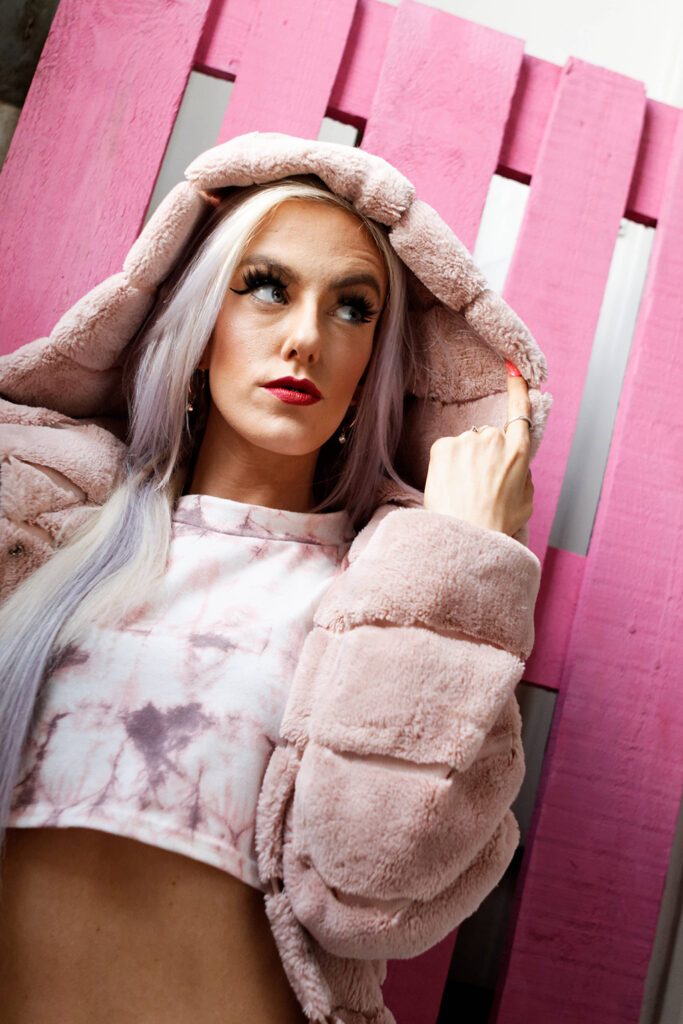
My New Year’s Resolution for 2020 was to try and expand my photography skills and photograph more people. With covid, lockdowns and social distancing, it was difficult to meet and photograph people, so I spent my time researching and planning photo shoots.
Unfortunately, lockdowns went on for longer than I could have ever imagined, so I took to another passion, which is macro photography.
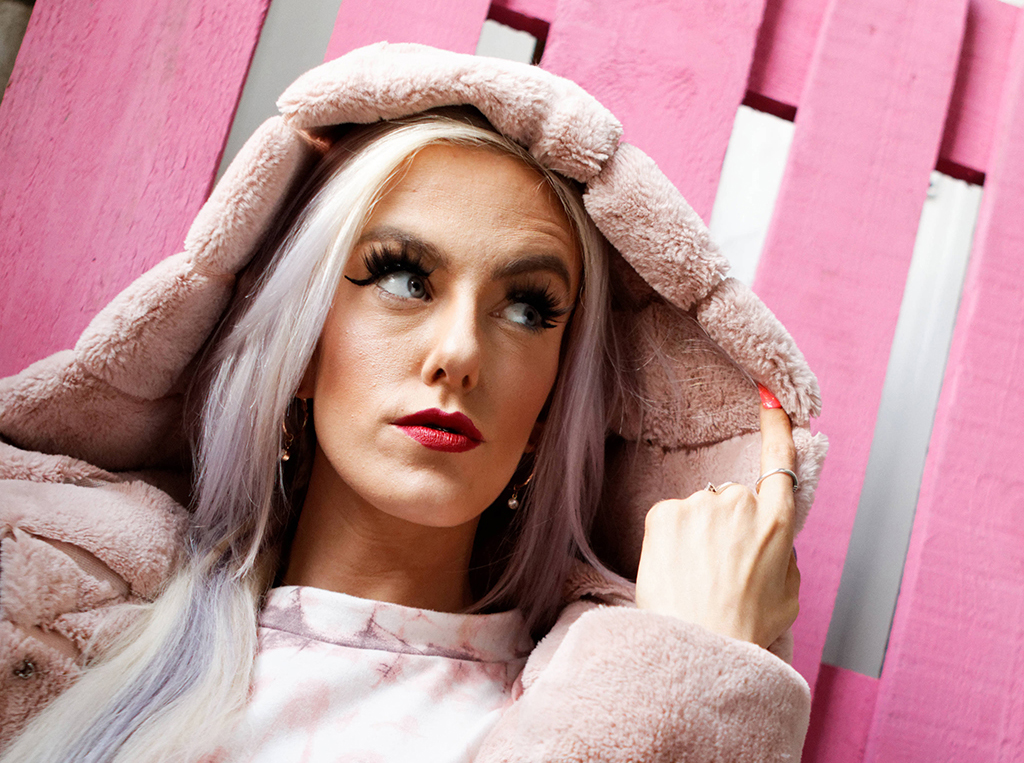
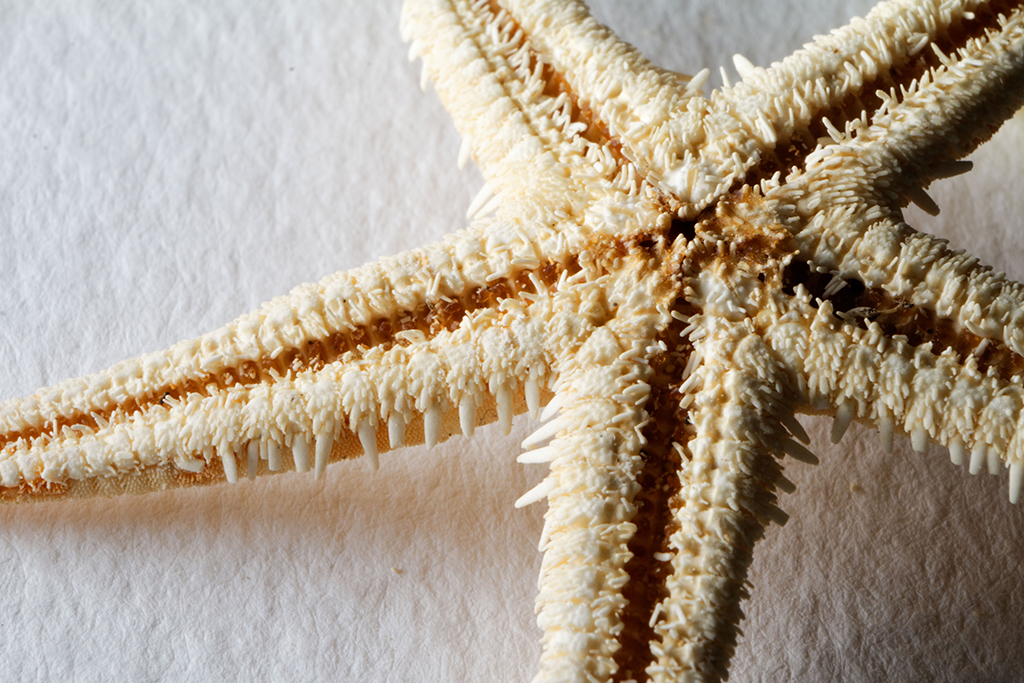
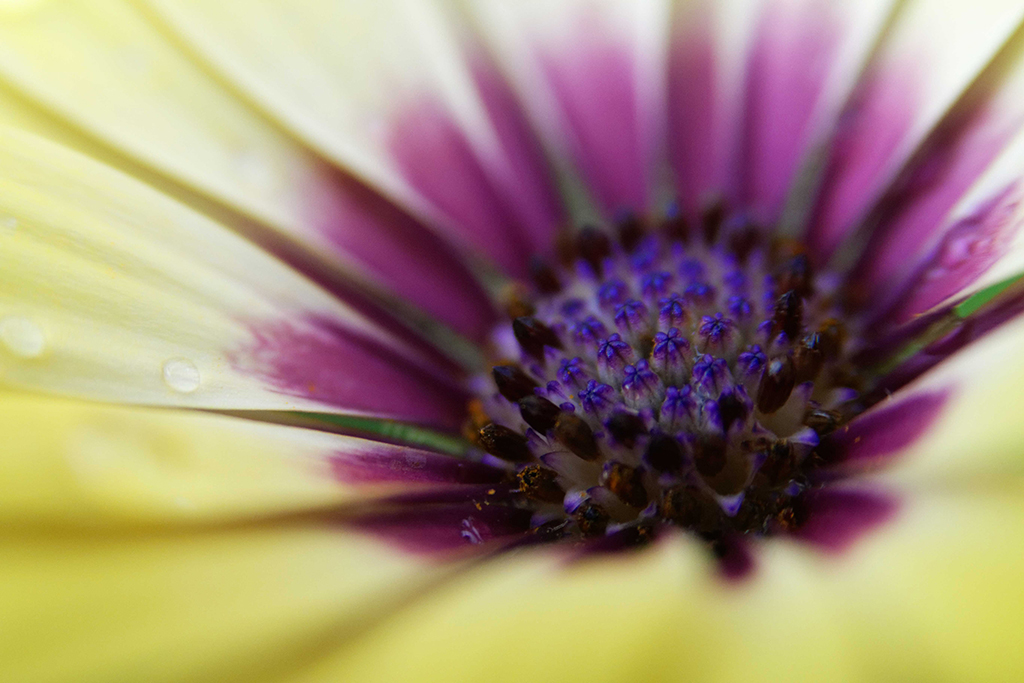
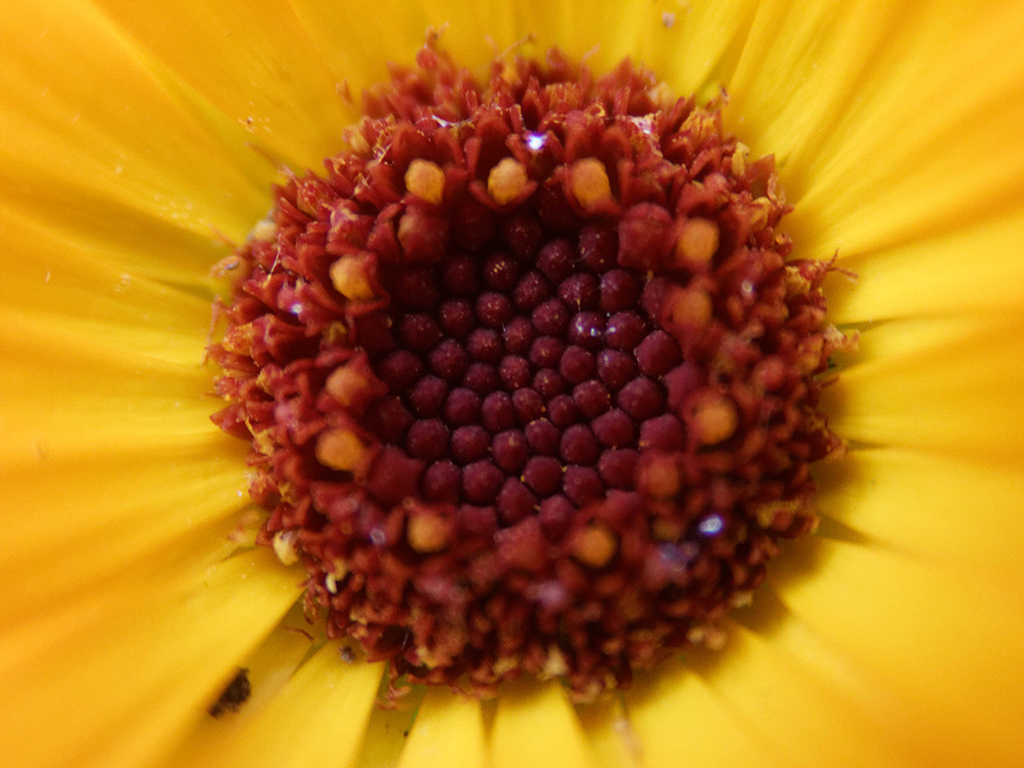
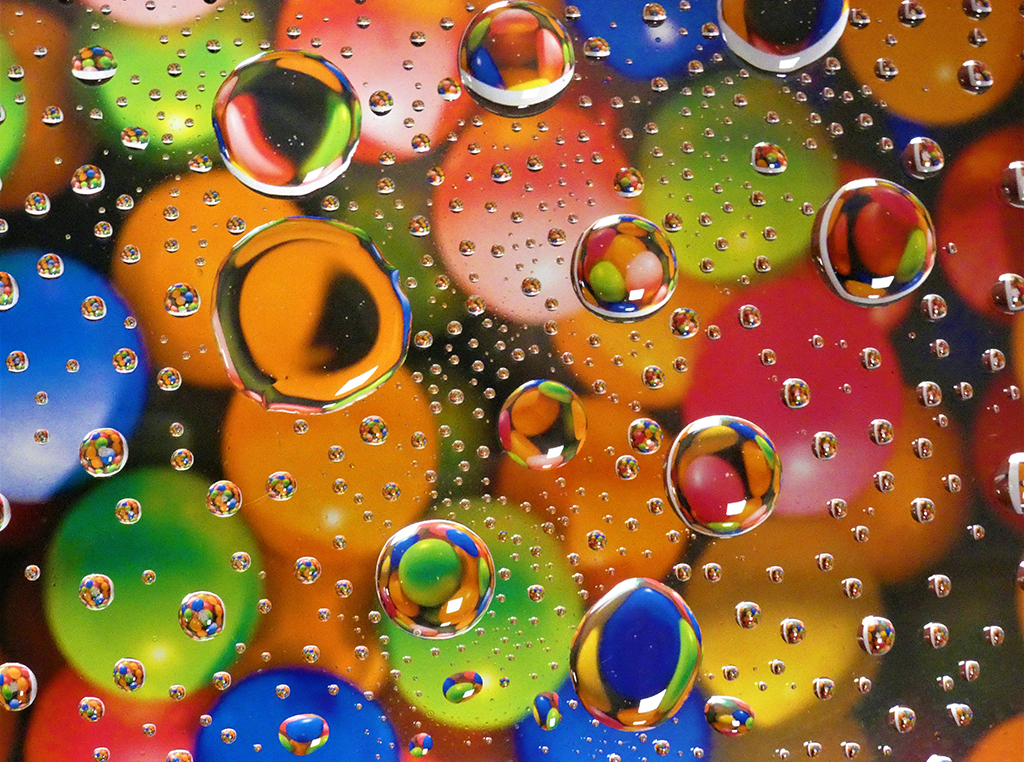
This set of images is a mixture of skills I developed for taking macro and portrait photographs, which I have managed to achieve in and around lockdowns.
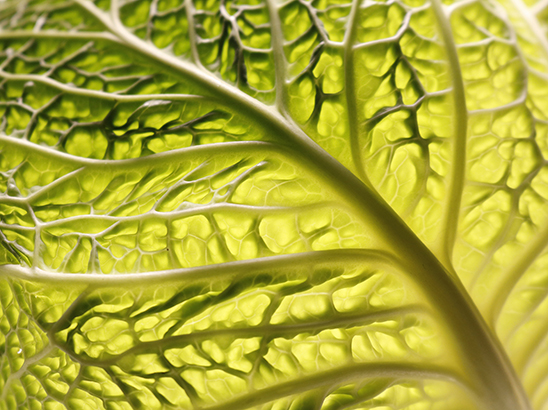
For this project I decided to go down the route of still life and focus on macro photography. I decided on this as I believe that there is beauty in everything, and we don’t always see these details. With our busy, hectic lifestyles we don’t have the time to stop, look and admire the true beauty of an object, so my aim was to try and capture this through my photography.
I began by looking at flowers and thought about going down a more commercial style of photography. I found it quite hard to photograph the flowers as there was either an imperfection with the flower or it just wasn’t quite ‘perfect’. Because of this I had to take into consideration the positioning of the flower, what part I would focus on and the lighting I used. I experimented with using both colour and black and white to see what effect it would have on the final image. I found that by using Black and white it removes the distraction of colour and helps you to focus on the shapes and patterns of the petals.
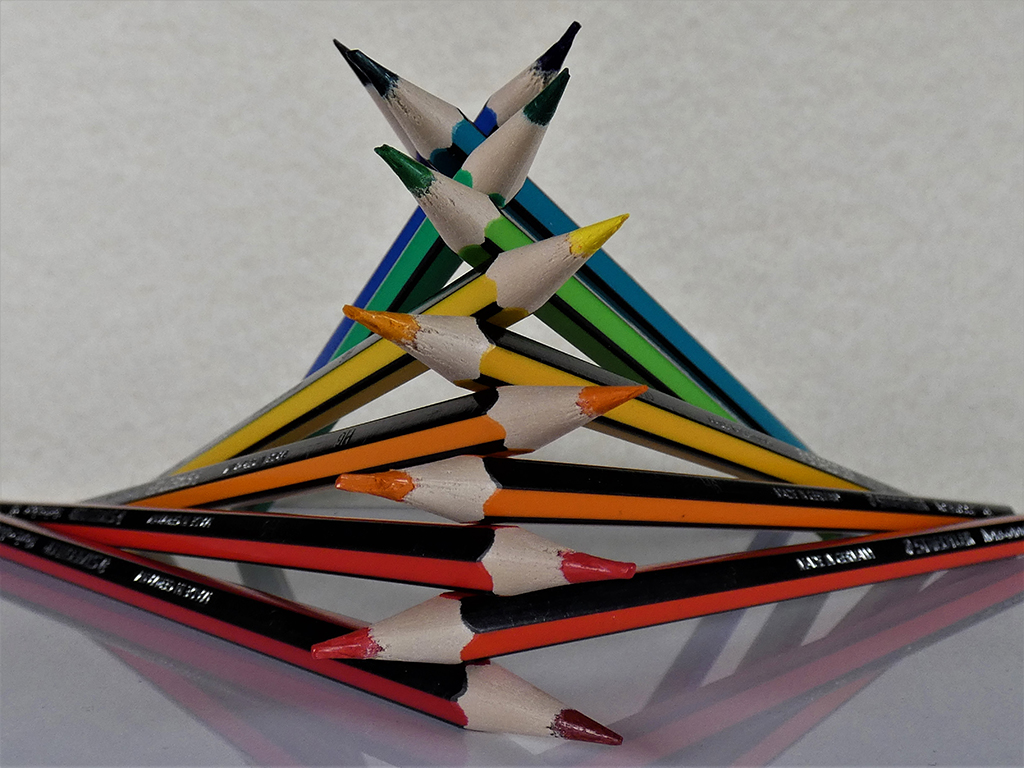
From flowers I then moved onto pencil crayons, again with a more commercial feel to the images. With pencils I found that I could be more creative in the way I arranged them on a surface and the angles at which I shot them from. As I was using branded crayons in my shot, I had to think about the placing of them so that in one of the shots you could see the name. This would then allow for the photos to be used for advertising purposes.
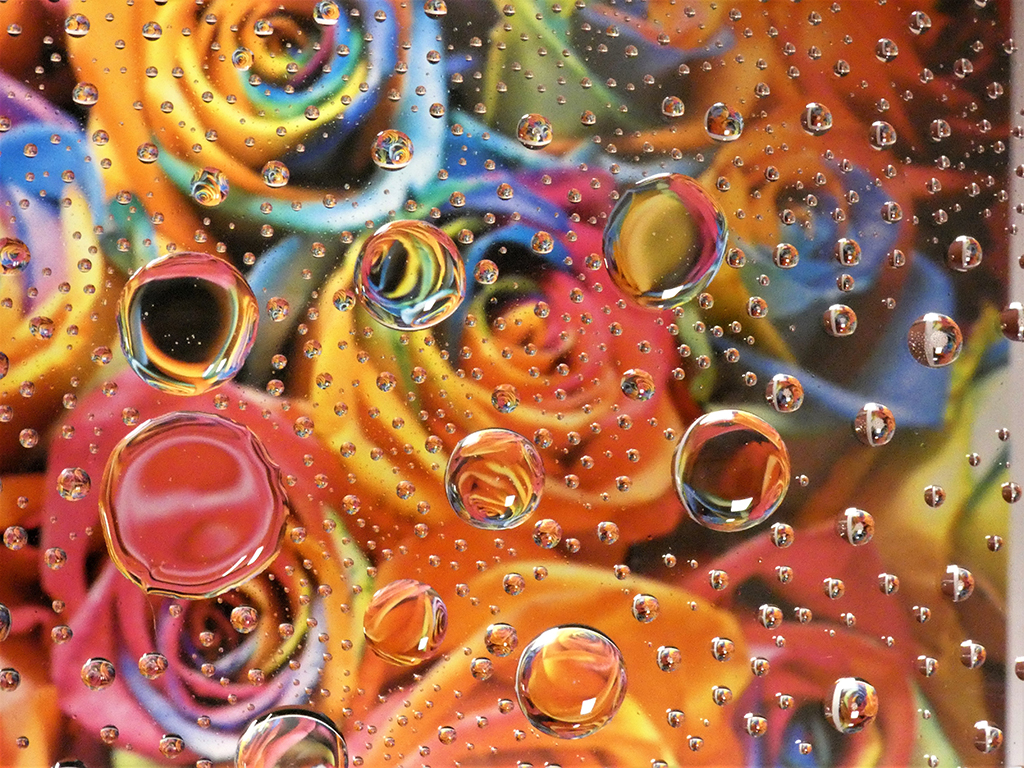
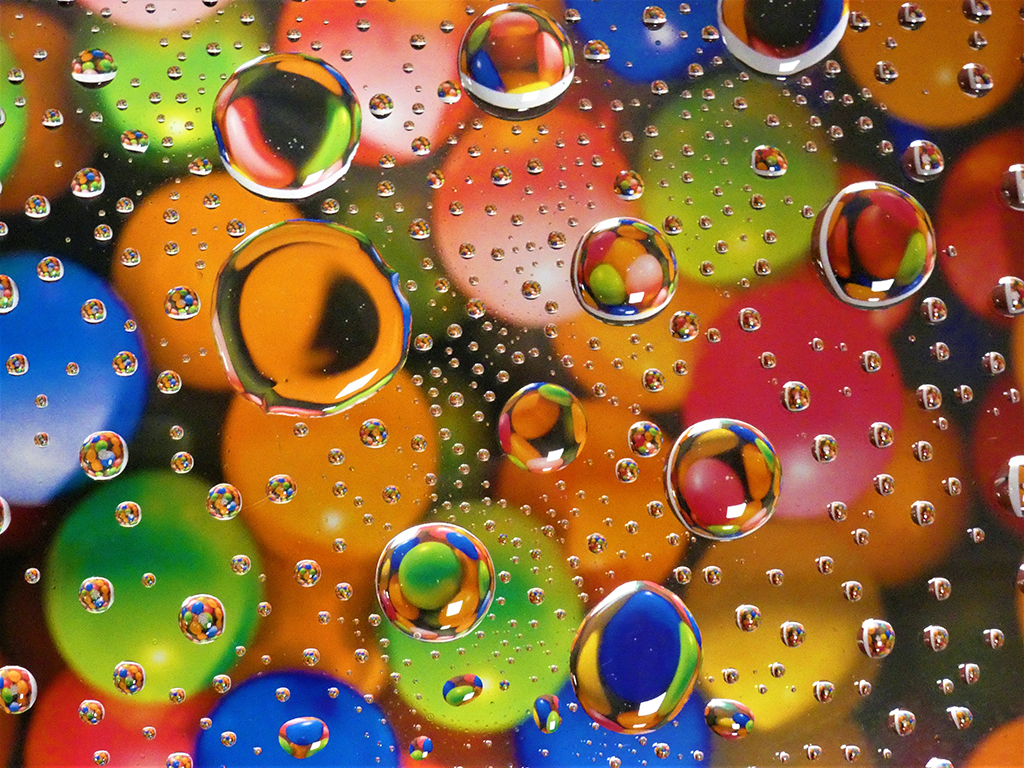
After experimenting with the commercial side of macro photography I tried going for a more artistic approach and tried photographing oil on water. This technique again allowed me to be more creative with the shot and produce an abstract effect. By simply placing a different image under the Perspex dish, I was getting a different result each time and an image that looked layered.
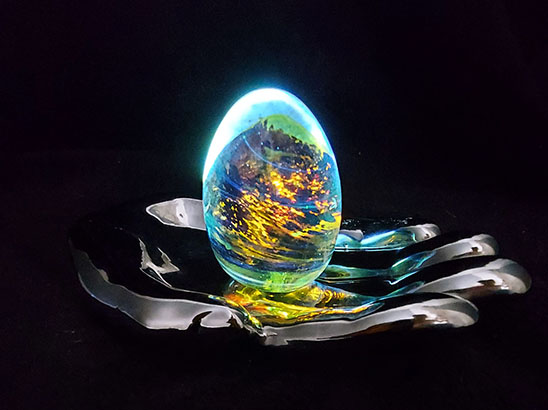
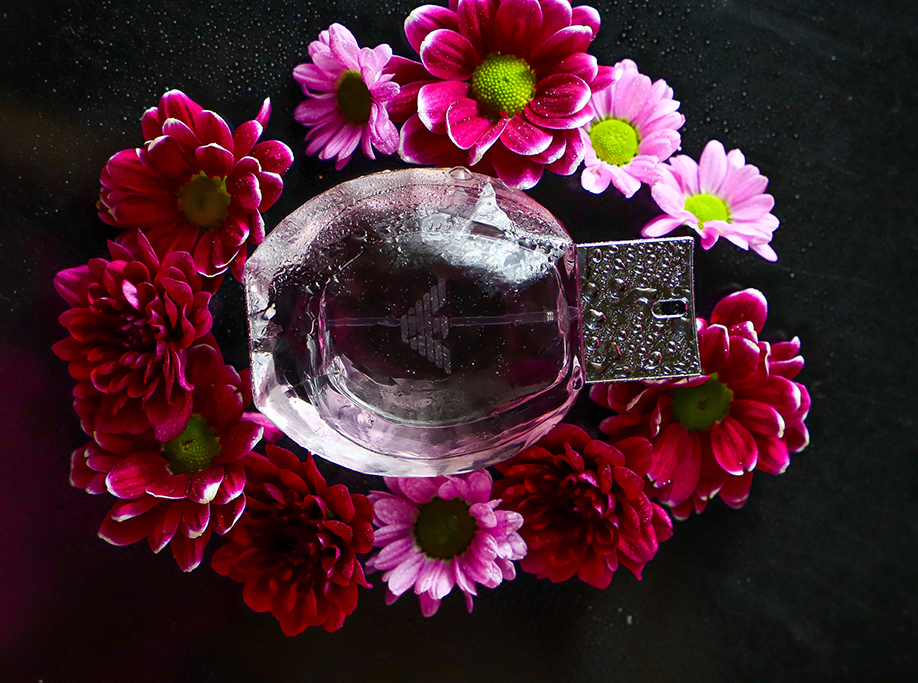
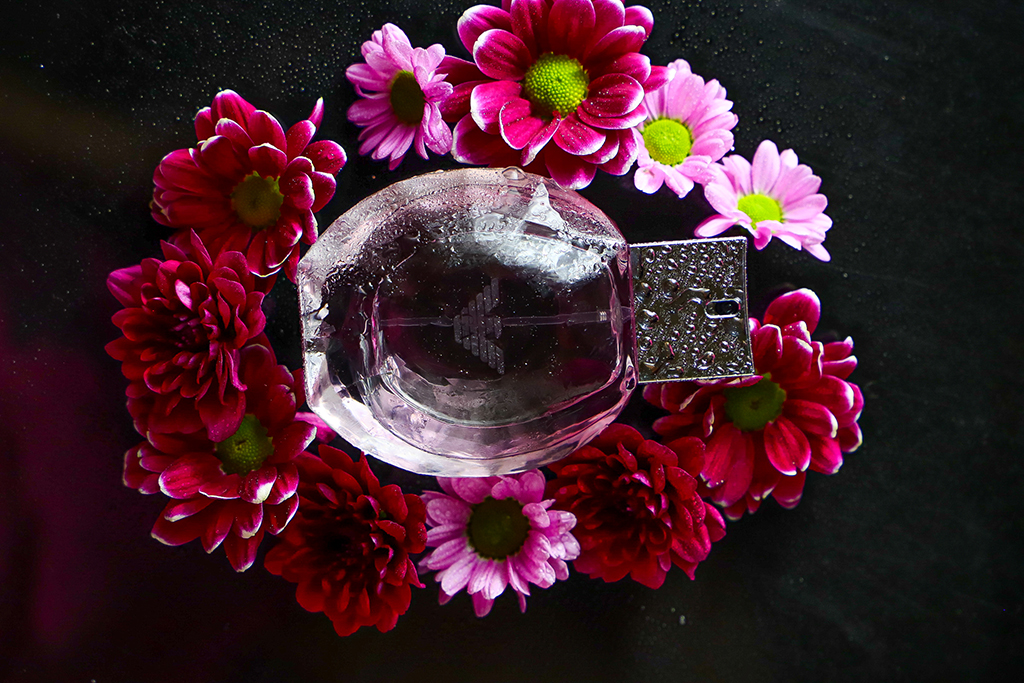
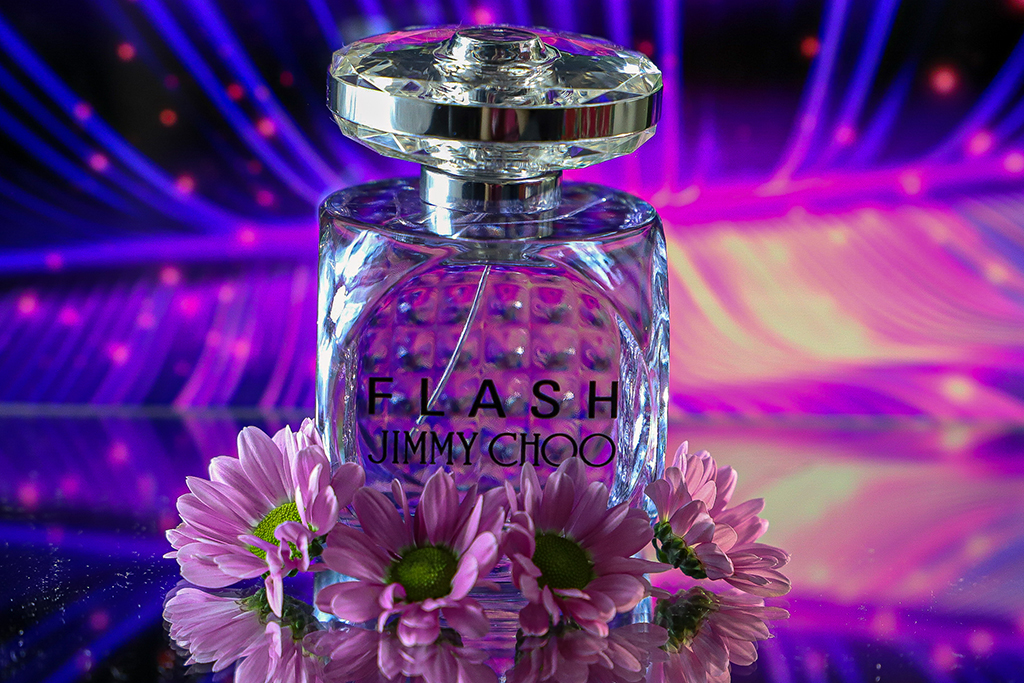
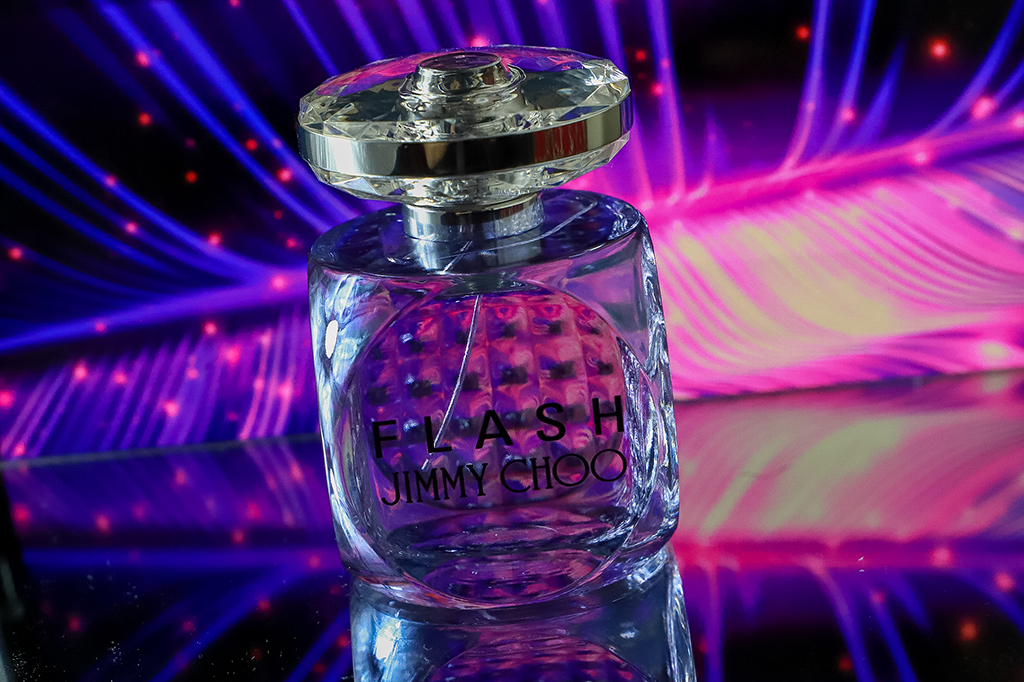
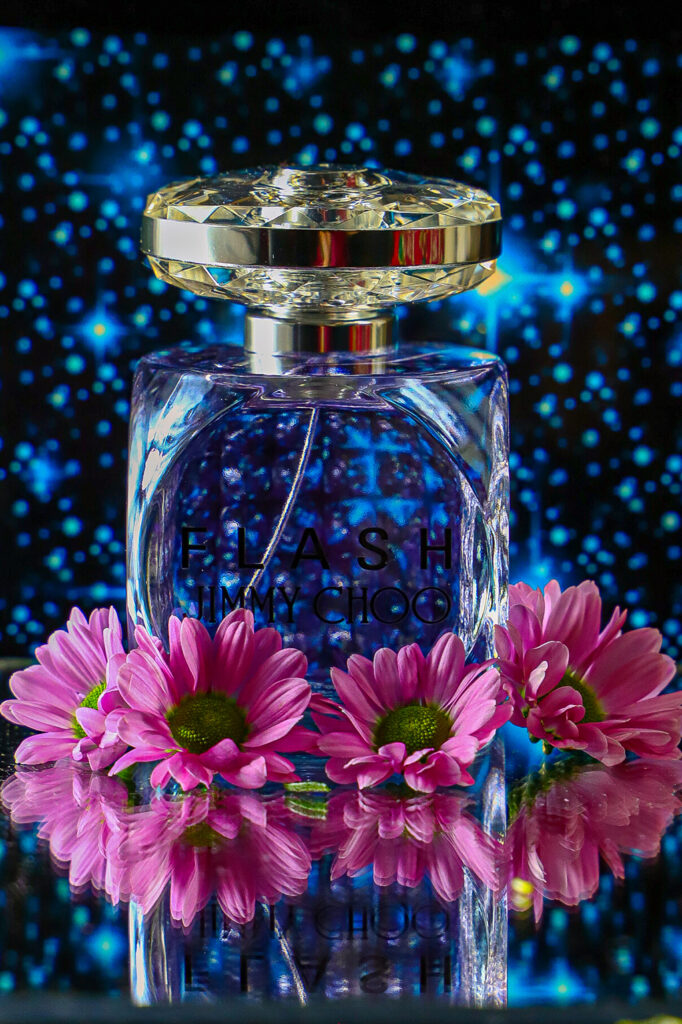
My original plan was to photograph still life objects to make them appear commissioned and then utilise them in commercials because this was such a broad topic, I began by looking at glass objects. Despite the fact that I began with perfume, I rapidly moved on to other things. My work with glass drink bottles has evolved as a result of this. I was able to exert more control such as composition, and lighting techniques as a result of this. Above aesthetic designs, the ability to light through the clear bottle is the most important.
This allowed me to have more control over artistic designs, the ability to see through the clear bottles and liquid is the most important feature. I was trying to figure out how professional photographers made product photos, I researched photographers which prompted me to try things I’d never tried before. Spraying liquid on products is an example. These items are intended to be used in magazines and blogs. I wanted my photographs to reflect this beauty that can be seen in the backgrounds. I was trying to understand how professional photographers created their product shots, which led me to experimenting with ways I never thought work such as spraying liquid on products. These objects are meant to be perfection and I wanted this to show in my images.
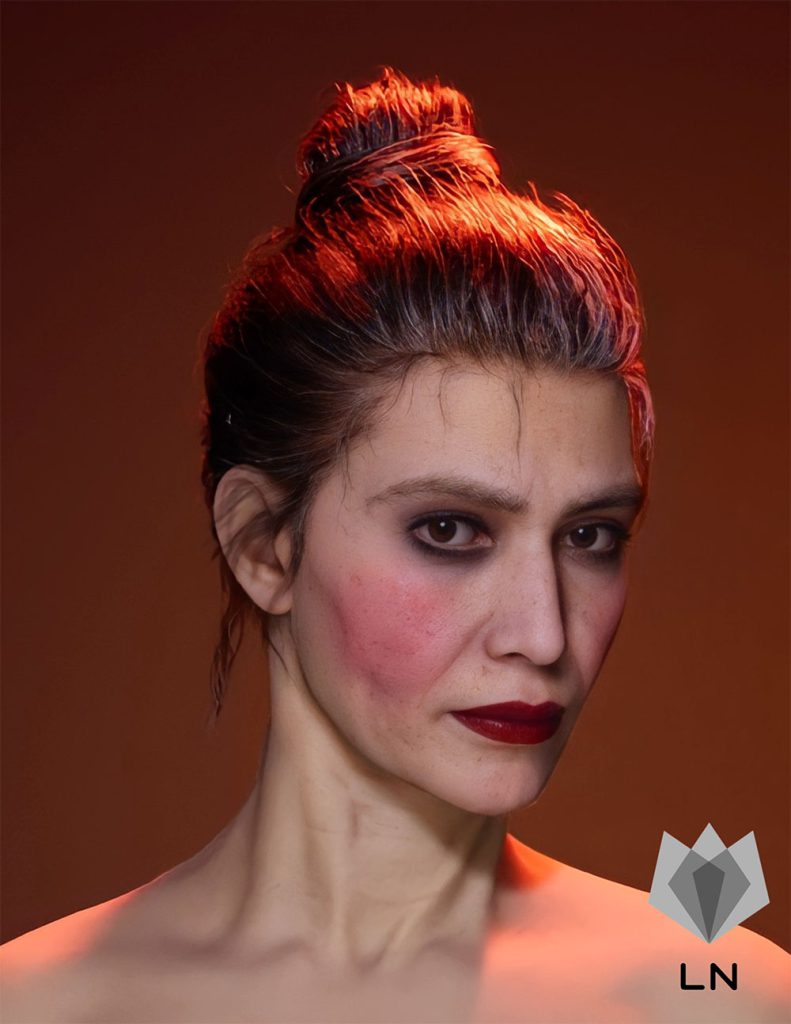
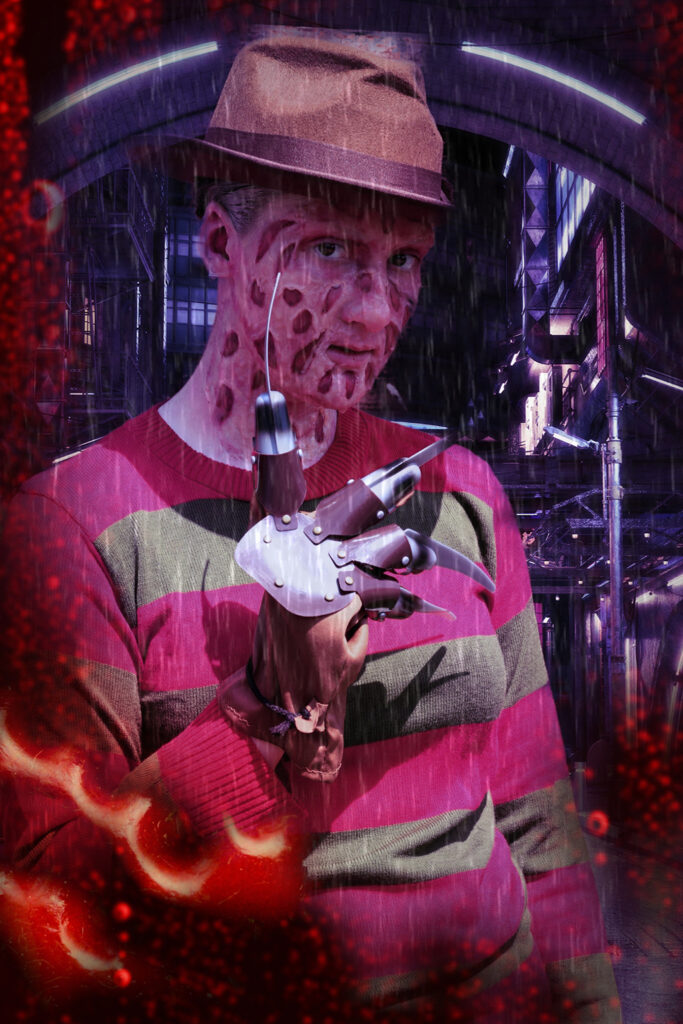
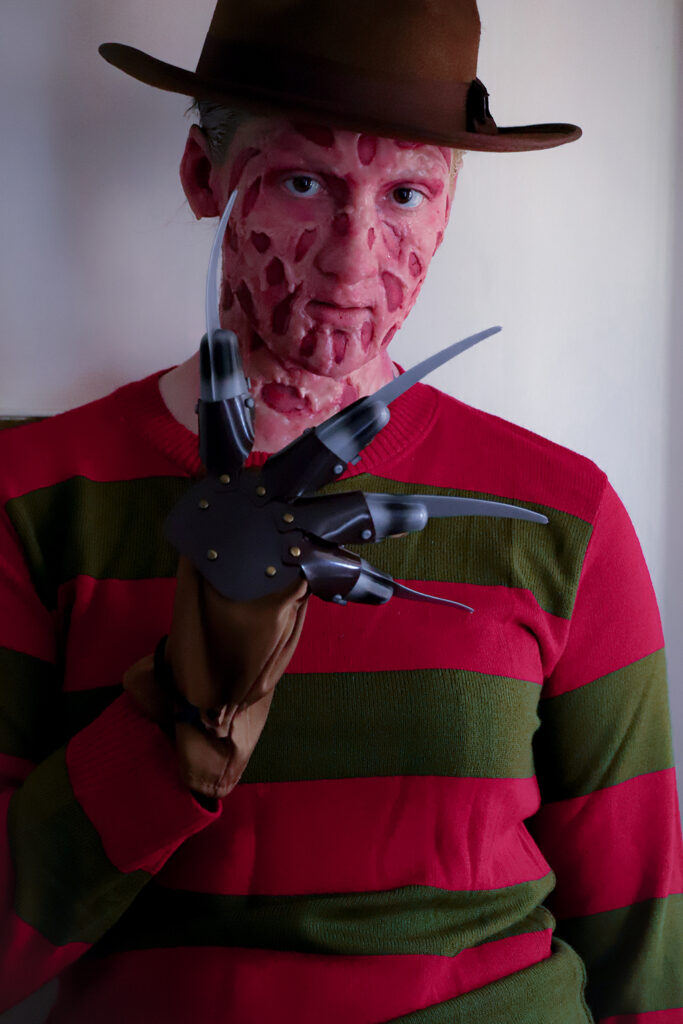
I produced a concept board for the Freddy Krueger makeup using photographs of the original makeup from the film as well as photographs of people who have cosplayed the appearance. I made a mental note of where the sunken regions were and used red eyeshadow to map them out on the models face. I used Aertex, which comes in two jars, one labelled part A and the other labelled part B. These have to be combined in equal parts. To activate the makeup, they had to be blended in equal parts. I applied the makeup with a spatula and sculpted it around the appropriate regions. I used a cream colour wheel to colour the appearance and painted the model’s hair to disguise the few portions that were visible. The costume is now complete. This all was about how I create the makeup and scene. I choose a horror and fashion theme for this project.
I came into this course with minimal studio photography experience, and I am leaving it with more confidence and knowledge, this was helped and influenced a lot by the other students on the course. My photos I have chosen are not following a theme, I chose these because they are the ones that stand out to me when looking back on what I have achieved during this course. Each week we were suggested a word that we would need to put into picture, a word which would make me question my abilities, but each time I would surprise myself when it came to submitting these photos.
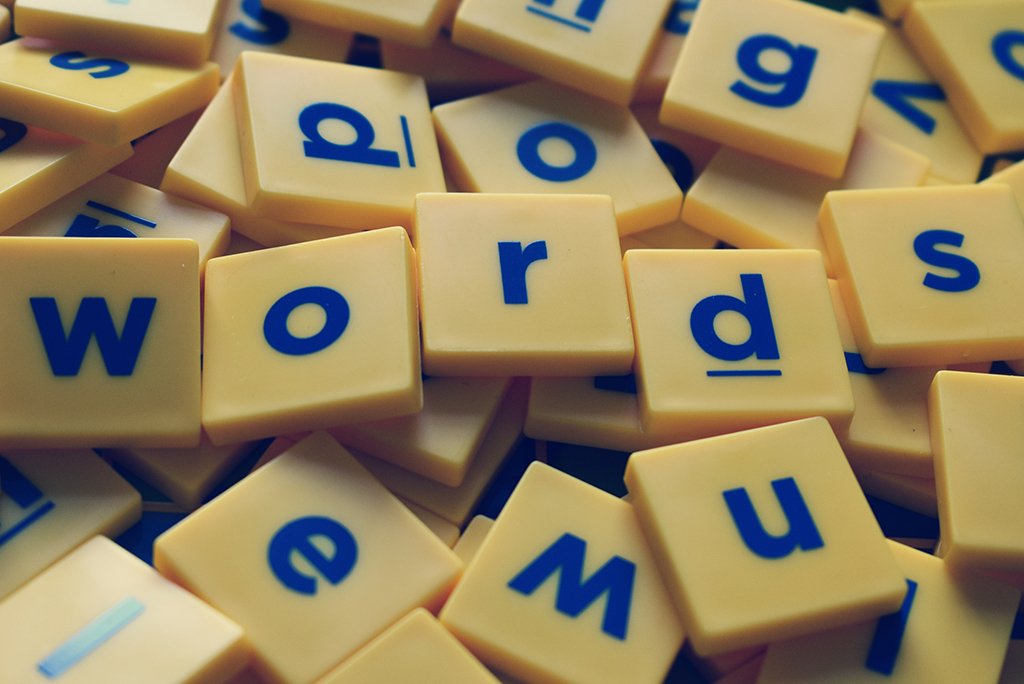
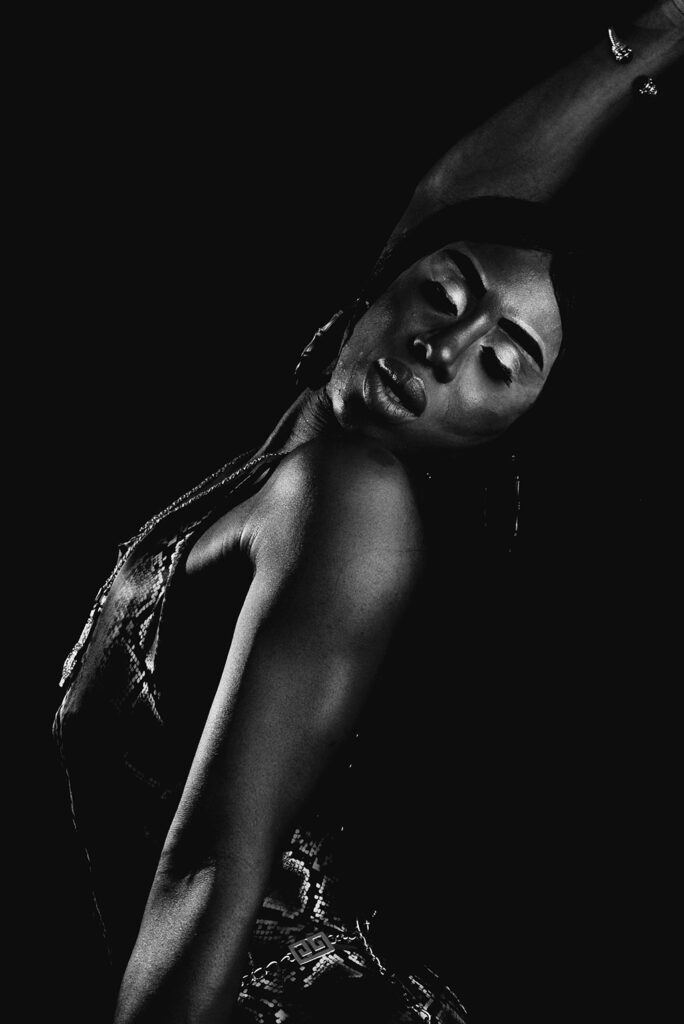
The image of the letters and the book are examples of these, the book I love because it’s taking an everyday object and turning it into something unique and pleasing to the eye, which is something I already enjoyed doing with my photos. The portraits were something I was more hesitant about because I had little experience in this area, and it has been a big learning curve that I wouldn’t change, I did not know that we were going to be photographing ‘Candy’ the drag queen artist until I walked into class that day, but I really enjoyed this experience and Candy was a fantastic model.
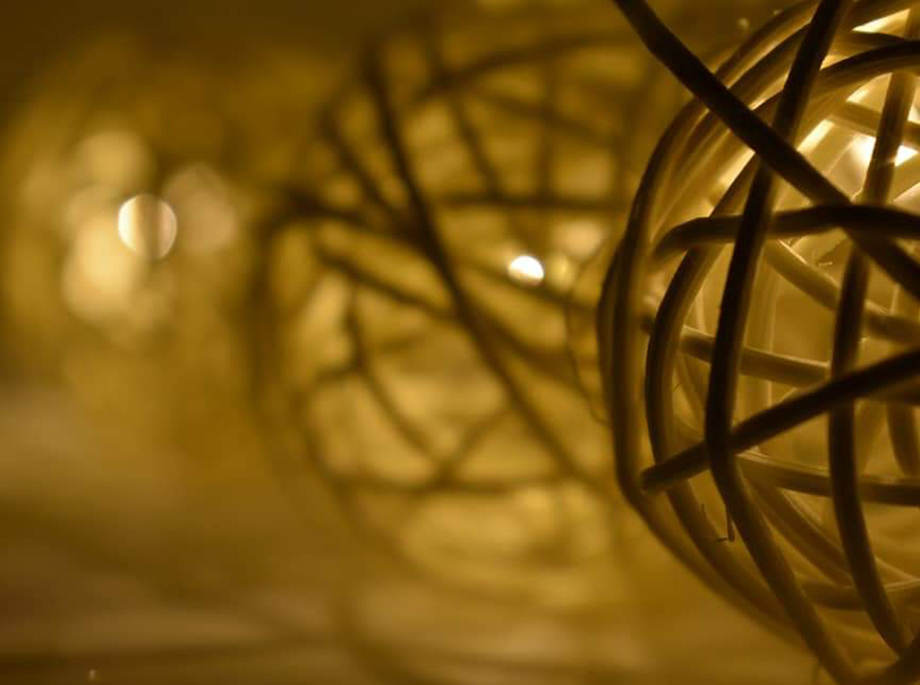
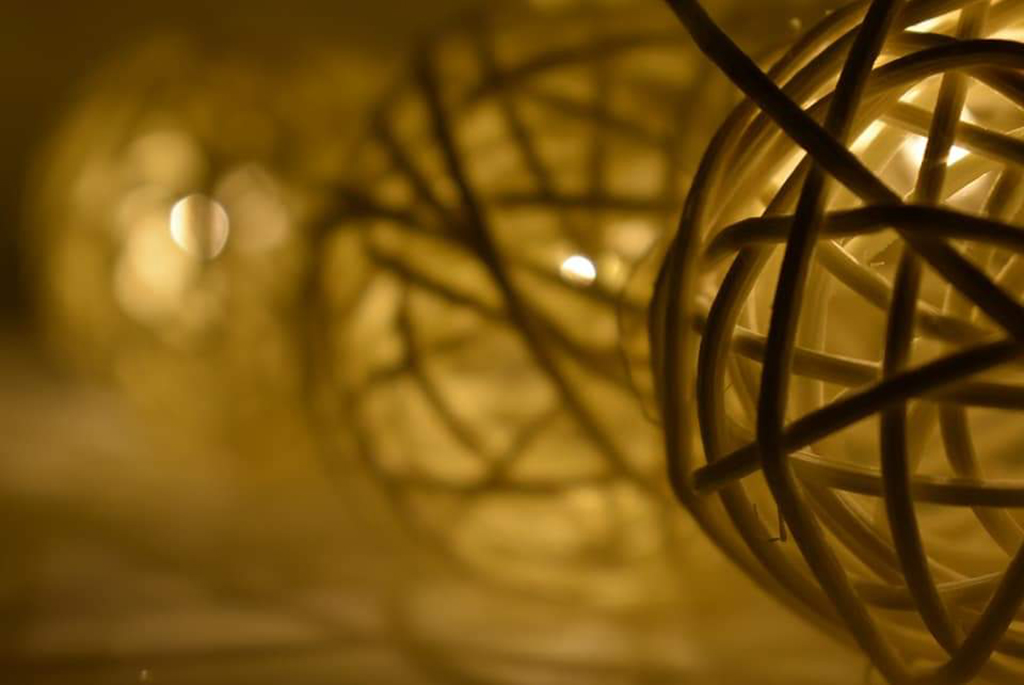
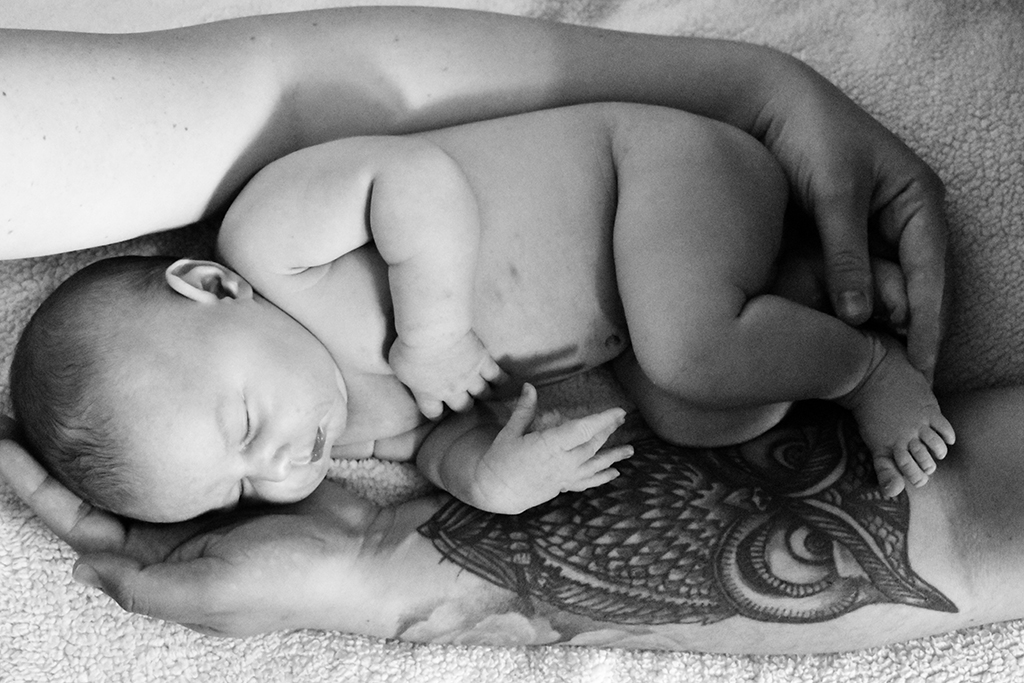
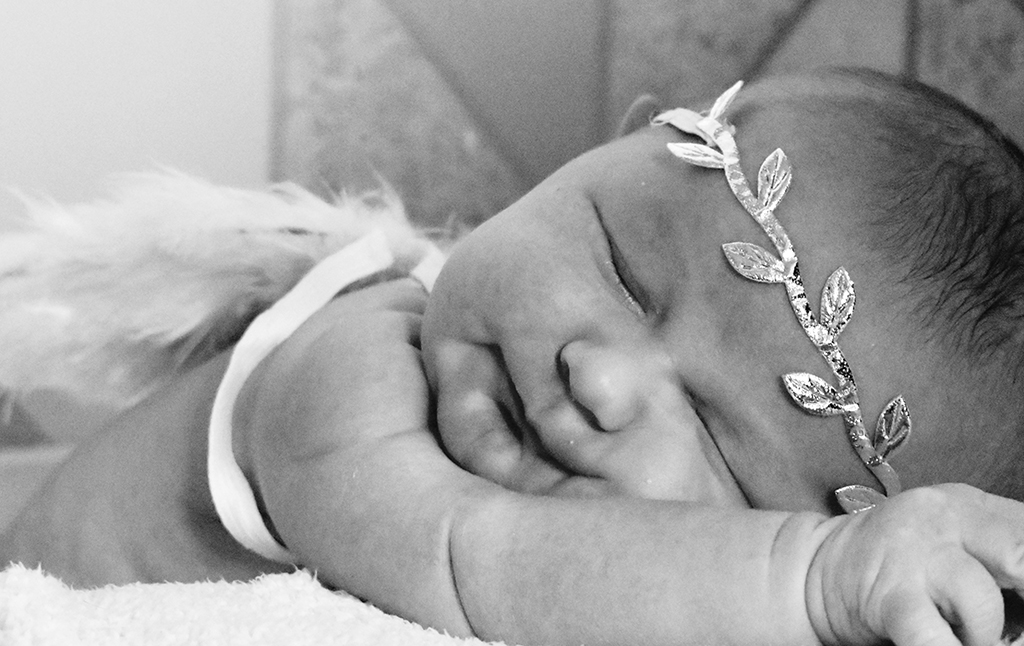
The baby photographs, I had limited equipment, but I still managed show how peaceful the little baby was. The final picture of the ‘little balls of light’ are an example of texture lighting, this is by far one of my favourite photographs I have taken throughout the course. I love the warmth it gets across and the split focus fading into the background, which leads the eye throughout. I have enjoyed every frustrating and challenging minute; I have laughed and could of cried but I am pleased and proud that I have come this far and would just like to thank the tutors for putting up with me and seeing me through to the end.