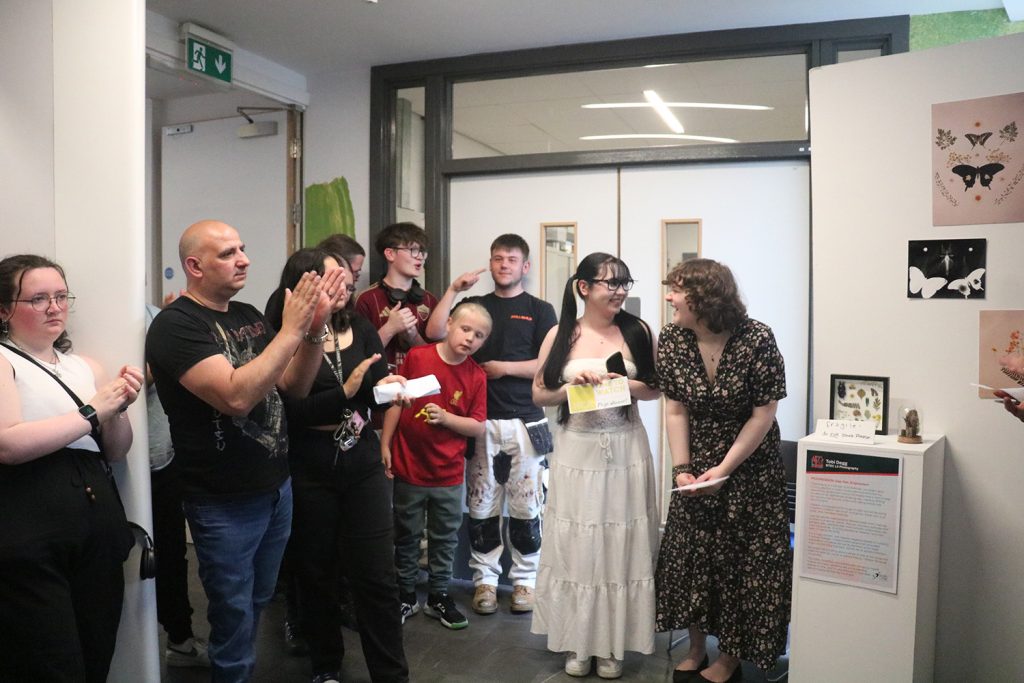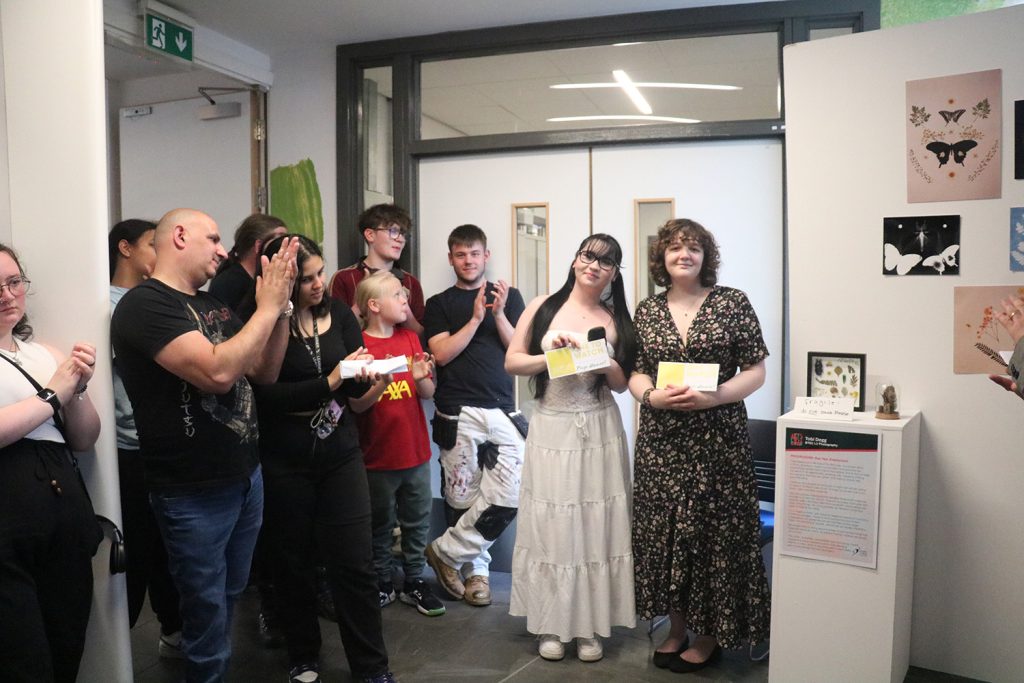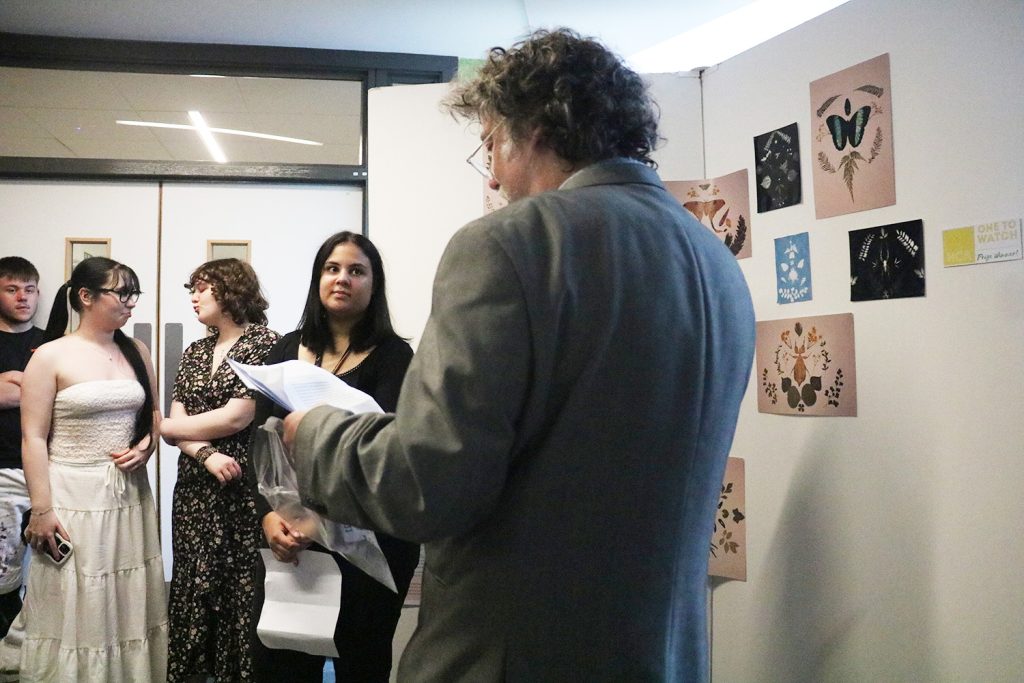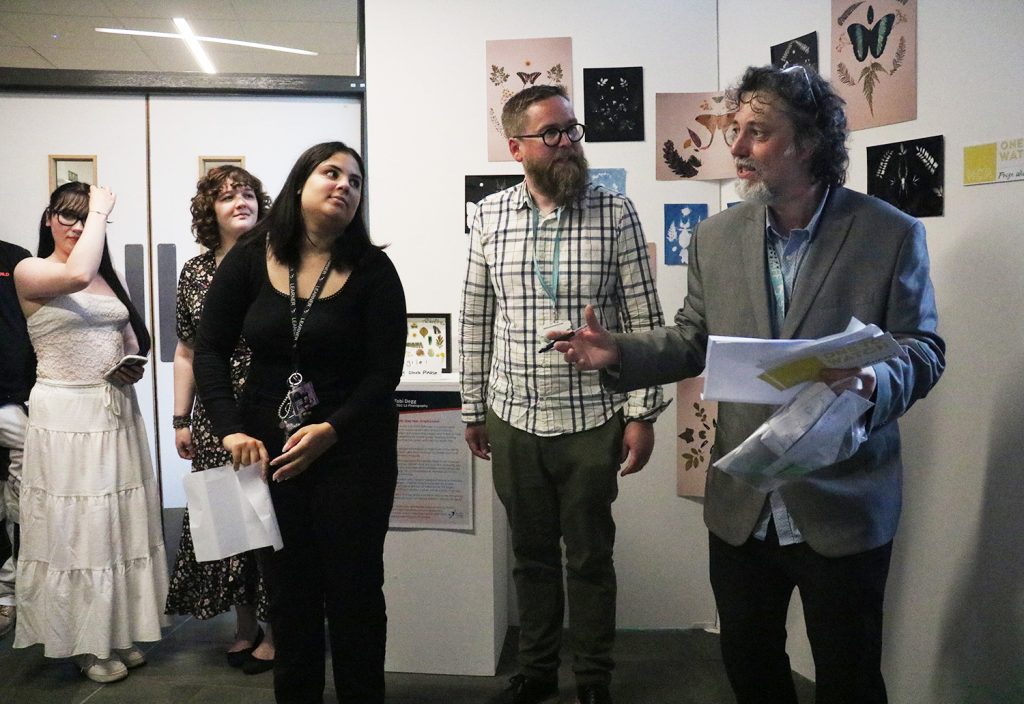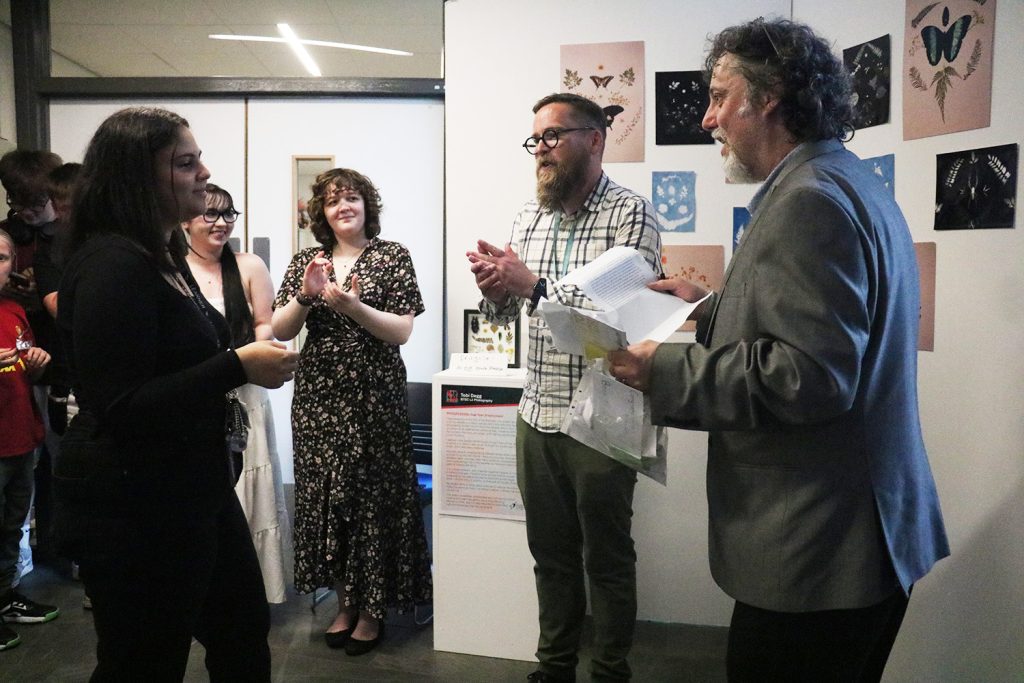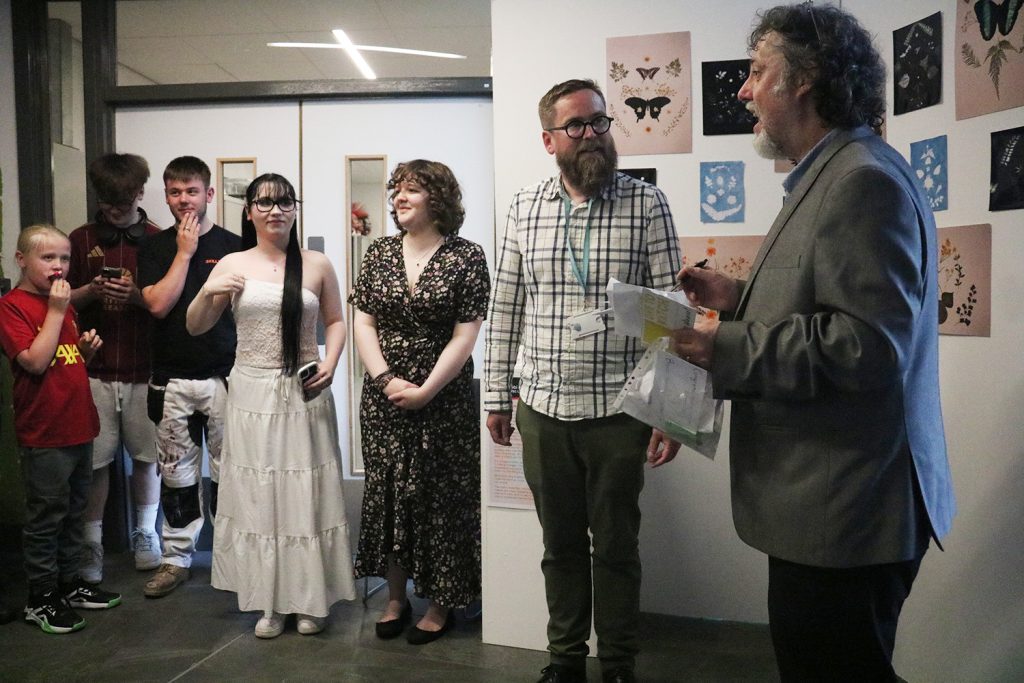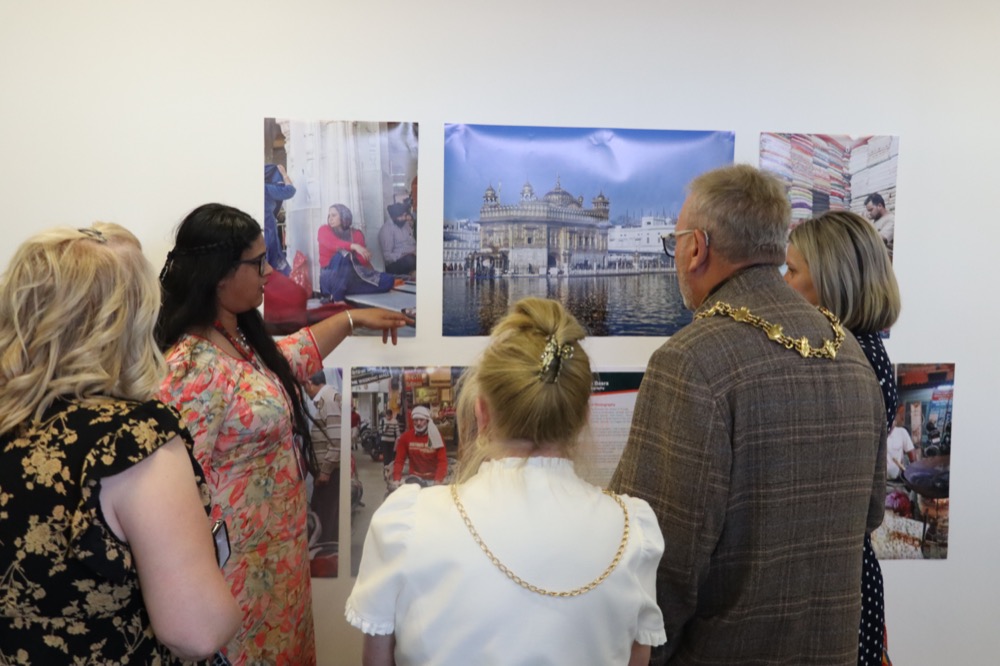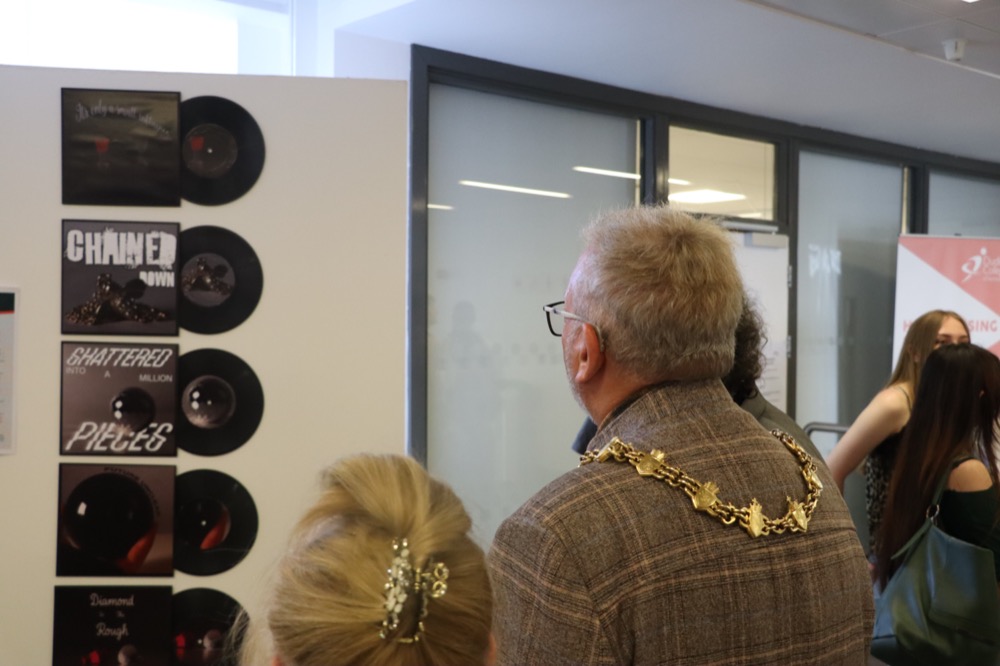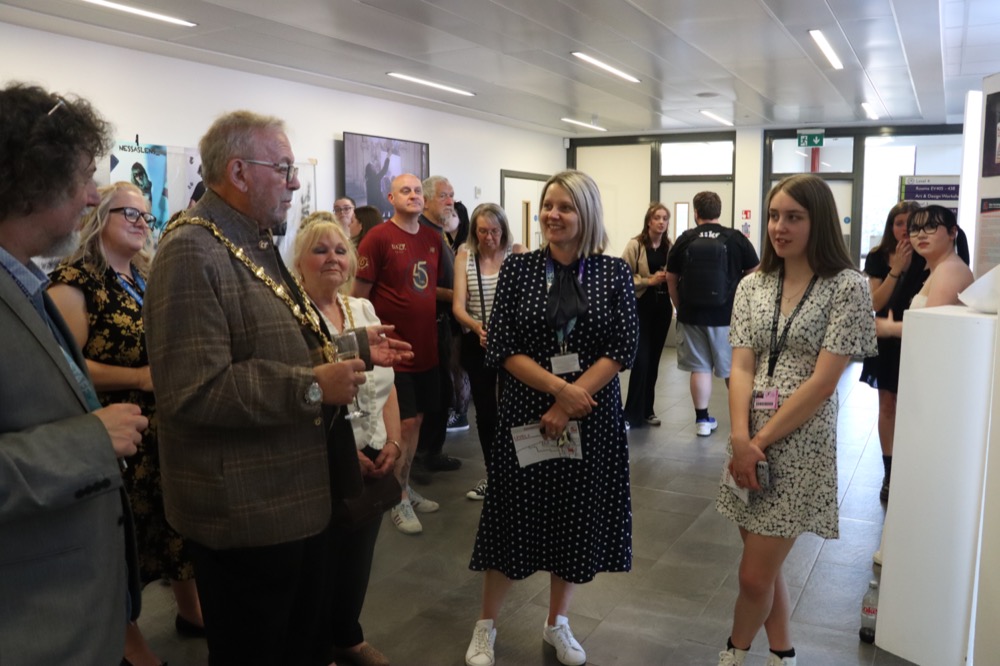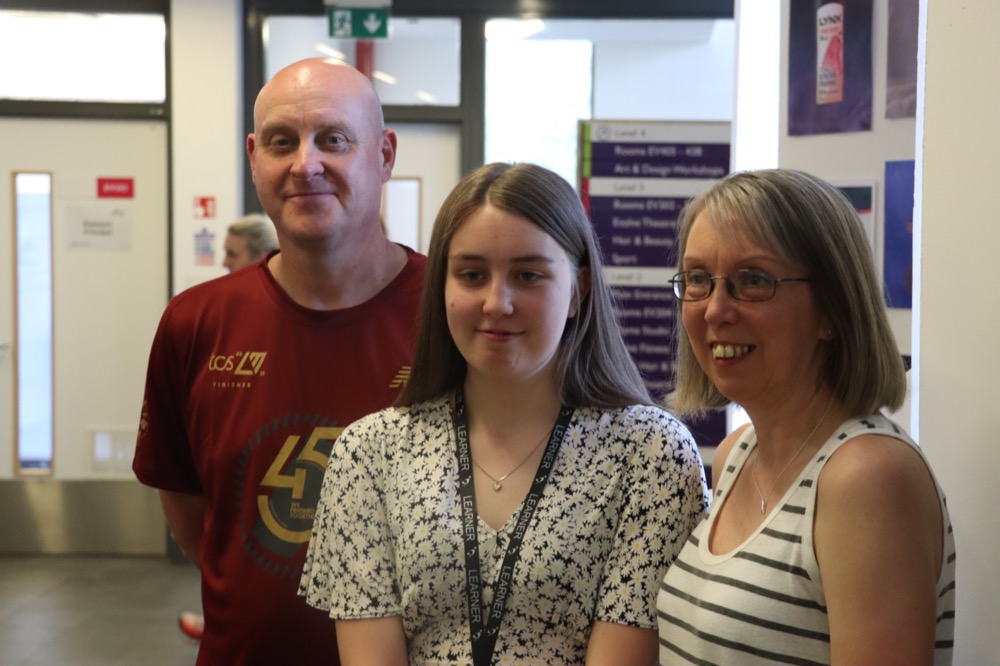
Artsfest Photography Yr1 Gallery 2026Artsfest Photography Yr1 Gallery 2026
ARTSFEST PHOTOGRAPHY YR1 GALLERY 2026
TY’NAYA ALLEN-EDWARDS | NELSON DIMBA | LIKWAN DUNCAN | AMBER FIELDER | KYE GARVEY | VICTORIA GIBSON | HARRY GOSELEY | LILLY GOUGH | TOBY GOVER | ZARA HOMER | REECE HURLSTONE | HARRY JONES | SOPHIE JONES | MARISA JORDAN | WINNIE MBUJIBUNI | JESSICA PARKES | MELISSA POXON | IMOGEN ROSE | ABBIE SHAW | JACOB STOKES | CHRISTIAN SUTHERAN | KAIYSHA TALBOT | DAUNTAE WHITTLE | LILLIE WILLIAMS | NATHANIEL WRIGHT | KYRA YORK
Ty’Naya Allen-Edwards
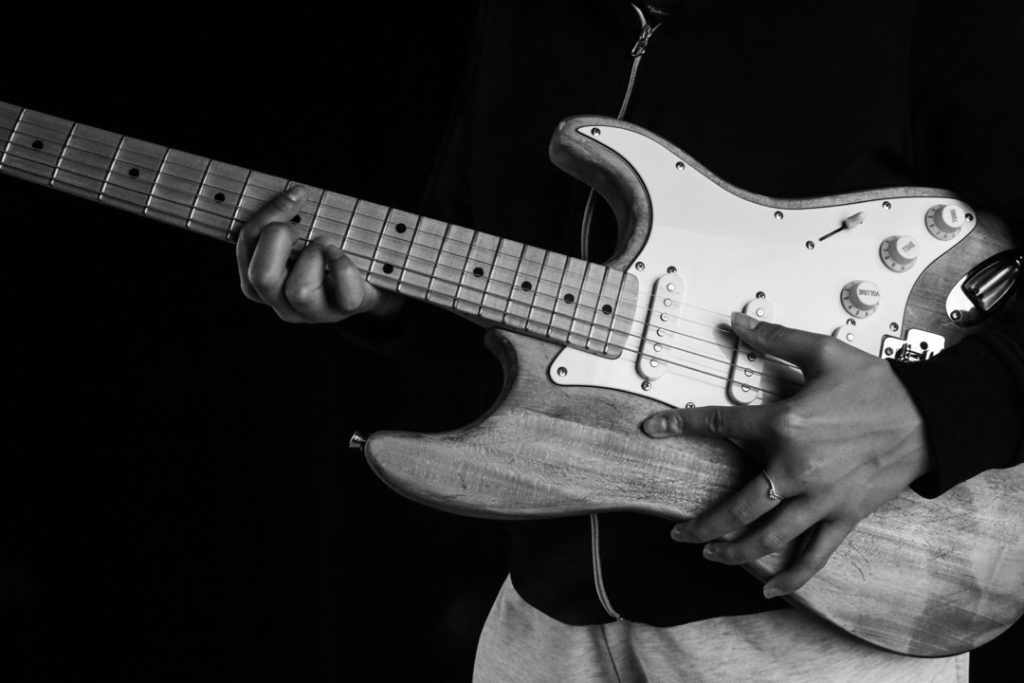
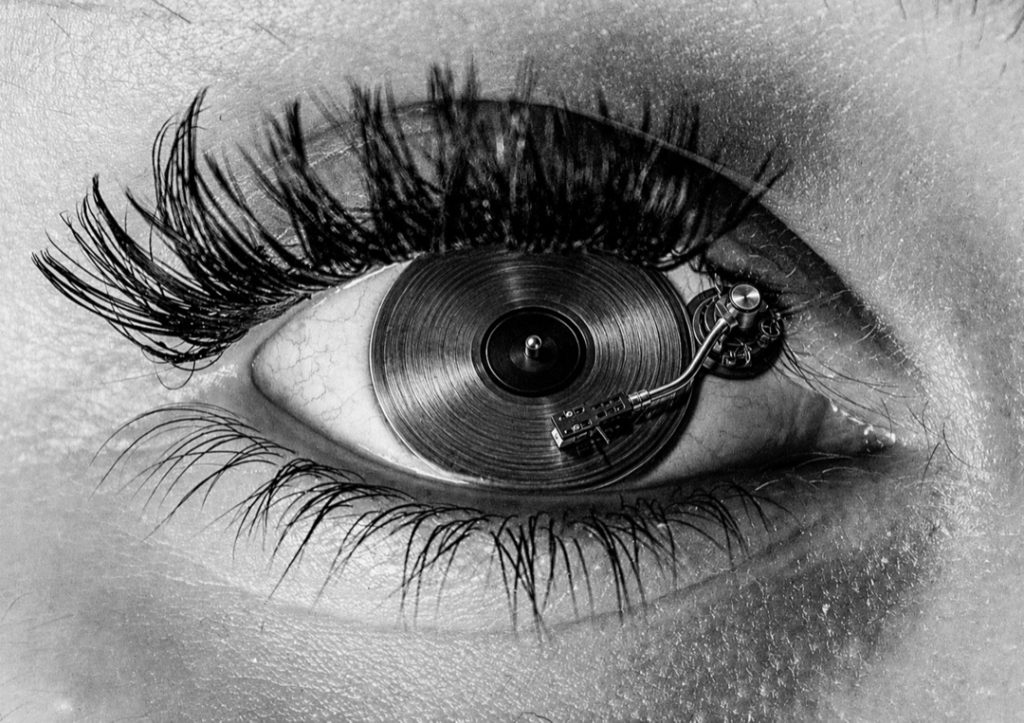
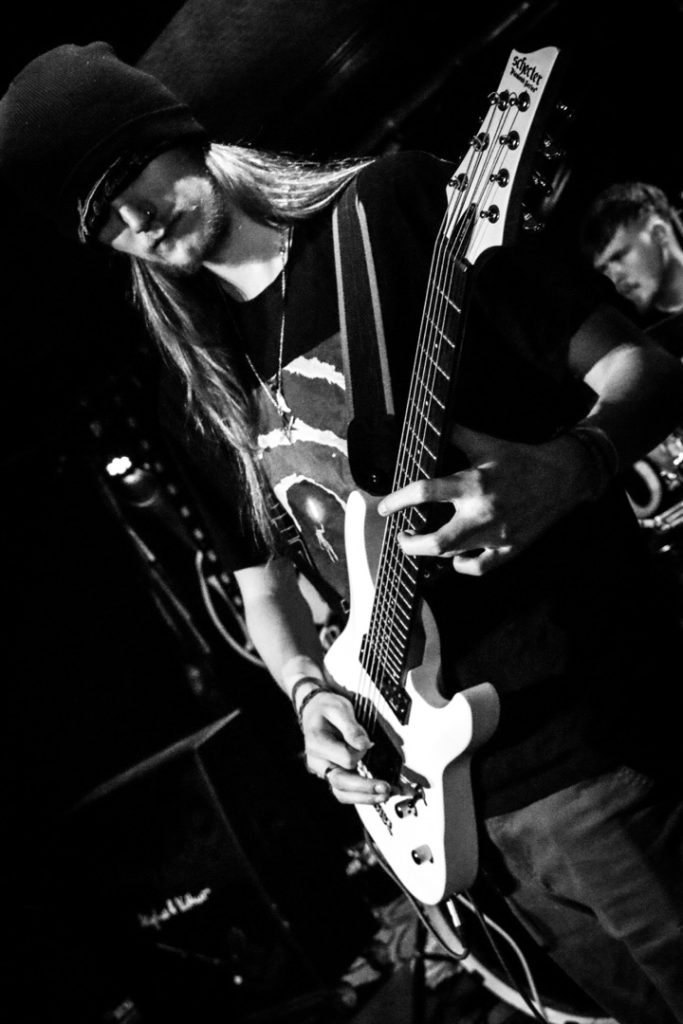
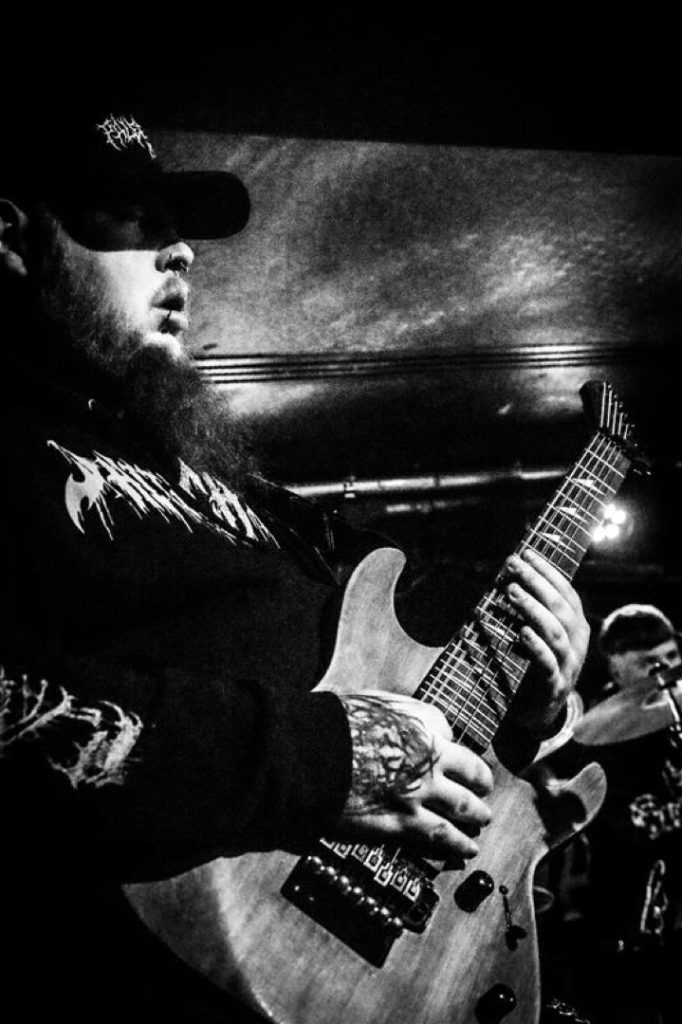
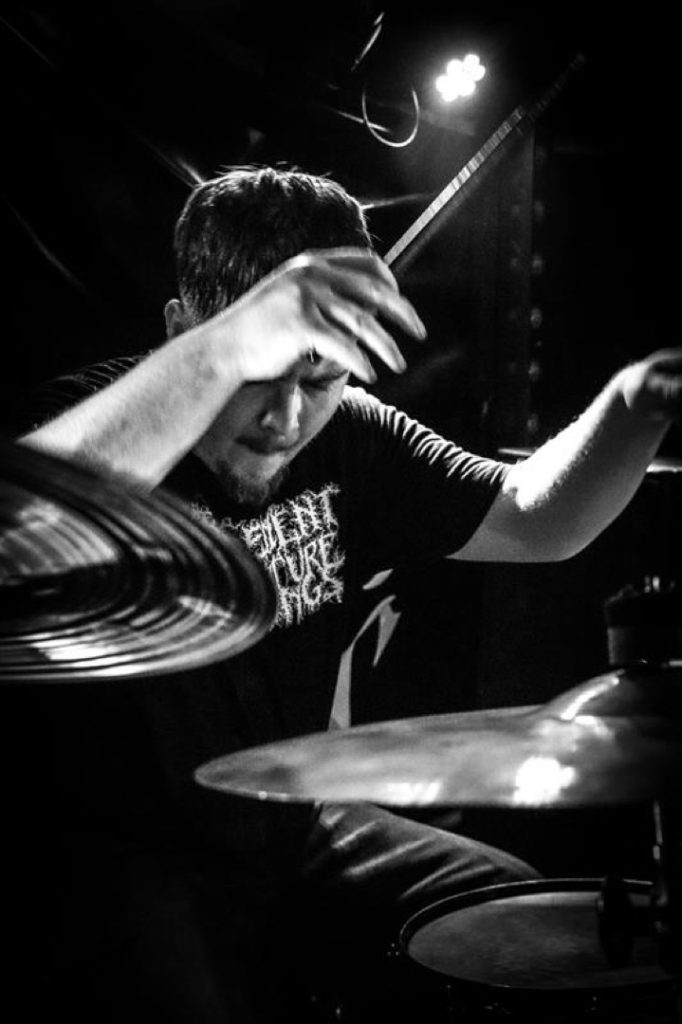
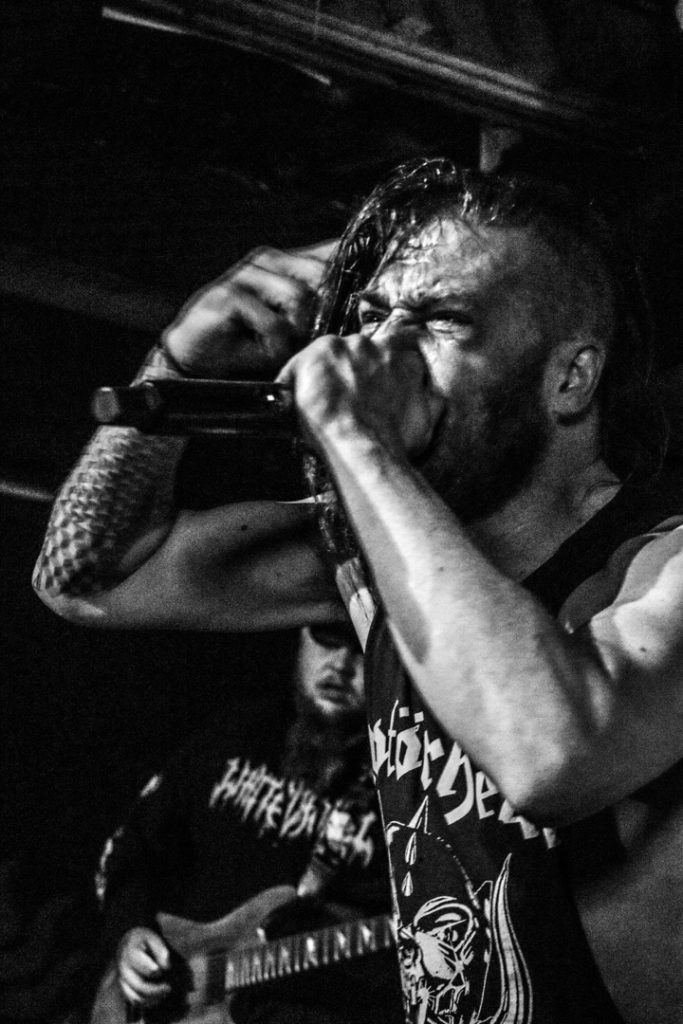
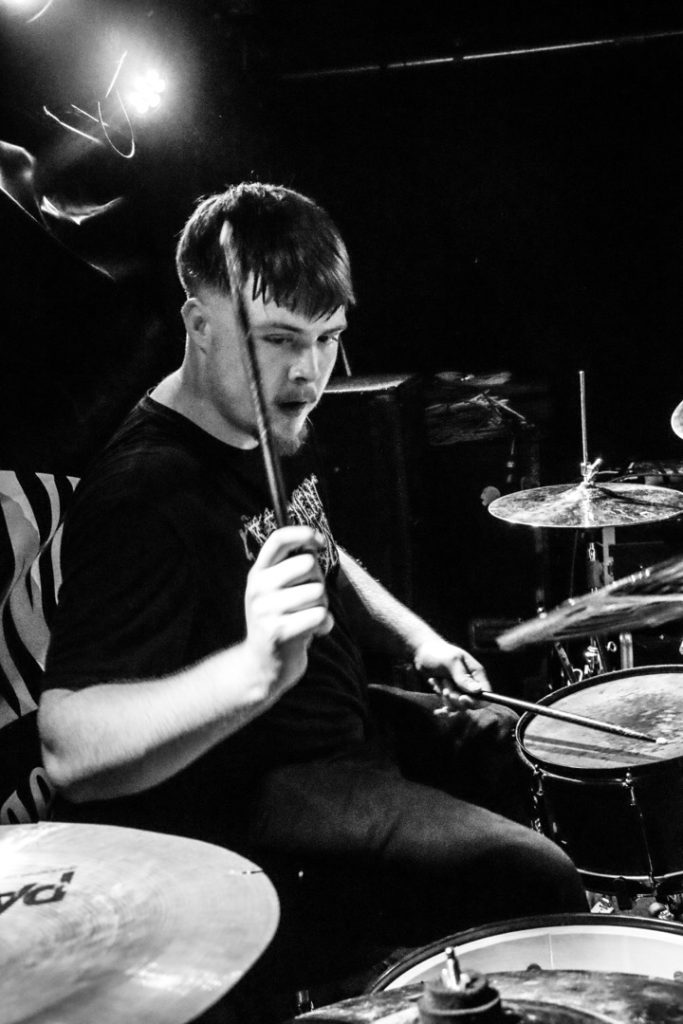
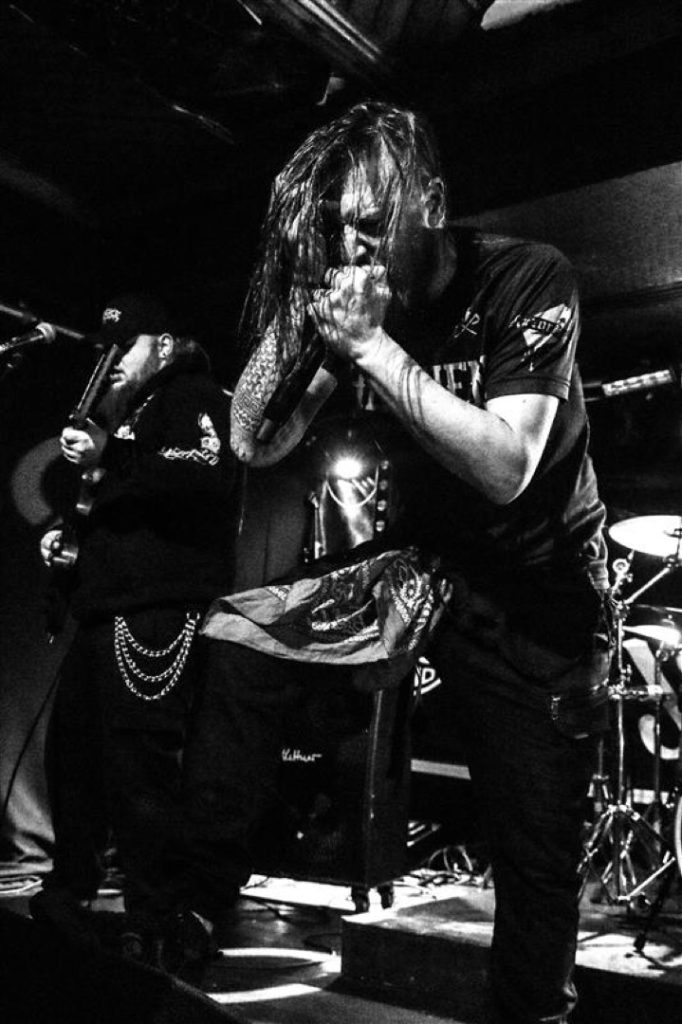
The name of my project is “Echoes in the Dark” the reason I chose to do my project on and around the alternative music scene, is because it represents me as a person and as an artist. The alternative music scene is little known as whole, as its depicted as atypical and unconventional, when this isn’t the case. I chose this to shine a light (my lens) and bring attention to the scene; educating people on this, hopefully grabbing their attention and piquing their interest in this music genre.
I like to take action shots in black and white as this shows a more dramatic image which depicts the truthfulness of this music genre.
I have influences from several artists including: Annie Leibowitz – Rolling Stones. I feel her work allies the dramatic aspects of photography that aligns with my own work.
What I hope to achieve with this work is to bring this scene to the mainstream or at least dispel some of the misconceptions of this music scene, hence the name: “Echoes in the Dark”.
Nelson Dimba
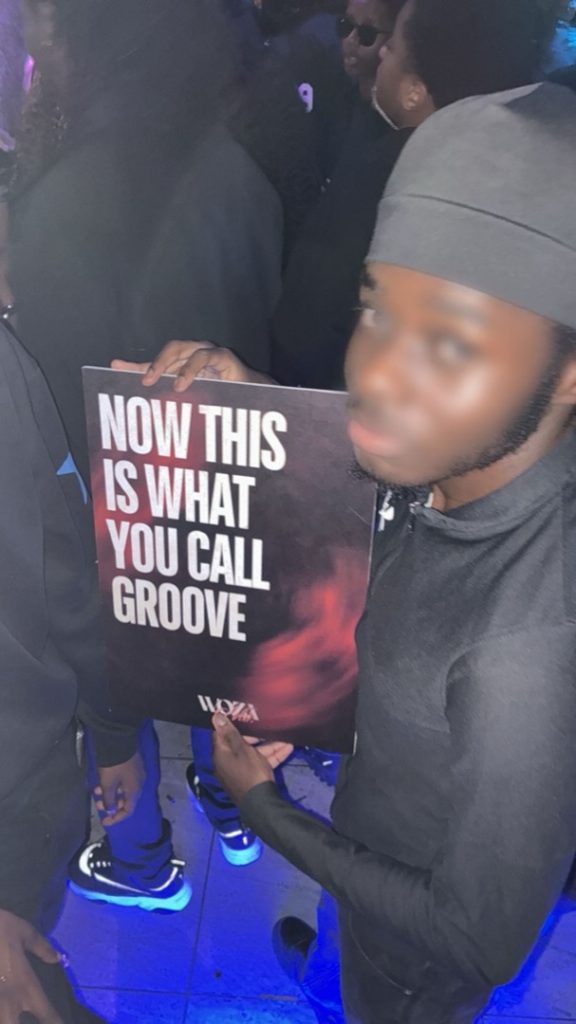
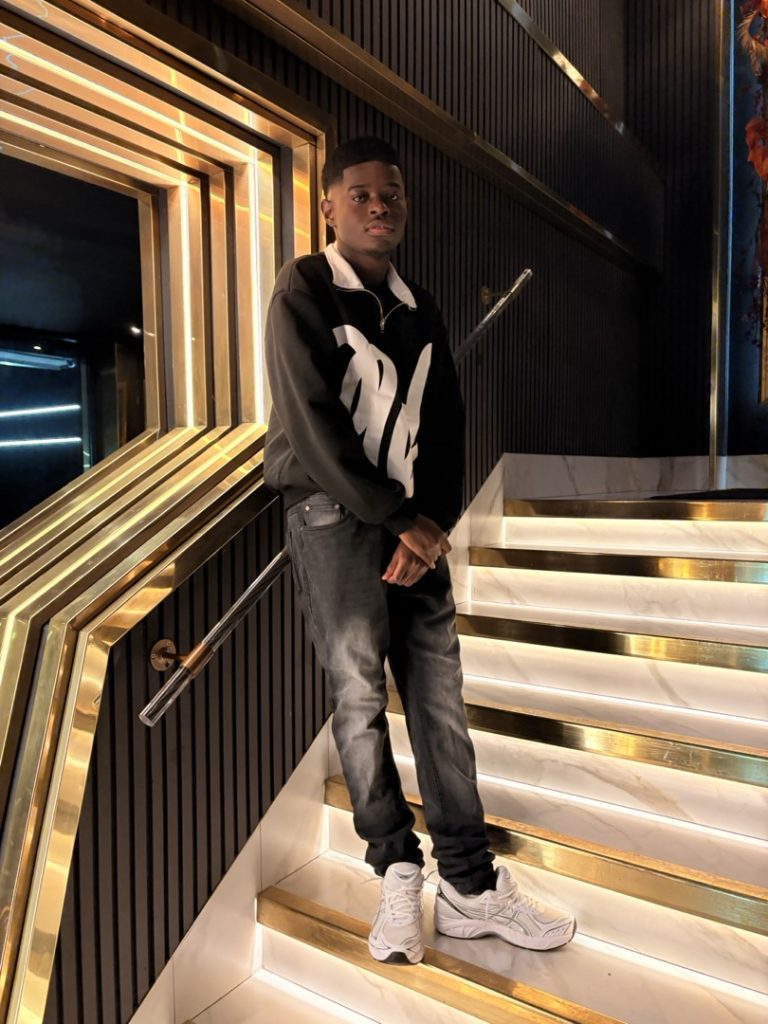
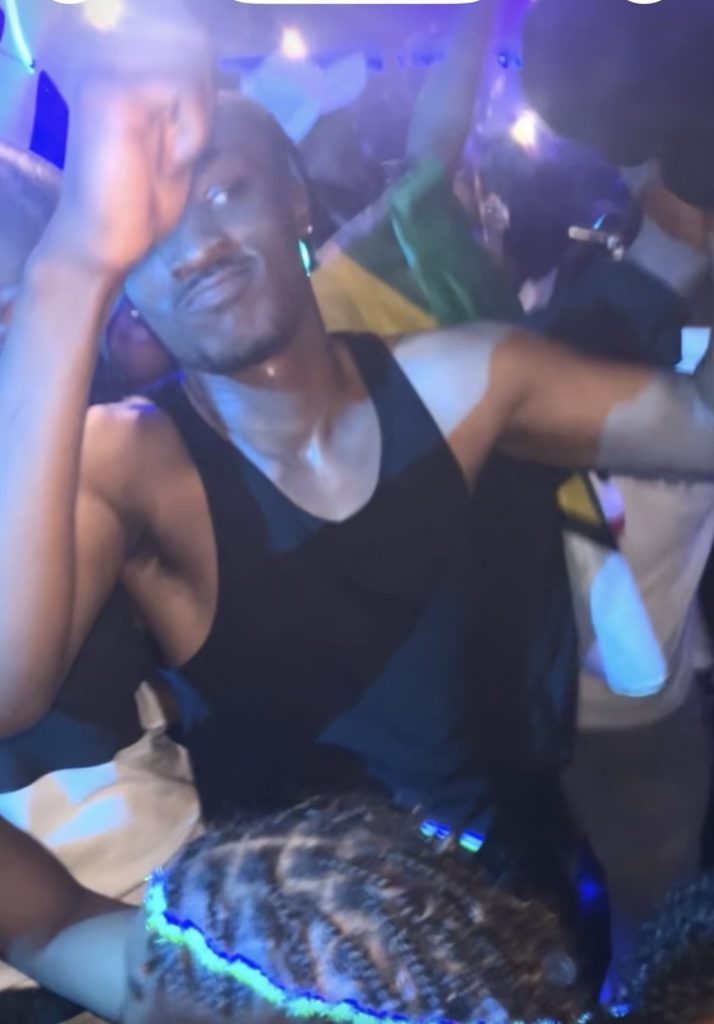
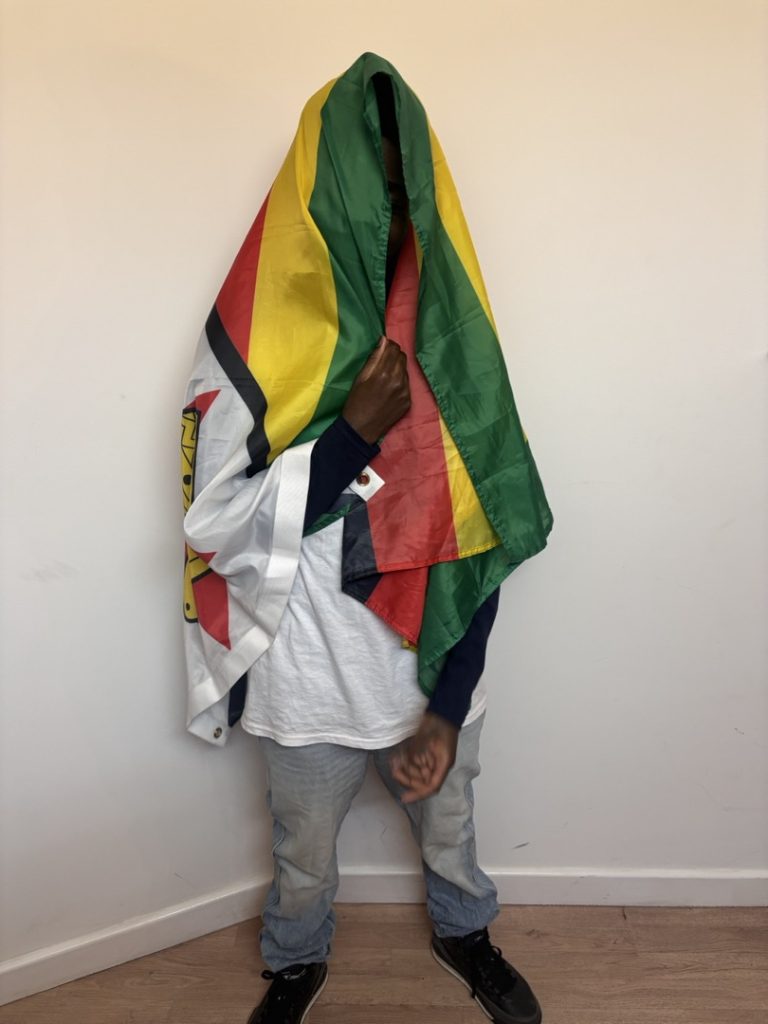
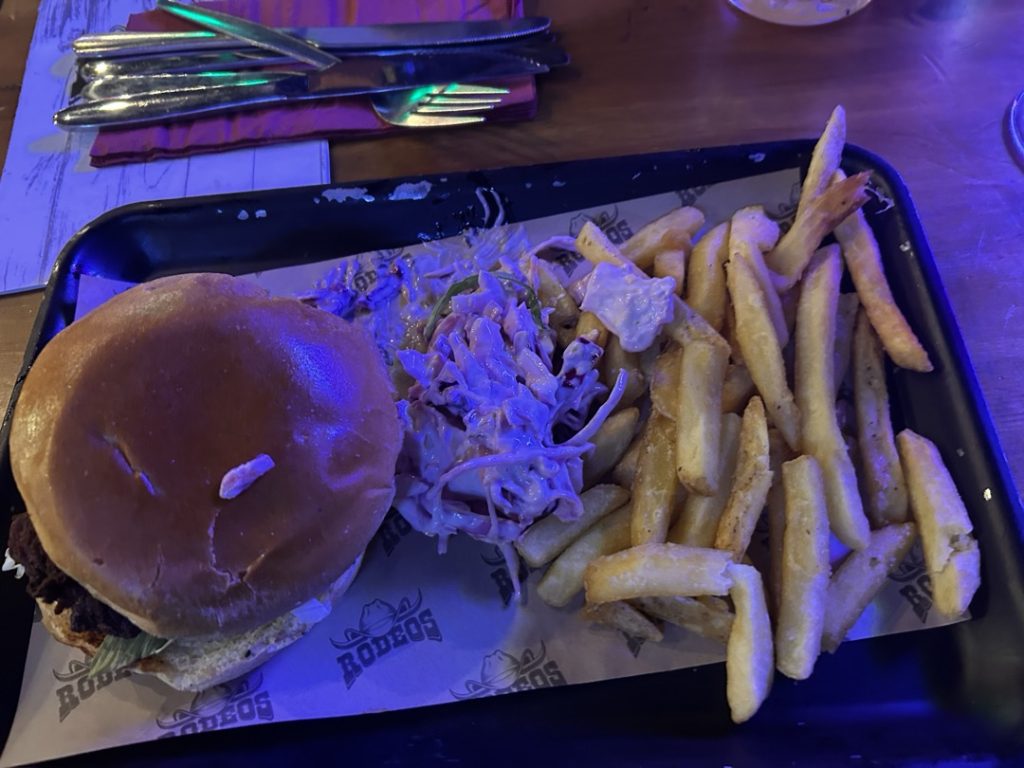
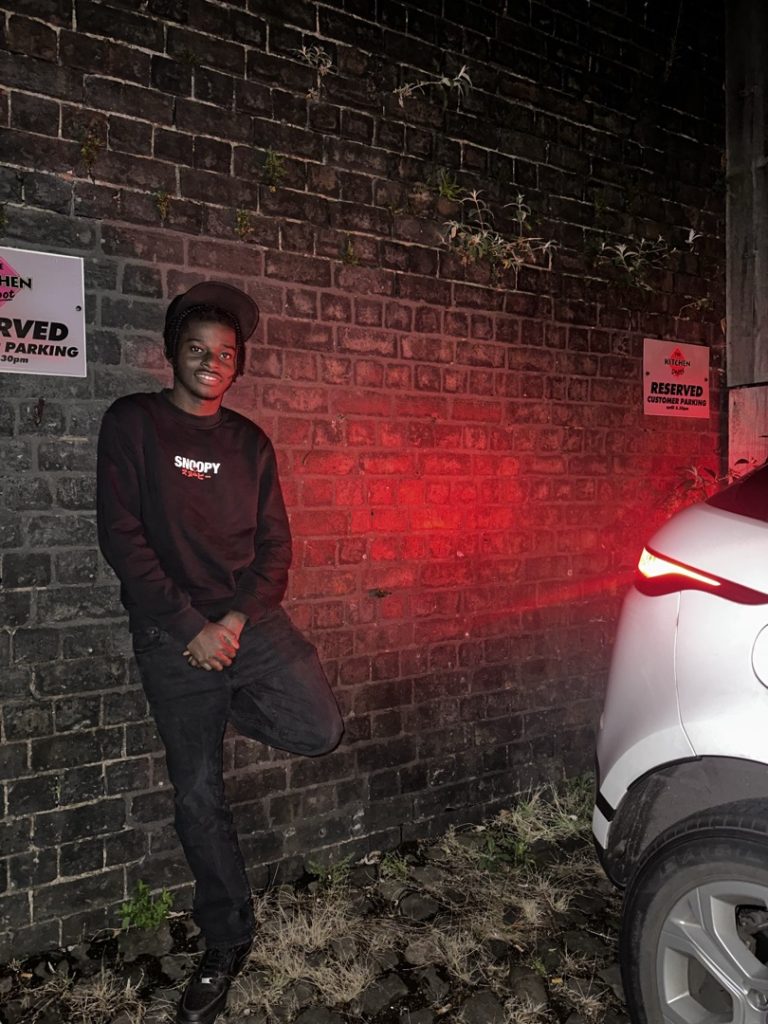
My project is about Zimbabwean culture and how we celebrate Zimbabwe Independence Day from April 15th to the official date on April 18th. This is where you will find people (including myself) grooving to music for Zimbabwean independence.
I have created six images that embody Zimbabwean culture and the spirit of Independence Day. The style of the images showcases the vibrant energy of Amapiano and Zimdancehall.
Independence Day allows family and friends to gather and share in the good times with plenty of food and drinks. I thought it was important to showcase my culture within British society.
Celebrating this day allows me to feel like I am right back there in Harare, Zimbabwe—eating my aunties’ food, representing our flag, and listening to DJs play my country’s music. This project allows me to share this feeling with others and showcase Zim culture to those who may not have been exposed to it before.
Likwan Duncan
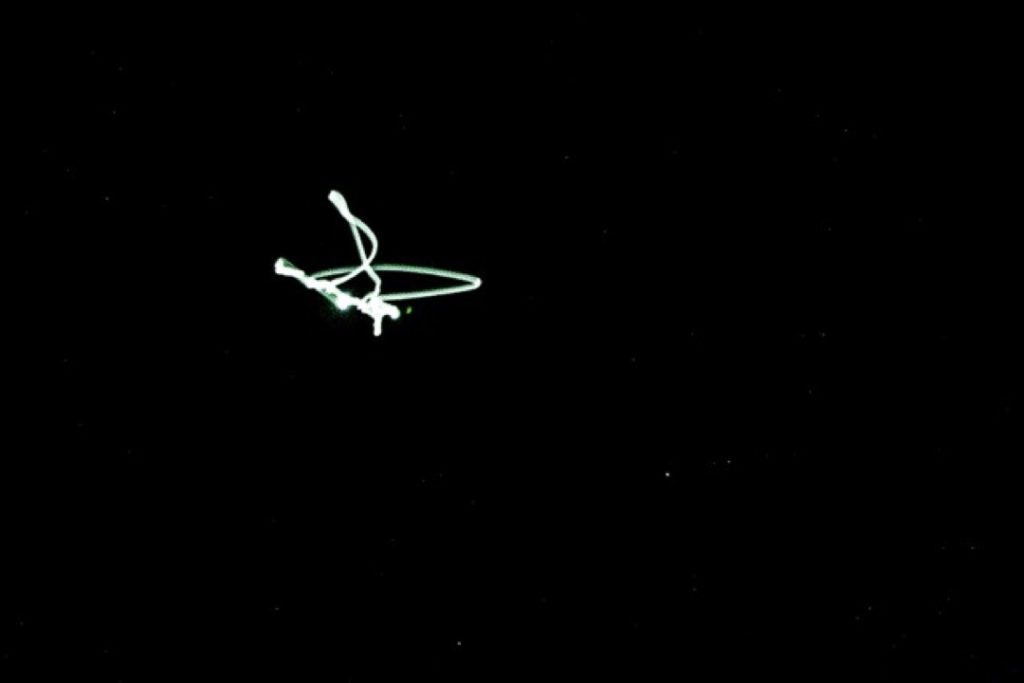
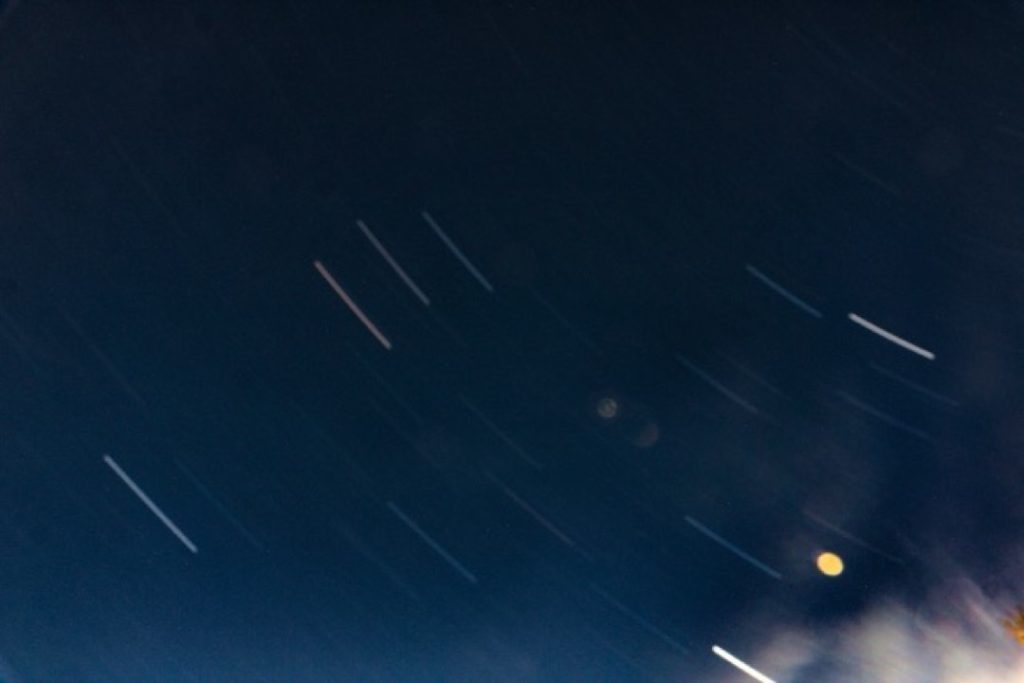
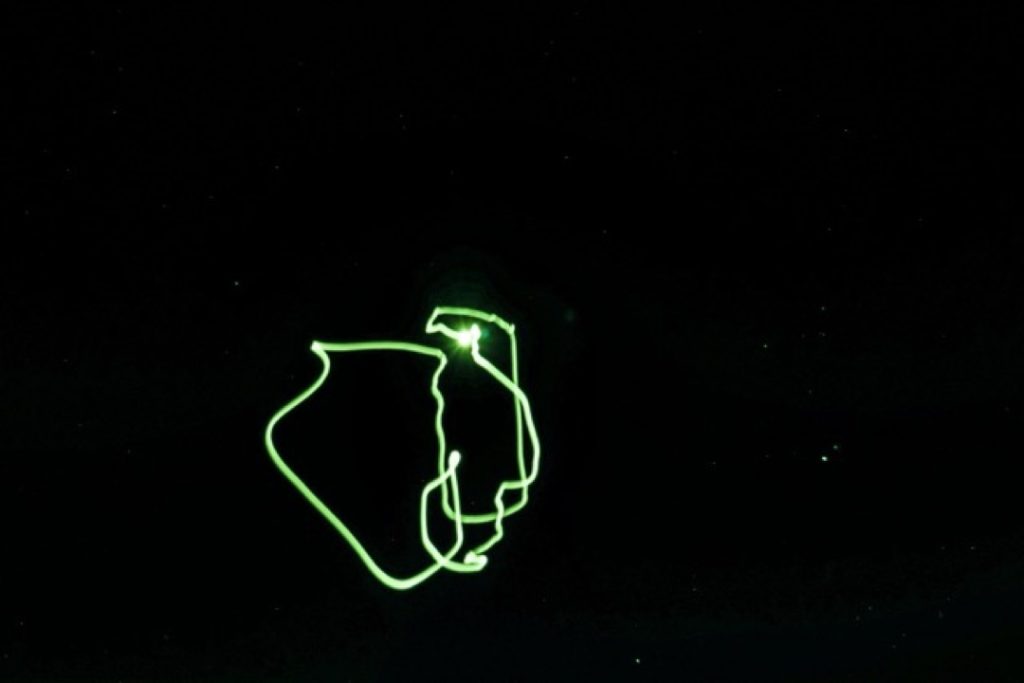
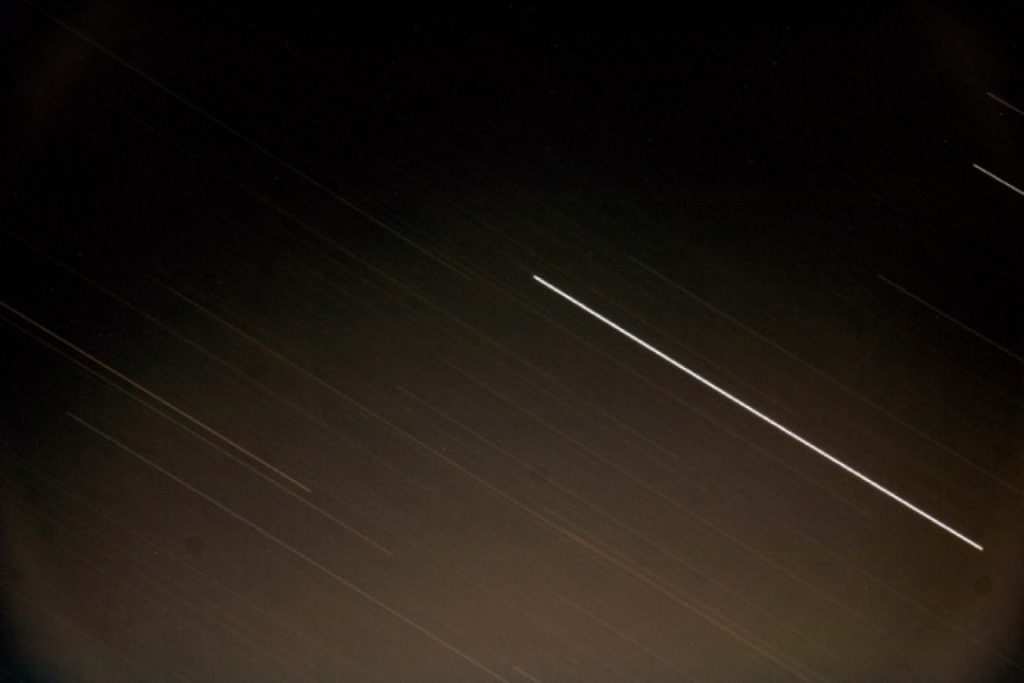
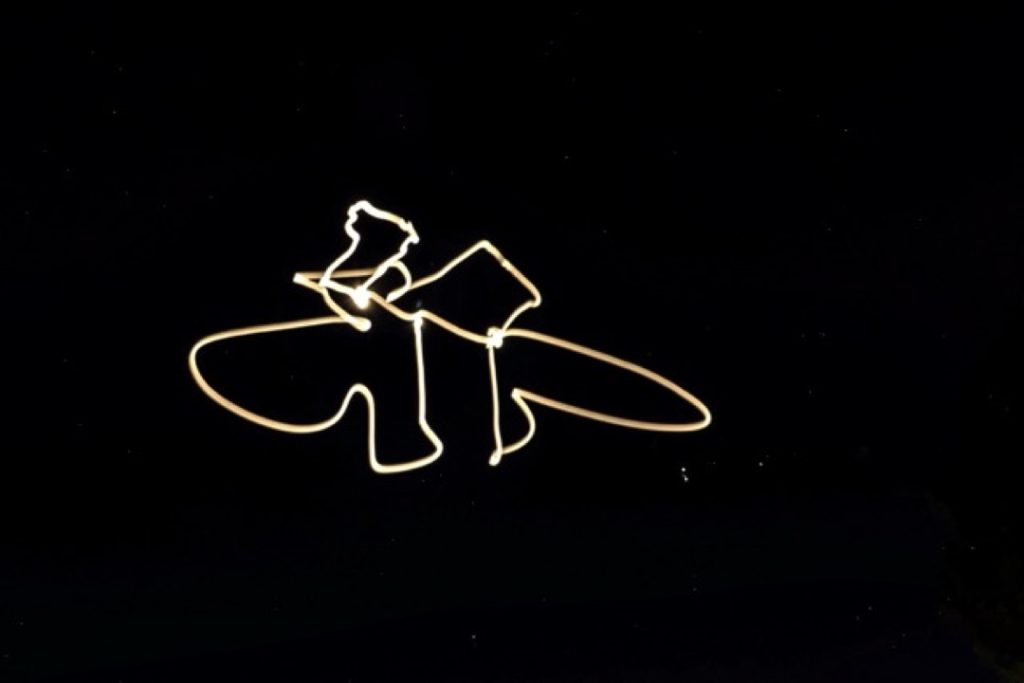
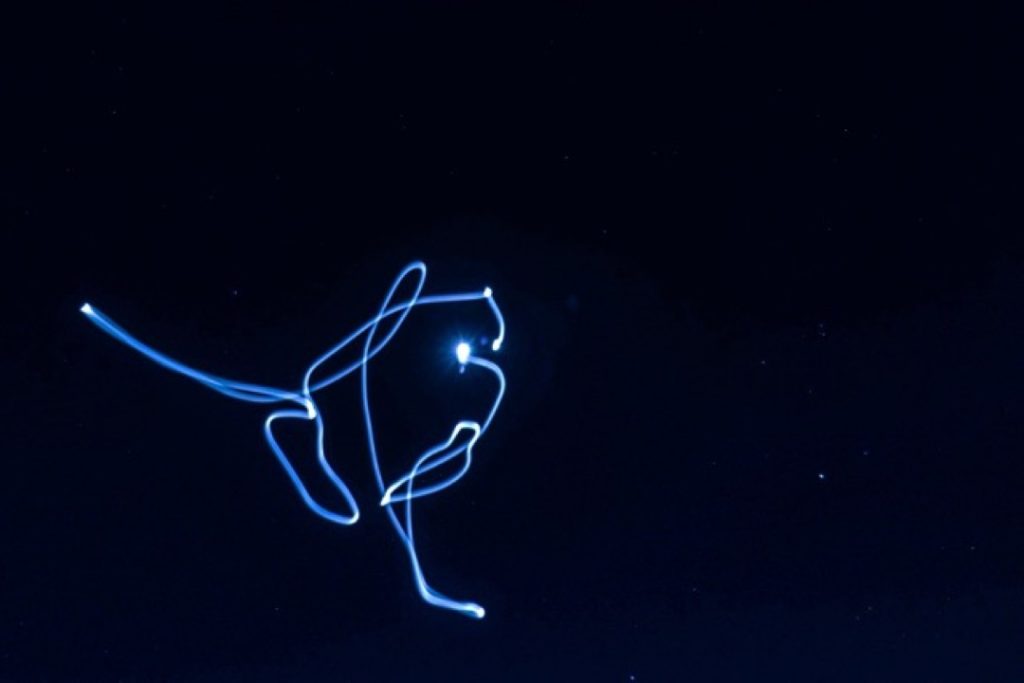
My project, “Astro Painting,” is about painting with light using the night sky. Following the recent Artemis mission to the moon, I was inspired to combine my work in astrophotography with light painting—a technique I discovered by accidentally moving my camera while using a cable release.
Watching the take-off live and following the journey to the moon made me realize there is so much more to outer space than we know. I have also always been interested in painting with light, so I wanted to mix these two concepts together.
This project is important to me because my goal is to capture the night sky to show the influence of the stars. I want to use these pictures to paint a message for people and provide them with a source of motivation in life.
My images overlay an abstract illustration—a UFO, if you will—against the backdrop of an authentic night sky. I used a tripod, a cable release, and a long exposure, utilising the bulb setting at ISO 100.
Amber Fielder
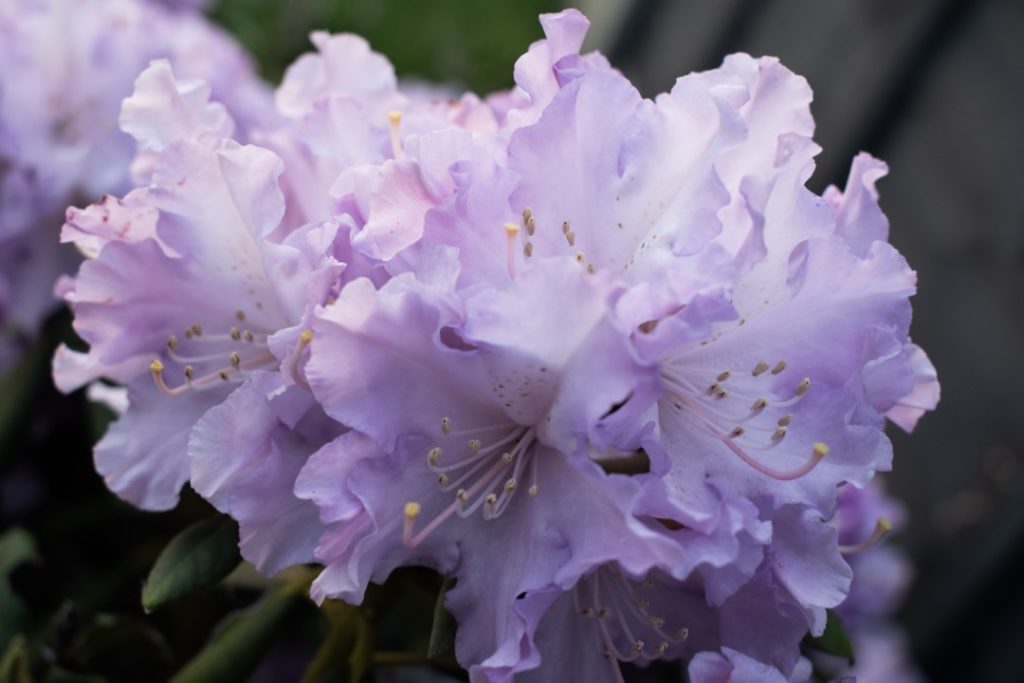
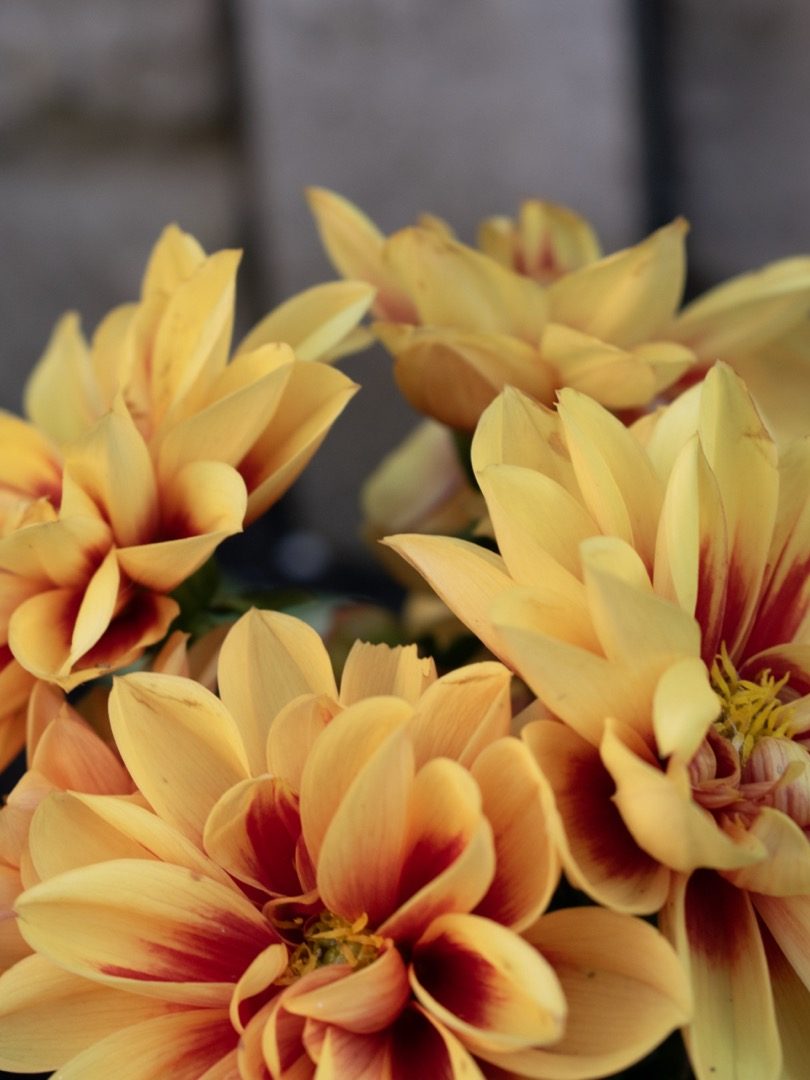
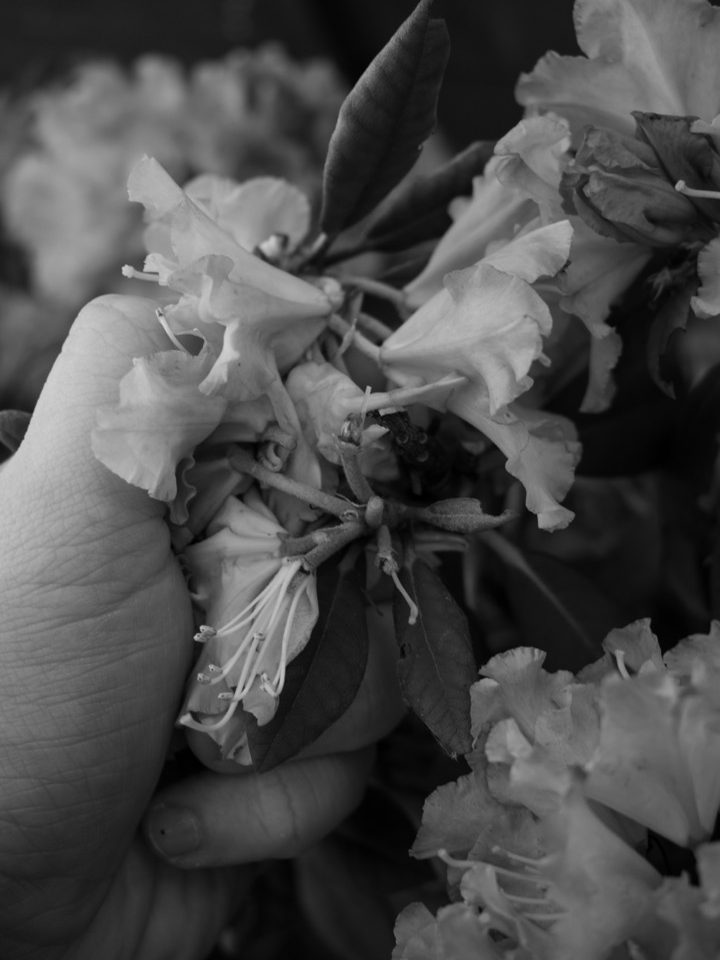
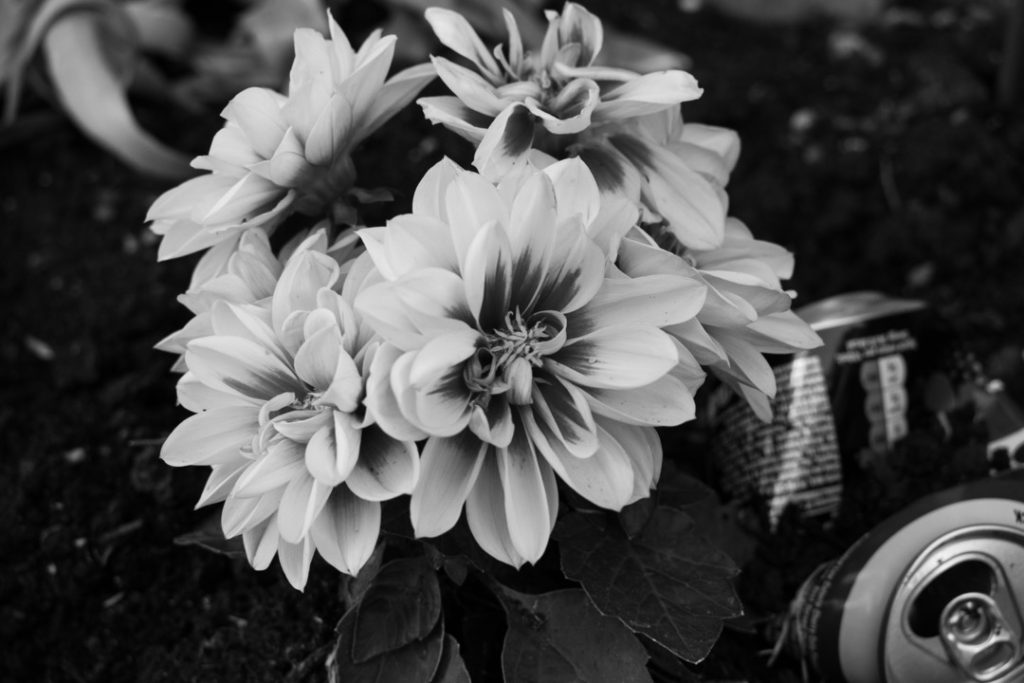
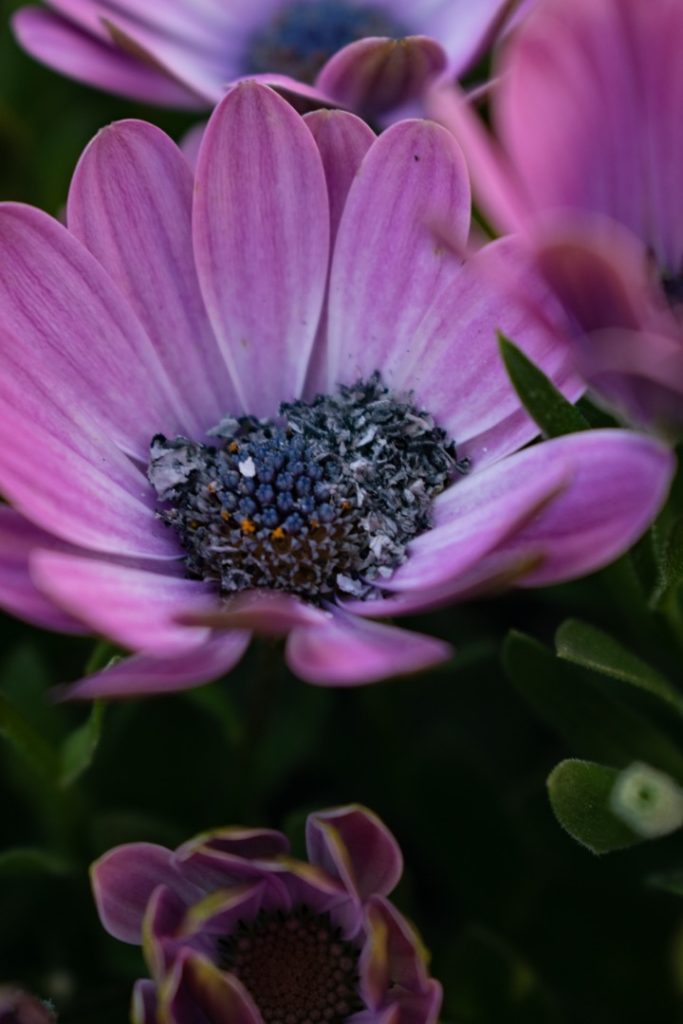
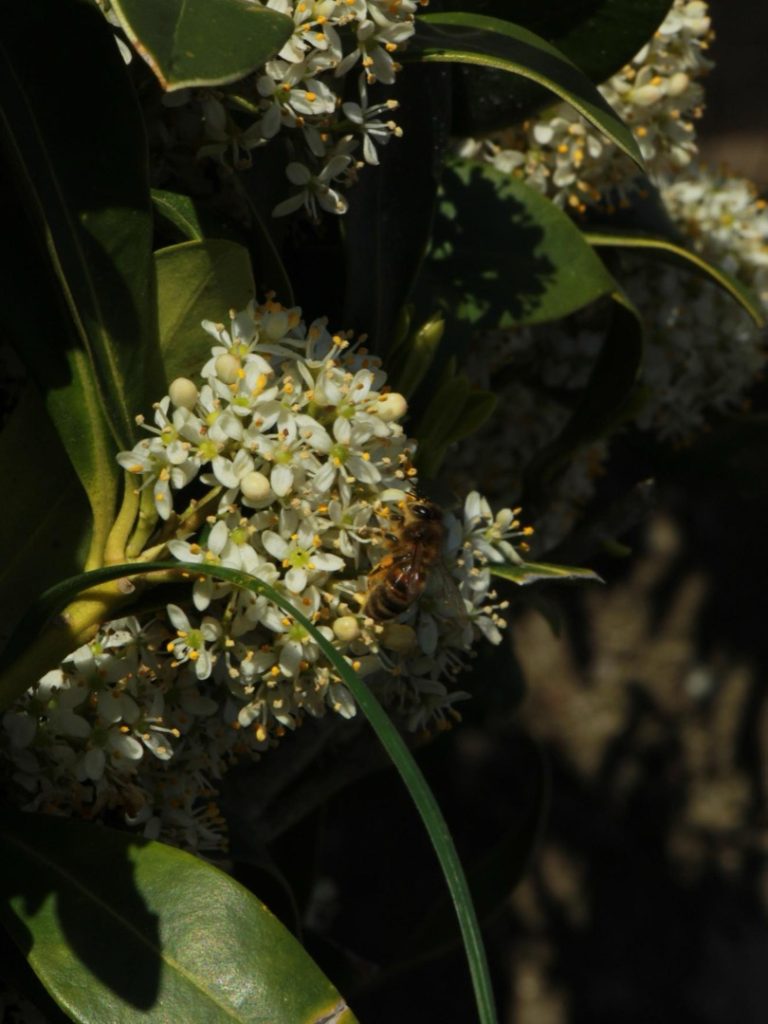
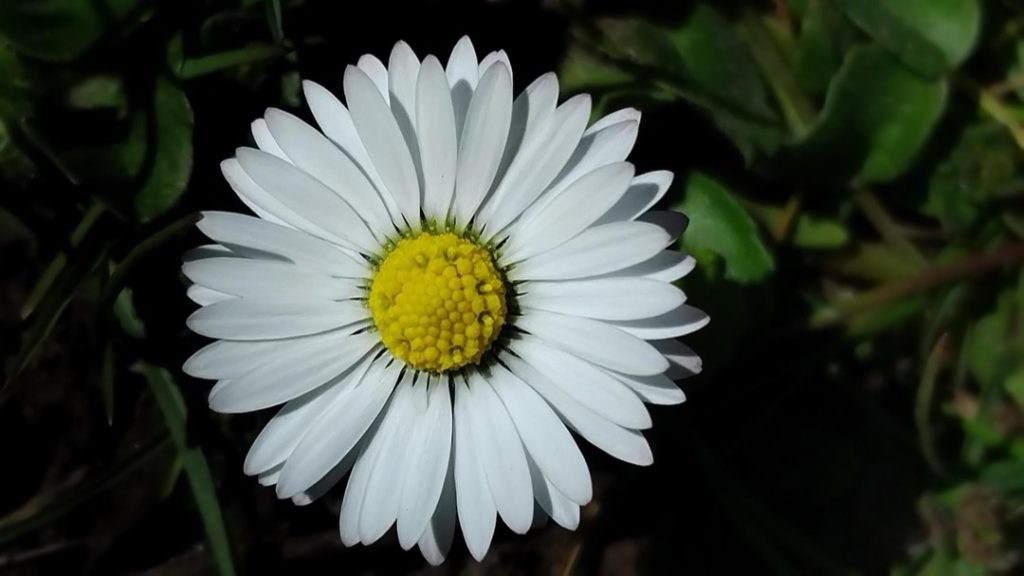
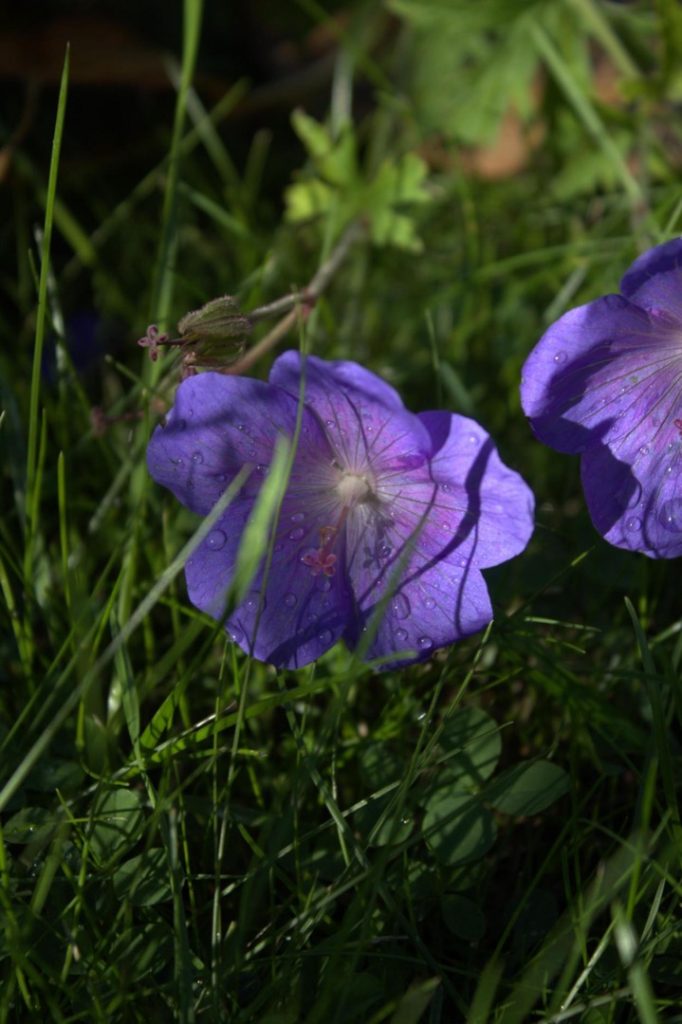
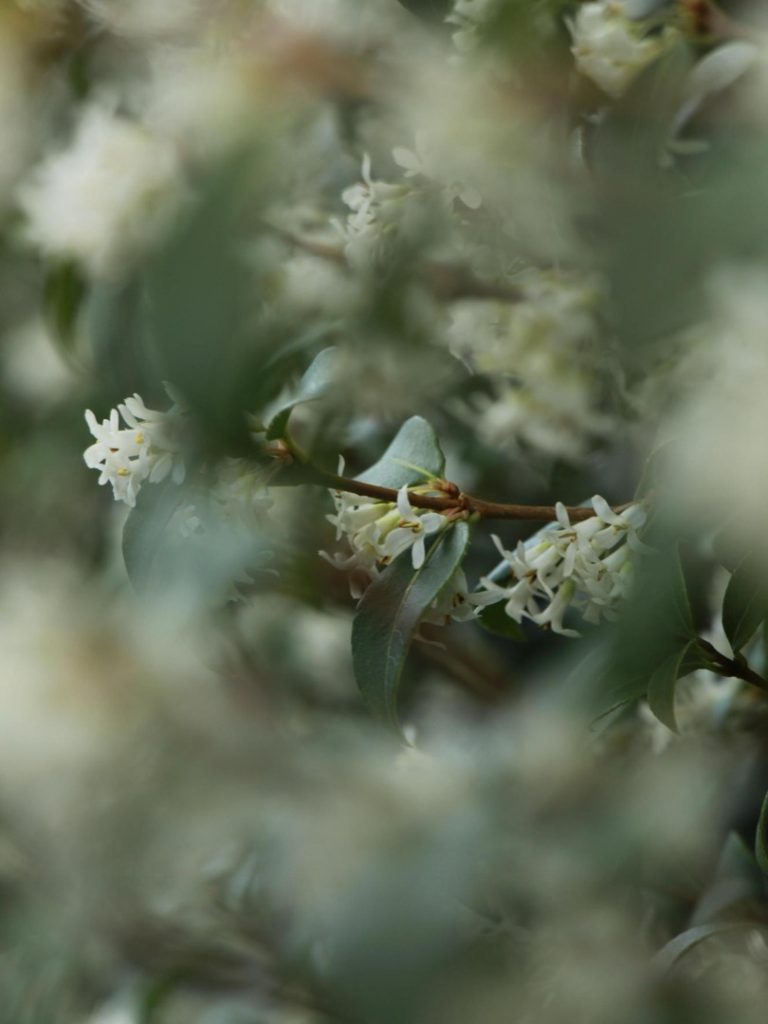
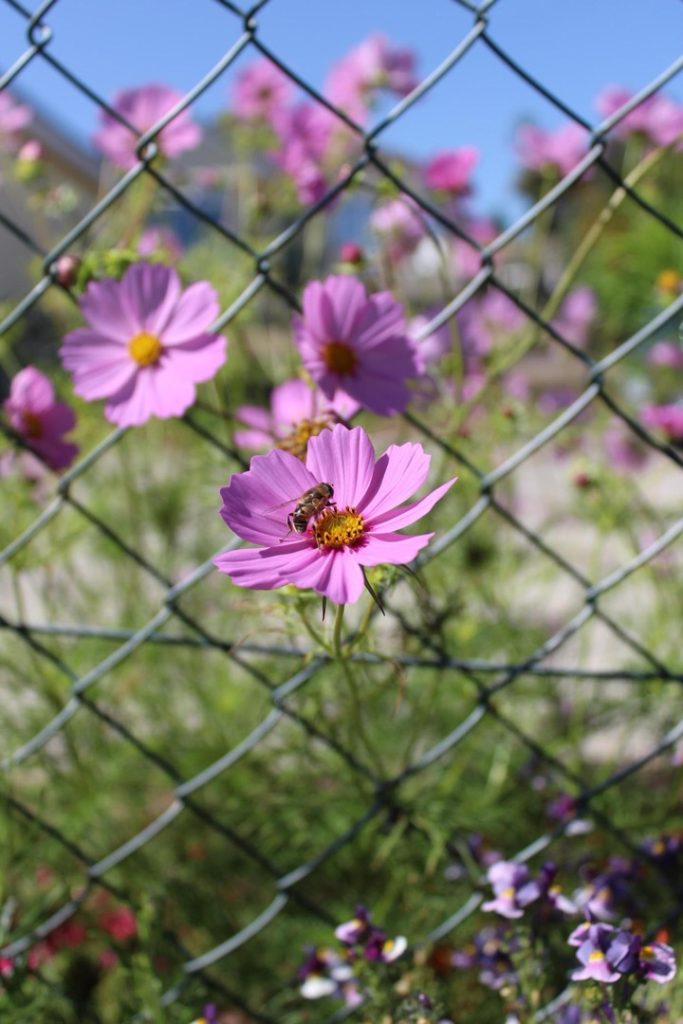
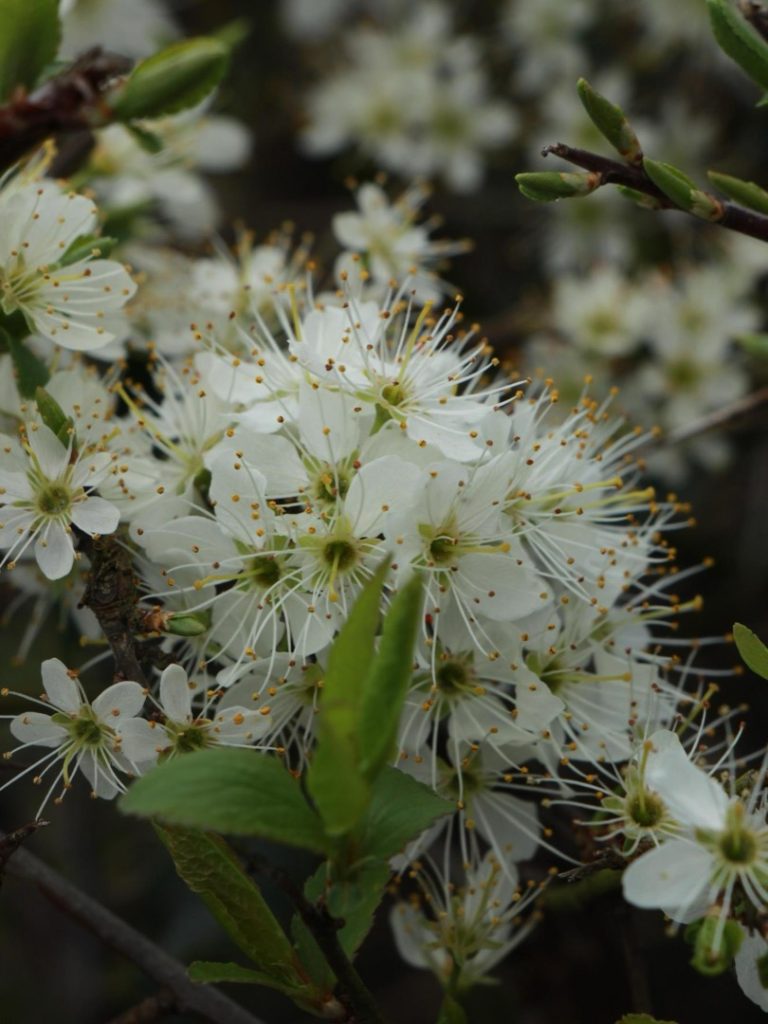
My project, “Nature,” explores flowers and the beauty of the natural world through my own lens. I created this series because of my deep love for flowers and the unique shape of every single bloom. I want to share this perspective to help others recognise their quiet beauty.
Nature is all around us, changing with every season, yet so few people truly appreciate it—many would easily walk right over a flower without noticing. My background in nature photography dates back to my work experience in secondary school, and ever since, I always photograph flowers or scenes that inspire me when I am out. Being in nature makes me feel relaxed, and I believe that sense of peace is highly reflected in my art.
A major inspiration for this project is Hyunjin, a South Korean idol from the eight-member boy group Stray Kids. When he first debuted, he didn’t know how to dance and had to train relentlessly while managing the stress of attending dance school. His persistence paid off, and after two years, he became an incredible dancer. Beyond music, he draws, paints, and does photography while touring the world. He faces a lot of undue criticism, but he never lets it stop him from doing what he loves. His resilience and the sheer variety of his artwork completely inspire me, which is why I have included examples of his pieces in my project.
Ultimately, I hope “Nature” inspires viewers to be more open-minded. Not enough people nowadays care for our environment, and I want to show them the beauty of the world so they might treat it with more respect. By sharing both my own photography and Hyunjin’s unique artistic vision, I hope to remind people that everyone sees the world differently, and there is immense beauty to be found when we look through someone else’s eyes.
Kye Garvey
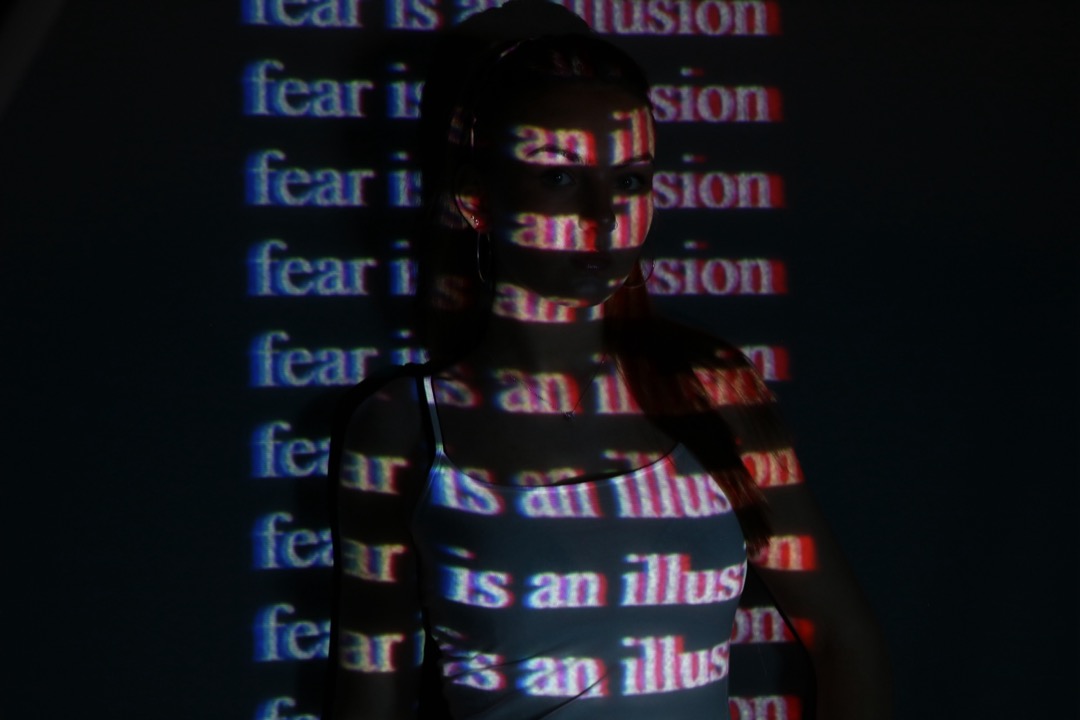
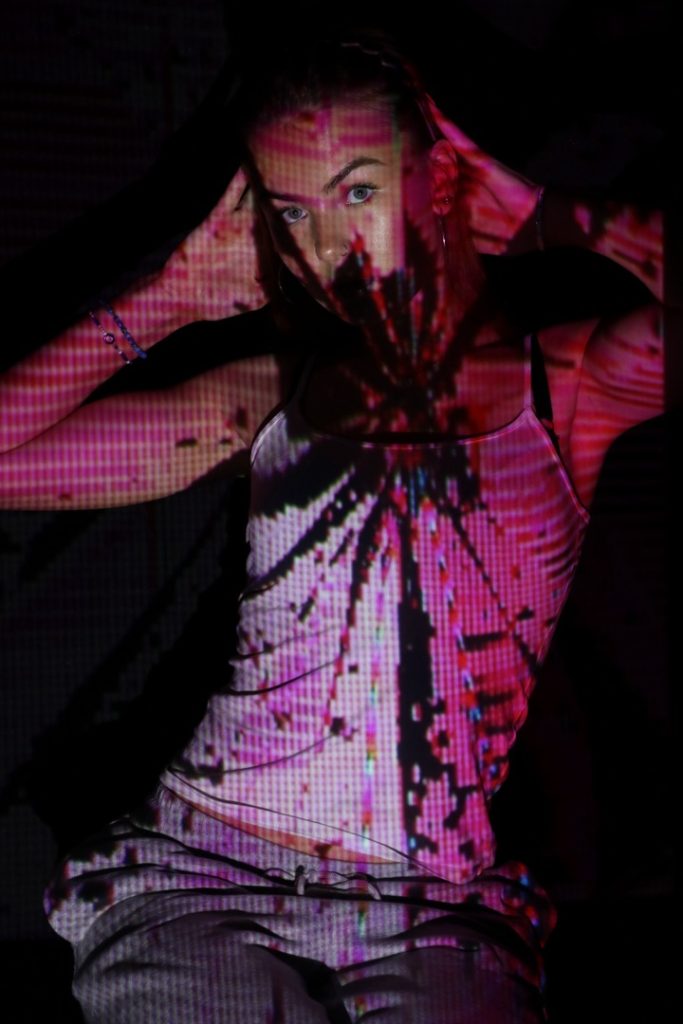
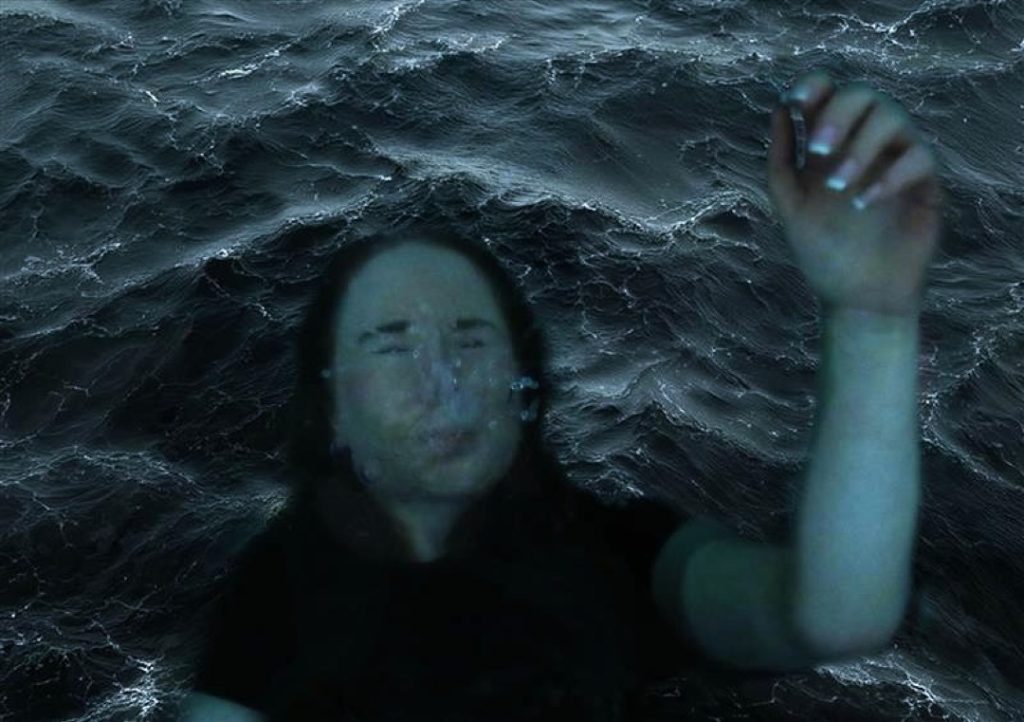
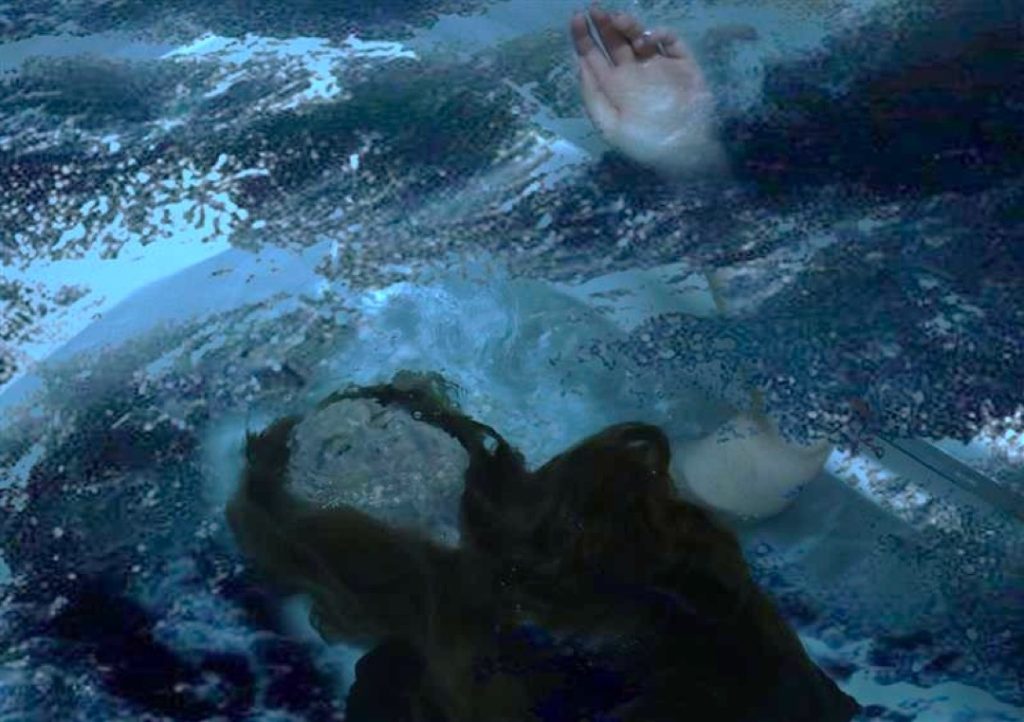
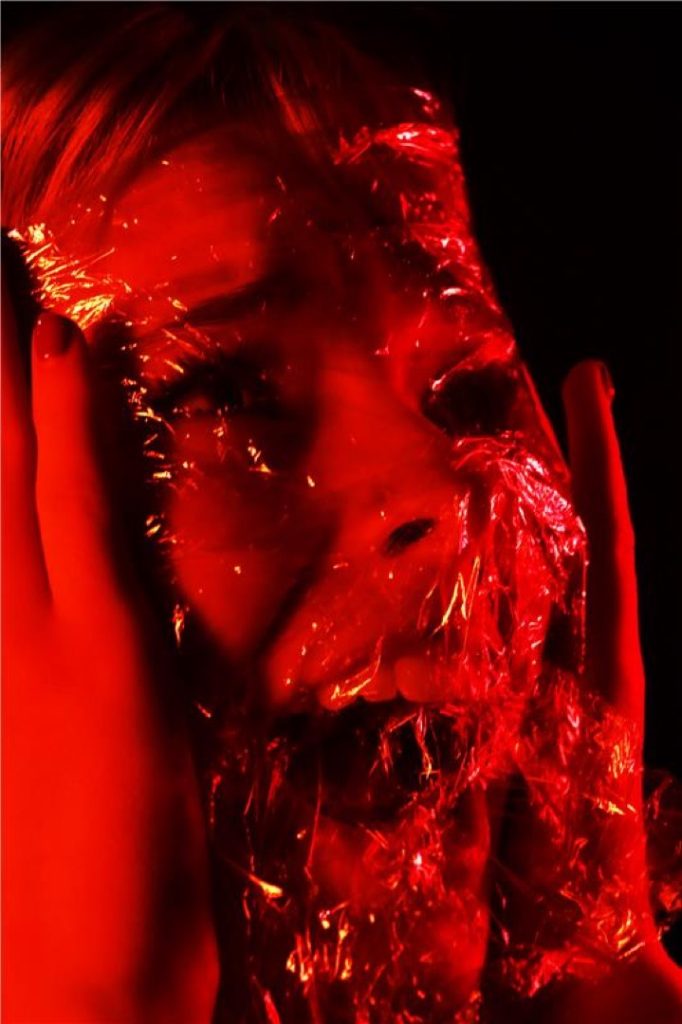
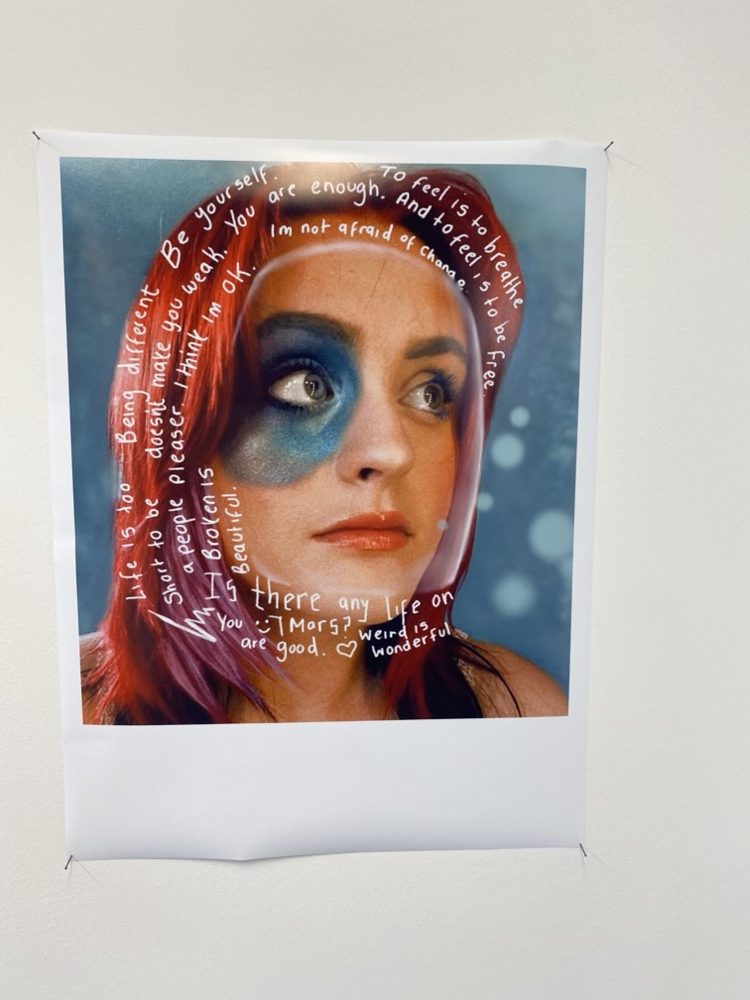
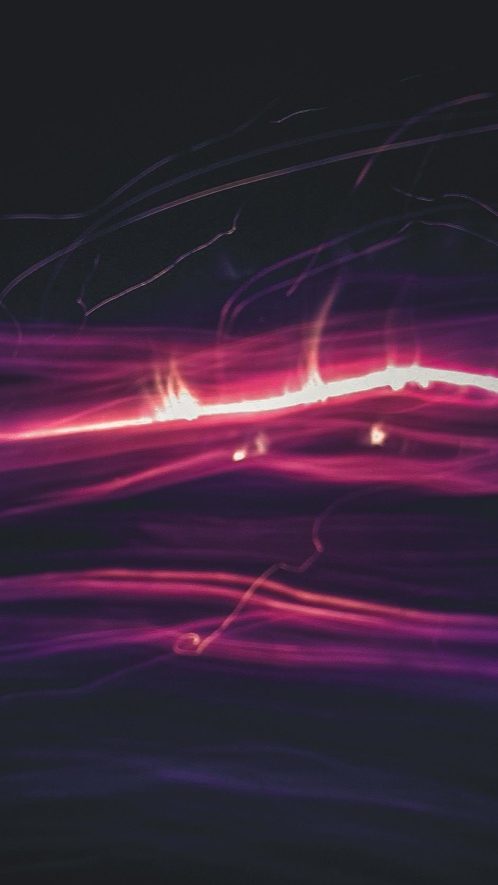
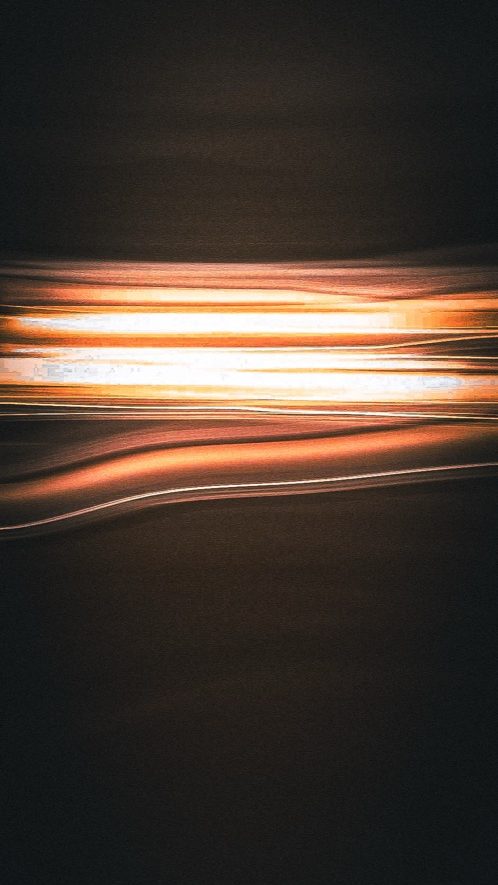
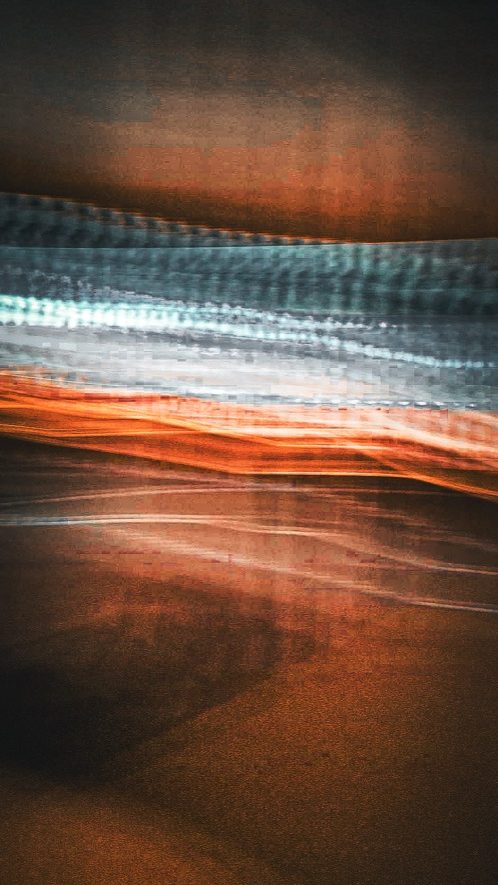
My work is inspired by the growing concern surrounding mental health, particularly among younger generations, where feelings of anxiety, disconnection and identity confusion are becoming increasingly common.
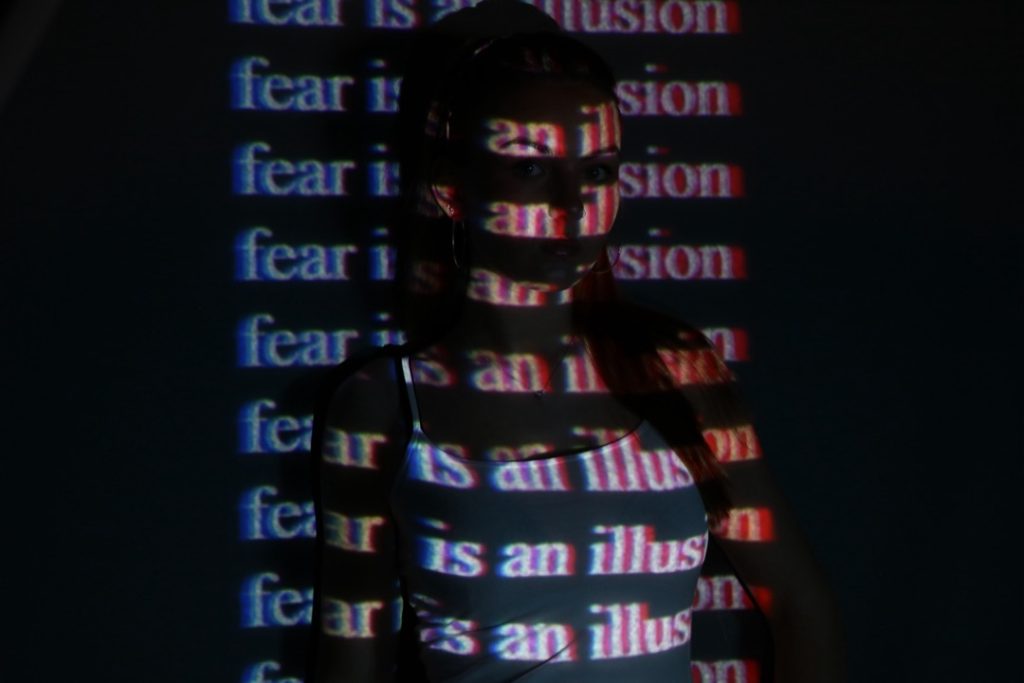
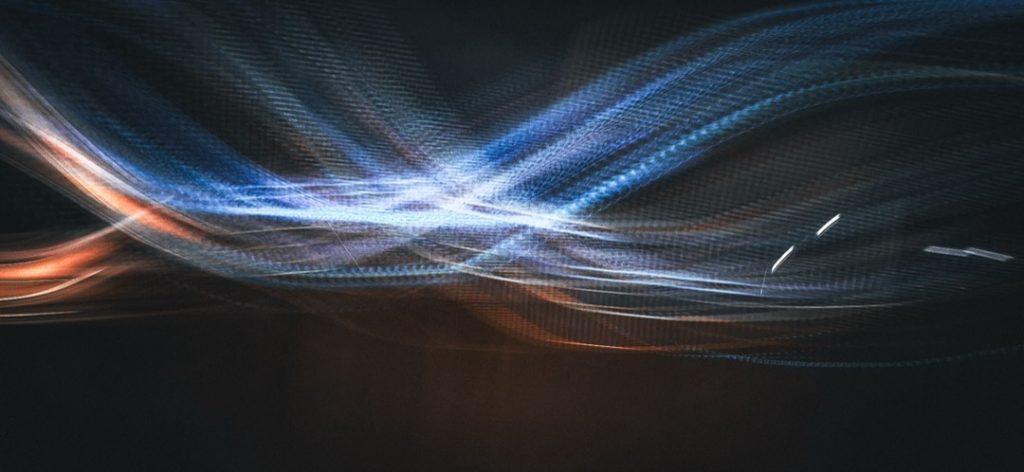
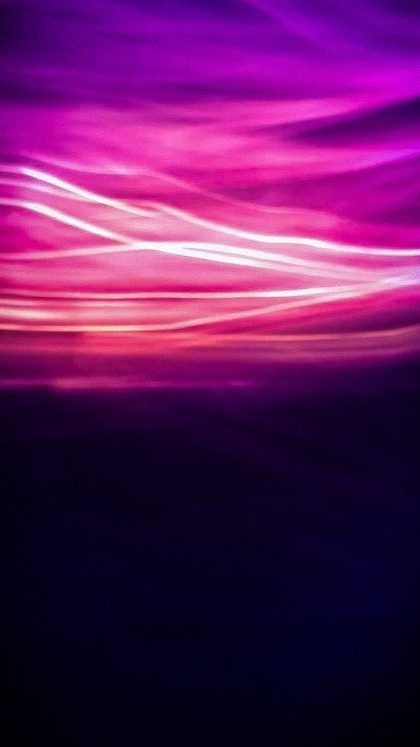
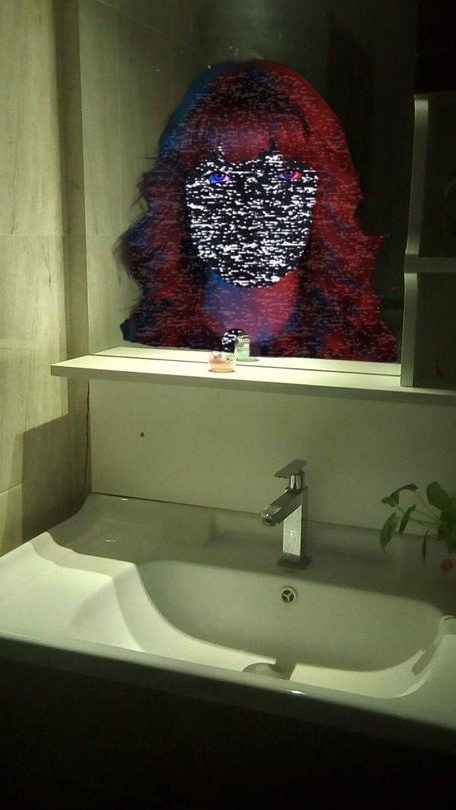
I was interested in exploring how these struggles are often invisible yet deeply affect the way individuals experience themselves and the world around them. The idea of distortion and static showcases how overwhelming thoughts and emotions reflect upon the title “Signal Lost”, suggesting a breakdown in communication. A breakdown not only with others, but also with oneself.
I was also influenced by the impact of social media, particularly in relation to body dysmorphia and unrealistic beauty standards. The constant exposure to edited and idealised images can distort how individuals see themselves, creating a disconnect between reality and perception. This idea is visually represented through the static that is covering parts of the face, symbolising how identity and self-image can become fragmented or unclear.
In addition, I explored the role of music as a coping mechanism during difficult times. Music can act as both an escape and as a form of expression when emotions are hard to articulate. The inclusion of handwritten lyrics represents this personal connection, providing a voice to thoughts that might otherwise remain unspoken.
Overall, my work aims to capture the complexity of mental health struggles in a way that feels both relatable and thought-provoking, encouraging the viewer to reflect on the hidden nature of these experiences and the importance of understanding them.
Victoria Gibson
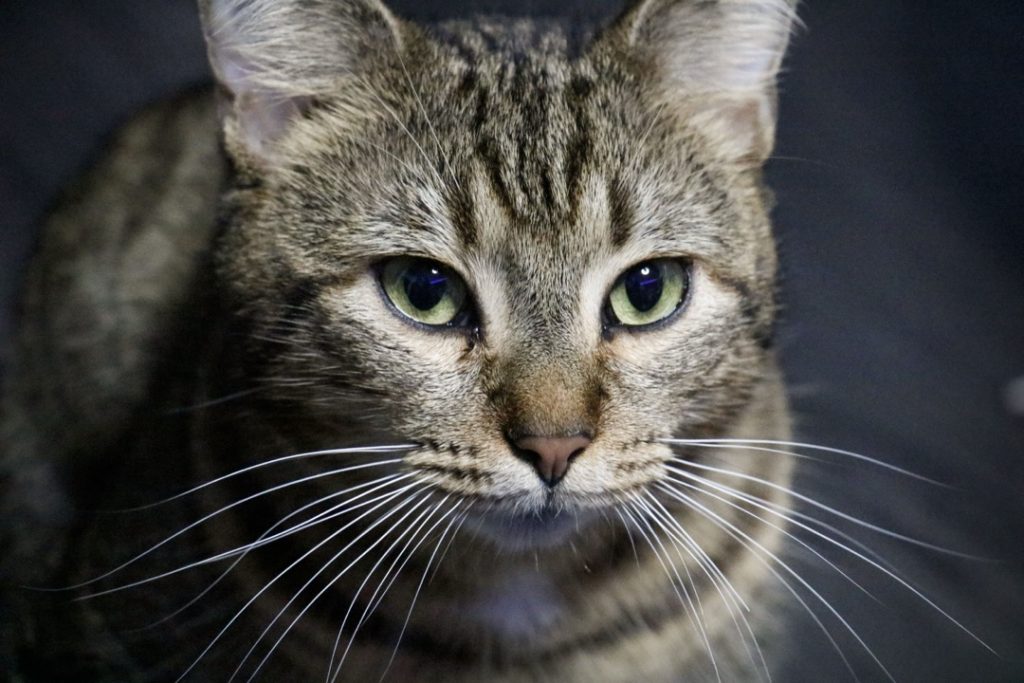
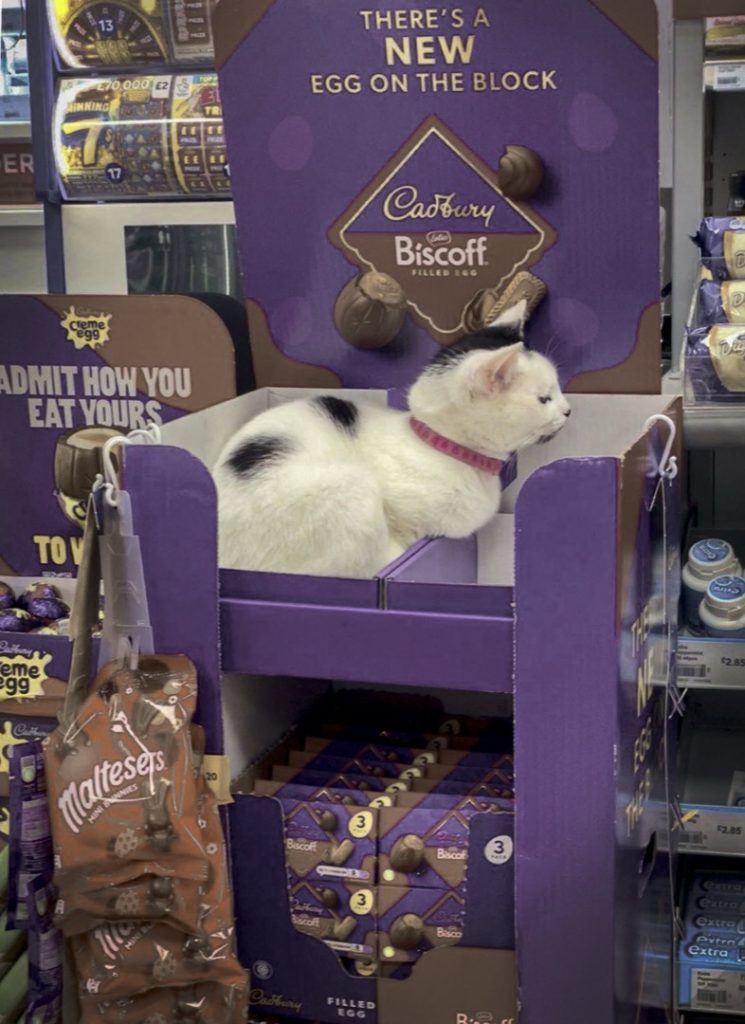
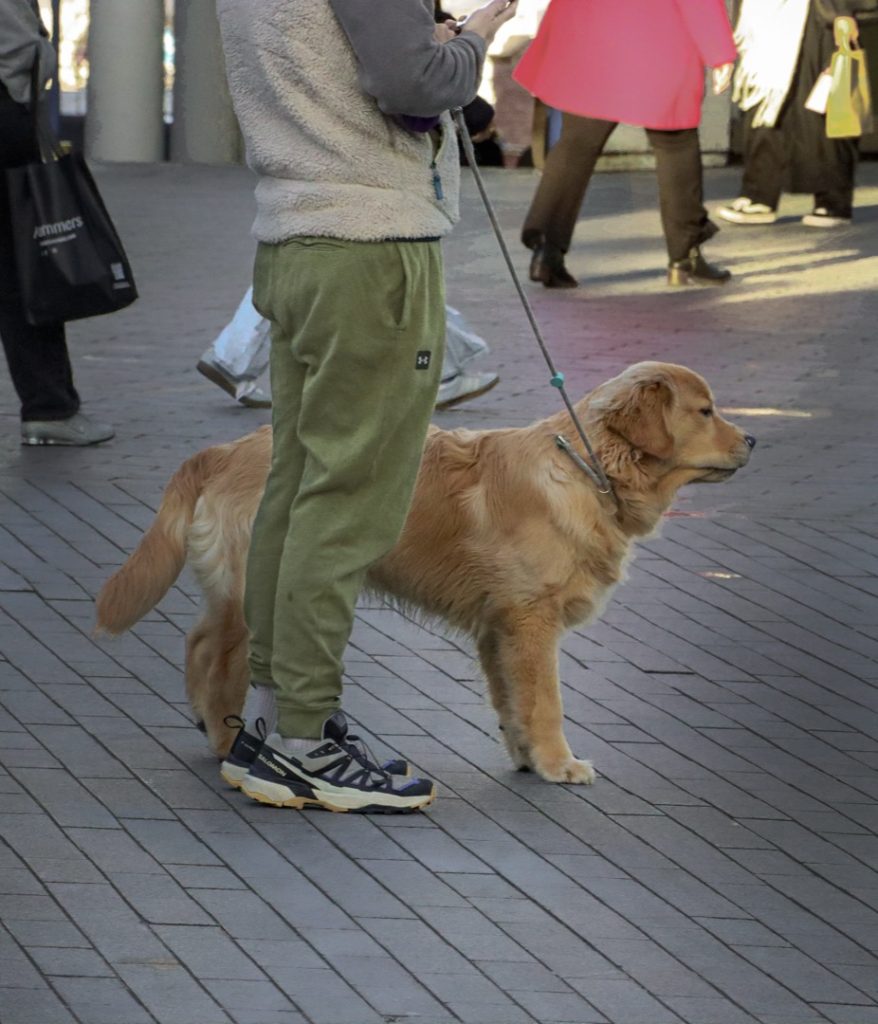
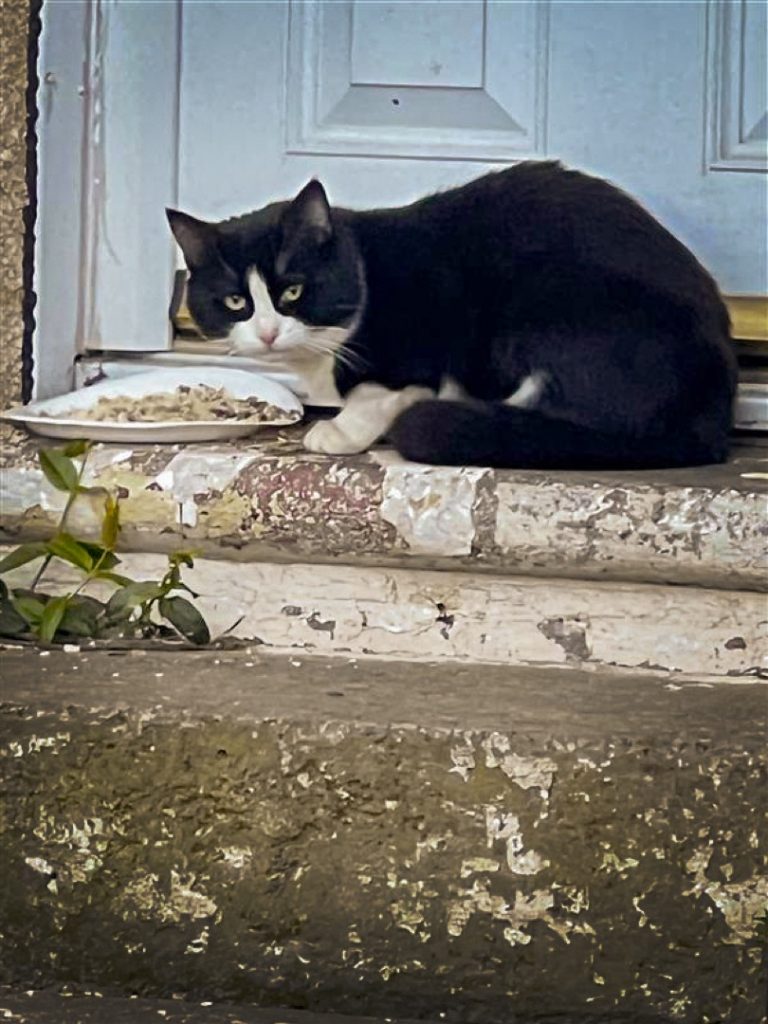
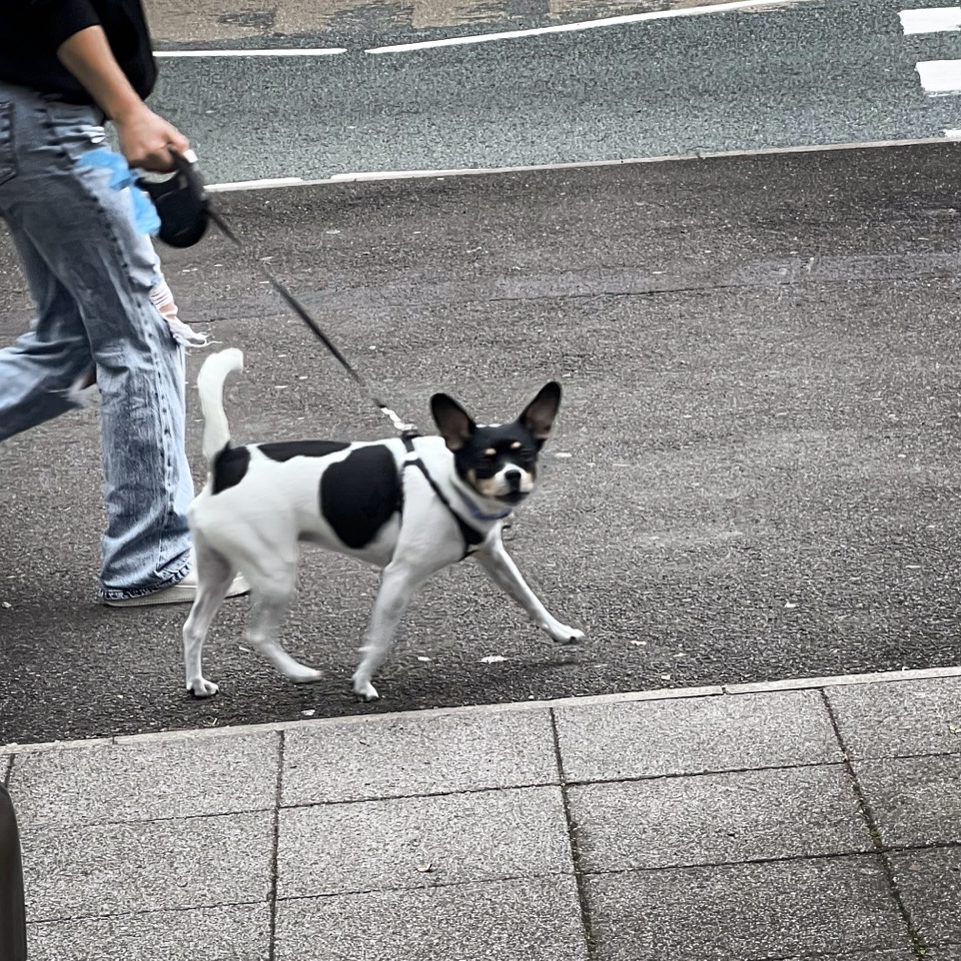
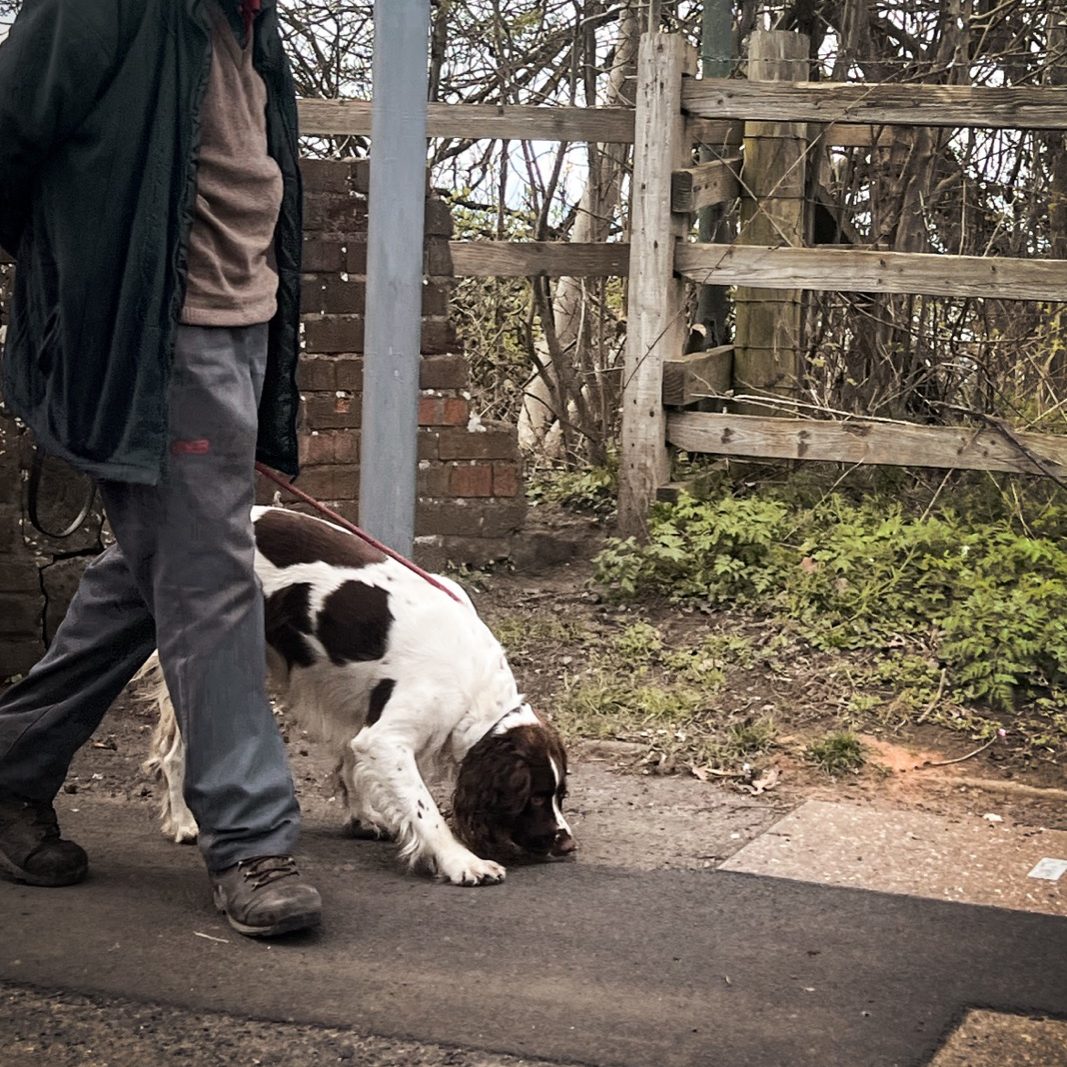
My project, “Animals on the Street,” is about documenting different types of animals and showcasing their various states of ownership. I created this because I wanted to make people aware that not every animal has a home, and they shouldn’t be treated any differently because of this.
It was important to me because, ever since I was young, I have loved pets and animals, whether they were mine or not. My motivation comes from always wondering if they have a safe place to stay and if they are treated the right way; my empathetic viewpoint is reflected in my images.
I was inspired by Giacomo Brunelli, as he captures a deep connection with the natural world through his lens, showing us the emotions and feelings of different animals. I hope people who view my work feel a deeper connection and understanding of how important animal lives are and how they should be taken care of in the correct way.
Overall, I enjoyed making this project because I could show my viewers the reality of how animals are treated through their posture and emotions.
Harry Goseley
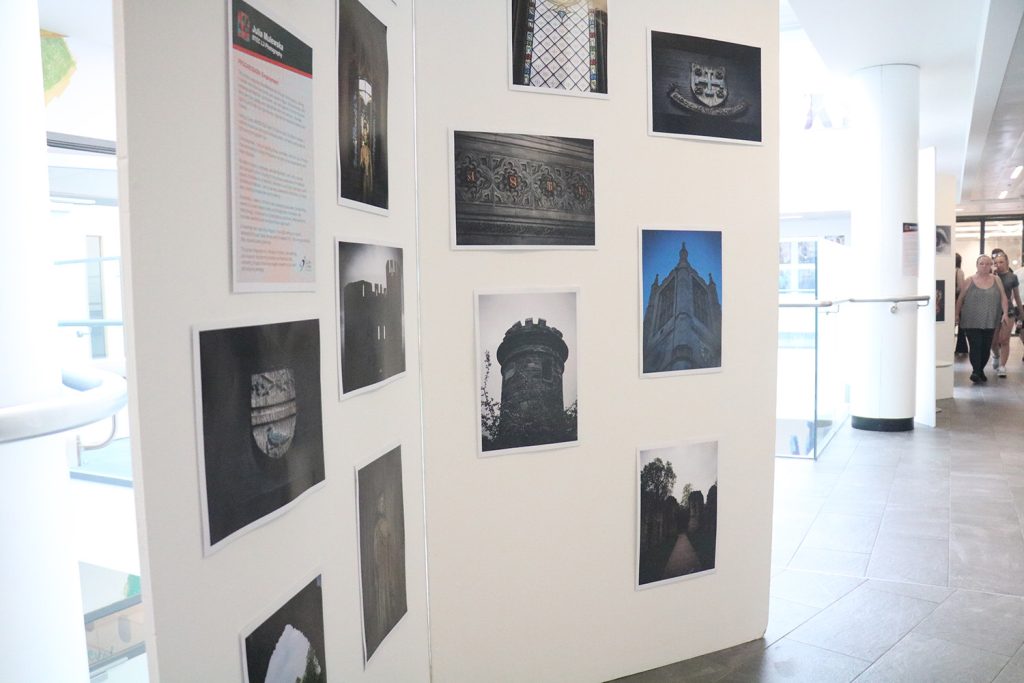
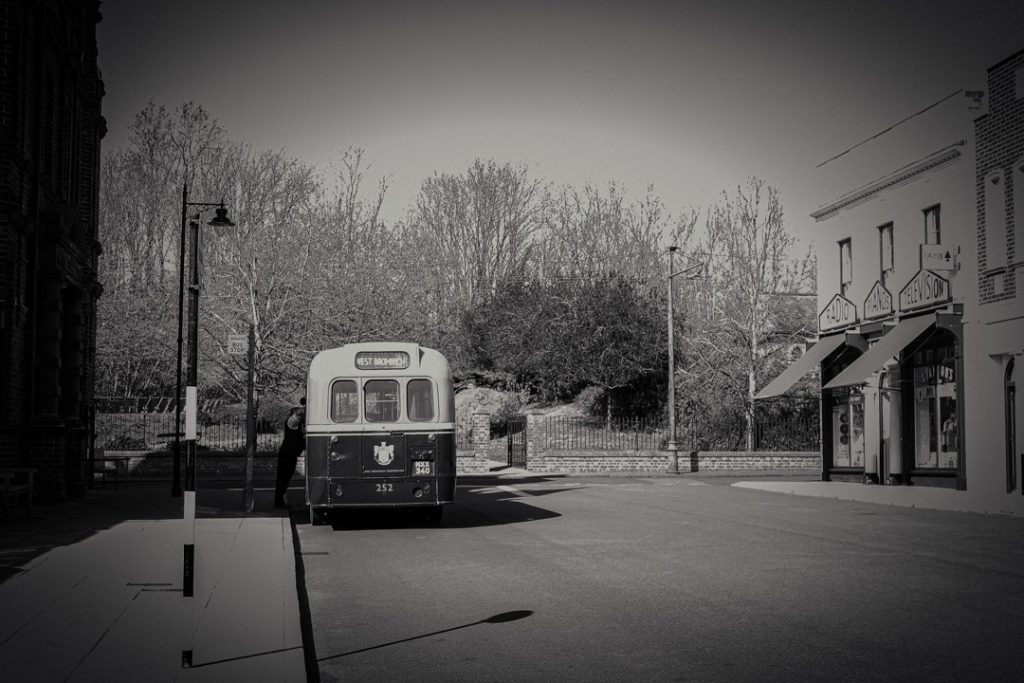
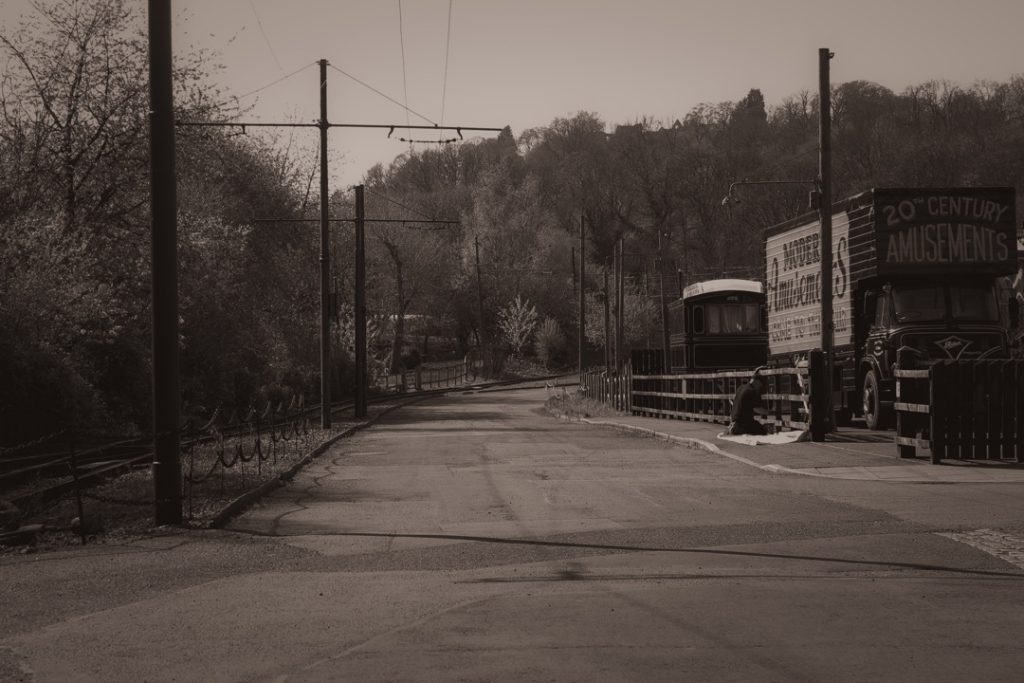
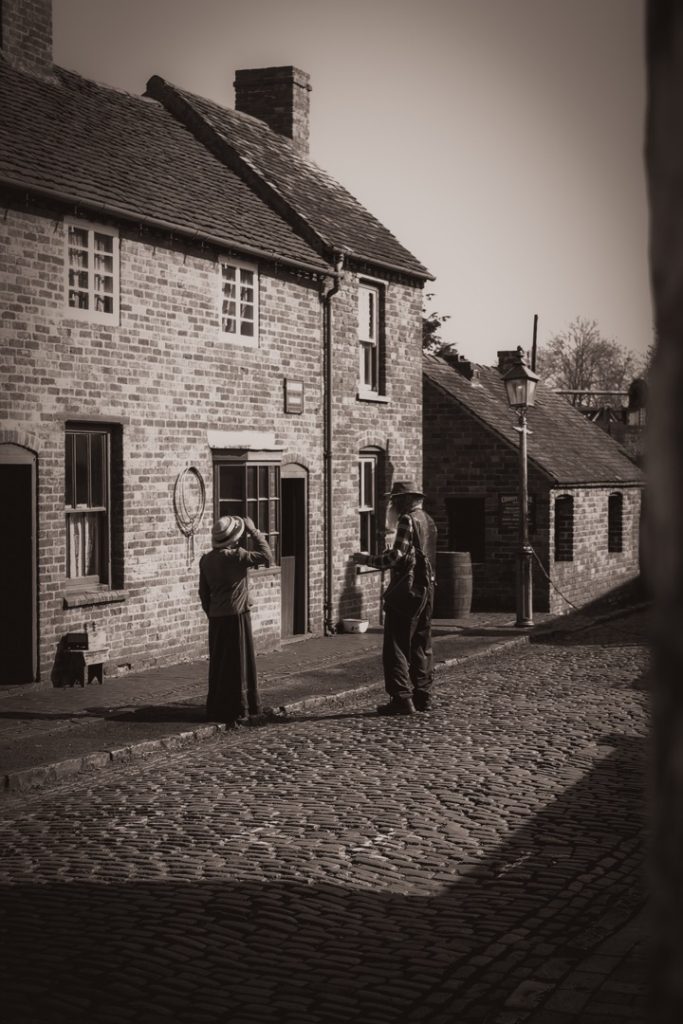
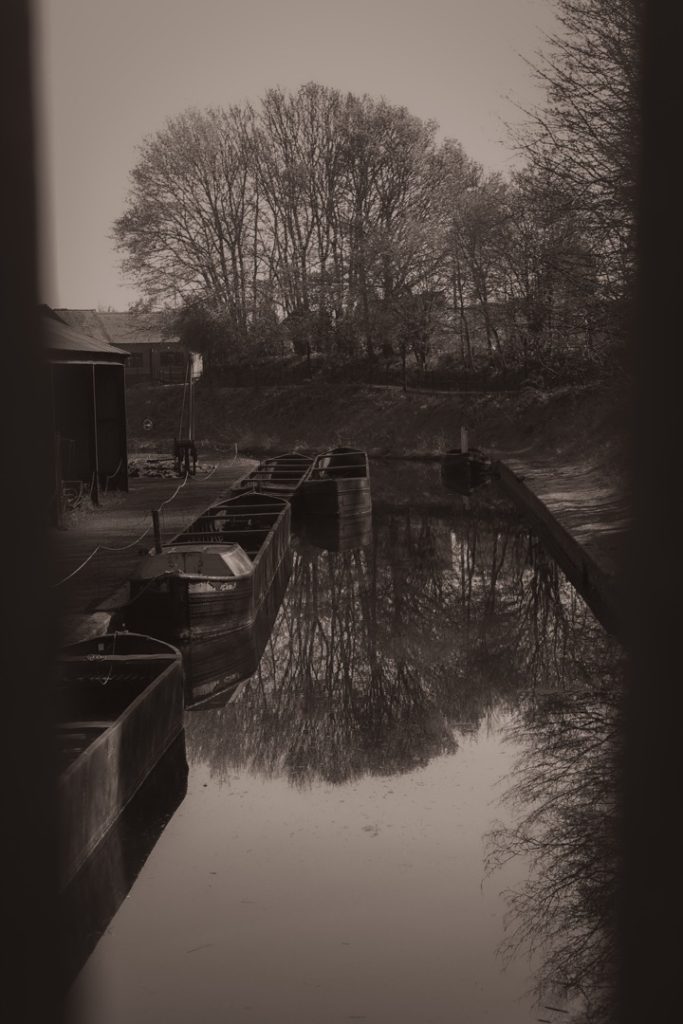
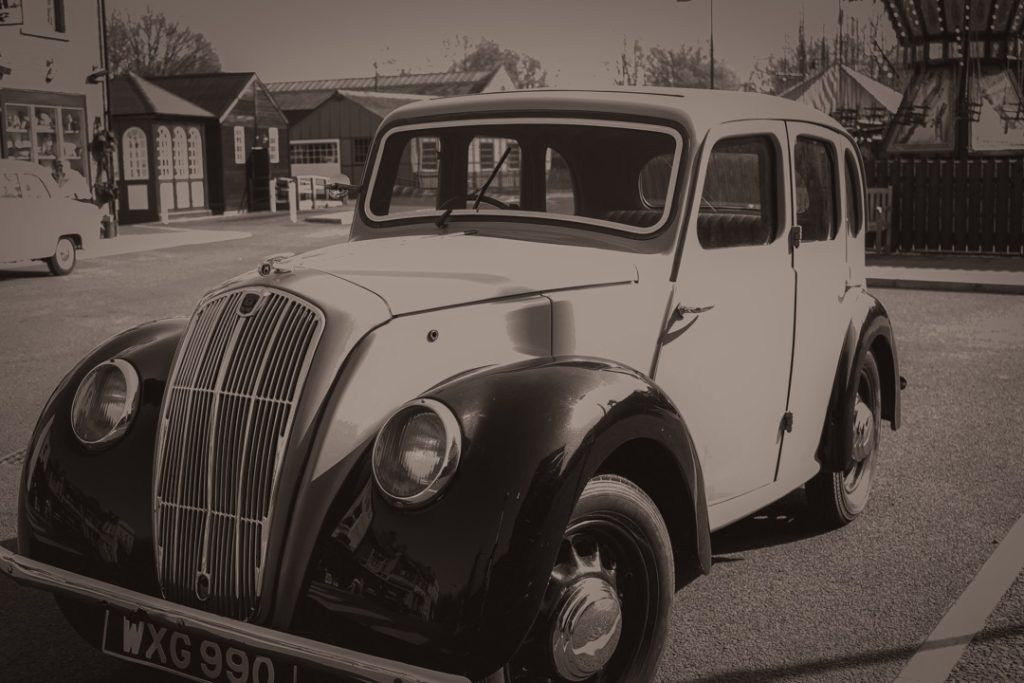
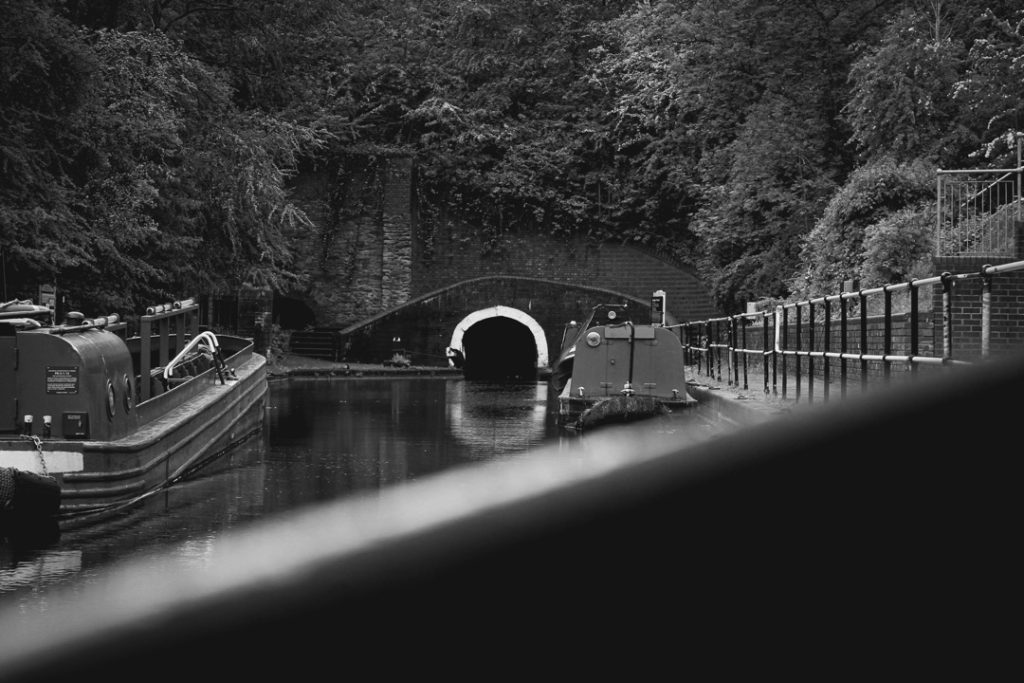
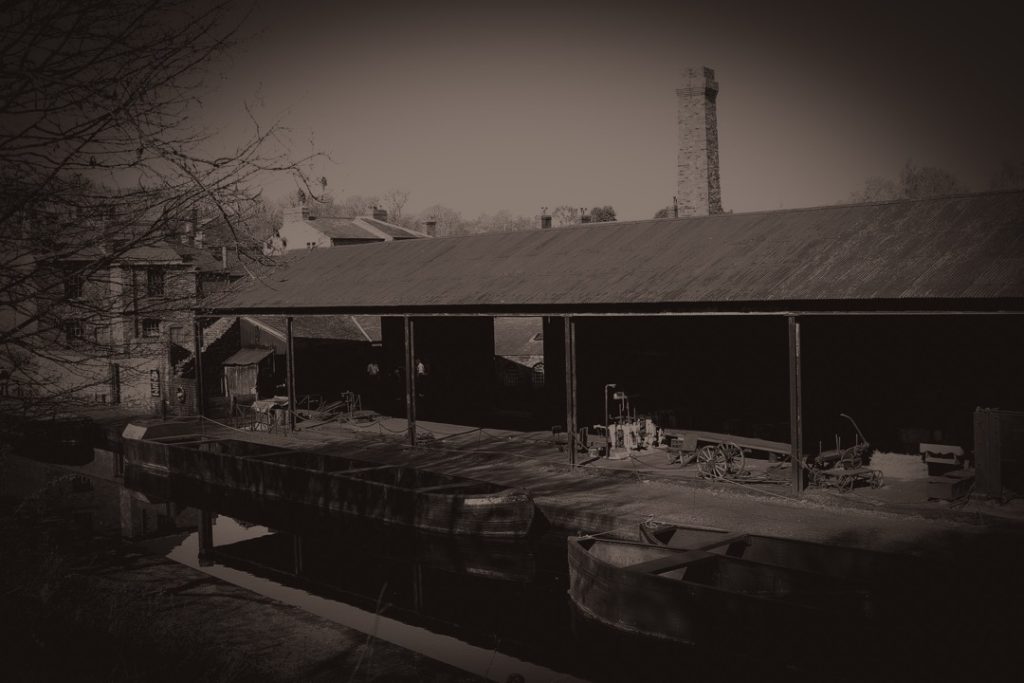
My project is about the history of Dudley. I created this because I feel like our local heritage is a key part of our lives, yet people don’t know as much about it as they used to. It was important to me to document the past and show people of all ages the importance of our history.
I was motivated by my own intrigue and eagerness to learn about the past, but also by a desire to boost Dudley’s image in the process. Combining these two goals motivates me to capture the best photos I possibly can.
I was inspired by Francis Frith, a photographer who took historical photos of famous landscapes and buildings across Dudley and the Black Country. I hope people who view my work understand that Dudley isn’t as bad as its reputation suggests, and that my photos convince others to share our history with people across the UK.
Overall, I want to highlight that Dudley actually has a very interesting past. The town takes a lot of criticism, so doing this will hopefully boost Dudley’s popularity and change people’s minds.
Lilly Gough
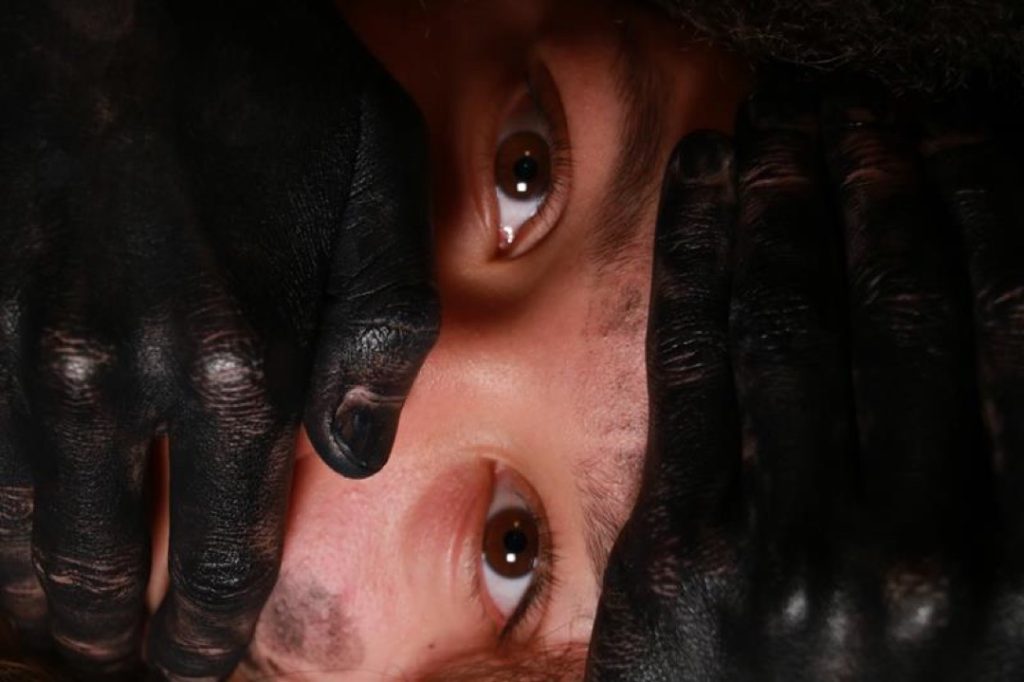
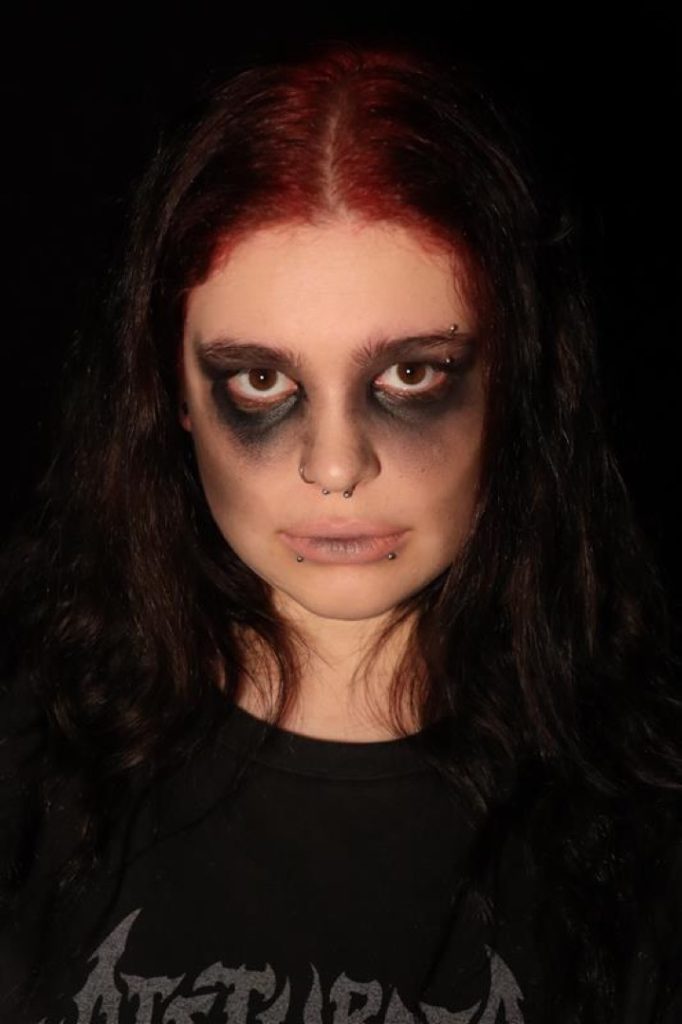
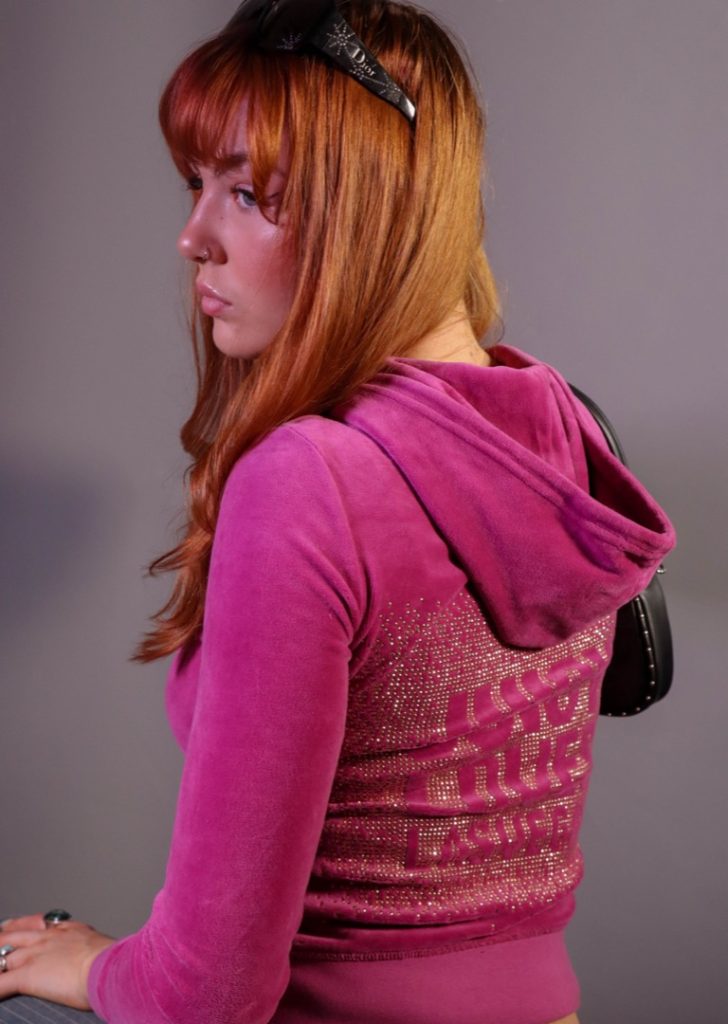
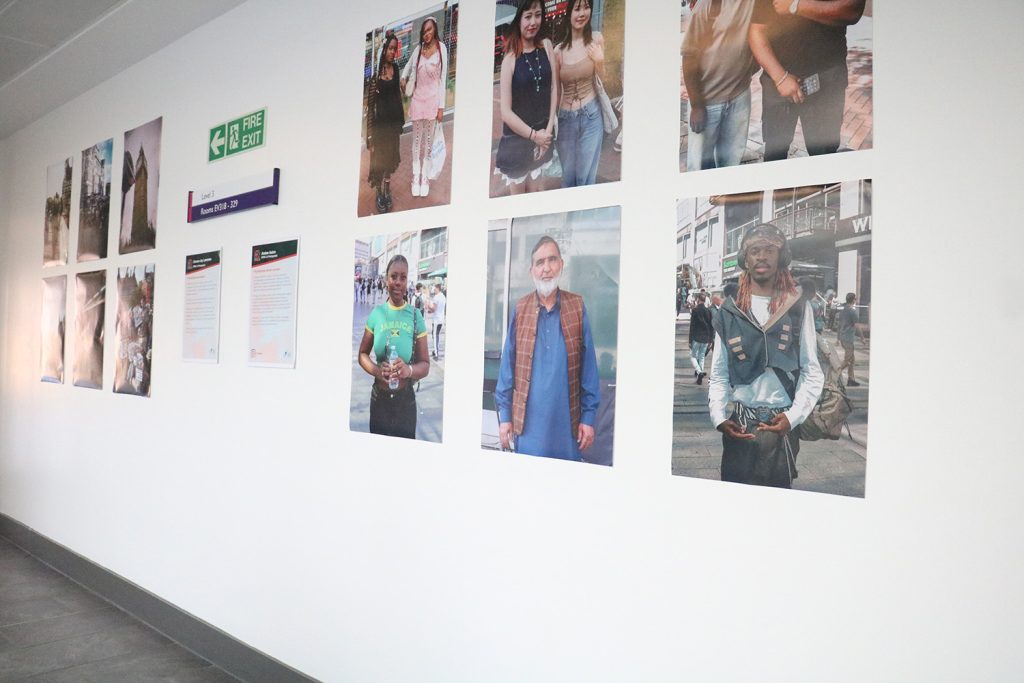
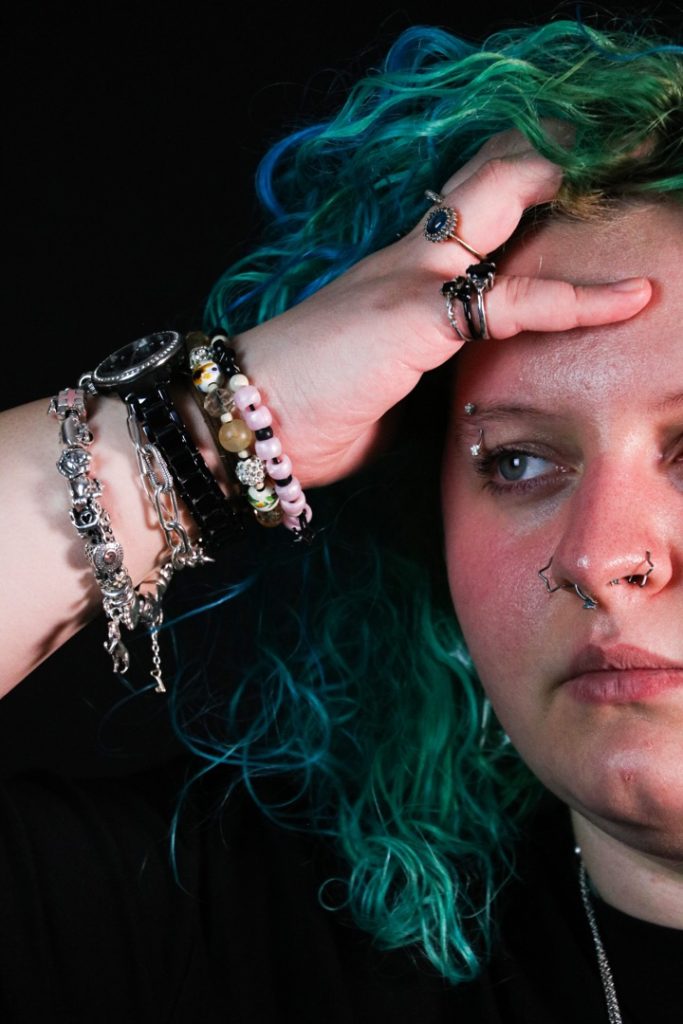
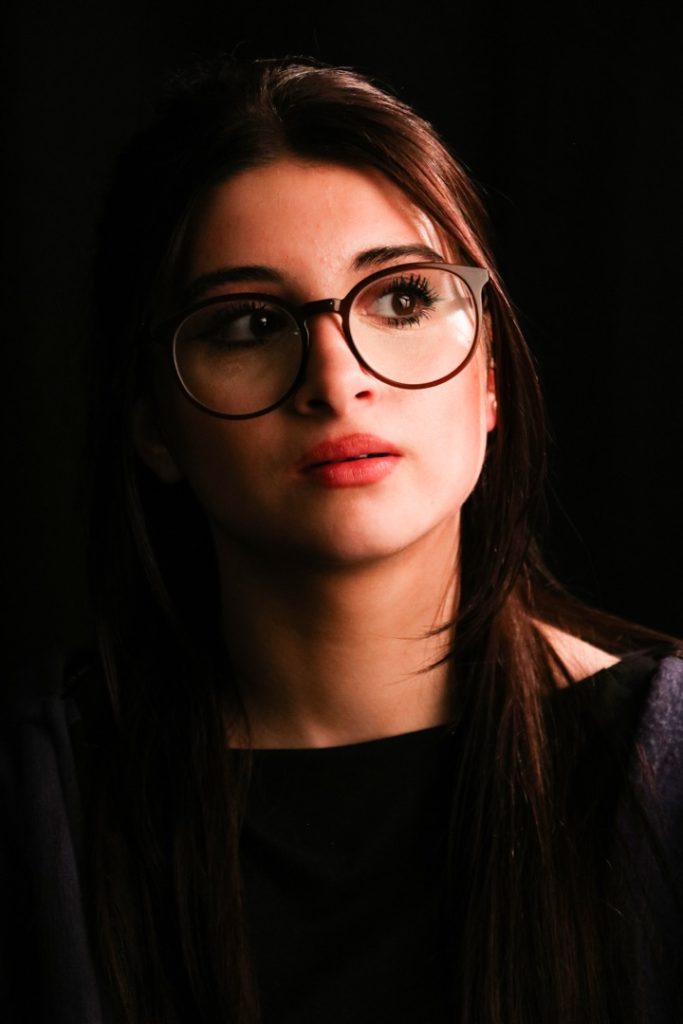
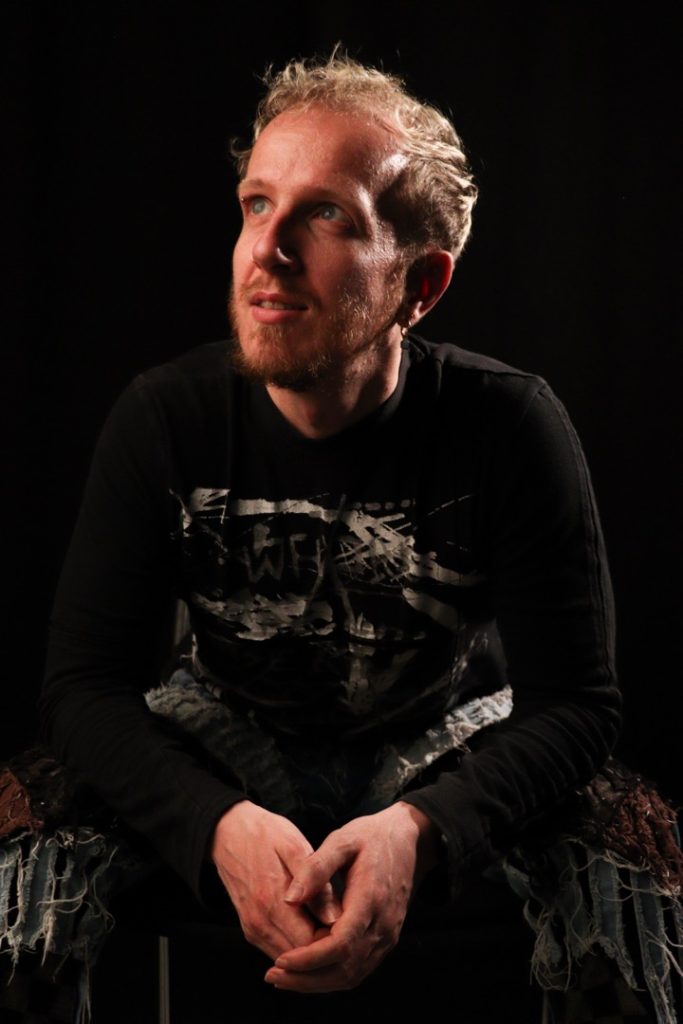
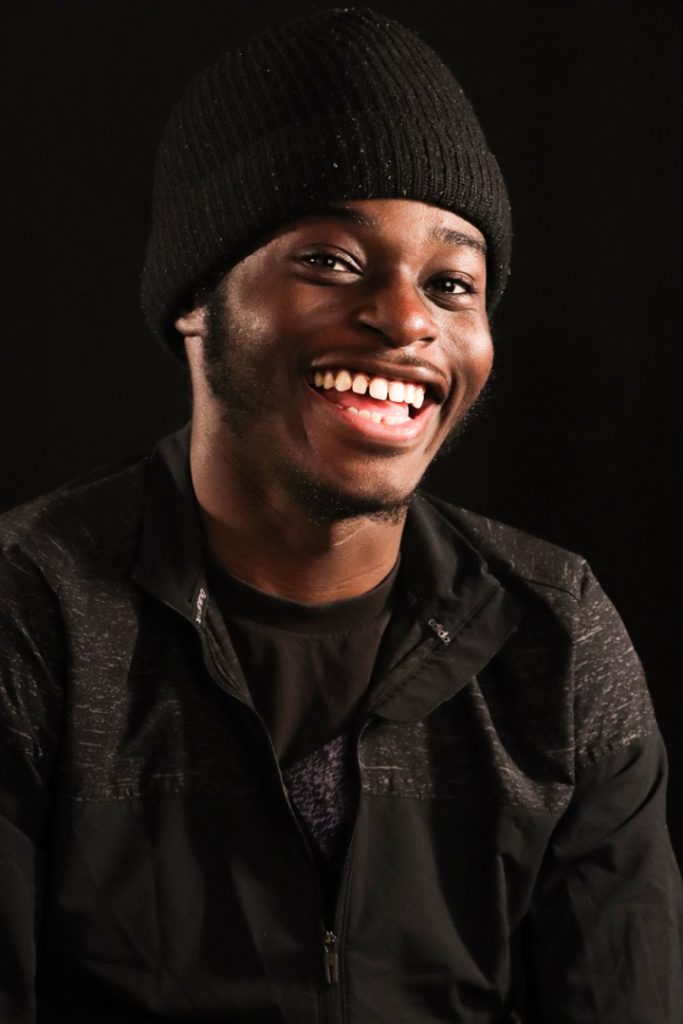
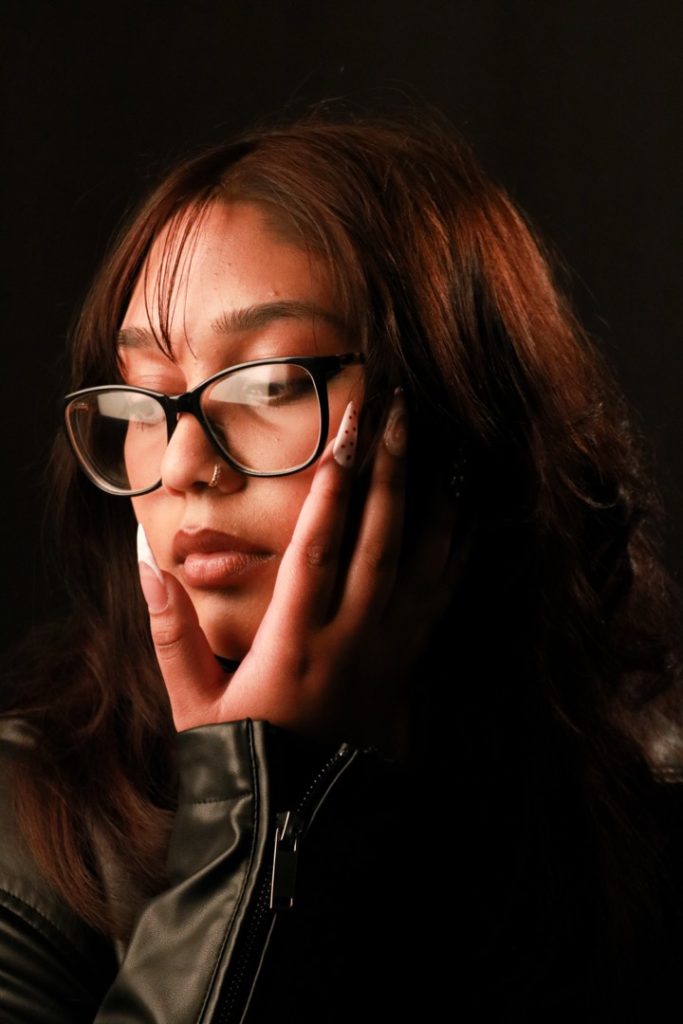
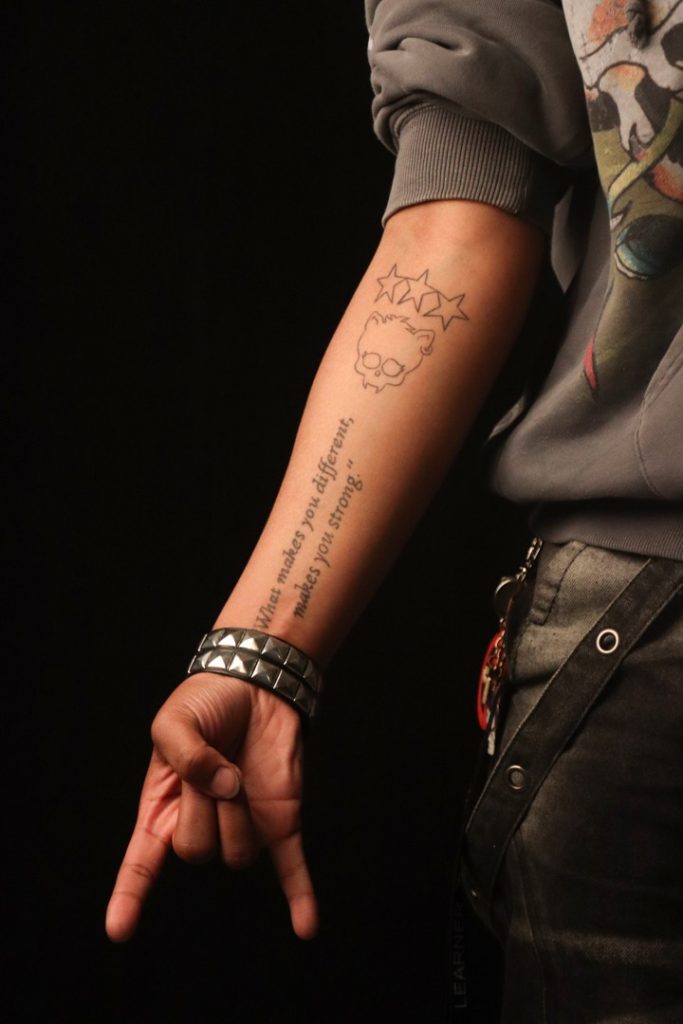
The name of my project is ‘Variance to Society’. I have created this project to show the differences between people around the world, and to show that people can be ‘their own’ with no guidance. It also aims to showcase and celebrate difference and individuality.
I was inspired by Jo Spence, as she created images of herself showing her body before surgery and depicting different stages of life. I was also inspired by Ray Spence (unrelated), as he raises awareness of body image.
I believe this is important, as my project demonstrates that people are often bullied and mocked due to perceived differences.
Some of the themes my images have explored include coloured hair, race, piercings, glasses, clothing styles, and tattoos.
Toby Gover
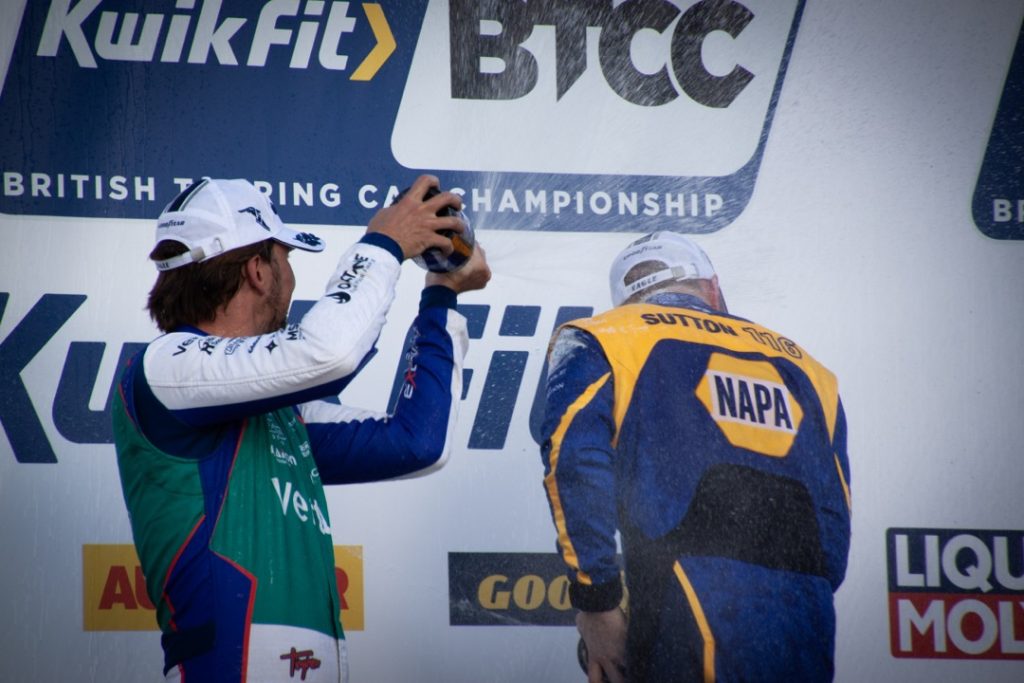
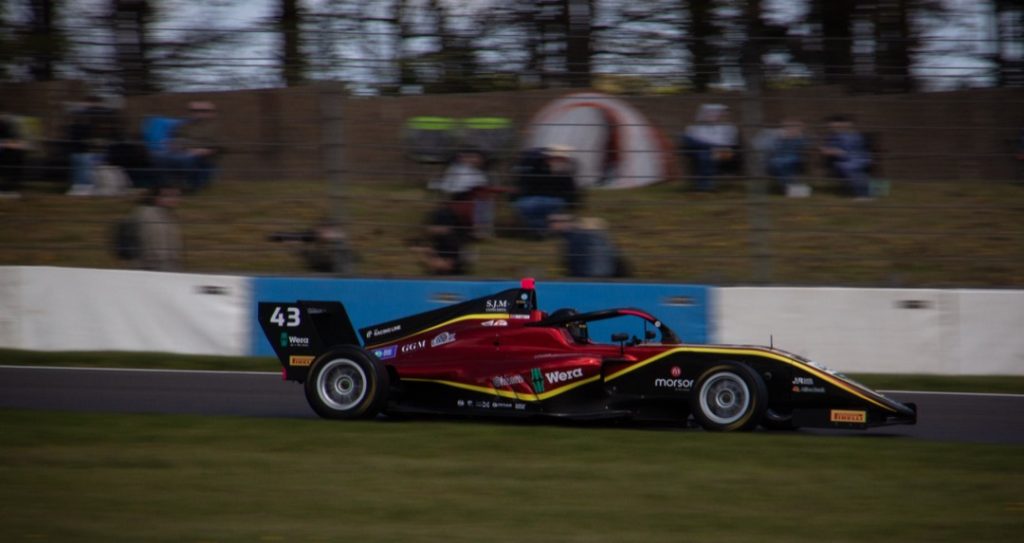
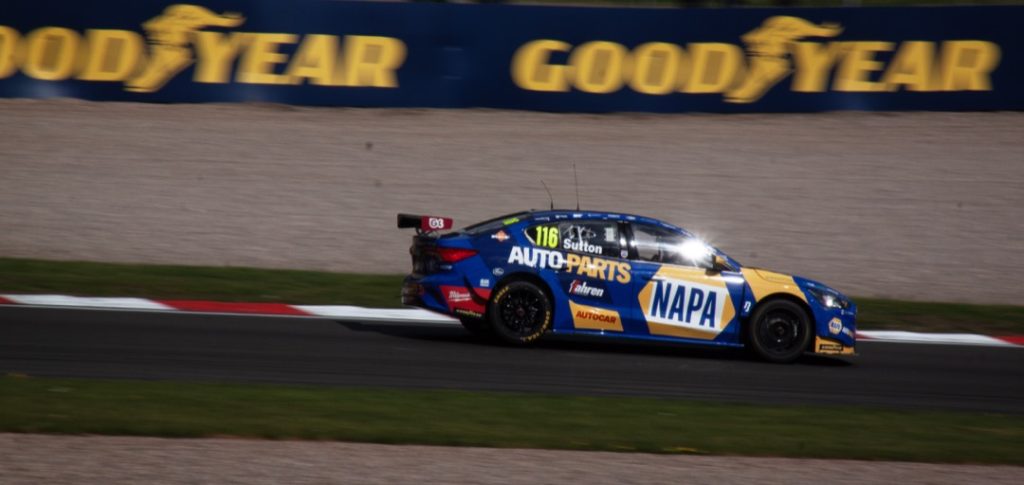
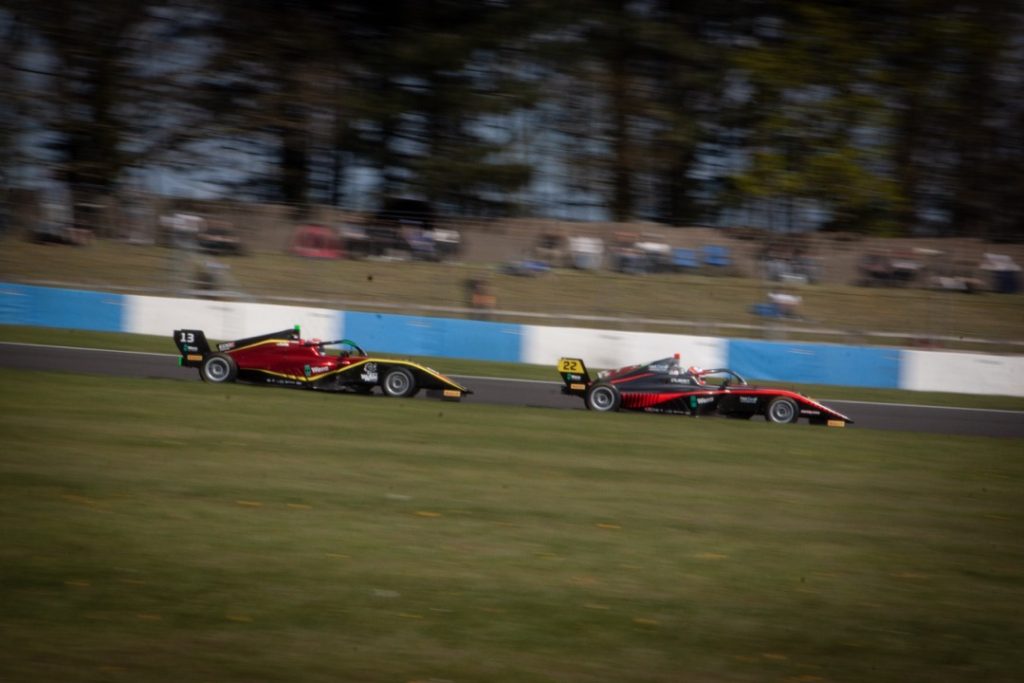
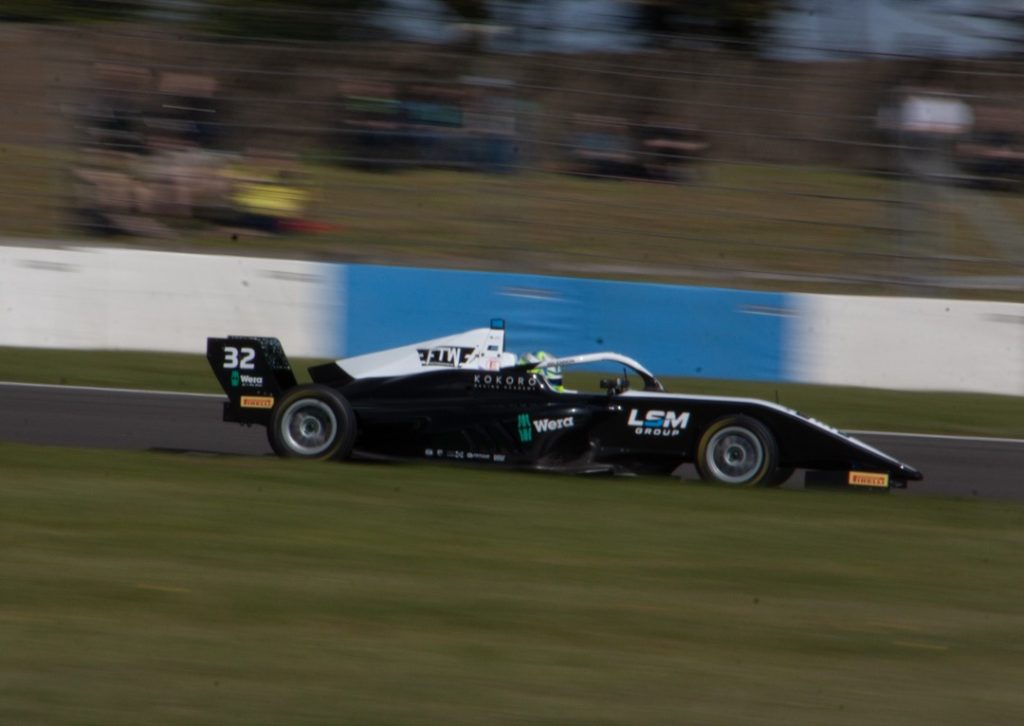
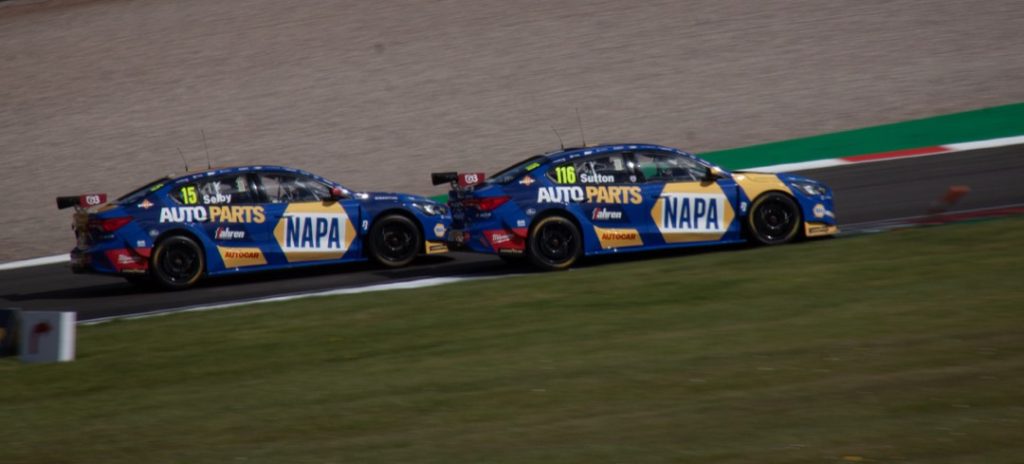
‘Beyond the Track’ explores the themes of emotion, personality and individuality defined by motorsport. Inspired by the works of Oscar Lumley, my project aims to capture the stories behind motorsport through the cars out on the track.
Through these images, I aim to display the beauty of racing, hoping to inspire my audience to see the sport as both uplifting and educational.
Ultimately, my hope is that ‘Beyond the Track’ encourages others to understand the emotional highs and lows of racing—whether winning or losing—and to recognise the dedication and hard work put into track days.
Zara Homer
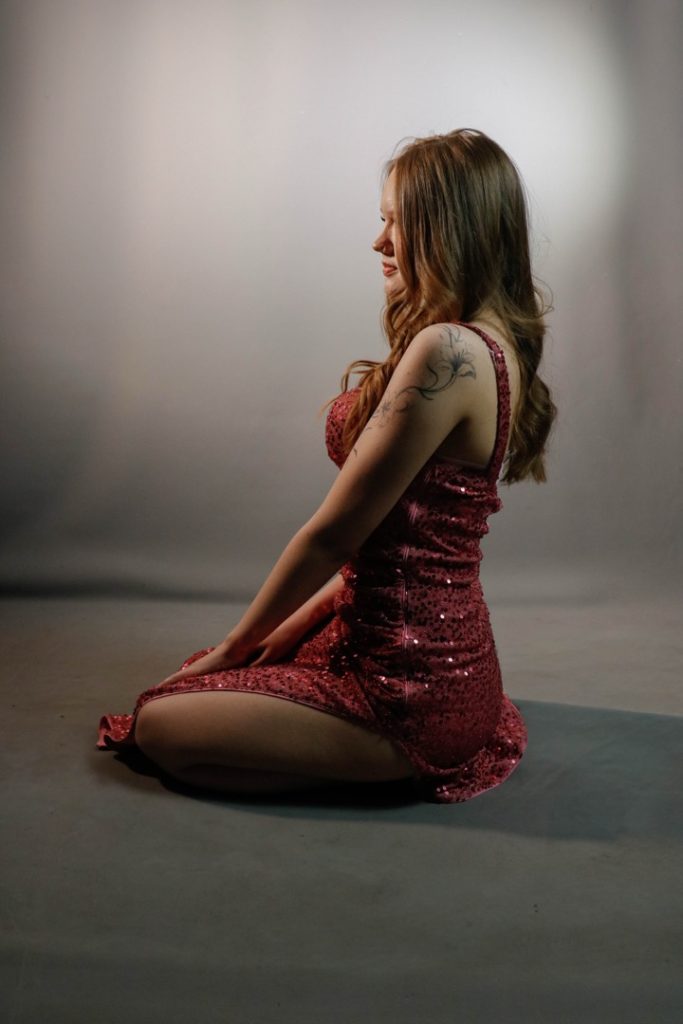
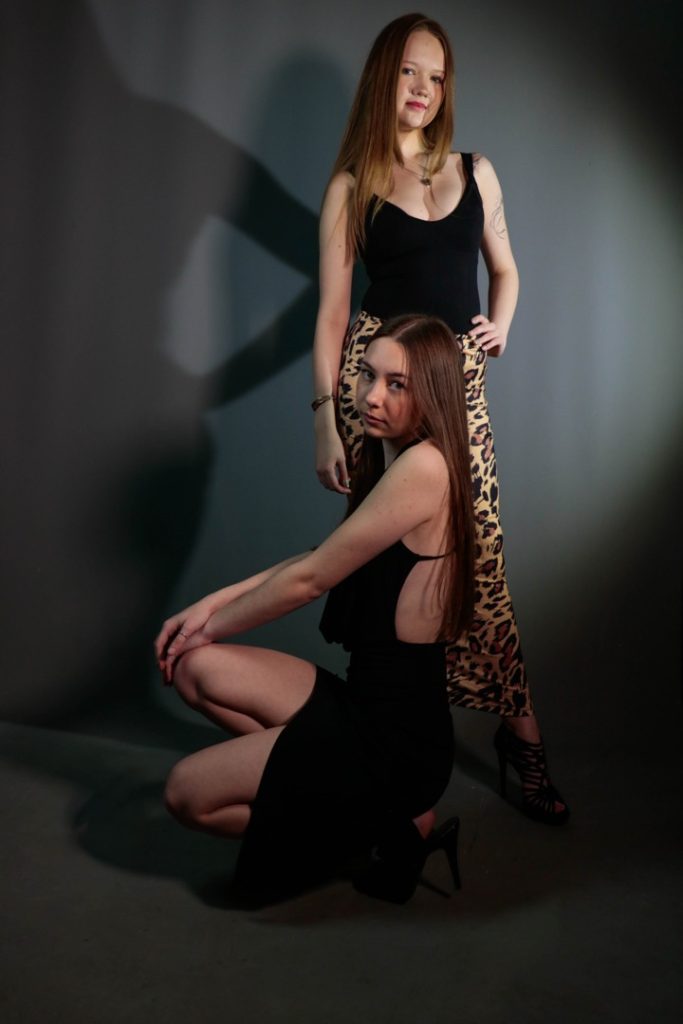
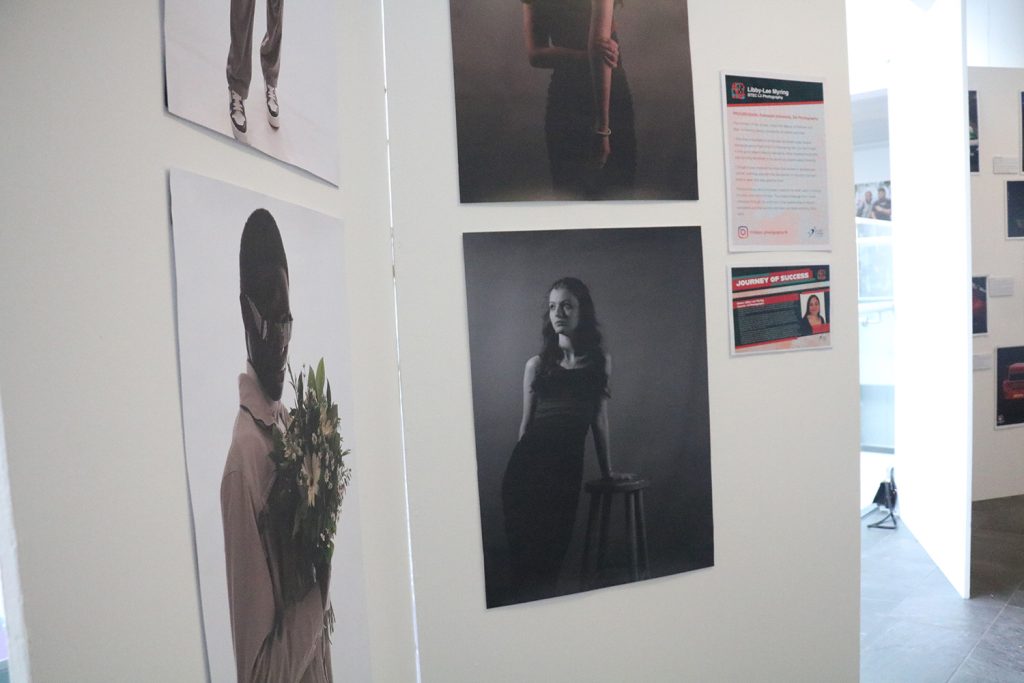
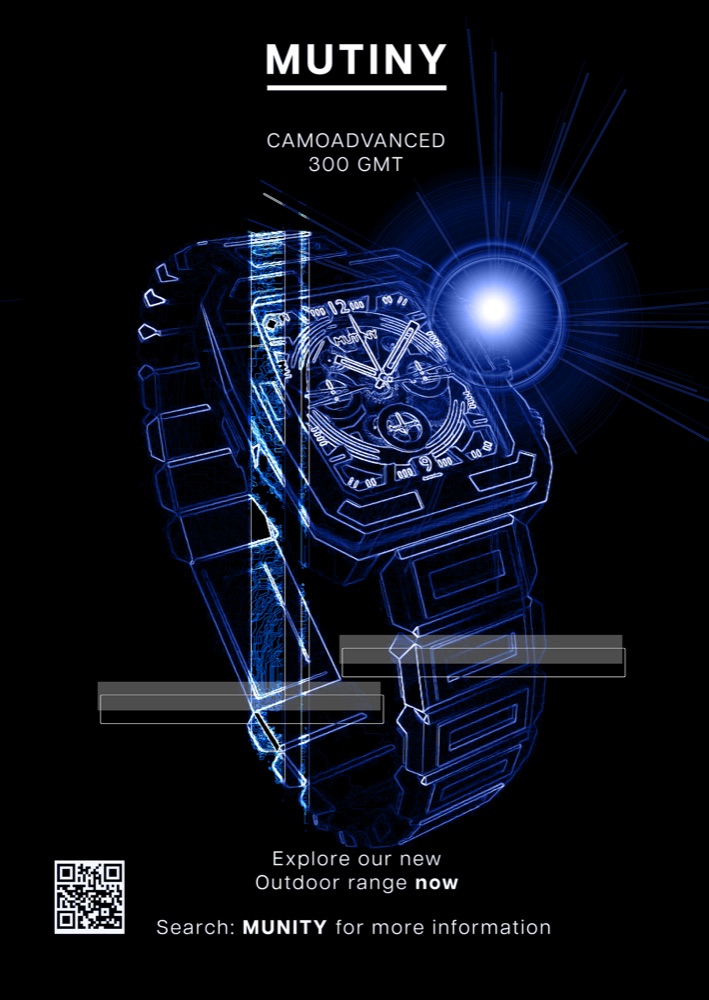
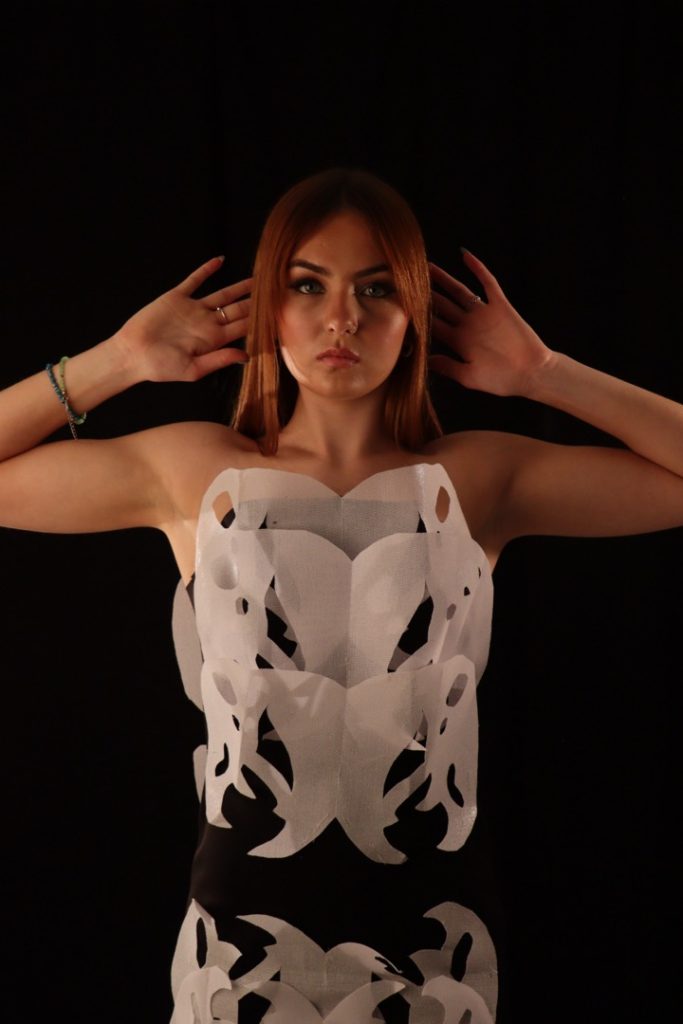
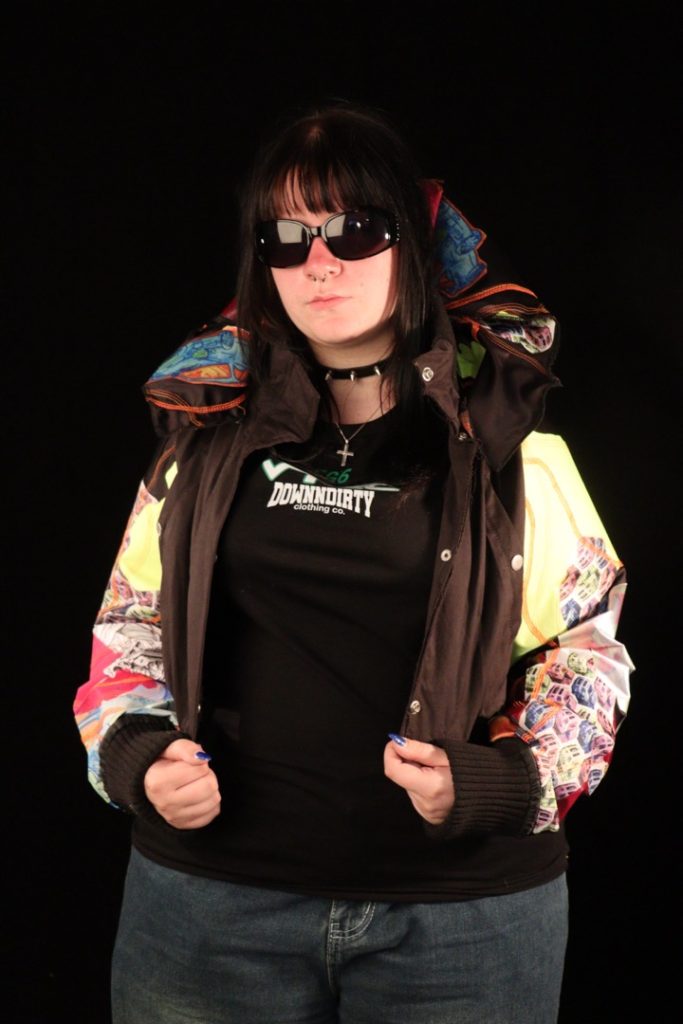
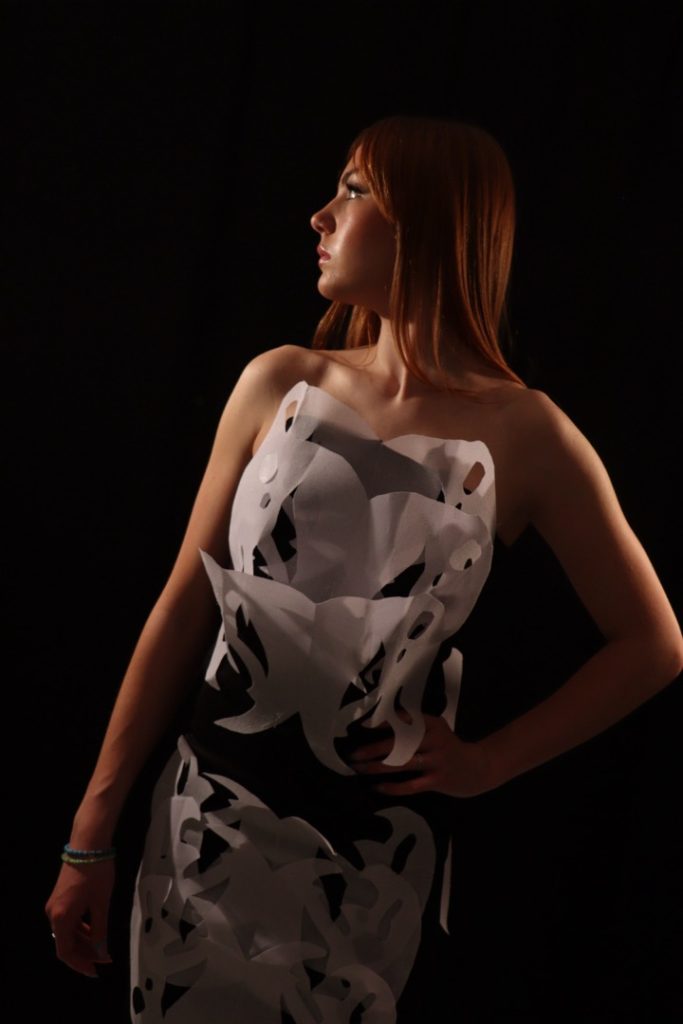
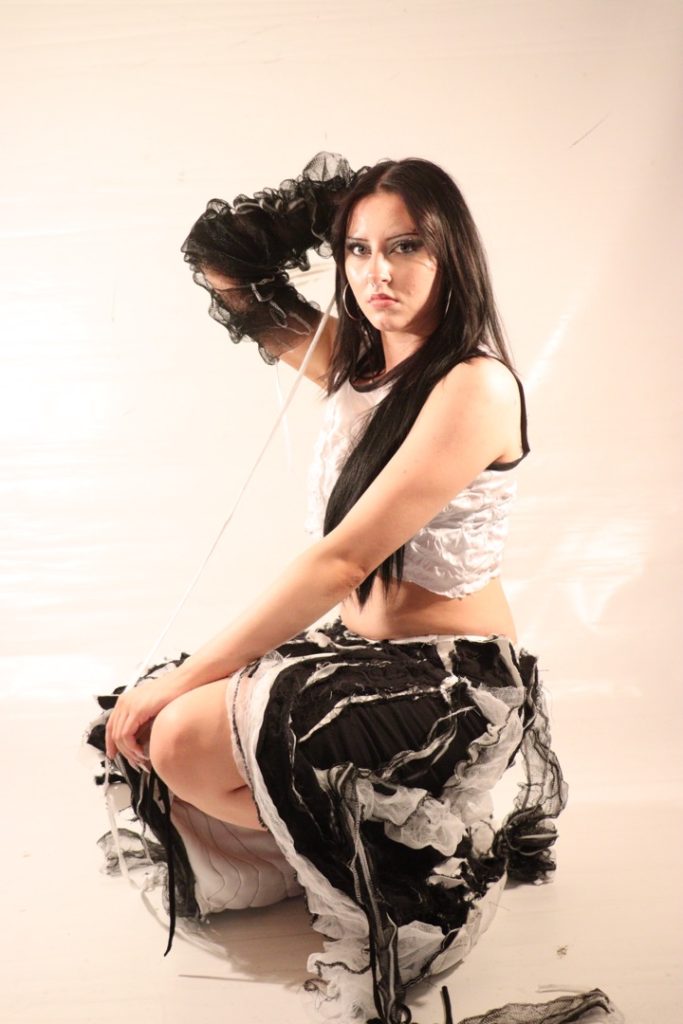
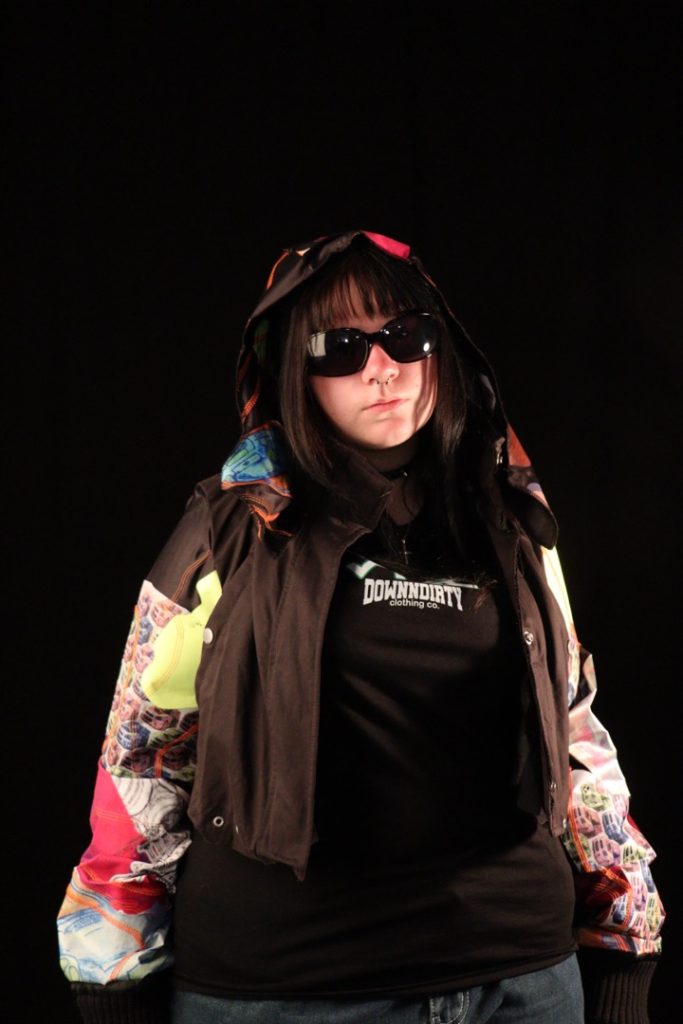
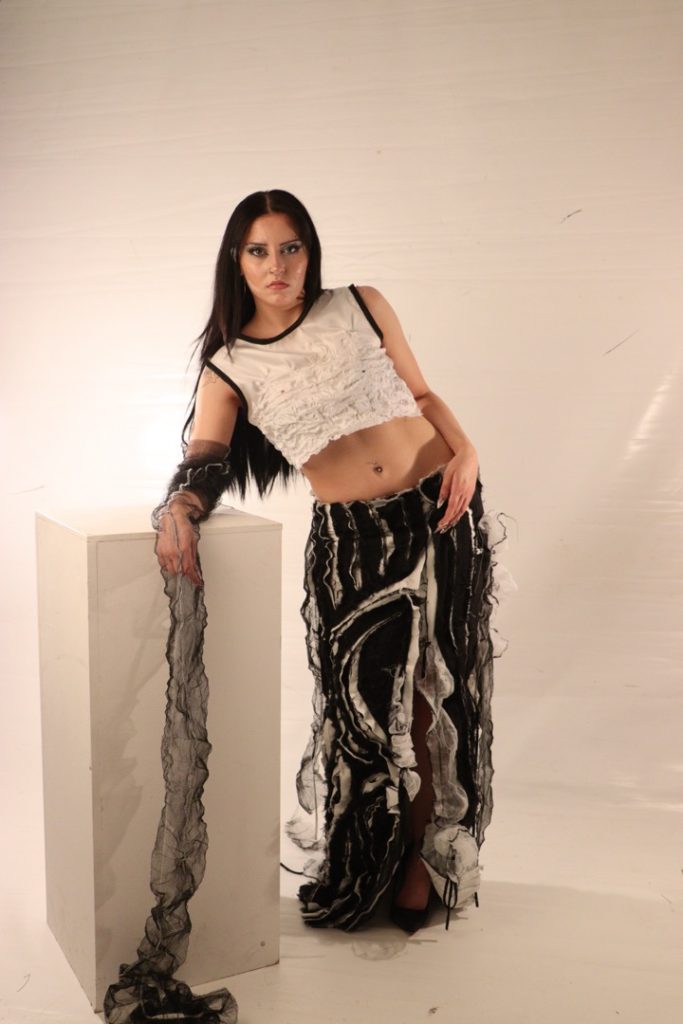
Although the fashion industry receives negative press in terms of the environment and sustainability, my projects fit into the positive image fashion genre. I have collaborated with fashion students and stylists to create dynamic images to promote the garments.
To achieve these photos, I used harsh lighting (especially on the black backdrop) to add lighting and depth to the model and garments. I also switched between a white and black background to experiment.
One thing I tried to do was a movement-type silhouette shot which I thought was interesting and turned out better than I expected for my first time.
Reece Hurlstone
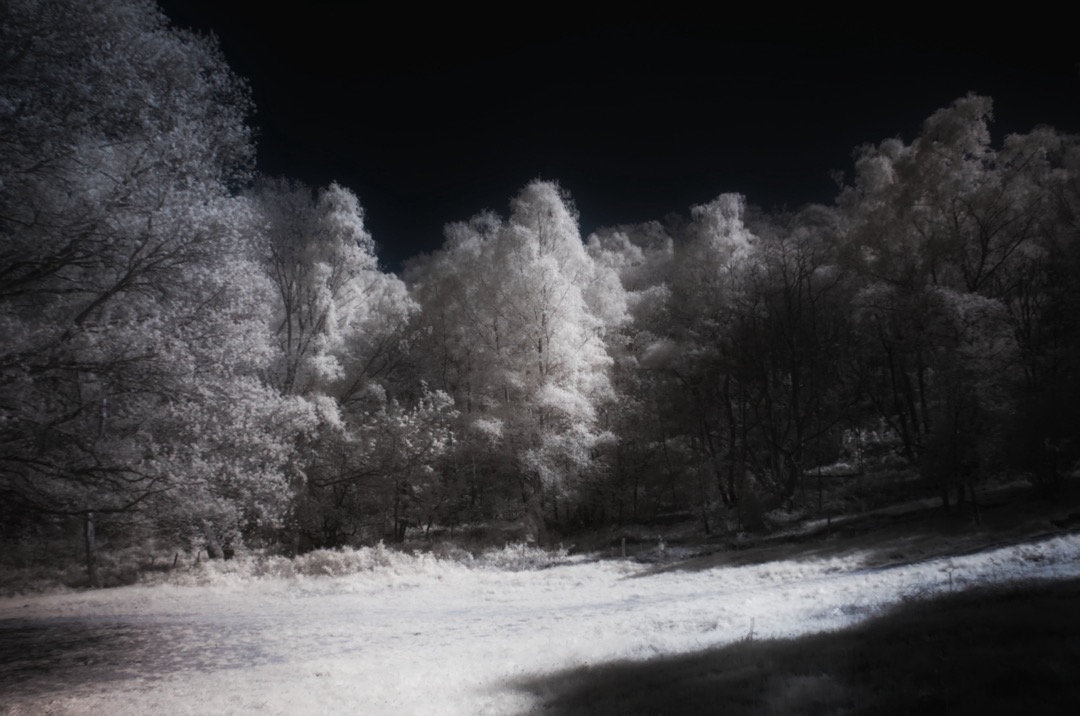
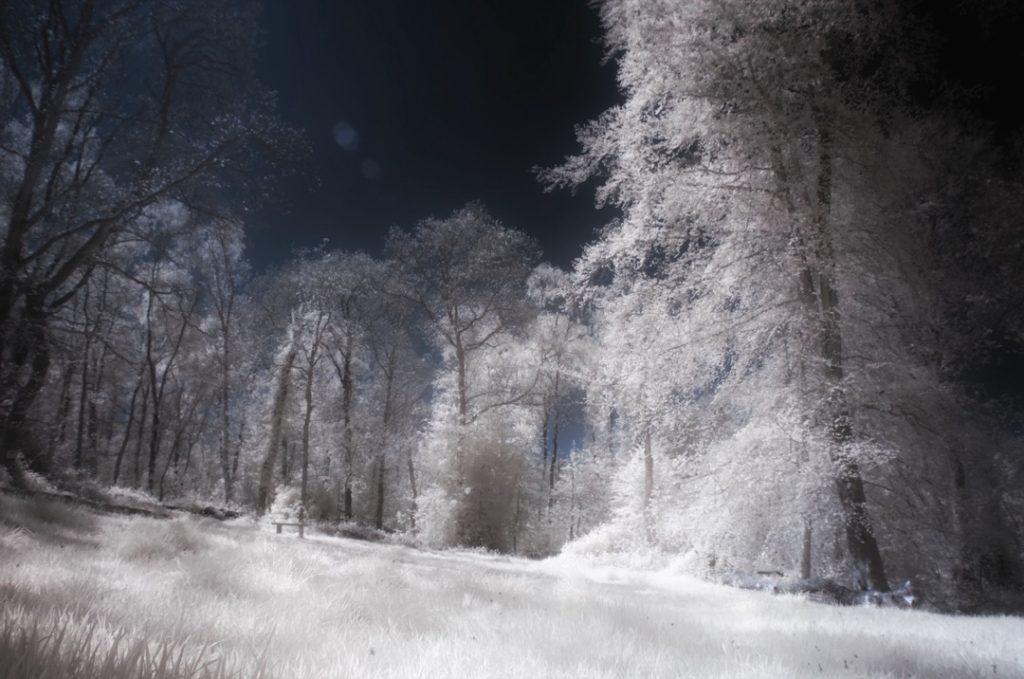
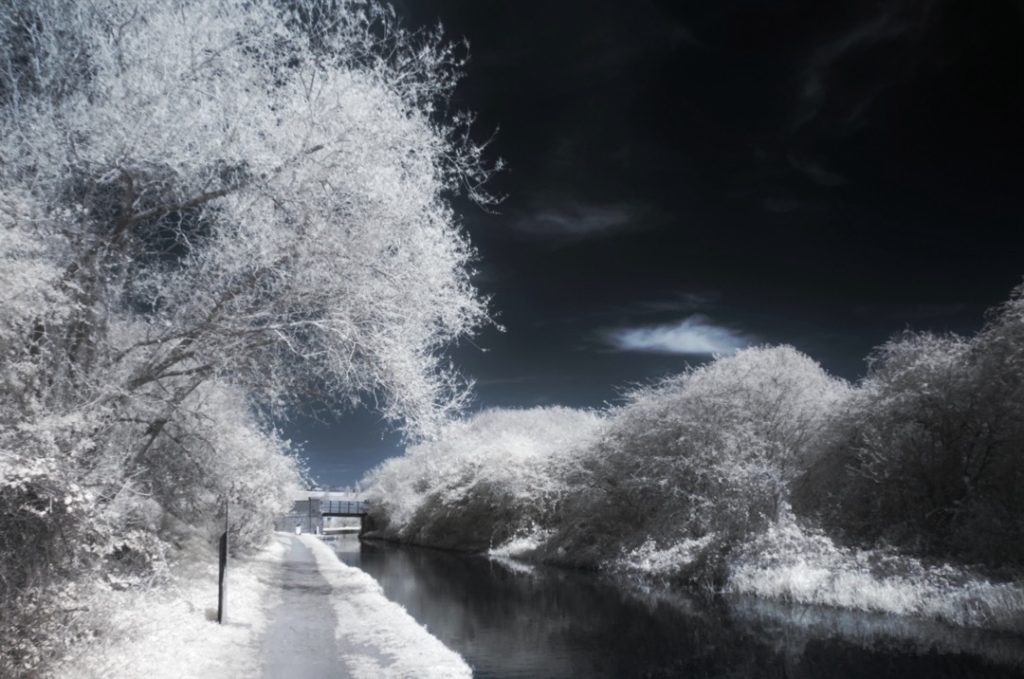
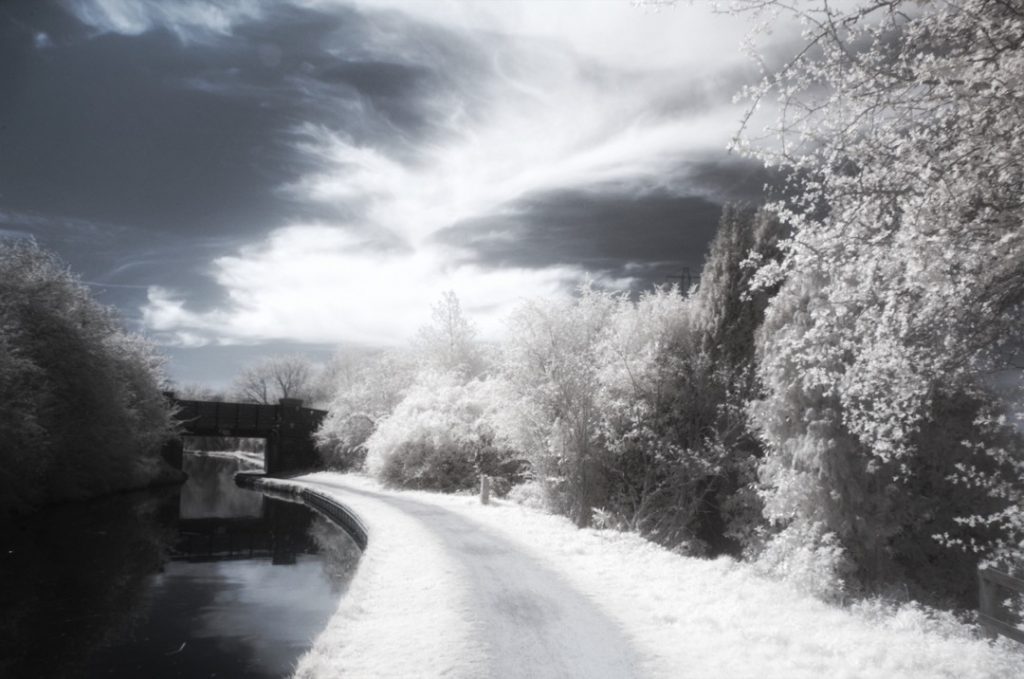
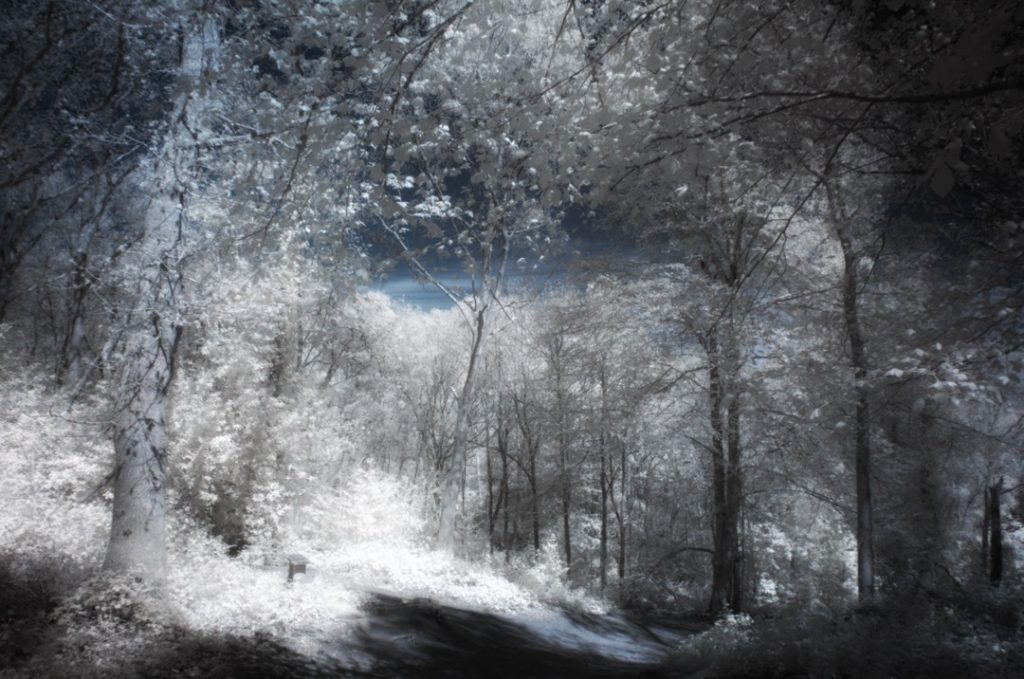
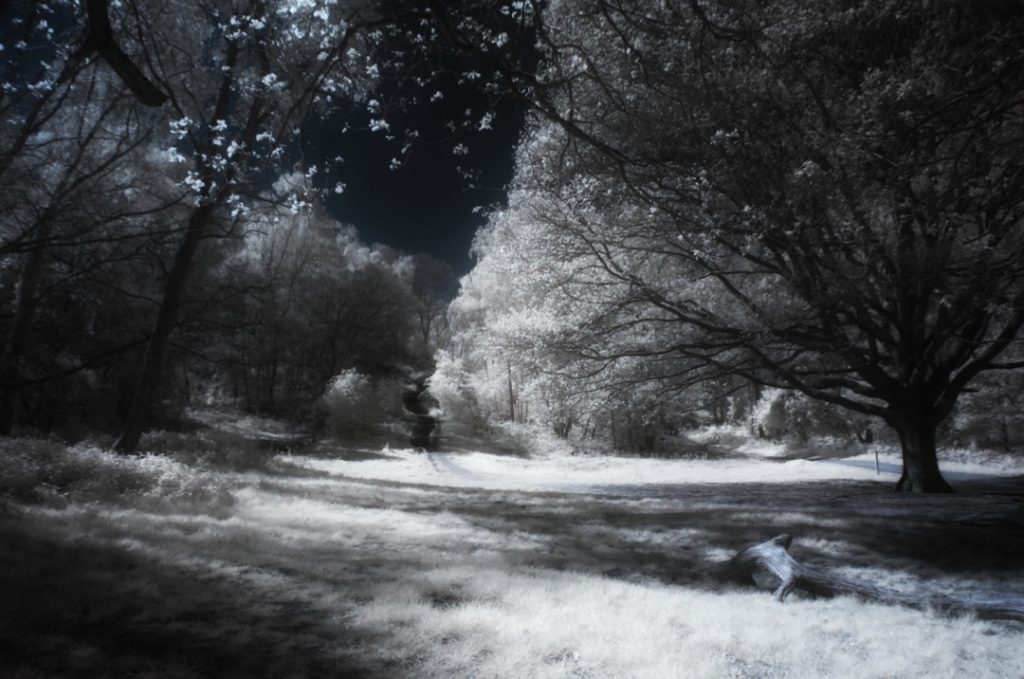
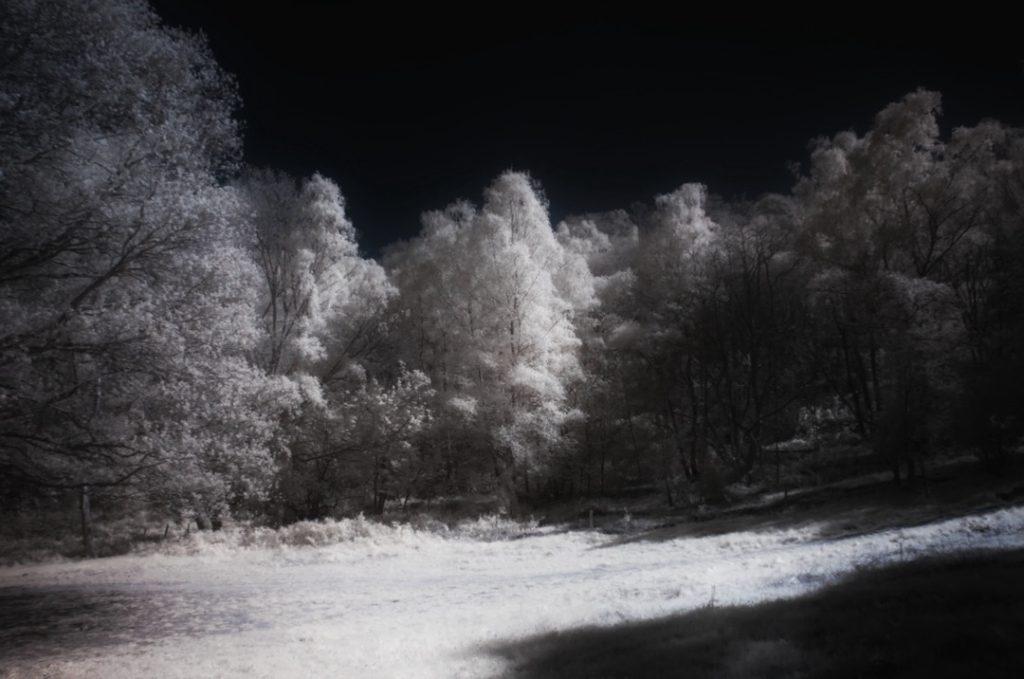
My project explores digital infrared photography and other unconventional practices in photography. My chosen six images are from a set I have entitled “Scenes from a Memory”. These images were created with a full-spectrum camera and a variable infrared filter, at a pass wavelength of around 680nm.
My interest in infrared photography was originally inspired when I discovered the work of Richard Mosse, an Irish artist and photographer who famously used Aerochrome film to document the Congolese Civil War. Unfortunately, however, this film has long since been discontinued, and remaining stock is extremely scarce. The alternative is digital photography.
To start exploring this process, I began with a 22-year-old Nikon D70, which I found online for £40, and modified it myself by removing the hot mirror filter (which blocks out infrared and ultraviolet light) from the camera sensor. This camera is admittedly an ancient relic compared to modern equipment. Despite this, the 6-megapixel CCD sensor it possesses is still capable of producing brilliant images, and because it is quite simple, it was relatively easy to convert.
At first, I wanted to produce results that replicated the look of Aerochrome film. I pursued this for a while at the beginning of my project, creating a handful of outcomes I was happy with. As the project progressed, however, my direction changed, and I began to pursue a different infrared look: one with bright white foliage and deep blue skies. I quite like the more muted tones these images have and the almost otherworldly feel they give off. I wanted my images to feel as if they were fragments of dreams or memories, and I feel that this style of infrared works well to bring that out.
The editing process, like the photos themselves, is also quite atypical. I set the white balance using grass and trees as neutrals (which, typically, would ruin a visible-light image) and swapped colour channels to achieve my outcomes. All my editing was done using free, open-source software (Darktable, which is an alternative to Lightroom) on my own computer.
My hope is that viewers of my work will be inspired to experiment with new mediums and unconventional means of creating art however they choose to do so—whether that is through photography, design, painting, sketching, or more. My message to them is that you really do not need the most technically advanced or expensive equipment to create art. In my opinion, limitation is crucial to creativity. With that being said, I hope that you enjoy the work I’m presenting, and I hope it makes you feel something.
Harry Jones
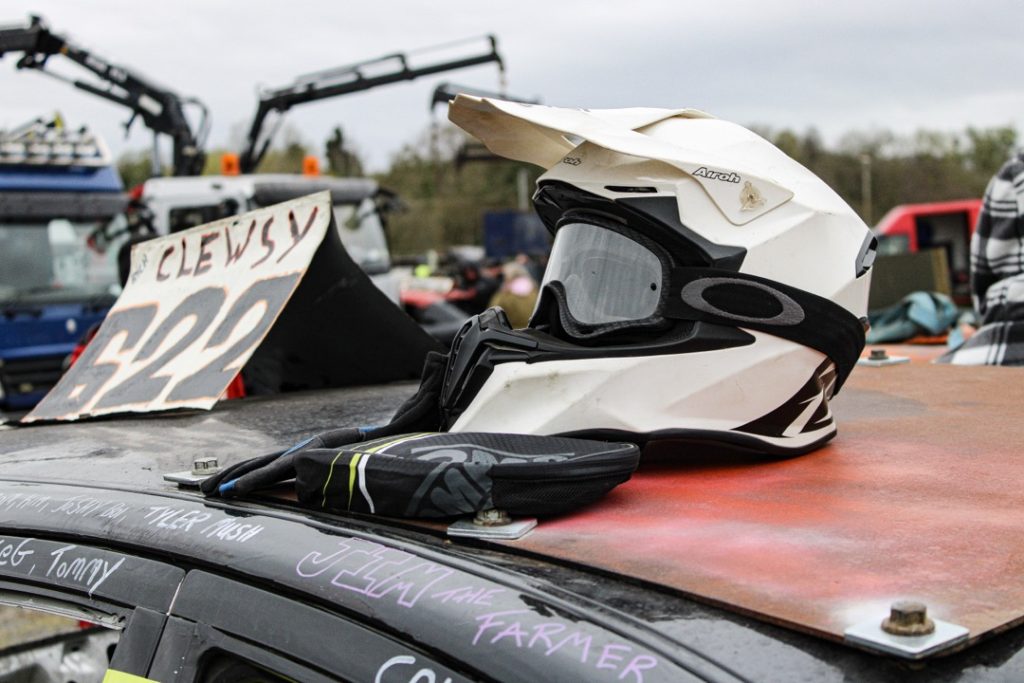
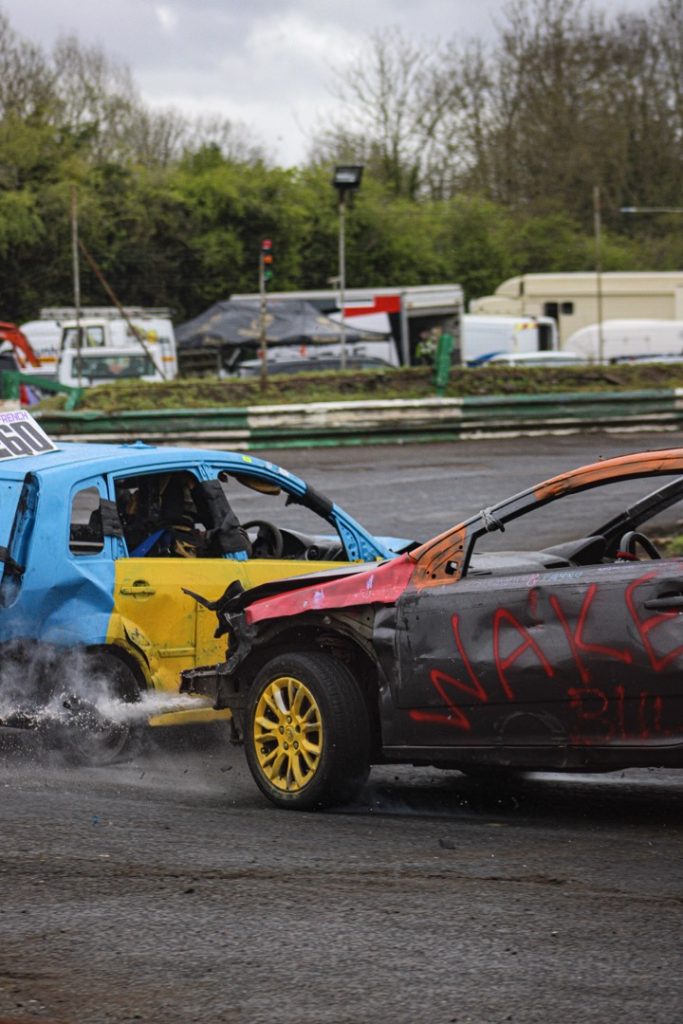
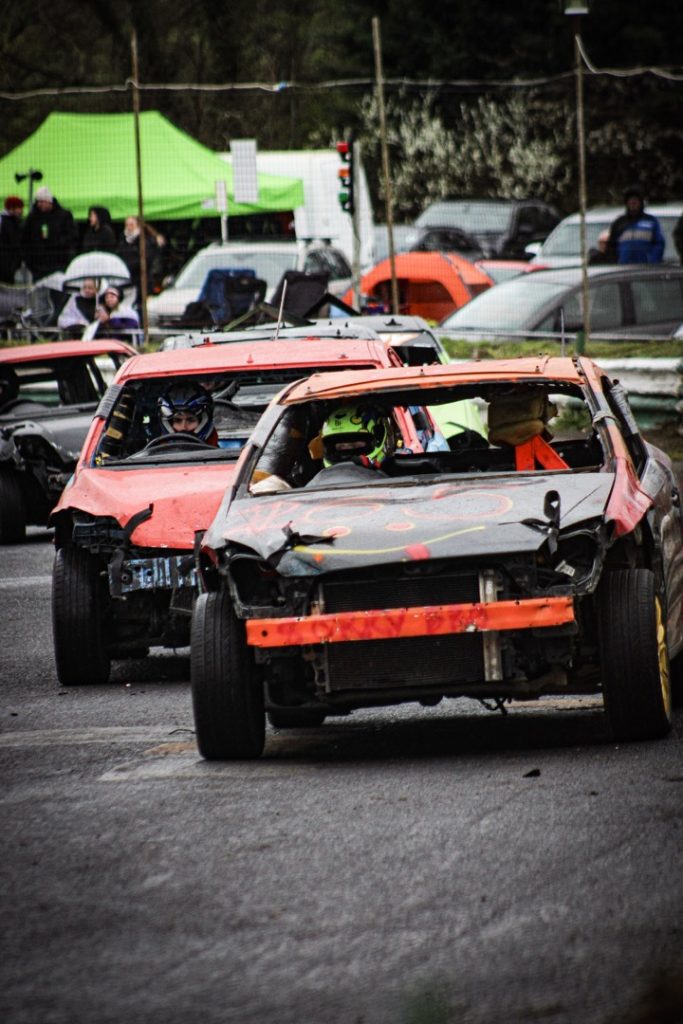
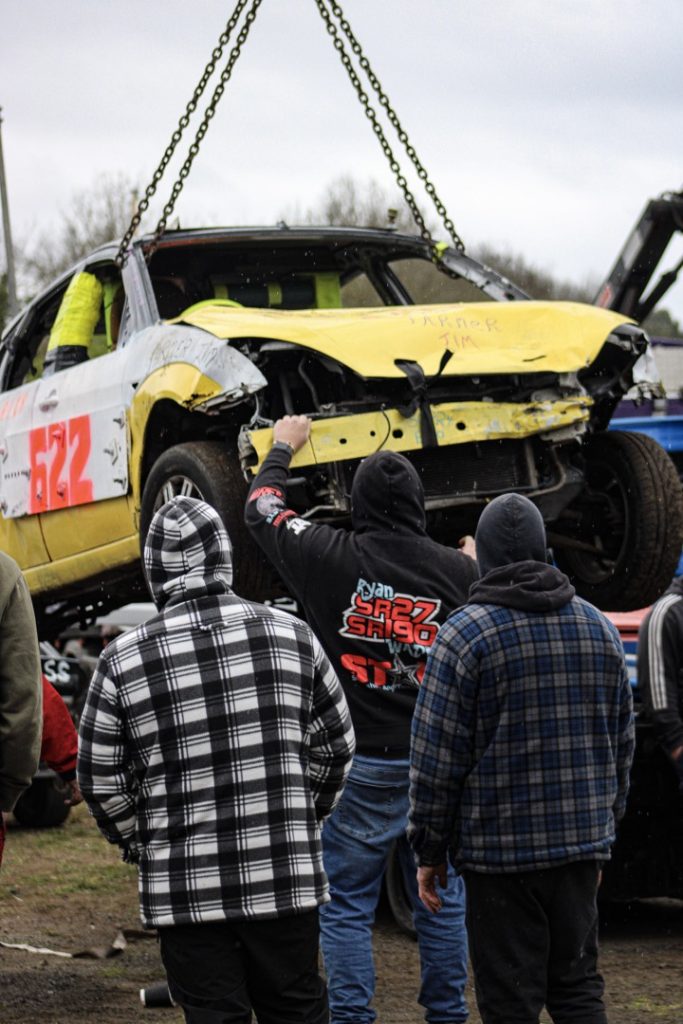
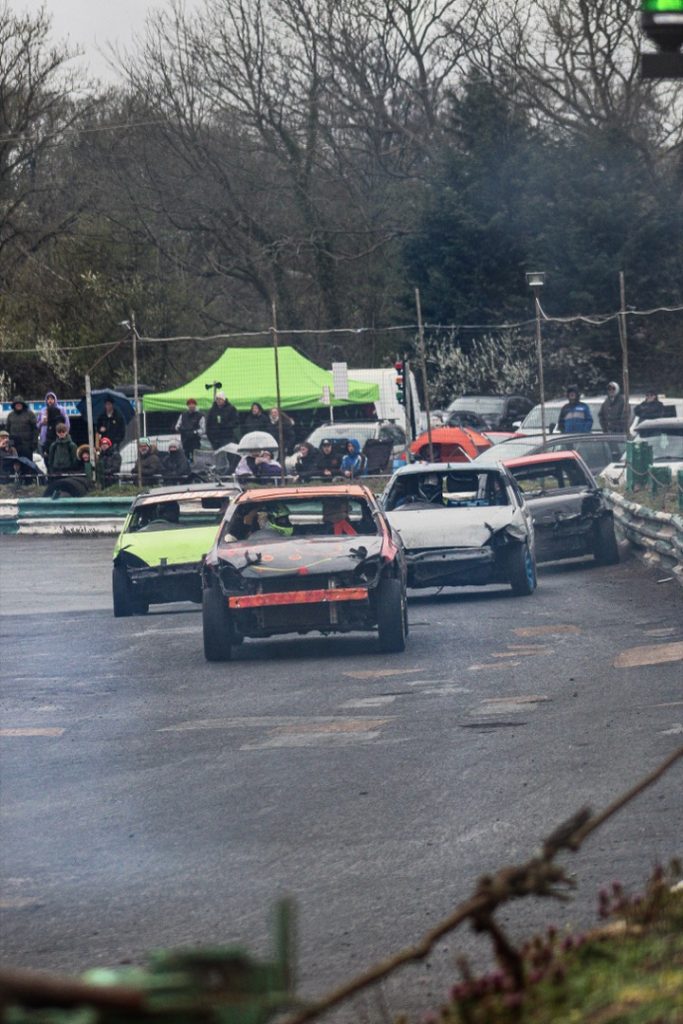
I am fascinated by cars and motor racing. My work attempts to express the energy, danger, teamwork and chaos of this sport.
My images have been retouched to give them higher contrast and deeper colour saturation in order to accentuate this. I am aiming to show how fun, exciting and enjoyable the sport can be.
I want my work to inspire others to take this up as a hobby too.
Sophie Jones
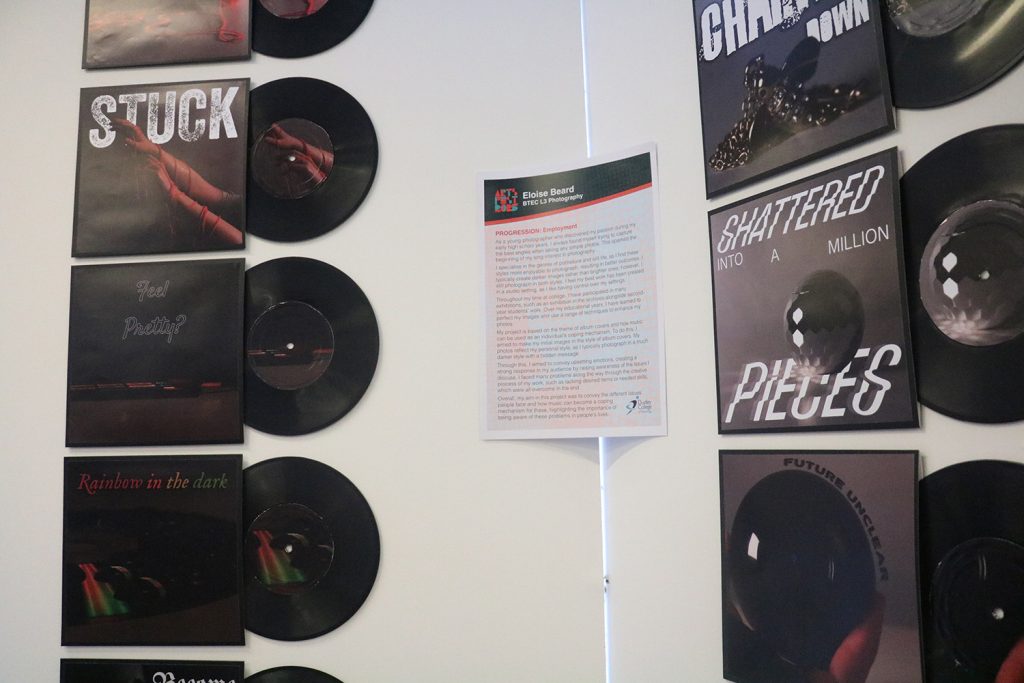
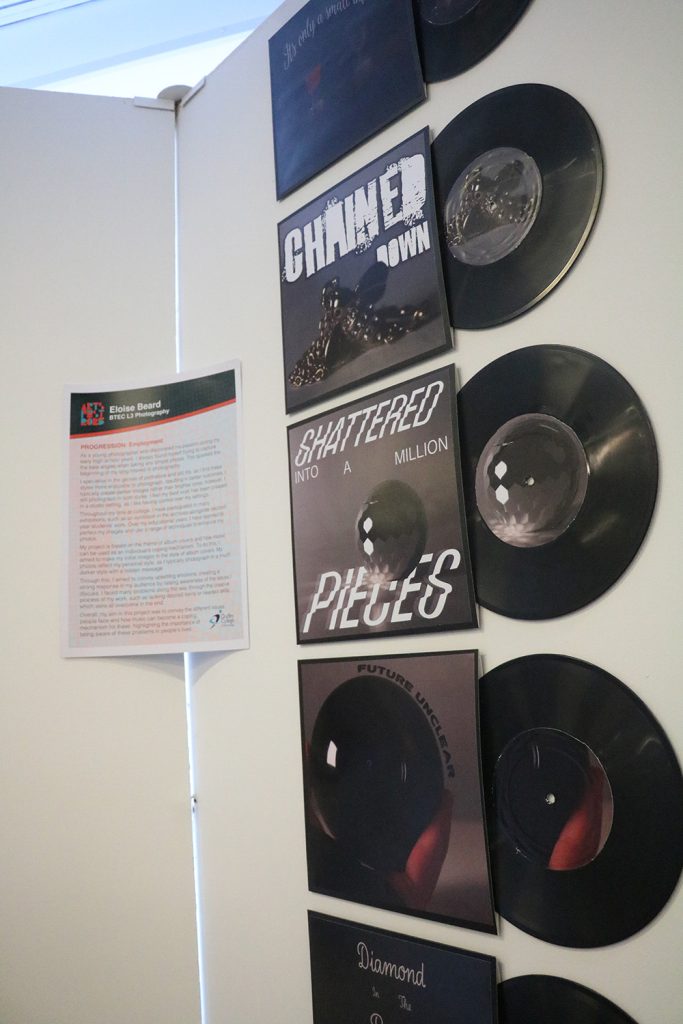
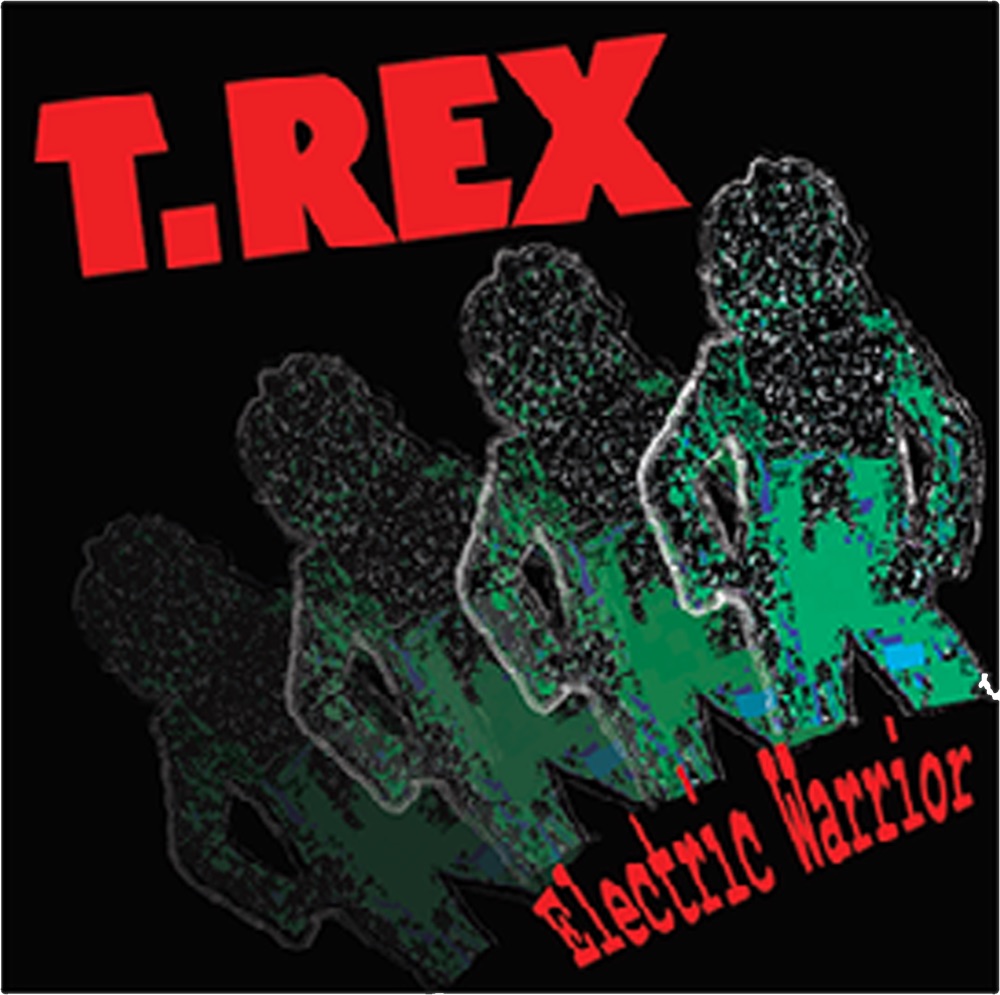
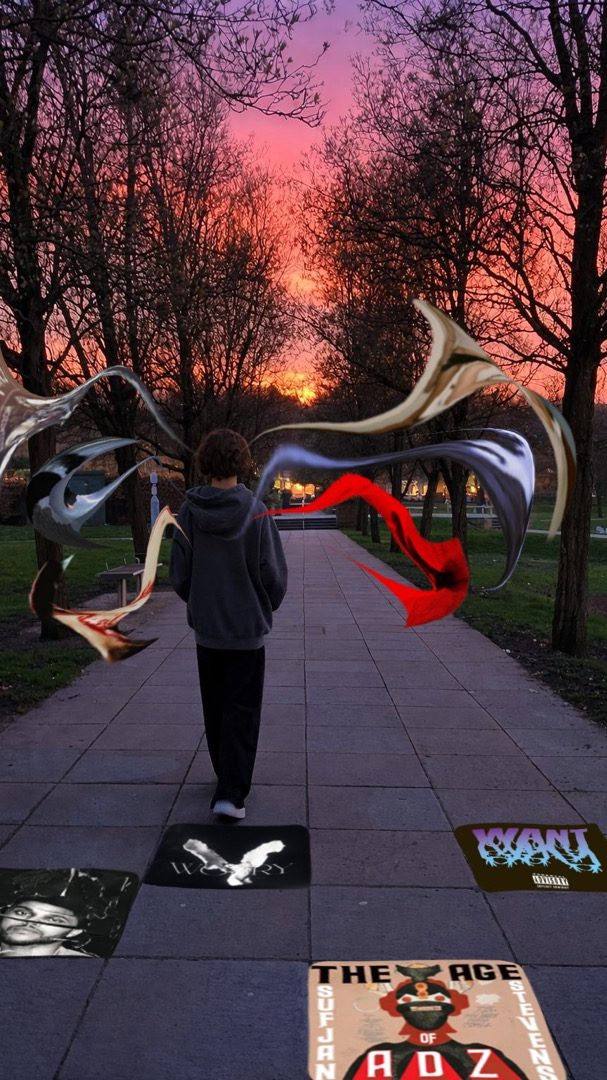
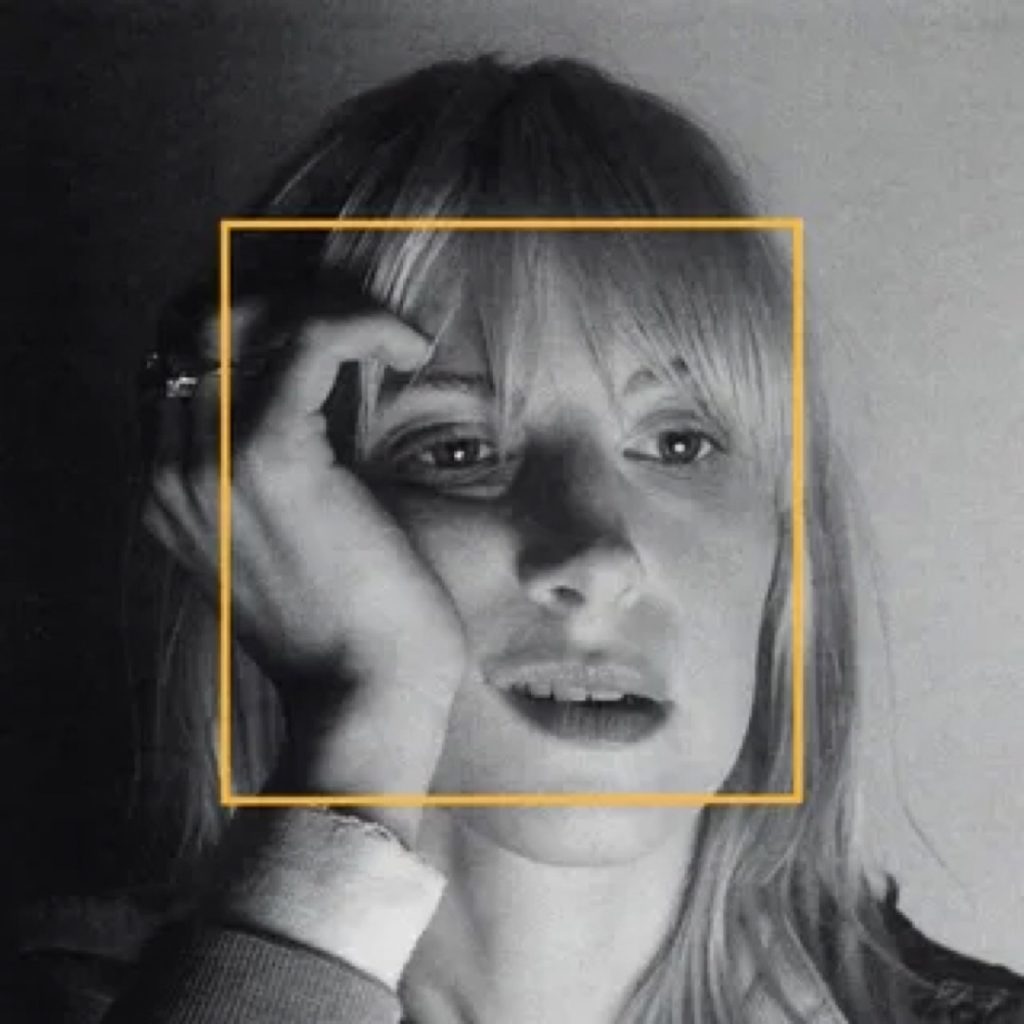
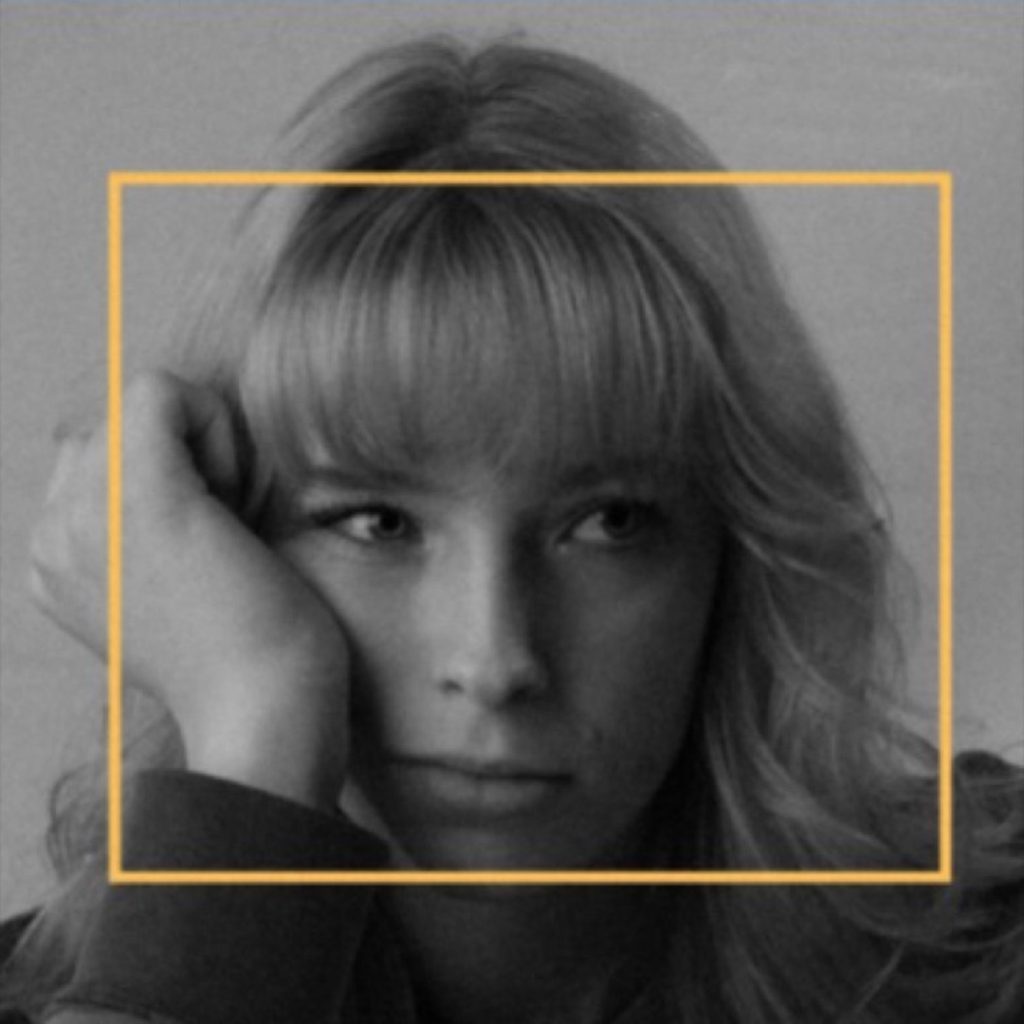
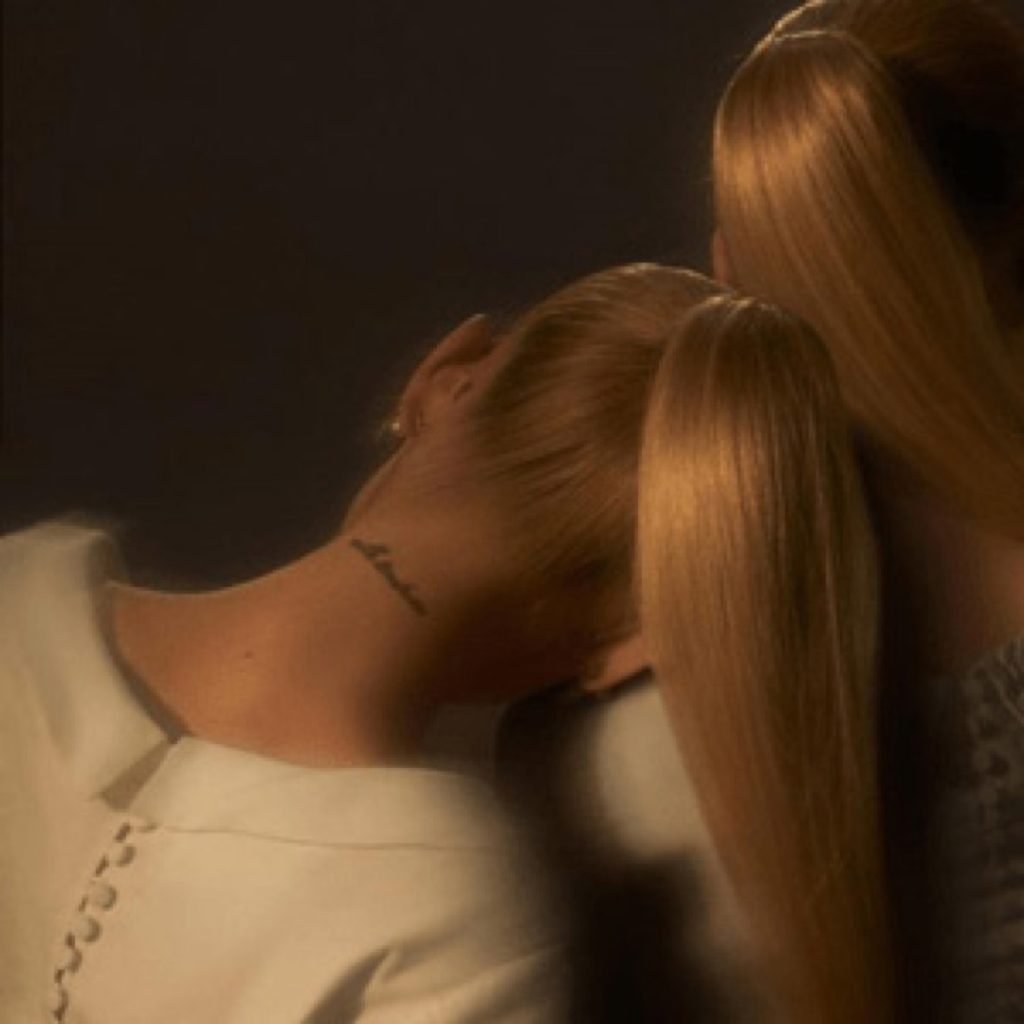
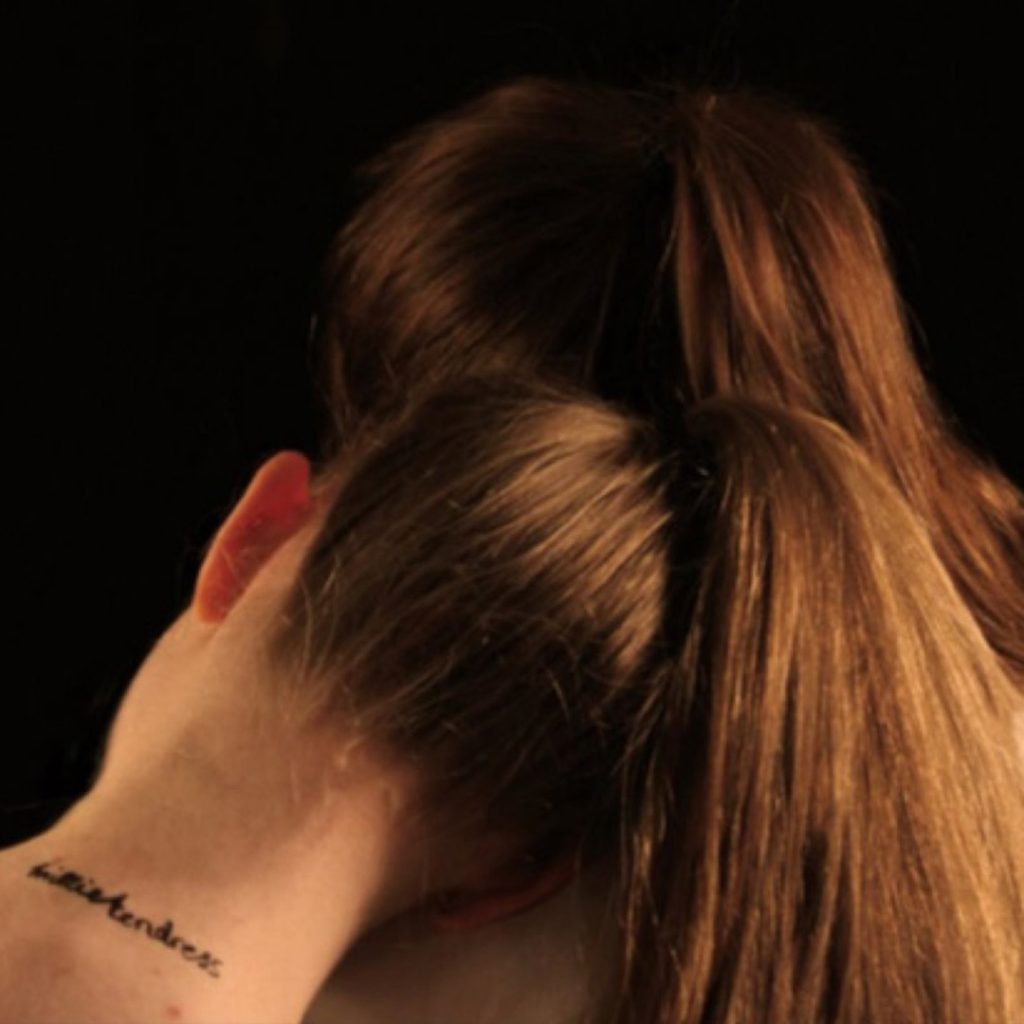
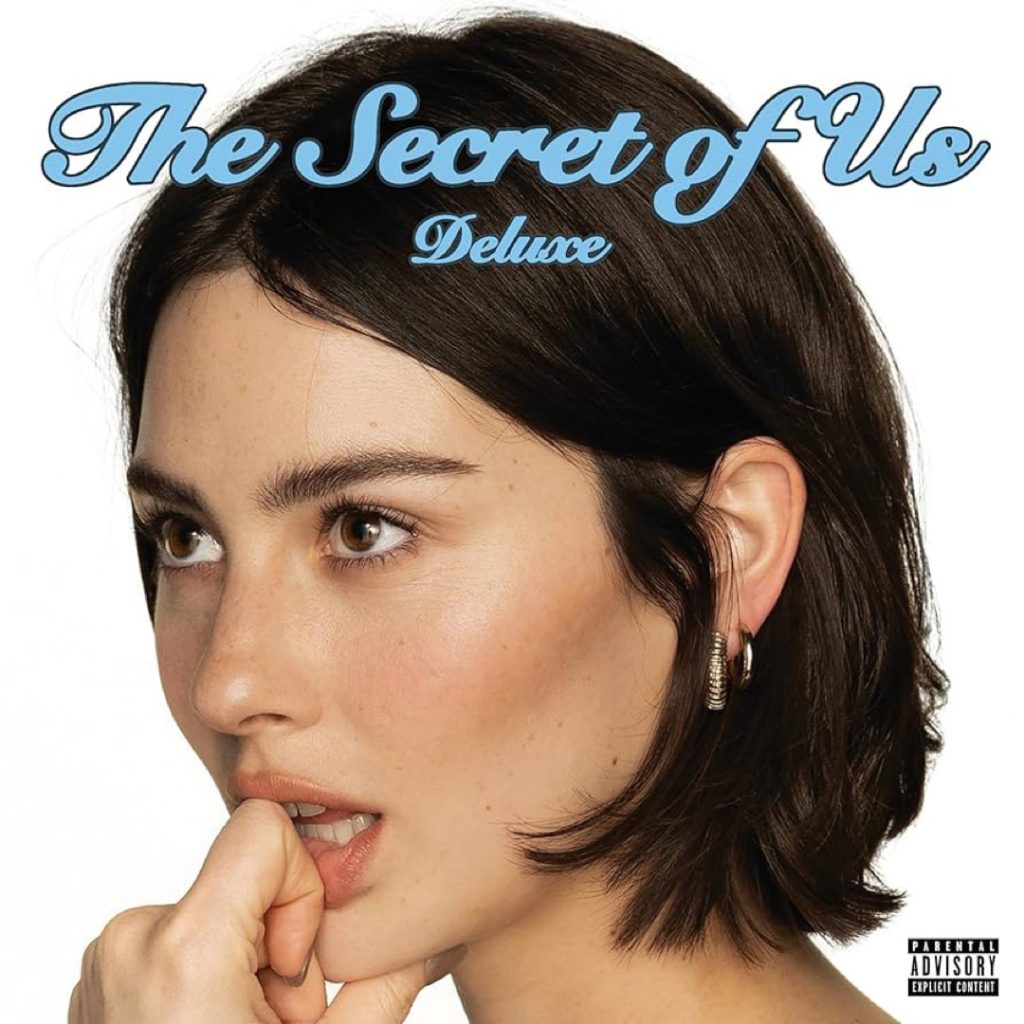
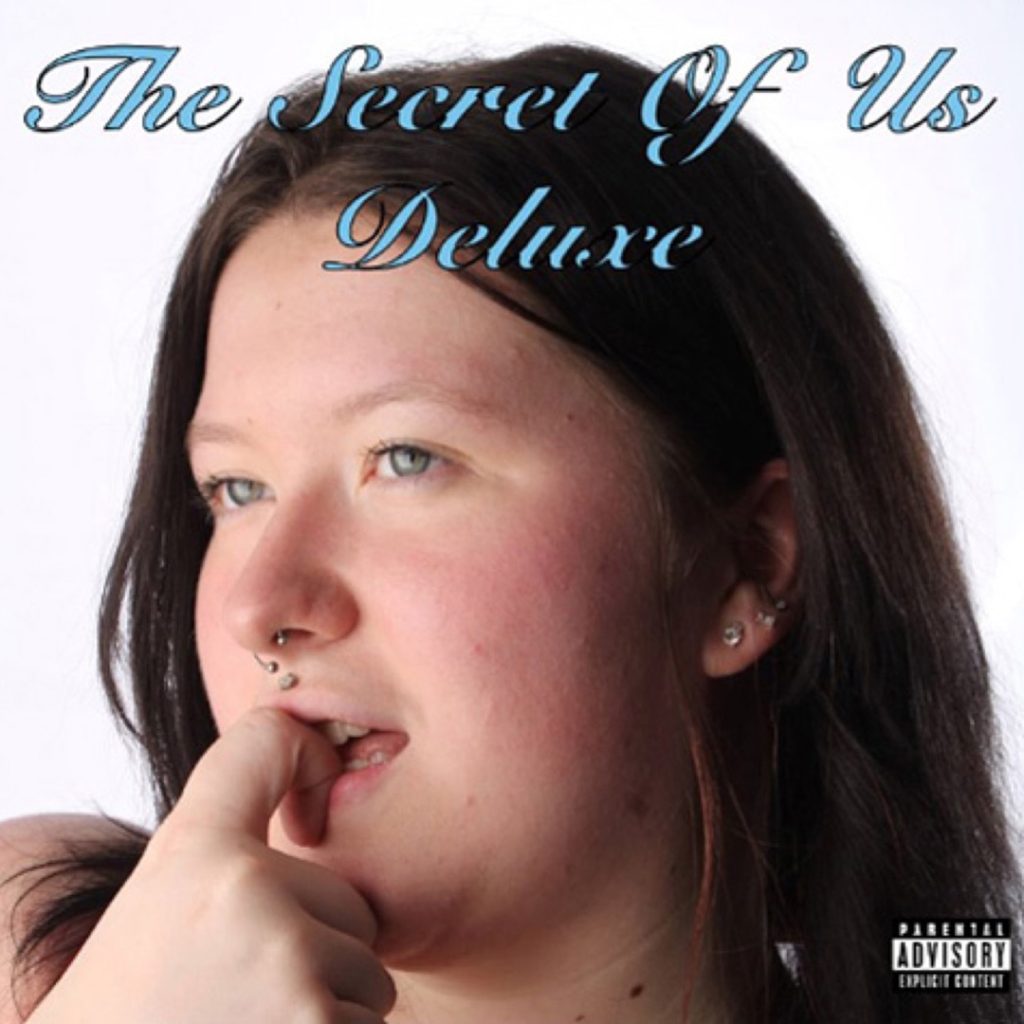
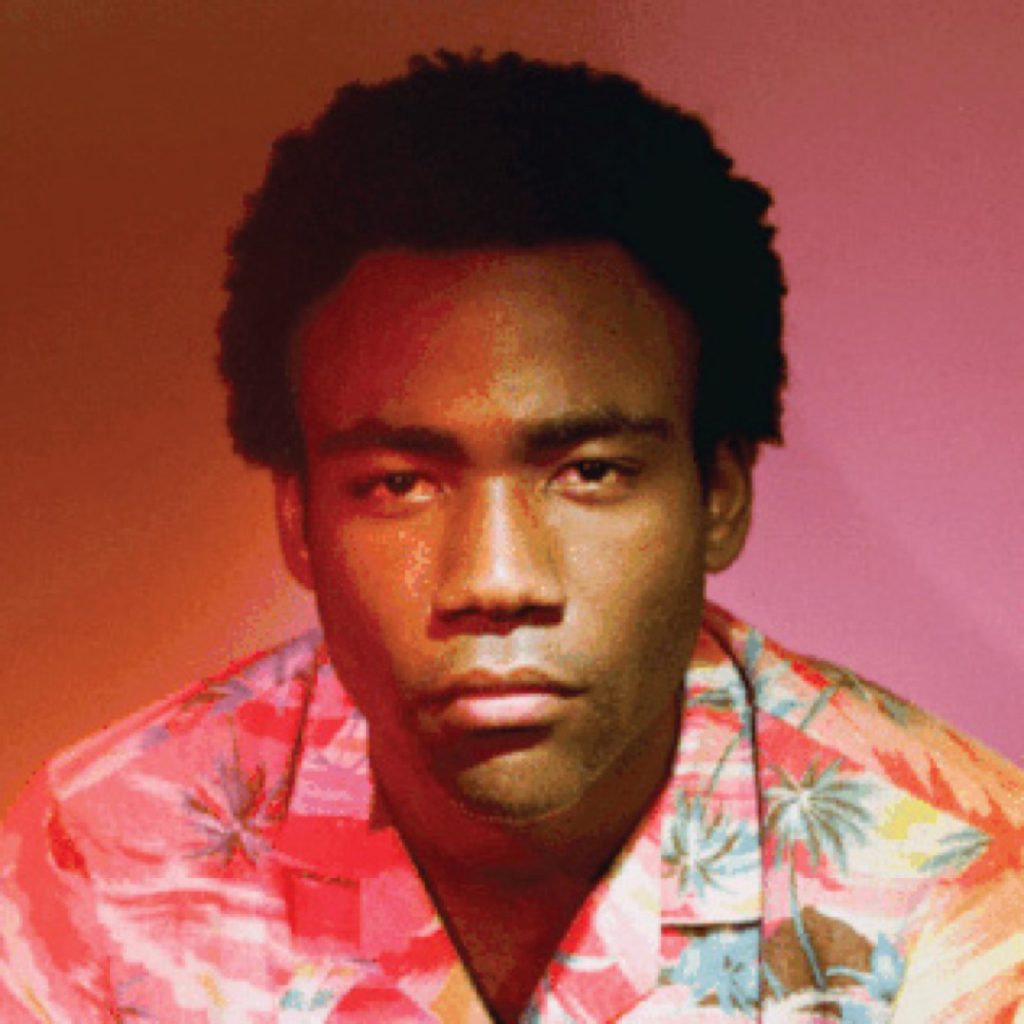
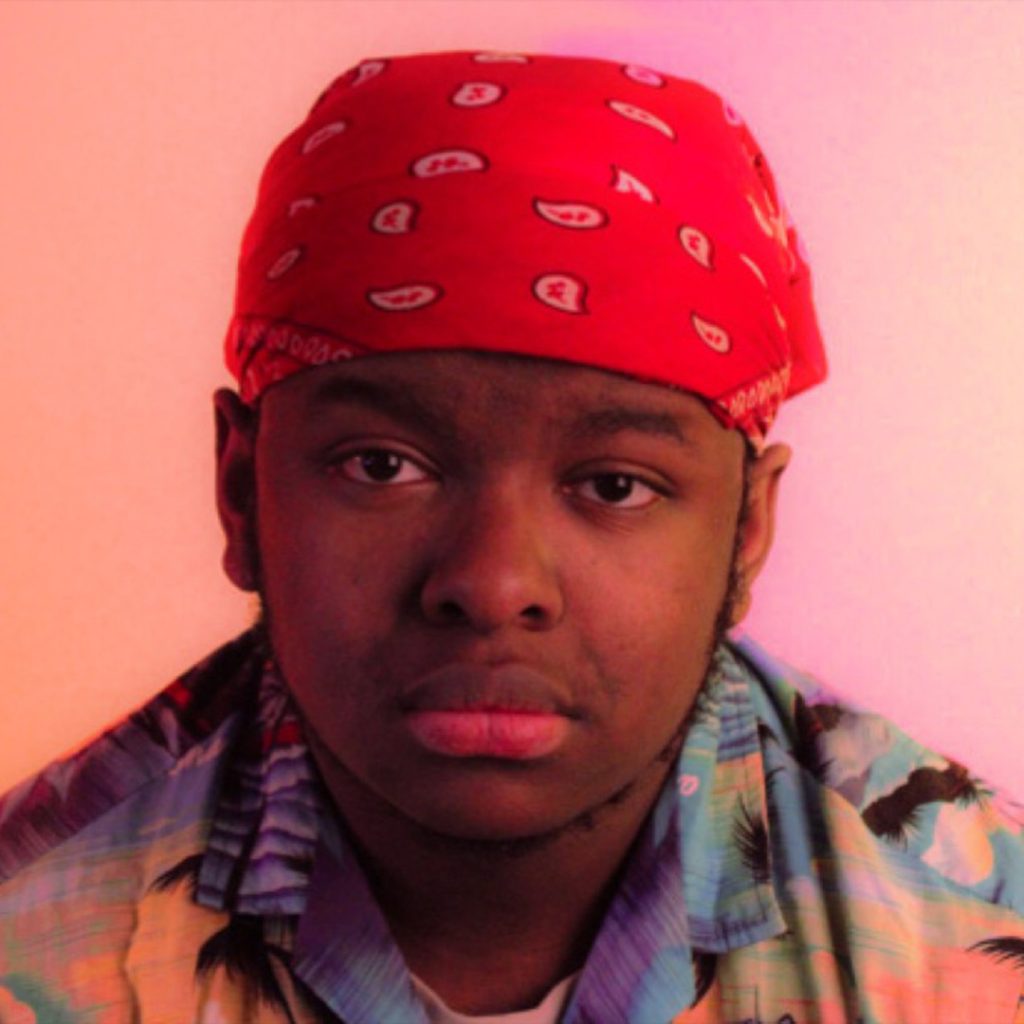
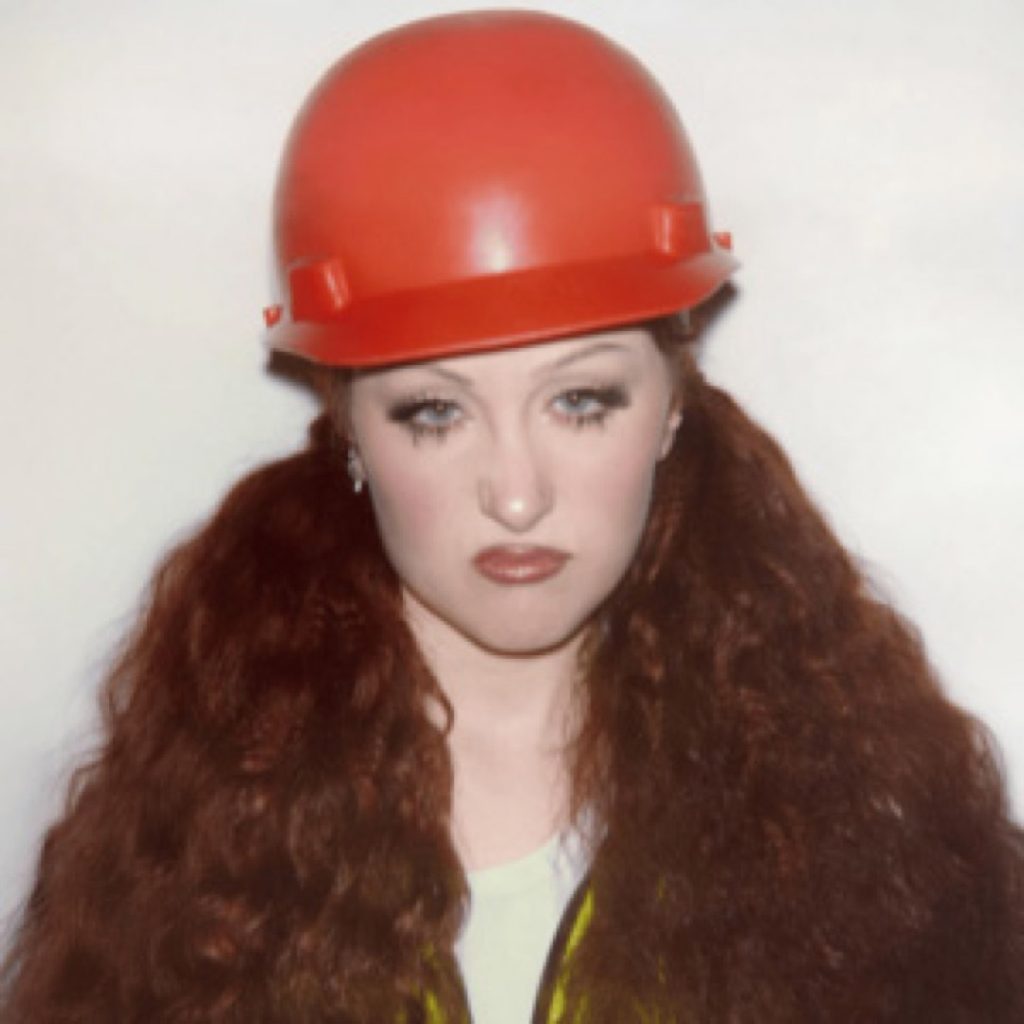
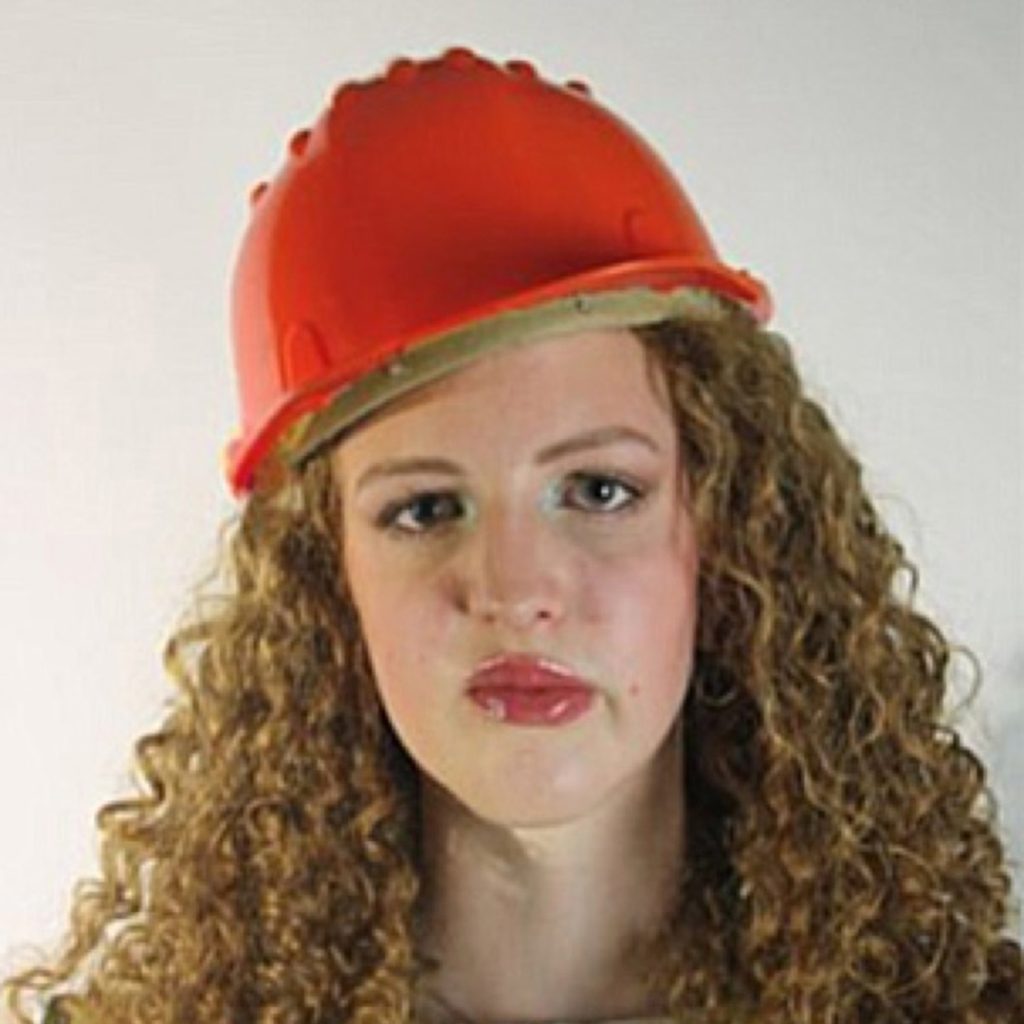
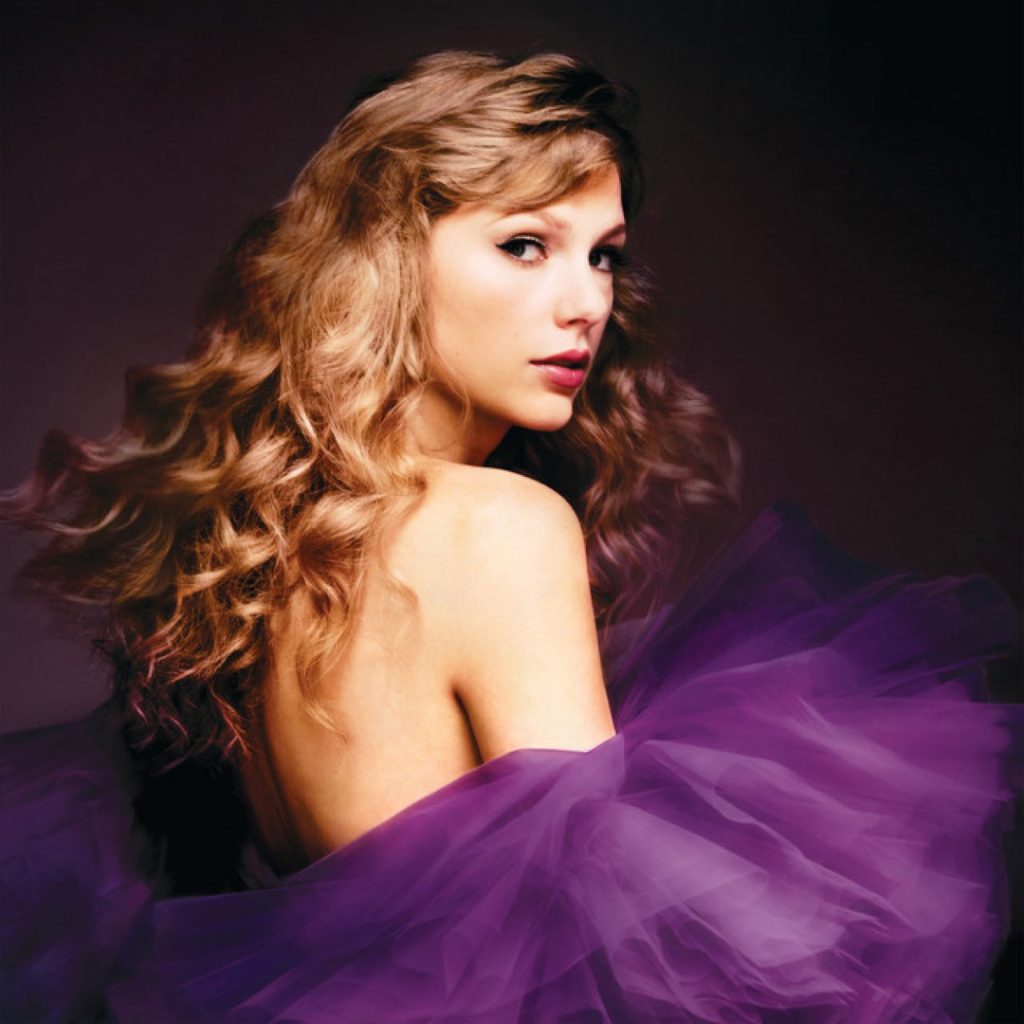
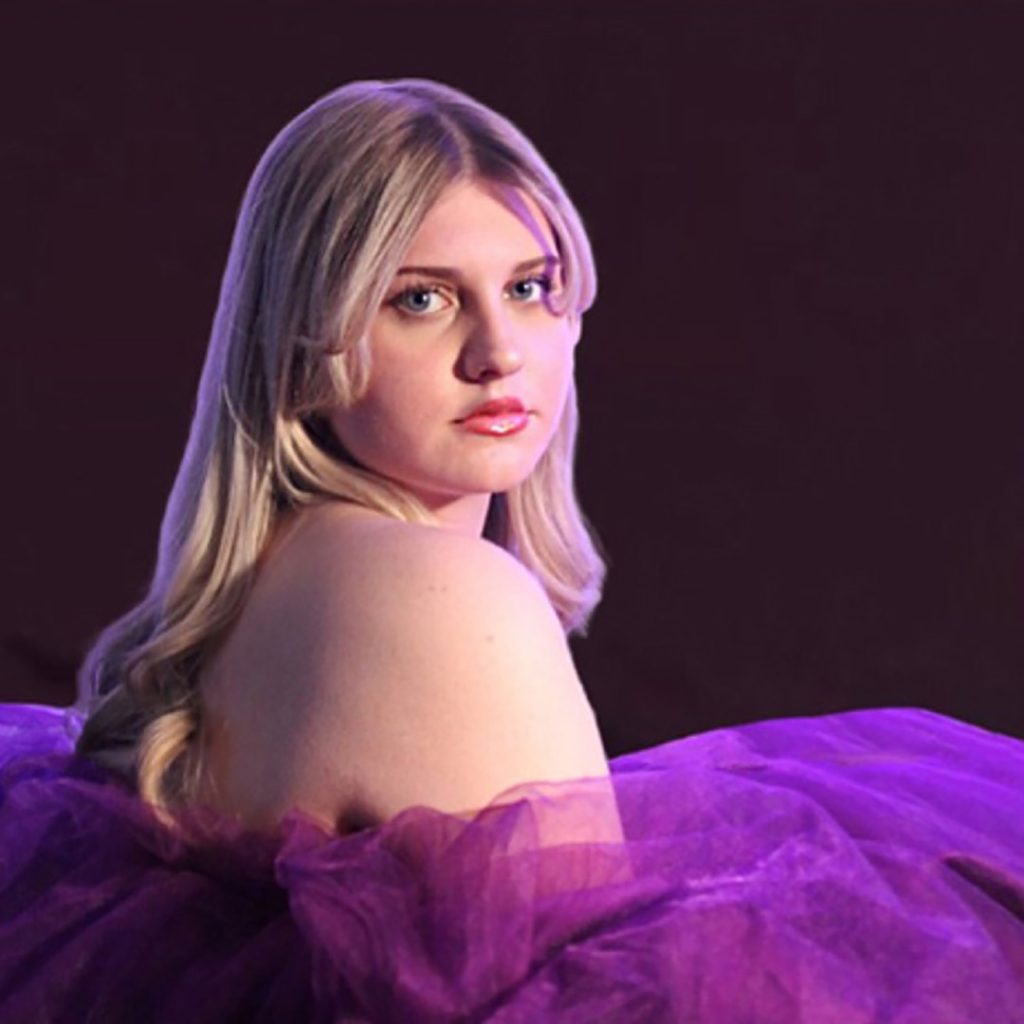
My project is called “The Recreation”; it showcases the recreation of different album covers.
I created this project because I wanted to push myself out of my comfort zone and attempt something that I have not seen often before. I found my final project idea was difficult at first because it was simply time-consuming in all regards, including the thought and preparation put into it. However, once I had a plan, all the necessary props, and people to help me, it was easier than I had originally thought.
I was encouraged to pursue this by a former student called Cassidy Woodrow. I was inspired by her work when she was a visiting speaker for my class at the start of the year, and she had told us that for her project she also recreated her favourite album covers. I heard this idea and decided to do it for my final major project.
I learnt a lot while completing this project. I learnt how to use different tools on Photoshop, which is one of the things I’m most happy about. Before my final major project, I wasn’t all that confident when using Photoshop, but now I have had the opportunity to improve my skills and get a wonderful project out of it.
Marisa Jordan
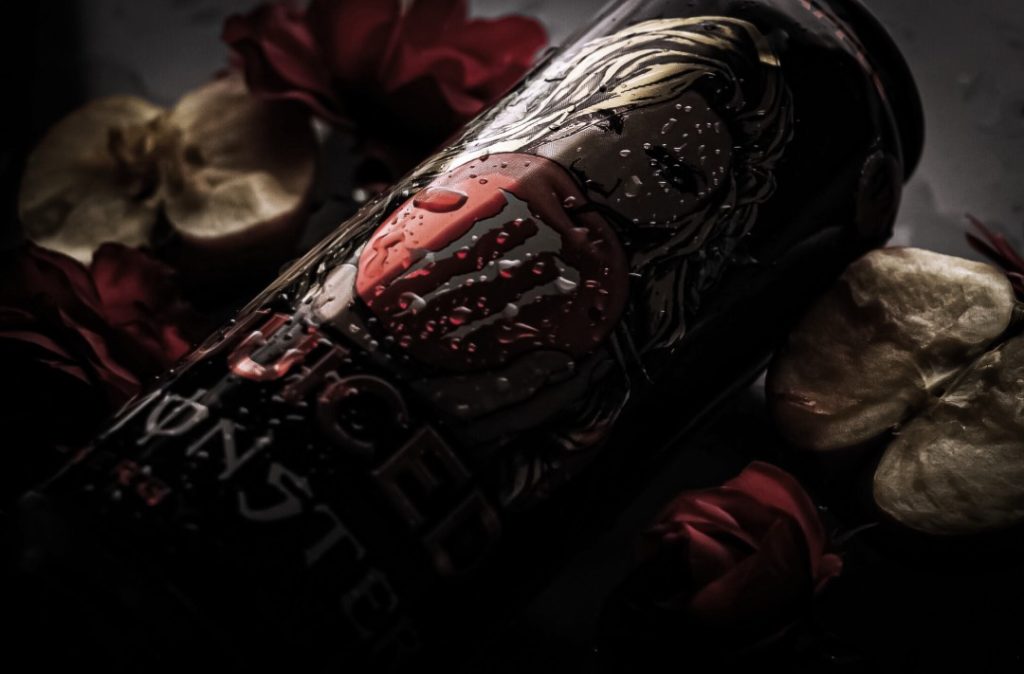
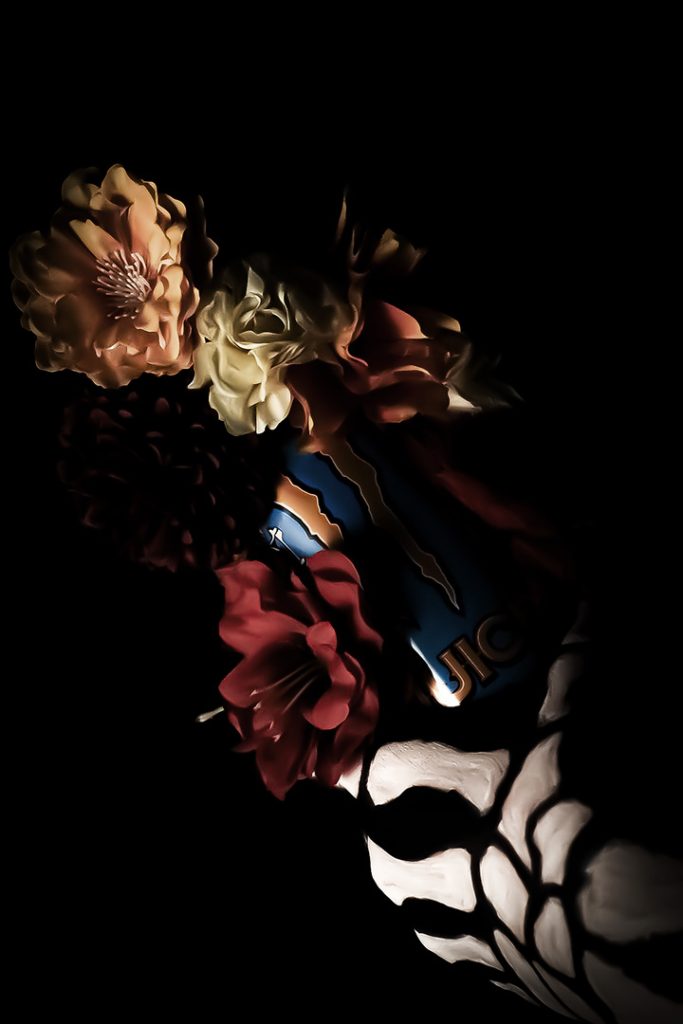
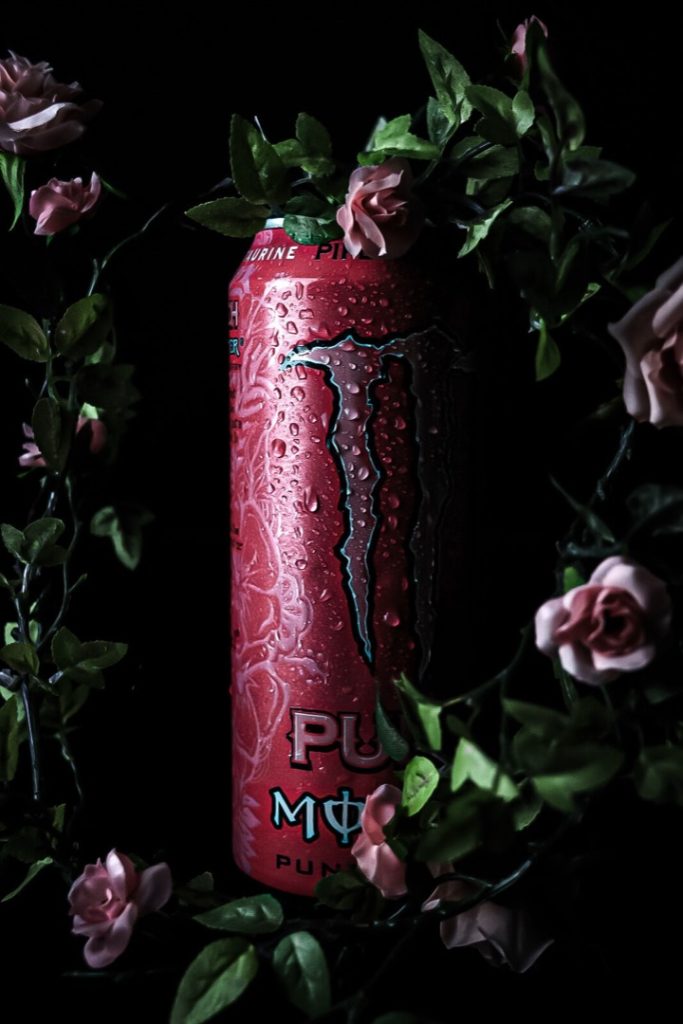
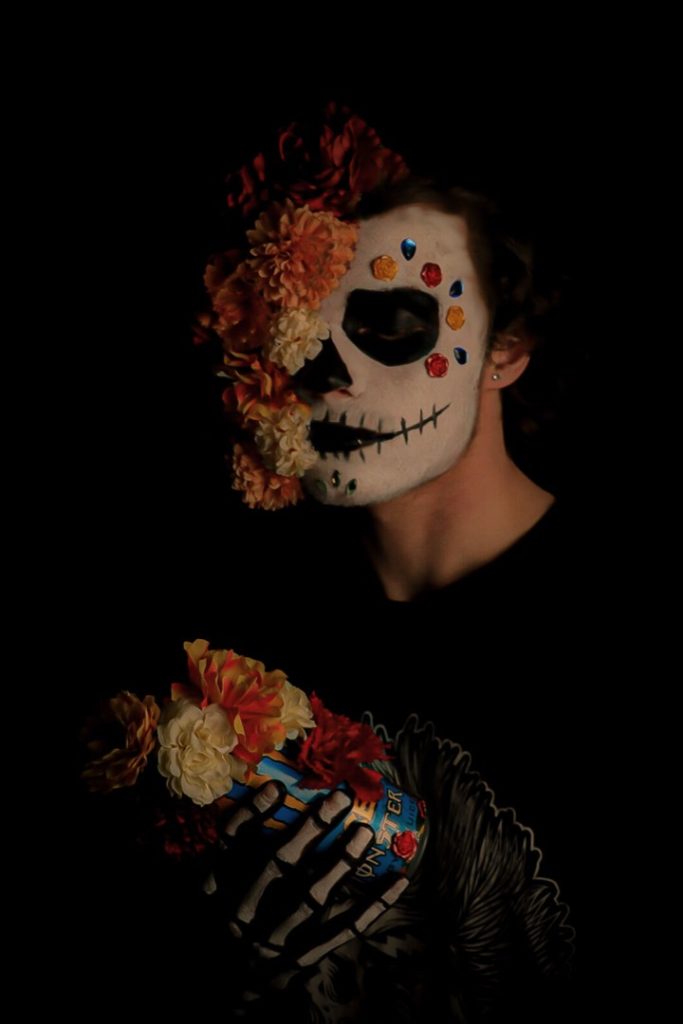
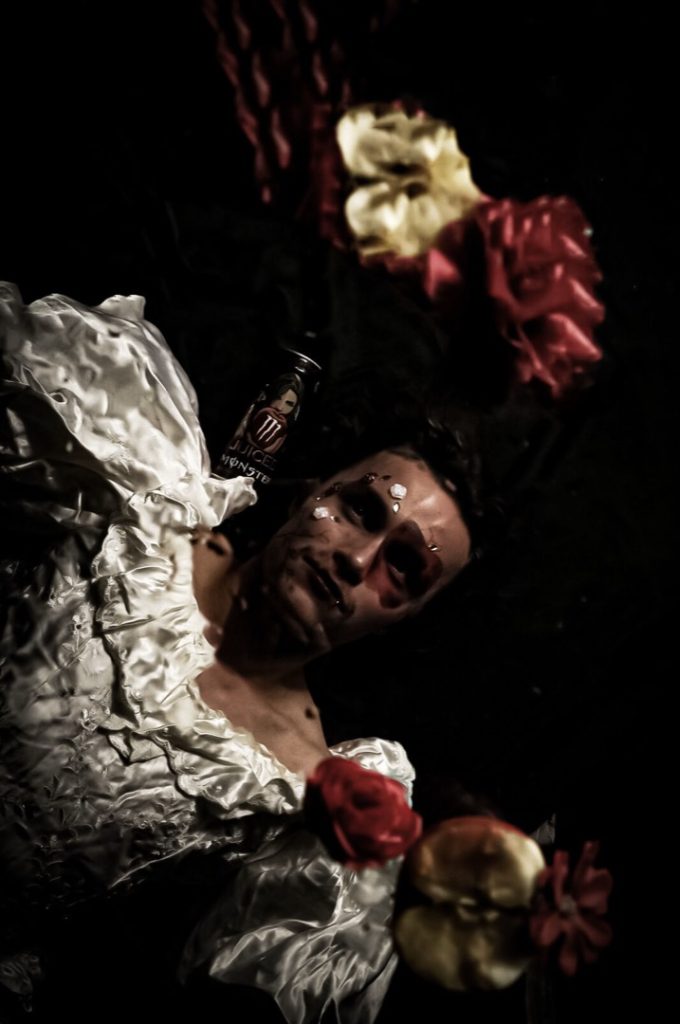
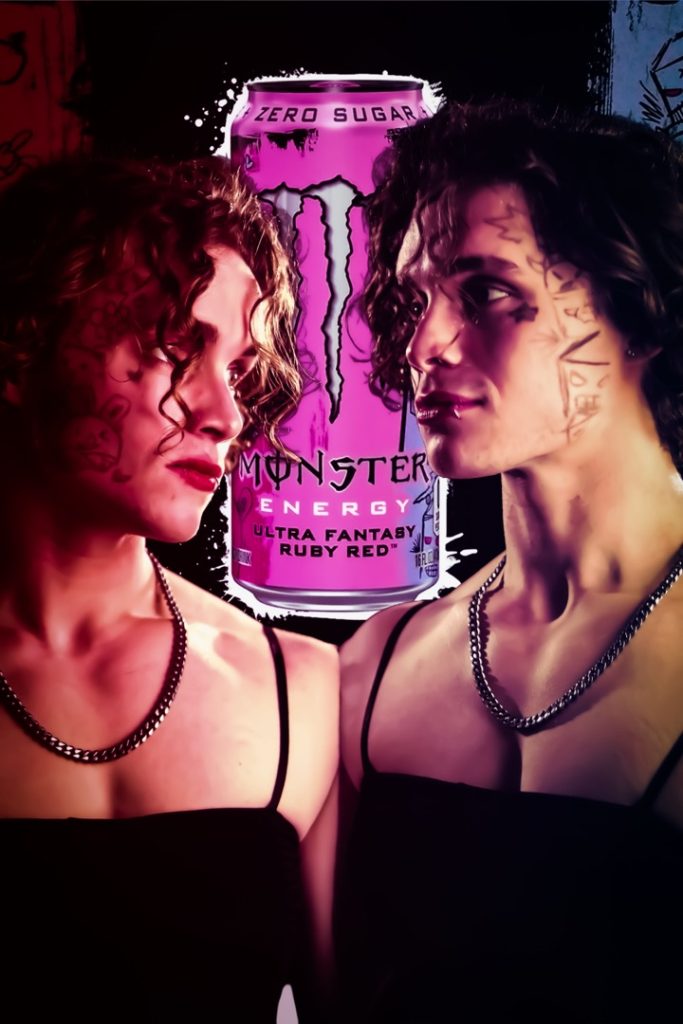
My project, “Monster Personalities”, is about combining the Monster Energy brand with human characteristics. My aim is to promote Monster Energy using traditional product photography, whilst additionally presenting the different flavours through a person’s appearance. My target audience is people who already enjoy energy drinks, as well as those who might be persuaded to try them for the first time.
These photos were taken in the studio with hard lighting on the model and soft lighting on the cans. The hard light gave the model a sharper look and helped them stand out from the black background, while the soft lighting prevented harsh reflections on the metal cans.
I believe using this kind of lighting and setting is the best way to present the brand. Monster has an inherently dark, edgy name but uses incredibly bold colours. Placing the subjects against a blank black background is exactly what is needed to make those colours look vibrant and truly stand out.
Winnie Mbujibuni
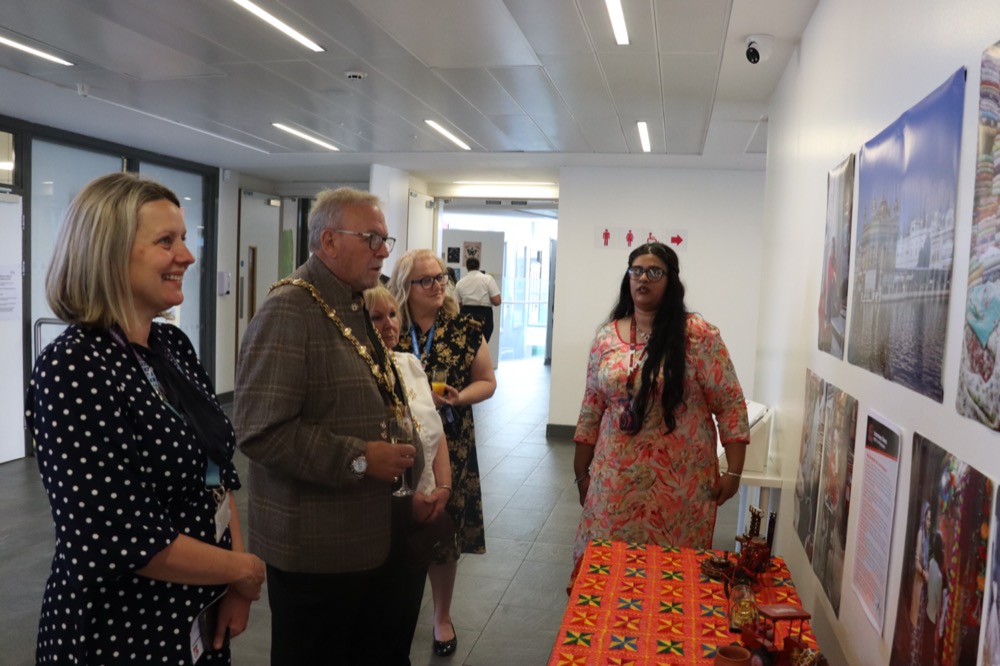
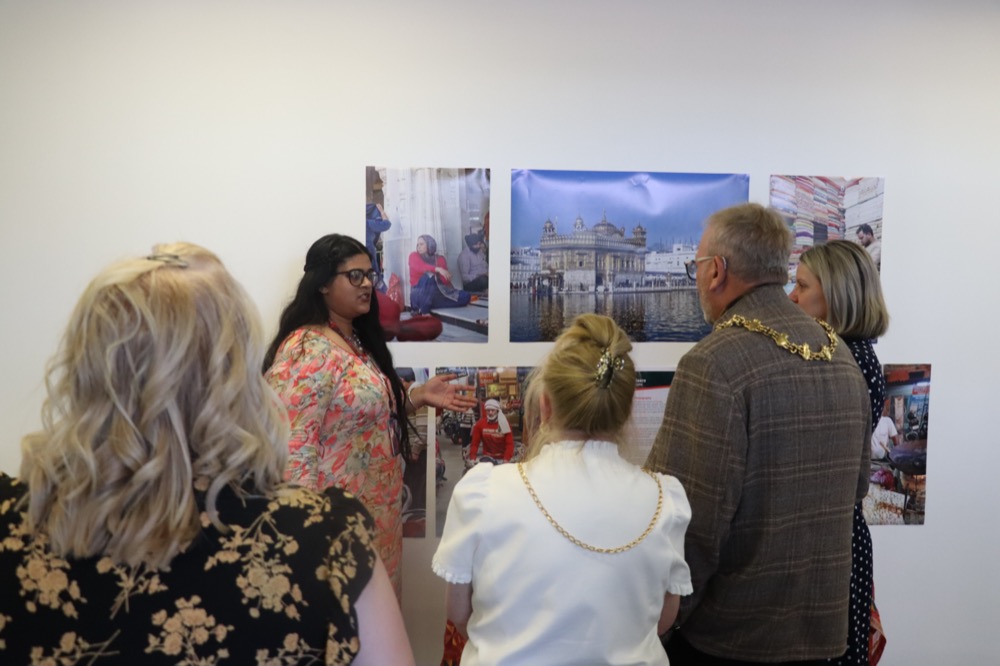
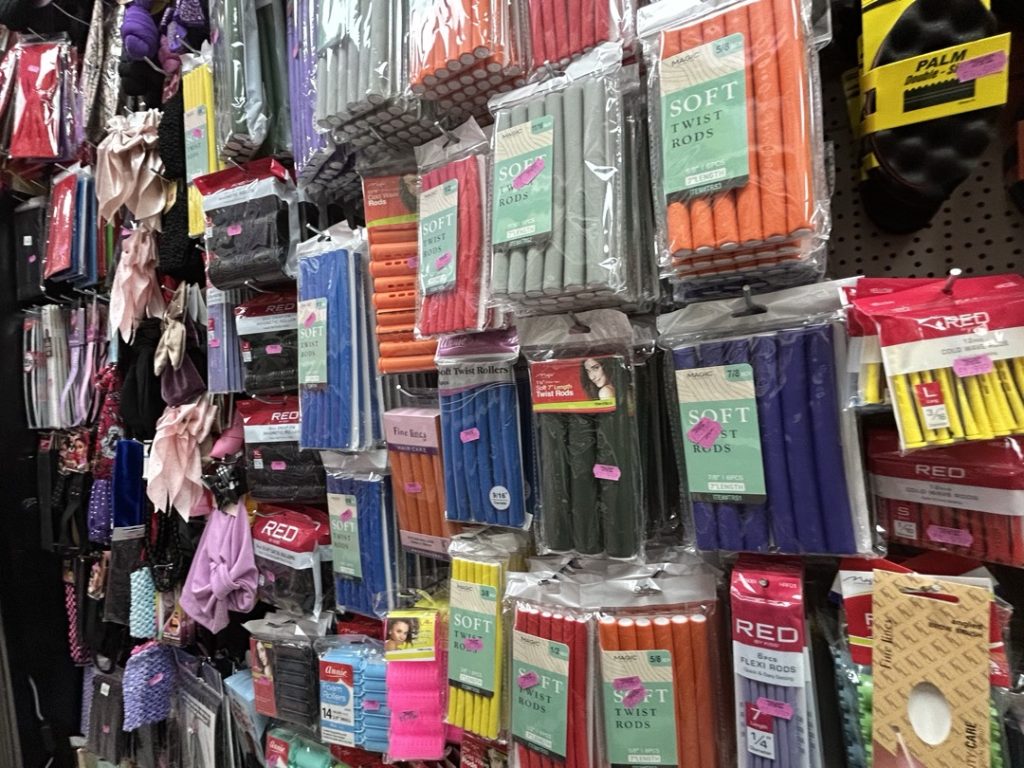
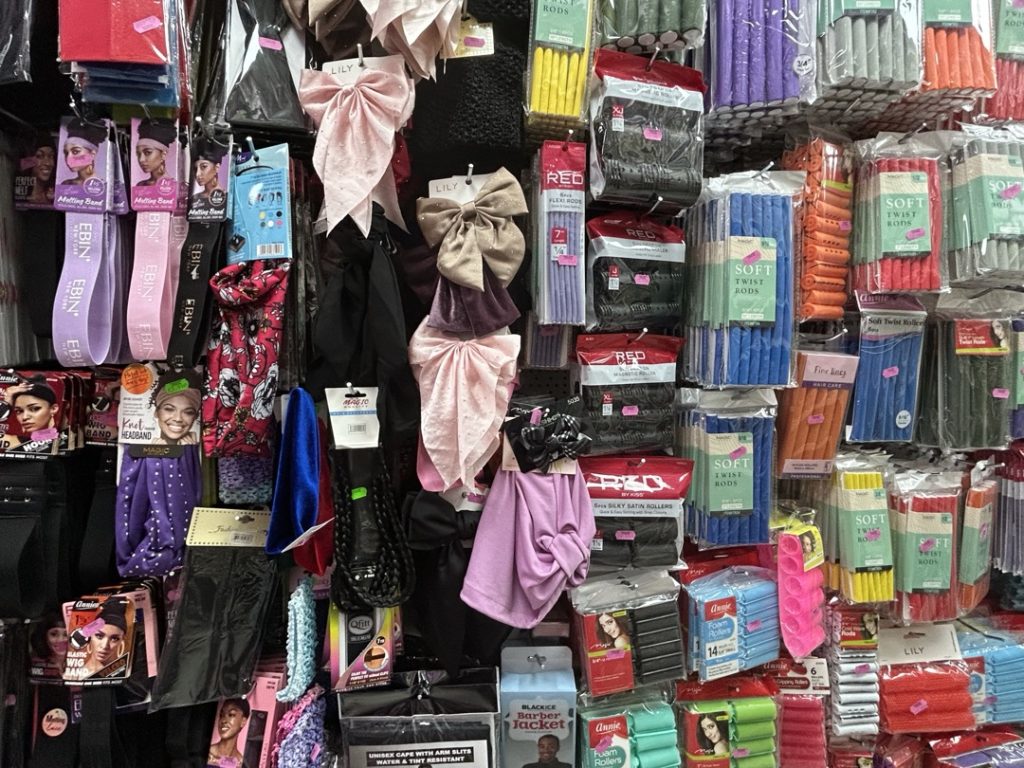
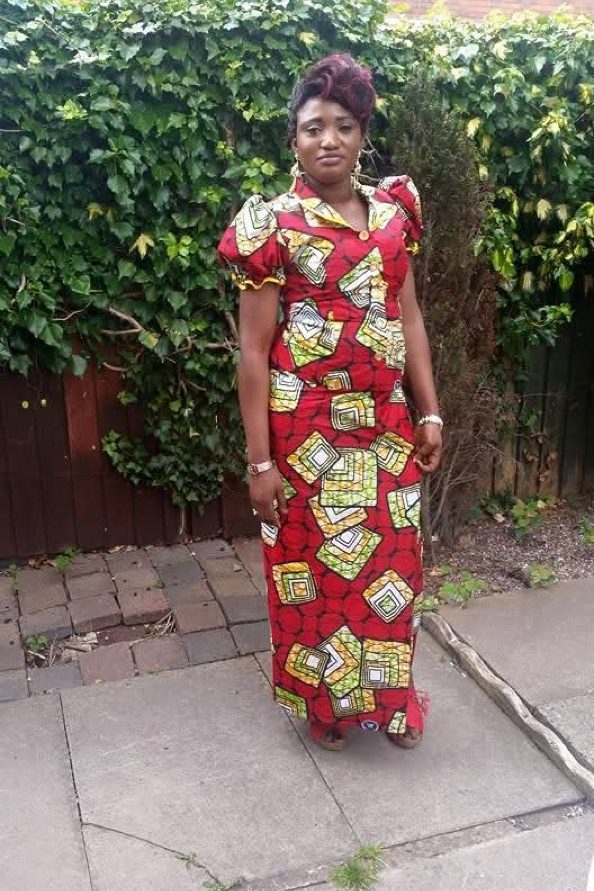
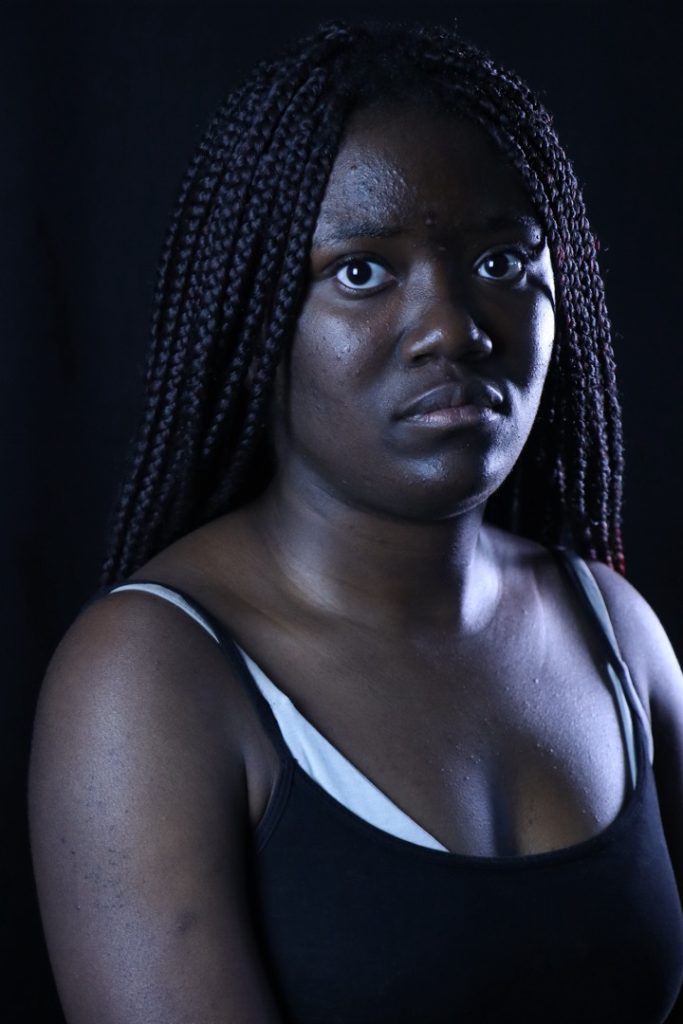
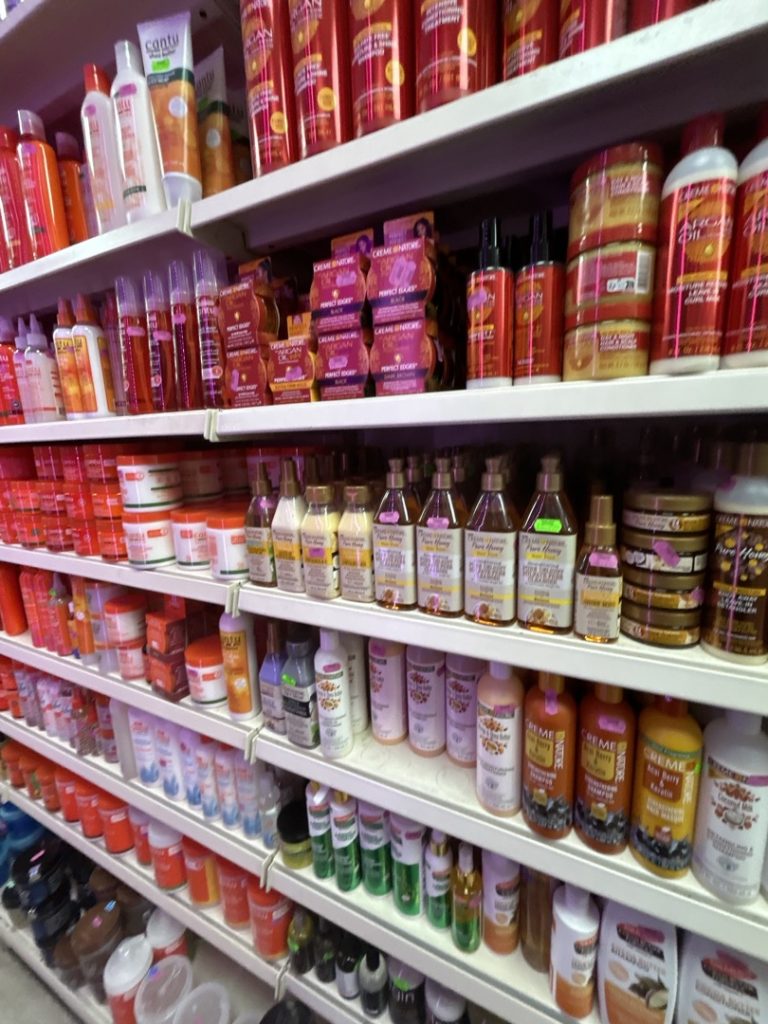
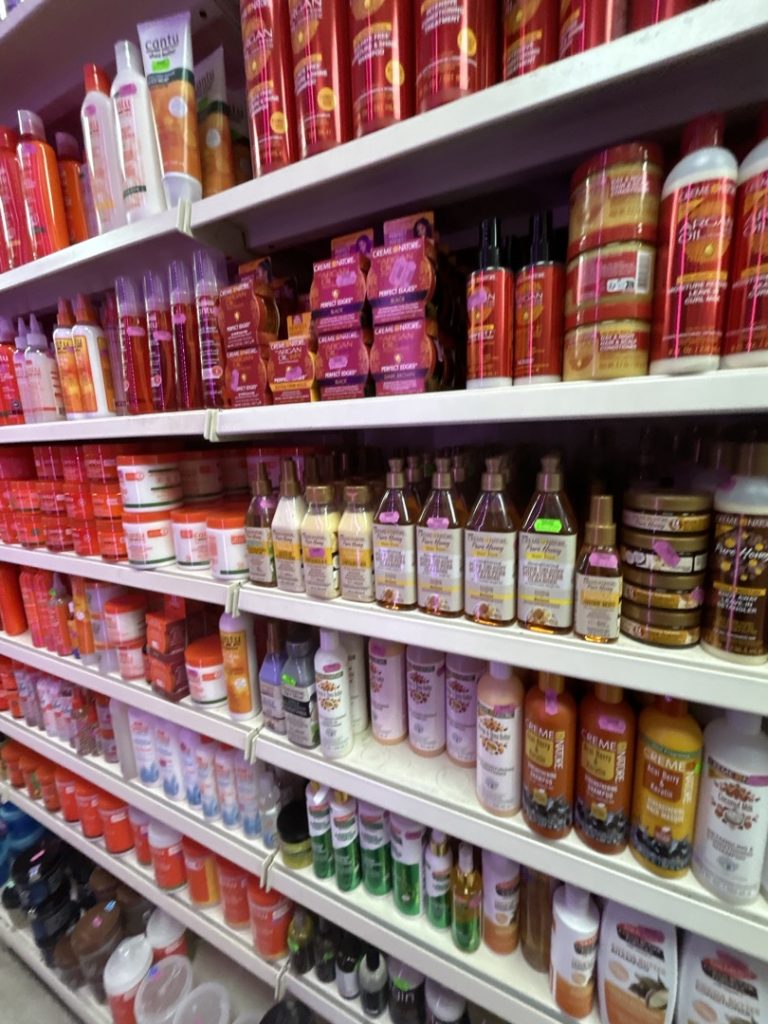
My personal project focuses on my culture, deeply examining my African roots and heritage. To explore this, I will be photographing local shops, traditional foods, cultural artefacts, the people closest to me, alongside a self-portrait.
I believe it is incredibly important to celebrate and honour culture and diversity, as it fosters a true sense of belonging and inclusivity rather than exclusivity. When different languages, perspectives, and traditions are recognised, it helps people feel seen, respected, and valued for exactly who they are.
Furthermore, diversity brings creativity and fresh ideas; when people from varied backgrounds collaborate, they frequently discover better solutions by approaching challenges in different ways. Exposure to different cultures also allows us to learn from one another, actively challenging stereotypes, reducing prejudice, and building mutual understanding.
Ultimately, celebrating culture and diversity makes communities more accepting and less divided. It strengthens society as a whole by encouraging the equality, fairness, and respect that are vital for peaceful and successful communities.
Jessica Parkes
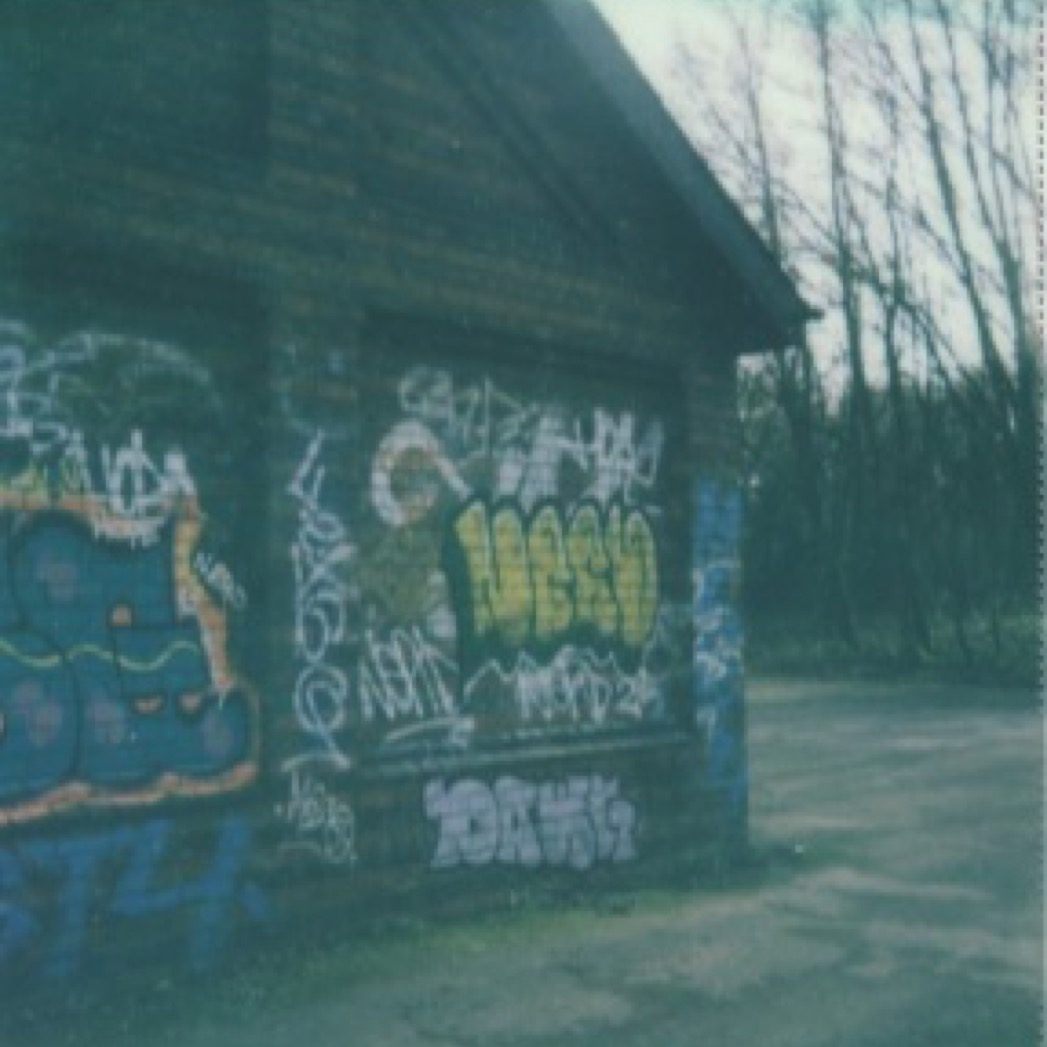
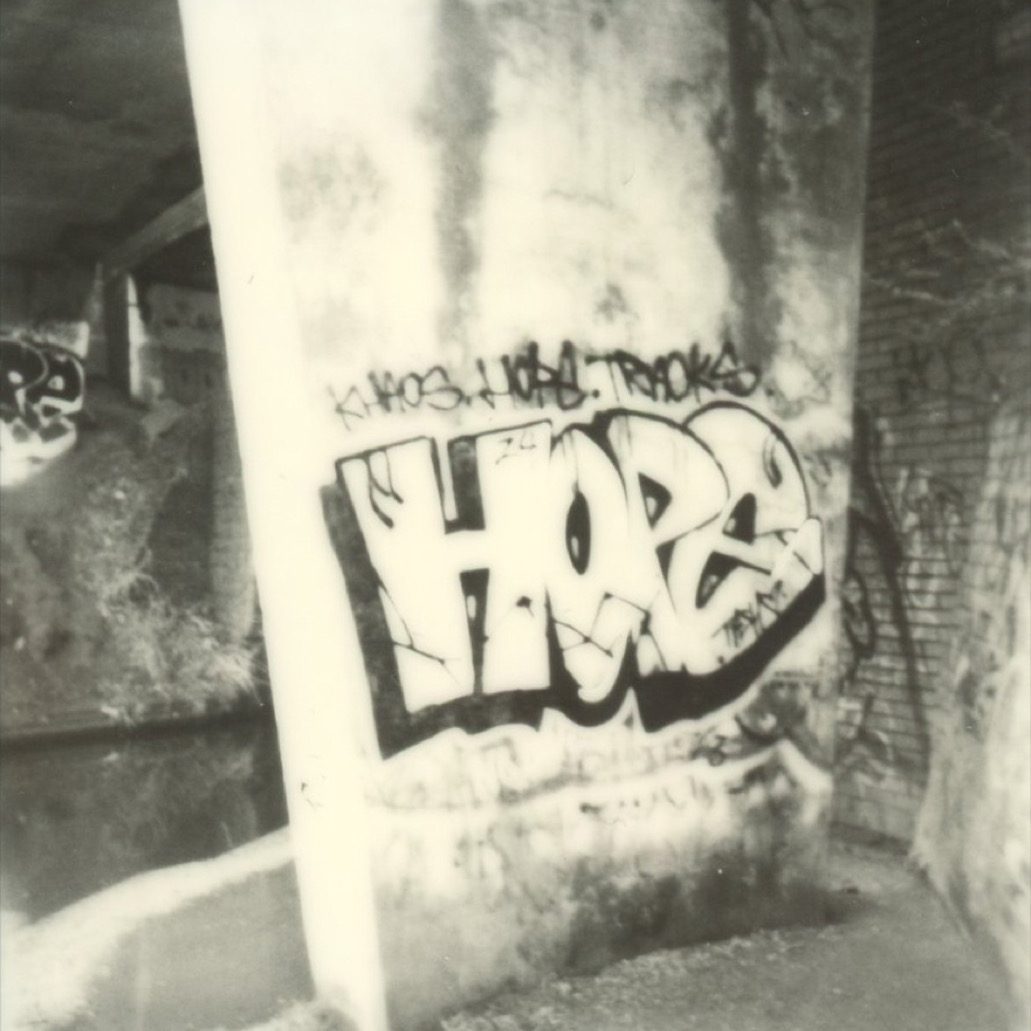
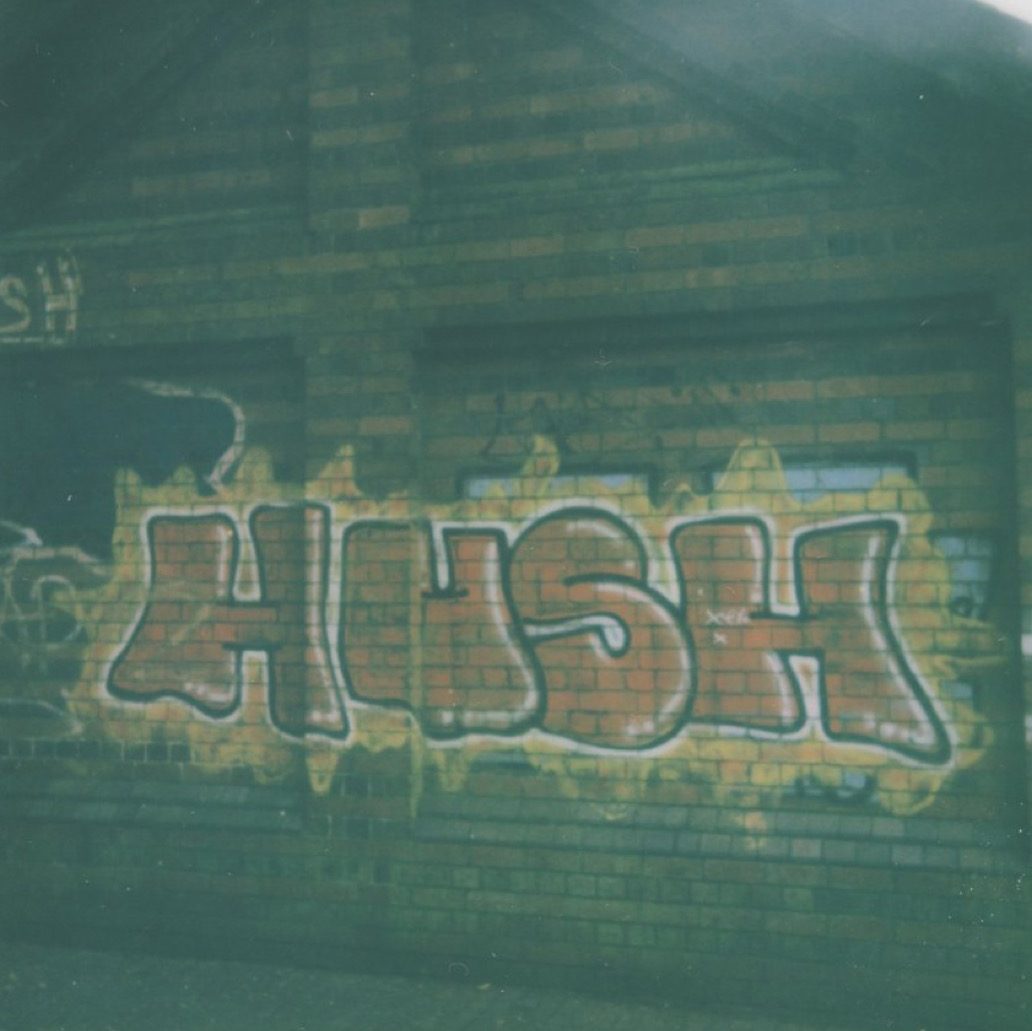
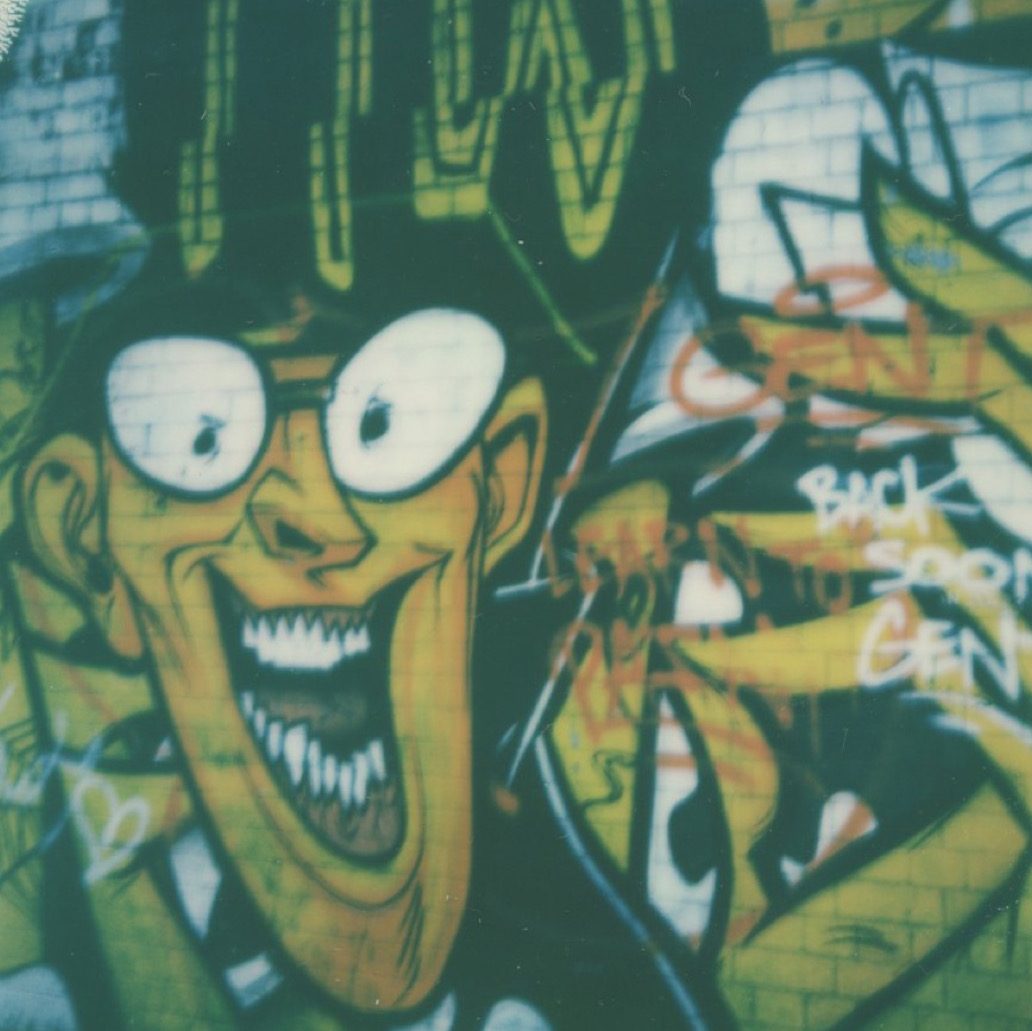
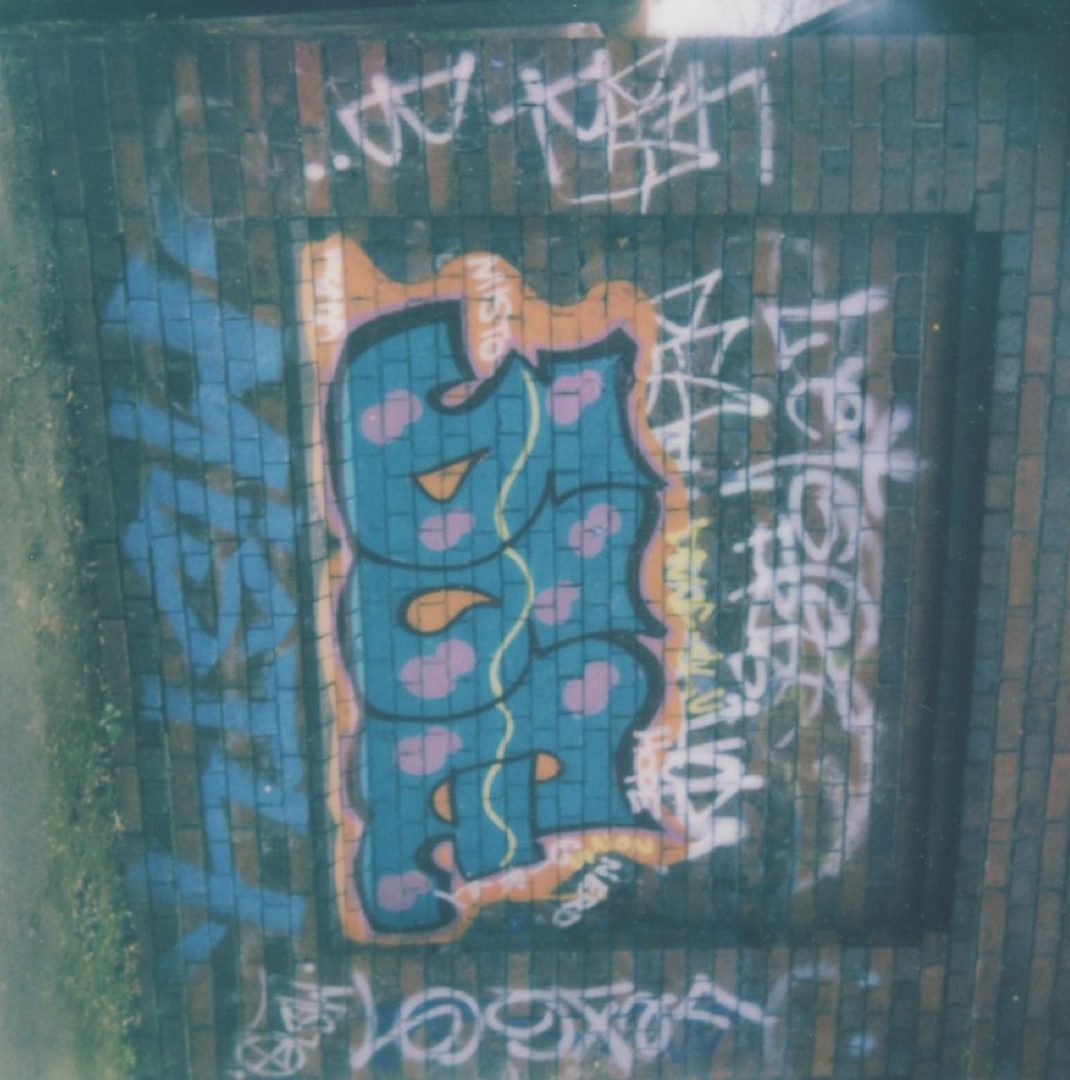
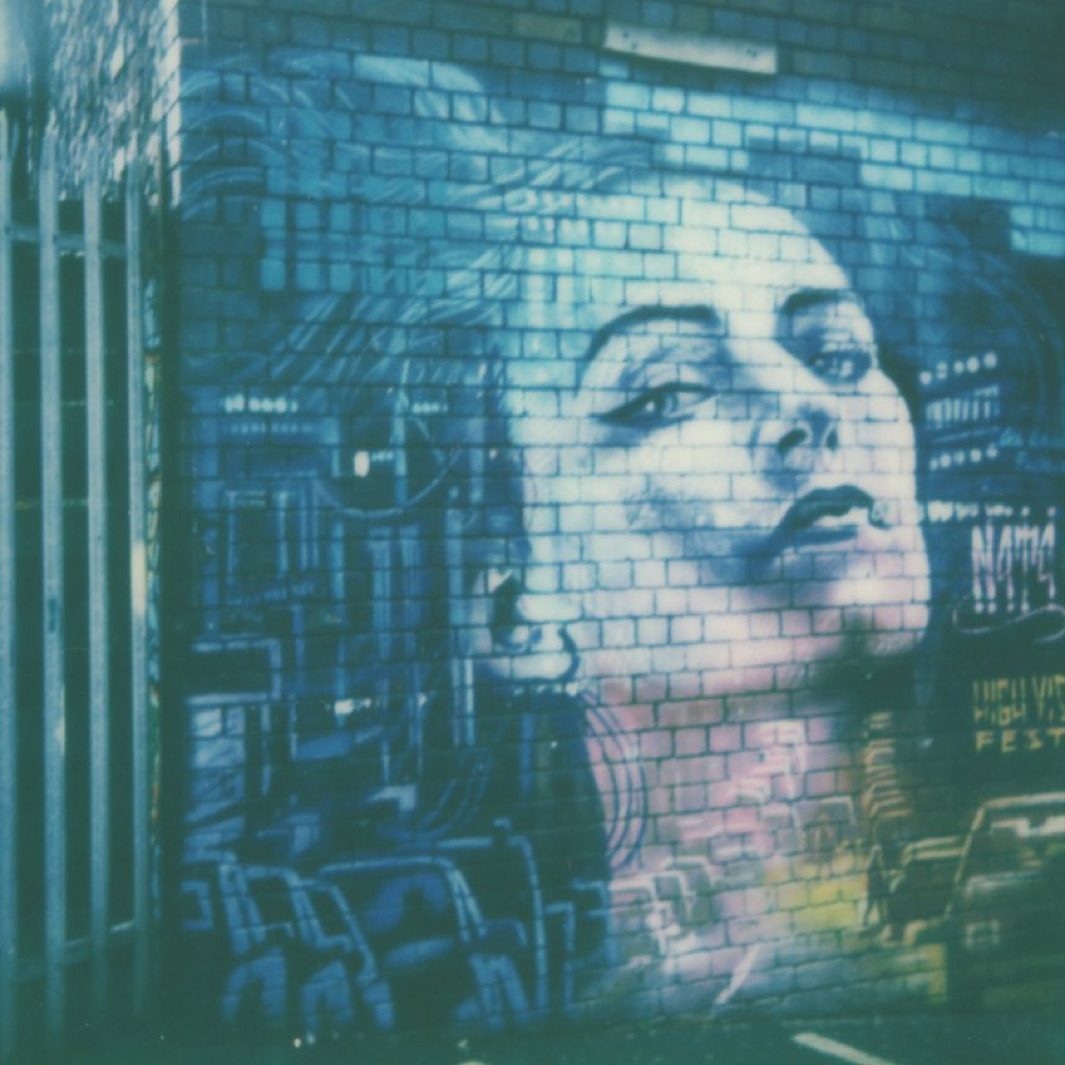
For my personal project, I have decided to go with the theme of graffiti and the exploration of the story behind it. I wanted to make it stand out. I also decided to shoot this project on a Polaroid Gen 2, as I thought it would fit perfectly with a retro art form like graffiti. My project contains six Polaroids, showcasing different types of graffiti—from tagging to murals—created by numerous artists in different locations.
My project was heavily inspired by photographers such as Henry Chalfant and Martha Cooper, as their images caught my attention due to the details and vibrancy they manage to capture in urban life.
Overall, this project is really important to me. I feel like graffiti artists have often been silenced and overlooked, which makes me feel a responsibility to honour their work and bravery in the face of discrimination. I also hope that people who view my work feel a sense of confidence and pride in the arts, specifically graffiti, as it has so often been viewed negatively or as morally wrong.
Melissa Poxon
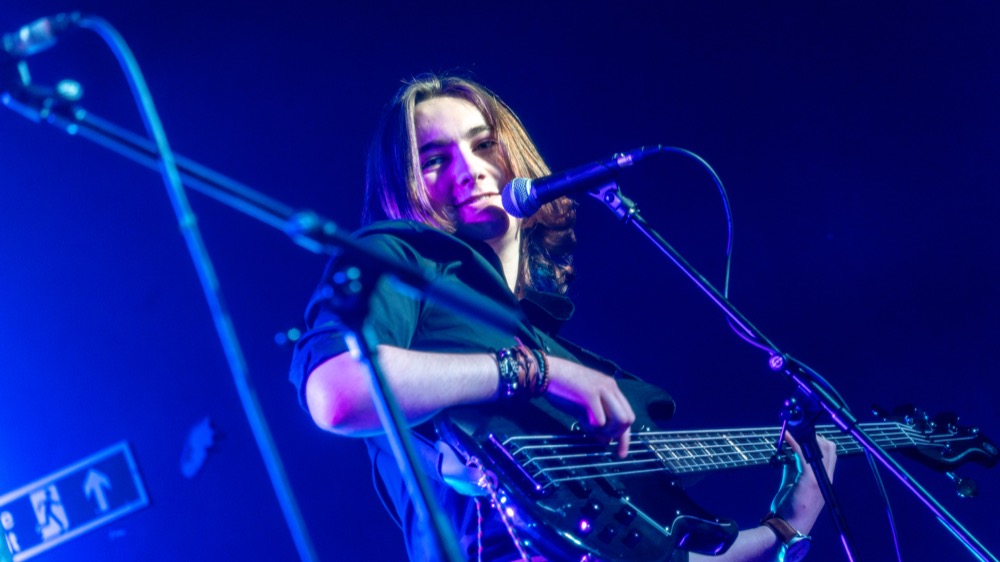
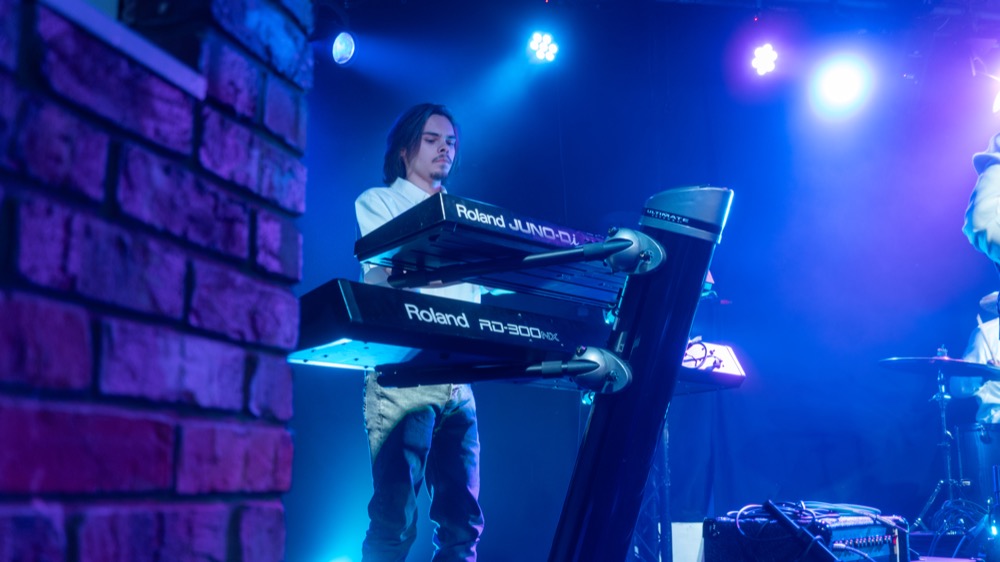
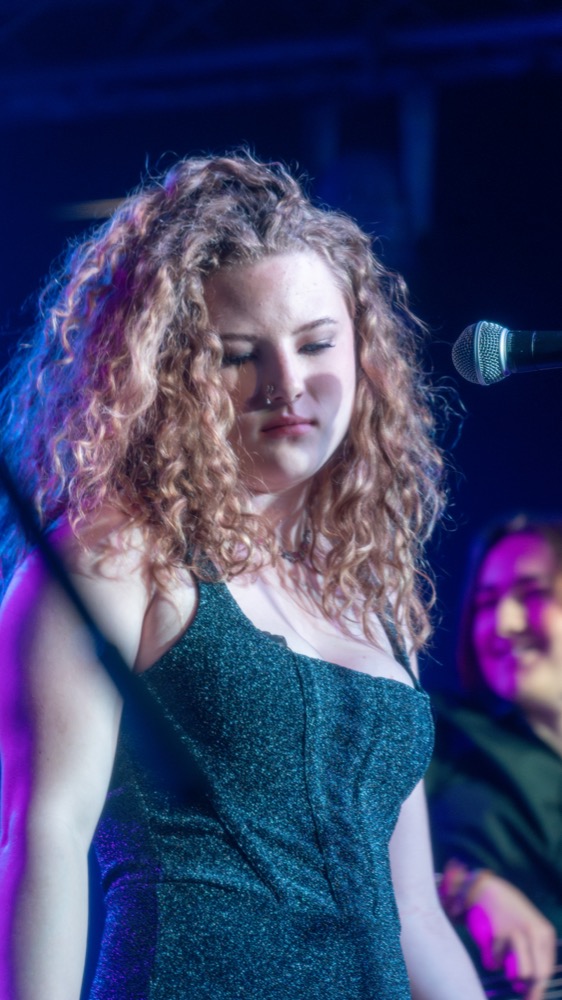
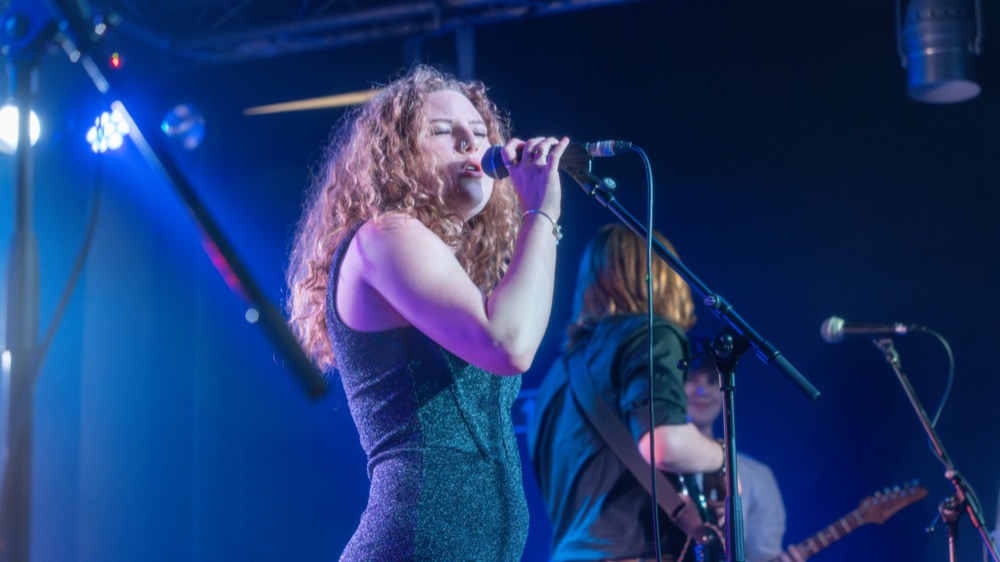
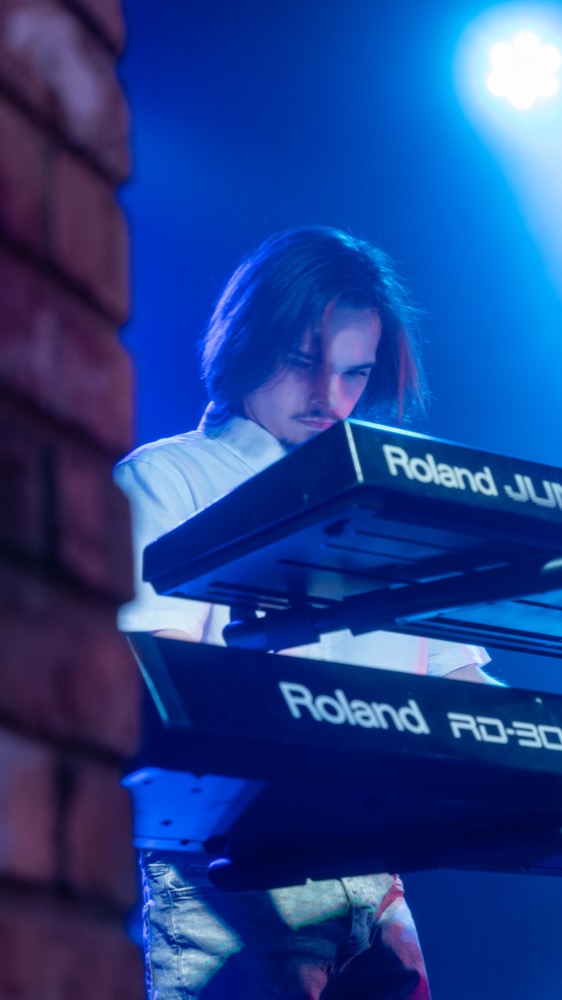
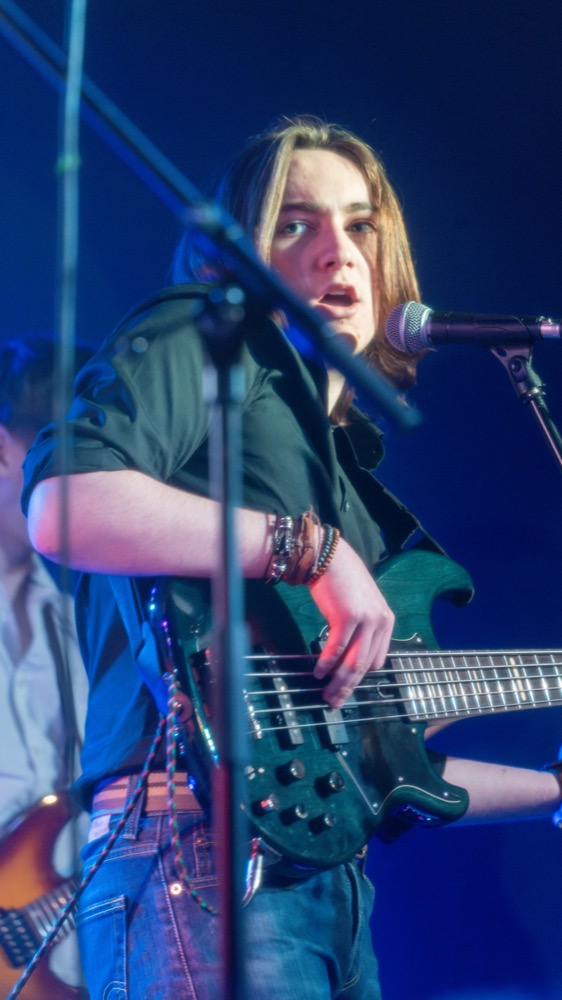
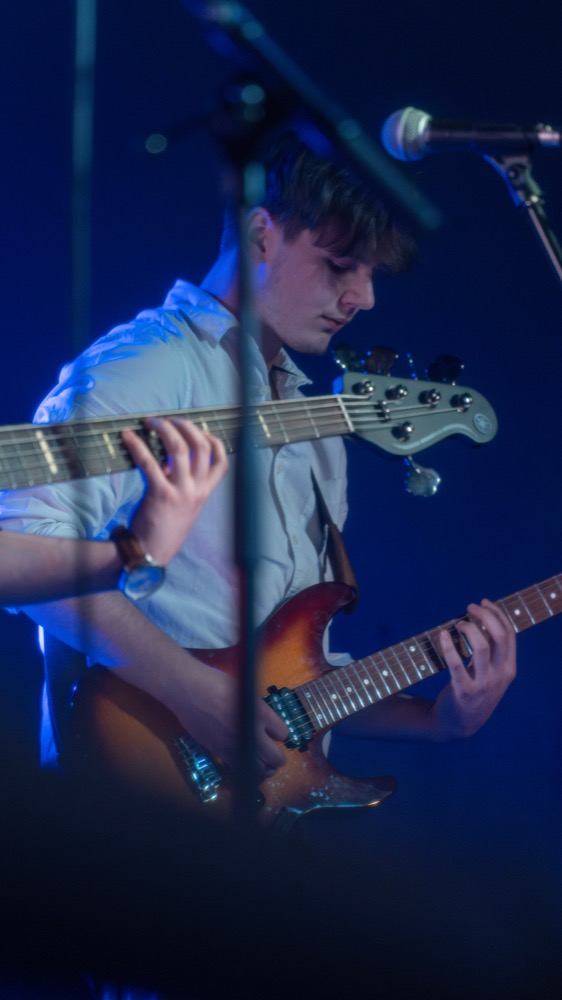
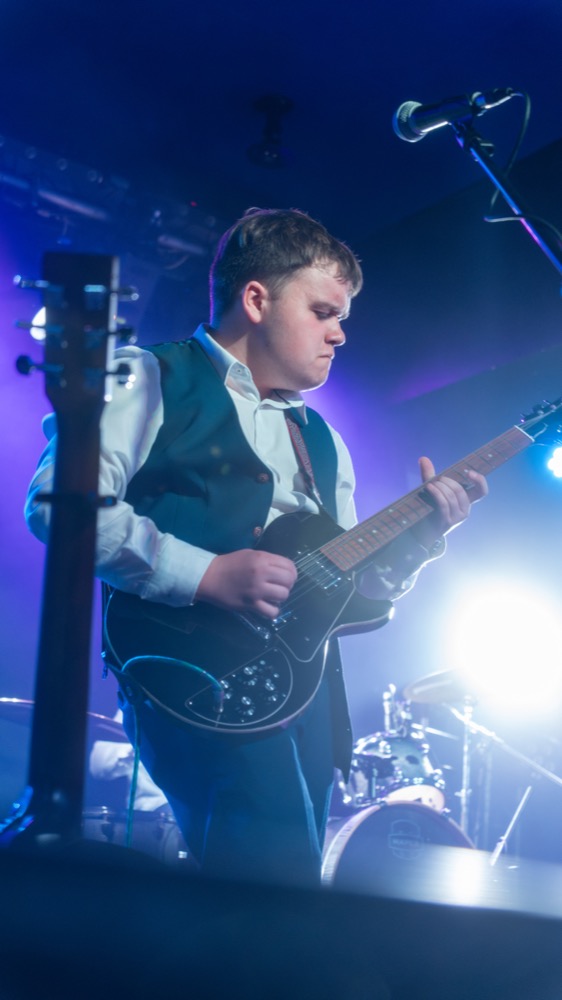
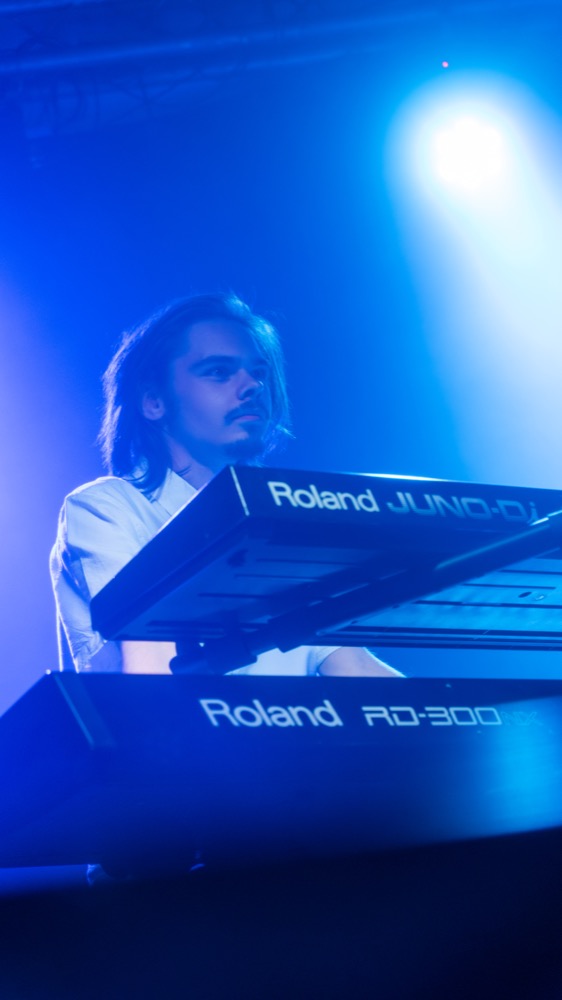
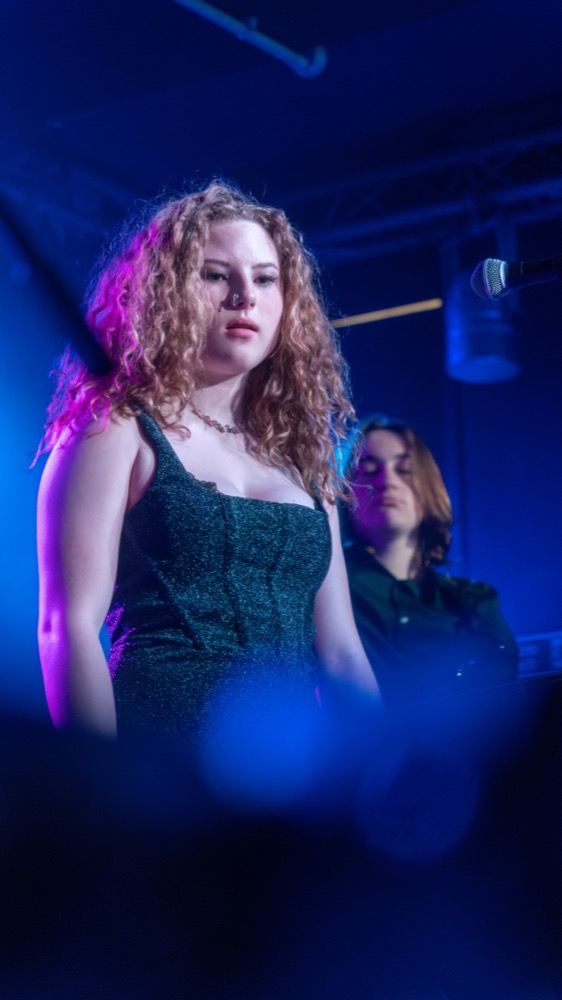
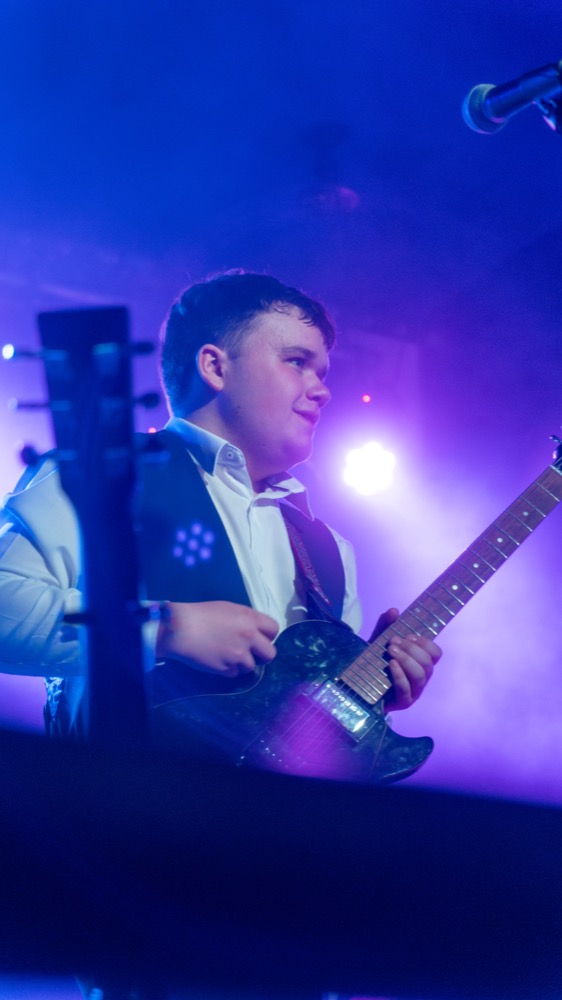
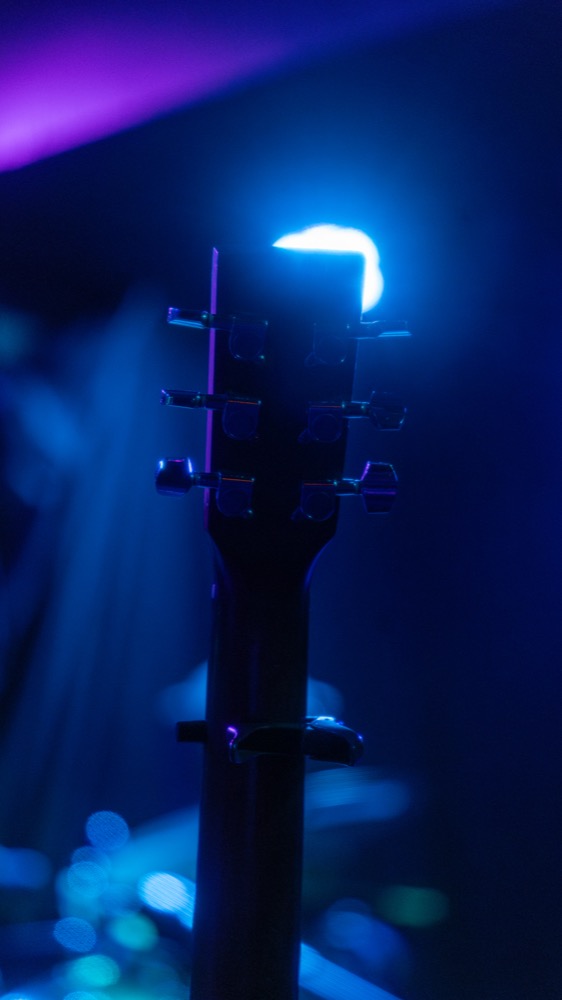
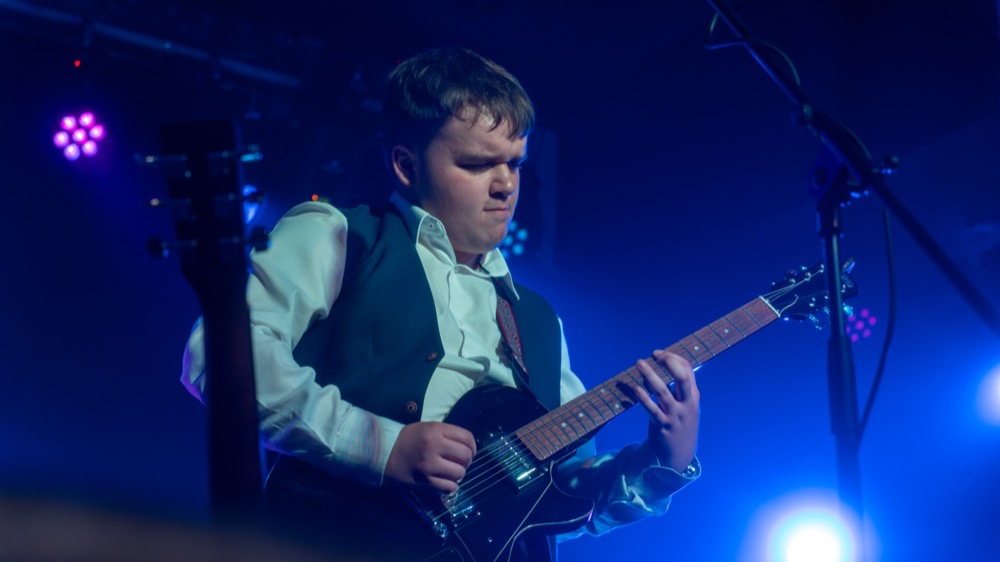
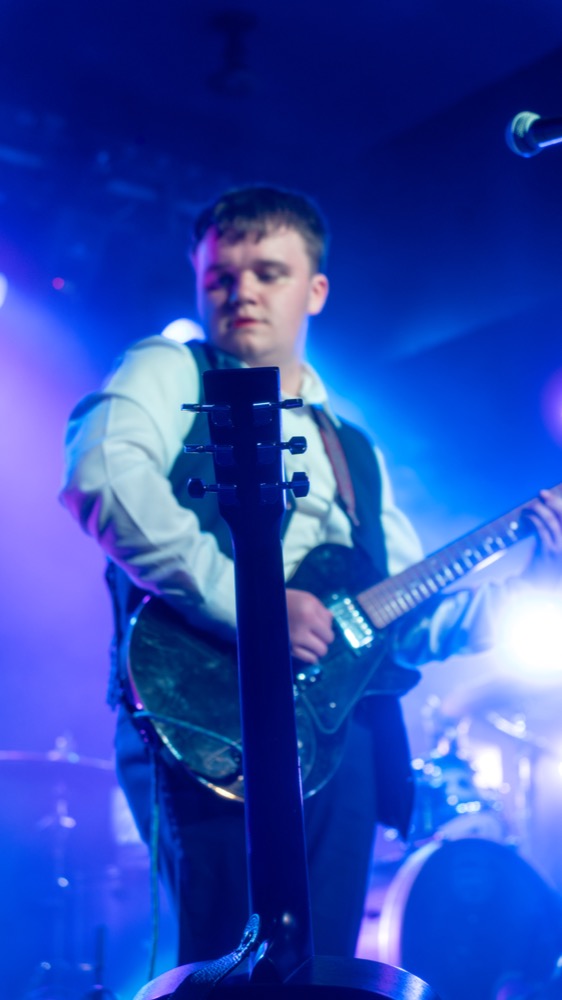
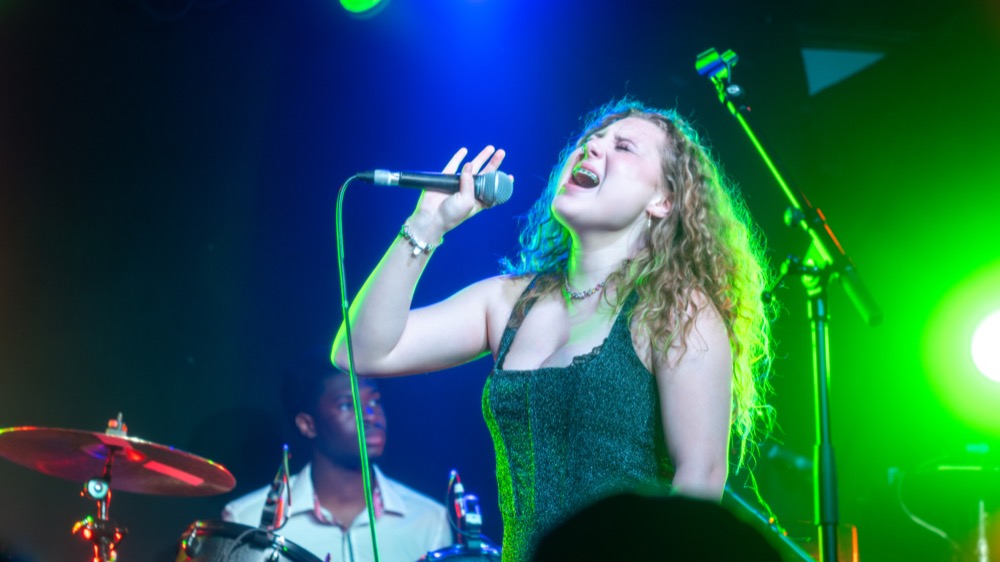
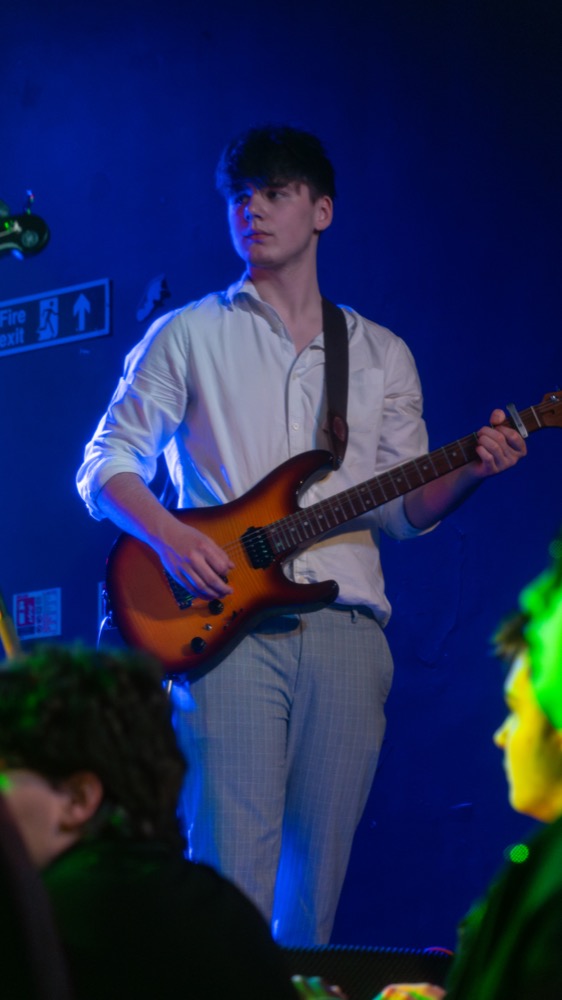
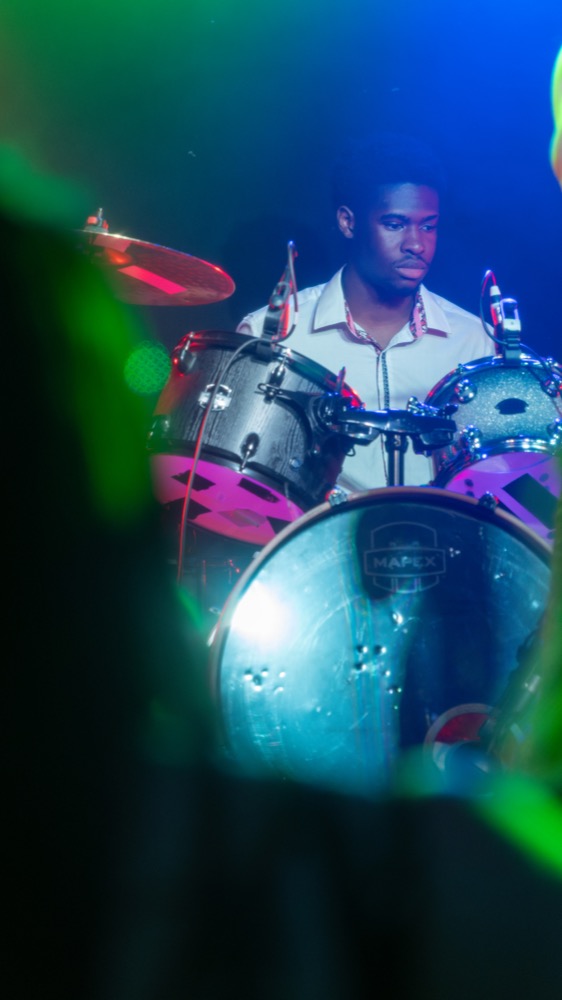
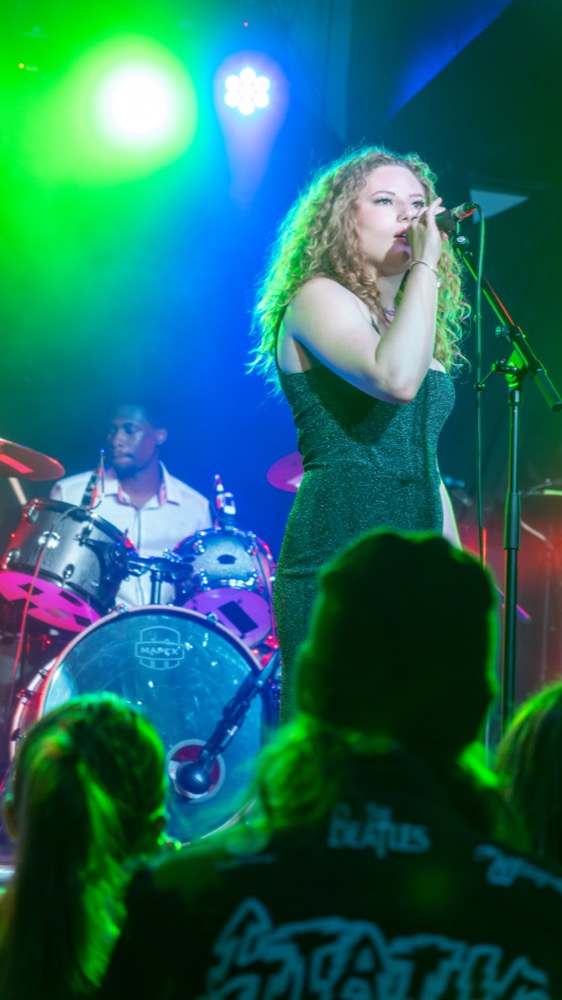
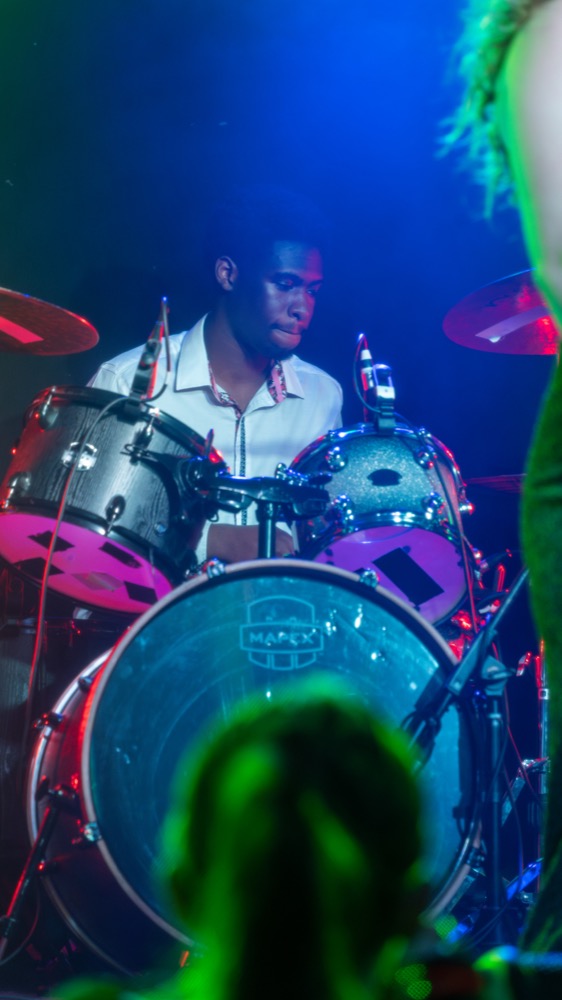
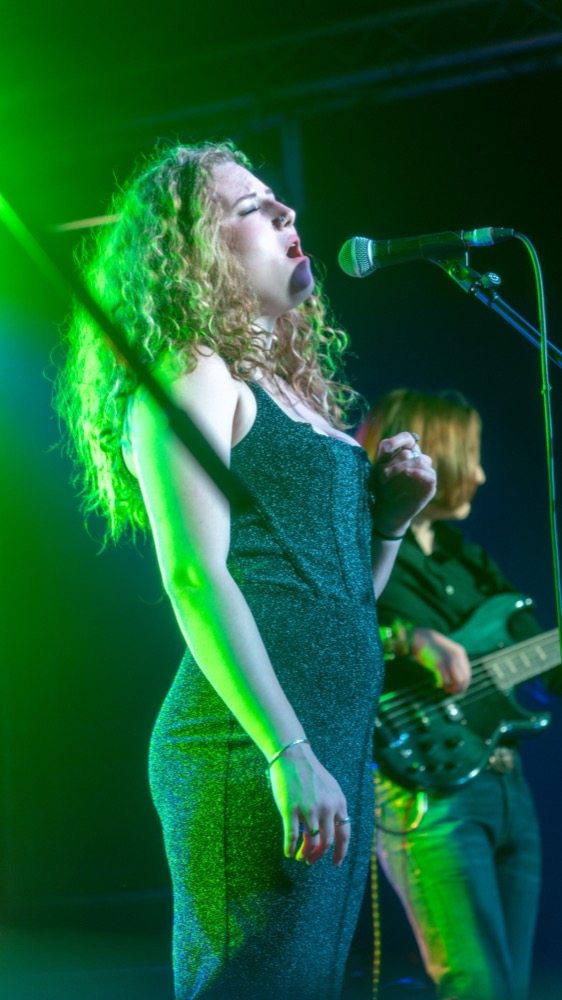
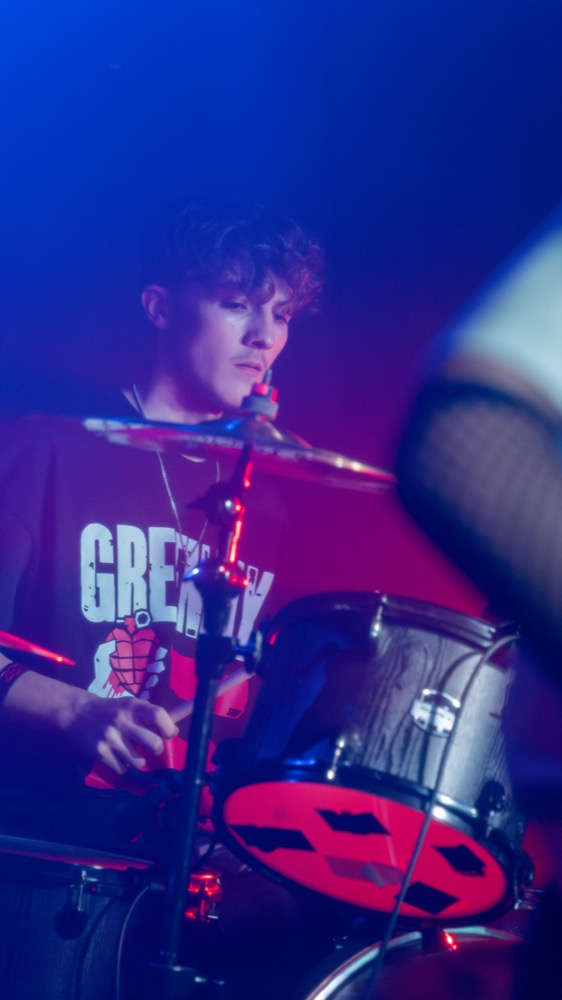
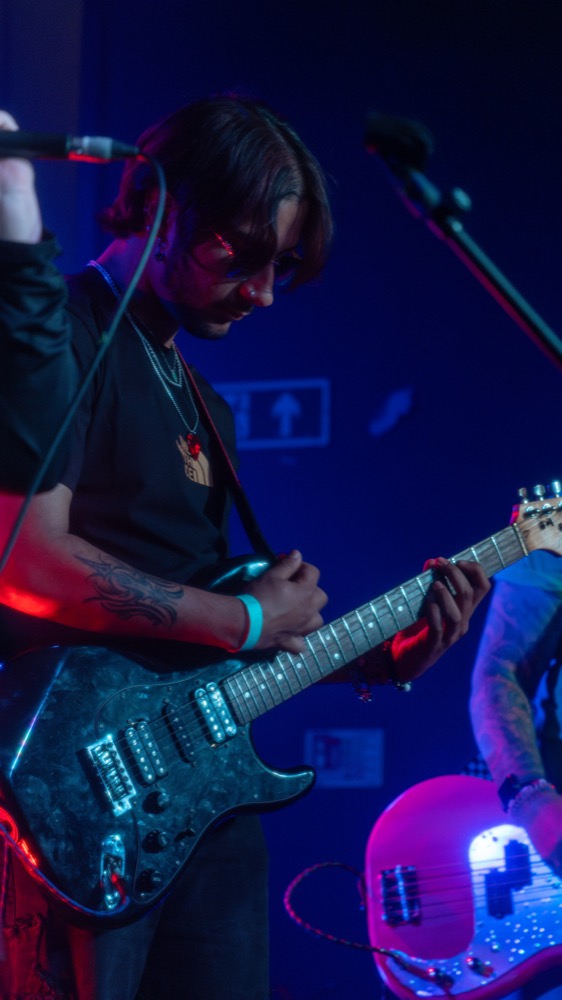
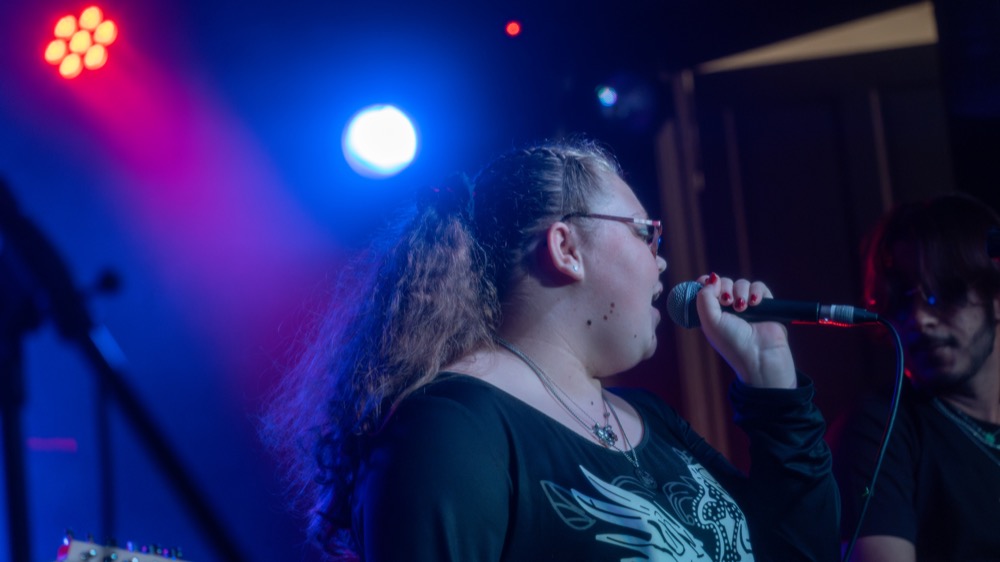
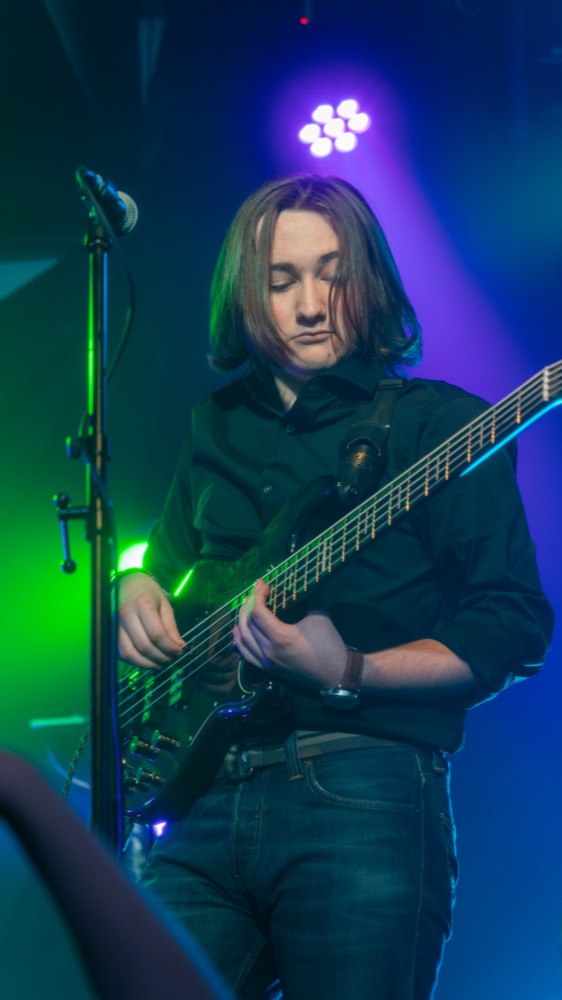
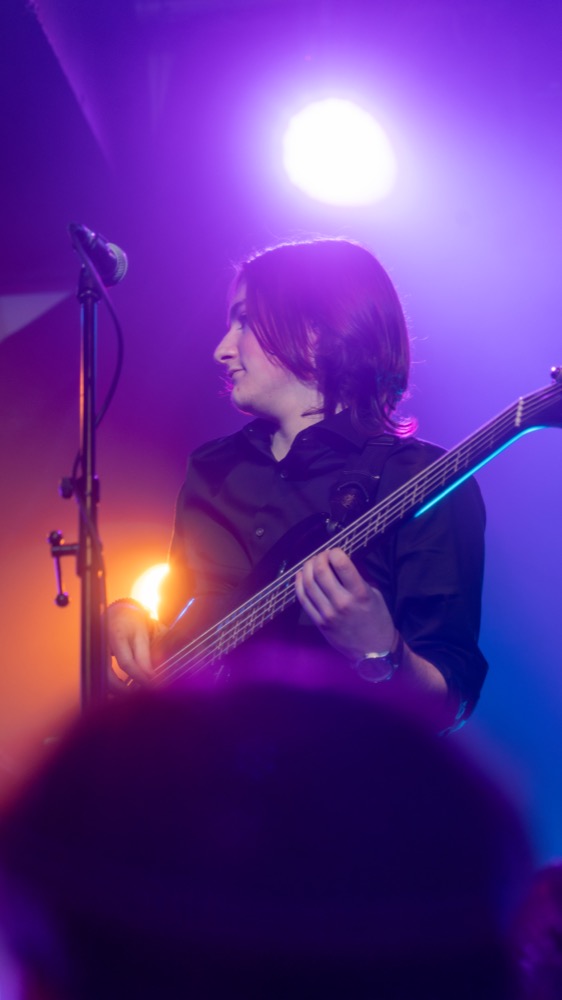
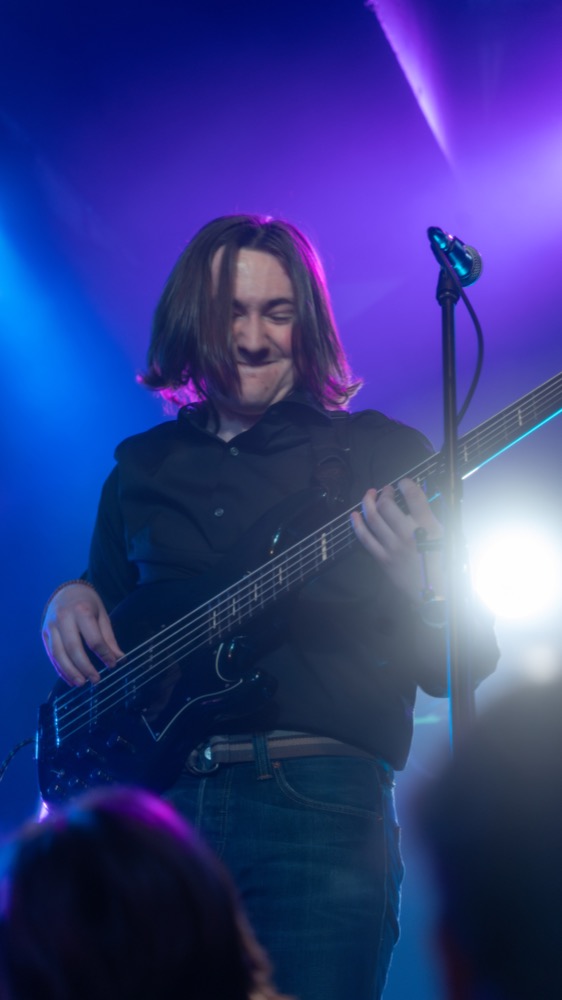
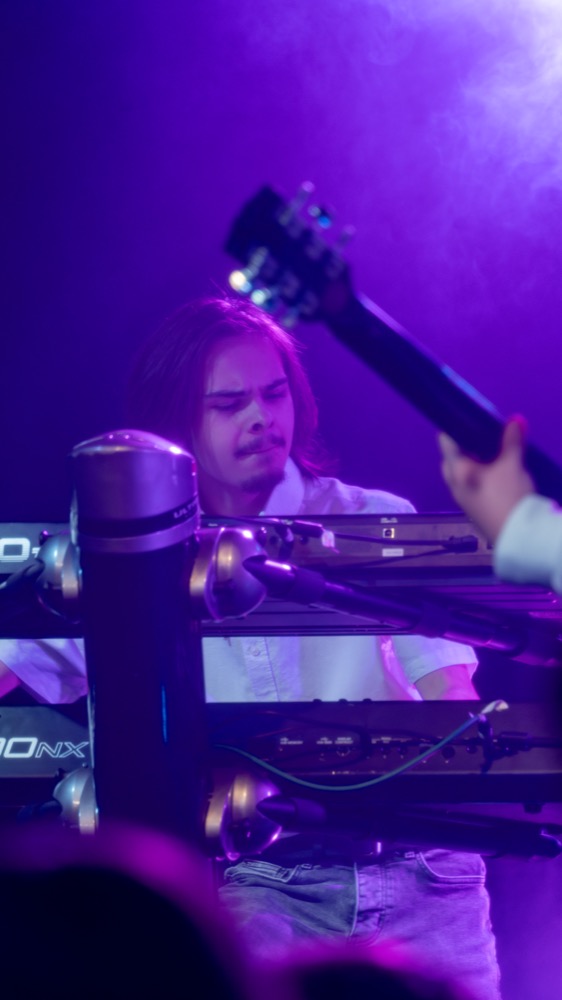
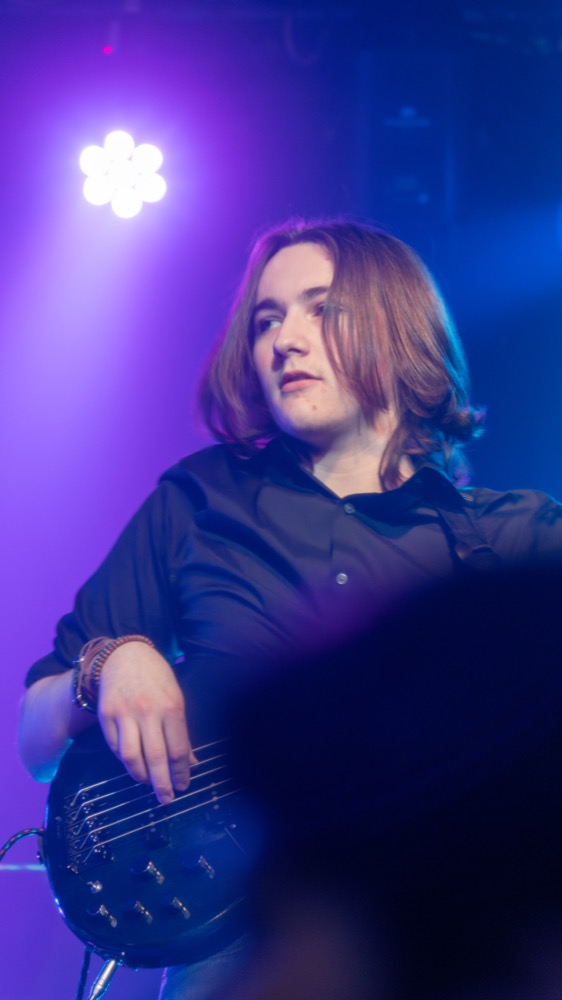
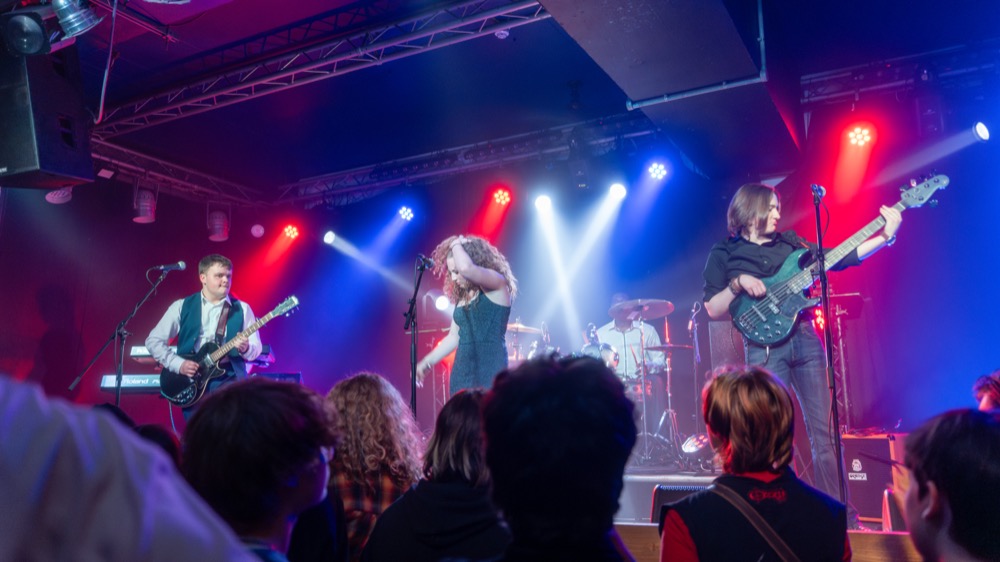
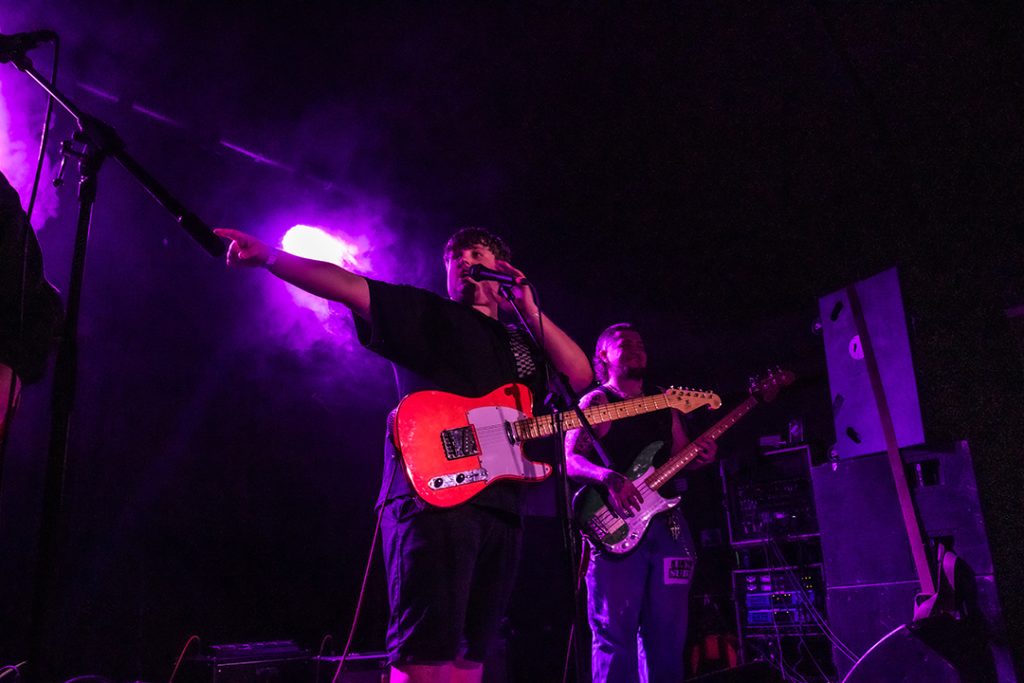
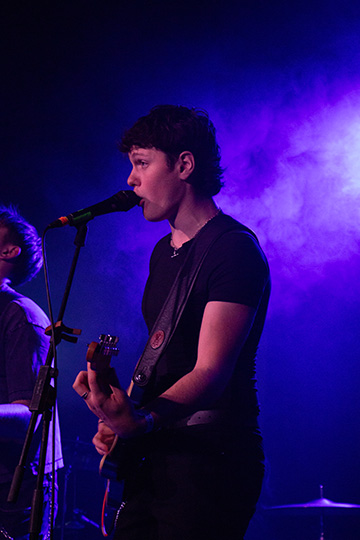
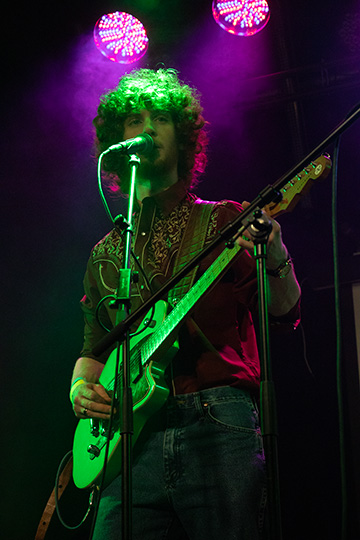
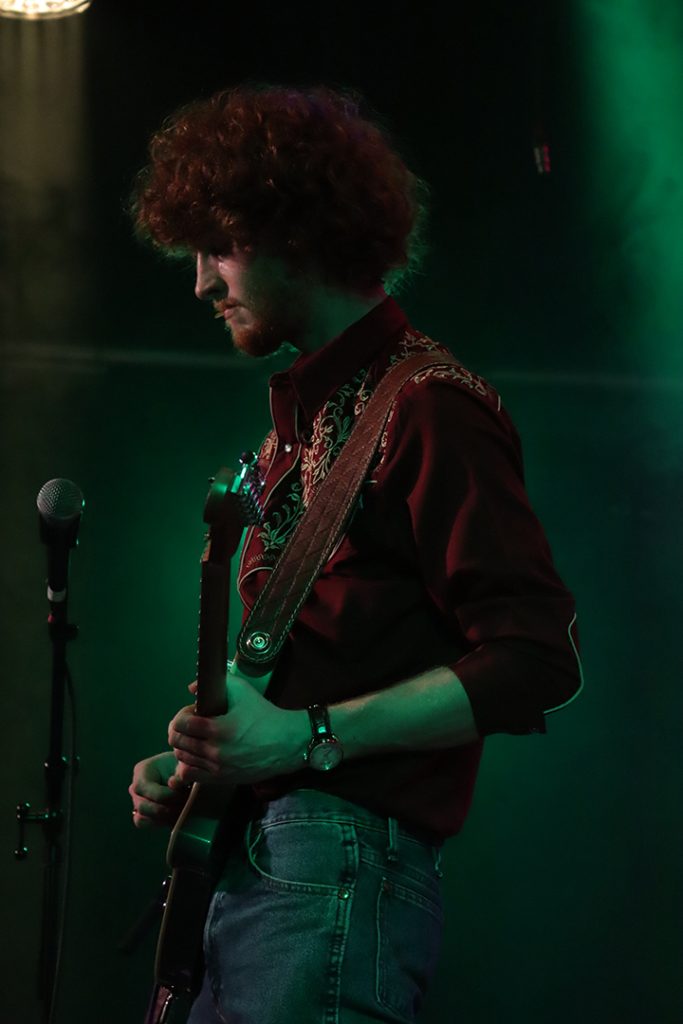
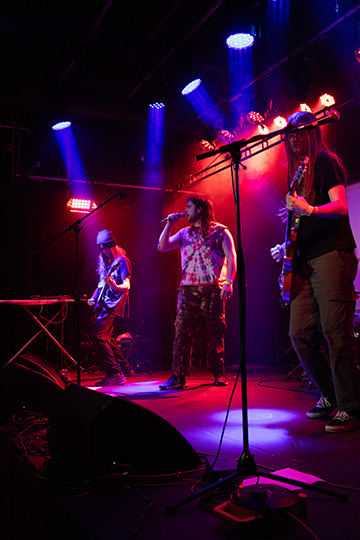
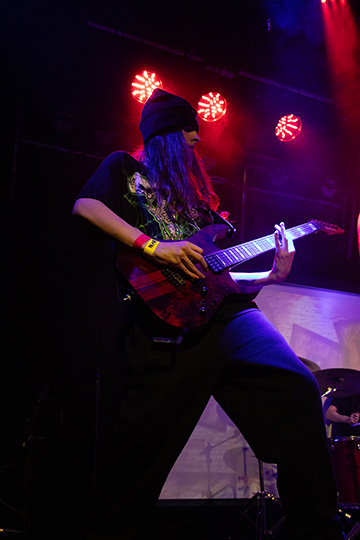
My project, “Music”, is about the fortitude to perform and people expressing themselves through their music. I have created this project because I want to show the confidence people must have to get up on stage and perform in front of an audience. This project is important to me because I find that I have a deep connection to music; I am always listening to it in the background to keep my mind occupied and busy. It keeps me distracted instead of letting my thoughts take over.
My motivation was the fact that I photographed a few music gigs for my documentary project, and I found an interest in photographing live music. As a result, I grew passionate about the experience. I also have family members who are in a band, and I got ideas from their photographers and so on. The artists I was inspired by are Lisa Billingham and Sandis Luttropp, who have both worked with the band Stone Broken, and I really admire their work and style.
I hope that my work will encourage performers to be more confident in what they are passionate about, whilst also doing what they want and enjoy the most. In conclusion, I want to show how performers must compose themselves to perform live on stage, because that is a lot of pressure to put onto a person. Self-doubt may creep in, causing them to wonder if they are going to play correctly or if they will forget their part. Therefore, I want to make it known just how courageous these artists are to stand up and play for people.
Imogen Rose
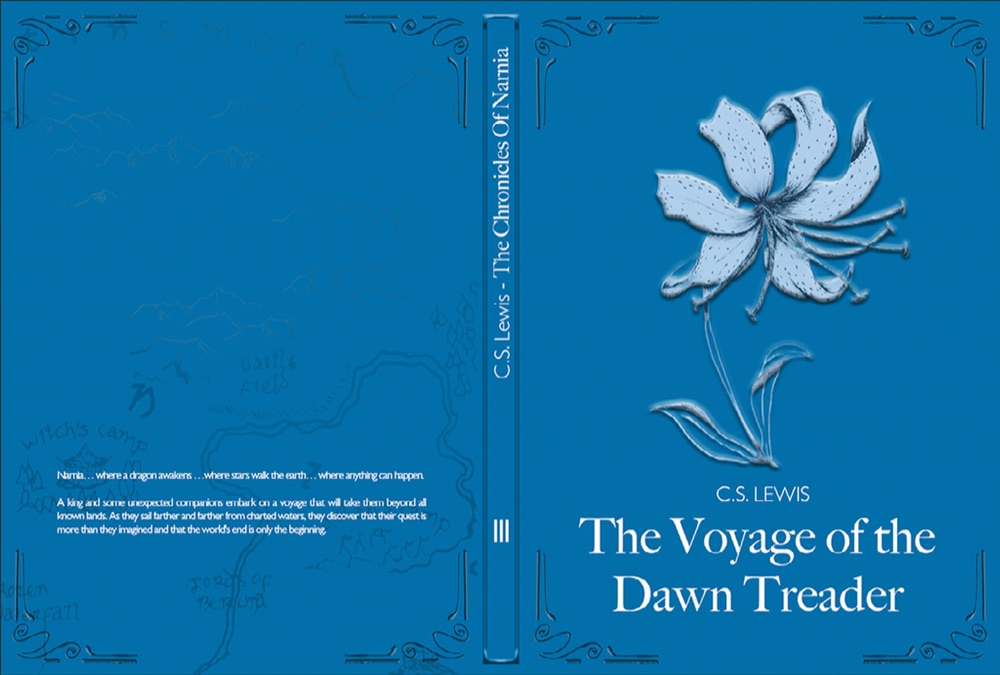
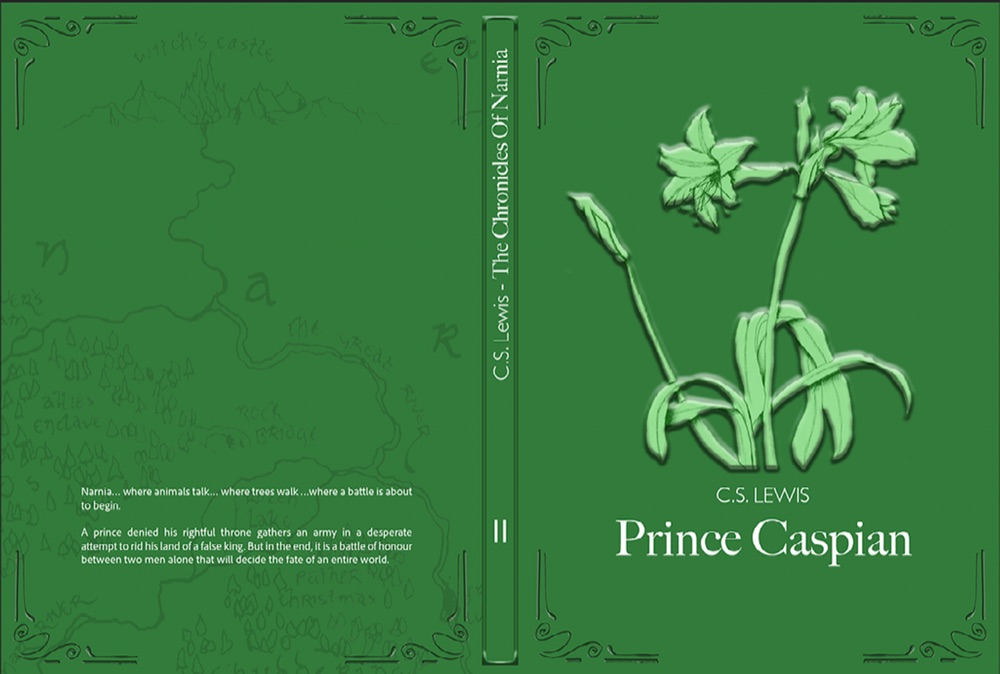
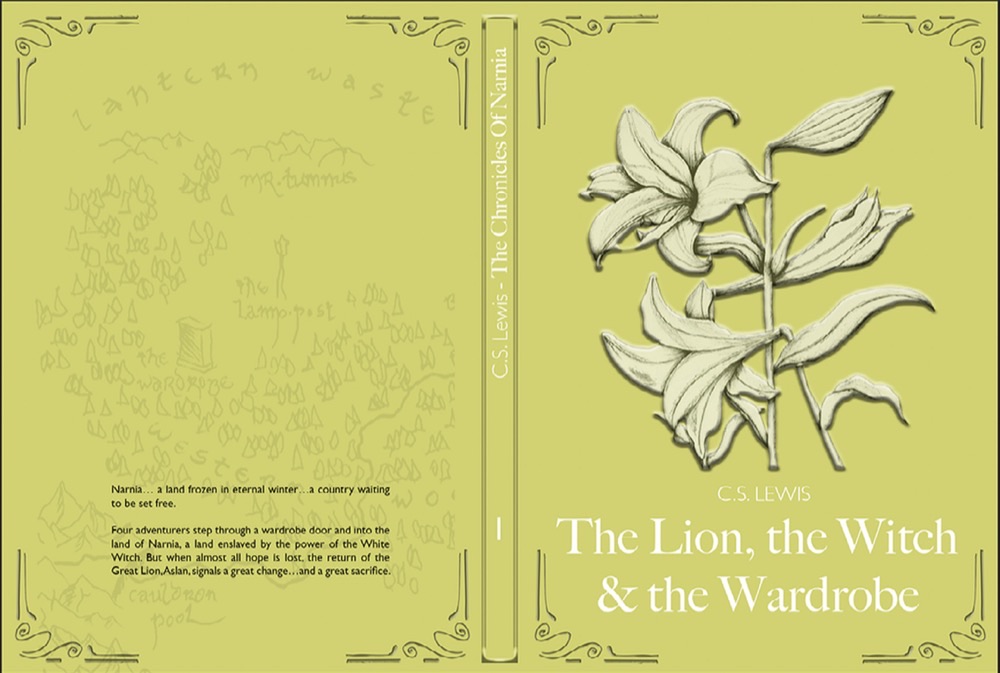
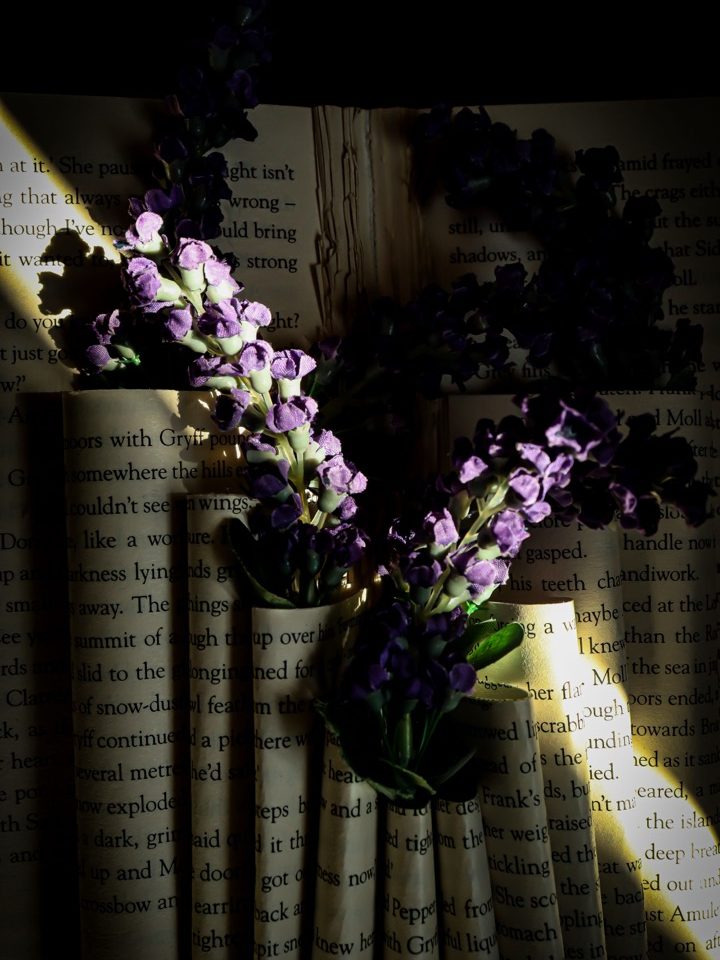
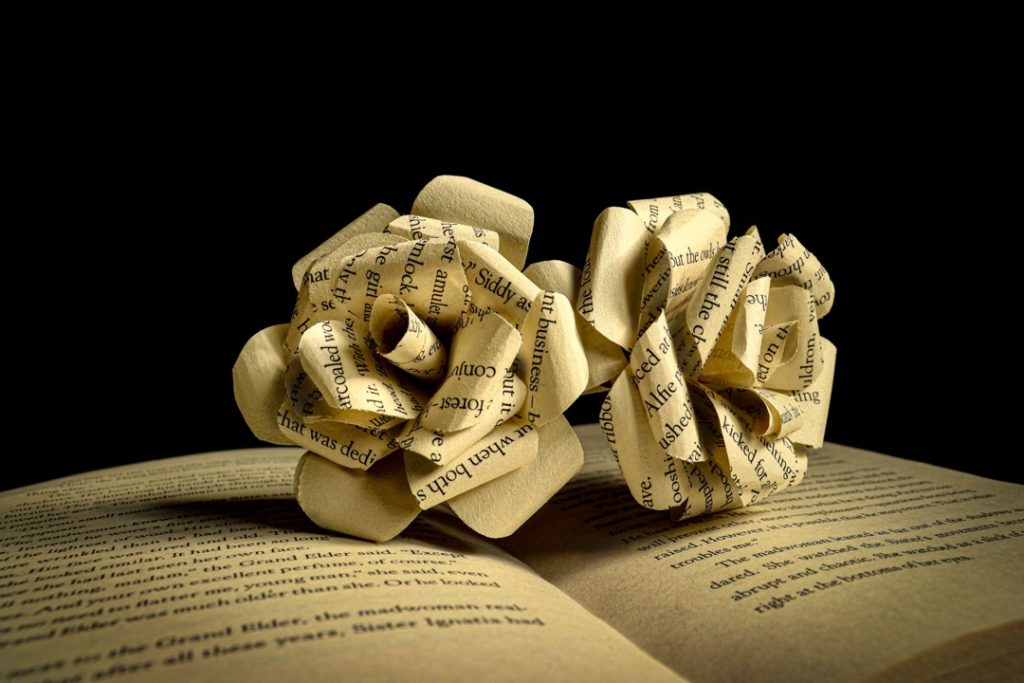
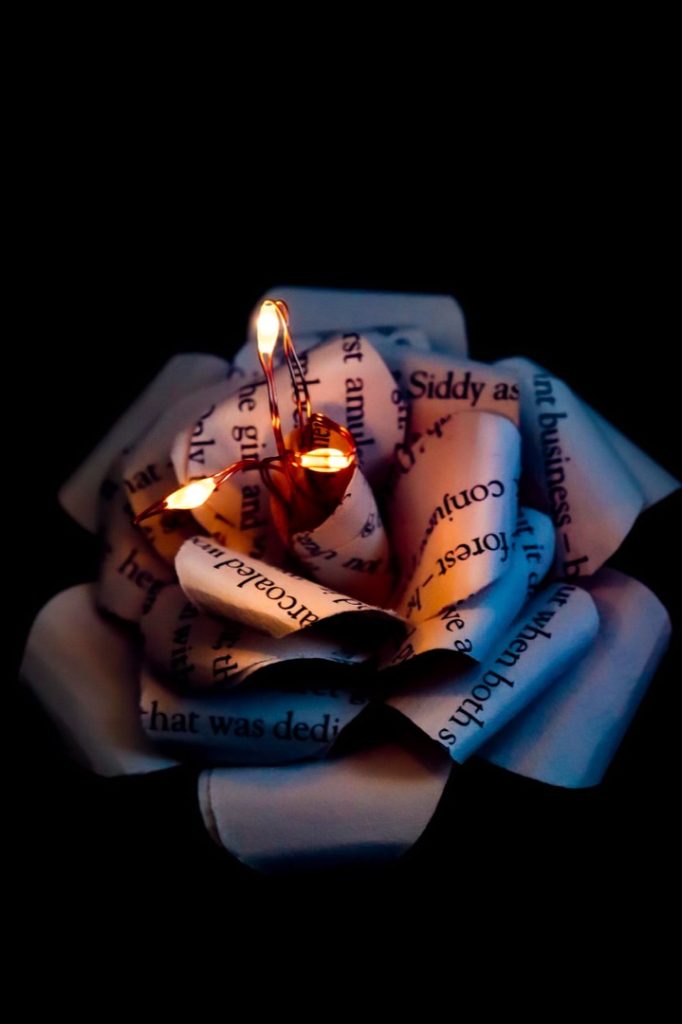
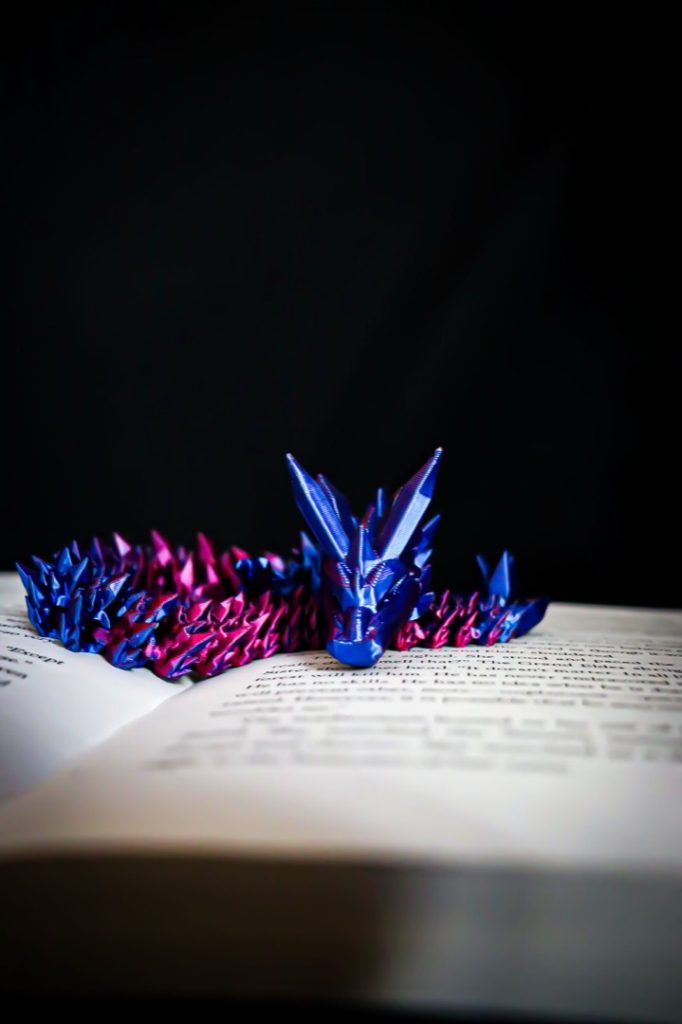
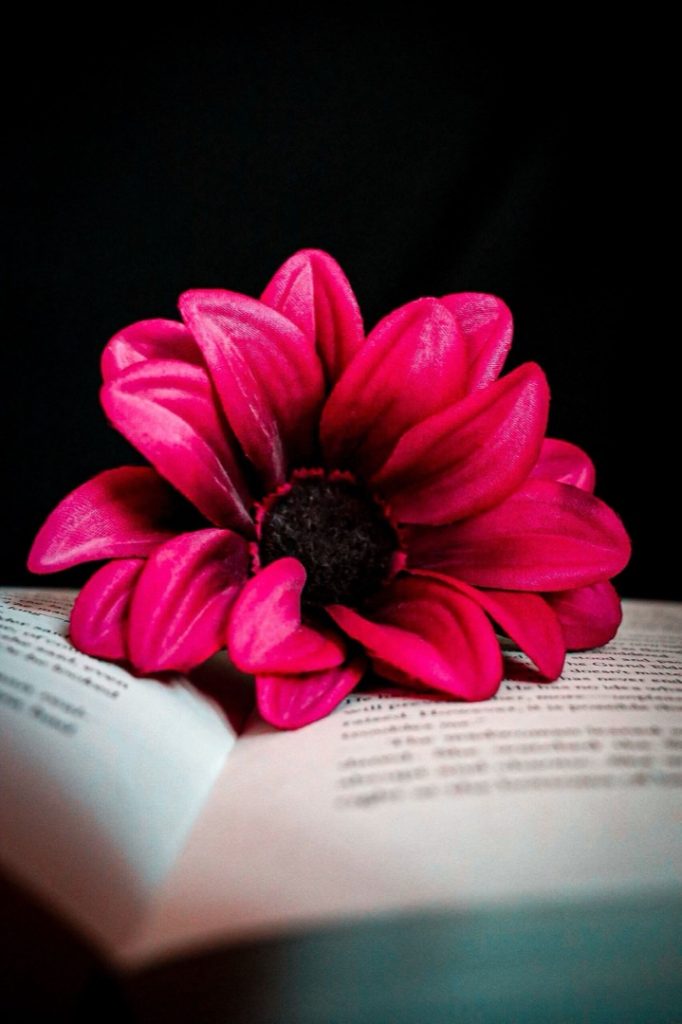
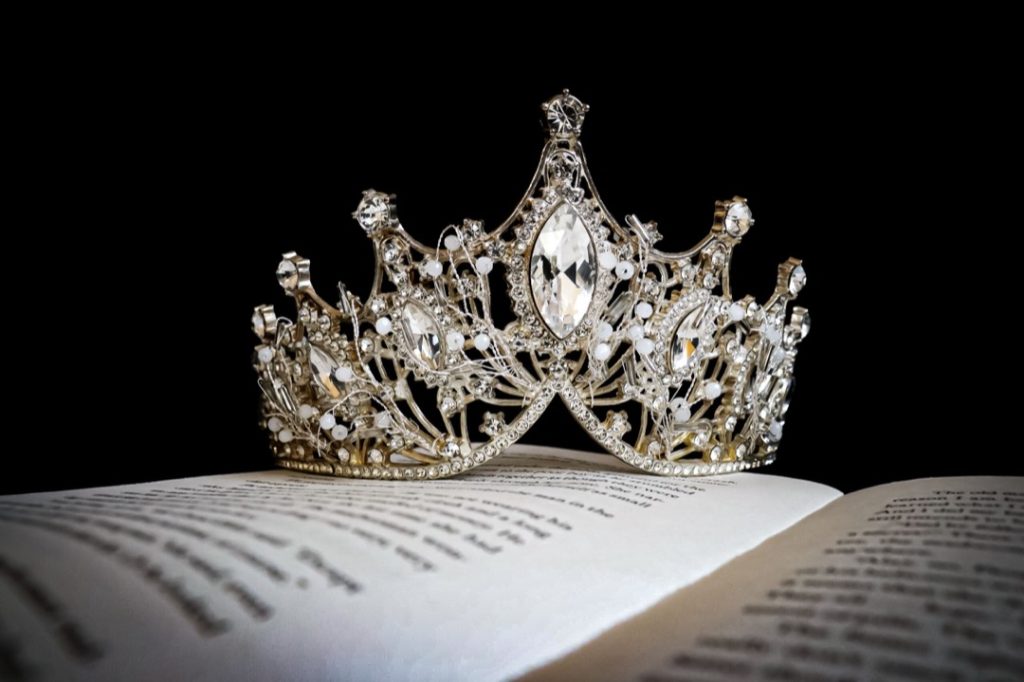
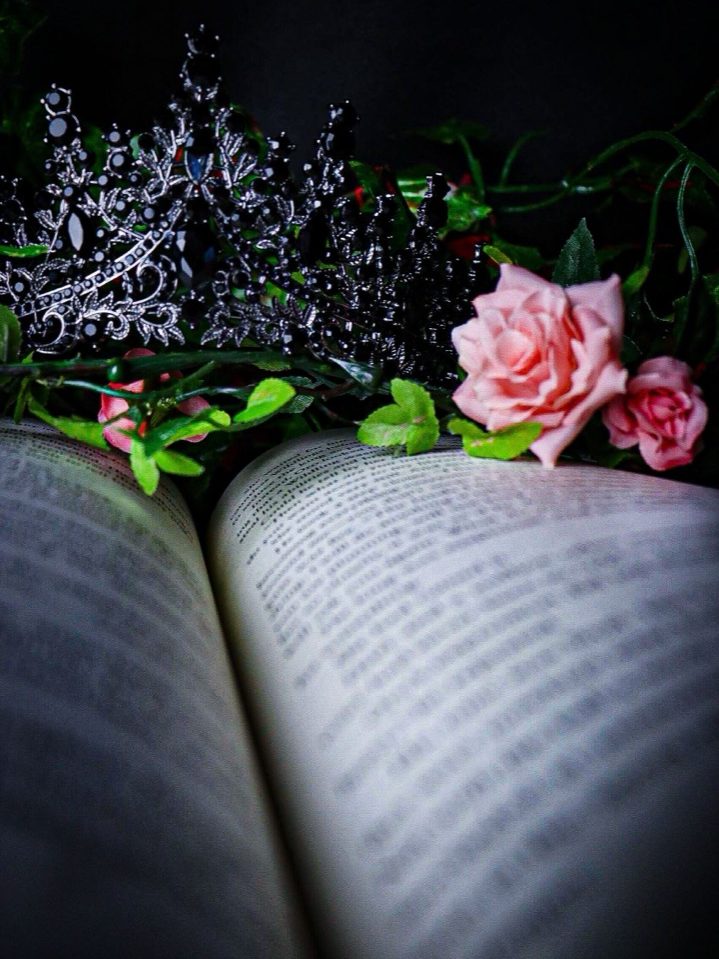
My project, “Blooming Pages”, is about flowers, books, and showing how it feels to read as entire worlds emerge from the pages. I created this because many people nowadays don’t enjoy reading, and I felt that a visual representation of these stories could make them more appealing to
non-readers—especially as fantasy books are becoming increasingly popular.
This project is important to me because reading has always been an escape from the real world, providing a sanctuary when most people would rather doomscroll on social media or play video games.
I was inspired by Alan Shapiro, a photographer based in New York; his flower photography is quite unusual, as he uses extremely bright blooms and contrasting colours. My aim was to incorporate this aesthetic with fantasy books.
I hope people who view my work feel like they are looking into a different world, just as many books have done for me. In conclusion, I hope my project convinces more people to read.
Abbie Shaw
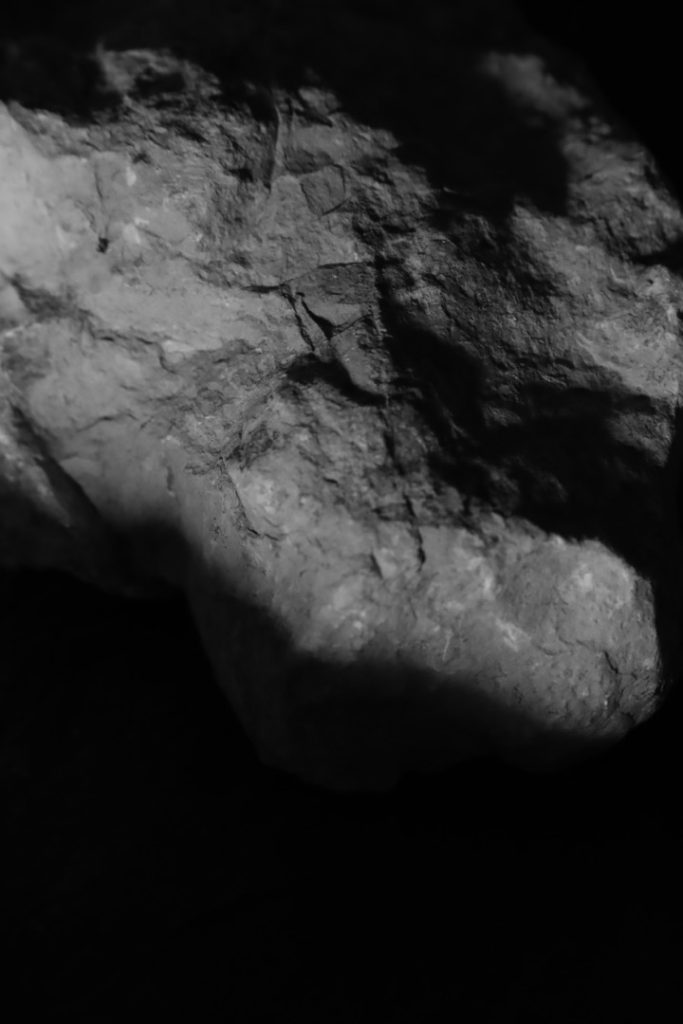
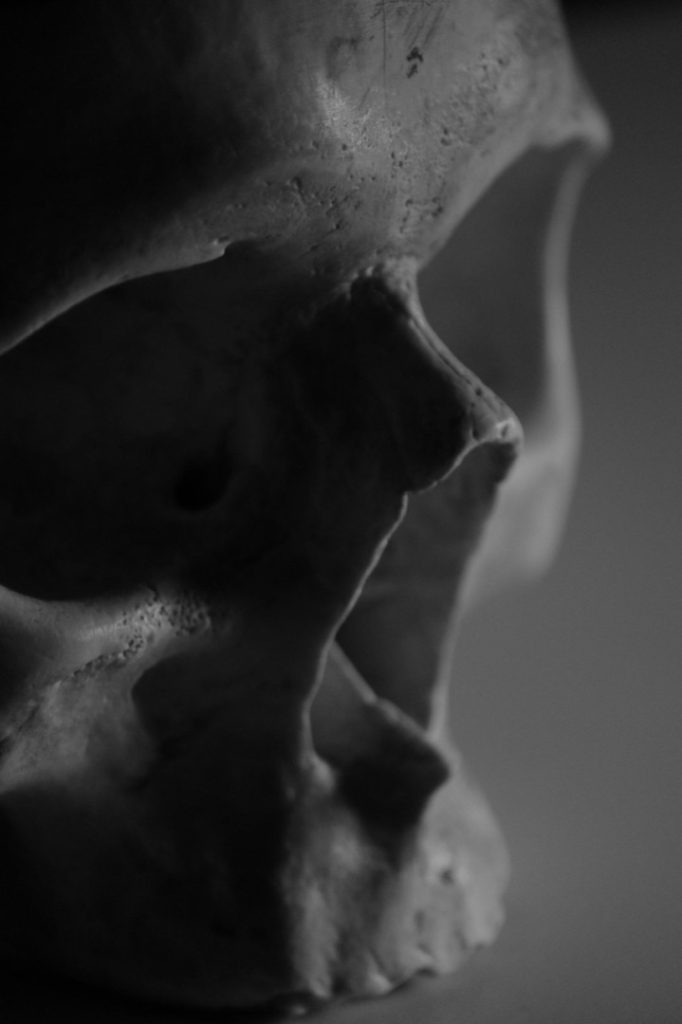
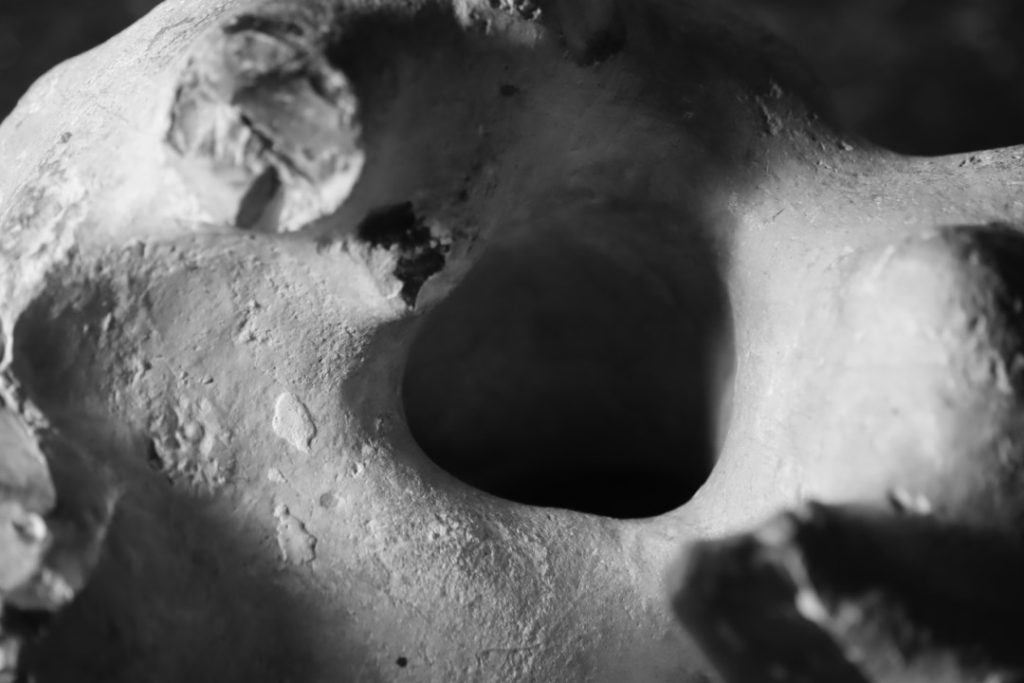
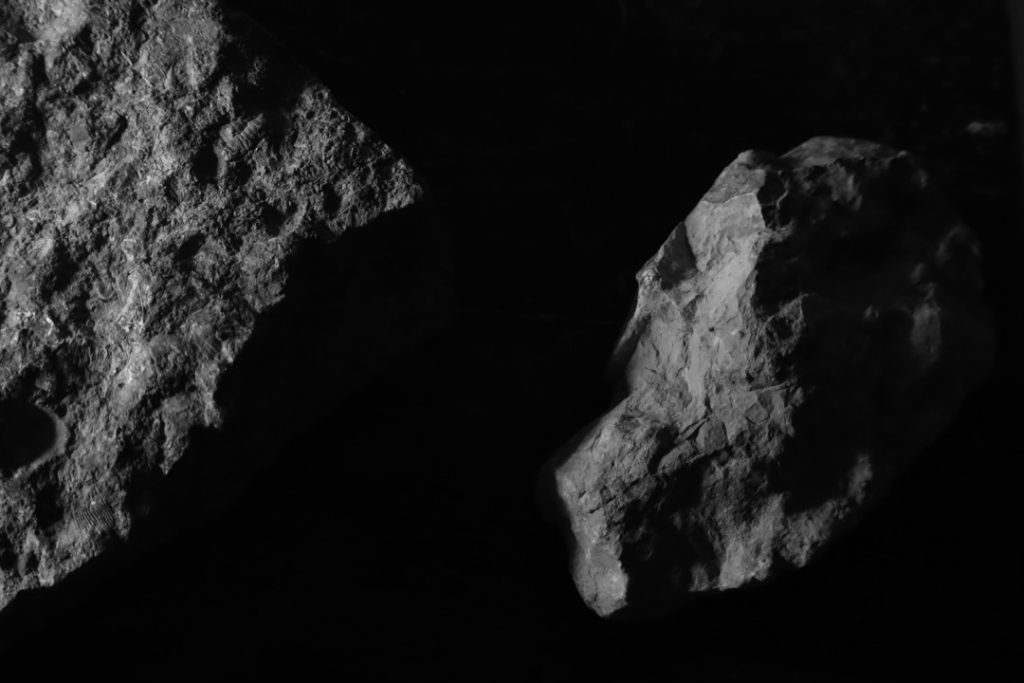
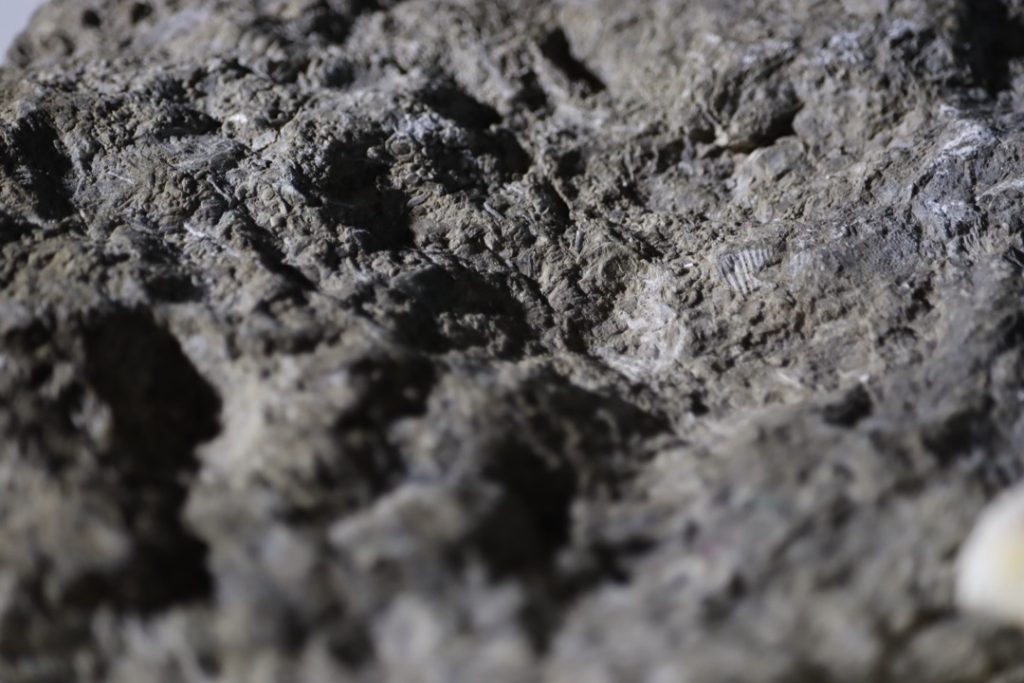
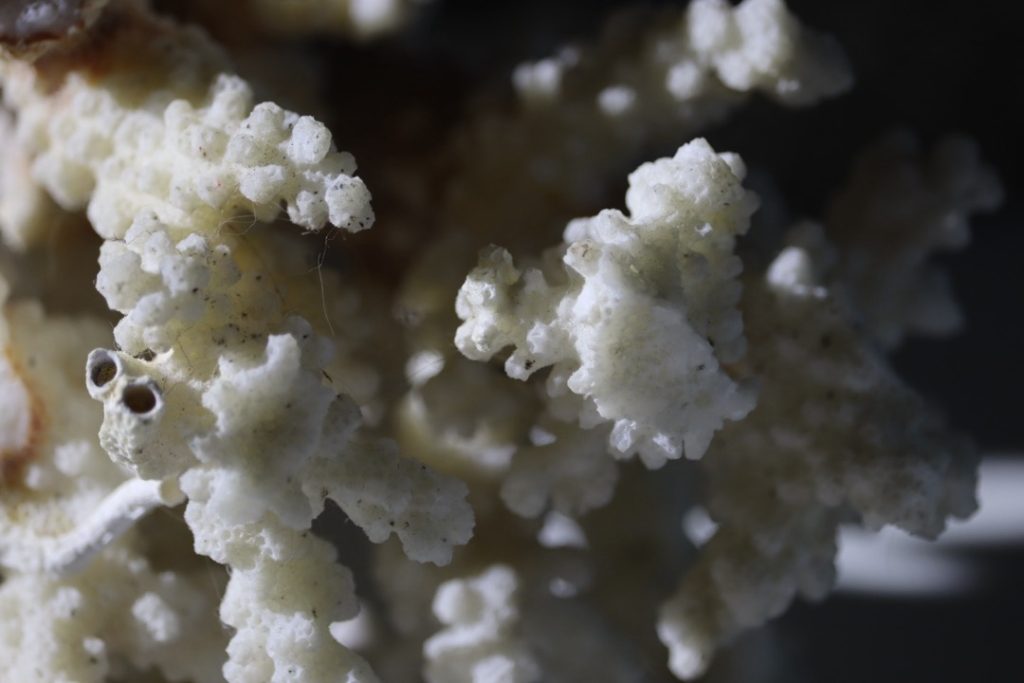
My images are inspired by Minor White. I am exploring the themes of texture, tone, shape, form and contrast by experimenting with macro photography. I am exploring this through both animate and inanimate objects, such as fossils, skulls, rocks and shells.
I used a macro telephoto lens to focus on key details, paying particular attention to the lighting, skimming it across the subjects to emphasise their intricate features and textures.
Jacob Stokes
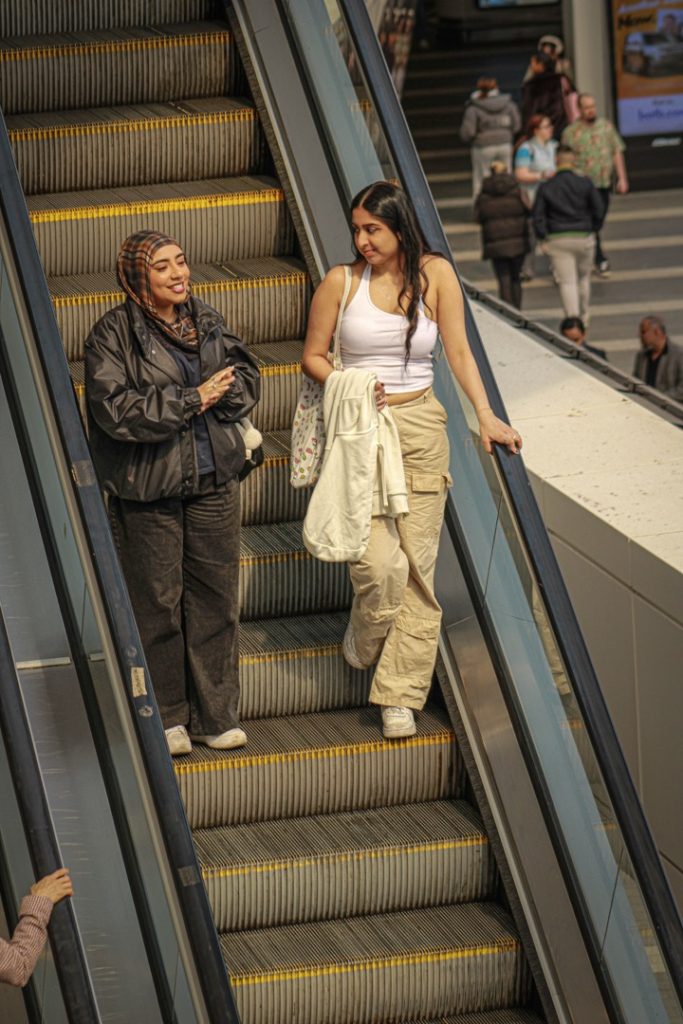
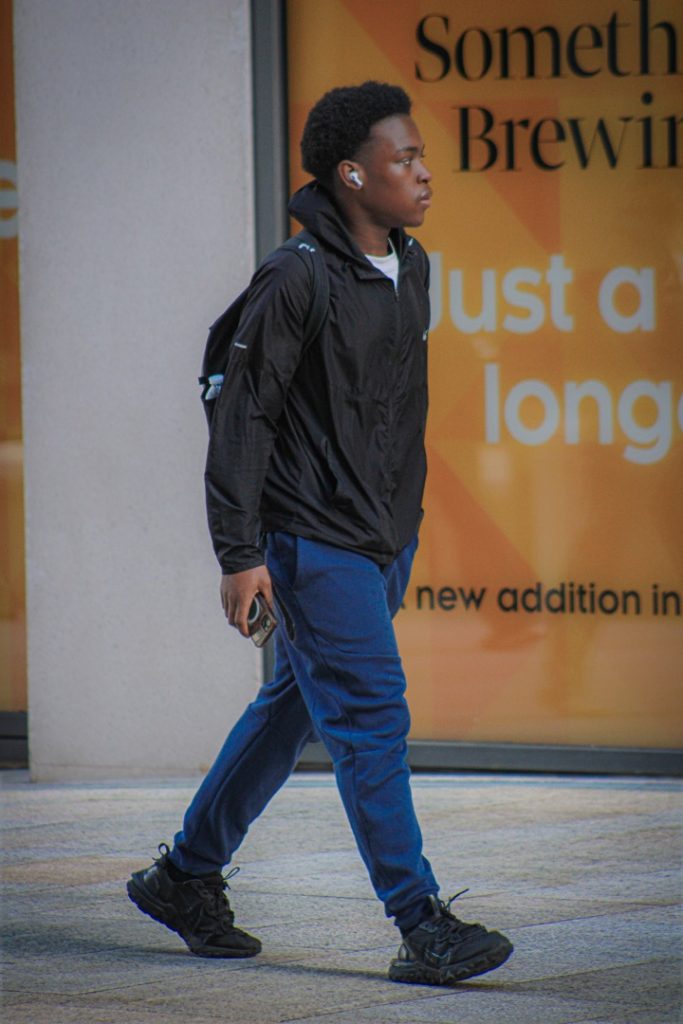
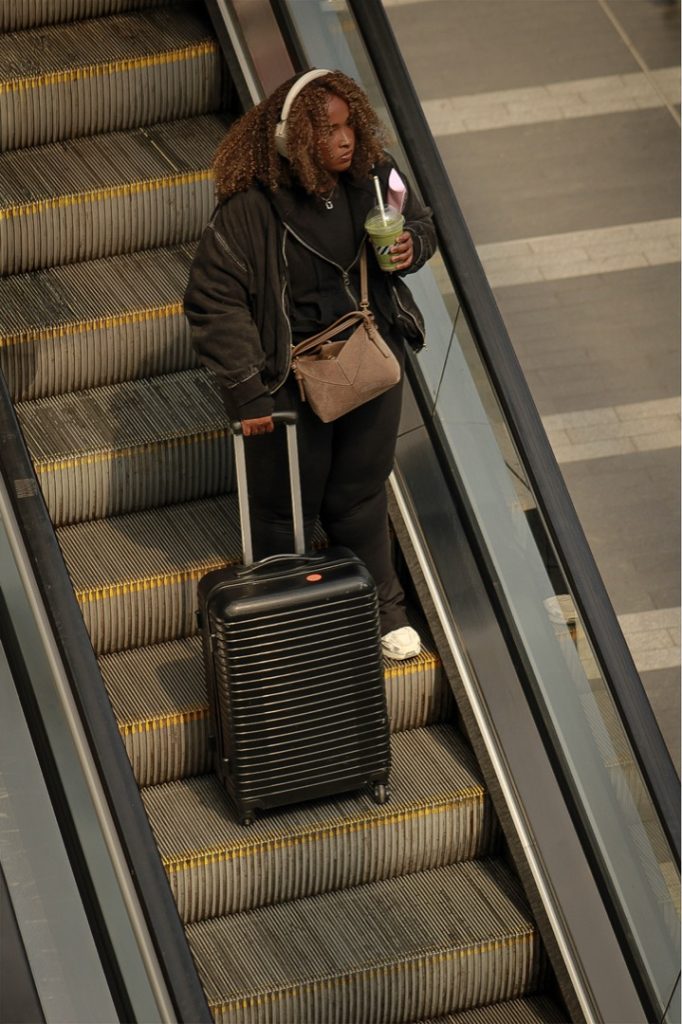
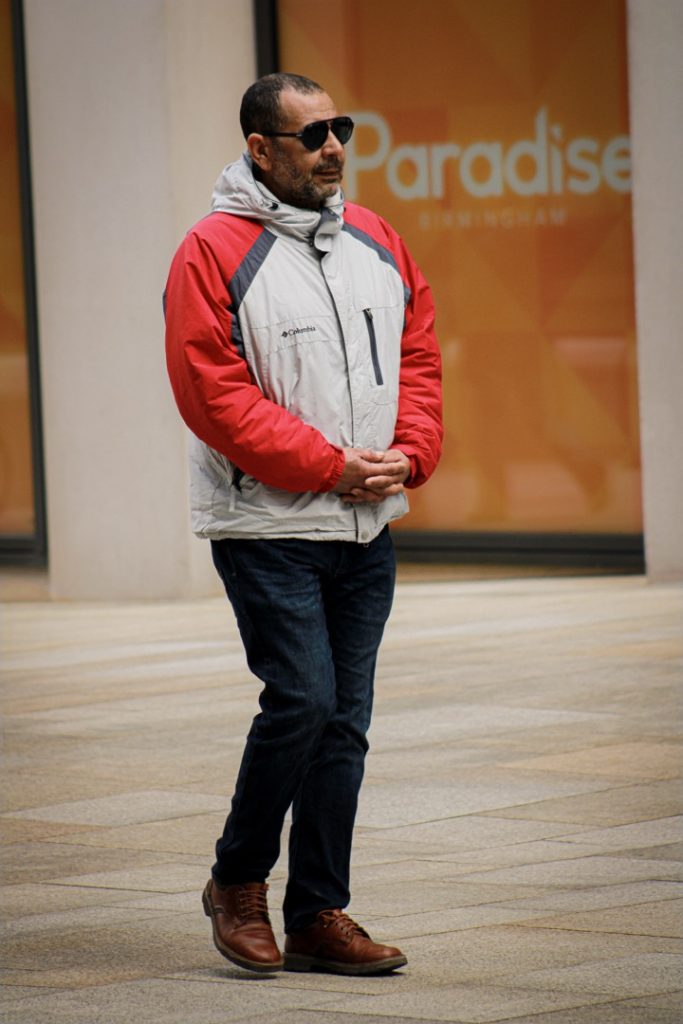
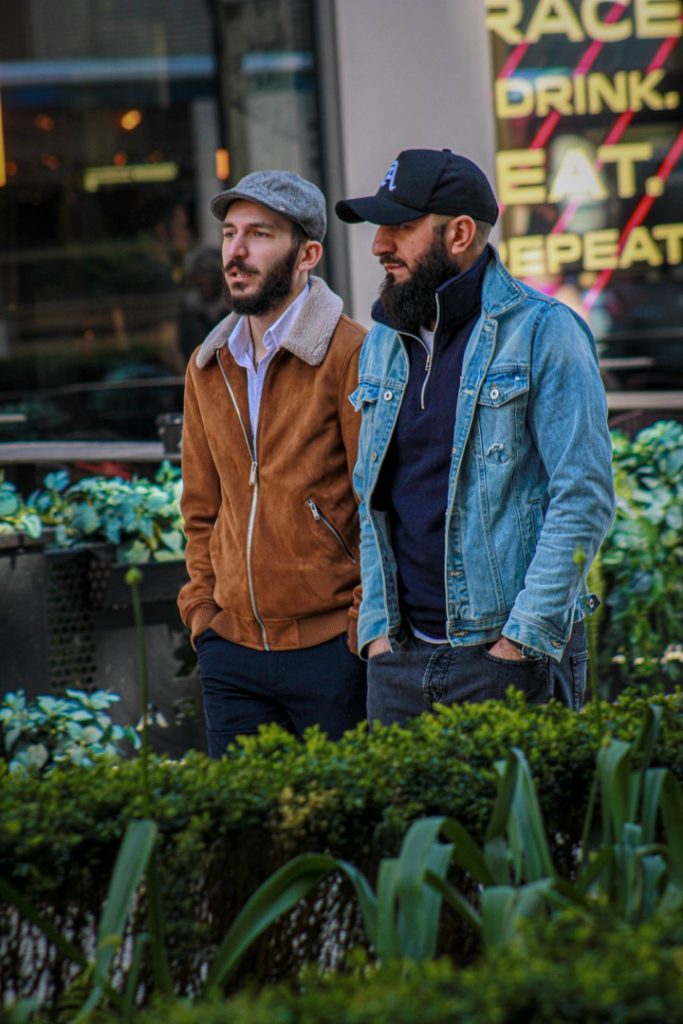
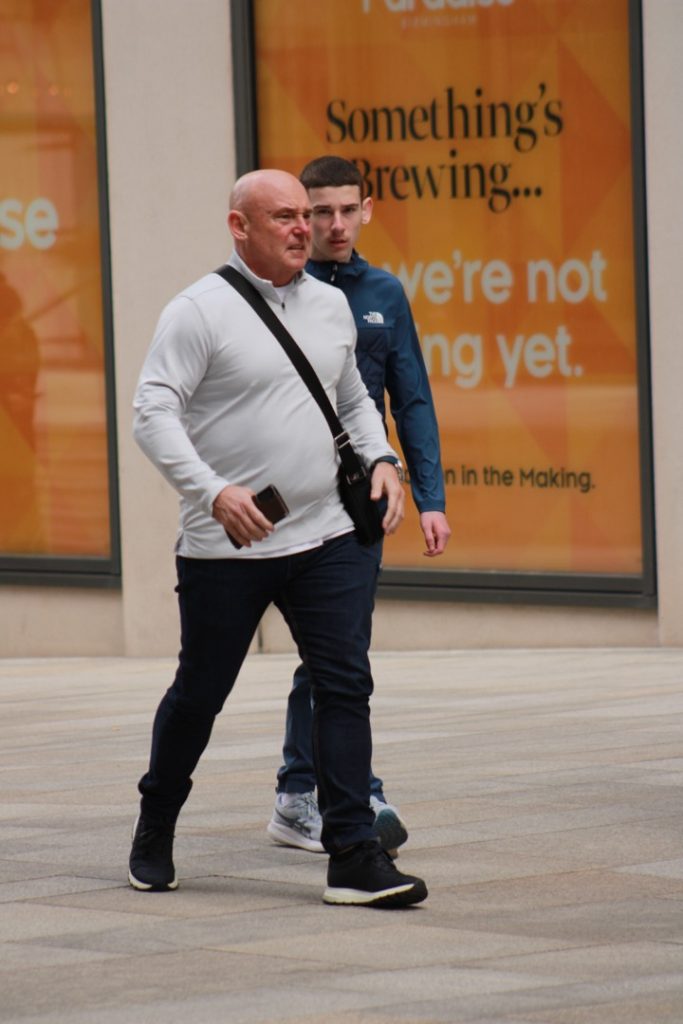
My project explores documentary street photography. I have attempted to convey a sense of isolation in some of the images, and relationships in others. I used a telephoto zoom lens to capture a genuine understanding of my subjects.
There is an authentic, grabbed style to my work, attempting to show the different stories of each subject in my images. To document these types of shots, I used a fast shutter speed and a low ISO to try and get the best results possible.
The artist who has inspired me the most is Henri Cartier-Bresson, as, much like in my own work, he favoured a grabbed shot and capturing things in the moment. I hope people who view my work will feel a sense of connection to the images that show isolation, as many people in this generation feel isolated from society.
My project aimed to capture the comparison between isolated individuals and those in partnership with one another, providing an insight into the diversity of our society through my lens.
Christian Sutheran
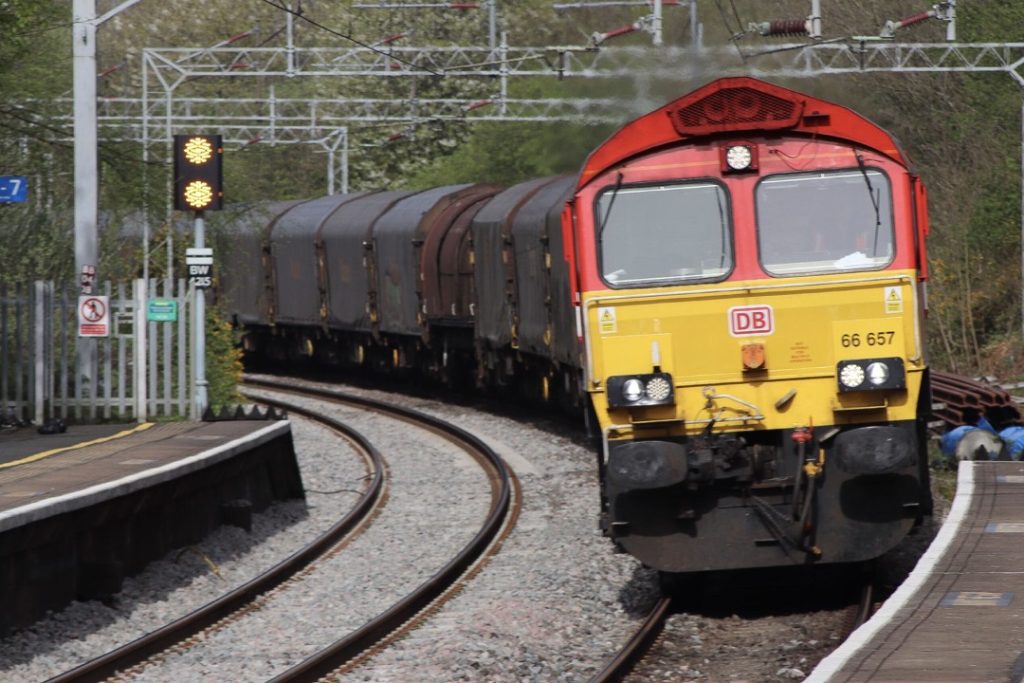
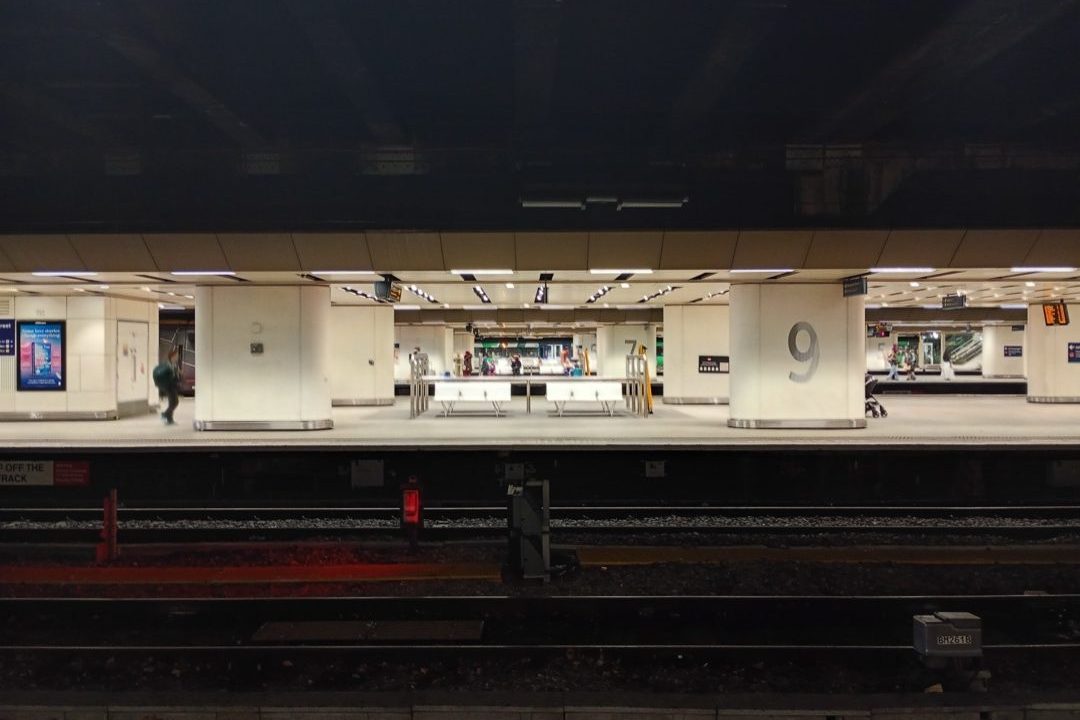
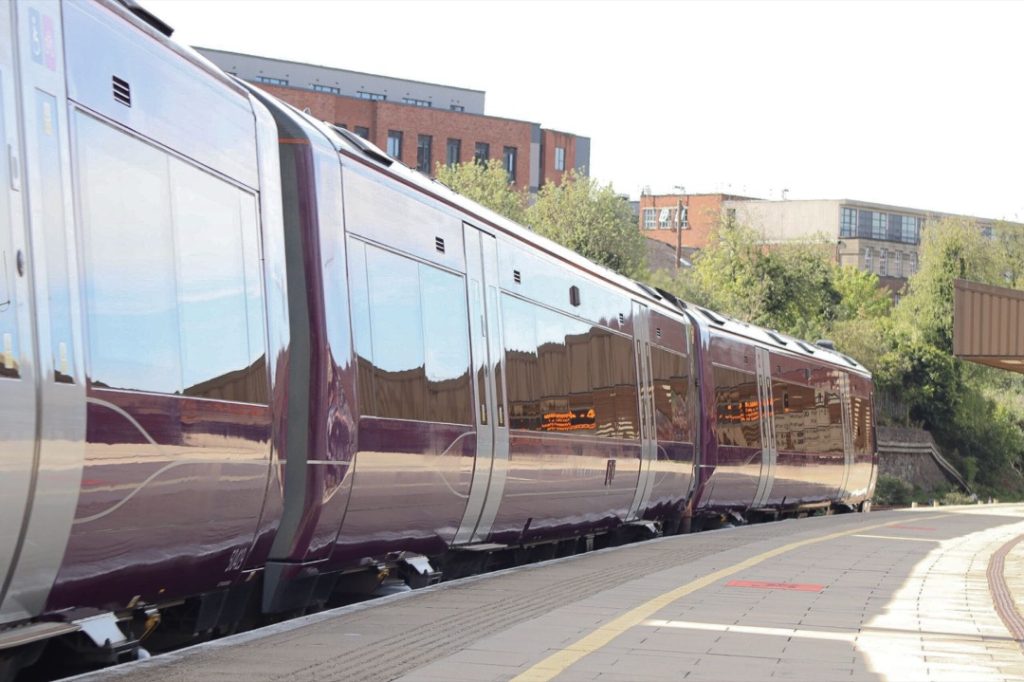
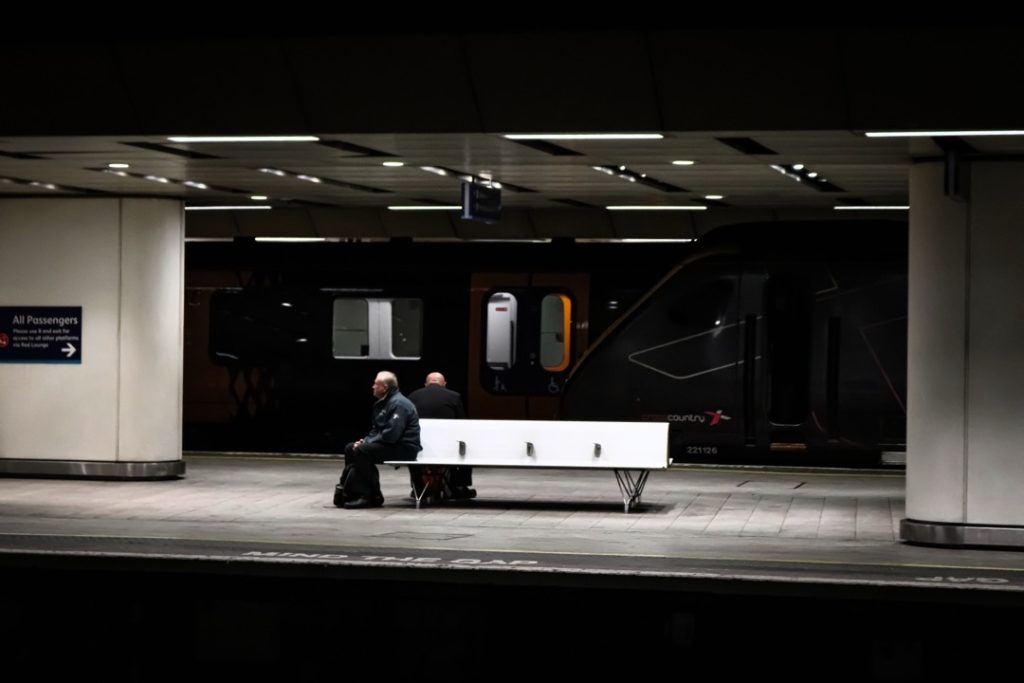
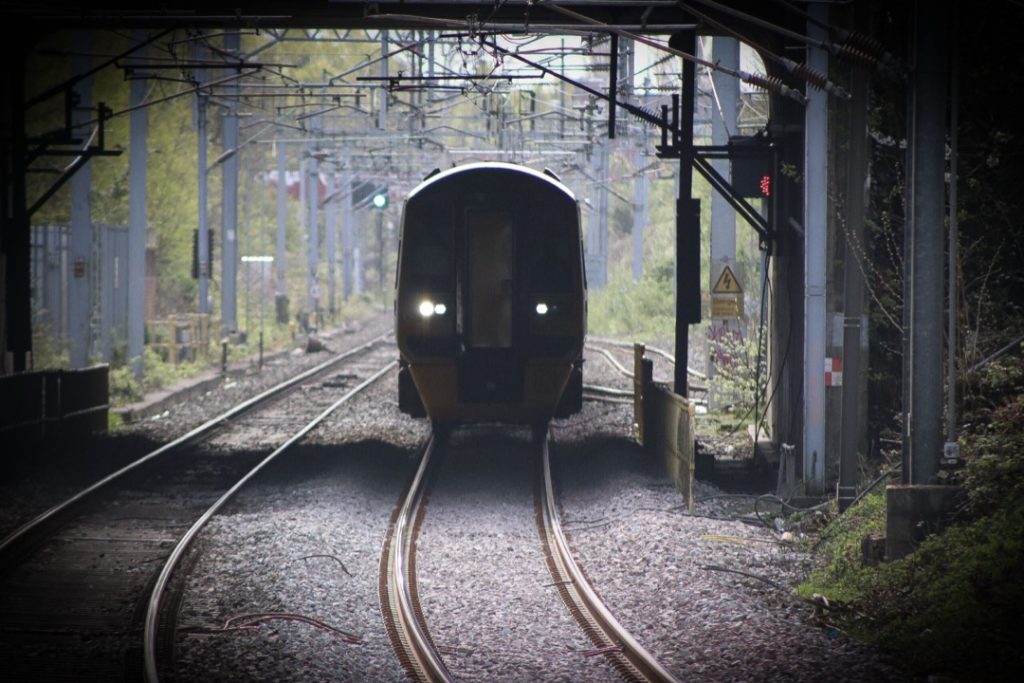
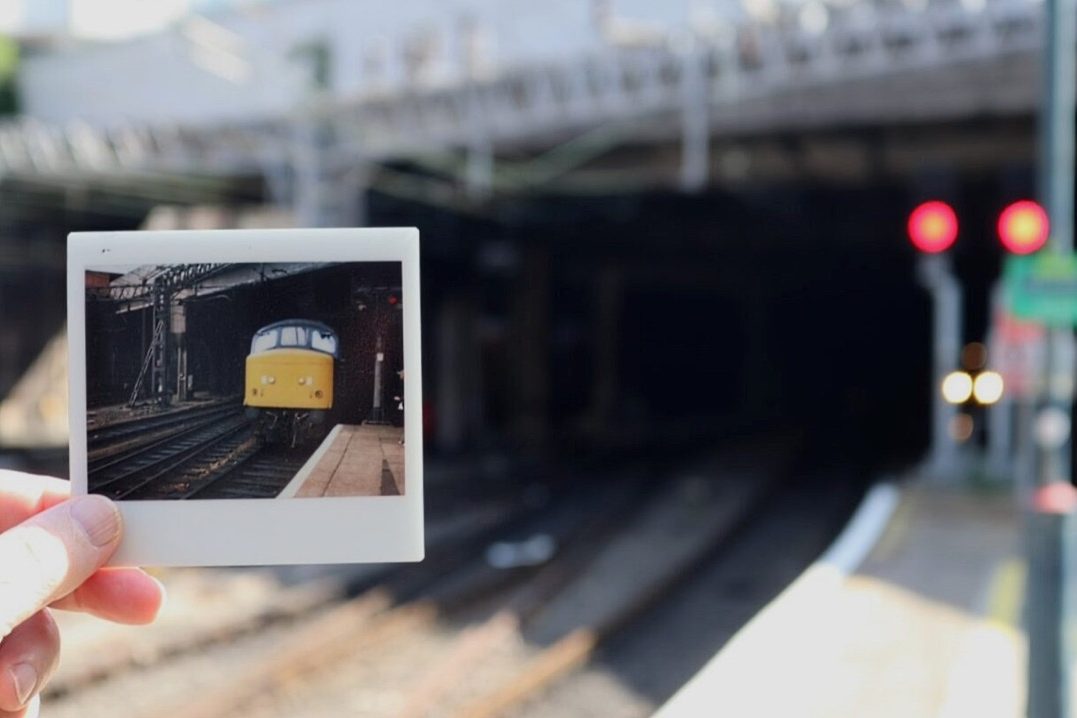
My project, “Angles of the Railways”, is about photographing different aspects of the railways that everyday commuters may never take notice of. I created it because I have an immense passion for the railways, and now, with a camera in my hands, I can’t wait to prove my skills whilst sharing my interests with others.
It was important to me as I was able to share my liking for trains and the railway in general, whilst also working to create the best pictures possible. Throughout the project, I used my Canon 800D, which proved to be a reliable piece of equipment. I went on to take well over 500 pictures for inspiration, for my overall project, and for my final six images.
My motivations were the photographers I researched during the project, with my main inspiration being Andrew Shenton. Whilst browsing through his library, I was amazed by the different portfolios he had organised his photographs into, along with his wide variety of pictures. The composition of his photos was inspiring to such an extent that I incorporated similar settings into my own pictures.
I hope people who view my work take inspiration from it in the same way I did. I’ve found this final personal project enjoyable as it has broadened my freedom to go out, record, and document a day on the railway as an ordinary commuter myself.
Kaiysha Talbot
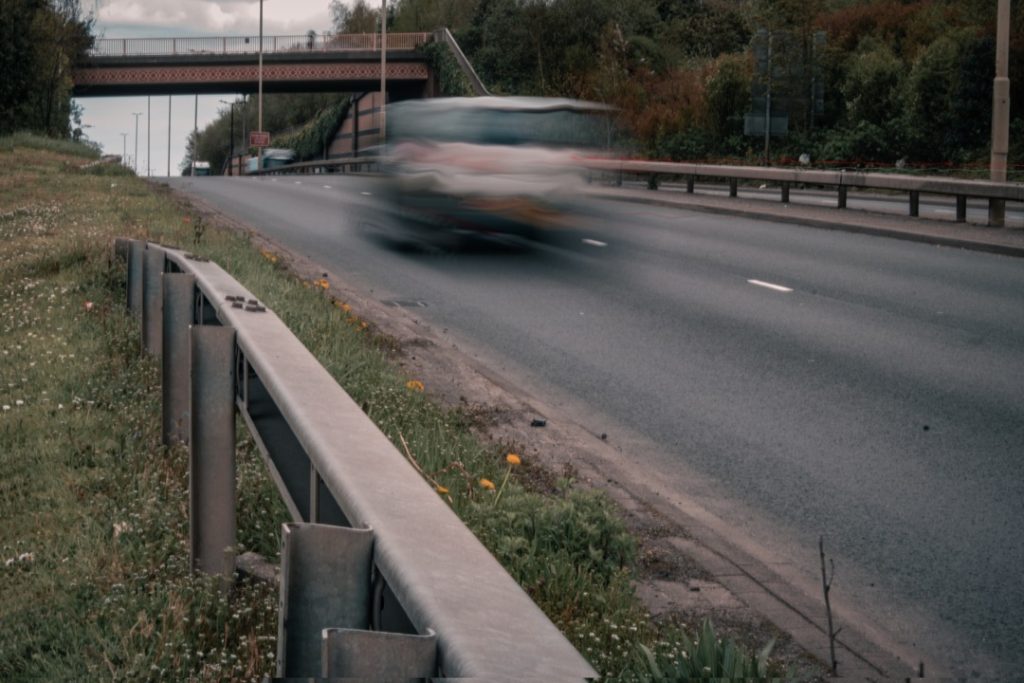
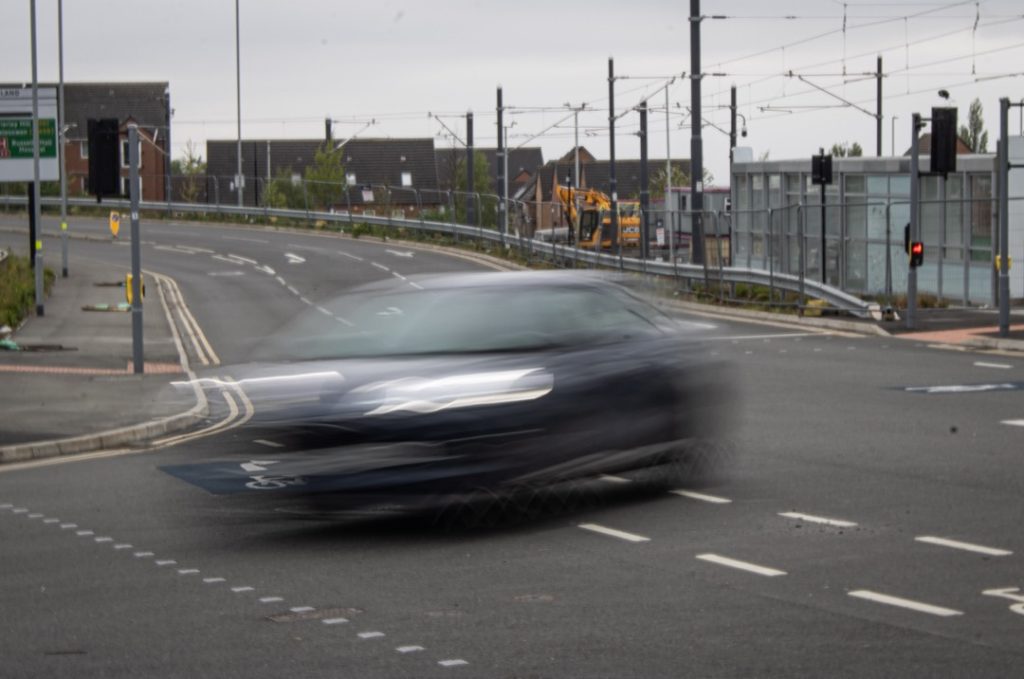
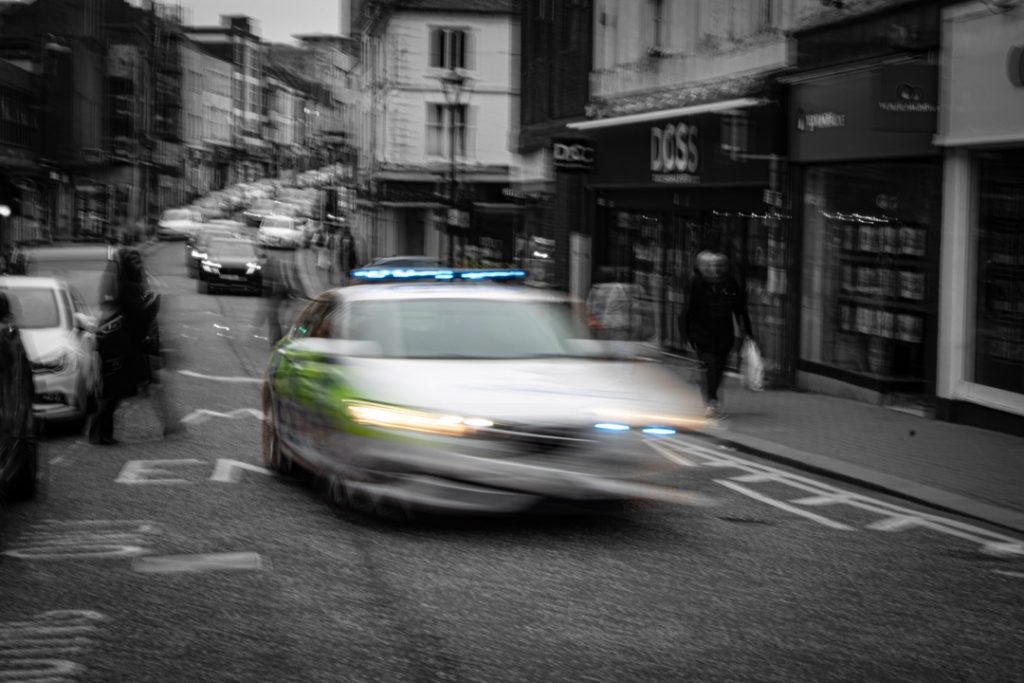
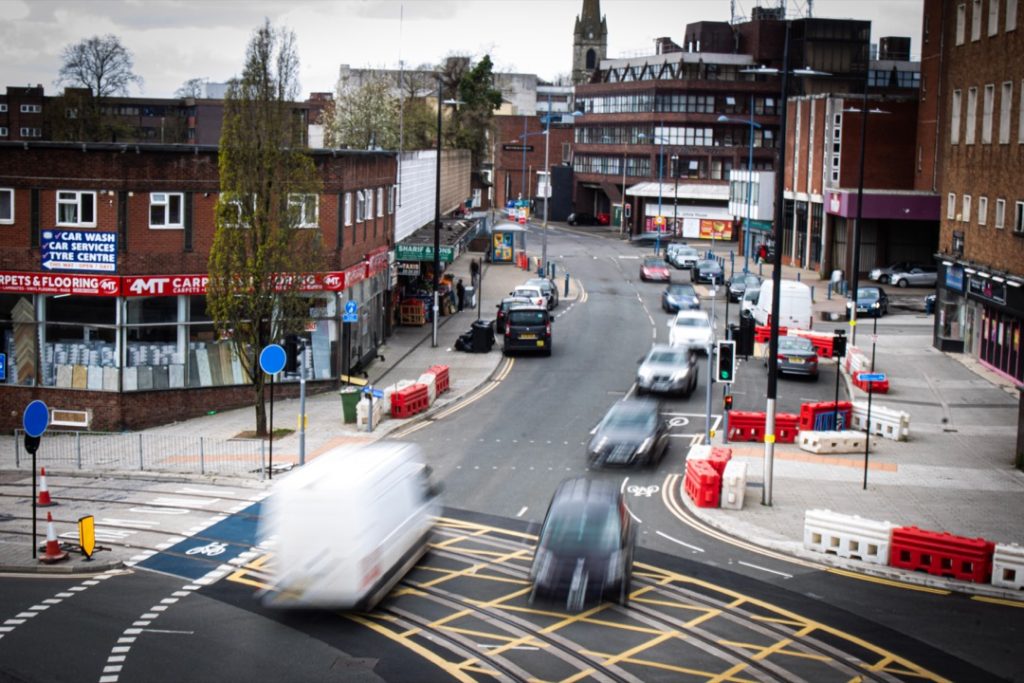
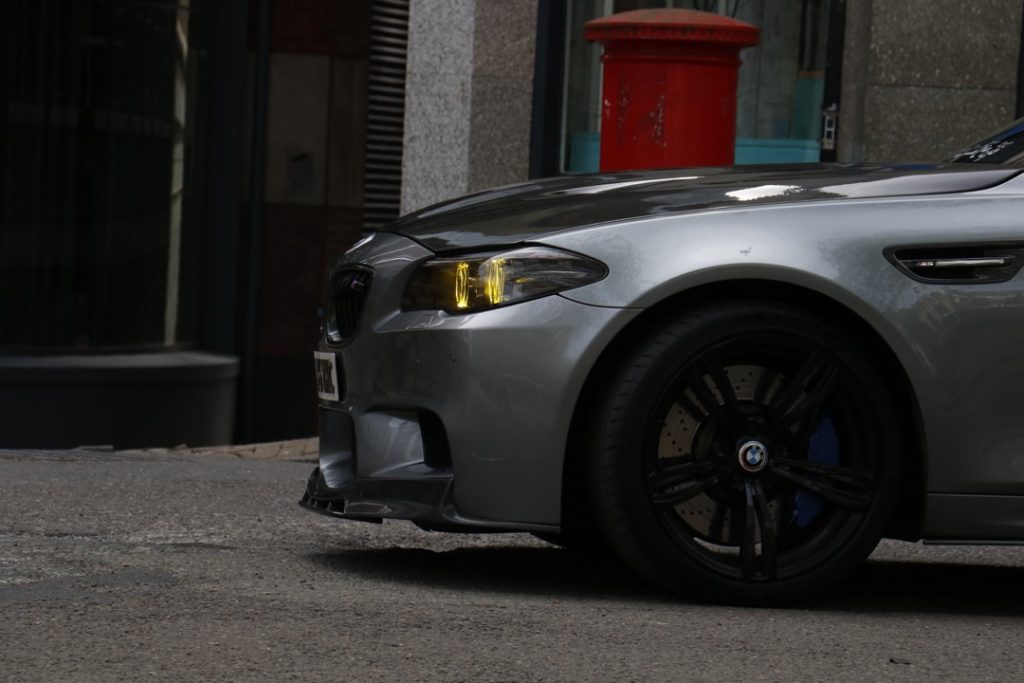
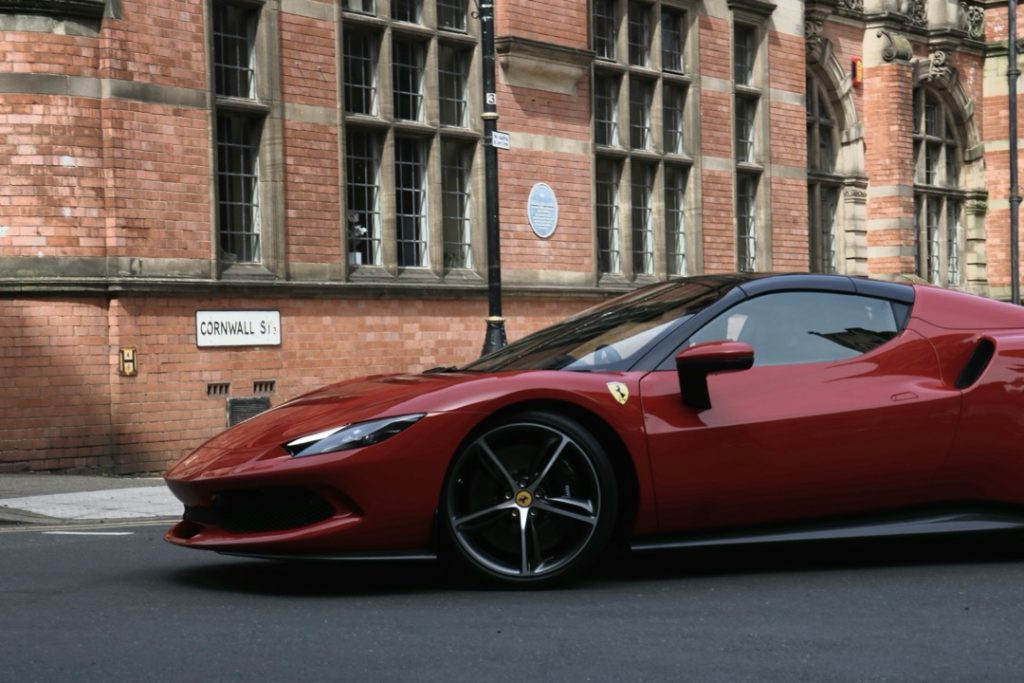
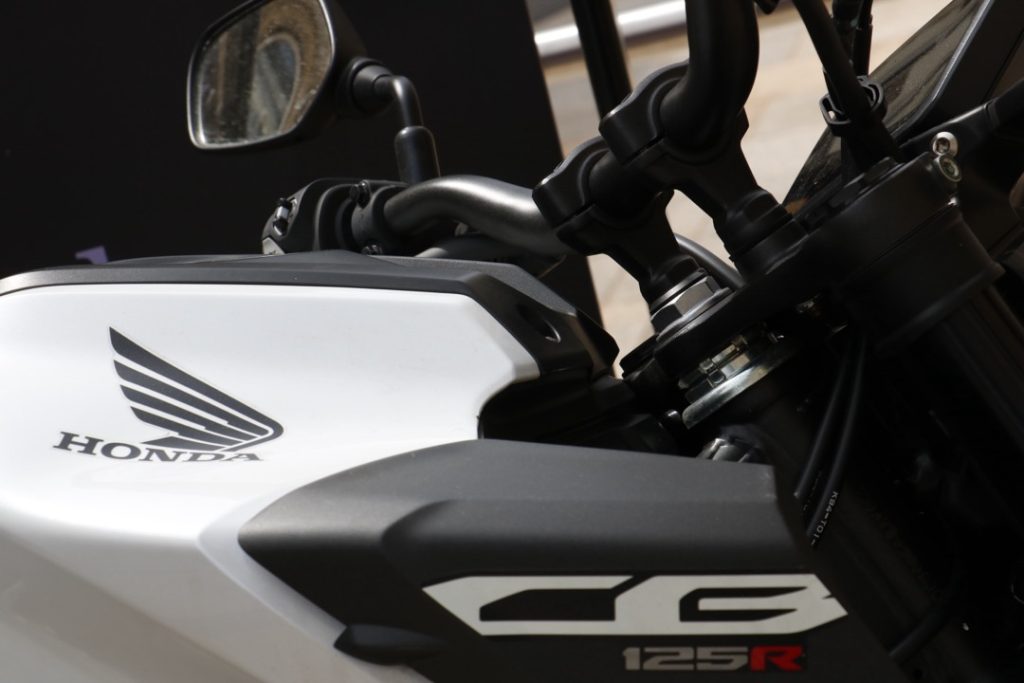
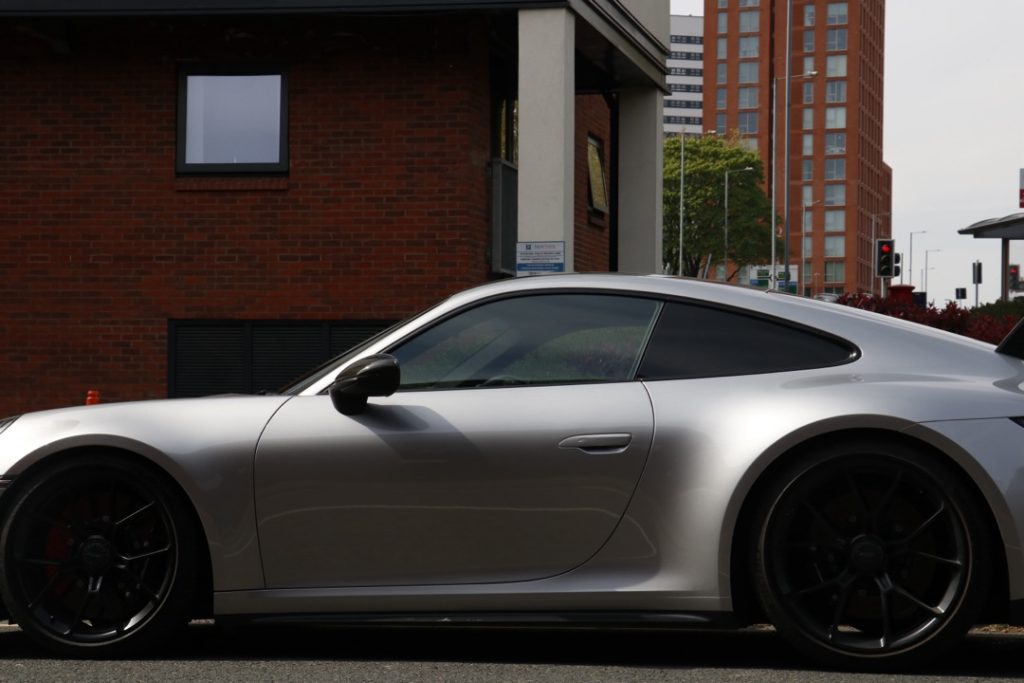
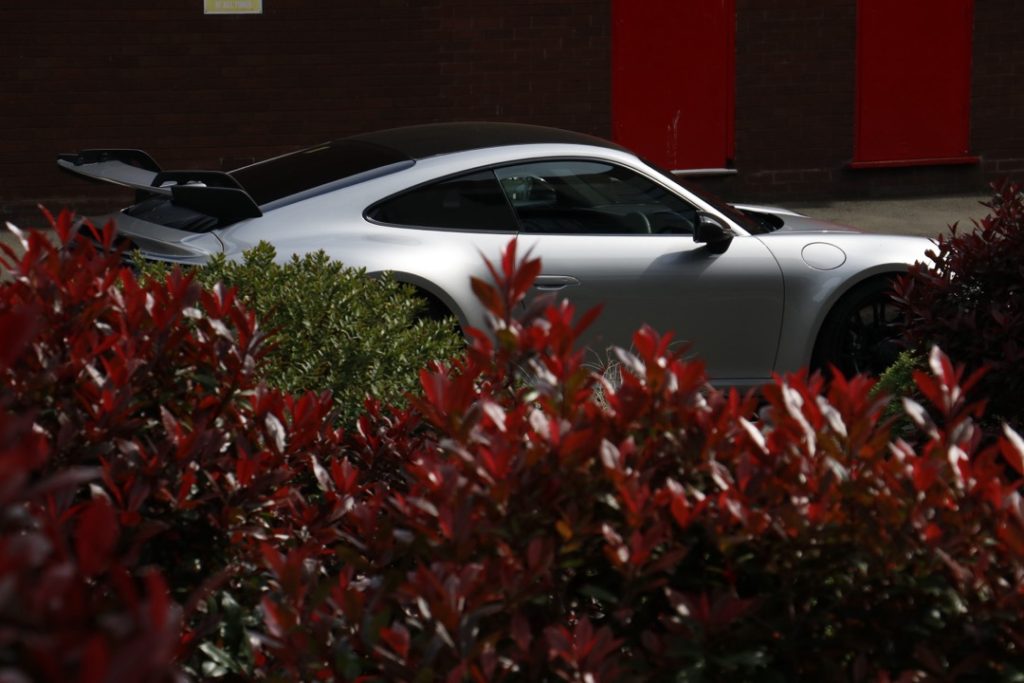
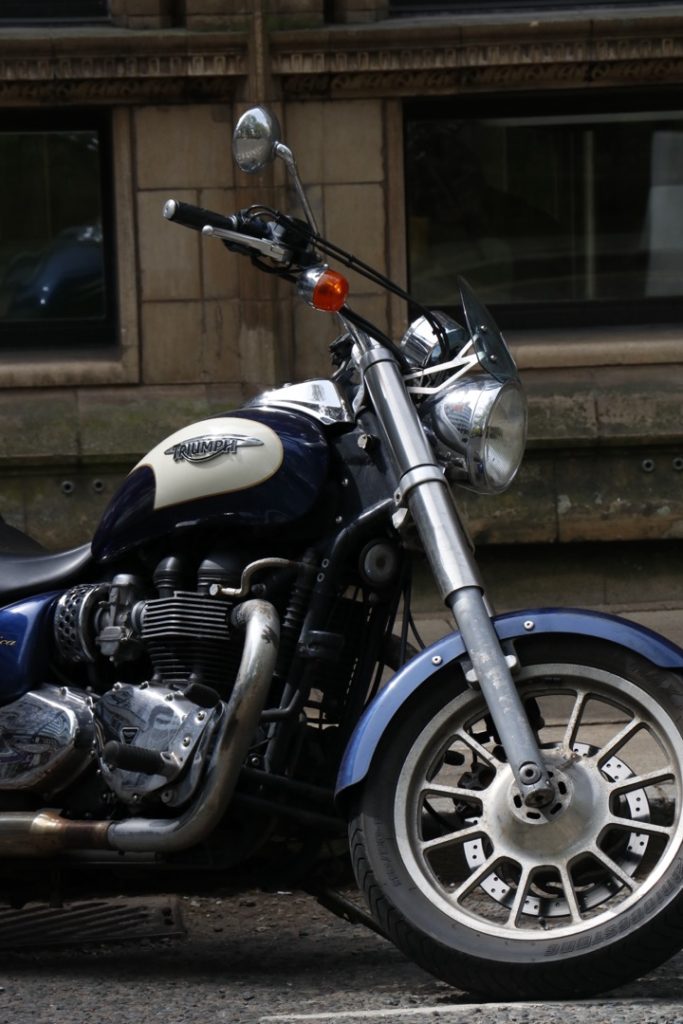
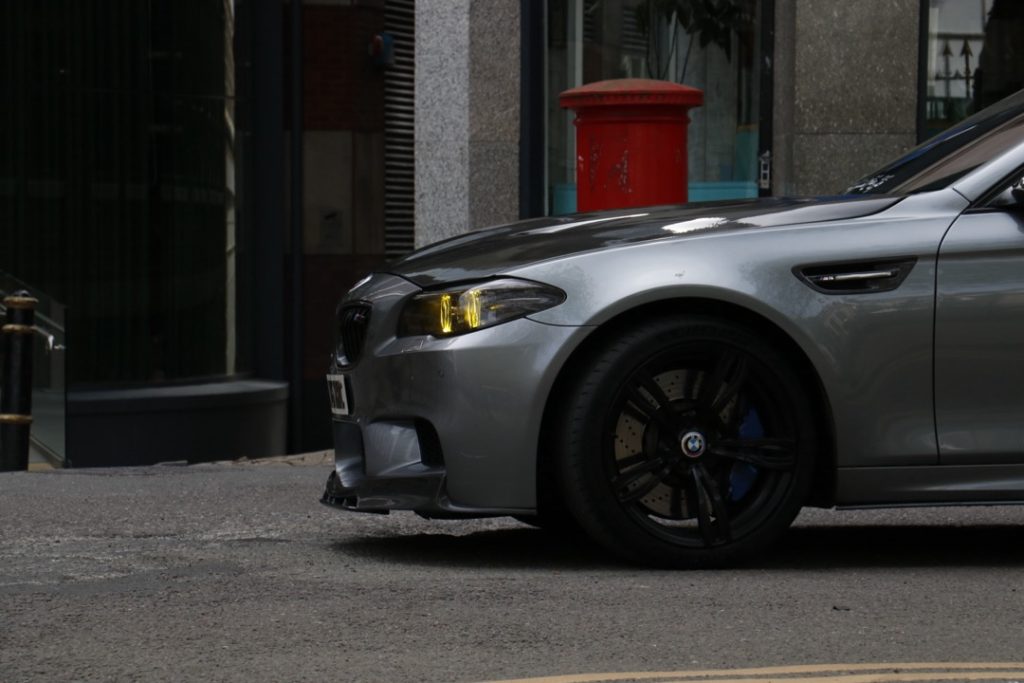
I am fascinated by the aesthetic beauty of cars as objects of aspiration and desire. My approach has been as a roving photographer, scouring the streets for intriguing juxtapositions.
For this, my goal was to capture the beauty of street cars in city centres, but specifically cars with unique details; this interests me because I don’t enjoy seeing the same cars everywhere, as it has become boring and bland. I am specifically interested in JDM cars and motorsport; that is what I want to focus on for next year’s final project.
I was very inspired by Oscar Lumley for the motorsport and panning details in his photography, and also inspired by Adam VL for his creativity. I wanted to portray that in my motorbike and car photography. I love how car photography with panning represents the speed and action of the cars; this is something I’d like to develop in my own work.
Dauntae Whittle
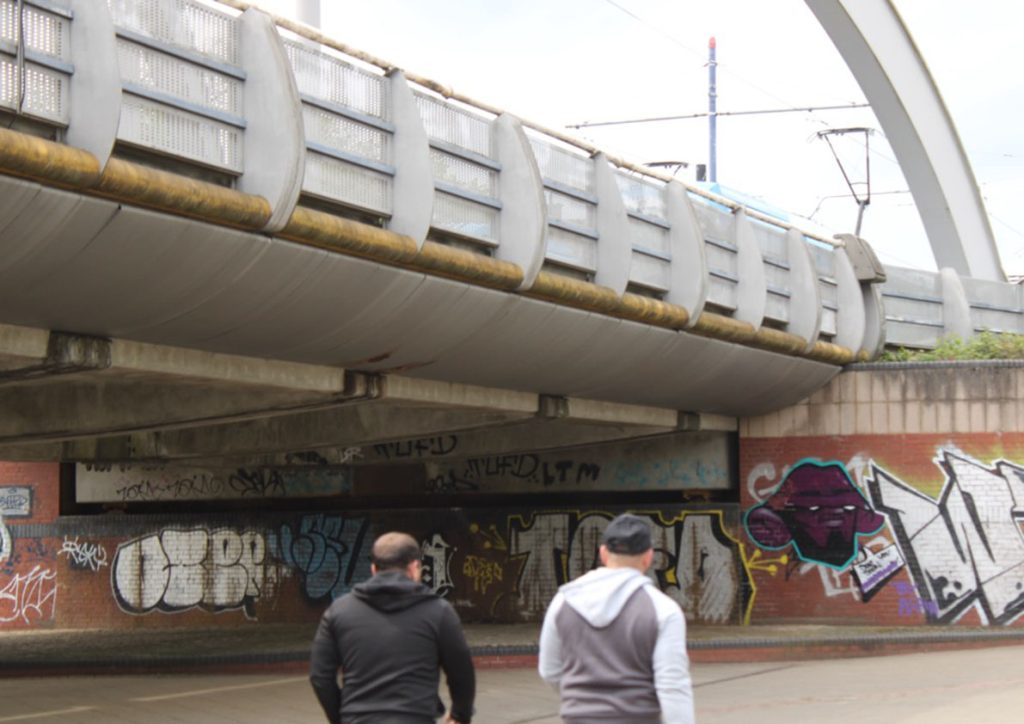
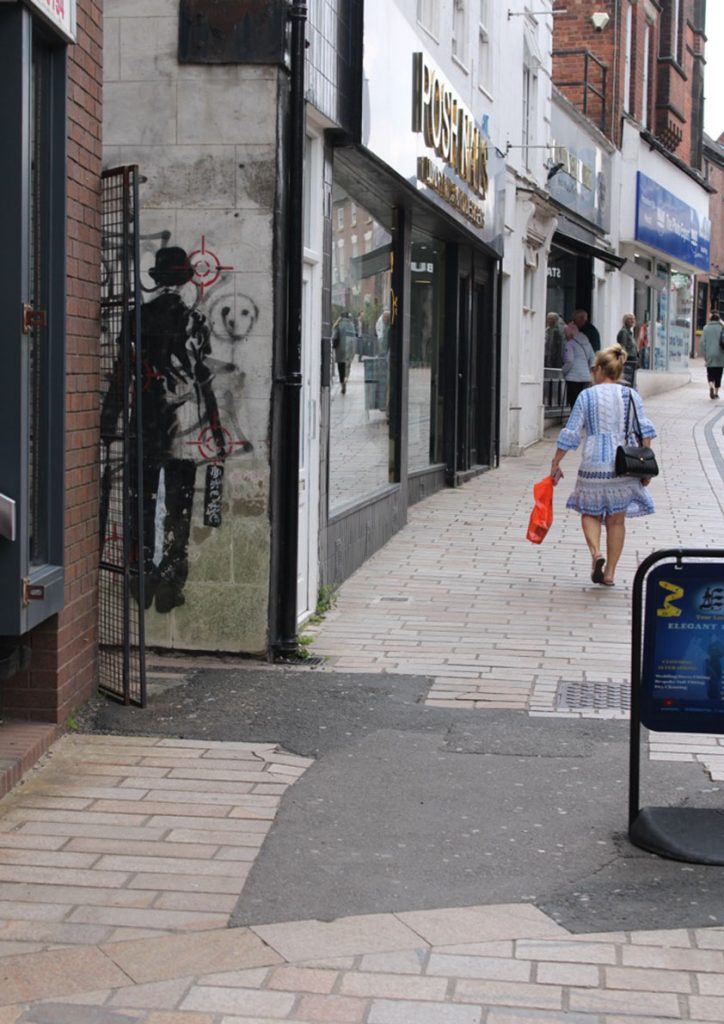
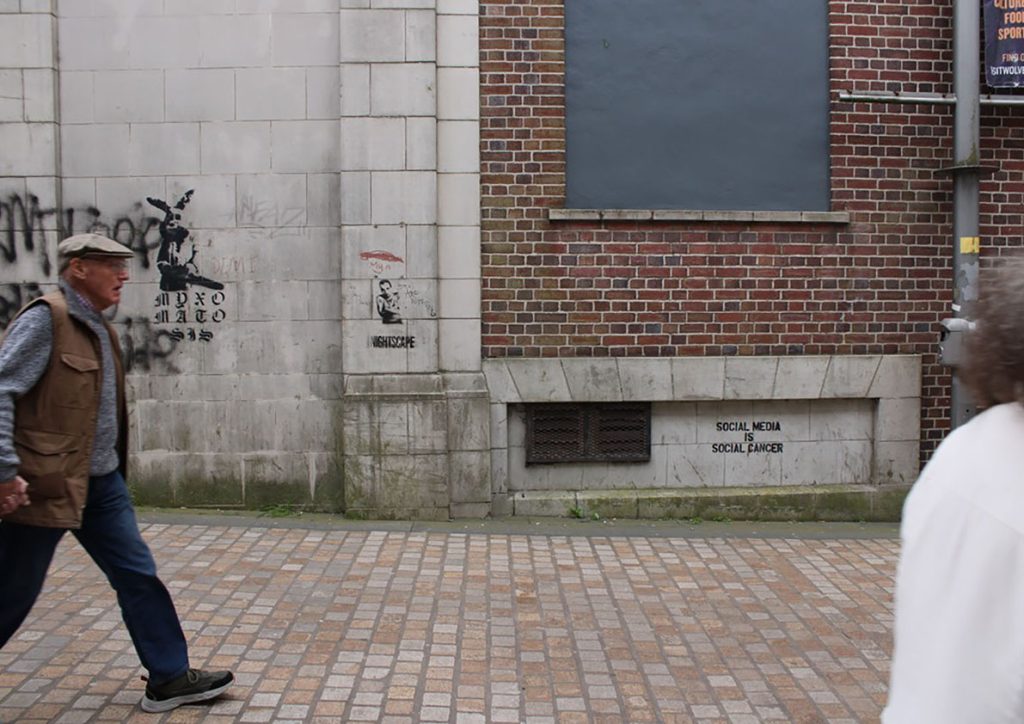
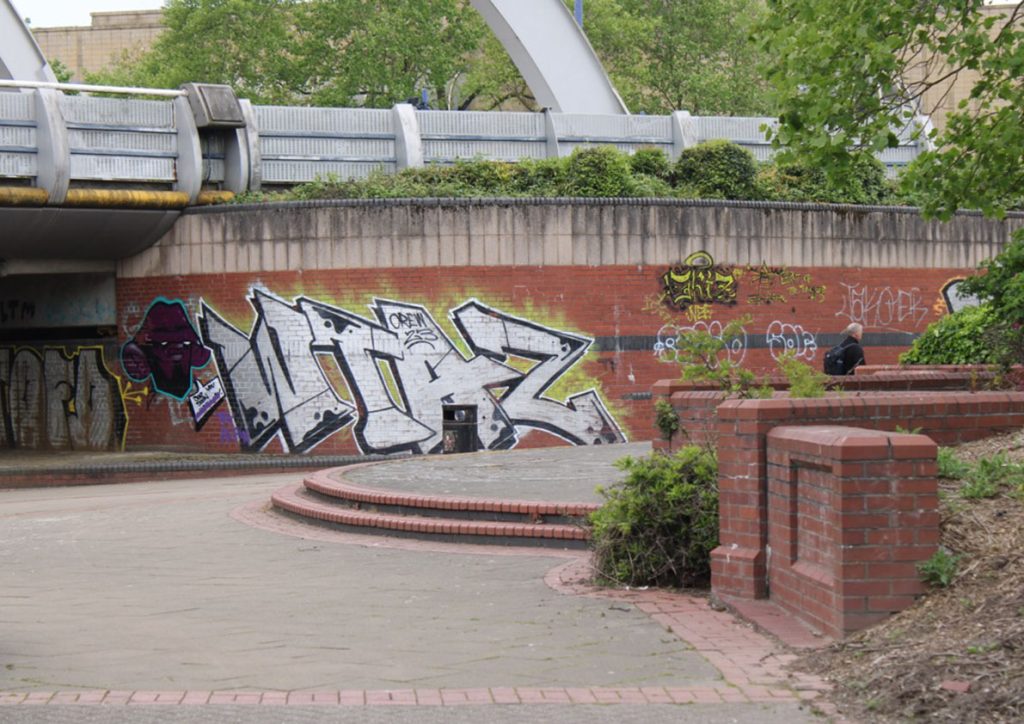
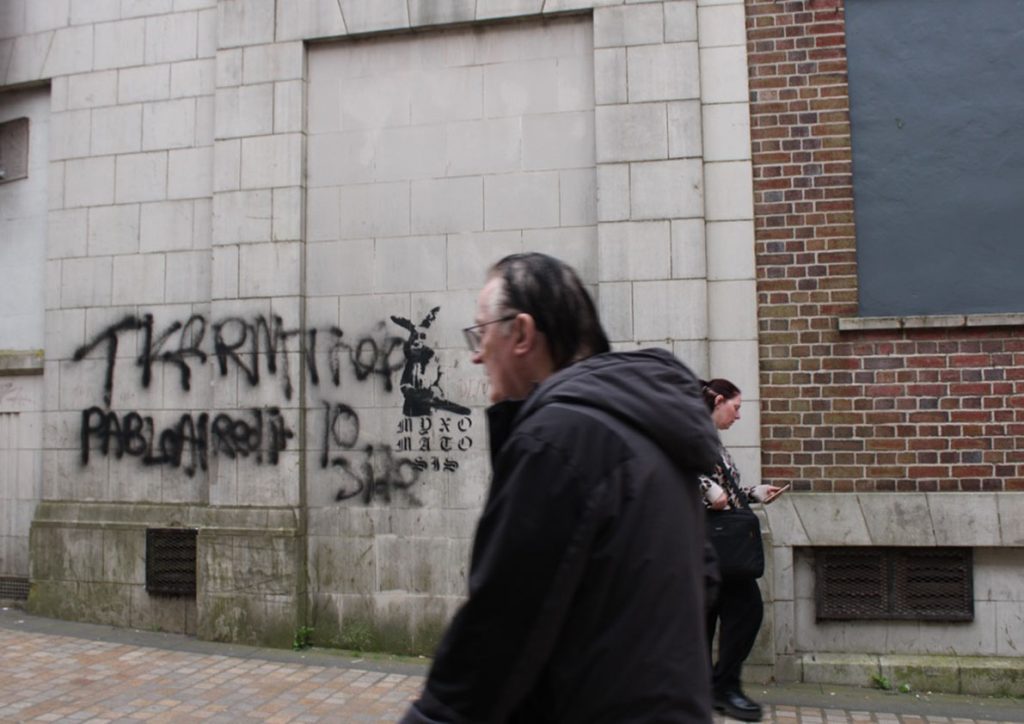
My project is location-based. I am really interested in architecture and art, and the combination of the two.
I am particularly fascinated by art on buildings, such as graffiti art. I am inspired by Steve McCurry’s loitering, grabbed techniques.
We all need art in our lives. Public art is essential for our cultural wellbeing and showcases our impact on the area in which we live.
I am using a fast shutter speed to reduce camera shake and capture quicker-moving objects. I will be doing this because I believe that legal, licensed public art is essential for our cultural wellbeing, as it provides diverse and unique surroundings within our modern world.
Lillie Williams
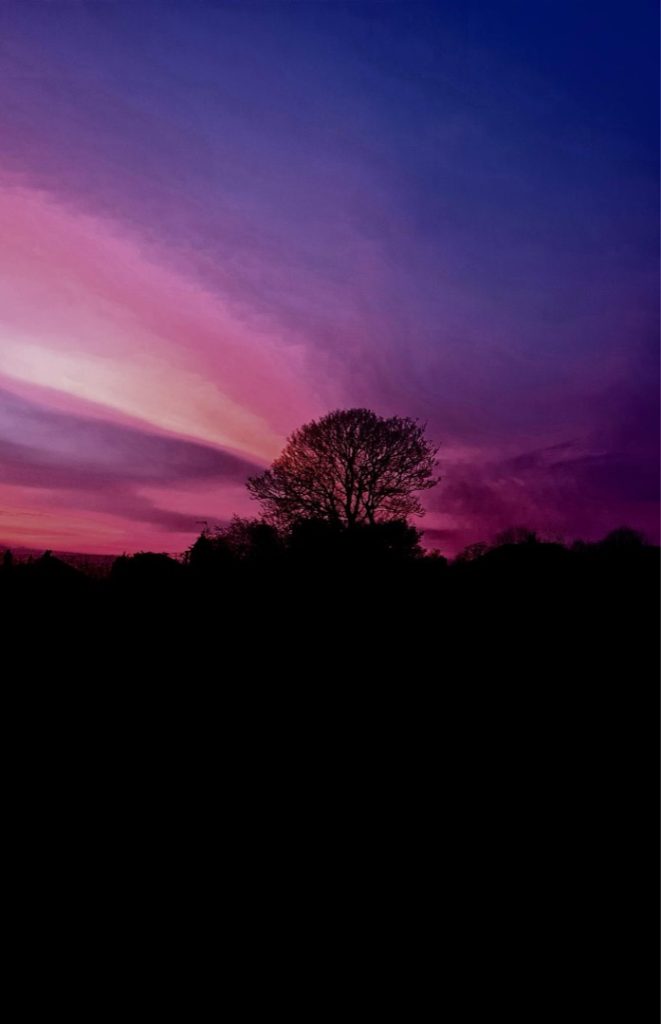
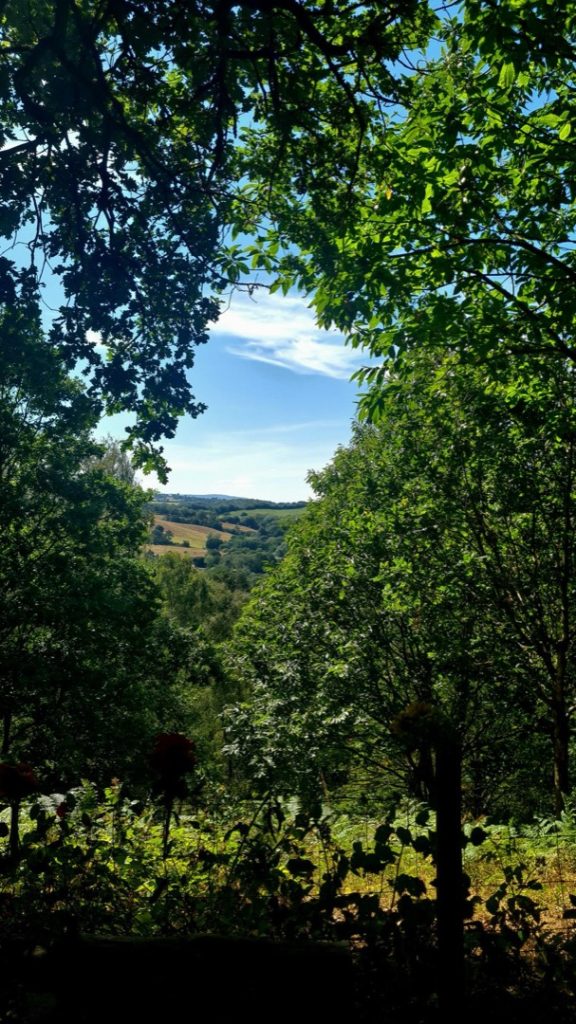
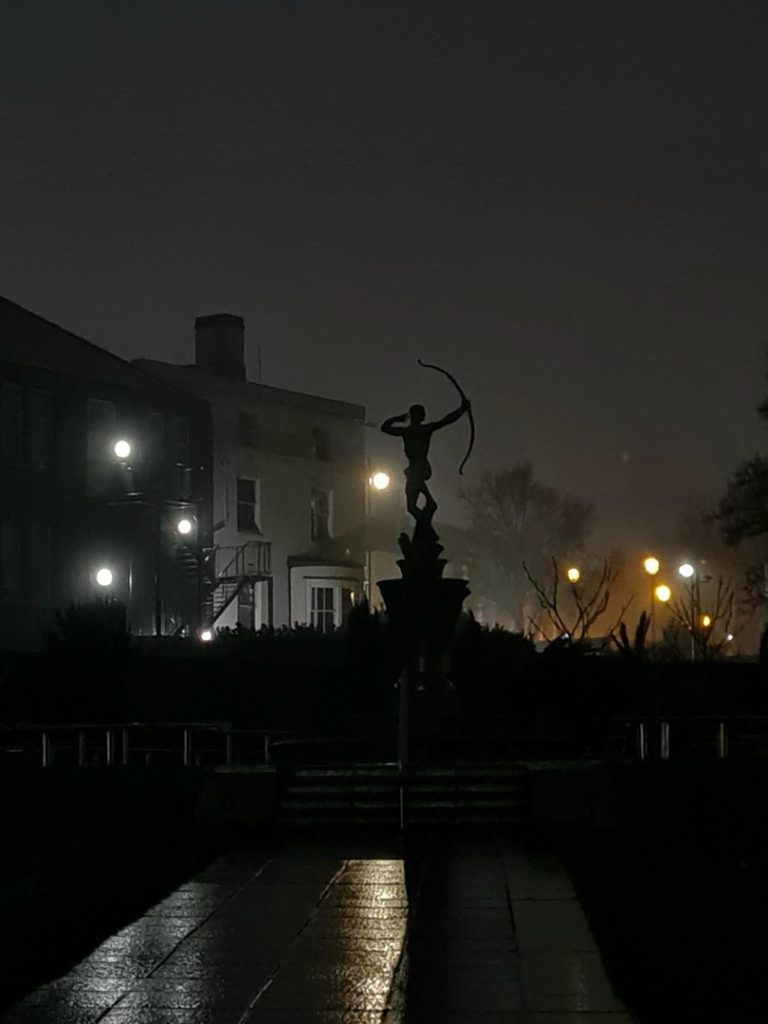
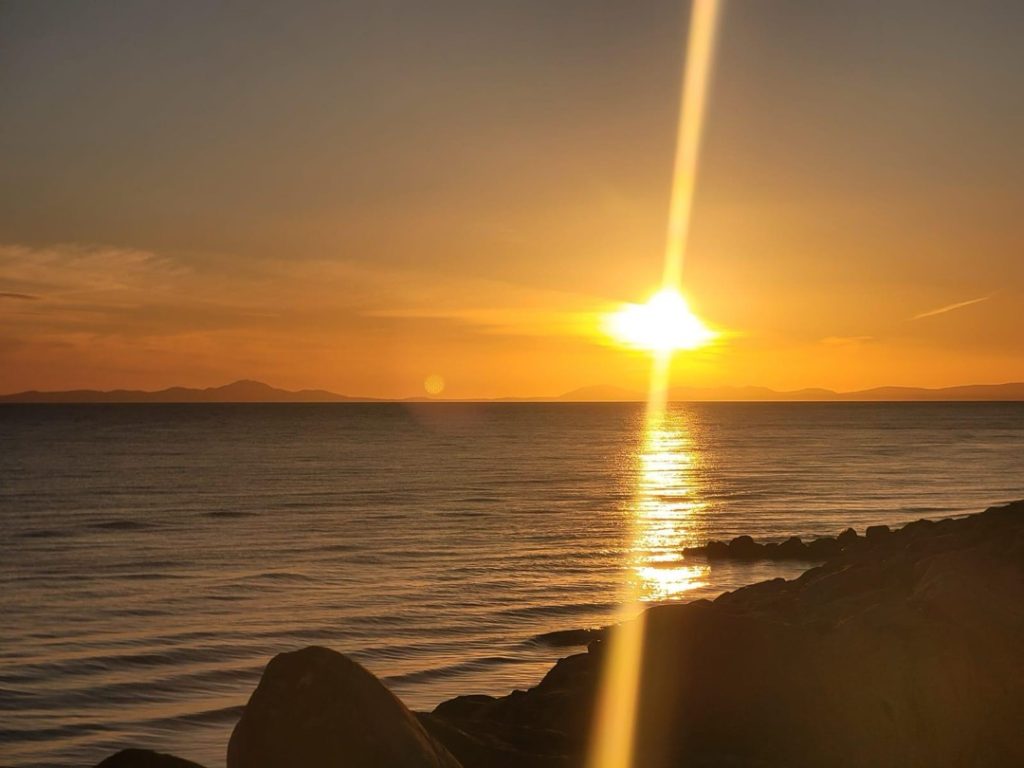
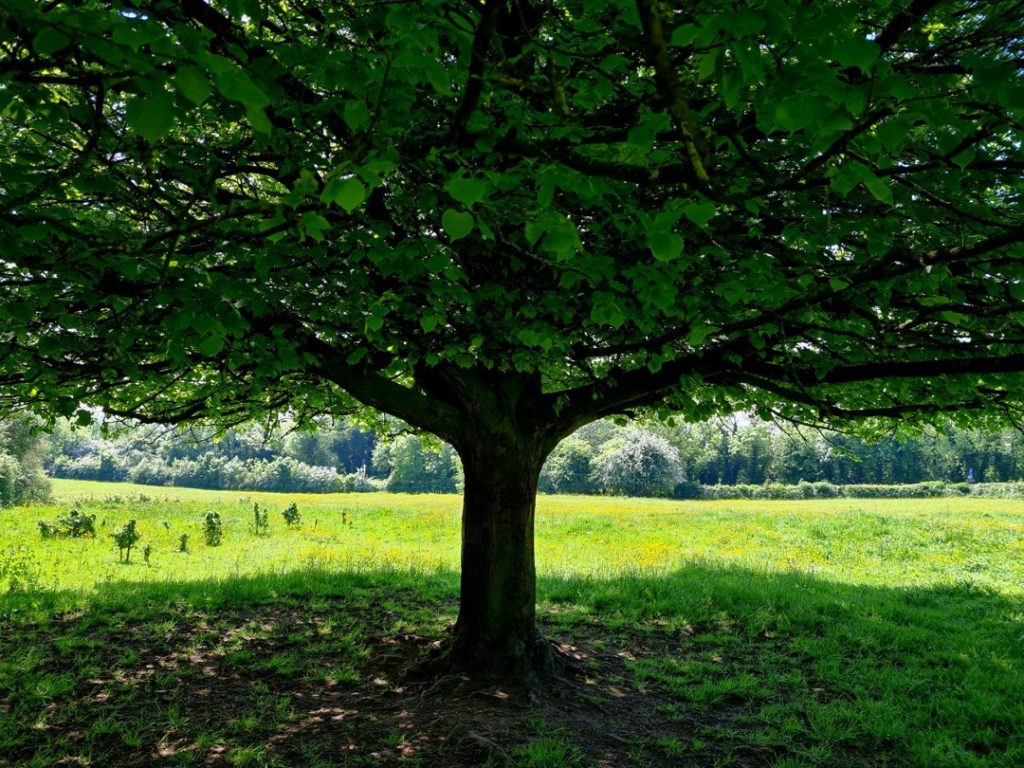
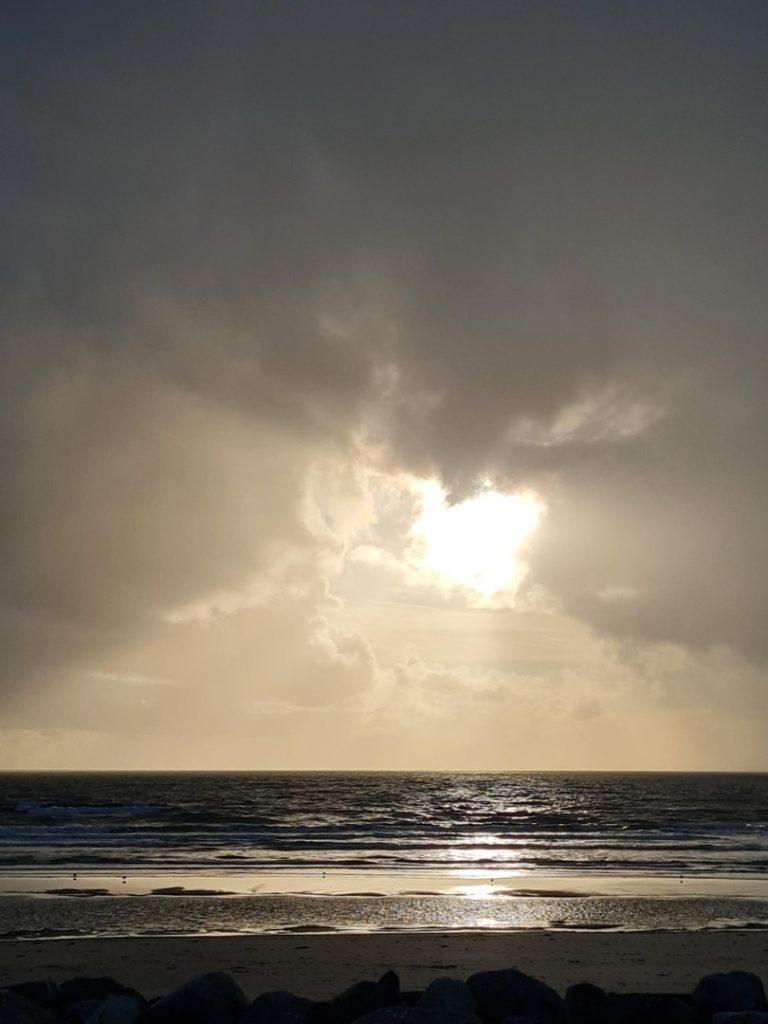
For my project, I have chosen to portray nature in a colourful, realistic way that draws the attention of my viewers. I want my audience to imagine the sounds and smells just by looking at my photos. I want all my images to have a deep, special meaning behind them, which I think will really keep me inspired and motivated. This will also help viewers build a connection to my photography, as they can relate to it by using their imagination.
I want to document the beauty of the world, preserving moments of various species and landscapes. Images can also raise awareness about environmental issues, the importance of our planet’s health, and animal behaviour. My project is art-based, and my main goal is to portray the beauty of nature from an imaginative perspective to draw the attention of my viewers and create the illusion that they are within the photo.
My work is inspired by Colin Prior, as he has a clear passion for the landscape and its nature. He has photographed some amazing locations that he has shared with us. I personally love his colourful photos because they stand out and are unique. They are incredibly striking and give a sense of peace. I think his photos really come to life and make you feel like you’re there. I appreciate photographers who have a deep passion for their craft and show that they are truly interested in nature, as it inspires me to find something that I am passionate about.
In conclusion, I want my work to stand out and for my viewers to see my strong passion for what I do. I want them to deeply connect with my photos and see what I see when I look back at them.
Nathaniel Wright
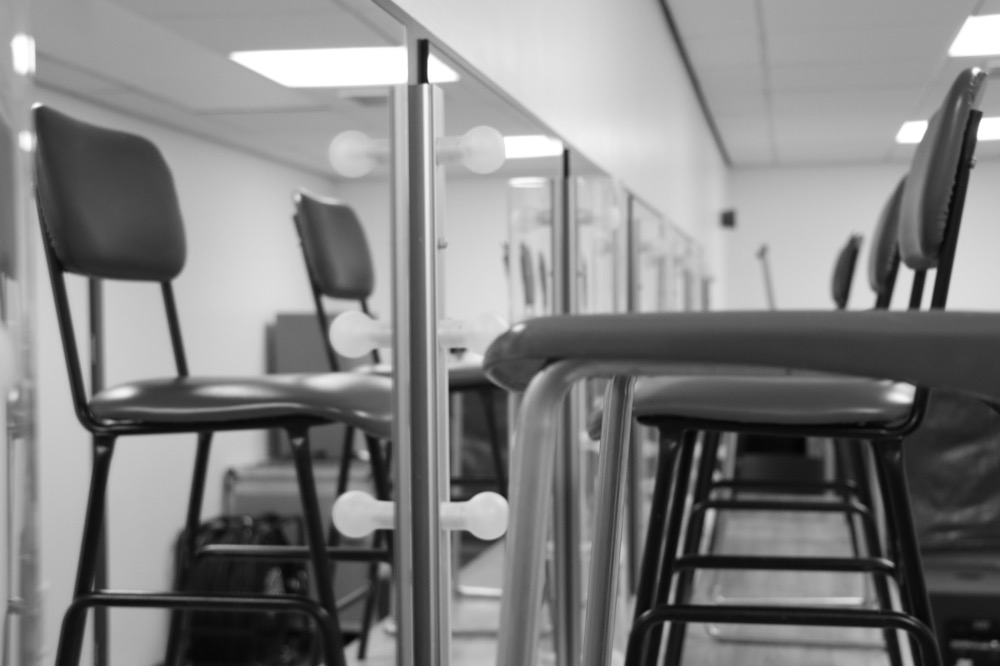
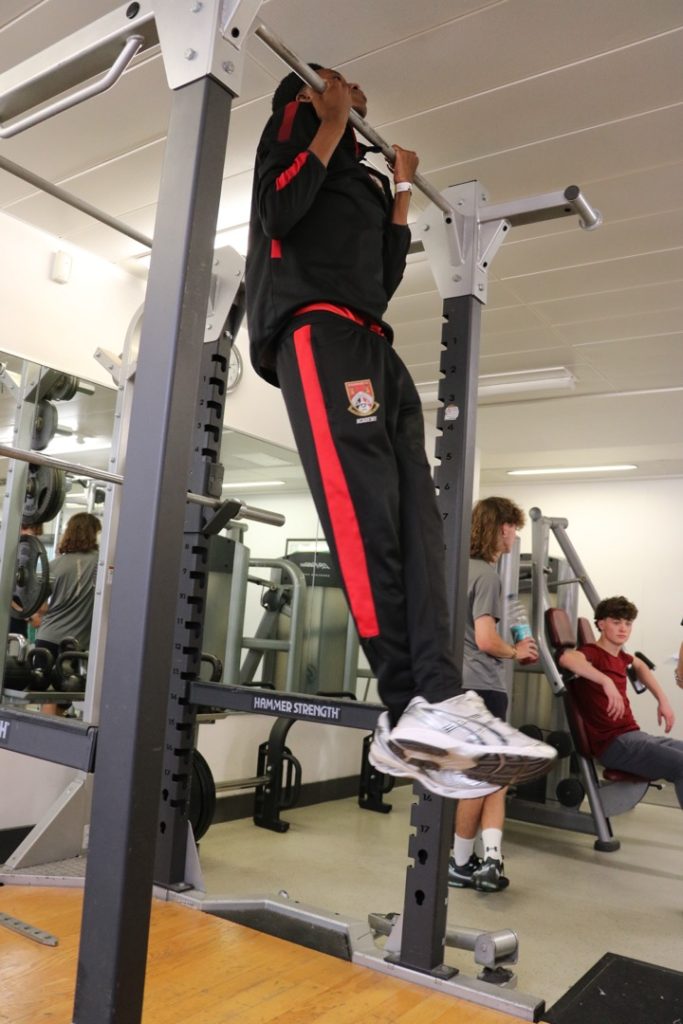
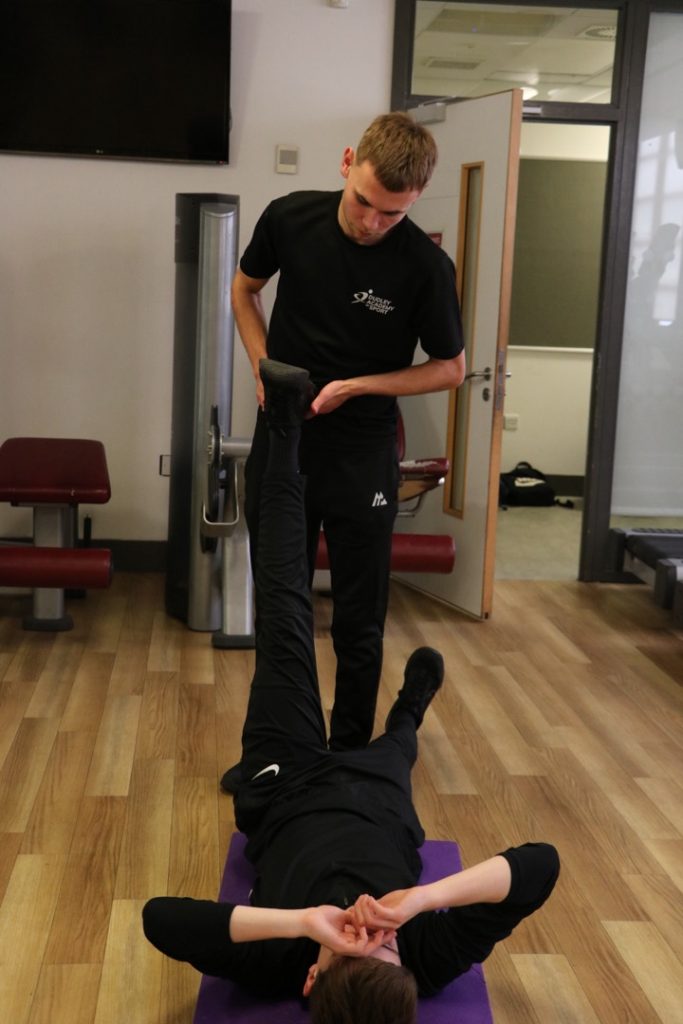
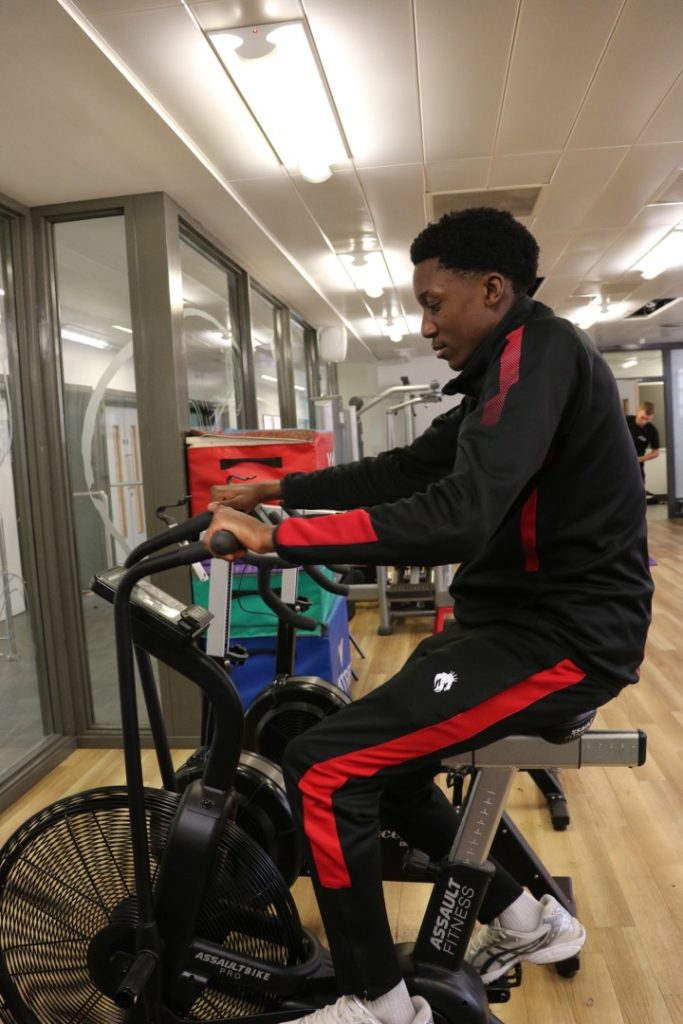
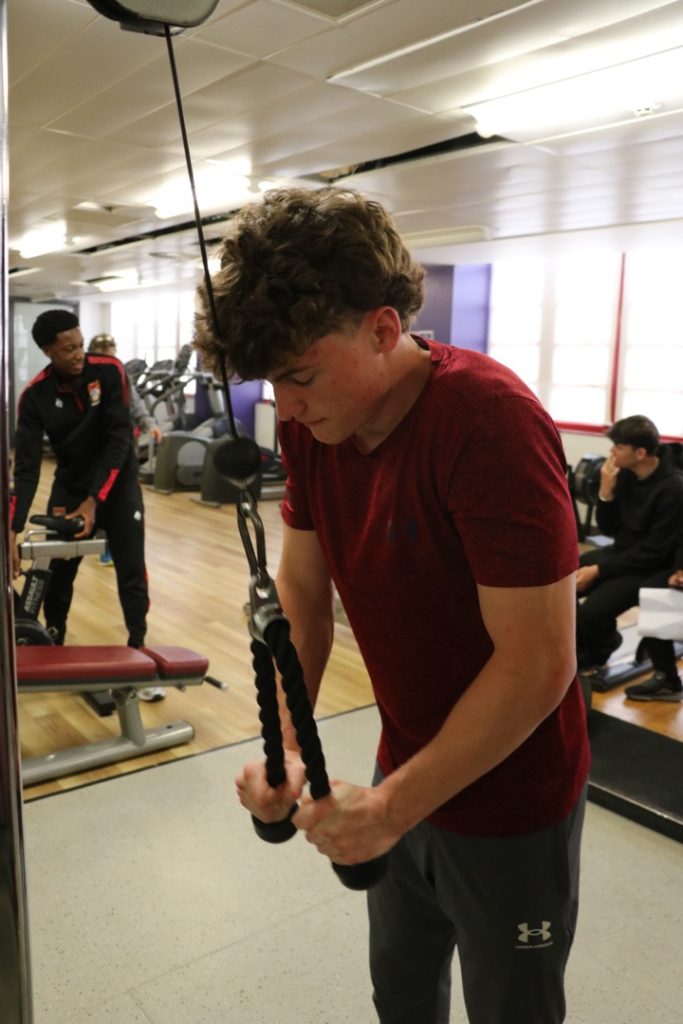
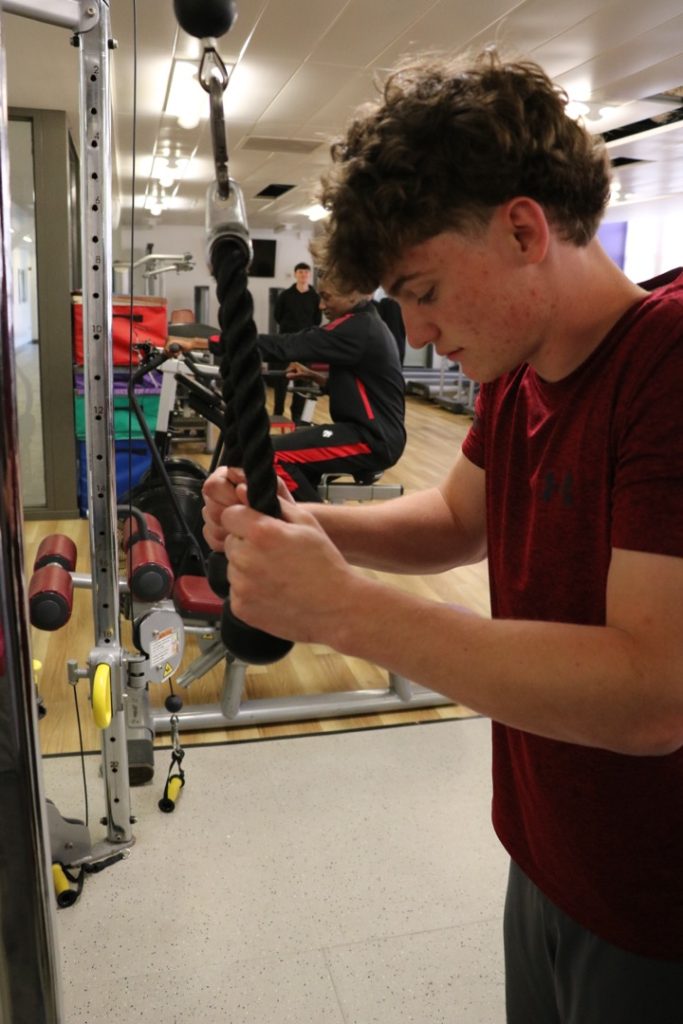
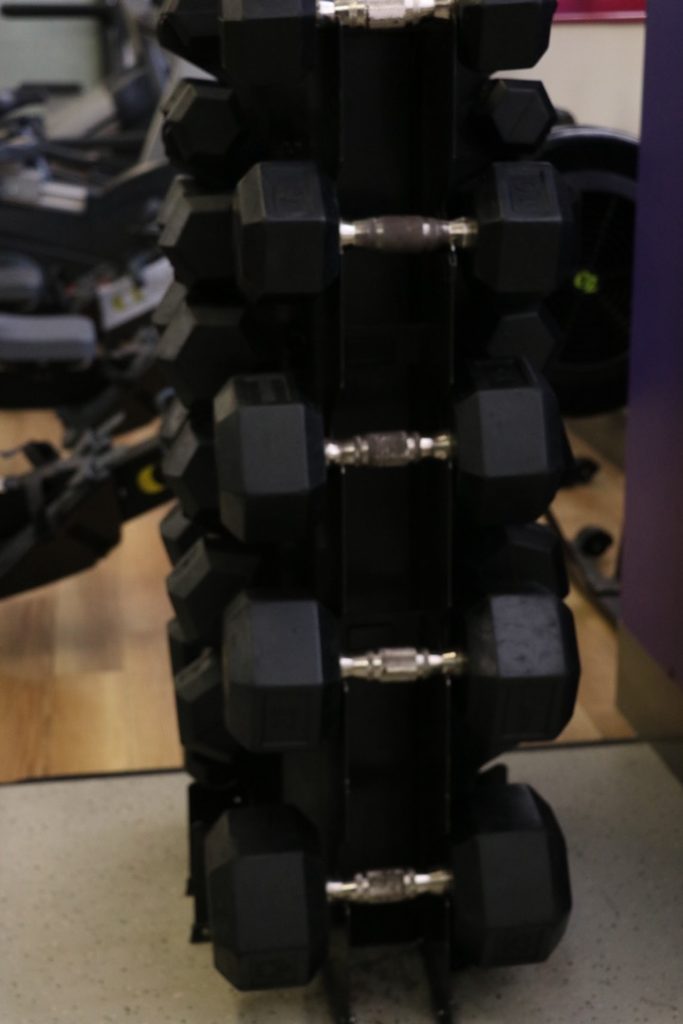
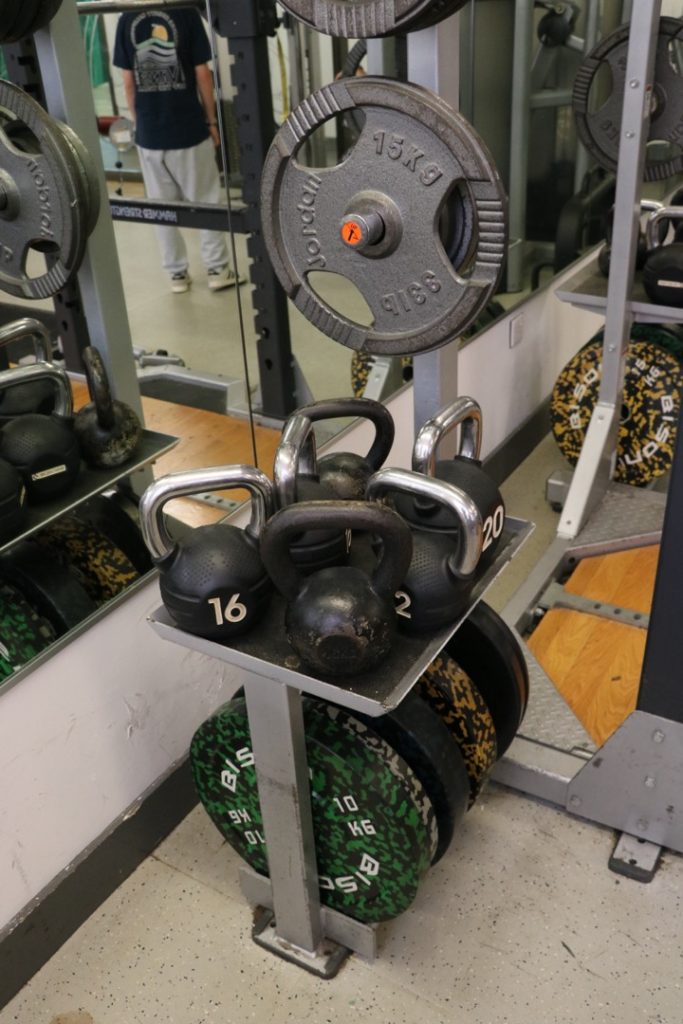
My project explores the vital role the gym plays in maintaining both our physical and mental health. I have photographed a diverse range of activities, equipment, and individuals working out.
To accentuate the dynamic energy of the space, I have utilised low angles, alongside leading lines to add depth and perspective.
Ultimately, I hope my images inspire others to engage with fitness facilities and stay active for their general wellbeing.
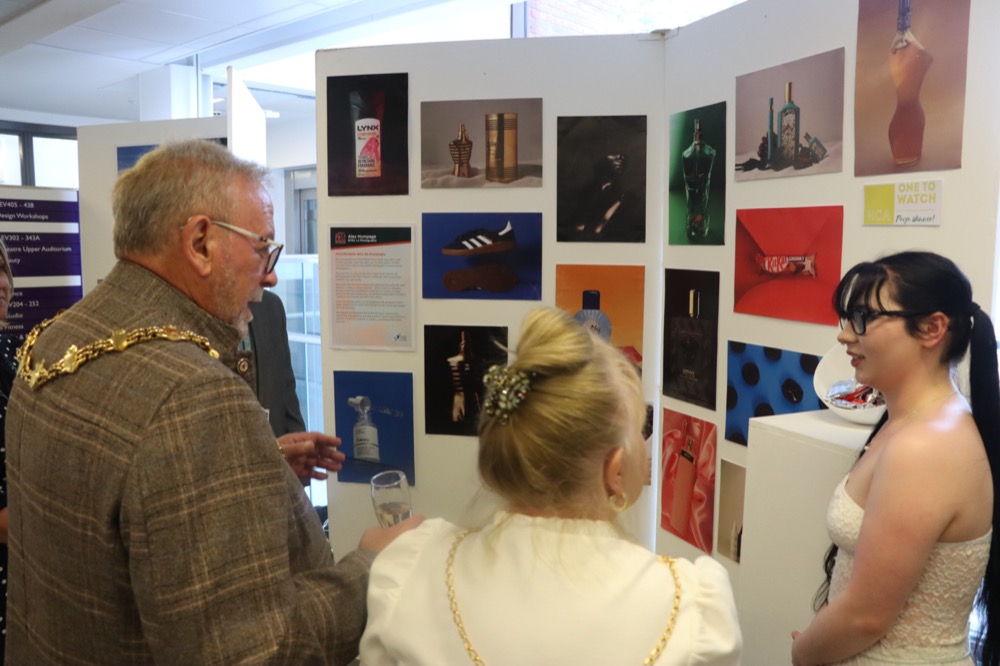
Kyra York
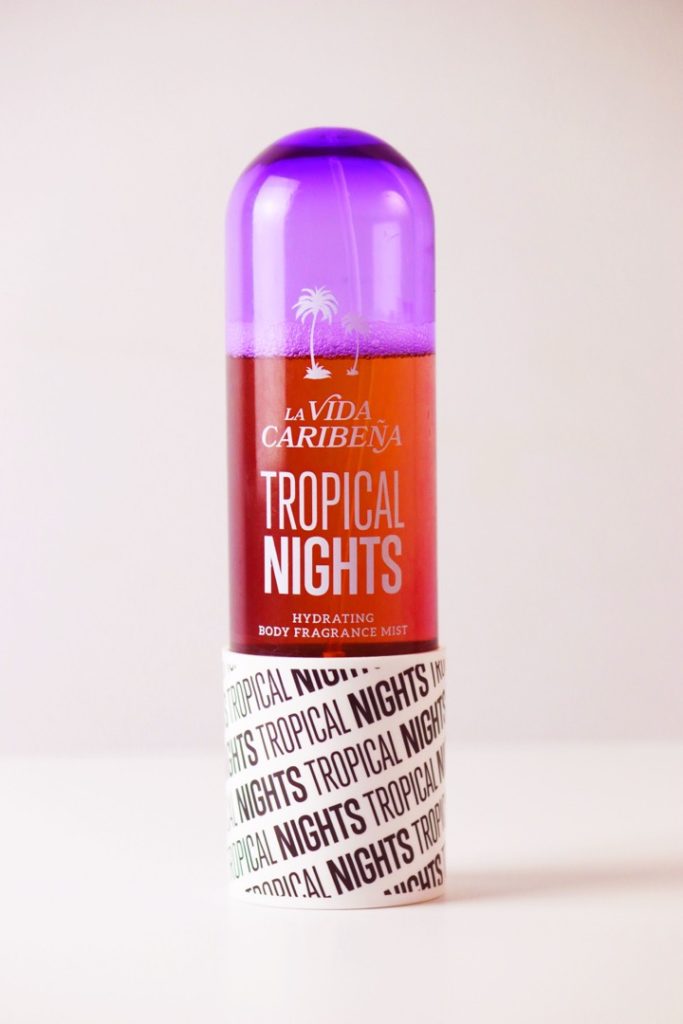
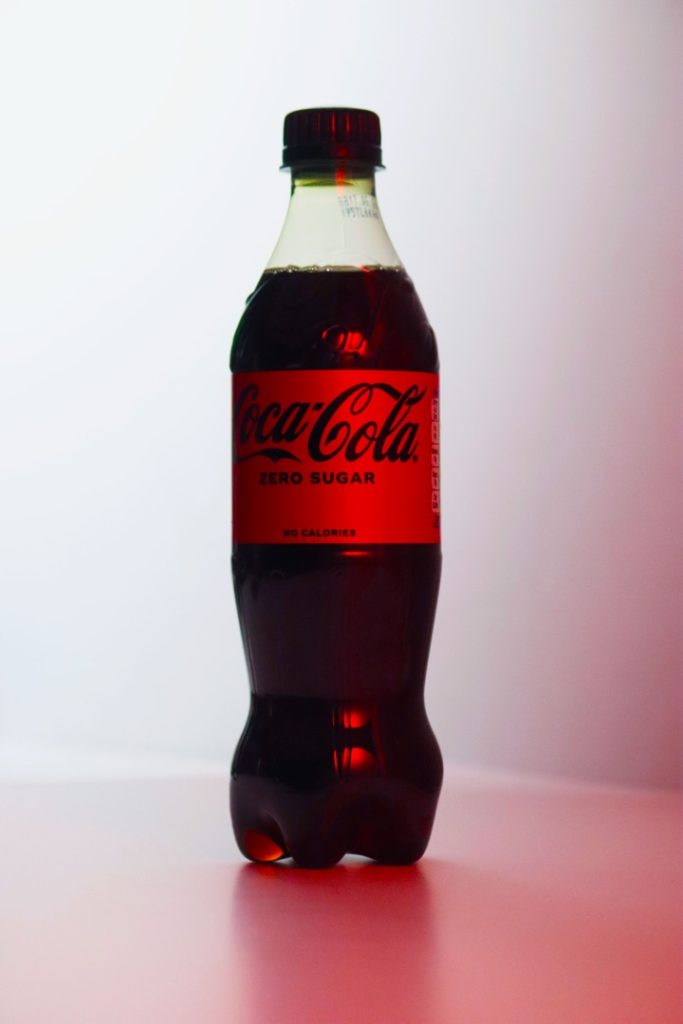
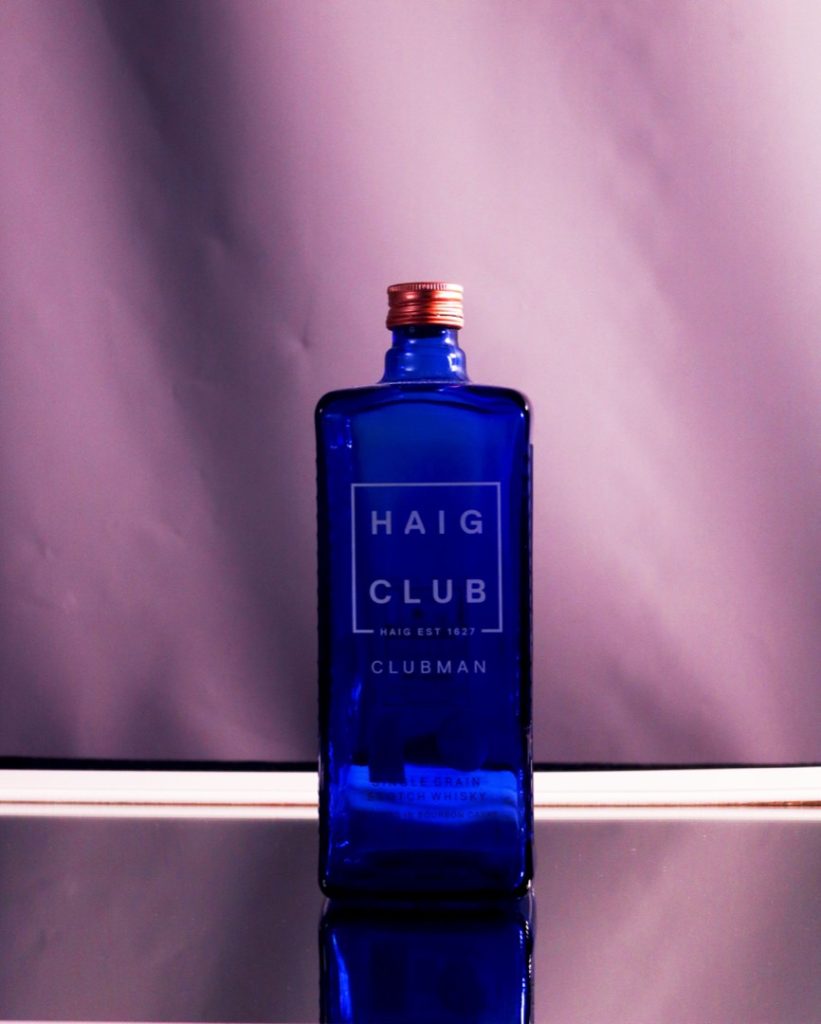
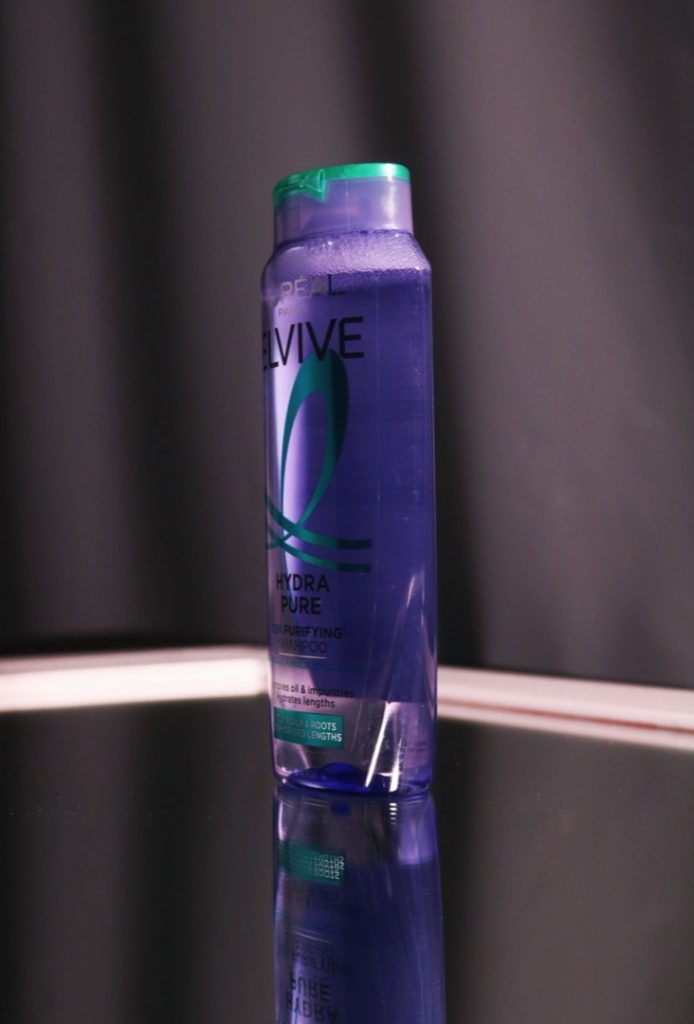
My project involves developing my set-building, lighting and branding skills. I have photographed a range of commercial products, utilising soft lighting, tiles, composition and product positioning.
My plan is to promote the products in an advertising context in the hope of persuading viewers to purchase them. My biggest inspiration for this project was Edd Fury and his dynamic, stylised advertising shots of all kinds of products.
I wanted to challenge myself, and I felt that this style would be a big challenge for me personally, as I find working with stationary objects rather than a moving target a lot more difficult. Through this project, I learnt a lot about new techniques and gained many new skills which I hope will aid me in my future photography work and, hopefully, my career.